Skip to content
Recipes

All recipes

Vegetarian, or something you can't eat? Set your diet once and we'll hide recipes that don't fit.

Gorditas de migajasMasa cakes with pork crackling

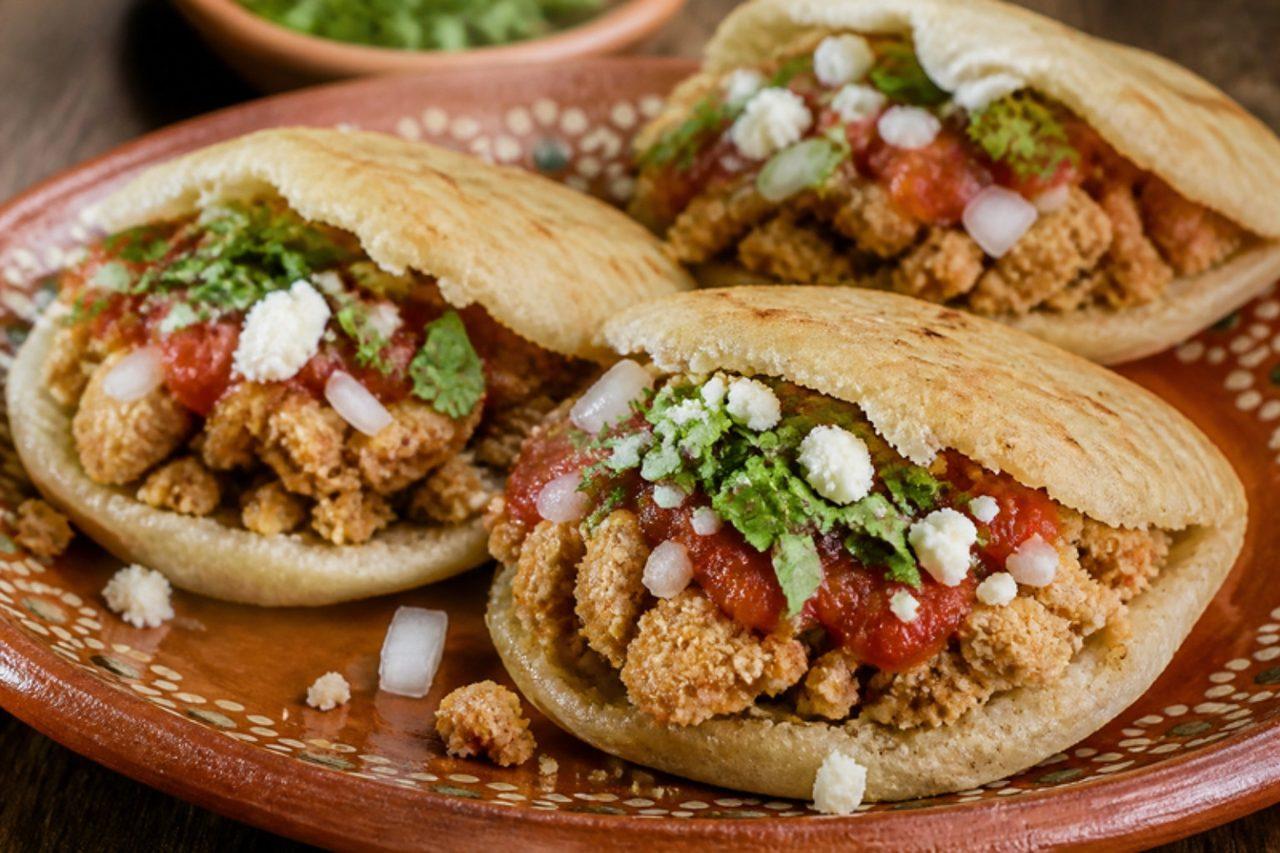
In Querétaro, gorditas de migajas are a breakfast and market favourite, cooked on wide griddles in the old town and in the street stalls of the Sierra Gorda. They are thick corn cakes filled with migajas, the crunchy crumbs of pork crackling left at the bottom of the carnitas or chicharrón vat, bound with asiento, the brown, savoury pork lard full of toasted bits. This is very much a pork dish; plain pork lard and finely crushed pork crackling make a good substitute if you can't find asiento. Split open while hot, they are filled with red salsa, onion, coriander and crumbled cheese. Chef's tip: cook them over a medium, not high, heat so the inside cooks through before the outside burns.

by KrazyBadal 0 views
Tostadas de mariscosPrawn and octopus tostadas

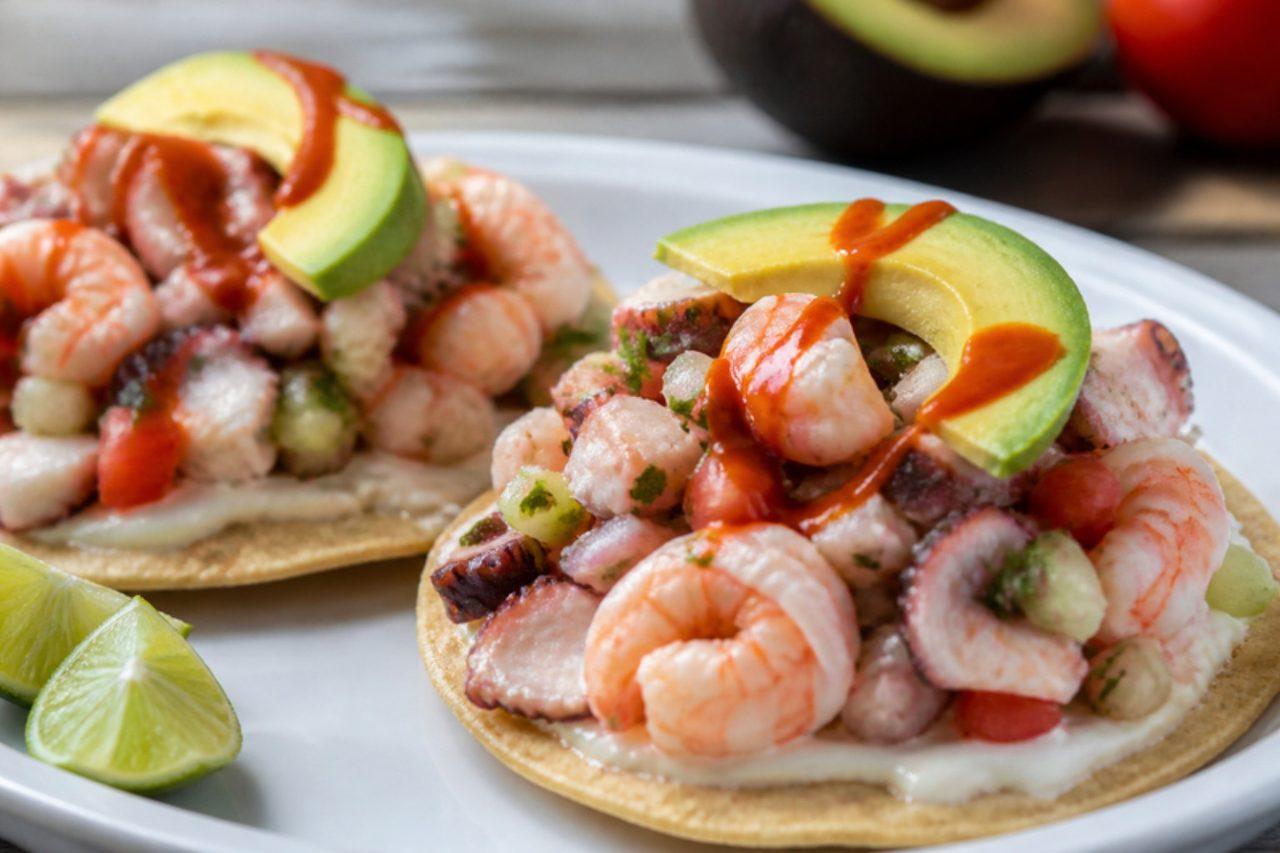
Walk past the fish market in Ensenada and the seafood carts are already busy by mid-morning, piling crisp corn tostadas high with a lime-bright mix of prawns, octopus, tomato, onion and coriander. They are eaten standing up with a squeeze of lime and a few drops of hot sauce, often as the first stop of a weekend in Baja. This version uses only cooked seafood: prawns poached until pink and opaque, and octopus bought ready-cooked from a fishmonger or deli counter. The mix is cold, juicy and crunchy, with creamy avocado on top. Chef's tip: assemble each tostada right before it is eaten, as even five minutes of waiting softens the shell.

by KrazyBadal 0 views
XimbóChilli chicken and pork parcels

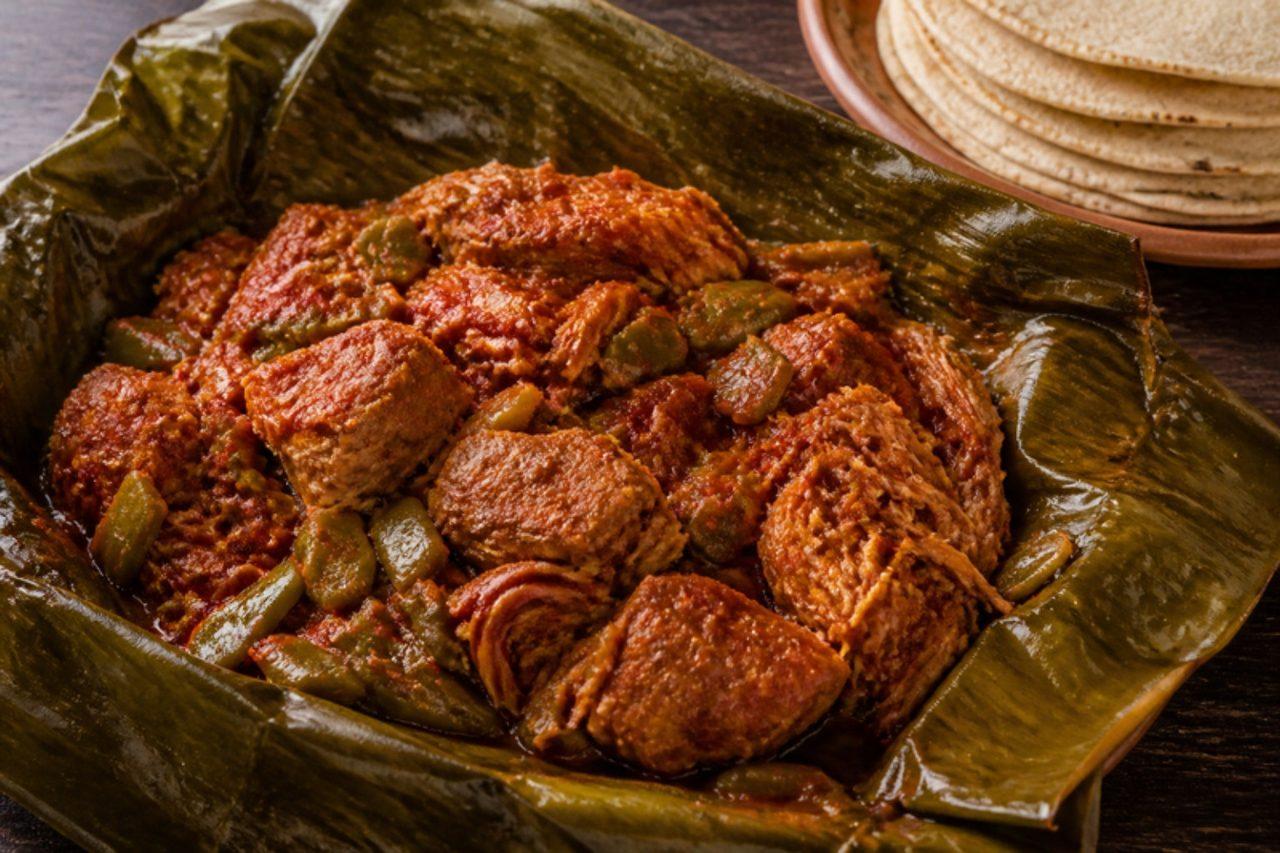
Ximbó comes from the Otomí (Hñähñu) communities of Hidalgo's Valle del Mezquital, where it is cooked for village fiestas: pieces of chicken, and often pork, are coated in a guajillo and pasilla sauce with nopales and onion, wrapped in the thick leaves of the maguey and slow-cooked in a pit oven like barbacoa. The meat comes out tender and juicy, in a concentrated, smoky red sauce. Maguey leaves are almost impossible to buy outside Mexico, so this home version wraps everything in banana leaves and baking paper and steams it on the hob; the pork is optional, but if you use it this becomes a pork dish too. Eat it straight from the parcel with tortillas, salsa and pickled chillies. Chef's tip: pass the banana leaves briefly over a gas flame or hot pan until they turn glossy; they become supple and stop cracking when you fold them.

by KrazyBadal 0 views
Carne en su jugoBeef in tomatillo broth

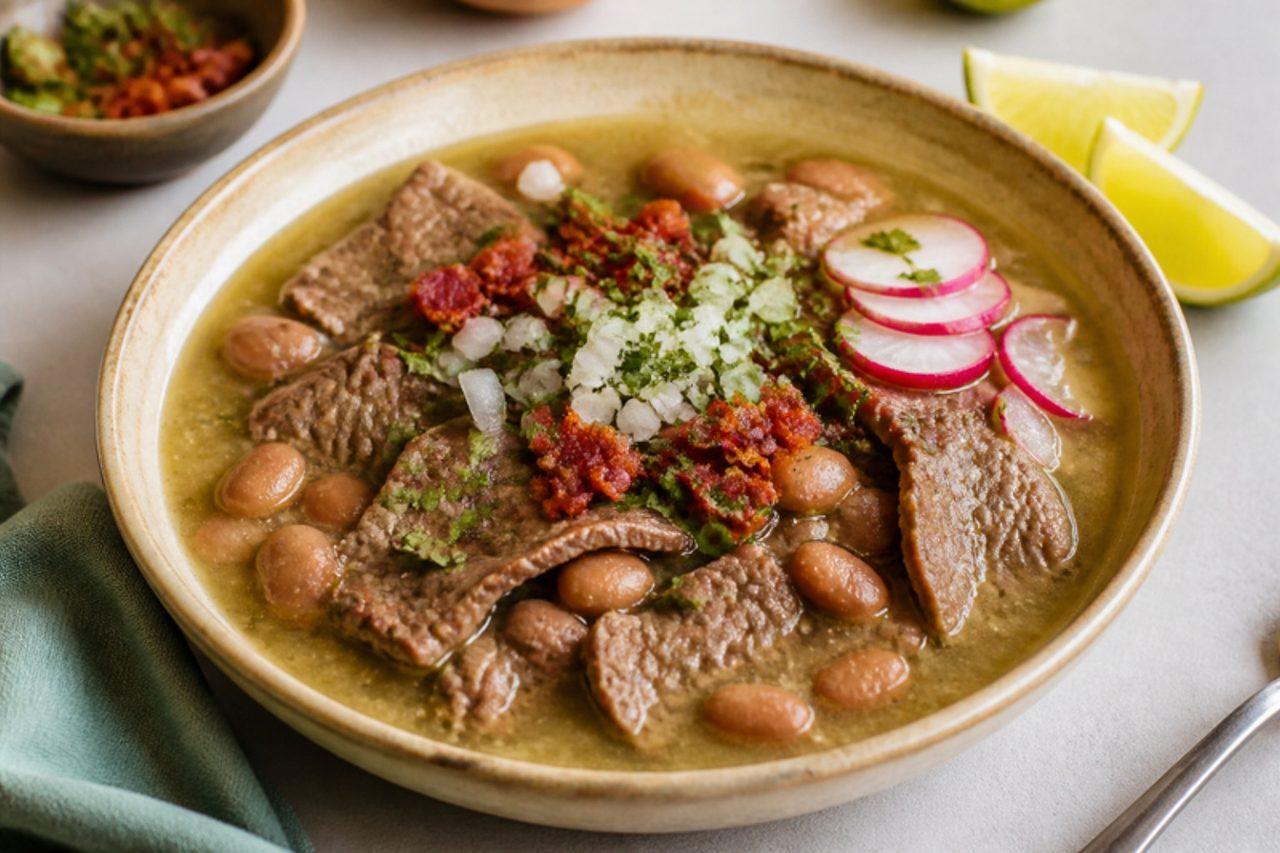
Carne en su jugo, 'meat in its juice', belongs to Guadalajara, where whole restaurants are devoted to it and families go for a big bowl at weekend lunchtime. Paper-thin slices of beef cook in a sharp, green broth of tomatillo, chilli and coriander, with soft pinto beans spooned in and crisp bacon scattered over, so it is also a pork dish. Each bowl is finished at the table with chopped onion, coriander, radishes and plenty of lime, and eaten with warm corn tortillas. Chef's tip: put the steak in the freezer for 30 minutes before slicing; firm meat is far easier to cut into the thin pieces the dish needs.

by KrazyBadal 0 views
Agua de fresa cremosaCreamy strawberry drink

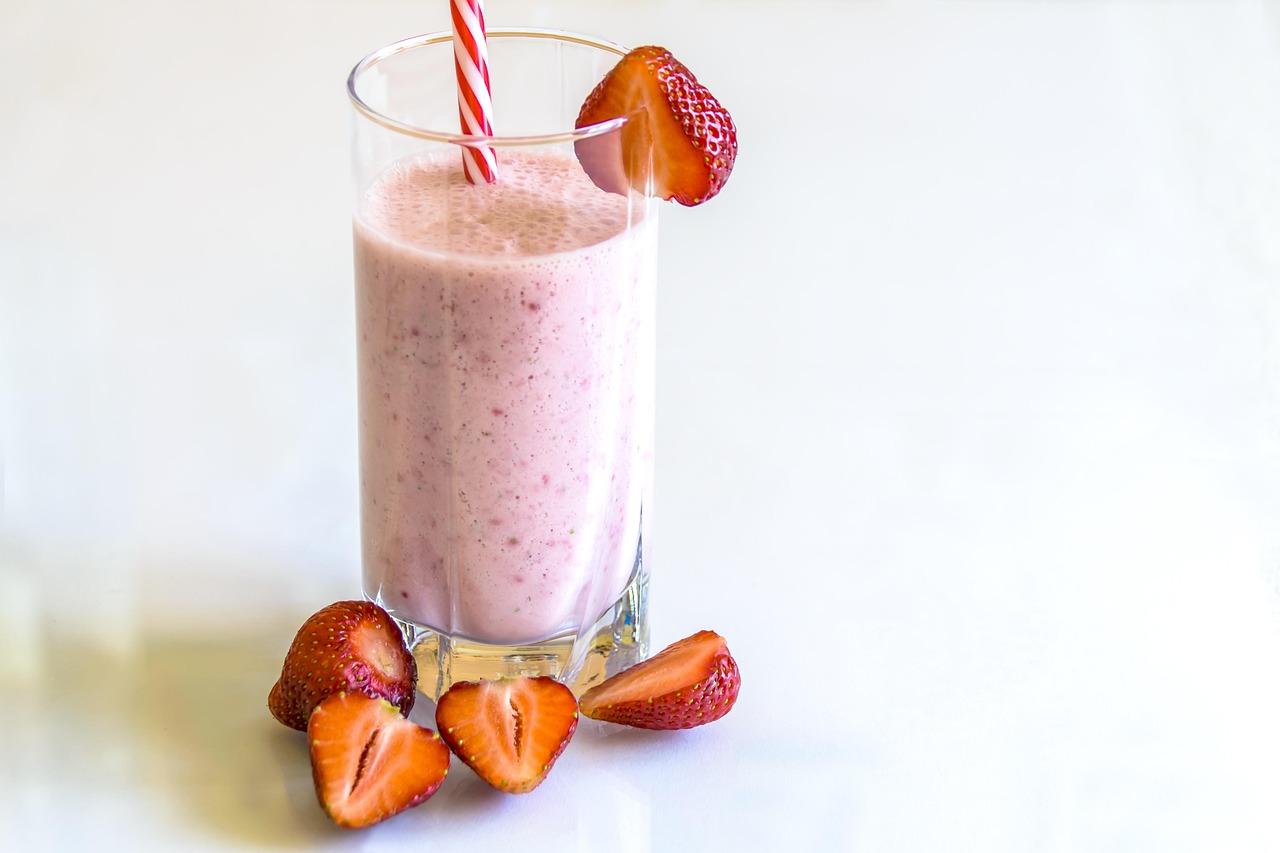
In Hidalgo, the pulque country north of Mexico City, the pulquerías serve curados: pulque blended with fruit, and the strawberry one is pink, thick and creamy. Home cooks and taquerías make this alcohol-free cousin for the whole family, a strawberry agua fresca blended with evaporated milk, so it is like a light milkshake that you drink with tacos on a hot afternoon. It contains no pulque or alcohol. Chef's tip: use the ripest, darkest strawberries you can find; pale ones give a thin, sour drink.

by KrazyBadal 0 views
CarnitasSlow-cooked pork

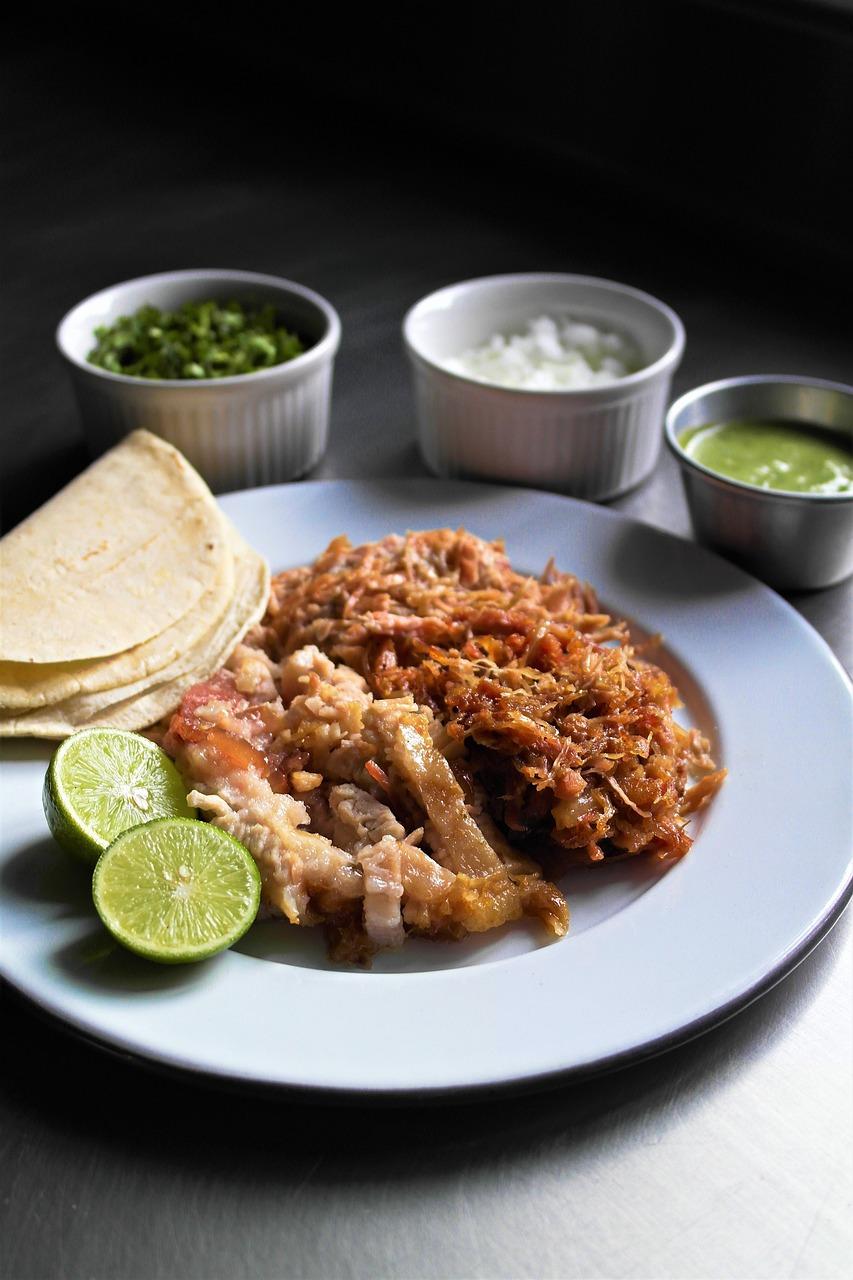
Quiroga, a lakeside town in Michoacán, is the capital of carnitas: on weekends the plaza fills with stalls simmering huge copper pots of pork, sold by the kilo with warm tortillas, salsa verde and lime. This pork dish uses shoulder cooked gently in its own fat and lard with orange and garlic, so it turns soft inside and then browns into crisp, golden edges at the end. Pile it into tacos with onion, coriander and salsa, or keep it for tortas ahogadas. Chef's tip: when the meat is tender, turn the heat up for the last 10–15 minutes and stir; this final fry in hot lard is what gives carnitas their crackly edges.

195 minMexicanMeatGluten free
by KrazyBadal 0 views
MarquesitasCheese and cajeta crepes

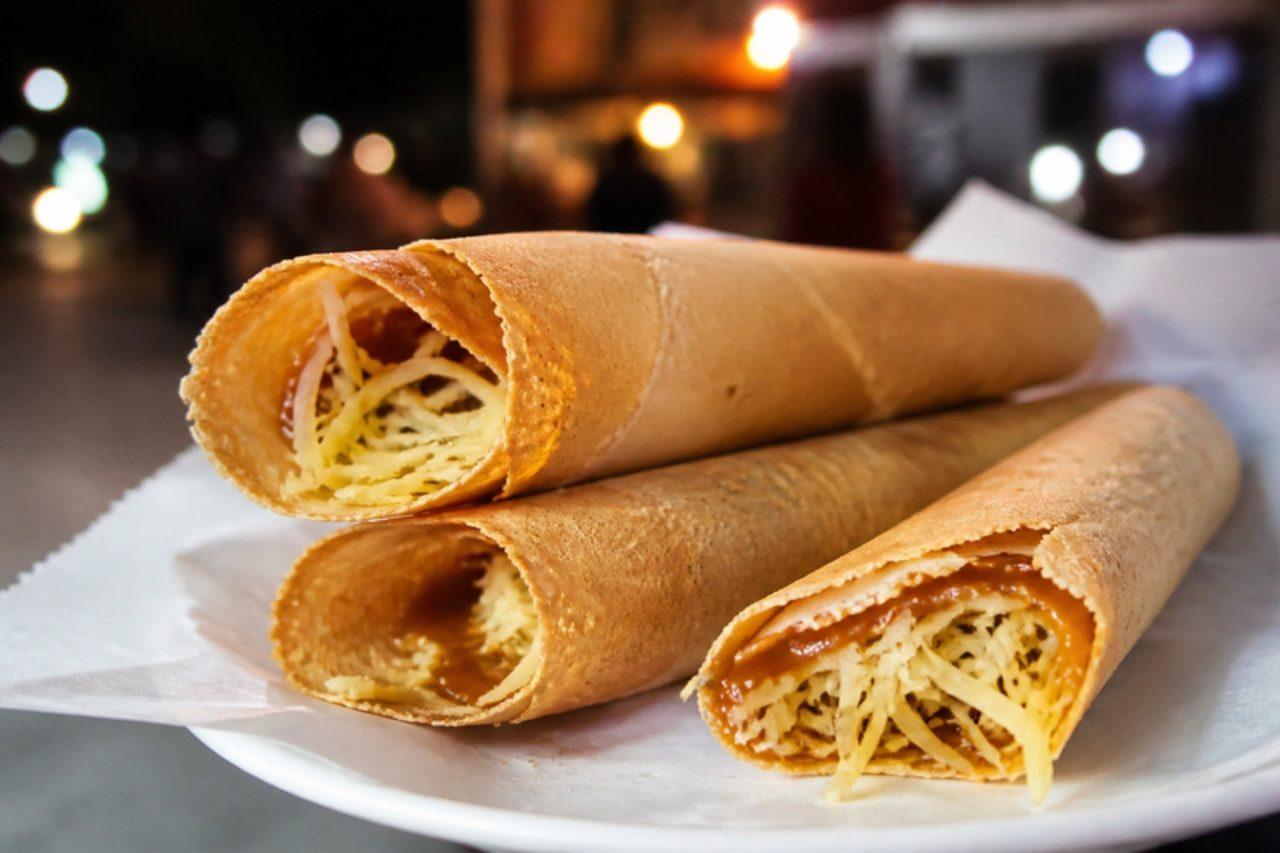
Evening in Mérida's Plaza Grande means the smell of marquesitas: thin batter pressed in hot hinged irons until crisp, then rolled like a cigar around grated Edam cheese and a sweet filling such as cajeta, chocolate-hazelnut spread or jam. Edam came to the Yucatán through the port trade with the Netherlands and became part of the local cooking, and the salty-sweet combination is the whole point. At home you can cook them in a thin, wide frying pan. Edam is usually made with animal rennet, so check the label or use a vegetarian Gouda-style cheese. Chef's tip: roll while the crêpe is still in the pan and hot; within seconds it hardens and will crack.

by KrazyBadal 1 views

Camotes poblanosSweet potato candies

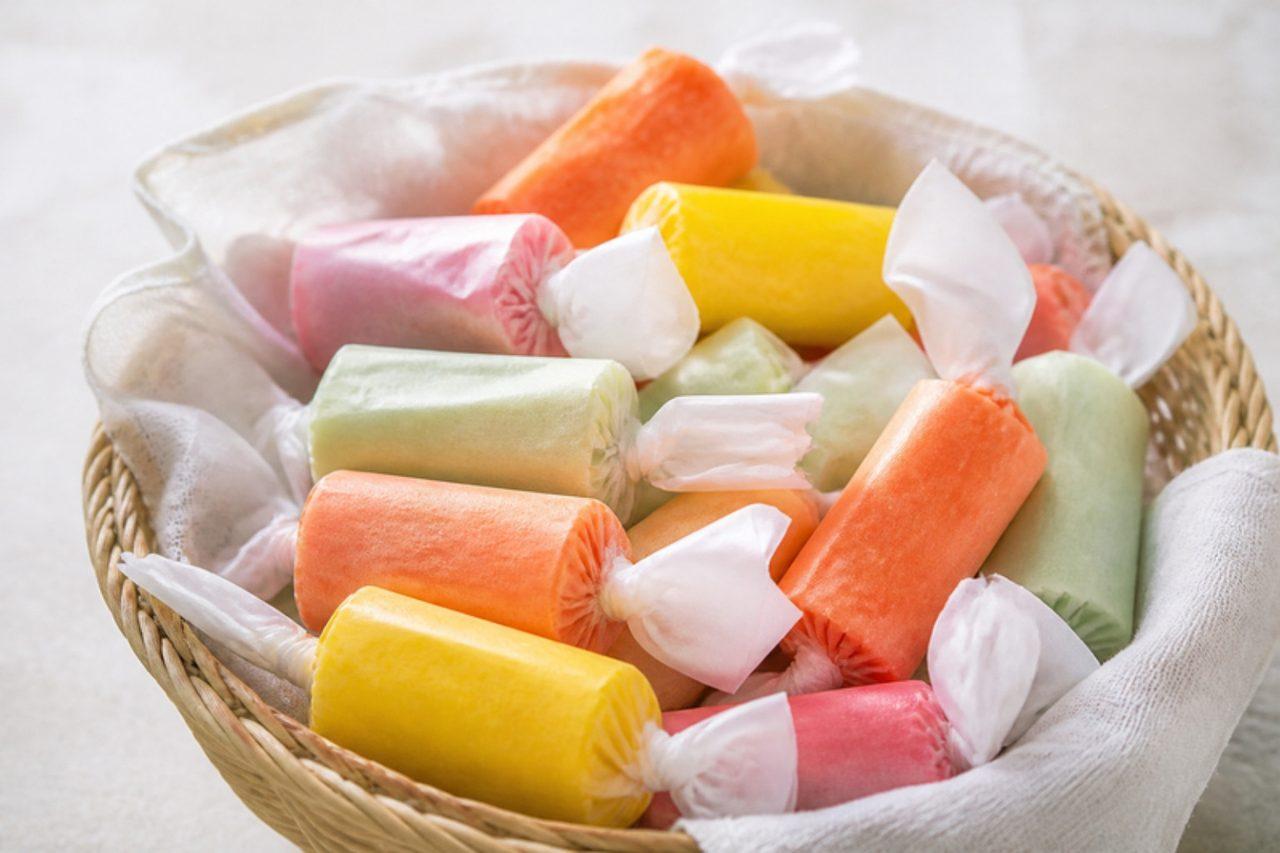
Camotes are the sweet Puebla is most famous for: finger-long rolls of sweet-potato fondant, flavoured with pineapple, lemon, strawberry or orange and wrapped individually in paper. Like tortitas de Santa Clara, they come from the city's convent kitchens, and you will find them at every candy shop on Puebla's Calle de los Dulces. The texture is soft and smooth, like a firm marzipan, and very sweet, so one or two is plenty. Chef's tip: sieve the cooked sweet potato while it is hot; fibres caught in the sieve are what would make the candy stringy.

by KrazyBadal 0 views
PapadzulesEgg tortillas in pumpkin seed sauce

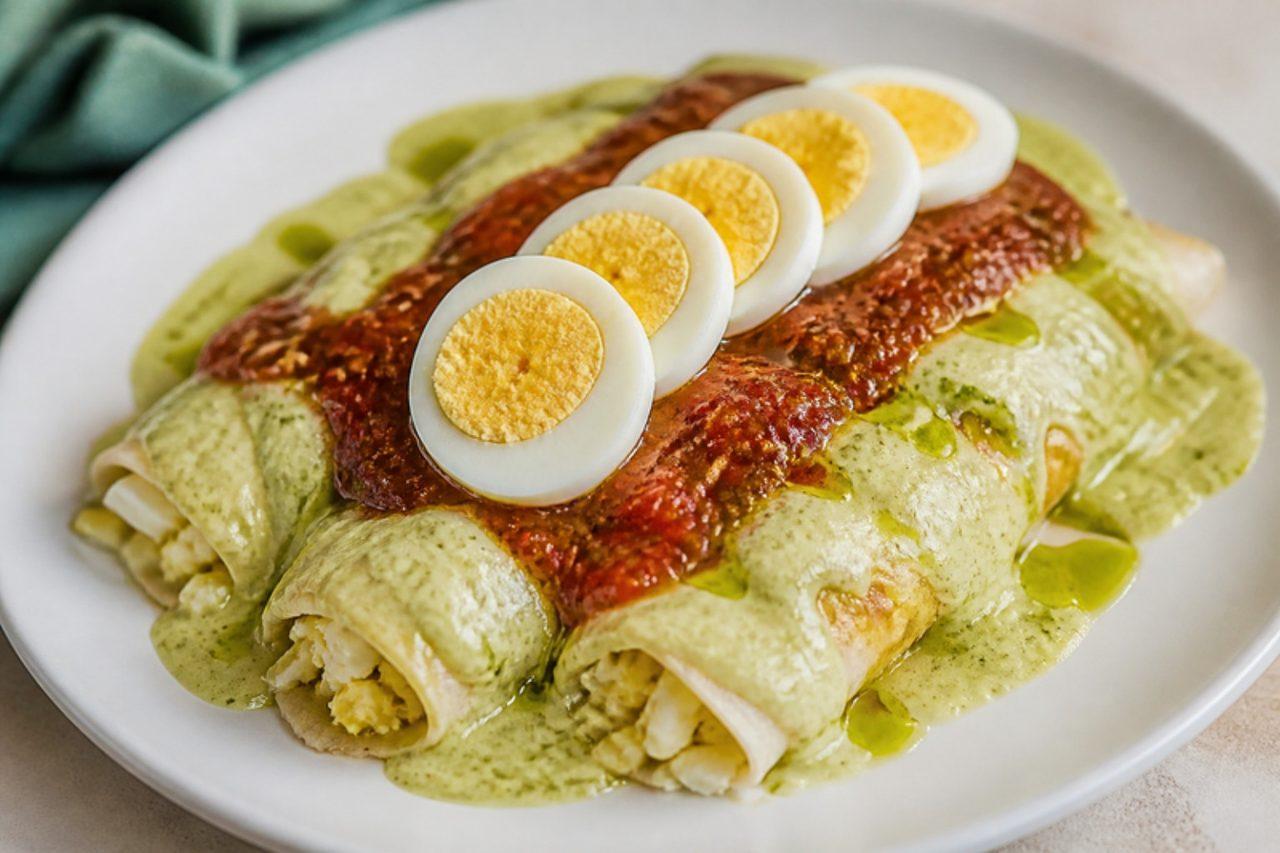
Papadzules may be the oldest dish still eaten in the Yucatán: Maya cooks were rolling tortillas in ground squash seeds long before the Spanish brought chickens and their eggs. Today they are a lunch and Lent dish in Mérida, Valladolid and Campeche. Corn tortillas are dipped in a pale green sauce of toasted pumpkin seeds and epazote, rolled around chopped hard-boiled egg, then topped with a cooked habanero-tomato sauce and a few drops of green pumpkin-seed oil squeezed from the paste. The flavours are nutty, herbal and gently hot. Chef's tip: keep the seed sauce warm, never boiling; heat makes it split and turn grainy, and the oil that separates is meant to be drizzled on top, not stirred back in.

by KrazyBadal 0 views
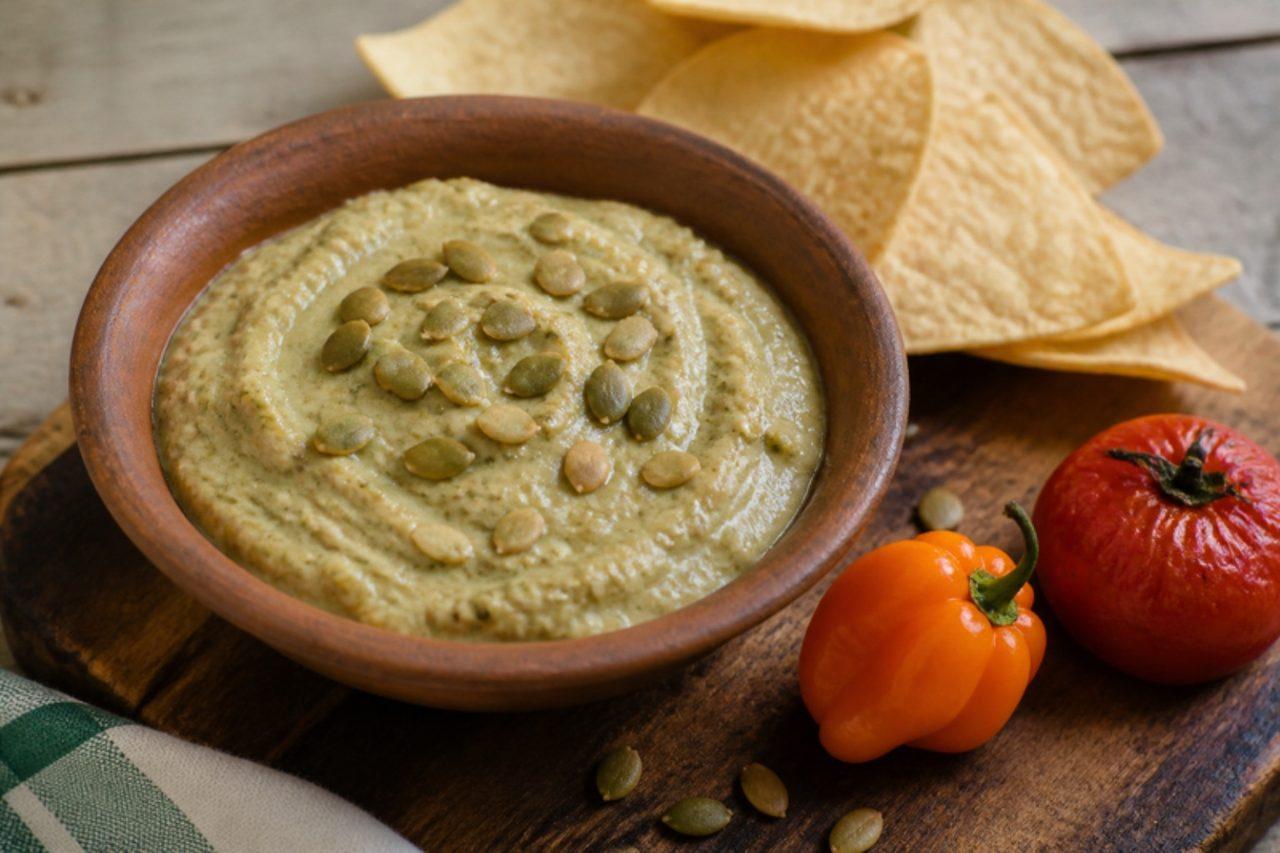
Sikil pakPumpkin seed dip

In Yucatec Maya, sikil means squash seed and p'aak means tomato, and that is almost all there is to this pale, coarse dip from the Yucatán Peninsula. Cooks in Mérida and the villages around it toast the seeds on a comal until they pop, grind them with charred tomato, chives and a little habanero, and serve the dip with tostadas or crisp tortilla chips before a meal. It tastes nutty, smoky and fresh at the same time, and is naturally vegan. Chef's tip: roast the habanero whole and add it a little at a time; you can always grind in more, but you can't take the heat back out.

by KrazyBadal 0 views
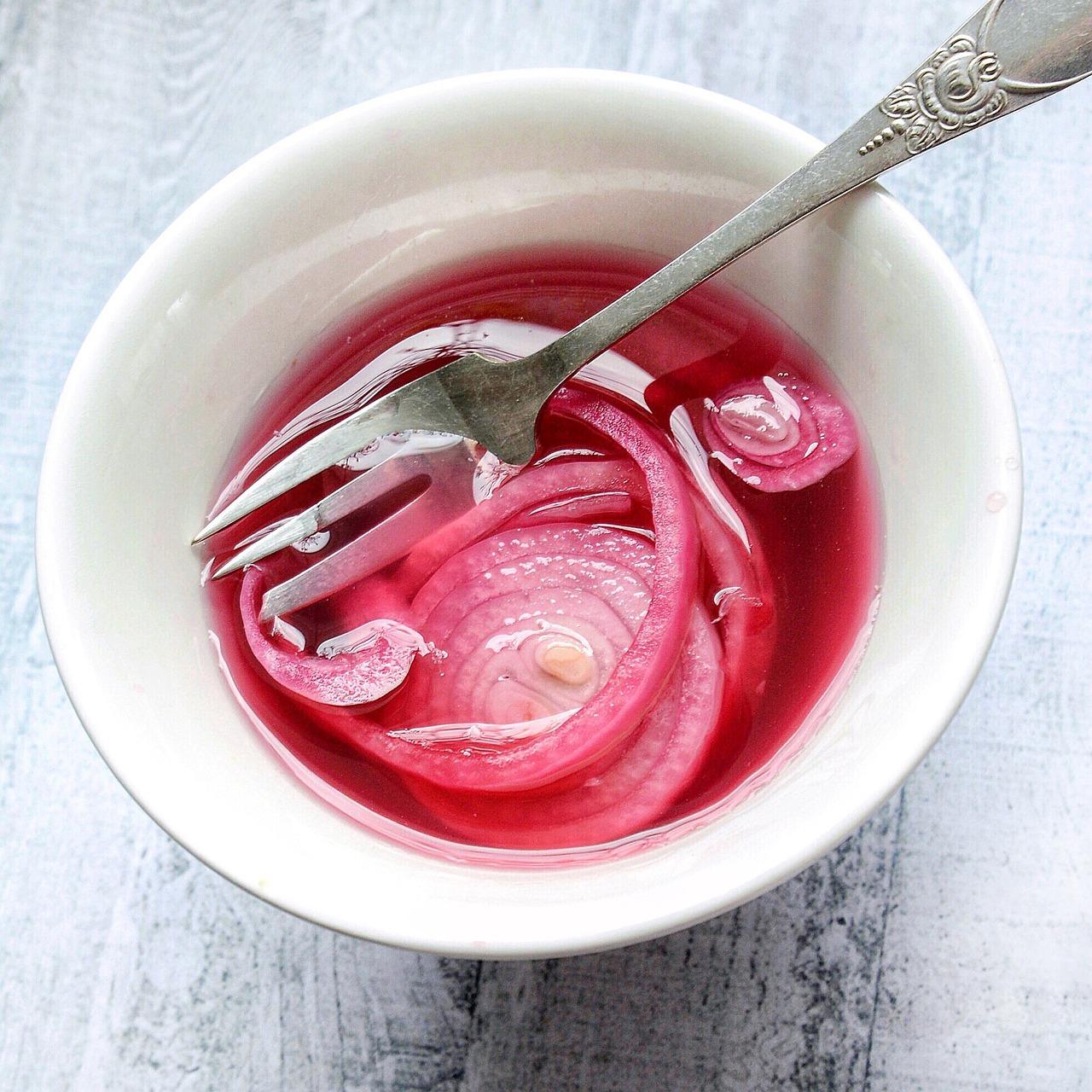
Yucatán pickled red onions

No table in Mérida is complete without a bowl of these bright pink onions. They go on almost everything in the Yucatán, from panuchos and salbutes to bean tacos, eggs and grilled vegetables, and their sharp crunch is what cuts through rich, earthy food. The traditional pickle uses naranja agria, the sour Seville-type orange that grows all over the peninsula, with a little habanero and dried oregano. Chef's tip: pour boiling water over the sliced onions for 10 seconds first; it softens their raw bite and makes them turn pink much faster.

by KrazyBadal 0 views

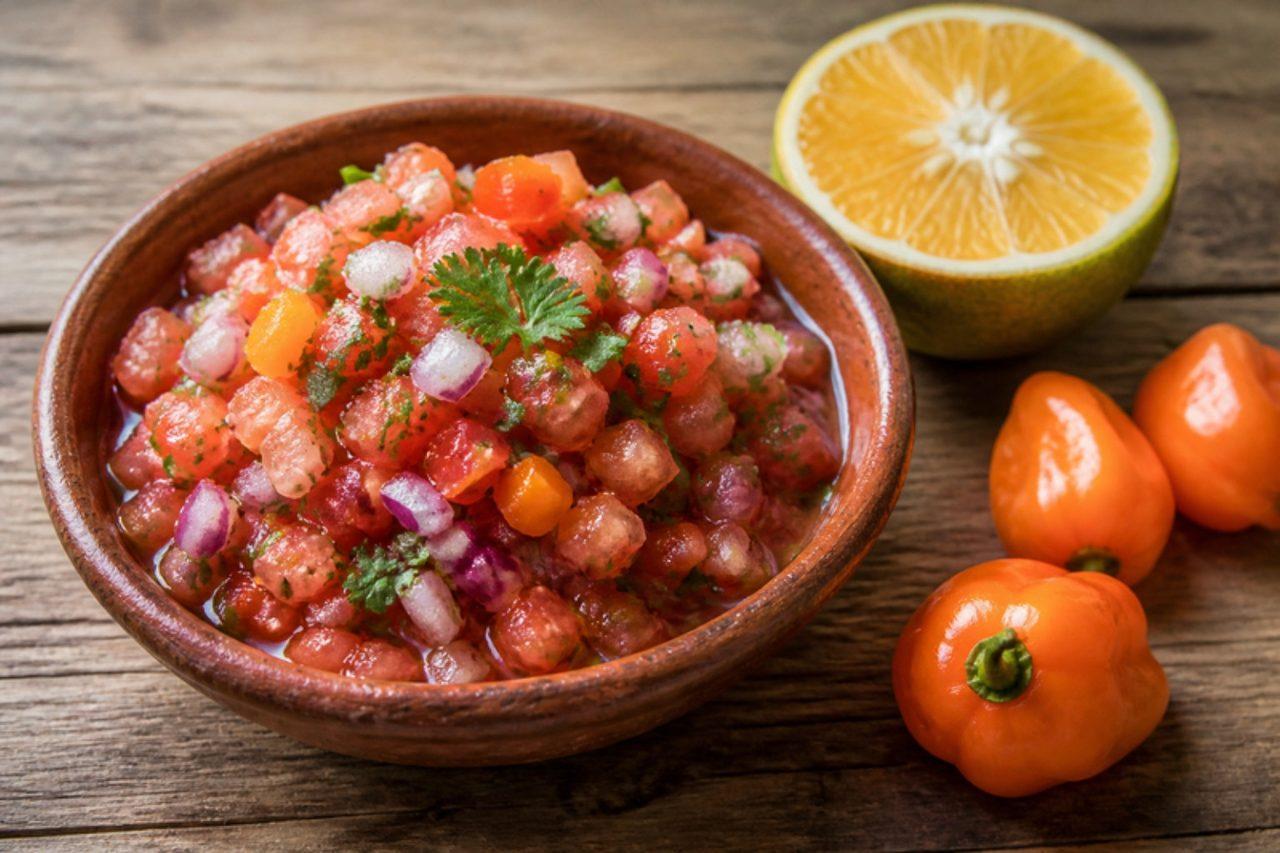
XnipecHabanero and sour orange salsa

The name comes from Maya: xni' pek means 'dog's nose', because the salsa is hot enough to make your nose run and stay wet like a dog's. It is the raw table salsa of the Yucatán, made in minutes from tomato, red onion, coriander and plenty of habanero, all soaked in sour orange juice. In Mérida it is spooned over black-bean dishes, eggs and rice, and it brightens anything rich. It is best on the day it is made. Chef's tip: chop everything by hand into small, even dice; a blender makes it watery and the habanero turns bitter.

by KrazyBadal 0 views

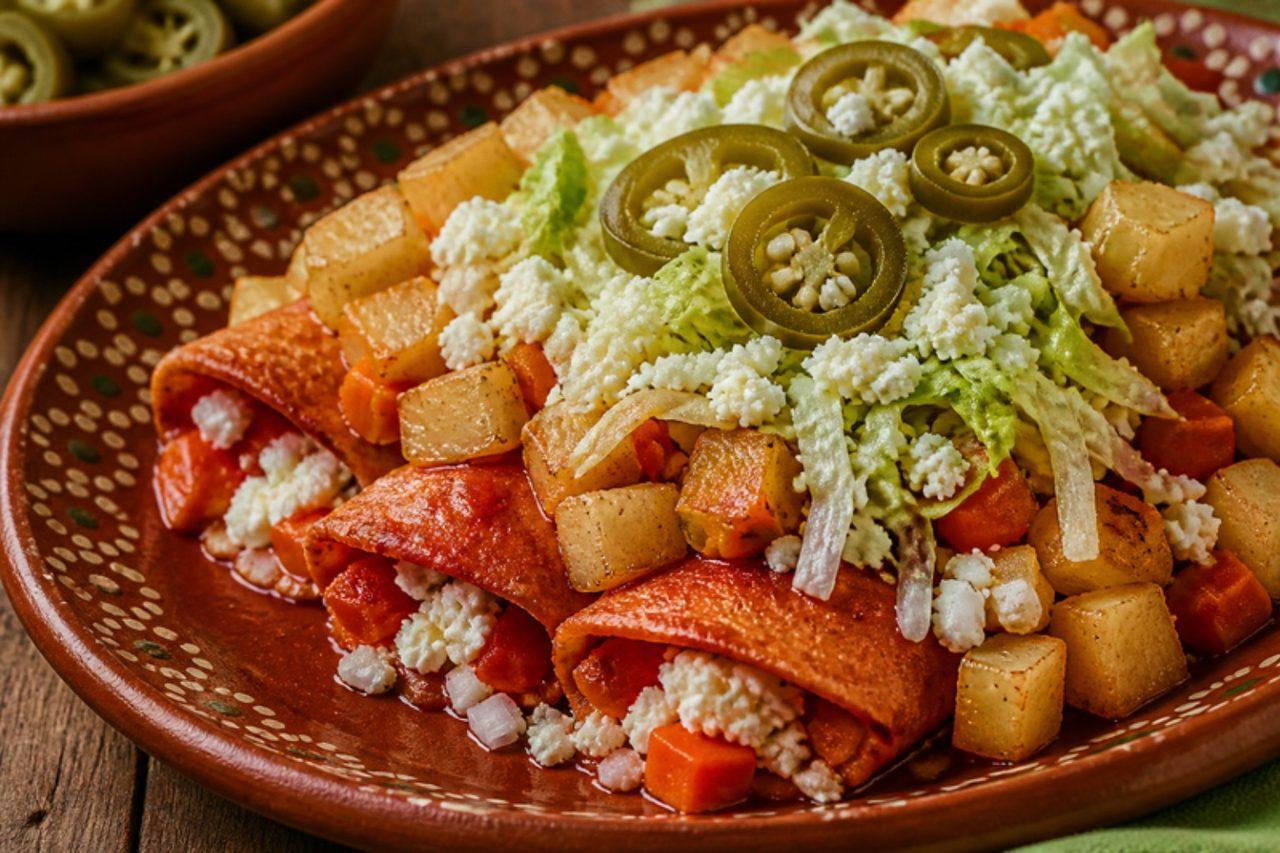
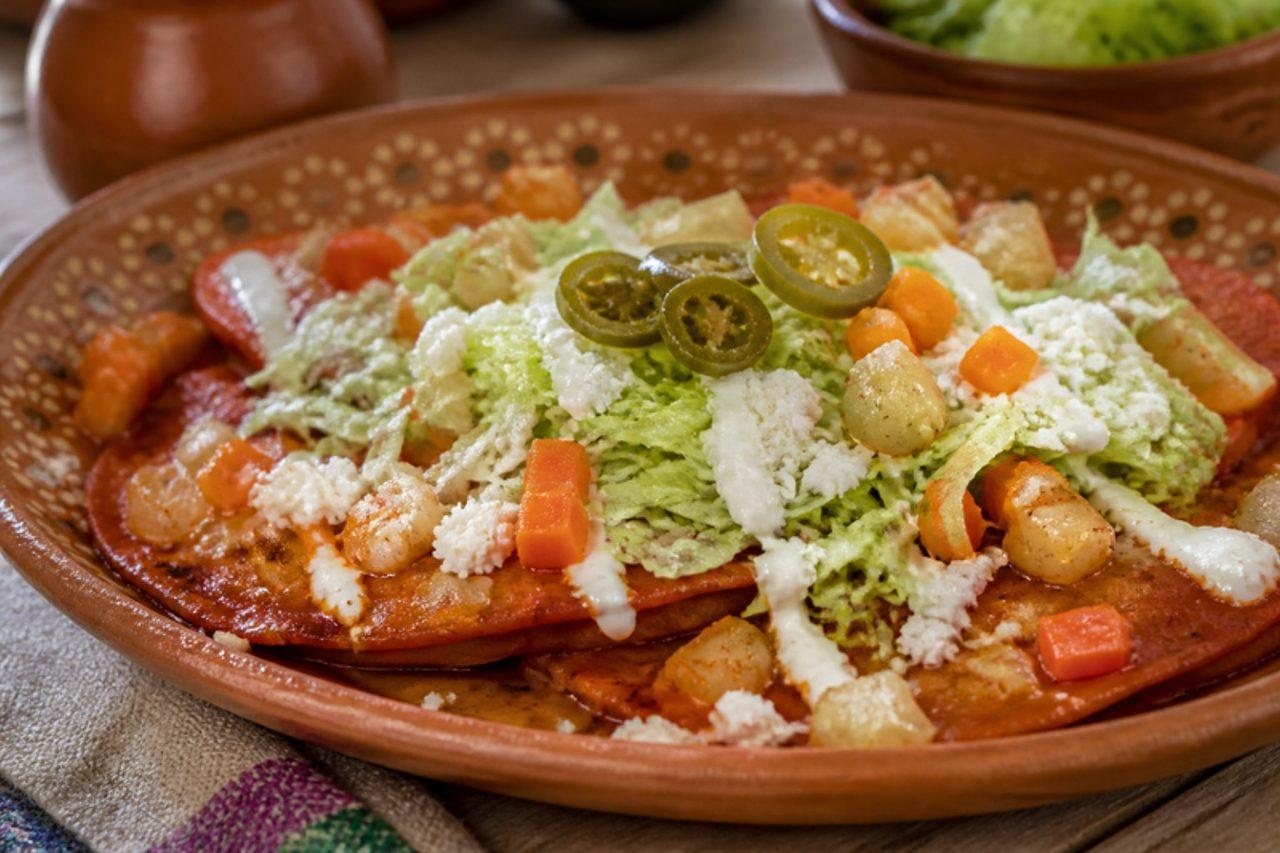
Enchiladas minerasGuajillo enchiladas with potatoes

Enchiladas mineras were the supper of Guanajuato's silver miners and are still sold every evening under the arches of the city's plazas and at the Mercado Hidalgo: tortillas dipped in guajillo sauce, fried briefly, rolled around fresh cheese and onion, and buried under fried diced potato and carrot, shredded lettuce, pickled jalapeños and crema. Stalls often add a piece of chicken on the side; this recipe leaves it out and the vegetables make it a full plate. Chef's tip: dip each tortilla in the sauce before frying, not after; that's what gives the slightly crisp, chilli-coated finish.

by KrazyBadal 0 views

Mole amarillo with vegetablesYellow mole with vegetables

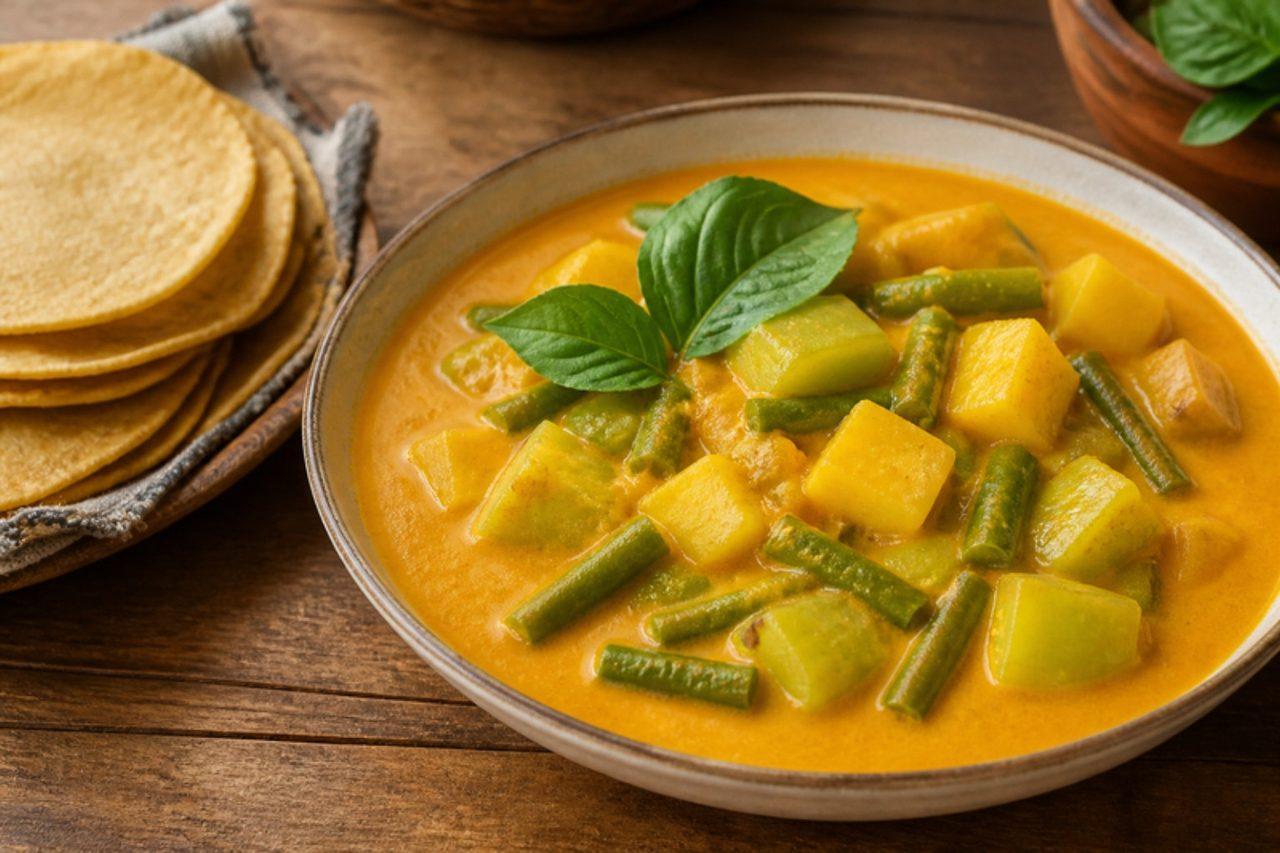
In Oaxaca's central valleys, the 'yellow' mole is the everyday one of the seven: lighter than mole negro, made on weekdays, sold at market fondas in Tlacolula and Ocotlán and folded into empanadas on the comal. Guajillo and costeño chillies give it a brick-orange colour, a few tomatillos make it tangy, and masa stirred in at the end thickens it to a soft, velvety sauce. Oaxacan cooks use chicken or beef broth; this version uses vegetable stock with chayote, green beans and potatoes, which is also how many homes make it during Lent. Serve it in deep bowls with corn tortillas. Chef's tip: the fresh hoja santa leaf (or a few fennel fronds) is what makes it taste Oaxacan, so add it for the last few minutes only.

by KrazyBadal 0 views

JericallaVanilla custard

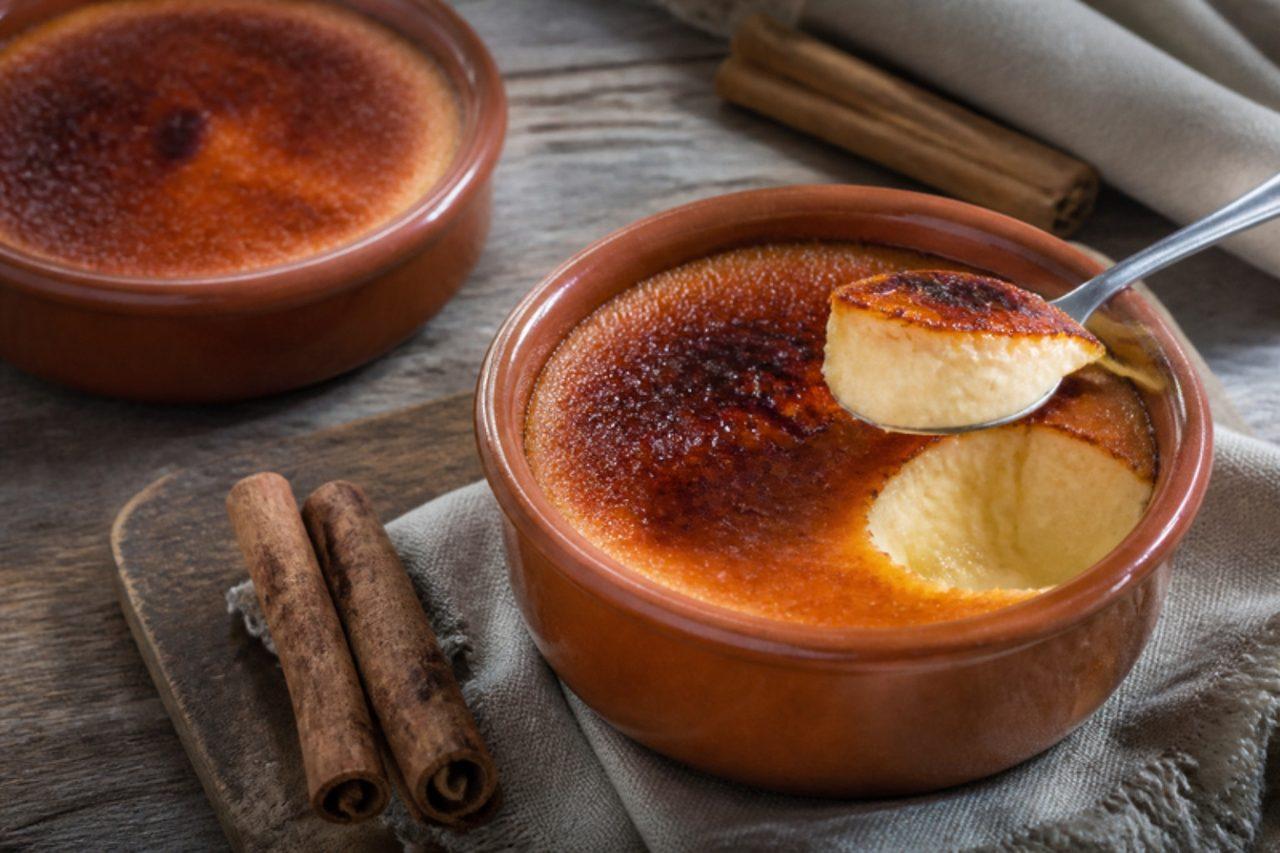
Jericalla belongs to Guadalajara: legend says a nun at the city's Hospicio Cabañas orphanage made it in the 19th century to feed the children something nourishing. It is a firm baked custard of milk, eggs, sugar, vanilla and cinnamon, between a flan and a crème brûlée, with no caramel underneath; the top is left in a hot oven until it blisters and darkens in patches. Tapatíos buy it in little glass pots from street carts and in the markets of Jalisco. Chef's tip: let the top darken properly under the grill at the end; those scorched spots are what makes it a jericalla rather than a plain custard.

by KrazyBadal 0 views

Memelas oaxaqueñasThick masa rounds with beans

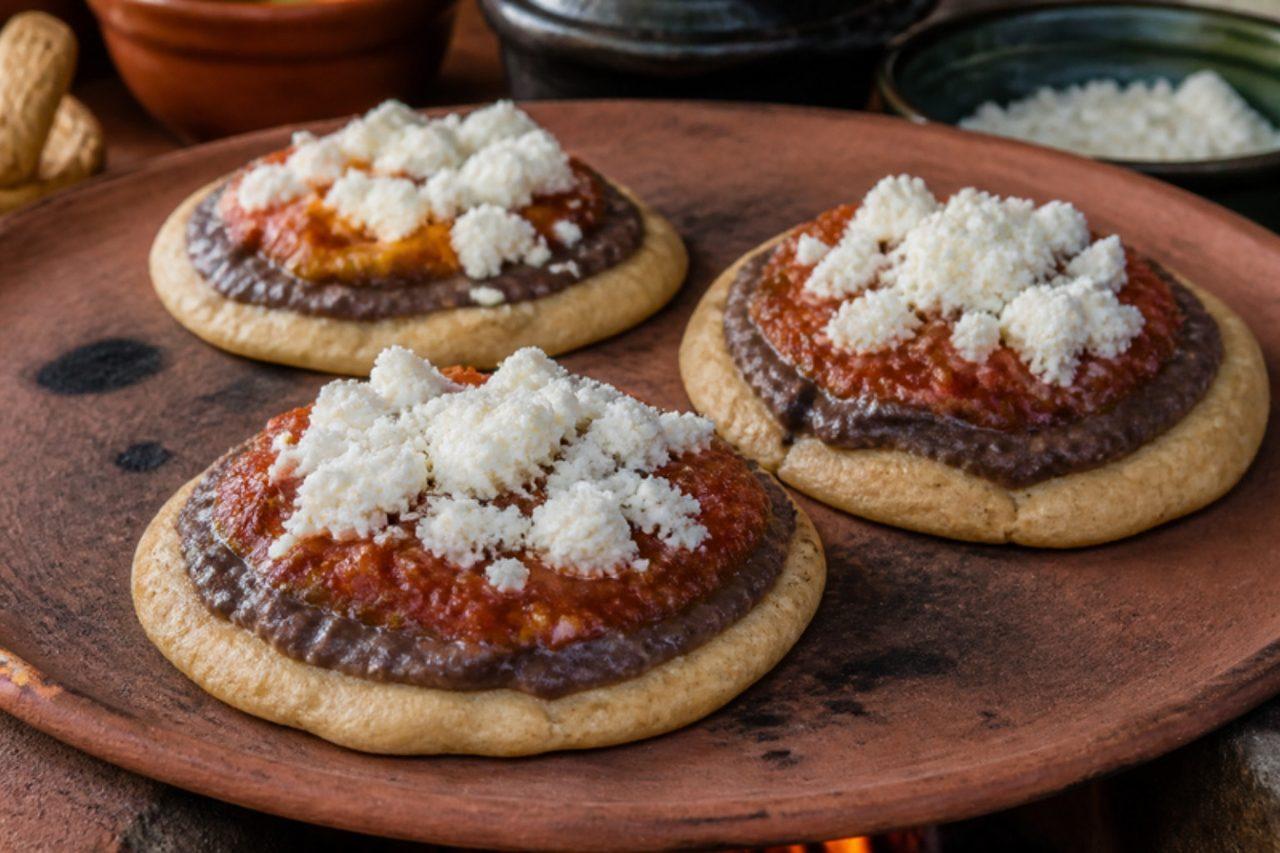
Early morning at the Oaxaca City markets, women press masa into thick ovals, bake them on clay comales and pinch up the edges while they are still hot: these are memelas, eaten standing at the stall with coffee. Each one is smeared with asiento, the toasty unrefined pork lard of Oaxaca, then black beans, salsa and crumbled cheese. For a vegetarian version we use browned butter (or vegetable shortening for a dairy-free base), which gives a similar nutty richness. The masa should be soft and slightly chewy, the base speckled brown. Queso fresco is often made with animal rennet, so choose a vegetarian fresh cheese if needed. Chef's tip: pinch the rim while the memela is too hot to handle comfortably (use a damp cloth); once it cools, the masa sets and cracks.

by KrazyBadal 0 views

Almejas chocolatasBaked clams with garlic cheese

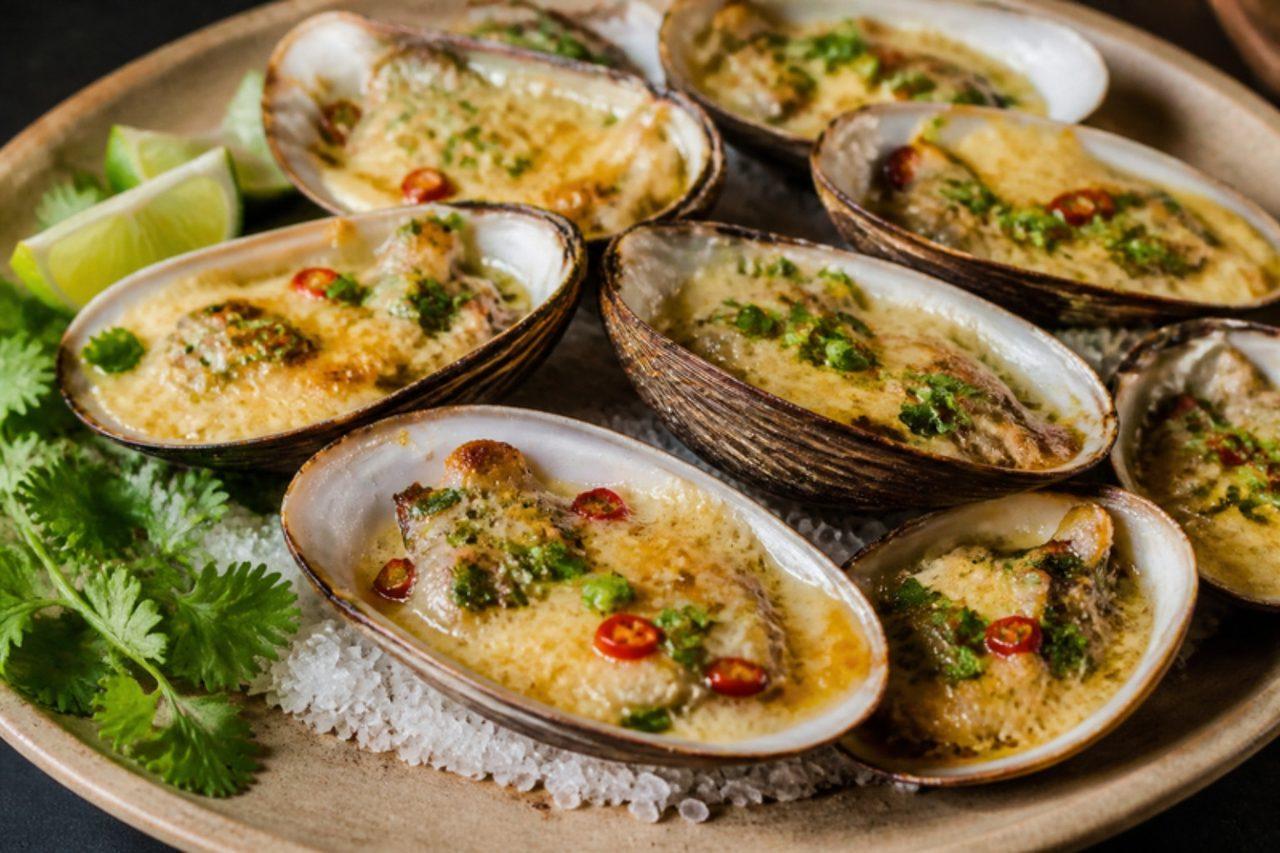
Loreto, on the Gulf of California side of Baja, is famous for its almejas chocolatas: large clams named for their glossy brown shells, sold by local divers and cooked at seafood stands along the bay. One popular way is to open them, top the meat with butter, garlic, chilli and melting cheese, and bake them until bubbling. Chocolate clams are rarely found elsewhere, so use the largest hard-shell clams you can buy, such as quahogs or cherrystones. Serve them hot as a starter with lime and cold drinks. Chef's tip: chop the clam meat before returning it to the shell, so every bite gets butter and cheese instead of one chewy mouthful.

by KrazyBadal 0 views

AguachilePrawns in lime and chilli water

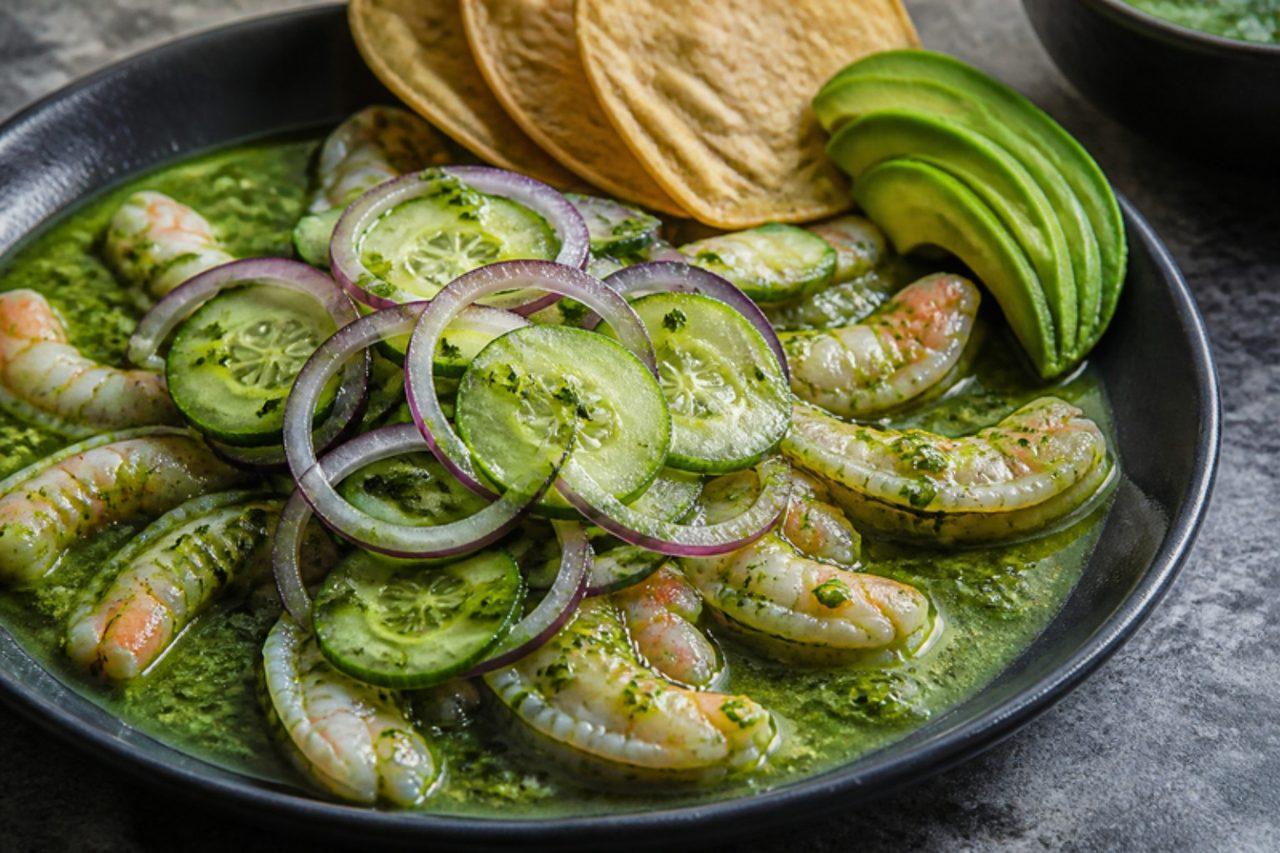
Along the Sinaloa coast, from Mazatlán to Culiacán, aguachile is the cold plate that starts a long seafood lunch at the beachside palapas, eaten straight from a stone molcajete with tostadas and a cold drink. The classic version is raw prawns cured only in lime, and that raw version is the risky one: lime juice does not kill bacteria or parasites the way heat does. This safer version poaches the prawns for a minute or two until just pink and opaque, chills them and then dresses them, so you keep the snap and the fierce, grassy chilli heat. Even so, treat any cold seafood dish with care: the raw classic is not for pregnant women, young children or anyone with a weakened immune system. Serve with crisp corn tostadas and slices of avocado. Chef's tip: blend the chilli water with ice-cold water and pour it on at the last minute, so it stays vivid green and the prawns stay crisp.

by KrazyBadal 0 views

Salsa de chile pasilla oaxaqueñoSmoky dried chilli salsa

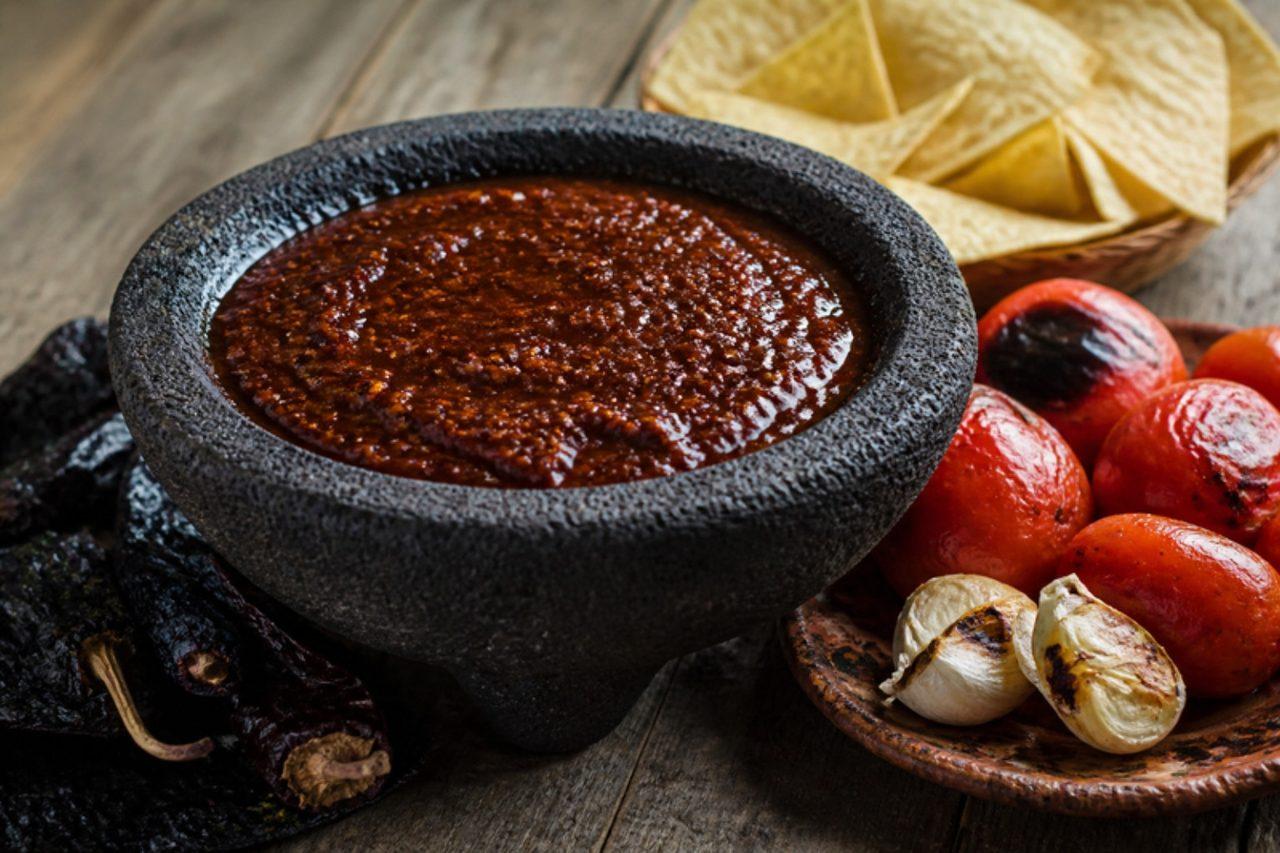
The pasilla mixe is a small, wrinkled, red-brown chilli smoked in the Sierra Mixe mountains east of Oaxaca City, and it tastes of campfire, tobacco and dried fruit. Ground in a molcajete with roasted tomato and garlic, it becomes the salsa that sits on every table in Oaxacan fondas, spooned over memelas, eggs, beans and grilled vegetables. It keeps a week in the fridge and improves after a day. If you cannot find pasilla mixe, use chipotle mora plus one ancho. Chef's tip: grind the garlic and salt first, then the chillies, then the tomato; working in that order gives a rough, clinging texture rather than a watery purée.

by KrazyBadal 1 views

Chocolate de aguaHot chocolate made with water

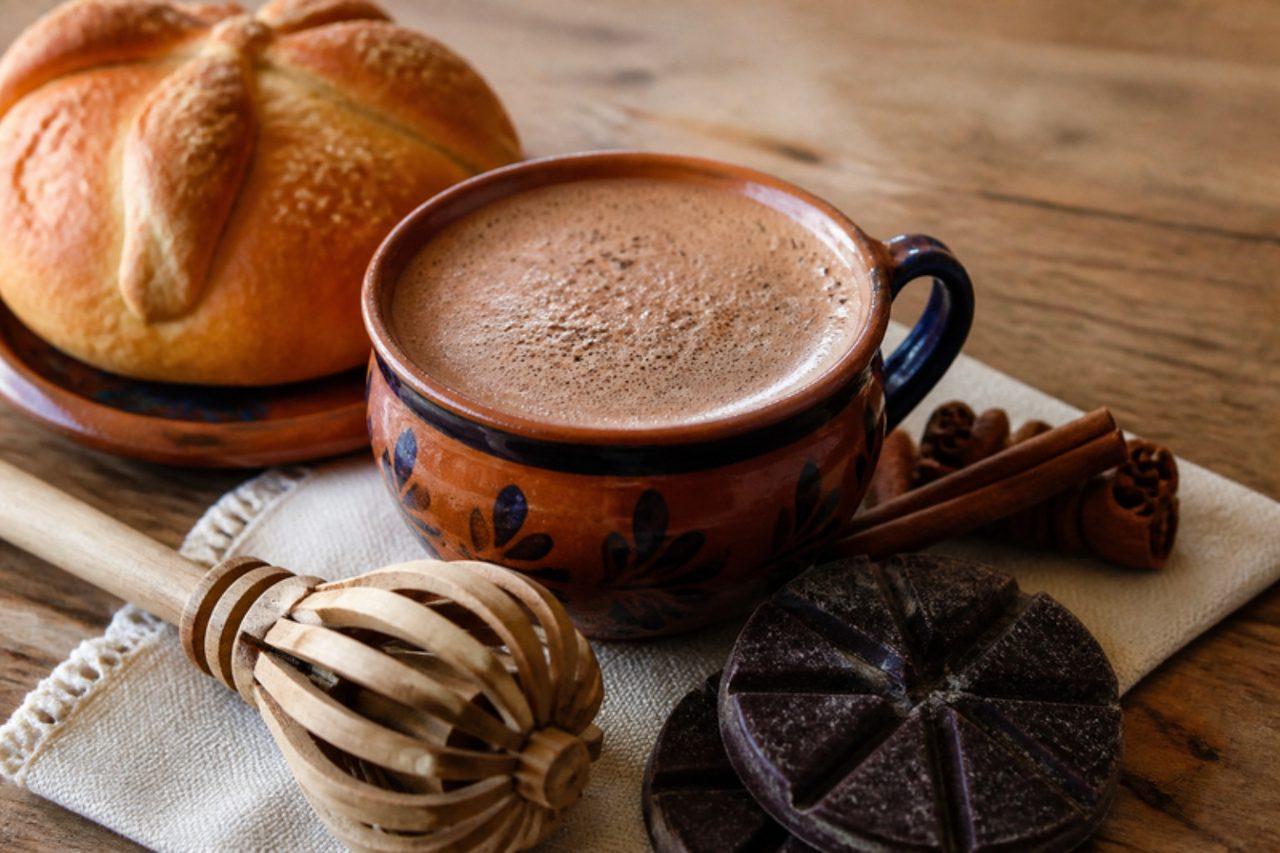
Walk down Calle Mina in Oaxaca City and the air smells of cacao, cinnamon and almonds, roasted and ground into chocolate in front of you at the mills. Most Oaxacans drink it made with water, not milk, so the taste of the cacao comes through clean and slightly bitter, with a thick head of foam raised with a wooden molinillo. It is drunk for breakfast with pan de yema and at every wedding and Day of the Dead altar. The tablets already hold sugar and cinnamon; we give a version with dark chocolate too. Chef's tip: the foam is the point, so whisk hard just before pouring and serve in wide cups.

by KrazyBadal 0 views

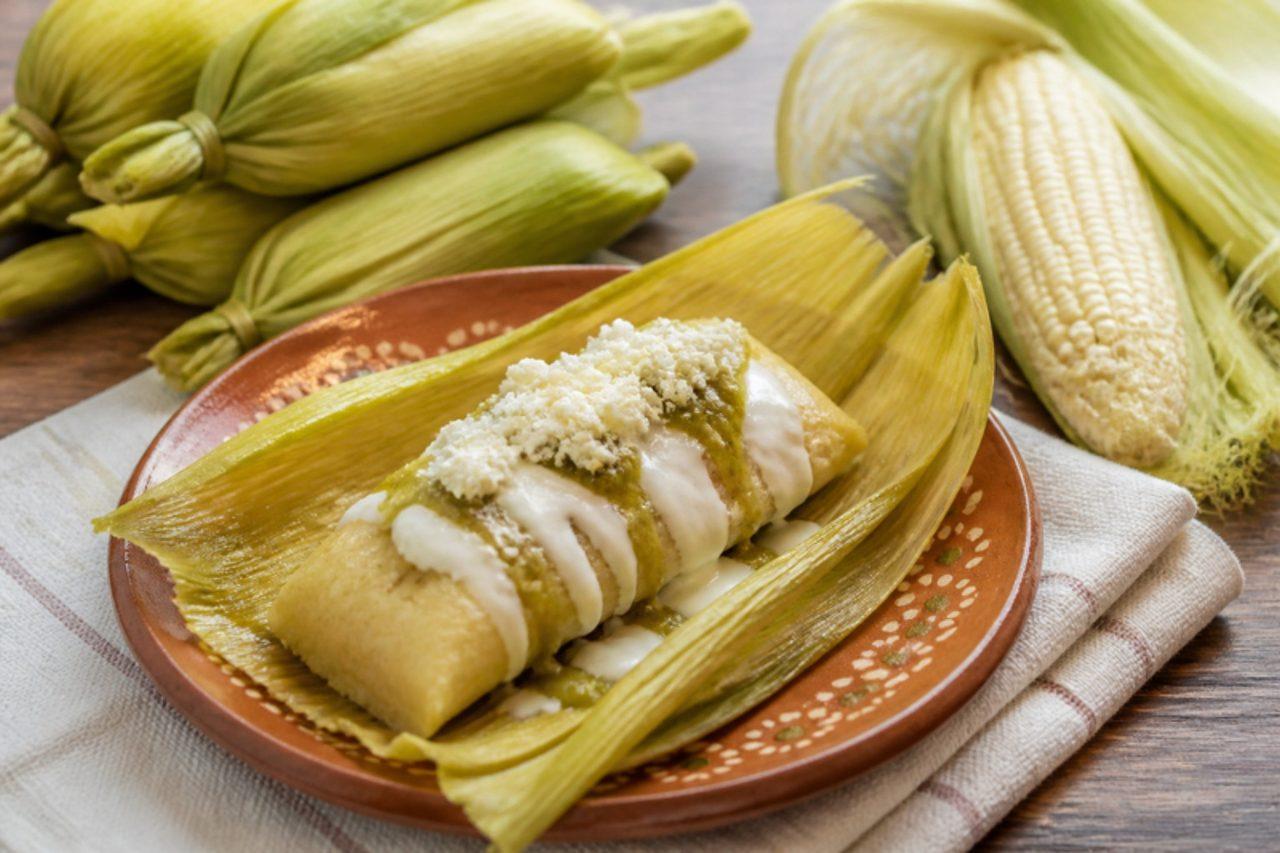
UcheposFresh corn tamales

When the summer corn comes in across Michoacán, families in Morelia and the Tierra Caliente grate the young kernels and make uchepos: soft, moist tamales of fresh corn, milk and a little sugar, wrapped in the green husks they came from. They taste like the sweetest corn pudding, and are eaten for breakfast or supper with cream, crumbled cheese and a tomato salsa, sweet and savoury together. Cotija or queso fresco may be made with animal rennet; use a vegetarian cheese if needed. Chef's tip: use the freshest, milkiest corn you can find (a kernel should spurt when pressed); old corn is starchy and the uchepos come out dry.

by KrazyBadal 0 views

Enchiladas placeras with potato and carrot

Under the arcades around Morelia's plazas, cooks sell enchiladas placeras in the evenings: tortillas dipped in guajillo sauce, fried on a griddle, folded over crumbled cheese and onion, then buried under fried potato and carrot cubes, shredded lettuce and pickled chillies. In Michoacán they usually come with a piece of fried chicken on the side; we leave that out, as the potatoes and carrots fried in the chilli-stained oil are the part everyone fights over. Cheese may be made with animal rennet, so choose a vegetarian one if needed. Chef's tip: fry the potatoes and carrots in the same pan after the tortillas so they pick up the red chilli oil.

by KrazyBadal 0 views

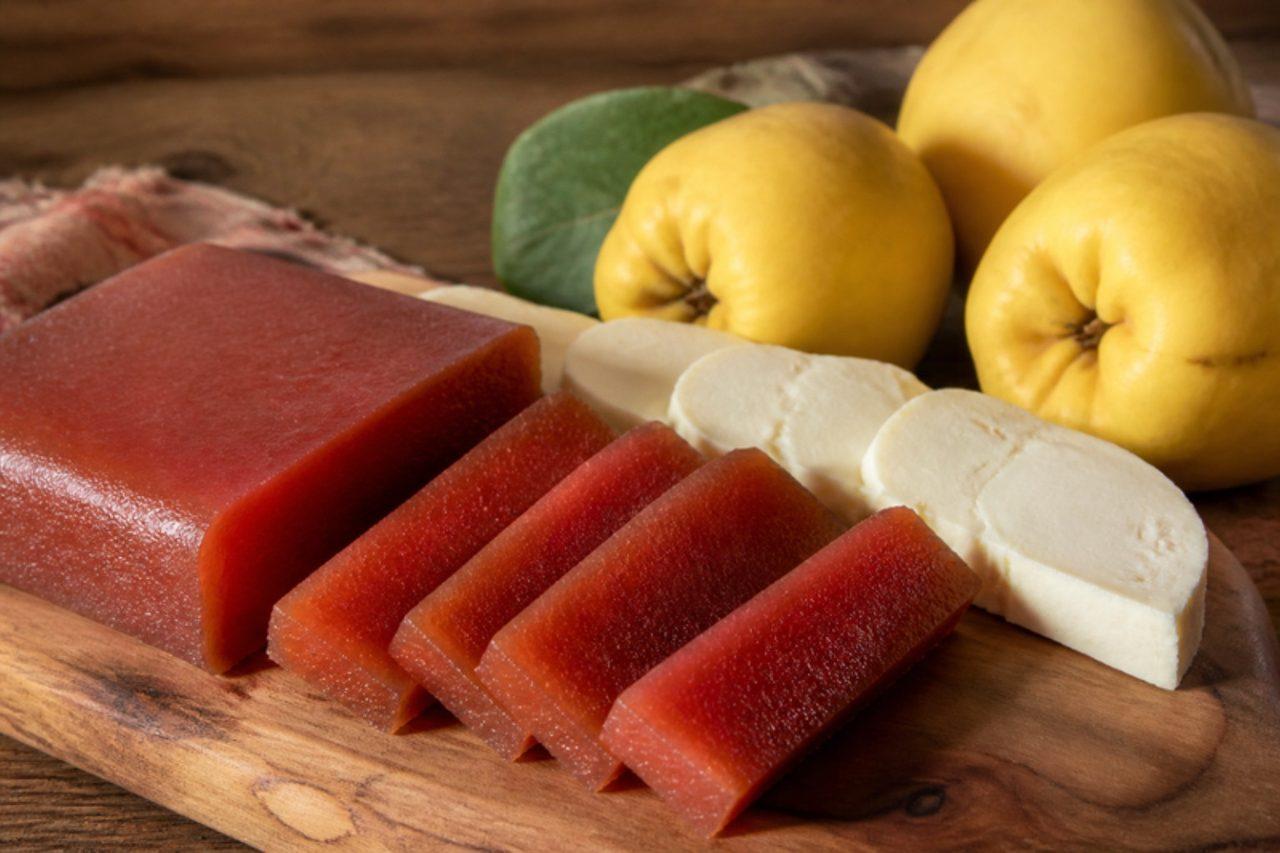
Ate de membrilloQuince paste

Morelia is Mexico's city of ates, the firm fruit pastes sold in long blocks at the Mercado de Dulces beside the old Jesuit college, in guava, mango, quince and more. Quince (membrillo) is the classic: cooked slowly with sugar until it turns from pale yellow to deep amber-red and sets firm enough to slice. In Michoacán it is eaten in thin slices with a fresh or aged cheese, or on its own as an afternoon sweet. Most cheeses here use animal rennet, so pick a vegetarian one if needed. Chef's tip: cook the fruit with its cores and peel tied in muslin; they carry most of the pectin that makes the paste set.

by KrazyBadal 0 views

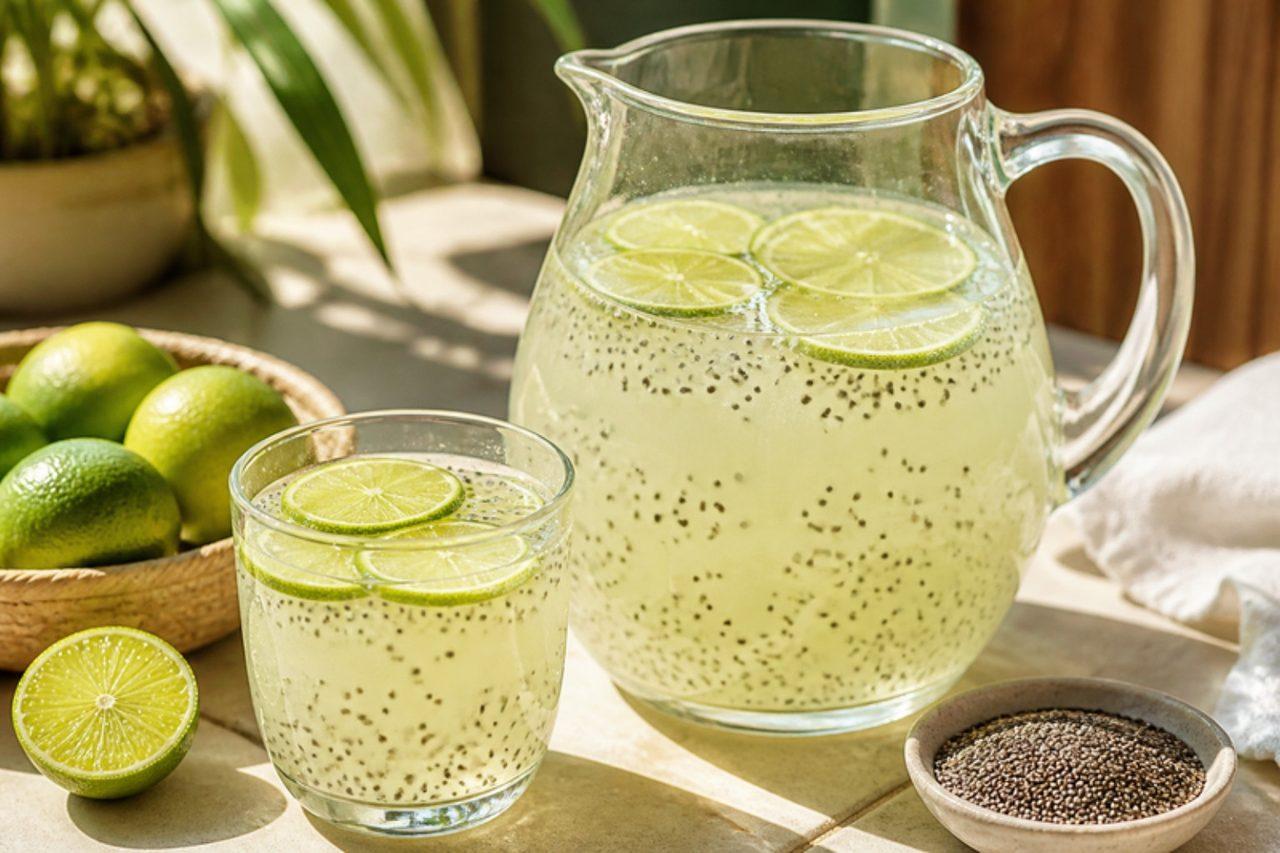
Agua de chía con limónLime and chia water

In the markets of Michoacán, especially in Uruapan and Morelia, the glass barrels of agua fresca often include one cloudy, speckled with tiny seeds: agua de chía, limeade with soaked chia seeds that swell into soft little pearls. Chia has been grown in central Mexico since long before the Spanish, and the drink is light, sharp and very refreshing, with a gentle texture from the seeds. It is drunk with lunch or on hot afternoons. Chef's tip: stir the seeds into the water twice in the first ten minutes; otherwise they clump into jelly-like lumps.

by KrazyBadal 0 views

Showing 24 of 387 recipes

Show more recipes

Page 10 of 17