Skip to content
Recipes

All recipes

Vegetarian, or something you can't eat? Set your diet once and we'll hide recipes that don't fit.

Dowina (Kurdish yogurt soup)

Dowina, called ash-e doogh in Persian, is warming spring food in Kurdish homes around Newroz, when yogurt is plentiful and the first herbs are cut from the garden. Rice and chickpeas simmer in a tangy, lightly thickened yogurt broth, finished with fresh dill, coriander and a sizzle of dried mint in oil. It is eaten warm, never boiling hot, with flatbread. The common mistake is to heat the yogurt too fast without stirring, which makes it split into grainy curds. Chef's tip: whisk an egg yolk and a spoonful of rice flour into the yogurt before it goes on the heat; it holds the soup smooth all the way to the simmer.

by KrazyBadal 0 views

Plastic chutneyRaw papaya chutney

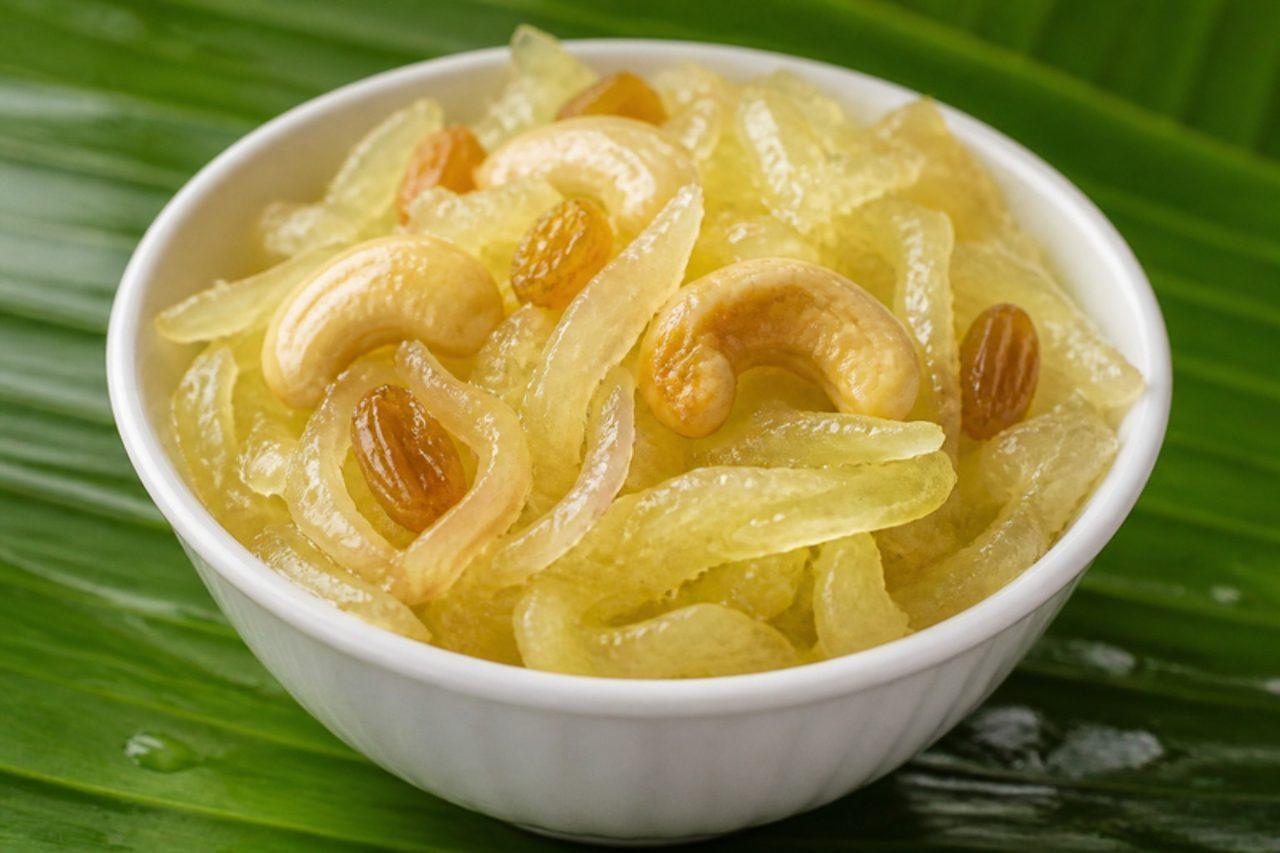
Plastic chutney gets its funny name from the way the thin slices of raw papaya turn clear and glassy, like cellophane, as they cook in syrup. It is the chutney of every Bengali wedding feast and of the Durga Puja bhog, served in a small heap at the end of the meal, sweet, sharp with lime, and dotted with raisins. No onion or garlic goes near it. Common mistake: cutting the papaya too thick or cooking it on high heat; thick slices stay opaque and chewy, while a fast boil caramelises the syrup before the papaya turns clear. The chutney is ready when every slice is see-through and the syrup coats a spoon. Chef's tip: soak the sliced papaya in water with a pinch of baking soda for 15 minutes, then rinse; this helps the slices stay crisp-tender and turn translucent evenly.

by KrazyBadal 0 views

Bandhakopir torkariCabbage with peas and potato

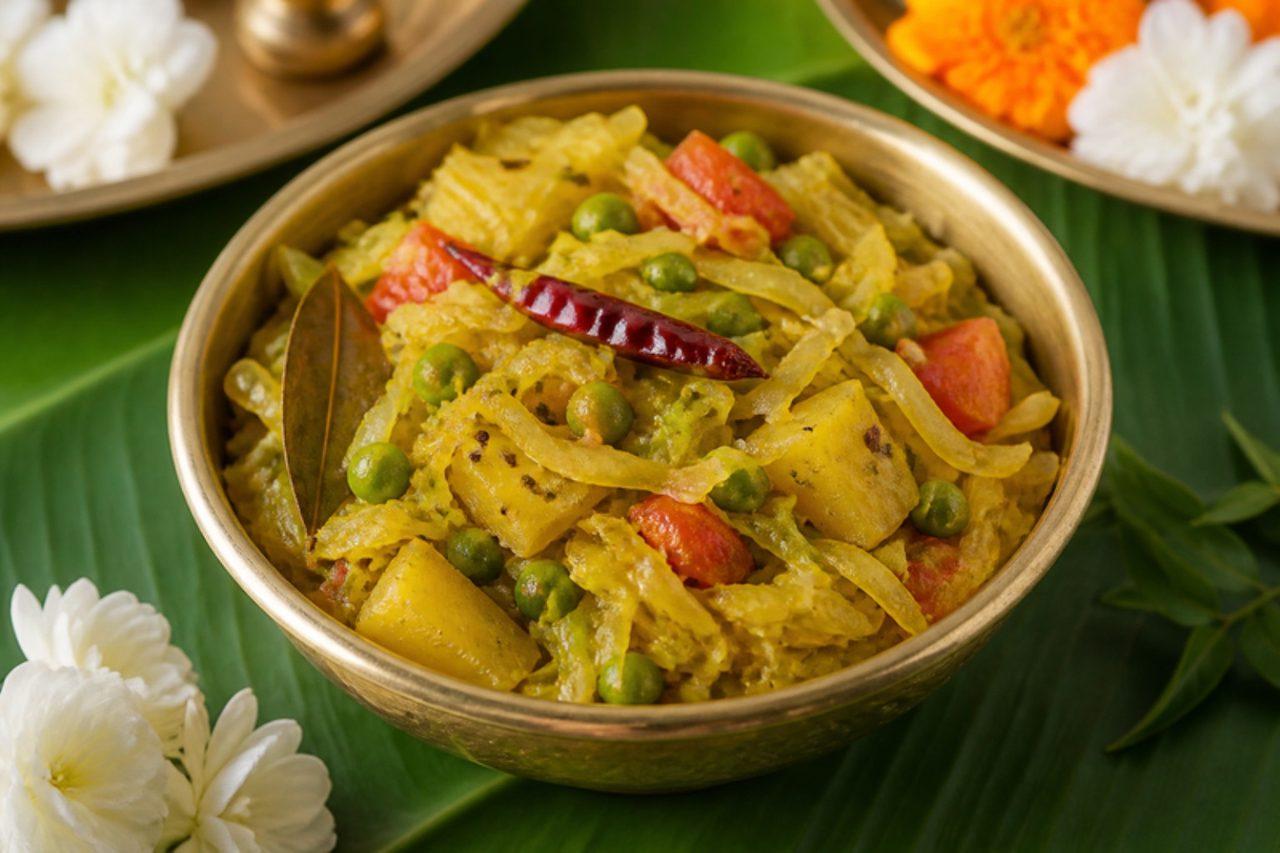
In Bengali homes and pandal kitchens during Durga Puja, the bhog plate needs a dry vegetable beside the khichuri, and bandhakopir torkari is one of the favourites. Cabbage is shredded fine and cooked slowly with potato, peas, ginger and whole cumin, with no onion or garlic because it is offered to the goddess before it is eaten. A pinch of sugar and a final dusting of garam masala make it gently sweet and fragrant. Serve it with khichuri, luchi or plain rice and dal. Common mistake: covering the pan for the whole time, which steams the cabbage grey and watery; cook it mostly uncovered so the liquid evaporates and the edges just start to brown. Chef's tip: salt the shredded cabbage for 10 minutes and squeeze it lightly before cooking; it cooks faster and soaks up the spices better.

by KrazyBadal 0 views

Sopa teólogaTurkey broth with bread and cheese

Sopa teóloga ('the theologian's soup') goes back to colonial convents in Lima and Arequipa, where it was cooked for feast days, and it is still served at Holy Week and family celebrations. A rich turkey (or chicken) broth is thickened with soaked bread, milk and fresh cheese, with yellow potatoes and shreds of turkey, and finished with a little ají amarillo and chopped huacatay or parsley. It is thick, comforting and filling. Chef's tip: blend part of the soaked bread with broth before adding it, which gives the soup its creamy body without lumps.

by KrazyBadal 0 views

TharikanjiSemolina milk porridge

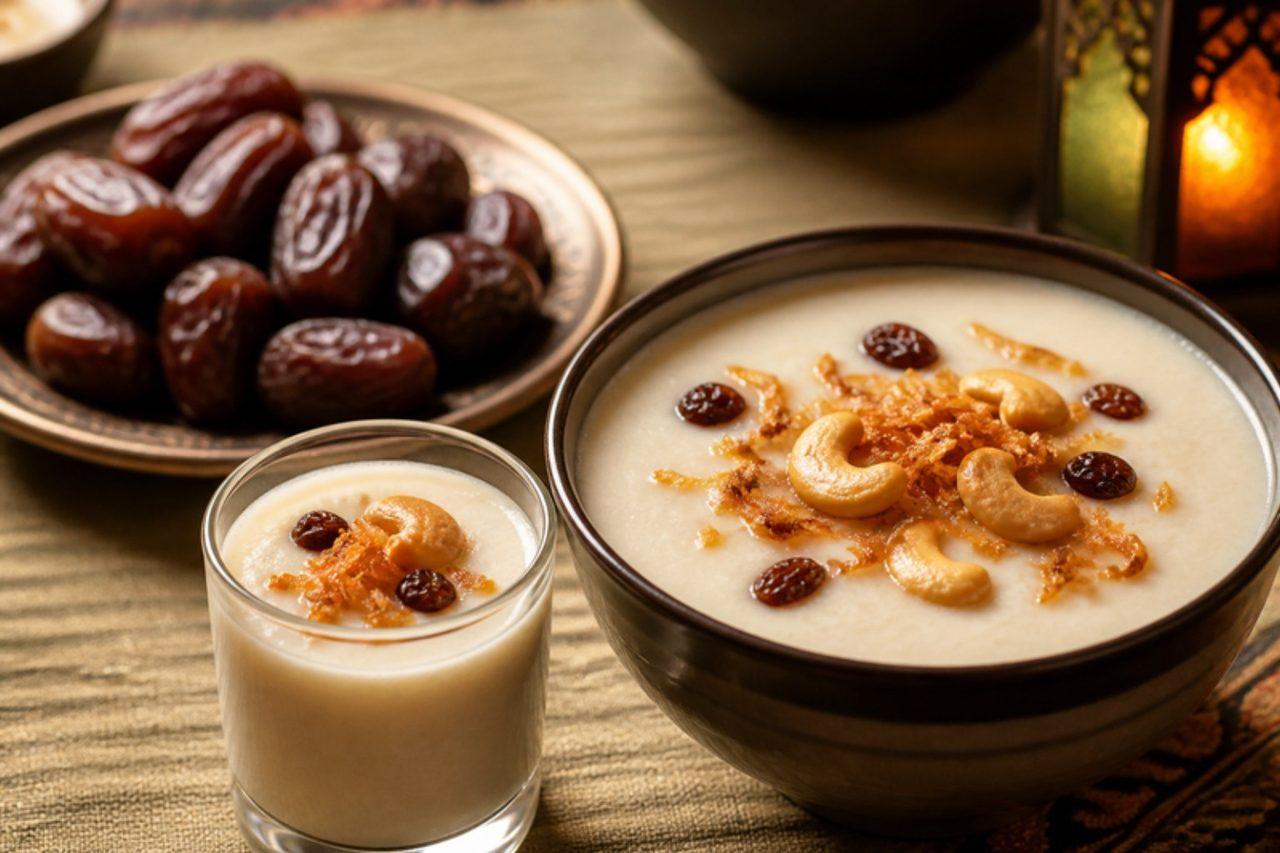
In Mappila homes along the Malabar coast of Kerala, the first thing many people sip after the dates at iftar is a small glass of tharikanji. Semolina is toasted and simmered in milk until it just coats a spoon, then poured over shallots, cashews and raisins fried in ghee, so it is sweet, gently savoury and soothing on an empty stomach. Chef's tip: keep it thin, like a drinking porridge, because it thickens as it cools.

by KrazyBadal 0 views

Tomato khejur chutneyTomato and date chutney

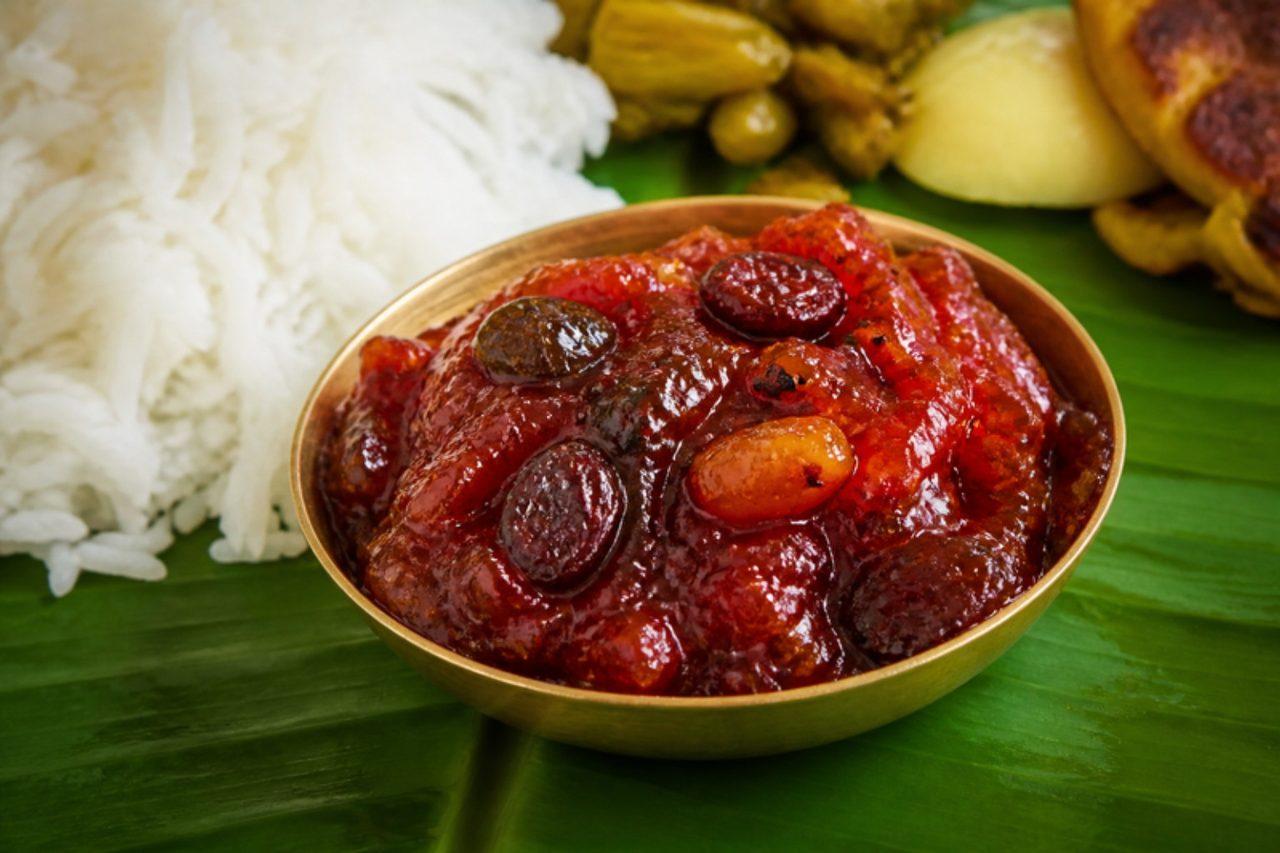
A Bengali festive meal ends with chutney, and during Durga Puja the bhog plate's last stop is often this glossy tomato and date chutney. Ripe tomatoes are cooked with a mustard-seed and dried-chilli tempering, then sweetened with sugar and stoned dates and studded with raisins until it turns jammy and sticky. It is eaten as its own course after the vegetables, to clean the palate before the sweets. Common mistake: taking it off the heat too early so it stays watery; it is ready when a spoon drawn through the pan leaves a clear line for a second and the chutney looks shiny. Chef's tip: add a few strips of aamsotto (dried mango leather) with the dates if you have it; it gives the deep, fruity sourness of the pandal chutney.

by KrazyBadal 0 views

KalanehWild leek stuffed flatbread

In Kurdistan and Kermanshah, Newroz arrives with the first spring greens on the hillsides, and families gather wild leeks to fold into kalaneh, thin griddle breads cooked over a fire or a hot pan and soaked in melted butter. The dough is plain and soft, rolled very thin around a pile of chopped leek or chives with a little salt and pepper, so the greens steam inside as the bread blisters. Eat it hot, torn into strips, with yogurt and tea at a Newroz picnic. The common mistake is wet greens, which turn the dough soggy and make it tear; dry them well after washing. Chef's tip: brush the butter on the moment the bread leaves the pan so it soaks right in.

by KrazyBadal 0 views

Fulkopir dalnaCauliflower and potato in light gravy

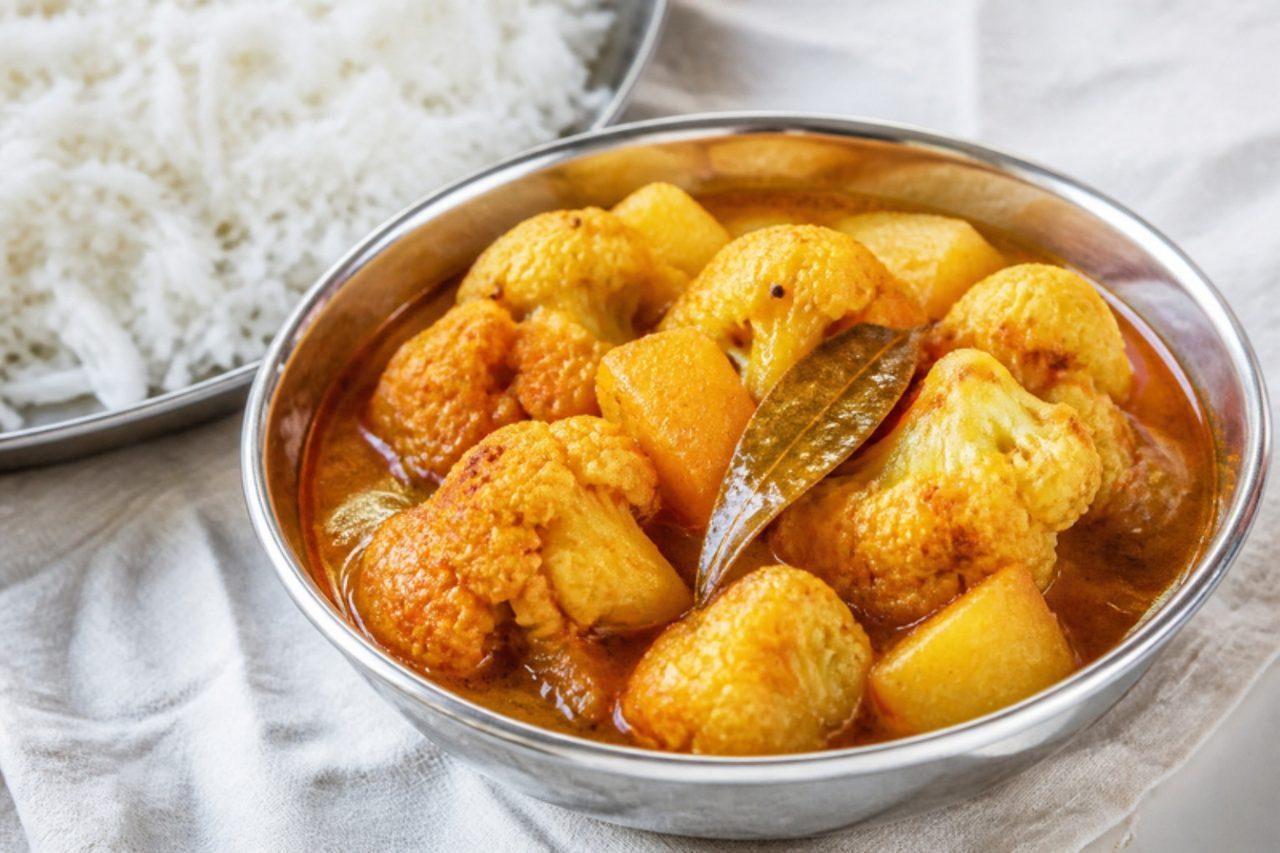
Fulkopir dalna is the gravy dish of a niramish (no onion, no garlic) Bengali menu, and it appears on the Durga Puja bhog table and at home on Navami and Dashami, when many families keep the day's food vegetarian. Large cauliflower florets and potatoes are fried golden and then simmered in a thin, glossy gravy of ginger, cumin, tomato and a little yoghurt, finished with ghee and Bengali garam masala. It should taste mellow, warm and slightly sweet rather than hot. Serve it with luchi or khichuri. Common mistake: boiling the cauliflower in the gravy from raw; fry the florets first until browned in patches, or they turn mushy and taste watery. Chef's tip: whisk the yoghurt with the ground spices before it goes in, and keep the heat low, so the gravy stays smooth instead of splitting.

by KrazyBadal 0 views

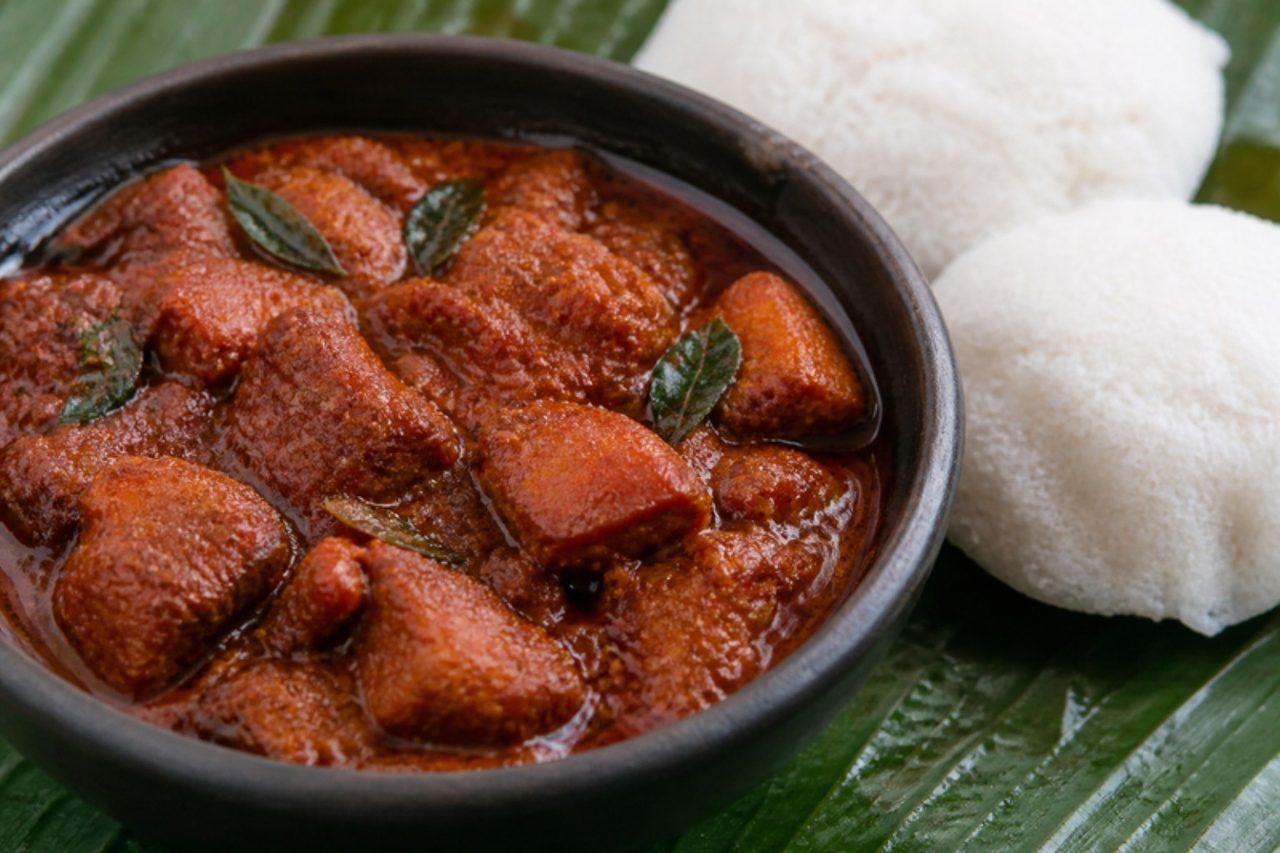
Pork bafatPork curry with roasted spice powder

Pork bafat is the curry Mangalorean Catholic families cook for Christmas, weddings and every big feast. Fatty pork pieces are simmered with onion, ginger, garlic and bafat powder, a deep red-brown blend of roasted chillies, coriander, cumin, pepper, turmeric and cinnamon, then soured with vinegar and a little tamarind. It is fiery and tangy and is eaten with sannas, the soft, steamed rice cakes. Bafat powder keeps for months, so make a jar. Chef's tip: let the curry rest overnight, as the vinegar and spices mellow into each other and it tastes far better the next day.

by KrazyBadal 0 views

Pajagua mascadaBeef and cassava patties

Pajagua mascada is a Paraguayan street-food classic that appears on every table for the San Juan festival on 24 June, when bonfires burn and the night is full of games and traditional food. Minced beef is mixed with mashed cassava, onion, garlic and a little egg and flour, shaped into flat patties and fried until crisp. The name comes from Guaraní and refers to the 'chewing' of old Paraguayan cooks, who made it from leftover meat. Chef's tip: dry the boiled cassava well and remove its woody core, which keeps the patties light and crunchy.
by KrazyBadal 0 views

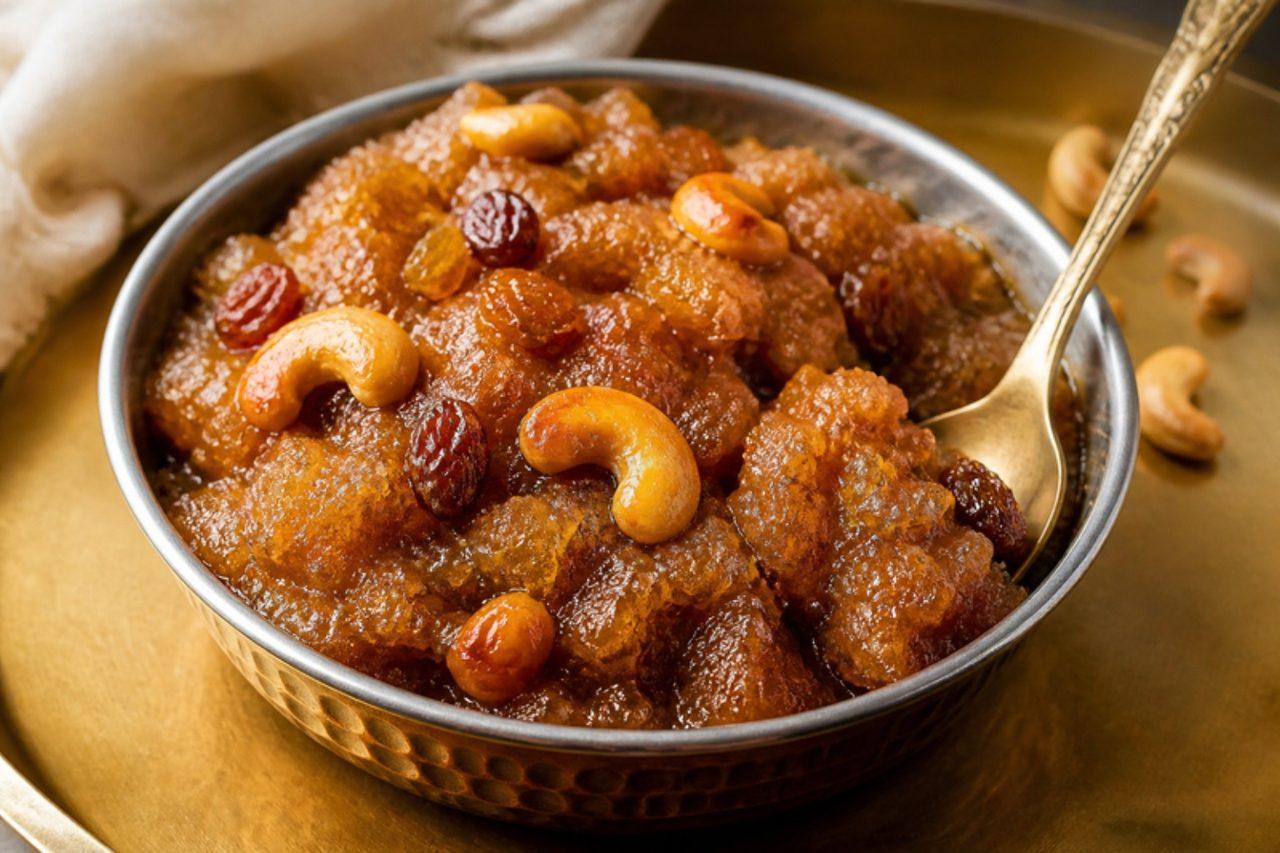
Bread halwaFried bread halwa

At Tamil Muslim weddings and Eid feasts in Chennai and Madurai, the biryani is followed by a spoonful of bread halwa, sticky, golden and glistening with ghee. Cubes of white bread are fried until crisp, then cooked down with milk, sugar and cardamom until they melt into a soft, jammy halwa studded with cashews. Chef's tip: day-old bread fries crisper and soaks up the milk more evenly than fresh.

by KrazyBadal 0 views

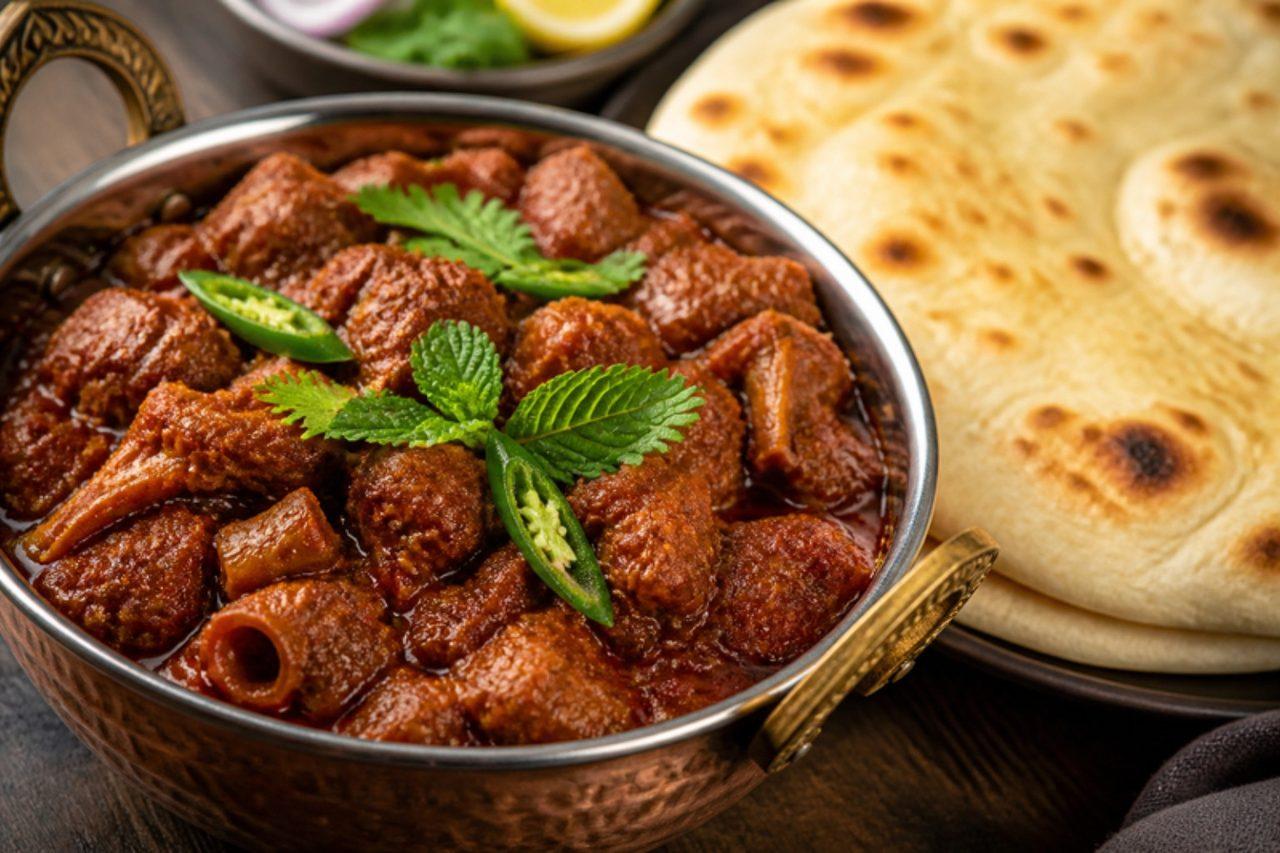
Hyderabadi chaknaSpiced tripe and offal

In old Hyderabad, chakna is made on Eid al-Adha from the parts of the sacrificed goat that need the most care: tripe, intestines and a little liver and kidney, cut small and slow-cooked in a spicy, tangy masala with plenty of ginger, garlic and tamarind. It is rich, chewy and full of flavour, eaten with sheermal or rice. Buy the tripe ready-cleaned from a halal butcher. Chef's tip: pressure-cook or simmer the tripe until really tender before it ever meets the masala; it won't soften further in the sauce.

190 minIndianMeatGluten freeSpicy
by KrazyBadal 0 views

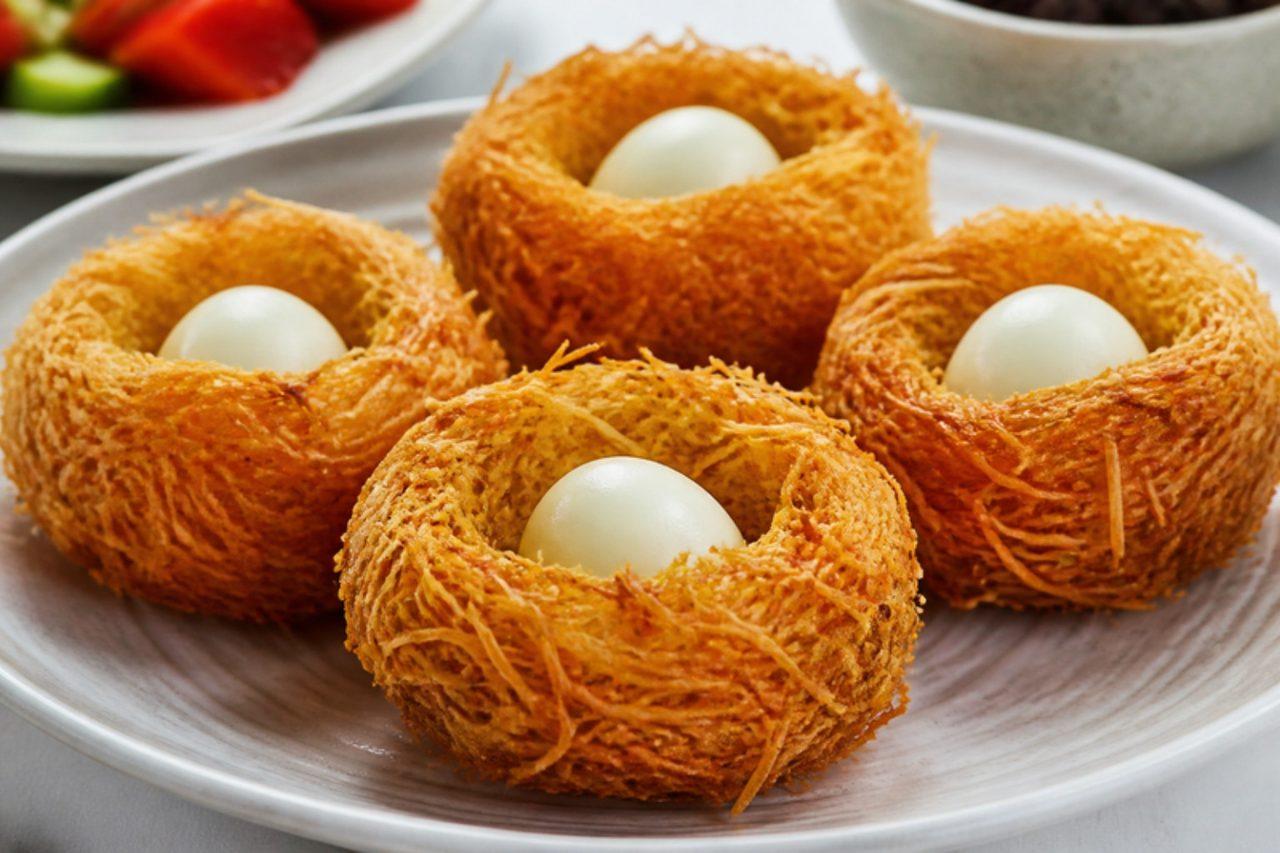
KilikooduChicken potato cutlets in vermicelli

Kilikoodu means bird's nest, and on Malabar iftar tables these spiky golden nests are always the first plate to empty. Spiced chicken and mashed potato are shaped into little cups, rolled in crushed roasted vermicelli and fried crisp, with a boiled quail egg sitting in each nest like a bird's egg. Chef's tip: crush the vermicelli into short pieces, about 1 cm, so it clings to the cutlet instead of falling off in the oil.

by KrazyBadal 0 views

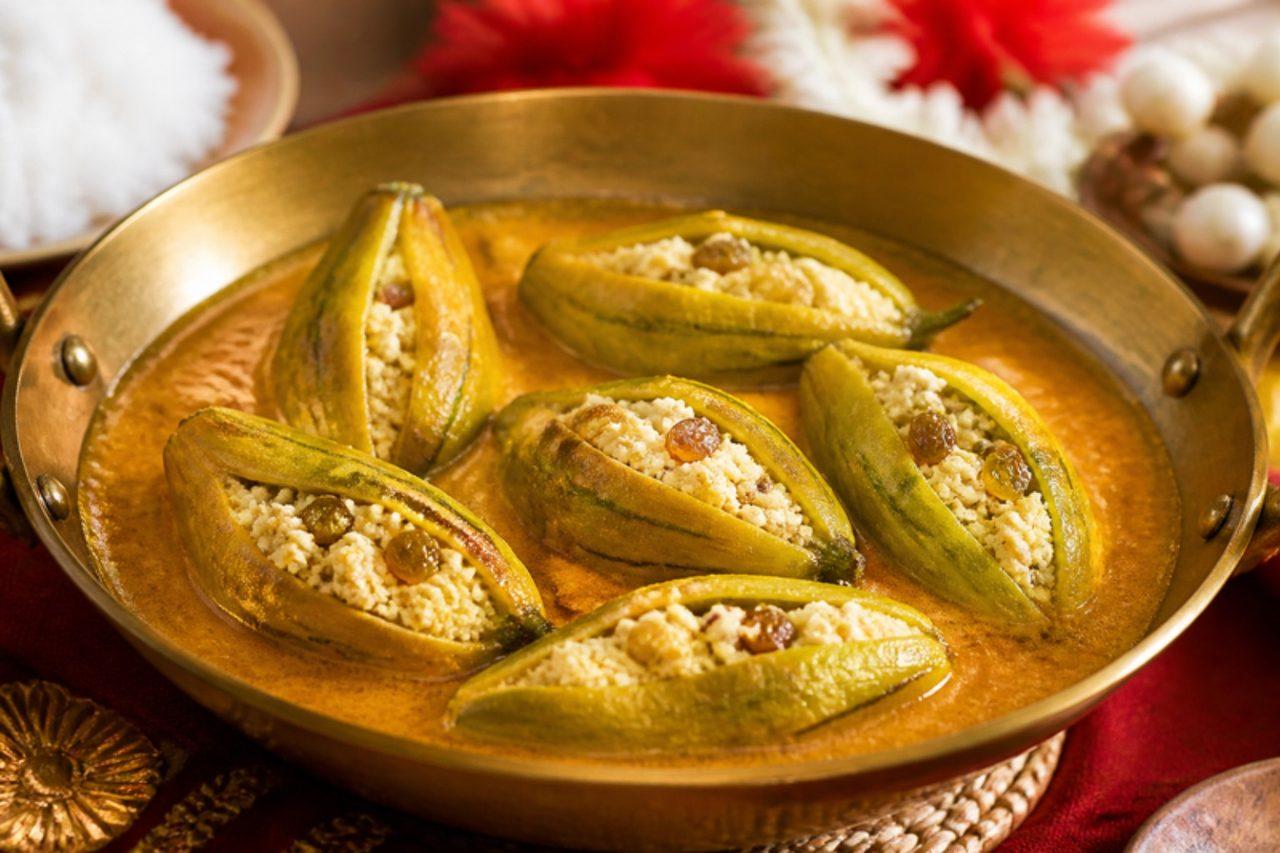
Potoler dormaPaneer-stuffed pointed gourd

Potoler dorma is a showpiece of the Bengali vegetarian table, cooked for Durga Puja Navami lunches, weddings and the jamai shoshti feast. Pointed gourds (potol) are scraped, hollowed, fried, stuffed with paneer, raisins and spices, then simmered in a cashew, yoghurt and tomato gravy that is rich, gently sweet and fragrant with garam masala and ghee. This version keeps to the puja's no-onion, no-garlic style. Common mistake: cutting the gourds open lengthwise; for a dorma you slit only one end and scoop through it with a small spoon, so the filling stays inside while it simmers. The gourd is done when a toothpick slides in easily but the skin is still green and holds its shape. Chef's tip: chop the scooped-out seeds and flesh and cook them into the filling, which adds flavour and wastes nothing.

by KrazyBadal 0 views

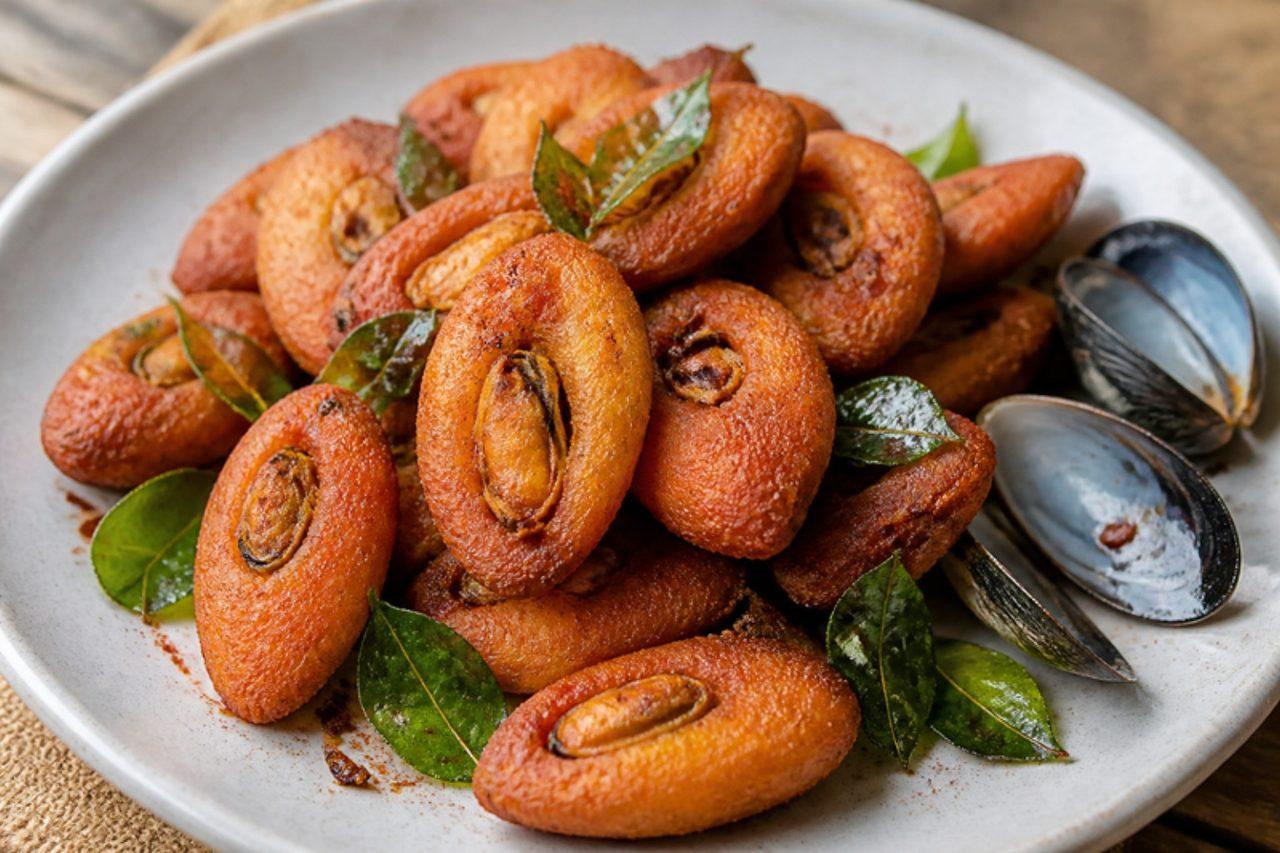
ArikadukkaRice-stuffed fried mussels

Arikadukka, 'rice mussels', is a Thalassery speciality made for Ramadan iftar and family feasts on the Malabar coast. Each mussel is opened in its shell and packed with a soft dough of rice flour, coconut, shallot and fennel, then steamed, pulled out of the shell and fried in a red chilli masala. The result is a chewy, savoury dumpling with the sweet mussel inside. Chef's tip: choose the biggest mussels you can find; small ones are fiddly and leave no room for the dough.

85 minIndianFishGluten freeSpicy
by KrazyBadal 0 views

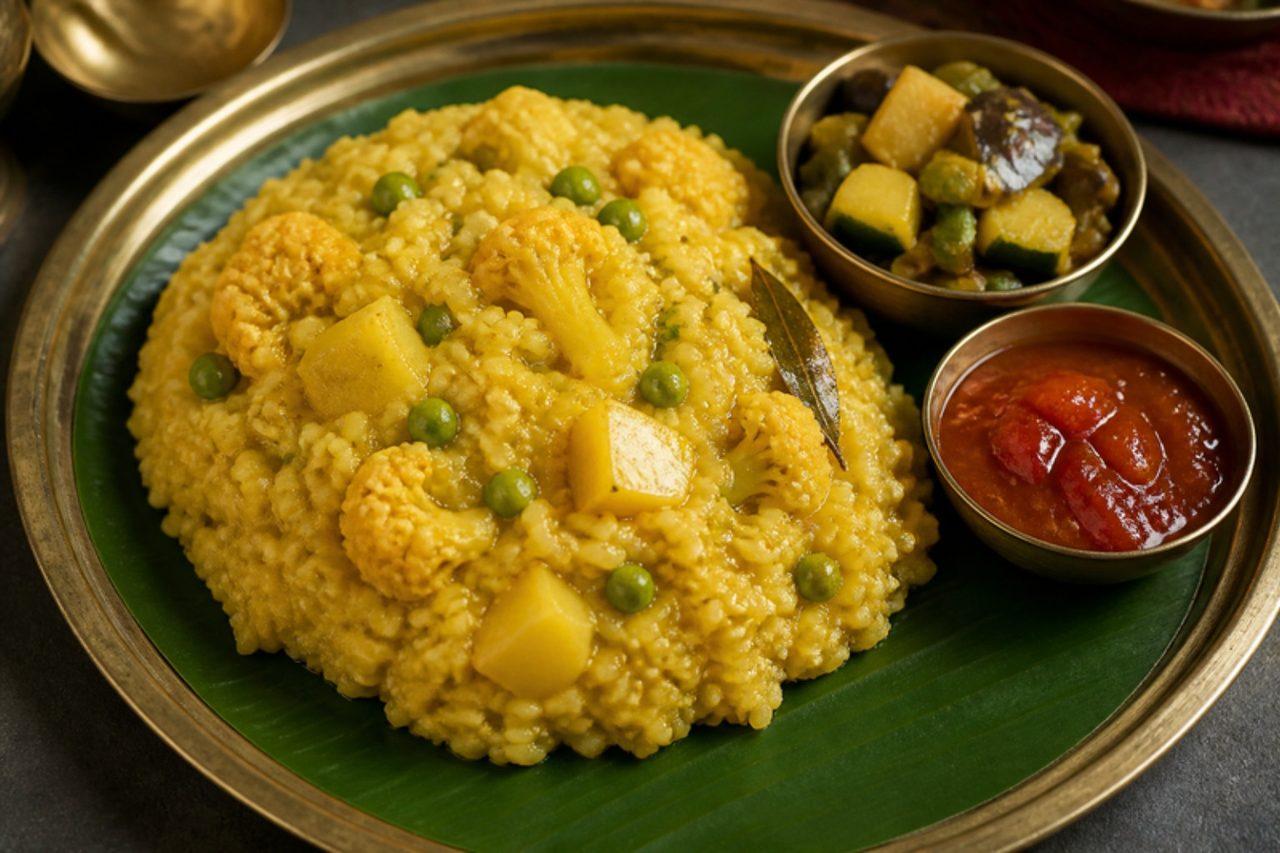
Bhoger khichuriMoong dal and rice with vegetables

On Maha Ashtami, the eighth day of Durga Puja, every para pandal in West Bengal cooks huge pots of bhoger khichuri, offers it to the goddess at noon and then hands it out on sal-leaf plates to anyone in the queue. It is bhog food, so there is no onion or garlic: the flavour comes from dry-roasted moong dal, short, fragrant gobindobhog rice, ginger, whole spices and a generous finish of ghee. The texture should be thick and spoonable, somewhere between a risotto and a porridge, with soft cauliflower, potato and peas through it. Serve it hot with labra, beguni and tomato khejur chutney. Common mistake: skipping the roasting of the dal, which leaves the khichuri flat and pale; roast it until it smells nutty and turns a light biscuit colour. Chef's tip: gobindobhog rice absorbs a lot of water as it stands, so keep a kettle of hot water by the stove and loosen the khichuri just before serving.

by KrazyBadal 0 views

Chipa so'oCheese bread with spiced beef

In Paraguay, families bake chipa in the clay tatakua ovens on Holy Wednesday so there is food for Thursday and Good Friday, when cooking stops. Chipa so'o ('chipa with meat') is a cassava-starch and cheese bread wrapped around a little filling of minced beef cooked with onion and egg, then baked until crisp outside and chewy within. It is naturally gluten free. Chef's tip: knead the dough until it no longer cracks at the edges when pressed; dry dough splits around the filling.

by KrazyBadal 0 views

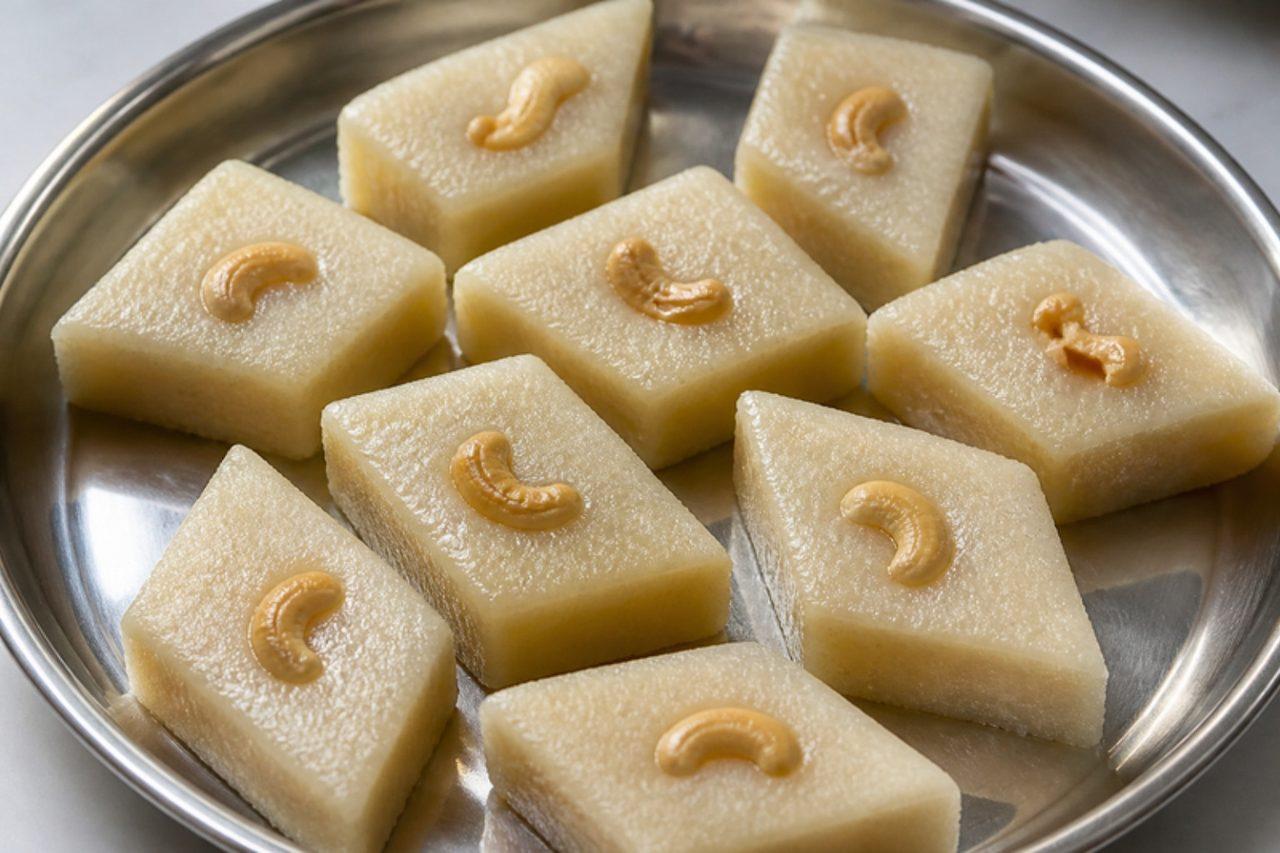
KinnathappamSteamed rice and coconut milk squares

Kinnathappam is named after the kinnam, the round steel plate it sets in, and it is one of the soft, wobbly sweets Mappila cooks in Malabar make for iftar and Eid. Rice flour, coconut milk and sugar are stirred into a smooth batter, steamed until just set and cut into glossy diamonds that taste of coconut and cardamom. Chef's tip: strain the batter before steaming; any lumps of rice flour show as white specks in the finished squares.

by KrazyBadal 0 views

Pesaha appamUnleavened rice and lentil cake

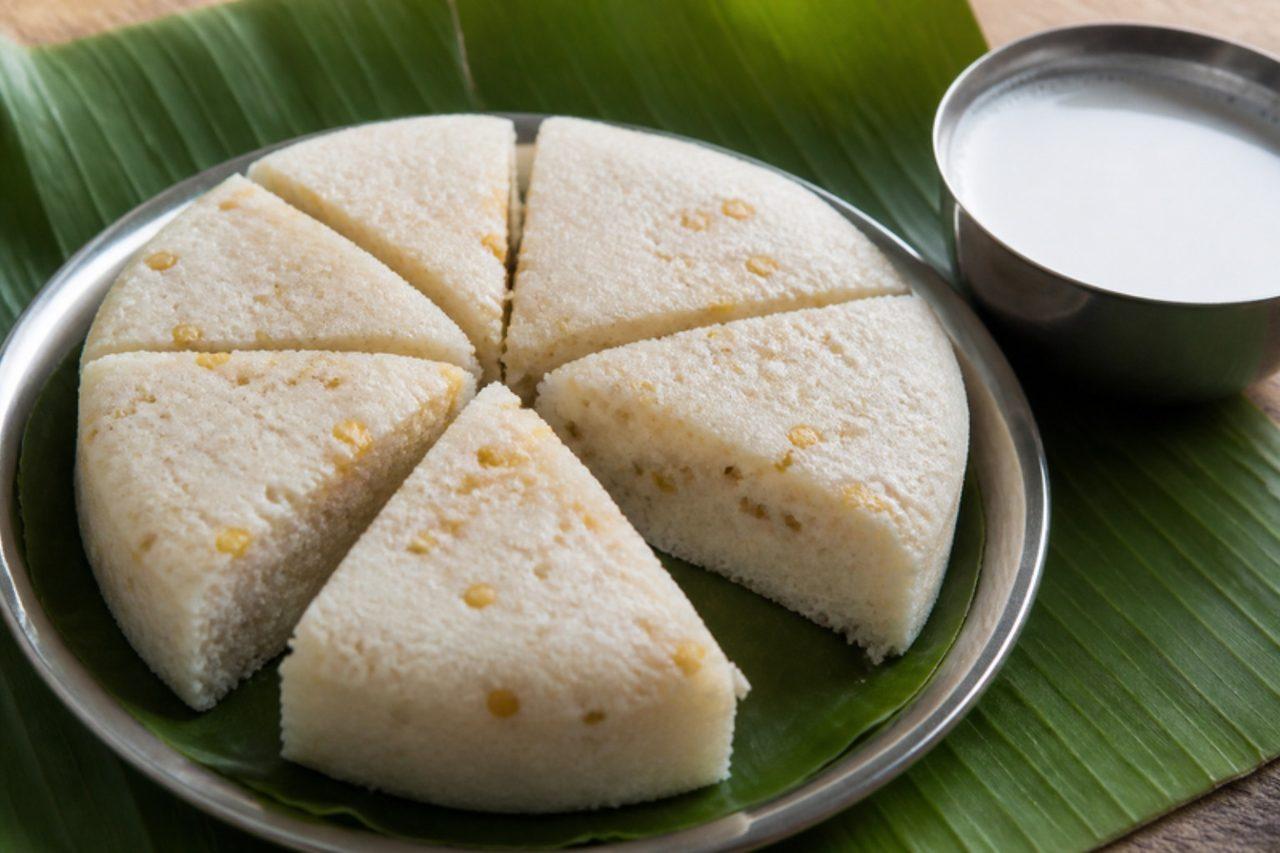
On Pesaha, Maundy Thursday, Syrian Christian families in Kerala gather in the evening for a meal that remembers the Last Supper. The head of the house cuts the Pesaha appam (indri appam), an unleavened, steamed cake of roasted rice flour, urad dal and coconut, marked with a cross made from the palm leaves blessed on Palm Sunday, and shares it with everyone, dipped in sweet Pesaha paal. It is soft, dense and lightly savoury. Chef's tip: grind the soaked urad dal and coconut together very finely; the batter should be smooth and thick, like idli batter.

by KrazyBadal 0 views

Tharavu mappasDuck curry in coconut milk

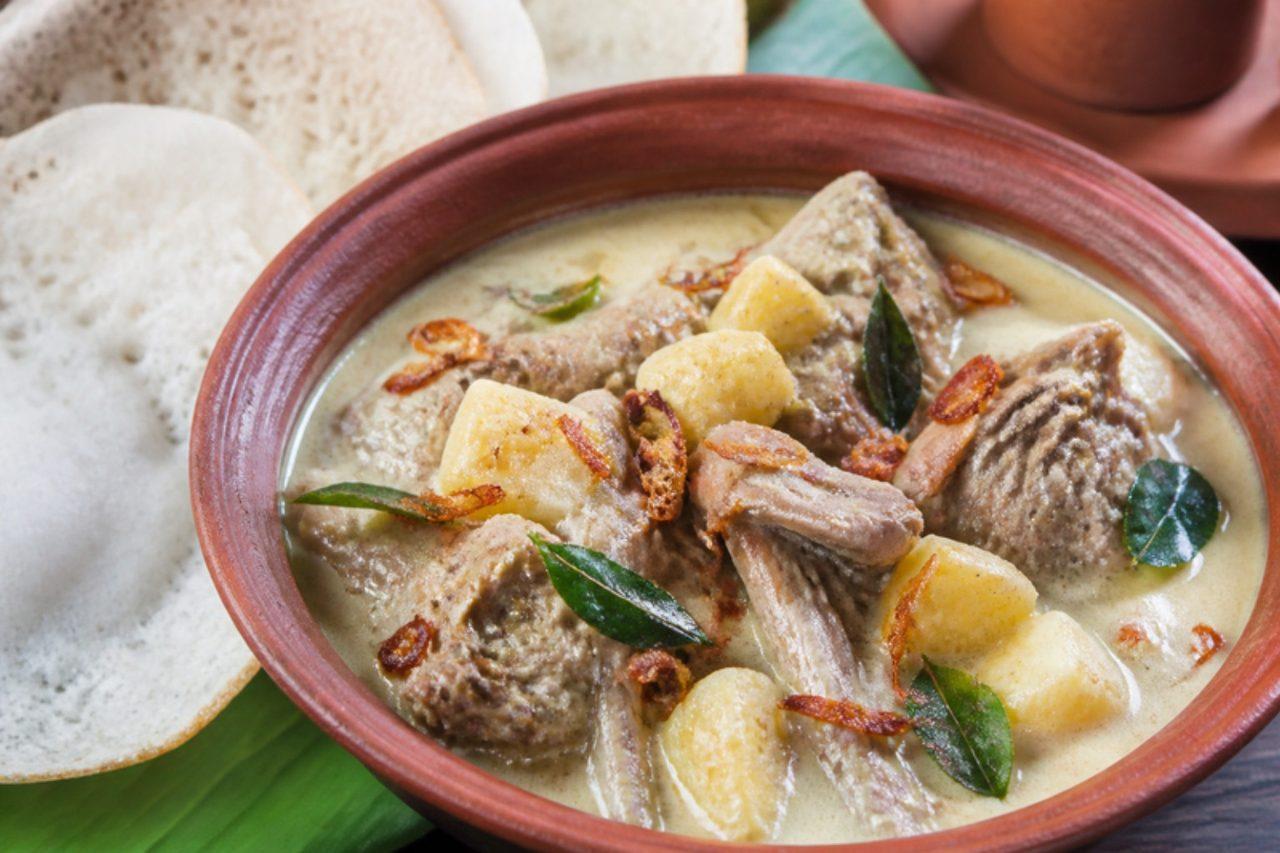
In Kerala's Syrian Christian homes, Christmas morning starts after midnight Mass with lacy appam and a bowl of duck mappas: duck pieces simmered in coconut milk with ginger, garlic, green chilli, black pepper and garam masala, finished with a splash of vinegar and fried shallots. It is creamy, warm with spice but not fiery, and a favourite across Kuttanad, where ducks are raised on the backwaters. Chef's tip: add the thick first-press coconut milk only at the end and don't boil it, so the gravy stays silky.

by KrazyBadal 0 views

Duck buffadDuck with vegetables in ginger gravy

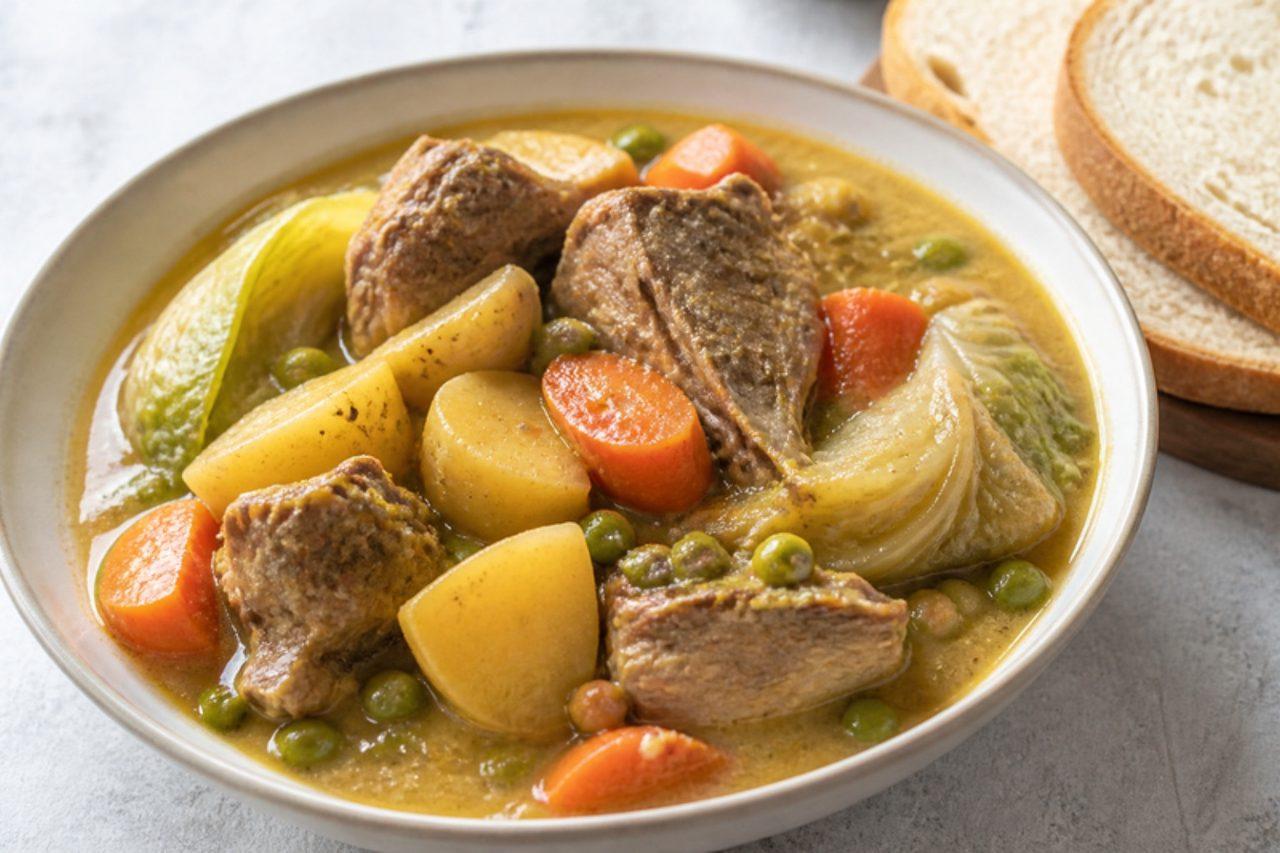
Buffad (sometimes spelled 'bufat') is the Christmas Day dish of Anglo-Indian families in Kolkata, Chennai and Bangalore, eaten after midnight Mass with bread, rice or coconut-milk pulao. Duck is simmered with potatoes, carrots, cabbage and peas in a light gravy of ginger, green chilli, mild spices and vinegar, a gentler, more British-influenced curry than its neighbours. It reheats beautifully. Chef's tip: brown the duck pieces first and pour off most of the fat, so the gravy is rich but not greasy.

by KrazyBadal 0 views

KaguyjyWhite corn pudding

On the night of 23–24 June, Paraguayans celebrate San Juan with bonfires, games like walking over hot coals and the 'paso de fuego', and a table of traditional foods, and kaguyjy (also mazamorra) is one of them. It is a soft, creamy pudding of cracked white corn (locro) simmered slowly in water and then milk with sugar or honey, sometimes with orange peel. It is eaten warm or cold. It is gluten free. Chef's tip: soak the corn overnight and cook it until each kernel is tender before adding the milk, or it never turns creamy.

by KrazyBadal 0 views

Baida rotiEgg and mince parcels

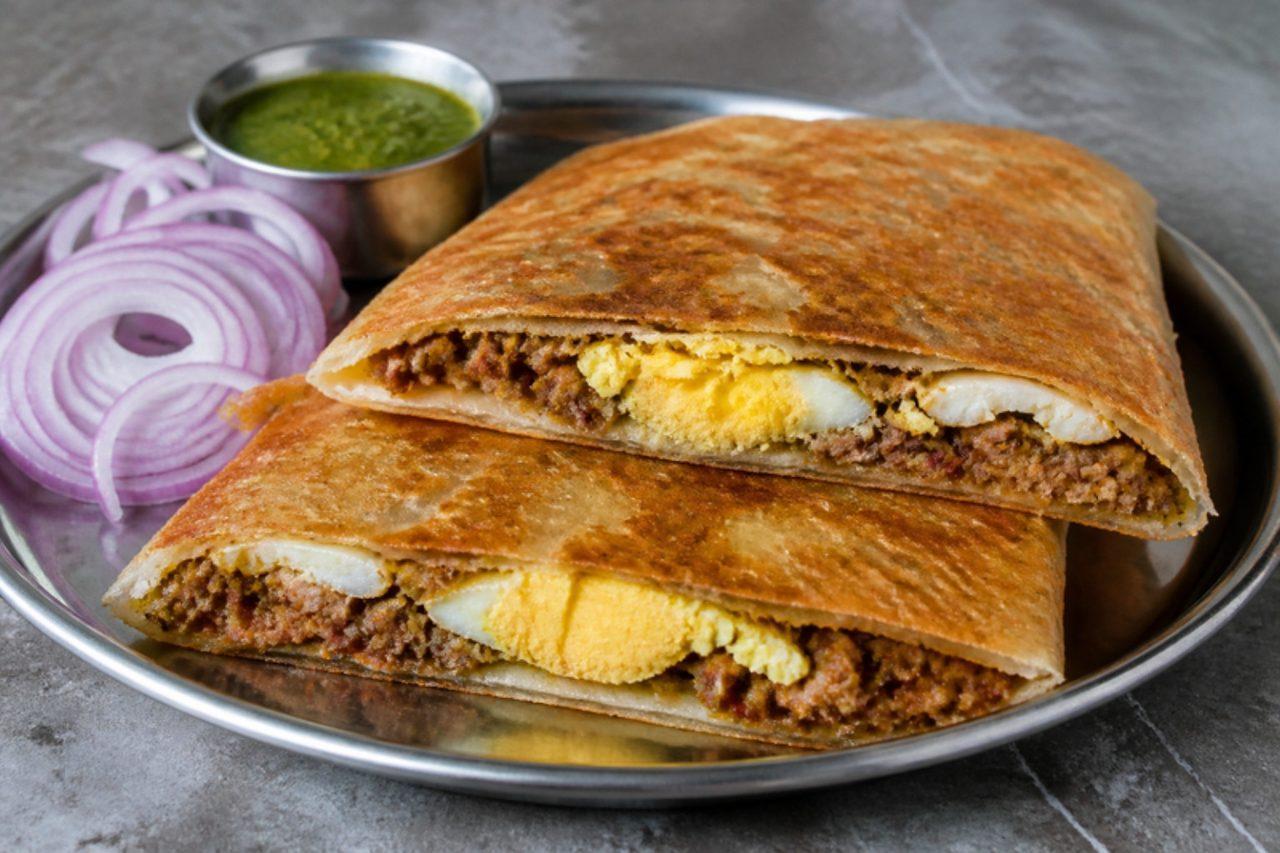
During Ramadan the stalls of Mohammed Ali Road in Mumbai stay open all night, and the baida roti makers there are a show of their own: they swirl dough into paper-thin sheets, spoon in spiced minced mutton, pour in beaten egg and fold it into a square that is crisped on a huge tawa. 'Baida' means egg. Chef's tip: oil the dough balls well and rest them; well-rested dough stretches so thin you can almost see through it.

by KrazyBadal 0 views

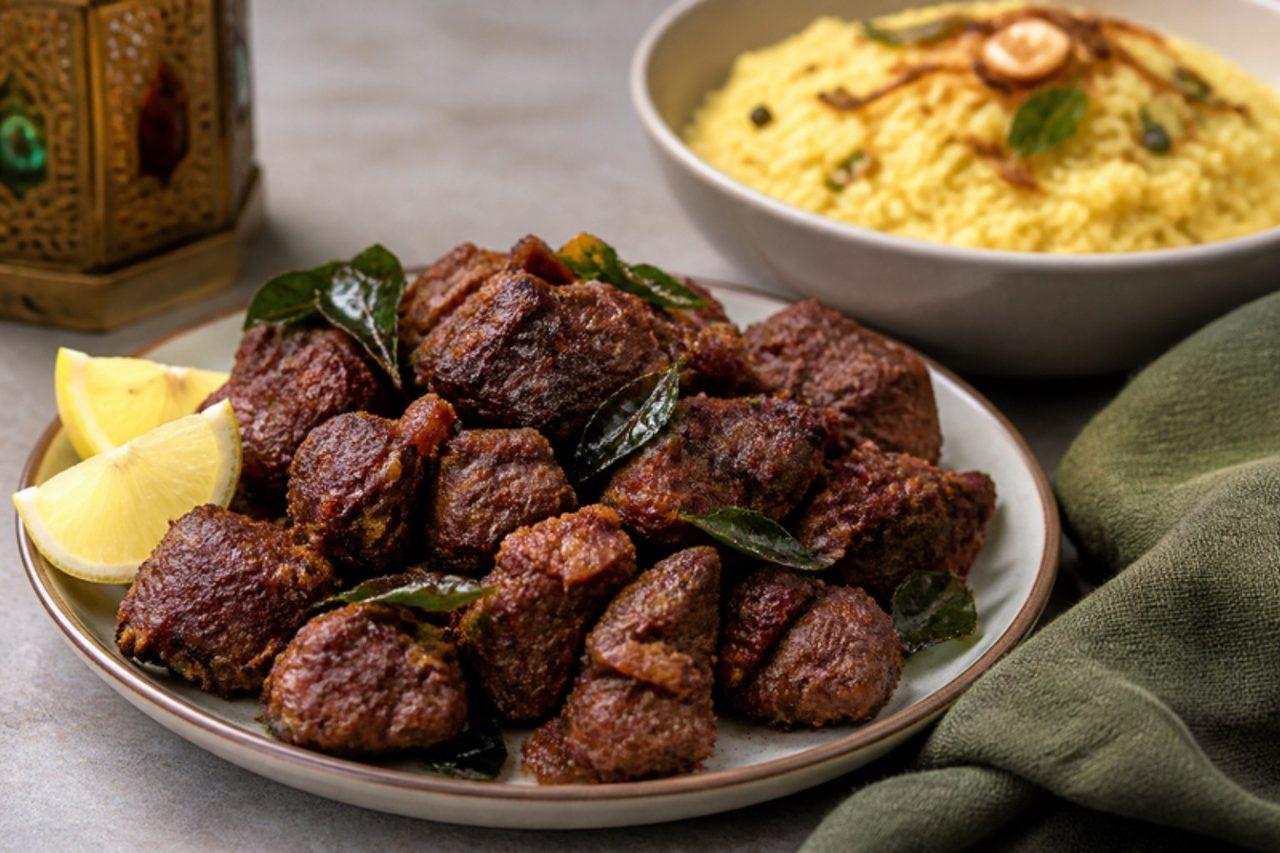
Talawa goshtBoiled and fried mutton

Talawa gosht means fried meat, and in Hyderabad it is one of the first dishes made from the fresh mutton of Eid al-Adha. Bite-sized pieces are boiled with ginger, garlic and whole spices until tender, then fried hard in oil until crisp and dark at the edges, and eaten with khichdi, khatta or dalcha. Chef's tip: boil until the water has almost gone; the meat should be dry before it fries, or it will spit and steam rather than crisp.

95 minIndianMeatGluten free
by KrazyBadal 0 views

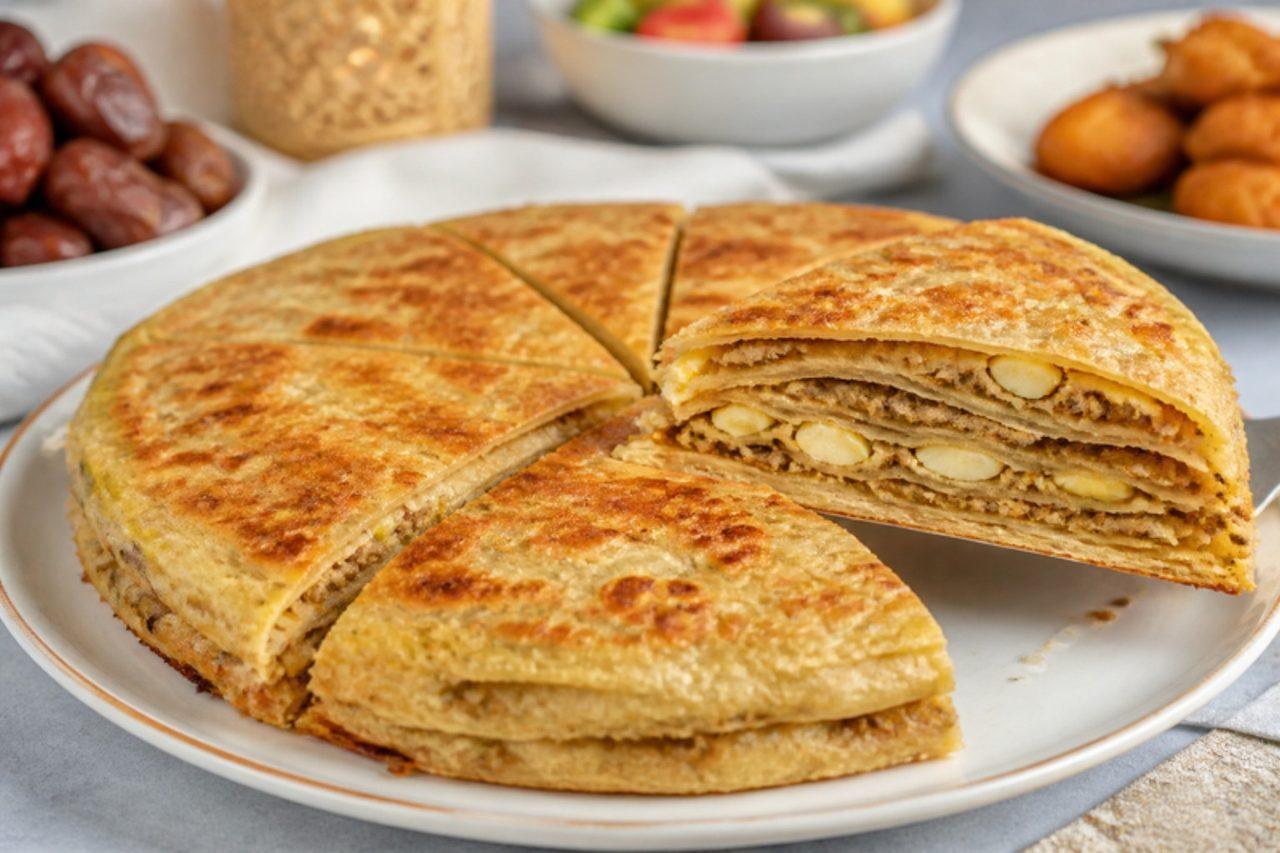
Chatti pathiriLayered crêpe pie with chicken

Chatti pathiri is the Malabar answer to lasagne, baked in a chatti (pan) for the Ramadan iftar table in Kozhikode and Kannur. Thin crêpes are dipped in sweetened egg and milk, then stacked with layers of spiced minced chicken, onions and boiled egg, and the whole pie is cooked slowly until it sets into firm, tender wedges. Chef's tip: dip each crêpe quickly; a long soak makes them tear.

by KrazyBadal 0 views

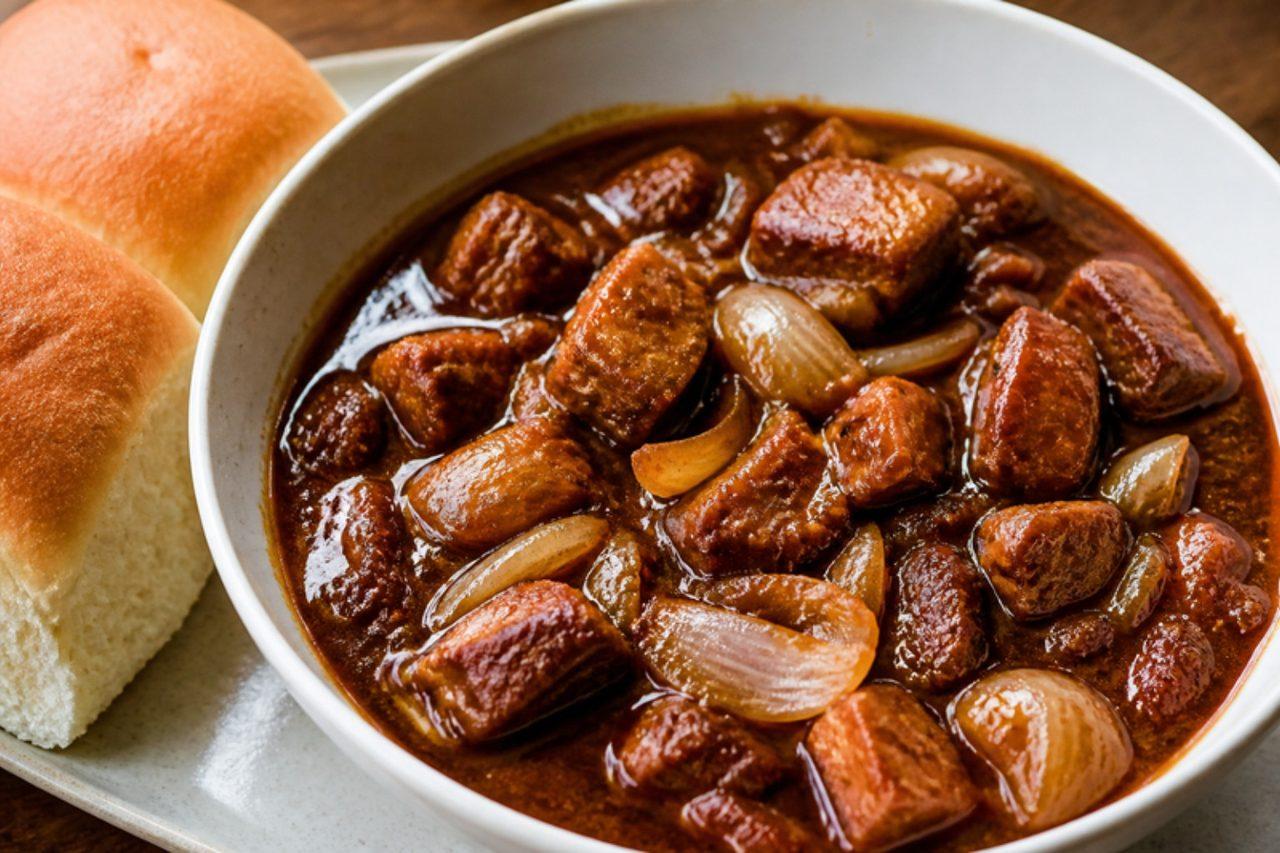
Pork indadSweet-sour pork curry

Indad is the slow-cooked pork curry of Mangalore's Catholic community, made for Christmas and Easter. Pork is cooked with a paste of Kashmiri chillies, spices and vinegar, then simmered with masses of onions and a lump of jaggery until it turns thick, glossy, dark and sweet-sour, a little like a vindaloo's gentler cousin. Like bafat, it is made ahead and served with sannas, pulao or bread. Chef's tip: cook the onions down slowly until jammy before the pork goes in; they melt into the gravy and give indad its sweetness.

by KrazyBadal 0 views

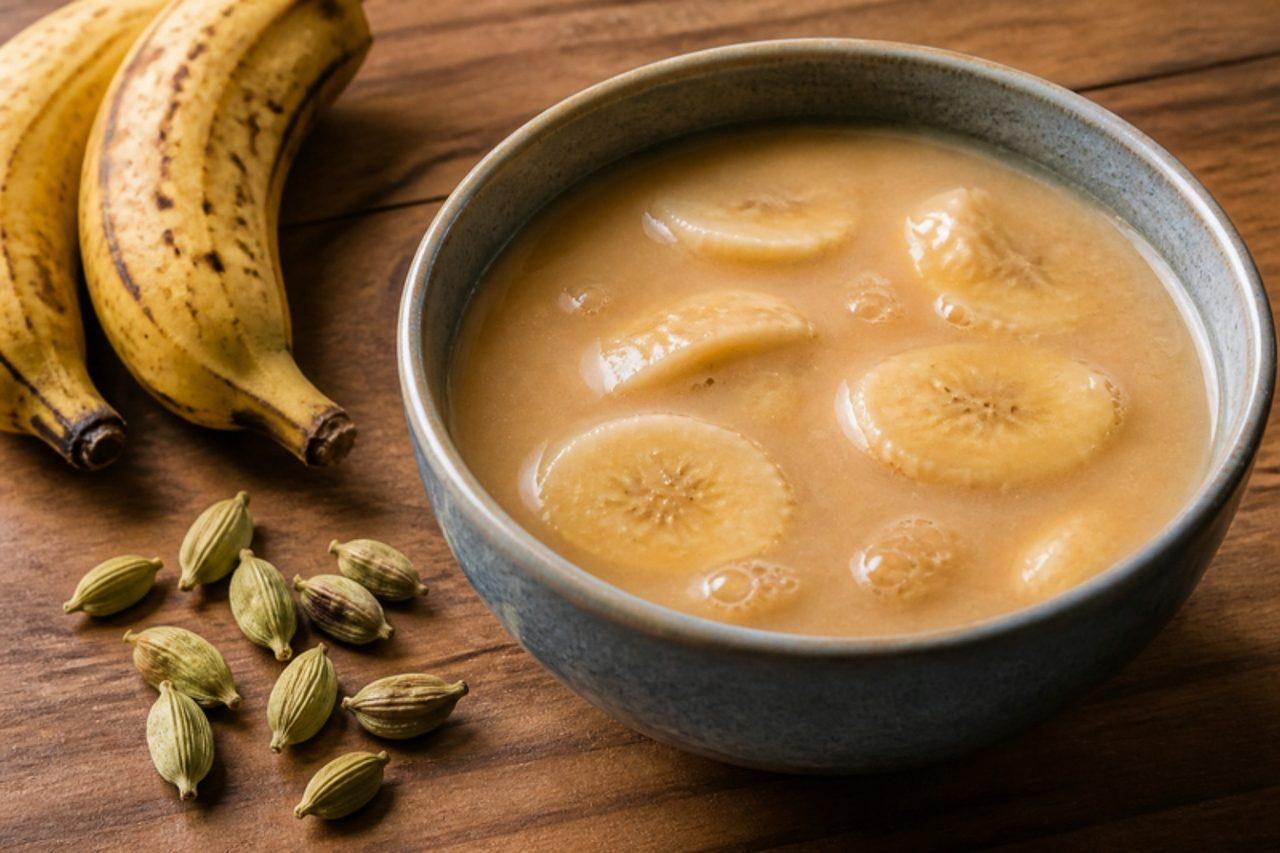
Pesaha paalCoconut milk and jaggery drink

Pesaha paal ('Passover milk') is the sweet dip served with Pesaha appam at the Maundy Thursday supper in Kerala's Syrian Christian homes. Coconut milk is simmered with melted jaggery, a little roasted rice flour to thicken it, cardamom and dried ginger until it becomes a warm, silky drink. The family dips pieces of the blessed appam into it after the evening prayers. It is vegan and gluten free, and ready in half an hour. Chef's tip: strain the jaggery syrup before adding the coconut milk, as jaggery often carries grit.

by KrazyBadal 0 views

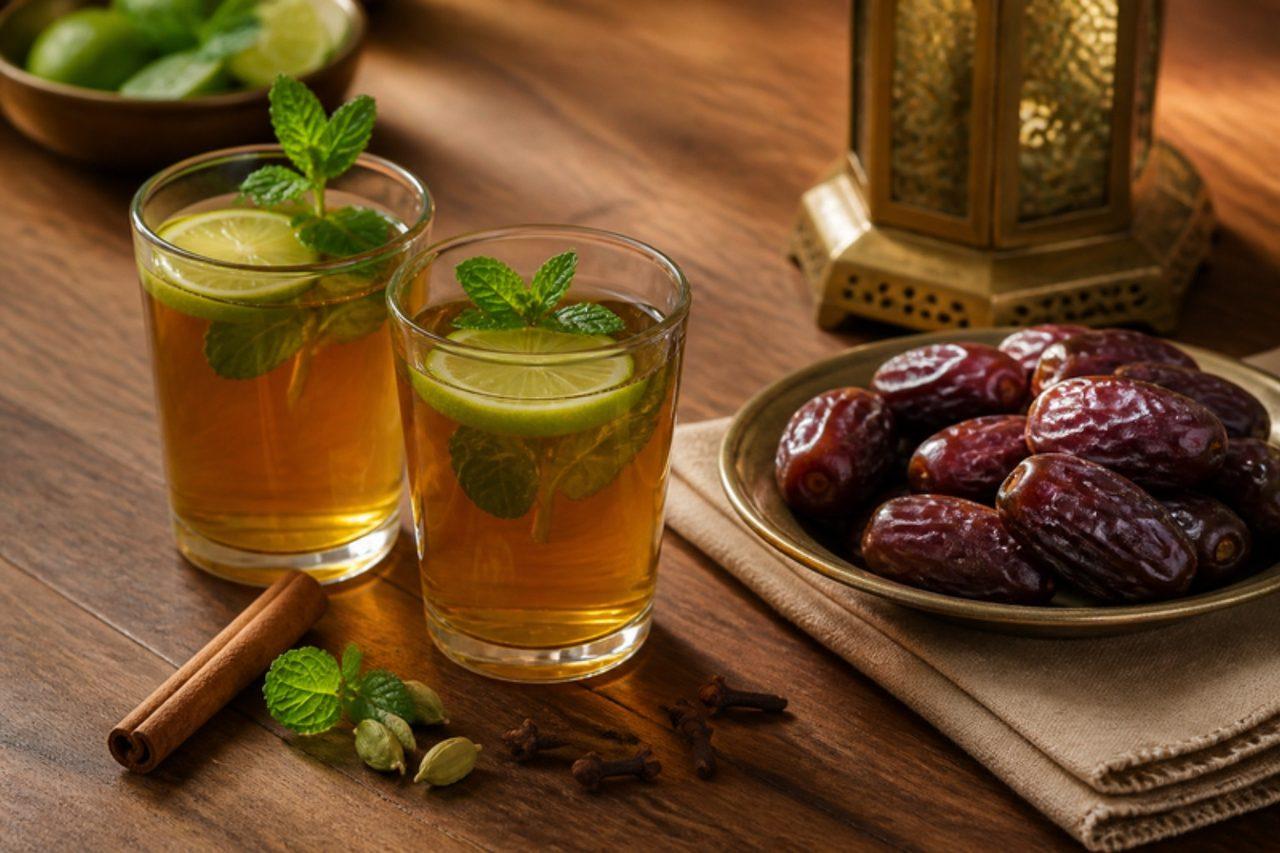
SulaimaniSpiced lemon black tea

In Kozhikode, sulaimani is the clear amber tea poured after a heavy biryani, and in Ramadan it is the glass that follows the dates at iftar. A little loose black tea is brewed with cardamom, clove and cinnamon, then sweetened and sharpened with fresh lime so it is light, warming and gently fragrant. Chef's tip: steep the tea for only two minutes; sulaimani should be bright and clear, never strong and bitter.

by KrazyBadal 0 views

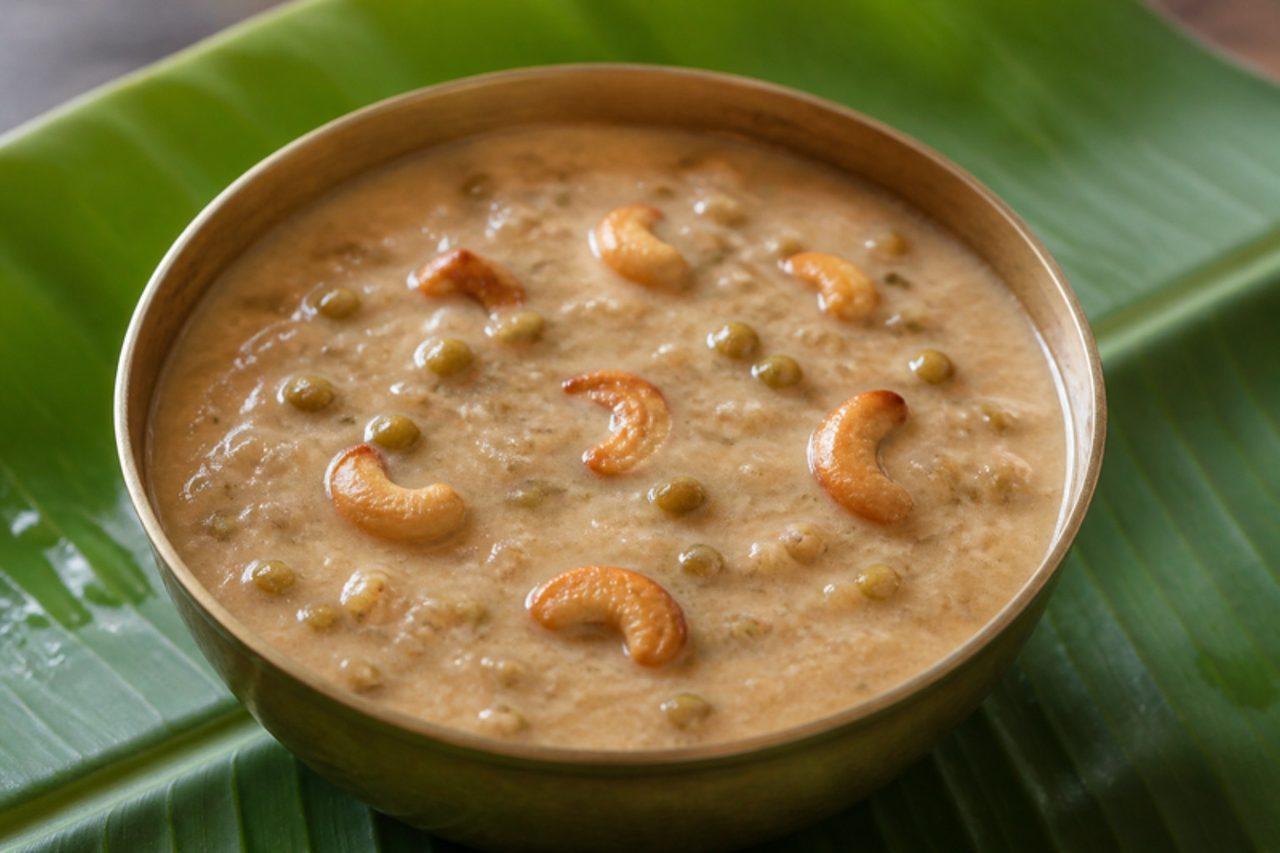
VornGreen gram and coconut milk sweet

On 8 September, Mangalorean Catholics celebrate Monti Fest, the feast of Mary's Nativity, which is also a harvest festival: new ears of grain are blessed at church and shared at home, and the family eats a vegetarian feast of new-season vegetables. Vorn, a pudding of split green gram (moong) cooked with coconut milk, jaggery and cardamom, is the sweet that ends it. It is like a gentle payasam, vegan and gluten free. Chef's tip: dry-roast the moong dal until fragrant before cooking it, which gives vorn its nutty flavour.

by KrazyBadal 0 views

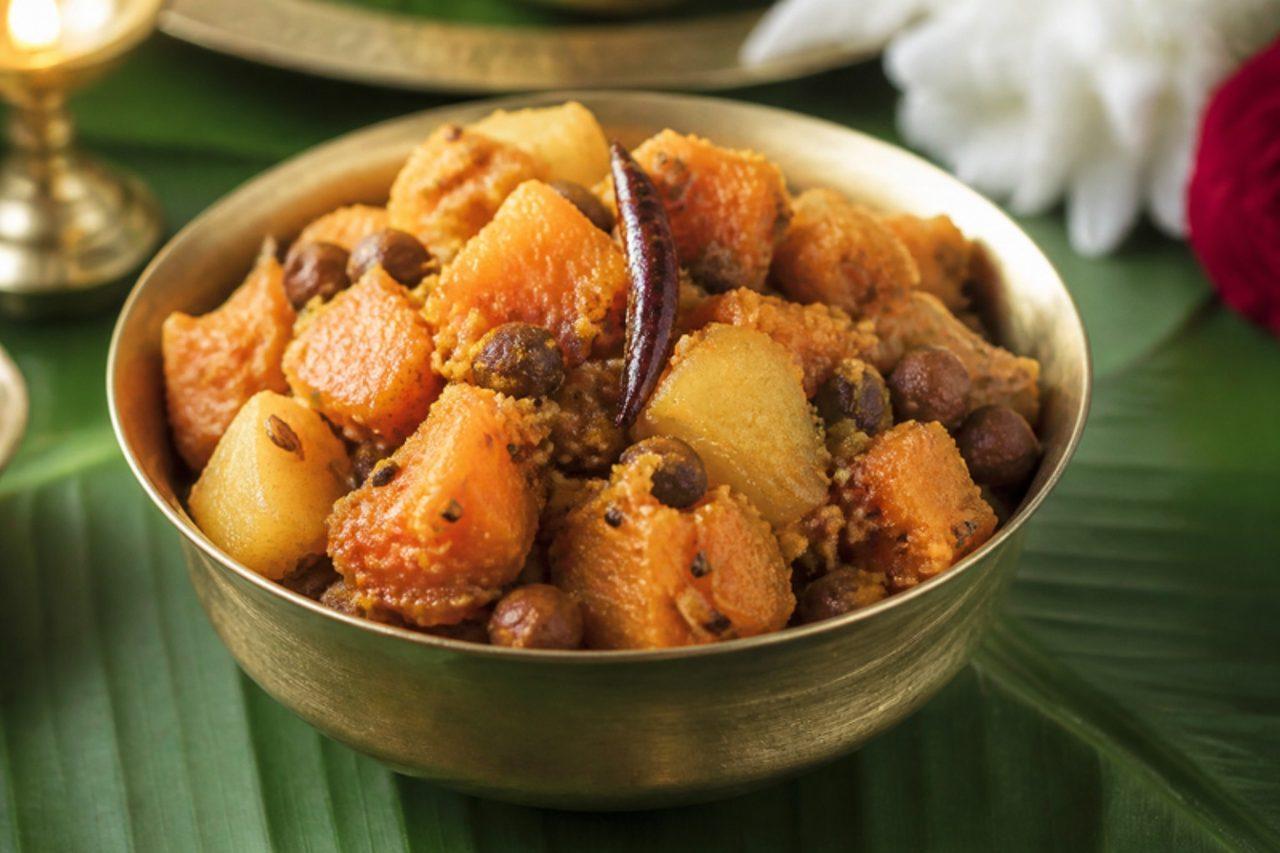
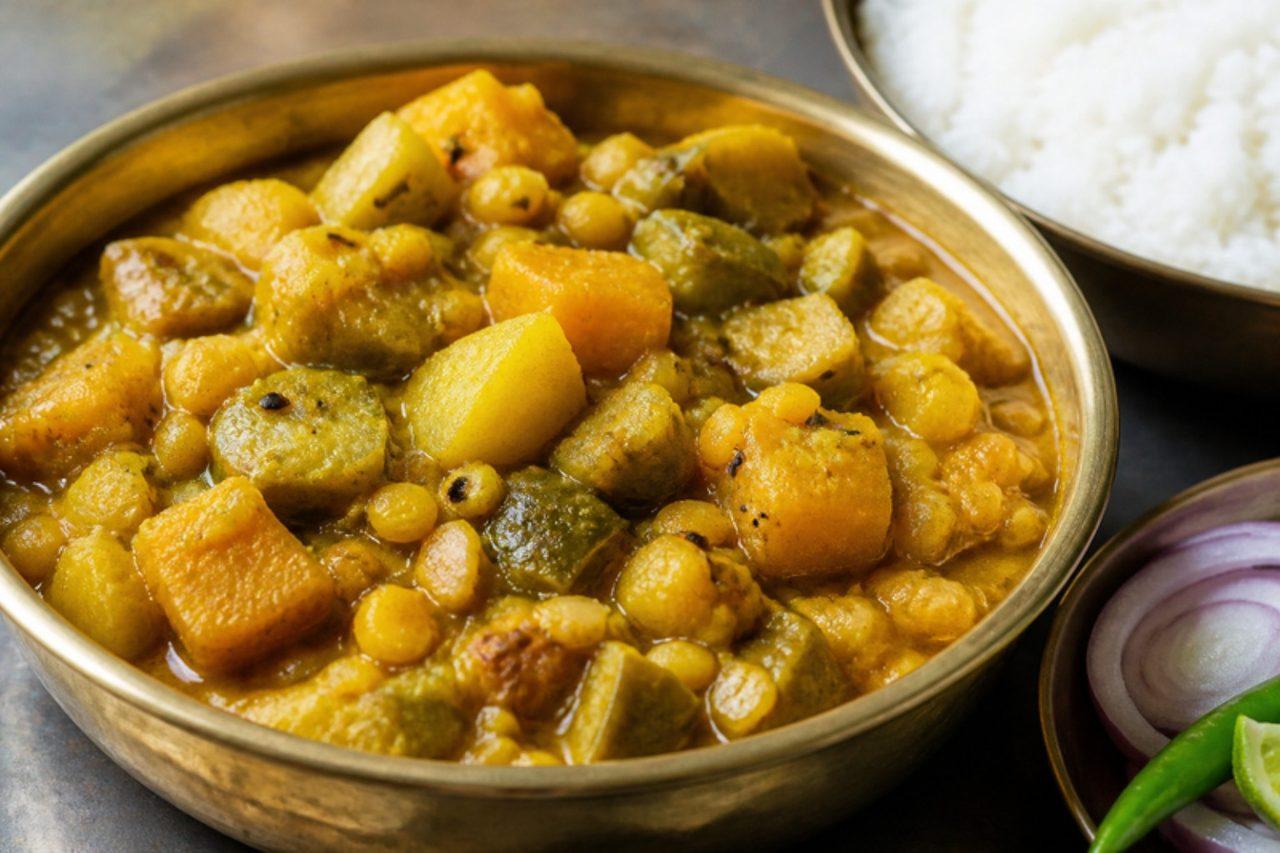
Kumror chhokkaPumpkin, potato and chickpeas

Kumror chhokka is the soft, sweet-savoury pumpkin dish that turns up on the niramish bhog plate at Durga Puja, next to khichuri and luchi, and at Bengali vegetarian feasts all year. Red pumpkin and potato are cooked down with soaked chickpeas, panch phoron (the Bengali five-spice), ginger and a pinch of sugar, until the pumpkin half melts and coats everything. There is no onion or garlic, which keeps it fit for the offering. It is mild, a little sweet and comforting. Common mistake: cutting the pumpkin and potato the same size; pumpkin cooks much faster, so cut it into bigger pieces, and stop when the potato is soft and some of the pumpkin has broken down. Chef's tip: a teaspoon of ghee and a pinch of roasted cumin powder stirred in at the very end makes it taste like the pandal version.

by KrazyBadal 0 views

KaipolaBanana and egg cake

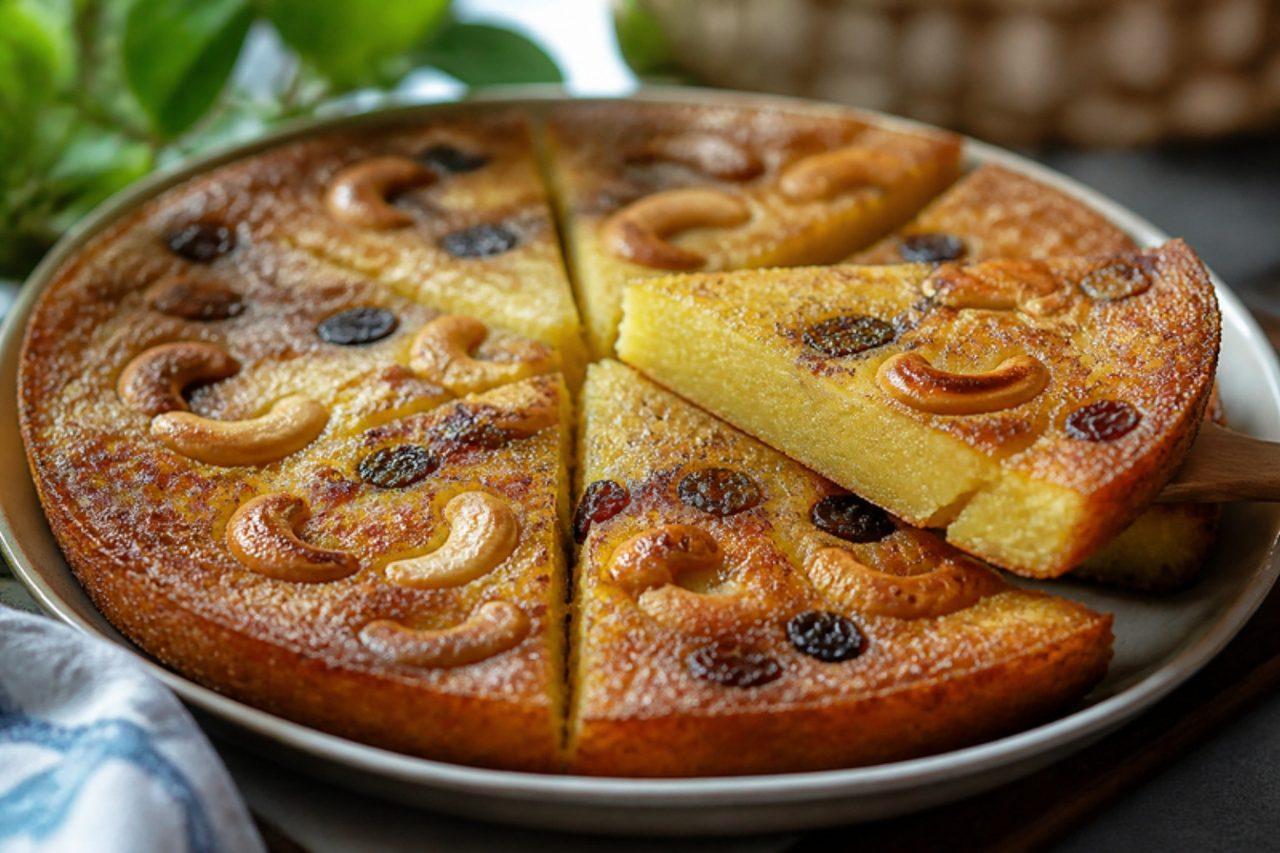
Kaipola is a Malabar Ramadan favourite, set on the iftar table in Kozhikode and Thalassery between the fried snacks and the sweets. Very ripe nendran bananas are blended with eggs, sugar and cardamom and slowly baked in a covered pan over ghee-fried cashews and raisins, so it comes out soft and custardy, with a caramel-brown base. Chef's tip: use bananas with black-speckled skins; underripe ones make it dry and bland.

by KrazyBadal 0 views

Pazham nirachathuCoconut-stuffed fried plantains

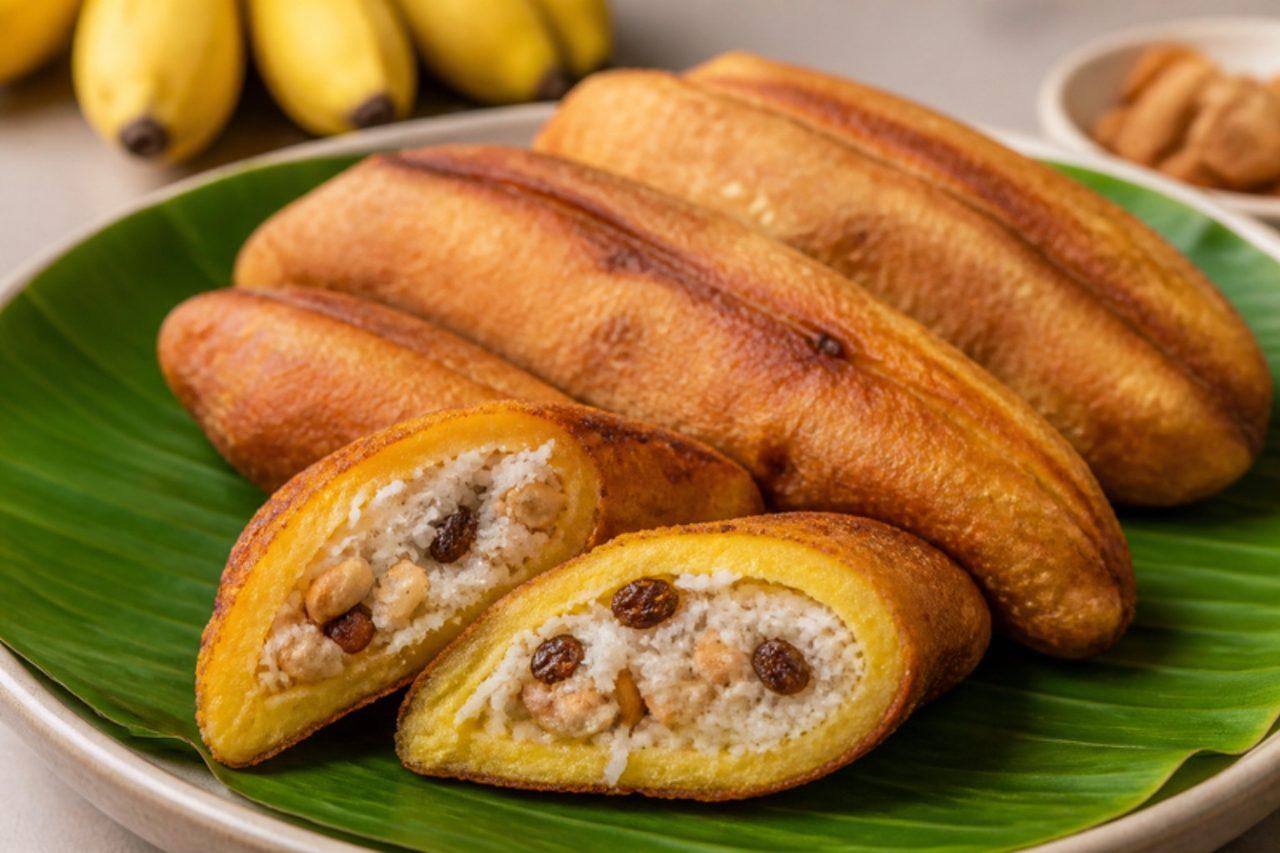
Every Malabar iftar spread has a plate of pazham nirachathu: ripe plantains slit open, packed with grated coconut, sugar and cardamom fried with ghee and cashews, then dipped in a thin flour batter and shallow-fried. The outside turns crisp and lacy, the plantain goes soft and caramel-sweet and the coconut stays moist. Chef's tip: slit the plantain without cutting through the far side or the ends, so the filling stays inside the pocket.

by KrazyBadal 0 views

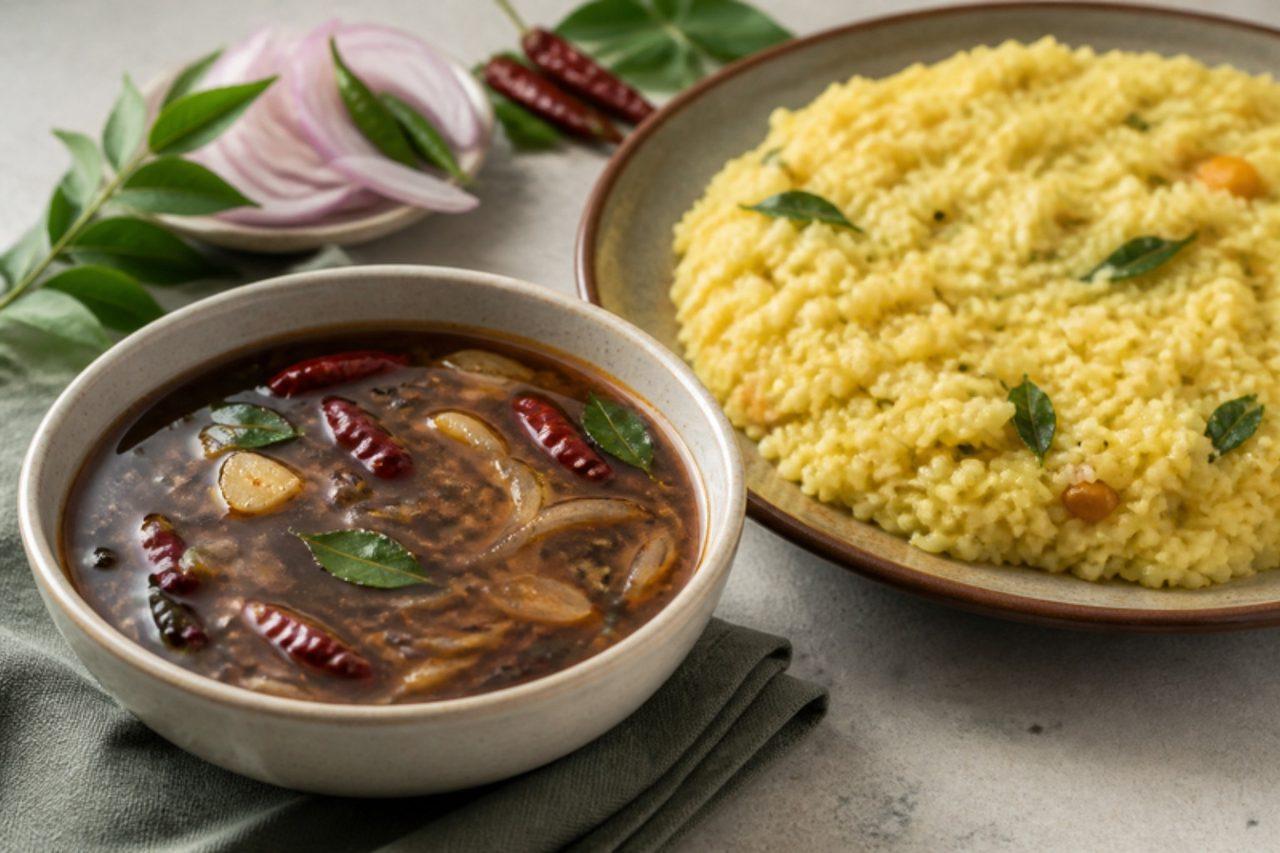
Hyderabadi khattaSour tamarind sauce

In Hyderabad the pre-dawn sehri meal of Ramadan is often khichdi, kheema and khatta: a thin, sour tamarind and onion sauce, tempered with curry leaves, garlic and dried chilli, ladled over the soft rice and lentils to wake up the palate at four in the morning. It is runny like a rasam, tart and savoury with just a little heat. Chef's tip: fry the onion only until soft, not brown, so the khatta stays light and sharp.

by KrazyBadal 0 views

Erachi pathiriFried pastry with spiced beef

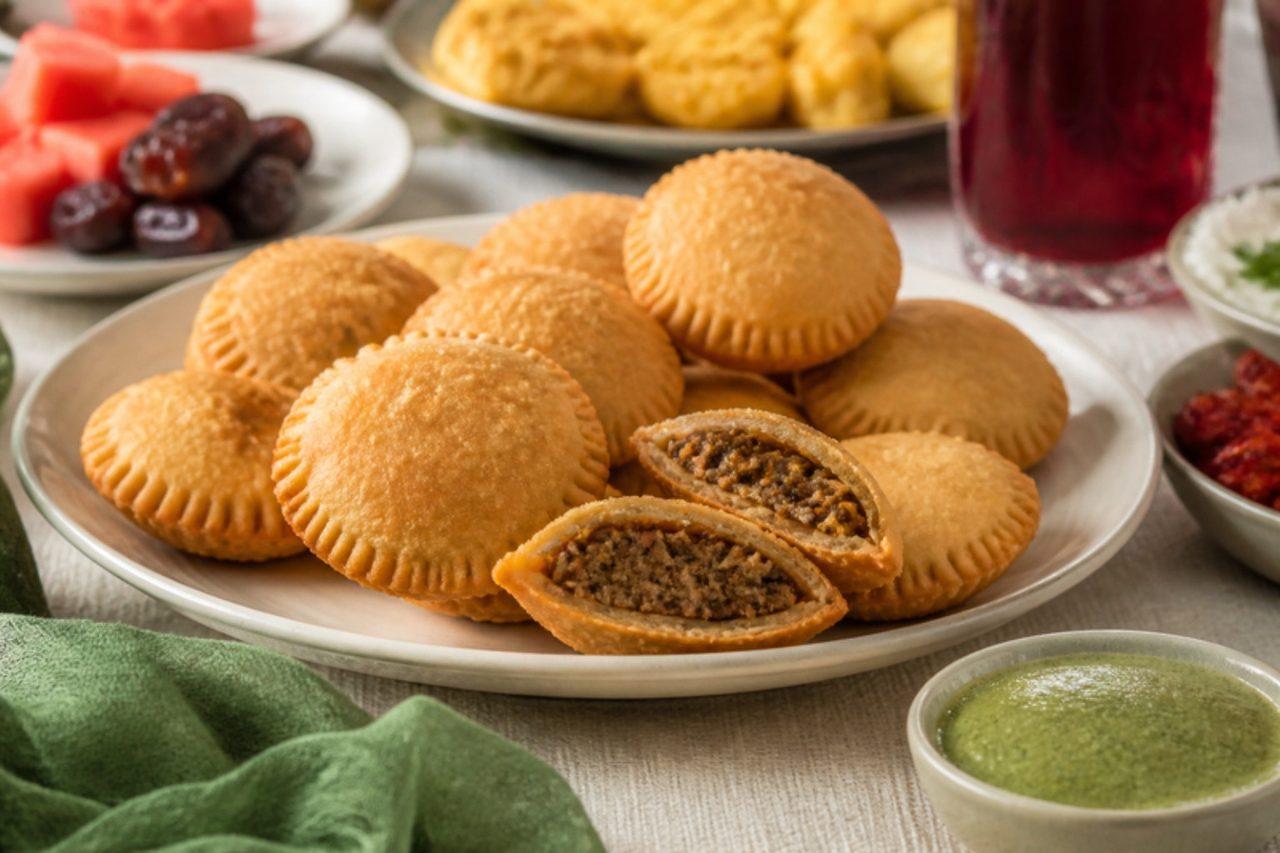
Erachi pathiri, 'meat pathiri', is the snack Malabar cooks make by the dozen for Ramadan iftar: two small rounds of soft dough sealed around a filling of minced beef fried with onion, green chilli and garam masala, then deep-fried until they puff into golden pillows. Use halal beef mince, or chicken mince cooked to 74 °C. Chef's tip: let the filling cool completely before you fill, or the steam softens the dough and the edges burst.

by KrazyBadal 0 views

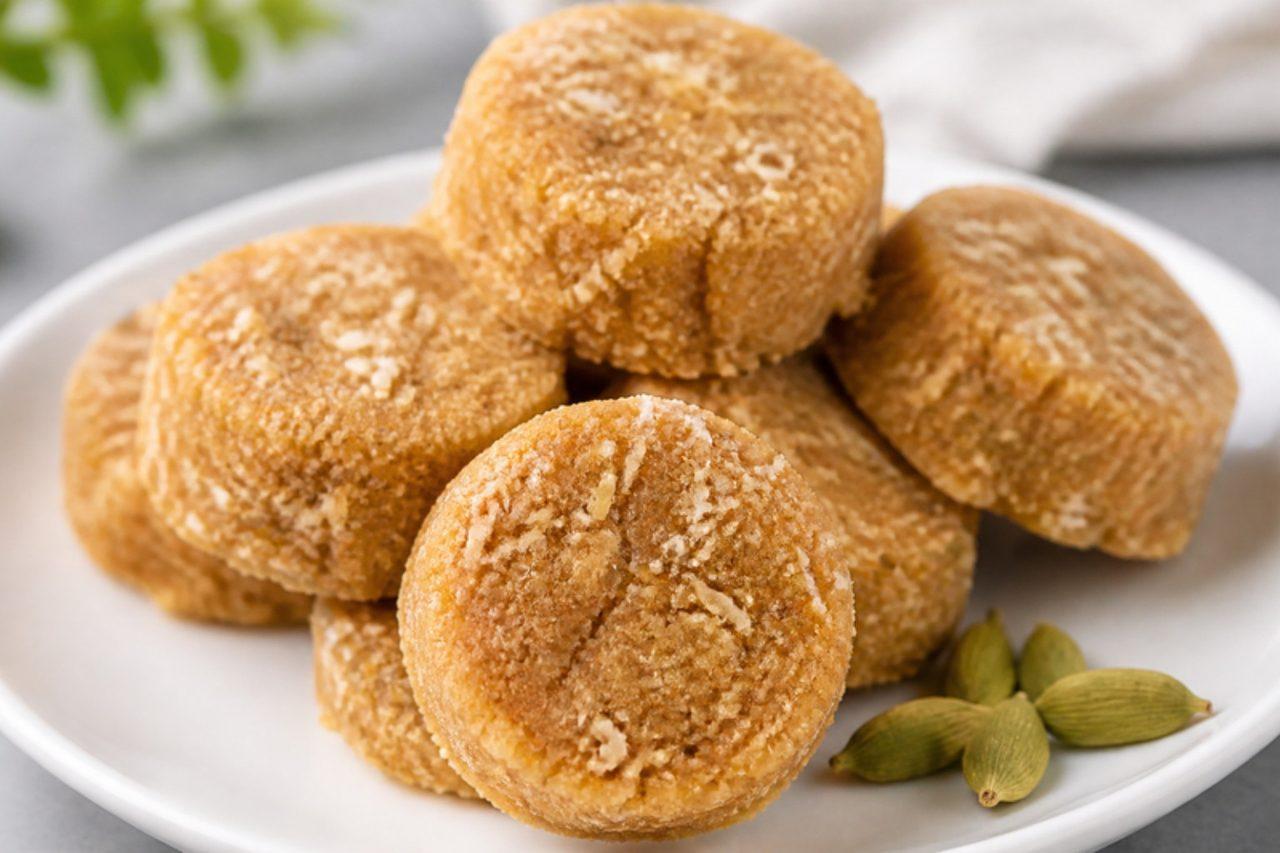
Goan milk creamMilk and cashew sweet

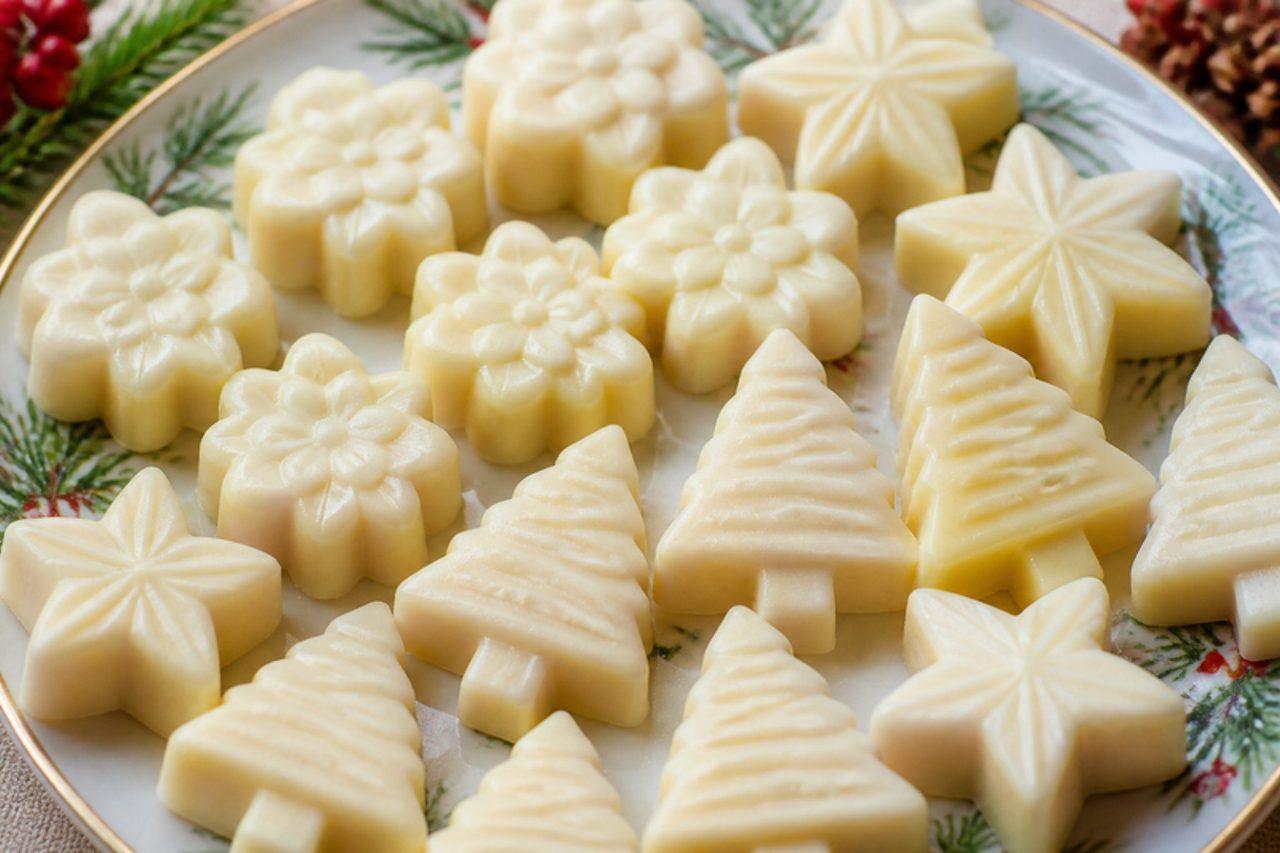
Milk cream is a pale, fudgy Goan Christmas sweet, set in pretty little moulds of flowers, stars and Christmas trees and laid on the kuswar platter beside neureos, bebinca and kulkuls. Whole milk is cooked down with sugar and ground cashews (and sometimes semolina) until it turns into a smooth paste, a little like Indian peda but softer. It is gluten free and very rich, so pieces are small. Chef's tip: dust the moulds with sugar, not flour, so the sweets pop out cleanly with crisp detail.

by KrazyBadal 0 views

KokadCoconut, jaggery and semolina squares

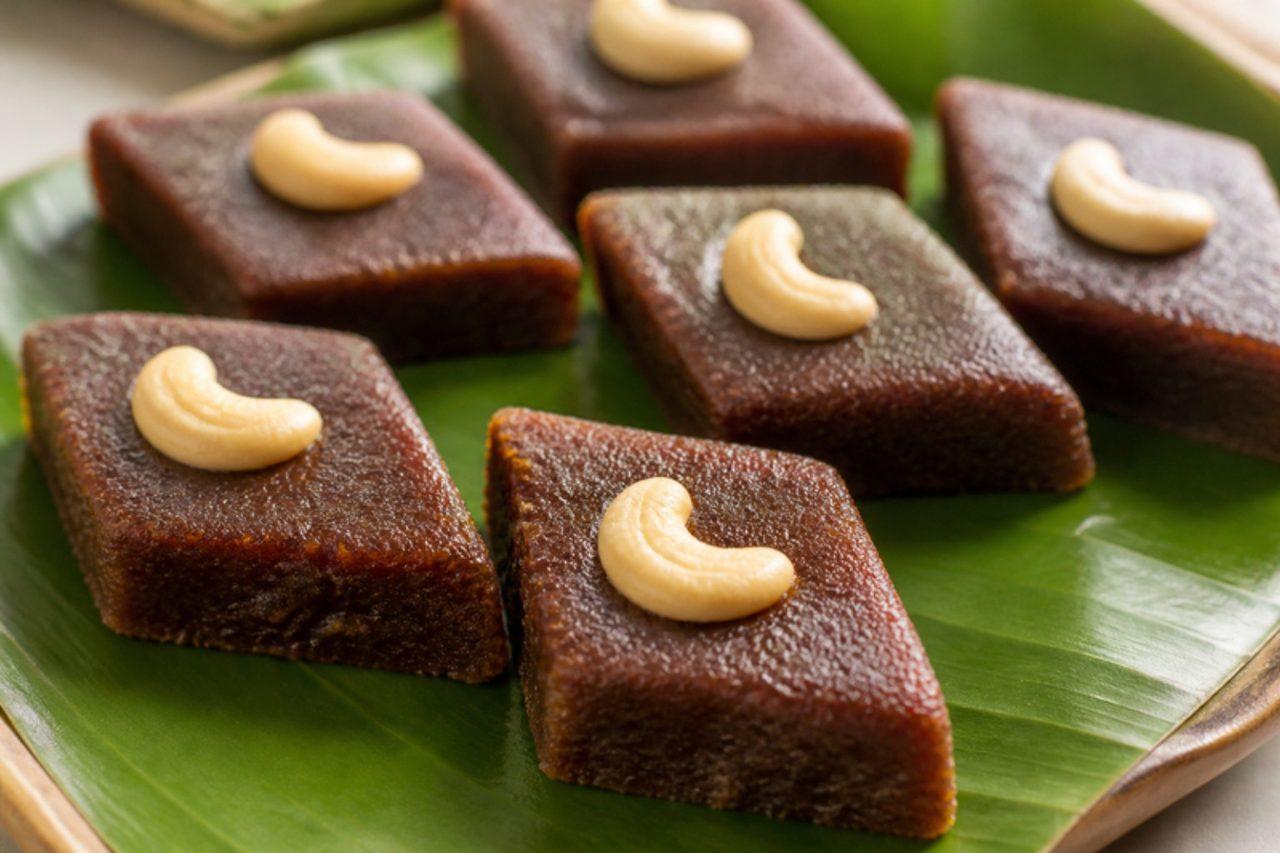
Kokad is one of the sweets in the Goan Christmas kuswar, the tray of homemade sweets Catholic families swap with neighbours in the days around 25 December. Freshly grated coconut is cooked with jaggery, semolina and ghee until it pulls together into a dark, fudgy mass, then pressed into a tray, scored into diamonds and topped with cashews. It is chewy, caramel-sweet and fragrant with cardamom. Chef's tip: roast the semolina in ghee first, until it smells nutty, as raw semolina makes kokad pasty.

by KrazyBadal 0 views

AchappamFried rose cookies

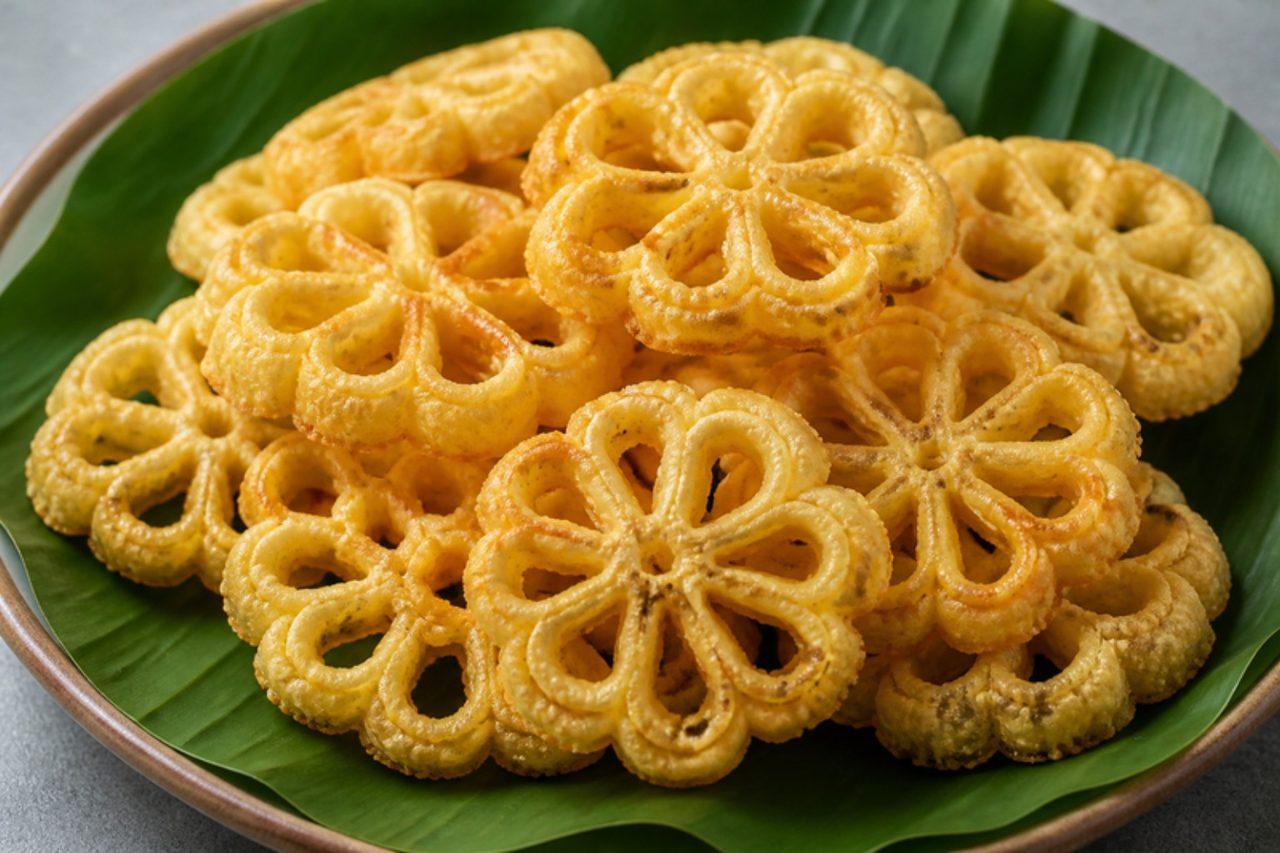
Achappam, the rose cookie, is a Christmas staple in Kerala's Syrian Christian and Latin Catholic homes, fried in big batches in December and offered to neighbours of every faith. A thin batter of rice flour, egg, coconut milk and sugar, scented with sesame or cumin, clings to a flower-shaped iron, which is dipped into hot oil until the lacy rose drops off. They keep for weeks in an airtight tin. You need an achappam (rosette) mould. Chef's tip: heat the mould in the oil each time; if the batter slides off, the mould is too cool, and if it won't release, it's too hot.

by KrazyBadal 0 views

PinacaRice flour, jaggery and coconut cakes

Pinaca is one of the oldest Goan Christmas sweets in the kuswar tray, made in the weeks before Christmas from three things: rice flour roasted until golden and nutty, jaggery and freshly grated coconut. They are pressed into small cakes or squares and have a soft, crumbly, toffee-like bite. They are vegan and gluten free. Chef's tip: take your time roasting the rice flour, as it is the roasting that gives pinaca its flavour, but stir constantly because it burns at the edges.

by KrazyBadal 0 views

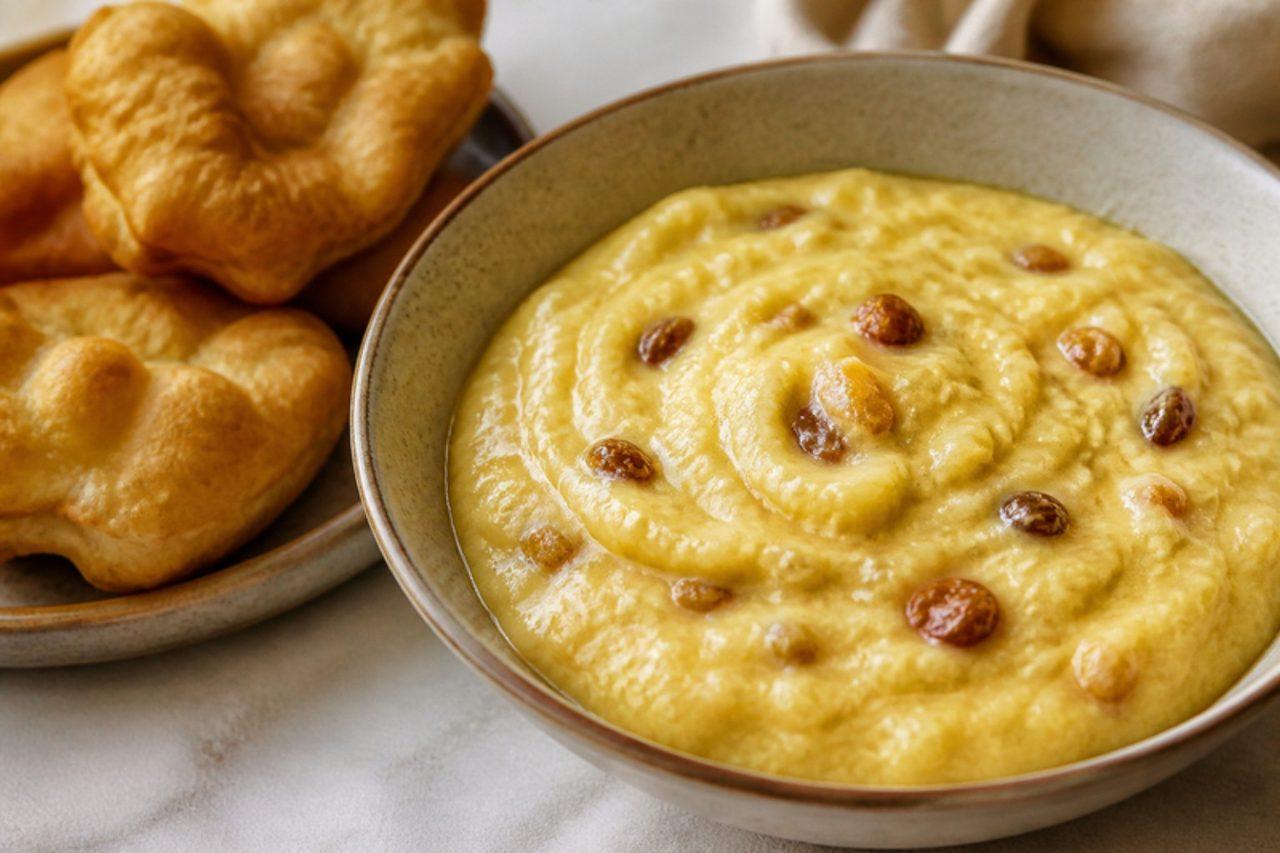
Khailmag (cream and raisin sweet)

Tsagaan Sar, the Mongolian Lunar New Year, means 'White Month', and white dairy foods stand for purity, plenty and a clean start to the year, so homes across the country set out cream, curds and sweets beside the steaming buuz. Khailmag is one of the most luxurious: clotted cream (or Mongolian öröm, the thick skin skimmed from boiled milk) is cooked with butter-toasted flour, sugar and raisins until it turns into a golden, fudgy porridge. It is very rich, so serve small spoonfuls with salty milk tea, or alongside ul boov biscuits and boortsog. There is no alcohol in it. Chef's tip: toast the flour slowly until it smells nutty; that toasting gives khailmag its caramel flavour.
by KrazyBadal 0 views

Palada payasam (Kerala rice-flake milk pudding)

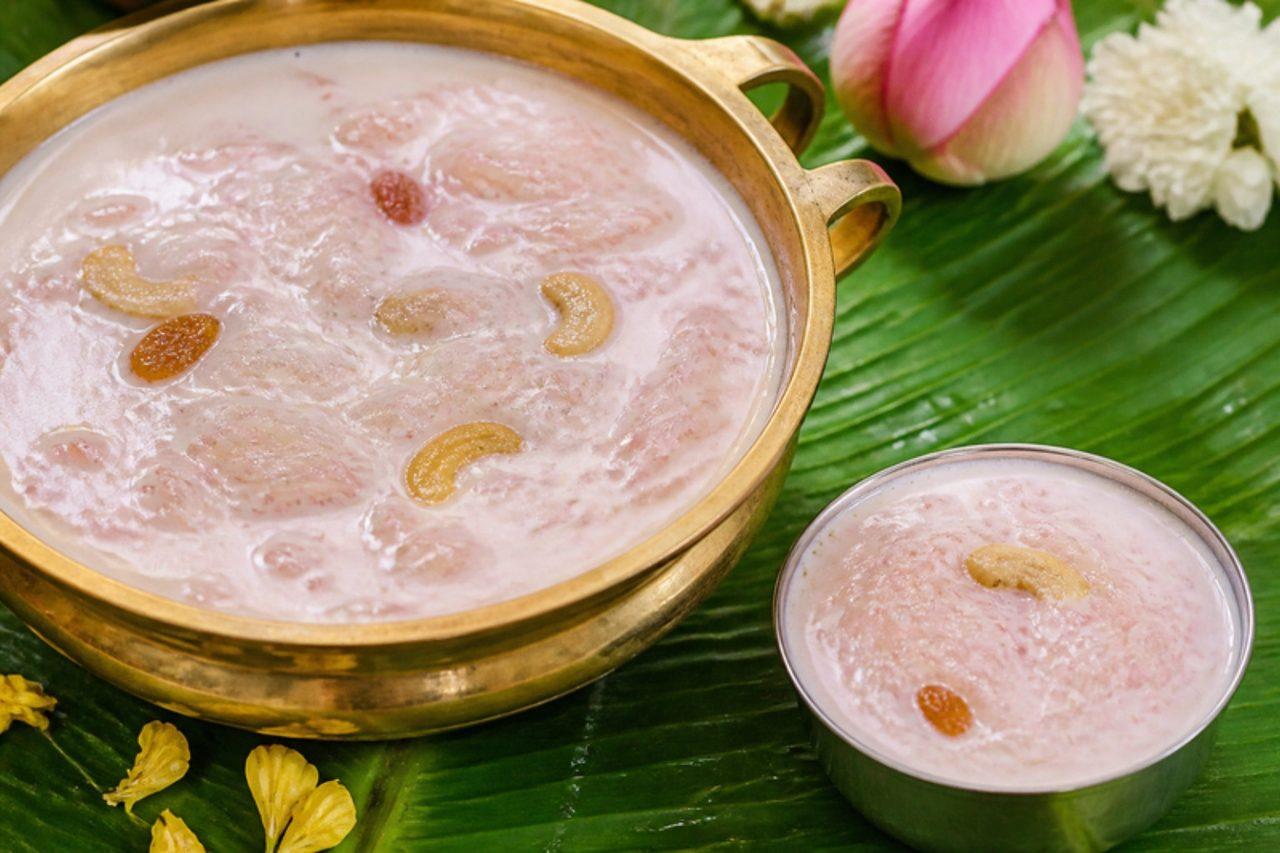
No Onam sadya in Kerala feels finished without palada, ladled onto the banana leaf near the end of the feast, often after a darker jaggery payasam. Thin flakes of rice (ada) are cooked for a long time in milk and sugar, and as the milk reduces the sugar caramelises very slightly, turning the whole pot a soft blush pink. The result is creamy and gently chewy, with a taste like warm toffee milk. It is served warm or at room temperature, sometimes mopped up with a crisp pappadam crushed into it, the way Keralites eat it at weddings. It is naturally egg-free: the starch from the rice flakes and the slow reduction of the milk thicken it, with no custard at all. Use ready-made rice ada from an Indian shop. Chef's tip: the pink colour only comes with patience; keep the heat low and steady and keep stirring, because rushing it on a high flame scorches the milk and turns it brown and bitter.

by KrazyBadal 0 views

Fruit custard (Indian chilled vanilla custard with fruit)

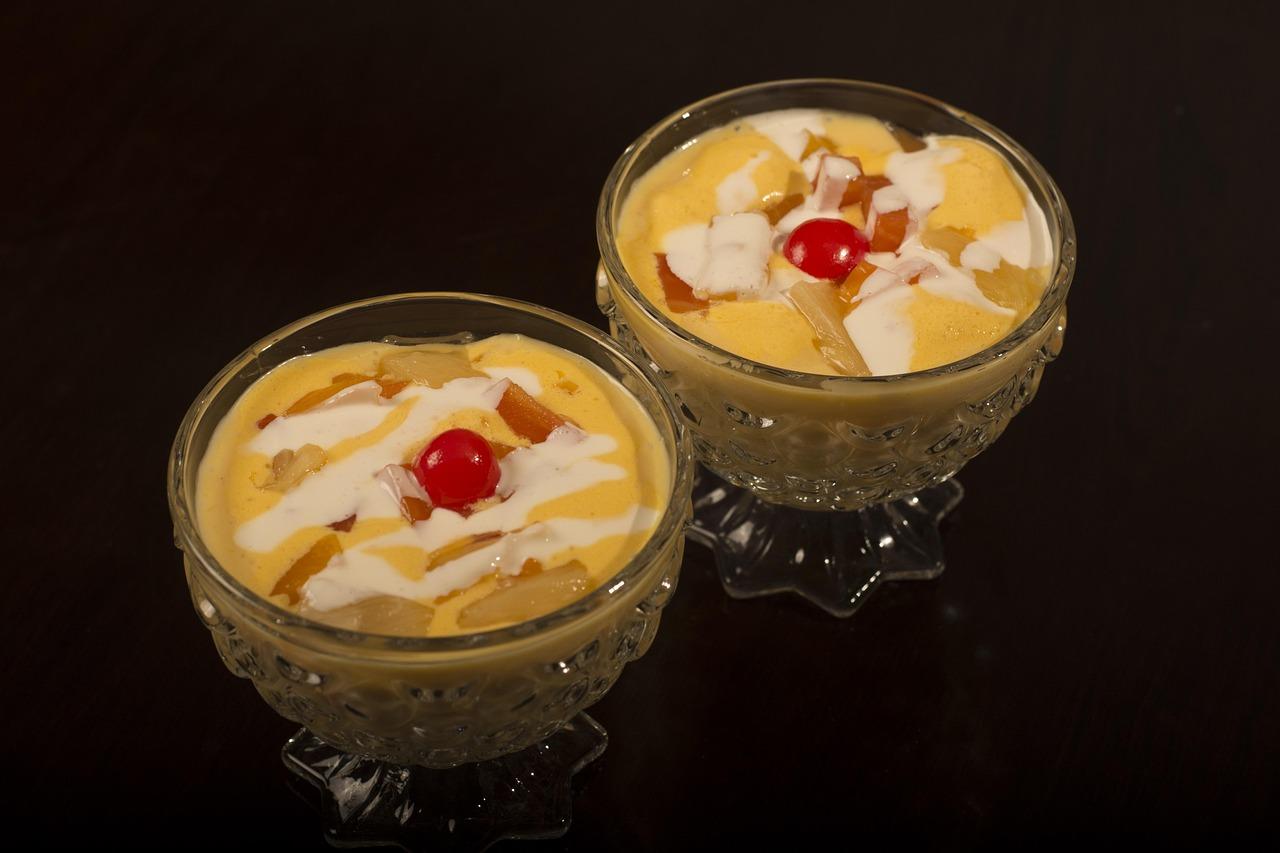
All over India, fruit custard is the dessert that turns up at birthday parties, Sunday lunches and wedding buffets, and in summer it is made by the bowlful to sit in the fridge. It is a pale yellow, spoonably thick vanilla custard, chilled until cold and then loaded with chopped banana, apple, grapes, pomegranate and mango or chikoo when they are in season. Serve it on its own in glasses, or next to warm gulab jamun at a party. This version uses eggless custard powder, which is simply cornflour with vanilla flavouring and a yellow colour: the cornflour thickens the hot milk and sets it softly as it cools, doing the work that yolks do in a French crème anglaise, so the custard is naturally egg-free. Check the label says egg-free; the usual powders are just starch, flavour and colour. Chef's tip: add the fruit only when the custard is fully cold and just before serving; stirring banana and apple into warm custard is the common mistake that turns it watery and brown.

by KrazyBadal 0 views

Ghanta tarkariMixed vegetables with dried peas

Ghanta is the Odia one-pot of everything the winter market offers, cooked in Bhubaneswar and Cuttack homes for festival days and pujas, and in a similar form in the temple kitchens at Puri. Pumpkin, raw banana, sweet potato, aubergine and beans are cooked with soaked dried peas and chana dal until the pulses thicken it into a soft, chunky stew, seasoned with ginger, cumin and a light panch phoron tempering. A portion gives about 20 g of protein from the dried peas, chana dal and vegetables. The dried peas and chana dal need 8 hours of soaking first (overnight), which is not counted in the times. The most common mistake is adding all the vegetables at once: pumpkin melts to mush while the raw banana is still hard, so add them in two stages. Chef's tip: grind the ginger and cumin with a little water to a fresh paste rather than using powder; it is what gives ghanta its clean, warm flavour.

by KrazyBadal 0 views

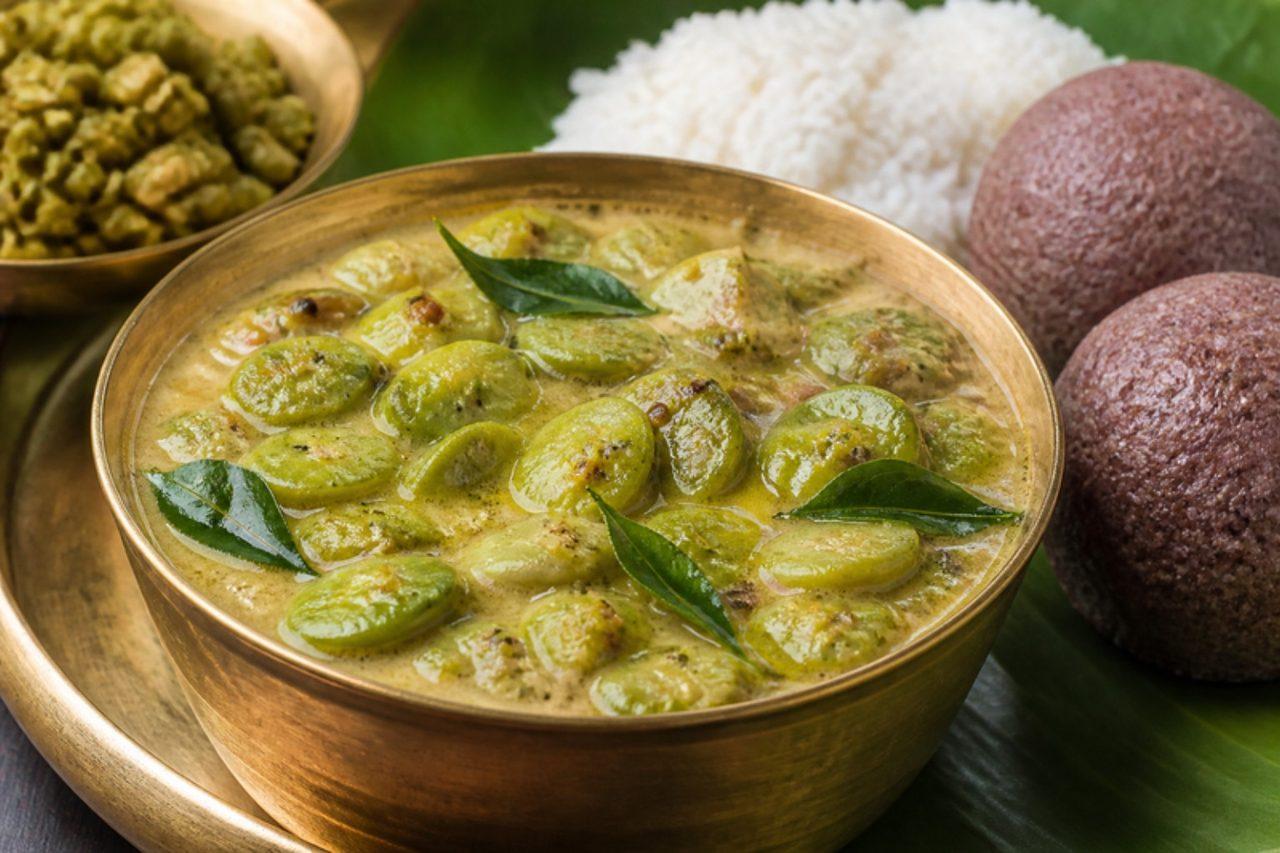
Avarekalu saaruField bean and coconut curry

When the avarekai (hyacinth bean) season comes to Bengaluru and Mysuru in December and January, the city celebrates with a whole street festival of avarekalu dishes, and this thin, fragrant saaru is the one cooked at home for lunch with ragi mudde or rice. The tender beans, popped out of their pods, are simmered in a gravy of coconut, roasted spices and a little tamarind and jaggery. Fresh beans are watery, so a portion gives about 12 g of protein, from the beans, a little toor dal and the coconut; that is why it is not tagged High protein. Frozen shelled avarekalu from Indian grocers works well out of season. The most common mistake is undercooking the beans: like all hyacinth beans they must be cooked until completely soft, never eaten raw or half-cooked. Chef's tip: for the classic hitikida flavour, soak the shelled beans in warm water for 30 minutes and squeeze each one out of its skin; it takes time but gives a creamier, sweeter saaru.

by KrazyBadal 0 views

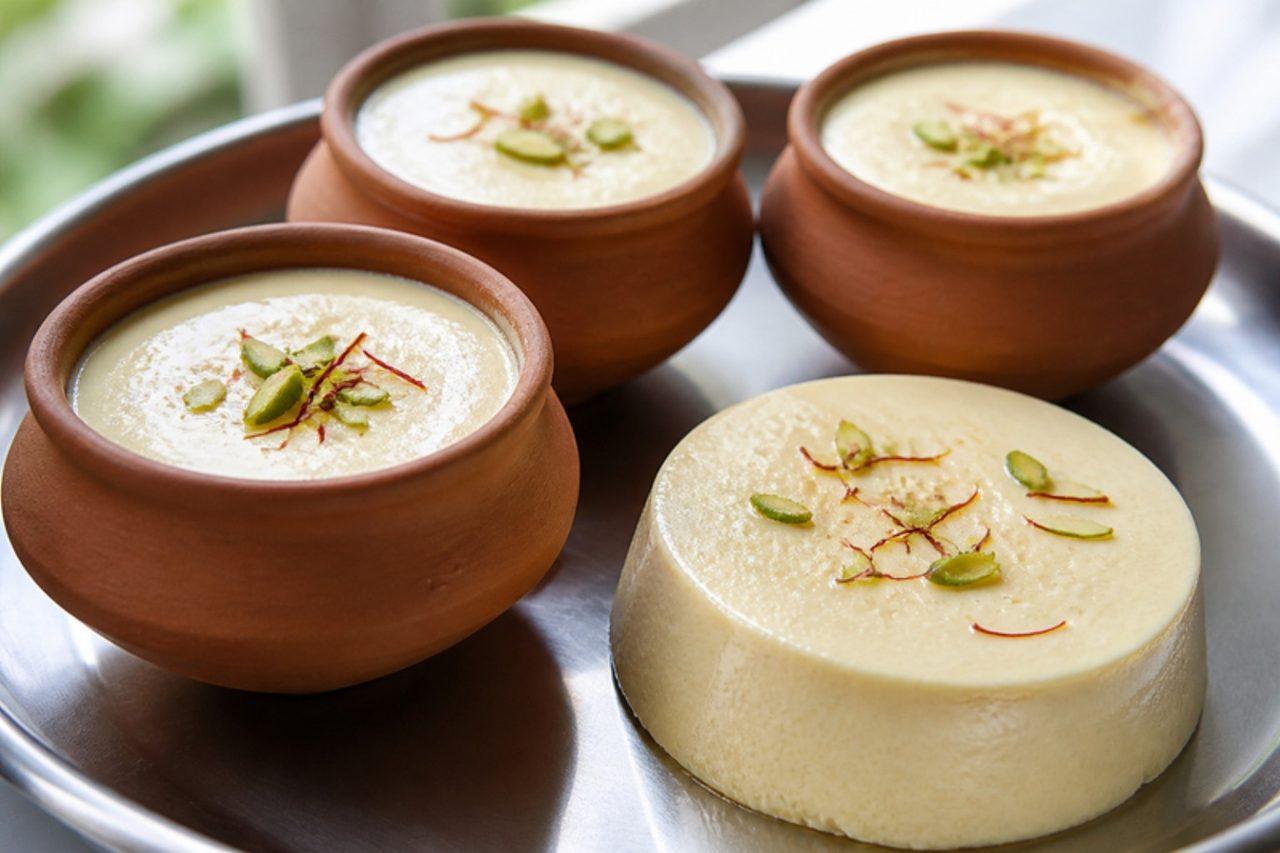
Bhapa doi (Bengali steamed sweet yogurt)

Bhapa doi means steamed yogurt, and it's the dessert Kolkata households make when there's no time to visit the sweet shop for mishti doi. It's especially popular on Jamai Shashthi and at Poila Baisakh, the Bengali New Year, but it appears at Sunday lunches all year. Thick hung yogurt is mixed with condensed milk and a little milk, scented with cardamom, then gently steamed until it sets like a soft cheesecake without a crust. Chilled, it's dense, smooth and tangy-sweet. Serve it plain in small bowls, topped with pistachios, or with ripe mango in summer. There is no egg here: the milk proteins in the yogurt and condensed milk set with gentle heat, just as eggs would set a baked custard, and the condensed milk adds body and sweetness. Chef's tip: steam it on a low, gentle simmer; the common mistake is a fierce boil, which makes the yogurt weep whey and turn grainy.

by KrazyBadal 0 views

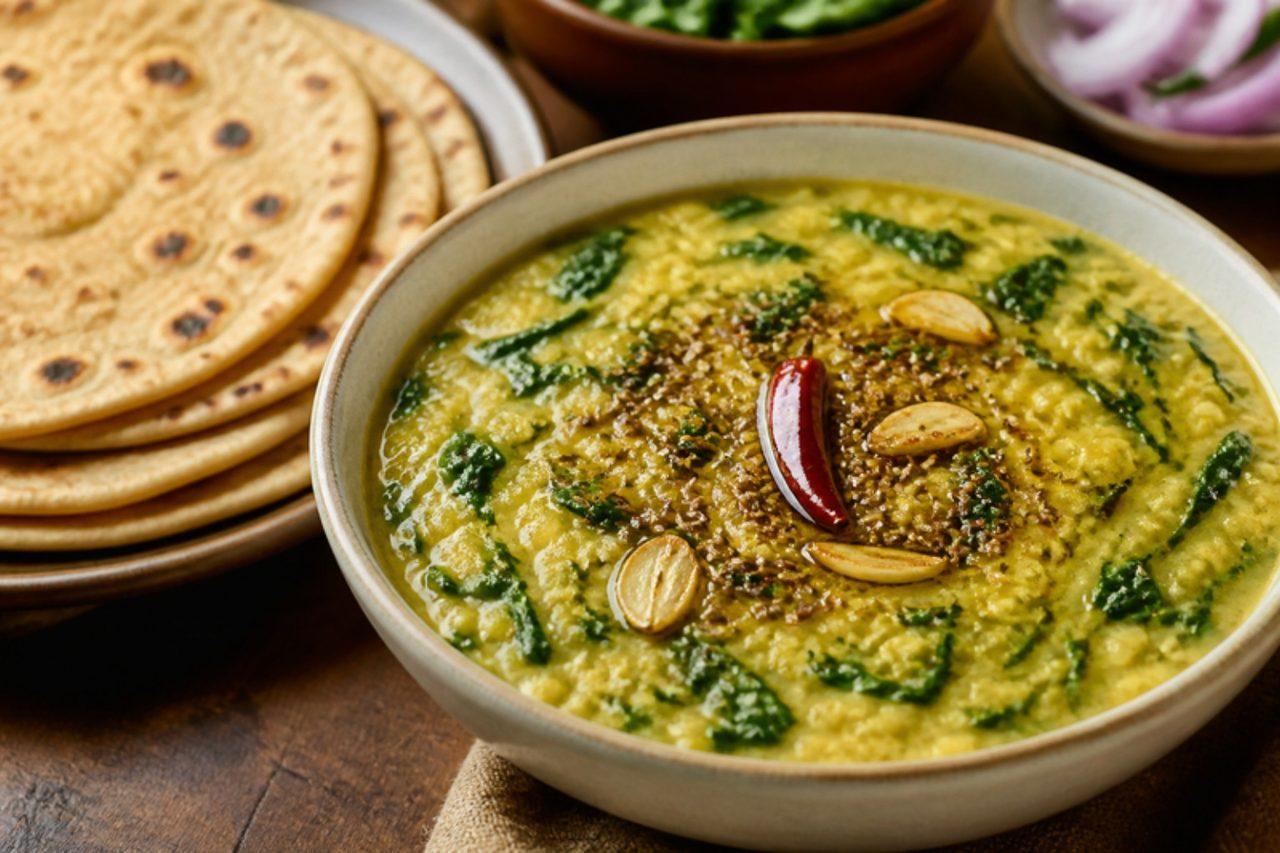
Methi dalLentils with fenugreek leaves

In Punjab, Rajasthan and Delhi homes, methi dal arrives in late autumn and winter, when bunches of fresh fenugreek are cheap and fragrant at every vegetable cart. The leaves are stirred into a pot of soft toor and moong dal, where their gentle bitterness balances the earthy lentils, and a cumin and garlic tadka goes over the top. It is a light everyday dinner with phulka or rice. A portion gives about 21 g of protein from the two dals, for about 350 kcal. The most common mistake is cooking the leaves for too long or chopping in the thick stems, which makes the dal bitter and stringy: use only leaves and tender tips and add them for the last few minutes. Chef's tip: toss the chopped leaves with a pinch of salt, leave them for 10 minutes and squeeze out the green juice; it takes the harsh edge off the bitterness without losing the flavour.

by KrazyBadal 0 views

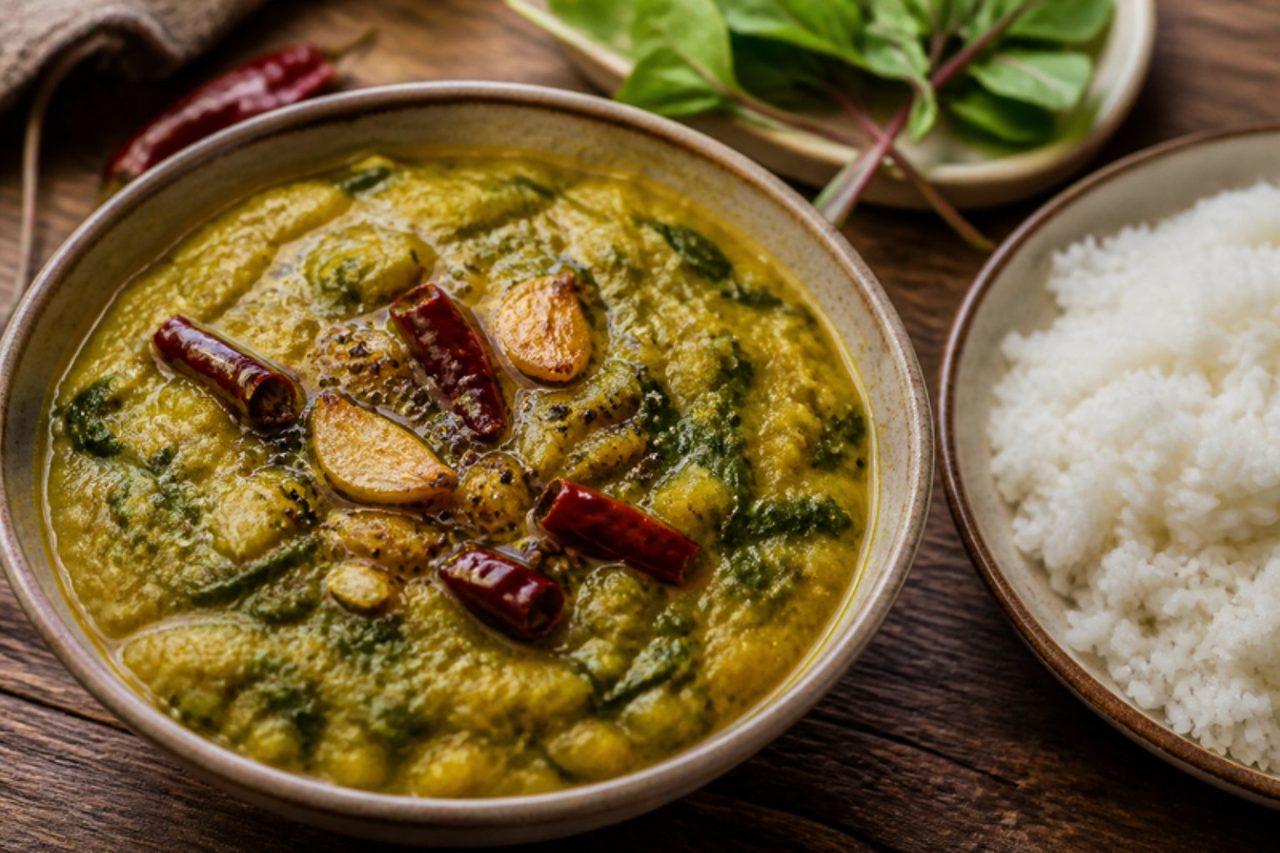
Gongura pappuLentils with sour roselle leaves

In Guntur, Vijayawada and across Telangana, gongura pappu is the everyday lunch dal that people who move away miss most: toor dal cooked soft with handfuls of sour roselle leaves, which melt into a tangy, olive-green purée, then finished with a sizzling tempering of garlic and dried red chillies. It is eaten mixed into hot rice with a spoon of ghee or oil and a crisp papad. A portion gives about 20 g of protein, almost all from the toor dal, and about 23 g with a plate of rice. Gongura is sold in Indian grocers in bunches; you need only the leaves. The most common mistake is cooking the leaves in an aluminium or iron pan: their acid reacts with the metal and the dal turns dark and tastes metallic, so use a steel or enamelled pot. Chef's tip: mash the dal and wilted leaves together hard with a whisk or wooden masher before tempering; a smooth, creamy pappu carries the sourness evenly instead of in stringy patches.

by KrazyBadal 0 views

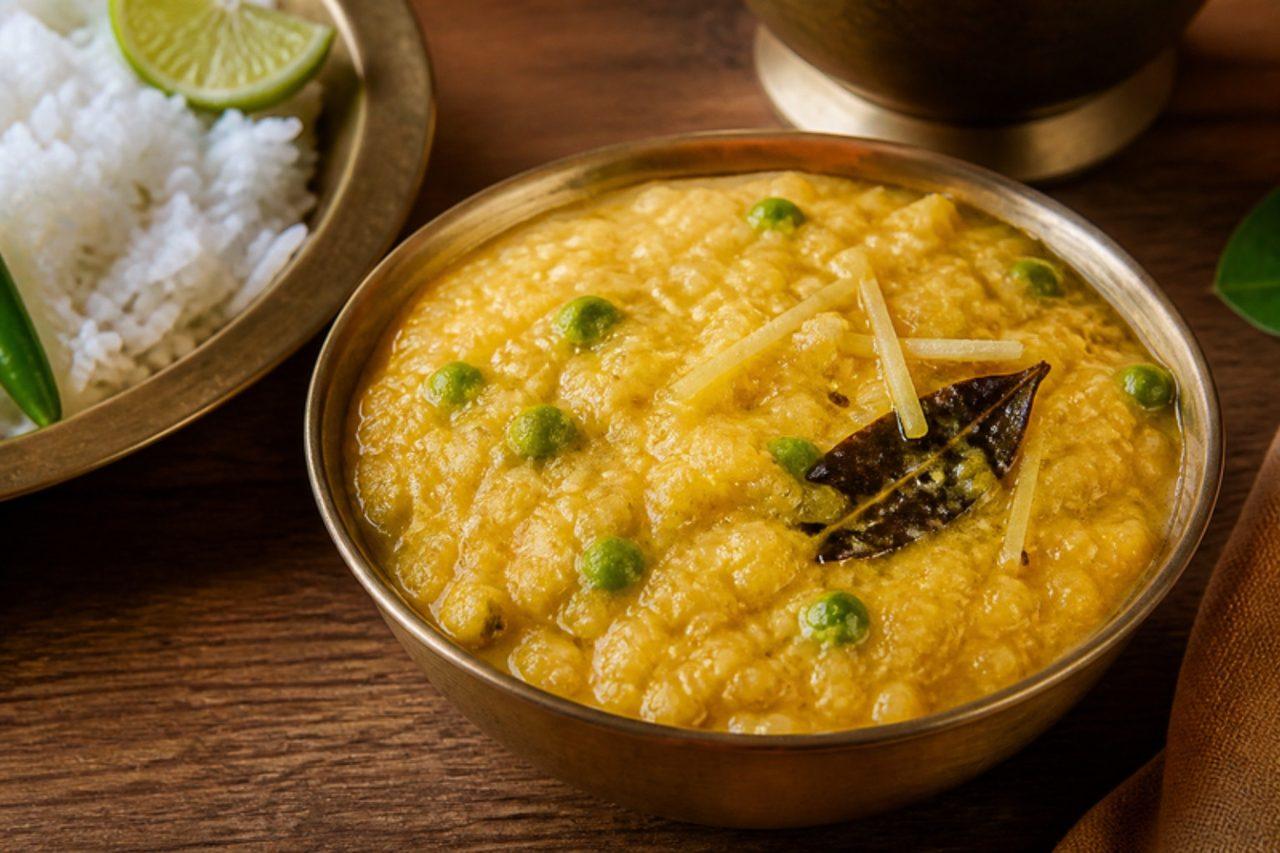
Bhaja muger dalRoasted moong dal with ginger

Bengali households in Kolkata make bhaja muger dal on winter weekdays, and it is a fixture of the vegetarian bhog served at Durga Puja and Saraswati Puja. The moong is dry-roasted in a heavy pan until it smells nutty, then cooked soft with ginger and green peas and finished with ghee, bay leaf and a whisper of sugar. The roasting gives it a toasty, almost sweet depth that plain moong dal never has. A portion gives about 21 g of protein from the moong and peas, for about 360 kcal. Serve it with rice and a fried vegetable such as begun bhaja. The most common mistake is roasting over too high a heat: the outside browns while the inside stays raw, and the dal tastes burnt and never softens evenly. Chef's tip: roast only until the dal is a couple of shades darker, pale gold, and you can smell it from the next room; stop the moment you see the first brown spots.

by KrazyBadal 0 views

Aamras (spiced mango pulp)

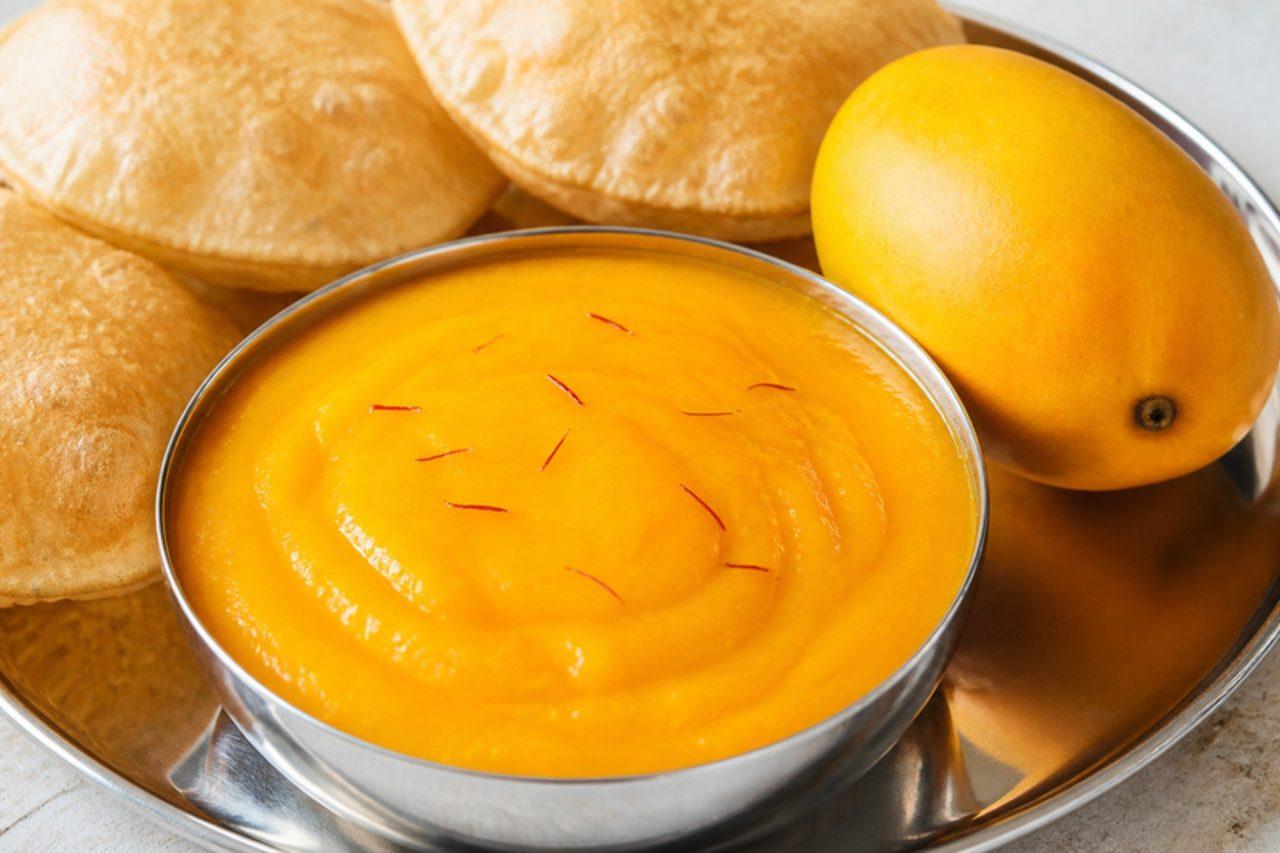
When Kesar mangoes reach Ahmedabad and Alphonsos reach Pune in April and May, aamras appears at almost every summer lunch in Gujarat and Maharashtra. It's simply ripe mango pulp, thick and silky, with a pinch of dry ginger to help digestion, a little cardamom and sometimes a spoon of sugar if the fruit isn't sweet enough. It's eaten as part of the meal rather than after it, scooped up with hot puris, alongside a potato sabzi and dal; in Maharashtra it's also served at Akshaya Tritiya and Gudi Padwa. Spoon it out chilled in bowls, or offer it to children by itself. It is naturally egg-free and vegan: the mango's own thick pulp gives all the body, so nothing needs to bind or set it. Chef's tip: use only soft, fragrant, fully ripe mangoes and press the pulp through a sieve if they are fibrous; under-ripe fruit is the common mistake that makes aamras sour and thin.

by KrazyBadal 0 views

Showing 48 of 1,410 recipes

Show more recipes

Page 2 of 59