Skip to content
Recipes

All recipes

Vegetarian, or something you can't eat? Set your diet once and we'll hide recipes that don't fit.

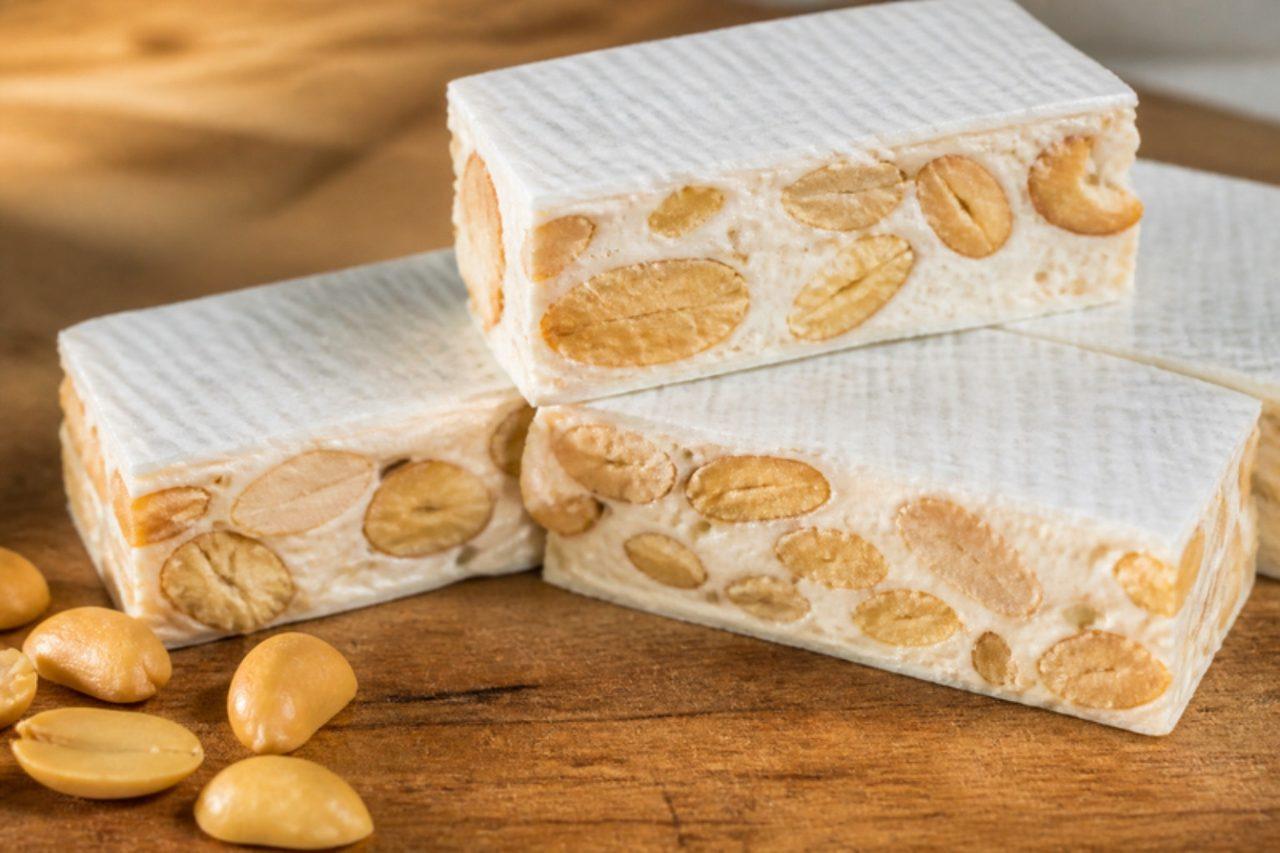
Turrón de maníPeanut nougat

On an Argentine Christmas Eve, after midnight toasts, the 'mesa dulce' appears with pan dulce, garrapiñadas and turrón de maní: a chewy white nougat of honey, sugar, whipped egg white and roasted peanuts, often set between two sheets of rice paper. Families make it in the days before Nochebuena. The egg white is cooked by the hot syrup. It is gluten free if you use gluten-free wafer paper or none. Chef's tip: work fast once the syrup is in, as the nougat stiffens as it cools and gets hard to spread.

by KrazyBadal 0 views

Grillázs (Hungarian walnut brittle)

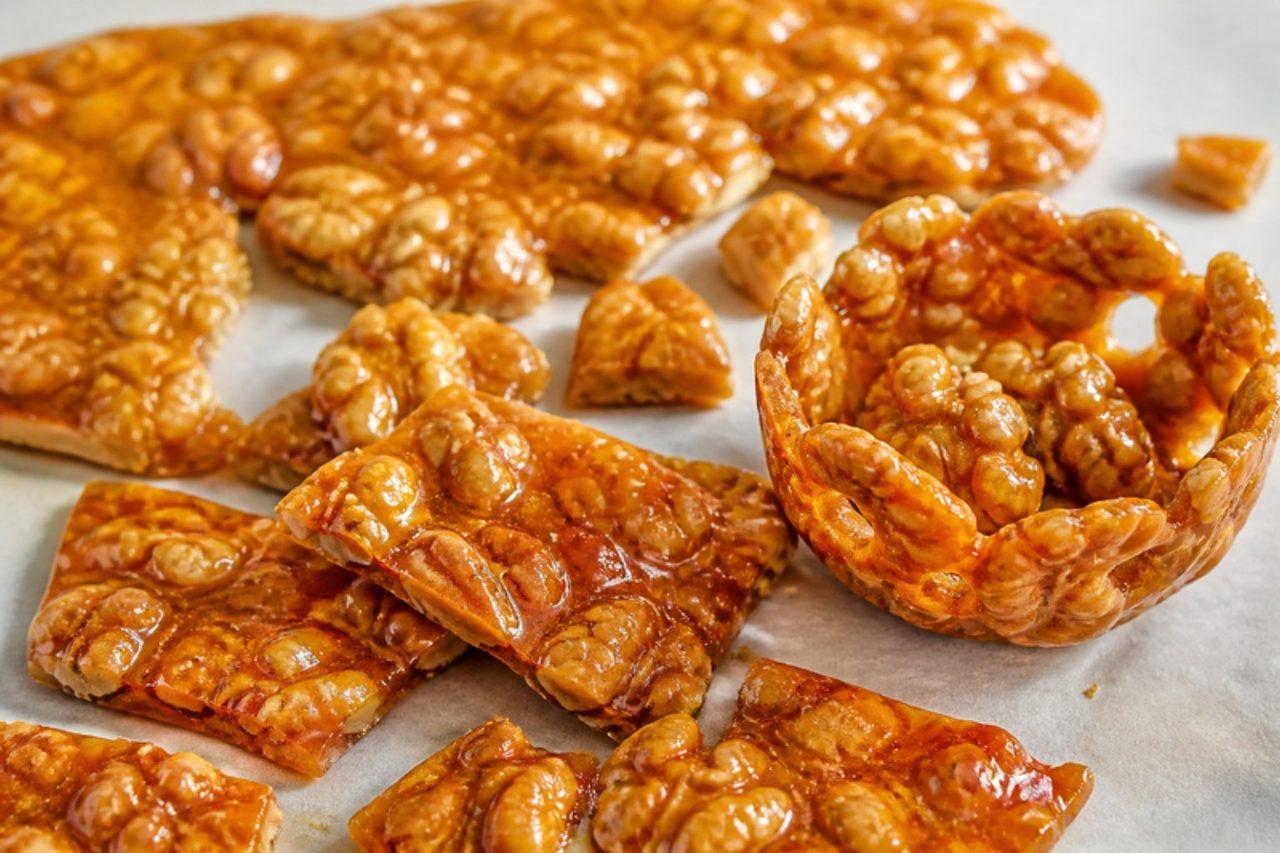
Grillázs belongs to Hungarian celebrations: it is sold at Christmas fairs and on saints' day markets, and at village weddings a towering grillázs castle or basket is often the centrepiece, broken up and shared at the end of the night. Walnuts are traditional, almonds are the fancier choice. The caramel is cooked to a deep amber, so it tastes rich and slightly bitter-sweet and shatters cleanly, with the toasted nuts giving a softer crunch. Serve shards with coffee, crumble it over ice cream, or press warm sheets over an oiled bowl to make a basket for fruit or sweets. It is naturally egg-free: melted, caramelised sugar sets glass-hard as it cools and holds the nuts together, with a few drops of lemon juice to keep it smooth. Chef's tip: warm the walnuts in the oven before they go in; the common mistake is adding cold nuts, which chill the caramel so it seizes and turns grainy before you can spread it.

by KrazyBadal 0 views

Khailmag (cream and raisin sweet)

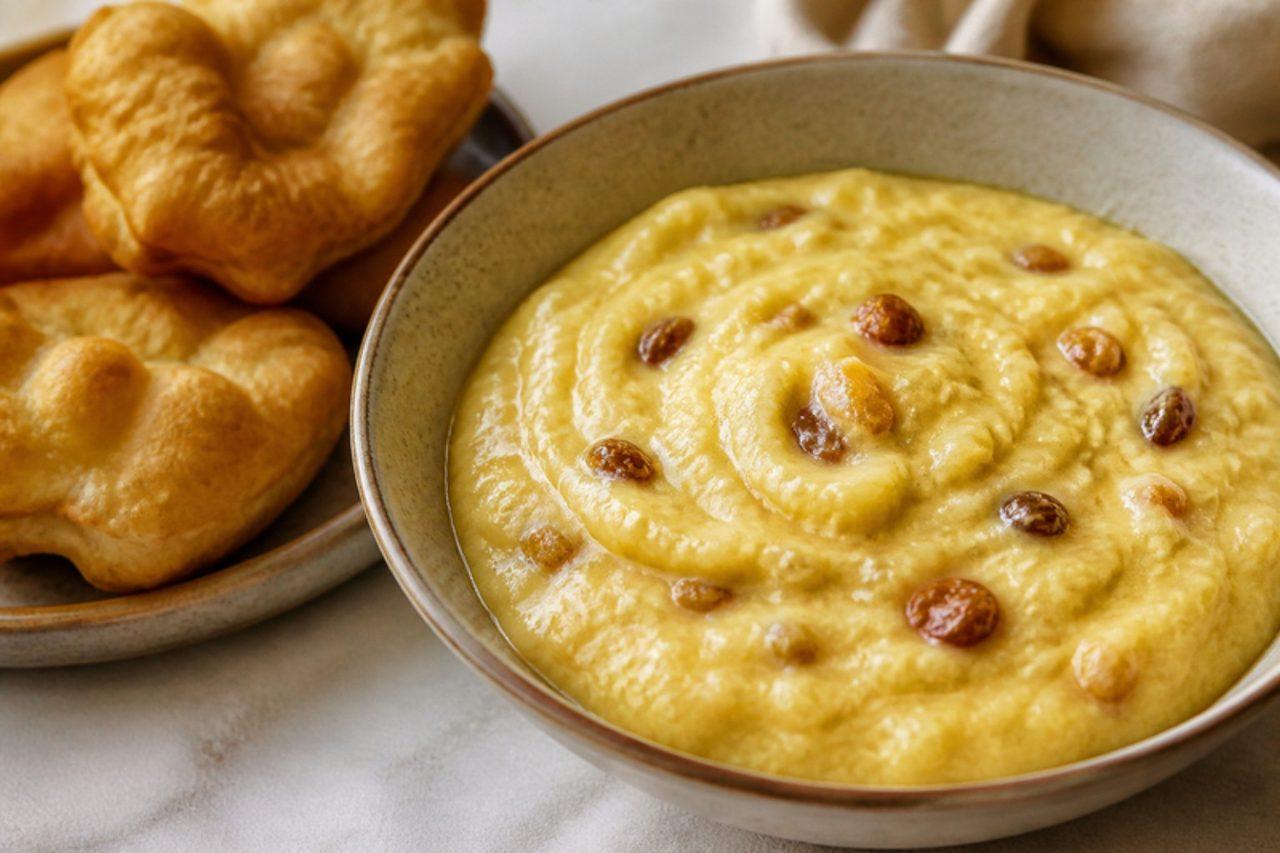
Tsagaan Sar, the Mongolian Lunar New Year, means 'White Month', and white dairy foods stand for purity, plenty and a clean start to the year, so homes across the country set out cream, curds and sweets beside the steaming buuz. Khailmag is one of the most luxurious: clotted cream (or Mongolian öröm, the thick skin skimmed from boiled milk) is cooked with butter-toasted flour, sugar and raisins until it turns into a golden, fudgy porridge. It is very rich, so serve small spoonfuls with salty milk tea, or alongside ul boov biscuits and boortsog. There is no alcohol in it. Chef's tip: toast the flour slowly until it smells nutty; that toasting gives khailmag its caramel flavour.

by KrazyBadal 0 views

Quinotos en almíbar (Argentine kumquats in syrup)

In Buenos Aires and the river provinces of the Litoral, kumquat trees ripen in the middle of winter, between June and August, and the fruit goes straight into jars of syrup. Grandmothers' pantries held quinotos for the whole year, brought out for birthdays and long Sunday lunches. Each little fruit turns glossy orange and translucent, with a soft, bittersweet skin and a sharp, juicy centre. Spoon them over vanilla ice cream, serve them with a slice of fresh cheese in the style of postre vigilante, or eat them straight from the jar. Many bar menus offer them steeped in spirits; this version keeps only the syrup. Naturally egg-free, the quinotos rely on sugar syrup to preserve them, while pectin from the peel gives the syrup a light, jammy body. Chef's tip: blanch the fruit three times from cold water; the common mistake is skipping this, which leaves the skins tough and bitter.

by KrazyBadal 0 views

Alfeñique (Toluca Day of the Dead sugar-paste figures)

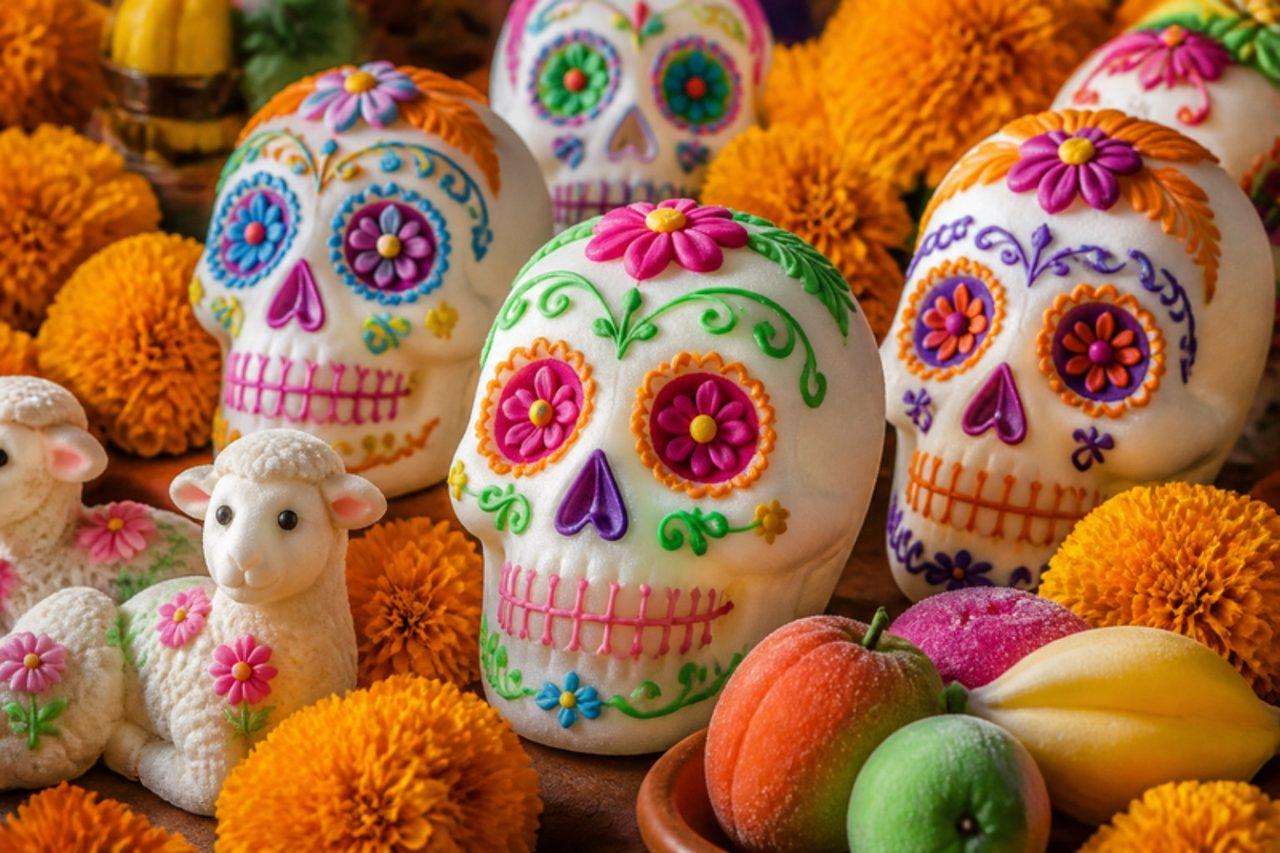
Each October the arcades of Toluca, in the State of Mexico, fill with the Feria del Alfeñique: stalls of little skulls, lambs, coffins, baskets and fruit, all modelled from sugar paste and painted bright colours for the Day of the Dead altars of 1 and 2 November. Children buy a skull with their own name on it; families place them on the ofrenda beside marigolds, candles and pan de muerto. The paste is snow-white, smooth and brittle once dry, with a clean sugar and lime taste. The old Toluca paste is egg-free, kneaded with chautle, a gum from an orchid bulb; here gum tragacanth plays that part, making the paste stretchy enough to model and helping it dry hard. The decorating icing is egg-free too, made from icing sugar, lime juice and a pinch of the same gum. Chef's tip: work the syrup while it is warm and keep the paste wrapped; the common mistake is letting it sit uncovered, so it dries out and cracks as you shape it.

by KrazyBadal 0 views

Szaloncukor (Hungarian Christmas tree candy)

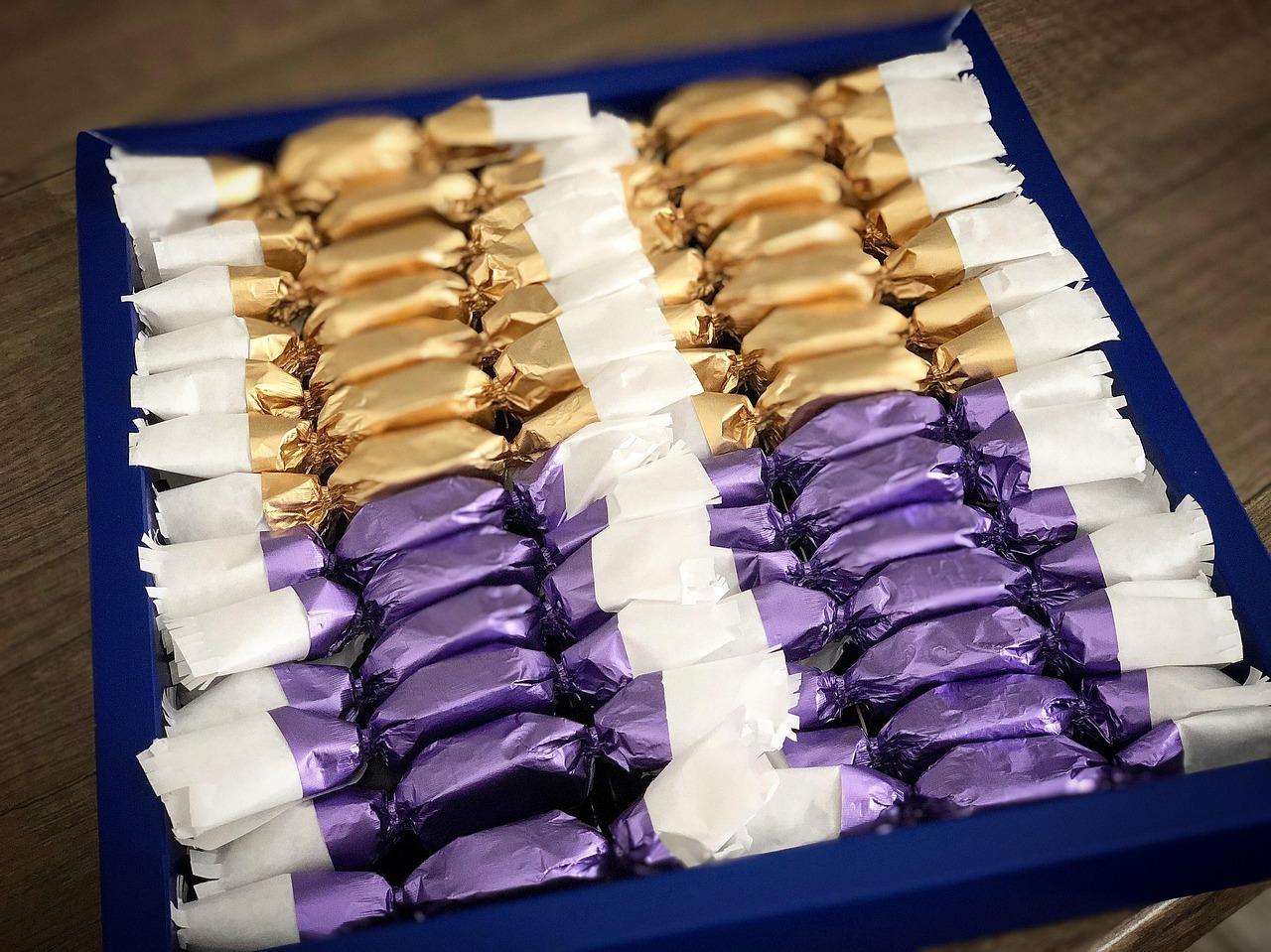
Every Hungarian Christmas tree carries szaloncukor: sweets wrapped in shiny foil and fringed paper, hung from the branches in December and quietly eaten, one by one, by everyone in the house until Epiphany. The classic is soft white fondant, but the centres vary: tart fruit jelly, coconut, marzipan or nut. Here there are two fillings, raspberry jelly and coconut fondant, both coated in dark chocolate, so each bite gives a snap of chocolate and then a tender, melting middle. They are lovely with coffee or as a small gift. These are egg-free with no animal setting agent: the fondant is just sugar syrup cooked to the soft-ball stage and worked until it crystallises into a smooth, white paste, so no egg white is needed, and the jelly is set with agar-agar, which gives clean cubes that hold their shape at room temperature. Chef's tip: let the syrup cool to about 45°C before working it; the common mistake is starting while it is still hot, which grows coarse crystals and a gritty fondant.

by KrazyBadal 0 views

Sopa de nopalesCactus paddle soup

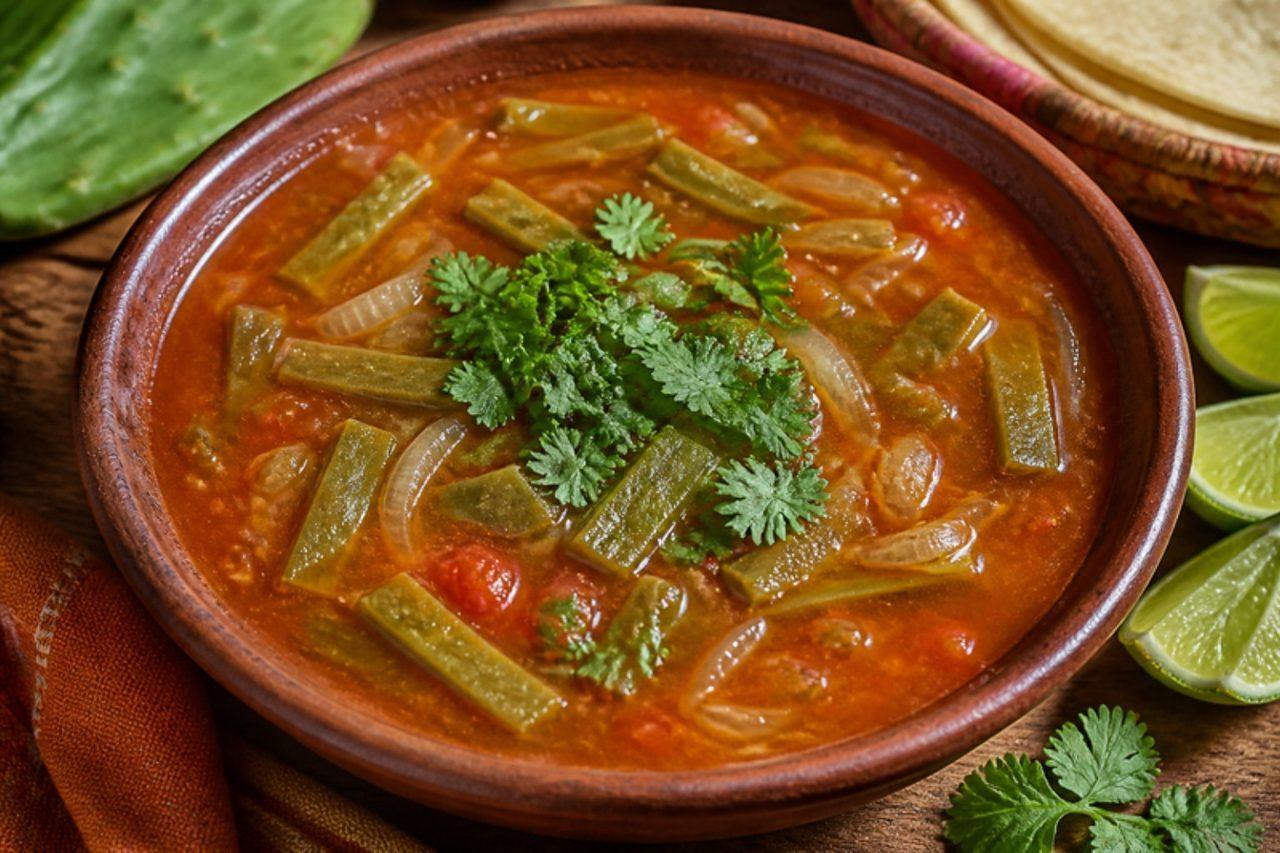
In Mexico City, Puebla and the towns of central Mexico, sopa de nopales is cooked at home during Lent and on any warm day when tender cactus paddles are cheap in the market. Diced nopales simmer in a light tomato and chilli broth with onion and coriander, giving a soup that is tangy, fresh and a little green-tasting, like green beans crossed with okra. It is very light, with about 3 g of protein per bowl; add a can of pinto beans or crumble fresh cheese on top for more. The most common mistake is putting raw nopales straight into the soup, which turns it slimy: boil them separately first and rinse them. Chef's tip: add a few tomatillo husks or a pinch of bicarbonate to the boiling water for the nopales; it helps set the slime so it rinses away.

by KrazyBadal 0 views

Caldo xóchitlChicken, rice and chickpea broth

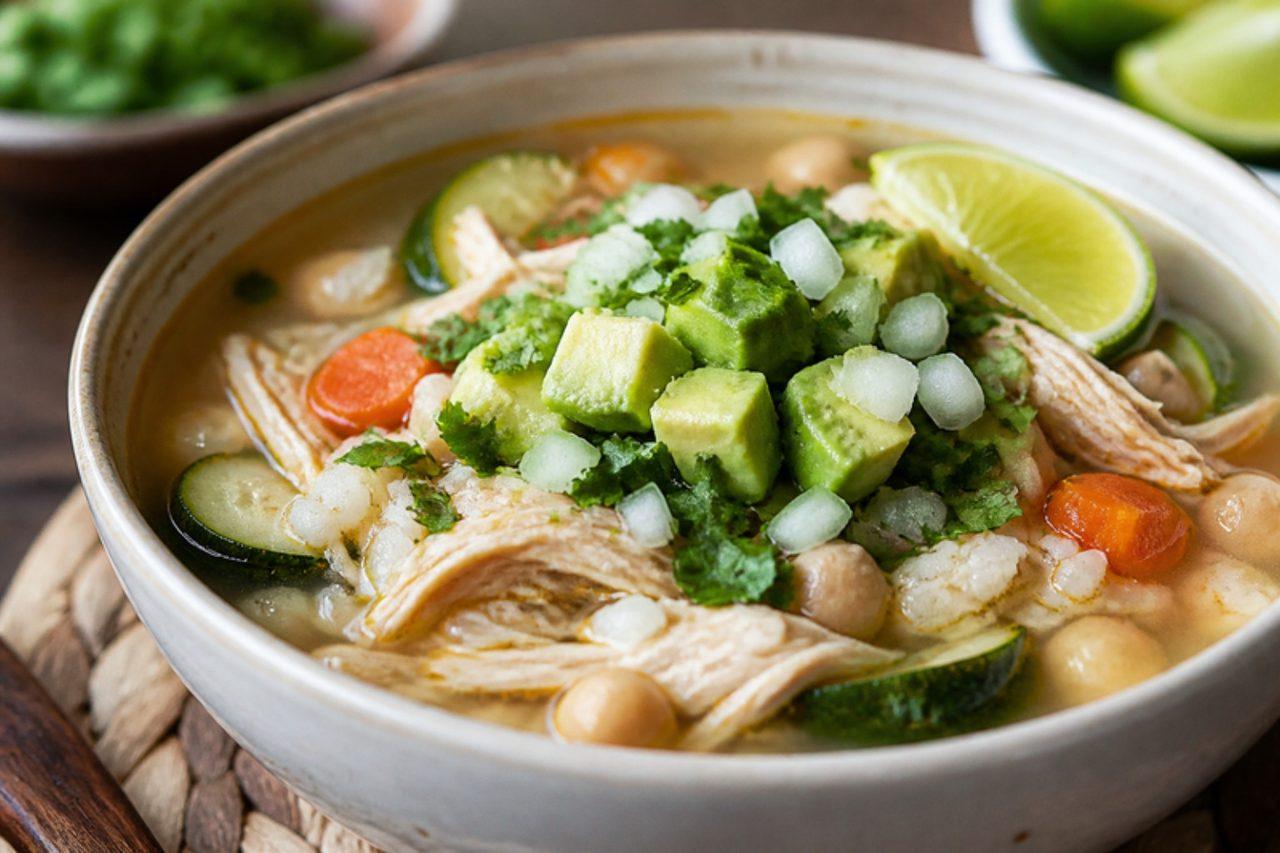
Caldo xóchitl, named after the Nahuatl word for flower, is the restorative chicken soup of Mexico City's fondas and markets, eaten at lunch on cool days, after a late night or when someone is unwell. A clear broth with chicken, rice, chickpeas, courgette and carrot is served with a spread of chopped onion, coriander, serrano chilli, avocado and lime so everyone builds their own bowl. A portion gives about 24 g of protein, from the chicken and chickpeas, for around 360 kcal. The common mistake is boiling it hard, which clouds the broth and toughens the chicken; keep it at a lazy simmer and skim the foam. The chicken must reach 74 °C in the thickest part and the meat should pull easily from the bone. Chef's tip: cook the rice in the broth only for the last 18 minutes and serve straight away; left to sit, it drinks up the broth and turns soft.

by KrazyBadal 0 views

Raspados (Mexican shaved ice with fruit syrups)

In Guadalajara and the towns of Sinaloa, raspados are sold from carts and little shops from noon until late on hot days: a paper cup of finely shaved ice soaked in bright homemade syrups like tamarind, mango, strawberry and deep-red hibiscus, sometimes with fresh fruit and a squeeze of lime. They are the cheapest way to cool down, and children and adults line up alike. They are naturally egg-free and plant-based: there is nothing to set or bind, just fruit and sugar cooked into syrups thick enough to cling to the ice. The hibiscus is tart and floral, the mango sweet and thick, and the two side by side make a striking cup. Make the syrups and cool them quickly over iced water. Chef's tip: shave the ice as fine as you can and pour the syrup slowly; the common mistake is using coarse crushed ice, which lets the syrup run straight to the bottom.

by KrazyBadal 0 views

Caldo de piedraFish and tomato stone soup

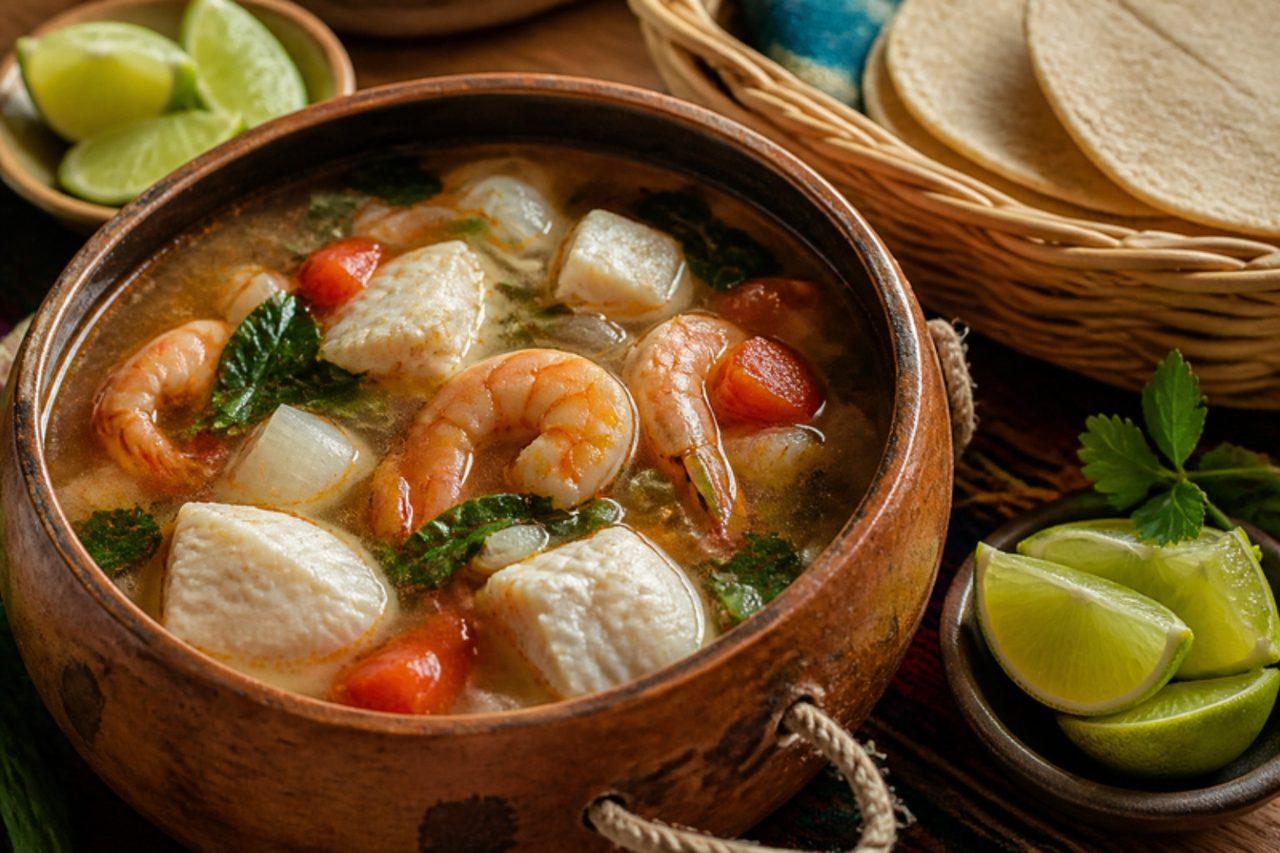
Caldo de piedra comes from San Felipe Usila in the Chinantla of northern Oaxaca, where Chinantec men cook it by the river: fish, tomato, chilli and epazote go into a gourd bowl of water and red-hot river stones are dropped in to bring it to a fierce boil in seconds. It is eaten as a celebration and every year at a festival in the village. Heating stones at home is dangerous (wet or porous stones can crack or burst), so this version brings a heavy pot to a hard boil first and cooks the fish just as briefly. A portion gives about 38 g of protein, from the fish and prawns, for roughly 260 kcal. The common mistake is letting the fish boil on: it is done in 3–4 minutes, when it turns opaque and flakes, and after that it falls apart. Chef's tip: blend the tomato, onion and chilli raw; the broth tastes fresh and sharp, closer to the riverside original than a cooked sauce.

by KrazyBadal 0 views

Sült gesztenye (Hungarian roasted chestnuts)

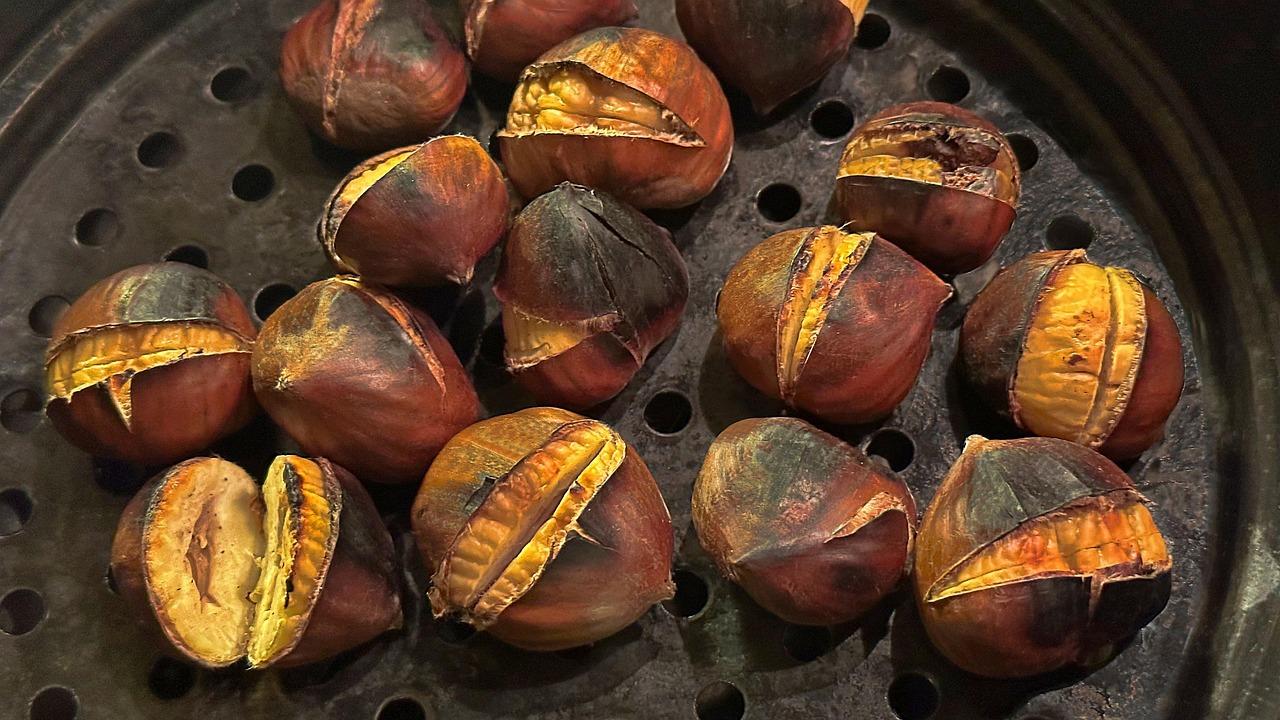
From November until the end of winter, the smell of roasting chestnuts drifts along Budapest's boulevards and around Christmas markets in every Hungarian town, where sellers shake them over charcoal and pour them hot into paper cones. Roasting turns the nuts sweet and soft, mealy like a baked potato but with a gentle nutty sweetness and a hint of smoke where the shell has charred. Eat them straight away, peeled with your fingers while they are hot, with a cup of hot tea, hot spiced apple juice or a bag of roasted pumpkin from the next stall. They are naturally egg-free, a single ingredient with nothing to bind: heat turns the chestnut's starch to sugar and softens it. A short soak in water before roasting adds steam inside the shell, so the nuts cook evenly and peel more easily. Chef's tip: cut a deep cross through the shell on the rounded side of every chestnut; the common mistake is skipping or under-cutting it, and then the steam bursts the chestnuts open in the oven.

by KrazyBadal 0 views

Pescado empapeladoFish baked in paper parcel

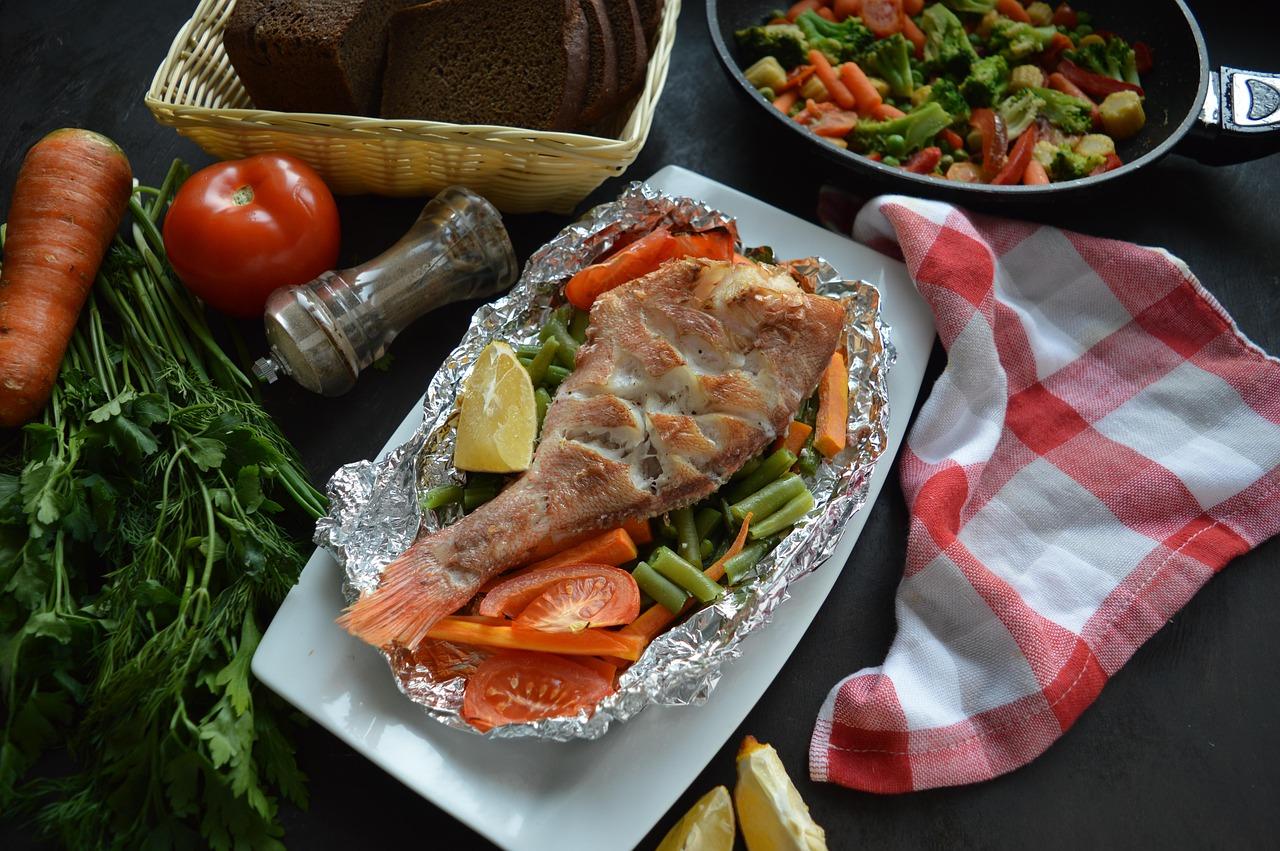
Along the Gulf coast of Veracruz, pescado empapelado is a weekday lunch and a Lenten Friday favourite: a fillet of snapper or other white fish is sealed in paper or foil with tomato, onion, peppers, olives, capers and herbs, then baked so it steams in its own juices. Each person opens their own fragrant parcel at the table. A portion gives about 32 g of protein, from the fish, for around 250 kcal. The common mistake is a loose parcel: if the edges aren't crimped tightly the steam escapes and the fish bakes dry, so fold and pinch the edges all the way round. The fish is done when it is opaque and flakes easily at the thickest point (63 °C). Chef's tip: slice the vegetables thinly and lay them under the fish as well as on top; they cook in the same 15 minutes and keep the fillet off the hot paper.

by KrazyBadal 0 views

Helado de dulce de leche (Buenos Aires dulce de leche ice cream)

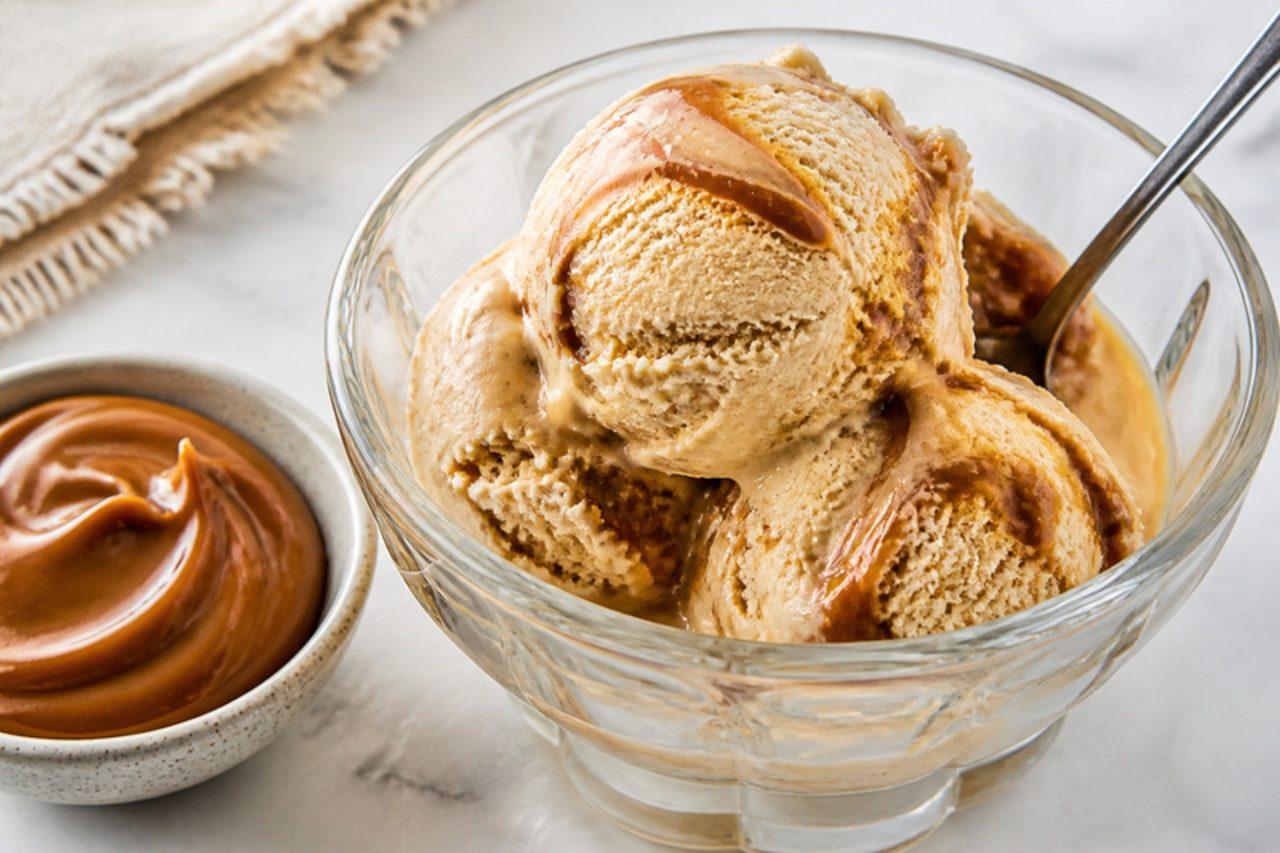
Dulce de leche is the flavour Buenos Aires heladerías are judged by, and on a summer night the queues at neighbourhood ice-cream shops stretch out onto the pavement well after dinner. Locals order it plain, with a ripple of extra dulce de leche (dulce de leche granizado adds chocolate flakes), often by the kilo to take home. It is dense, chewy and deeply caramel. This home version is egg-free with no custard: a little cornflour cooked into the milk thickens it the way yolks would, and the dulce de leche itself is milk and sugar cooked down, its sugar and milk solids keeping crystals tiny so it stays smooth and scoopable. Churn it, or still-freeze and stir it every 45 minutes. Chef's tip: chill the extra dulce de leche before rippling it in; the common mistake is folding in a warm one, which melts into the ice cream instead of leaving ribbons.

by KrazyBadal 0 views

ChileatoleCorn and green chilli soup

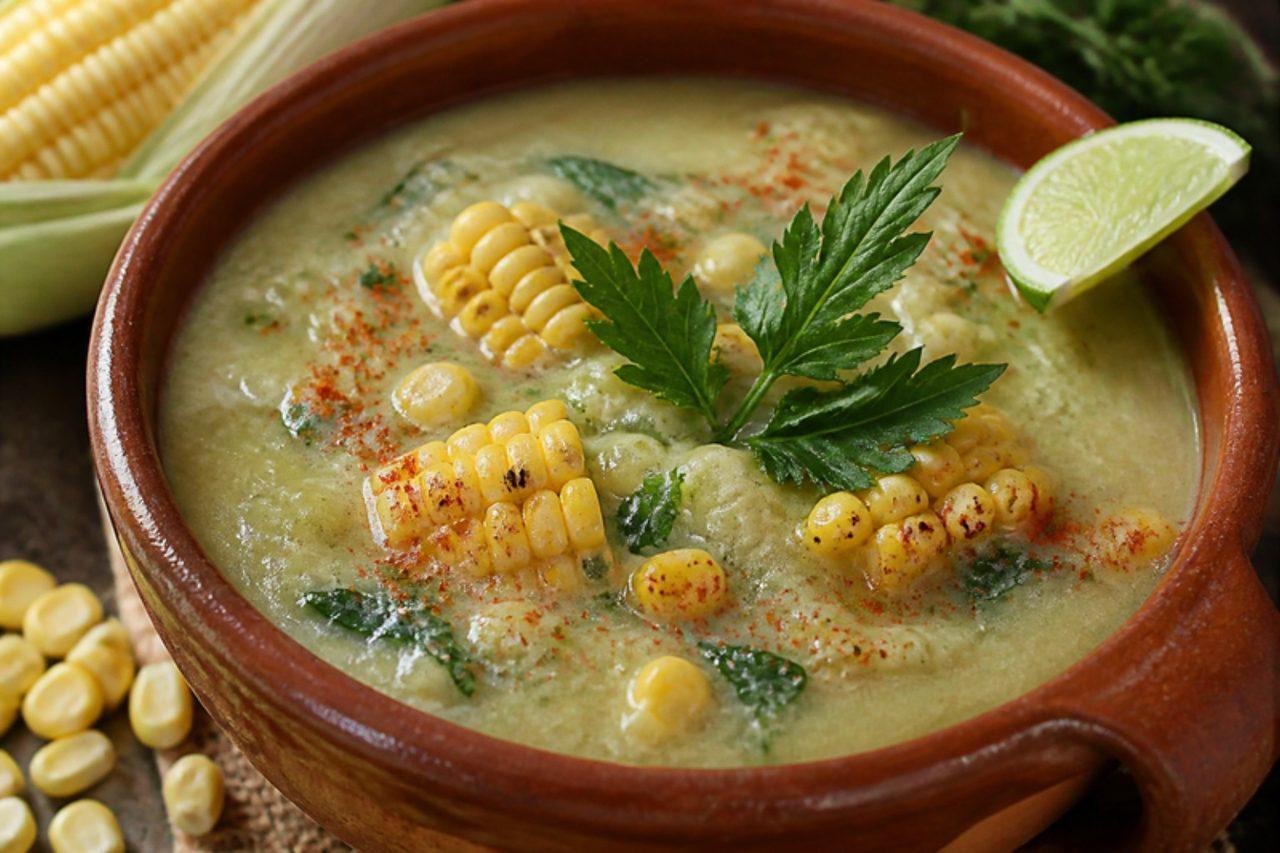
Chileatole is a thick, savoury atole made in Puebla and Tlaxcala during the rainy-season corn harvest from July to September, sold steaming from big pots at markets in the evening and made at home when fresh corn is everywhere. Fresh corn kernels and pieces of cob simmer in a broth thickened with masa harina and tinted green with blended chilli and epazote. It is comforting and corny, with a gentle heat, and about 6 g of protein per bowl from the corn and masa. The most common mistake is adding the masa dry, which makes lumps: always dissolve it in cold water first. Chef's tip: simmer the stripped cobs in the water before you start, for a sweeter, deeper corn broth.

by KrazyBadal 0 views

Duraznos en almíbar (Mexican peaches in piloncillo syrup)

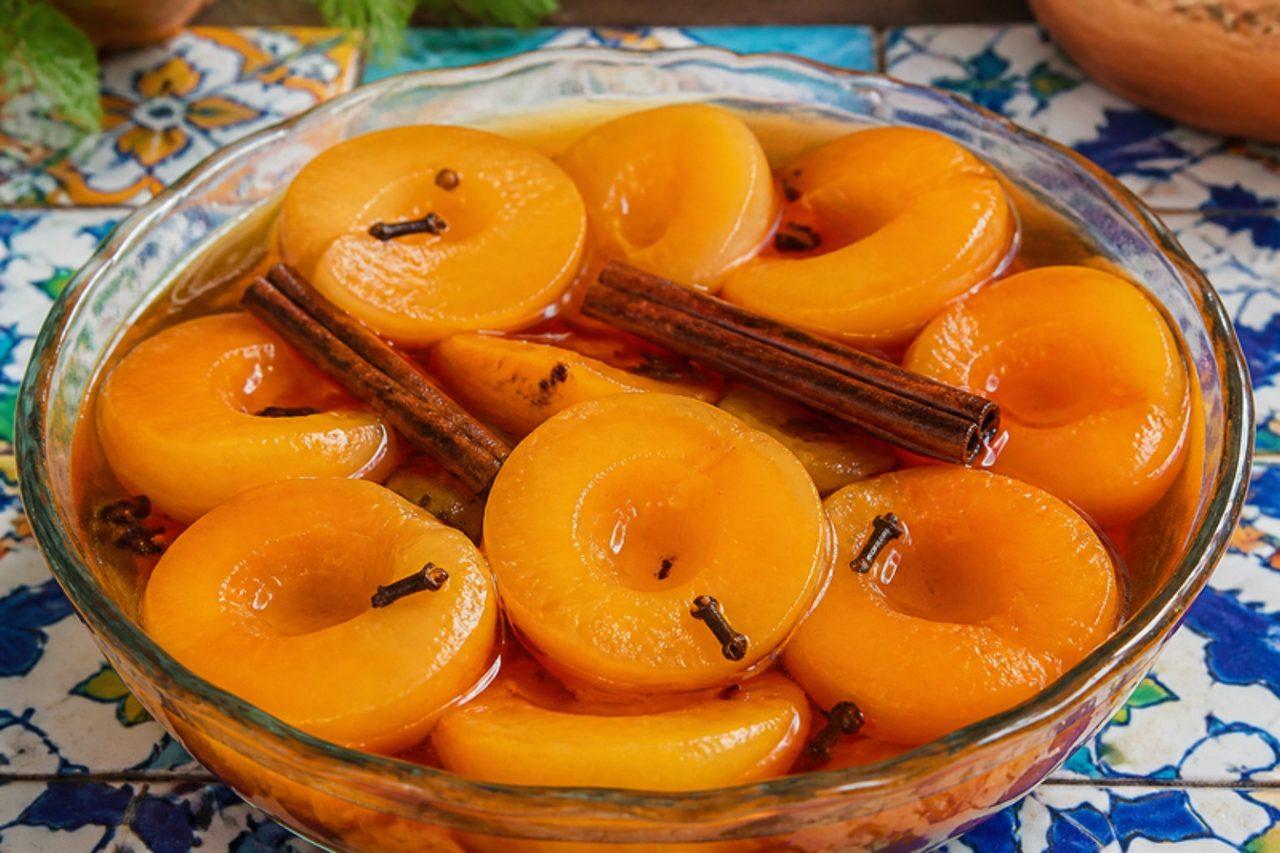
Across Mexico, from the orchards of Zacatecas and Puebla to every abuela's pantry, duraznos en almíbar are how the summer peach crop is kept, and a bowl of them chilled from the fridge is a classic Sunday dessert. Peeled peach halves are poached in a syrup of piloncillo, the cone-shaped raw cane sugar, with cinnamon and cloves, so they turn tender and glossy and soak up a warm, molasses-like sweetness. Serve them cold in their syrup, on their own, or with a spoon of crema or thick yoghurt. Nothing needs setting and no egg is involved: the fruit simply poaches in the sugar syrup, which thickens lightly as it cools. Chef's tip: choose ripe but firm peaches and poach them gently; the common mistake is boiling the syrup hard, which turns the halves ragged and stringy.

by KrazyBadal 0 views

Quelites guisadosSautéed wild greens

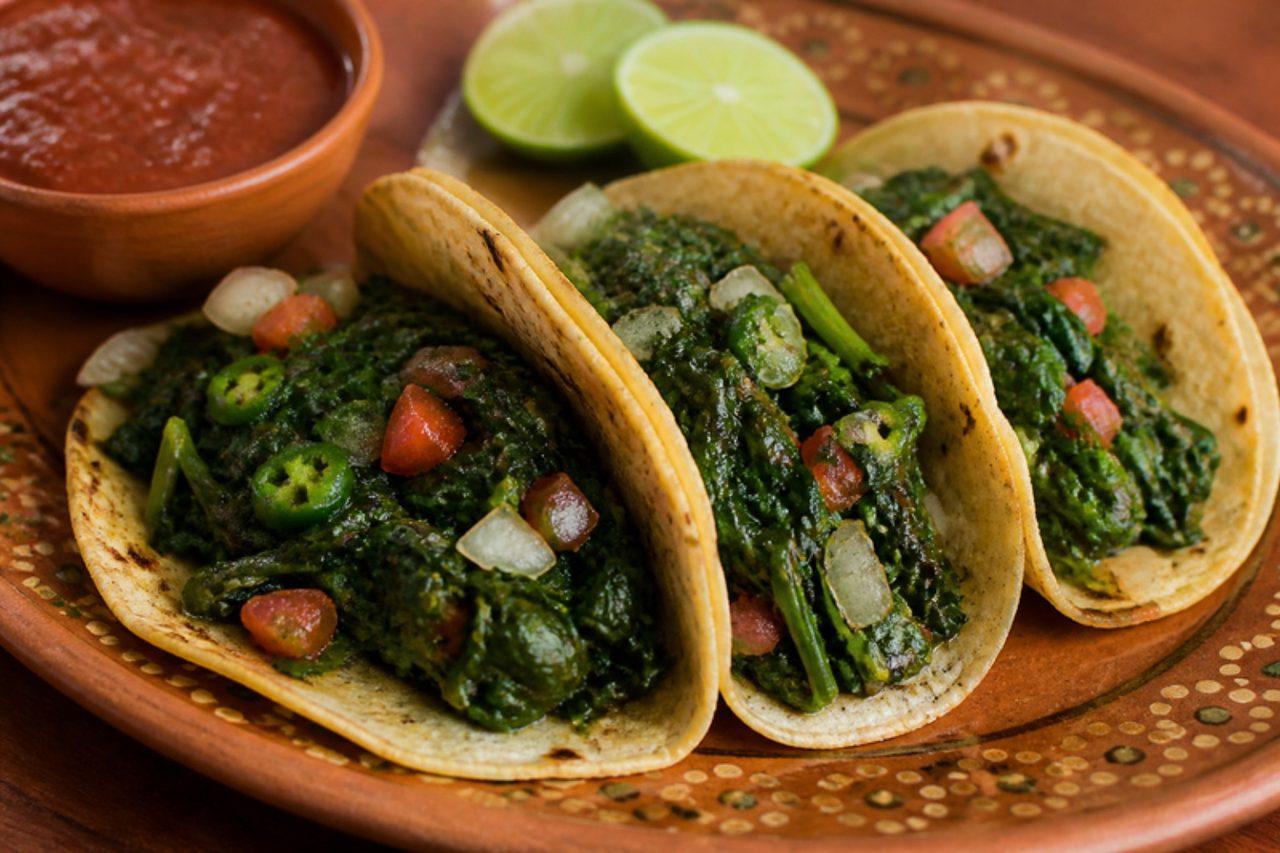
Quelites is the Nahuatl-rooted word for the edible wild greens of central Mexico, such as quintoniles (amaranth), verdolagas (purslane) and huauzontle, and in the markets of Mexico City, Puebla and Tlaxcala they are sold by the bunch in the rainy season and cooked this way for everyday lunches. The greens are blanched, then sautéed with onion, garlic, tomato and serrano chilli until soft and savoury, and piled into hot corn tortillas with salsa and, if you like, crumbled fresh cheese. Without cheese it is vegan, with about 6 g of protein per portion including two tortillas. The common mistake is leaving the greens wet: they steam and turn watery instead of frying. Spinach, chard or amaranth leaves work if you can't find quelites. Chef's tip: cut the serrano in half lengthways and fry it with the onion; it flavours the oil gently and you can lift it out if it's too hot.

by KrazyBadal 0 views

Sült tök (Hungarian roasted sweet pumpkin)

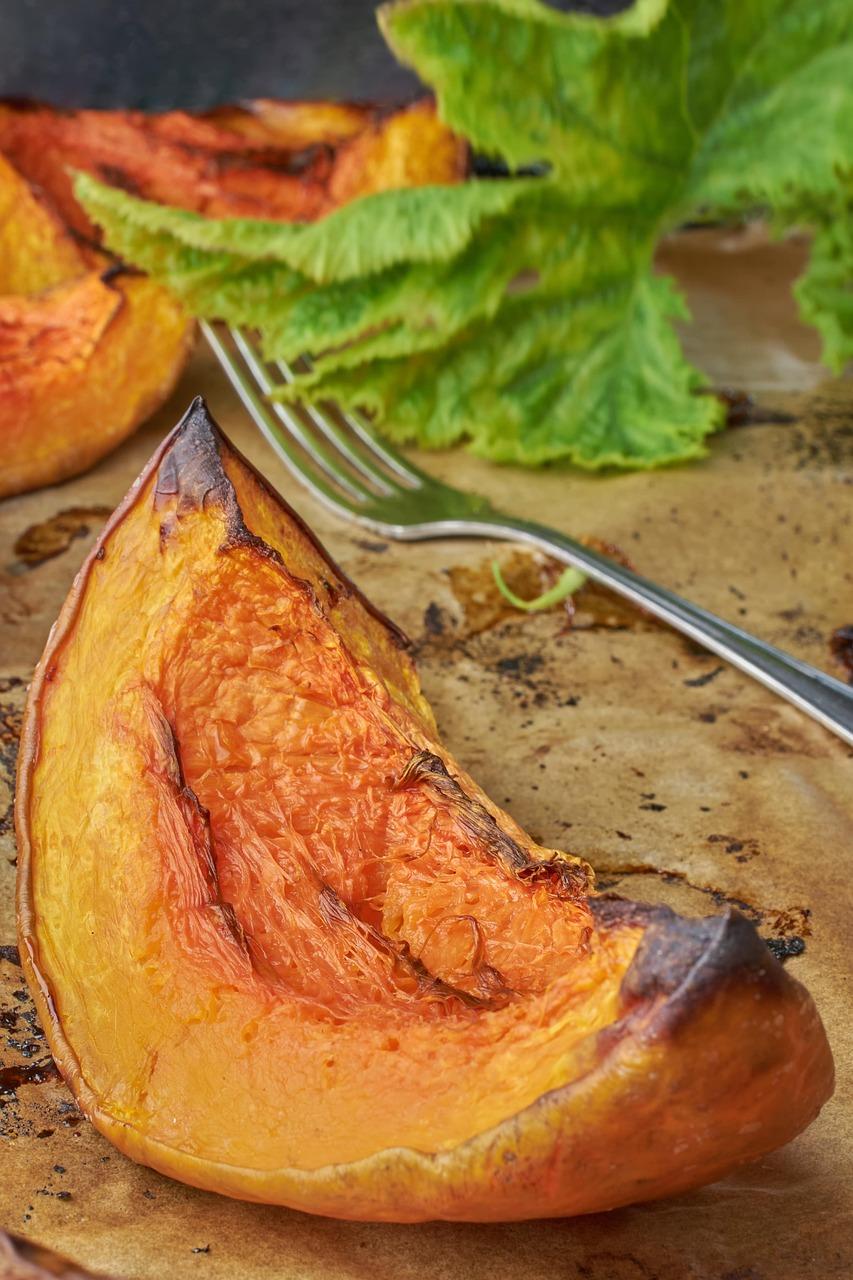
When the first cold sets in, Hungarian street vendors and market stalls set up their ovens and sell sült tök: thick wedges of sweet pumpkin roasted until the flesh is soft as jam and the edges are caramelised and almost sticky. It is bought hot and eaten on the spot through autumn and winter, often from the same stands that sell roasted chestnuts, and at home it is a simple afternoon treat for children. The flavour is deep and honeyed with a slightly smoky edge from the browned skin; a dusting of cinnamon sugar is optional. Eat it with a spoon straight from the skin, alongside a cup of hot tea or warm apple juice. It is naturally egg-free and needs no binding at all: the pumpkin's own sugars concentrate and caramelise in the oven's dry heat. Chef's tip: pick a dense, dry, deep-orange pumpkin such as a Hungarian sweet pumpkin, kabocha or butternut; the common mistake is using a watery carving pumpkin, which steams instead of caramelising.

by KrazyBadal 0 views

Pay de quesoCreamy cheesecake

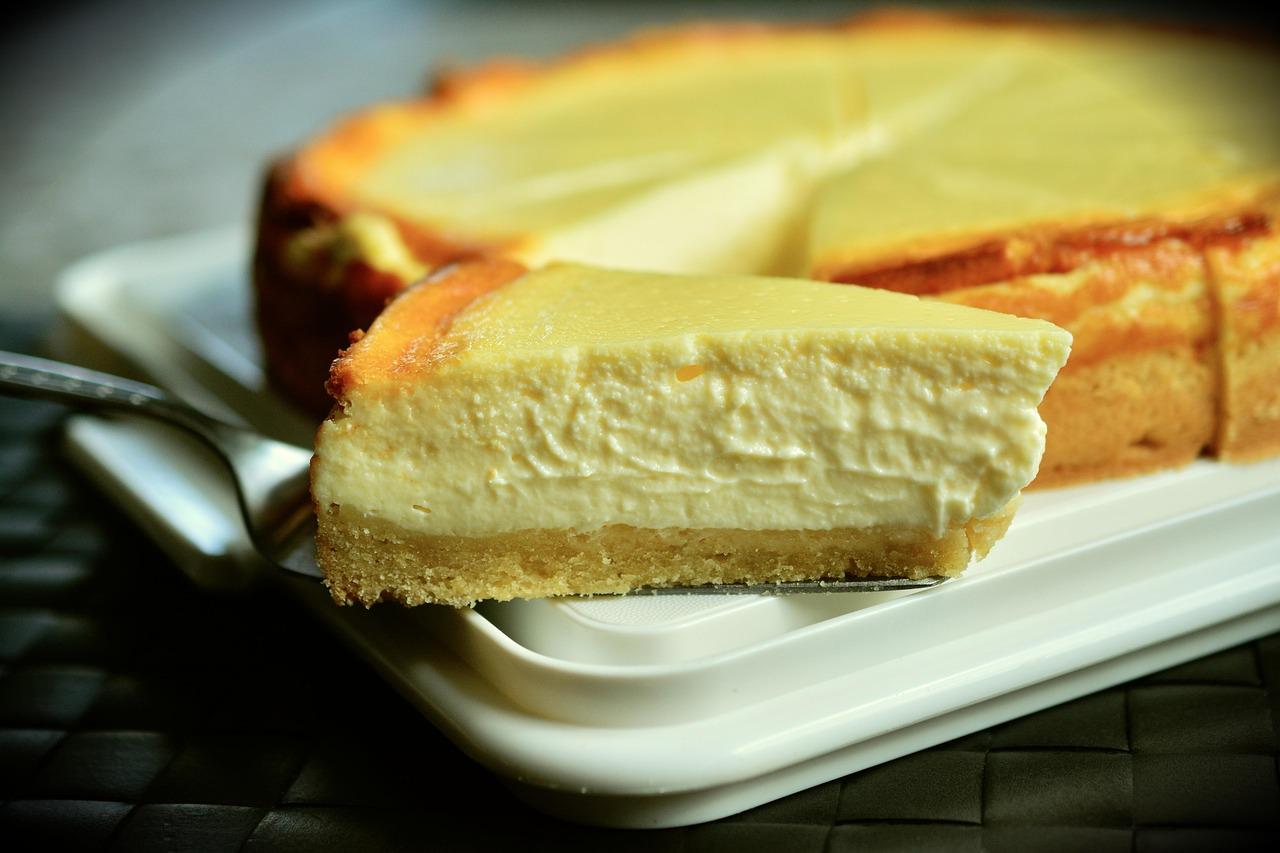
Mexican cafés, school bake sales and Sunday family lunches all have a pay de queso, the country's own take on cheesecake. Cream cheese, condensed milk and evaporated milk are whizzed in a blender with eggs and vanilla, poured onto a crust of crushed plain tea biscuits and baked into a dense, creamy slice with a caramel note from the condensed milk. Serve it chilled with coffee, or with strawberries or a spoon of cajeta on top for a party. The usual mistake is blending at full speed for too long, which whips in air and makes the top rise and crack. Chef's tip: blend on low just until smooth, then tap the filled tin on the worktop a few times to bring big bubbles to the surface.

by KrazyBadal 0 views

Papas a la mexicanaPotatoes with tomato and chile

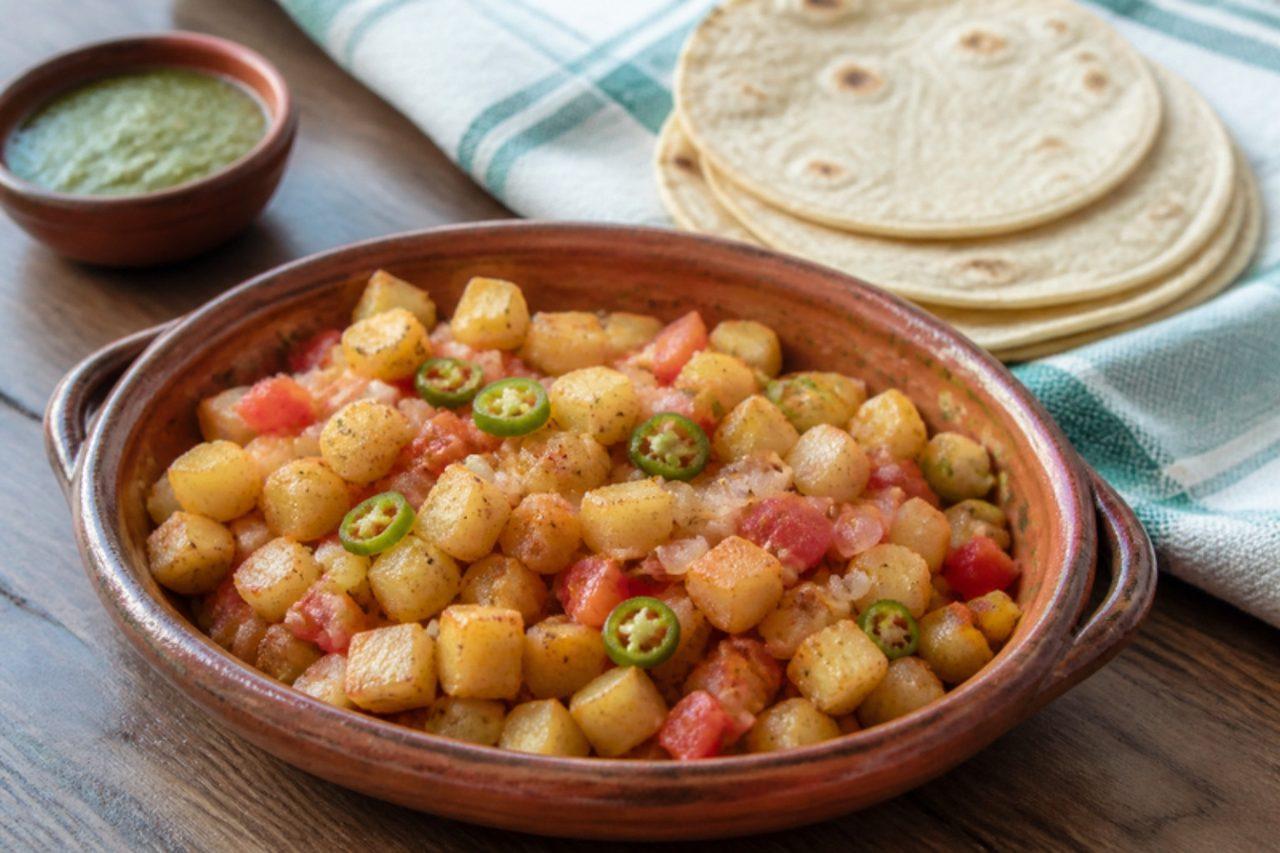
Papas a la mexicana carry the colours of the flag, red tomato, white onion and green chile, and they are cooked in kitchens all over Mexico as a taco filling, a breakfast side or a cheap supper with beans and tortillas. The potatoes are fried until golden at the edges, then folded with a quick sofrito so they soak up the fresh, spicy juices. The usual mistake is adding the tomato before the potatoes are cooked through, which leaves them hard in the middle and stewing rather than frying. Chef's tip: parboil the diced potatoes for 4 minutes first; they fry to a crisp edge in half the time.

by KrazyBadal 0 views

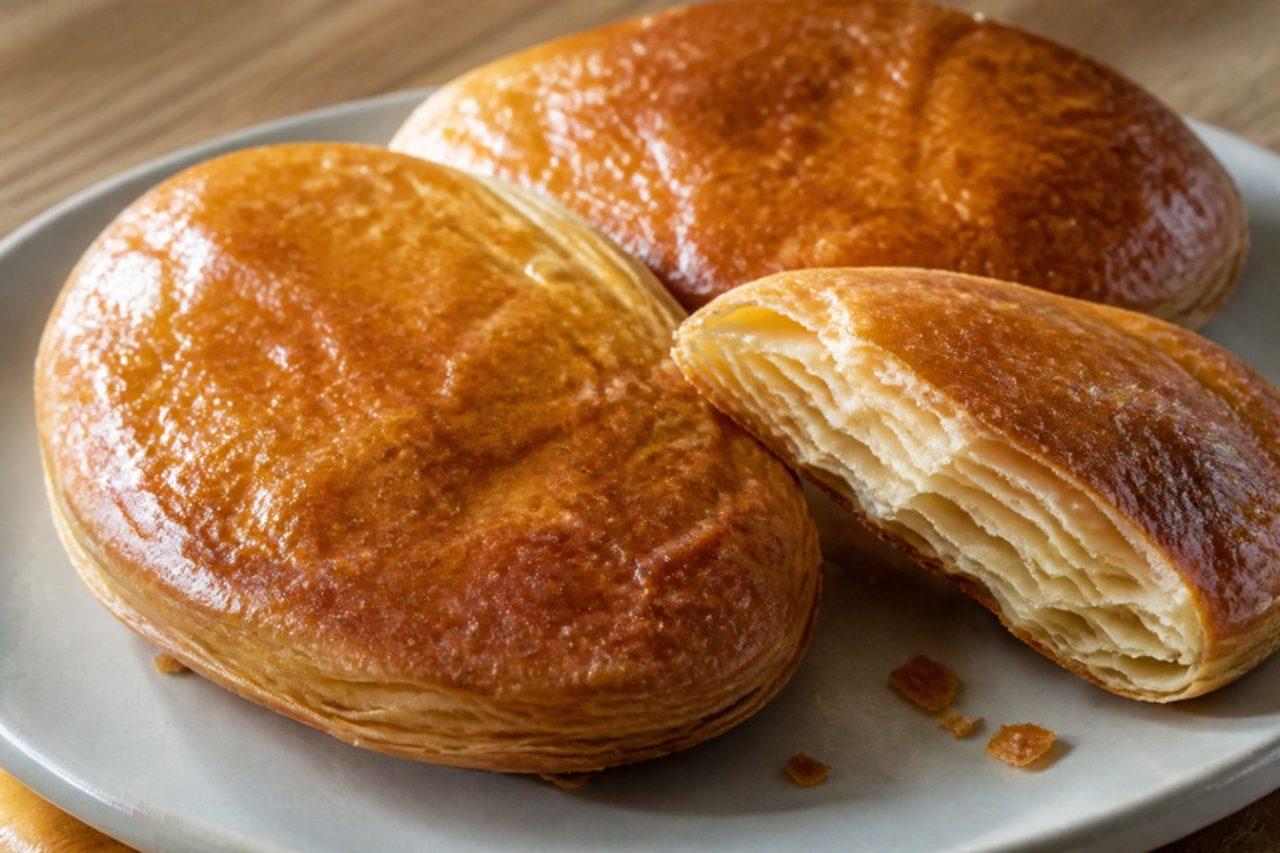
CampechanasFlaky sweet pastries with sugar top

Campechanas take their name from the port of Campeche, but now they shatter all over the coffee tables of Mexico City and Veracruz: oval, paper-thin layers of dough with a glossy, caramelised sugar crust that cracks as you bite. Mexicans buy them in the evening from the panadería, along with conchas, to dunk in café de olla or hot chocolate. They are traditionally made with lard; this version uses vegetable shortening, which gives the same light flakiness and keeps them vegan. Butter also works but browns faster. The trap is a timid oven: below full heat the sugar stays grainy and white instead of turning to glass. Chef's tip: press the sugar firmly into the top before baking so it melts into an even shiny layer.

by KrazyBadal 0 views

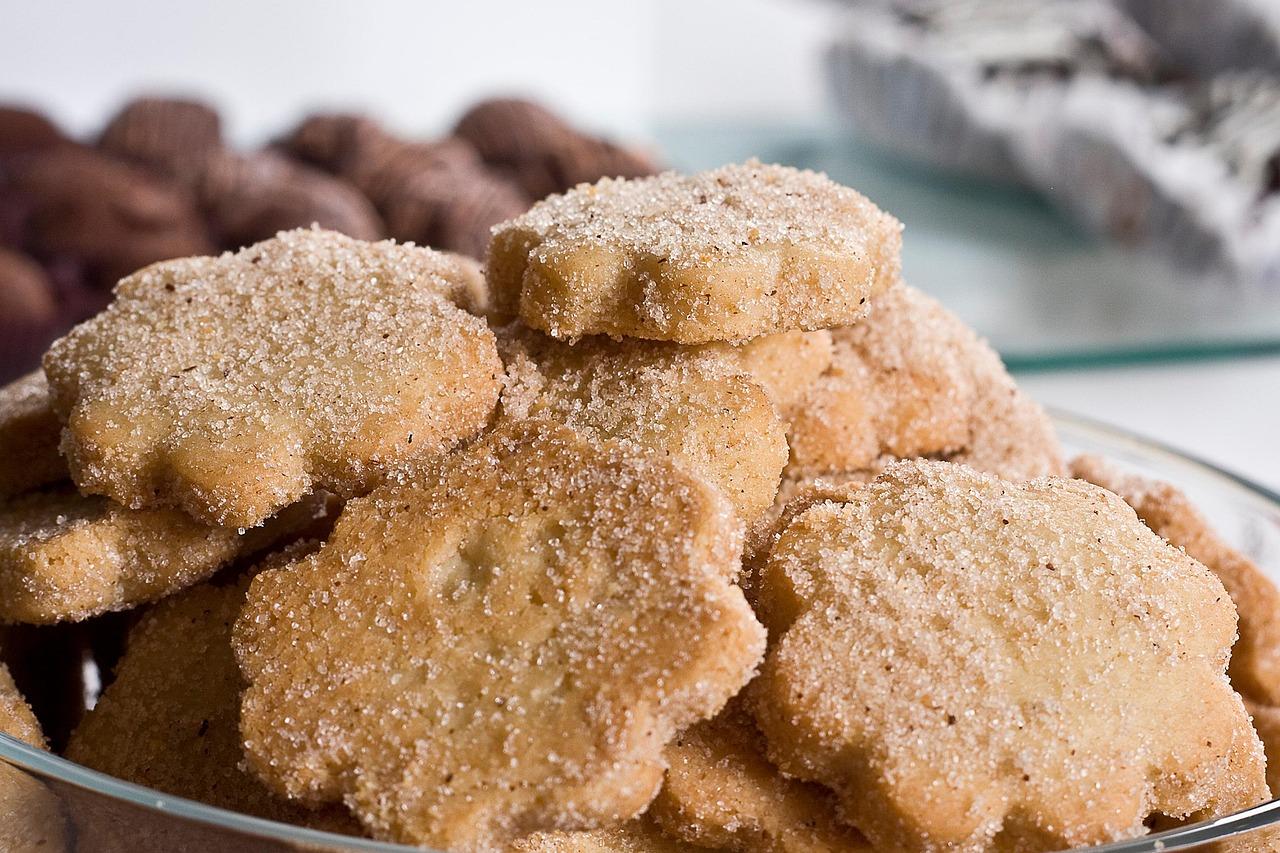
HojarascasCinnamon sugar crumble cookies

At weddings, quinceañeras and Christmas gatherings in Nuevo León and Coahuila, someone always brings a platter of hojarascas, the name meaning 'fallen leaves' because they crumble as lightly as dry leaves underfoot. The cookies are short and sandy, spiced with cinnamon, and rolled while warm in more cinnamon sugar so they look frosted. Monterrey families serve them with café de olla or hot champurrado. They are traditionally made with lard; this version uses vegetable shortening, which gives the same tender crumb and makes them vegan, or you can use butter for a richer taste. Overworking the dough once the flour is in is the classic mistake, because it develops gluten and makes them tough. Chef's tip: steep a cinnamon stick in the water first and use that tea to bind the dough, which doubles the spice flavour without bitterness.

by KrazyBadal 0 views

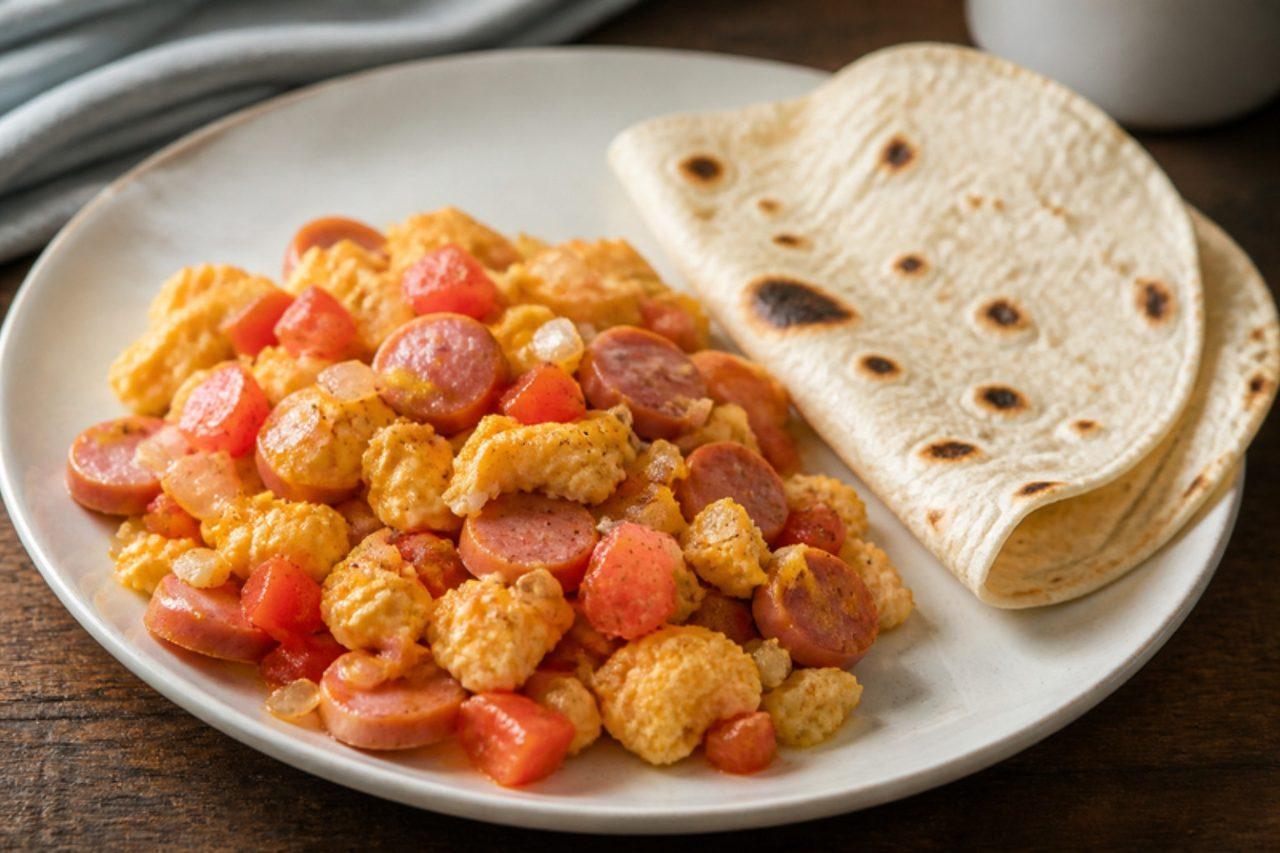
Huevos con salchichaScrambled eggs with sausage

All over Mexico, from Monterrey kitchens to Mexico City fondas, huevos con salchicha is what a parent makes when breakfast or a late supper has to be on the table in a quarter of an hour. Coins of frankfurter are browned until their edges curl, then soft eggs are folded through with a little tomato, onion and green chile, and the whole pan is scooped up with warm corn tortillas and a spoon of refried beans. Most supermarket frankfurters are pork or a pork and beef mix, so check the packet if you need a pork-free version; chicken or turkey frankfurters work just as well. The usual mistake is adding the eggs to a wet pan: cook the tomato down first, or the eggs turn watery and grey. Chef's tip: take the pan off the heat while the eggs still look a little glossy; they finish setting on the way to the plate.

by KrazyBadal 0 views

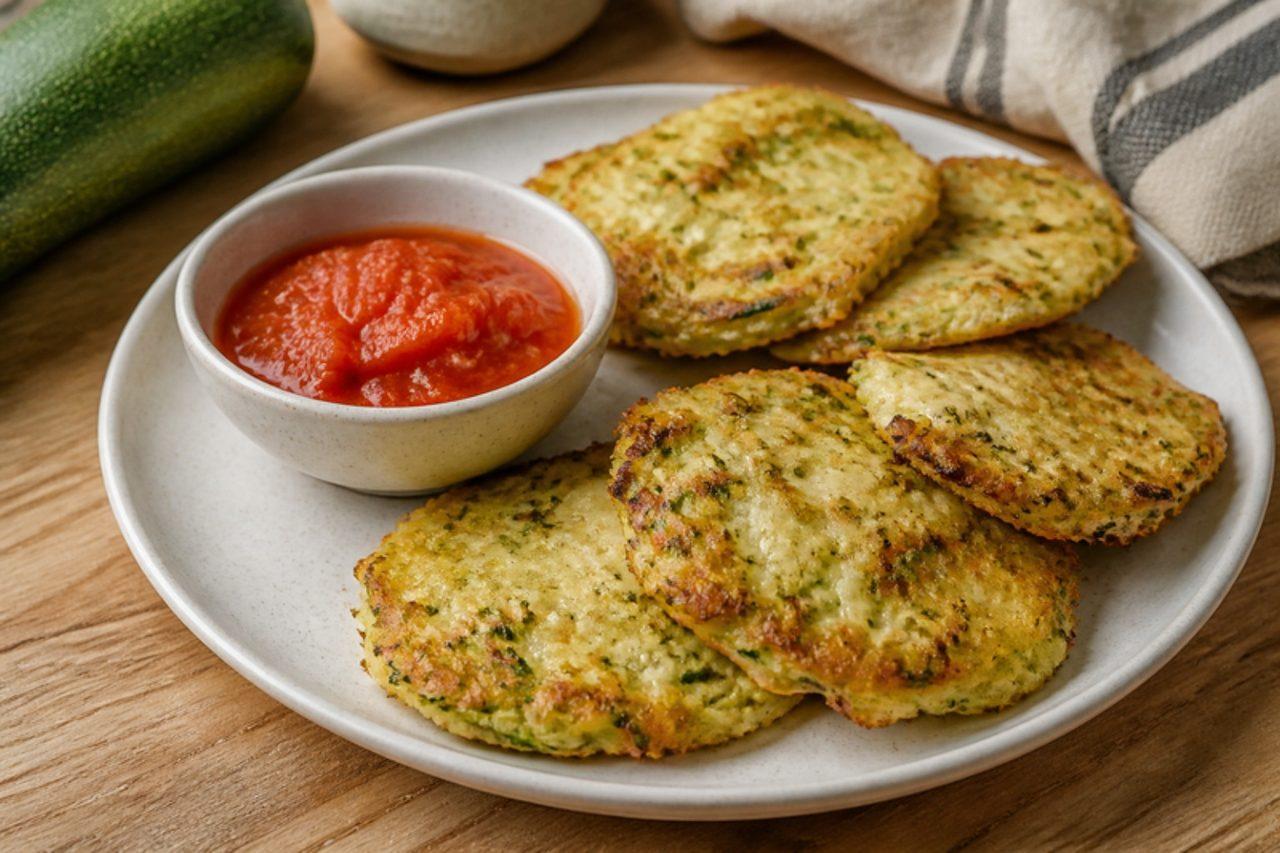
Tortitas de calabacita (courgette and cheese fritters)

Tortitas de calabacita are a Lenten and everyday favourite in Mexican homes from Puebla to Jalisco: grated courgette, crumbled cheese and egg fried into soft little cakes, then served with a warm, thin tomato salsa spooned over, plus rice and beans. They make a meatless Friday dinner that children happily eat. The mistake is crowding the pan, which drops the oil temperature and leaves the fritters greasy and pale; fry in batches. The fresh cheeses often used are made with animal rennet, so choose a vegetarian queso fresco or a vegetarian mild Cheddar. Chef's tip: let the batter rest 2 minutes after adding the flour so it thickens and holds together in the pan.

by KrazyBadal 0 views

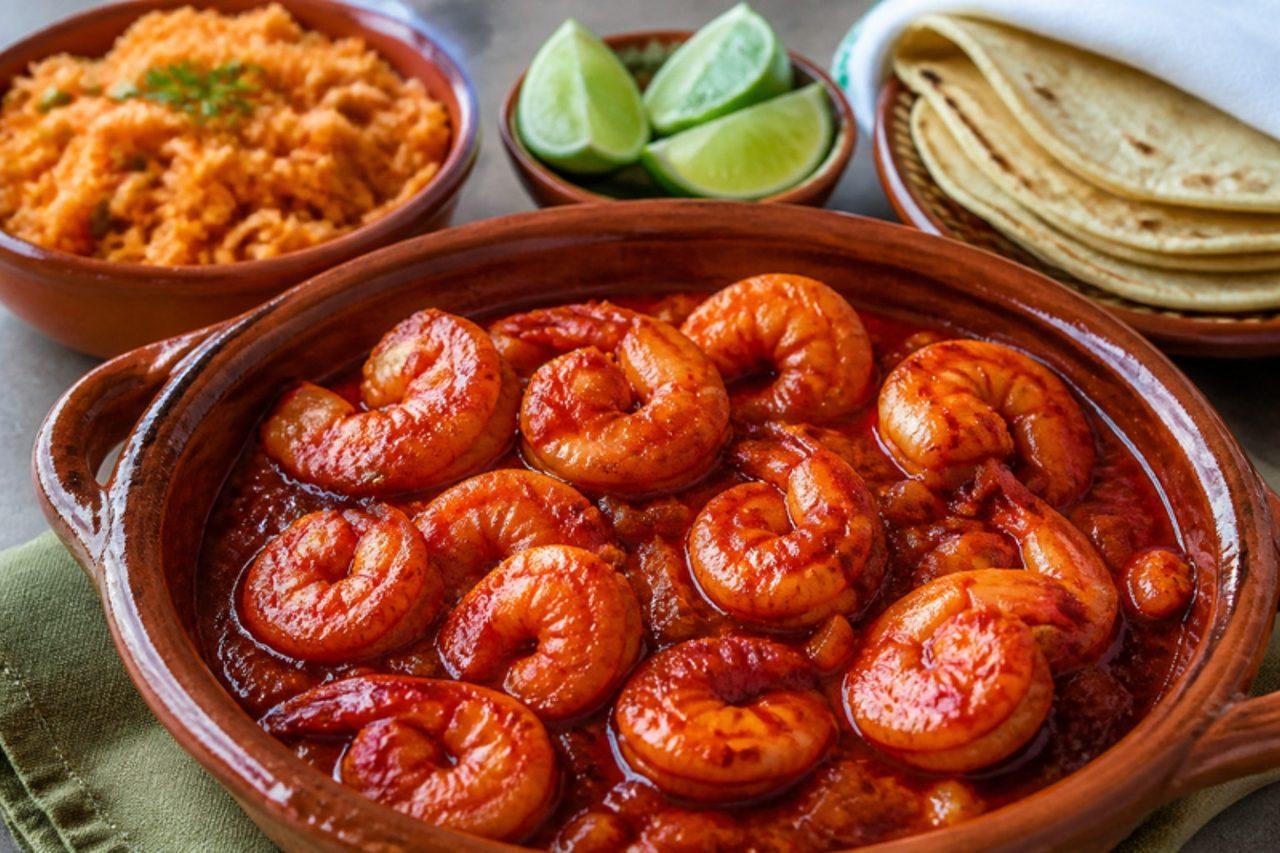
Camarones a la diablaPrawns in fiery chile sauce

Camarones a la diabla, 'devil's prawns', come from the seafood shacks of Mexico's Pacific coast, from Mazatlán down to Acapulco, where they are eaten at lunch with cold drinks, white rice and lime. The sauce is a quick blend of toasted guajillo and chile de árbol with tomato and garlic, fried until it darkens and clings, and the prawns go in only for the last few minutes. It is properly hot; use fewer árbol chiles for a milder pan. The common mistake is burning the dried chiles when toasting them: a few seconds a side is enough, and blackened chiles make the whole sauce bitter. Chef's tip: fry the blended sauce in the oil until it turns a shade darker and thick enough to leave a trail; that is where the deep, rounded flavour comes from.

by KrazyBadal 0 views

Showing 24 of 614 recipes

Show more recipes

Page 1 of 26