Skip to content
Recipes

All recipes

Vegetarian, or something you can't eat? Set your diet once and we'll hide recipes that don't fit.

Chilcano de pescadoClear fish broth

In the fishermen's terminals of Chorrillos and Callao, chilcano is what you drink on a Sunday morning after a long night: a clear, gingery broth made from the heads and bones left over from cleaning fish for ceviche, with chunks of fish, red onion, chilli and a squeeze of lime in the bowl. It is light and warming, around 160 kcal a bowl, and still gives about 24 g of protein from the fish fillet and the broth. The common mistake is squeezing the lime into the pot while it boils, which turns it bitter; add it to each bowl at the table. Don't boil the bones for more than 30 minutes either, or the broth turns cloudy and harsh. Chef's tip: ask the fishmonger for heads and frames from mild white fish like sea bass or cod, and leave out oily fish such as mackerel, which makes the broth strong and fishy.

by KrazyBadal 0 views

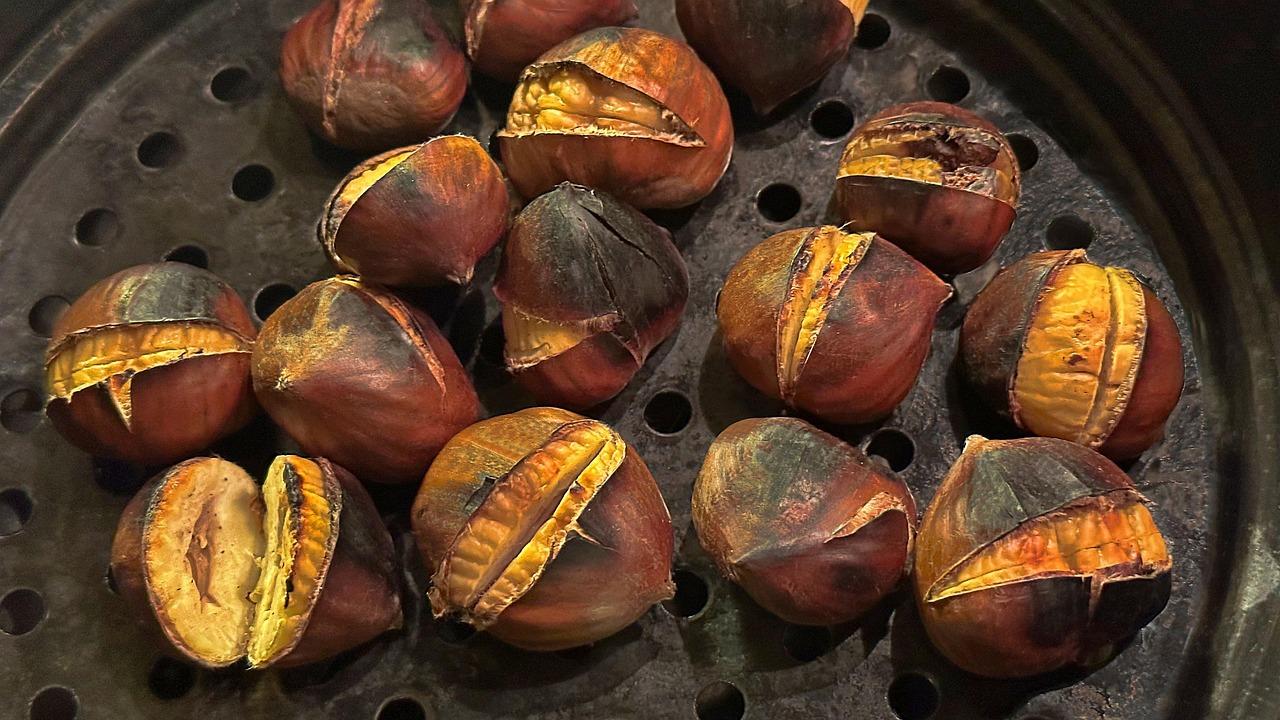
Sült gesztenye (Hungarian roasted chestnuts)

From November until the end of winter, the smell of roasting chestnuts drifts along Budapest's boulevards and around Christmas markets in every Hungarian town, where sellers shake them over charcoal and pour them hot into paper cones. Roasting turns the nuts sweet and soft, mealy like a baked potato but with a gentle nutty sweetness and a hint of smoke where the shell has charred. Eat them straight away, peeled with your fingers while they are hot, with a cup of hot tea, hot spiced apple juice or a bag of roasted pumpkin from the next stall. They are naturally egg-free, a single ingredient with nothing to bind: heat turns the chestnut's starch to sugar and softens it. A short soak in water before roasting adds steam inside the shell, so the nuts cook evenly and peel more easily. Chef's tip: cut a deep cross through the shell on the rounded side of every chestnut; the common mistake is skipping or under-cutting it, and then the steam bursts the chestnuts open in the oven.

by KrazyBadal 0 views

Aguadito de polloCoriander chicken rice soup

Aguadito is the soup Lima serves in the small hours: at the end of a wedding, after New Year's Eve and at weekend family lunches, it is ladled out thick and steaming to revive everyone. Rice simmers in chicken broth coloured deep green with blended coriander and warmed with yellow ají amarillo, along with peas, carrot, pepper, sweetcorn and potato. A portion gives about 24 g of protein, from the chicken with a little from the rice and peas, for around 480 kcal. The common mistake is adding the coriander purée too early: cooked for long it turns khaki and loses its fresh taste, so stir it in for the last 10 minutes. The chicken must reach 74 °C at the bone. Chef's tip: blend a handful of spinach with the coriander; it keeps the colour vivid green without changing the flavour.

by KrazyBadal 0 views

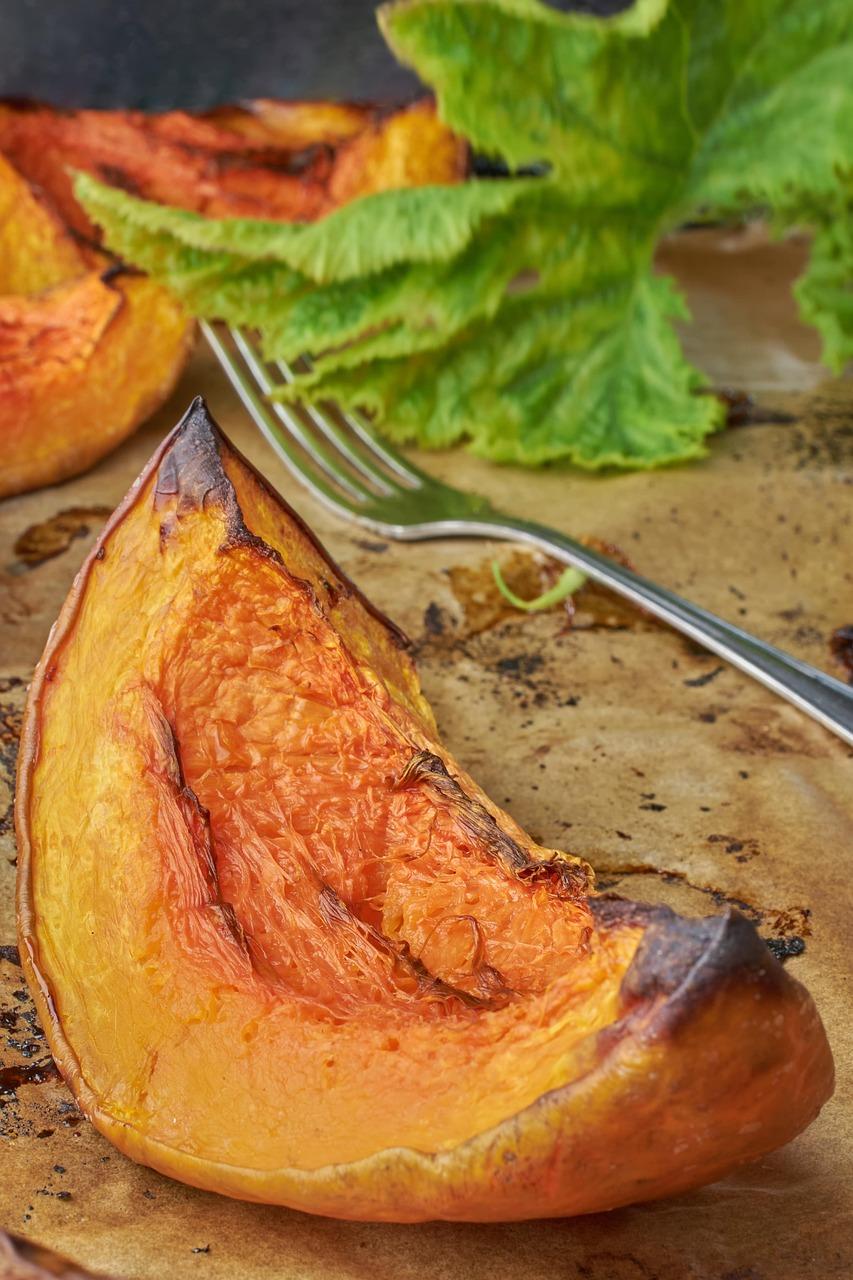
Sült tök (Hungarian roasted sweet pumpkin)

When the first cold sets in, Hungarian street vendors and market stalls set up their ovens and sell sült tök: thick wedges of sweet pumpkin roasted until the flesh is soft as jam and the edges are caramelised and almost sticky. It is bought hot and eaten on the spot through autumn and winter, often from the same stands that sell roasted chestnuts, and at home it is a simple afternoon treat for children. The flavour is deep and honeyed with a slightly smoky edge from the browned skin; a dusting of cinnamon sugar is optional. Eat it with a spoon straight from the skin, alongside a cup of hot tea or warm apple juice. It is naturally egg-free and needs no binding at all: the pumpkin's own sugars concentrate and caramelise in the oven's dry heat. Chef's tip: pick a dense, dry, deep-orange pumpkin such as a Hungarian sweet pumpkin, kabocha or butternut; the common mistake is using a watery carving pumpkin, which steams instead of caramelising.

by KrazyBadal 0 views

ParihuelaSpicy seafood soup

Parihuela is the big weekend seafood soup of Callao and the Peruvian coast, eaten at long Sunday lunches in cevicherías and praised as a cure for tiredness and late nights. A deep red broth of ají panca, ají amarillo, tomato and fish stock is loaded with chunks of fish, prawns, squid and mussels. A portion gives about 30 g of protein, from the fish and shellfish, for roughly 300 kcal. Some cooks add chicha de jora or beer; this version has none. The common mistake is adding all the seafood at once: squid and prawns turn rubbery while the fish cooks, so they go in last. Before cooking, discard any mussels that stay open when tapped, and after cooking discard any that stay shut. Chef's tip: fry the chilli pastes in the oil until they darken and smell sweet; that toasted ají is what gives parihuela its depth.

by KrazyBadal 0 views

Pejerrey arrebozadoBattered fish fillets with onion salsa

Pejerrey arrebozado is a Lima classic from the cevicherías and home kitchens of the coast, eaten at lunch on a plate with white rice, a heap of sharp salsa criolla and sometimes boiled potato. The pejerrey, a small silverside, is opened into butterflied fillets, dipped in a light egg-and-flour batter and fried golden. Outside Peru, use small fillets of whiting, sole, haddock or tilapia. The batter here uses sparkling water, not beer, so it is alcohol free. The common mistake is frying in oil that isn't hot enough: the batter drinks the oil and turns greasy, so test with a drop of batter first. Chef's tip: make the salsa criolla first and let the onion sit in lime for ten minutes; it softens its bite and turns a pretty pink.

by KrazyBadal 0 views

Chicharrón de pescadoCrisp fried fish chunks

Up and down the Peruvian coast, from Chorrillos in Lima to the beaches of Piura, chicharrón de pescado is the crunchy plate ordered alongside ceviche at a long seafood lunch: bite-size chunks of firm white fish marinated briefly in garlic and lime, dusted in flour and fried, then served with fried cassava, salsa criolla and tartar or rocoto sauce. Using frozen peeled cassava keeps it to half an hour. The common mistake is leaving the fish in the lime too long: after about ten minutes the acid starts to 'cook' the outside and the coating slips off. Chef's tip: toss the floured pieces in a sieve to shake off every bit of loose flour; a thin coat fries crisp, a thick one turns pasty.

by KrazyBadal 0 views

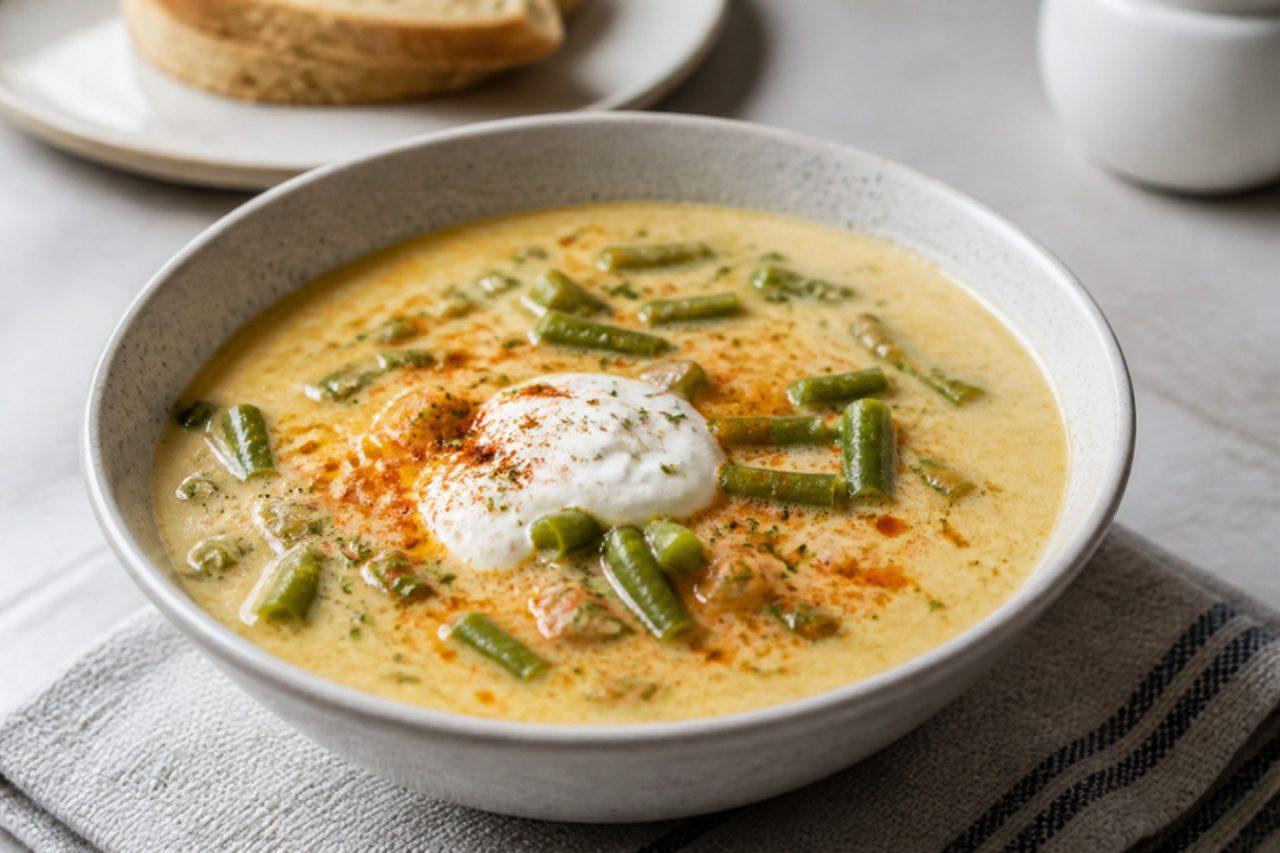
Zöldbableves (Hungarian green bean soup)

Zöldbableves is a summer soup from Hungarian home kitchens, made when green beans are cheap at every market: tender beans in a light broth, soured with a little vinegar and thickened with a paprika roux and sour cream, so it is creamy, gently tart and bright red-orange. It is served as the first course of a weekday lunch or as a light supper with bread. The classic mistake is pouring cold sour cream straight into the hot soup, where it splits into flecks; temper it first. Chef's tip: let the roux turn just golden before adding the paprika off the heat, because paprika burns in seconds and turns bitter.

by KrazyBadal 0 views

Tallarines rojosSpaghetti in red sauce with chicken

Tallarines rojos is the Sunday-lunch and weeknight pasta of homes all over Peru, from Lima to Arequipa: spaghetti in a sweet, deep-red sauce of blended tomato, onion and garlic with a little ají panca and oregano, often with pieces of chicken cooked right in it. Children love it, and it is served with a sprinkle of grated cheese and sometimes a spoon of huancaína on the side. The usual mistake is cooking the sauce too briefly, so it tastes of raw onion; let the blended tomato fry until it darkens and the oil shows at the edges. Chef's tip: a bay leaf and a spoon of ají panca paste give the sauce its Peruvian character; paprika will do if you can't find the paste.

by KrazyBadal 0 views

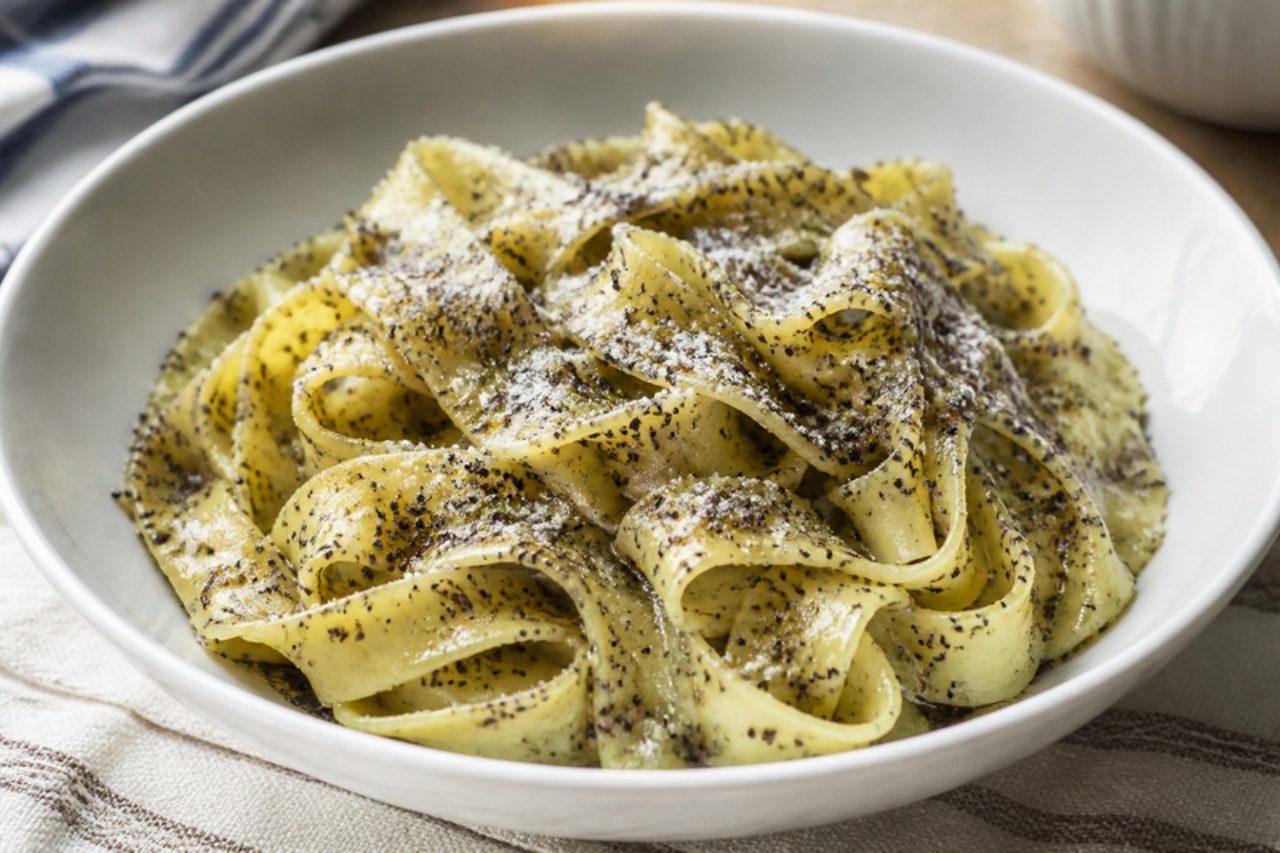
Mákos tészta (Hungarian poppy seed pasta)

Mákos tészta surprises people who meet it outside Hungary: hot wide noodles tossed in butter and finely ground poppy seeds with sugar, eaten as a main course, often on a Friday after a bowl of soup. Children across Hungary grow up on it, and grown-ups still order it in school-canteen-style restaurants in Budapest. The trick is grinding the seeds; whole poppy seeds just roll off the pasta, and the most common mistake is using them unground, which gives a gritty dish with little flavour. Chef's tip: a spice or coffee grinder turns poppy seeds into a fragrant, slightly oily powder in 20 seconds; grind them just before cooking.

by KrazyBadal 0 views

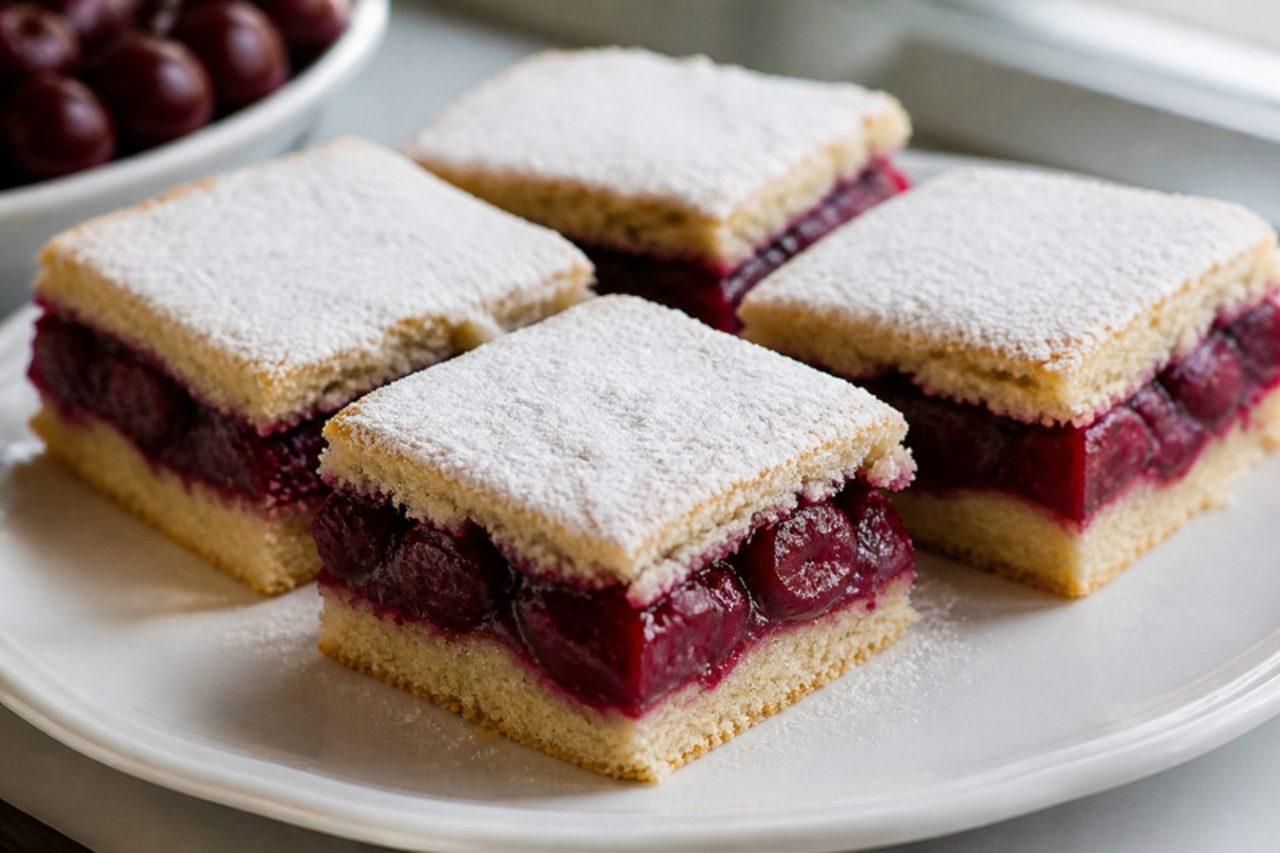
Meggyes piteSour cherry slice

Hungarian grandmothers bake meggyes pite in a big rectangular tin in June, when sour cherries hang from every garden tree, and the rest of the year with jarred ones from the pantry. Two layers of soft, almost cakey pastry made with sour cream hold a tart, juicy cherry layer, and the top disappears under a snowfall of icing sugar. Squares of it turn up at Sunday lunch, in school lunch boxes and on the plate next to an afternoon coffee. Skipping the semolina is the mistake that gives a soggy middle: it soaks up the cherry juice as it bakes. Chef's tip: drain jarred or thawed cherries in a sieve for a good 30 minutes and keep the juice for a drink or a sauce.

by KrazyBadal 0 views

Pan chutaAniseed round bread

The small town of Oropesa, half an hour from Cusco, calls itself Peru's bread capital, and its wood-fired bakeries are famous for chuta: big, flat, round loaves as wide as a dinner plate, glossy on top, with a faint sweetness and the warmth of aniseed. Travellers on the road to Puno and Bolivia stop to buy them by the bagful, and families bring them home for All Saints' Day and for sharing with hot coca tea or coffee, fresh cheese and butter. The bakeries traditionally use lard; this version uses vegetable shortening and butter, so it is vegetarian. The make-or-break moment is the proof: chuta is large and flat, and if it goes in under-risen it bakes dense and splits at the rim. Chef's tip: toast the aniseed for a minute in a dry pan and crush it lightly before adding, for a rounder, sweeter perfume.

by KrazyBadal 0 views

RohlíkSalt and caraway breakfast roll

Ask a Czech or Slovak what they ate for breakfast as a child and the answer is usually a rohlík: a long, slim roll rolled up from a triangle of dough, sold for a few crowns at every bakery and supermarket from Prague to Bratislava. It has a thin, crisp golden crust scattered with coarse salt and caraway, and a soft, tight spiral inside. People eat it with butter and jam, with a spread such as egg or bean pomazánka, with a cup of white coffee, or simply dunked in a mug of cocoa. This version uses sunflower oil, so it is vegan. Rolling the triangles loosely is the usual mistake; the spiral opens in the oven and the roll splits. Chef's tip: stretch each triangle gently by its point as you roll it up, which keeps the coil tight and gives the long, even shape.

by KrazyBadal 0 views

Buchtičky se šodó (tiny buns in vanilla custard)

Ask anyone who went to school in Czechia or Slovakia about the canteen, and buchtičky se šodó comes up with a smile: a bowl of tiny, soft, buttery yeast buns baked close together and pulled apart, sitting in warm vanilla custard. Families make it at home as a sweet main course or afternoon treat, especially in winter. The custard here is lightly sweetened. It contains gluten, milk and egg. Chef's tip: brush the buns with melted butter before they go into the tin, so they pull apart cleanly after baking.

by KrazyBadal 0 views

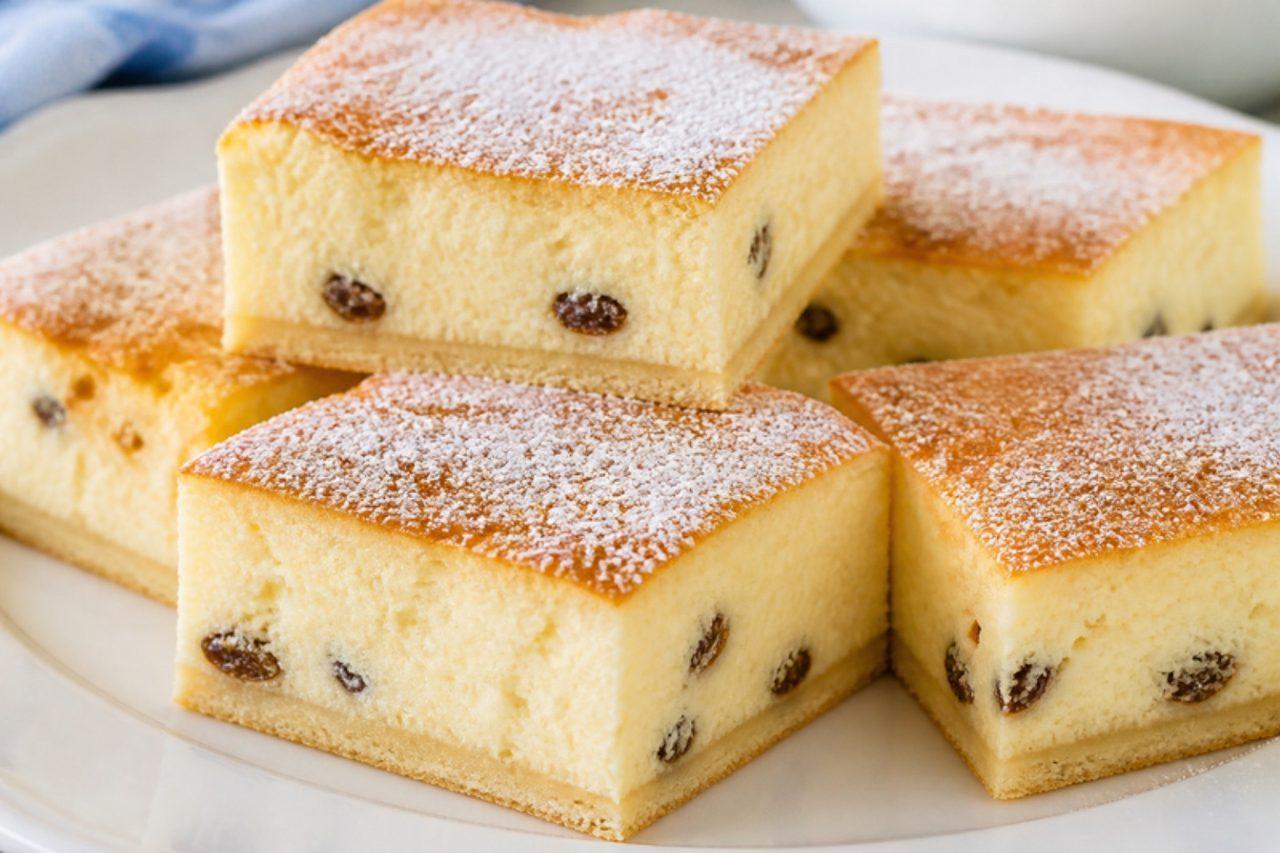
Túrós lepénySweet curd cheese sheet cake

Hungarians use túró, a dry, crumbly fresh curd cheese, the way other cooks use cream, and túrós lepény is one of its homeliest outings: a thin short pastry base, a deep layer of lemony sweetened curd with raisins, baked in a tray and cut into squares for afternoon coffee, a picnic at Lake Balaton or the school lunch box. The filling is light and tangy rather than dense like a cheesecake, because the egg whites are whipped and folded in. Wet curd is the classic mistake; it weeps and the base goes soggy, so press the cheese through a sieve and use farmer's cheese or well-drained quark if you can't find túró. Chef's tip: take the lepény out while the very centre still has a slight wobble; it sets as it cools and stays creamy instead of cracking.

by KrazyBadal 0 views

ChaplasHollow puffed Andean bread

Walk through Ayacucho's central market at seven in the morning and you will see women selling stacks of chaplas from cloth-lined baskets, still warm from the wood-fired ovens of the Andes. These round wheat breads puff up like pita in the fierce heat, leaving a hollow pocket inside a thin, soft, lightly floury crust. In Ayacucho and Huancavelica they are eaten with sweet coffee or hot emoliente for breakfast, or split and filled with queso fresco, avocado or a spoonful of rocoto sauce. Highland bakers traditionally work in a little lard; vegetable shortening gives the same tenderness and keeps the bread vegan. A cool baking tray is the reason chaplas stay flat, so preheat it thoroughly. Chef's tip: let the rolled rounds rest before baking and flip them upside down onto the tray, so the smooth, dry side meets the heat first and the pocket opens evenly.

by KrazyBadal 0 views

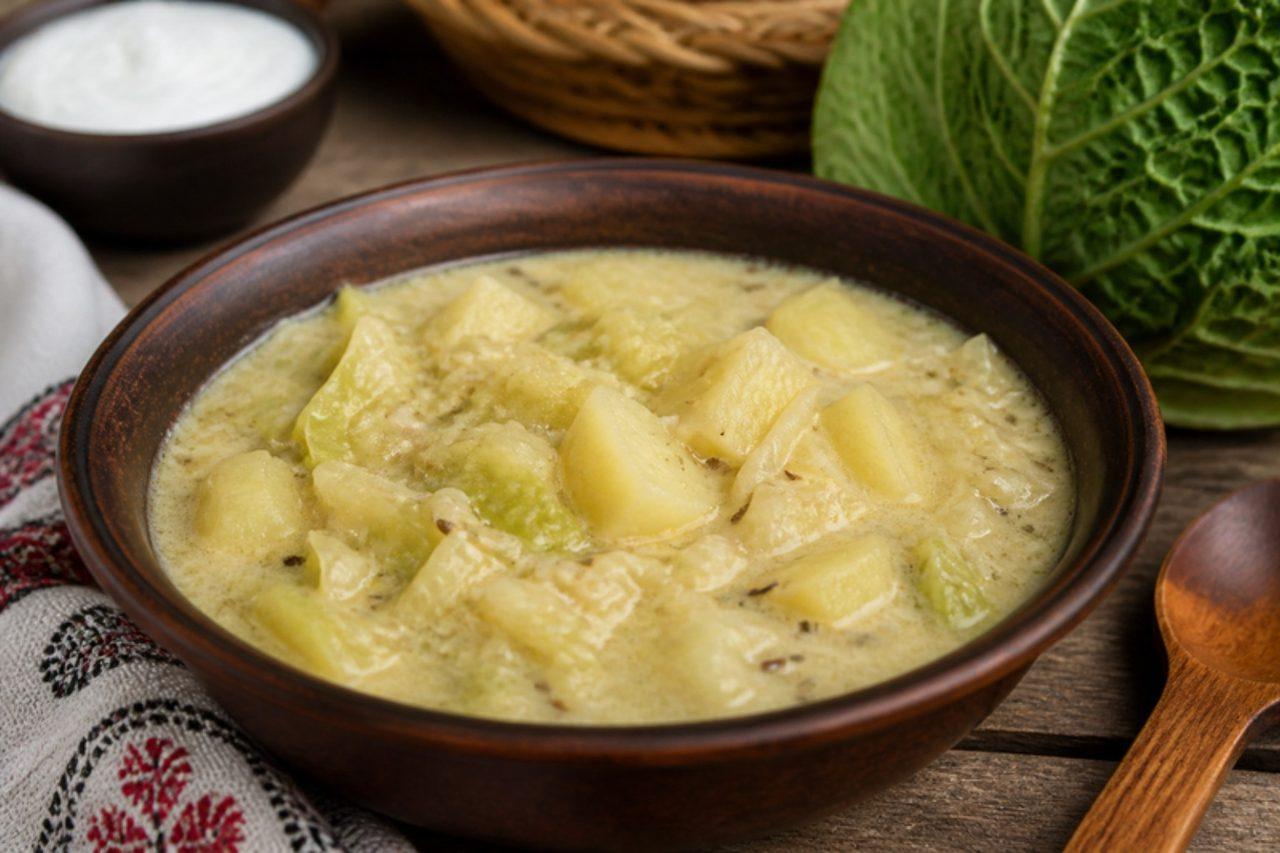
Kelkáposzta-főzelékSavoy cabbage stew

When the first frosts sweeten the savoy cabbages in the market gardens around Szeged and Makó, kelkáposzta-főzelék appears on lunch tables all over Hungary. Crinkly leaves and potato cubes simmer with caraway, then a garlicky roux and a little milk make a soft, comforting stew that tastes of autumn. Families eat it with fried eggs, breaded mushrooms or, in meat-eating homes, a slice of meatloaf. Chef's tip: slice the cabbage into ribbons rather than chopping it fine, so it keeps some texture and the dish doesn't turn into mush.

by KrazyBadal 0 views

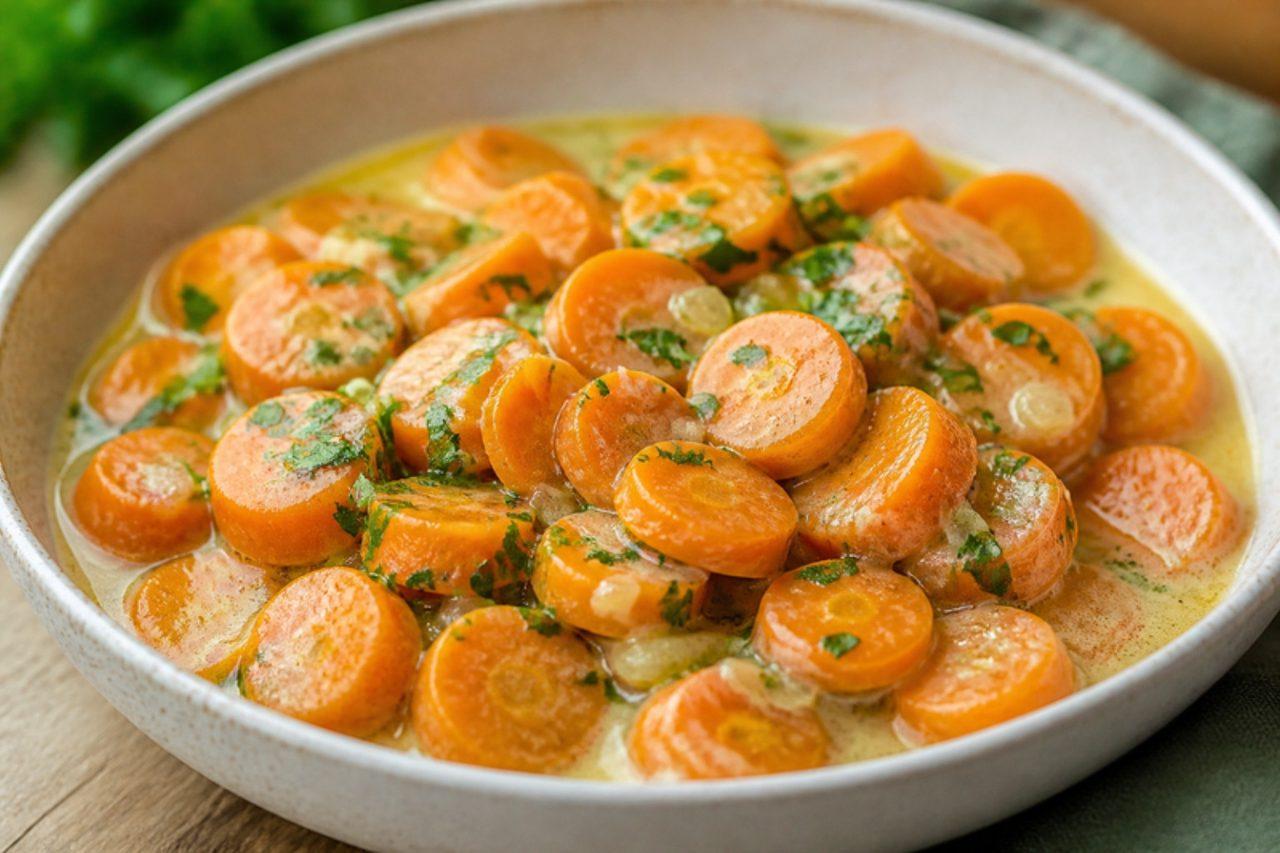
Sárgarépa-főzelékCarrot stew

Hungarian nurseries and primary school canteens serve sárgarépa-főzelék so often that it is practically a rite of passage, and plenty of grown-ups in Budapest still cook it at home when they want something gentle. Carrot coins cook in butter with a pinch of sugar until sweet, then a milky roux and fresh parsley turn them into a soft, golden stew. Children eat it with mashed potato or a fried egg, adults often add a fasírt. Chef's tip: cut the carrots into even 5 mm coins so they finish together; uneven chunks leave some hard and others mushy.

by KrazyBadal 0 views

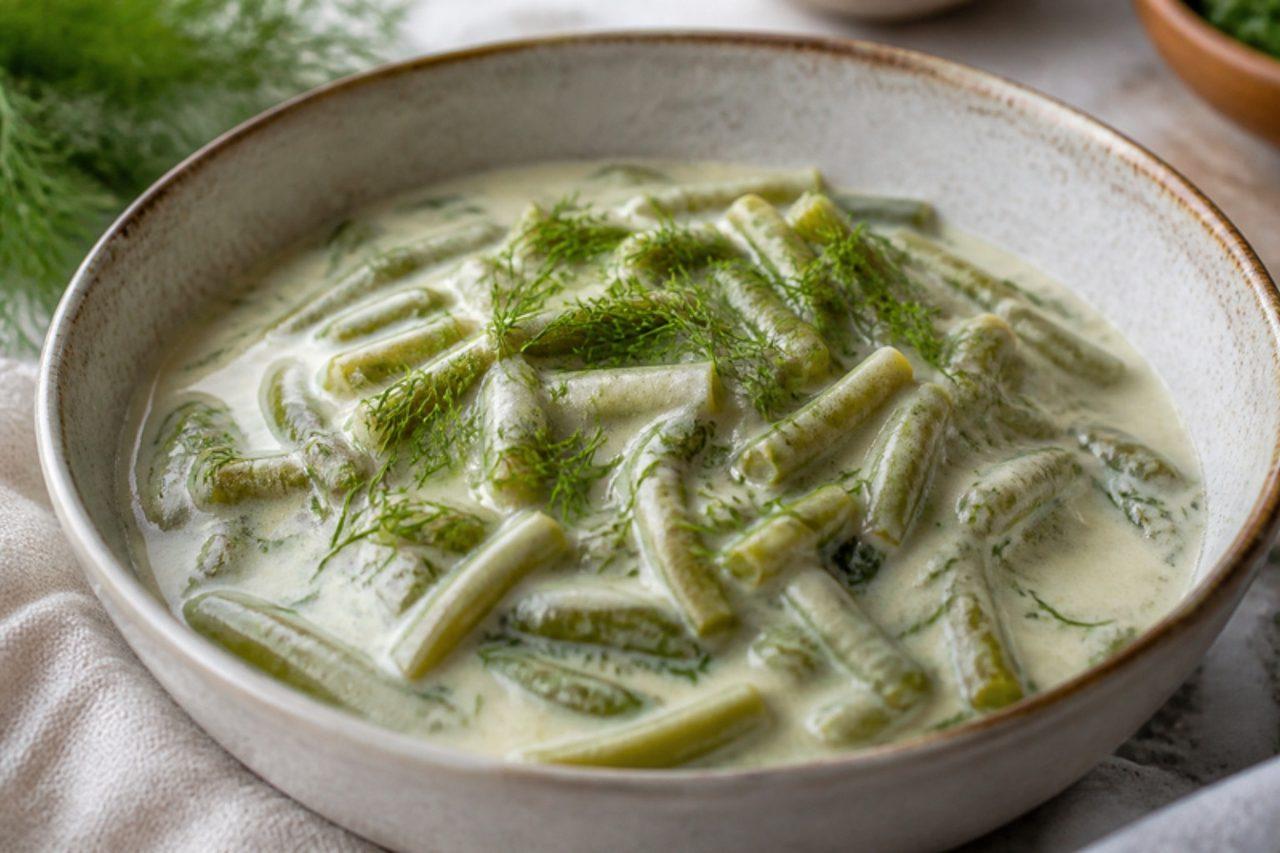
ZöldbabfőzelékGreen bean stew

Midsummer in Hungary means baskets of yellow wax and green beans at every market, and zöldbabfőzelék is how home cooks from Kecskemét to Lake Balaton use them up. Short lengths of bean simmer until tender, then a pale roux, plenty of fresh dill, a little sugar and a sharp hit of vinegar make a sweet-sour sauce finished with sour cream. Serve it with fried eggs or new potatoes for a light summer lunch. Chef's tip: balance the vinegar and sugar at the end by tasting, adding a drop at a time; the sauce should taste bright, never harsh.

by KrazyBadal 0 views

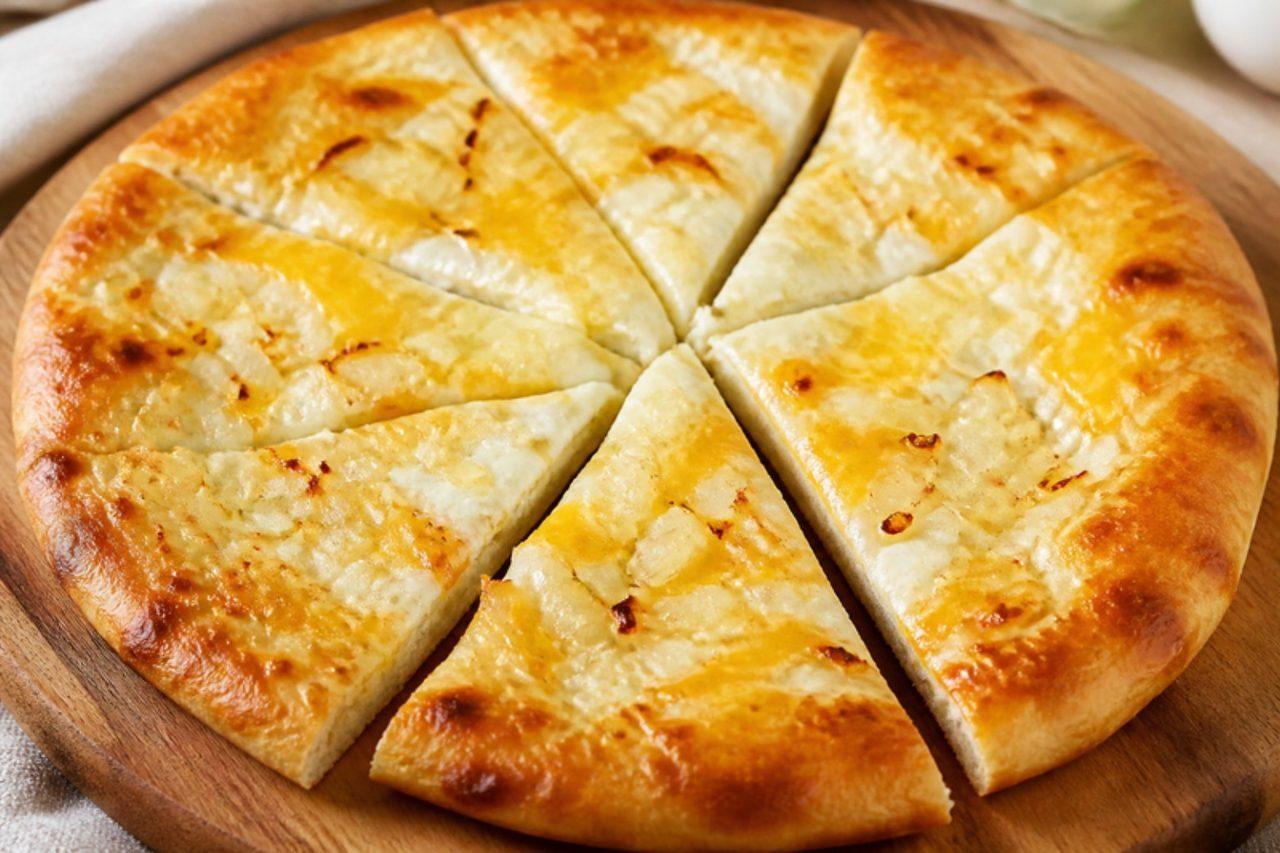
Töki pomposFlatbread with sour cream and onion

The village of Tök, west of Budapest in Pest County, holds a pompos festival every summer, and its baker-wives once made this flatbread from a piece of the weekly bread dough, baked at the mouth of the wood oven before the loaves went in. Unlike its cousin lángos it is baked, not fried: a thin yeast base spread with garlicky sour cream, onion and grated cheese, bubbling and browned at the edges. The village version often adds bacon or pork cracklings; this one is vegetarian. Hungarian trappista and many hard cheeses are made with animal rennet, so choose a vegetarian cheese. Chef's tip: roll the dough thin and bake it on a preheated tray in the hottest oven you have; a cold tray gives a pale, bready base.

by KrazyBadal 0 views

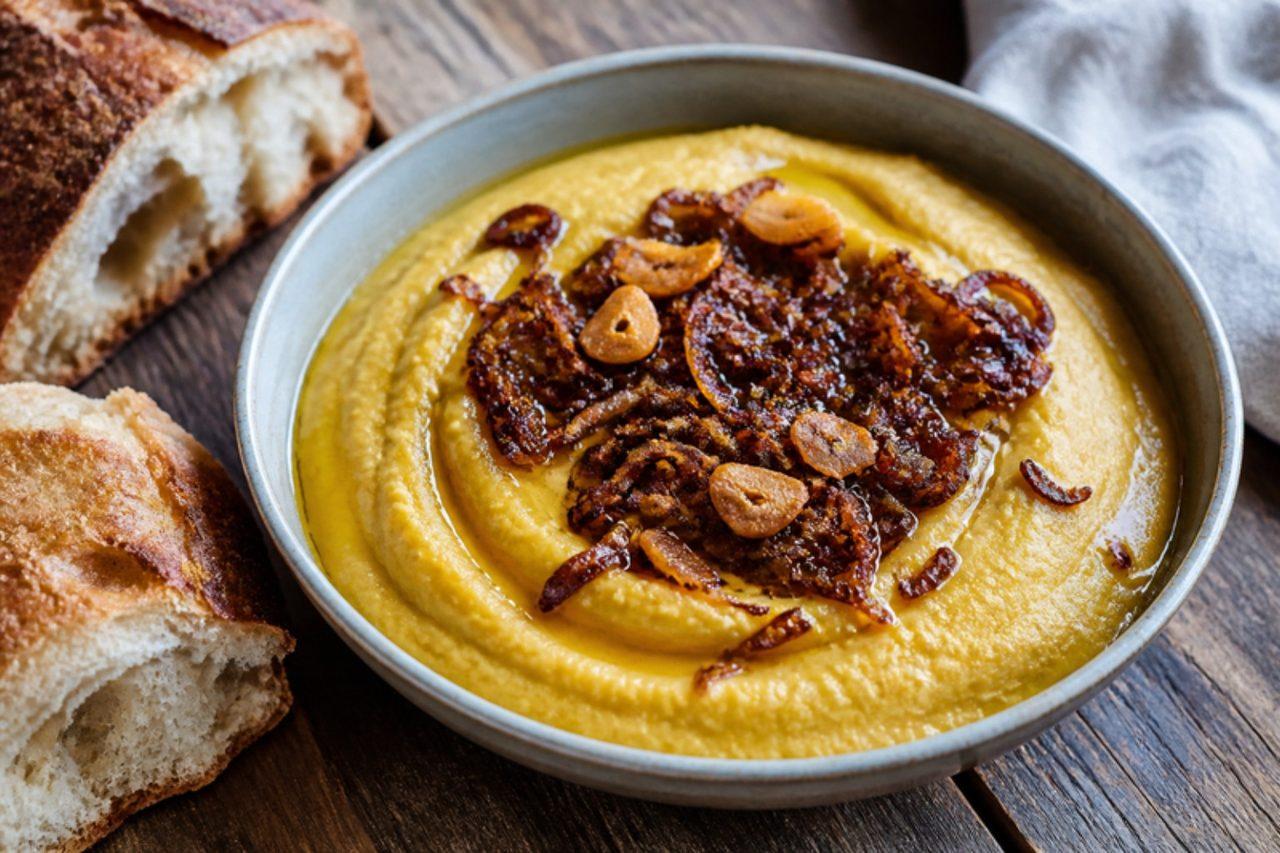
Sárgaborsó-főzelékSplit pea purée

In Hungarian homes split yellow peas are winter food, and on New Year's Day many families in Budapest eat this thick purée (or lentils) for luck in the coming year. The peas collapse into a smooth, earthy mash flavoured with bay and garlic, and a crown of onions fried until dark gold gives sweetness and crunch. It is usually served beside sausage, but this version is fully vegan and makes a filling meal with fresh bread and pickled cucumbers. Chef's tip: let the onions go slowly to a deep brown in plenty of oil and pour that oil over the purée too, because it carries most of the flavour. Pale, hurried onions are the usual mistake.

by KrazyBadal 0 views

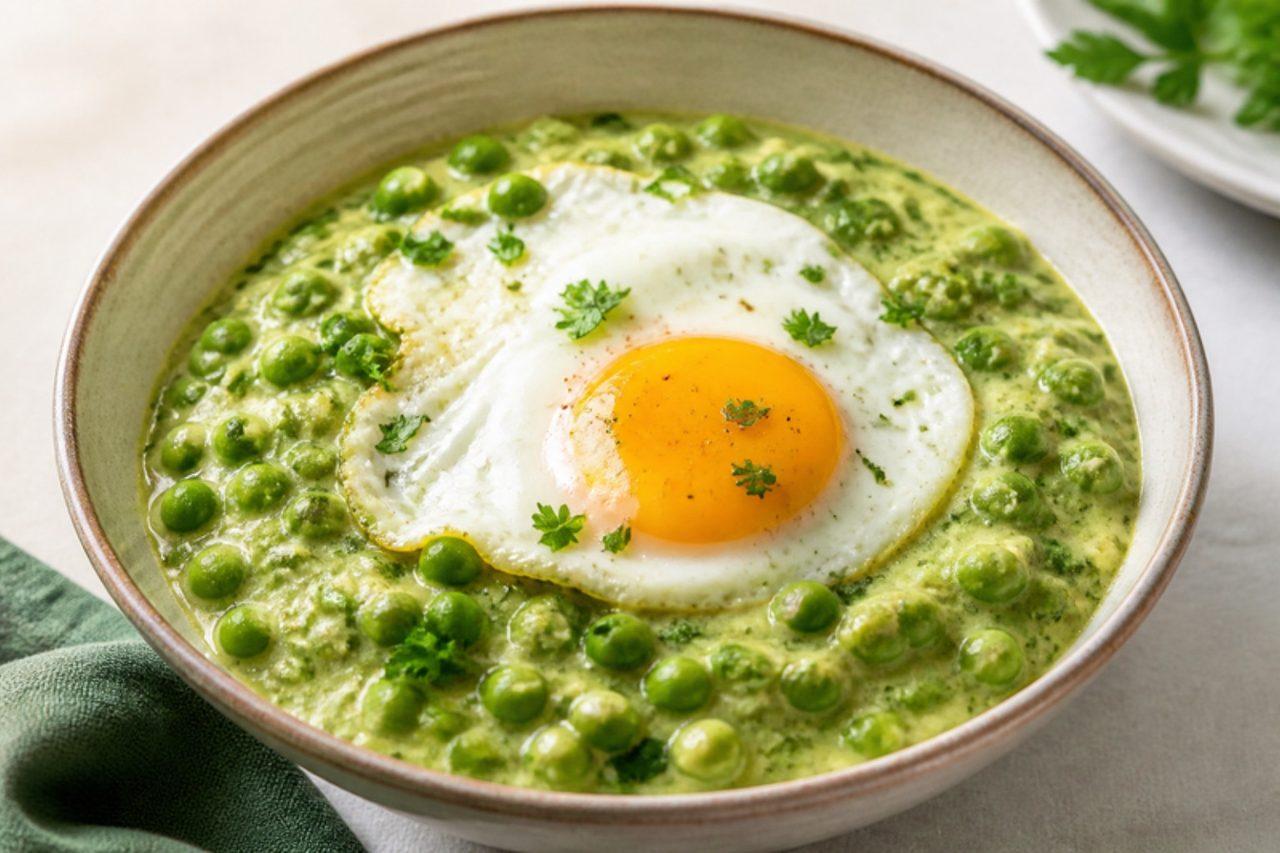
ZöldborsófőzelékGreen pea stew

Ask Hungarians about their childhood lunches and zöldborsófőzelék comes up fast: a bright green, slightly sweet pea stew that grandmothers in Budapest and the villages of the Great Plain make in late spring with fresh peas and all year with frozen ones. The peas cook briefly in butter with a pinch of sugar, then a light roux and milk turn them creamy, and a fistful of parsley finishes it. It is eaten as a meal with fried eggs, potato croquettes or fasírt. Chef's tip: stop cooking as soon as the peas are tender; long simmering turns them khaki and floury.

by KrazyBadal 0 views

LacipecsenyeGrilled pork neck

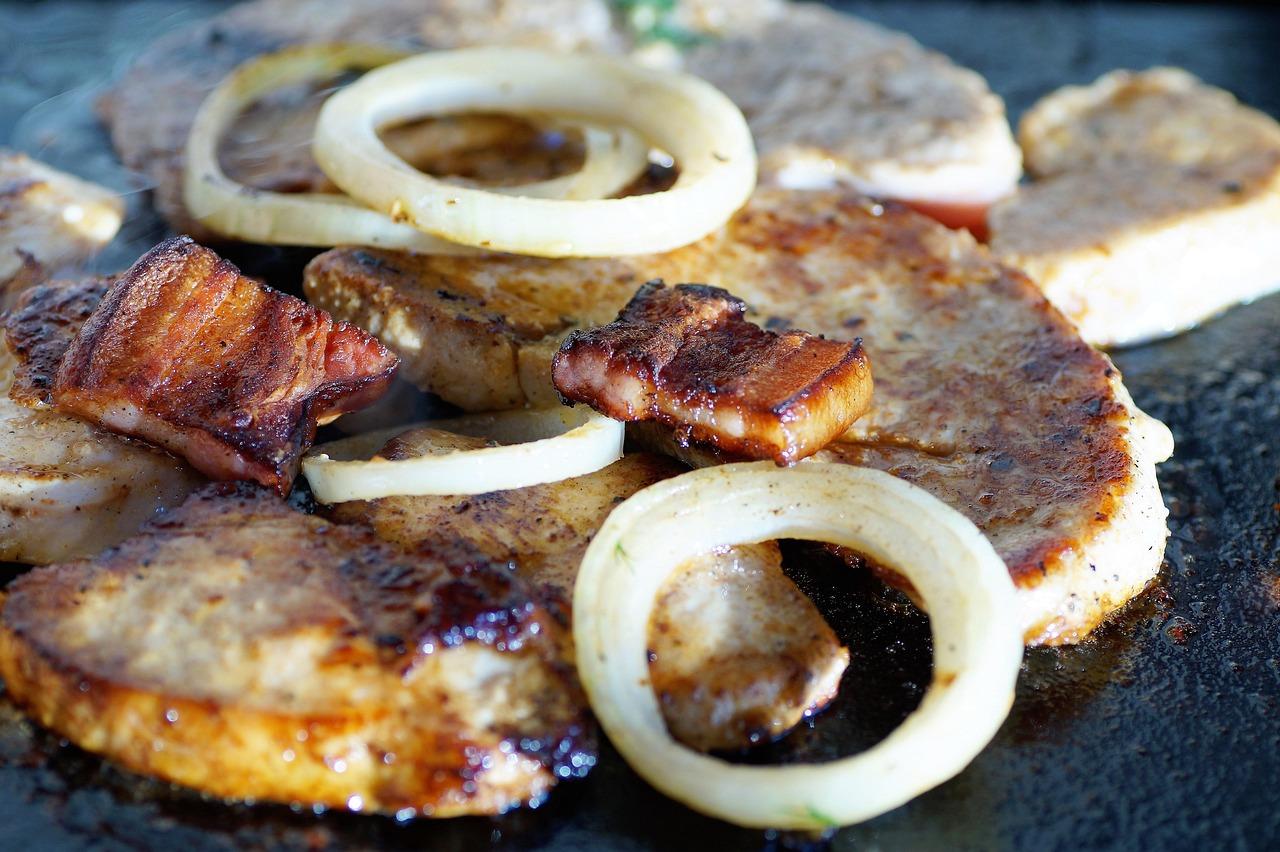
At village fairs (búcsú), wine festivals and the roadside stalls known as lacikonyha, 'Laci's kitchen', the smell of lacipecsenye pulls in the crowds: pork neck steaks rubbed with garlic, grilled on a griddle and heaped with fried onions. It is eaten standing up from a paper plate with a hunk of white bread, mustard and pickled cucumbers, and it is just as good from a home barbecue or a heavy pan. Marinate the pork in the fridge for at least 2 hours, or overnight. Chef's tip: pork neck is marbled, so it stays juicy; the mistake is pressing it with the spatula, which squeezes out the juices.

by KrazyBadal 0 views

Bundás kenyérEgg-fried bread

Bundás kenyér, 'bread in a fur coat', is the Hungarian answer to yesterday's loaf. On weekday evenings across the country, and at Sunday breakfasts in Budapest flats, slices of white bread are dunked in seasoned egg and milk and fried until puffed and golden. Most families eat it savoury, rubbed with raw garlic and served with pickled cucumbers or tea, though children often want jam or a dusting of icing sugar. Chef's tip: use bread that is a day or two old; fresh bread soaks up too much egg and fries up soggy.

by KrazyBadal 0 views

Showing 24 of 317 recipes

Show more recipes

Page 1 of 14