Skip to content
Recipes

All recipes

Vegetarian, or something you can't eat? Set your diet once and we'll hide recipes that don't fit.

Anticuchos de corazónBeef heart skewers

As night falls in Lima, anticucheras set up charcoal grills on street corners and fan the smoke towards passers-by; the October processions of the Señor de los Milagros are lined with them. The skewers are traditionally beef heart, a lean, firm and surprisingly mild meat, soaked in a dark-red marinade of ají panca, vinegar, cumin and garlic. They come with a boiled potato, a piece of choclo (large-kernel corn) and a spicy green ají sauce. If you can't get heart, sirloin steak works well. Chef's tip: baste the skewers with the leftover marinade and oil using a few coriander stalks tied together as a brush, the way the street cooks do.

by KrazyBadal 0 views

Arroz chaufaPeruvian fried rice

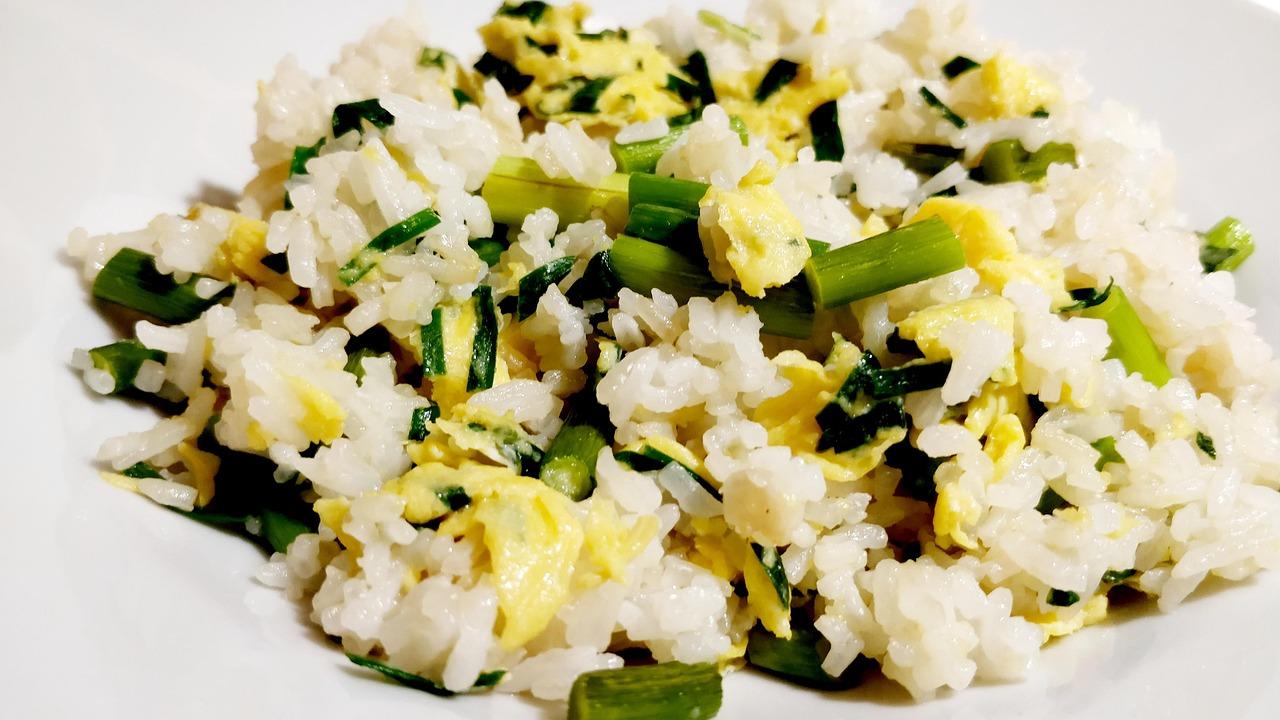
Arroz chaufa is the fried rice of Lima's chifas, the Chinese-Peruvian restaurants found on almost every street corner in Peru. It is close to Cantonese fried rice but has its own accent: plenty of spring onion and ginger, a dark soy colour, a thin omelette cut into strips and a whisper of sesame oil, all tossed in a smoking wok. This egg and vegetable version is a quick dinner on its own, or the side for a saltado. Chef's tip: use rice cooked the day before and broken up with your fingers; fresh rice is too wet and goes mushy and sticky in the wok.

by KrazyBadal 0 views

Arroz con pollo peruanoCoriander rice with chicken

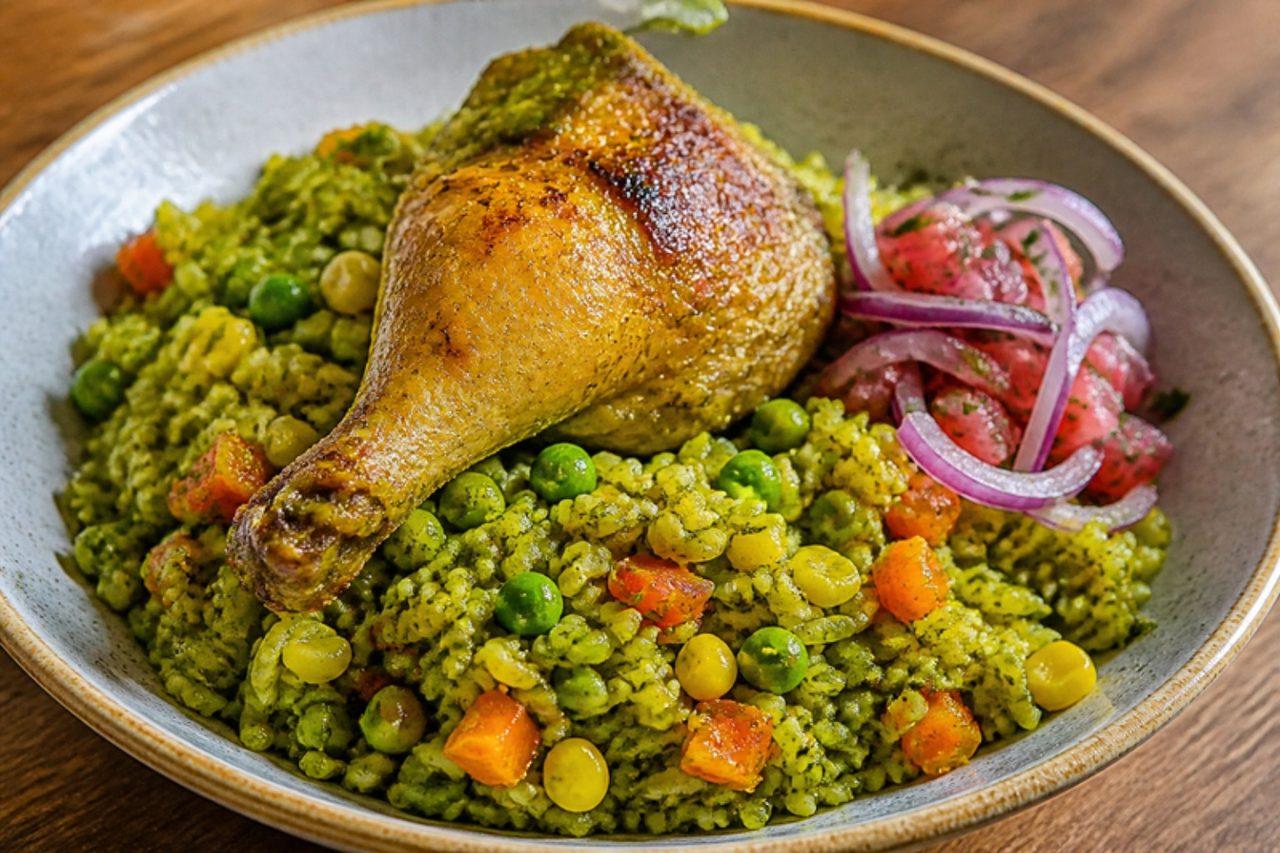
Across Spanish-speaking America arroz con pollo means yellow rice, but in Lima it comes out deep green, thanks to a big bunch of coriander blended into the cooking liquid. Mothers make it for Sunday lunch and for birthday parties, and street stalls ladle it out with salsa criolla, the sharp onion-and-lime relish that cuts through the rice. Chicken pieces are browned first, then the rice cooks in the same pot so it takes on all their flavour. Chef's tip: blend the coriander with cold stock right before it goes in, so it stays bright green rather than turning khaki.

by KrazyBadal 0 views

Kluay tod (Thai fried bananas)

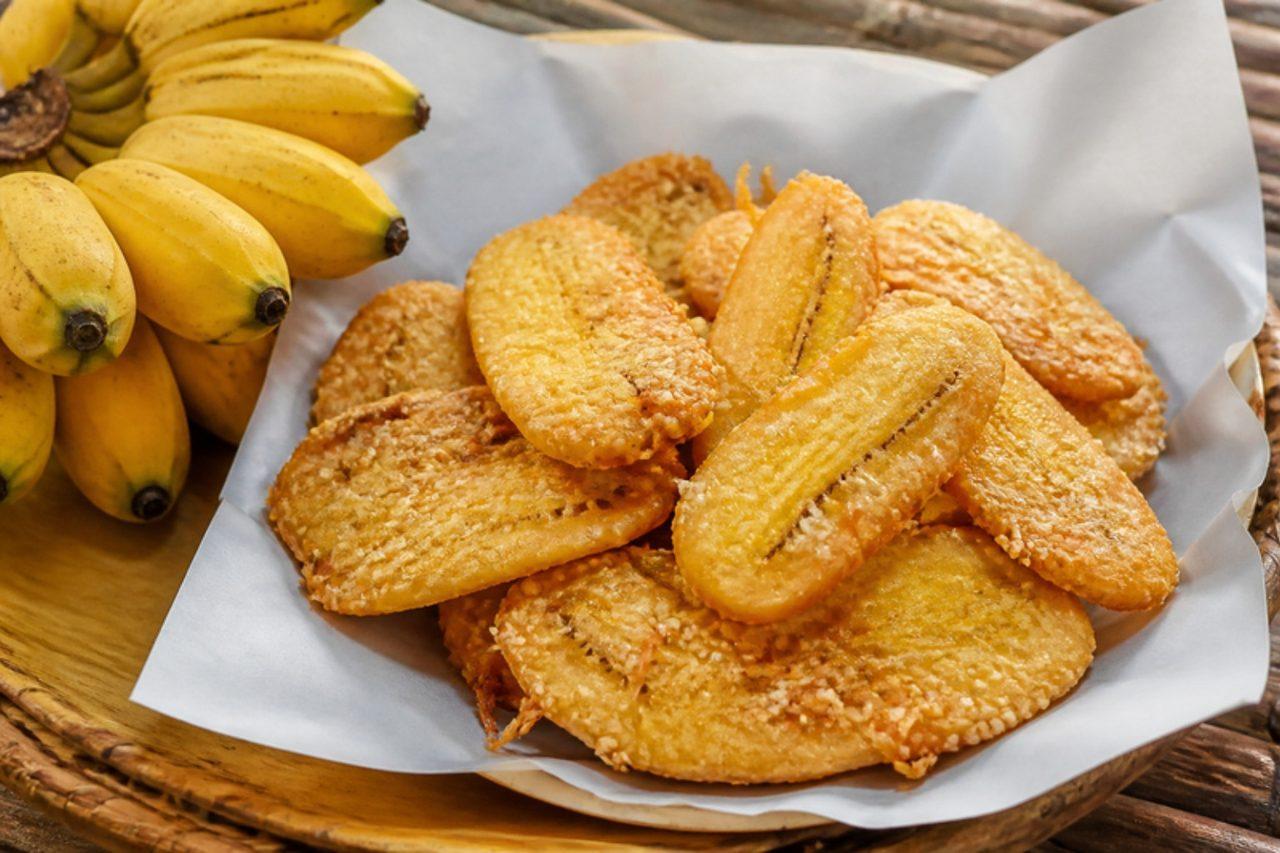
In the afternoons, Bangkok's street-corner woks switch from noodles to snacks, and kluay tod is the one you smell from down the soi: wedges of small, firm bananas in a coconut and sesame batter, fried until bronze and sold in paper bags. The batter is made with rice flour and a little lime water, so it shatters rather than turning bready, while the banana inside goes soft and jammy. Thais use kluay nam wa, a short, tart banana; firm, just-ripe ordinary bananas work too. Eat them warm, on their own or with a scoop of coconut ice cream. Chef's tip: overripe bananas fall apart and soak up oil; choose ones that are yellow with no brown spots.

by KrazyBadal 0 views

Causa limeñaLayered potato terrine

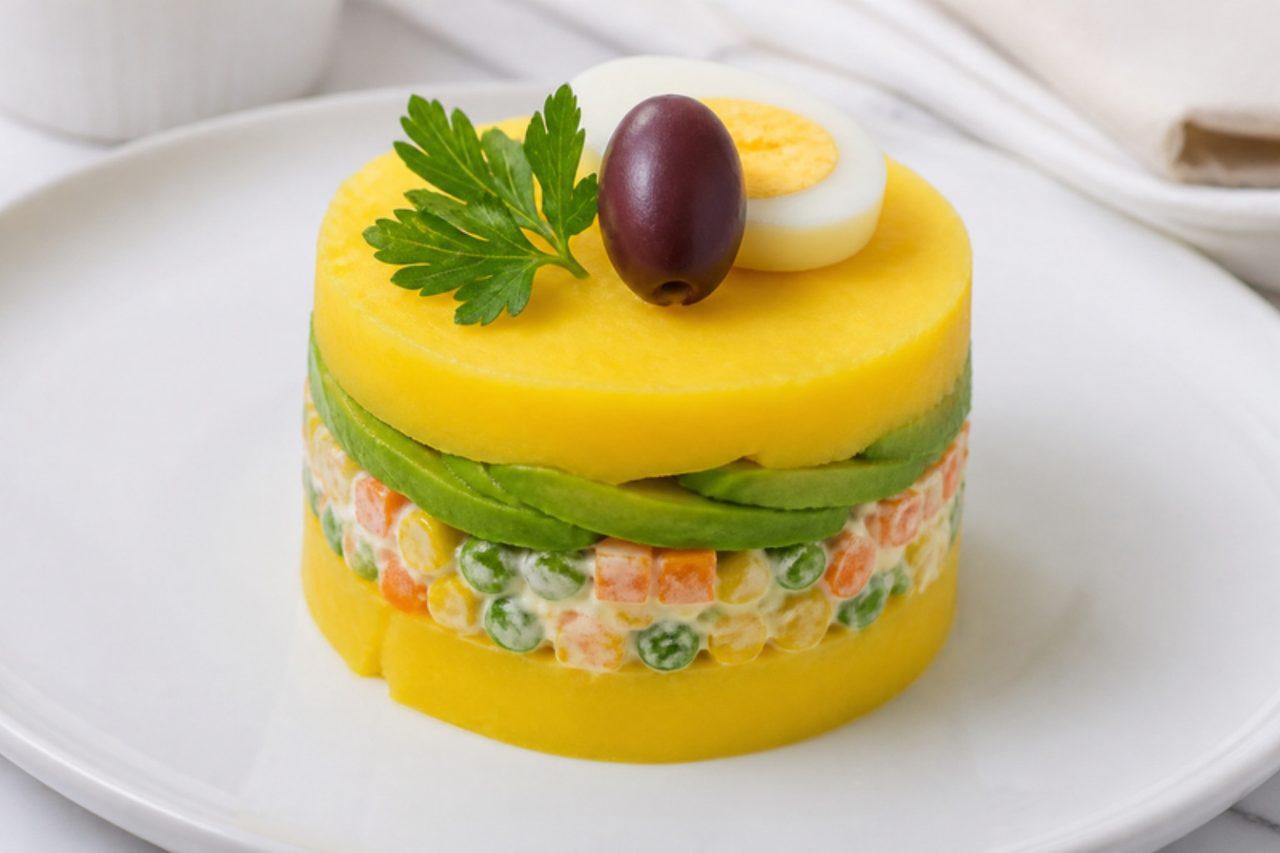
Causa limeña is Lima's cold potato terrine: yellow potatoes mashed with lime, oil and ají amarillo, pressed into layers and filled. In Lima it is a lunchtime starter sold in every menú and at every family party, often with tuna or chicken; this vegetarian causa is filled with ripe avocado and a creamy salad of corn, peas and carrot. The potato should be smooth, sunny yellow, tangy and gently hot, and the whole thing is served cold in neat slices. Make it in the morning for dinner, or the day before for a party. Chef's tip: mash the potatoes while warm but add the lime only once they have cooled; lime on hot potato turns the mash grey and gluey.

by KrazyBadal 0 views

Chicha moradaPurple corn drink

Chicha morada is Peru's favourite soft drink, served by the jug in every restaurant in Lima and drunk across the country with lunch. Andean purple corn is simmered with pineapple peel, apple, cinnamon and cloves, then sweetened and sharpened with lime to make a dark ruby drink that tastes of berries, spice and gentle tannin, a little like a spiced cranberry juice. It has no alcohol, unlike the fermented chicha de jora of the Andes. Dried purple corn (maíz morado) comes from Latin shops; purple corn powder works too. Chef's tip: add the sugar and lime only once the drink has cooled; lime added to the hot liquid turns it bitter.

by KrazyBadal 0 views

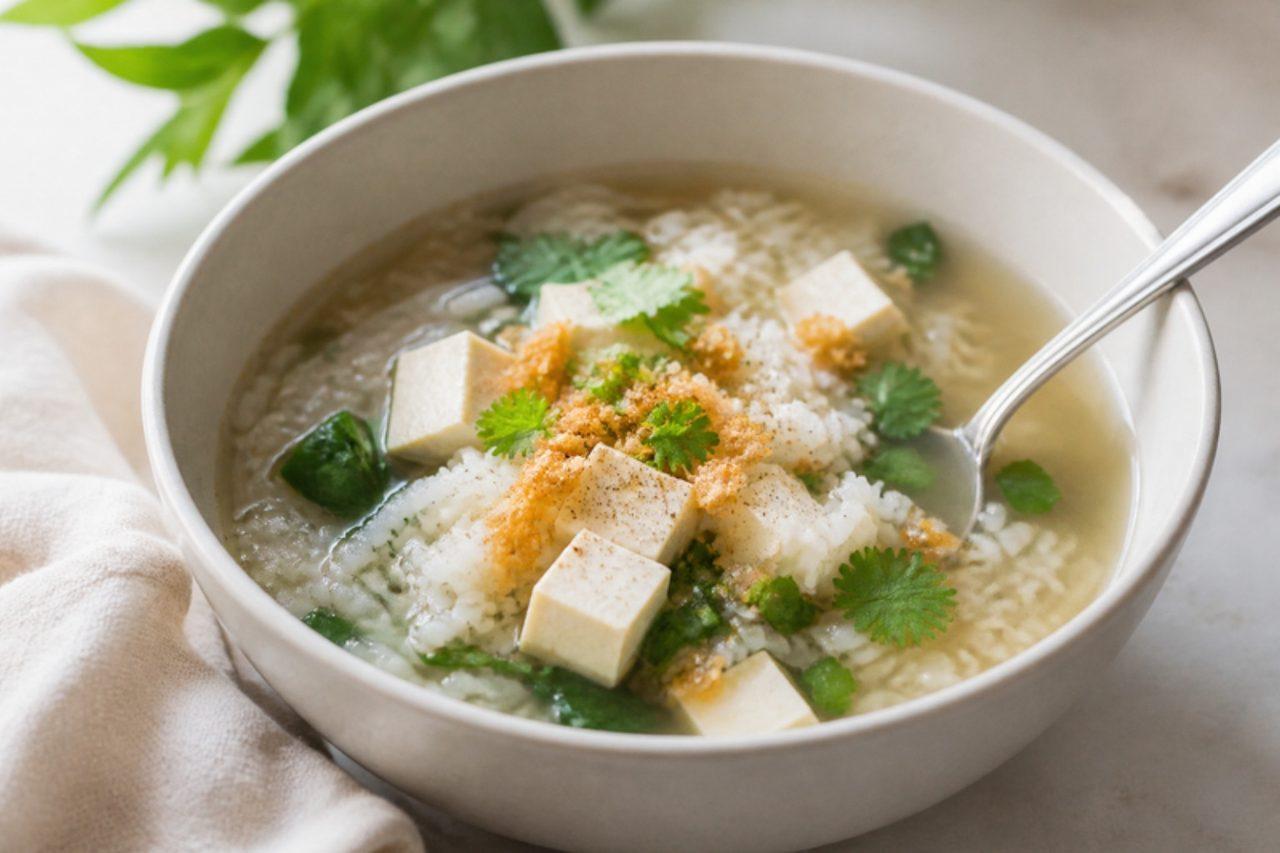
Khao tom (vegetable rice soup)

Khao tom is what Thais eat at the start of the day and, just as often, at two in the morning, when the 'khao tom kui' shops of Bangkok's Yaowarat and night-market stalls stay open for hungry people heading home. Unlike rice porridge (jok), the grains stay whole and separate in a light, clear broth, so it feels more like a soup than a congee. This vegan bowl uses a ginger and white pepper stock with soft tofu, Chinese cabbage and a spoon of golden garlic oil on top. It is gentle food, also what Thai families cook when someone is unwell. Chef's tip: use leftover cooked jasmine rice, rinsed under the tap; fresh rice turns the broth cloudy and starchy.

by KrazyBadal 0 views

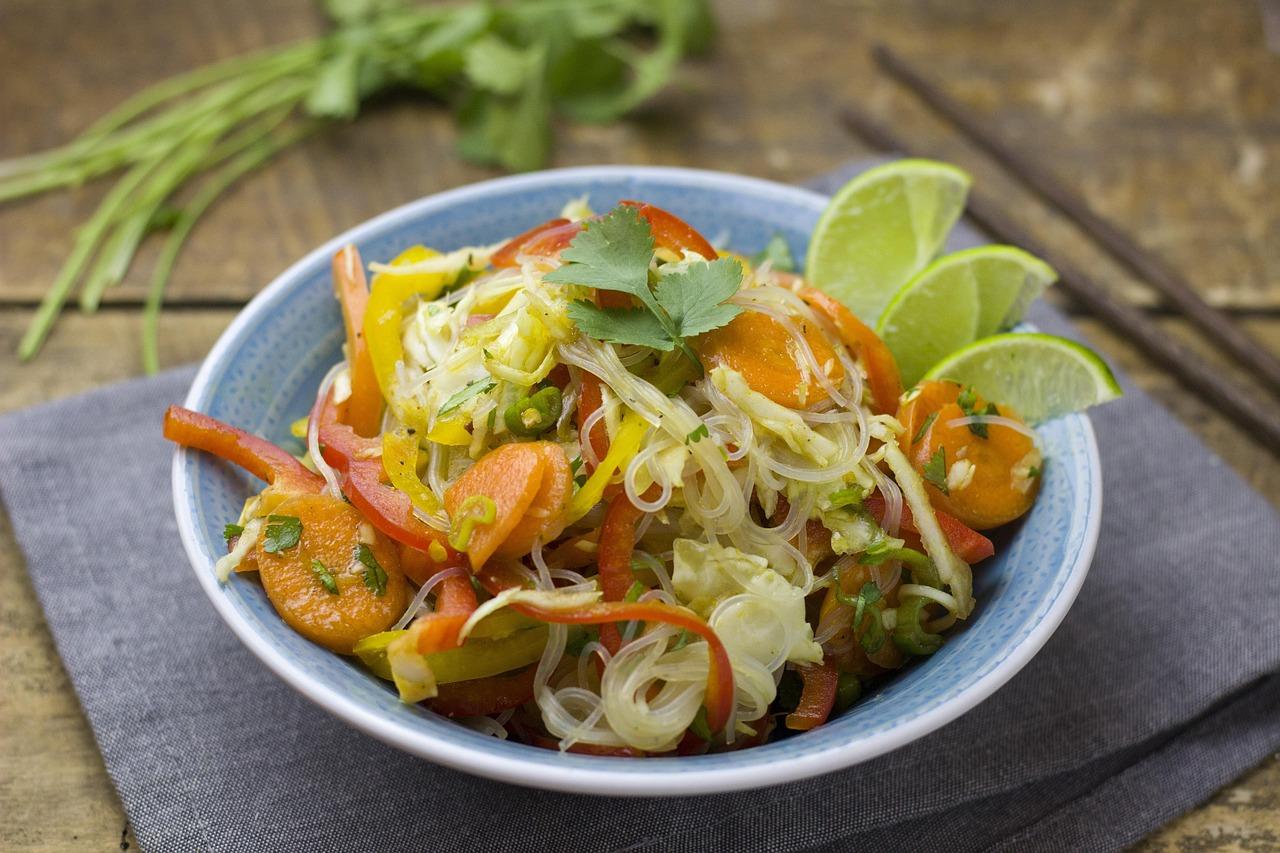
Yam woon sen (vegetarian glass noodle salad)

Yam woon sen is the glass-noodle salad sold from the trays of 'yam' vendors in Bangkok's evening markets and served alongside beer at Central Thai gatherings. The street version is tossed with minced pork and prawns; this vegetarian one swaps them for crumbled firm tofu and crunchy wood ear mushrooms, which give the same mix of soft and bite. The noodles are dressed while still warm so they drink up the sour, salty, sweet and hot dressing, then finished with celery leaves, coriander and peanuts. Eat it at room temperature as a light lunch or as one dish in a shared spread. Chef's tip: celery leaves are not a garnish here; Thai cooks use Chinese celery as a main herb, so be generous.

25 minThaiSaladsVeganGluten free
by KrazyBadal 0 views

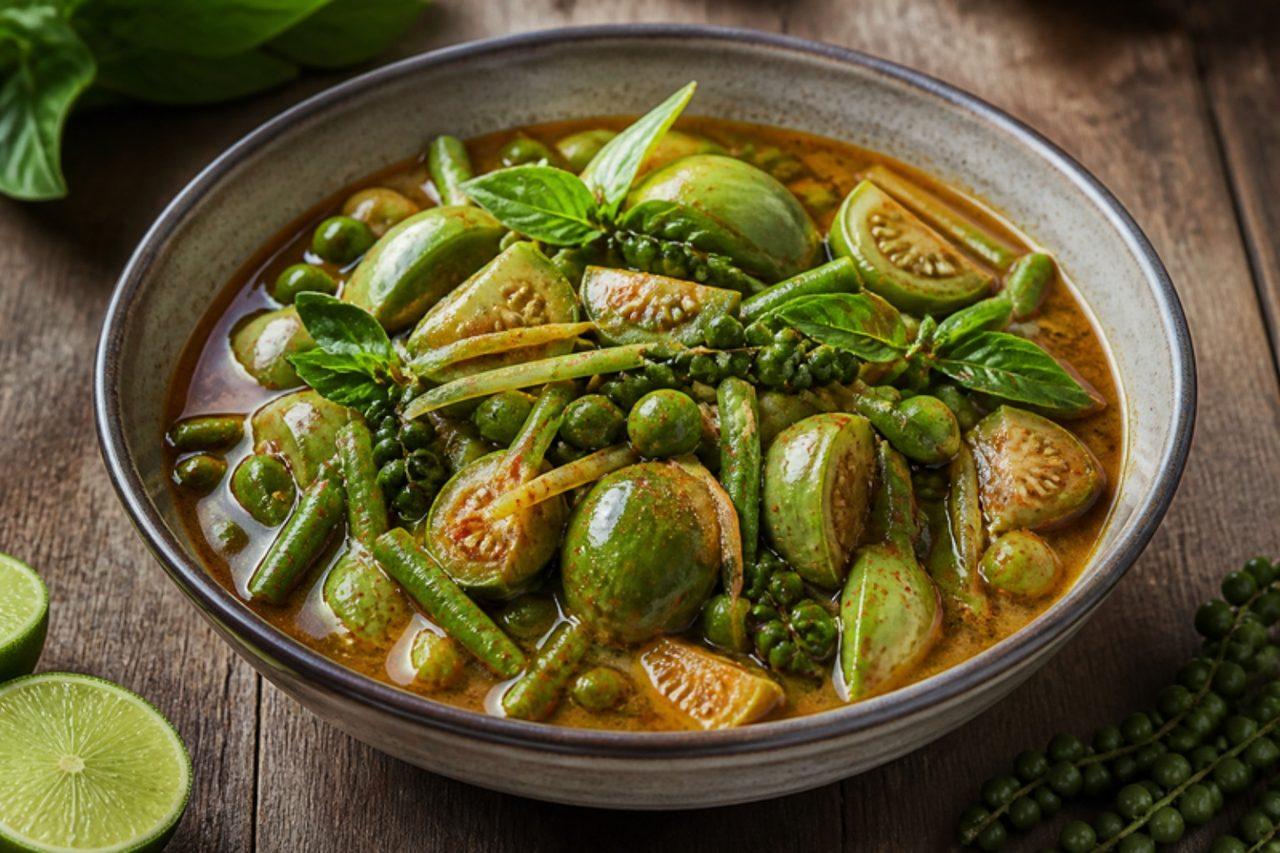
Kaeng pa (jungle curry)

Kaeng pa means 'forest curry', and around Ayutthaya, Suphan Buri and the rice-farming plains north of Bangkok it is the curry cooked when there is no coconut to hand: a thin, fiery, herb-scented broth packed with whatever vegetables grew nearby. It turns up at roadside curry-and-rice shops in the Central region, ladled over jasmine rice at lunchtime. Without coconut milk the flavour is sharp and clean, carried by wild ginger (krachai), fresh green peppercorns and holy basil. This version uses a home-pounded red paste with no shrimp paste and seasons with soy sauce instead of fish sauce. Chef's tip: fry the paste in a little oil until it smells toasty before any water goes in; raw paste makes a curry that tastes flat and grassy.

by KrazyBadal 0 views

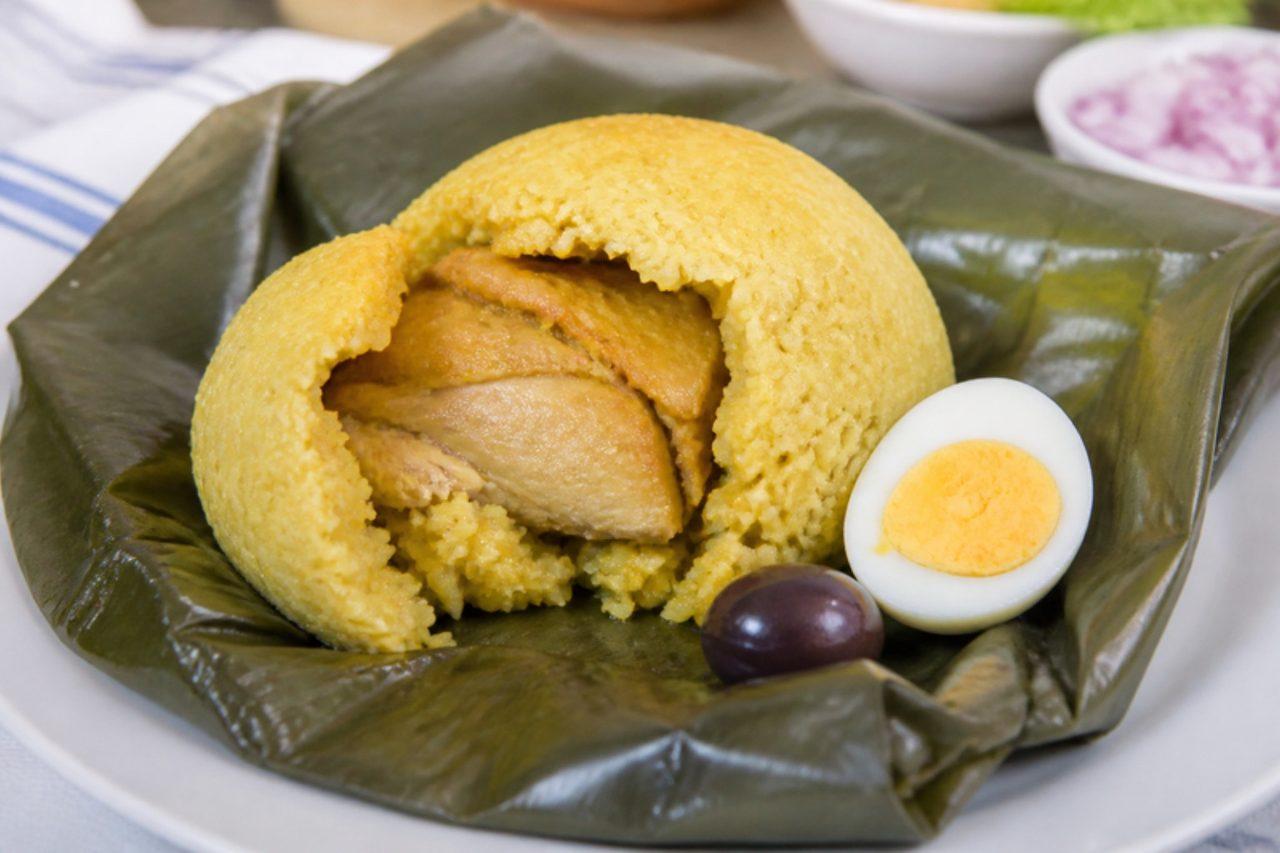
Juane de gallinaChicken and rice parcels

In Iquitos, Tarapoto and the river towns of Peru's Amazon, juanes are steamed by the hundred for the feast of San Juan on 24 June, when families picnic by the rivers to mark the start of the dry season. Each parcel hides a piece of chicken, half a boiled egg and a black olive inside rice seasoned with turmeric, cumin and the herb sacha culantro, all wrapped in broad bijao leaves that perfume the rice. Banana leaves are the easiest swap outside the jungle. Chef's tip: let the rice cool before you wrap it; warm rice is too soft to shape and the parcels lose their round shape.

by KrazyBadal 0 views

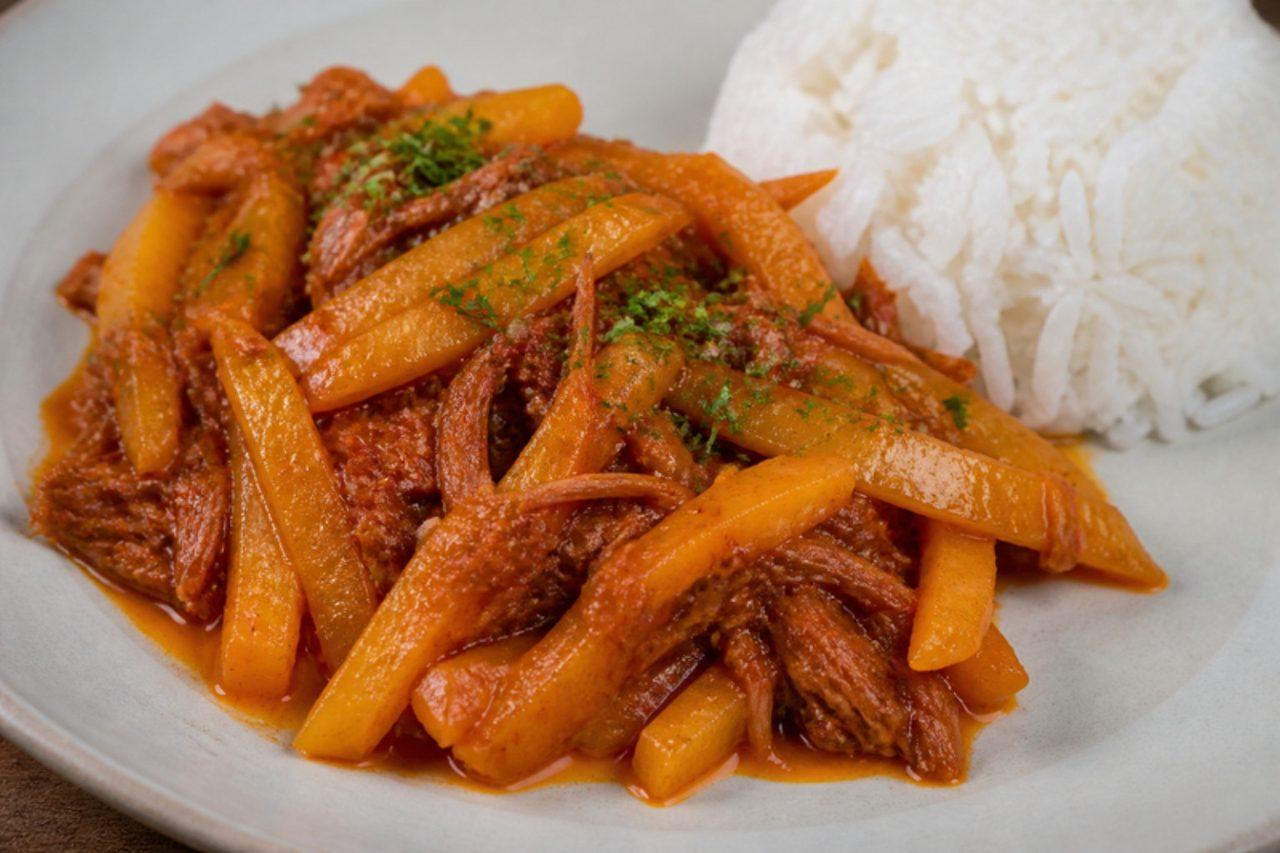
Olluquito con charquiOlluco and dried beef stew

Olluco is a glossy yellow-and-pink tuber grown high in the Andes, crunchy when raw and silky when cooked, and in Lima's market eateries it is cut into fine matchsticks and stewed with charqui, sun-dried meat that was the travel food of Inca messengers. The dish is gently spiced with ají panca and finished with fresh parsley, and it is always served with white rice. Latin shops sell olluco in jars; if you can't find it, firm new potatoes or courgette give a similar texture, and beef brisket stands in well for charqui. Chef's tip: cut the olluco and rinse it well; the slippery sap washes off and the stew won't turn slimy.

by KrazyBadal 0 views

Pachamanca a la ollaPot-steamed meats with potatoes

In the highlands around Huancayo and Ayacucho, families mark harvests and saints' days by burying marinated meats, potatoes, sweet potatoes, broad beans and humitas under hot stones and earth for a pachamanca, an 'earth pot'. City cooks get close to it with a heavy pot: the same green marinade of huacatay (black mint), chincho, ají and garlic, layered with meats and roots and steamed in their own juices under banana or corn leaves. Chef's tip: layer the hardest things lowest, potatoes on the bottom and chicken nearest the lid, just as the stones are packed in the field.

135 minPeruvianMeatGluten free
by KrazyBadal 0 views

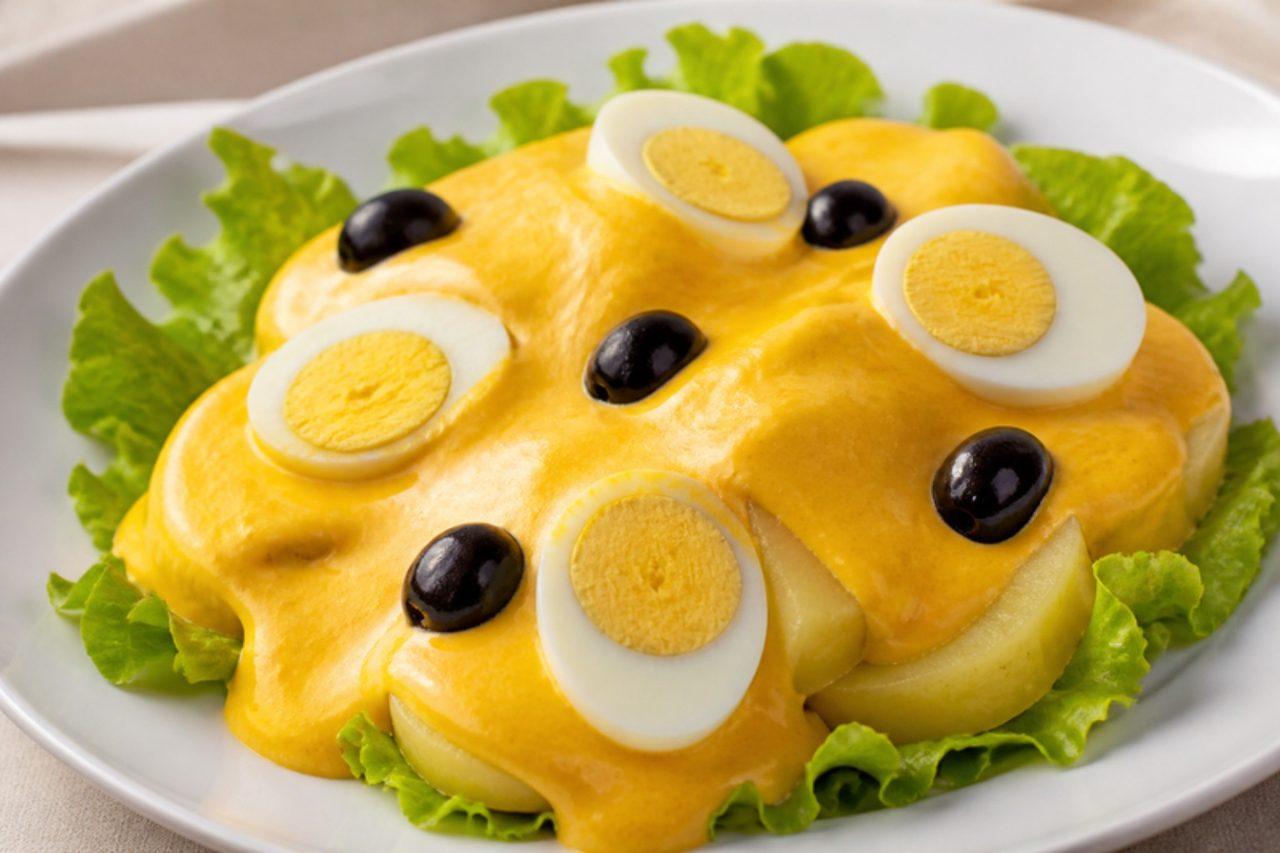
Papa a la huancaínaPotatoes in spicy cheese sauce

Papa a la huancaína is named after Huancayo in Peru's central Andes, but it is eaten everywhere, from Lima's set-lunch counters to Sunday family tables. Thick slices of cold boiled potato are blanketed in huancaína sauce, a silky, mildly hot sauce of ají amarillo, fresh cheese and evaporated milk, then finished with boiled egg and black olives. It is served cold as a starter, and the sauce is also the favourite dip for boiled corn and fried yuca. Use a queso fresco made with vegetarian rennet if you want it fully vegetarian (or a mild feta rinsed of salt). Chef's tip: fry the chillies, onion and garlic before blending; this takes off their raw edge and gives the sauce its rounded, sweet heat.

by KrazyBadal 0 views

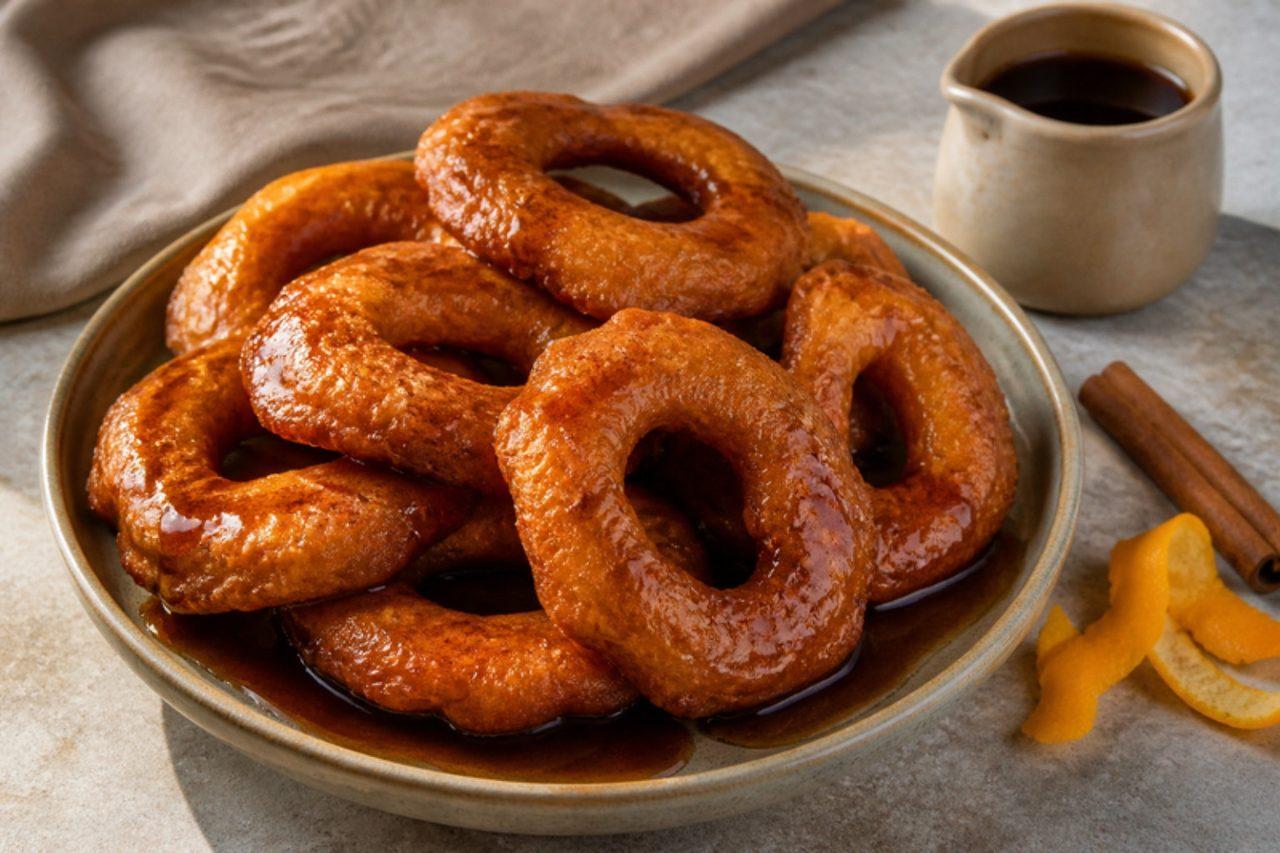
PicaronesSweet potato and squash doughnuts

Picarones are Lima's favourite street sweet, fried to order at stalls in the parks and outside churches, especially in October during the Señor de los Milagros processions. The light, chewy rings are made from a yeasted dough of sweet potato and squash, scented with anise, fried until crisp and drenched in miel de chancaca, a dark syrup of unrefined cane sugar with orange peel, cinnamon and cloves. They are eaten hot, straight from the oil, with plenty of syrup. Chancaca is sold in Latin shops; dark muscovado or piloncillo makes a very good syrup too. Chef's tip: the dough should be very soft and sticky, like a thick batter; resist adding more flour, or the picarones turn heavy and bready.

by KrazyBadal 0 views

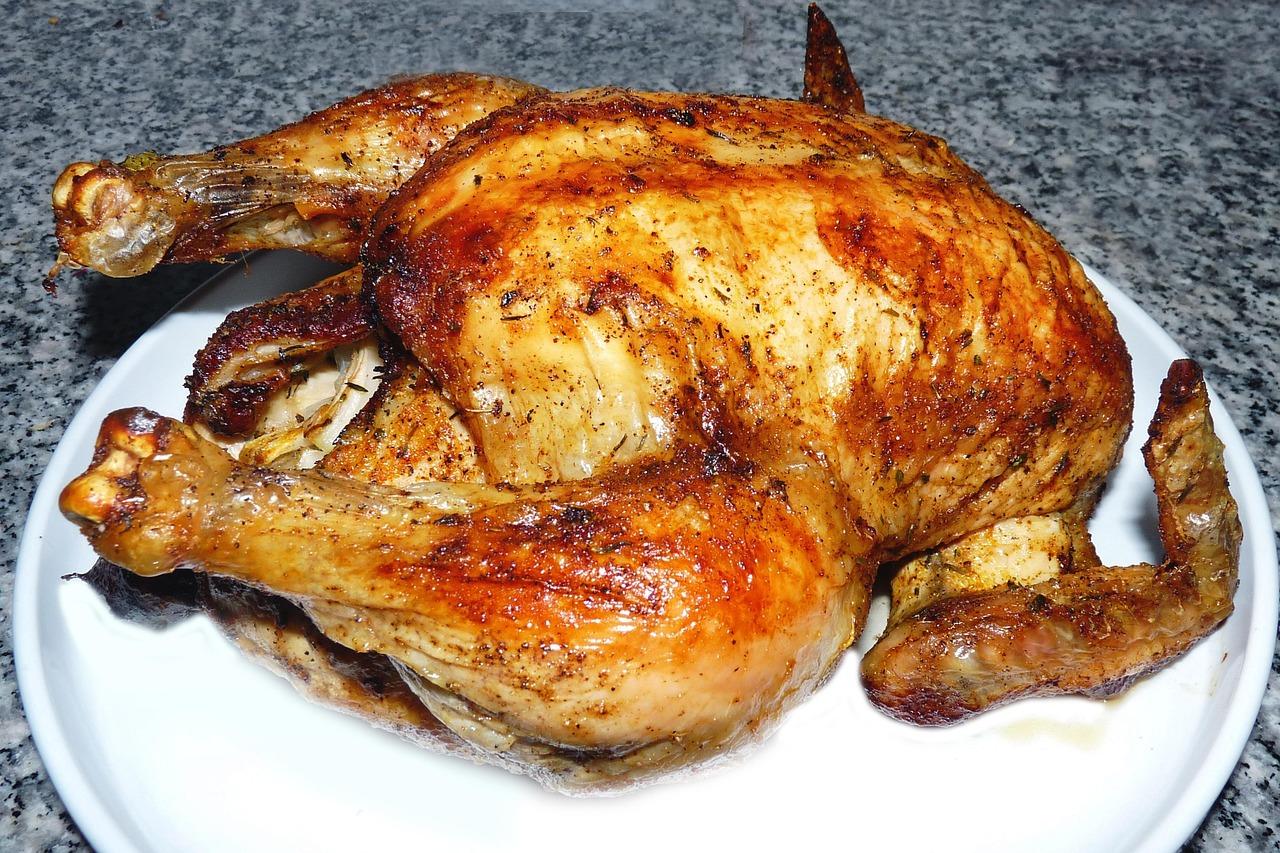
Pollo a la brasaRoast chicken with green chilli sauce

Born in the 1950s in Chaclacayo, just east of Lima, this rotisserie chicken has grown into a national obsession, with its own holiday on the third Sunday of July and a pollería on almost every block. The bird is marinated in soy sauce, lime, garlic, cumin and ají panca, then roasted until the skin is lacquered and dark. At home a hot oven does the job, and the meal is not complete without chips, a simple salad and a jar of creamy green ají sauce. Chef's tip: dry the skin well and leave the chicken uncovered in the fridge overnight after marinating; it roasts up much crisper.

by KrazyBadal 0 views

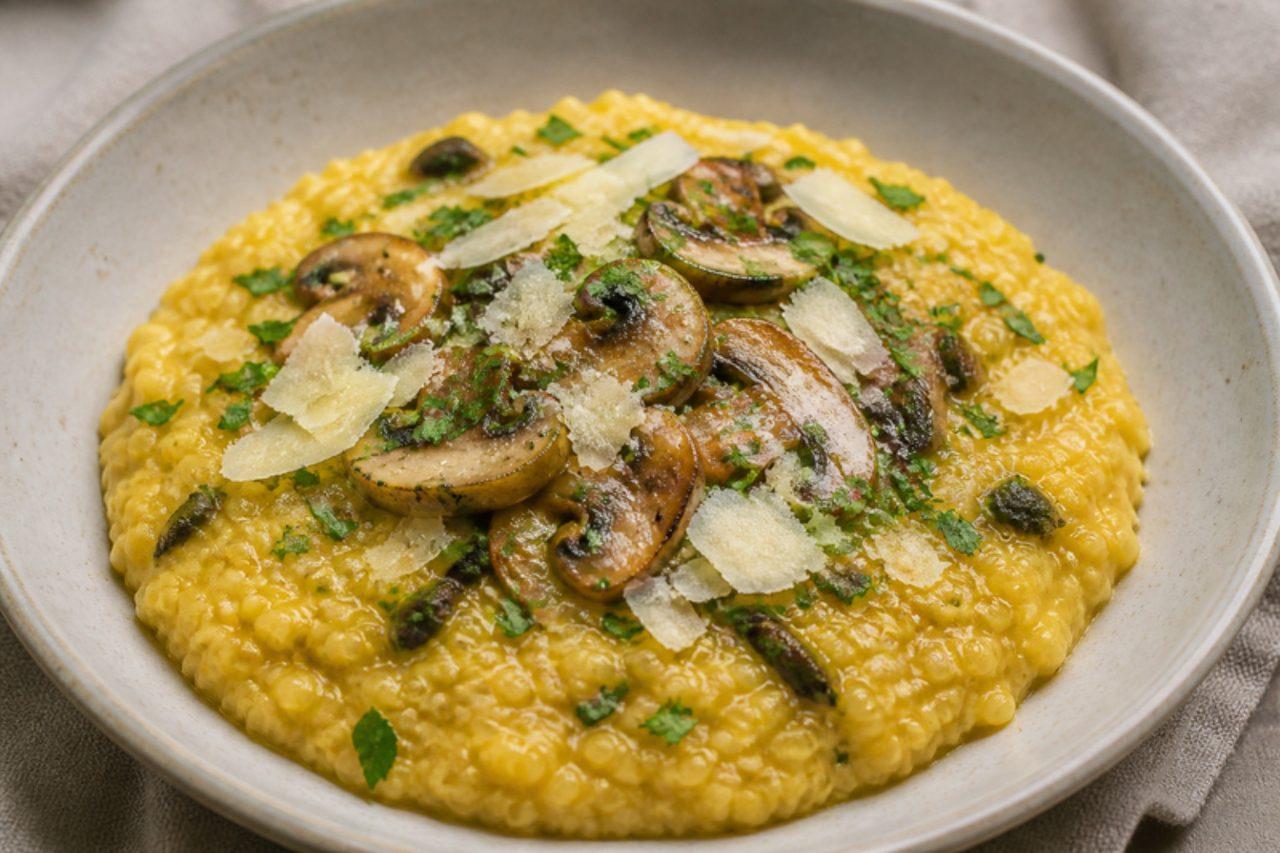
QuinottoCreamy quinoa with mushrooms

Quinotto is quinoa cooked like a risotto, a dish from the new Andean cooking of Cusco and Lima that marries Italian technique with the grain of the high Andes. Quinoa is toasted with onion and garlic, simmered in stock with white wine, then finished with mushrooms, butter, cream and grated cheese until creamy and loose. It has a pleasant pop and nutty flavour that rice never has, and a gentle warmth from ají amarillo. Serve it as a main with a green salad. Use a hard cheese made with vegetarian rennet. Chef's tip: quinoa has little starch, so the creaminess comes at the end; stir in the butter, cheese and cream off the heat and serve straight away while it still flows.

by KrazyBadal 0 views

Rocoto rellenoStuffed rocoto peppers

Rocoto relleno is the pride of Arequipa's picanterías: fiery rocoto peppers stuffed with a sweet-savoury filling, topped with cheese and baked over sliced potato in an egg and milk custard. The traditional filling is minced beef; this vegetarian version uses mushrooms and lentils fried with ají panca, cumin, peanuts, raisins, olives and boiled egg, which gives the same rich, spiced, slightly sweet bite. The peppers are first blanched several times in fresh water with sugar and vinegar to tame their heat, which is the real skill of the dish. If you can't find rocotos, use small red bell peppers and add a little habanero to the filling. Chef's tip: taste a sliver of rocoto after the second blanching; stop when it is hot but pleasant, and blanch once more if it still burns.

by KrazyBadal 0 views

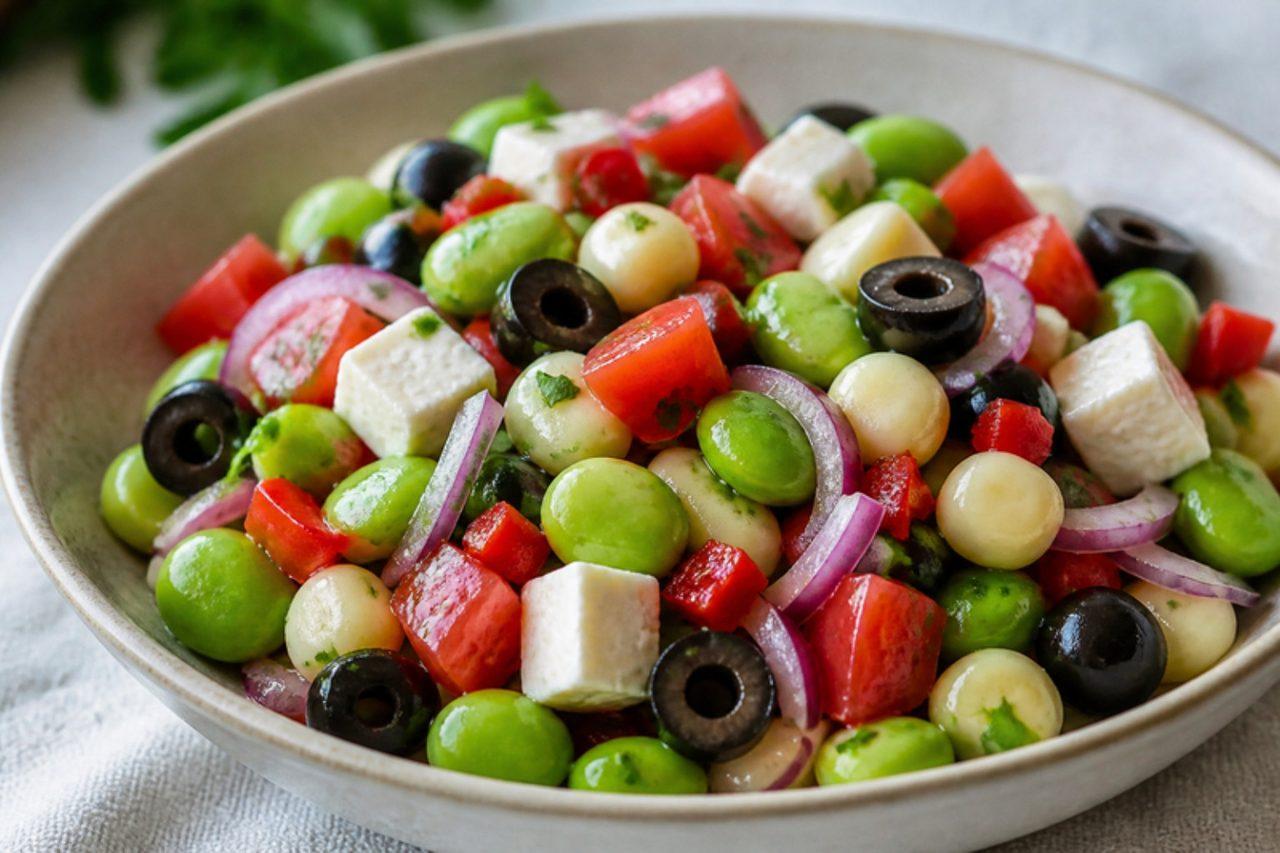
SolteritoBroad bean, corn and cheese salad

Solterito, the 'little bachelor', is a cold salad from Arequipa in southern Peru, so called because it was simple enough for a single man to make. Broad beans, sweet corn, fresh cheese, tomato and red onion are tossed with black olives, parsley and a little rocoto chilli in an oil and vinegar dressing. It is eaten with the spicy dishes of Arequipa's picanterías, or on its own as a light lunch. Rocoto is a fat, fiery red chilli; a red pepper with a little habanero gives a similar crunch and heat. Use queso fresco made with vegetarian rennet. Chef's tip: peel the broad beans after blanching; the pale skins are tough and the bright green beans inside make the salad sweet and tender.

by KrazyBadal 0 views

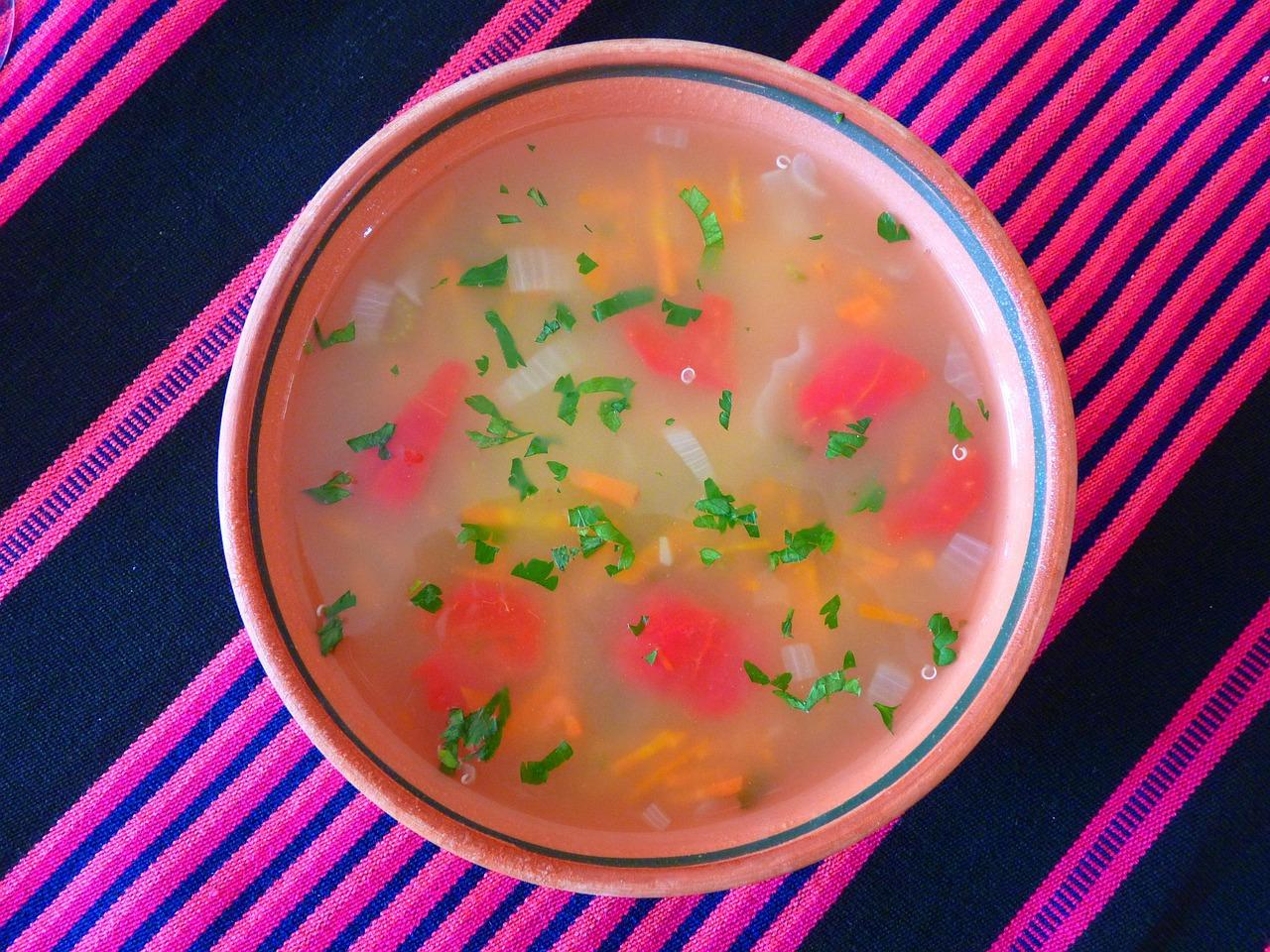
Sopa de quinuaQuinoa and vegetable soup

Sopa de quinua is everyday food in the Andes, from Puno on Lake Titicaca to Cusco and Huancayo, where quinoa has been grown for thousands of years. Quinoa, potato, carrot and corn simmer in a light broth seasoned with garlic, cumin, oregano and a little ají amarillo, and the potato breaks down slightly to give body. It is light yet filling, the soup families eat at midday to warm up in cold mountain air. In Peru it is finished with huacatay, the black mint of the Andes; a mix of mint and coriander stands in well. Chef's tip: rinse the quinoa in a sieve under running water, rubbing it, until the water stops foaming; the natural saponin coating tastes bitter and soapy.

by KrazyBadal 0 views

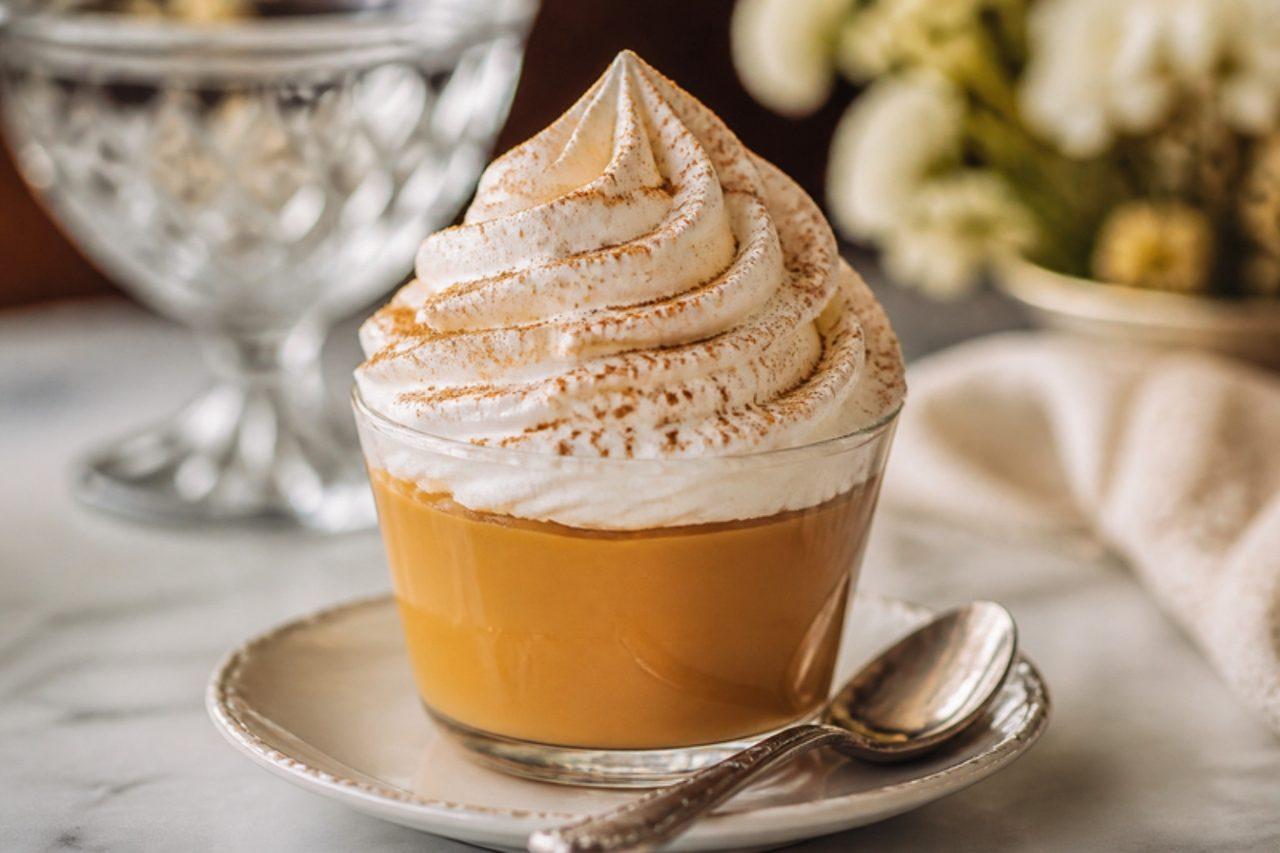
Suspiro limeñaCaramel custard with port meringue

Suspiro a la limeña, 'the sigh of a Lima woman', is the city's grand dessert from colonial times, said to have been named by the poet José Gálvez for its sweetness. A thick manjar blanco, milk slowly cooked down to a silky caramel cream and enriched with egg yolks, is topped with a cloud of glossy Italian meringue flavoured with port and dusted with cinnamon. It is very sweet and very rich, so serve it in small glasses. Make it in the morning for the evening. Chef's tip: the manjar is ready when a spoon dragged across the bottom of the pan leaves a clear path for a moment; undercooked, it stays runny and the meringue sinks into it.

by KrazyBadal 0 views

TacachoMashed roasted green plantain balls

Tacacho is the breakfast of the Peruvian Amazon, from Tarapoto to Iquitos: green plantains roasted over coals, mashed with fat and salt and shaped into balls. There it comes with cecina (smoked pork) and is mashed with lard and crackling; this vegan tacacho uses good oil and a pinch of smoked paprika for the same savoury, smoky depth. The balls are dense, chewy and starchy, crisp at the edges where the plantain charred, and they are eaten hot with a fiery chilli sauce or alongside stews. Use plantains that are fully green and firm. Chef's tip: mash the plantains while they are still very hot; as green plantain cools its starch sets and it won't bind into a smooth ball.

by KrazyBadal 1 views

Tacu tacuPan-fried beans and rice cake

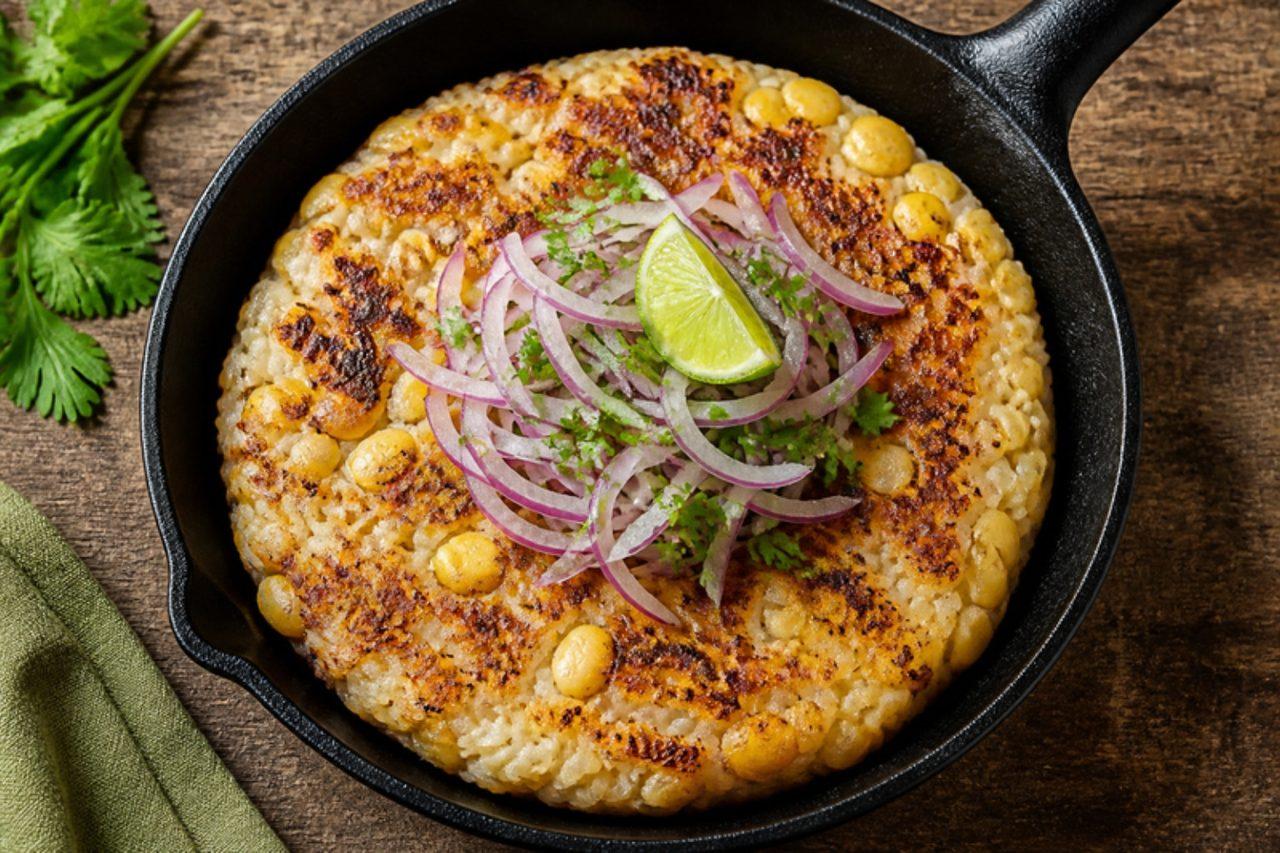
Tacu tacu was born in the Afro-Peruvian kitchens of Lima, as a thrifty way to turn yesterday's beans and rice into something new; today it appears on the menus of smart criollo restaurants too. Mashed canario beans and rice are fried with garlic, onion and ají amarillo, then shaped in the pan into a long, crisp-edged cake, soft inside and golden outside. It is a hearty lunch for two with a sharp salsa criolla of onion and lime, and often a fried ripe plantain on the side. Canario beans are pale yellow and creamy; pinto or cannellini beans work well. Chef's tip: use cold, day-old rice and beans; warm, freshly cooked ones are too soft to hold their shape and the tacu tacu falls apart.

by KrazyBadal 0 views

Tallarín saltadoStir-fried noodles with vegetables

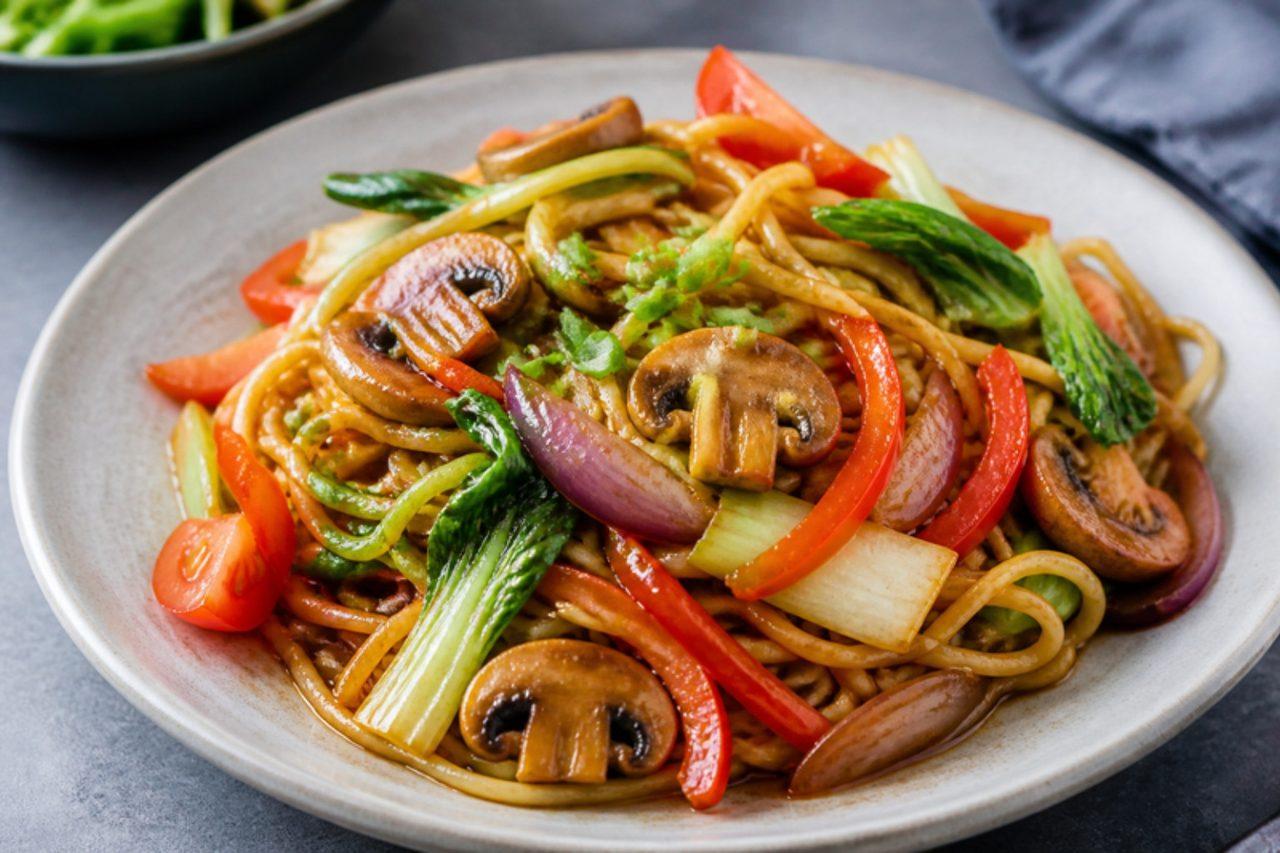
Tallarín saltado is the noodle cousin of lomo saltado, a chifa favourite from Lima where Chinese wok technique meets Peruvian ingredients. Spaghetti-style wheat noodles are tossed over a fierce heat with mushrooms, pak choi, red onion, tomato, ginger and ají amarillo, then glossed with soy sauce and a splash of vinegar. The noodles soak up the smoky, tangy sauce while the vegetables stay crisp. Peruvians use plain spaghetti from the shop on the corner, and so can you. Chef's tip: cook the noodles a minute short of the packet time and rinse them in cold water; they finish cooking in the wok and won't turn soft or clump.

by KrazyBadal 0 views

Vegetable saltadoWok-fried vegetables

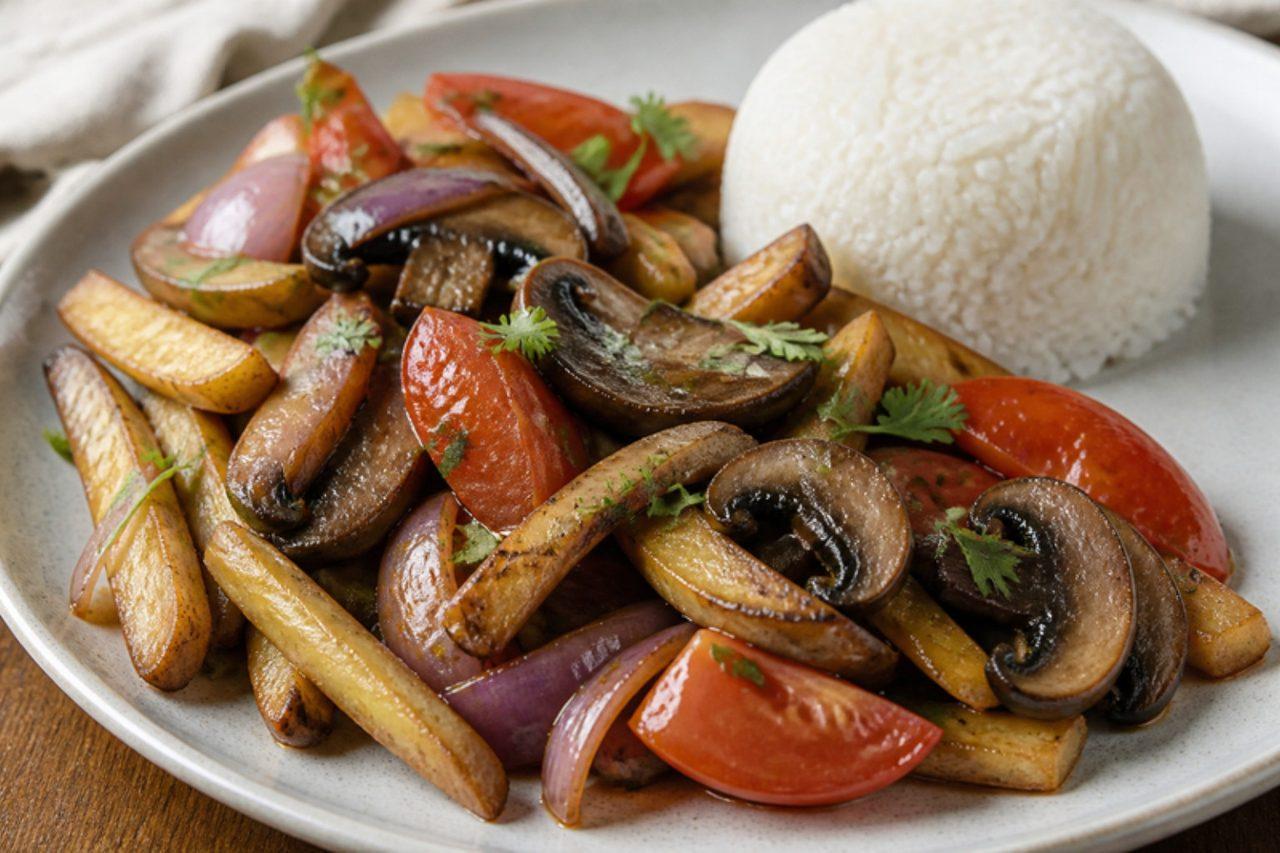
Saltado comes from Lima's chifa tradition, the cooking of Chinese-Peruvian families who brought the wok to Peru in the nineteenth century. The famous version is lomo saltado with beef; this saltado de verduras uses meaty mushrooms in its place. Thick wedges of red onion and tomato are tossed over a fierce flame with garlic, ají amarillo, soy sauce and a splash of vinegar until just wilted, so the vegetables keep their shape and the pan juices turn smoky and savoury. It is always served with both chips and white rice, which soak up those juices. Chef's tip: cook in two batches if your pan is small; a crowded wok steams the vegetables instead of searing them, and the tomatoes collapse into soup.

by KrazyBadal 0 views

Showing 24 of 326 recipes

Show more recipes

Page 11 of 14