Skip to content
WhatToEat.Today

All recipes

491

Vegetarian, or something you can't eat? Set your diet once and we'll hide recipes that don't fit.

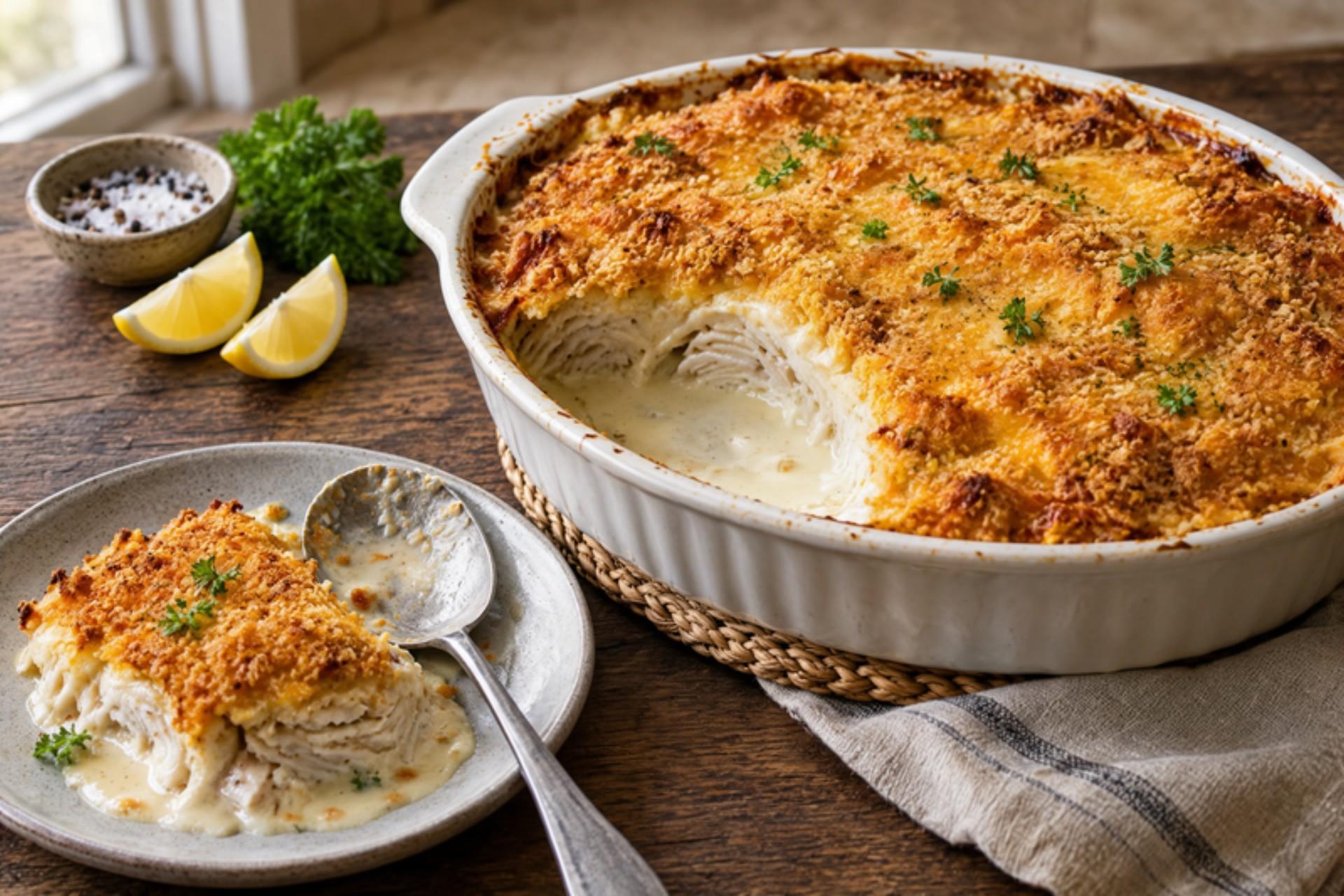
Newfoundland cod au gratin

Cod au gratin is a Newfoundland and Labrador staple, made in St. John's kitchens and outport homes for Sunday dinner, church suppers and Christmas time, when cod has been the island's lifeline for centuries. Pieces of fresh cod are layered in a buttery dish, covered in a creamy white sauce and blanketed with sharp cheddar and buttery breadcrumbs, then baked until bubbling and golden. The usual mistake is pre-cooking the cod: it overcooks into dry crumbs in the oven. Lay it in raw; it is done when it is opaque all the way through and flakes easily under a fork. Serve with mashed potatoes, peas or a green salad. Chef's tip: warm the milk before whisking it into the roux; the sauce comes together smooth in seconds, with no lumps.

by KrazyBadal 0 views

Hawaiian pizza

Hawaiian pizza is not from Hawaii at all: it was invented in 1962 at a restaurant in Chatham, Ontario, by a Greek-Canadian cook who tried tinned pineapple on a pizza, and it is still one of Canada's most ordered pizzas for Friday nights and parties. It contains pork: cooked ham with sweet, juicy pineapple chunks over tomato sauce and mozzarella on a chewy homemade crust. The common mistake is piling on wet pineapple straight from the tin: the juice floods the base and it bakes soggy. Drain the pineapple and pat it dry, and use a very hot oven. The pizza is ready when the crust is browned and crisp underneath and the cheese is bubbling with golden patches. Chef's tip: roast the drained pineapple pieces for 10 minutes before topping; they caramelise at the edges and stop releasing juice into the pizza.

by KrazyBadal 0 views

Montreal smoked meat sandwich

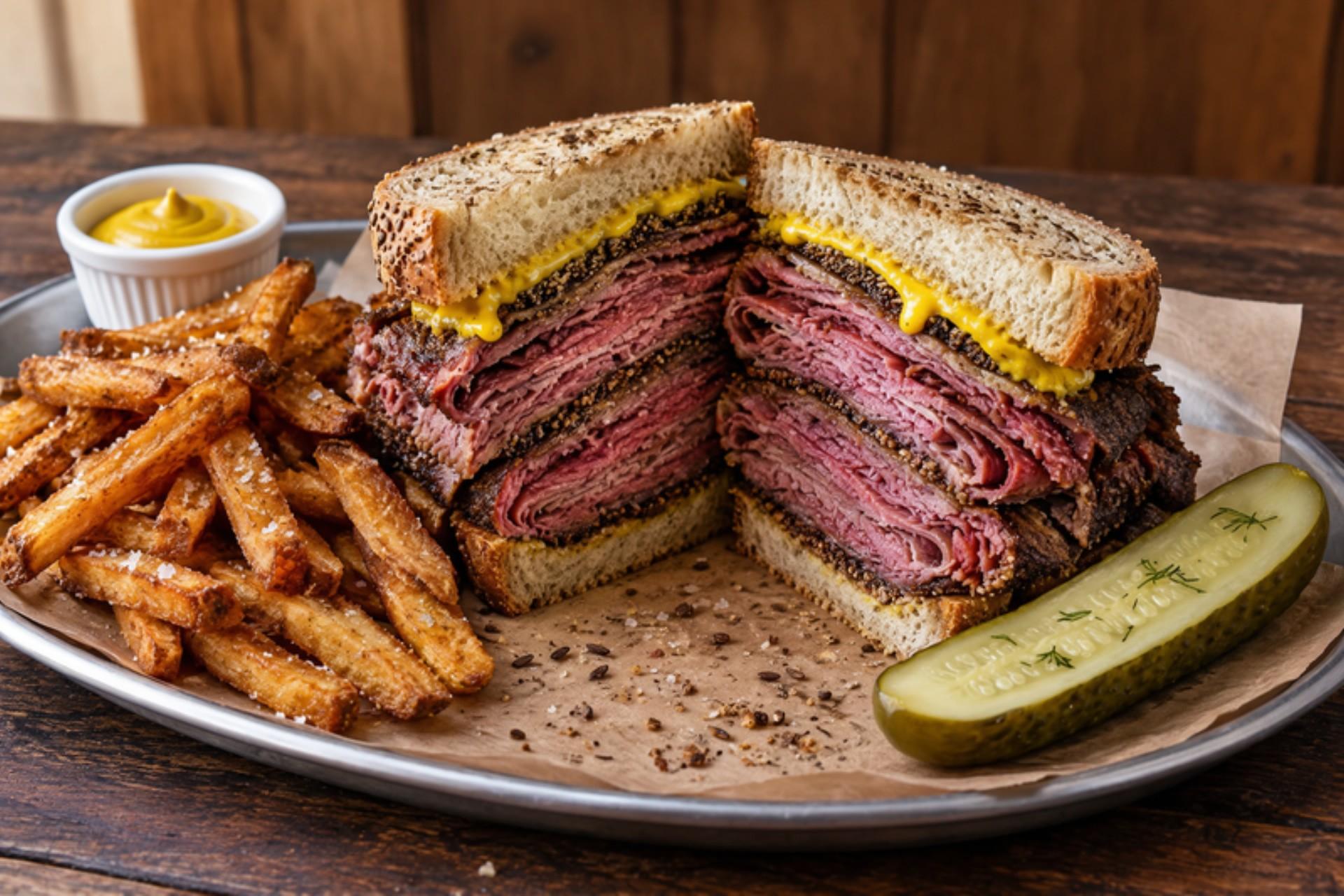
Montreal smoked meat is the city's most famous deli food, served since the early 1900s at Jewish delicatessens along boulevard Saint-Laurent, and ordered for lunch or late at night 'medium' fat, piled on rye with yellow mustard, a sour pickle, fries and a cherry cola. Beef brisket is cured in the fridge with salt, curing salt and spices for a week, then smoked or slow-roasted and finally steamed until tender. There is no pork. Curing at home needs care: use exactly 2.5% salt and 0.25% curing salt No. 1 (6.25% sodium nitrite) by weight of meat, keep it in the fridge at 0–4 °C the whole time, and never guess the amounts. The pink colour comes from the cure, not undercooking; the brisket must reach at least 71 °C and is tender at about 93 °C. The common mistake is slicing with the grain, which makes it stringy: always cut across the grain, thinly, while hot. Chef's tip: steam the cooked brisket for an hour just before serving; that final steam is what makes it melt like real deli meat.

450 minCanadianMeat
by KrazyBadal 0 views

Thunder Bay Persian rollsPink-iced cinnamon buns

Persians are the pride of Thunder Bay, Ontario, sold in local bakeries and eaten with coffee at breakfast or on a cold afternoon by the shore of Lake Superior; they are almost unknown outside the city. Despite the name, they have nothing to do with Iran: a soft, enriched cinnamon-swirled dough is shaped into oval buns, fried or baked until golden, then spread with a thick pink icing coloured with raspberries or strawberries. They are vegetarian and contain egg, milk and wheat. The common mistake is icing them warm: the glaze melts into a sticky film instead of setting thick and fudgy. Wait until they are completely cool. They are ready when golden all over and they sound hollow when tapped underneath. Chef's tip: use mashed fresh or thawed frozen raspberries for the icing rather than colouring; it gives the true pale-pink shade and a sharp, fruity tang against the sweetness.

by KrazyBadal 0 views

Kluski lanePoured egg noodles in broth

Kluski lane, 'poured dumplings', are the soft little egg noodles Polish grandmothers from Kraków to Gdańsk make in minutes by pouring a thin batter into simmering broth. This vegetable-broth version is a light, soothing supper or a quick meal for children, and in some homes the same noodles go into hot sweet milk instead. The common mistake is a batter that is too thick; it drops in lumps and turns into heavy, doughy dumplings. It should run off a spoon in a slow ribbon. Chef's tip: pour the batter from a jug in a thin stream from a little height while you stir the broth, so it sets into long, wavy threads.

by KrazyBadal 2 views

Platte kaas met radijsjesQuark and radish on brown bread

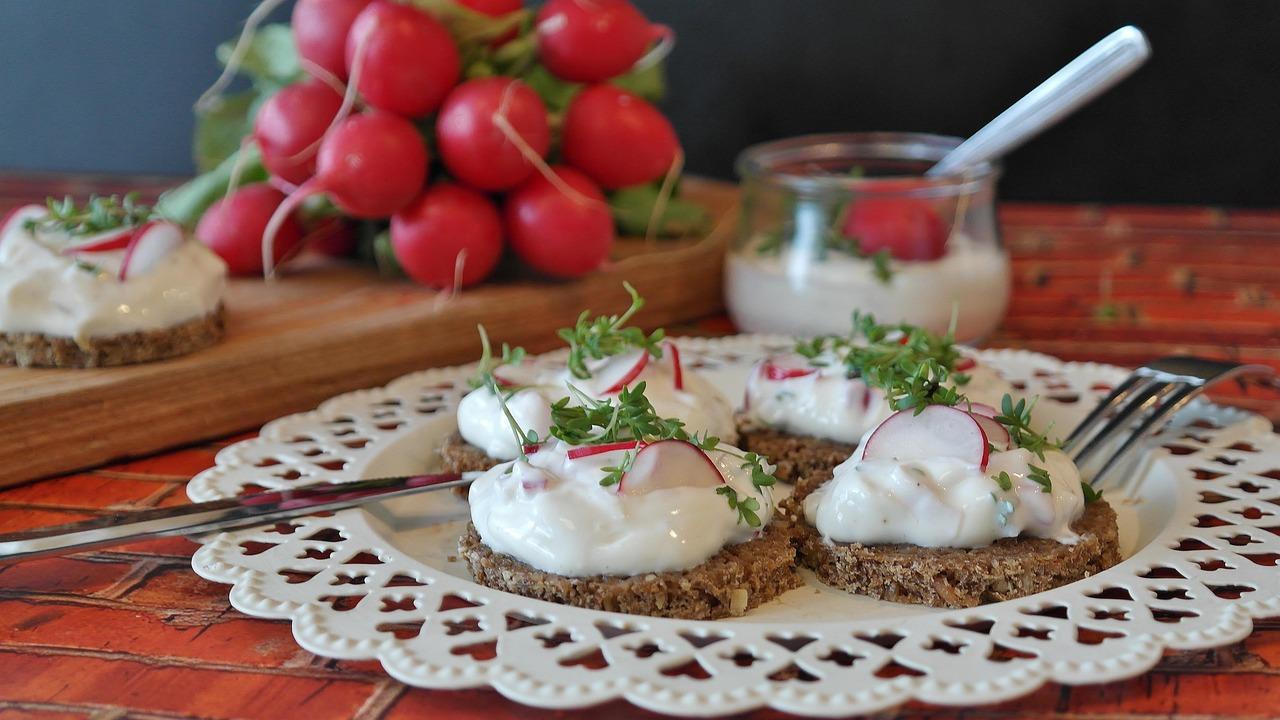
In Flanders the evening meal is often a boterham, a plate of open bread slices, and one of the most loved toppings in Ghent and Antwerp is platte kaas: fresh, soft quark seasoned with chives, salt and pepper, spread thickly on brown bread and covered with crunchy radish slices. It is cool, light and ready in five minutes, a good supper after a big lunch. Some quark and fresh cheeses are set with a little animal rennet, so check the label for a vegetarian one. The common mistake is using thin, low-fat quark straight from the tub, which is watery and slides off the bread; stir it well and drain off any liquid first. Chef's tip: slice the radishes paper-thin and salt them only at the moment you serve, so they stay crisp.

by KrazyBadal 0 views

Houbová smaženiceMushrooms scrambled with egg

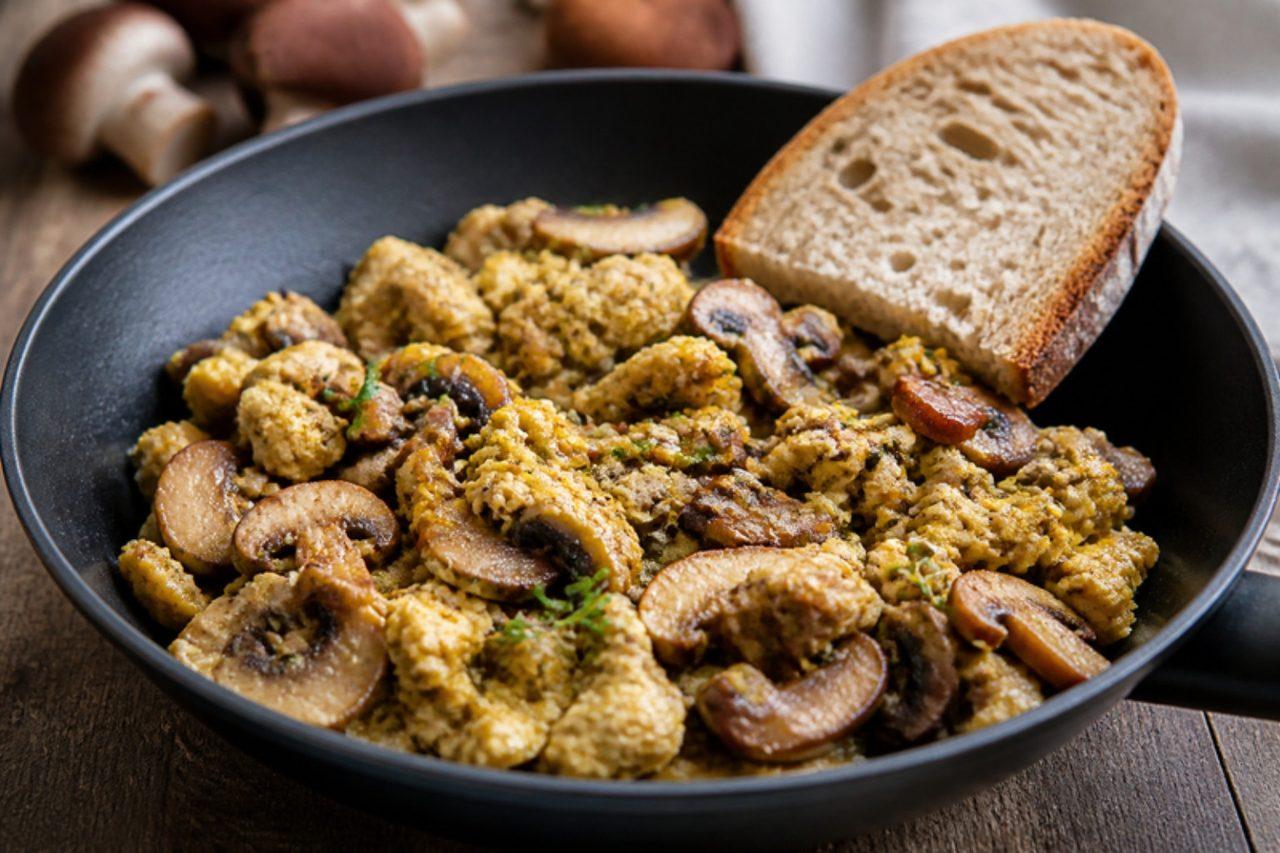
In late summer and autumn, when half of Czechia heads into the woods with baskets, houbová smaženice is what the day's finds become for supper: fresh mushrooms fried with onion and a pinch of caraway, then scrambled with eggs and eaten with rye bread. It tastes of the forest, and cultivated chestnut and oyster mushrooms make a very good version in any season. Only use wild mushrooms that an expert has identified. The common mistake is crowding the pan, so the mushrooms steam in their juice instead of frying golden. Chef's tip: salt the mushrooms only after they have browned; salt too early draws out water and stops them colouring.

by KrazyBadal 0 views

Vajíčková pomazánkaEgg spread

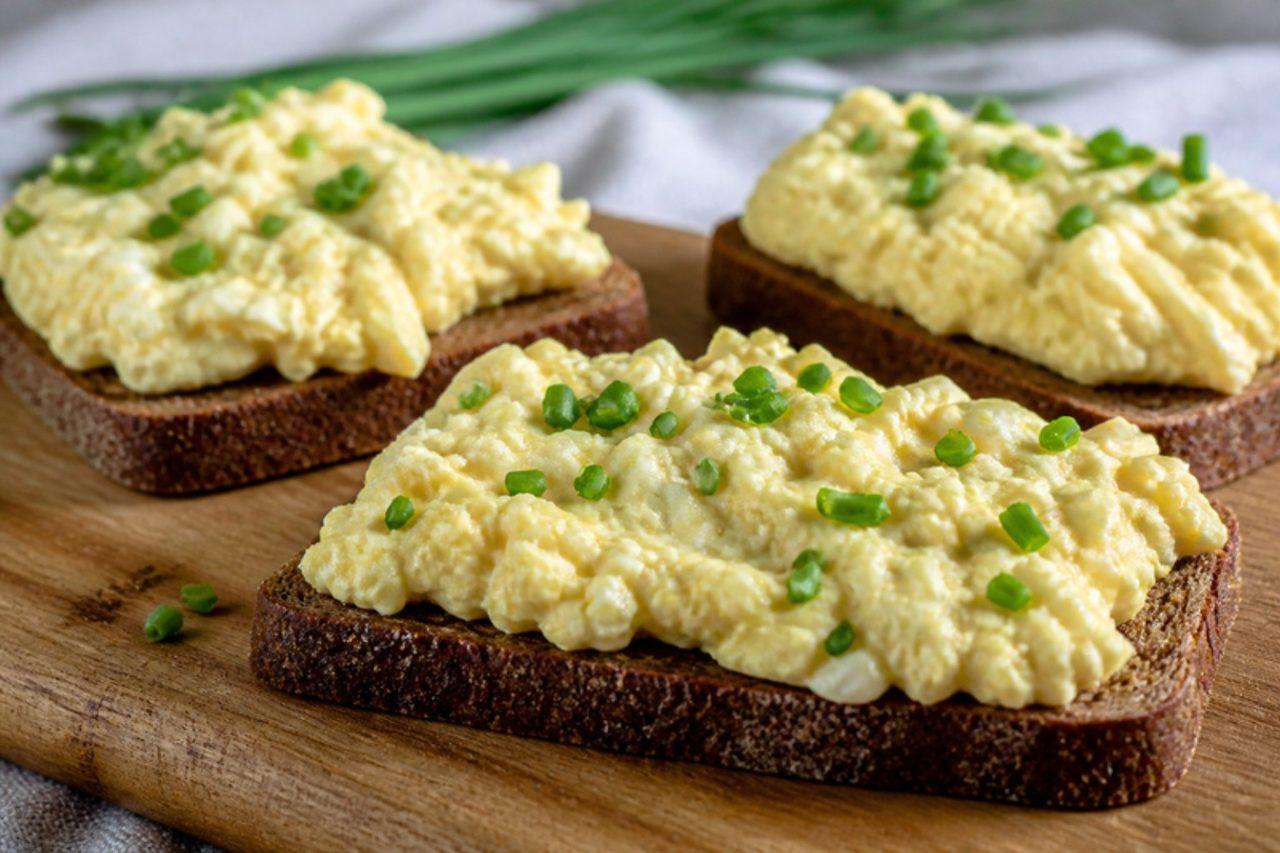
Vajíčková pomazánka is the egg spread found in every Czech and Slovak fridge, piled on rye bread for večeře, the simple bread-and-spread supper, as well as at birthday parties and on trains. Hard-boiled eggs are grated and mashed with soft butter or mayonnaise, mustard and chives into a creamy, savoury spread, finished with sliced gherkin or radish. The common mistake is mashing the eggs while still warm, which melts the butter and makes the spread greasy; cool them in cold water first. Chef's tip: grate the eggs on the fine side of a box grater for a smooth, fluffy spread with no chunks of white.

by KrazyBadal 0 views

KourdassGrilled lamb liver bundles

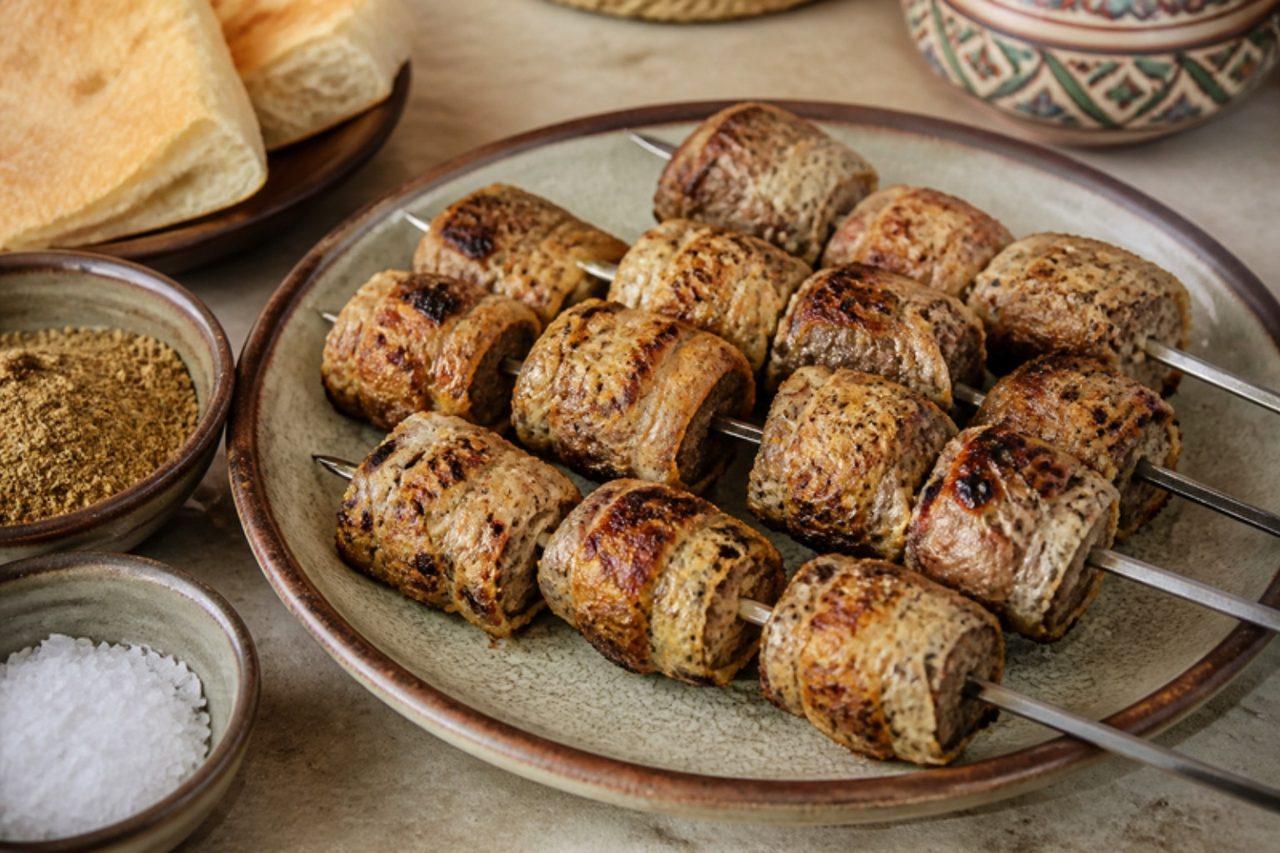
After the sacrifice of Eid al-Adha, Moroccan families use every part of the lamb, and kourdass is one of the dishes made in the days that follow: pieces of tripe and liver rubbed with cumin and paprika, wrapped in caul fat and traditionally hung up to air-dry before grilling. This home version skips the drying, which is hard to do safely in a modern kitchen, and grills the bundles fresh over charcoal or under a grill until the fat crisps and the liver is cooked through. Buy cleaned, pre-cooked tripe and caul fat from a halal butcher. Chef's tip: wrap the bundles tightly so the caul fat bastes them as it melts.

by KrazyBadal 0 views

Velikonoční nádivkaBread, egg and smoked pork bake

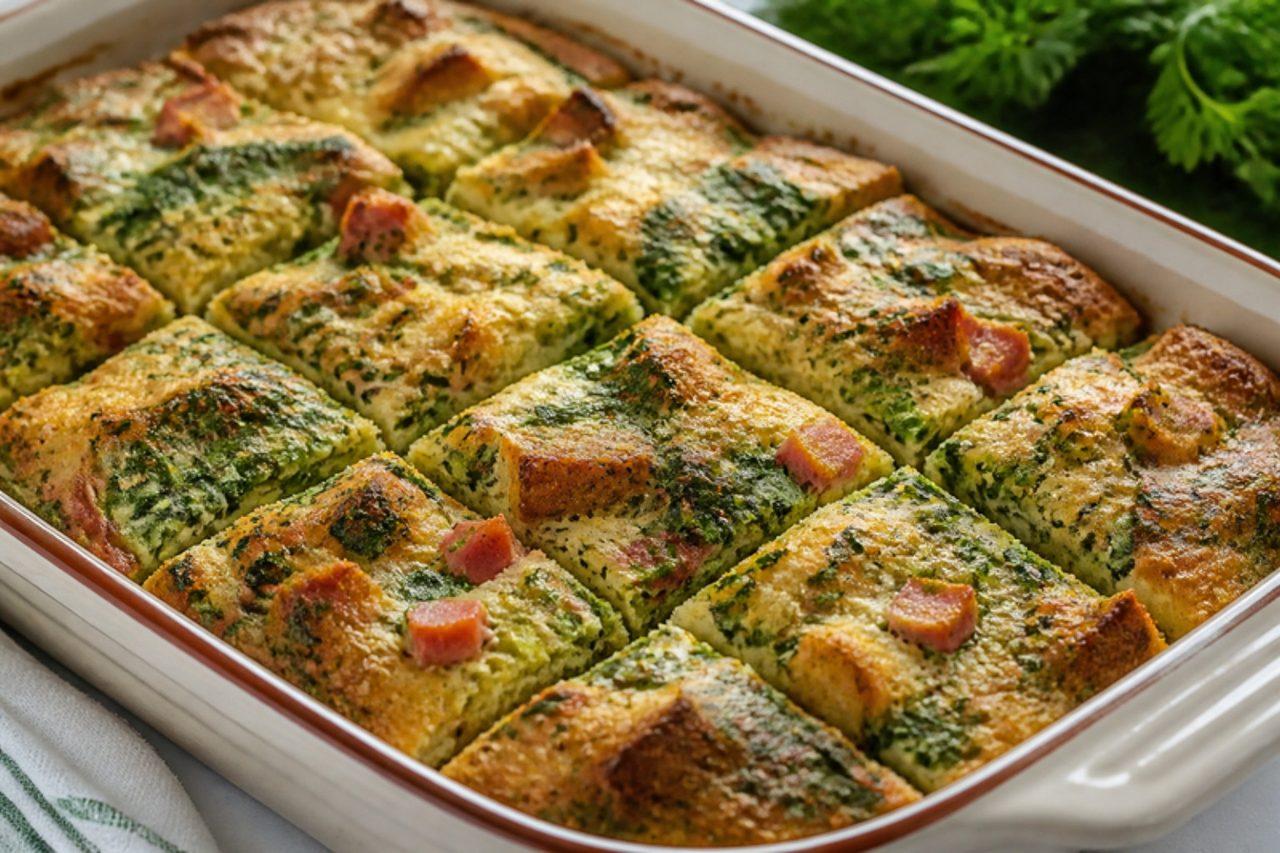
Velikonoční nádivka ('Easter stuffing', also called hlavička) is a Czech and Moravian Easter dish, baked on Holy Saturday or Easter Sunday. Cubes of bread rolls are soaked in milk and eggs, then mixed with smoked pork and a big handful of young nettles, spinach or spring herbs, and baked until golden and puffy. It's eaten warm or cold, sliced, often beside roast lamb or chicken. For a vegetarian version, leave out the smoked pork and add 250 g fried mushrooms. Chef's tip: pick nettles wearing gloves and blanch them for 30 seconds, which takes away the sting.

75 minCzechMeat
by KrazyBadal 0 views

HrudkaEgg and milk cheese

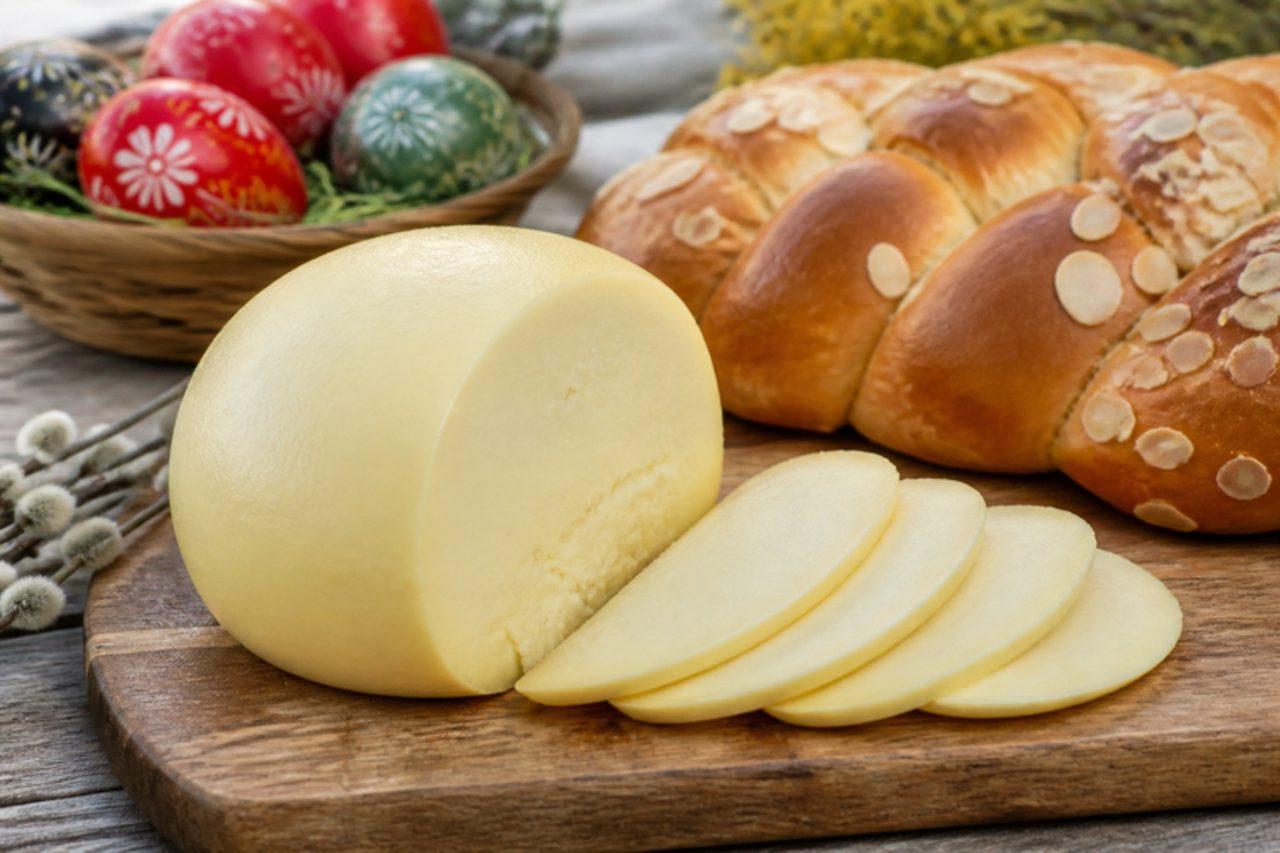
Hrudka (also called sirok or egg cheese) is made in eastern Slovakia and among Rusyn and Slovak families abroad for Easter. Eggs and milk are stirred over a low heat until they separate into soft curds, then the curds are tied tightly in a cloth into a ball and hung to drain overnight. The pale-yellow, mild, slightly sweet 'cheese' is taken to church in the Easter basket on Holy Saturday and sliced at Easter breakfast with ham, bread and horseradish. It needs no rennet, so it is naturally vegetarian. Chef's tip: keep the heat low and stir constantly; high heat makes rubbery curds.

by KrazyBadal 0 views

TihaneStuffed lamb spleen

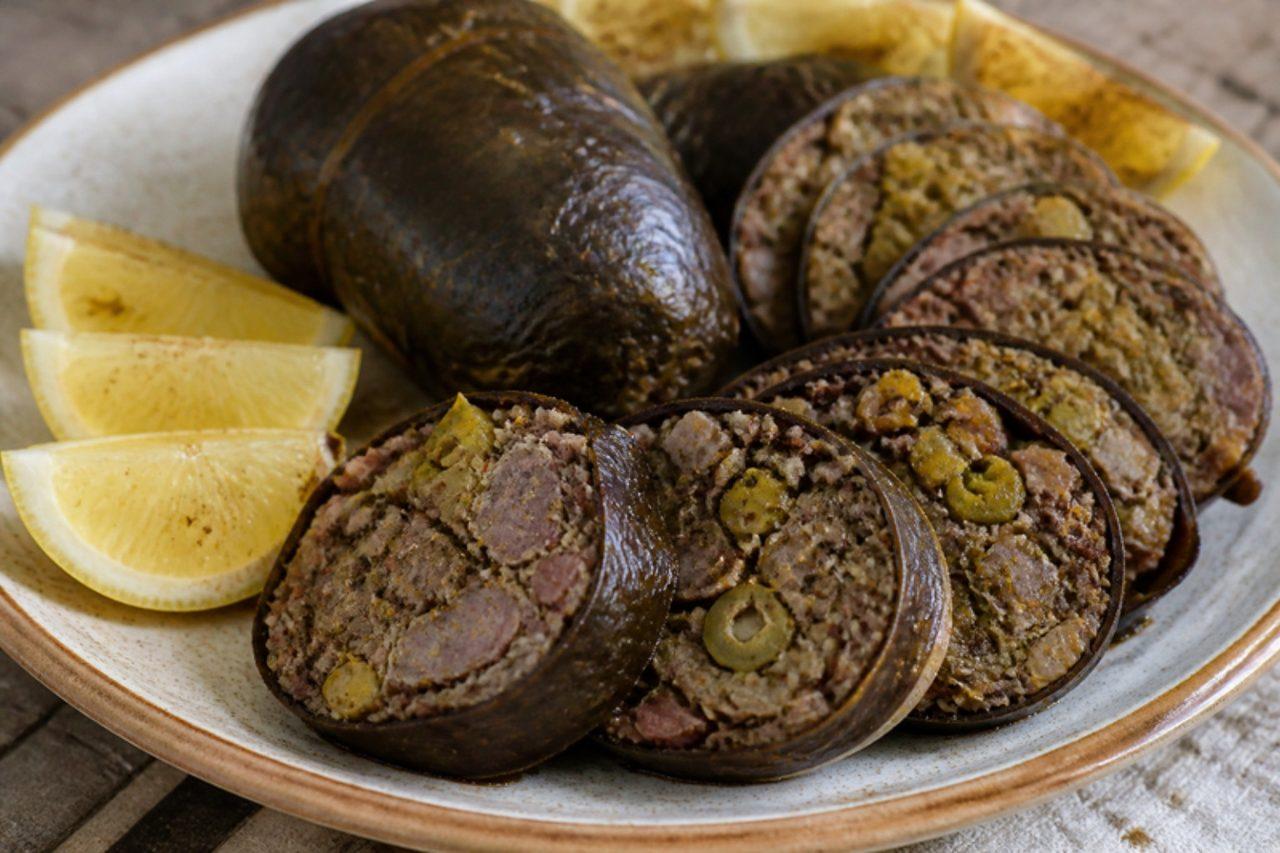
Tihane, or tehal, is an old Eid al-Adha speciality from Moroccan towns such as Fez and Marrakech, made on the days after the sacrifice when the offal is shared out. The lamb's spleen is cut open into a pocket and stuffed with chopped liver and heart, a little fat, green olives, preserved lemon, garlic and cumin, then sewn shut, poached and roasted until browned. It is sliced thin and eaten warm or cold with bread. Ask a halal butcher for the spleen and offal. Chef's tip: prick the spleen with a fine needle before poaching so it doesn't burst in the pot.

130 minMoroccanMeatGluten free
by KrazyBadal 0 views

OsterpinzeEaster anise brioche

Osterpinze is the Easter bread of Styria, Carinthia and the area around Trieste, a soft, golden brioche dome with three deep cuts on top for the Holy Trinity, so that it opens into a crown as it bakes. The dough is rich with egg yolks and butter and flavoured with anise and lemon; old recipes add a splash of white wine, left out here. It is blessed in the Easter basket on Holy Saturday and eaten on Easter morning with ham, horseradish and eggs, or with butter and jam. Chef's tip: make the three cuts with scissors just before baking, deep enough to reach halfway down, so the crown opens wide.

by KrazyBadal 0 views

Chipa so'oCheese bread with spiced beef

In Paraguay, families bake chipa in the clay tatakua ovens on Holy Wednesday so there is food for Thursday and Good Friday, when cooking stops. Chipa so'o ('chipa with meat') is a cassava-starch and cheese bread wrapped around a little filling of minced beef cooked with onion and egg, then baked until crisp outside and chewy within. It is naturally gluten free. Chef's tip: knead the dough until it no longer cracks at the edges when pressed; dry dough splits around the filling.

by KrazyBadal 0 views

Dowina (Kurdish yogurt soup)

Dowina, called ash-e doogh in Persian, is warming spring food in Kurdish homes around Newroz, when yogurt is plentiful and the first herbs are cut from the garden. Rice and chickpeas simmer in a tangy, lightly thickened yogurt broth, finished with fresh dill, coriander and a sizzle of dried mint in oil. It is eaten warm, never boiling hot, with flatbread. The common mistake is to heat the yogurt too fast without stirring, which makes it split into grainy curds. Chef's tip: whisk an egg yolk and a spoonful of rice flour into the yogurt before it goes on the heat; it holds the soup smooth all the way to the simmer.

by KrazyBadal 0 views

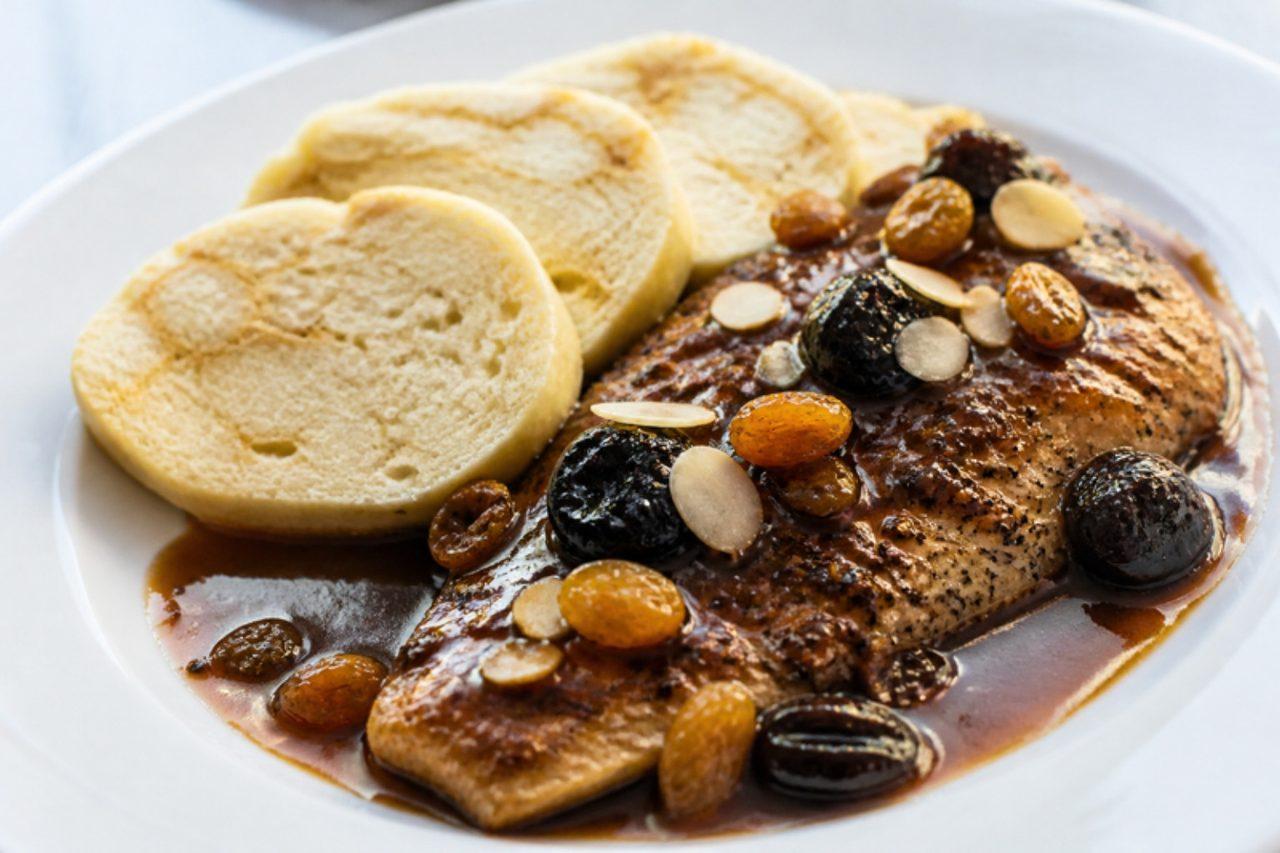
Kapr na černoCarp in dark sweet-sour sauce

Before fried breaded carp took over the Czech Christmas Eve table, families in Bohemia served kapr na černo, 'black carp': fish simmered in a dark, glossy, sweet-sour sauce of root vegetables, gingerbread, prunes, nuts and dark beer. It is rich and spiced, closer to a medieval feast dish than to the modern menu, and served with bread dumplings or potatoes. This version uses a non-alcoholic dark malt drink so the sauce is alcohol-free; adults may use dark beer. Chef's tip: grate the gingerbread finely, so it melts into a smooth sauce rather than leaving soggy crumbs.

105 minCzechFish
by KrazyBadal 0 views

OponkiQuark ring doughnuts

On Tłusty Czwartek, Fat Thursday, Poles queue at bakeries for pączki, but at home many families make oponki instead: little ring doughnuts from a quick twaróg (curd cheese) dough with no yeast and no waiting. They fry in minutes into light, tender 'tyres' that are rolled in sugar or glazed and eaten warm by the plateful. The common mistake is kneading the dough too much, which makes them tough; mix only until it holds together. Chef's tip: press the twaróg through a sieve first, or blend it, so the dough is smooth and the rings puff evenly.

by KrazyBadal 0 views

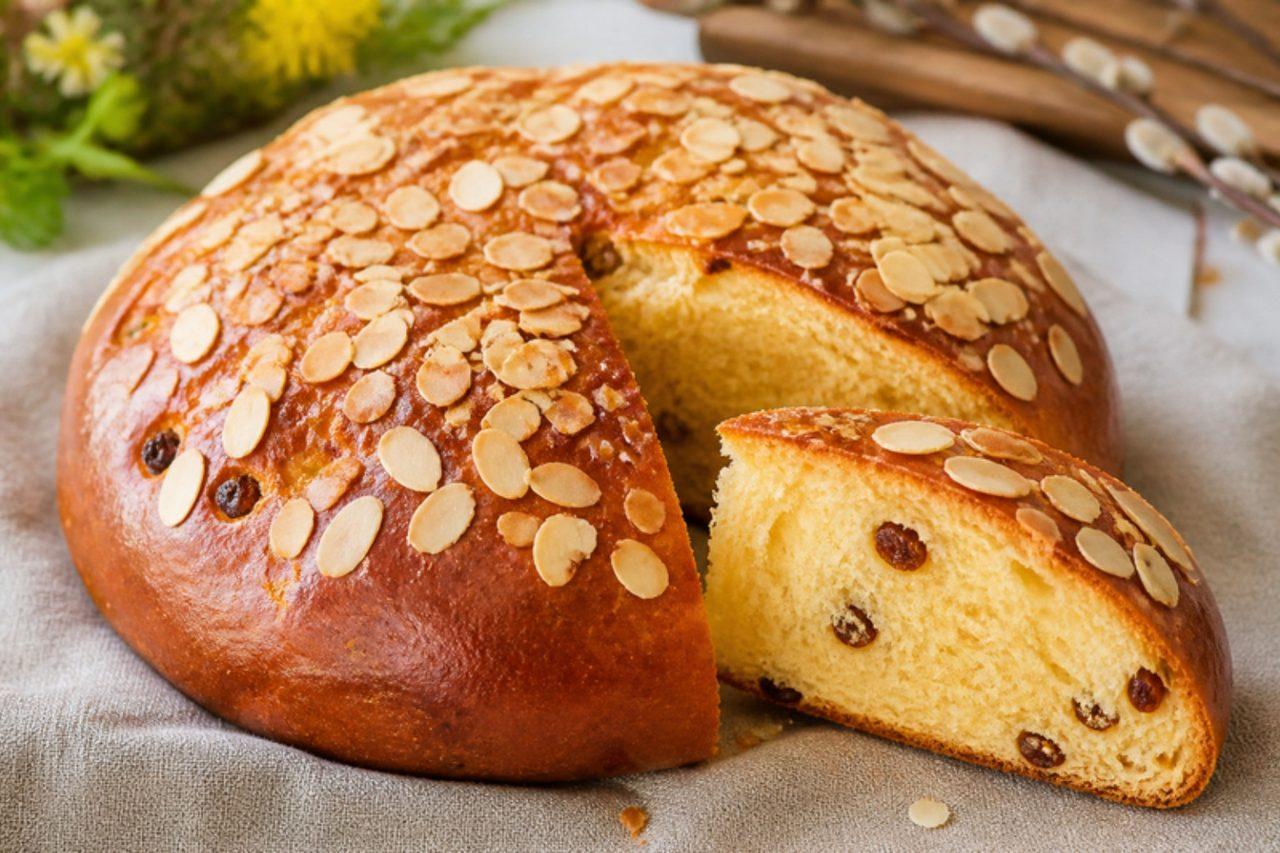
MazanecEaster raisin and almond bread

Mazanec is the round Easter bread of Bohemia, baked on Holy Saturday and eaten on Easter Sunday and Monday. The sweet yeast dough is rich with butter, egg yolks and lemon, studded with raisins and almonds, and scored with a deep cross before baking so it opens like a flower. Old recipes soak the raisins in rum; here they are soaked in warm tea, so the bread is alcohol-free. Slice it and spread with butter and honey. Chef's tip: give mazanec a long, slow bake at a moderate heat, because the rich dough browns quickly and the centre needs time.

by KrazyBadal 0 views

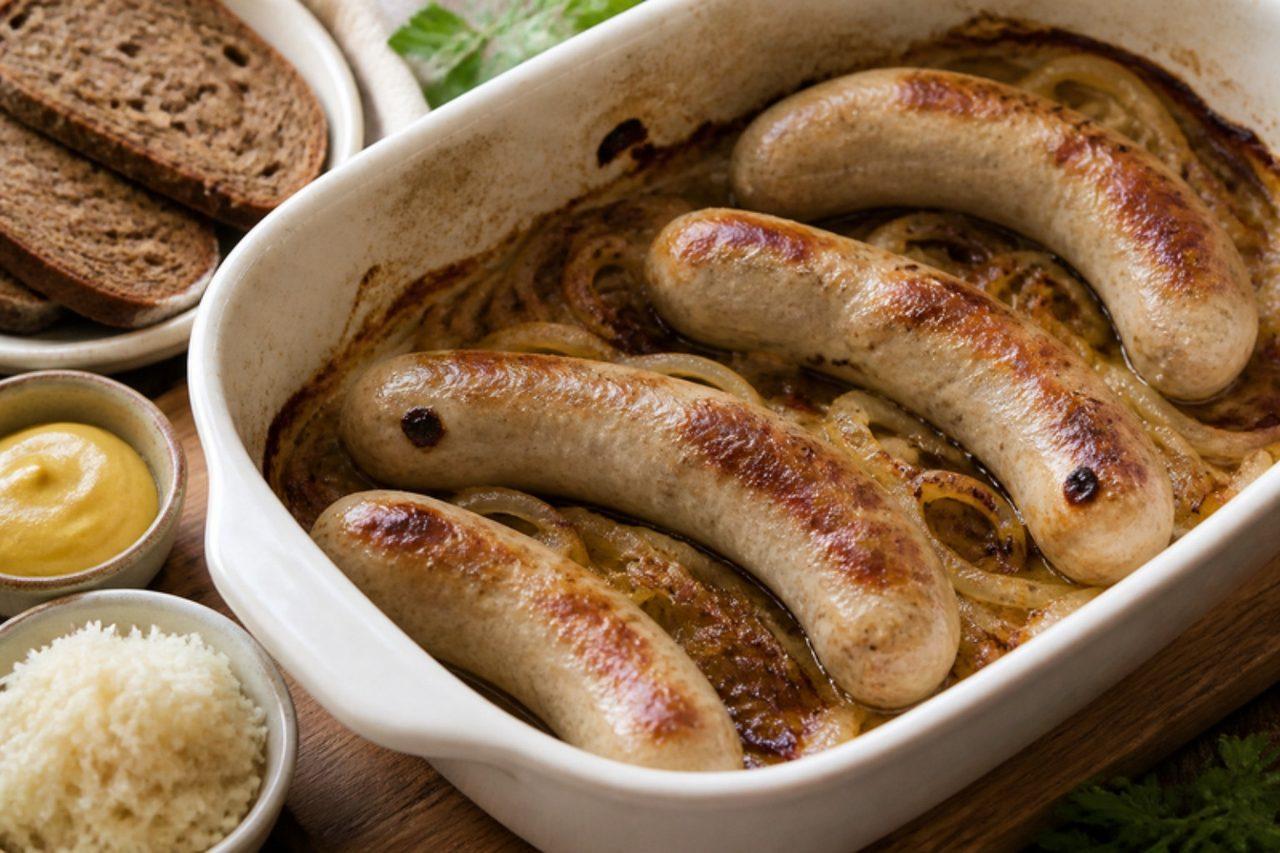
Biała kiełbasa z cebuląWhite sausage baked with onions

Biała kiełbasa is a fresh, unsmoked white sausage of pork seasoned with garlic and marjoram, and on Easter Sunday morning in Poland it is the star of the breakfast after the blessed basket (święconka) is shared. It is also the sausage that goes into żurek, the sour rye soup. Buy it raw from a Polish butcher, then poach it gently and bake it with onions until golden. Serve with horseradish, mustard, rye bread and Easter eggs. Chef's tip: never boil it, as the casing bursts; keep the water just below a simmer.

60 minPolishMeatGluten free
by KrazyBadal 0 views

KalanehWild leek stuffed flatbread

In Kurdistan and Kermanshah, Newroz arrives with the first spring greens on the hillsides, and families gather wild leeks to fold into kalaneh, thin griddle breads cooked over a fire or a hot pan and soaked in melted butter. The dough is plain and soft, rolled very thin around a pile of chopped leek or chives with a little salt and pepper, so the greens steam inside as the bread blisters. Eat it hot, torn into strips, with yogurt and tea at a Newroz picnic. The common mistake is wet greens, which turn the dough soggy and make it tear; dry them well after washing. Chef's tip: brush the butter on the moment the bread leaves the pan so it soaks right in.

by KrazyBadal 0 views

Wild rice stuffing

Canadian Thanksgiving falls on the second Monday of October, earlier than the American one, when the harvest is in, and in Ontario, Manitoba and the prairies wild rice often takes the place of bread in the stuffing. Wild rice is the seed of a native lake grass long harvested by First Nations, and it is nutty and chewy; here it is baked with buttery mushrooms, celery, onion, sage and tart dried cranberries, topped with toasted pecans. It is cooked in its own dish, never inside the bird, so it stays safe and vegetarian. Chef's tip: cook the wild rice until a few grains split open to show the white inside; underdone grains stay hard after baking.

by KrazyBadal 0 views

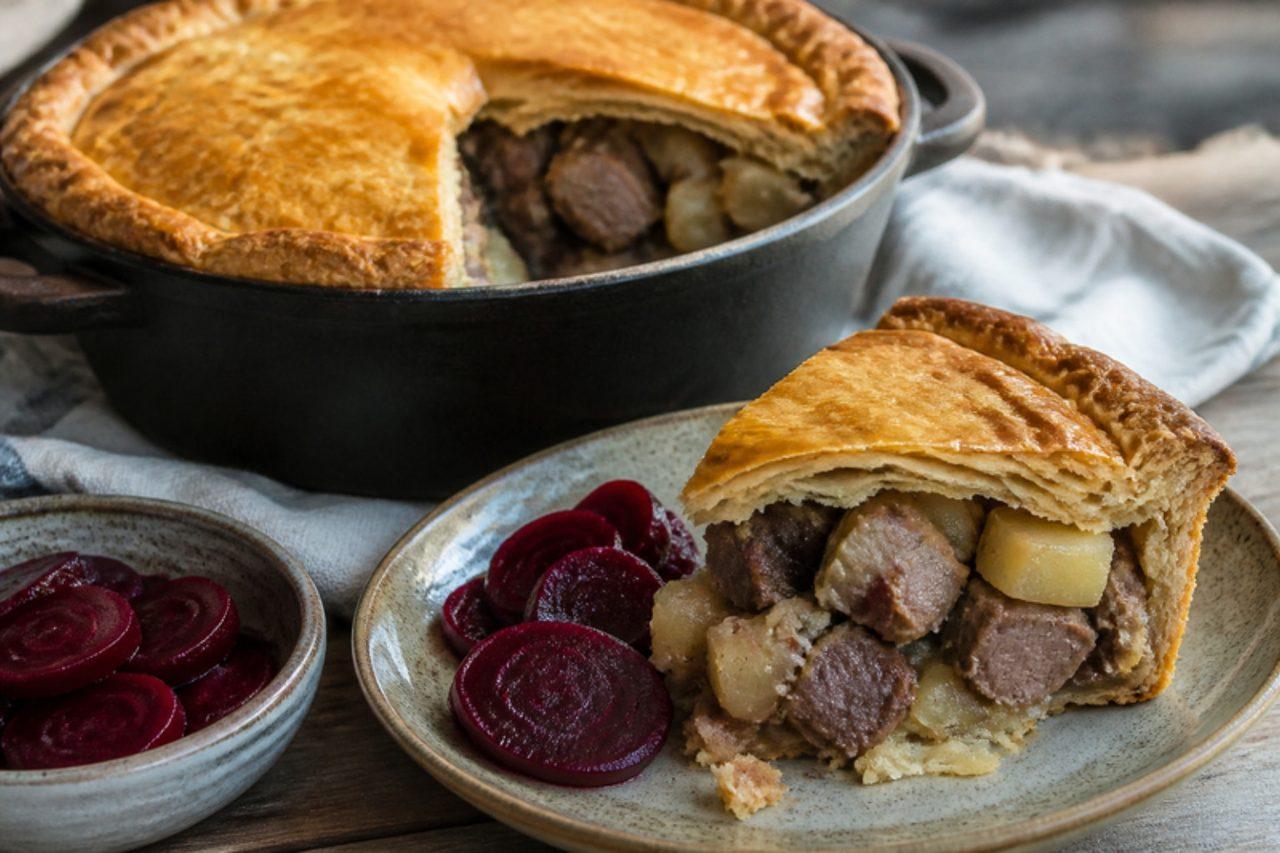
CipailleLayered meat and potato pie

Cipaille (also cipâte or six-pâtes) is a deep, layered Quebec pie baked for the Christmas and New Year holidays, especially in the Gaspé and Lac-Saint-Jean regions. Layers of cubed meats, here pork, beef and chicken (some families add game), alternate with potato, onion and sheets of pastry in a deep pot, covered with stock and baked slowly for hours until the meat is meltingly tender. It feeds a crowd at the réveillon. Chef's tip: marinate the meats overnight with onion and savory; it seasons them through.

360 minCanadianMeat
by KrazyBadal 0 views

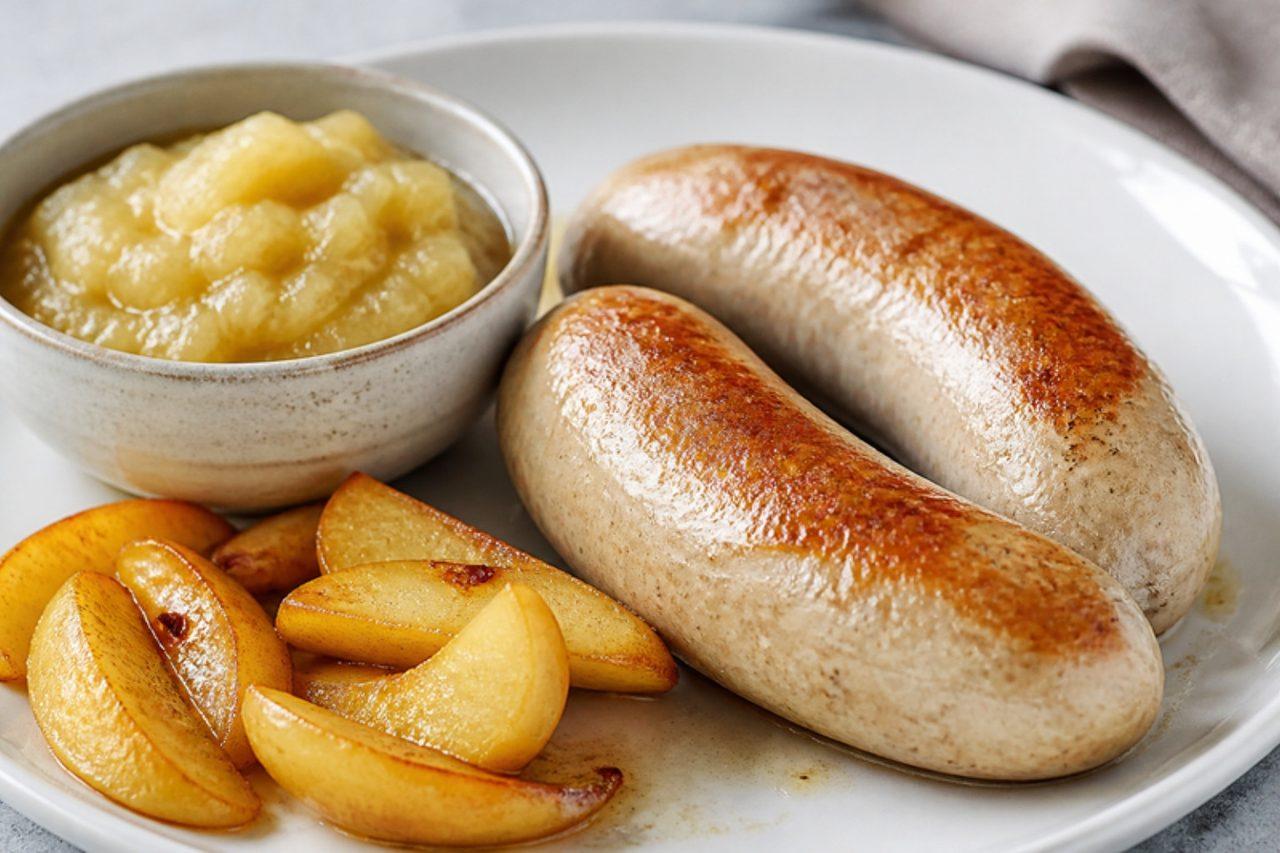
Boudin blanc aux pommesWhite sausage with apple compote

In Liège and across Wallonia, Christmas Eve supper often begins with boudin blanc: pale, delicate sausages of finely minced pork and milk, sometimes with a little chicken, gently fried in butter until golden and served with warm, chunky apple compote and bread. Butchers make piles of them in December. Buy them fresh from a good butcher, or poached and ready to fry. Chef's tip: prick nothing and cook gently; boudin blanc is fragile, and a hot pan splits the skins.

by KrazyBadal 0 views

AllerheiligenstriezelBraided sweet loaf

In Bavaria and Austria, godparents give their godchildren an Allerheiligenstriezel on All Saints' Day, 1 November: a large braided loaf of sweet yeast dough, brushed with egg and scattered with almonds or pearl sugar. The braid is said to recall the old custom of cutting a plait of hair in mourning, and the size of the loaf once showed how generous the godparent was. It is lightly sweet, with lemon and vanilla, and is eaten sliced with butter or jam. Some recipes add rum-soaked raisins; these are soaked in warm water instead. Chef's tip: braid four strands for an impressive, high loaf.

by KrazyBadal 0 views

Showing 24 of 491 recipes

Show more recipes

Page 1 of 21