Skip to content
Recipes

All recipes

Vegetarian, or something you can't eat? Set your diet once and we'll hide recipes that don't fit.

Lengua a la vinagretaBeef tongue with vinaigrette

Argentina's Nochebuena is a hot summer night, so the table is full of cold dishes, and lengua a la vinagreta is one of the classics: beef tongue simmered until tender, peeled, sliced and covered with a sharp vinaigrette of parsley, garlic, red pepper, onion and chopped hard-boiled egg. It is made a day ahead and served chilled with vitel toné and Russian salad. Chef's tip: peel the tongue while it is still hot, as the skin comes away easily then and clings once it cools.

by KrazyBadal 0 views

Pajagua mascadaBeef and cassava patties

Pajagua mascada is a Paraguayan street-food classic that appears on every table for the San Juan festival on 24 June, when bonfires burn and the night is full of games and traditional food. Minced beef is mixed with mashed cassava, onion, garlic and a little egg and flour, shaped into flat patties and fried until crisp. The name comes from Guaraní and refers to the 'chewing' of old Paraguayan cooks, who made it from leftover meat. Chef's tip: dry the boiled cassava well and remove its woody core, which keeps the patties light and crunchy.

by KrazyBadal 0 views

KourdassGrilled lamb liver bundles

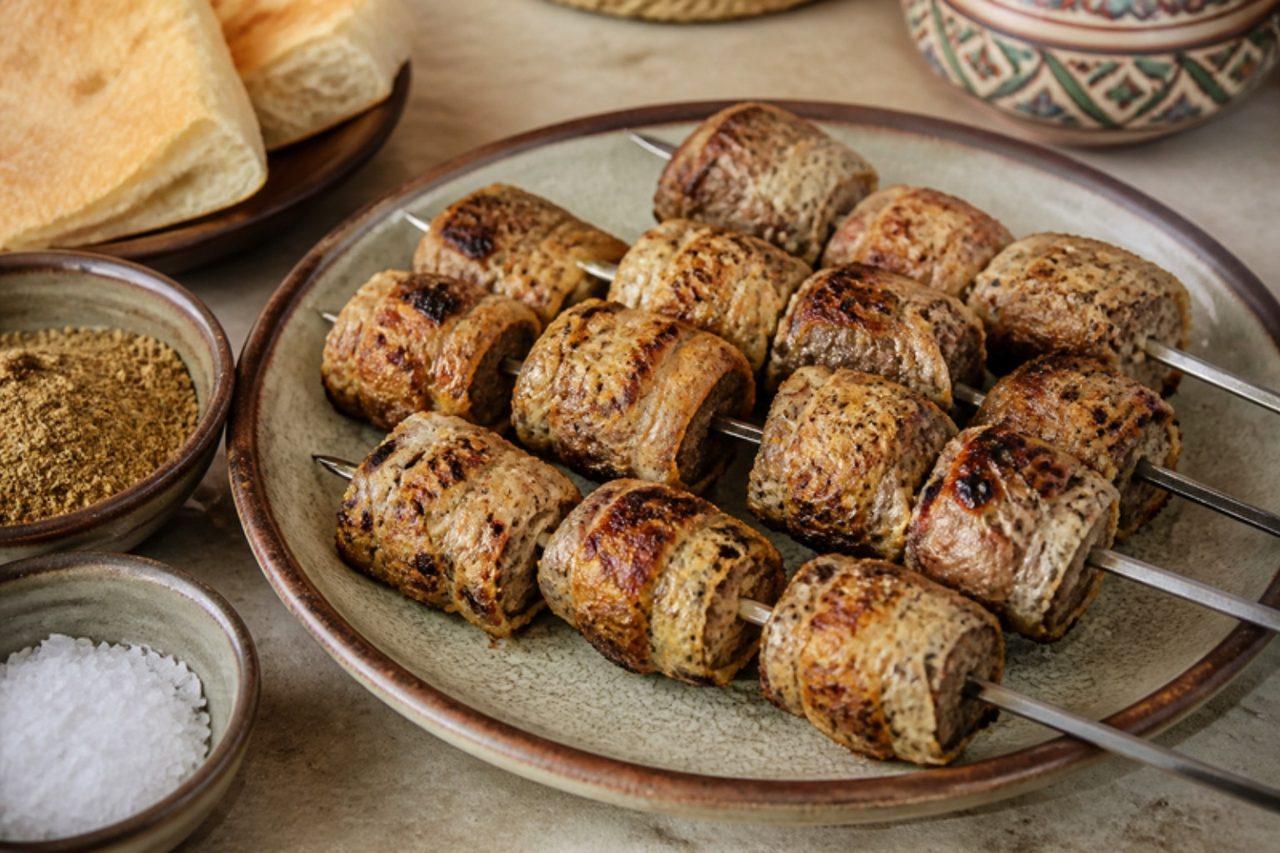
After the sacrifice of Eid al-Adha, Moroccan families use every part of the lamb, and kourdass is one of the dishes made in the days that follow: pieces of tripe and liver rubbed with cumin and paprika, wrapped in caul fat and traditionally hung up to air-dry before grilling. This home version skips the drying, which is hard to do safely in a modern kitchen, and grills the bundles fresh over charcoal or under a grill until the fat crisps and the liver is cooked through. Buy cleaned, pre-cooked tripe and caul fat from a halal butcher. Chef's tip: wrap the bundles tightly so the caul fat bastes them as it melts.

by KrazyBadal 0 views

Svinsko s kiselo zelePork baked with sauerkraut

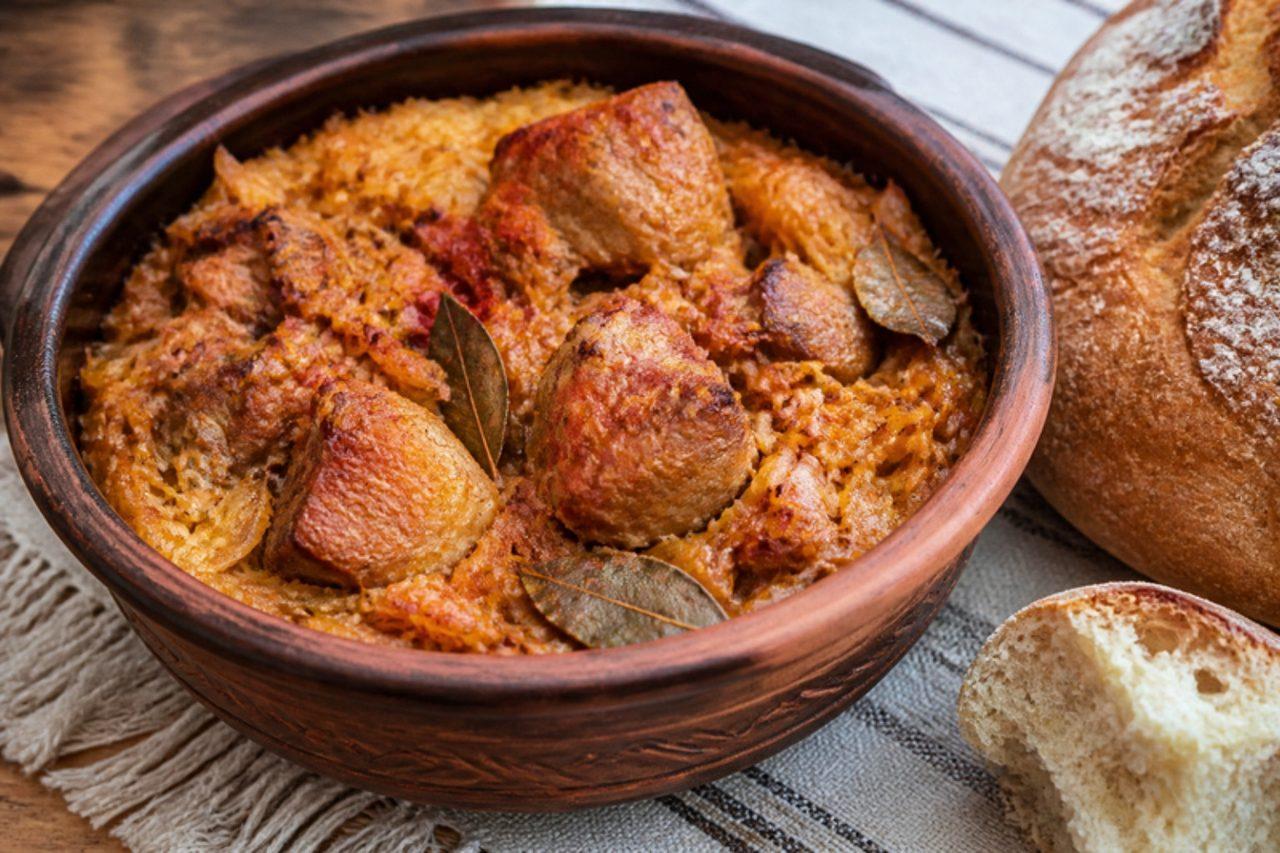
After the forty-day Advent fast and the meatless Christmas Eve, Bulgarians break the fast on Christmas Day with pork, and the classic dish is svinsko s kiselo zele: pork shoulder baked slowly with homemade sauerkraut, rice, paprika and bay in a clay pot until the cabbage turns soft and golden. It fills the house with a sour, savoury smell and tastes even better the next day. Chef's tip: rinse the sauerkraut if it is very sour, but keep some brine; a little sharpness is what balances the rich pork.

by KrazyBadal 0 views

Sopa teólogaTurkey broth with bread and cheese

Sopa teóloga ('the theologian's soup') goes back to colonial convents in Lima and Arequipa, where it was cooked for feast days, and it is still served at Holy Week and family celebrations. A rich turkey (or chicken) broth is thickened with soaked bread, milk and fresh cheese, with yellow potatoes and shreds of turkey, and finished with a little ají amarillo and chopped huacatay or parsley. It is thick, comforting and filling. Chef's tip: blend part of the soaked bread with broth before adding it, which gives the soup its creamy body without lumps.

by KrazyBadal 0 views

Dowina (Kurdish yogurt soup)

Dowina, called ash-e doogh in Persian, is warming spring food in Kurdish homes around Newroz, when yogurt is plentiful and the first herbs are cut from the garden. Rice and chickpeas simmer in a tangy, lightly thickened yogurt broth, finished with fresh dill, coriander and a sizzle of dried mint in oil. It is eaten warm, never boiling hot, with flatbread. The common mistake is to heat the yogurt too fast without stirring, which makes it split into grainy curds. Chef's tip: whisk an egg yolk and a spoonful of rice flour into the yogurt before it goes on the heat; it holds the soup smooth all the way to the simmer.

by KrazyBadal 0 views

Gergyovsko agneRoast lamb with rice

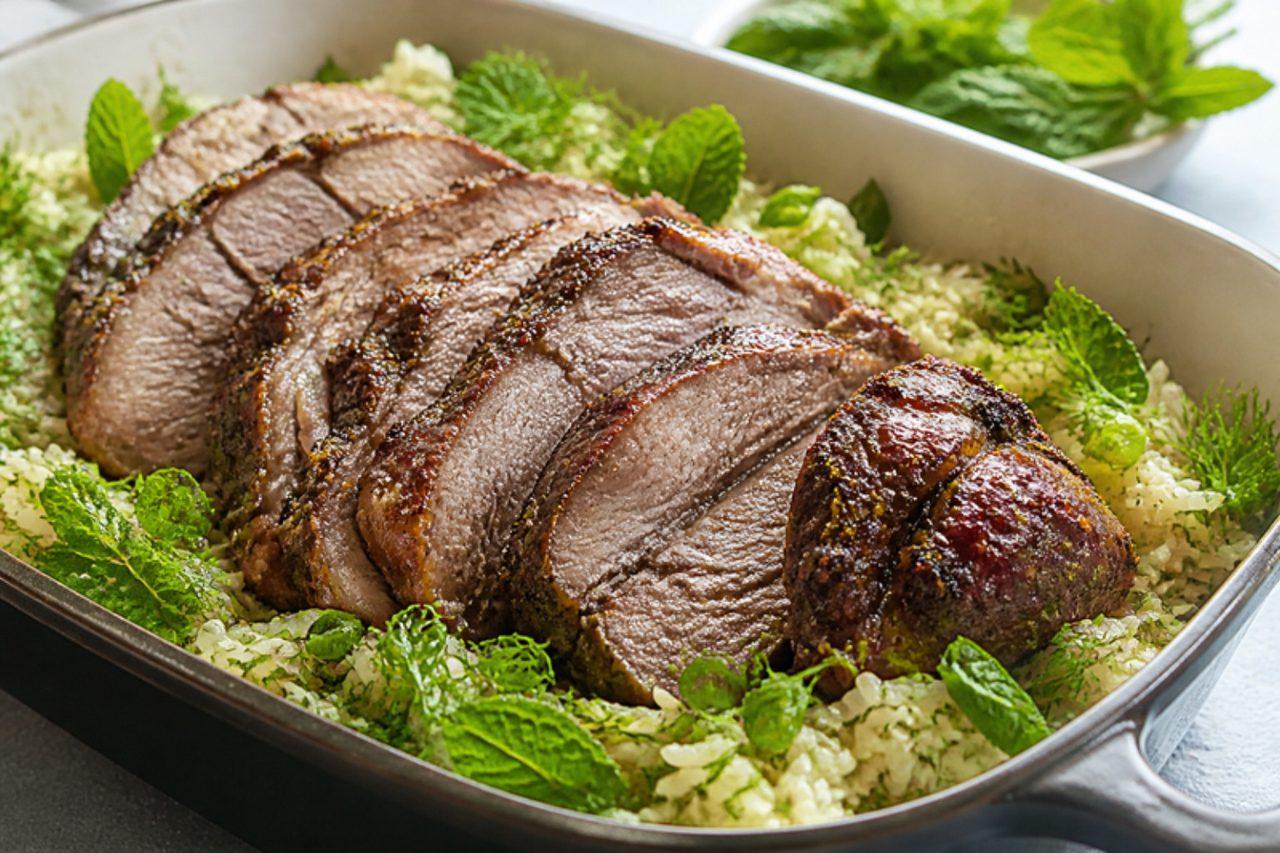
St George's Day, Gergyovden, on 6 May, is one of Bulgaria's biggest festivals: George is the patron of shepherds, and every family roasts lamb, traditionally a whole one baked over rice, green onions, mint and chopped liver. Our site writes this as a boned lamb shoulder rather than a whole animal: the shoulder is slow-roasted on a bed of rice cooked with the lamb's liver, spring onions, dill and mint, which soaks up the juices. Serve with a yogurt and cucumber salad. Chef's tip: cover the lamb for most of the roast and uncover it only at the end, so it stays juicy and the rice doesn't dry out.

by KrazyBadal 0 views

TihaneStuffed lamb spleen

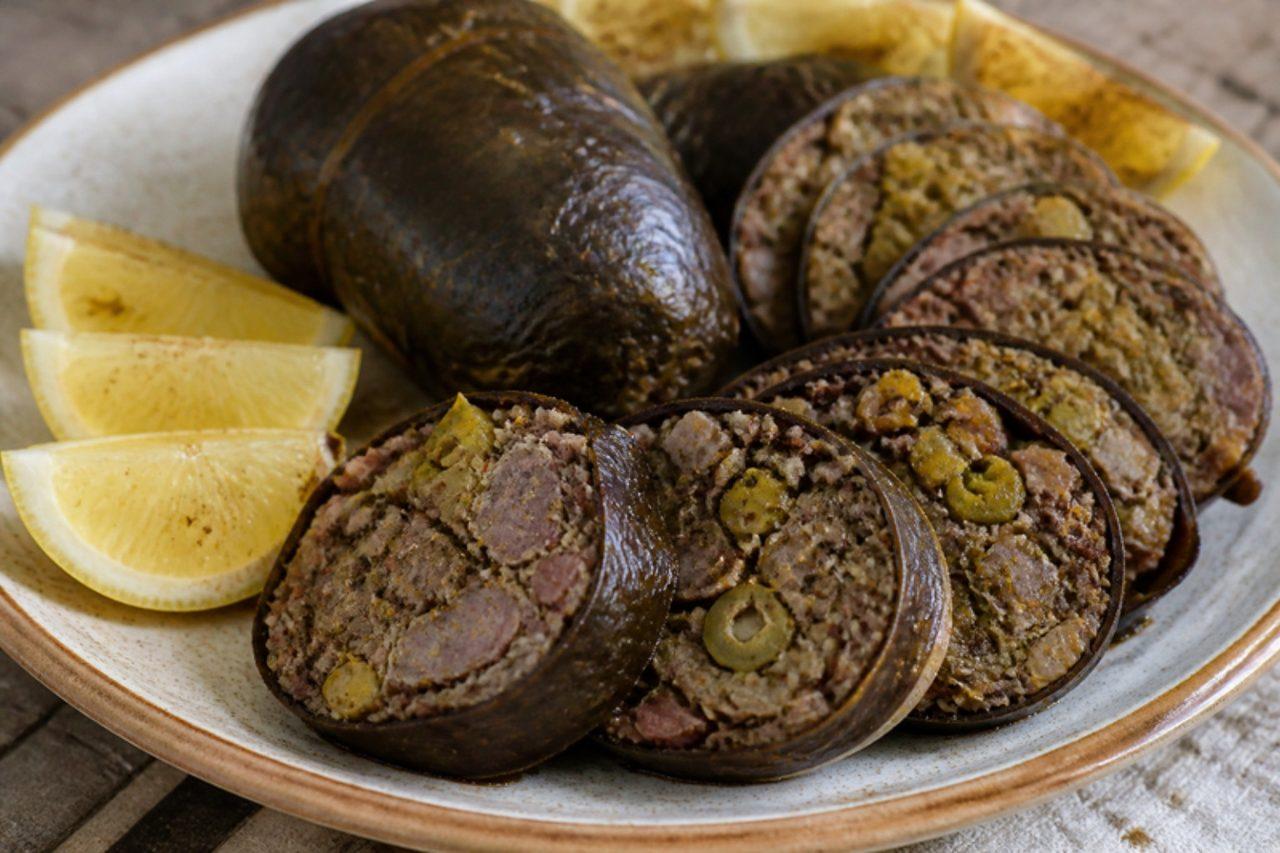
Tihane, or tehal, is an old Eid al-Adha speciality from Moroccan towns such as Fez and Marrakech, made on the days after the sacrifice when the offal is shared out. The lamb's spleen is cut open into a pocket and stuffed with chopped liver and heart, a little fat, green olives, preserved lemon, garlic and cumin, then sewn shut, poached and roasted until browned. It is sliced thin and eaten warm or cold with bread. Ask a halal butcher for the spleen and offal. Chef's tip: prick the spleen with a fine needle before poaching so it doesn't burst in the pot.

130 minMoroccanMeatGluten free
by KrazyBadal 0 views

Shir berenjRose water rice pudding

Shir berenj, 'milk rice', is one of the gentle sweets of the Iranian Nowruz season, made at home to share with visiting relatives and often given as nazri on special days. Short-grain rice is softened in water first, then cooked slowly in milk until the grains melt into a thick, creamy pudding scented with rose water. It is chilled and served plain, with the sweetness added at the table from a drizzle of grape molasses, date syrup or jam. The common mistake is adding all the milk at once over a high heat, which scorches the bottom and leaves the grains firm. Chef's tip: stir with a wooden spoon in a figure of eight, which reaches the corners where rice likes to stick.

by KrazyBadal 0 views

RibnikCarp baked in bread with rice

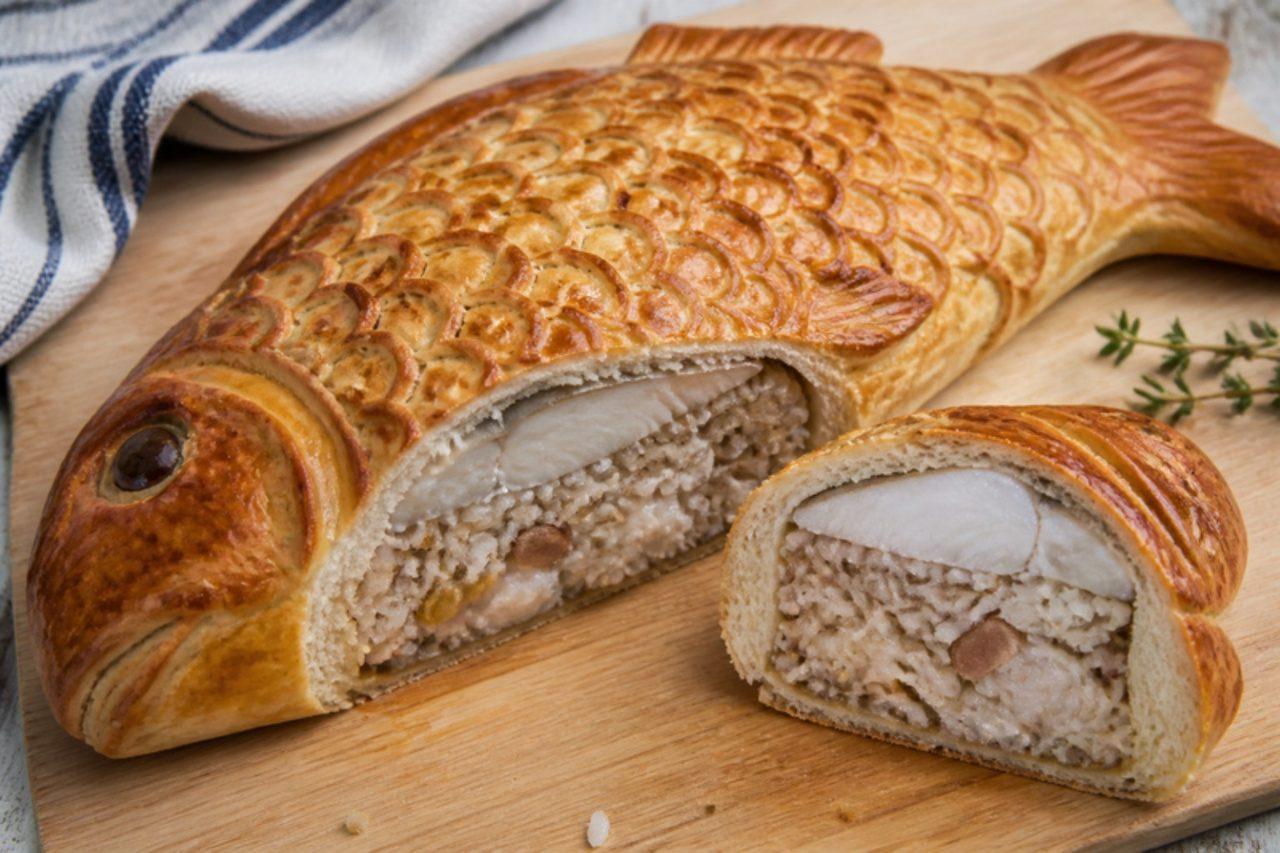
St Nicholas (Nikulden), on 6 December, is the patron of fishermen and sailors in Bulgaria, and every family that day eats carp, and many make ribnik: a whole carp (or carp fillets) stuffed with rice, onion, walnuts and raisins, wrapped in bread dough and baked so the dough soaks up the juices. The bread and the fish are blessed and shared with neighbours. This version uses carp fillets, which avoids the bones. Chef's tip: lay the fish skin-side down on the dough and seal the seams well, so the juices stay inside.

by KrazyBadal 0 views

Persian halvaSaffron rose flour halva

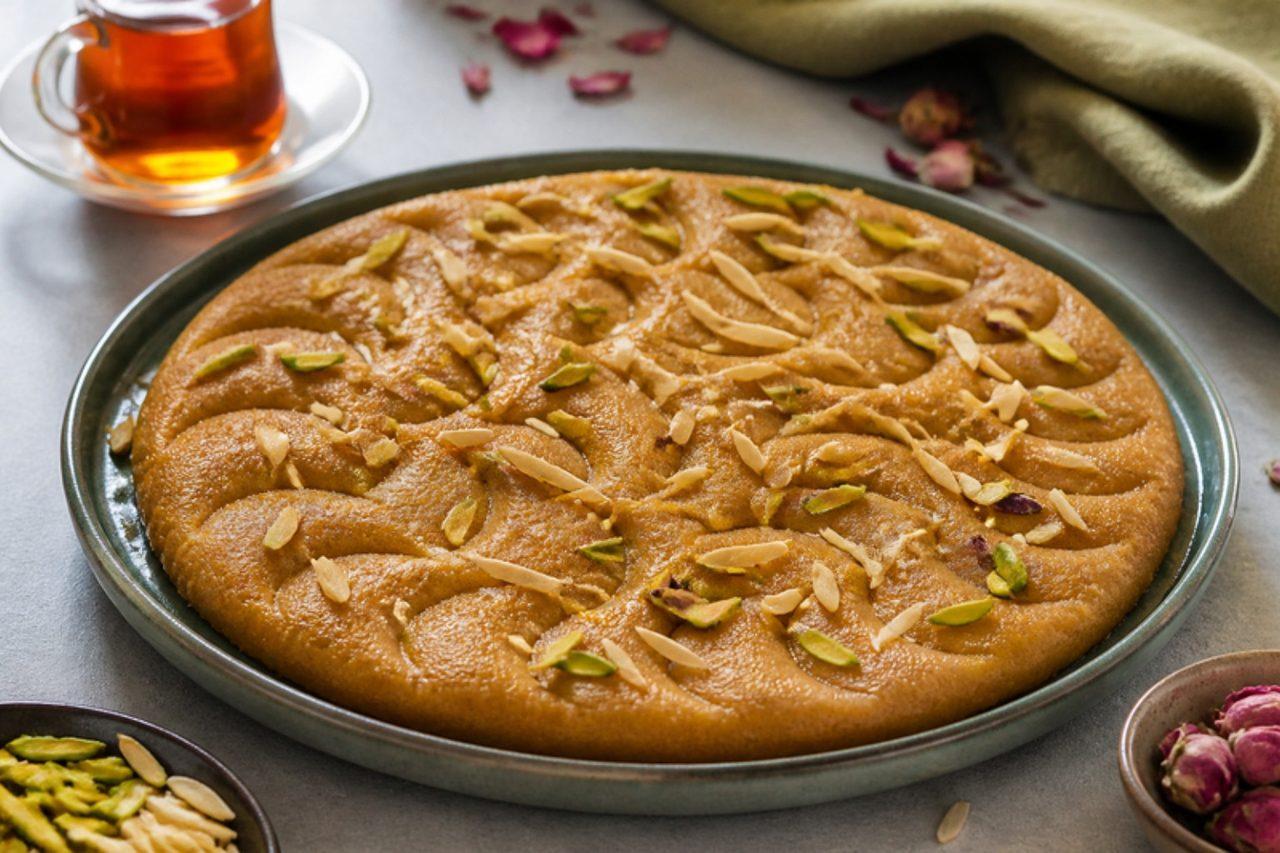
Iranian halva is not the sesame sweet of the Levant but a dense paste of flour toasted slowly in butter and cooked with a saffron and rose-water syrup. It is spread on plates and patterned with a spoon for Ramadan iftars, for mourning gatherings and as nazri, food made and shared with neighbours to fulfil a vow in Muharram. It tastes deeply nutty, floral and not too sweet. Chef's tip: patience with the flour is everything; toast it until it is the colour of peanut butter, never rushing on a high heat.

by KrazyBadal 0 views

Shirini danmarkiCinnamon cardamom pastry swirls

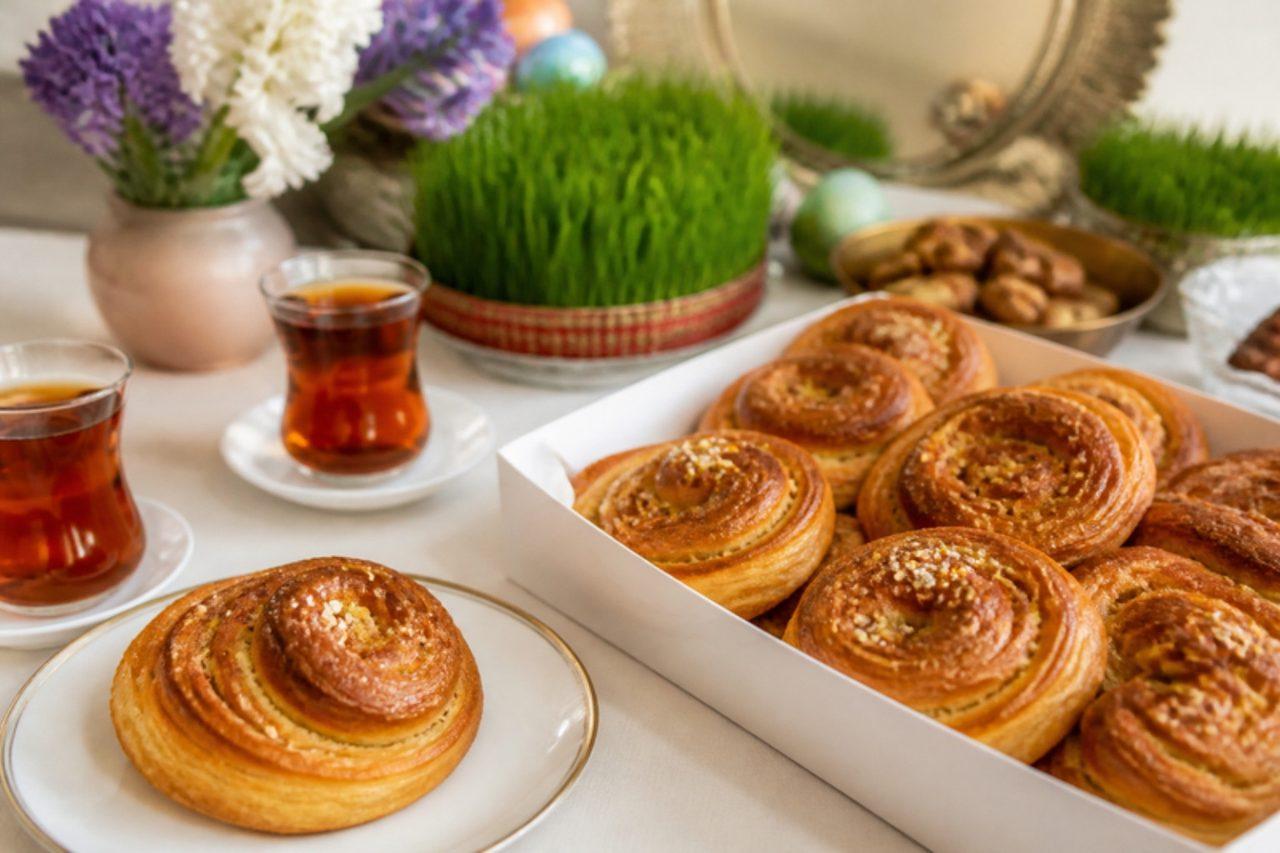
In Tehran, nobody arrives empty-handed on a Nowruz visit: the custom is a cardboard box of shirini from the neighbourhood bakery, and soft, glazed shirini danmarki swirls are always tucked in among the cookies. This home version uses an enriched yeast dough rolled thin, spread with cinnamon-cardamom butter, rolled up and sliced into spirals that bake tender and flaky-edged. Serve them with tea in small glasses while the haft-sin table is laid. The common mistake is rushing the rise in a hot spot, which makes the buns dense and yeasty; a warm kitchen and patience give the lightest crumb. Chef's tip: chill the filled roll for 15 minutes before slicing, so the spirals stay round instead of squashing flat.

by KrazyBadal 0 views

Chipa so'oCheese bread with spiced beef

In Paraguay, families bake chipa in the clay tatakua ovens on Holy Wednesday so there is food for Thursday and Good Friday, when cooking stops. Chipa so'o ('chipa with meat') is a cassava-starch and cheese bread wrapped around a little filling of minced beef cooked with onion and egg, then baked until crisp outside and chewy within. It is naturally gluten free. Chef's tip: knead the dough until it no longer cracks at the edges when pressed; dry dough splits around the filling.

by KrazyBadal 0 views

KaguyjyWhite corn pudding

On the night of 23–24 June, Paraguayans celebrate San Juan with bonfires, games like walking over hot coals and the 'paso de fuego', and a table of traditional foods, and kaguyjy (also mazamorra) is one of them. It is a soft, creamy pudding of cracked white corn (locro) simmered slowly in water and then milk with sugar or honey, sometimes with orange peel. It is eaten warm or cold. It is gluten free. Chef's tip: soak the corn overnight and cook it until each kernel is tender before adding the milk, or it never turns creamy.

by KrazyBadal 0 views

KalanehWild leek stuffed flatbread

In Kurdistan and Kermanshah, Newroz arrives with the first spring greens on the hillsides, and families gather wild leeks to fold into kalaneh, thin griddle breads cooked over a fire or a hot pan and soaked in melted butter. The dough is plain and soft, rolled very thin around a pile of chopped leek or chives with a little salt and pepper, so the greens steam inside as the bread blisters. Eat it hot, torn into strips, with yogurt and tea at a Newroz picnic. The common mistake is wet greens, which turn the dough soggy and make it tear; dry them well after washing. Chef's tip: brush the butter on the moment the bread leaves the pan so it soaks right in.

by KrazyBadal 0 views

Quinotos en almíbar (Argentine kumquats in syrup)

In Buenos Aires and the river provinces of the Litoral, kumquat trees ripen in the middle of winter, between June and August, and the fruit goes straight into jars of syrup. Grandmothers' pantries held quinotos for the whole year, brought out for birthdays and long Sunday lunches. Each little fruit turns glossy orange and translucent, with a soft, bittersweet skin and a sharp, juicy centre. Spoon them over vanilla ice cream, serve them with a slice of fresh cheese in the style of postre vigilante, or eat them straight from the jar. Many bar menus offer them steeped in spirits; this version keeps only the syrup. Naturally egg-free, the quinotos rely on sugar syrup to preserve them, while pectin from the peel gives the syrup a light, jammy body. Chef's tip: blanch the fruit three times from cold water; the common mistake is skipping this, which leaves the skins tough and bitter.

by KrazyBadal 0 views

Poolaki (Isfahan saffron sugar discs)Saffron caramel discs

Poolaki are the glassy, coin-thin sugar discs of Isfahan, sold in tins in the bazaar near Naqsh-e Jahan square and served with tea in Iranian homes, especially at Nowruz and when guests drop by. Instead of stirring sugar into the glass, you hold a disc on your tongue and sip strong black tea through it. They snap cleanly, then melt into a light caramel scented with saffron, sometimes with cardamom or a scatter of pistachio. They are naturally egg-free: sugar syrup cooked to the hard-crack stage sets as clear as glass the moment it is spread thin, and a little vinegar stops it from turning grainy. Chef's tip: do not stir once the syrup boils; swirl the pan instead and wash down the sides with a wet pastry brush. The common mistake is stirring, which makes the syrup crystallise and turn cloudy.

by KrazyBadal 0 views

Turrón de maníPeanut nougat

On an Argentine Christmas Eve, after midnight toasts, the 'mesa dulce' appears with pan dulce, garrapiñadas and turrón de maní: a chewy white nougat of honey, sugar, whipped egg white and roasted peanuts, often set between two sheets of rice paper. Families make it in the days before Nochebuena. The egg white is cooked by the hot syrup. It is gluten free if you use gluten-free wafer paper or none. Chef's tip: work fast once the syrup is in, as the nougat stiffens as it cools and gets hard to spread.

by KrazyBadal 0 views

Tmar mehchi (Moroccan almond-stuffed dates)

Tmar mehchi is the stuffed date of Fez and Marrakech, piled high on silver trays at weddings, engagements and Eid, and offered to guests with mint tea. Soft dates are filled with a homemade almond paste perfumed with orange-blossom water, often tinted pale green or pink to match the celebration, then scored with a knife so the filling shows. They are soft, rich and caramel-sweet, with a floral, nutty middle. The paste here is mixed from ground almonds and icing sugar, so there is no shop marzipan, which can contain egg white. It is naturally egg-free: the dates' sticky flesh and a few spoonfuls of orange-blossom water bind the almond filling. Chef's tip: add the orange-blossom water a little at a time and stop when the paste is firm like play dough. The common mistake is a wet paste, which oozes out and makes the dates slippery.

by KrazyBadal 0 views

Postni chushki s bobBean-stuffed dried peppers

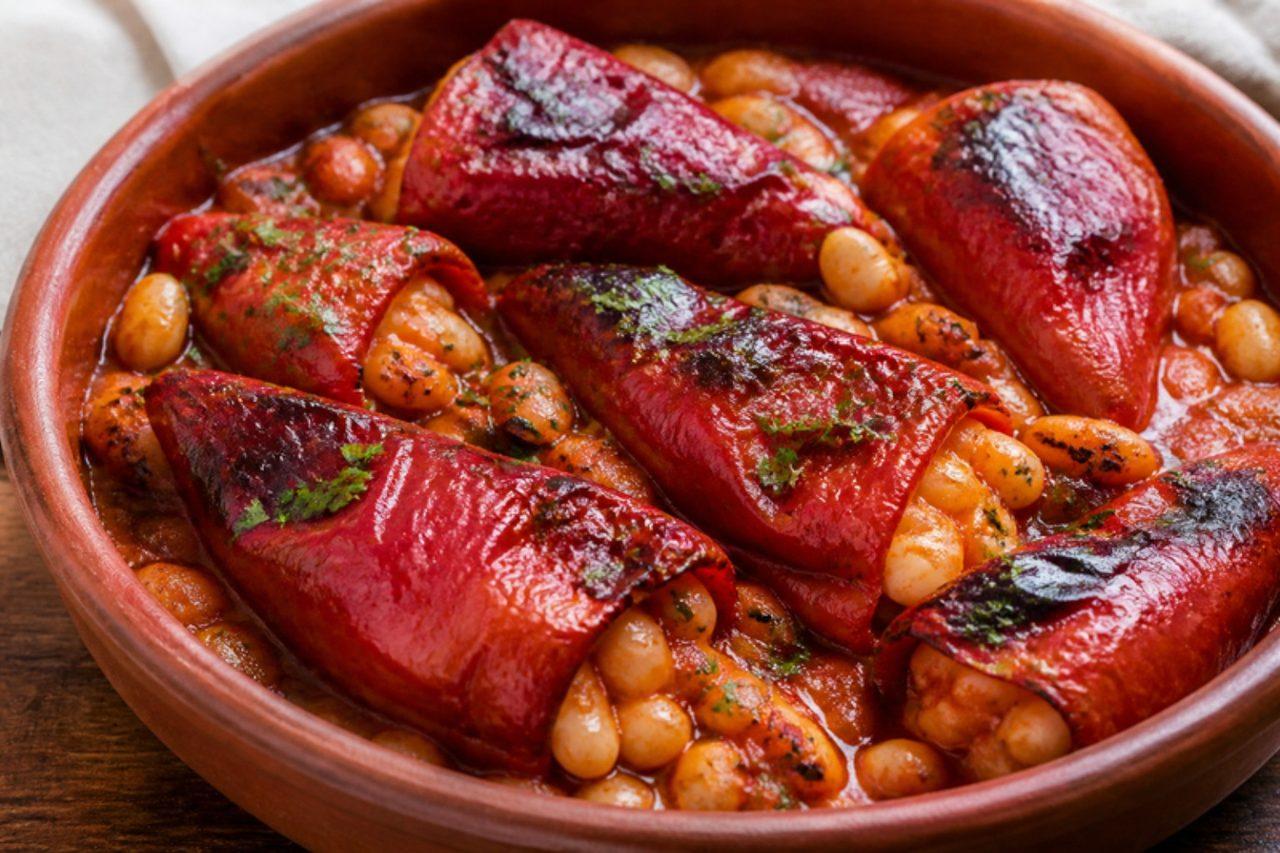
Bulgaria's Christmas Eve supper, Budni vecher, is meatless and set with an odd number of dishes, and peppers stuffed with beans are almost always among them. The peppers are the deep-red ones dried on strings in autumn; soaked, they turn soft and sweet with a smoky edge, and they are filled with white beans cooked with onion, paprika and dried mint, then baked. They are vegan, high in protein, and just as good the next day. Fresh red peppers work if you can't find dried ones. Chef's tip: cook the beans until completely soft before stuffing, because they won't soften any further inside the peppers.

by KrazyBadal 0 views

Bob chorbaWhite bean soup

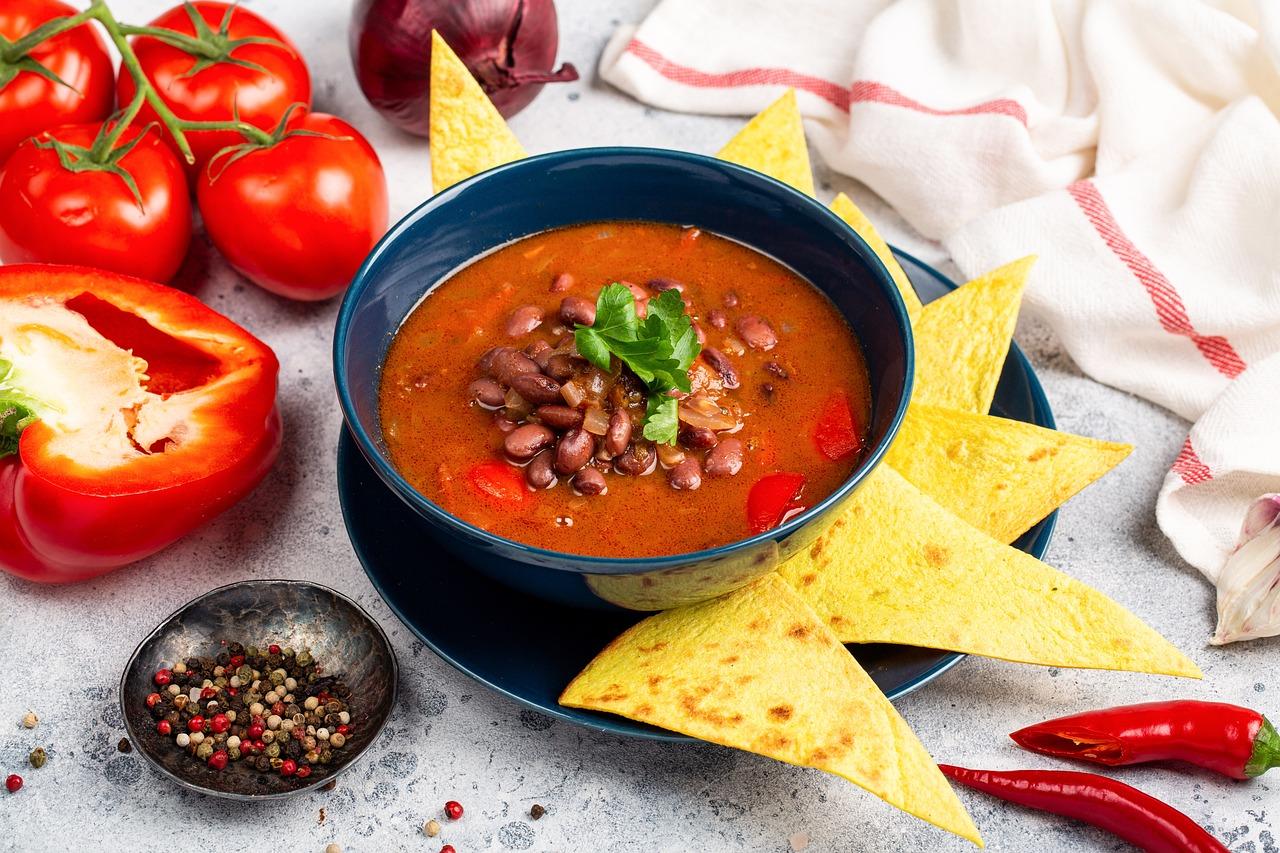
Bob chorba is one of Bulgaria's best-loved soups, cooked in every region, served in monasteries such as Rila and set on the meat-free table on Christmas Eve, when the dishes must be Lenten. White beans simmer slowly with onion, carrot, peppers and tomato until creamy, then the pot is seasoned with dzhodzhen (dried mint), chubritsa (summer savory) and sweet paprika fried in oil. A bowl gives about 21 g of protein from the beans, and it is eaten with fresh bread and a hot pickled pepper alongside. Soak the beans for 12 hours first; that time is not counted below. The most common mistake is pouring paprika into very hot oil: it burns in seconds and makes the soup bitter, so take the pan off the heat first. Chef's tip: dried savory is the true taste of this soup; if you can't find it, use dried thyme with a pinch of oregano.

by KrazyBadal 0 views

Ab doogh khiarChilled yogurt and cucumber soup

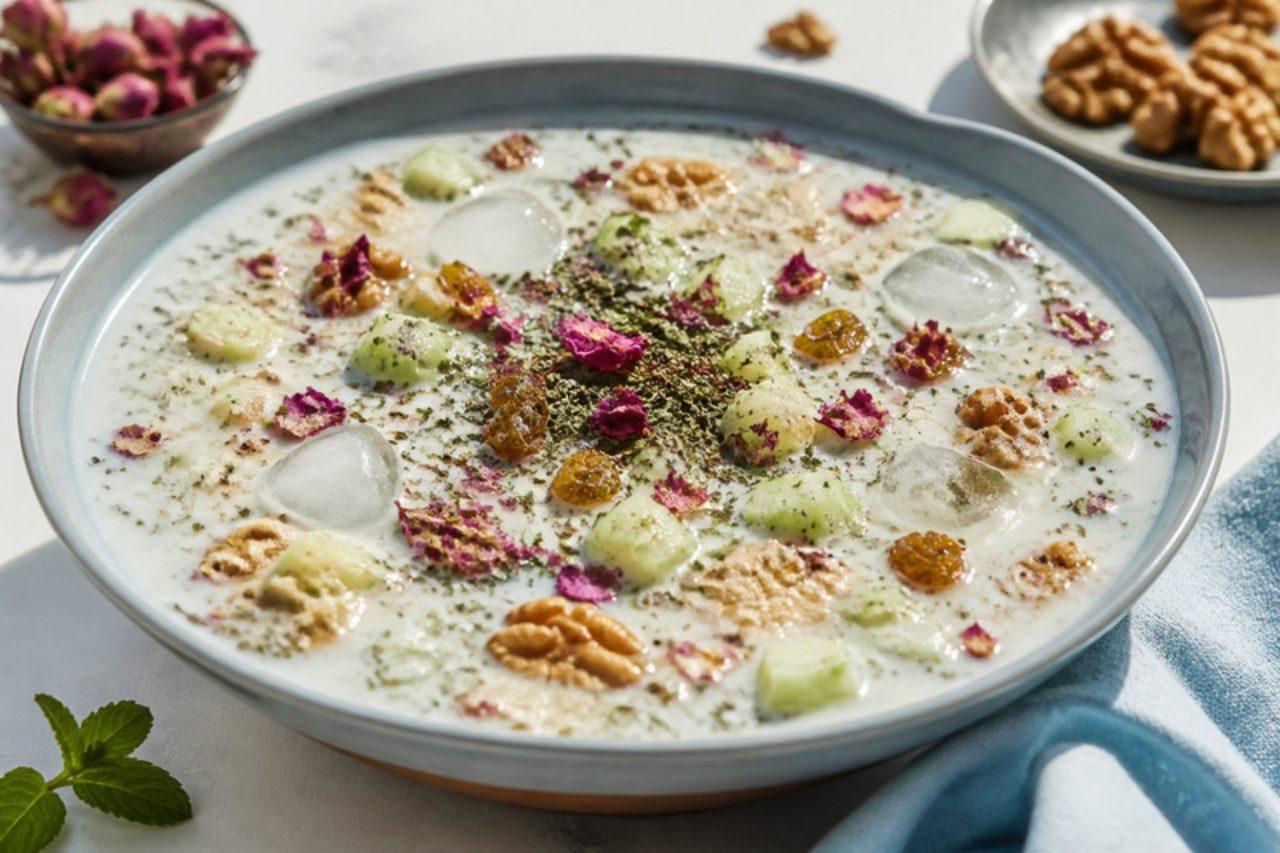
On the hottest afternoons in Tehran, Shiraz and Isfahan, ab doogh khiar is lunch: thick yoghurt thinned with iced water, packed with crunchy cucumber, walnuts, raisins and dried mint and rose petals, then filled at the table with torn pieces of dried flatbread that soften like croutons in a cold soup. It is cooling, tangy and faintly sweet, and is eaten with a spoon and plenty of fresh herbs alongside. A bowl gives about 12 g of protein from the yoghurt and walnuts, so it is a light meal rather than a high-protein one; strain the yoghurt yourself or use thick Greek-style yoghurt to push it a little higher. The common mistake is adding the bread too early: it turns to mush, so serve it on the side and let everyone add their own. Chef's tip: rub the dried mint between your palms over the bowl; the warmth releases its oils and the flavour is twice as strong.

by KrazyBadal 0 views

ParihuelaSpicy seafood soup

Parihuela is the big weekend seafood soup of Callao and the Peruvian coast, eaten at long Sunday lunches in cevicherías and praised as a cure for tiredness and late nights. A deep red broth of ají panca, ají amarillo, tomato and fish stock is loaded with chunks of fish, prawns, squid and mussels. A portion gives about 30 g of protein, from the fish and shellfish, for roughly 300 kcal. Some cooks add chicha de jora or beer; this version has none. The common mistake is adding all the seafood at once: squid and prawns turn rubbery while the fish cooks, so they go in last. Before cooking, discard any mussels that stay open when tapped, and after cooking discard any that stay shut. Chef's tip: fry the chilli pastes in the oil until they darken and smell sweet; that toasted ají is what gives parihuela its depth.

by KrazyBadal 0 views

Reshteh khoshkar (Gilani rice-flour walnut rolls in syrup)

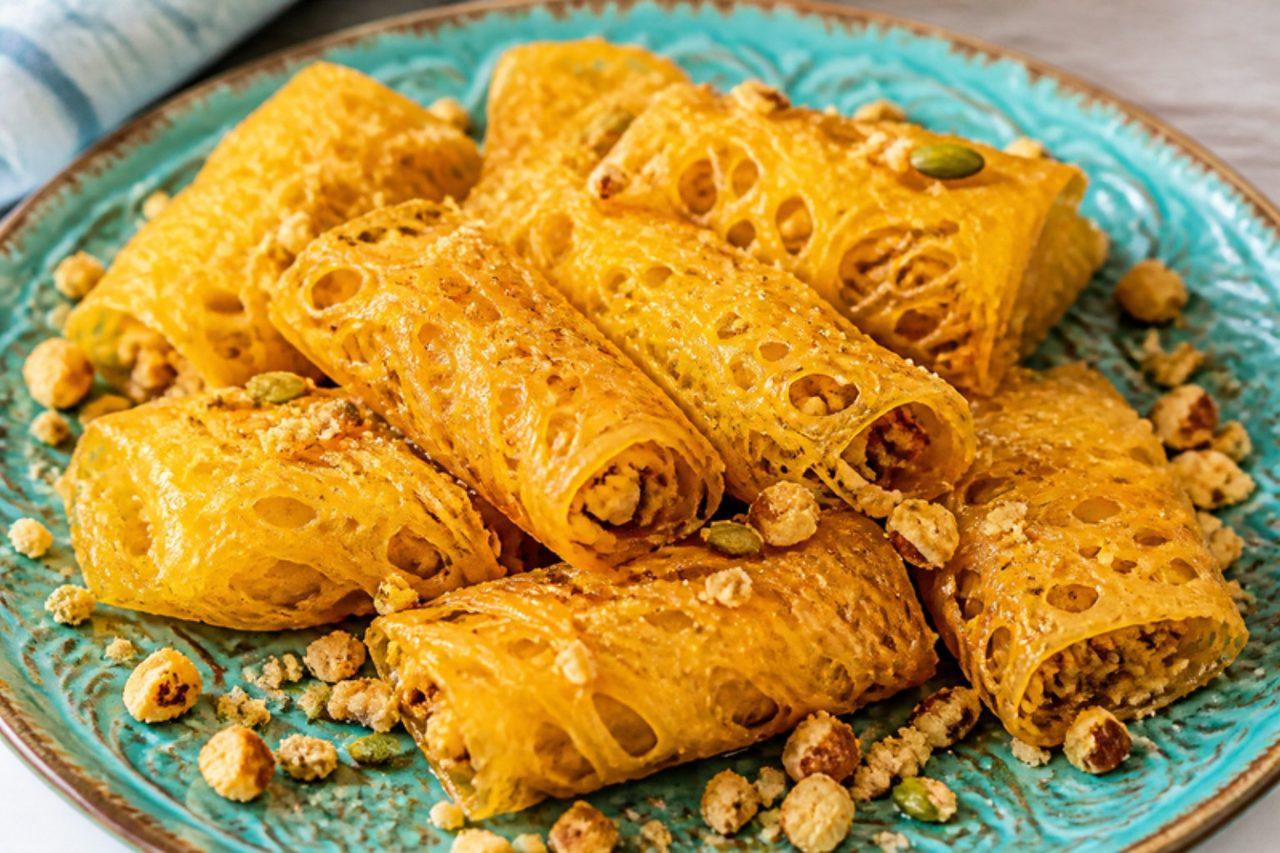
Reshteh khoshkar is the pastry of Gilan on Iran's Caspian coast, made in Rasht and Lahijan homes and bakeries for Ramadan, when a plate of it with tea breaks the fast at iftar. A thin rice-flour batter is drizzled in a lacy criss-cross over a hot griddle to make a fine net, which is filled with walnuts, sugar, cardamom and cinnamon, folded into a neat roll, fried until crisp and soaked in rose-scented syrup. It is crunchy, then soft and sticky, with a fragrant, nutty filling. Serve it at room temperature with strong black tea. The dish has always been egg-free: the rice-flour batter sets on the hot griddle into a net by itself, and the sugar in the filling and syrup glues the rolls together, so there is no need for any other binder, and nothing in it contains gluten. Chef's tip: test the griddle with a few drops of batter first; the common mistake is a griddle that is not hot enough, which lets the batter spread into a pancake instead of setting into a lacy net.

by KrazyBadal 0 views

Showing 24 of 633 recipes

Show more recipes

Page 1 of 27