Skip to content
Recipes

All recipes

Vegetarian, or something you can't eat? Set your diet once and we'll hide recipes that don't fit.

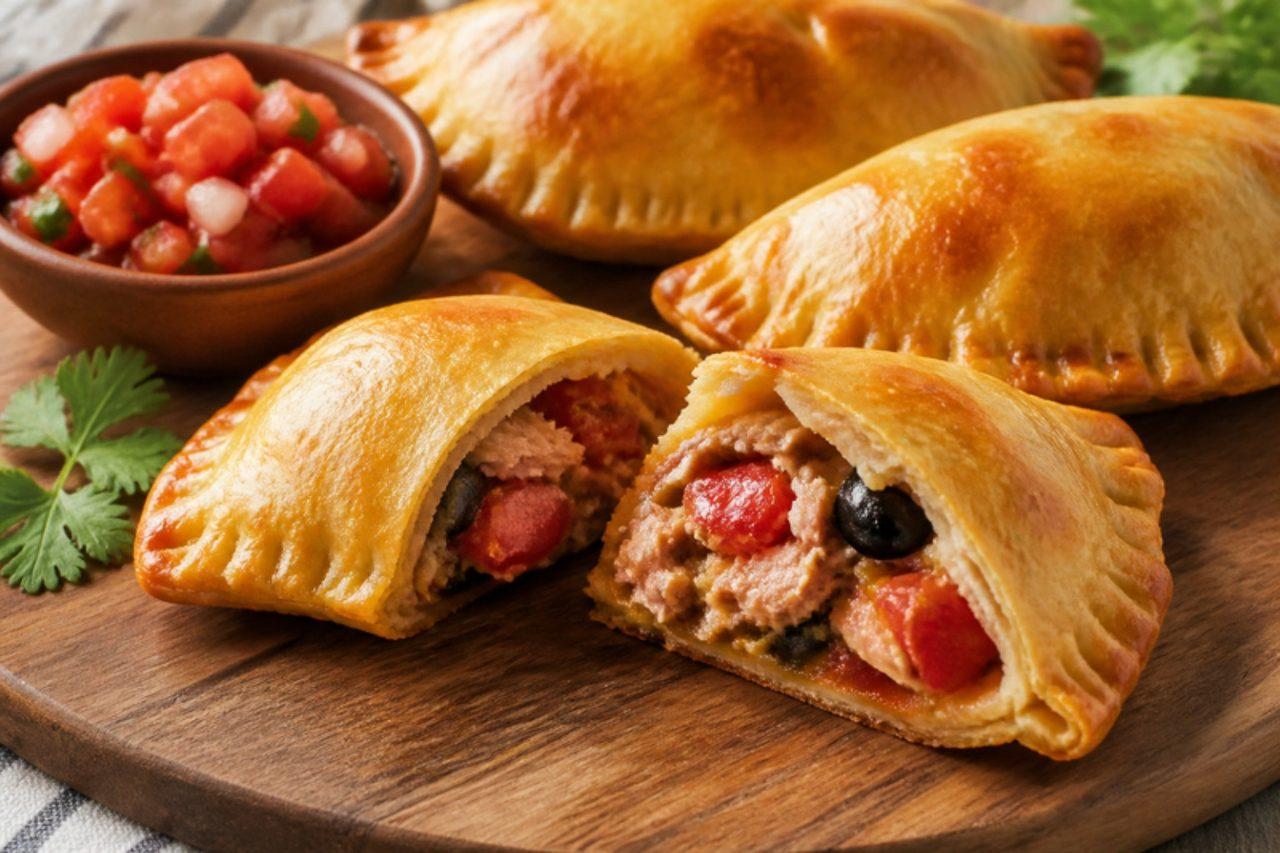
Empanadas de vigiliaTuna empanadas

During Cuaresma (Lent) and on the Fridays of Holy Week, Mexican kitchens turn to 'vigilia' food without meat, and fish empanadas are a favourite: tender wheat pastry half-moons filled with tuna (or soaked salt cod) cooked with tomato, onion, olives, capers and pickled jalapeños, a cousin of bacalao a la vizcaína. They are baked here, but can be fried. Chef's tip: cook the filling until quite dry, as a wet filling makes soggy empanadas that leak.

by KrazyBadal 0 views

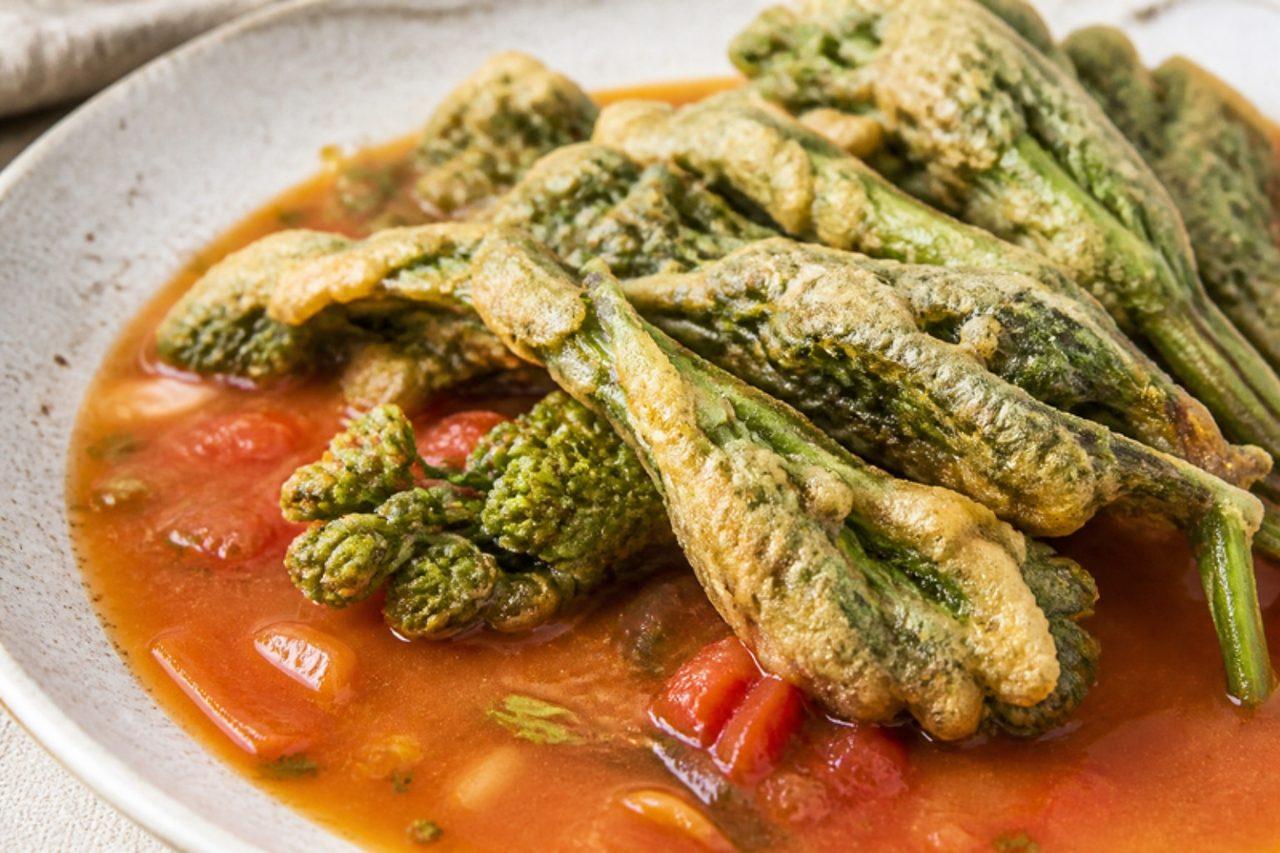
Huauzontles capeadosBattered cheese-stuffed greens

In central Mexico, Lent and Holy Week bring meatless Fridays, and huauzontles capeados are a beloved vigil dish. Huauzontle is a leafy, broccoli-like green with tiny seed buds; little bundles of the blanched sprigs are pressed around a piece of fresh cheese, dipped in fluffy egg batter, fried and then simmered briefly in a light tomato and chile broth. If you can't find huauzontle, use tenderstem broccoli tips or quelites. Queso fresco is usually made with animal rennet, so choose a vegetarian one if needed. Chef's tip: squeeze the blanched greens very dry, as wet greens make the batter slide off.

by KrazyBadal 0 views

KalanehWild leek stuffed flatbread

In Kurdistan and Kermanshah, Newroz arrives with the first spring greens on the hillsides, and families gather wild leeks to fold into kalaneh, thin griddle breads cooked over a fire or a hot pan and soaked in melted butter. The dough is plain and soft, rolled very thin around a pile of chopped leek or chives with a little salt and pepper, so the greens steam inside as the bread blisters. Eat it hot, torn into strips, with yogurt and tea at a Newroz picnic. The common mistake is wet greens, which turn the dough soggy and make it tear; dry them well after washing. Chef's tip: brush the butter on the moment the bread leaves the pan so it soaks right in.

by KrazyBadal 0 views

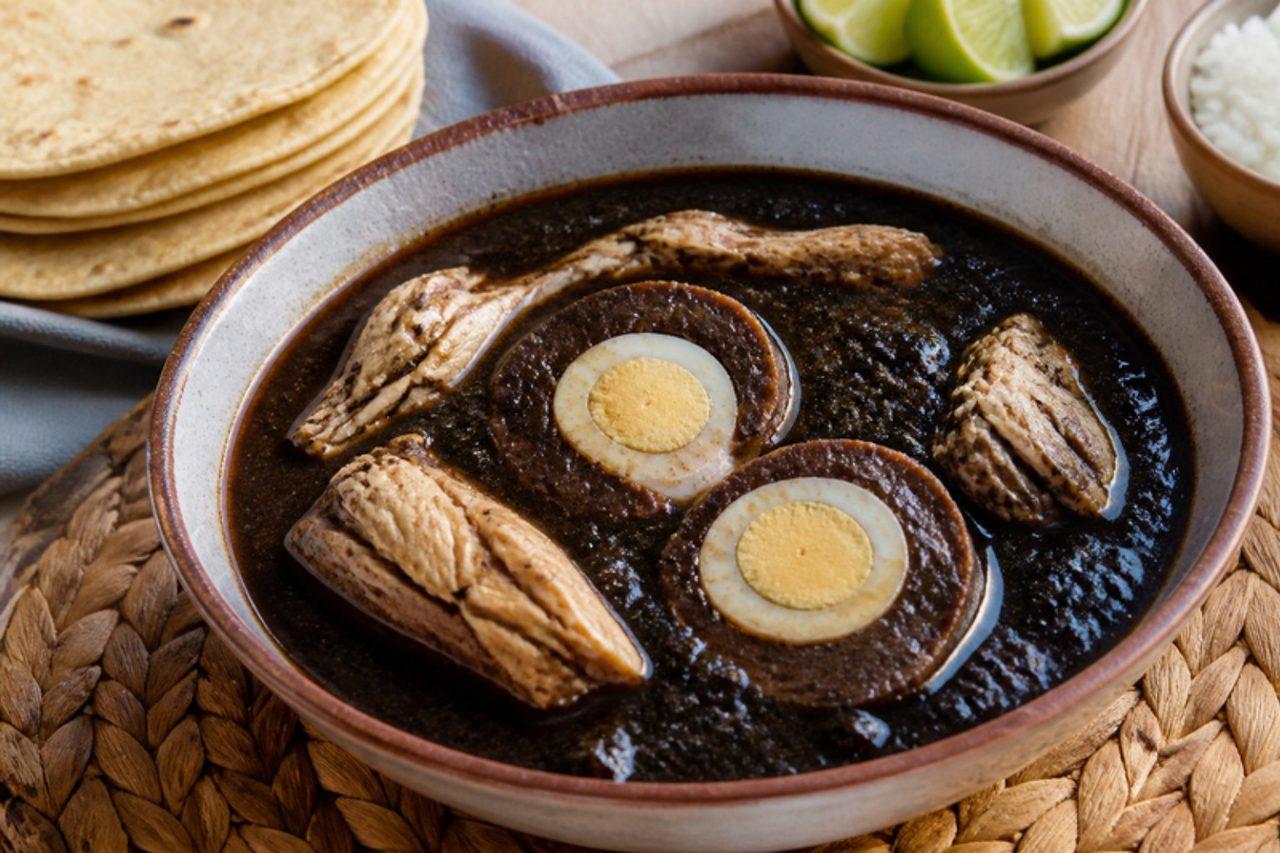
Relleno negroTurkey and pork black chilli stew

Relleno negro, or chilmole, is the great fiesta dish of the Yucatán peninsula, cooked for Christmas, New Year and village saints' days. Turkey is simmered in a jet-black broth coloured by recado negro, a paste of chillies charred until black, and served with a 'but', a meatball of minced pork and spices wrapped around hard-boiled egg. Recado negro paste is sold in Mexican shops; it is very hard to make at home safely because the chillies are burnt outdoors. Serve with corn tortillas or in tortas. Chef's tip: dissolve the recado in some of the warm broth first, so it blends smoothly instead of floating in black lumps.

by KrazyBadal 0 views

Pajagua mascadaBeef and cassava patties

Pajagua mascada is a Paraguayan street-food classic that appears on every table for the San Juan festival on 24 June, when bonfires burn and the night is full of games and traditional food. Minced beef is mixed with mashed cassava, onion, garlic and a little egg and flour, shaped into flat patties and fried until crisp. The name comes from Guaraní and refers to the 'chewing' of old Paraguayan cooks, who made it from leftover meat. Chef's tip: dry the boiled cassava well and remove its woody core, which keeps the patties light and crunchy.

by KrazyBadal 0 views

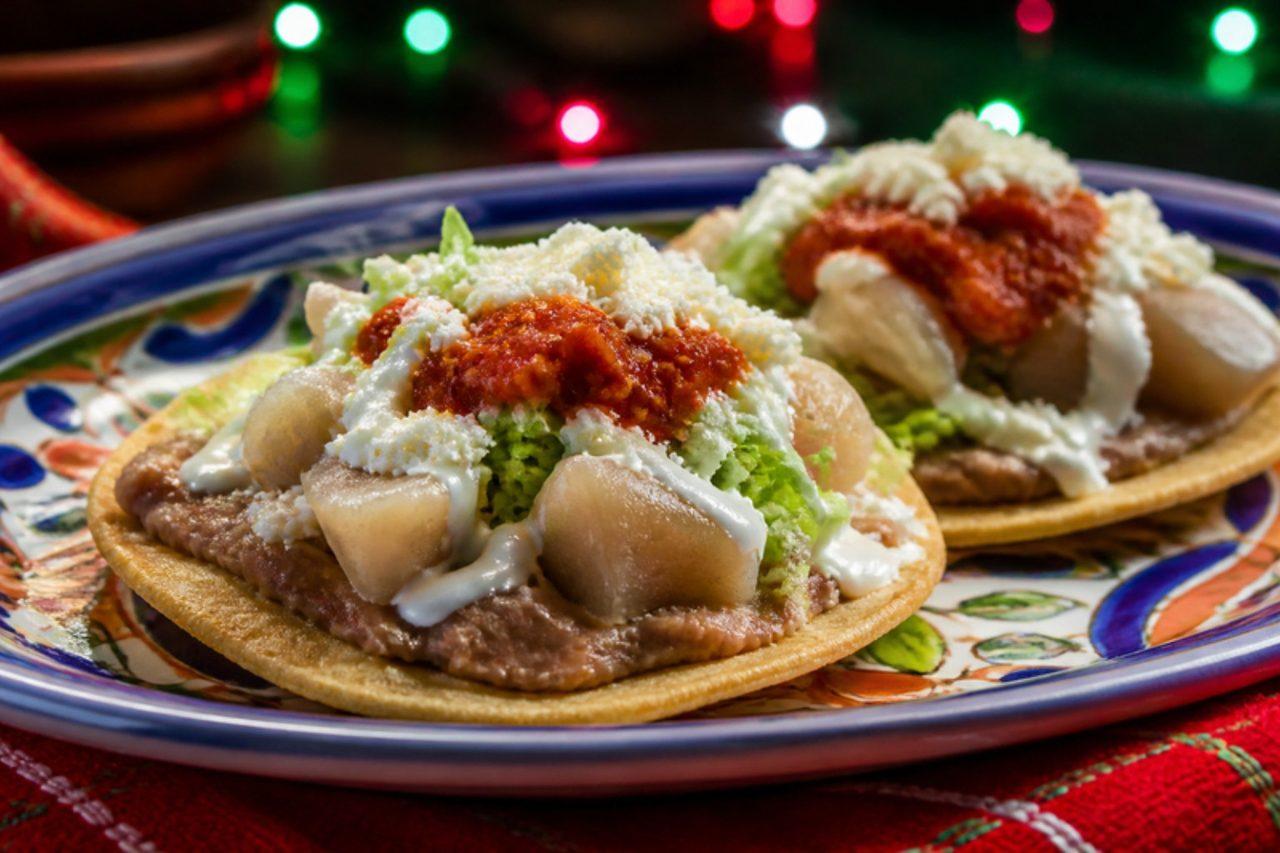
Tostadas de pataTostadas with pickled cow's foot

On the night of 15 September, when Mexicans gather for the Grito and the Fiestas Patrias, the table fills with antojitos: pozole, sopes and tostadas de pata, a favourite of Mexico City and Puebla. Cow's foot is simmered for hours until it turns soft and gelatinous, then sliced thin and pickled in vinegar with onion, oregano and chilli. Piled on crisp tostadas over beans with lettuce, cream and salsa, it is tangy, rich and crunchy all at once. Chef's tip: slice the foot while it is cold from the fridge; warm, it falls apart.

240 minMexicanMeatSpicy
by KrazyBadal 0 views

OsterpinzeEaster anise brioche

Osterpinze is the Easter bread of Styria, Carinthia and the area around Trieste, a soft, golden brioche dome with three deep cuts on top for the Holy Trinity, so that it opens into a crown as it bakes. The dough is rich with egg yolks and butter and flavoured with anise and lemon; old recipes add a splash of white wine, left out here. It is blessed in the Easter basket on Holy Saturday and eaten on Easter morning with ham, horseradish and eggs, or with butter and jam. Chef's tip: make the three cuts with scissors just before baking, deep enough to reach halfway down, so the crown opens wide.

by KrazyBadal 0 views

KaguyjyWhite corn pudding

On the night of 23–24 June, Paraguayans celebrate San Juan with bonfires, games like walking over hot coals and the 'paso de fuego', and a table of traditional foods, and kaguyjy (also mazamorra) is one of them. It is a soft, creamy pudding of cracked white corn (locro) simmered slowly in water and then milk with sugar or honey, sometimes with orange peel. It is eaten warm or cold. It is gluten free. Chef's tip: soak the corn overnight and cook it until each kernel is tender before adding the milk, or it never turns creamy.

by KrazyBadal 0 views

AllerheiligenstriezelBraided sweet loaf

In Bavaria and Austria, godparents give their godchildren an Allerheiligenstriezel on All Saints' Day, 1 November: a large braided loaf of sweet yeast dough, brushed with egg and scattered with almonds or pearl sugar. The braid is said to recall the old custom of cutting a plait of hair in mourning, and the size of the loaf once showed how generous the godparent was. It is lightly sweet, with lemon and vanilla, and is eaten sliced with butter or jam. Some recipes add rum-soaked raisins; these are soaked in warm water instead. Chef's tip: braid four strands for an impressive, high loaf.

by KrazyBadal 0 views

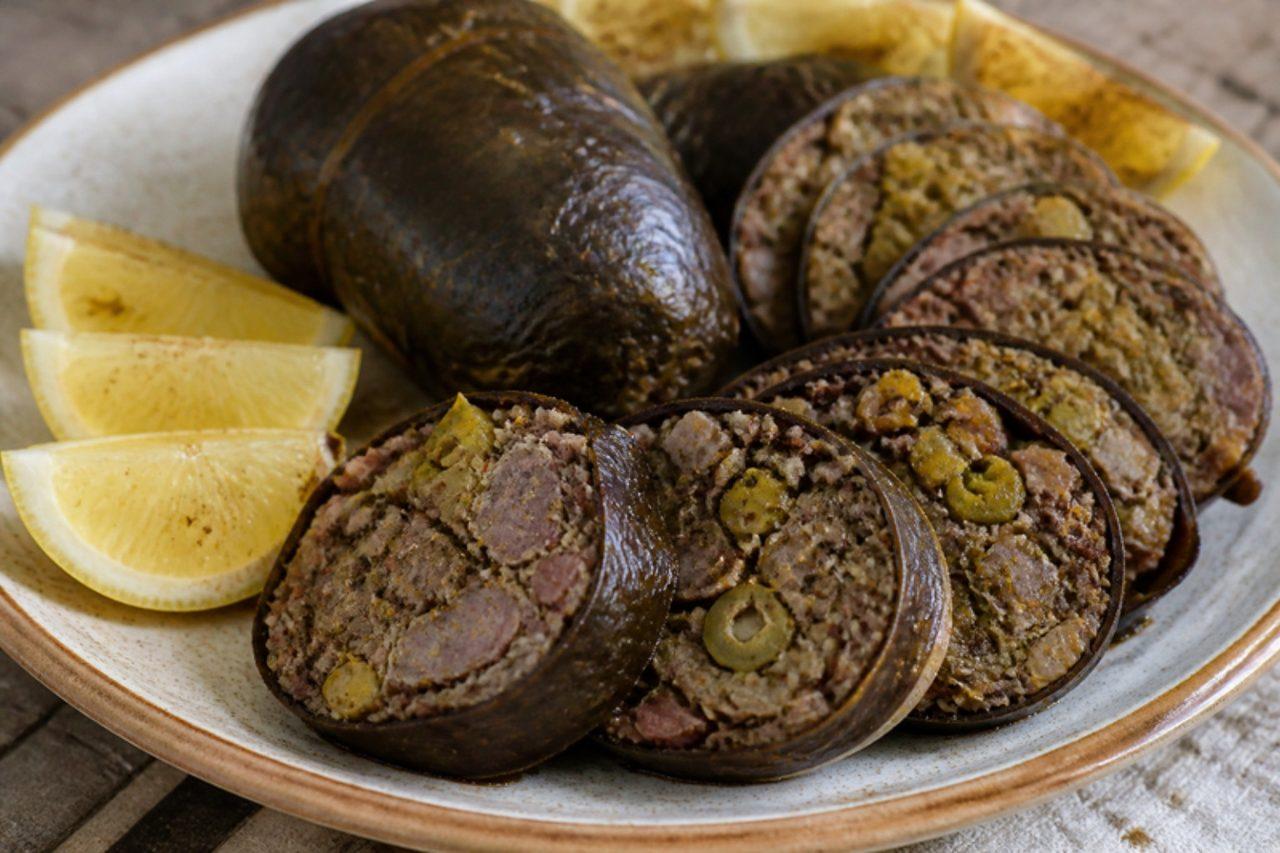
TihaneStuffed lamb spleen

Tihane, or tehal, is an old Eid al-Adha speciality from Moroccan towns such as Fez and Marrakech, made on the days after the sacrifice when the offal is shared out. The lamb's spleen is cut open into a pocket and stuffed with chopped liver and heart, a little fat, green olives, preserved lemon, garlic and cumin, then sewn shut, poached and roasted until browned. It is sliced thin and eaten warm or cold with bread. Ask a halal butcher for the spleen and offal. Chef's tip: prick the spleen with a fine needle before poaching so it doesn't burst in the pot.

130 minMoroccanMeatGluten free
by KrazyBadal 0 views

KourdassGrilled lamb liver bundles

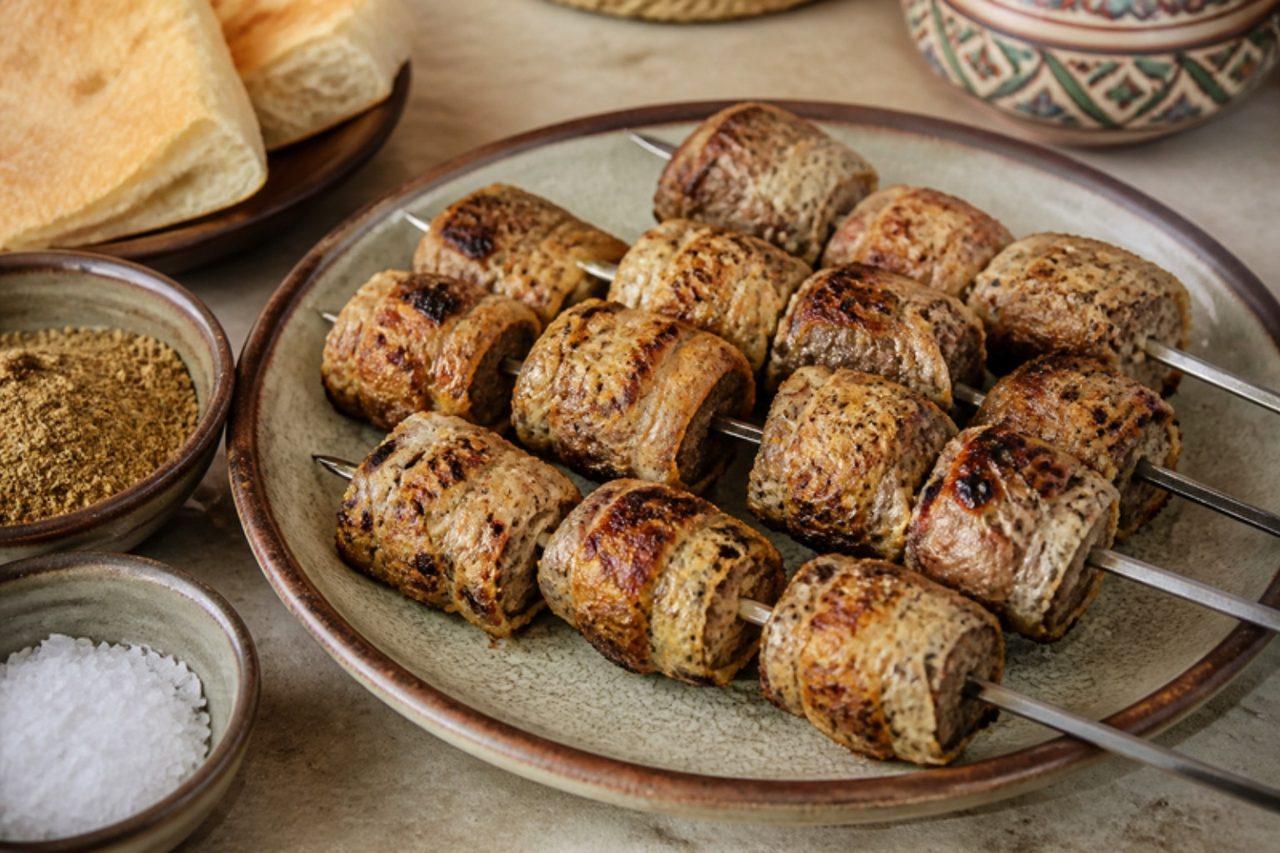
After the sacrifice of Eid al-Adha, Moroccan families use every part of the lamb, and kourdass is one of the dishes made in the days that follow: pieces of tripe and liver rubbed with cumin and paprika, wrapped in caul fat and traditionally hung up to air-dry before grilling. This home version skips the drying, which is hard to do safely in a modern kitchen, and grills the bundles fresh over charcoal or under a grill until the fat crisps and the liver is cooked through. Buy cleaned, pre-cooked tripe and caul fat from a halal butcher. Chef's tip: wrap the bundles tightly so the caul fat bastes them as it melts.

by KrazyBadal 0 views

Chirov plavRice pilaf with dried fruit

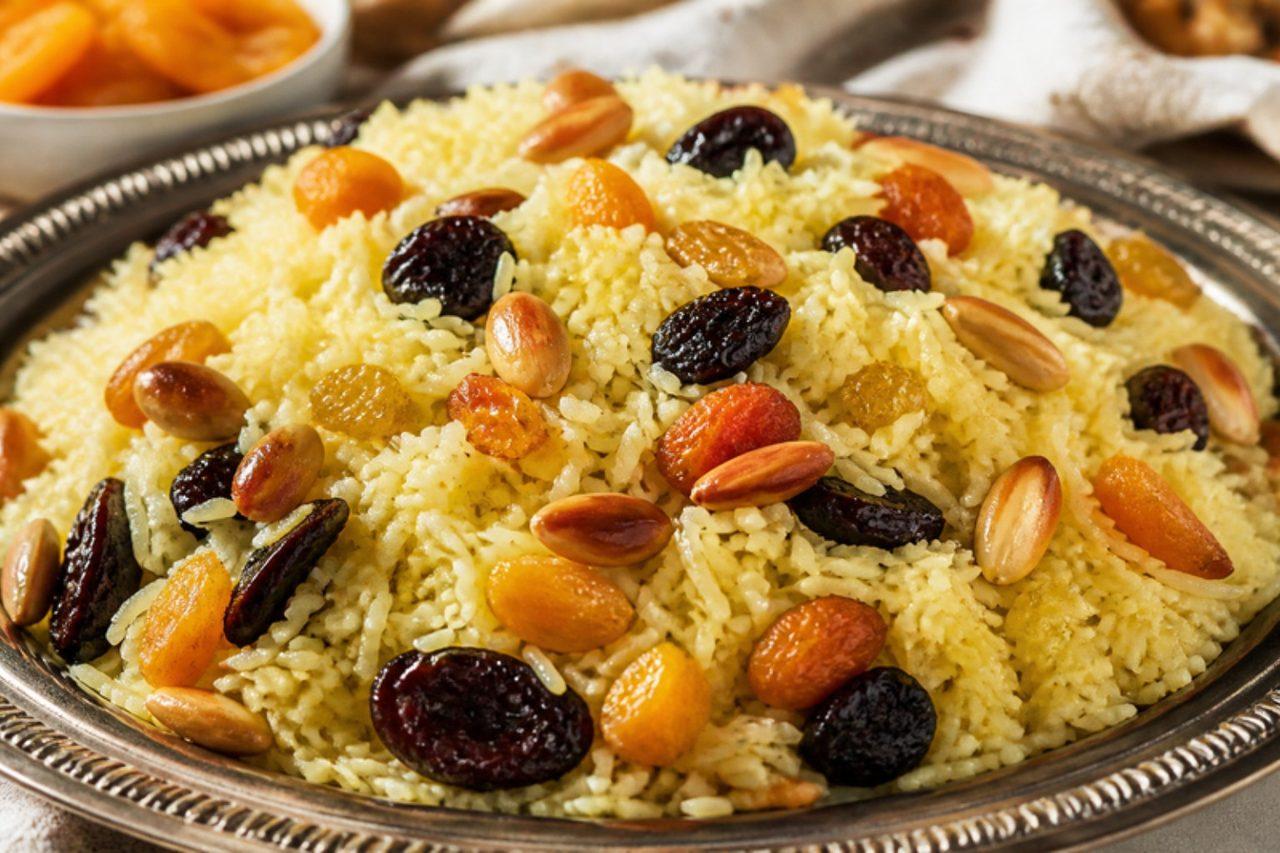
Chirov plav, rice pilaf with dried fruit ('chir'), is the Armenian Easter dish: after the long Lenten fast, families gather on Easter Sunday to eat this glossy, buttery pilaf, often served beside fried or baked fish and red-dyed eggs. The rice is cooked separately so every grain stays loose, then layered with dried apricots, raisins and prunes warmed in butter, with a golden crust (tahdig-style) at the bottom. Chef's tip: rinse the rice until the water runs clear, and parboil it in plenty of salted water, as that keeps the grains separate.

by KrazyBadal 0 views

Chipa so'oCheese bread with spiced beef

In Paraguay, families bake chipa in the clay tatakua ovens on Holy Wednesday so there is food for Thursday and Good Friday, when cooking stops. Chipa so'o ('chipa with meat') is a cassava-starch and cheese bread wrapped around a little filling of minced beef cooked with onion and egg, then baked until crisp outside and chewy within. It is naturally gluten free. Chef's tip: knead the dough until it no longer cracks at the edges when pressed; dry dough splits around the filling.

by KrazyBadal 0 views

Dowina (Kurdish yogurt soup)

Dowina, called ash-e doogh in Persian, is warming spring food in Kurdish homes around Newroz, when yogurt is plentiful and the first herbs are cut from the garden. Rice and chickpeas simmer in a tangy, lightly thickened yogurt broth, finished with fresh dill, coriander and a sizzle of dried mint in oil. It is eaten warm, never boiling hot, with flatbread. The common mistake is to heat the yogurt too fast without stirring, which makes it split into grainy curds. Chef's tip: whisk an egg yolk and a spoonful of rice flour into the yogurt before it goes on the heat; it holds the soup smooth all the way to the simmer.

by KrazyBadal 0 views

Gorditas de la VillaSweet corn griddle cakes

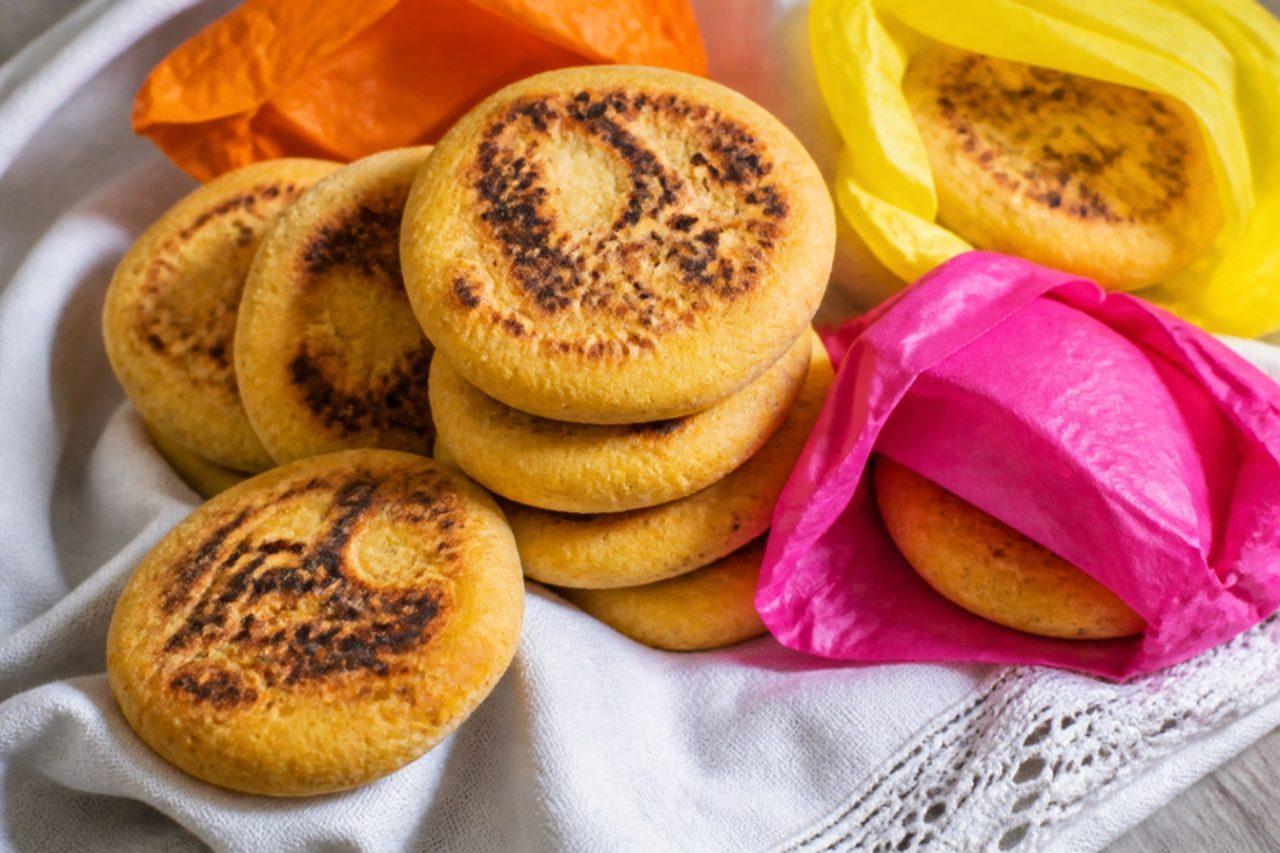
Every 12 December, millions of pilgrims walk to the Basilica of Our Lady of Guadalupe in Mexico City ('La Villa'), and all around it women cook gorditas de la Villa on clay comales: small, thick, sweet cakes of corn masa with piloncillo, cinnamon and a little anise, wrapped in coloured tissue paper to take home. They are soft and slightly chewy, with toasty spots. They are gluten free. Chef's tip: cook them on a dry, medium-low griddle; too hot and the sugar burns before the middle cooks through.

by KrazyBadal 0 views

Alfeñique (Toluca Day of the Dead sugar-paste figures)

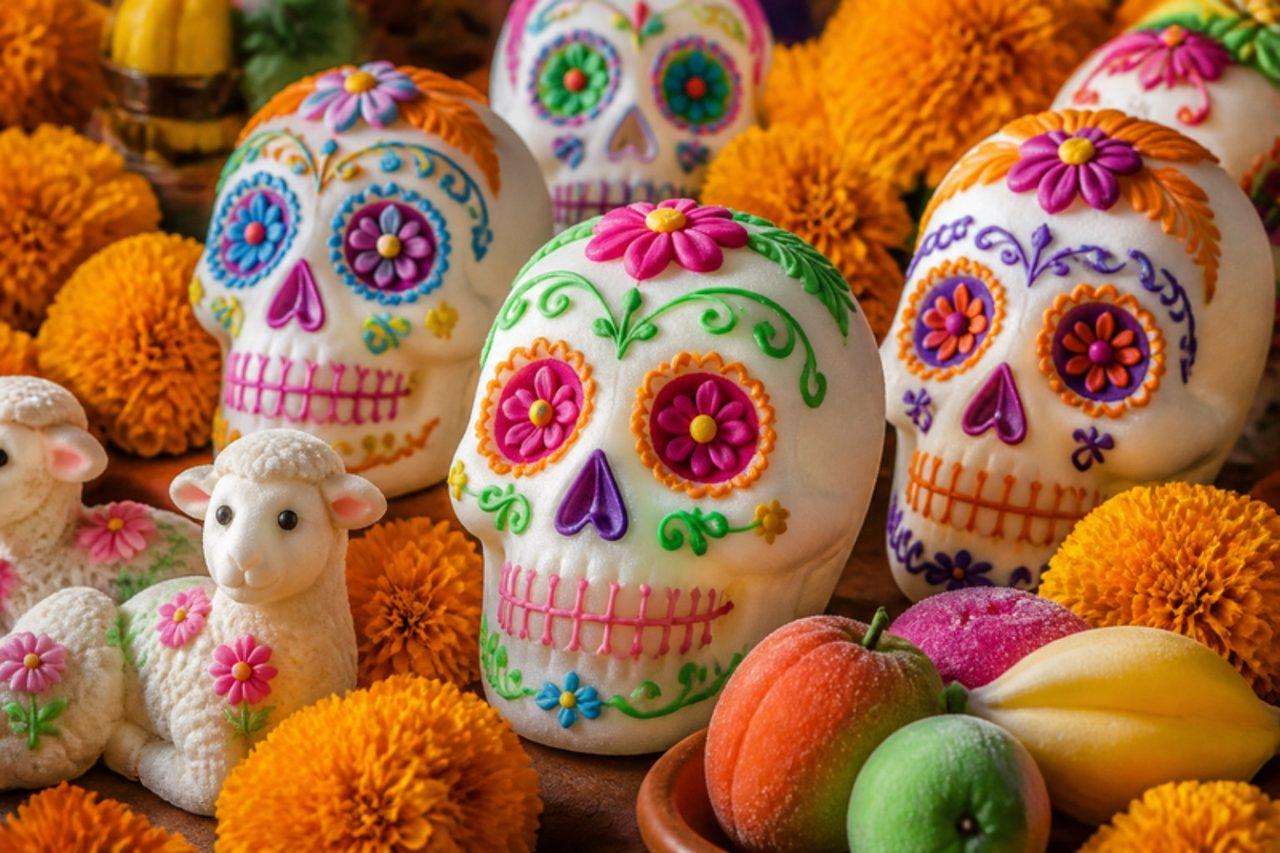
Each October the arcades of Toluca, in the State of Mexico, fill with the Feria del Alfeñique: stalls of little skulls, lambs, coffins, baskets and fruit, all modelled from sugar paste and painted bright colours for the Day of the Dead altars of 1 and 2 November. Children buy a skull with their own name on it; families place them on the ofrenda beside marigolds, candles and pan de muerto. The paste is snow-white, smooth and brittle once dry, with a clean sugar and lime taste. The old Toluca paste is egg-free, kneaded with chautle, a gum from an orchid bulb; here gum tragacanth plays that part, making the paste stretchy enough to model and helping it dry hard. The decorating icing is egg-free too, made from icing sugar, lime juice and a pinch of the same gum. Chef's tip: work the syrup while it is warm and keep the paste wrapped; the common mistake is letting it sit uncovered, so it dries out and cracks as you shape it.

by KrazyBadal 0 views

Tmar mehchi (Moroccan almond-stuffed dates)

Tmar mehchi is the stuffed date of Fez and Marrakech, piled high on silver trays at weddings, engagements and Eid, and offered to guests with mint tea. Soft dates are filled with a homemade almond paste perfumed with orange-blossom water, often tinted pale green or pink to match the celebration, then scored with a knife so the filling shows. They are soft, rich and caramel-sweet, with a floral, nutty middle. The paste here is mixed from ground almonds and icing sugar, so there is no shop marzipan, which can contain egg white. It is naturally egg-free: the dates' sticky flesh and a few spoonfuls of orange-blossom water bind the almond filling. Chef's tip: add the orange-blossom water a little at a time and stop when the paste is firm like play dough. The common mistake is a wet paste, which oozes out and makes the dates slippery.

by KrazyBadal 0 views

ChileatoleCorn and green chilli soup

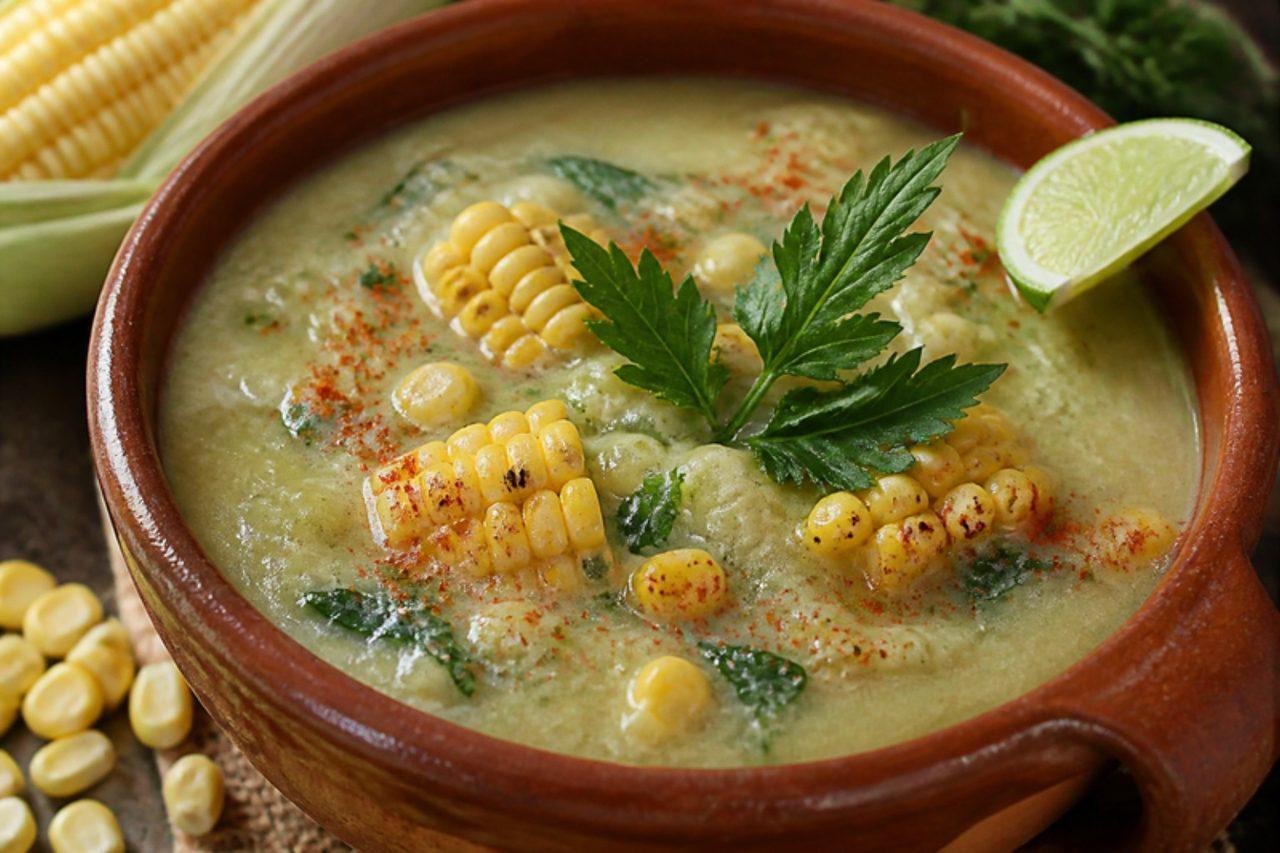
Chileatole is a thick, savoury atole made in Puebla and Tlaxcala during the rainy-season corn harvest from July to September, sold steaming from big pots at markets in the evening and made at home when fresh corn is everywhere. Fresh corn kernels and pieces of cob simmer in a broth thickened with masa harina and tinted green with blended chilli and epazote. It is comforting and corny, with a gentle heat, and about 6 g of protein per bowl from the corn and masa. The most common mistake is adding the masa dry, which makes lumps: always dissolve it in cold water first. Chef's tip: simmer the stripped cobs in the water before you start, for a sweeter, deeper corn broth.

by KrazyBadal 0 views

Sopa de nopalesCactus paddle soup

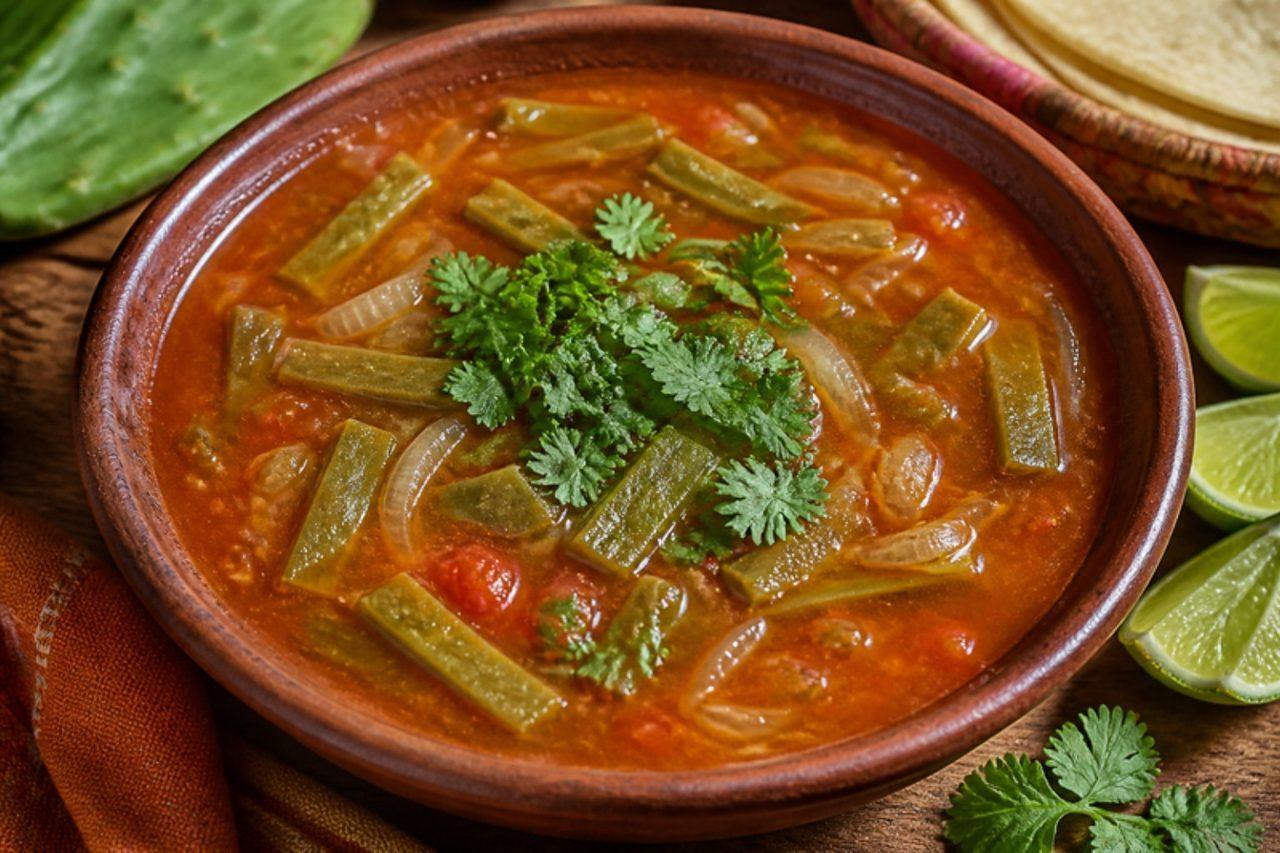
In Mexico City, Puebla and the towns of central Mexico, sopa de nopales is cooked at home during Lent and on any warm day when tender cactus paddles are cheap in the market. Diced nopales simmer in a light tomato and chilli broth with onion and coriander, giving a soup that is tangy, fresh and a little green-tasting, like green beans crossed with okra. It is very light, with about 3 g of protein per bowl; add a can of pinto beans or crumble fresh cheese on top for more. The most common mistake is putting raw nopales straight into the soup, which turns it slimy: boil them separately first and rinse them. Chef's tip: add a few tomatillo husks or a pinch of bicarbonate to the boiling water for the nopales; it helps set the slime so it rinses away.

by KrazyBadal 0 views

Pasuts tolmaBean and bulgur cabbage rolls

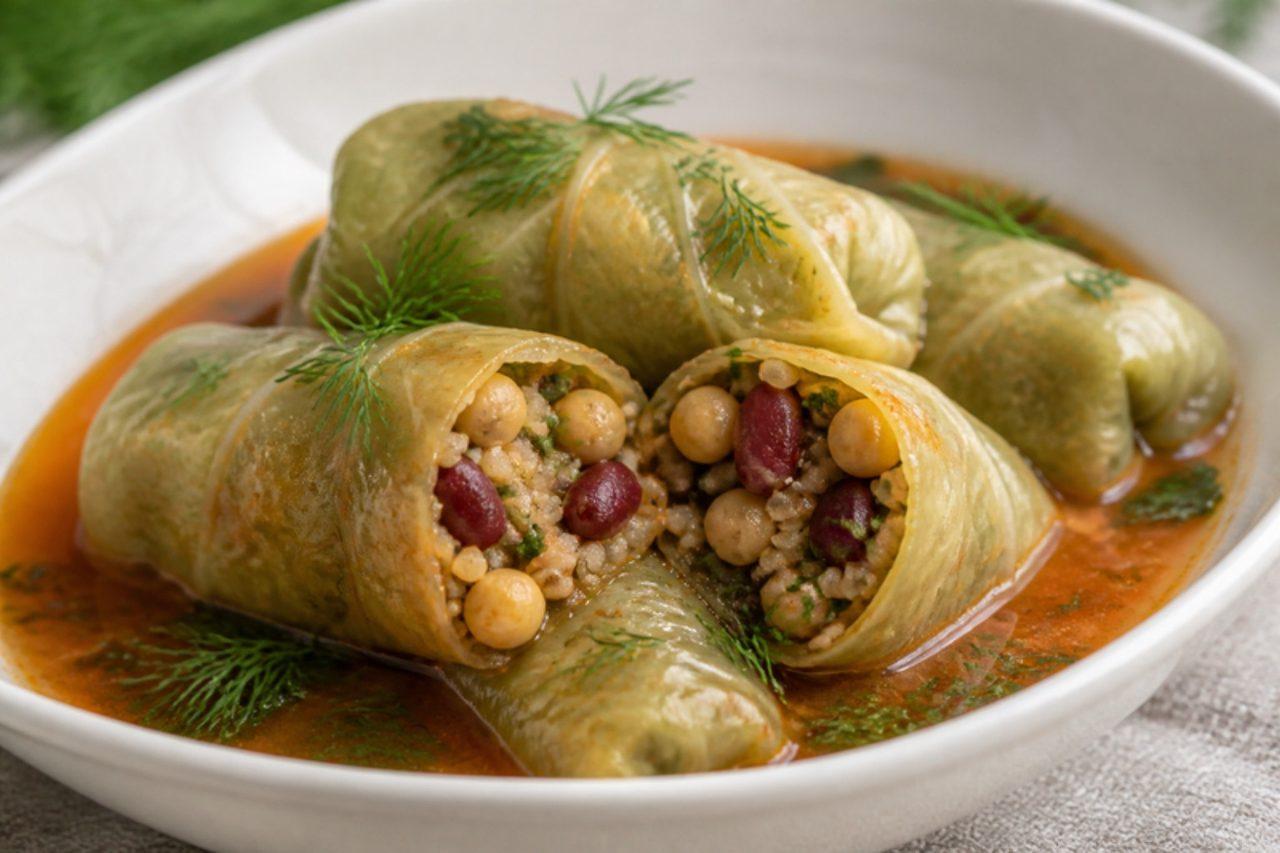
Across Armenia, from Yerevan kitchens to village homes in Shirak, pasuts tolma is the dish of the long Lenten fast before Easter, and many families also make it for the first days of the new year: cabbage leaves wrapped around a thick filling of red beans, lentils, chickpeas and bulgur, simmered in a tangy tomato broth. The rolls come out soft and savoury, with a gentle sourness, and are just as good cold the next day with a spoonful of garlic yoghurt for those who eat dairy (leave it out to keep the dish vegan). A portion of about six rolls gives roughly 22 g of protein, all from the beans, lentils, chickpeas and wheat. The beans and chickpeas must soak for 12 hours first; that time is not counted below. The most common mistake is rolling the parcels loosely: they open in the pot and the filling drifts into the broth. Chef's tip: cook the legumes until just tender, not soft, because they keep cooking inside the leaves for another hour.

by KrazyBadal 0 views

Duraznos en almíbar (Mexican peaches in piloncillo syrup)

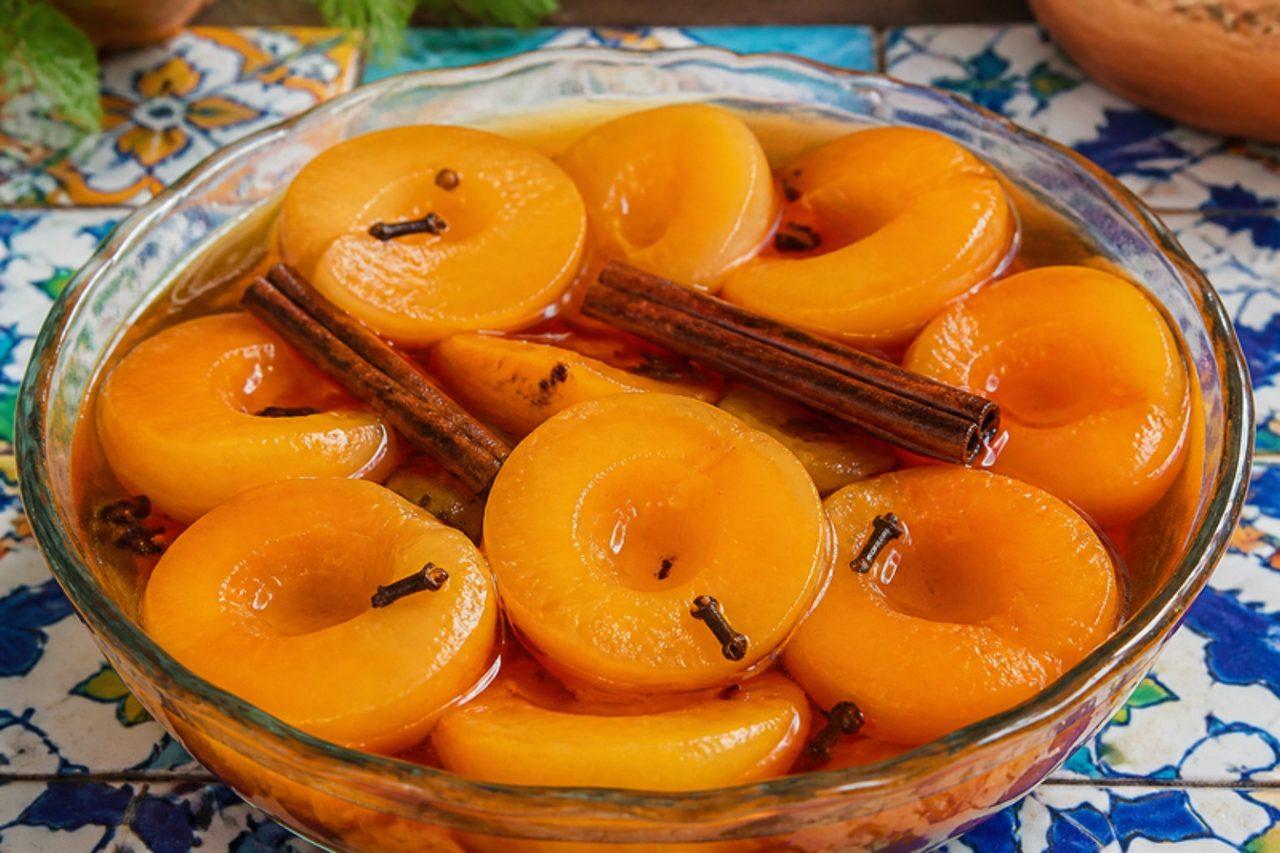
Across Mexico, from the orchards of Zacatecas and Puebla to every abuela's pantry, duraznos en almíbar are how the summer peach crop is kept, and a bowl of them chilled from the fridge is a classic Sunday dessert. Peeled peach halves are poached in a syrup of piloncillo, the cone-shaped raw cane sugar, with cinnamon and cloves, so they turn tender and glossy and soak up a warm, molasses-like sweetness. Serve them cold in their syrup, on their own, or with a spoon of crema or thick yoghurt. Nothing needs setting and no egg is involved: the fruit simply poaches in the sugar syrup, which thickens lightly as it cools. Chef's tip: choose ripe but firm peaches and poach them gently; the common mistake is boiling the syrup hard, which turns the halves ragged and stringy.

by KrazyBadal 0 views

Raspados (Mexican shaved ice with fruit syrups)

In Guadalajara and the towns of Sinaloa, raspados are sold from carts and little shops from noon until late on hot days: a paper cup of finely shaved ice soaked in bright homemade syrups like tamarind, mango, strawberry and deep-red hibiscus, sometimes with fresh fruit and a squeeze of lime. They are the cheapest way to cool down, and children and adults line up alike. They are naturally egg-free and plant-based: there is nothing to set or bind, just fruit and sugar cooked into syrups thick enough to cling to the ice. The hibiscus is tart and floral, the mango sweet and thick, and the two side by side make a striking cup. Make the syrups and cool them quickly over iced water. Chef's tip: shave the ice as fine as you can and pour the syrup slowly; the common mistake is using coarse crushed ice, which lets the syrup run straight to the bottom.

by KrazyBadal 0 views

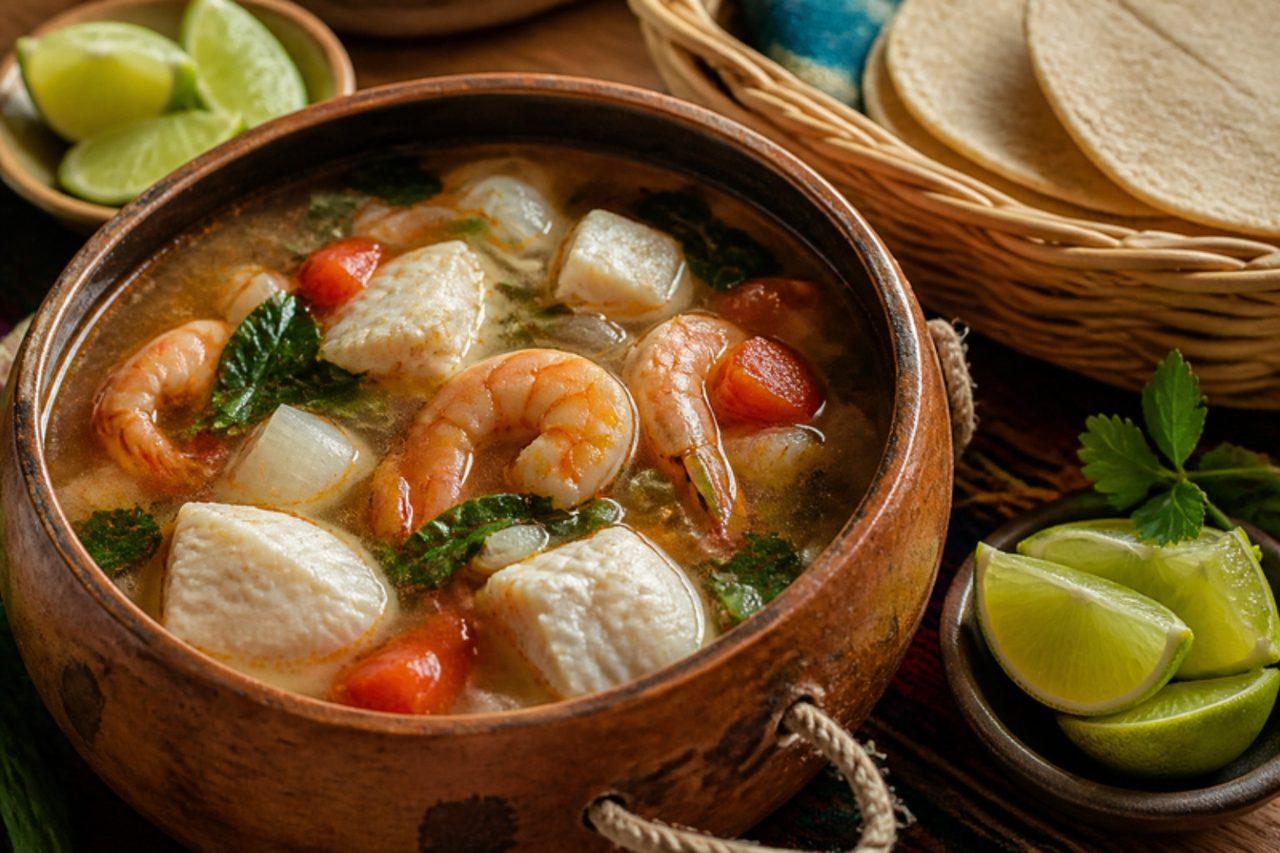
Caldo de piedraFish and tomato stone soup

Caldo de piedra comes from San Felipe Usila in the Chinantla of northern Oaxaca, where Chinantec men cook it by the river: fish, tomato, chilli and epazote go into a gourd bowl of water and red-hot river stones are dropped in to bring it to a fierce boil in seconds. It is eaten as a celebration and every year at a festival in the village. Heating stones at home is dangerous (wet or porous stones can crack or burst), so this version brings a heavy pot to a hard boil first and cooks the fish just as briefly. A portion gives about 38 g of protein, from the fish and prawns, for roughly 260 kcal. The common mistake is letting the fish boil on: it is done in 3–4 minutes, when it turns opaque and flakes, and after that it falls apart. Chef's tip: blend the tomato, onion and chilli raw; the broth tastes fresh and sharp, closer to the riverside original than a cooked sauce.

by KrazyBadal 0 views

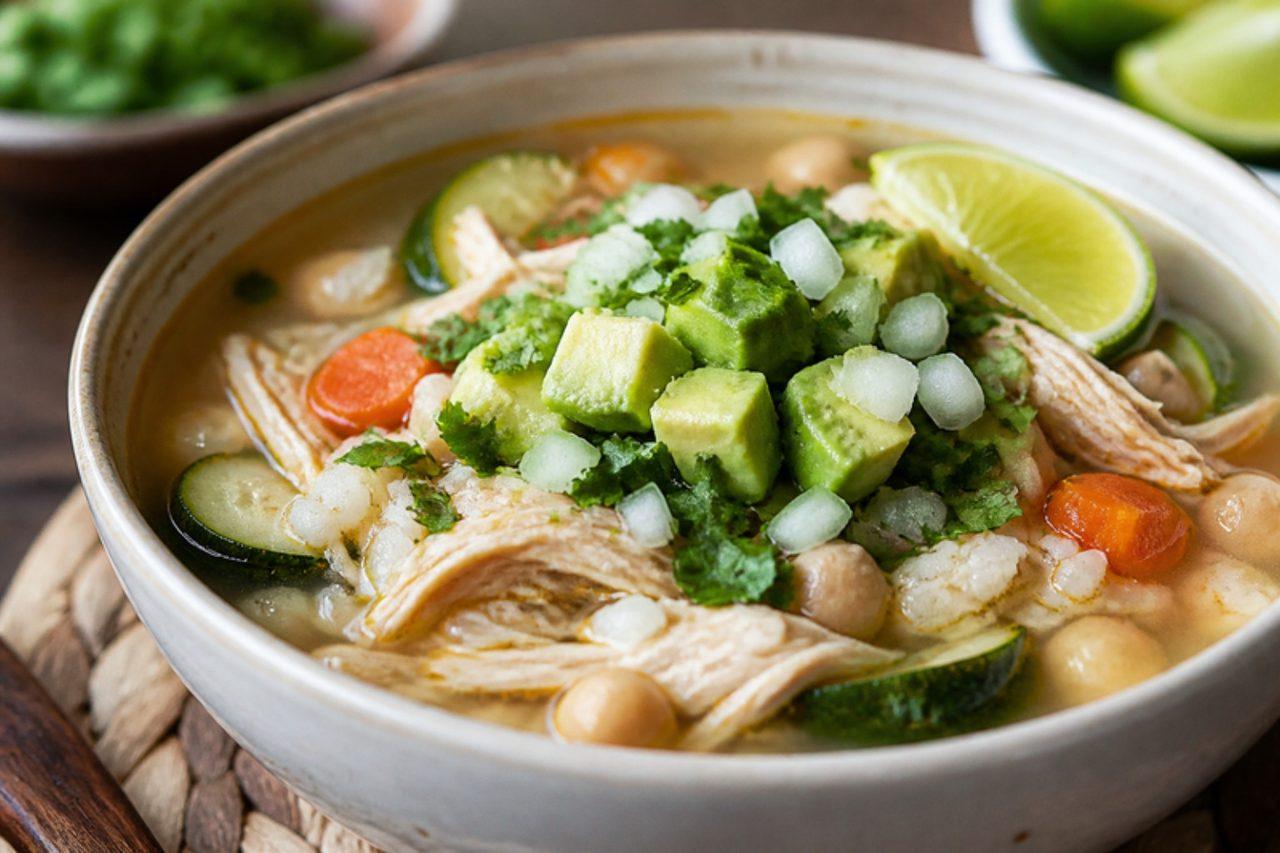
Caldo xóchitlChicken, rice and chickpea broth

Caldo xóchitl, named after the Nahuatl word for flower, is the restorative chicken soup of Mexico City's fondas and markets, eaten at lunch on cool days, after a late night or when someone is unwell. A clear broth with chicken, rice, chickpeas, courgette and carrot is served with a spread of chopped onion, coriander, serrano chilli, avocado and lime so everyone builds their own bowl. A portion gives about 24 g of protein, from the chicken and chickpeas, for around 360 kcal. The common mistake is boiling it hard, which clouds the broth and toughens the chicken; keep it at a lazy simmer and skim the foam. The chicken must reach 74 °C in the thickest part and the meat should pull easily from the bone. Chef's tip: cook the rice in the broth only for the last 18 minutes and serve straight away; left to sit, it drinks up the broth and turns soft.

by KrazyBadal 0 views

Showing 24 of 569 recipes

Show more recipes

Page 1 of 24