Skip to content
Recipes

All recipes

Vegetarian, or something you can't eat? Set your diet once and we'll hide recipes that don't fit.

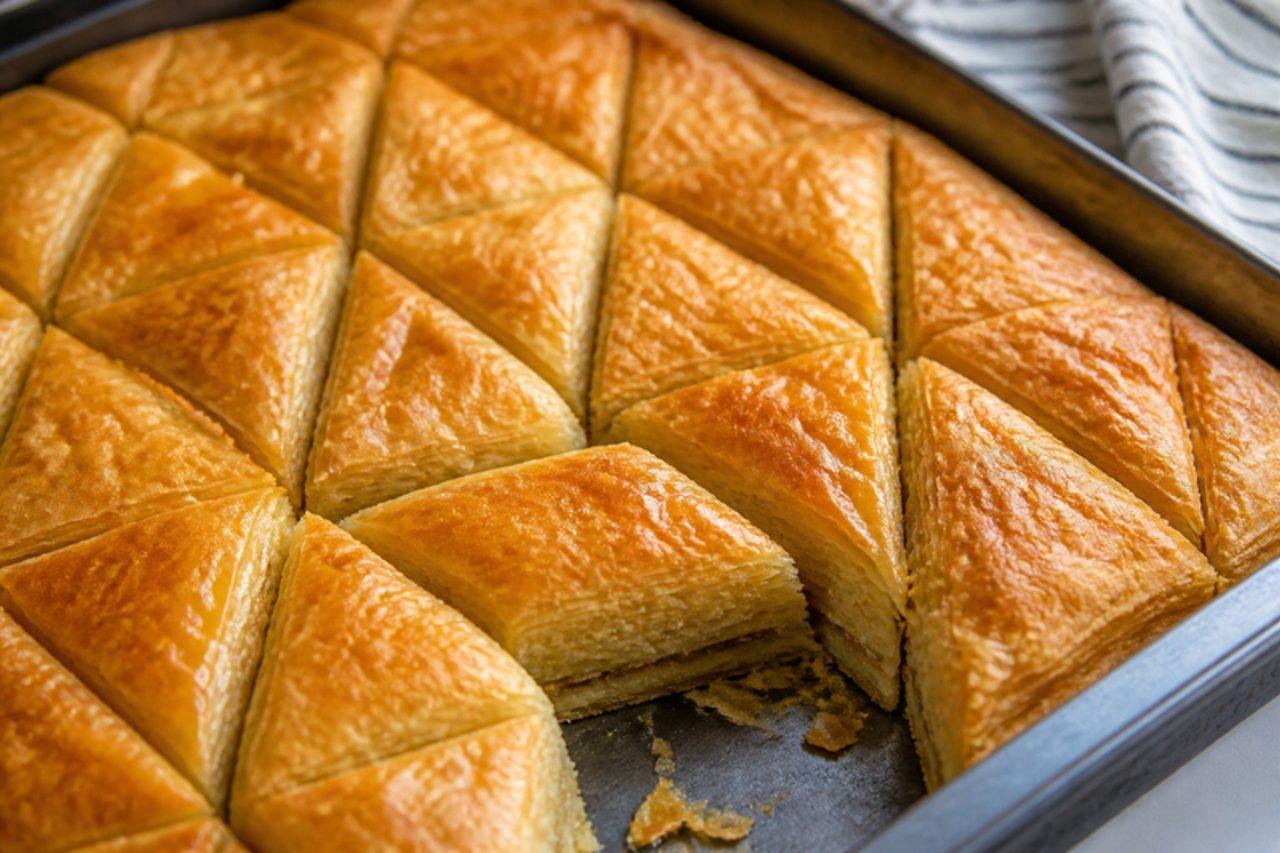
Gâteau du VullySweet cream yeast cake

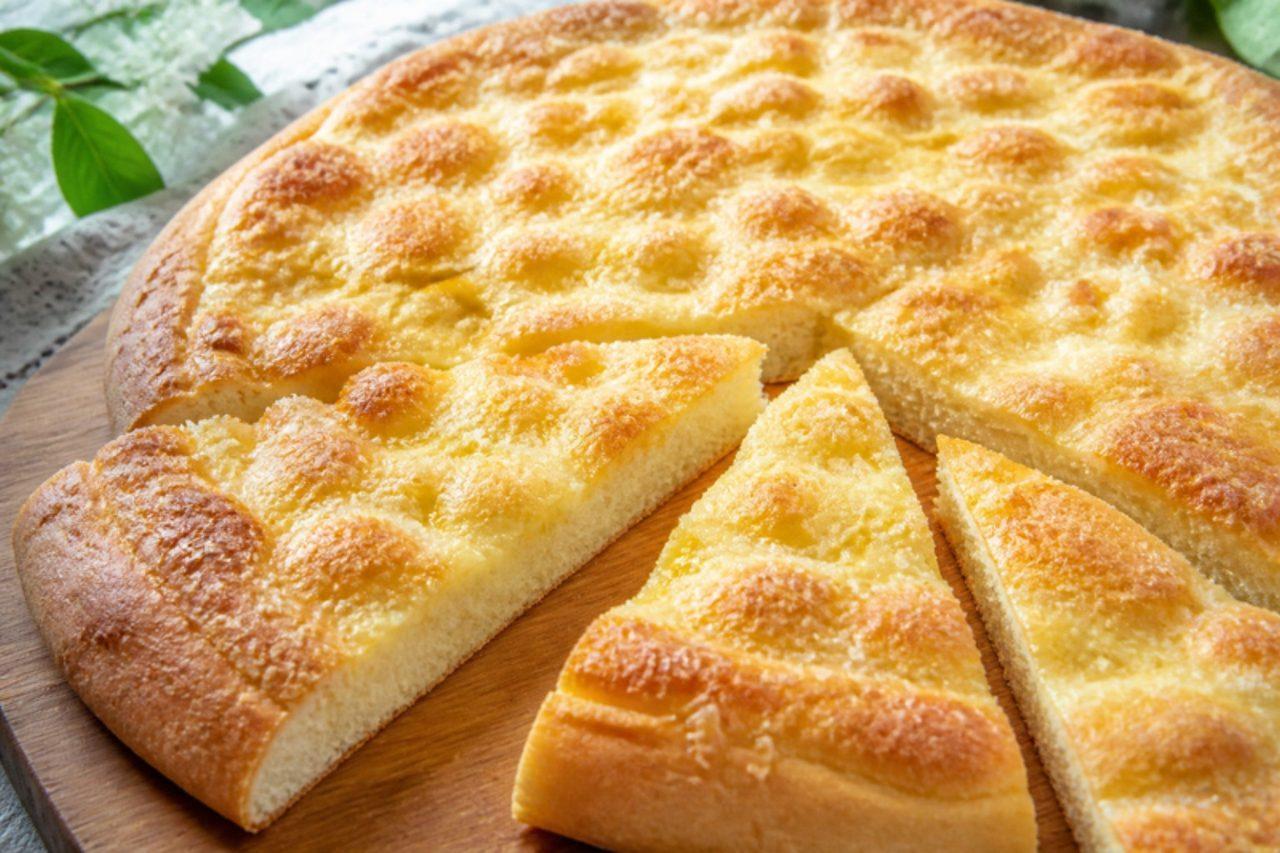
On the slopes of Mont Vully between Lake Murten and Lake Neuchâtel, bakers fill their windows with this flat yeast cake on Sundays and at the autumn harvest festival in Môtier and Praz. A soft, buttery dough is dimpled all over, sprinkled thickly with sugar and doused with cream, which bakes into a caramel-like crust that dips into the hollows. A savoury cousin is topped with bacon and caraway; this is the sweet one. Chef's tip: press really deep dimples with your fingertips right before baking, so pools of cream and sugar stay in place instead of sliding off.

125 minSwissBaking
by KrazyBadal 0 views

Appenzeller BiberAlmond-filled gingerbread

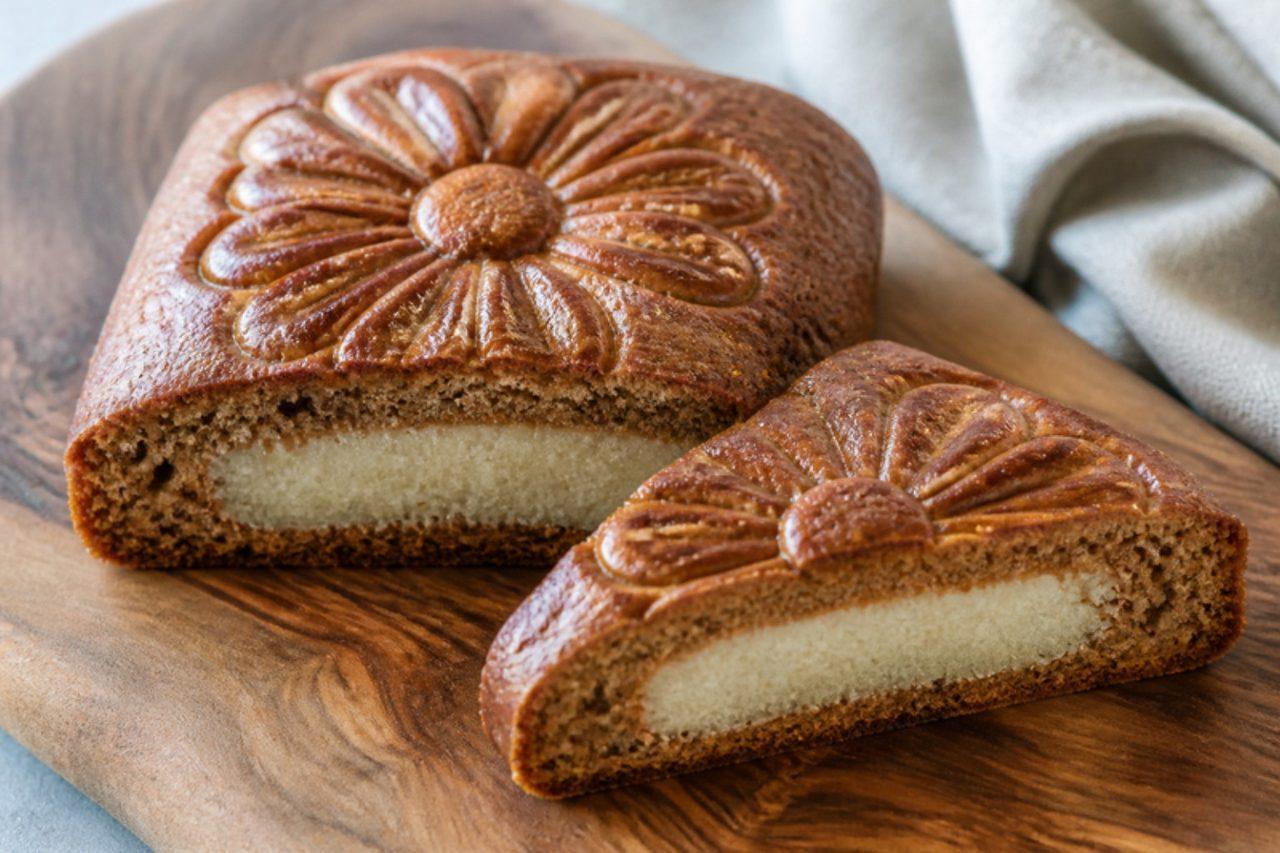
In the green hills of Appenzell, Biber are the sweet that marks Christmas, New Year and christenings, and bakers in Appenzell town stamp them with wooden moulds of cows, bears and the traditional alpine ascent. The dough is a dark, spicy honey gingerbread wrapped around a layer of almond paste, baked until it glows chestnut brown. They keep well and are sliced or eaten whole with coffee. Chef's tip: leave the dough to rest for at least a day if you can; honey doughs get smoother and spicier with time and crack less when stamped.

by KrazyBadal 0 views

AnisbrötliAnise cookies

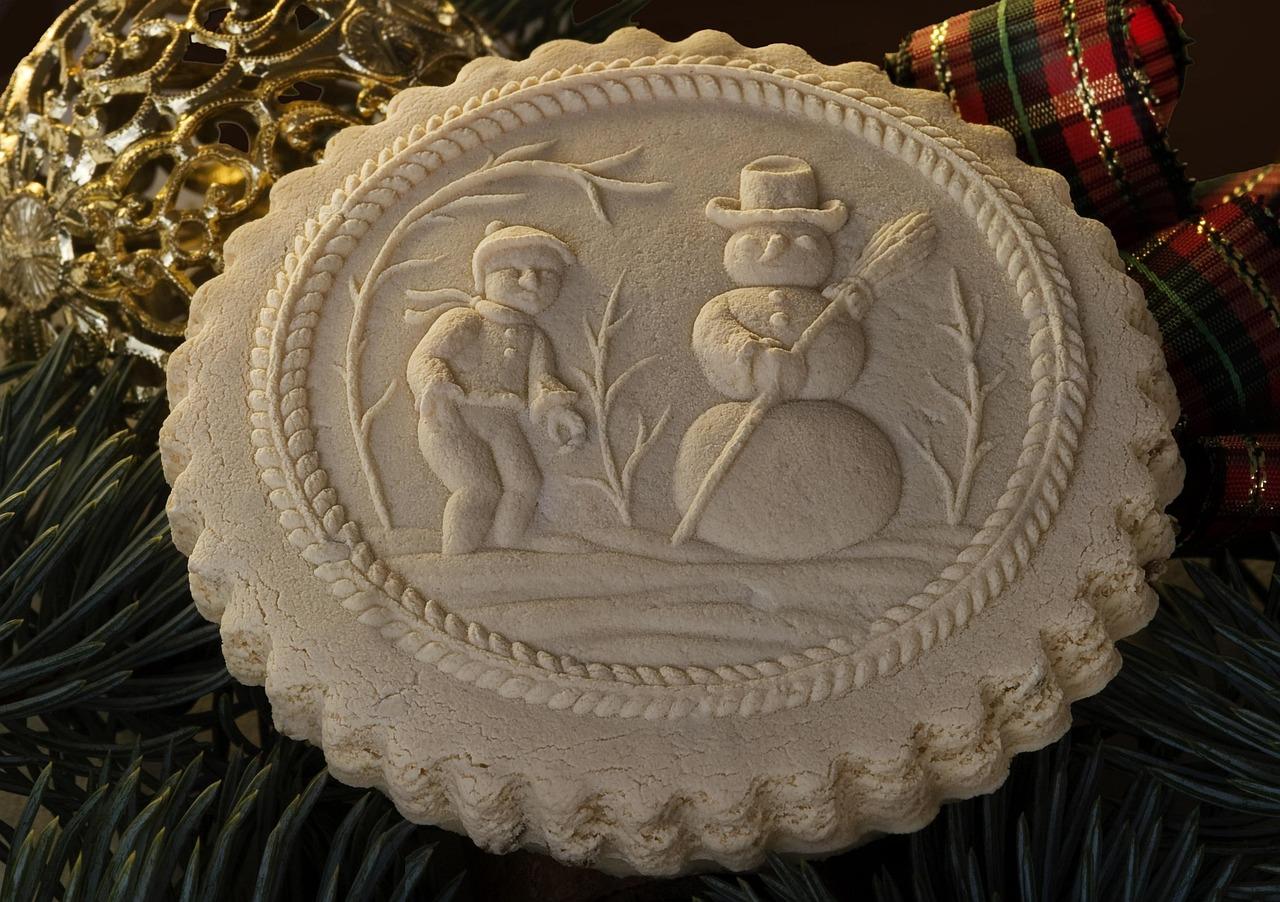
Anisbrötli and their claw-shaped cousins Chräbeli are among the oldest Swiss Christmas biscuits, baked in Basel, Aargau and Zurich from Advent onwards and packed into tins beside Mailänderli and Brunsli. The egg and sugar dough is pressed into springerle moulds or cut into shapes, then left to dry overnight, so in the oven the bottom puffs up into a little 'foot' while the top stays white and smooth. Inside they are chewy and fragrant with anise. Chef's tip: beat the eggs and sugar for the full 10 minutes; under-whipped batter gives flat cookies with no foot.

by KrazyBadal 0 views

WeggliSoft milk rolls

Weggli are the soft white rolls Swiss-German children grow up on: in Zurich, Bern and Basel they are bought warm on Saturday mornings, pulled apart along their deep central crease and eaten with butter and jam, or with a bar of chocolate pressed inside for the school break. The dough is enriched with milk and butter, so the crumb is fine and fluffy and the crust thin and golden. Chef's tip: press the crease firmly with the handle of a wooden spoon almost to the tray; if it's too shallow the rolls rise back into plain buns.

by KrazyBadal 0 views

Tarte au vin cuitPear syrup cream tart

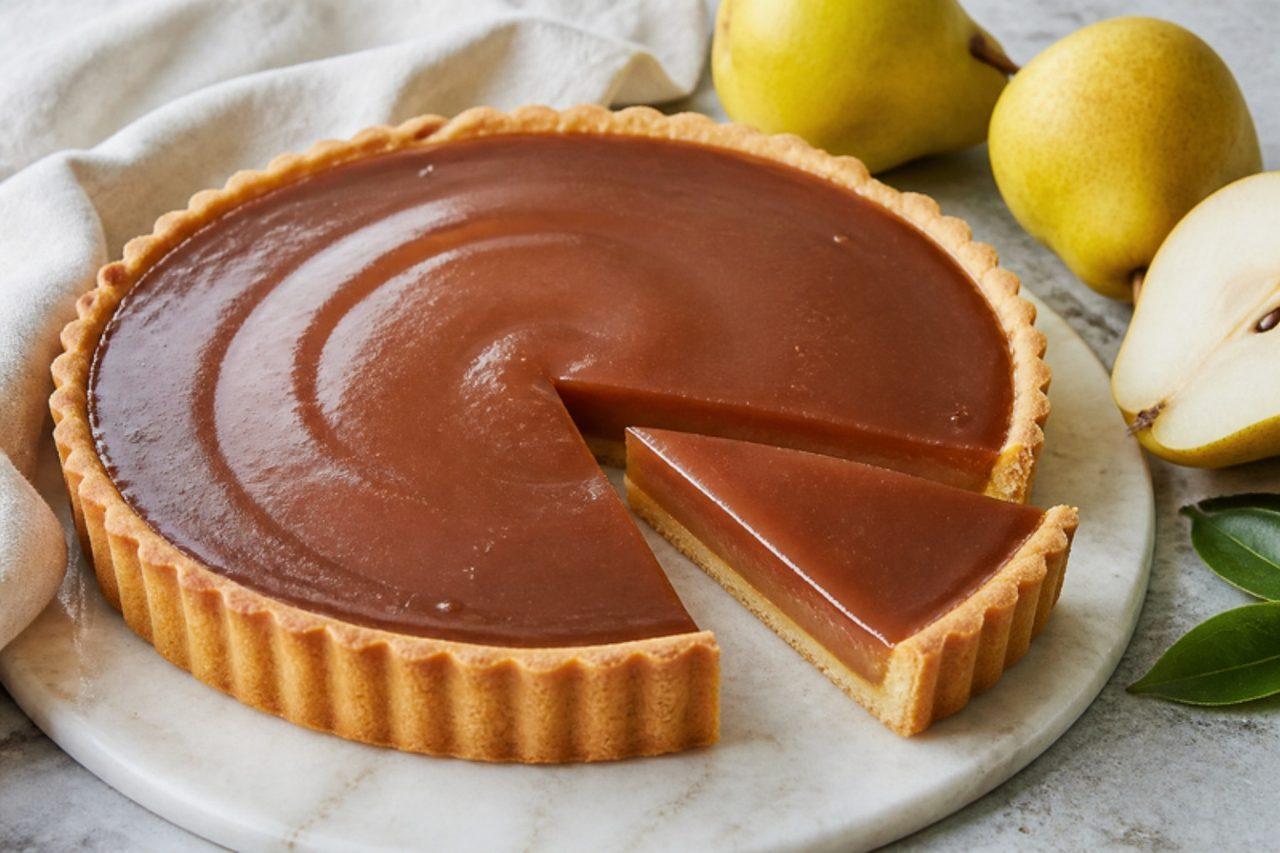
Despite its name, vin cuit contains no wine. Farmers in Vaud and Fribourg boil down fresh pear and apple juice for hours in copper cauldrons each autumn until it becomes a dark, tangy syrup called vin cuit or raisinée, and bakeries turn it into this glossy brown cream tart for the Bénichon harvest feast in September and Sunday tables all year. The filling tastes of caramel, dried pear and a pleasant sourness. Outside Switzerland, look for pear syrup or pear concentrate. Chef's tip: take the tart out while the centre still wobbles a little; it sets as it cools and overbaking makes it cracked and grainy.

by KrazyBadal 0 views

BürliCrusty bread rolls

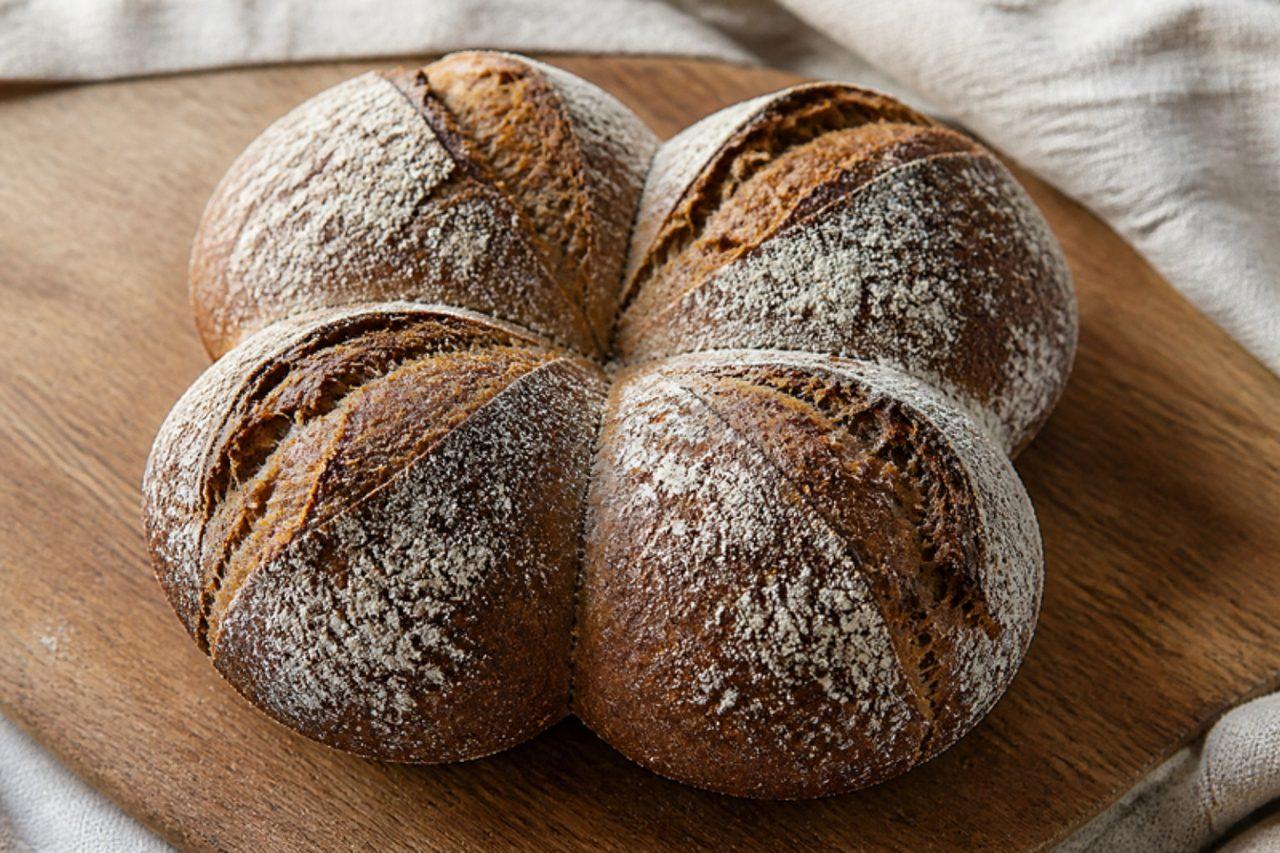
Walk into a bakery in St. Gallen, Appenzell or Thurgau in the morning and you will find trays of Bürli, rough, flour-dusted rolls baked in clusters of two or four that you tear apart at the table. Their dough is wet and lightly handled, so the crust bakes up thin and crackling while the inside stays open and chewy. In eastern Switzerland they are the classic partner for a grilled St. Galler Bratwurst at football matches and markets, and they're just as good with butter and cheese. Chef's tip: don't add extra flour to the sticky dough; the high water content is what gives Bürli their big holes, so use wet hands and a scraper instead.

by KrazyBadal 0 views

Taillé aux greubonsCracklings pastry

In the cafés and wine-village bakeries of Vaud, from Lavaux to the Jura foothills, taillé aux greubons is served in squares with a glass of something at aperitif time, or warm at the market on Saturday mornings. Greubons are the crisp pork cracklings left after rendering lard; chopped and folded into a rough puff dough, they give a savoury, salty, deeply porky pastry with a criss-cross scored top. Buy pork cracklings (not crisps) from a butcher. Chef's tip: keep everything cold and fold quickly; if the butter melts into the dough you'll get a hard biscuit instead of flaky layers.

by KrazyBadal 0 views

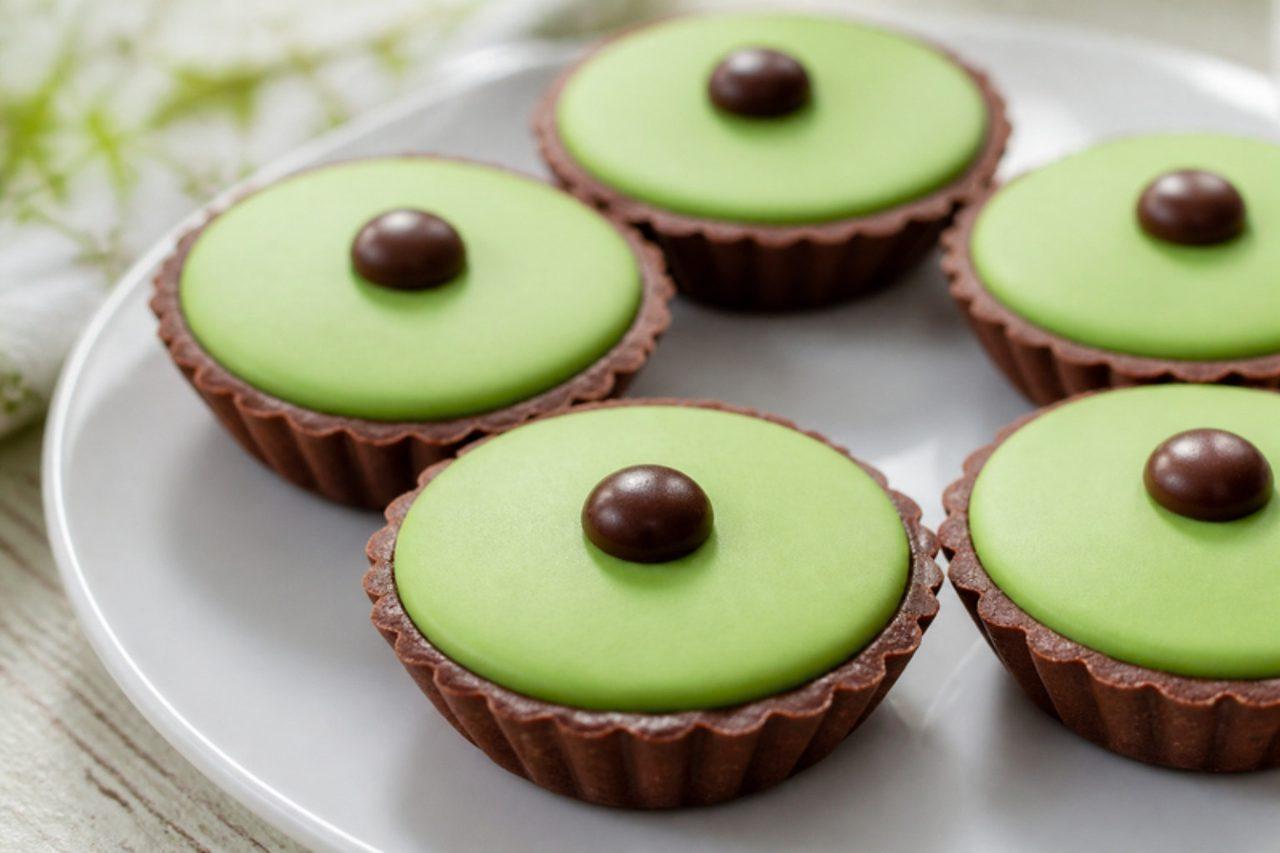
CaracChocolate tartlets

Bright green with a single chocolate dot, the carac is the cheerful little tart in the windows of every pastry shop from Geneva to Lausanne and Neuchâtel, and the one children in Romandie point at first. A crisp sweet shortcrust shell holds a rich dark chocolate ganache, sealed under a smooth layer of green icing. Pastry chefs use fondant; at home a thick icing-sugar glaze works well. Chef's tip: let the ganache set completely in the fridge before icing, or the green runs into the chocolate and the top looks muddy.

by KrazyBadal 0 views

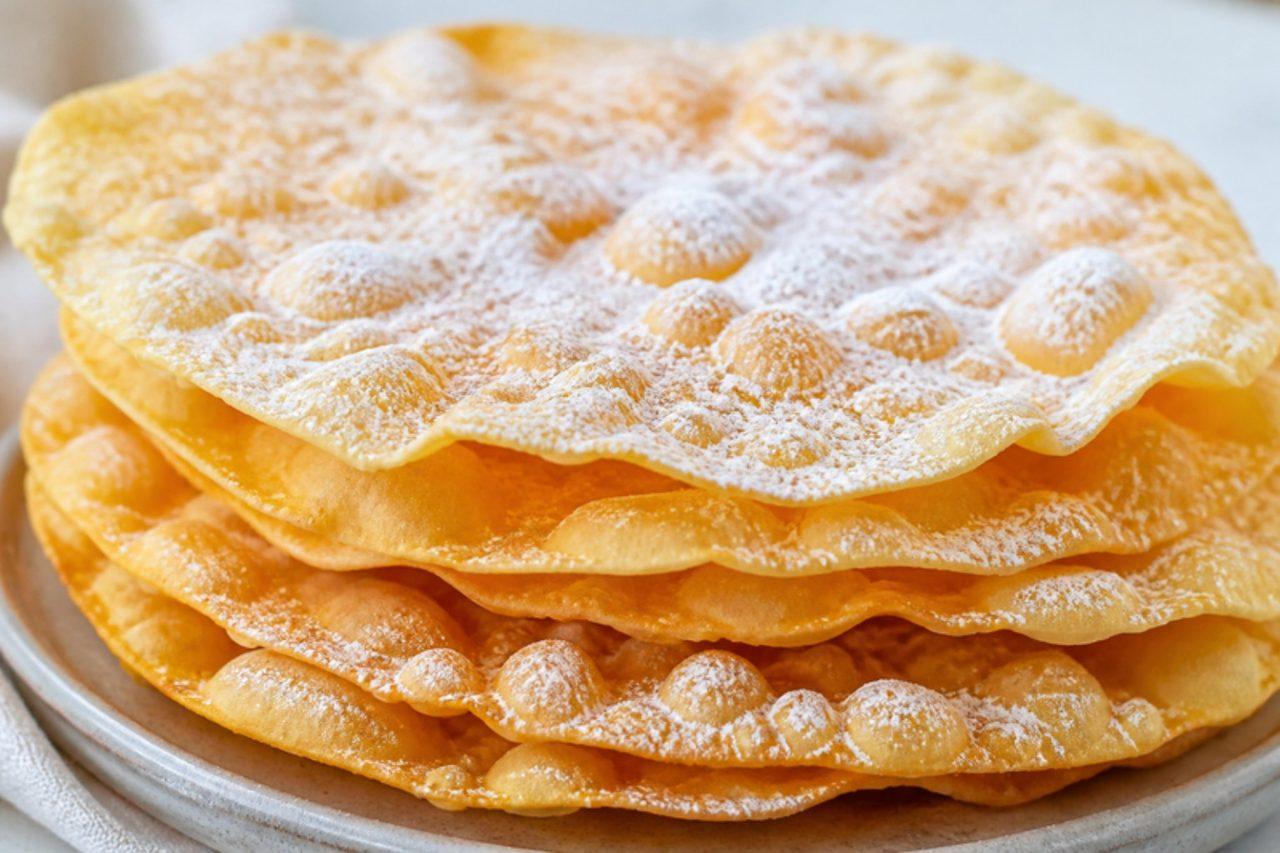
FasnachtschüechliCarnival fried pastries

During Fasnacht, from Basel's drum-filled Morgestraich to Lucerne's masked parades, the bakeries stack Fasnachtschüechli in towers: huge, wafer-thin rounds of fried dough so delicate they shatter at first bite, showering icing sugar everywhere. Families in central Switzerland still make them at home in February, stretching the dough over their knees. A rolling pin and patience work fine. Chef's tip: roll the dough so thin that you can read through it; thick spots puff into chewy bubbles instead of crisp lace.

by KrazyBadal 0 views

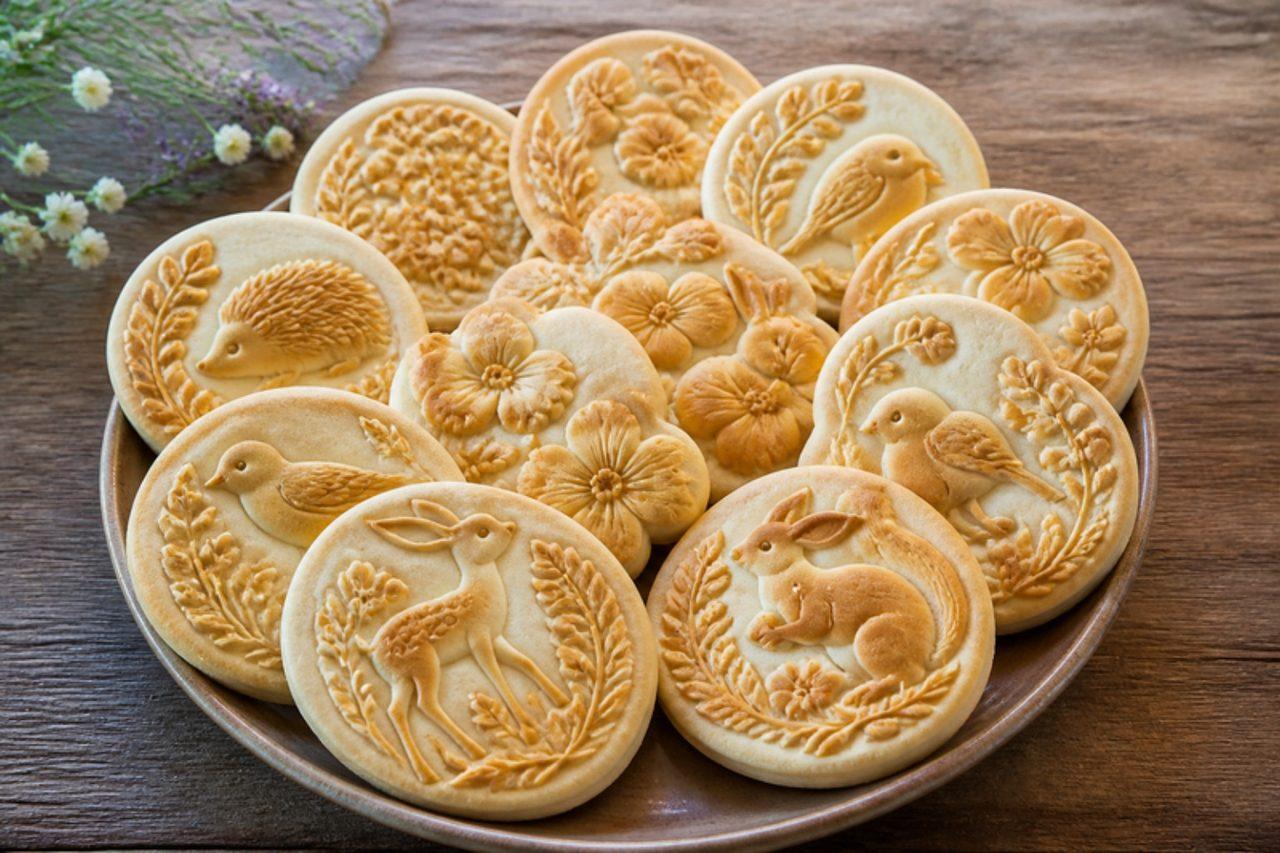
TirggelHoney biscuits

Tirggel have been baked in Zurich since the Middle Ages and are still sold at the Christmas markets on the Bahnhofstrasse and the old-town bakeries: wafer-thin honey biscuits pressed into carved moulds of guild scenes, animals and town views, then baked with heat from the top only so the raised picture turns golden while the back stays pale. They are hard and meant to be broken into pieces and let melt on the tongue. Wooden or silicone springerle moulds work at home. Chef's tip: bake them under the top heat only, or on the highest shelf with a tray below; full heat browns the whole biscuit and the picture disappears.

by KrazyBadal 0 views

MailänderliLemon butter cookies

Come December, almost every Swiss household bakes Mailänderli, the simplest and best-loved of the Weihnachtsguetzli: buttery, lemon-scented biscuits cut into stars, hearts and moons and painted with egg yolk so they bake to a deep shine. Children across German-speaking Switzerland help cut them out, and tins of them are swapped with neighbours and eaten all through Advent. Chef's tip: rest the dough in the fridge overnight, or for at least 2 hours; warm dough spreads and the shapes lose their sharp edges.

by KrazyBadal 0 views

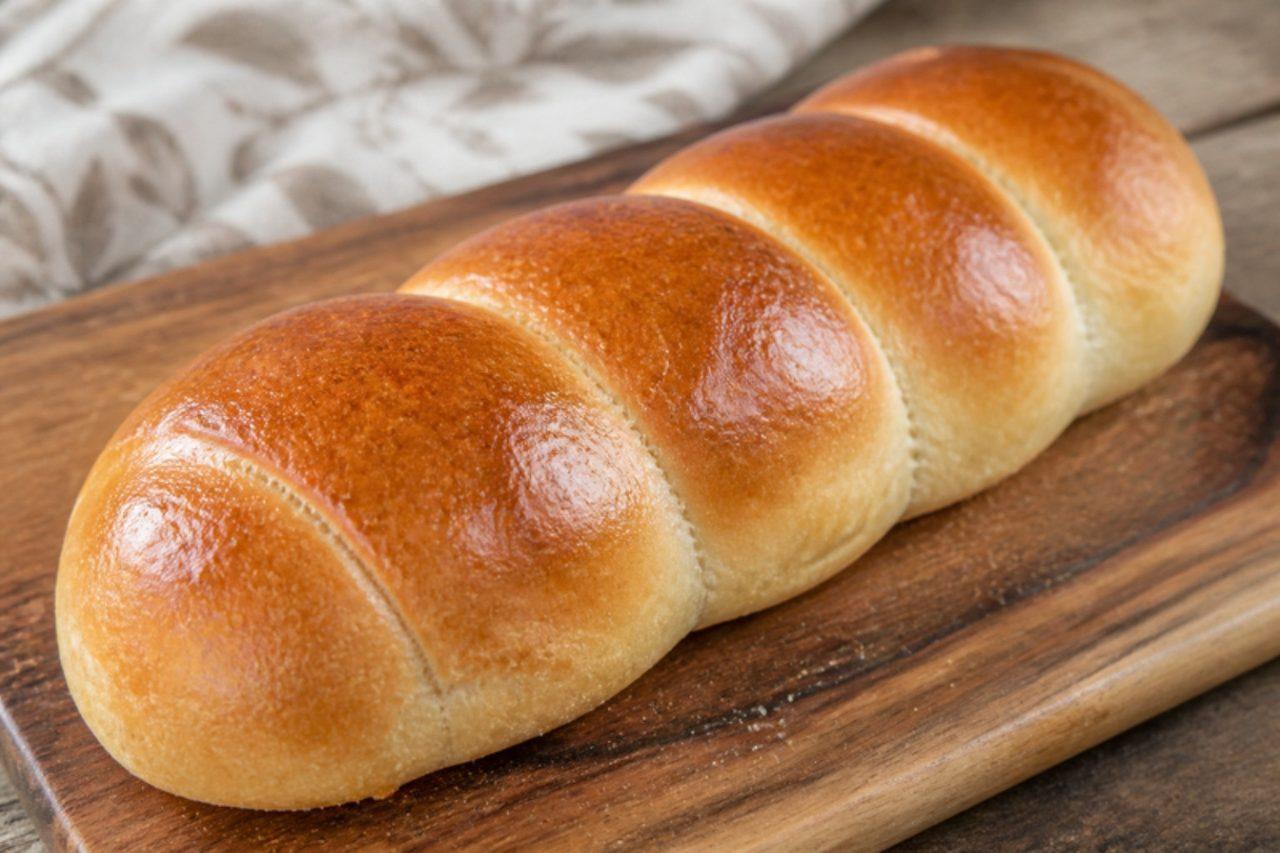
Pane ticinesePull-apart white loaf

Pane ticinese comes from Switzerland's Italian-speaking south and is now sold in bakeries across the country: a long, flat loaf made of linked rolls, each section easy to break off, with a soft, slightly chewy crumb thanks to a little olive oil in the dough. In Lugano and Bellinzona it goes on the table at lunch with salami and formaggini, or is torn into hunks for minestrone; this version is vegan. Chef's tip: when shaping, press each fold right down with the side of your hand; the deep creases are what let the loaf snap into neat pieces after baking.

by KrazyBadal 0 views

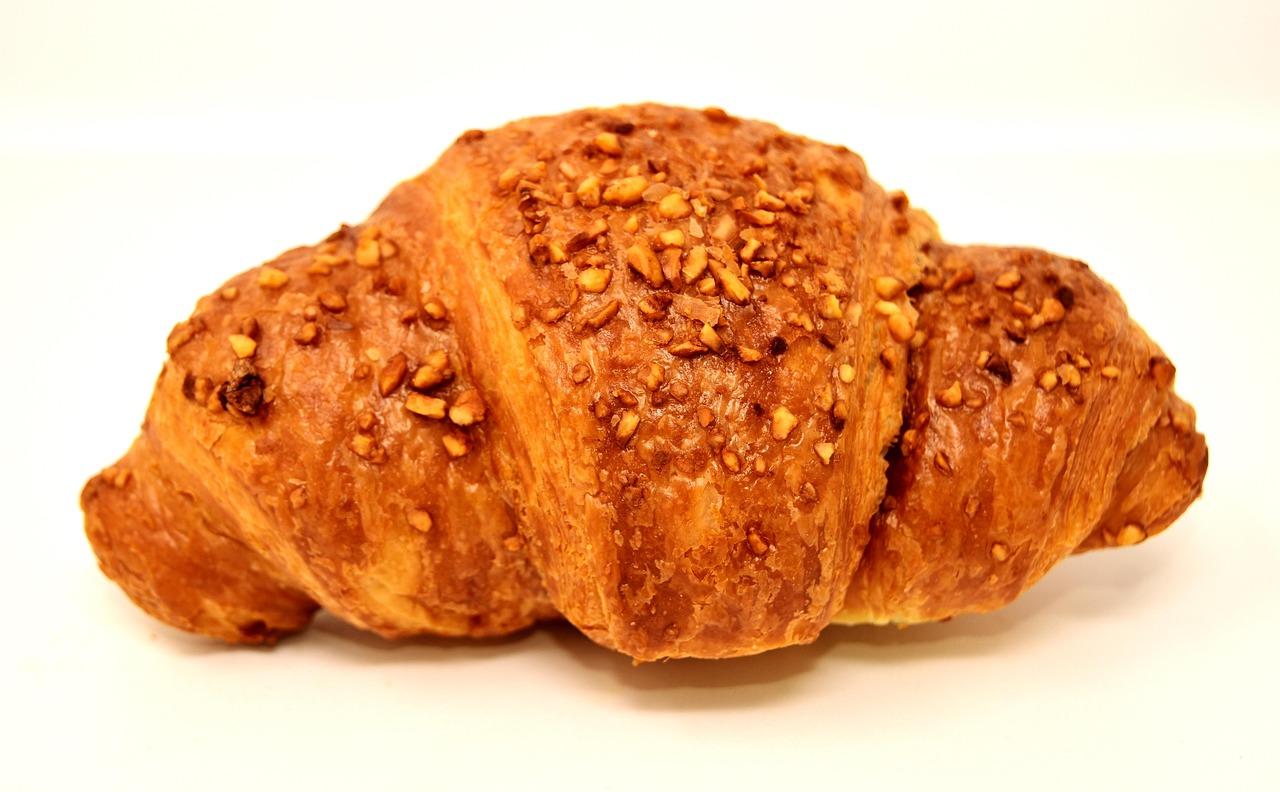
NussgipfelHazelnut crescents

In Swiss train-station bakeries and village tearooms the Nussgipfel is the pastry commuters grab with their morning coffee: a crisp, flaky crescent wrapped around a sweet filling of ground hazelnuts and cinnamon, glazed so it shines. Bakers in Bern and Lucerne make their own laminated dough, but at home good all-butter puff pastry gives an excellent result in about an hour and a half. Chef's tip: chill the shaped crescents for 15 minutes before baking; warm pastry slumps and the filling leaks out.

by KrazyBadal 0 views

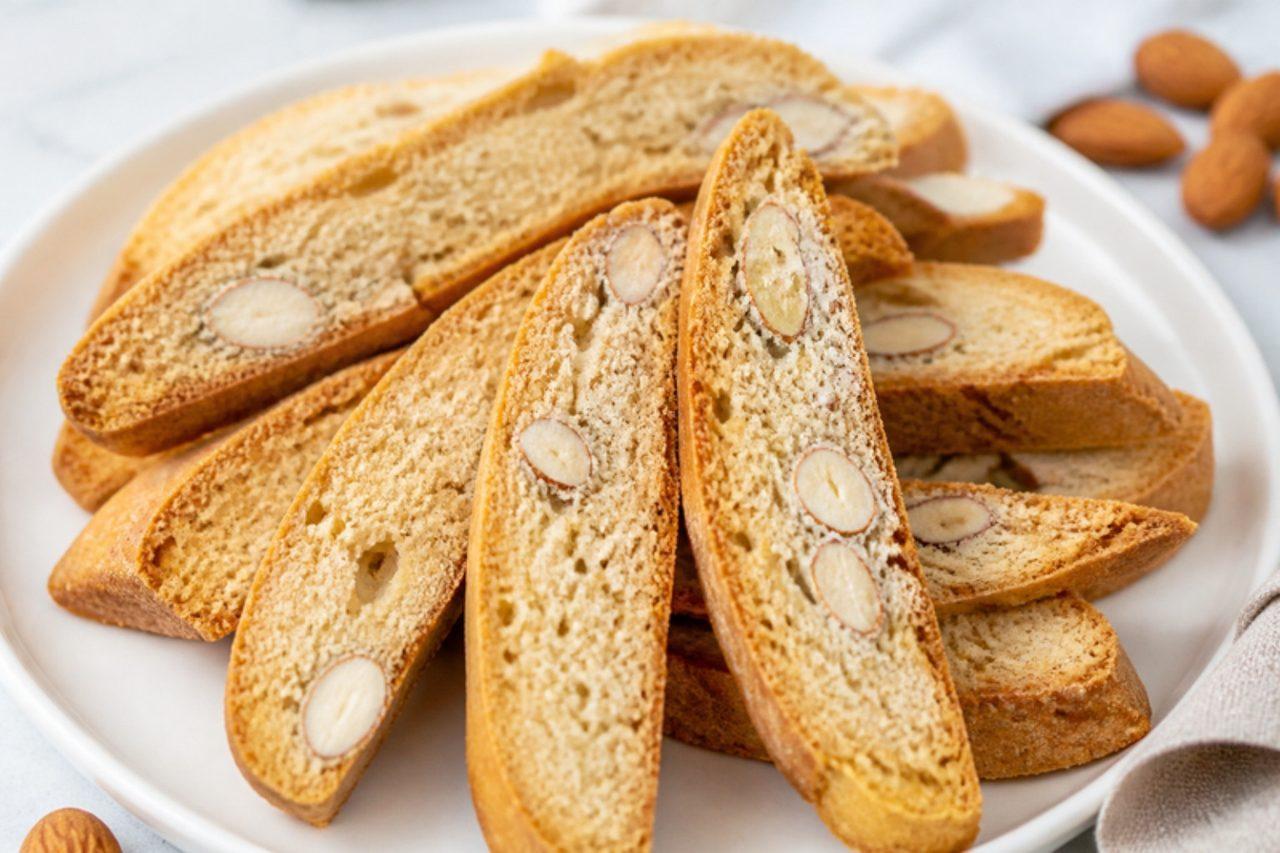
TotenbeinliAlmond biscuits

The name means 'little dead men's bones', but there is nothing gloomy about these crunchy almond biscuits from Graubünden, sold in the bakeries of Chur and the Engadin and dunked in coffee or a glass of milk on winter afternoons. Whole almonds are folded into a buttery, cinnamon-scented dough, baked in logs, then sliced and baked again, a little like biscotti but richer. Chef's tip: slice the logs while still warm with a serrated knife and a gentle sawing motion; cold logs crumble and the almonds tear out.

by KrazyBadal 0 views

Willisauer RingliSugar ring biscuits

The little town of Willisau in the canton of Lucerne has been making these rock-hard sugar rings since the 1800s, and Swiss children have been nibbling them on hikes and car journeys ever since, sucking them slowly like sweets. They are made from little more than sugar, flour, egg and lemon, and dried before baking so they set with a smooth, pale, glassy crust. The bakery recipe is a well-kept secret; this home version gets the same snap. Chef's tip: don't skip the overnight drying, which forms the crust that gives Ringli their famous crunch.

by KrazyBadal 0 views

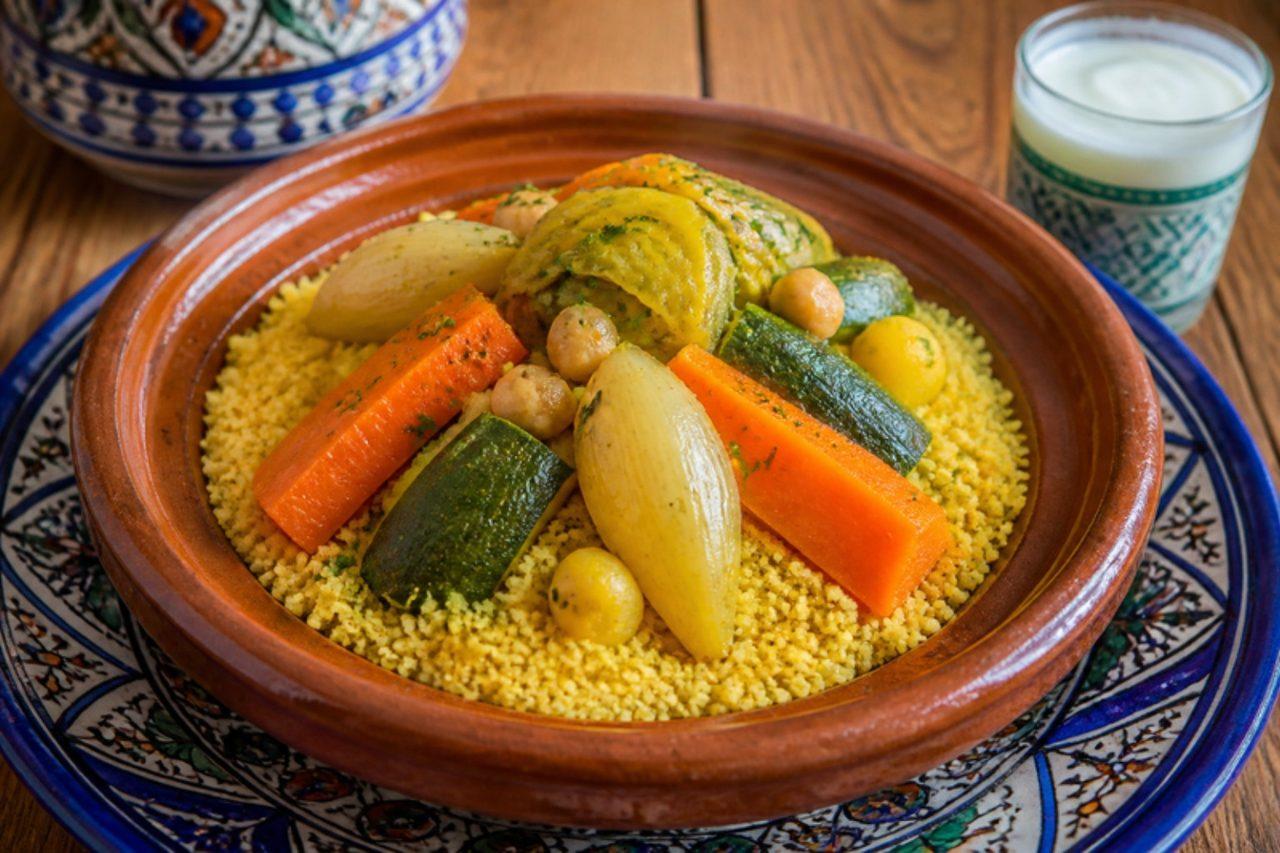
Berber corn couscous with vegetables

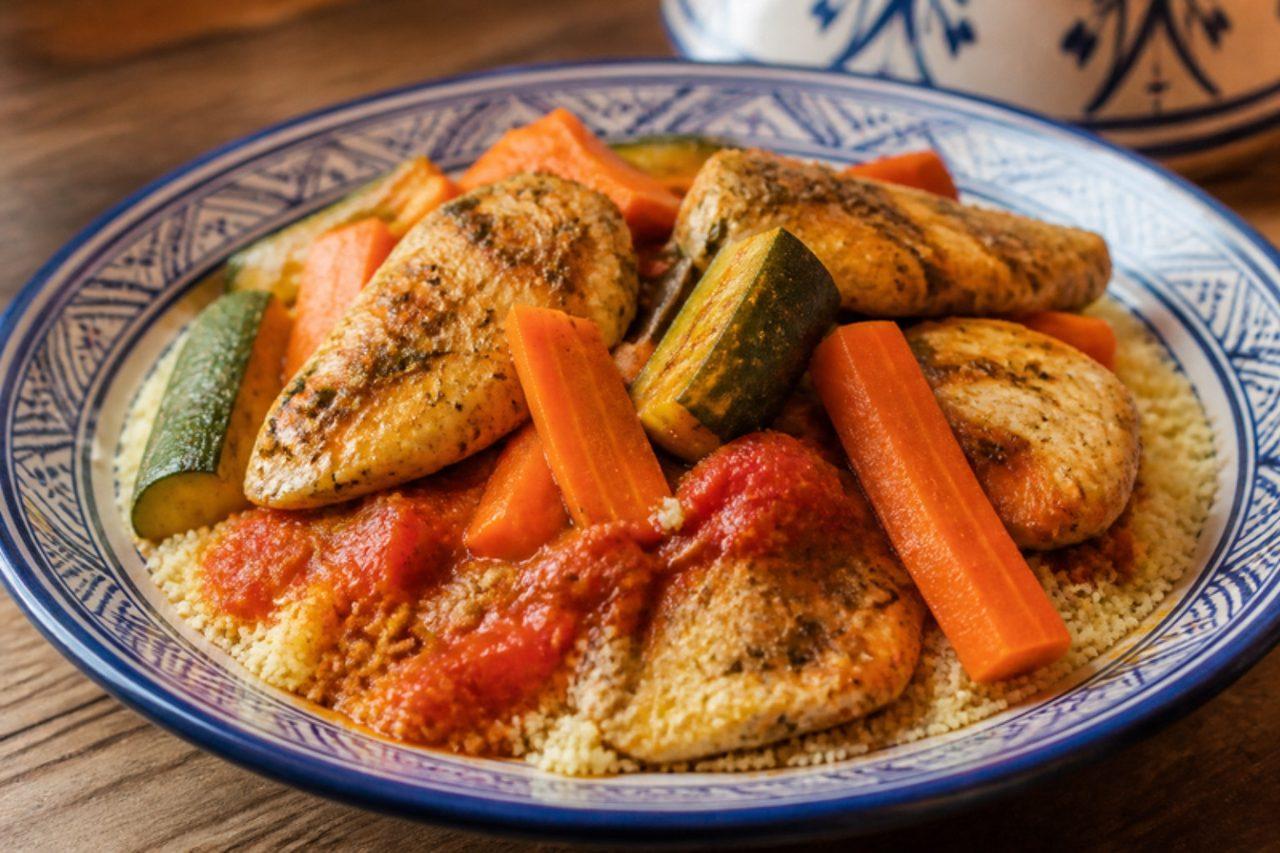
In the Souss valley and the villages of the Middle Atlas, couscous is often made not from wheat but from cracked dried maize, which gives a sunny yellow, slightly nutty grain. It's steamed three times over a pot of turnips, carrots, courgettes and pumpkin, buttered with smen or plain butter, and eaten on Fridays with a glass of cold lben (buttermilk). Corn grits absorb more water than wheat and won't swell in one go, so the usual mistake is skipping the third steaming and serving it gritty. Chef's tip: oil your palms before rubbing the grains between steamings; the maize stays separate and never clumps. Naturally gluten free if you check your maize grits are made in a gluten-free mill.

by KrazyBadal 0 views

Shlada batata (Moroccan cumin potato salad)

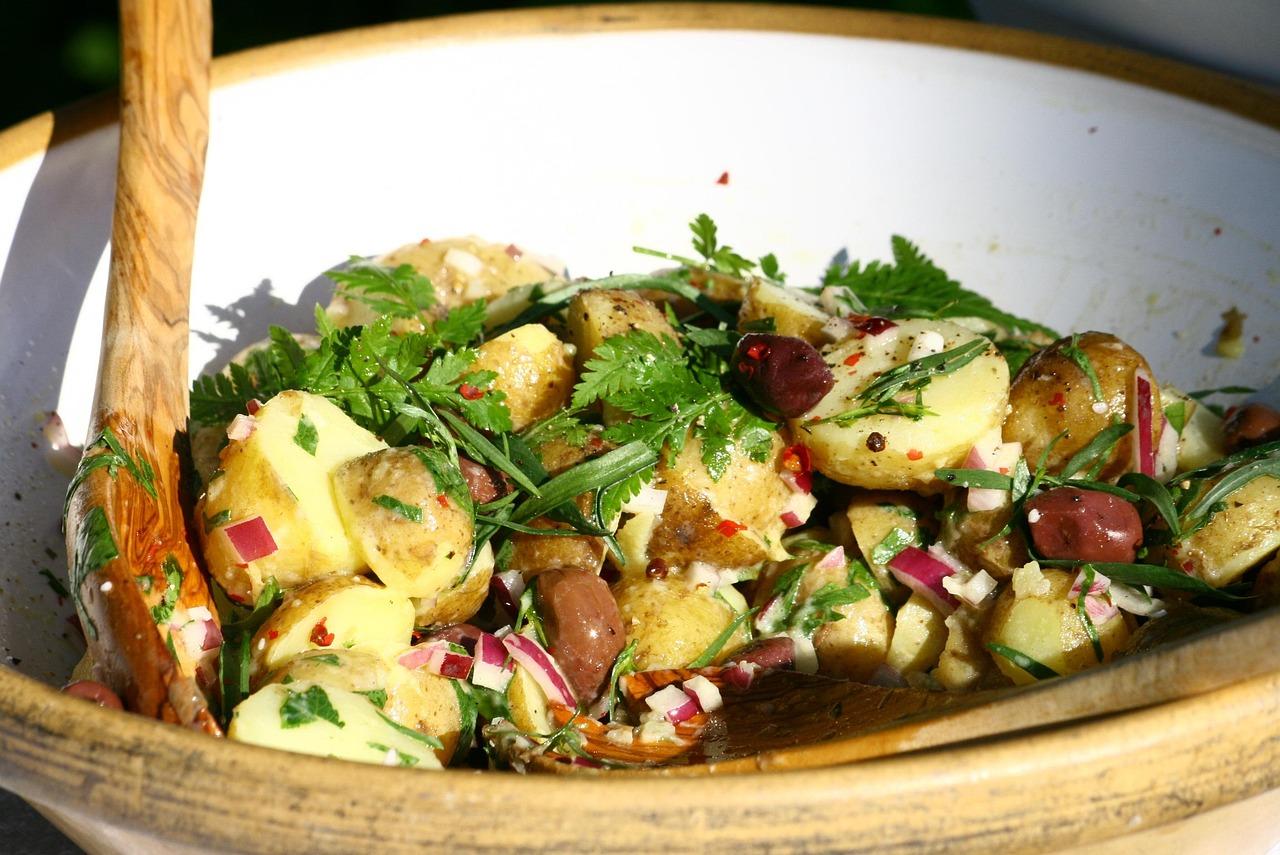
Shlada batata is one of the cooked salads that line up on a Moroccan table before Friday couscous, in Rabat as much as in the Rif: boiled potato chunks dressed while warm with olive oil, lemon, cumin, paprika, garlic and plenty of parsley, with no mayonnaise at all. It's eaten at room temperature with bread, or with grilled sardines. Dressing cold potatoes is the common mistake; they don't absorb the flavours, so toss them while they're still steaming. Chef's tip: a few slivers of preserved lemon peel make it unmistakably Moroccan.

by KrazyBadal 0 views

Moroccan fish couscous (seksu bel hout)

Along the Atlantic coast in Safi and Essaouira, the Friday couscous is often made with the morning's catch rather than lamb. Firm white fish steaks are marinated in chermoula, then gently poached on top of a tomato and vegetable broth while the couscous steams above it, so everything takes on the scent of cumin, paprika and coriander. Serve the fish and vegetables over the grain with plenty of broth. The usual mistake is adding the fish at the start; it falls apart and goes dry. It needs only the last 10–12 minutes. Chef's tip: lay a few lemon slices under the fish in the pot; they keep it from sticking and lift the broth.

by KrazyBadal 0 views

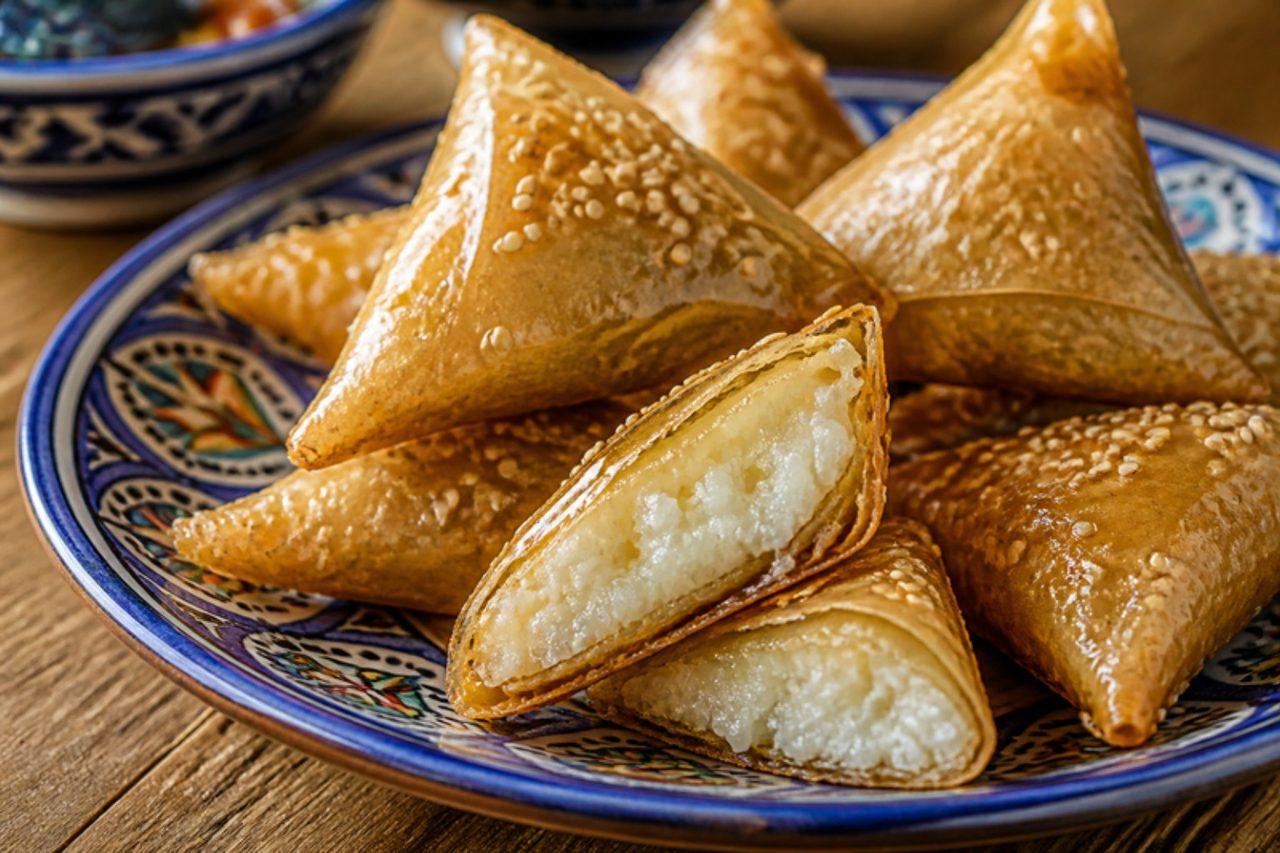
Sweet rice briouats with honey

The old Fassi households and pastry shops of Fes and Rabat make rice briouats for Ramadan and weddings: short-grain rice cooked thick in milk with orange-blossom water, wrapped in warqa, fried and plunged into warm honey. They're crisp outside, creamy within, and served with mint tea. Runny rice pudding makes the pastry burst in the oil, so cook it until a spoon can stand in it, then chill it firm. Chef's tip: warm the honey with a splash of orange-blossom water, and dip the briouats while both are hot so the honey soaks in rather than sitting on top. Contains milk, wheat and almonds.

by KrazyBadal 0 views

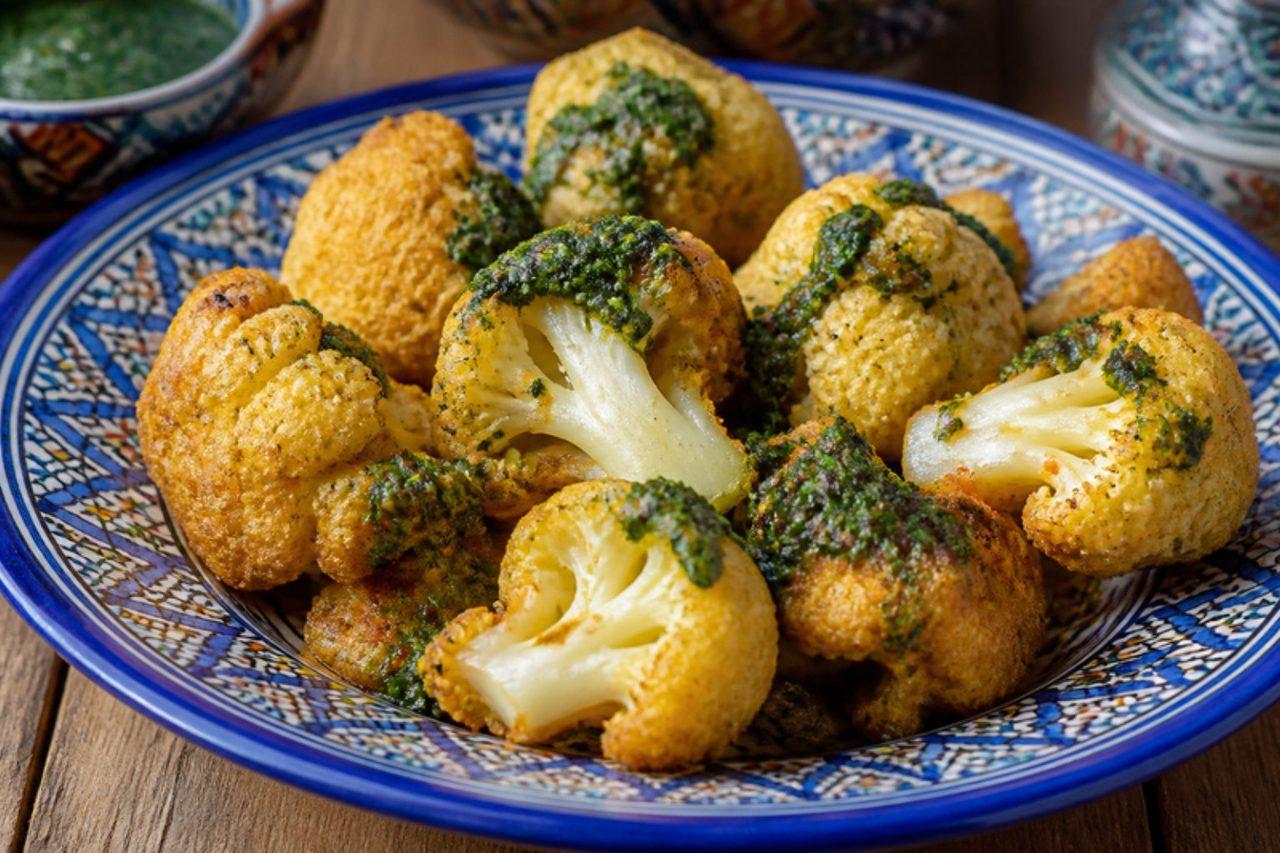
Moroccan fried cauliflower in cumin batter
Casablanca home cooks fry cauliflower this way for Ramadan tables and family lunches alike: parboiled florets dipped in an egg batter heavy with cumin, paprika and parsley, then fried until puffed and golden. They're eaten hot with a squeeze of lemon or a spoon of chermoula, as a side to a tagine or on their own with bread. The common mistake is frying wet cauliflower; the batter slides off and spits, so dry the florets well after boiling. Chef's tip: keep the florets bite-sized and with a bit of stalk, so you can dip them by hand. Contains egg and wheat.

by KrazyBadal 0 views

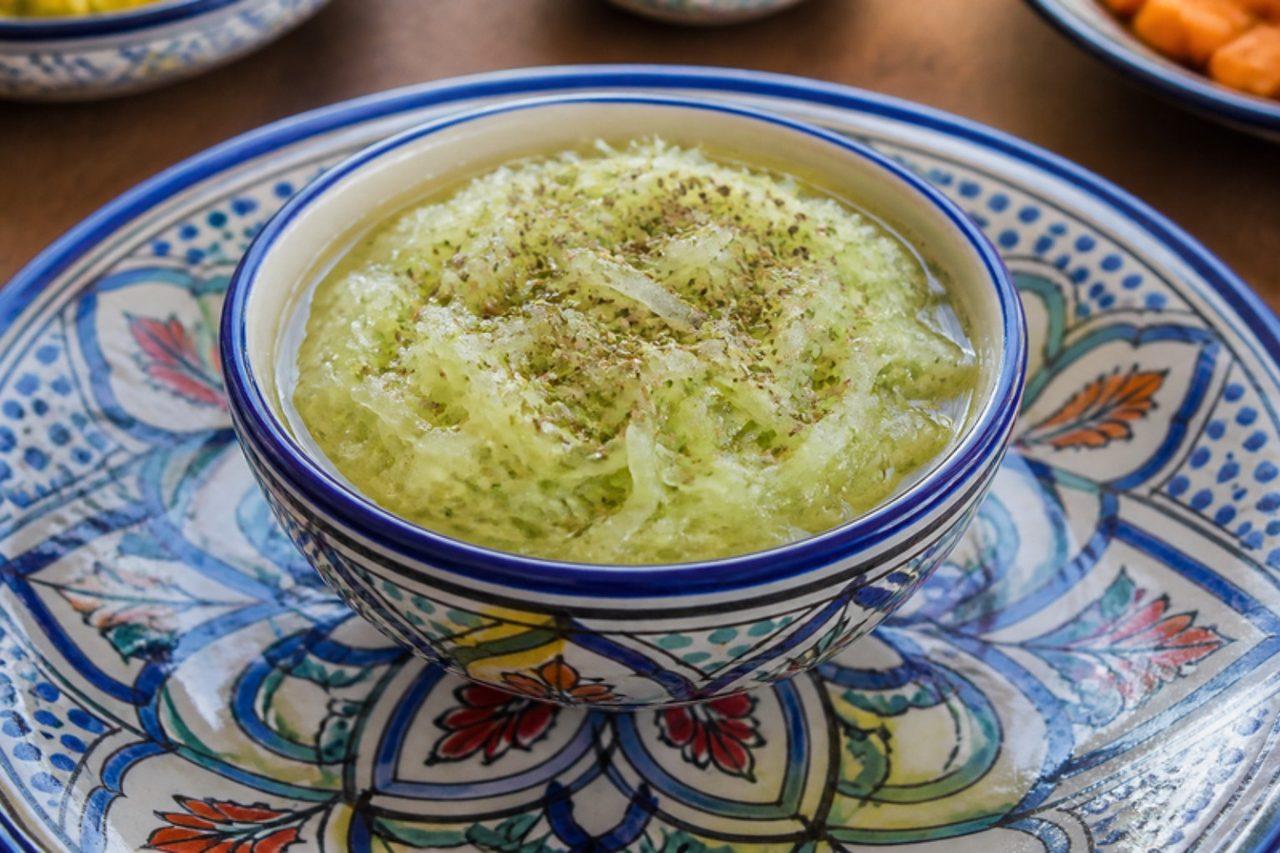
Shlada khiar (grated cucumber salad with oregano)

In the heat of a Fes or Marrakech summer, this ice-cold grated cucumber salad is served in bowls with spoons, half salad, half drink, alongside rich tagines or a plate of fried fish. Cucumber is grated and loosened with water, vinegar and a little sugar, then perfumed with crushed dried oregano or zaatar. Grating ahead and leaving it to sit in salt is the usual slip; the cucumber goes limp and bitter. Chef's tip: rub the oregano between your palms over the bowl to wake its oils.

by KrazyBadal 0 views

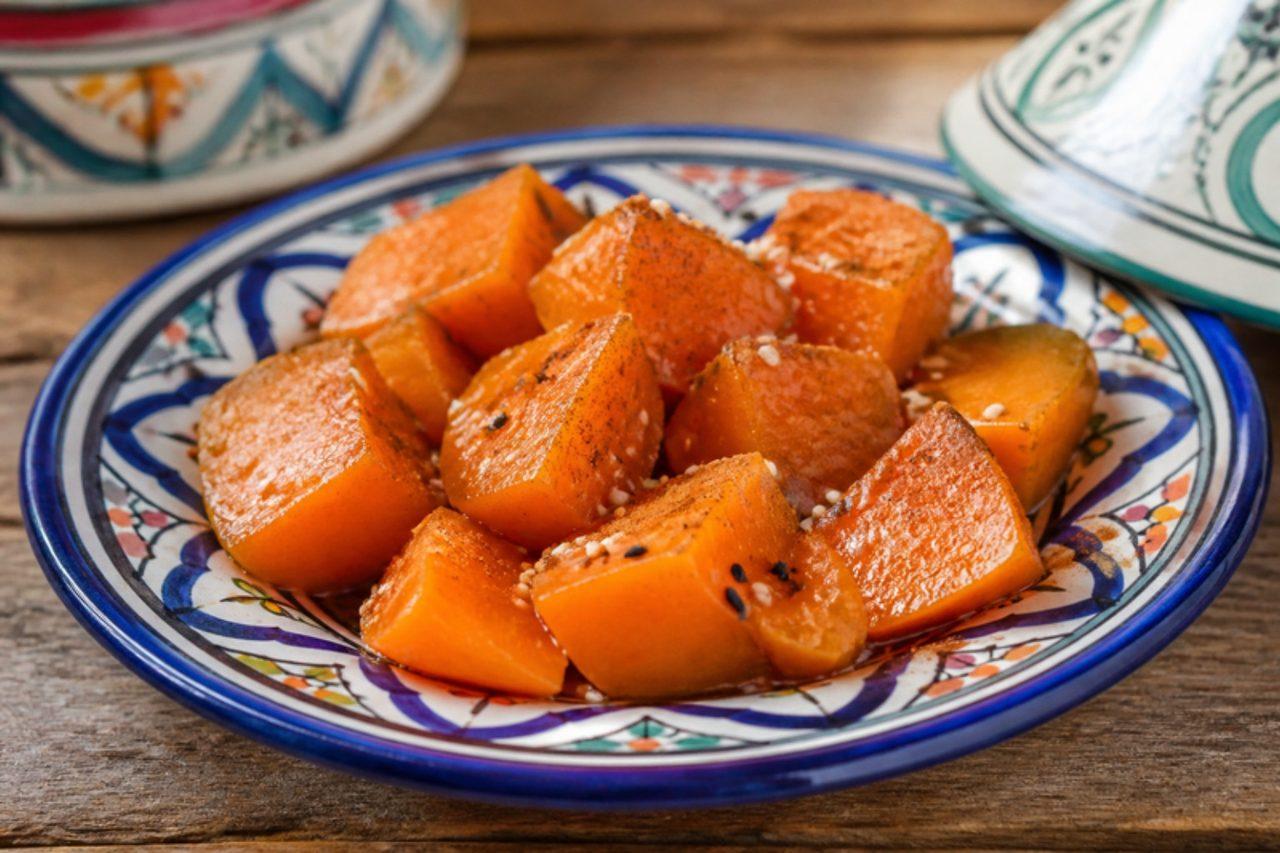
Moroccan sweet pumpkin salad
In Fes and Meknes no Friday couscous lunch starts without a ring of little cooked salads, and the sweet red pumpkin one is the children's favourite. Chunks of pumpkin are softened with a little oil, then cooked down with honey, cinnamon and a pinch of ginger until they collapse into a glossy, jammy mash with a few chunks left. Serve it at room temperature with bread, alongside sharper salads like zaalouk or carrots with cumin. Cooks often add too much water and end up with soup; the pumpkin gives off its own juice, so start almost dry. Chef's tip: scatter toasted sesame seeds over just before serving for crunch against the sweetness.

by KrazyBadal 0 views

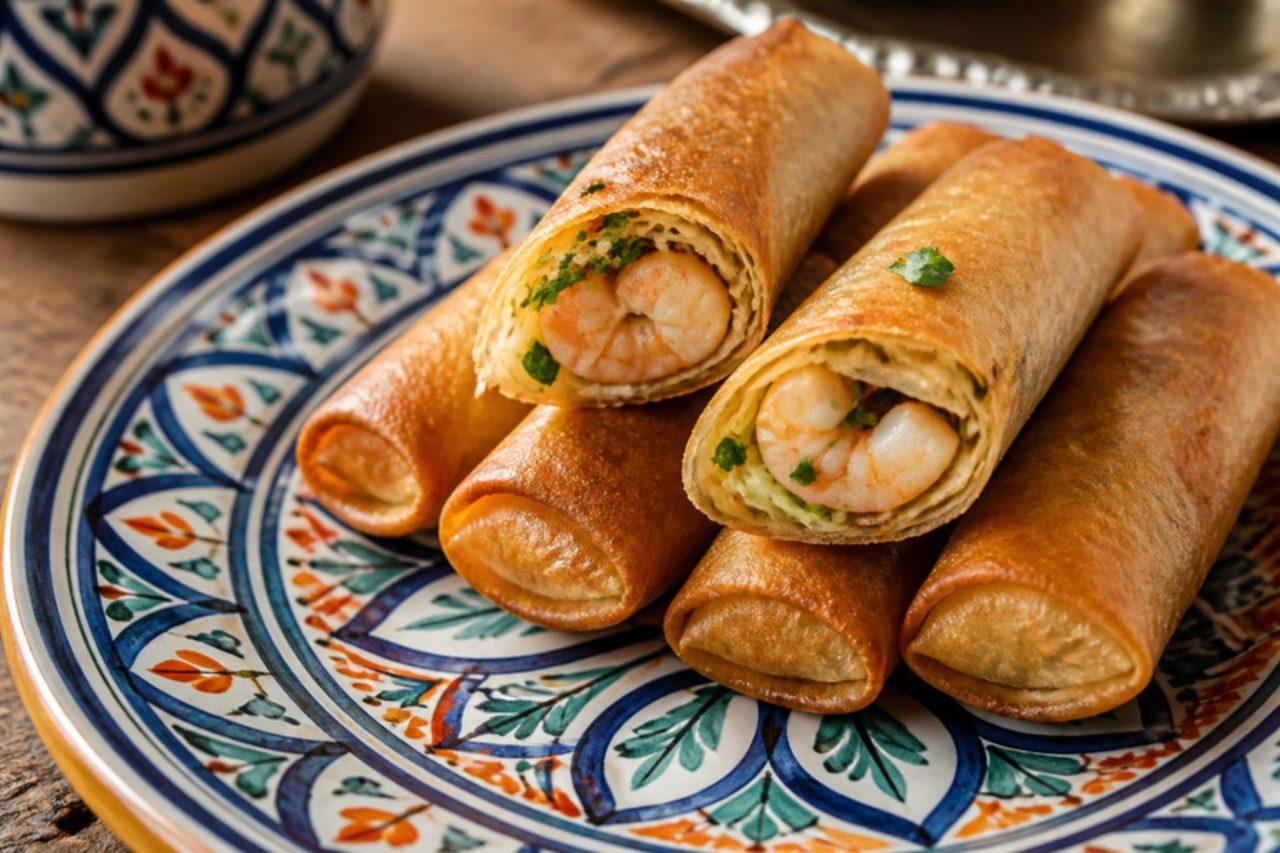
Shrimp and vermicelli briouats

In coastal cities like Agadir and El Jadida, the festive version of briouats is filled with prawns and rice vermicelli tossed in chermoula — a filling borrowed from seafood pastilla, but in a size you can eat in two bites. They come out at weddings, Eid lunches and Ramadan iftars, hot and crackling, with lemon. The usual mistake is a wet filling: cooked prawns and soaked noodles release water, so drain everything well and dry-fry the mix for a minute. Chef's tip: snip the soaked vermicelli into short lengths with scissors so the rolls fill evenly. Contains shellfish, wheat and egg.

by KrazyBadal 0 views

Moroccan party rice salad (shlada rouz)
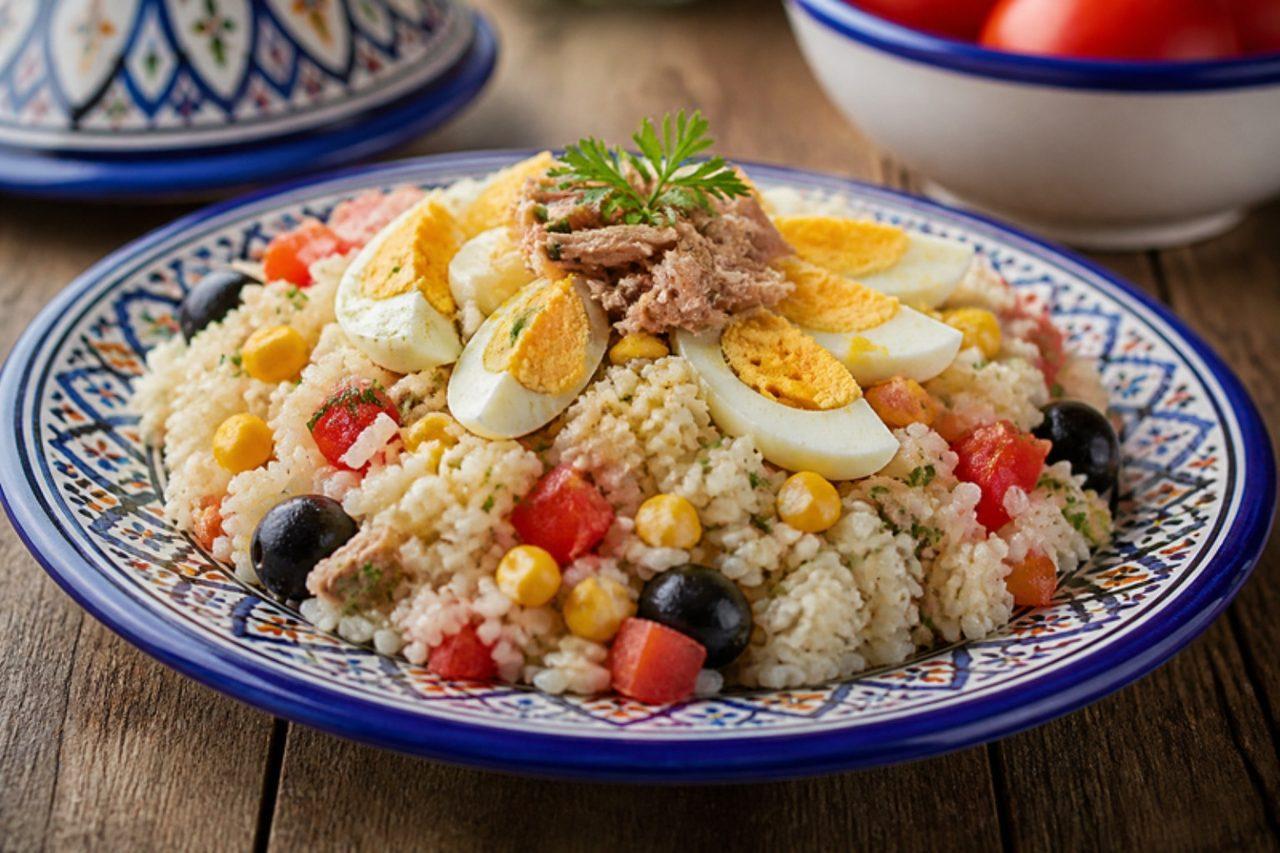
Moroccan weddings, birthday parties and summer picnics in Rabat and Casablanca nearly always have a big platter of shlada rouz, the rice salad decorated in stripes and rings like a mosaic: tomato, sweetcorn, green olives, beetroot, boiled egg and flaked tuna on a bed of lemon-dressed rice. It's eaten cold as a starter. Rice cooked too soft turns to paste once dressed, so drain it while it still has a slight bite. Chef's tip: dress the rice while it's still a little warm; it soaks up the vinaigrette much better.

by KrazyBadal 0 views

Showing 24 of 452 recipes

Show more recipes

Page 1 of 19