Skip to content
Recipes

All recipes

Vegetarian, or something you can't eat? Set your diet once and we'll hide recipes that don't fit.

KesraSemolina pan bread

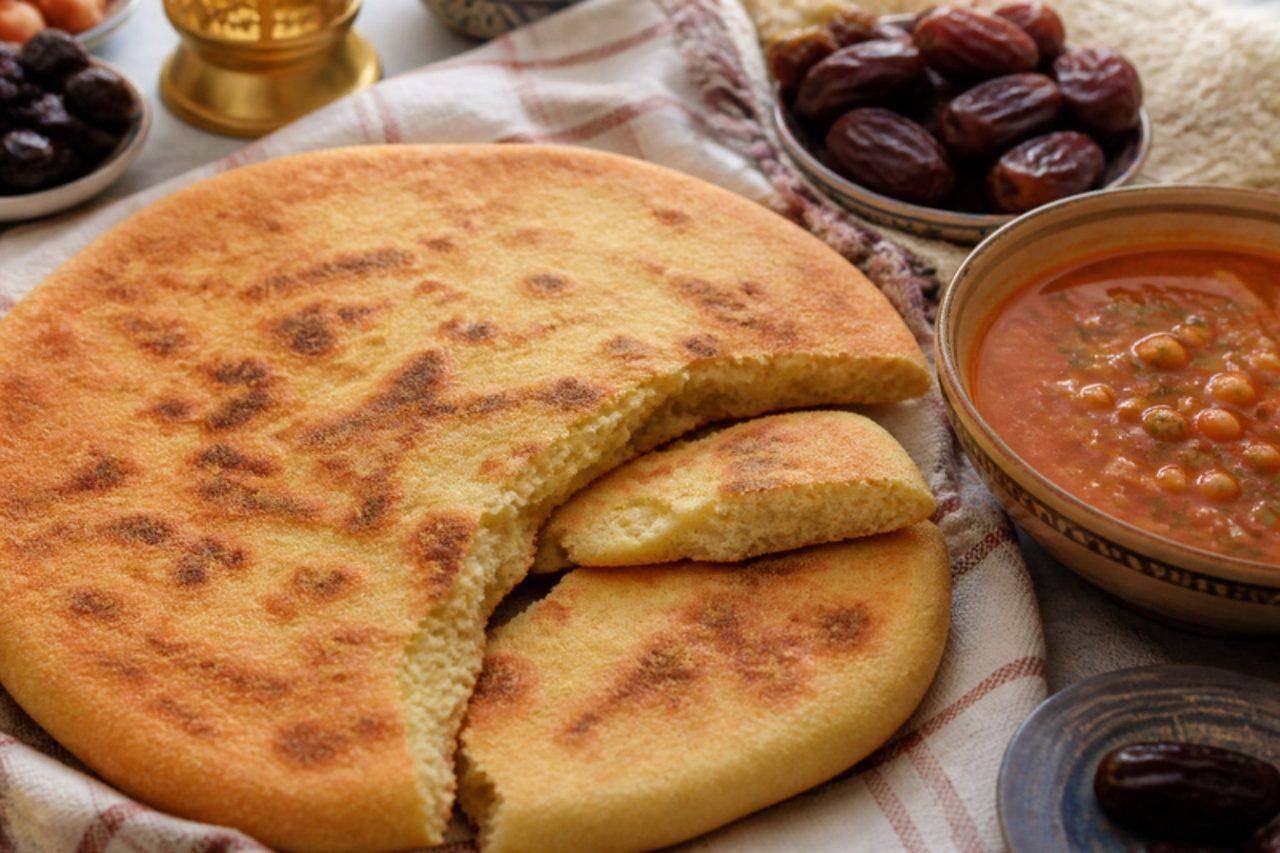
Kesra is the flat semolina bread of Algerian homes, and in Ramadan a fresh round sits on almost every iftar table, cooked on a clay tajine and torn into pieces to dip into hot chorba frik. This unleavened version is a thin, crumbly-edged galette, golden in patches and slightly chewy in the middle, with a nutty taste from the olive oil. It is made in minutes before sunset so it reaches the table still warm. Chef's tip: work the dough only until it holds together; kneading it like a yeast bread makes kesra tough instead of tender.

by KrazyBadal 0 views

Chipa so'oCheese bread with spiced beef

In Paraguay, families bake chipa in the clay tatakua ovens on Holy Wednesday so there is food for Thursday and Good Friday, when cooking stops. Chipa so'o ('chipa with meat') is a cassava-starch and cheese bread wrapped around a little filling of minced beef cooked with onion and egg, then baked until crisp outside and chewy within. It is naturally gluten free. Chef's tip: knead the dough until it no longer cracks at the edges when pressed; dry dough splits around the filling.

by KrazyBadal 0 views

TihaneStuffed lamb spleen

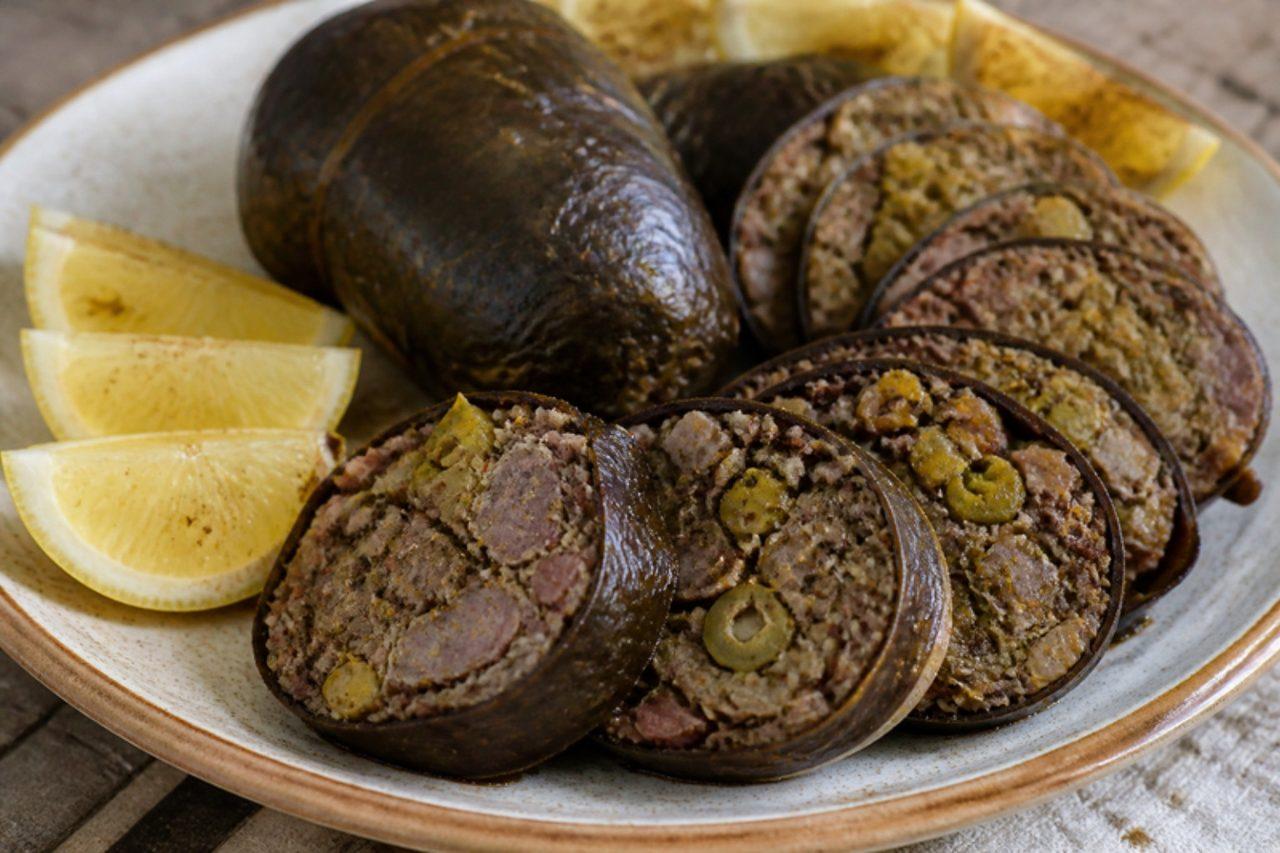
Tihane, or tehal, is an old Eid al-Adha speciality from Moroccan towns such as Fez and Marrakech, made on the days after the sacrifice when the offal is shared out. The lamb's spleen is cut open into a pocket and stuffed with chopped liver and heart, a little fat, green olives, preserved lemon, garlic and cumin, then sewn shut, poached and roasted until browned. It is sliced thin and eaten warm or cold with bread. Ask a halal butcher for the spleen and offal. Chef's tip: prick the spleen with a fine needle before poaching so it doesn't burst in the pot.

130 minMoroccanMeatGluten free
by KrazyBadal 0 views

Dowina (Kurdish yogurt soup)

Dowina, called ash-e doogh in Persian, is warming spring food in Kurdish homes around Newroz, when yogurt is plentiful and the first herbs are cut from the garden. Rice and chickpeas simmer in a tangy, lightly thickened yogurt broth, finished with fresh dill, coriander and a sizzle of dried mint in oil. It is eaten warm, never boiling hot, with flatbread. The common mistake is to heat the yogurt too fast without stirring, which makes it split into grainy curds. Chef's tip: whisk an egg yolk and a spoonful of rice flour into the yogurt before it goes on the heat; it holds the soup smooth all the way to the simmer.

by KrazyBadal 0 views

Pajagua mascadaBeef and cassava patties

Pajagua mascada is a Paraguayan street-food classic that appears on every table for the San Juan festival on 24 June, when bonfires burn and the night is full of games and traditional food. Minced beef is mixed with mashed cassava, onion, garlic and a little egg and flour, shaped into flat patties and fried until crisp. The name comes from Guaraní and refers to the 'chewing' of old Paraguayan cooks, who made it from leftover meat. Chef's tip: dry the boiled cassava well and remove its woody core, which keeps the patties light and crunchy.

by KrazyBadal 0 views

Rellenong manokStuffed deboned chicken

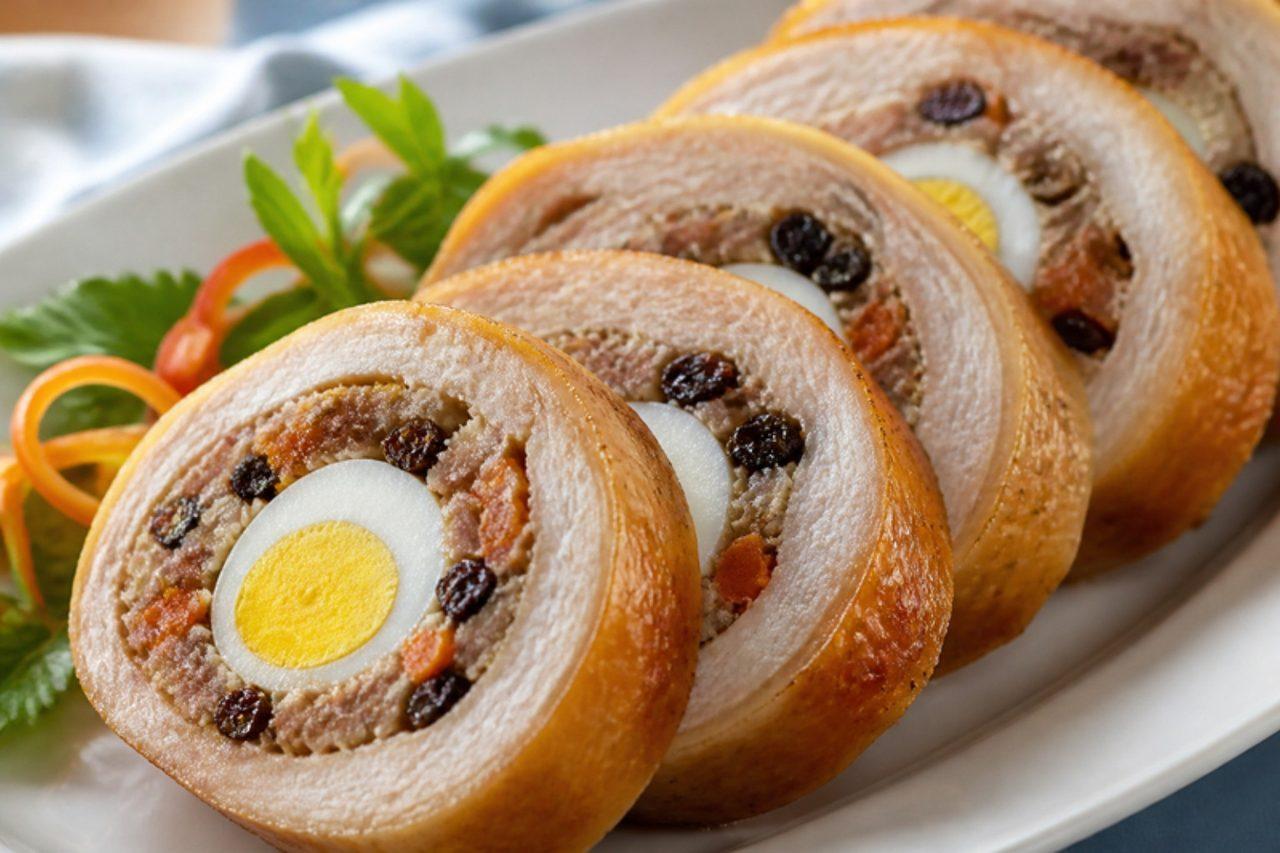
Rellenong manok is a showpiece of the Filipino Noche Buena, the Christmas Eve feast after midnight Mass. A whole chicken is boned out, leaving the skin in one piece, then stuffed with a mixture of minced pork, sausage, raisins, carrot, cheese and whole hard-boiled eggs, sewn up and roasted. Sliced, every round shows the egg in the middle. Ask your butcher to bone the chicken if you prefer. Because the pork stuffing is inside, check that its centre reaches 74 °C. Chef's tip: chill the stuffed chicken for an hour before roasting so it keeps its shape.

by KrazyBadal 0 views

Sopa teólogaTurkey broth with bread and cheese

Sopa teóloga ('the theologian's soup') goes back to colonial convents in Lima and Arequipa, where it was cooked for feast days, and it is still served at Holy Week and family celebrations. A rich turkey (or chicken) broth is thickened with soaked bread, milk and fresh cheese, with yellow potatoes and shreds of turkey, and finished with a little ají amarillo and chopped huacatay or parsley. It is thick, comforting and filling. Chef's tip: blend part of the soaked bread with broth before adding it, which gives the soup its creamy body without lumps.

by KrazyBadal 0 views

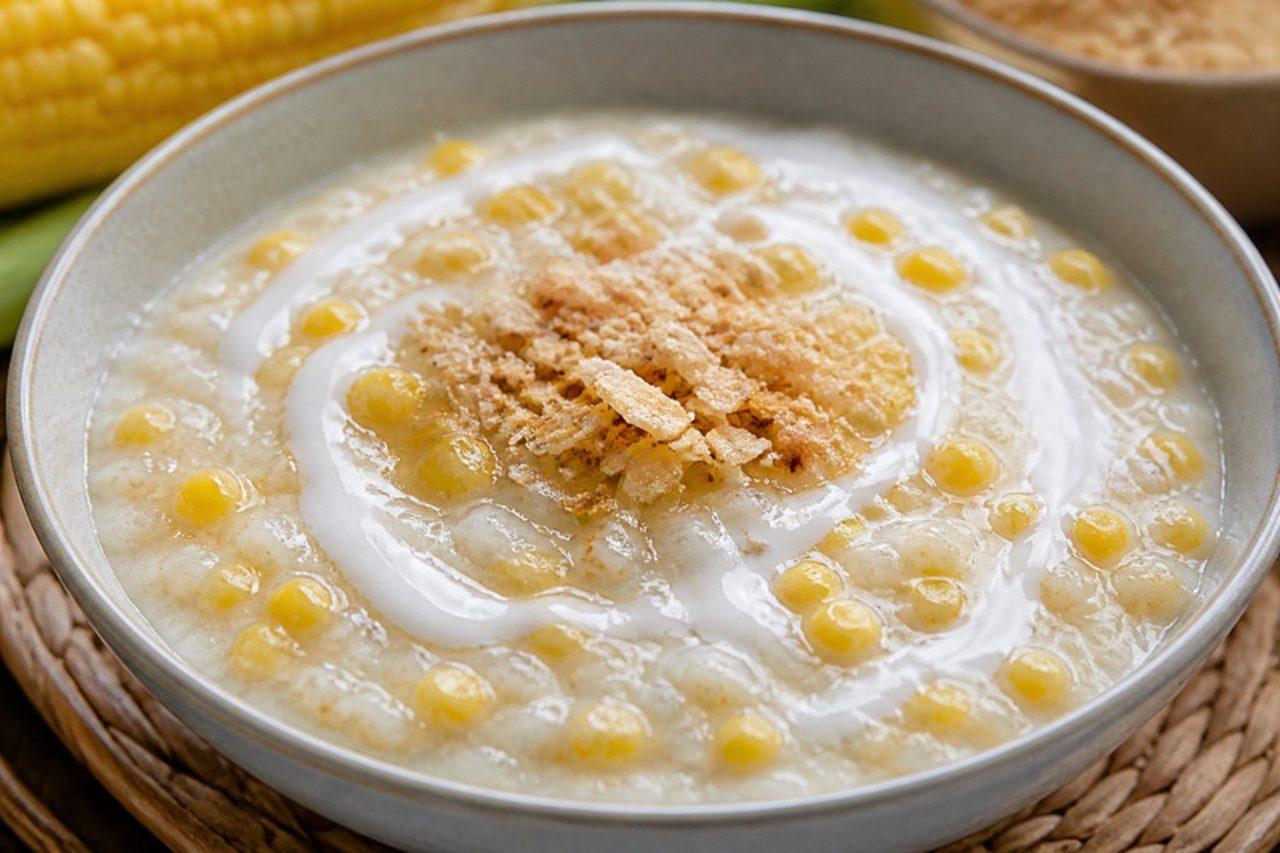
KaguyjyWhite corn pudding

On the night of 23–24 June, Paraguayans celebrate San Juan with bonfires, games like walking over hot coals and the 'paso de fuego', and a table of traditional foods, and kaguyjy (also mazamorra) is one of them. It is a soft, creamy pudding of cracked white corn (locro) simmered slowly in water and then milk with sugar or honey, sometimes with orange peel. It is eaten warm or cold. It is gluten free. Chef's tip: soak the corn overnight and cook it until each kernel is tender before adding the milk, or it never turns creamy.

by KrazyBadal 0 views

KourdassGrilled lamb liver bundles

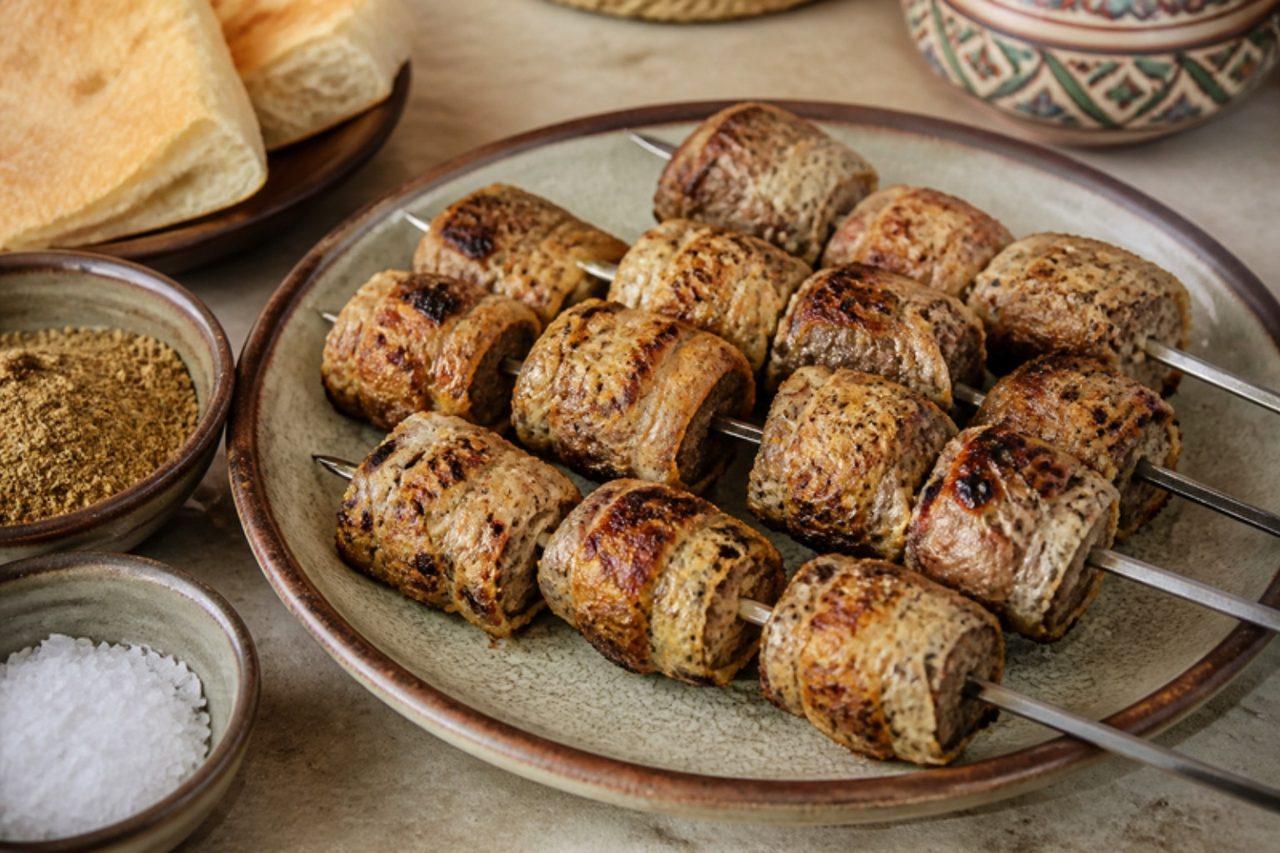
After the sacrifice of Eid al-Adha, Moroccan families use every part of the lamb, and kourdass is one of the dishes made in the days that follow: pieces of tripe and liver rubbed with cumin and paprika, wrapped in caul fat and traditionally hung up to air-dry before grilling. This home version skips the drying, which is hard to do safely in a modern kitchen, and grills the bundles fresh over charcoal or under a grill until the fat crisps and the liver is cooked through. Buy cleaned, pre-cooked tripe and caul fat from a halal butcher. Chef's tip: wrap the bundles tightly so the caul fat bastes them as it melts.

by KrazyBadal 0 views

KalanehWild leek stuffed flatbread

In Kurdistan and Kermanshah, Newroz arrives with the first spring greens on the hillsides, and families gather wild leeks to fold into kalaneh, thin griddle breads cooked over a fire or a hot pan and soaked in melted butter. The dough is plain and soft, rolled very thin around a pile of chopped leek or chives with a little salt and pepper, so the greens steam inside as the bread blisters. Eat it hot, torn into strips, with yogurt and tea at a Newroz picnic. The common mistake is wet greens, which turn the dough soggy and make it tear; dry them well after washing. Chef's tip: brush the butter on the moment the bread leaves the pan so it soaks right in.

by KrazyBadal 0 views

DouaraLamb tripe and chickpea stew

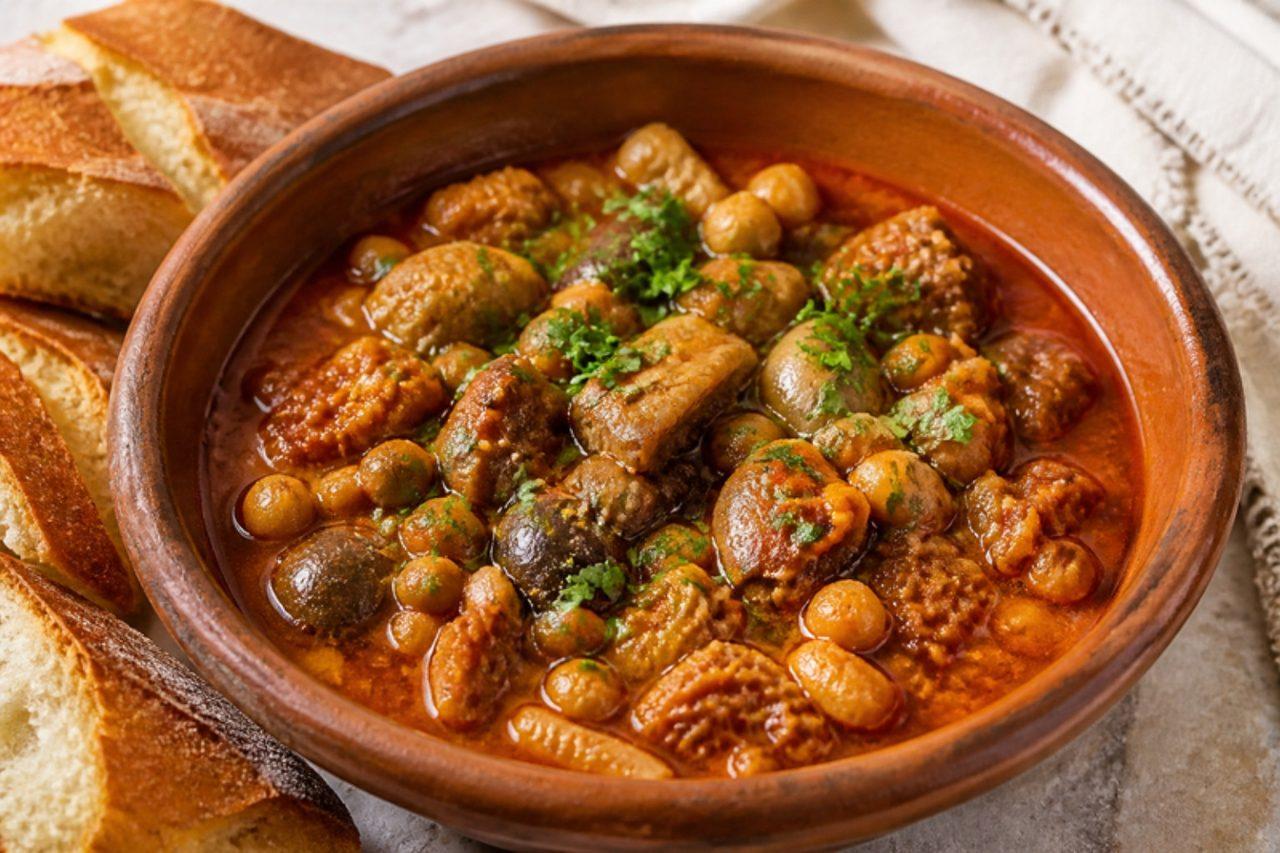
Douara is the dish that fills Algerian kitchens on the second day of Eid al-Adha, when the tripe, intestines and lung from the family's sacrifice are cleaned, cut small and stewed slowly with chickpeas, plenty of garlic, cumin and paprika. The sauce is deep red and peppery and the offal turns tender and rich. At home, cleaned lamb or beef tripe and lamb heart from a halal butcher make an easy start; lung can be added if your butcher sells it. Chef's tip: blanch the tripe first in water with a squeeze of lemon to freshen the flavour before it goes into the stew.

180 minAlgerianMeatGluten freeSpicy
by KrazyBadal 0 views

KipingLeaf-shaped rice wafers

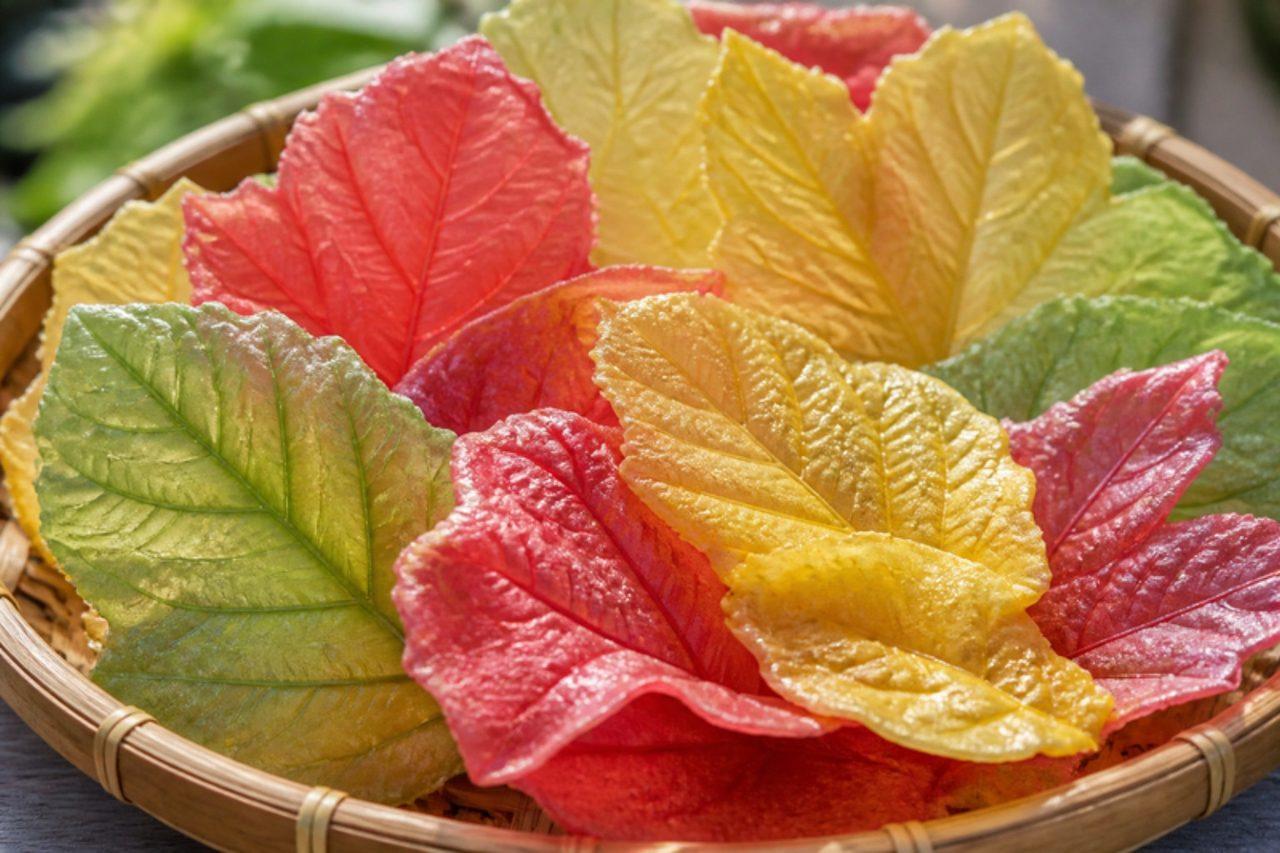
Every 15 May, the town of Lucban in Quezon province celebrates San Isidro Labrador, patron of farmers, with the Pahiyas festival, when houses are covered in rice, vegetables and kiping: bright, translucent wafers of ground rice dough pressed onto leaves so they take the leaf's shape and veins, then dried. After the procession, the kiping are taken down and grilled or fried and eaten crisp, sometimes with sugar. This home version presses the dough thinly onto baking paper with a leaf-shaped cutter and the back of a clean banana leaf for texture. It is vegan and gluten free. Chef's tip: spread the dough as thin as you can, almost see-through, so it dries crisp.

by KrazyBadal 0 views

Igado (Ilocano pork and liver)

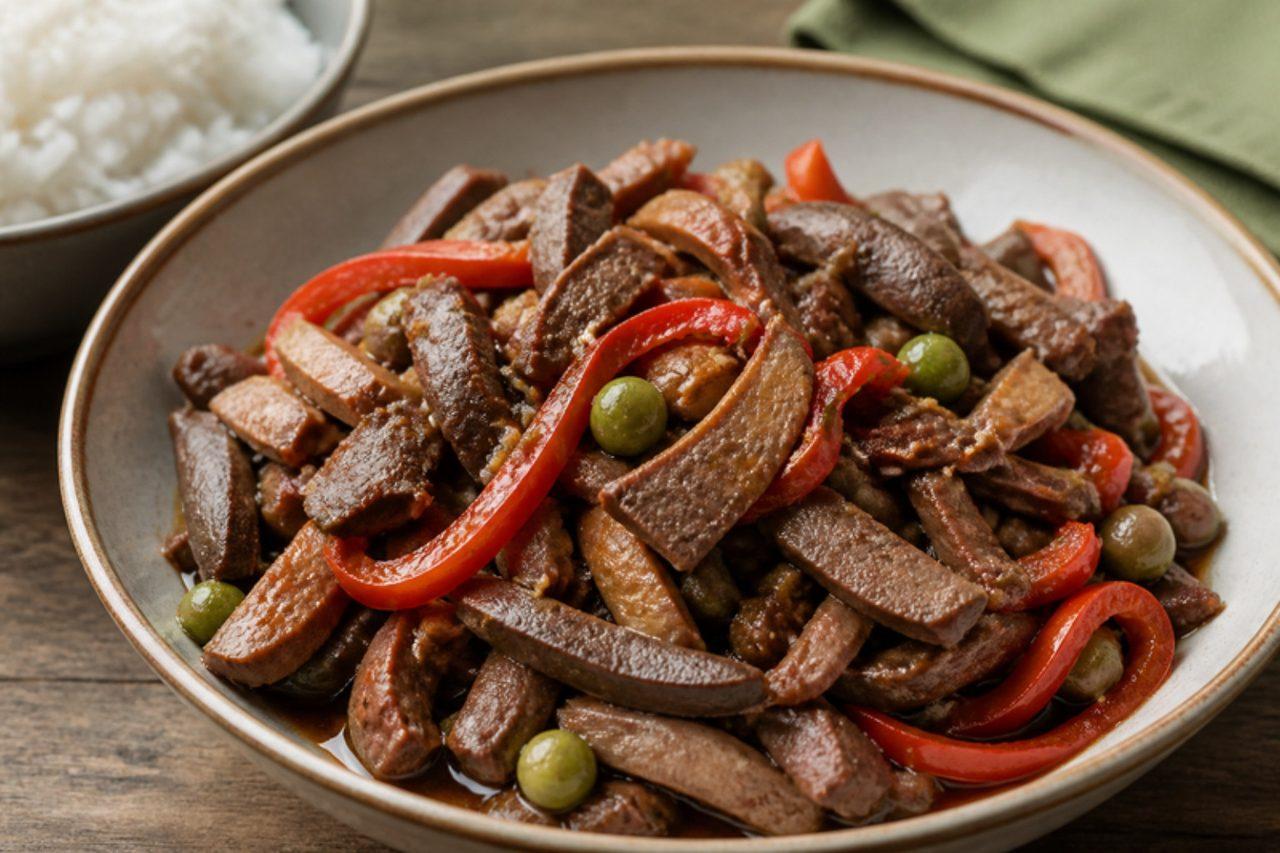
Igado comes from the Ilocos region in the far north of Luzon, where it is a favourite at town fiestas and family celebrations: thin strips of pork and pork liver braised with soy sauce, sukang Iloko (the local cane vinegar), lots of garlic, black pepper and bay, with peas and red pepper for colour. It is sharper and more peppery than menudo, with no tomato, and the liver gives the sauce a rich, savoury depth. Serve with hot rice and a cold drink. Chef's tip: any mild cane or rice vinegar works if you cannot find sukang Iloko, but avoid harsh distilled vinegar.

by KrazyBadal 0 views

Panutsa (Batangas peanut and cane-sugar candy)

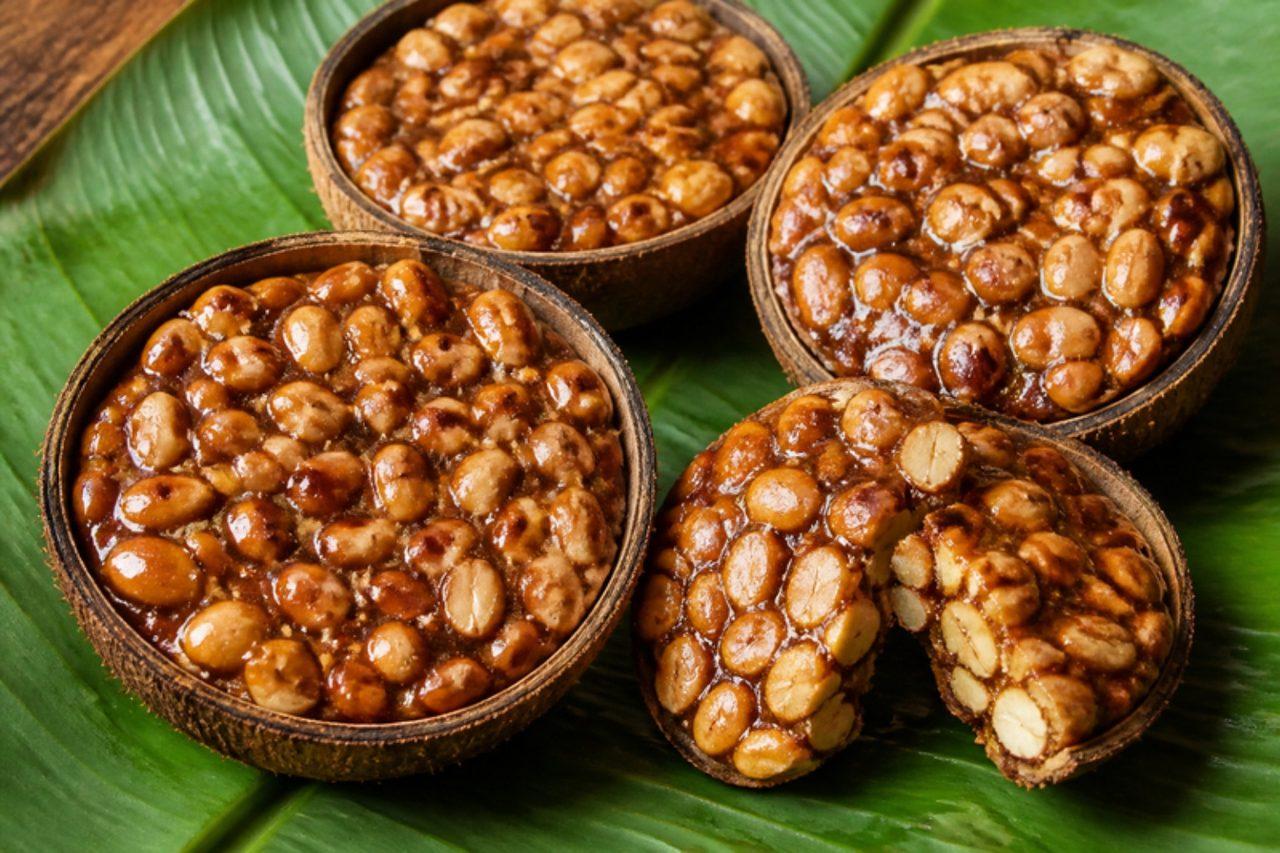
In Batangas and Laguna, south of Manila, panutsa is the rustic peanut candy made from roasted peanuts and dark, unrefined cane sugar, traditionally poured into halved coconut shells to set into domes. It is sold at roadside stalls and town markets and eaten as a snack with the strong local barako coffee, often in the morning or mid-afternoon. It is hard and crunchy, with a deep molasses flavour and lots of nuts. Break it into pieces to serve, or grate it over rice cakes as a sweetener. Panutsa is naturally egg-free: the cane sugar, boiled to the soft-crack stage, sets hard as it cools and holds the peanuts in place. Chef's tip: have the moulds oiled and ready before the syrup goes on. The common mistake is pulling the syrup too early, which gives a sticky, bendy candy that never sets properly.

by KrazyBadal 0 views

MechadoLarded beef braised in tomato

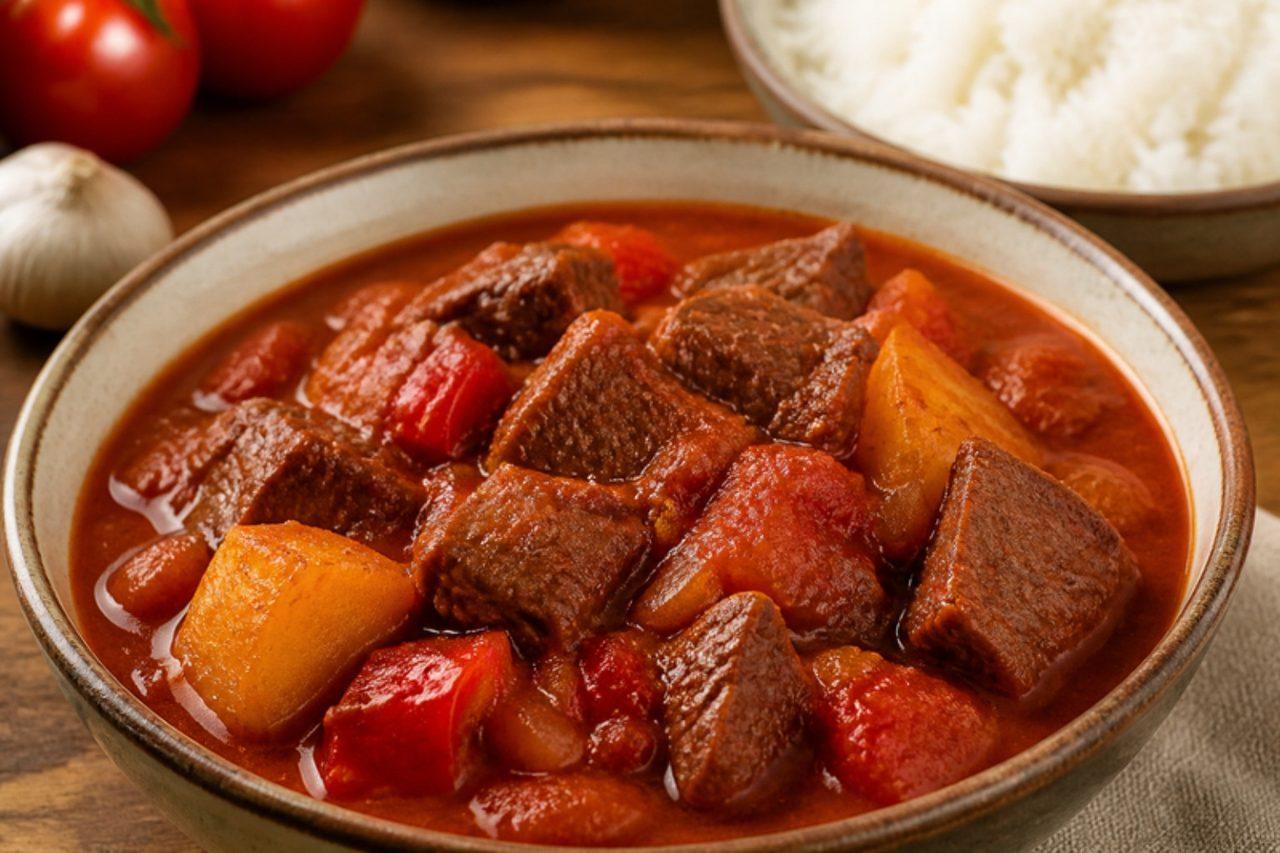
Mechado takes its name from the Spanish mecha, a wick, because large pieces of beef are threaded with strips of pork back fat before they go into the pot; as the beef braises the pork fat melts into the meat and keeps it moist. It is a fixture of Luzon town fiestas, often ladled from huge pots in the host family's yard, and its tomato, soy and calamansi sauce is tangy, savoury and slightly sweet. The beef should be tender enough to cut with a spoon, the potatoes soft and soaked in sauce. Serve with rice and atchara. Chef's tip: freeze the pork fat for 20 minutes before cutting; firm strips are much easier to push through the beef.

by KrazyBadal 0 views

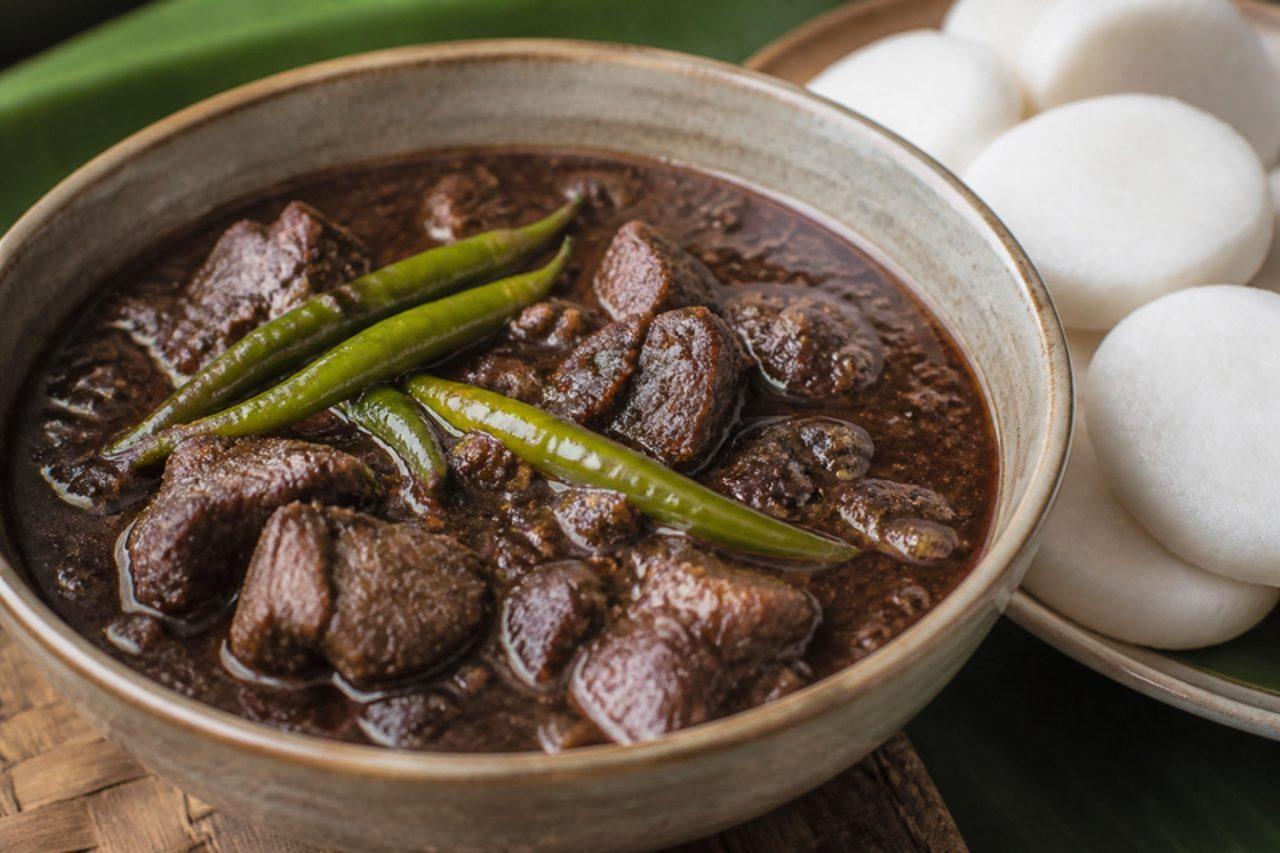
Dinuguan (pork blood stew)

Dinuguan is cooked all over the Philippines whenever a pig is prepared for a town fiesta, a way of honouring the animal by using every part; here it is made with diced pork shoulder and belly. The pork is simmered with garlic and vinegar, then finished with fresh pig's blood, which turns the sauce smooth, almost black and rich, with a sharp, savoury tang and the heat of long green chillies. It is eaten with soft white puto (steamed rice cakes) or rice, and children are sometimes told it is 'chocolate meat'. Chef's tip: buy fresh pig's blood from a butcher on the day you cook, keep it cold in the fridge and use it the same day.

by KrazyBadal 0 views

Tmar mehchi (Moroccan almond-stuffed dates)

Tmar mehchi is the stuffed date of Fez and Marrakech, piled high on silver trays at weddings, engagements and Eid, and offered to guests with mint tea. Soft dates are filled with a homemade almond paste perfumed with orange-blossom water, often tinted pale green or pink to match the celebration, then scored with a knife so the filling shows. They are soft, rich and caramel-sweet, with a floral, nutty middle. The paste here is mixed from ground almonds and icing sugar, so there is no shop marzipan, which can contain egg white. It is naturally egg-free: the dates' sticky flesh and a few spoonfuls of orange-blossom water bind the almond filling. Chef's tip: add the orange-blossom water a little at a time and stop when the paste is firm like play dough. The common mistake is a wet paste, which oozes out and makes the dates slippery.

by KrazyBadal 0 views

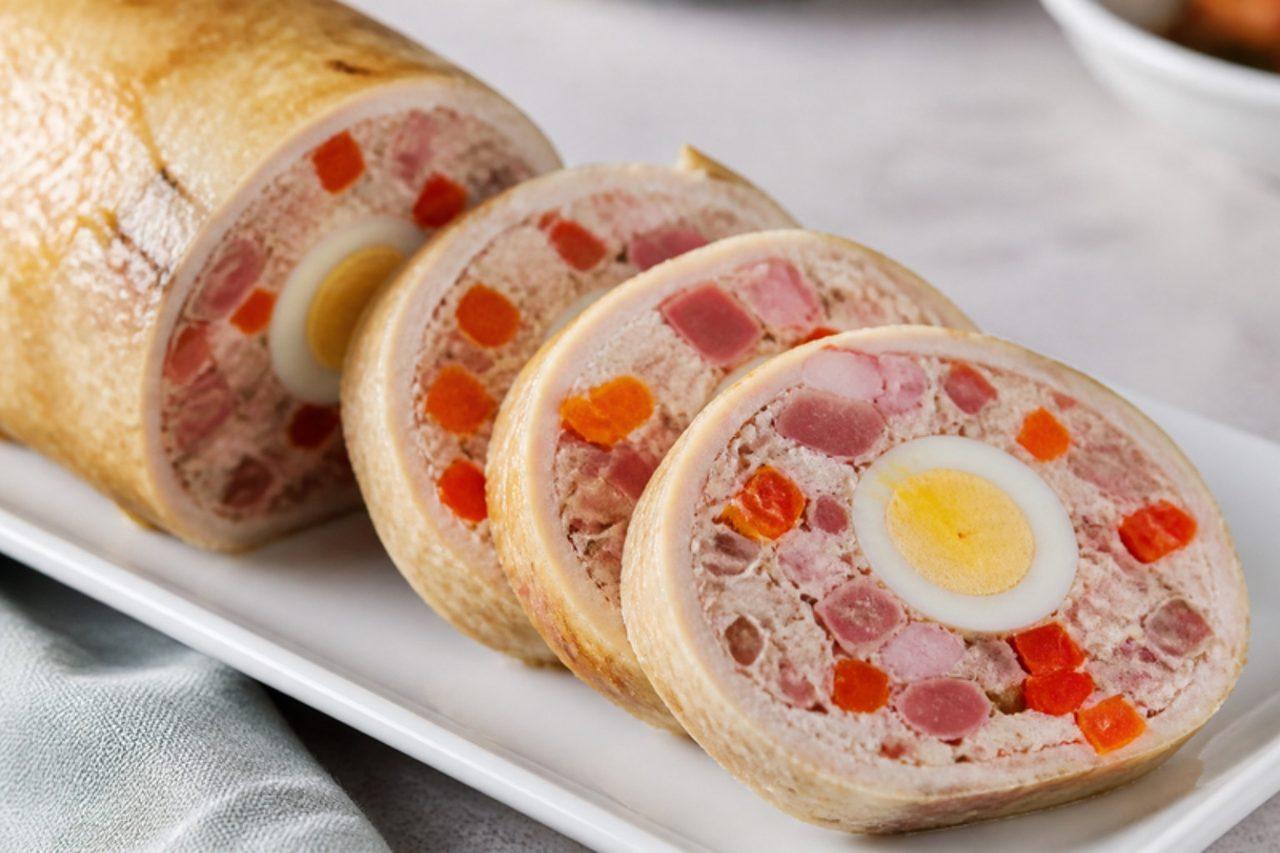
Chicken galantinaStuffed chicken roll

Galantina is Luzon's party roll for town fiestas and big family feasts, a Spanish-era cold dish in which chicken is wrapped around a filling of pork mince, ham, carrots, raisins and hard-boiled eggs, steamed, chilled and sliced so each round shows the eggs in the middle. Unlike embutido, which is a pork meatloaf, here the chicken skin and meat form the outer layer. Traditional cooks bone a whole chicken; this home version rolls boneless thighs instead, which is far easier. Serve it cold on a platter with banana ketchup or mayonnaise and bread. Chef's tip: roll it tightly in baking paper and foil and twist the ends like a sweet; a tight roll is what gives neat slices.

by KrazyBadal 0 views

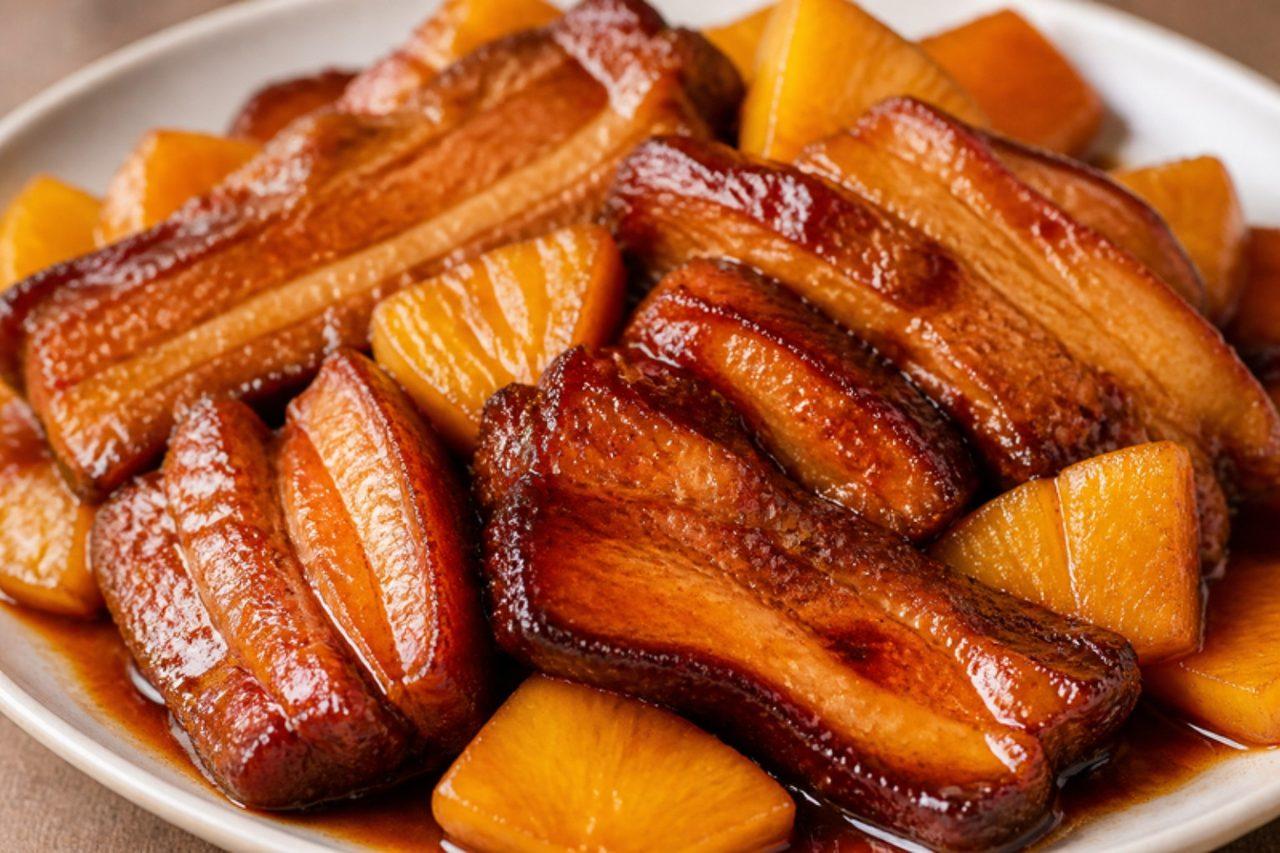
Hamonado (pineapple-glazed pork)

Hamonado, from the Spanish word for ham, is how Pampanga cooks give pork a festive, ham-like sweetness for fiestas without curing it: thick slabs of pork belly braised in pineapple juice, brown sugar and soy until the sauce turns to a sticky, shining glaze. Kapampangans are famous for their sweet tooth and this is a celebration dish through and through, tender and fatty, sweet, salty and a little tangy from the pineapple. Serve it sliced with steamed rice and a sharp side like atchara or pickled cucumbers. Chef's tip: chill the braise and lift off the hardened fat before reducing the sauce; the glaze is cleaner and less greasy.

by KrazyBadal 0 views

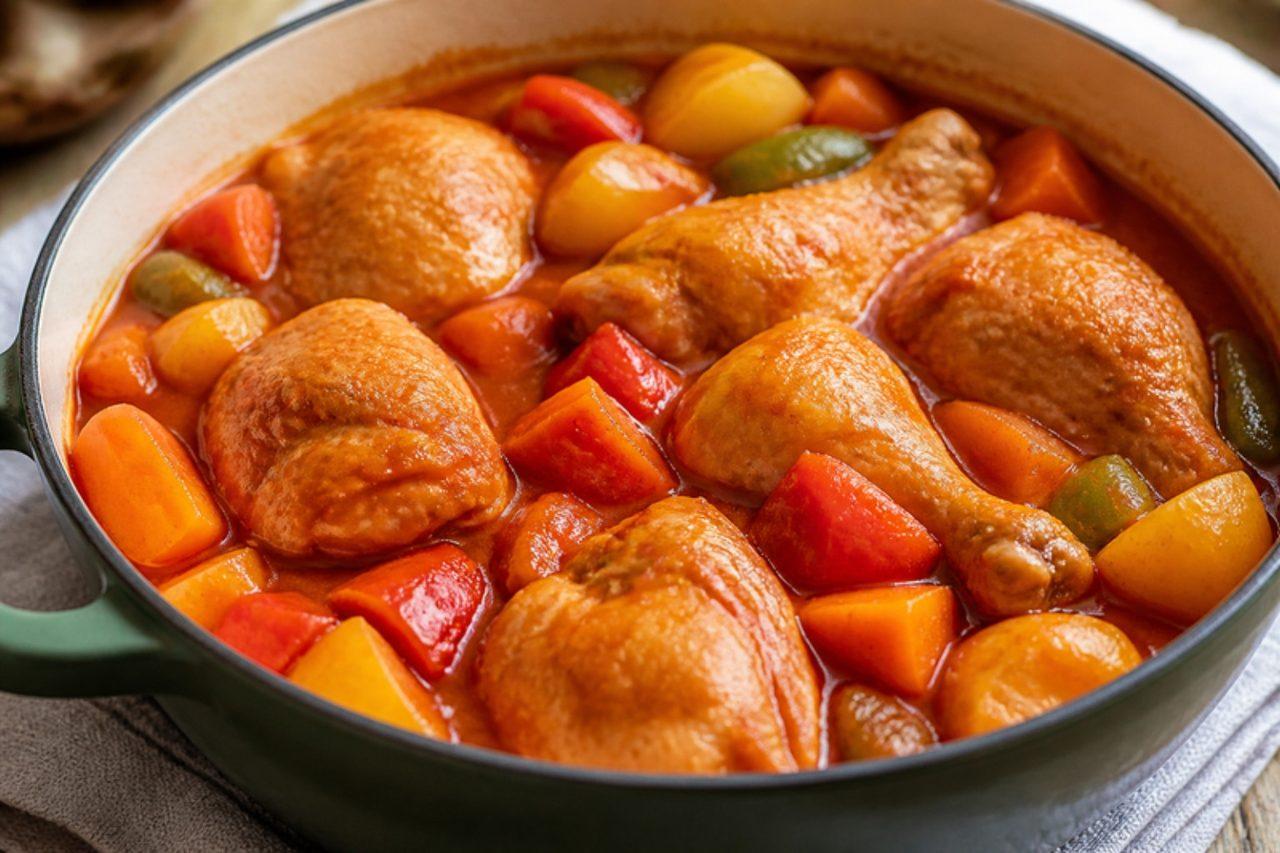
Chicken afritadaChicken braised in tomato sauce

Afritada is one of the tomato stews of Luzon that are cooked in huge pots for town fiestas, and the gentlest of the family: chicken pieces simmered in a mild tomato sauce with potatoes, carrots and sweet peppers, with no liver or chilli. Its name points back to the Spanish word for frying, since the chicken is browned first. It is the stew children reach for at the fiesta table, red-orange, savoury and a little sweet, with tender chicken falling from the bone. Serve with steamed rice and a spoonful of atchara. Chef's tip: brown the chicken skin side down without moving it until it lifts easily from the pan; that colour flavours the whole sauce.

by KrazyBadal 0 views

Ginataang mais (sweet corn coconut porridge)

Across the Philippines, ginataang mais turns up on the quiet, meatless days of Holy Week, when many families keep Good Friday as a day of fasting and abstinence and want something warm and simple to share in the afternoon. Glutinous rice swells in coconut milk until the pot turns thick and glossy, and sweet corn kernels pop through it with little bursts of sweetness. It is eaten warm from small bowls, sometimes with a swirl of extra coconut cream or crunchy toasted pinipig, and is just as good cold from the fridge the next day. Chef's tip: save the sugar until the rice is fully soft; added too early it slows the grains and they stay chalky in the middle.

by KrazyBadal 0 views

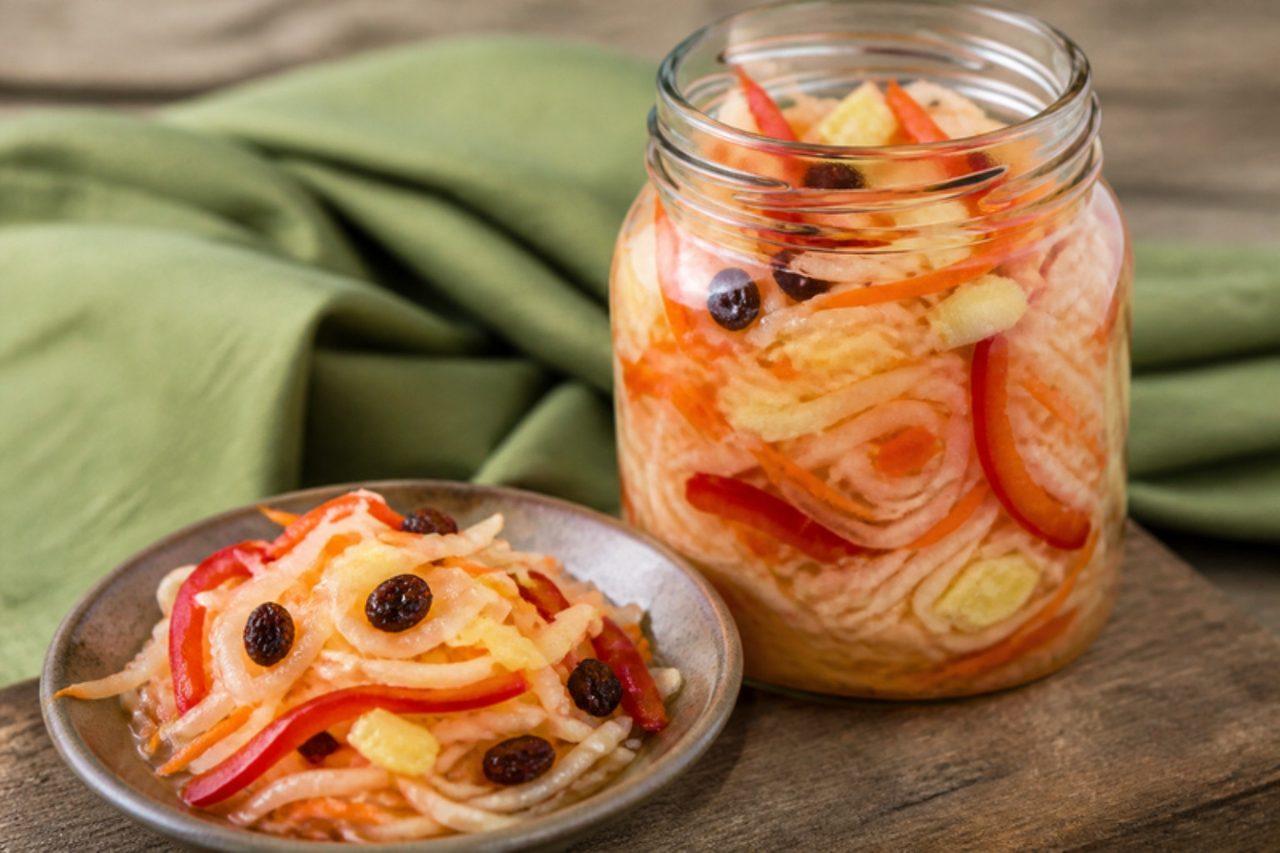
Atchara (pickled green papaya)

No town fiesta table in the Philippines is complete without a jar of atchara set beside the lechon, fried chicken and rich stews, because its sweet-sour crunch is what keeps people going back for another plate. Green papaya is grated, salted and squeezed, then packed with carrot, ginger, garlic and pepper under a hot brine of cane vinegar and sugar. Made a few days ahead and kept in the fridge, it is also the jar families bring as a small gift when they visit relatives for the fiesta. Serve it with any grilled or roast meat, fried fish or a plate of rice and eggs. Chef's tip: pick a papaya that is fully green and hard; even a little yellow means soft, sweet flesh that turns limp in the jar.

by KrazyBadal 0 views

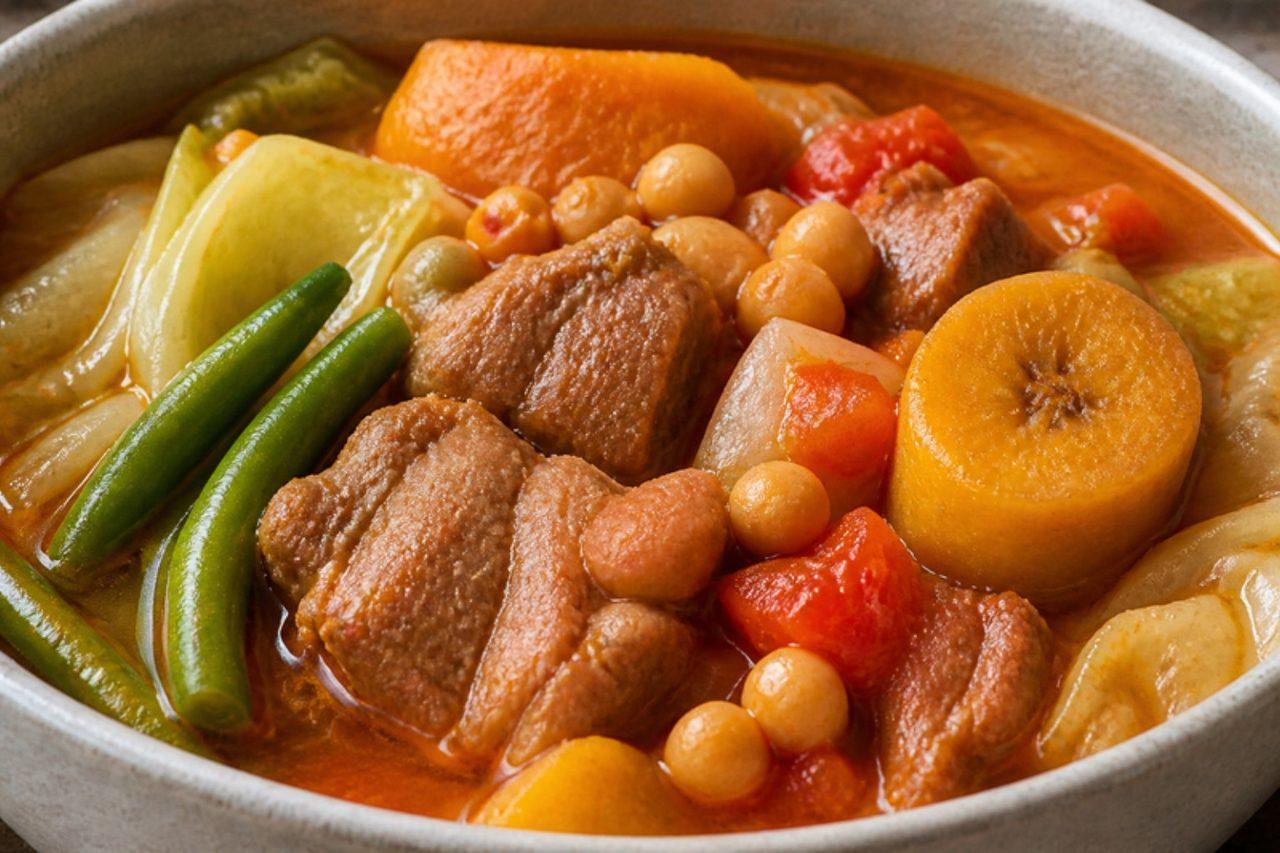
Filipino pocheroPork stew with bananas and chickpeas

Pochero is the Filipino descendant of the Spanish puchero, cooked for fiestas in Manila and across the Visayas, and it is easy to tell apart: tomatoes turn the broth rosy and sweet saba bananas go in beside the pork, chickpeas and vegetables. This version uses pork shoulder simmered until tender, with cabbage, green beans and sweet potato added near the end so they stay bright. The broth is savoury and slightly sweet, the bananas soft and caramelised. Serve in deep bowls with rice, and some families add a sauce of mashed sweet potato and garlic on the side. Chef's tip: fry the bananas first and add them only at the end, so they hold their shape.

by KrazyBadal 0 views

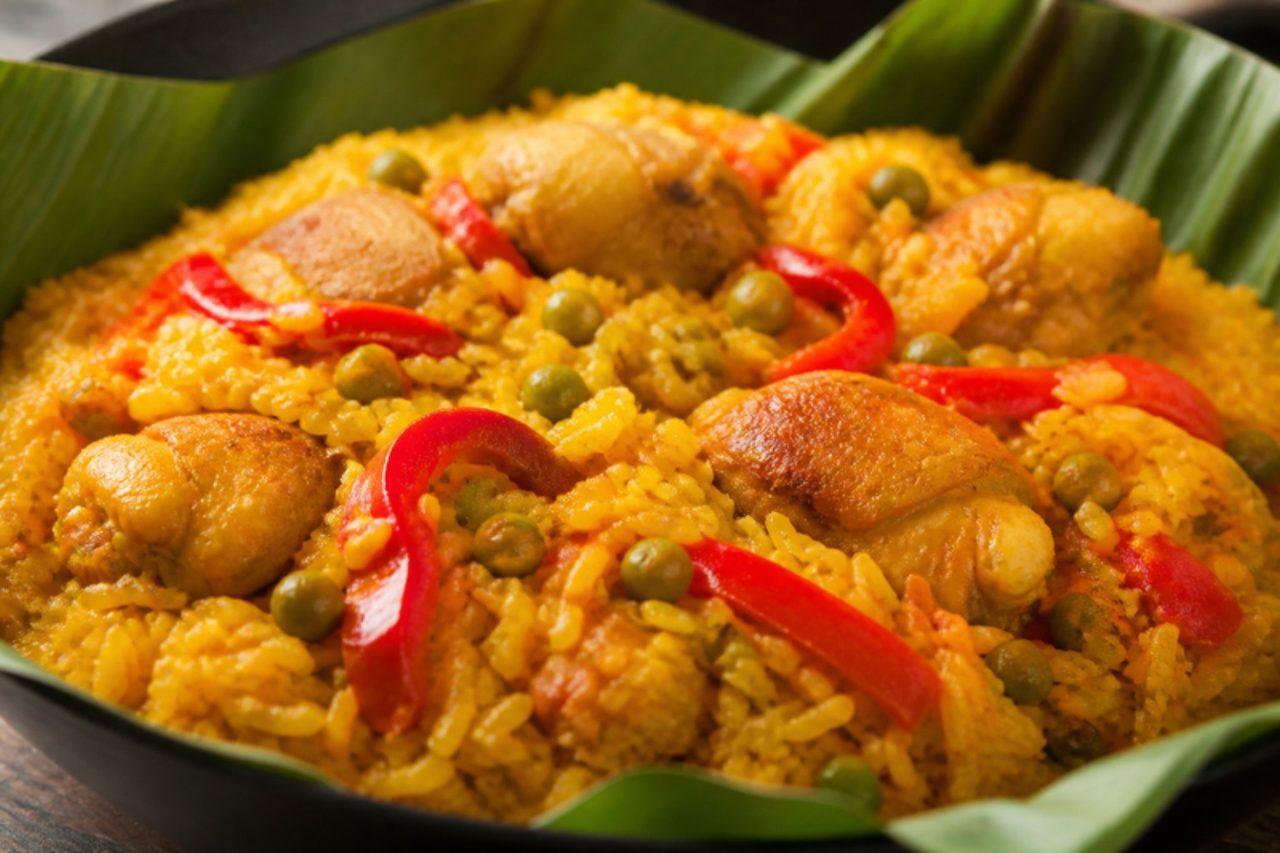
Bringhe (Kapampangan festive sticky rice)

Bringhe is the rice Pampanga cooks bring out for town fiestas, a local cousin of Spanish paella in which sticky rice, coconut milk and turmeric stand in for saffron and stock. It is cooked over banana leaves so the bottom forms a toasty crust, and served in a big tray topped with hard-boiled eggs and red pepper, its bright yellow colour making it the centrepiece of the fiesta spread. The grains are soft, rich and a little chewy, perfumed with ginger and coconut, and the chicken stays juicy inside. Serve with atchara or a crisp green salad to cut the richness. Chef's tip: stir only until the liquid is mostly absorbed, then leave the rice alone on low heat so the bottom can crust without burning.

by KrazyBadal 0 views

Showing 24 of 485 recipes

Show more recipes

Page 1 of 21