Skip to content
Recipes

All recipes

Vegetarian, or something you can't eat? Set your diet once and we'll hide recipes that don't fit.

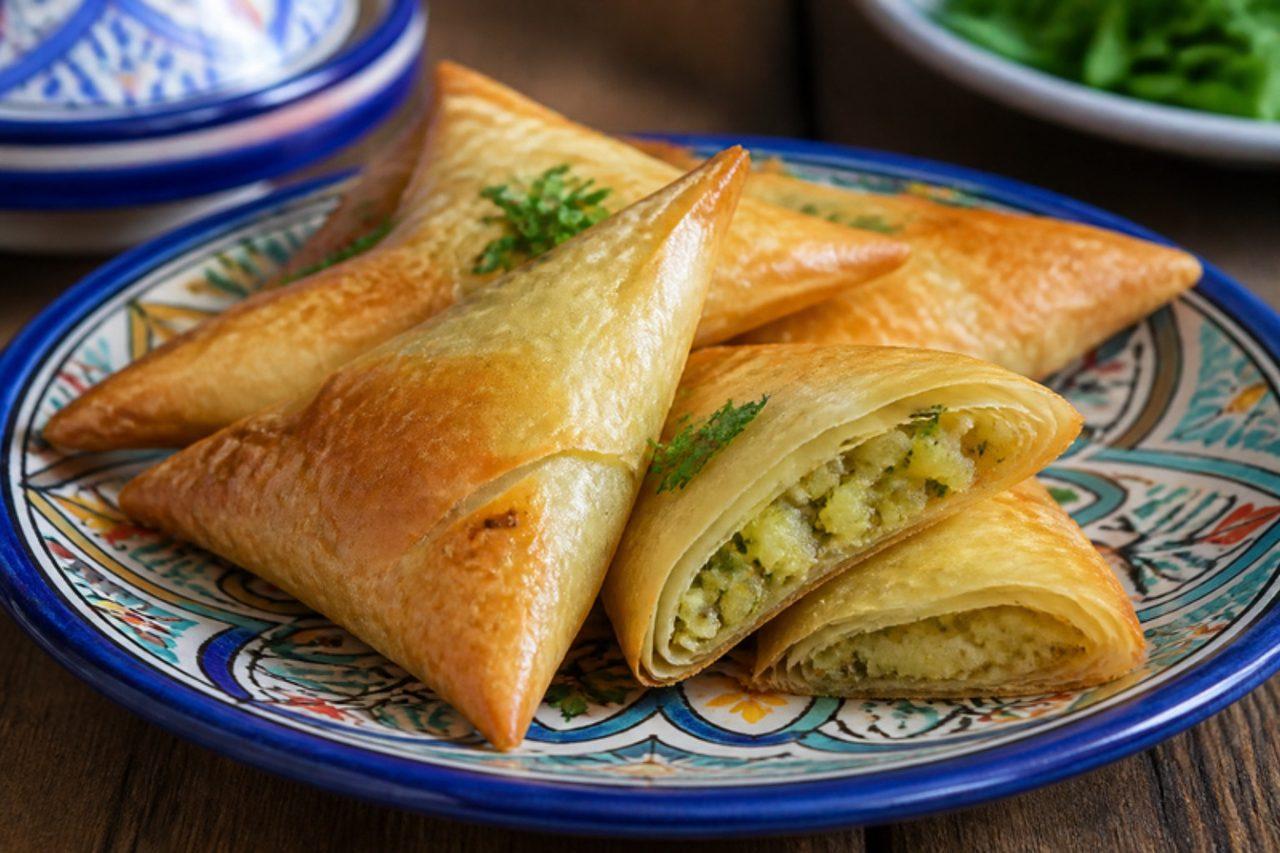
Potato briouats (briwat batata)

During Ramadan, the iftar tables of Casablanca and Marrakech are crowded with little fried pastries, and potato briouats are the budget-friendly favourite. A mash of potato, parsley, coriander, cumin and a little grated cheese is folded into warqa or filo triangles and fried until crackling. Serve them hot with harira or mint tea. The common mistake is a wet, warm filling, which makes the pastry soggy and tear; let the mash cool completely. Chef's tip: seal each triangle with a dab of egg yolk or flour paste; they won't open in the oil. Check cheese labels: some is made with animal rennet. Contains wheat, egg and milk.

by KrazyBadal 0 views

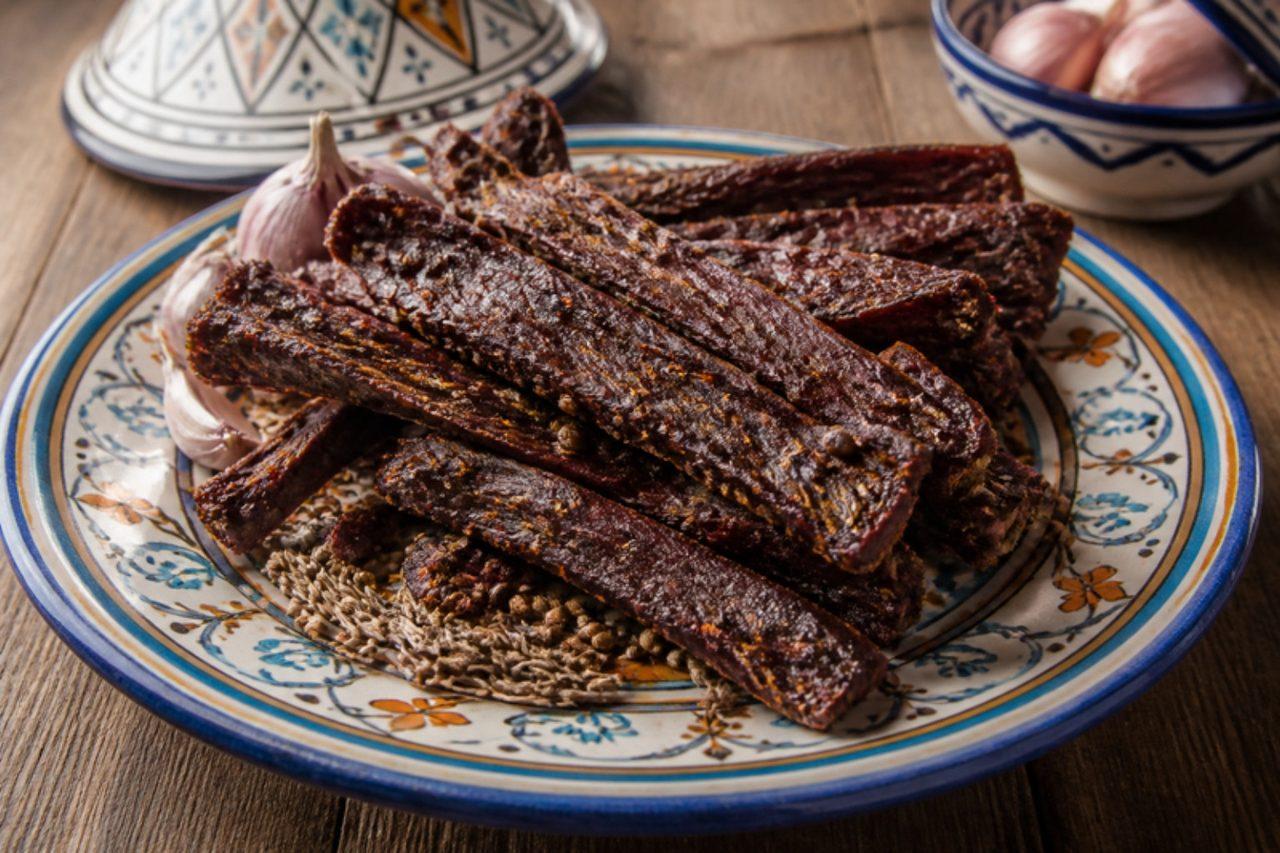
Gueddid (spiced dried lamb, safe oven method)

After Eid al-Adha, families across Morocco traditionally cut part of the sacrificed lamb into strips, rub it with salt, garlic, cumin and coriander and hang it on rooftop lines in the sun for days; the gueddid is then kept for Ashura couscous, lentil stews and eggs. Sun-drying meat at home is not safe without strict control, so this version cures the strips in the fridge, then dries them in a low oven until the meat is cooked through to at least 71 °C and leathery-dry, with the same deep, salty, cumin flavour. The common mistake is cutting thick strips: anything over 1 cm stays moist in the centre. Chef's tip: semi-freeze the meat for an hour first so you can slice it thinly and evenly. Not for anyone on a low-salt diet.

by KrazyBadal 0 views

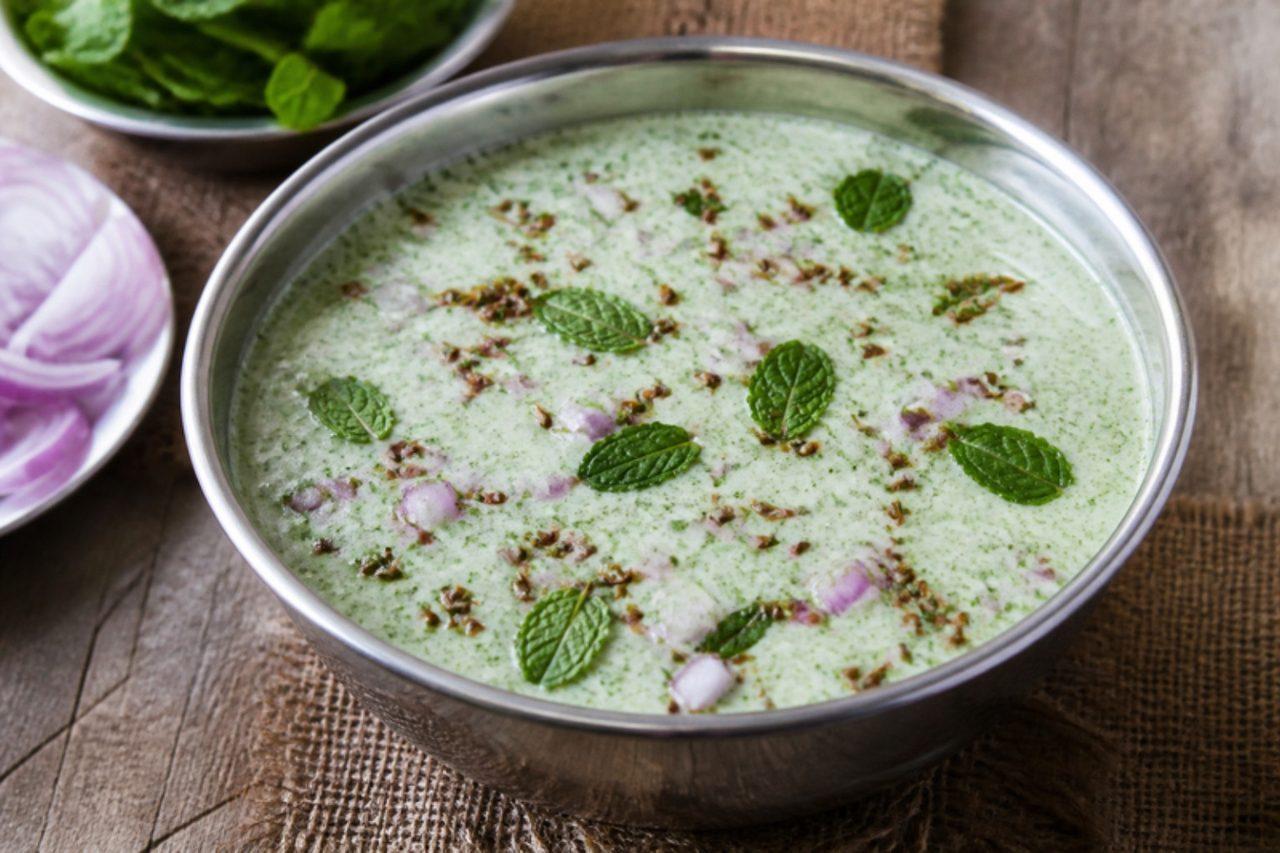
Podina raitaMint yogurt dip

Order a platter of tikka at a Burns Road or Gawalmandi grill and a steel bowl of pale green podina raita lands beside it without asking; it is the cooling counterweight to smoke and chilli, and at home it goes with biryani, pulao and kebab rolls too. Mint, a handful of coriander, one green chilli and freshly toasted cumin are whisked into thick yogurt until it is pourable but still clings to a piece of naan. The usual slip is blitzing the herbs in a blender with the yogurt, which thins it to a watery green drink; pound or chop the herbs separately and fold them in. Contains milk. Chef's tip: dry-roast the cumin seeds yourself and crush them at the last minute: the smoky, toasty smell is what makes a grill-house raita taste like one.

by KrazyBadal 0 views

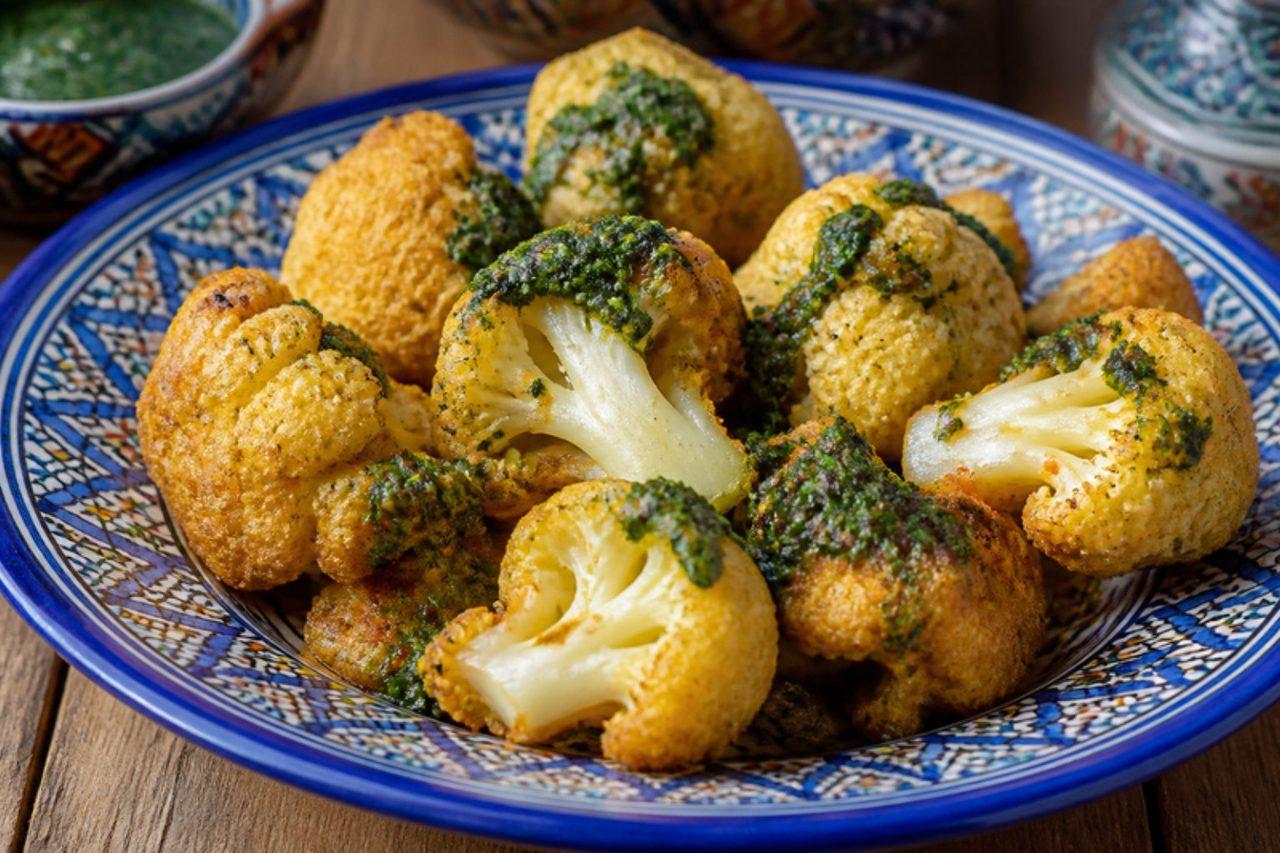
Moroccan fried cauliflower in cumin batter

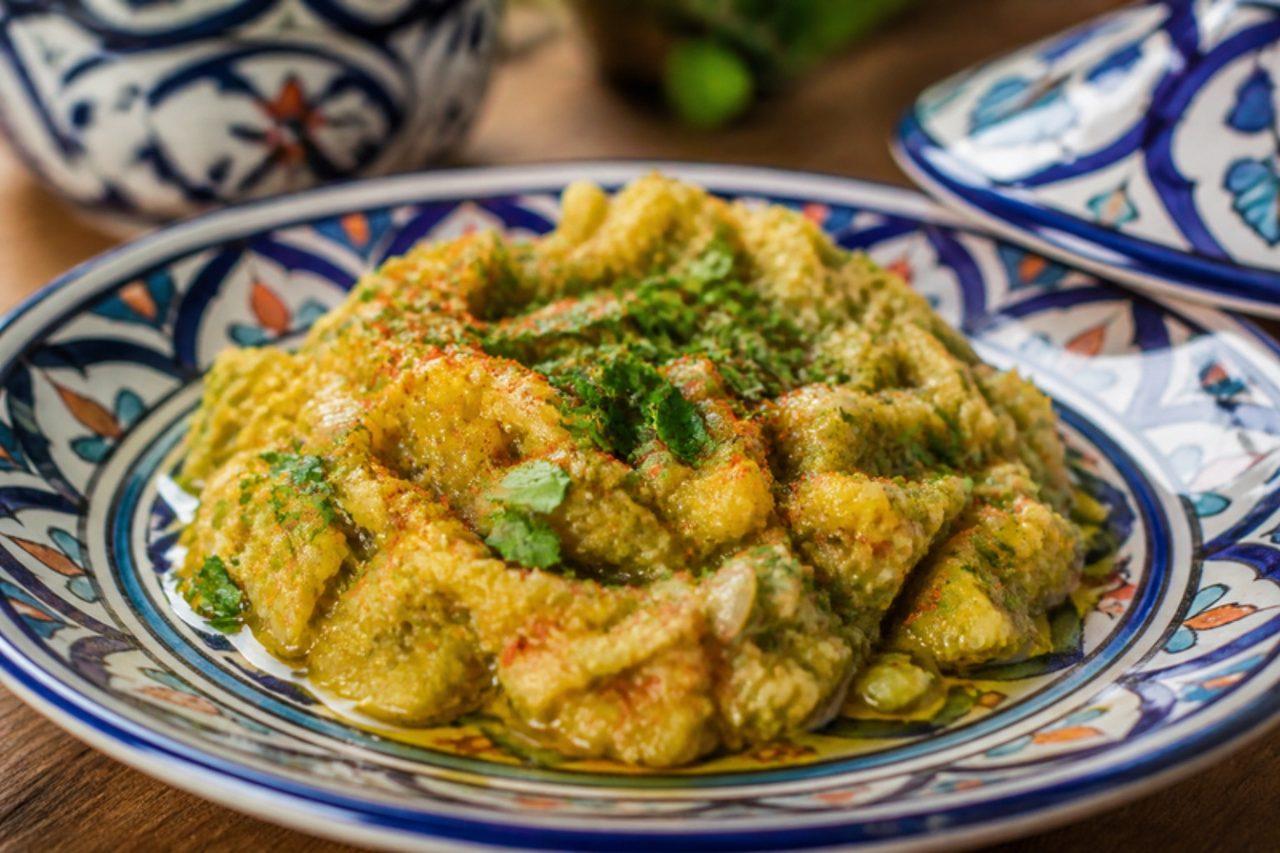
Casablanca home cooks fry cauliflower this way for Ramadan tables and family lunches alike: parboiled florets dipped in an egg batter heavy with cumin, paprika and parsley, then fried until puffed and golden. They're eaten hot with a squeeze of lemon or a spoon of chermoula, as a side to a tagine or on their own with bread. The common mistake is frying wet cauliflower; the batter slides off and spits, so dry the florets well after boiling. Chef's tip: keep the florets bite-sized and with a bit of stalk, so you can dip them by hand. Contains egg and wheat.

by KrazyBadal 0 views

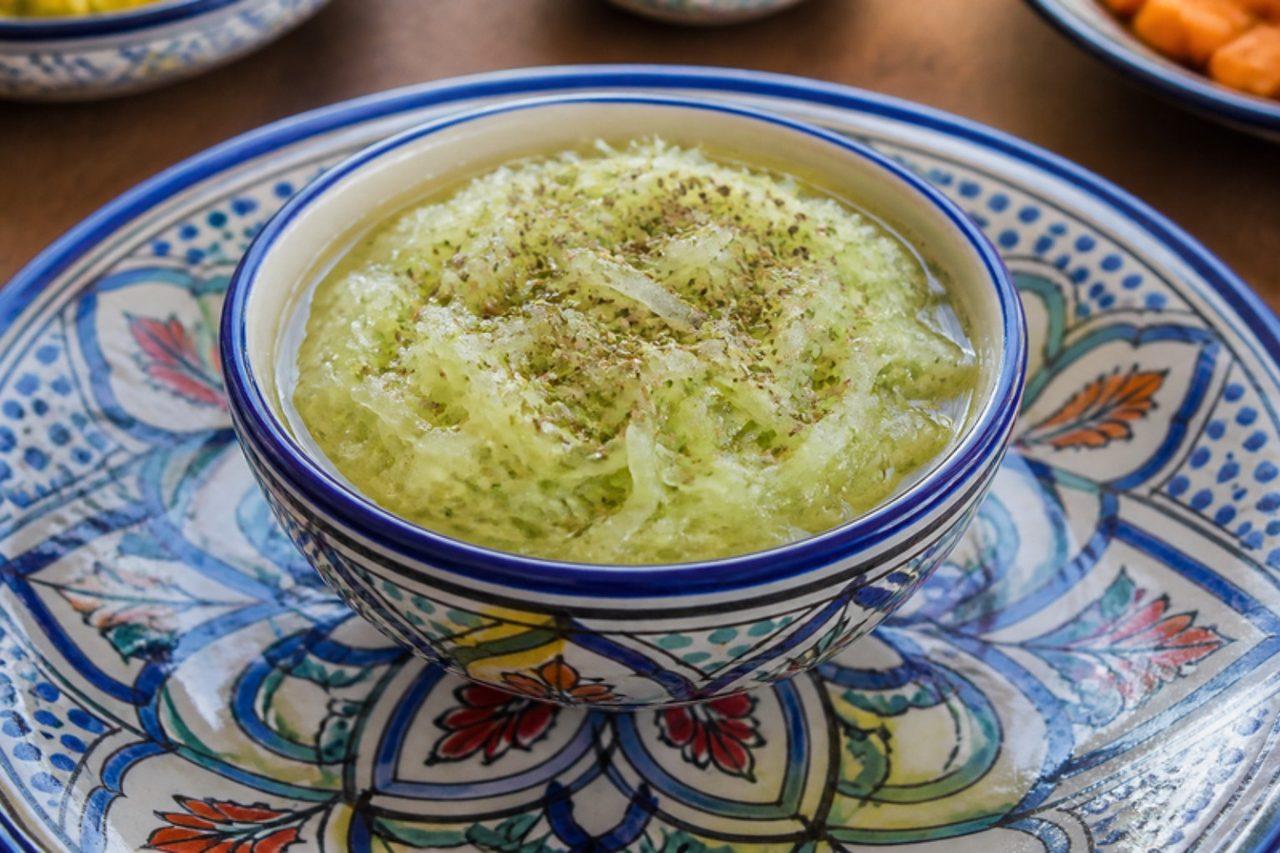
Shlada khiar (grated cucumber salad with oregano)

In the heat of a Fes or Marrakech summer, this ice-cold grated cucumber salad is served in bowls with spoons, half salad, half drink, alongside rich tagines or a plate of fried fish. Cucumber is grated and loosened with water, vinegar and a little sugar, then perfumed with crushed dried oregano or zaatar. Grating ahead and leaving it to sit in salt is the usual slip; the cucumber goes limp and bitter. Chef's tip: rub the oregano between your palms over the bowl to wake its oils.

by KrazyBadal 0 views

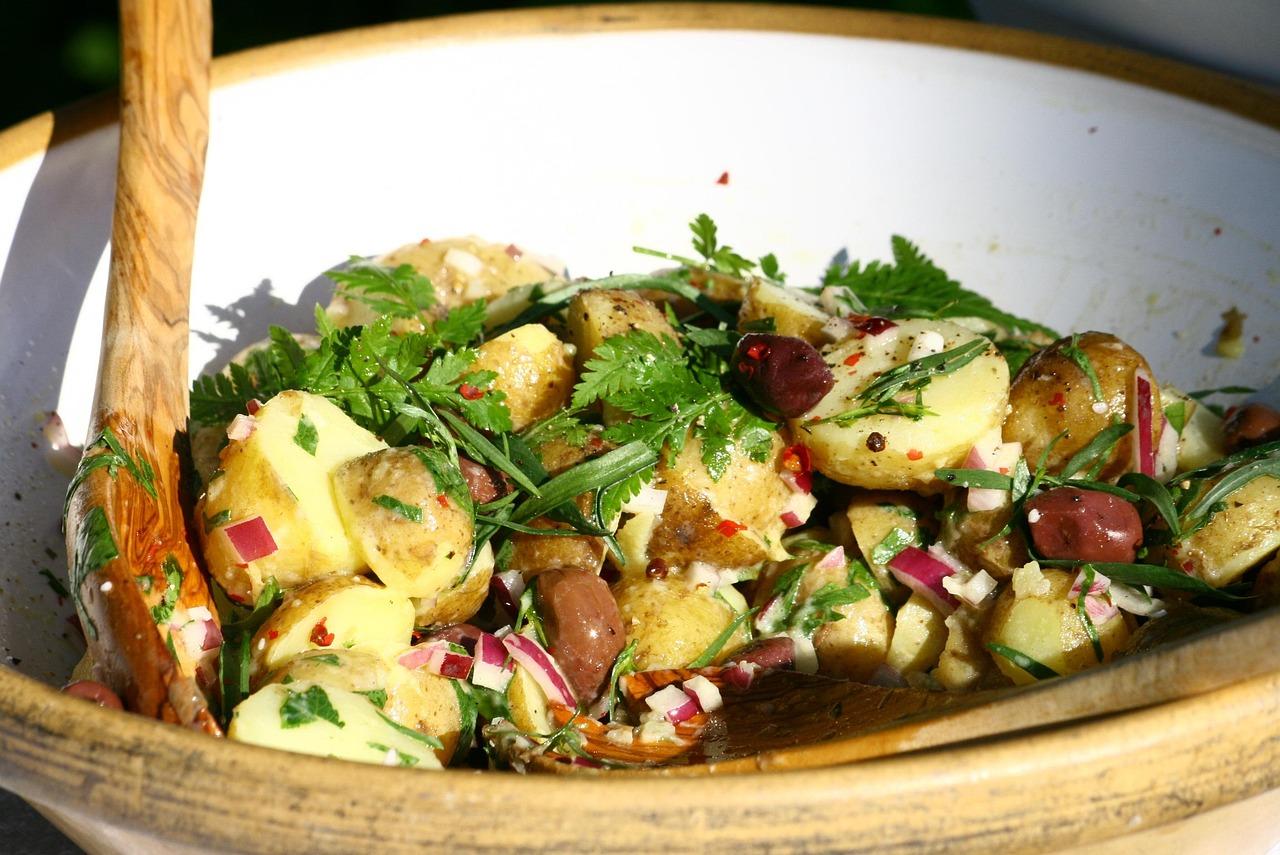
Shlada batata (Moroccan cumin potato salad)

Shlada batata is one of the cooked salads that line up on a Moroccan table before Friday couscous, in Rabat as much as in the Rif: boiled potato chunks dressed while warm with olive oil, lemon, cumin, paprika, garlic and plenty of parsley, with no mayonnaise at all. It's eaten at room temperature with bread, or with grilled sardines. Dressing cold potatoes is the common mistake; they don't absorb the flavours, so toss them while they're still steaming. Chef's tip: a few slivers of preserved lemon peel make it unmistakably Moroccan.

by KrazyBadal 0 views

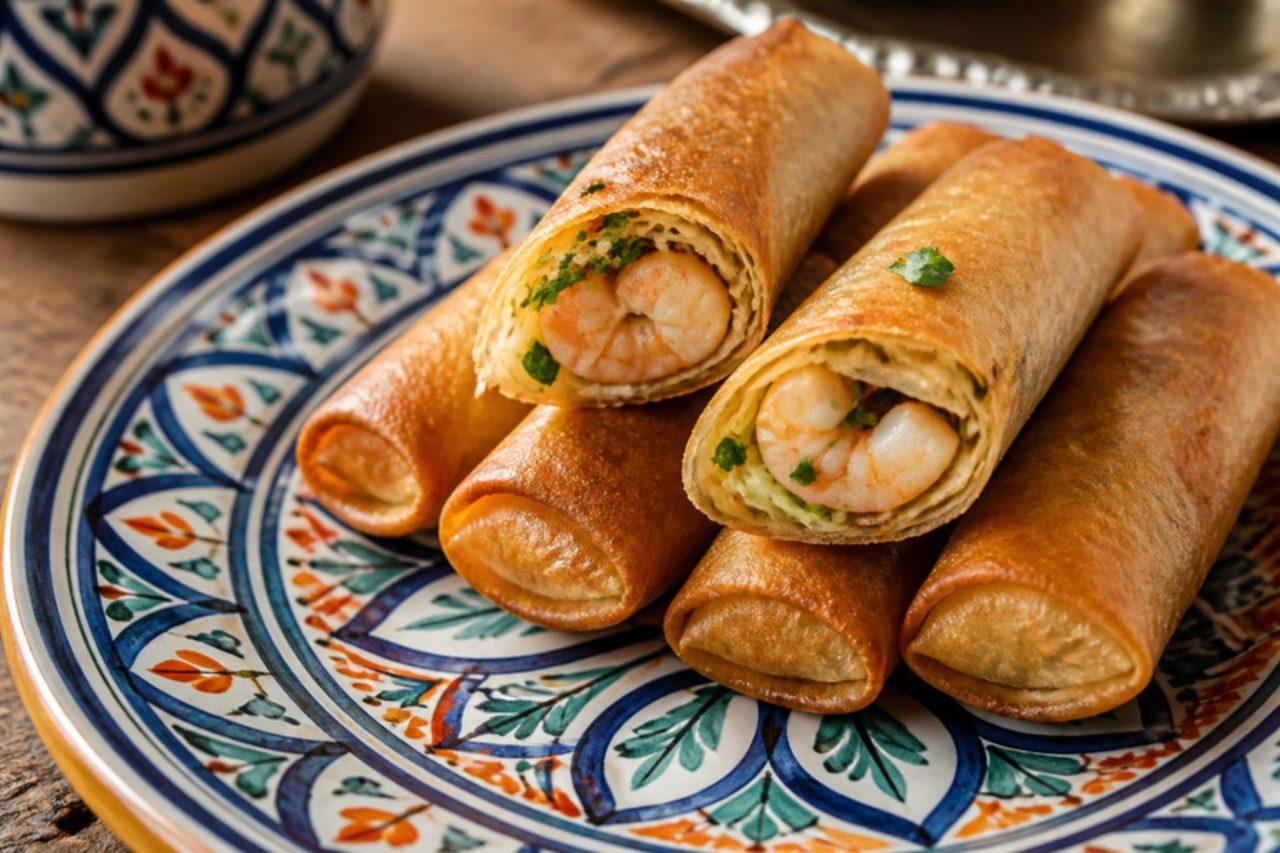
Shrimp and vermicelli briouats

In coastal cities like Agadir and El Jadida, the festive version of briouats is filled with prawns and rice vermicelli tossed in chermoula — a filling borrowed from seafood pastilla, but in a size you can eat in two bites. They come out at weddings, Eid lunches and Ramadan iftars, hot and crackling, with lemon. The usual mistake is a wet filling: cooked prawns and soaked noodles release water, so drain everything well and dry-fry the mix for a minute. Chef's tip: snip the soaked vermicelli into short lengths with scissors so the rolls fill evenly. Contains shellfish, wheat and egg.

by KrazyBadal 0 views

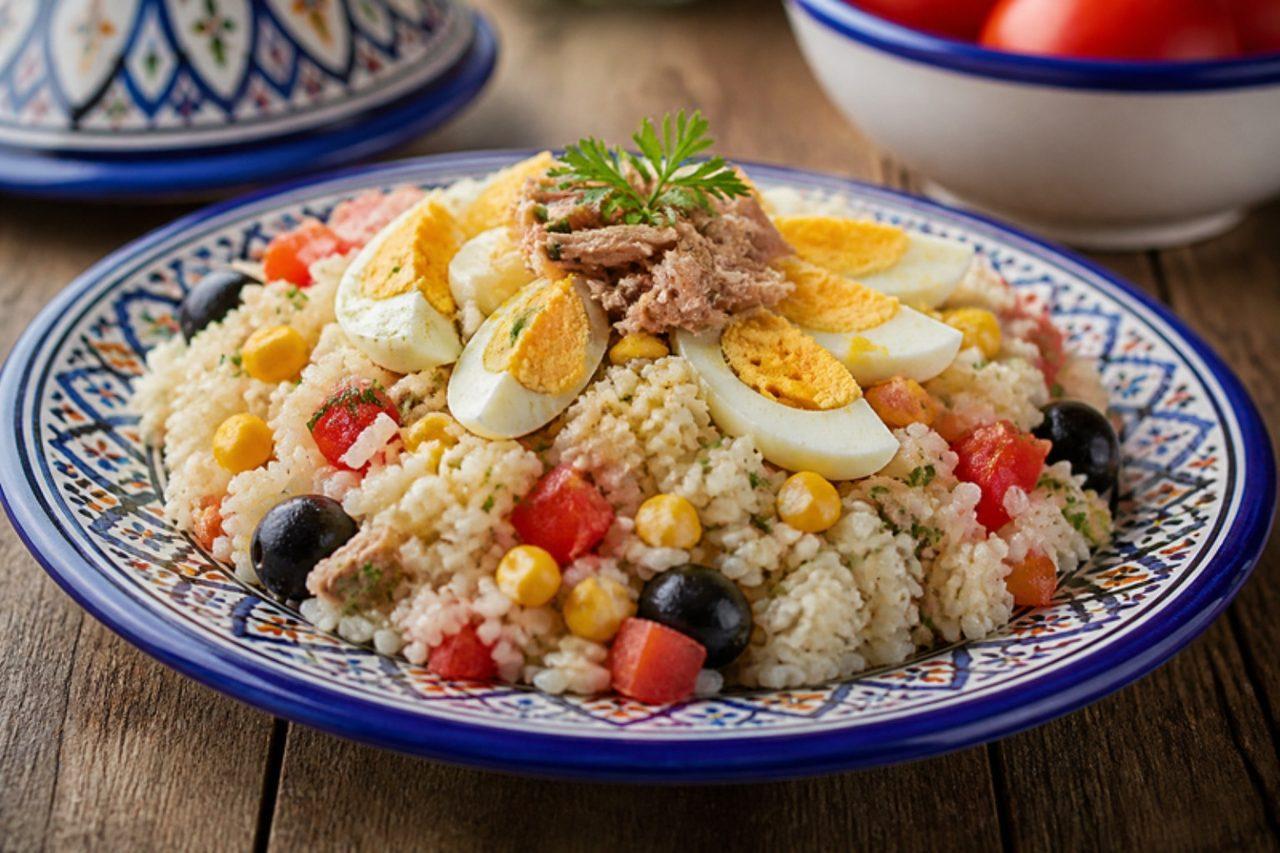
Moroccan party rice salad (shlada rouz)

Moroccan weddings, birthday parties and summer picnics in Rabat and Casablanca nearly always have a big platter of shlada rouz, the rice salad decorated in stripes and rings like a mosaic: tomato, sweetcorn, green olives, beetroot, boiled egg and flaked tuna on a bed of lemon-dressed rice. It's eaten cold as a starter. Rice cooked too soft turns to paste once dressed, so drain it while it still has a slight bite. Chef's tip: dress the rice while it's still a little warm; it soaks up the vinaigrette much better.

by KrazyBadal 0 views

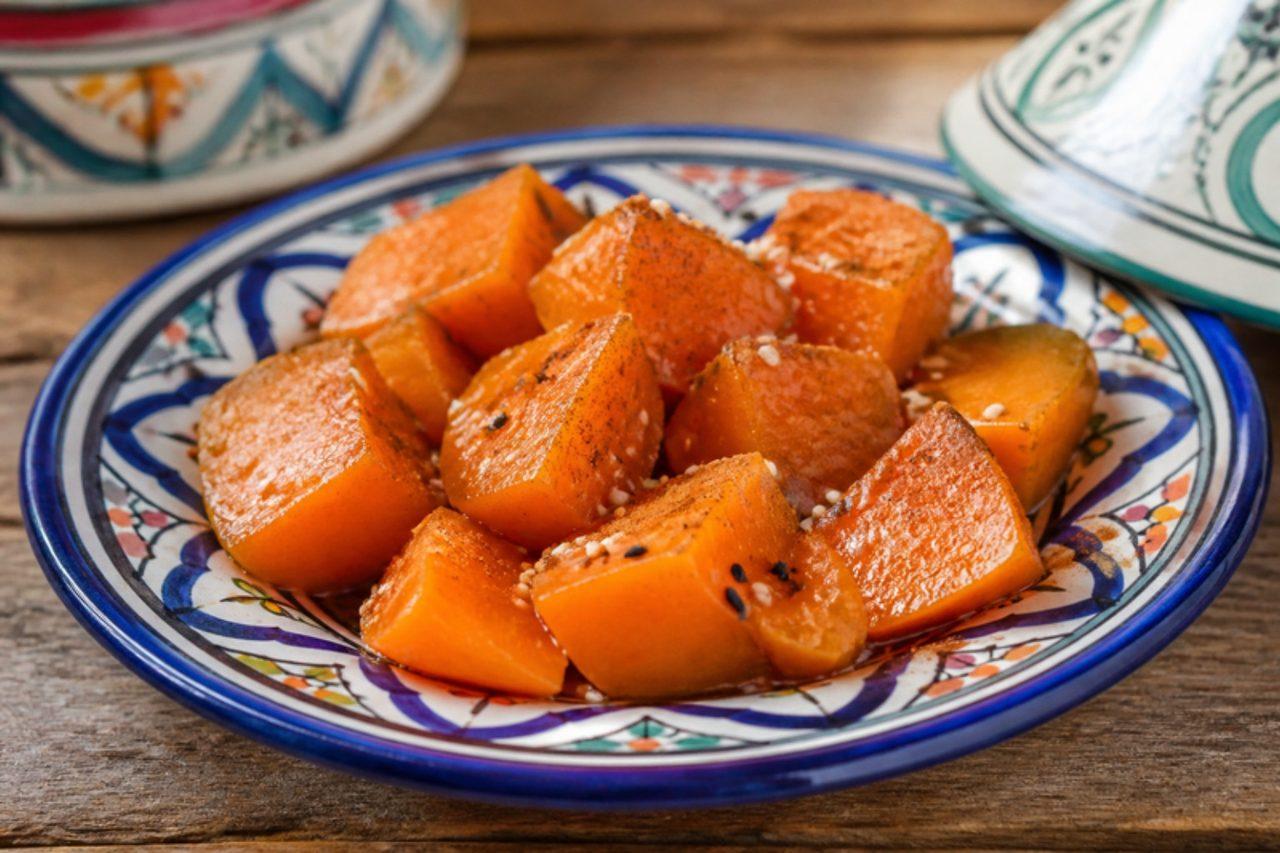
Moroccan sweet pumpkin salad

In Fes and Meknes no Friday couscous lunch starts without a ring of little cooked salads, and the sweet red pumpkin one is the children's favourite. Chunks of pumpkin are softened with a little oil, then cooked down with honey, cinnamon and a pinch of ginger until they collapse into a glossy, jammy mash with a few chunks left. Serve it at room temperature with bread, alongside sharper salads like zaalouk or carrots with cumin. Cooks often add too much water and end up with soup; the pumpkin gives off its own juice, so start almost dry. Chef's tip: scatter toasted sesame seeds over just before serving for crunch against the sweetness.

by KrazyBadal 0 views

Mutton chaap

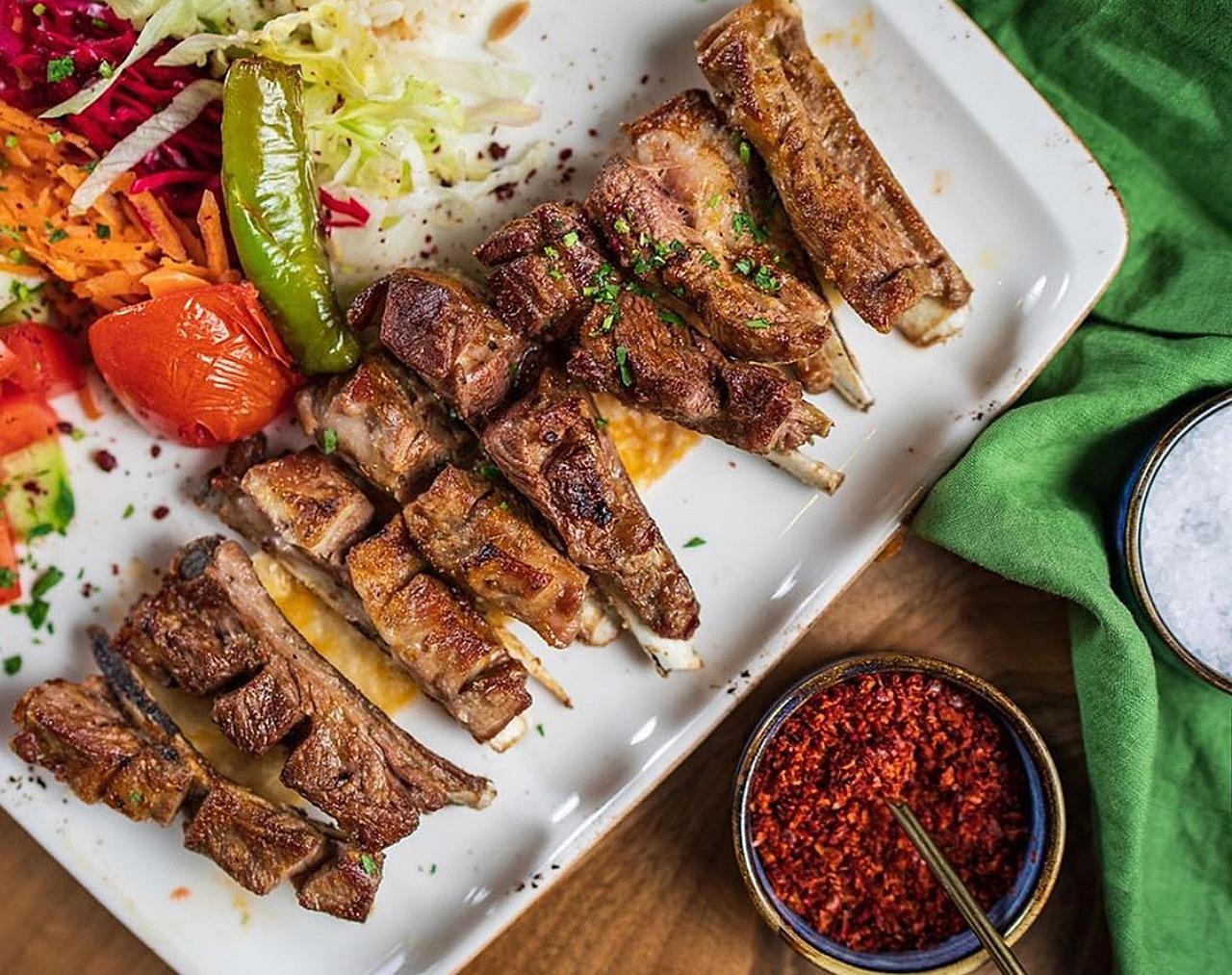
Mutton chaap belongs to Lahore's Gawalmandi and Lakshmi Chowk, where chops are pounded thin, rubbed with raw papaya and spice and slapped onto a hot tawa or a charcoal grill late into the night; families order them by the plate for Eid gatherings and weekend dinners. The papaya enzyme and yogurt make the meat tender enough to pull off the bone, while the chilli-spiced crust chars and turns sticky. People often leave papaya paste on for too long or overnight, and the meat goes mushy; two hours in the fridge is plenty. Contains milk. Chef's tip: finish the chops with a knob of butter and a squeeze of lemon on the tawa for the last minute, which is how the Lahori stalls get their glossy glaze.

by KrazyBadal 0 views

White chicken karahi

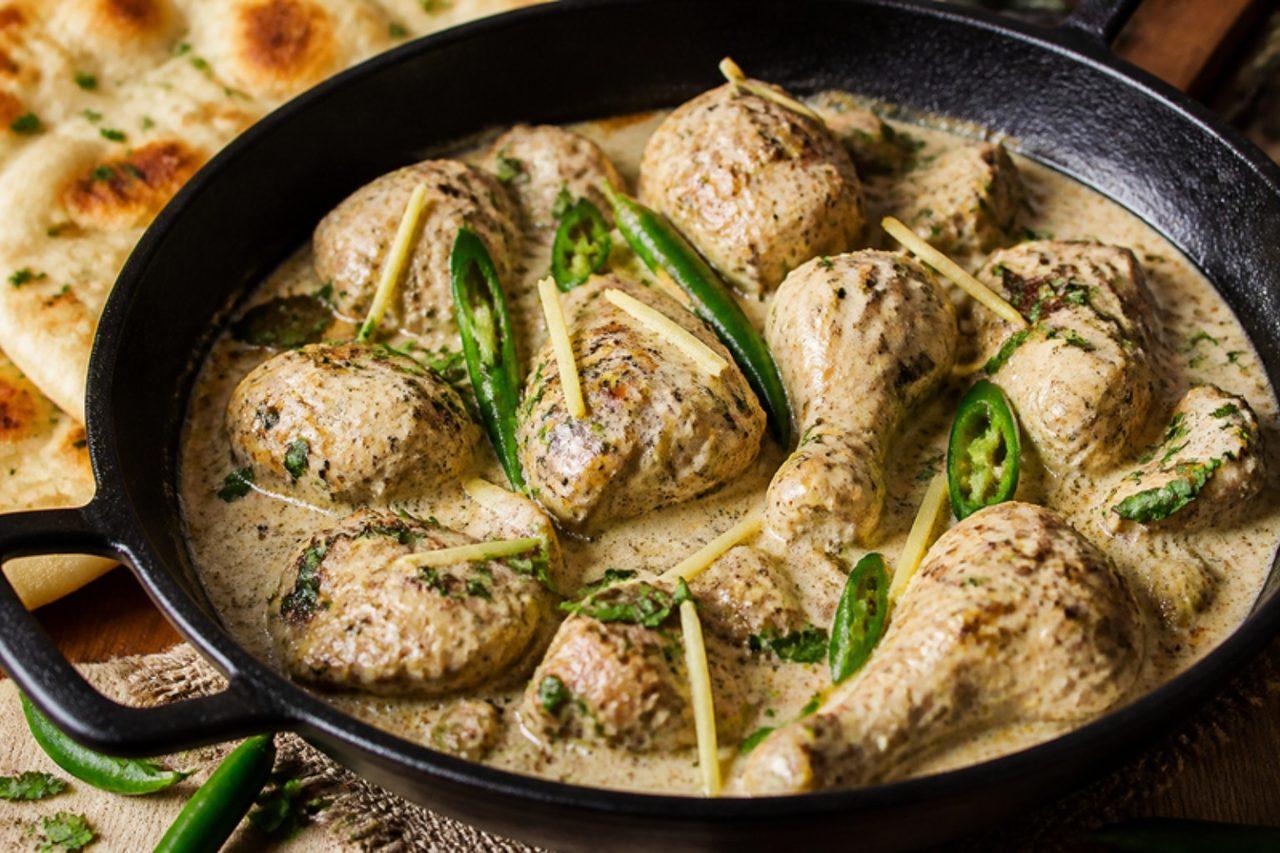
White karahi took off in Islamabad and Lahore restaurants as the mild, peppery alternative to the red version, and it has become a favourite for family dinners and mehndi menus where not everyone wants chilli heat. The chicken is fried with ginger and garlic, then finished in yogurt, cream and plenty of freshly cracked black pepper with whole green chillies, so the sauce is pale, rich and fragrant rather than fiery. A grainy, broken sauce is the classic pitfall; take the karahi off the heat before the yogurt goes in and bring it back to only a gentle simmer. Contains milk. Chef's tip: crack the black pepper coarsely just before using it, and add half at the start and half at the end for both warmth and aroma.

by KrazyBadal 0 views

Kalmi tikkaGrilled chicken drumsticks

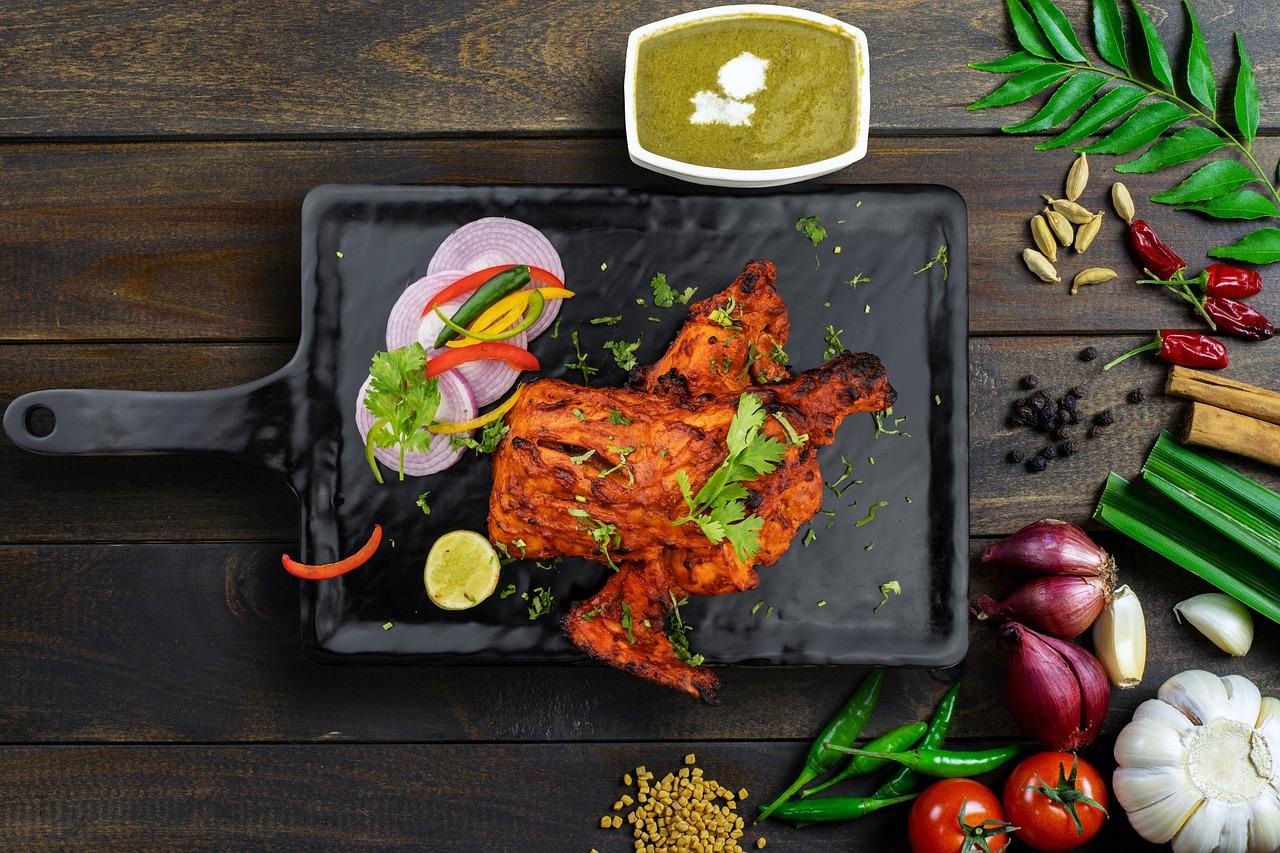
Kalmi means 'of the leg', and at Karachi BBQ joints from Burns Road to Do Darya the kalmi tikka is a whole drumstick, slashed to the bone, marinated in yogurt, chilli and roasted spice and turned over coals until its edges blacken; Lahori tikka houses serve it the same way after Friday prayers. The meat stays juicy on the bone while the marinade forms a tangy, smoky crust. The common mistake is grilling over fierce flames the whole time, which burns the outside long before the bone end is cooked; start over medium heat and only char at the end. Contains milk. Chef's tip: smoke the cooked drumsticks for two minutes under a lid with a hot coal and a drop of ghee (the dhuanaar) if you are cooking on a hob rather than a grill.

by KrazyBadal 0 views

Karahi qeemaMinced meat karahi

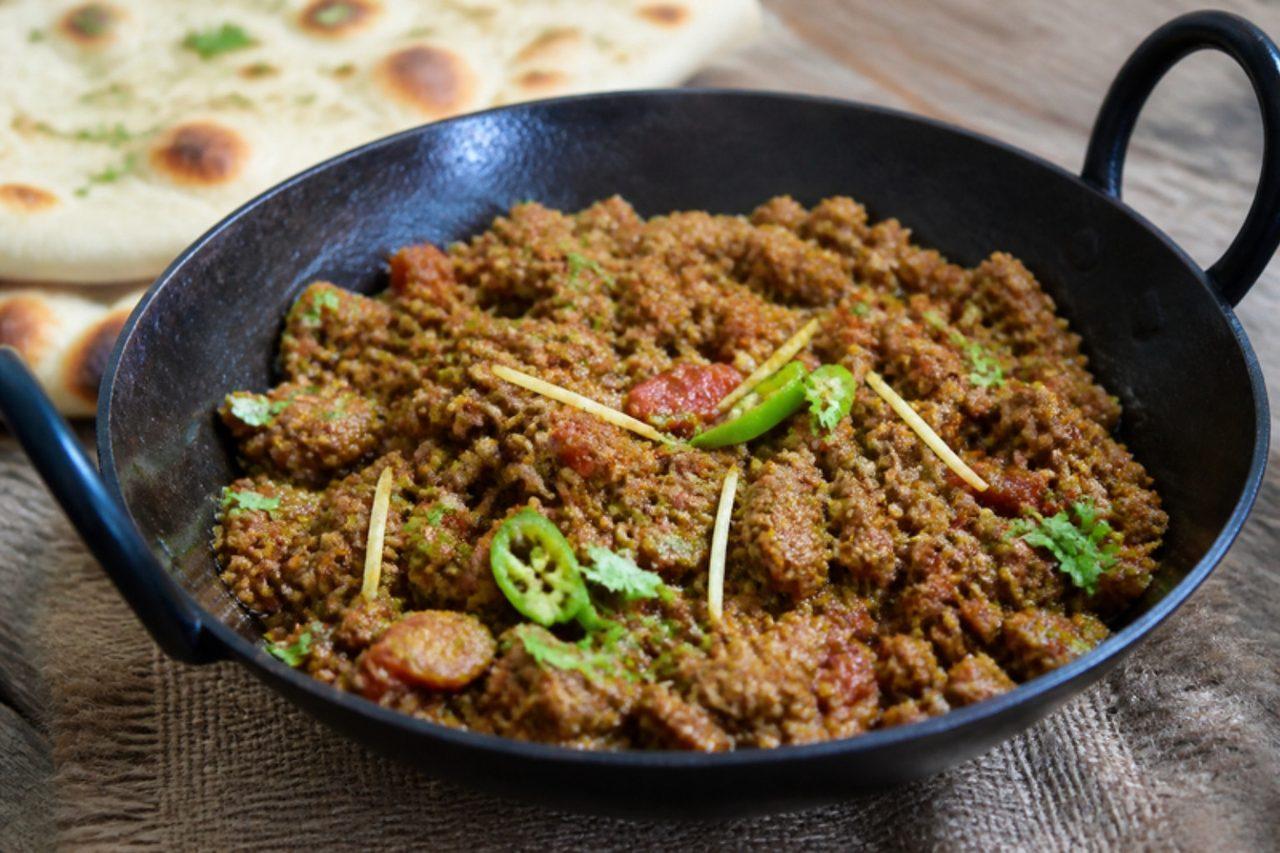
Karahi qeema is what home cooks across Punjab make when guests arrive unannounced, and what roadside karahi shops in Rawalpindi and Lahore fry to order for a quick lunch: beef or mutton mince stir-fried hard in an iron wok with tomato, ginger and green chilli until dry and glossy. It is scooped up with roti or stuffed into a paratha the next morning. The usual mistake is crowding the cold mince into a lukewarm pan, which stews it; get the oil smoking hot and break the meat up quickly so it fries. Chef's tip: finish with a handful of julienned ginger and a squeeze of lemon off the heat, for a fresh bite against the rich meat.

by KrazyBadal 0 views

Shlada gar'a (cooked courgette salad with cumin)

In Meknes and Casablanca the pale courgettes of early summer are cooked down into this soft, spiced salad, one of several little dishes set out with bread before the main course. The courgettes are steamed with garlic, then crushed lightly with olive oil, cumin, paprika and lemon until spoonable but still chunky. Serve it cool with bread or alongside grilled fish. Watery courgettes are the usual problem; cook off all the liquid before seasoning. Chef's tip: add a handful of chopped coriander only at the end so it stays bright.

by KrazyBadal 0 views

Chicken handi

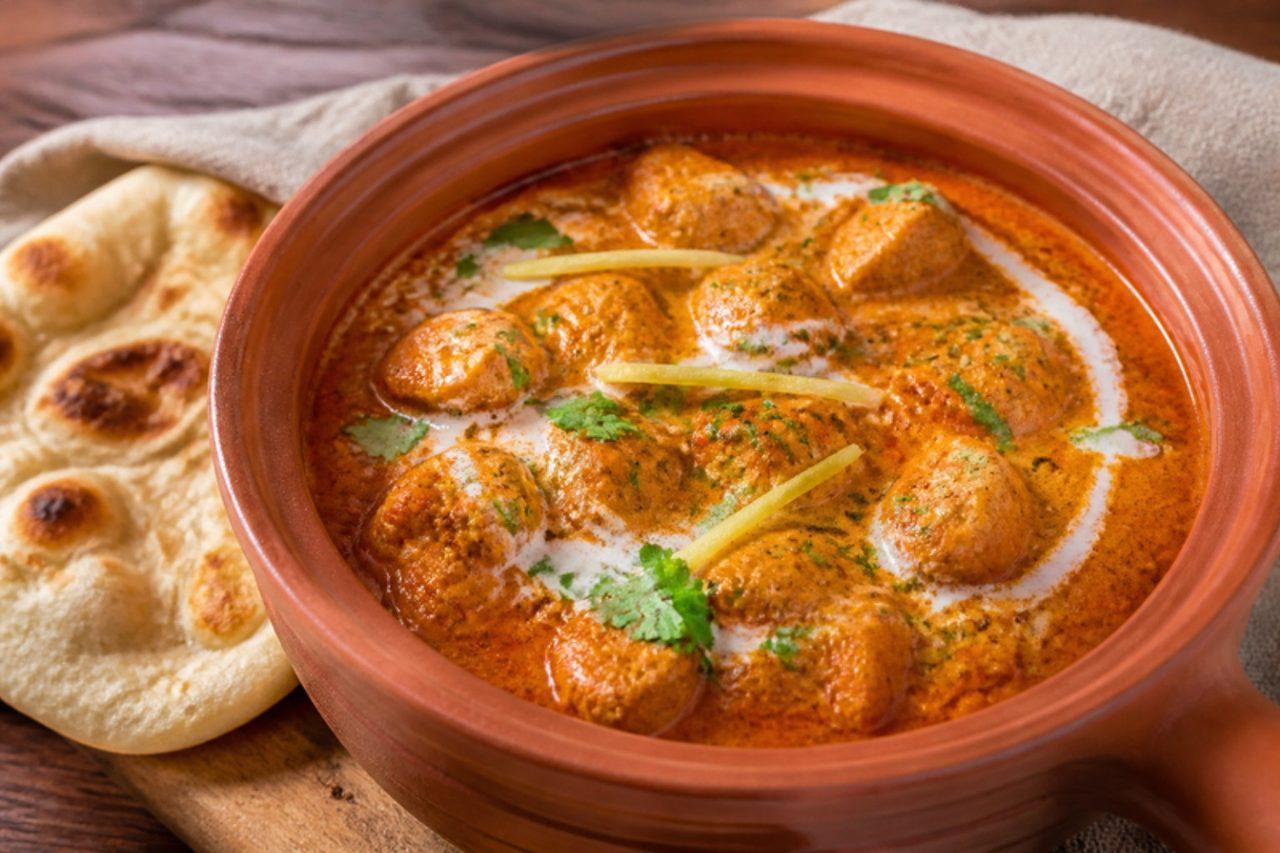
Chicken handi is the dish families order at Lahore's M.M. Alam Road restaurants and Karachi's Do Darya when everyone wants something rich but not fiery; it arrives bubbling in its clay pot with a swirl of cream, and disappears with garlic naan. Boneless thigh is marinated in yogurt, then cooked in a tomato masala that is finished with cream and crushed fenugreek, giving a velvety, gently tangy sauce. A sauce that splits into grains usually means the yogurt went into a fiercely boiling pan; lower the heat first and stir it in. Contains milk. Chef's tip: let the gravy 'bhuno' (fry) until the oil comes to the surface before you add the cream: that is where the deep, roasted flavour comes from.

by KrazyBadal 0 views

Shinwari karahiLamb karahi

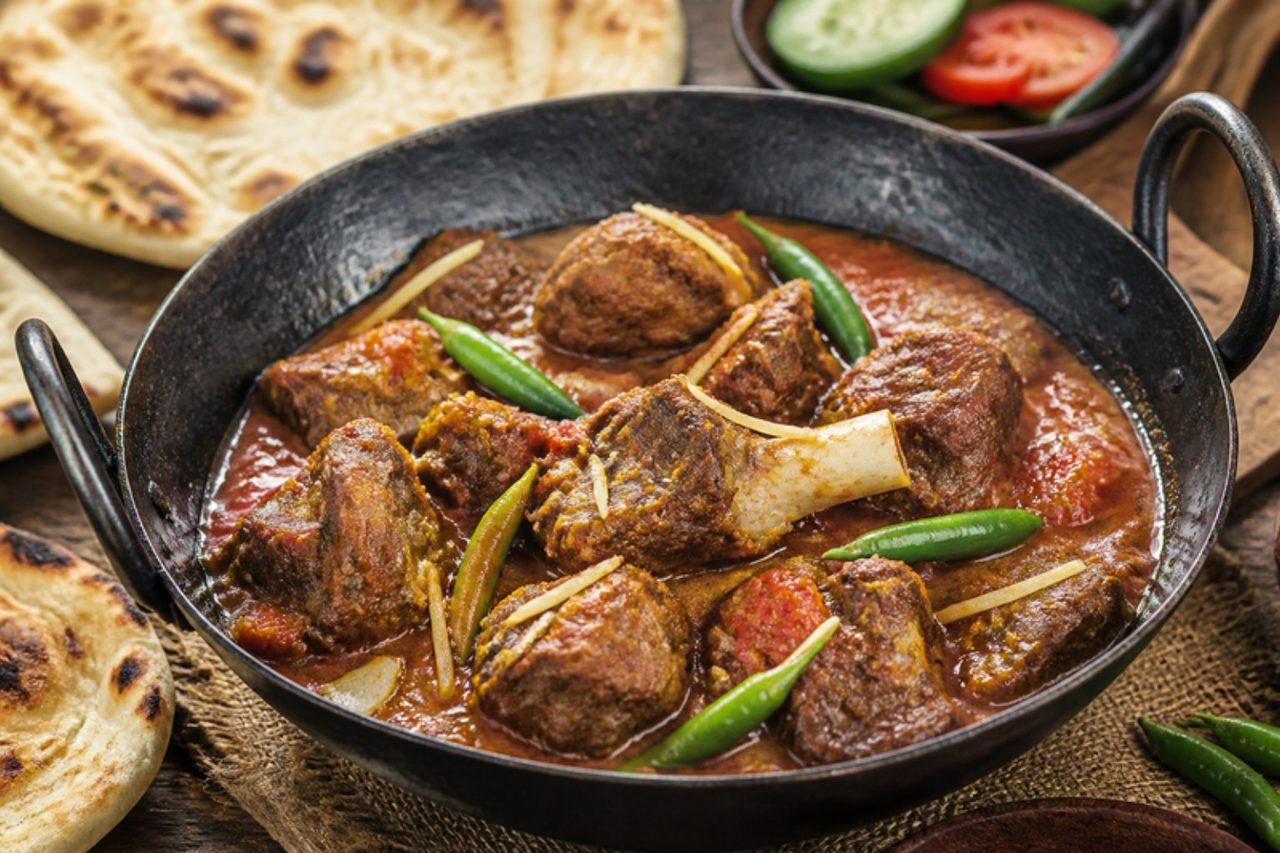
On the Grand Trunk Road out of Peshawar and in the Namak Mandi lanes, Shinwari cooks fry lamb in a vast iron karahi with nothing but its own fat, salt, tomatoes and green chillies, and diners sit cross-legged in the dera to eat it with naan straight from the pan. There is no onion, no powdered spice and hardly any water, so the meat tastes deeply of lamb and the sauce is short, glossy and tangy. The mistake is adding water to speed it up: it boils the meat grey; instead keep the lid on over a low heat and let the meat steam in its own juices. Chef's tip: use bone-in shoulder with its fat (or add 50 g of lamb fat), because the rendered fat is the sauce.

by KrazyBadal 0 views

Shlada beldia (Moroccan tomato and cucumber salad)

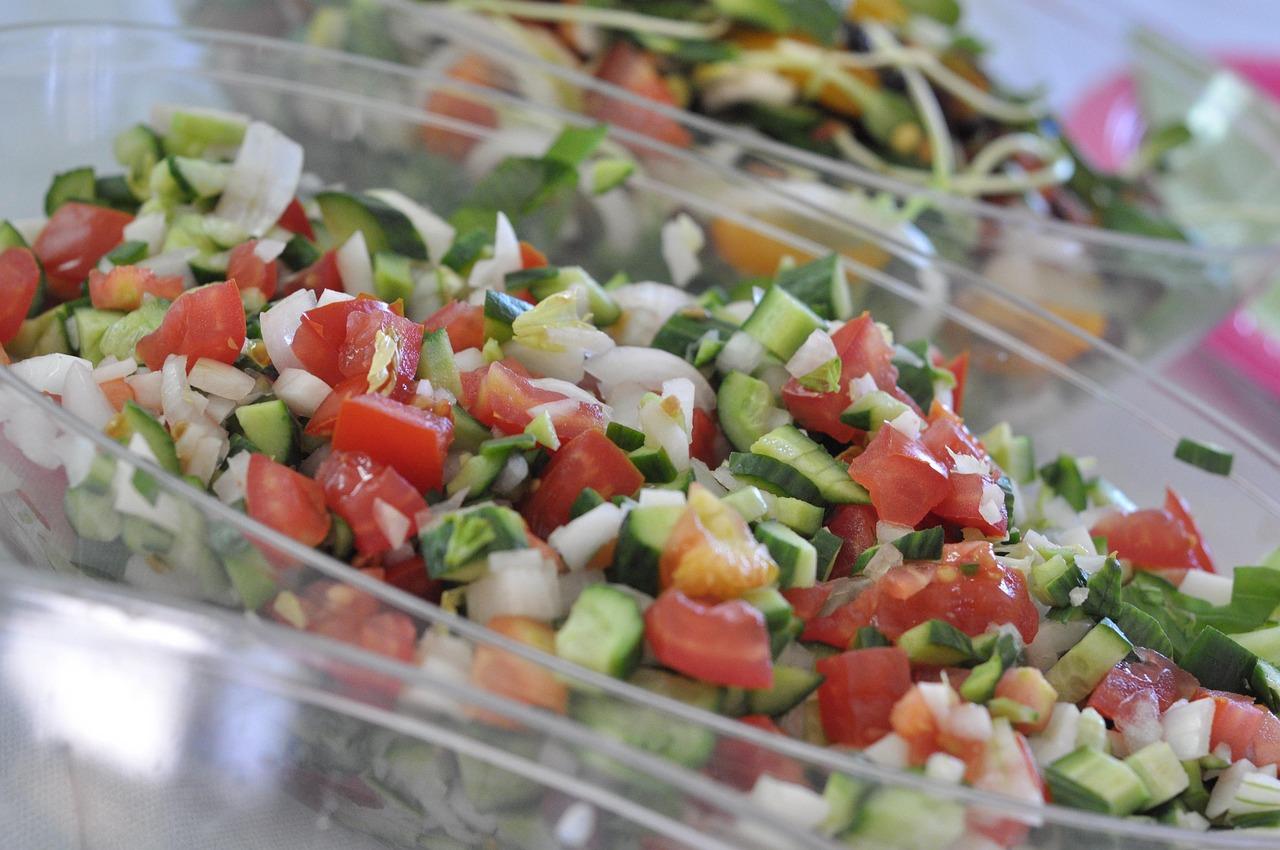
Shlada beldia, "country salad", sits next to the bread on almost every Moroccan table, from Marrakech grill stalls to a Tuesday family lunch in Oujda. Tomato, cucumber, onion and green pepper are diced as small as lentils, then dressed with lemon, olive oil, parsley and a pinch of cumin, so it eats like a fresh relish with grilled meat, tagines or eggs. The common mistake is dressing it too early: the tomatoes weep and it turns to soup, so salt it just before serving. Chef's tip: dice everything to the same tiny size; that's what makes it taste Moroccan rather than like a chopped salad.

by KrazyBadal 0 views

Chorba khodra (light Moroccan vegetable soup)

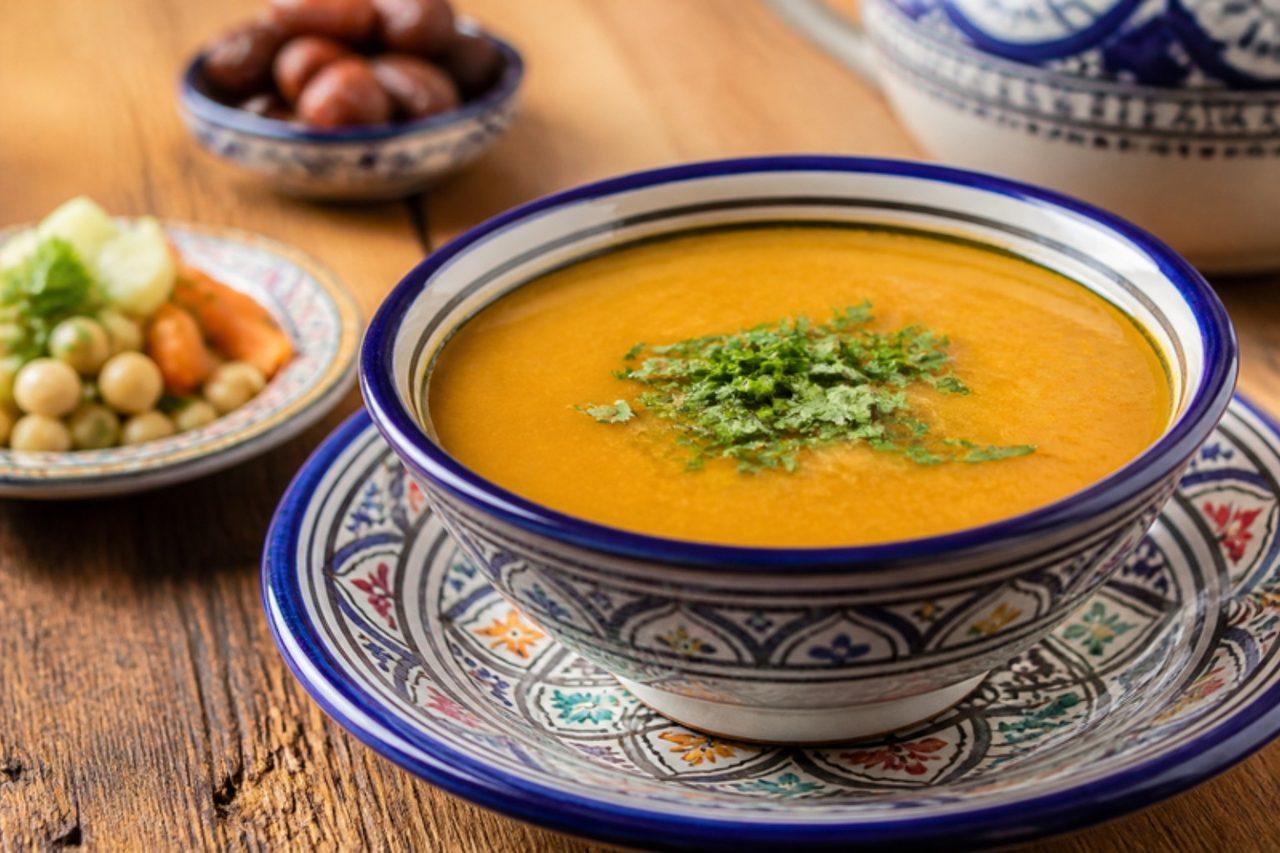
Chorba khodra is the everyday soup of Moroccan homes from Tangier to Agadir, served for supper on cold evenings and to anyone feeling unwell. Carrots, courgettes, potato, turnip and celery simmer with onion, tomato, coriander, parsley, ginger and a little turmeric, then get blended into a smooth, light orange soup thickened with a spoon of fine vermicelli or semolina. Serve with bread and a lemon wedge. Most people boil it too long so the herbs turn dull; add the fresh herbs in the last 10 minutes. Chef's tip: a teaspoon of smen or olive oil stirred in right before serving gives it the roundness of the restaurant version. Contains wheat (vermicelli).

by KrazyBadal 0 views

Moroccan quince preserve (mrabba sfarjal)

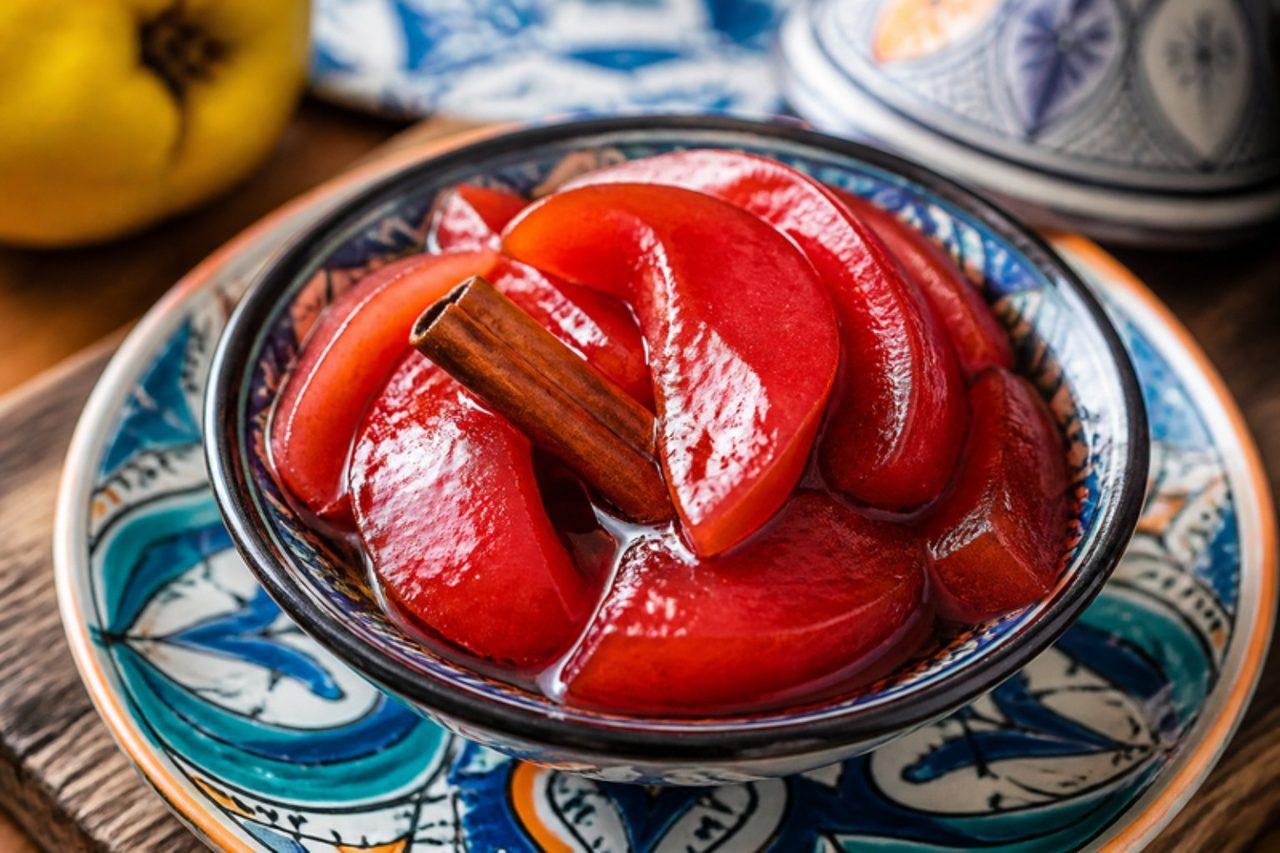
When quinces fill the market stalls of Fes and Meknes in October, households cook them down into this deep red preserve for winter breakfasts with msemen, baghrir and fresh cheese. The pale fruit turns ruby only with long, gentle cooking, the slices staying whole in a thick, cinnamon-scented syrup. Spread it on bread or serve a spoon next to soft cheese. Impatient cooks boil it hard and get a pale, sticky jam; the colour needs slow simmering. Chef's tip: tie the quince cores and peel in muslin and cook them with the fruit — they hold the pectin that sets the syrup. Store in sterilised jars.

by KrazyBadal 0 views

Tagine qoq w jelbana (lamb with artichokes and peas)

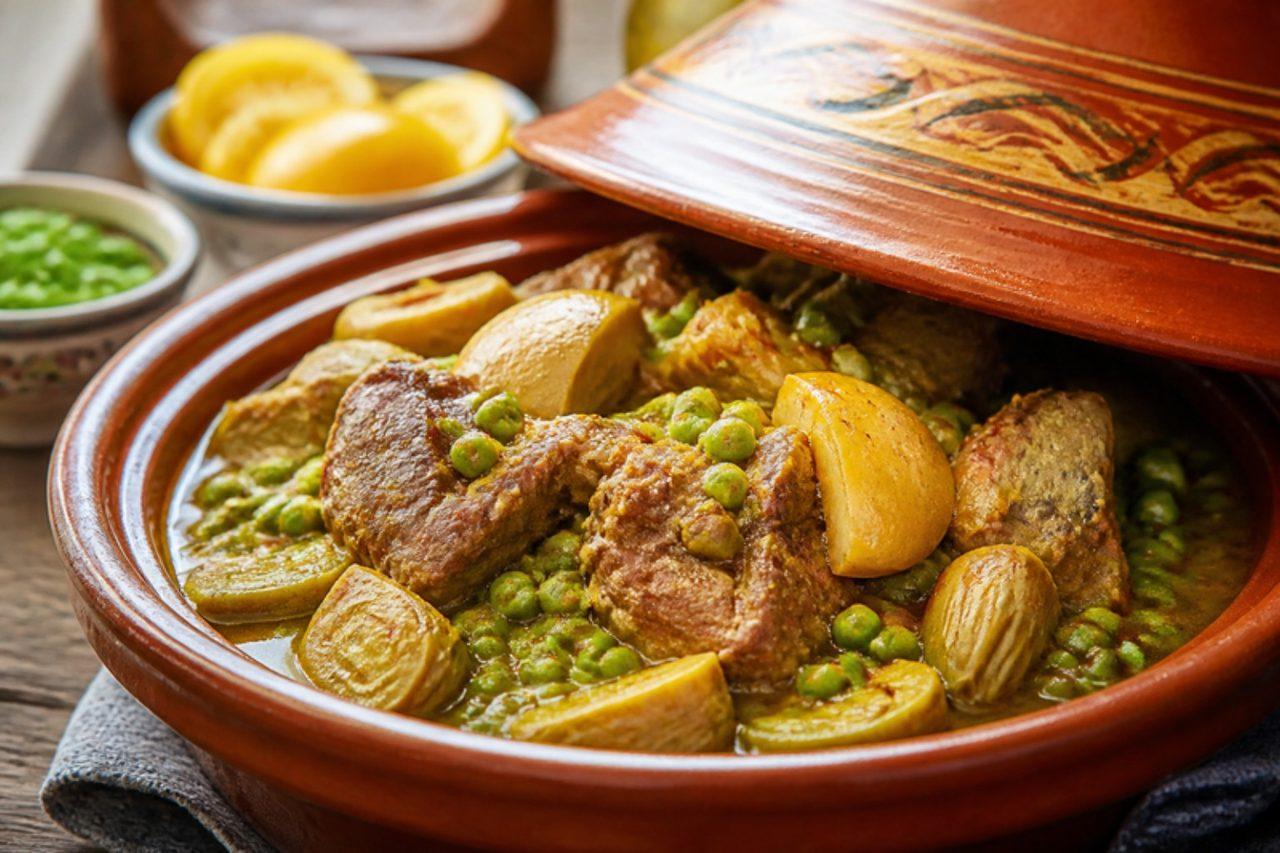
In Fes and Meknes, spring is announced by the first wild artichokes and fresh peas, and families cook them in this pale, saffron-gold lamb tagine for the Friday lunch. The lamb simmers with onion, ginger, saffron and olive oil until tender, then artichoke hearts and peas go in so they stay green, and preserved lemon adds a salty brightness. Eat it straight from the pot with khobz. The common mistake is adding the vegetables with the meat, so they go grey and mushy; they need only the last 20 minutes. Chef's tip: rub cut artichokes with lemon and keep them in lemon water, or they blacken within minutes.

130 minMoroccanMeatGluten free
by KrazyBadal 0 views

Kefta briouats (spiced beef triangles)

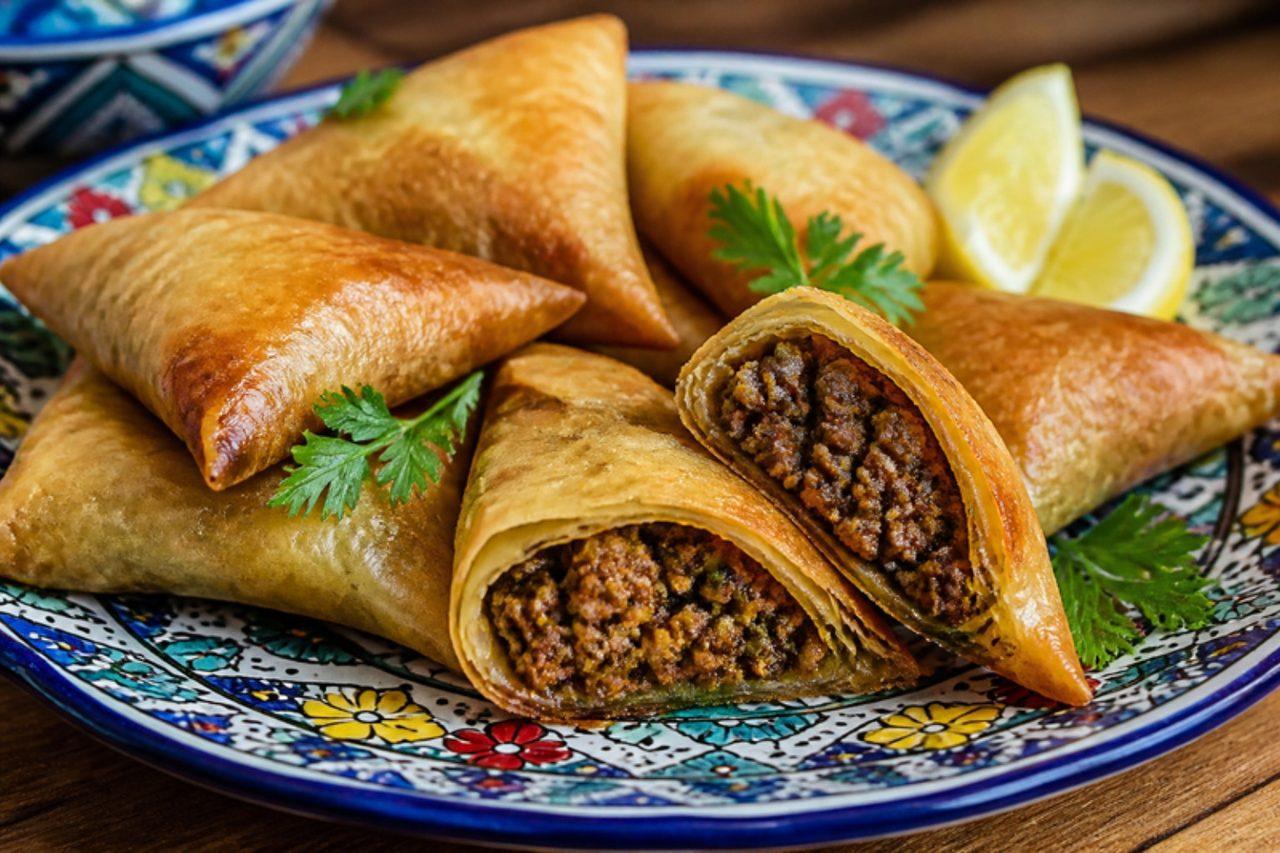
Kefta briouats are the savoury star of Moroccan party trays, from Tetouan weddings to Ramadan iftars in Casablanca: minced beef cooked with onion, cumin, paprika and cinnamon, bound with a little egg and folded into crisp warqa triangles. Serve them hot with a wedge of lemon and mint tea. People often fill the pastry with raw kefta and rely on frying to cook it; the meat won't get hot enough in a minute in the oil, so cook the filling fully first. Chef's tip: a beaten egg stirred into the hot meat right at the end sets into a binder and stops the filling crumbling. Contains wheat and egg.

by KrazyBadal 0 views

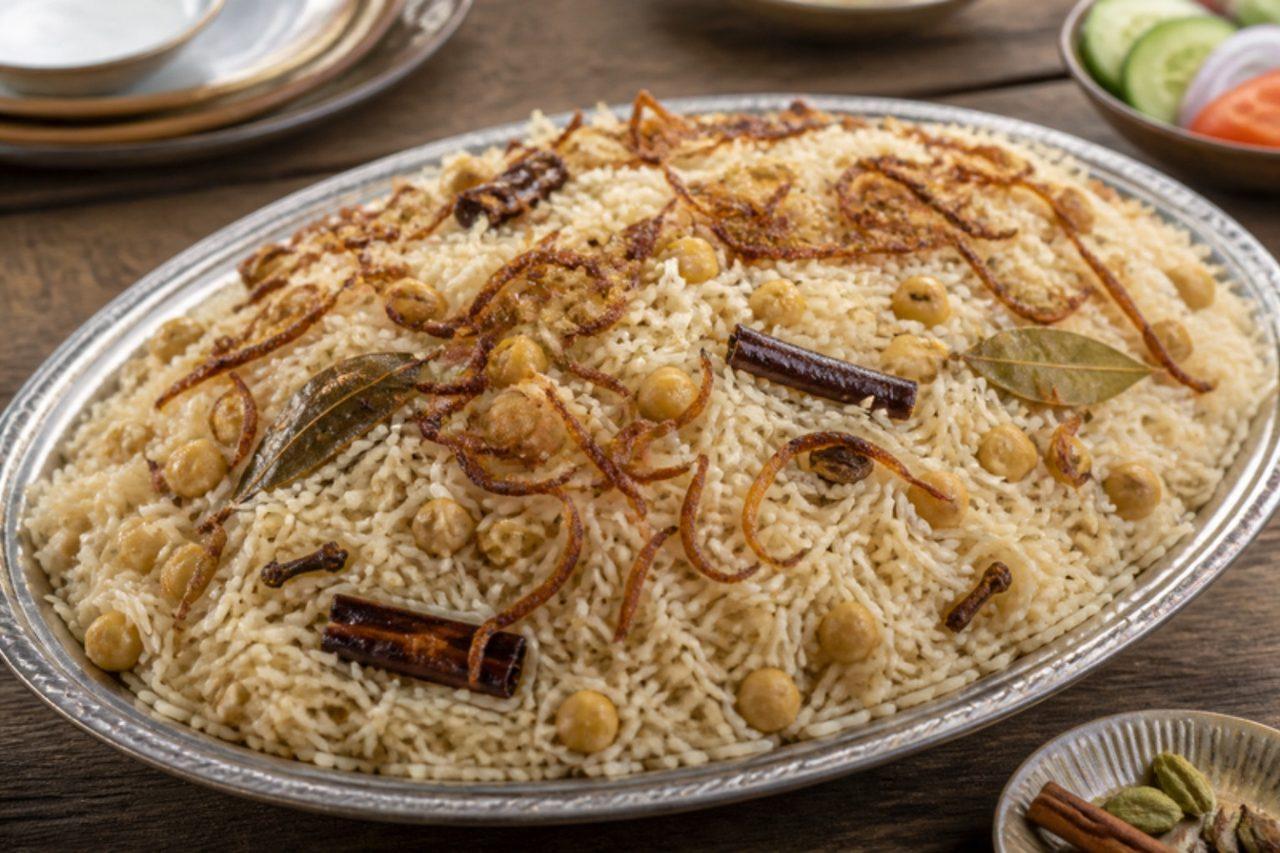
Chana pulaoChickpea pulao

From carts parked outside Karachi offices at lunchtime, chana pulao is ladled onto paper plates with a dollop of raita and a few onion rings: long-grain rice cooked in a spiced stock with chickpeas until every grain is separate and fragrant. Browned onion gives it a golden colour and a gentle sweetness, while cloves, cardamom and black cumin scent the steam. The usual mistake is stirring the rice once it goes in, which breaks the grains and makes it sticky; once the water is in, just cover and leave it alone. Chef's tip: let the rice absorb most of the water over a high heat, then seal the lid with a tea towel and give it 10 minutes of dum on the lowest heat so it steams through.

by KrazyBadal 0 views

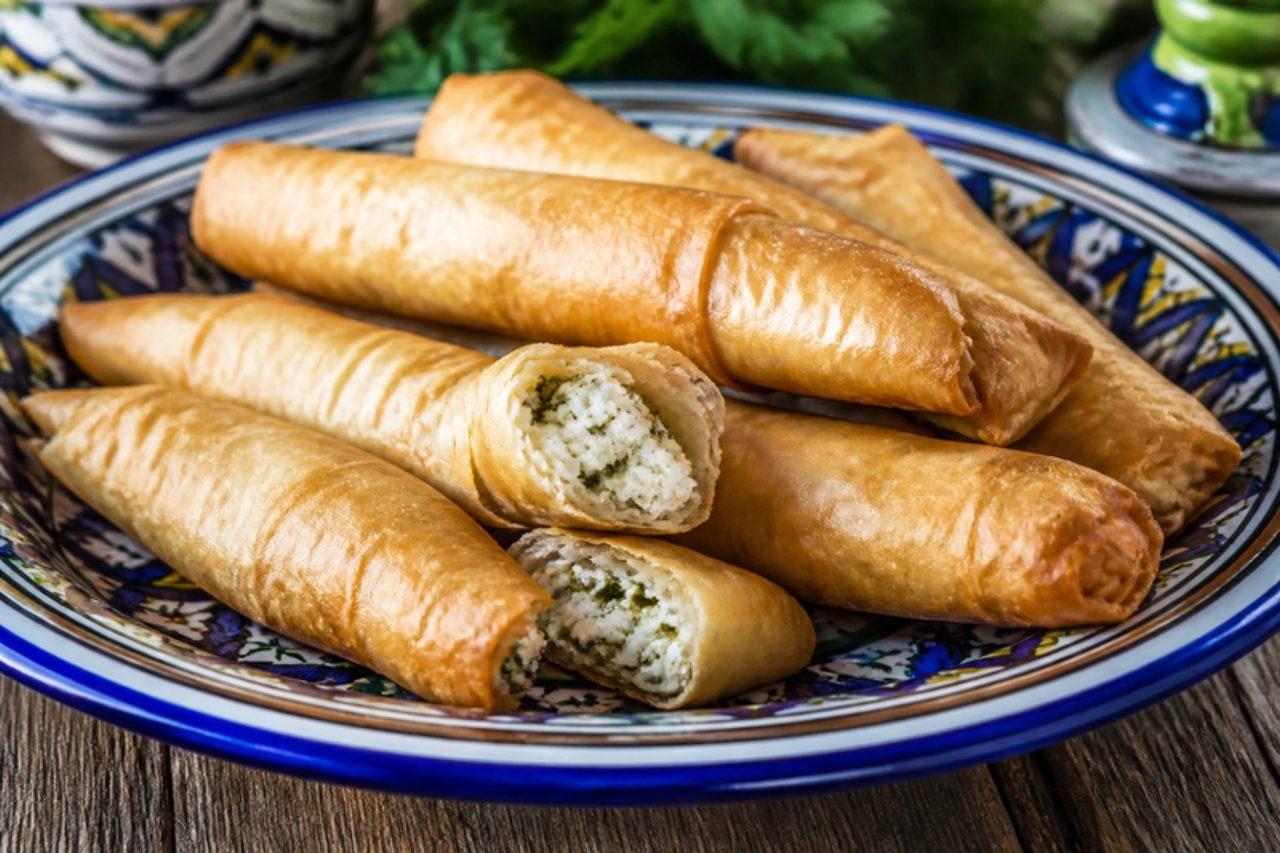
Cheese briouats (briwat bel fromage)

Cheese briouats are the cigars that disappear first from Ramadan tables in Rabat and Tangier: fresh, salty cheese mixed with egg, parsley and a pinch of chilli, rolled tight in warqa and fried until the pastry shatters. They're served hot, at iftar or with mint tea for afternoon guests. Overfilled cigars burst and leak cheese into the oil; a level tablespoon each is enough. Chef's tip: a little grated hard cheese in the mix stops the fresh cheese from going watery. Traditional fresh cheese like jben is made with animal rennet; choose a vegetarian one if needed. Contains milk, egg and wheat.

by KrazyBadal 0 views

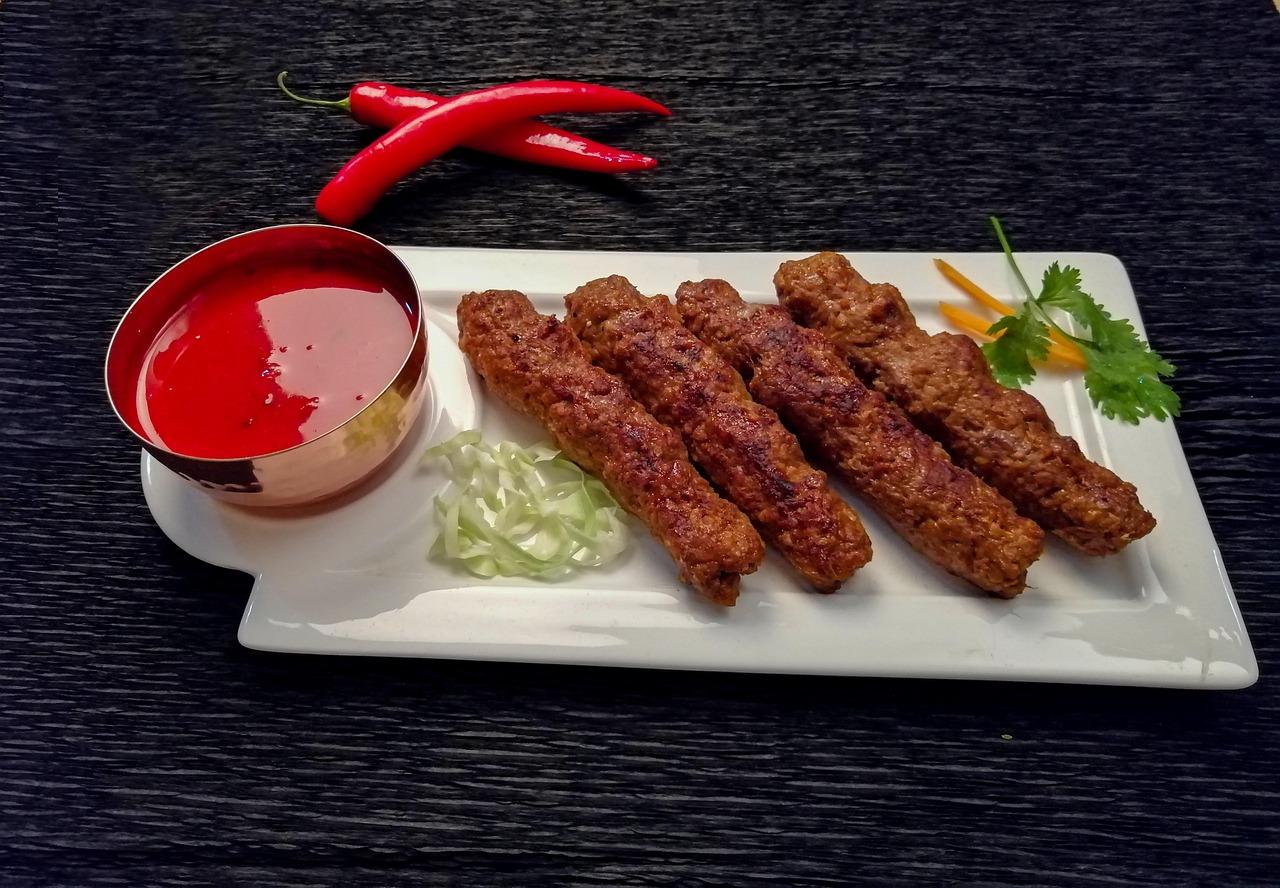
Seekh kebab

The long, charred seekh kebab is the first thing grilled when the coals glow on Lahore's food streets and on Karachi's Boat Basin in the evening, eaten hot off the skewer with naan, onion rings, lemon and green chutney. Coarsely minced beef (or mutton) with some fat is kneaded with onion, ginger, garlic, green chilli and roasted spices until it turns sticky enough to cling to a flat skewer, then grilled until smoky outside and juicy within. The classic failure is a kebab that slides off into the coals, which happens when the onion is left wet or the mince too lean; squeeze the onion dry and use mince with about 20 per cent fat. Chef's tip: chill the shaped skewers for 20 minutes before grilling so the fat firms and holds the meat in place.

by KrazyBadal 0 views

Showing 24 of 435 recipes

Show more recipes

Page 2 of 19