Skip to content
Recipes

All recipes

Vegetarian, or something you can't eat? Set your diet once and we'll hide recipes that don't fit.

TopfengolatschenSweet quark puff pastry squares

A Topfengolatsche is what Viennese office workers grab from the bakery on the way in, and what grandparents order with a Melange in a coffee house on a Sunday afternoon. The corners of a puff pastry square are folded over a lemony, vanilla-scented filling of Topfen (Austrian quark) with plump raisins, and the top gets a thin white glaze. It is flaky, light and not too sweet. Raisins are sometimes soaked in rum; warm water or orange juice works just as well, and the recipe below is alcohol-free. Wet quark is the classic problem, because it turns the filling runny and it leaks out in the oven. Chef's tip: hang the quark in a sieve lined with a clean cloth for an hour, or squeeze it, until it is as thick as soft cream cheese.

by KrazyBadal 0 views

GurundiCrunchy coconut biscuit bars

Walk past a school gate or a motor park in Kano, Kaduna or Jos and you will hear hawkers calling out gurundi, the hard coconut biscuit bars sold in little plastic bags. They are toasty, sweet and very crunchy, packed with coconut and a hint of nutmeg, and children buy them with pocket money to eat on the walk home. At home they go into lunch boxes or out with a cup of tea or a cold bottle of zobo. Fresh grated coconut is traditional; desiccated coconut makes it simple anywhere. Chef's tip: once the bars are golden, turn off the oven and leave them inside with the door ajar for 15 minutes to dry right through; taking them out too soon is the usual mistake, and they go soft by the next day.

by KrazyBadal 0 views

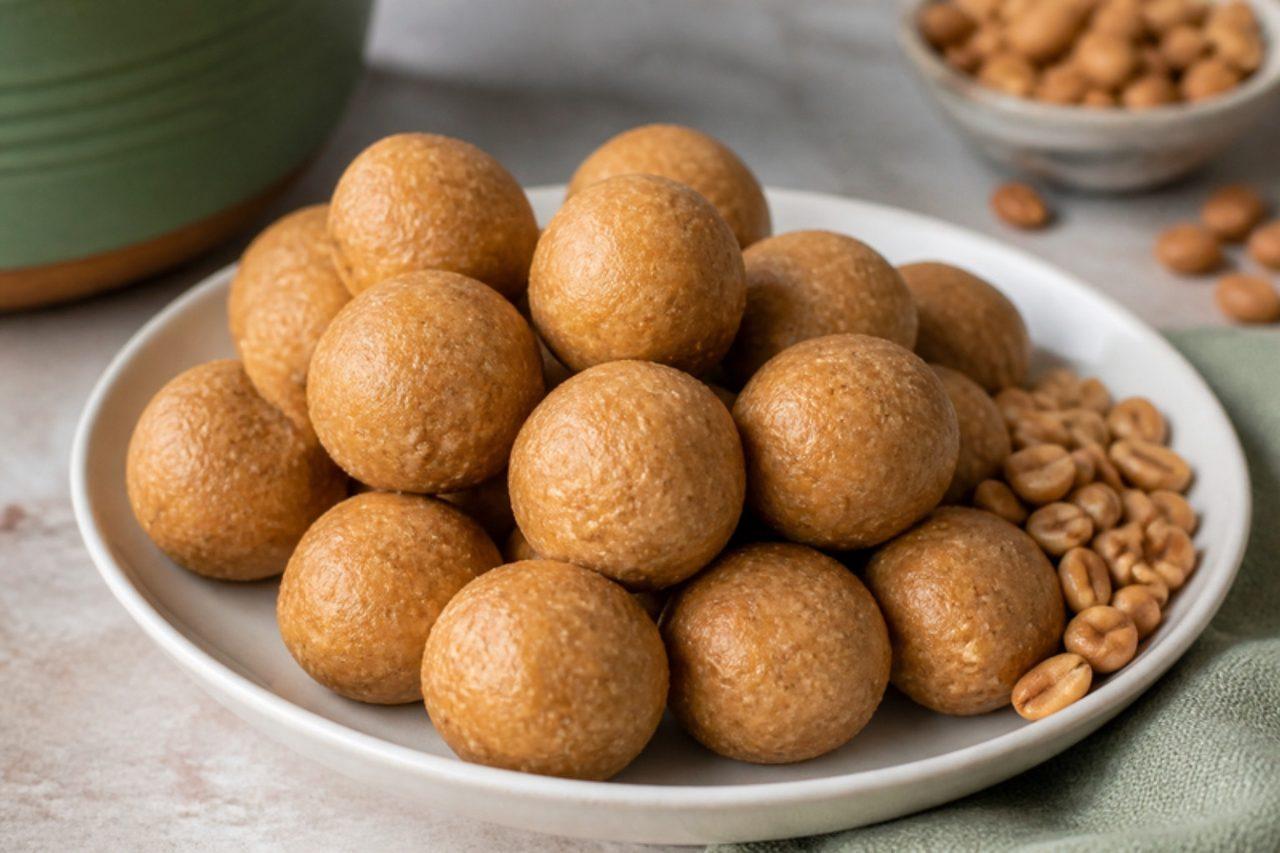
Donkwa

Children in Kano and Sokoto buy donkwa from trays at the market gate, and in Yoruba towns it is sold as a sweet-hot snack on the walk home from school: firm little balls of toasted corn flour pounded with roasted groundnuts, sugar and a pinch of dried pepper, bound by the nuts' own oil. They are crumbly, nutty and gently spicy. Contains peanut. The common mistake is under-toasting the corn: raw corn flour tastes chalky and floury, so keep stirring until it is pale biscuit-coloured and smells like popcorn. Chef's tip: if the mixture won't hold, add the oil drop by drop and squeeze each ball hard in your fist before rolling it smooth.

by KrazyBadal 0 views

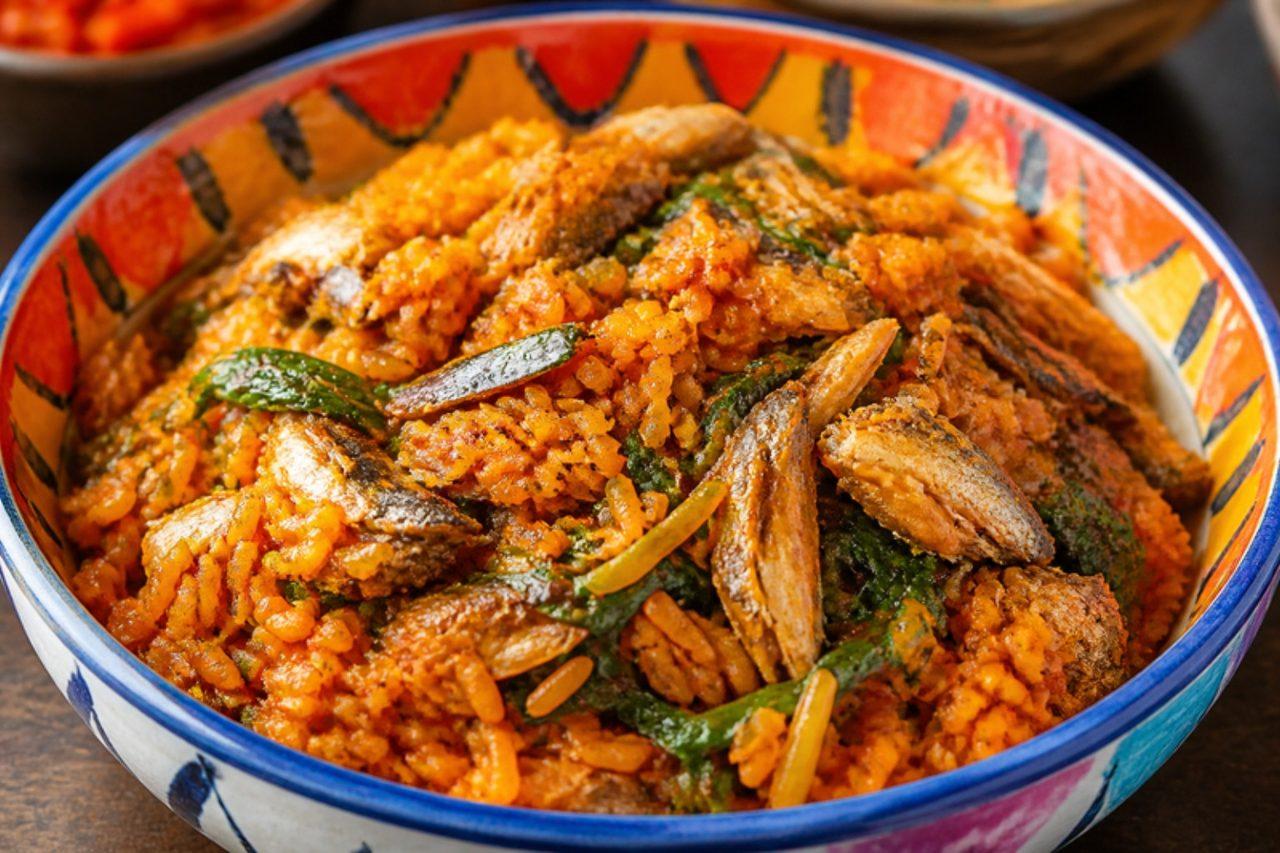
Iwuk edesi (palm oil rice)

In Calabar and across Efik and Ibibio country, iwuk edesi is weekday cooking: rice simmered in one pot with red palm oil, onions, scotch bonnet, ground crayfish and flaked smoked fish, then finished with a handful of scent leaves or ugu so it smells peppery and green. Elsewhere in Nigeria people call it native or palm oil rice, and it turns up at village gatherings by the potful. The rice is orange-gold, a little oily and deeply savoury. Crayfish is shellfish, so take care with allergies. The common mistake is burning the palm oil until it smokes and turns pale; warm it only until it shimmers and it keeps its colour and nutty taste. Chef's tip: pick through the smoked fish carefully for bones and soak it in hot salted water for 10 minutes; it softens and loses its grit.

by KrazyBadal 0 views

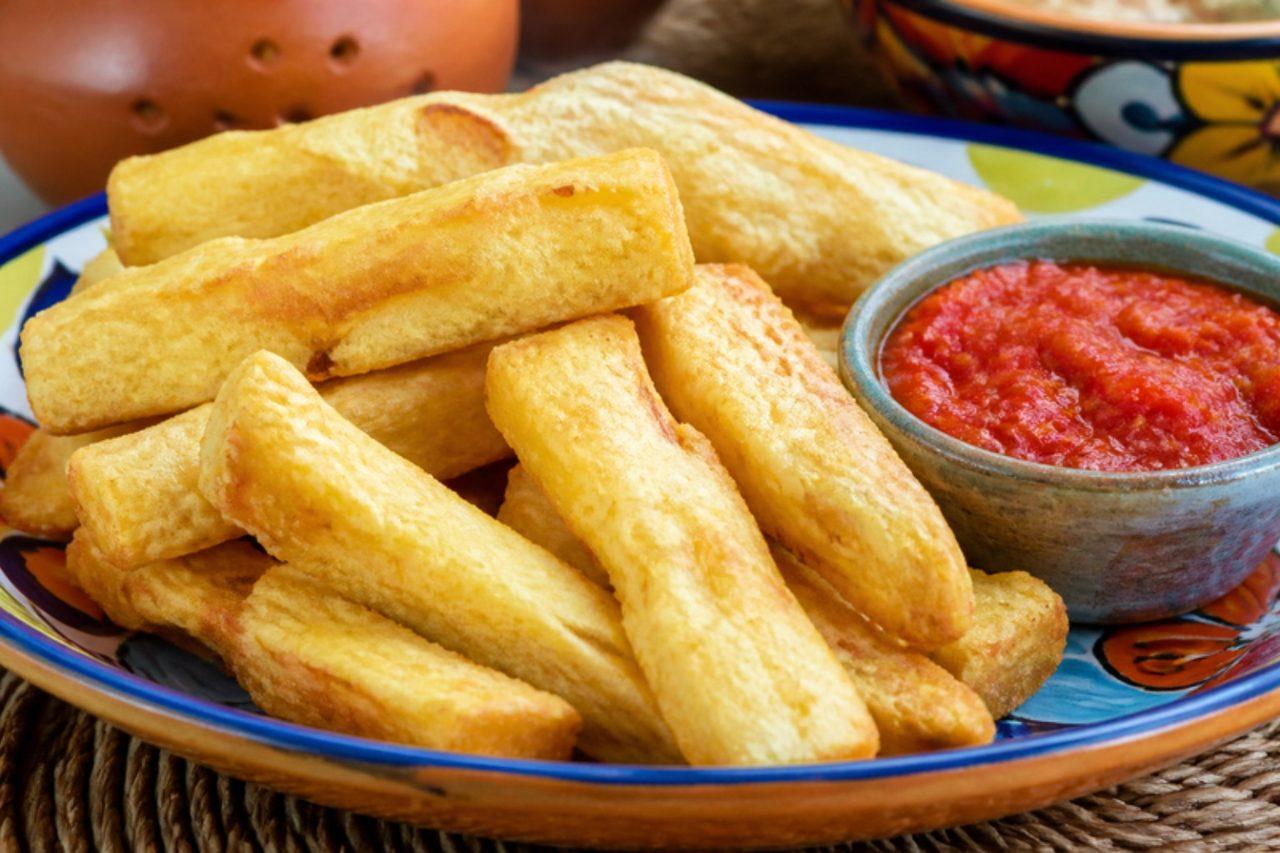
Yamarita

Small-chops trays at Lagos weddings and naming ceremonies always carry a few golden batons of yamarita beside the puff-puff and samosas, and home cooks make it on Saturday mornings from the end of a tuber of white puna yam. The yam is boiled just tender, coated in seasoned flour and a beaten egg spiked with scotch bonnet and onion, then fried so the outside puffs into a thin, savoury crust over a fluffy, starchy centre. Serve it hot with a dip of fried pepper sauce or ketchup for children. Contains egg and wheat. The mistake to avoid is boiling the yam soft: overcooked sticks break in the batter and soak up oil, so stop when a knife slides in with a little resistance. Chef's tip: let the boiled sticks steam dry on a rack for five minutes before flouring; a dry surface is what makes the egg cling.

by KrazyBadal 0 views

Nigerian salad
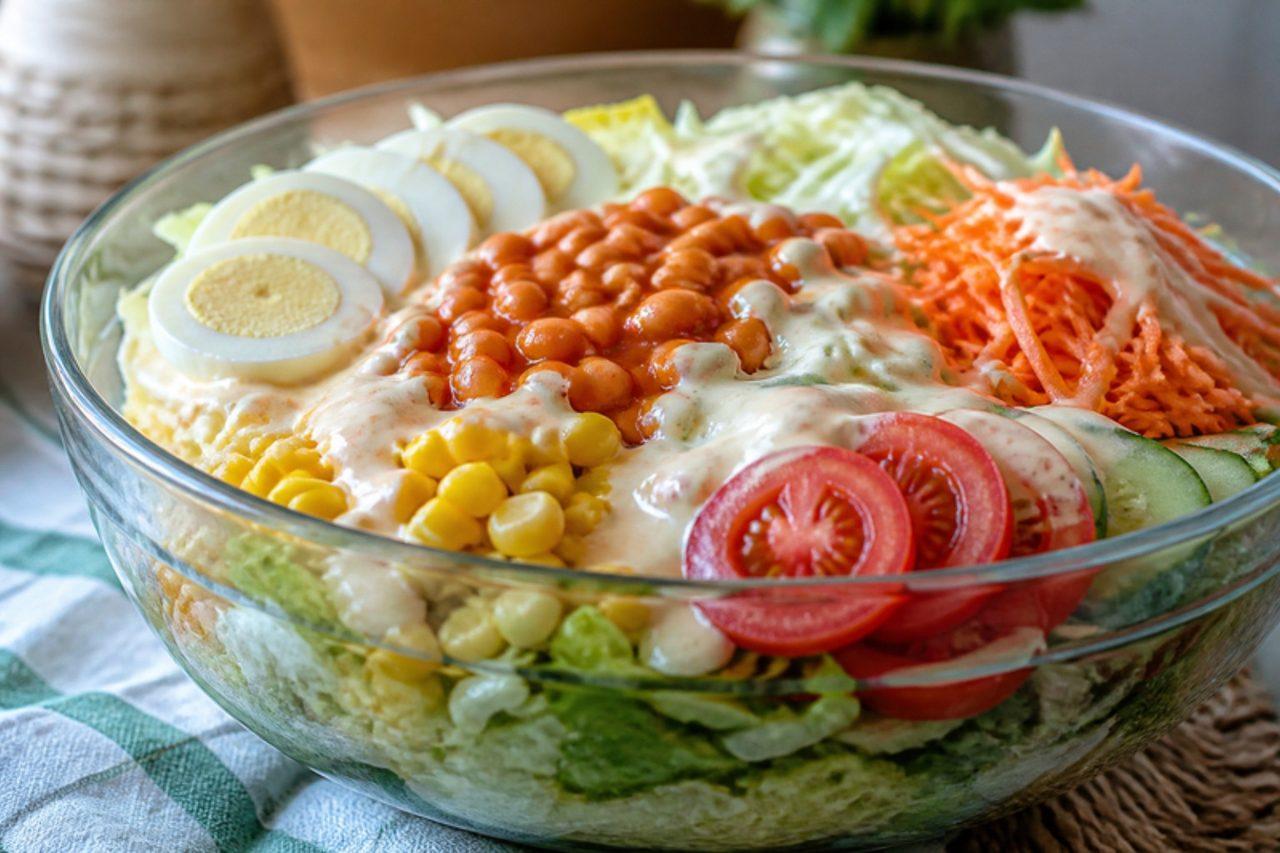
At owambe parties in Lagos and Ibadan, and on Christmas and Sallah tables right across the country, a big glass bowl of Nigerian salad sits next to the jollof and fried rice, piled in neat stripes of shredded lettuce, cabbage, carrot, sweetcorn, baked beans and sliced egg, then smothered in creamy salad cream. It is cool, crunchy and slightly sweet, the thing everyone reaches for between spoonfuls of peppery rice and chicken. Salad cream contains egg and mustard, so mention it to anyone with allergies. The common mistake is dressing it hours ahead: the cabbage and lettuce weep and the bowl turns watery, so layer it ahead but pour the dressing on just before serving. Many party versions add ham or corned beef; this one keeps it vegetarian. Chef's tip: soak the shredded lettuce and cabbage in iced water for ten minutes and spin them completely dry; they stay squeaky-crisp all evening.

by KrazyBadal 0 views

Ose oji

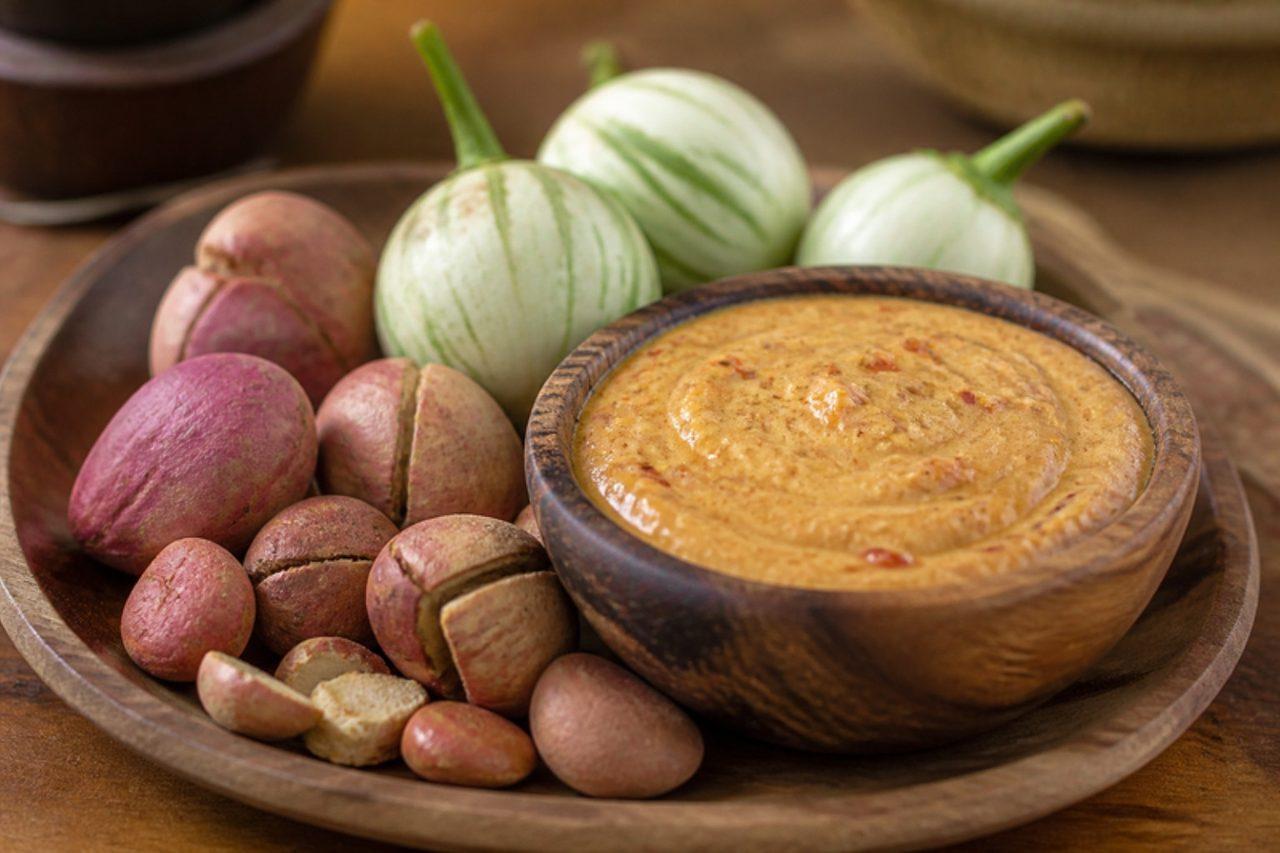
In Igbo homes from Enugu to Owerri a guest is welcomed with kola nut, and the kola is never served alone: beside it sits a saucer of ose oji, peanut butter mashed with ground dried pepper and a little salt, sometimes with uda or ginger. Elders break the kola, pray, and everyone dips. It is equally good with crunchy garden eggs (small white African aubergines) or cucumber. Contains peanut. Kola nut is a strong caffeine stimulant, so it is for adults only, not for children or pregnant women; serve the garden eggs to everyone else. The mistake is making the paste runny with water: it should be thick enough to cling to a slice without dripping, so loosen with oil instead. Chef's tip: toast the dried pepper in a dry pan for 30 seconds before grinding; the smoky heat is what makes ose oji taste right.

by KrazyBadal 0 views

Shuku shuku

In old Lagos bakeries and in Yoruba homes before Christmas and Eid, shuku shuku are rolled by the tray: grated coconut and sugar bound with egg yolks and a little flour, rolled in more flour and baked until the outside is golden and crunchy and the middle stays chewy and sweet. Children snack on them after school and they keep well in a tin for visitors. Contains egg, coconut and wheat. The mistake is baking them on a high heat so they colour before the centre sets; a moderate oven gives an even, toasty crust. Chef's tip: freshly grated coconut gives the moistest balls, but if you use desiccated, soak it in 4 tablespoons of warm milk or water for 10 minutes first.

by KrazyBadal 0 views

Baba dudu

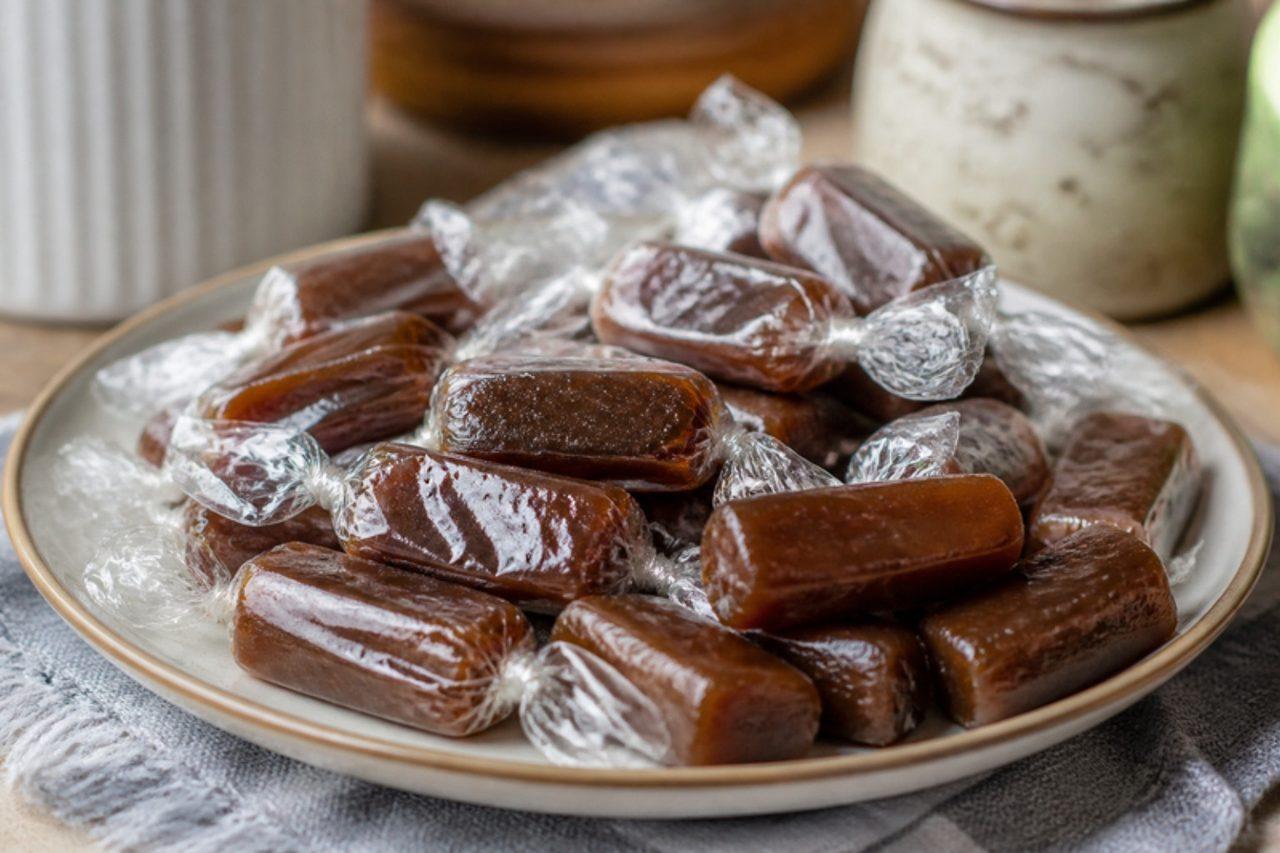
Yoruba children of the 70s and 80s remember baba dudu, "the black one", bought for a coin from sweet sellers outside school gates in Ibadan and Abeokuta: sugar and butter cooked until almost black, then pulled and cut into small chewy pieces that taste of toffee and burnt caramel. It is easy to make at home, but hot sugar burns badly, so keep children away from the stove. The candy is a choking risk for small children and isn't suitable for under-1s. The mistake is taking it off the heat too early: pale caramel stays soft and sticky, so wait until it is the colour of strong tea and a drop sets firm in cold water. Chef's tip: oil your scissors and cut the strip while it is warm and pliable; once cold it shatters.

by KrazyBadal 0 views

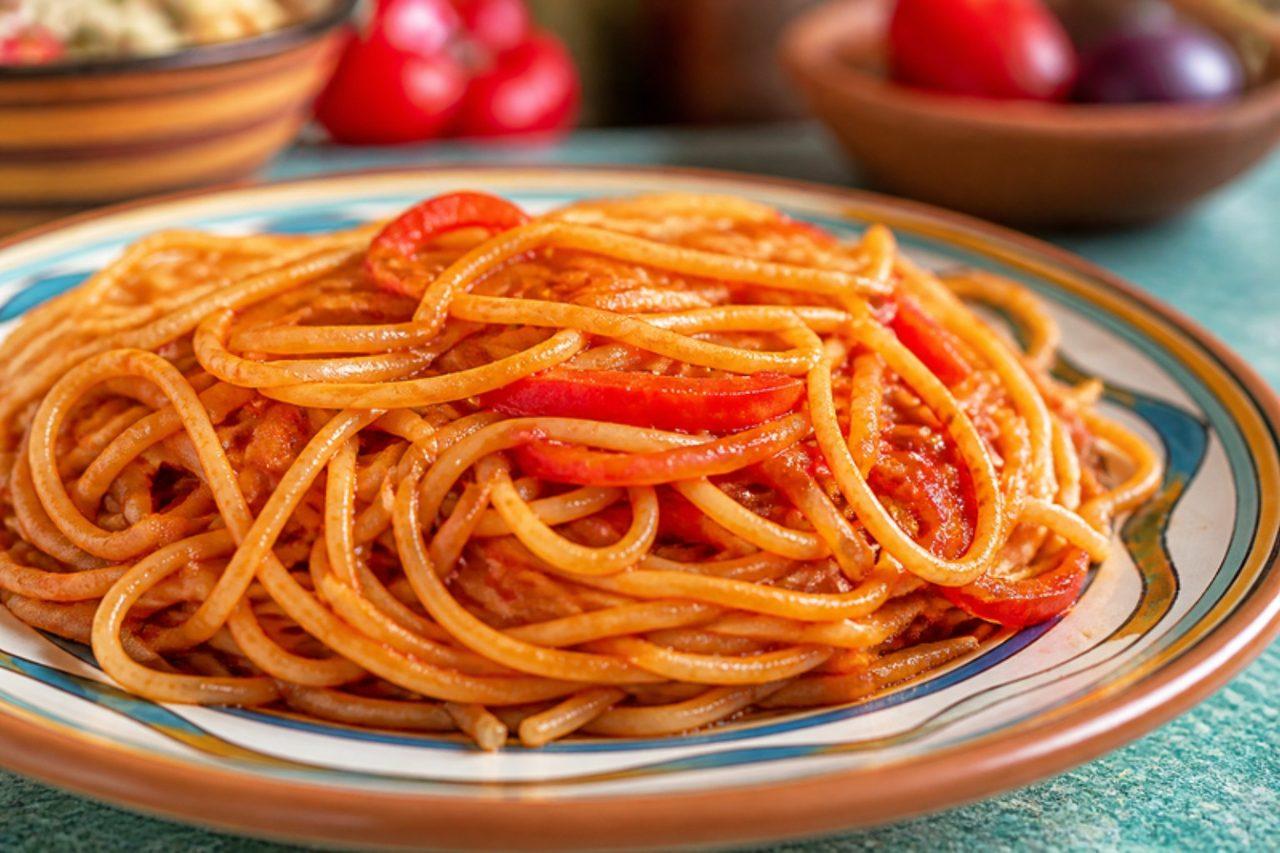
Jollof spaghetti

In student hostels in Nsukka and Ife and in busy family kitchens across Nigeria, jollof spaghetti is what happens when there is no time for rice: broken spaghetti simmered straight in a fried tomato and pepper base with thyme and curry, so every strand turns orange and soaks up the flavour. It is a weekday lunch, a school-holiday favourite and a Saturday breakfast. This version is vegan and only mildly hot for children; add more scotch bonnet for adults. The usual slip is boiling and draining the pasta first, which leaves it bland with sauce sliding off; cook it in the sauce itself. Chef's tip: let the pan sit on the heat for the last two minutes without stirring so a thin smoky layer catches at the bottom, the party-jollof taste.

by KrazyBadal 0 views

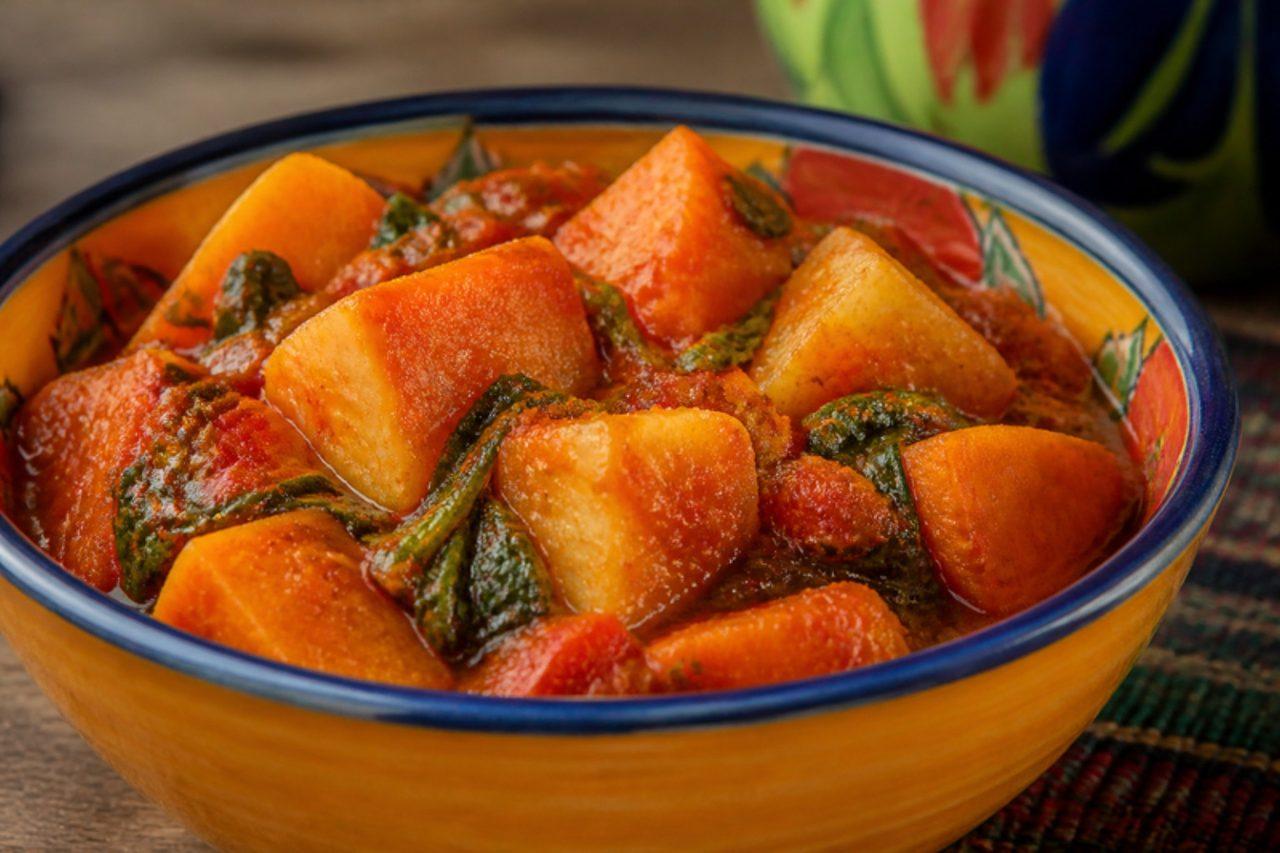
Sweet potato pottage

Yam pottage (asaro) is the famous one, but in homes from Ogun to Benue the same one-pot method is used for sweet potatoes when they are cheap in the market. Chunks of white or orange sweet potato are simmered in red palm oil with onion and blended pepper until some pieces collapse into a thick, glossy sauce and others hold their shape, then a handful of greens goes in at the end. It is a filling breakfast or light lunch, sweet, peppery and soft. Vegan as written; many cooks add crayfish. The common mistake is stirring hard from the start, which turns everything to mush; leave it alone until the last few minutes. Chef's tip: mix a white-fleshed and an orange sweet potato; the white one gives body and the orange one sweetness and colour.

by KrazyBadal 0 views

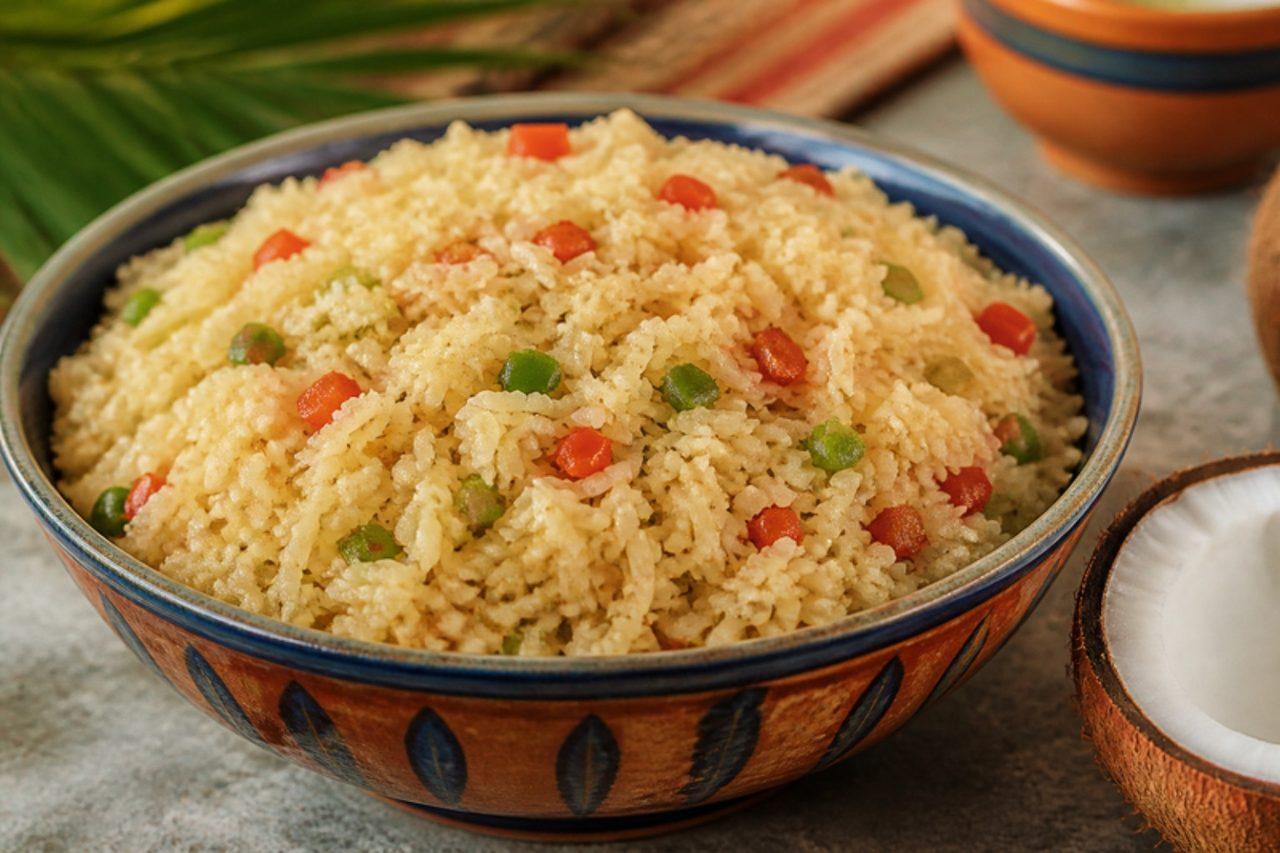
Nigerian coconut rice
On Sundays in Lagos and at parties along the coast, coconut rice is the gentler cousin of jollof: long-grain rice cooked in fresh coconut milk with a blended pepper base, thyme, curry and a spoonful of ground crayfish, so it comes out creamy-orange, fragrant and lightly smoky-savoury. Serve it with fried plantain, peppered chicken or a fish stew. Crayfish is dried shellfish, so avoid it with a shellfish allergy. The mistake to avoid is adding all the coconut milk and water at the start and stirring often: the starch breaks and the rice turns porridgey. Wash the rice well, measure the liquid, cover tightly and leave it alone. Chef's tip: if you can, grate one fresh coconut and squeeze it with warm water twice; the first thick milk goes in at the end for a richer finish.

by KrazyBadal 0 views

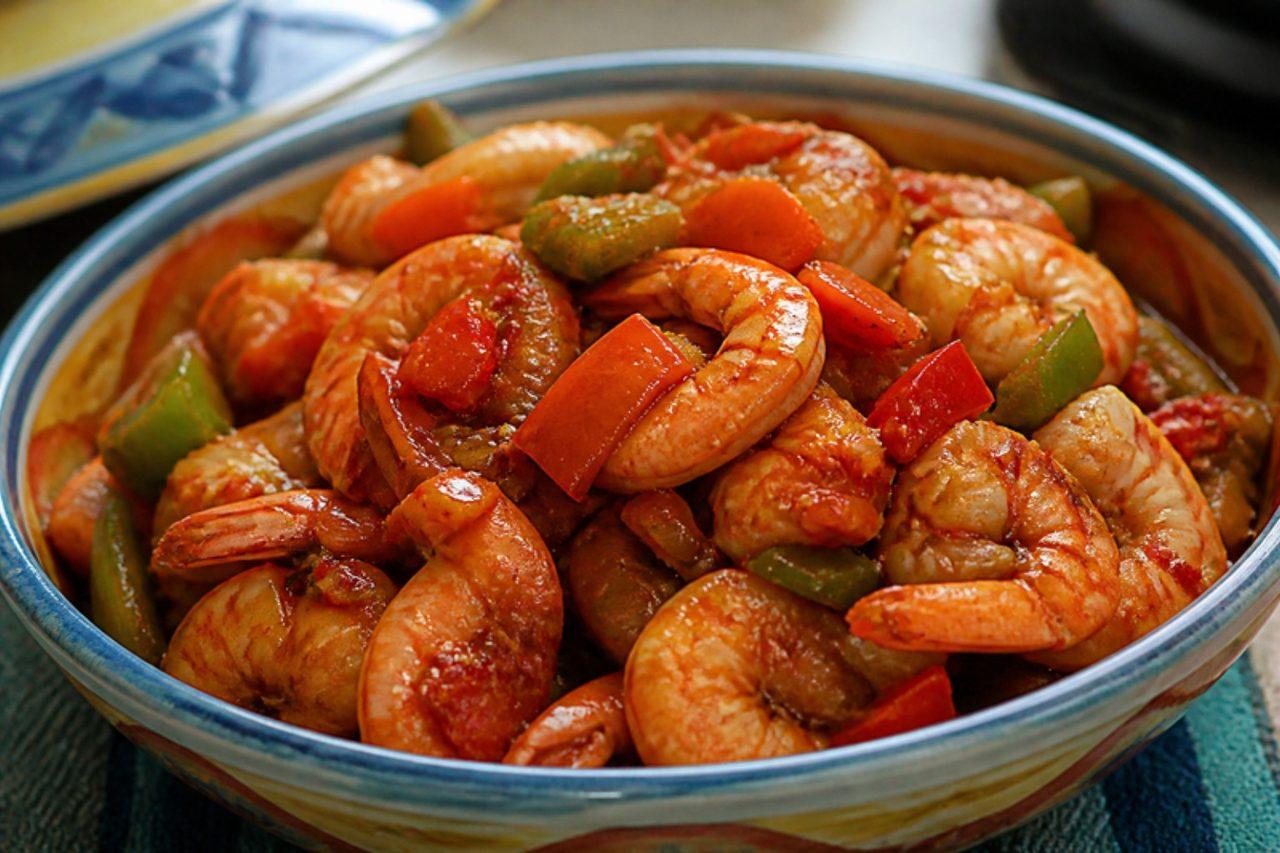
Nigerian peppered prawns

Lagos party caterers serve peppered prawns on cocktail sticks beside the peppered chicken, and at beach spots near Lekki they come in a hot pan with chilled drinks. Big prawns are seasoned, seared fast, then tossed with a blended scotch-bonnet sauce and crunchy strips of onion and pepper, so they are sweet, juicy and properly hot. Buy prawns kept cold, and throw away any that smell of ammonia or feel slimy. The mistake is cooking them too long in the sauce until they curl tight and go rubbery; sear until just pink, then toss for a minute only. Chef's tip: leave the tails on; they give guests a handle and stop the prawns curling quite so much.

by KrazyBadal 0 views

Nigerian custard
In homes across Nigeria, from Kaduna to Benin City, custard is a breakfast drink-porridge as much as a pudding: custard powder is mixed to a paste, then set in seconds with a kettle of boiling water and finished with evaporated milk and sugar. Bowls of it are eaten hot with akara or moi moi, the sweet custard against the peppery bean cakes. The mistake is using water that has gone off the boil; it must be furiously boiling or the custard stays thin and floury. Custard powder is mostly cornflour, but check the label if you need it gluten-free. Chef's tip: stir the boiling water in with one hand while you pour with the other, in a steady stream, and the custard sets glossy and lump-free.

by KrazyBadal 0 views

Martín FierroCheese with quince paste

Ask for dessert in a Montevideo bodegón or a country parador and you may be offered a Martín Fierro: a thick slice of fresh, mild cheese laid with an equal slice of dense quince or sweet-potato paste, named after the gaucho of the epic poem. It's salty against sweet, soft against firm, and takes two minutes to assemble. Uruguayan fresh cheese is usually made with animal rennet, so choose one with vegetarian rennet if that matters to you. The mistake is serving it fridge-cold, which dulls both flavours. Chef's tip: cut the cheese and paste to exactly the same thickness, about 1 cm, so every bite has both.

by KrazyBadal 0 views

Cocido quemadoBurnt sugar mate drink

Cocido is how Paraguay starts the day: in Asunción, in the villages of Guairá and Itapúa, and in school kitchens, a pot of burnt yerba is brewed and poured into cups with chipa, the cheesy cassava bread, or with a hard galleta. The old way is to drop a glowing piece of charcoal into a pot with yerba and sugar and stir until the sugar burns. On a home stove you caramelise them together in a dry pan instead, which is safer and gives the same smoky, toffee-like taste. The drink is clear amber-brown, with roasted, slightly bitter mate notes over burnt-sugar sweetness; with milk added it becomes cocido con leche, creamy and coffee-coloured. Yerba mate contains caffeine, so treat it like a cup of coffee. The common mistake is letting the sugar go black: it turns acrid and bitter. Pull it off the heat when the caramel is deep amber and the yerba smells toasted, not burnt. It is ready when the liquid is a clear dark amber and tastes of toffee and smoke. Chef's tip: the water will spit fiercely when it hits the hot caramel, so pour it in from the side, at arm's length.

by KrazyBadal 0 views

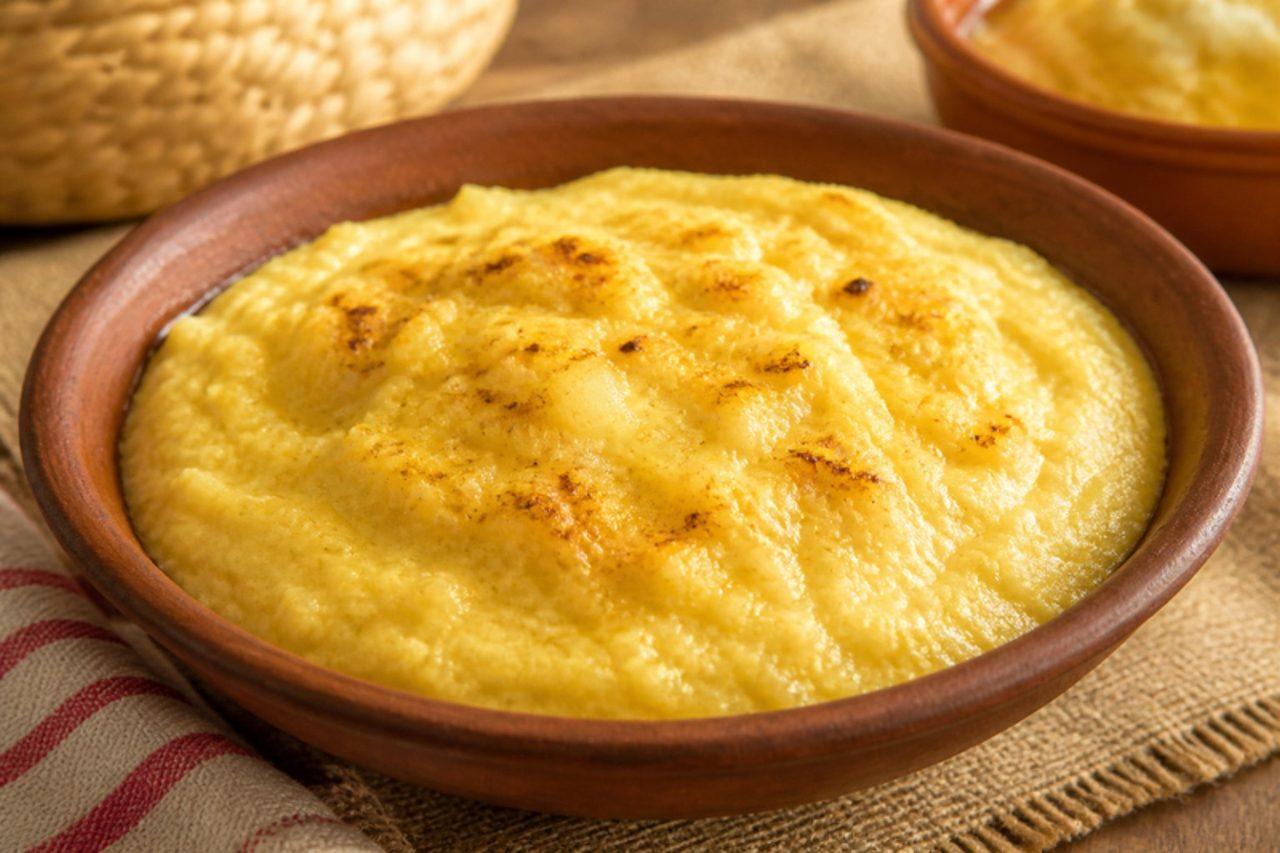
MbaipyCheesy polenta

Mbaipy (say 'mbai-PU') is Guaraní country cooking at its plainest: coarse corn flour stirred into milk and onion fried in oil until it thickens into a soft, spoonable porridge, finished with cubes of fresh cheese that melt into strings. In the Paraguayan countryside it is a cheap winter supper; cooks often stir in shredded chicken to make mbaipy so'o, but this is the meat-free version eaten on fasting days and in plenty of homes. Queso Paraguay is made with animal rennet, so use a vegetarian mozzarella or fresh cheese if you need to. The usual mistake is tipping the corn flour in all at once, which makes lumps that never cook out. Chef's tip: let it sit, covered, off the heat for five minutes before serving; it firms up slightly and the corn swells fully.

by KrazyBadal 0 views

Mandi'o chyryryFried cassava with onion and egg

Mandi'o chyryry means 'fried cassava' in Guaraní, and it is what rural Paraguayan families make from yesterday's boiled mandi'o: chunks crushed and fried in a big pan with onion until crisp in places, then scrambled with eggs. It comes out for breakfast with cocido or for a quick supper, and costs next to nothing. Use sweet cassava, the kind sold in supermarkets. The mistake is stirring constantly, which turns it to mush; let the cassava sit and brown. Chef's tip: the best chyryry starts with cold, day-old boiled cassava, which fries crisper than freshly boiled.

by KrazyBadal 0 views

Buñuelos de algasSea lettuce fritters

On the beaches of Rocha, from La Paloma to Punta del Diablo, vendors walk the sand with baskets of hot buñuelos de algas: puffy, salty fritters speckled green with sea lettuce, eaten with a squeeze of lemon. Use dried sea lettuce or mixed seaweed flakes from a shop, or fresh sea lettuce only from a seller who harvests clean water; never pick it from a harbour or near drains. The usual mistake is frying in oil that isn't hot enough, so the fritters soak it up and turn greasy. Chef's tip: rest the batter for 15 minutes so the seaweed softens and the fritters puff more.

by KrazyBadal 0 views

Payaguá mascadaCassava and beef patties

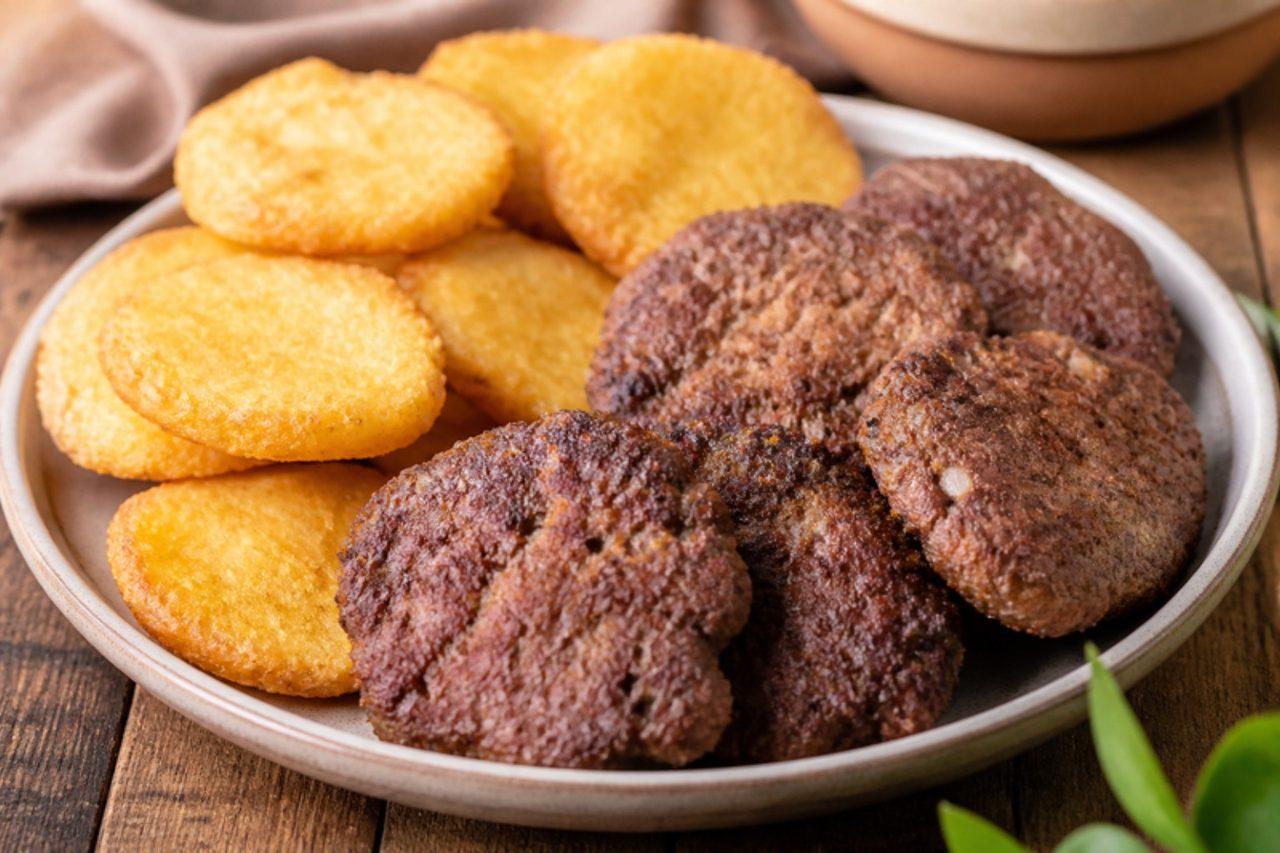
Payaguá mascada is an Asunción family supper and a favourite for using up boiled cassava: mashed mandioca kneaded with minced beef, onion and garlic, shaped into flat cakes and fried until crusty, then eaten with a tomato salad or with mandioca on the side. Use sweet cassava. A common mistake is using watery, freshly boiled cassava, which makes patties that fall apart in the pan. Chef's tip: let the boiled cassava steam dry in the colander for ten minutes before mashing.

by KrazyBadal 0 views

Ka'i ladrilloPeanut molasses bricks

Ka'i ladrillo — 'monkey brick' in Guaraní — is the sweet sold by vendors on Asunción buses and at country fiestas: roasted peanuts bound in boiled cane molasses and set in brick-shaped blocks, crunchy and dark with a slightly smoky toffee taste. It contains peanuts, so keep it away from anyone with a peanut allergy. The common mistake is taking the syrup off too soon, so the bricks stay sticky and never set. Chef's tip: test the syrup by dropping a little into cold water; it is ready when it sets into a brittle thread that snaps.

by KrazyBadal 0 views

Ugba saladFermented oil bean salad

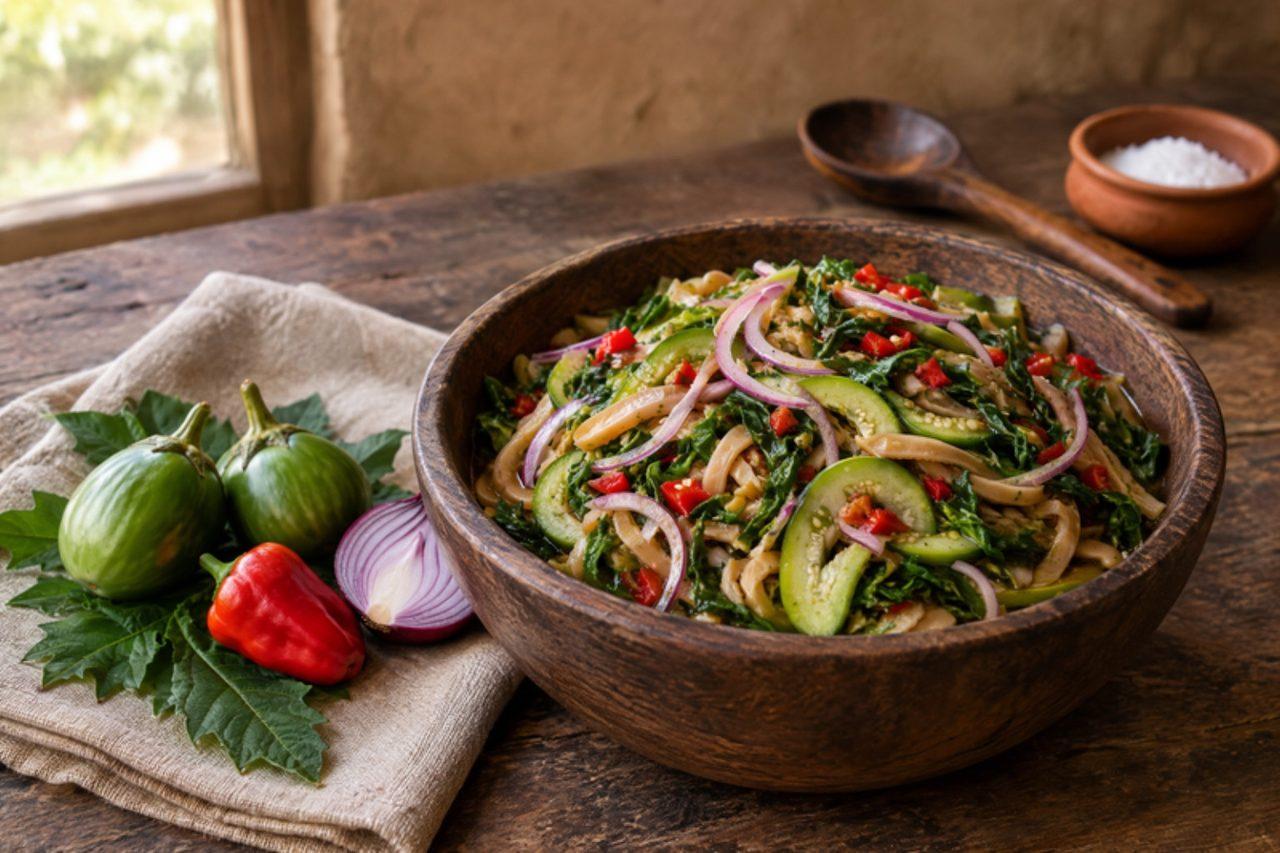
Ugba, the long, thin slices of fermented African oil bean, are a favourite of Igboland in south-east Nigeria, eaten at village meetings, weddings and as an evening snack with cold drinks in Enugu and Owerri. The slices have a nutty, savoury, slightly funky flavour, and here they are tossed with diced garden eggs, shredded garden-egg leaves, onion, fresh pepper and a little red palm oil. Many cooks add ground crayfish and stockfish; this version is vegan. Suitable as part of a balanced diet, it is high in fibre and plant protein: about 220 kcal and 10 g carbohydrate per portion. The usual mistake is not rinsing shop-bought ugba, which can taste too sharp and fermented; rinse it in warm water first. Chef's tip: warm the palm oil just enough to make it runny, never hot, so it coats every slice.

by KrazyBadal 0 views

Capeletis a la CarusoStuffed pasta in cream sauce

Capeletis a la Caruso were created in a Montevideo restaurant in the 1950s and named after the great tenor, and they are still a Sunday lunch favourite in Uruguayan homes: little stuffed pasta hats in a rich sauce of cream, cooked ham (pork), mushrooms and onion, finished with grated cheese. Buy good fresh capeletis or tortellini; the sauce is what you make. The usual mistake is boiling the cream sauce hard, which makes it oily and grainy. Chef's tip: cook the mushrooms in a dry hot pan first until they squeak and brown, before any butter goes in, for a deeper taste.

by KrazyBadal 0 views

LampreadoCassava starch cheese fritters

Paraguayan grandmothers fry lampreado on Sunday evenings to eat with a mug of cocido, the toasted yerba mate drink: small pan-fried cakes of cassava starch, egg, milk and grated cheese with a little onion, crisp at the edges and stretchy inside. Some families also make it with leftover meat, but this version is all cheese. Queso Paraguay is set with animal rennet; a vegetarian Parmesan-style cheese plus mozzarella works well. The trap is a batter that is too thick, which gives heavy, gluey cakes. Chef's tip: the batter should drop slowly off a spoon like thick pancake batter; add milk a spoonful at a time until it does.

by KrazyBadal 0 views

Showing 24 of 126 recipes

Show more recipes

Page 1 of 6