Skip to content
Recipes

All recipes

Vegetarian, or something you can't eat? Set your diet once and we'll hide recipes that don't fit.

Lakri mithaiSugar-coated spiced dough sticks

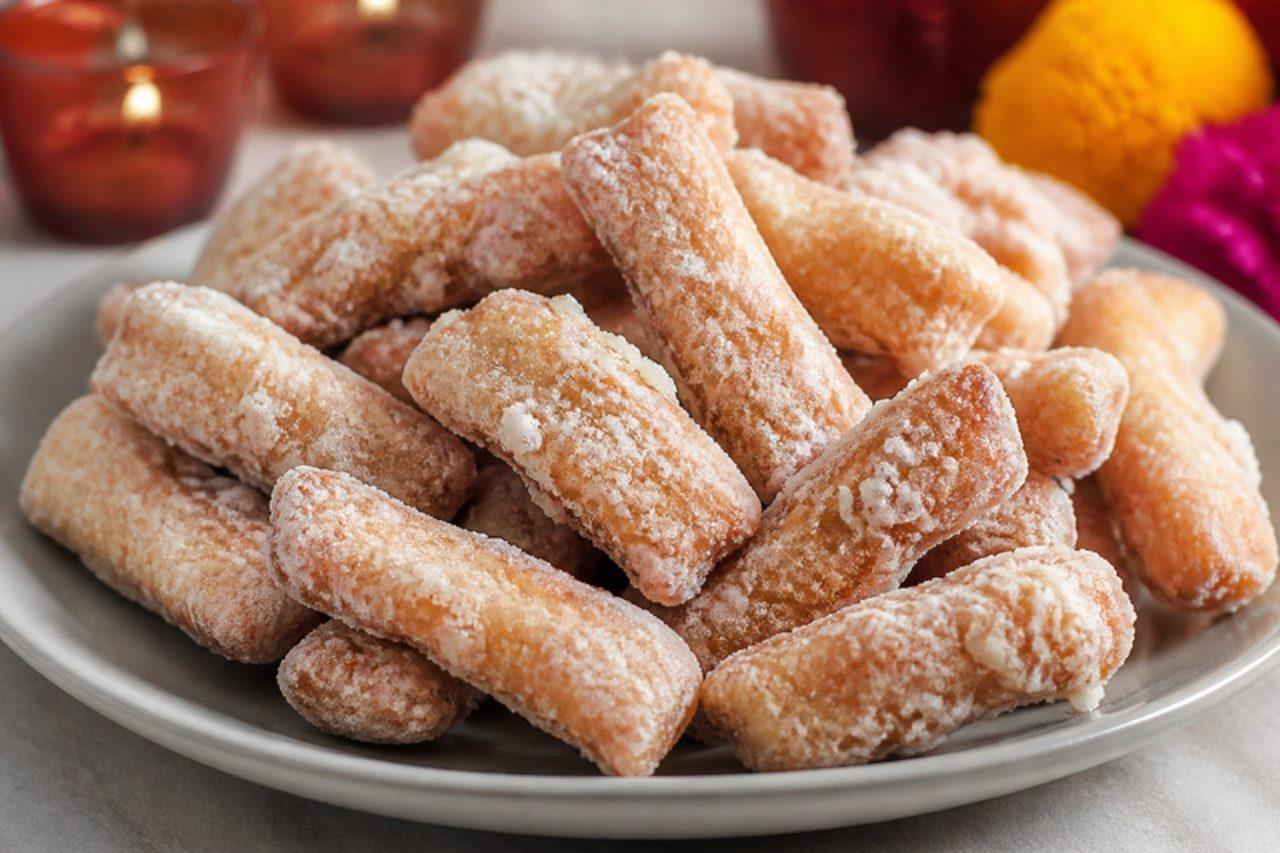
Diwali is a public holiday in Fiji, and Indo-Fijian families spend the week before it frying sweets by the tin to share with friends and neighbours; lakri, 'wooden sticks', is the one children reach for first. Short sticks of dough flavoured with ginger and cardamom are fried until hard and crisp, then tossed in a sugar syrup cooked until it seizes, so each stick is coated in a dry, frosty white crust. Common mistake: tossing too early or too late; cook the syrup to the soft-ball stage, when a drop in cold water forms a soft ball, then keep stirring the sticks off the heat until the syrup turns white and grainy and clings. Chef's tip: let the fried sticks cool completely before coating, so they stay crunchy under the sugar.

by KrazyBadal 0 views

Pajagua mascadaBeef and cassava patties

Pajagua mascada is a Paraguayan street-food classic that appears on every table for the San Juan festival on 24 June, when bonfires burn and the night is full of games and traditional food. Minced beef is mixed with mashed cassava, onion, garlic and a little egg and flour, shaped into flat patties and fried until crisp. The name comes from Guaraní and refers to the 'chewing' of old Paraguayan cooks, who made it from leftover meat. Chef's tip: dry the boiled cassava well and remove its woody core, which keeps the patties light and crunchy.

by KrazyBadal 0 views

KaguyjyWhite corn pudding

On the night of 23–24 June, Paraguayans celebrate San Juan with bonfires, games like walking over hot coals and the 'paso de fuego', and a table of traditional foods, and kaguyjy (also mazamorra) is one of them. It is a soft, creamy pudding of cracked white corn (locro) simmered slowly in water and then milk with sugar or honey, sometimes with orange peel. It is eaten warm or cold. It is gluten free. Chef's tip: soak the corn overnight and cook it until each kernel is tender before adding the milk, or it never turns creamy.

by KrazyBadal 0 views

Chipa so'oCheese bread with spiced beef

In Paraguay, families bake chipa in the clay tatakua ovens on Holy Wednesday so there is food for Thursday and Good Friday, when cooking stops. Chipa so'o ('chipa with meat') is a cassava-starch and cheese bread wrapped around a little filling of minced beef cooked with onion and egg, then baked until crisp outside and chewy within. It is naturally gluten free. Chef's tip: knead the dough until it no longer cracks at the edges when pressed; dry dough splits around the filling.

by KrazyBadal 0 views

Sopa teólogaTurkey broth with bread and cheese

Sopa teóloga ('the theologian's soup') goes back to colonial convents in Lima and Arequipa, where it was cooked for feast days, and it is still served at Holy Week and family celebrations. A rich turkey (or chicken) broth is thickened with soaked bread, milk and fresh cheese, with yellow potatoes and shreds of turkey, and finished with a little ají amarillo and chopped huacatay or parsley. It is thick, comforting and filling. Chef's tip: blend part of the soaked bread with broth before adding it, which gives the soup its creamy body without lumps.

by KrazyBadal 0 views

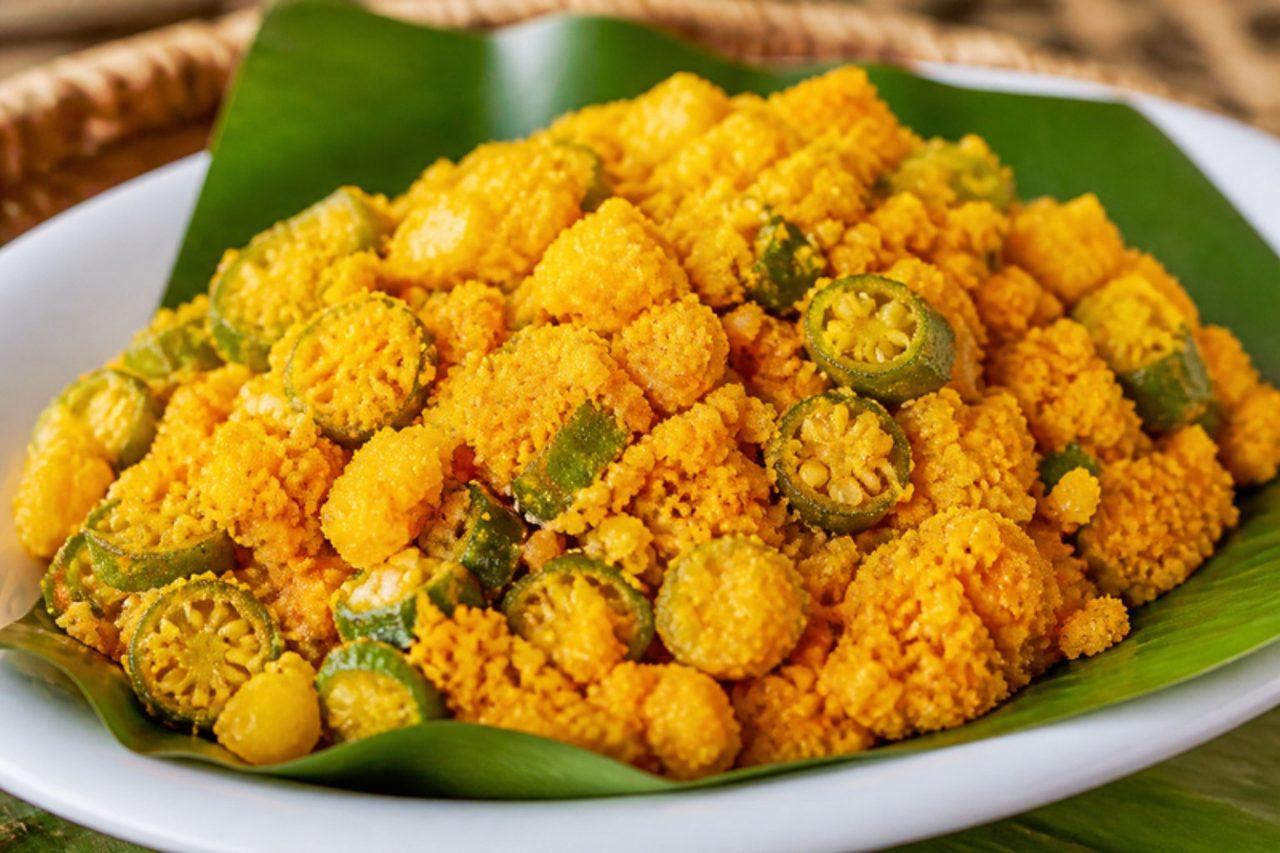
KpekpleSteamed fermented corn meal

Kpekple, also called kpokpoi, is the festival dish of Homowo, the Ga harvest festival in Accra, when families 'hoot at hunger' after the lean season and the head of the house sprinkles kpekple and palm-nut soup on the ground for the ancestors. Lightly fermented corn dough is steamed, crumbled into fine grains, then tossed with red palm oil and chopped okra until it turns golden and fluffy, a little like a sour couscous. It is eaten with palm-nut soup and smoked fish, or for a vegan table with a pepper and tomato stew. Chef's tip: crumble the steamed dough while it is still warm, rubbing it through your fingers, or it sets into hard lumps.

by KrazyBadal 0 views

Chilcano de pescadoClear fish broth

In the fishermen's terminals of Chorrillos and Callao, chilcano is what you drink on a Sunday morning after a long night: a clear, gingery broth made from the heads and bones left over from cleaning fish for ceviche, with chunks of fish, red onion, chilli and a squeeze of lime in the bowl. It is light and warming, around 160 kcal a bowl, and still gives about 24 g of protein from the fish fillet and the broth. The common mistake is squeezing the lime into the pot while it boils, which turns it bitter; add it to each bowl at the table. Don't boil the bones for more than 30 minutes either, or the broth turns cloudy and harsh. Chef's tip: ask the fishmonger for heads and frames from mild white fish like sea bass or cod, and leave out oily fish such as mackerel, which makes the broth strong and fishy.

by KrazyBadal 0 views

Aguadito de polloCoriander chicken rice soup

Aguadito is the soup Lima serves in the small hours: at the end of a wedding, after New Year's Eve and at weekend family lunches, it is ladled out thick and steaming to revive everyone. Rice simmers in chicken broth coloured deep green with blended coriander and warmed with yellow ají amarillo, along with peas, carrot, pepper, sweetcorn and potato. A portion gives about 24 g of protein, from the chicken with a little from the rice and peas, for around 480 kcal. The common mistake is adding the coriander purée too early: cooked for long it turns khaki and loses its fresh taste, so stir it in for the last 10 minutes. The chicken must reach 74 °C at the bone. Chef's tip: blend a handful of spinach with the coriander; it keeps the colour vivid green without changing the flavour.

by KrazyBadal 0 views

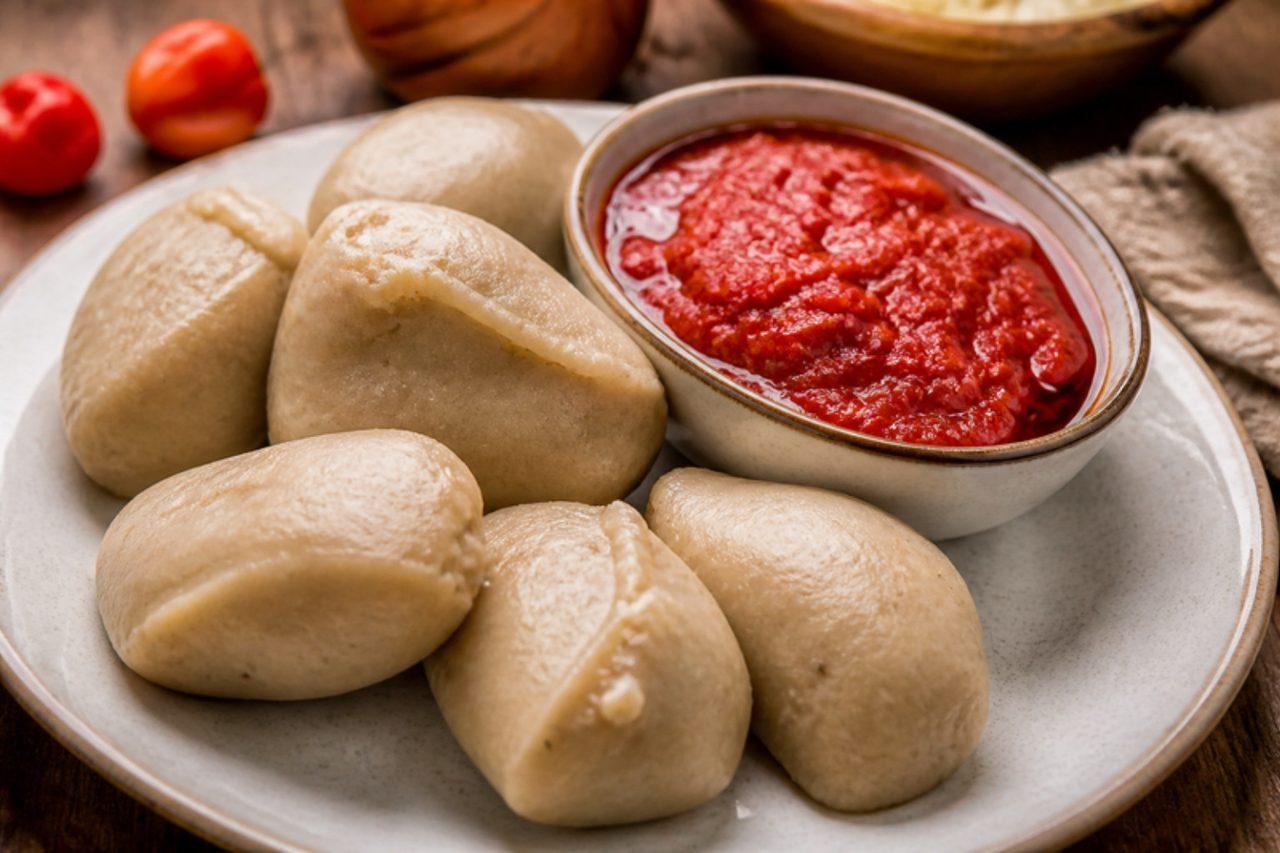
TubaaniSteamed bean flour dumplings

Tubaani is street food and home food in Tamale and across Northern Ghana, sold in the mornings and evenings from big steaming pots and eaten with a drizzle of oil and a hot pepper sauce. A smooth batter of black-eyed pea (cowpea) flour is poured into small leaf or foil parcels and steamed until it sets into soft, savoury puddings with a gentle bean flavour. A portion of three or four dumplings gives about 23 g of protein, nearly all from the bean flour. Many sellers serve it with shito, which contains dried fish and shrimp, so this version uses a fresh vegan pepper sauce. The most common mistake is getting the batter thickness wrong: too thin and it never sets, too thick and the dumplings are dense and crack. Aim for thick pancake batter that drops slowly from a spoon. Chef's tip: beat the batter hard for 3–4 minutes; the air you whip in makes the dumplings lighter.

by KrazyBadal 0 views

ParihuelaSpicy seafood soup

Parihuela is the big weekend seafood soup of Callao and the Peruvian coast, eaten at long Sunday lunches in cevicherías and praised as a cure for tiredness and late nights. A deep red broth of ají panca, ají amarillo, tomato and fish stock is loaded with chunks of fish, prawns, squid and mussels. A portion gives about 30 g of protein, from the fish and shellfish, for roughly 300 kcal. Some cooks add chicha de jora or beer; this version has none. The common mistake is adding all the seafood at once: squid and prawns turn rubbery while the fish cooks, so they go in last. Before cooking, discard any mussels that stay open when tapped, and after cooking discard any that stay shut. Chef's tip: fry the chilli pastes in the oil until they darken and smell sweet; that toasted ají is what gives parihuela its depth.

by KrazyBadal 0 views

Chicharrón de pescadoCrisp fried fish chunks

Up and down the Peruvian coast, from Chorrillos in Lima to the beaches of Piura, chicharrón de pescado is the crunchy plate ordered alongside ceviche at a long seafood lunch: bite-size chunks of firm white fish marinated briefly in garlic and lime, dusted in flour and fried, then served with fried cassava, salsa criolla and tartar or rocoto sauce. Using frozen peeled cassava keeps it to half an hour. The common mistake is leaving the fish in the lime too long: after about ten minutes the acid starts to 'cook' the outside and the coating slips off. Chef's tip: toss the floured pieces in a sieve to shake off every bit of loose flour; a thin coat fries crisp, a thick one turns pasty.

by KrazyBadal 0 views

Tallarines rojosSpaghetti in red sauce with chicken

Tallarines rojos is the Sunday-lunch and weeknight pasta of homes all over Peru, from Lima to Arequipa: spaghetti in a sweet, deep-red sauce of blended tomato, onion and garlic with a little ají panca and oregano, often with pieces of chicken cooked right in it. Children love it, and it is served with a sprinkle of grated cheese and sometimes a spoon of huancaína on the side. The usual mistake is cooking the sauce too briefly, so it tastes of raw onion; let the blended tomato fry until it darkens and the oil shows at the edges. Chef's tip: a bay leaf and a spoon of ají panca paste give the sauce its Peruvian character; paprika will do if you can't find the paste.

by KrazyBadal 0 views

Pejerrey arrebozadoBattered fish fillets with onion salsa

Pejerrey arrebozado is a Lima classic from the cevicherías and home kitchens of the coast, eaten at lunch on a plate with white rice, a heap of sharp salsa criolla and sometimes boiled potato. The pejerrey, a small silverside, is opened into butterflied fillets, dipped in a light egg-and-flour batter and fried golden. Outside Peru, use small fillets of whiting, sole, haddock or tilapia. The batter here uses sparkling water, not beer, so it is alcohol free. The common mistake is frying in oil that isn't hot enough: the batter drinks the oil and turns greasy, so test with a drop of batter first. Chef's tip: make the salsa criolla first and let the onion sit in lime for ten minutes; it softens its bite and turns a pretty pink.

by KrazyBadal 0 views

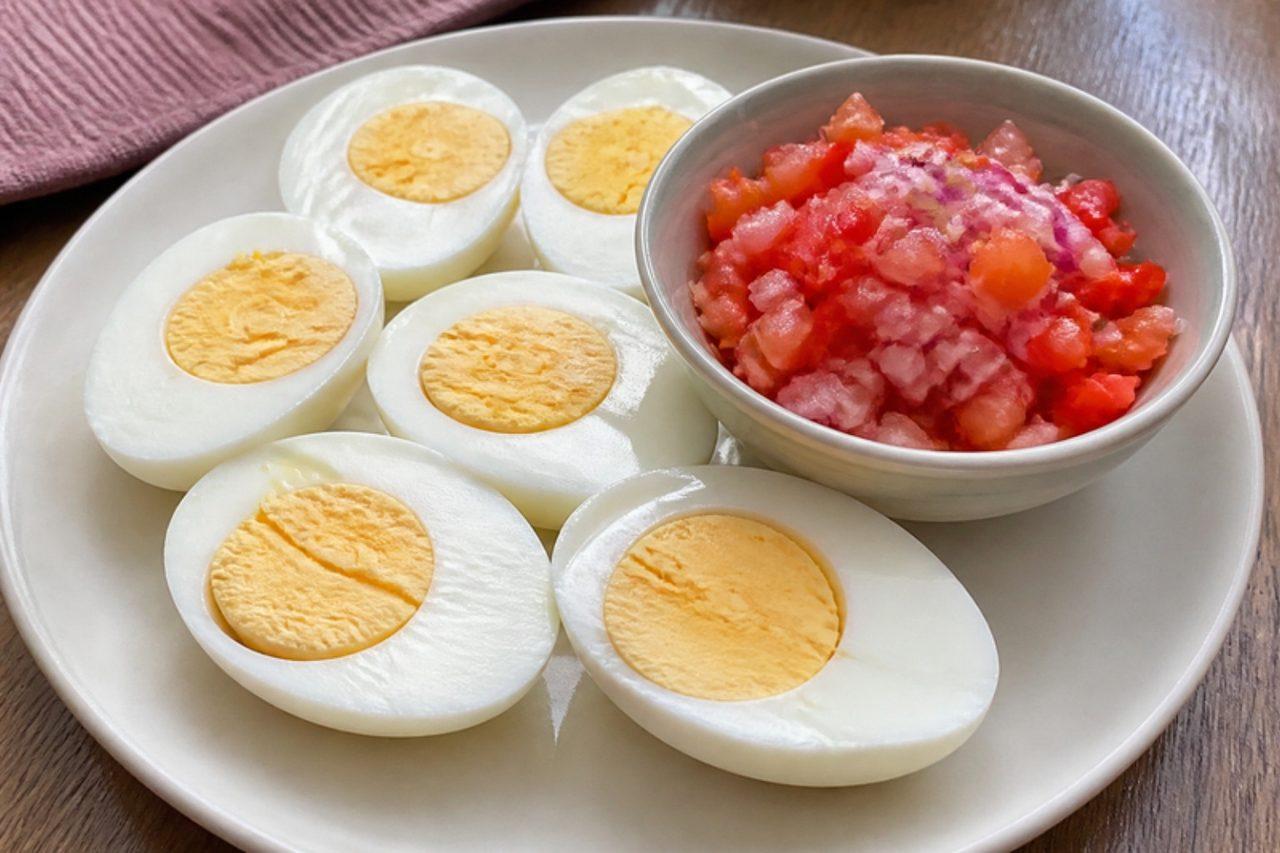
Kosua ne mekoBoiled eggs with pepper relish

In the traffic of Accra and at the lorry stations of Kumasi, hawkers carry trays of peeled boiled eggs with a jar of meko, a fresh, fiery relish of chilli, onion and tomato ground in an earthenware asanka. Buyers split the egg and spoon the pepper inside, and at home it is a quick evening snack or a light supper with bread. The usual mistake is boiling the eggs too long, which leaves a grey-green ring round the yolk and a rubbery white; ten minutes and a cold-water plunge give a firm, bright yolk. Wash your hands well after handling the chillies. Chef's tip: grind the onion and salt first, then the chilli and the tomato last, so the relish stays chunky rather than watery.

by KrazyBadal 0 views

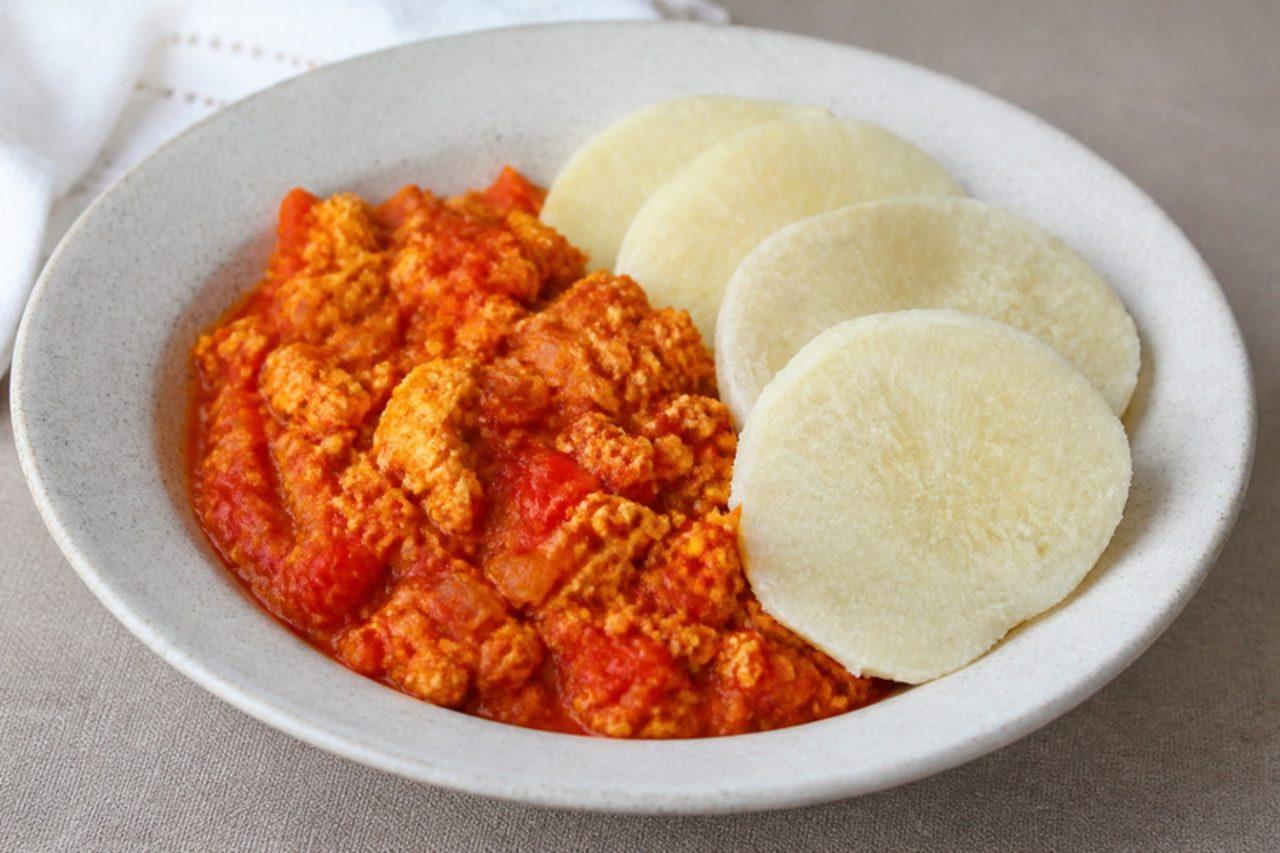
Ghanaian egg stew

Egg stew is the fastest stew in a Ghanaian kitchen, made in Accra and Kumasi homes for breakfast or a weeknight dinner: onions, fresh tomatoes and red pepper are cooked down in oil until thick and sweet, then beaten eggs are stirred through so they set in soft, sauce-coated curds. It is eaten with boiled yam or green plantain (ampesi), rice, or a soft bread roll. The mistake that makes it taste raw and sharp is adding the egg too soon: the tomato base must fry until the oil rises to the top. Many cooks use a stock cube, which is often chicken-based, so this version uses a vegetable cube. Chef's tip: pour the eggs in a thin stream and wait 30 seconds before the first stir, so they form large, tender pieces instead of crumbs.

by KrazyBadal 0 views

Pan chutaAniseed round bread

The small town of Oropesa, half an hour from Cusco, calls itself Peru's bread capital, and its wood-fired bakeries are famous for chuta: big, flat, round loaves as wide as a dinner plate, glossy on top, with a faint sweetness and the warmth of aniseed. Travellers on the road to Puno and Bolivia stop to buy them by the bagful, and families bring them home for All Saints' Day and for sharing with hot coca tea or coffee, fresh cheese and butter. The bakeries traditionally use lard; this version uses vegetable shortening and butter, so it is vegetarian. The make-or-break moment is the proof: chuta is large and flat, and if it goes in under-risen it bakes dense and splits at the rim. Chef's tip: toast the aniseed for a minute in a dry pan and crush it lightly before adding, for a rounder, sweeter perfume.

by KrazyBadal 0 views

Ghana butterbreadSoft buttery sweet loaf

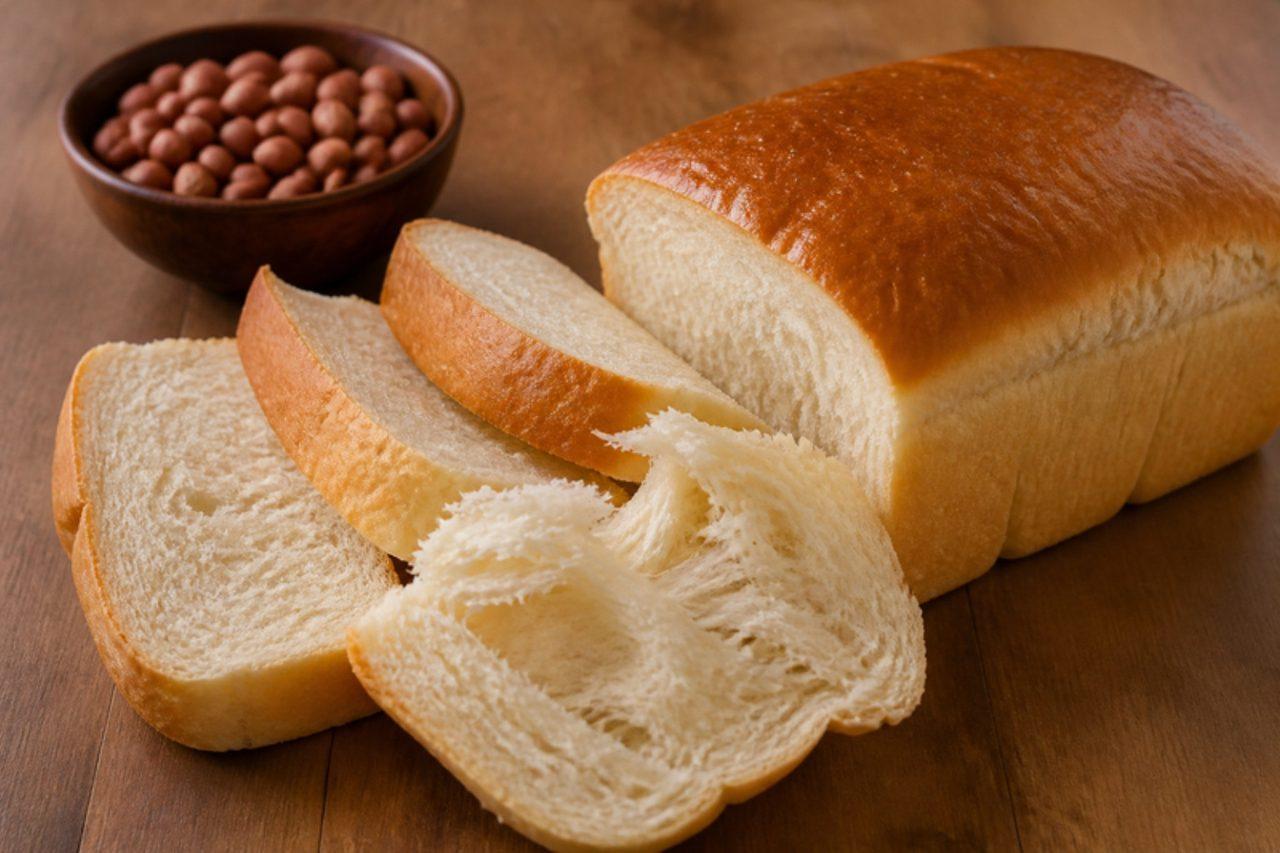
Buy a loaf of butterbread from a roadside kiosk in Accra or Kumasi and it comes in a plastic sleeve, still warm, with a shiny golden top and a crumb so soft it tears into feathery strands. Ghanaians eat it for breakfast with sweet milky tea or hot cocoa, toasted with an omelette, spread with groundnut paste or margarine, or with sliced avocado; a hunk with a handful of roasted groundnuts is a favourite road snack. Butter and milk give the richness, a little nutmeg the gentle bakery scent. Under-kneading is what turns it cakey instead of stringy, so keep going until the dough stretches thin. Chef's tip: shape it as four tight balls side by side in the tin, which gives the pull-apart top and an extra-tall rise.

by KrazyBadal 0 views

Nkatie cake (Ghanaian peanut brittle)

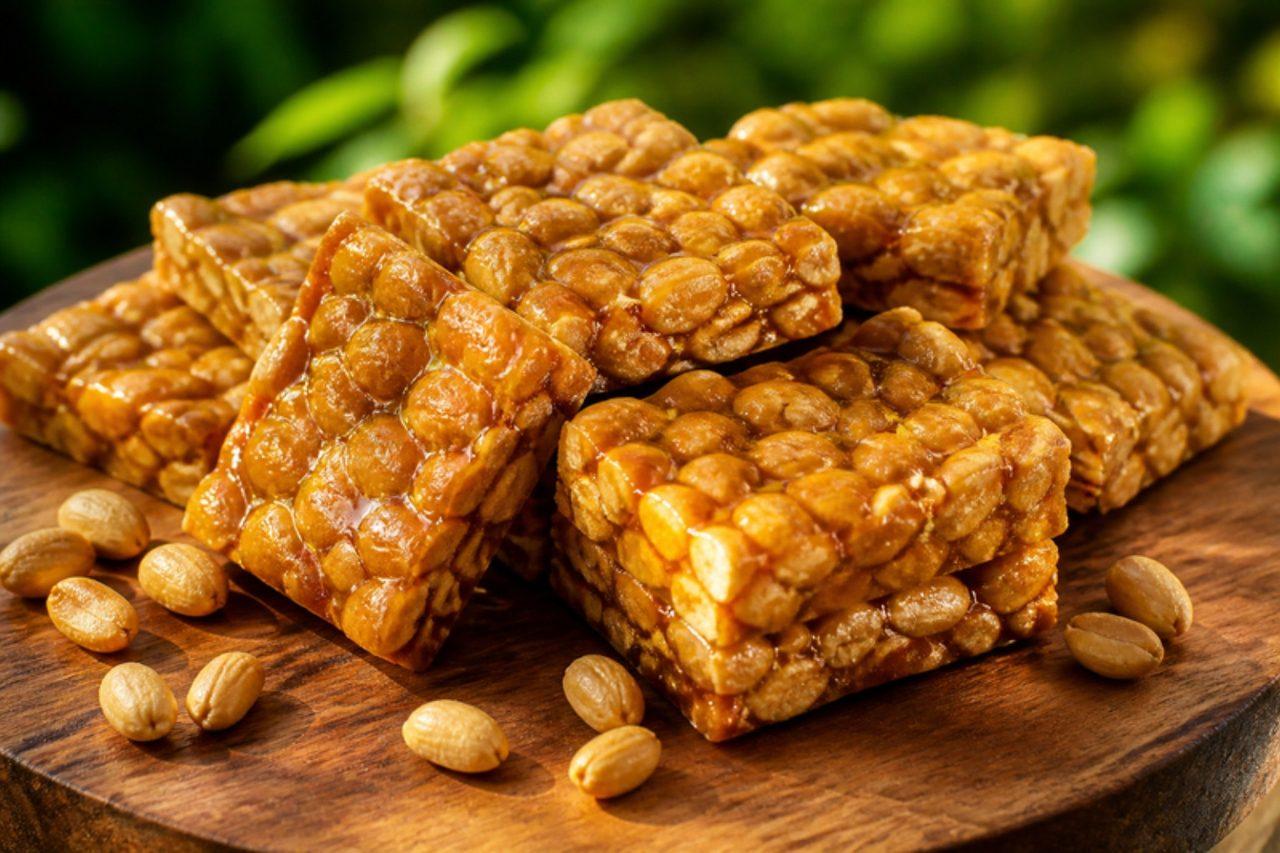
Nkatie cake, from nkatie, the Twi word for groundnut, is the crunchy peanut brittle sold in small squares wrapped in paper by hawkers at school gates and lorry stations all over Ghana, from Accra to Kumasi. Roasted peanuts are stirred into caramelised sugar, spread thin and cut while warm. It is a sweet treat, so cut the pieces small. It contains peanuts. Whole peanuts and hard brittle are a choking risk for under-5s, so it is not for young children. Chef's tip: have everything ready before the sugar melts; once the caramel is amber you have seconds, not minutes.

by KrazyBadal 0 views

ChaplasHollow puffed Andean bread

Walk through Ayacucho's central market at seven in the morning and you will see women selling stacks of chaplas from cloth-lined baskets, still warm from the wood-fired ovens of the Andes. These round wheat breads puff up like pita in the fierce heat, leaving a hollow pocket inside a thin, soft, lightly floury crust. In Ayacucho and Huancavelica they are eaten with sweet coffee or hot emoliente for breakfast, or split and filled with queso fresco, avocado or a spoonful of rocoto sauce. Highland bakers traditionally work in a little lard; vegetable shortening gives the same tenderness and keeps the bread vegan. A cool baking tray is the reason chaplas stay flat, so preheat it thoroughly. Chef's tip: let the rolled rounds rest before baking and flip them upside down onto the tray, so the smooth, dry side meets the heat first and the pocket opens evenly.

by KrazyBadal 0 views

Tom BrownRoasted maize and groundnut porridge

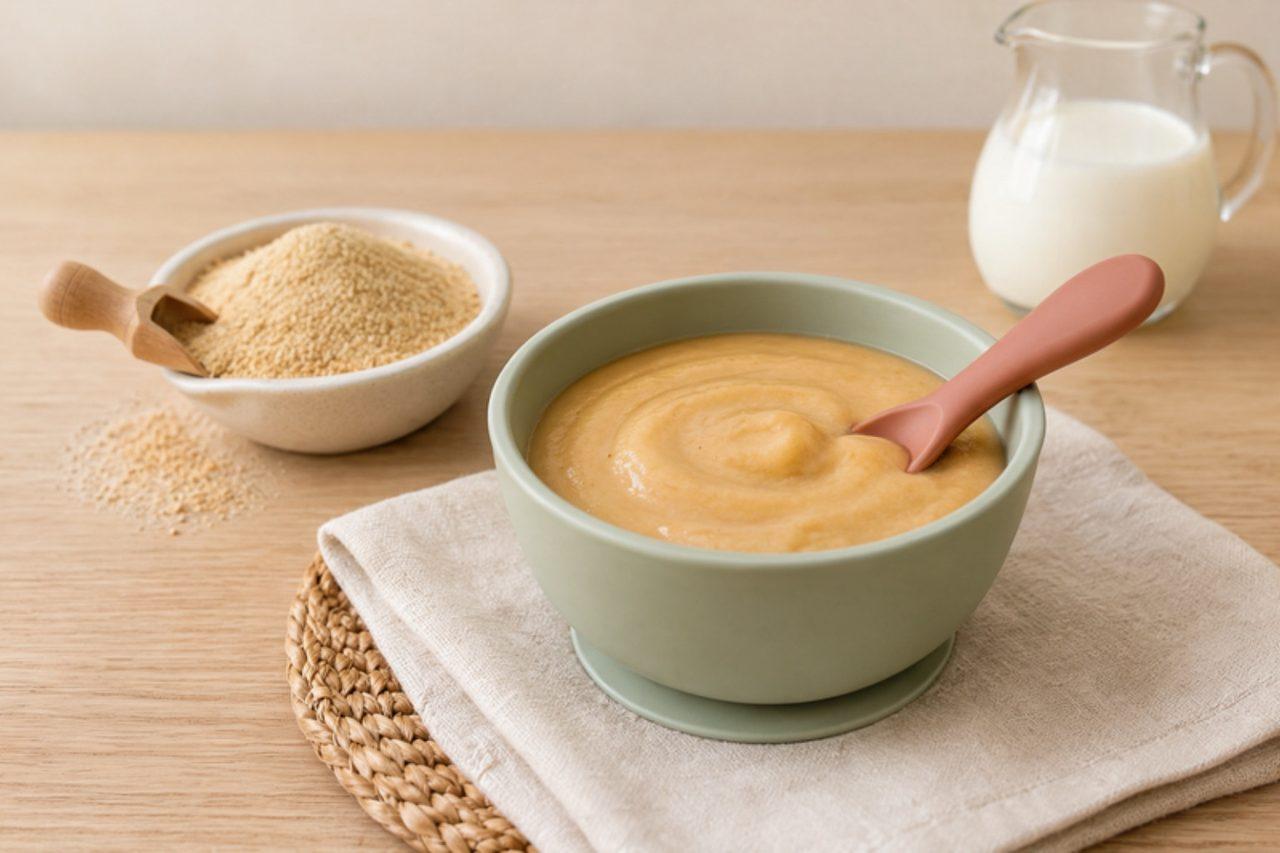
Tom Brown is the porridge Ghanaian babies grow up on: a blend of roasted maize, groundnuts (peanuts) and soya beans, ground fine and sold in bags at Makola Market in Accra and in clinics' nutrition corners, or roasted and milled at home. Cooked with water it becomes a smooth, beige porridge that smells of toasted corn and peanuts, and it is rich in protein and energy. It is loved in Nigeria too. For babies there is no salt, sugar, evaporated milk or honey. It contains peanuts and soya. Chef's tip: early, regular peanut is recommended for most babies, but if your baby has severe eczema or a known egg allergy, talk to your health visitor or doctor before the first spoonful.

by KrazyBadal 1 views

Jugo surtidoMixed fruit juice

Step up to any juguería in Lima's Mercado de Surquillo or a barrio market at breakfast time and order a surtido: the juicer drops papaya, banana, pineapple and freshly squeezed orange into a tall blender, sometimes a slice of cooked beetroot for colour or a splash of milk, and pours you a big glass with the rest left in the jug for your 'yapa', the free refill. It is thick but still pourable, sweet from ripe fruit with a sharp orange edge, the kind of drink that stands in for breakfast before a long day. The common mistake is adding lots of ice and water, which makes it thin and frothy rather than velvety. Use cold fruit and freshly squeezed orange juice as the liquid. It is ready when it coats the glass and no lumps of banana are left. This version is fruit only; stalls also make it with milk if you prefer. Drink it straight away: papaya and banana go brown and bitter within half an hour. Chef's tip: use very ripe papaya with orange flesh; under-ripe papaya tastes of nothing and gives a faintly bitter aftertaste.

by KrazyBadal 0 views

Locro de zapallo for toddlersPumpkin stew for toddlers

Locro de zapallo is the golden pumpkin stew of Lima's home kitchens and menú lunch spots, eaten on weekdays with white rice and, for adults, a fried egg and ají on the side. For toddlers from 12 months it is cooked without any ají, the pumpkin is simmered until it melts into a sauce, and just a little crumbled fresh cheese is stirred in, so it is sweet, creamy and easy to mash. It contains milk; there is no gluten, egg, nuts or soya. Queso fresco is often made with animal rennet, so for a vegetarian bowl choose one labelled vegetarian, or use a little paneer, and always a pasteurised cheese. Chef's tip: cut half the pumpkin small so it dissolves into the sauce and the rest larger so it keeps some shape.

by KrazyBadal 0 views

Caldo de gallinaHen broth with noodles

In Lima's markets and the all-night caldo stalls of districts like La Victoria, a bowl of caldo de gallina is the dawn breakfast for market porters, taxi drivers and anyone coming home late: a deep, golden broth from a slow-simmered hen (a boiling fowl) with ginger and spring onion, ladled over thick noodles and yellow potato, with a boiled egg, lime and ají chilli on the side. The common mistake is boiling the broth hard, which clouds it and toughens the meat; keep it to a lazy simmer. The chicken must reach 74 °C, though after this long simmer it will be well past that. Chef's tip: cook the noodles separately, then put them in the bowls; cooked in the pot they drink the broth and turn it starchy.

by KrazyBadal 0 views

Ají amarillo pasteYellow chilli paste

In Lima's markets ají amarillo is sold fresh all year, and most Peruvian cooks keep a tub of this paste in the fridge the way others keep tomato purée: it is the golden base of causa limeña, ají de gallina, papa a la huancaína, chupe and the sauce for tiraditos. The chillies are seeded, de-veined and blanched in three changes of water, which tames the heat and the raw grassiness, then peeled and blended with oil into a thick, silky, saffron-orange paste. It tastes fruity and sunny, almost like apricot and passion fruit, with a rounded, medium heat. Abroad, buy whole frozen ají amarillo from Latin grocers; dried ají mirasol, soaked, gives a darker, earthier paste. Common mistake: skipping the peeling; the thin skins leave papery flecks and a bitter edge. It is ready when it is completely smooth and holds a soft peak like thick hummus. This is a low-acid paste: keep it in the fridge for a week or freeze it, never on the shelf. Chef's tip: freeze it in an ice-cube tray; one cube is about a tablespoon, just right for a pot of ají de gallina.

by KrazyBadal 0 views

Showing 24 of 304 recipes

Show more recipes

Page 1 of 13