Skip to content
Recipes

All recipes

Vegetarian, or something you can't eat? Set your diet once and we'll hide recipes that don't fit.

Doon chetin

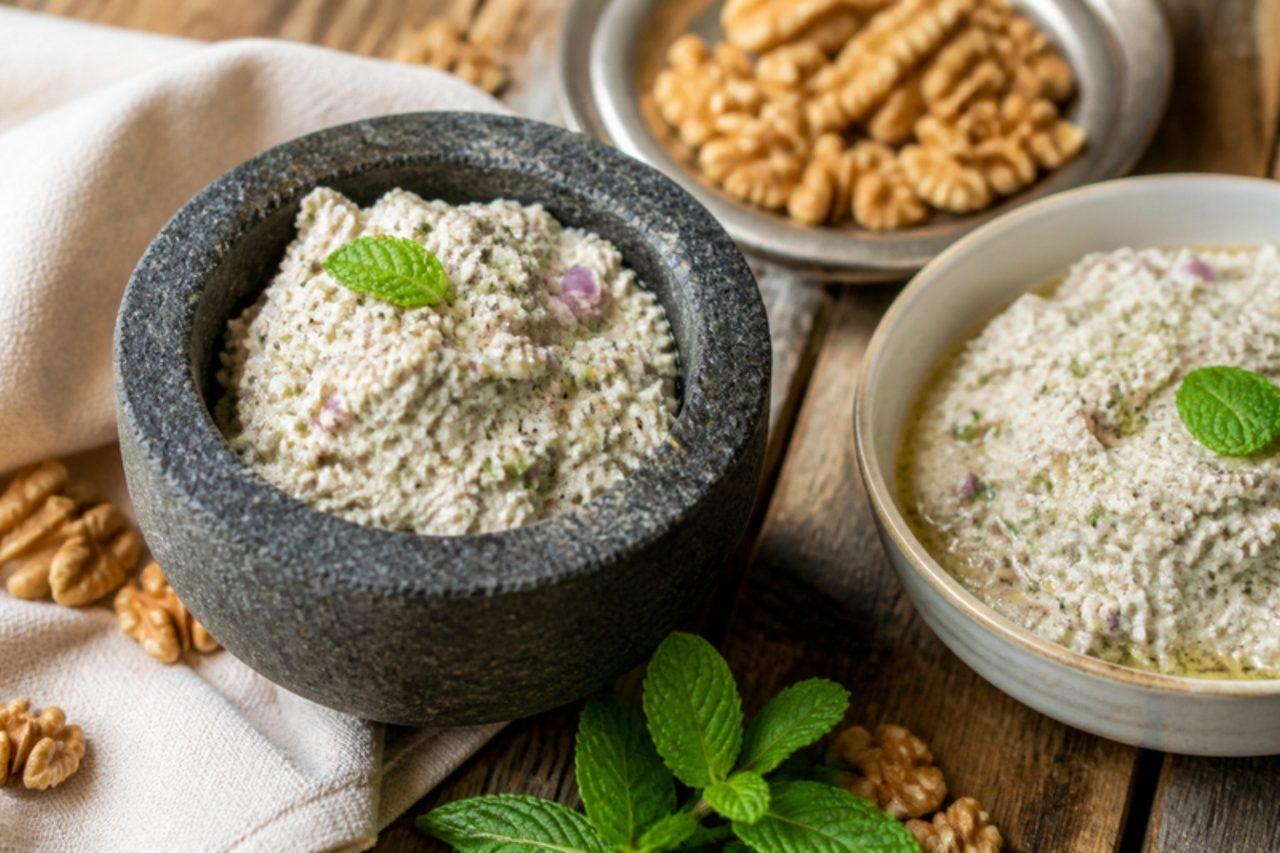
Walnut trees shade the villages of Azad Kashmir, and every autumn sacks of the new crop are cracked by hand on doorsteps from Bagh to Rawalakot; doon chetin is what a lot of that harvest becomes. The kernels are pounded coarse with green chilli, mint and salt, then loosened with thick yogurt into a nubbly, creamy chutney that is mildly bitter, hot and fresh all at once. It is spooned beside rice and haak greens at lunch, served with the meat dishes of a wazwan-style feast, or simply scooped onto bread. Grinding the walnuts to a smooth paste is a mistake; the chutney should keep some crunch. Chef's tip: toast the walnuts in a dry pan for two minutes and rub off any loose papery skin, which removes most of the bitterness.

by KrazyBadal 0 views
Sindhi koki

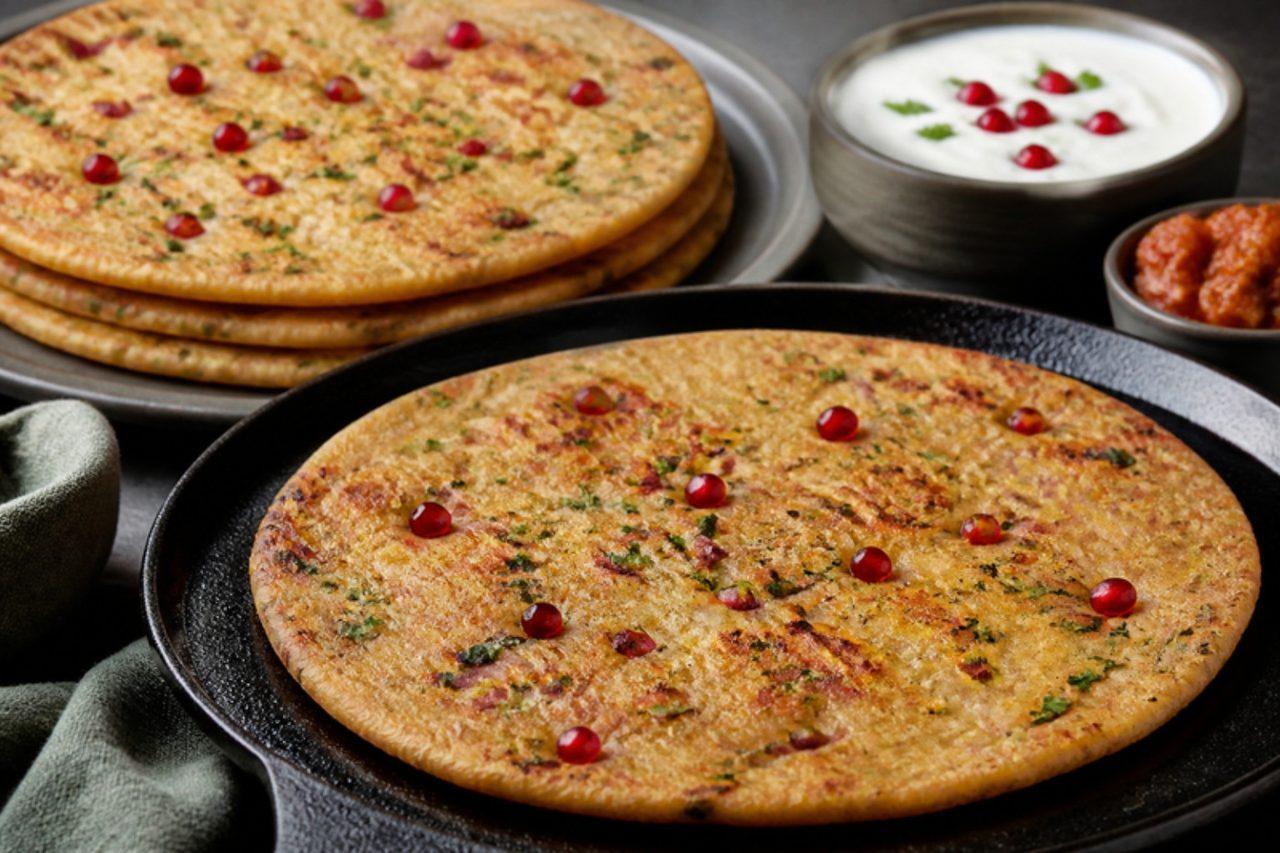
Breakfast in a Hyderabad or Larkana home very often means koki, a thick, rough-textured round of wholewheat dough packed with chopped onion, green chilli, coriander and crushed anardana, cooked slowly on a tawa until the outside is crisp and blistered and the inside stays dense and short. It is the bread Sindhis abroad get homesick for, eaten with a cup of sweet milky tea, a bowl of yogurt or a spoon of mango pickle, and leftover koki travels well for a lunch box. A hot pan is the enemy; on high heat the outside burns while the middle stays raw. Chef's tip: knead the dough stiff with plenty of ghee and very little water, then cook the koki over a low flame for at least 10 minutes in all, pressing it with a cloth so it cooks evenly.

by KrazyBadal 0 views
Daal mash

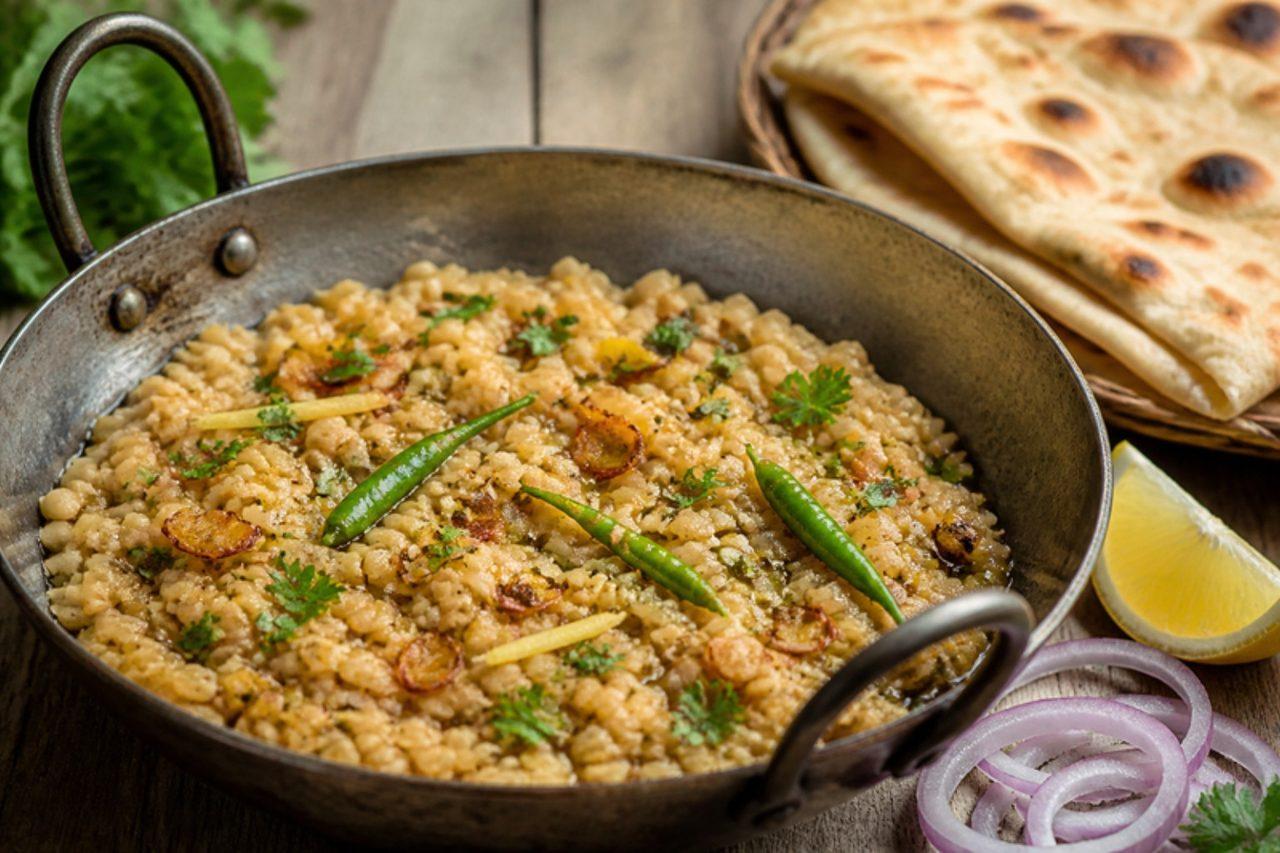
Walk into any dhaba on Lahore's Mall Road or in the lanes behind Anarkali after dark and daal mash is on the counter beside the tandoor, a pot of split white urad lentils cooked until each grain is soft but still separate, never a soup. It is eaten scooped up with hot tandoori roti, with a heap of raw onion rings and a squeeze of lemon, and it is rich enough to stand in for meat at a weeknight dinner. The flavour comes almost entirely from the last minute: a ladle of ghee crackling with garlic, ginger, green chilli and cumin poured over at the table. The usual mistake is adding too much water, which turns it to mush; it should cook in just enough to be absorbed. Chef's tip: soak the dal for 30 minutes and stir it as little as possible once it is in the pot, so the grains stay whole.

by KrazyBadal 0 views
Al yakhni

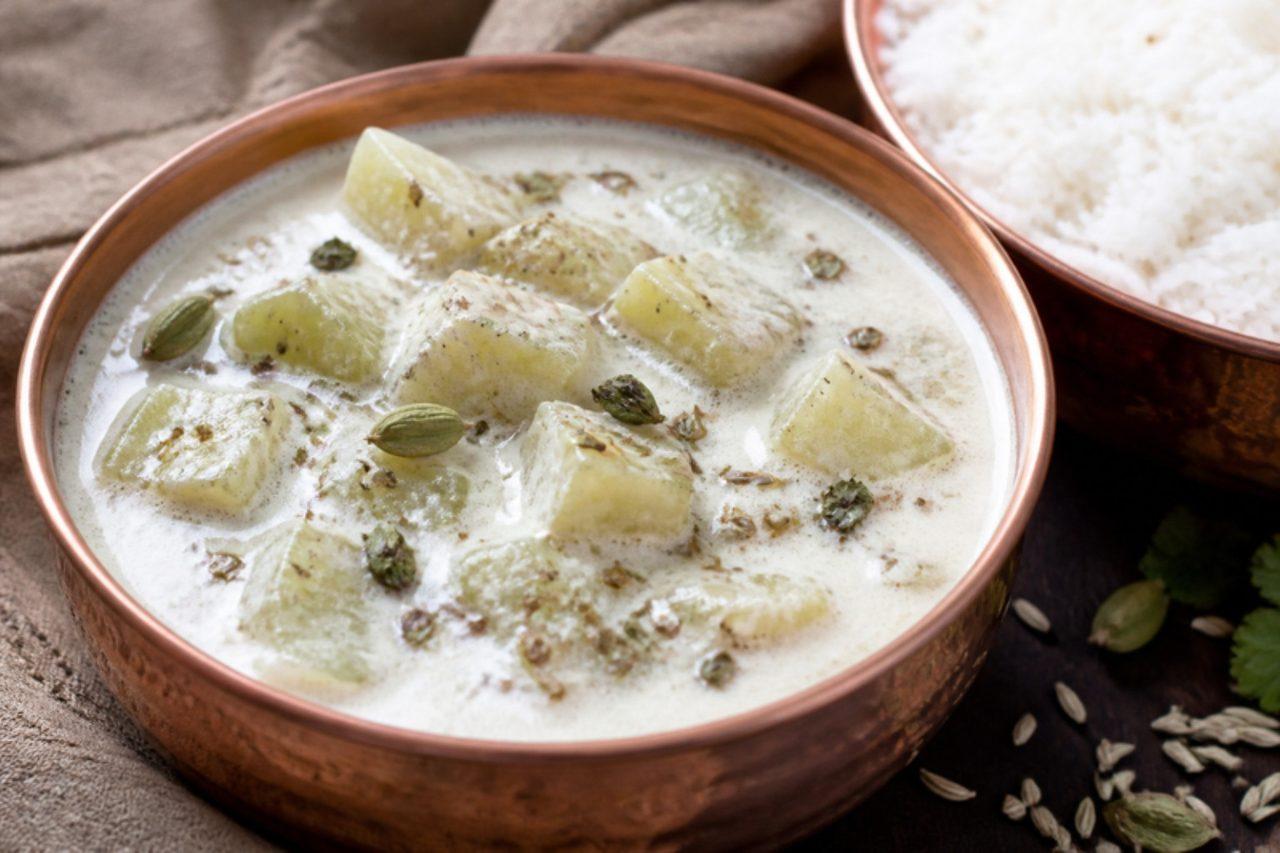
Yakhni in Kashmir means a gravy built on yogurt rather than tomato, and al yakhni, made with bottle gourd, is the version cooked in Muzaffarabad and the Neelum valley when the vines are heavy in late summer. The pale, delicately sour sauce is flavoured with ground fennel, dry ginger, cloves and cardamom, never chilli powder, and finished with a crumble of dried mint, so it tastes cool and aromatic rather than hot. It is eaten with a mound of plain rice, often alongside a red, chilli-hot dish so the two balance each other. Yogurt that splits into grainy curds is the trap: it happens when cold yogurt meets hot oil or when the pot is left alone before it boils. Chef's tip: whisk the yogurt with the spices and keep stirring in one direction over a medium heat until it comes to a full boil; after that it will not curdle.

by KrazyBadal 0 views
Marzan

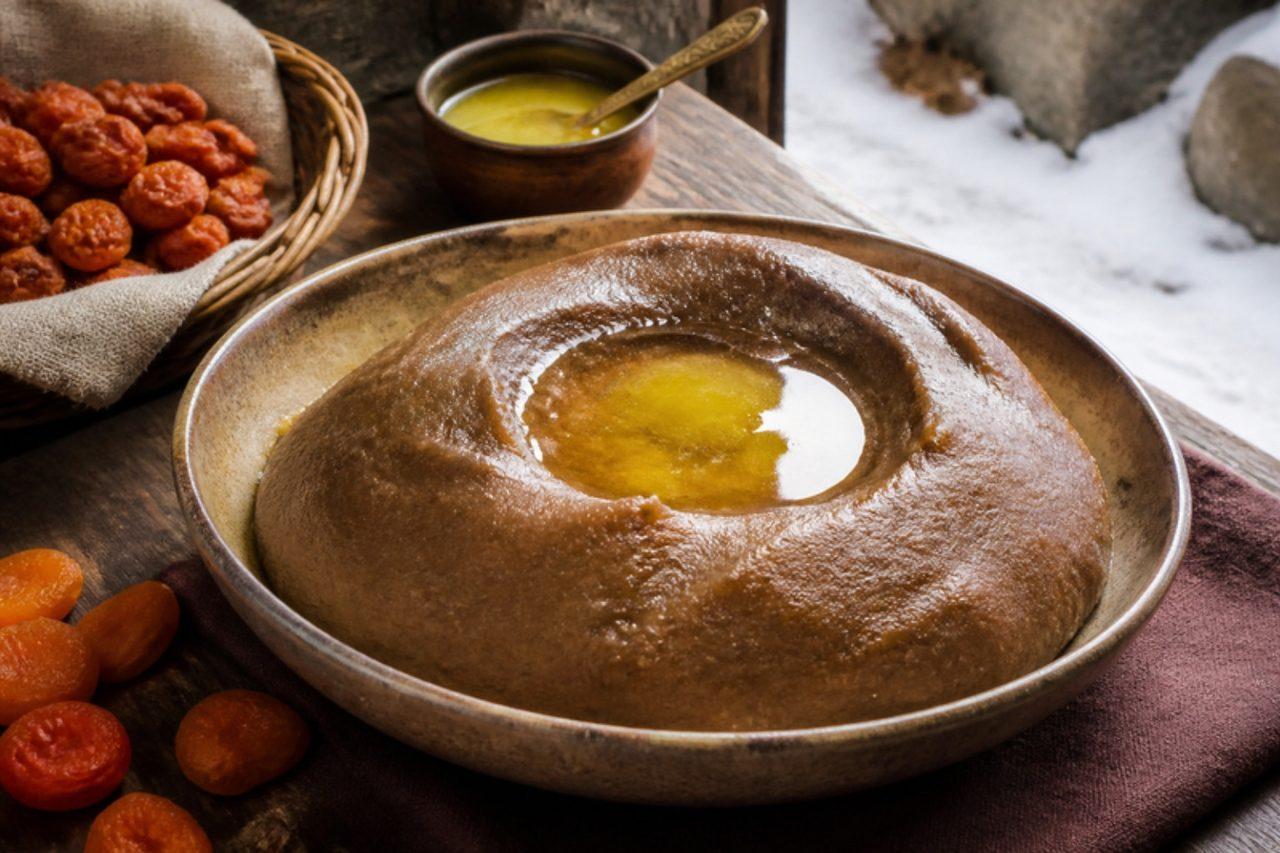
When snow cuts off the villages of Baltistan around Skardu and Khaplu, marzan is the dish that keeps people going: wholewheat flour stirred into boiling water until it becomes a thick, smooth, heavy pudding, shaped into a mound with a well in the centre filled with melted butter and apricot-kernel oil. It is eaten communally by hand, each person pulling a piece from the edge and dipping it in the fat, and it is made for new mothers, for guests after a cold journey and for winter mornings. Some families eat it plain and savoury, others sweeten it with a little sugar or serve it with dried apricots, which is how it is written here. Lumps are the usual complaint, so add the flour slowly. Chef's tip: whisk the flour into the water a spoonful at a time, then switch to a sturdy wooden spoon and beat hard as it thickens; and use only food-grade culinary apricot-kernel oil, or more butter.

by KrazyBadal 0 views
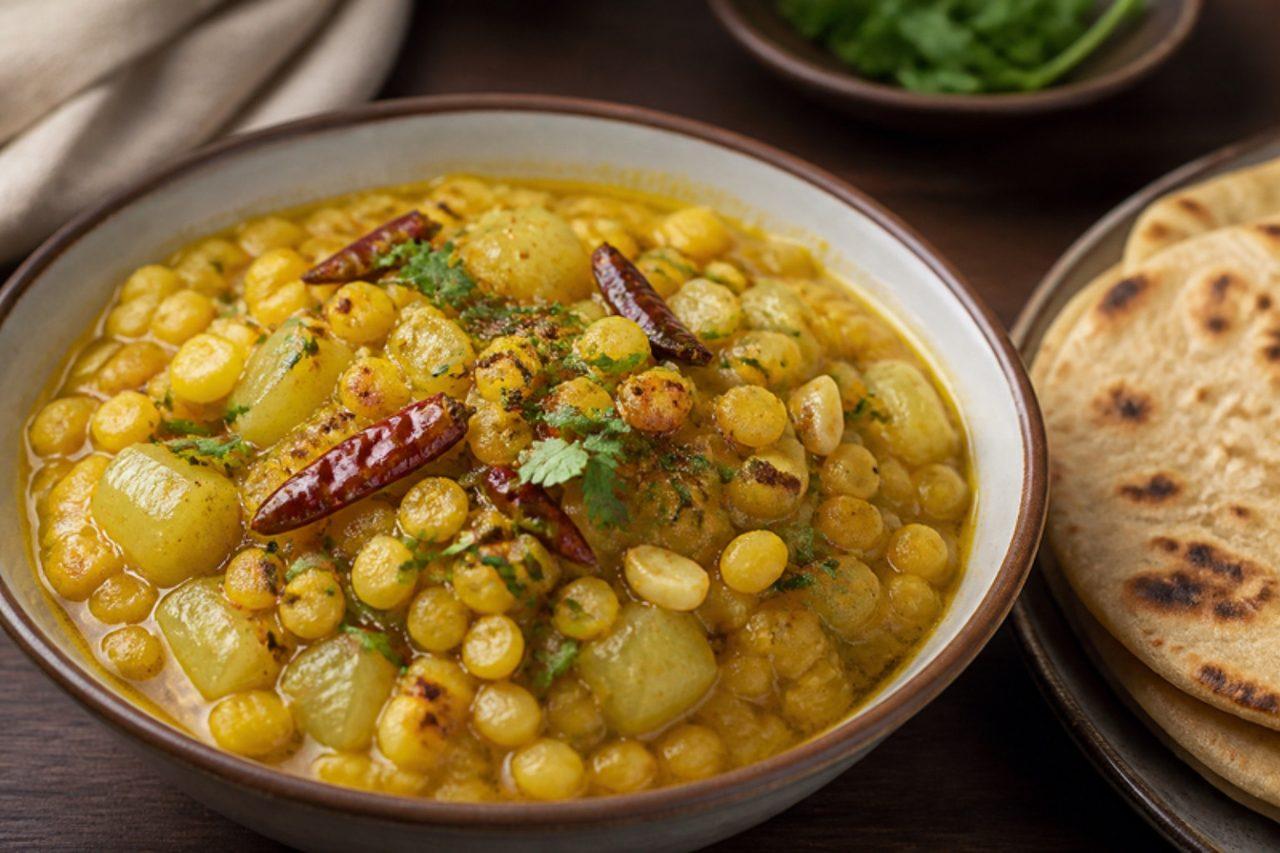
Bajre di roti

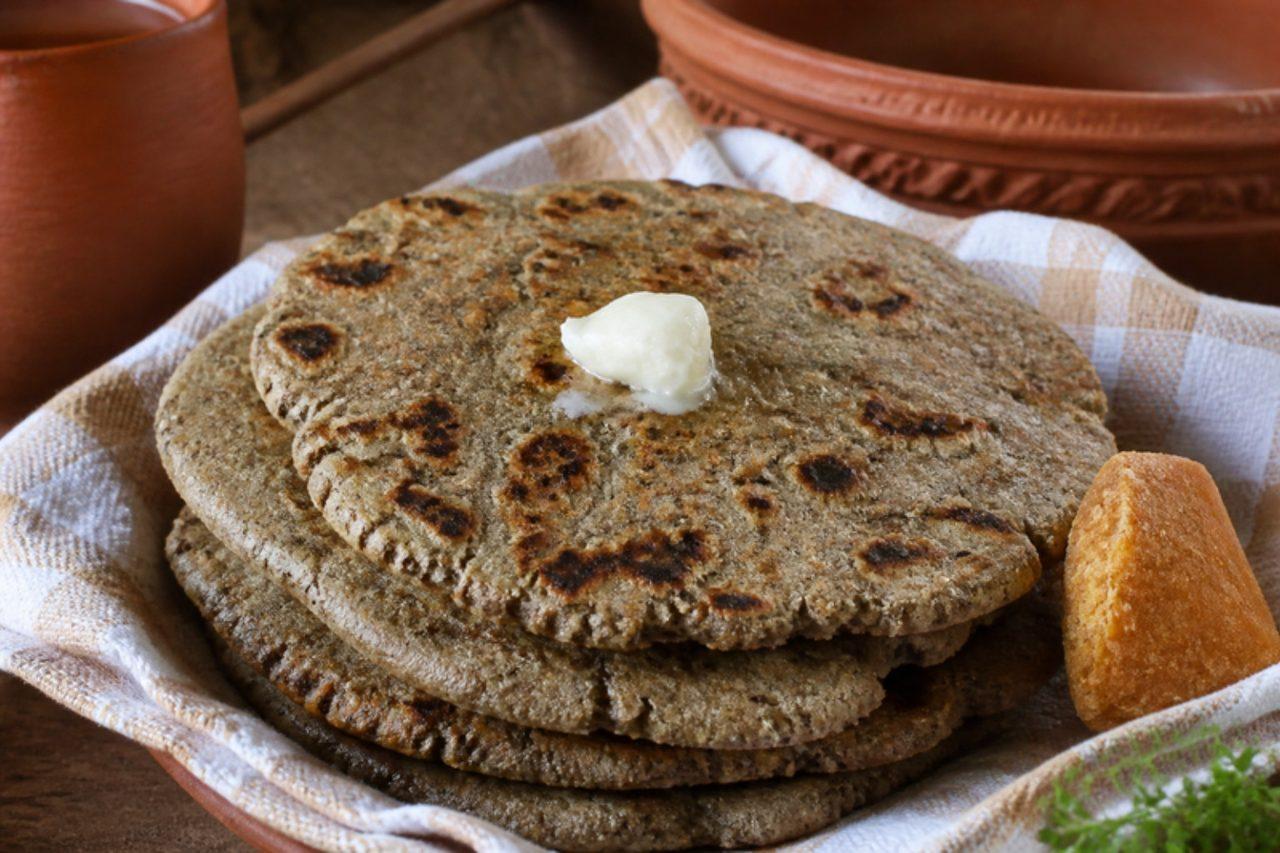
Pearl millet grows where wheat gives up, in the sandy fields on the edge of the Cholistan desert around Bahawalpur, and there bajre di roti is the bread of winter, thick, grey-green and earthy with a slightly sweet, nutty taste. Because millet has no gluten, the dough is kneaded one roti at a time and patted out between wet palms rather than rolled, which takes a little practice but no special equipment. In village homes it is eaten hot with a lump of white butter or ghee and a piece of jaggery, or with sarson ka saag and a bowl of lassi; for a vegan meal, serve it with saag cooked in oil. Making all the dough at once is the classic error: millet dough dries and cracks within minutes. Chef's tip: knead each portion fresh with warm water and the heel of your hand until it feels smooth and slightly sticky, like soft clay.

by KrazyBadal 0 views
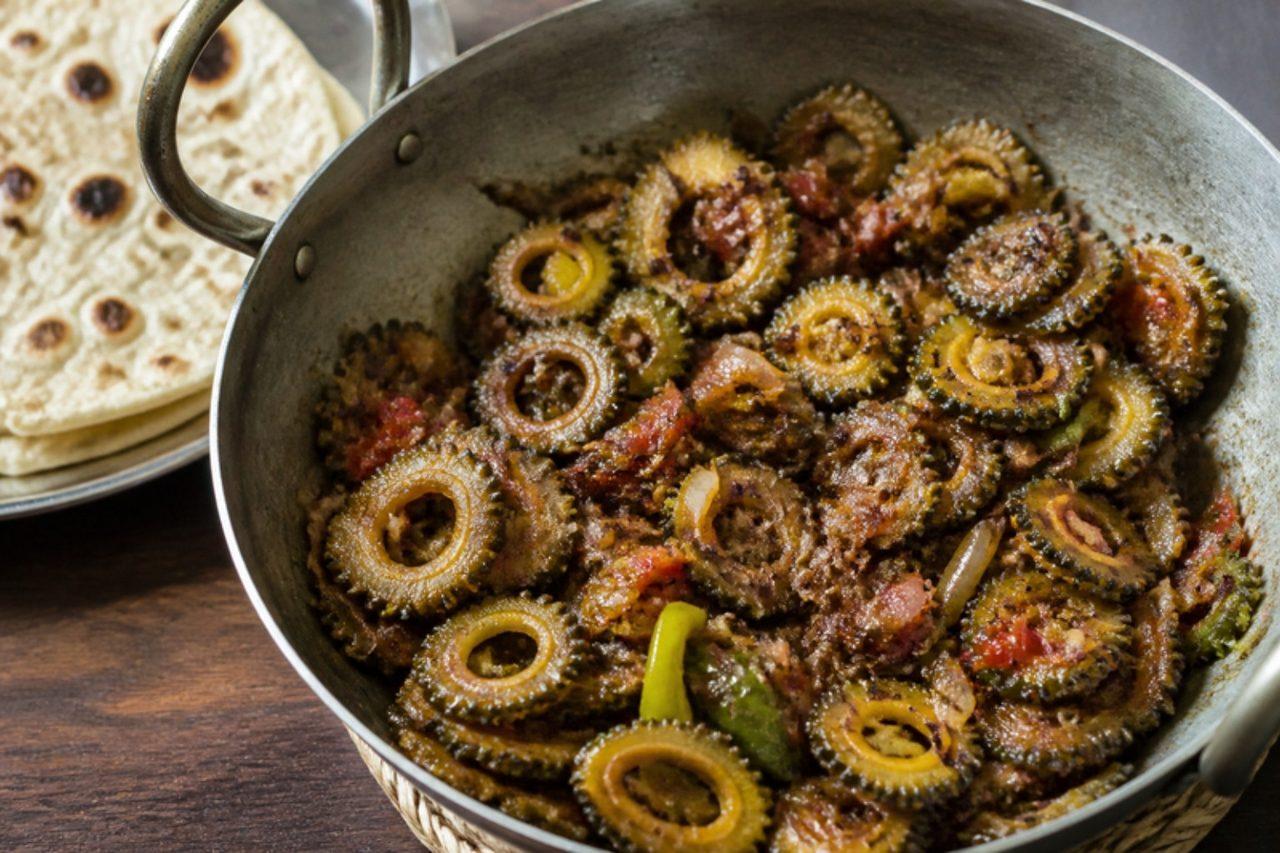
Saraiki kalay chanay

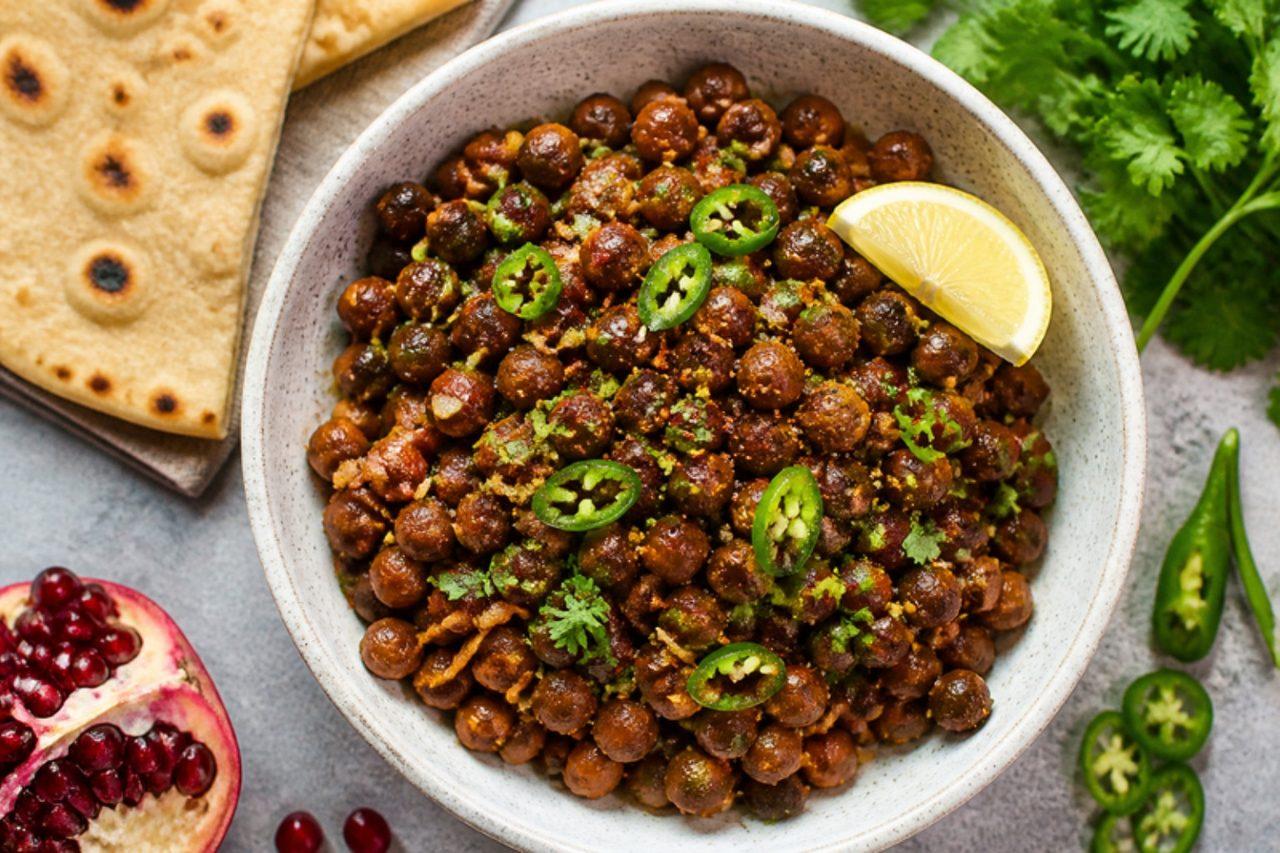
Small, dark kala chana are the everyday protein of the Saraiki belt, and from Dera Ghazi Khan to Multan they are cooked dry, so that each nutty chickpea is wrapped in a thick coating of fried onion, tomato and spice rather than swimming in gravy. Ground pomegranate seed (anardana) gives a gentle sourness, and the dish has an earthy depth that the lighter white chickpea never quite reaches. Expect it at breakfast with tandoori roti and a glass of lassi, packed for field work, and in big pots at shrines on Thursday evenings. Undercooked chickpeas are the usual let-down: black chana take longer than you think and must be truly soft before they meet the masala. Chef's tip: soak them overnight and keep a little of the cooking water to loosen the masala during the final fry.

by KrazyBadal 0 views
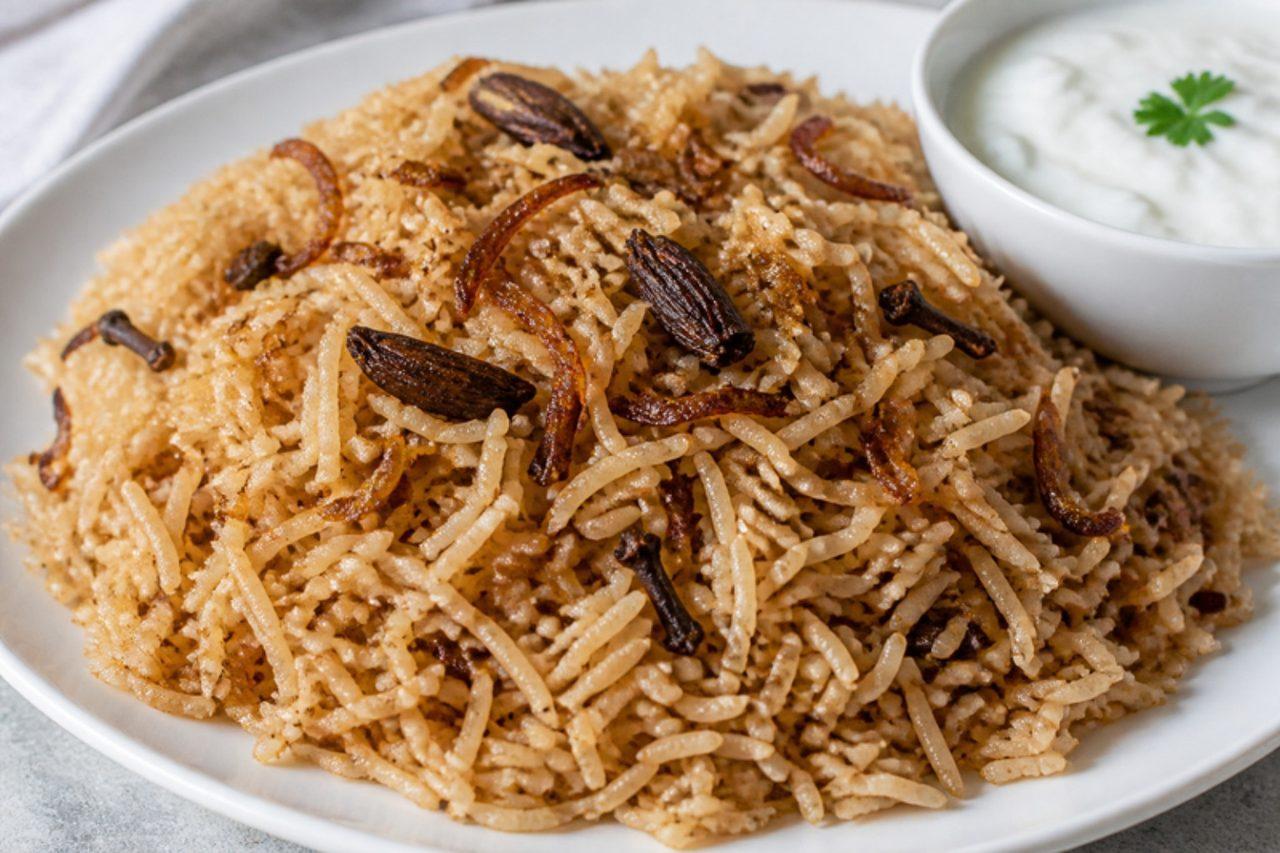
Karachi halwa

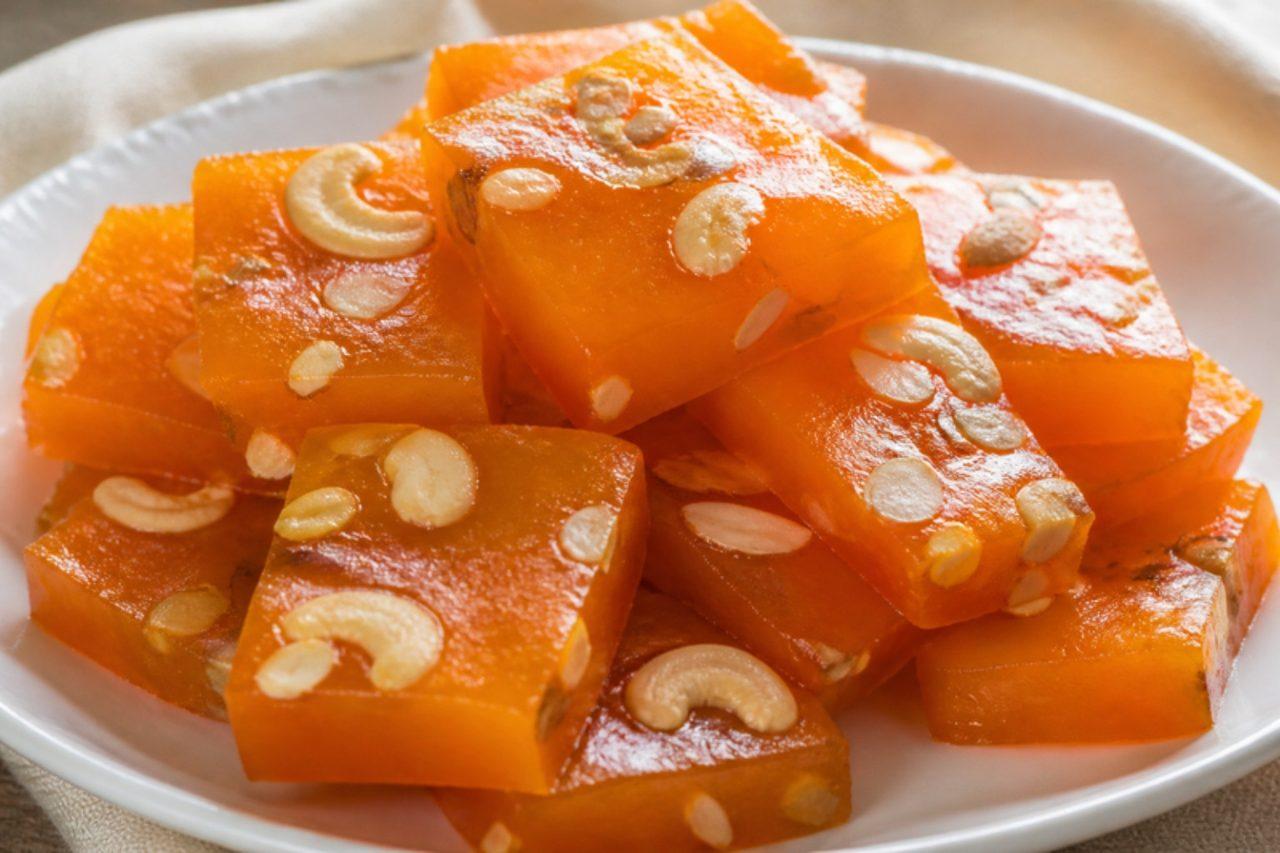
Glassy, jewel-bright and chewy like a Turkish delight with more bite, Karachi halwa is the sweet that the city's mithai shops on Saddar and Tariq Road stack in orange, green and red slabs studded with cashews and melon seeds, and it travels well as a gift to family abroad. It is made from cornflour cooked with sugar syrup and lemon until it turns clear, then fed with ghee spoon by spoon until it shines and pulls away from the pan in one elastic mass. Across the border it is called Bombay halwa, and in Pakistan it is a staple for weddings, Eid and Diwali sweet boxes from the Hindu shops of Sindh. Lots of cooks lose their nerve and stop before the halwa has absorbed all the ghee and turned translucent, and it sets cloudy and sticky. Chef's tip: work the halwa with a flat wooden spatula and add the ghee only when the previous spoonful has disappeared; when the ghee starts to leak back out, it is done.

by KrazyBadal 0 views
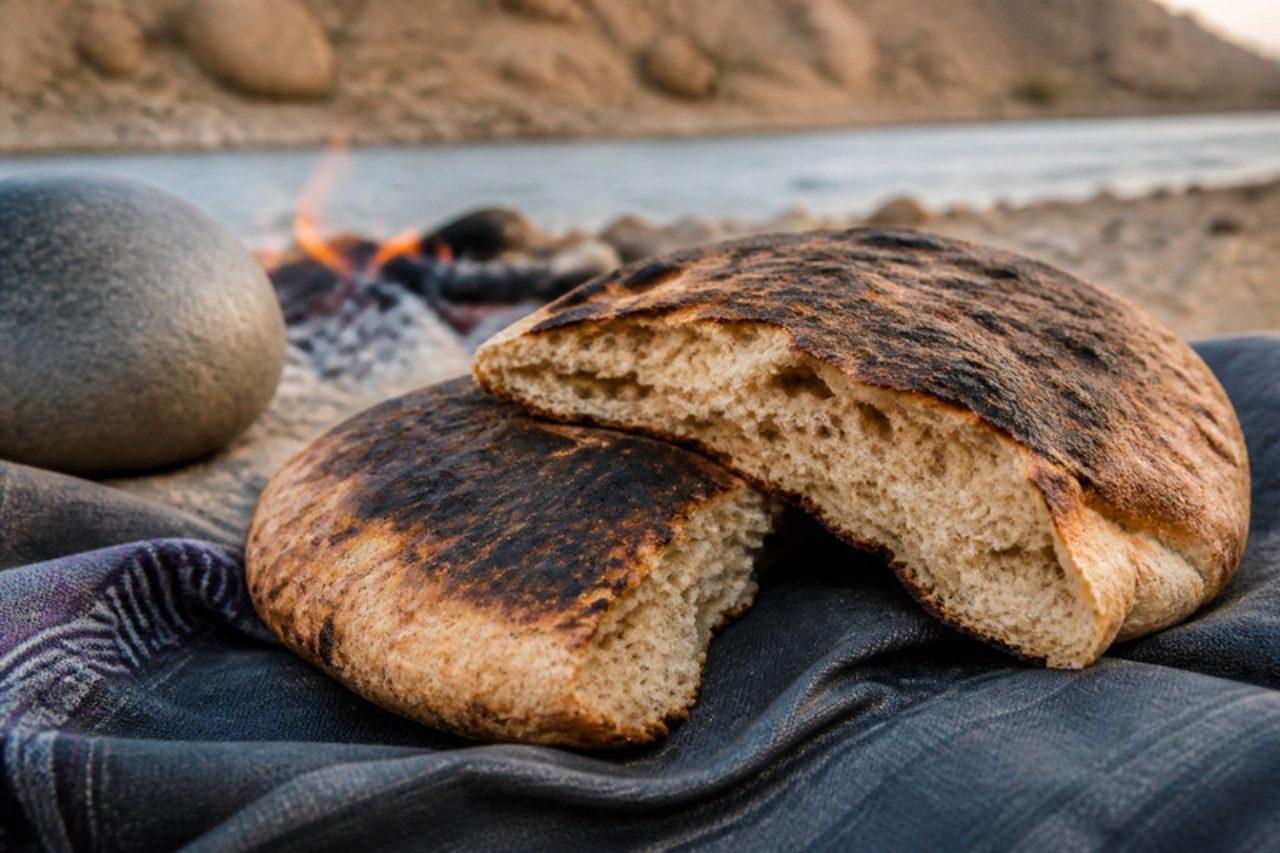
Aloo anday

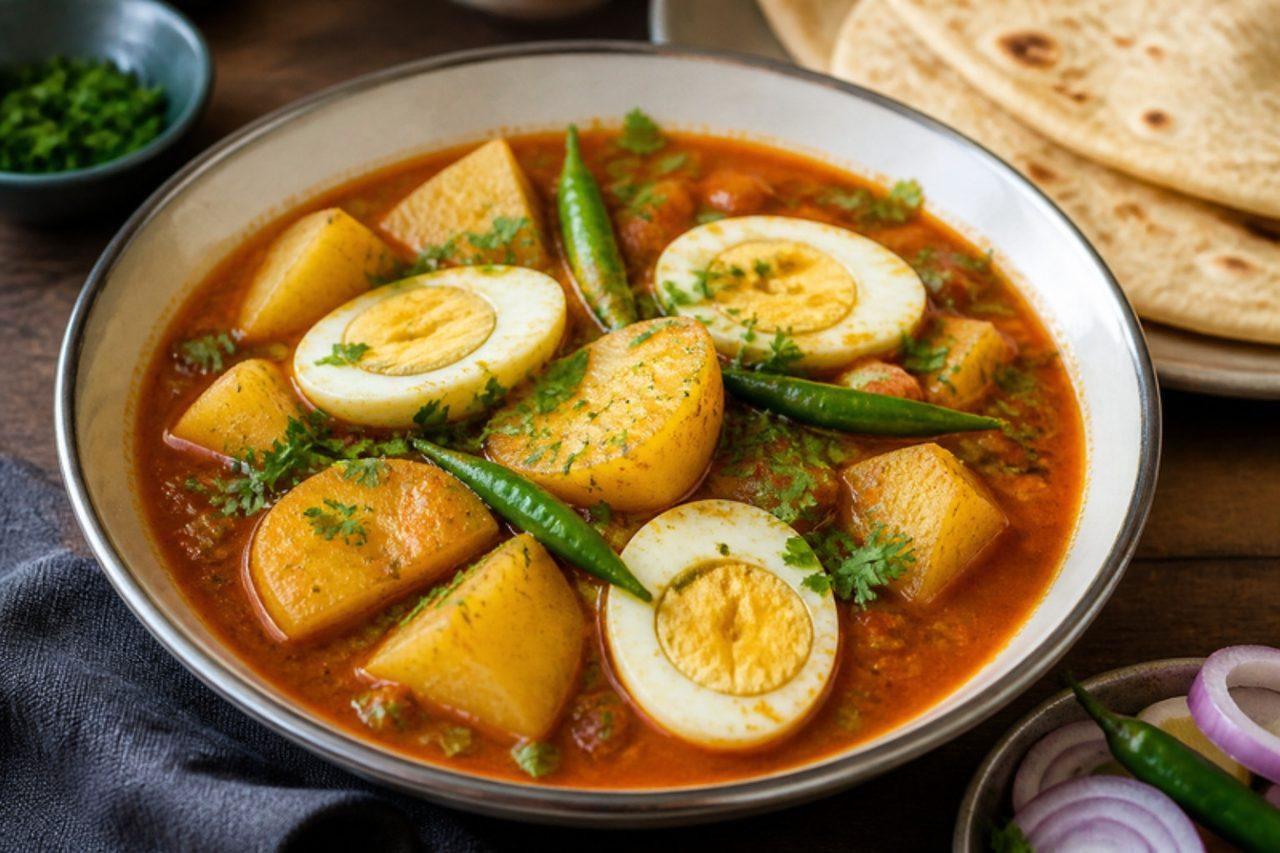
Ask almost anyone who grew up in a Punjabi household in Pakistan what was cooked at the end of the month, when the meat money had run out, and aloo anday will come up with real affection. Halved hard-boiled eggs and chunks of potato sit in a loose, brick-red shorba of browned onion and tomato, thin enough to soak into a chapati and rice alike, with a cut green chilli on top. It is a weeknight and Sunday-brunch dish rather than a guest dish, and children tend to love it. Where it goes wrong is in the masala: if the onions and tomatoes are not fried until the oil separates, the gravy tastes raw and watery however long it simmers. Chef's tip: score the peeled eggs lightly with a knife and fry them in the masala for a minute before the water goes in, so they take on colour and flavour.

by KrazyBadal 0 views

Matar pulao

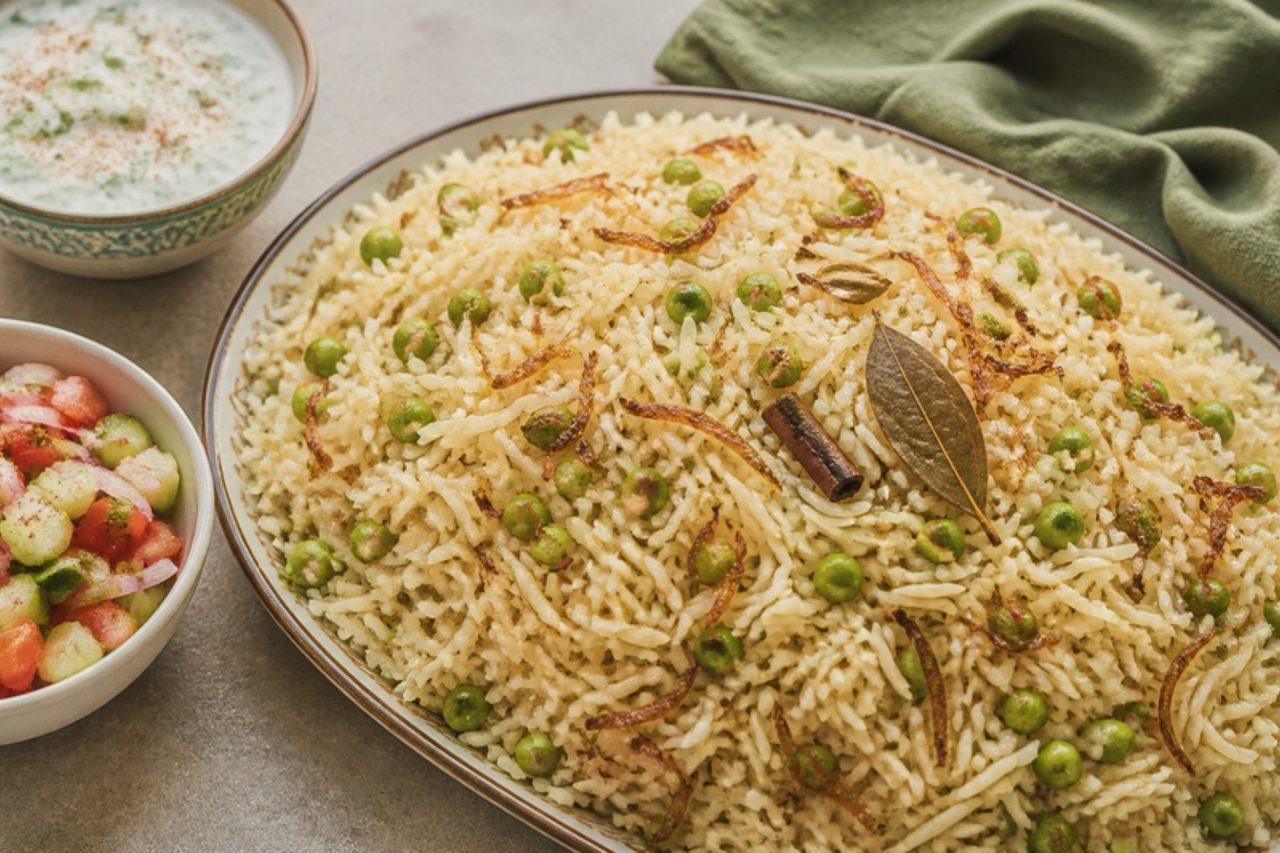
Fresh peas flood the bazaars of Punjab from December to February, and that is when matar pulao appears on Sunday tables in Rawalpindi and Lahore, the pale grains scattered with bright green and threaded with ribbons of caramelised onion. The rice is cooked in a lightly spiced stock of whole cardamom, cloves, cinnamon and peppercorns, then left to steam so every grain stays long and separate. It is served with raita, kachumar and often a shami kebab or an egg curry on the side, and it is one of the first things a new cook in the house is taught. Stirring after the water goes in breaks the grains and makes the rice gluey, which is where many first attempts fail. Chef's tip: measure the water exactly and wait until small craters appear on the surface of the rice before covering it for its final steam.

by KrazyBadal 0 views

Kachumar salad

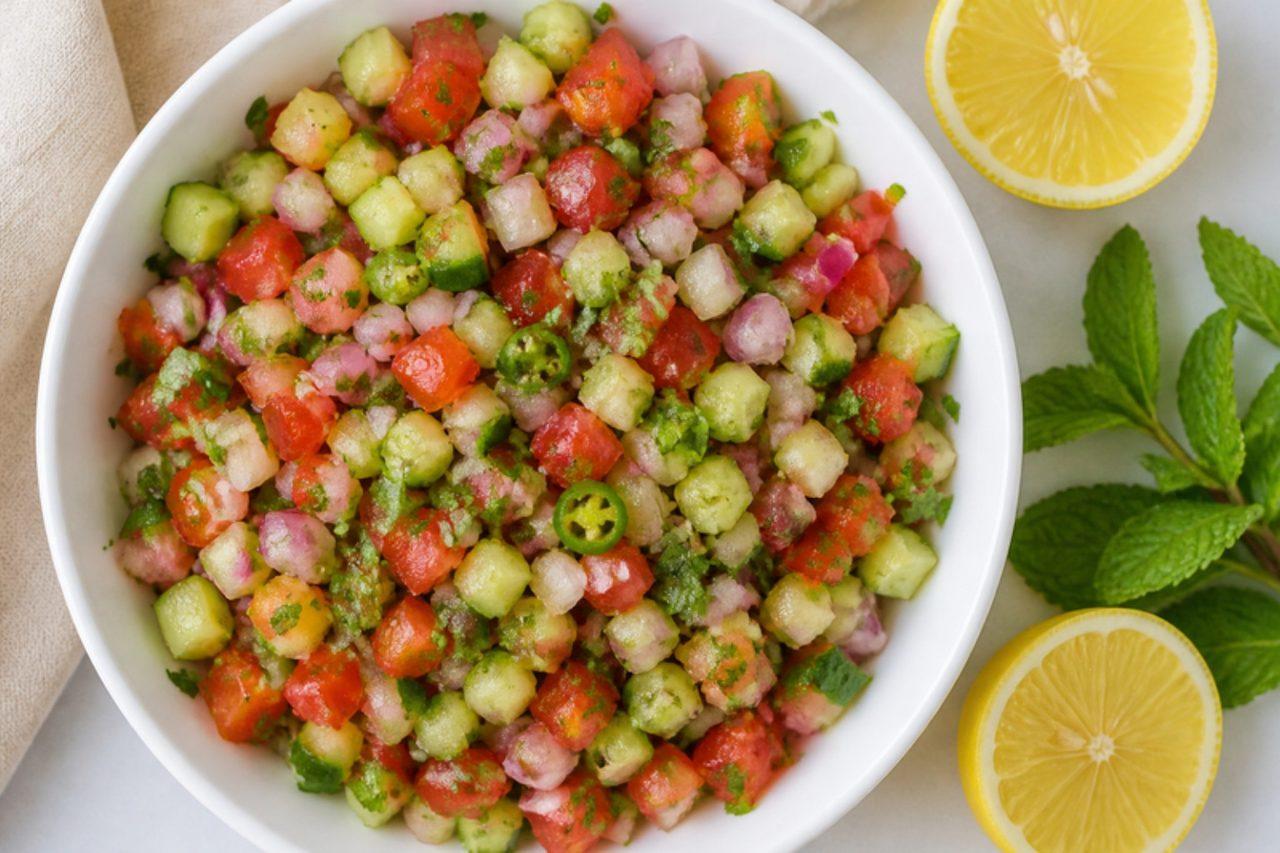
No Pakistani dastarkhwan feels complete without a little bowl of kachumar, whether it sits beside a biryani at a Karachi wedding, a karahi at a highway truck stop or plain dal at home on a Tuesday. It is nothing more than tomato, onion and cucumber cut into very small, even dice, dressed at the last moment with lemon, salt, green chilli and coriander, yet the crunch and sharpness are what make rich food feel lighter. Some families add a pinch of roasted cumin or a few mint leaves; in Punjab it is often spooned straight onto the side of the plate rather than served apart. Dressing it too early is the main trap, because the salt pulls water from the tomatoes and leaves a soggy puddle. Chef's tip: seed the tomatoes and cucumber before dicing so the salad stays crisp for the whole meal.

by KrazyBadal 0 views

Molida

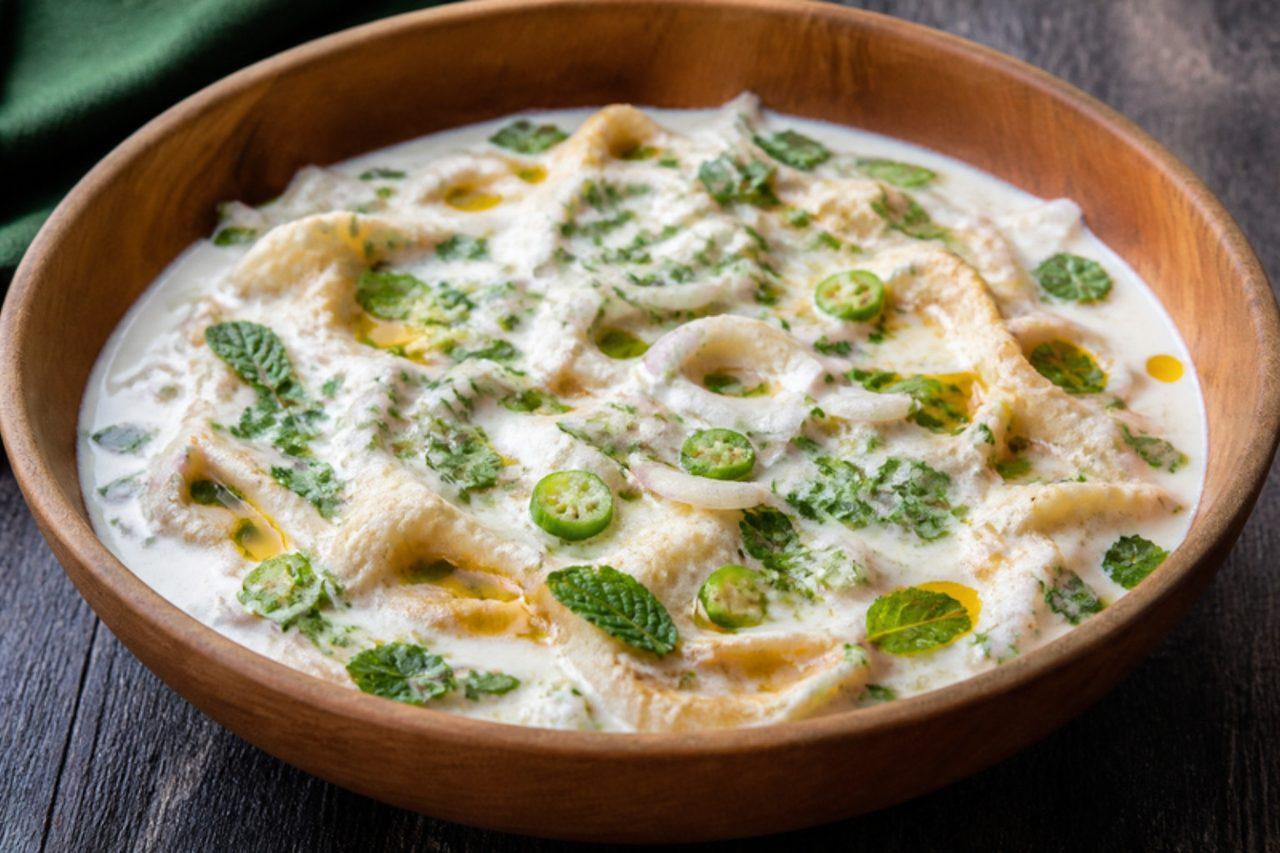
Molida is what Hunza and Gilgit households make on a hot summer afternoon from yesterday's bread and a pot of sour yogurt, a cooling, tangy bowl that needs almost no cooking at all. Pieces of thick bread or chapati are torn into a sauce of tart yogurt thinned with water and stirred with chopped onion, coriander, mint and green chilli, then left for a few minutes to soften before a spoon of hot apricot-kernel oil with fried onion goes on top. The bread ends up soft but not soggy, the yogurt sharp and herby, and it is eaten as a light lunch or after field work. Sweet, mild yogurt is the main mistake; molida needs real sourness. Chef's tip: use yogurt that is a day or two old, or add a squeeze of lemon, and use culinary apricot-kernel oil only, or swap in butter or walnut oil.

by KrazyBadal 0 views

Shufta

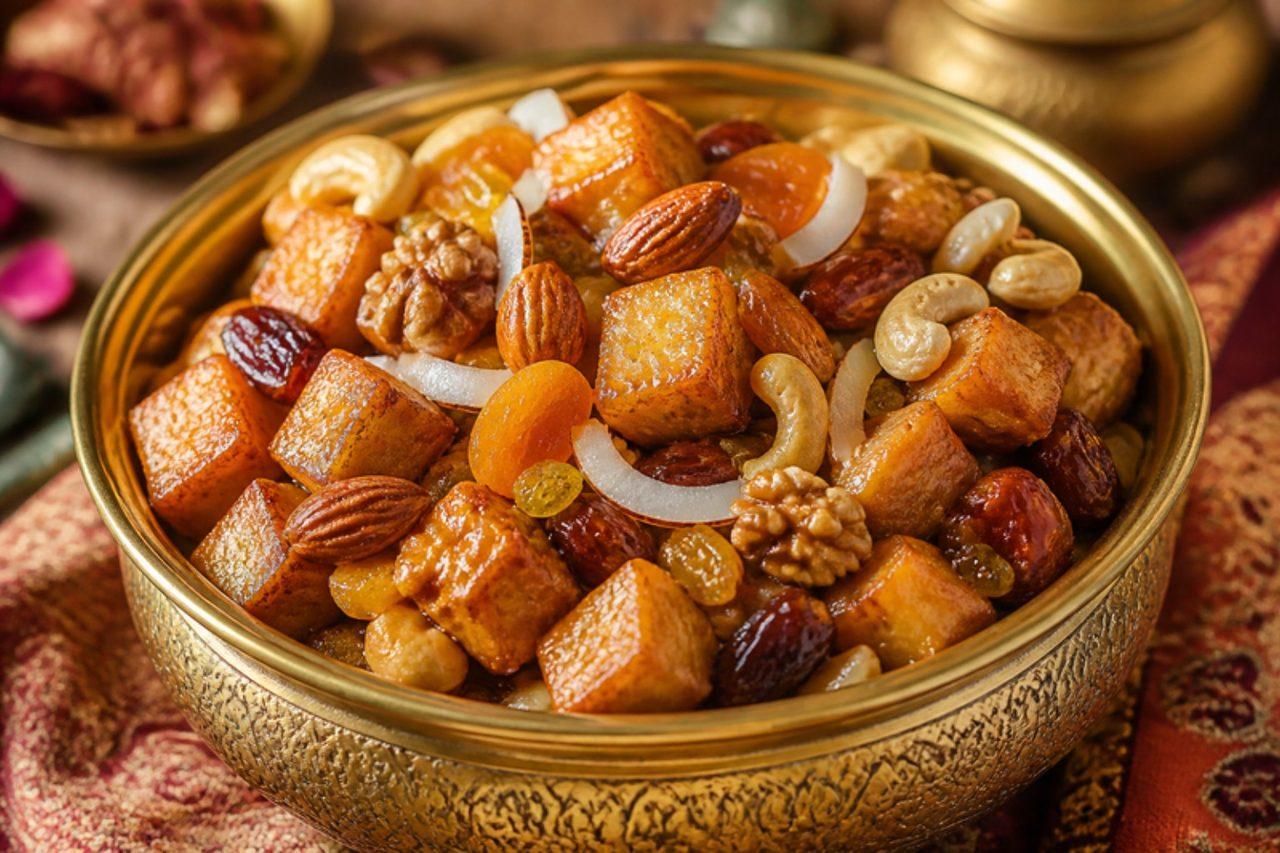
Shufta is the sweet that ends a Kashmiri wedding feast or an Eid lunch in Mirpur and Muzaffarabad, a glossy jumble of golden fried paneer, almonds, walnuts, dates, apricots and raisins bound in a thick syrup scented with saffron and cardamom. A pinch of black pepper and dry ginger runs through the sweetness, which is very old Kashmiri habit and keeps it from being cloying, and the paneer stays soft inside its crisp skin. It is eaten in small spoonfuls, warm or at room temperature, sometimes alongside kahwa. Cooking the syrup too far is the mistake to avoid, because once it reaches a hard thread it sets like toffee around the fruit as it cools. Chef's tip: use paneer that has been pressed for an hour so it fries golden without breaking; shop-bought paneer is acid-set and needs no rennet check.

by KrazyBadal 0 views

Gur wale chawal

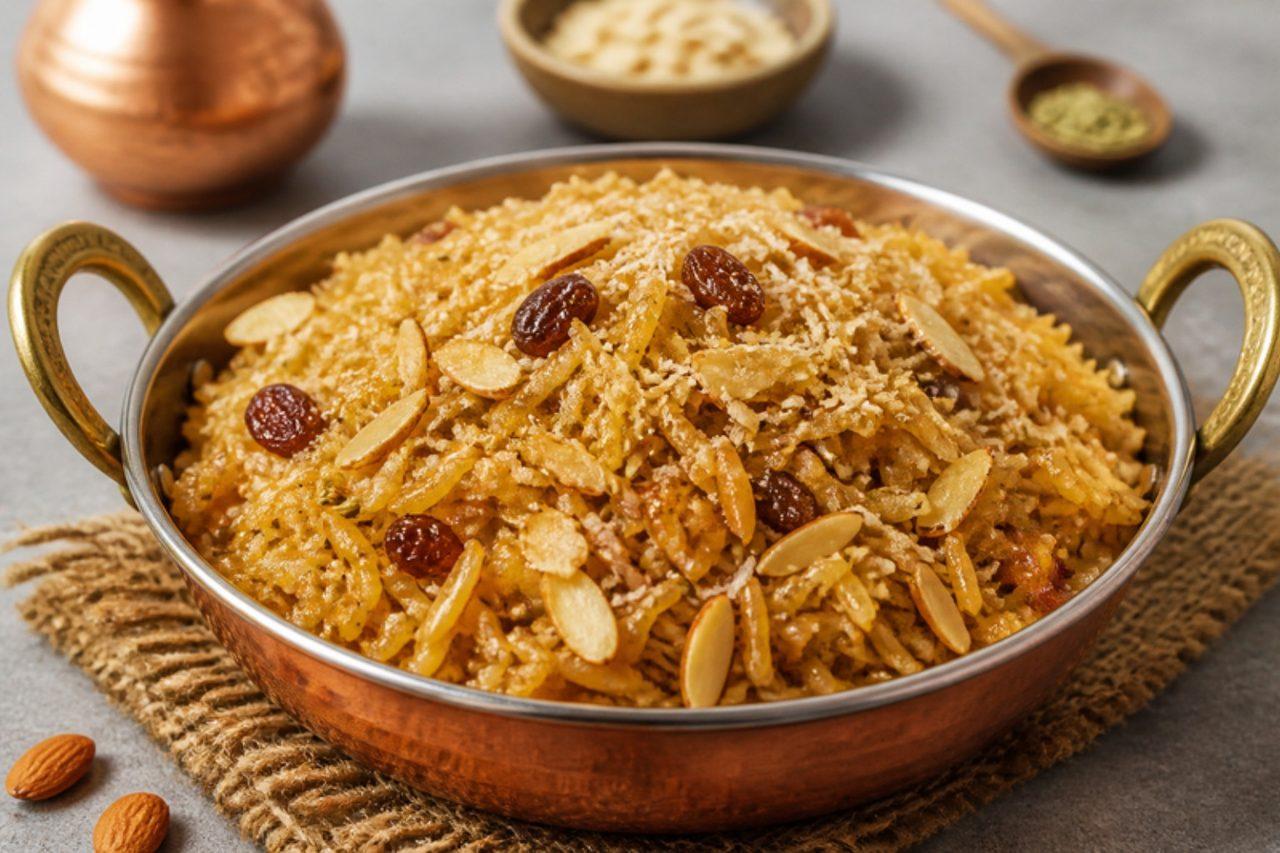
Every winter, when the sugarcane presses in the villages around Bahawalpur and Rahim Yar Khan boil the new season's jaggery, families celebrate with a pot of gur wale chawal. Basmati grains turn a warm amber in a syrup of melted gur and ghee, with fennel seeds and cardamom for fragrance and raisins, almonds and coconut tucked through, and the result is sweet but not sticky, each grain separate. It is cooked for weddings, for distribution on religious days and simply for guests on a cold evening, and eaten warm, sometimes with a spoonful of extra ghee on top. Adding the jaggery to raw rice is the commonest error, because sugar stops the grains from softening and they stay hard. Chef's tip: boil the rice until it is three-quarters cooked first, then fold it into the jaggery syrup and let it steam.

by KrazyBadal 0 views

Reshmi kebab

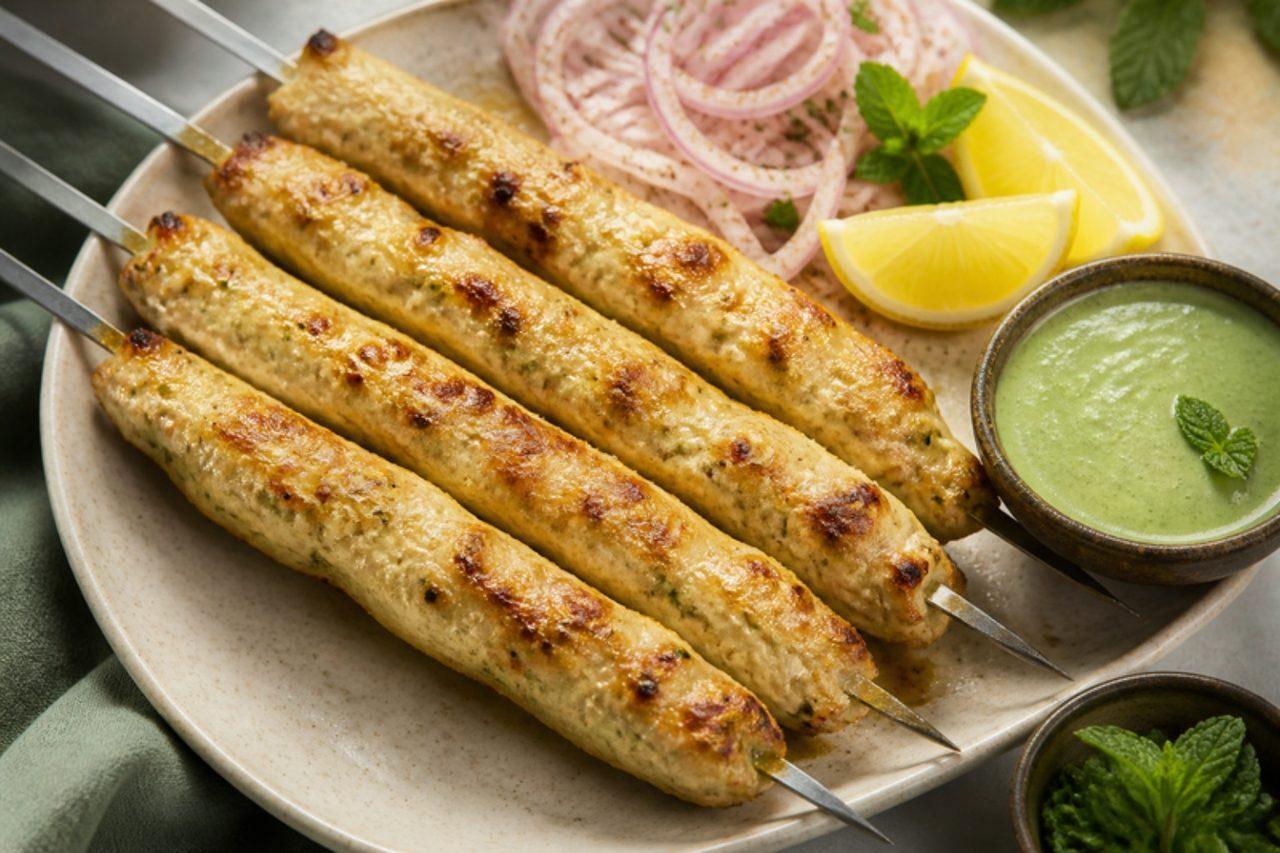
Reshmi means silken, and the name is a promise: these long chicken kebabs are pale, soft and smooth, the minced chicken blended with cream, ground cashew, egg and gentle spice until it clings to the skewer. They are a wedding and dinner-party favourite in Lahore and Karachi, often served beside spicier seekh and tikka so that the platter has something mild, and they come with naan, onion rings and a bowl of mint raita. The texture should be bouncy and juicy, never crumbly. Many people buy ready-minced chicken, which is often too lean and coarse; mincing thigh and breast together yourself makes all the difference. Chef's tip: chill the mixture for an hour and oil your hands before shaping, so the soft paste wraps round the skewer without sticking to your palms.

by KrazyBadal 0 views

Multani sohan halwa

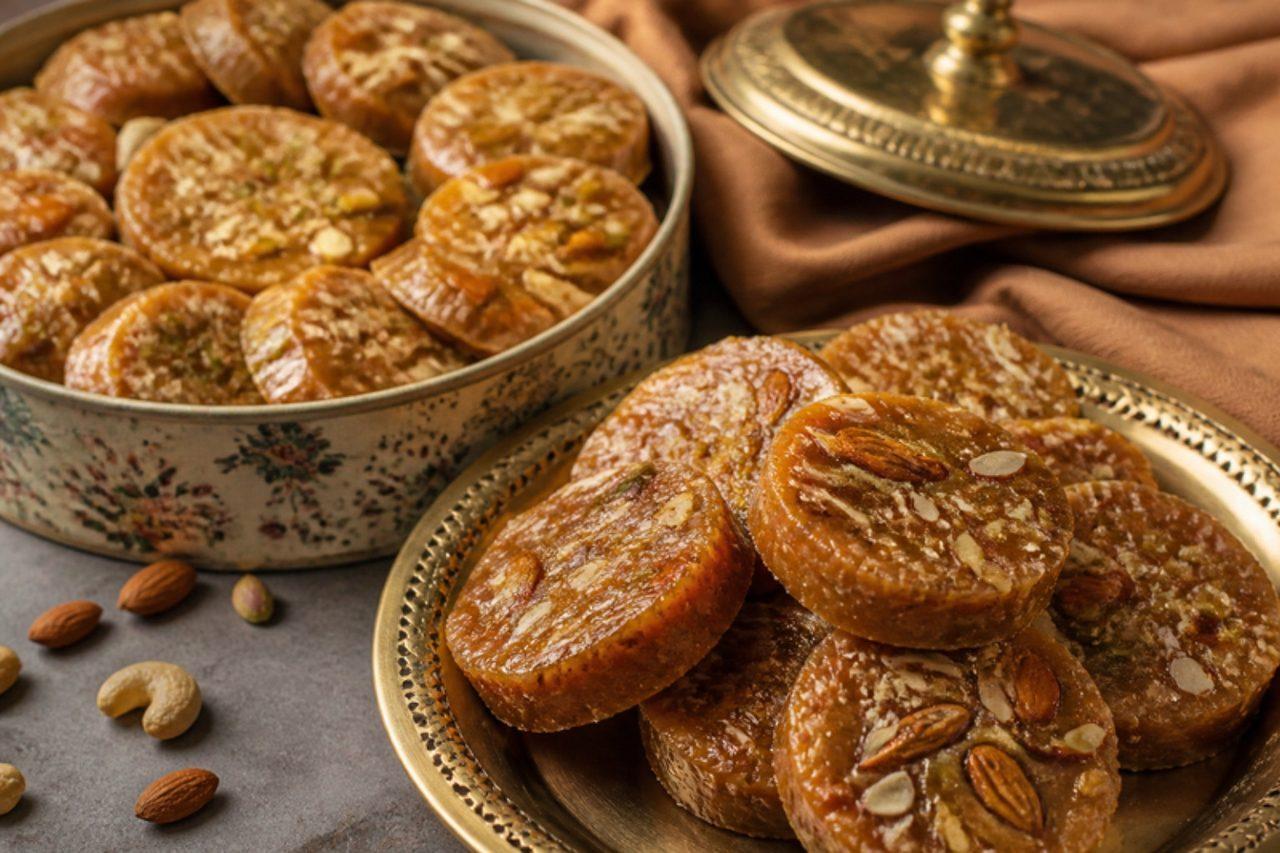
Packed in round tins and carried home from Multan's Hussain Agahi bazaar as a gift, sohan halwa is the sweet the City of Saints is known for across Pakistan, and families in Lahore and Karachi still wait for relatives to bring a box back after a visit. It is dark, dense and chewy, with a deep caramel flavour from milk and sugar cooked for hours, and its texture comes from samnak, a flour made from sprouted wheat, cooked in ghee until the fat seeps out around the edges. Almonds and pistachios are pressed into the top, and it is eaten in small squares with tea, especially in winter. Giving up too early is the classic error; pale, soft halwa has not been cooked long enough to caramelise and set. Chef's tip: stir constantly once the flour goes in and take your time; the mixture is ready when it turns a deep brown, leaves the pan in a single mass and the ghee pools freely. Take care, as the mixture is very hot and sticky.

by KrazyBadal 0 views

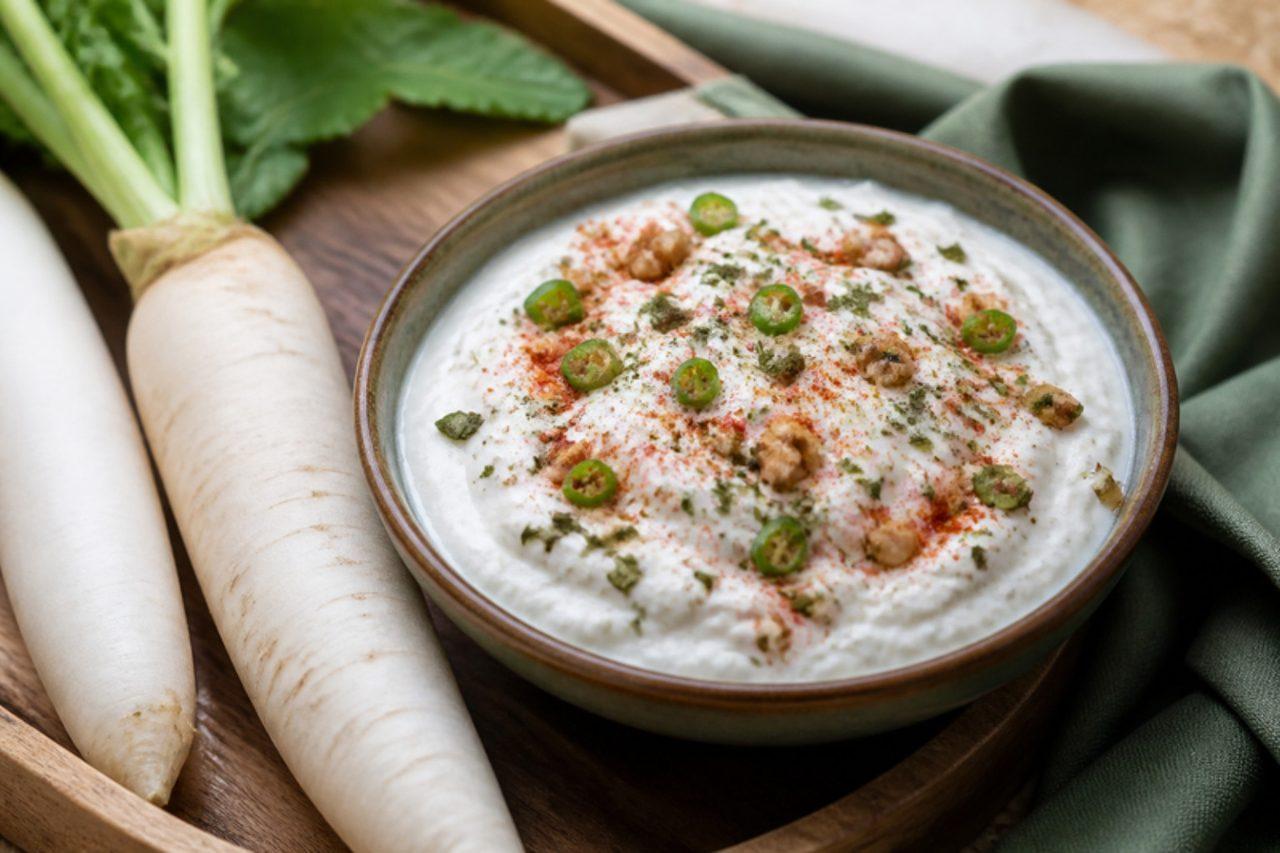
Muji chetin

In the cold months, when long white radishes come up from the terraced fields around Muzaffarabad, Kashmiri households grate them into muji chetin, a peppery, cooling relish that turns up at almost every winter meal. The raw radish gives crunch and a gentle heat of its own, the yogurt softens it, crushed walnuts add richness and a pinch of red chilli brings colour. It is eaten with rice and a dish of yakhni or haak, and it is just as good with plain chapati. People often forget to squeeze the grated radish, so the chutney turns thin and watery within minutes. Chef's tip: salt the grated radish for 5 minutes, then wring it in a cloth before folding it into the yogurt.

by KrazyBadal 0 views

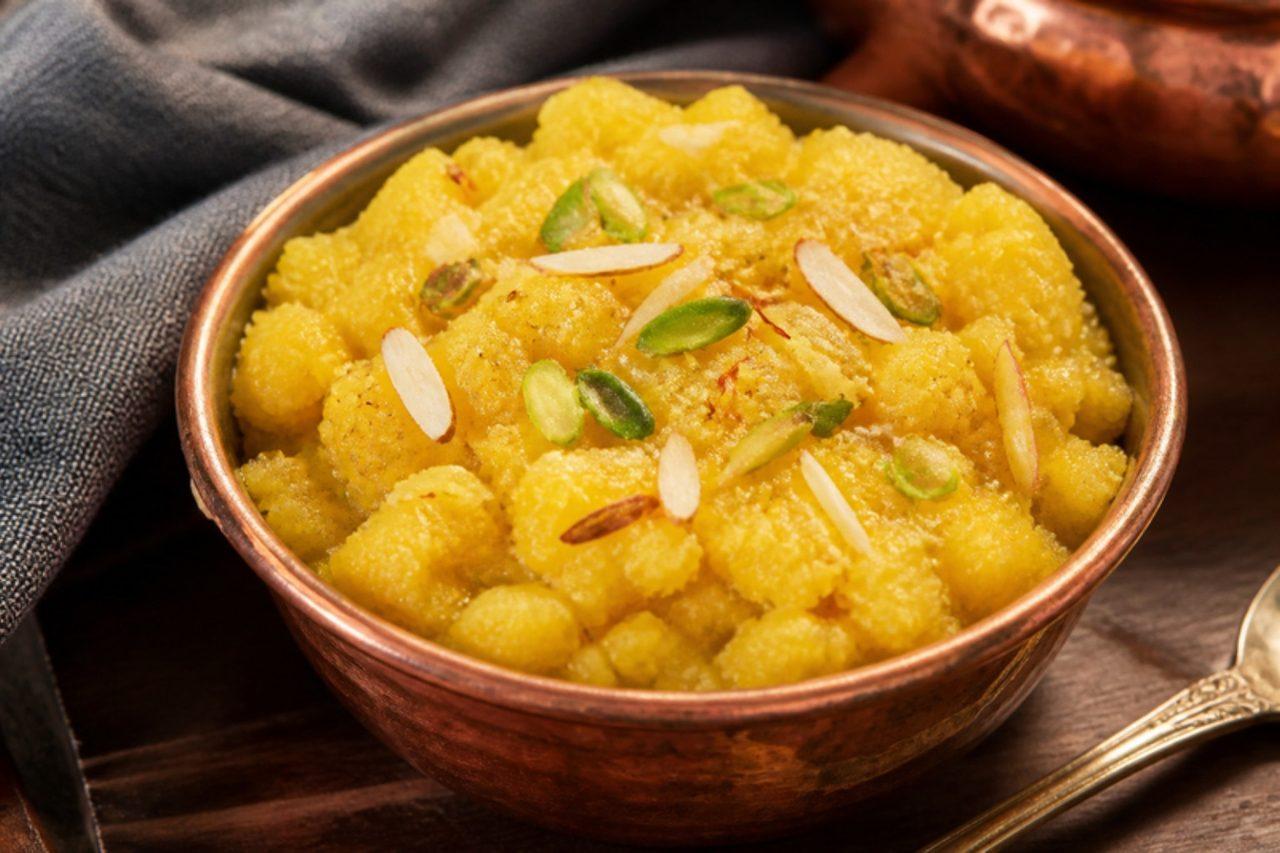
Anday ka halwa

Sweet, golden and grainy like a rich crumble, egg halwa is the quick showpiece of Hyderabadi and Karachi home kitchens, made when unexpected guests arrive or for a winter Sunday, and it fills the house with the smell of ghee and cardamom. Eggs are beaten with milk, sugar and milk powder, then stirred in ghee until the custard sets, breaks and finally fries into soft, sandy granules that cling together like khoya; there is no eggy taste once it is properly cooked. It is served warm in small bowls, topped with almonds and pistachios, sometimes with a few saffron threads. The commonest failure is stopping too soon, when the halwa is still wet and scrambled-egg-like, rather than cooking on until it turns granular and golden and the ghee separates. Chef's tip: strain the beaten egg mixture through a sieve before cooking, which removes the stringy whites and gives a smooth, even grain.

by KrazyBadal 0 views

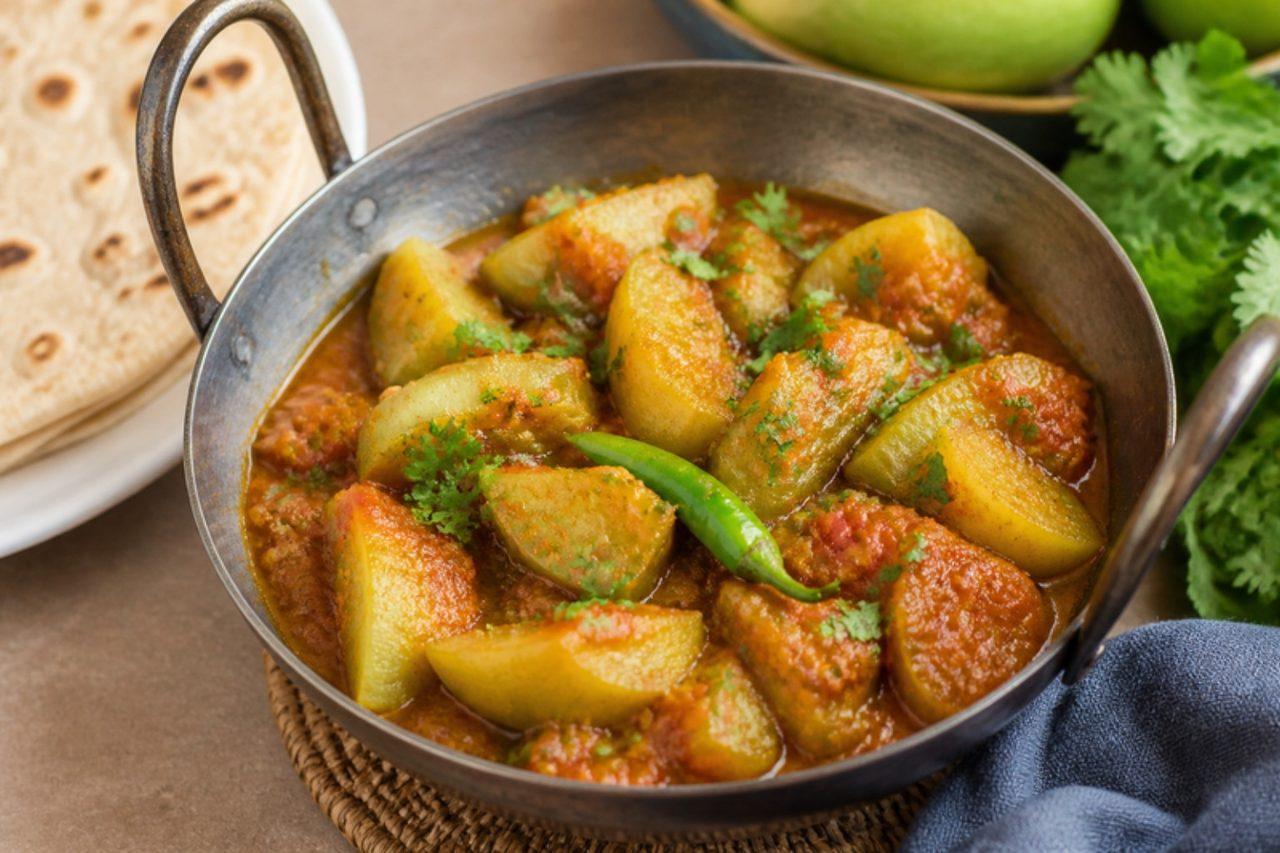
Tinday masala

Small, pale-green tinday arrive on Punjab's sabzi carts with the summer heat, and in Lahore and Faisalabad homes they are cooked through June and July, when nobody wants a heavy pot of meat. Cooked slowly with onion, tomato and a handful of green chillies, the little gourds turn tender and almost silky, soaking up the masala like a sponge while keeping a faint freshness that is a little like courgette. Expect to see it with hot chapati, a bowl of yogurt and a plate of kachumar for a light lunch. Many cooks drown tinday in water, and they end up soggy and grey; they release plenty of their own liquid and need only a splash. Chef's tip: choose small, firm tinday with soft fuzz on the skin, since large ones have hard seeds and a woody core.

by KrazyBadal 0 views

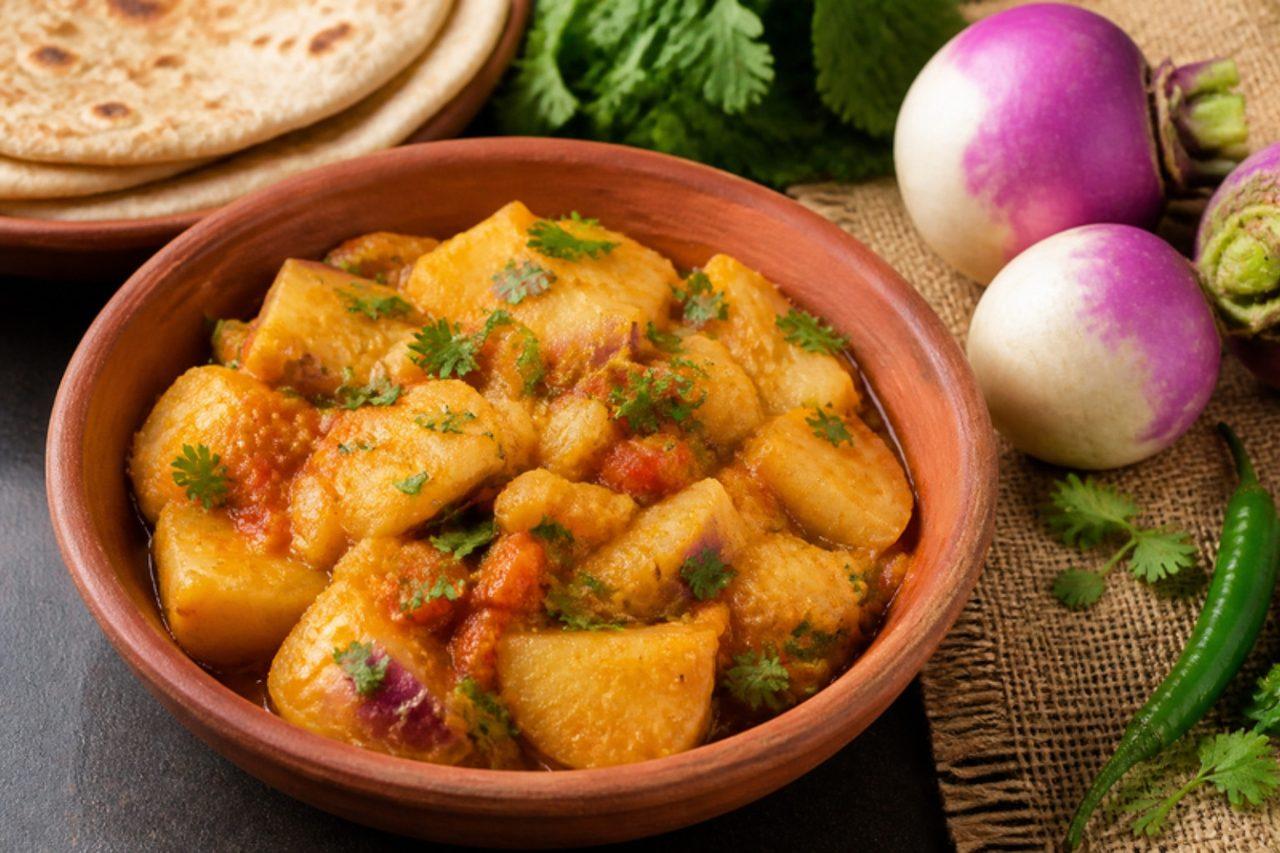
Shalgam ki sabzi

December fog over central Punjab means turnip season: purple-topped turnips pile up at every mandi, and village kitchens from Sheikhupura to Okara cook them down into this soft, sweet-savoury mash. Covered and steamed in their own juices with onion and tomato, the turnips lose their peppery bite, then a little jaggery and a final hard stir-fry turn them glossy and jammy. It is winter food through and through, eaten with makki di roti or wholewheat chapati, a dab of white butter for those who want it and a glass of lassi. Skipping the final bhuno, the open-pan frying at the end, is the classic error: it leaves the dish watery and flat instead of rich. Chef's tip: mash only half the turnips, leaving the rest in small pieces, so the sabzi has some texture.

by KrazyBadal 0 views

Ghiya chana daal

Bottle gourd is the vegetable Punjabi mothers reach for when someone in the house needs something gentle, and pairing it with chana daal turns that mildness into a proper meal. The split chickpeas cook until creamy but still slightly nubbly, the ghiya melts into soft, translucent pieces and lends the pot a quiet sweetness, and a last-minute tarka of cumin, garlic and dried red chilli wakes the whole thing up. You will find it on everyday tables from Gujranwala to Sahiwal, eaten with chapati or plain boiled rice and a little sliced onion on the side. A common slip is adding the gourd at the start with the dal, so it disappears completely by the time the lentils are soft. Chef's tip: give the soaked dal a 20-minute head start and add the ghiya only then, so both are done together.

by KrazyBadal 0 views

Karela piaz

Bitter gourd divides every family in Punjab, but karela piaz is the version that wins over the doubters: the gourd is salted, squeezed and fried until its edges crisp, then tossed with almost as much browned onion as karela, so the sweetness of the onions softens the bitterness. In Lahore it is a summer dish, a staple of tiffin carriers and home lunches with chapati and a cooling bowl of raita, and some households pack it for long train journeys because it keeps well. The thing most people get wrong is skimping on the onions or rushing them; pale, half-cooked onions leave the dish harsh rather than mellow. Chef's tip: rub the slices with salt and a little turmeric, leave them for 30 minutes, then squeeze hard by the handful, which draws out much of the bitterness before cooking.

by KrazyBadal 0 views

Bhuga chawal

Bhuga means fried, and in this everyday Sindhi rice it is the onions that are fried, slowly and patiently, until they are a deep mahogany brown, so the cooking water and then every grain turn a warm tan colour with a sweet, almost smoky flavour. In Karachi and Sukkur homes it is the rice that goes with Sindhi kadhi on a Friday, or with sai bhaji, the green dal and spinach stew, and a crisp aloo tuk or papad on the side. It is simple enough for a weeknight and good enough for guests. Burnt onions are the trap: there is only a short moment between dark brown and bitter black. Chef's tip: once the onions start to colour, lower the heat and stir constantly, and add the water the moment they reach the shade of strong tea.

by KrazyBadal 0 views

Balochi kaak

Out in the hills of Balochistan, from Kalat to the passes above Quetta, kaak is shepherds' and travellers' bread: dough wrapped around a smooth river stone that has been heated in the fire, then propped among the embers until a thick, smoky crust forms and the stone cooks it from inside too. It is served torn into chunks alongside sajji, the slow-roasted lamb of Balochi feasts, or with yogurt and tea on the road. This version is for a home oven: the dough is shaped into a thick round and baked on a very hot tray or stone, then finished over a flame for that charred, campfire taste. Under-heating is the main pitfall, giving a pale, heavy loaf. Chef's tip: preheat the tray in the oven for a full 30 minutes. If you try the stone method outdoors, use only dense, dry stones never taken from water, as wet or porous stones can crack violently when heated.

by KrazyBadal 0 views

Showing 24 of 282 recipes

Show more recipes

Page 1 of 12