Skip to content
Recipes

All recipes

Vegetarian, or something you can't eat? Set your diet once and we'll hide recipes that don't fit.

AllerheiligenstriezelBraided sweet loaf

In Bavaria and Austria, godparents give their godchildren an Allerheiligenstriezel on All Saints' Day, 1 November: a large braided loaf of sweet yeast dough, brushed with egg and scattered with almonds or pearl sugar. The braid is said to recall the old custom of cutting a plait of hair in mourning, and the size of the loaf once showed how generous the godparent was. It is lightly sweet, with lemon and vanilla, and is eaten sliced with butter or jam. Some recipes add rum-soaked raisins; these are soaked in warm water instead. Chef's tip: braid four strands for an impressive, high loaf.

by KrazyBadal 0 views

Pajagua mascadaBeef and cassava patties

Pajagua mascada is a Paraguayan street-food classic that appears on every table for the San Juan festival on 24 June, when bonfires burn and the night is full of games and traditional food. Minced beef is mixed with mashed cassava, onion, garlic and a little egg and flour, shaped into flat patties and fried until crisp. The name comes from Guaraní and refers to the 'chewing' of old Paraguayan cooks, who made it from leftover meat. Chef's tip: dry the boiled cassava well and remove its woody core, which keeps the patties light and crunchy.

by KrazyBadal 0 views

KaguyjyWhite corn pudding

On the night of 23–24 June, Paraguayans celebrate San Juan with bonfires, games like walking over hot coals and the 'paso de fuego', and a table of traditional foods, and kaguyjy (also mazamorra) is one of them. It is a soft, creamy pudding of cracked white corn (locro) simmered slowly in water and then milk with sugar or honey, sometimes with orange peel. It is eaten warm or cold. It is gluten free. Chef's tip: soak the corn overnight and cook it until each kernel is tender before adding the milk, or it never turns creamy.

by KrazyBadal 0 views

OsterpinzeEaster anise brioche

Osterpinze is the Easter bread of Styria, Carinthia and the area around Trieste, a soft, golden brioche dome with three deep cuts on top for the Holy Trinity, so that it opens into a crown as it bakes. The dough is rich with egg yolks and butter and flavoured with anise and lemon; old recipes add a splash of white wine, left out here. It is blessed in the Easter basket on Holy Saturday and eaten on Easter morning with ham, horseradish and eggs, or with butter and jam. Chef's tip: make the three cuts with scissors just before baking, deep enough to reach halfway down, so the crown opens wide.

by KrazyBadal 0 views

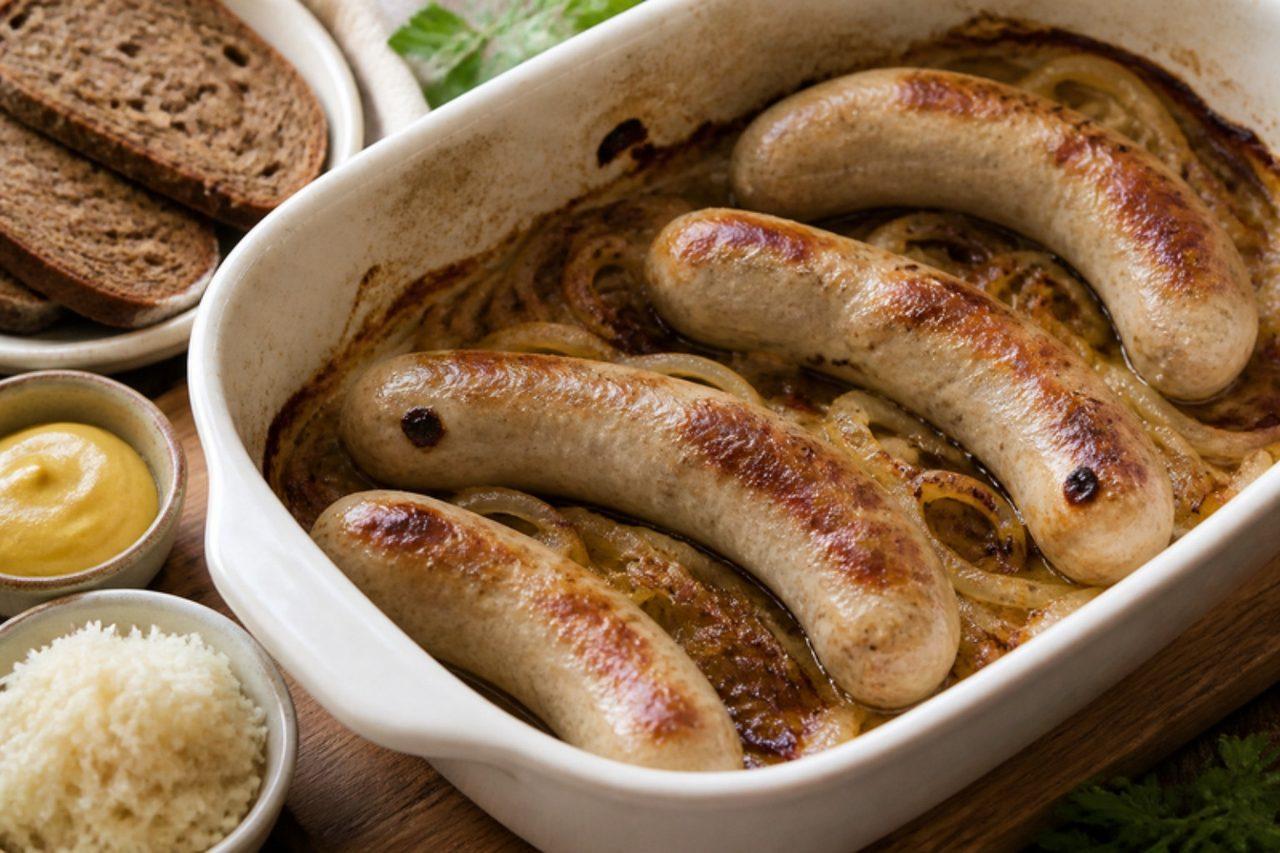
Biała kiełbasa z cebuląWhite sausage baked with onions

Biała kiełbasa is a fresh, unsmoked white sausage of pork seasoned with garlic and marjoram, and on Easter Sunday morning in Poland it is the star of the breakfast after the blessed basket (święconka) is shared. It is also the sausage that goes into żurek, the sour rye soup. Buy it raw from a Polish butcher, then poach it gently and bake it with onions until golden. Serve with horseradish, mustard, rye bread and Easter eggs. Chef's tip: never boil it, as the casing bursts; keep the water just below a simmer.

60 minPolishMeatGluten free
by KrazyBadal 0 views

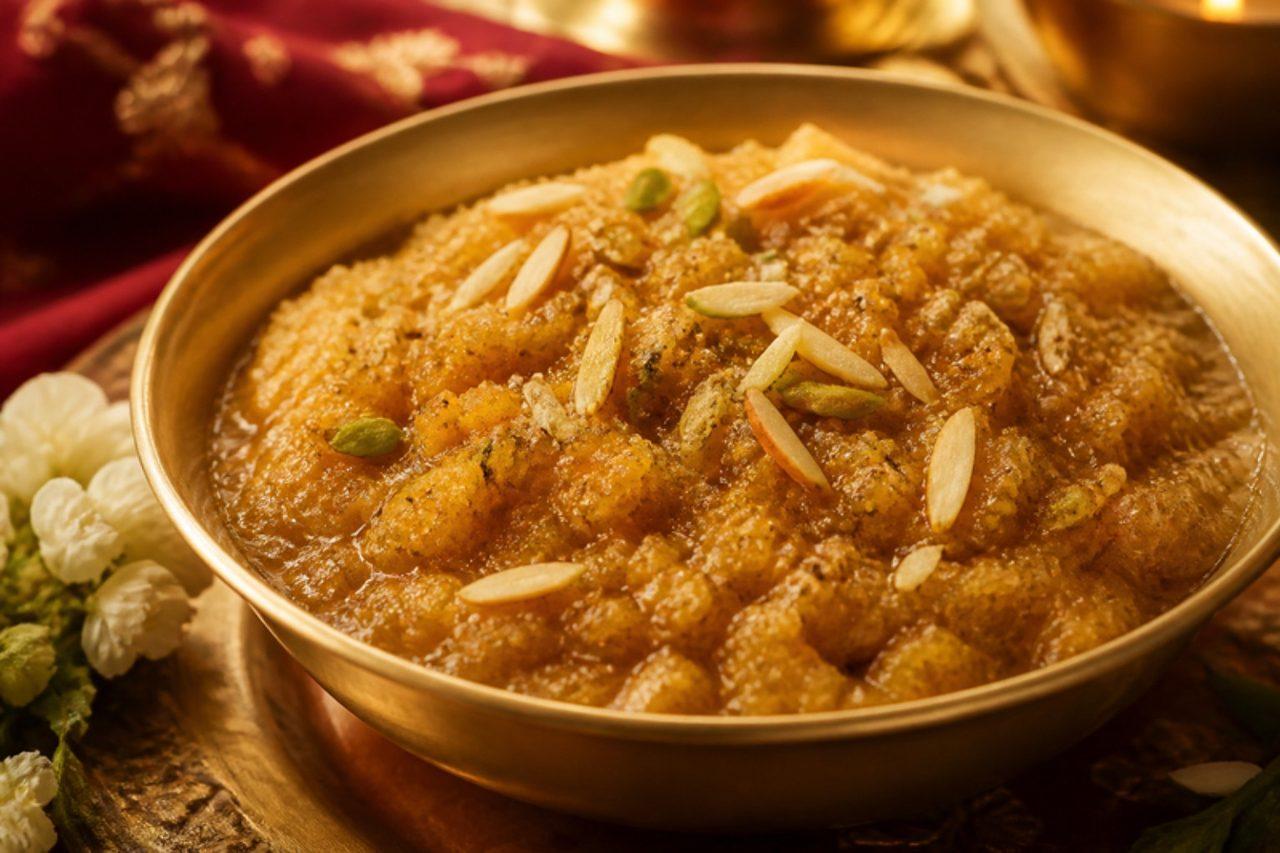
Chana dal halwa

At Punjabi weddings in Lahore and Faisalabad in the cold months, the dessert table often carries a big tray of chana dal halwa beside the gajar halwa. Soaked split chickpeas are ground and fried slowly in ghee until they smell of roasted nuts and turn deep golden, then cooked with milk, sugar and cardamom into a rich, grainy halwa that keeps for days. It takes patience and a strong arm. Chef's tip: keep the heat low and scrape the bottom constantly; the dal catches fast once it starts to brown.

by KrazyBadal 0 views

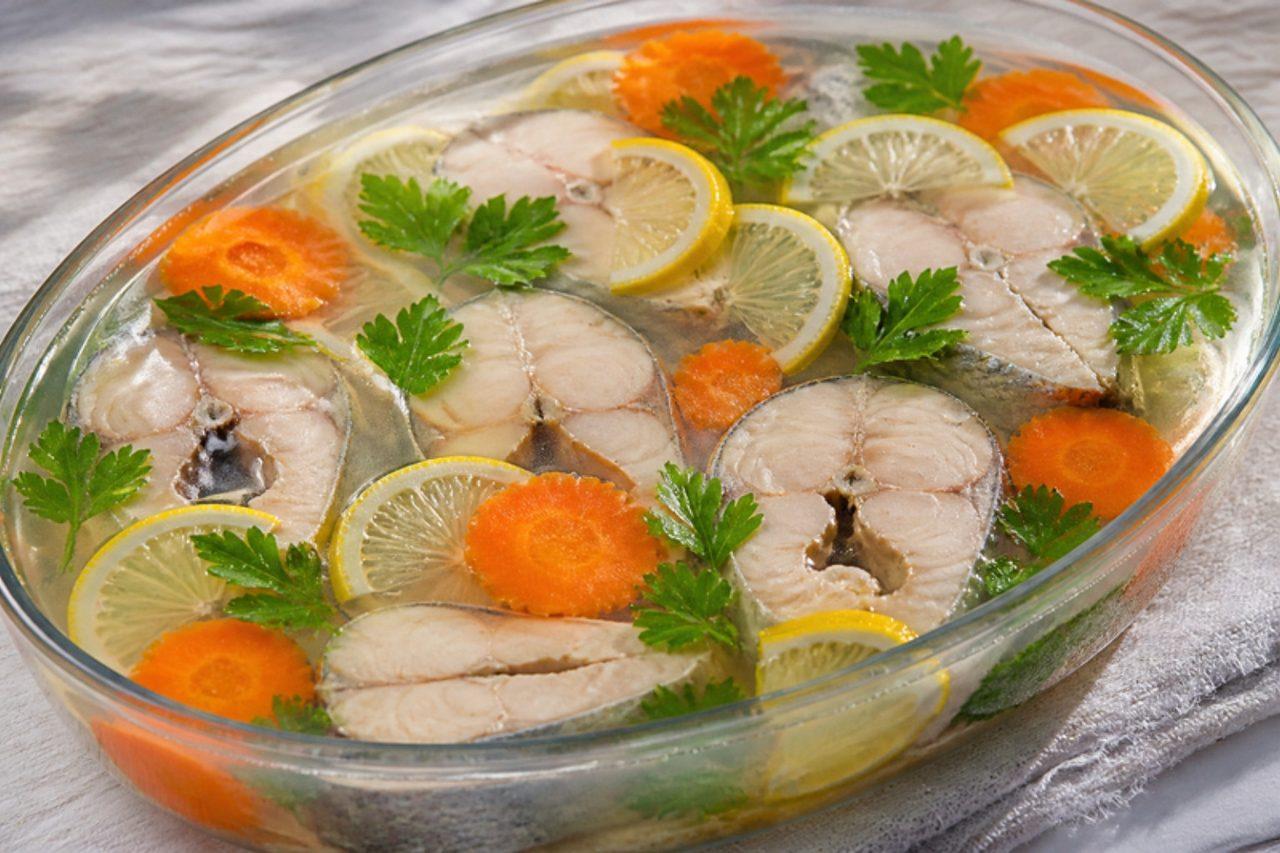
Karp w galarecieCarp in aspic

Carp in aspic is one of the cold dishes of the Polish Wigilia. Carp steaks are poached gently in a stock of root vegetables and the fish's own bones, then laid in a dish with carrot slices, lemon and parsley and covered in the clarified stock, which sets into a clear, shimmering jelly overnight. Serve it chilled with lemon and horseradish. A little powdered gelatine helps the aspic set reliably at home. Chef's tip: simmer the fish bones and vegetables slowly and never boil the stock hard; boiling makes it cloudy.

120 minPolishFishGluten free
by KrazyBadal 0 views

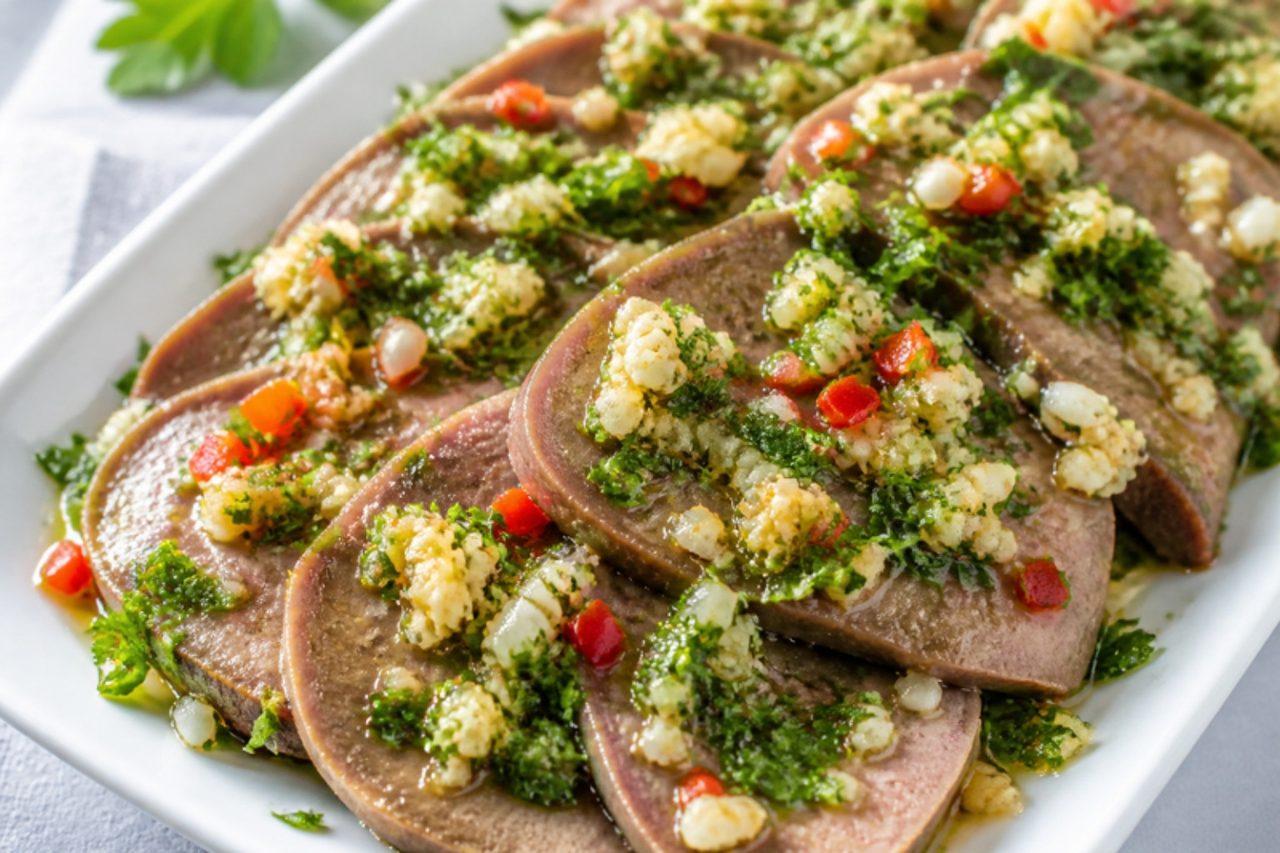
Lengua a la vinagretaBeef tongue with vinaigrette

Argentina's Nochebuena is a hot summer night, so the table is full of cold dishes, and lengua a la vinagreta is one of the classics: beef tongue simmered until tender, peeled, sliced and covered with a sharp vinaigrette of parsley, garlic, red pepper, onion and chopped hard-boiled egg. It is made a day ahead and served chilled with vitel toné and Russian salad. Chef's tip: peel the tongue while it is still hot, as the skin comes away easily then and clings once it cools.

by KrazyBadal 0 views

CipailleLayered meat and potato pie

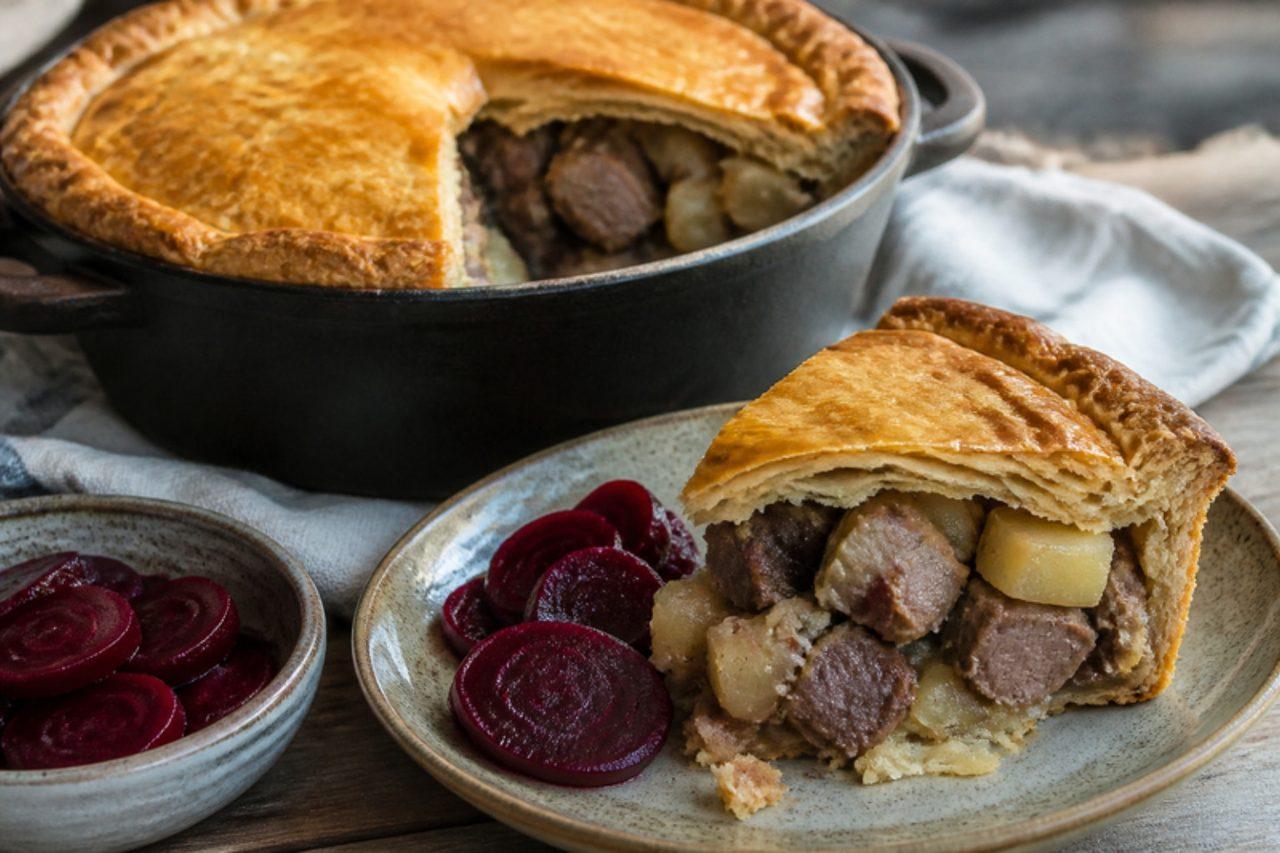
Cipaille (also cipâte or six-pâtes) is a deep, layered Quebec pie baked for the Christmas and New Year holidays, especially in the Gaspé and Lac-Saint-Jean regions. Layers of cubed meats, here pork, beef and chicken (some families add game), alternate with potato, onion and sheets of pastry in a deep pot, covered with stock and baked slowly for hours until the meat is meltingly tender. It feeds a crowd at the réveillon. Chef's tip: marinate the meats overnight with onion and savory; it seasons them through.

360 minCanadianMeat
by KrazyBadal 0 views

Tire Sainte-CatherinePulled molasses taffy

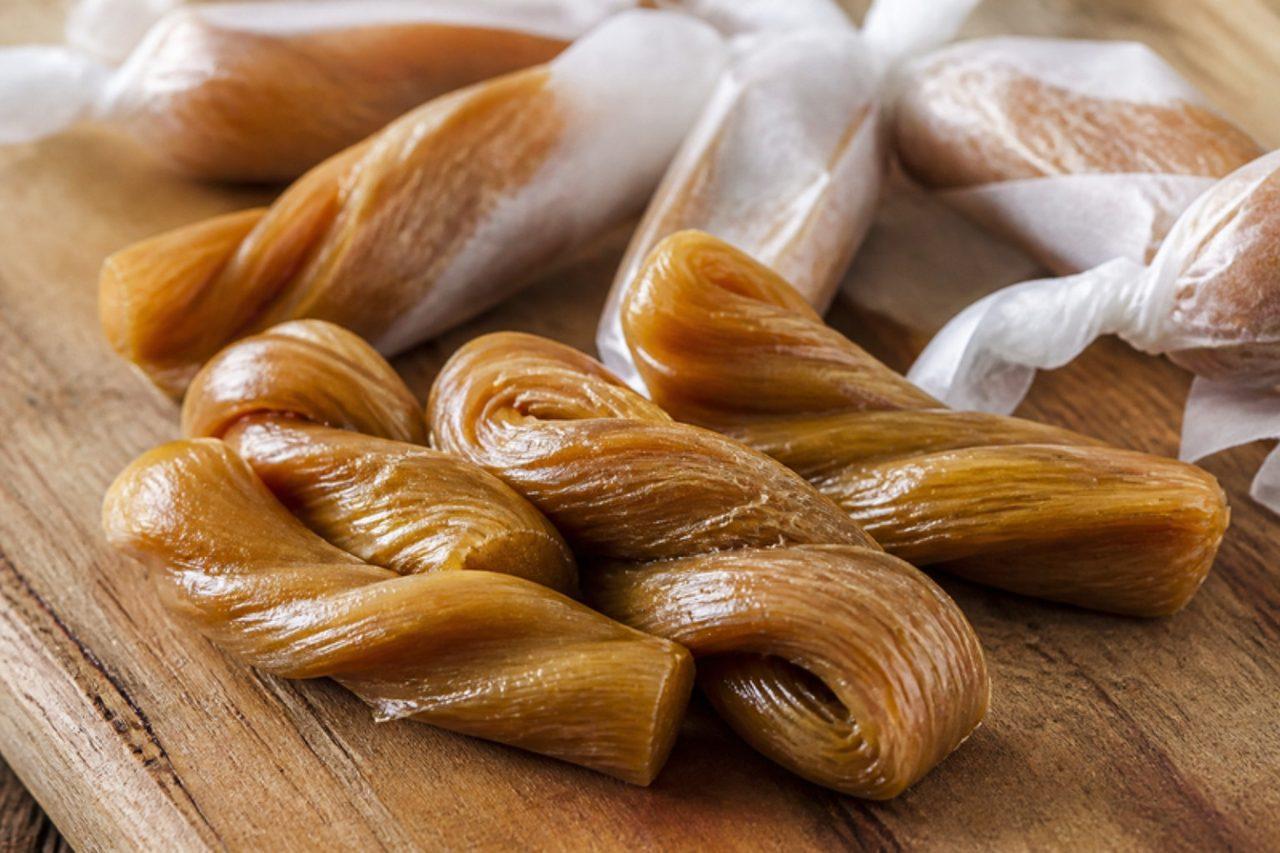
On 25 November, Quebec celebrates St Catherine, patron of unmarried women, with tire Sainte-Catherine, a pulled molasses taffy. The custom goes back to Marguerite Bourgeoys, who is said to have made taffy in the 1600s to draw children to her school in Ville-Marie, and today schools and families still 'pull the tire' together. Hot molasses and sugar syrup is cooled, then pulled with buttered hands until it turns golden and satiny, twisted into ropes and cut into pieces. It is gluten free. Chef's tip: pull it as soon as it is cool enough to handle, as it sets fast; work in pairs.

by KrazyBadal 0 views

Wild rice stuffing

Canadian Thanksgiving falls on the second Monday of October, earlier than the American one, when the harvest is in, and in Ontario, Manitoba and the prairies wild rice often takes the place of bread in the stuffing. Wild rice is the seed of a native lake grass long harvested by First Nations, and it is nutty and chewy; here it is baked with buttery mushrooms, celery, onion, sage and tart dried cranberries, topped with toasted pecans. It is cooked in its own dish, never inside the bird, so it stays safe and vegetarian. Chef's tip: cook the wild rice until a few grains split open to show the white inside; underdone grains stay hard after baking.

by KrazyBadal 0 views

OponkiQuark ring doughnuts

On Tłusty Czwartek, Fat Thursday, Poles queue at bakeries for pączki, but at home many families make oponki instead: little ring doughnuts from a quick twaróg (curd cheese) dough with no yeast and no waiting. They fry in minutes into light, tender 'tyres' that are rolled in sugar or glazed and eaten warm by the plateful. The common mistake is kneading the dough too much, which makes them tough; mix only until it holds together. Chef's tip: press the twaróg through a sieve first, or blend it, so the dough is smooth and the rings puff evenly.

by KrazyBadal 0 views

Sopa teólogaTurkey broth with bread and cheese

Sopa teóloga ('the theologian's soup') goes back to colonial convents in Lima and Arequipa, where it was cooked for feast days, and it is still served at Holy Week and family celebrations. A rich turkey (or chicken) broth is thickened with soaked bread, milk and fresh cheese, with yellow potatoes and shreds of turkey, and finished with a little ají amarillo and chopped huacatay or parsley. It is thick, comforting and filling. Chef's tip: blend part of the soaked bread with broth before adding it, which gives the soup its creamy body without lumps.

by KrazyBadal 0 views

Chipa so'oCheese bread with spiced beef

In Paraguay, families bake chipa in the clay tatakua ovens on Holy Wednesday so there is food for Thursday and Good Friday, when cooking stops. Chipa so'o ('chipa with meat') is a cassava-starch and cheese bread wrapped around a little filling of minced beef cooked with onion and egg, then baked until crisp outside and chewy within. It is naturally gluten free. Chef's tip: knead the dough until it no longer cracks at the edges when pressed; dry dough splits around the filling.

by KrazyBadal 0 views

Sabeel sharbatRose milk with basil seeds

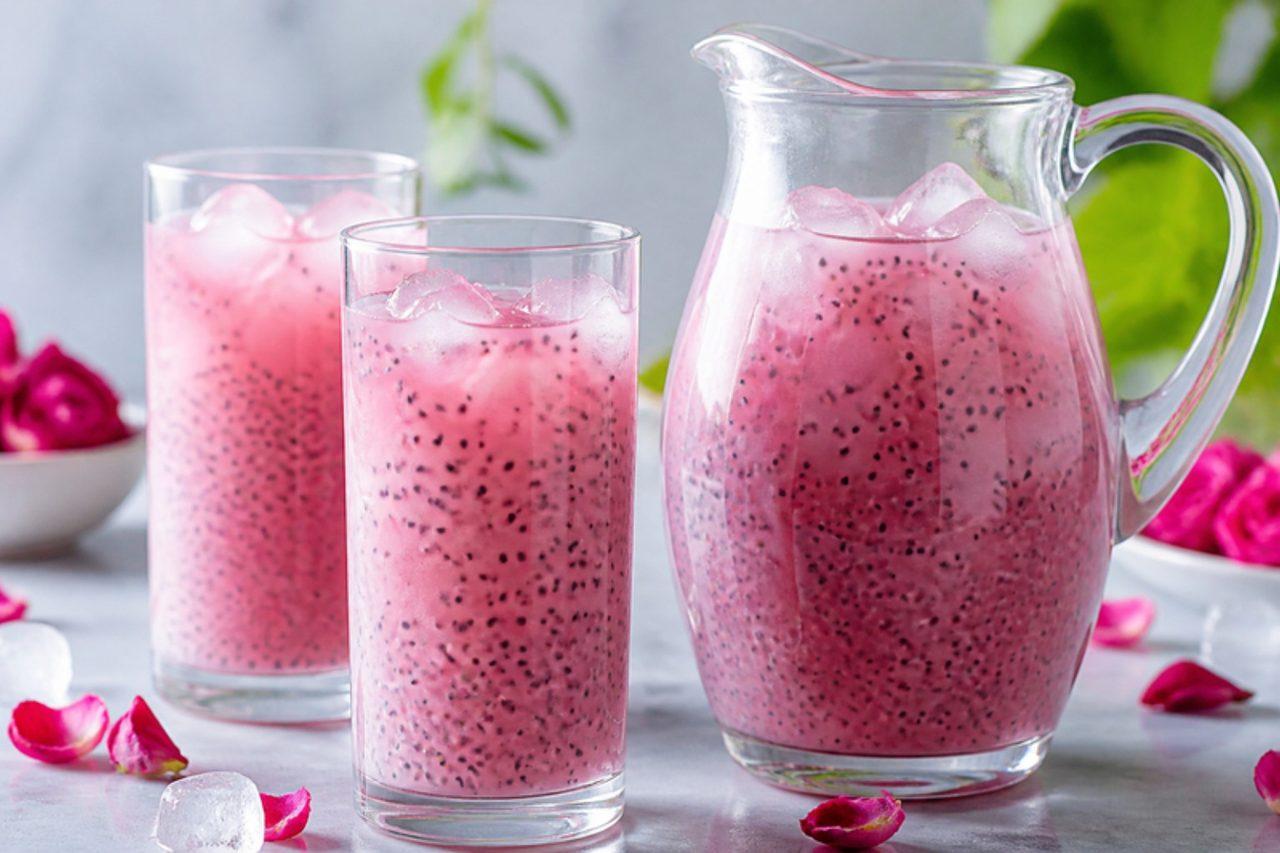
In the first ten days of Muharram, and above all on Ashura, volunteers in Pakistani towns set up sabeel stalls at the roadside and pour free cups of cold sweet milk for anyone passing, in memory of the thirst of Imam Husain's family at Karbala. The drink is pale pink, lightly rose-scented and dotted with swollen basil seeds, and it is made in huge steel pots at the stalls; this is the home-sized jug. Chef's tip: soak the basil seeds in water first, never straight in the milk, or they stay hard and clump.

by KrazyBadal 0 views

Śledzie w śmietanieHerring in soured cream

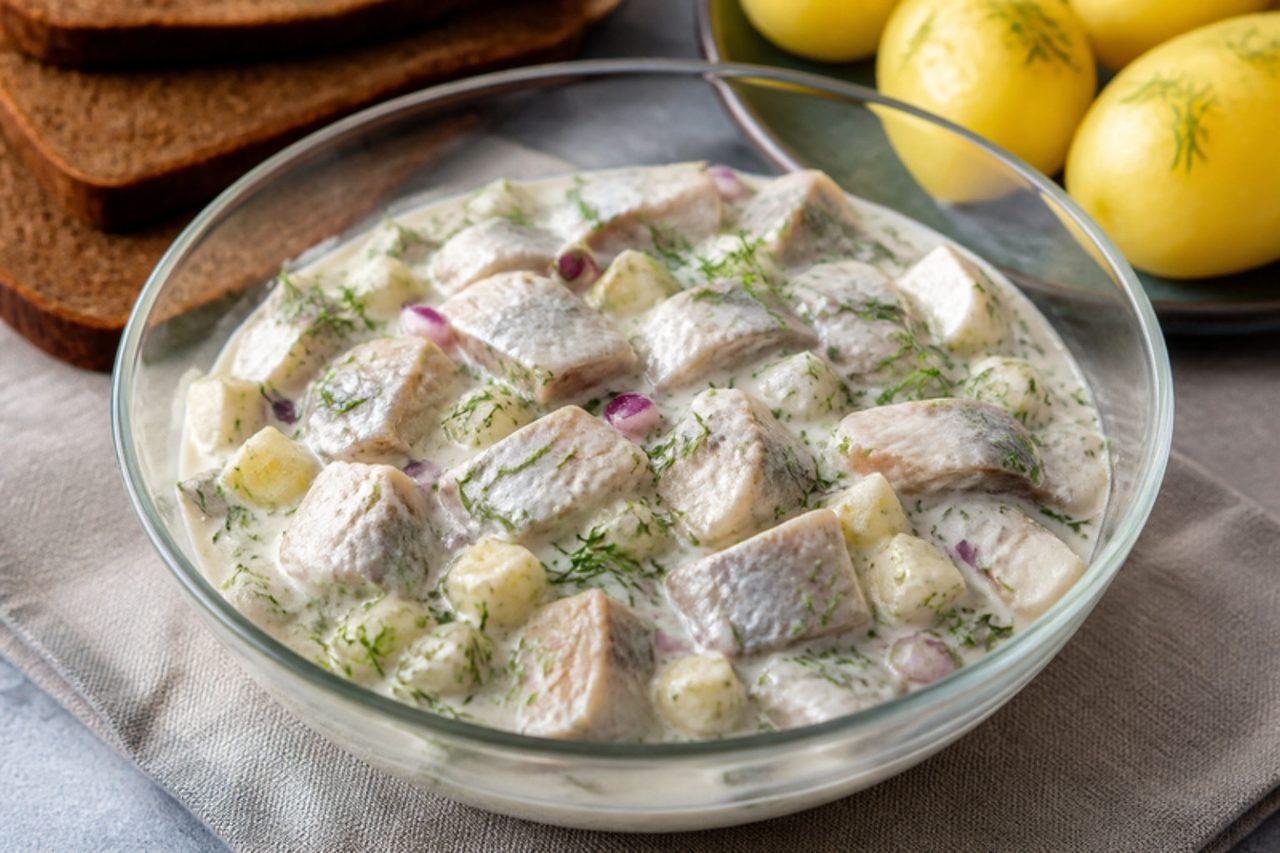
Herring is a must at the Polish Wigilia, the meatless Christmas Eve supper, and śledzie w śmietanie, salted herring fillets in soured cream with crisp apple, onion and dill, is the favourite way to serve it, with boiled potatoes or rye bread. The herring is cured, not cooked: use good-quality salted or matjes fillets from a shop, which have been frozen to kill parasites, and keep the dish chilled. Cured fish is not for pregnant women, young children or anyone with a weakened immune system; for them, make the safer version in the last step with hot-smoked mackerel or herring fillets baked until opaque. Chef's tip: dress the herring a few hours ahead so the cream picks up the flavour.

20 minPolishFishGluten free
by KrazyBadal 0 views

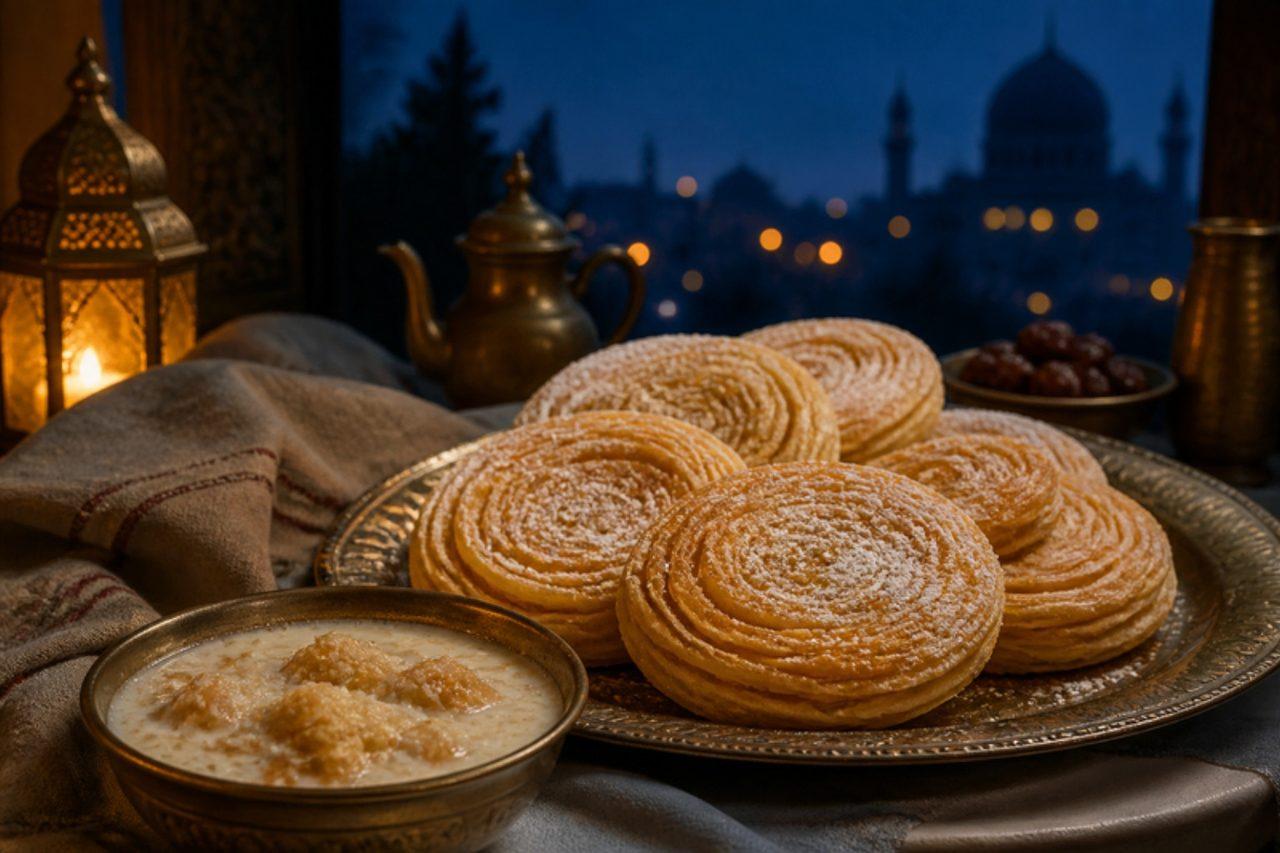
KhajlaFried pastry rounds in sweet milk

In the old lanes of Lahore and Karachi's Burns Road, sweet shops fry khajla through the night in Ramadan so families can buy it fresh for sehri, the meal eaten before dawn. Each round is a stack of paper-thin layers of ghee-rubbed dough that shatter when you press them, and it is crumbled into a bowl of hot sweetened milk, often with fine pheni, to give slow energy for the fasting day. Chef's tip: keep the oil only medium-hot; khajla must fry slowly so every inner layer turns crisp before the outside browns.

by KrazyBadal 0 views

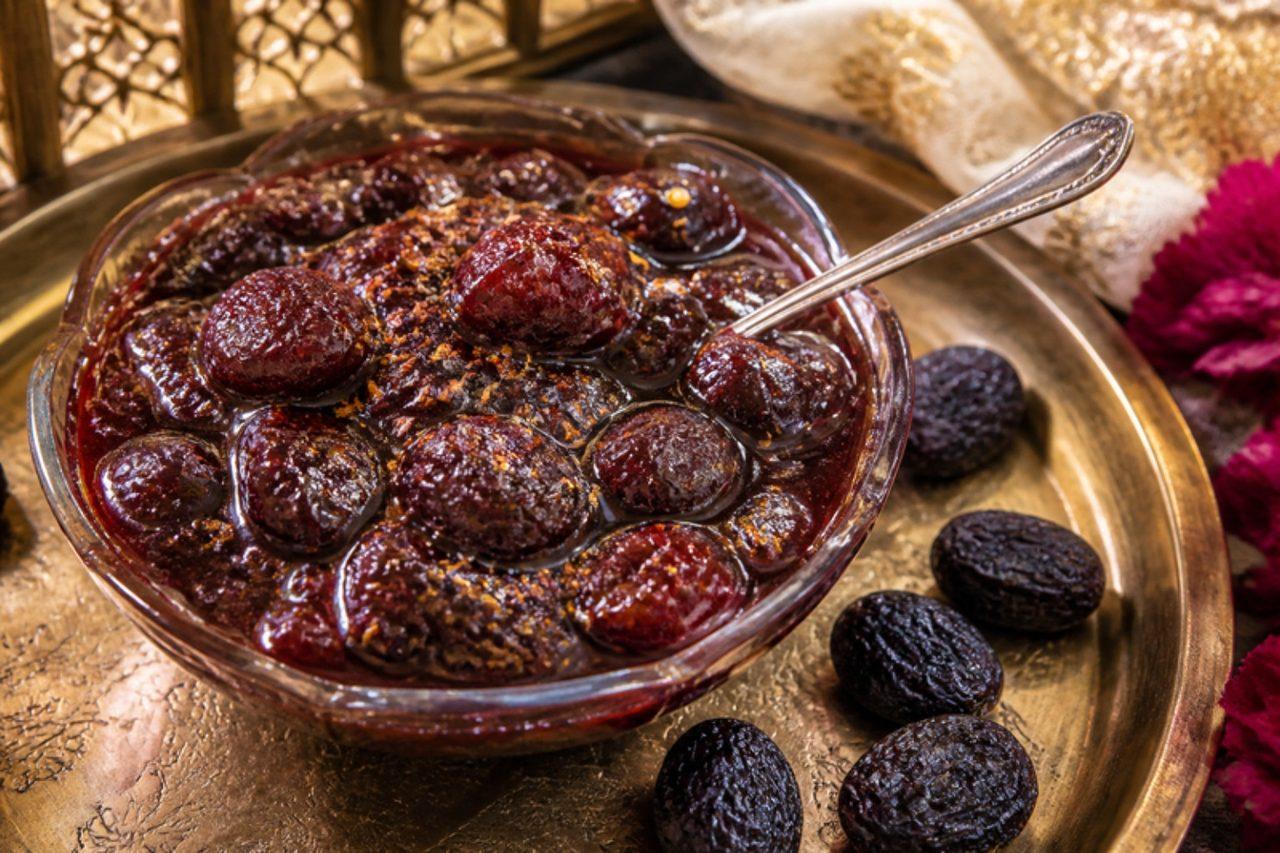
Aloo bukhara chutneyDried plum chutney

Wherever a Pakistani wedding serves biryani and qorma, a little bowl of glossy aloo bukhara chutney sits alongside to cut the richness. Dried sour plums are softened, then cooked with sugar, a touch of vinegar, ginger, chilli and warm spices into a jammy, sweet-sour relish, dark and shining. It keeps for weeks and is made in big jars before the shaadi. Chef's tip: stop cooking while it still looks a little loose; it thickens a lot as it cools.

by KrazyBadal 0 views

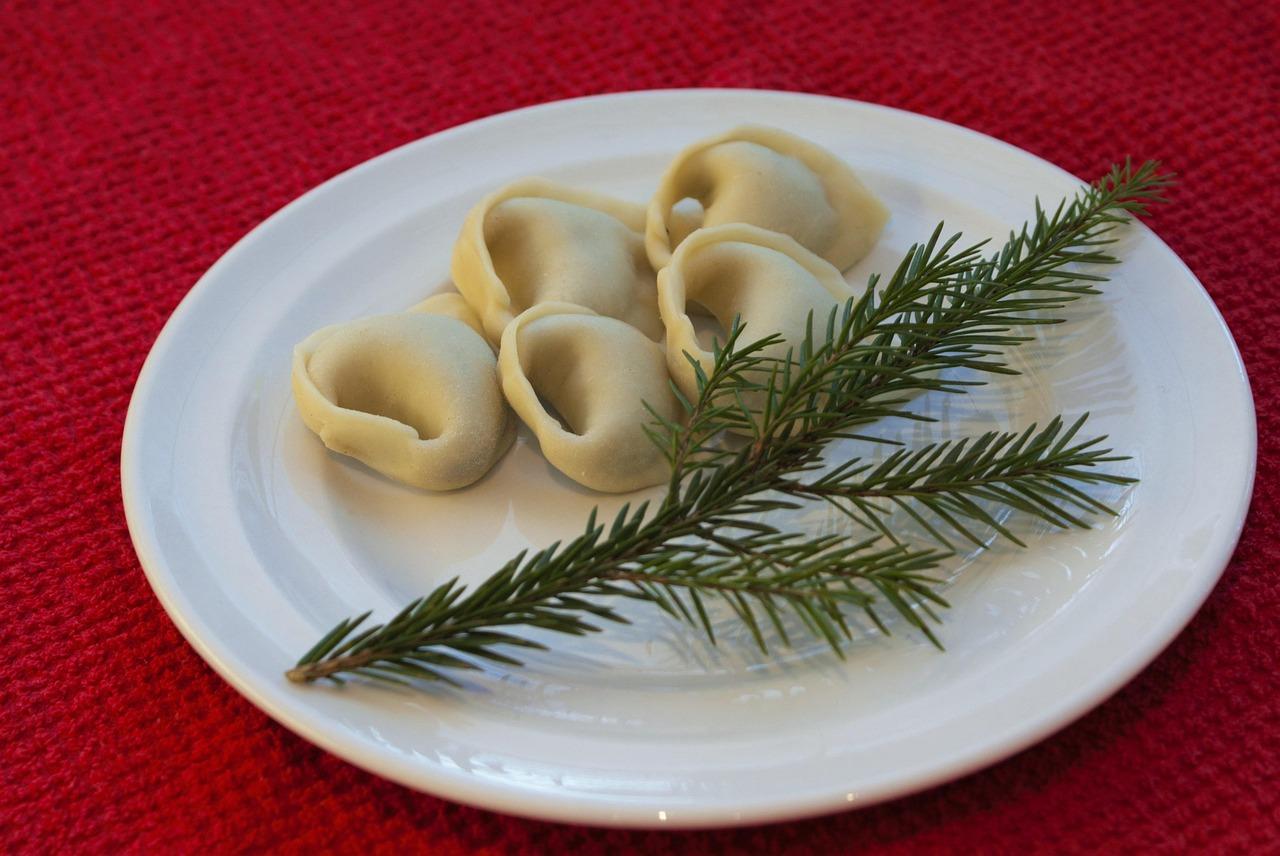
Uszka z grzybamiMushroom dumplings

Wigilia, the Polish Christmas Eve supper, starts when the first star appears and is traditionally meatless, and its first course is clear red barszcz with uszka floating in it. These are tiny dumplings folded into 'little ears' and filled with dried forest mushrooms (usually ceps) and fried onion. They are fiddly, so families make them together in the days before and freeze them. Serve 6–8 in each bowl of hot beetroot broth. Chef's tip: save the mushroom soaking water and add it to the barszcz, as it carries much of the forest flavour.

by KrazyBadal 0 views

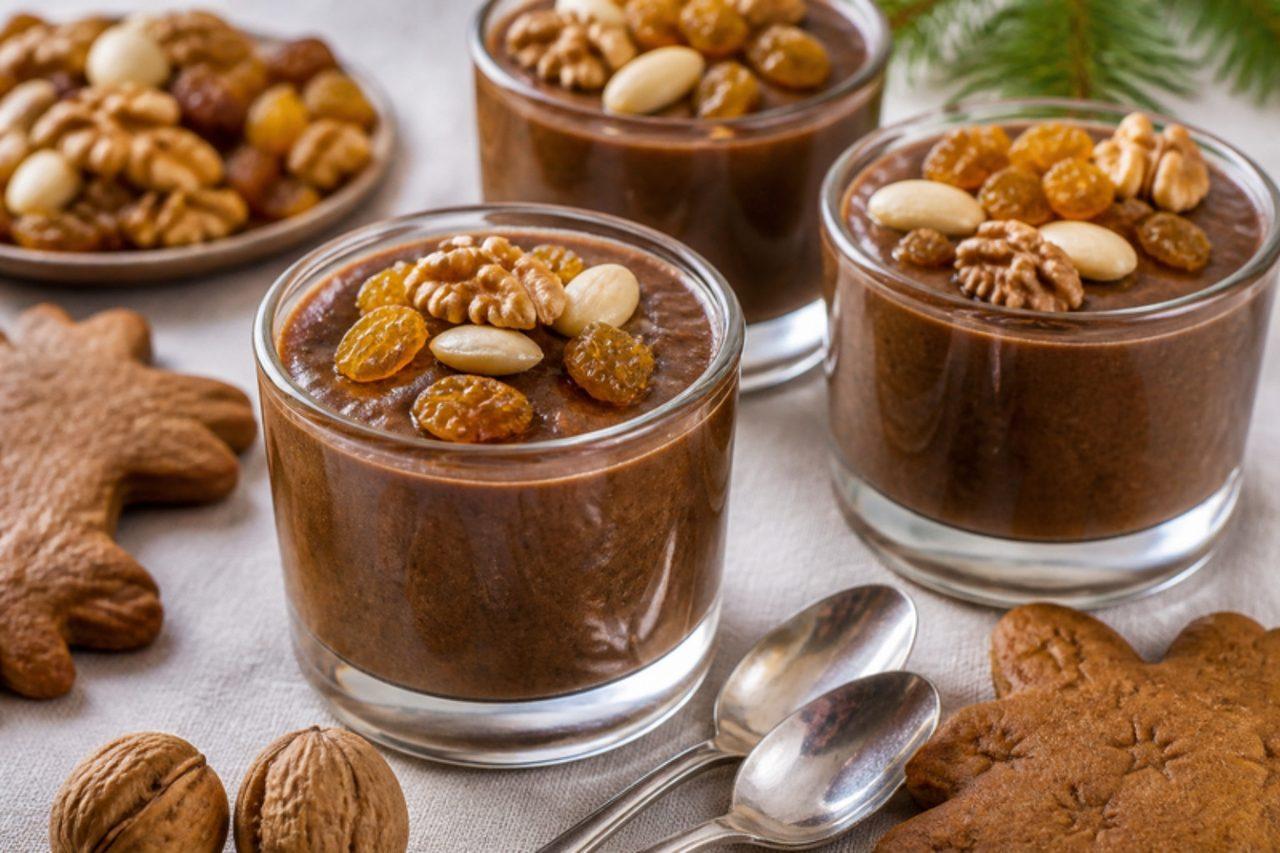
MoczkaGingerbread in dried fruit compote

Moczka is the Christmas Eve dessert of Upper Silesia in southern Poland, a thick, dark, spiced mixture of honey gingerbread dissolved in dried-fruit compote, then loaded with almonds, walnuts, raisins, figs and prunes. Each family has its own version; many add dark beer to the base, which this one leaves out, but adults may stir 100 ml dark beer into the compote while it simmers. It is eaten cold from small bowls and keeps for several days. Chef's tip: use dry, slightly stale gingerbread, which dissolves into a smooth sauce, while fresh cake turns to lumps.

by KrazyBadal 0 views

CroquignolesTwisted nutmeg doughnuts

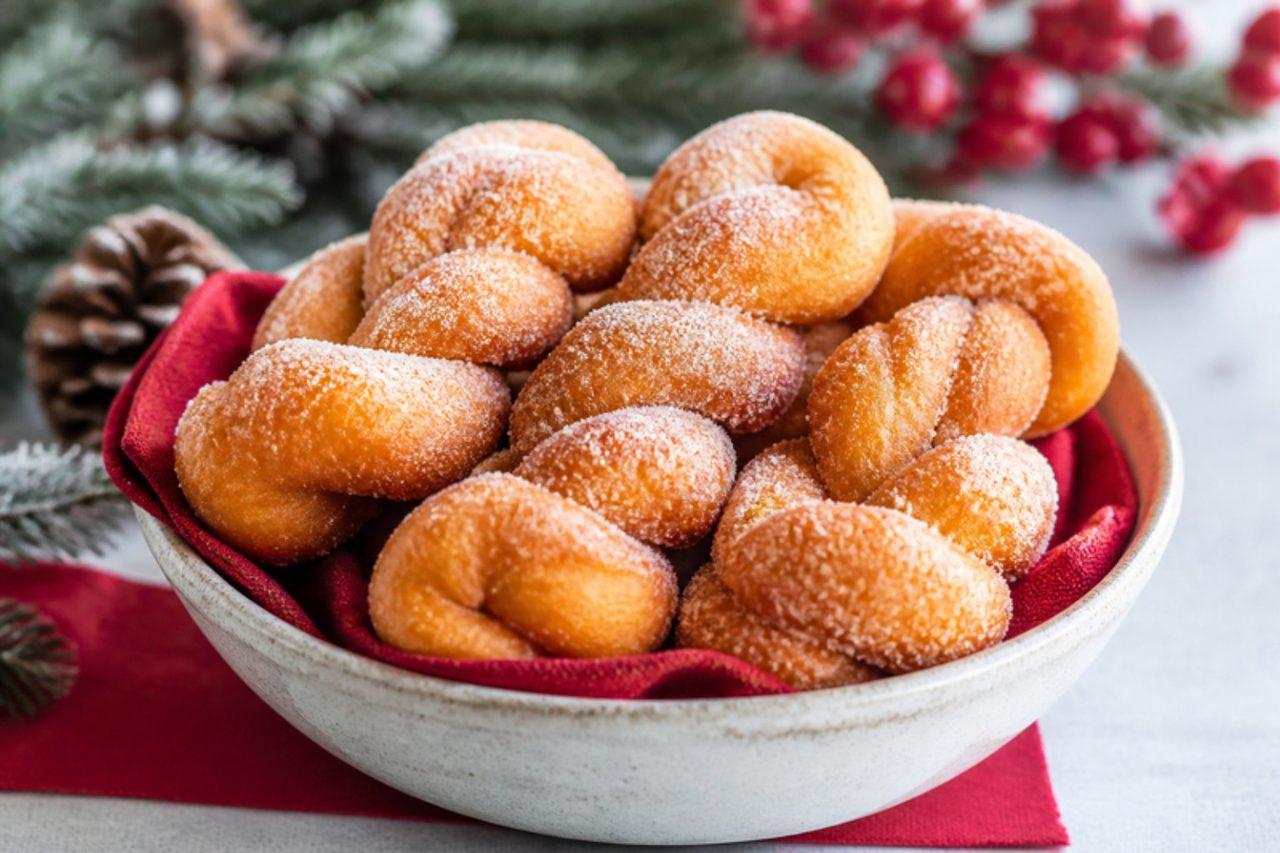
Croquignoles are old-fashioned Quebec doughnuts, cut into strips, slit and twisted into knots, then fried and rolled in sugar. Grandmothers made them by the dozen for the réveillon, the feast after midnight Mass on Christmas Eve, and for New Year's Day visits. They are dense and cakey rather than yeasty, scented with nutmeg. Chef's tip: keep the dough soft and well chilled, so it is easy to roll and the croquignoles stay tender; extra flour makes them tough.

by KrazyBadal 0 views

Krówki (Polish milk fudge)

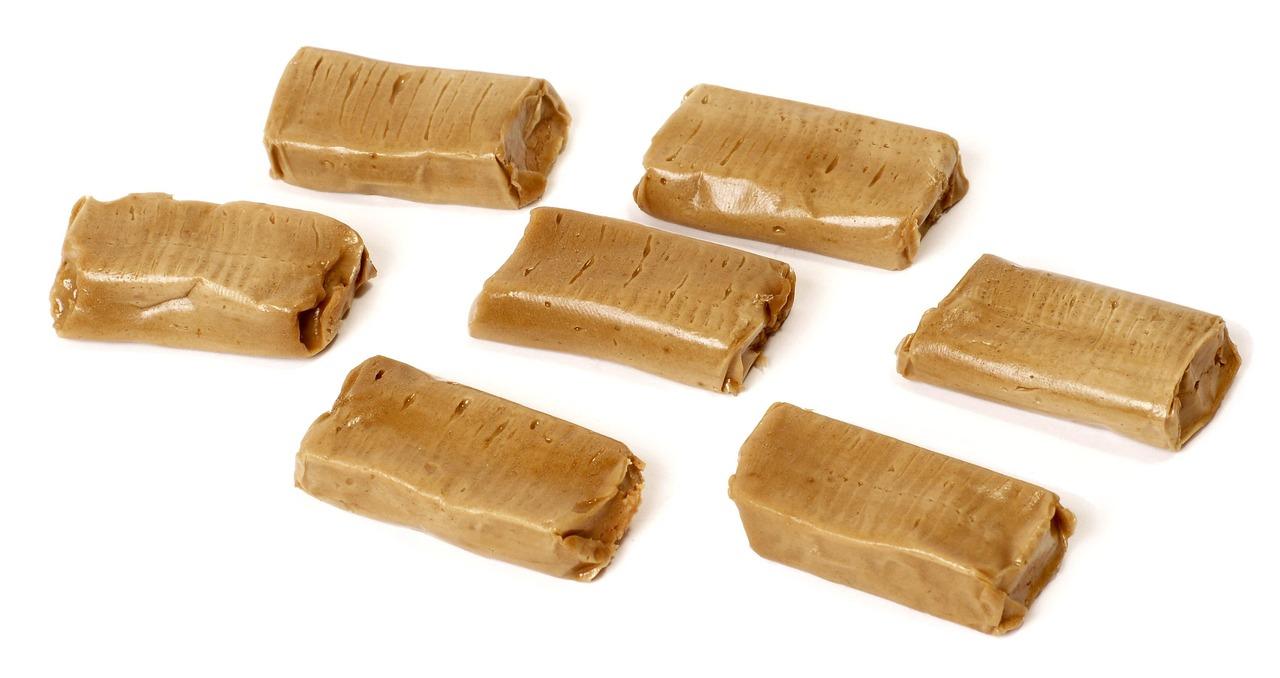
Krówki, 'little cows', are the sweets Polish children grow up with: wrapped in paper with a cow on it, handed out at name days and school parties, and bought by the bag all year round. Fresh ones have a thin, sugary crust that crumbles at the edges while the middle stays soft and almost runny, with a deep taste of cooked milk and butter, close to dulce de leche. Eat them with black tea or coffee, or chop them into ice cream. They are naturally egg-free: milk and cream are boiled with sugar until the milk solids caramelise and the mixture reaches the soft-ball stage, then beating it as it cools starts fine sugar crystals that set the fudge and give that crumbly crust. A spoonful of honey adds its own flavour and keeps the centre soft. Chef's tip: stop beating as soon as the mixture loses its shine and starts to thicken; beating too long is the common mistake, and the fudge then sets in the pan before you can pour it.

by KrazyBadal 0 views

Sucre à la crèmeBrown sugar fudge

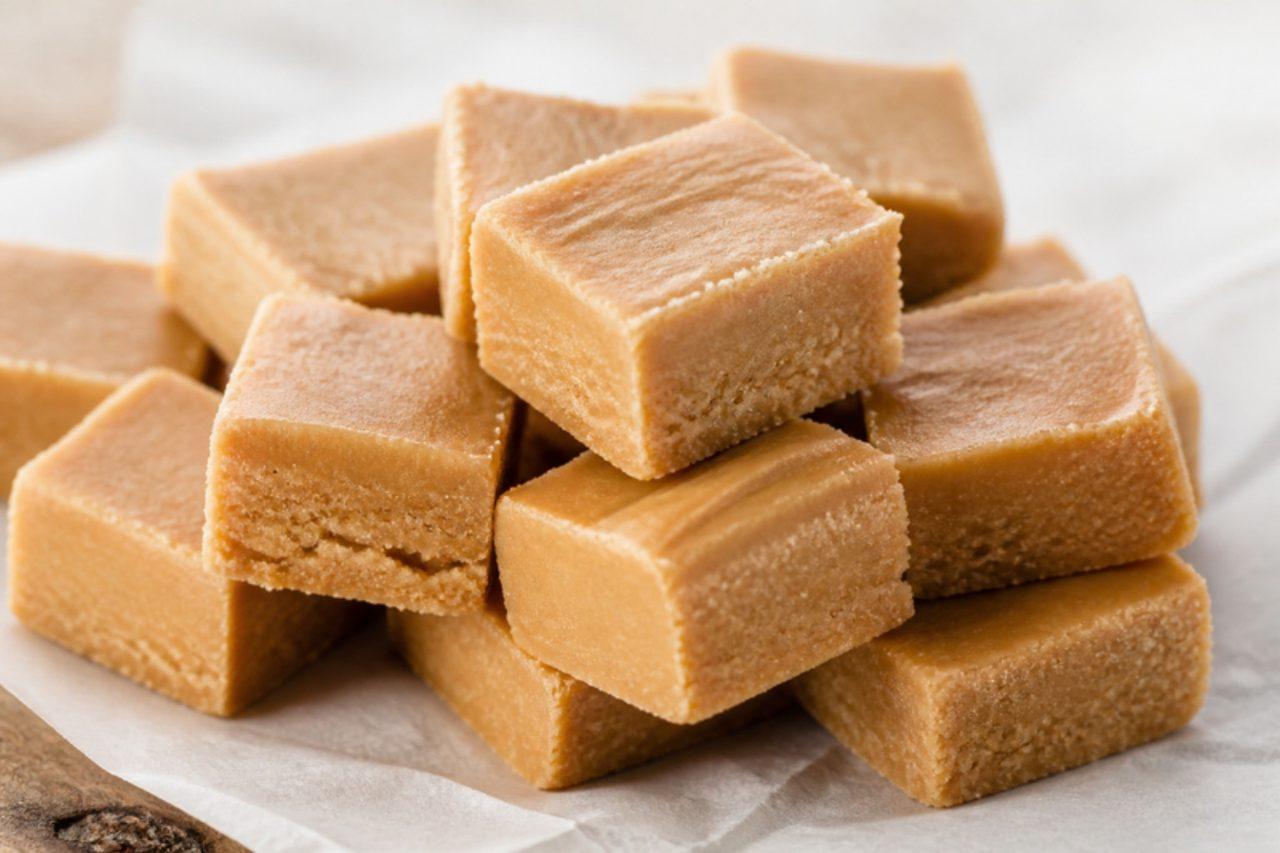
In Quebec, sucre à la crème is the sweet that comes out at Christmas: a soft, melting brown-sugar fudge made from brown sugar, cream and butter, cut into squares and shared at the réveillon after midnight Mass and through the Fêtes. Every grandmother's recipe differs a little; this one is the classic stovetop method, gluten free and ready in under an hour. Chef's tip: beat the cooled mixture until it loses its gloss and starts to thicken, then pour it at once; that beating is what makes it creamy rather than toffee-like.

by KrazyBadal 0 views

Turrón de maníPeanut nougat

On an Argentine Christmas Eve, after midnight toasts, the 'mesa dulce' appears with pan dulce, garrapiñadas and turrón de maní: a chewy white nougat of honey, sugar, whipped egg white and roasted peanuts, often set between two sheets of rice paper. Families make it in the days before Nochebuena. The egg white is cooked by the hot syrup. It is gluten free if you use gluten-free wafer paper or none. Chef's tip: work fast once the syrup is in, as the nougat stiffens as it cools and gets hard to spread.

by KrazyBadal 0 views

Showing 24 of 638 recipes

Show more recipes

Page 1 of 27