Skip to content
WhatToEat.Today

All recipes

464

Vegetarian, or something you can't eat? Set your diet once and we'll hide recipes that don't fit.

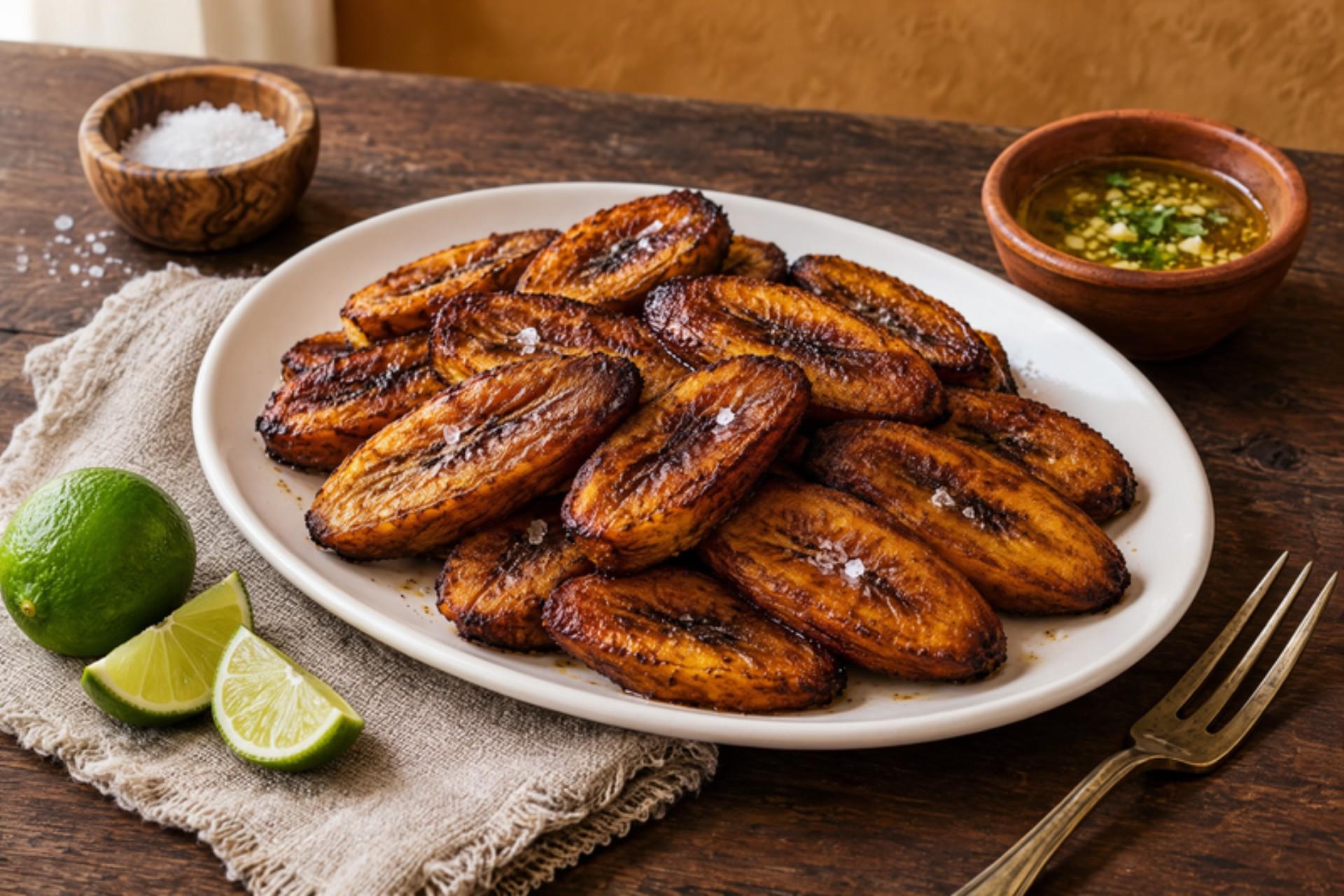
Plátanos maduros fritosFried sweet plantains

No Cuban lunch counter in Havana, Santiago or Miami serves ropa vieja, picadillo or black beans and rice without a few maduros on the side. Plantains are left until the skin is almost completely black, when the flesh turns soft and sugary, then sliced on the diagonal and fried slowly until the edges caramelise and the middle is creamy. The mistake is using yellow plantains: they stay starchy and dry, so wait until the skins are mostly black and the fruit gives when pressed. They are done when deep amber on both sides and a knife slides in with no resistance. Chef's tip: fry over a medium heat, not high; the sugar in ripe plantain burns before the centre softens if the oil is too hot.

17 minCubanSidesVeganGluten free
by KrazyBadal 0 views

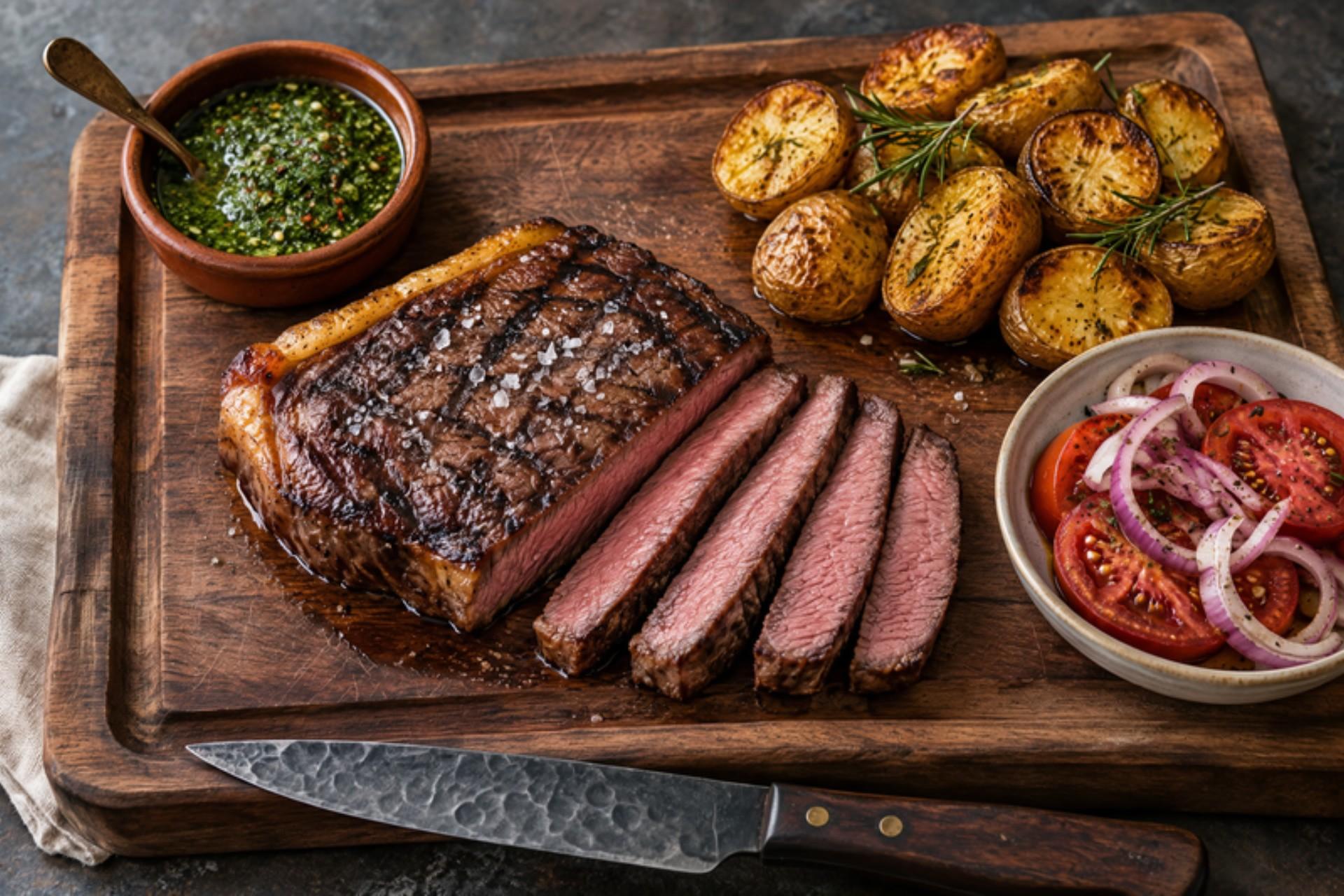
Bife de chorizoGrilled sirloin steak with chimichurri

Bife de chorizo, despite the name, has nothing to do with sausage: it is the thick sirloin (strip loin) steak that every parrilla in Buenos Aires grills, from the steakhouses of Palermo to the roadside grills of the pampas, and it is the Saturday-night order for anyone who wants beef and nothing else. It is cut at least 3 cm thick, seasoned only with coarse salt and grilled over hot embers, then served with chimichurri and a simple tomato and onion salad. The common mistake is cooking it straight from the fridge and turning it constantly; it greys outside and stays raw in the middle. Bring it to room temperature for 30 minutes and turn it only once. Chef's tip: salt the steak with coarse salt only just before it goes on the grill, and cut into it only after a 5-minute rest.

by KrazyBadal 0 views

Cuba libreRum and cola with lime

The Cuba libre was born in Havana around 1900 and is still the easy highball poured at bars along the Malecón and at backyard parties from Miami to Madrid. It is a drink for adults only: light Cuban-style rum, cold cola and a generous squeeze of fresh lime, with the spent lime wedge dropped in the glass. Without the lime it is just rum and cola; with it the drink turns sharp and refreshing. The usual mistake is warm cola poured over too little ice, which melts fast and leaves it flat and watery, so fill the glass with ice and keep the cola chilled. For an alcohol-free version, leave out the rum and add 30 ml cold sparkling water with a dash of vanilla. Drink responsibly. Chef's tip: squeeze the lime and rub the wedge round the rim before adding ice, so every sip carries the lime oil.

by KrazyBadal 0 views

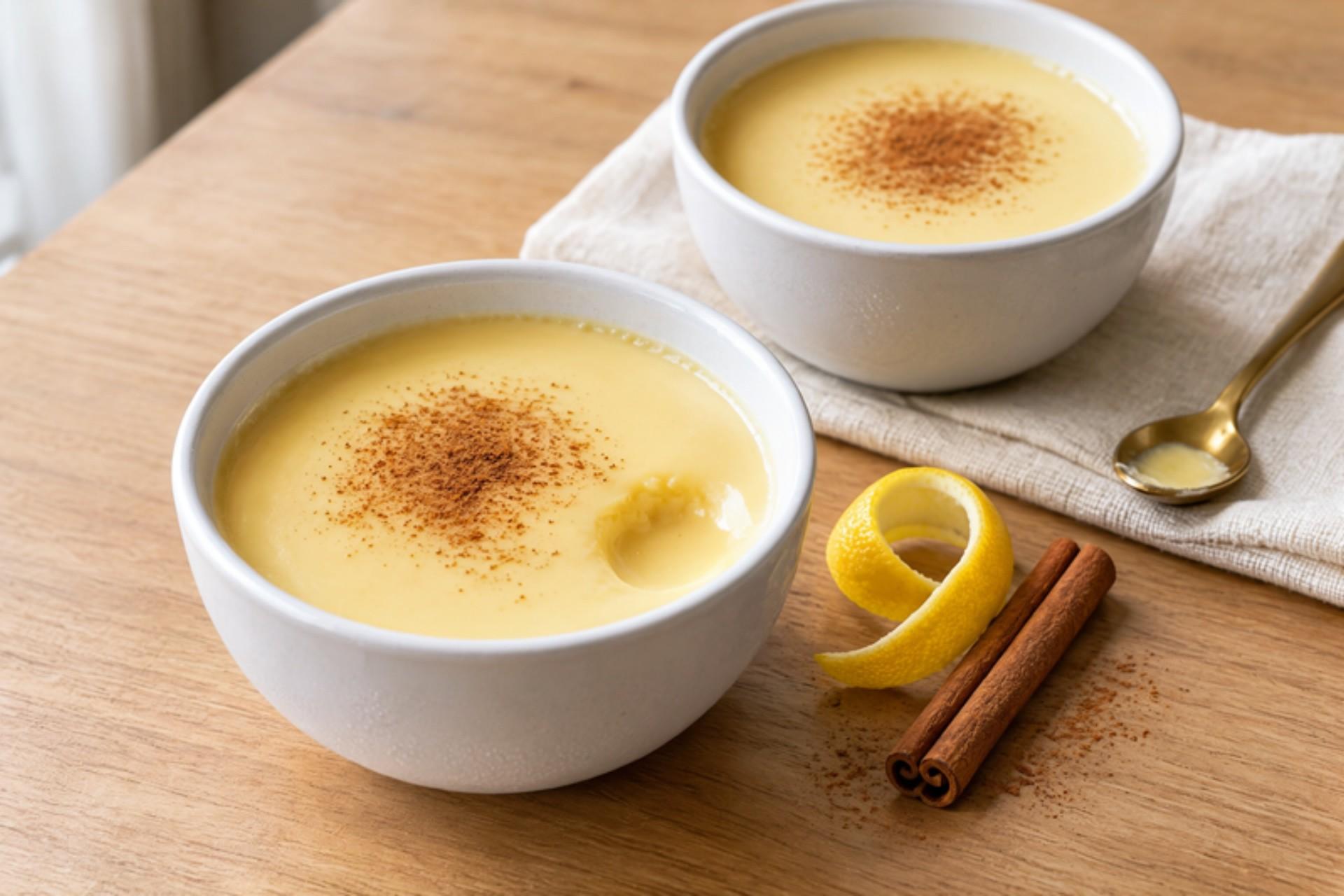
Natilla cubanaLemon cinnamon custard

Natilla is the custard Cuban grandmothers in Havana and Miami's Little Havana make for Sunday lunch, birthdays and any evening that needs something sweet from the fridge. It is softer than flan: milk is infused with lemon peel and a cinnamon stick, thickened gently with egg yolks and a little cornflour, then poured into small bowls and dusted with ground cinnamon. It contains milk and egg. The common mistake is boiling it hard once the yolks go in, which splits the custard into sweet scrambled egg; keep the heat low and stir the bottom constantly. It is ready when it thickly coats the back of a spoon and a finger drawn through leaves a clean line. Chef's tip: press cling film right onto the surface while it is hot, or a rubbery skin forms as it cools.

by KrazyBadal 0 views

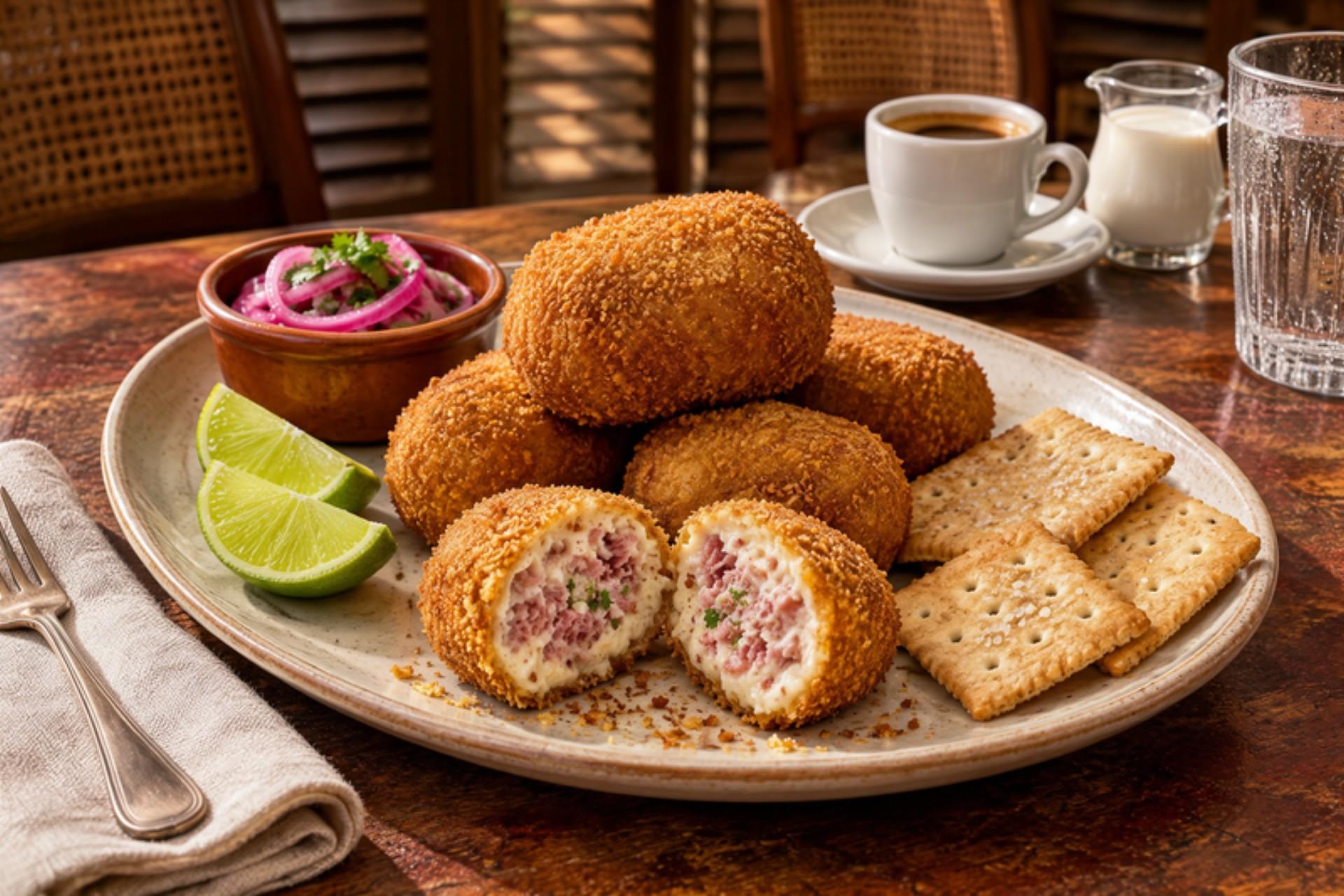
Croquetas de jamónHam croquettes

Croquetas de jamón are the snack of the ventanita, the walk-up coffee window of Havana and Miami cafeterías, eaten with a cafecito at breakfast or tucked into a Cuban sandwich, and piled high at every party. This recipe contains pork: cooked ham is minced and folded into a thick, nutmeg-scented béchamel, chilled firm, rolled into small cylinders, crumbed and fried until golden, so the inside is almost molten. They contain milk, egg and wheat. The mistake is shaping the mixture while it is still warm; it must be cold and stiff or the croquettes split in the oil. They are done when deep golden all over and piping hot in the centre. Chef's tip: cook the flour in the butter for a full two minutes before the milk goes in, so the croquetas taste rich and nutty rather than floury.

by KrazyBadal 0 views

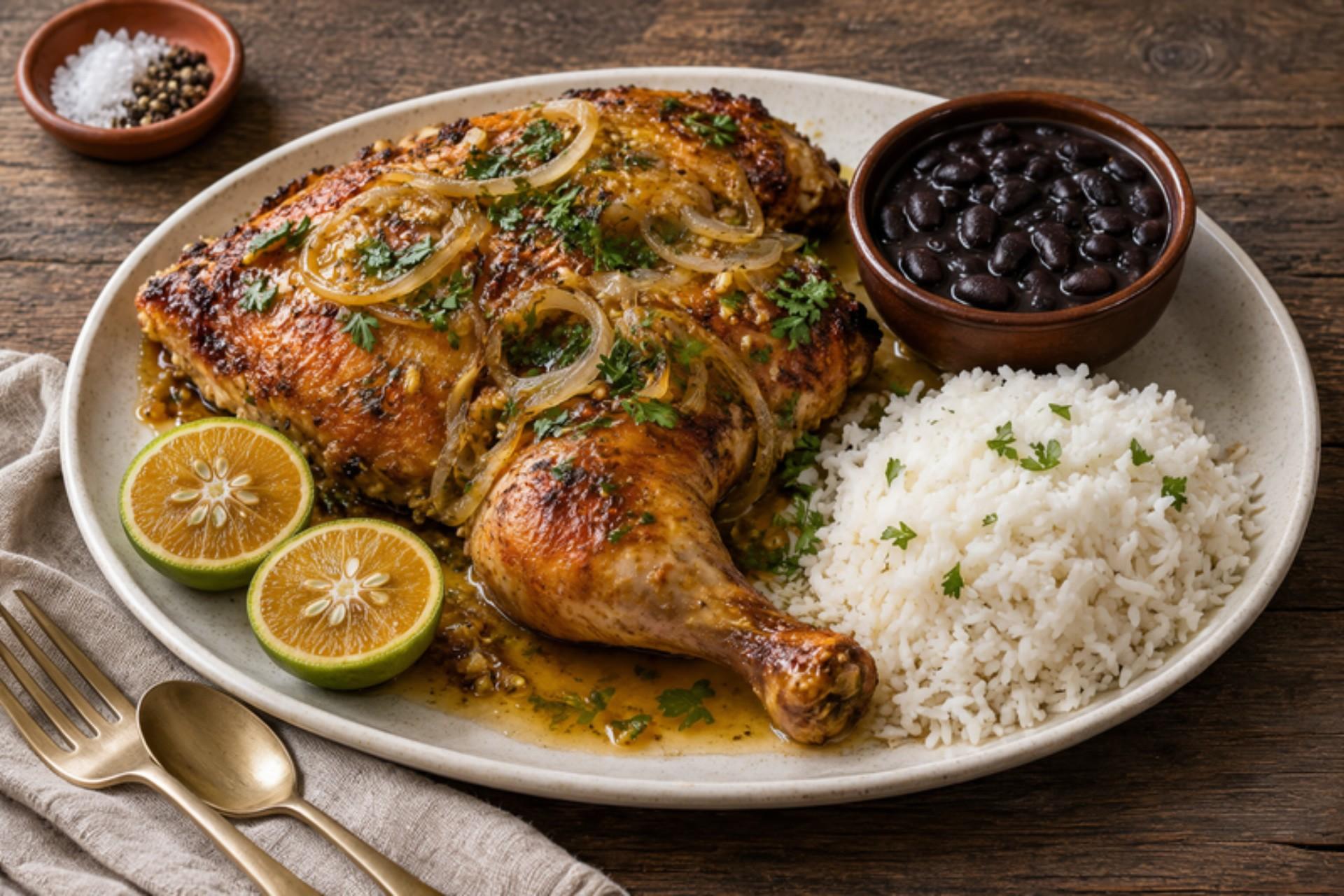
Pollo asado cubanoGarlic citrus roast chicken

Cuban families from Camagüey to Hialeah roast pollo asado for Sunday lunch and Nochebuena, the night before Christmas, when there is too much else on the table for a whole pig. Chicken pieces soak overnight in mojo, a marinade of sour orange, crushed garlic, cumin and oregano, then roast until the skin is crackly and the juices run clear, with onion rings softening underneath. The usual mistake is marinating for days or in a metal bowl; the citrus turns the meat mushy and metallic, so keep it to 12–24 hours in the fridge in glass or a bag. It is done when the thickest part of the thigh reaches 74 °C. Serve with moros, yuca and maduros. Chef's tip: no sour oranges? Use two parts orange juice to one part lime juice.

by KrazyBadal 0 views

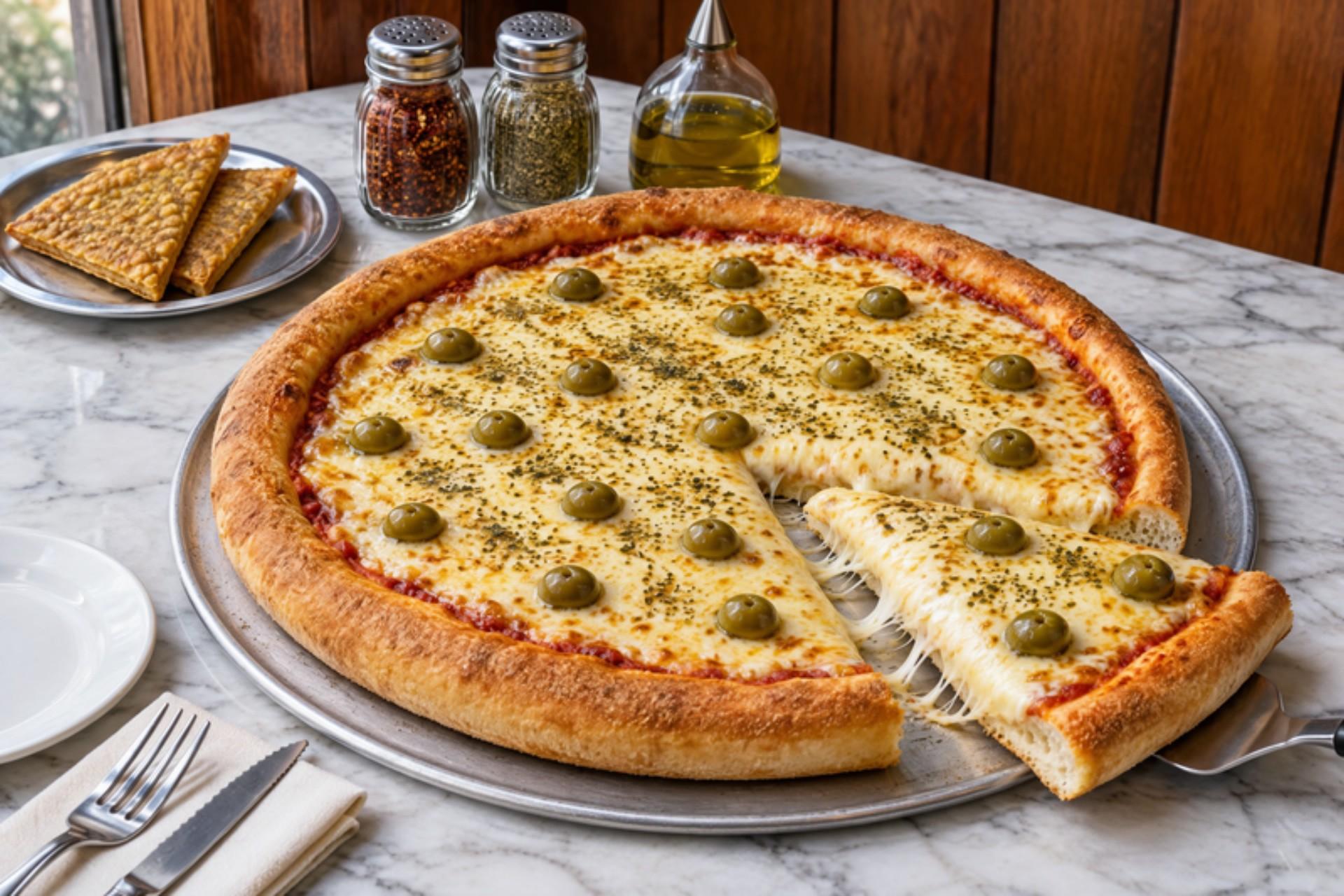
Pizza de muzzarellaThick-crust mozzarella pizza

The pizza de muzzarella, or simply muzza, is the pride of Buenos Aires' old pizzerías along Avenida Corrientes, eaten standing at the counter after the theatre, often with a slice of fainá on top. Unlike a Neapolitan pizza it has a thick, soft, bready base baked in a round metal pan, a thin smear of oregano tomato sauce and a deep layer of mozzarella that bubbles and browns, finished with green olives. The common mistake is using fresh mozzarella balls: they release water and the pizza swims. Use firm, low-moisture mozzarella grated or sliced thick. Many mozzarellas use animal rennet; choose a vegetarian one if you prefer. Chef's tip: give the dough a second rise in the oiled pan, so the base bakes airy inside and fried-crisp underneath.

by KrazyBadal 0 views

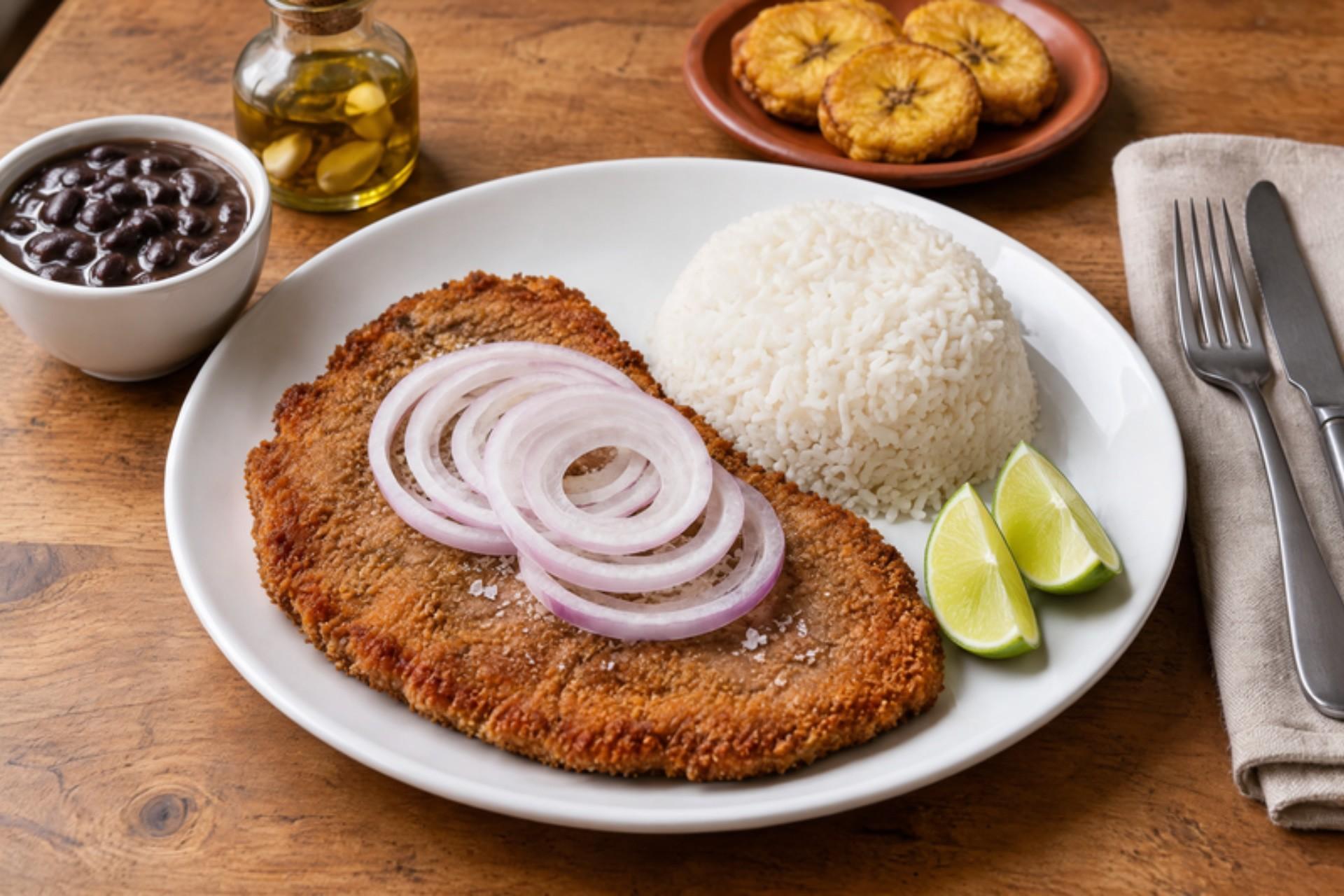
Bistec empanizadoBreaded thin steak

Bistec empanizado is the breaded steak of Cuban family dinners and Little Havana diners, a weeknight plate in Havana and Miami alike. Thin slices of beef are pounded thinner still, marinated briefly in lime, garlic and cumin, then crumbed with crushed crackers and fried until crisp and golden. It contains wheat and egg. The mistake is cutting the steak thick: it toughens before the crumb browns, so pound it to 5 mm. It is done when the crust is deep golden on both sides, which takes only a couple of minutes for meat this thin. Serve with white rice, black beans, maduros and a lime wedge. Chef's tip: marinate the beef for no more than an hour; lime juice left longer turns thin steak grey and mealy.

32 minCubanMeat
by KrazyBadal 0 views

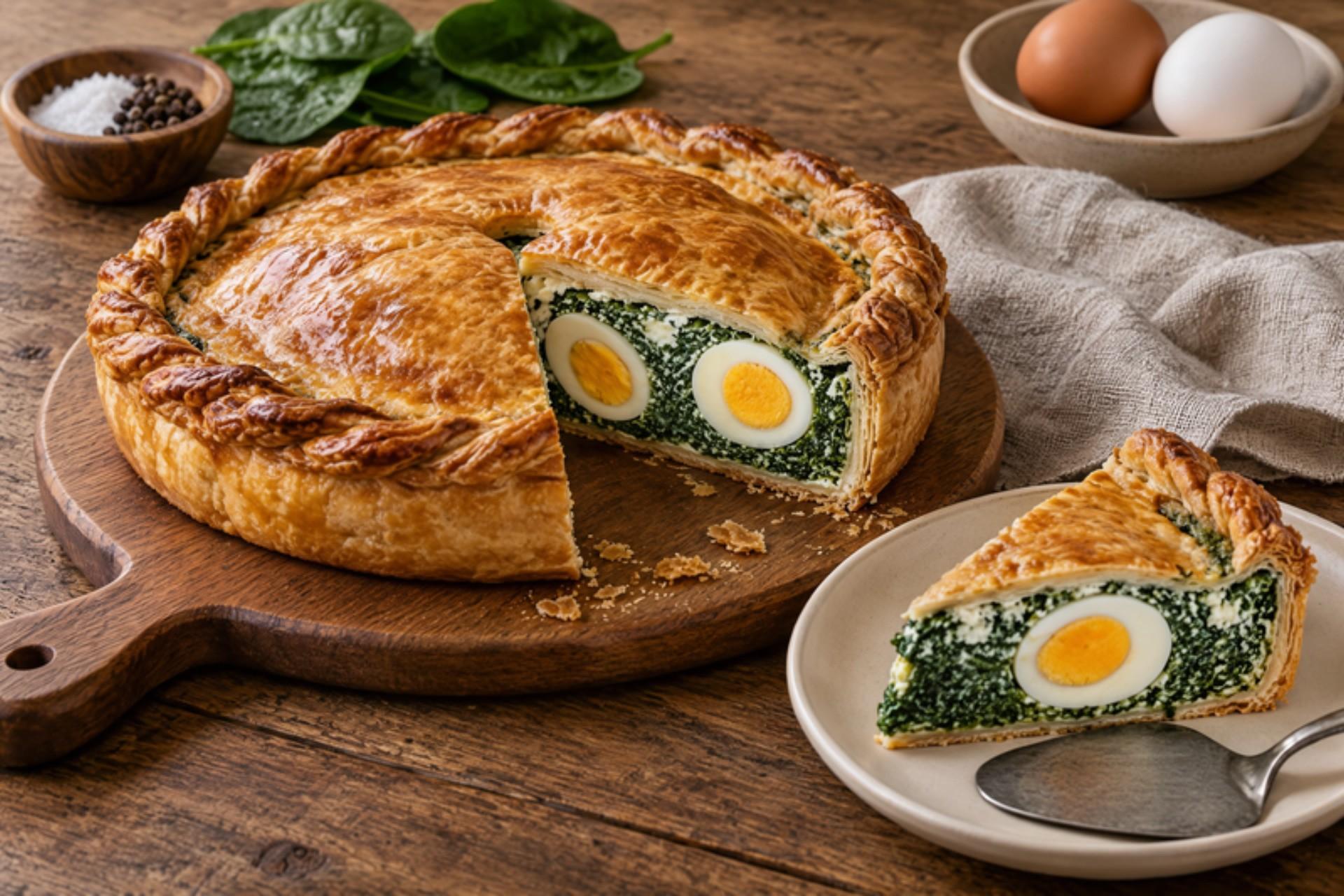
Tarta pascualinaSpinach and egg pie

Tarta pascualina came to Buenos Aires and Montevideo with Ligurian immigrants, and it is still baked for Easter (Pascua, hence the name), though most porteños now buy or make it any weekday for a light supper with a tomato salad. A crisp, olive-oil crust holds chard or spinach bound with ricotta and cheese, with whole eggs baked into hollows so every slice shows a ring of yolk. The usual mistake is not squeezing the greens: the filling floods and the base goes soggy. Wring them in a clean tea towel until no more water drips. Hard cheeses such as Parmesan are usually made with animal rennet; use a vegetarian hard cheese if you prefer. Chef's tip: bake the tart on the lowest shelf on a hot baking sheet so the bottom crust browns as well as the top.

by KrazyBadal 0 views

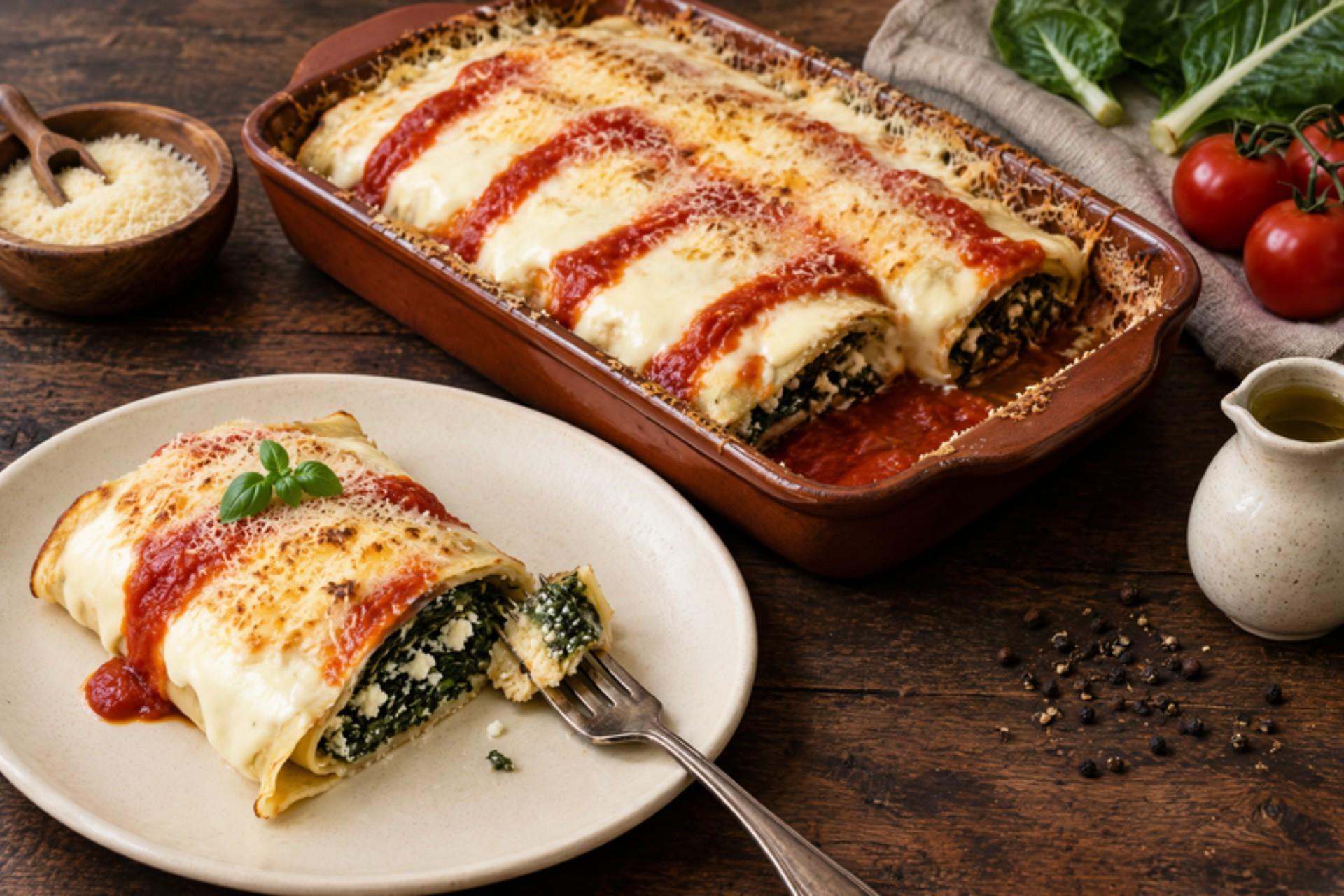
Canelones de verduraSpinach and ricotta crêpe cannelloni

In Argentina, Sunday lunch at the nonna's house in Rosario or Buenos Aires often means canelones, a legacy of Italian immigrants made the Río de la Plata way: thin crêpes instead of pasta tubes, rolled around chard and ricotta, then baked under tomato sauce and béchamel. They are often served on the 29th of the month or for Christmas too. The common mistake is thick crêpes: they turn stodgy. The batter should be as thin as single cream and the pancakes almost see-through. Hard cheeses are usually made with animal rennet; use a vegetarian hard cheese if you prefer. Chef's tip: roll the canelones and chill them for an hour before saucing; they hold their shape better in the oven.

by KrazyBadal 0 views

Revuelto de zapallitosCourgettes scrambled with egg and cheese

Revuelto de zapallitos is a weeknight dinner in Buenos Aires homes and all over Argentina in summer, when the little round courgettes called zapallitos are cheap: diced courgette and onion cooked down in oil, scrambled with eggs and finished with grated cheese. It is eaten with bread or as a side to a salad. Grated hard cheese like reggianito or Parmesan is usually made with animal rennet, so use a vegetarian hard cheese for a vegetarian dinner. The common mistake is adding the eggs before the courgettes have given up their water, which turns the scramble wet and grey. Chef's tip: salt the courgettes as they go in, so they release their juice early and it cooks away.

by KrazyBadal 0 views

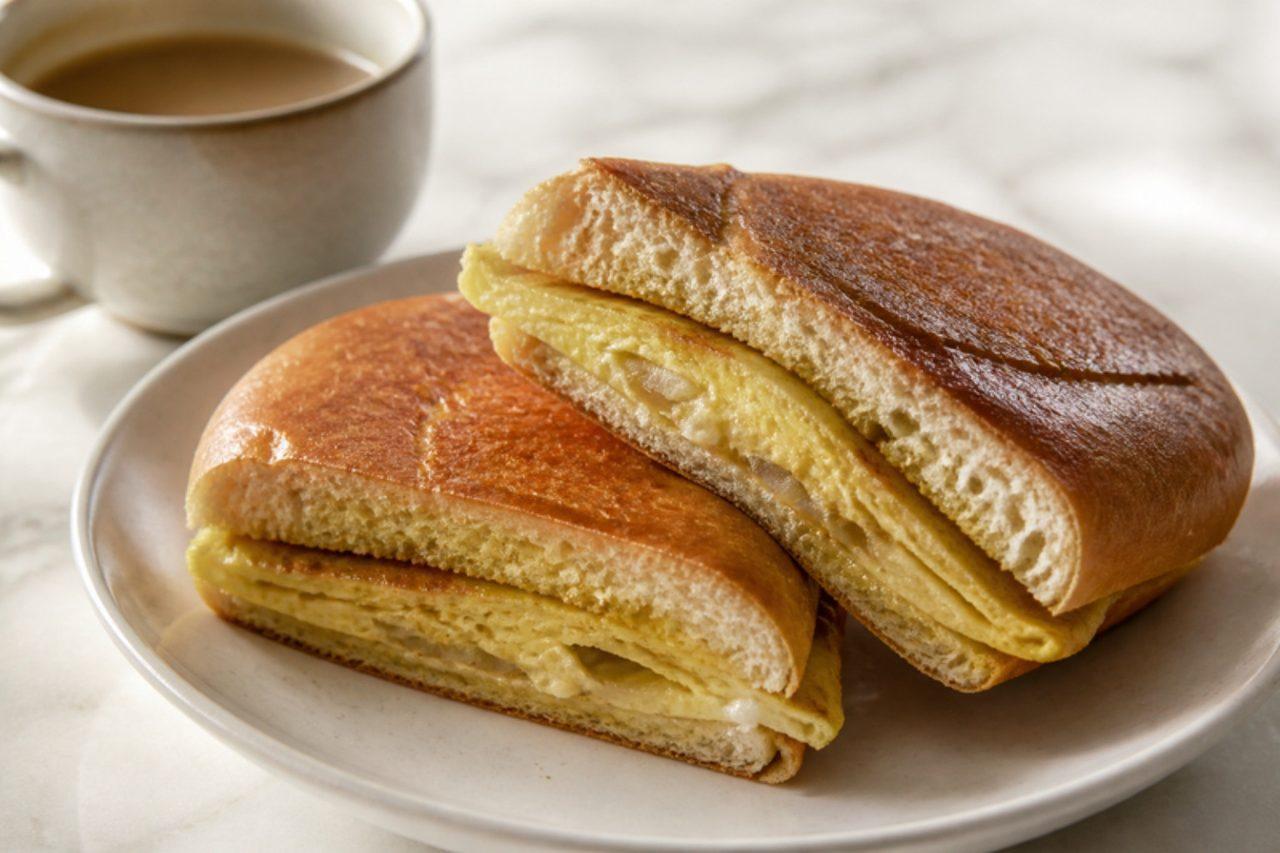
Pan con tortillaBread with onion omelette

Pan con tortilla is a staple of Havana cafeterías and Miami ventanitas alike: a thin, soft omelette with sweet onion folded into buttered Cuban bread and pressed until warm and crisp. It is breakfast on the way to work and a quick supper when nobody wants to cook, usually with a cafecito or a fruit shake. The common mistake is frying the onion too hard; it should be soft and sweet, not brown and bitter. Chef's tip: press the sandwich with a heavy pan so the bread goes crunchy outside while the omelette stays tender.

by KrazyBadal 0 views

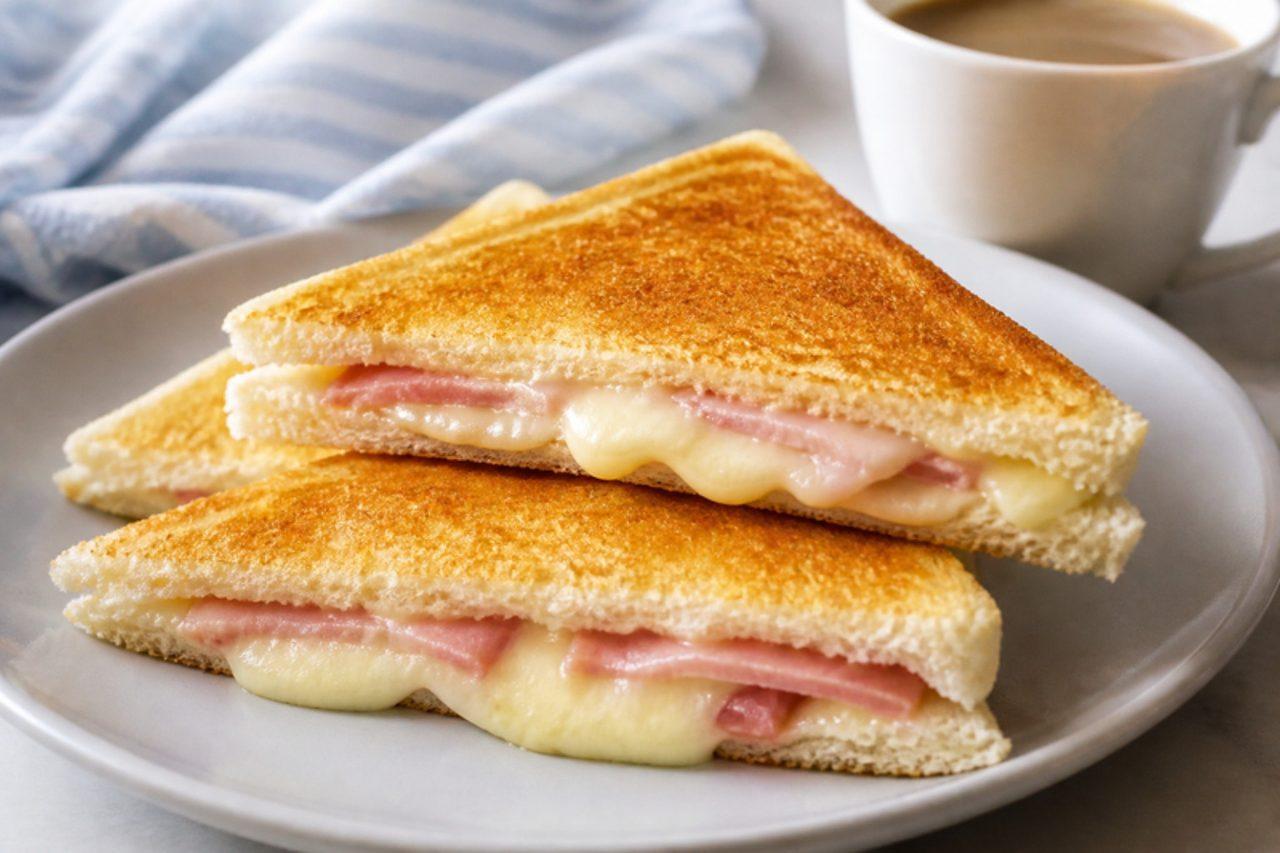
Tostado de jamón y quesoPressed ham and cheese sandwich

The tostado is what Buenos Aires orders in a café at merienda or as a light late dinner, and what Uruguayan kids get made at home: thin crustless pan de miga layered with cooked pork ham and mild cheese, buttered outside and pressed until crisp and oozing. The common mistake is too much filling; this sandwich is meant to be thin, so the cheese melts before the bread burns. Chef's tip: if you have no sandwich press, weigh it down in the pan with a second heavy pan so it toasts flat and even.

by KrazyBadal 0 views

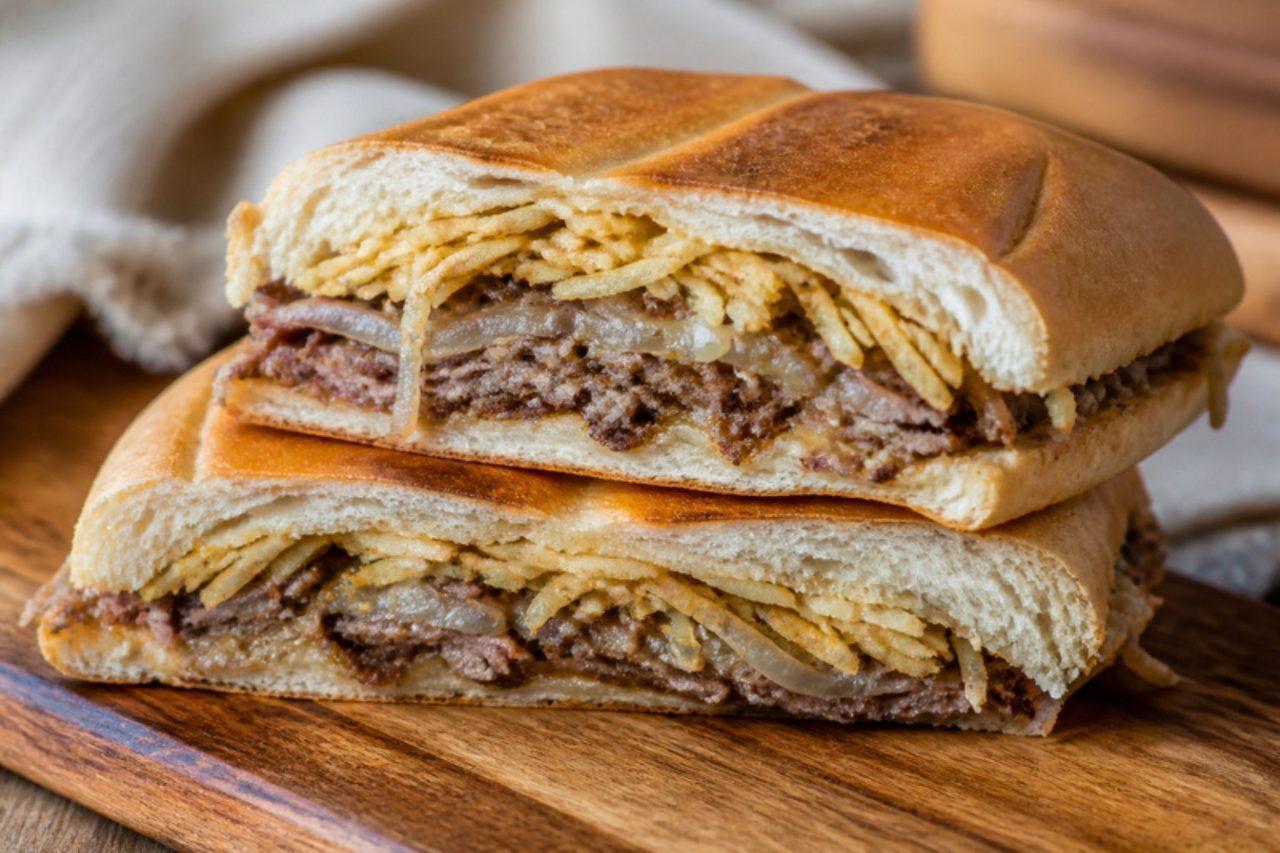
Pan con bistecSteak sandwich with potato sticks

Pan con bistec is the sandwich of Havana cafeterías and Miami's Cuban lunch counters, eaten at any hour but especially as a fast dinner: a paper-thin beef steak quickly soaked in garlic-lime mojo, seared with onions and stuffed into soft Cuban bread with crunchy potato sticks. The common mistake is using a thick steak, which takes too long and turns chewy; ask for palomilla, or bash a thin steak flatter. Chef's tip: deglaze the hot pan with the leftover mojo and pour those juices onto the bread so it soaks up every drop.

13 minCubanMeat
by KrazyBadal 0 views

Sabeel sharbatRose milk with basil seeds

In the first ten days of Muharram, and above all on Ashura, volunteers in Pakistani towns set up sabeel stalls at the roadside and pour free cups of cold sweet milk for anyone passing, in memory of the thirst of Imam Husain's family at Karbala. The drink is pale pink, lightly rose-scented and dotted with swollen basil seeds, and it is made in huge steel pots at the stalls; this is the home-sized jug. Chef's tip: soak the basil seeds in water first, never straight in the milk, or they stay hard and clump.

by KrazyBadal 0 views

KhajlaFried pastry rounds in sweet milk

In the old lanes of Lahore and Karachi's Burns Road, sweet shops fry khajla through the night in Ramadan so families can buy it fresh for sehri, the meal eaten before dawn. Each round is a stack of paper-thin layers of ghee-rubbed dough that shatter when you press them, and it is crumbled into a bowl of hot sweetened milk, often with fine pheni, to give slow energy for the fasting day. Chef's tip: keep the oil only medium-hot; khajla must fry slowly so every inner layer turns crisp before the outside browns.

by KrazyBadal 0 views

Lengua a la vinagretaBeef tongue with vinaigrette

Argentina's Nochebuena is a hot summer night, so the table is full of cold dishes, and lengua a la vinagreta is one of the classics: beef tongue simmered until tender, peeled, sliced and covered with a sharp vinaigrette of parsley, garlic, red pepper, onion and chopped hard-boiled egg. It is made a day ahead and served chilled with vitel toné and Russian salad. Chef's tip: peel the tongue while it is still hot, as the skin comes away easily then and clings once it cools.

by KrazyBadal 0 views

SkābputraSoured barley porridge drink

Skābputra, 'sour porridge', is one of the oldest Latvian foods, and at Jāņi, Midsummer on 23–24 June, it is served cold alongside caraway cheese, pīrāgi and wreaths of flowers. Pearl barley is cooked soft, then soured with buttermilk or kefir for a day or two until it is tangy and fresh-tasting, and it is thinned with milk into a thick, cooling drink sipped or eaten with a spoon on hot summer days. This home version uses bought live buttermilk to start the souring safely. Chef's tip: use clean jars and utensils, and taste it each day; once it is pleasantly sour, chill it so it stops souring.

by KrazyBadal 0 views

Chipa so'oCheese bread with spiced beef

In Paraguay, families bake chipa in the clay tatakua ovens on Holy Wednesday so there is food for Thursday and Good Friday, when cooking stops. Chipa so'o ('chipa with meat') is a cassava-starch and cheese bread wrapped around a little filling of minced beef cooked with onion and egg, then baked until crisp outside and chewy within. It is naturally gluten free. Chef's tip: knead the dough until it no longer cracks at the edges when pressed; dry dough splits around the filling.

by KrazyBadal 0 views

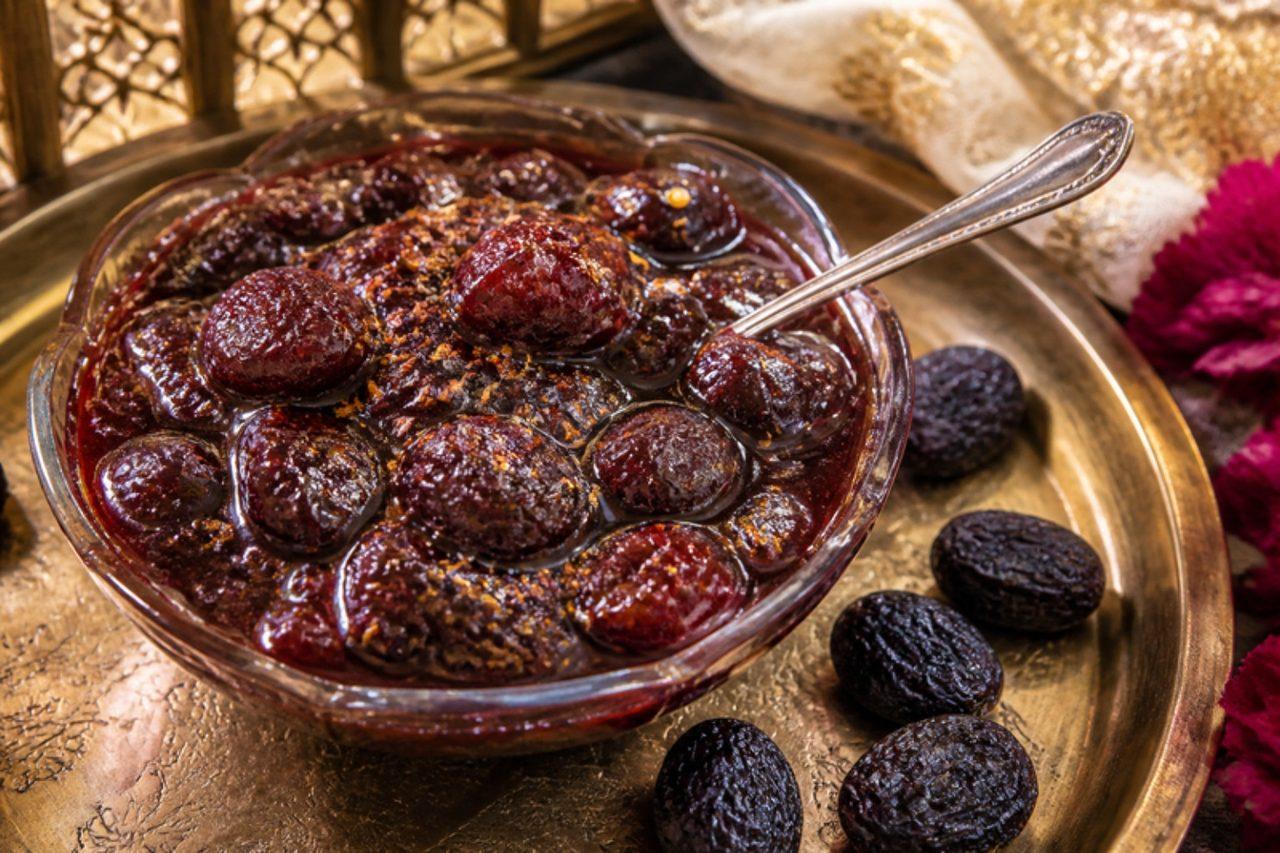
Aloo bukhara chutneyDried plum chutney

Wherever a Pakistani wedding serves biryani and qorma, a little bowl of glossy aloo bukhara chutney sits alongside to cut the richness. Dried sour plums are softened, then cooked with sugar, a touch of vinegar, ginger, chilli and warm spices into a jammy, sweet-sour relish, dark and shining. It keeps for weeks and is made in big jars before the shaadi. Chef's tip: stop cooking while it still looks a little loose; it thickens a lot as it cools.

by KrazyBadal 0 views

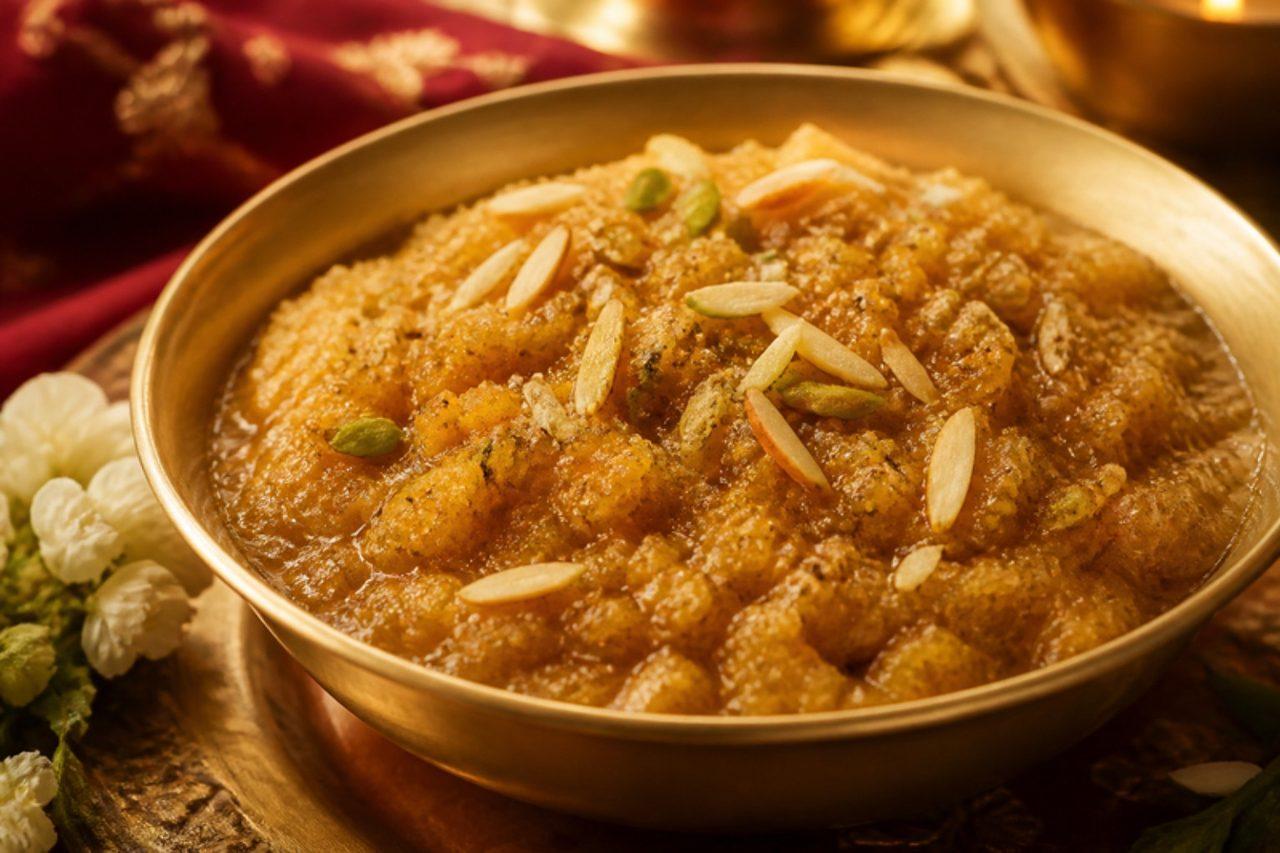
Chana dal halwa

At Punjabi weddings in Lahore and Faisalabad in the cold months, the dessert table often carries a big tray of chana dal halwa beside the gajar halwa. Soaked split chickpeas are ground and fried slowly in ghee until they smell of roasted nuts and turn deep golden, then cooked with milk, sugar and cardamom into a rich, grainy halwa that keeps for days. It takes patience and a strong arm. Chef's tip: keep the heat low and scrape the bottom constantly; the dal catches fast once it starts to brown.

by KrazyBadal 0 views

Pajagua mascadaBeef and cassava patties

Pajagua mascada is a Paraguayan street-food classic that appears on every table for the San Juan festival on 24 June, when bonfires burn and the night is full of games and traditional food. Minced beef is mixed with mashed cassava, onion, garlic and a little egg and flour, shaped into flat patties and fried until crisp. The name comes from Guaraní and refers to the 'chewing' of old Paraguayan cooks, who made it from leftover meat. Chef's tip: dry the boiled cassava well and remove its woody core, which keeps the patties light and crunchy.

by KrazyBadal 0 views

KaguyjyWhite corn pudding

On the night of 23–24 June, Paraguayans celebrate San Juan with bonfires, games like walking over hot coals and the 'paso de fuego', and a table of traditional foods, and kaguyjy (also mazamorra) is one of them. It is a soft, creamy pudding of cracked white corn (locro) simmered slowly in water and then milk with sugar or honey, sometimes with orange peel. It is eaten warm or cold. It is gluten free. Chef's tip: soak the corn overnight and cook it until each kernel is tender before adding the milk, or it never turns creamy.

by KrazyBadal 0 views

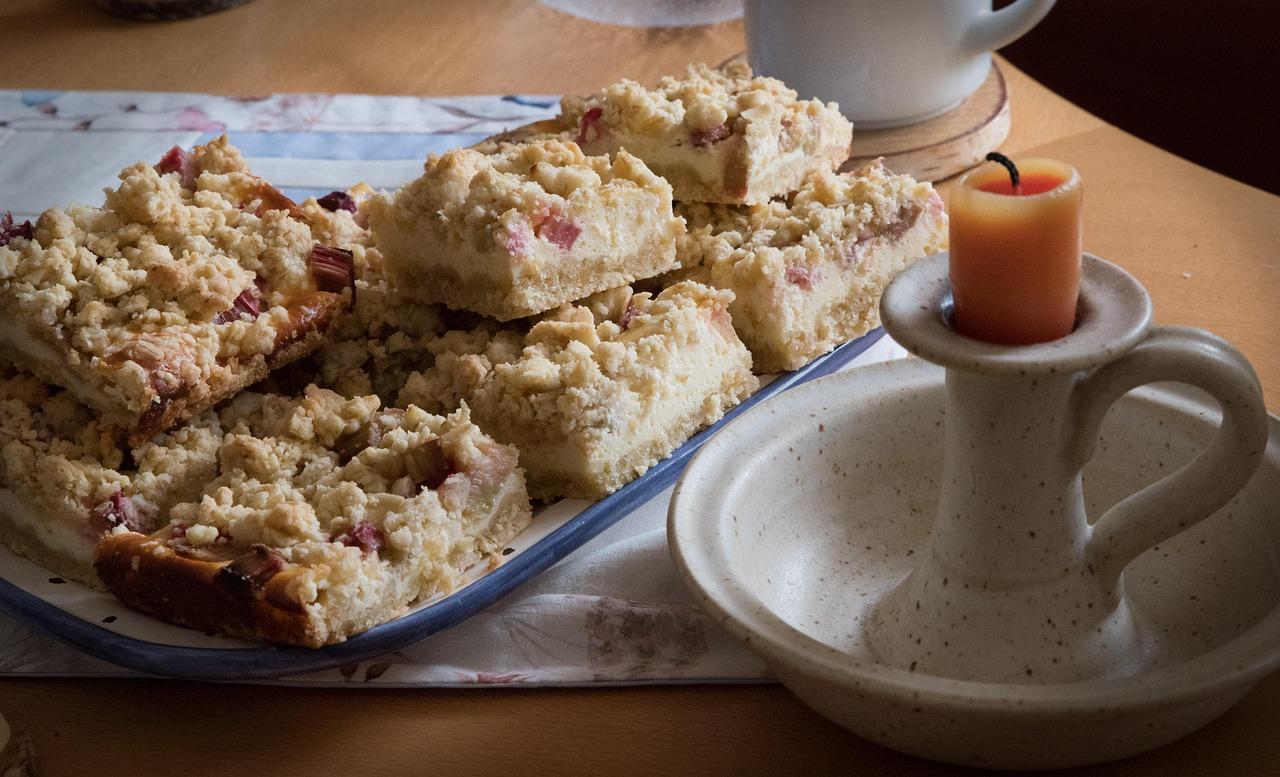
RabarbrikookRhubarb crumble cake

By Jaanipäev, Estonian Midsummer on 24 June, the rhubarb in every country garden is tall and red, and Estonians take rhubarb cake to the Jaaniõhtu bonfire evening along with grilled sausages, cheese and the beer for the grown-ups. Rabarbrikook is a simple, soft butter cake packed with sharp rhubarb under a thick, sweet crumble that soaks up the juices. Serve it warm with vanilla sauce or cold in squares. Chef's tip: toss the rhubarb in a spoonful of sugar and flour first; the flour thickens the juice so the cake below does not go soggy.

by KrazyBadal 0 views

Showing 24 of 464 recipes

Show more recipes

Page 1 of 20