Skip to content
Recipes

All recipes

Vegetarian, or something you can't eat? Set your diet once and we'll hide recipes that don't fit.

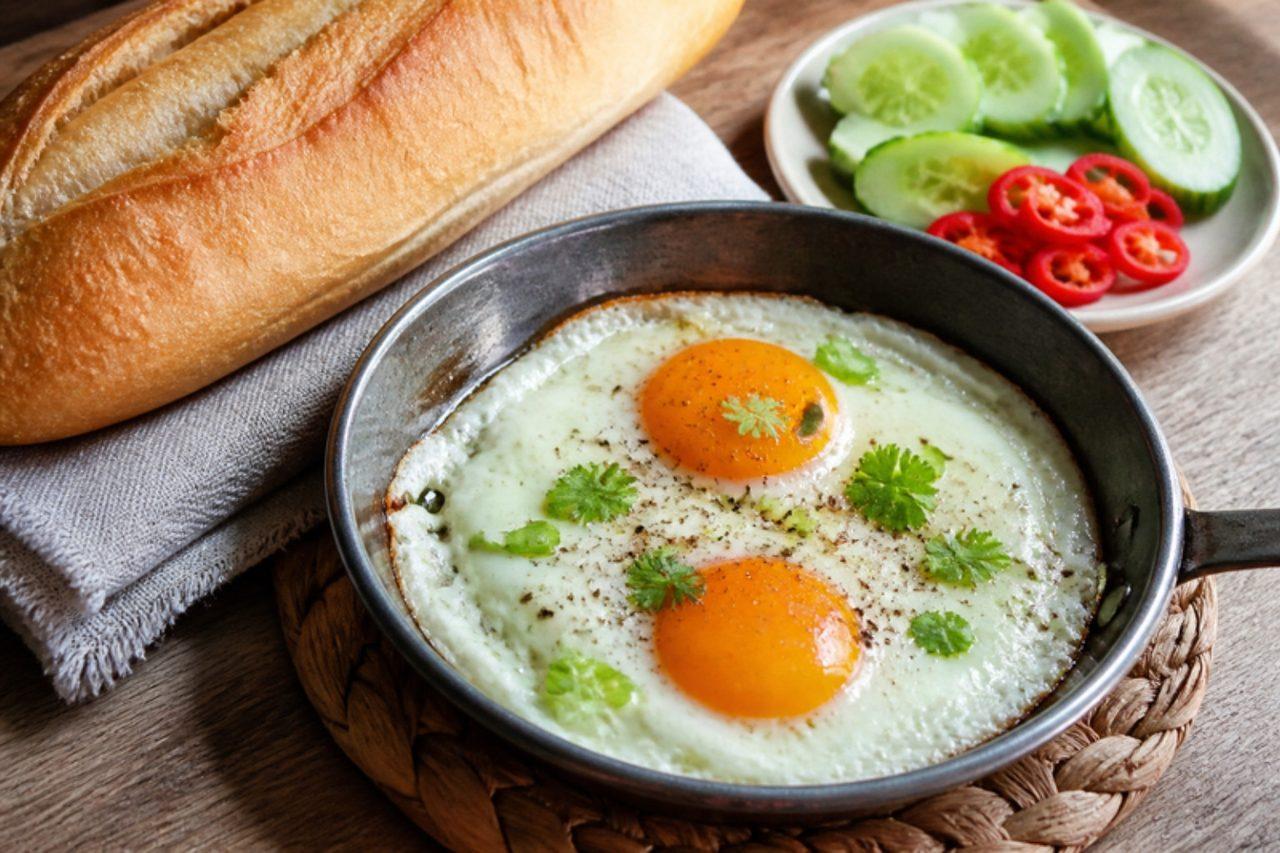
Bánh mì ốp la (Vietnamese fried eggs with baguette)

All over Saigon and Hanoi, street stalls serve bánh mì ốp la for breakfast: two or three eggs fried in a little iron pan, brought to the table sizzling, with a split baguette for scooping and a splash of dark seasoning sauce on top. The whites go lacy and crisp at the edges while the yolks stay soft, and the cucumber and chilli on the side keep it fresh. The usual mistake is frying the eggs on a fierce heat until the bottoms burn before the whites on top have set; a medium heat and a lid fix that. For pregnant people, young children, older or vulnerable people, cook the yolks until fully set. Chef's tip: warm the baguette in a hot oven for 3 minutes first so the crust shatters the way it does at the stall.

by KrazyBadal 0 views

Aloo palakPotato and spinach

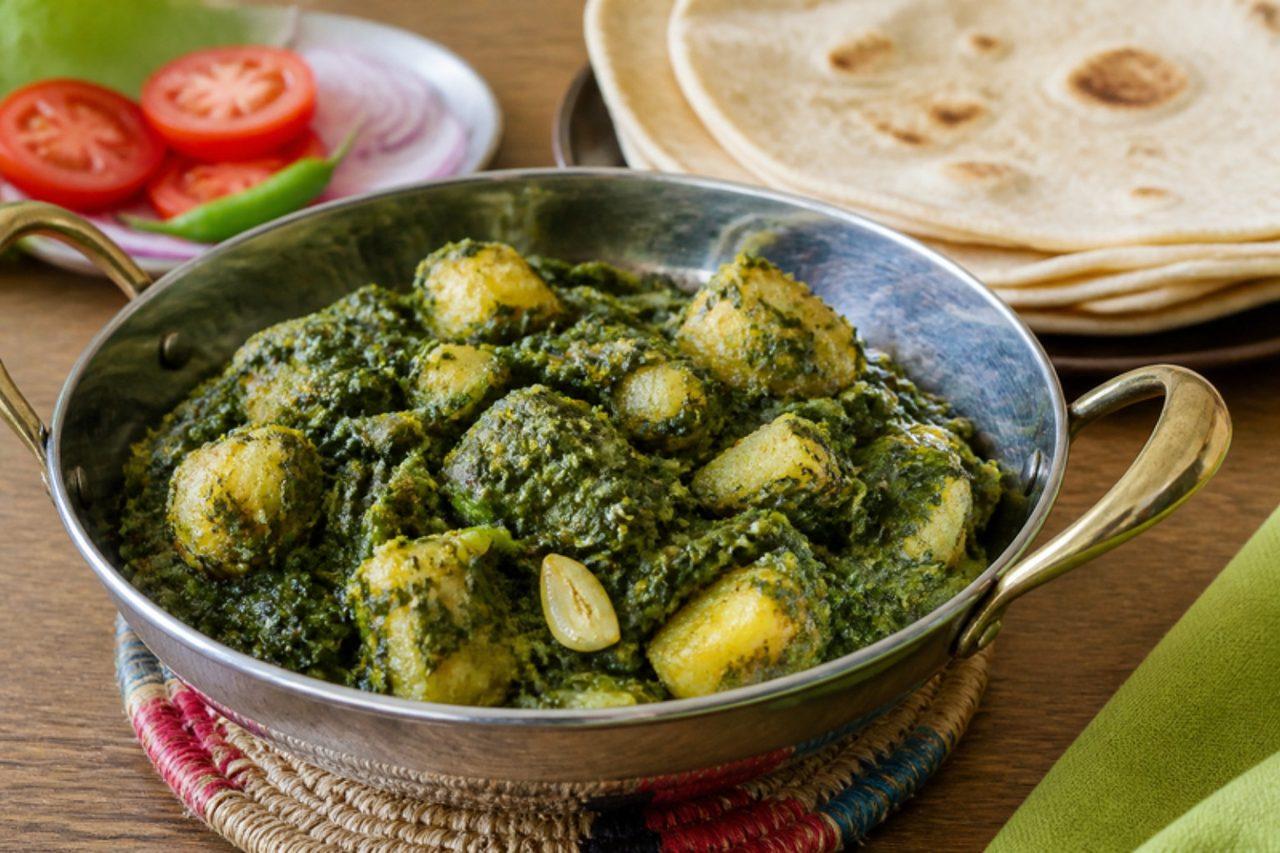
In Lahore and the villages of Pakistani Punjab, aloo palak is the dish that turns up on a weekday when the spinach at the sabzi stall looks good and nobody has time for a long curry. Small cubes of potato cook in a garlicky cumin masala, then a mountain of chopped spinach wilts down over them into a soft, dark green coat. Eat it with hot chapati or plain rice and a spoon of yogurt on the side. The usual mistake is cutting the potatoes too big: they are still hard when the spinach is done, and by the time they soften the greens have gone grey. Chef's tip: keep the lid off once the spinach goes in, so the water cooks away and the leaves stay bright.

by KrazyBadal 0 views

Aloo bainganPotato and aubergine

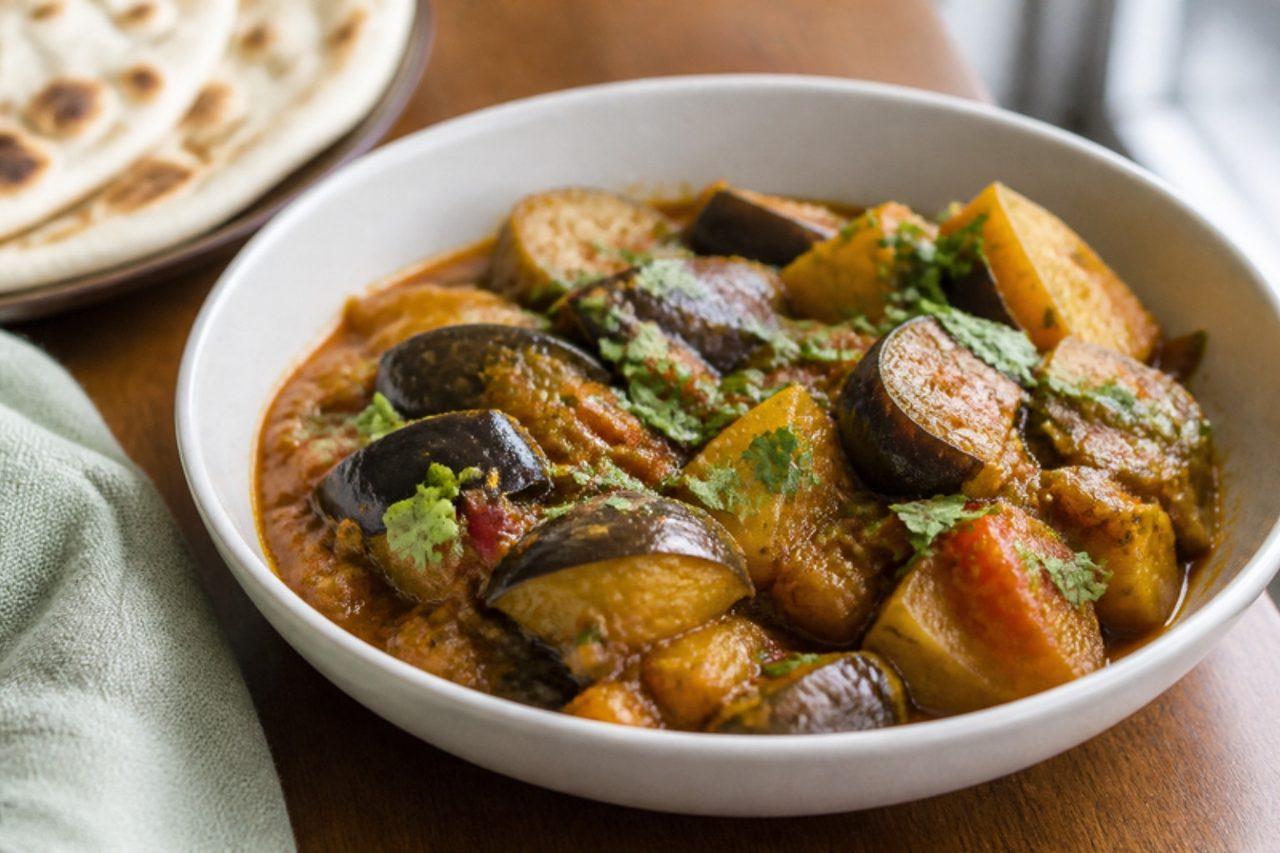
From Multan to Hyderabad in Sindh, aloo baingan is the humble pairing that makes a summer glut of aubergines go a long way: potatoes give body, aubergine melts into a jammy, smoky-sweet tomato masala. It is eaten with chapati at dinner, often next to a bowl of daal and some sliced onion. The most common mistake is stirring hard once the aubergine softens, which mashes everything into a grey purée; fold it gently and let the pan do the work. Chef's tip: give the aubergine a few minutes on its own in the hot oil before the masala goes in, so its edges catch and brown.

by KrazyBadal 0 views

Bò lúc lắc (Vietnamese shaking beef)

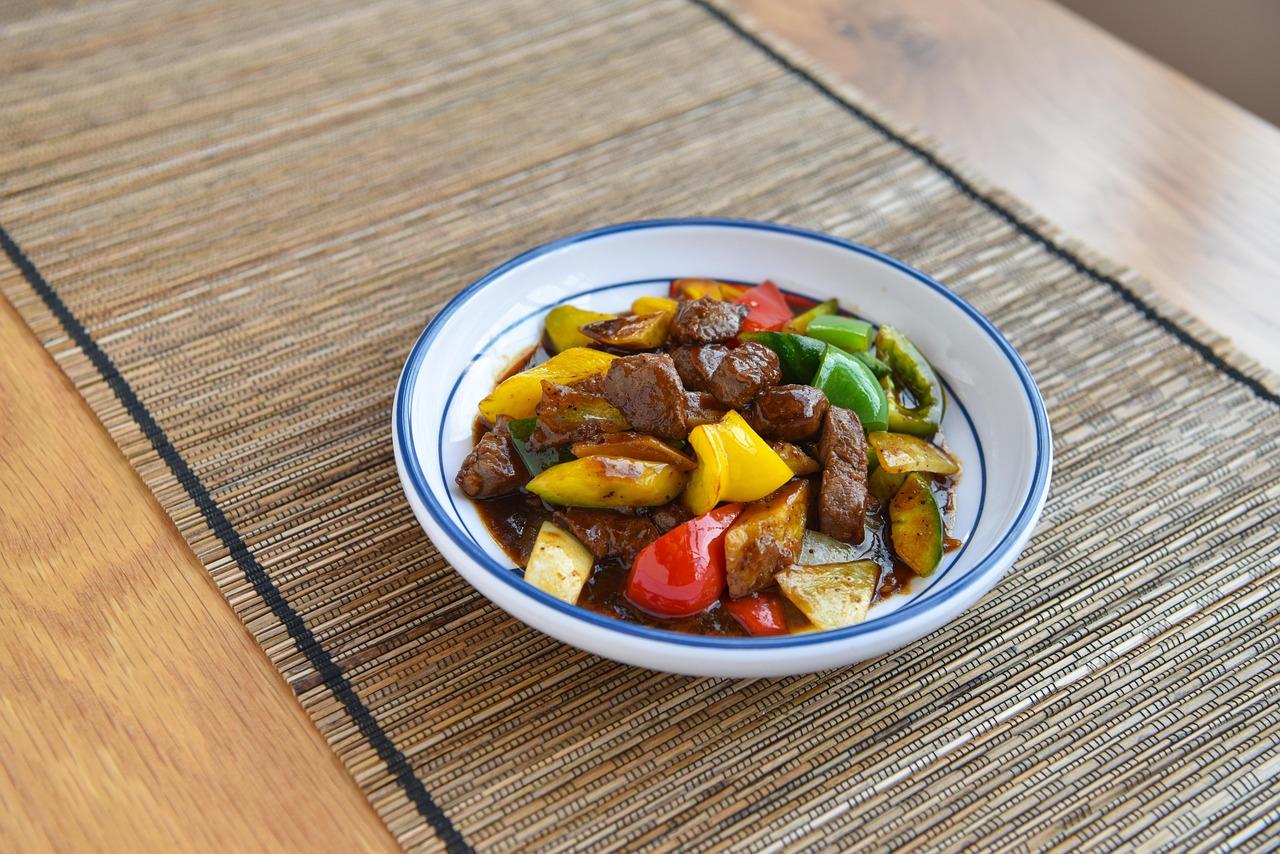
Bò lúc lắc, shaking beef, is a Saigon dish from the French-influenced south, ordered at family dinners and celebrations: cubes of tender steak seared in a smoking pan and shaken with garlic and onion, then tipped over peppery watercress and tomato with a lime, salt and pepper dip. The mistake almost everyone makes is crowding the pan, which boils the meat grey instead of searing it; cook in two batches. Chef's tip: let the cubes sit untouched for a full minute before the first shake to build a dark crust.

by KrazyBadal 0 views

Bánh patê sôPork puff pastries

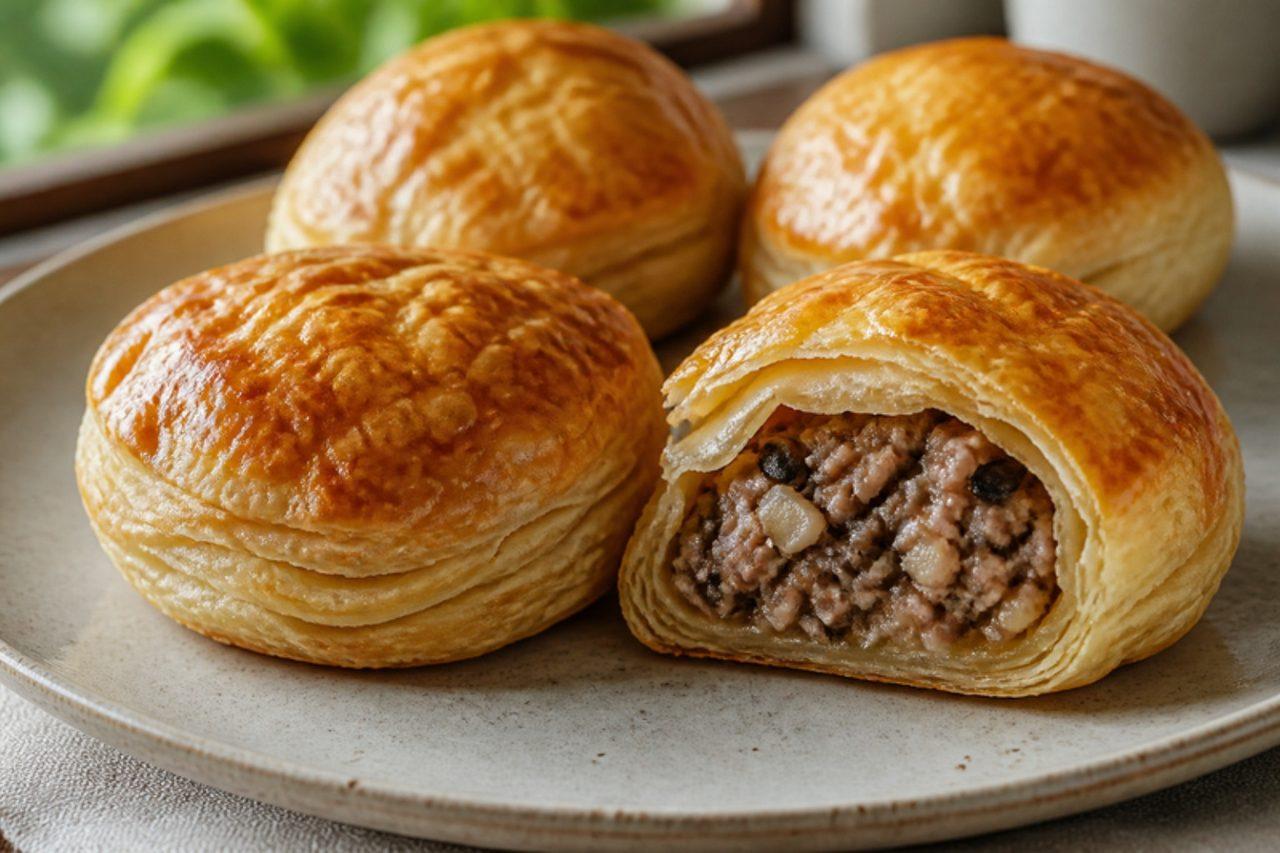
Bánh patê sô (from the French pâté chaud) are what Hanoi and Saigon bakeries pull out of the oven at dawn: round, flaky puff pastries with a juicy filling of seasoned pork mince, shallot, garlic, wood ear mushroom and plenty of black pepper. People eat them warm on the way to work with a glass of iced coffee, and boxes of them go to the family at Tết. The pastry shatters, the pork inside is savoury, slightly sweet and peppery. For a vegetarian version, swap the pork for crumbled firm tofu and chopped shiitake, seasoned with soy sauce instead of fish sauce. Warm pastry is the common mistake: it won't rise into layers, so keep the circles cold until they go in. Chef's tip: shape the filling into flattened balls a little smaller than you think, leaving a clear 1.5 cm rim to seal.

by KrazyBadal 0 views

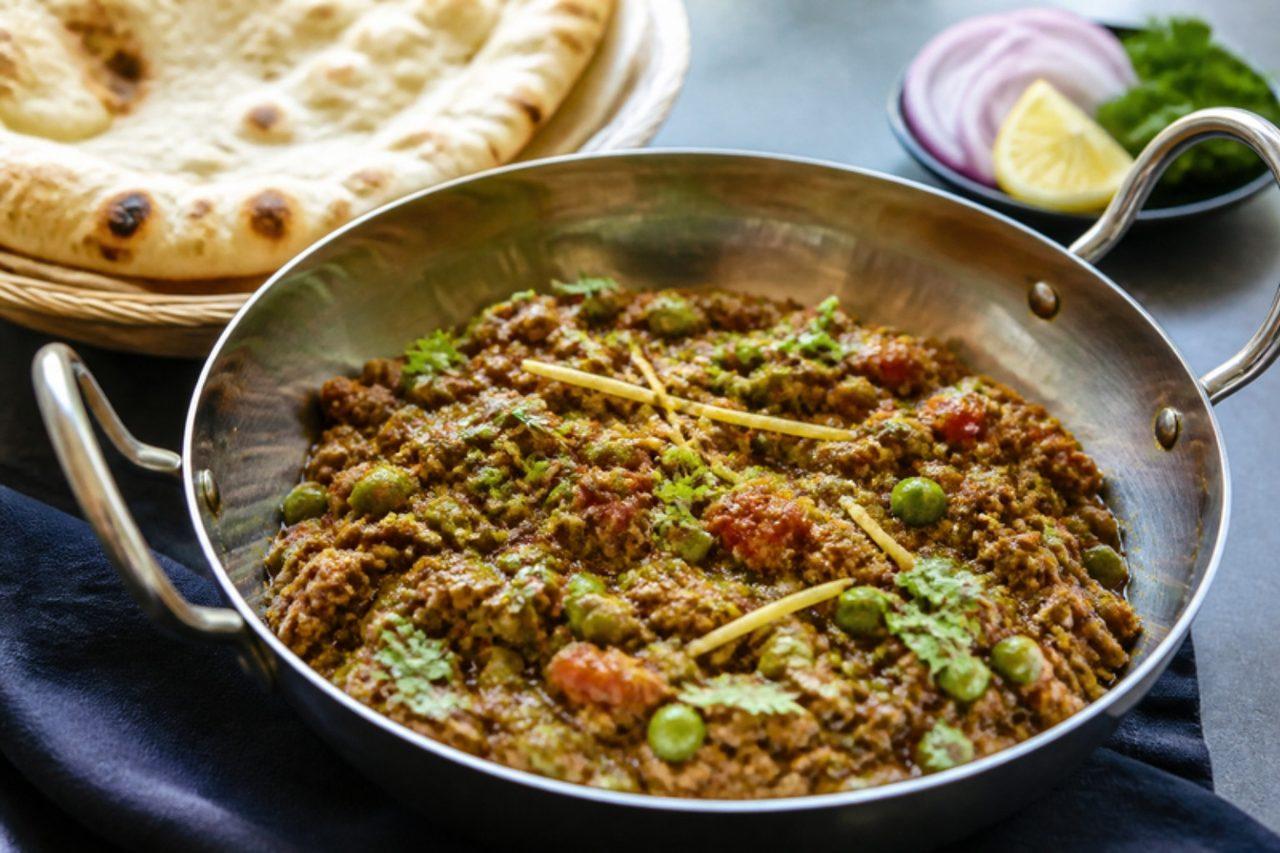
Qeema matarMinced meat and pea curry

In Lahore and across Pakistani Punjab, qeema matar is the mince dish that appears on a Tuesday when nobody has time for a slow salan: minced mutton or beef browned hard, cooked down with tomato, ginger and garlic, then studded with sweet green peas. It is dry enough to scoop with a hot roti or paratha, with a little sliced onion and lemon on the side. The usual mistake is adding the tomatoes before the mince has lost its raw, wet look, which leaves it boiled and grey instead of rich and brown. Chef's tip: break the mince up with the back of a spoon while it fries, so it cooks into fine crumbs rather than lumps.

by KrazyBadal 0 views

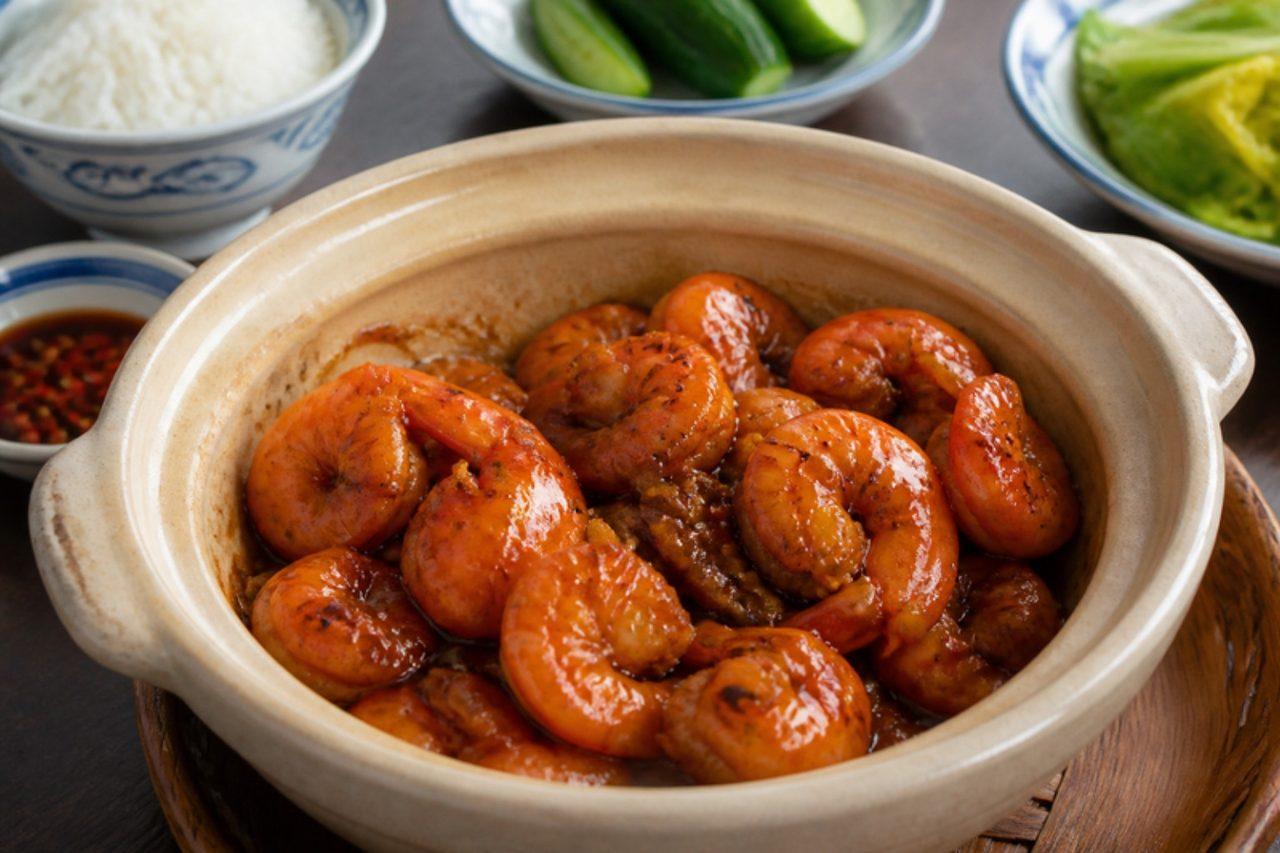
Tôm rim (caramelised prawns)

Tôm rim is a homely dish cooked in kitchens from Hanoi to the Mekong Delta and eaten at the family rice tray with boiled greens and a clear soup: prawns simmered down in fish sauce, sugar and shallot until the liquid turns to a sticky, salty-sweet glaze. The mistake is walking away in the last few minutes, when the sauce goes from glaze to burnt very quickly. Chef's tip: leave the shells on if your prawns are small, as many Vietnamese cooks do; they turn crisp and caramelised and add flavour.

by KrazyBadal 0 views

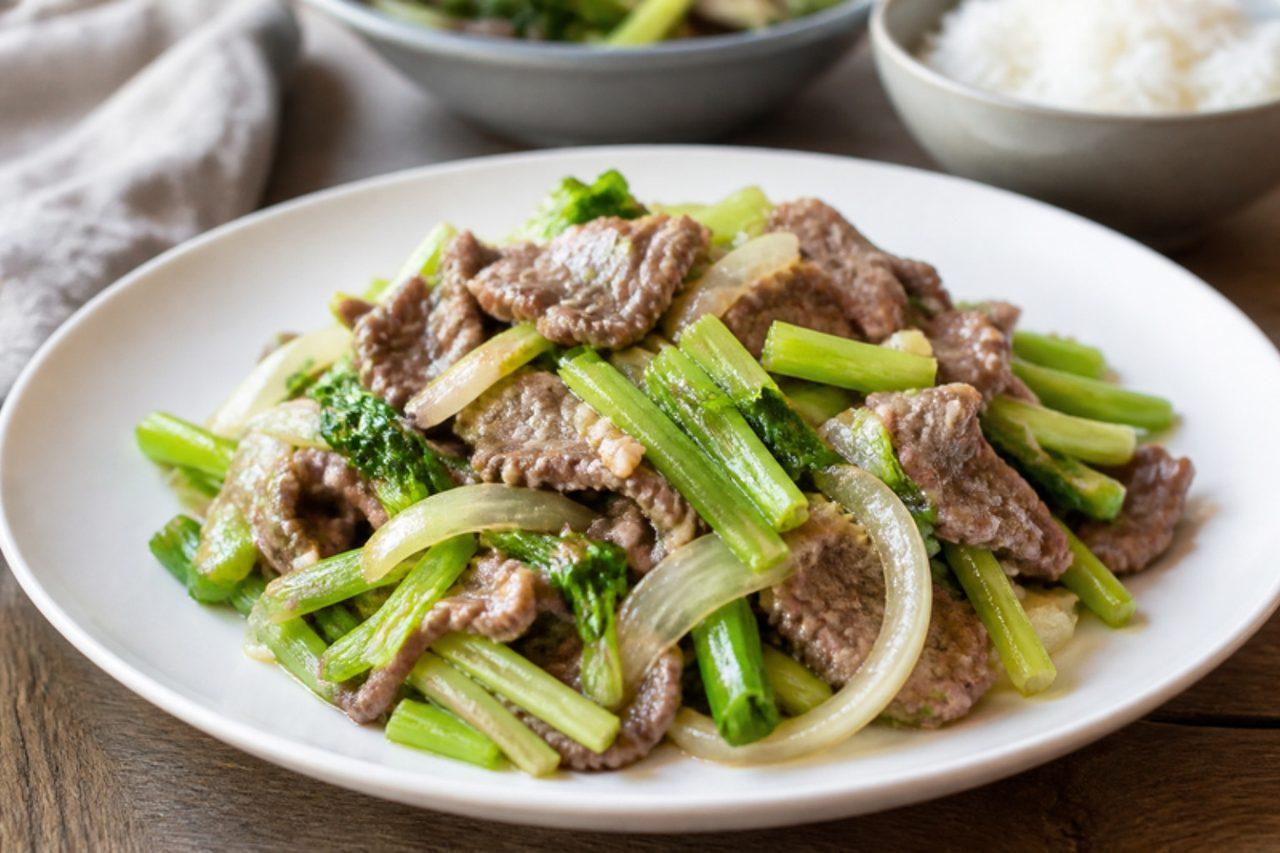
Bò xào cần tây (beef and celery stir-fry)

Bò xào cần tây is a weeknight stir-fry found on family tables all over Vietnam: thin slices of beef, seasoned with fish sauce and pepper, flashed in a hot wok with crunchy celery, onion and plenty of garlic, then eaten with rice. The usual mistake is cooking the beef and celery together from the start, so the beef stews while the celery softens; sear the beef first, take it out, and add it back at the end. Chef's tip: slice the beef across the grain and as thin as you can, so it is tender after only a minute in the pan.

by KrazyBadal 0 views

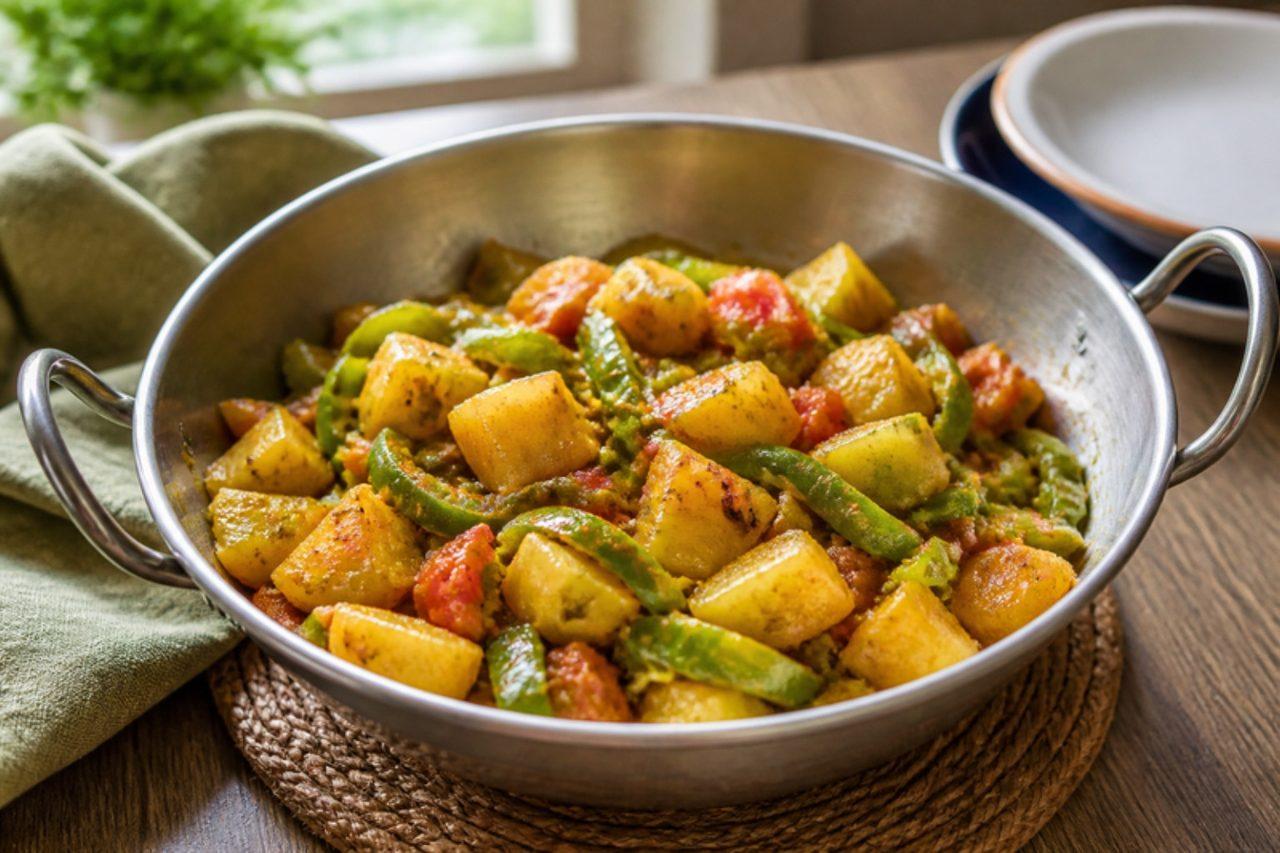
Shimla mirch alooPepper and potato stir-fry

Shimla mirch aloo is everyday Punjabi home cooking from both sides of the border, the sabzi that fills a lunchbox paratha or sits next to dal on a weeknight in Rawalpindi. Potato cubes go soft and golden first, then strips of green pepper are tossed in just long enough to soften while keeping a little bite, all held together by a dry tomato-chilli masala. The classic mistake is adding the peppers with the potatoes: they collapse, turn khaki and lose their fresh, slightly bitter flavour. Chef's tip: a pinch of amchur at the end lifts the whole pan without adding any extra liquid.

by KrazyBadal 0 views

Mì xào rau (Vietnamese stir-fried noodles with vegetables)

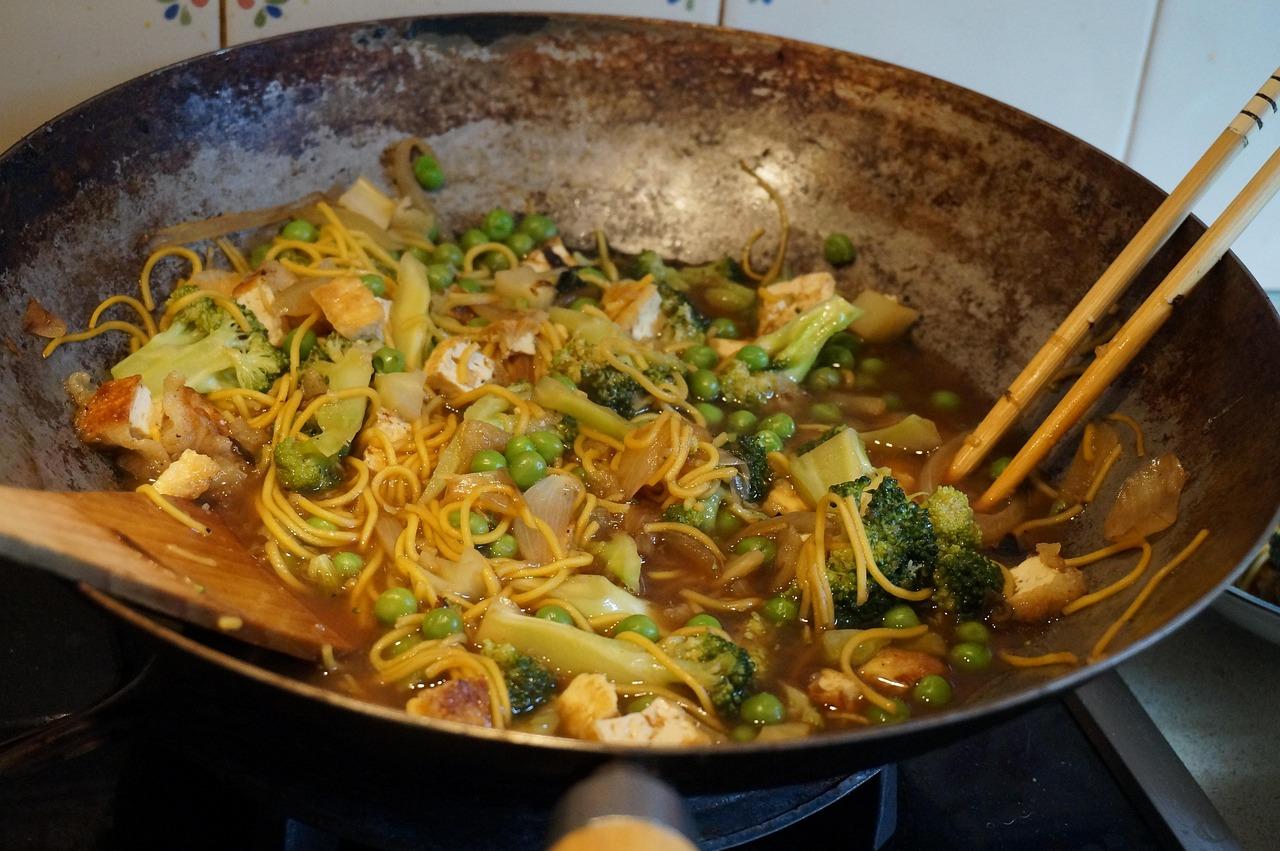
Mì xào rau is what Hanoi and Saigon households cook when there is a packet of egg noodles in the cupboard and a few greens in the fridge: a fast, smoky plate for a weeknight dinner or a late lunch. The noodles turn slightly crisp at the edges, the cabbage stays sweet and crunchy, and a light soy glaze holds it all together. The most common mistake is dumping everything into a lukewarm pan at once, which steams the vegetables and leaves the noodles soggy and clumped. Serve it with a dish of sliced chilli in soy sauce and a fried egg if you want more protein. Chef's tip: loosen the cooked noodles with a teaspoon of oil while they drain, so they hit the wok as separate strands instead of a block.

by KrazyBadal 0 views

Bánh bò hấp (steamed honeycomb rice cake)

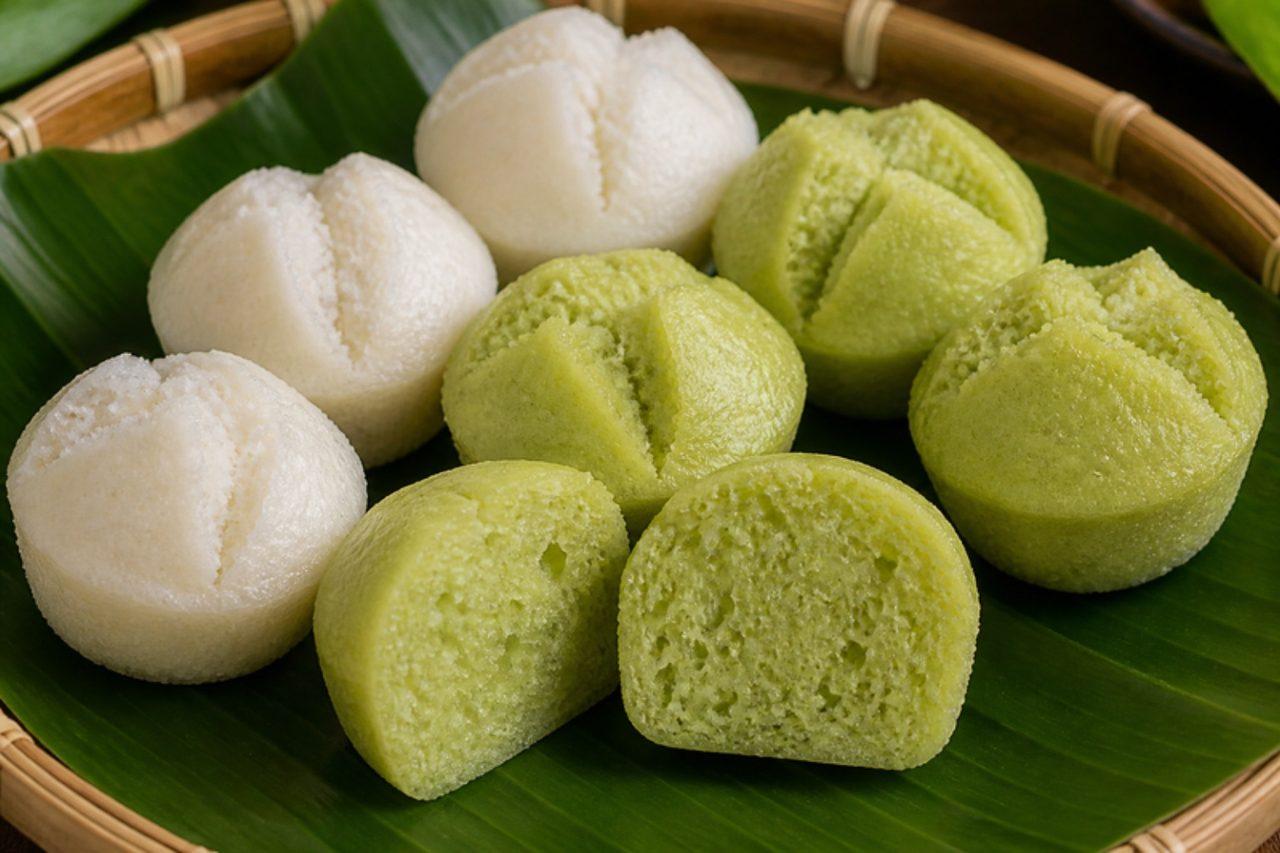
Bánh bò hấp are the soft, puffed rice cakes sold from glass-fronted carts in southern Vietnam, and children in the Mekong Delta pick them up in white, pink or pandan green on the way home from school. The yeasted rice-flour batter is steamed in small cups, so each cake splits open on top like a flower and is chewy and bouncy inside, with a gentle coconut flavour. The sugar here is a little lower than in market versions. None of the common allergens are in it. Chef's tip: steam over fierce, rolling boiling water; a gentle simmer gives flat, dense cakes that don't open.

by KrazyBadal 0 views

Bánh bông lan (Vietnamese sponge cake)

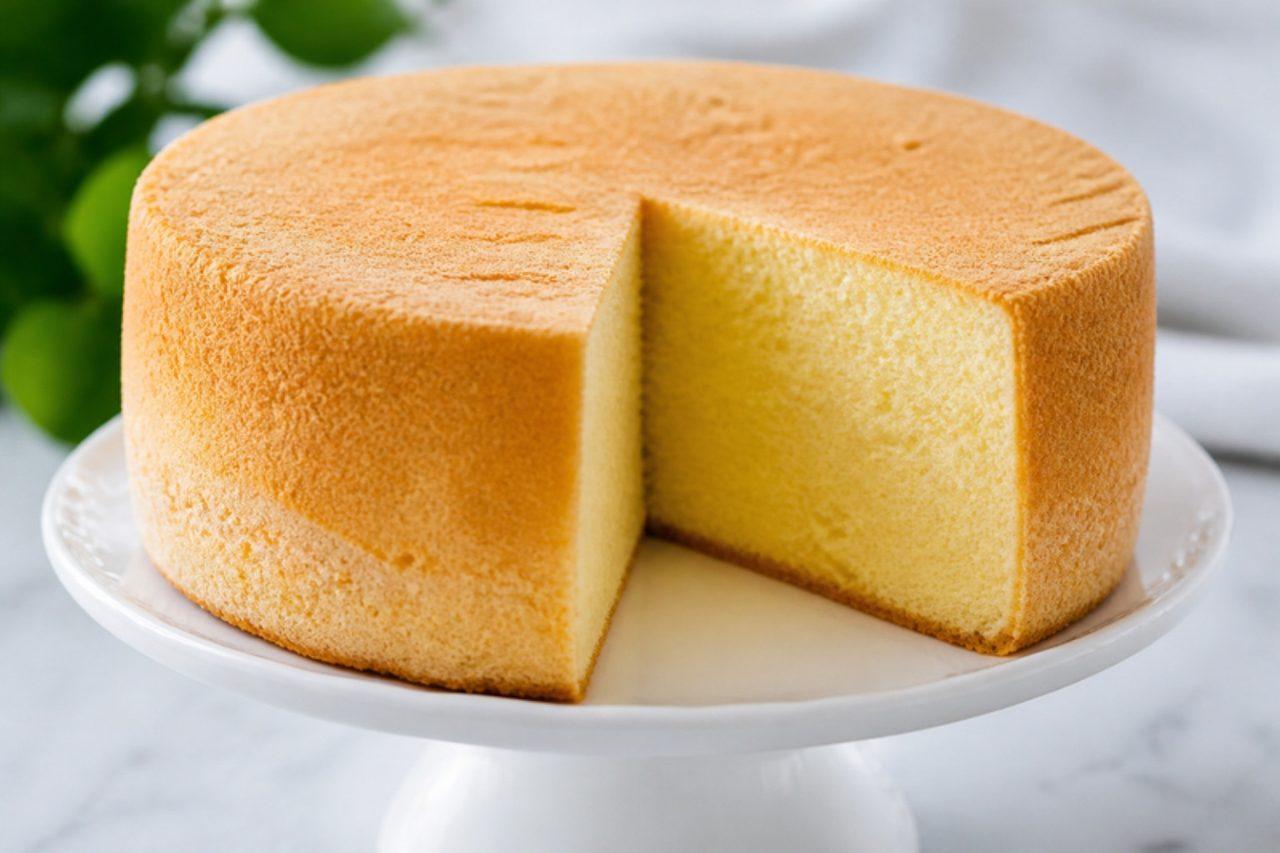
Bánh bông lan is the soft, golden sponge sold in every Vietnamese bakery, eaten with coffee or as an after-school snack, and it is also the cake under the cream and fruit at most children's birthdays from Hanoi to Saigon. Made with oil instead of butter, it stays moist and springy for days and is free of milk. It contains egg and gluten. Chef's tip: whisk the whites in a spotlessly clean bowl; a trace of yolk or grease stops them rising.

by KrazyBadal 0 views

Sữa chua (Vietnamese set yogurt)

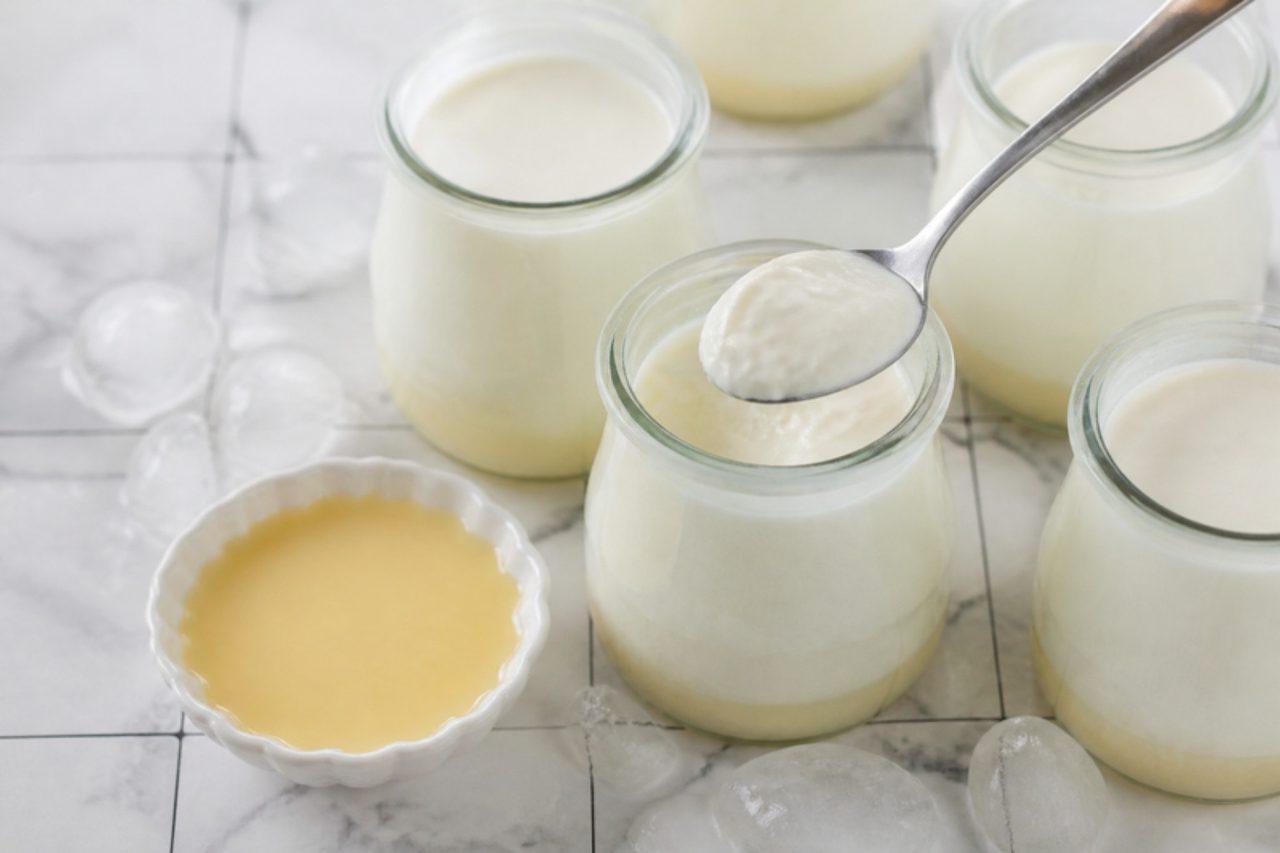
In Vietnamese homes, sữa chua is made in a row of small jars and kept in the fridge or freezer, and children in Hanoi and Saigon eat it after school straight from the cup, sometimes frozen hard like ice cream. The condensed milk gives it a mild caramel sweetness and a smooth, firm set that is less sharp than plain yogurt. It is sweetened, so this version uses less condensed milk than the street-stall kind. It contains milk. Chef's tip: keep the milk at blood heat, about 43 °C; hotter kills the yogurt culture and cooler sets slowly and sour.

by KrazyBadal 0 views

Cháo thịt bằm cà rốt (pork and carrot congee)

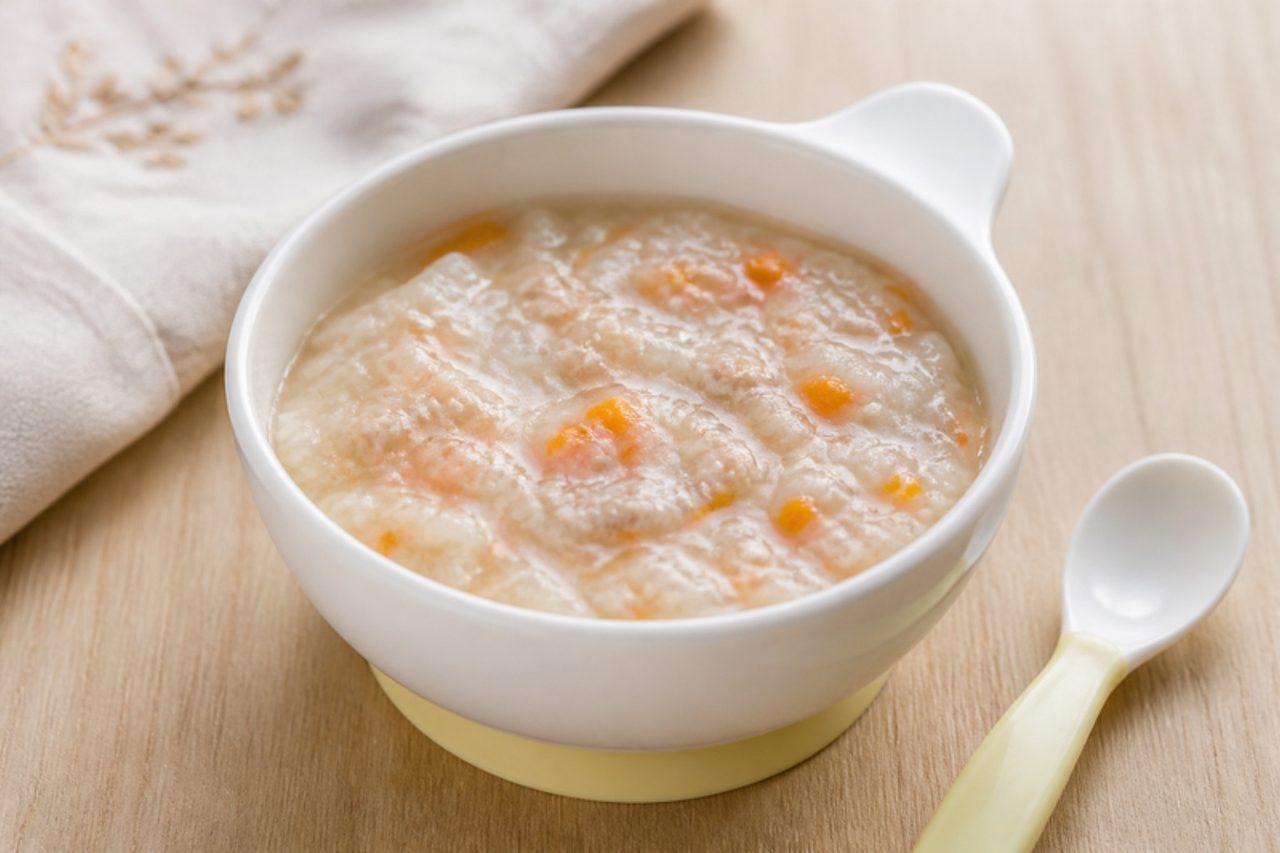
Cháo thịt bằm, rice congee with minced pork, is the dish Vietnamese grandmothers cook when a baby starts on 'real' food, and carrot is the most common vegetable added, for colour and sweetness. For babies from about nine months it is cooked thick and mashed to soft lumps, without the fish sauce and pepper the rest of the family would stir in. It contains none of the common allergens (milk, egg, gluten, peanut, tree nuts, soya, sesame, fish). Chef's tip: toast the dry rice in the pan for a minute before adding water; Vietnamese cooks swear it gives a fragrant, creamier congee.

by KrazyBadal 0 views

Pumpkin congee for babies (cháo bí đỏ)

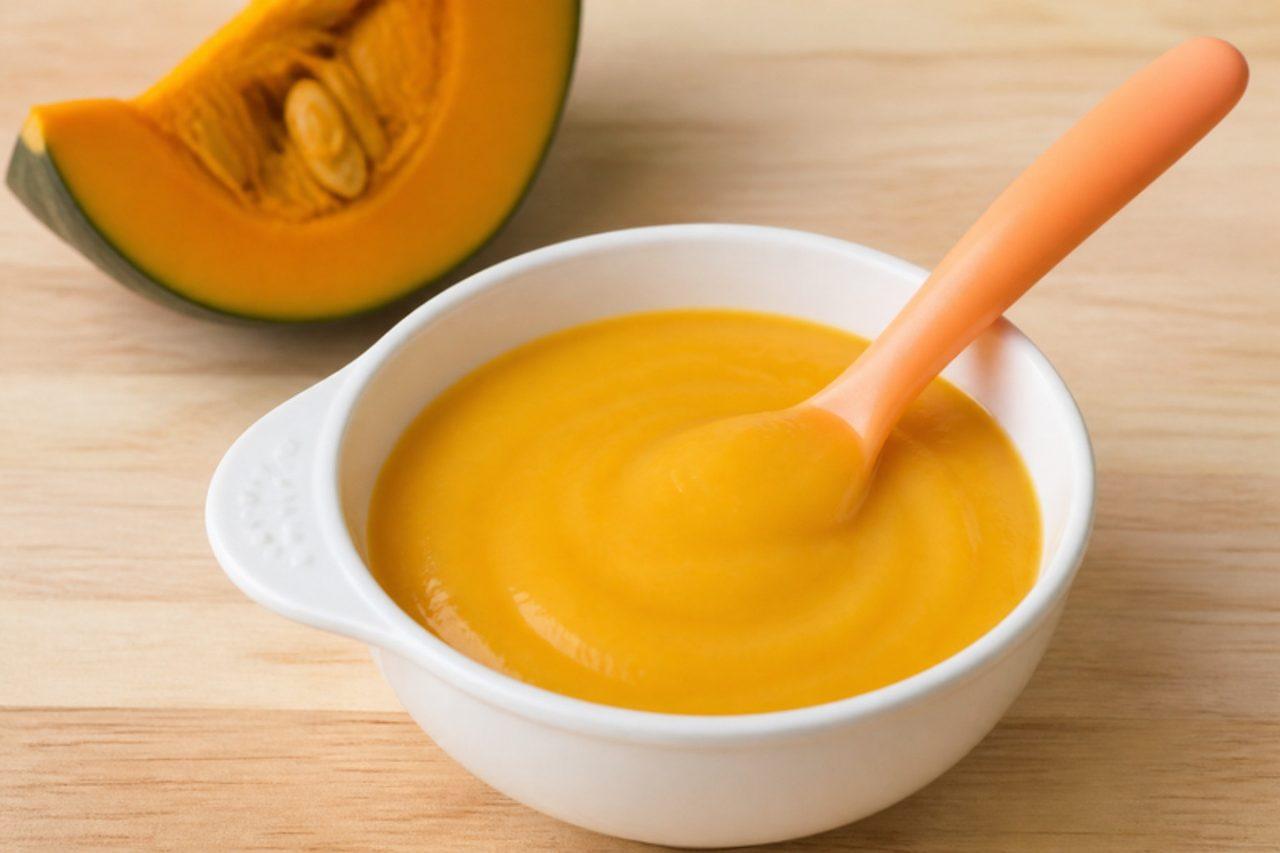
Vietnamese grandmothers often make a baby's early bowls of cháo with bí đỏ, the dense orange pumpkin sold in every market from Hà Nội to Cần Thơ. The rice is lightly toasted before simmering, a Vietnamese habit that gives the congee a faint nutty smell, and the pumpkin melts into it, turning it bright gold and naturally sweet. It is a weekday lunch for babies from six months, made without the fish sauce the rest of the family would add. No common allergens are in it (milk, egg, gluten, peanut, tree nuts, soya, sesame, fish). Chef's tip: choose a dry, dense pumpkin such as kabocha; watery squash makes a thin, bland congee.

by KrazyBadal 0 views

Tawa chickenGriddle-fried chicken

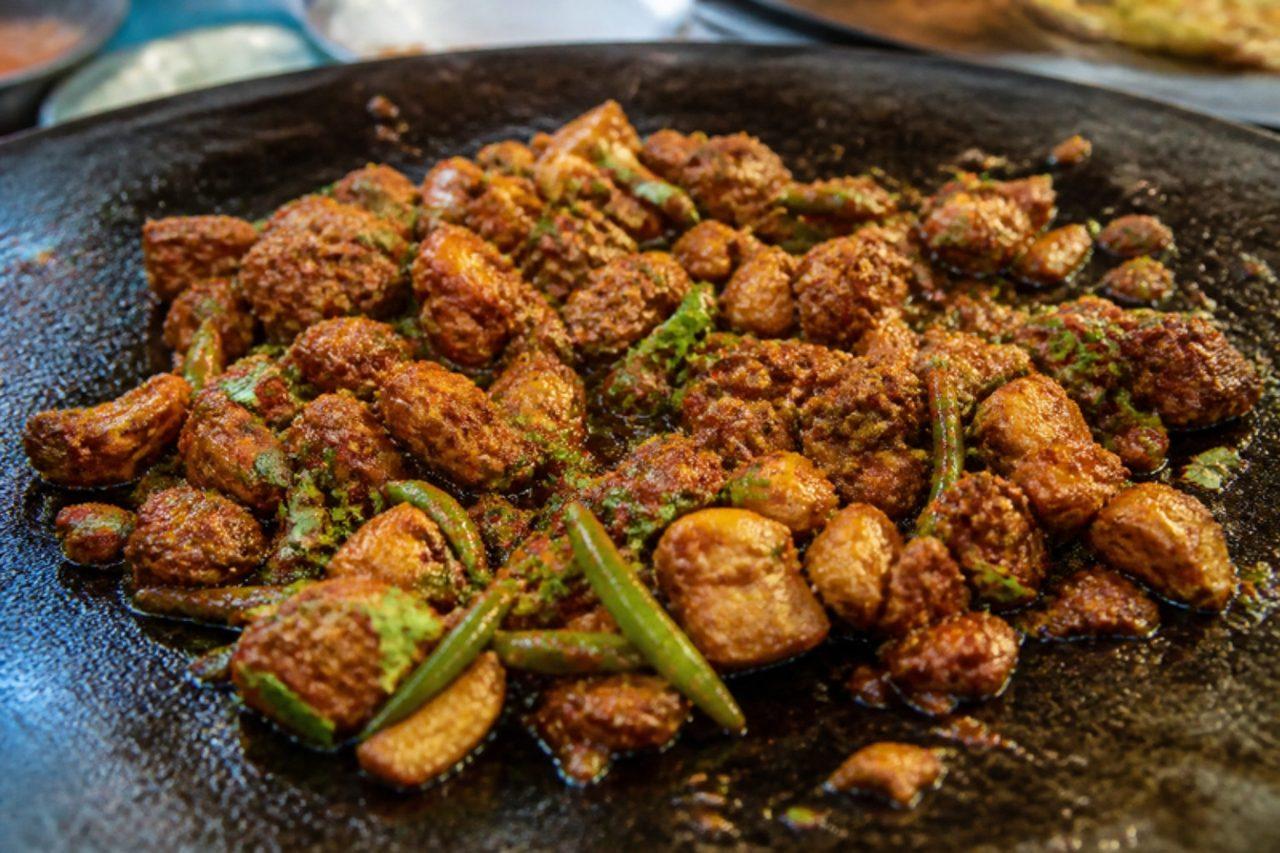
At night on the motorway service roads and Lahore's Gawalmandi, cooks drum their metal spatulas on huge round tawas as they chop and fry chicken to order: boneless pieces scraped about the hot iron with tomato, onion, green chilli and spice until dry, smoky and coated. The noise is half the show, and the chicken is eaten straight off the griddle with naan or paratha. The mistake at home is using a small non-stick pan over a timid flame, which stews the chicken; use your widest heavy pan or griddle and keep the heat high. Chef's tip: chop the chicken into small pieces with the edge of your spatula as it cooks, the way the stalls do, so every bit picks up the charred masala.

by KrazyBadal 0 views

Anday wala burgerEgg and beef burger

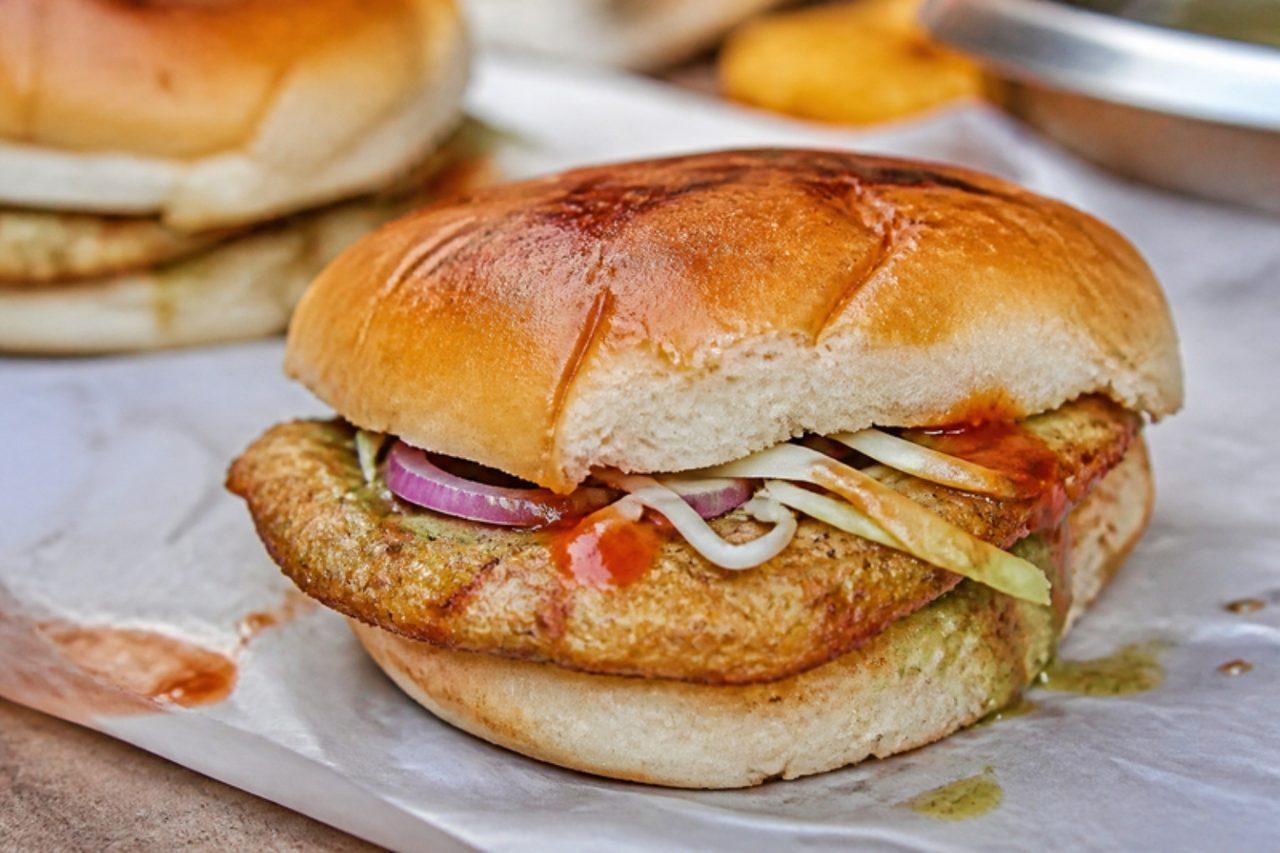
After dark, Karachi's burger carts on Burns Road, Tariq Road and outside every college fire up their griddles for the anday wala burger: a thin, spicy beef patty and a fried egg in a soft buttered bun, with shredded cabbage, onion, ketchup and a sharp green chutney. It is cheap, messy and the city's favourite late snack. A cousin of the anda bun kebab, which uses a lentil and potato patty, this version is all about the meat. The common slip is pressing the egg too thin until it is leathery; cook it in the patty's fat just until the white sets. Contains egg, wheat and milk. Chef's tip: dip each patty in beaten egg before it hits the griddle, as the cart cooks do, so a thin egg jacket forms and keeps it juicy.

by KrazyBadal 0 views

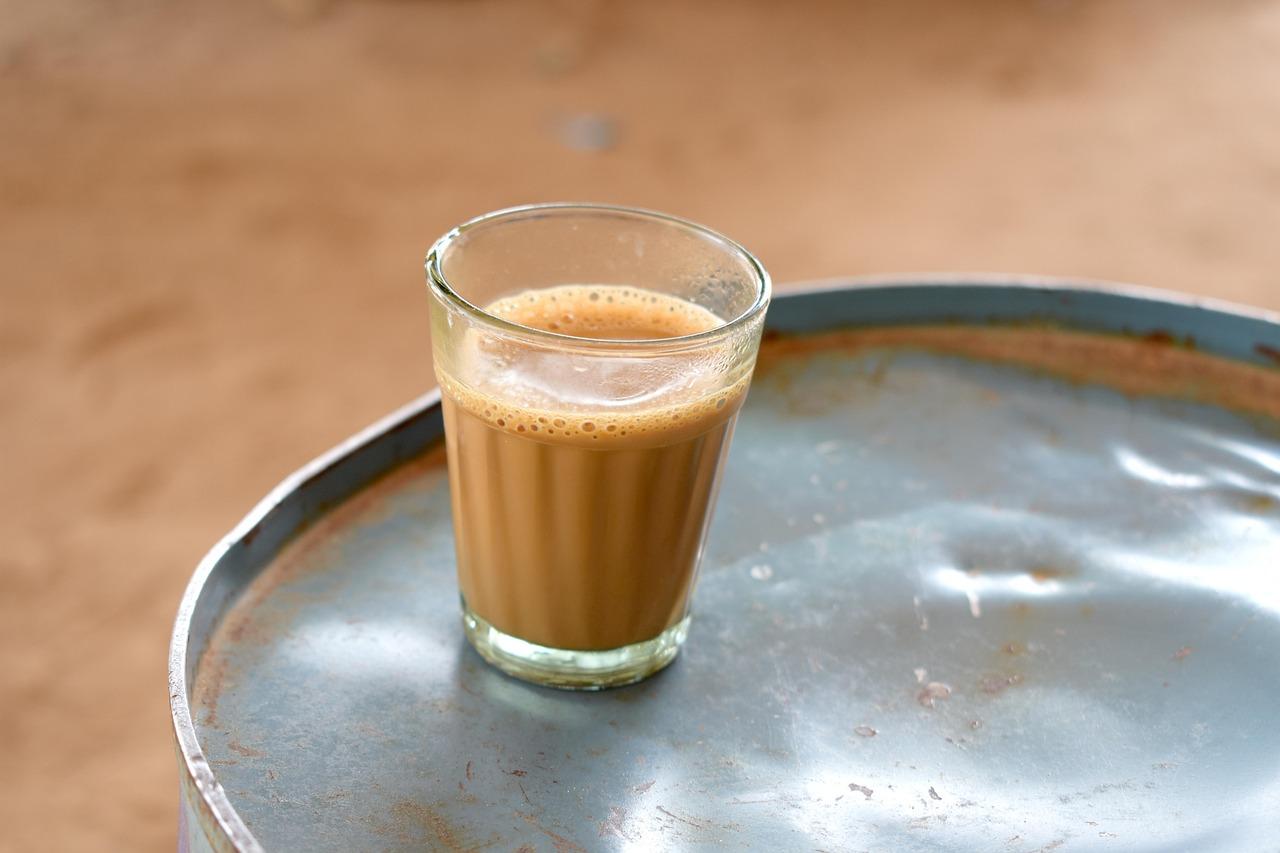
Doodh pattiStrong milk tea

Doodh patti is poured from a dented pan at every truck stop, university canteen and street-corner dhaba in Pakistan, from Karachi's Saddar to the Murree road, and it is drunk at all hours: before work, after cricket, at midnight with a paratha. The tea is made without any water at all, boiling loose black tea and sugar in milk until it turns a deep caramel colour and tastes rich, malty and strong. The mistake is simmering too gently and pulling it off too soon, giving a weak, milky drink; it needs a proper rolling boil, more than once. Contains milk. Chef's tip: lift the pan off the heat each time the tea froths to the top and return it, three times; each rise deepens the colour and flavour.

by KrazyBadal 0 views

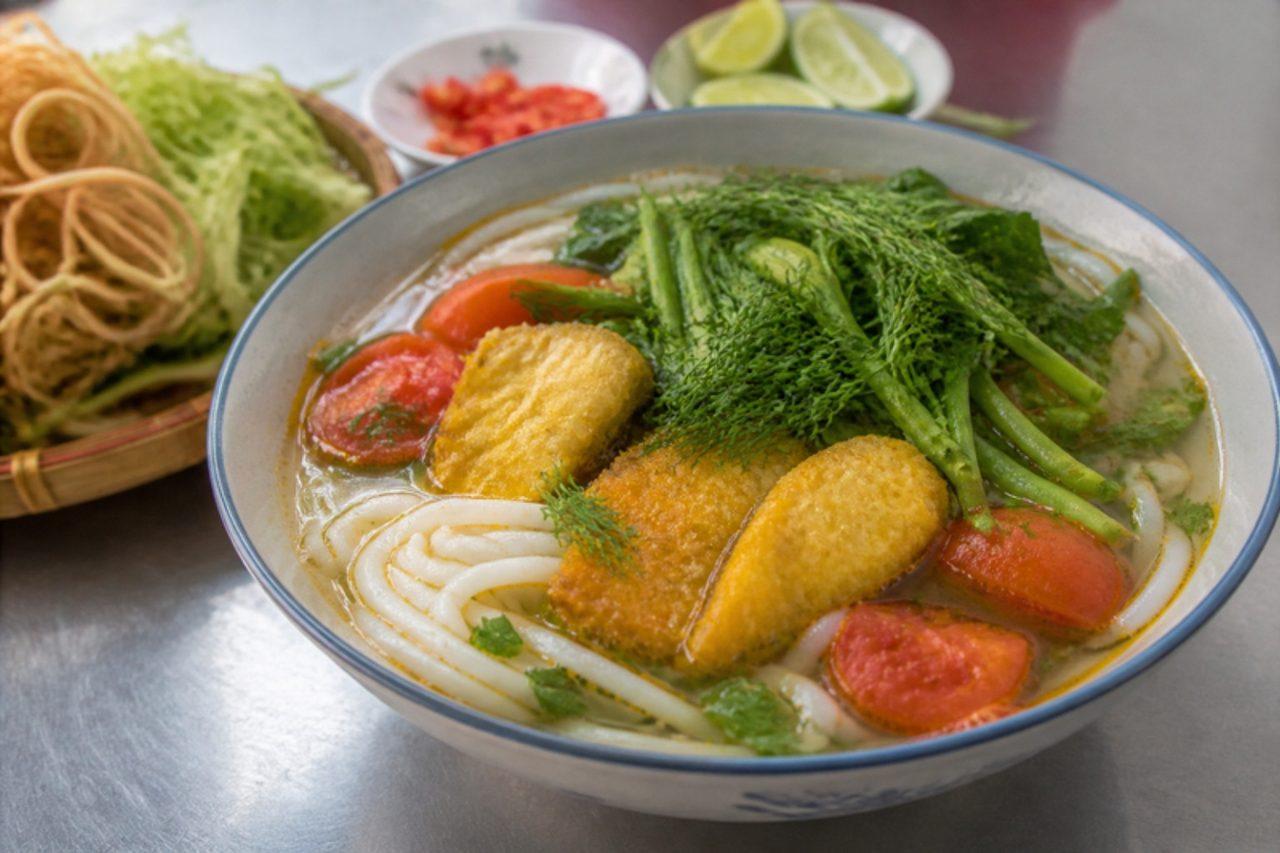
Bún cá Hải PhòngFish noodle soup

The port city of Hải Phòng starts the day with bún cá: a tomato-tinted broth, fried pieces of turmeric-marinated fish and soft fish cake, round rice noodles, fistfuls of dill and celery and a slick of chilli, eaten at tiny plastic tables by the docks. Snakehead is traditional, but any firm white fish works. Chef's tip: fry the fish and add it to each bowl at the end; simmered in the broth, it breaks up and turns the soup cloudy and muddy-tasting.

by KrazyBadal 0 views

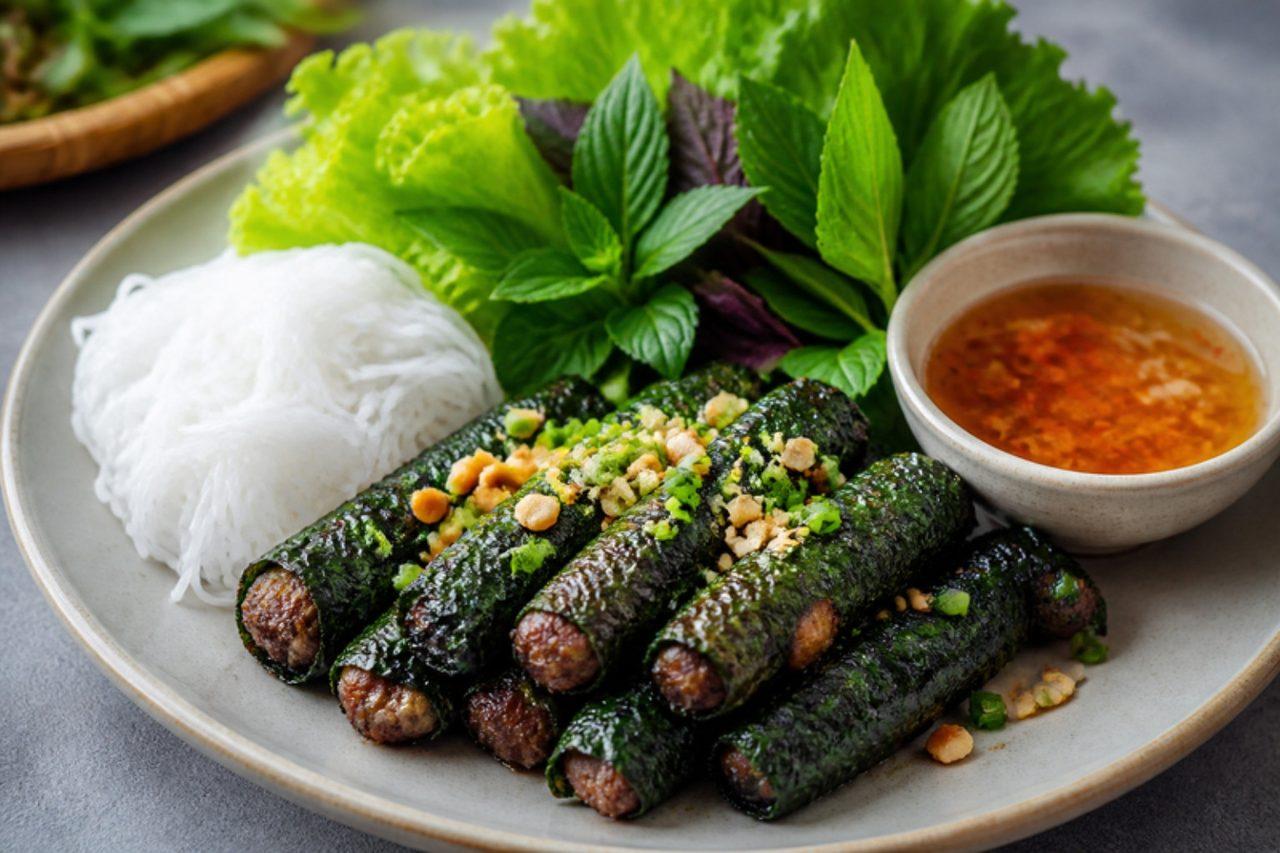
Bò lá lốtBeef in betel leaves

Saigon's evening grill stalls fan charcoal under racks of bò lá lốt, little cigars of garlicky, lemongrass-scented minced beef wrapped in wild betel leaves that char and turn smoky, almost tea-like. They are eaten rolled in rice paper or lettuce with vermicelli and herbs, dipped in nước chấm or the funkier mắm nêm anchovy sauce. Look for lá lốt (Piper sarmentosum) in Vietnamese and Thai grocers; it is not the same as the betel leaf chewed with areca nut. Chef's tip: wrap with the shiny side of the leaf outward and keep the rolls snug; loose rolls unravel on the grill and the filling dries out.

by KrazyBadal 0 views

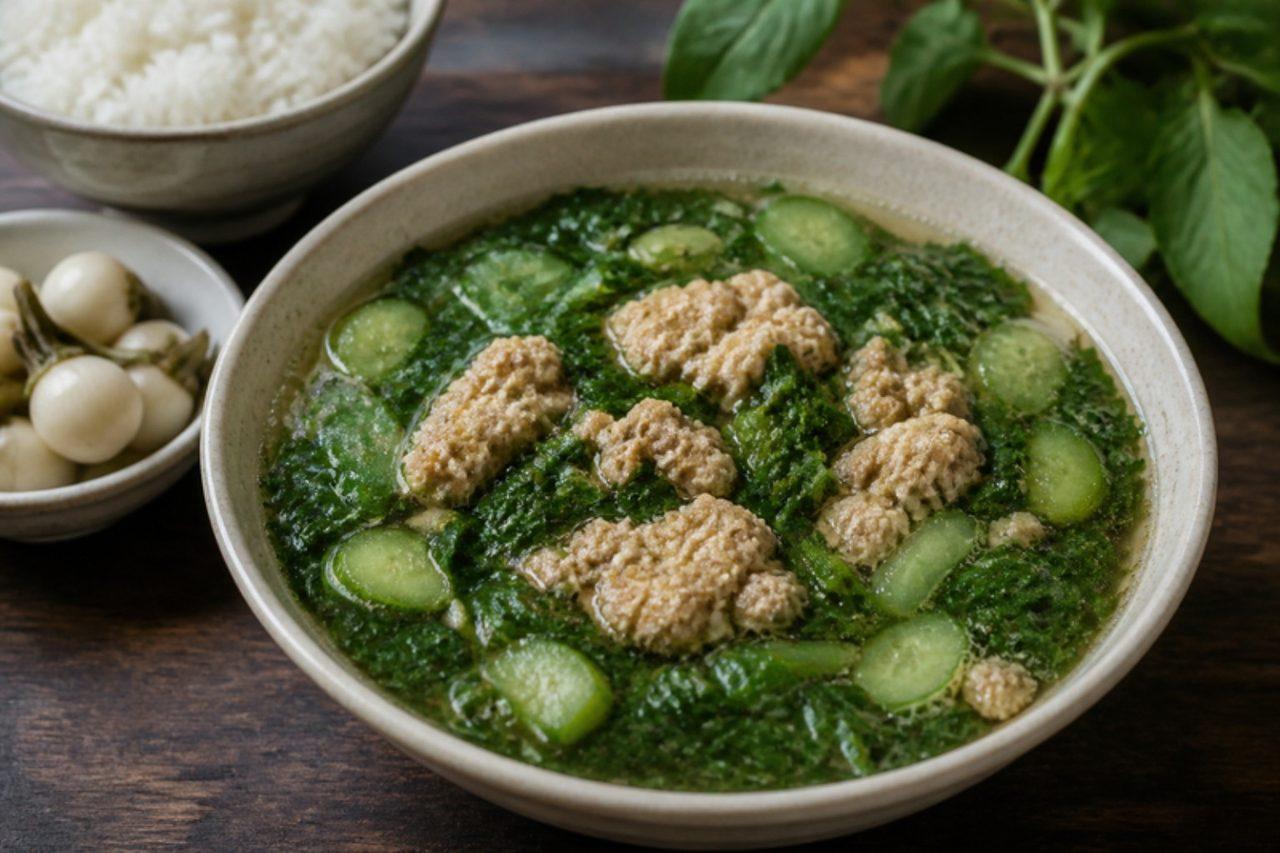
Canh cua rau đayCrab and jute leaf soup

Through the sticky Hanoi summer, the cheapest and most loved soup is canh cua: tiny rice-field crabs pounded and strained so the sweet crab 'curds' float to the top of a broth of slippery jute leaves (rau đay) and luffa, eaten with rice and crunchy pickled aubergines. Away from the paddies, fresh crab meat gives the same soft curds; if you buy live crabs, cook only lively ones and discard any that are dead. Chef's tip: stir the broth only until it comes to a simmer, then leave it; keep stirring and the crab curds break into a cloudy mush.

by KrazyBadal 0 views

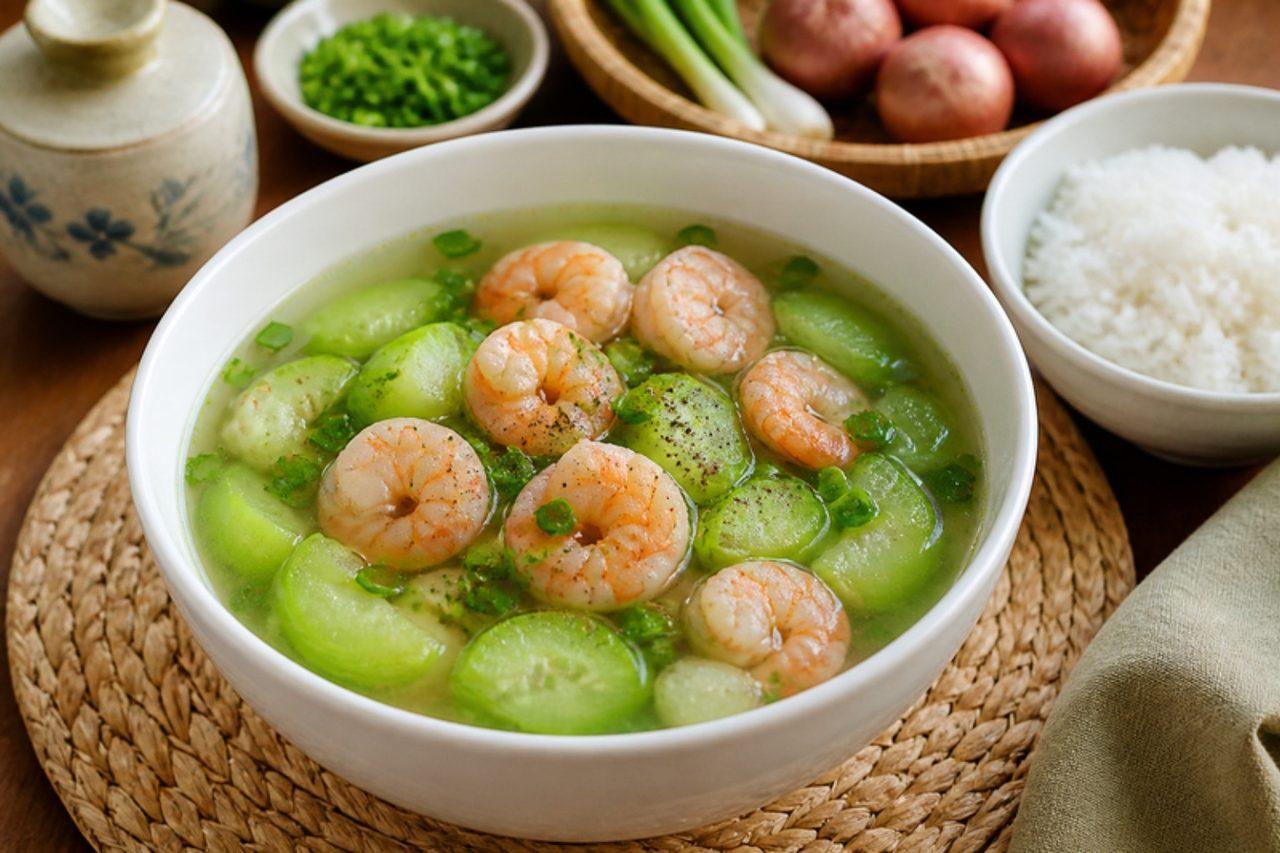
Canh mướp tômLuffa and prawn soup

In summer the trellises of Vietnamese gardens hang heavy with luffa, and canh mướp is what goes on the table most evenings from Hanoi to Huế: a clear, barely salted broth with soft, sweet gourd and a little chopped prawn, ladled over rice through the meal. It takes 20 minutes and very little oil, which is why mothers make it for anyone feeling the heat. Chef's tip: add the luffa last and pull the pot off as soon as it turns translucent; overcooked luffa goes slimy and the soup turns grey.

by KrazyBadal 0 views

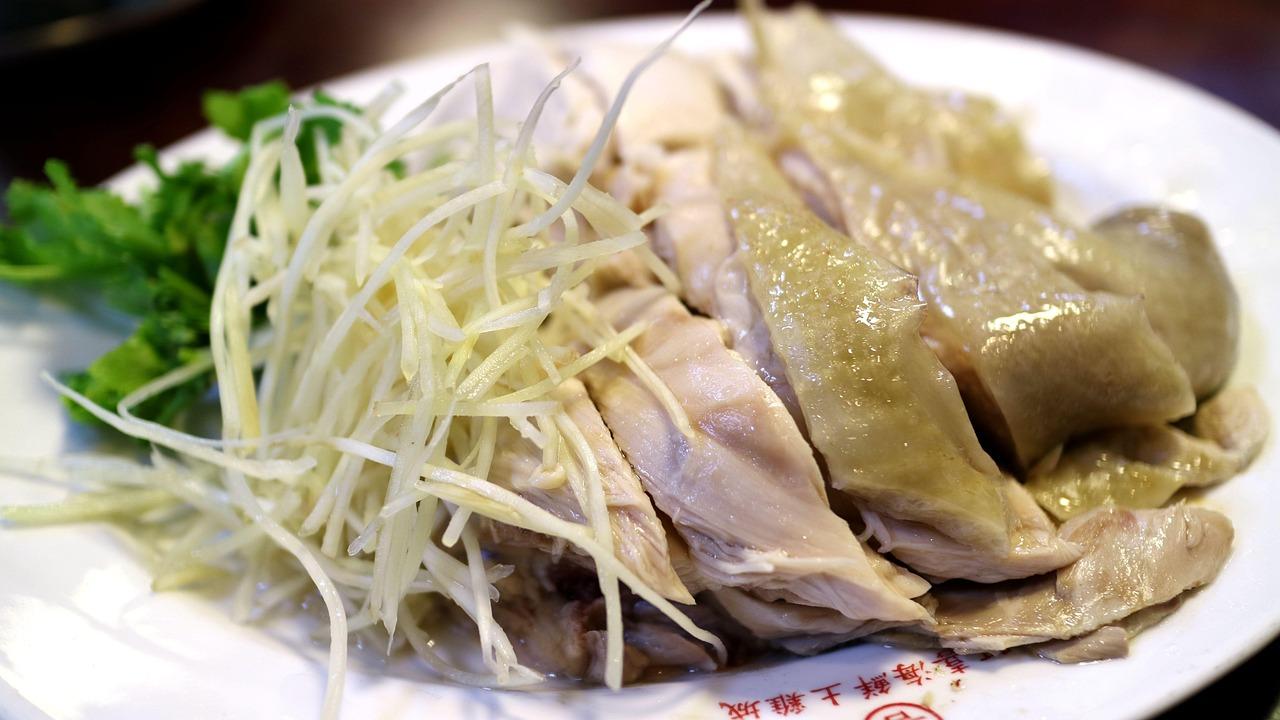
Gà luộc lá chanhPoached chicken with lime leaves

No northern Vietnamese ancestor altar at Tết or on a death anniversary is complete without a whole golden poached chicken, and once it comes down from the altar it is chopped and eaten with hair-thin shreds of lime leaf and a dip of salt, pepper and lime. The skin is taut and yellow, the meat juicy, and the broth goes on to make miến or cháo. Buy a chicken without its head and feet. Chef's tip: plunge the bird into iced water as soon as it is cooked; skip the ice bath and the skin wrinkles, loosens and loses its shine.

by KrazyBadal 0 views

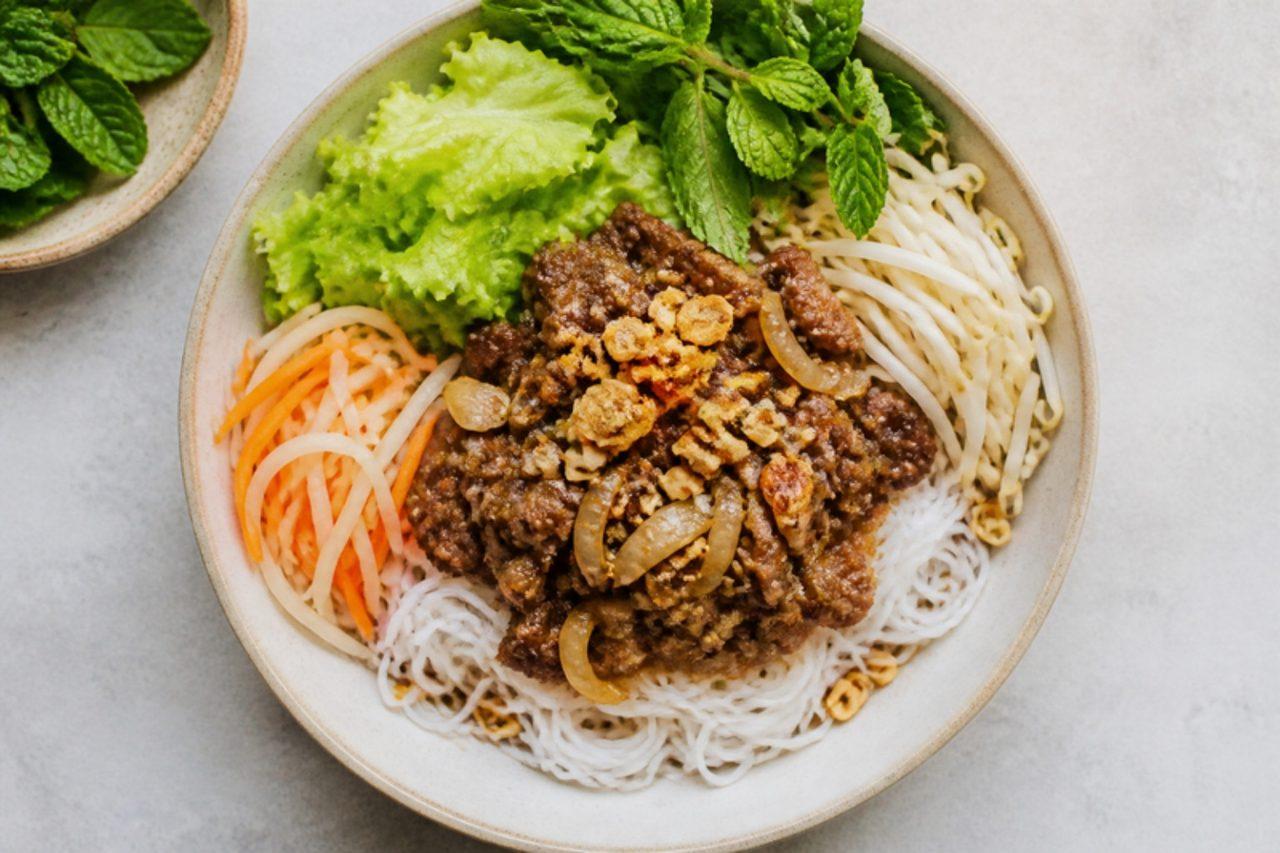
Bún bò Nam BộLemongrass beef noodle bowl

Despite the name, which means 'southern beef noodles', this dish belongs to Hanoi, where a stall on Hàng Điếu made it famous: a deep bowl of cool rice vermicelli, herbs and bean sprouts, topped with beef stir-fried hot with lemongrass, then peanuts, fried shallots and a few spoonfuls of sweet fish-sauce dressing, all tossed together at the table. It is a lunch dish, eaten fast and in summer. Chef's tip: cook the beef in small batches in a very hot pan; crowd it and the slices stew grey in their juices instead of searing.

by KrazyBadal 0 views

Showing 24 of 326 recipes

Show more recipes

Page 1 of 14