Skip to content
Recipes

All recipes

Vegetarian, or something you can't eat? Set your diet once and we'll hide recipes that don't fit.

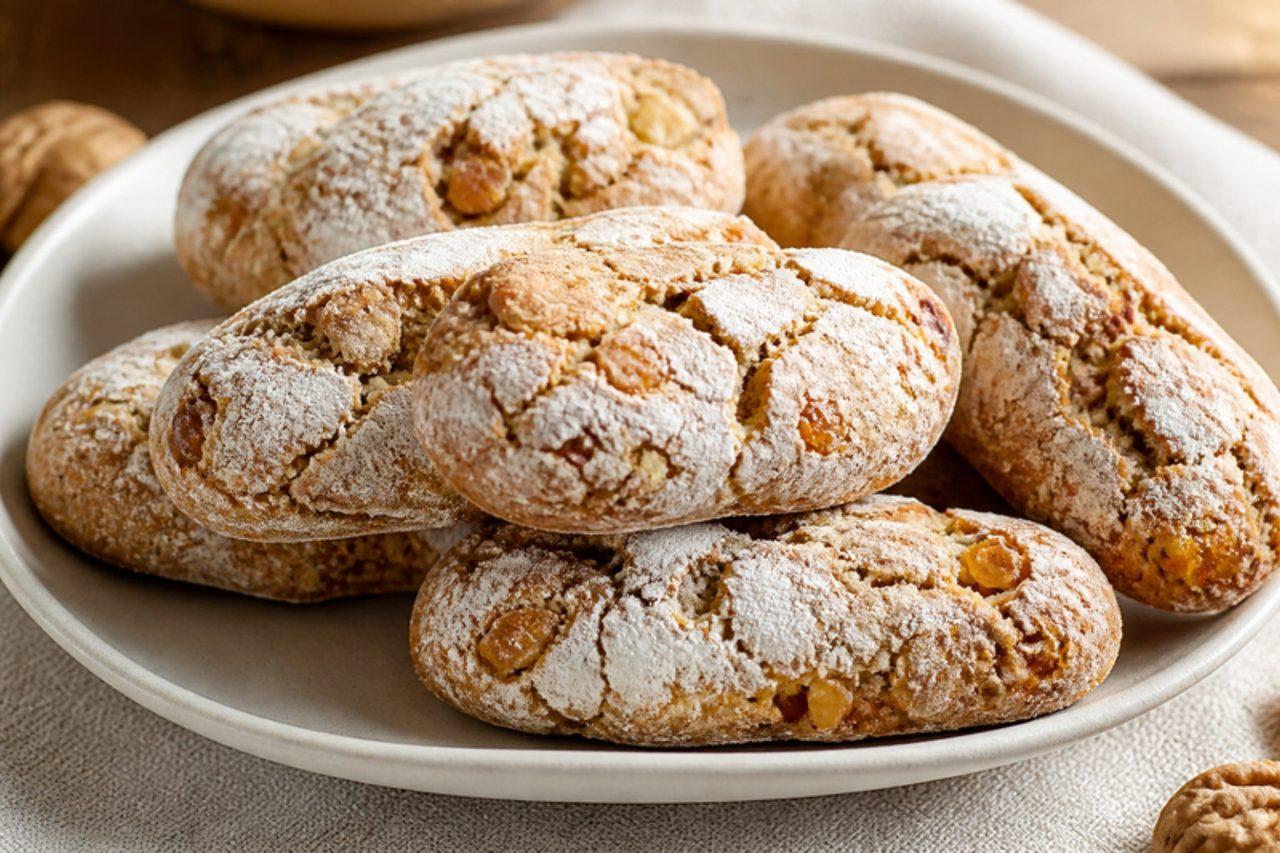
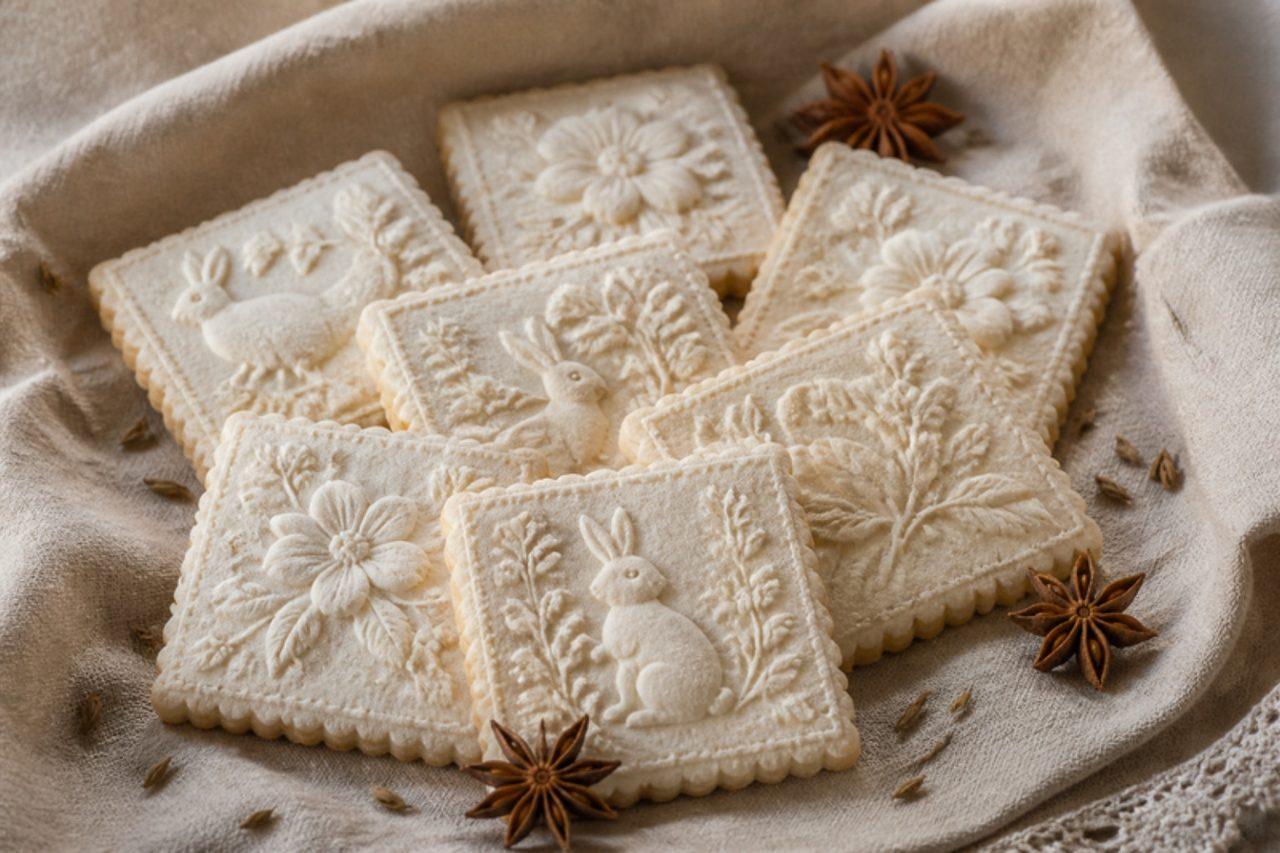
SpringerleAnise biscuits

Springerle are among the oldest Christmas biscuits of Swabia and Baden in south-west Germany, made in Advent with carved wooden moulds and boards handed down in families, which print scenes of angels, animals and flowers onto the dough. The dough is only eggs, sugar and flour with aniseed underneath. The pressed biscuits are left to dry overnight, so that in the oven the picture stays sharp on top while a little 'foot' rises underneath. They are hard when fresh and soften in a tin after a week. Chef's tip: dust the mould with flour and tap out the excess every time, or the dough sticks and the picture blurs.

by KrazyBadal 0 views

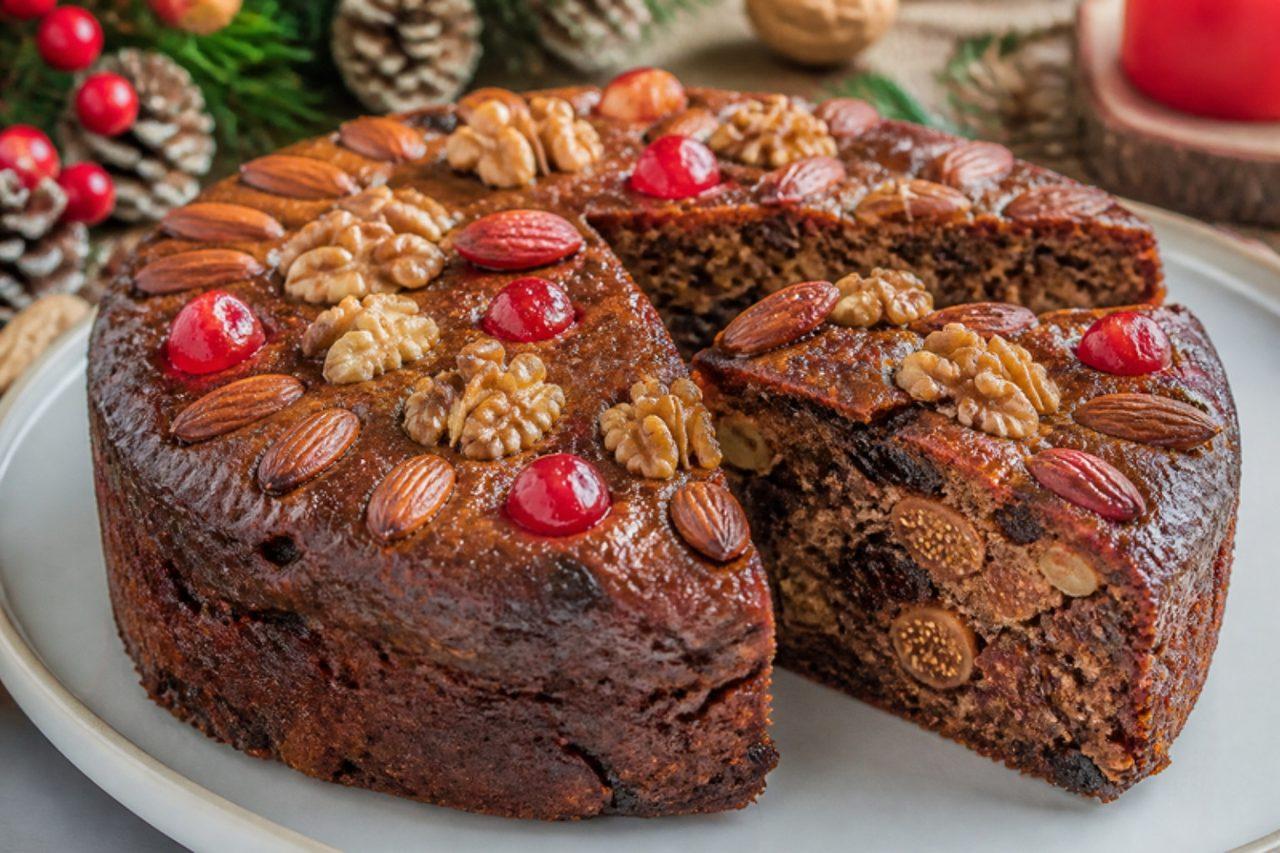
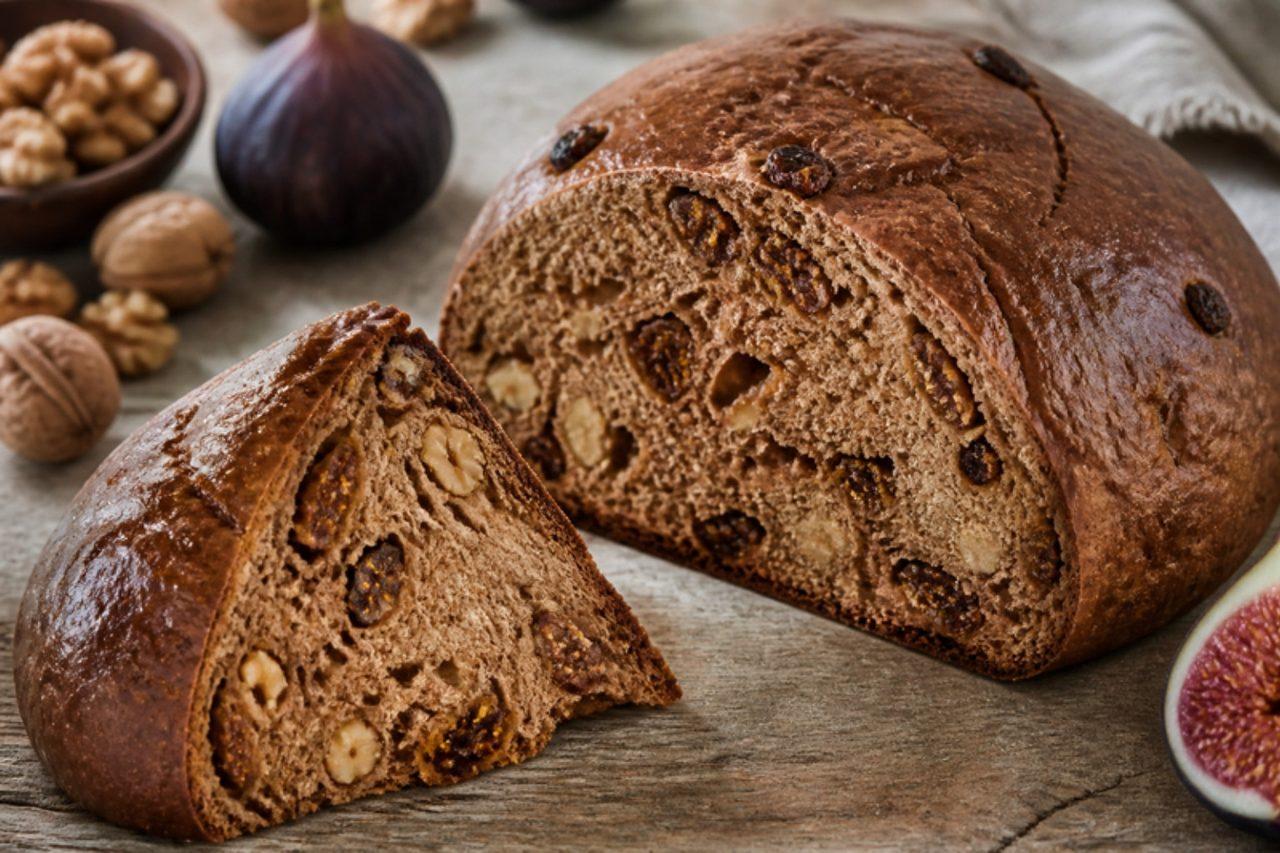
ZeltenFig, walnut and raisin Christmas loaf

Zelten comes from the Alpine valleys of Trentino and South Tyrol, where it is baked around St Lucy's Day and eaten slowly until Epiphany, a slice at a time after Christmas dinner. The Trentino version is a dark, dense cake packed with dried figs, raisins, walnuts and pine nuts in just enough soft yeasted dough, topped with a pattern of whole nuts and cherries. Grappa or rum is usually poured over the fruit; here it is soaked in warm orange juice, and adults can add 2 tbsp rum to the soak. It keeps for 3 weeks wrapped. Chef's tip: press the decorative nuts in firmly before baking, or they pop off as the loaf rises.

by KrazyBadal 0 views

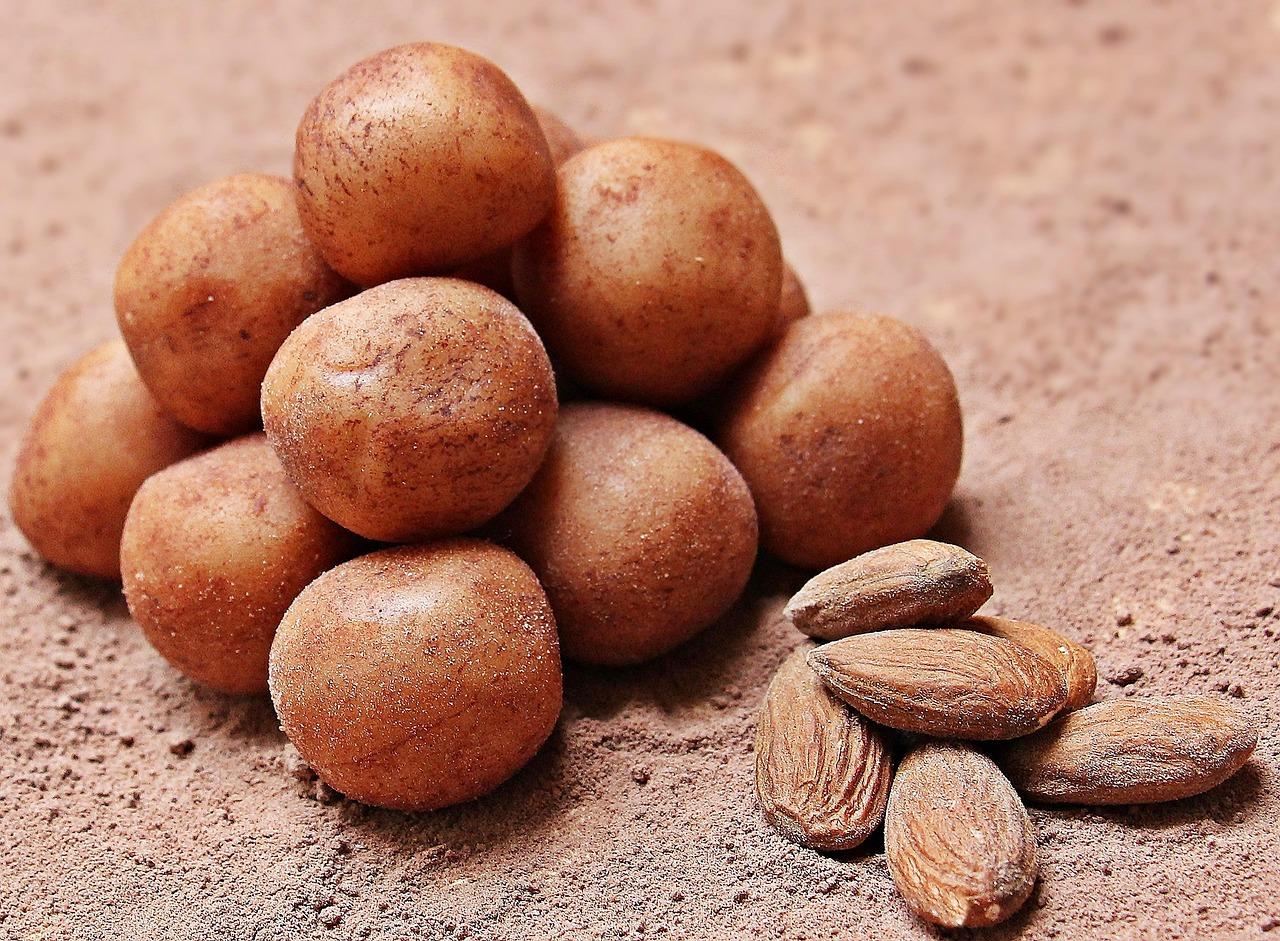
Marzipankartoffeln (German marzipan potatoes)

In Germany the run-up to Christmas is when these appear, piled in paper bags at the markets and in bowls on the Advent table; Lübeck, the city most famous for marzipan, makes them by the tonne. They are simply small balls of marzipan dusted in cocoa until they look like freshly dug new potatoes, sometimes with a few pricked 'eyes'. The inside is soft, sweet and fragrant with almond and a hint of rosewater; the cocoa coat is bitter and dry, which keeps the sweetness in check. Serve them with coffee, tuck them into a cookie tin or wrap them as small gifts. Shop marzipan sometimes contains egg white, so this one is made from scratch: a sugar syrup cooked to the soft-ball stage binds the ground almonds into a smooth, pliable paste, doing the job egg white does in some commercial pastes, and the result is naturally egg-free. Chef's tip: the common mistake is kneading the warm paste too long, which squeezes oil out of the almonds and makes it greasy; knead only until it comes together, then let it cool.

by KrazyBadal 0 views

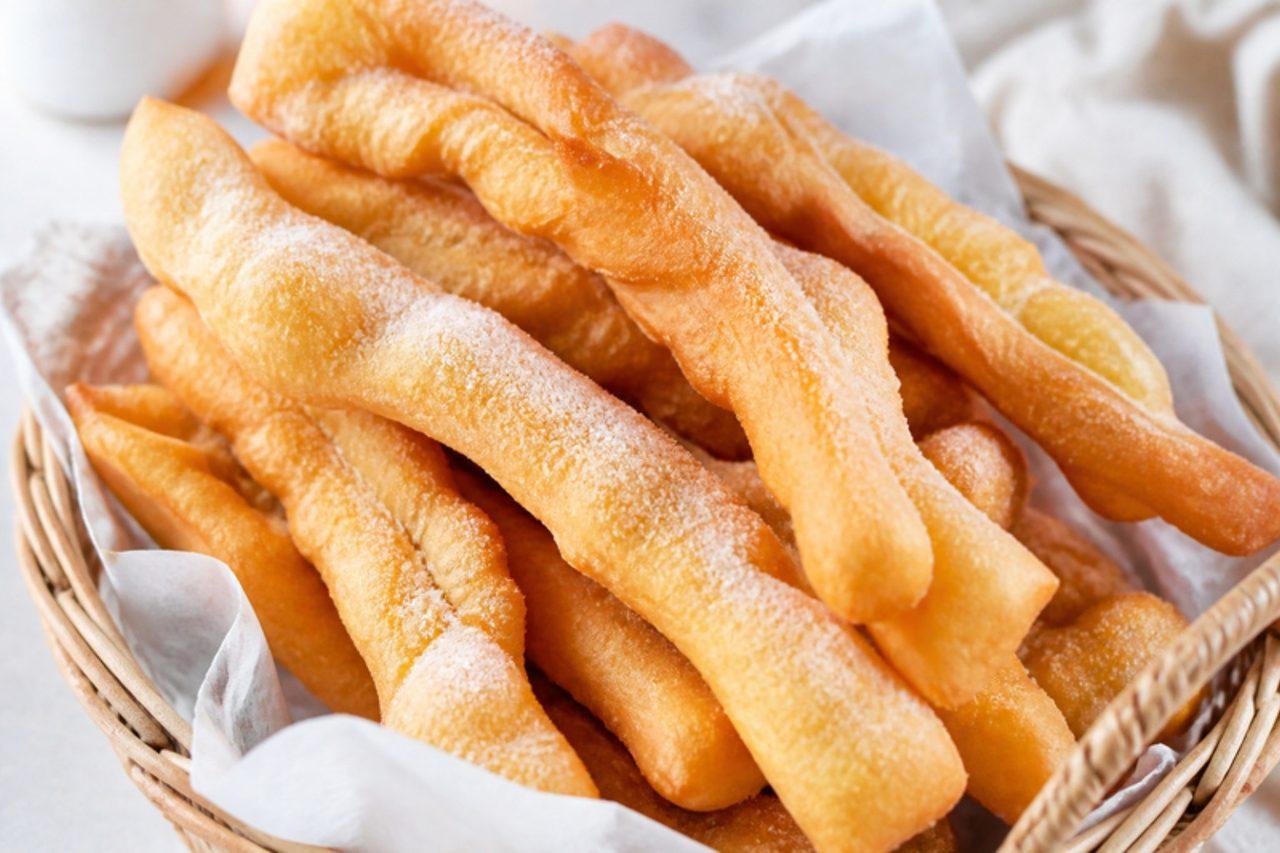
Crispelle calabresiFried potato dough fritters

On the afternoon of 8 December and again on Christmas Eve, Calabrian kitchens fill with the smell of crispelle frying: long strips of soft potato-and-flour yeast dough dropped into hot oil until they puff and turn golden. Many families stuff some with an anchovy, but these are the plain kind, eaten hot with salt, or rolled in sugar and honey for children, so they are vegan. They are best straight from the pan, while the outside crackles and the inside is still airy. Chef's tip: oil your hands, not flour them, when stretching the dough; flour falls into the fryer, burns and turns the oil bitter.

by KrazyBadal 0 views

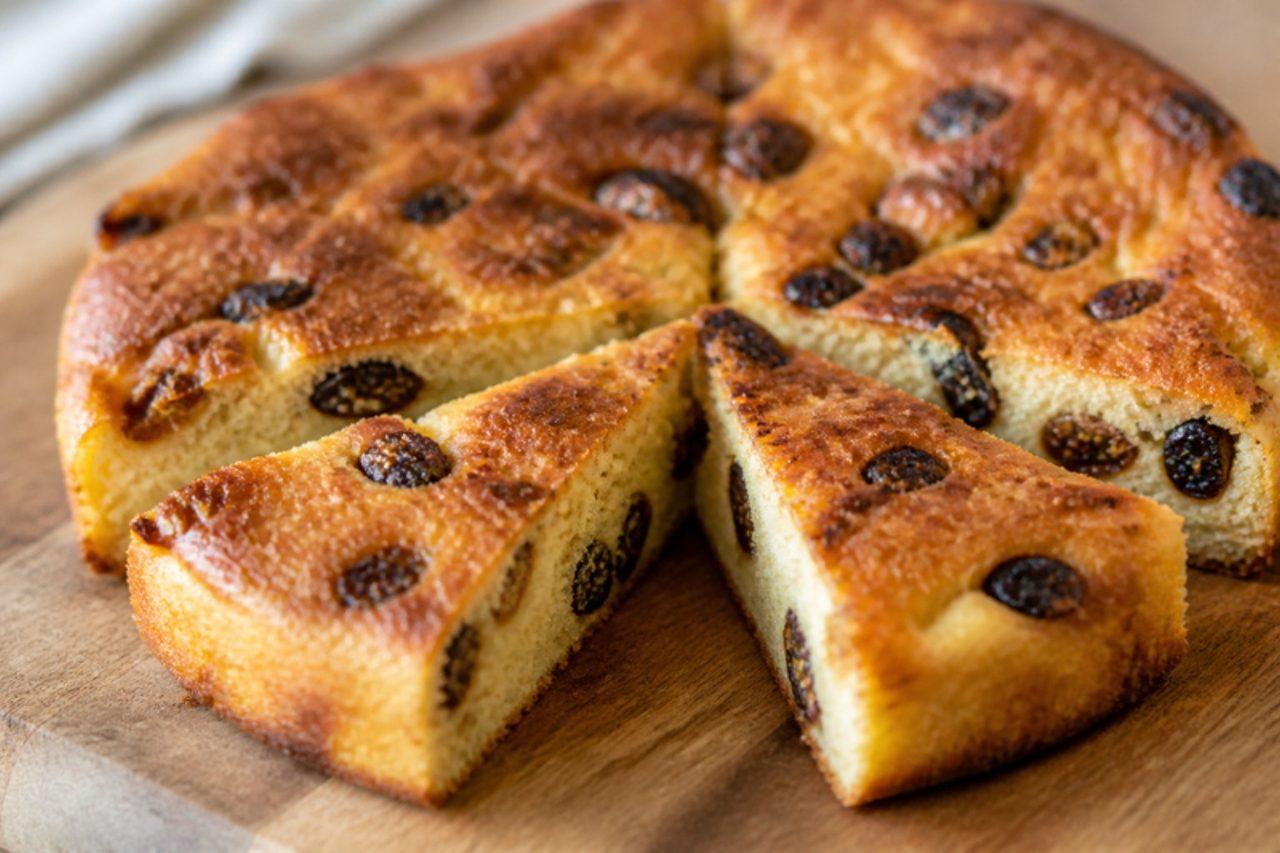
Pinza venetaPolenta and fig Epiphany cake

Pinza belongs to the eve of Epiphany in the Veneto and Friuli, when bonfires called panevin are lit in the fields and the smoke is read for the coming harvest; slices of pinza and mulled wine are handed round beside them. It is a dense, moist country cake of polenta and wheat flour, sweetened with dried figs, raisins and a little sugar, and scented with fennel seed and orange. Old recipes soak the raisins in grappa; here they are soaked in warm milk, keeping it alcohol-free. Serve it warm or cold in fat wedges. Chef's tip: cook the polenta into a soft porridge first, as dry cornmeal stirred straight into the batter stays gritty.

by KrazyBadal 0 views

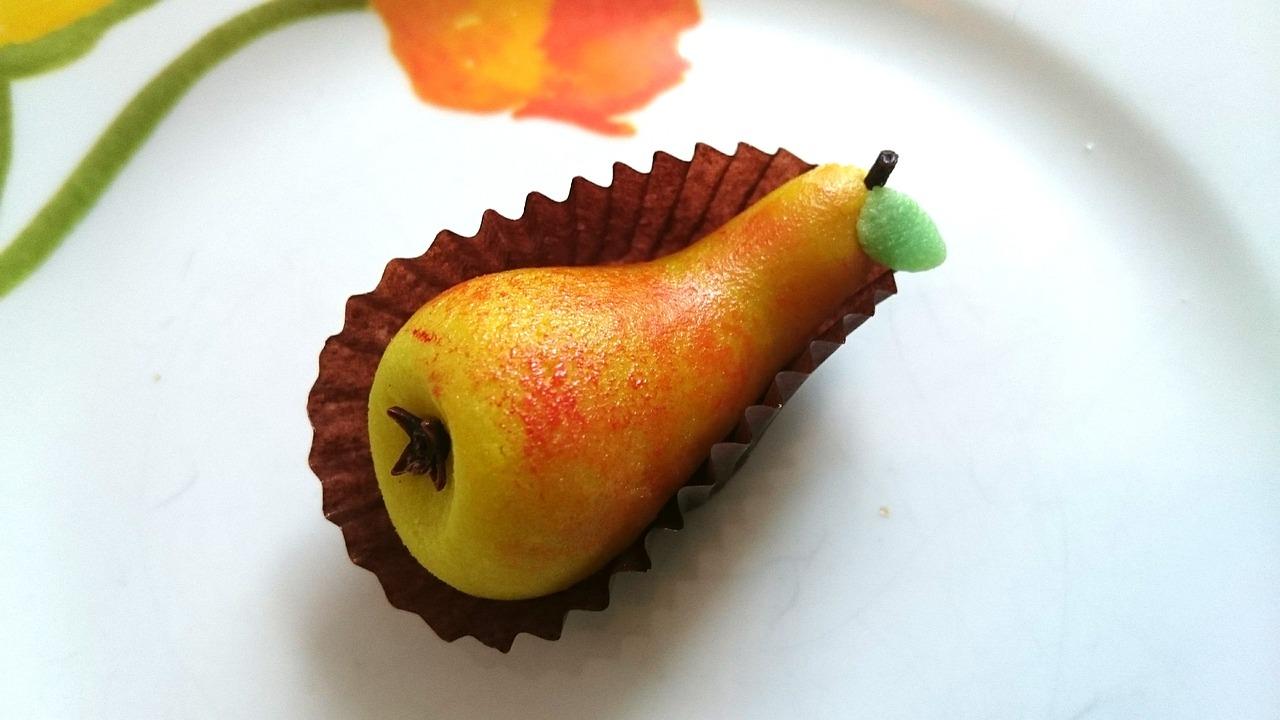
Frutta martorana (Sicilian painted almond-paste fruit)

Palermo's pastry shops fill their windows with frutta martorana in late October, ready for All Souls' Day on 2 November, when Sicilian children wake to find sweets and toys said to be left by the family's dead. The name comes from the nuns of the Martorana convent, who were said to have decorated their bare orchard with almond-paste fruit. Each little fig, prickly pear or orange is so perfectly painted it looks real, and the paste inside is smooth, dense and very sweet, with a pure almond flavour. Serve a few with coffee or a glass of cold almond milk. The paste is egg-free almond paste, made the Sicilian way: ground almonds are stirred into sugar syrup boiled to the soft-ball stage, and the syrup binds them as it cools, unlike some shop marzipan, which is not always egg-free. Chef's tip: let the shapes dry before painting; the common mistake is painting damp paste, so the colours bleed.

by KrazyBadal 0 views

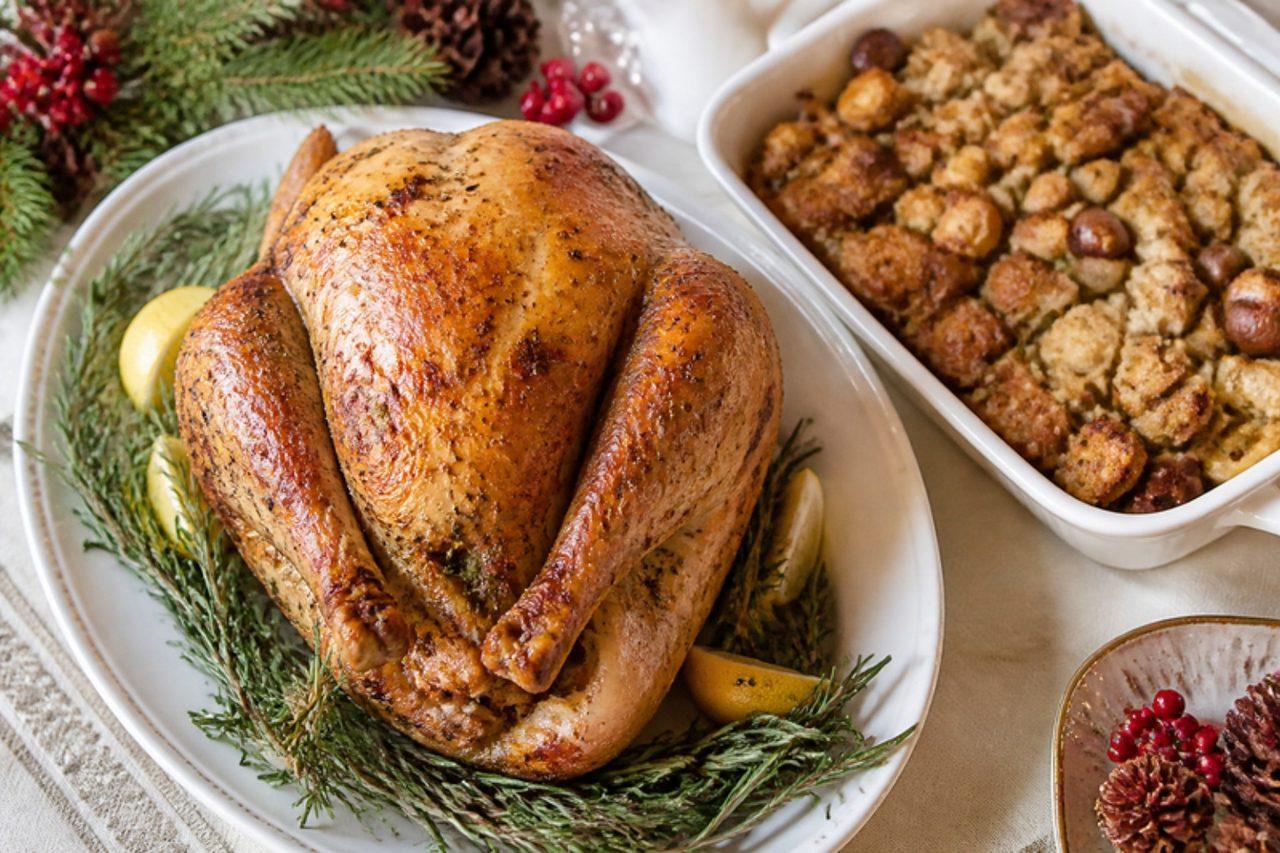
Cappone ripienoStuffed Christmas capon

In Piedmont and Lombardy a capon (a large, tender cockerel) is the Christmas Day bird: some families poach it to make the broth for the agnolotti or tortellini and serve the meat after, while others roast it with a stuffing of bread, Parmesan, pork sausage and chestnuts. This is the roast version, with the stuffing cooked separately in a dish so the bird and stuffing each reach a safe temperature. A large free-range chicken or small turkey works if you can't find capon. Chef's tip: rest the capon for 30 minutes under foil after roasting; the juices settle and the breast stays moist when carved.

by KrazyBadal 0 views

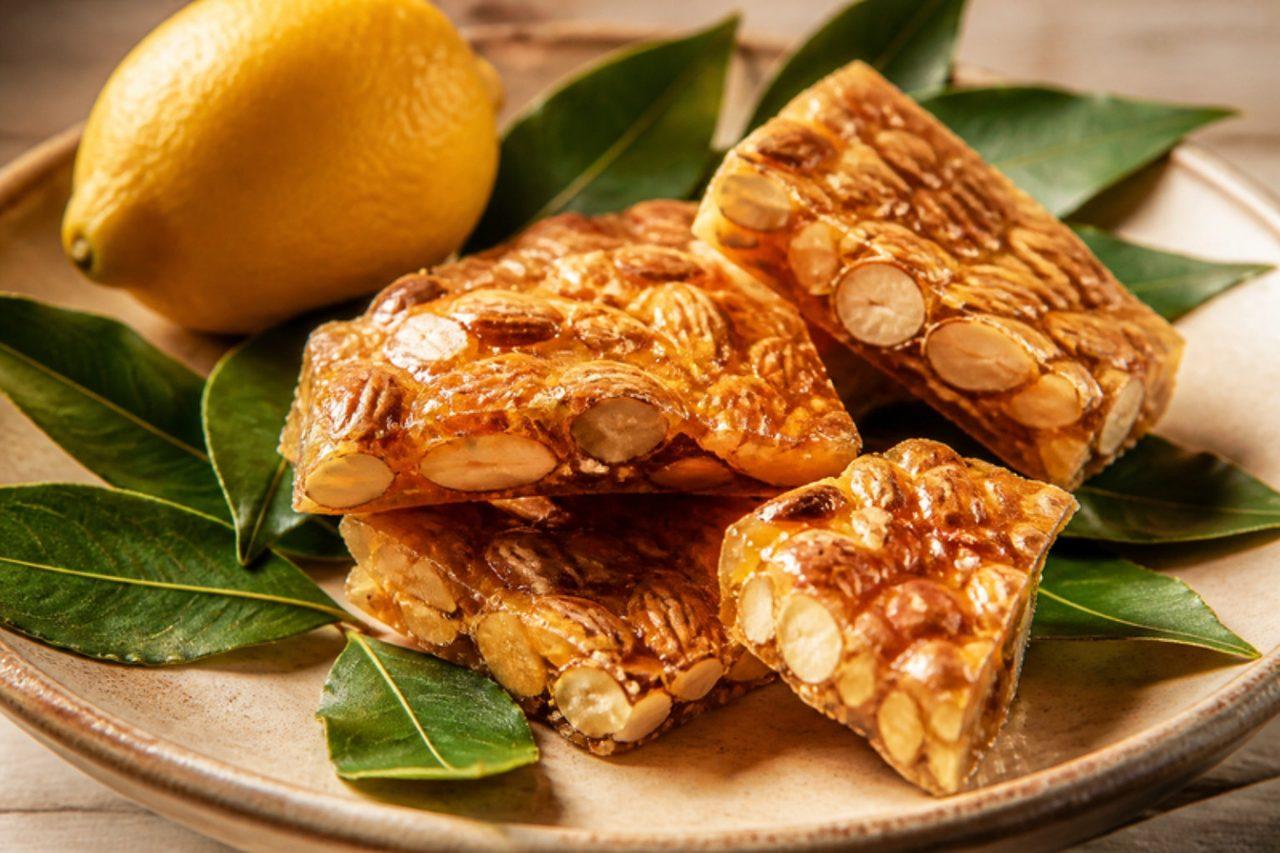
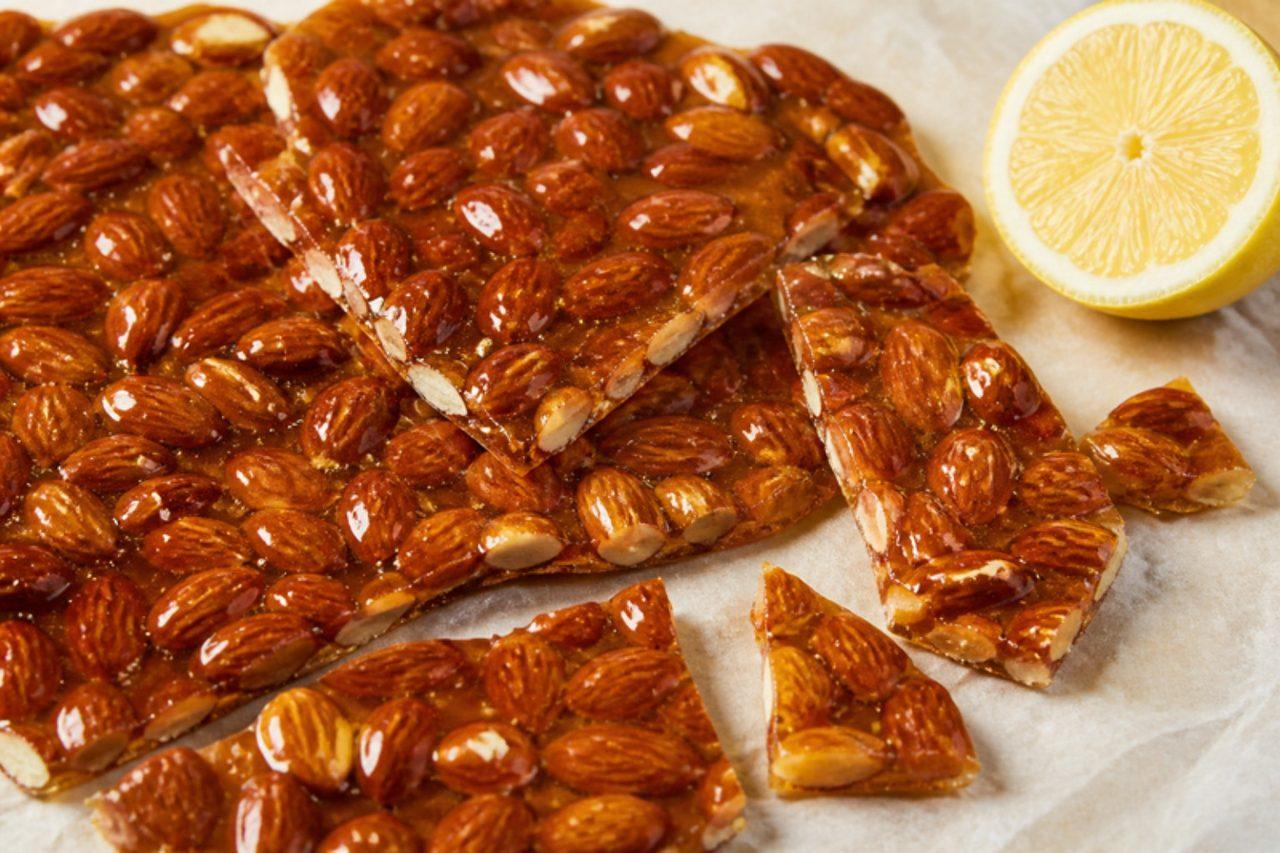
Cupeta (Salento honey and almond brittle)

Summer in Salento, the heel of Apulia, means the feste patronali, when village streets are hung with lights and the cupetari set up stalls of cupeta, a honey and almond brittle broken from large slabs. It also shows up on Christmas tables and at the feast of Saint Oronzo in Lecce in August. Honey gives it a darker, more floral caramel than plain croccante, and the almonds stay crunchy within a brittle that slowly turns slightly chewy in the heat. Traditionally it was poured onto wafer sheets or fresh bay or lemon leaves; this version uses bay leaves, which add a faint herbal note and keep it gluten-free. Eat it in pieces with coffee, or as a snack while walking through the fair. It is naturally egg-free: honey and sugar, cooked to the hard-crack stage, set around the nuts with no other binder. Chef's tip: lower the heat once the honey starts to colour; it burns much faster than sugar, and scorching is the common mistake.

by KrazyBadal 0 views

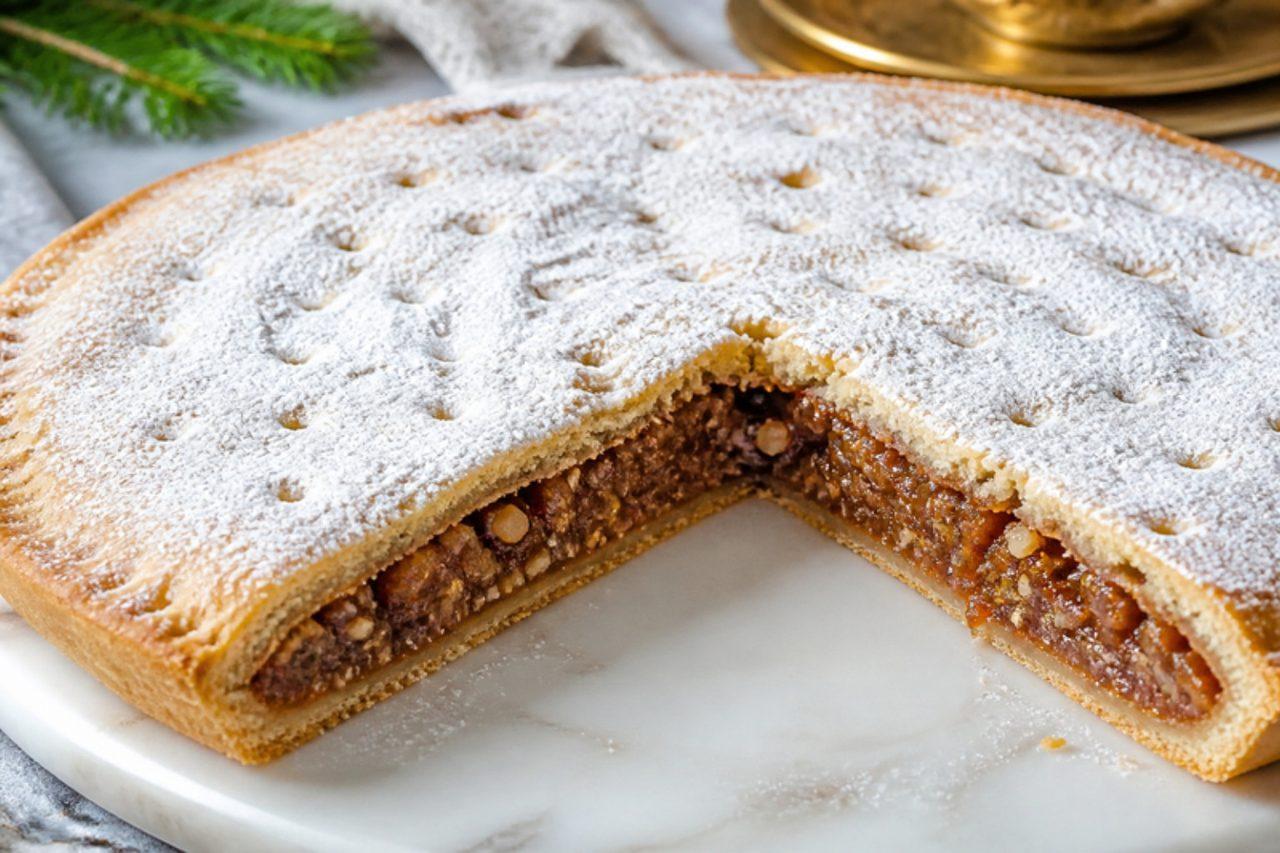
SpongataHoney and nut Christmas pie

Spongata is a Christmas speciality of the hills between Parma, Reggio Emilia and the Lunigiana, a thin, flat round of crisp pastry hiding a dark filling of honey, walnuts, almonds, pine nuts, raisins, candied fruit and spices, all bound with a few breadcrumbs. Families exchange it at Christmas and slice it into thin wedges with coffee. Traditional recipes add white wine to the pastry and a splash of liqueur to the filling; this version uses milk and orange juice, so it is alcohol-free. The filling is best made two days ahead. Chef's tip: prick the top many times with a fork, as the pattern is traditional and it stops the lid ballooning.

by KrazyBadal 0 views

BisciolaBuckwheat fruit and nut bread

Bisciola is the Christmas bread of the Valtellina, the Alpine valley in northern Lombardy known for buckwheat. It is a soft, dome-shaped loaf of rye or buckwheat and wheat, enriched with butter, egg and honey and crammed with dried figs, raisins and walnuts, eaten from St Lucy's Day to Epiphany, often toasted with butter. Some bakers splash grappa on the fruit; this recipe uses warm water and is alcohol-free. It keeps for a week. Chef's tip: buckwheat has no gluten, so keep it to a third of the flour, or the loaf will be heavy and crumbly.

by KrazyBadal 0 views

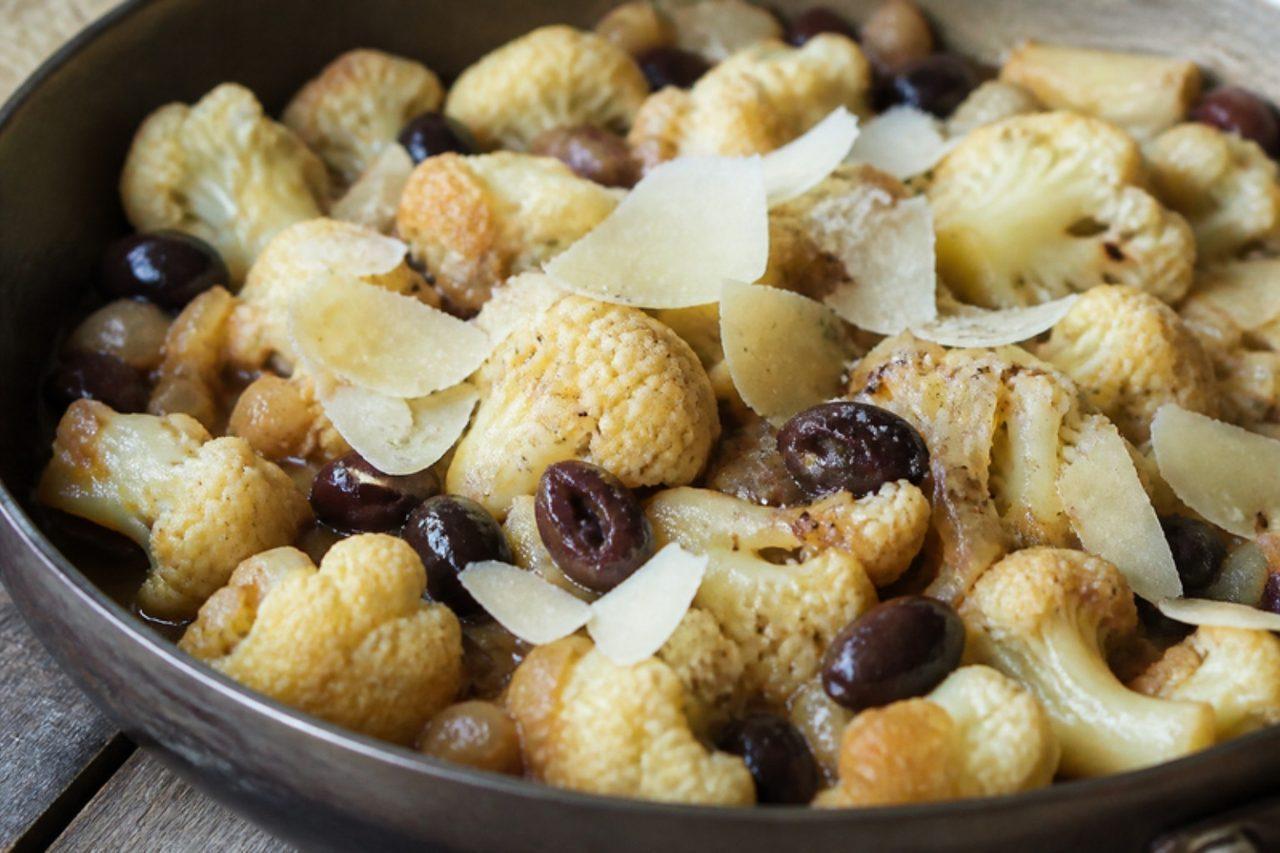
Broccoli affogatiCauliflower stewed with olives and wine

In Catania, eastern Sicily, Christmas Eve is a meatless vigil, and the big green Sicilian cauliflower (called 'broccoli' there) is 'drowned' in a covered pan with onion, black olives, oil and red wine, then strewn with pecorino. It is served on its own, folded into scacce pies, or beside fried salt cod. The wine cooks off over long simmering but some alcohol may remain, so swap it for water with 1 tbsp red wine vinegar for an alcohol-free dish. Pecorino is made with animal rennet, so use a vegetarian hard cheese for a strictly vegetarian table. Chef's tip: layer the pan, cauliflower on onions on olives, and don't stir; shake it instead, so the florets stay whole and soak up the juices.

by KrazyBadal 0 views

CavallucciHoney walnut aniseed biscuits

Cavallucci are Siena's humbler Christmas biscuit, sold beside ricciarelli and panforte in every pastry shop from Advent onward. They are pale, chewy and craggy, made from honey, sugar, flour, walnuts, candied orange and aniseed, with no butter or eggs, so they are dairy free and keep for weeks. Sienese families dunk them in vin santo after dinner, but they are just as good with coffee or hot milk. Chef's tip: cook the honey and sugar syrup only until it threads, then mix fast; if it goes further it sets the dough rock hard.

by KrazyBadal 0 views

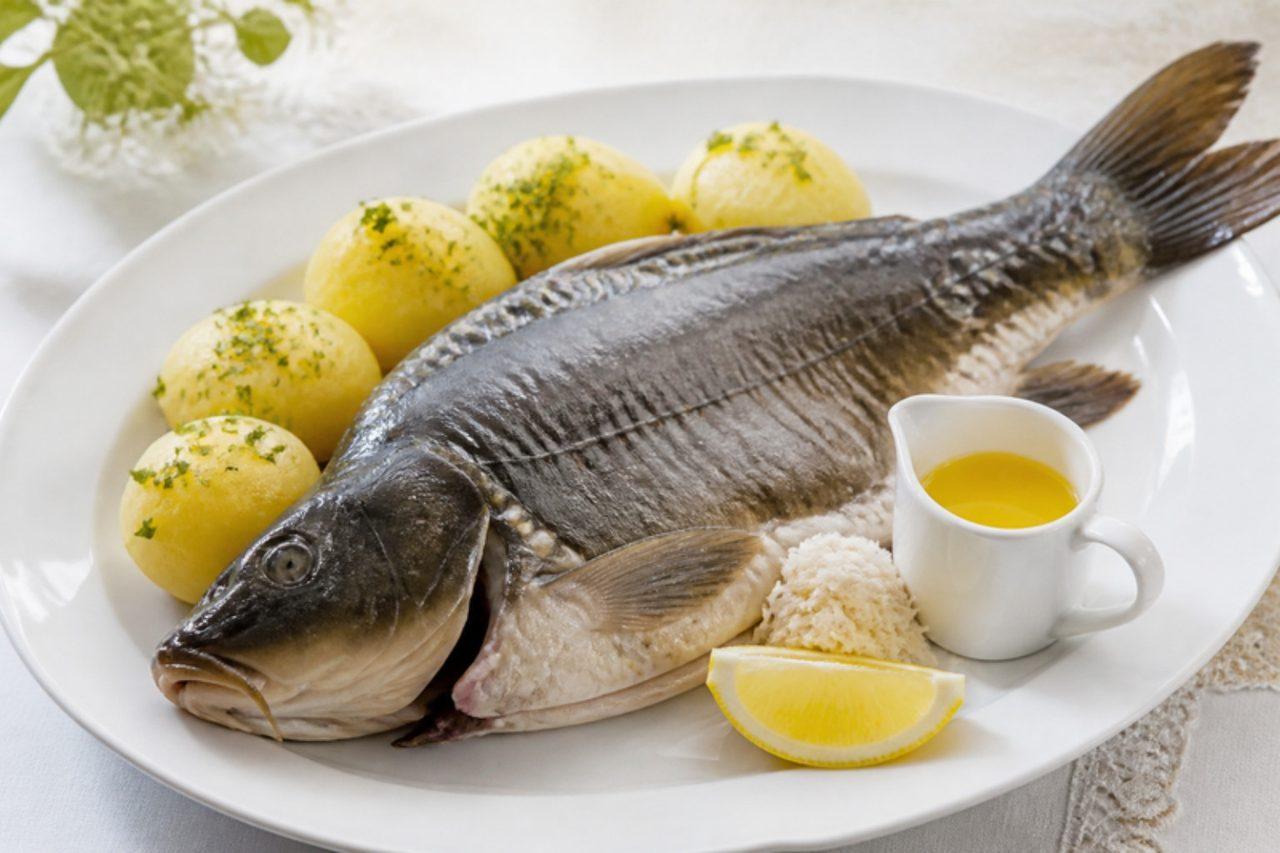
Karpfen blauCarp poached in vinegar stock

In Franconia and Bavaria, Christmas Eve supper is often carp, and the old way is 'blau': the fish is poached in a sharp vinegar stock that turns its natural skin slime a striking slate blue. It is served with melted butter, freshly grated horseradish and boiled potatoes, and many families keep a carp scale in their wallet for good luck in the year ahead. Buy carp already killed and gutted by the fishmonger, and ask for it unscaled and handled as little as possible, or the blue colour won't appear. Chef's tip: never rinse or wipe the carp skin, because the slime is what turns blue.

60 minGermanFishGluten free
by KrazyBadal 0 views

Croccante (southern Italian almond brittle)

Croccante is the sweet of southern Italian feast days: from Naples to Calabria and Apulia it is sold from stalls at the patron saint's festa, set out at Christmas and at Carnival, and in some towns shaped into little baskets for weddings. Whole almonds are toasted and folded into caramel, then pressed thin on marble with the cut side of a lemon, which stops it sticking and leaves a faint citrus scent. It is crisp and glassy with a deep, nutty, slightly bitter caramel. Break it into shards to eat with coffee, or crush it over ice cream. It is naturally egg-free: only caramelised sugar holds the almonds, setting hard as glass as it cools. Chef's tip: keep the almonds warm when they go in; the common mistake is adding cold nuts, which makes the caramel seize into lumps.

by KrazyBadal 0 views

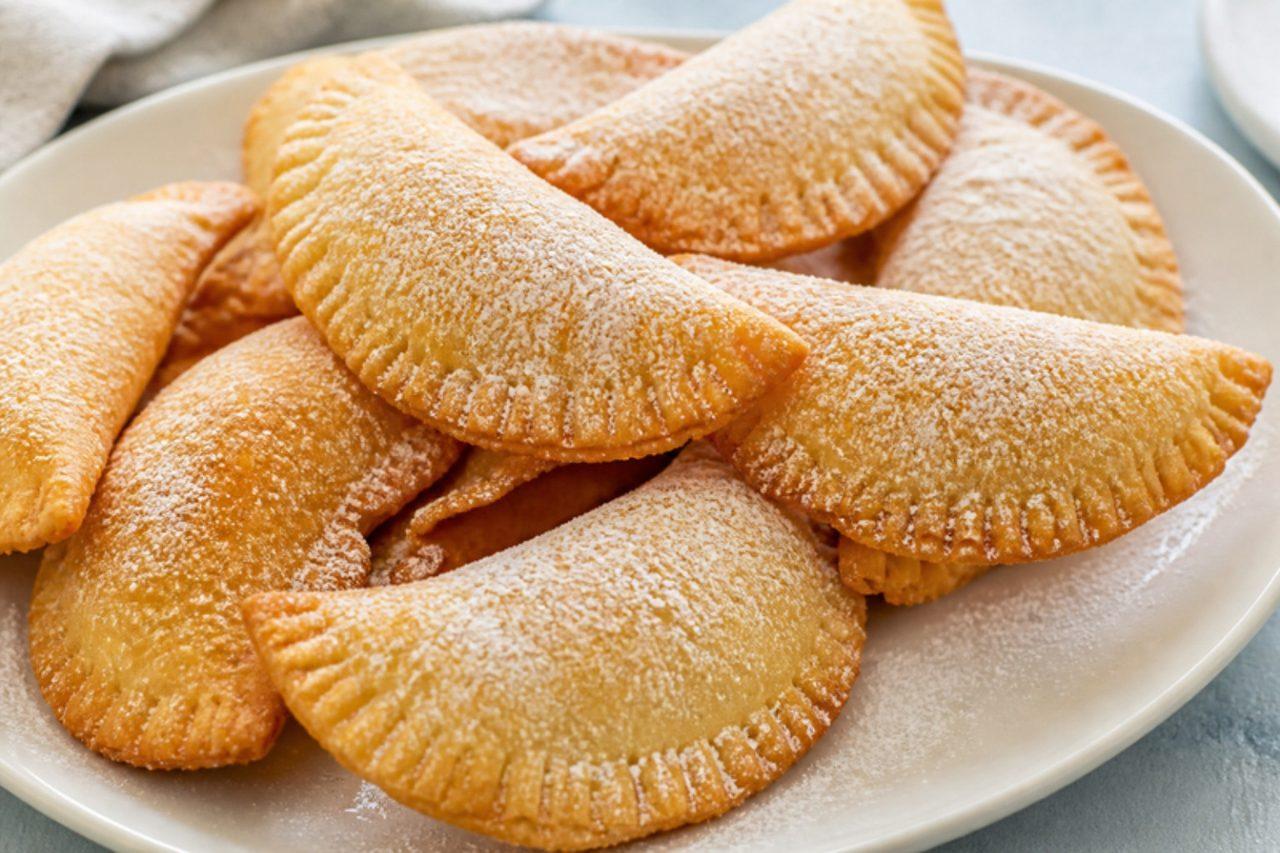
CalcionettiFried ravioli with chickpea and chocolate

In Abruzzo, calcionetti (caggionetti in dialect) are fried on Christmas Eve and handed round all through the holidays. The thin pastry is wrapped around a sweet filling of chickpea or chestnut purée with cocoa, honey, toasted almonds and orange zest, then fried until bubbly and dusted with sugar. Many Abruzzese families add a little rum or the local Centerbe liqueur to the filling; this version uses orange juice so children can eat them, and adults may add 1 tbsp rum. Chef's tip: seal each one firmly by pressing out all the air, as trapped air makes them burst in the hot oil.

by KrazyBadal 0 views

Chilcano de pescadoClear fish broth

In the fishermen's terminals of Chorrillos and Callao, chilcano is what you drink on a Sunday morning after a long night: a clear, gingery broth made from the heads and bones left over from cleaning fish for ceviche, with chunks of fish, red onion, chilli and a squeeze of lime in the bowl. It is light and warming, around 160 kcal a bowl, and still gives about 24 g of protein from the fish fillet and the broth. The common mistake is squeezing the lime into the pot while it boils, which turns it bitter; add it to each bowl at the table. Don't boil the bones for more than 30 minutes either, or the broth turns cloudy and harsh. Chef's tip: ask the fishmonger for heads and frames from mild white fish like sea bass or cod, and leave out oily fish such as mackerel, which makes the broth strong and fishy.

by KrazyBadal 0 views

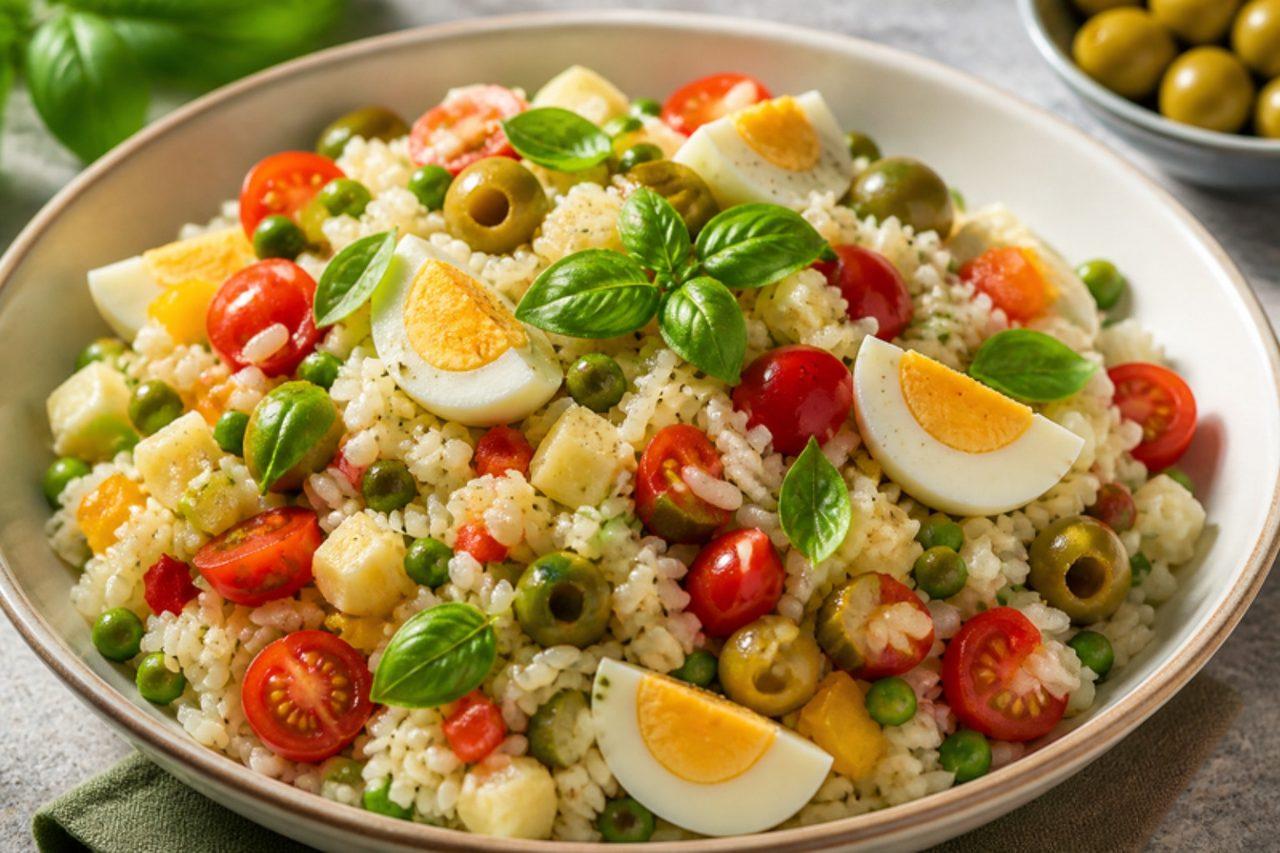
Insalata di risoRice salad

From July to the end of August, a big bowl of insalata di riso sits in Italian fridges ready for beach days, Ferragosto picnics and lazy suppers on the balcony. Firm, separate grains of rice are tossed with diced Emmental, hard-boiled egg, peas, sweet pepper, olives and the tangy chopped pickled vegetables called giardiniera, dressed only with olive oil. Many versions add ham, tuna or frankfurters; this one is vegetarian and gets its protein, about 23 g per portion, from the cheese, eggs, peas and rice. Emmental is usually made with animal rennet, so pick a vegetarian Swiss-style cheese if that matters. The classic mistake is overcooking the rice, which goes mushy and claggy as it cools; cook it just al dente and rinse it cold. Chef's tip: dress the rice with half the oil while it is still slightly warm so the grains stay separate, then add the rest when you mix in everything else.

by KrazyBadal 0 views

Aguadito de polloCoriander chicken rice soup

Aguadito is the soup Lima serves in the small hours: at the end of a wedding, after New Year's Eve and at weekend family lunches, it is ladled out thick and steaming to revive everyone. Rice simmers in chicken broth coloured deep green with blended coriander and warmed with yellow ají amarillo, along with peas, carrot, pepper, sweetcorn and potato. A portion gives about 24 g of protein, from the chicken with a little from the rice and peas, for around 480 kcal. The common mistake is adding the coriander purée too early: cooked for long it turns khaki and loses its fresh taste, so stir it in for the last 10 minutes. The chicken must reach 74 °C at the bone. Chef's tip: blend a handful of spinach with the coriander; it keeps the colour vivid green without changing the flavour.

by KrazyBadal 0 views

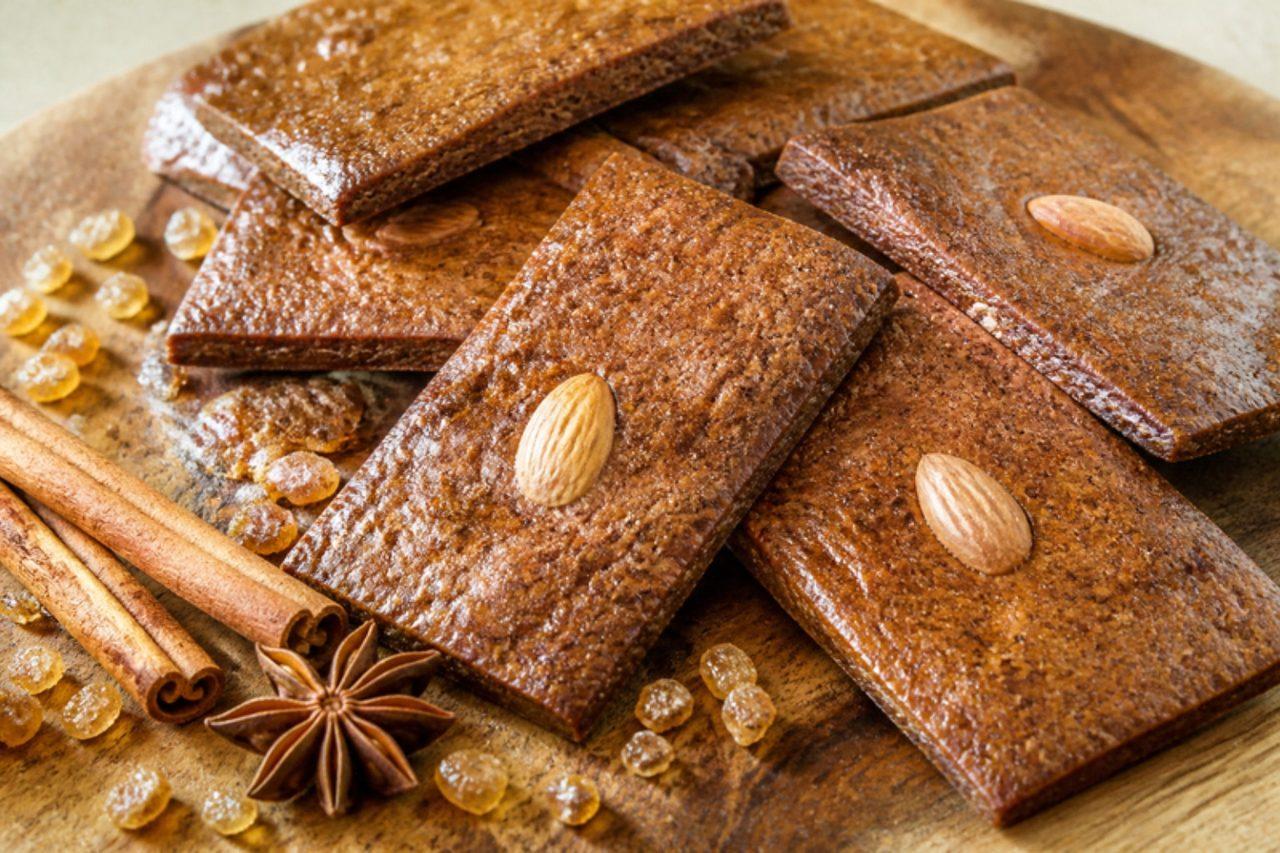
Aachener Printen (Aachen spiced gingerbread slabs)

The bakeries of Aachen have made Printen for centuries, and from late autumn through Christmas the city's shop windows fill with these narrow brown slabs. Unlike soft German Lebkuchen they are firm and snappy, sweetened with dark sugar-beet syrup and studded with little crunchy bits of rock sugar, and they carry a big blend of spices: cinnamon, aniseed, coriander, cloves, cardamom and allspice. The dough rests overnight to develop flavour, then is raised with potash, which gives the dense, crisp texture. Dunk them in coffee or tea, or serve with baked apples. Printen never contained egg: the thick beet syrup is both sweetener and binder, gluing the flour into a stiff dough that sets hard in the oven. Chef's tip: let the syrup cool to lukewarm before mixing in the flour; the common mistake is adding it hot, which starts cooking the flour and gives a tough, rubbery dough.

1465 minGermanBakingVegan
by KrazyBadal 0 views

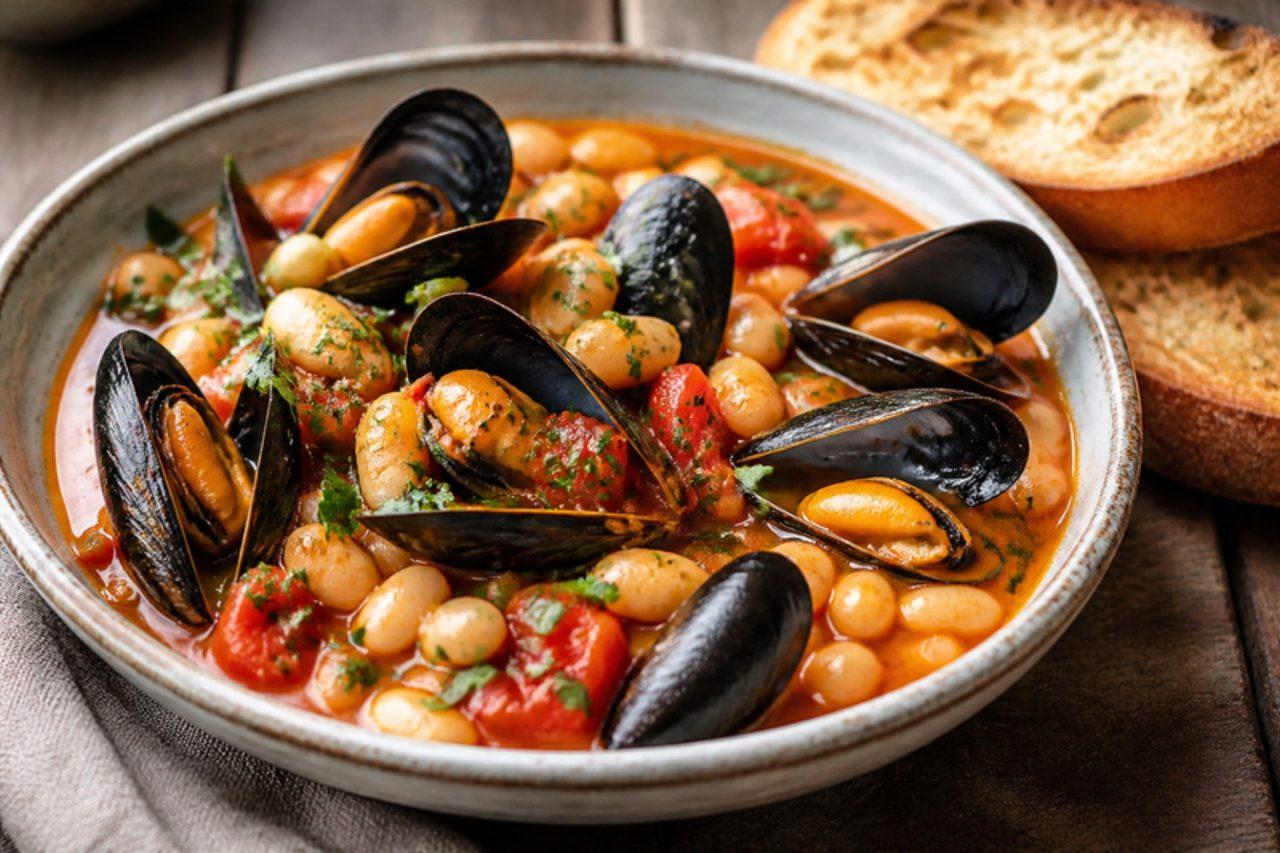
Fagioli e cozzeMussels and cannellini beans

In Naples, fagioli e cozze is the trattoria lunch of late spring and summer, when the mussels from the bay are plump and cheap, and it also turns up on the Christmas Eve table across Campania. Creamy cannellini and sweet mussels share one pan with garlic, chilli and a few cherry tomatoes, so the mussel juices turn the beans into a light, briny stew you mop up with toasted bread. A portion gives about 24 g of protein, from the mussels and the beans, for roughly 330 kcal. The common mistake is salting before the mussels open: their liquor is already salty, so taste only at the end. Before cooking, throw away any mussel with a cracked shell or one that stays open when tapped, and after cooking throw away any that stay shut. Chef's tip: crush a ladle of the beans against the side of the pan before the mussels go in; the starch thickens the broth so it clings to every shell.

by KrazyBadal 0 views

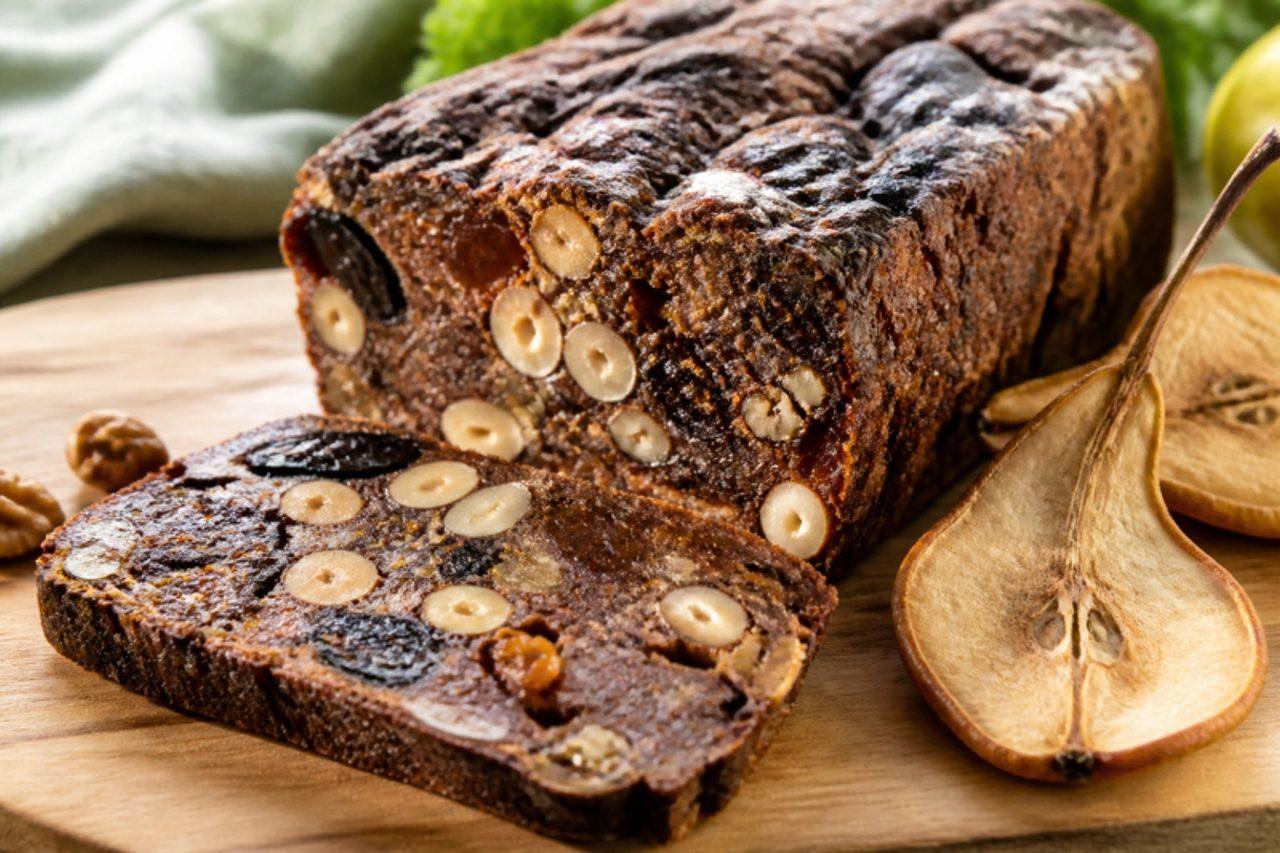
Hutzelbrot (Swabian dried-pear Christmas loaf)

In Swabia and Franconia, Hutzelbrot is baked in early December and sliced through Advent and Christmas, traditionally on St Thomas's Day, 21 December. Hutzeln are dried pears, and they are the heart of the loaf: soaked overnight and simmered, then mixed with figs, prunes, raisins, hazelnuts, walnuts and candied peel, bound with only enough spiced yeast dough to hold everything together. The result is dark, moist and dense, closer to fruit than to bread, fragrant with cinnamon, aniseed and cloves. Slice it thin and eat it plain, spread with butter or a nut butter, with coffee or a hot fruit tea. The loaf is naturally egg-free: the yeast dough, made with the sweet pear soaking water, is the glue, and the sticky fruit holds it moist for weeks. Chef's tip: wrap the cooled loaves tightly and leave them for 3–4 days before slicing; the common mistake is cutting it on day one, when it crumbles and the flavours have not settled.

900 minGermanBakingVegan
by KrazyBadal 0 views

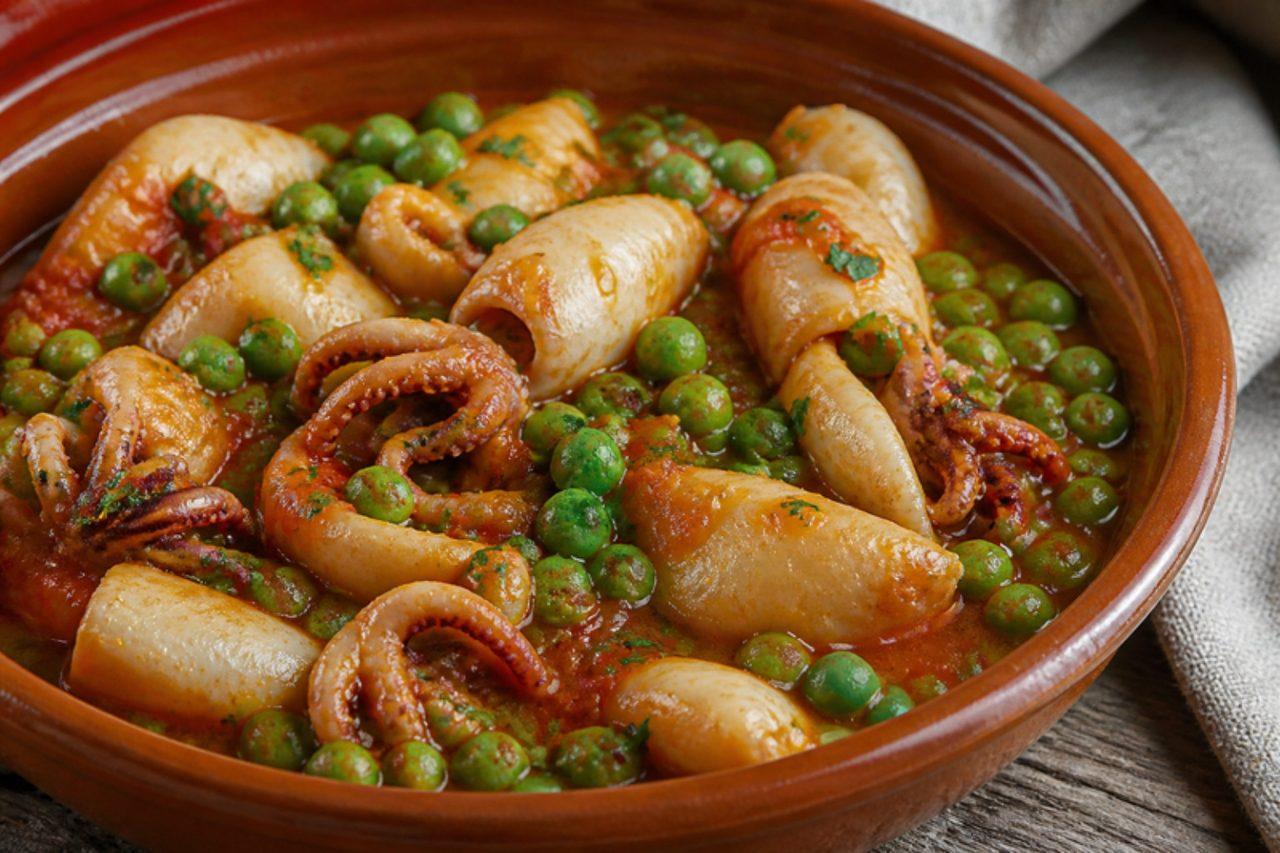
Seppie con piselliCuttlefish with peas

Seppie coi piselli is a Friday dish in Rome and across Lazio, eaten in spring when the first sweet peas arrive and on meatless days through the year. The cuttlefish braises slowly with onion, garlic and tomato until it is so tender a spoon cuts it, and the peas go in late so they stay bright and sweet in a thick, rosy sauce. A portion has about 34 g of protein, mainly from the cuttlefish with a little from the peas, for around 300 kcal. Romans add a splash of white wine; here a little stock sharpened with vinegar gives the same lift without alcohol. The common mistake is stopping halfway: cuttlefish is tender after 2 minutes or after 40, but rubbery anywhere in between, so keep braising until a knife slides straight through. Chef's tip: keep the cuttlefish ink sacs out of the sauce for this dish; a single burst one turns the peas grey.

by KrazyBadal 0 views

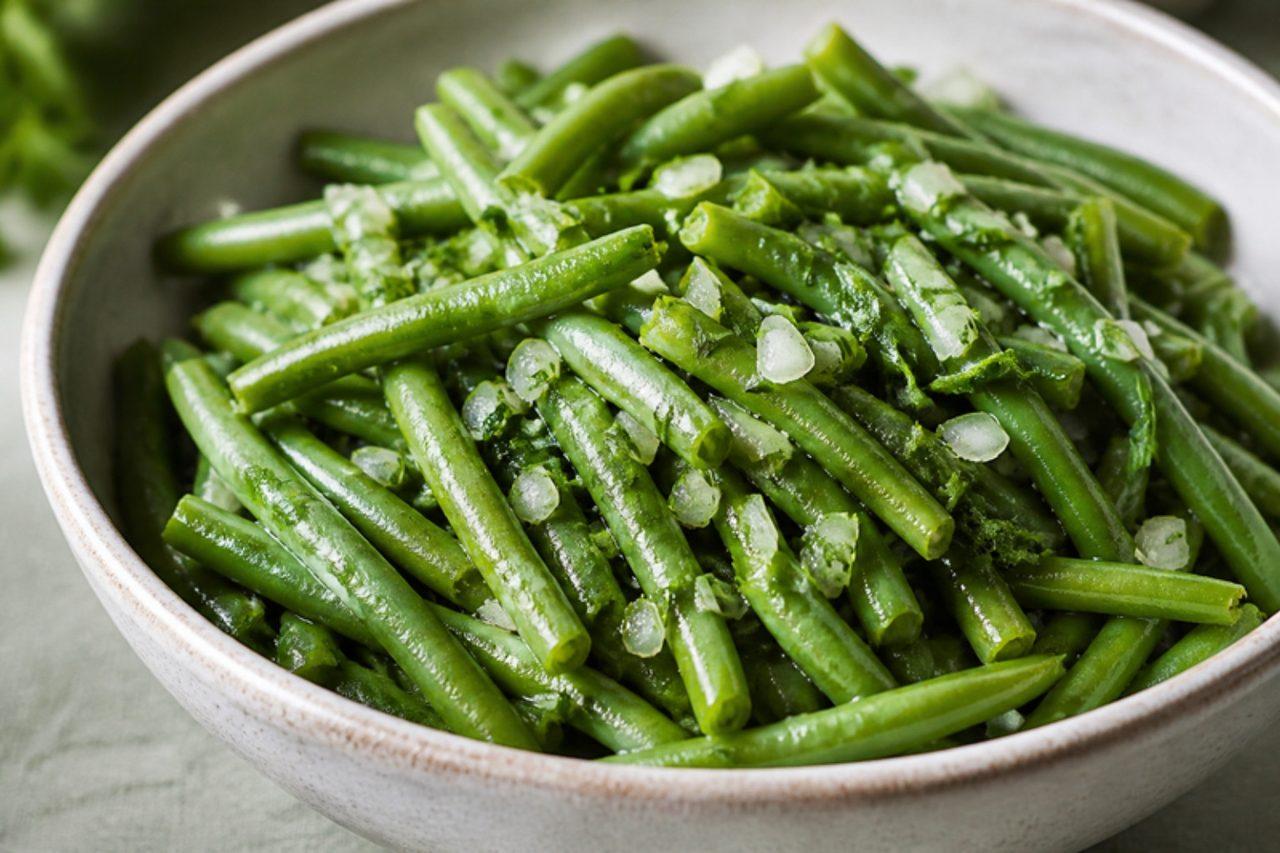
Grüner BohnensalatGreen bean salad

In German kitchens from Swabia to Westphalia, green bean salad comes out in high summer when beans are cheap and plentiful, as a side to fried eggs, potato salad or grilled food, and it travels well to picnics. The beans are cooked until just tender, then dressed warm with vinegar, oil, onion and Bohnenkraut (summer savory), the peppery herb Germans always pair with beans. Many cooks add bacon; this version is vegan. A portion gives about 3 g of protein, so it is a side; add a handful of white beans to make it more filling. The most common mistake is undercooking the beans so they squeak: German bean salad is meant to be tender, not crisp, so cook until a bean bends without snapping. Chef's tip: dress the beans while they are still warm and let them sit for 30 minutes; they absorb the vinegar and taste far better than freshly dressed.

by KrazyBadal 0 views

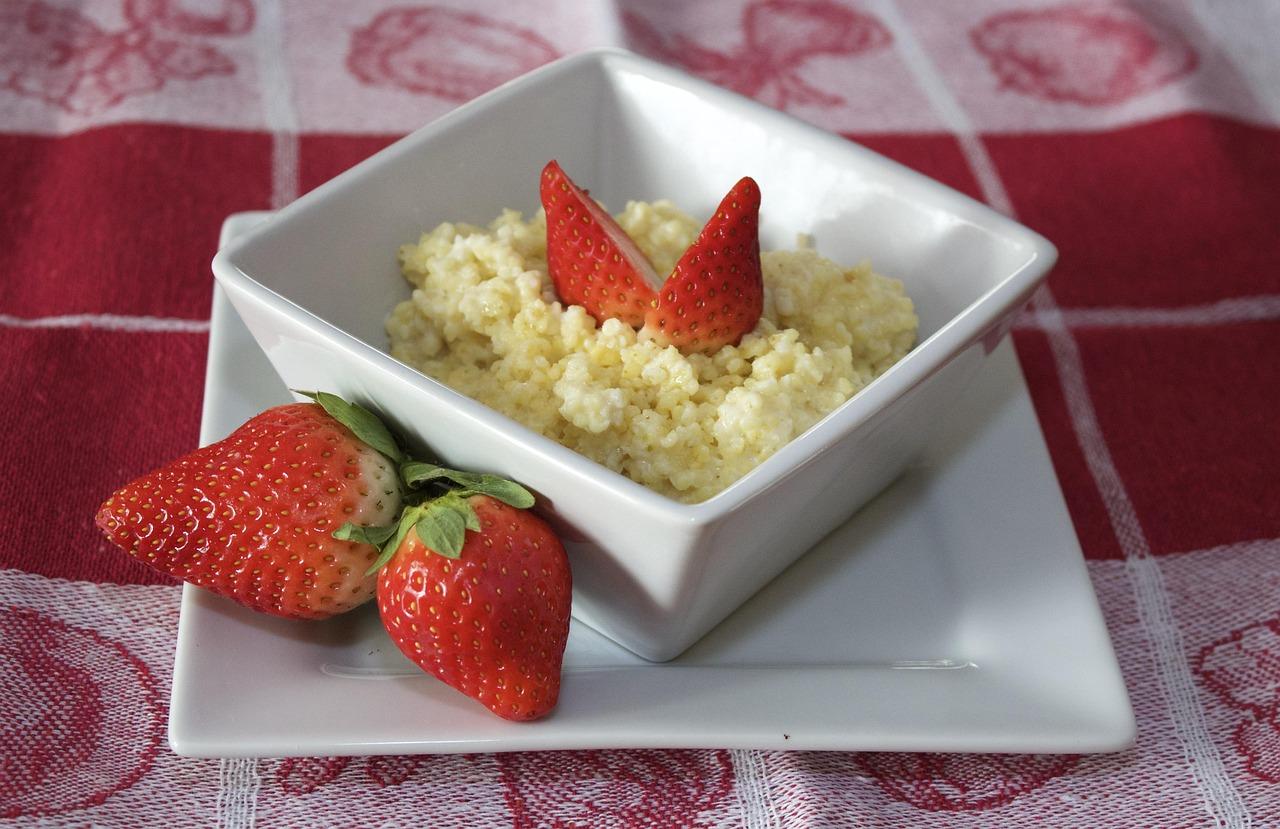
HirsebreiMillet porridge

Hirsebrei is one of the oldest dishes in German cooking, the millet porridge of fairy tales, and it is still made in homes across the country as a warm breakfast or a sweet supper for children on cold evenings. Golden millet is rinsed, then simmered in milk until creamy and soft, and served with stewed apple, berries and a dusting of cinnamon. A bowl gives about 12 g of protein from the milk and millet; stir in a spoon of quark or top with chopped almonds if you want more. The usual mistake is skipping the rinse: unrinsed millet tastes bitter and soapy, so rinse it in hot water until the water runs clear. Chef's tip: toast the rinsed millet in the dry pan for a minute before adding milk; it brings out a lovely nutty flavour.

by KrazyBadal 0 views

Showing 24 of 980 recipes

Show more recipes

Page 1 of 41