Skip to content
Recipes

All recipes

Vegetarian, or something you can't eat? Set your diet once and we'll hide recipes that don't fit.

پشاوری آئس کریم (Peshawari ice cream)Cardamom pistachio ice cream

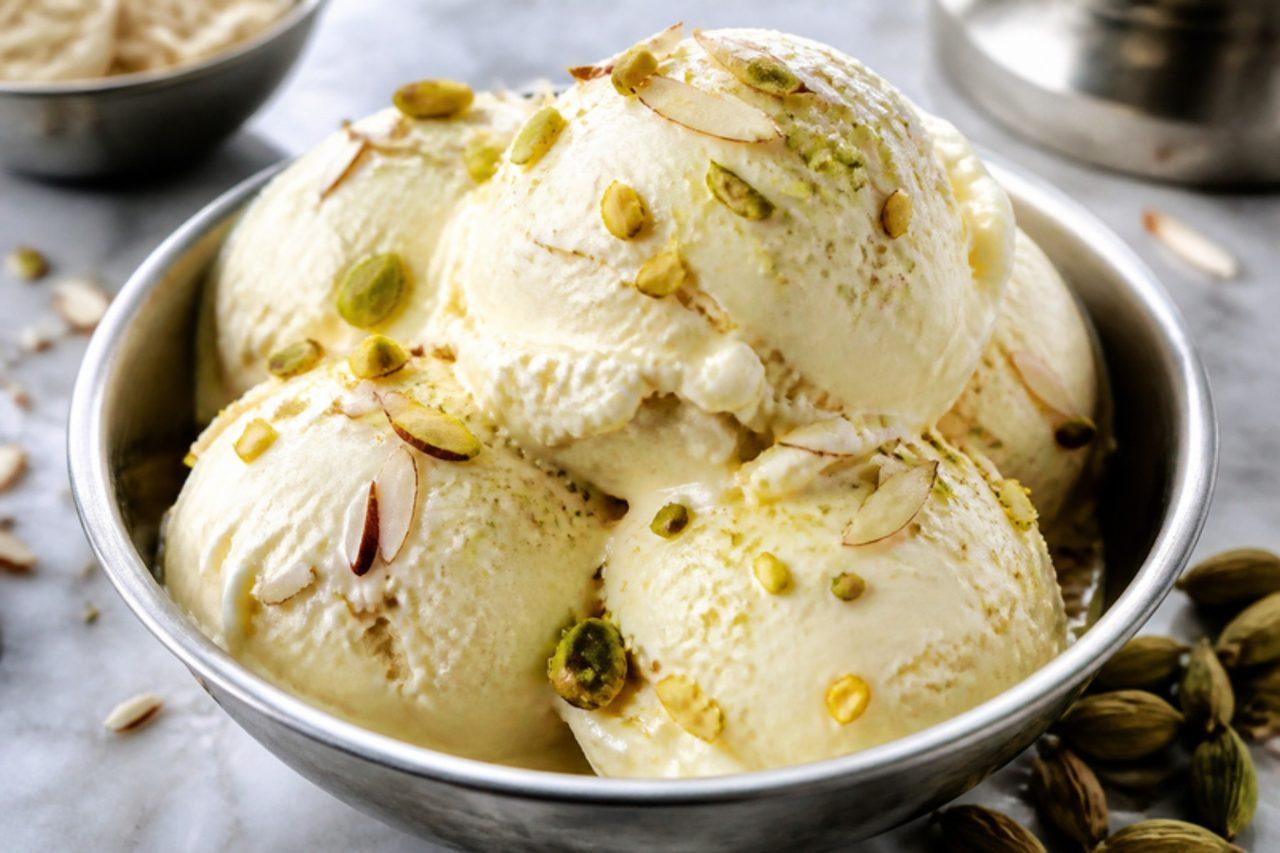
In the Qissa Khwani bazaar of Peshawar, ice-cream sellers spin a tall metal drum inside a tub of crushed ice and salt, scraping the freezing milk off the walls with a long paddle until it turns thick, stretchy and pale. It is a summer evening treat, eaten from small bowls after dinner or late at night when the streets cool down, and often topped with a spoonful of falooda vermicelli or more chopped pistachio. The flavour is simple: slowly reduced milk, green cardamom and a little rose. This version has no eggs and no custard: a cornflour slurry cooked into the milk thickens it the way yolks would, and the starch holds on to water so ice crystals stay small and the texture stays smooth, while milk powder adds body without extra fat. You can churn it in a machine or still-freeze it in a tray and stir it every 45 minutes. Chef's tip: the common mistake is churning a warm base; chill it until it is fridge-cold right through, or it will turn icy instead of silky.

by KrazyBadal 0 views

Helado de dulce de leche (Buenos Aires dulce de leche ice cream)

Dulce de leche is the flavour Buenos Aires heladerías are judged by, and on a summer night the queues at neighbourhood ice-cream shops stretch out onto the pavement well after dinner. Locals order it plain, with a ripple of extra dulce de leche (dulce de leche granizado adds chocolate flakes), often by the kilo to take home. It is dense, chewy and deeply caramel. This home version is egg-free with no custard: a little cornflour cooked into the milk thickens it the way yolks would, and the dulce de leche itself is milk and sugar cooked down, its sugar and milk solids keeping crystals tiny so it stays smooth and scoopable. Churn it, or still-freeze and stir it every 45 minutes. Chef's tip: chill the extra dulce de leche before rippling it in; the common mistake is folding in a warm one, which melts into the ice cream instead of leaving ribbons.

by KrazyBadal 0 views

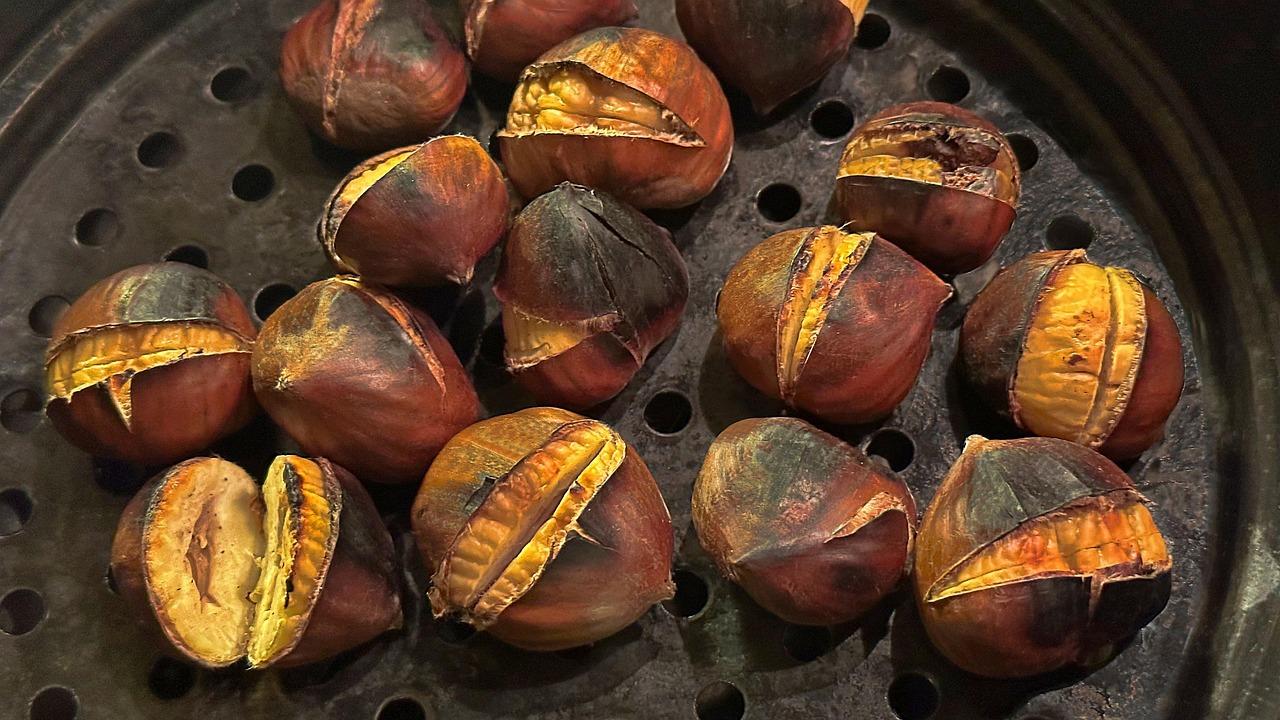
Sült gesztenye (Hungarian roasted chestnuts)

From November until the end of winter, the smell of roasting chestnuts drifts along Budapest's boulevards and around Christmas markets in every Hungarian town, where sellers shake them over charcoal and pour them hot into paper cones. Roasting turns the nuts sweet and soft, mealy like a baked potato but with a gentle nutty sweetness and a hint of smoke where the shell has charred. Eat them straight away, peeled with your fingers while they are hot, with a cup of hot tea, hot spiced apple juice or a bag of roasted pumpkin from the next stall. They are naturally egg-free, a single ingredient with nothing to bind: heat turns the chestnut's starch to sugar and softens it. A short soak in water before roasting adds steam inside the shell, so the nuts cook evenly and peel more easily. Chef's tip: cut a deep cross through the shell on the rounded side of every chestnut; the common mistake is skipping or under-cutting it, and then the steam bursts the chestnuts open in the oven.

by KrazyBadal 0 views

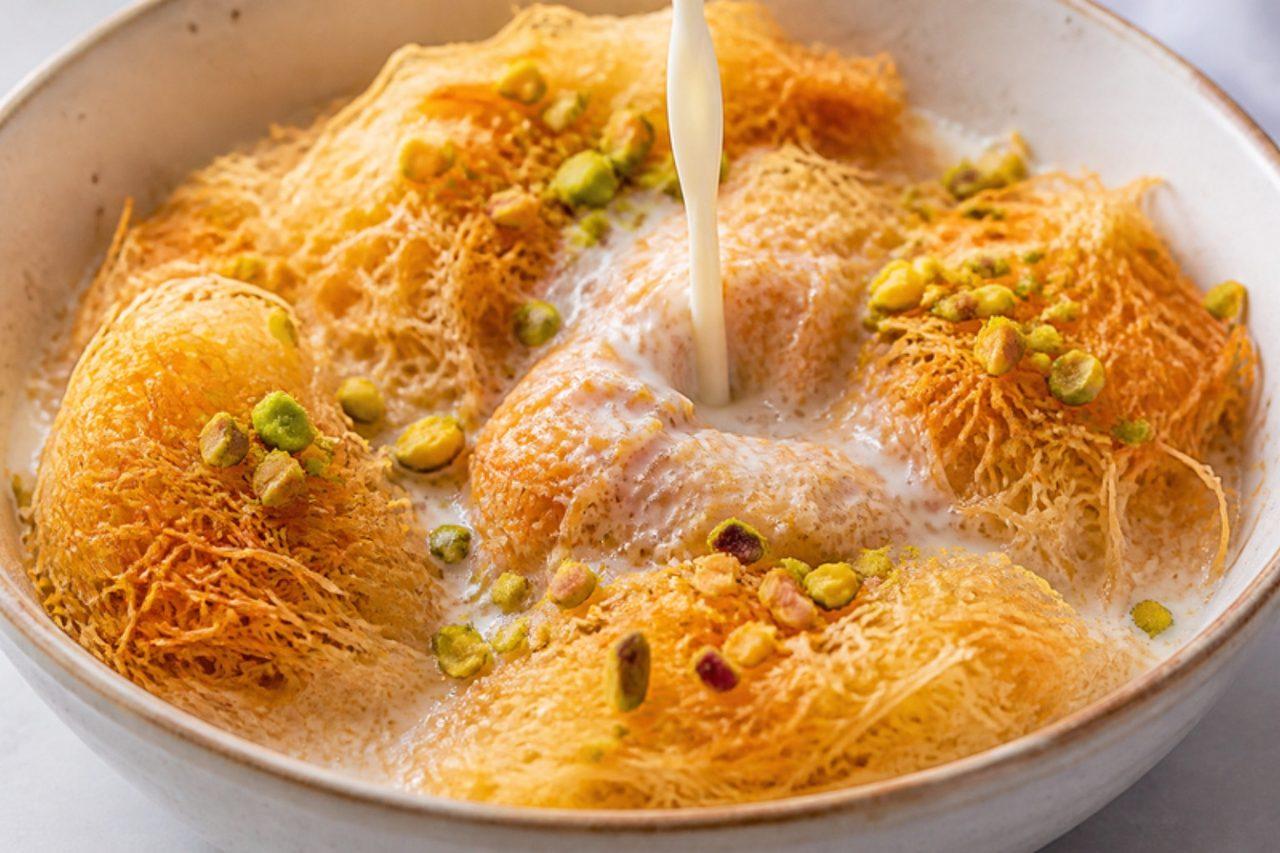
Pheni (layered fried vermicelli nests in sweet milk)

In Lahore and Karachi during Ramadan, sweet shops stack golden nests of pheni in towers, and families buy them to eat at sehri, the meal before dawn. The fine, brittle strands are crumbled into a bowl and drenched with hot sweetened milk, which softens them in a minute into something like a silky vermicelli pudding; it keeps you full through the fasting day. Shop pheni is pulled into hair-thin threads by skilled hands, so at home this recipe uses the layered method: thin sheets of dough are brushed with a ghee and rice-flour paste, rolled and sliced, and the paste makes the layers fan out into fine flaky rings when fried. They are crisp, buttery and delicate. It is naturally egg-free: the dough is just flour, ghee and water, and the rice-flour paste keeps the layers separate. Chef's tip: fry the nests in oil that is only moderately hot, about 160°C; oil that is too hot is the common mistake that browns the outside while the inner layers stay soft and doughy.

by KrazyBadal 0 views

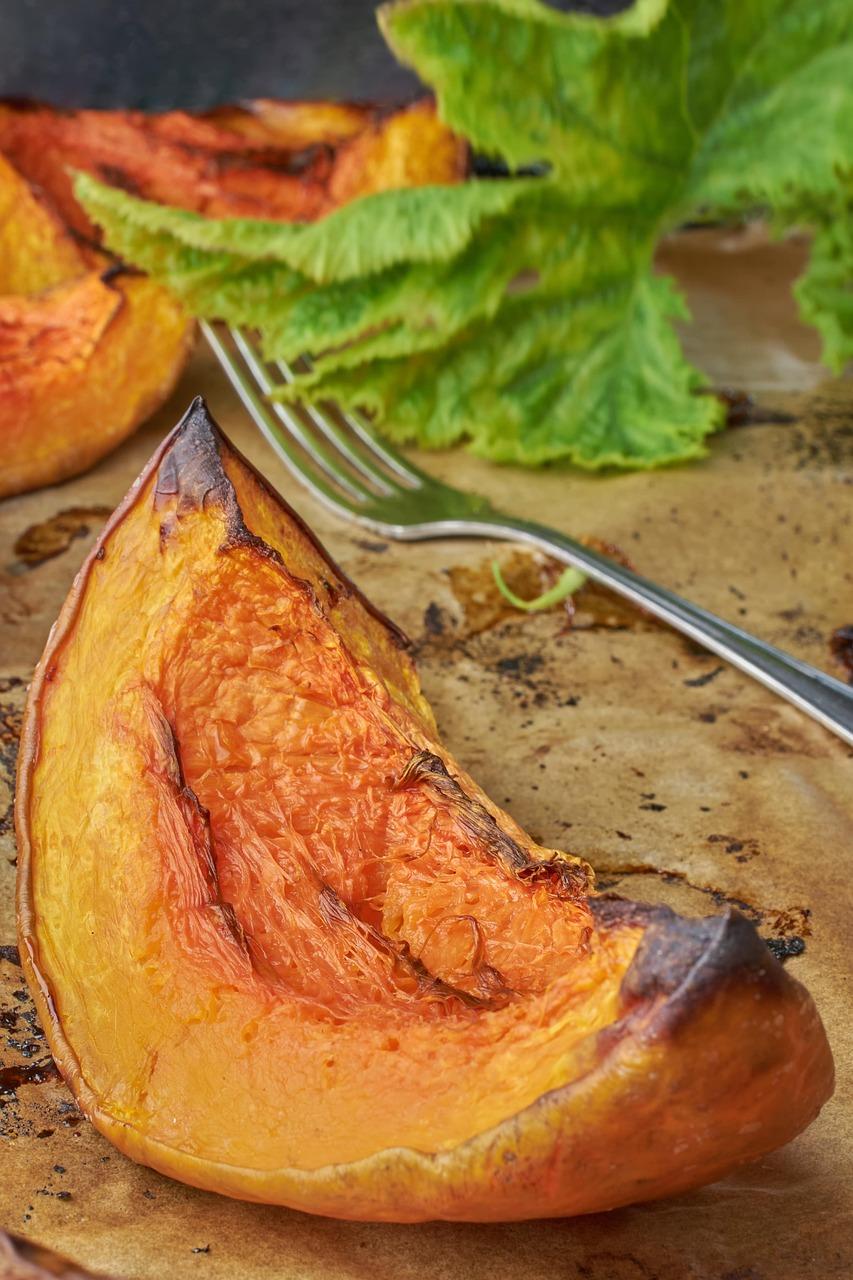
Sült tök (Hungarian roasted sweet pumpkin)

When the first cold sets in, Hungarian street vendors and market stalls set up their ovens and sell sült tök: thick wedges of sweet pumpkin roasted until the flesh is soft as jam and the edges are caramelised and almost sticky. It is bought hot and eaten on the spot through autumn and winter, often from the same stands that sell roasted chestnuts, and at home it is a simple afternoon treat for children. The flavour is deep and honeyed with a slightly smoky edge from the browned skin; a dusting of cinnamon sugar is optional. Eat it with a spoon straight from the skin, alongside a cup of hot tea or warm apple juice. It is naturally egg-free and needs no binding at all: the pumpkin's own sugars concentrate and caramelise in the oven's dry heat. Chef's tip: pick a dense, dry, deep-orange pumpkin such as a Hungarian sweet pumpkin, kabocha or butternut; the common mistake is using a watery carving pumpkin, which steams instead of caramelising.

by KrazyBadal 0 views

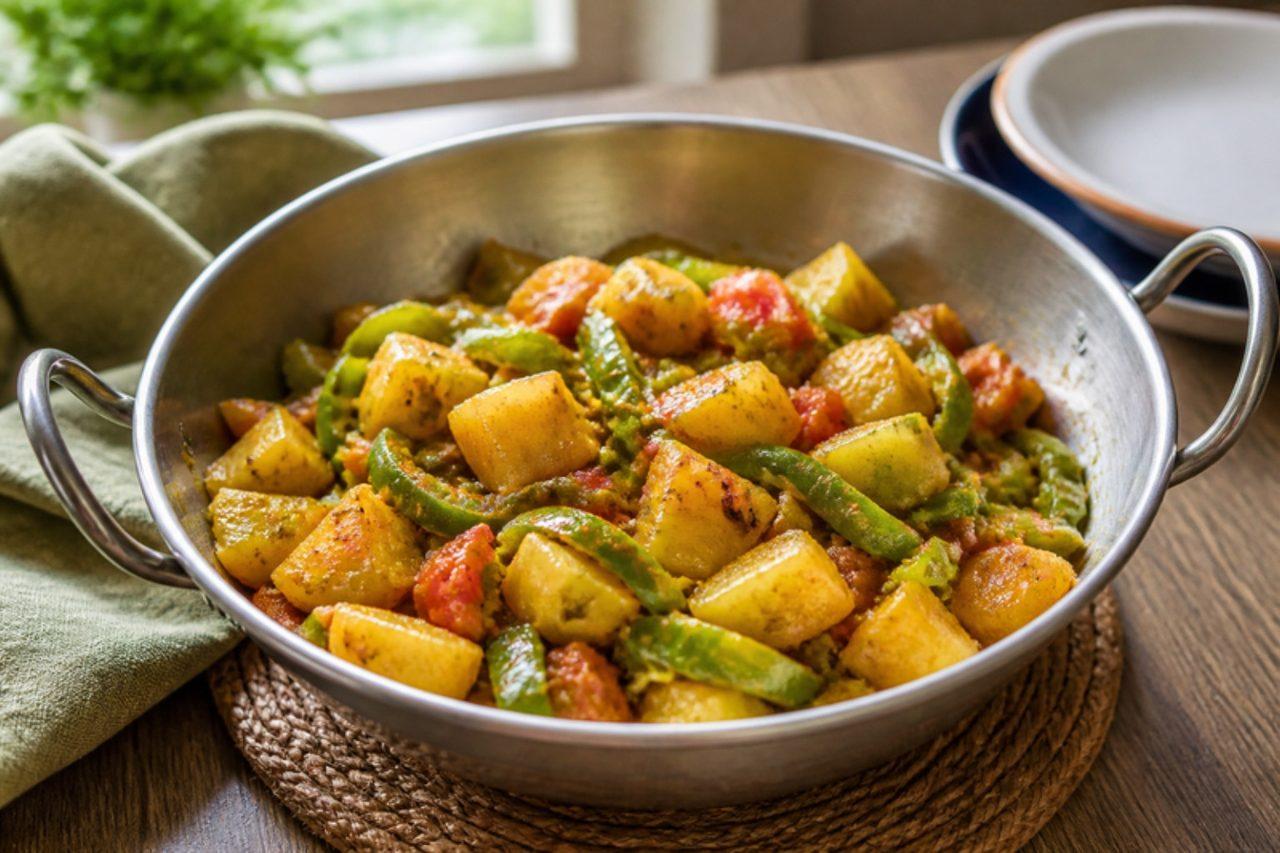
Shimla mirch alooPepper and potato stir-fry

Shimla mirch aloo is everyday Punjabi home cooking from both sides of the border, the sabzi that fills a lunchbox paratha or sits next to dal on a weeknight in Rawalpindi. Potato cubes go soft and golden first, then strips of green pepper are tossed in just long enough to soften while keeping a little bite, all held together by a dry tomato-chilli masala. The classic mistake is adding the peppers with the potatoes: they collapse, turn khaki and lose their fresh, slightly bitter flavour. Chef's tip: a pinch of amchur at the end lifts the whole pan without adding any extra liquid.

by KrazyBadal 0 views

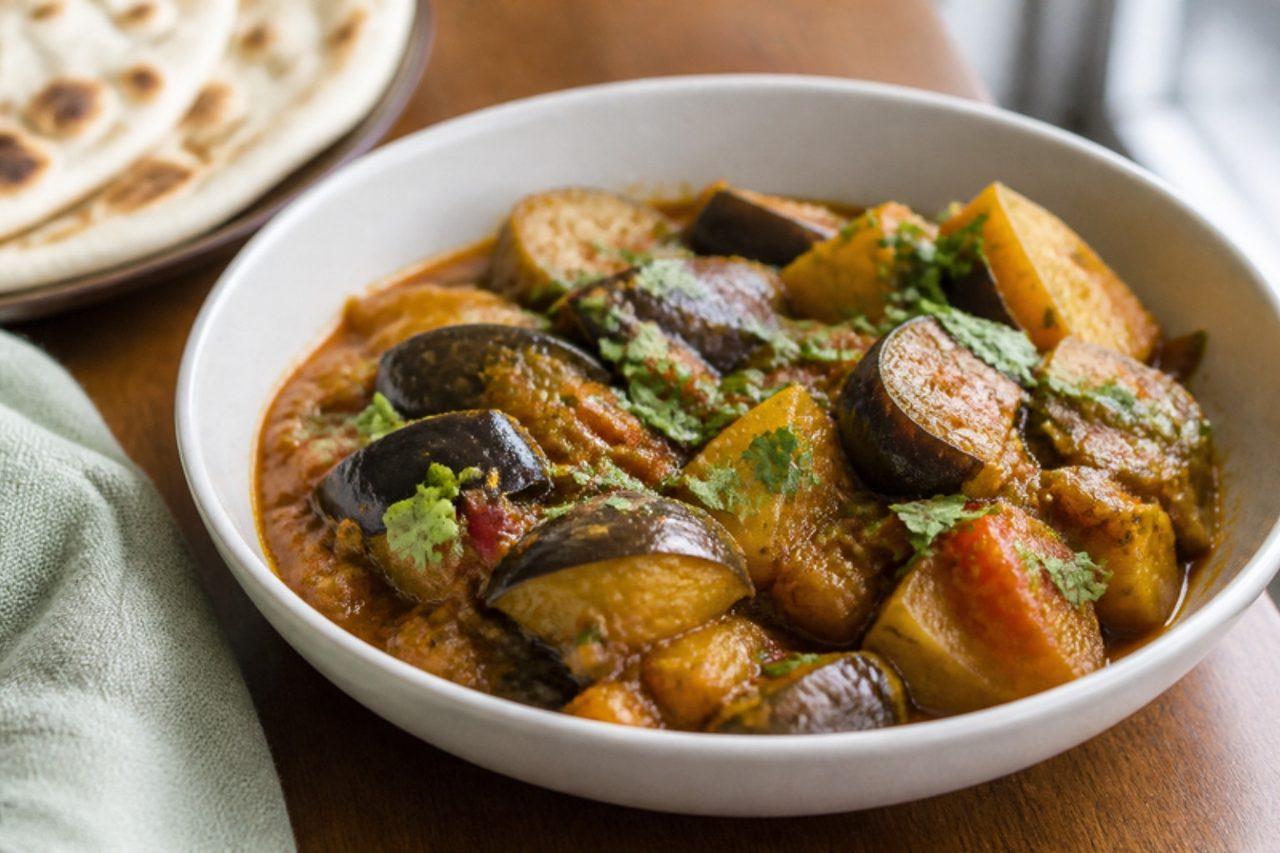
Aloo bainganPotato and aubergine

From Multan to Hyderabad in Sindh, aloo baingan is the humble pairing that makes a summer glut of aubergines go a long way: potatoes give body, aubergine melts into a jammy, smoky-sweet tomato masala. It is eaten with chapati at dinner, often next to a bowl of daal and some sliced onion. The most common mistake is stirring hard once the aubergine softens, which mashes everything into a grey purée; fold it gently and let the pan do the work. Chef's tip: give the aubergine a few minutes on its own in the hot oil before the masala goes in, so its edges catch and brown.

by KrazyBadal 0 views

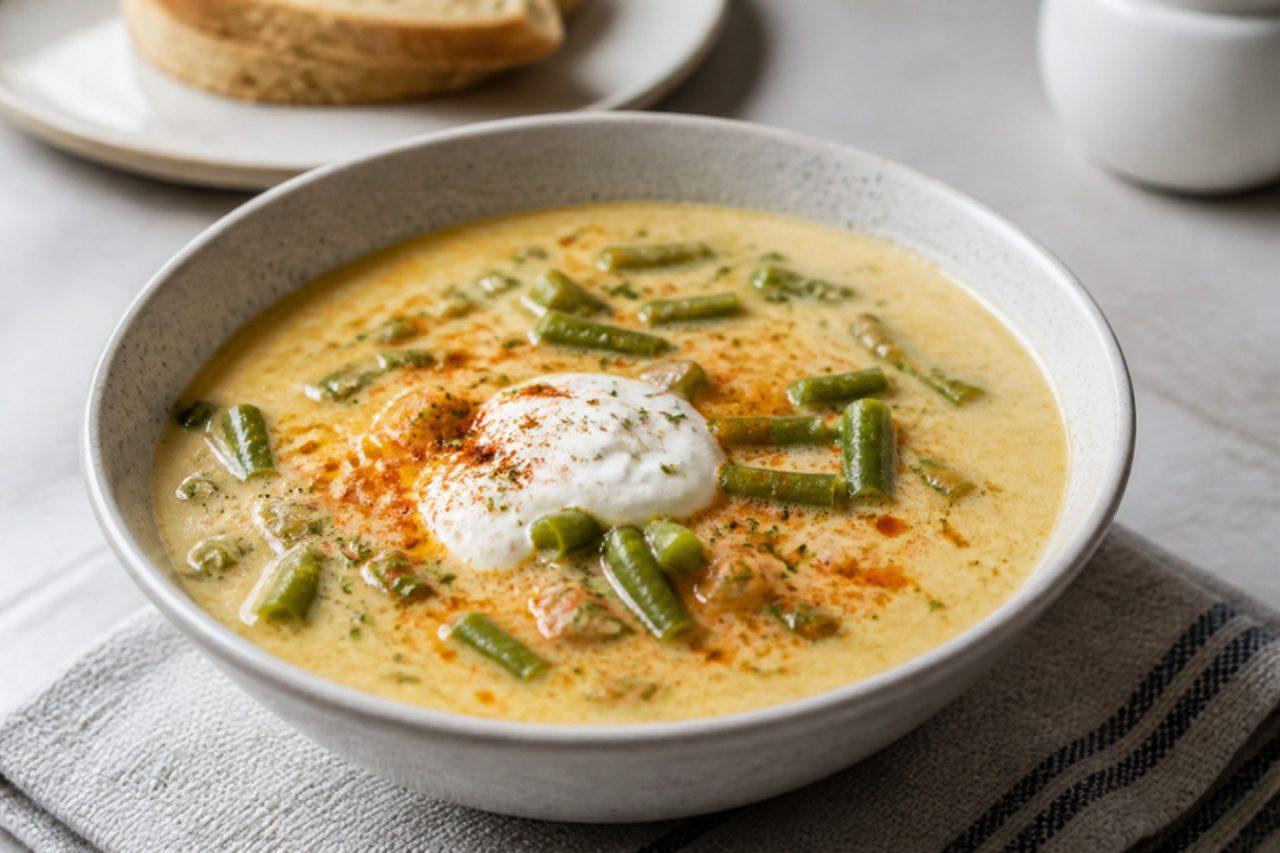
Zöldbableves (Hungarian green bean soup)

Zöldbableves is a summer soup from Hungarian home kitchens, made when green beans are cheap at every market: tender beans in a light broth, soured with a little vinegar and thickened with a paprika roux and sour cream, so it is creamy, gently tart and bright red-orange. It is served as the first course of a weekday lunch or as a light supper with bread. The classic mistake is pouring cold sour cream straight into the hot soup, where it splits into flecks; temper it first. Chef's tip: let the roux turn just golden before adding the paprika off the heat, because paprika burns in seconds and turns bitter.

by KrazyBadal 0 views

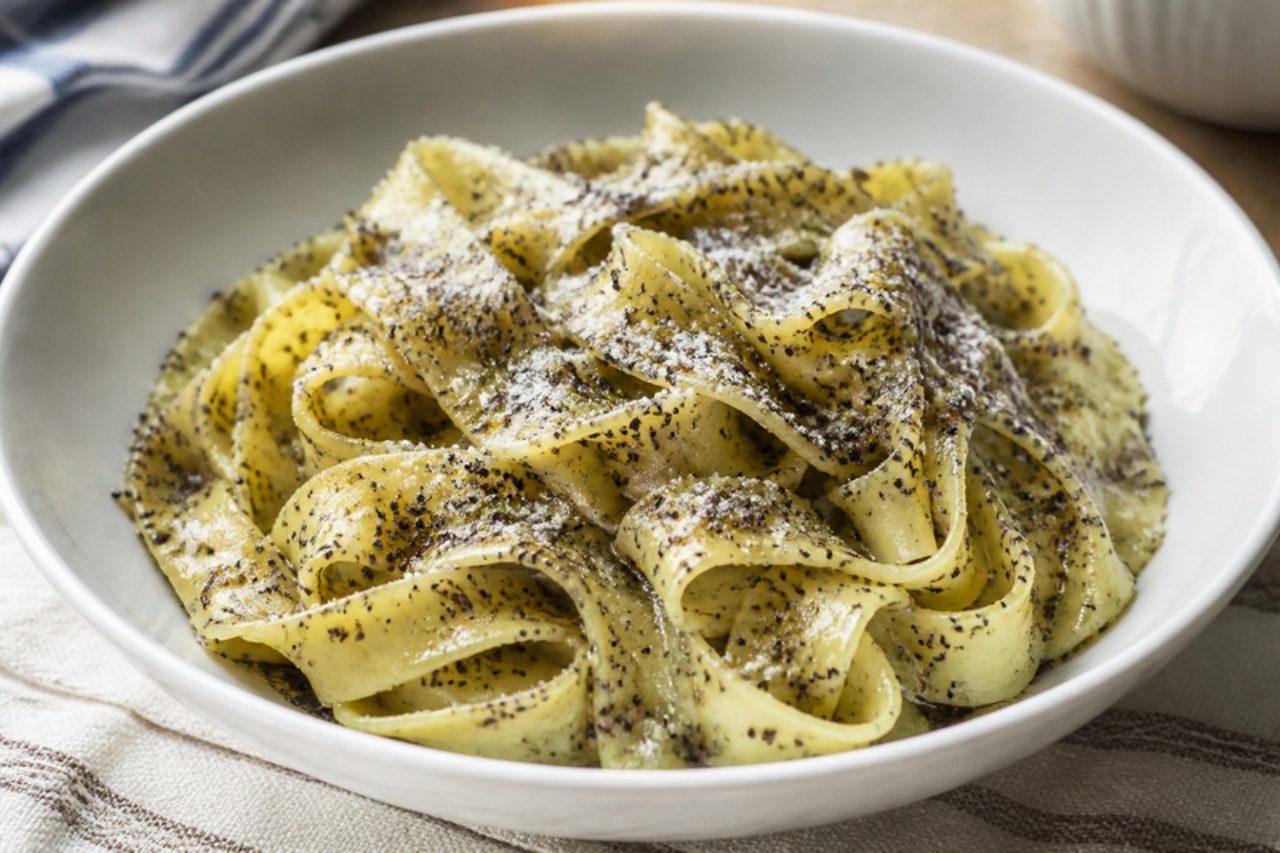
Mákos tészta (Hungarian poppy seed pasta)

Mákos tészta surprises people who meet it outside Hungary: hot wide noodles tossed in butter and finely ground poppy seeds with sugar, eaten as a main course, often on a Friday after a bowl of soup. Children across Hungary grow up on it, and grown-ups still order it in school-canteen-style restaurants in Budapest. The trick is grinding the seeds; whole poppy seeds just roll off the pasta, and the most common mistake is using them unground, which gives a gritty dish with little flavour. Chef's tip: a spice or coffee grinder turns poppy seeds into a fragrant, slightly oily powder in 20 seconds; grind them just before cooking.

by KrazyBadal 0 views

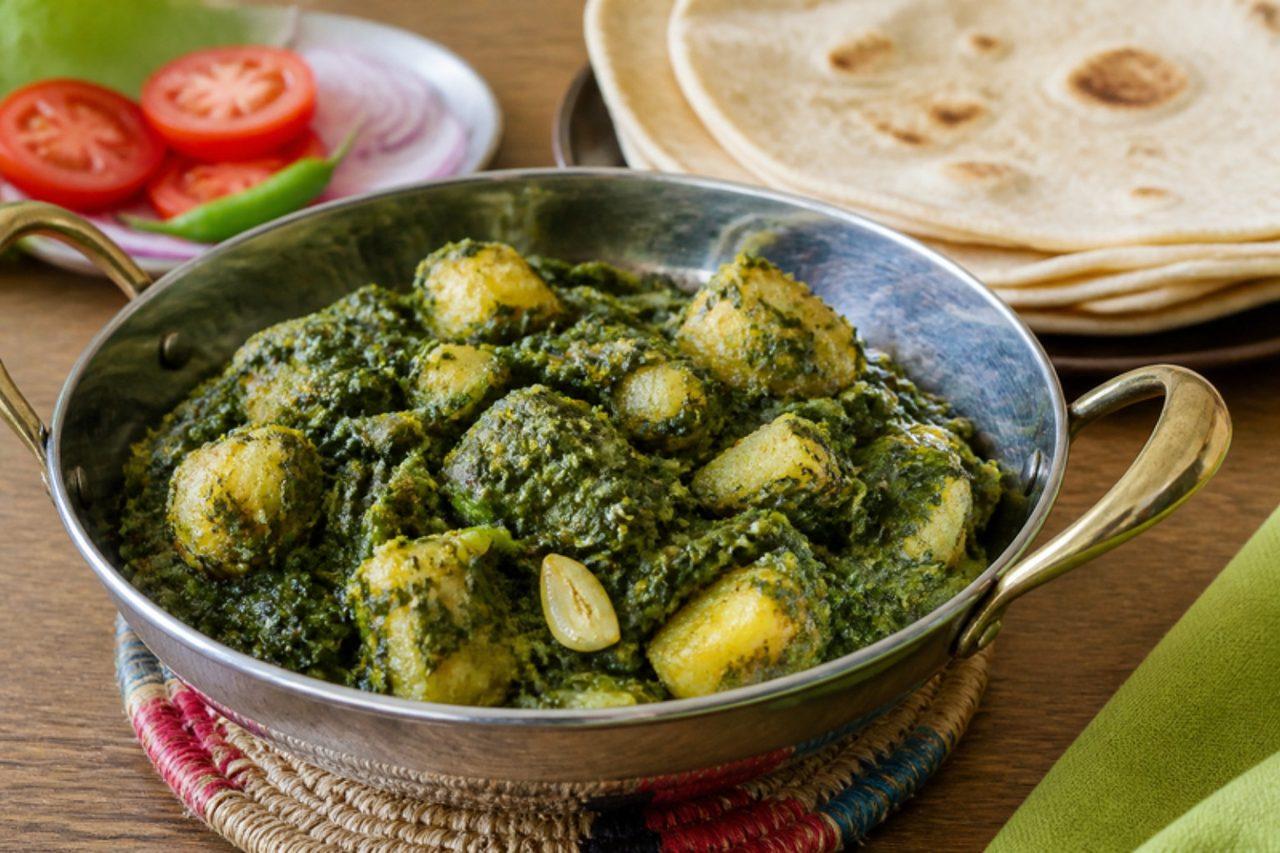
Aloo palakPotato and spinach

In Lahore and the villages of Pakistani Punjab, aloo palak is the dish that turns up on a weekday when the spinach at the sabzi stall looks good and nobody has time for a long curry. Small cubes of potato cook in a garlicky cumin masala, then a mountain of chopped spinach wilts down over them into a soft, dark green coat. Eat it with hot chapati or plain rice and a spoon of yogurt on the side. The usual mistake is cutting the potatoes too big: they are still hard when the spinach is done, and by the time they soften the greens have gone grey. Chef's tip: keep the lid off once the spinach goes in, so the water cooks away and the leaves stay bright.

by KrazyBadal 0 views

Tarta de coco y dulce de lecheCoconut and dulce de leche tart

Ask Argentinians for their favourite tart at a family birthday and this one often wins: a crisp shortcrust spread thickly with dulce de leche, then covered with a coconut, sugar and egg topping that bakes into a golden, chewy crust. Bakeries from Córdoba to Mar del Plata sell it by the slice for the merienda with mate or a café con leche. It is very sweet, so the slices are thin, and it is a good keeper for a few days. Ordinary spreading dulce de leche is the mistake: it runs and bubbles out at the edges. Use the thicker pastry-style kind, sold in Argentina as 'repostero'. Chef's tip: chill the case with the dulce de leche spread on it for 15 minutes before adding the coconut, so the two layers stay distinct.

by KrazyBadal 0 views

Torta de ricotaLemon ricotta tart

Italian families brought ricotta tarts to Buenos Aires and Rosario, and torta de ricota is now as Argentinian as mate: every panadería has one in the window, with a lattice of sweet, crumbly masa frola over a pale, lemon-scented ricotta filling. It is cut into wedges for the merienda, the late-afternoon snack, or for a birthday where nobody wants a heavy cake. The texture is light and slightly grainy rather than silky, and the pastry tastes of butter and vanilla. Wet ricotta is the biggest risk, giving a weeping, soggy tart. Chef's tip: drain the ricotta overnight in the fridge in a sieve lined with a cloth, and add a few raisins only if they have been soaked, or they draw moisture from the filling.

by KrazyBadal 0 views

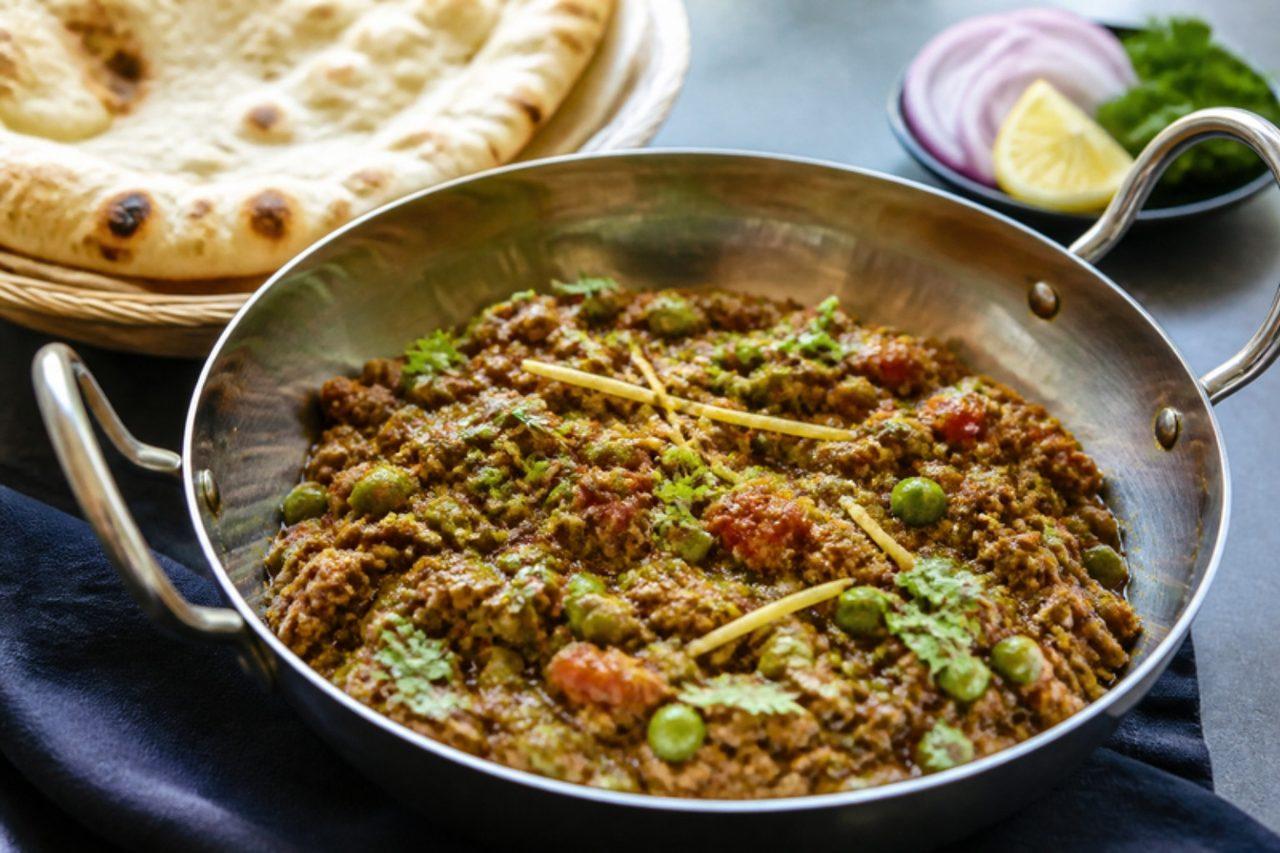
Qeema matarMinced meat and pea curry

In Lahore and across Pakistani Punjab, qeema matar is the mince dish that appears on a Tuesday when nobody has time for a slow salan: minced mutton or beef browned hard, cooked down with tomato, ginger and garlic, then studded with sweet green peas. It is dry enough to scoop with a hot roti or paratha, with a little sliced onion and lemon on the side. The usual mistake is adding the tomatoes before the mince has lost its raw, wet look, which leaves it boiled and grey instead of rich and brown. Chef's tip: break the mince up with the back of a spoon while it fries, so it cooks into fine crumbs rather than lumps.

by KrazyBadal 0 views

Fideos con mantecaButtered noodles with cheese

Ask anyone from Buenos Aires to Córdoba what they ate when they came home late or felt poorly as a child, and the answer is often fideos con manteca: short pasta tossed with butter and a snowfall of grated queso rallado. It is the plainest dish in the Argentine home kitchen and the one people cook for themselves on a tired weeknight. The mistake that ruins it is draining the pasta bone-dry and adding cold cheese to a hot empty pan, which leaves greasy strands and clumps; a splash of cooking water makes a light, creamy coating instead. Argentine reggianito and Parmesan are made with animal rennet, so use a vegetarian hard cheese if needed. Chef's tip: grate the cheese very finely, like dust, so it melts on contact.

by KrazyBadal 0 views

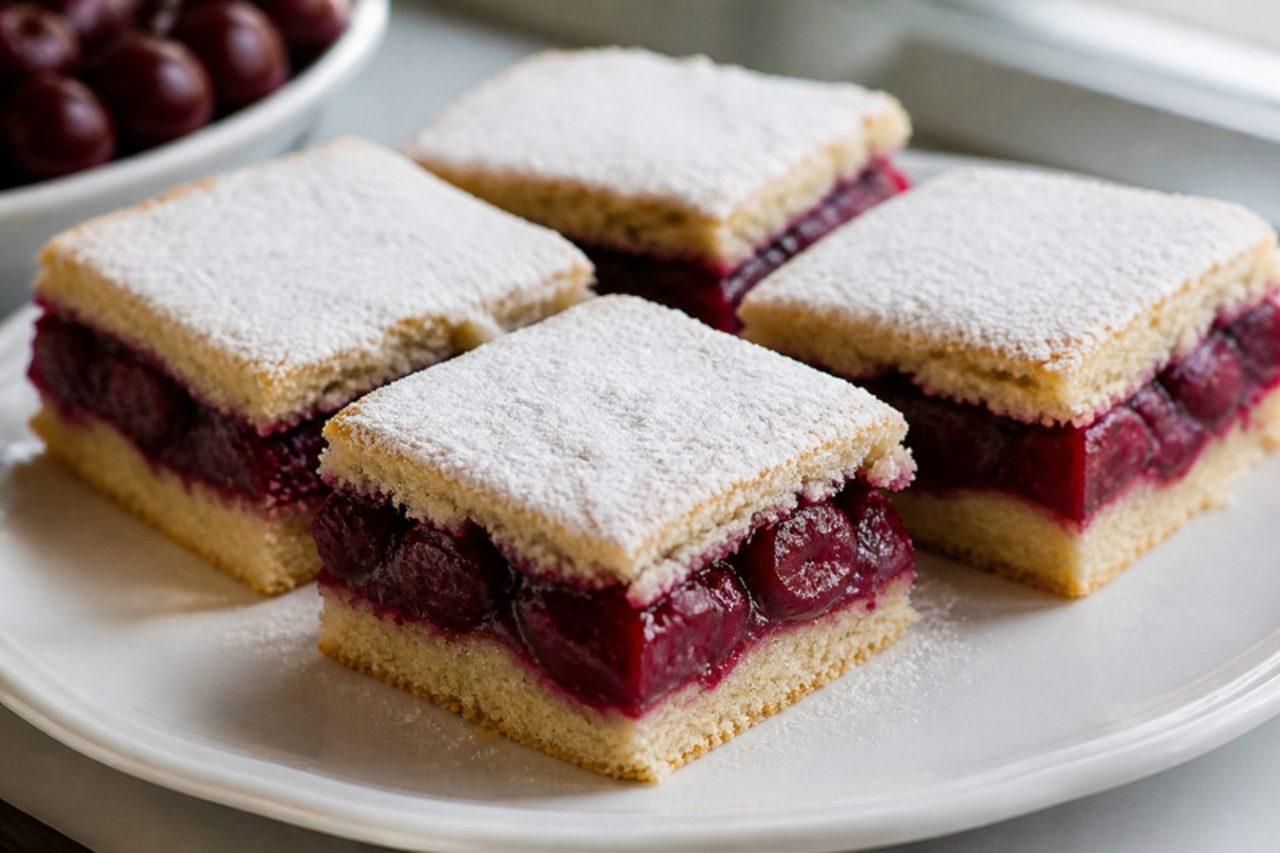
Meggyes piteSour cherry slice

Hungarian grandmothers bake meggyes pite in a big rectangular tin in June, when sour cherries hang from every garden tree, and the rest of the year with jarred ones from the pantry. Two layers of soft, almost cakey pastry made with sour cream hold a tart, juicy cherry layer, and the top disappears under a snowfall of icing sugar. Squares of it turn up at Sunday lunch, in school lunch boxes and on the plate next to an afternoon coffee. Skipping the semolina is the mistake that gives a soggy middle: it soaks up the cherry juice as it bakes. Chef's tip: drain jarred or thawed cherries in a sieve for a good 30 minutes and keep the juice for a drink or a sauce.

by KrazyBadal 0 views

Salpicón de aveCold chicken salad

Salpicón de ave is the cold supper of Argentine summers, made in Buenos Aires flats and on estancias alike when it is too hot to cook much, and a favourite way to use the chicken from a puchero or Sunday roast. Shredded chicken is mixed with diced pepper, tomato, spring onion, sweetcorn and boiled egg, bound with mayonnaise sharpened with lemon and mustard, and served chilled with crusty bread or on lettuce. The common mistake is dressing it while the chicken is still hot, which melts the mayonnaise into an oily puddle; let everything cool first. Chef's tip: dress the chicken with the lemon juice and a pinch of salt before the mayonnaise goes in, so the meat itself is seasoned, not just its coating.

by KrazyBadal 0 views

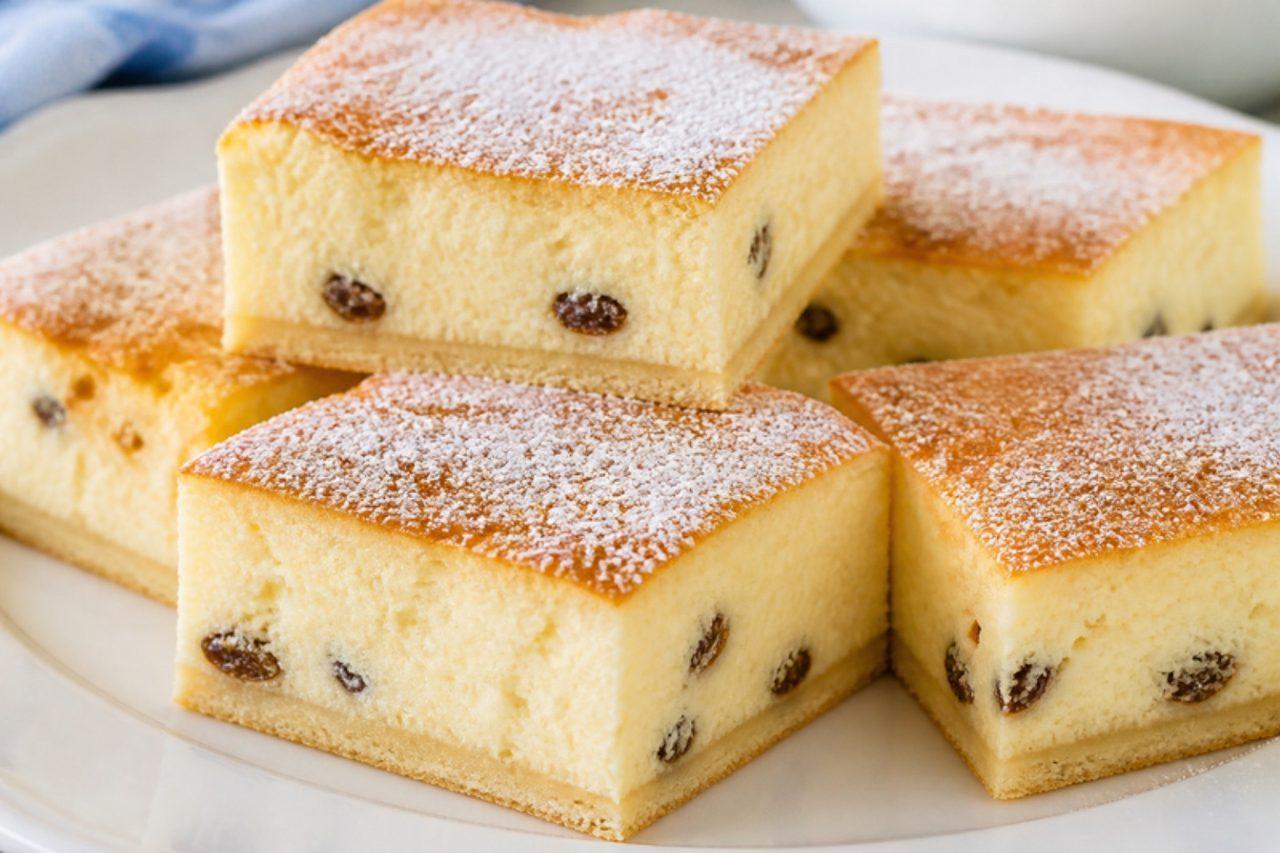
Túrós lepénySweet curd cheese sheet cake

Hungarians use túró, a dry, crumbly fresh curd cheese, the way other cooks use cream, and túrós lepény is one of its homeliest outings: a thin short pastry base, a deep layer of lemony sweetened curd with raisins, baked in a tray and cut into squares for afternoon coffee, a picnic at Lake Balaton or the school lunch box. The filling is light and tangy rather than dense like a cheesecake, because the egg whites are whipped and folded in. Wet curd is the classic mistake; it weeps and the base goes soggy, so press the cheese through a sieve and use farmer's cheese or well-drained quark if you can't find túró. Chef's tip: take the lepény out while the very centre still has a slight wobble; it sets as it cools and stays creamy instead of cracking.

by KrazyBadal 0 views

BizcochueloPlain whisked sponge cake

Nearly every Argentine birthday torta starts life as a bizcochuelo: a tall, plain sponge of eggs, sugar, flour and cornflour, with no butter and no baking powder, lifted only by long whisking. Grandmothers bake it on Sunday to split into three and fill with dulce de leche and whipped cream, or eat it plain in the afternoon with mate. The crumb is fine, dry-ish and airy, made to soak up syrup. Opening the oven in the first 20 minutes is the classic way to flatten it, so leave the door shut. Chef's tip: whisk until the mixture reaches 'punto letra', thick enough that a ribbon drawn on the surface holds its shape for a few seconds; that takes a good 8–10 minutes with an electric mixer, and warm eggs get there faster.

by KrazyBadal 0 views

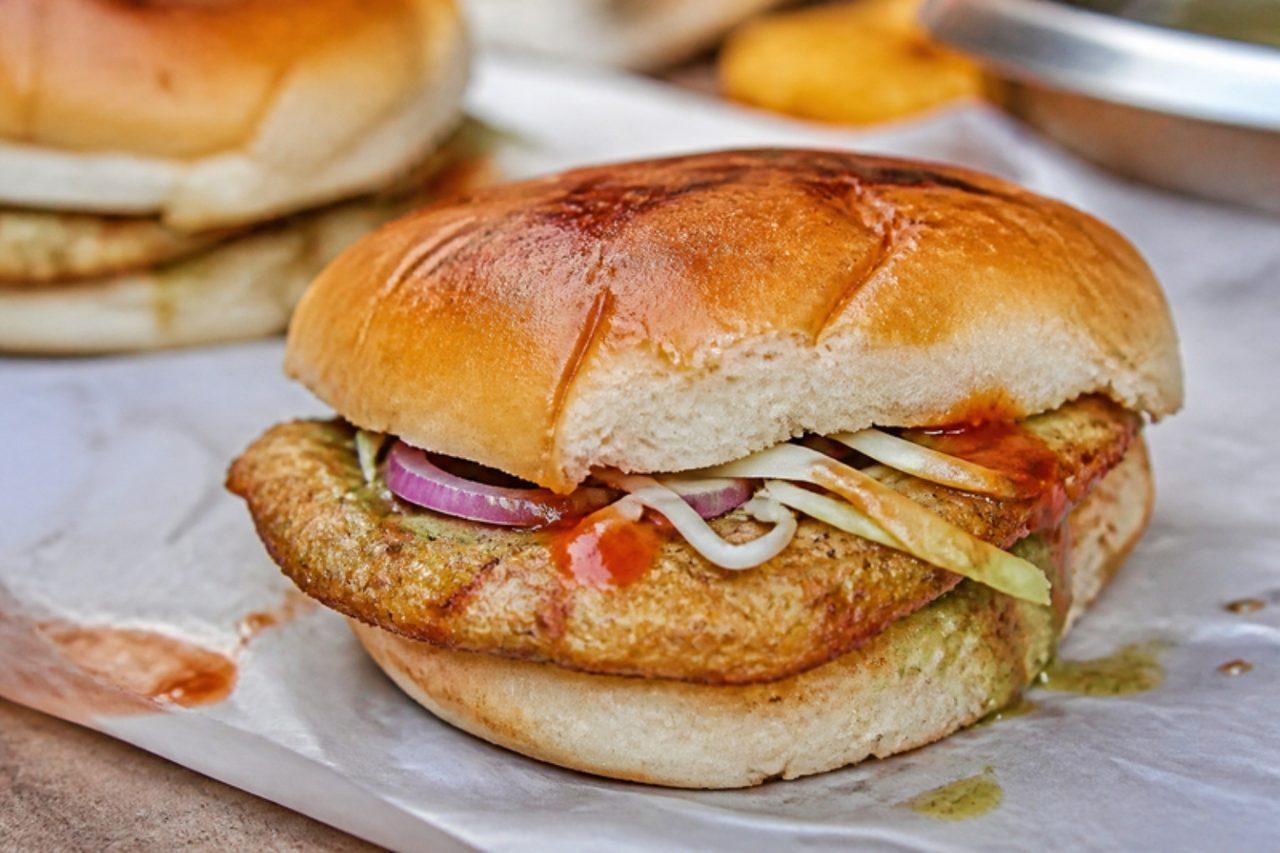
Anday wala burgerEgg and beef burger

After dark, Karachi's burger carts on Burns Road, Tariq Road and outside every college fire up their griddles for the anday wala burger: a thin, spicy beef patty and a fried egg in a soft buttered bun, with shredded cabbage, onion, ketchup and a sharp green chutney. It is cheap, messy and the city's favourite late snack. A cousin of the anda bun kebab, which uses a lentil and potato patty, this version is all about the meat. The common slip is pressing the egg too thin until it is leathery; cook it in the patty's fat just until the white sets. Contains egg, wheat and milk. Chef's tip: dip each patty in beaten egg before it hits the griddle, as the cart cooks do, so a thin egg jacket forms and keeps it juicy.

by KrazyBadal 0 views

Tawa chickenGriddle-fried chicken

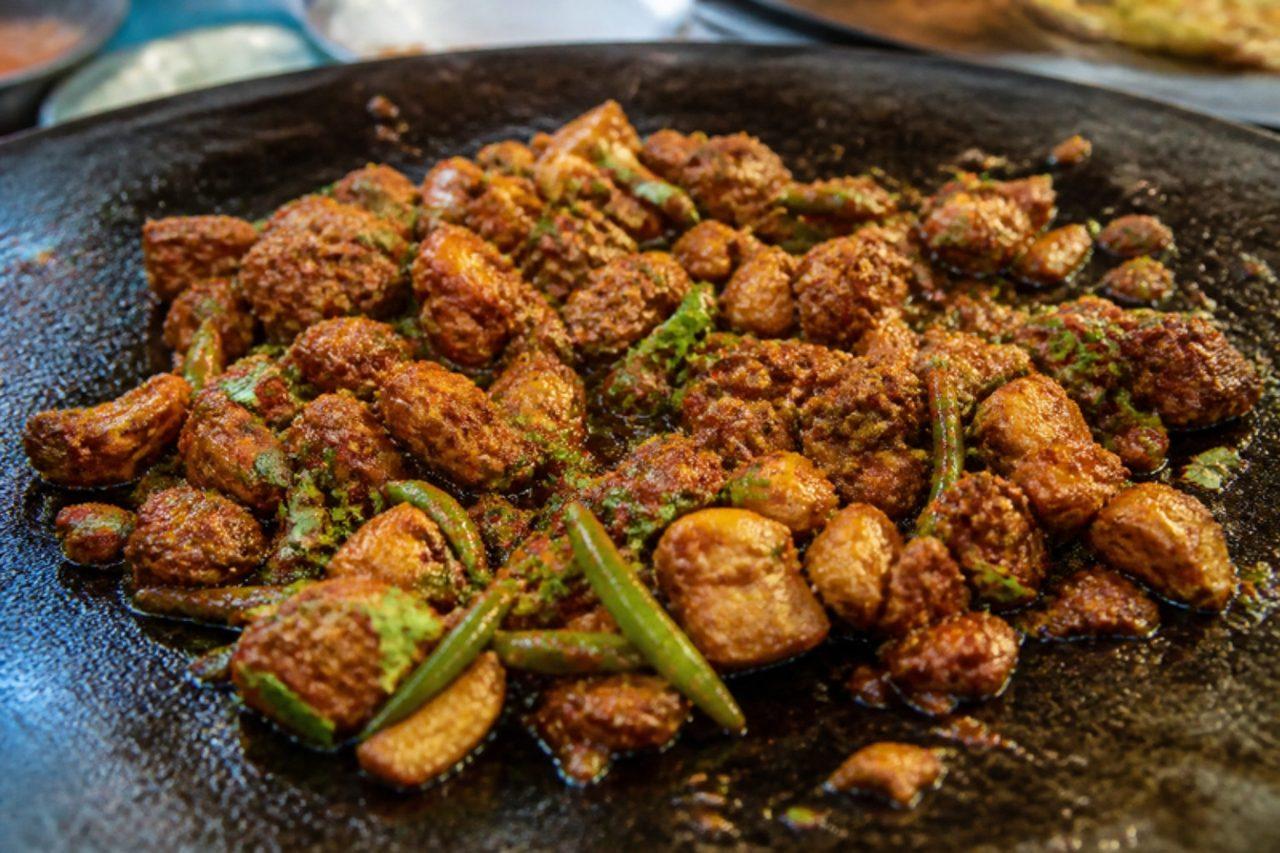
At night on the motorway service roads and Lahore's Gawalmandi, cooks drum their metal spatulas on huge round tawas as they chop and fry chicken to order: boneless pieces scraped about the hot iron with tomato, onion, green chilli and spice until dry, smoky and coated. The noise is half the show, and the chicken is eaten straight off the griddle with naan or paratha. The mistake at home is using a small non-stick pan over a timid flame, which stews the chicken; use your widest heavy pan or griddle and keep the heat high. Chef's tip: chop the chicken into small pieces with the edge of your spatula as it cooks, the way the stalls do, so every bit picks up the charred masala.

by KrazyBadal 0 views

LacipecsenyeGrilled pork neck

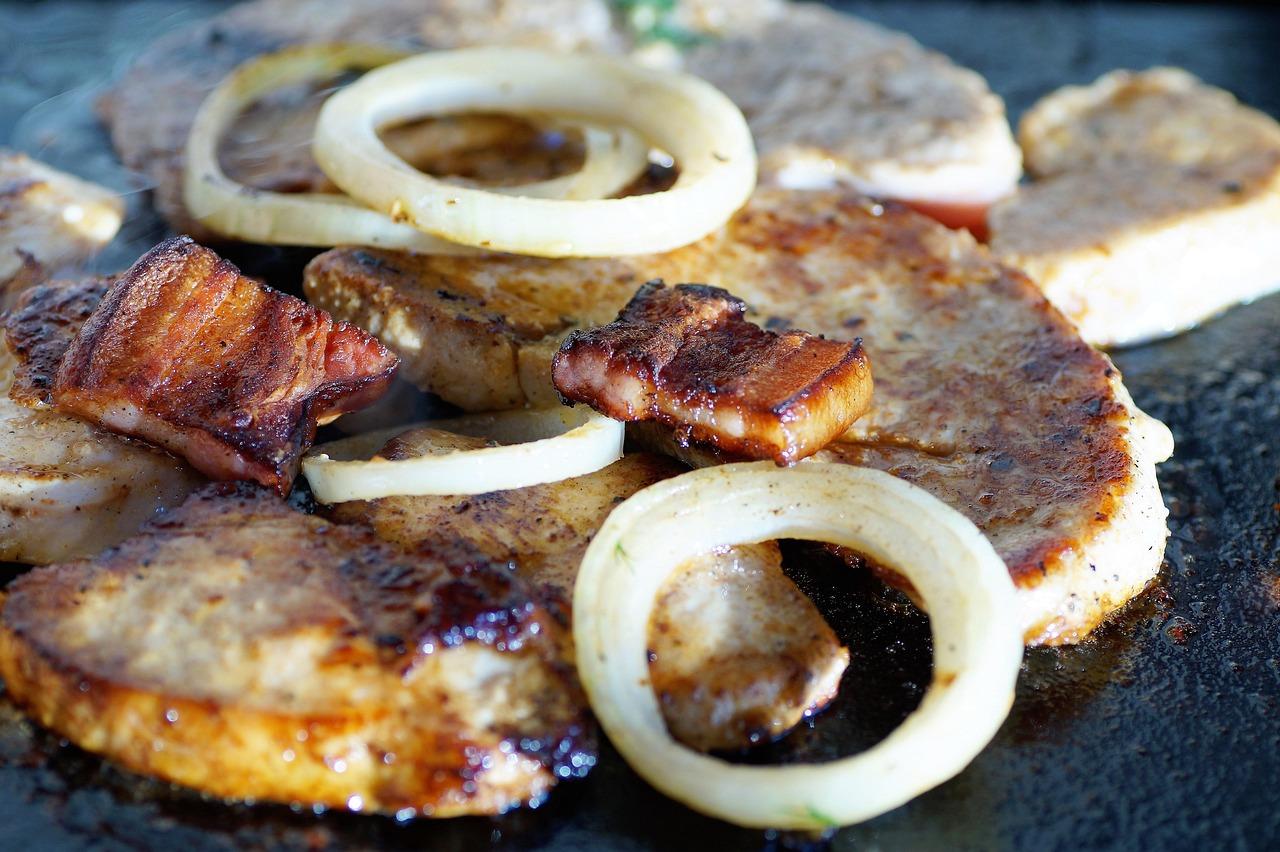
At village fairs (búcsú), wine festivals and the roadside stalls known as lacikonyha, 'Laci's kitchen', the smell of lacipecsenye pulls in the crowds: pork neck steaks rubbed with garlic, grilled on a griddle and heaped with fried onions. It is eaten standing up from a paper plate with a hunk of white bread, mustard and pickled cucumbers, and it is just as good from a home barbecue or a heavy pan. Marinate the pork in the fridge for at least 2 hours, or overnight. Chef's tip: pork neck is marbled, so it stays juicy; the mistake is pressing it with the spatula, which squeezes out the juices.

by KrazyBadal 0 views

Doodh pattiStrong milk tea

Doodh patti is poured from a dented pan at every truck stop, university canteen and street-corner dhaba in Pakistan, from Karachi's Saddar to the Murree road, and it is drunk at all hours: before work, after cricket, at midnight with a paratha. The tea is made without any water at all, boiling loose black tea and sugar in milk until it turns a deep caramel colour and tastes rich, malty and strong. The mistake is simmering too gently and pulling it off too soon, giving a weak, milky drink; it needs a proper rolling boil, more than once. Contains milk. Chef's tip: lift the pan off the heat each time the tea froths to the top and return it, three times; each rise deepens the colour and flavour.

by KrazyBadal 0 views

MelegszendvicsToasted ham and cheese

Melegszendvics is Hungarian student food and the go-to Sunday evening supper in countless Budapest households: slices of bread spread with ketchup or sour cream, topped with ham and grated cheese and baked until the cheese bubbles. Many families own a little sandwich toaster just for it, but a hot oven or grill works just as well. The ham is pork; for a vegetarian version swap it for sliced tomato, peppers and sweetcorn and use a vegetarian cheese. Chef's tip: grate the cheese rather than slicing it, so it melts evenly to the edges and the bread underneath crisps instead of steaming.

by KrazyBadal 0 views

Bundás kenyérEgg-fried bread

Bundás kenyér, 'bread in a fur coat', is the Hungarian answer to yesterday's loaf. On weekday evenings across the country, and at Sunday breakfasts in Budapest flats, slices of white bread are dunked in seasoned egg and milk and fried until puffed and golden. Most families eat it savoury, rubbed with raw garlic and served with pickled cucumbers or tea, though children often want jam or a dusting of icing sugar. Chef's tip: use bread that is a day or two old; fresh bread soaks up too much egg and fries up soggy.

by KrazyBadal 0 views

Showing 24 of 404 recipes

Show more recipes

Page 1 of 17