Skip to content
Recipes

All recipes

Vegetarian, or something you can't eat? Set your diet once and we'll hide recipes that don't fit.

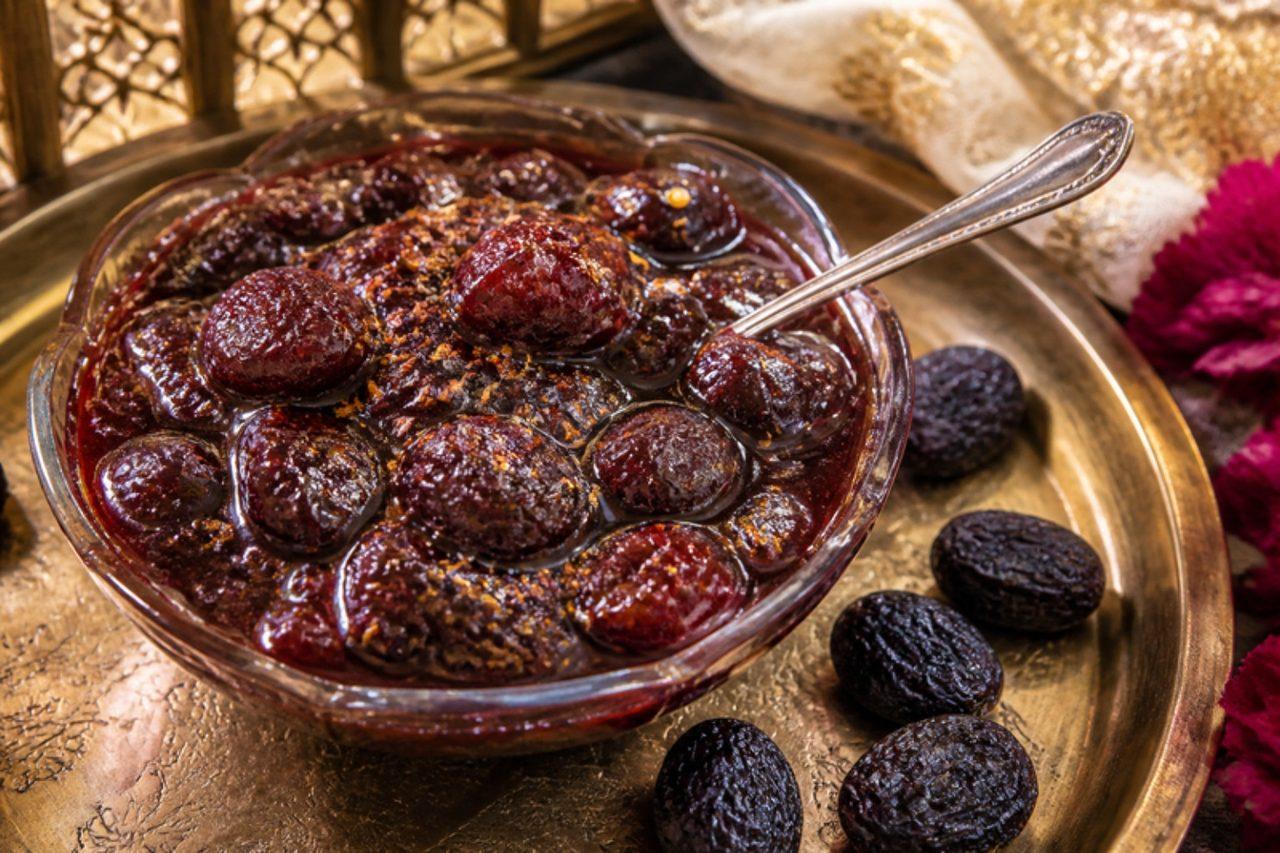
Aloo bukhara chutneyDried plum chutney

Wherever a Pakistani wedding serves biryani and qorma, a little bowl of glossy aloo bukhara chutney sits alongside to cut the richness. Dried sour plums are softened, then cooked with sugar, a touch of vinegar, ginger, chilli and warm spices into a jammy, sweet-sour relish, dark and shining. It keeps for weeks and is made in big jars before the shaadi. Chef's tip: stop cooking while it still looks a little loose; it thickens a lot as it cools.

by KrazyBadal 0 views

Pajagua mascadaBeef and cassava patties

Pajagua mascada is a Paraguayan street-food classic that appears on every table for the San Juan festival on 24 June, when bonfires burn and the night is full of games and traditional food. Minced beef is mixed with mashed cassava, onion, garlic and a little egg and flour, shaped into flat patties and fried until crisp. The name comes from Guaraní and refers to the 'chewing' of old Paraguayan cooks, who made it from leftover meat. Chef's tip: dry the boiled cassava well and remove its woody core, which keeps the patties light and crunchy.

by KrazyBadal 0 views

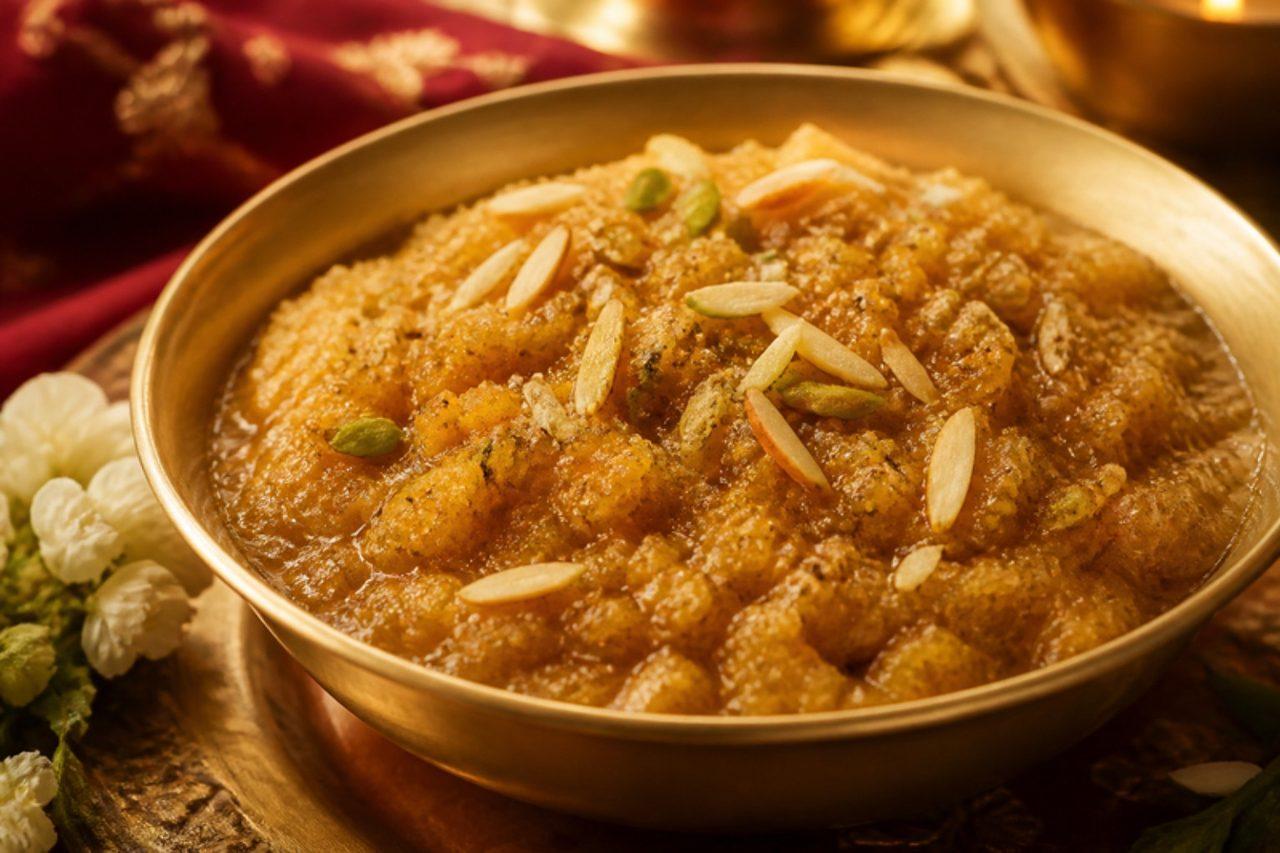
Chana dal halwa

At Punjabi weddings in Lahore and Faisalabad in the cold months, the dessert table often carries a big tray of chana dal halwa beside the gajar halwa. Soaked split chickpeas are ground and fried slowly in ghee until they smell of roasted nuts and turn deep golden, then cooked with milk, sugar and cardamom into a rich, grainy halwa that keeps for days. It takes patience and a strong arm. Chef's tip: keep the heat low and scrape the bottom constantly; the dal catches fast once it starts to brown.

by KrazyBadal 0 views

KaguyjyWhite corn pudding

On the night of 23–24 June, Paraguayans celebrate San Juan with bonfires, games like walking over hot coals and the 'paso de fuego', and a table of traditional foods, and kaguyjy (also mazamorra) is one of them. It is a soft, creamy pudding of cracked white corn (locro) simmered slowly in water and then milk with sugar or honey, sometimes with orange peel. It is eaten warm or cold. It is gluten free. Chef's tip: soak the corn overnight and cook it until each kernel is tender before adding the milk, or it never turns creamy.

by KrazyBadal 0 views

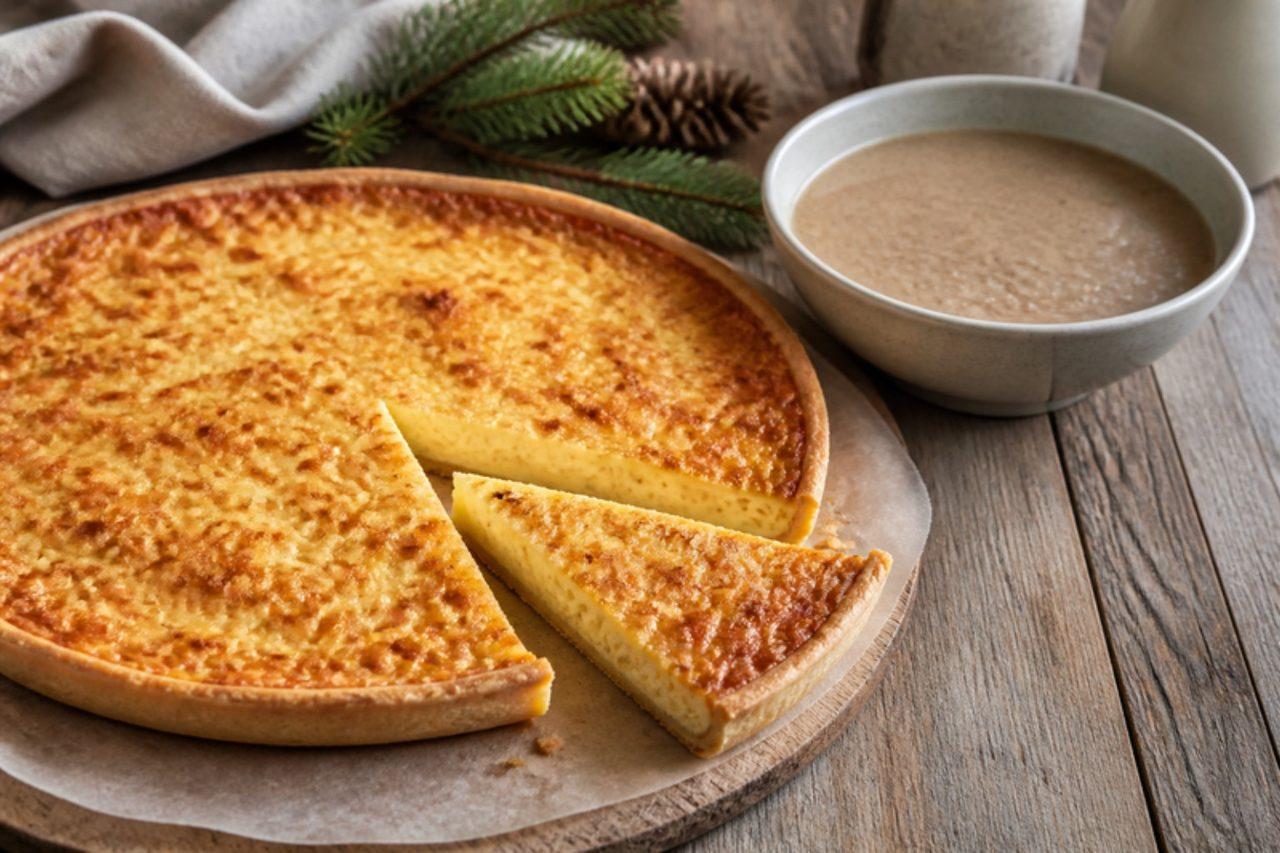
KäsewäheCheese tart

At four in the morning on Basel's Morgestraich, when the lanterns go out and Fasnacht begins, the restaurants fill with drummers and pipers eating Mehlsuppe and slices of hot Käsewähe. The tart is a thin buttery pastry base filled with grated Gruyère or Emmentaler set in a nutmeg-scented custard of egg and milk, baked until puffed and golden. Traditional Swiss hard cheeses are made with animal rennet; use a vegetarian Alpine-style hard cheese if you need to. The common mistake is a soggy base, so bake the pastry blind first. Chef's tip: toss the grated cheese with a spoon of flour, which stops it sinking into a rubbery layer.

by KrazyBadal 0 views

Chipa so'oCheese bread with spiced beef

In Paraguay, families bake chipa in the clay tatakua ovens on Holy Wednesday so there is food for Thursday and Good Friday, when cooking stops. Chipa so'o ('chipa with meat') is a cassava-starch and cheese bread wrapped around a little filling of minced beef cooked with onion and egg, then baked until crisp outside and chewy within. It is naturally gluten free. Chef's tip: knead the dough until it no longer cracks at the edges when pressed; dry dough splits around the filling.

by KrazyBadal 0 views

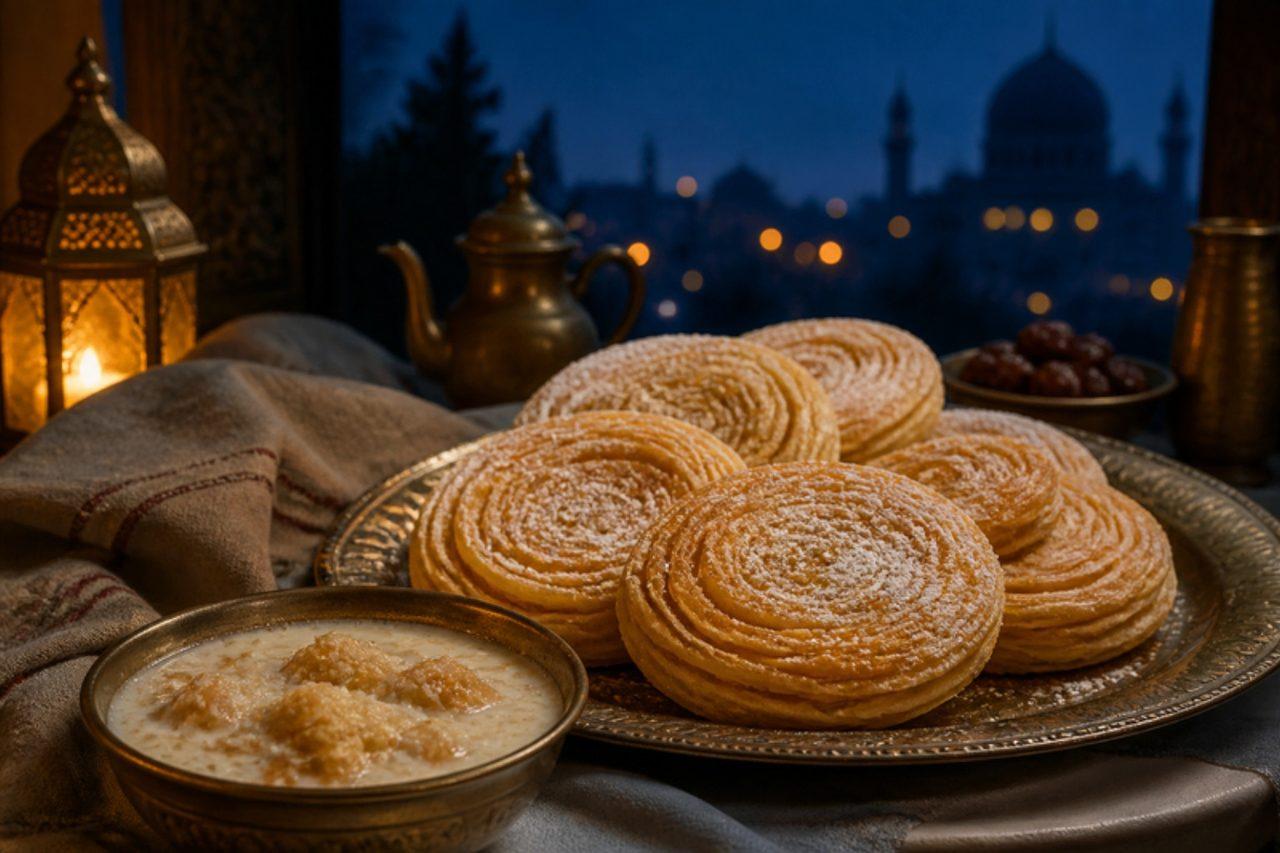
KhajlaFried pastry rounds in sweet milk

In the old lanes of Lahore and Karachi's Burns Road, sweet shops fry khajla through the night in Ramadan so families can buy it fresh for sehri, the meal eaten before dawn. Each round is a stack of paper-thin layers of ghee-rubbed dough that shatter when you press them, and it is crumbled into a bowl of hot sweetened milk, often with fine pheni, to give slow energy for the fasting day. Chef's tip: keep the oil only medium-hot; khajla must fry slowly so every inner layer turns crisp before the outside browns.

by KrazyBadal 0 views

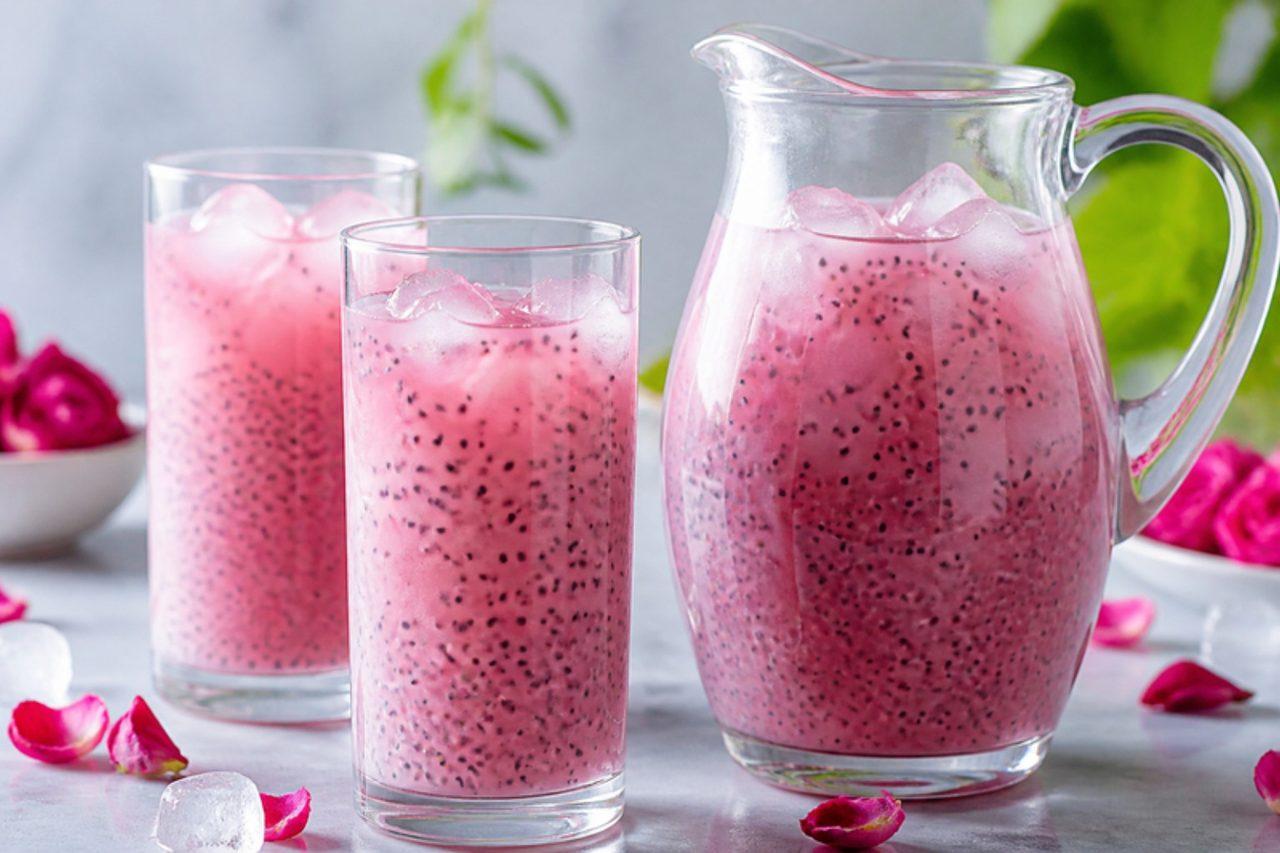
Sabeel sharbatRose milk with basil seeds

In the first ten days of Muharram, and above all on Ashura, volunteers in Pakistani towns set up sabeel stalls at the roadside and pour free cups of cold sweet milk for anyone passing, in memory of the thirst of Imam Husain's family at Karbala. The drink is pale pink, lightly rose-scented and dotted with swollen basil seeds, and it is made in huge steel pots at the stalls; this is the home-sized jug. Chef's tip: soak the basil seeds in water first, never straight in the milk, or they stay hard and clump.

by KrazyBadal 0 views

Fasnachts-SchenkeliFried lemon dough fingers

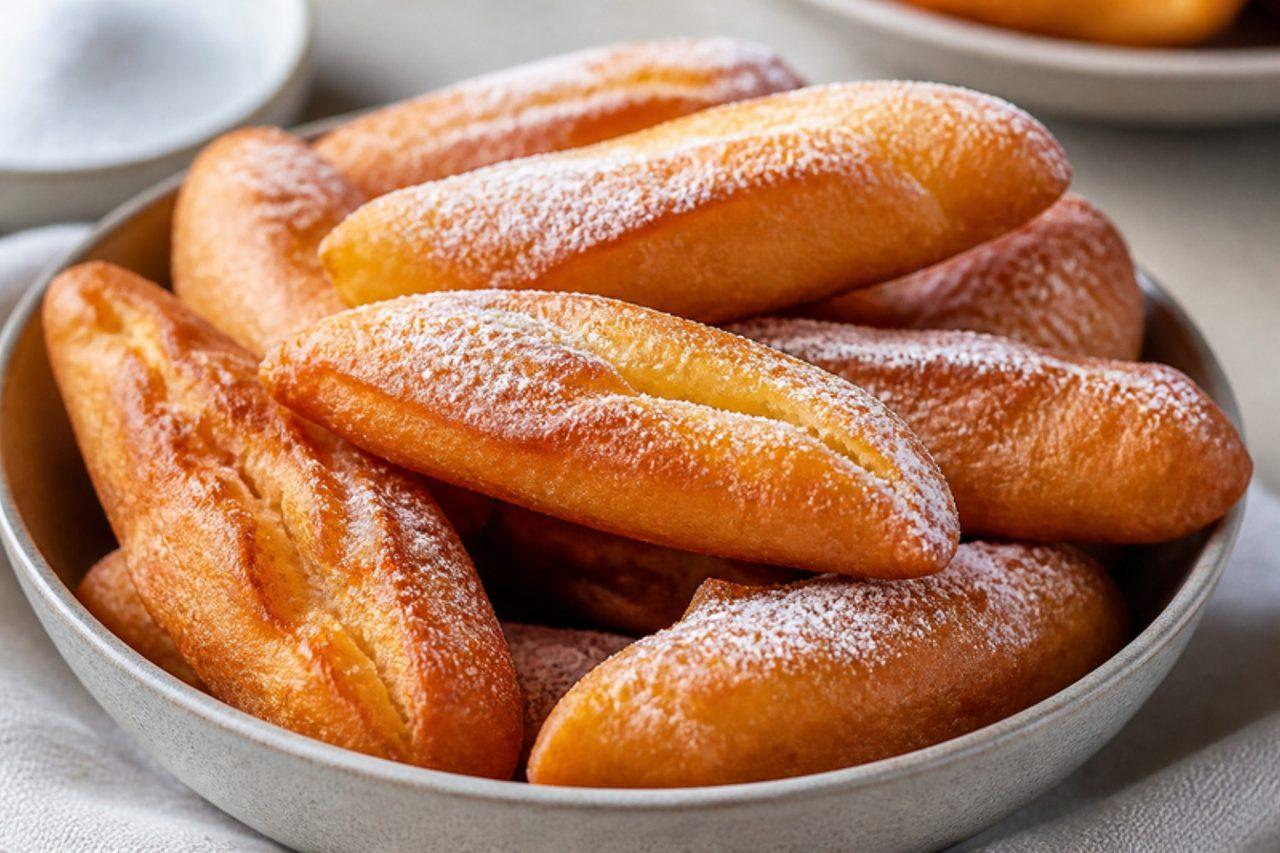
Schenkeli ('little thighs') are fried for Fasnacht, the Carnival weeks that lead up to Lent in Switzerland, when bakeries in Basel, Lucerne and Zurich sell them by the bagful beside Fasnachtschüechli. The dough is rich with butter, eggs and lemon zest, rolled into finger-length logs and fried until they have a crisp, cracked golden shell and a soft, cakey middle. Some recipes add a splash of kirsch to the dough; this one doesn't. Chef's tip: fry them at a moderate temperature, as they need time to cook through and the signature cracks form only if they aren't browned too fast.

by KrazyBadal 0 views

MässmoggeHazelnut-filled striped sweets

Every autumn the Basler Herbstmesse, Switzerland's oldest fair, fills the old town with rides and stalls, and the smell of boiling sugar from the stands selling Mässmogge, glossy striped sweets in bright colours with a soft chocolate-hazelnut centre. They are made by pulling hot sugar until it turns satiny, wrapping it round a rope of filling and snipping it into little pillows. It takes practice and a sugar thermometer, and adults should do all the hot work; children can help once the sweets are cool. Chef's tip: work on an oiled silicone mat near a low oven, so the sugar stays pliable for longer.

by KrazyBadal 0 views

Schinkli im BrotteigHam baked in bread crust

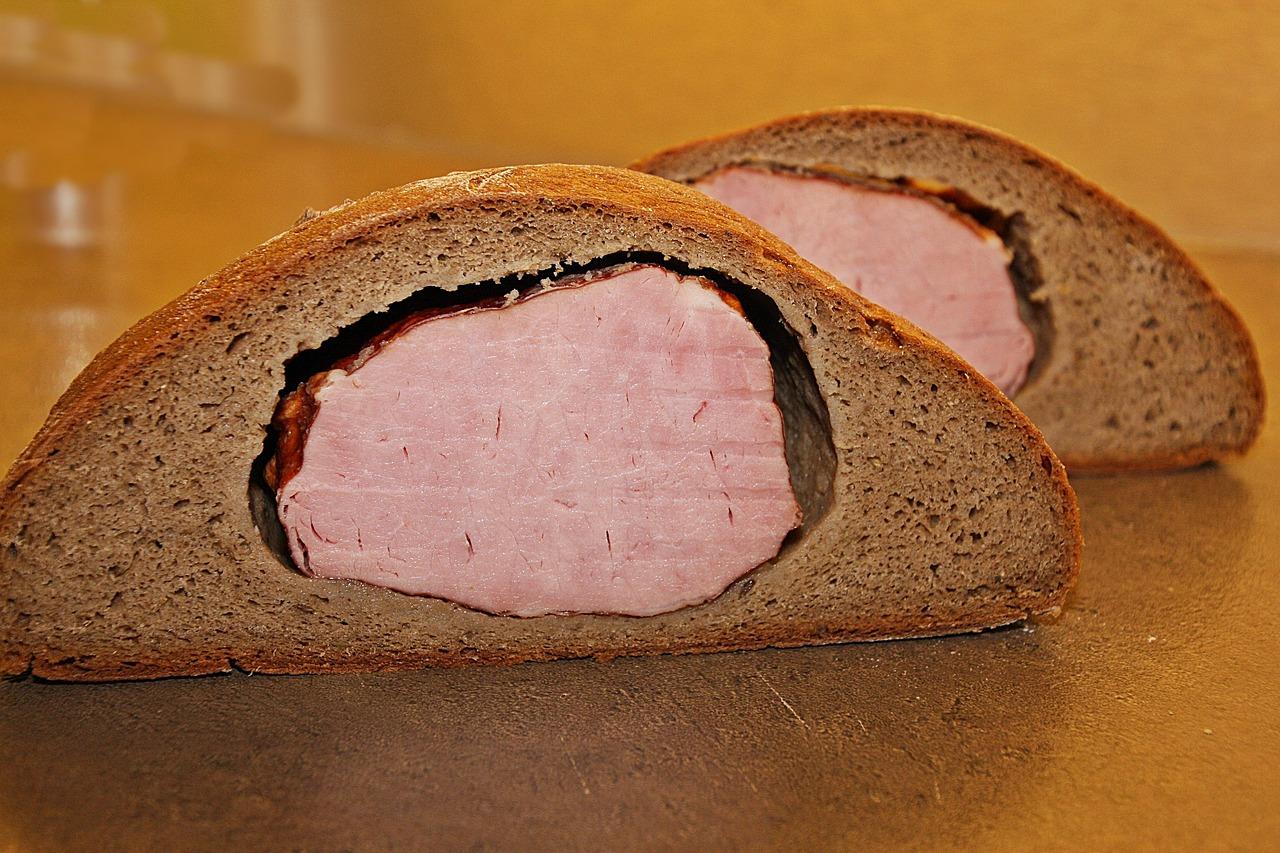
Schinkli im Brotteig, a small smoked pork ham baked inside a bread crust, is a much-loved Christmas Eve dish in German-speaking Switzerland because it can be prepared ahead and goes into the oven while the family opens presents. The dough seals in the ham's juices and soaks them up as it bakes, and the ham is sliced with the crust and served with potato salad, mustard and pickles. Buy a ready-cooked smoked ham (Schüfeli or Schinkli) of about 1 kg. Chef's tip: dry the ham well before wrapping it, or the dough turns soggy inside.

120 minSwissMeat
by KrazyBadal 0 views

Sopa teólogaTurkey broth with bread and cheese

Sopa teóloga ('the theologian's soup') goes back to colonial convents in Lima and Arequipa, where it was cooked for feast days, and it is still served at Holy Week and family celebrations. A rich turkey (or chicken) broth is thickened with soaked bread, milk and fresh cheese, with yellow potatoes and shreds of turkey, and finished with a little ají amarillo and chopped huacatay or parsley. It is thick, comforting and filling. Chef's tip: blend part of the soaked bread with broth before adding it, which gives the soup its creamy body without lumps.

by KrazyBadal 0 views

FastenwäheCaraway pretzel bread

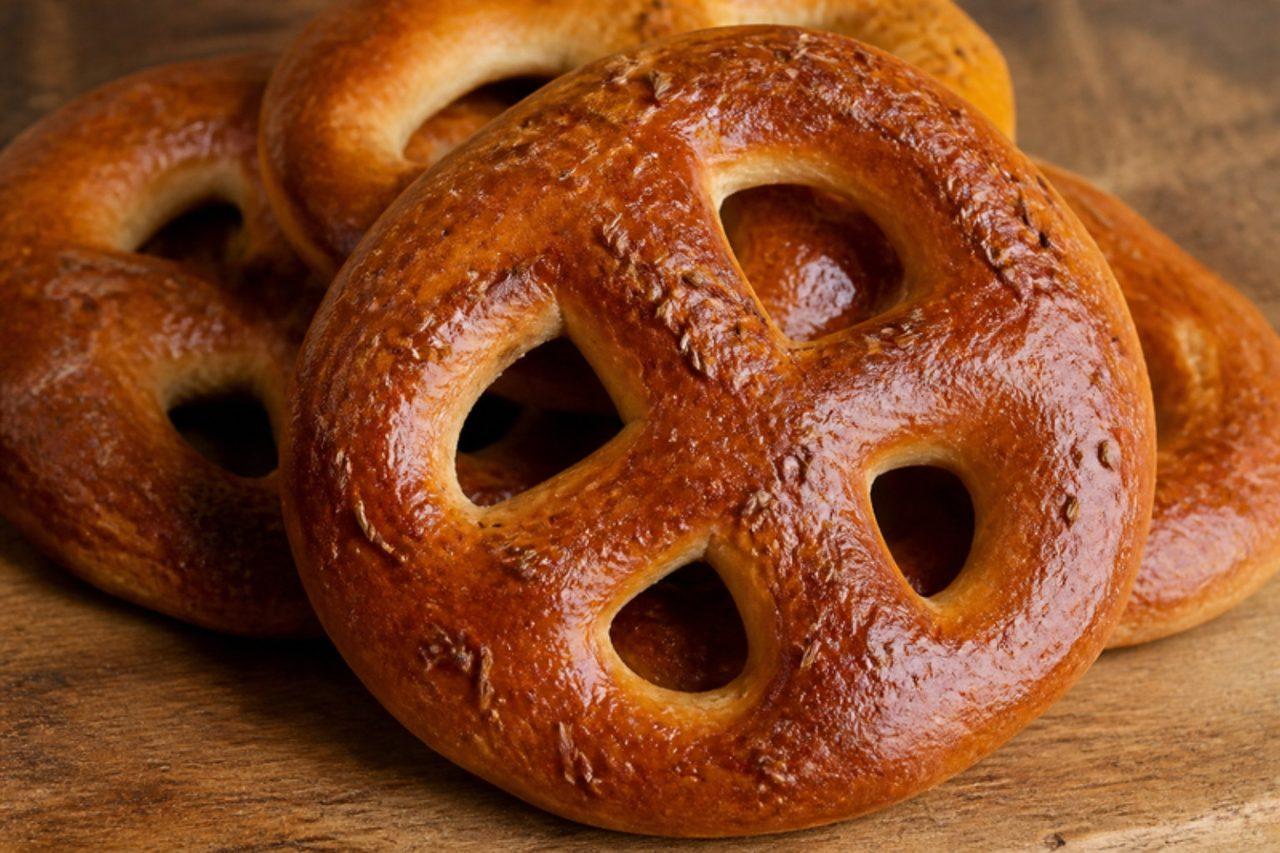
Basel bakeries sell Fastenwähe only from the start of the new year until Easter, and through Fasnacht people buy them warm by the bagful. The flat, chewy yeast bread is shaped like a squashed pretzel with four slits, glazed with egg and scattered with caraway seeds, and is eaten plain or with cheese and Mehlsuppe. The common mistake is cutting the slits too short, so they close up as the dough rises. Chef's tip: a little lard or butter in the dough gives the soft bite of the bakery ones.

by KrazyBadal 0 views

ZigerkrapfenSweet cheese and nut pastries

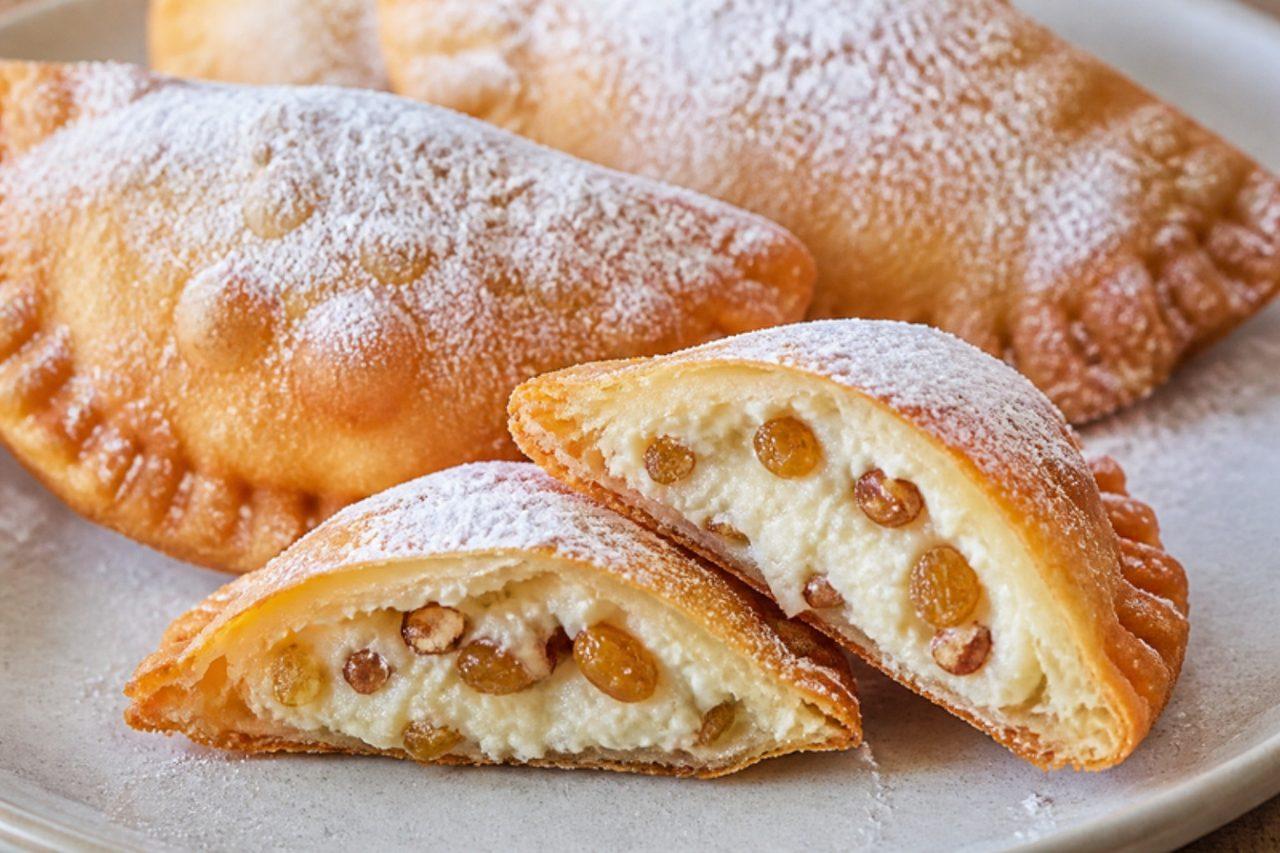
In the Glarus valleys, Fasnacht means Zigerkrapfen: half-moon pastry pockets filled with sweetened Ziger, a soft fresh whey cheese, mixed with ground hazelnuts, raisins, cinnamon and pear, then fried or baked. Ziger itself is set with acid rather than rennet, but if you use ricotta check the label, and choose one marked vegetarian if needed. The common mistake is a wet filling, which bursts the seams; drain the cheese well. Chef's tip: brush the edges with egg white before folding and press with a fork, so they stay sealed in the hot oil.

by KrazyBadal 0 views

Gorditas de la VillaSweet corn griddle cakes

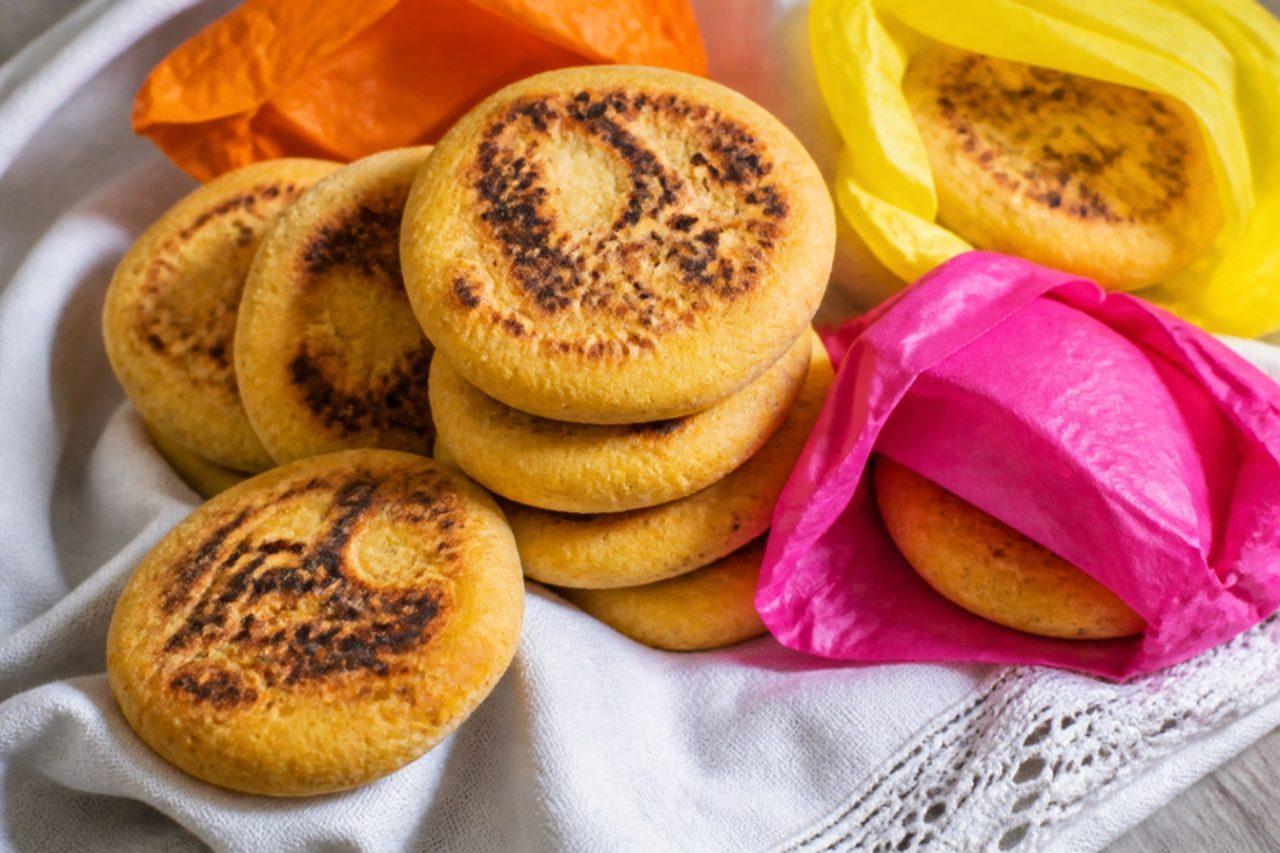
Every 12 December, millions of pilgrims walk to the Basilica of Our Lady of Guadalupe in Mexico City ('La Villa'), and all around it women cook gorditas de la Villa on clay comales: small, thick, sweet cakes of corn masa with piloncillo, cinnamon and a little anise, wrapped in coloured tissue paper to take home. They are soft and slightly chewy, with toasty spots. They are gluten free. Chef's tip: cook them on a dry, medium-low griddle; too hot and the sugar burns before the middle cooks through.

by KrazyBadal 0 views

Empanadas de vigiliaTuna empanadas

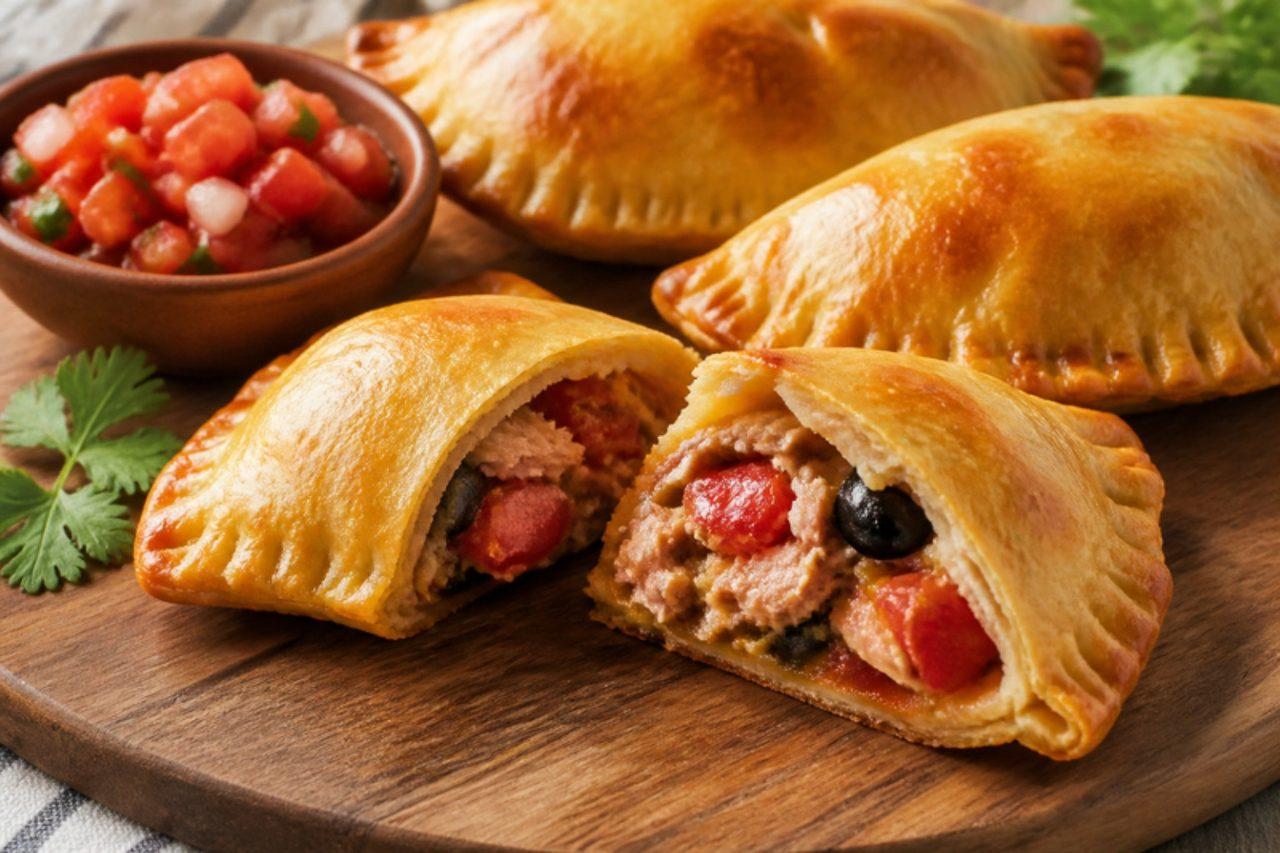
During Cuaresma (Lent) and on the Fridays of Holy Week, Mexican kitchens turn to 'vigilia' food without meat, and fish empanadas are a favourite: tender wheat pastry half-moons filled with tuna (or soaked salt cod) cooked with tomato, onion, olives, capers and pickled jalapeños, a cousin of bacalao a la vizcaína. They are baked here, but can be fried. Chef's tip: cook the filling until quite dry, as a wet filling makes soggy empanadas that leak.

by KrazyBadal 0 views

Relleno negroTurkey and pork black chilli stew

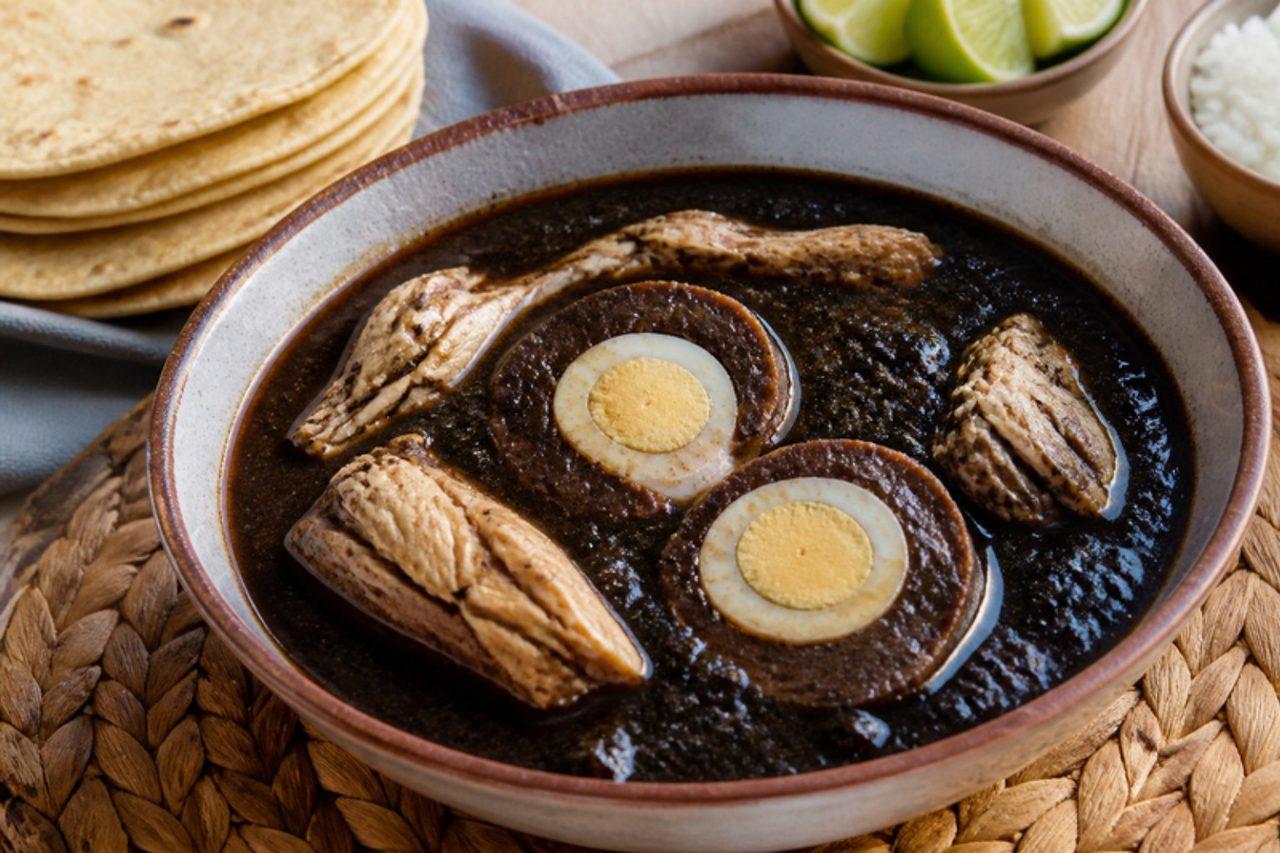
Relleno negro, or chilmole, is the great fiesta dish of the Yucatán peninsula, cooked for Christmas, New Year and village saints' days. Turkey is simmered in a jet-black broth coloured by recado negro, a paste of chillies charred until black, and served with a 'but', a meatball of minced pork and spices wrapped around hard-boiled egg. Recado negro paste is sold in Mexican shops; it is very hard to make at home safely because the chillies are burnt outdoors. Serve with corn tortillas or in tortas. Chef's tip: dissolve the recado in some of the warm broth first, so it blends smoothly instead of floating in black lumps.

by KrazyBadal 0 views

Huauzontles capeadosBattered cheese-stuffed greens

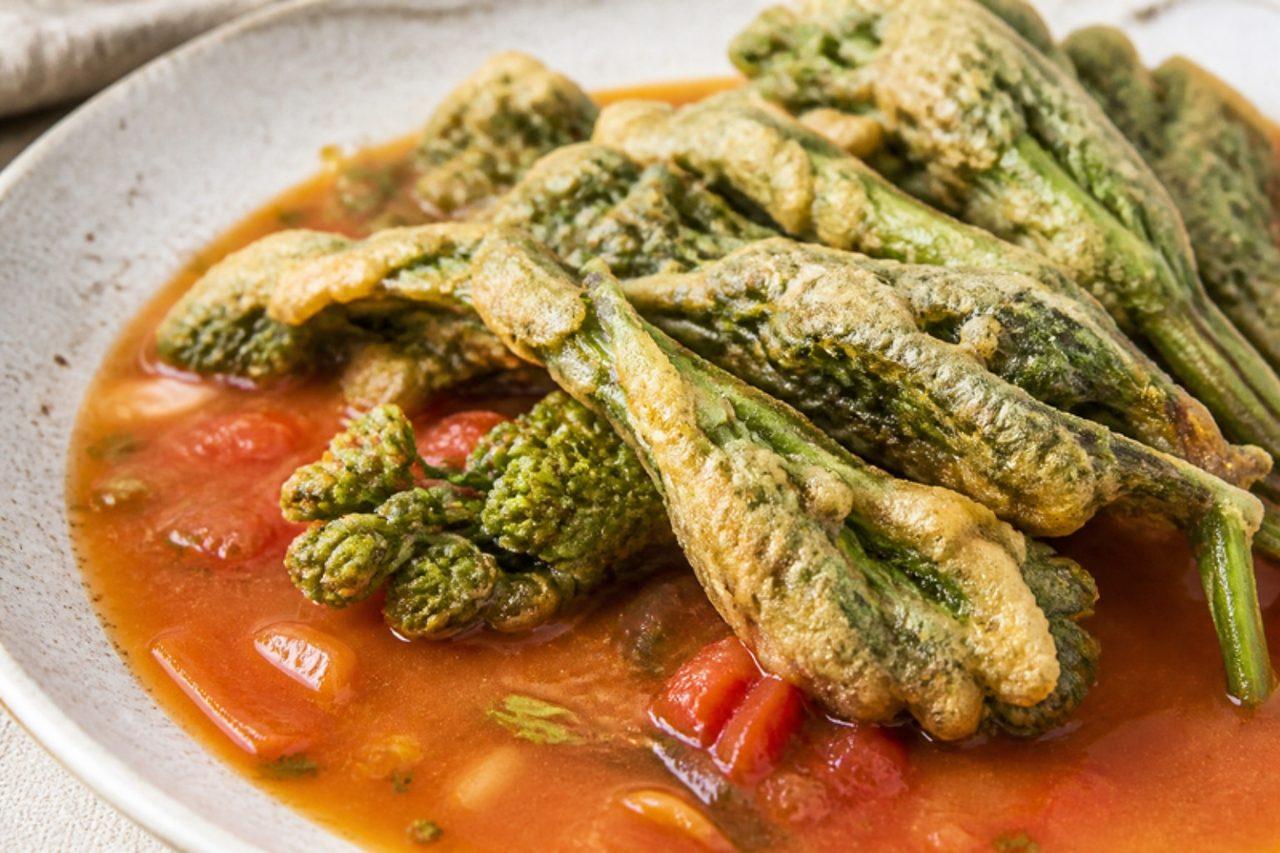
In central Mexico, Lent and Holy Week bring meatless Fridays, and huauzontles capeados are a beloved vigil dish. Huauzontle is a leafy, broccoli-like green with tiny seed buds; little bundles of the blanched sprigs are pressed around a piece of fresh cheese, dipped in fluffy egg batter, fried and then simmered briefly in a light tomato and chile broth. If you can't find huauzontle, use tenderstem broccoli tips or quelites. Queso fresco is usually made with animal rennet, so choose a vegetarian one if needed. Chef's tip: squeeze the blanched greens very dry, as wet greens make the batter slide off.

by KrazyBadal 0 views

Tostadas de pataTostadas with pickled cow's foot

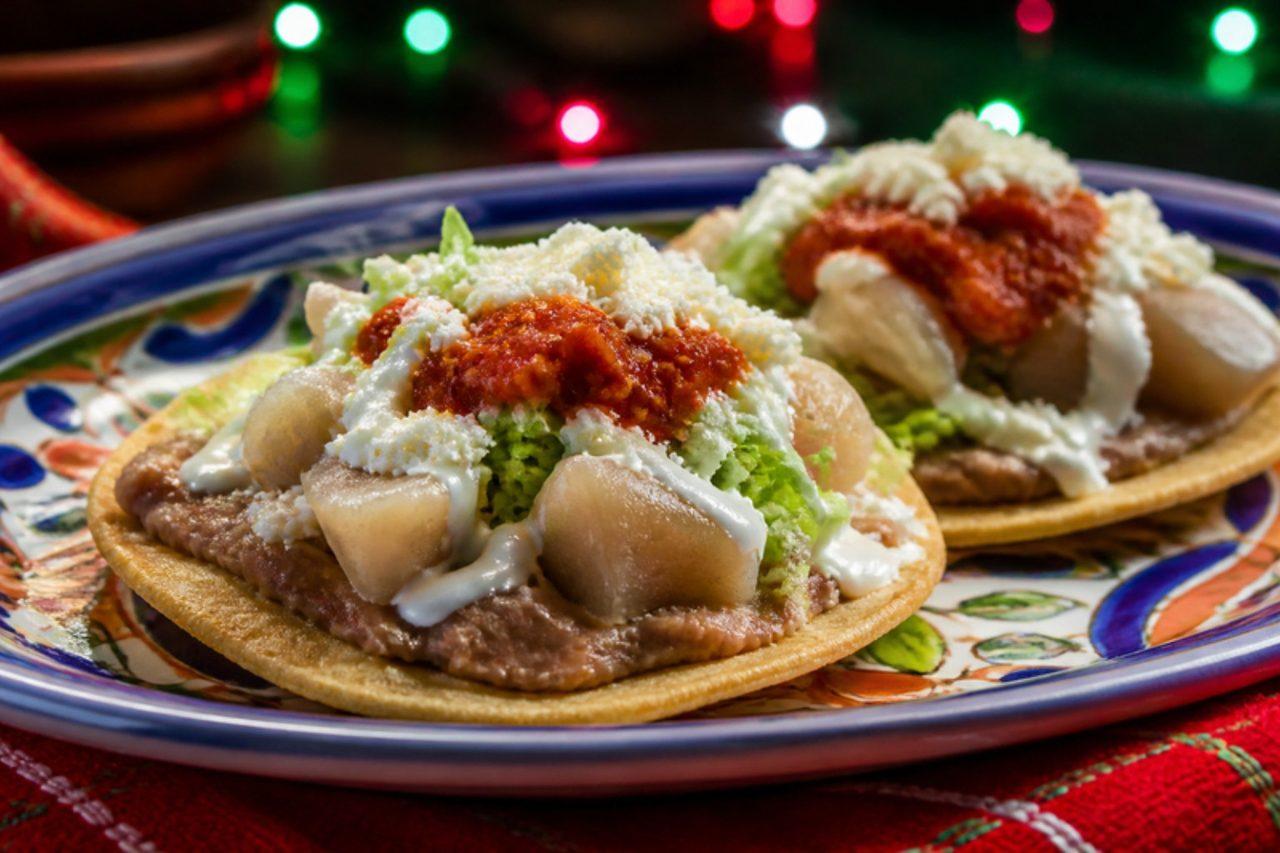
On the night of 15 September, when Mexicans gather for the Grito and the Fiestas Patrias, the table fills with antojitos: pozole, sopes and tostadas de pata, a favourite of Mexico City and Puebla. Cow's foot is simmered for hours until it turns soft and gelatinous, then sliced thin and pickled in vinegar with onion, oregano and chilli. Piled on crisp tostadas over beans with lettuce, cream and salsa, it is tangy, rich and crunchy all at once. Chef's tip: slice the foot while it is cold from the fridge; warm, it falls apart.

240 minMexicanMeatSpicy
by KrazyBadal 0 views

Dowina (Kurdish yogurt soup)

Dowina, called ash-e doogh in Persian, is warming spring food in Kurdish homes around Newroz, when yogurt is plentiful and the first herbs are cut from the garden. Rice and chickpeas simmer in a tangy, lightly thickened yogurt broth, finished with fresh dill, coriander and a sizzle of dried mint in oil. It is eaten warm, never boiling hot, with flatbread. The common mistake is to heat the yogurt too fast without stirring, which makes it split into grainy curds. Chef's tip: whisk an egg yolk and a spoonful of rice flour into the yogurt before it goes on the heat; it holds the soup smooth all the way to the simmer.

by KrazyBadal 0 views

KalanehWild leek stuffed flatbread

In Kurdistan and Kermanshah, Newroz arrives with the first spring greens on the hillsides, and families gather wild leeks to fold into kalaneh, thin griddle breads cooked over a fire or a hot pan and soaked in melted butter. The dough is plain and soft, rolled very thin around a pile of chopped leek or chives with a little salt and pepper, so the greens steam inside as the bread blisters. Eat it hot, torn into strips, with yogurt and tea at a Newroz picnic. The common mistake is wet greens, which turn the dough soggy and make it tear; dry them well after washing. Chef's tip: brush the butter on the moment the bread leaves the pan so it soaks right in.

by KrazyBadal 0 views

OsterfladenSemolina and almond Easter tart

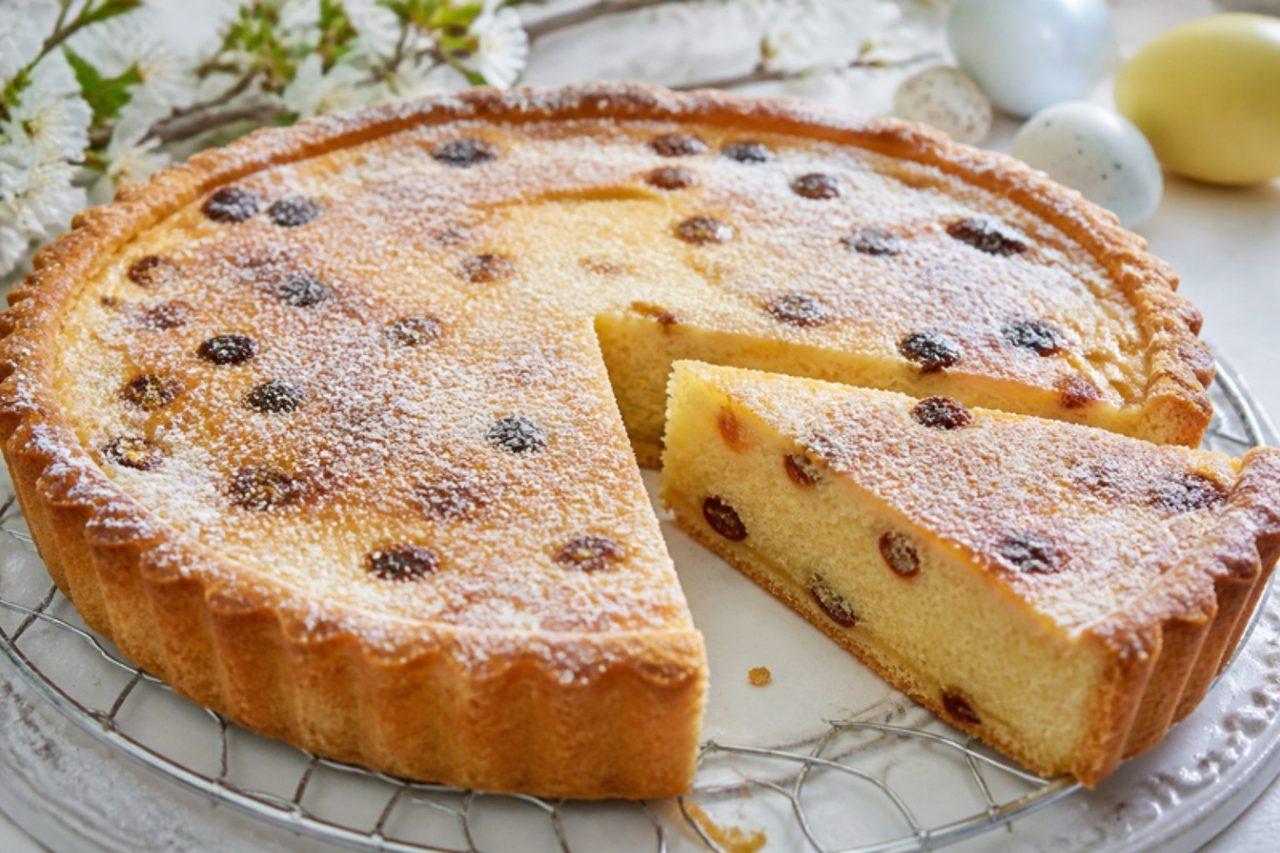
Osterfladen is the Easter tart of Basel and northern Switzerland, baked on Holy Saturday and eaten on Easter Sunday. A shortcrust case holds a creamy filling of semolina (or rice) cooked in milk, folded with ground almonds, raisins, lemon zest and whipped egg white, which bakes into a light, sliceable custard under a dusting of icing sugar. Some bakers soak the raisins in kirsch; here they are soaked in warm water, so it is alcohol-free. Chef's tip: fold the egg whites in gently and last, as they are what makes the filling light.

by KrazyBadal 0 views

SchlorzifladenDried pear tart

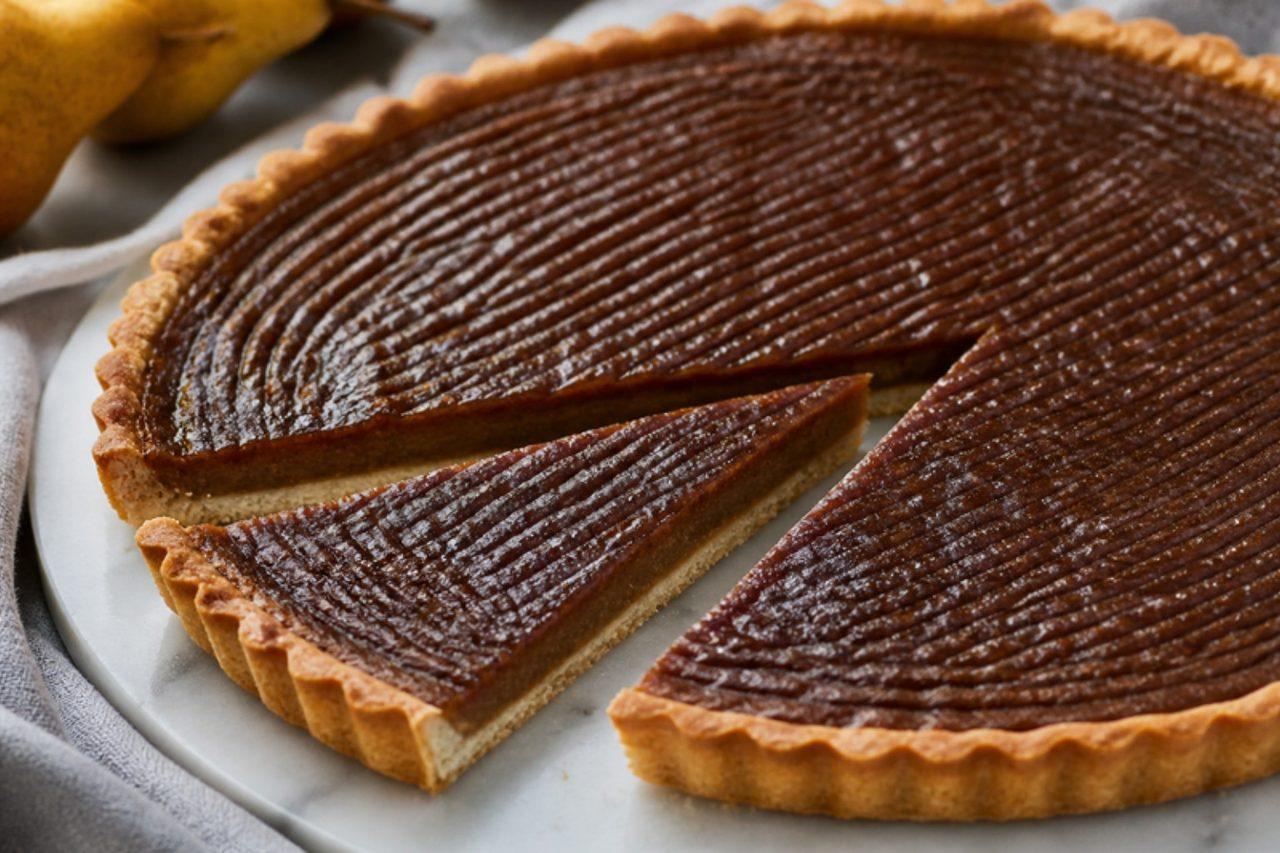
Schlorzifladen comes from the Toggenburg valley in the canton of St Gallen in eastern Switzerland, where dried pears (schlorzi) were a winter staple. The thin, crisp tart is filled with a thick, dark purée of cooked dried pears spiced with cinnamon, and baked for Christmas and village feast days. Some versions have a rice or cream layer on top; this is the simple pear one. Pear brandy is sometimes added, but this version uses lemon juice instead and is alcohol-free. Chef's tip: cook the pear purée until it is stiff enough to hold a spoon upright, or it soaks the pastry.

120 minSwissBaking
by KrazyBadal 0 views

Alfeñique (Toluca Day of the Dead sugar-paste figures)

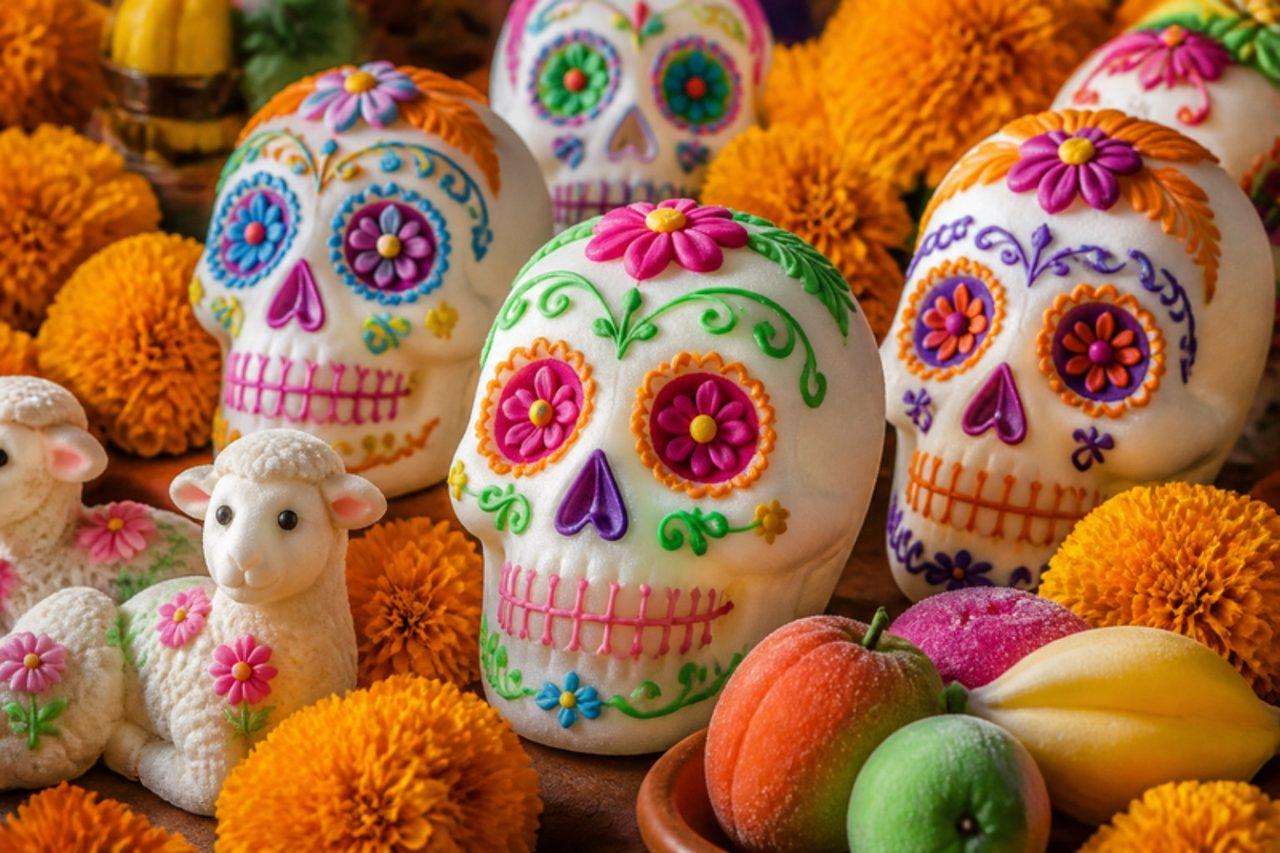
Each October the arcades of Toluca, in the State of Mexico, fill with the Feria del Alfeñique: stalls of little skulls, lambs, coffins, baskets and fruit, all modelled from sugar paste and painted bright colours for the Day of the Dead altars of 1 and 2 November. Children buy a skull with their own name on it; families place them on the ofrenda beside marigolds, candles and pan de muerto. The paste is snow-white, smooth and brittle once dry, with a clean sugar and lime taste. The old Toluca paste is egg-free, kneaded with chautle, a gum from an orchid bulb; here gum tragacanth plays that part, making the paste stretchy enough to model and helping it dry hard. The decorating icing is egg-free too, made from icing sugar, lime juice and a pinch of the same gum. Chef's tip: work the syrup while it is warm and keep the paste wrapped; the common mistake is letting it sit uncovered, so it dries out and cracks as you shape it.

by KrazyBadal 0 views

Showing 24 of 694 recipes

Show more recipes

Page 1 of 29