Skip to content
Recipes

All recipes

Vegetarian, or something you can't eat? Set your diet once and we'll hide recipes that don't fit.

Shimla mirch alooPepper and potato stir-fry

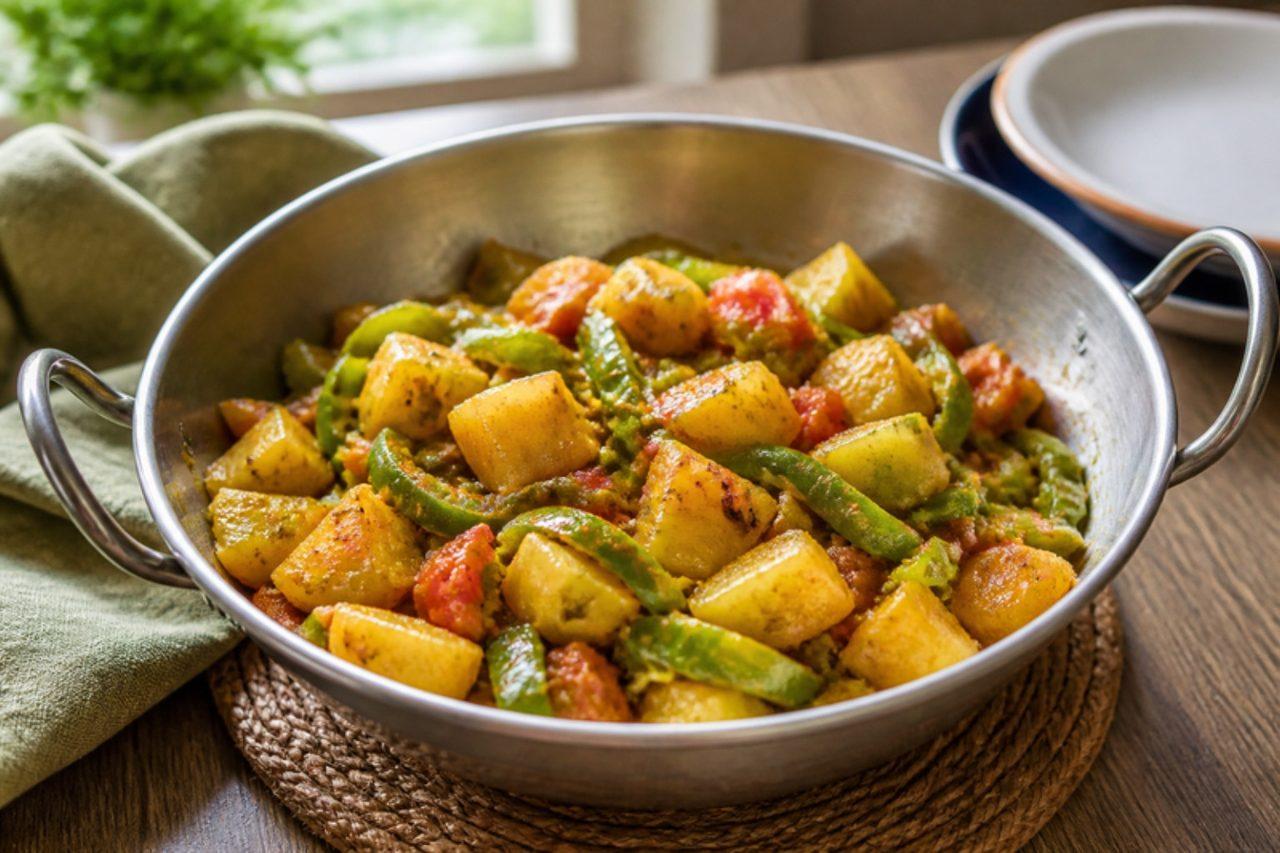
Shimla mirch aloo is everyday Punjabi home cooking from both sides of the border, the sabzi that fills a lunchbox paratha or sits next to dal on a weeknight in Rawalpindi. Potato cubes go soft and golden first, then strips of green pepper are tossed in just long enough to soften while keeping a little bite, all held together by a dry tomato-chilli masala. The classic mistake is adding the peppers with the potatoes: they collapse, turn khaki and lose their fresh, slightly bitter flavour. Chef's tip: a pinch of amchur at the end lifts the whole pan without adding any extra liquid.

by KrazyBadal 0 views

Tarta de coco y dulce de lecheCoconut and dulce de leche tart

Ask Argentinians for their favourite tart at a family birthday and this one often wins: a crisp shortcrust spread thickly with dulce de leche, then covered with a coconut, sugar and egg topping that bakes into a golden, chewy crust. Bakeries from Córdoba to Mar del Plata sell it by the slice for the merienda with mate or a café con leche. It is very sweet, so the slices are thin, and it is a good keeper for a few days. Ordinary spreading dulce de leche is the mistake: it runs and bubbles out at the edges. Use the thicker pastry-style kind, sold in Argentina as 'repostero'. Chef's tip: chill the case with the dulce de leche spread on it for 15 minutes before adding the coconut, so the two layers stay distinct.

by KrazyBadal 0 views

Pejerrey arrebozadoBattered fish fillets with onion salsa

Pejerrey arrebozado is a Lima classic from the cevicherías and home kitchens of the coast, eaten at lunch on a plate with white rice, a heap of sharp salsa criolla and sometimes boiled potato. The pejerrey, a small silverside, is opened into butterflied fillets, dipped in a light egg-and-flour batter and fried golden. Outside Peru, use small fillets of whiting, sole, haddock or tilapia. The batter here uses sparkling water, not beer, so it is alcohol free. The common mistake is frying in oil that isn't hot enough: the batter drinks the oil and turns greasy, so test with a drop of batter first. Chef's tip: make the salsa criolla first and let the onion sit in lime for ten minutes; it softens its bite and turns a pretty pink.

by KrazyBadal 0 views

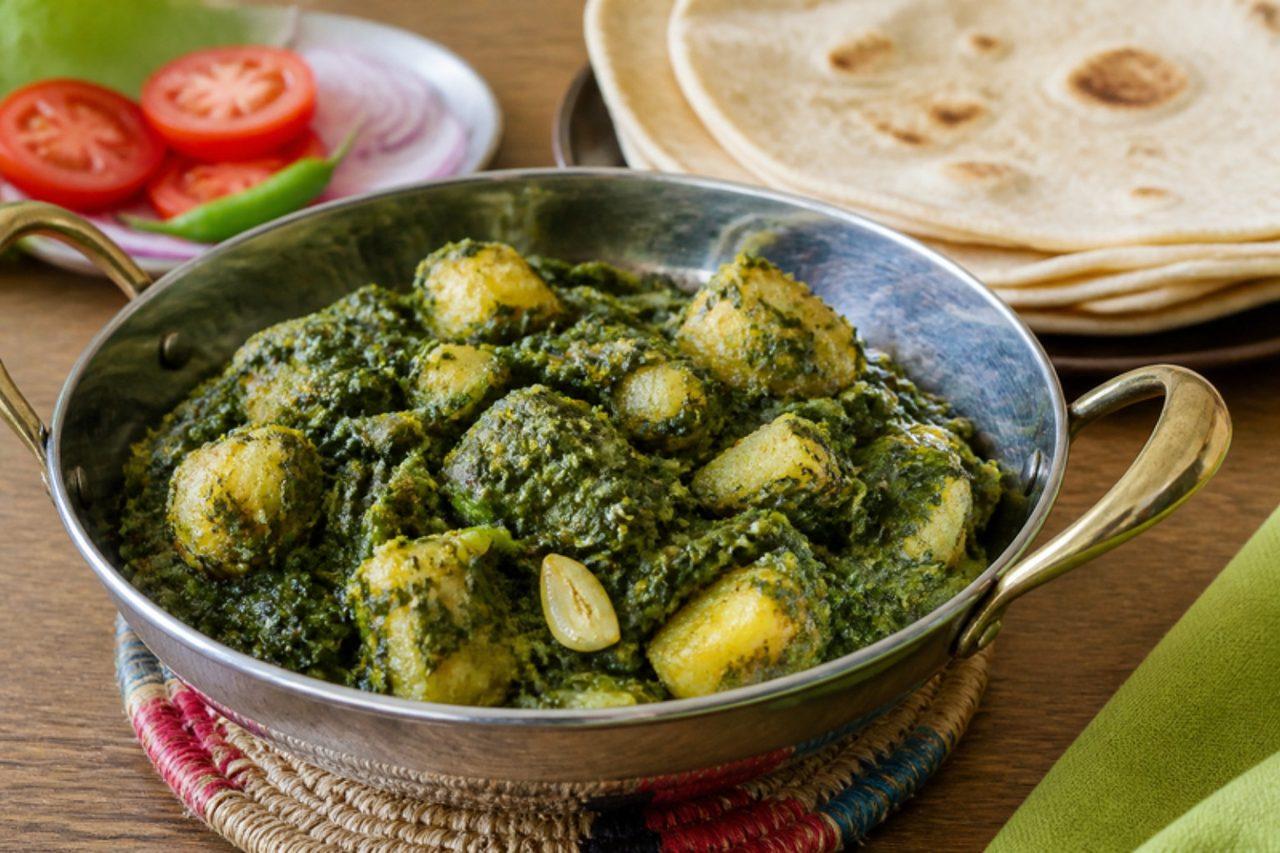
Aloo palakPotato and spinach

In Lahore and the villages of Pakistani Punjab, aloo palak is the dish that turns up on a weekday when the spinach at the sabzi stall looks good and nobody has time for a long curry. Small cubes of potato cook in a garlicky cumin masala, then a mountain of chopped spinach wilts down over them into a soft, dark green coat. Eat it with hot chapati or plain rice and a spoon of yogurt on the side. The usual mistake is cutting the potatoes too big: they are still hard when the spinach is done, and by the time they soften the greens have gone grey. Chef's tip: keep the lid off once the spinach goes in, so the water cooks away and the leaves stay bright.

by KrazyBadal 0 views

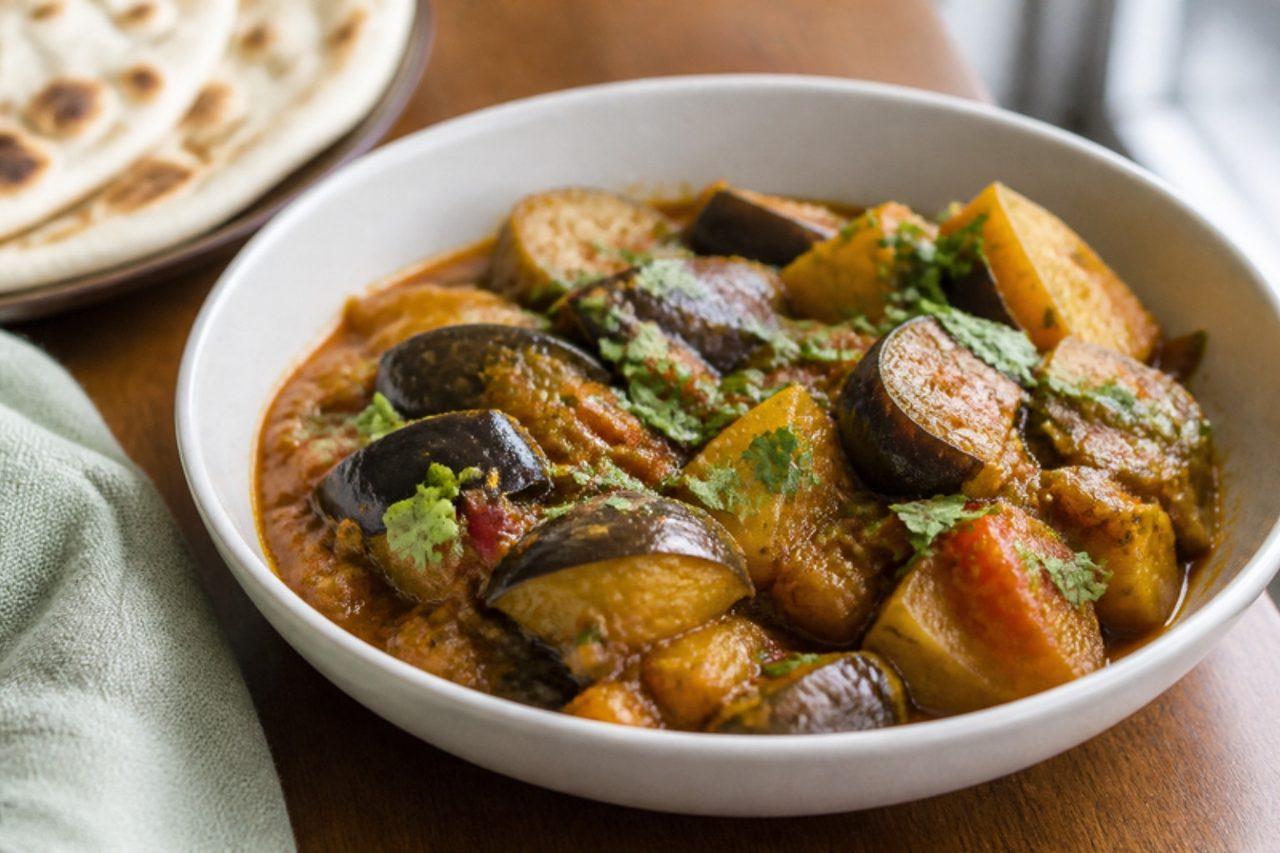
Aloo bainganPotato and aubergine

From Multan to Hyderabad in Sindh, aloo baingan is the humble pairing that makes a summer glut of aubergines go a long way: potatoes give body, aubergine melts into a jammy, smoky-sweet tomato masala. It is eaten with chapati at dinner, often next to a bowl of daal and some sliced onion. The most common mistake is stirring hard once the aubergine softens, which mashes everything into a grey purée; fold it gently and let the pan do the work. Chef's tip: give the aubergine a few minutes on its own in the hot oil before the masala goes in, so its edges catch and brown.

by KrazyBadal 0 views

Chicharrón de pescadoCrisp fried fish chunks

Up and down the Peruvian coast, from Chorrillos in Lima to the beaches of Piura, chicharrón de pescado is the crunchy plate ordered alongside ceviche at a long seafood lunch: bite-size chunks of firm white fish marinated briefly in garlic and lime, dusted in flour and fried, then served with fried cassava, salsa criolla and tartar or rocoto sauce. Using frozen peeled cassava keeps it to half an hour. The common mistake is leaving the fish in the lime too long: after about ten minutes the acid starts to 'cook' the outside and the coating slips off. Chef's tip: toss the floured pieces in a sieve to shake off every bit of loose flour; a thin coat fries crisp, a thick one turns pasty.

by KrazyBadal 0 views

Salpicón de aveCold chicken salad

Salpicón de ave is the cold supper of Argentine summers, made in Buenos Aires flats and on estancias alike when it is too hot to cook much, and a favourite way to use the chicken from a puchero or Sunday roast. Shredded chicken is mixed with diced pepper, tomato, spring onion, sweetcorn and boiled egg, bound with mayonnaise sharpened with lemon and mustard, and served chilled with crusty bread or on lettuce. The common mistake is dressing it while the chicken is still hot, which melts the mayonnaise into an oily puddle; let everything cool first. Chef's tip: dress the chicken with the lemon juice and a pinch of salt before the mayonnaise goes in, so the meat itself is seasoned, not just its coating.

by KrazyBadal 0 views

Tallarines rojosSpaghetti in red sauce with chicken

Tallarines rojos is the Sunday-lunch and weeknight pasta of homes all over Peru, from Lima to Arequipa: spaghetti in a sweet, deep-red sauce of blended tomato, onion and garlic with a little ají panca and oregano, often with pieces of chicken cooked right in it. Children love it, and it is served with a sprinkle of grated cheese and sometimes a spoon of huancaína on the side. The usual mistake is cooking the sauce too briefly, so it tastes of raw onion; let the blended tomato fry until it darkens and the oil shows at the edges. Chef's tip: a bay leaf and a spoon of ají panca paste give the sauce its Peruvian character; paprika will do if you can't find the paste.

by KrazyBadal 0 views

Torta de ricotaLemon ricotta tart

Italian families brought ricotta tarts to Buenos Aires and Rosario, and torta de ricota is now as Argentinian as mate: every panadería has one in the window, with a lattice of sweet, crumbly masa frola over a pale, lemon-scented ricotta filling. It is cut into wedges for the merienda, the late-afternoon snack, or for a birthday where nobody wants a heavy cake. The texture is light and slightly grainy rather than silky, and the pastry tastes of butter and vanilla. Wet ricotta is the biggest risk, giving a weeping, soggy tart. Chef's tip: drain the ricotta overnight in the fridge in a sieve lined with a cloth, and add a few raisins only if they have been soaked, or they draw moisture from the filling.

by KrazyBadal 0 views

Fideos con mantecaButtered noodles with cheese

Ask anyone from Buenos Aires to Córdoba what they ate when they came home late or felt poorly as a child, and the answer is often fideos con manteca: short pasta tossed with butter and a snowfall of grated queso rallado. It is the plainest dish in the Argentine home kitchen and the one people cook for themselves on a tired weeknight. The mistake that ruins it is draining the pasta bone-dry and adding cold cheese to a hot empty pan, which leaves greasy strands and clumps; a splash of cooking water makes a light, creamy coating instead. Argentine reggianito and Parmesan are made with animal rennet, so use a vegetarian hard cheese if needed. Chef's tip: grate the cheese very finely, like dust, so it melts on contact.

by KrazyBadal 0 views

BanketstaafAlmond paste puff pastry log

From mid-November, when Sinterklaas arrives by boat, Dutch bakers fill their windows with banketstaven: long logs of buttery puff pastry with a thick seam of soft almond paste inside. They carry on through Christmas, and in many families a banketletter, the same pastry shaped into the first letter of a child's name, is part of the 5 December presents. Sliced thick, it is flaky outside and moist, sweet and marzipan-like inside; serve it with coffee or hot chocolate. Leaving a weak seam is the mistake that lets the almond filling burst out in the oven. Chef's tip: make the almond paste a day ahead and rest it in the fridge: the almonds absorb the egg and it bakes up softer and more fragrant.

by KrazyBadal 0 views

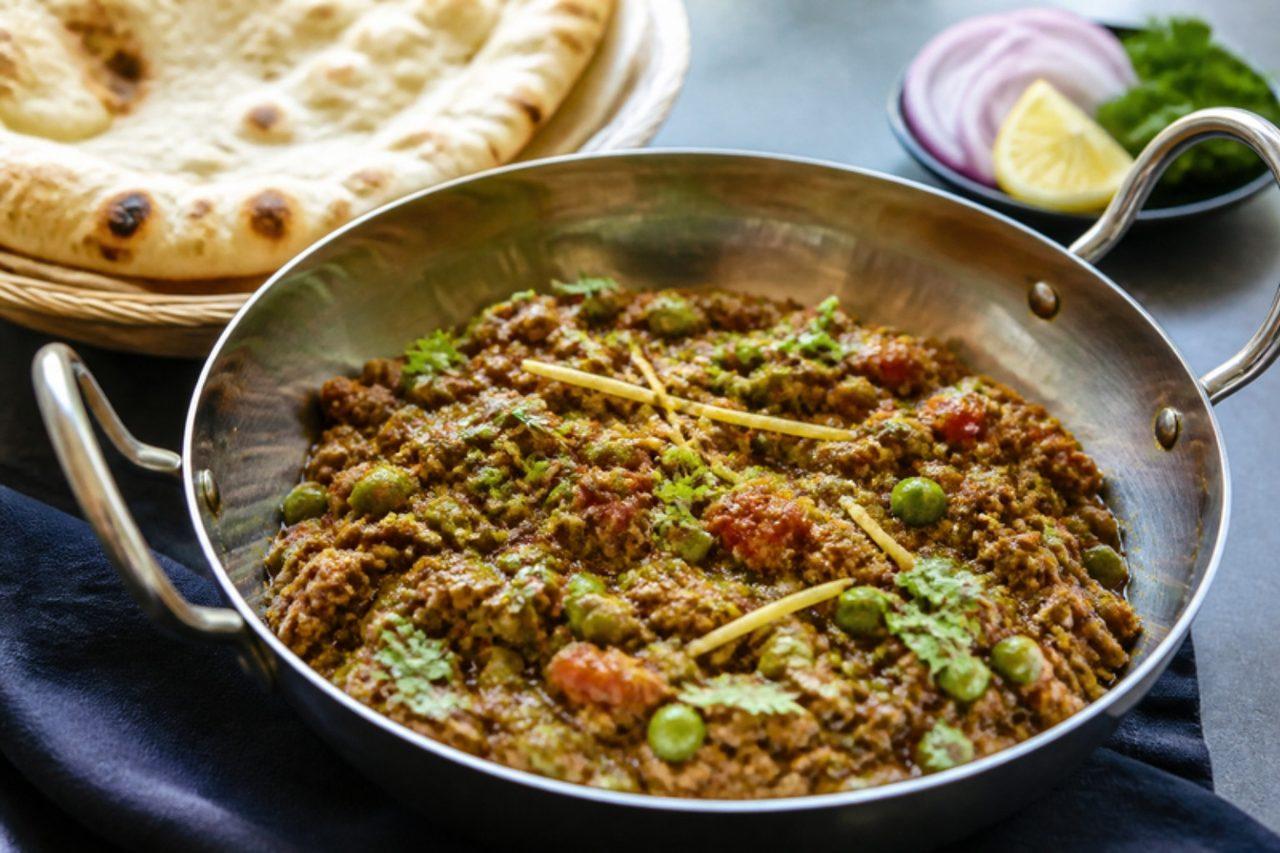
Qeema matarMinced meat and pea curry

In Lahore and across Pakistani Punjab, qeema matar is the mince dish that appears on a Tuesday when nobody has time for a slow salan: minced mutton or beef browned hard, cooked down with tomato, ginger and garlic, then studded with sweet green peas. It is dry enough to scoop with a hot roti or paratha, with a little sliced onion and lemon on the side. The usual mistake is adding the tomatoes before the mince has lost its raw, wet look, which leaves it boiled and grey instead of rich and brown. Chef's tip: break the mince up with the back of a spoon while it fries, so it cooks into fine crumbs rather than lumps.

by KrazyBadal 0 views

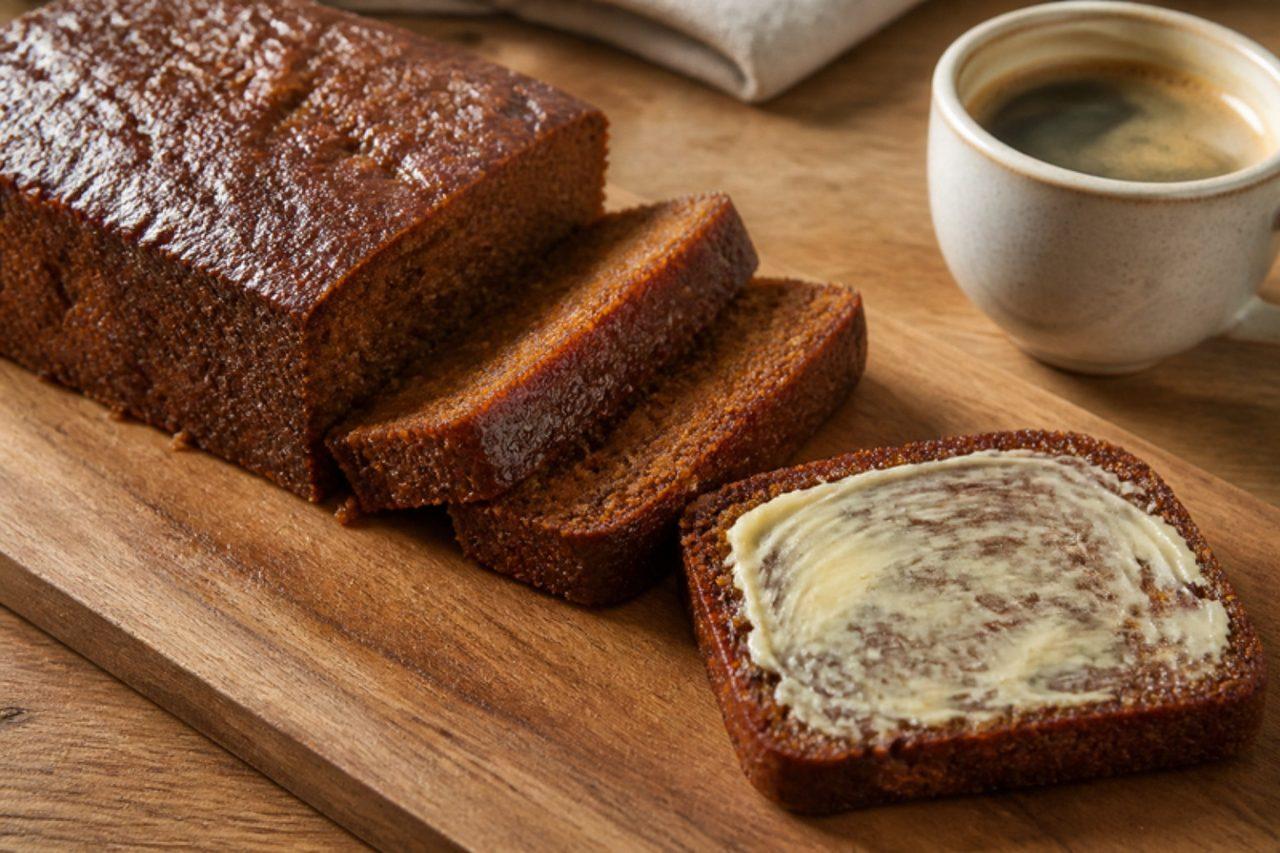
OntbijtkoekSpiced rye breakfast cake

Ontbijtkoek means 'breakfast cake', and in Friesland and Groningen, where the best-loved versions come from, a thick slice spread with butter is still a normal start to the day or a mid-morning snack with coffee. The loaf is dark, sticky and springy, made with rye flour and syrup and scented with the Dutch spice mix koekkruiden: cinnamon, cloves, ginger, nutmeg and cardamom. It contains no egg and no butter in the batter, and it gets better after a day or two wrapped up. Baking it too hot is the usual mistake; the outside goes bitter before the middle sets, so bake it low and slow. Chef's tip: wrap the loaf in cling film while it is still slightly warm and leave it overnight; it softens into the classic tacky, chewy crust.

by KrazyBadal 0 views

ChaplasHollow puffed Andean bread

Walk through Ayacucho's central market at seven in the morning and you will see women selling stacks of chaplas from cloth-lined baskets, still warm from the wood-fired ovens of the Andes. These round wheat breads puff up like pita in the fierce heat, leaving a hollow pocket inside a thin, soft, lightly floury crust. In Ayacucho and Huancavelica they are eaten with sweet coffee or hot emoliente for breakfast, or split and filled with queso fresco, avocado or a spoonful of rocoto sauce. Highland bakers traditionally work in a little lard; vegetable shortening gives the same tenderness and keeps the bread vegan. A cool baking tray is the reason chaplas stay flat, so preheat it thoroughly. Chef's tip: let the rolled rounds rest before baking and flip them upside down onto the tray, so the smooth, dry side meets the heat first and the pocket opens evenly.

by KrazyBadal 0 views

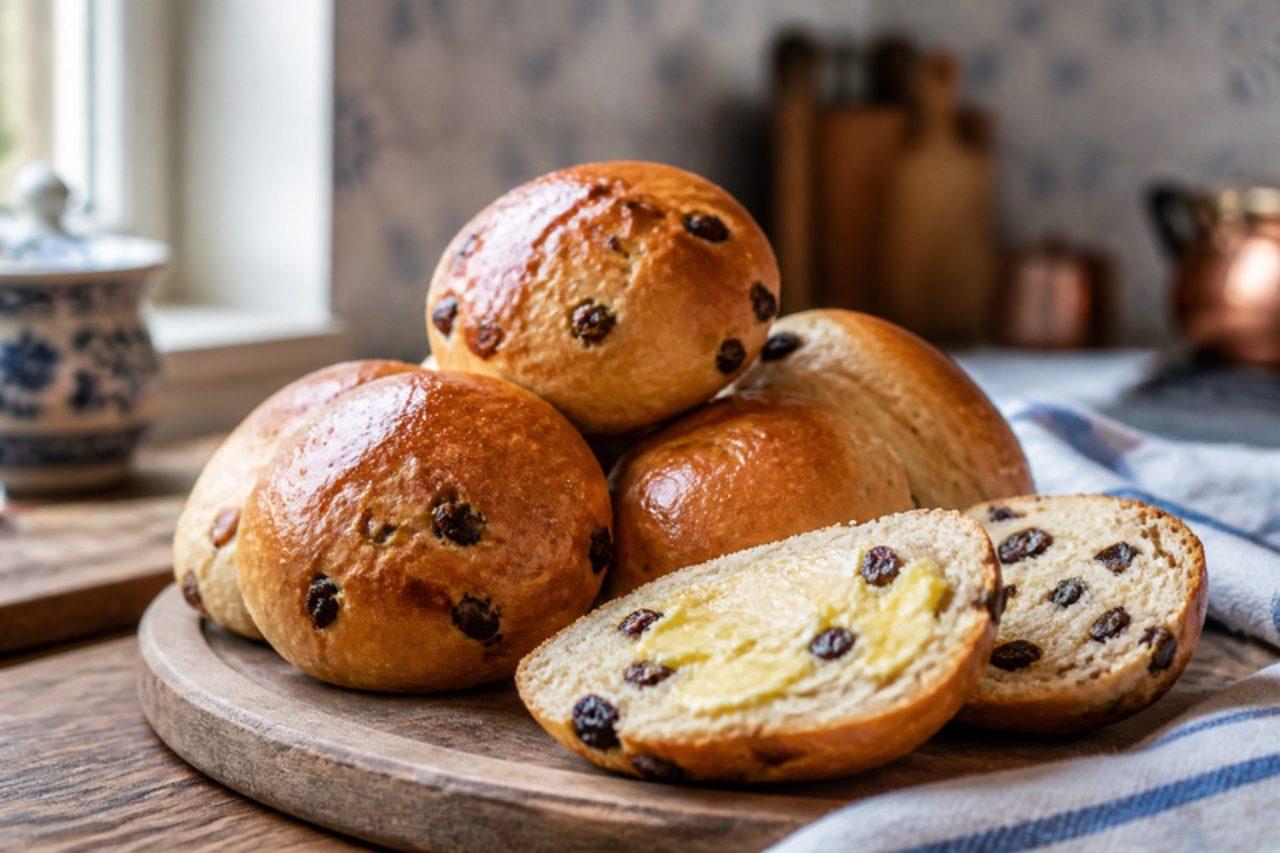
Krentenbollen (Dutch currant buns)

In the Netherlands a krentenbol, buttered and sometimes topped with a slice of Gouda, is packed in schoolbags for the morning break and eaten with milk after school. The buns are soft, slightly sweet and so full of currants and raisins that there is barely room for the bread. This version adds little sugar, letting the dried fruit sweeten it. It contains gluten and milk. Chef's tip: soak the dried fruit in hot water before kneading it in; dry fruit pulls moisture from the dough and burns on the surface.

by KrazyBadal 0 views

Tosti ham-kaas (Dutch ham and cheese toastie)

In the Netherlands the tosti is what children ask for after school, at the swimming-pool café and at Saturday lunch: two thin slices of white bread with ham and young Gouda, pressed in a tosti iron until crisp and golden and the cheese oozes at the edges, then dunked in ketchup. It is ready in ten minutes. It contains gluten (wheat) and milk. Chef's tip: butter the outside of the bread, not the inside, so it browns evenly and doesn't stick.

by KrazyBadal 0 views

BizcochueloPlain whisked sponge cake

Nearly every Argentine birthday torta starts life as a bizcochuelo: a tall, plain sponge of eggs, sugar, flour and cornflour, with no butter and no baking powder, lifted only by long whisking. Grandmothers bake it on Sunday to split into three and fill with dulce de leche and whipped cream, or eat it plain in the afternoon with mate. The crumb is fine, dry-ish and airy, made to soak up syrup. Opening the oven in the first 20 minutes is the classic way to flatten it, so leave the door shut. Chef's tip: whisk until the mixture reaches 'punto letra', thick enough that a ribbon drawn on the surface holds its shape for a few seconds; that takes a good 8–10 minutes with an electric mixer, and warm eggs get there faster.

by KrazyBadal 0 views

Pan chutaAniseed round bread

The small town of Oropesa, half an hour from Cusco, calls itself Peru's bread capital, and its wood-fired bakeries are famous for chuta: big, flat, round loaves as wide as a dinner plate, glossy on top, with a faint sweetness and the warmth of aniseed. Travellers on the road to Puno and Bolivia stop to buy them by the bagful, and families bring them home for All Saints' Day and for sharing with hot coca tea or coffee, fresh cheese and butter. The bakeries traditionally use lard; this version uses vegetable shortening and butter, so it is vegetarian. The make-or-break moment is the proof: chuta is large and flat, and if it goes in under-risen it bakes dense and splits at the rim. Chef's tip: toast the aniseed for a minute in a dry pan and crush it lightly before adding, for a rounder, sweeter perfume.

by KrazyBadal 0 views

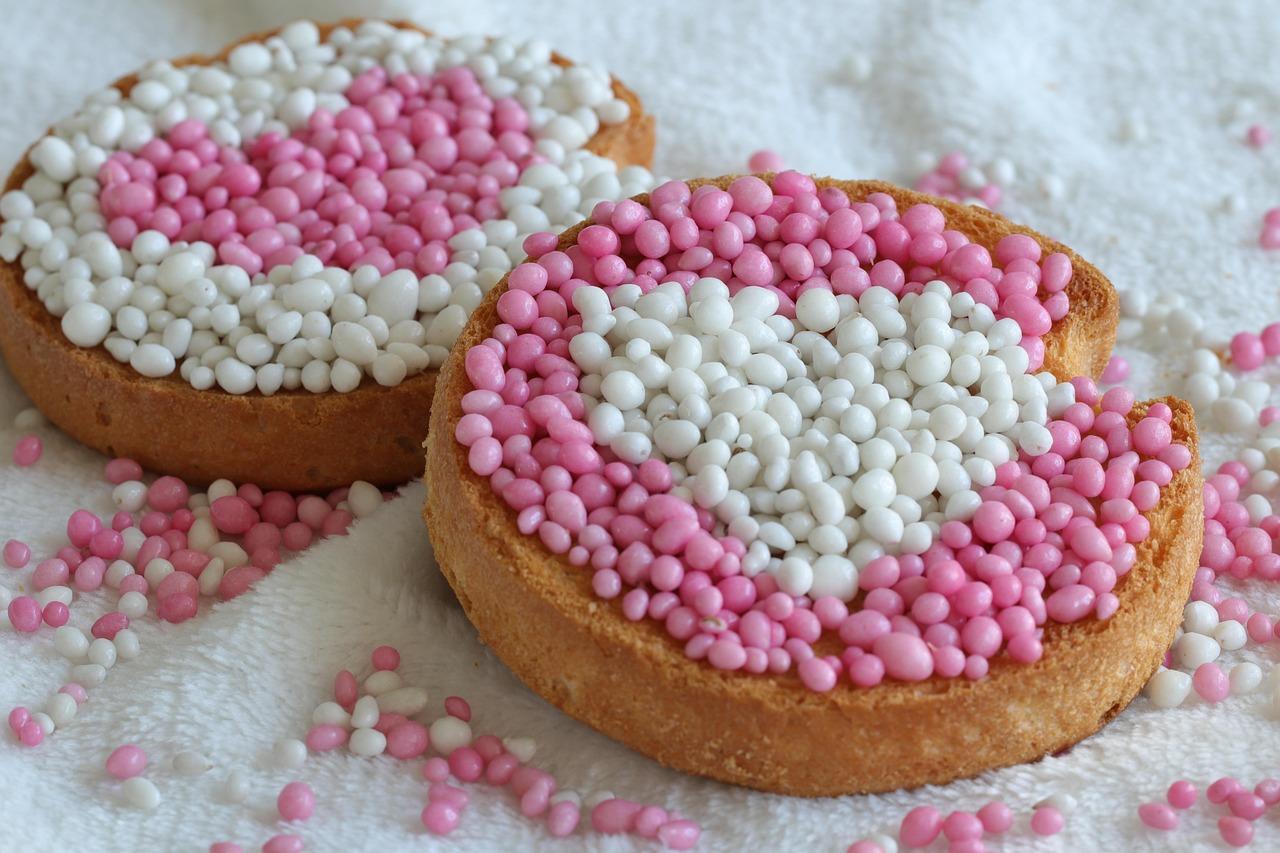
Beschuit met muisjesRusks with aniseed sprinkles

When a baby is born in the Netherlands, visitors are greeted with beschuit met muisjes: round, crisp rusks spread with butter and covered in sugared aniseed sprinkles, pink for a girl, blue for a boy, or the older white-and-pink or white-and-blue mix. Brothers, sisters and school friends love handing them round, and the sprinkles are also a favourite on bread at breakfast. Aniseed was once thought to help new mothers. It contains gluten and milk. Chef's tip: butter the rusks generously right to the edge, or the sprinkles roll off; that is why the Dutch say to 'press, not scatter'.

by KrazyBadal 0 views

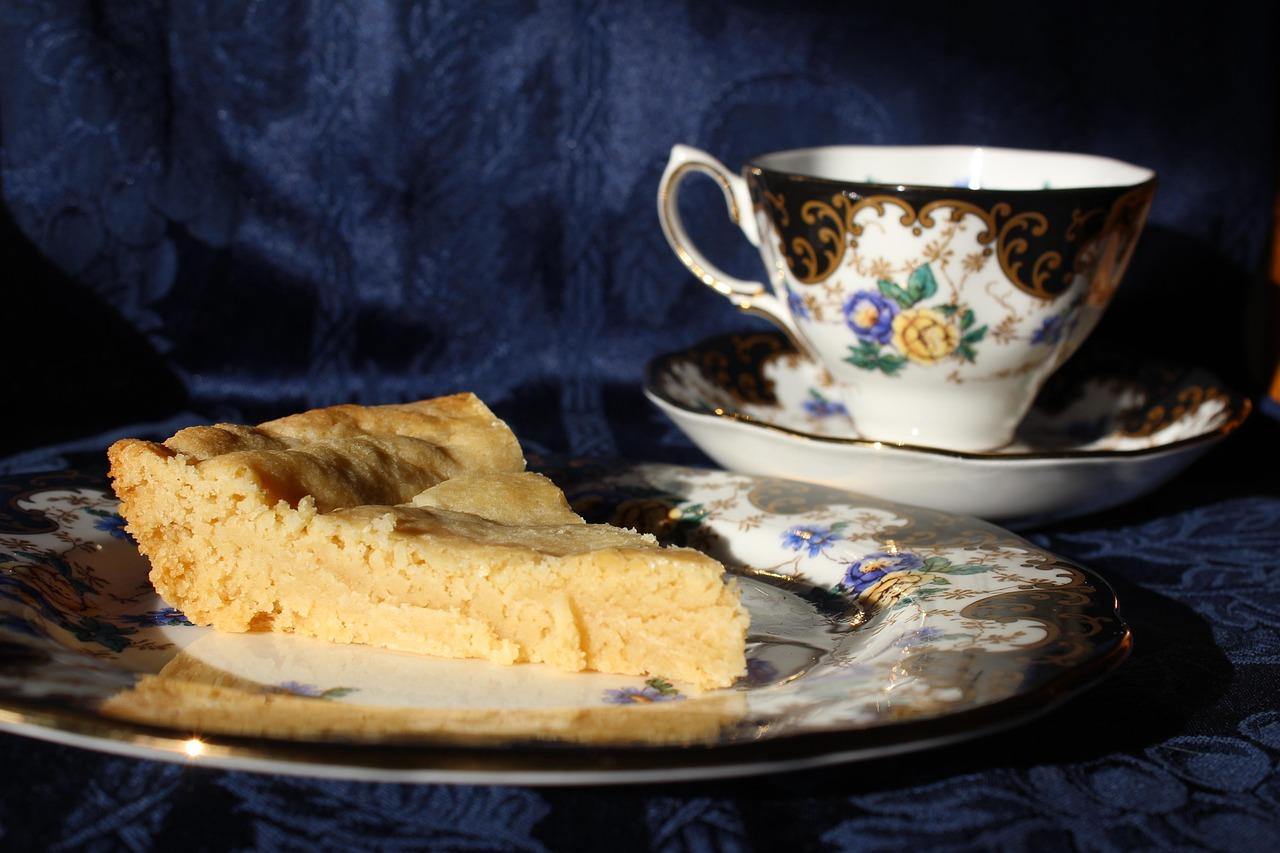
BoterkoekButter cake

Boterkoek sits on the counter of almost every Dutch bakker, from Amsterdam to small towns in Brabant: a round, flat butter cake, scored in a criss-cross on top, glossy with glaze, dense and fudgy in the middle and crisp at the edges. It is cut into small wedges, because it is rich, and eaten with a cup of coffee at elf uur, the eleven o'clock break, or offered to visitors. The dough itself has no egg; only the top is brushed with beaten egg for shine (milk works too, though the colour is paler). Overbaking is the classic mistake: it should come out golden but still soft in the centre, so it sets fudgy, not dry. Chef's tip: use salted butter, or add the pinch of salt; it is what stops boterkoek tasting merely sweet.

by KrazyBadal 0 views

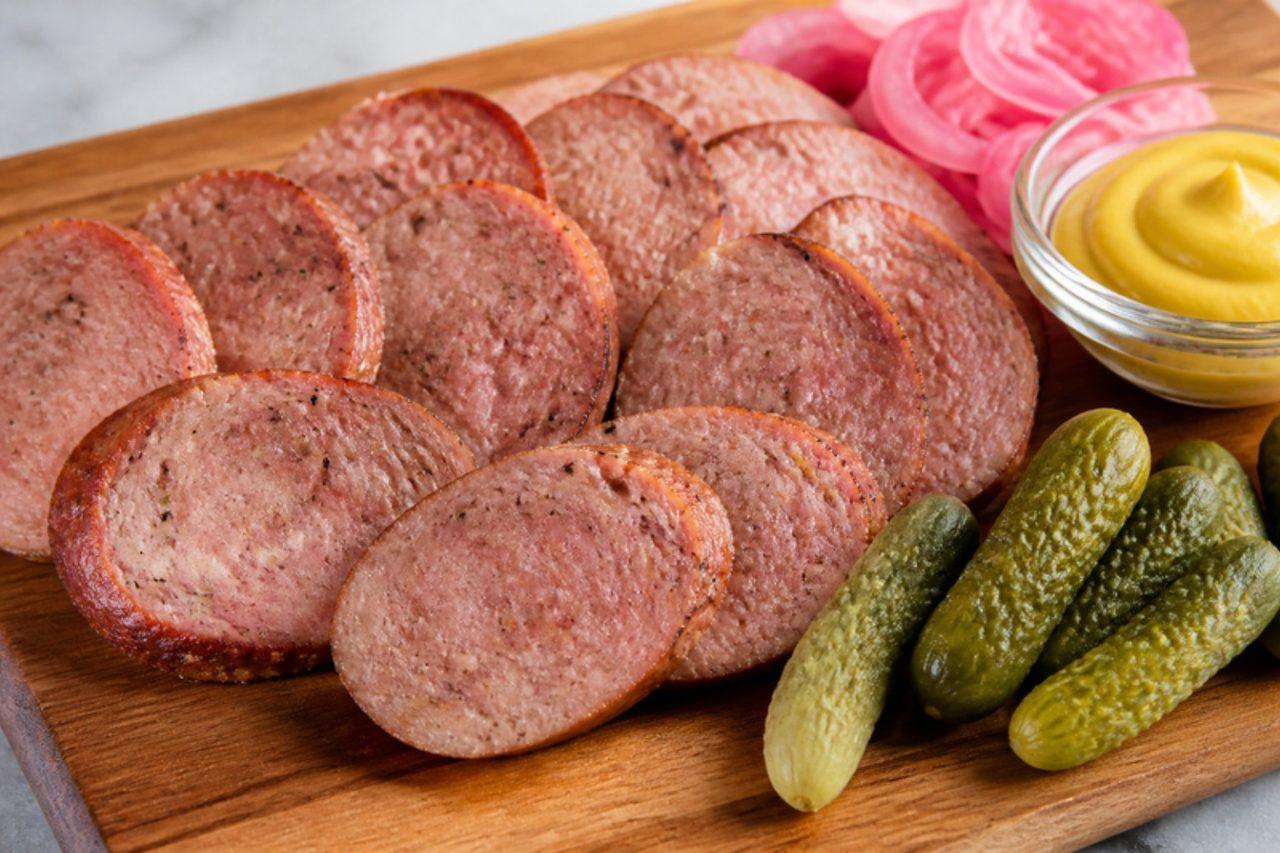
OssenworstSpiced beef sausage

Ossenworst is Amsterdam's own borrel sausage, made since the seventeenth century from lean beef spiced with cloves, nutmeg, mace and white pepper, and sliced thin at cafés in the Jordaan with mustard, pickled onions and gherkins. The traditional sausage is raw and lightly cured, so it is best bought from a specialist Amsterdam butcher, and like all raw meat it is not for pregnant women, young children or anyone with a weakened immune system. This home version keeps the same spicing but is gently poached until the centre reaches 71 °C, then chilled and sliced, which makes it safe for everyone. A common mistake is boiling it hard, which makes it dry and crumbly. Chef's tip: keep the water at about 80 °C, never bubbling, and check the core with a thermometer.

80 minDutchMeatGluten free
by KrazyBadal 0 views

EierbalFried egg in curry ragout

The eierbal is a snack-bar legend from the Dutch provinces of Gelderland and Overijssel, found in the wall of hot snacks at many cafetarias and at borrels: half a hard-boiled egg wrapped in a thick curry ragout, breaded and fried into a golden ball the size of a fist. This vegetarian version makes the ragout with vegetable stock and milk. It is rich, so one per person with mustard is plenty. The classic mistake is wrapping eggs in ragout that is still warm; it must be chilled firm or it will not hold. Chef's tip: bread the balls twice, egg and crumbs then egg and crumbs again, so they do not split in the oil.

by KrazyBadal 0 views

Tawa chickenGriddle-fried chicken

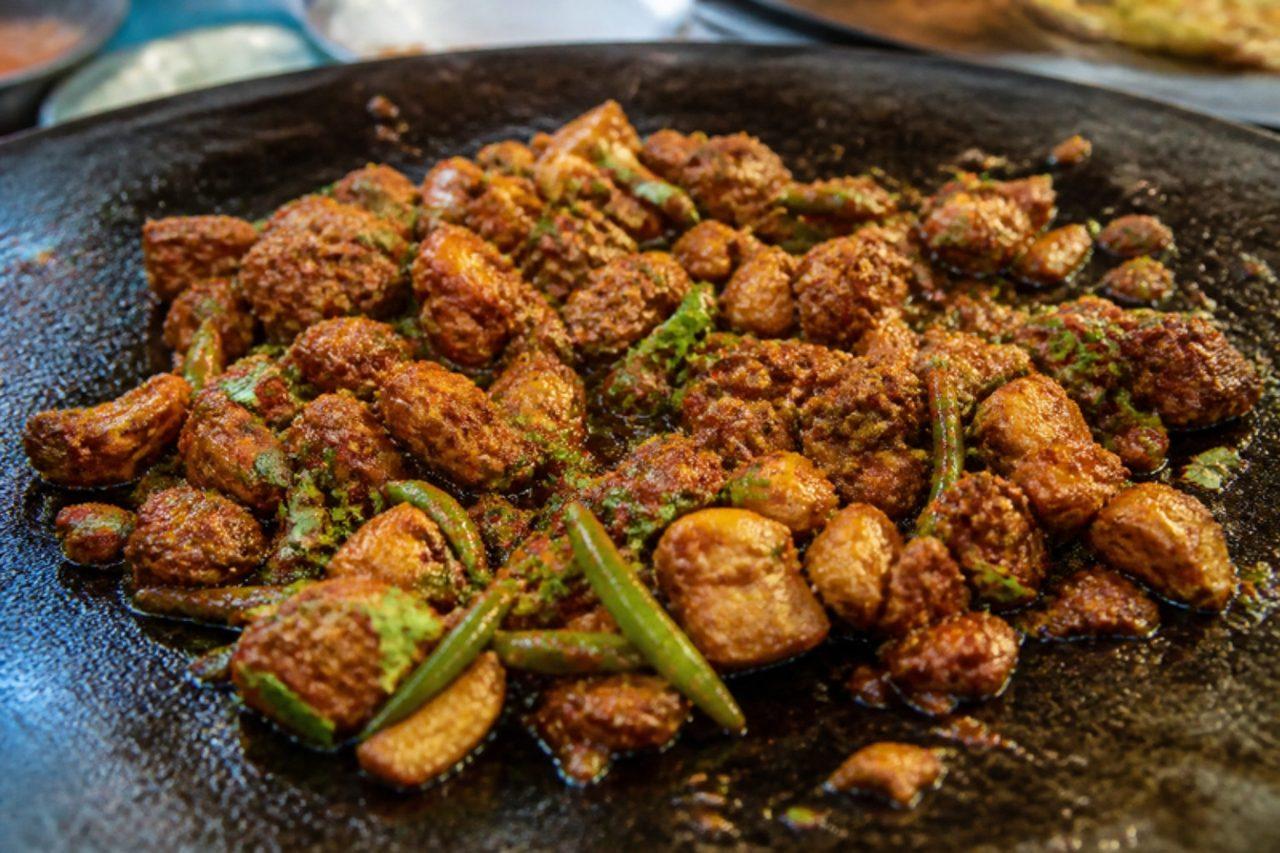
At night on the motorway service roads and Lahore's Gawalmandi, cooks drum their metal spatulas on huge round tawas as they chop and fry chicken to order: boneless pieces scraped about the hot iron with tomato, onion, green chilli and spice until dry, smoky and coated. The noise is half the show, and the chicken is eaten straight off the griddle with naan or paratha. The mistake at home is using a small non-stick pan over a timid flame, which stews the chicken; use your widest heavy pan or griddle and keep the heat high. Chef's tip: chop the chicken into small pieces with the edge of your spatula as it cooks, the way the stalls do, so every bit picks up the charred masala.

by KrazyBadal 0 views

BamischijfFried noodle disc

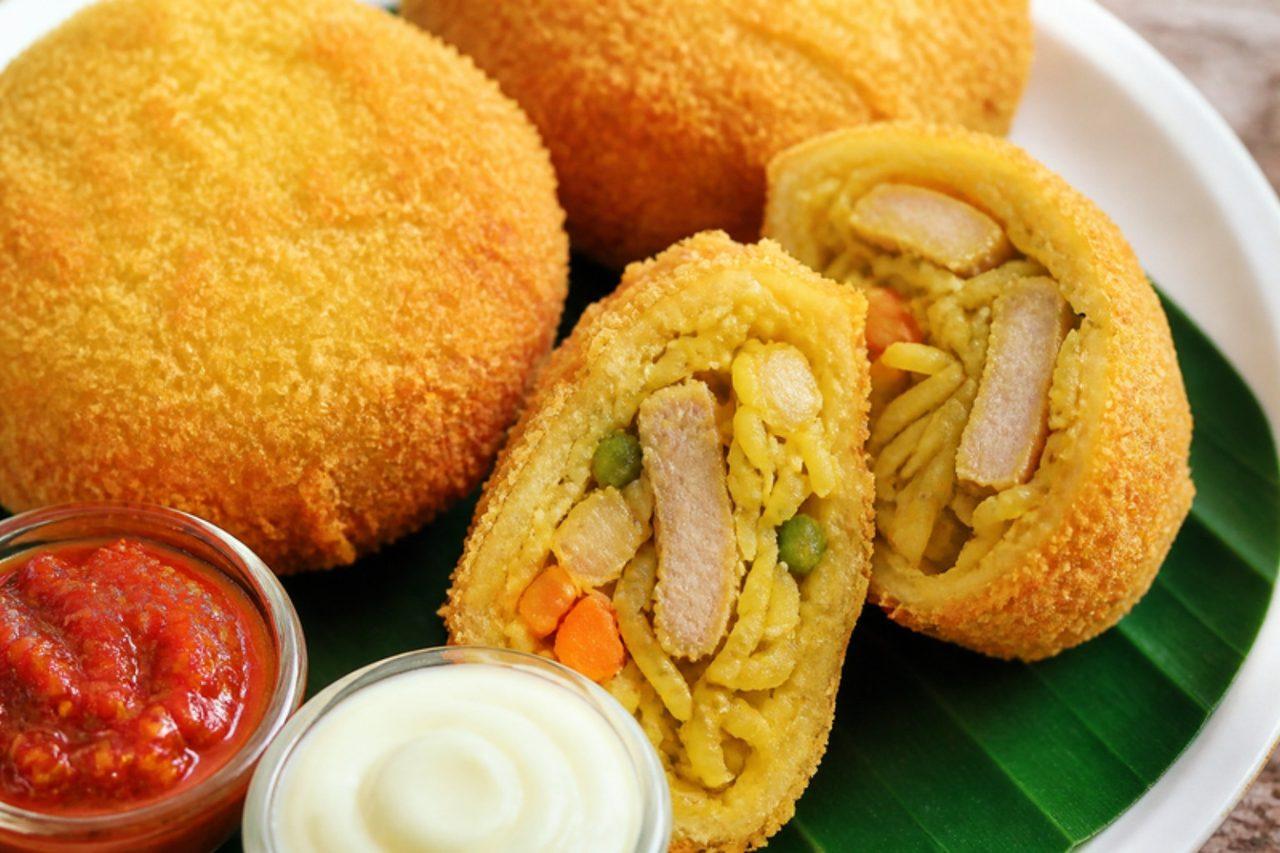
The bamischijf is pure Dutch snack-bar culture: Indonesian-style bami goreng, fried noodles with pork, leek and celery, set firm with a little ragout, cut into discs, breaded and deep-fried. It came out of the Indo-Dutch kitchen into the cafetarias of Rotterdam and The Hague, and it is eaten at borrels with sweet chilli or peanut sauce. Here the pork mince is cooked to 71 °C before it goes in. For a vegetarian version, leave out the pork and add more cabbage, carrot and mushrooms. A common mistake is skipping the chilling, which makes the discs fall apart in the oil. Chef's tip: press the noodle mix hard into the tin with a second tin on top before chilling.

by KrazyBadal 0 views

Showing 24 of 481 recipes

Show more recipes

Page 1 of 21