Skip to content
Recipes

All recipes

Vegetarian, or something you can't eat? Set your diet once and we'll hide recipes that don't fit.

KaguyjyWhite corn pudding

On the night of 23–24 June, Paraguayans celebrate San Juan with bonfires, games like walking over hot coals and the 'paso de fuego', and a table of traditional foods, and kaguyjy (also mazamorra) is one of them. It is a soft, creamy pudding of cracked white corn (locro) simmered slowly in water and then milk with sugar or honey, sometimes with orange peel. It is eaten warm or cold. It is gluten free. Chef's tip: soak the corn overnight and cook it until each kernel is tender before adding the milk, or it never turns creamy.

by KrazyBadal 0 views

Pomana porculuiFresh pork fry-up

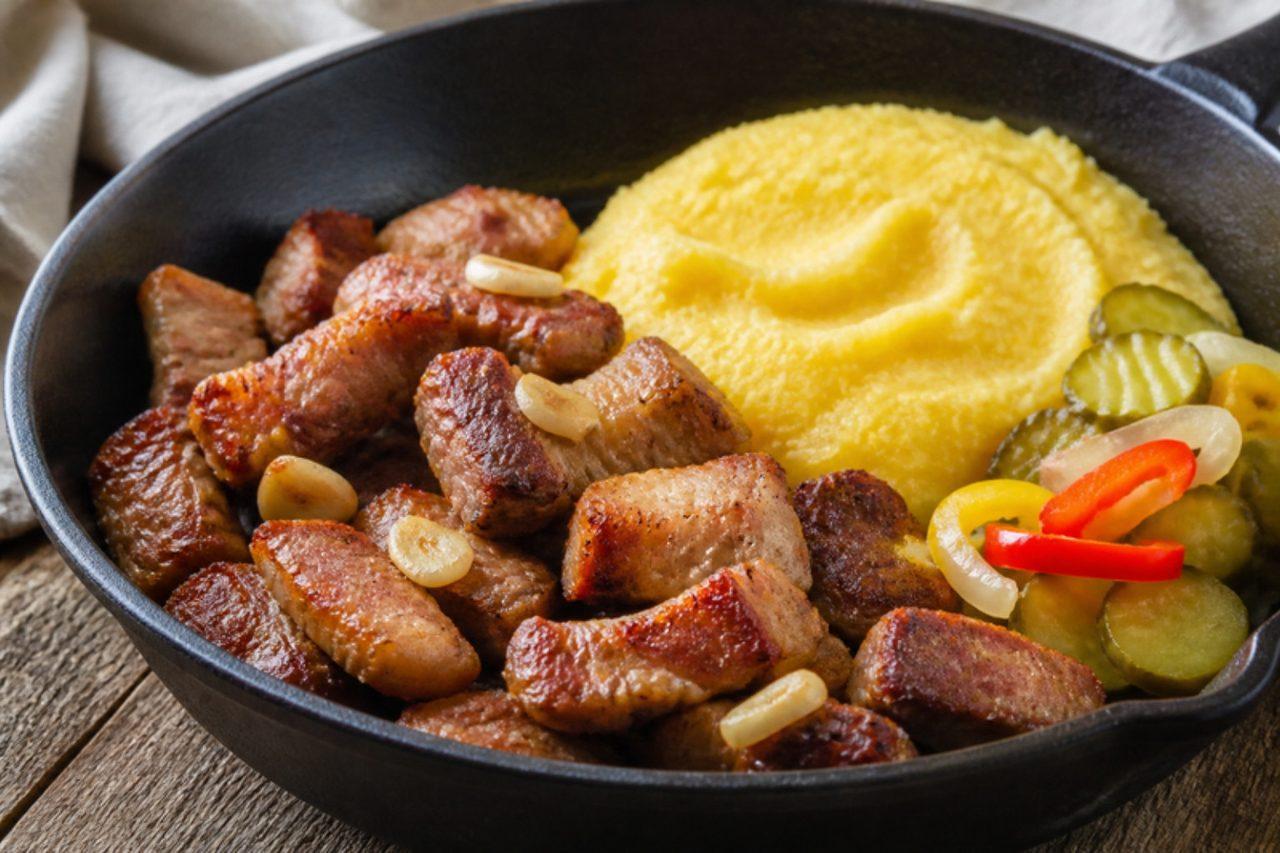
St Ignatius' Day (Ignatul), 20 December, is when Romanian villages traditionally slaughter the pig for Christmas, and the people who help are thanked with pomana porcului: chunks of the freshest pork (neck, belly and loin, sometimes liver) fried in their own fat with salt and garlic, then eaten hot with polenta, pickles and a glass of plum brandy for the adults. At home it is a quick, rustic dish; buy pork shoulder or neck with a good amount of fat. Chef's tip: start the pork in a cold pan so the fat renders slowly and the meat fries in it.

by KrazyBadal 0 views

Sabeel sharbatRose milk with basil seeds

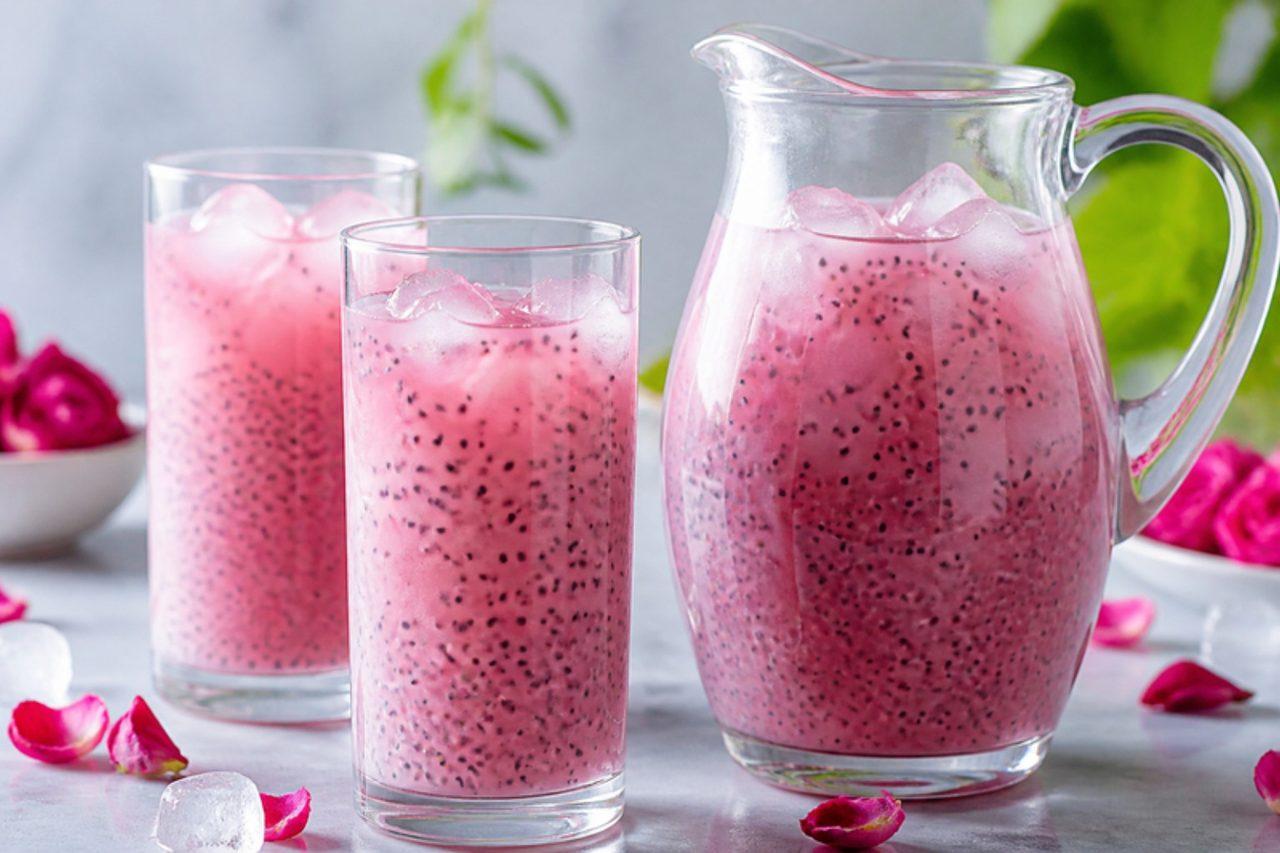
In the first ten days of Muharram, and above all on Ashura, volunteers in Pakistani towns set up sabeel stalls at the roadside and pour free cups of cold sweet milk for anyone passing, in memory of the thirst of Imam Husain's family at Karbala. The drink is pale pink, lightly rose-scented and dotted with swollen basil seeds, and it is made in huge steel pots at the stalls; this is the home-sized jug. Chef's tip: soak the basil seeds in water first, never straight in the milk, or they stay hard and clump.

by KrazyBadal 0 views

Ciorbă de mielSoured lamb soup

Romanian Easter Sunday lunch, after the Resurrection service at midnight and the long Lenten fast, always includes ciorbă de miel: a sour soup of young lamb with spring onions, green garlic, rice and lovage, soured with borș (fermented bran liquid) or lemon and finished with a liaison of egg and soured cream. It is light, tangy and very green, a taste of spring. Chef's tip: temper the egg and cream with ladlefuls of hot soup before stirring them in, or they will scramble.

by KrazyBadal 0 views

Chana dal halwa

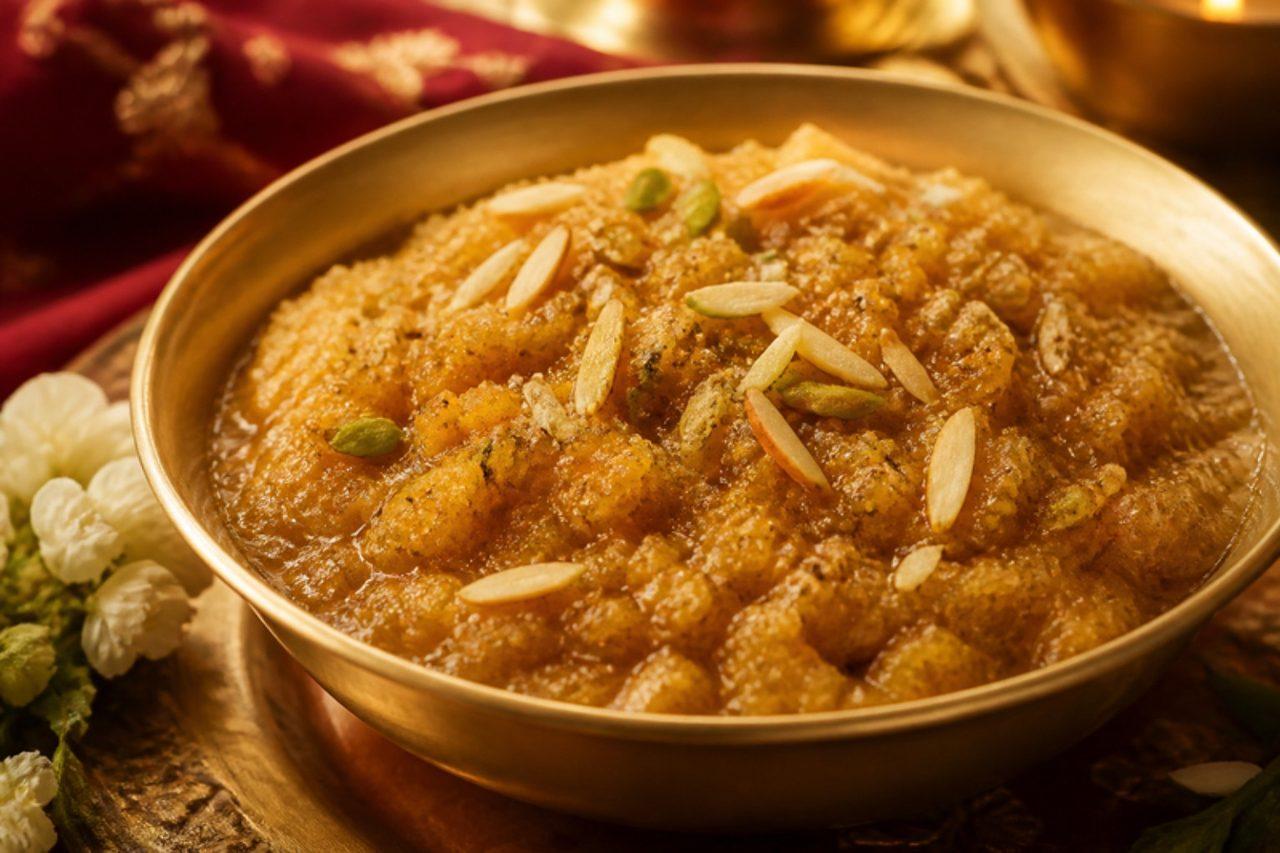
At Punjabi weddings in Lahore and Faisalabad in the cold months, the dessert table often carries a big tray of chana dal halwa beside the gajar halwa. Soaked split chickpeas are ground and fried slowly in ghee until they smell of roasted nuts and turn deep golden, then cooked with milk, sugar and cardamom into a rich, grainy halwa that keeps for days. It takes patience and a strong arm. Chef's tip: keep the heat low and scrape the bottom constantly; the dal catches fast once it starts to brown.

by KrazyBadal 0 views

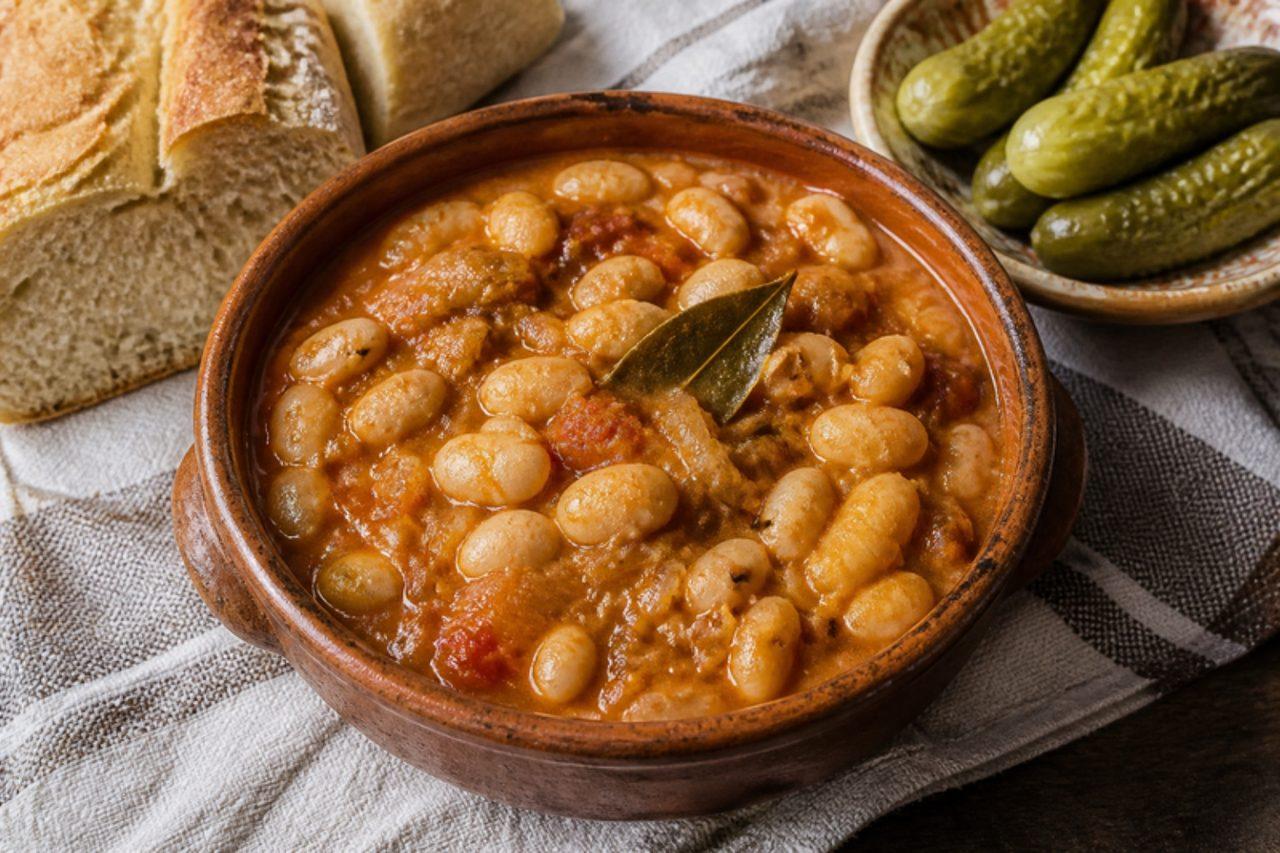
Iahnie de fasoleWhite bean stew

Iahnie de fasole is one of the most loved dishes of the Romanian Orthodox fasting periods: the seven weeks of Great Lent before Easter, and the Christmas fast. White beans are cooked until creamy, then baked or simmered with a lot of slowly fried onion, tomato paste, bay, thyme and paprika until thick and sweet. It is vegan, high in protein and eaten with pickles and bread. Chef's tip: fry the onion slowly in plenty of oil until golden and jammy; the onion is the heart of the stew.

by KrazyBadal 0 views

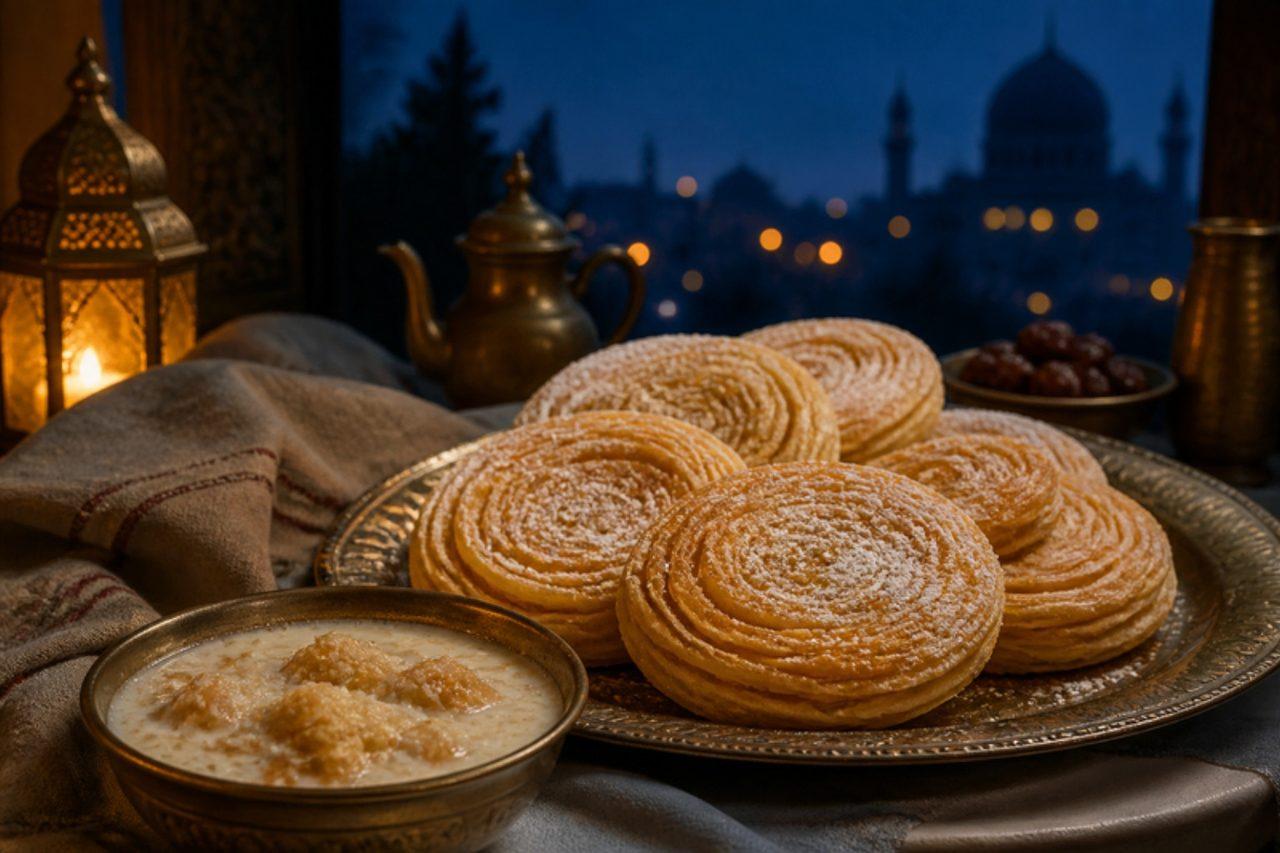
KhajlaFried pastry rounds in sweet milk

In the old lanes of Lahore and Karachi's Burns Road, sweet shops fry khajla through the night in Ramadan so families can buy it fresh for sehri, the meal eaten before dawn. Each round is a stack of paper-thin layers of ghee-rubbed dough that shatter when you press them, and it is crumbled into a bowl of hot sweetened milk, often with fine pheni, to give slow energy for the fasting day. Chef's tip: keep the oil only medium-hot; khajla must fry slowly so every inner layer turns crisp before the outside browns.

by KrazyBadal 0 views

ZhavoronkiLark-shaped buns

On 22 March (9 March in the old calendar), the Orthodox feast of the Forty Martyrs of Sebaste falls during Lent, and in Russian villages it was the day the larks were said to return. Children were given zhavoronki, little bread larks, and ran outside to toss them in the air and call the spring. The dough is a lightly sweet yeast dough, and because it is Lent it was made without eggs or butter, so this version is vegan. Raisins or peppercorns make the eyes. Chef's tip: tie a simple knot from a dough rope for each bird and snip the tail; it is quicker than sculpting and keeps the shape.

by KrazyBadal 0 views

Pajagua mascadaBeef and cassava patties

Pajagua mascada is a Paraguayan street-food classic that appears on every table for the San Juan festival on 24 June, when bonfires burn and the night is full of games and traditional food. Minced beef is mixed with mashed cassava, onion, garlic and a little egg and flour, shaped into flat patties and fried until crisp. The name comes from Guaraní and refers to the 'chewing' of old Paraguayan cooks, who made it from leftover meat. Chef's tip: dry the boiled cassava well and remove its woody core, which keeps the patties light and crunchy.

by KrazyBadal 0 views

Chipa so'oCheese bread with spiced beef

In Paraguay, families bake chipa in the clay tatakua ovens on Holy Wednesday so there is food for Thursday and Good Friday, when cooking stops. Chipa so'o ('chipa with meat') is a cassava-starch and cheese bread wrapped around a little filling of minced beef cooked with onion and egg, then baked until crisp outside and chewy within. It is naturally gluten free. Chef's tip: knead the dough until it no longer cracks at the edges when pressed; dry dough splits around the filling.

by KrazyBadal 0 views

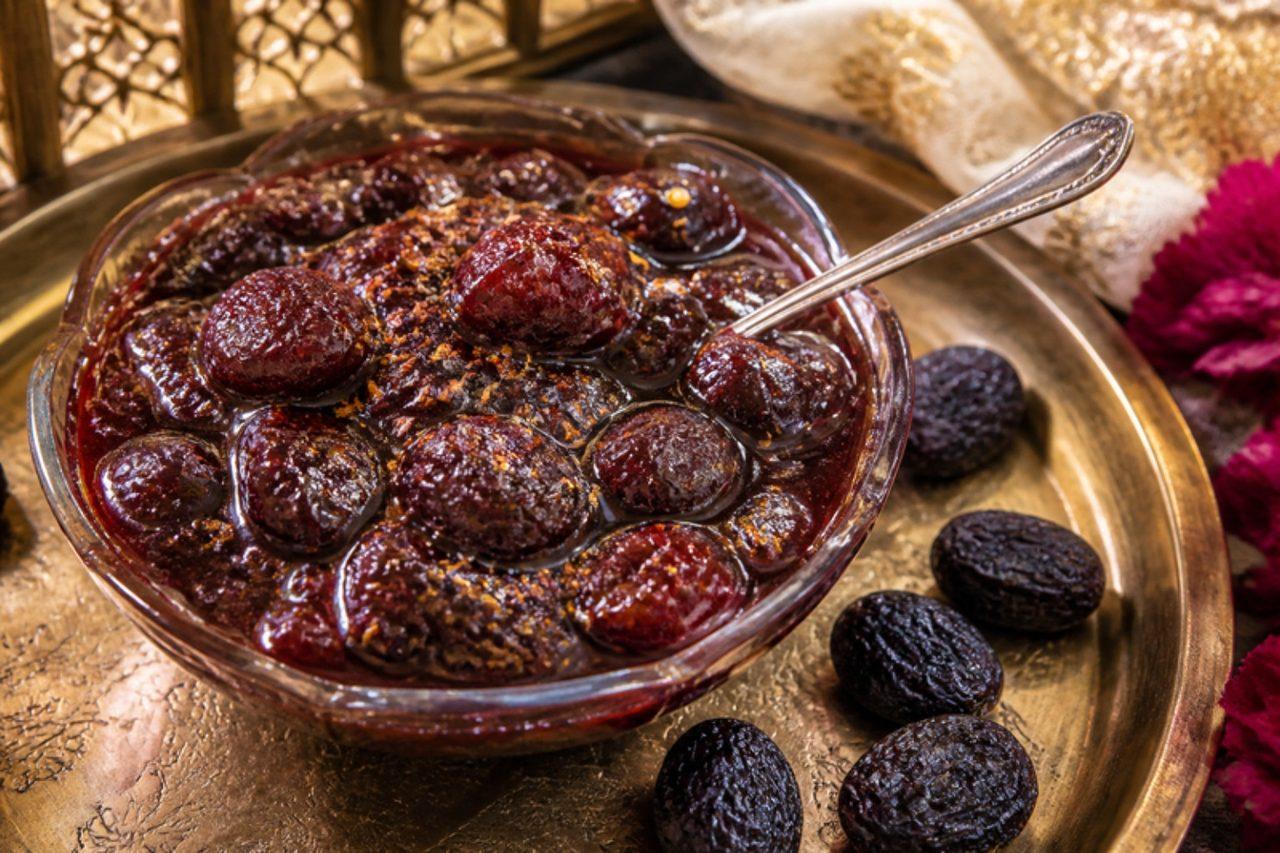
Aloo bukhara chutneyDried plum chutney

Wherever a Pakistani wedding serves biryani and qorma, a little bowl of glossy aloo bukhara chutney sits alongside to cut the richness. Dried sour plums are softened, then cooked with sugar, a touch of vinegar, ginger, chilli and warm spices into a jammy, sweet-sour relish, dark and shining. It keeps for weeks and is made in big jars before the shaadi. Chef's tip: stop cooking while it still looks a little loose; it thickens a lot as it cools.

by KrazyBadal 0 views

Sopa teólogaTurkey broth with bread and cheese

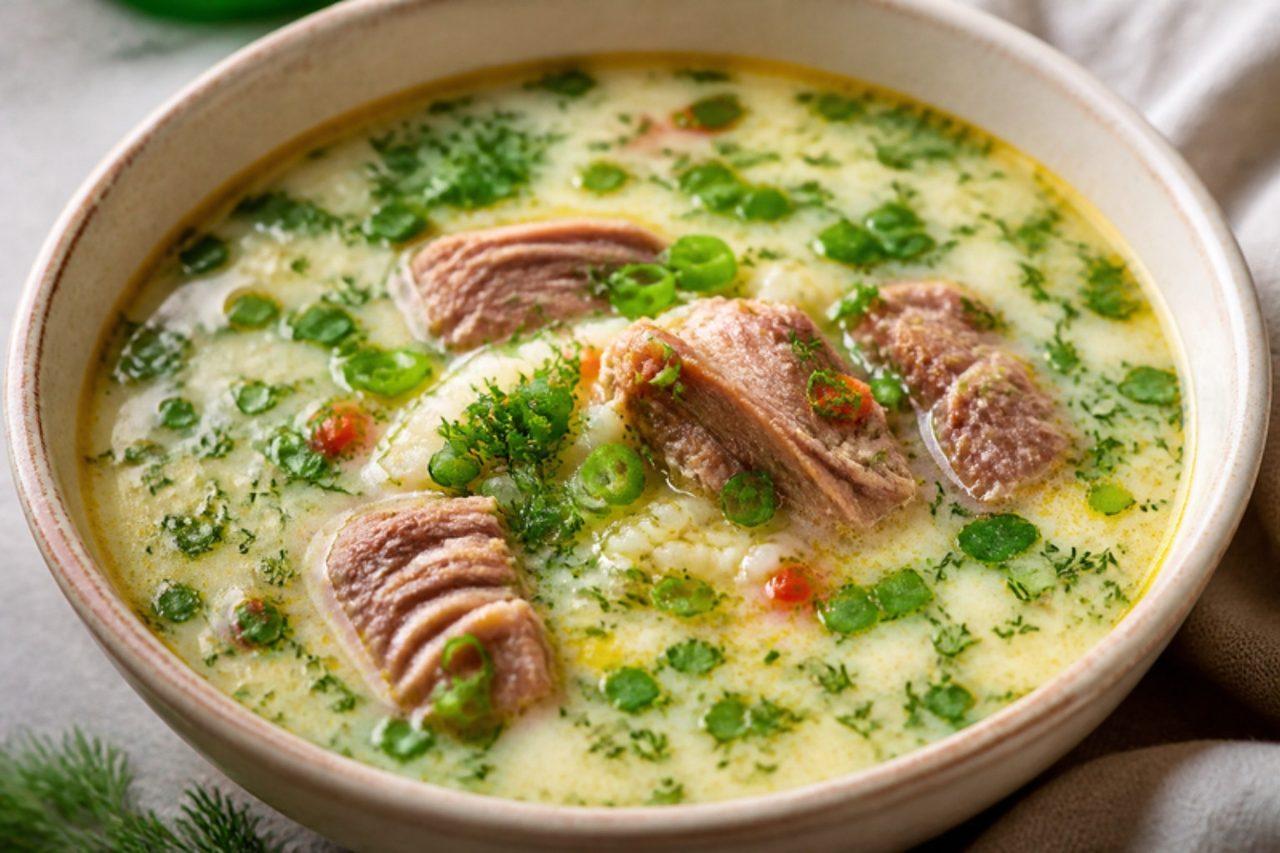
Sopa teóloga ('the theologian's soup') goes back to colonial convents in Lima and Arequipa, where it was cooked for feast days, and it is still served at Holy Week and family celebrations. A rich turkey (or chicken) broth is thickened with soaked bread, milk and fresh cheese, with yellow potatoes and shreds of turkey, and finished with a little ají amarillo and chopped huacatay or parsley. It is thick, comforting and filling. Chef's tip: blend part of the soaked bread with broth before adding it, which gives the soup its creamy body without lumps.

by KrazyBadal 0 views

Petushok na palochke (Russian rooster lollipops)

For generations of Russian children the 'little rooster on a stick' meant the fair: sellers at markets, Maslenitsa celebrations and seaside promenades held up bunches of the amber cockerels, and many families still own an old two-part metal mould and cast their own at home. The lollipop is hard and glassy, with a pale caramel colour and a clean, slightly tangy taste of cooked sugar, sometimes with a splash of fruit juice for colour. Serve them as a party treat or wrap them as small gifts. They are naturally egg-free: the only thing that sets them is sugar boiled to the hard-crack stage, while a little lemon juice stops it crystallising so the candy stays clear. Chef's tip: oil the mould lightly but thoroughly, then wipe away any pools; the common mistake is skipping this, and the cockerels then stick and snap at the tail when you open the mould.

by KrazyBadal 0 views

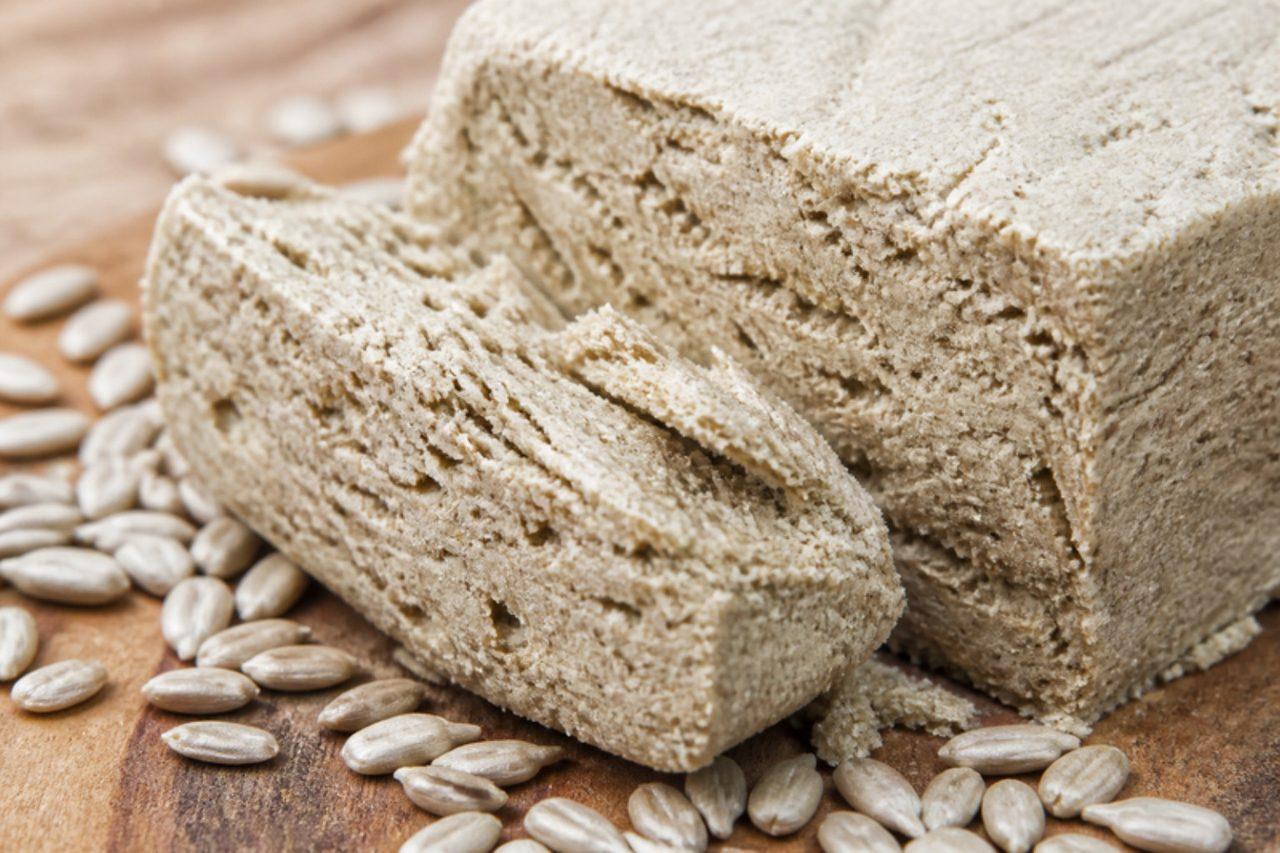
Podsolnechnaya khalva (sunflower seed halva)

In Russia and Ukraine, where sunflowers cover the southern steppe, halva means sunflower halva rather than the sesame kind: grey-brown, crumbly slabs sold by weight at markets and eaten with tea at any time of day, especially through the long winter. It tastes deeply of toasted seeds, with a sandy, flaky texture that breaks into strands and melts on the tongue. Serve it in small pieces with black tea, crumble it over porridge, or eat it with fresh apple slices. Factory halva is lightened with a foam of soapwort root, and some old recipes use whipped egg white; this home version needs neither. Sugar syrup cooked to the firm-ball stage is beaten straight into warm, finely ground seeds, and as the syrup cools it crystallises and binds the oily seed paste into a sliceable block, naturally egg-free. Chef's tip: grind the seeds until they just start to clump and look oily, not into smooth butter; the common mistake is over-grinding, which gives a dense, fudgy slab instead of crumbly halva.

by KrazyBadal 0 views

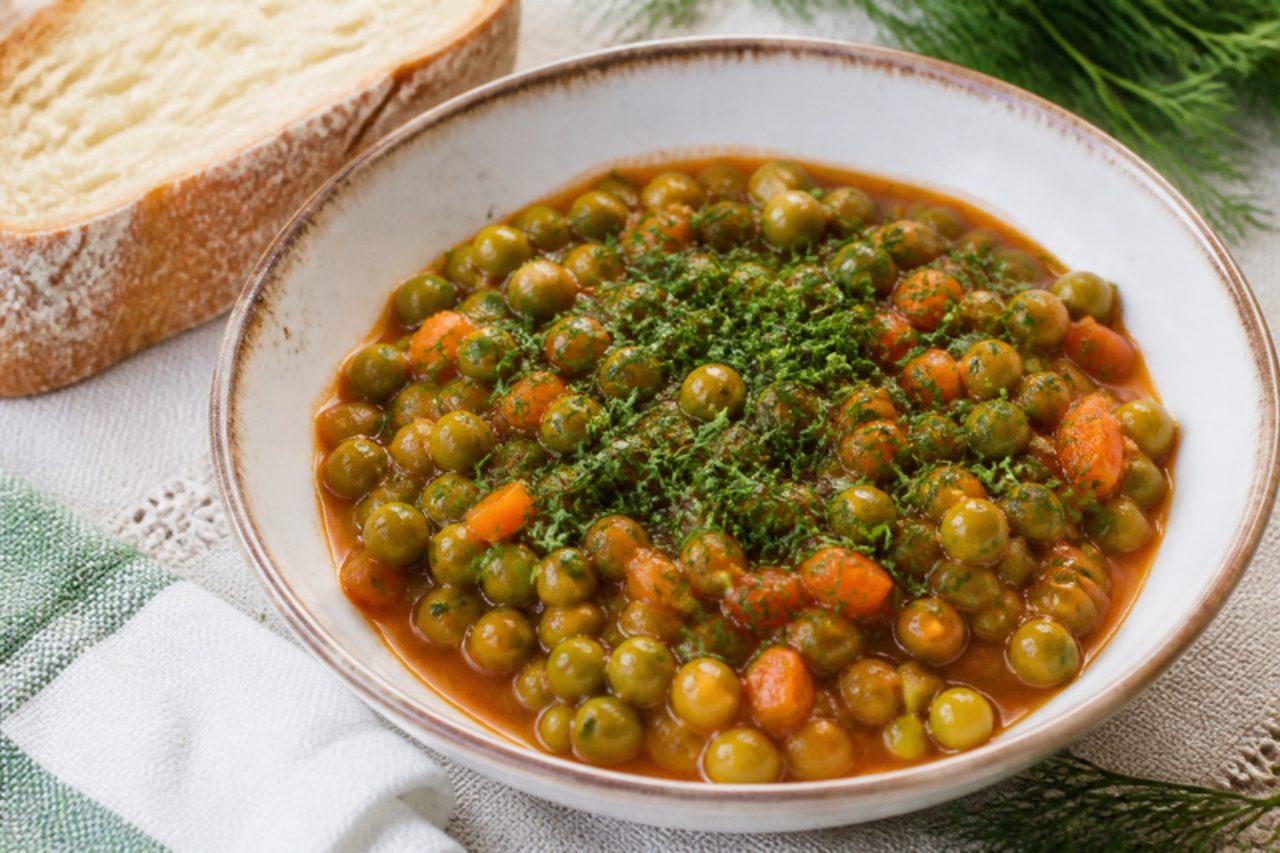
Mâncare de mazăreStewed green peas

In Romanian homes from Bucharest to the villages of Moldavia, mâncare de mazăre is a weekday lunch all year and a mainstay of the Orthodox fasting days, when the table is meat-free; it is eaten with mămăligă (polenta) or bread and a pickle or two. Peas simmer gently with soft onion and carrot in a light tomato sauce, and a handful of dill goes in at the end. A portion gives about 14 g of protein from the peas, so it isn't a high-protein dish on its own; serve it with polenta and a chunk of bread, or a fried egg on top if you eat eggs. The most common mistake is boiling the peas for too long, which turns them khaki and mushy. Chef's tip: thicken the sauce with a teaspoon of flour fried in the oil before the tomato goes in, as Romanian cooks do, or leave it out to keep the dish gluten free.

by KrazyBadal 0 views

Chilcano de pescadoClear fish broth

In the fishermen's terminals of Chorrillos and Callao, chilcano is what you drink on a Sunday morning after a long night: a clear, gingery broth made from the heads and bones left over from cleaning fish for ceviche, with chunks of fish, red onion, chilli and a squeeze of lime in the bowl. It is light and warming, around 160 kcal a bowl, and still gives about 24 g of protein from the fish fillet and the broth. The common mistake is squeezing the lime into the pot while it boils, which turns it bitter; add it to each bowl at the table. Don't boil the bones for more than 30 minutes either, or the broth turns cloudy and harsh. Chef's tip: ask the fishmonger for heads and frames from mild white fish like sea bass or cod, and leave out oily fish such as mackerel, which makes the broth strong and fishy.

by KrazyBadal 0 views

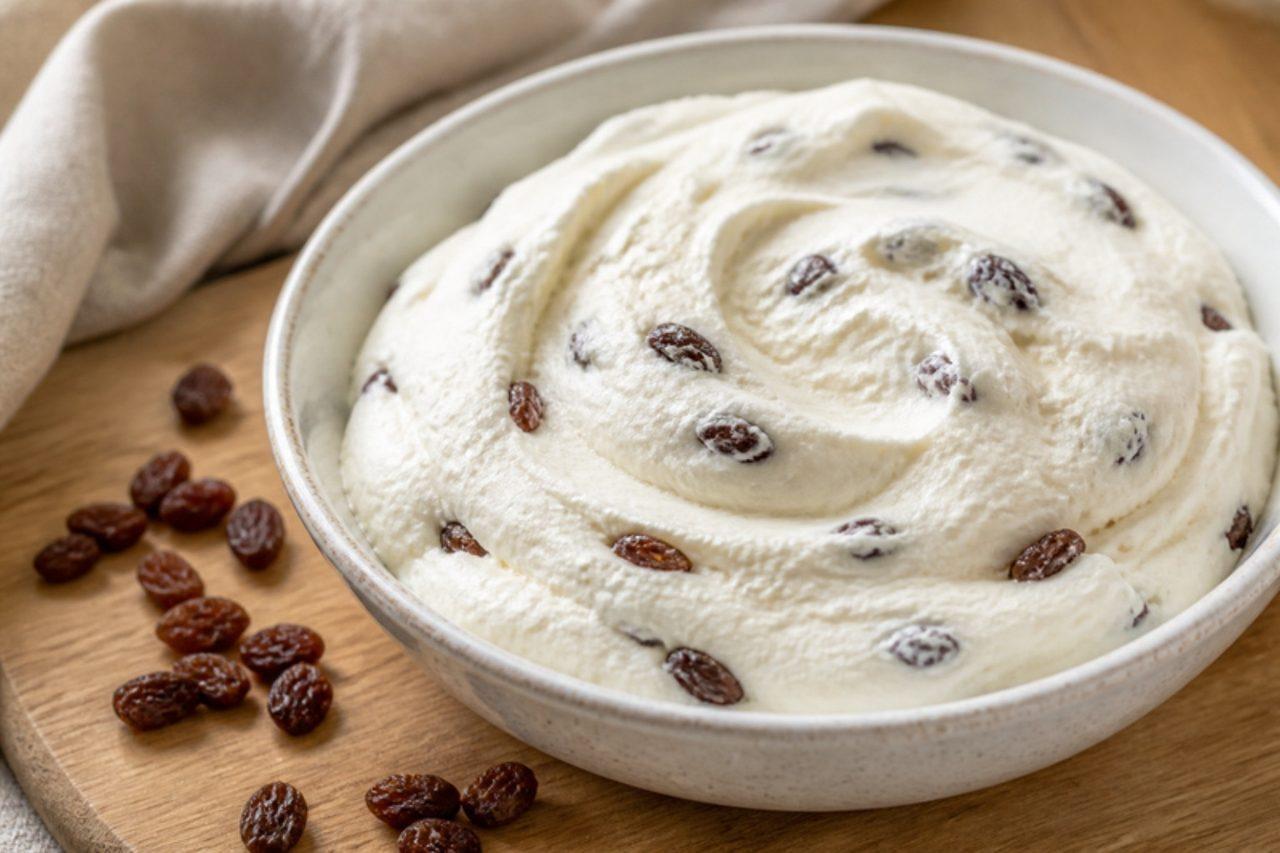
Tvorozhnaya massa s izyumom (sweet tvorog cream with raisins)

All over Russia, tvorozhnaya massa is the smooth, sweet curd cheese of childhood breakfasts and afternoon teas, and at Easter it is the base of paskha. Fresh tvorog is pressed through a sieve and beaten with soft butter, sugar and vanilla until it is pale and fluffy, then raisins are stirred in. It is creamy and tangy, sweet but light, and high in protein. Spread it on bread, spread it on rye toast or eat it from a bowl with tea and berries. Nothing is cooked and no egg goes in: beating the butter into the sieved curd gives it a mousse-like body, and it firms up nicely in the fridge, so nothing is needed to bind or set it. Chef's tip: soften the butter fully and sieve the tvorog first; the common mistake is beating cold butter into grainy curd, which leaves hard flecks and a lumpy, heavy cream.

by KrazyBadal 0 views

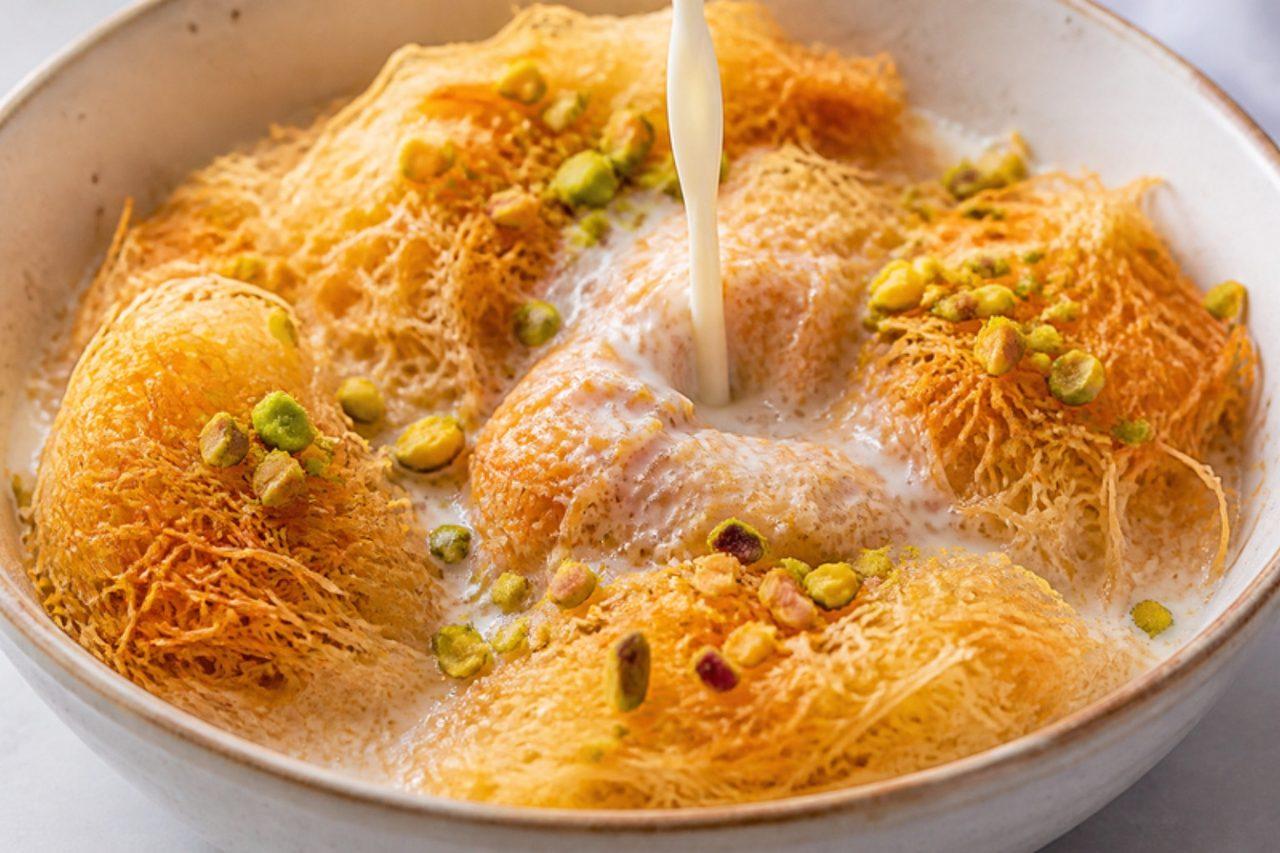
Pheni (layered fried vermicelli nests in sweet milk)

In Lahore and Karachi during Ramadan, sweet shops stack golden nests of pheni in towers, and families buy them to eat at sehri, the meal before dawn. The fine, brittle strands are crumbled into a bowl and drenched with hot sweetened milk, which softens them in a minute into something like a silky vermicelli pudding; it keeps you full through the fasting day. Shop pheni is pulled into hair-thin threads by skilled hands, so at home this recipe uses the layered method: thin sheets of dough are brushed with a ghee and rice-flour paste, rolled and sliced, and the paste makes the layers fan out into fine flaky rings when fried. They are crisp, buttery and delicate. It is naturally egg-free: the dough is just flour, ghee and water, and the rice-flour paste keeps the layers separate. Chef's tip: fry the nests in oil that is only moderately hot, about 160°C; oil that is too hot is the common mistake that browns the outside while the inner layers stay soft and doughy.

by KrazyBadal 0 views

ParihuelaSpicy seafood soup

Parihuela is the big weekend seafood soup of Callao and the Peruvian coast, eaten at long Sunday lunches in cevicherías and praised as a cure for tiredness and late nights. A deep red broth of ají panca, ají amarillo, tomato and fish stock is loaded with chunks of fish, prawns, squid and mussels. A portion gives about 30 g of protein, from the fish and shellfish, for roughly 300 kcal. Some cooks add chicha de jora or beer; this version has none. The common mistake is adding all the seafood at once: squid and prawns turn rubbery while the fish cooks, so they go in last. Before cooking, discard any mussels that stay open when tapped, and after cooking discard any that stay shut. Chef's tip: fry the chilli pastes in the oil until they darken and smell sweet; that toasted ají is what gives parihuela its depth.

by KrazyBadal 0 views

Aguadito de polloCoriander chicken rice soup

Aguadito is the soup Lima serves in the small hours: at the end of a wedding, after New Year's Eve and at weekend family lunches, it is ladled out thick and steaming to revive everyone. Rice simmers in chicken broth coloured deep green with blended coriander and warmed with yellow ají amarillo, along with peas, carrot, pepper, sweetcorn and potato. A portion gives about 24 g of protein, from the chicken with a little from the rice and peas, for around 480 kcal. The common mistake is adding the coriander purée too early: cooked for long it turns khaki and loses its fresh taste, so stir it in for the last 10 minutes. The chicken must reach 74 °C at the bone. Chef's tip: blend a handful of spinach with the coriander; it keeps the colour vivid green without changing the flavour.

by KrazyBadal 0 views

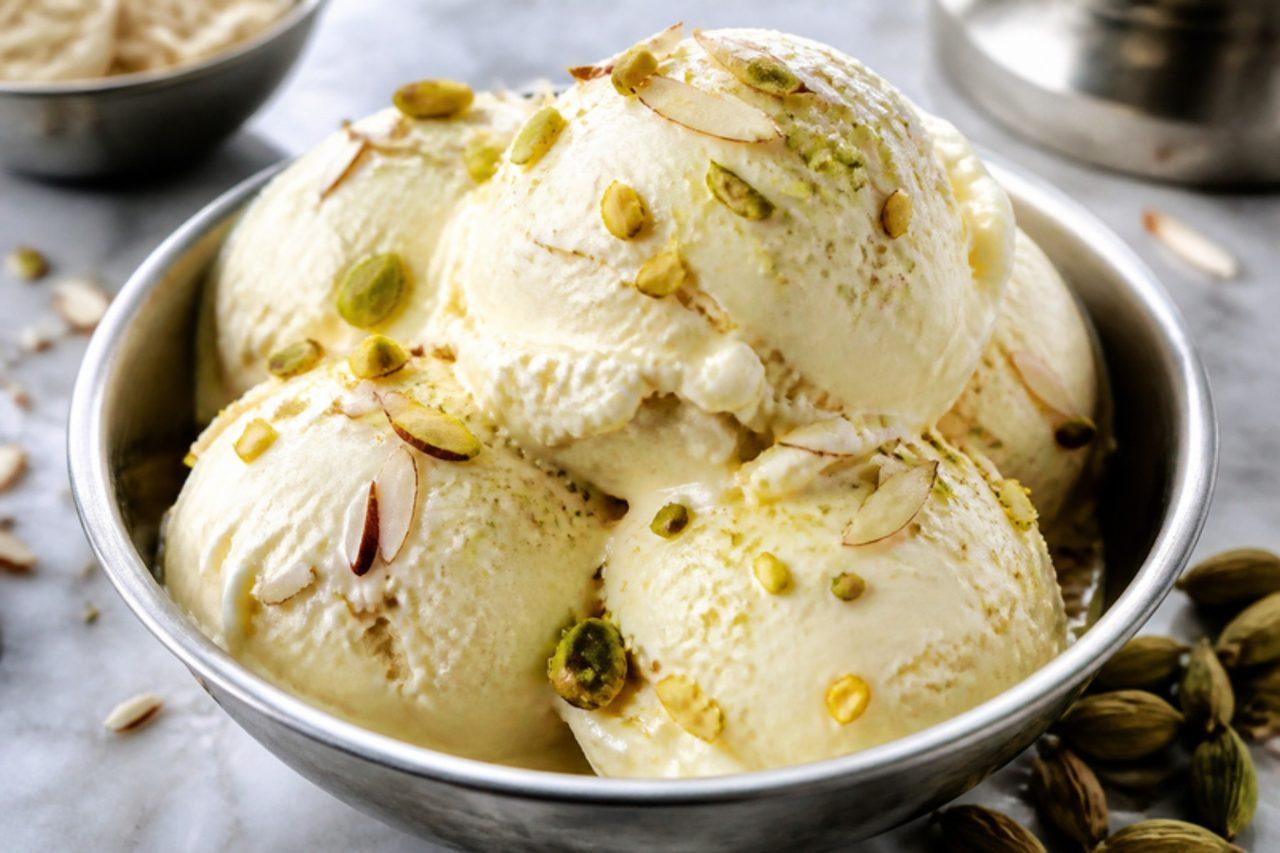
پشاوری آئس کریم (Peshawari ice cream)Cardamom pistachio ice cream

In the Qissa Khwani bazaar of Peshawar, ice-cream sellers spin a tall metal drum inside a tub of crushed ice and salt, scraping the freezing milk off the walls with a long paddle until it turns thick, stretchy and pale. It is a summer evening treat, eaten from small bowls after dinner or late at night when the streets cool down, and often topped with a spoonful of falooda vermicelli or more chopped pistachio. The flavour is simple: slowly reduced milk, green cardamom and a little rose. This version has no eggs and no custard: a cornflour slurry cooked into the milk thickens it the way yolks would, and the starch holds on to water so ice crystals stay small and the texture stays smooth, while milk powder adds body without extra fat. You can churn it in a machine or still-freeze it in a tray and stir it every 45 minutes. Chef's tip: the common mistake is churning a warm base; chill it until it is fridge-cold right through, or it will turn icy instead of silky.

by KrazyBadal 0 views

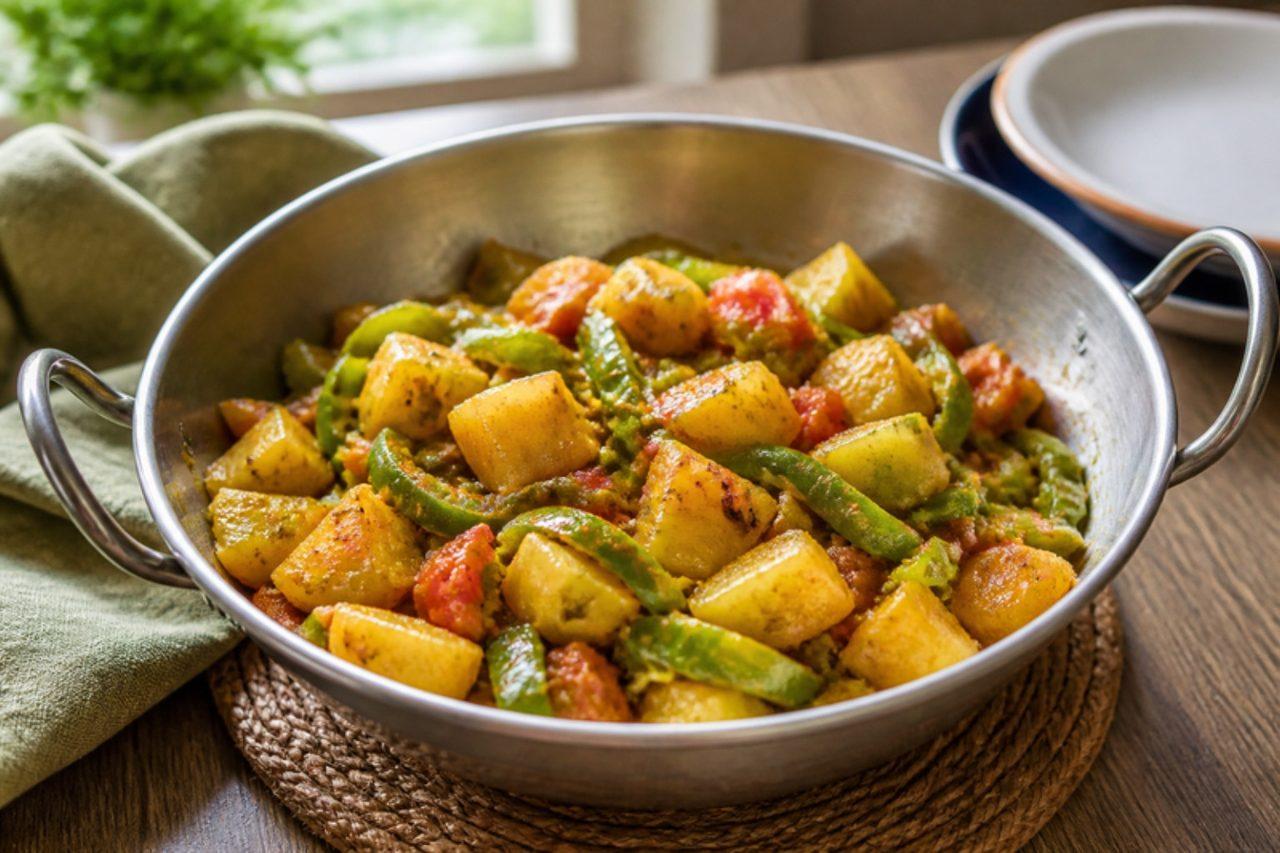
Shimla mirch alooPepper and potato stir-fry

Shimla mirch aloo is everyday Punjabi home cooking from both sides of the border, the sabzi that fills a lunchbox paratha or sits next to dal on a weeknight in Rawalpindi. Potato cubes go soft and golden first, then strips of green pepper are tossed in just long enough to soften while keeping a little bite, all held together by a dry tomato-chilli masala. The classic mistake is adding the peppers with the potatoes: they collapse, turn khaki and lose their fresh, slightly bitter flavour. Chef's tip: a pinch of amchur at the end lifts the whole pan without adding any extra liquid.

by KrazyBadal 0 views

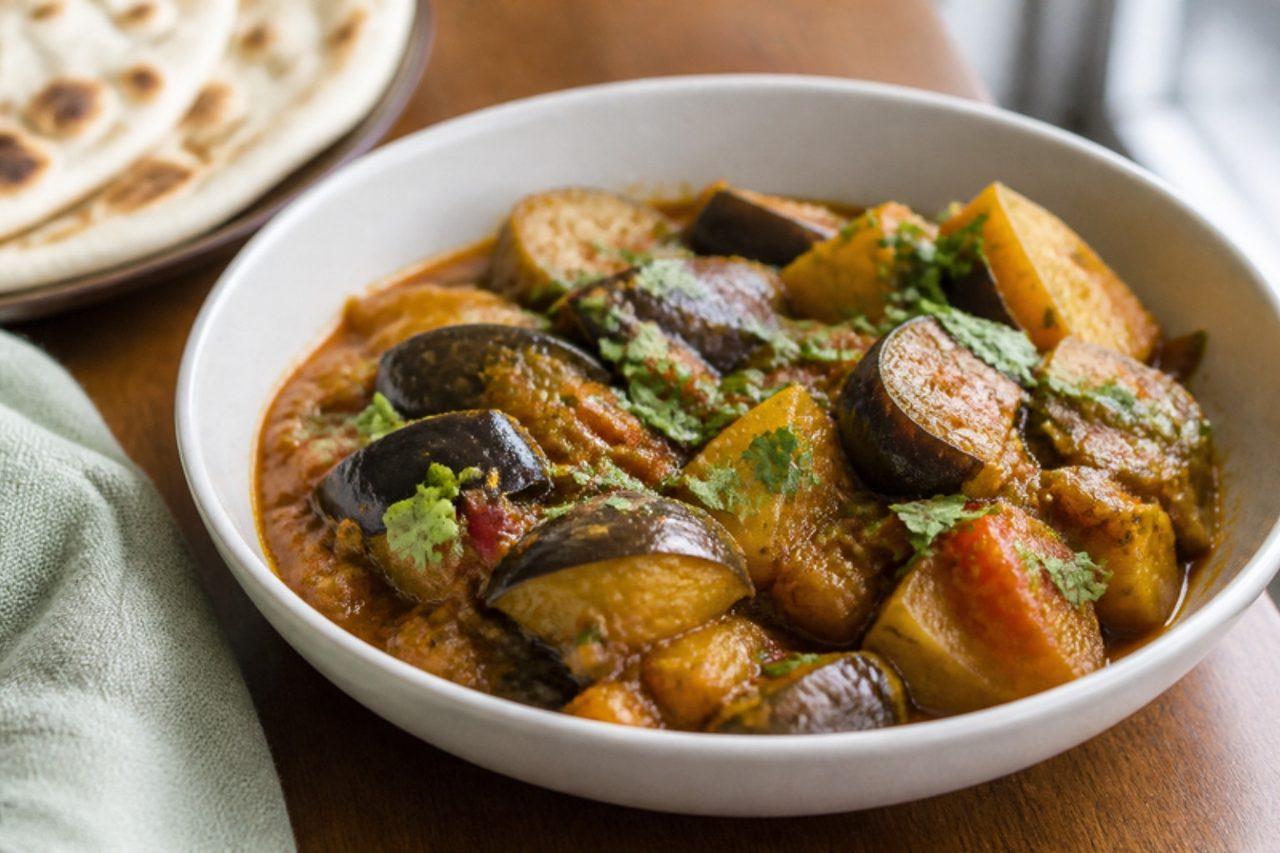
Aloo bainganPotato and aubergine

From Multan to Hyderabad in Sindh, aloo baingan is the humble pairing that makes a summer glut of aubergines go a long way: potatoes give body, aubergine melts into a jammy, smoky-sweet tomato masala. It is eaten with chapati at dinner, often next to a bowl of daal and some sliced onion. The most common mistake is stirring hard once the aubergine softens, which mashes everything into a grey purée; fold it gently and let the pan do the work. Chef's tip: give the aubergine a few minutes on its own in the hot oil before the masala goes in, so its edges catch and brown.

by KrazyBadal 0 views

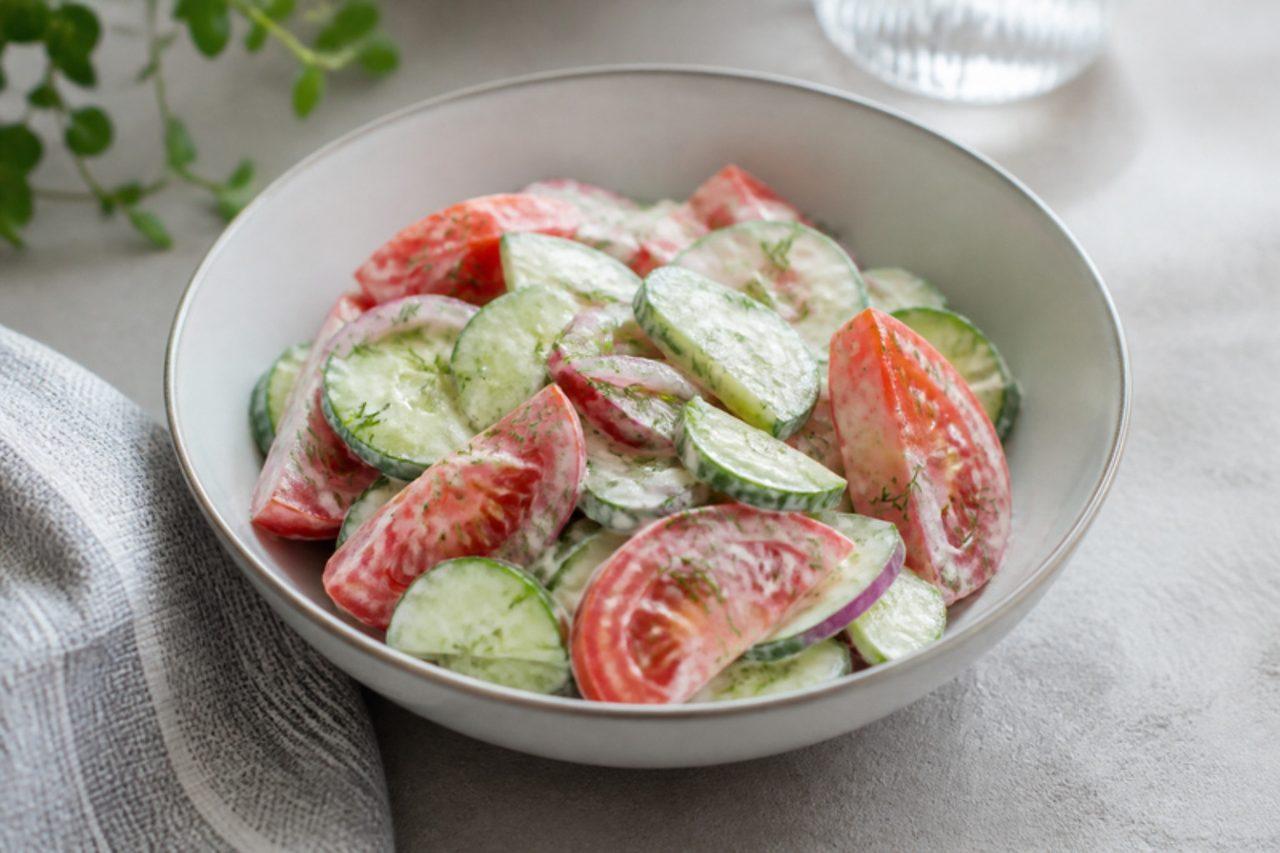
Salat iz ogurtsov i pomidorov (Russian cucumber and tomato salad)

From Moscow dachas to Siberian kitchens, this is the salad that sits on almost every summer table: cucumber, ripe tomato and onion chopped together with dill, dressed either with smetana for a creamy version or with unrefined sunflower oil, whose nutty taste is the flavour of the Russian countryside. It is eaten beside boiled potatoes, kasha or grilled food, and it is made minutes before the meal. The usual mistake is salting it early: the tomatoes and cucumbers release their juice and the salad turns into a watery soup. Chef's tip: if you can find it, use unrefined, cold-pressed sunflower oil; it tastes of toasted seeds and makes the plainest salad sing.

by KrazyBadal 0 views

Showing 24 of 621 recipes

Show more recipes

Page 1 of 26