Skip to content
Recipes

All recipes

Vegetarian, or something you can't eat? Set your diet once and we'll hide recipes that don't fit.

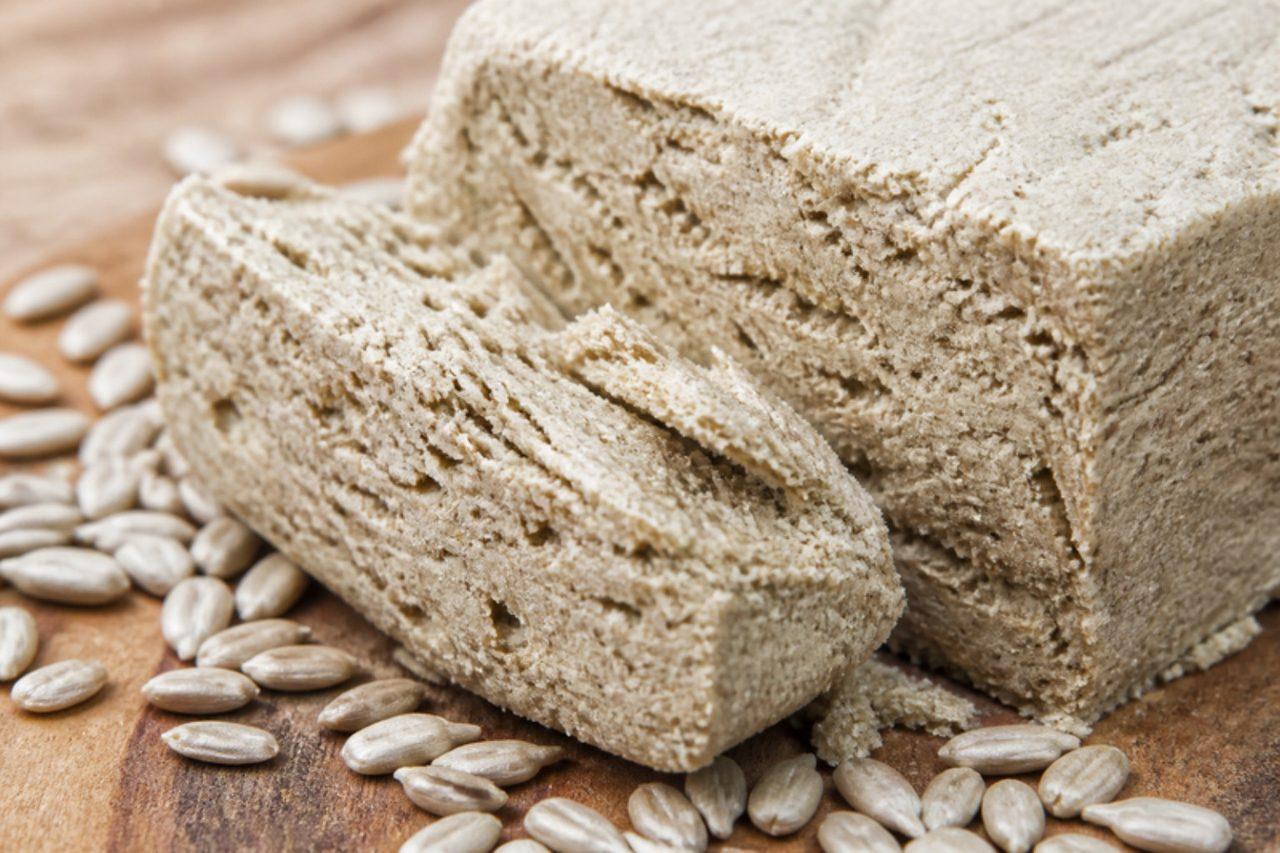
Podsolnechnaya khalva (sunflower seed halva)

In Russia and Ukraine, where sunflowers cover the southern steppe, halva means sunflower halva rather than the sesame kind: grey-brown, crumbly slabs sold by weight at markets and eaten with tea at any time of day, especially through the long winter. It tastes deeply of toasted seeds, with a sandy, flaky texture that breaks into strands and melts on the tongue. Serve it in small pieces with black tea, crumble it over porridge, or eat it with fresh apple slices. Factory halva is lightened with a foam of soapwort root, and some old recipes use whipped egg white; this home version needs neither. Sugar syrup cooked to the firm-ball stage is beaten straight into warm, finely ground seeds, and as the syrup cools it crystallises and binds the oily seed paste into a sliceable block, naturally egg-free. Chef's tip: grind the seeds until they just start to clump and look oily, not into smooth butter; the common mistake is over-grinding, which gives a dense, fudgy slab instead of crumbly halva.

by KrazyBadal 0 views

Tmar mehchi (Moroccan almond-stuffed dates)

Tmar mehchi is the stuffed date of Fez and Marrakech, piled high on silver trays at weddings, engagements and Eid, and offered to guests with mint tea. Soft dates are filled with a homemade almond paste perfumed with orange-blossom water, often tinted pale green or pink to match the celebration, then scored with a knife so the filling shows. They are soft, rich and caramel-sweet, with a floral, nutty middle. The paste here is mixed from ground almonds and icing sugar, so there is no shop marzipan, which can contain egg white. It is naturally egg-free: the dates' sticky flesh and a few spoonfuls of orange-blossom water bind the almond filling. Chef's tip: add the orange-blossom water a little at a time and stop when the paste is firm like play dough. The common mistake is a wet paste, which oozes out and makes the dates slippery.

by KrazyBadal 0 views

Poolaki (Isfahan saffron sugar discs)Saffron caramel discs

Poolaki are the glassy, coin-thin sugar discs of Isfahan, sold in tins in the bazaar near Naqsh-e Jahan square and served with tea in Iranian homes, especially at Nowruz and when guests drop by. Instead of stirring sugar into the glass, you hold a disc on your tongue and sip strong black tea through it. They snap cleanly, then melt into a light caramel scented with saffron, sometimes with cardamom or a scatter of pistachio. They are naturally egg-free: sugar syrup cooked to the hard-crack stage sets as clear as glass the moment it is spread thin, and a little vinegar stops it from turning grainy. Chef's tip: do not stir once the syrup boils; swirl the pan instead and wash down the sides with a wet pastry brush. The common mistake is stirring, which makes the syrup crystallise and turn cloudy.

by KrazyBadal 0 views

Quinotos en almíbar (Argentine kumquats in syrup)

In Buenos Aires and the river provinces of the Litoral, kumquat trees ripen in the middle of winter, between June and August, and the fruit goes straight into jars of syrup. Grandmothers' pantries held quinotos for the whole year, brought out for birthdays and long Sunday lunches. Each little fruit turns glossy orange and translucent, with a soft, bittersweet skin and a sharp, juicy centre. Spoon them over vanilla ice cream, serve them with a slice of fresh cheese in the style of postre vigilante, or eat them straight from the jar. Many bar menus offer them steeped in spirits; this version keeps only the syrup. Naturally egg-free, the quinotos rely on sugar syrup to preserve them, while pectin from the peel gives the syrup a light, jammy body. Chef's tip: blanch the fruit three times from cold water; the common mistake is skipping this, which leaves the skins tough and bitter.

by KrazyBadal 0 views

Turrón de maníPeanut nougat

On an Argentine Christmas Eve, after midnight toasts, the 'mesa dulce' appears with pan dulce, garrapiñadas and turrón de maní: a chewy white nougat of honey, sugar, whipped egg white and roasted peanuts, often set between two sheets of rice paper. Families make it in the days before Nochebuena. The egg white is cooked by the hot syrup. It is gluten free if you use gluten-free wafer paper or none. Chef's tip: work fast once the syrup is in, as the nougat stiffens as it cools and gets hard to spread.

by KrazyBadal 0 views

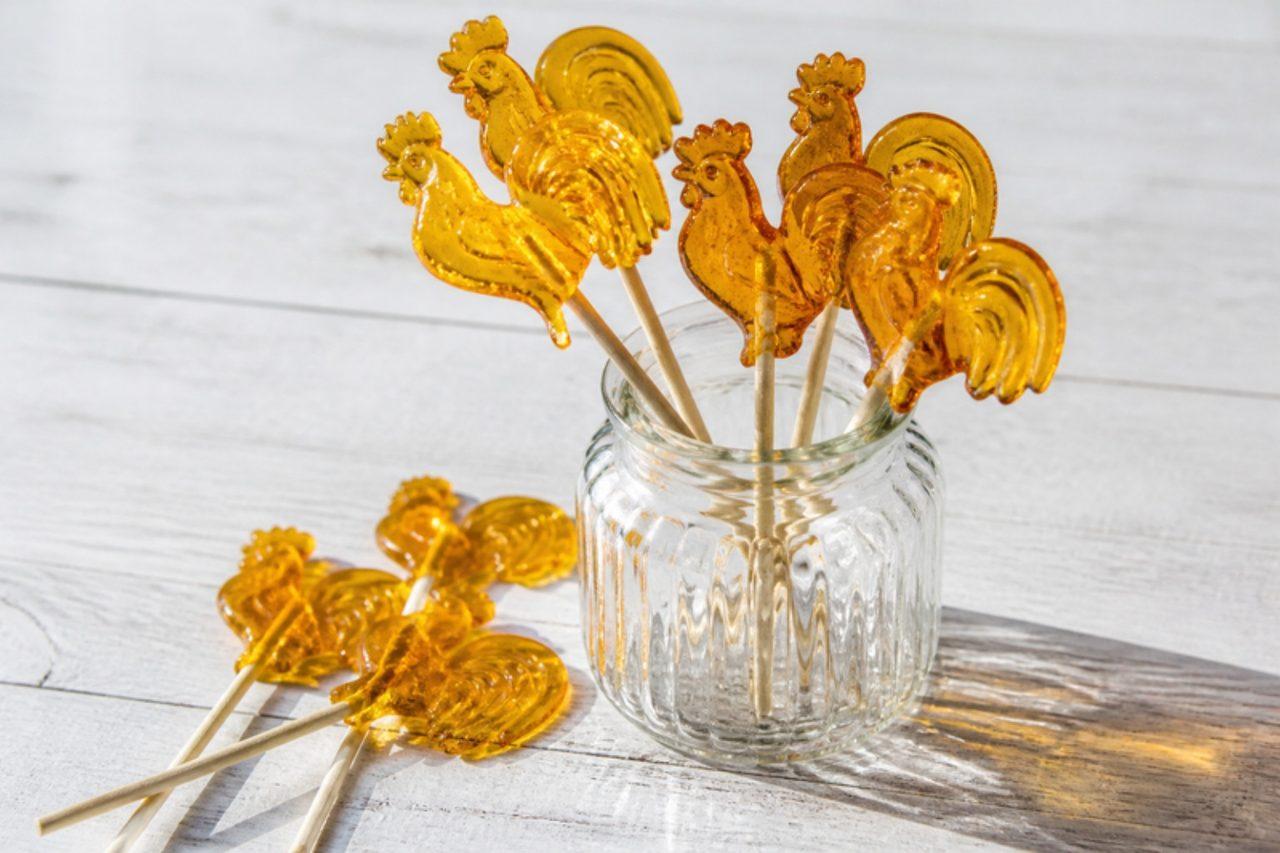
Petushok na palochke (Russian rooster lollipops)

For generations of Russian children the 'little rooster on a stick' meant the fair: sellers at markets, Maslenitsa celebrations and seaside promenades held up bunches of the amber cockerels, and many families still own an old two-part metal mould and cast their own at home. The lollipop is hard and glassy, with a pale caramel colour and a clean, slightly tangy taste of cooked sugar, sometimes with a splash of fruit juice for colour. Serve them as a party treat or wrap them as small gifts. They are naturally egg-free: the only thing that sets them is sugar boiled to the hard-crack stage, while a little lemon juice stops it crystallising so the candy stays clear. Chef's tip: oil the mould lightly but thoroughly, then wipe away any pools; the common mistake is skipping this, and the cockerels then stick and snap at the tail when you open the mould.

by KrazyBadal 0 views

Helado de dulce de leche (Buenos Aires dulce de leche ice cream)

Dulce de leche is the flavour Buenos Aires heladerías are judged by, and on a summer night the queues at neighbourhood ice-cream shops stretch out onto the pavement well after dinner. Locals order it plain, with a ripple of extra dulce de leche (dulce de leche granizado adds chocolate flakes), often by the kilo to take home. It is dense, chewy and deeply caramel. This home version is egg-free with no custard: a little cornflour cooked into the milk thickens it the way yolks would, and the dulce de leche itself is milk and sugar cooked down, its sugar and milk solids keeping crystals tiny so it stays smooth and scoopable. Churn it, or still-freeze and stir it every 45 minutes. Chef's tip: chill the extra dulce de leche before rippling it in; the common mistake is folding in a warm one, which melts into the ice cream instead of leaving ribbons.

by KrazyBadal 0 views

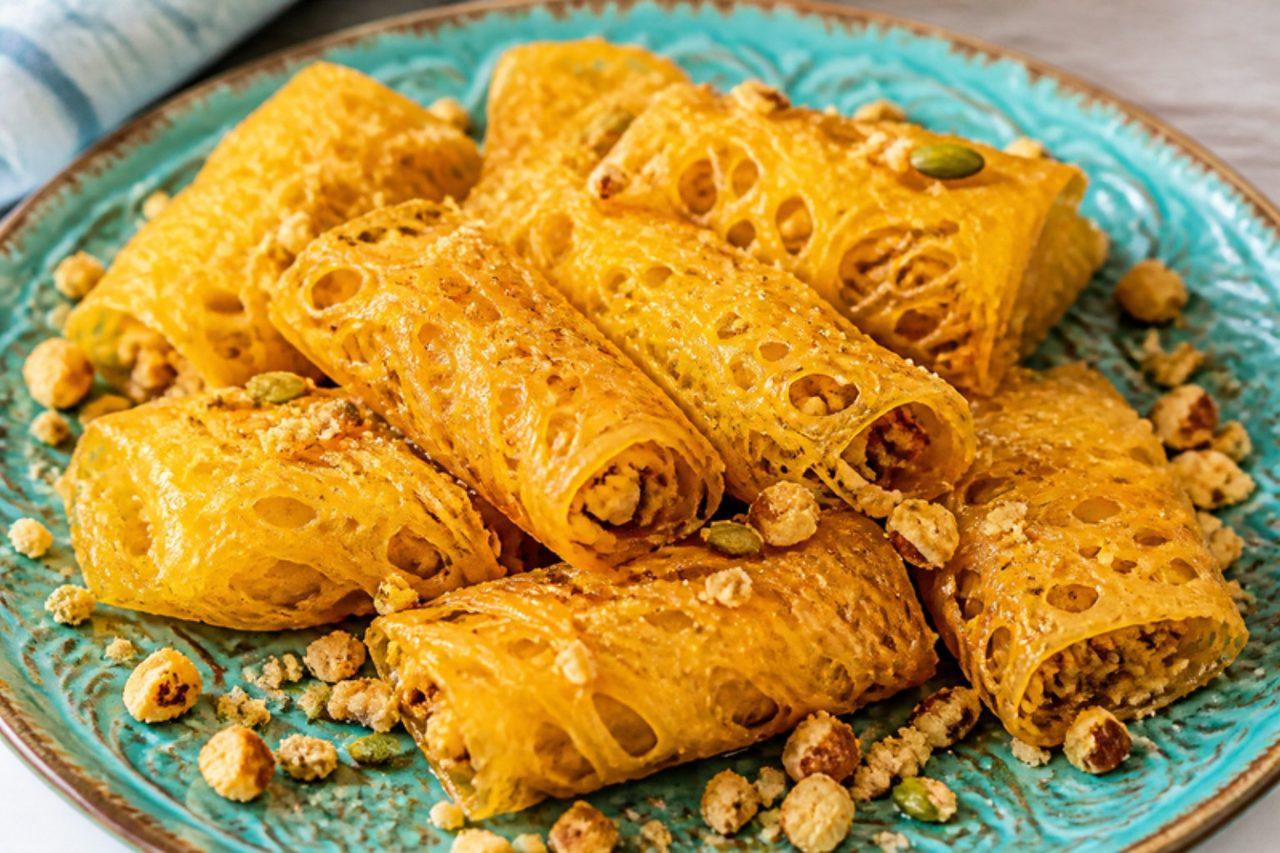
Reshteh khoshkar (Gilani rice-flour walnut rolls in syrup)

Reshteh khoshkar is the pastry of Gilan on Iran's Caspian coast, made in Rasht and Lahijan homes and bakeries for Ramadan, when a plate of it with tea breaks the fast at iftar. A thin rice-flour batter is drizzled in a lacy criss-cross over a hot griddle to make a fine net, which is filled with walnuts, sugar, cardamom and cinnamon, folded into a neat roll, fried until crisp and soaked in rose-scented syrup. It is crunchy, then soft and sticky, with a fragrant, nutty filling. Serve it at room temperature with strong black tea. The dish has always been egg-free: the rice-flour batter sets on the hot griddle into a net by itself, and the sugar in the filling and syrup glues the rolls together, so there is no need for any other binder, and nothing in it contains gluten. Chef's tip: test the griddle with a few drops of batter first; the common mistake is a griddle that is not hot enough, which lets the batter spread into a pancake instead of setting into a lacy net.

by KrazyBadal 0 views

ParihuelaSpicy seafood soup

Parihuela is the big weekend seafood soup of Callao and the Peruvian coast, eaten at long Sunday lunches in cevicherías and praised as a cure for tiredness and late nights. A deep red broth of ají panca, ají amarillo, tomato and fish stock is loaded with chunks of fish, prawns, squid and mussels. A portion gives about 30 g of protein, from the fish and shellfish, for roughly 300 kcal. Some cooks add chicha de jora or beer; this version has none. The common mistake is adding all the seafood at once: squid and prawns turn rubbery while the fish cooks, so they go in last. Before cooking, discard any mussels that stay open when tapped, and after cooking discard any that stay shut. Chef's tip: fry the chilli pastes in the oil until they darken and smell sweet; that toasted ají is what gives parihuela its depth.

by KrazyBadal 0 views

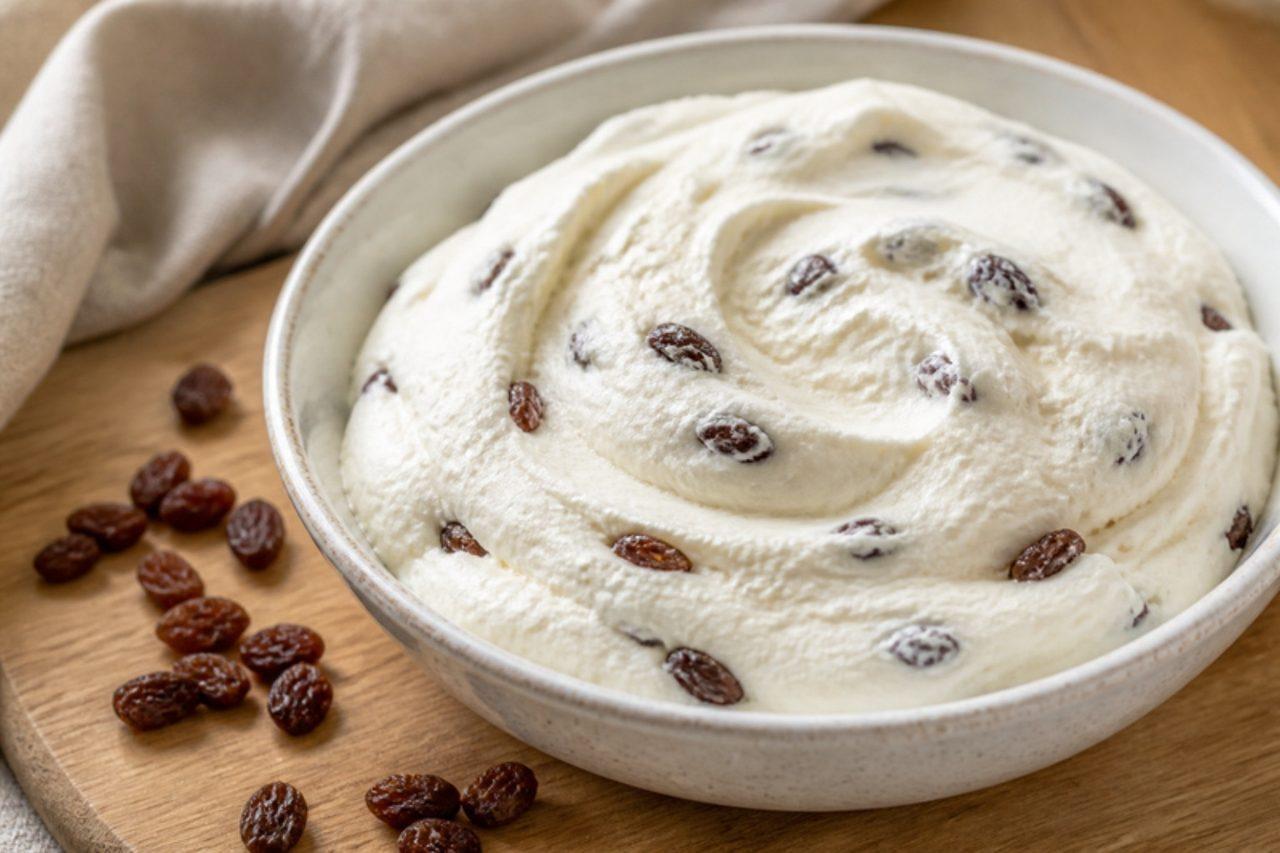
Tvorozhnaya massa s izyumom (sweet tvorog cream with raisins)

All over Russia, tvorozhnaya massa is the smooth, sweet curd cheese of childhood breakfasts and afternoon teas, and at Easter it is the base of paskha. Fresh tvorog is pressed through a sieve and beaten with soft butter, sugar and vanilla until it is pale and fluffy, then raisins are stirred in. It is creamy and tangy, sweet but light, and high in protein. Spread it on bread, spread it on rye toast or eat it from a bowl with tea and berries. Nothing is cooked and no egg goes in: beating the butter into the sieved curd gives it a mousse-like body, and it firms up nicely in the fridge, so nothing is needed to bind or set it. Chef's tip: soften the butter fully and sieve the tvorog first; the common mistake is beating cold butter into grainy curd, which leaves hard flecks and a lumpy, heavy cream.

by KrazyBadal 0 views

Chilcano de pescadoClear fish broth

In the fishermen's terminals of Chorrillos and Callao, chilcano is what you drink on a Sunday morning after a long night: a clear, gingery broth made from the heads and bones left over from cleaning fish for ceviche, with chunks of fish, red onion, chilli and a squeeze of lime in the bowl. It is light and warming, around 160 kcal a bowl, and still gives about 24 g of protein from the fish fillet and the broth. The common mistake is squeezing the lime into the pot while it boils, which turns it bitter; add it to each bowl at the table. Don't boil the bones for more than 30 minutes either, or the broth turns cloudy and harsh. Chef's tip: ask the fishmonger for heads and frames from mild white fish like sea bass or cod, and leave out oily fish such as mackerel, which makes the broth strong and fishy.

by KrazyBadal 0 views

Aguadito de polloCoriander chicken rice soup

Aguadito is the soup Lima serves in the small hours: at the end of a wedding, after New Year's Eve and at weekend family lunches, it is ladled out thick and steaming to revive everyone. Rice simmers in chicken broth coloured deep green with blended coriander and warmed with yellow ají amarillo, along with peas, carrot, pepper, sweetcorn and potato. A portion gives about 24 g of protein, from the chicken with a little from the rice and peas, for around 480 kcal. The common mistake is adding the coriander purée too early: cooked for long it turns khaki and loses its fresh taste, so stir it in for the last 10 minutes. The chicken must reach 74 °C at the bone. Chef's tip: blend a handful of spinach with the coriander; it keeps the colour vivid green without changing the flavour.

by KrazyBadal 0 views

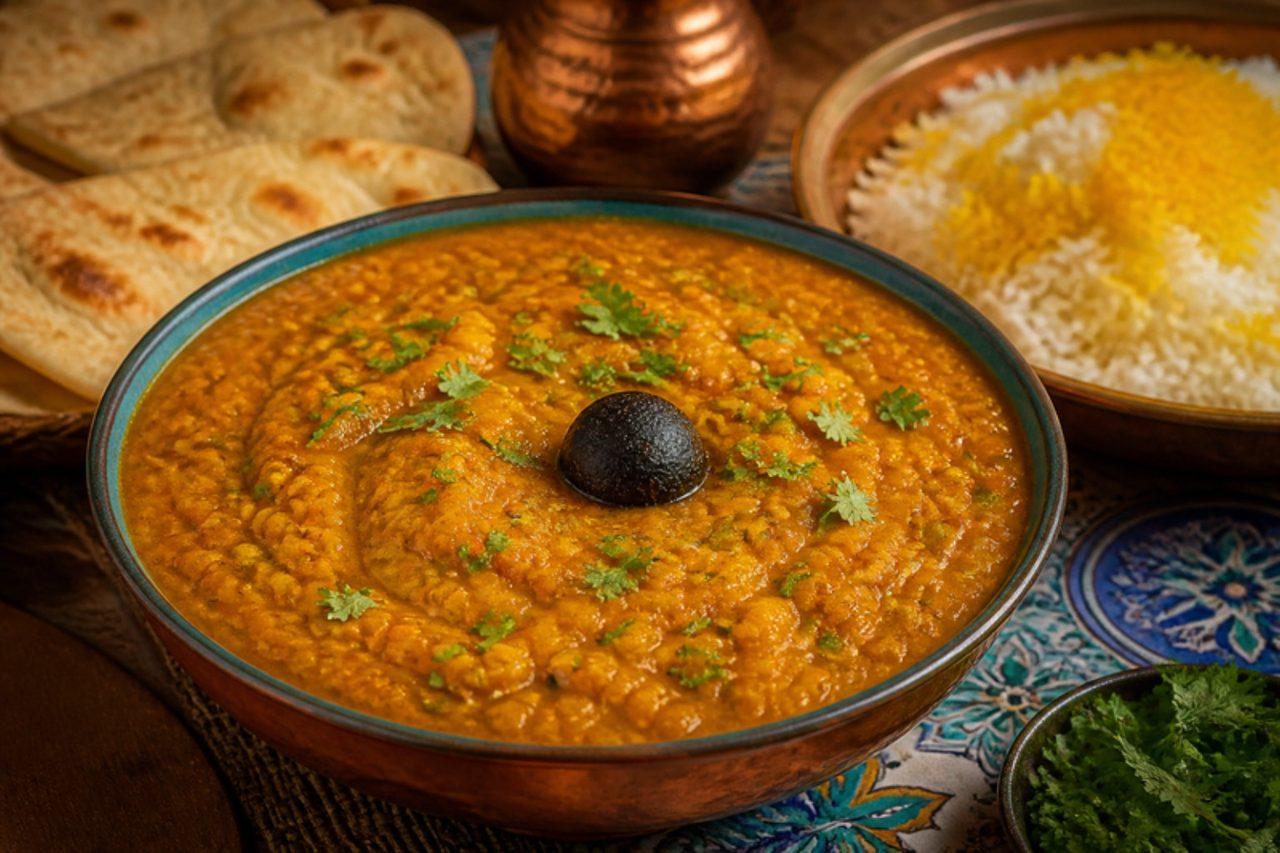
Dal adasRed lentil curry with dried lime

Along the Persian Gulf coast in Bushehr, Bandar Abbas and the towns of Hormozgan, centuries of trade with India gave rise to dal adas, a red lentil curry that is now a favourite lunch and a popular vegetarian dish in Muharram nazri cooking. The lentils cook down with onion, garlic, turmeric and warm curry spices into a thick, golden stew, sharpened with tamarind and the musky sourness of dried lime, and are eaten with rice or flatbread. A portion gives about 21 g of protein from the red lentils, with a little more from the potato. The most common mistake is leaving the dried limes in too long or uncracked: they turn the dal bitter, so pierce them and lift them out once the sourness is right. Chef's tip: fry the spices in the oil with the onions for a full minute before the lentils go in; the curry flavour depends on it.

by KrazyBadal 0 views

Ab doogh khiarChilled yogurt and cucumber soup

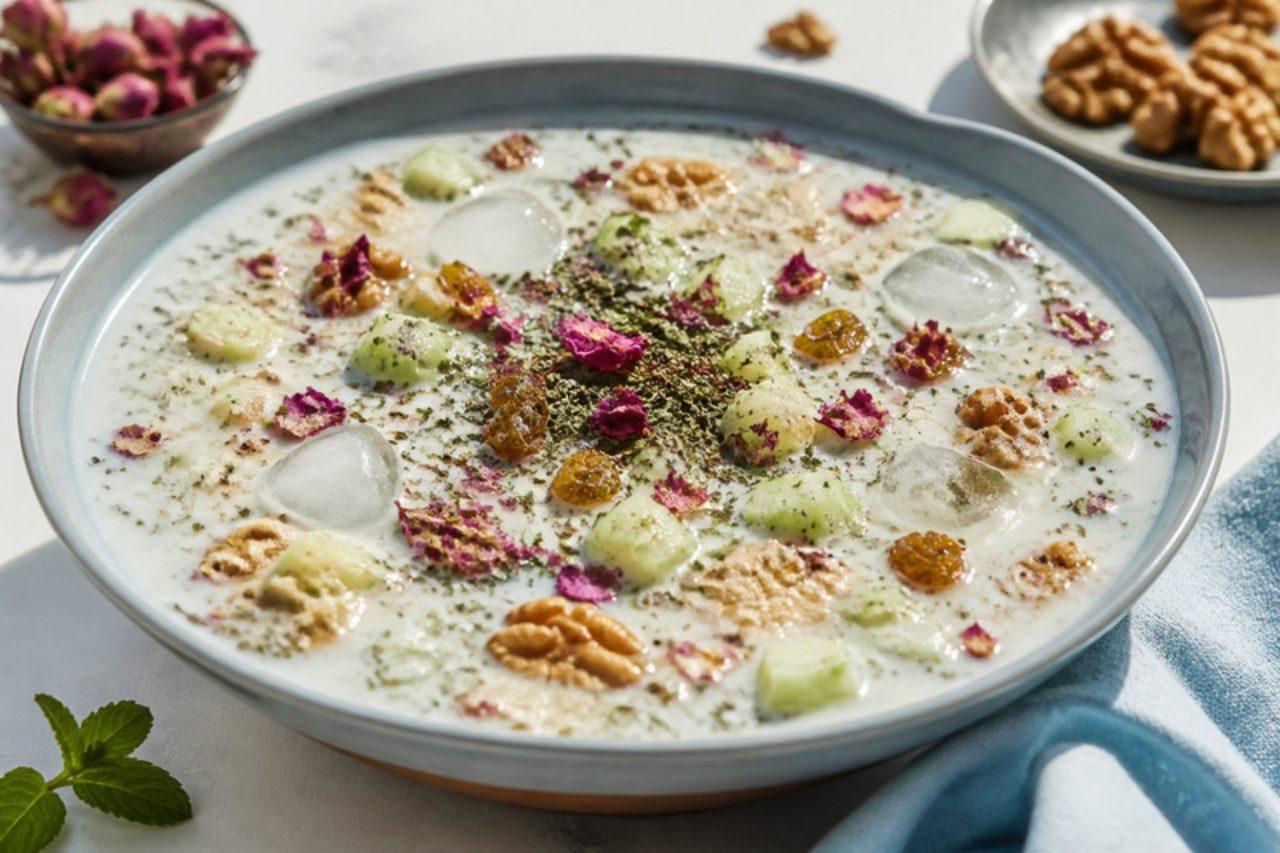
On the hottest afternoons in Tehran, Shiraz and Isfahan, ab doogh khiar is lunch: thick yoghurt thinned with iced water, packed with crunchy cucumber, walnuts, raisins and dried mint and rose petals, then filled at the table with torn pieces of dried flatbread that soften like croutons in a cold soup. It is cooling, tangy and faintly sweet, and is eaten with a spoon and plenty of fresh herbs alongside. A bowl gives about 12 g of protein from the yoghurt and walnuts, so it is a light meal rather than a high-protein one; strain the yoghurt yourself or use thick Greek-style yoghurt to push it a little higher. The common mistake is adding the bread too early: it turns to mush, so serve it on the side and let everyone add their own. Chef's tip: rub the dried mint between your palms over the bowl; the warmth releases its oils and the flavour is twice as strong.

by KrazyBadal 0 views

Torta de ricotaLemon ricotta tart

Italian families brought ricotta tarts to Buenos Aires and Rosario, and torta de ricota is now as Argentinian as mate: every panadería has one in the window, with a lattice of sweet, crumbly masa frola over a pale, lemon-scented ricotta filling. It is cut into wedges for the merienda, the late-afternoon snack, or for a birthday where nobody wants a heavy cake. The texture is light and slightly grainy rather than silky, and the pastry tastes of butter and vanilla. Wet ricotta is the biggest risk, giving a weeping, soggy tart. Chef's tip: drain the ricotta overnight in the fridge in a sieve lined with a cloth, and add a few raisins only if they have been soaked, or they draw moisture from the filling.

by KrazyBadal 0 views

Tarta de coco y dulce de lecheCoconut and dulce de leche tart

Ask Argentinians for their favourite tart at a family birthday and this one often wins: a crisp shortcrust spread thickly with dulce de leche, then covered with a coconut, sugar and egg topping that bakes into a golden, chewy crust. Bakeries from Córdoba to Mar del Plata sell it by the slice for the merienda with mate or a café con leche. It is very sweet, so the slices are thin, and it is a good keeper for a few days. Ordinary spreading dulce de leche is the mistake: it runs and bubbles out at the edges. Use the thicker pastry-style kind, sold in Argentina as 'repostero'. Chef's tip: chill the case with the dulce de leche spread on it for 15 minutes before adding the coconut, so the two layers stay distinct.

by KrazyBadal 0 views

Nan-e keshmeshiSaffron raisin cookies

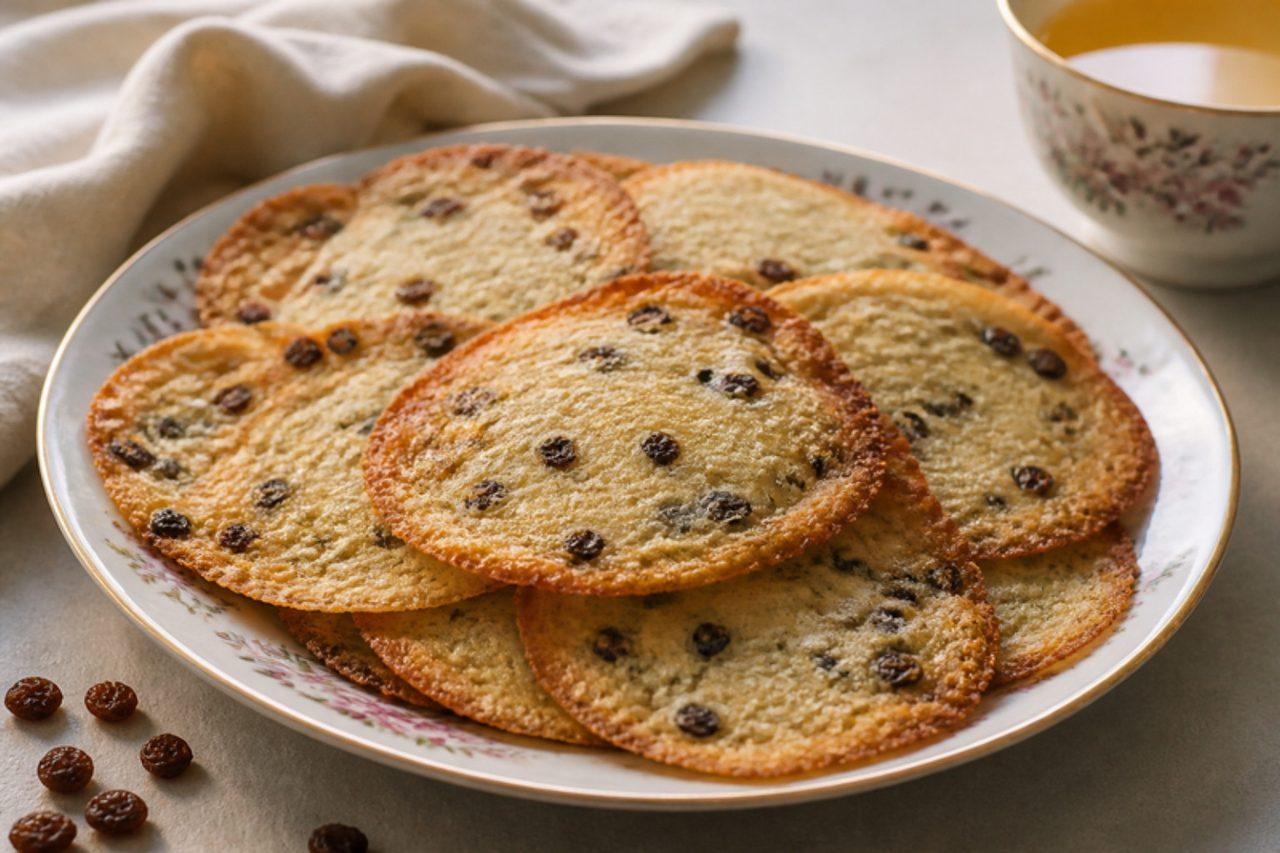
Ask an Iranian child which Nowruz sweet they reach for first and many will say nan-e keshmeshi, the little raisin cookies with crisp golden rims and soft, chewy centres. Confectioners in Tehran make them by the thousand in the run-up to the spring new year, and they turn up again whenever there is tea and company. The dough is a simple butter-sugar-egg batter warmed with saffron and vanilla, spooned out in small dabs that spread thin in the oven. Spooning them too big or too close is the common slip: they run into each other and bake into one sheet. Chef's tip: soak the raisins in hot water for 10 minutes and dry them well first; plump raisins stay juicy instead of burning on the surface.

by KrazyBadal 0 views

Moroccan bachkoutouOrange and sesame dunking biscuits

Moroccan grandmothers bake bachkoutou by the trayful and keep them in big tins for the afternoon glass of sweet mint tea, and neighbourhood ovens in Fes and Casablanca bake them for families who bring their dough. These are dry, crunchy little biscuits, not rich at all, made with eggs, sugar and oil rather than butter, with orange zest and a coating of toasted sesame; they are meant to be dunked until they soften slightly. Shapes vary from town to town: fingers, rings and rope twists are all common, and some cooks add aniseed. Too much flour is the easy mistake: the dough should stay soft and slightly sticky, or the biscuits bake heavy and hard rather than crisp and light. Chef's tip: once they are cold, put them back in a warm, switched-off oven for 20 minutes; that extra drying is what makes them keep their snap for weeks.

by KrazyBadal 0 views

Salat iz ogurtsov i pomidorov (Russian cucumber and tomato salad)

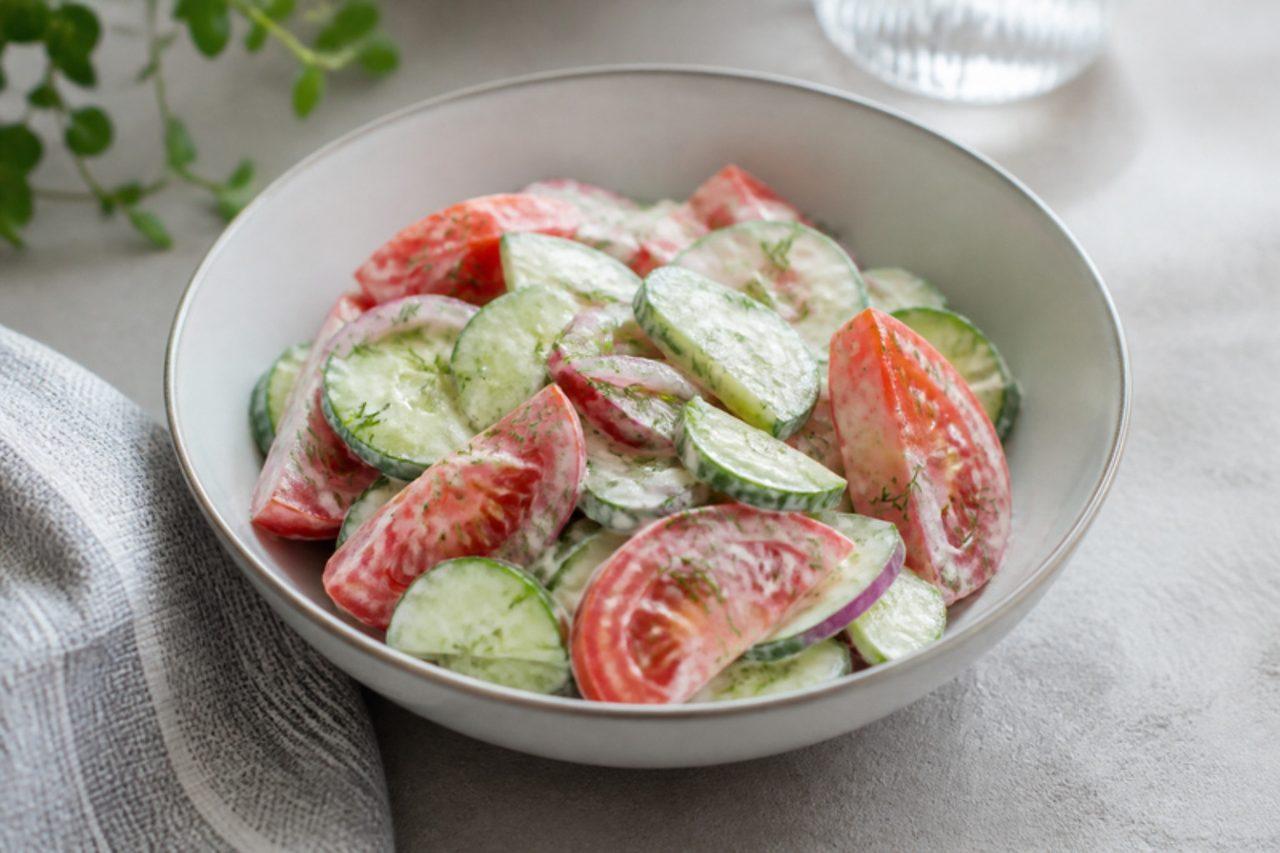
From Moscow dachas to Siberian kitchens, this is the salad that sits on almost every summer table: cucumber, ripe tomato and onion chopped together with dill, dressed either with smetana for a creamy version or with unrefined sunflower oil, whose nutty taste is the flavour of the Russian countryside. It is eaten beside boiled potatoes, kasha or grilled food, and it is made minutes before the meal. The usual mistake is salting it early: the tomatoes and cucumbers release their juice and the salad turns into a watery soup. Chef's tip: if you can find it, use unrefined, cold-pressed sunflower oil; it tastes of toasted seeds and makes the plainest salad sing.

by KrazyBadal 0 views

Omelet-e gojeh farangiTomato and egg omelette

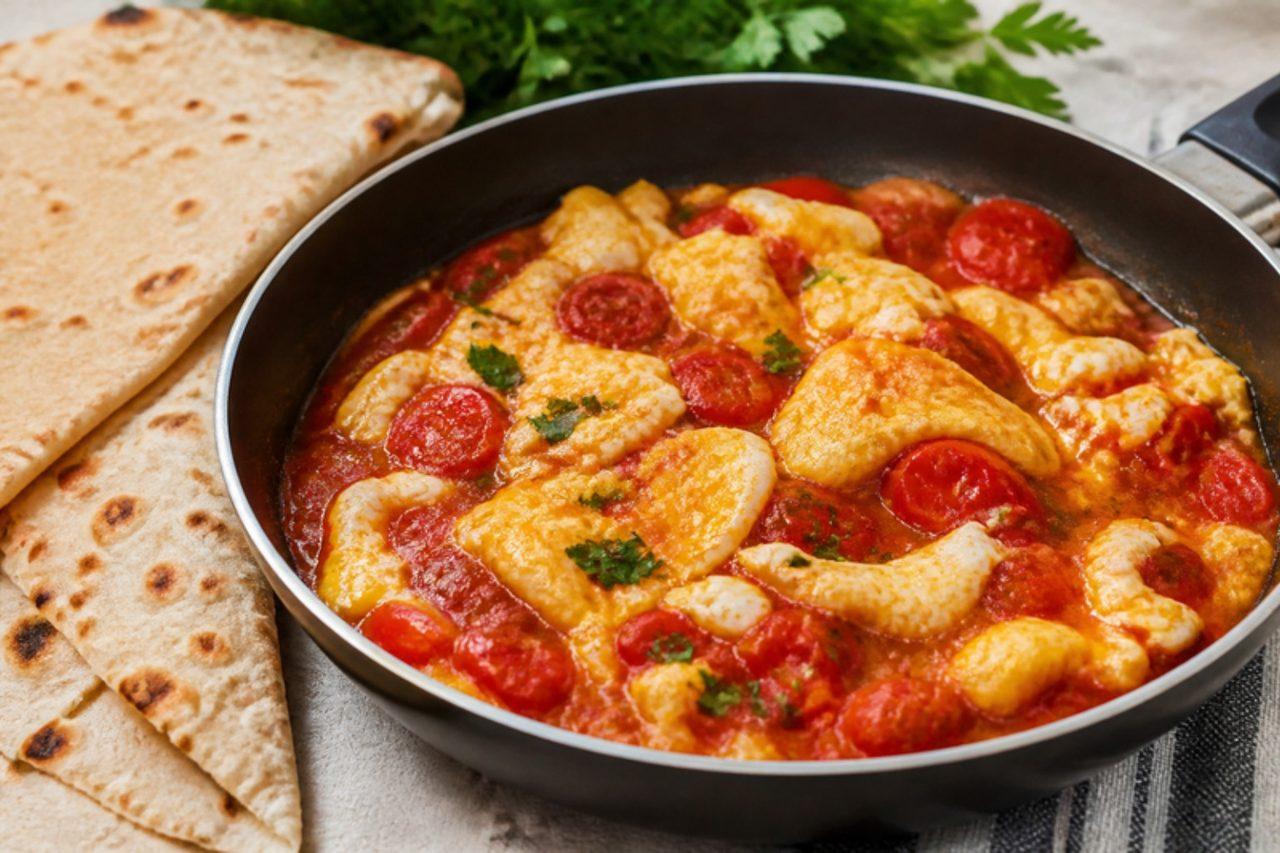
In Iran the word omelet means something quite different from a folded French one: ripe tomatoes are cooked down in oil with a little onion and turmeric until jammy, then eggs are stirred through so they set in soft streaks of red and gold. It is the classic quick dinner of Tehran apartments and student dorms, eaten from the pan with lavash and a plate of herbs. The mistake that makes it watery is adding the eggs before the tomato juices have cooked away; wait until the sauce is thick and the oil sizzles again. Chef's tip: grate the tomatoes on a box grater and throw away the skins, so the base melts down in minutes.

by KrazyBadal 0 views

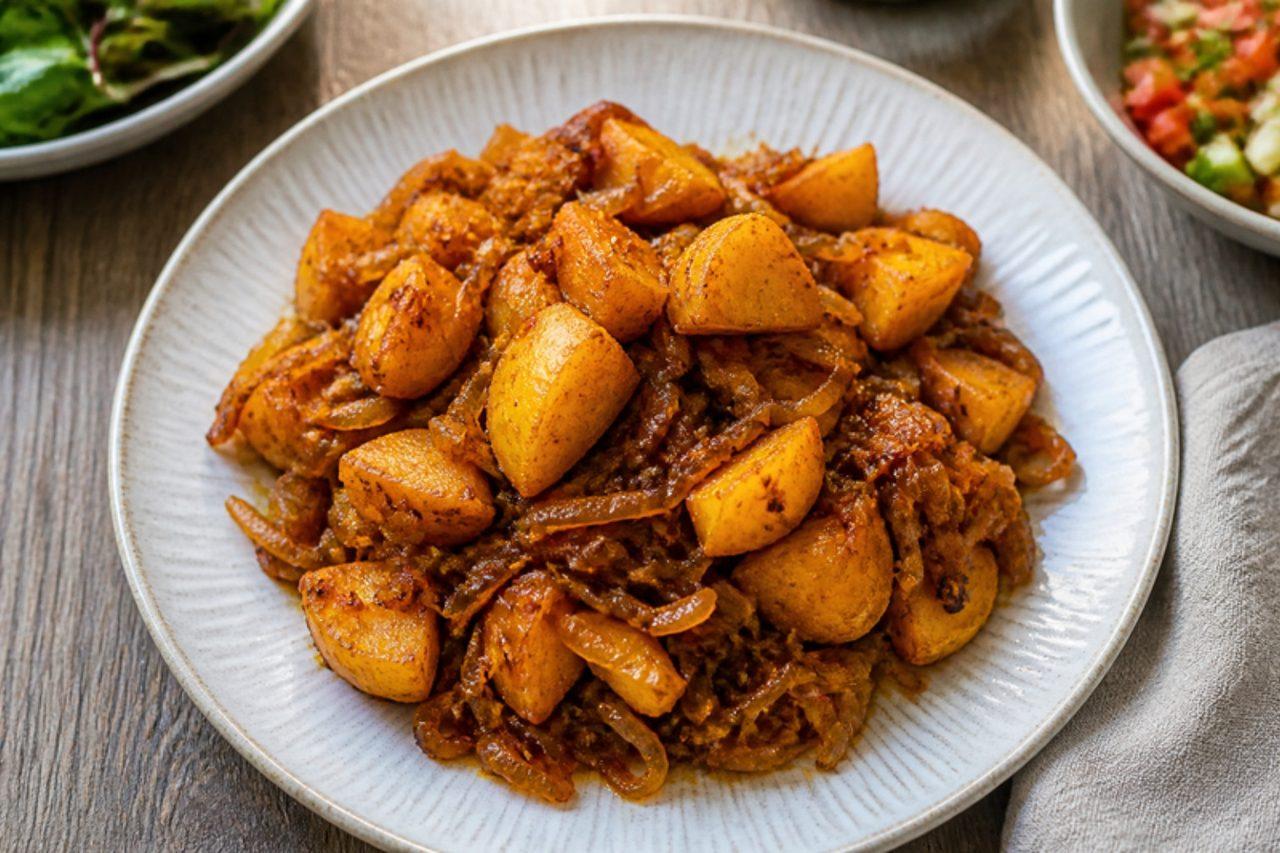
Dopiazeh alooPotatoes fried with onion and tomato

Dopiazeh means 'two onions', and in Shiraz this potato dish lives up to the name: cubed potatoes are fried with a generous heap of golden onions, turmeric and tomato paste until the edges catch and the sauce clings to every piece. Shirazi families eat it as a side with rice and kebab or, on busy evenings, as the main dish rolled up in flatbread with yogurt or fresh herbs. The usual mistake is crowding the pan, so the potatoes steam and break up instead of browning; use your widest pan. Chef's tip: fry the tomato paste in the oil for a full minute before adding water, so it turns brick red and loses its raw edge.

by KrazyBadal 0 views

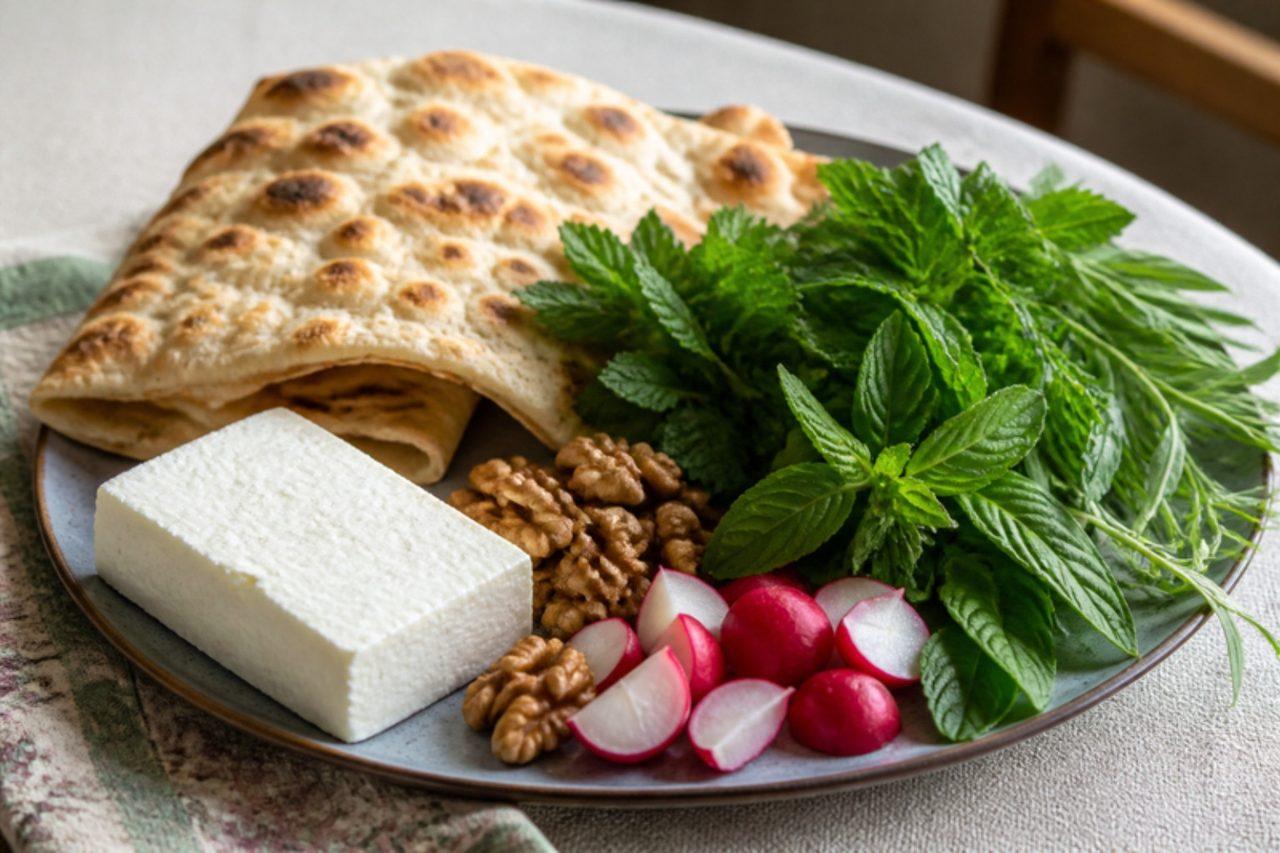
Nan-o panir-o sabziBread, white cheese and fresh herbs

Nan-o panir-o sabzi, 'bread, cheese and herbs', is laid out on Iranian tablecloths from Tabriz to Mashhad for breakfast, for a light summer supper and before dawn during Ramadan: warm flatbread, salty white cheese, a big plate of fresh herbs, walnuts and crisp radishes, all wrapped into little bites. There is no cooking beyond warming the bread, so it is ready in ten minutes. The common mistake is serving herbs that are still damp from washing, which wilt and make the bread soggy; wash them earlier and let them dry fully. Iranian white cheese (lighvan) and most feta are made with animal rennet, so choose a vegetarian feta-style cheese if needed. Chef's tip: soak the walnuts in cold water for 10 minutes; it softens their bitterness the way Iranian cooks like.

by KrazyBadal 0 views

Salpicón de aveCold chicken salad

Salpicón de ave is the cold supper of Argentine summers, made in Buenos Aires flats and on estancias alike when it is too hot to cook much, and a favourite way to use the chicken from a puchero or Sunday roast. Shredded chicken is mixed with diced pepper, tomato, spring onion, sweetcorn and boiled egg, bound with mayonnaise sharpened with lemon and mustard, and served chilled with crusty bread or on lettuce. The common mistake is dressing it while the chicken is still hot, which melts the mayonnaise into an oily puddle; let everything cool first. Chef's tip: dress the chicken with the lemon juice and a pinch of salt before the mayonnaise goes in, so the meat itself is seasoned, not just its coating.

by KrazyBadal 0 views

Fideos con mantecaButtered noodles with cheese

Ask anyone from Buenos Aires to Córdoba what they ate when they came home late or felt poorly as a child, and the answer is often fideos con manteca: short pasta tossed with butter and a snowfall of grated queso rallado. It is the plainest dish in the Argentine home kitchen and the one people cook for themselves on a tired weeknight. The mistake that ruins it is draining the pasta bone-dry and adding cold cheese to a hot empty pan, which leaves greasy strands and clumps; a splash of cooking water makes a light, creamy coating instead. Argentine reggianito and Parmesan are made with animal rennet, so use a vegetarian hard cheese if needed. Chef's tip: grate the cheese very finely, like dust, so it melts on contact.

by KrazyBadal 0 views

Showing 24 of 698 recipes

Show more recipes

Page 1 of 30