Skip to content
Recipes

All recipes

Vegetarian, or something you can't eat? Set your diet once and we'll hide recipes that don't fit.

Mutton chaap

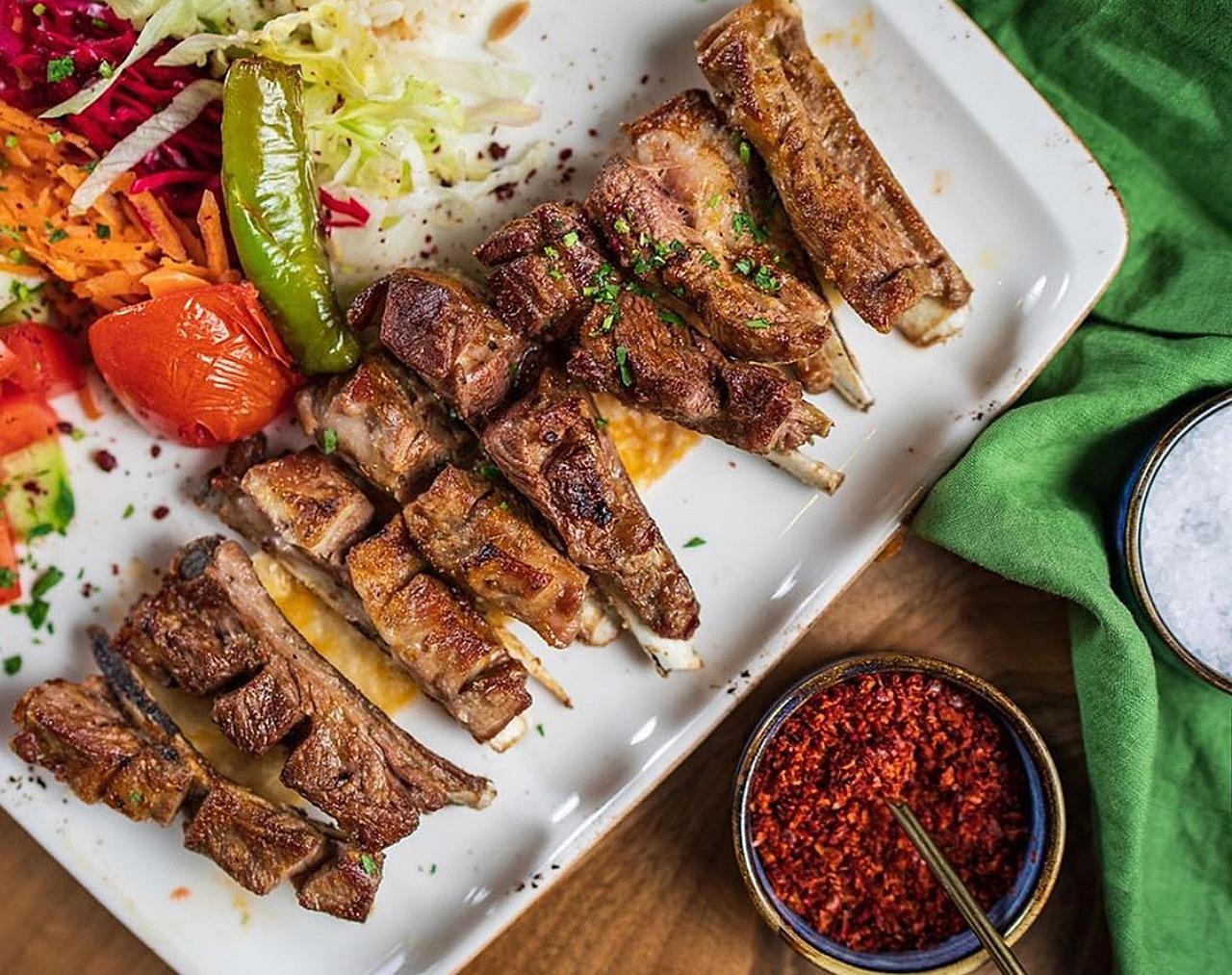
Mutton chaap belongs to Lahore's Gawalmandi and Lakshmi Chowk, where chops are pounded thin, rubbed with raw papaya and spice and slapped onto a hot tawa or a charcoal grill late into the night; families order them by the plate for Eid gatherings and weekend dinners. The papaya enzyme and yogurt make the meat tender enough to pull off the bone, while the chilli-spiced crust chars and turns sticky. People often leave papaya paste on for too long or overnight, and the meat goes mushy; two hours in the fridge is plenty. Contains milk. Chef's tip: finish the chops with a knob of butter and a squeeze of lemon on the tawa for the last minute, which is how the Lahori stalls get their glossy glaze.

by KrazyBadal 0 views

Chana pulaoChickpea pulao

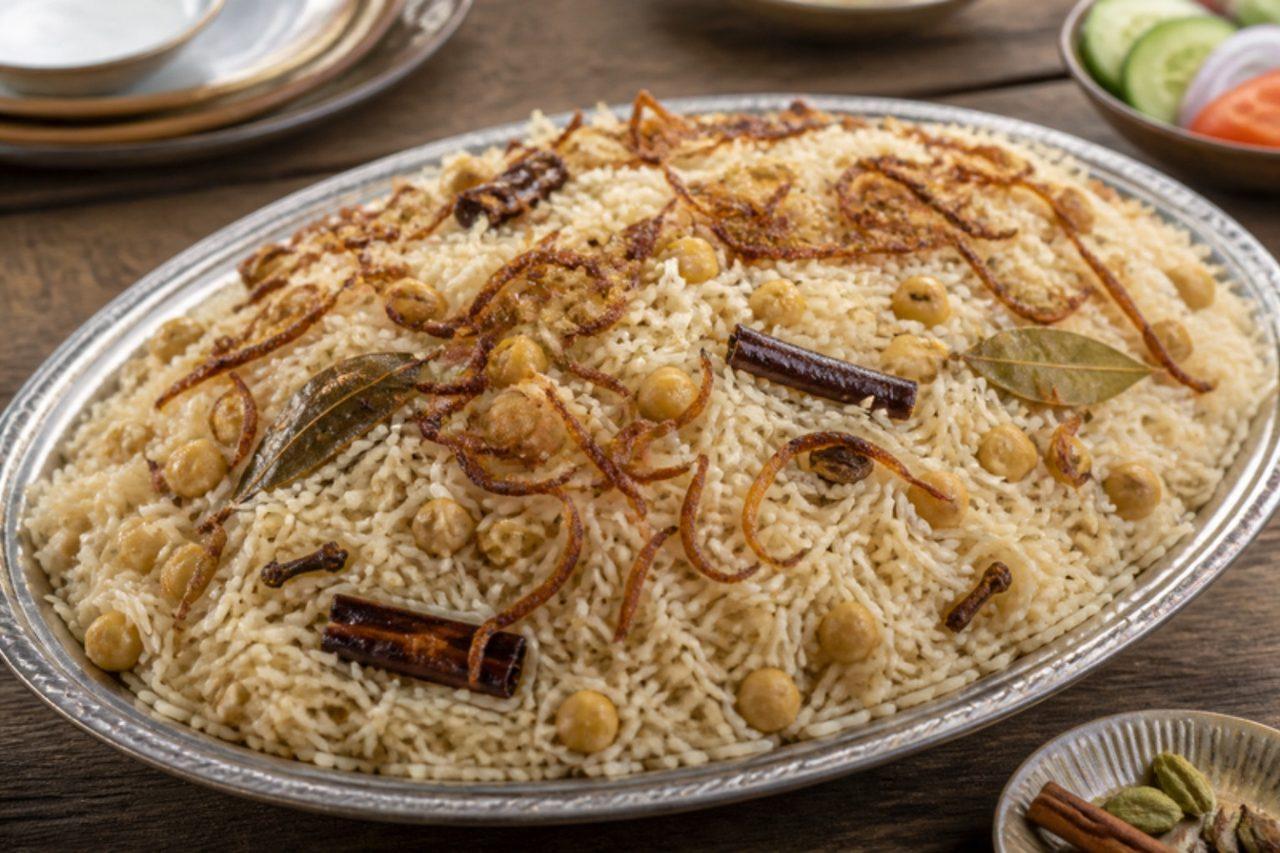
From carts parked outside Karachi offices at lunchtime, chana pulao is ladled onto paper plates with a dollop of raita and a few onion rings: long-grain rice cooked in a spiced stock with chickpeas until every grain is separate and fragrant. Browned onion gives it a golden colour and a gentle sweetness, while cloves, cardamom and black cumin scent the steam. The usual mistake is stirring the rice once it goes in, which breaks the grains and makes it sticky; once the water is in, just cover and leave it alone. Chef's tip: let the rice absorb most of the water over a high heat, then seal the lid with a tea towel and give it 10 minutes of dum on the lowest heat so it steams through.

by KrazyBadal 0 views

Karahi qeemaMinced meat karahi

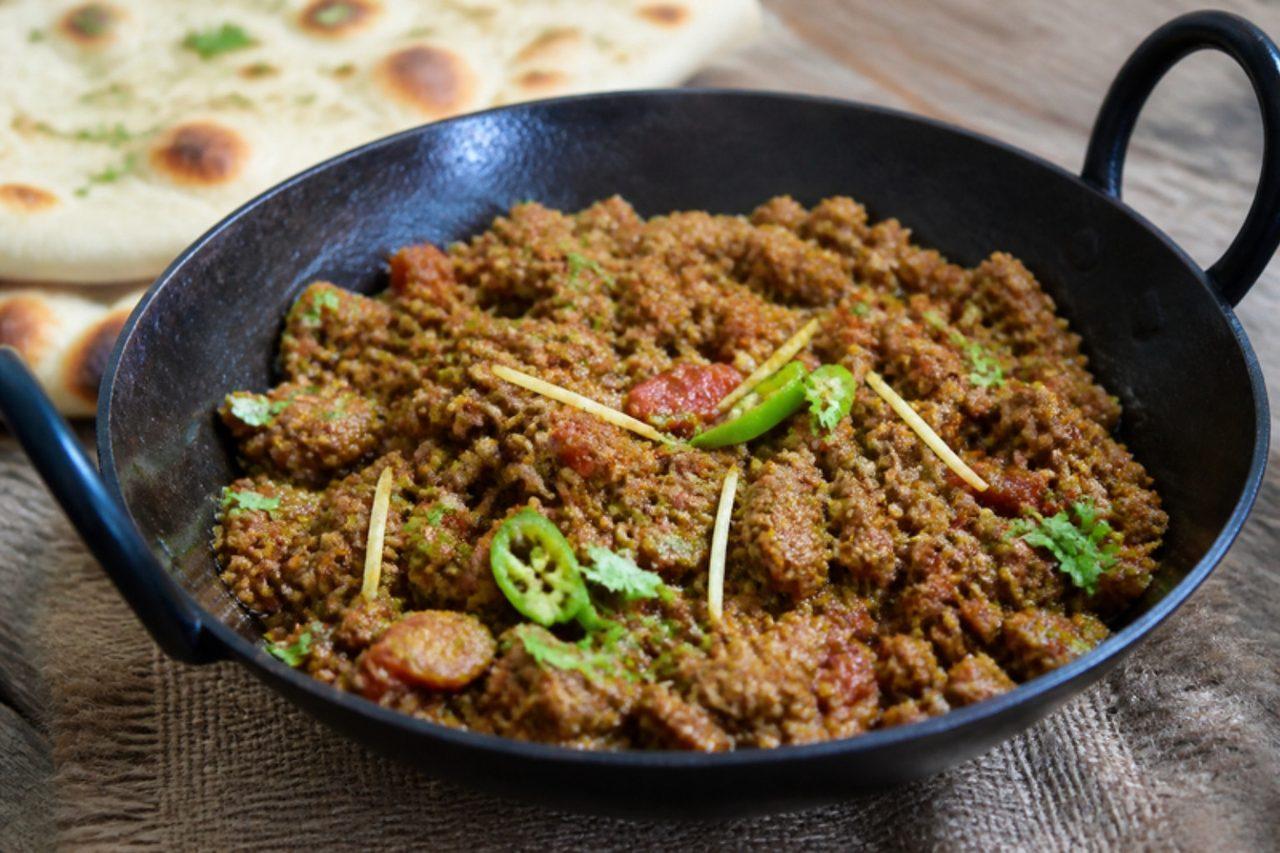
Karahi qeema is what home cooks across Punjab make when guests arrive unannounced, and what roadside karahi shops in Rawalpindi and Lahore fry to order for a quick lunch: beef or mutton mince stir-fried hard in an iron wok with tomato, ginger and green chilli until dry and glossy. It is scooped up with roti or stuffed into a paratha the next morning. The usual mistake is crowding the cold mince into a lukewarm pan, which stews it; get the oil smoking hot and break the meat up quickly so it fries. Chef's tip: finish with a handful of julienned ginger and a squeeze of lemon off the heat, for a fresh bite against the rich meat.

by KrazyBadal 0 views

Kalmi tikkaGrilled chicken drumsticks

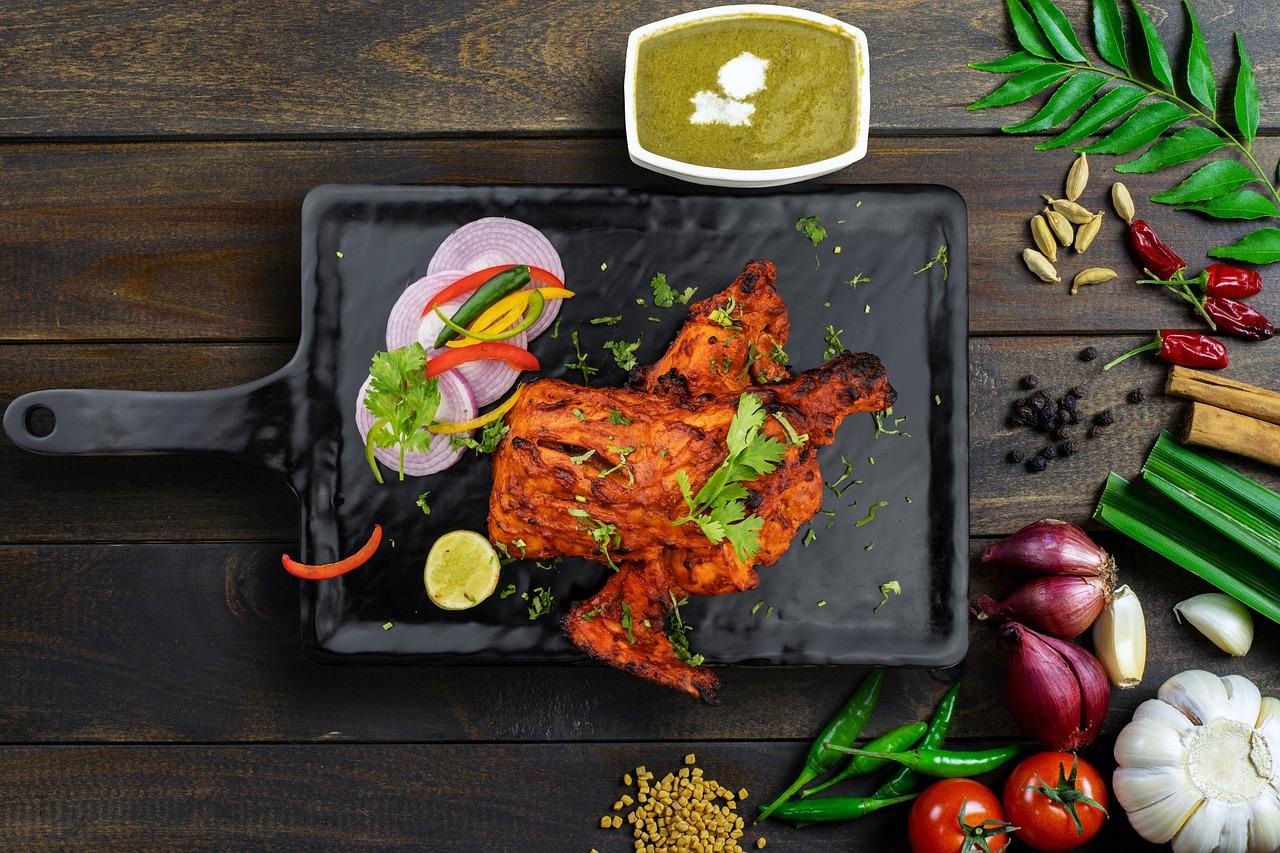
Kalmi means 'of the leg', and at Karachi BBQ joints from Burns Road to Do Darya the kalmi tikka is a whole drumstick, slashed to the bone, marinated in yogurt, chilli and roasted spice and turned over coals until its edges blacken; Lahori tikka houses serve it the same way after Friday prayers. The meat stays juicy on the bone while the marinade forms a tangy, smoky crust. The common mistake is grilling over fierce flames the whole time, which burns the outside long before the bone end is cooked; start over medium heat and only char at the end. Contains milk. Chef's tip: smoke the cooked drumsticks for two minutes under a lid with a hot coal and a drop of ghee (the dhuanaar) if you are cooking on a hob rather than a grill.

by KrazyBadal 0 views

Sabzi handiCreamy vegetable curry

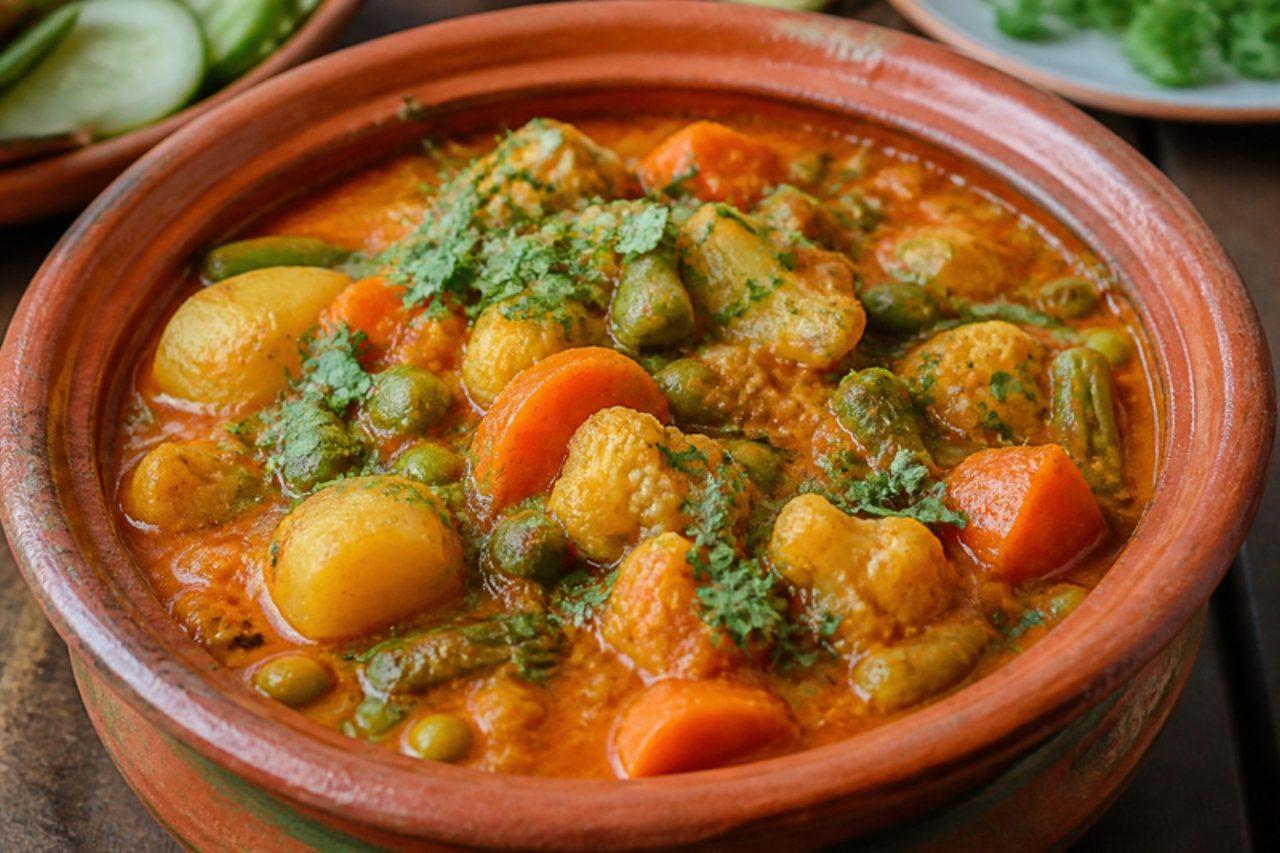
Lahore and Islamabad restaurants send sabzi handi to the table in its own little clay or copper pot, the vegetarian partner to chicken handi on any family dinner order, scooped up with hot naan. Potato, carrot, beans, cauliflower and peas cook in a gently spiced tomato and yogurt masala, then a spoon of cream turns it silky and pale orange. Vegetables thrown in all together go to mush in places and stay hard in others; add them in stages, the slow ones first. Contains milk. Chef's tip: crush a pinch of dried fenugreek leaves (kasuri methi) between your palms over the handi right at the end for the authentic restaurant aroma.

by KrazyBadal 0 views

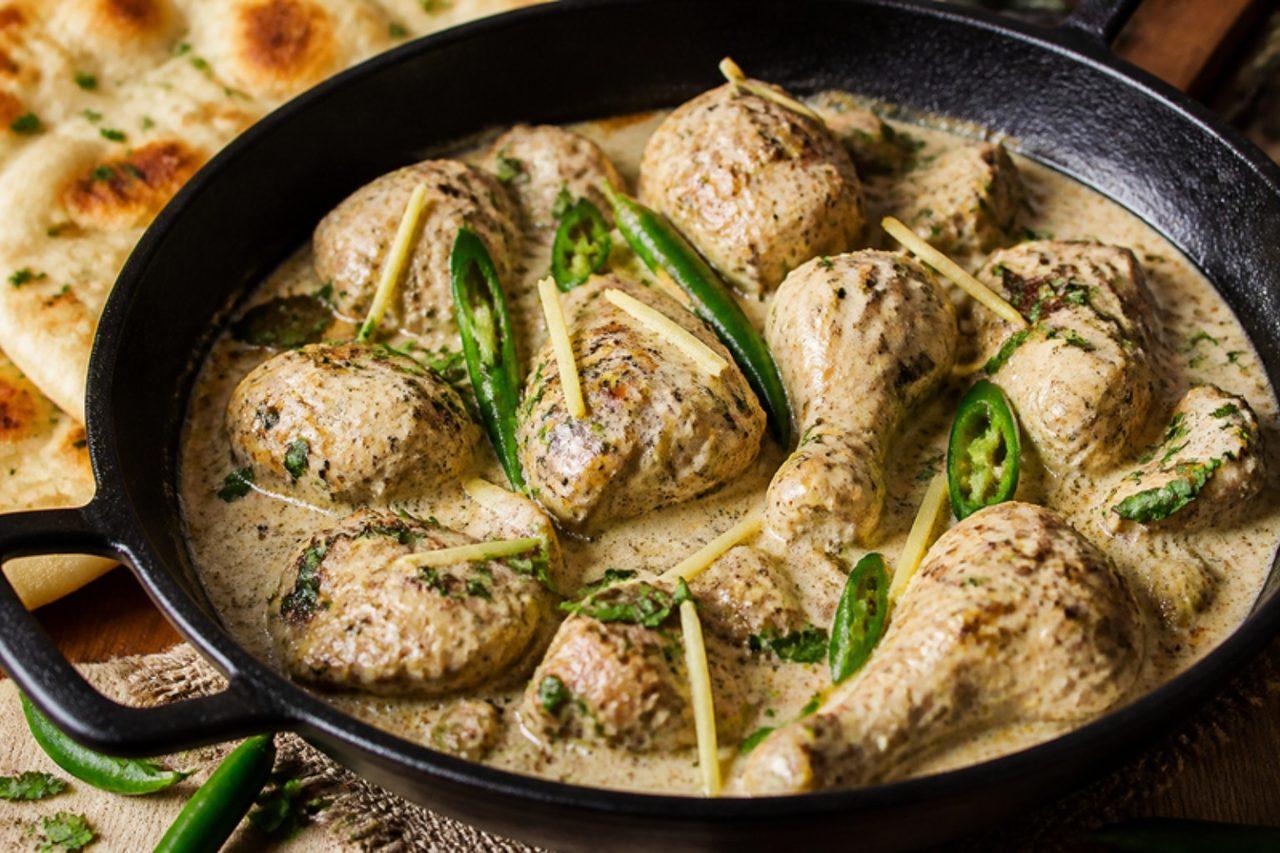
White chicken karahi

White karahi took off in Islamabad and Lahore restaurants as the mild, peppery alternative to the red version, and it has become a favourite for family dinners and mehndi menus where not everyone wants chilli heat. The chicken is fried with ginger and garlic, then finished in yogurt, cream and plenty of freshly cracked black pepper with whole green chillies, so the sauce is pale, rich and fragrant rather than fiery. A grainy, broken sauce is the classic pitfall; take the karahi off the heat before the yogurt goes in and bring it back to only a gentle simmer. Contains milk. Chef's tip: crack the black pepper coarsely just before using it, and add half at the start and half at the end for both warmth and aroma.

by KrazyBadal 0 views

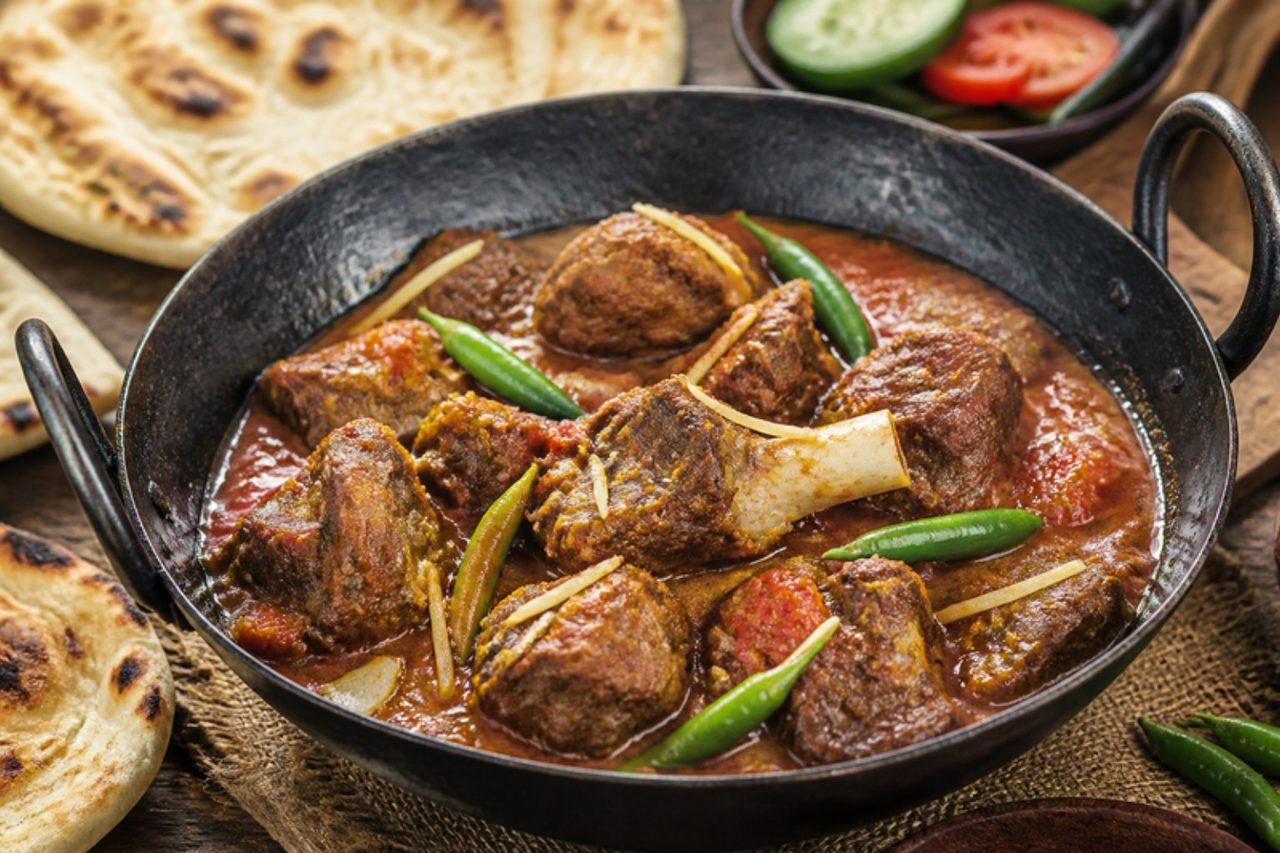
Shinwari karahiLamb karahi

On the Grand Trunk Road out of Peshawar and in the Namak Mandi lanes, Shinwari cooks fry lamb in a vast iron karahi with nothing but its own fat, salt, tomatoes and green chillies, and diners sit cross-legged in the dera to eat it with naan straight from the pan. There is no onion, no powdered spice and hardly any water, so the meat tastes deeply of lamb and the sauce is short, glossy and tangy. The mistake is adding water to speed it up: it boils the meat grey; instead keep the lid on over a low heat and let the meat steam in its own juices. Chef's tip: use bone-in shoulder with its fat (or add 50 g of lamb fat), because the rendered fat is the sauce.

by KrazyBadal 0 views

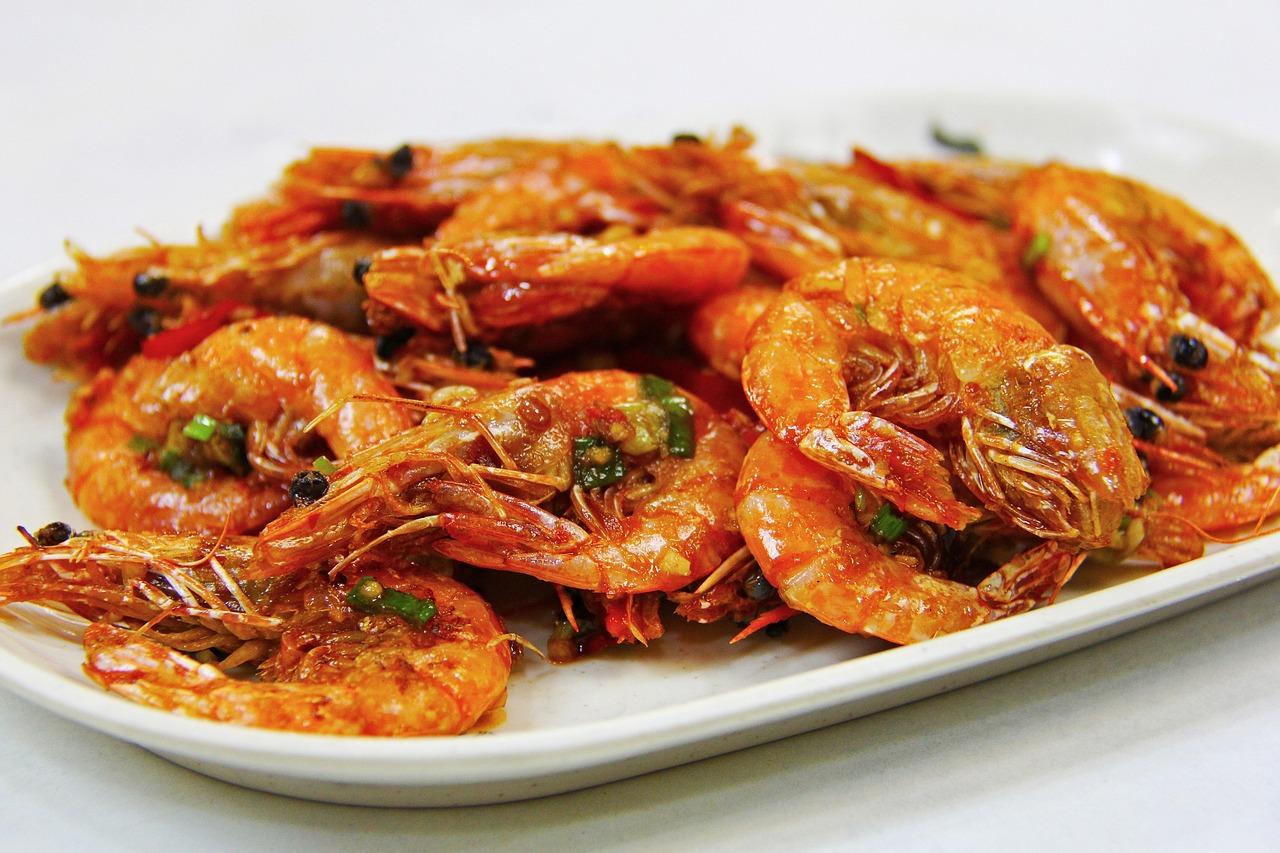
Prawn karahi

Karachi's fishing harbour supplies the city's seafood restaurants on Sea View and in Clifton, and prawn karahi is the quick, fiery dish people order there for a Saturday dinner by the sea: prawns tossed through a tomato, garlic and green chilli masala in a blazing wok, eaten with naan or plain rice. The tomato breaks down into a thick, tangy coating that clings to each prawn, sharpened with lemon and coriander. Prawns that are rubbery and tight are the usual let-down; they need only 3–4 minutes once the sauce is ready, so add them last. Contains shellfish. Chef's tip: fry the prawn shells in the oil first for 2 minutes, then lift them out: the oil takes on a rich, sweet prawn flavour.

by KrazyBadal 0 views

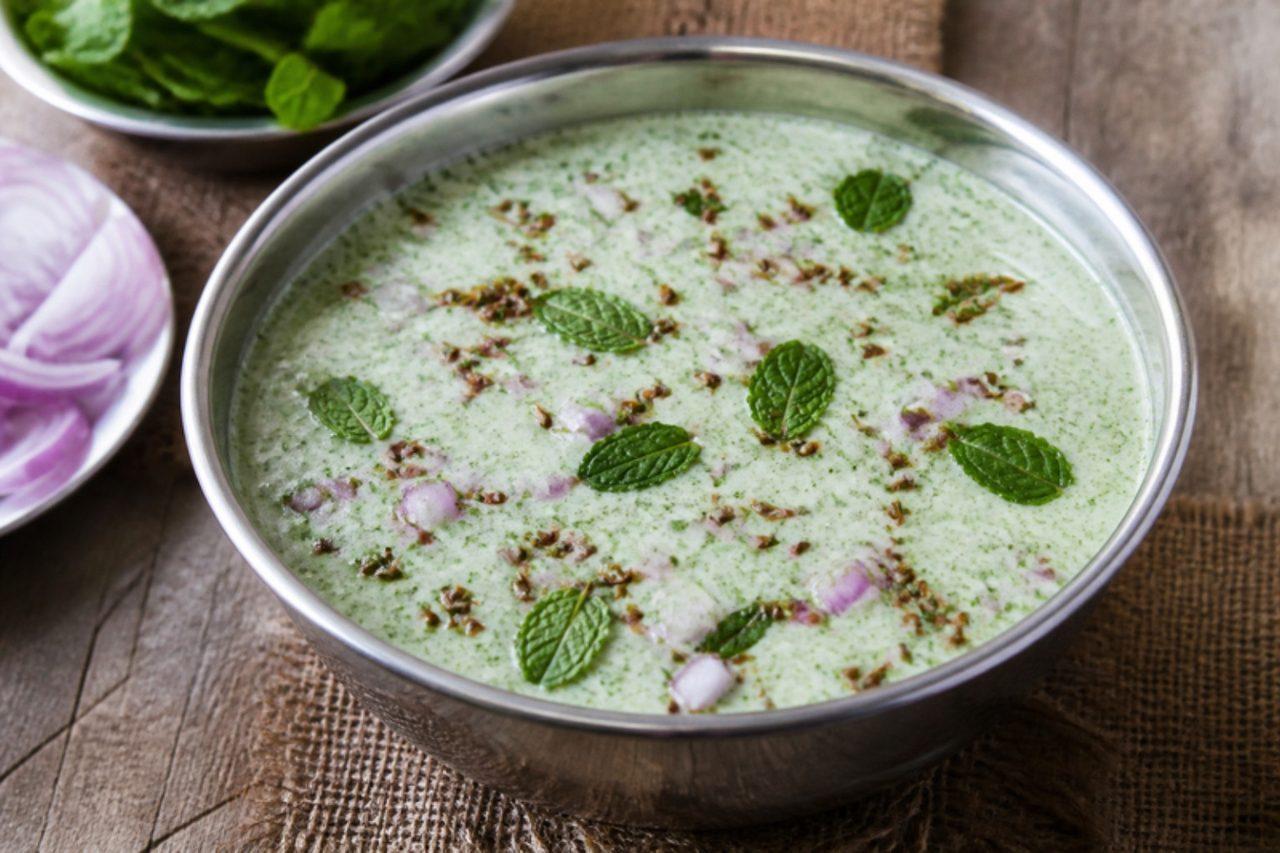
Podina raitaMint yogurt dip

Order a platter of tikka at a Burns Road or Gawalmandi grill and a steel bowl of pale green podina raita lands beside it without asking; it is the cooling counterweight to smoke and chilli, and at home it goes with biryani, pulao and kebab rolls too. Mint, a handful of coriander, one green chilli and freshly toasted cumin are whisked into thick yogurt until it is pourable but still clings to a piece of naan. The usual slip is blitzing the herbs in a blender with the yogurt, which thins it to a watery green drink; pound or chop the herbs separately and fold them in. Contains milk. Chef's tip: dry-roast the cumin seeds yourself and crush them at the last minute: the smoky, toasty smell is what makes a grill-house raita taste like one.

by KrazyBadal 0 views

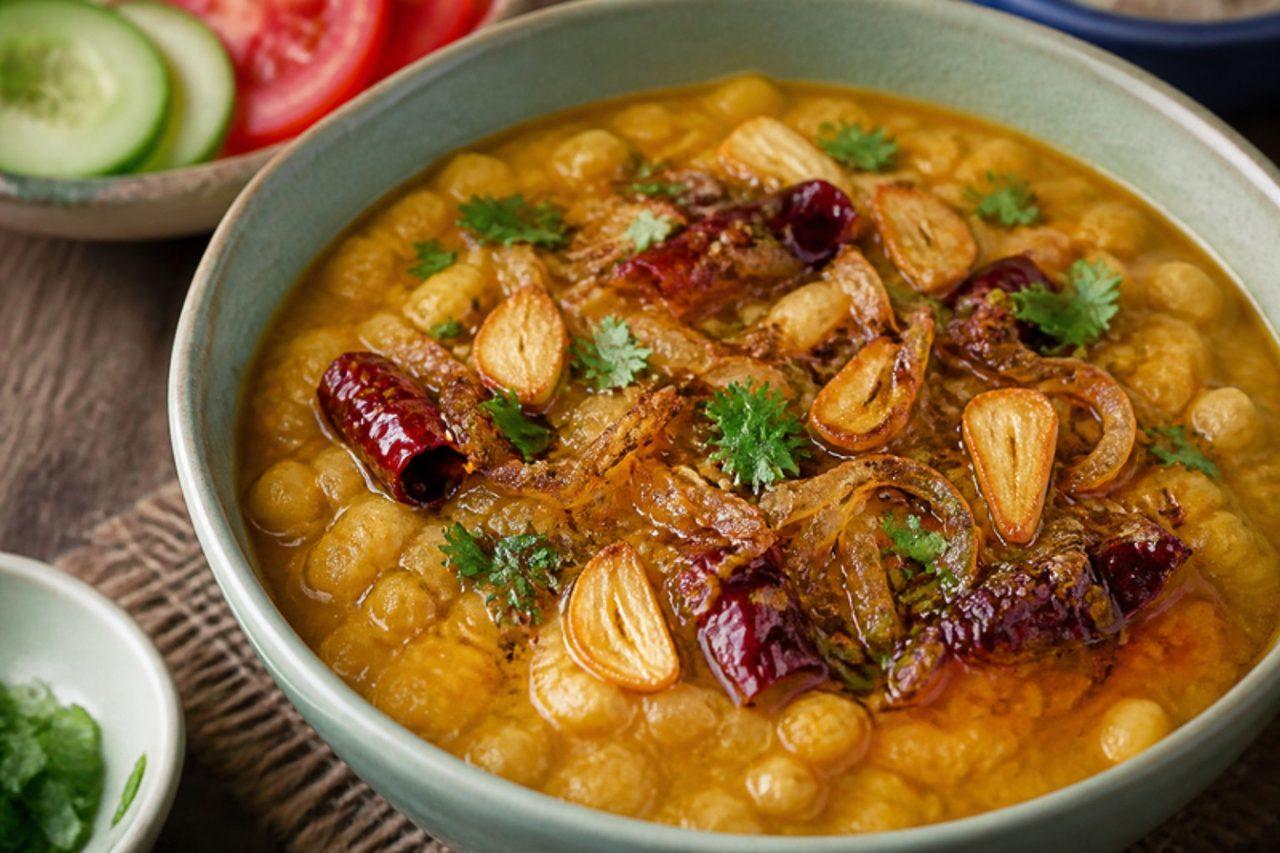
Daal chanaChickpea dal

A bowl of daal chana with a fiery tarka poured over at the table is one of the most ordered plates at dhabas from Multan to Rawalpindi, and in many homes it is the Thursday dinner, eaten with roti, raw onion and pickle. The split chickpeas cook until soft but still hold their shape in a thick, yellow, gently spiced base, and then the tarka of fried onion, garlic, cumin and whole red chilli in ghee crackles over the top. The mistake is serving it before the dal is truly soft; chana dal takes longer than you think, so test a grain by squeezing it. Contains milk (ghee); use oil for a vegan version. Chef's tip: pour the tarka over at the very last moment so it hisses, and cover the pot for a minute to trap the smoky aroma.

by KrazyBadal 0 views

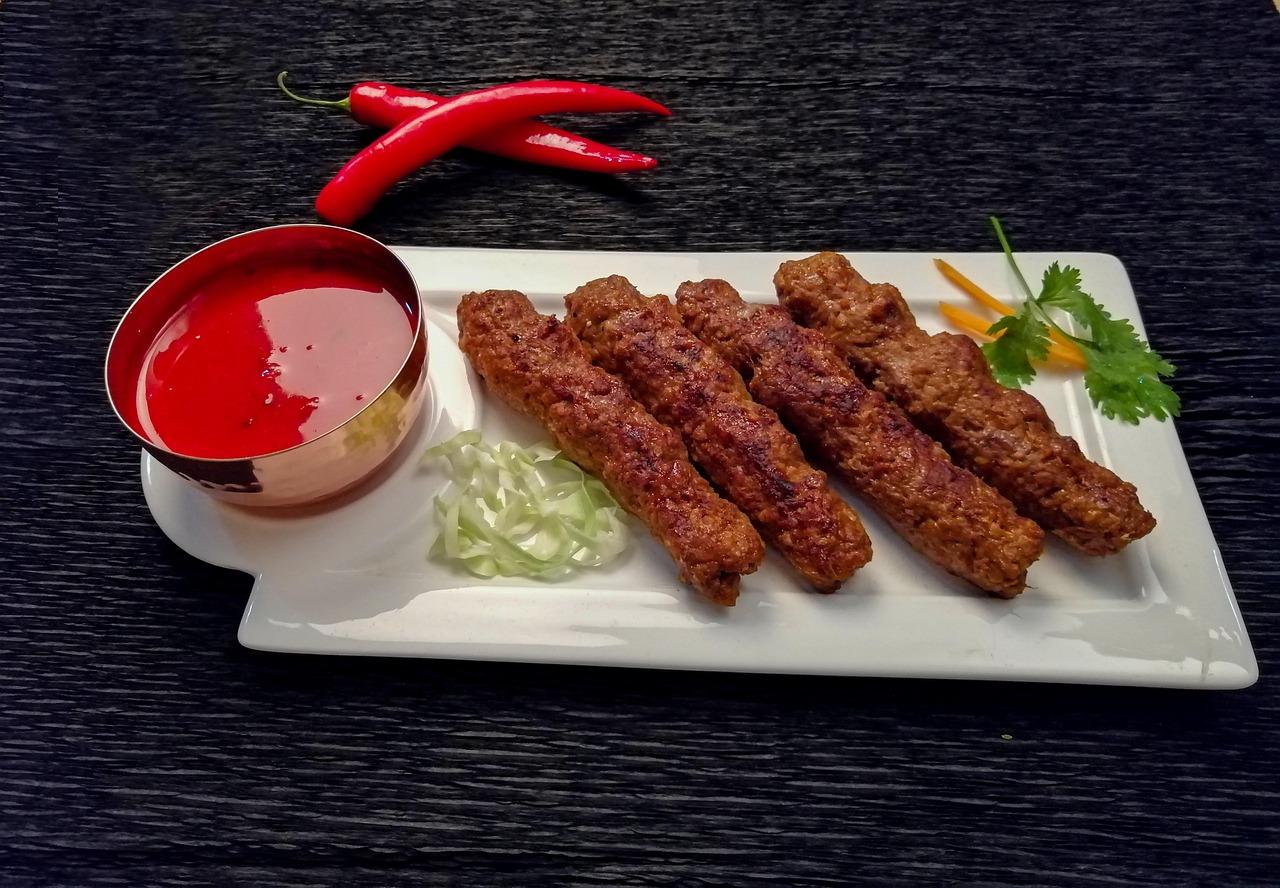
Seekh kebab

The long, charred seekh kebab is the first thing grilled when the coals glow on Lahore's food streets and on Karachi's Boat Basin in the evening, eaten hot off the skewer with naan, onion rings, lemon and green chutney. Coarsely minced beef (or mutton) with some fat is kneaded with onion, ginger, garlic, green chilli and roasted spices until it turns sticky enough to cling to a flat skewer, then grilled until smoky outside and juicy within. The classic failure is a kebab that slides off into the coals, which happens when the onion is left wet or the mince too lean; squeeze the onion dry and use mince with about 20 per cent fat. Chef's tip: chill the shaped skewers for 20 minutes before grilling so the fat firms and holds the meat in place.

by KrazyBadal 0 views

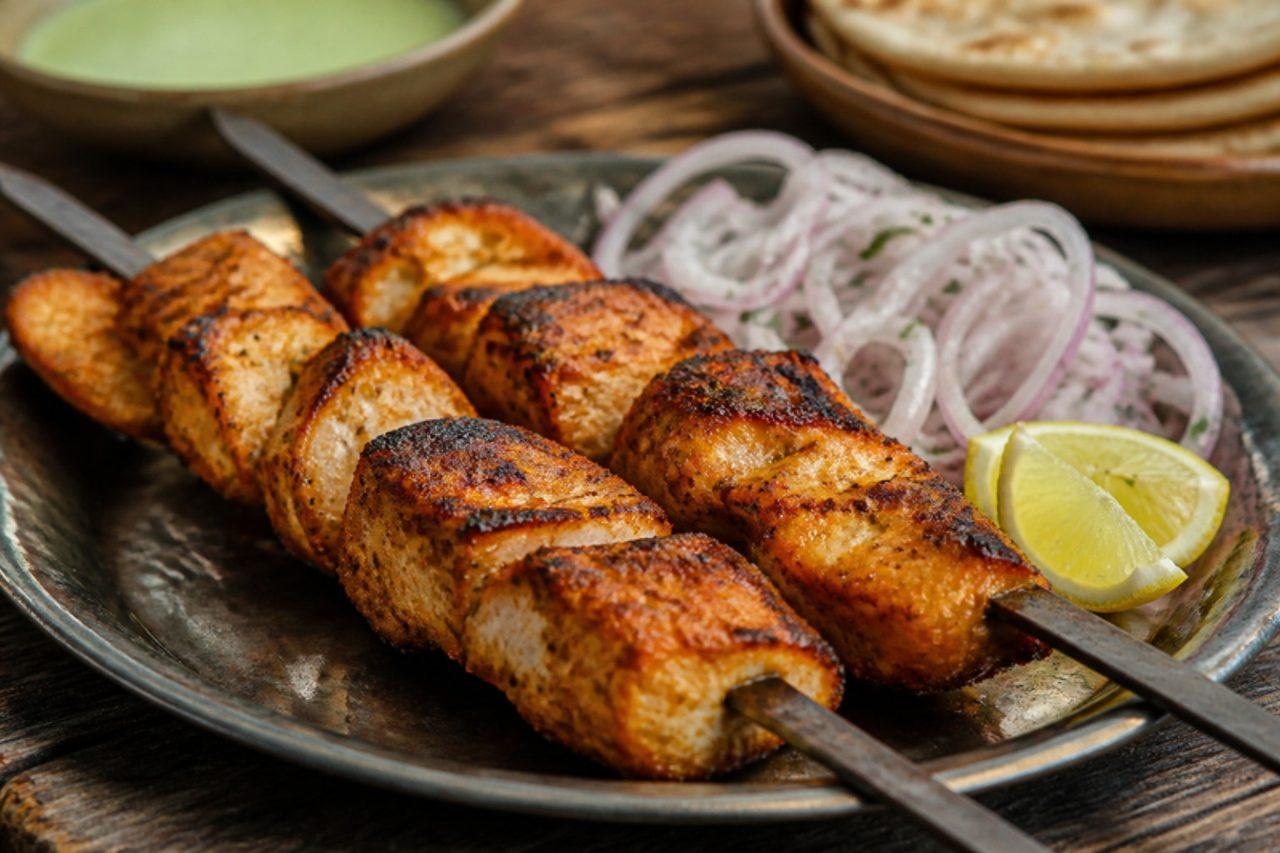
Fish tikka

On winter nights along Karachi's seafront and in the Do Darya restaurants, skewers of fish tikka go round the table straight from the grill, the chunks blushing red from chilli and yogurt with blackened corners. Firm white fish such as surmai (kingfish) or monkfish holds its shape while the marinade sets into a light, tangy crust, and it needs only lemon, sliced onion and a bowl of raita. The mistake most people make is marinating fish as long as chicken: more than 40 minutes and the lemon and salt start to 'cook' it, so it flakes apart on the skewer. Contains fish and milk. Chef's tip: rub the fish with lemon and salt first, rest it 10 minutes and pat dry before the yogurt goes on, so the marinade sticks and doesn't slide off.

by KrazyBadal 0 views

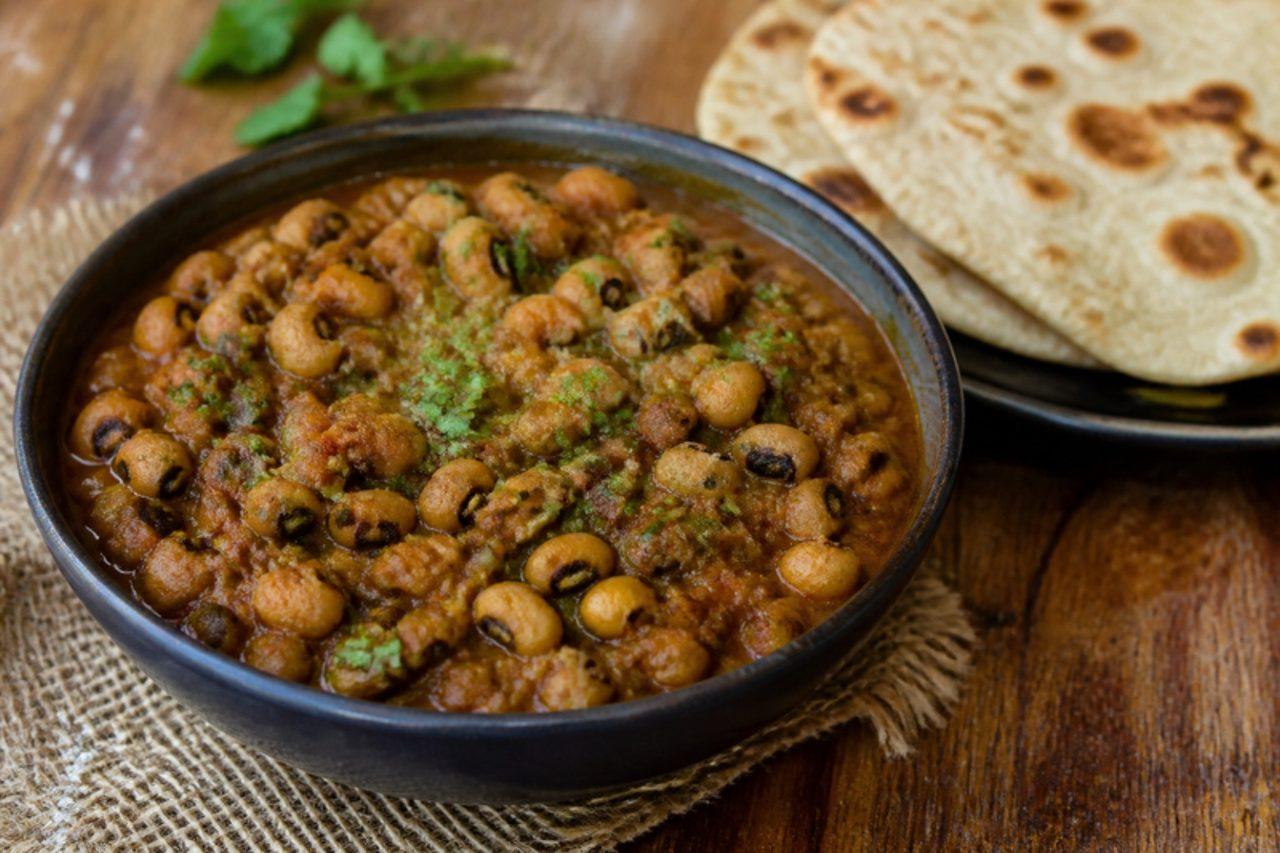
Lobia masalaBlack-eyed bean curry

Truck drivers on the GT Road and students in Lahore's Anarkali eat lobia at dhabas for a few rupees a plate: soft black-eyed beans in a dark onion and tomato masala, mopped up with tandoori roti and a green chilli on the side. It tastes earthy and comforting, with a peppery edge and a thick, spoonable gravy. Undercooked beans that stay chalky in the middle are the common complaint, especially when tomato goes in before the beans are soft; boil them tender first, then simmer them in the masala. Chef's tip: mash a ladleful of the beans against the side of the pot near the end, which thickens the gravy the way dhaba cooks do.

by KrazyBadal 0 views

Chicken handi

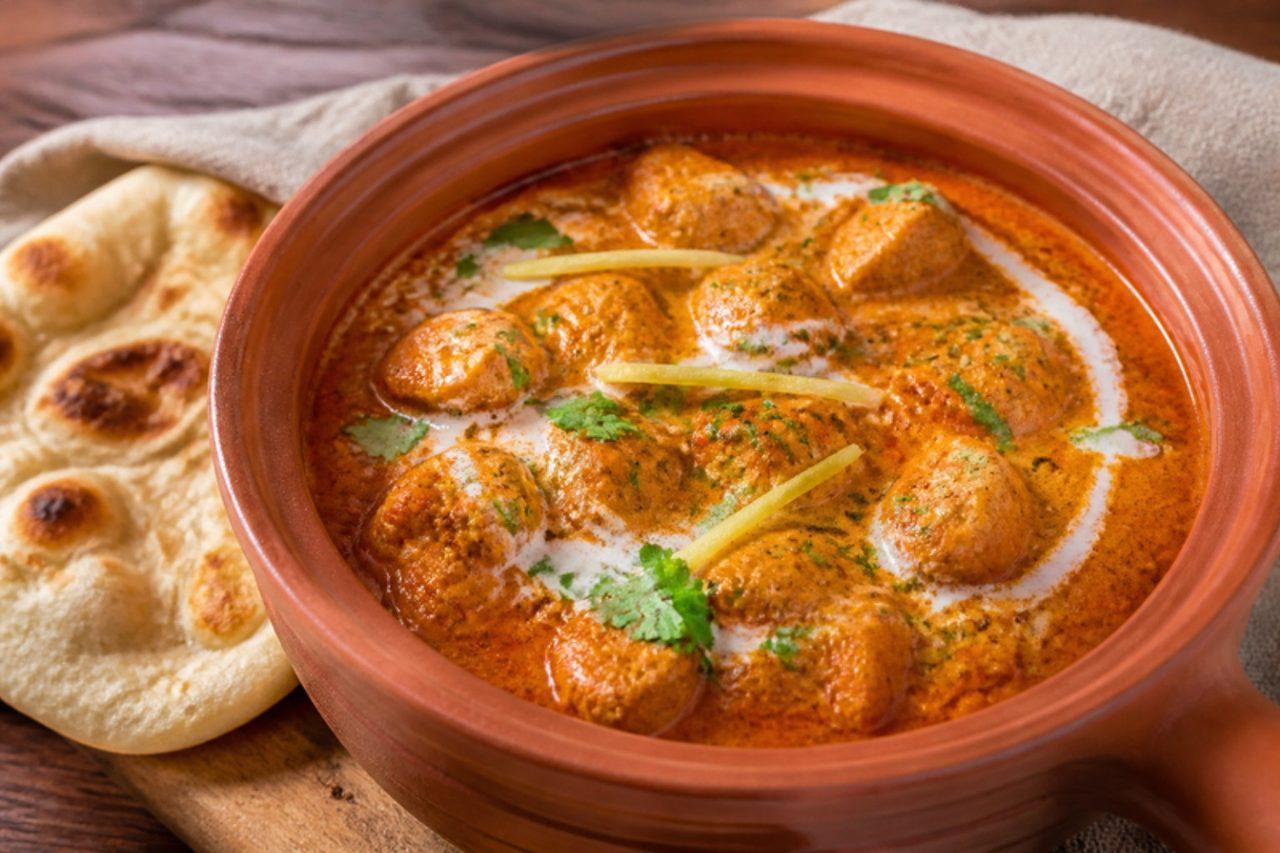
Chicken handi is the dish families order at Lahore's M.M. Alam Road restaurants and Karachi's Do Darya when everyone wants something rich but not fiery; it arrives bubbling in its clay pot with a swirl of cream, and disappears with garlic naan. Boneless thigh is marinated in yogurt, then cooked in a tomato masala that is finished with cream and crushed fenugreek, giving a velvety, gently tangy sauce. A sauce that splits into grains usually means the yogurt went into a fiercely boiling pan; lower the heat first and stir it in. Contains milk. Chef's tip: let the gravy 'bhuno' (fry) until the oil comes to the surface before you add the cream: that is where the deep, roasted flavour comes from.

by KrazyBadal 0 views

Arvi ka salanColocasia in tangy gravy

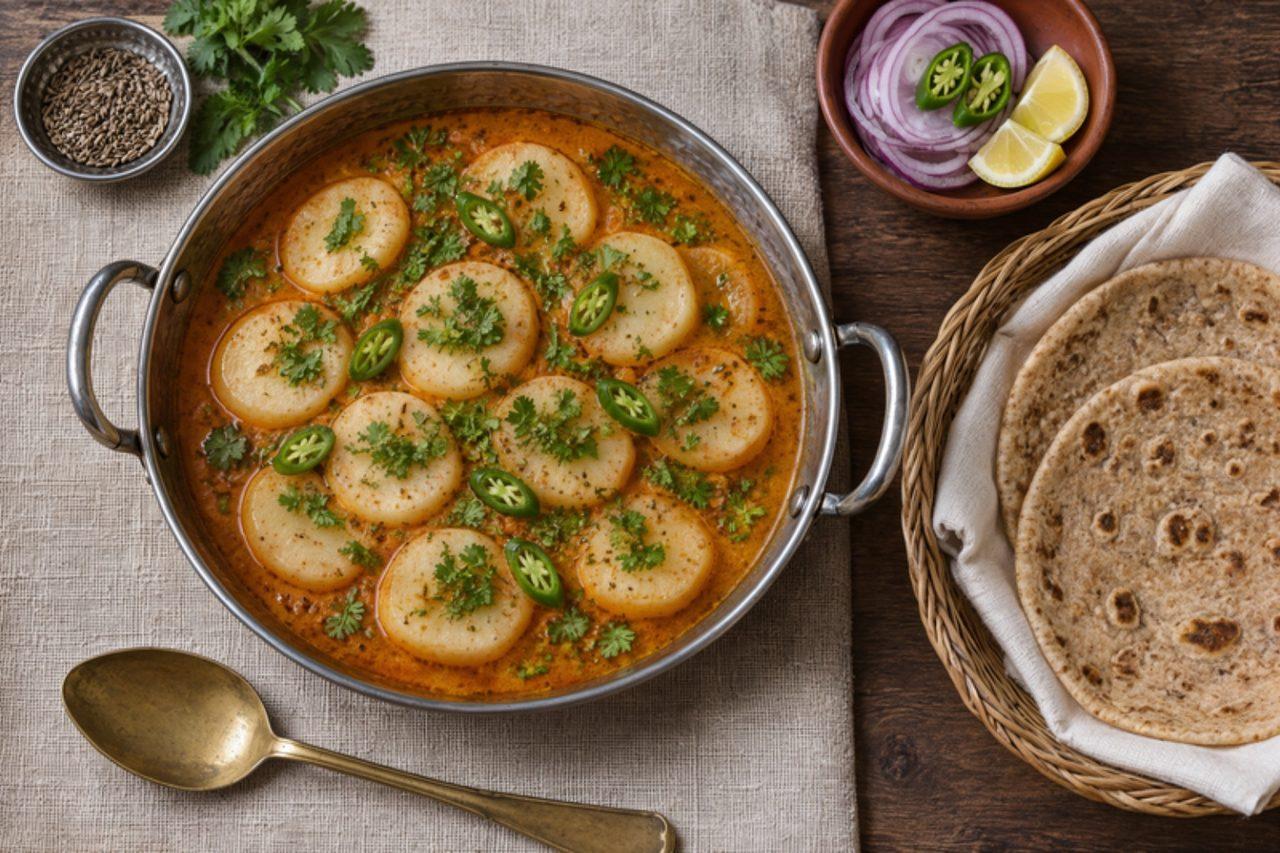
Arvi ka salan is a Lahore and Karachi home curry, cooked on weekday evenings when the vegetable seller has a basket of small, hairy colocasia roots. The roots are boiled, peeled and simmered in a loose, sour gravy of onion, tomato, ajwain and a squeeze of lemon, so the slightly slippery arvi soaks up the spice and turns creamy at the centre. Eat it with hot roti or plain rice and a little raw onion. The usual mistake is undercooking the arvi: half-cooked colocasia leaves an itchy, scratchy feeling in the throat, so it must be soft all the way through. Chef's tip: once the boiled arvi is peeled, press each piece flat with your palm before it goes into the gravy, so the rough edges thicken the sauce.

by KrazyBadal 0 views

Pisco sour

Lima drinks its pisco sour as the aperitif before a long ceviche lunch, and celebrates it every year on the first Saturday of February; the recipe took shape in the city's bars in the 1920s. It is for adults only and stronger than its pillowy look suggests. Underneath a thick white foam you get sharp Peruvian lime, a clean sweetness and the floral, grapey warmth of quebranta pisco, with the bitters adding a spicy smell to every sip. The texture should be silky, almost creamy, never thin. The classic mistake is squeezing the limes too hard or too early: the oil from the pith turns the drink bitter within half an hour. Halve the limes, press each half gently by hand just before mixing and stop when the juice slows. The egg white is raw, so use pasteurised egg white for anyone pregnant, for babies, older people or anyone unwell, or swap in 30 ml aquafaba. It is ready when the foam stands about 1 cm high and is firm enough to hold the drops of bitters on its surface. Sip one slowly and drink responsibly. Chef's tip: shake once without ice first to whip the egg white, then again with ice; the foam will be twice as thick.

by KrazyBadal 0 views

Mate de muñaAndean mint tea

Muña is the minty shrub that grows wild on the slopes around Cusco, Puno and the Sacred Valley, and highland cooks reach for it after a heavy meal of chicharrón or when visitors are struggling with the altitude. Market herb sellers sell it in fresh bunches, and hotels and homes leave it in a flask for anyone coming in from the cold evenings. Steeped simply in hot water, it smells somewhere between spearmint, oregano and pennyroyal, with a cooling, slightly peppery taste and a pale green-gold colour. It is traditionally drunk to settle the stomach. The usual mistake is boiling the leaves hard for a long time, which turns the tea brown and bitter. Pour water just off the boil over the sprigs, cover, and let it steep. It is ready when the cup is pale gold and the aroma rises as soon as you lift the lid. Outside Peru, look for dried muña in Latin shops; failing that, use mostly spearmint with a little fresh oregano. Muña is strong: avoid large amounts in pregnancy, and check with a doctor if you take regular medication. Chef's tip: cover the cup while it steeps so the scented oils stay in the tea.

by KrazyBadal 0 views

Estofado de polloChicken stew

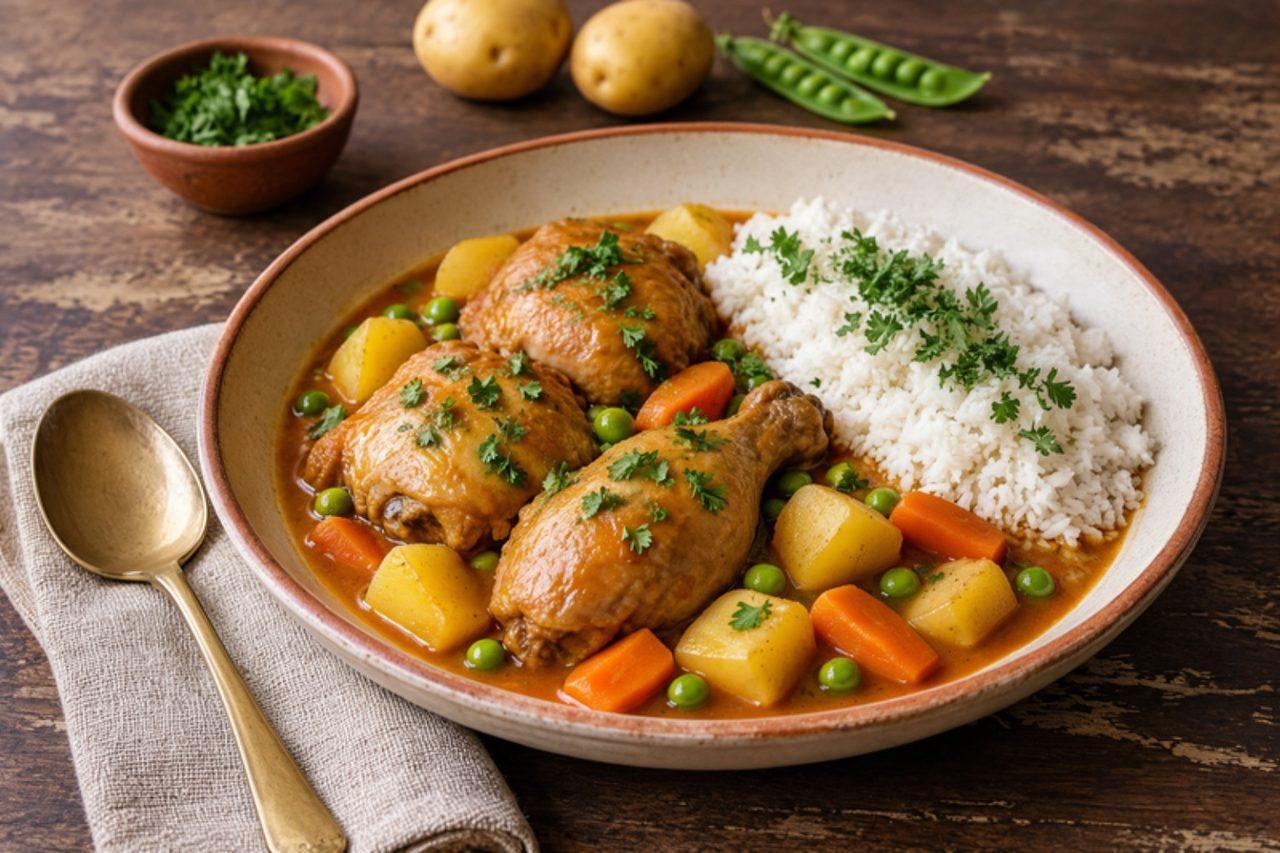
Estofado de pollo is the mild, homely chicken stew of Lima's family kitchens and school lunches, usually on the table on a weekday or a quiet Sunday with white rice. Chicken pieces are browned, then braised in a sauce of onion, garlic, tomato, a little ají panca paste and bay, with carrots, peas and yellow potatoes cooked right in the pot until the sauce is thick and orange. It is comforting rather than hot. The usual mistake is boiling it hard, which shreds the potatoes and dries the chicken; keep it at a lazy bubble. Chef's tip: use a few yellow potatoes along with waxy ones; they collapse slightly and thicken the sauce naturally.

by KrazyBadal 0 views

Ají amarillo pasteYellow chilli paste

In Lima's markets ají amarillo is sold fresh all year, and most Peruvian cooks keep a tub of this paste in the fridge the way others keep tomato purée: it is the golden base of causa limeña, ají de gallina, papa a la huancaína, chupe and the sauce for tiraditos. The chillies are seeded, de-veined and blanched in three changes of water, which tames the heat and the raw grassiness, then peeled and blended with oil into a thick, silky, saffron-orange paste. It tastes fruity and sunny, almost like apricot and passion fruit, with a rounded, medium heat. Abroad, buy whole frozen ají amarillo from Latin grocers; dried ají mirasol, soaked, gives a darker, earthier paste. Common mistake: skipping the peeling; the thin skins leave papery flecks and a bitter edge. It is ready when it is completely smooth and holds a soft peak like thick hummus. This is a low-acid paste: keep it in the fridge for a week or freeze it, never on the shelf. Chef's tip: freeze it in an ice-cube tray; one cube is about a tablespoon, just right for a pot of ají de gallina.

by KrazyBadal 0 views

Locro de zapallo for toddlersPumpkin stew for toddlers

Locro de zapallo is the golden pumpkin stew of Lima's home kitchens and menú lunch spots, eaten on weekdays with white rice and, for adults, a fried egg and ají on the side. For toddlers from 12 months it is cooked without any ají, the pumpkin is simmered until it melts into a sauce, and just a little crumbled fresh cheese is stirred in, so it is sweet, creamy and easy to mash. It contains milk; there is no gluten, egg, nuts or soya. Queso fresco is often made with animal rennet, so for a vegetarian bowl choose one labelled vegetarian, or use a little paneer, and always a pasteurised cheese. Chef's tip: cut half the pumpkin small so it dissolves into the sauce and the rest larger so it keeps some shape.

by KrazyBadal 0 views

Refresco de coconaCocona cooler

In Iquitos, Pucallpa and the river towns of Loreto, heat and humidity make a cold refresco part of every lunch, and cocona is one of the favourites sold from plastic jugs at the Belén market. The fruit looks like a fuzzy orange tomato and tastes between tomato, lemon and apricot: very sour, aromatic and juicy. Blended with water and sugar it makes a tangy, golden drink with a light pulp, served with juane or tacacho con cecina. The usual mistake is skipping the fuzz: cocona skin is covered in fine hairs that make the drink scratchy, so rub them off under running water before you start. Blend only briefly, too, so the many seeds do not crack. It is ready when the refresco is opaque orange, sour first and sweet after, with no grit. Outside the Amazon, look for frozen cocona pulp in Latin American shops; naranjilla (lulo) pulp is the closest substitute. Chef's tip: a pinch of salt makes the fruit taste sweeter and fruitier without more sugar.

by KrazyBadal 0 views

Caldo de gallinaHen broth with noodles

In Lima's markets and the all-night caldo stalls of districts like La Victoria, a bowl of caldo de gallina is the dawn breakfast for market porters, taxi drivers and anyone coming home late: a deep, golden broth from a slow-simmered hen (a boiling fowl) with ginger and spring onion, ladled over thick noodles and yellow potato, with a boiled egg, lime and ají chilli on the side. The common mistake is boiling the broth hard, which clouds it and toughens the meat; keep it to a lazy simmer. The chicken must reach 74 °C, though after this long simmer it will be well past that. Chef's tip: cook the noodles separately, then put them in the bowls; cooked in the pot they drink the broth and turn it starchy.

by KrazyBadal 0 views

Jugo de macaWarm maca drink

Before dawn at markets in Huancayo, Cusco and Lima, juice ladies ladle hot jugo de maca from big pots for workers on their way in: maca root, a turnip relative grown above 4,000 metres in the Junín highlands, simmered with milk, cinnamon and cloves and sweetened with honey or sugar. It tastes malty and toasty, a bit like butterscotch. The common mistake is stirring the powder straight into hot milk, which leaves gritty lumps; whisk it into a little cold milk first. Maca is not usually advised in pregnancy, so ask your doctor first if you are pregnant. Chef's tip: use gelatinised (cooked) maca powder if you can find it; it dissolves smoothly and is gentler on the stomach.

by KrazyBadal 0 views

Cremolada (Lima passion fruit slush)

From January to March, when Lima's coast swelters, queues form at the cremolada counters of Barranco and along the Jirón de la Unión downtown for cups of this thick fruit ice. It sits between a granita and a sorbet: frozen fruit pulp scraped again and again until it is slushy and spoonable, with real bits of fruit through it. Passion fruit (maracuyá) gives a sharp, bright flavour; creamy lúcuma, with its maple and sweet potato taste, is the other favourite. Chef's tip: use a shallow metal tray; it freezes faster and evenly, so you get fine crystals rather than chunks.

by KrazyBadal 0 views

Showing 24 of 548 recipes

Show more recipes

Page 1 of 23