Skip to content
Recipes

All recipes

Vegetarian, or something you can't eat? Set your diet once and we'll hide recipes that don't fit.

Salsa verde crudaRaw tomatillo salsa

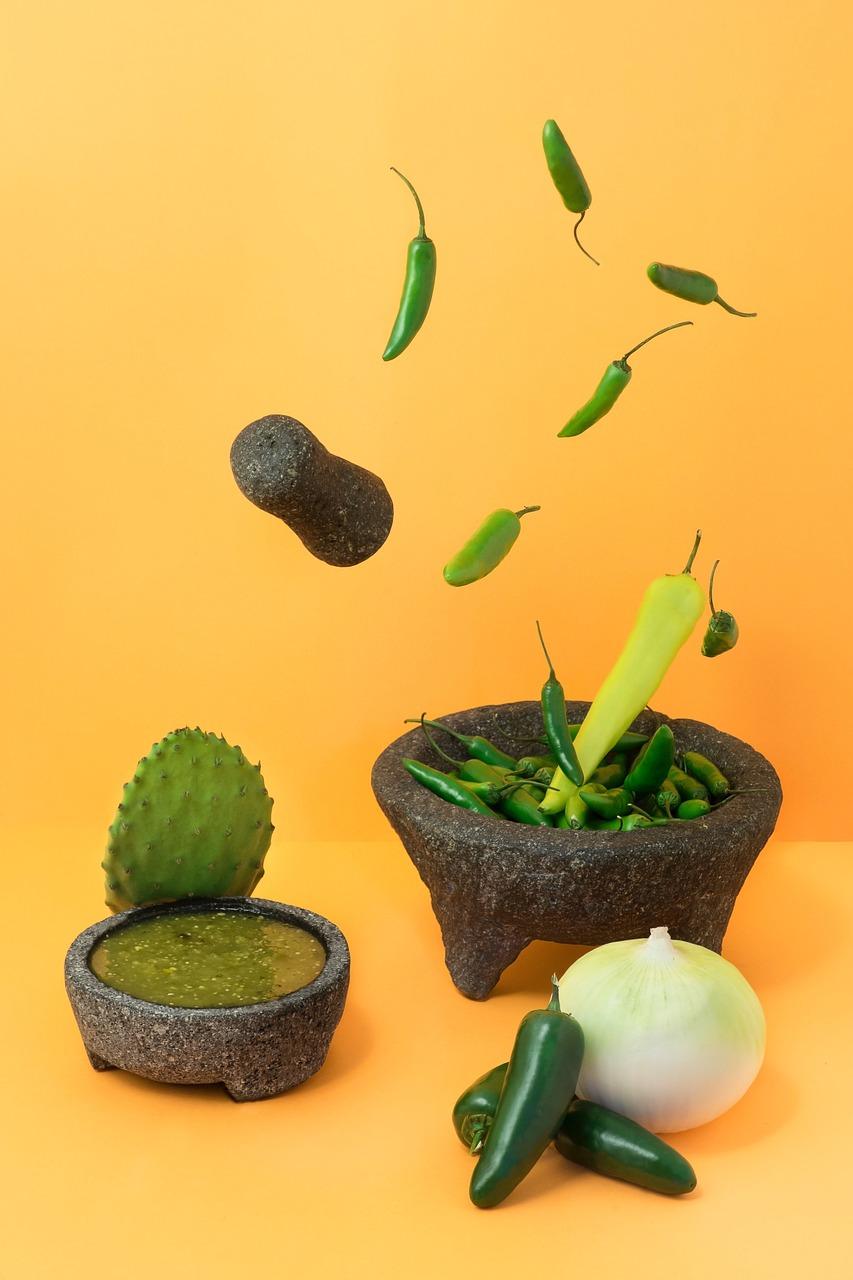
Raw green salsa sits in a bowl on nearly every taquería counter from Toluca to Mexico City, and families blend a fresh jar most mornings to spoon over eggs, tacos de guisado and grilled meat. Because the tomatillos are not cooked, it tastes sharp, grassy and almost citrusy, with a clean serrano bite. It takes ten minutes and keeps three days in the fridge, thickening slightly as the tomatillo pectin sets. Chef's tip: choose firm, bright green tomatillos that have split their papery husks; yellowing ones are sweeter and make a dull salsa.

by KrazyBadal 0 views
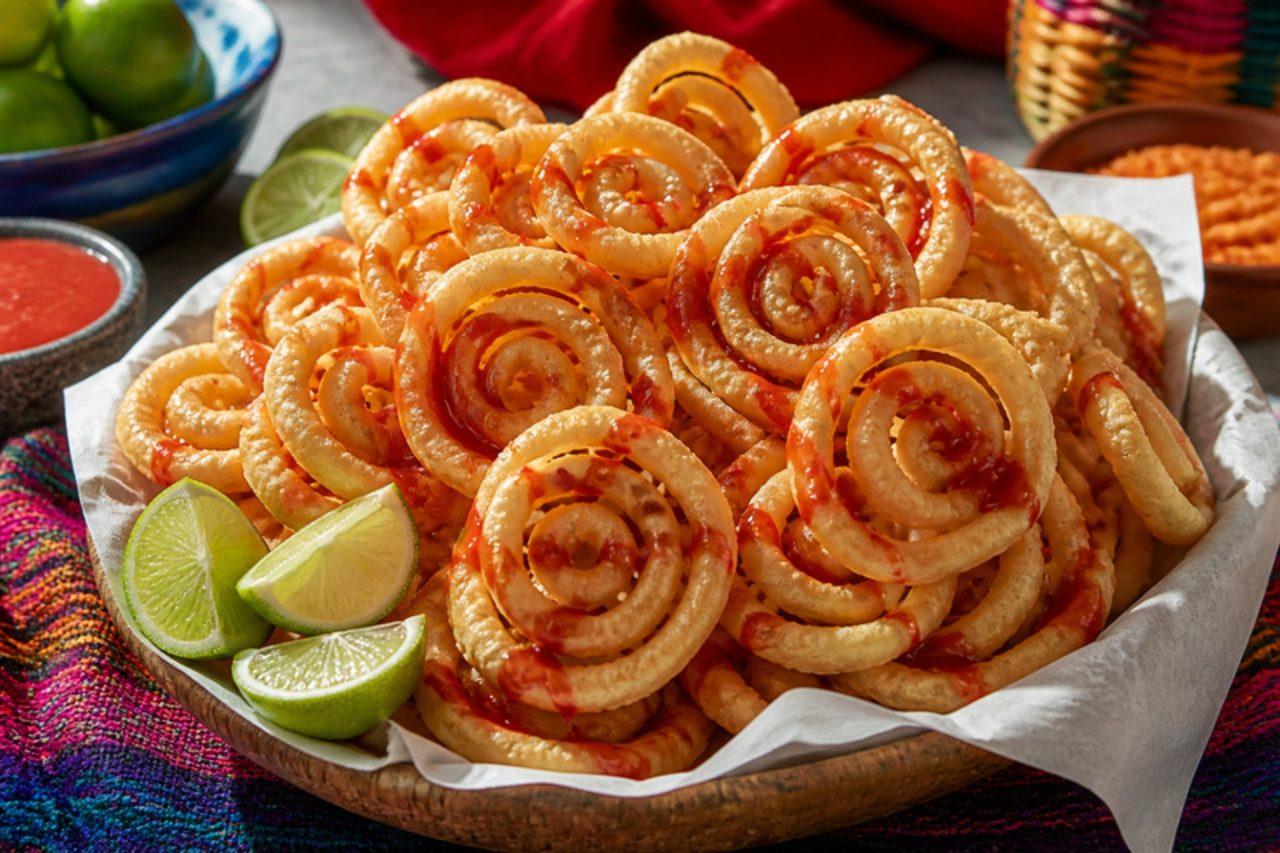
Chicharrones de harinaPuffed wheat snacks

Outside Mexican schools and parks, vendors fry little dried wheels and rectangles of wheat dough until they balloon into airy, crackly chicharrones de harina, also called duritos. They're handed over in a plastic bag drenched in lime juice and bottled hot sauce. At home you can buy the dried pellets (duros) at Latin grocers, and they puff in seconds. Chef's tip: fry just a small handful at a time; they triple in size.

by KrazyBadal 0 views
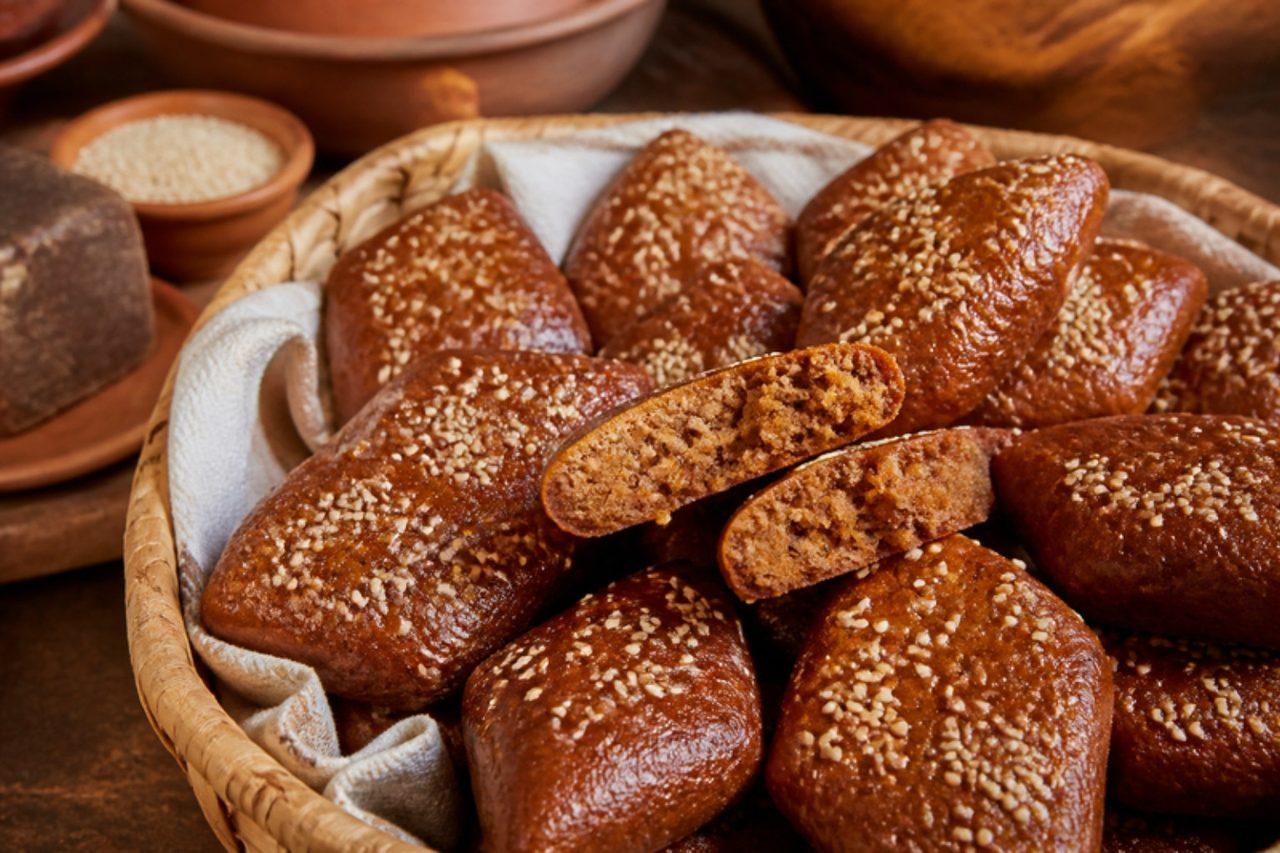
CocolesAnise sweet bread

In the markets of Puebla, Tlaxcala and Mexico City, cocoles are the plain, honest bread of the morning: diamond-shaped, deep brown from piloncillo, fragrant with anise and studded with sesame seeds on top. They are not very sweet, so people eat them with café de olla or split them for a cheese torta. Old bakers used lard; this version uses vegetable shortening, so it stays vegetarian and vegan. Chef's tip: steep the anise in the warm piloncillo syrup, so its flavour runs through every bite.

by KrazyBadal 0 views
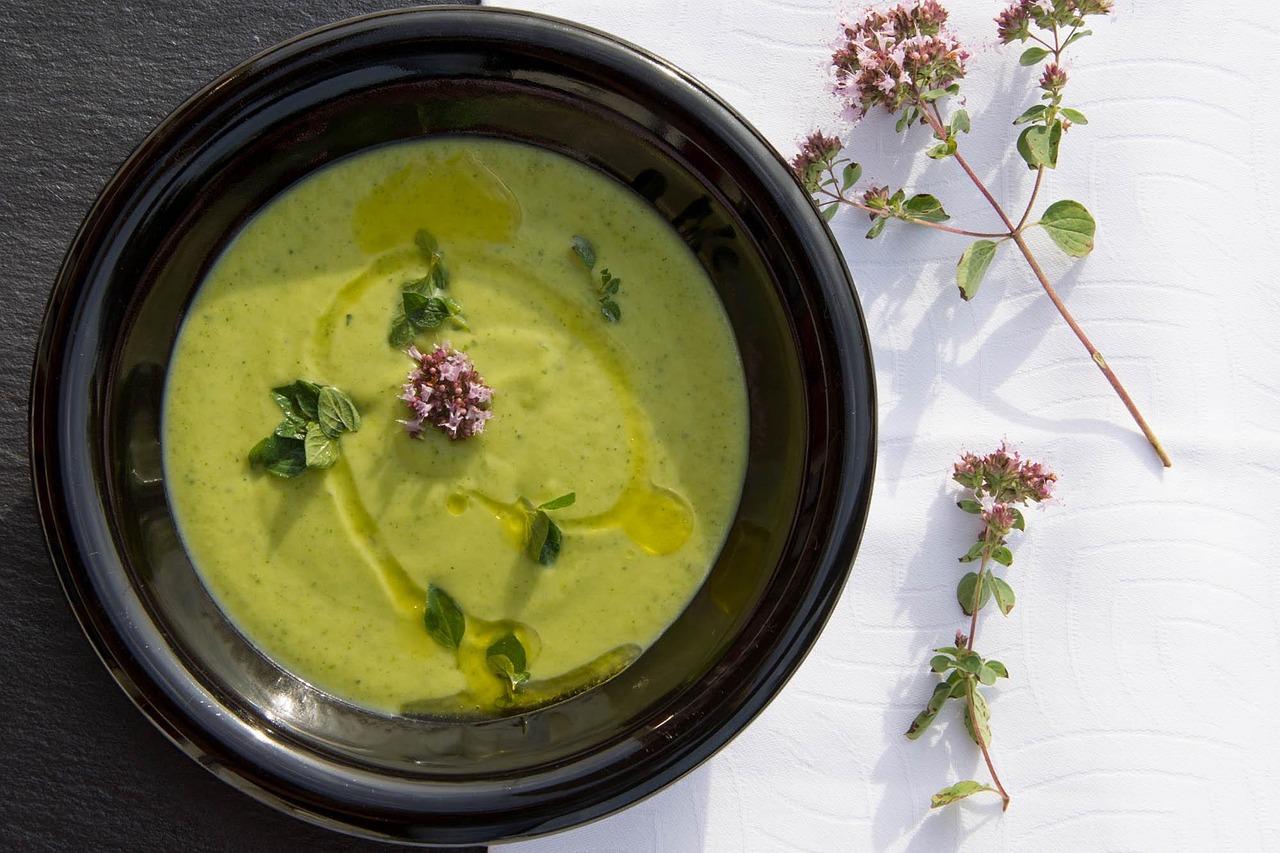
Crema de chile poblanoCreamy poblano soup

In Puebla, where poblano chiles take their name, this pale-jade soup appears at family lunches and on the menu of almost every cocina económica. Roasted chiles are blended with onion, a little corn and milk, then enriched with cream, so the flavour is smoky and mellow with just a flicker of heat. Serve it with crisp tortilla strips or a few corn kernels on top. Chef's tip: roast a couple of extra chiles while the grill is hot; the strips keep for four days and lift any taco or quesadilla.

by KrazyBadal 0 views
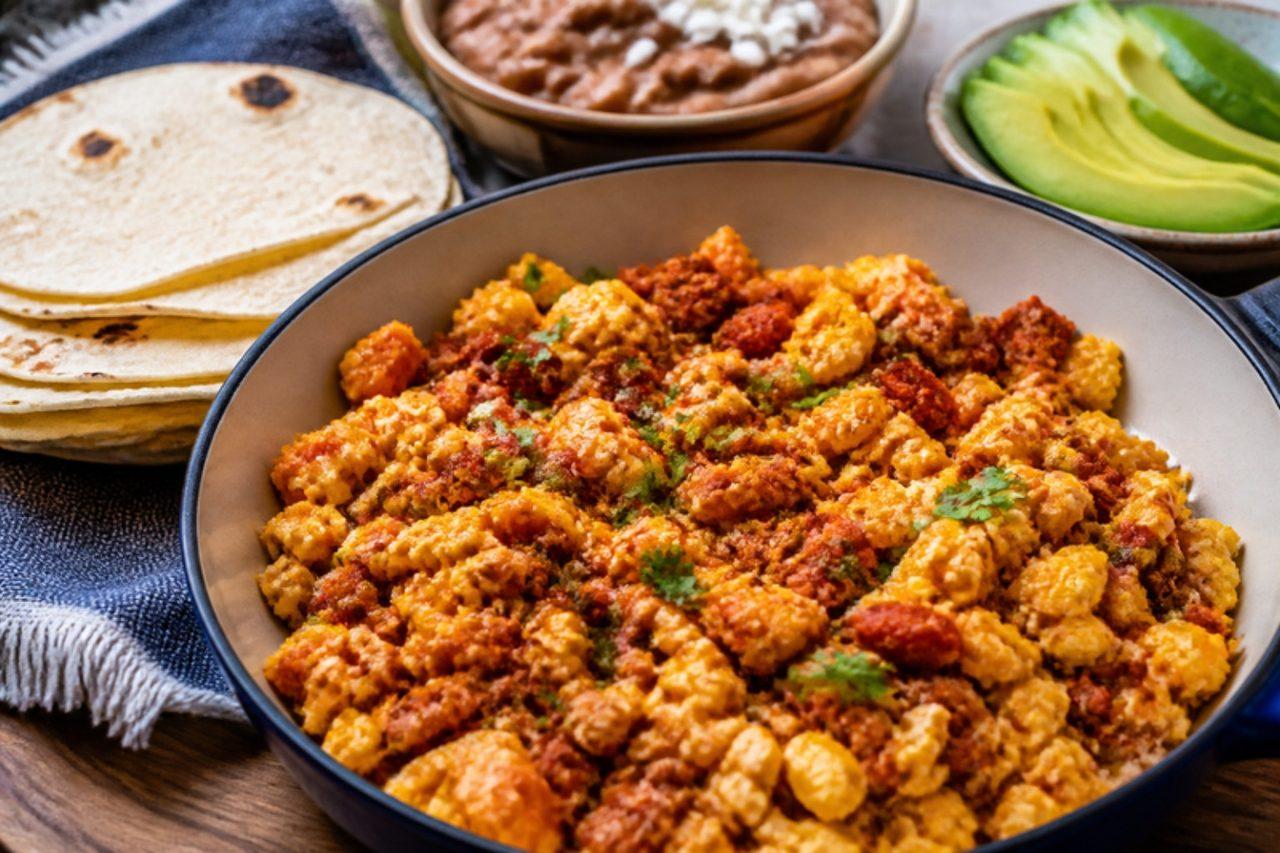
Huevos con chorizoEggs with chorizo

Across northern and central Mexico, from Toluca, famous for its green and red chorizos, to the ranches of Chihuahua, a skillet of brick-red chorizo scrambled with eggs is the classic weekend breakfast, scooped into warm tortillas with refried beans. Mexican chorizo is fresh, raw pork sausage seasoned with chillies and vinegar, unlike the cured Spanish kind, so it must be cooked through. Chef's tip: pour off most of the rendered fat before adding the eggs, or the scramble turns greasy.

by KrazyBadal 0 views
Huevos motuleñosYucatán eggs on tostadas

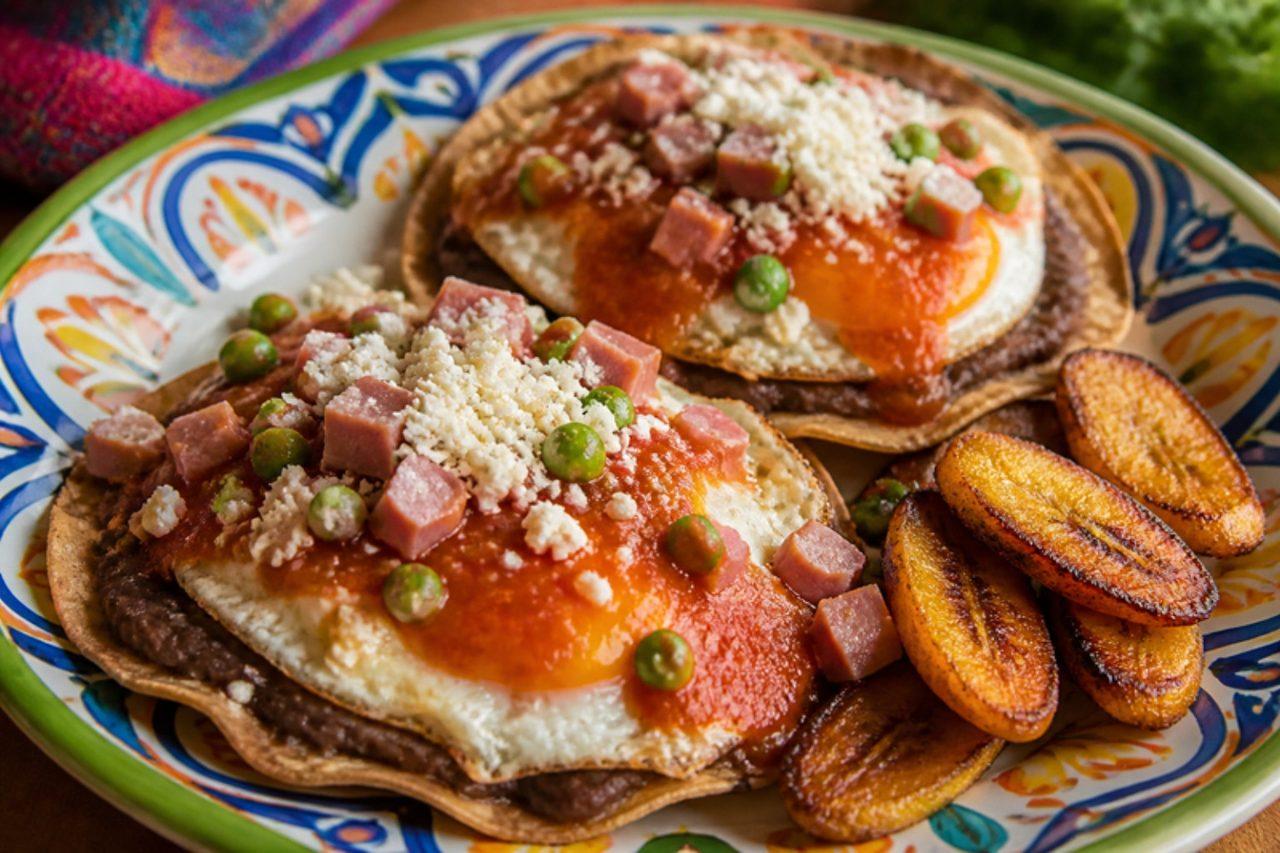
The town of Motul, an hour east of Mérida, gave the Yucatán its grandest breakfast, now served in every market loncheria on the peninsula: a crisp tortilla spread with black beans, a fried egg, a blanket of mild tomato sauce, then diced ham, peas, crumbled cheese and slices of sweet fried plantain, with fiery habanero salsa on the side. It contains pork in the form of cooked ham; for a vegetarian plate, just leave the ham out. Chef's tip: fry the tortillas until fully crisp so they stay crunchy under the sauce.

by KrazyBadal 0 views
Guacamole

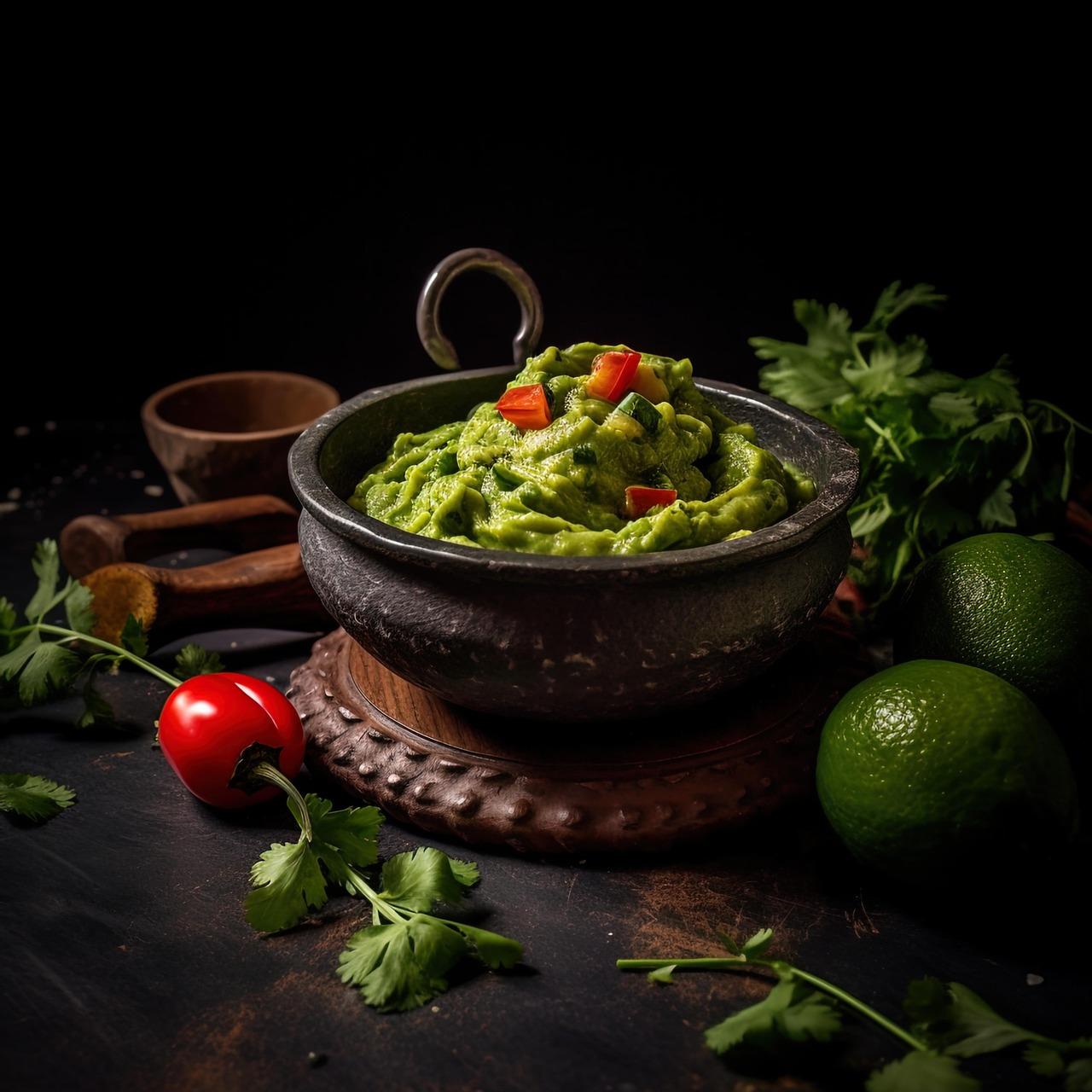
In fondas around Mexico City and at Sunday carne asada gatherings across Puebla and the Bajío, guacamole is pounded to order in a basalt molcajete and carried to the table still in the stone. No sour cream, no garlic powder: just ripe avocado crushed over a paste of onion, serrano chile, cilantro and salt, sharpened with lime. It is a dip for warm totopos, a topping for tacos and a side for grilled meat, and it is best eaten within the hour. Chef's tip: grind the chile, onion and salt to a wet paste first, so the heat spreads through every bite instead of sitting in chunks.

by KrazyBadal 0 views
GaribaldisJam-glazed sprinkle cakes

Named after a famous old Mexico City bakery, garibaldis are little dome-shaped butter cakes coated in warm apricot jam and rolled in white nonpareils, so they look like snowballs on the counter. Chilangos buy them by the bag for afternoon coffee and school lunchboxes. The cake is dense and buttery, the jam gives a sharp, sticky contrast and the sprinkles a light crunch. Chef's tip: brush the jam on while the cakes are still warm, as the sprinkles then stick evenly.

by KrazyBadal 0 views
Atole de fresaStrawberry masa drink

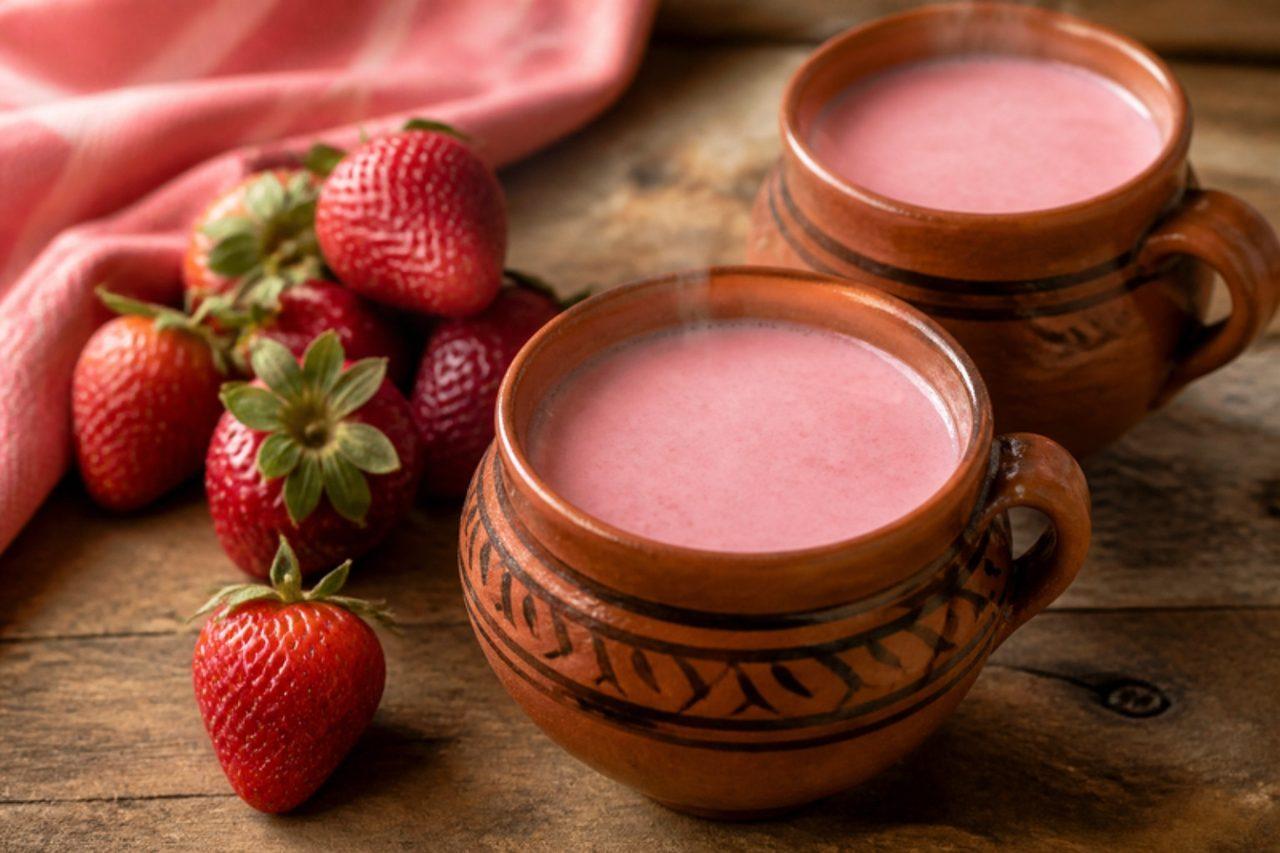
Pink, warm and sweet, atole de fresa is a children's favourite in Mexico City and Irapuato, the strawberry capital of Guanajuato, sold in polystyrene cups alongside tamales for breakfast. Fresh strawberries are blended with milk and thickened with a little masa, which gives a gentle corn flavour under the fruit. It contains dairy. Chef's tip: blend the strawberries raw and add them at the end, so the drink keeps its bright colour.

by KrazyBadal 0 views
Atole de guayabaGuava masa drink

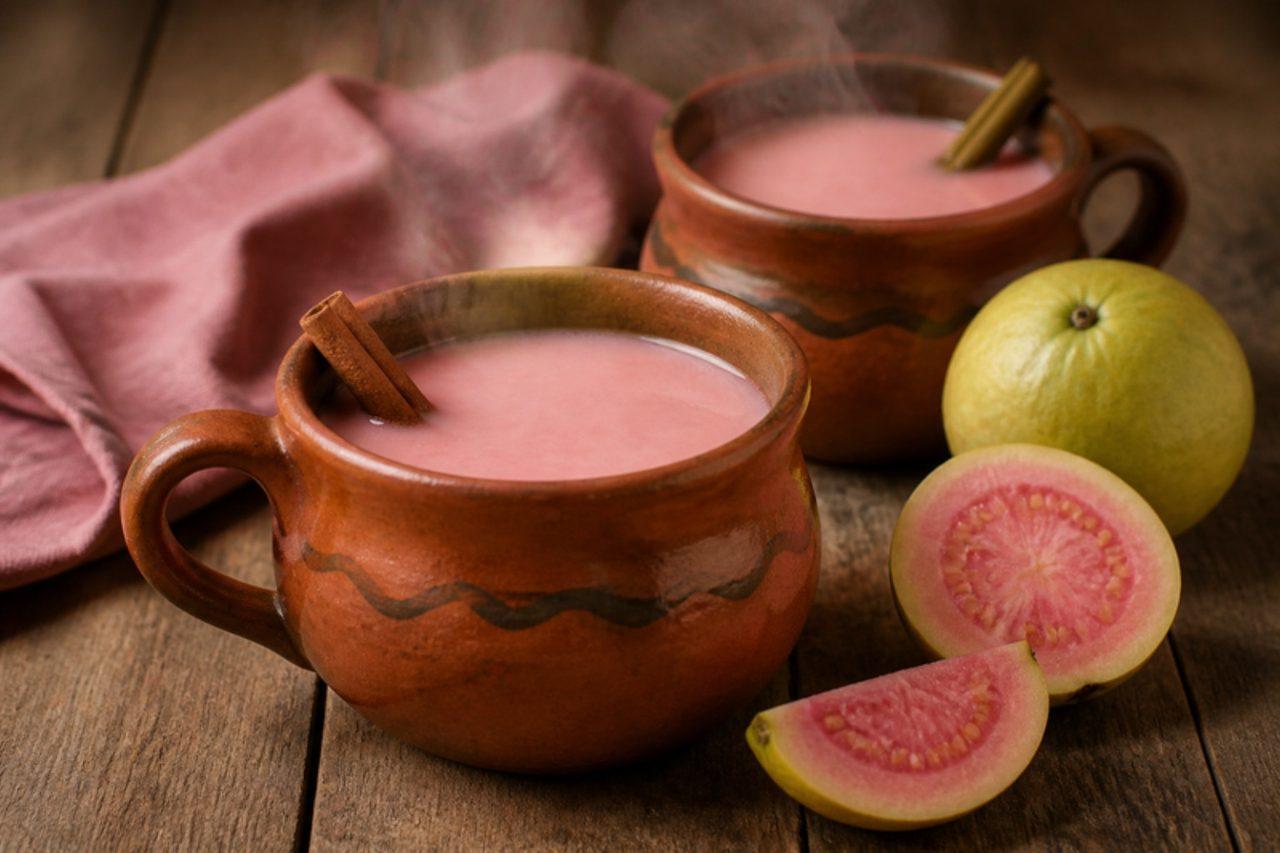
In the cold months, when guavas from Aguascalientes and Michoacán perfume the markets, street vendors in Mexico City ladle atole de guayaba from big steaming pots beside the tamal cart. Ripe guava is blended with milk, strained and thickened with cornflour into a pink, creamy, fragrant drink. It contains dairy. Chef's tip: add the blended guava only once the milk is thickened and off the boil, so the milk doesn't curdle.

by KrazyBadal 0 views

Tejocotes en almíbarHawthorn fruit in syrup

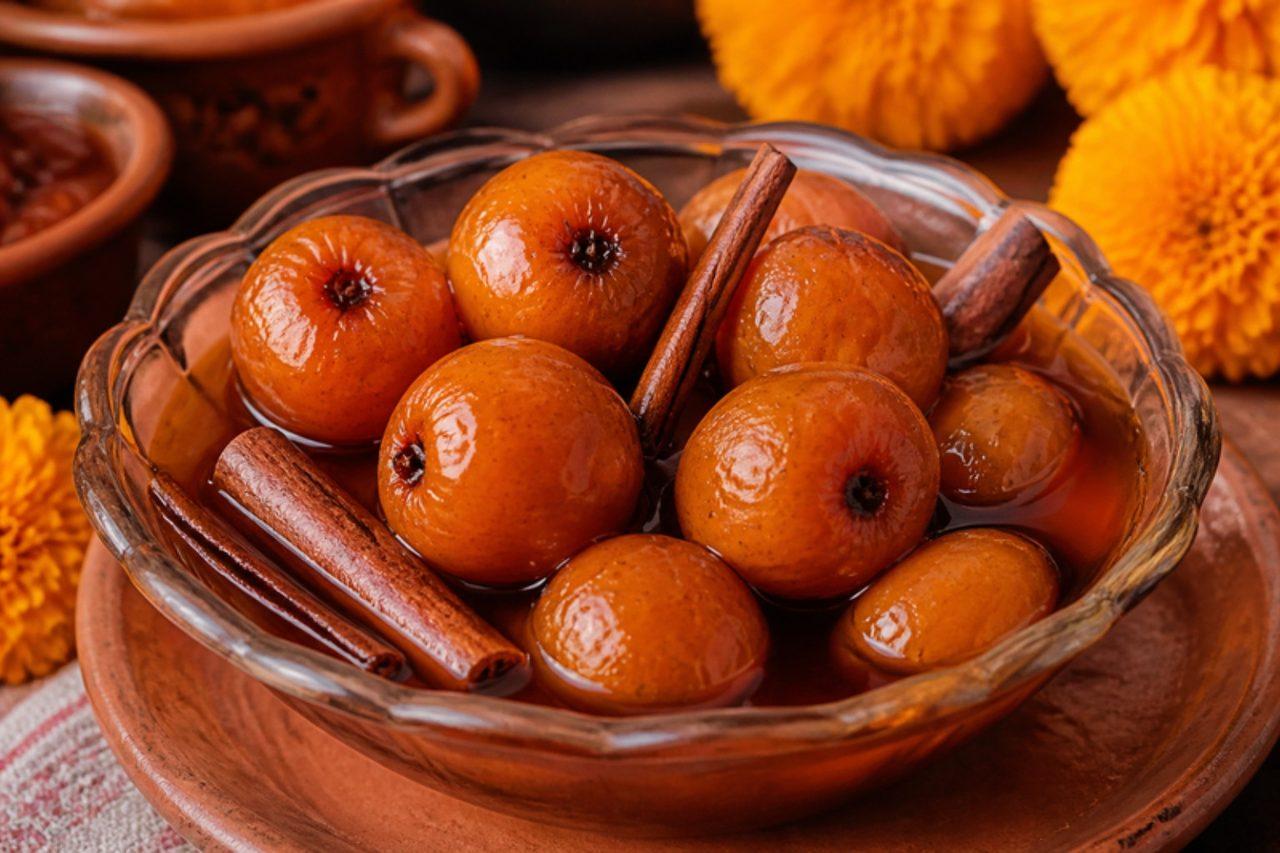
Golden tejocotes, small tart hawthorn fruits from the highlands around Puebla and the State of Mexico, appear in market sacks for only a few weeks before Day of the Dead and Christmas. Poached whole in piloncillo syrup with cinnamon and a strip of orange, they turn soft and perfumed, a little like quince crossed with apricot, and are set on the ofrenda or eaten from a bowl with their syrup. Outside Mexico, look for them frozen or in jars at Latin grocers; small crab apples are the nearest swap. Chef's tip: blanch and peel them first, as the skins go tough and bitter in syrup.

by KrazyBadal 0 views

Tacos de nopales asadosGrilled cactus tacos

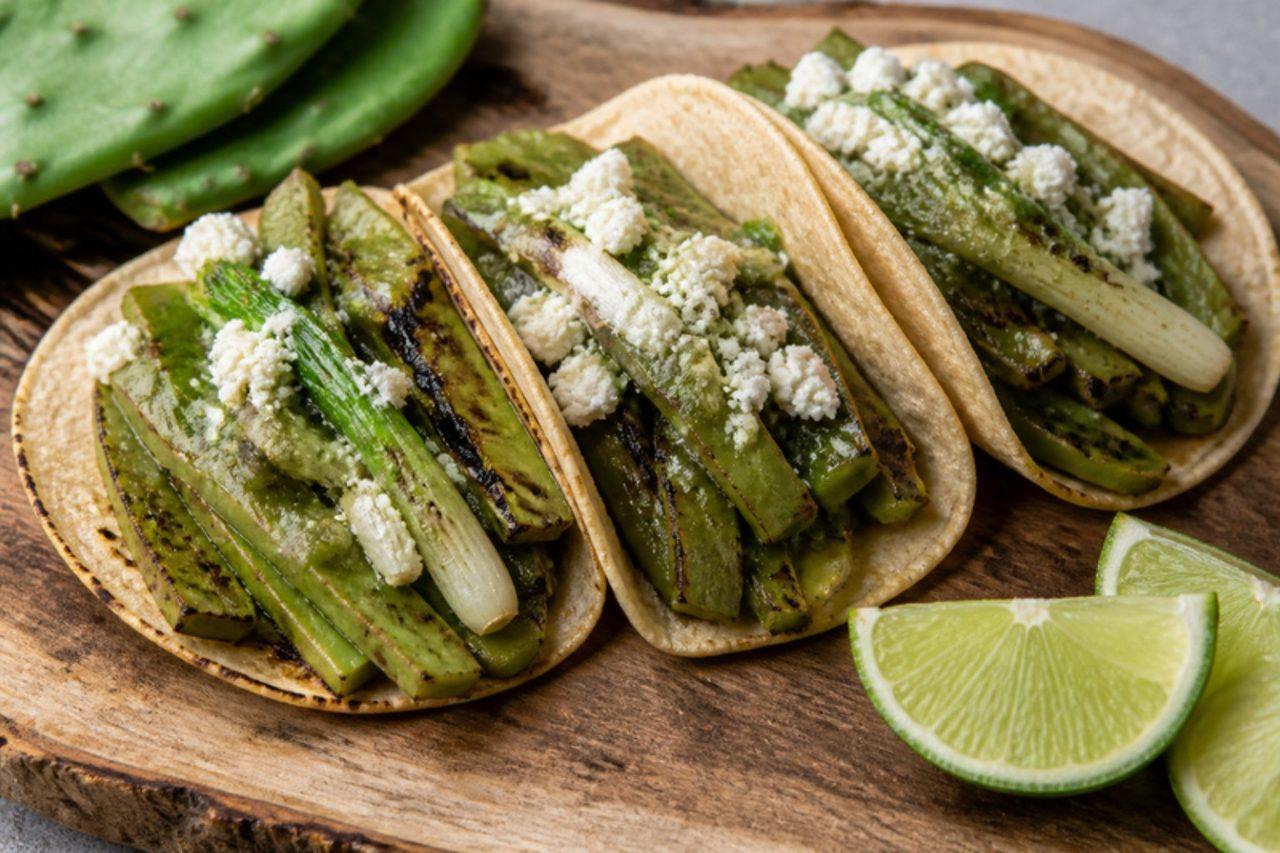
At weekend markets in Milpa Alta, the cactus-growing district on Mexico City's southern edge, whole nopal paddles are grilled until tender and folded into tortillas with charred spring onions and salsa verde. Grilling dries the natural slime the cactus is known for and leaves a lemony, green-bean flavour. It is a light, naturally vegan taco. Buy paddles with the spines already removed, or scrape them carefully with a knife. Chef's tip: score the paddles in a criss-cross before grilling so they cook evenly and stay flat.

by KrazyBadal 0 views

Tortitas de camarónShrimp fritters

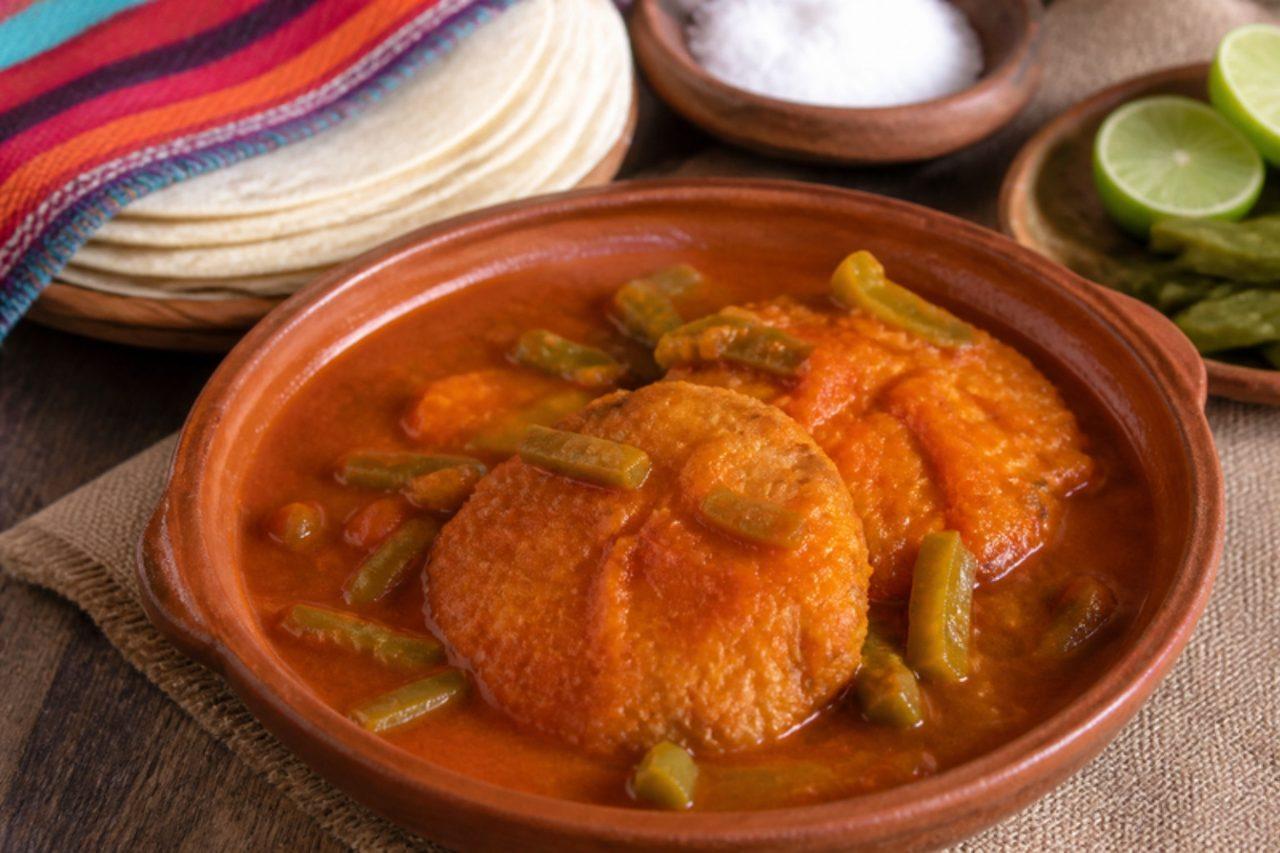
Friday lunch during Lent in Mexico City, Puebla and Oaxaca often means tortitas de camarón: airy fritters of beaten egg and ground dried shrimp, fried golden and then simmered in a guajillo-ancho sauce with tender nopales. The dried shrimp gives a deep, briny savouriness that a little goes a long way with. Buy them at Mexican or Asian grocers; they should smell of the sea, not of ammonia, and be pink-orange, not grey. Chef's tip: grind the shrimp with heads and legs removed, then sieve the powder, so no sharp bits end up in the batter.

by KrazyBadal 0 views

SincronizadasHam and cheese tortilla sandwiches

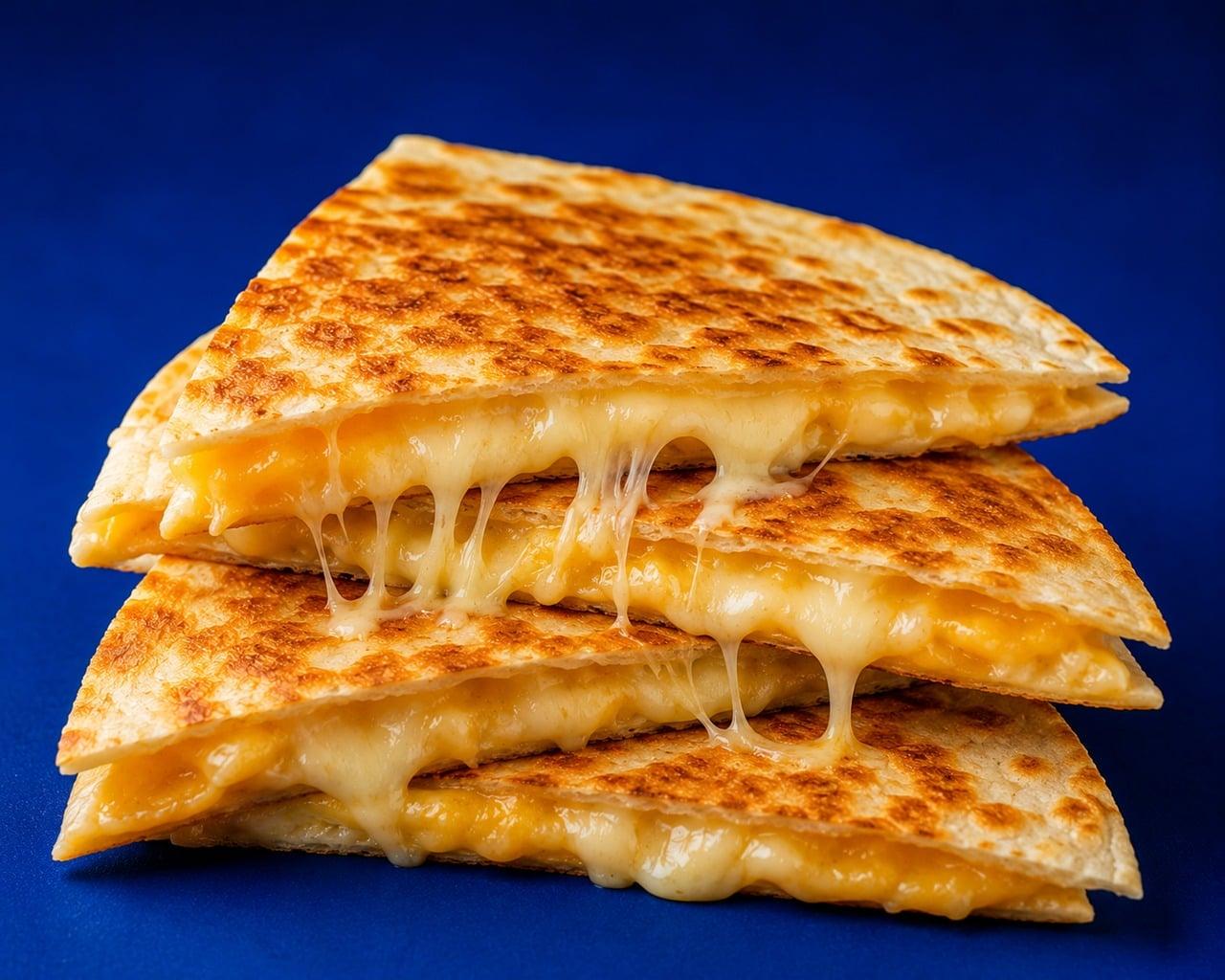
Found on cafeteria menus and in school lunchboxes from Monterrey to Mérida, sincronizadas are two flour tortillas 'synchronised' around cooked ham (pork) and melting cheese, then toasted on the griddle until the cheese runs. Cut into wedges and served with guacamole or salsa, they're a ten-minute supper that children love. Chef's tip: keep the heat at medium, so the cheese melts before the tortillas scorch.

by KrazyBadal 0 views

Tacos dorados de papaFried potato tacos

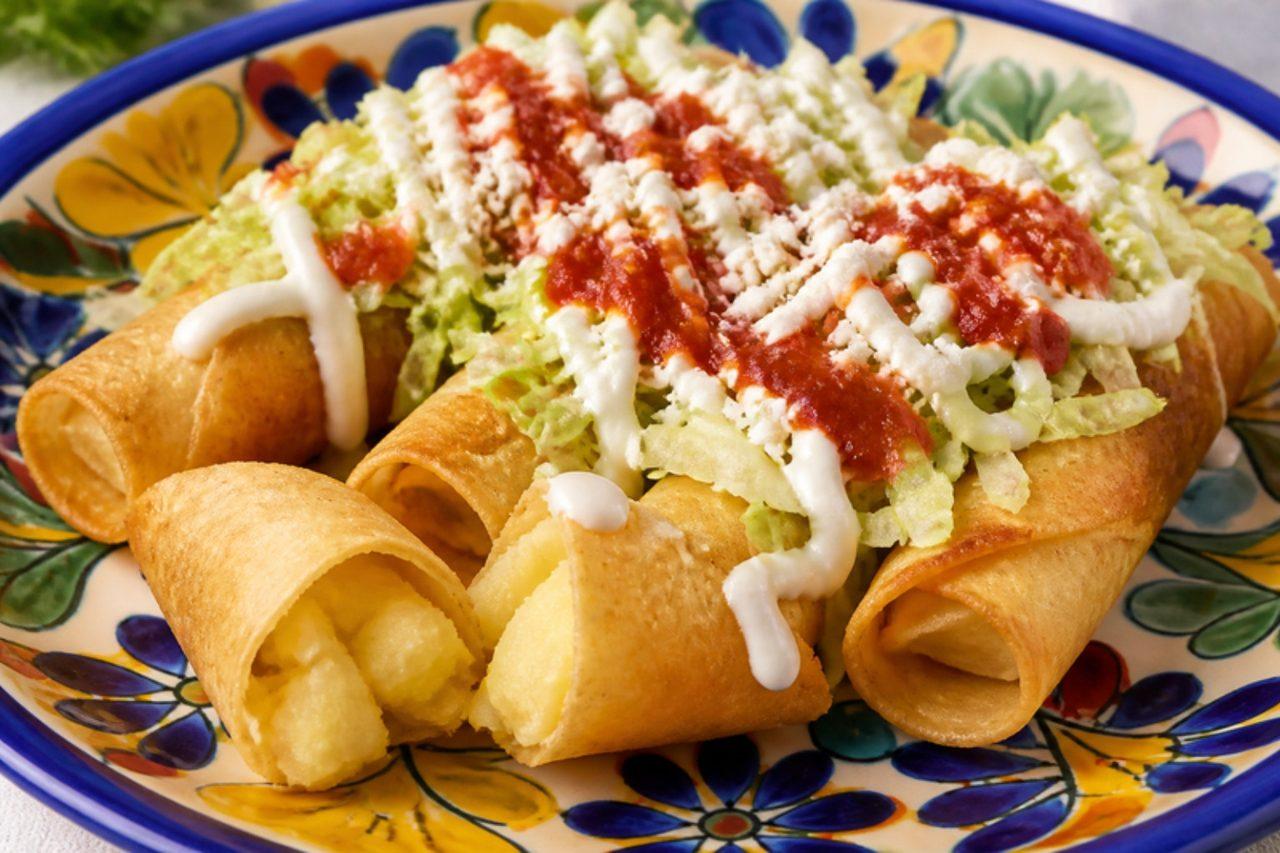
Crisp potato tacos are a Friday and Lent staple in homes across central Mexico, and a cheap favourite at fondas near schools in Mexico City. Tortillas are rolled around buttery-soft mashed potato, fried until shattering, then buried under cool lettuce, crema, salsa and crumbled cheese. Children love them, and the potato filling is easy to make ahead. Fresh crumbly cheeses here are often set with animal rennet; a vegetarian queso fresco or a microbial-rennet feta keeps the dish meat-free. Chef's tip: mash the potatoes while hot and let them cool before rolling, so the filling is firm and doesn't ooze into the oil.

by KrazyBadal 0 views

Tortitas de coliflorCauliflower in egg batter

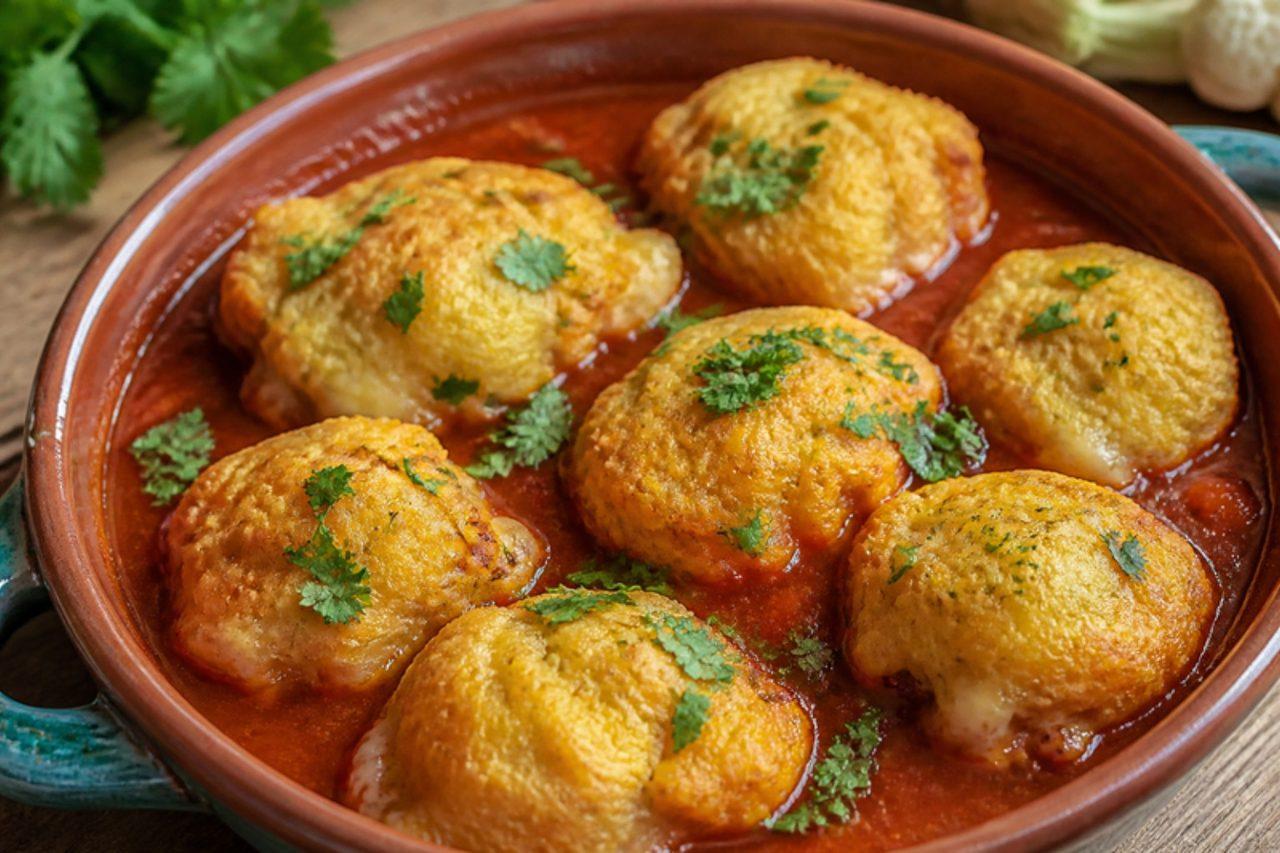
Cuaresma, the six weeks of Lent, is cauliflower season in the markets of Puebla and Mexico City, and cooks turn the florets into these puffy capeados: each piece stuffed with a little cheese, dipped in whisked egg, fried until golden and then bathed in a brick-red sauce of tomato and guajillo chilli. They come to the table with white rice and a stack of tortillas. Queso Oaxaca and panela are often made with animal rennet, so pick a vegetarian melting cheese if needed. Chef's tip: dust the florets with flour before the batter so it clings rather than slides off.

by KrazyBadal 0 views

Huevos divorciadosEggs in red and green salsa

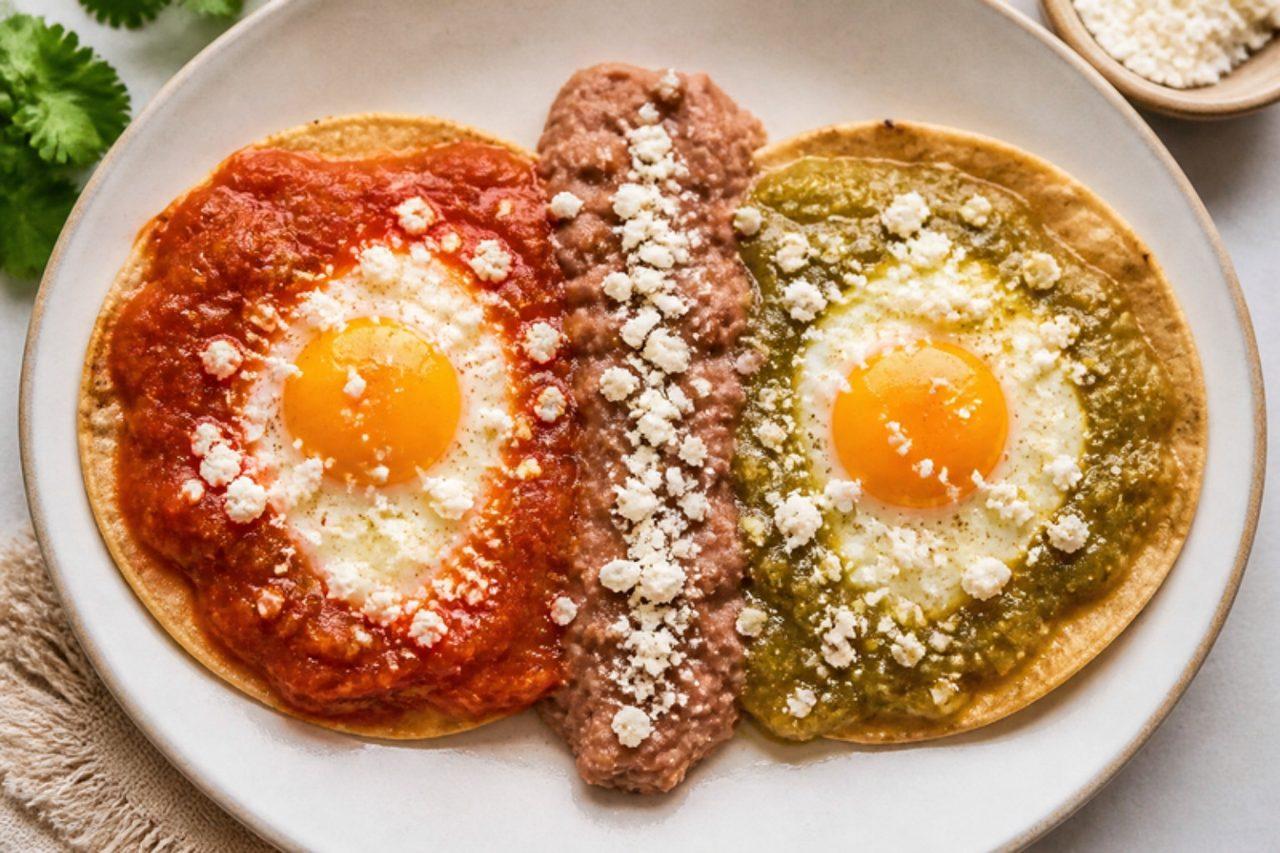
Order 'divorced eggs' in any Mexico City café or roadside fonda and you get a plate split down the middle: one fried egg on a tortilla under smoky red salsa, the other under tangy green tomatillo salsa, with a ridge of refried beans keeping the couple apart. It is a cheerful weekend breakfast and a good way to use up leftover salsas. Mexican crumbling cheese is often made with animal rennet, so choose a vegetarian one if needed. Chef's tip: warm the tortillas in the egg pan first, so they are soft but not greasy.

by KrazyBadal 0 views

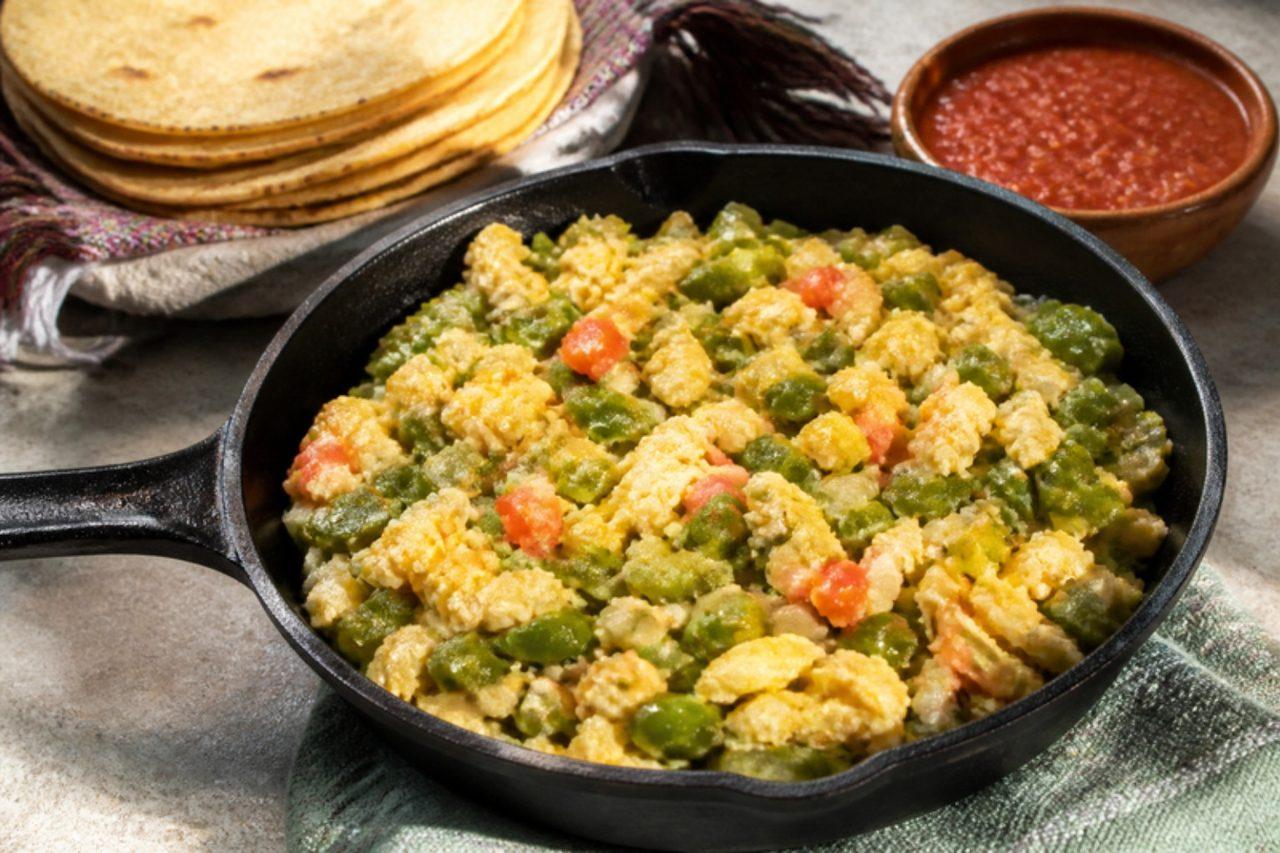
Nopales con huevoCactus and scrambled eggs

Tender cactus paddles are sold cleaned and diced in bags at every market in Mexico City and Michoacán, and the quickest breakfast they make is this: nopales fried with onion, tomato and green chile until their sticky juice cooks off, then folded through softly scrambled eggs. It is light, green and tangy, and wrapped in a warm tortilla it becomes a taco to eat on the way out. Chef's tip: cook the nopales uncovered until the slime has gone completely before the eggs go in.

by KrazyBadal 0 views

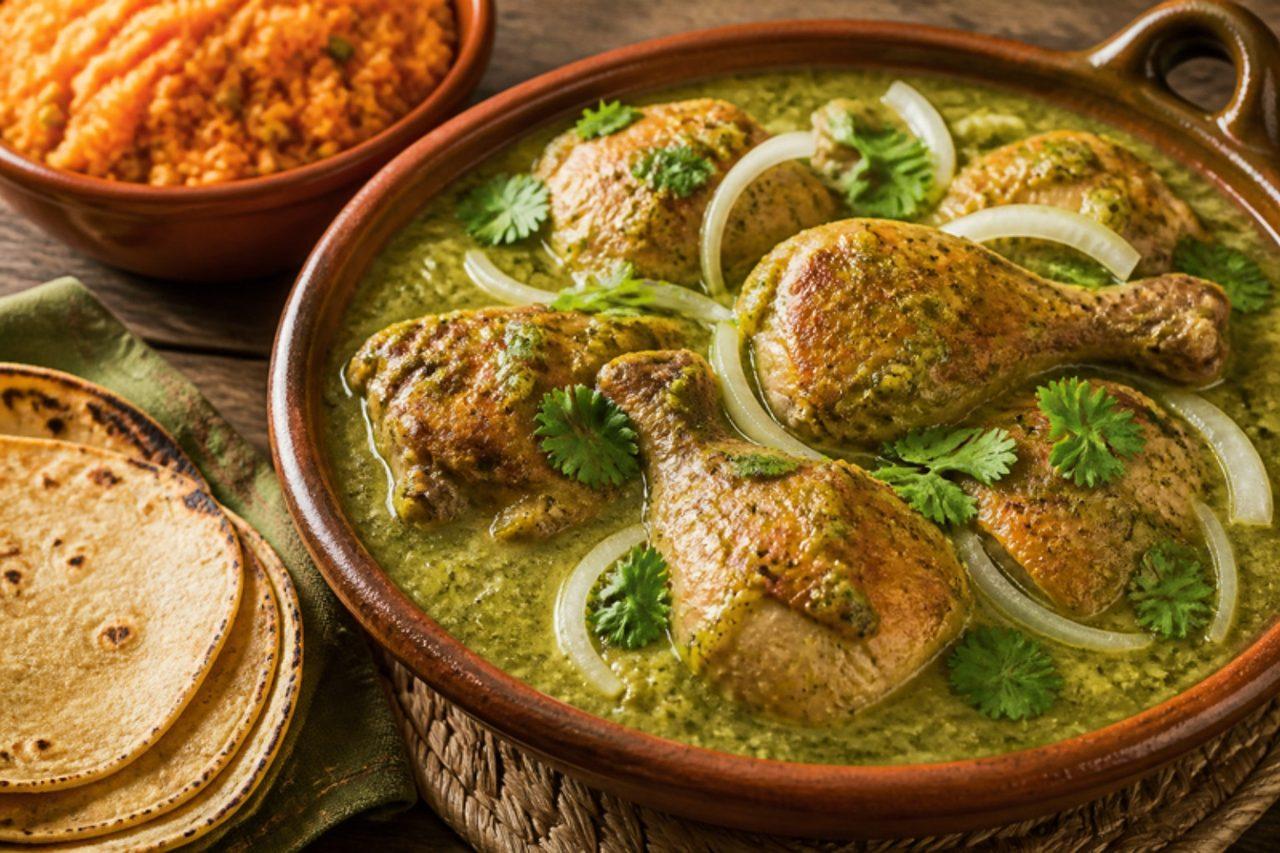
Pollo en salsa verdeChicken in green salsa

Tangy, fresh and deeply savoury, this is one of the most common weekday dishes in Central Mexican kitchens, from Mexico City to Puebla and Hidalgo. Chicken pieces are browned, then simmered in a sauce of boiled tomatillos, serrano chiles, garlic and coriander until the meat is tender and the sauce coats it. Serve with white rice, beans and tortillas. Chef's tip: a few potato chunks or nopal strips simmered in the sauce stretch it to feed more people.

by KrazyBadal 0 views

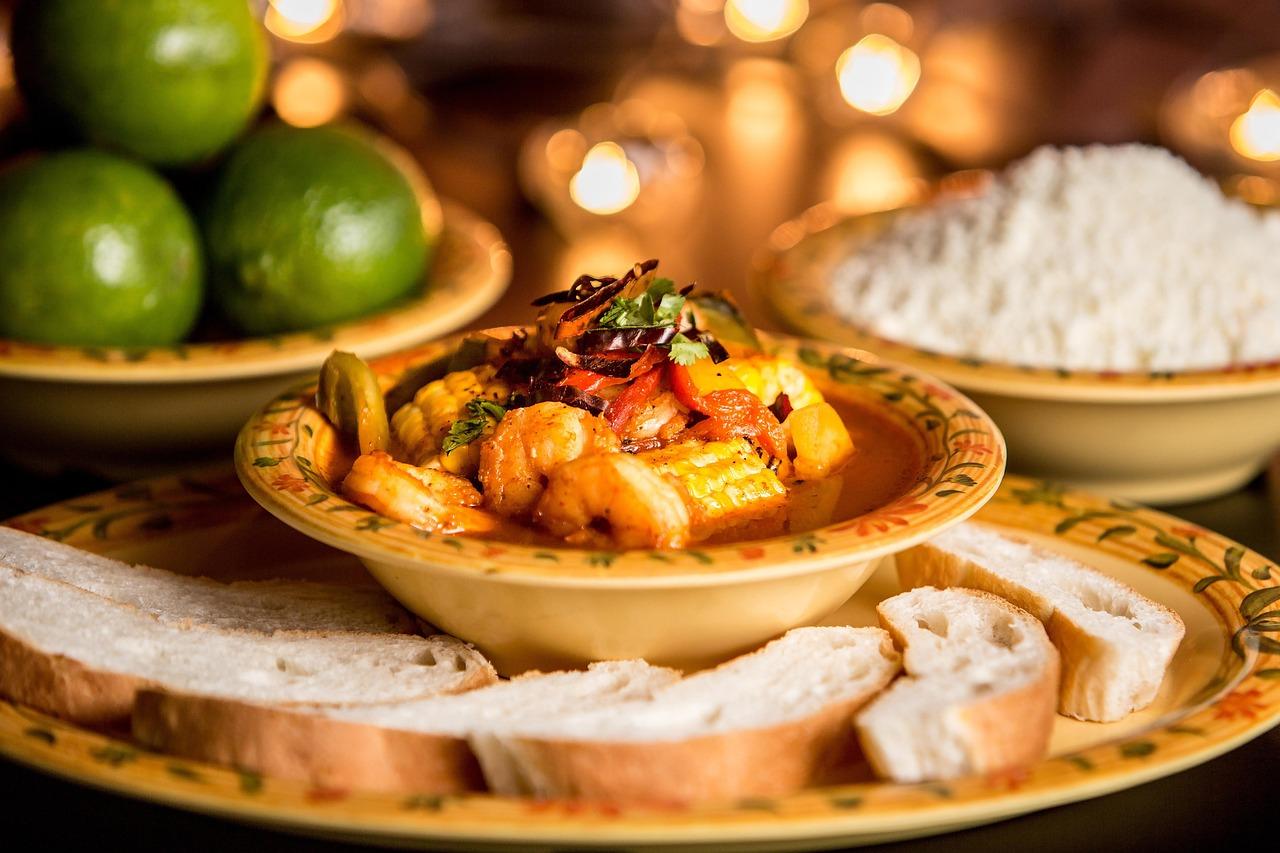
Caldo de camarónSpicy shrimp broth

At beach stalls in Mazatlán and Veracruz and in market fondas in Mexico City, a steaming, brick-red caldo de camarón is the cure for a long night and the Lenten Friday lunch of choice. The broth gets its depth from shrimp shells and dried guajillo chillies, and shell-on prawns, carrot, potato and courgette are cooked in it briefly at the end. Serve with lime, chopped onion and coriander, and tostadas. Chef's tip: add the prawns only in the last 3 minutes; they keep cooking in the bowl and toughen quickly.

by KrazyBadal 0 views

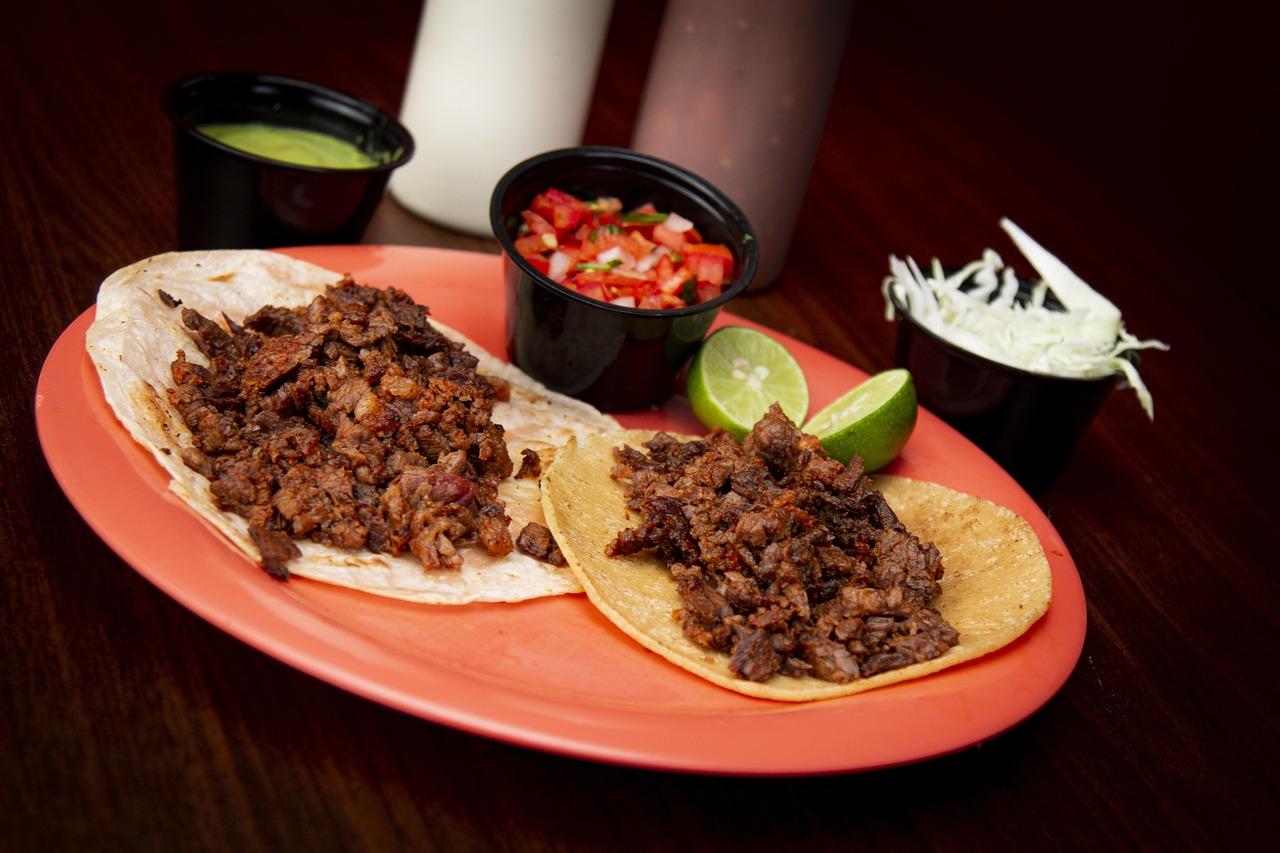
Tacos de carne asadaGrilled steak tacos

In Monterrey, Hermosillo and across the north, a Sunday carne asada means friends around the grill, thin skirt or flank steak seasoned simply with citrus, garlic and salt, cooked over hot coals and chopped straight onto tortillas. Grilled spring onions, guacamole and a smoky salsa go alongside. Use corn tortillas, or the soft flour tortillas of Sonora if gluten is no concern. Chef's tip: keep the marinade to 1–4 hours in the fridge; the citrus starts to toughen the meat after that.

by KrazyBadal 0 views

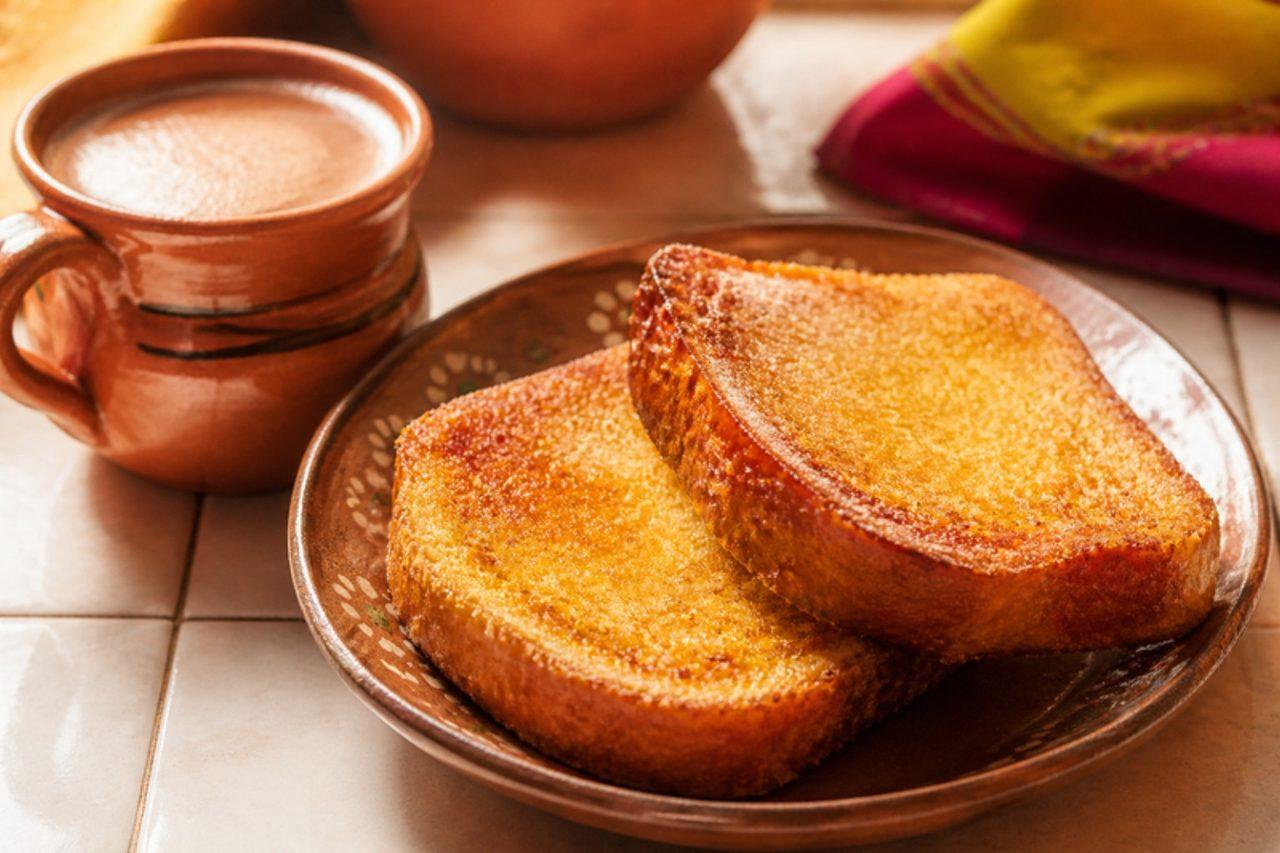
Rebanadas de mantequillaButtered sweet bread slices

When yesterday's pan dulce goes stale, Mexican bakeries slice it thick, spread it with butter, dust it with sugar and toast it until crisp, and the result, rebanadas, often sells out first. At home it is a ten-minute afternoon treat with hot chocolate or a glass of cold milk, and a good way to use up a loaf of brioche, a pan de yema or a few bolillos. This version uses butter, so it is vegetarian. Chef's tip: let the butter get really soft so it sinks into the bread instead of sitting on top.

by KrazyBadal 0 views

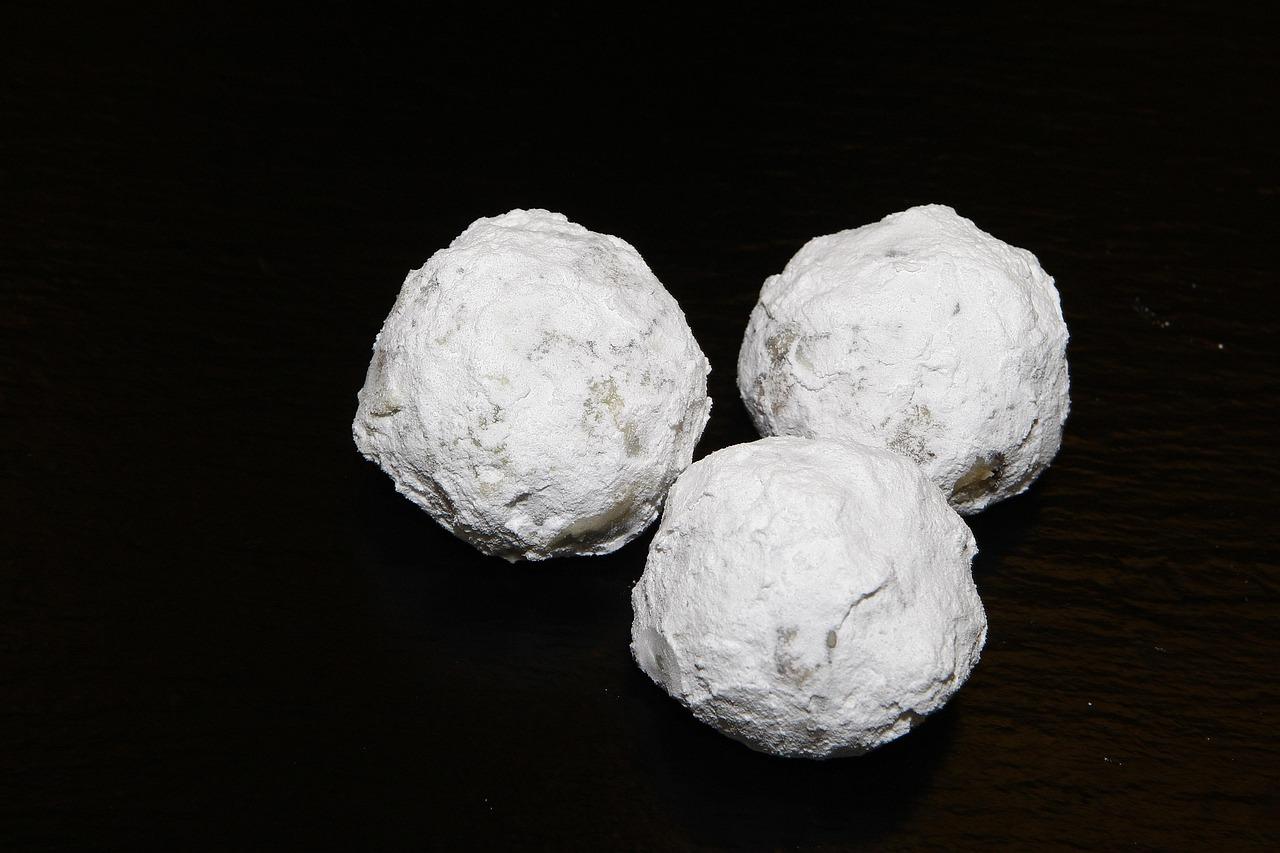
Polvorones de nuezPecan butter cookies

Christmas cookie tins, wedding tables and bakery counters all over northern and central Mexico hold polvorones, small domes of toasted pecan shortbread that crumble to dust in the mouth, which is how they got their name. They are rolled twice in icing sugar, once warm and once cold, so they look snowy. Old recipes used lard; this one uses butter, so it is vegetarian, and it contains wheat and tree nuts. Chef's tip: toast the pecans first, which turns a plain cookie into a deeply nutty one.

by KrazyBadal 0 views

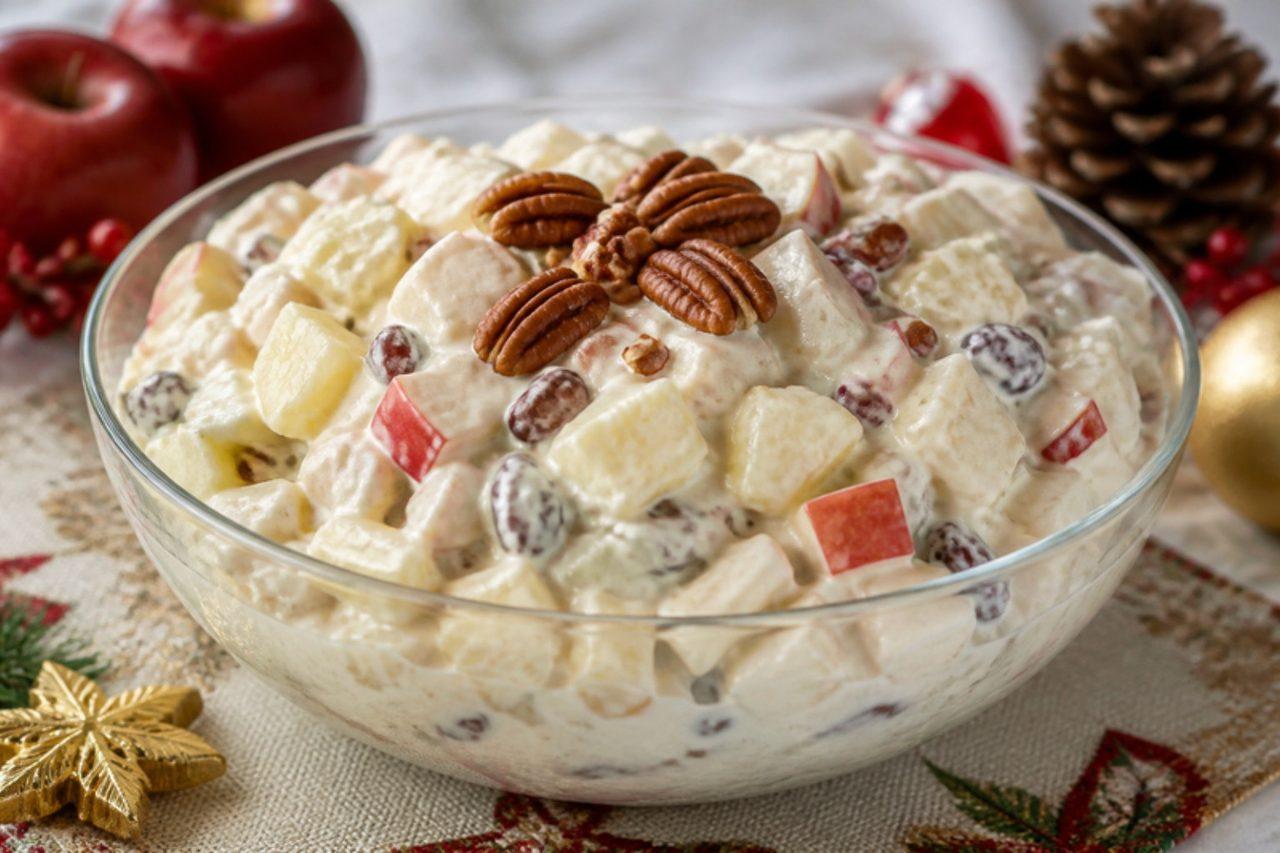
Ensalada de manzana navideñaCreamy apple salad

In homes from Monterrey to Guadalajara, a big bowl of creamy apple salad is chilling in the fridge on Christmas Eve, ready to sit alongside roast pork or turkey, and the kids usually go back for seconds as dessert. Crisp diced apple, juicy pineapple, celery for crunch, raisins and toasted pecans are folded into a sweet dressing of cream, condensed milk and a little soured cream. Many versions add marshmallows, but most contain gelatine, so they are left out here. Chef's tip: chill it for an hour before serving; the dressing thickens and the flavours marry.

by KrazyBadal 0 views

Showing 24 of 319 recipes

Show more recipes

Page 1 of 14