Skip to content
Recipes

All recipes

Vegetarian, or something you can't eat? Set your diet once and we'll hide recipes that don't fit.

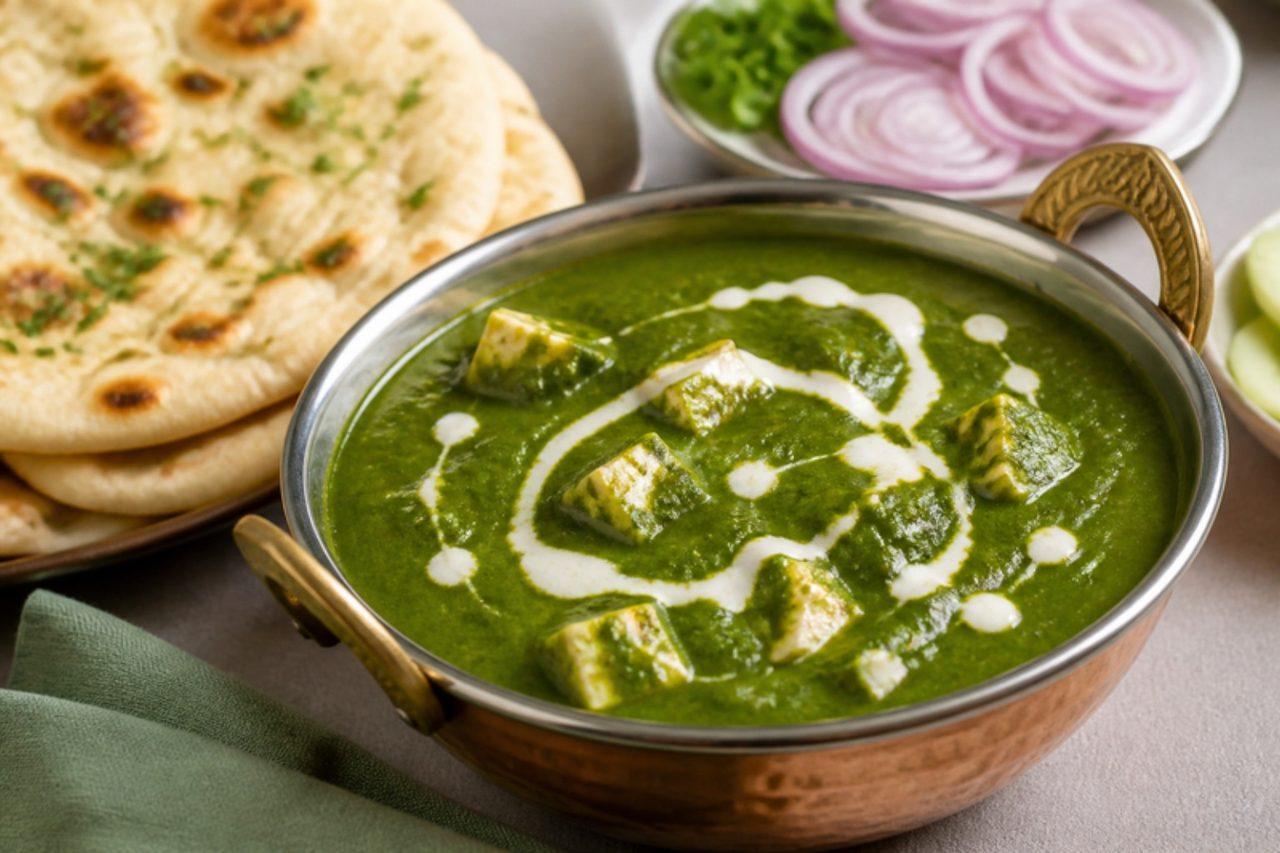
Palak paneerPaneer in spinach sauce

Palak paneer is a Punjabi winter favourite, made when fresh spinach piles up in the markets of Amritsar and Ludhiana, and now cooked on weeknights all over India with makki di roti, naan or rice. The spinach is blanched for just a minute, blended smooth and cooked with fried garlic, onion, tomato and gentle spices, then soft cubes of paneer are folded in. Paneer is acid-set, so it contains no animal rennet. The usual mistake is overcooking the spinach, which turns the sauce khaki and bitter: blanch it briefly, cool it fast, and simmer the purée for only a few minutes. Chef's tip: fry a little extra sliced garlic in ghee and pour it over just before serving for the classic dhaba finish.

by KrazyBadal 0 views

Bread omeletteOmelette sandwich

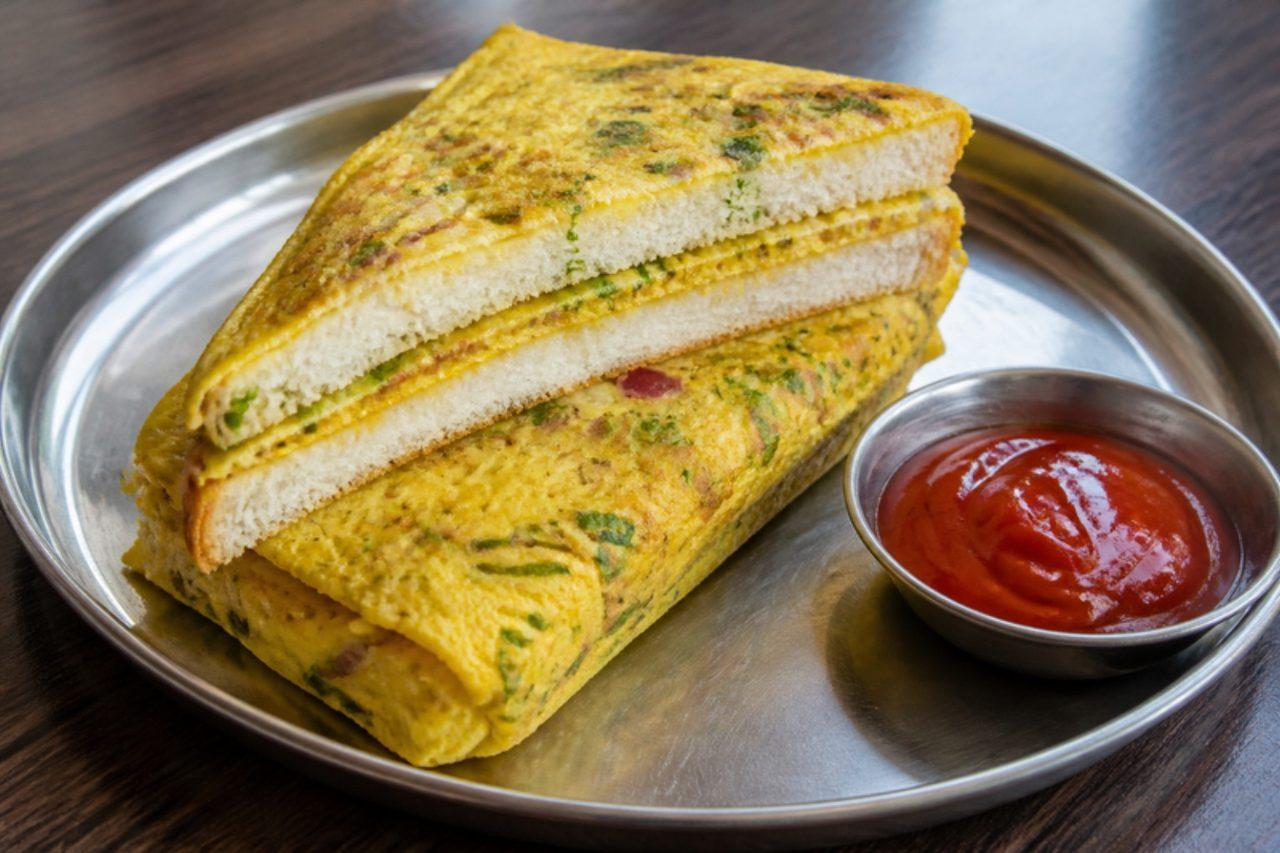
Every busy corner of Mumbai, and of most Indian cities, has an anda-pav cart where the bread omelette is made to order for breakfast, a college snack or a late-night bite. The trick is that the bread goes into the pan while the egg is still wet, so the egg glues itself onto the slices; the whole thing is then folded into a crisp-edged sandwich with ketchup and green chutney. Children love it, and it is on the plate in ten minutes. The common mistake is pouring the egg and waiting before adding the bread: by then the top has set and nothing sticks. Chef's tip: dip both slices in the raw egg first, then lay them on the omelette, so they soak up a little egg and crisp up like French toast.

by KrazyBadal 0 views

Jajecznica (Polish scrambled eggs)

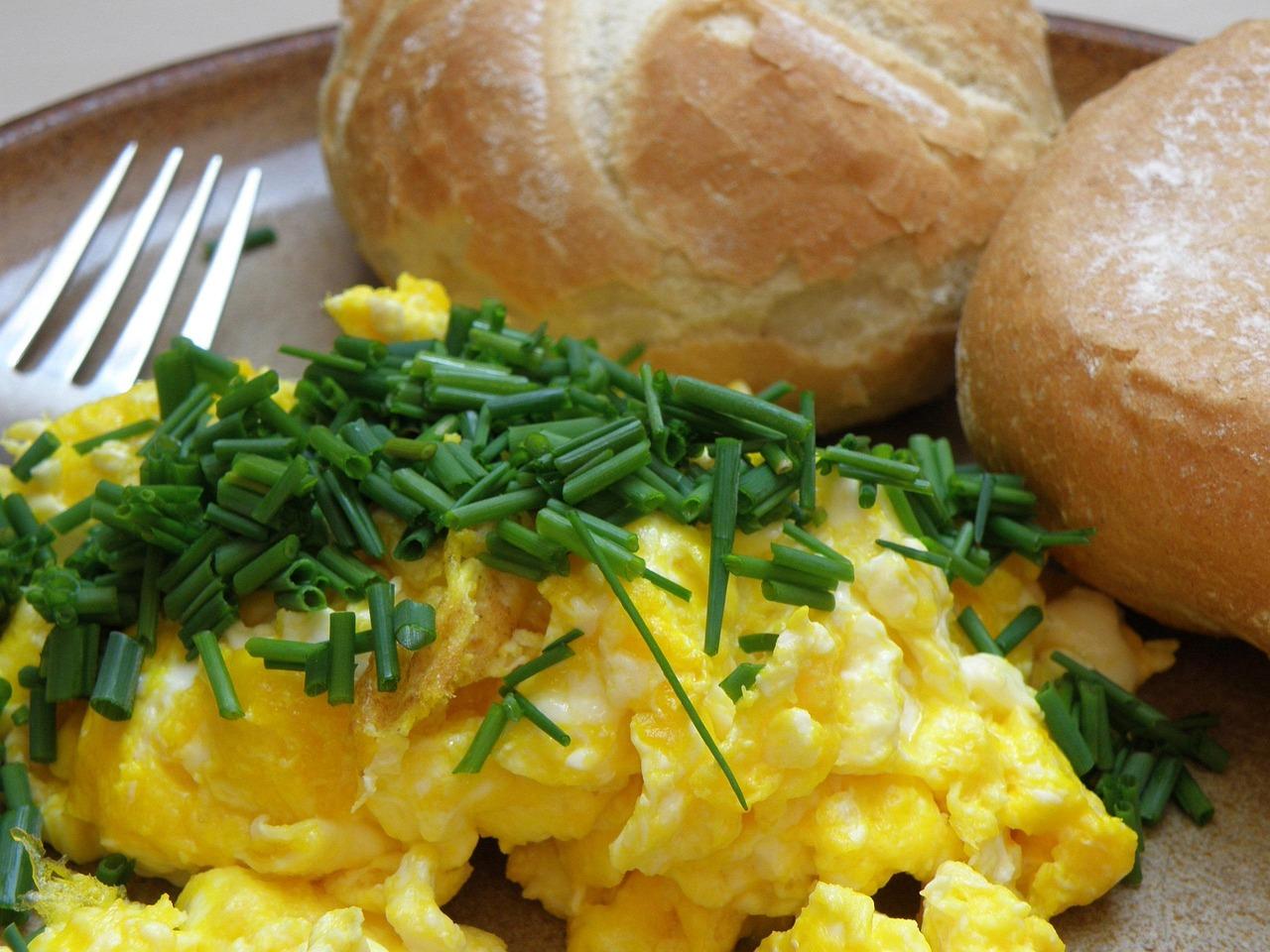
Jajecznica is what a Polish household cooks when there are ten minutes and a box of eggs: soft, large curds stirred slowly in plenty of butter, sometimes with a little onion softened first and always with a shower of chives. It turns up at weekend breakfasts with bread and sliced tomato, and just as often as a light supper after work. The usual mistake is a pan that is too hot, which turns the eggs rubbery and weepy before they have had a chance to go creamy. If you are cooking for anyone pregnant, very young, older or otherwise vulnerable, cook the curds until no liquid egg remains. Chef's tip: take the pan off the heat while the eggs still look slightly underdone; they finish setting on the way to the plate.

by KrazyBadal 0 views

Dahi tikhariYogurt with garlic chilli tempering

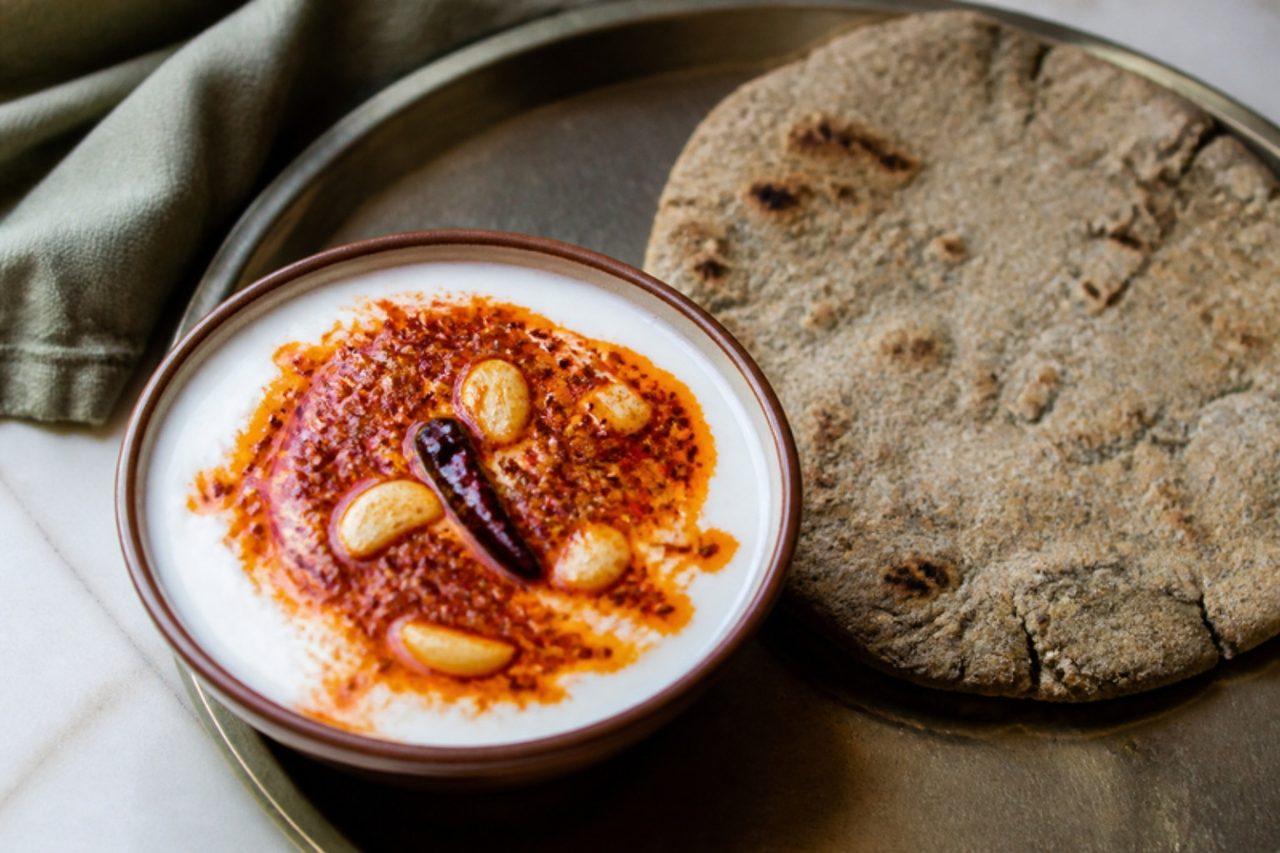
Dahi tikhari is a fiery side from the farmhouses and highway dhabas of Kathiawad in Gujarat, where it is scooped up with thick bajra rotla, raw onion and jaggery at supper. Thick yogurt is seasoned with salt, then hot oil with crushed garlic, red chilli and cumin is poured over so it sizzles and streaks the bowl red. It takes ten minutes and cools down a spicy meal while adding its own heat. The common mistake is letting the garlic go dark brown, which makes the whole bowl bitter. Chef's tip: hang the yogurt in a sieve for a few minutes while you prepare the tempering; thicker yogurt holds the oil in pools instead of splitting.

by KrazyBadal 0 views

Corn palakSweetcorn in spinach gravy

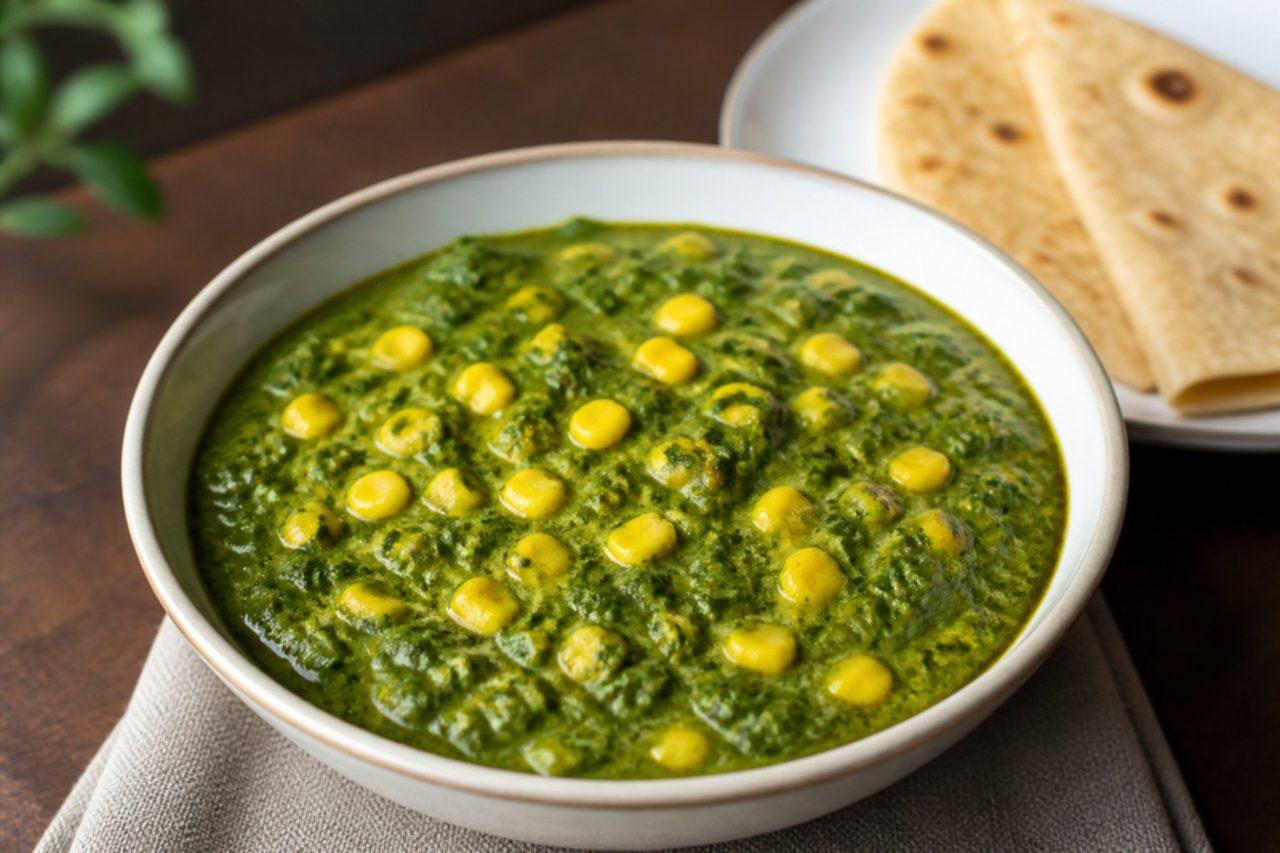
Corn palak grew out of North Indian restaurant menus, where palak paneer met the sweetcorn that is now in every Delhi and Chandigarh market, and it has become a weeknight favourite for families with children who like the little bursts of sweetness. Blanched spinach is blended smooth and cooked into a light masala with garlic and cumin, then sweetcorn is simmered in and a spoon of cream rounds it off. The most common mistake is boiling the spinach too long before blending, which turns the gravy khaki and bitter; one minute in boiling water and straight into cold keeps it emerald. Chef's tip: a pinch of kasuri methi crumbled in at the end makes it taste like the restaurant version.

by KrazyBadal 0 views

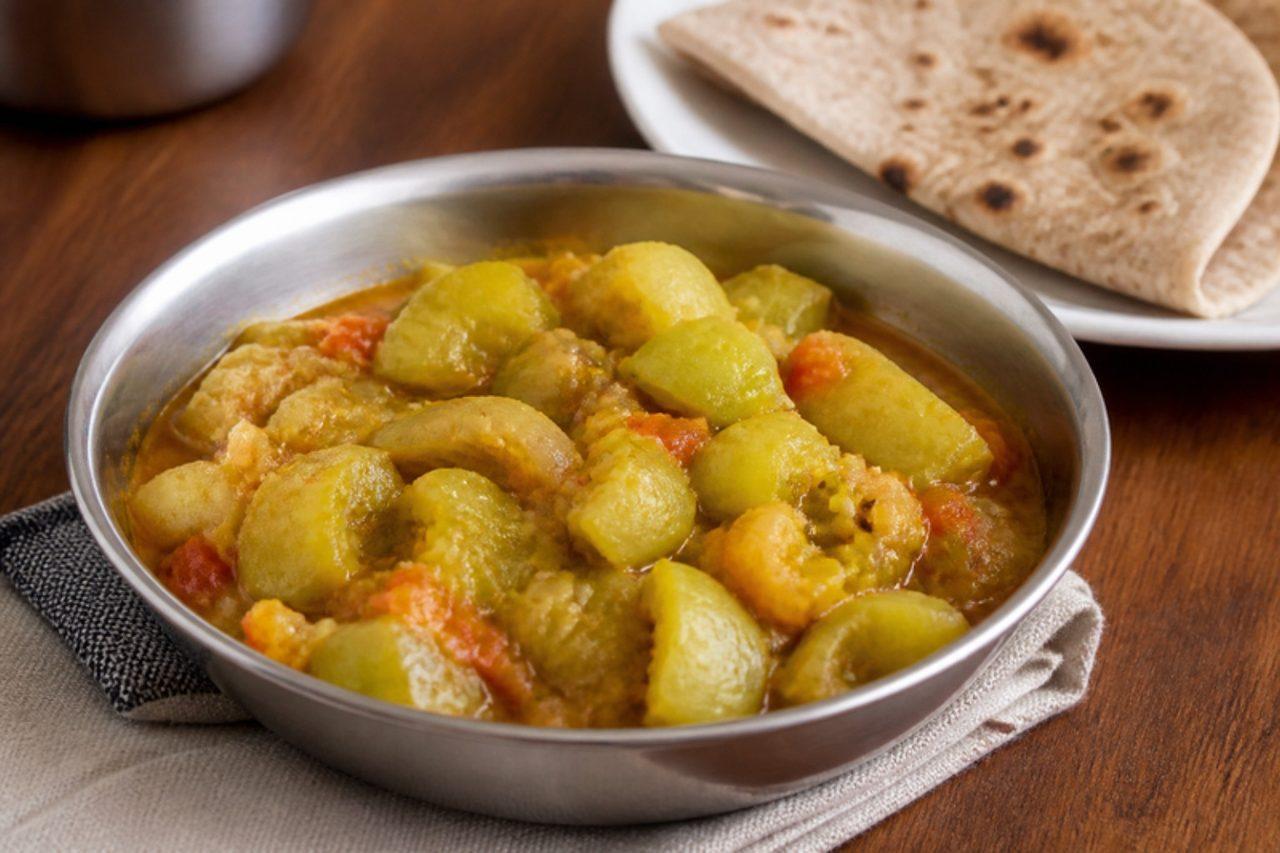
Turai ki sabziRidge gourd with tomato

In Uttar Pradesh, Bihar and across the North Indian plains, turai (ridge gourd) is the light monsoon vegetable that mothers cook for upset stomachs, hot evenings and anyone who wants a gentle dinner with roti and dal. Peeled and chopped, it releases its own water as it cooks, and with a little tomato and cumin it forms a soft, sweet, barely spicy gravy. The common mistake is adding water: the gourd is full of it, and extra water gives a bland, thin soup, so cover the pan and let it make its own. Chef's tip: taste a slice of raw gourd before cooking; very occasionally one is bitter, and a bitter gourd will spoil the whole pot.

by KrazyBadal 0 views

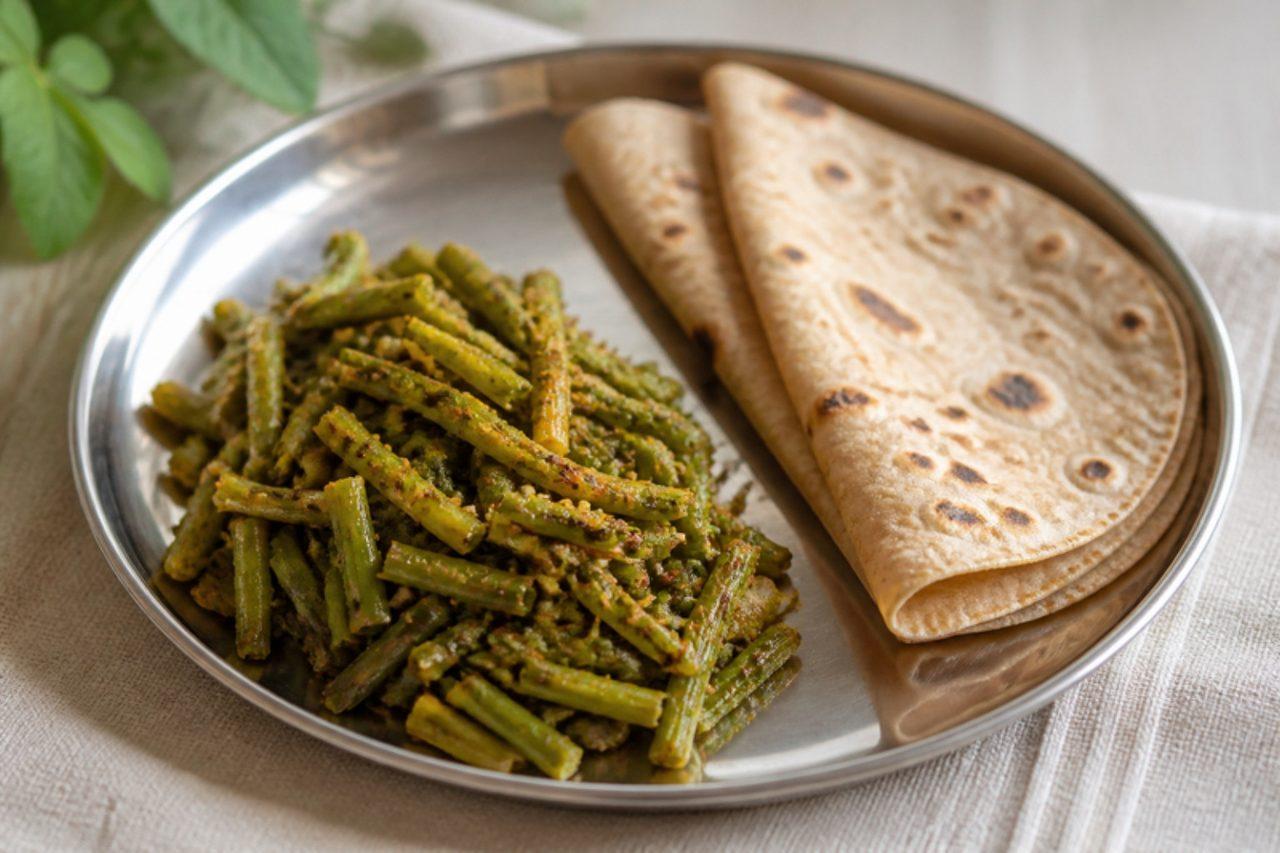
Guvar nu shaakCluster beans with garlic and jaggery

Guvar (cluster beans) is everyday Gujarati shaak, cooked in Kathiawad and Ahmedabad homes most weeks with bajra rotla or rotli and a bowl of khadhi. The flat, slightly bitter beans are steamed in their pan with ajwain and garlic, then balanced the Gujarati way with a little jaggery and a squeeze of lemon, so every mouthful is gently sweet, sour and spicy. The mistake to avoid is using old, thick guvar; the pods should snap cleanly, and tough ones stay stringy however long you cook them. Chef's tip: a pinch of bicarbonate of soda in the cooking water is an old trick for keeping guvar green, but it is not needed if you keep the lid off at the end. Most hing contains wheat, so buy a gluten-free one if needed.

by KrazyBadal 0 views

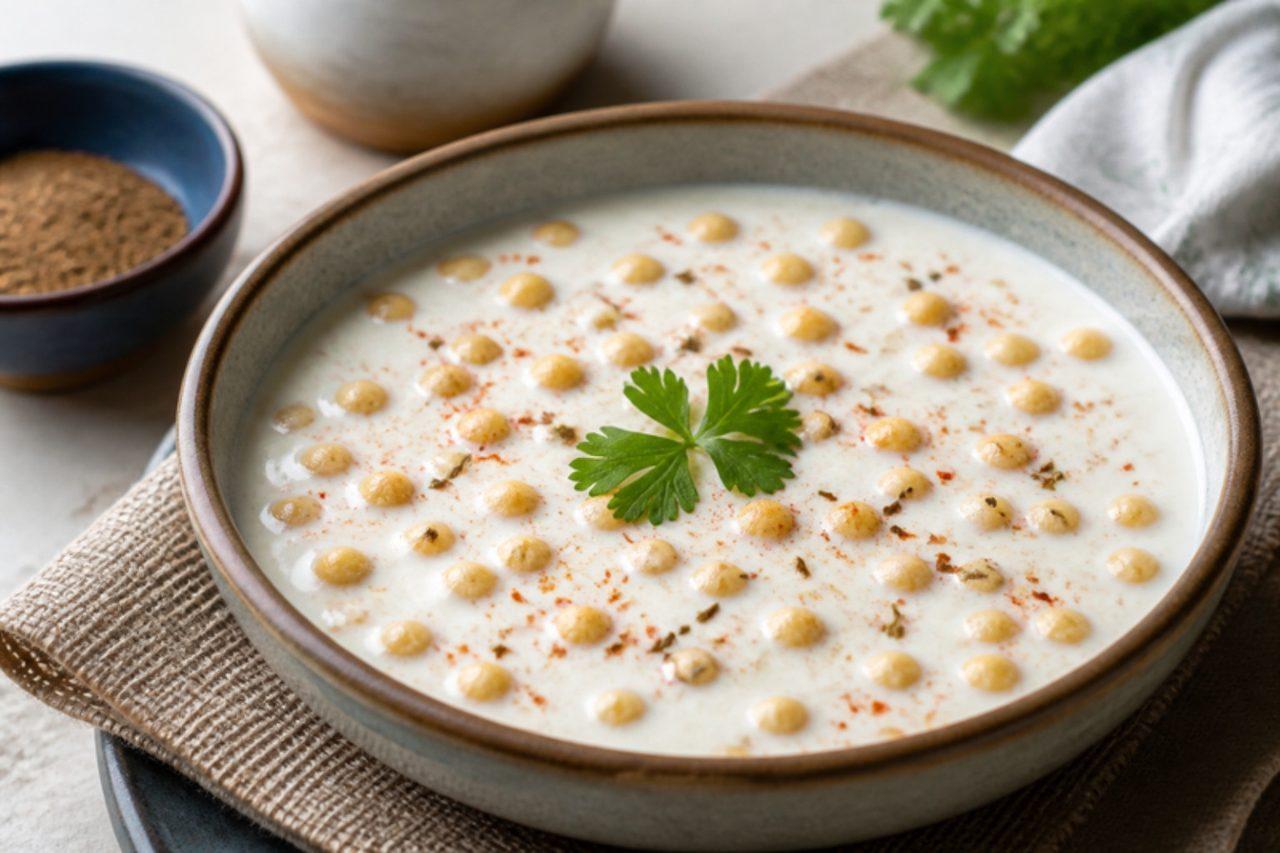
Boondi raitaYogurt with gram flour pearls

Across North India, from Delhi dhabas to Rajasthani wedding buffets, boondi raita is the cooling bowl that turns a plain weeknight dal and rice or a spicy pulao into a proper meal. Tiny fried gram-flour pearls (boondi) are softened briefly and folded into whisked yogurt seasoned with roasted cumin, black salt and red chilli, so each spoonful is creamy with soft little pops. Ready-made salted boondi is sold in Indian shops; check the packet says it is made only with gram flour if you need it gluten free. The common mistake is leaving the boondi to soak too long, which turns it to mush. Chef's tip: soak the boondi in warm water for just 2 minutes and squeeze it gently; this rinses off excess oil and salt and keeps the raita light.

by KrazyBadal 0 views

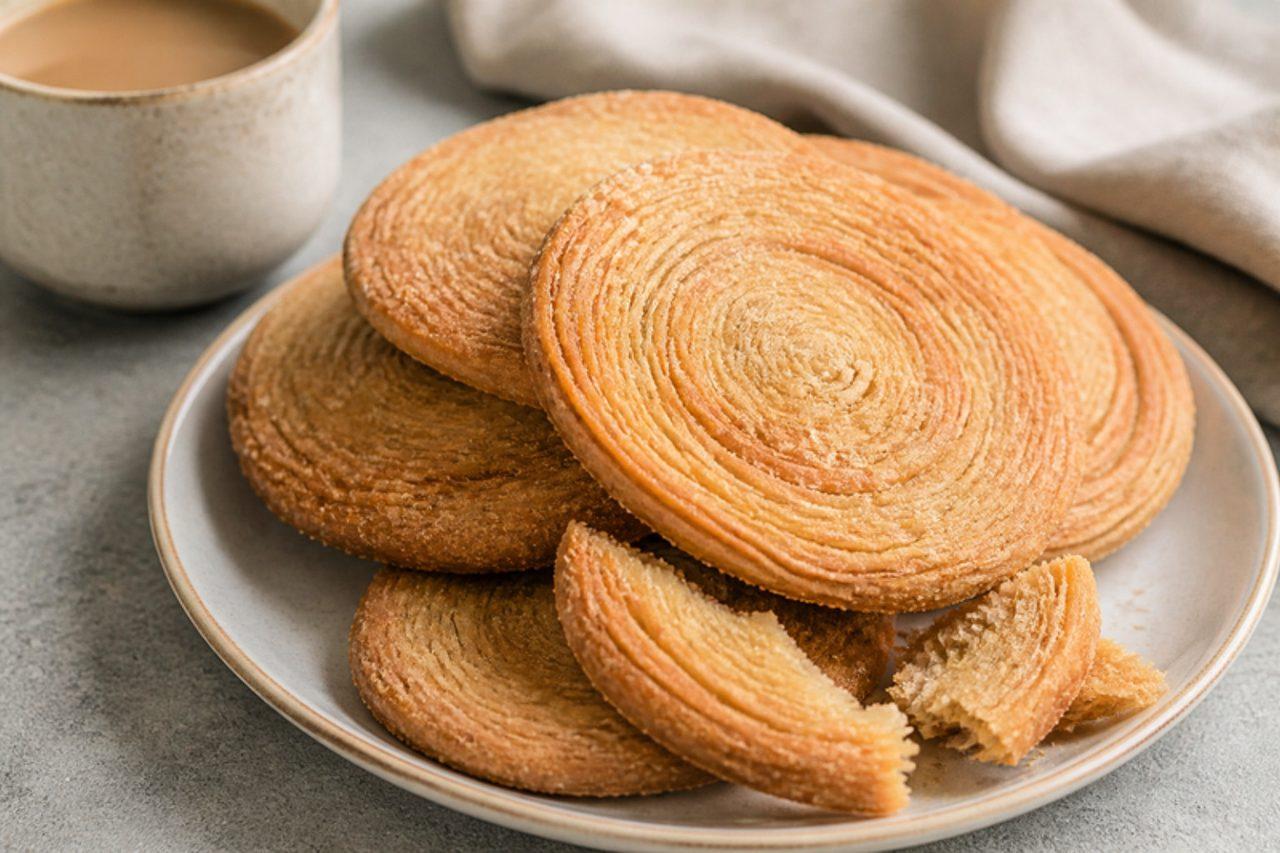
Ooty varkeyFlaky spiral tea biscuits

Up in the cool tea country of the Nilgiris, around Ooty and Coonoor, small bakeries turn out trays of varkey every morning, and tourists carry home bags of them alongside the estate tea. They are flat, golden and lightly sweet, with tight spiral layers that crunch and then melt, a texture the bakers get by rolling a sugared dough up around a fat paste and slicing it like a Swiss roll. Eat them with strong milky Nilgiri tea; locals also crumble them over hot milk. Bakeries traditionally use vanaspati for the paste; butter mixed with a little ghee gives a cleaner taste in this eggless home version. Watch the spiral: if you press the slices too hard when flattening, the layers fuse and the biscuit bakes dense. Chef's tip: chill the rolled log until it is firm enough to slice cleanly; a soft log squashes under the knife and you lose the swirl.

165 minIndianBaking
by KrazyBadal 0 views

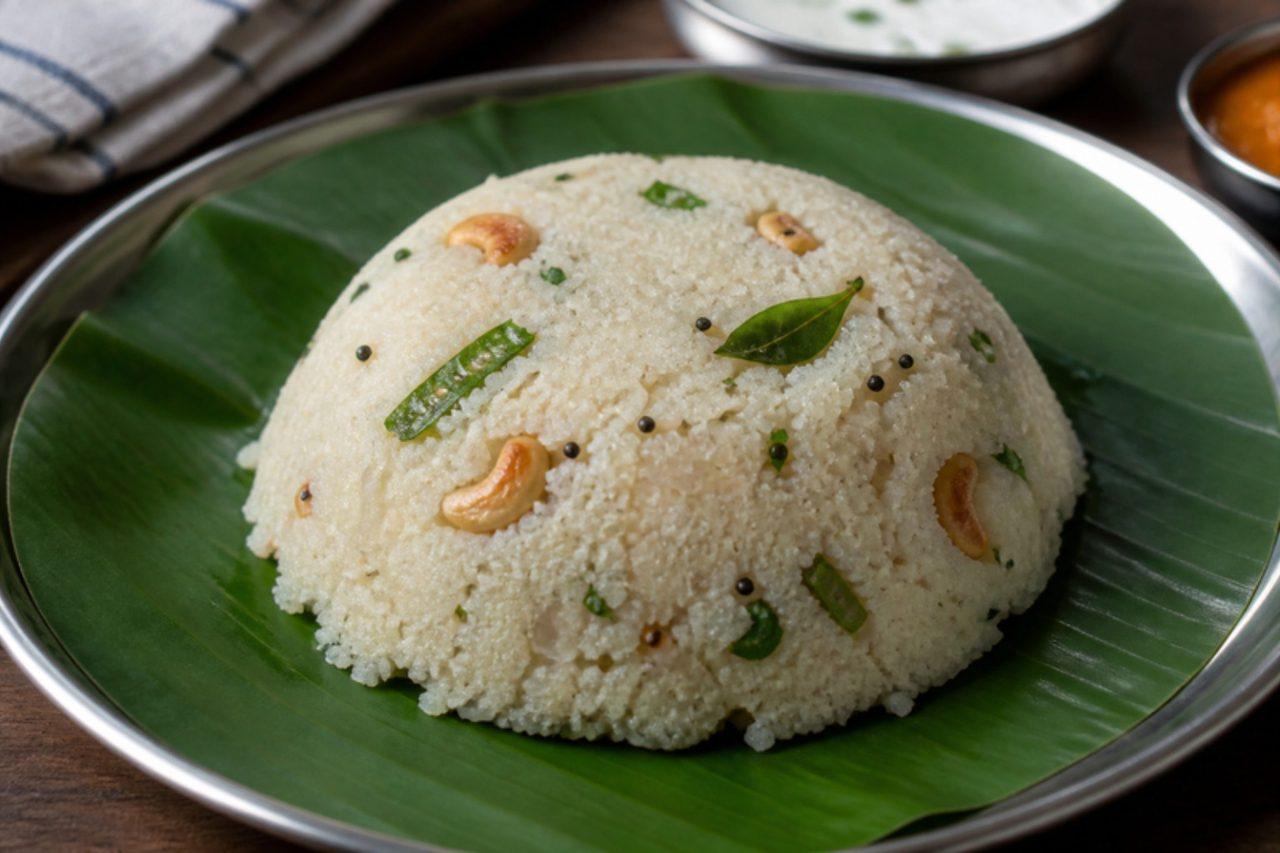
Rava upmaSavoury semolina porridge

Rava upma is breakfast in countless homes across Tamil Nadu, Karnataka, Andhra Pradesh and Kerala, and the dish every South Indian student learns to cook first. Semolina is roasted until it smells nutty, then stirred into boiling water flavoured with a tempering of mustard seeds, urad and chana dal, curry leaves, ginger and green chilli, so it swells into a soft, fluffy, savoury porridge. Serve it with coconut chutney, a little pickle or a banana. The classic mistake is pouring the rava into water that is not boiling, or all at once, which gives lumps. Chef's tip: roast the rava in advance and keep it in a jar; roasted rava makes lump-free upma in ten minutes on a busy morning.

by KrazyBadal 0 views

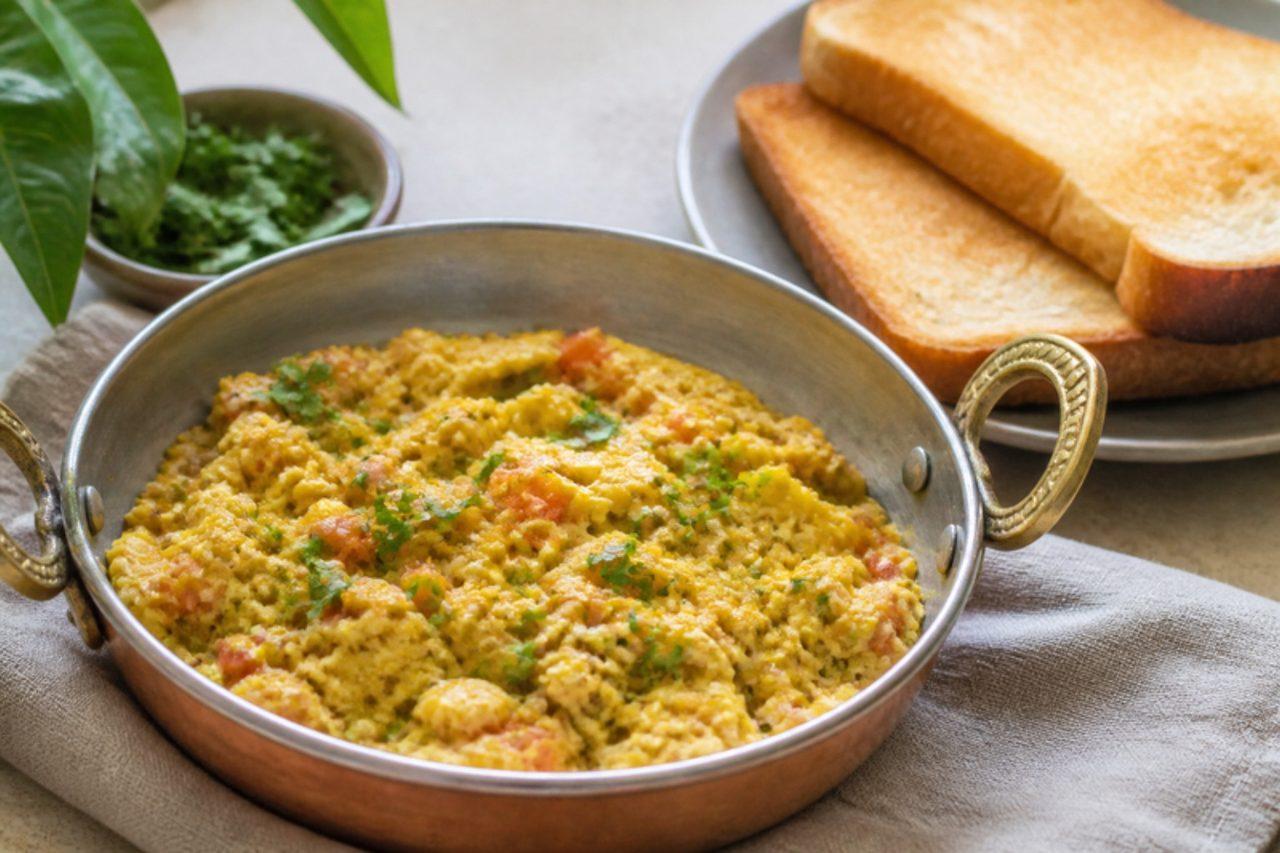
AkuriSpiced scrambled eggs

Akuri is the Parsi community's breakfast scramble, served in Mumbai's old Irani cafés and Parsi homes on Sunday mornings with soft pav or buttered toast. It is softer and wetter than an ordinary scramble, cooked slowly so the eggs stay creamy and barely set, with sweet fried onion, tomato, ginger, green chilli and plenty of coriander. A spoonful of milk keeps it silky. The common mistake is cooking it over high heat: the eggs seize into hard, rubbery curds and the masala catches. Chef's tip: take the pan off the heat while the eggs still look slightly underdone, because they keep cooking on the plate.

by KrazyBadal 0 views

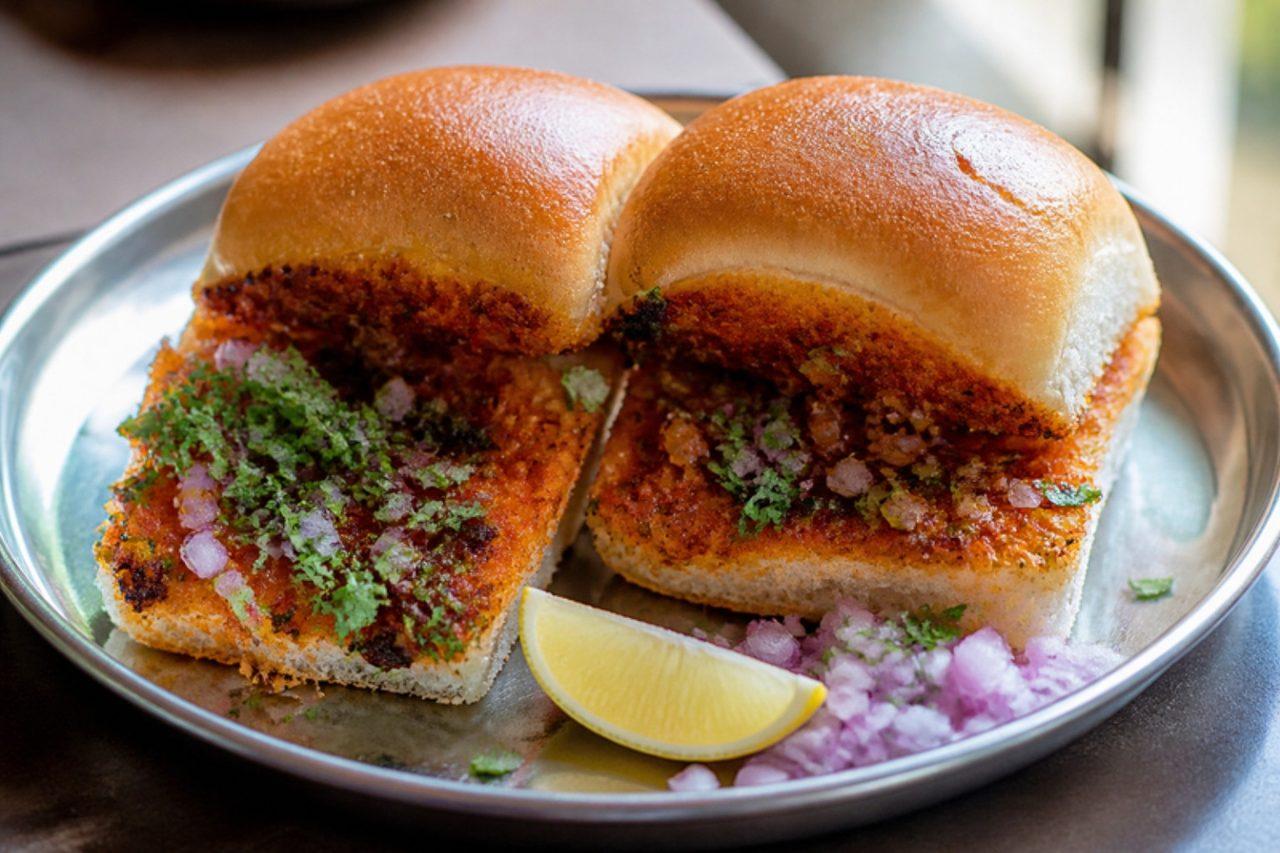
Masala pavSpiced buttered bread buns

Masala pav comes from the pav bhaji stalls of Mumbai, where cooks use the last of the spicy bhaji base to fry split buns on the tawa as a quick evening snack. Here the masala is made fresh: onion, pepper and tomato cooked down in butter with chilli, garlic and pav bhaji masala, then the buns are pressed into it until they soak it up and turn crisp at the edges. It is a fast tea-time snack and a children's favourite with a glass of buttermilk. The usual mistake is putting the buns into a wet, half-cooked masala, which makes them soggy instead of toasty. Chef's tip: cook the masala until it is jammy and clings to the spoon before you add the pav.

by KrazyBadal 0 views

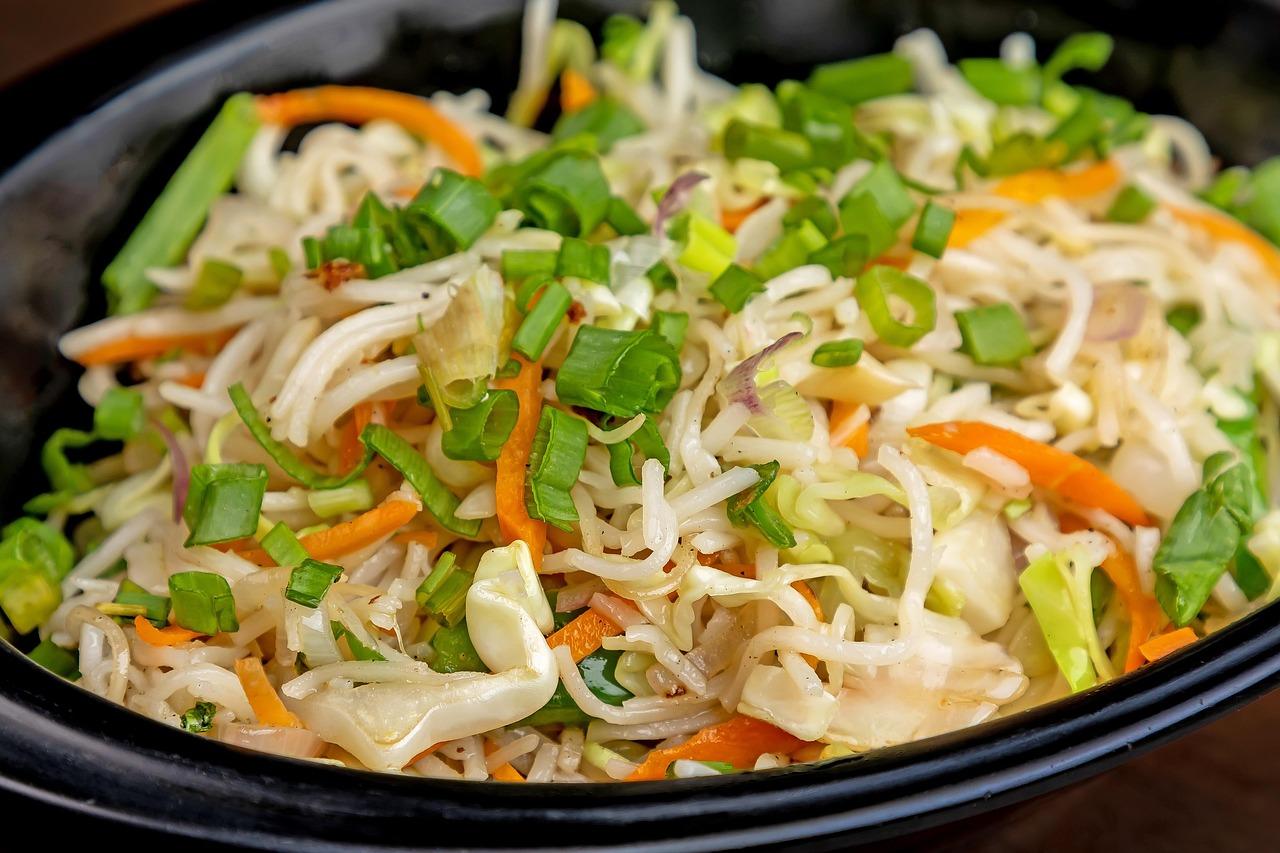
Veg Hakka noodlesVegetable stir-fried noodles

Hakka noodles are the street and restaurant staple of Kolkata's Chinese community, now sold from carts in every Indian city for a cheap evening meal and loved by children everywhere. Thin noodles are boiled, cooled, then tossed over the highest heat with shredded cabbage, carrot, peppers and spring onion, seasoned with soy, vinegar and white pepper. The mistake that ruins them is a crowded, lukewarm pan: the vegetables sweat and the noodles clump into a damp heap, so cook in a very hot wok and do two batches if yours is small. Chef's tip: toss the boiled noodles with a teaspoon of oil as soon as they are drained; they won't stick while you chop. Check the noodle packet: many Hakka noodles contain egg, so buy egg-free ones for a vegan dish.

by KrazyBadal 0 views

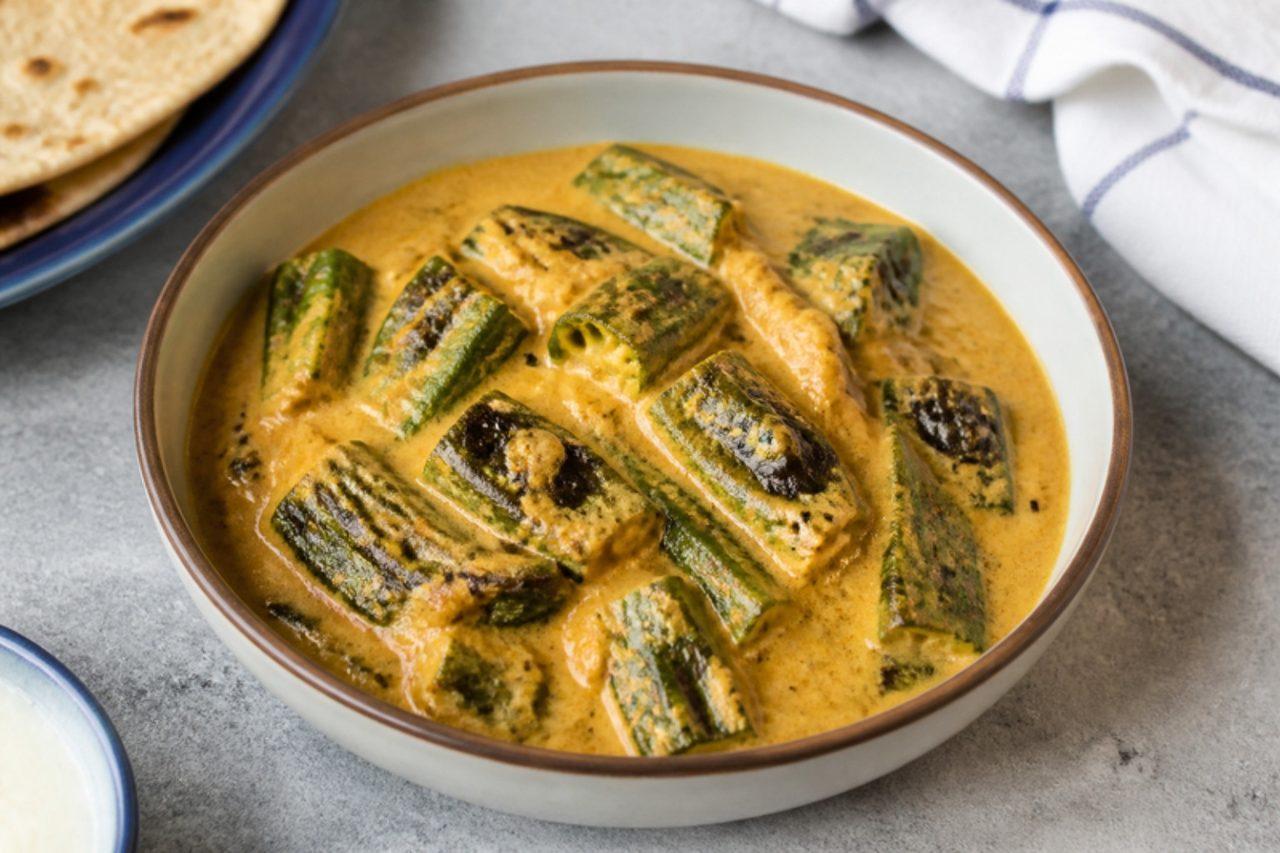
Dahi bhindiOkra in yogurt gravy

Dahi bhindi is how North Indian and Rajasthani cooks turn a plate of okra into a saucy curry for summer evenings, when the heat calls for something sour and cooling. The okra is fried first until it loses its stickiness, then folded into a thin yogurt gravy flavoured with fennel, cumin and a little chilli, good with rotis or plain rice. The usual mistake is pouring in the yogurt over a high flame, which curdles it; whisk it with the spices first, turn the heat right down, and stir until it simmers. Chef's tip: a pinch of crushed fennel seeds in the tempering brings out the sweetness of the okra.

by KrazyBadal 0 views

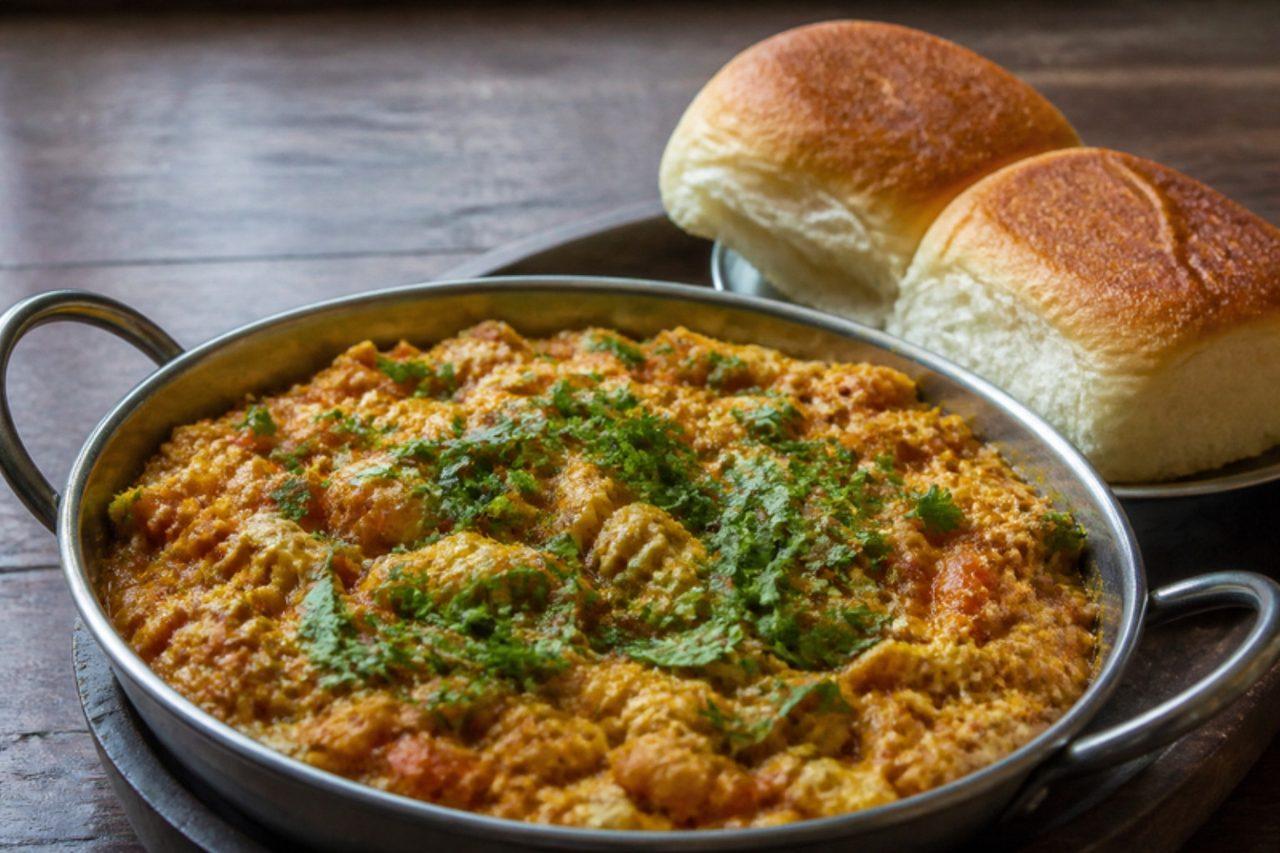
Egg ghotalaSpicy egg mash

Egg ghotala was born on the evening street stalls of Surat in Gujarat, where cooks on huge iron tawas mash boiled eggs and fresh eggs together into a rich, buttery masala and serve it with pav for dinner. 'Ghotala' means a muddle, and that is the point: half the eggs are grated, half are scrambled straight into the onion-tomato base, so you get creamy and chunky bites together. Some stalls finish it with grated cheese; if you add some, check the label, because many cheeses are made with animal rennet, and choose one marked vegetarian. The usual mistake is adding the raw eggs too early, before the masala is cooked down, which leaves the dish watery and pale. Chef's tip: keep the heat high and keep mashing with the back of the spatula, as the stall cooks do, so the eggs and masala blend into one thick mix.

by KrazyBadal 0 views

Hyderabadi fruit biscuitsTutti-frutti butter biscuits

Boxes of these pink-and-green flecked biscuits leave Hyderabad in every suitcase: visitors queue at the old bakeries near Charminar and the airport shops stock tins of them. Each one is short and crumbly, buttery, with a faint pineapple scent and chewy bits of candied papaya (tutti-frutti) scattered through. They are eggless, rich with butter and a little custard powder, and go with a cup of Irani chai or a glass of cold milk. The usual slip is mixing the tutti-frutti in wet or sticky, so it bleeds colour and clumps; toss it in a spoon of flour first. Chef's tip: shape the dough into a square log and chill it until firm, then slice; a firm log gives neat, sharp-edged biscuits like the bakery ones.

by KrazyBadal 0 views

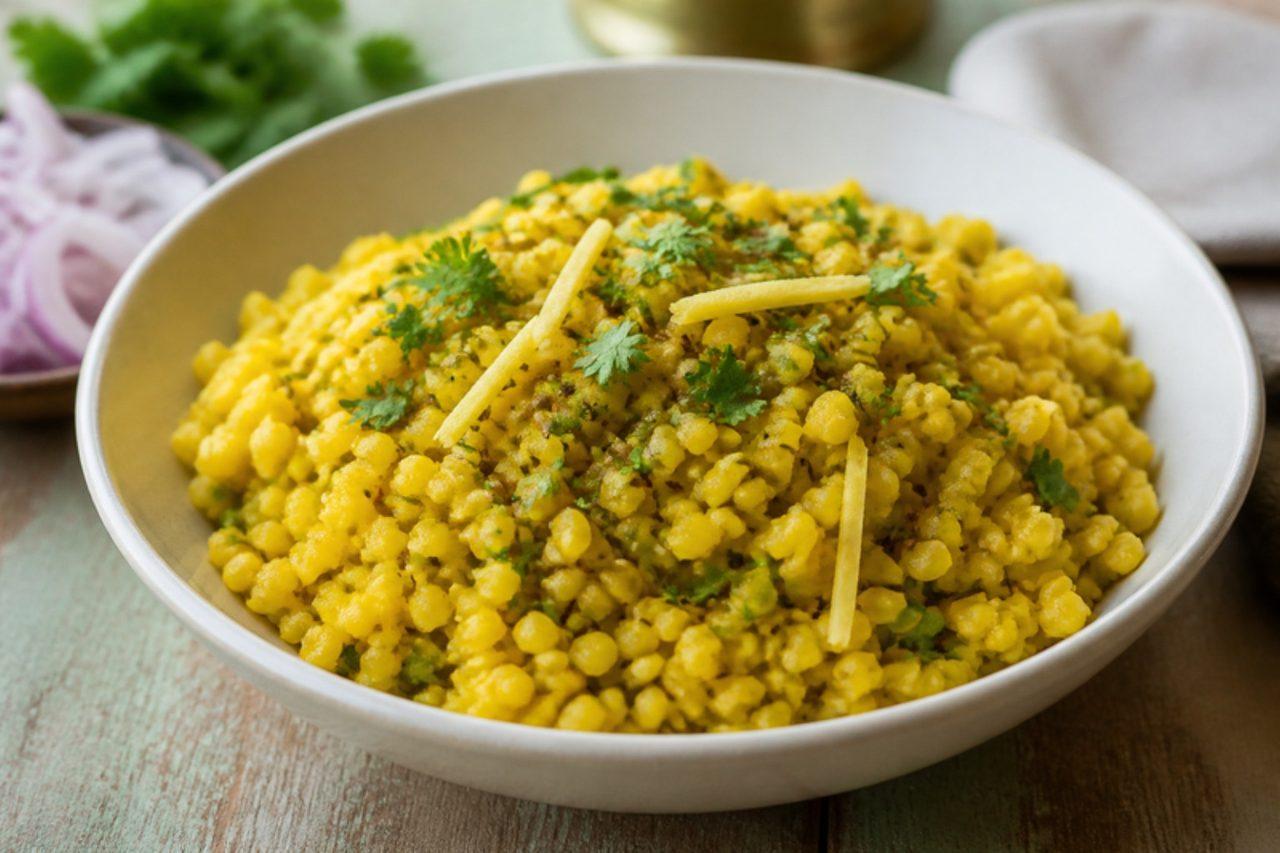
Sukhi moong dalDry yellow moong dal

Sukhi (dry) moong dal is made in Rajasthan and Uttar Pradesh when there is no time for a soupy dal, or to roll into parathas and pack for journeys; Marwari families often serve it at weddings with kachoris. Soaked yellow moong is cooked with just enough water to soften it while keeping the grains whole, then lifted with amchur, ginger and a ghee tempering. The mistake to avoid is too much water or stirring hard, which turns it into a mushy khichdi; add water a little at a time and fold gently. Chef's tip: soak the dal for at least 30 minutes, which is why this dish takes longer than the cooking alone. It is one of the few dals that is just as good at room temperature.

by KrazyBadal 0 views

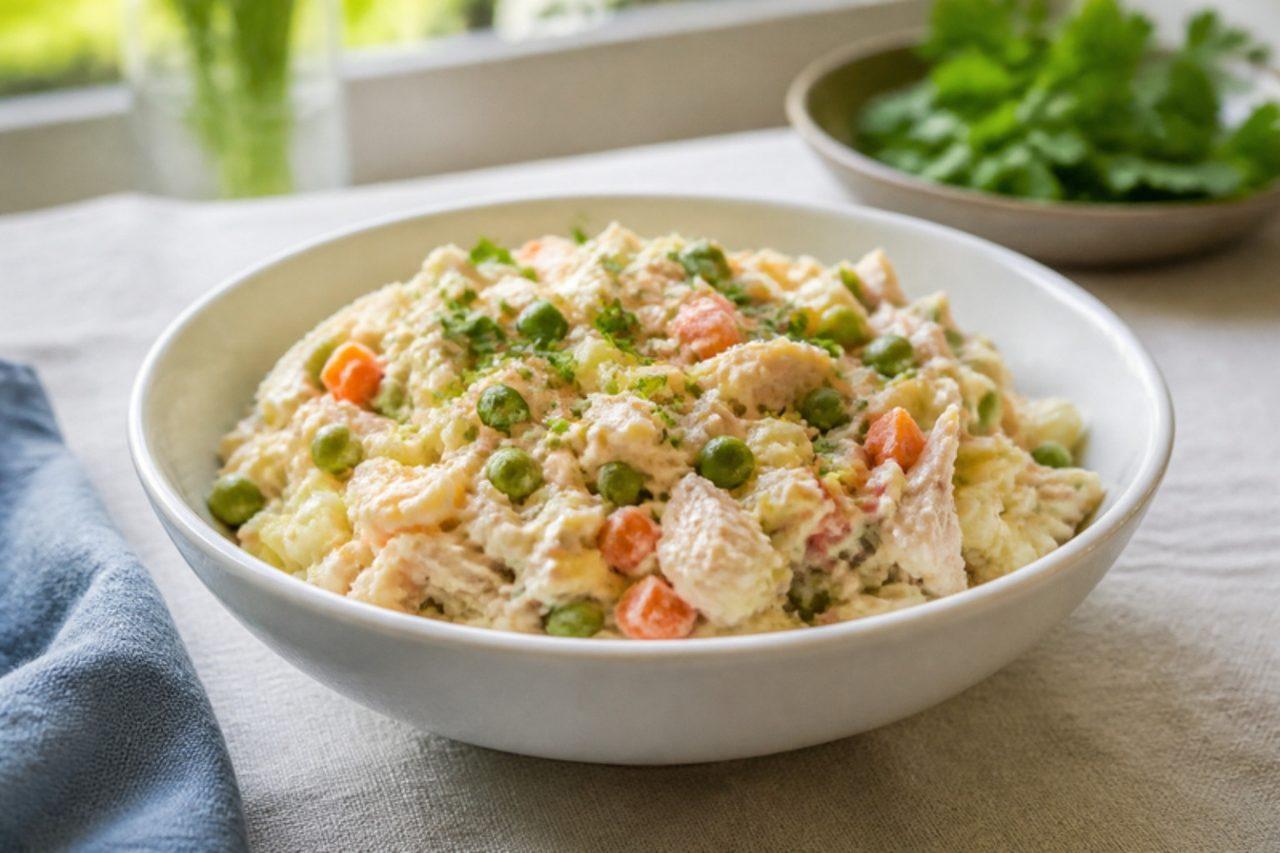
Salpicón de aveCold chicken salad

Salpicón de ave is the cold supper of Argentine summers, made in Buenos Aires flats and on estancias alike when it is too hot to cook much, and a favourite way to use the chicken from a puchero or Sunday roast. Shredded chicken is mixed with diced pepper, tomato, spring onion, sweetcorn and boiled egg, bound with mayonnaise sharpened with lemon and mustard, and served chilled with crusty bread or on lettuce. The common mistake is dressing it while the chicken is still hot, which melts the mayonnaise into an oily puddle; let everything cool first. Chef's tip: dress the chicken with the lemon juice and a pinch of salt before the mayonnaise goes in, so the meat itself is seasoned, not just its coating.

by KrazyBadal 0 views

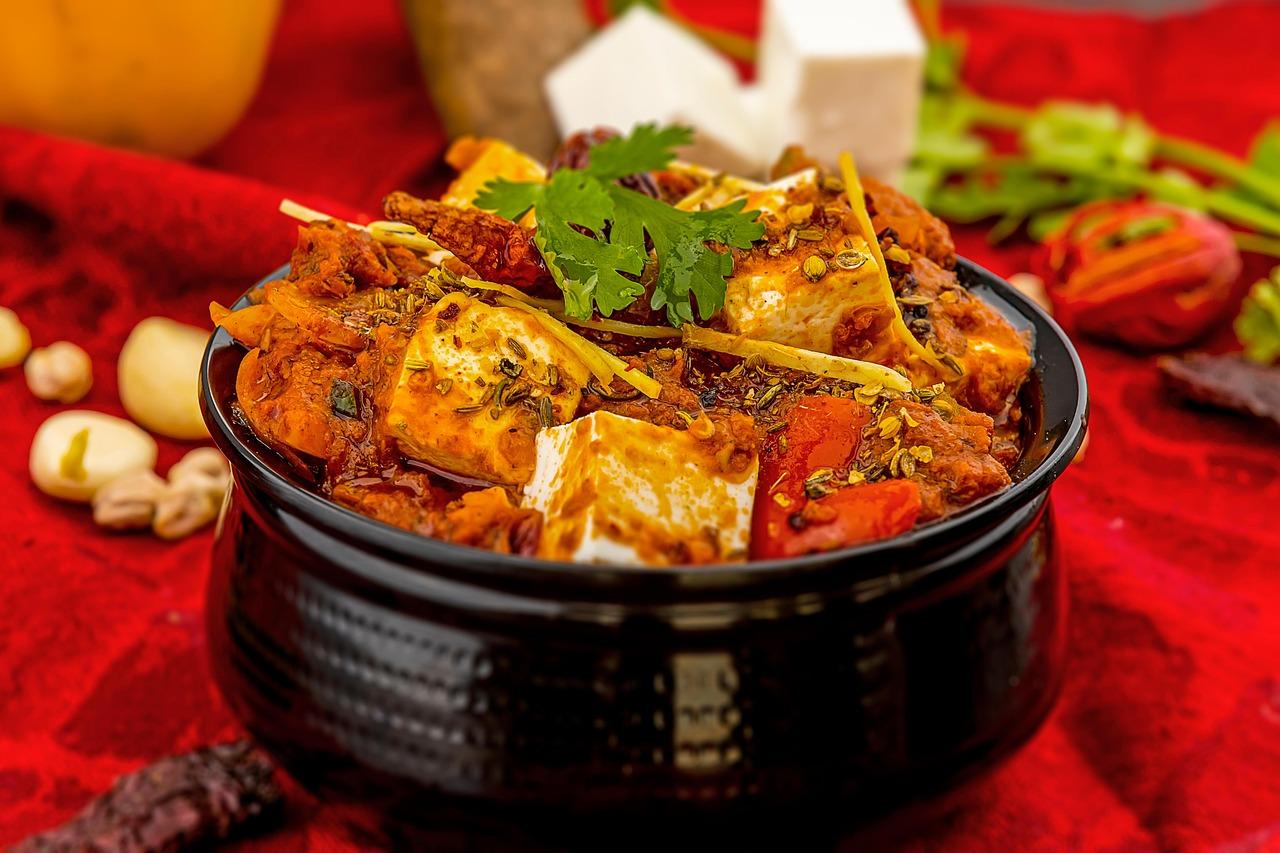
Chilli paneerPaneer with peppers and soy

Chilli paneer was born in the Chinese restaurants of Kolkata's Tangra and Tiretta Bazaar, where Hakka cooks adapted their chilli chicken for vegetarian customers, and today it is the Friday-night order from Delhi to Bengaluru. Cubes of paneer are coated in cornflour and fried crisp, then tossed over a fierce flame with onion petals, green pepper, garlic, soy sauce and plenty of green chilli in a glossy sauce. Paneer is set with acid, not rennet, so it is fully vegetarian. The mistake to avoid is letting the paneer sit in the sauce, which makes the crust soggy; toss it in at the very end and serve. Chef's tip: soak the paneer in hot salted water for 5 minutes before coating; it stays soft inside even after frying. Soy sauce contains wheat; use tamari if you need it gluten-free.

by KrazyBadal 0 views

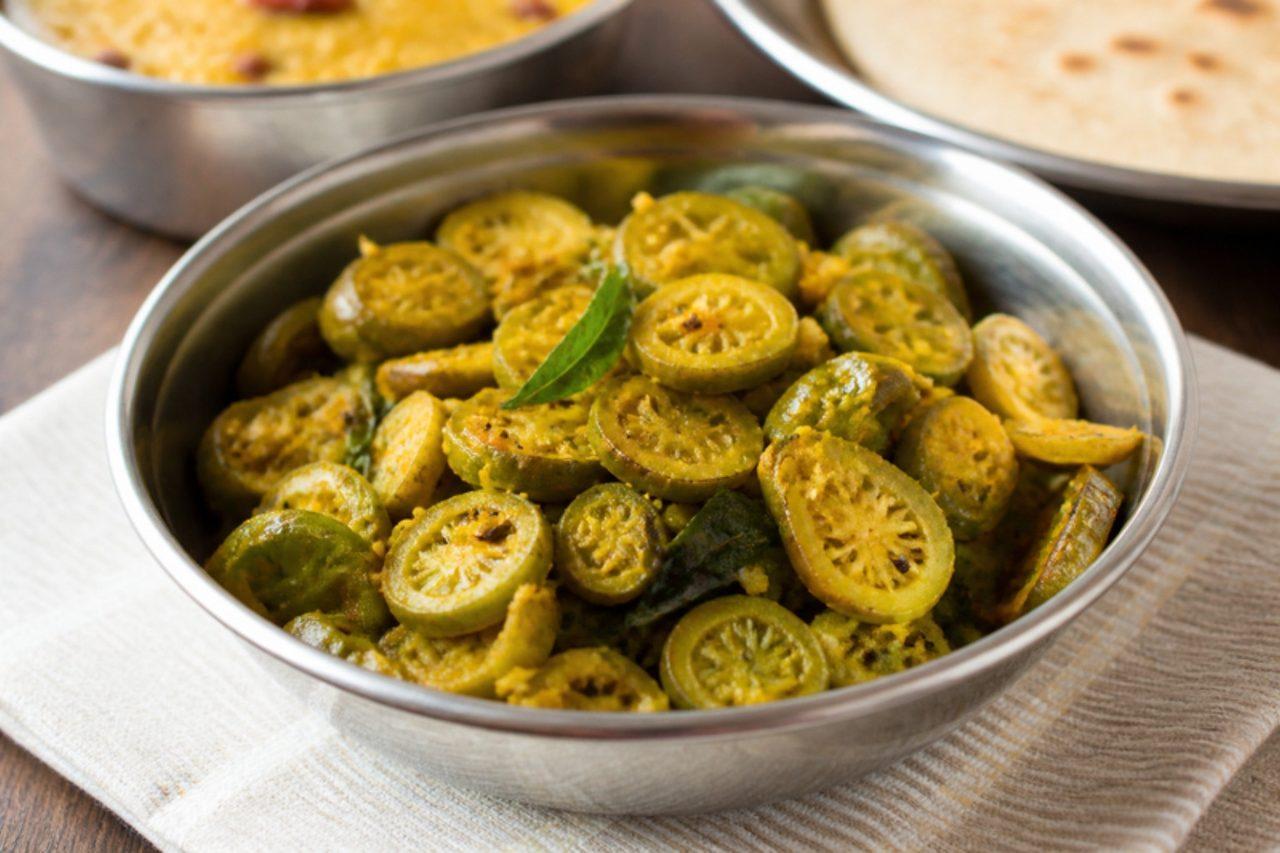
Tindora nu shaakIvy gourd stir-fry

Tindora (ivy gourd) nu shaak is a lunch-box and dinner standby in Gujarat and Mumbai's Gujarati homes: thin rounds of the little gourd stir-fried with mustard seeds and turmeric until they are tender inside and lightly crisp at the edges. It is a dry shaak, eaten with dal-bhaat or rolled into a rotli, and children often like it best. The common mistake is slicing the tindora too thick, which means it either stays raw in the middle or needs water that makes it soggy; cut every round about 3 mm thick. Chef's tip: avoid tindora that is red or soft inside, which means it is overripe and will taste sour. Most hing contains wheat, so buy a gluten-free one if needed.

by KrazyBadal 0 views

Tarta de coco y dulce de lecheCoconut and dulce de leche tart

Ask Argentinians for their favourite tart at a family birthday and this one often wins: a crisp shortcrust spread thickly with dulce de leche, then covered with a coconut, sugar and egg topping that bakes into a golden, chewy crust. Bakeries from Córdoba to Mar del Plata sell it by the slice for the merienda with mate or a café con leche. It is very sweet, so the slices are thin, and it is a good keeper for a few days. Ordinary spreading dulce de leche is the mistake: it runs and bubbles out at the edges. Use the thicker pastry-style kind, sold in Argentina as 'repostero'. Chef's tip: chill the case with the dulce de leche spread on it for 15 minutes before adding the coconut, so the two layers stay distinct.

by KrazyBadal 0 views

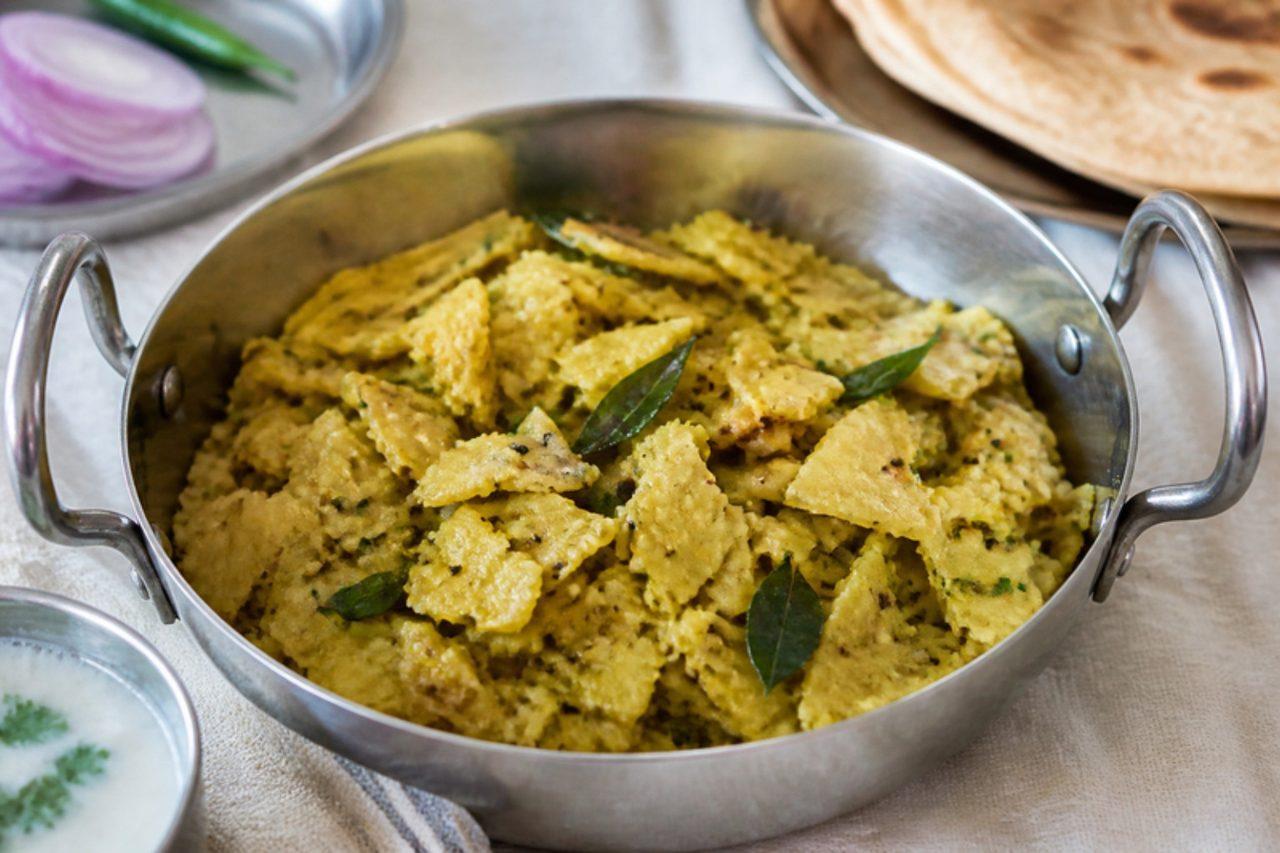
Vaghareli rotliStir-fried leftover flatbread

In Gujarati homes the last night's rotlis never go to waste: torn into pieces and tossed in a mustard-seed tempering with tangy yogurt, a little jaggery and green chilli, they become vaghareli rotli, a sweet-sour-hot breakfast or light supper on the table in fifteen minutes. The pieces soak up the seasoning and turn soft in the middle with a few crisp edges. Serve it with a cup of masala chai. The usual mistake is adding too much yogurt water, which turns the rotli into paste. Chef's tip: use rotlis that are a day old and slightly dry; fresh ones go gluey.

by KrazyBadal 0 views

Torta de ricotaLemon ricotta tart

Italian families brought ricotta tarts to Buenos Aires and Rosario, and torta de ricota is now as Argentinian as mate: every panadería has one in the window, with a lattice of sweet, crumbly masa frola over a pale, lemon-scented ricotta filling. It is cut into wedges for the merienda, the late-afternoon snack, or for a birthday where nobody wants a heavy cake. The texture is light and slightly grainy rather than silky, and the pastry tastes of butter and vanilla. Wet ricotta is the biggest risk, giving a weeping, soggy tart. Chef's tip: drain the ricotta overnight in the fridge in a sieve lined with a cloth, and add a few raisins only if they have been soaked, or they draw moisture from the filling.

by KrazyBadal 0 views

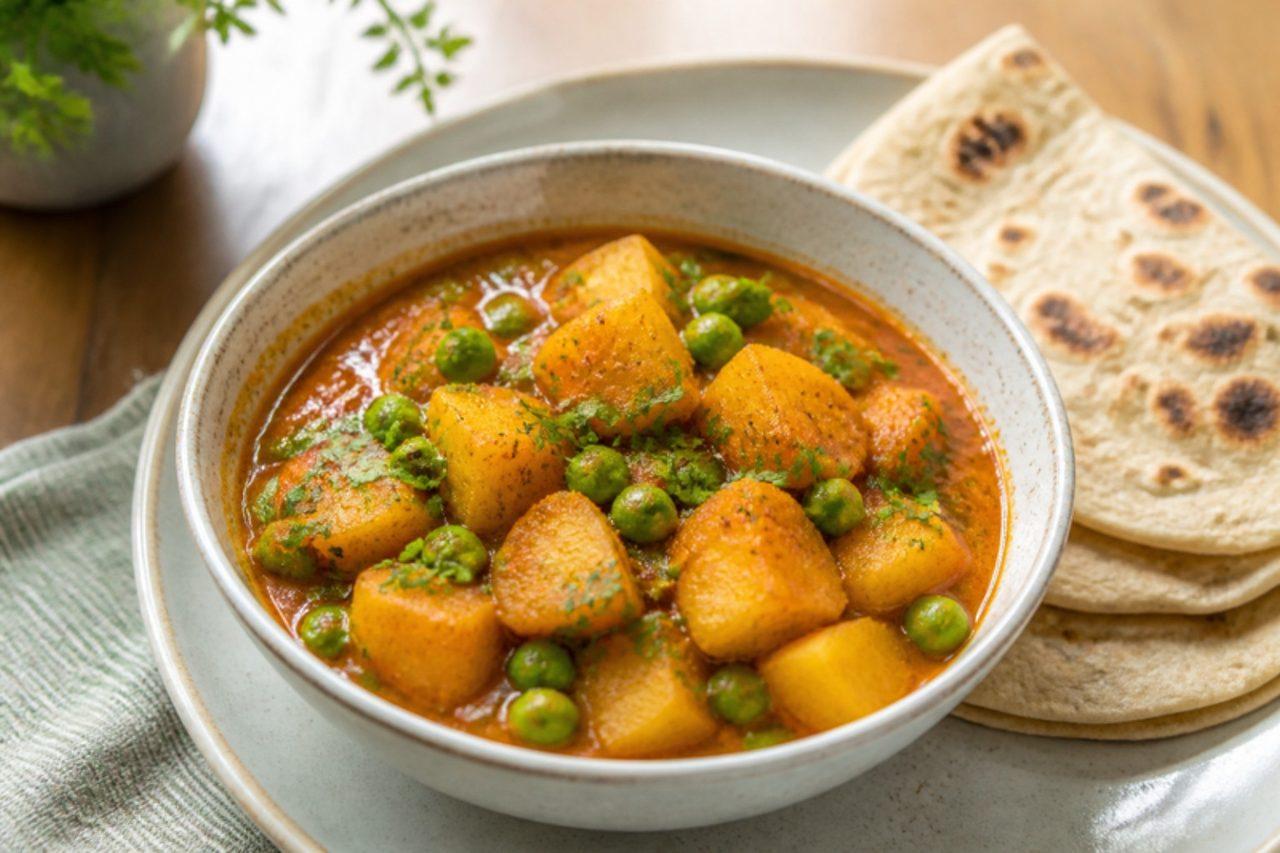
Aloo matarPotato and pea curry

Aloo matar is the everyday potato and pea curry of North Indian homes, cooked through the winter when fresh peas fill the markets of Delhi and Punjab, and eaten with hot phulkas or rice on a weeknight. Small cubes of potato and sweet peas simmer in a thin, bright tomato gravy with cumin, turmeric and coriander, so it is comforting rather than rich. The common mistake is cutting the potatoes too big: they take forever, the peas turn grey waiting for them, and the gravy reduces to nothing. Chef's tip: mash two or three potato cubes against the side of the pot near the end; it thickens the gravy naturally without cream.

by KrazyBadal 0 views

Showing 24 of 1,602 recipes

Show more recipes

Page 1 of 67