Skip to content
Recipes

All recipes

Vegetarian, or something you can't eat? Set your diet once and we'll hide recipes that don't fit.

Boudin blanc aux pommesWhite sausage with apple compote

In Liège and across Wallonia, Christmas Eve supper often begins with boudin blanc: pale, delicate sausages of finely minced pork and milk, sometimes with a little chicken, gently fried in butter until golden and served with warm, chunky apple compote and bread. Butchers make piles of them in December. Buy them fresh from a good butcher, or poached and ready to fry. Chef's tip: prick nothing and cook gently; boudin blanc is fragile, and a hot pan splits the skins.

by KrazyBadal 0 views

Húsvéti sonkaSmoked ham with eggs and horseradish

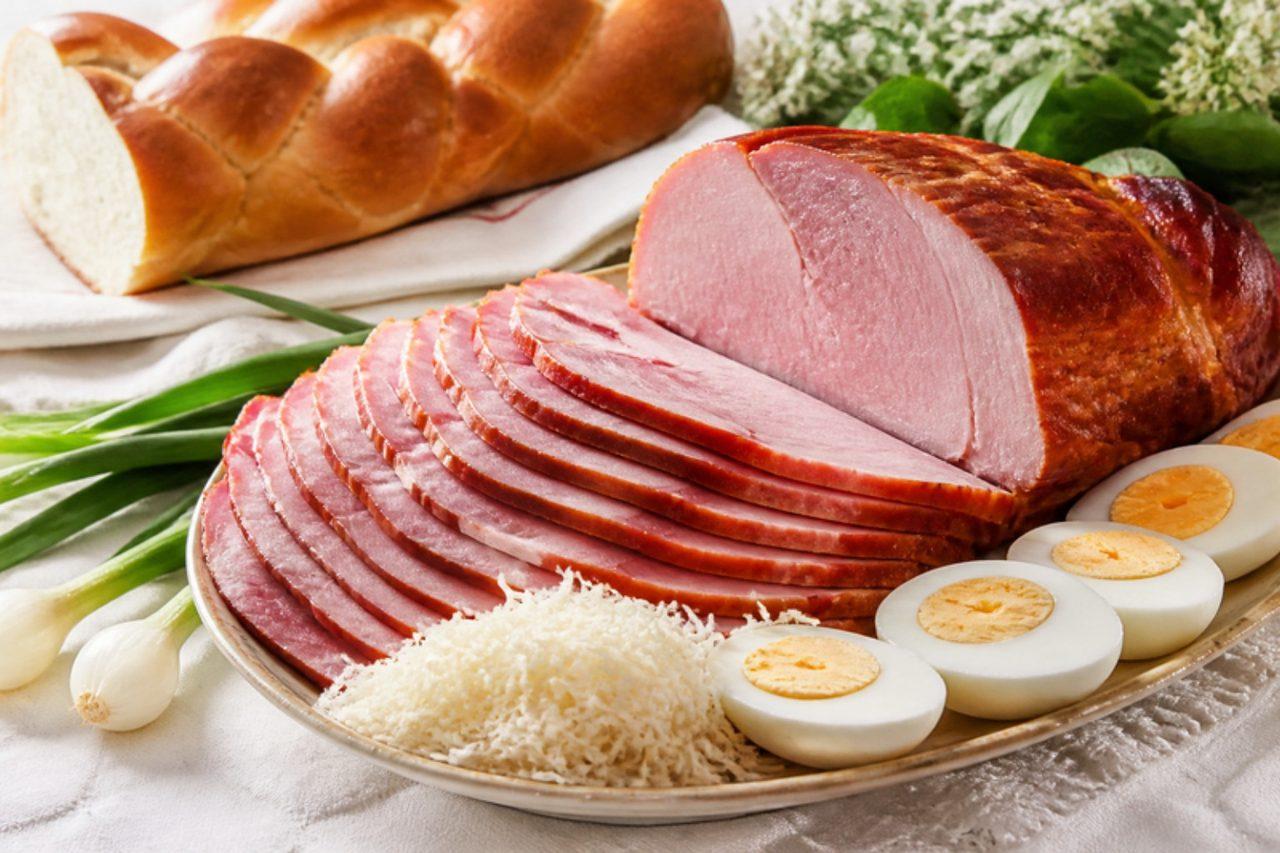
On Easter Sunday morning in Hungary the table is laid with húsvéti sonka, a whole smoked pork ham simmered slowly the day before, sliced cold and served with eggs hard-boiled in the ham's cooking water, freshly grated horseradish, spring onions and braided kalács. The cooking water then becomes the base of a bean or lentil soup the next day. Use a raw-smoked (uncooked) ham from a Hungarian or Polish butcher. Chef's tip: soak the ham overnight to draw out salt, and cool it in its cooking water so it stays juicy.

by KrazyBadal 0 views

Chipa so'oCheese bread with spiced beef

In Paraguay, families bake chipa in the clay tatakua ovens on Holy Wednesday so there is food for Thursday and Good Friday, when cooking stops. Chipa so'o ('chipa with meat') is a cassava-starch and cheese bread wrapped around a little filling of minced beef cooked with onion and egg, then baked until crisp outside and chewy within. It is naturally gluten free. Chef's tip: knead the dough until it no longer cracks at the edges when pressed; dry dough splits around the filling.

by KrazyBadal 0 views

AllerheiligenstriezelBraided sweet loaf

In Bavaria and Austria, godparents give their godchildren an Allerheiligenstriezel on All Saints' Day, 1 November: a large braided loaf of sweet yeast dough, brushed with egg and scattered with almonds or pearl sugar. The braid is said to recall the old custom of cutting a plait of hair in mourning, and the size of the loaf once showed how generous the godparent was. It is lightly sweet, with lemon and vanilla, and is eaten sliced with butter or jam. Some recipes add rum-soaked raisins; these are soaked in warm water instead. Chef's tip: braid four strands for an impressive, high loaf.

by KrazyBadal 0 views

Pajagua mascadaBeef and cassava patties

Pajagua mascada is a Paraguayan street-food classic that appears on every table for the San Juan festival on 24 June, when bonfires burn and the night is full of games and traditional food. Minced beef is mixed with mashed cassava, onion, garlic and a little egg and flour, shaped into flat patties and fried until crisp. The name comes from Guaraní and refers to the 'chewing' of old Paraguayan cooks, who made it from leftover meat. Chef's tip: dry the boiled cassava well and remove its woody core, which keeps the patties light and crunchy.

by KrazyBadal 0 views

Sopa teólogaTurkey broth with bread and cheese

Sopa teóloga ('the theologian's soup') goes back to colonial convents in Lima and Arequipa, where it was cooked for feast days, and it is still served at Holy Week and family celebrations. A rich turkey (or chicken) broth is thickened with soaked bread, milk and fresh cheese, with yellow potatoes and shreds of turkey, and finished with a little ají amarillo and chopped huacatay or parsley. It is thick, comforting and filling. Chef's tip: blend part of the soaked bread with broth before adding it, which gives the soup its creamy body without lumps.

by KrazyBadal 0 views

OsterpinzeEaster anise brioche

Osterpinze is the Easter bread of Styria, Carinthia and the area around Trieste, a soft, golden brioche dome with three deep cuts on top for the Holy Trinity, so that it opens into a crown as it bakes. The dough is rich with egg yolks and butter and flavoured with anise and lemon; old recipes add a splash of white wine, left out here. It is blessed in the Easter basket on Holy Saturday and eaten on Easter morning with ham, horseradish and eggs, or with butter and jam. Chef's tip: make the three cuts with scissors just before baking, deep enough to reach halfway down, so the crown opens wide.

by KrazyBadal 0 views

KaguyjyWhite corn pudding

On the night of 23–24 June, Paraguayans celebrate San Juan with bonfires, games like walking over hot coals and the 'paso de fuego', and a table of traditional foods, and kaguyjy (also mazamorra) is one of them. It is a soft, creamy pudding of cracked white corn (locro) simmered slowly in water and then milk with sugar or honey, sometimes with orange peel. It is eaten warm or cold. It is gluten free. Chef's tip: soak the corn overnight and cook it until each kernel is tender before adding the milk, or it never turns creamy.

by KrazyBadal 0 views

BáránypörköltLamb stew with paprika

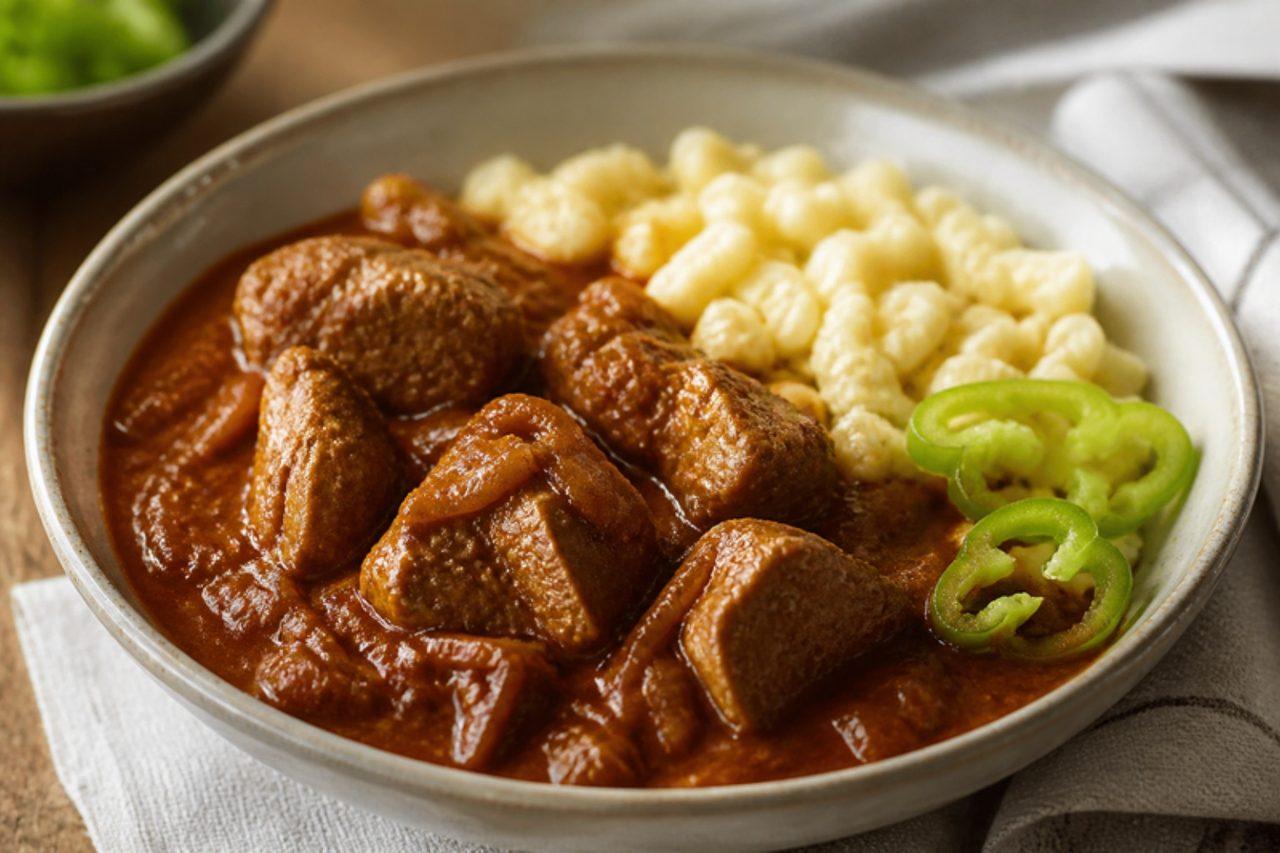
For Hungarians, lamb is Easter food, and báránypörkölt is the classic way to cook it for Easter Sunday or Monday: chunks of lamb stewed slowly in their own juices with a lot of onion, sweet paprika, garlic, a little tomato and green pepper, until tender in a thick, deep-red sauce. It is served with nokedli (little egg dumplings) or boiled potatoes and a cucumber salad. Chef's tip: take the pot off the heat when you add the paprika, because paprika burns in seconds and turns the whole stew bitter.

by KrazyBadal 0 views

Húsvéti kalácsBraided Easter milk loaf

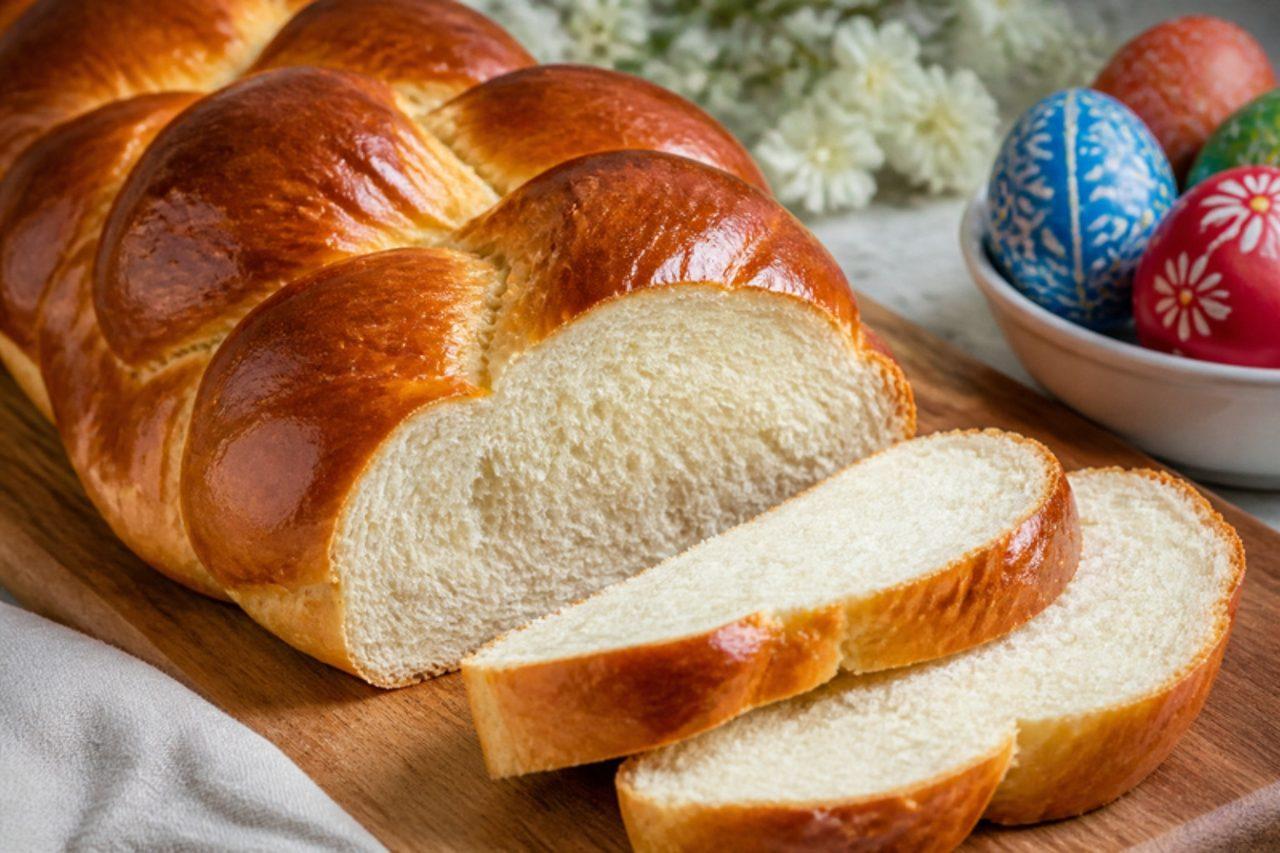
In Hungary the Easter table on Sunday morning centres on smoked ham, hard-boiled eggs, fresh horseradish and húsvéti kalács, a soft, braided milk bread enriched with butter and egg yolks. It is lightly sweet, so it suits the salty ham perfectly, and the leftovers make excellent French toast on Easter Monday. Many families braid it with three or four strands and bake it into a ring. Chef's tip: braid loosely and tuck the ends under, because a tight braid splits along the sides as it rises in the oven.

by KrazyBadal 0 views

Kkaennip jeon (stuffed perilla leaf pancakes)

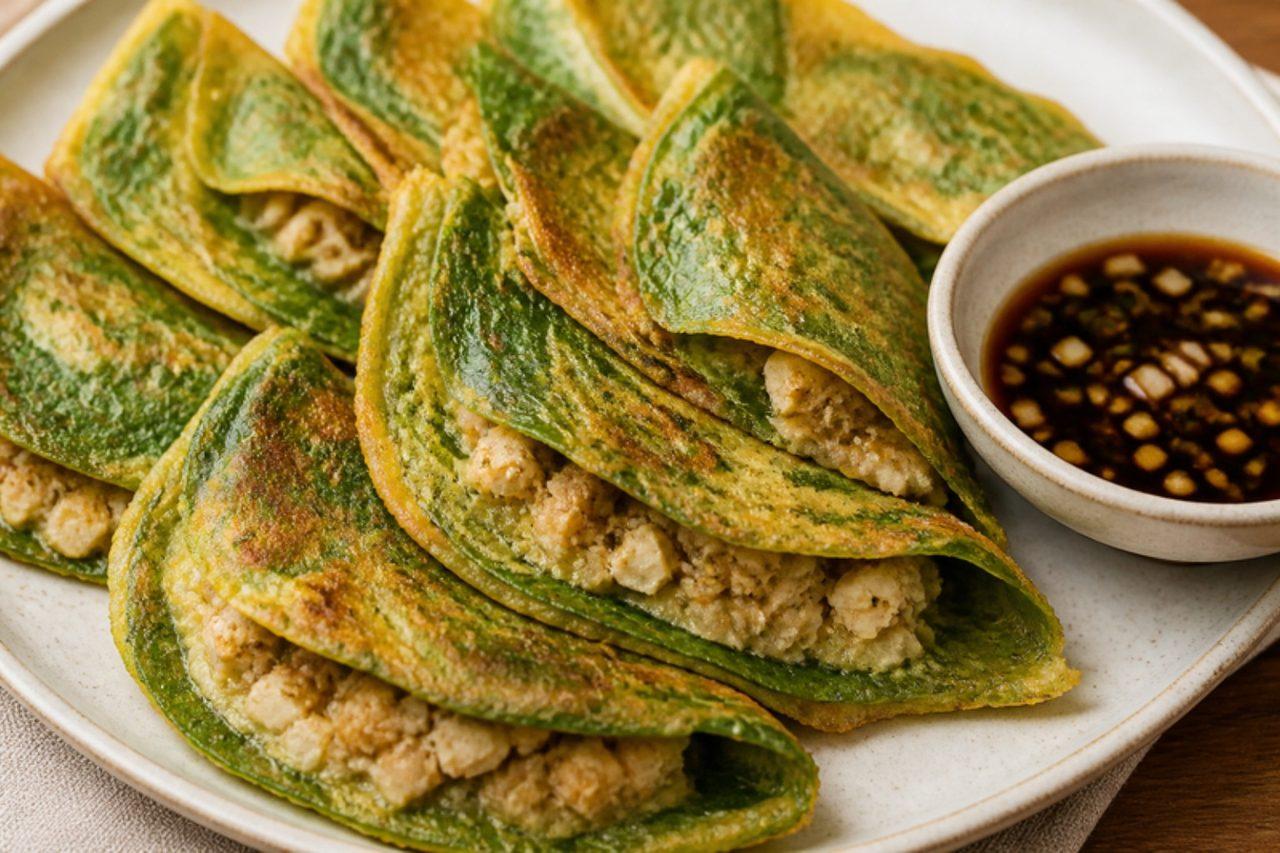
For Chuseok and Seollal, Korean kitchens turn out tray after tray of jeon for the ancestral table, and kkaennip jeon are a fragrant favourite: whole perilla leaves are folded like a half-moon around minced pork, tofu and vegetables, then fried in egg. Perilla tastes of mint, anise and basil all at once, and its scent cuts through the richness of the holiday spread. Each little parcel is soft and juicy inside, with a thin, golden shell. Serve them with a soy-vinegar dip, rice and soup, or tuck them into a lunchbox the day after. Chef's tip: lay the leaves shiny side down so the matt, rougher side holds the flour and filling.

by KrazyBadal 0 views

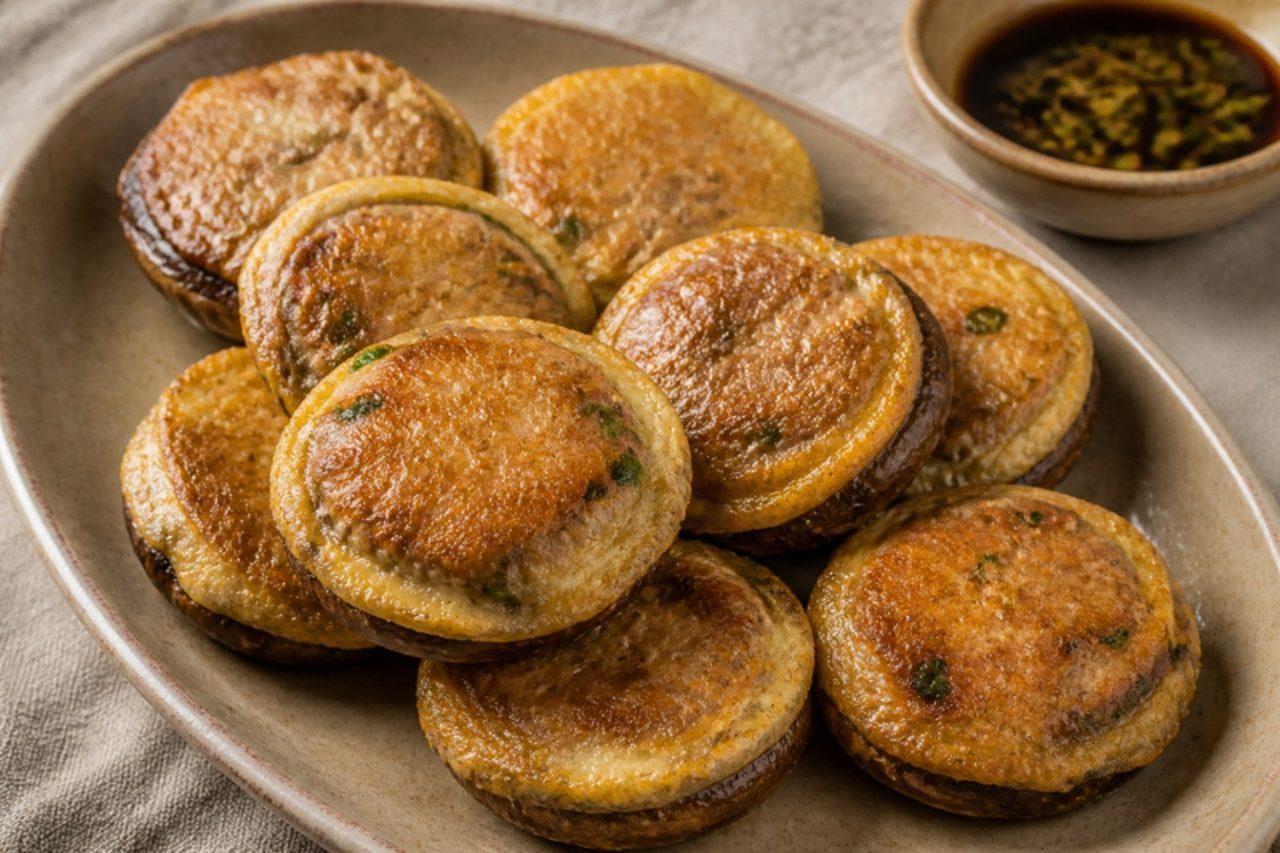
Pyogo jeon (stuffed shiitake pancakes)

No Seollal or Chuseok table in Korea is complete without a platter of jeon, and pyogo jeon are among the prettiest: shiitake caps packed with a filling of minced pork and tofu, then fried in a thin egg coat so the dark mushroom edge frames a golden centre. Mushrooms were prized offerings on the ancestral (charye) table, and stuffed jeon show the care put into the holiday meal. They are juicy and savoury, with the shiitake giving an earthy, meaty bite. Serve warm or at room temperature with a soy and vinegar dip, alongside other jeon and a bowl of tteokguk; the last step gives an all-tofu vegetarian filling. Chef's tip: dust the gills with flour before stuffing; it acts as glue and stops the filling popping out in the pan.

by KrazyBadal 0 views

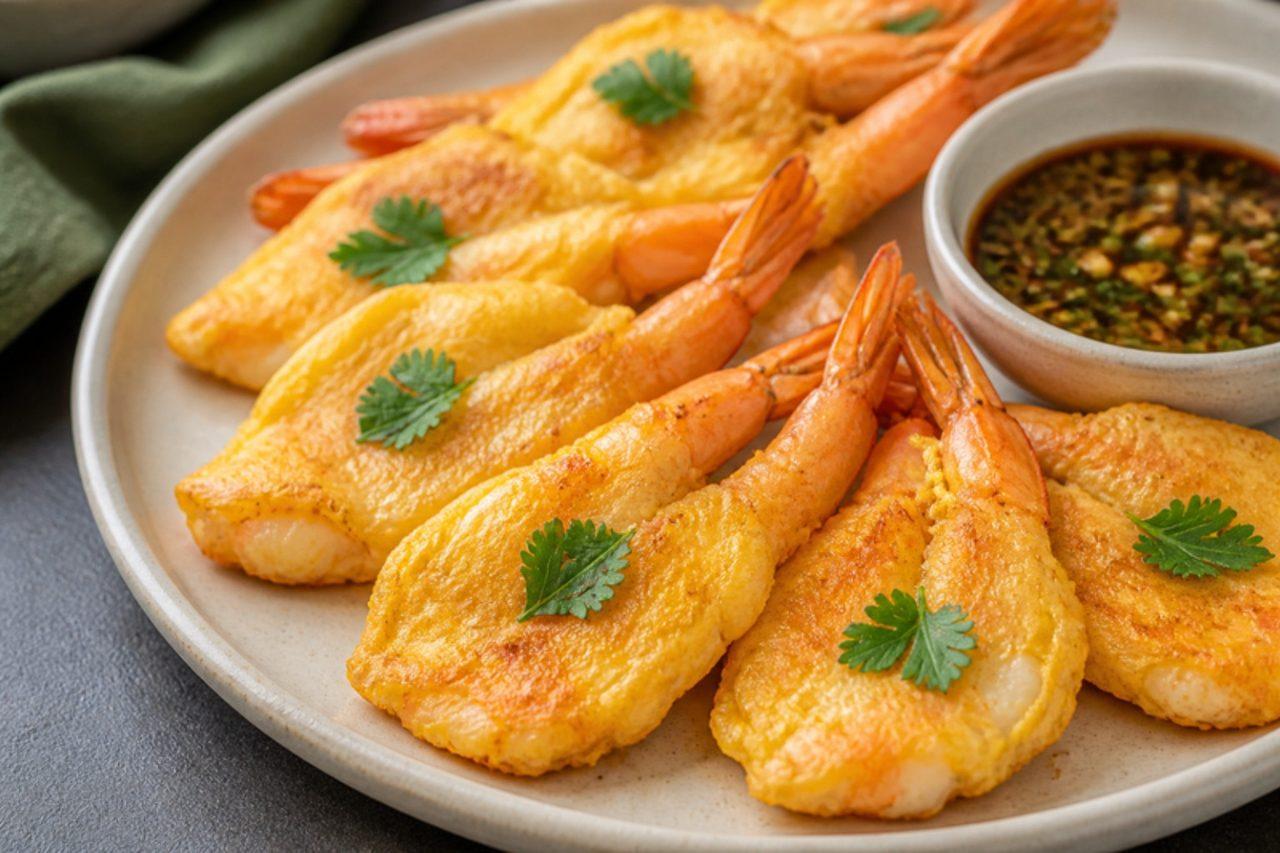
Saeu jeon (shrimp pancakes)Prawn pancakes

Saeu jeon are a celebratory addition to the jeon platter for Seollal and Chuseok in homes all over Korea; prawns, with their bent backs, have long stood for a wish to live until you are old and stooped. Butterflied and pressed flat, each prawn turns into a neat golden fan with a pink tail, sweet and tender inside a soft egg coat. Children love them, and they disappear faster than anything else on the table. Serve with a soy-vinegar dip, japchae and rice. Chef's tip: make a few shallow cuts across the inner belly before flattening; it stops the prawns curling up in the pan.

25 minKoreanFish
by KrazyBadal 0 views

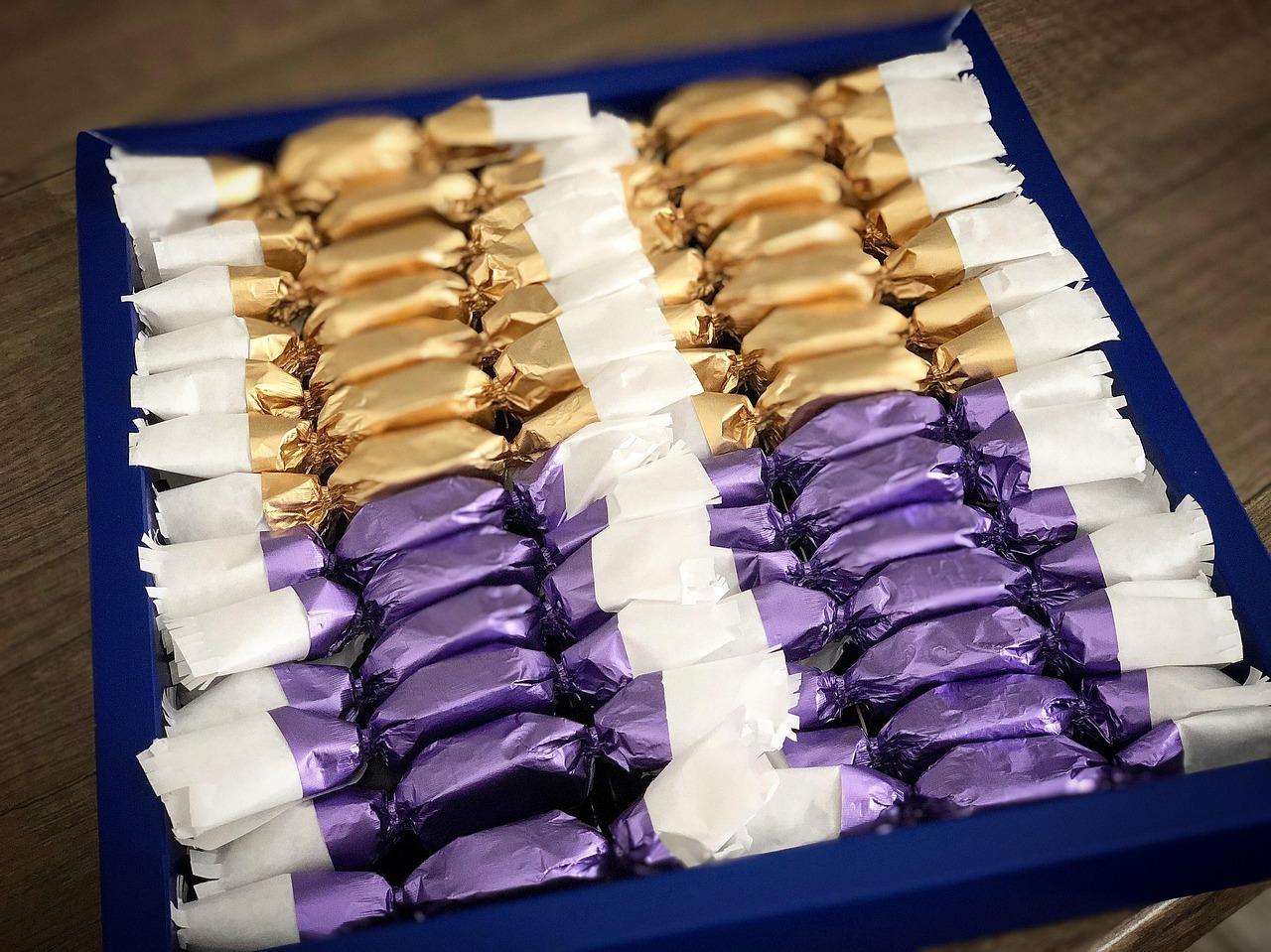
Szaloncukor (Hungarian Christmas tree candy)

Every Hungarian Christmas tree carries szaloncukor: sweets wrapped in shiny foil and fringed paper, hung from the branches in December and quietly eaten, one by one, by everyone in the house until Epiphany. The classic is soft white fondant, but the centres vary: tart fruit jelly, coconut, marzipan or nut. Here there are two fillings, raspberry jelly and coconut fondant, both coated in dark chocolate, so each bite gives a snap of chocolate and then a tender, melting middle. They are lovely with coffee or as a small gift. These are egg-free with no animal setting agent: the fondant is just sugar syrup cooked to the soft-ball stage and worked until it crystallises into a smooth, white paste, so no egg white is needed, and the jelly is set with agar-agar, which gives clean cubes that hold their shape at room temperature. Chef's tip: let the syrup cool to about 45°C before working it; the common mistake is starting while it is still hot, which grows coarse crystals and a gritty fondant.

by KrazyBadal 0 views

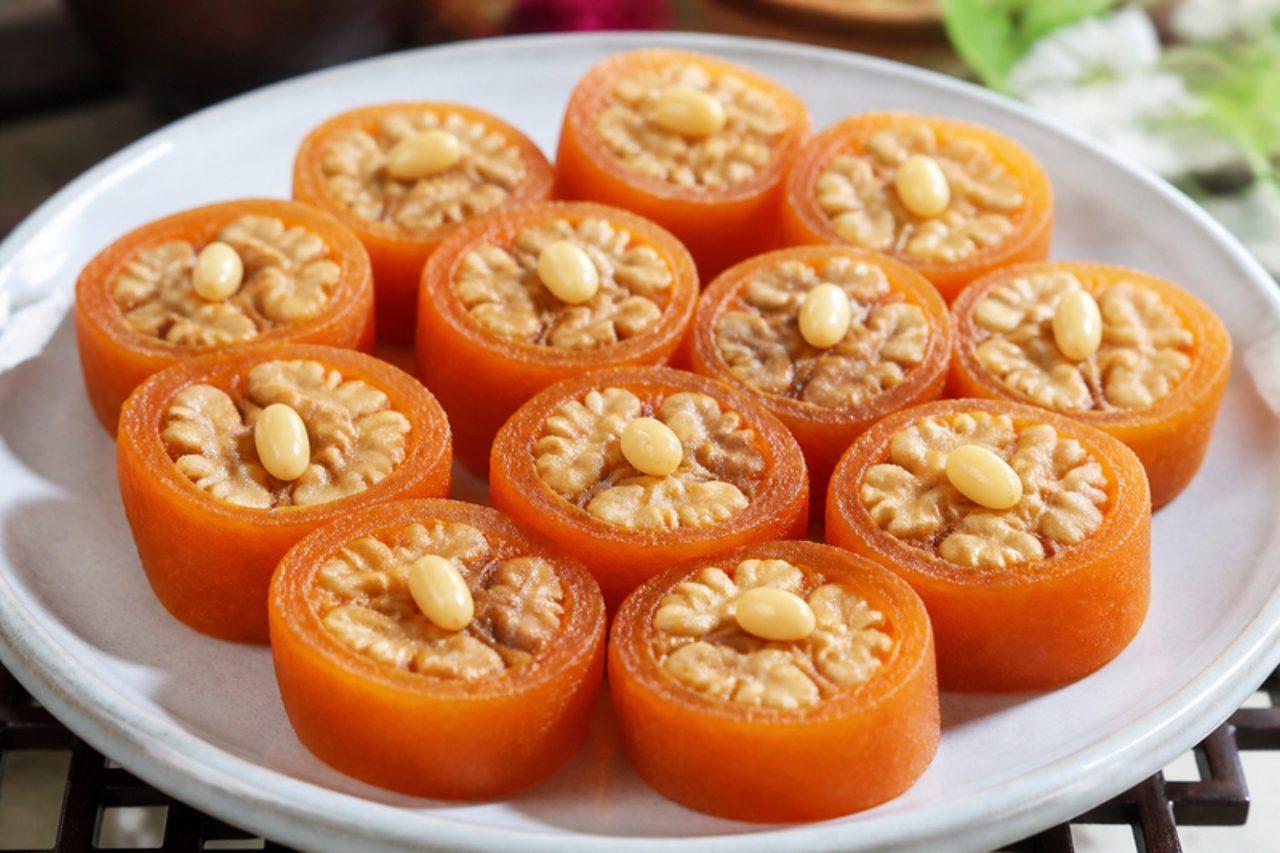
Gotgam-ssam (walnut-stuffed dried persimmon rounds)

Sangju in North Gyeongsang is Korea's dried-persimmon capital, and in Andong and across the region gotgam-ssam is a sweet for Seollal and Chuseok tables and for welcoming guests in winter. Soft dried persimmons are opened out flat, rolled tightly around a row of walnut halves and sliced, so each round shows a pattern like a flower. They are chewy and honeyed from the fruit, with crunchy, slightly bitter walnuts in the middle. Serve them with sujeonggwa, the cinnamon-ginger punch, or with a cup of roasted barley tea. It is naturally egg-free: the sticky dried fruit is its own glue, and a short chill firms the roll so it slices neatly. Chef's tip: wrap the roll tightly in cling film and chill it before slicing; the common mistake is slicing it straight away, which squashes the rounds and lets the walnuts fall out.

by KrazyBadal 0 views

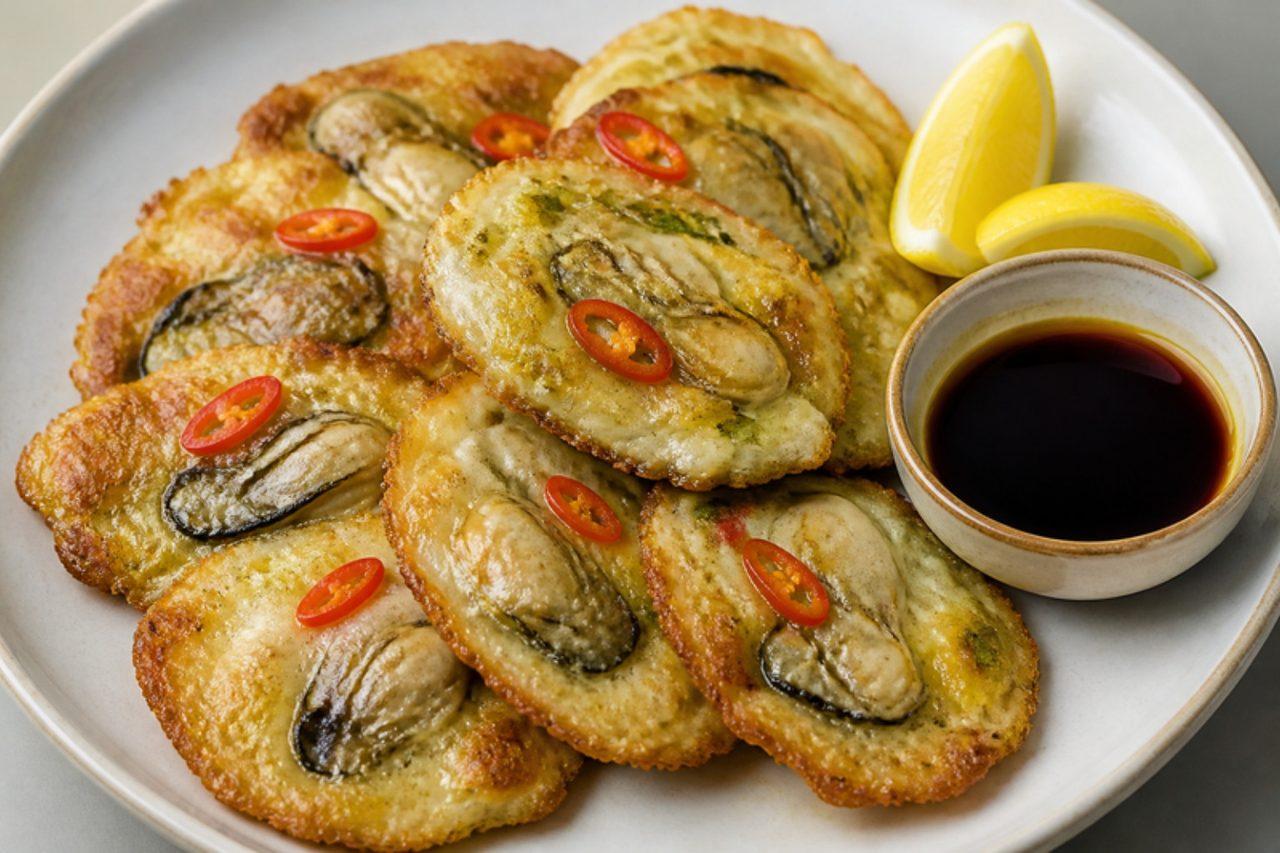
Gul jeon (oyster pancakes)

Oysters are at their sweetest in midwinter, just as Seollal arrives, and the farms around Tongyeong on Korea's south coast supply most of the country, so gul jeon are a treasured New Year treat. They are a quick, small luxury on a jeon platter that is otherwise mostly vegetables and pork, a taste of the sea brought to the family table for the new year. Each oyster is wrapped in a thin, tender egg coat, so the outside is golden and soft while the inside is briny, sweet and juicy. Use shucked fresh oysters from a tub or the fishmonger, and serve them hot with a soy-vinegar dip, a squeeze of lemon and steamed rice. Chef's tip: pat the oysters really dry, or the flour turns gluey and the oil spits.

20 minKoreanFish
by KrazyBadal 0 views

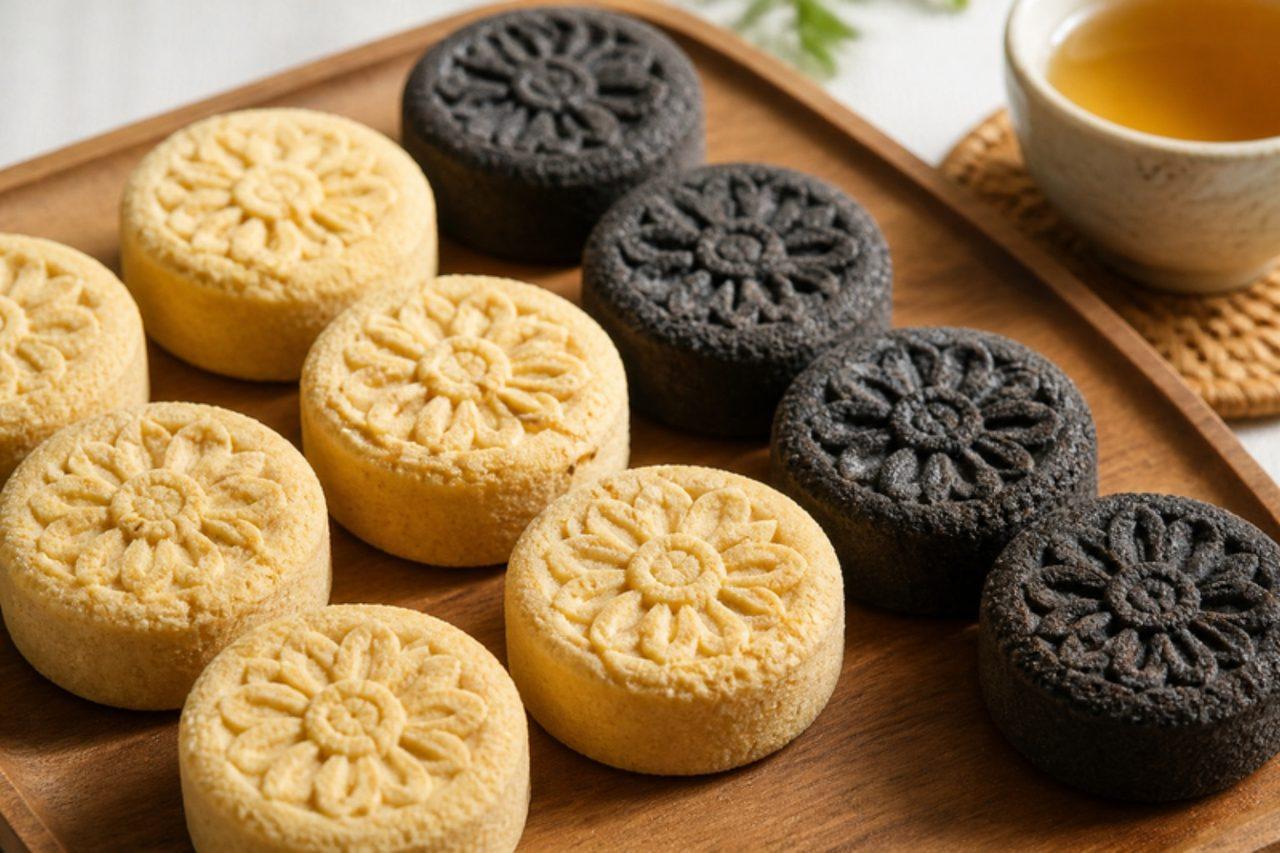
Dasik (Korean pressed tea cakes)

Dasik are small pressed tea cakes stamped with patterns of flowers, characters for long life and good fortune, made across Korea for Chuseok, weddings and the tables set for ancestral rites. Powders of roasted grain, black sesame or yellow pine pollen are kneaded with honey and pressed into carved wooden moulds, so a single plate shows contrasting colours. They are dense and melt slowly, tasting of toasted nuts and honey, and they are always served with tea: green tea, or a tea of jujube or citron. This version makes two colours, roasted soybean and black sesame. They are naturally egg-free: honey binds the powders and lets them hold the fine pattern of the mould. Chef's tip: add the honey a teaspoon at a time; the common mistake is too much, which makes a sticky dough that blurs the pattern and won't leave the mould.

by KrazyBadal 0 views

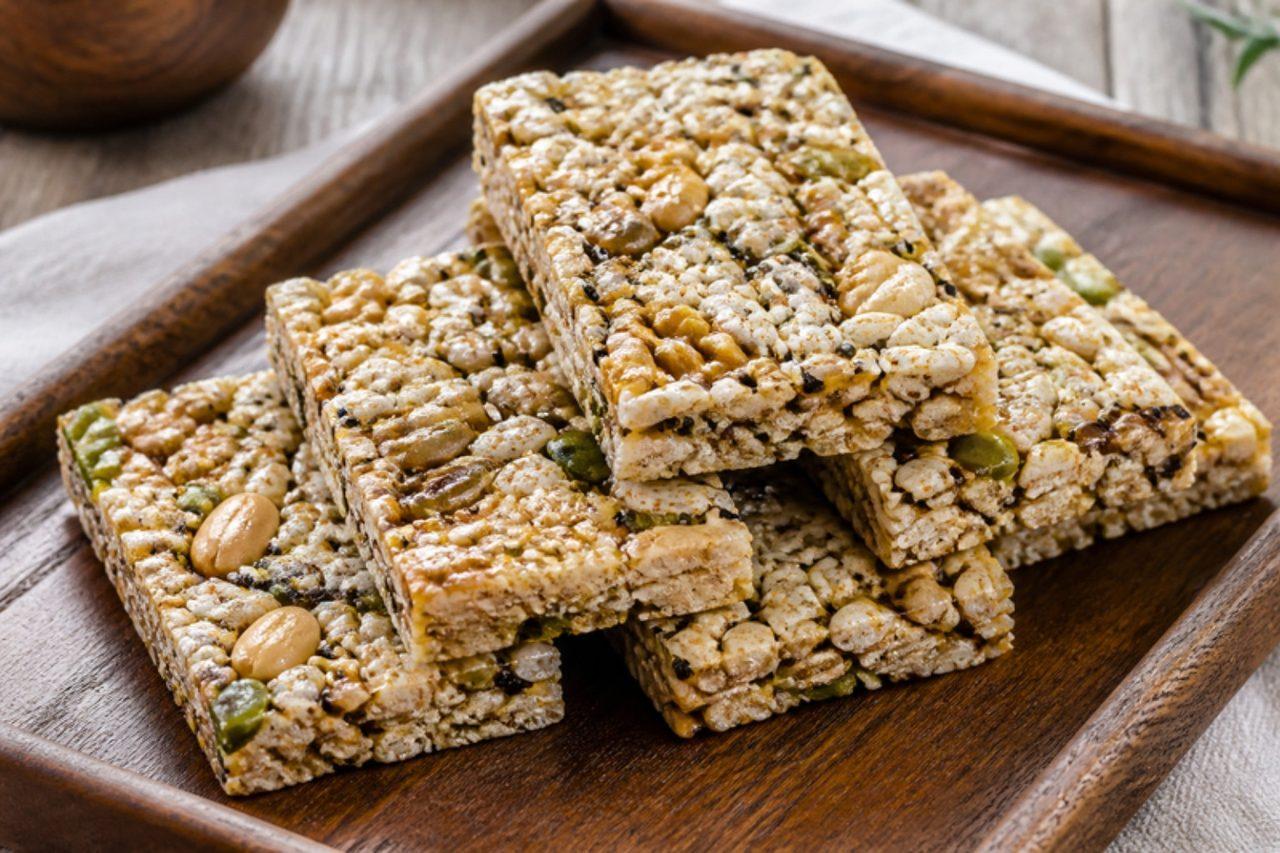
Yeot-gangjeong (nut and sesame bars in rice syrup)

Yeot-gangjeong is a traditional Korean hangwa made all over the country, especially in the weeks before Seollal and Chuseok, when trays of these bars are given as gifts and set out for visitors. Toasted nuts, sesame seeds and puffed rice are folded into hot rice syrup, pressed flat and cut into bars that are crunchy, nutty and only gently sweet, with a faint malty flavour from the syrup. Serve them with green tea or sikhye, the sweet rice drink, or pack them for a lunchbox. They are naturally egg-free: rice syrup, heated until it bubbles, acts as the glue and sets firm as it cools. Chef's tip: cut the slab while it is still warm. The common mistake is waiting until it is cold, when the bars shatter instead of slicing cleanly.

by KrazyBadal 0 views

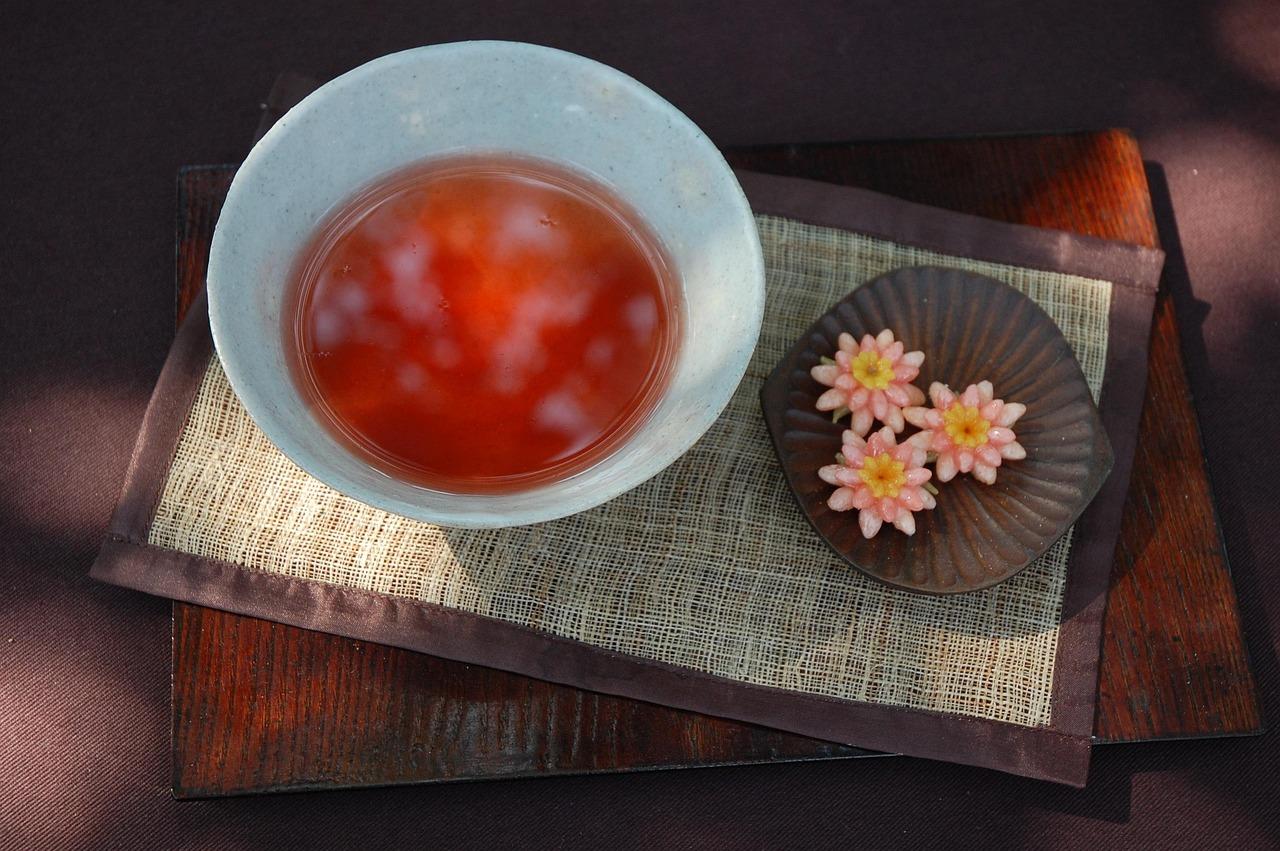
Omija hwachae (five-flavour berry punch)

Across Korea, Dano marks the start of the hot season, and a bowl of hwachae is the old way to cool down. Omija means 'five flavours': the dried schisandra berries are sour, sweet, salty, bitter and pungent at once, and steeping them gives a ruby-pink drink that is tart and bright, said to refresh the body against summer fatigue. Honey is the traditional sweetener; sugar syrup keeps this version vegan and entirely alcohol-free. Float thin pear flowers and a few pine nuts on top and serve it beside tteok or yakgwa. Chef's tip: steep the berries in cold water only, because hot water pulls out their bitterness and the colour turns murky.

by KrazyBadal 0 views

Gochu jeon (stuffed chilli pancakes)

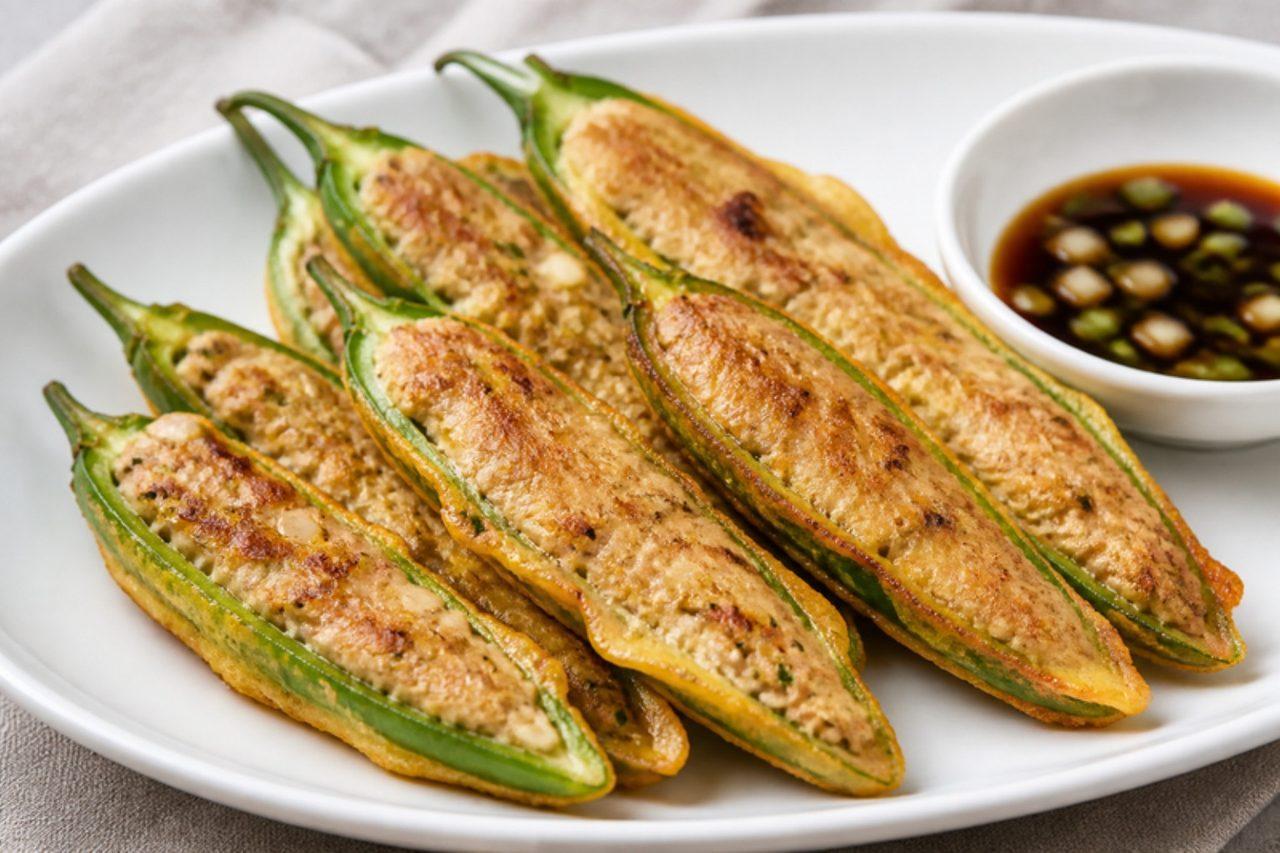
Gochu jeon bring a flash of green to the jeon platter that Korean families fry together, often for hours, before Seollal and Chuseok, when jeon are laid out for the ancestors and then shared by everyone. Long, mild green chillies are split and filled with a pork and tofu stuffing, so each boat is half crisp, sweet-grassy pepper and half juicy, savoury filling, with only a little warmth. They hold well, which is why they are made ahead for the holiday. Serve with a vinegar and soy dip, steamed rice and kimchi. Chef's tip: choose straight, mild chillies (Korean green chillies, Anaheim or long Turkish peppers); curly hot ones are hard to fill and too fierce for a platter.

by KrazyBadal 0 views

Hwayangjeok (colourful skewers)

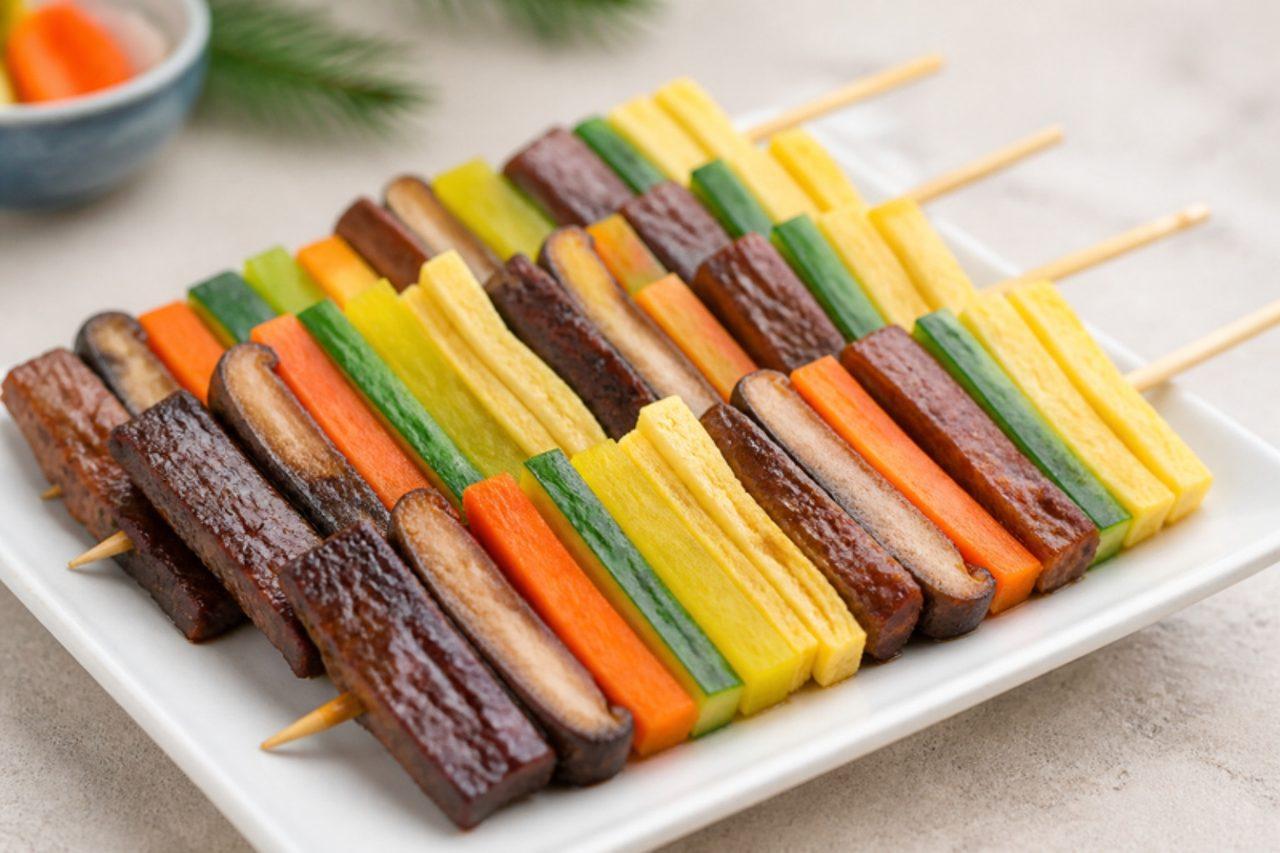
Hwayangjeok, made across Korea for Chuseok and Seollal, means something like 'flower-bright skewers': strips of seasoned beef, shiitake, carrot, yellow pickled radish, cucumber and egg are cooked separately and threaded side by side, so each skewer shows the five traditional colours (obangsaek) that stand for balance and good fortune on the ancestral table. Every bite mixes savoury, sweet soy beef with crunchy, tangy radish and soft egg. They are served at room temperature as part of the holiday spread, with rice, soup and other jeon. Chef's tip: cut every ingredient to the same length and thickness before you start; that is what makes the stripes look sharp.

60 minKoreanMeat
by KrazyBadal 0 views

Torantang (taro soup)

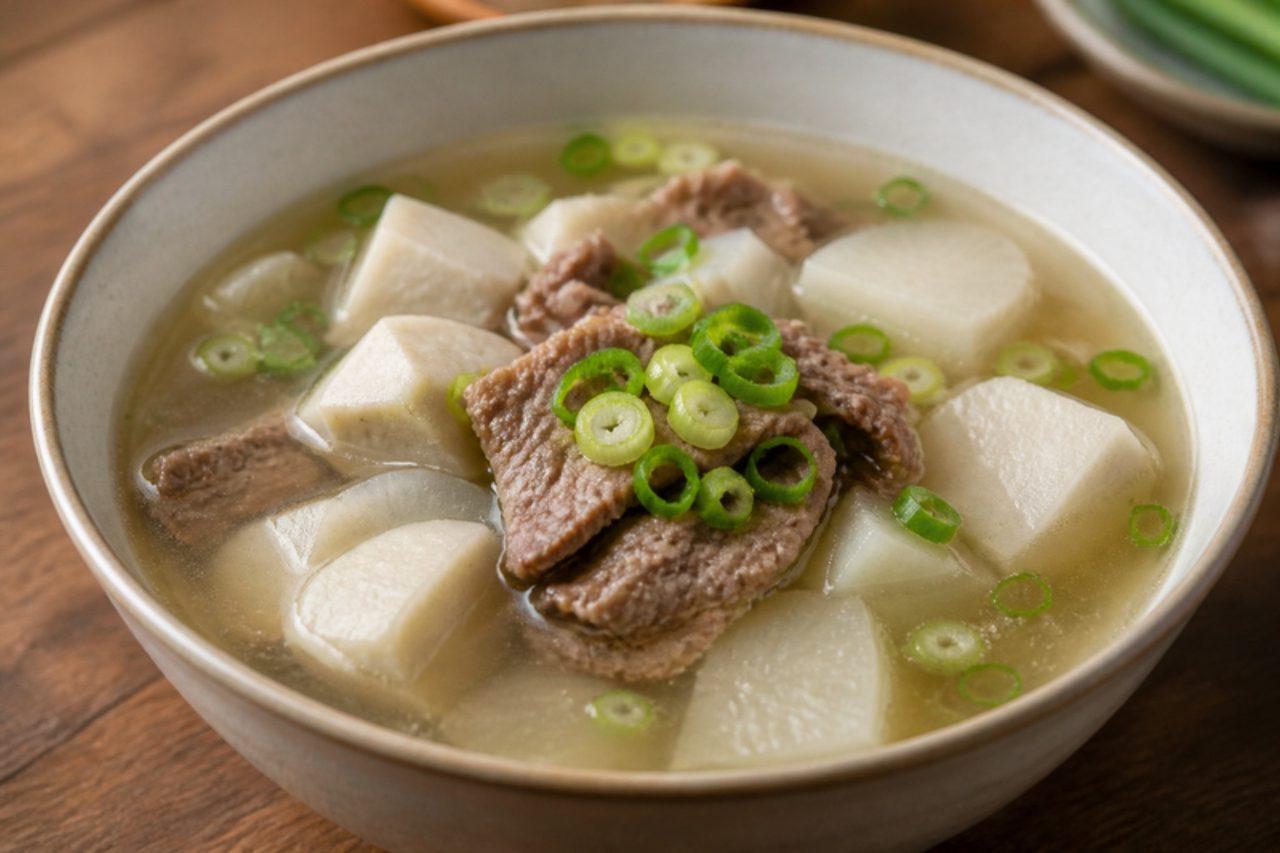
Torantang is the soup of Chuseok all over Korea: taro is dug up just as the harvest moon festival arrives, and its name, 'egg of the earth', makes it a natural thanks for the year's crops. Elders also say it settles the stomach after days of rich jeon and rice cakes. The broth is clean and gently beefy with a sea-sweet depth from kelp, and the taro turns silky and creamy, almost like a soft potato. Serve it piping hot with rice, kimchi and the holiday jeon. Chef's tip: wear gloves when peeling taro, which makes bare skin itch, and parboil it before it goes into the soup so the broth stays clear.

by KrazyBadal 0 views

Grillázs (Hungarian walnut brittle)

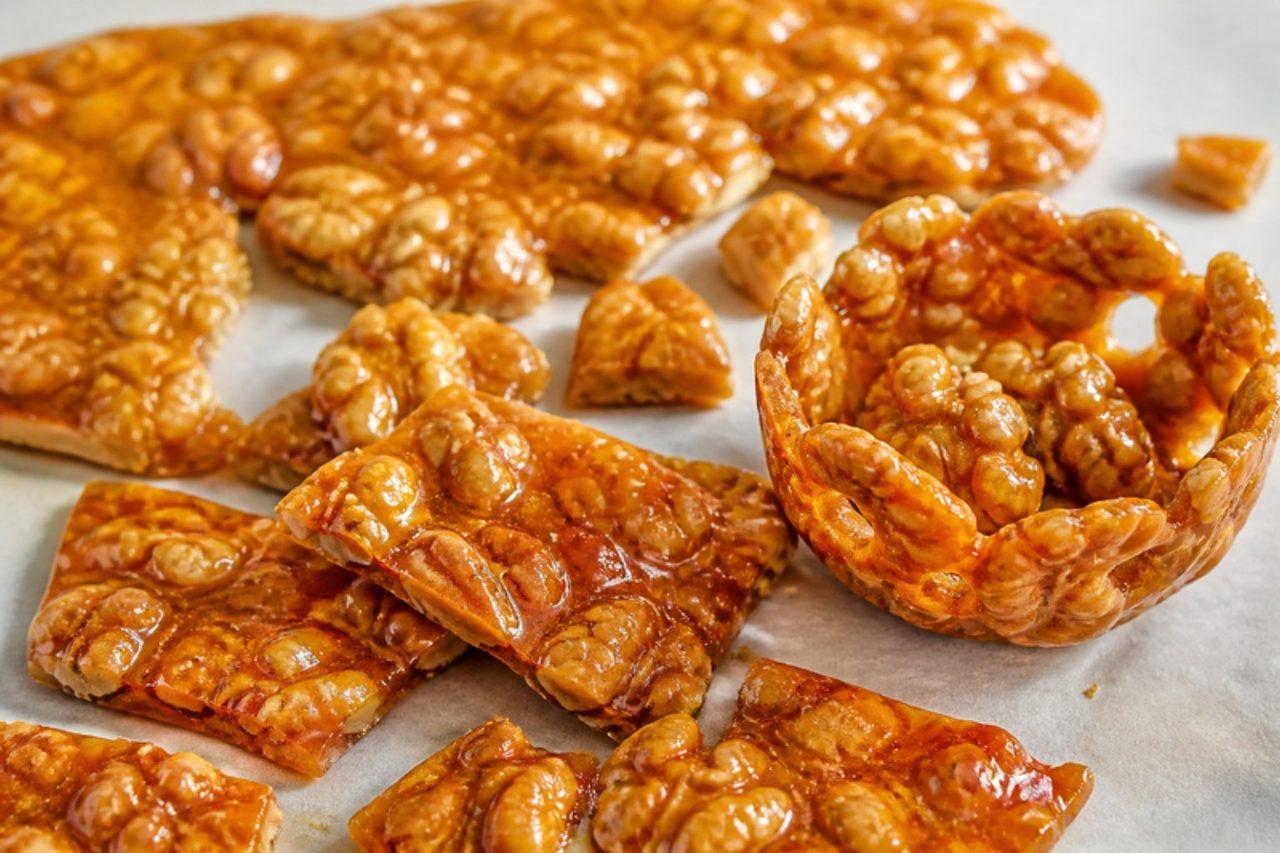
Grillázs belongs to Hungarian celebrations: it is sold at Christmas fairs and on saints' day markets, and at village weddings a towering grillázs castle or basket is often the centrepiece, broken up and shared at the end of the night. Walnuts are traditional, almonds are the fancier choice. The caramel is cooked to a deep amber, so it tastes rich and slightly bitter-sweet and shatters cleanly, with the toasted nuts giving a softer crunch. Serve shards with coffee, crumble it over ice cream, or press warm sheets over an oiled bowl to make a basket for fruit or sweets. It is naturally egg-free: melted, caramelised sugar sets glass-hard as it cools and holds the nuts together, with a few drops of lemon juice to keep it smooth. Chef's tip: warm the walnuts in the oven before they go in; the common mistake is adding cold nuts, which chill the caramel so it seizes and turns grainy before you can spread it.

by KrazyBadal 0 views

Surichwi-tteok (Dano wheel rice cakes)

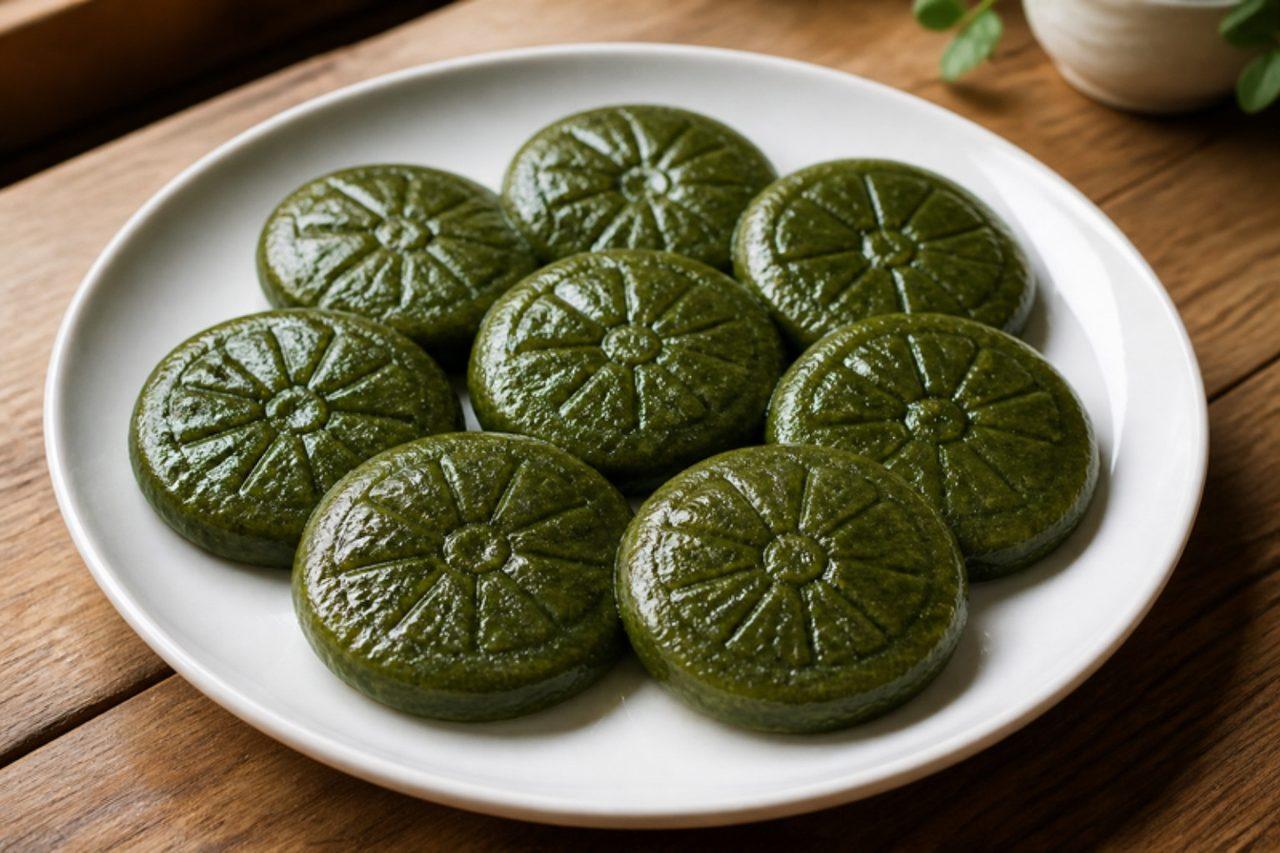
Dano, on the fifth day of the fifth lunar month, was once called surit-nal, and the green surichwi-tteok of Gangwon and the rest of Korea carries that name: the cakes are pounded with surichwi (Korean mountain aster) and pressed with a cartwheel stamp, since 'suri' was read as 'wheel', a wish for the year to roll on smoothly and for good health as summer heat sets in. The leaves give a grassy, faintly bitter scent and a deep green fleck, and the steamed rice is pounded until it turns chewy and bouncy. If you can't find surichwi, mugwort (ssuk) powder or dried mugwort works well; the flavour is a little more herbal and the cakes are just as traditional in spirit. Serve at room temperature with cold omija hwachae or barley tea. Chef's tip: pound the rice while it is still steaming hot; once it cools it tightens and will never go smooth.

by KrazyBadal 0 views

Showing 24 of 684 recipes

Show more recipes

Page 1 of 29