Skip to content
Recipes

All recipes

Vegetarian, or something you can't eat? Set your diet once and we'll hide recipes that don't fit.

Sopa teólogaTurkey broth with bread and cheese

Sopa teóloga ('the theologian's soup') goes back to colonial convents in Lima and Arequipa, where it was cooked for feast days, and it is still served at Holy Week and family celebrations. A rich turkey (or chicken) broth is thickened with soaked bread, milk and fresh cheese, with yellow potatoes and shreds of turkey, and finished with a little ají amarillo and chopped huacatay or parsley. It is thick, comforting and filling. Chef's tip: blend part of the soaked bread with broth before adding it, which gives the soup its creamy body without lumps.

by KrazyBadal 0 views

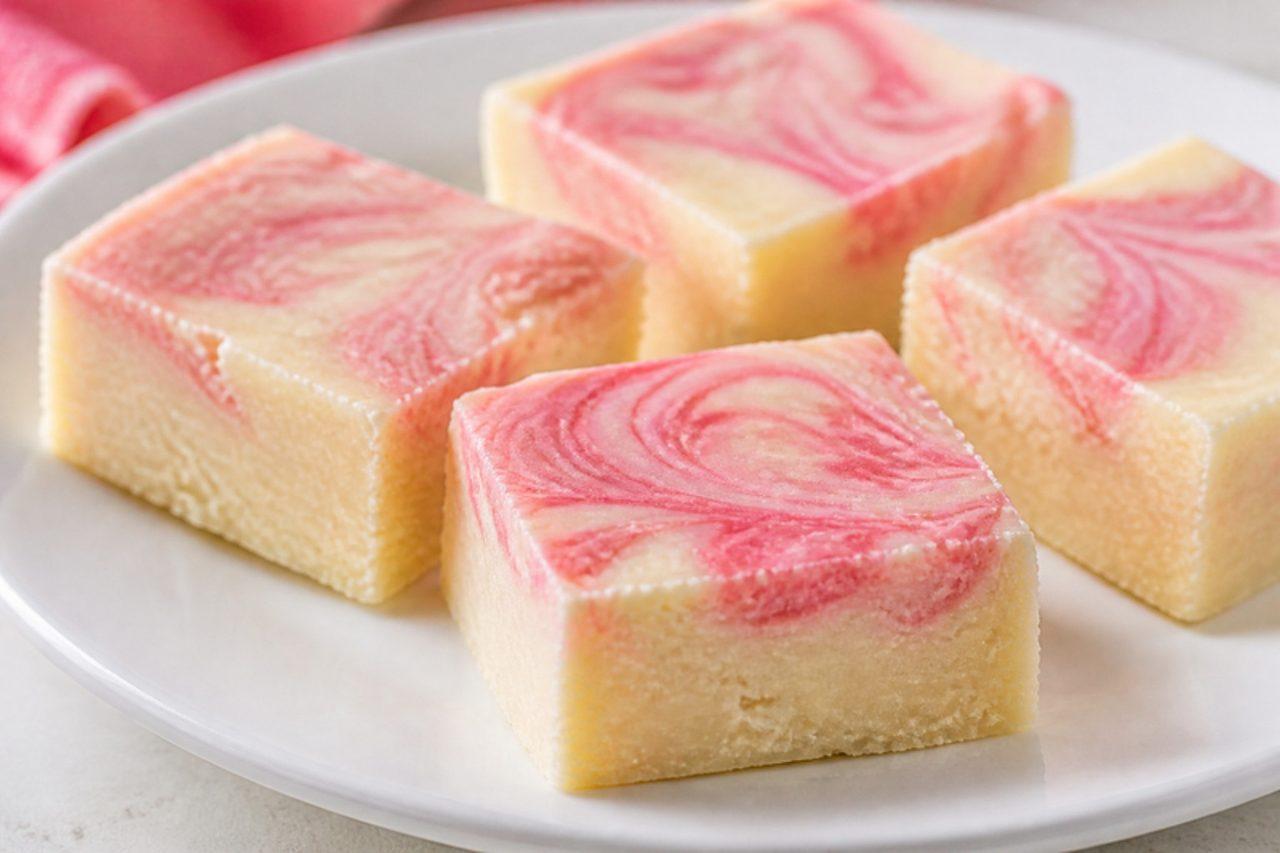
Leche de burraMilk, corn and sugar sweet

On 7 December, Nicaraguans celebrate La Purísima and La Gritería, when people go from house to house singing 'Who causes so much joy? Mary's Conception!' to altars set up for the Virgin, and the hosts hand out gifts: oranges, sugar cane, gofio and leche de burra. It is a firm, fudgy sweet of milk, sugar and a little cornmeal cooked until thick, then set in a tray, sometimes swirled with pink or brown, and cut into squares. Despite the name ('donkey's milk') it is made with cow's milk. It is gluten free. Chef's tip: stir constantly in the last 15 minutes, as milk sweets catch quickly.

by KrazyBadal 0 views

Pajagua mascadaBeef and cassava patties

Pajagua mascada is a Paraguayan street-food classic that appears on every table for the San Juan festival on 24 June, when bonfires burn and the night is full of games and traditional food. Minced beef is mixed with mashed cassava, onion, garlic and a little egg and flour, shaped into flat patties and fried until crisp. The name comes from Guaraní and refers to the 'chewing' of old Paraguayan cooks, who made it from leftover meat. Chef's tip: dry the boiled cassava well and remove its woody core, which keeps the patties light and crunchy.

by KrazyBadal 0 views

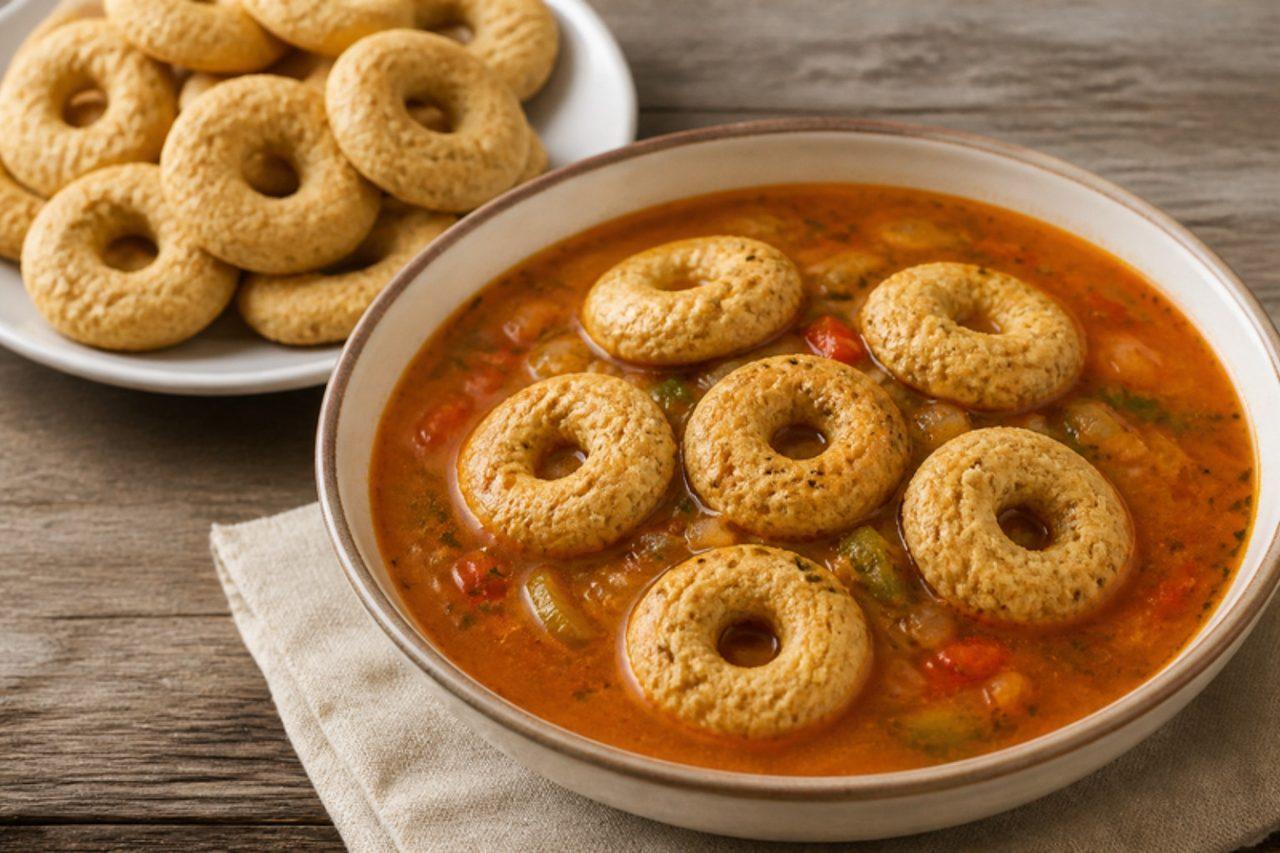
Sopa de rosquillasBroth with corn and cheese rings

In Honduras, Semana Santa is a time for meatless soups, and sopa de rosquillas is the most loved: a light tomato, onion and sweet pepper broth with milk, in which crisp, crumbly rosquillas (baked rings of cornmeal and hard cheese) are dropped at the last minute so they soften on the outside and stay crunchy within. Many families also add a few eggs. Bought rosquillas work; this recipe makes them. Hard 'queso seco' is usually made with rennet, so use a vegetarian hard cheese if needed. Chef's tip: add the rosquillas right before serving, as they dissolve if left to soak.

by KrazyBadal 0 views

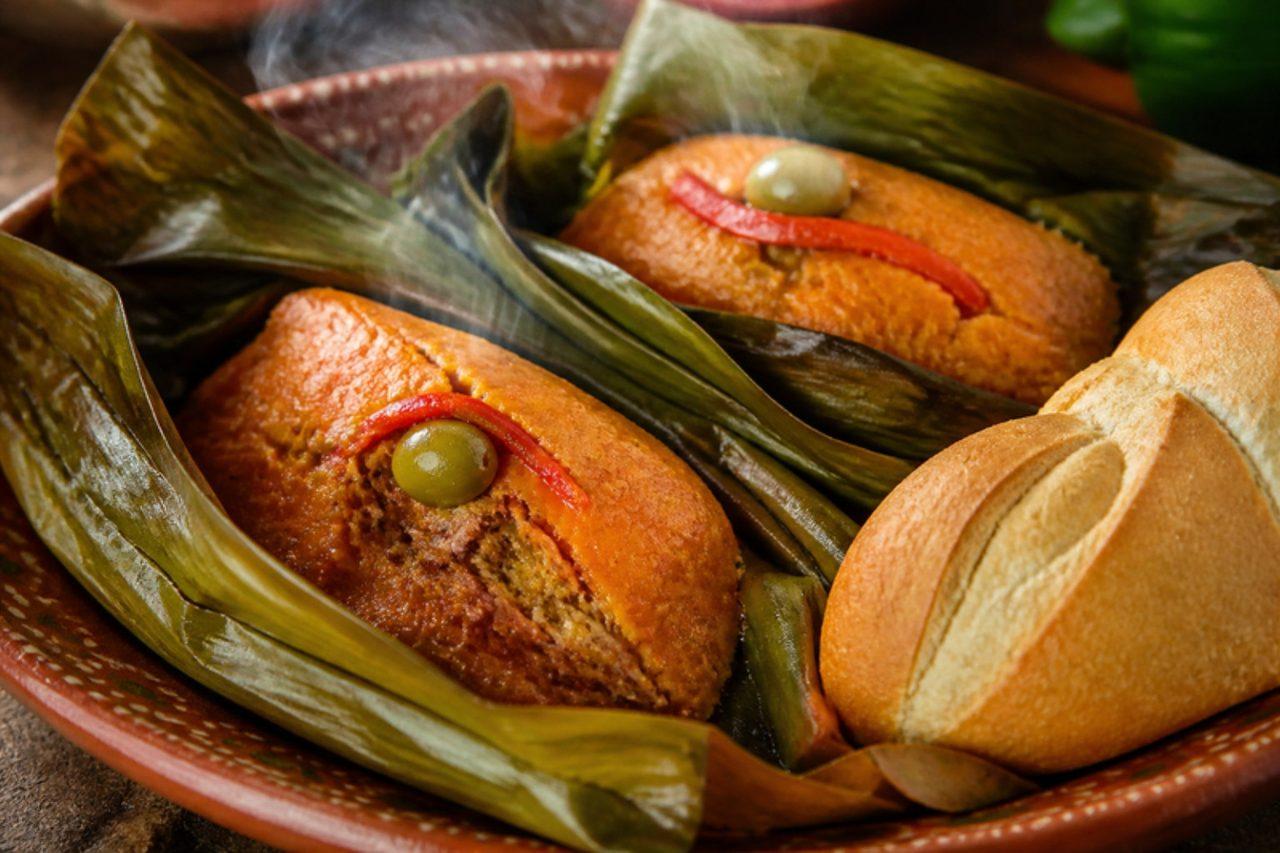
Tamales coloradosRed tamales

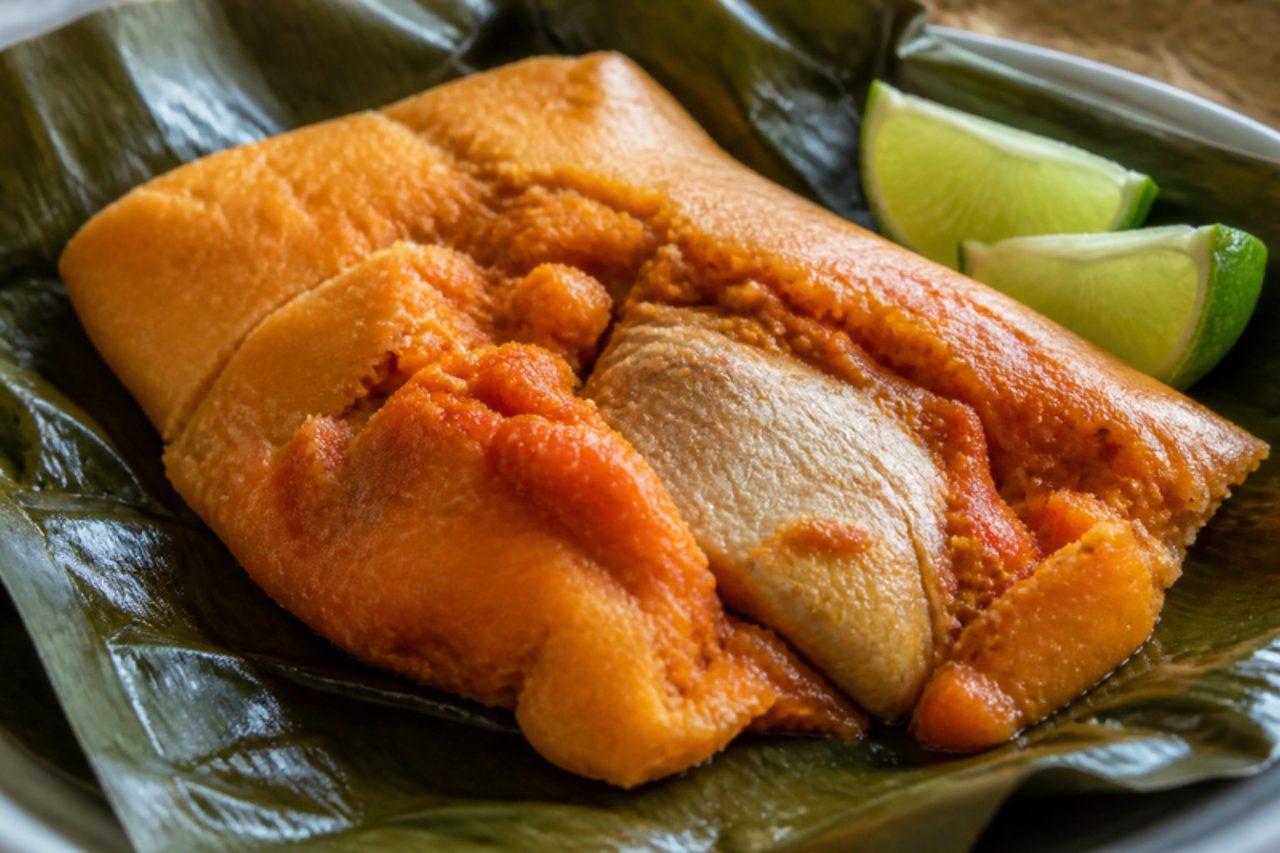
On Christmas Eve in Guatemala, families gather before midnight to eat tamales colorados, made in big batches the day before. Soft corn masa enriched with lard is filled with pork (or chicken) in a red recado sauce of tomato, dried chillies and toasted sesame and pumpkin seeds, topped with an olive, a strip of red pepper and a caper, then wrapped in banana leaves and steamed. They are eaten with bread and hot ponche. Chef's tip: beat the lard into the masa until a spoonful floats in water; that is how you know the tamales will be light.

by KrazyBadal 0 views

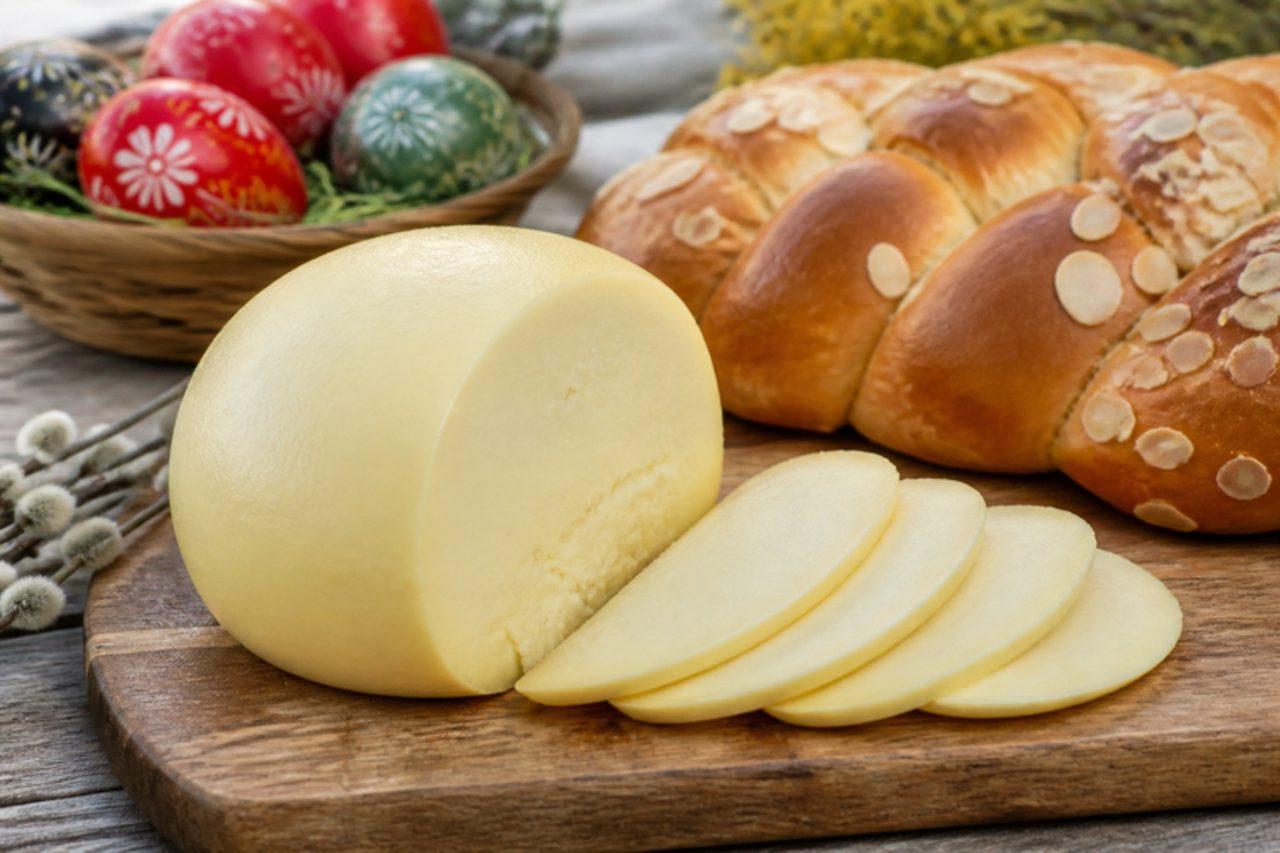
HrudkaEgg and milk cheese

Hrudka (also called sirok or egg cheese) is made in eastern Slovakia and among Rusyn and Slovak families abroad for Easter. Eggs and milk are stirred over a low heat until they separate into soft curds, then the curds are tied tightly in a cloth into a ball and hung to drain overnight. The pale-yellow, mild, slightly sweet 'cheese' is taken to church in the Easter basket on Holy Saturday and sliced at Easter breakfast with ham, bread and horseradish. It needs no rennet, so it is naturally vegetarian. Chef's tip: keep the heat low and stir constantly; high heat makes rubbery curds.

by KrazyBadal 0 views

Lengua a la vinagretaBeef tongue with vinaigrette

Argentina's Nochebuena is a hot summer night, so the table is full of cold dishes, and lengua a la vinagreta is one of the classics: beef tongue simmered until tender, peeled, sliced and covered with a sharp vinaigrette of parsley, garlic, red pepper, onion and chopped hard-boiled egg. It is made a day ahead and served chilled with vitel toné and Russian salad. Chef's tip: peel the tongue while it is still hot, as the skin comes away easily then and clings once it cools.

by KrazyBadal 0 views

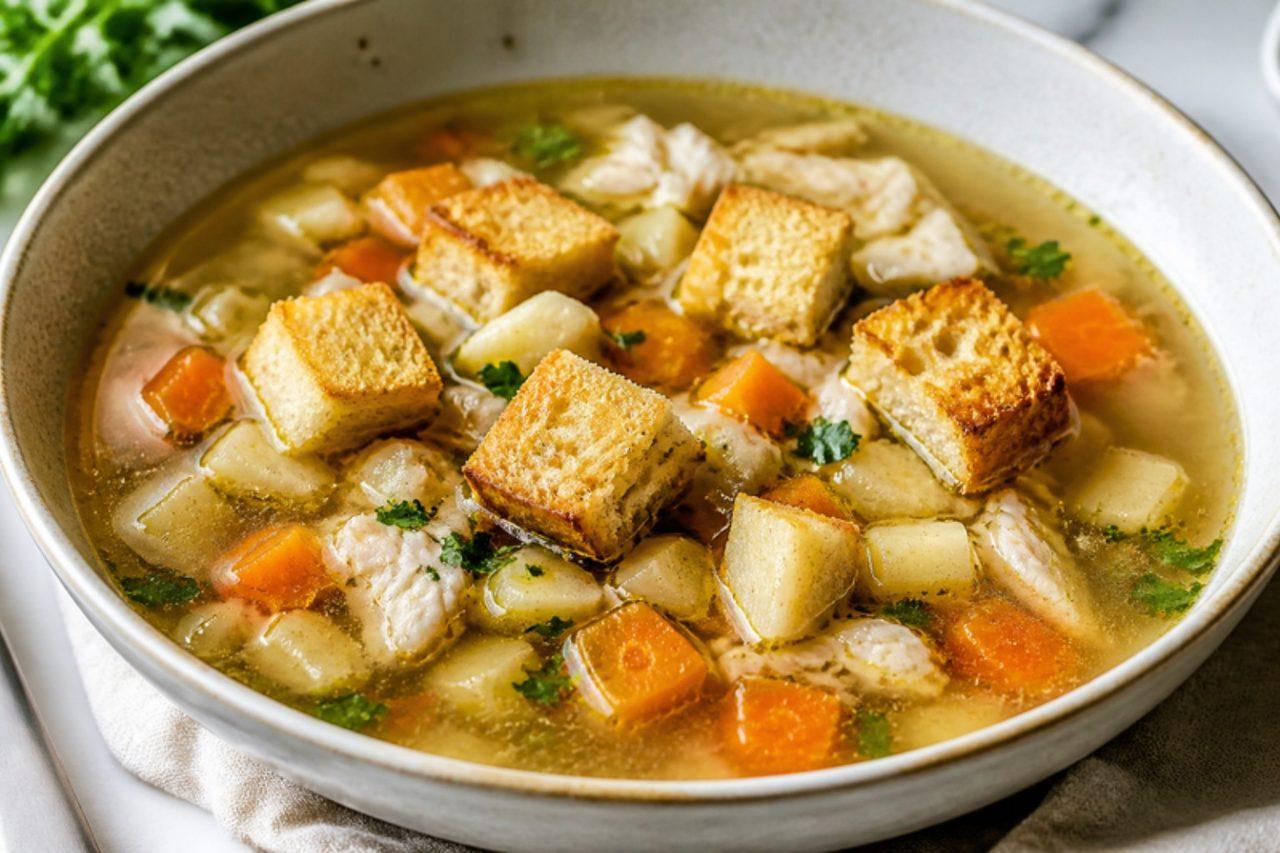
Rybí polévkaCarp soup

In Czechia the Christmas Eve supper begins with rybí polévka, a soup made from the trimmings of the Christmas carp, which is often bought live at street stalls in the days before; here you simply ask the fishmonger for prepared carp trimmings and a fillet. The bones and trimmings make a clear stock that is simmered with carrot, celeriac and parsley root, then filled with flakes of carp and served with croutons fried in butter. Many families add the carp roe. Chef's tip: strain the stock carefully through muslin, as carp has many fine bones.

105 minCzechSoups
by KrazyBadal 0 views

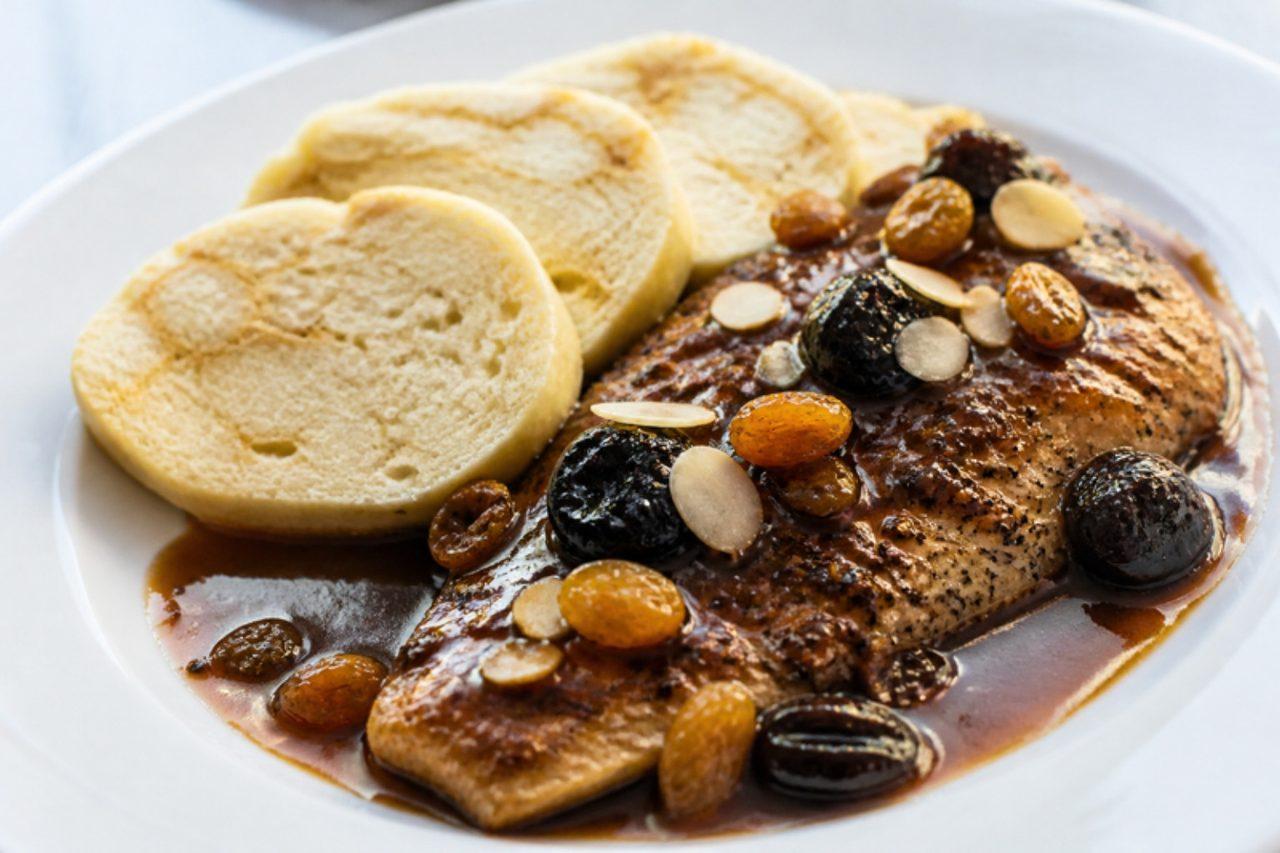
Kapr na černoCarp in dark sweet-sour sauce

Before fried breaded carp took over the Czech Christmas Eve table, families in Bohemia served kapr na černo, 'black carp': fish simmered in a dark, glossy, sweet-sour sauce of root vegetables, gingerbread, prunes, nuts and dark beer. It is rich and spiced, closer to a medieval feast dish than to the modern menu, and served with bread dumplings or potatoes. This version uses a non-alcoholic dark malt drink so the sauce is alcohol-free; adults may use dark beer. Chef's tip: grate the gingerbread finely, so it melts into a smooth sauce rather than leaving soggy crumbs.

105 minCzechFish
by KrazyBadal 0 views

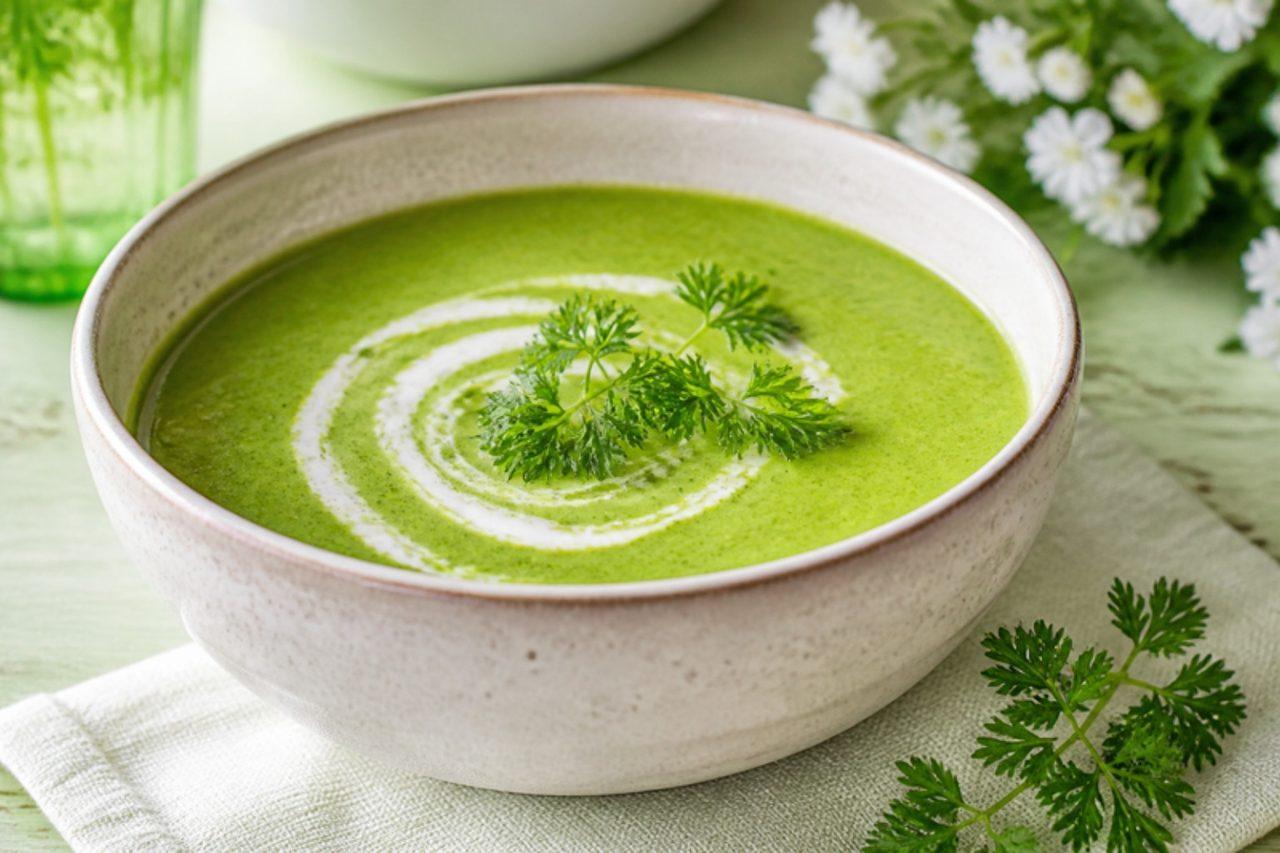
KerbelsuppeChervil soup

In Germany, Maundy Thursday is called Gründonnerstag, 'green Thursday', and many families eat something green that day for health in the coming year: spinach with eggs, herb soup or this creamy chervil soup. Chervil is one of the first herbs of spring, with a delicate taste of aniseed and parsley, and the soup is simply potato, shallot and vegetable stock blended with a big bunch of fresh chervil and finished with cream. It is ready in half an hour and gluten free. Chef's tip: add the chervil only at the very end and blend straight away, because heat quickly dulls its colour and flavour.

by KrazyBadal 0 views

AllerheiligenstriezelBraided sweet loaf

In Bavaria and Austria, godparents give their godchildren an Allerheiligenstriezel on All Saints' Day, 1 November: a large braided loaf of sweet yeast dough, brushed with egg and scattered with almonds or pearl sugar. The braid is said to recall the old custom of cutting a plait of hair in mourning, and the size of the loaf once showed how generous the godparent was. It is lightly sweet, with lemon and vanilla, and is eaten sliced with butter or jam. Some recipes add rum-soaked raisins; these are soaked in warm water instead. Chef's tip: braid four strands for an impressive, high loaf.

by KrazyBadal 0 views

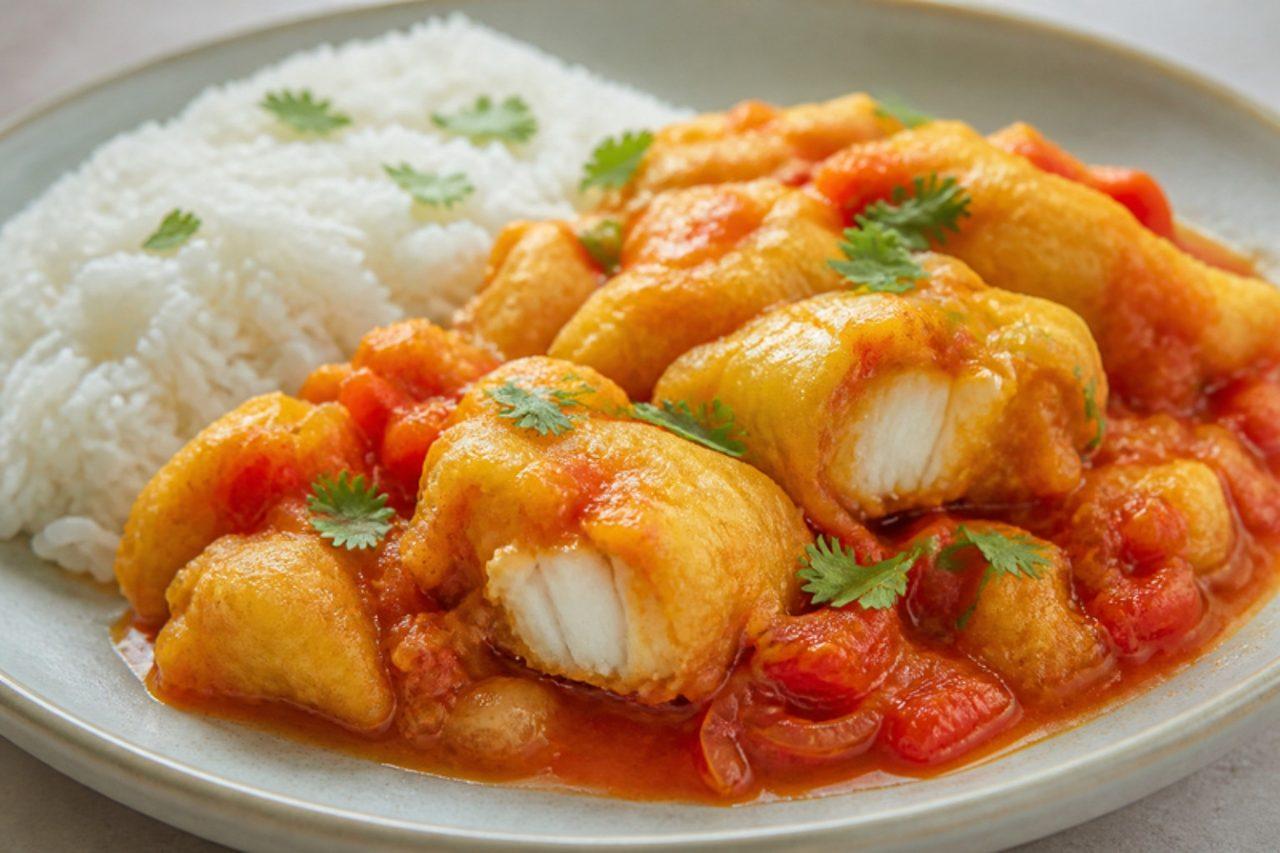
Pescado envuelto en huevoEgg-battered fish in tomato sauce

In Guatemala, Cuaresma and Semana Santa mean the smell of pescado seco envuelto en huevo: pieces of dried salted fish (usually cod) soaked, dipped in whipped egg batter, fried until puffy and golden, then served in a light tomato sauce with rice. It fills the house during the processions of Holy Week, when carpets of sawdust and flowers line the streets of Antigua. Soaked salt cod is the easiest to find abroad. Chef's tip: whisk the whites very stiff and fold in the yolks gently, so the coating puffs into a soft cloud.

by KrazyBadal 0 views

MartinsgansRoast goose with red cabbage

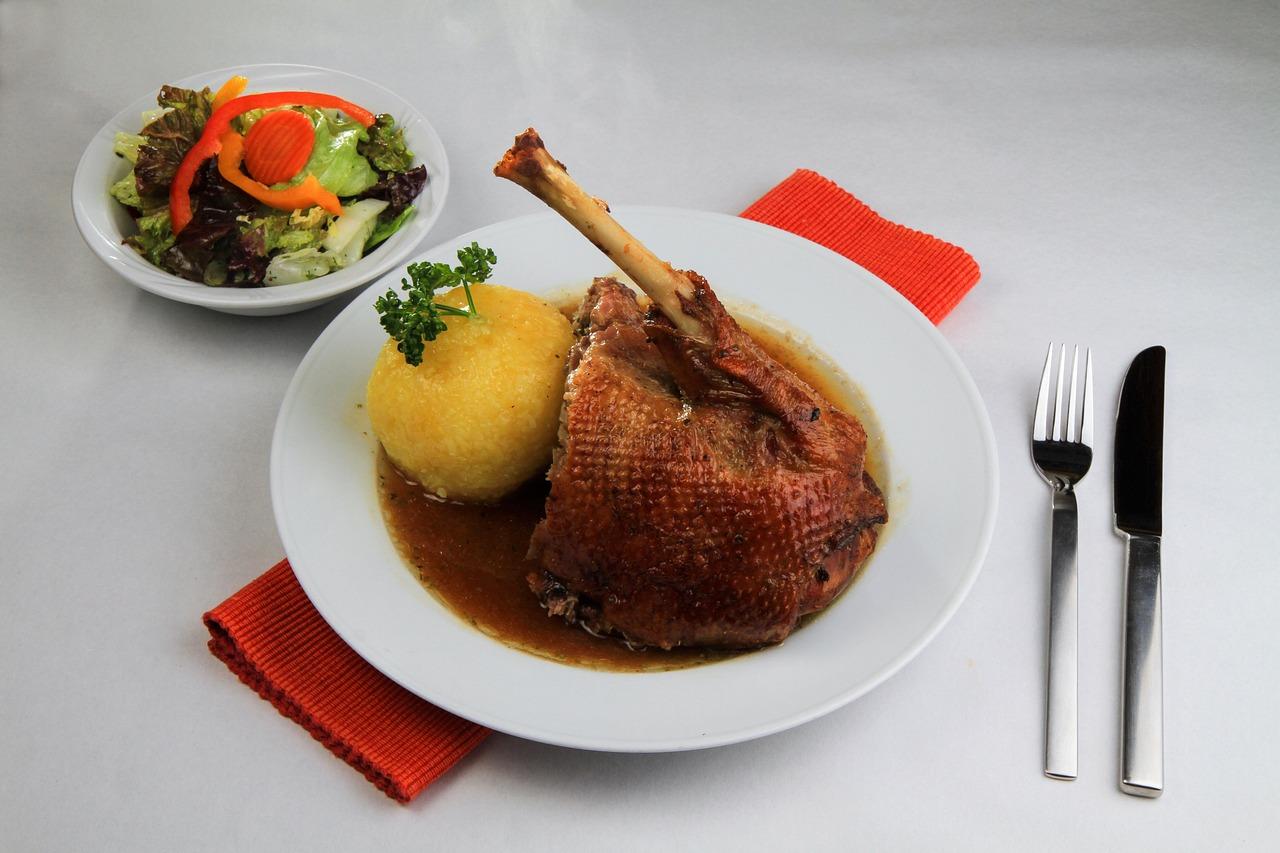
On 11 November, St Martin's Day, children in Germany and Austria walk in lantern processions, and families and restaurants serve the Martinsgans: a goose roasted slowly with apples, onion and mugwort or marjoram until the skin is crisp and the meat tender, with red cabbage, potato dumplings and a rich gravy. Legend says the geese's cackling gave away St Martin when he hid to avoid being made bishop. Goose gives off a lot of fat; save it for roast potatoes. Chef's tip: prick the skin all over (not the meat) and roast on a rack so the fat drains and the skin crisps.

270 minGermanMeat
by KrazyBadal 0 views

Paches de papaPotato tamales with chicken

Paches are the tamales of Quetzaltenango (Xela) in the Guatemalan highlands, made with mashed potato instead of corn and eaten on Christmas Eve and, by long custom, on Thursdays. The potato masa is coloured red with a recado of tomato, chillies and spices, filled with chicken, and wrapped in banana leaves to steam. They are soft and spoonable, served with bread and a squeeze of lime. Chef's tip: mash the potatoes while hot and mix in the recado straight away, so the masa stays smooth and doesn't turn gluey.

by KrazyBadal 0 views

Velikonoční nádivkaBread, egg and smoked pork bake

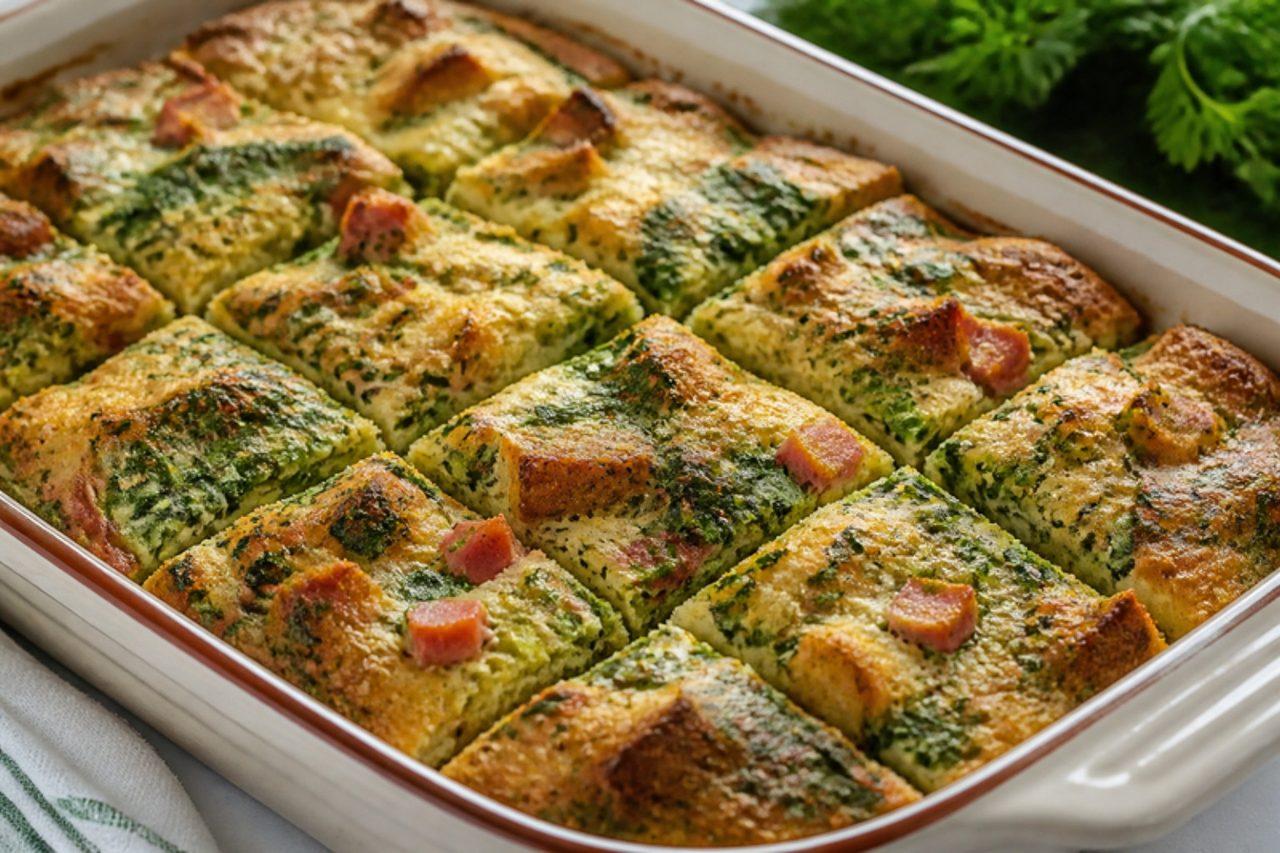
Velikonoční nádivka ('Easter stuffing', also called hlavička) is a Czech and Moravian Easter dish, baked on Holy Saturday or Easter Sunday. Cubes of bread rolls are soaked in milk and eggs, then mixed with smoked pork and a big handful of young nettles, spinach or spring herbs, and baked until golden and puffy. It's eaten warm or cold, sliced, often beside roast lamb or chicken. For a vegetarian version, leave out the smoked pork and add 250 g fried mushrooms. Chef's tip: pick nettles wearing gloves and blanch them for 30 seconds, which takes away the sting.

75 minCzechMeat
by KrazyBadal 0 views

Miel de chiverreSquash strand preserve

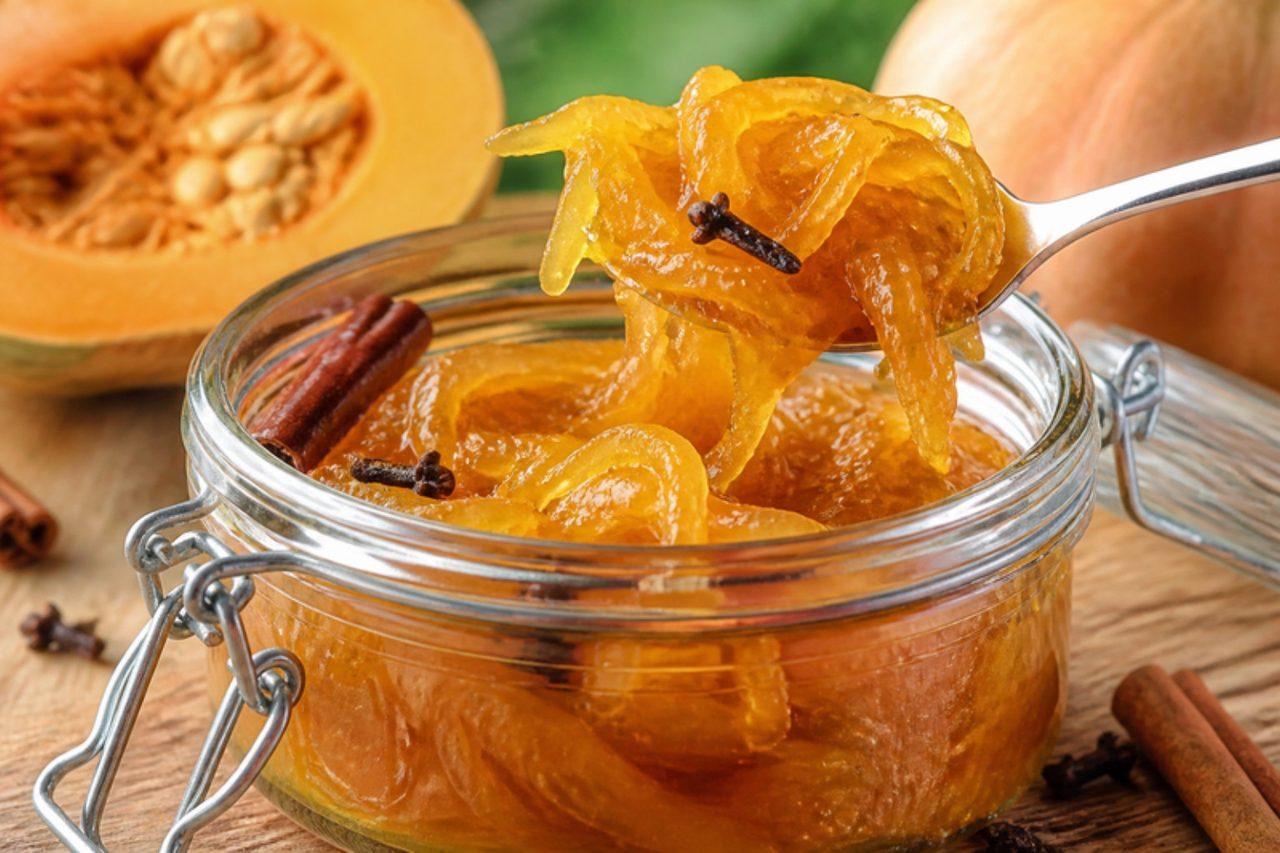
Chiverre is a large, pale squash with stringy flesh that Costa Rican families save for Semana Santa. The strands are cooked for hours with tapa de dulce (cane sugar), cinnamon and cloves until they turn into a golden, chewy, sweet preserve called miel de chiverre, eaten on its own or used to fill the Holy Week empanadas and tortas. Spaghetti squash, though milder, is the closest substitute. It is vegan. Chef's tip: soak the squash strands in cold water for a few hours and drain well, which removes the bitterness.

by KrazyBadal 0 views

Almíbar nicaragüenseFruit preserve in panela syrup

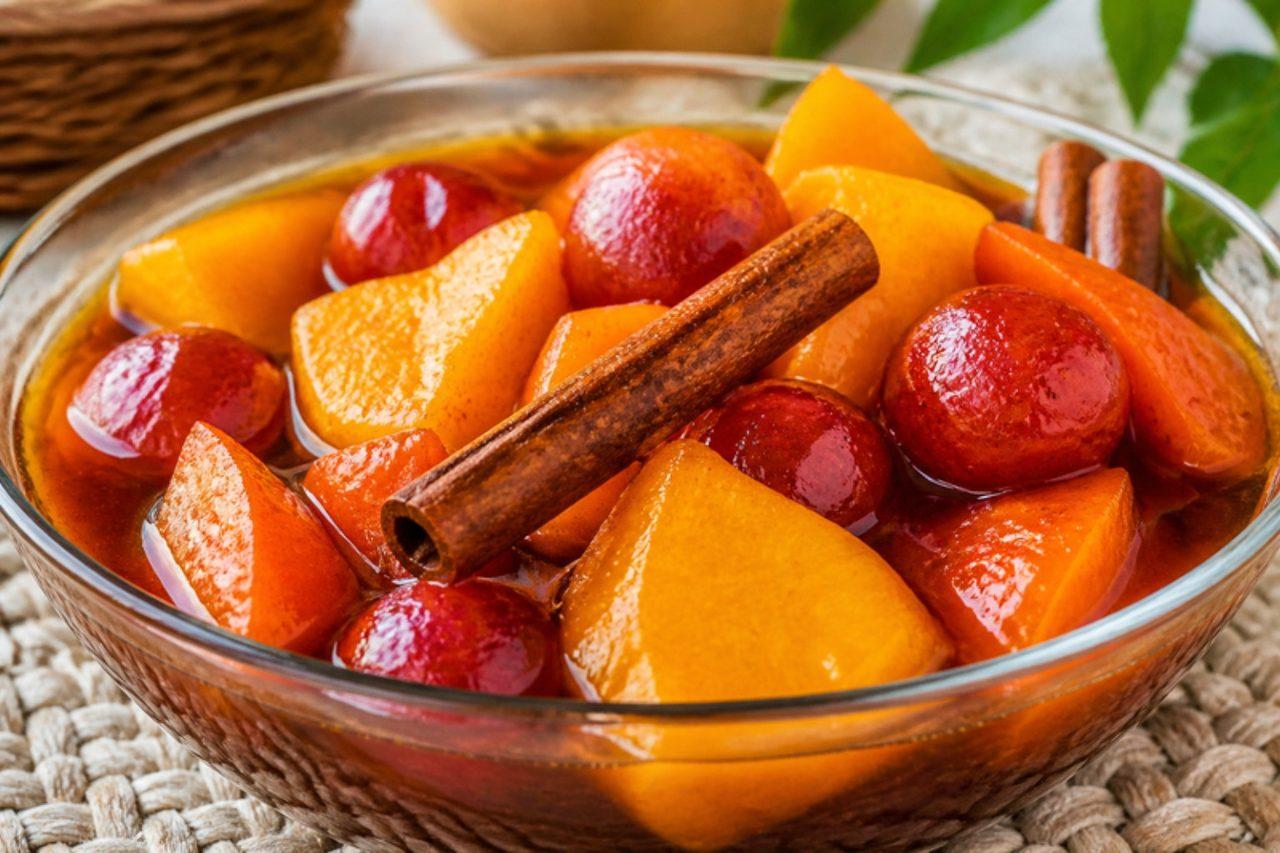
In Nicaragua, Semana Santa means almíbar: a big pot of mango, papaya, jocote (hog plum) and grosella (gooseberry) simmered for hours in a dark panela syrup with cinnamon, cloves and allspice. Families make it ahead and share it with neighbours, who return the bowl full of their own. It is served cool in small bowls, sometimes with a slice of cheese. Jocotes and grosellas are hard to find abroad; firm plums and cape gooseberries are good stand-ins. It is vegan and gluten free. Chef's tip: add the fruit in order of firmness so everything finishes tender but whole.

by KrazyBadal 0 views

Chipa so'oCheese bread with spiced beef

In Paraguay, families bake chipa in the clay tatakua ovens on Holy Wednesday so there is food for Thursday and Good Friday, when cooking stops. Chipa so'o ('chipa with meat') is a cassava-starch and cheese bread wrapped around a little filling of minced beef cooked with onion and egg, then baked until crisp outside and chewy within. It is naturally gluten free. Chef's tip: knead the dough until it no longer cracks at the edges when pressed; dry dough splits around the filling.

by KrazyBadal 0 views

Gallo en chichaRooster in sweet-sour corn sauce

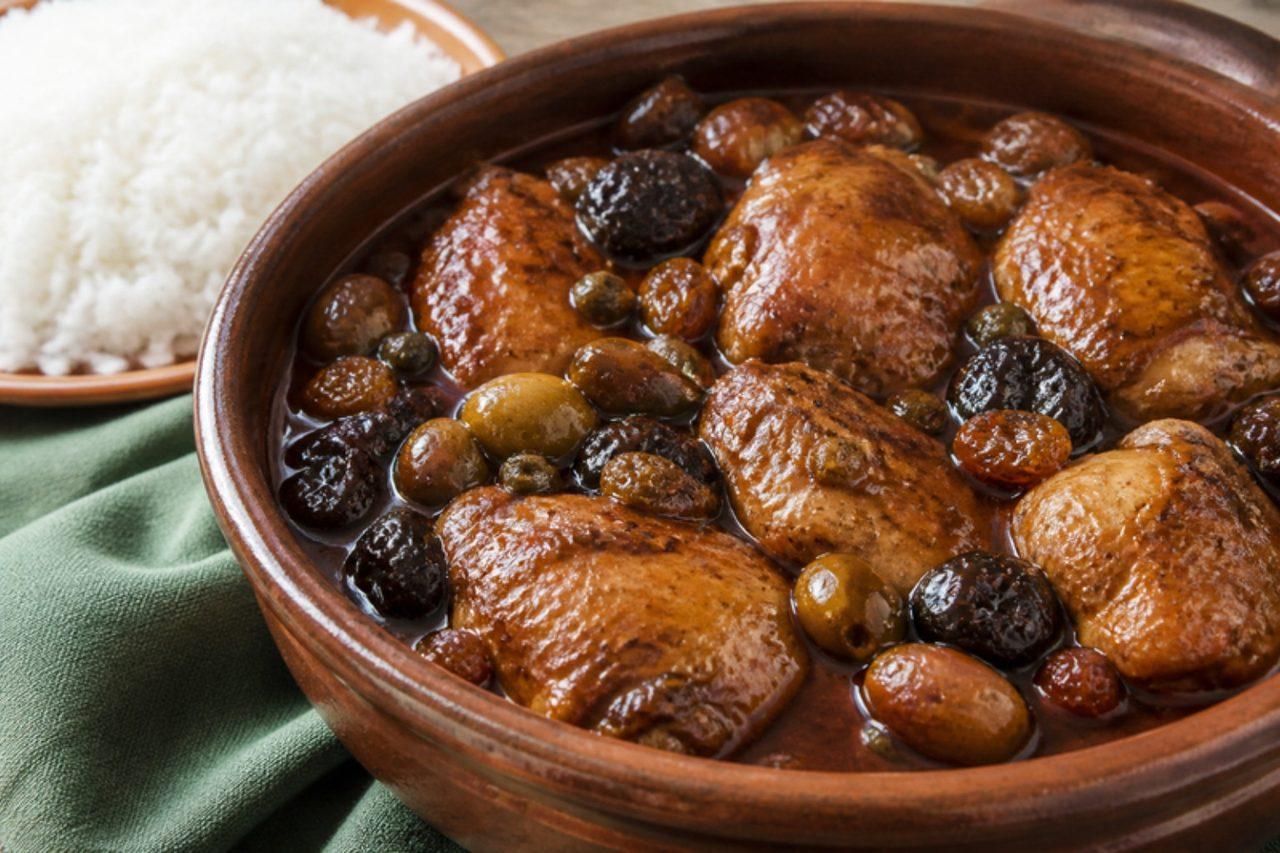
Gallo en chicha is a festive dish of Granada and Masaya in Nicaragua, cooked for Christmas Eve and the purísima season. A rooster (today usually a large chicken) is stewed in chicha, a fermented corn drink, with raisins, prunes, olives, capers and spices until the sauce is thick, dark and sweet-sour. Traditional chicha can be slightly alcoholic; this recipe gives a quick unfermented version made from masa and pineapple, so it is alcohol-free. Serve with rice and plantains. Chef's tip: brown the chicken well first, as the dark sauce relies on that caramelised flavour.

by KrazyBadal 0 views

MazanecEaster raisin and almond bread

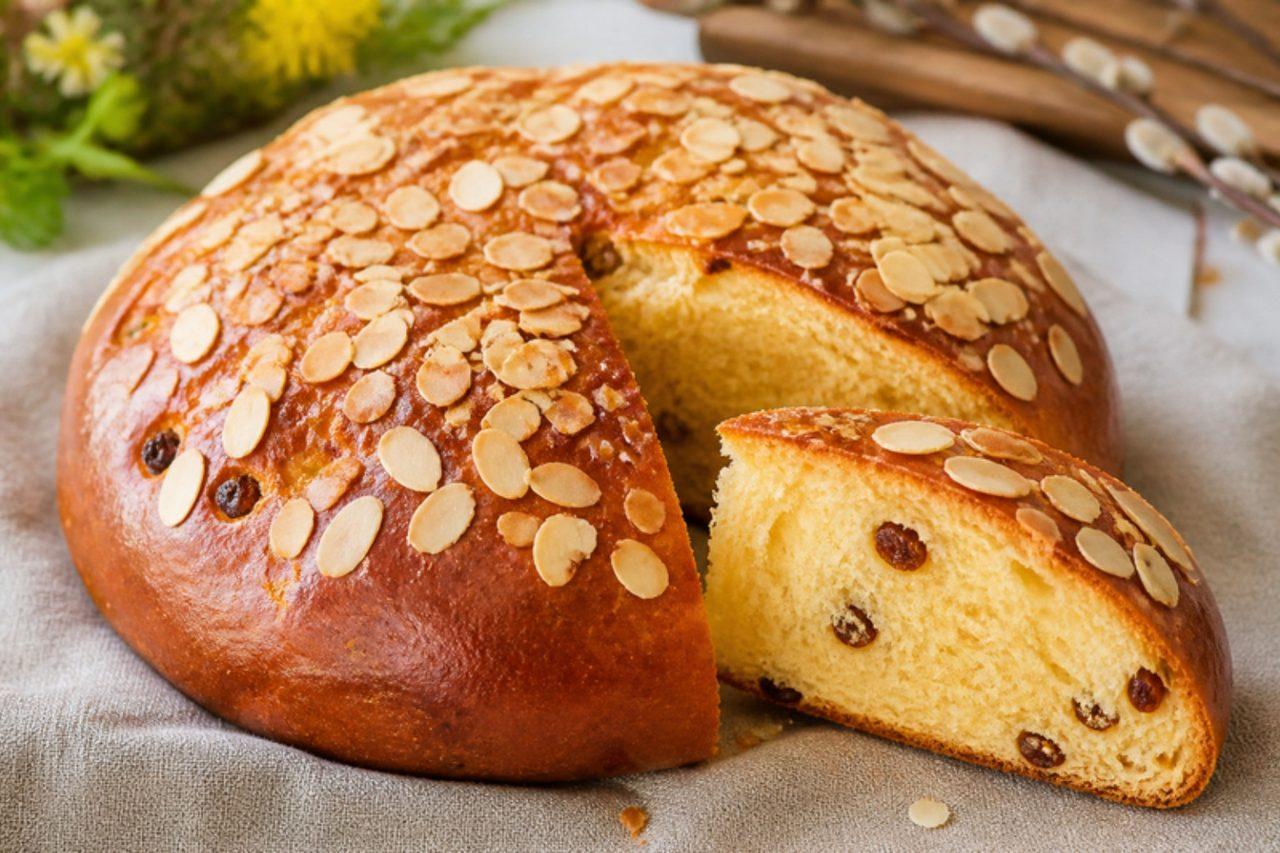
Mazanec is the round Easter bread of Bohemia, baked on Holy Saturday and eaten on Easter Sunday and Monday. The sweet yeast dough is rich with butter, egg yolks and lemon, studded with raisins and almonds, and scored with a deep cross before baking so it opens like a flower. Old recipes soak the raisins in rum; here they are soaked in warm tea, so the bread is alcohol-free. Slice it and spread with butter and honey. Chef's tip: give mazanec a long, slow bake at a moderate heat, because the rich dough browns quickly and the centre needs time.

by KrazyBadal 0 views

Tamal de ollaChicken tamal stew

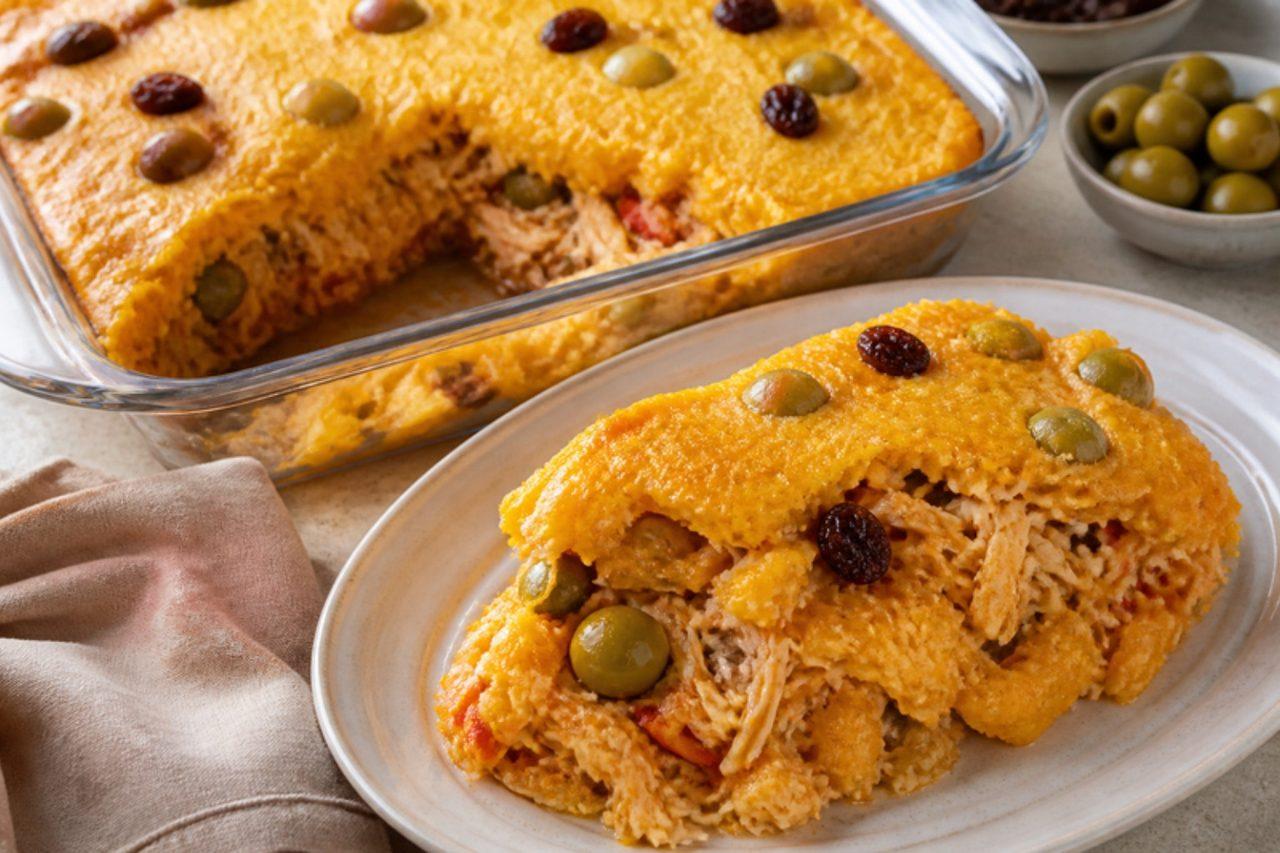
Tamal de olla is Panama's easy answer to Christmas tamales: instead of wrapping dozens of parcels, the corn masa and a saucy chicken filling with raisins, olives and capers are layered in a pot or baking dish and cooked together, then scooped onto plates for the Christmas Eve dinner. It is moist, savoury and slightly sweet, coloured gold with achiote. Chef's tip: cook the masa with the chicken broth on the hob until it pulls from the pan before baking, so the tamal sets but stays soft.

by KrazyBadal 0 views

OsterlammEaster lamb sponge cake

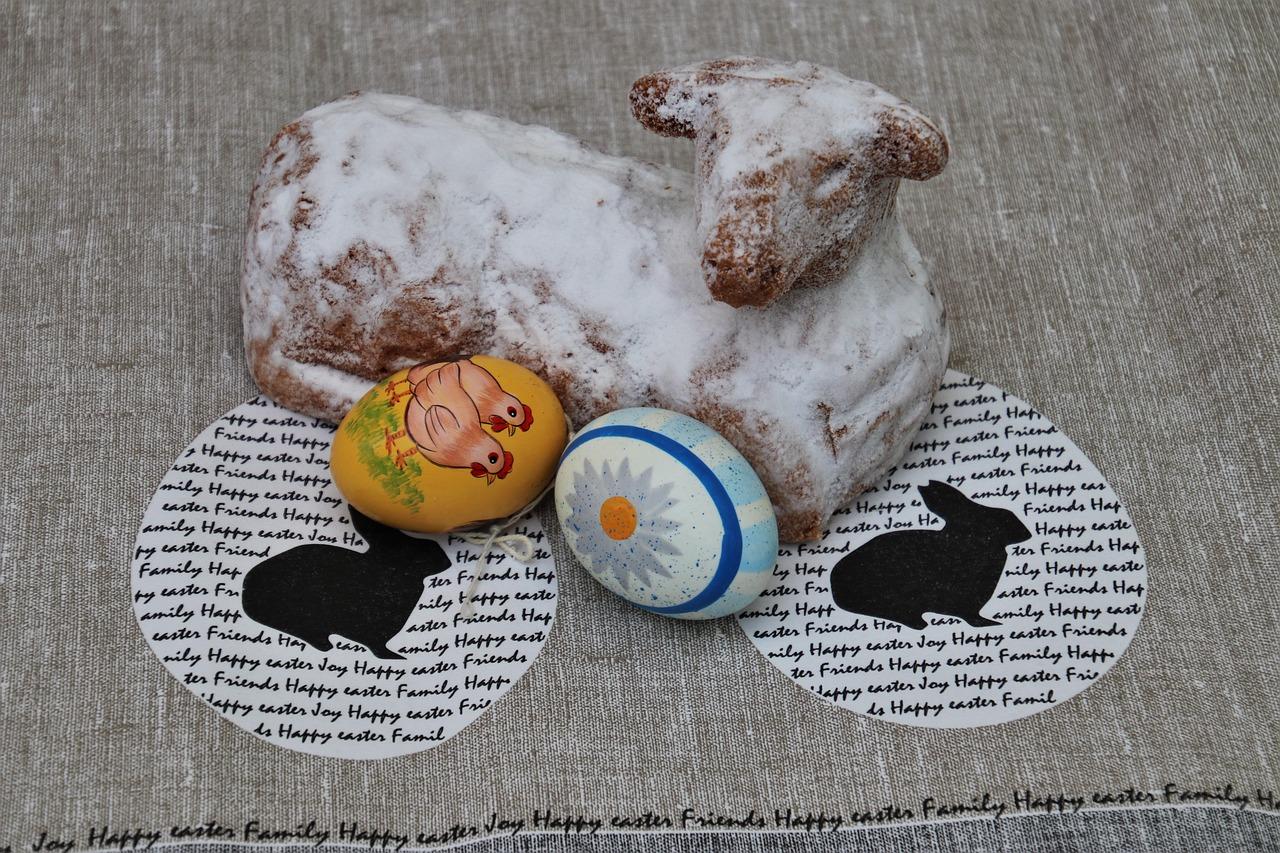
In Germany and Austria an Osterlamm, a light sponge baked in a two-piece lamb-shaped mould, stands on the Easter breakfast table, dusted with icing sugar with a ribbon and bell around its neck and sometimes a little flag. In Catholic regions it is taken to church on Holy Saturday to be blessed with the Easter basket. The cake is a buttery, lemony sponge, firm enough to keep its shape. You need a lamb cake mould, sold in kitchen shops before Easter. Chef's tip: grease the mould with soft butter and dust it with breadcrumbs or flour into every crevice, or the lamb's head stays in the tin.

by KrazyBadal 0 views

OsterpinzeEaster anise brioche

Osterpinze is the Easter bread of Styria, Carinthia and the area around Trieste, a soft, golden brioche dome with three deep cuts on top for the Holy Trinity, so that it opens into a crown as it bakes. The dough is rich with egg yolks and butter and flavoured with anise and lemon; old recipes add a splash of white wine, left out here. It is blessed in the Easter basket on Holy Saturday and eaten on Easter morning with ham, horseradish and eggs, or with butter and jam. Chef's tip: make the three cuts with scissors just before baking, deep enough to reach halfway down, so the crown opens wide.

by KrazyBadal 0 views

KaguyjyWhite corn pudding

On the night of 23–24 June, Paraguayans celebrate San Juan with bonfires, games like walking over hot coals and the 'paso de fuego', and a table of traditional foods, and kaguyjy (also mazamorra) is one of them. It is a soft, creamy pudding of cracked white corn (locro) simmered slowly in water and then milk with sugar or honey, sometimes with orange peel. It is eaten warm or cold. It is gluten free. Chef's tip: soak the corn overnight and cook it until each kernel is tender before adding the milk, or it never turns creamy.

by KrazyBadal 0 views

Showing 24 of 660 recipes

Show more recipes

Page 1 of 28