Skip to content
Recipes

All recipes

Vegetarian, or something you can't eat? Set your diet once and we'll hide recipes that don't fit.

Kumror chhokkaPumpkin, potato and chickpeas

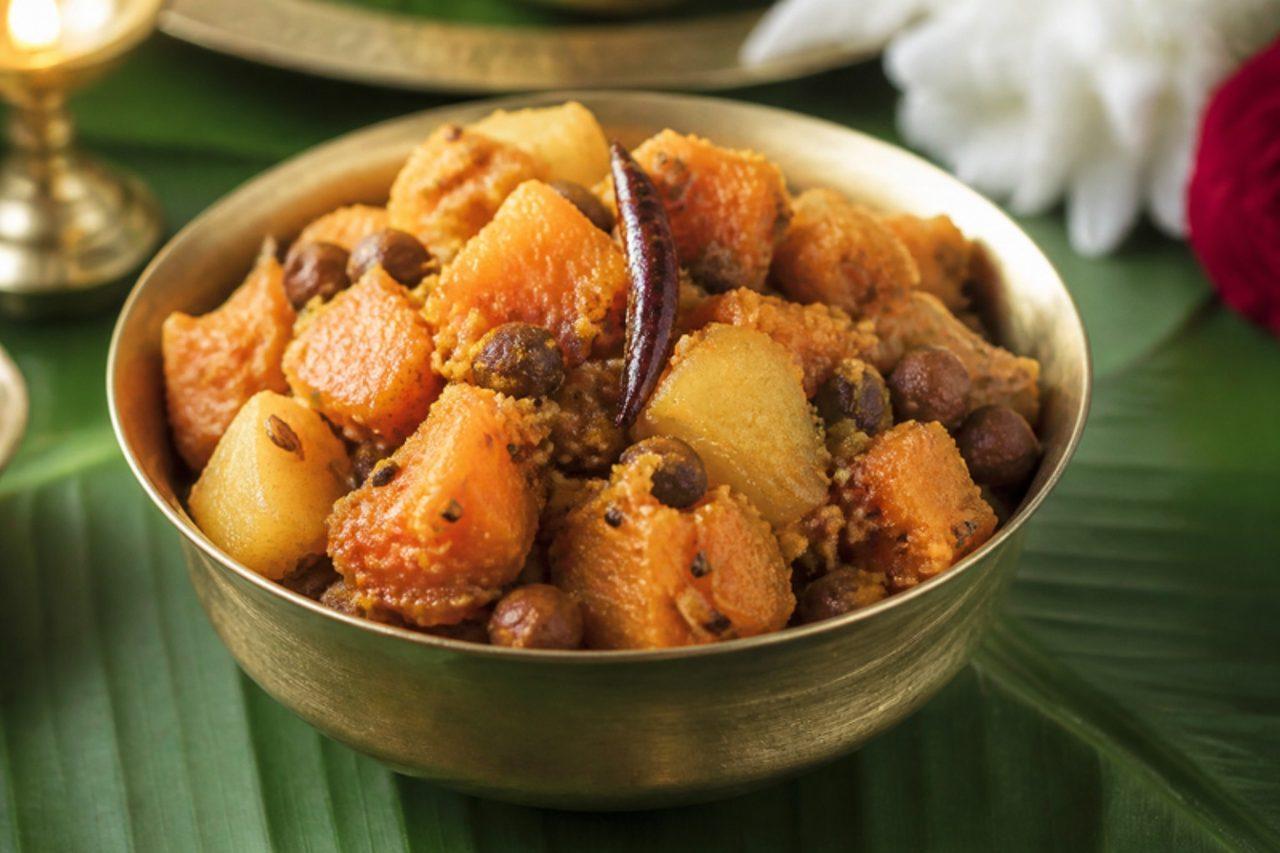
Kumror chhokka is the soft, sweet-savoury pumpkin dish that turns up on the niramish bhog plate at Durga Puja, next to khichuri and luchi, and at Bengali vegetarian feasts all year. Red pumpkin and potato are cooked down with soaked chickpeas, panch phoron (the Bengali five-spice), ginger and a pinch of sugar, until the pumpkin half melts and coats everything. There is no onion or garlic, which keeps it fit for the offering. It is mild, a little sweet and comforting. Common mistake: cutting the pumpkin and potato the same size; pumpkin cooks much faster, so cut it into bigger pieces, and stop when the potato is soft and some of the pumpkin has broken down. Chef's tip: a teaspoon of ghee and a pinch of roasted cumin powder stirred in at the very end makes it taste like the pandal version.

by KrazyBadal 0 views

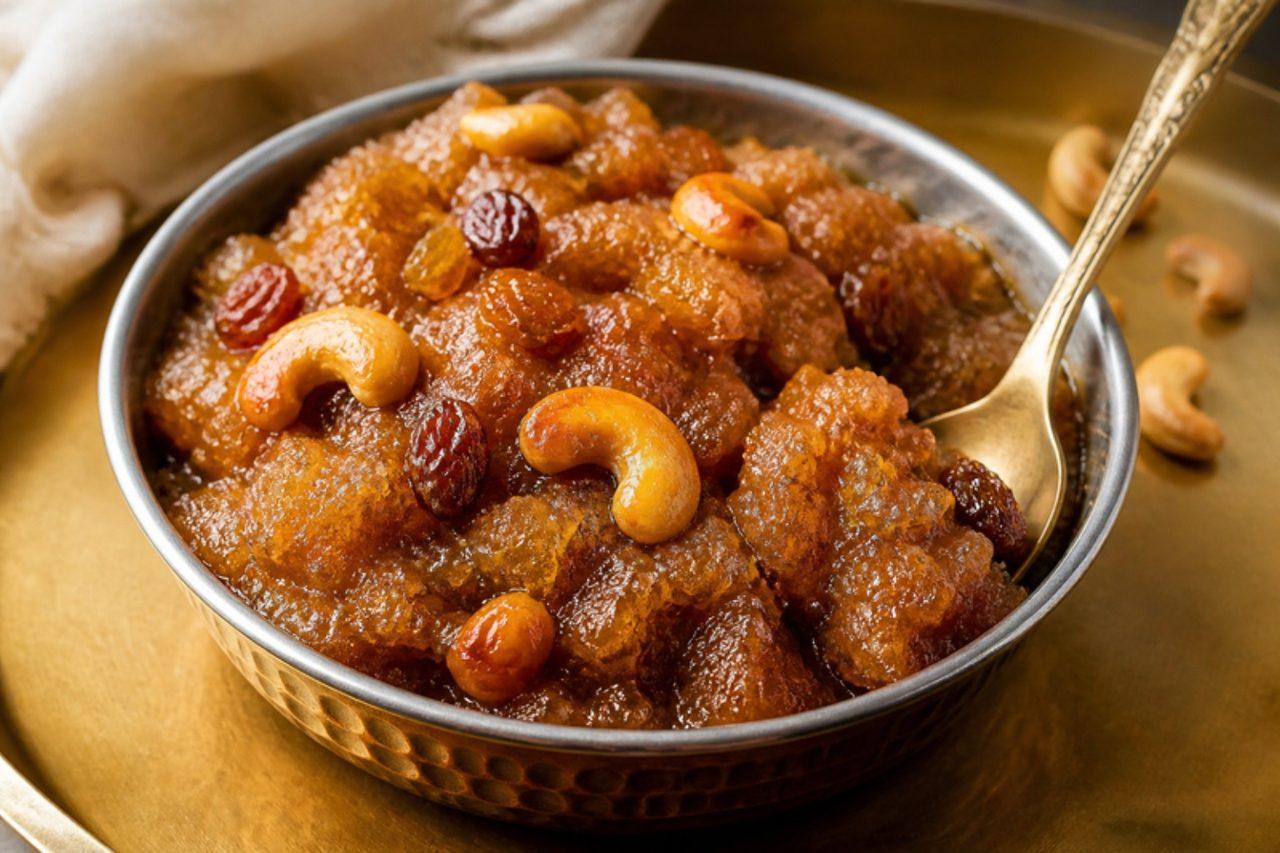
Bread halwaFried bread halwa

At Tamil Muslim weddings and Eid feasts in Chennai and Madurai, the biryani is followed by a spoonful of bread halwa, sticky, golden and glistening with ghee. Cubes of white bread are fried until crisp, then cooked down with milk, sugar and cardamom until they melt into a soft, jammy halwa studded with cashews. Chef's tip: day-old bread fries crisper and soaks up the milk more evenly than fresh.

by KrazyBadal 0 views

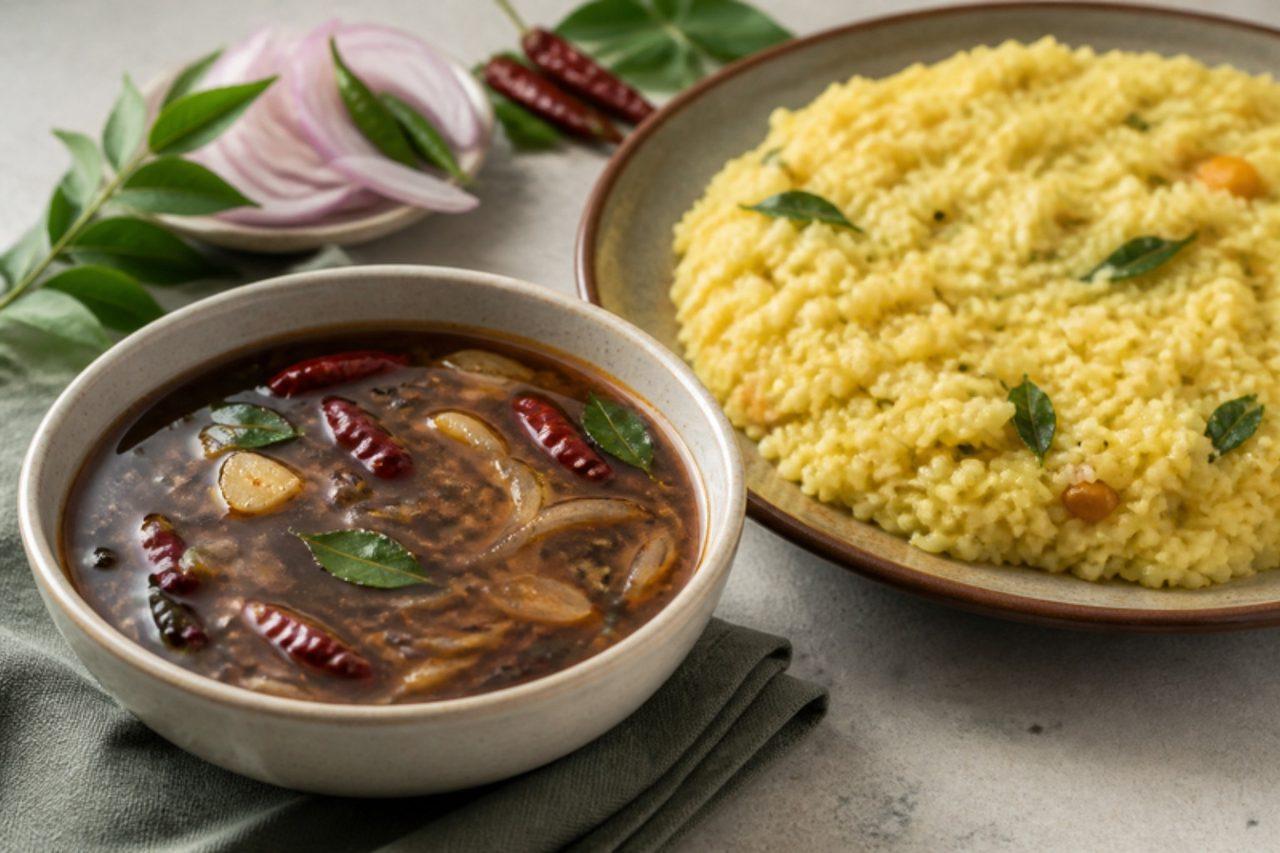
Hyderabadi khattaSour tamarind sauce

In Hyderabad the pre-dawn sehri meal of Ramadan is often khichdi, kheema and khatta: a thin, sour tamarind and onion sauce, tempered with curry leaves, garlic and dried chilli, ladled over the soft rice and lentils to wake up the palate at four in the morning. It is runny like a rasam, tart and savoury with just a little heat. Chef's tip: fry the onion only until soft, not brown, so the khatta stays light and sharp.

by KrazyBadal 0 views

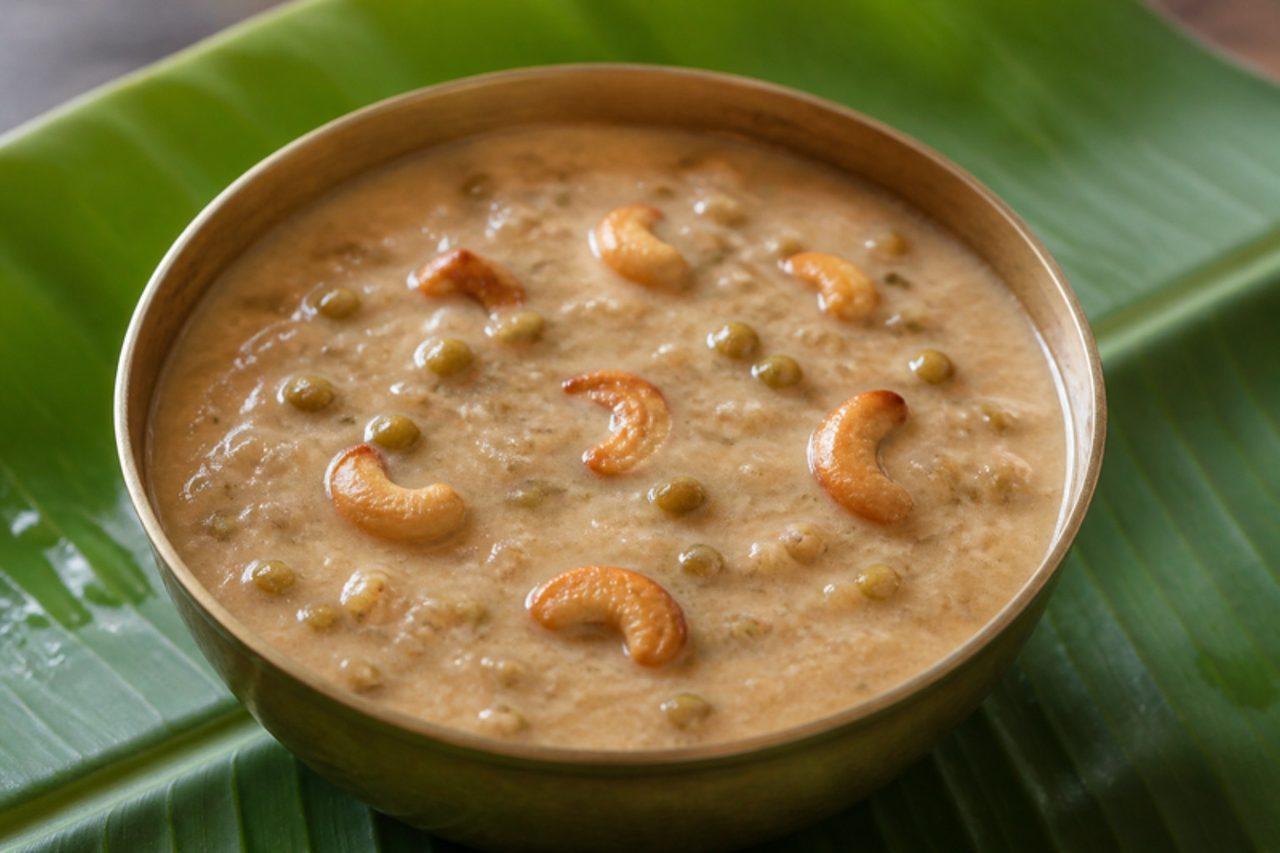
VornGreen gram and coconut milk sweet

On 8 September, Mangalorean Catholics celebrate Monti Fest, the feast of Mary's Nativity, which is also a harvest festival: new ears of grain are blessed at church and shared at home, and the family eats a vegetarian feast of new-season vegetables. Vorn, a pudding of split green gram (moong) cooked with coconut milk, jaggery and cardamom, is the sweet that ends it. It is like a gentle payasam, vegan and gluten free. Chef's tip: dry-roast the moong dal until fragrant before cooking it, which gives vorn its nutty flavour.

by KrazyBadal 0 views

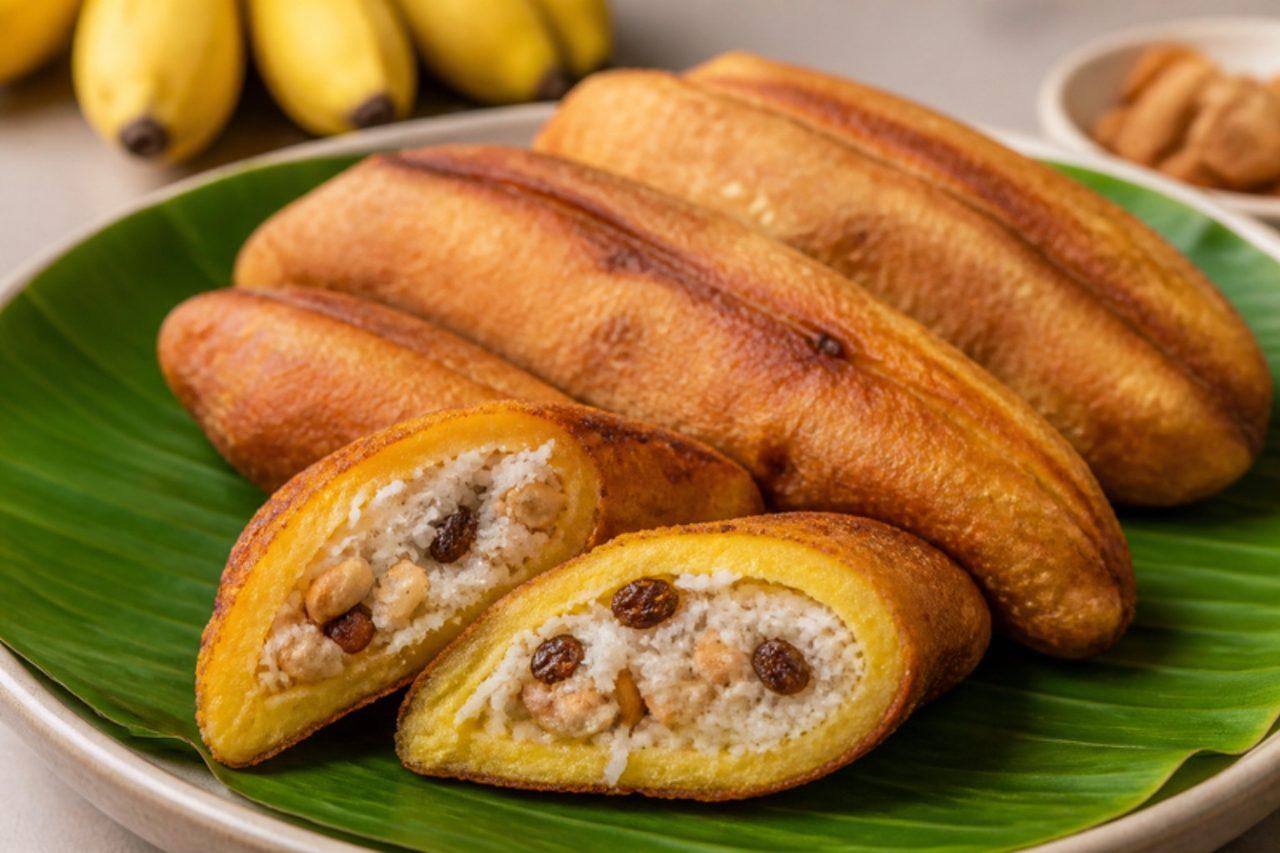
Pazham nirachathuCoconut-stuffed fried plantains

Every Malabar iftar spread has a plate of pazham nirachathu: ripe plantains slit open, packed with grated coconut, sugar and cardamom fried with ghee and cashews, then dipped in a thin flour batter and shallow-fried. The outside turns crisp and lacy, the plantain goes soft and caramel-sweet and the coconut stays moist. Chef's tip: slit the plantain without cutting through the far side or the ends, so the filling stays inside the pocket.

by KrazyBadal 0 views

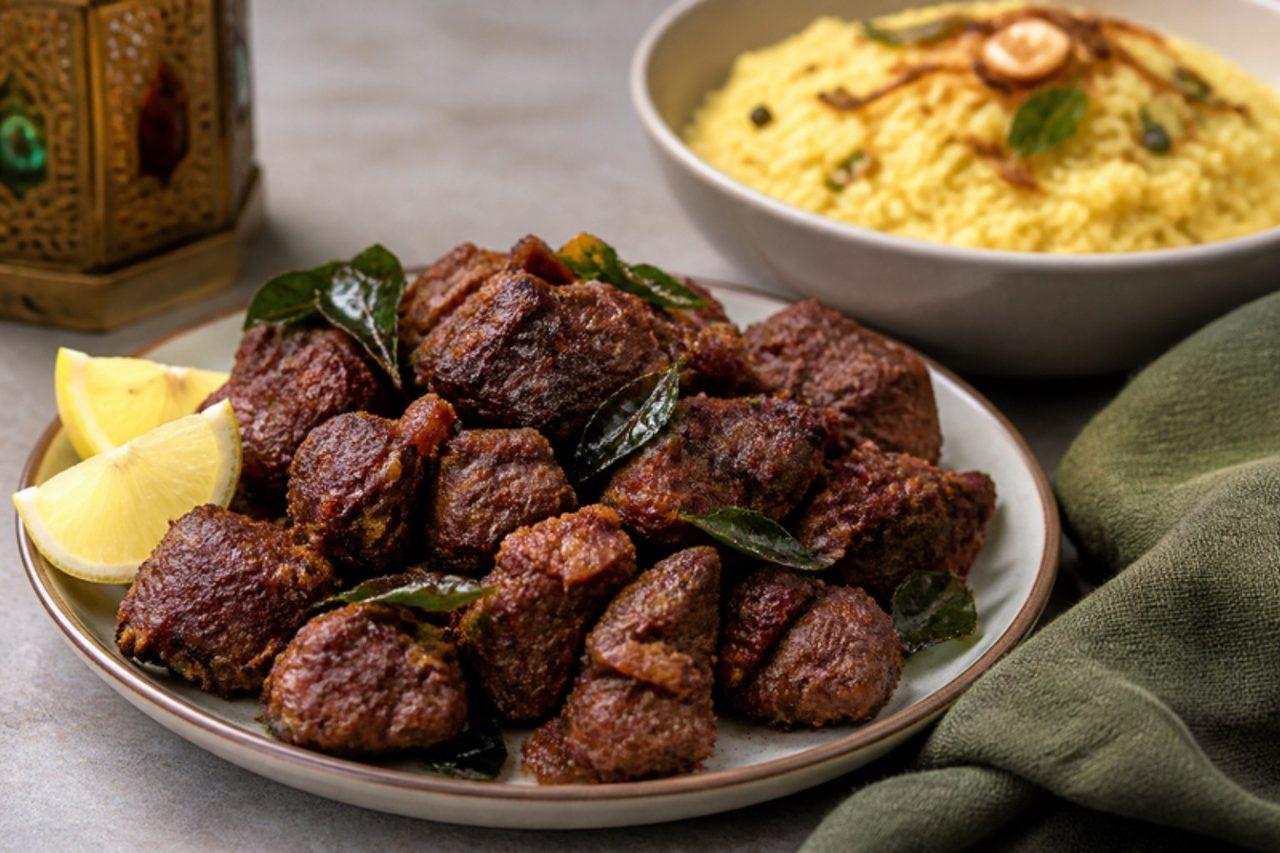
Talawa goshtBoiled and fried mutton

Talawa gosht means fried meat, and in Hyderabad it is one of the first dishes made from the fresh mutton of Eid al-Adha. Bite-sized pieces are boiled with ginger, garlic and whole spices until tender, then fried hard in oil until crisp and dark at the edges, and eaten with khichdi, khatta or dalcha. Chef's tip: boil until the water has almost gone; the meat should be dry before it fries, or it will spit and steam rather than crisp.

95 minIndianMeatGluten free
by KrazyBadal 0 views

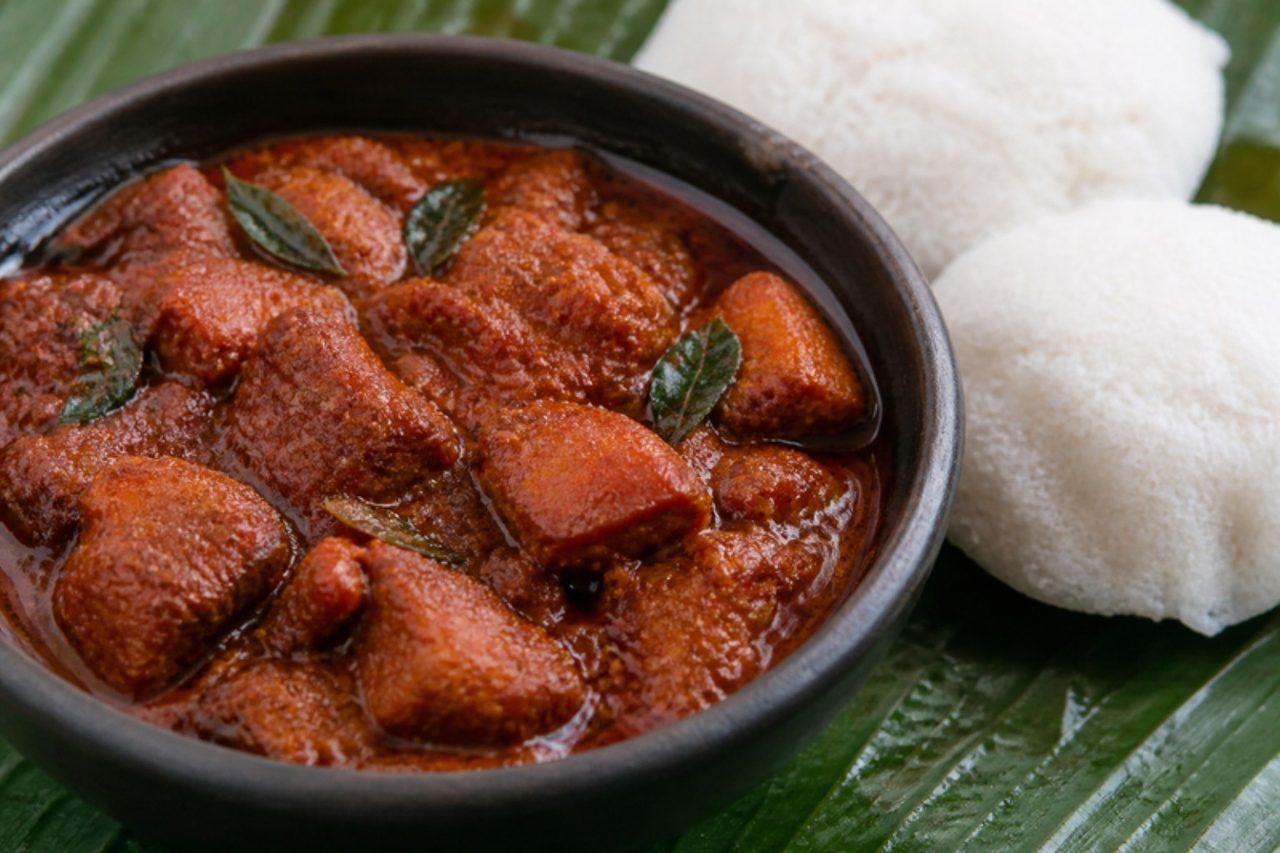
Pork bafatPork curry with roasted spice powder

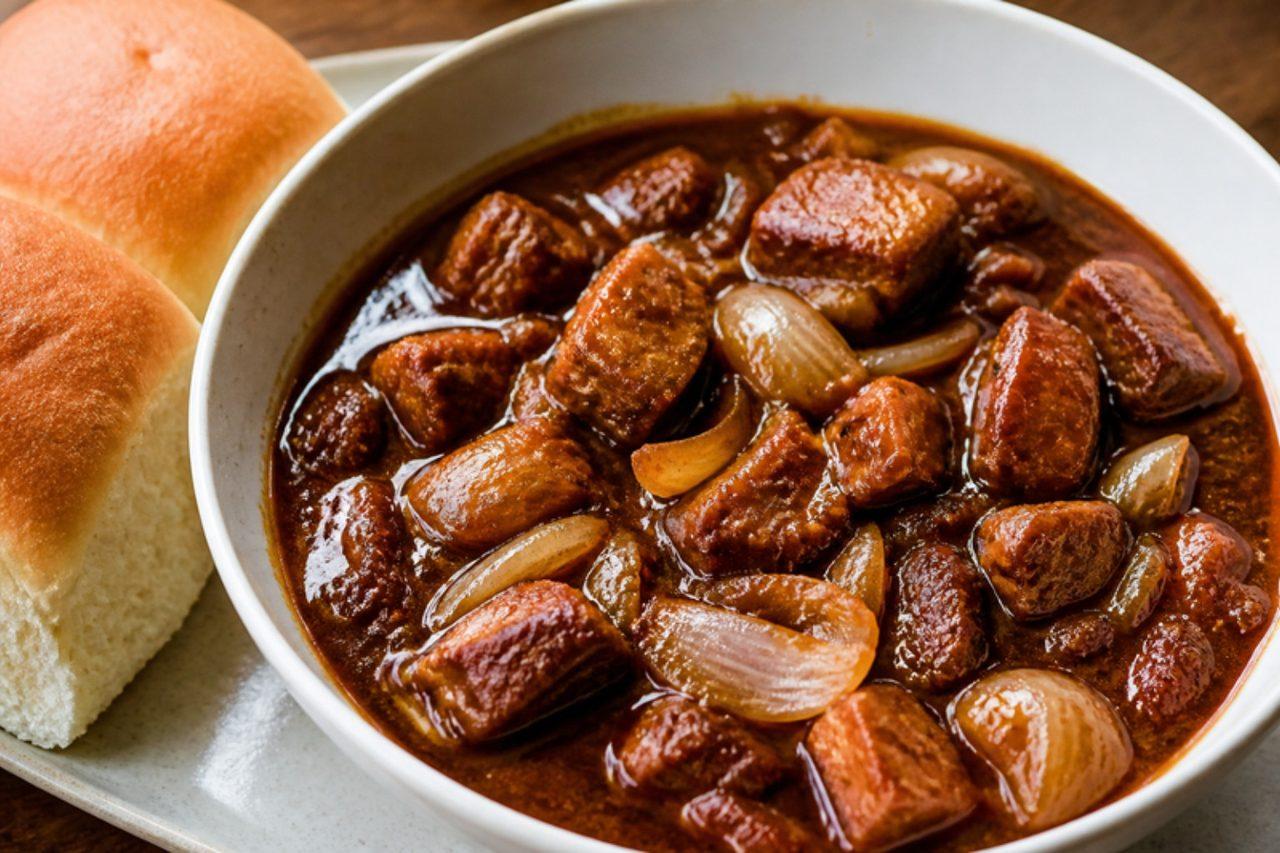
Pork bafat is the curry Mangalorean Catholic families cook for Christmas, weddings and every big feast. Fatty pork pieces are simmered with onion, ginger, garlic and bafat powder, a deep red-brown blend of roasted chillies, coriander, cumin, pepper, turmeric and cinnamon, then soured with vinegar and a little tamarind. It is fiery and tangy and is eaten with sannas, the soft, steamed rice cakes. Bafat powder keeps for months, so make a jar. Chef's tip: let the curry rest overnight, as the vinegar and spices mellow into each other and it tastes far better the next day.

by KrazyBadal 0 views

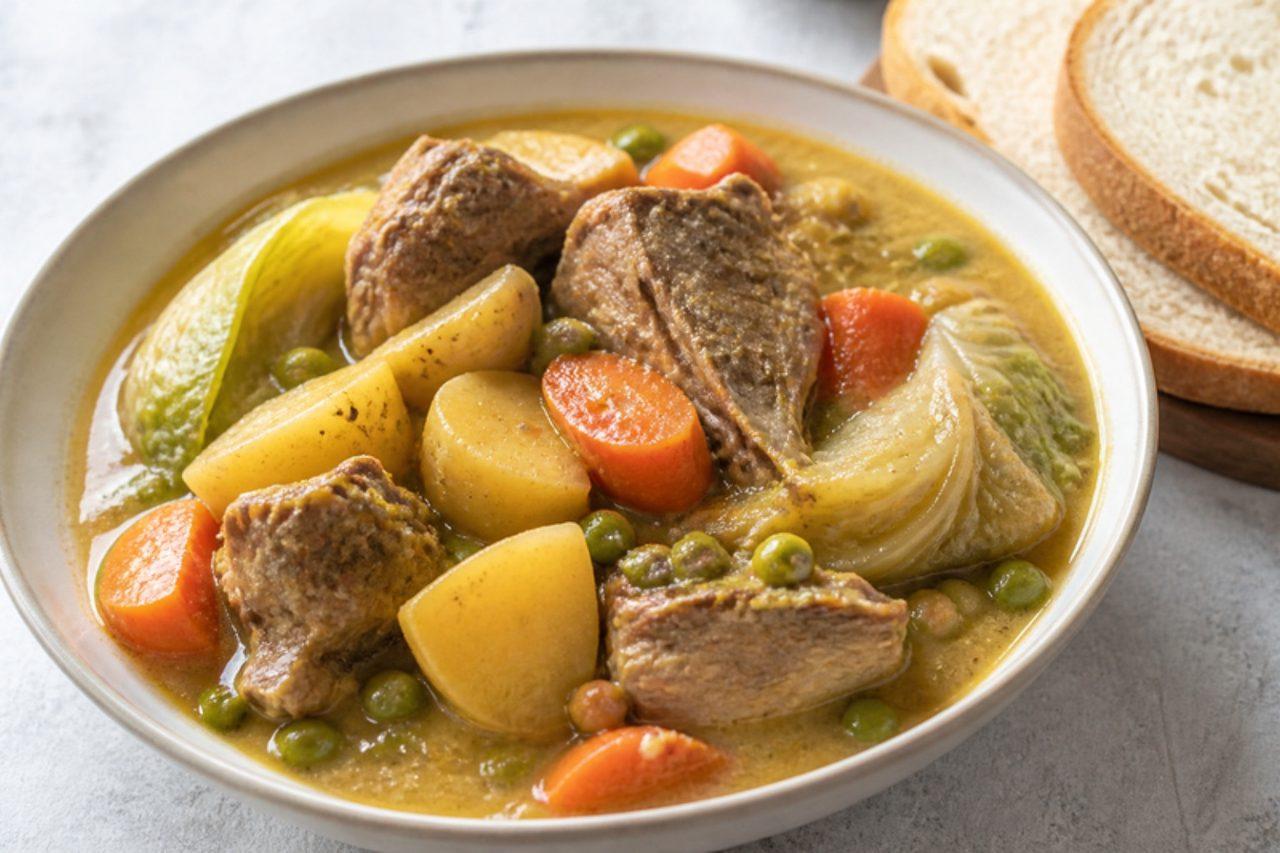
Duck buffadDuck with vegetables in ginger gravy

Buffad (sometimes spelled 'bufat') is the Christmas Day dish of Anglo-Indian families in Kolkata, Chennai and Bangalore, eaten after midnight Mass with bread, rice or coconut-milk pulao. Duck is simmered with potatoes, carrots, cabbage and peas in a light gravy of ginger, green chilli, mild spices and vinegar, a gentler, more British-influenced curry than its neighbours. It reheats beautifully. Chef's tip: brown the duck pieces first and pour off most of the fat, so the gravy is rich but not greasy.

by KrazyBadal 0 views

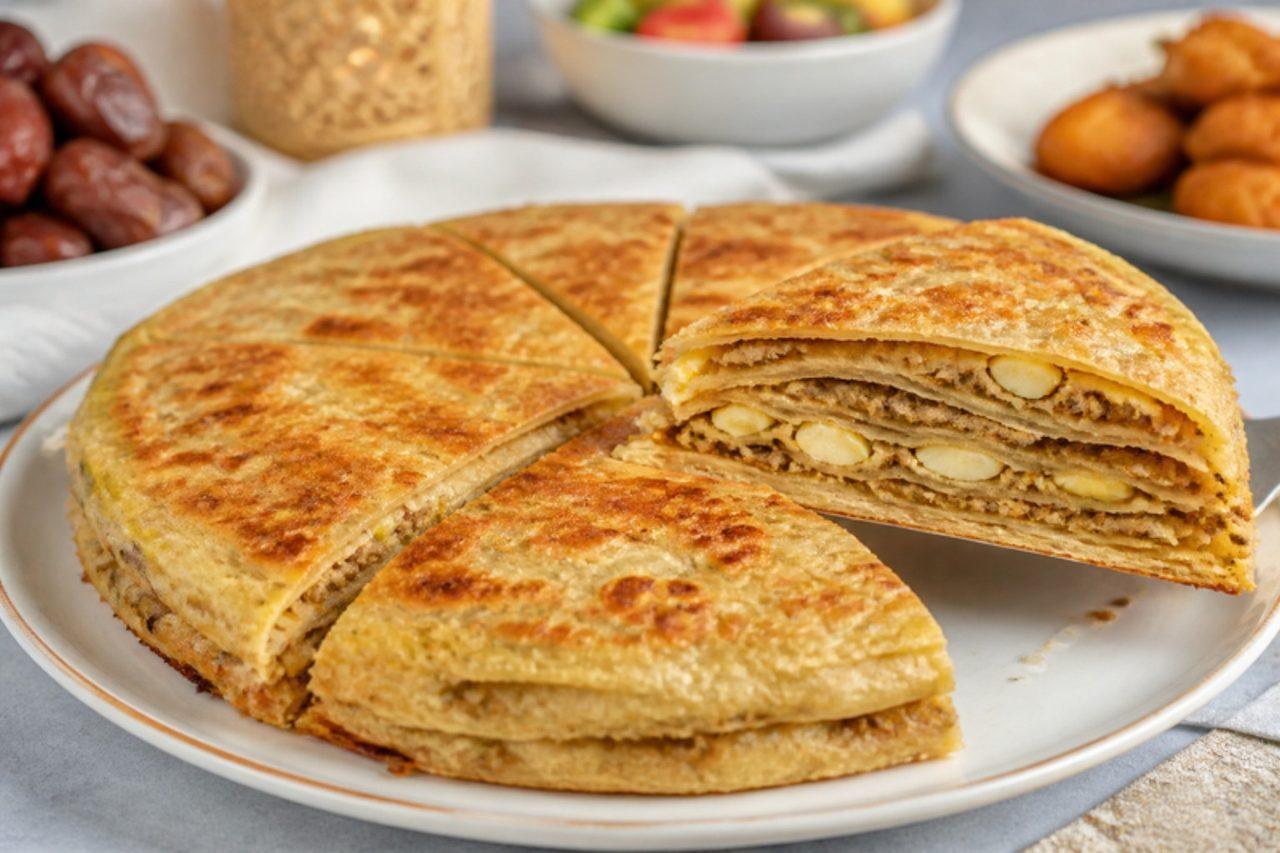
Chatti pathiriLayered crêpe pie with chicken

Chatti pathiri is the Malabar answer to lasagne, baked in a chatti (pan) for the Ramadan iftar table in Kozhikode and Kannur. Thin crêpes are dipped in sweetened egg and milk, then stacked with layers of spiced minced chicken, onions and boiled egg, and the whole pie is cooked slowly until it sets into firm, tender wedges. Chef's tip: dip each crêpe quickly; a long soak makes them tear.

by KrazyBadal 0 views

Pesaha paalCoconut milk and jaggery drink

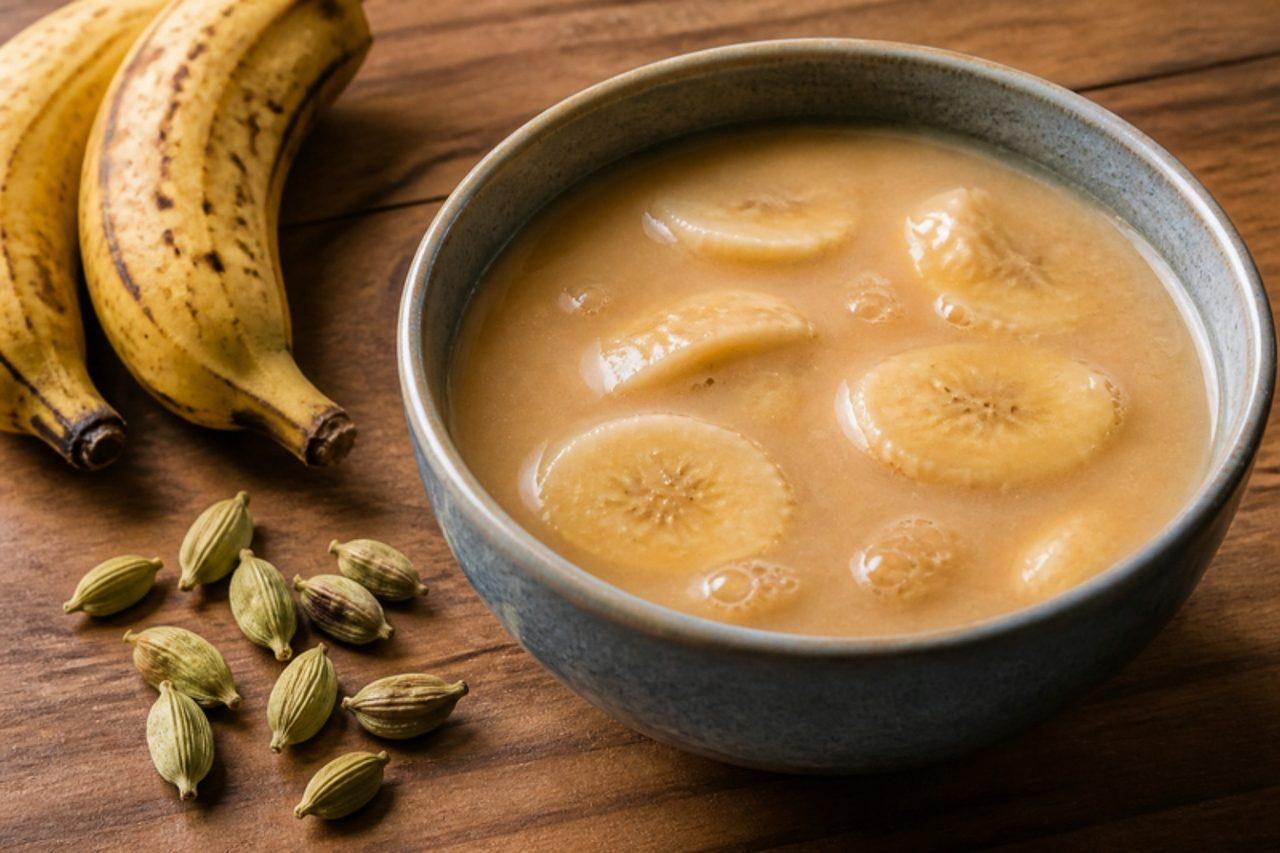
Pesaha paal ('Passover milk') is the sweet dip served with Pesaha appam at the Maundy Thursday supper in Kerala's Syrian Christian homes. Coconut milk is simmered with melted jaggery, a little roasted rice flour to thicken it, cardamom and dried ginger until it becomes a warm, silky drink. The family dips pieces of the blessed appam into it after the evening prayers. It is vegan and gluten free, and ready in half an hour. Chef's tip: strain the jaggery syrup before adding the coconut milk, as jaggery often carries grit.

by KrazyBadal 0 views

Pesaha appamUnleavened rice and lentil cake

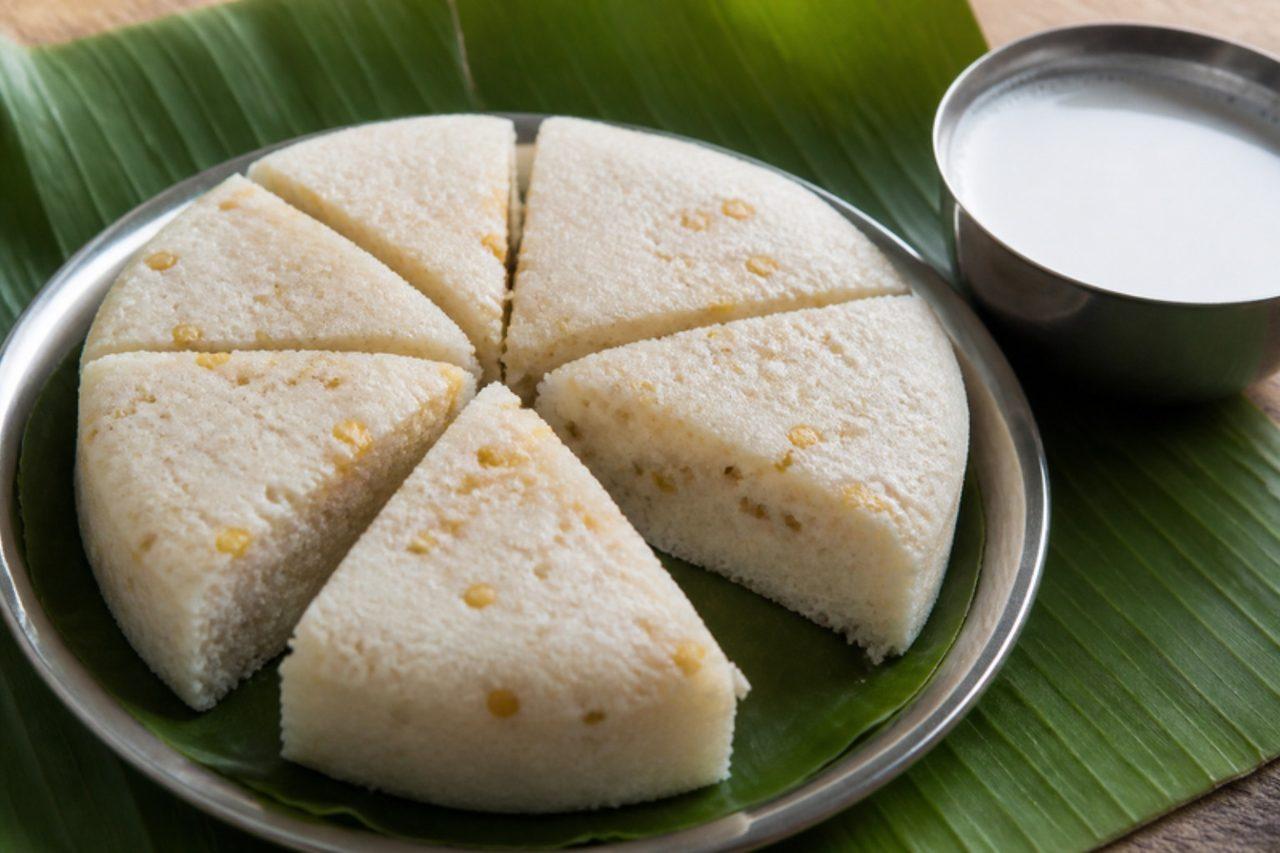
On Pesaha, Maundy Thursday, Syrian Christian families in Kerala gather in the evening for a meal that remembers the Last Supper. The head of the house cuts the Pesaha appam (indri appam), an unleavened, steamed cake of roasted rice flour, urad dal and coconut, marked with a cross made from the palm leaves blessed on Palm Sunday, and shares it with everyone, dipped in sweet Pesaha paal. It is soft, dense and lightly savoury. Chef's tip: grind the soaked urad dal and coconut together very finely; the batter should be smooth and thick, like idli batter.

by KrazyBadal 0 views

Tharavu mappasDuck curry in coconut milk

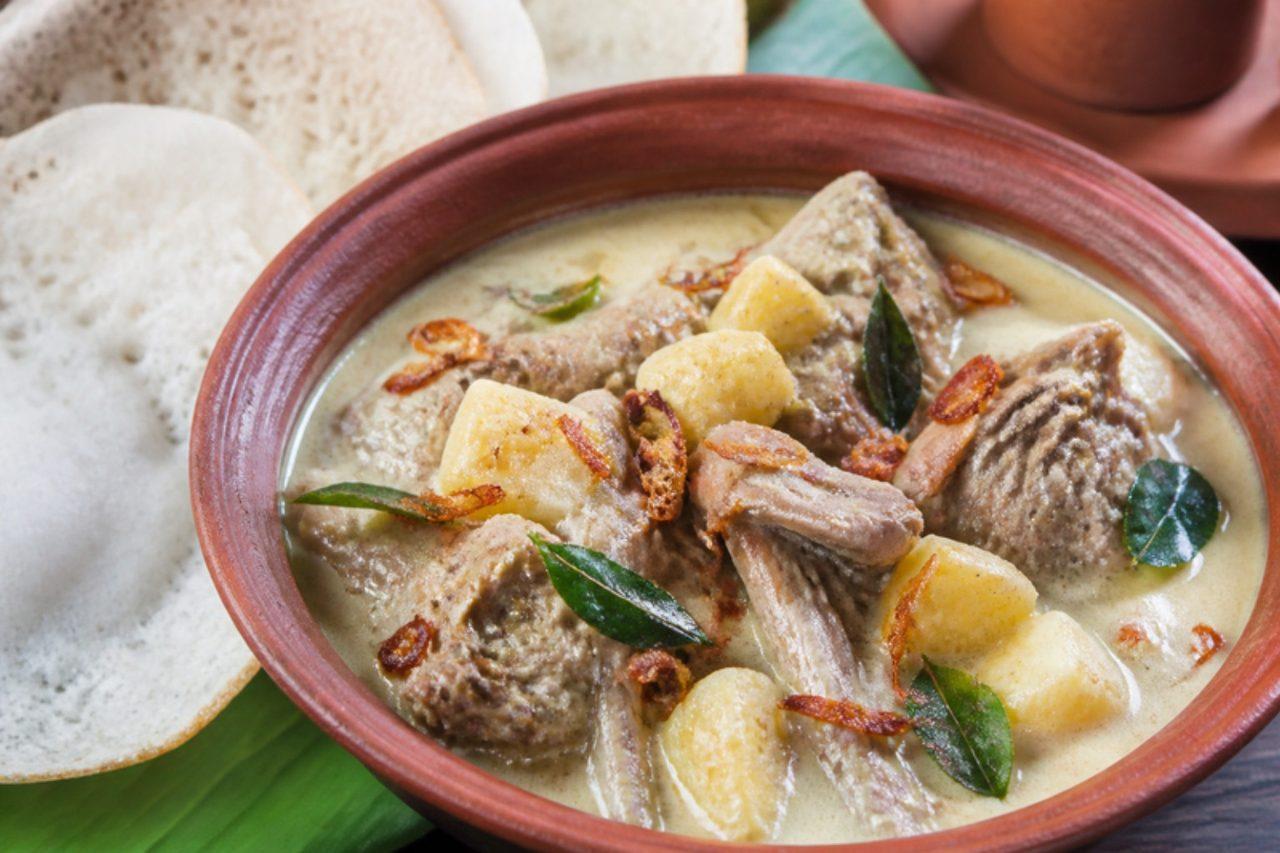
In Kerala's Syrian Christian homes, Christmas morning starts after midnight Mass with lacy appam and a bowl of duck mappas: duck pieces simmered in coconut milk with ginger, garlic, green chilli, black pepper and garam masala, finished with a splash of vinegar and fried shallots. It is creamy, warm with spice but not fiery, and a favourite across Kuttanad, where ducks are raised on the backwaters. Chef's tip: add the thick first-press coconut milk only at the end and don't boil it, so the gravy stays silky.

by KrazyBadal 0 views

KinnathappamSteamed rice and coconut milk squares

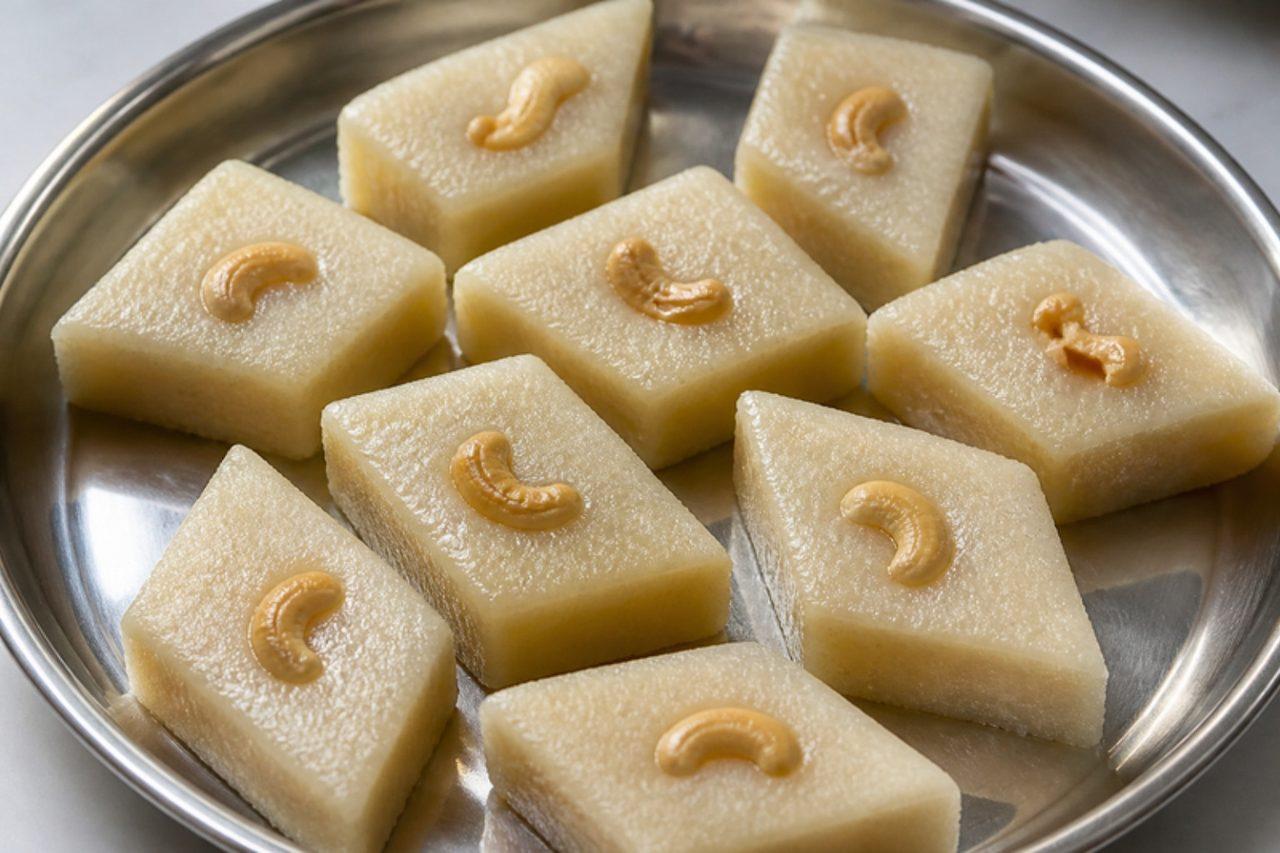
Kinnathappam is named after the kinnam, the round steel plate it sets in, and it is one of the soft, wobbly sweets Mappila cooks in Malabar make for iftar and Eid. Rice flour, coconut milk and sugar are stirred into a smooth batter, steamed until just set and cut into glossy diamonds that taste of coconut and cardamom. Chef's tip: strain the batter before steaming; any lumps of rice flour show as white specks in the finished squares.

by KrazyBadal 0 views

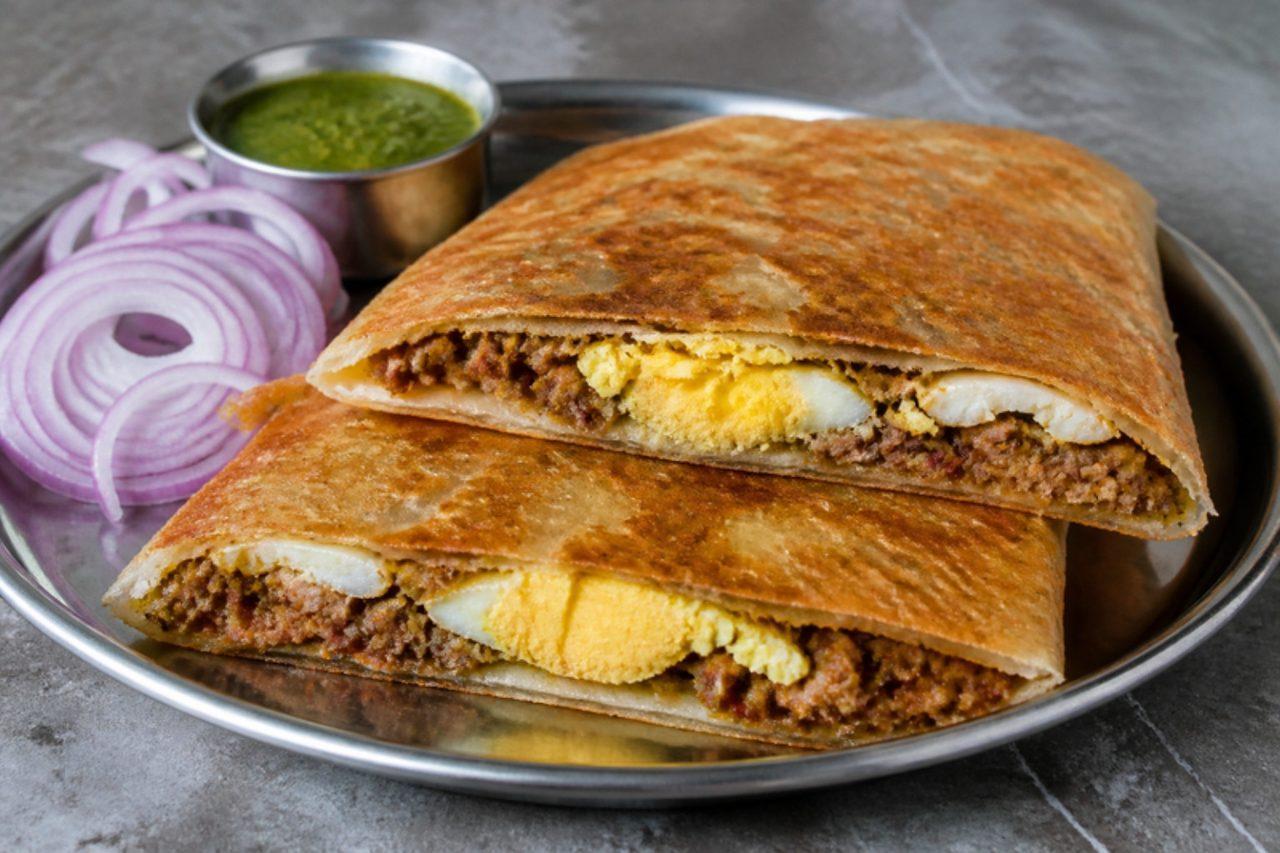
Baida rotiEgg and mince parcels

During Ramadan the stalls of Mohammed Ali Road in Mumbai stay open all night, and the baida roti makers there are a show of their own: they swirl dough into paper-thin sheets, spoon in spiced minced mutton, pour in beaten egg and fold it into a square that is crisped on a huge tawa. 'Baida' means egg. Chef's tip: oil the dough balls well and rest them; well-rested dough stretches so thin you can almost see through it.

by KrazyBadal 0 views

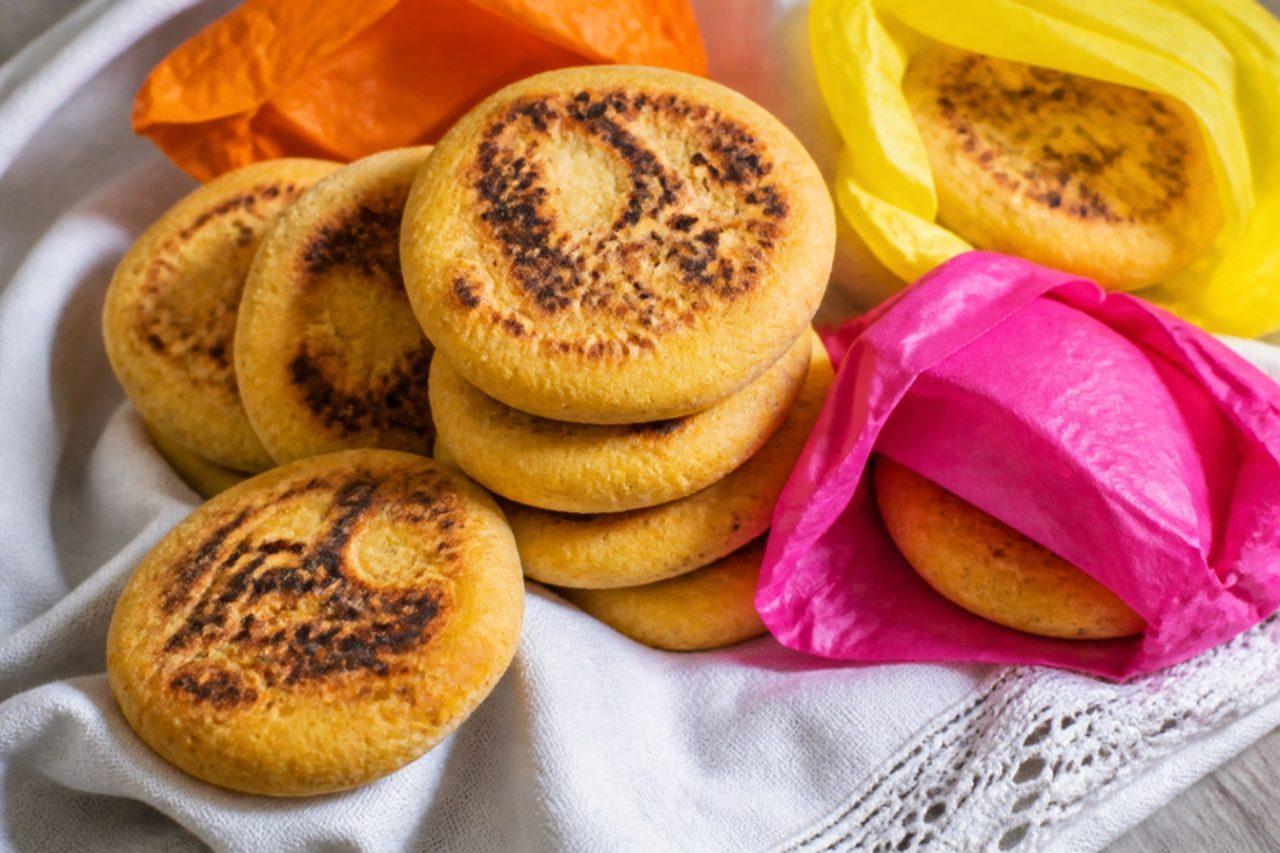
Gorditas de la VillaSweet corn griddle cakes

Every 12 December, millions of pilgrims walk to the Basilica of Our Lady of Guadalupe in Mexico City ('La Villa'), and all around it women cook gorditas de la Villa on clay comales: small, thick, sweet cakes of corn masa with piloncillo, cinnamon and a little anise, wrapped in coloured tissue paper to take home. They are soft and slightly chewy, with toasty spots. They are gluten free. Chef's tip: cook them on a dry, medium-low griddle; too hot and the sugar burns before the middle cooks through.

by KrazyBadal 0 views

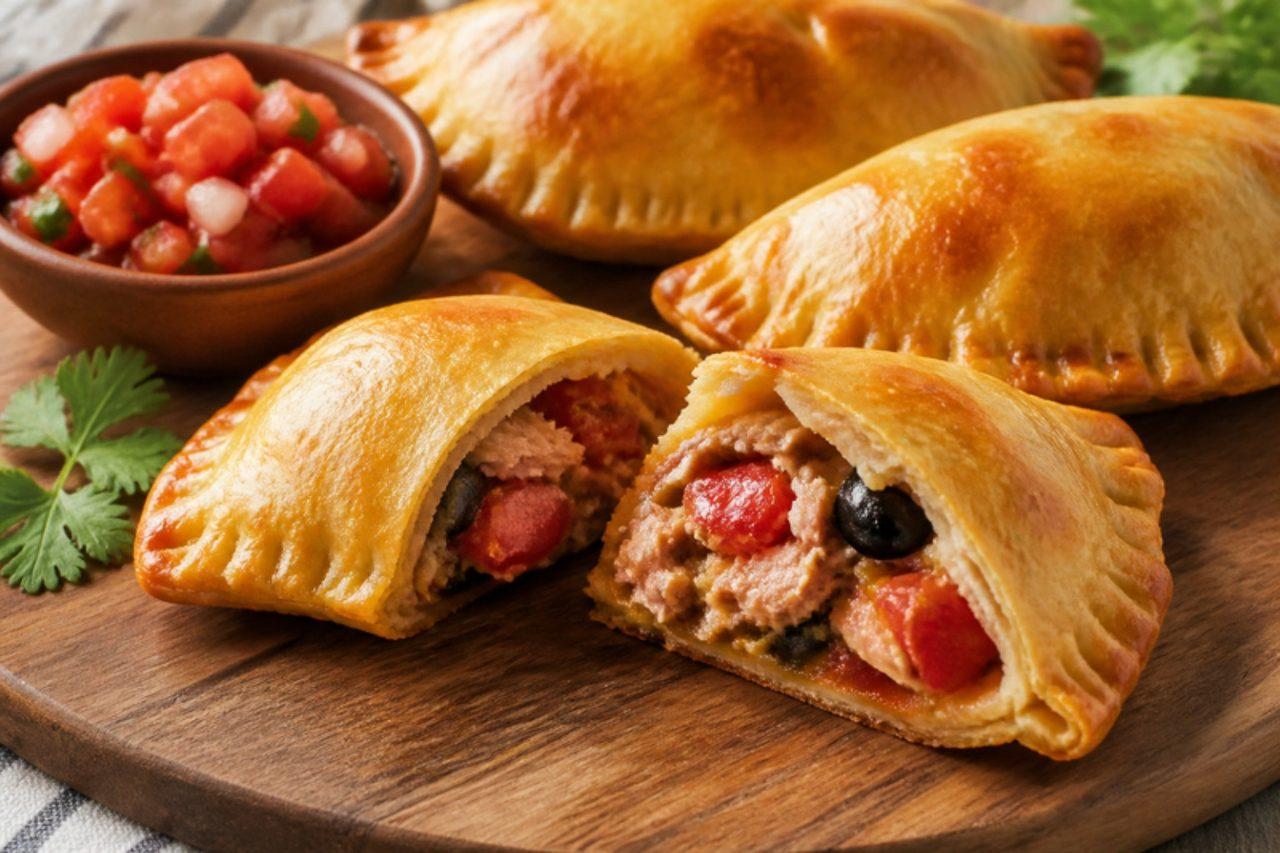
Empanadas de vigiliaTuna empanadas

During Cuaresma (Lent) and on the Fridays of Holy Week, Mexican kitchens turn to 'vigilia' food without meat, and fish empanadas are a favourite: tender wheat pastry half-moons filled with tuna (or soaked salt cod) cooked with tomato, onion, olives, capers and pickled jalapeños, a cousin of bacalao a la vizcaína. They are baked here, but can be fried. Chef's tip: cook the filling until quite dry, as a wet filling makes soggy empanadas that leak.

by KrazyBadal 0 views

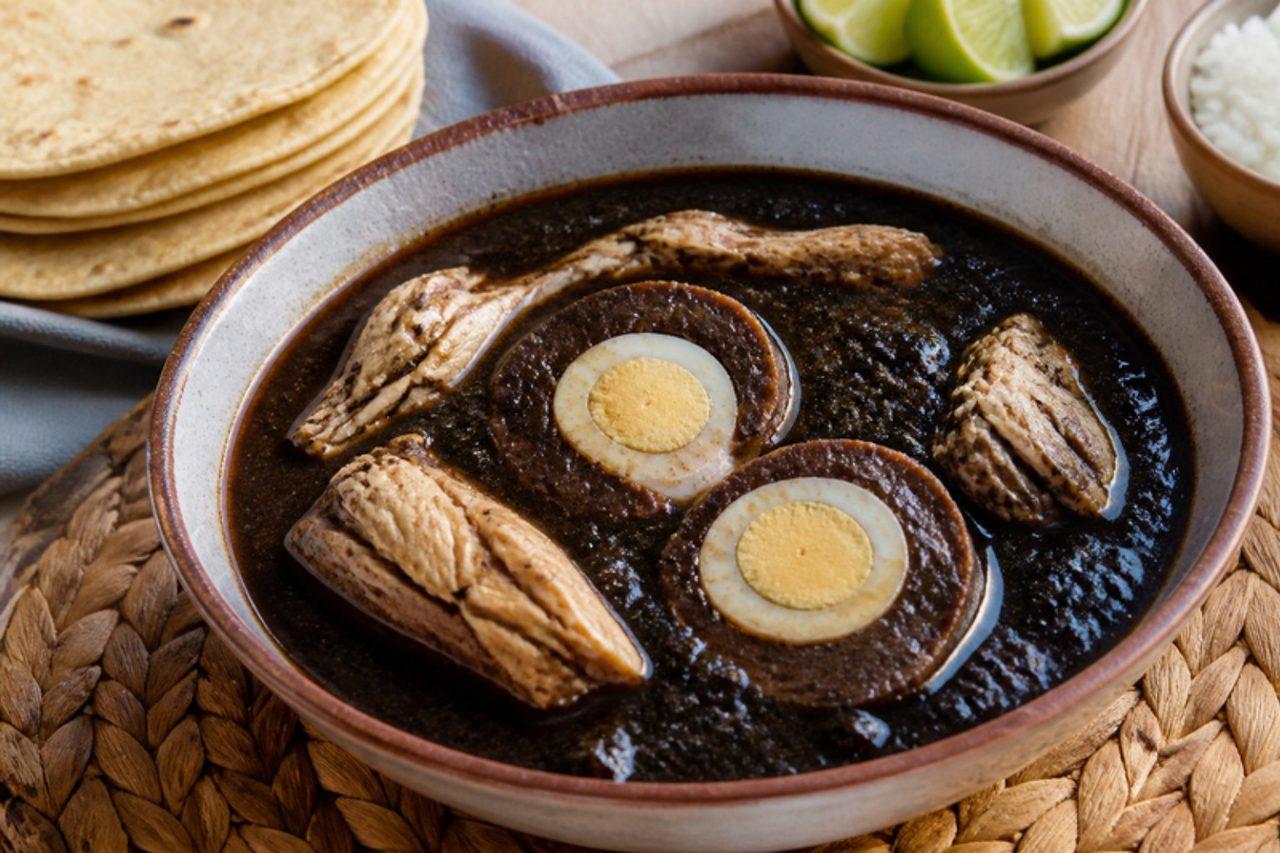
Relleno negroTurkey and pork black chilli stew

Relleno negro, or chilmole, is the great fiesta dish of the Yucatán peninsula, cooked for Christmas, New Year and village saints' days. Turkey is simmered in a jet-black broth coloured by recado negro, a paste of chillies charred until black, and served with a 'but', a meatball of minced pork and spices wrapped around hard-boiled egg. Recado negro paste is sold in Mexican shops; it is very hard to make at home safely because the chillies are burnt outdoors. Serve with corn tortillas or in tortas. Chef's tip: dissolve the recado in some of the warm broth first, so it blends smoothly instead of floating in black lumps.

by KrazyBadal 0 views

Huauzontles capeadosBattered cheese-stuffed greens

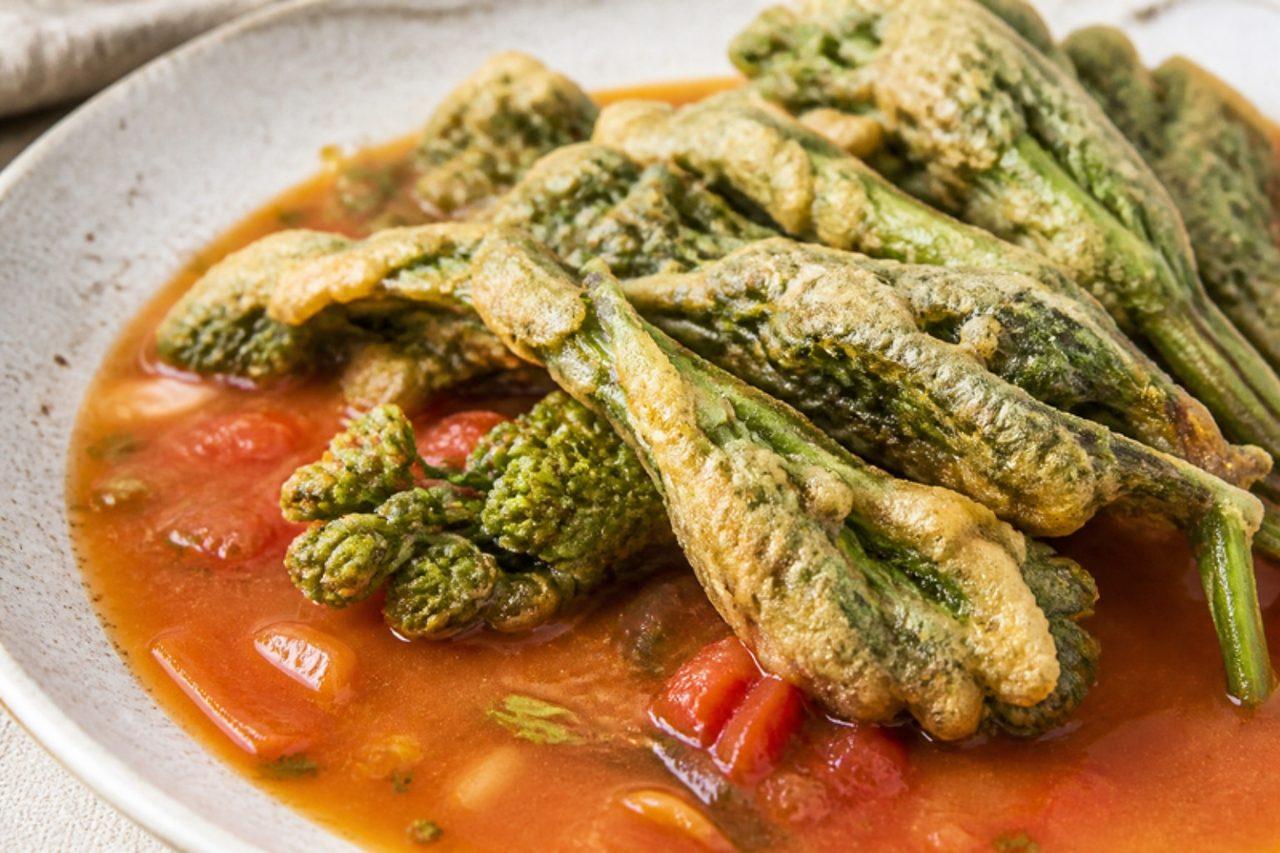
In central Mexico, Lent and Holy Week bring meatless Fridays, and huauzontles capeados are a beloved vigil dish. Huauzontle is a leafy, broccoli-like green with tiny seed buds; little bundles of the blanched sprigs are pressed around a piece of fresh cheese, dipped in fluffy egg batter, fried and then simmered briefly in a light tomato and chile broth. If you can't find huauzontle, use tenderstem broccoli tips or quelites. Queso fresco is usually made with animal rennet, so choose a vegetarian one if needed. Chef's tip: squeeze the blanched greens very dry, as wet greens make the batter slide off.

by KrazyBadal 0 views

Tostadas de pataTostadas with pickled cow's foot

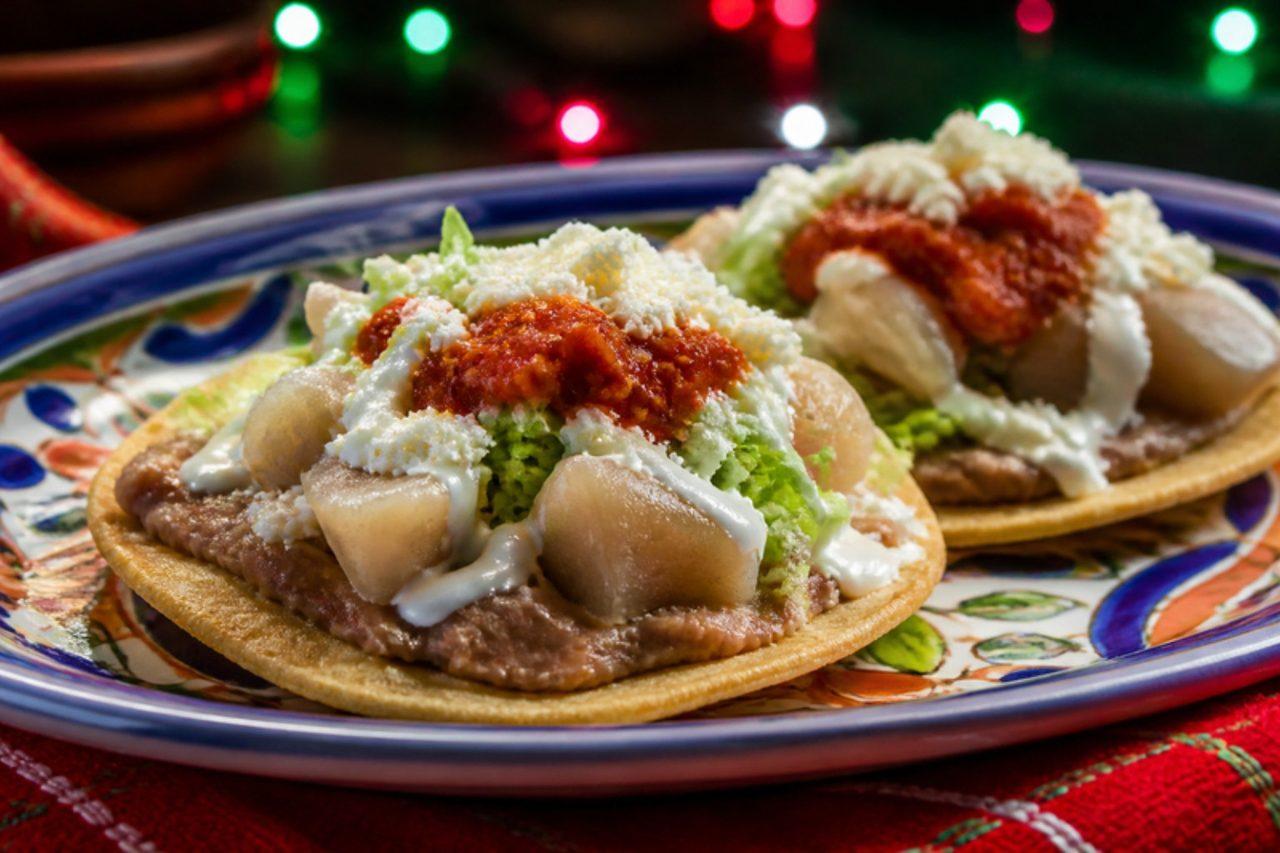
On the night of 15 September, when Mexicans gather for the Grito and the Fiestas Patrias, the table fills with antojitos: pozole, sopes and tostadas de pata, a favourite of Mexico City and Puebla. Cow's foot is simmered for hours until it turns soft and gelatinous, then sliced thin and pickled in vinegar with onion, oregano and chilli. Piled on crisp tostadas over beans with lettuce, cream and salsa, it is tangy, rich and crunchy all at once. Chef's tip: slice the foot while it is cold from the fridge; warm, it falls apart.

240 minMexicanMeatSpicy
by KrazyBadal 0 views

Erachi pathiriFried pastry with spiced beef

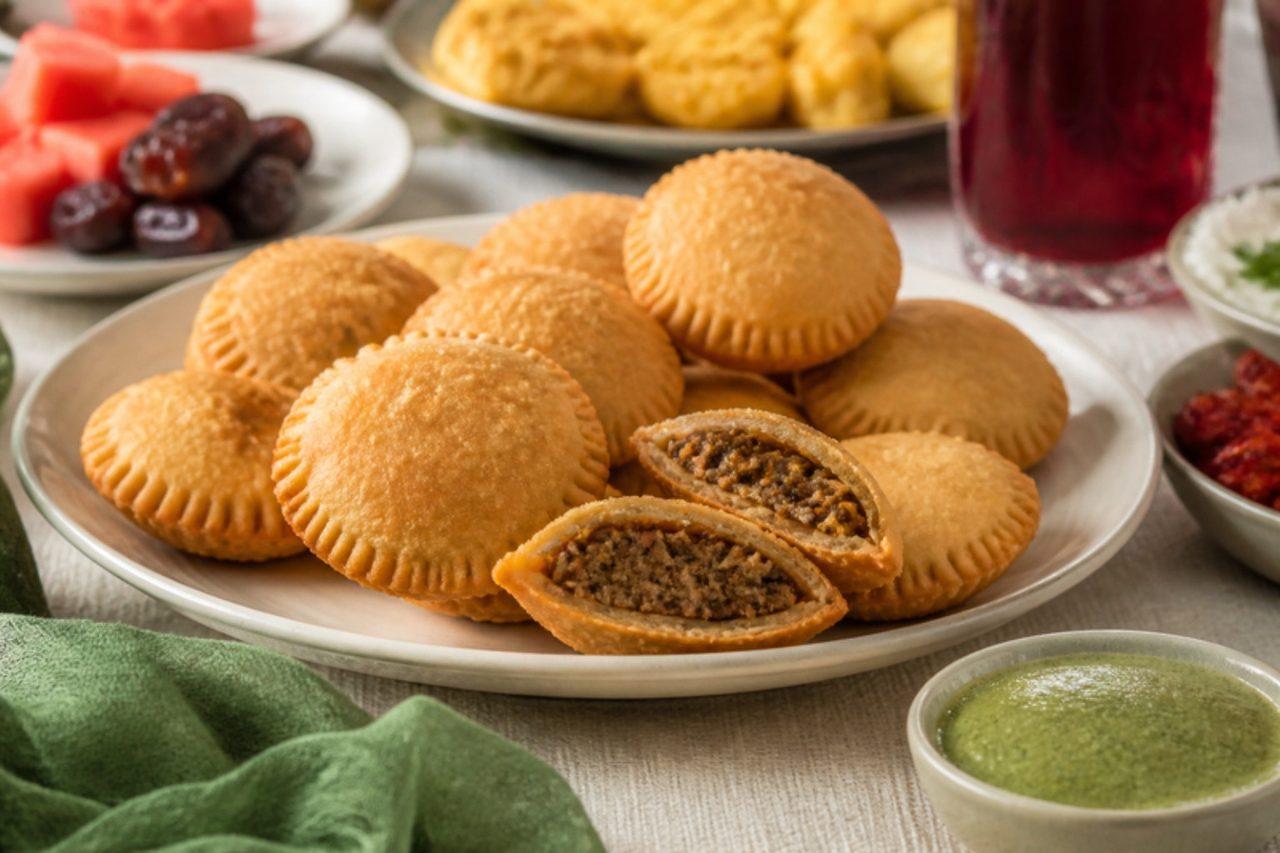
Erachi pathiri, 'meat pathiri', is the snack Malabar cooks make by the dozen for Ramadan iftar: two small rounds of soft dough sealed around a filling of minced beef fried with onion, green chilli and garam masala, then deep-fried until they puff into golden pillows. Use halal beef mince, or chicken mince cooked to 74 °C. Chef's tip: let the filling cool completely before you fill, or the steam softens the dough and the edges burst.

by KrazyBadal 0 views

KaipolaBanana and egg cake

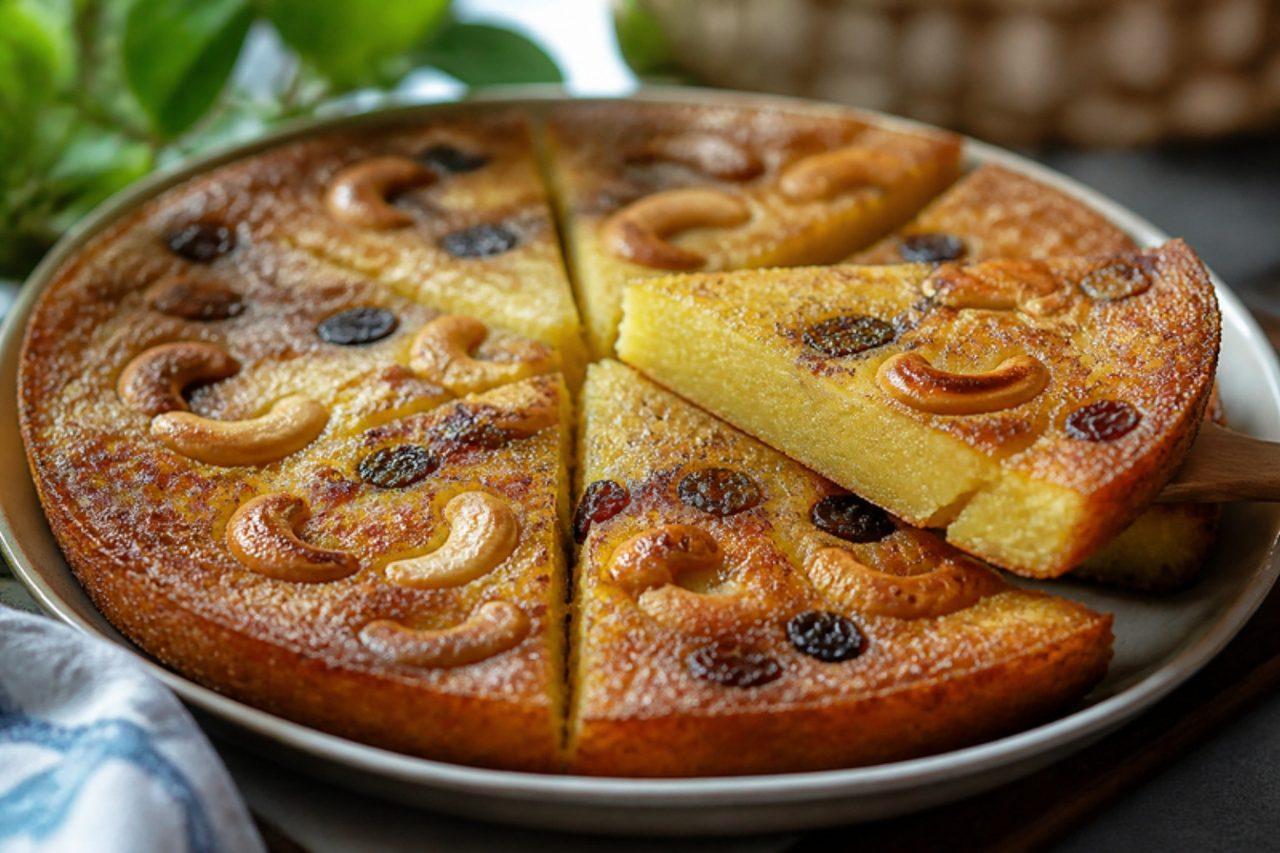
Kaipola is a Malabar Ramadan favourite, set on the iftar table in Kozhikode and Thalassery between the fried snacks and the sweets. Very ripe nendran bananas are blended with eggs, sugar and cardamom and slowly baked in a covered pan over ghee-fried cashews and raisins, so it comes out soft and custardy, with a caramel-brown base. Chef's tip: use bananas with black-speckled skins; underripe ones make it dry and bland.

by KrazyBadal 0 views

Pork indadSweet-sour pork curry

Indad is the slow-cooked pork curry of Mangalore's Catholic community, made for Christmas and Easter. Pork is cooked with a paste of Kashmiri chillies, spices and vinegar, then simmered with masses of onions and a lump of jaggery until it turns thick, glossy, dark and sweet-sour, a little like a vindaloo's gentler cousin. Like bafat, it is made ahead and served with sannas, pulao or bread. Chef's tip: cook the onions down slowly until jammy before the pork goes in; they melt into the gravy and give indad its sweetness.

by KrazyBadal 0 views

Fulkopir dalnaCauliflower and potato in light gravy

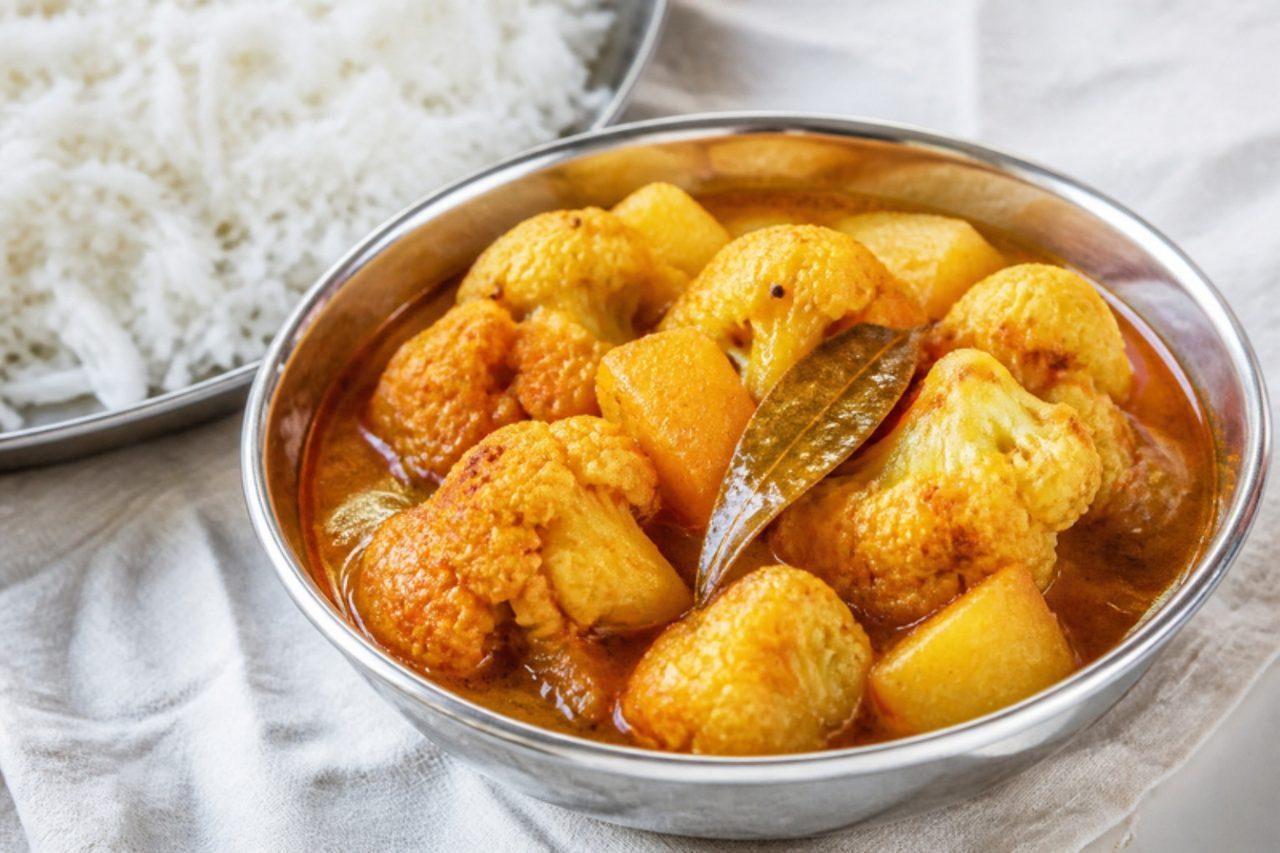
Fulkopir dalna is the gravy dish of a niramish (no onion, no garlic) Bengali menu, and it appears on the Durga Puja bhog table and at home on Navami and Dashami, when many families keep the day's food vegetarian. Large cauliflower florets and potatoes are fried golden and then simmered in a thin, glossy gravy of ginger, cumin, tomato and a little yoghurt, finished with ghee and Bengali garam masala. It should taste mellow, warm and slightly sweet rather than hot. Serve it with luchi or khichuri. Common mistake: boiling the cauliflower in the gravy from raw; fry the florets first until browned in patches, or they turn mushy and taste watery. Chef's tip: whisk the yoghurt with the ground spices before it goes in, and keep the heat low, so the gravy stays smooth instead of splitting.

by KrazyBadal 0 views

SulaimaniSpiced lemon black tea

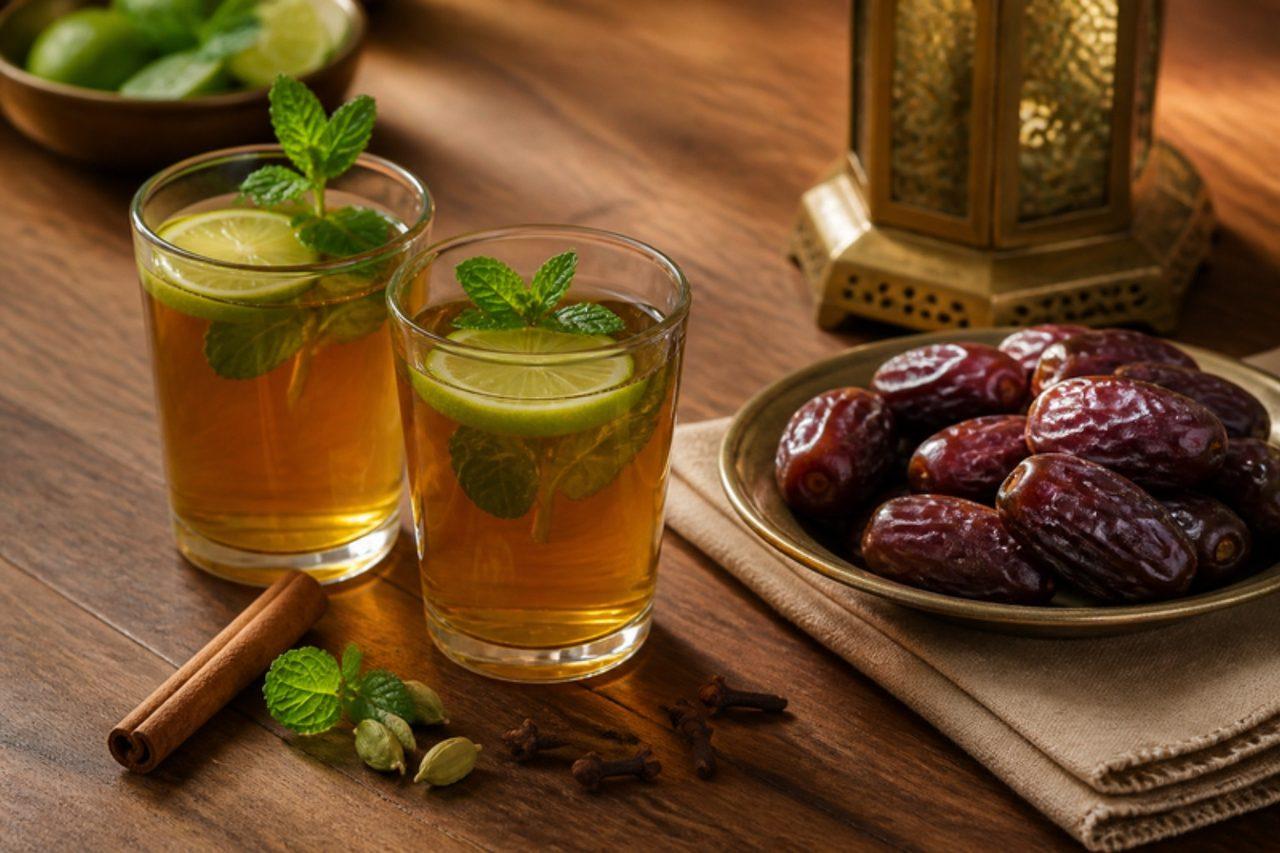
In Kozhikode, sulaimani is the clear amber tea poured after a heavy biryani, and in Ramadan it is the glass that follows the dates at iftar. A little loose black tea is brewed with cardamom, clove and cinnamon, then sweetened and sharpened with fresh lime so it is light, warming and gently fragrant. Chef's tip: steep the tea for only two minutes; sulaimani should be bright and clear, never strong and bitter.

by KrazyBadal 0 views

Showing 24 of 1,812 recipes

Show more recipes

Page 1 of 76