Skip to content
Recipes

All recipes

Vegetarian, or something you can't eat? Set your diet once and we'll hide recipes that don't fit.

Pejerrey arrebozadoBattered fish fillets with onion salsa

Pejerrey arrebozado is a Lima classic from the cevicherías and home kitchens of the coast, eaten at lunch on a plate with white rice, a heap of sharp salsa criolla and sometimes boiled potato. The pejerrey, a small silverside, is opened into butterflied fillets, dipped in a light egg-and-flour batter and fried golden. Outside Peru, use small fillets of whiting, sole, haddock or tilapia. The batter here uses sparkling water, not beer, so it is alcohol free. The common mistake is frying in oil that isn't hot enough: the batter drinks the oil and turns greasy, so test with a drop of batter first. Chef's tip: make the salsa criolla first and let the onion sit in lime for ten minutes; it softens its bite and turns a pretty pink.

by KrazyBadal 0 views

Haricots verts persillésGreen beans with garlic and parsley

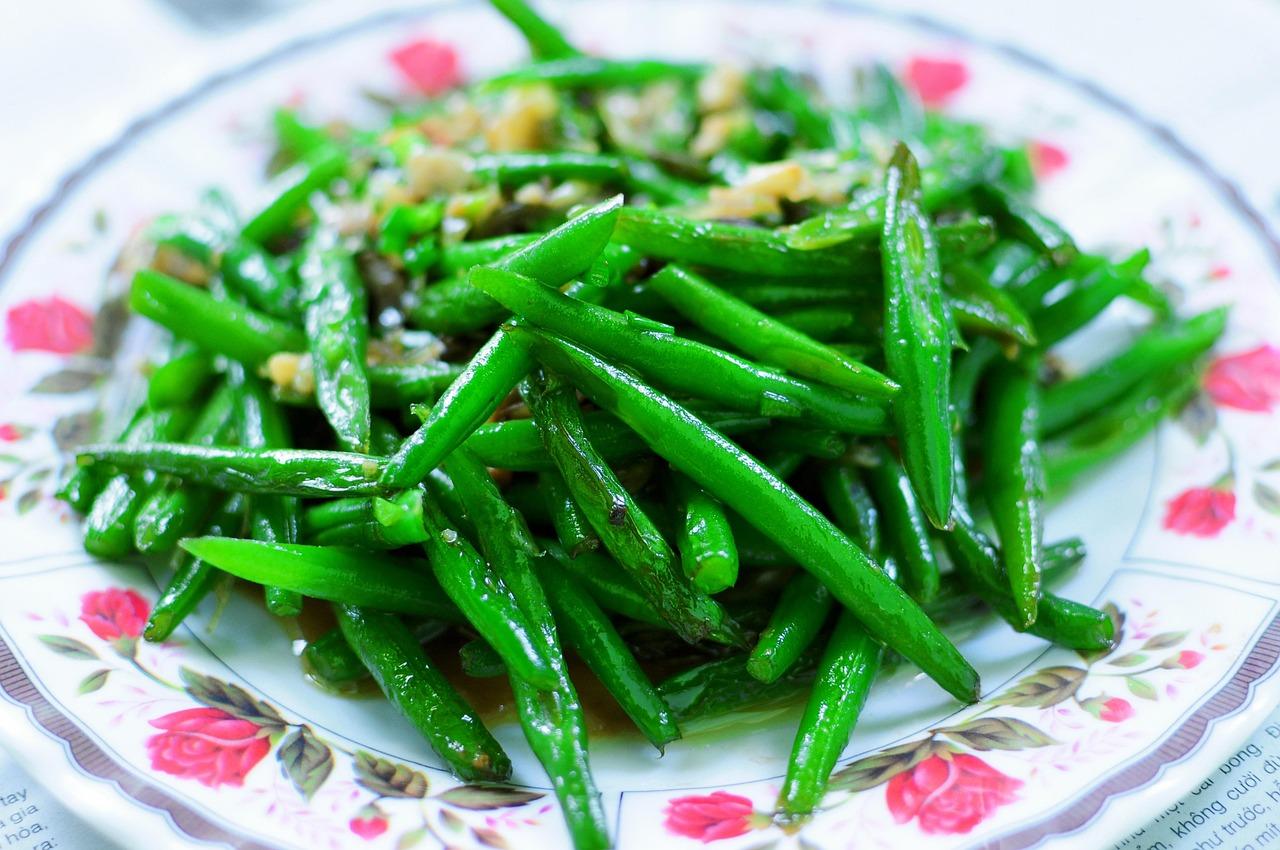
Haricots verts persillés are the green beans that sit beside roast chicken, an omelette or a plate of potatoes in homes all over France, especially in June and July when fine beans are at their best. They are blanched until just tender, then tossed in foaming butter with a little garlic and lots of chopped parsley, so they stay bright green with a slight snap. Using olive oil instead of butter makes them vegan. The most common mistake is cooking the beans in too little water, so it stops boiling and they turn olive-grey; use a big pot of well-salted water. Chef's tip: cool the beans in iced water after blanching if you want to make them ahead, then warm them in the butter just before serving.

by KrazyBadal 0 views

Tallarines rojosSpaghetti in red sauce with chicken

Tallarines rojos is the Sunday-lunch and weeknight pasta of homes all over Peru, from Lima to Arequipa: spaghetti in a sweet, deep-red sauce of blended tomato, onion and garlic with a little ají panca and oregano, often with pieces of chicken cooked right in it. Children love it, and it is served with a sprinkle of grated cheese and sometimes a spoon of huancaína on the side. The usual mistake is cooking the sauce too briefly, so it tastes of raw onion; let the blended tomato fry until it darkens and the oil shows at the edges. Chef's tip: a bay leaf and a spoon of ají panca paste give the sauce its Peruvian character; paprika will do if you can't find the paste.

by KrazyBadal 0 views

Chicharrón de pescadoCrisp fried fish chunks

Up and down the Peruvian coast, from Chorrillos in Lima to the beaches of Piura, chicharrón de pescado is the crunchy plate ordered alongside ceviche at a long seafood lunch: bite-size chunks of firm white fish marinated briefly in garlic and lime, dusted in flour and fried, then served with fried cassava, salsa criolla and tartar or rocoto sauce. Using frozen peeled cassava keeps it to half an hour. The common mistake is leaving the fish in the lime too long: after about ten minutes the acid starts to 'cook' the outside and the coating slips off. Chef's tip: toss the floured pieces in a sieve to shake off every bit of loose flour; a thin coat fries crisp, a thick one turns pasty.

by KrazyBadal 0 views

Saumon en papilloteSalmon baked in paper parcel

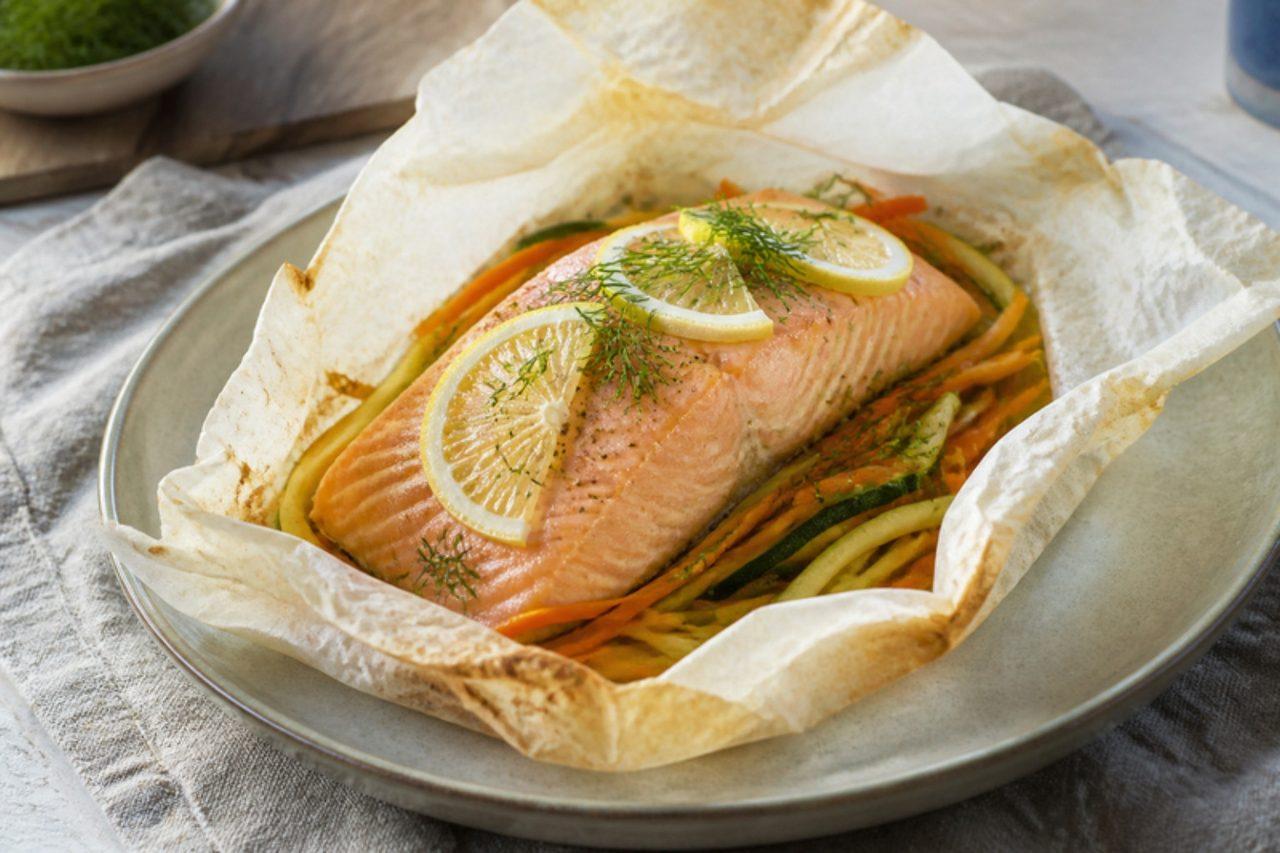
Saumon en papillote is everyday French home cooking at its lightest: a fillet of salmon sealed in baking paper with ribbons of courgette and carrot, lemon and dill, so it steams in its own juices in the oven. Across France it is a favourite midweek dinner because there is almost no washing-up, and each person opens their own fragrant parcel at the table, ideally with boiled new potatoes or rice. The usual mistake is cutting the vegetables too thick, so the fish overcooks while they stay raw; slice them very thin. Chef's tip: fold and crimp the paper edges tightly all the way round, or the steam escapes and the salmon dries out.

25 minFrenchFishGluten free
by KrazyBadal 0 views

Croûte aux champignonsCreamy mushrooms on toast

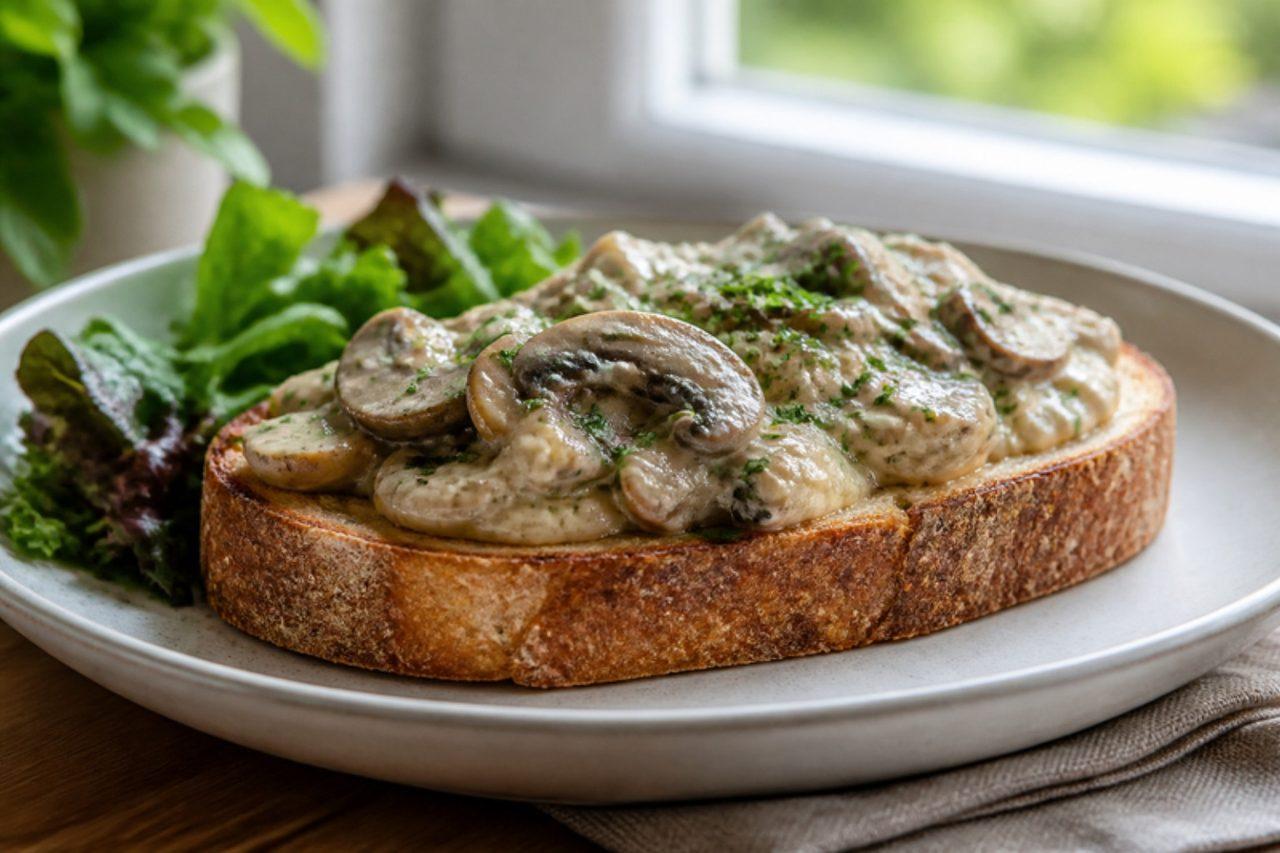
In the mountain villages of Savoie and the Jura, croûte aux champignons is a quick supper in autumn and through ski season: thick toasted bread topped with mushrooms cooked down in butter, a splash of dry white wine and cream, sometimes with a little melted local cheese on top. It is rich and earthy, and a green salad alongside is all it needs. The recipe uses white wine, which mostly cooks off but not entirely; for an alcohol-free version use vegetable stock with a squeeze of lemon. The most common mistake is pouring in the cream before the mushrooms have browned and the wine has reduced, which gives a thin, grey sauce. Chef's tip: rub the hot toast with a cut garlic clove so every bite is fragrant.

by KrazyBadal 0 views

Œufs mimosaStuffed eggs with grated yolk

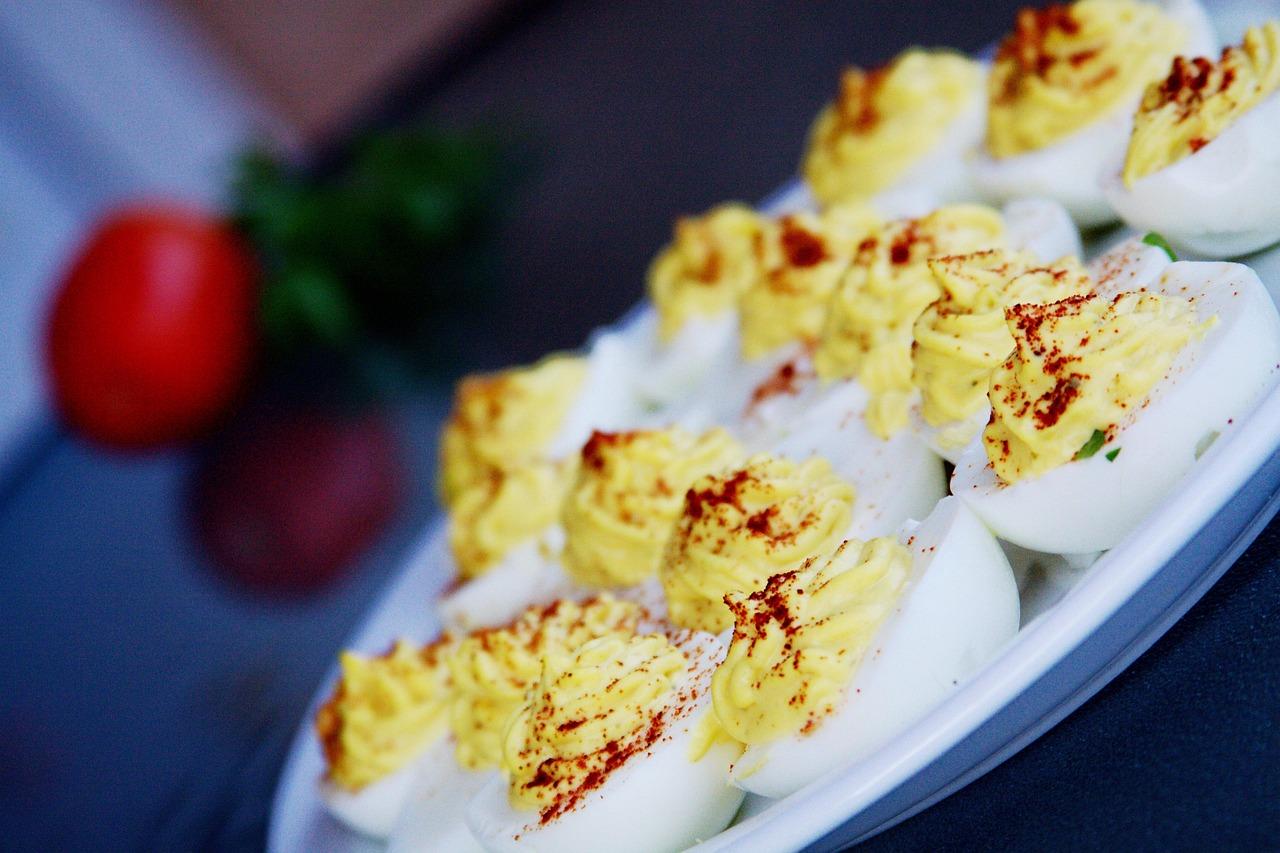
Œufs mimosa have been a starter in French bistros and on family tables for generations, served at Sunday lunch, on Easter platters and as a light supper with salad and bread. Hard-boiled eggs are halved, their yolks mashed with mayonnaise and mustard and piped back in, then a little yolk is grated over the top so it looks like the fluffy yellow flowers of the mimosa tree. They are naturally gluten free. The most common mistake is overboiling the eggs, which leaves a grey-green ring around the yolk and a sulphurous taste; 10 minutes and an ice bath is enough. Chef's tip: keep back one yolk just for grating, so the topping stays bright yellow and dry.

by KrazyBadal 0 views

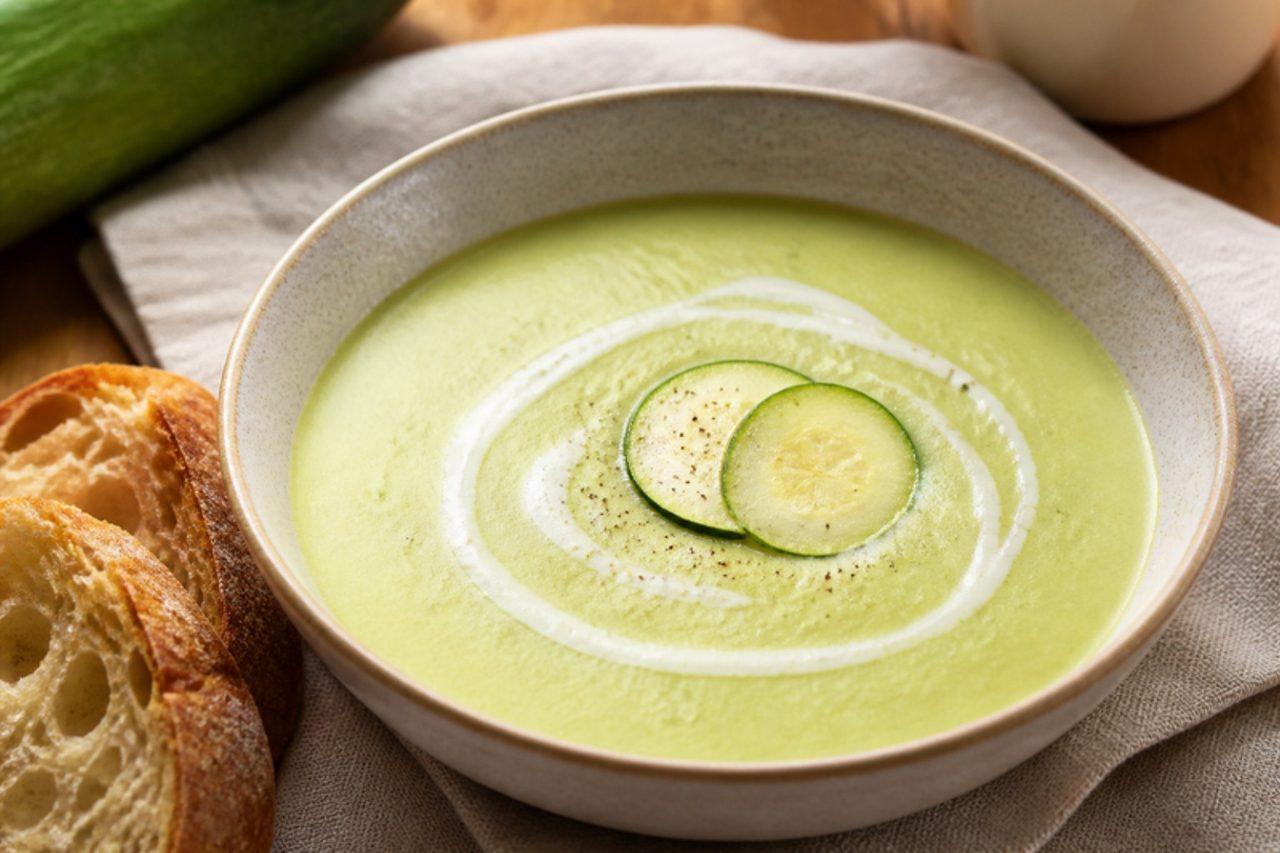
Velouté de courgettesSmooth courgette soup

French families make velouté de courgettes on summer and early-autumn evenings, when courgettes are cheap and plentiful, often blending in a few wedges of soft triangle cheese or a spoon of cream so children drink it happily. It is pale green, silky and mild, and ready in under half an hour; serve it with crusty bread and a piece of cheese. Some soft cheeses are made with animal rennet, so check the label or use a vegetarian cream cheese. The most common mistake is boiling the courgettes too long, which turns the soup a dull khaki; simmer only until just tender. Chef's tip: leave some of the green skin on but peel in stripes, so the colour stays bright without any bitterness.

by KrazyBadal 0 views

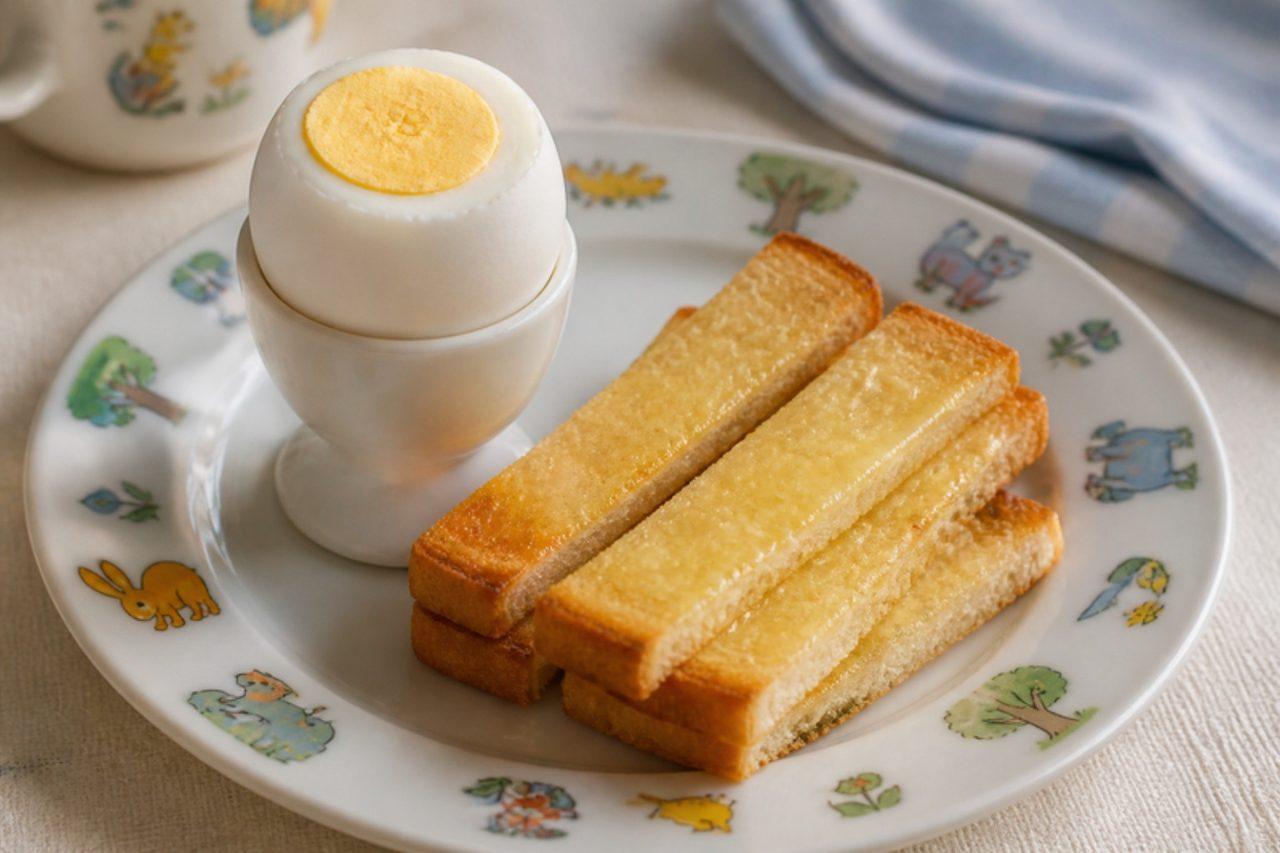
Œuf et mouillettes (egg and soldiers for toddlers)

In France, l'œuf à la coque with mouillettes, buttered bread fingers, is the gentle supper or Sunday breakfast every child knows. For babies and toddlers the egg is boiled a little longer, until the white is firm and the yolk is set but still soft and fudgy, so little ones can scoop and spread it rather than dip into a runny centre. It contains egg, gluten (wheat) and milk (butter). Chef's tip: start with eggs at room temperature so they don't crack in the hot water, and lower them in gently on a spoon.

by KrazyBadal 0 views

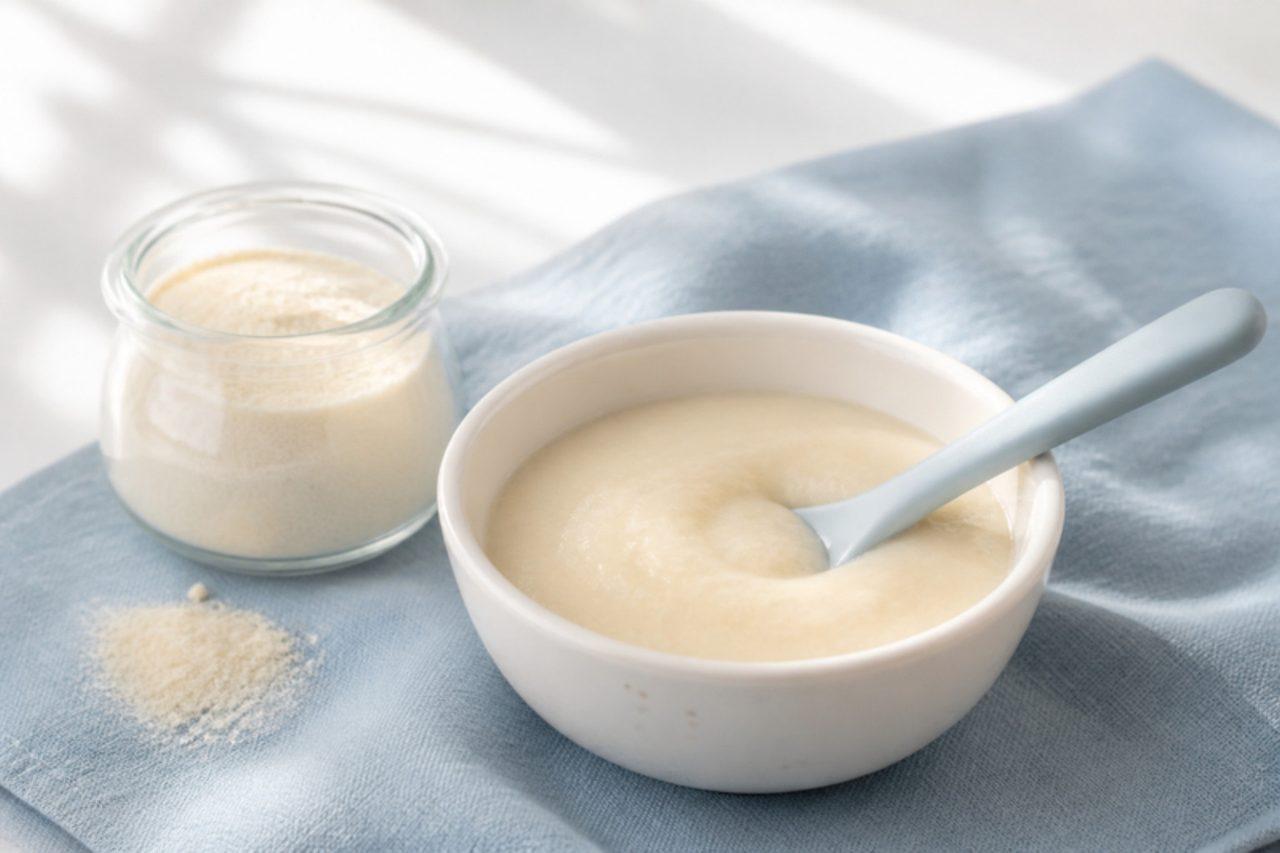
Bouillie (French baby cereal porridge)

In France, la bouillie is the warm cereal porridge that joins a baby's morning or evening milk at around six months. It is simply the baby's usual milk, breast milk or formula, thickened with plain infant cereal or fine oat or rice flour, and given from a spoon, or thinner from a bottle as many French families do at bedtime. It is creamy and mild. It contains milk from the formula, and gluten if you use oat or wheat cereal; there is no egg, nuts, soya, sesame or fish. Chef's tip: choose a cereal with no added sugar or flavourings; you can add a spoon of fruit purée for sweetness later.

by KrazyBadal 0 views

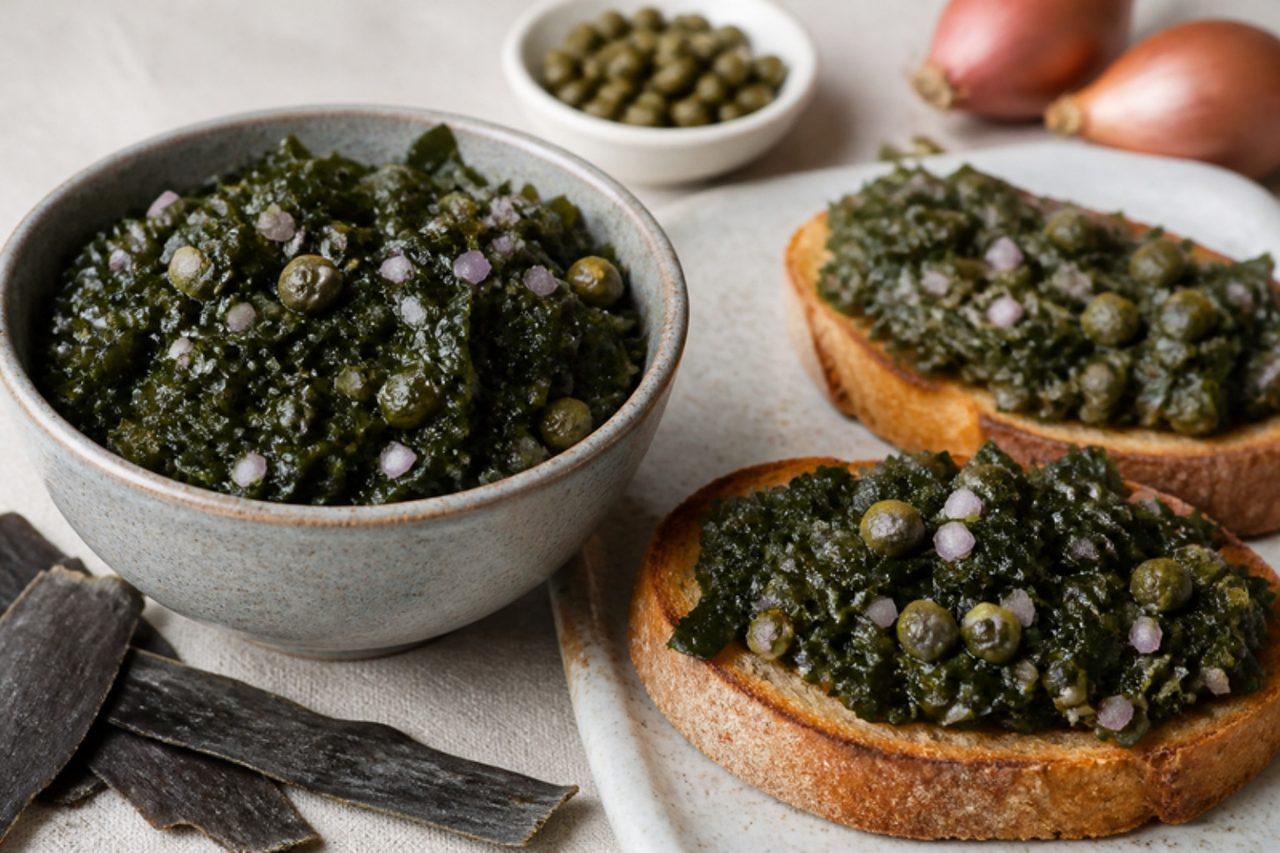
Tartare d'alguesSeaweed tartare

Tartare d'algues is a modern Breton classic, a dark green, salty spread of chopped seaweed with capers, shallots, gherkins and lemon, sold in jars at markets in Roscoff and Saint-Malo and spread on toast or blinis at the apéro. Brittany harvests more seaweed than anywhere else in Europe. The common mistake is not rinsing salted seaweed well enough, so it is far too salty. Chef's tip: rinse the seaweed in two changes of cold water, then taste a piece before chopping.

by KrazyBadal 0 views

AnchoïadeAnchovy dip

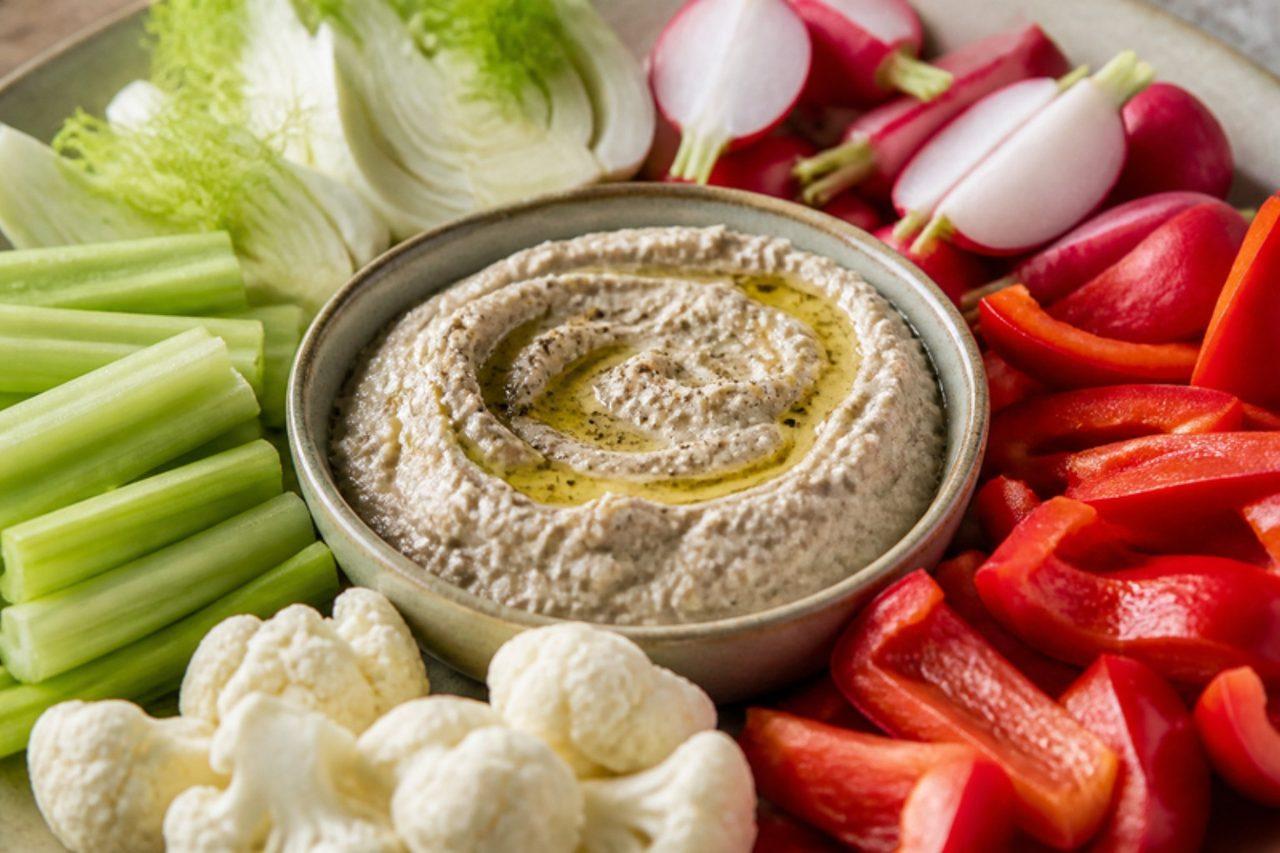
Anchoïade is the anchovy dip of Provence, pounded with garlic and olive oil and served at the apéro or as a summer starter with a big basket of raw vegetables, celery, fennel, radishes, peppers and cauliflower, for everyone to dip; in Marseille and Nice it is also spread on toast. It uses salted (cured) anchovies, which are not cooked: cured fish is not for pregnant women, young children or anyone with a weakened immune system; for a safer version, warm the finished anchoïade gently in a small pan for 3–4 minutes until steaming hot before serving. The common mistake is adding the oil too fast, so it splits. Chef's tip: soak the salted anchovies in milk or water for 10 minutes to soften their saltiness.

by KrazyBadal 0 views

Sauce viergeRaw tomato and olive oil sauce

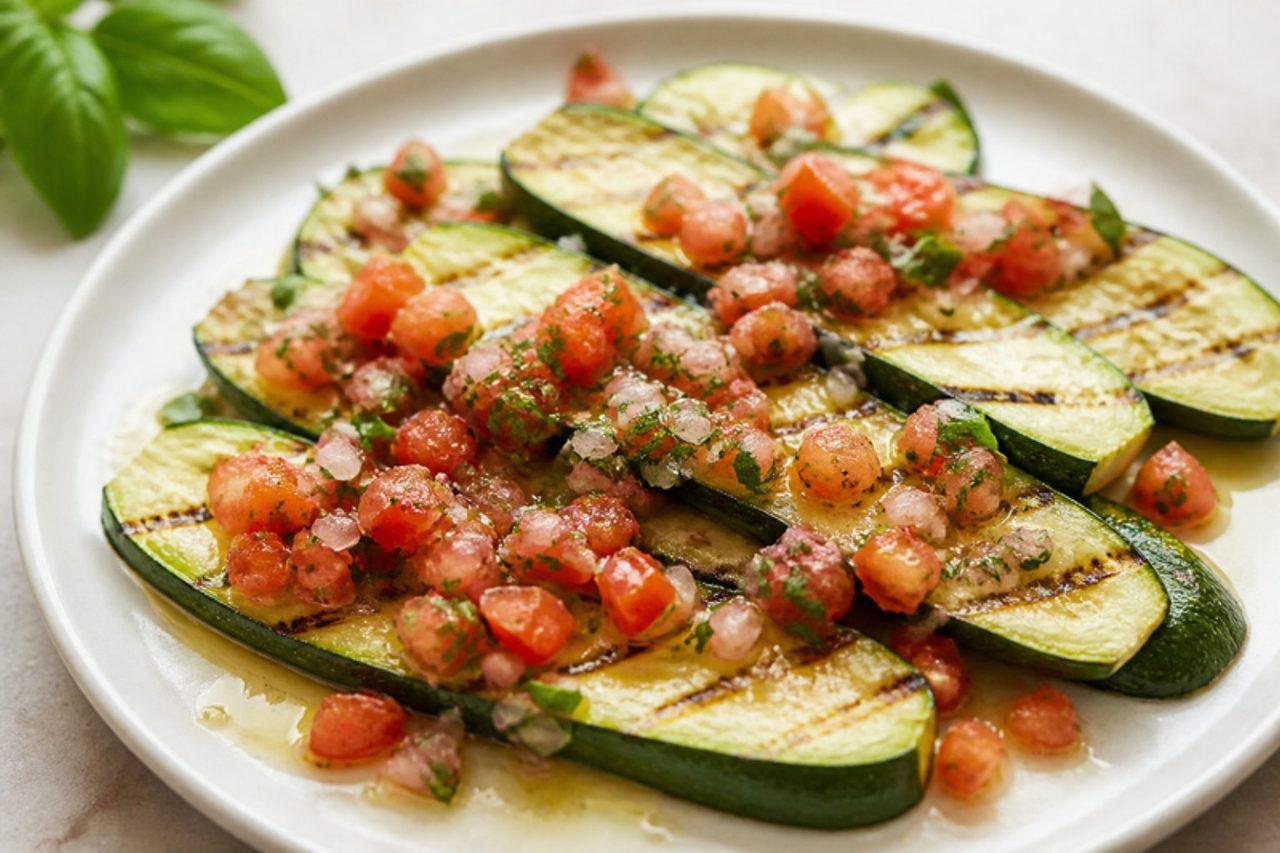
Sauce vierge is the fresh summer sauce of Provence, made popular by chefs on the Côte d'Azur in the 1980s and now spooned over grilled fish, vegetables and pasta in homes from July to September. Diced ripe tomato, shallot and basil are gently warmed in good olive oil with lemon and coriander seed, just enough to release the flavours without cooking them. The common mistake is heating it too much, which turns it into a cooked tomato sauce. Chef's tip: use the ripest tomatoes you can find and leave the sauce to infuse for 20 minutes before serving.

by KrazyBadal 0 views

Saumon à l'oseilleSalmon with sorrel sauce

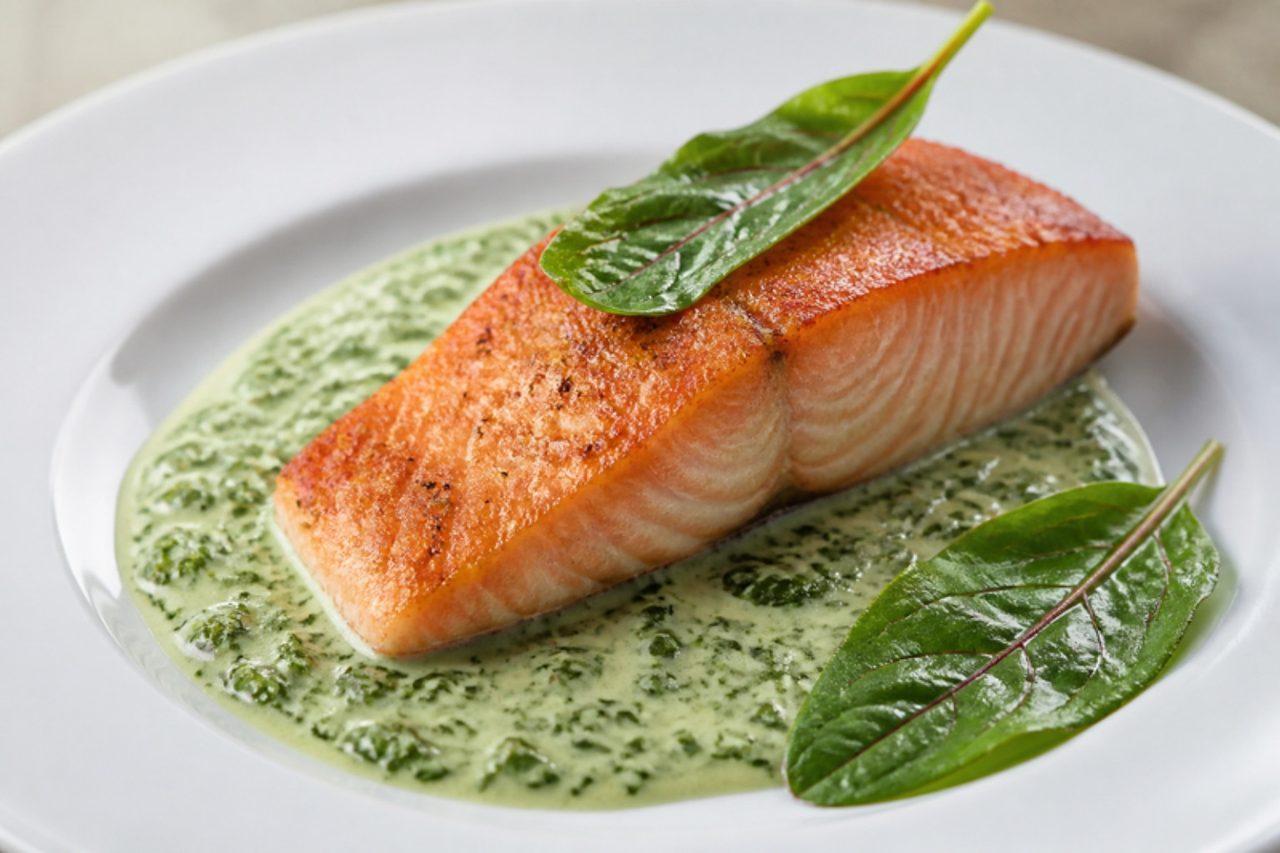
Saumon à l'oseille was created in the 1960s at the Troisgros brothers' famous restaurant in Roanne, north of Lyon, and it soon became a dinner-party classic in French homes. Thin escalopes of salmon are cooked for barely a minute and laid on a pale green cream sauce sharpened with sorrel, whose lemony bite cuts the richness of the fish. This home version uses a quick fish stock and no wine, so it is alcohol-free. The common mistake is overcooking the salmon; the thin escalopes are done the moment they turn pale. Chef's tip: add the sorrel at the very end and take it off the heat at once; it collapses in seconds and turns khaki if boiled.

25 minFrenchFishGluten free
by KrazyBadal 0 views

Potage Saint-GermainFresh pea soup

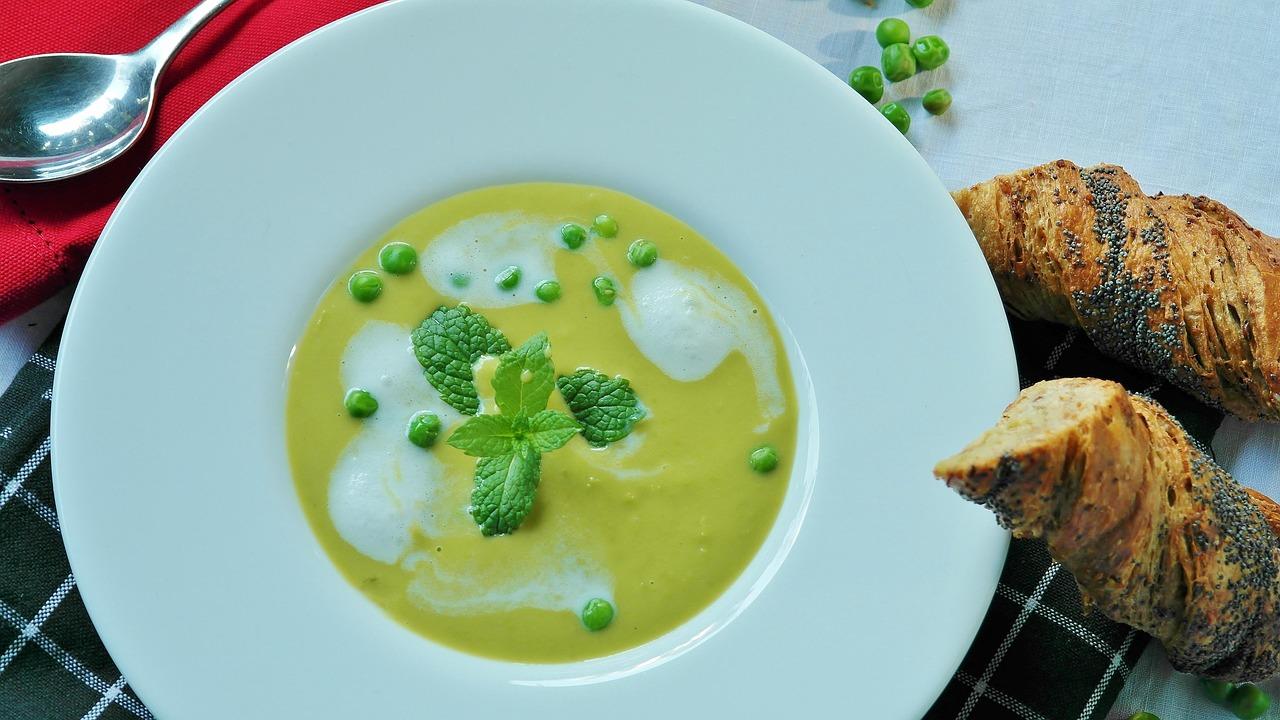
Potage Saint-Germain is a Parisian classic named after the Saint-Germain district, a bright green spring soup served at the start of family dinners in May and June when fresh peas arrive, though frozen peas make an excellent version all year. Peas are simmered briefly with lettuce, spring onions and mint, then blended smooth so the soup tastes fresh and sweet. The common mistake is cooking the peas too long, which turns the soup khaki and dull. Chef's tip: cool the blended soup quickly in a bowl set over iced water if you are not serving it at once; it keeps its vivid colour.

by KrazyBadal 0 views

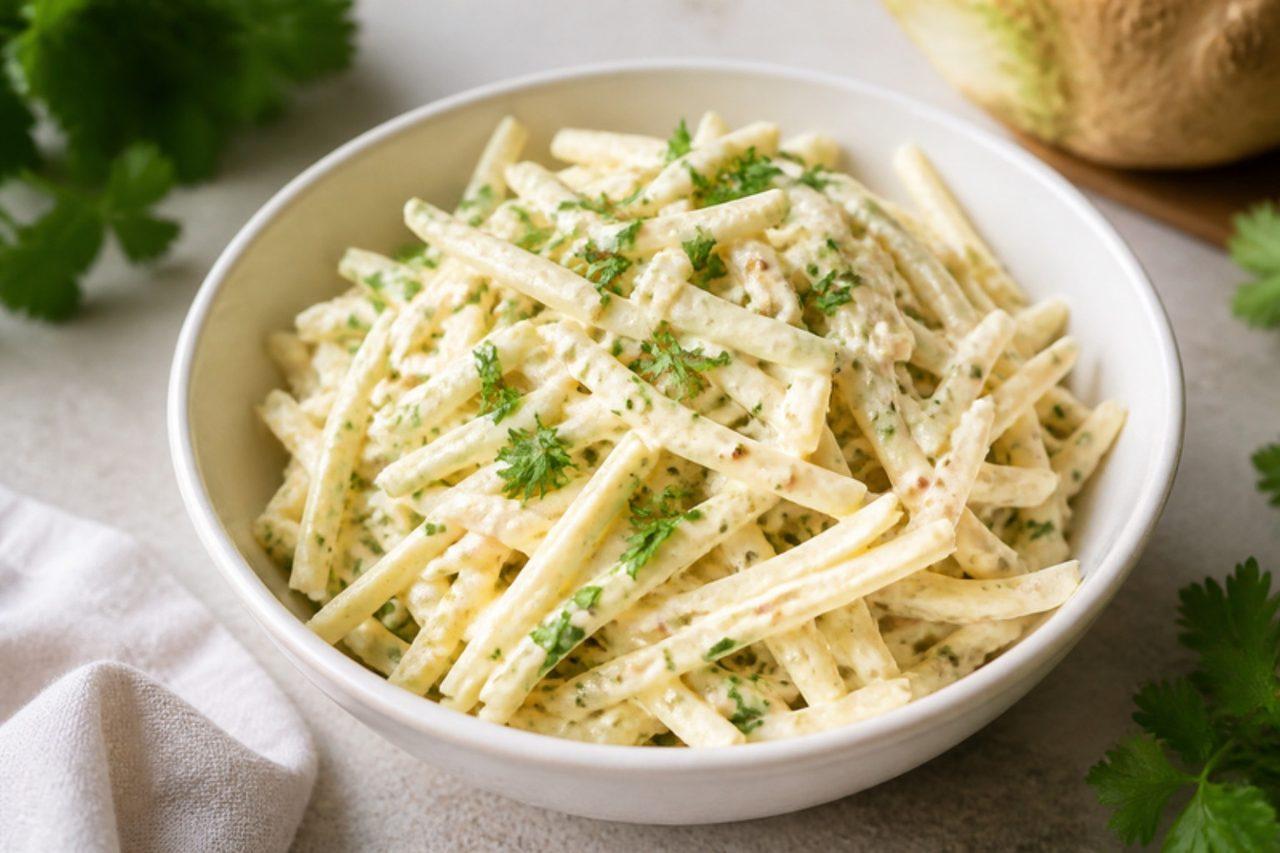
Céleri rémouladeCeleriac in mustard mayonnaise

Céleri rémoulade is the classic winter crudité of Paris, sold by the scoop at every charcuterie counter and served in brasseries as part of an assiette de crudités with grated carrots and beetroot. Raw celeriac is cut into fine matchsticks, softened briefly with lemon and salt, then folded through a thick mayonnaise sharpened with plenty of Dijon mustard. It tastes nutty and fresh and keeps well for a day. The mayonnaise uses a raw egg yolk: use a pasteurised yolk or good shop-bought mayonnaise for anyone pregnant, very young, elderly or with a weakened immune system. A common mistake is cutting the celeriac too thick, which leaves it woody and stops the dressing clinging. Chef's tip: salt and lemon the celeriac 15 minutes before dressing; it softens just enough and stops turning brown.

by KrazyBadal 0 views

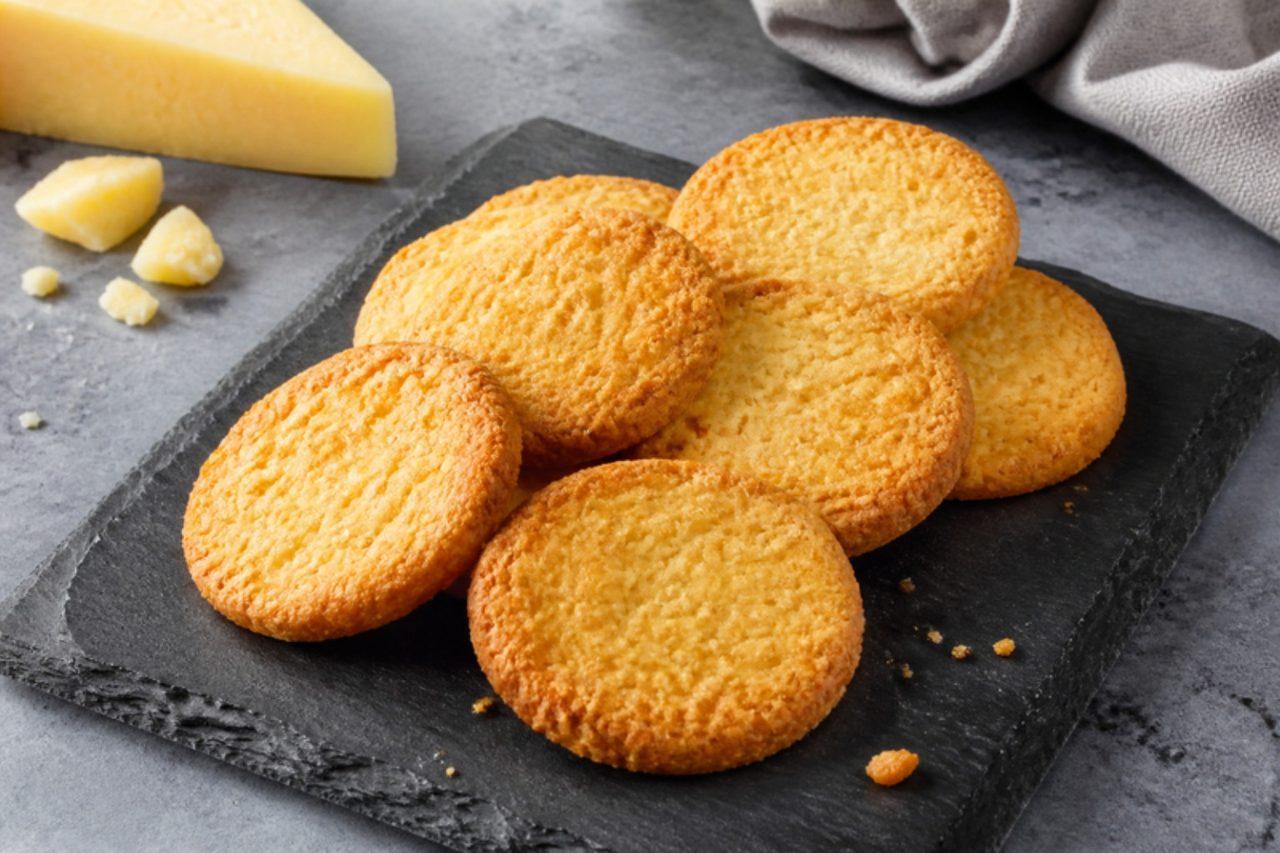
Sablés au parmesanParmesan shortbread

Sablés au parmesan are the crumbly savoury shortbreads French hosts bake for the apéro, served with a glass of something cold before dinner, and they keep well in a tin. Parmesan is always made with animal rennet, so for a vegetarian version use a vegetarian Italian-style hard cheese. The common mistake is overworking the dough, which makes them hard rather than melting. Chef's tip: roll the dough into a log and chill it, then slice and bake straight from the fridge.

by KrazyBadal 0 views

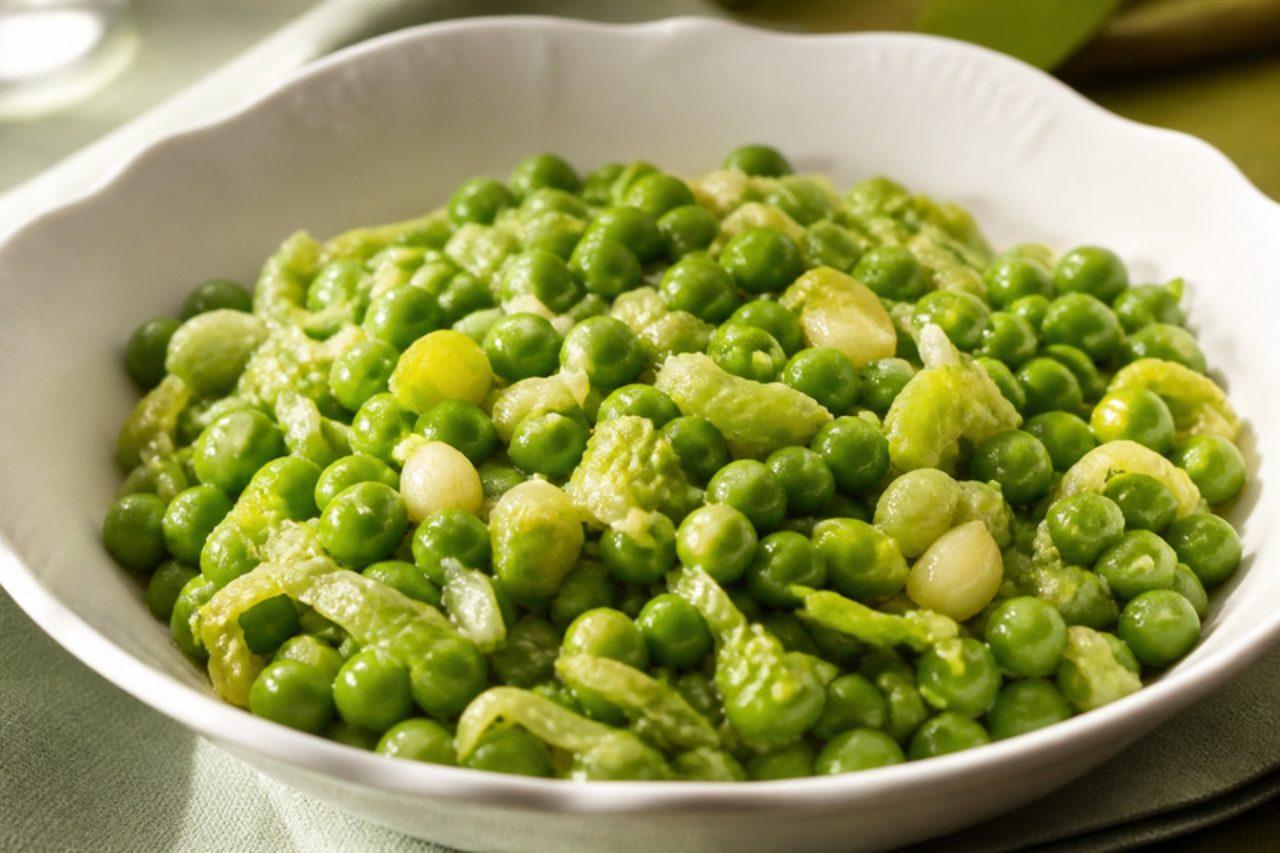
Petits pois à la françaiseBraised peas with lettuce

Petits pois à la française is the spring side dish of French family Sunday lunches, served with roast chicken or lamb from April to June, when fresh peas and soft round lettuces arrive in the markets together. The peas are braised in their own steam with shredded lettuce, spring onions and butter, which melts into a sweet, glossy little sauce. Frozen petits pois work very well out of season. The common mistake is adding too much water, which boils the peas grey instead of braising them. Chef's tip: a pinch of sugar brings out the sweetness of the peas, especially if they are a little starchy.

by KrazyBadal 0 views

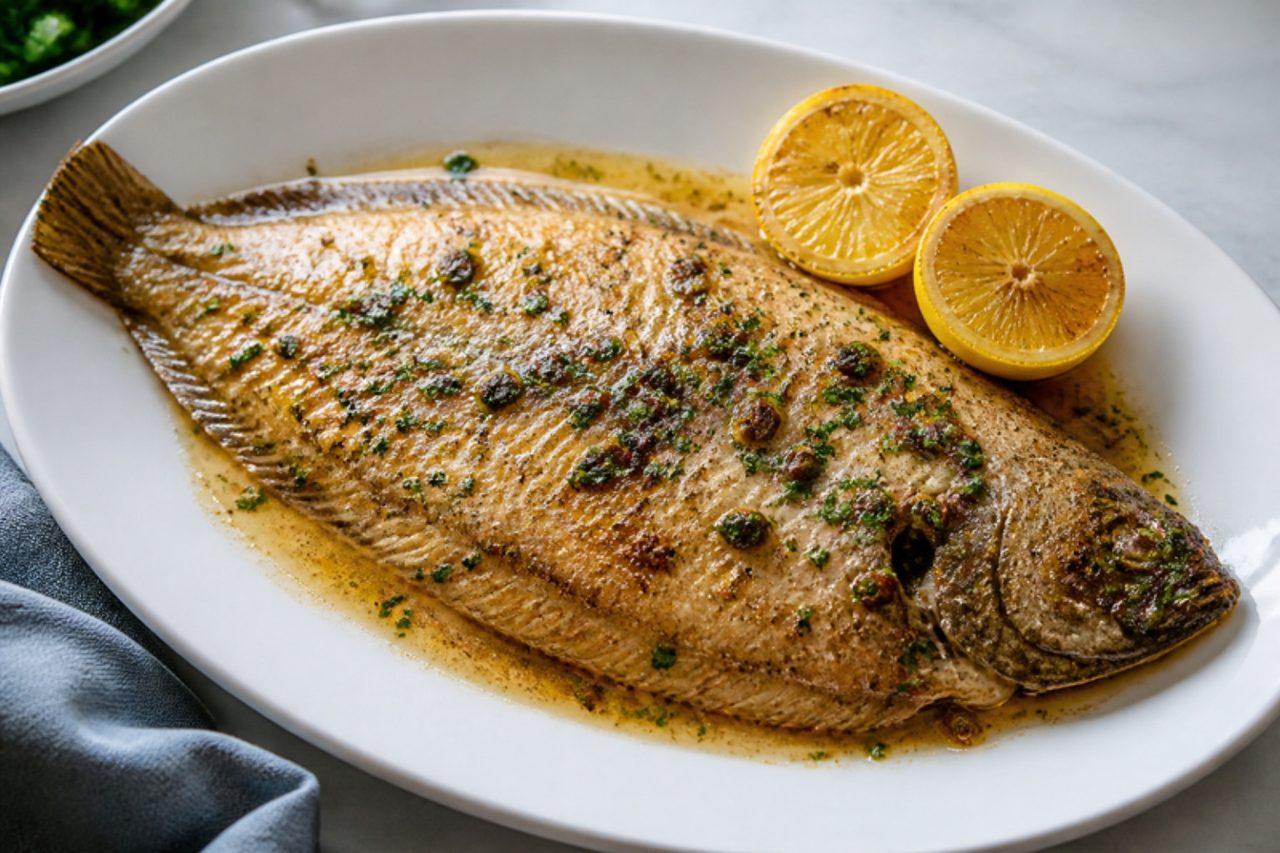
Sole meunièreSole in browned butter

Sole meunière, "in the style of the miller's wife", is the fish dish of old Paris brasseries and Normandy seaside restaurants, served on Fridays and for special lunches with boiled potatoes. The sole is dusted in flour and cooked in foaming butter until golden, then bathed in nutty browned butter with lemon juice and parsley. The common mistake is a pan that is too crowded or not hot enough, so the flour turns soggy instead of crisp. Chef's tip: cook the fish in clarified butter or butter with a little oil, then make a fresh batch of browned butter for the sauce; it stays golden, not burnt.

25 minFrenchFish
by KrazyBadal 0 views

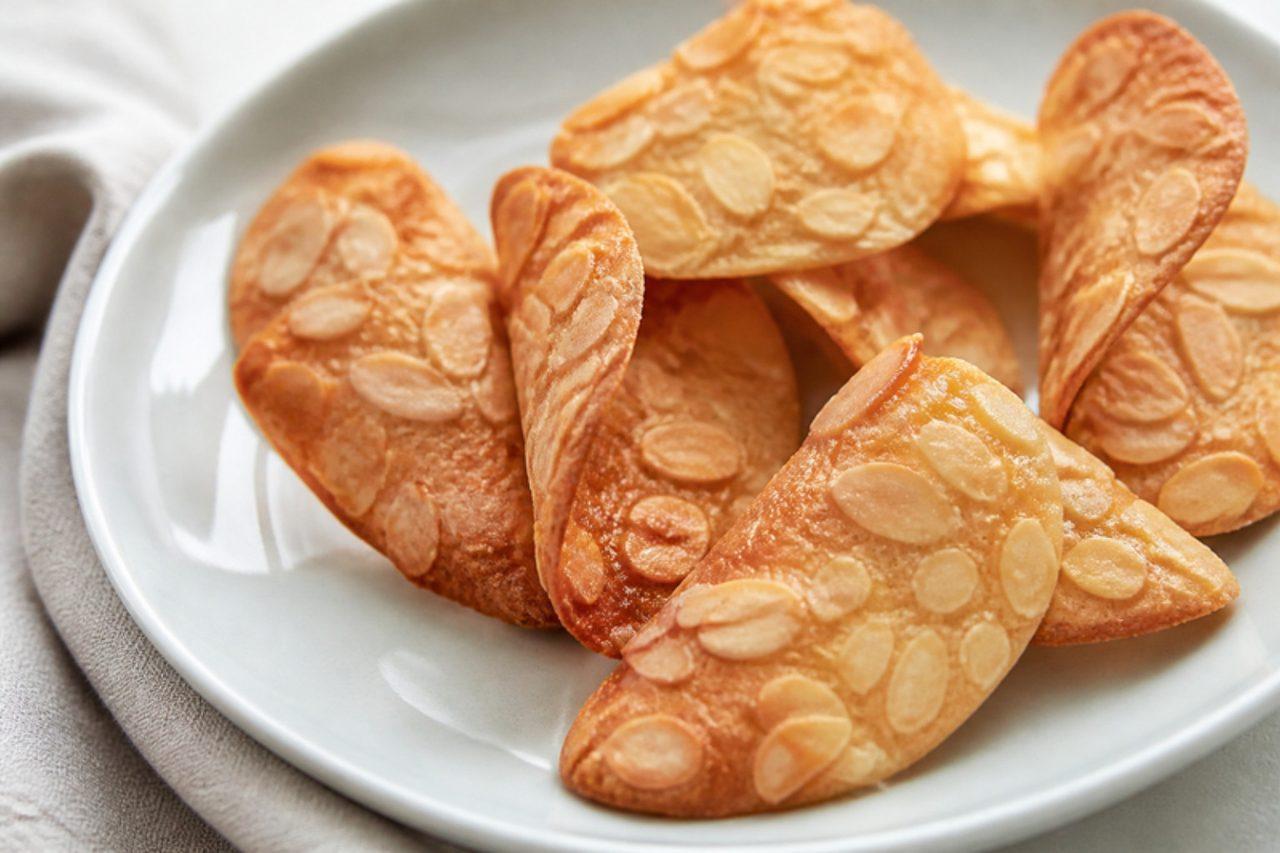
Tuiles aux amandesAlmond tile biscuits

Tuiles are wafer-thin almond biscuits curved over a rolling pin while still hot, so they look like the clay roof tiles of Provence; French families serve them with ice cream, sorbet or mousse at the end of a meal. The batter is quick, and the curling is the fun part. The common mistake is spreading them too thick, so they stay soft. Chef's tip: bake just four at a time, because you have only seconds to shape them before they set.

by KrazyBadal 0 views

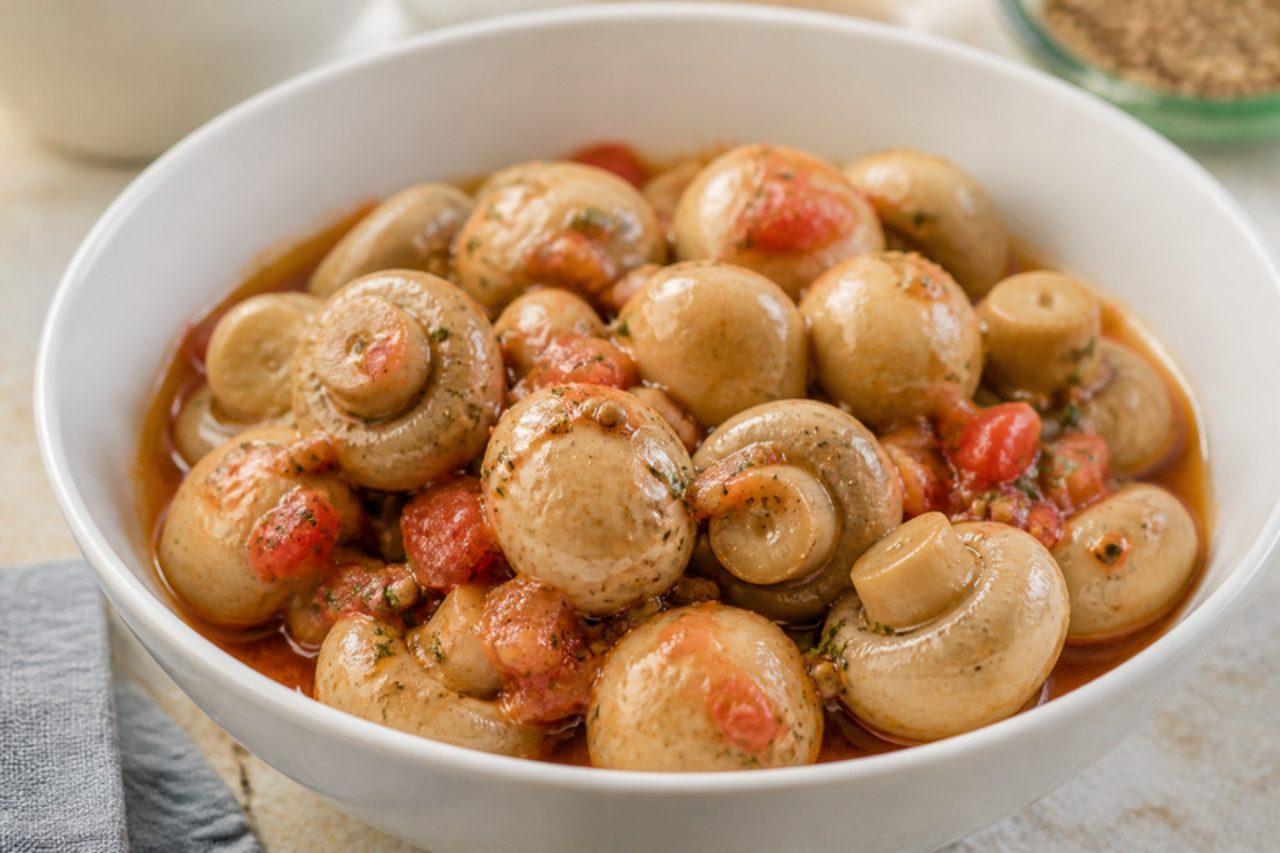
Champignons à la grecqueMushrooms in lemon and coriander

Despite the name, champignons à la grecque are a Parisian invention, a cold starter of the old bistros and delicatessens where vegetables were cooked "the Greek way" in olive oil, lemon and spices. Small button mushrooms simmer with tomato, coriander seed, bay and thyme until they shrink and soak up the tangy liquid, then they are left to cool and served at room temperature with bread on a crudités plate. They are even better made a day ahead. The common mistake is crowding raw mushrooms into a small pan so they stew grey; give them space and a lively simmer. Chef's tip: crush the coriander seeds lightly before adding them; they release a warm, citrus flavour.

by KrazyBadal 0 views

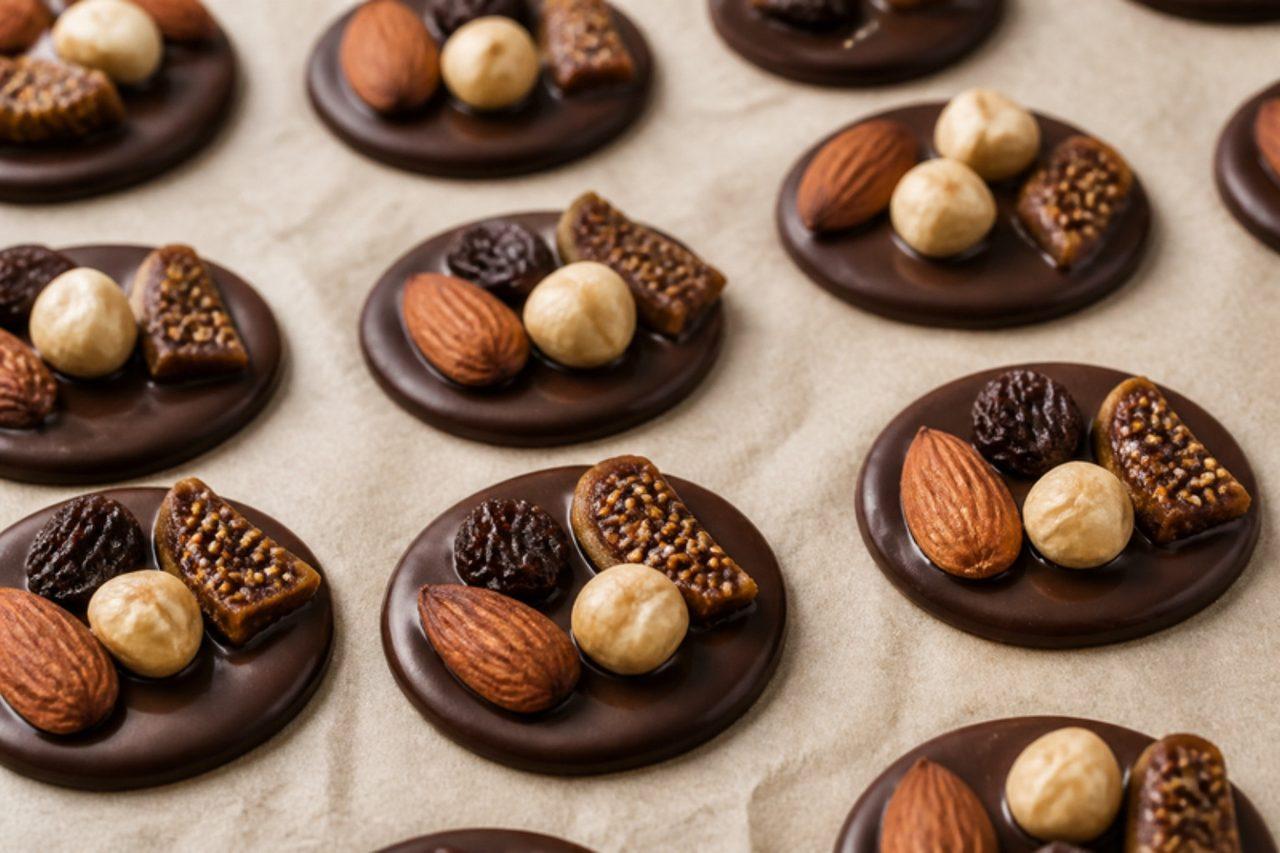
MendiantsChocolate nut and fruit discs

Mendiants are little discs of chocolate topped with an almond, a hazelnut, a raisin and a dried fig, the four "beggars" of the Provençal Christmas, whose colours were said to match the robes of the four mendicant orders of monks; they are part of the thirteen desserts and a favourite home-made Christmas gift. The common mistake is letting the chocolate set before adding the toppings, so they fall off. Chef's tip: pipe only six discs at a time and top them straight away.

by KrazyBadal 0 views

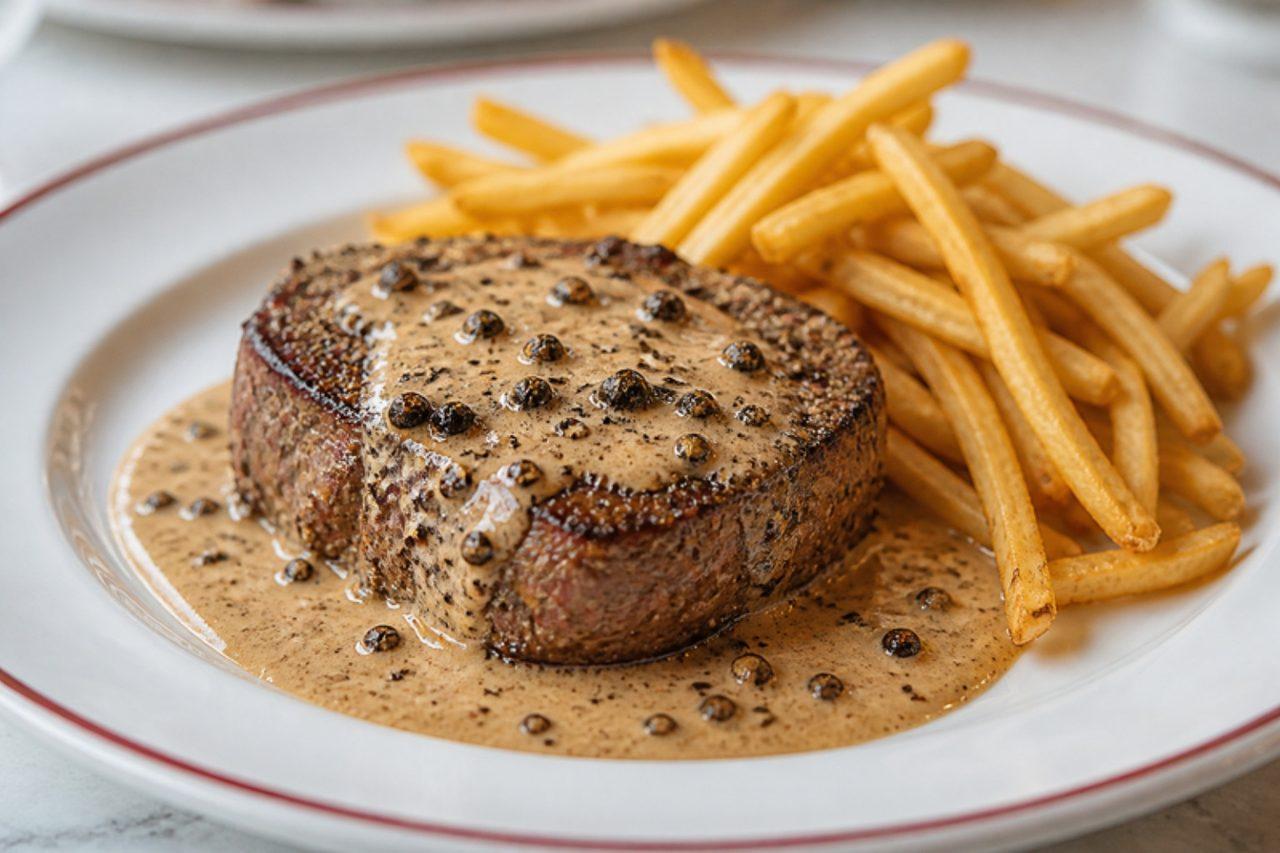
Steak au poivrePepper steak

Steak au poivre is the great Paris bistro main course, ordered with a mountain of frites at lunchtime brasseries from the Left Bank to Montmartre. Thick steaks are pressed into coarsely cracked black peppercorns, seared hard, then the pan is deglazed with cognac and finished with cream into a peppery, glossy sauce. The cognac is flamed and boiled, which drives off most of the alcohol but not all; for an alcohol-free sauce use 60 ml beef stock with 1 tsp red wine vinegar instead. The common mistake is grinding the pepper too fine, which makes the crust bitter and fiercely hot. Chef's tip: crush the peppercorns under a heavy pan so they stay in coarse pieces, and sieve off the fine dust.

30 minFrenchMeatGluten free
by KrazyBadal 0 views

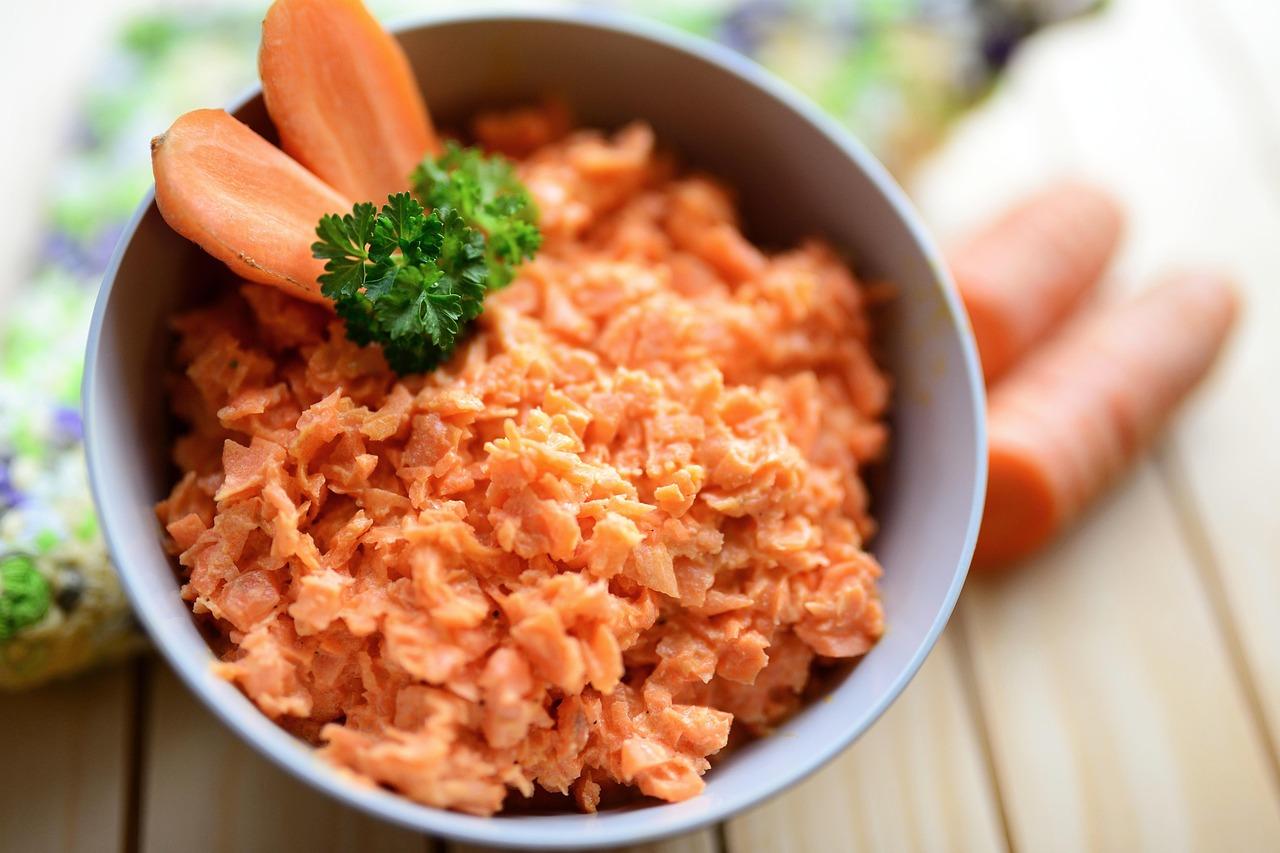
Carottes râpéesGrated carrot salad

Carottes râpées is the everyday starter of French school canteens, bistro crudité plates and family lunches all over the country, a heap of finely grated carrots in a bright lemon dressing that wakes up any meal. It is sweet, juicy and crunchy, and takes ten minutes. The secret is grating the carrots on the fine side of the grater, so they release some juice into the dressing. The common mistake is using the coarse holes, which gives dry, chewy strands that do not take the dressing. Chef's tip: dress the carrots 20 minutes before serving and toss again just before the table; they soften slightly and taste much sweeter.

by KrazyBadal 0 views

Showing 24 of 140 recipes

Show more recipes

Page 1 of 6