Skip to content
Recipes

All recipes

Vegetarian, or something you can't eat? Set your diet once and we'll hide recipes that don't fit.

Uszka z grzybamiMushroom dumplings

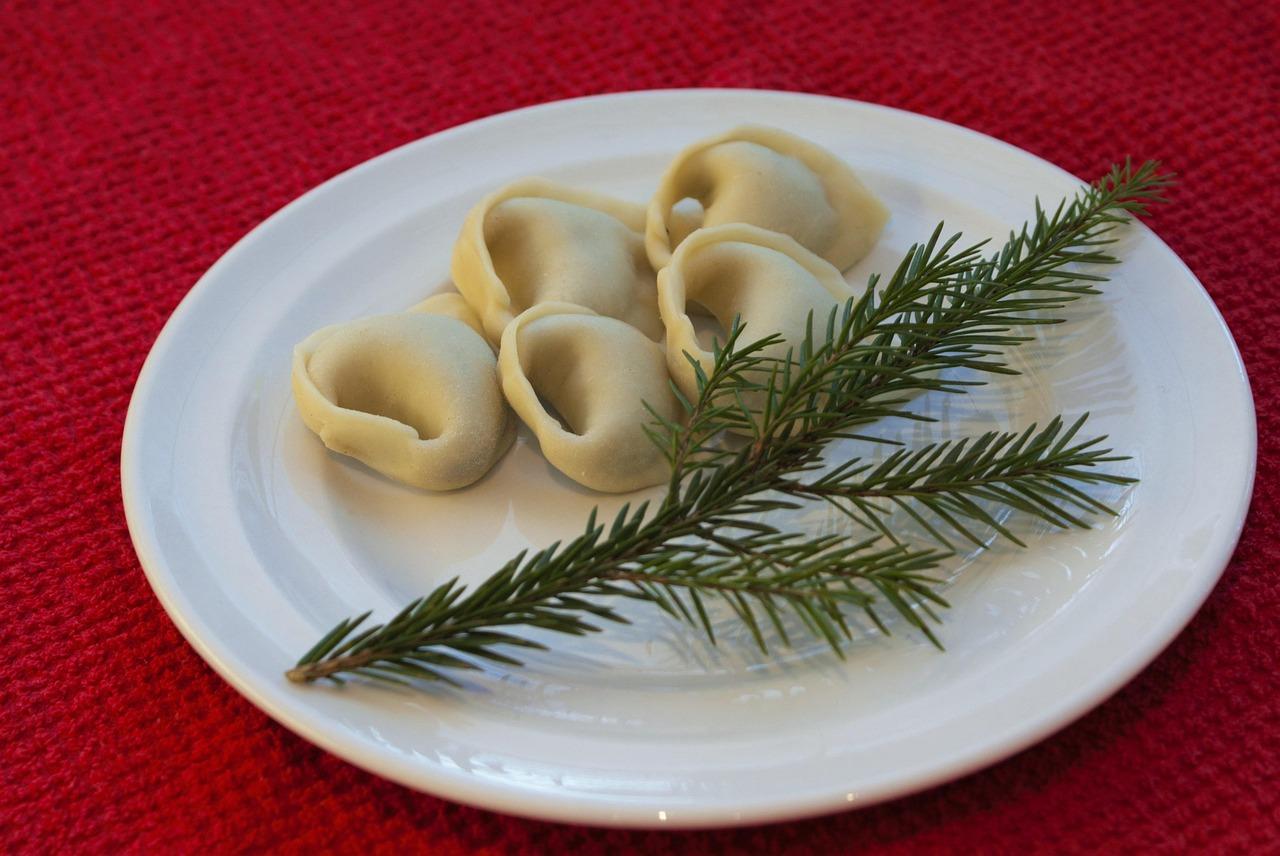
Wigilia, the Polish Christmas Eve supper, starts when the first star appears and is traditionally meatless, and its first course is clear red barszcz with uszka floating in it. These are tiny dumplings folded into 'little ears' and filled with dried forest mushrooms (usually ceps) and fried onion. They are fiddly, so families make them together in the days before and freeze them. Serve 6–8 in each bowl of hot beetroot broth. Chef's tip: save the mushroom soaking water and add it to the barszcz, as it carries much of the forest flavour.

by KrazyBadal 0 views

Broccoli affogatiCauliflower stewed with olives and wine

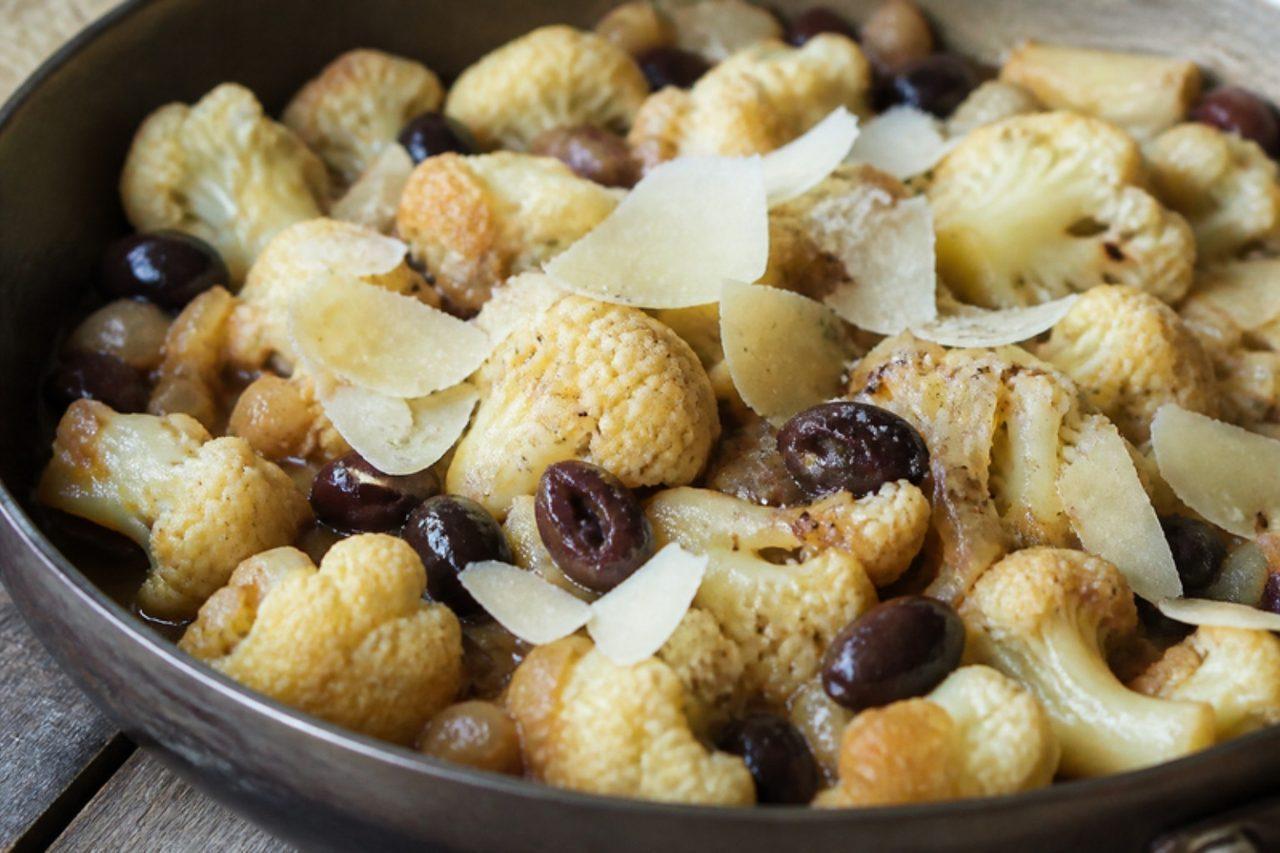
In Catania, eastern Sicily, Christmas Eve is a meatless vigil, and the big green Sicilian cauliflower (called 'broccoli' there) is 'drowned' in a covered pan with onion, black olives, oil and red wine, then strewn with pecorino. It is served on its own, folded into scacce pies, or beside fried salt cod. The wine cooks off over long simmering but some alcohol may remain, so swap it for water with 1 tbsp red wine vinegar for an alcohol-free dish. Pecorino is made with animal rennet, so use a vegetarian hard cheese for a strictly vegetarian table. Chef's tip: layer the pan, cauliflower on onions on olives, and don't stir; shake it instead, so the florets stay whole and soak up the juices.

by KrazyBadal 0 views

Crispelle calabresiFried potato dough fritters

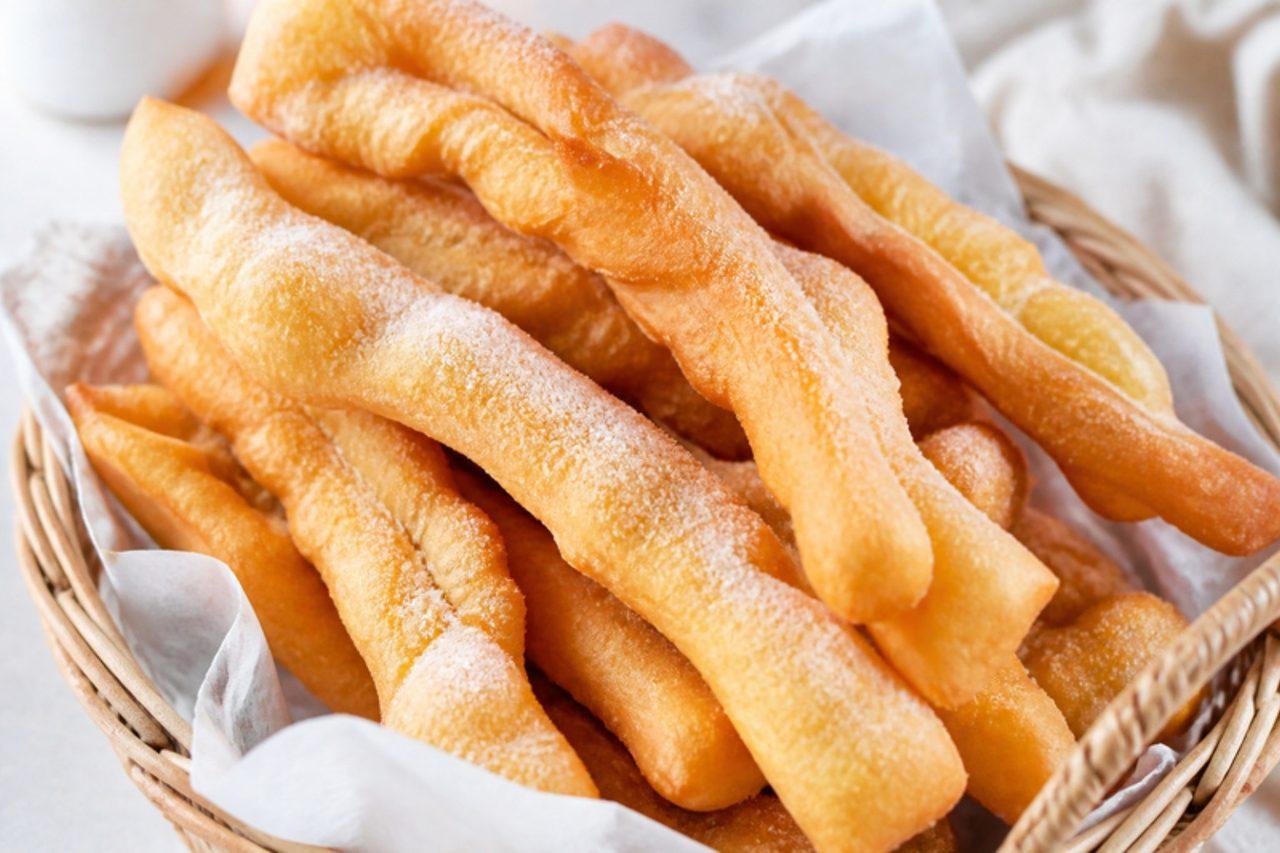
On the afternoon of 8 December and again on Christmas Eve, Calabrian kitchens fill with the smell of crispelle frying: long strips of soft potato-and-flour yeast dough dropped into hot oil until they puff and turn golden. Many families stuff some with an anchovy, but these are the plain kind, eaten hot with salt, or rolled in sugar and honey for children, so they are vegan. They are best straight from the pan, while the outside crackles and the inside is still airy. Chef's tip: oil your hands, not flour them, when stretching the dough; flour falls into the fryer, burns and turns the oil bitter.

by KrazyBadal 0 views

MoczkaGingerbread in dried fruit compote

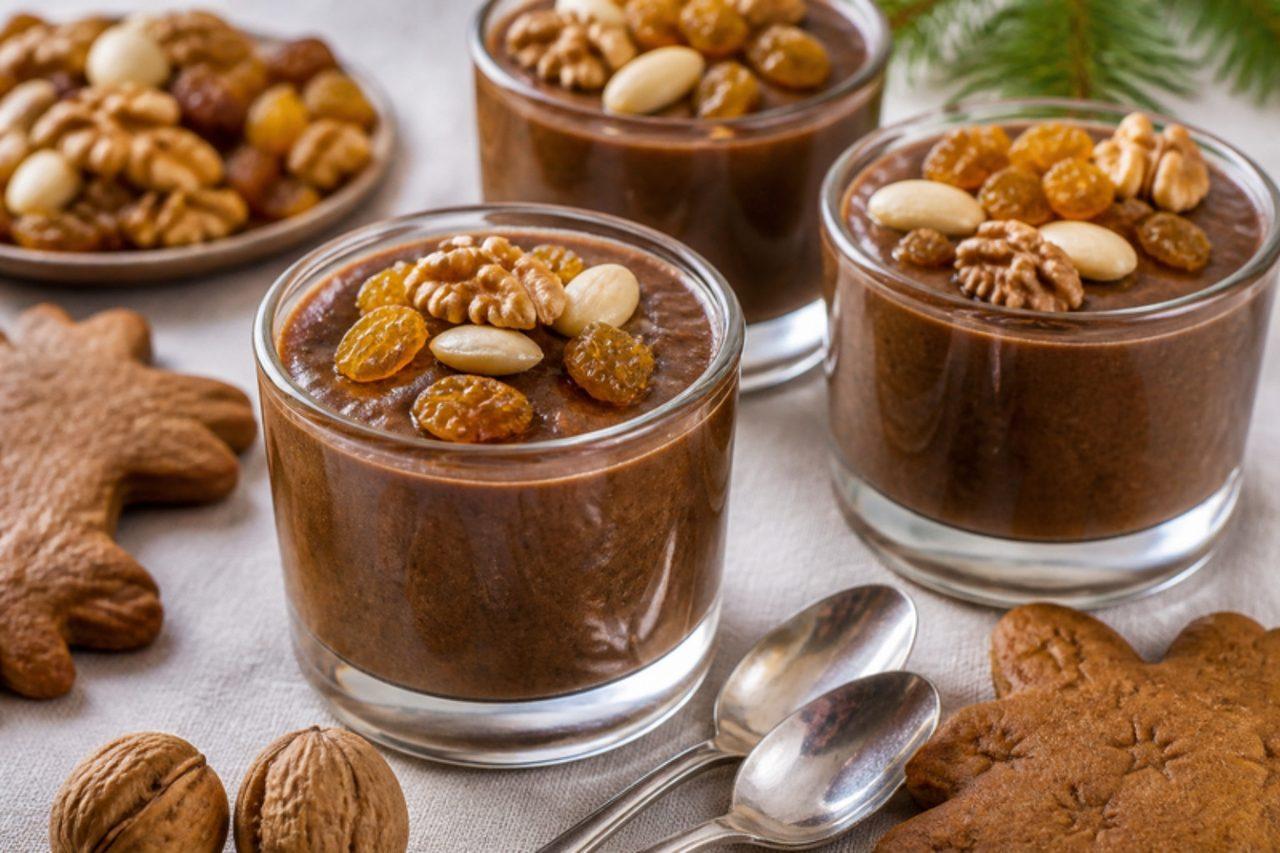
Moczka is the Christmas Eve dessert of Upper Silesia in southern Poland, a thick, dark, spiced mixture of honey gingerbread dissolved in dried-fruit compote, then loaded with almonds, walnuts, raisins, figs and prunes. Each family has its own version; many add dark beer to the base, which this one leaves out, but adults may stir 100 ml dark beer into the compote while it simmers. It is eaten cold from small bowls and keeps for several days. Chef's tip: use dry, slightly stale gingerbread, which dissolves into a smooth sauce, while fresh cake turns to lumps.

by KrazyBadal 0 views

Piernik staropolskiHoney spice cake with plum jam

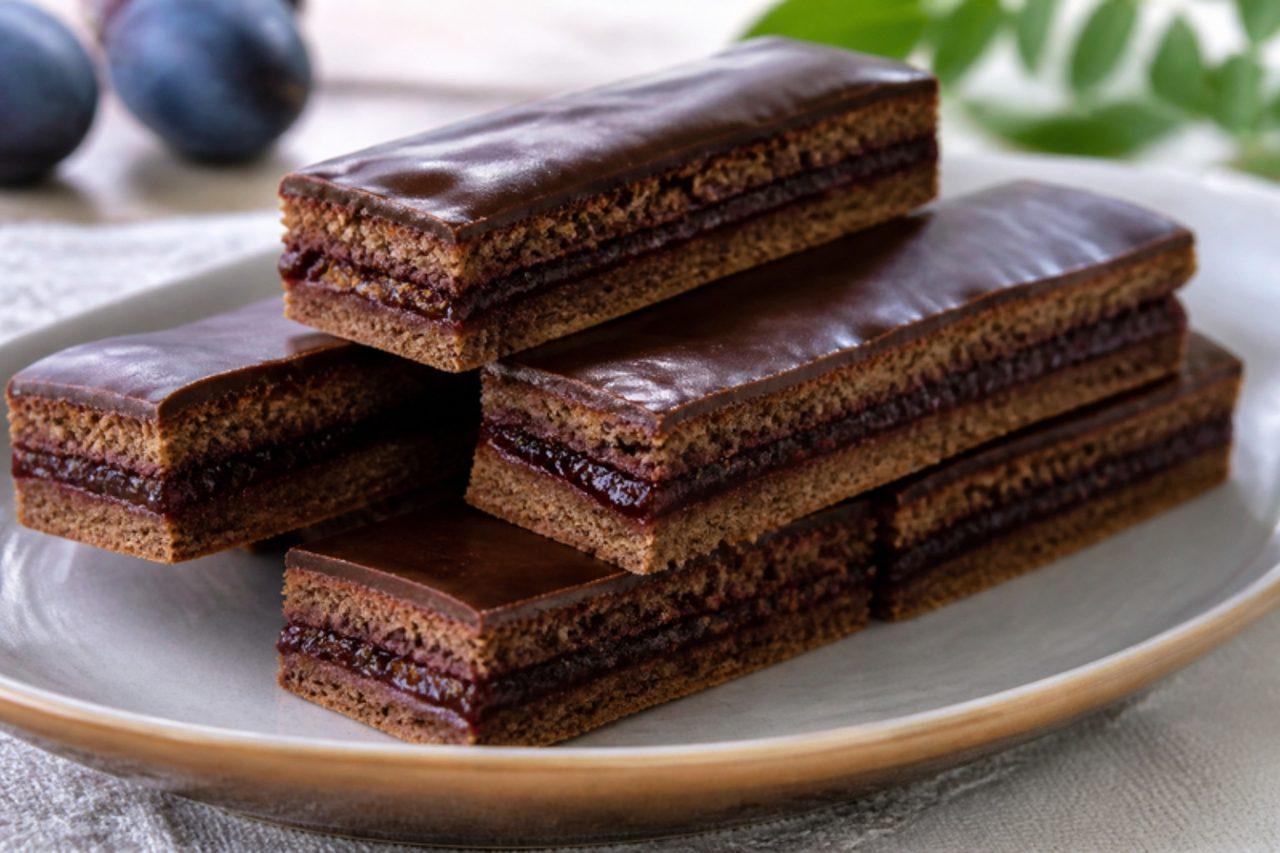
Piernik staropolski is the grand Polish Christmas gingerbread, and the old tradition is to mix the honey dough in November (once even at a child's birth) and leave it to mature for weeks in a cool place, which deepens the spice and makes the cake tender. It is baked a few weeks before Christmas, split into layers with powidła (thick plum butter), glazed with chocolate and left to soften again. This home version rests the dough for at least 3 days. Chef's tip: wrap the baked layers and let them sit for 3 days before filling; fresh piernik is hard, and it softens as it absorbs moisture from the jam.

by KrazyBadal 0 views

Frutta martorana (Sicilian painted almond-paste fruit)

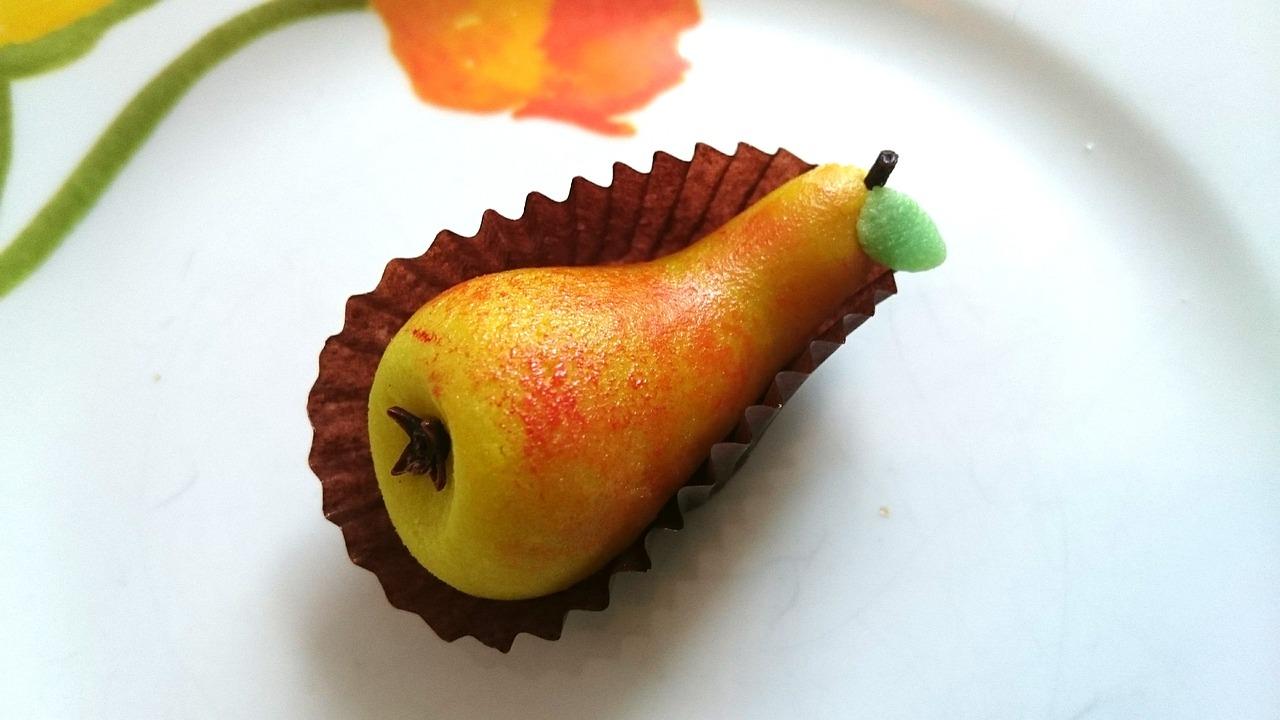
Palermo's pastry shops fill their windows with frutta martorana in late October, ready for All Souls' Day on 2 November, when Sicilian children wake to find sweets and toys said to be left by the family's dead. The name comes from the nuns of the Martorana convent, who were said to have decorated their bare orchard with almond-paste fruit. Each little fig, prickly pear or orange is so perfectly painted it looks real, and the paste inside is smooth, dense and very sweet, with a pure almond flavour. Serve a few with coffee or a glass of cold almond milk. The paste is egg-free almond paste, made the Sicilian way: ground almonds are stirred into sugar syrup boiled to the soft-ball stage, and the syrup binds them as it cools, unlike some shop marzipan, which is not always egg-free. Chef's tip: let the shapes dry before painting; the common mistake is painting damp paste, so the colours bleed.

by KrazyBadal 0 views

SpongataHoney and nut Christmas pie

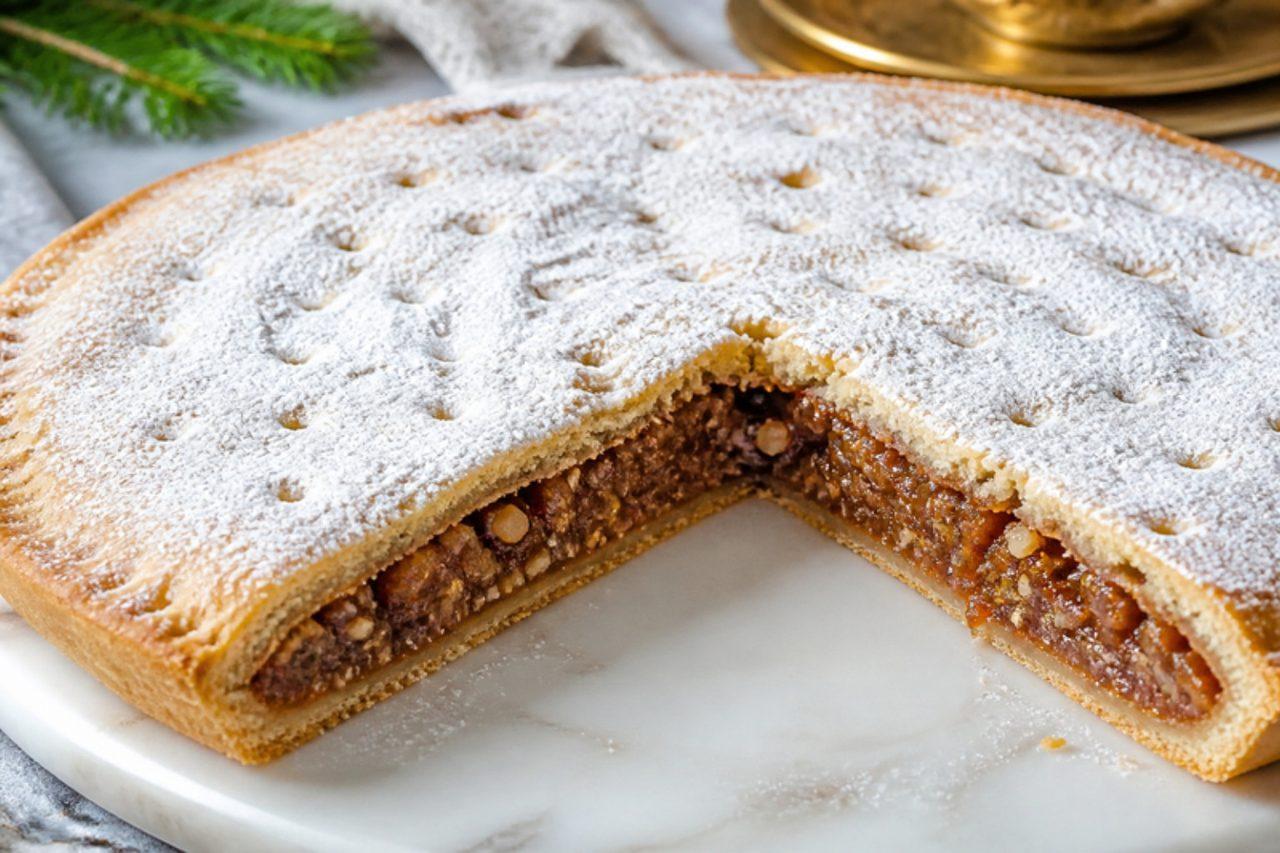
Spongata is a Christmas speciality of the hills between Parma, Reggio Emilia and the Lunigiana, a thin, flat round of crisp pastry hiding a dark filling of honey, walnuts, almonds, pine nuts, raisins, candied fruit and spices, all bound with a few breadcrumbs. Families exchange it at Christmas and slice it into thin wedges with coffee. Traditional recipes add white wine to the pastry and a splash of liqueur to the filling; this version uses milk and orange juice, so it is alcohol-free. The filling is best made two days ahead. Chef's tip: prick the top many times with a fork, as the pattern is traditional and it stops the lid ballooning.

by KrazyBadal 0 views

BisciolaBuckwheat fruit and nut bread

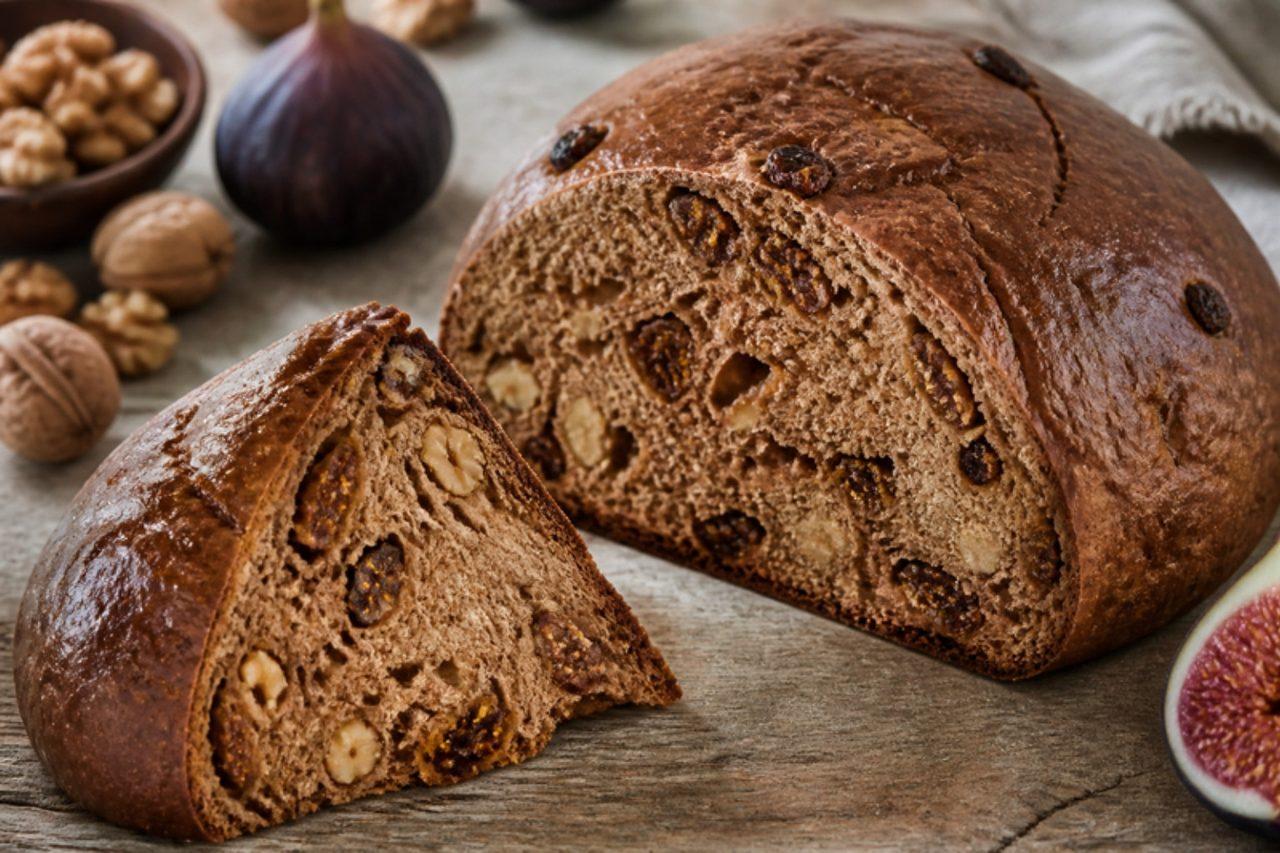
Bisciola is the Christmas bread of the Valtellina, the Alpine valley in northern Lombardy known for buckwheat. It is a soft, dome-shaped loaf of rye or buckwheat and wheat, enriched with butter, egg and honey and crammed with dried figs, raisins and walnuts, eaten from St Lucy's Day to Epiphany, often toasted with butter. Some bakers splash grappa on the fruit; this recipe uses warm water and is alcohol-free. It keeps for a week. Chef's tip: buckwheat has no gluten, so keep it to a third of the flour, or the loaf will be heavy and crumbly.

by KrazyBadal 0 views

Krówki (Polish milk fudge)

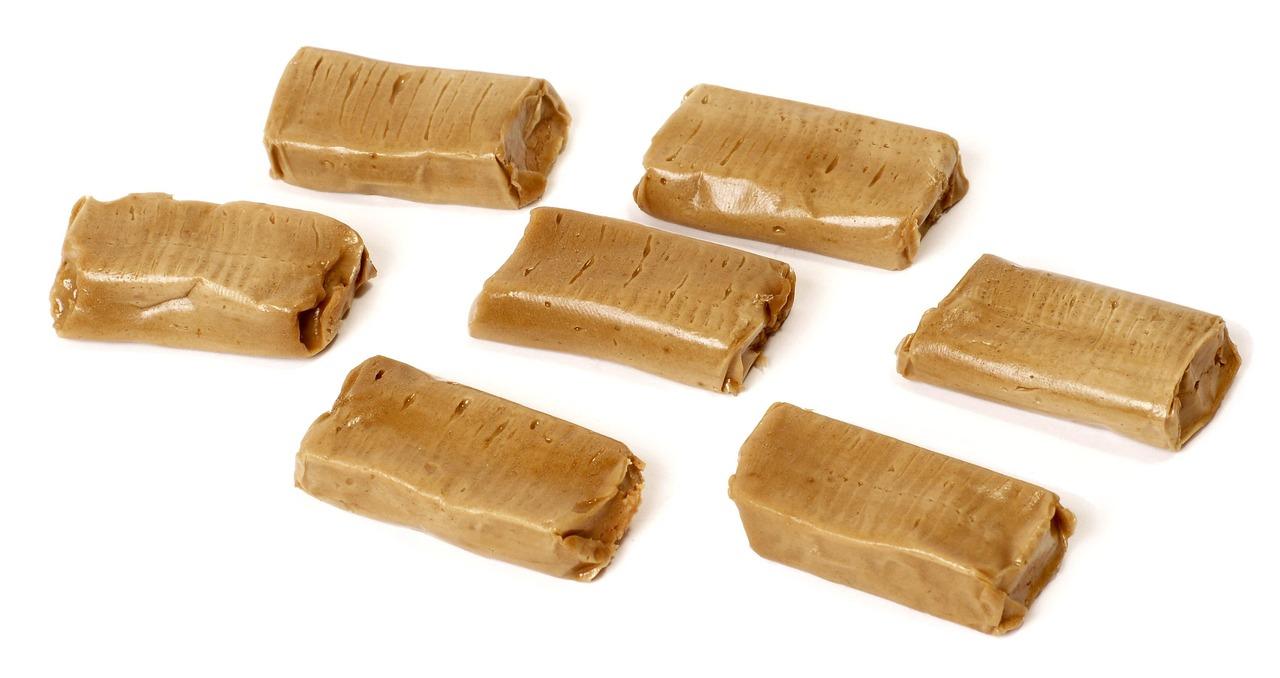
Krówki, 'little cows', are the sweets Polish children grow up with: wrapped in paper with a cow on it, handed out at name days and school parties, and bought by the bag all year round. Fresh ones have a thin, sugary crust that crumbles at the edges while the middle stays soft and almost runny, with a deep taste of cooked milk and butter, close to dulce de leche. Eat them with black tea or coffee, or chop them into ice cream. They are naturally egg-free: milk and cream are boiled with sugar until the milk solids caramelise and the mixture reaches the soft-ball stage, then beating it as it cools starts fine sugar crystals that set the fudge and give that crumbly crust. A spoonful of honey adds its own flavour and keeps the centre soft. Chef's tip: stop beating as soon as the mixture loses its shine and starts to thicken; beating too long is the common mistake, and the fudge then sets in the pan before you can pour it.

by KrazyBadal 0 views

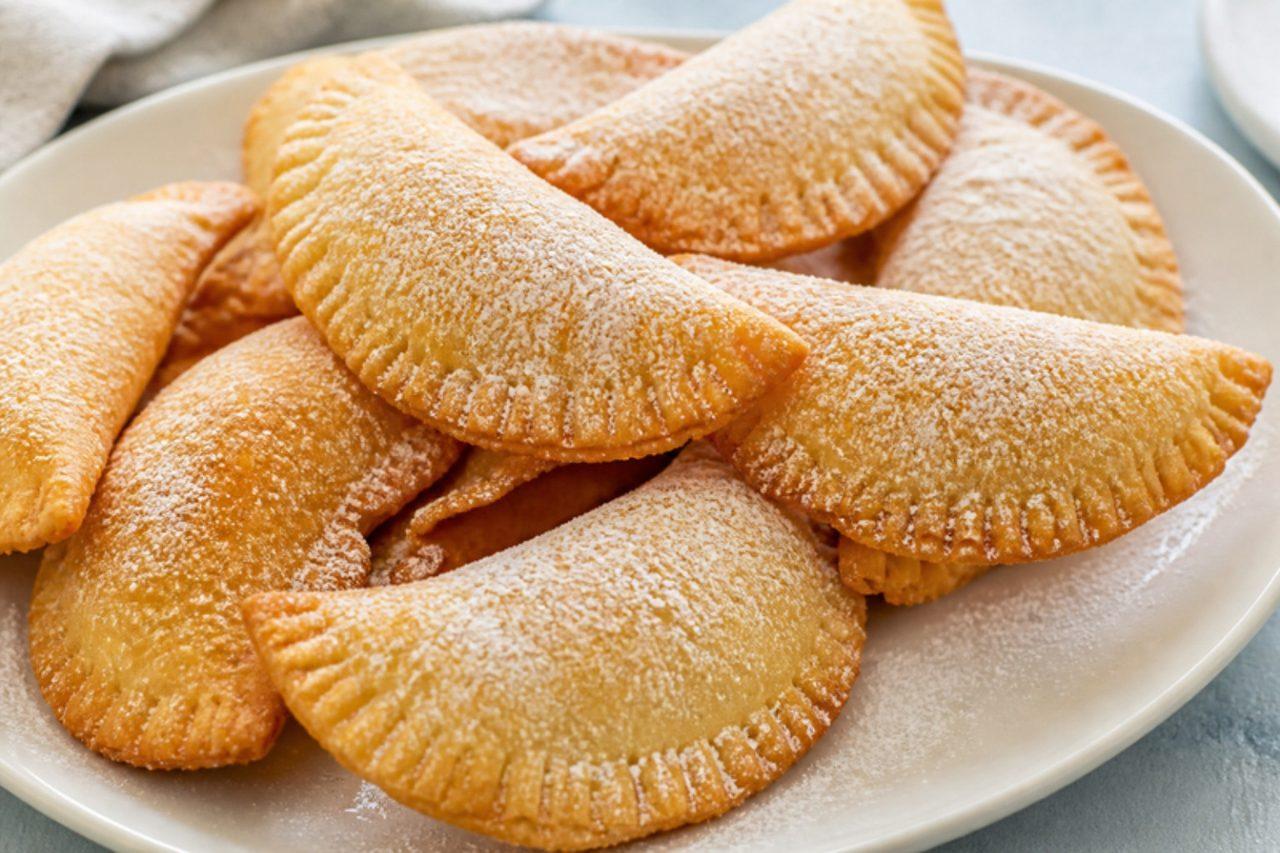
CalcionettiFried ravioli with chickpea and chocolate

In Abruzzo, calcionetti (caggionetti in dialect) are fried on Christmas Eve and handed round all through the holidays. The thin pastry is wrapped around a sweet filling of chickpea or chestnut purée with cocoa, honey, toasted almonds and orange zest, then fried until bubbly and dusted with sugar. Many Abruzzese families add a little rum or the local Centerbe liqueur to the filling; this version uses orange juice so children can eat them, and adults may add 1 tbsp rum. Chef's tip: seal each one firmly by pressing out all the air, as trapped air makes them burst in the hot oil.

by KrazyBadal 0 views

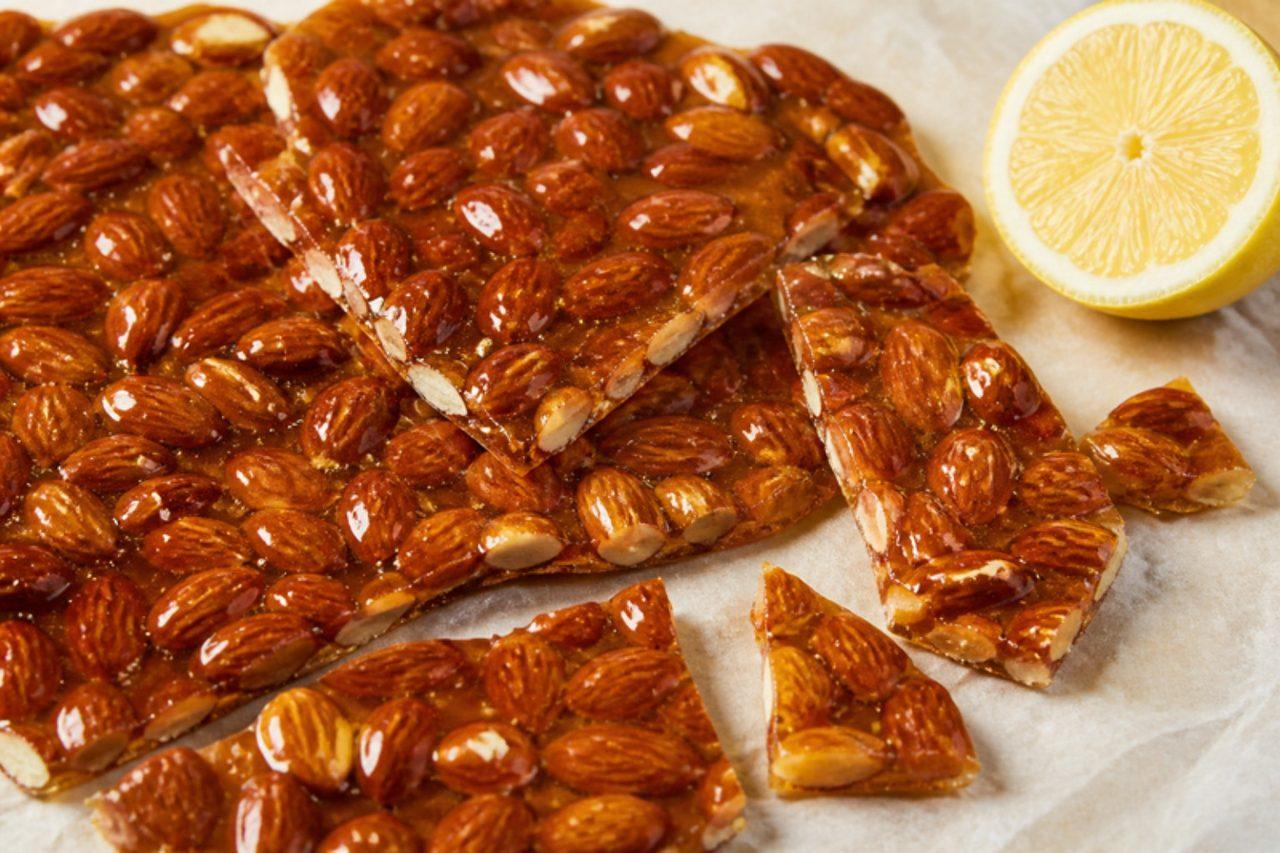
Croccante (southern Italian almond brittle)

Croccante is the sweet of southern Italian feast days: from Naples to Calabria and Apulia it is sold from stalls at the patron saint's festa, set out at Christmas and at Carnival, and in some towns shaped into little baskets for weddings. Whole almonds are toasted and folded into caramel, then pressed thin on marble with the cut side of a lemon, which stops it sticking and leaves a faint citrus scent. It is crisp and glassy with a deep, nutty, slightly bitter caramel. Break it into shards to eat with coffee, or crush it over ice cream. It is naturally egg-free: only caramelised sugar holds the almonds, setting hard as glass as it cools. Chef's tip: keep the almonds warm when they go in; the common mistake is adding cold nuts, which makes the caramel seize into lumps.

by KrazyBadal 0 views

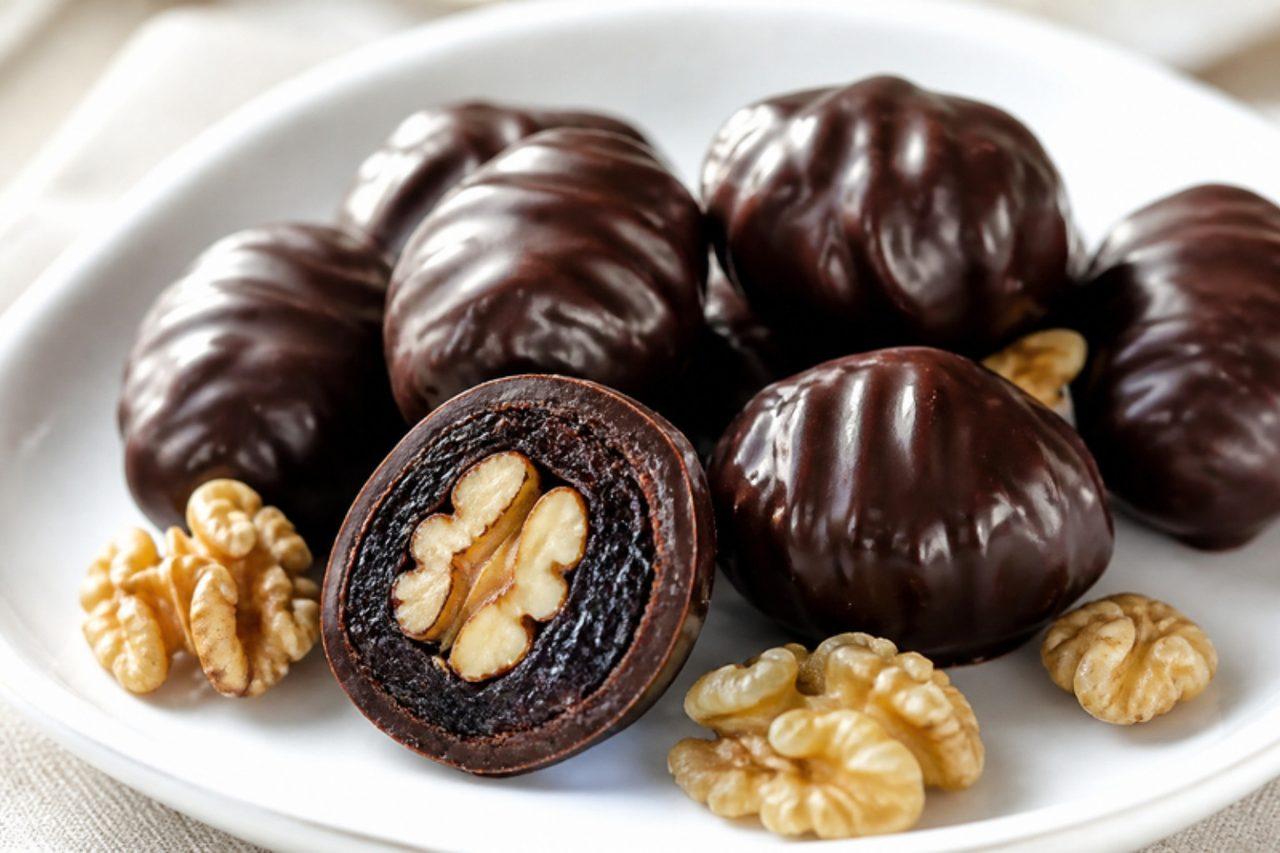
Śliwki w czekoladzie (chocolate-coated prunes with walnuts)

Boxes of chocolate prunes are a classic Polish gift: brought to grandmothers at Christmas, set out on the Wigilia table among the twelve dishes, and passed round on name days. Plump smoked or soft prunes from the south of the country are best. Each one hides a walnut half, so you get chewy, slightly tart fruit, a crunchy bitter nut and a snap of dark chocolate in one bite. Serve them with coffee or tea after a big meal. Nothing here ever needed egg: the prune itself holds the nut, and chocolate sets around it as it cools. Older recipes soak the prunes in spirits; here they are alcohol-free, plumped in warm orange juice instead, which also brightens the flavour. Use a dark chocolate made without milk and the sweets are vegan. Chef's tip: dry the soaked prunes very well before dipping; the common mistake is leaving them damp, and even a few drops of juice will make melted chocolate seize and turn grainy.

by KrazyBadal 0 views

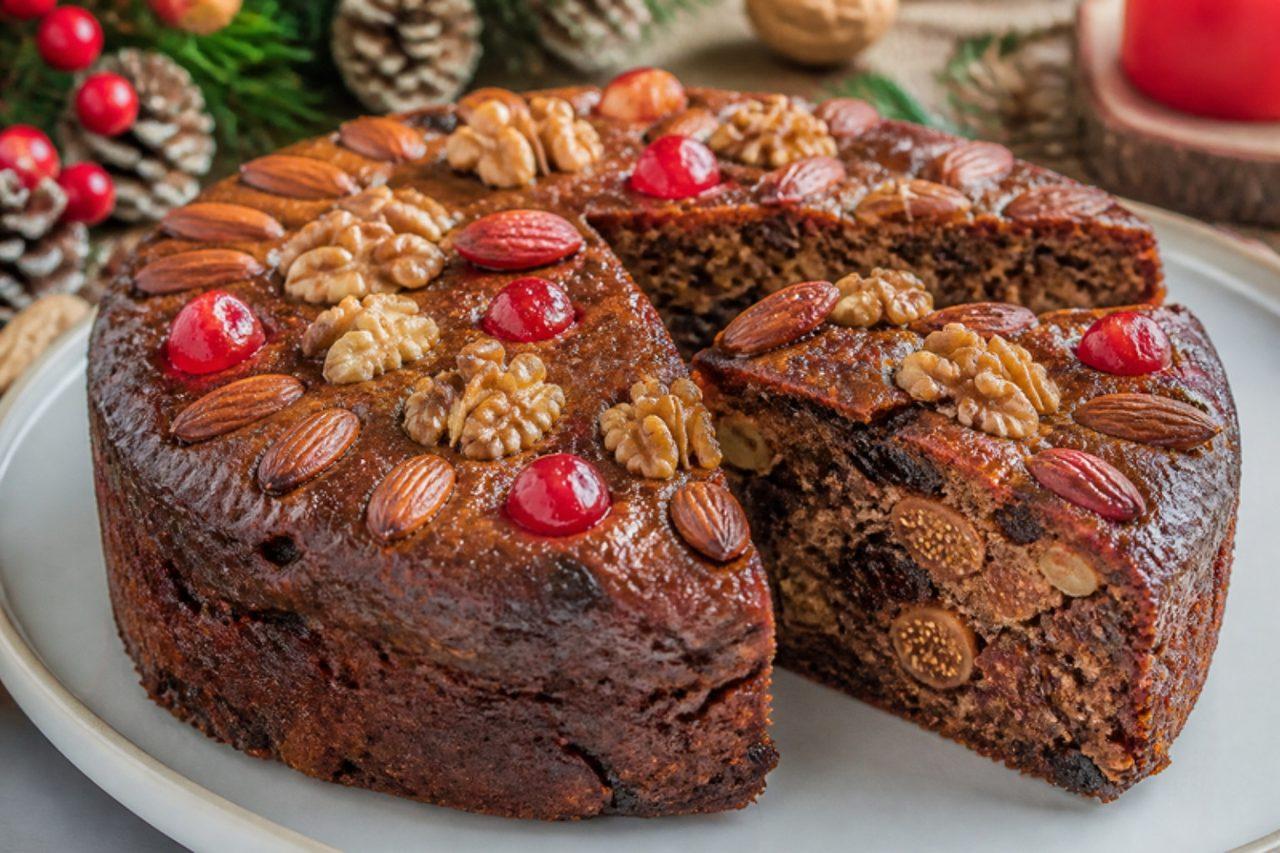
ZeltenFig, walnut and raisin Christmas loaf

Zelten comes from the Alpine valleys of Trentino and South Tyrol, where it is baked around St Lucy's Day and eaten slowly until Epiphany, a slice at a time after Christmas dinner. The Trentino version is a dark, dense cake packed with dried figs, raisins, walnuts and pine nuts in just enough soft yeasted dough, topped with a pattern of whole nuts and cherries. Grappa or rum is usually poured over the fruit; here it is soaked in warm orange juice, and adults can add 2 tbsp rum to the soak. It keeps for 3 weeks wrapped. Chef's tip: press the decorative nuts in firmly before baking, or they pop off as the loaf rises.

by KrazyBadal 0 views

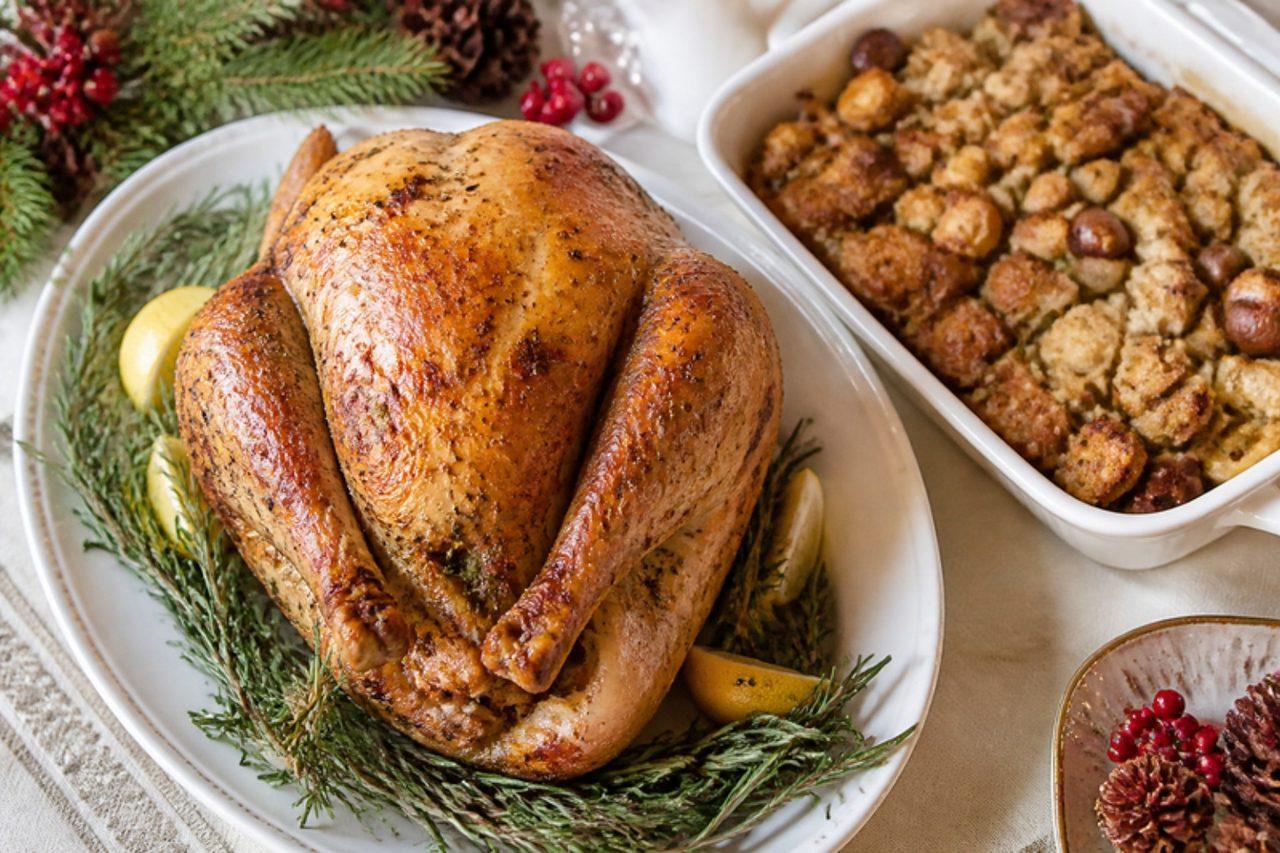
Cappone ripienoStuffed Christmas capon

In Piedmont and Lombardy a capon (a large, tender cockerel) is the Christmas Day bird: some families poach it to make the broth for the agnolotti or tortellini and serve the meat after, while others roast it with a stuffing of bread, Parmesan, pork sausage and chestnuts. This is the roast version, with the stuffing cooked separately in a dish so the bird and stuffing each reach a safe temperature. A large free-range chicken or small turkey works if you can't find capon. Chef's tip: rest the capon for 30 minutes under foil after roasting; the juices settle and the breast stays moist when carved.

by KrazyBadal 0 views

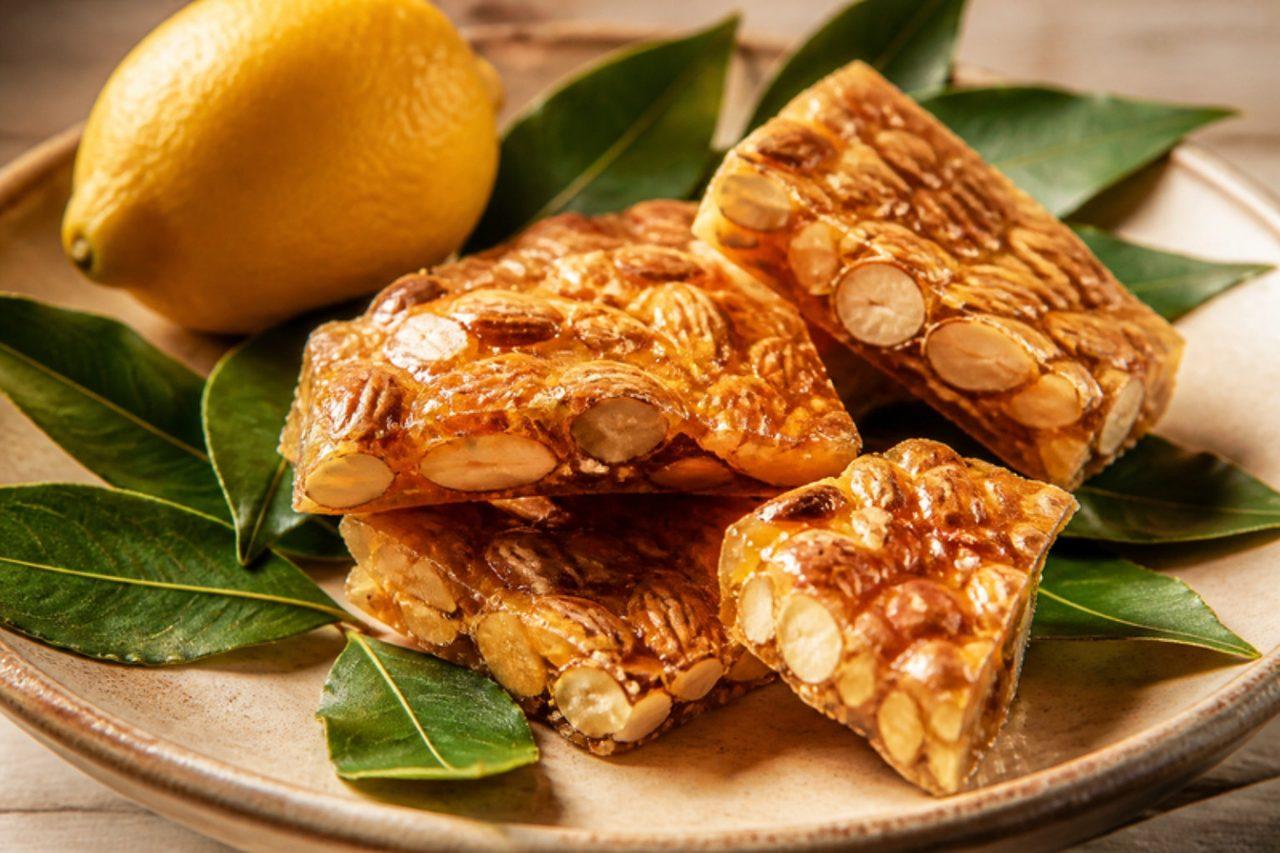
Cupeta (Salento honey and almond brittle)

Summer in Salento, the heel of Apulia, means the feste patronali, when village streets are hung with lights and the cupetari set up stalls of cupeta, a honey and almond brittle broken from large slabs. It also shows up on Christmas tables and at the feast of Saint Oronzo in Lecce in August. Honey gives it a darker, more floral caramel than plain croccante, and the almonds stay crunchy within a brittle that slowly turns slightly chewy in the heat. Traditionally it was poured onto wafer sheets or fresh bay or lemon leaves; this version uses bay leaves, which add a faint herbal note and keep it gluten-free. Eat it in pieces with coffee, or as a snack while walking through the fair. It is naturally egg-free: honey and sugar, cooked to the hard-crack stage, set around the nuts with no other binder. Chef's tip: lower the heat once the honey starts to colour; it burns much faster than sugar, and scorching is the common mistake.

by KrazyBadal 0 views

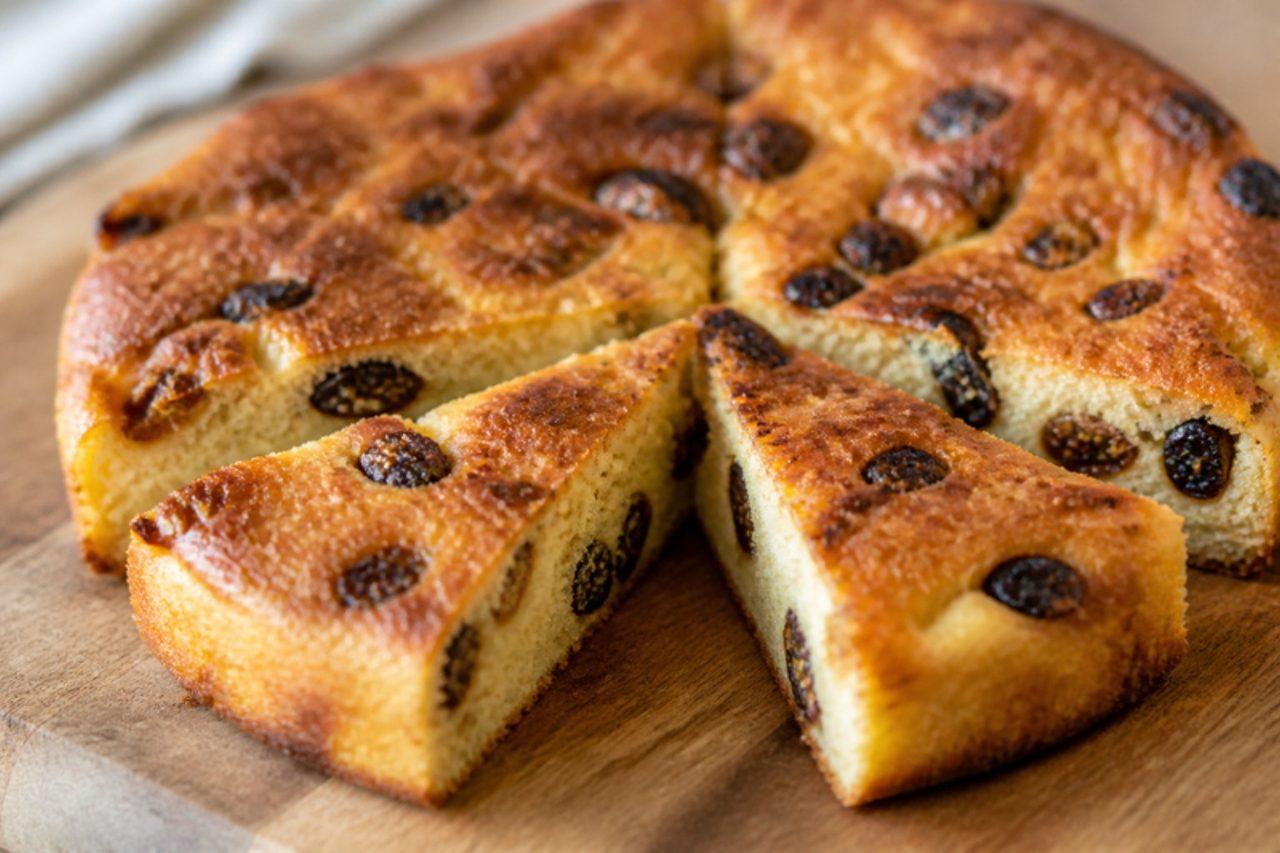
Pinza venetaPolenta and fig Epiphany cake

Pinza belongs to the eve of Epiphany in the Veneto and Friuli, when bonfires called panevin are lit in the fields and the smoke is read for the coming harvest; slices of pinza and mulled wine are handed round beside them. It is a dense, moist country cake of polenta and wheat flour, sweetened with dried figs, raisins and a little sugar, and scented with fennel seed and orange. Old recipes soak the raisins in grappa; here they are soaked in warm milk, keeping it alcohol-free. Serve it warm or cold in fat wedges. Chef's tip: cook the polenta into a soft porridge first, as dry cornmeal stirred straight into the batter stays gritty.

by KrazyBadal 0 views

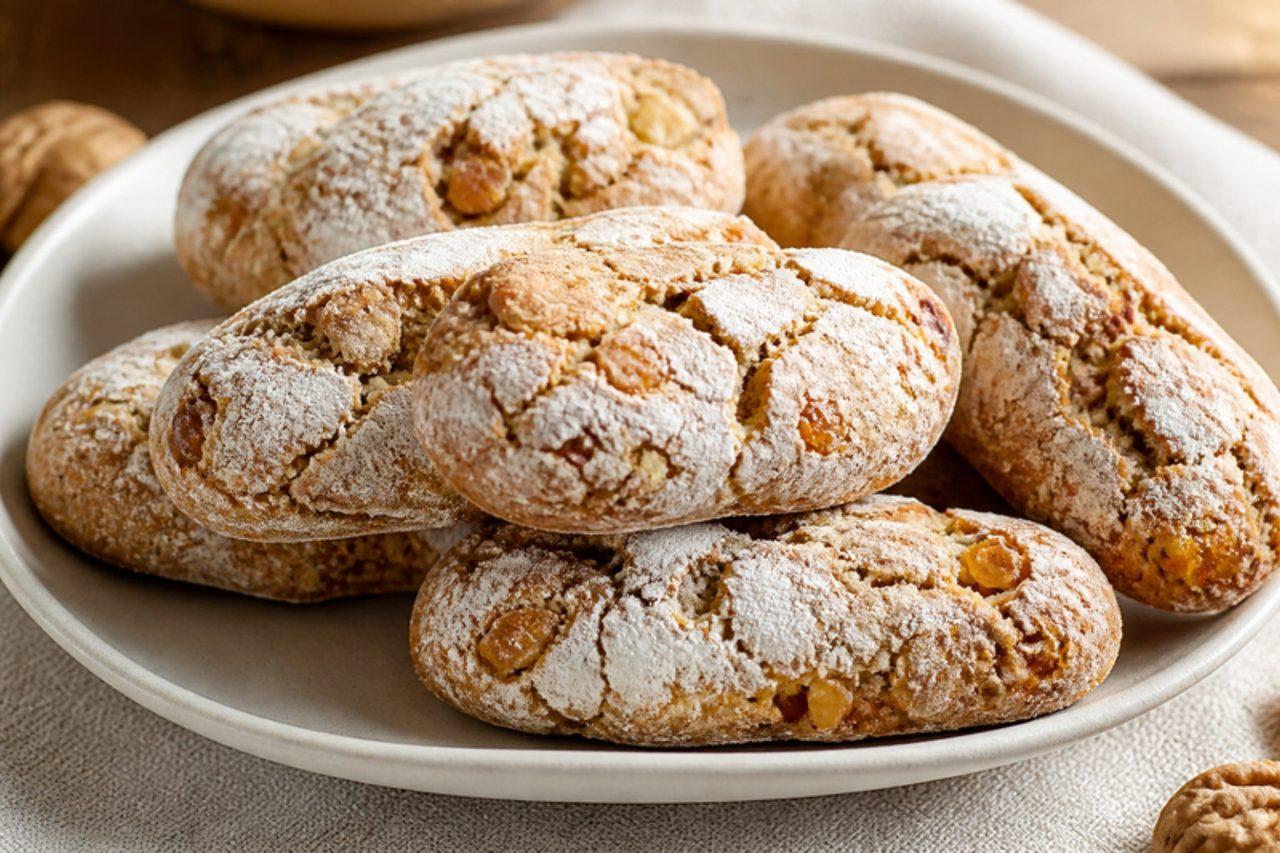
CavallucciHoney walnut aniseed biscuits

Cavallucci are Siena's humbler Christmas biscuit, sold beside ricciarelli and panforte in every pastry shop from Advent onward. They are pale, chewy and craggy, made from honey, sugar, flour, walnuts, candied orange and aniseed, with no butter or eggs, so they are dairy free and keep for weeks. Sienese families dunk them in vin santo after dinner, but they are just as good with coffee or hot milk. Chef's tip: cook the honey and sugar syrup only until it threads, then mix fast; if it goes further it sets the dough rock hard.

by KrazyBadal 0 views

Biancomangiare (Sicilian almond-milk pudding)

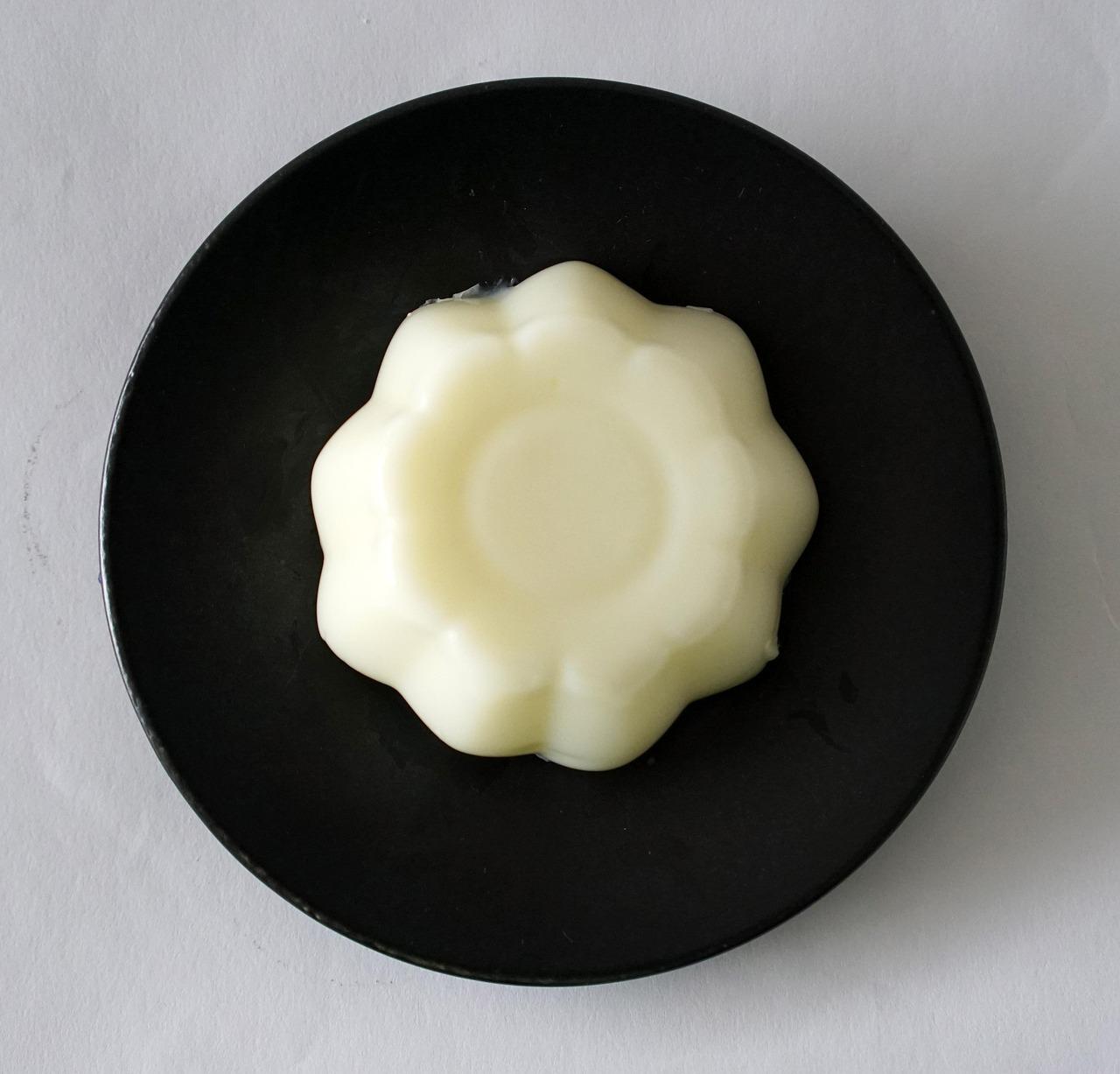
In Sicily, and above all around Modica and Avola where the almonds grow, biancomangiare is the cool, white pudding of high summer, turned out of fluted moulds after Sunday lunch or eaten at the bar from a little glass. The old Sicilian kind is made with almond milk rather than cow's milk and thickened with starch, which makes it dairy-free and vegan. It is smooth and soft, faintly marzipan-scented, brightened with a strip of lemon peel and warmed with cinnamon. Serve it cold, topped with chopped pistachios, a dusting of cinnamon or a few jasmine flowers, as they do in Palermo. No egg has ever belonged in it, and nothing else is needed to set it: cornflour boiled in the almond milk sets it as it cools, the same way it sets a custard without yolks. Chef's tip: once it thickens, keep it bubbling for 2 more minutes; the common mistake is pulling it off too soon, which leaves a raw starch taste and a pudding that won't turn out cleanly.

by KrazyBadal 0 views

Macco di faveBroad bean purée

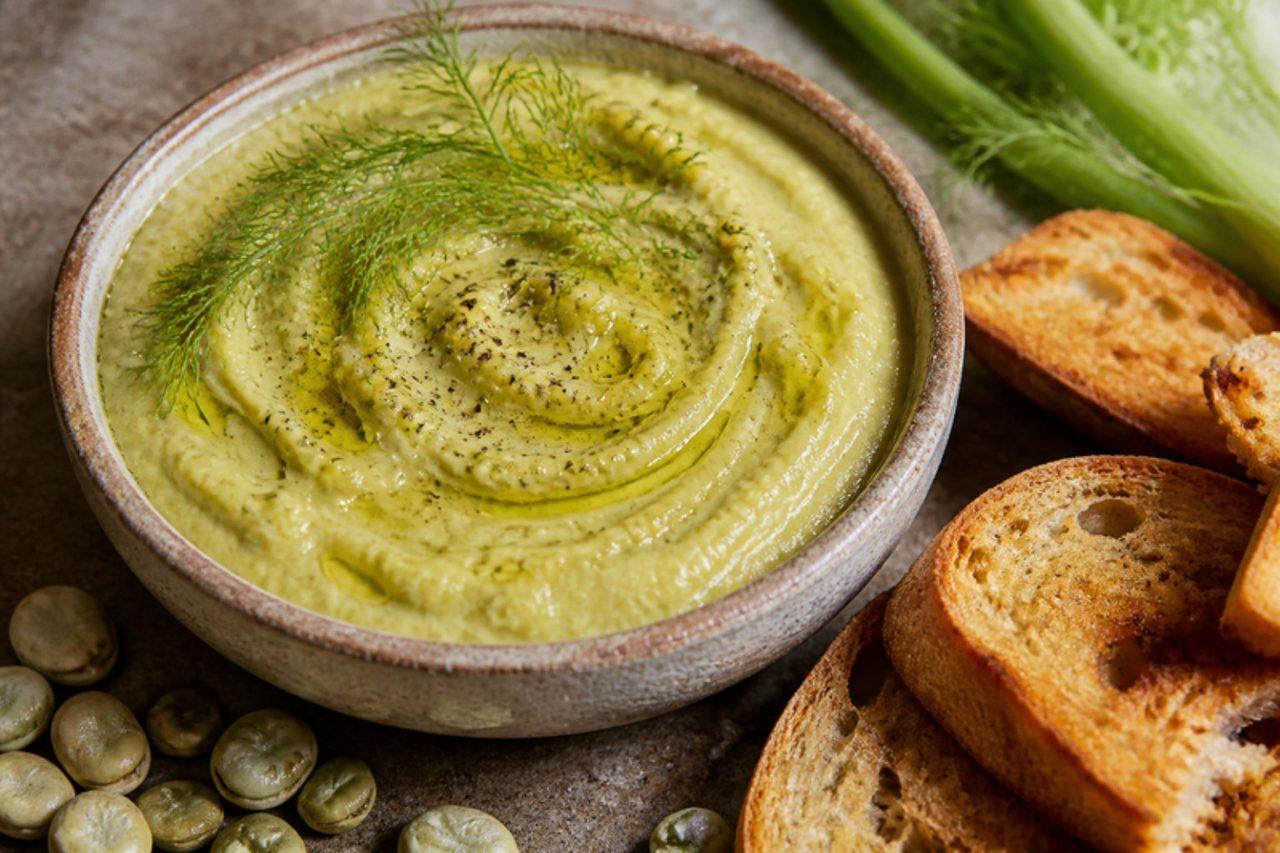
In Sicily, from the villages around Palermo to the hill towns of Ragusa, macco di fave is old peasant food that still appears every 19 March for the feast of San Giuseppe, and on cold evenings through the winter. Dried, peeled broad beans are cooked slowly until they fall into a thick, pale green-gold purée, scented with wild fennel and finished with a thread of peppery olive oil. It is eaten hot from the bowl with bread, or loosened with broken spaghetti; leftovers set firm and are sliced and fried. A bowl gives about 26 g of protein, almost all from the broad beans. Soak the split beans for 6–8 hours first; that time is not counted below. The most common mistake is walking away from the pot near the end: the purée thickens fast and catches on the base, which makes it taste scorched. Chef's tip: if you can't find wild fennel, use a bulb's feathery fronds plus a teaspoon of crushed fennel seeds for the same aniseed lift.

115 minItalianSoupsVeganGluten free
by KrazyBadal 0 views

Polpettone di fagioliniGreen bean and potato loaf

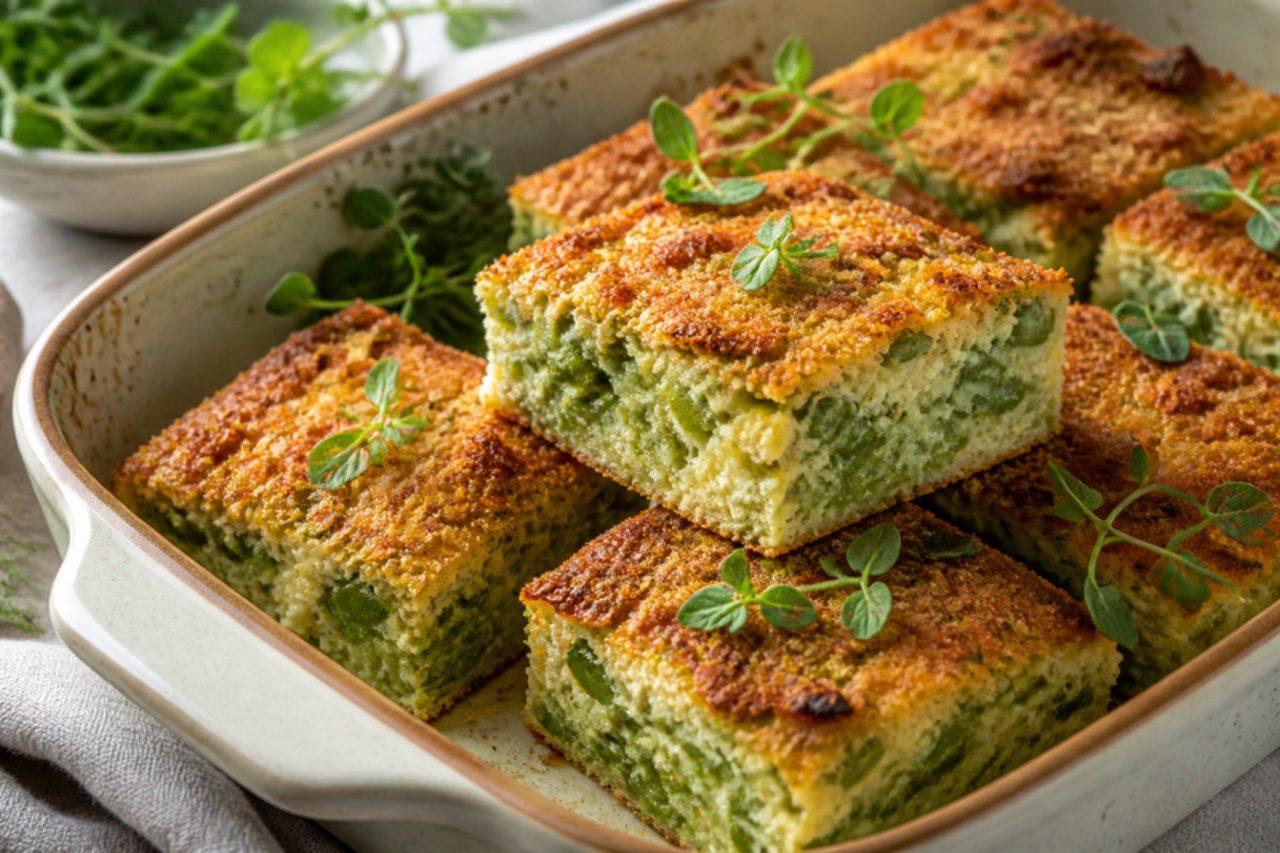
In Genoa and along the Riviera di Levante, polpettone is the summer dish made when the green beans come in fast: beans and potatoes are boiled, chopped and bound with eggs, cheese and fresh marjoram, then baked flat in an oiled tin until the top is golden and crackly. It is eaten warm for supper or cold the next day, cut into squares for a picnic or a train journey. One portion gives about 24 g of protein, from the eggs, ricotta and Parmesan, with a little more from the beans and potato. Parmesan is made with animal rennet, so use a vegetarian Italian-style hard cheese if you need it to be strictly vegetarian. The most common mistake is leaving the vegetables wet: squeeze and drain them well, or the loaf stays soggy and will not slice cleanly. Chef's tip: scatter dry breadcrumbs, or fine polenta for a gluten-free loaf, over the oiled tin before you spread the mixture in; it gives the bottom a crisp crust, just like a Genoese grandmother's.

by KrazyBadal 0 views

Seppie con piselliCuttlefish with peas

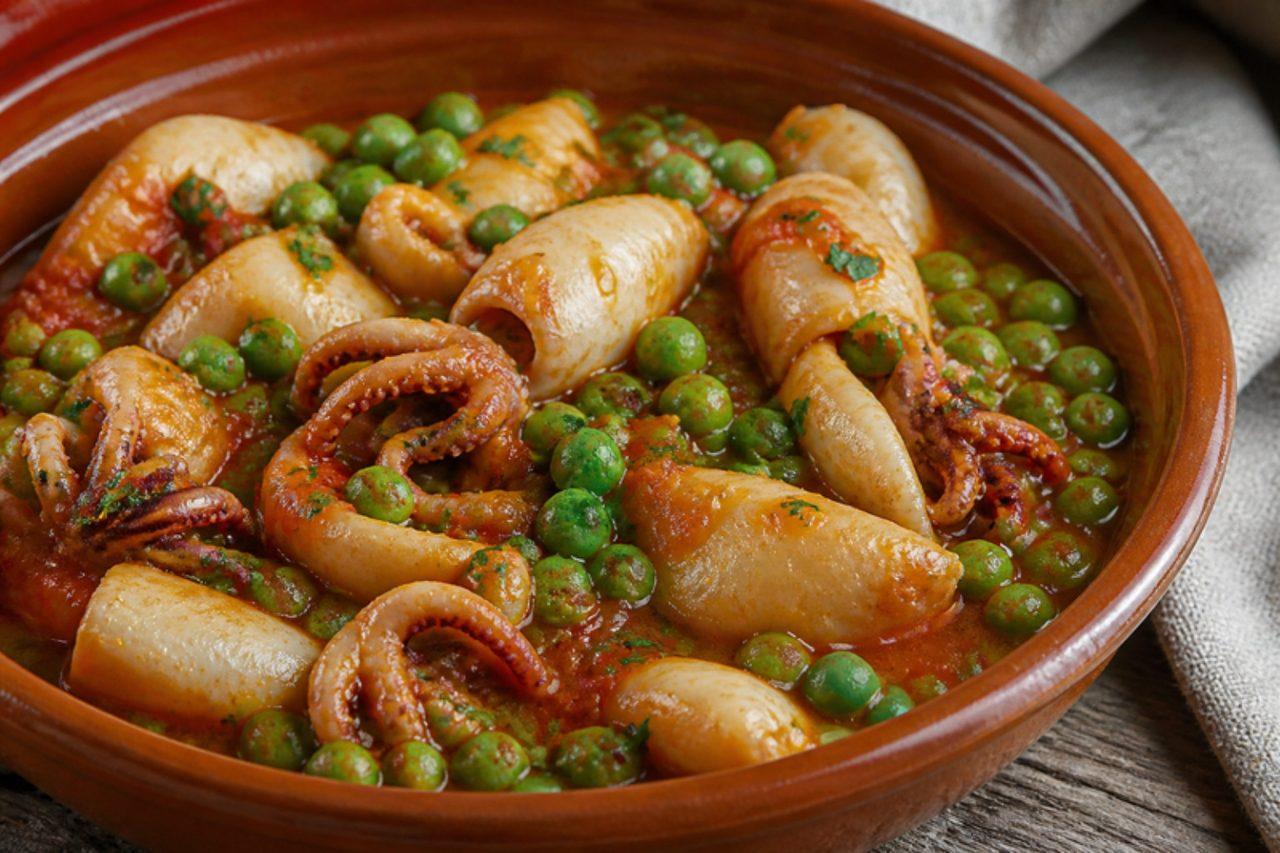
Seppie coi piselli is a Friday dish in Rome and across Lazio, eaten in spring when the first sweet peas arrive and on meatless days through the year. The cuttlefish braises slowly with onion, garlic and tomato until it is so tender a spoon cuts it, and the peas go in late so they stay bright and sweet in a thick, rosy sauce. A portion has about 34 g of protein, mainly from the cuttlefish with a little from the peas, for around 300 kcal. Romans add a splash of white wine; here a little stock sharpened with vinegar gives the same lift without alcohol. The common mistake is stopping halfway: cuttlefish is tender after 2 minutes or after 40, but rubbery anywhere in between, so keep braising until a knife slides straight through. Chef's tip: keep the cuttlefish ink sacs out of the sauce for this dish; a single burst one turns the peas grey.

by KrazyBadal 0 views

Insalata di risoRice salad

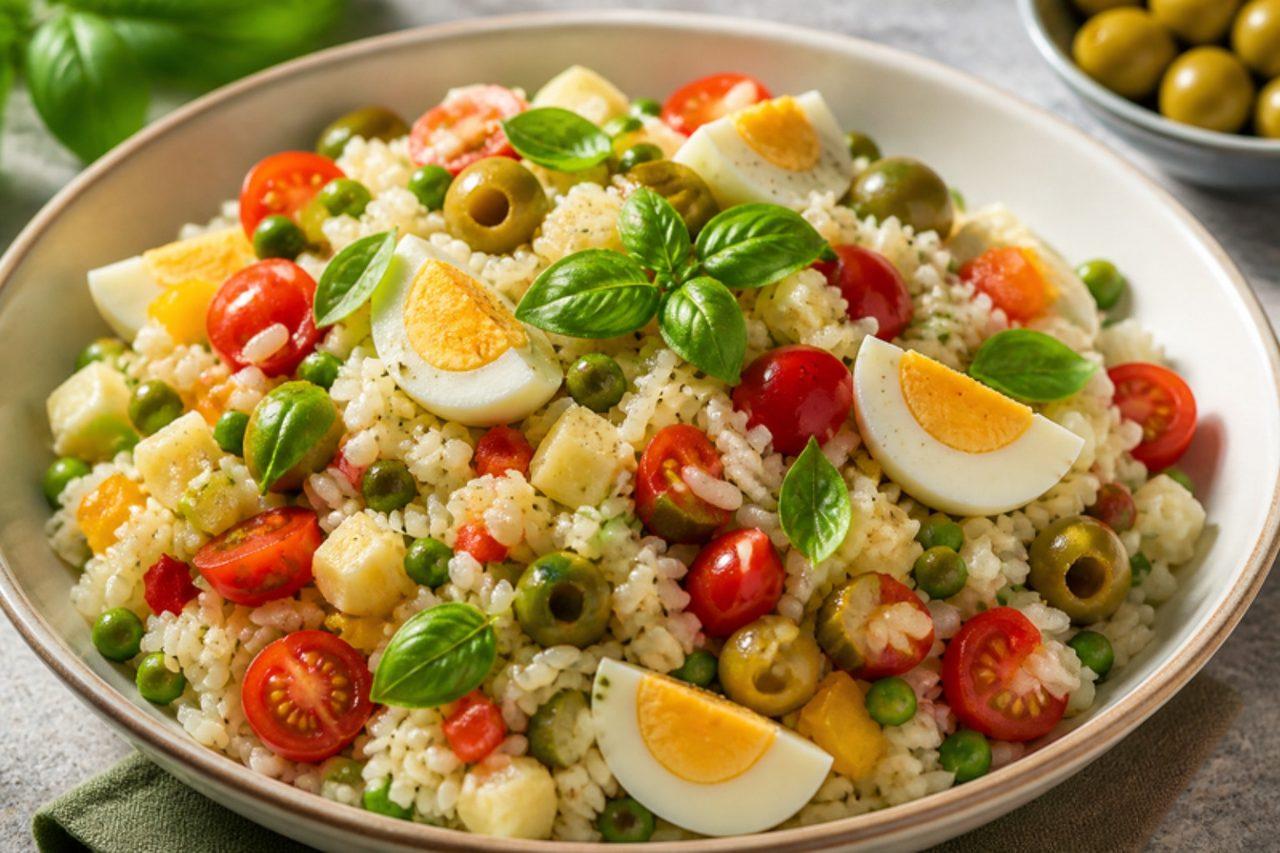
From July to the end of August, a big bowl of insalata di riso sits in Italian fridges ready for beach days, Ferragosto picnics and lazy suppers on the balcony. Firm, separate grains of rice are tossed with diced Emmental, hard-boiled egg, peas, sweet pepper, olives and the tangy chopped pickled vegetables called giardiniera, dressed only with olive oil. Many versions add ham, tuna or frankfurters; this one is vegetarian and gets its protein, about 23 g per portion, from the cheese, eggs, peas and rice. Emmental is usually made with animal rennet, so pick a vegetarian Swiss-style cheese if that matters. The classic mistake is overcooking the rice, which goes mushy and claggy as it cools; cook it just al dente and rinse it cold. Chef's tip: dress the rice with half the oil while it is still slightly warm so the grains stay separate, then add the rest when you mix in everything else.

by KrazyBadal 0 views

Pesce spada alla ghiottaSwordfish with tomato and capers

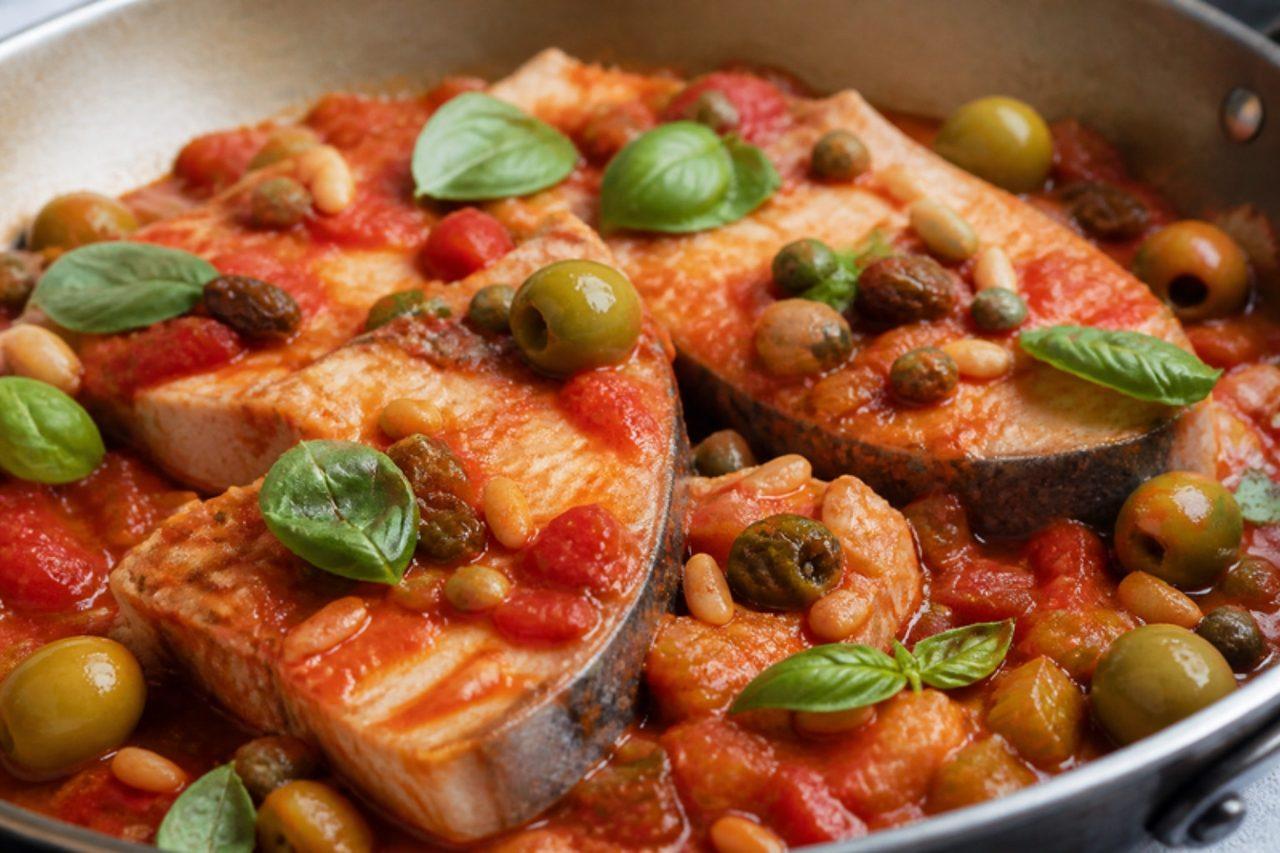
In Messina, where swordfish boats still work the Strait in early summer, a ghiotta is how a family cooks thick swordfish steaks for Sunday lunch: they simmer briefly in a sauce of tomato, celery, capers and green olives, sweet, salty and sharp at once. Some cooks add pine nuts and raisins, a reminder of Sicily's Arab past. A portion gives about 30 g of protein, almost all from the fish, for around 330 kcal. The usual mistake is overcooking: swordfish dries out fast, so it needs only 6–8 minutes in the sauce, until it is opaque right through and flakes at the centre (63 °C). Swordfish is high in mercury, so pregnant people and young children should choose another firm white fish such as monkfish or hake. Chef's tip: simmer the sauce for its full time before the fish goes in; the celery must be soft and the sauce thick, because the fish will not stay in long enough to cook it.

by KrazyBadal 0 views

Fagioli al fiascoSlow-cooked cannellini beans with sage

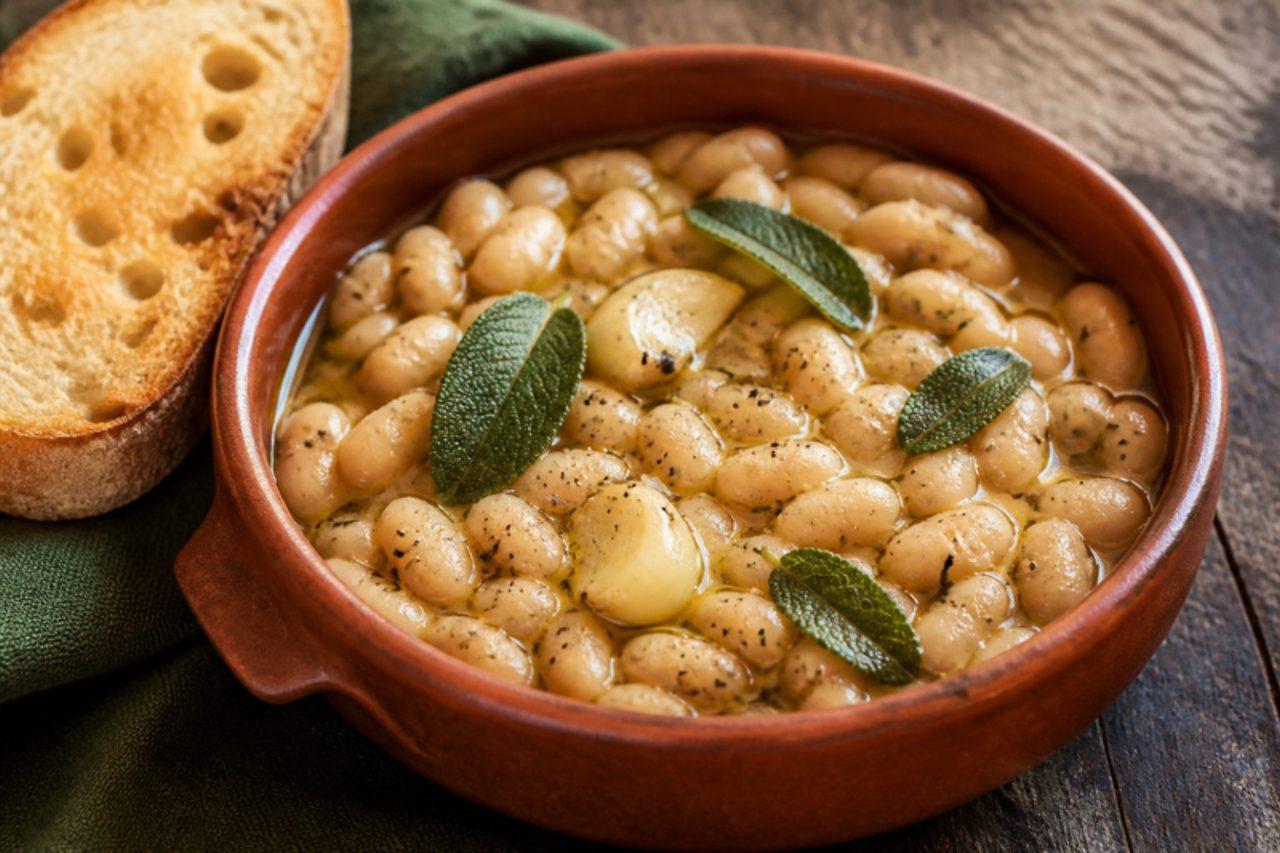
In Tuscany, and above all in Florence and the Chianti hills, beans were once cooked overnight in an old glass wine flask set in the dying embers of the hearth, and fagioli al fiasco are still made in autumn when the new season's peppery olive oil arrives in November. Cannellini, sage, garlic and oil are sealed in a lidded pot and cooked very slowly, so the beans turn creamy and buttery inside while staying whole. At home a heavy casserole in a low oven does the job. Served as a side or a light main with toasted bread, a portion gives about 23 g of protein from the beans. Soak the beans for 12 hours first; that time is not counted below. The most common mistake is letting the liquid boil: fast bubbling splits the skins and turns the beans mealy. Chef's tip: salt only at the very end, and pour over your best oil at the table, not during cooking, where its fresh flavour is lost.

160 minItalianSidesVeganGluten free
by KrazyBadal 0 views

Showing 24 of 772 recipes

Show more recipes

Page 1 of 33