Skip to content
Recipes

All recipes

Vegetarian, or something you can't eat? Set your diet once and we'll hide recipes that don't fit.

Pejerrey arrebozadoBattered fish fillets with onion salsa

Pejerrey arrebozado is a Lima classic from the cevicherías and home kitchens of the coast, eaten at lunch on a plate with white rice, a heap of sharp salsa criolla and sometimes boiled potato. The pejerrey, a small silverside, is opened into butterflied fillets, dipped in a light egg-and-flour batter and fried golden. Outside Peru, use small fillets of whiting, sole, haddock or tilapia. The batter here uses sparkling water, not beer, so it is alcohol free. The common mistake is frying in oil that isn't hot enough: the batter drinks the oil and turns greasy, so test with a drop of batter first. Chef's tip: make the salsa criolla first and let the onion sit in lime for ten minutes; it softens its bite and turns a pretty pink.

by KrazyBadal 0 views

TopfengolatschenSweet quark puff pastry squares

A Topfengolatsche is what Viennese office workers grab from the bakery on the way in, and what grandparents order with a Melange in a coffee house on a Sunday afternoon. The corners of a puff pastry square are folded over a lemony, vanilla-scented filling of Topfen (Austrian quark) with plump raisins, and the top gets a thin white glaze. It is flaky, light and not too sweet. Raisins are sometimes soaked in rum; warm water or orange juice works just as well, and the recipe below is alcohol-free. Wet quark is the classic problem, because it turns the filling runny and it leaks out in the oven. Chef's tip: hang the quark in a sieve lined with a clean cloth for an hour, or squeeze it, until it is as thick as soft cream cheese.

by KrazyBadal 0 views

BanketstaafAlmond paste puff pastry log

From mid-November, when Sinterklaas arrives by boat, Dutch bakers fill their windows with banketstaven: long logs of buttery puff pastry with a thick seam of soft almond paste inside. They carry on through Christmas, and in many families a banketletter, the same pastry shaped into the first letter of a child's name, is part of the 5 December presents. Sliced thick, it is flaky outside and moist, sweet and marzipan-like inside; serve it with coffee or hot chocolate. Leaving a weak seam is the mistake that lets the almond filling burst out in the oven. Chef's tip: make the almond paste a day ahead and rest it in the fridge: the almonds absorb the egg and it bakes up softer and more fragrant.

by KrazyBadal 0 views

Chicharrón de pescadoCrisp fried fish chunks

Up and down the Peruvian coast, from Chorrillos in Lima to the beaches of Piura, chicharrón de pescado is the crunchy plate ordered alongside ceviche at a long seafood lunch: bite-size chunks of firm white fish marinated briefly in garlic and lime, dusted in flour and fried, then served with fried cassava, salsa criolla and tartar or rocoto sauce. Using frozen peeled cassava keeps it to half an hour. The common mistake is leaving the fish in the lime too long: after about ten minutes the acid starts to 'cook' the outside and the coating slips off. Chef's tip: toss the floured pieces in a sieve to shake off every bit of loose flour; a thin coat fries crisp, a thick one turns pasty.

by KrazyBadal 0 views

Tau sar piahMung bean pastries

Old biscuit shops in George Town, Penang, still bake tau sar piah in big trays every morning, and tourists leave with stacks of plastic tubs. The pastries are only a couple of bites each: a tender, flaky shell, glazed golden, around a fluffy mung bean filling. Penang bakers sell two kinds, sweet, and a savoury-sweet one with fried shallots and white pepper, which is what many locals prefer; this recipe gives the sweet filling with the savoury twist as an option. The pastry is traditionally made with lard; this version uses vegetable shortening and keeps them vegetarian. Chef's tip: leave a small, unfloured patch at the seam when wrapping, because floury edges won't stick together and the pastries split open as they bake.

by KrazyBadal 0 views

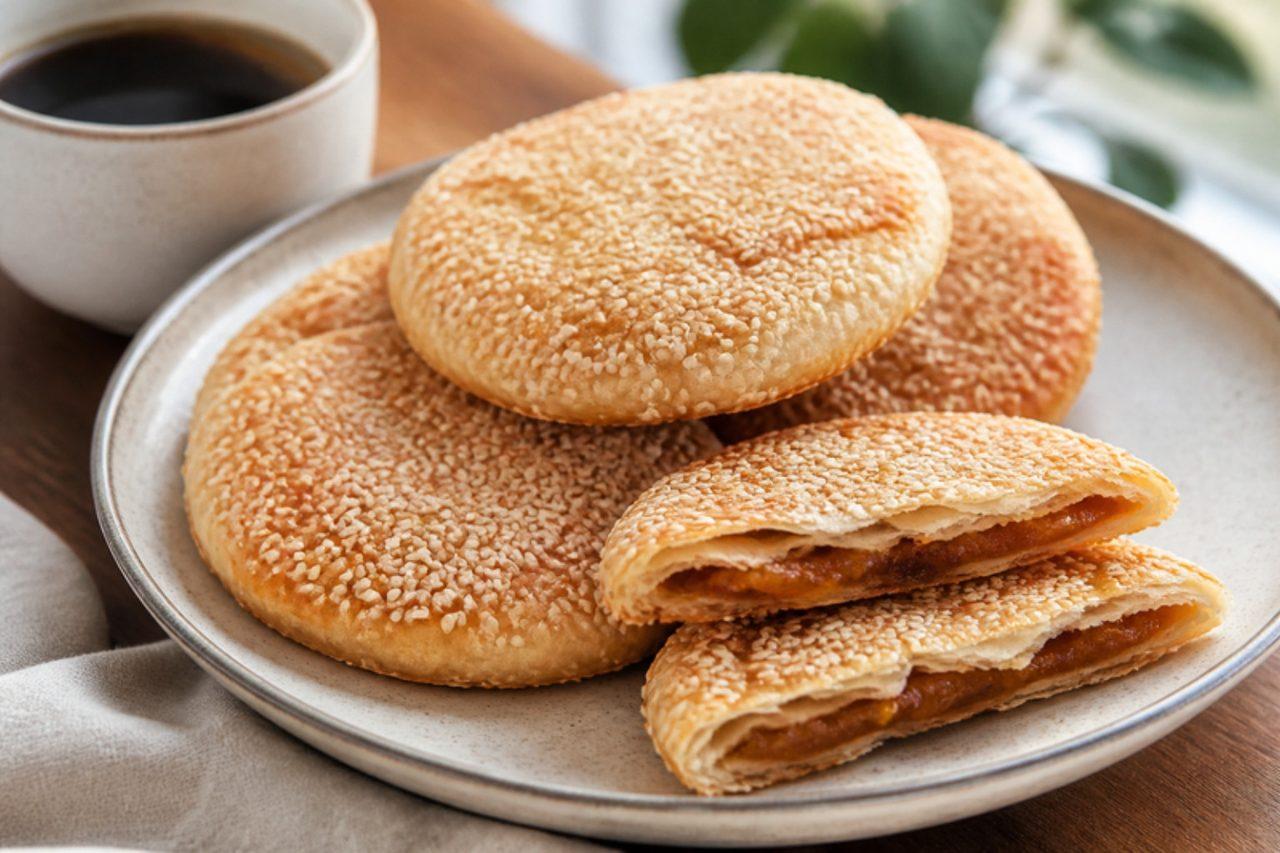
Heong pengSesame maltose biscuits

Ipoh, the old tin-mining city in Perak, is famous for heong peng ('fragrant biscuits'), and visitors buy them by the bag along with white coffee. They are flat, round pastries with a crisp, flaky shell coated in sesame seeds, filled with a sticky, chewy layer of maltose mixed with shallot oil and fried shallots: sweet, savoury and deeply aromatic at once. Locals eat them with a cup of kopi in the morning or as a snack on the road. The pastry is traditionally made with lard; this recipe uses vegetable shortening and keeps the shallot oil, so it is vegan. Chef's tip: warm the maltose jar in hot water before measuring, then chill the finished filling until firm, because maltose softens fast and a runny filling leaks out and burns on the tray.

by KrazyBadal 0 views

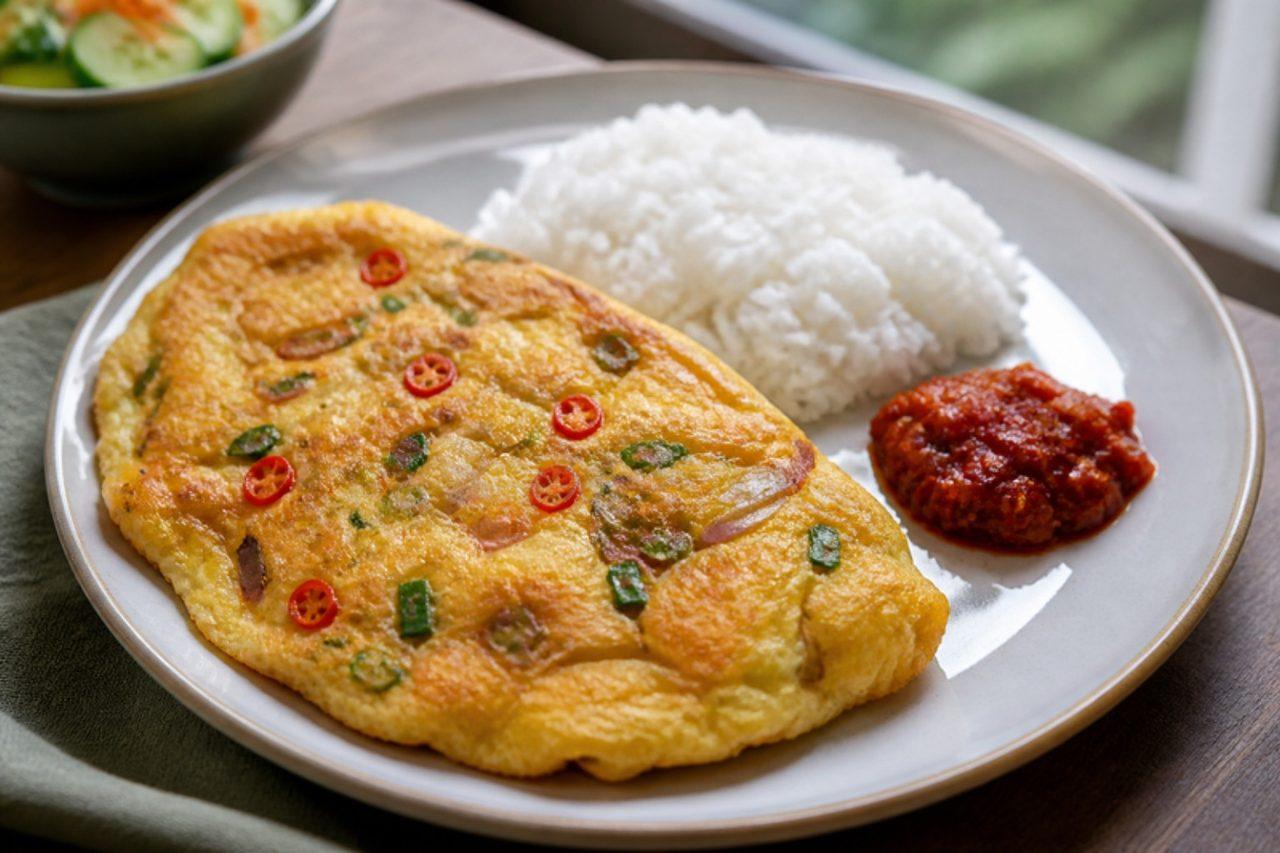
Telur dadar (Malaysian fluffy omelette)

Telur dadar turns up on Malaysian tables from Penang to Johor at almost any meal: next to nasi lemak for breakfast, in a nasi campur spread at lunch, or with plain rice, soy sauce and sambal on a night when there is no time to cook. It is thicker and puffier than a French omelette, with crisp brown edges and pockets of soft onion and chilli. The common mistake is pouring the eggs into oil that isn't hot enough, so they spread thin and turn rubbery instead of puffing up. Chef's tip: beat the eggs hard with a fork until frothy just before they go in, and use a small pan so the omelette stays thick.

by KrazyBadal 0 views

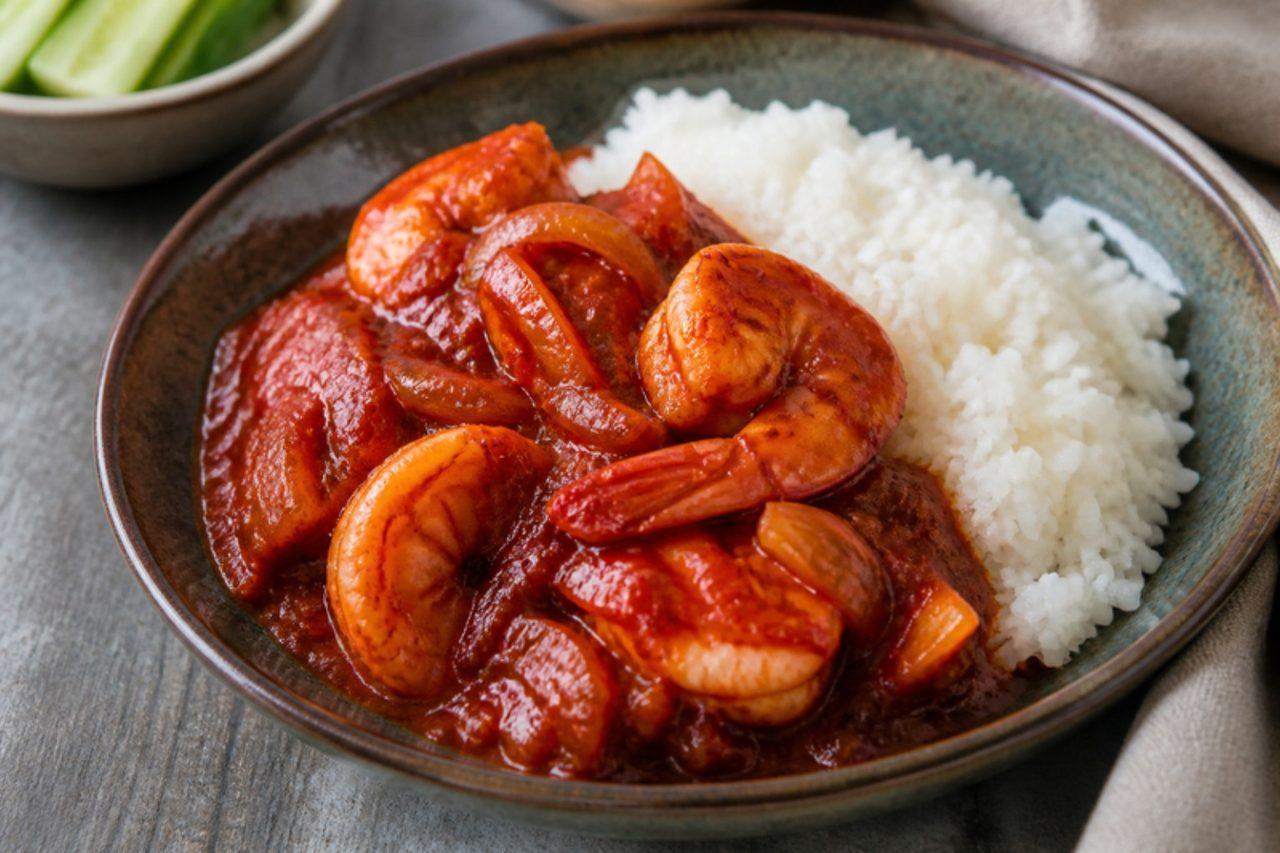
Sambal udang (prawns in chilli sambal)

Sambal udang is a Malay home dish cooked for everyday rice meals and dished up at nasi lemak stalls from Kuala Lumpur to Penang: prawns cooked in a deep red paste of dried chilli, shallot and garlic, soured with tamarind and sweetened with a little sugar. This version leaves out belacan (shrimp paste) as optional. The mistake is not frying the chilli paste for long enough; it needs to cook until the oil separates and turns red, or it tastes raw and harsh. Chef's tip: soak the dried chillies in just-boiled water while you peel the prawns and the paste blends silky smooth.

by KrazyBadal 0 views

Tallarines rojosSpaghetti in red sauce with chicken

Tallarines rojos is the Sunday-lunch and weeknight pasta of homes all over Peru, from Lima to Arequipa: spaghetti in a sweet, deep-red sauce of blended tomato, onion and garlic with a little ají panca and oregano, often with pieces of chicken cooked right in it. Children love it, and it is served with a sprinkle of grated cheese and sometimes a spoon of huancaína on the side. The usual mistake is cooking the sauce too briefly, so it tastes of raw onion; let the blended tomato fry until it darkens and the oil shows at the edges. Chef's tip: a bay leaf and a spoon of ají panca paste give the sauce its Peruvian character; paprika will do if you can't find the paste.

by KrazyBadal 0 views

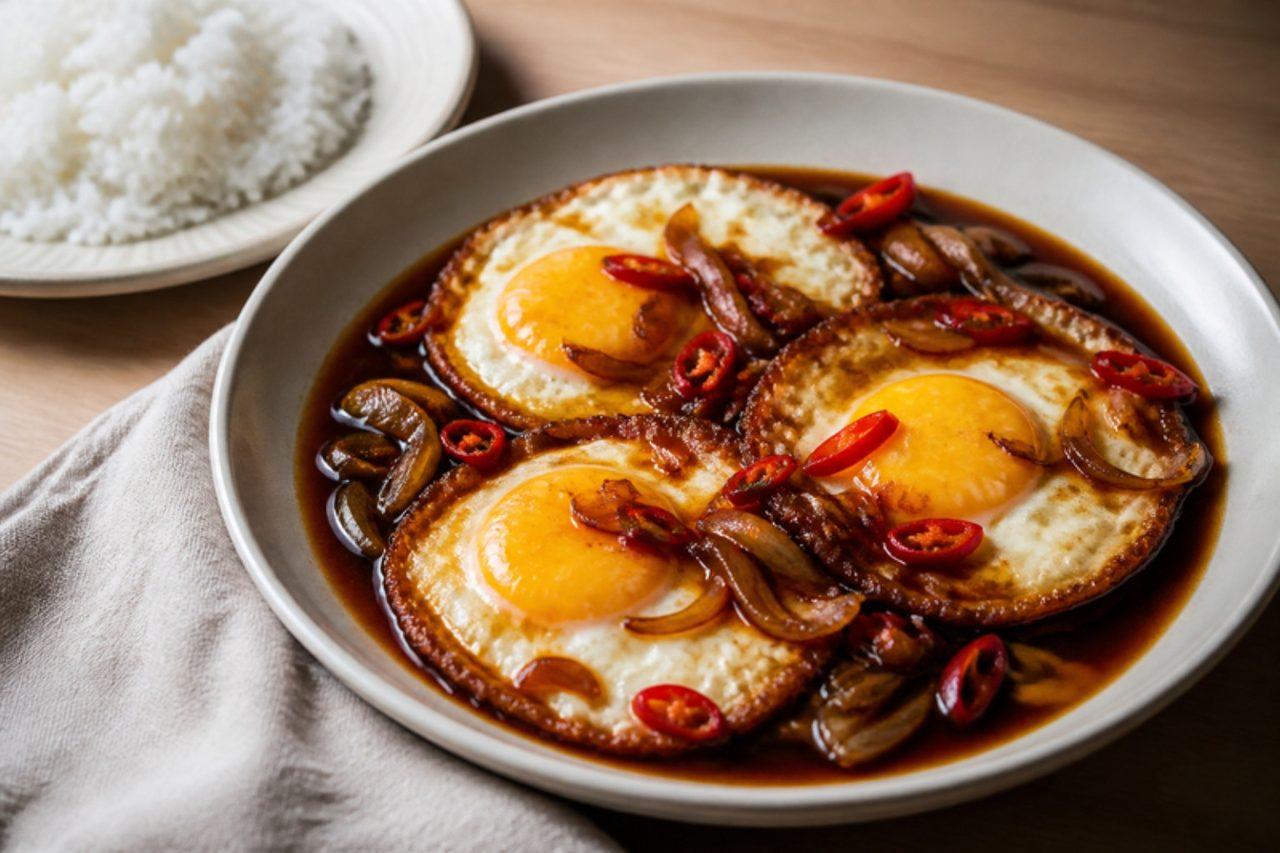
Telur masak kicap (Malaysian eggs in sweet soy sauce)

Telur masak kicap is the kind of dish Malaysian mothers make on a busy school night, and children across Selangor and beyond grow up loving it: fried eggs with crisp, frilly edges, bathed in a sweet-salty soy sauce with soft onions, spooned over hot rice. The sauce soaks into the browned whites while the yolks stay creamy. The mistake to avoid is boiling the sauce hard after the eggs go back in, which makes the whites tough and the sauce bitter. Leave out the chilli for small children. For pregnant people, young children, older or vulnerable people, fry the yolks until fully set. Chef's tip: fry the eggs in plenty of hot oil and baste the tops, so the edges go brown and lacy; that crisp skin is what holds the sauce.

by KrazyBadal 0 views

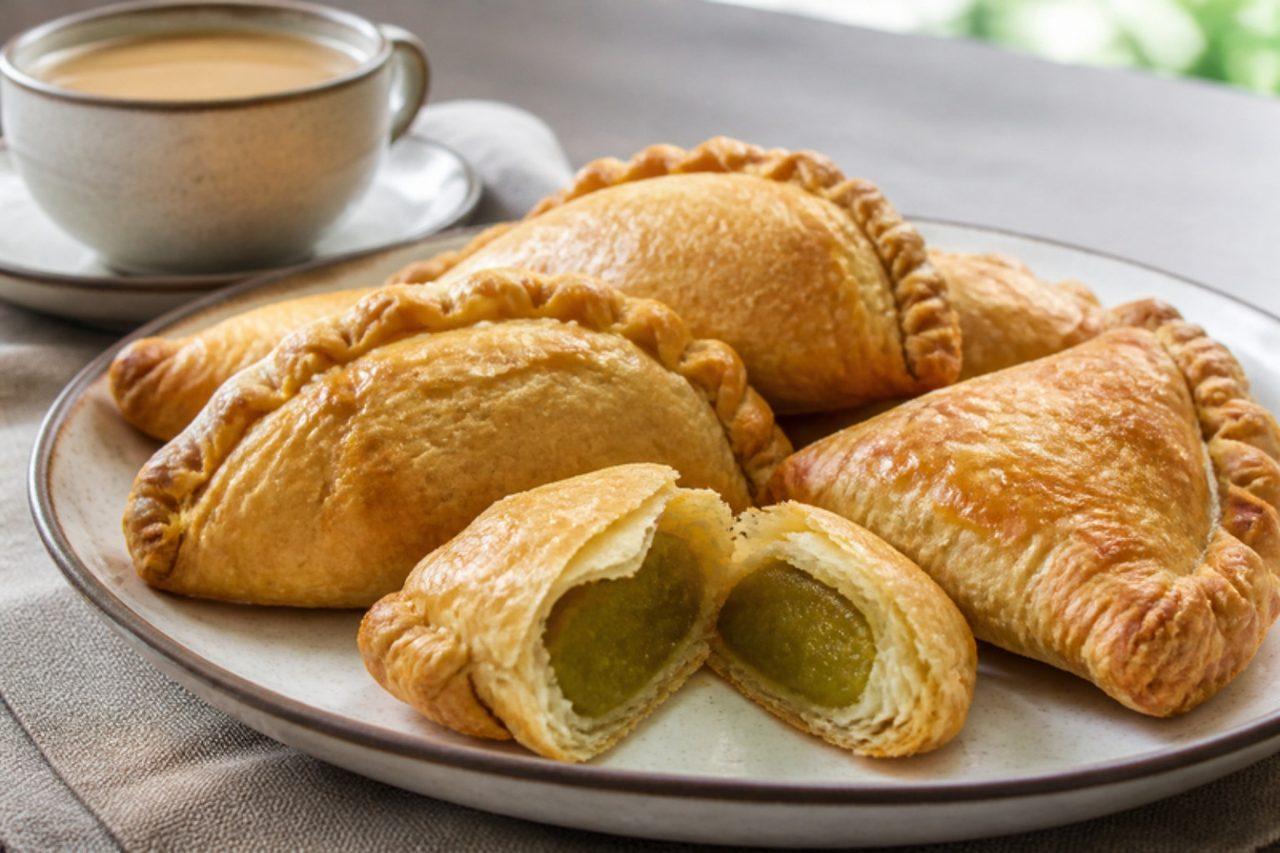
Kaya puffsCoconut jam puff pastries

Malaysian kopitiams spread kaya, a silky jam of coconut milk, eggs, sugar and pandan, on toast for breakfast; bakeries in Kuala Lumpur and Melaka fold the same jam into crisp puff pastry half-moons sold warm from the oven, often alongside curry puffs. They are a school-holiday treat and a favourite at tea time with teh tarik. This recipe makes a small batch of pandan kaya on the stove and uses ready-made all-butter puff pastry, so it fits into an afternoon. Overfilling is the trap, as the kaya bubbles out and burns on the tray. Chef's tip: chill the kaya until firm and keep the pastry cold; cold pastry puffs into crisp layers, while warm pastry stays flat and greasy.

by KrazyBadal 0 views

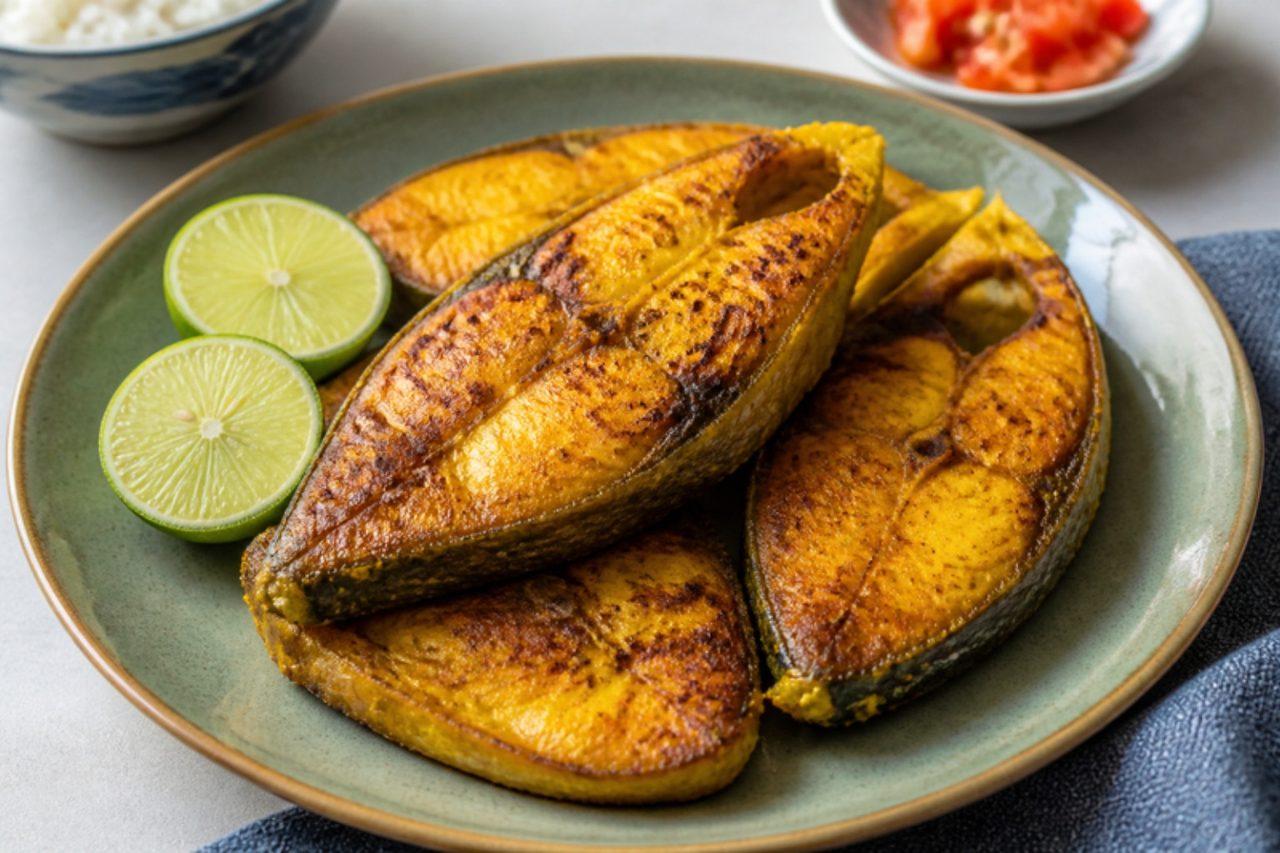
Ikan goreng kunyit (turmeric fried fish)

Ikan goreng kunyit is cooked in Malay kampung kitchens and city flats alike for a simple lunch or dinner with rice, sambal and vegetables: small whole fish or thick steaks rubbed with turmeric, salt and a little chilli, then fried until golden and crisp at the edges. The mistake is moving the fish too soon; leave it until it releases from the pan on its own, or the crust tears and sticks. Chef's tip: score the fish to the bone so the turmeric seasons the flesh and it cooks evenly.

by KrazyBadal 0 views

Moroccan bachkoutouOrange and sesame dunking biscuits

Moroccan grandmothers bake bachkoutou by the trayful and keep them in big tins for the afternoon glass of sweet mint tea, and neighbourhood ovens in Fes and Casablanca bake them for families who bring their dough. These are dry, crunchy little biscuits, not rich at all, made with eggs, sugar and oil rather than butter, with orange zest and a coating of toasted sesame; they are meant to be dunked until they soften slightly. Shapes vary from town to town: fingers, rings and rope twists are all common, and some cooks add aniseed. Too much flour is the easy mistake: the dough should stay soft and slightly sticky, or the biscuits bake heavy and hard rather than crisp and light. Chef's tip: once they are cold, put them back in a warm, switched-off oven for 20 minutes; that extra drying is what makes them keep their snap for weeks.

by KrazyBadal 0 views

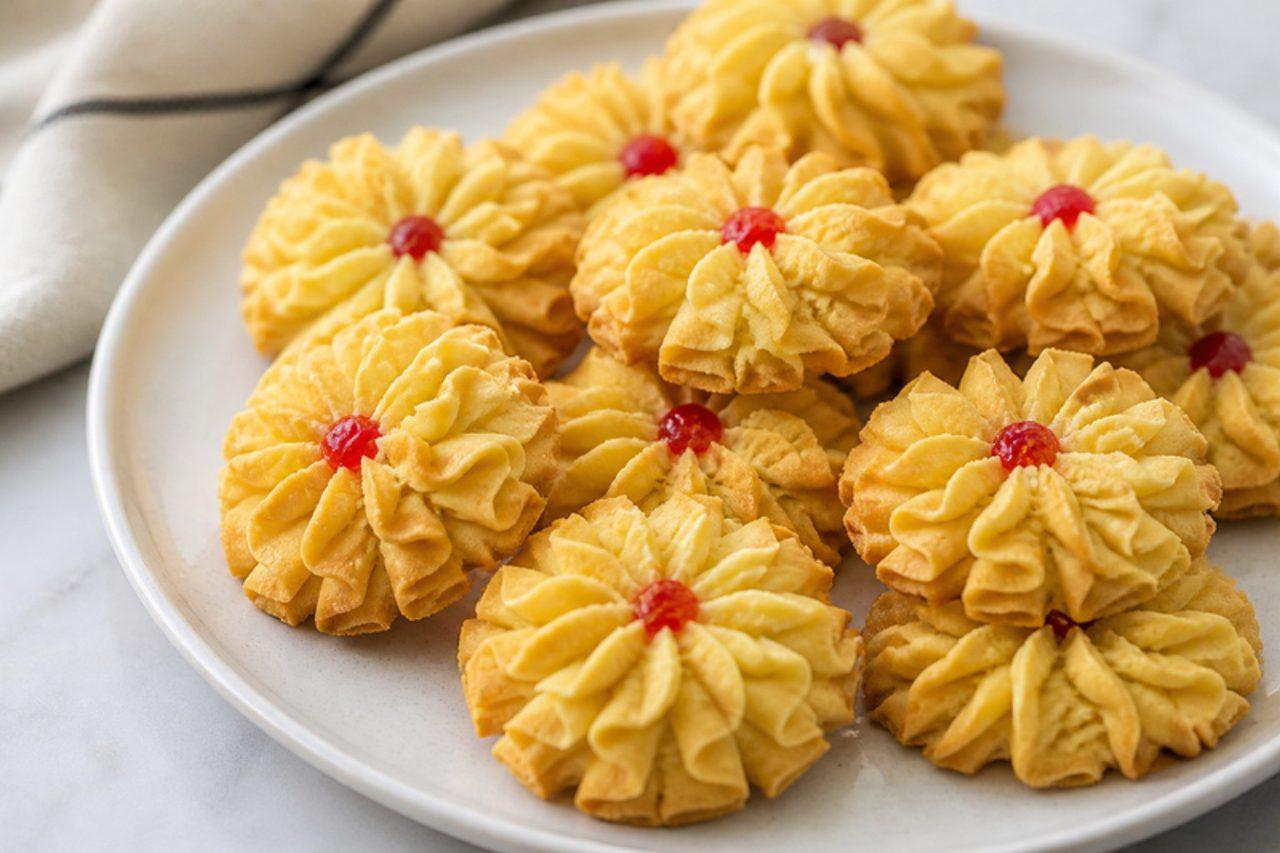
Biskut dahliaPiped flower butter cookies

In the last days of Ramadan, Malaysian kitchens from Johor to Kedah turn into small factories of kuih raya, and biskut dahlia is one of the easiest and prettiest: soft buttery dough piped through a star nozzle into ruffled flowers, each with a bit of glacé cherry or a chocolate chip in the centre. They are crisp at the edges and tender inside, with a vanilla-milky flavour from custard powder and milk powder, and they fill the jars set out for open-house visitors at Hari Raya Aidilfitri. This version uses one egg yolk; for an eggless batch, replace it with 2 tablespoons of milk. Dough that is too stiff is the usual problem, as it will not go through the nozzle; beat the butter well and keep the kitchen warm. Chef's tip: chill the piped trays for 15 minutes before baking so the petals hold their sharp ridges.

by KrazyBadal 0 views

ChaplasHollow puffed Andean bread

Walk through Ayacucho's central market at seven in the morning and you will see women selling stacks of chaplas from cloth-lined baskets, still warm from the wood-fired ovens of the Andes. These round wheat breads puff up like pita in the fierce heat, leaving a hollow pocket inside a thin, soft, lightly floury crust. In Ayacucho and Huancavelica they are eaten with sweet coffee or hot emoliente for breakfast, or split and filled with queso fresco, avocado or a spoonful of rocoto sauce. Highland bakers traditionally work in a little lard; vegetable shortening gives the same tenderness and keeps the bread vegan. A cool baking tray is the reason chaplas stay flat, so preheat it thoroughly. Chef's tip: let the rolled rounds rest before baking and flip them upside down onto the tray, so the smooth, dry side meets the heat first and the pocket opens evenly.

by KrazyBadal 0 views

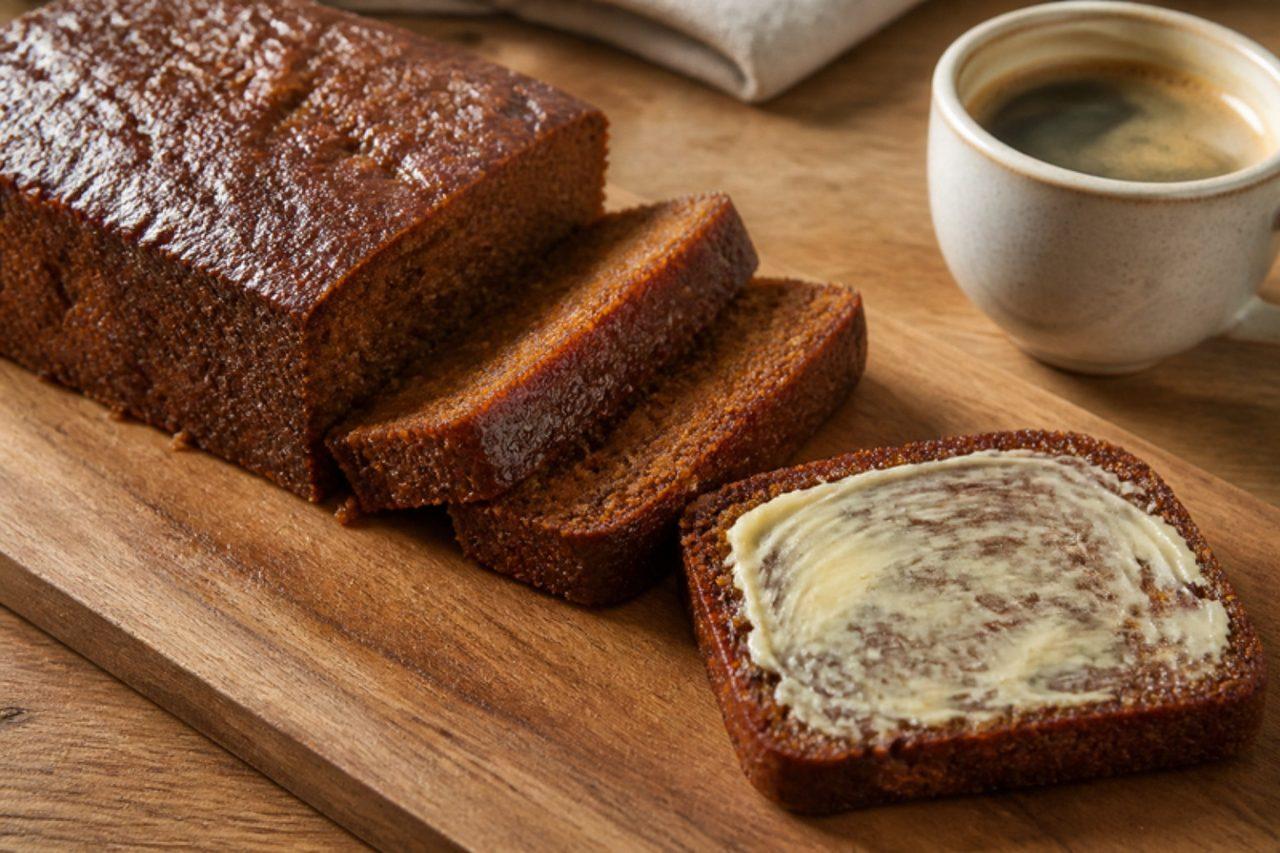
OntbijtkoekSpiced rye breakfast cake

Ontbijtkoek means 'breakfast cake', and in Friesland and Groningen, where the best-loved versions come from, a thick slice spread with butter is still a normal start to the day or a mid-morning snack with coffee. The loaf is dark, sticky and springy, made with rye flour and syrup and scented with the Dutch spice mix koekkruiden: cinnamon, cloves, ginger, nutmeg and cardamom. It contains no egg and no butter in the batter, and it gets better after a day or two wrapped up. Baking it too hot is the usual mistake; the outside goes bitter before the middle sets, so bake it low and slow. Chef's tip: wrap the loaf in cling film while it is still slightly warm and leave it overnight; it softens into the classic tacky, chewy crust.

by KrazyBadal 0 views

Tosti ham-kaas (Dutch ham and cheese toastie)

In the Netherlands the tosti is what children ask for after school, at the swimming-pool café and at Saturday lunch: two thin slices of white bread with ham and young Gouda, pressed in a tosti iron until crisp and golden and the cheese oozes at the edges, then dunked in ketchup. It is ready in ten minutes. It contains gluten (wheat) and milk. Chef's tip: butter the outside of the bread, not the inside, so it browns evenly and doesn't stick.

by KrazyBadal 0 views

Beschuit met muisjesRusks with aniseed sprinkles

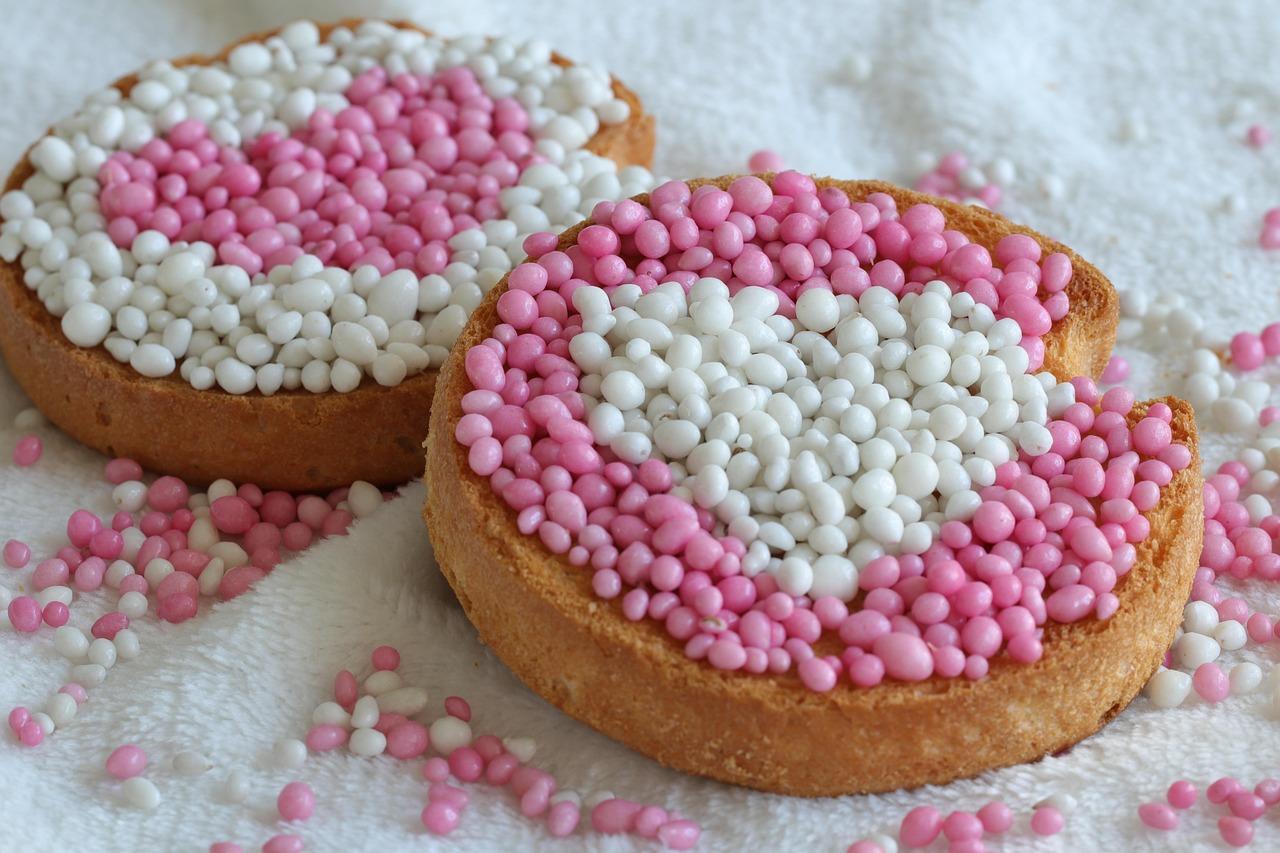
When a baby is born in the Netherlands, visitors are greeted with beschuit met muisjes: round, crisp rusks spread with butter and covered in sugared aniseed sprinkles, pink for a girl, blue for a boy, or the older white-and-pink or white-and-blue mix. Brothers, sisters and school friends love handing them round, and the sprinkles are also a favourite on bread at breakfast. Aniseed was once thought to help new mothers. It contains gluten and milk. Chef's tip: butter the rusks generously right to the edge, or the sprinkles roll off; that is why the Dutch say to 'press, not scatter'.

by KrazyBadal 0 views

Pan chutaAniseed round bread

The small town of Oropesa, half an hour from Cusco, calls itself Peru's bread capital, and its wood-fired bakeries are famous for chuta: big, flat, round loaves as wide as a dinner plate, glossy on top, with a faint sweetness and the warmth of aniseed. Travellers on the road to Puno and Bolivia stop to buy them by the bagful, and families bring them home for All Saints' Day and for sharing with hot coca tea or coffee, fresh cheese and butter. The bakeries traditionally use lard; this version uses vegetable shortening and butter, so it is vegetarian. The make-or-break moment is the proof: chuta is large and flat, and if it goes in under-risen it bakes dense and splits at the rim. Chef's tip: toast the aniseed for a minute in a dry pan and crush it lightly before adding, for a rounder, sweeter perfume.

by KrazyBadal 0 views

Kärntner ReindlingCinnamon raisin yeast cake

Carinthia's Easter loaf takes its name from the Reindl, the round, deep pan it is baked in, and in southern Austria no Easter basket goes to church without one. Inside the golden yeast crust is a spiral of butter, cinnamon sugar and plump raisins, so every slice shows a dark swirl. Locals eat it two ways: sweet with coffee on Easter morning, or alongside the savoury Easter platter with horseradish. Many bakers soak the raisins in rum overnight; warm water or tea works just as well and keeps it alcohol-free. A dry, crumbly Reindling usually means too much flour went in during kneading, so keep the dough soft and only lightly floured. Chef's tip: butter the pan well and dust it with sugar, which caramelises into a thin crunchy shell.

by KrazyBadal 0 views

BoterkoekButter cake

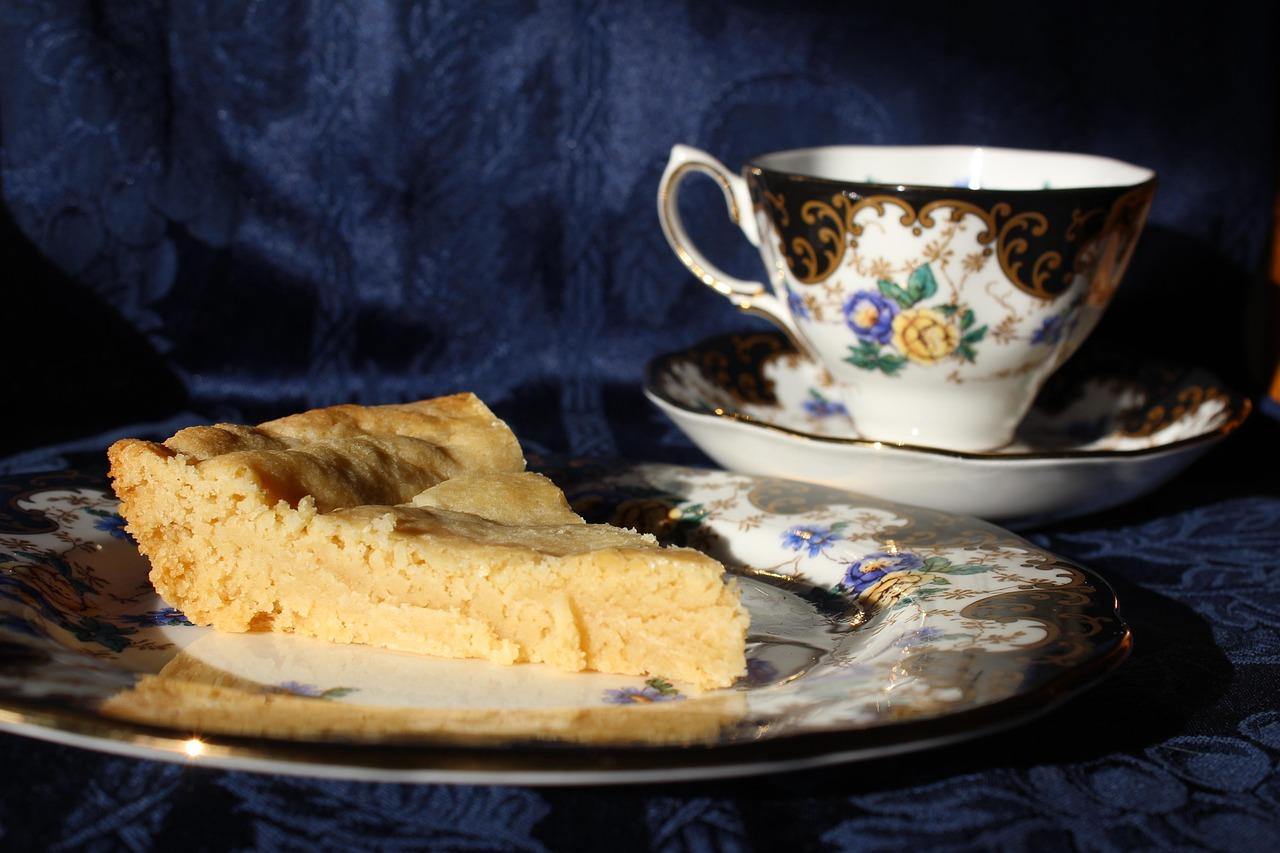
Boterkoek sits on the counter of almost every Dutch bakker, from Amsterdam to small towns in Brabant: a round, flat butter cake, scored in a criss-cross on top, glossy with glaze, dense and fudgy in the middle and crisp at the edges. It is cut into small wedges, because it is rich, and eaten with a cup of coffee at elf uur, the eleven o'clock break, or offered to visitors. The dough itself has no egg; only the top is brushed with beaten egg for shine (milk works too, though the colour is paler). Overbaking is the classic mistake: it should come out golden but still soft in the centre, so it sets fudgy, not dry. Chef's tip: use salted butter, or add the pinch of salt; it is what stops boterkoek tasting merely sweet.

by KrazyBadal 0 views

Krentenbollen (Dutch currant buns)

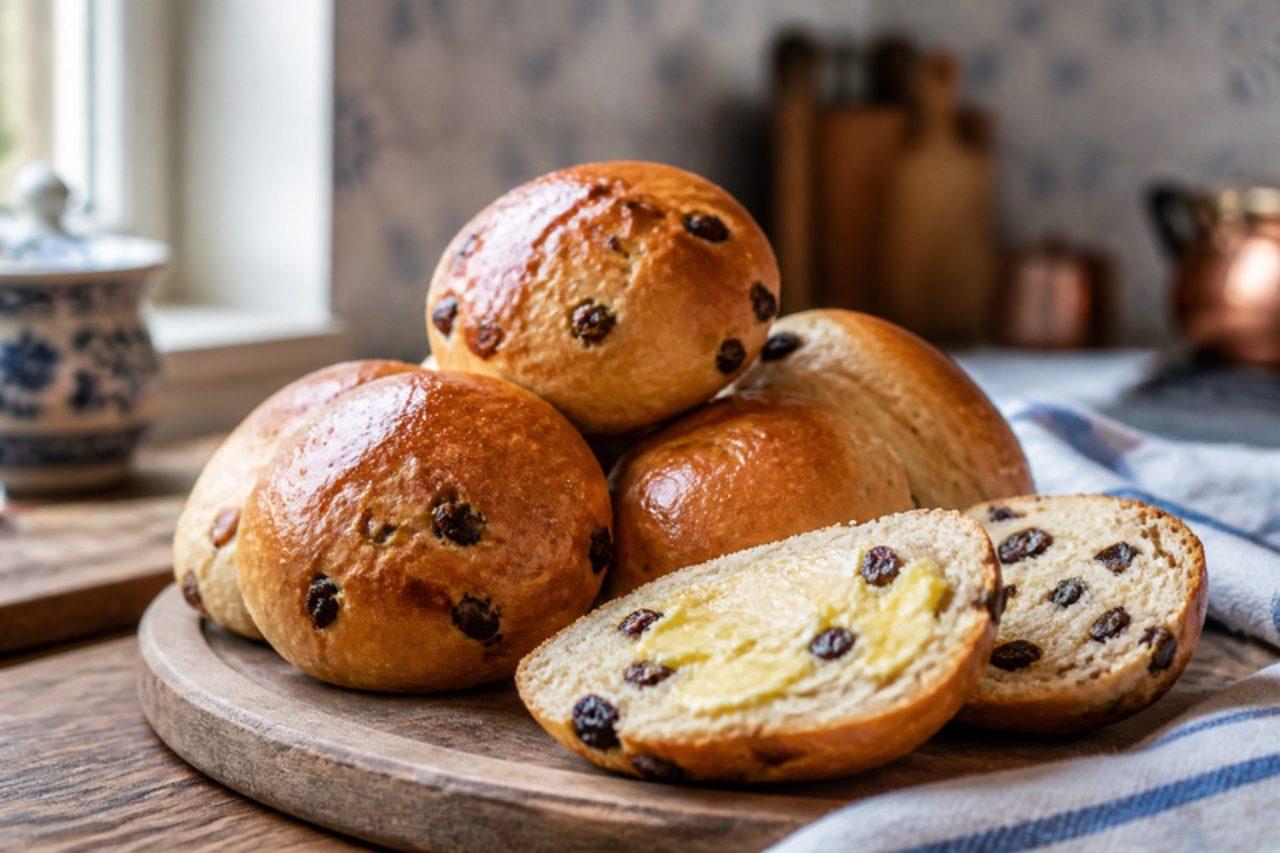
In the Netherlands a krentenbol, buttered and sometimes topped with a slice of Gouda, is packed in schoolbags for the morning break and eaten with milk after school. The buns are soft, slightly sweet and so full of currants and raisins that there is barely room for the bread. This version adds little sugar, letting the dried fruit sweeten it. It contains gluten and milk. Chef's tip: soak the dried fruit in hot water before kneading it in; dry fruit pulls moisture from the dough and burns on the surface.

by KrazyBadal 0 views

BorrelnootjesCoated peanuts

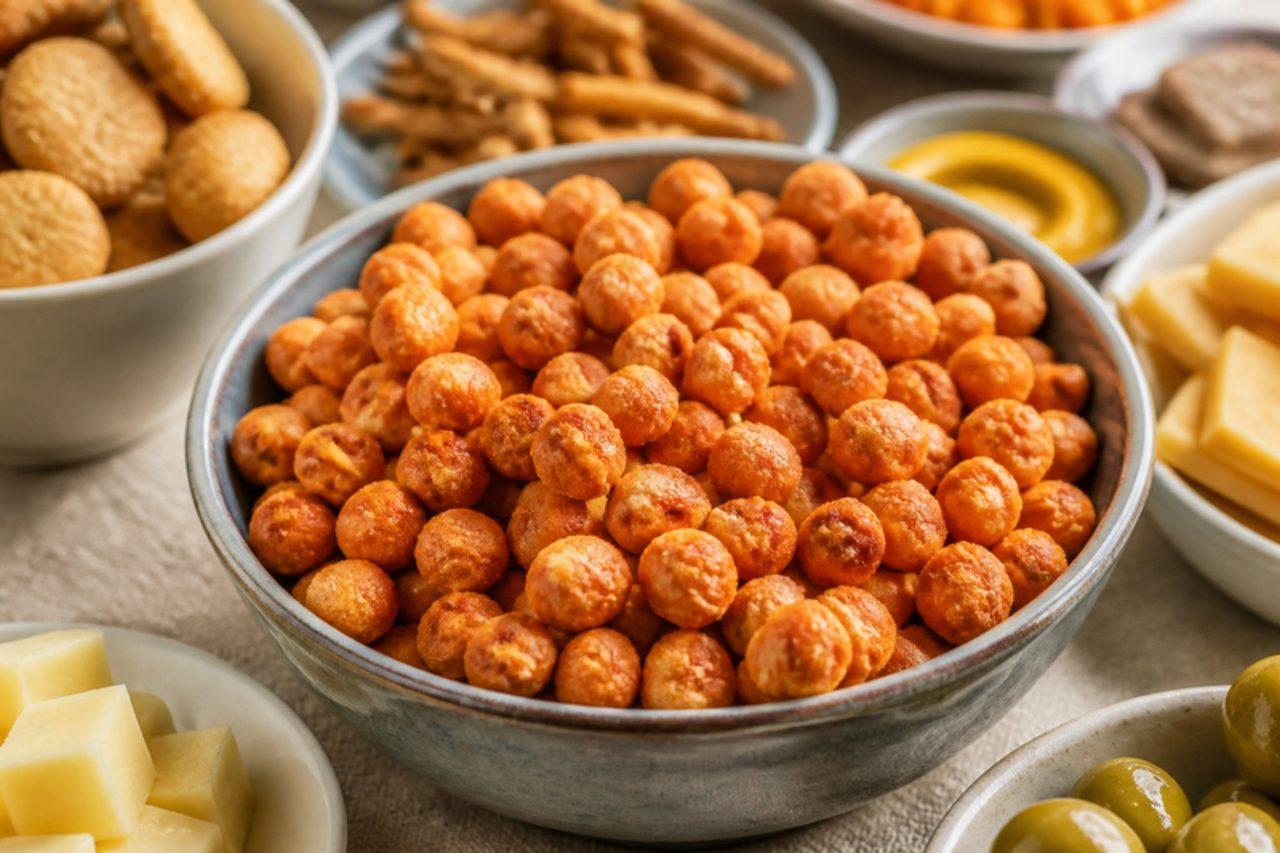
Borrelnootjes, peanuts in a crunchy seasoned shell, are the bowl you find on every Dutch bar counter and next to the cheese at home borrels, and they come from the Indo-Dutch kitchen, where they were spiced with garlic and coriander. Most people buy them in bags, but home-made ones are lighter and far less salty. Raw peanuts are dusted in seasoned flour and starch, splashed with water and coated in several thin layers, then baked until they crack. Never serve them to anyone with a peanut allergy, and keep whole nuts away from small children. The usual mistake is adding too much water at once, which makes the nuts clump. Chef's tip: build the coating in three thin layers, shaking the bowl hard each time.

by KrazyBadal 0 views

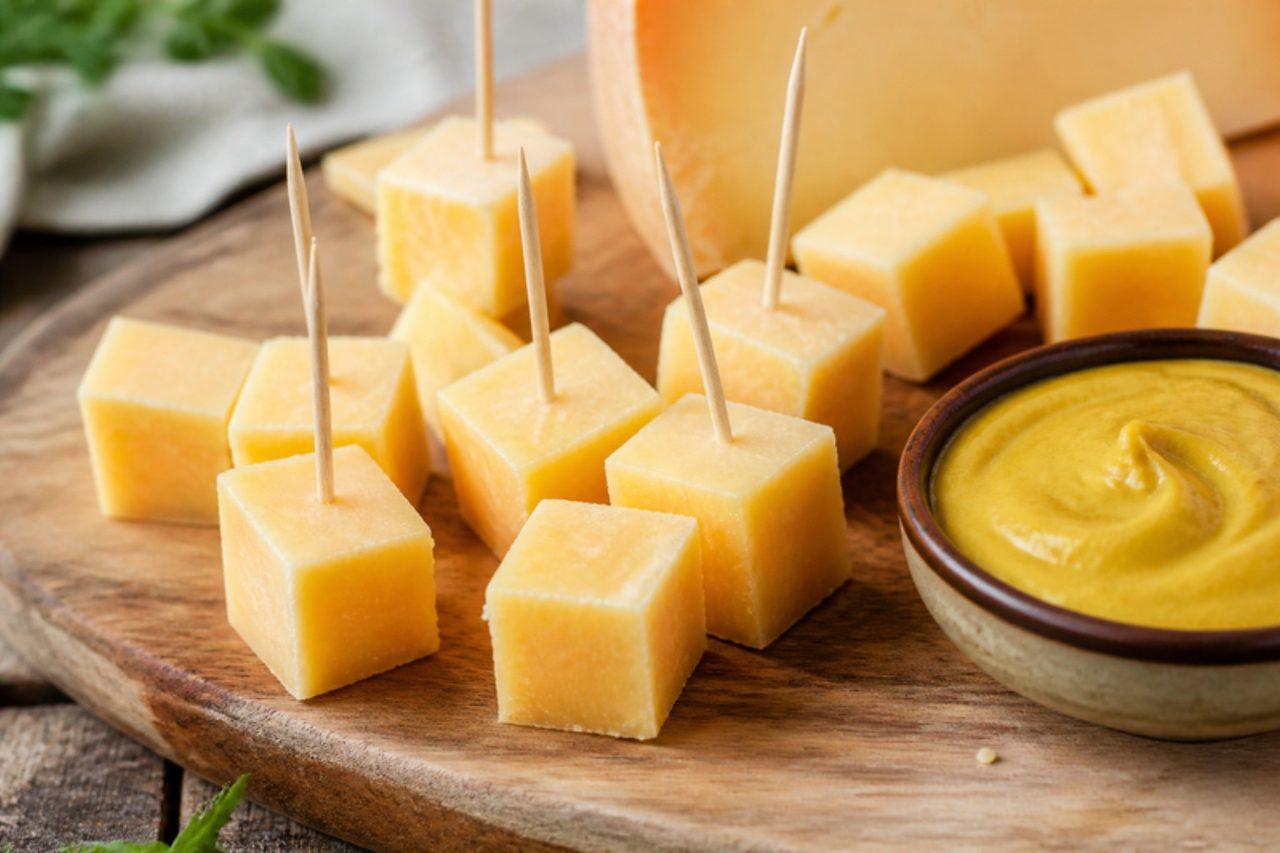
Kaasblokjes met mosterdCheese cubes with mustard

Friday afternoon in a Dutch brown café, or a birthday circle in a living room in Utrecht, means a borrel, and the first thing on the table is a plate of cheese cubes on cocktail sticks. Belegen or oude Gouda, aged until it is firm and nutty with little salt crystals, is cut into neat cubes and served with a pot of coarse mustard and a shake of celery salt. Traditional Gouda is made with animal rennet, so pick a vegetarian aged Gouda-style cheese if needed. A common mistake is serving the cheese fridge-cold, which hides its flavour. Chef's tip: cut it half an hour before guests arrive and let it come to room temperature, covered.

by KrazyBadal 0 views

Showing 24 of 445 recipes

Show more recipes

Page 1 of 19