Skip to content
Recipes

All recipes

Vegetarian, or something you can't eat? Set your diet once and we'll hide recipes that don't fit.

Abbacchio alla romanaRoman Easter lamb

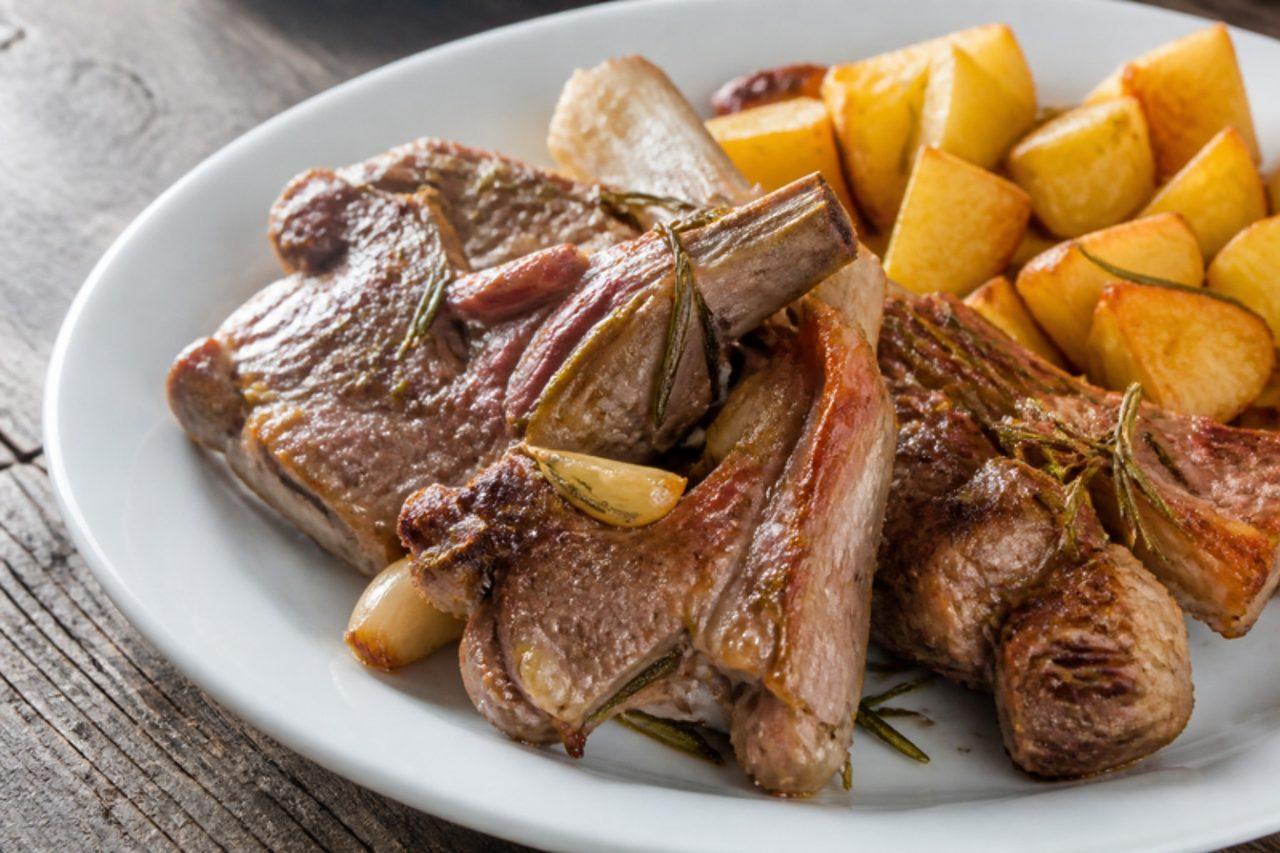
Abbacchio is the Roman name for young milk-fed lamb, and abbacchio alla romana is what Roman families cook for Easter Sunday: small pieces of shoulder and leg browned in a pan, then cooked slowly with garlic, rosemary and sage and finished with a paste of anchovy and vinegar that cuts through the richness. It is served with roast potatoes or puntarelle. Outside Italy, use young spring lamb on the bone. Chef's tip: brown the lamb in batches until really golden before adding anything else; pale lamb gives a pale sauce.

by KrazyBadal 0 views
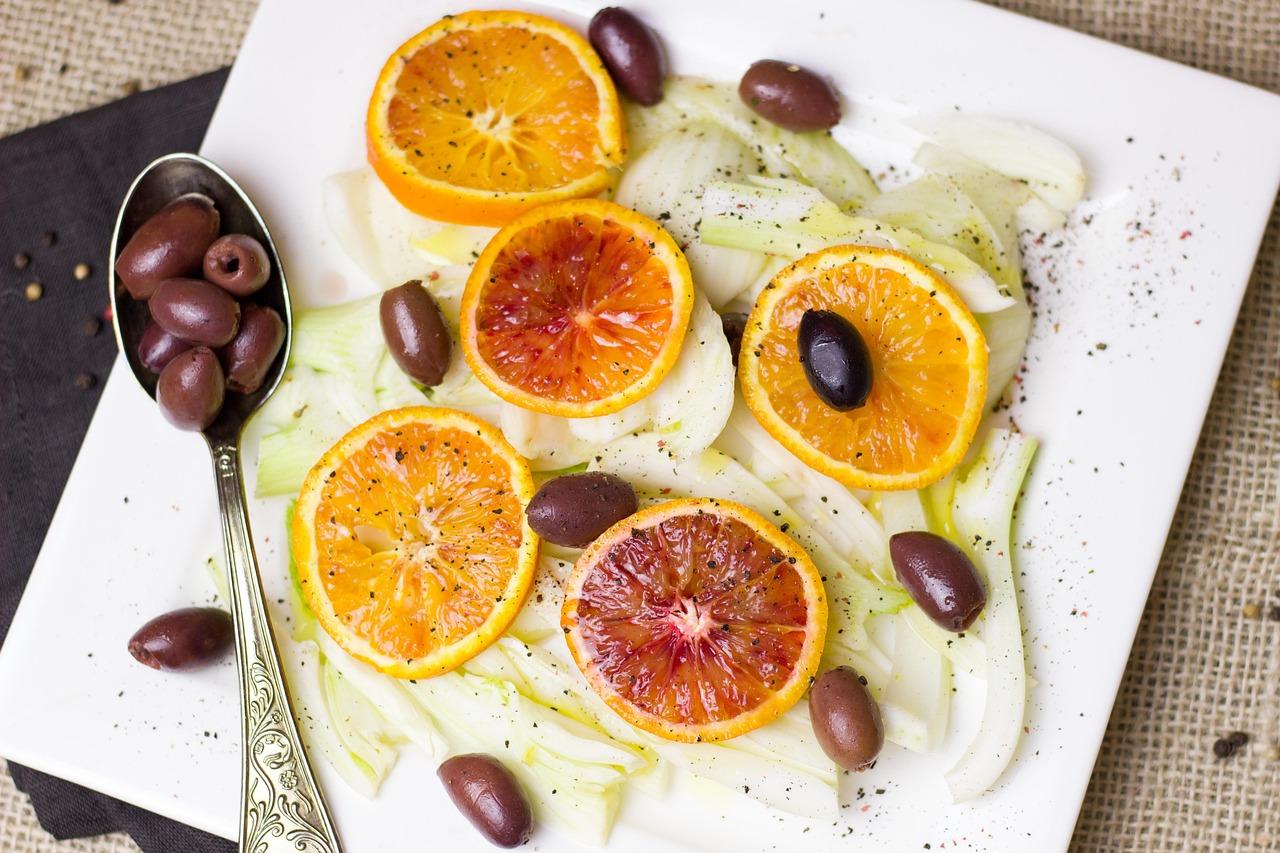
Insalata di arance e finocchiOrange and fennel salad

In Sicily the orange harvest peaks in January, just as wild fennel and the big fennel bulbs come in, and this bright salad is on the table across the island at Christmas and through the winter, often to clean the palate after a rich main dish. Juicy oranges, ideally blood oranges from the slopes of Etna, are sliced with shaved fennel, red onion, black olives and good olive oil. Chef's tip: cut the peel and all the white pith away with a knife, then slice the oranges into rounds; pith is bitter and makes the salad chewy.

by KrazyBadal 0 views
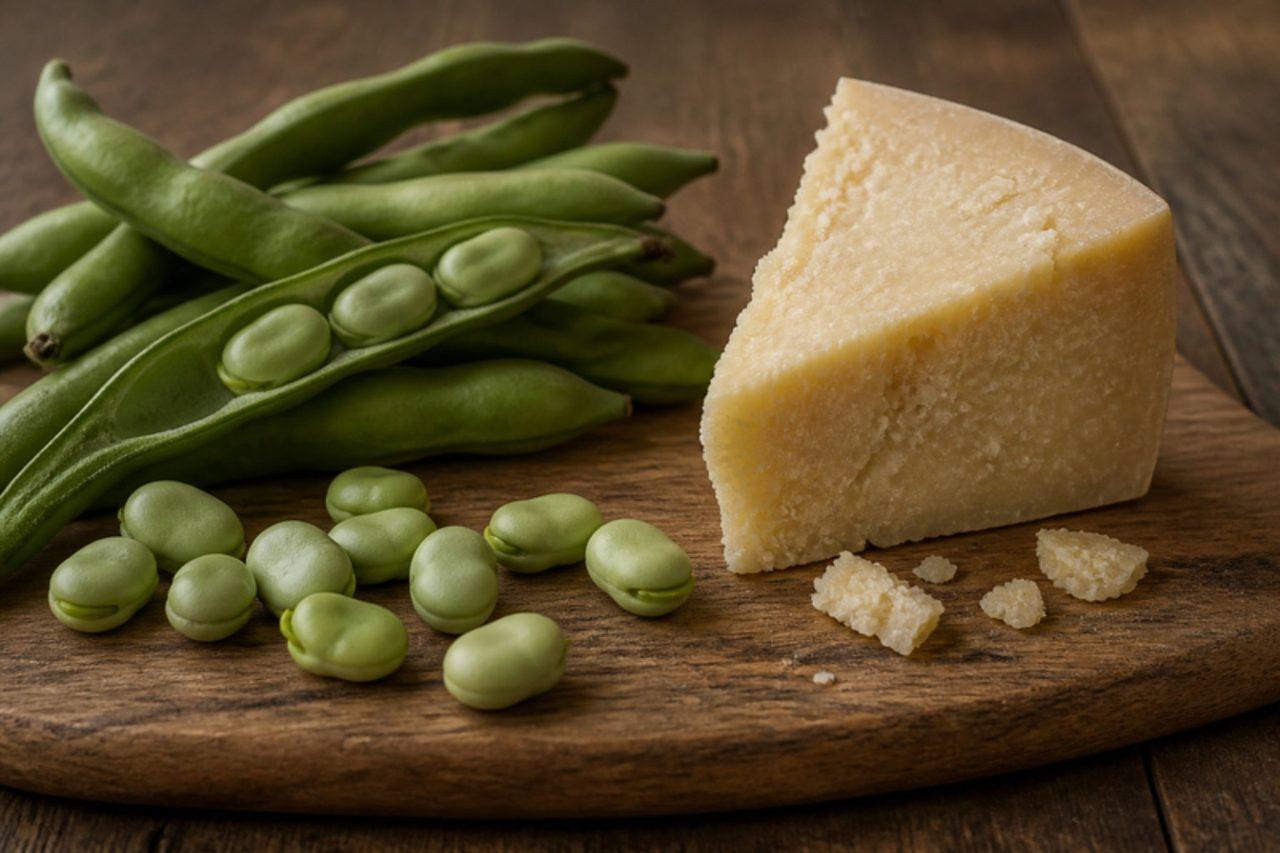
Fave e pecorinoRaw broad beans with pecorino

On 1 May, Romans head out to the parks and the Castelli Romani hills with a sack of fresh broad beans still in their pods and a hunk of young Pecorino Romano, and spend the afternoon shelling, nibbling and talking. The pairing is simple and very Roman: sweet, grassy raw beans against salty, sharp cheese, often with a glass of something cold and a hunk of bread. Only the youngest, smallest beans work raw, so this is a dish for a few weeks of spring. Traditional pecorino uses animal rennet; choose a vegetarian sheep's cheese if you need to. Chef's tip: taste a bean before you buy; if it is starchy or bitter rather than sweet, braise those beans instead.

by KrazyBadal 0 views
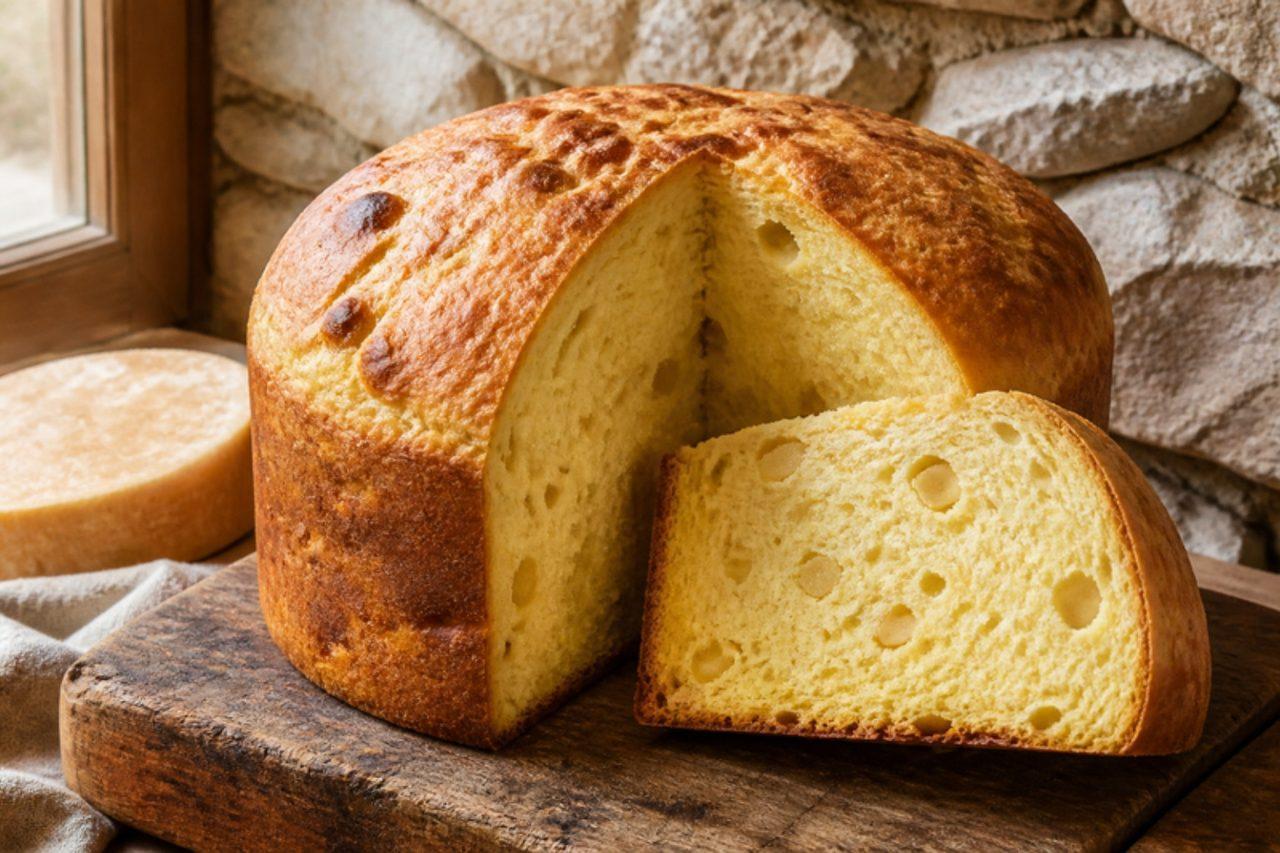
Pizza di Pasqua al formaggioEaster cheese bread

On Easter morning in Perugia, Ancona and the villages of Umbria and the Marche, families sit down to a breakfast that comes after Lent: a tall, golden cheese bread, rich with eggs, pecorino and Parmigiano, sliced and eaten with hard-boiled eggs and salami that has been blessed in church. The bread rises high like a panettone and has a soft yellow crumb dotted with cubes of cheese. Pecorino and Parmigiano are usually made with animal rennet; vegetarian hard cheeses work. Chef's tip: bake it in a tall, straight-sided tin or a clean coffee can lined with paper; the high sides help it rise up rather than spread.

by KrazyBadal 0 views
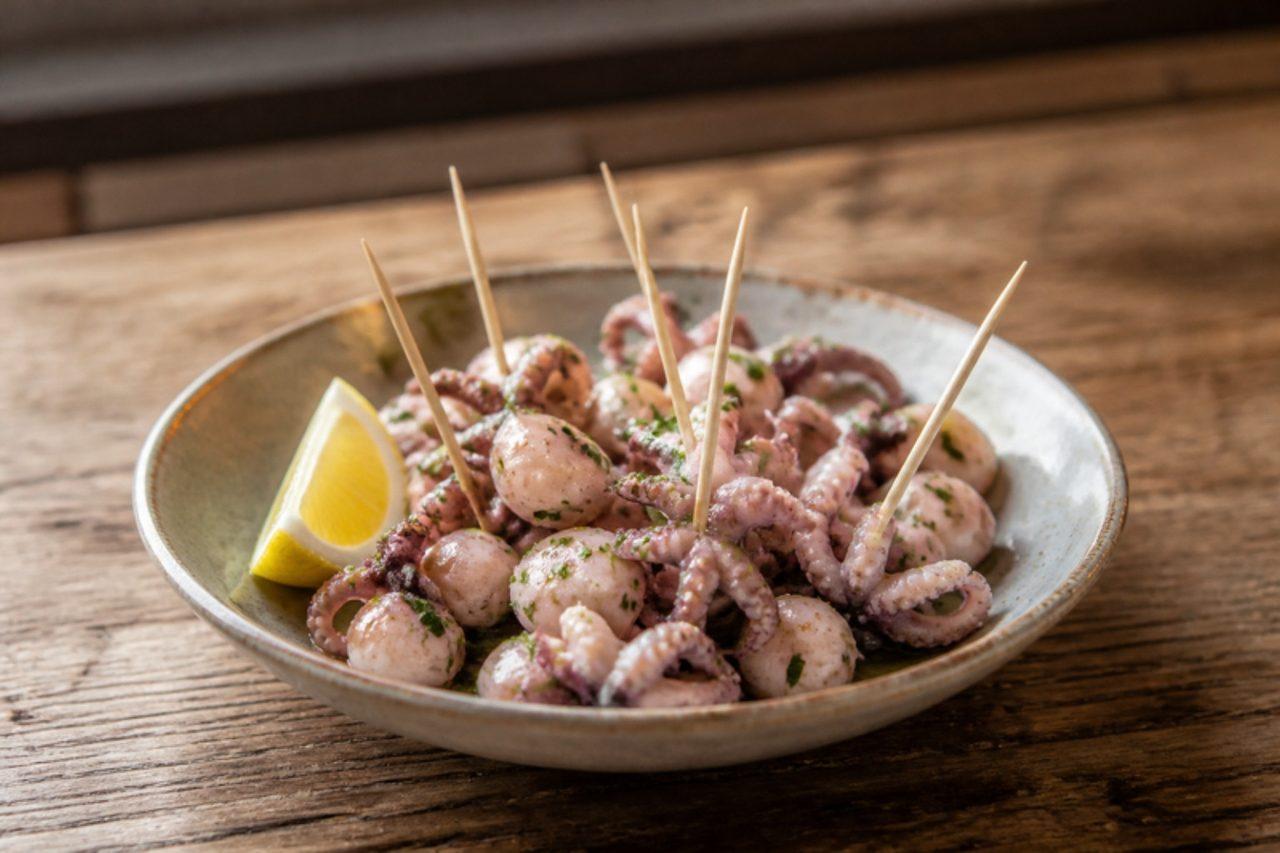
Folpetti lessiBoiled baby octopus

In the bacari (wine bars) of Venice, around the Rialto market, folpetti sit warm in a tray on the counter and are speared with a toothpick as a cicchetto, the city's small bite eaten standing up before lunch or after work. They are tiny musky octopus from the lagoon, simply boiled until tender and dressed with olive oil, lemon, garlic and parsley. The texture should be tender with a slight bite, never rubbery. Chef's tip: let the octopus cool in its cooking water for 15 minutes; it finishes softening gently and soaks up flavour.

by KrazyBadal 0 views
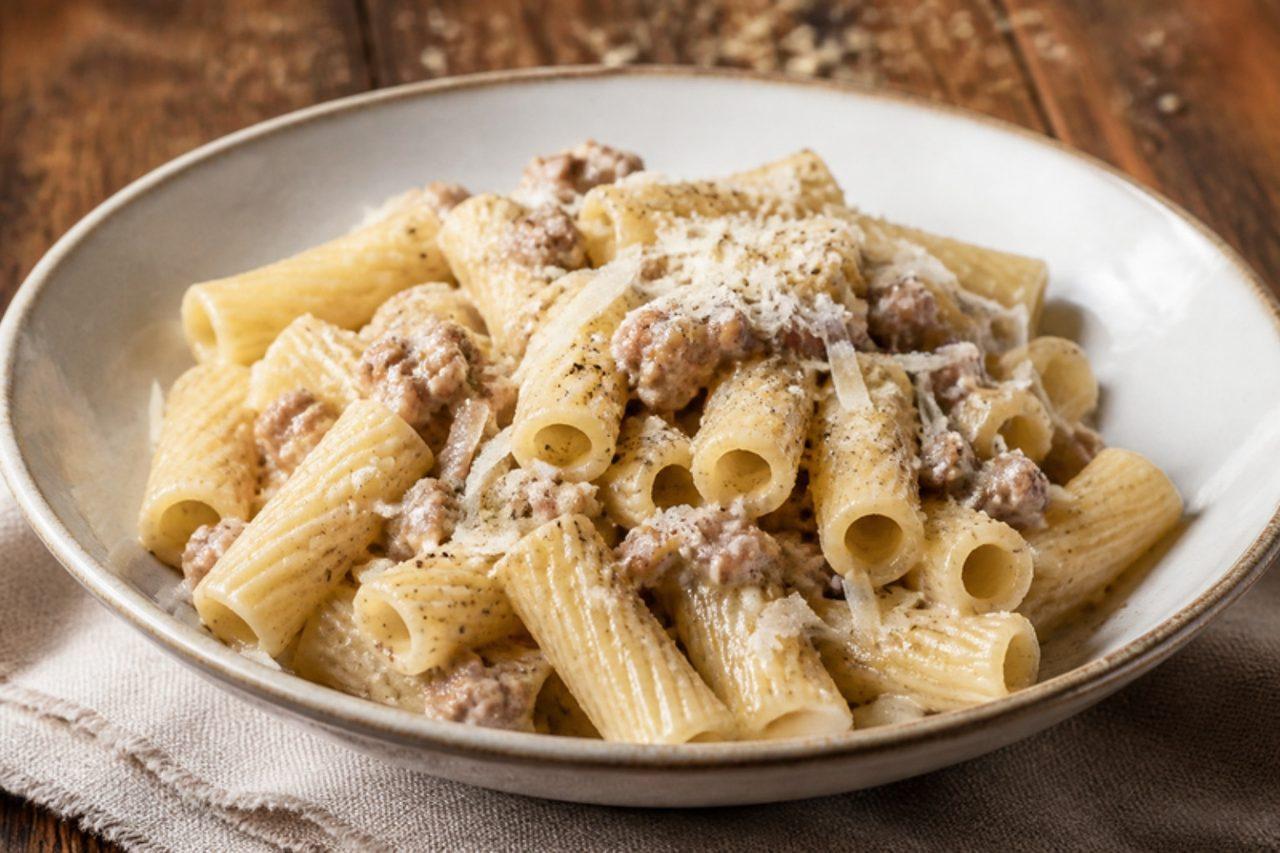
Pasta alla norcinaSausage and cream pasta

Norcia, in the mountains of eastern Umbria, has been famous for centuries for its pork butchers, so much so that across central Italy a pork butcher's shop is still called a norcineria. Their pasta is a celebration of the local pork sausage, crumbled and fried, then simmered with a little cream and finished with pecorino. In winter it often comes with shaved black truffle from the same hills. It is quick, rich and very filling. Alcohol is used here: a splash of white wine, which you can swap for pasta water. Chef's tip: take the sausage out of its casing and fry it in small crumbs until really browned; those caramelised bits are where the flavour is.

by KrazyBadal 0 views
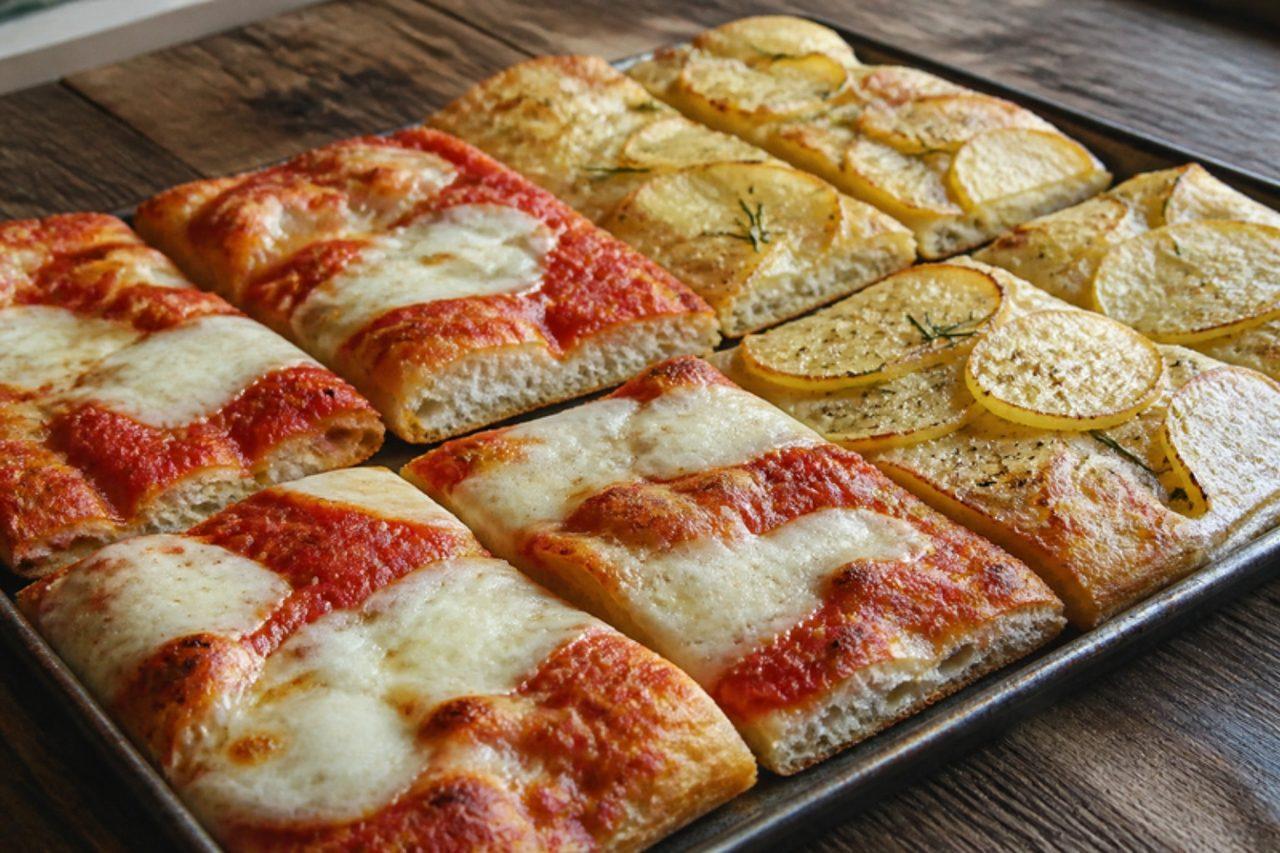
Pizza al taglioRoman tray pizza

In Rome, pizza al taglio is sold by weight from long rectangular trays, cut with scissors and folded in paper, the lunch of office workers and students across the city. The dough is very wet and rests in the fridge for a day or more, which gives a crust that is crunchy at the base and light and airy above. This recipe makes two classic toppings, potato and rosemary on one half and tomato and mozzarella on the other. Mozzarella is usually made with calf rennet; vegetarian versions are easy to find. Chef's tip: bake the base with just oil and tomato first and add the mozzarella for the last few minutes, so the cheese melts without burning.

by KrazyBadal 0 views
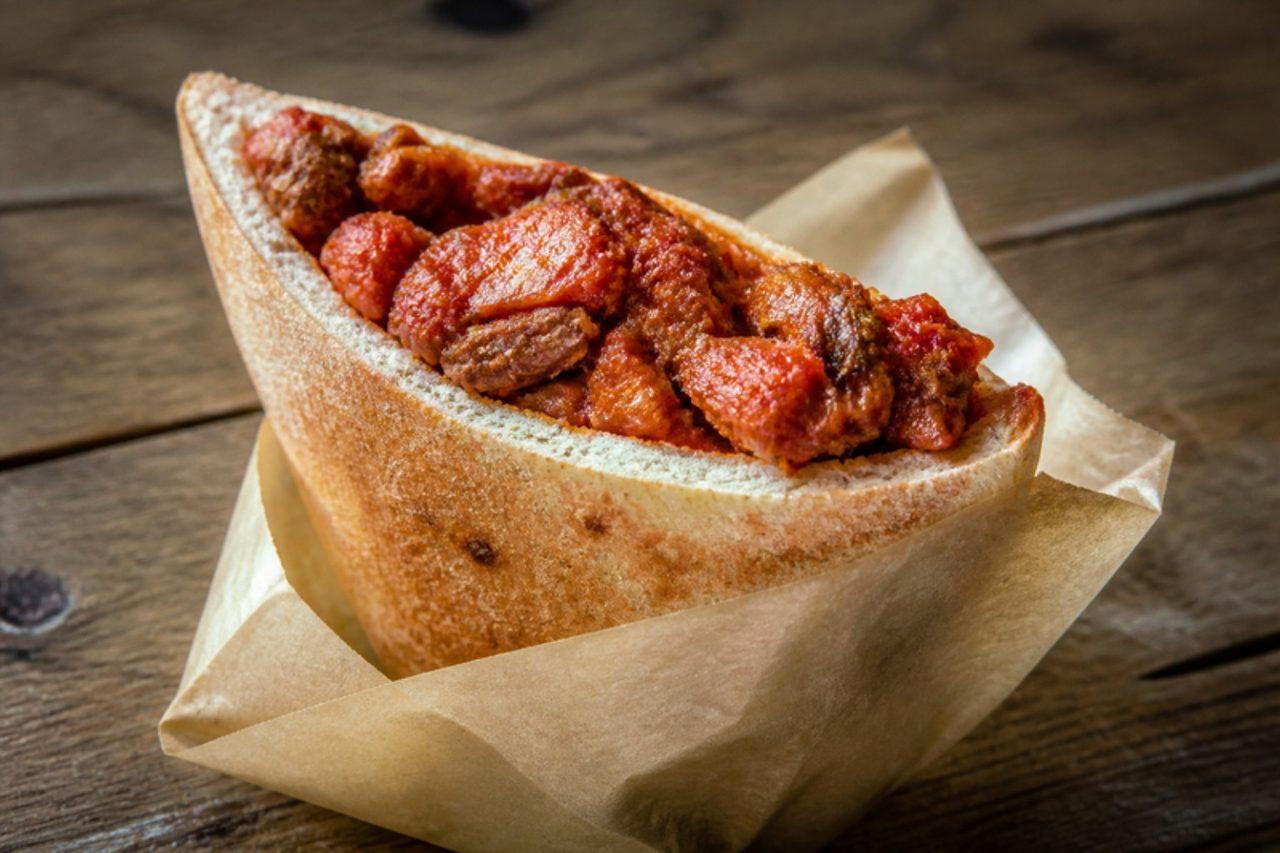
Trapizzino con pollo alla cacciatoraChicken cacciatore pizza pocket

The trapizzino was invented in Rome in 2008 in the Testaccio district, cross between a tramezzino (triangle sandwich) and a pizza: a thick triangle of pizza bianca dough baked, cut open into a pocket and filled with the slow-cooked stews of Roman home cooking. Today it is sold all over the city as a lunch on the go. The most popular filling is pollo alla cacciatora, chicken braised with rosemary, garlic, olives and a little vinegar or white wine. Alcohol is used here: you can use vinegar and stock instead. Chef's tip: let the stew cool a little and thicken before filling; a runny filling soaks through the bread.

by KrazyBadal 0 views

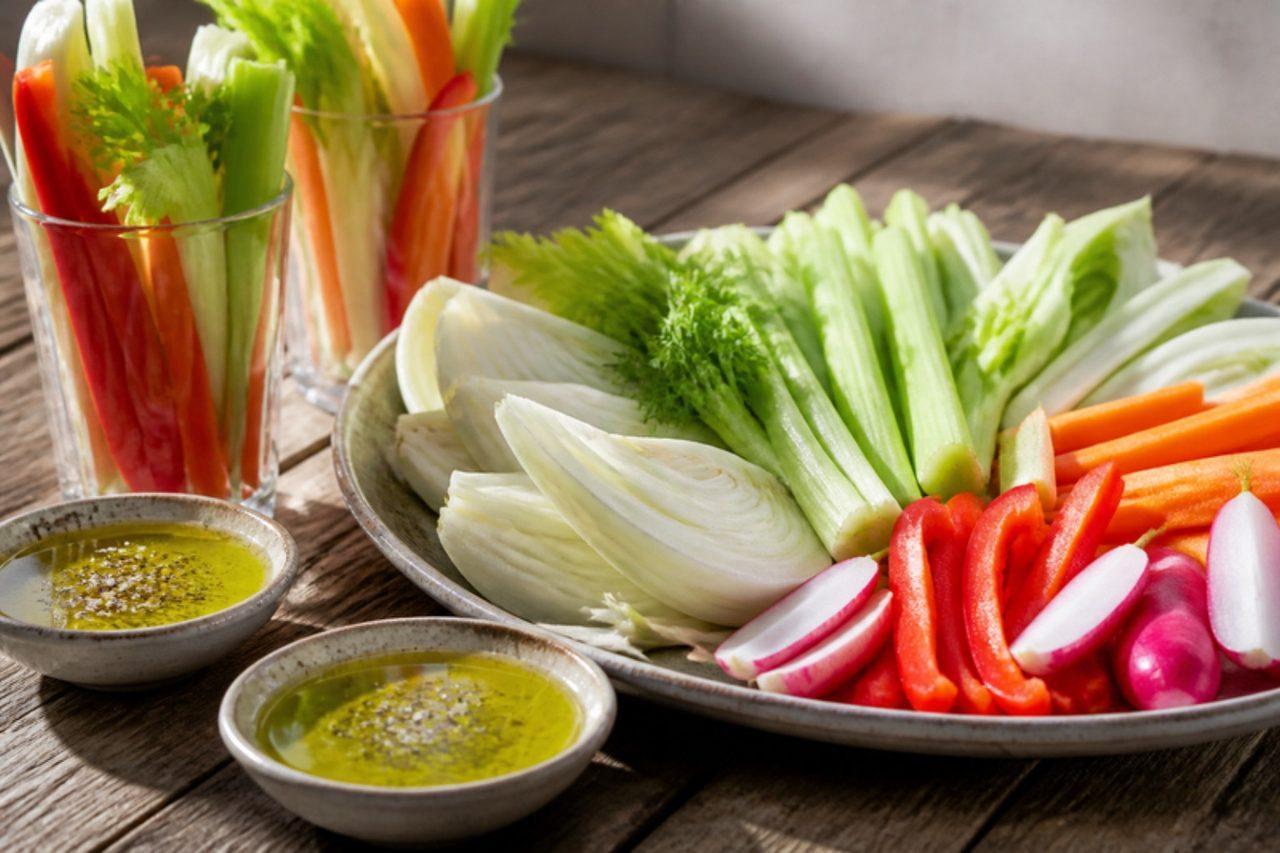
PinzimonioRaw vegetables with olive oil

In Tuscany pinzimonio comes out in November, when the frantoi (olive mills) press the new oil and families want something that shows off its peppery green bite. A jug of raw, cold vegetables is set in the middle of the table and everyone dips into their own little bowl of oil seasoned with salt and pepper, usually before a plate of pasta or alongside bruschetta at the mill. Crunch matters more than anything: fennel, celery hearts, radishes, carrots, young artichokes and red peppers, all very fresh. Chef's tip: keep the cut vegetables in a bowl of iced water for 15 minutes before serving; they turn crisper and look glossy without any dressing.

by KrazyBadal 0 views

Peperoni sott'acetoPickled sweet peppers

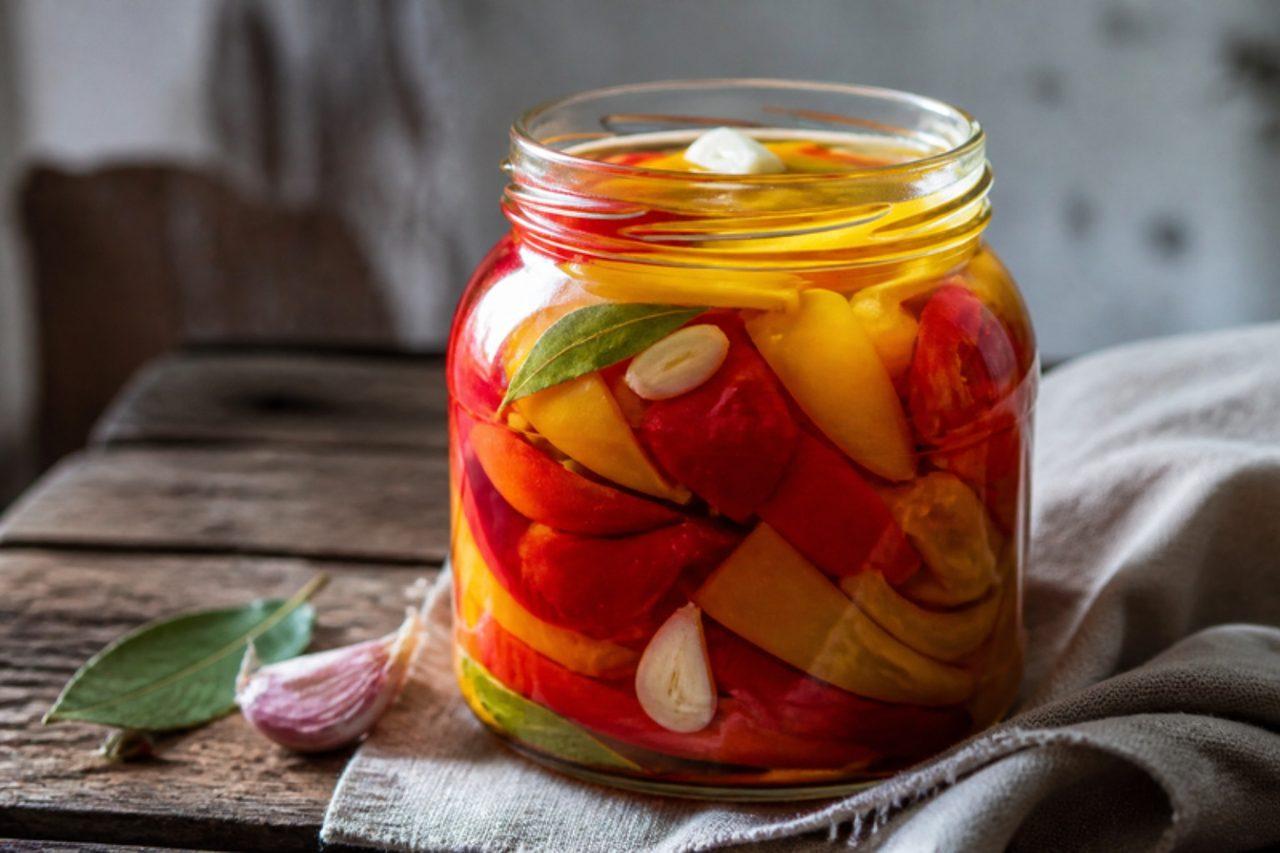
In Campania, Basilicata and Calabria, late summer means jars of red and yellow peppers in vinegar lined up in the larder. In winter they are fried with potatoes, chopped into Christmas insalata di rinforzo, or served with sausages. The thick, fleshy peppers stay crisp and turn tangy and sweet. Chef's tip: use thick-walled peppers and cut them into wide strips; thin peppers go soft in the vinegar.

by KrazyBadal 0 views

Pizza bianca romanaRoman olive oil flatbread

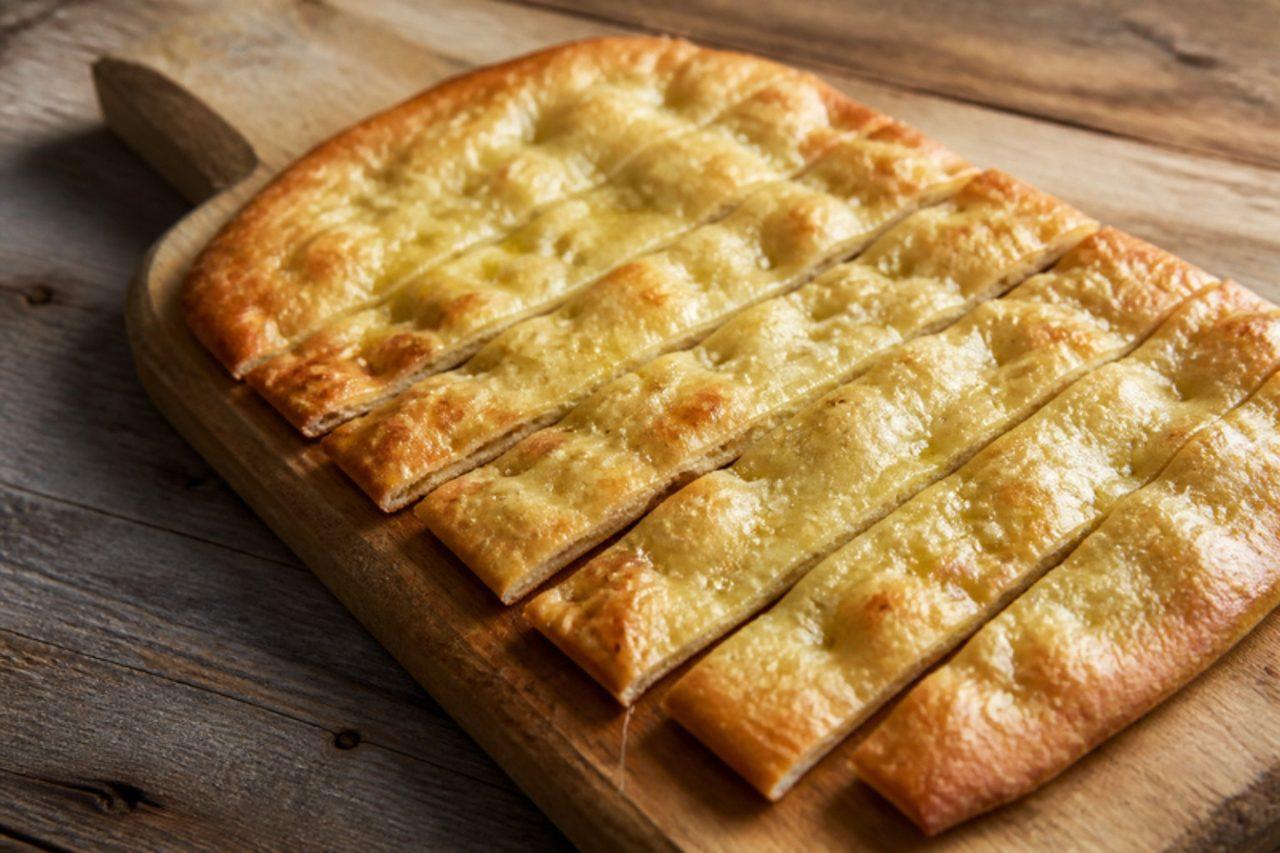
Walk past any Roman forno at eleven in the morning and you'll see pizza bianca coming out of the oven in planks a metre long: crisp on top, chewy and full of holes inside, brushed with olive oil and scattered with salt. Romans buy it by the slice for children's snacks after school, or split it open and fill it with mortadella or fresh figs in late summer. The dough is very wet and needs only folding, not kneading. Chef's tip: stretch the dough with oily fingertips straight onto the tray; dimpling it presses big bubbles into the dough that puff up in the oven.

by KrazyBadal 0 views

Polpette di melanzaneAubergine fritters with pecorino

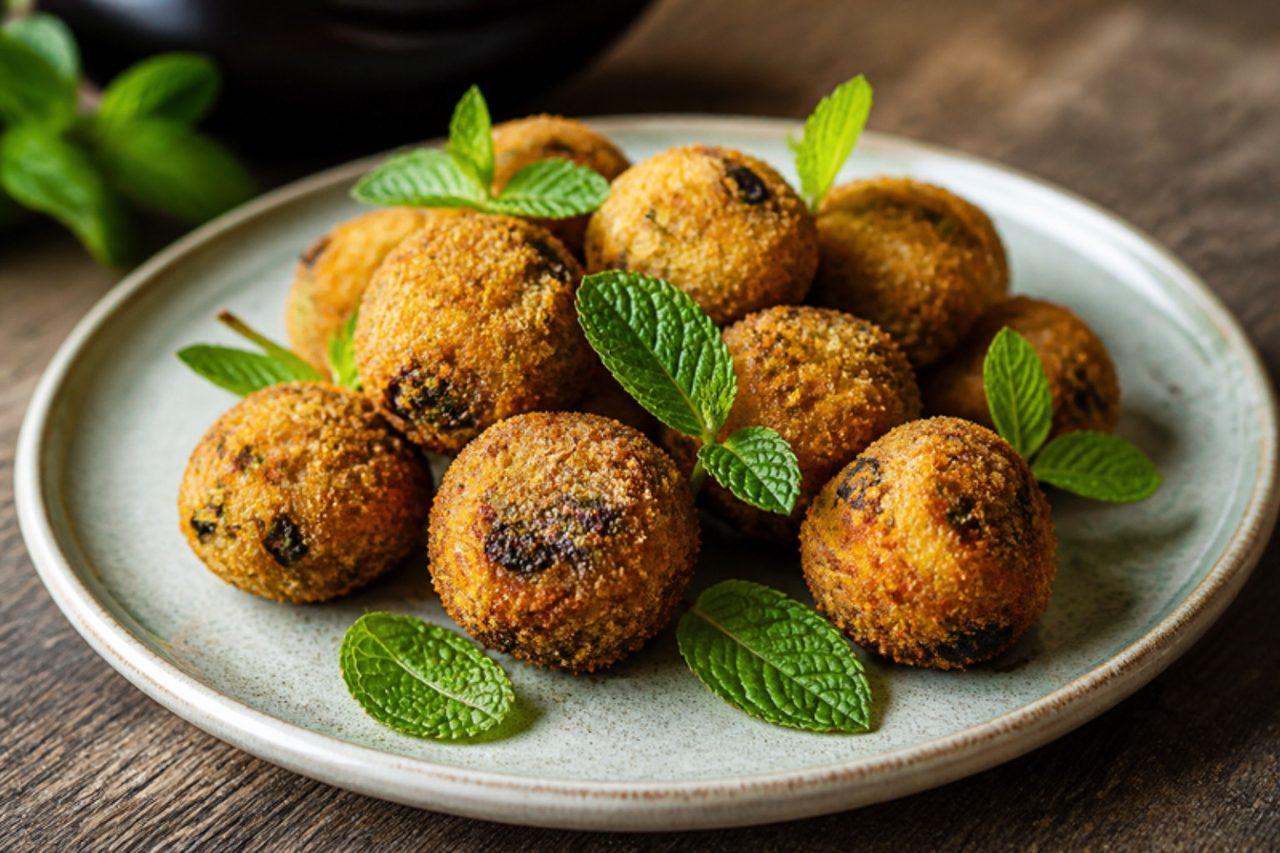
In Calabria, from Reggio up to Cosenza, polpette di melanzane are what grandmothers fry in August when the garden is full of aubergines and nobody wants meat. Boiled aubergine is squeezed dry and mixed with stale bread, egg, pecorino, garlic and mint, then shaped into small balls and fried; they are eaten warm as an antipasto or cold the next day in a sandwich. They should be soft and almost creamy inside with a thin golden crust. Pecorino is usually made with animal rennet; a vegetarian hard cheese works. Chef's tip: squeeze the boiled aubergine in a clean tea towel until no more water drips; wet aubergine makes polpette that fall apart in the oil.

by KrazyBadal 0 views

Tortelloni di ricotta burro e salviaRicotta tortelloni in sage butter

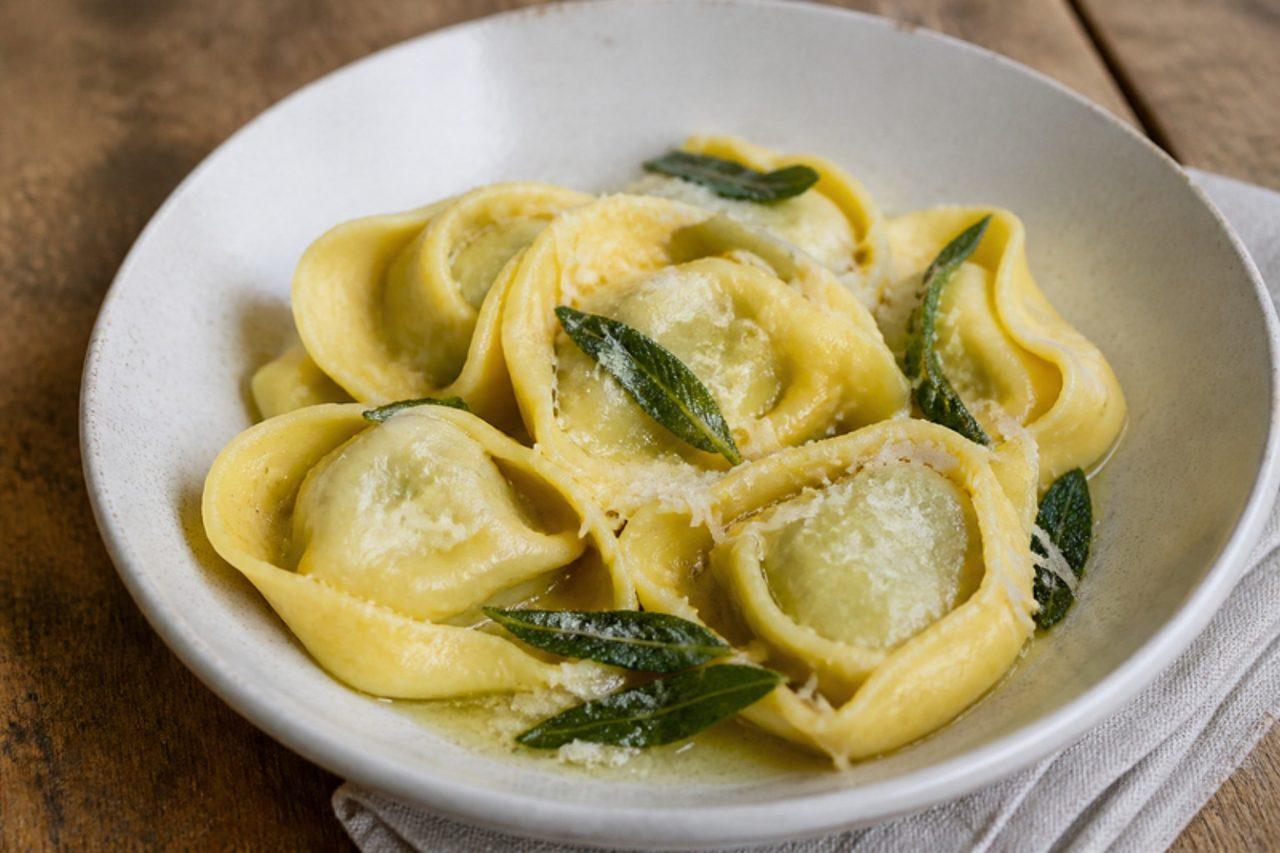
In Bologna, tortelloni are the big brothers of tortellini: wide parcels of egg pasta folded around ricotta, parsley and Parmigiano, often made on Christmas Eve, when meat is avoided, and on Fridays. The sfogline (pasta makers) of the Quadrilatero market roll the dough by hand so thin you can read through it. They are served simply with butter and sage so the filling shines. Parmigiano is made with animal rennet; choose a vegetarian hard cheese if you need to. Chef's tip: press every bit of air out around the filling before you seal; trapped air makes the tortelloni burst in the pot.

by KrazyBadal 0 views

Pizza ai quattro formaggiFour-cheese pizza

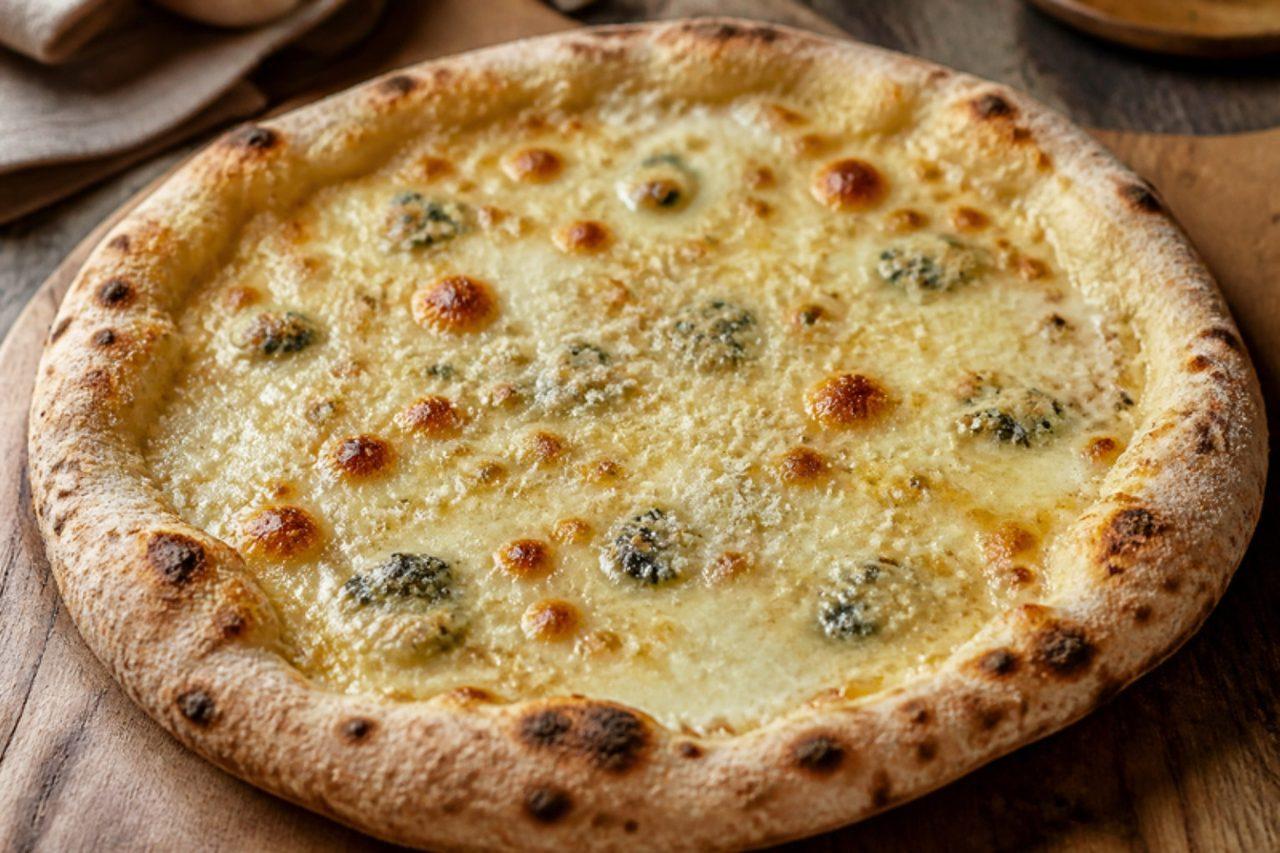
Four-cheese pizza is a pizzeria classic from Milan to Palermo, a pizza bianca (no tomato) where each cheese does a different job: mozzarella for stretch, gorgonzola for a blue tang, fontina from the Aosta Valley for creaminess and Parmigiano for a salty crust. It is the order for winter evenings, often with a drizzle of honey or a few walnuts on top. Most of these cheeses are made with animal rennet; choose vegetarian versions of each if you need to. Chef's tip: cut the cheeses into small cubes rather than slices and scatter them unevenly; they melt at different speeds and give pockets of flavour.

by KrazyBadal 0 views

Cannoncini alla cremaCustard puff pastry horns

Every pastry shop in Turin and Piedmont has a tray of cannoncini: puff pastry wrapped around metal cones, baked until golden and flaky, then piped full of vanilla custard and dusted with icing sugar. Little ones are part of the "pasticcini mignon" bought on Sunday morning after church to take to lunch at the grandparents' house. You need cannoncino or cream-horn moulds. Chef's tip: fill them just before serving; custard softens the pastry within a few hours.

by KrazyBadal 0 views

Riso al saltoCrisp fried saffron risotto cake

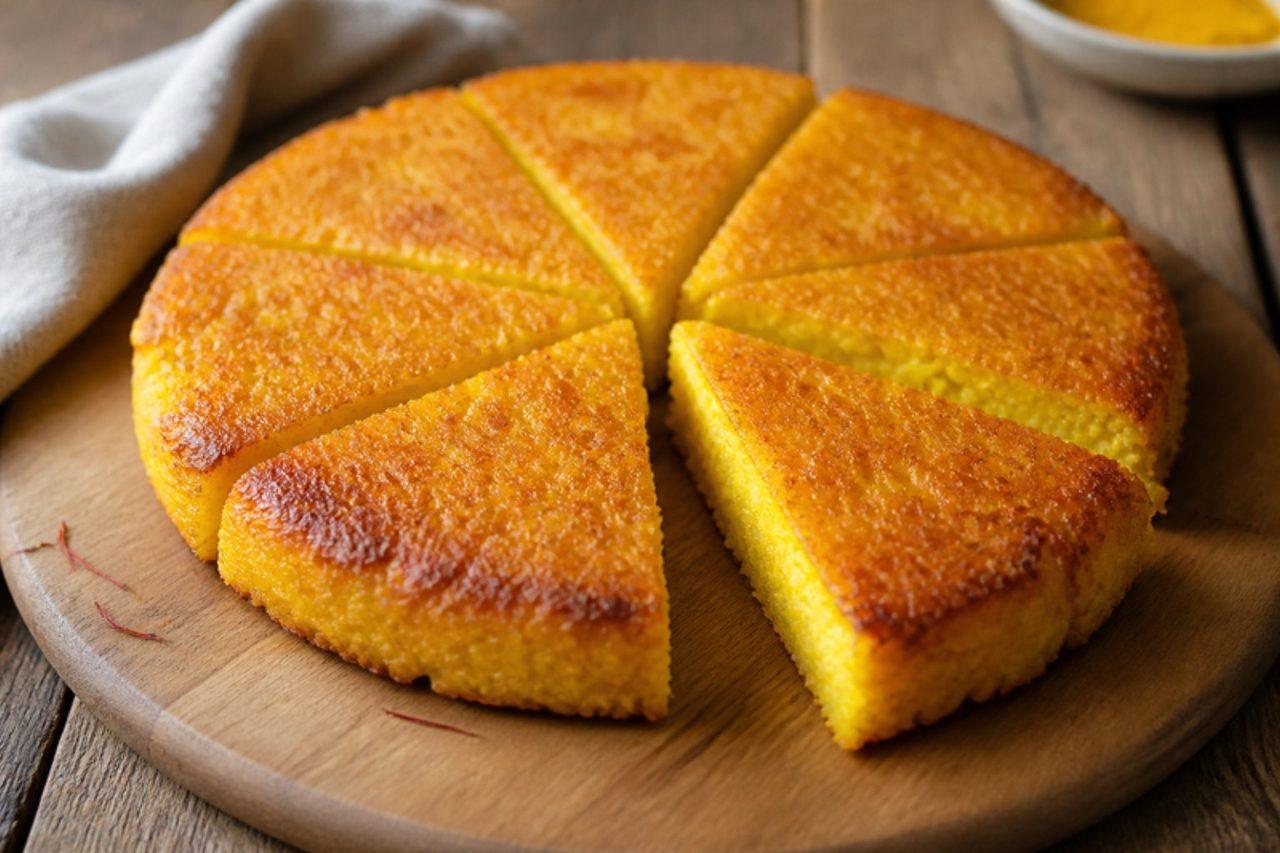
In Milan, nobody throws away risotto alla milanese. The next day it is pressed into a hot buttered pan and fried until it forms a thin, crackling golden disc, flipped "al salto" (with a jump) like a pancake. Old Milanese trattorie near the Brera district served it late at night after the theatre, and it is still a favourite way to use up saffron risotto. The cheese in the leftover risotto is usually made with animal rennet. Chef's tip: use cold risotto straight from the fridge and press it thin; warm or thick risotto won't crisp and falls apart when you flip it.

by KrazyBadal 0 views

Insalata di farroSpelt salad

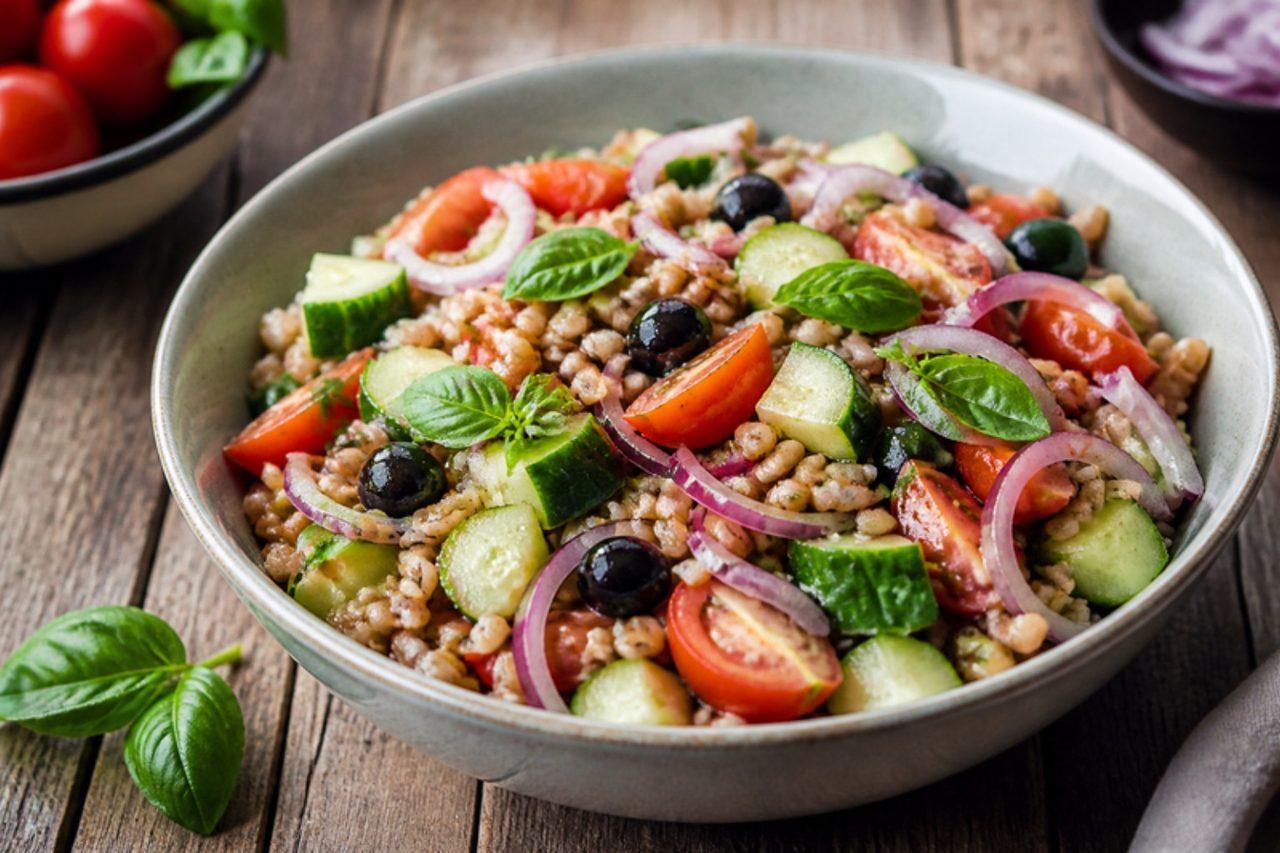
Farro has grown in the hills of Garfagnana in Tuscany and around Monteleone di Spoleto in Umbria since Roman times, and in summer it turns into a cold salad that families pack for the beach or a picnic in the hills. The grains stay chewy and nutty, dressed with ripe tomato, cucumber, red onion, olives and plenty of basil. It keeps well for a day, so it is the salad you make the night before a trip. Chef's tip: dress the farro while it is still warm; the grains drink up the oil and vinegar, then you add the fresh vegetables once it has cooled.

by KrazyBadal 0 views

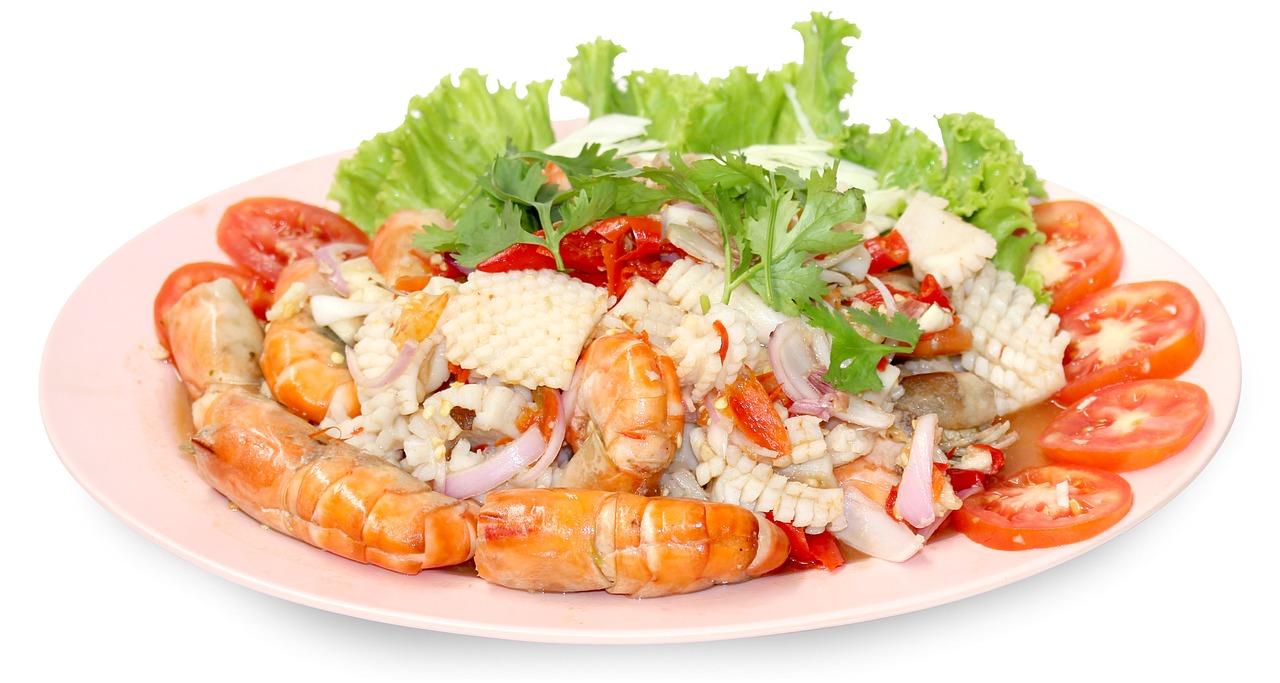
Insalata di mareSeafood salad

Along every Italian coast, from the Adriatic beaches of Romagna to the Amalfi Coast, insalata di mare is the cold antipasto that opens a seafood lunch in summer and the Christmas Eve feast in winter. Squid, prawns, mussels and clams are cooked separately, each just long enough, then dressed with lemon, olive oil, garlic, celery and parsley and left to chill so the flavours meld. Chef's tip: cook each kind of seafood on its own and pull it the moment it is done; squid needs only a minute or two, and overcooked squid turns as tough as a rubber band.

by KrazyBadal 0 views

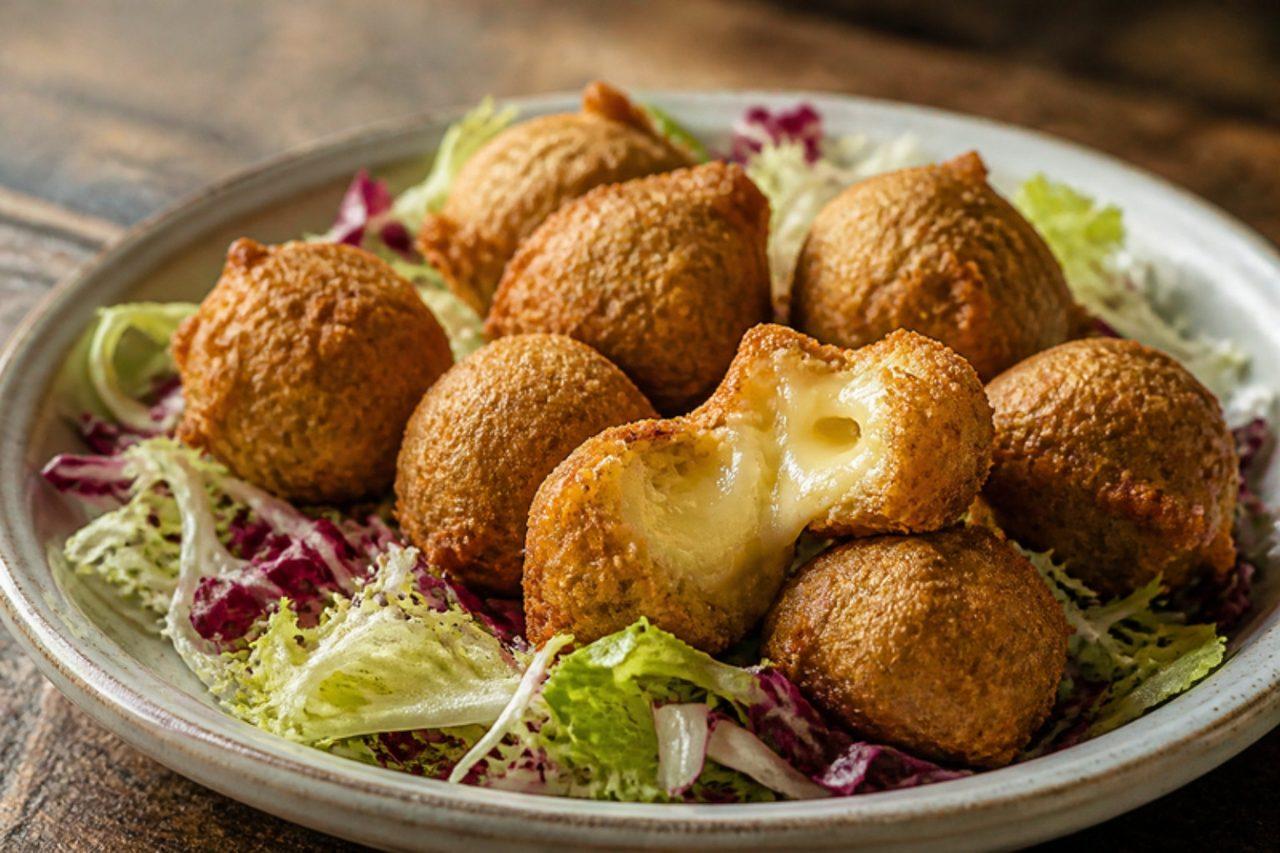
SciattBuckwheat cheese fritters

Sciatt means "toads" in the dialect of Valtellina, the Alpine valley near Sondrio, because of their lumpy shape. They are buckwheat batter fritters, each hiding a cube of Valtellina Casera cheese that melts as they fry, served on a bed of chicory salad. Mountain huts and village festivals serve them hot from the pan in autumn and winter. Local cheeses are usually made with animal rennet; choose a vegetarian melting cheese if you need to. Chef's tip: make the batter with very cold sparkling water and a splash of grappa, as locals do; the bubbles and alcohol make a lighter, crispier crust. The alcohol mostly cooks off in the frying; leave it out for an alcohol-free version.

by KrazyBadal 0 views

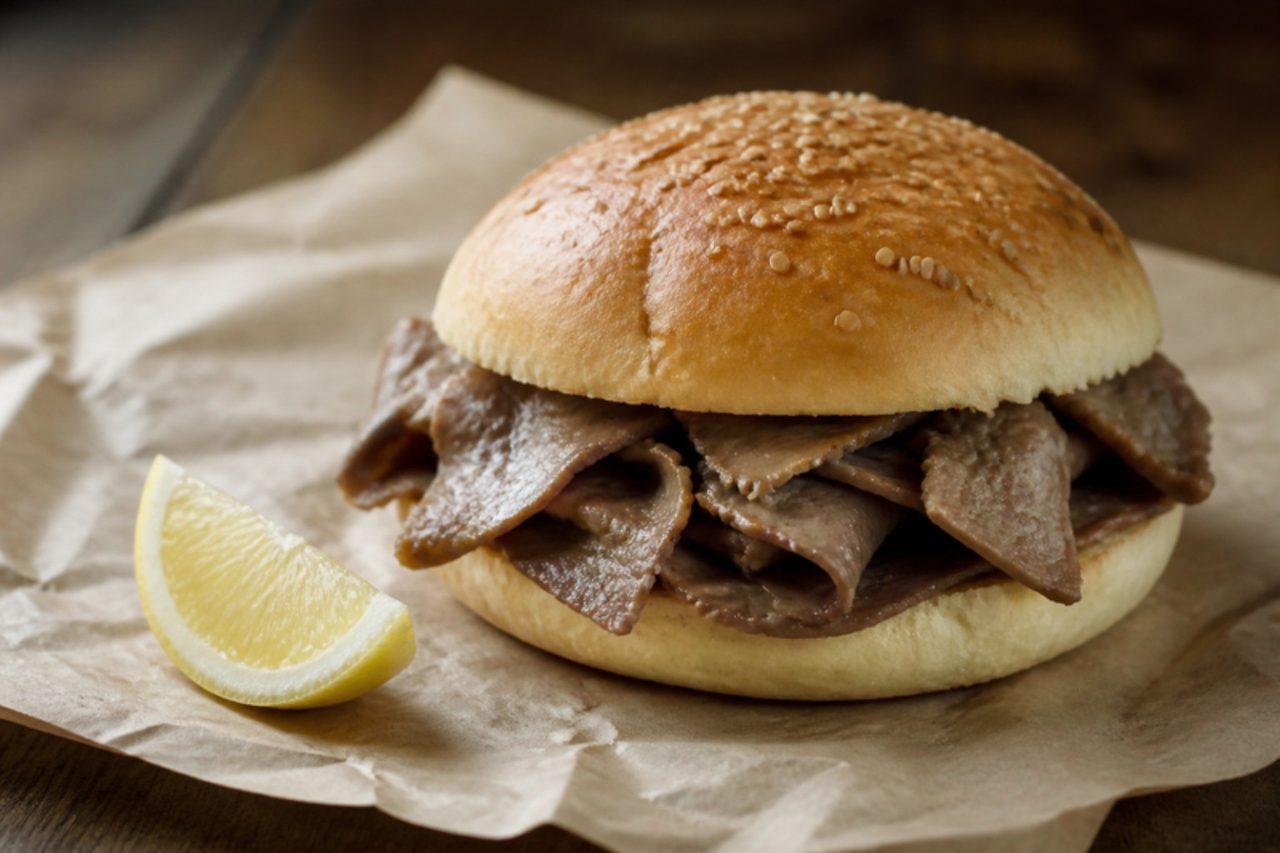
Pani ca' meusaVeal spleen sandwich

Pani ca' meusa ("bread with spleen") has been sold in Palermo since the Middle Ages, when the Jewish butchers of the city were paid with the offal of the animals they slaughtered and sold it in bread. At the old Focacceria San Francesco and the stalls around the Vucciria market, veal spleen and lung are boiled, sliced thin and then fried in pork lard in a huge pan before being piled into a sesame roll. Ordered "schettu" (single) it comes with lemon; "maritatu" (married) with ricotta and caciocavallo. Lung is not sold in many countries, so this recipe uses spleen only. Chef's tip: slice the boiled spleen while it is cold and firm; warm spleen crumbles.

170 minItalianMeat
by KrazyBadal 0 views

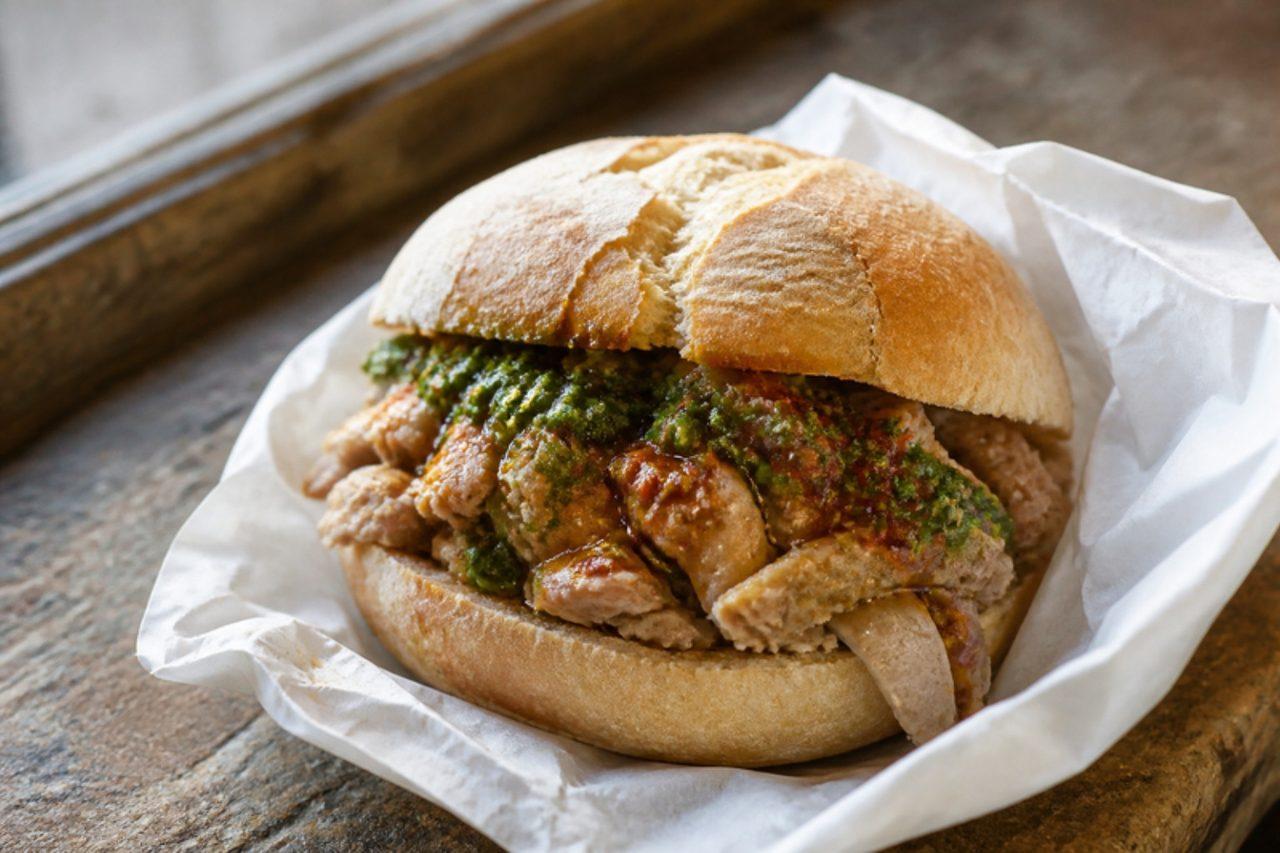
Panino con il lampredottoTripe sandwich

Lampredotto is the fourth stomach of the cow, slowly simmered in a broth with tomato, onion and celery until tender, and for Florentines it is the true street food of the city. Lampredottai sell it from carts at the San Lorenzo market and Porta Romana from mid-morning: the meat is chopped on a board, salted, piled into a crusty roll whose top half is dipped in the broth, and topped with salsa verde and chilli oil. Ask a butcher for lampredotto or abomasum tripe, ready cleaned. Chef's tip: dip the top of the bun ("bagnato") briefly in the hot broth; it soaks up the flavour but shouldn't fall apart.

205 minItalianMeat
by KrazyBadal 0 views

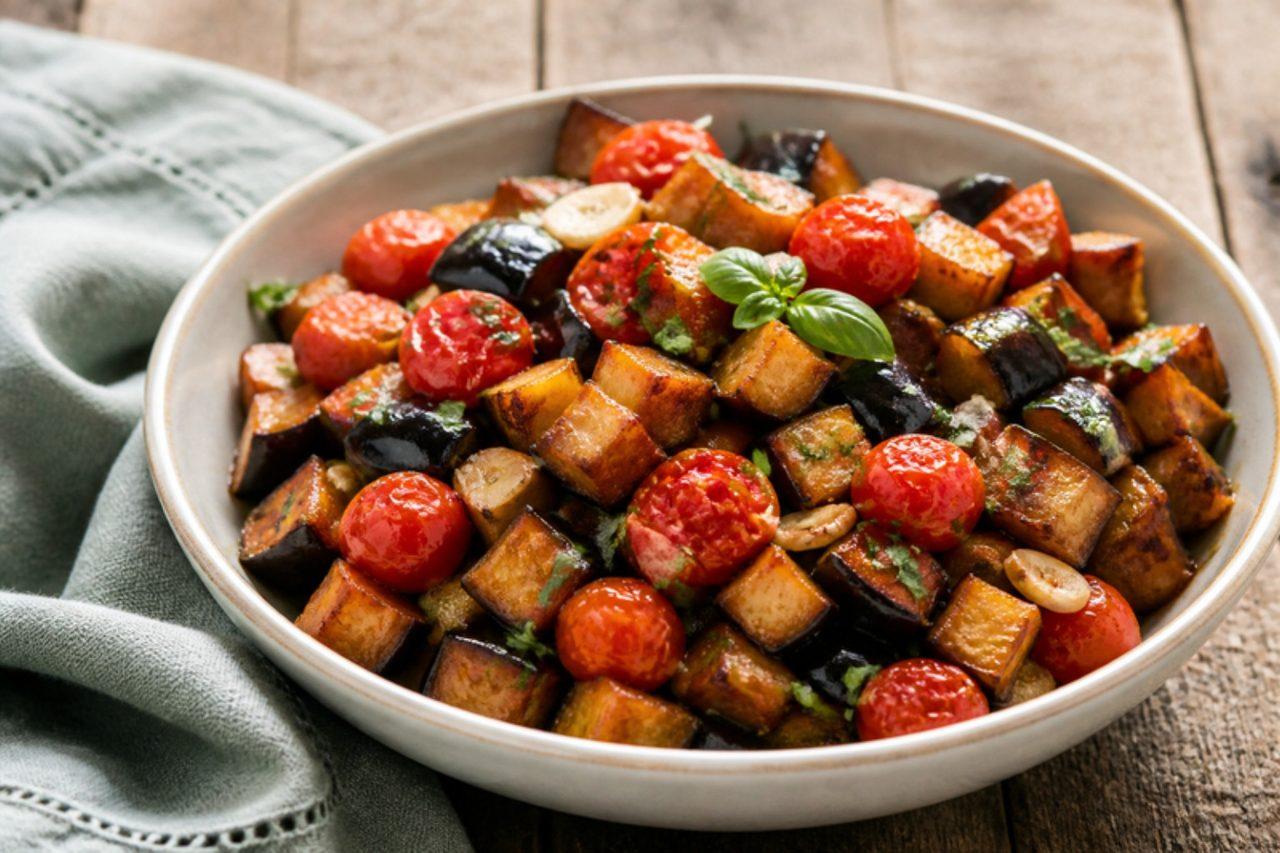
Melanzane a funghettoFried aubergine with tomatoes

Neapolitans call this aubergine "a funghetto" because the small fried cubes look and taste a little like sautéed mushrooms. It is a summer side dish from Naples and the Amalfi Coast, made when aubergines are cheap and glossy: cubes fried until golden, then tossed with a quick sauce of cherry tomatoes, garlic and basil. It is served warm or cold next to grilled meat or fish, or piled on bread. Chef's tip: salt the aubergine cubes and leave them in a colander for 30 minutes, then pat dry; they soak up less oil and fry crisp.

by KrazyBadal 0 views

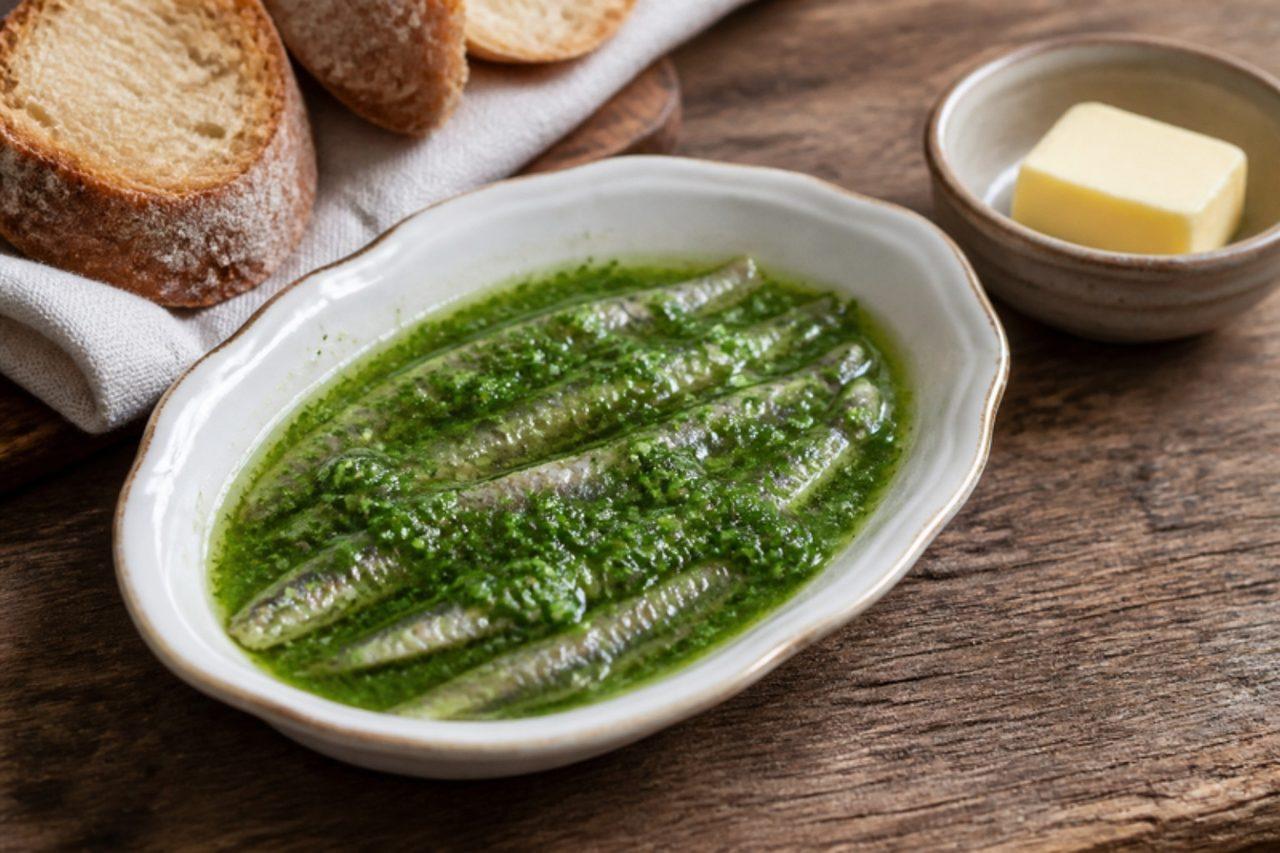
Acciughe al verdeAnchovies in green sauce

Piedmont has no coast, yet anchovies are part of its soul: salt-packed anchovies came over the mountain passes from Liguria with the salt traders, and acciughe al verde is still on the antipasto trolley of every trattoria in Turin and the Langhe. Fillets are layered in a jar with a green sauce of parsley, garlic, olive oil and a little vinegar and chilli, then left for a day to mellow. They are eaten with bread and butter or with boiled potatoes. Chef's tip: soak salted anchovies in a bowl of milk or water and vinegar for 10 minutes; it draws out the harsh salt and makes the fillets easy to lift off the bone.

by KrazyBadal 0 views

Graffe napoletanePotato doughnuts

Graffe are the Neapolitan doughnut, sold warm at bars and pastry shops all year round but especially at Carnival: soft, fluffy rings made with mashed potato in the dough, which keeps them light and moist, fried and rolled in sugar. Neapolitans eat them for breakfast with an espresso, or as a children's snack after school. The name probably comes from the Austrian krapfen, brought to the city in the 1700s. Chef's tip: let the shaped rings rise on small squares of baking paper; you can lower them into the oil on the paper without knocking out the air, then pull the paper away.

by KrazyBadal 0 views

Showing 24 of 609 recipes

Show more recipes

Page 1 of 26