Skip to content
Recipes

All recipes

Vegetarian, or something you can't eat? Set your diet once and we'll hide recipes that don't fit.

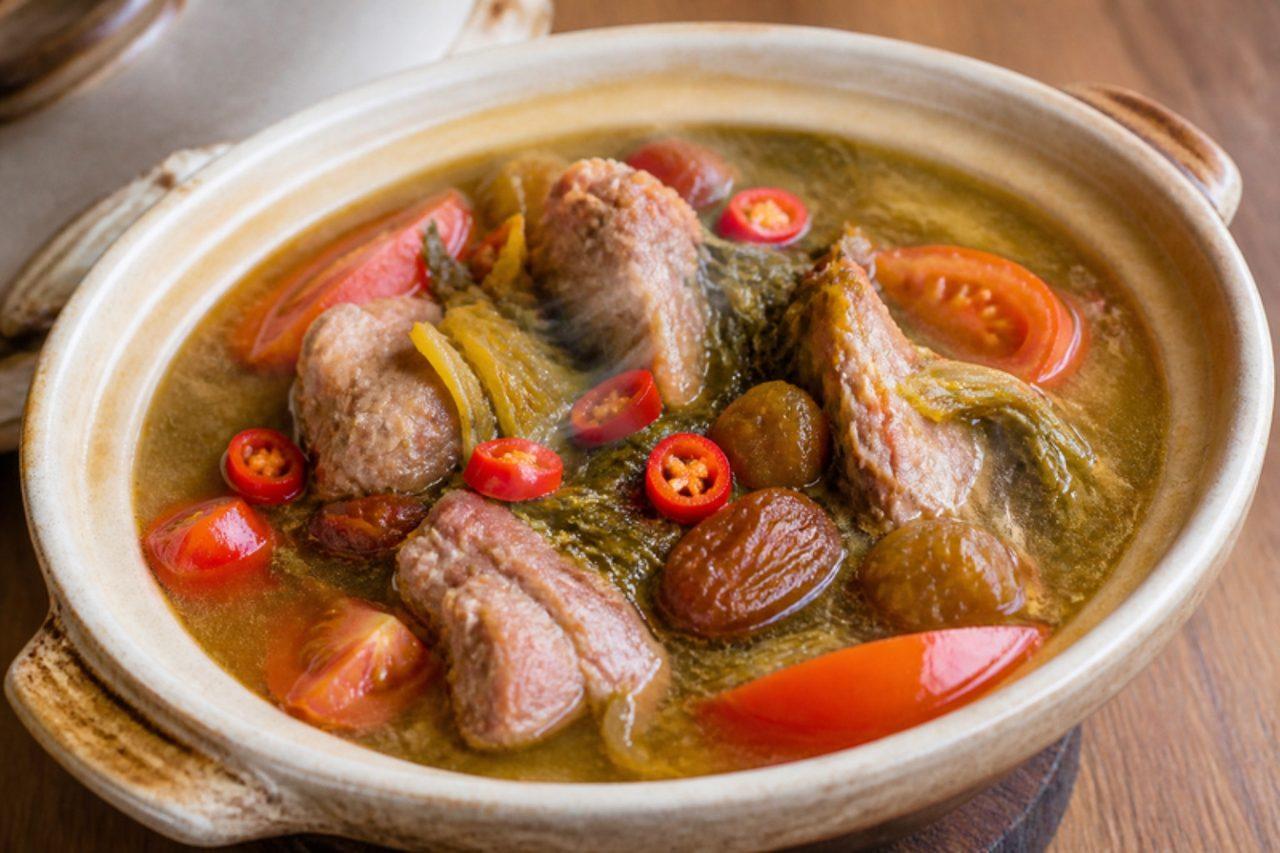
Kiam chye ark (salted vegetable duck soup)

Kiam chye ark is the soup Penang Nyonya families make around Chinese New Year, traditionally to use up roast duck from the reunion dinner; its sour, salty broth is said to settle the stomach after the feasting. This version starts from a fresh jointed duck. Duck is simmered with salted mustard greens (kiam chye), tomatoes, tamarind skins, preserved sour plums and a little ginger until the meat is falling-apart tender and the broth is clear, tangy and savoury. Serve it piping hot with plain rice and a dish of sliced chilli in soy. Chef's tip: soak and taste the salted greens first; some brands are fiercely salty and need a second soak.

by KrazyBadal 0 views

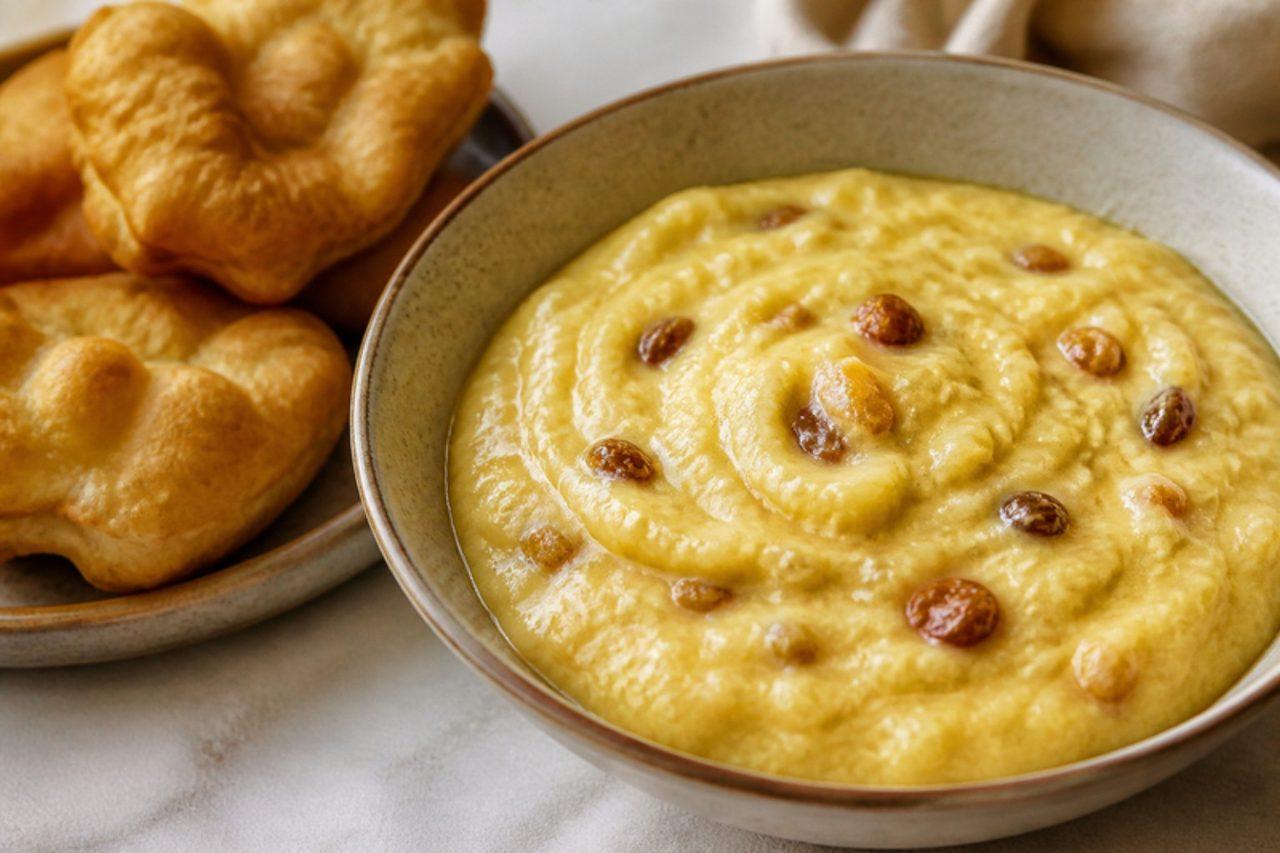
Khailmag (cream and raisin sweet)

Tsagaan Sar, the Mongolian Lunar New Year, means 'White Month', and white dairy foods stand for purity, plenty and a clean start to the year, so homes across the country set out cream, curds and sweets beside the steaming buuz. Khailmag is one of the most luxurious: clotted cream (or Mongolian öröm, the thick skin skimmed from boiled milk) is cooked with butter-toasted flour, sugar and raisins until it turns into a golden, fudgy porridge. It is very rich, so serve small spoonfuls with salty milk tea, or alongside ul boov biscuits and boortsog. There is no alcohol in it. Chef's tip: toast the flour slowly until it smells nutty; that toasting gives khailmag its caramel flavour.

by KrazyBadal 0 views

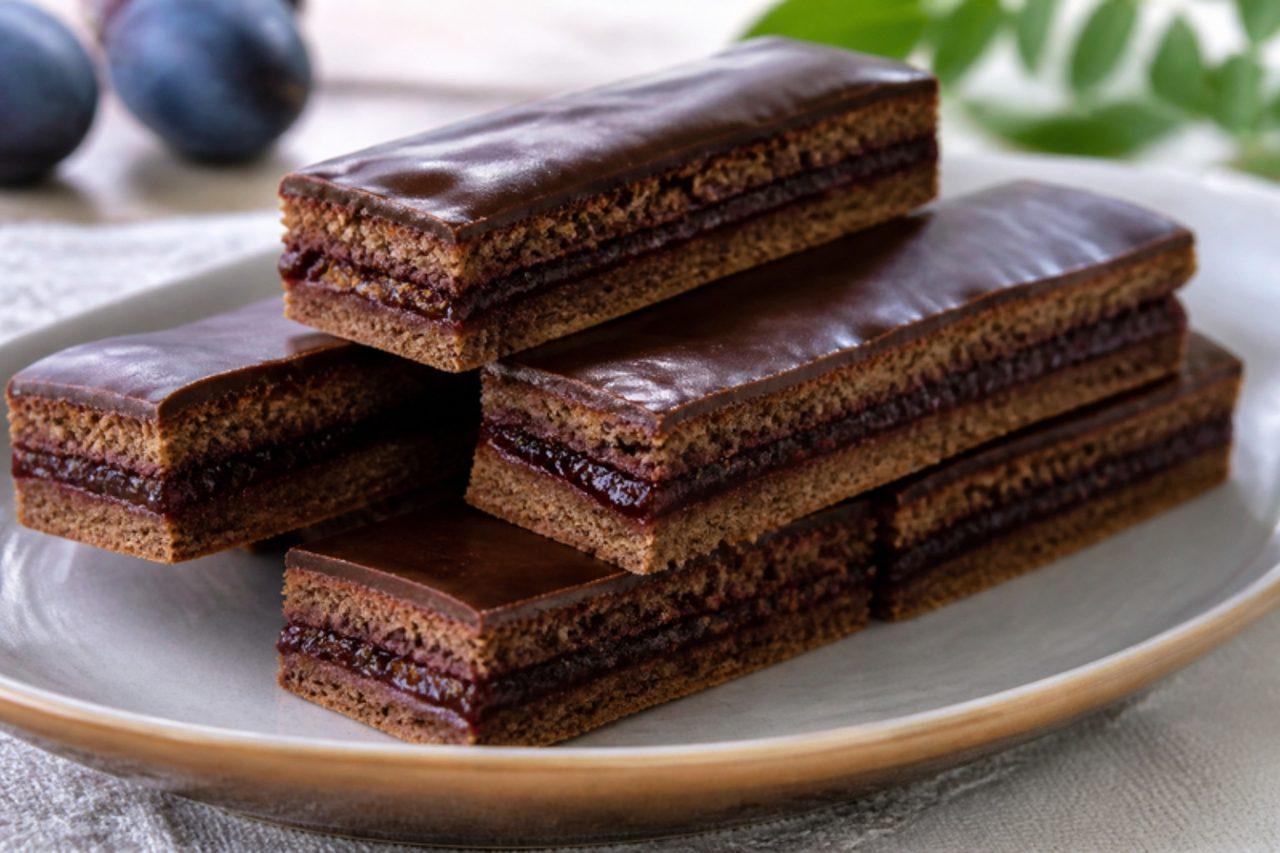
Piernik staropolskiHoney spice cake with plum jam

Piernik staropolski is the grand Polish Christmas gingerbread, and the old tradition is to mix the honey dough in November (once even at a child's birth) and leave it to mature for weeks in a cool place, which deepens the spice and makes the cake tender. It is baked a few weeks before Christmas, split into layers with powidła (thick plum butter), glazed with chocolate and left to soften again. This home version rests the dough for at least 3 days. Chef's tip: wrap the baked layers and let them sit for 3 days before filling; fresh piernik is hard, and it softens as it absorbs moisture from the jam.

by KrazyBadal 0 views

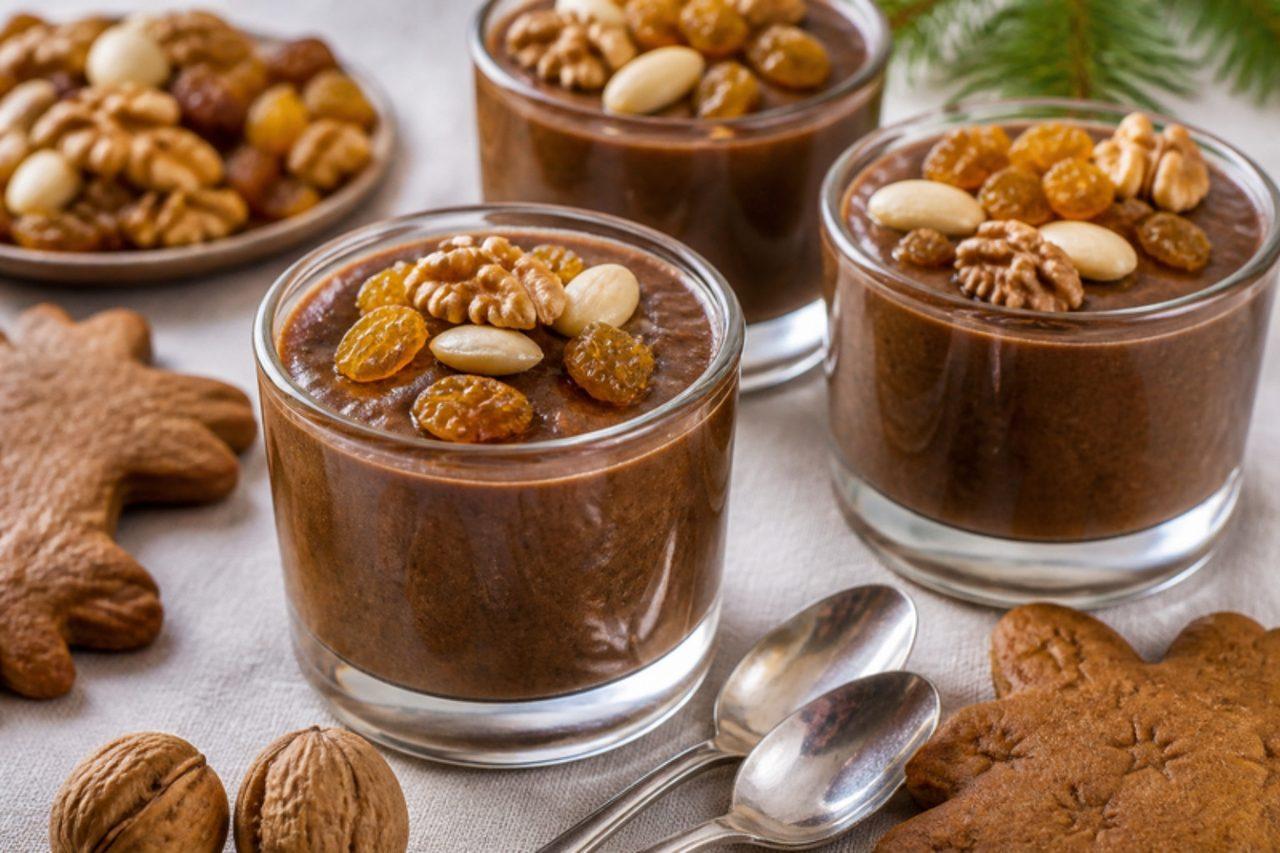
MoczkaGingerbread in dried fruit compote

Moczka is the Christmas Eve dessert of Upper Silesia in southern Poland, a thick, dark, spiced mixture of honey gingerbread dissolved in dried-fruit compote, then loaded with almonds, walnuts, raisins, figs and prunes. Each family has its own version; many add dark beer to the base, which this one leaves out, but adults may stir 100 ml dark beer into the compote while it simmers. It is eaten cold from small bowls and keeps for several days. Chef's tip: use dry, slightly stale gingerbread, which dissolves into a smooth sauce, while fresh cake turns to lumps.

by KrazyBadal 0 views

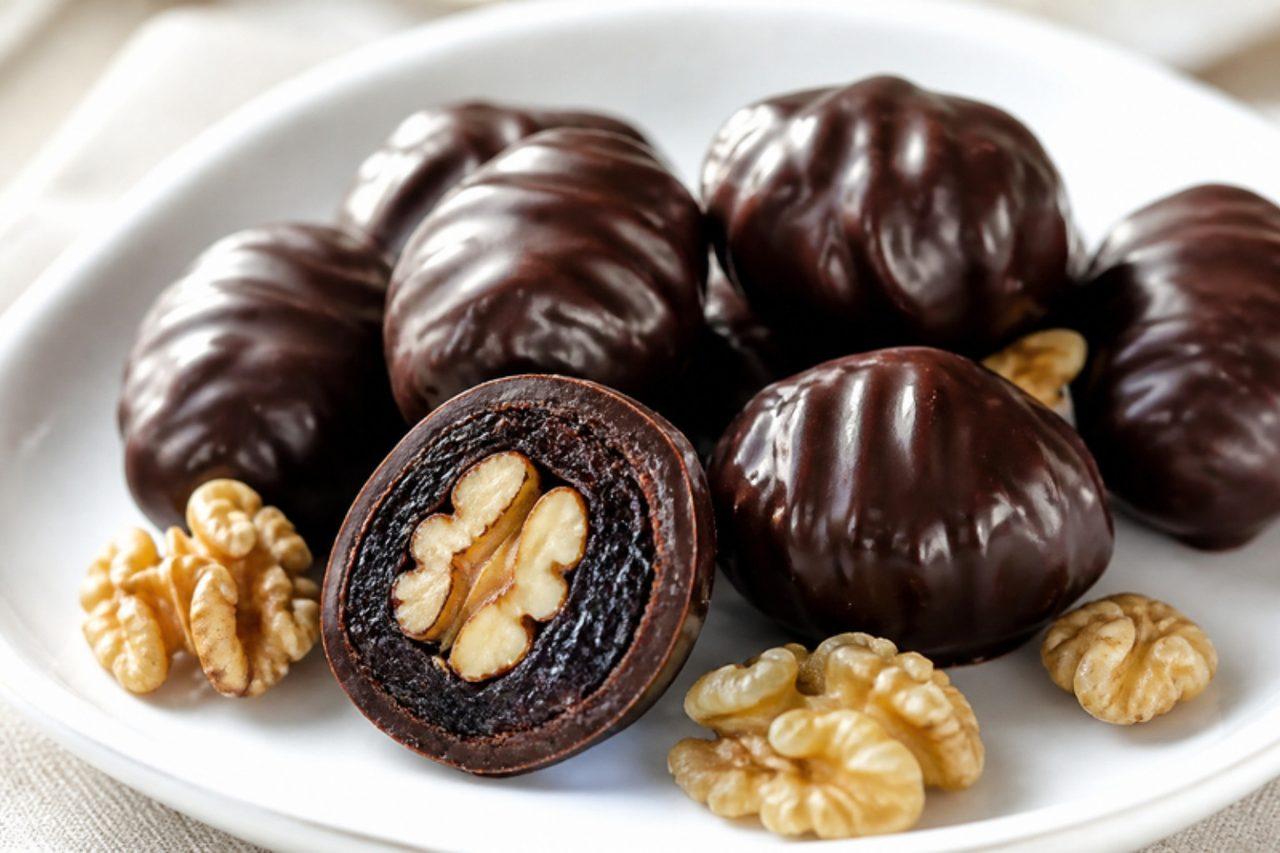
Śliwki w czekoladzie (chocolate-coated prunes with walnuts)

Boxes of chocolate prunes are a classic Polish gift: brought to grandmothers at Christmas, set out on the Wigilia table among the twelve dishes, and passed round on name days. Plump smoked or soft prunes from the south of the country are best. Each one hides a walnut half, so you get chewy, slightly tart fruit, a crunchy bitter nut and a snap of dark chocolate in one bite. Serve them with coffee or tea after a big meal. Nothing here ever needed egg: the prune itself holds the nut, and chocolate sets around it as it cools. Older recipes soak the prunes in spirits; here they are alcohol-free, plumped in warm orange juice instead, which also brightens the flavour. Use a dark chocolate made without milk and the sweets are vegan. Chef's tip: dry the soaked prunes very well before dipping; the common mistake is leaving them damp, and even a few drops of juice will make melted chocolate seize and turn grainy.

by KrazyBadal 0 views

Kuih loyang (honeycomb rosette cookies)

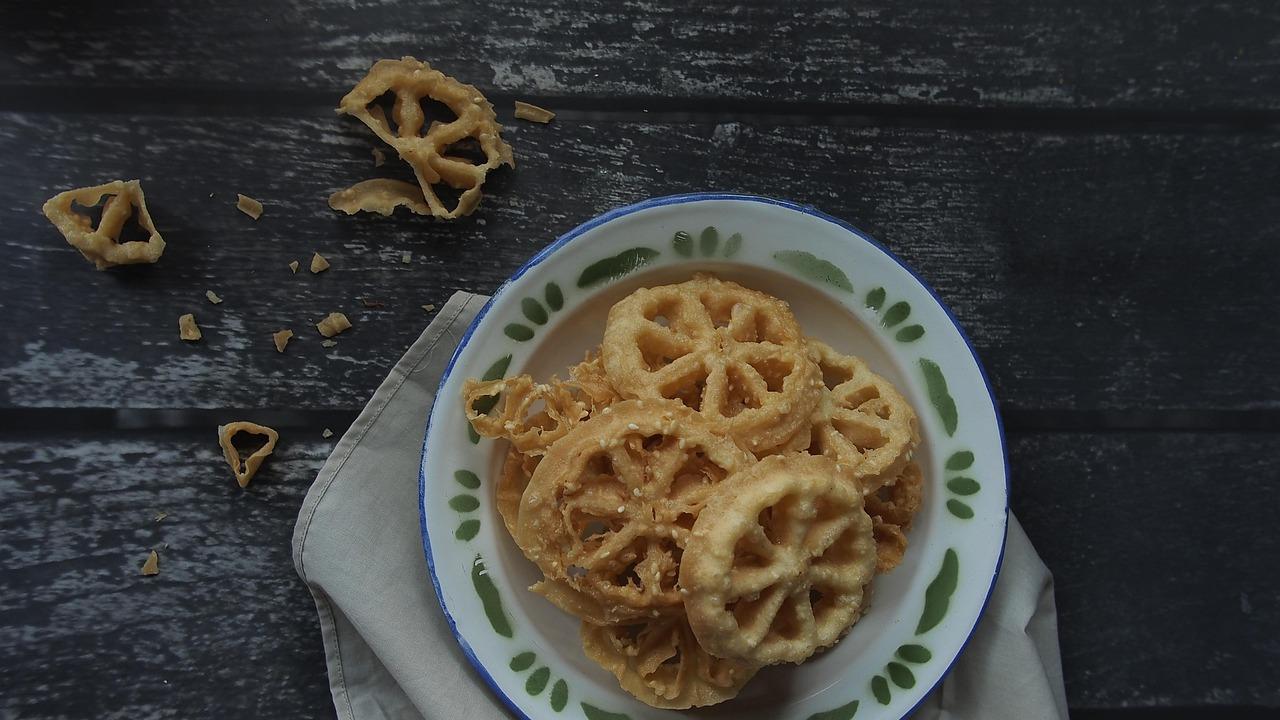
Kuih loyang, also called kuih rose or honeycomb cookies, are made in Malaysia for Chinese New Year and Hari Raya alike, so a jar of them is a small sign of the country's shared festive table. The flower shape stands for blossoming luck in the new year. A thin batter of eggs, coconut milk and rice flour clings to a hot brass or iron mould, and when it is dipped in hot oil it puffs into a lacy flower that shatters at the bite and tastes gently of coconut and sesame. Serve them with tea or coffee. Chef's tip: heat the empty mould in the oil before every cookie; a cold mould means the batter won't stick, and an overheated one makes it slide off.

by KrazyBadal 0 views

Jiu hu char (dried cuttlefish and jicama stir-fry)

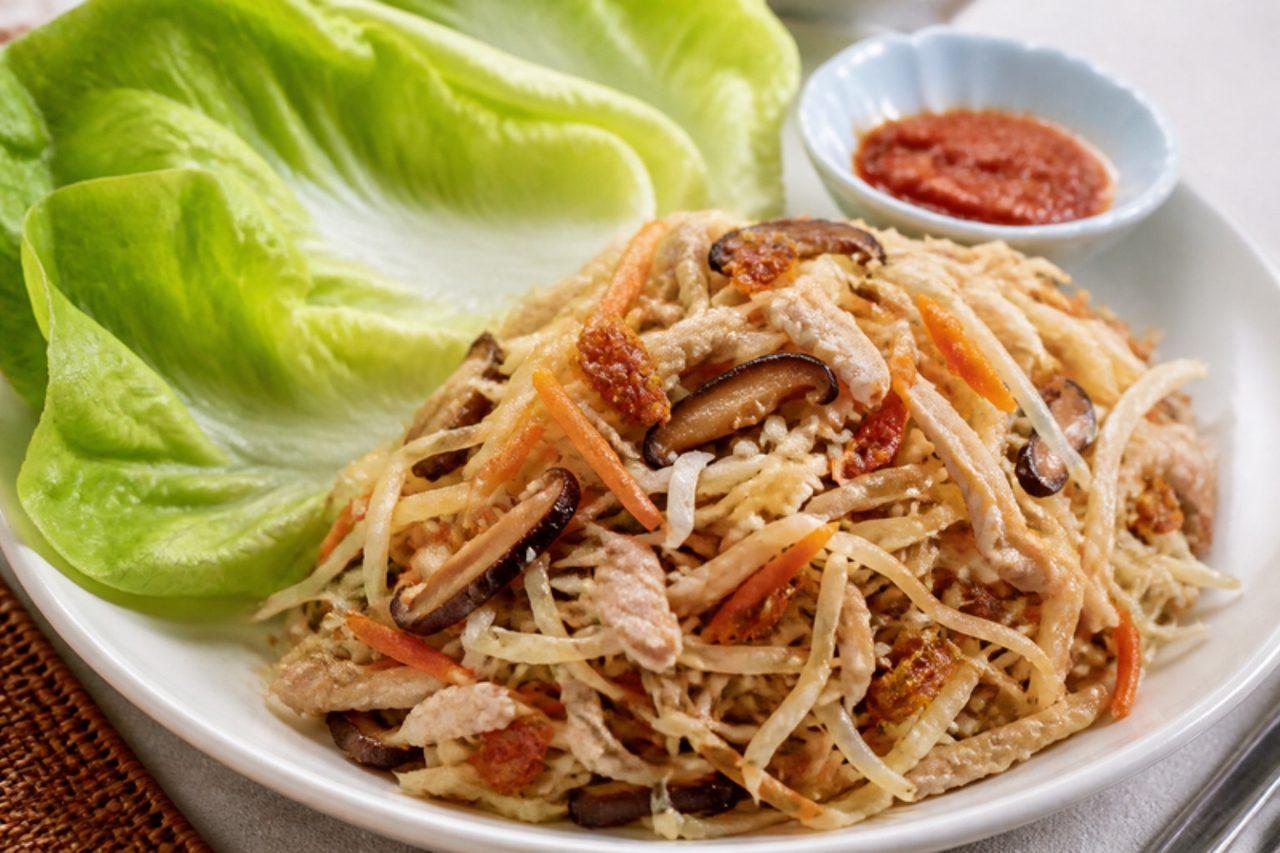
Jiu hu char is a Penang Nyonya dish cooked in big batches for Chinese New Year, when it is passed round as a gift and kept on hand for visitors; its long, fine shreds stand for long life, and the abundance of the pot for a full year. Shredded jicama (yam bean), carrot and cabbage are fried slowly with strips of dried cuttlefish, a little pork and shiitake until sweet, soft and full of the savoury, slightly smoky flavour of the cuttlefish. Wrap spoonfuls in crisp lettuce with a dab of sambal belacan. Chef's tip: cut the vegetables into very fine, even matchsticks; this is what gives the dish its silky texture.

by KrazyBadal 0 views

Arrowhead chips (nga gu chips)

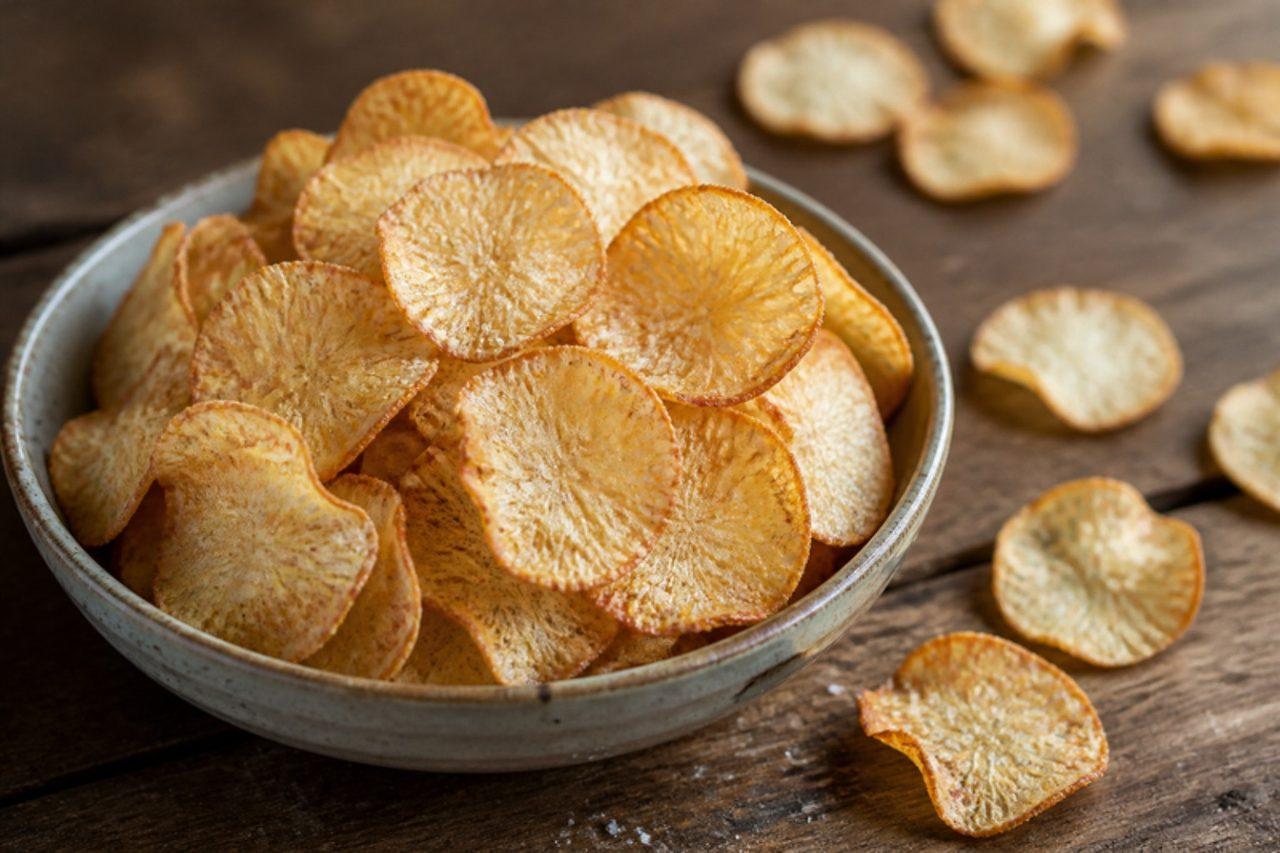
Arrowhead (nga gu, or ngaku) is a small aquatic tuber that only shows up in Malaysian markets in the weeks before Chinese New Year, and frying it into chips is a family job. Its curved sprout looks like a shoot rising from the root, so it stands for growth and many descendants in the year ahead. Sliced thin and fried, the chips are crisp and nutty like potato crisps, with a gentle bitterness that keeps you reaching for more. Put them out in jars with peanuts and love letters for visitors. Chef's tip: soak the slices and dry them very well; wet slices make the oil spit and fry up chewy instead of crisp.

by KrazyBadal 0 views

Uszka z grzybamiMushroom dumplings

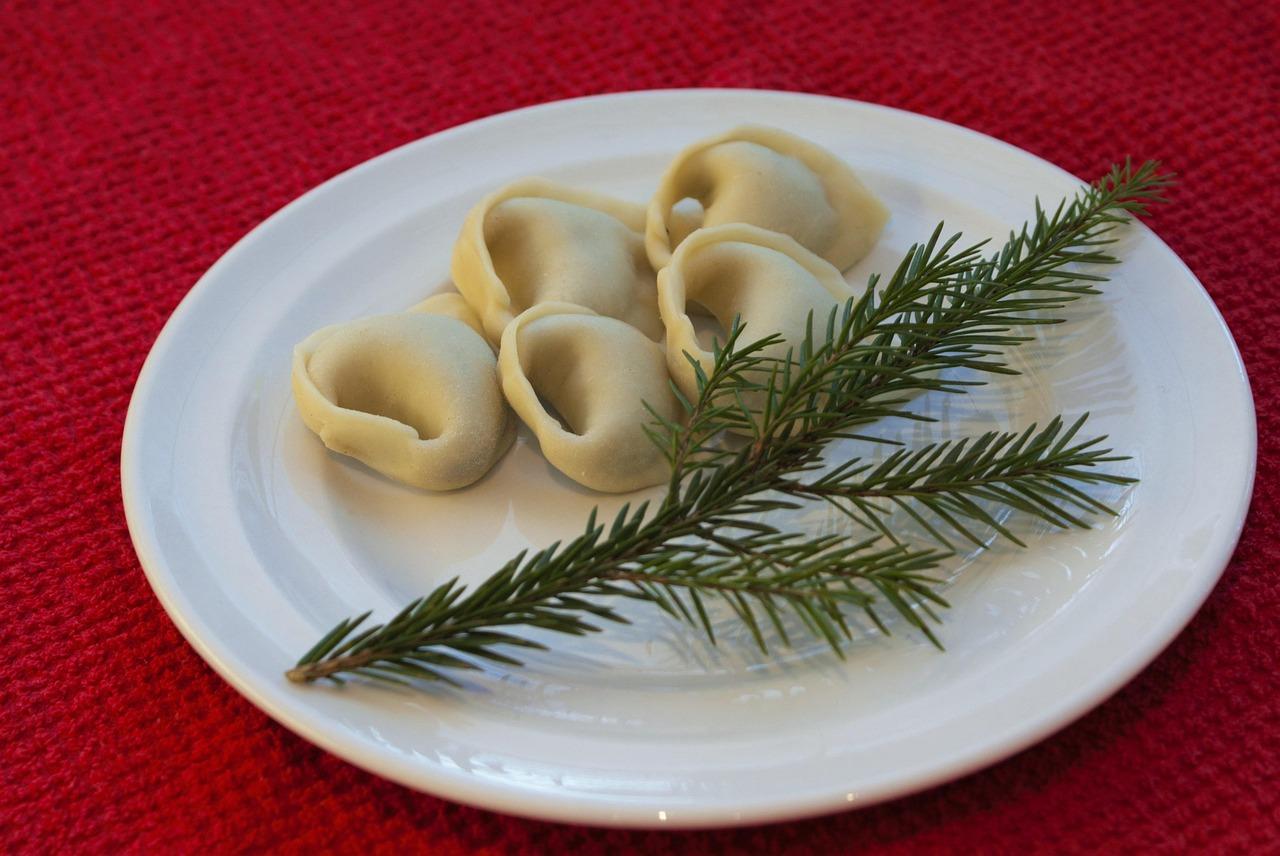
Wigilia, the Polish Christmas Eve supper, starts when the first star appears and is traditionally meatless, and its first course is clear red barszcz with uszka floating in it. These are tiny dumplings folded into 'little ears' and filled with dried forest mushrooms (usually ceps) and fried onion. They are fiddly, so families make them together in the days before and freeze them. Serve 6–8 in each bowl of hot beetroot broth. Chef's tip: save the mushroom soaking water and add it to the barszcz, as it carries much of the forest flavour.

by KrazyBadal 0 views

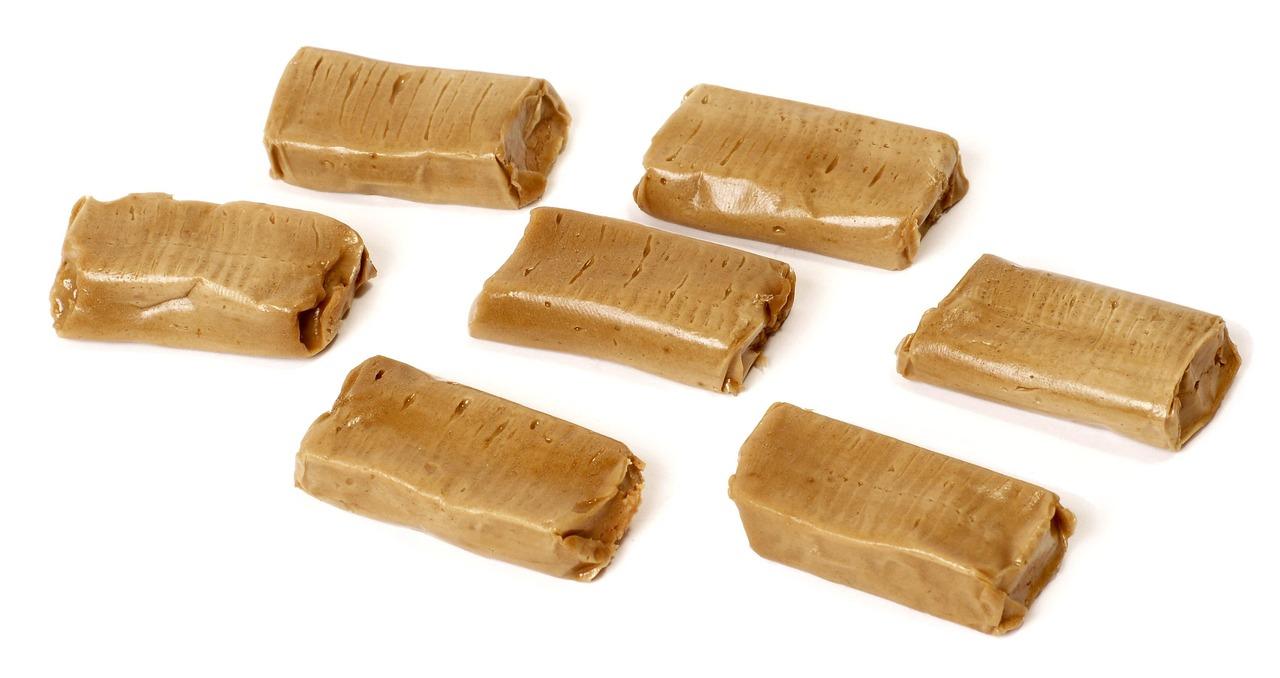
Krówki (Polish milk fudge)

Krówki, 'little cows', are the sweets Polish children grow up with: wrapped in paper with a cow on it, handed out at name days and school parties, and bought by the bag all year round. Fresh ones have a thin, sugary crust that crumbles at the edges while the middle stays soft and almost runny, with a deep taste of cooked milk and butter, close to dulce de leche. Eat them with black tea or coffee, or chop them into ice cream. They are naturally egg-free: milk and cream are boiled with sugar until the milk solids caramelise and the mixture reaches the soft-ball stage, then beating it as it cools starts fine sugar crystals that set the fudge and give that crumbly crust. A spoonful of honey adds its own flavour and keeps the centre soft. Chef's tip: stop beating as soon as the mixture loses its shine and starts to thicken; beating too long is the common mistake, and the fudge then sets in the pan before you can pour it.

by KrazyBadal 0 views

Turrón de maníPeanut nougat

On an Argentine Christmas Eve, after midnight toasts, the 'mesa dulce' appears with pan dulce, garrapiñadas and turrón de maní: a chewy white nougat of honey, sugar, whipped egg white and roasted peanuts, often set between two sheets of rice paper. Families make it in the days before Nochebuena. The egg white is cooked by the hot syrup. It is gluten free if you use gluten-free wafer paper or none. Chef's tip: work fast once the syrup is in, as the nougat stiffens as it cools and gets hard to spread.

by KrazyBadal 0 views

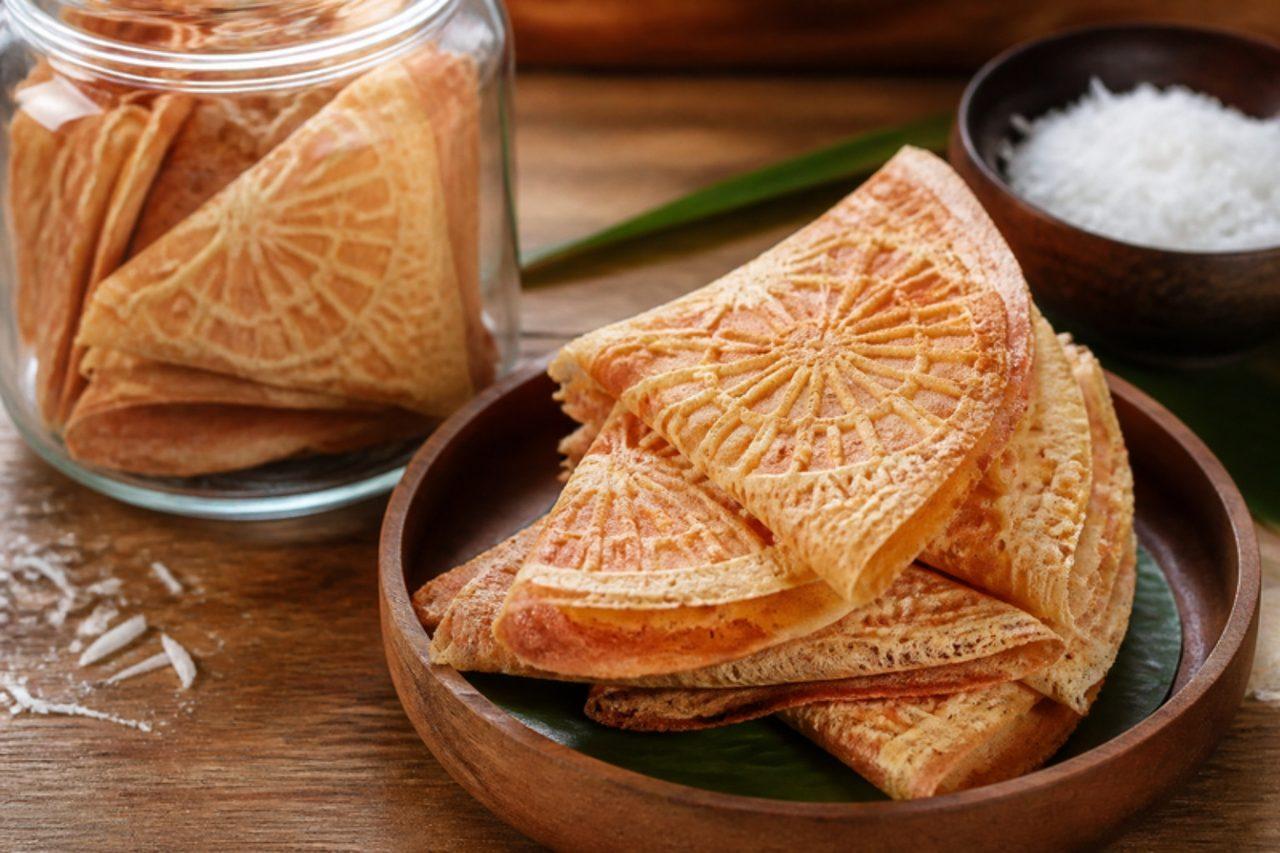
Kuih kapit (love letters)

Kuih kapit, known in English as love letters, are the crisp coconut wafers that fill tins on coffee tables across Malaysia, especially in Penang, at Chinese New Year. Their folded shape is said to hold a sweet secret message, and the patterned moulds often carry lucky symbols, so a tin of them is a wish for a sweet, happy year. Each one is a thin batter of coconut milk, eggs, sugar and rice flour cooked between hot patterned irons and folded quickly while soft, cooling into a light, shattering wafer that tastes of toasted coconut and caramel. Serve with tea, and keep the tin tightly closed. Chef's tip: the first few wafers are always for testing; adjust the heat until each one is pale gold in about 30 seconds a side.

by KrazyBadal 0 views

Quinotos en almíbar (Argentine kumquats in syrup)

In Buenos Aires and the river provinces of the Litoral, kumquat trees ripen in the middle of winter, between June and August, and the fruit goes straight into jars of syrup. Grandmothers' pantries held quinotos for the whole year, brought out for birthdays and long Sunday lunches. Each little fruit turns glossy orange and translucent, with a soft, bittersweet skin and a sharp, juicy centre. Spoon them over vanilla ice cream, serve them with a slice of fresh cheese in the style of postre vigilante, or eat them straight from the jar. Many bar menus offer them steeped in spirits; this version keeps only the syrup. Naturally egg-free, the quinotos rely on sugar syrup to preserve them, while pectin from the peel gives the syrup a light, jammy body. Chef's tip: blanch the fruit three times from cold water; the common mistake is skipping this, which leaves the skins tough and bitter.

by KrazyBadal 0 views

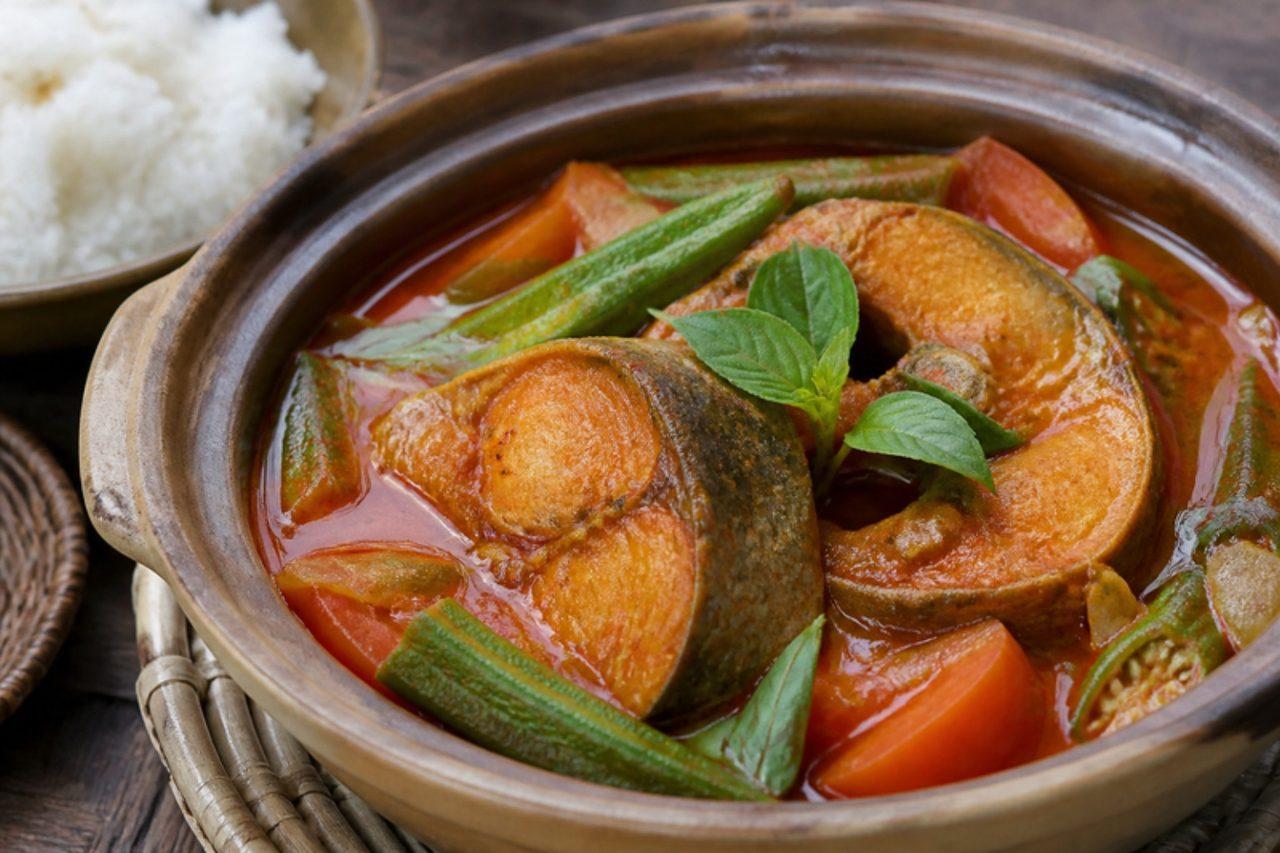
Asam pedas ikanSour spicy tamarind fish

Asam pedas, "sour and spicy", is the pride of Malay kitchens in Melaka and Johor, cooked for everyday lunches and sold at rice stalls with a dozen other dishes. Fish steaks simmer in a thin, brick-red gravy of dried chilli, shallot and belacan soured with tamarind, with okra and tomato soaking up the sauce and Vietnamese mint scenting it. It is fiery, tangy and light, with about 29 g of protein a portion from the fish; eat it with plenty of plain rice. The common mistake is rushing the chilli paste: if it isn't fried until the oil separates, the gravy tastes raw and harsh. Chef's tip: use oily, firm fish such as Spanish mackerel or stingray, which stand up to the sour broth.

by KrazyBadal 0 views

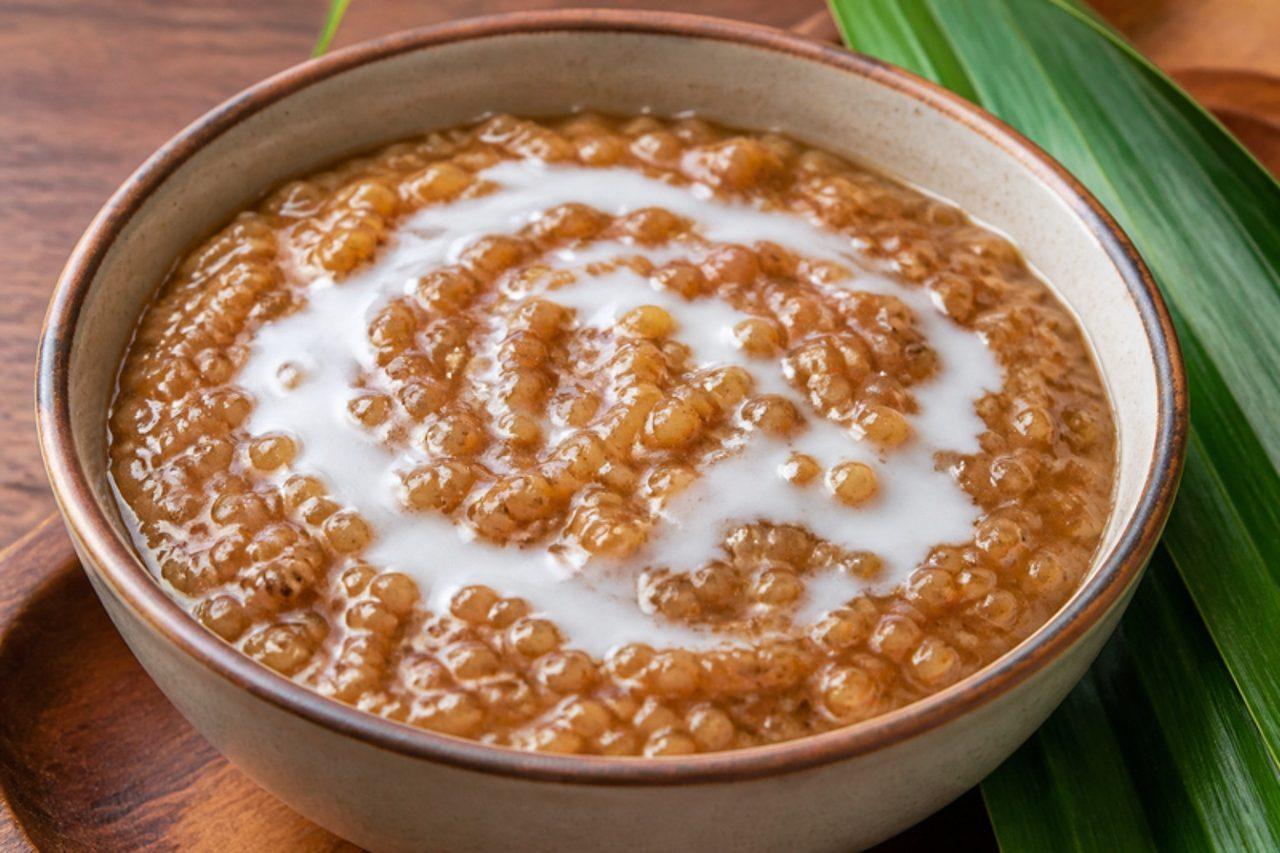
Bubur gandum (wheat pudding with coconut milk and palm sugar)

In Malaysia bubur gandum belongs to Ramadan: it is ladled out at the bazaars that open before sunset and cooked in giant pots at mosques for breaking the fast, and it appears again at Hari Raya open houses. Pearled wheat is simmered until the grains burst and turn chewy, then cooked with gula Melaka, pandan and coconut milk into a thick, toffee-brown porridge. The texture is somewhere between rice pudding and soft barley, with a sweet, smoky, coconut flavour. Serve it warm, or at room temperature on a hot evening. The pudding has always been egg-free, because the starch released by the wheat thickens the coconut milk as it simmers, so nothing else is needed to bind it. Chef's tip: cook the wheat in water until fully soft before adding the sugar and coconut milk; the common mistake is adding them too early, which keeps the grains hard however long you cook them.

by KrazyBadal 0 views

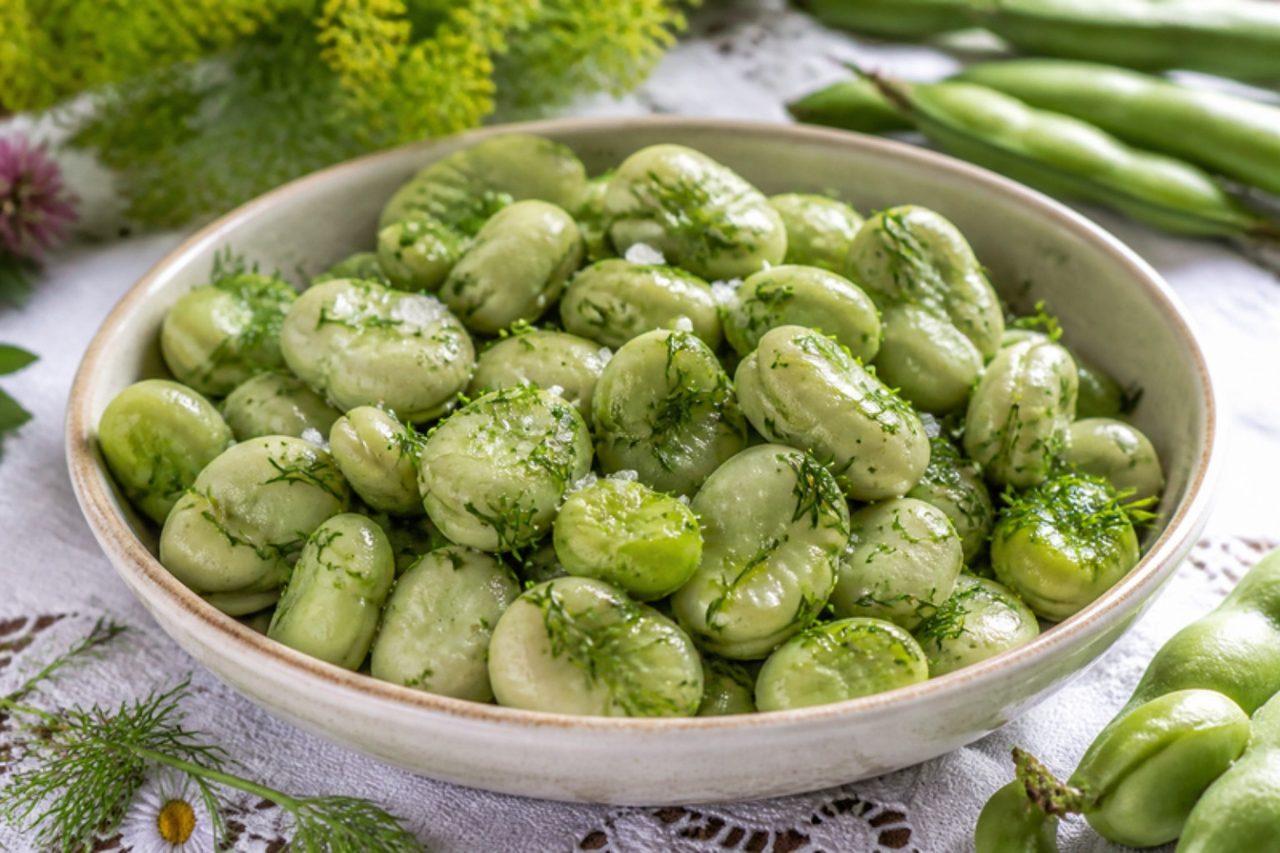
Bób z koperkiemBroad beans with butter and dill

All over Poland, from Kraków's market stalls to allotments outside Warsaw, the short broad bean season in June and July means bowls of bób z koperkiem: young beans boiled in their pale skins, tossed with melted butter, dill and salt, and eaten with your fingers on summer evenings. You squeeze each bean out of its skin with your teeth, or eat the skin too if the beans are very young. A generous bowl of 300 g beans gives about 22 g of protein, all from the broad beans. The most common mistake is overcooking: the skins burst and the beans turn grey and floury. Chef's tip: add a pinch of sugar to the cooking water along with the salt, as Polish cooks do; it keeps the beans sweet and bright.

by KrazyBadal 0 views

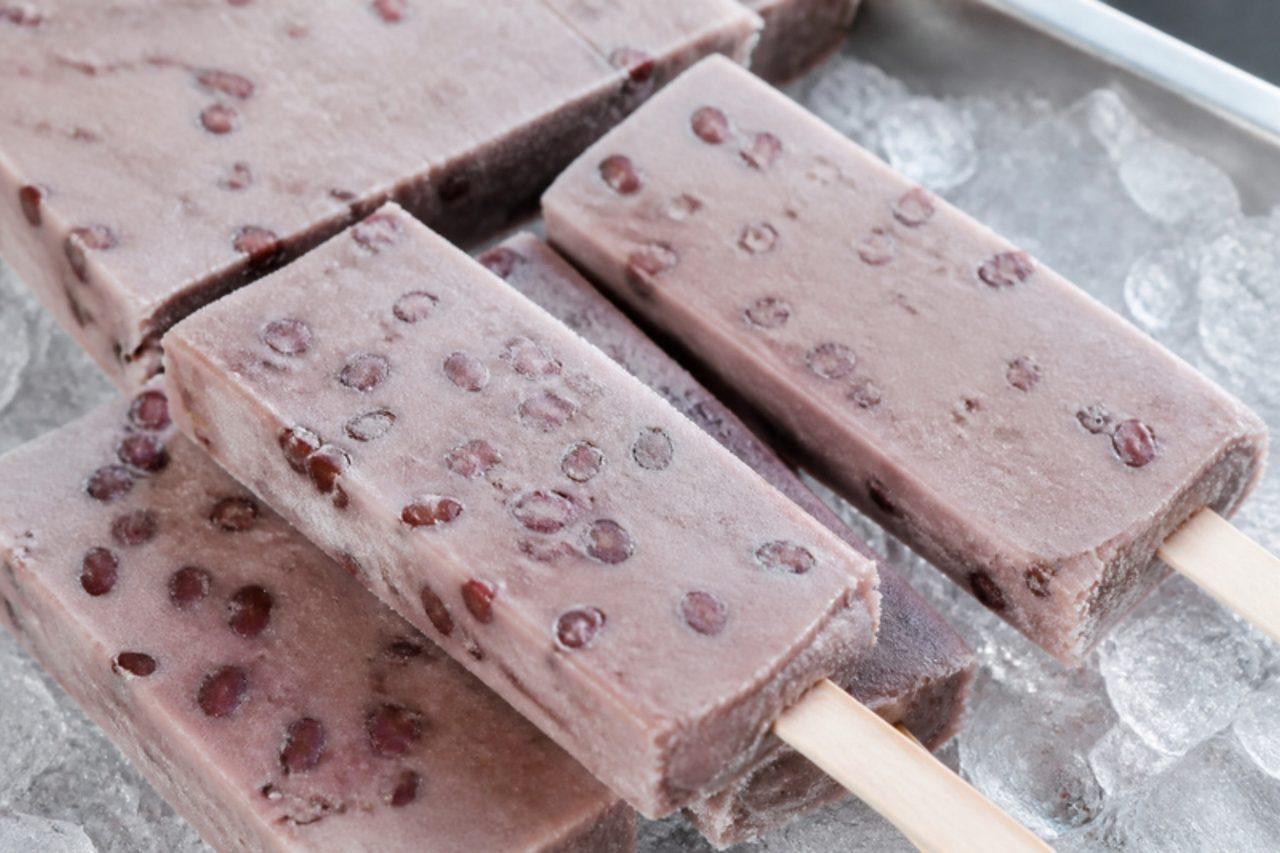
Aiskrim potong (Malaysian red bean ice-cream bars)

Aiskrim potong, literally cut ice cream, comes from the days when Malaysian factories froze long blocks of dense ice cream that vendors sliced into bars to order. It is still sold nationwide from motorbike freezers and kampung shops, especially in the afternoon heat after school, in flavours like coconut, sweet corn, yam and durian, with red bean as the classic. It is firmer and denser than scooped ice cream and melts slowly in the hand. There is no egg: the base is cornflour cooked into coconut milk and milk, with a little condensed milk. The cooked starch gives the bars their chewy, close bite and keeps them smooth because it ties up the water before it can form big crystals. Chef's tip: stir the half-frozen block once so the beans don't all sink; the common mistake is pouring and leaving it, which gives a bean-heavy bottom and a plain top.

by KrazyBadal 0 views

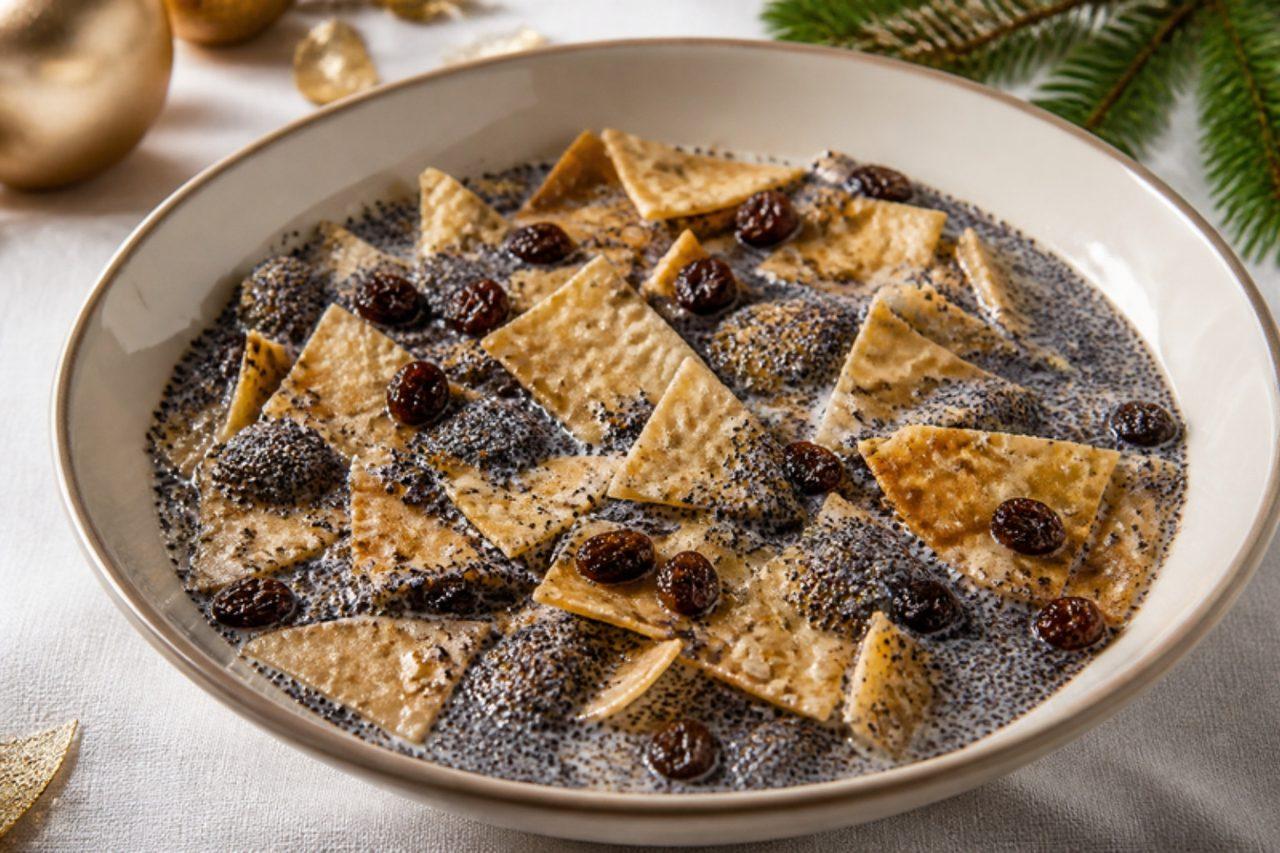
Łamańce z makiem (wafers in sweet poppy-seed milk)

In Podlasie and across eastern Poland, Christmas Eve supper, Wigilia, is meatless, and among the twelve dishes on the table is a bowl of łamańce: thin, crisp wafers broken into milk that has been turned grey-blue with ground poppy seed and sweetened with honey. Poppy seed stands for plenty in the coming year. The wafers soften at the edges but stay crunchy in the middle, and the milk tastes nutty and gently sweet. Serve it at room temperature or slightly warm, at the end of the meal. Bakery łamańce are not always egg-free; these are, a simple dough of flour, water and oil with a pinch of baking powder that bakes crisp without any binding. Chef's tip: roll the dough paper-thin, almost see-through; the common mistake is leaving it thick, which bakes into hard crackers that never soak up the poppy milk.

by KrazyBadal 0 views

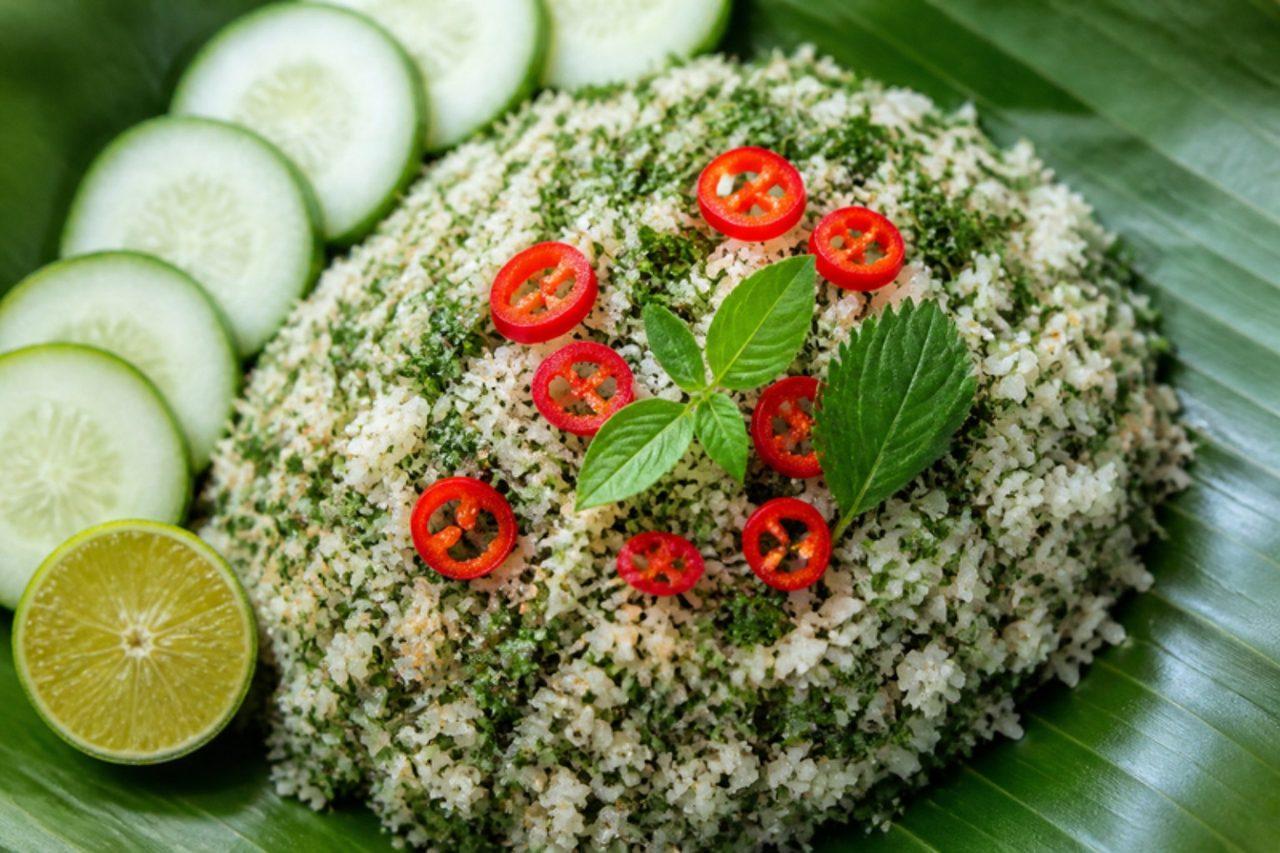
Nasi ulamHerb rice

In Kelantan and Terengganu on Malaysia's east coast, nasi ulam is the cool, fragrant rice eaten at lunch in the heat: day-old rice tossed with a heap of hair-thin raw herbs (ulam), lemongrass, lime leaf, shallots and dry-toasted coconut. It is traditionally mixed with flaked salted or dried fish; this is a vegetarian version that leaves the fish out and leans on the toasted coconut and a squeeze of lime for depth. It is a light meal of about 340 kcal, with around 7 g of protein, so it is not high in protein; serve it with fried tofu or tempeh. The common mistake is using hot rice, which wilts the herbs into a dark mush; the rice must be cold. Chef's tip: stack the leaves, roll them into a tight cigar and slice across as thinly as you can; the finer the herbs, the more perfume.

by KrazyBadal 0 views

Helado de dulce de leche (Buenos Aires dulce de leche ice cream)

Dulce de leche is the flavour Buenos Aires heladerías are judged by, and on a summer night the queues at neighbourhood ice-cream shops stretch out onto the pavement well after dinner. Locals order it plain, with a ripple of extra dulce de leche (dulce de leche granizado adds chocolate flakes), often by the kilo to take home. It is dense, chewy and deeply caramel. This home version is egg-free with no custard: a little cornflour cooked into the milk thickens it the way yolks would, and the dulce de leche itself is milk and sugar cooked down, its sugar and milk solids keeping crystals tiny so it stays smooth and scoopable. Churn it, or still-freeze and stir it every 45 minutes. Chef's tip: chill the extra dulce de leche before rippling it in; the common mistake is folding in a warm one, which melts into the ice cream instead of leaving ribbons.

by KrazyBadal 0 views

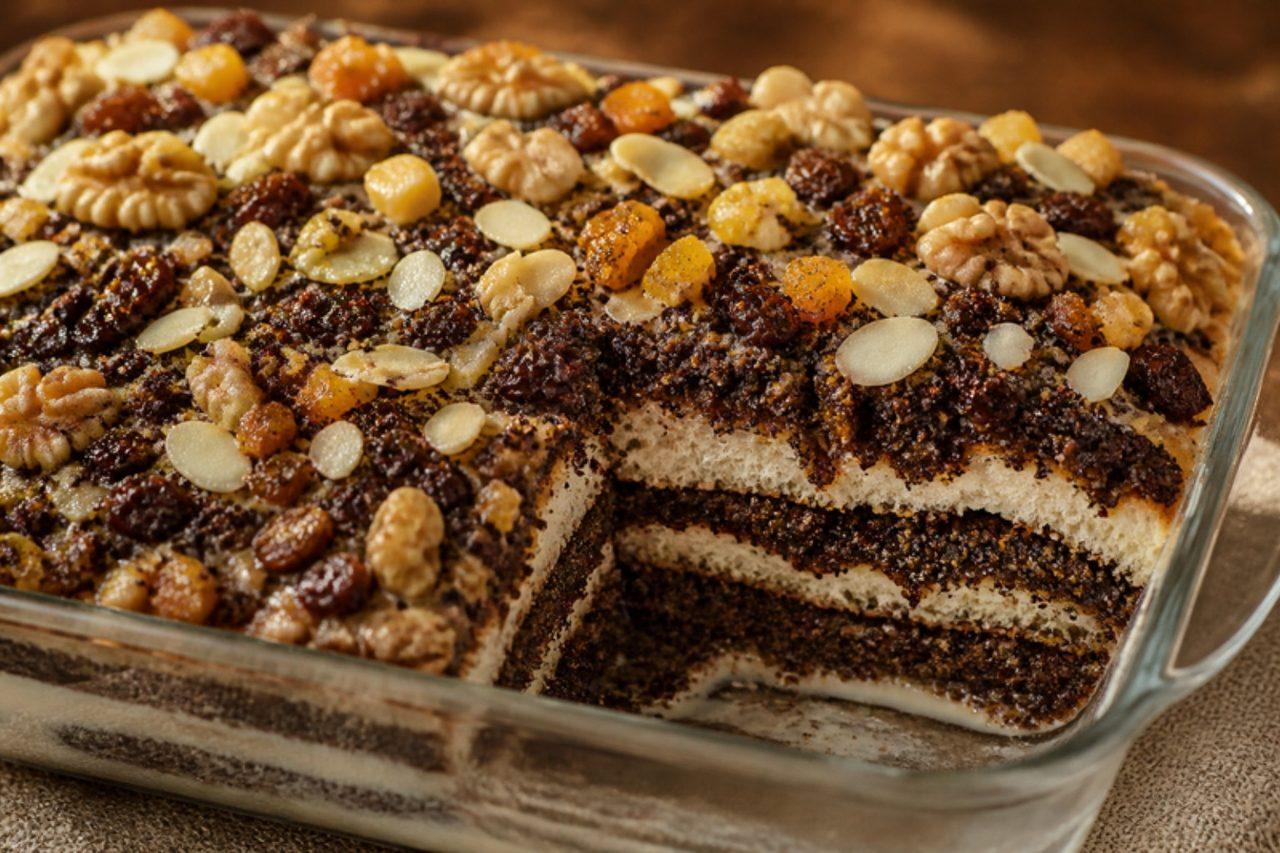
Makówki (Silesian poppy-seed bread pudding)

Makówki are a must on the Christmas Eve table in Silesia, around Katowice and Opole, made the day before so they are ready when the first star appears. Slices of stale white rolls are soaked in sweet milk and layered with a thick mass of ground poppy seed cooked with honey, butter, nuts, raisins and candied peel, then left overnight to settle into a soft, moist, spoonable pudding. It tastes of honey and nuts, rich and not too sweet. Serve it cold, scooped from the dish. Use plain eggless white rolls (kajzerki or a basic white loaf), not brioche or challah, which are enriched doughs. The pudding is otherwise naturally egg-free: the soaked bread and the sticky poppy mass bind each other as they chill, so nothing else is needed. Chef's tip: grind the scalded poppy seed twice until it looks like wet paste; the common mistake is grinding it once, which leaves it gritty and bitter.

by KrazyBadal 0 views

Salpicón de aveCold chicken salad

Salpicón de ave is the cold supper of Argentine summers, made in Buenos Aires flats and on estancias alike when it is too hot to cook much, and a favourite way to use the chicken from a puchero or Sunday roast. Shredded chicken is mixed with diced pepper, tomato, spring onion, sweetcorn and boiled egg, bound with mayonnaise sharpened with lemon and mustard, and served chilled with crusty bread or on lettuce. The common mistake is dressing it while the chicken is still hot, which melts the mayonnaise into an oily puddle; let everything cool first. Chef's tip: dress the chicken with the lemon juice and a pinch of salt before the mayonnaise goes in, so the meat itself is seasoned, not just its coating.

by KrazyBadal 0 views

Tarta de coco y dulce de lecheCoconut and dulce de leche tart

Ask Argentinians for their favourite tart at a family birthday and this one often wins: a crisp shortcrust spread thickly with dulce de leche, then covered with a coconut, sugar and egg topping that bakes into a golden, chewy crust. Bakeries from Córdoba to Mar del Plata sell it by the slice for the merienda with mate or a café con leche. It is very sweet, so the slices are thin, and it is a good keeper for a few days. Ordinary spreading dulce de leche is the mistake: it runs and bubbles out at the edges. Use the thicker pastry-style kind, sold in Argentina as 'repostero'. Chef's tip: chill the case with the dulce de leche spread on it for 15 minutes before adding the coconut, so the two layers stay distinct.

by KrazyBadal 0 views

Torta de ricotaLemon ricotta tart

Italian families brought ricotta tarts to Buenos Aires and Rosario, and torta de ricota is now as Argentinian as mate: every panadería has one in the window, with a lattice of sweet, crumbly masa frola over a pale, lemon-scented ricotta filling. It is cut into wedges for the merienda, the late-afternoon snack, or for a birthday where nobody wants a heavy cake. The texture is light and slightly grainy rather than silky, and the pastry tastes of butter and vanilla. Wet ricotta is the biggest risk, giving a weeping, soggy tart. Chef's tip: drain the ricotta overnight in the fridge in a sieve lined with a cloth, and add a few raisins only if they have been soaked, or they draw moisture from the filling.

by KrazyBadal 0 views

Showing 24 of 409 recipes

Show more recipes

Page 1 of 18