Skip to content
WhatToEat.Today

All recipes

634

Vegetarian, or something you can't eat? Set your diet once and we'll hide recipes that don't fit.

Dim bhortaMashed eggs with mustard oil

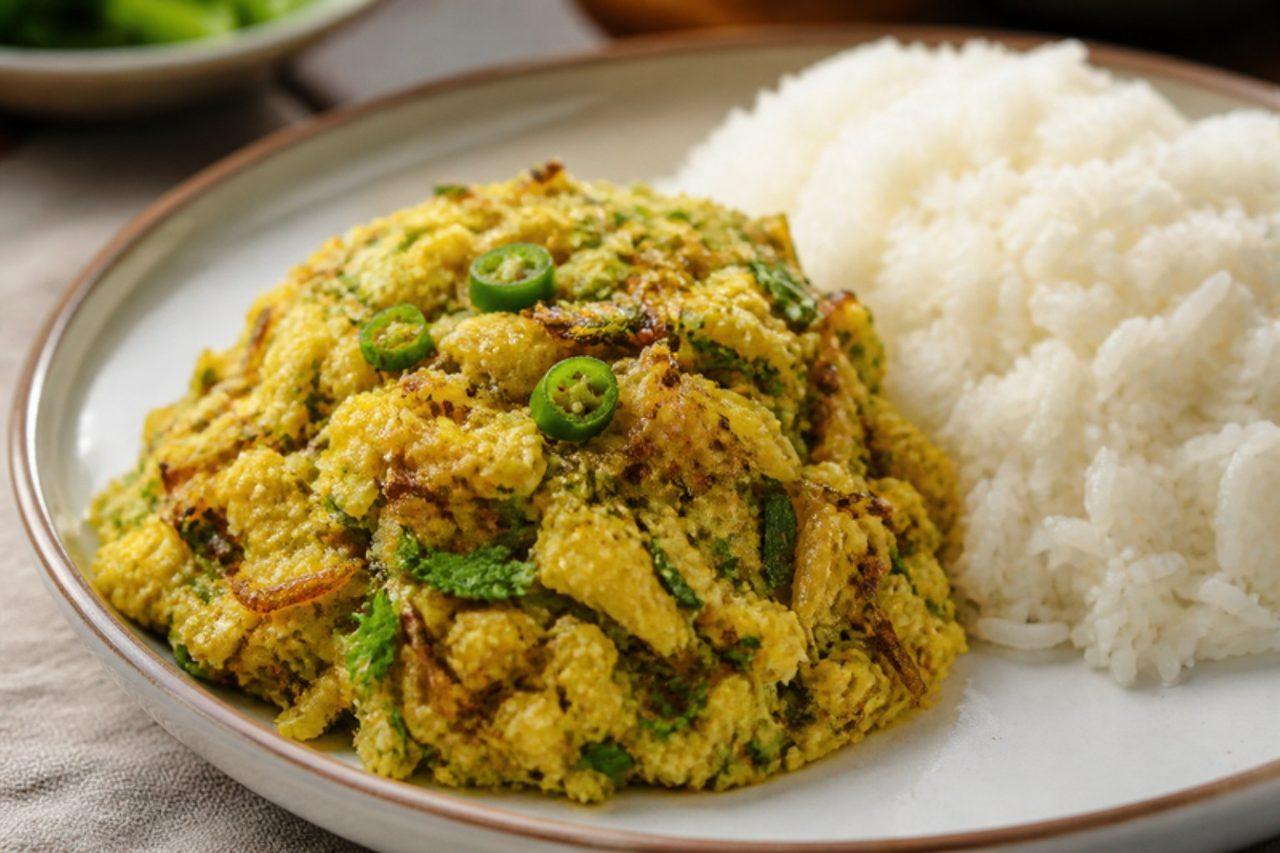
Dim bhorta is one of the many bhortas (mashes) on the everyday Bangladeshi table, made in Dhaka and Sylhet homes on busy evenings or when the fridge holds little more than eggs. Hard-boiled eggs are mashed by hand with crisp fried onion, green chilli, coriander and a generous splash of pungent raw mustard oil, then eaten with steaming rice and dal. It is rich, sharp and spicy. The common mistake is soft-boiling the eggs; the yolks must be fully firm to mash properly, and fully set eggs are safest for everyone. Chef's tip: crush the green chilli and salt together with your fingertips before adding the eggs, so the heat spreads evenly through the mash. Use mustard oil sold for cooking; where bottles are labelled for external use only, buy a cold-pressed edible one.

by KrazyBadal 0 views

GrießbreiSemolina porridge

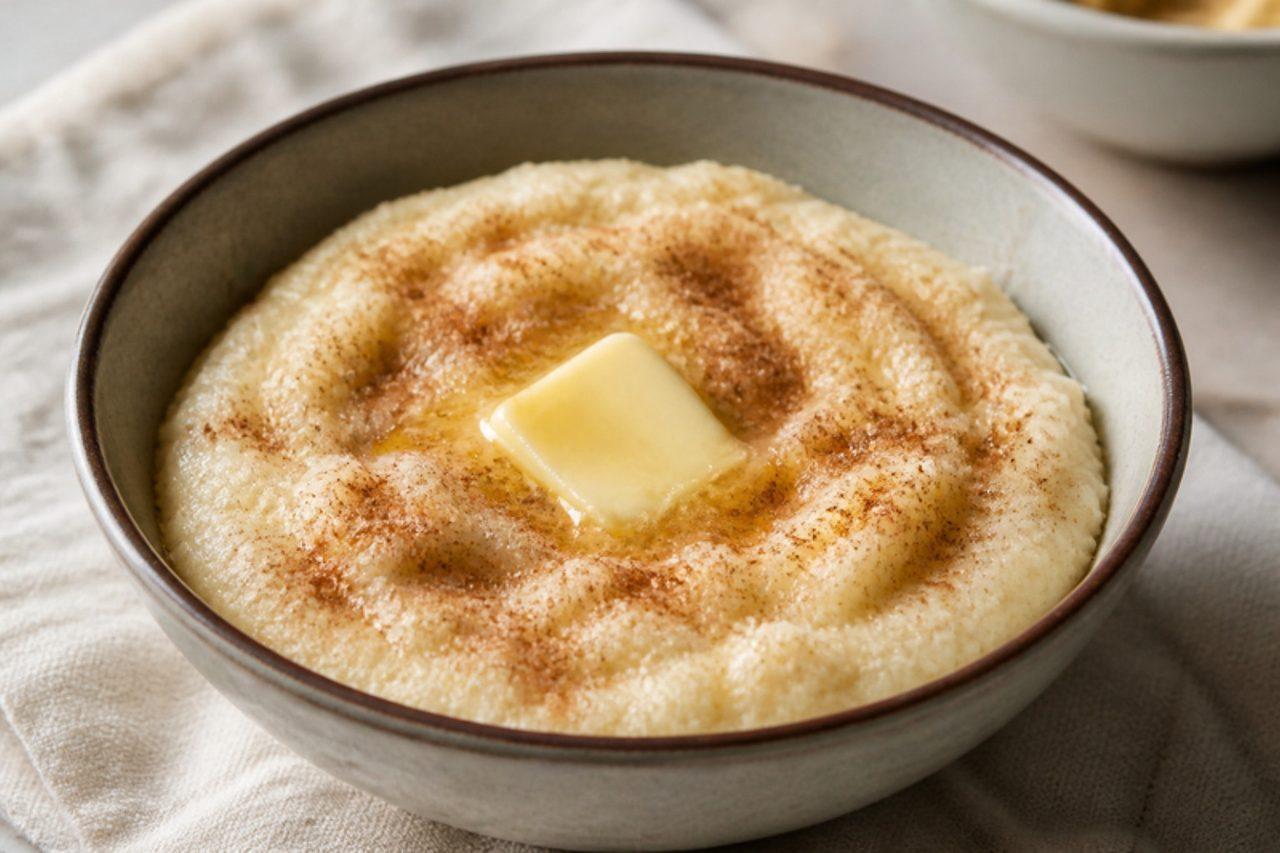
Grießbrei is the soft, sweet semolina pudding that German and Austrian families from Bavaria to Vienna eat warm as a light supper on cold evenings, especially when children are tired or someone is under the weather. Semolina is rained into hot milk and stirred until thick and velvety, then topped with cinnamon sugar, a knob of butter or stewed fruit. The classic mistake is tipping the semolina in all at once, which makes lumps that never smooth out. Chef's tip: take it off the heat while it still looks a little runny, because it keeps thickening on the plate.

by KrazyBadal 0 views

Kluski lanePoured egg noodles in broth

Kluski lane, 'poured dumplings', are the soft little egg noodles Polish grandmothers from Kraków to Gdańsk make in minutes by pouring a thin batter into simmering broth. This vegetable-broth version is a light, soothing supper or a quick meal for children, and in some homes the same noodles go into hot sweet milk instead. The common mistake is a batter that is too thick; it drops in lumps and turns into heavy, doughy dumplings. It should run off a spoon in a slow ribbon. Chef's tip: pour the batter from a jug in a thin stream from a little height while you stir the broth, so it sets into long, wavy threads.

by KrazyBadal 2 views

BatashaPuffy sugar drops

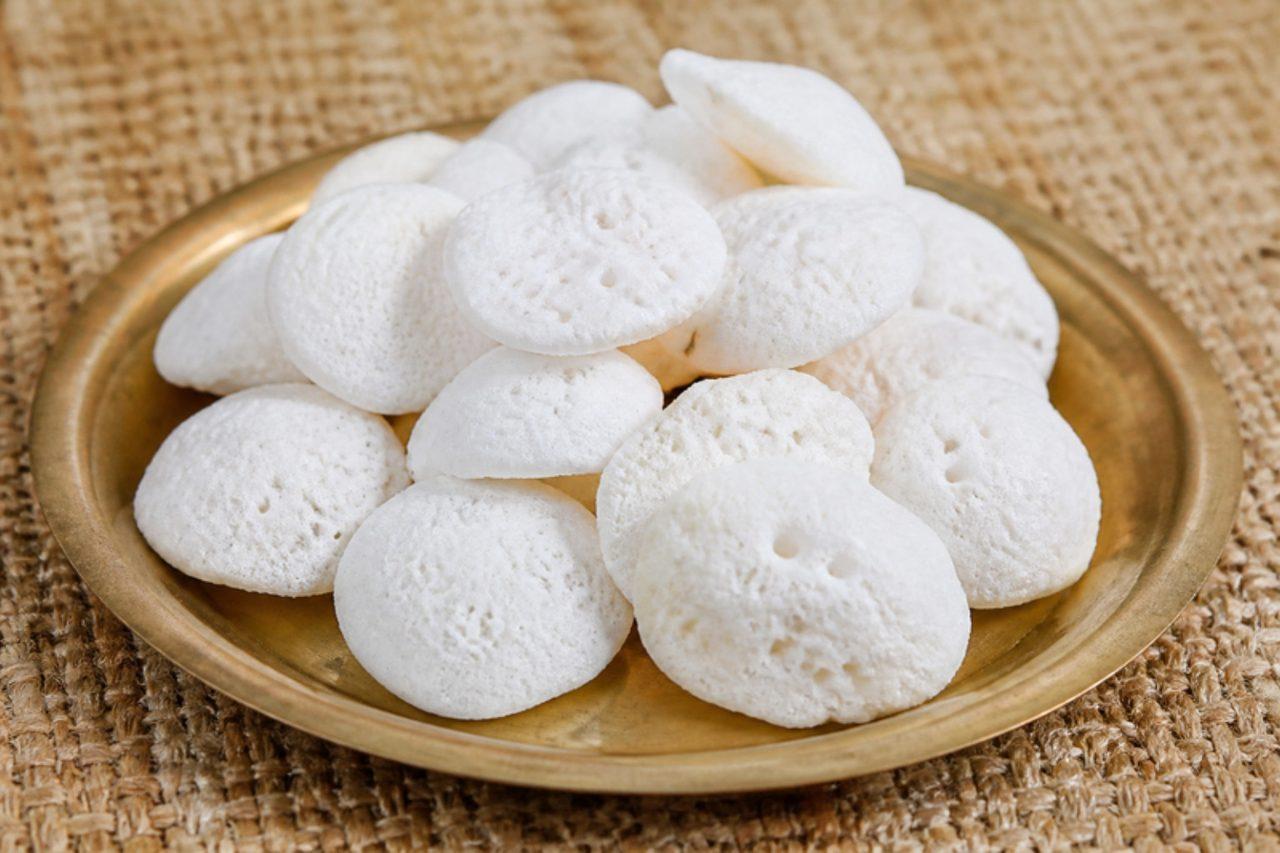
On Pohela Boishakh, the Bengali New Year in mid-April, the fairs that spring up in Dhaka, across Bangladesh and in West Bengal sell batasha by the basket, and shopkeepers hand them out with sweets as they open their new account books for halkhata. Temples receive them as offerings, and children crunch them on the way home. They are simply sugar boiled hot, then foamed with a pinch of soda and dropped in coins that set airy, crisp and melt-in-the-mouth. The common mistake is pulling the syrup off too early: below the hard-ball stage the drops spread flat and stay sticky. The syrup is ready at about 125 °C, when a drop in cold water forms a firm ball that keeps its shape. Chef's tip: work fast once the soda goes in, because the syrup sets within a minute; ask someone to help you drop them.

by KrazyBadal 0 views

MurkiPuffed rice in jaggery

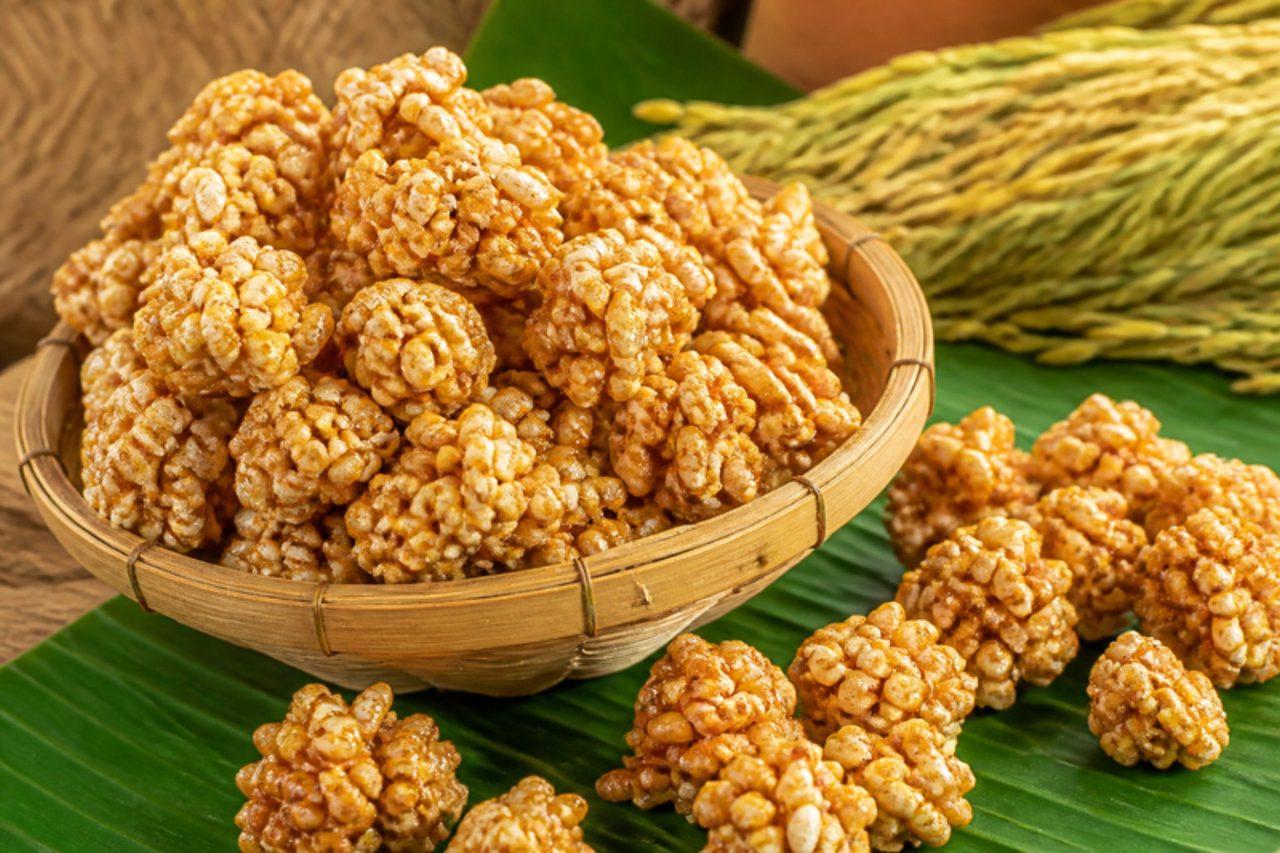
Nabanna, the 'new rice' festival of late autumn in Bangladesh and West Bengal, celebrates the first harvest of aman paddy, and the season's first date-palm jaggery arrives just in time. Murki is the treat every village makes for it: crisp puffed rice tossed in a pan of thick, boiling khejur gur until each grain is coated in a thin, crackly glaze, with a hint of dry ginger. It is offered to guests on Nabanna and on Bijoya and Lakshmi Puja, and children eat it by the handful. The common mistake is undercooking the syrup, which leaves the murki chewy and clumped; overcook it and it tastes burnt. The syrup is ready when large, slow bubbles cover the surface and a drop in cold water sets into a ball you can roll. Chef's tip: toss with two spatulas, lifting from the bottom, and keep going until the grains separate and stop sticking.

by KrazyBadal 0 views

Chhanar murkiSugar-coated chhena cubes

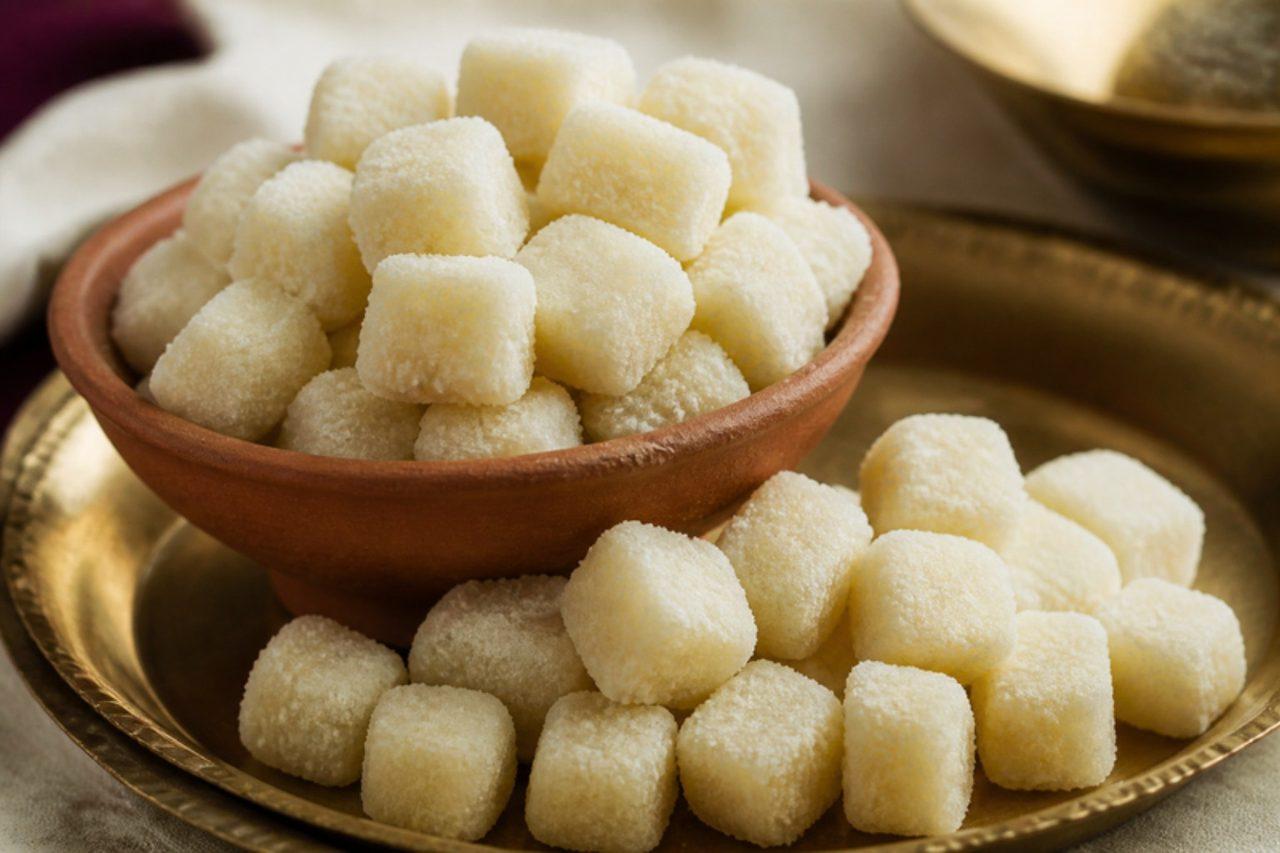
In Bangladesh and West Bengal, Hindu families mark Bijoya Dashami at the end of Durga Puja by visiting neighbours with plates of sweets, and chhanar murki is one of the simplest to make at home. Fresh chhena is pressed firm, cut into tiny cubes and cooked in sugar syrup, which is then boiled down until it crystallises and clings to each cube as a white, crunchy coat; inside they stay soft and milky. Common mistake: using soft, wet chhena, which dissolves in the syrup. Press it under a weight until it is firm enough to slice cleanly. When the syrup turns cloudy and grainy, it is about to crystallise onto the cubes, so lower the heat and keep tossing. Chef's tip: toss the cubes off the heat for a full minute as the syrup dries; constant gentle movement gives an even, snowy coating instead of clumps.

by KrazyBadal 0 views

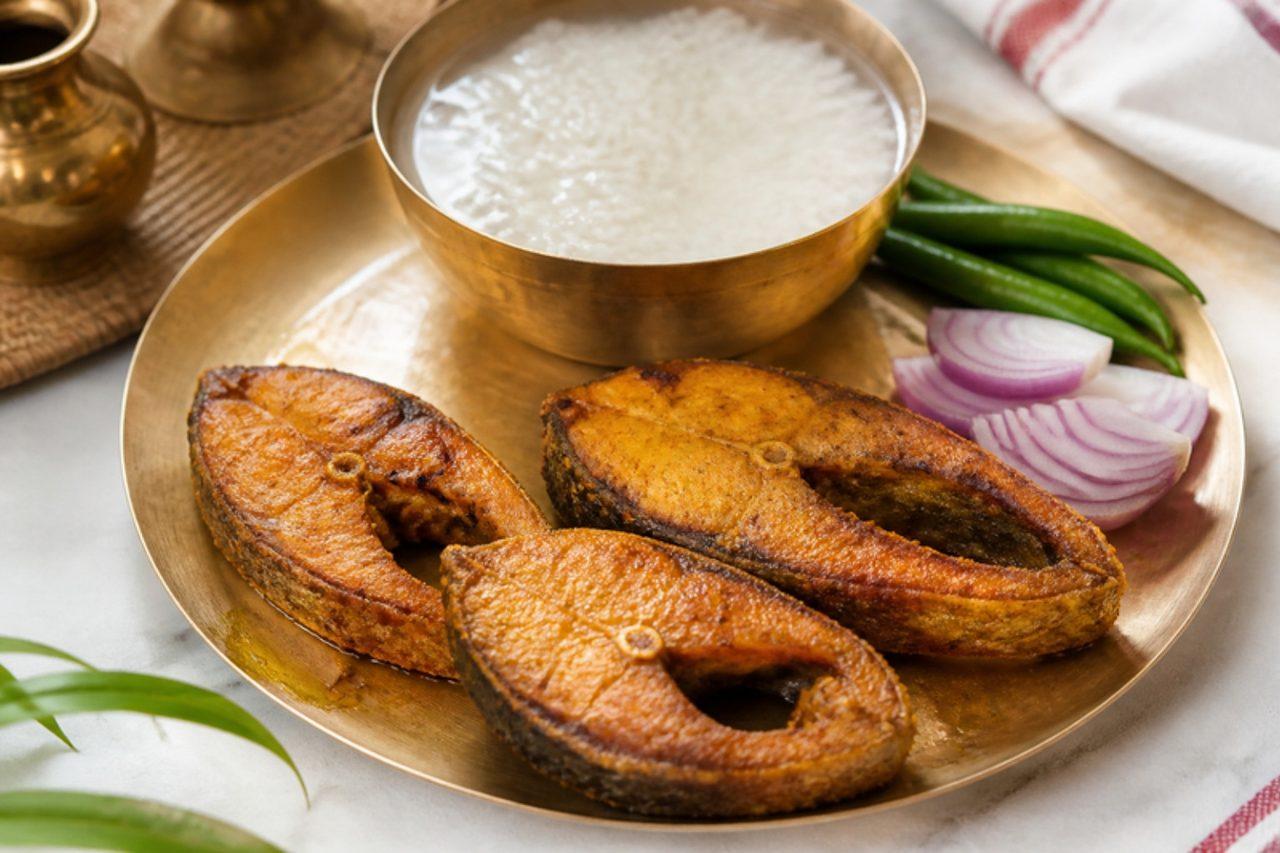
Ilish bhajaFried hilsa fish

Breakfast on Pohela Boishakh in Dhaka means panta bhat, rice soaked overnight in water, eaten under the trees at Ramna with crisp fried hilsa, raw onion and green chilli. Ilish bhaja is the simplest way to cook Bangladesh's national fish: steaks rubbed only with turmeric and salt and fried in mustard oil until the edges crisp and the rich, oily flesh turns soft and sweet. The oil left in the pan, perfumed with the fish, is poured over rice and is half the pleasure. The common mistake is turning the steaks too soon, which tears the delicate skin; leave them until they release from the pan by themselves. The fish is done when the flesh is opaque right through and flakes away from the central bone. Chef's tip: hilsa is full of fine bones, so eat it slowly with your fingers and warn guests who have not tried it before.

by KrazyBadal 0 views

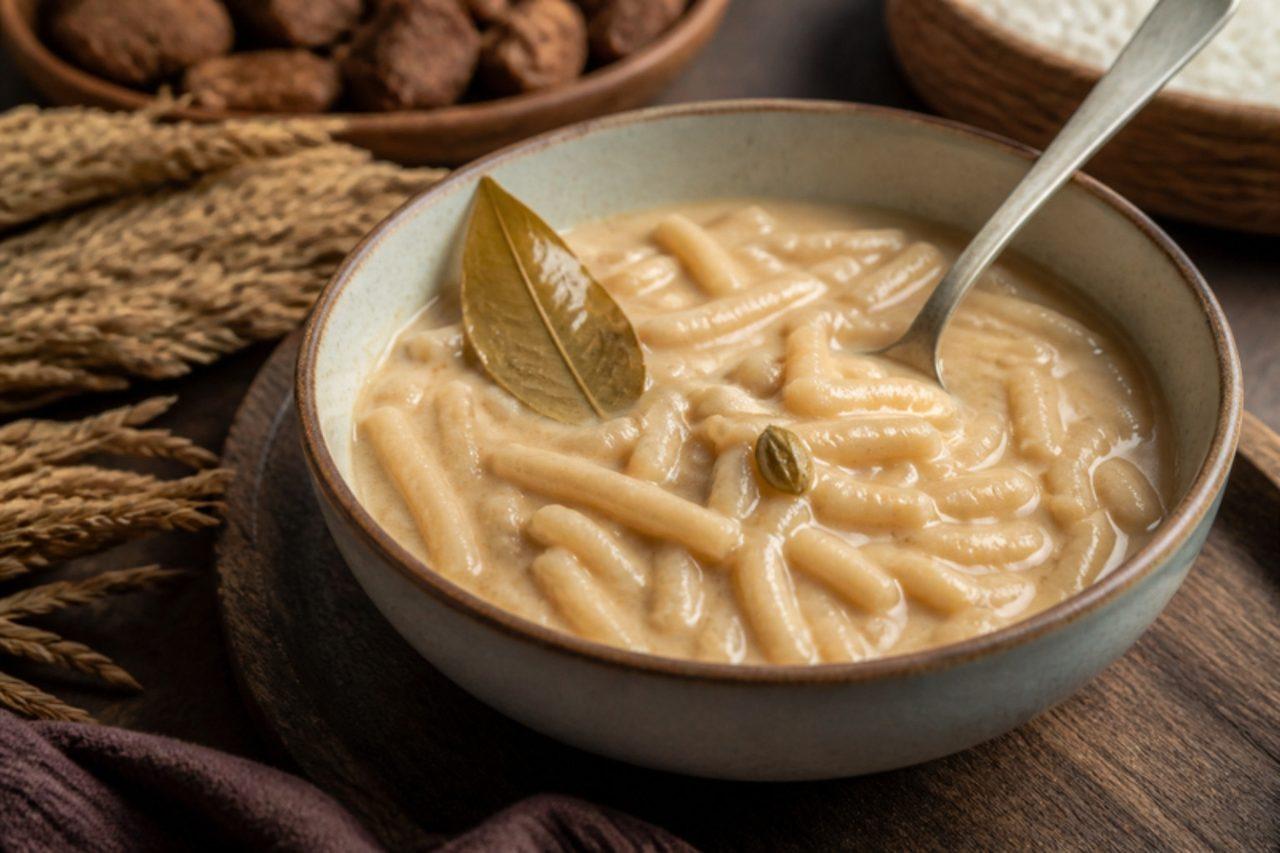
Chushi pithaRice flour strands in milk

When the new rice is in and the date palms start giving their winter sap, Bangladeshi families make pitha for Nabanna and through the cold months, and chushi pitha is the one grandmothers roll by hand, an evening of small grain-shaped strands rubbed out between the palms. The strands are cooked in reduced milk with bay leaf and cardamom, then sweetened with fresh khejur gur, giving a pale caramel pudding with soft, slightly chewy pieces. The common mistake is adding the jaggery while the milk is still boiling: it can curdle it, so take the pan off the heat and let it cool for a few minutes first. The strands are done when they float, turn translucent at the edges and are soft right through. Chef's tip: let the rolled strands dry on a tray for 15 minutes before cooking; they hold their shape instead of dissolving into the milk.

by KrazyBadal 0 views

KaguyjyWhite corn pudding

On the night of 23–24 June, Paraguayans celebrate San Juan with bonfires, games like walking over hot coals and the 'paso de fuego', and a table of traditional foods, and kaguyjy (also mazamorra) is one of them. It is a soft, creamy pudding of cracked white corn (locro) simmered slowly in water and then milk with sugar or honey, sometimes with orange peel. It is eaten warm or cold. It is gluten free. Chef's tip: soak the corn overnight and cook it until each kernel is tender before adding the milk, or it never turns creamy.

by KrazyBadal 0 views

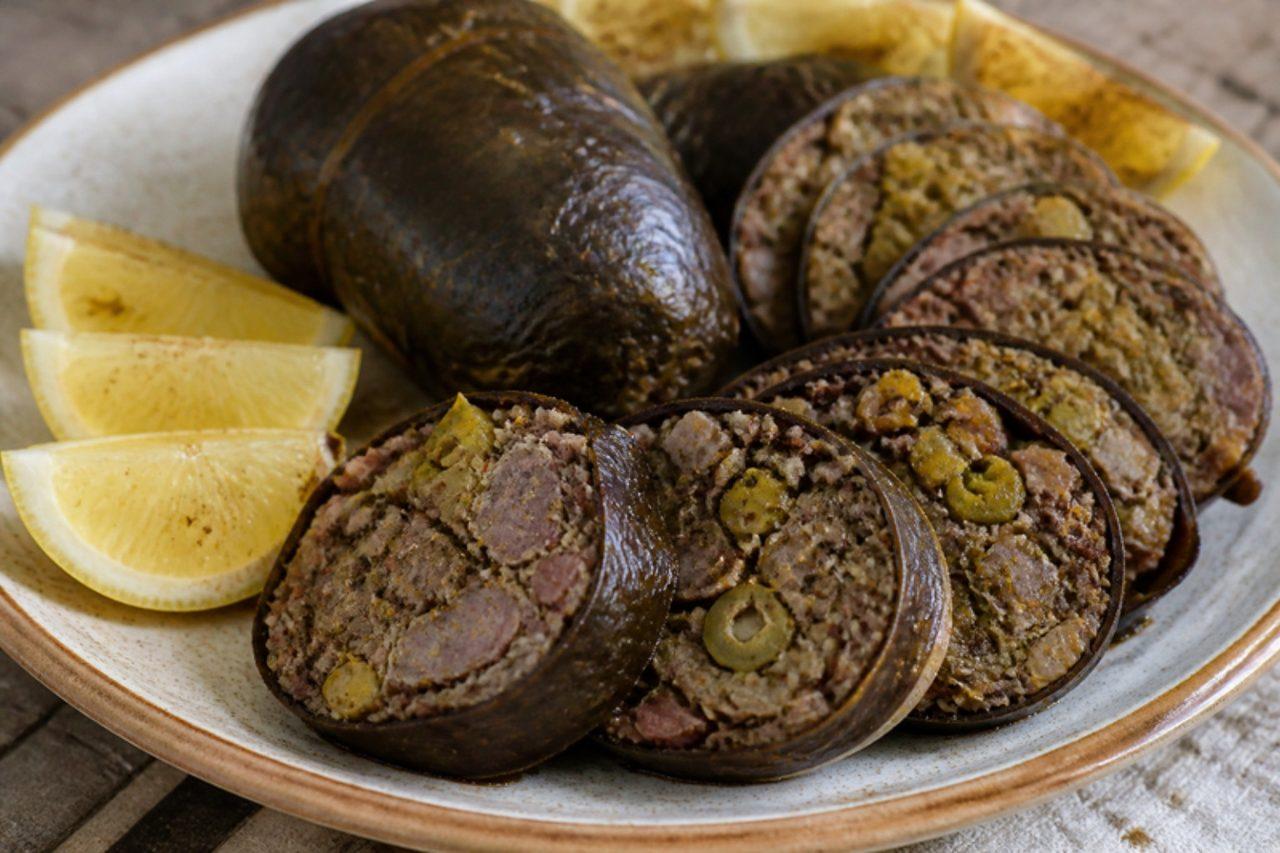
TihaneStuffed lamb spleen

Tihane, or tehal, is an old Eid al-Adha speciality from Moroccan towns such as Fez and Marrakech, made on the days after the sacrifice when the offal is shared out. The lamb's spleen is cut open into a pocket and stuffed with chopped liver and heart, a little fat, green olives, preserved lemon, garlic and cumin, then sewn shut, poached and roasted until browned. It is sliced thin and eaten warm or cold with bread. Ask a halal butcher for the spleen and offal. Chef's tip: prick the spleen with a fine needle before poaching so it doesn't burst in the pot.

130 minMoroccanMeatGluten free
by KrazyBadal 0 views

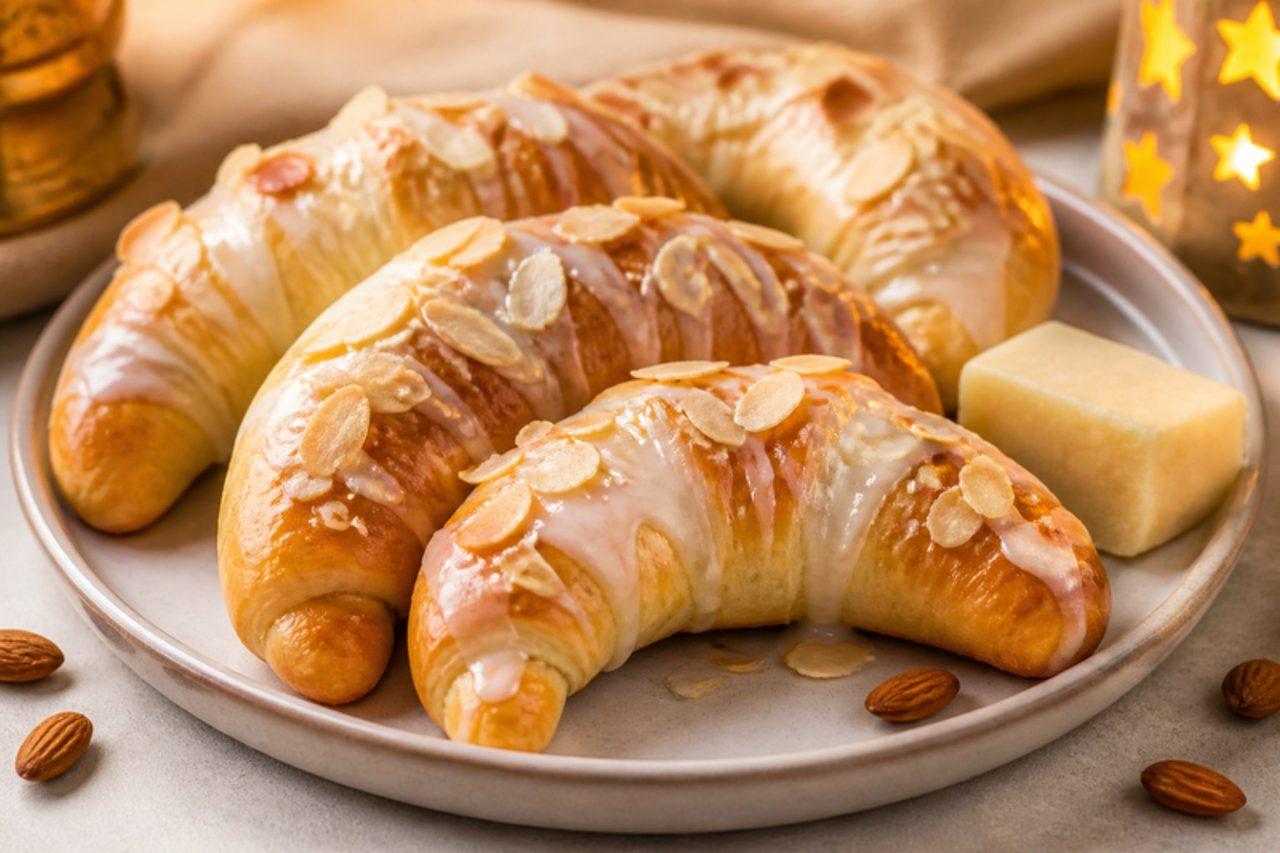
MartinshörnchenMarzipan crescent pastries

On 11 November children in Lower Saxony, Saxony and much of Germany walk through the dark streets with paper lanterns, singing songs for St Martin, the soldier who cut his cloak in half to share it with a beggar. Bakeries sell Martinshörnchen, sweet crescent-shaped yeast pastries, and many families break them in half to share, as St Martin did. This version is filled with soft marzipan and ground almonds and finished with a thin lemon glaze. Chef's tip: roll each wedge from the wide end with a gentle tug so you get at least three turns of dough, which gives the crescents their shape.

by KrazyBadal 0 views

KirmeskuchenPlum streusel yeast cake

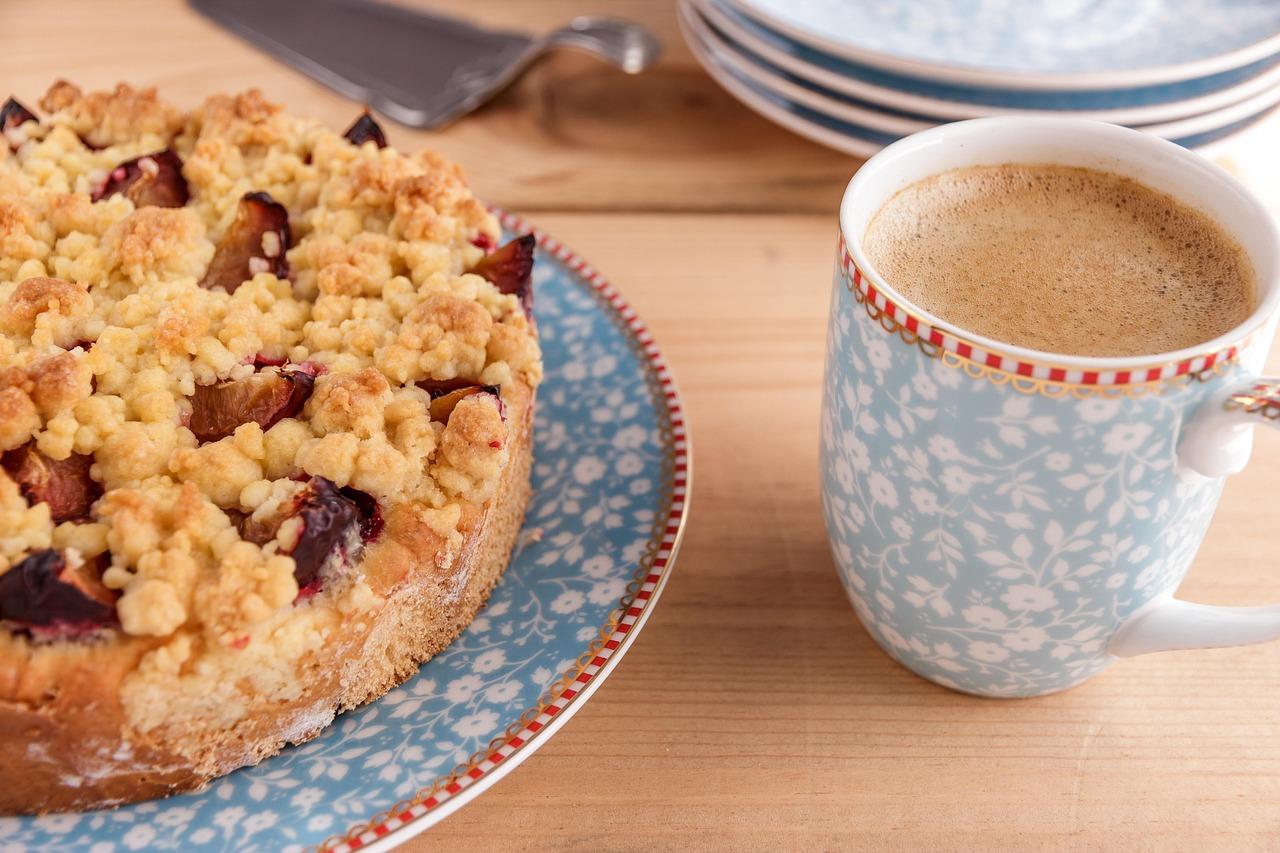
When the Kirmes, the yearly fair for a village church's patron saint, comes to the Rhineland and Hesse, families bake enormous trays of Kirmeskuchen to share with the relatives who come home for the fun-fair, the dancing and the procession. This version is the most loved: a soft, buttery yeast dough covered edge to edge with tightly packed plum halves and a thick, crumbly streusel. Cut it into squares and serve it with whipped cream and coffee in the afternoon. Chef's tip: stand the plum halves upright, cut side up and overlapping like roof tiles, so the juice stays in the fruit instead of soaking the dough.

by KrazyBadal 0 views

KerbelsuppeChervil soup

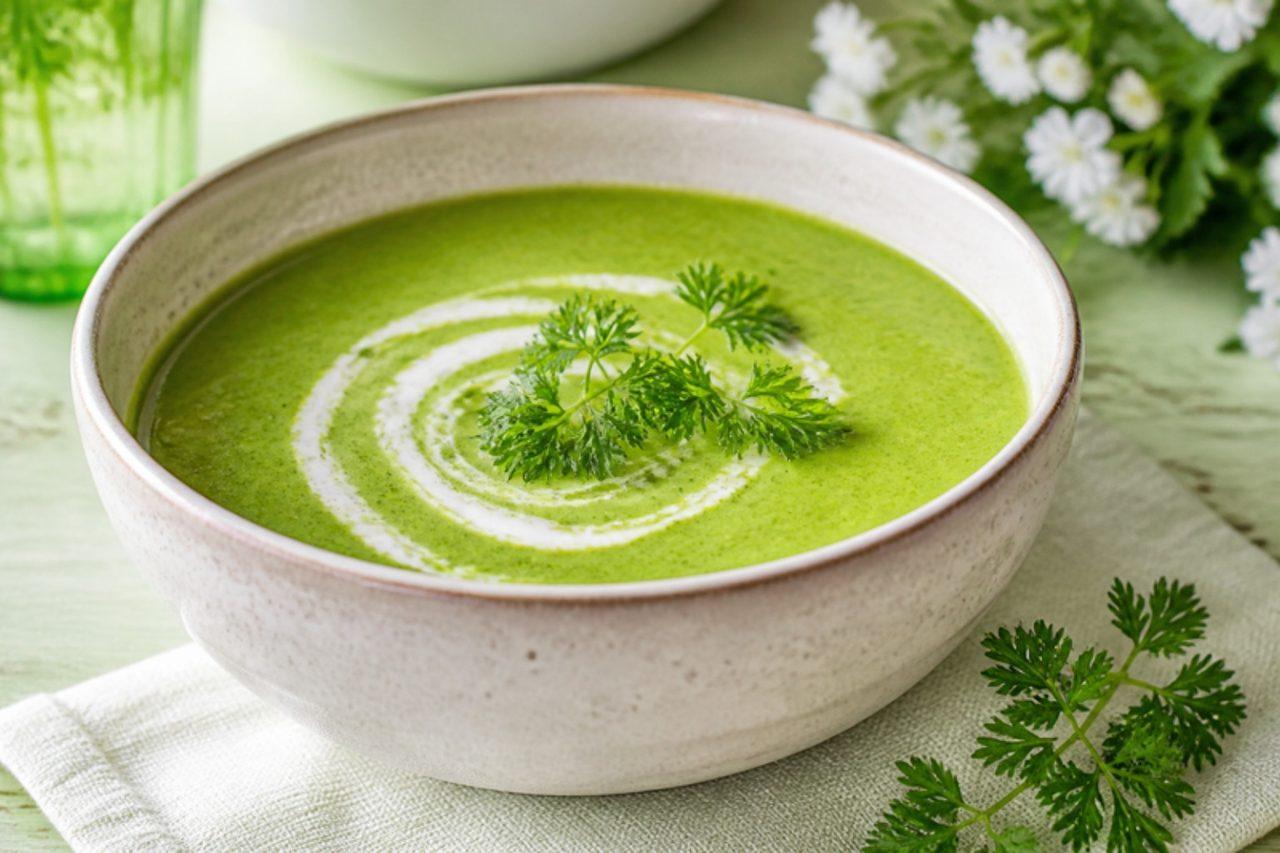
In Germany, Maundy Thursday is called Gründonnerstag, 'green Thursday', and many families eat something green that day for health in the coming year: spinach with eggs, herb soup or this creamy chervil soup. Chervil is one of the first herbs of spring, with a delicate taste of aniseed and parsley, and the soup is simply potato, shallot and vegetable stock blended with a big bunch of fresh chervil and finished with cream. It is ready in half an hour and gluten free. Chef's tip: add the chervil only at the very end and blend straight away, because heat quickly dulls its colour and flavour.

by KrazyBadal 0 views

Biała kiełbasa z cebuląWhite sausage baked with onions

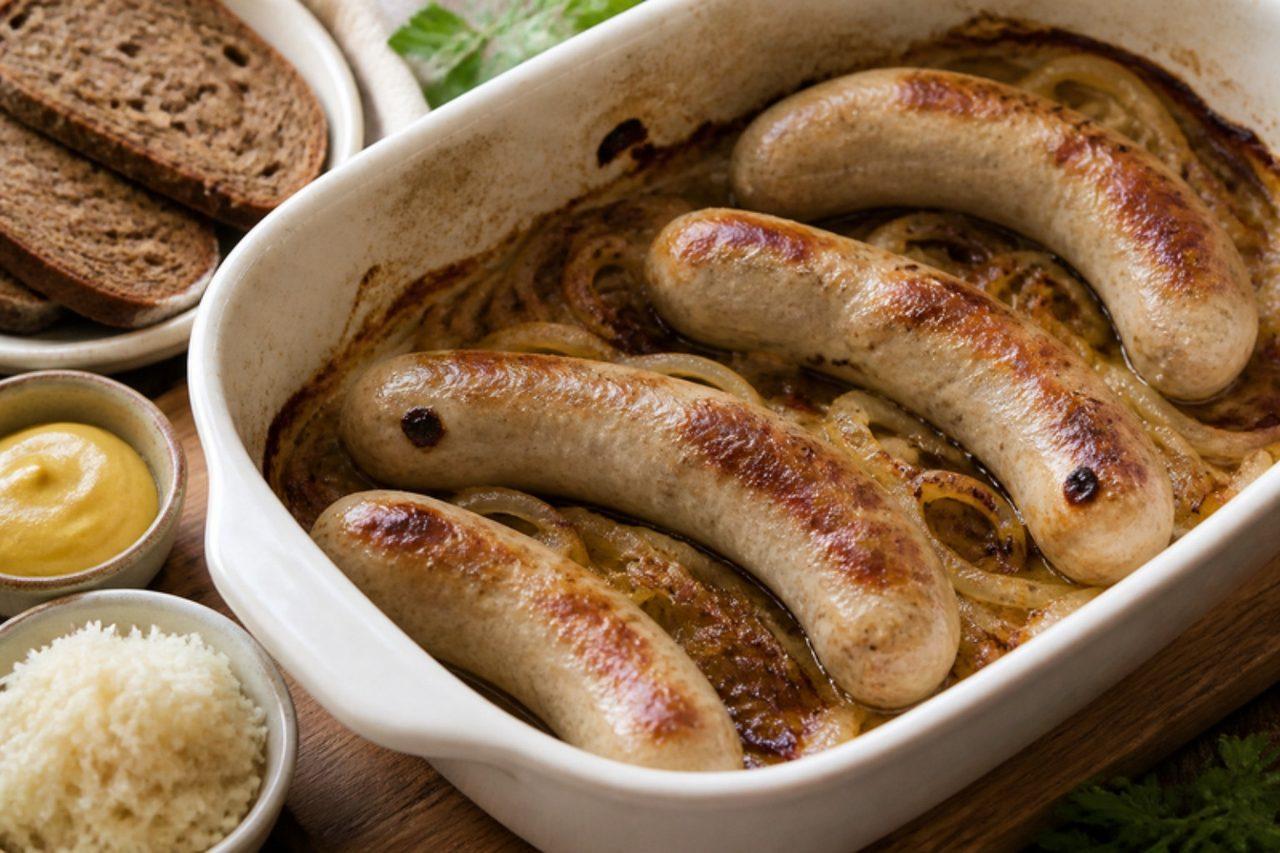
Biała kiełbasa is a fresh, unsmoked white sausage of pork seasoned with garlic and marjoram, and on Easter Sunday morning in Poland it is the star of the breakfast after the blessed basket (święconka) is shared. It is also the sausage that goes into żurek, the sour rye soup. Buy it raw from a Polish butcher, then poach it gently and bake it with onions until golden. Serve with horseradish, mustard, rye bread and Easter eggs. Chef's tip: never boil it, as the casing bursts; keep the water just below a simmer.

60 minPolishMeatGluten free
by KrazyBadal 0 views

SchwenkbratenMarinated grilled pork neck steaks

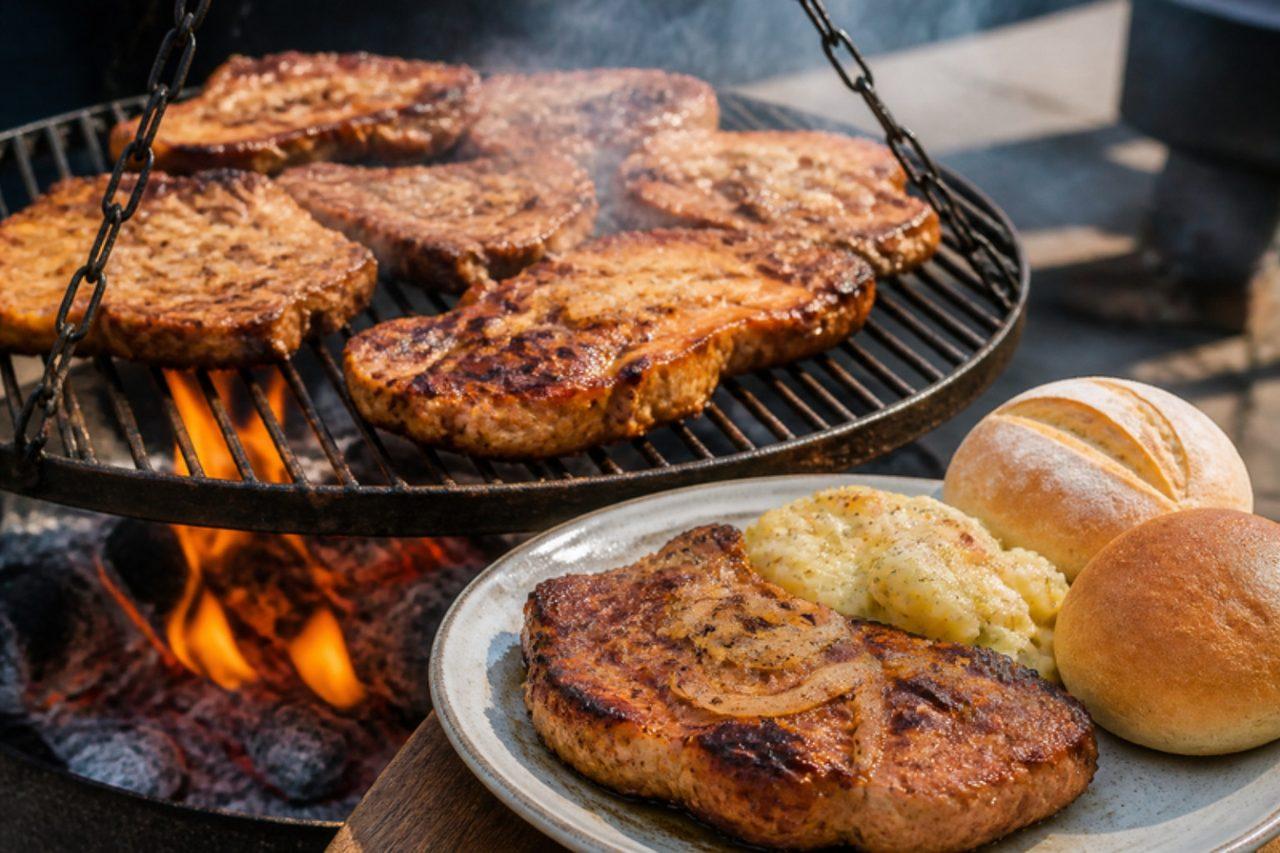
Schwenkbraten is the pride of the Saarland, where every village fair, football club party and summer Kirmes has a Schwenker: a round grill hung from a tripod and swung gently over a beech-wood fire. The meat is pork neck steaks marinated overnight with heaps of onion, garlic, marjoram and paprika, and they come off juicy, smoky and slightly charred. Locals often add beer to the marinade, but this recipe leaves it out, so no alcohol is involved. Serve with bread rolls, potato salad and mustard. Chef's tip: pork neck has fine marbling, so it stays moist; do not swap it for lean pork loin, which dries out on the grill.

35 minGermanMeatGluten free
by KrazyBadal 0 views

MartinsgansRoast goose with red cabbage

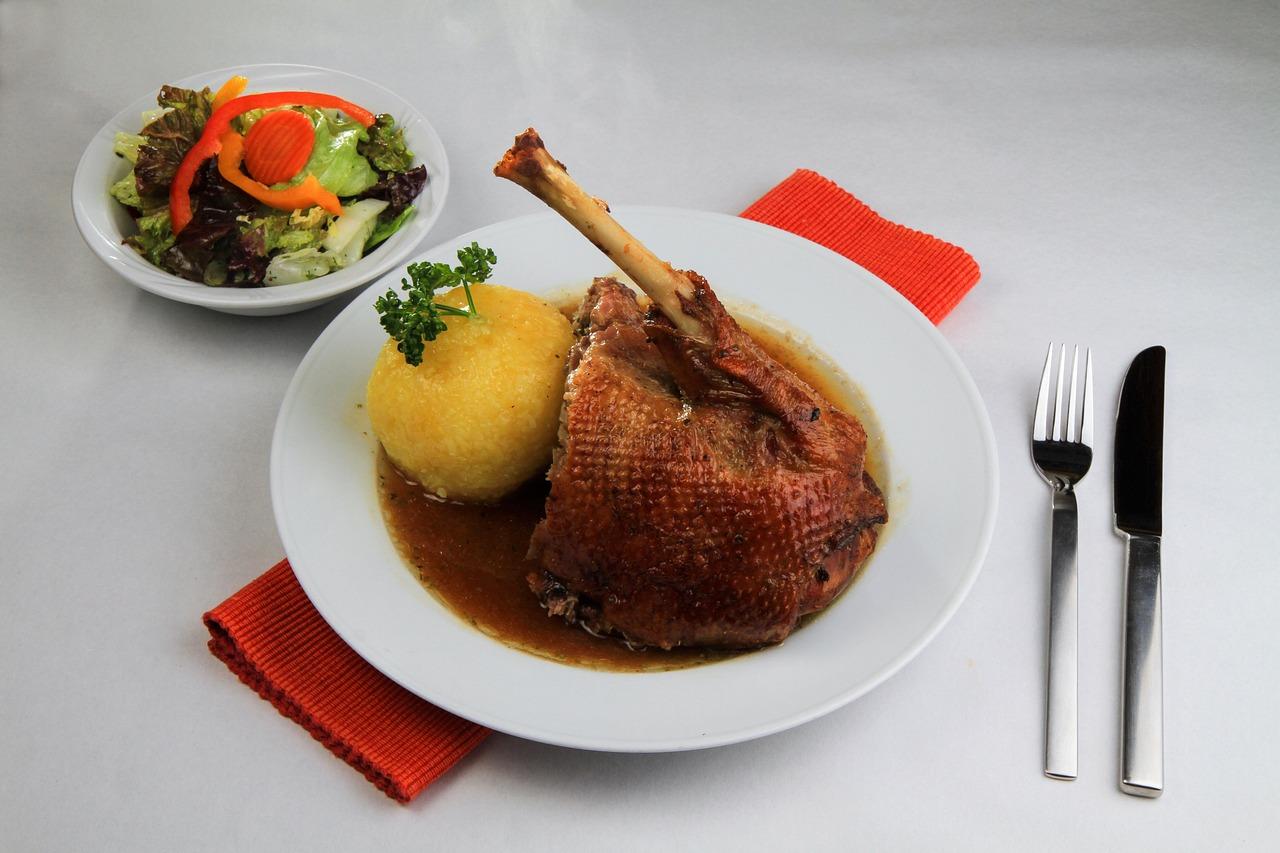
On 11 November, St Martin's Day, children in Germany and Austria walk in lantern processions, and families and restaurants serve the Martinsgans: a goose roasted slowly with apples, onion and mugwort or marjoram until the skin is crisp and the meat tender, with red cabbage, potato dumplings and a rich gravy. Legend says the geese's cackling gave away St Martin when he hid to avoid being made bishop. Goose gives off a lot of fat; save it for roast potatoes. Chef's tip: prick the skin all over (not the meat) and roast on a rack so the fat drains and the skin crisps.

270 minGermanMeat
by KrazyBadal 0 views

KalanehWild leek stuffed flatbread

In Kurdistan and Kermanshah, Newroz arrives with the first spring greens on the hillsides, and families gather wild leeks to fold into kalaneh, thin griddle breads cooked over a fire or a hot pan and soaked in melted butter. The dough is plain and soft, rolled very thin around a pile of chopped leek or chives with a little salt and pepper, so the greens steam inside as the bread blisters. Eat it hot, torn into strips, with yogurt and tea at a Newroz picnic. The common mistake is wet greens, which turn the dough soggy and make it tear; dry them well after washing. Chef's tip: brush the butter on the moment the bread leaves the pan so it soaks right in.

by KrazyBadal 0 views

Śledzie w śmietanieHerring in soured cream

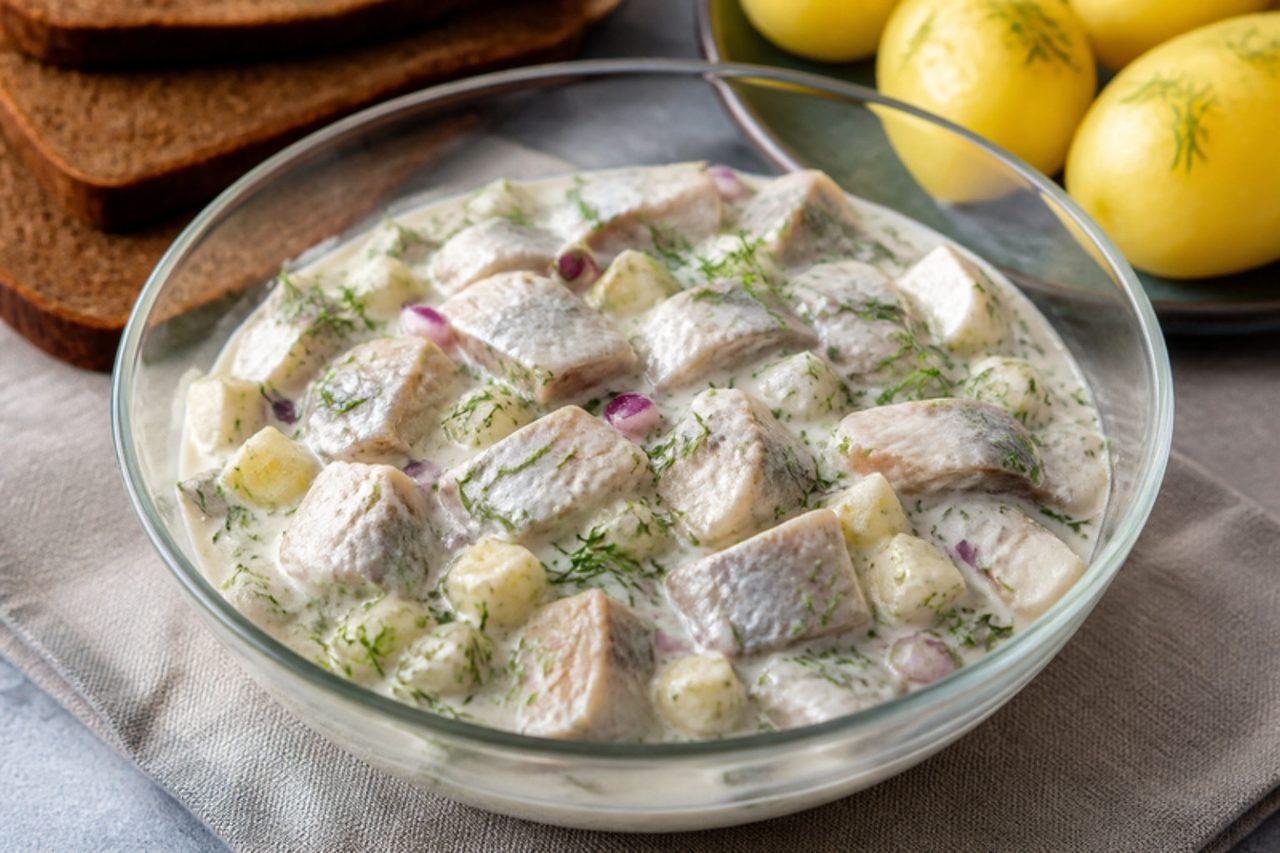
Herring is a must at the Polish Wigilia, the meatless Christmas Eve supper, and śledzie w śmietanie, salted herring fillets in soured cream with crisp apple, onion and dill, is the favourite way to serve it, with boiled potatoes or rye bread. The herring is cured, not cooked: use good-quality salted or matjes fillets from a shop, which have been frozen to kill parasites, and keep the dish chilled. Cured fish is not for pregnant women, young children or anyone with a weakened immune system; for them, make the safer version in the last step with hot-smoked mackerel or herring fillets baked until opaque. Chef's tip: dress the herring a few hours ahead so the cream picks up the flavour.

20 minPolishFishGluten free
by KrazyBadal 0 views

PflaumenmusOven-baked plum butter

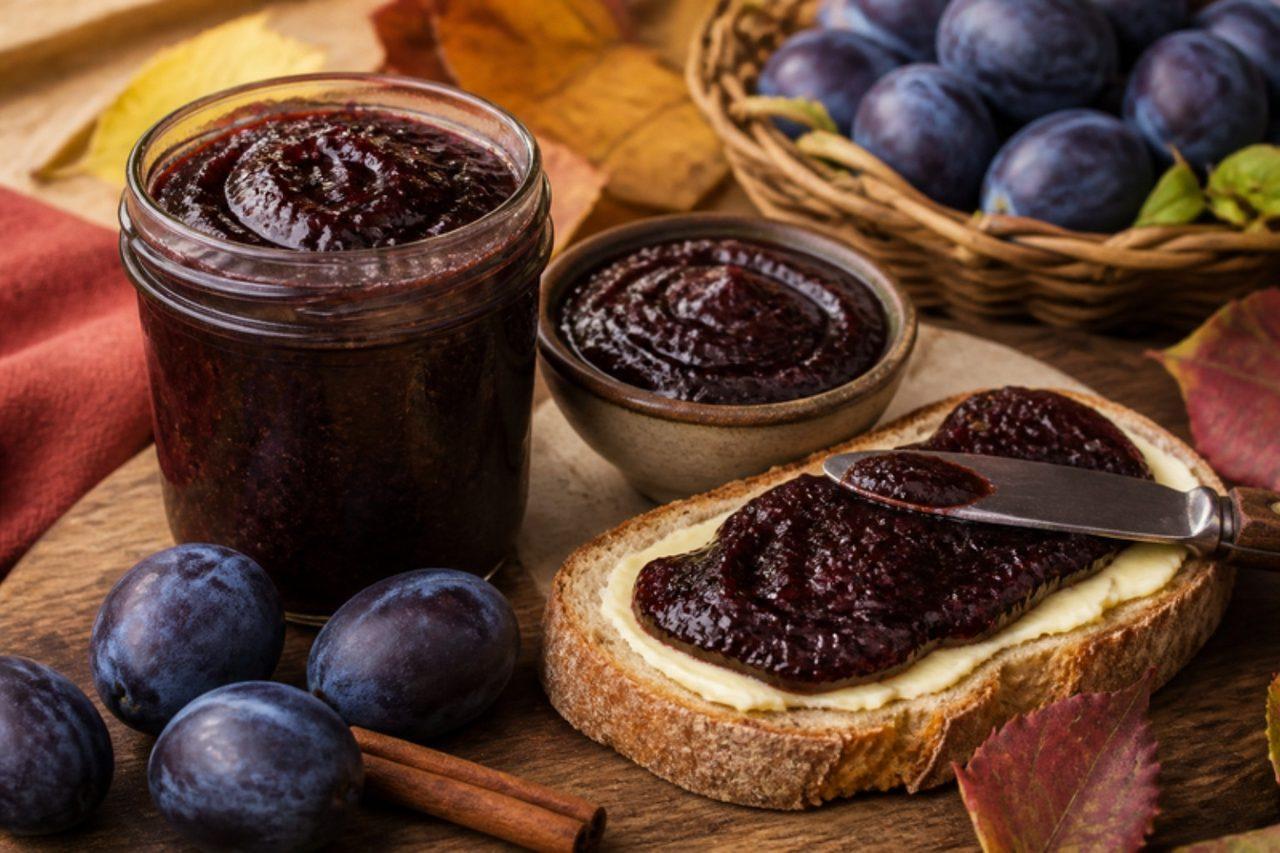
When the late damson plums (Zwetschgen) ripen in September, German kitchens fill trays with them for Pflaumenmus, and jars of it stand on the decorated altar at Erntedank, the harvest thanksgiving in early October. Unlike jam, it uses little sugar and no pectin: the halved plums are baked slowly, uncovered, until they collapse and darken into a thick, almost black spread that tastes of plums and spice rather than sugar. Spread it on rye bread with butter, fill Dampfnudeln with it or stir a spoonful into quark. Chef's tip: bake it in the widest roasting tin you have, because the more surface, the faster the water steams off.

by KrazyBadal 0 views

Chipa so'oCheese bread with spiced beef

In Paraguay, families bake chipa in the clay tatakua ovens on Holy Wednesday so there is food for Thursday and Good Friday, when cooking stops. Chipa so'o ('chipa with meat') is a cassava-starch and cheese bread wrapped around a little filling of minced beef cooked with onion and egg, then baked until crisp outside and chewy within. It is naturally gluten free. Chef's tip: knead the dough until it no longer cracks at the edges when pressed; dry dough splits around the filling.

by KrazyBadal 0 views

OponkiQuark ring doughnuts

On Tłusty Czwartek, Fat Thursday, Poles queue at bakeries for pączki, but at home many families make oponki instead: little ring doughnuts from a quick twaróg (curd cheese) dough with no yeast and no waiting. They fry in minutes into light, tender 'tyres' that are rolled in sugar or glazed and eaten warm by the plateful. The common mistake is kneading the dough too much, which makes them tough; mix only until it holds together. Chef's tip: press the twaróg through a sieve first, or blend it, so the dough is smooth and the rings puff evenly.

by KrazyBadal 0 views

AllerheiligenstriezelBraided sweet loaf

In Bavaria and Austria, godparents give their godchildren an Allerheiligenstriezel on All Saints' Day, 1 November: a large braided loaf of sweet yeast dough, brushed with egg and scattered with almonds or pearl sugar. The braid is said to recall the old custom of cutting a plait of hair in mourning, and the size of the loaf once showed how generous the godparent was. It is lightly sweet, with lemon and vanilla, and is eaten sliced with butter or jam. Some recipes add rum-soaked raisins; these are soaked in warm water instead. Chef's tip: braid four strands for an impressive, high loaf.

by KrazyBadal 0 views

Pajagua mascadaBeef and cassava patties

Pajagua mascada is a Paraguayan street-food classic that appears on every table for the San Juan festival on 24 June, when bonfires burn and the night is full of games and traditional food. Minced beef is mixed with mashed cassava, onion, garlic and a little egg and flour, shaped into flat patties and fried until crisp. The name comes from Guaraní and refers to the 'chewing' of old Paraguayan cooks, who made it from leftover meat. Chef's tip: dry the boiled cassava well and remove its woody core, which keeps the patties light and crunchy.

by KrazyBadal 0 views

OsterpinzeEaster anise brioche

Osterpinze is the Easter bread of Styria, Carinthia and the area around Trieste, a soft, golden brioche dome with three deep cuts on top for the Holy Trinity, so that it opens into a crown as it bakes. The dough is rich with egg yolks and butter and flavoured with anise and lemon; old recipes add a splash of white wine, left out here. It is blessed in the Easter basket on Holy Saturday and eaten on Easter morning with ham, horseradish and eggs, or with butter and jam. Chef's tip: make the three cuts with scissors just before baking, deep enough to reach halfway down, so the crown opens wide.

by KrazyBadal 0 views

Showing 24 of 634 recipes

Show more recipes

Page 1 of 27