Skip to content
Recipes

All recipes

Vegetarian, or something you can't eat? Set your diet once and we'll hide recipes that don't fit.

Ivan-chai (fireweed tea)

Long before Chinese tea reached ordinary villages, peasants around Koporye near St Petersburg, and on through Karelia and the Arkhangelsk forests, were rolling and fermenting the leaves of fireweed, the tall pink-flowered plant that floods clearings every July. Ivan-chai is having a revival now, sold in paper bags at markets and drunk at the dacha in the evening from the samovar, because it has no caffeine and will not keep anyone awake. It brews to a clear amber with a soft, slightly fruity, honey-and-dried-apple taste and almost no bitterness. Granular kinds taste deeper, leaf kinds more floral. The common mistake is brewing it for two or three minutes like black tea; it needs a full 10 minutes in a warmed pot to open up, and it never turns bitter if you leave it longer. It is ready when the liquid is a deep golden-amber and smells of honey and dried fruit. It is traditionally drunk as a calming evening tea; if you are pregnant or on regular medication, check with a doctor before drinking it daily. Chef's tip: the same leaves give a second, lighter pot; just top up with fresh hot water and wait another 10 minutes.

by KrazyBadal 0 views

KhrenovinaHorseradish tomato relish

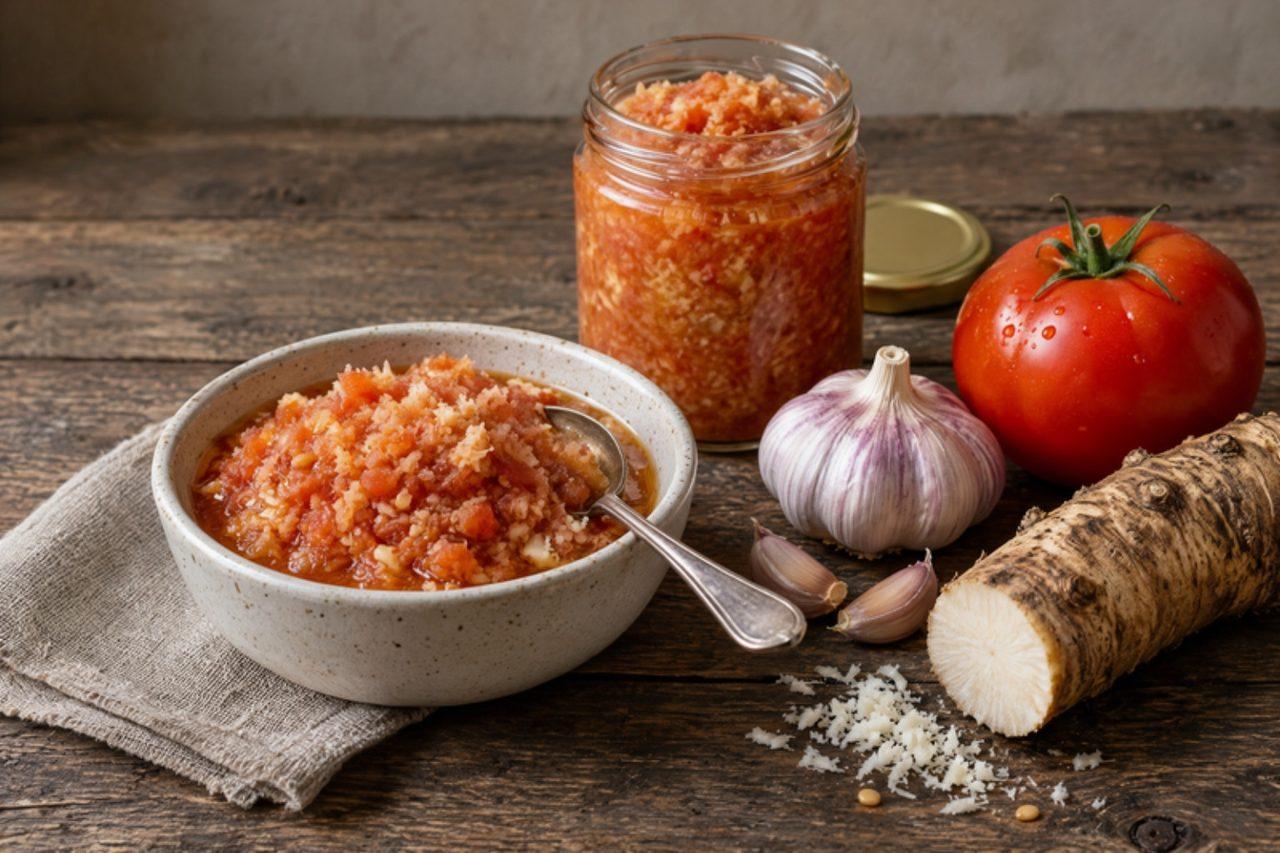
Khrenovina, also known as khrenoder or gorlodyor, the 'throat-tearer', is what Siberian families grind at the end of August and in September, when the garden tomatoes ripen faster than anyone can eat them and the horseradish roots are dug up. Raw tomatoes, horseradish and garlic go through the meat grinder with salt and a little sugar, and that is all: no cooking at all. Through the autumn and winter it is spooned onto pelmeni and boiled potatoes, beside kholodets and shashlik, and onto rye bread. It is bright, juicy and sweet-sour from the tomato, then the horseradish rushes up your nose like wasabi and the garlic lingers after; the texture is loose and grainy, like a fresh salsa. The mistake everyone makes once is grinding the horseradish indoors with their face over the grinder; the fumes sting hard, so open a window and tie a plastic bag over the outlet. It is ready after an hour or two in the fridge, when the heat has settled and the colour is an even pinkish red. Chef's tip: grind the horseradish last, straight into the tomatoes, so its heat is trapped in the juice.

by KrazyBadal 0 views

TereréIced yerba mate

In Asunción the hottest part of the day stops for tereré: a horn or cup packed with yerba mate, topped up again and again with ice water infused with crushed herbs, and passed round the group through a metal straw. It was recognised by UNESCO as part of Paraguay's cultural heritage, and the herbs (yuyos) change with the season and the drinker's mood. Yerba mate contains caffeine, so it isn't one for small children. The common mistake is pouring water straight into loose yerba, which then clogs the straw; tilt the yerba to one side first. Chef's tip: for tereré ruso, swap the water for cold orange or grapefruit juice.

by KrazyBadal 0 views

Mannaya kashaSemolina porridge

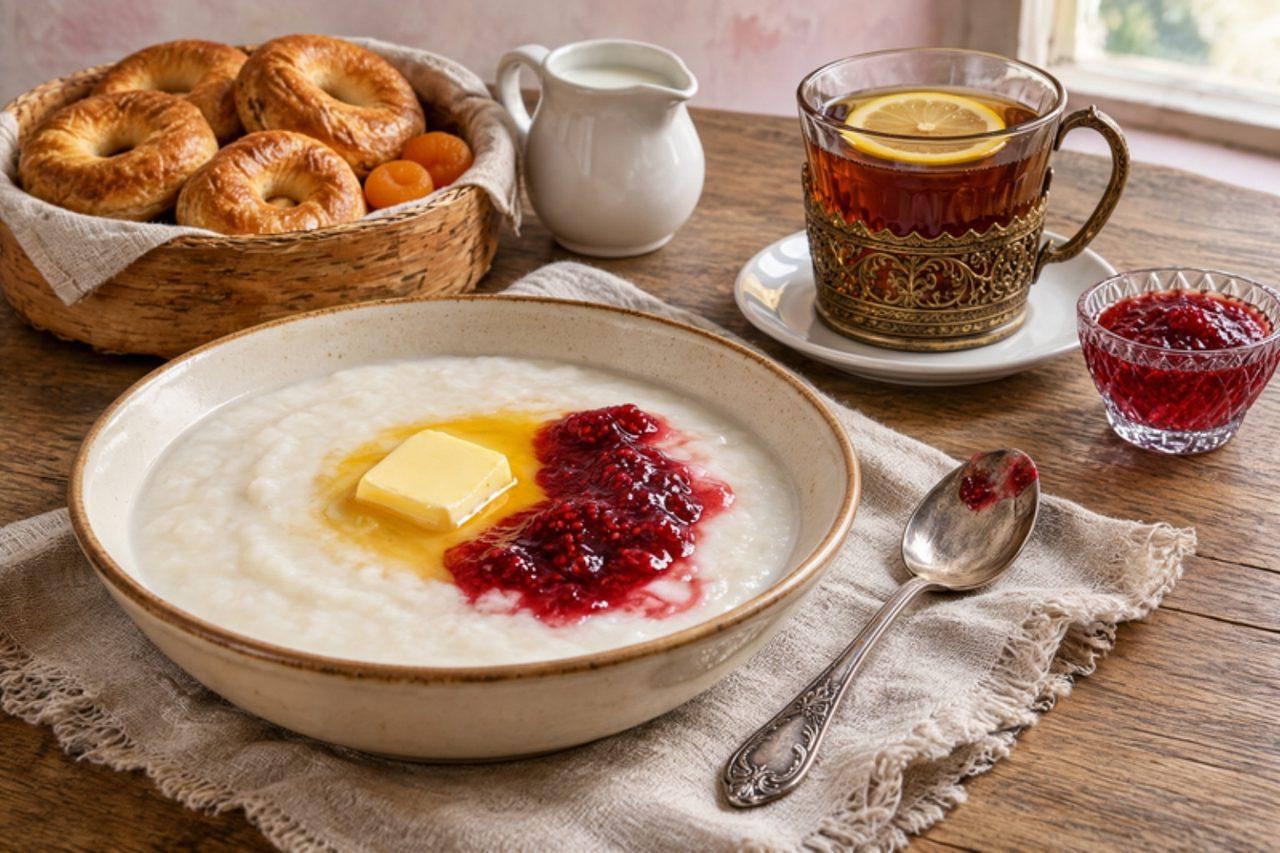
Mannaya kasha is the breakfast of every Russian childhood, served in kindergartens and at home: semolina simmered in milk into a smooth, soft porridge, with a melting knob of butter and a spoon of jam or berries in the middle. The famous mistake, joked about by generations of children, is lumps; they form when semolina is tipped in all at once, so rain it in slowly while stirring. Chef's tip: for a thick porridge use 3 tablespoons of semolina per 250 ml of milk, and for the runny kindergarten style use 2; it thickens a lot as it cools, so take it off the heat a little thinner than you want.

by KrazyBadal 0 views

Cocido quemadoBurnt sugar mate drink

Cocido is how Paraguay starts the day: in Asunción, in the villages of Guairá and Itapúa, and in school kitchens, a pot of burnt yerba is brewed and poured into cups with chipa, the cheesy cassava bread, or with a hard galleta. The old way is to drop a glowing piece of charcoal into a pot with yerba and sugar and stir until the sugar burns. On a home stove you caramelise them together in a dry pan instead, which is safer and gives the same smoky, toffee-like taste. The drink is clear amber-brown, with roasted, slightly bitter mate notes over burnt-sugar sweetness; with milk added it becomes cocido con leche, creamy and coffee-coloured. Yerba mate contains caffeine, so treat it like a cup of coffee. The common mistake is letting the sugar go black: it turns acrid and bitter. Pull it off the heat when the caramel is deep amber and the yerba smells toasted, not burnt. It is ready when the liquid is a clear dark amber and tastes of toffee and smoke. Chef's tip: the water will spit fiercely when it hits the hot caramel, so pour it in from the side, at arm's length.

by KrazyBadal 0 views

Martín FierroCheese with quince paste

Ask for dessert in a Montevideo bodegón or a country parador and you may be offered a Martín Fierro: a thick slice of fresh, mild cheese laid with an equal slice of dense quince or sweet-potato paste, named after the gaucho of the epic poem. It's salty against sweet, soft against firm, and takes two minutes to assemble. Uruguayan fresh cheese is usually made with animal rennet, so choose one with vegetarian rennet if that matters to you. The mistake is serving it fridge-cold, which dulls both flavours. Chef's tip: cut the cheese and paste to exactly the same thickness, about 1 cm, so every bite has both.

by KrazyBadal 0 views

Oblepikha tea (sea buckthorn tea)

Sea buckthorn grows wild along the rivers of Altai and the Baikal shore, and by October its thorny branches are crowded with tiny orange berries. Siberians freeze them by the bucketful, and all winter a glass teapot of oblepikha tea glows on café tables from Irkutsk to Moscow, ordered after skiing or against the dark afternoons. The taste is sharp and tropical, somewhere between passion fruit, pineapple and lemon, with a faint oily richness from the berries, softened by honey and warmed by ginger. The common mistake is pouring boiling water straight onto the honey and berries: it dulls the fruit, makes the honey taste flat and can turn the tea bitter. Let the kettle settle for a couple of minutes first. It is ready when the tea is a cloudy sunset orange, smells of citrus and ginger and the berries have released their juice. Outside Russia, look for frozen sea buckthorn in Eastern European or Nordic shops, or use unsweetened sea buckthorn purée. Chef's tip: crush a big batch of berries with honey, keep it in a jar in the fridge for a week, and spoon it into mugs whenever you want a cup.

by KrazyBadal 0 views

KoryushkaFried smelt

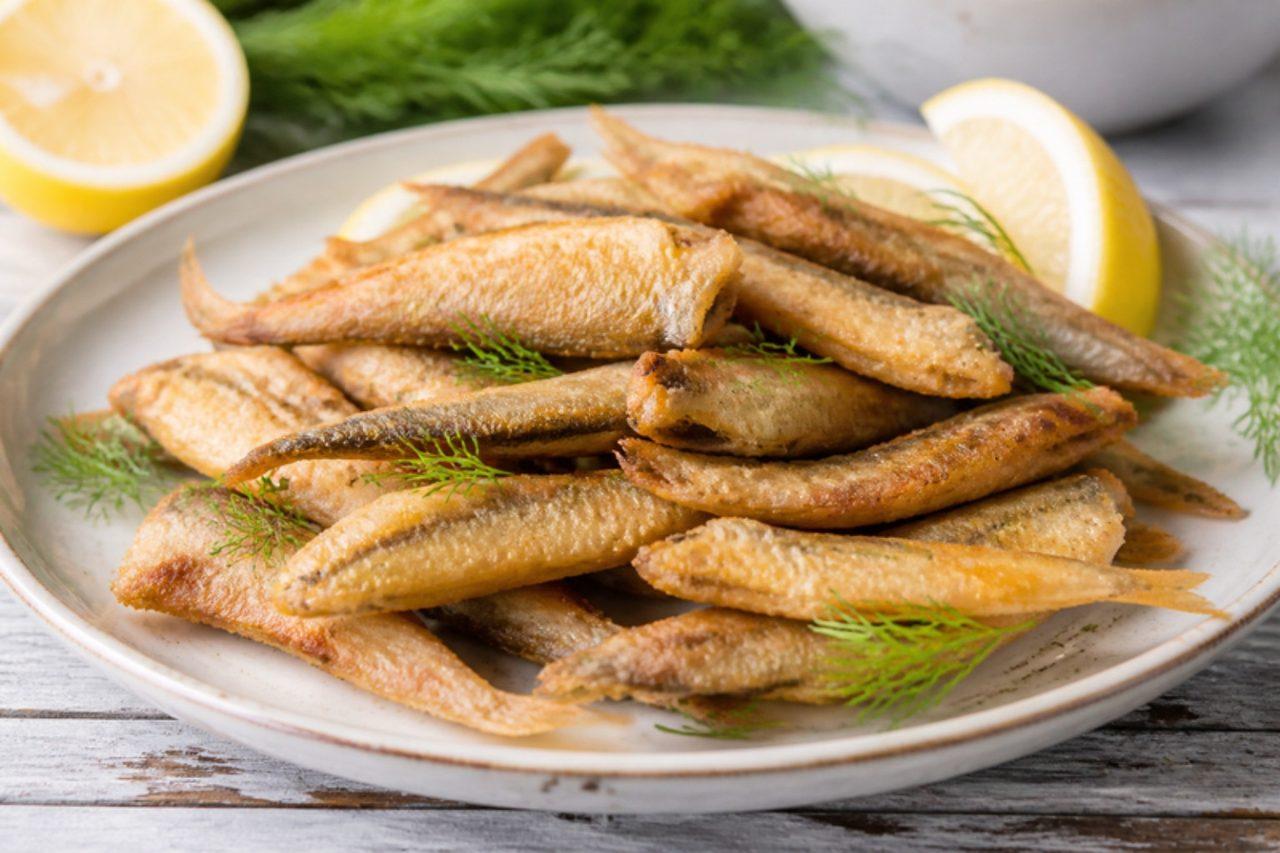
When the ice breaks on the Neva in April and May, St Petersburg goes mad for koryushka, small silvery smelt that famously smell of fresh cucumber. Stalls sell them by the kilo, the city holds a smelt festival, and every cafe fries them by the plateful. Dusted in flour and fried in hot sunflower oil, they come out golden and crunchy outside, sweet and tender inside, eaten with fingers, soft bones and all, with lemon and boiled potatoes with dill. A common mistake is crowding the pan, which drops the oil temperature and leaves the fish soggy; fry in small batches. Fish is done when the flesh is opaque and flakes easily from the backbone. Frozen smelt or sprats work out of season. Chef's tip: rye flour gives a darker, nuttier crust, a favourite in Petersburg homes.

by KrazyBadal 0 views

Cheremsha saladWild garlic salad

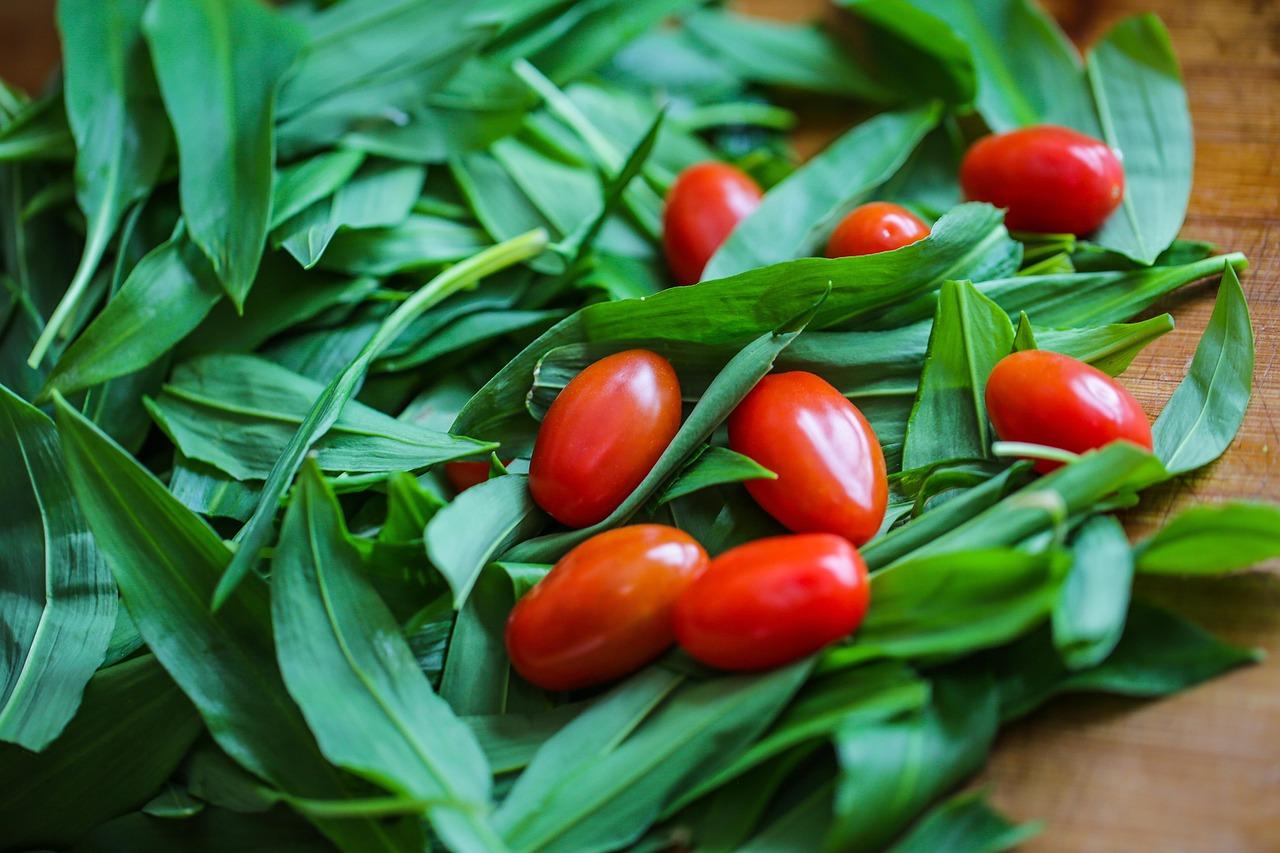
Late April in Novosibirsk and Tomsk brings bunches of cheremsha to every market stall and roadside bucket: the first green vitamins after a long Siberian winter. The broad leaves and juicy stems of wild garlic taste of sweet, mild garlic with a peppery bite, and Siberians eat them simply, chopped with salt and fragrant unrefined sunflower oil, beside boiled potatoes and black bread. Some cooks add chopped egg or sour cream; this vegan version sticks to oil, with cucumber for crunch. Forage only with someone who knows the plant, or buy it: wild garlic has poisonous lookalikes such as lily of the valley, and real leaves smell strongly of garlic when crushed. Where most people go wrong is dressing it too early, so the leaves wilt and weep. Chef's tip: salt the chopped stems first and rub them for a few seconds; it softens their bite and draws out juice that becomes part of the dressing.

by KrazyBadal 0 views

StroganinaShaved frozen whitefish

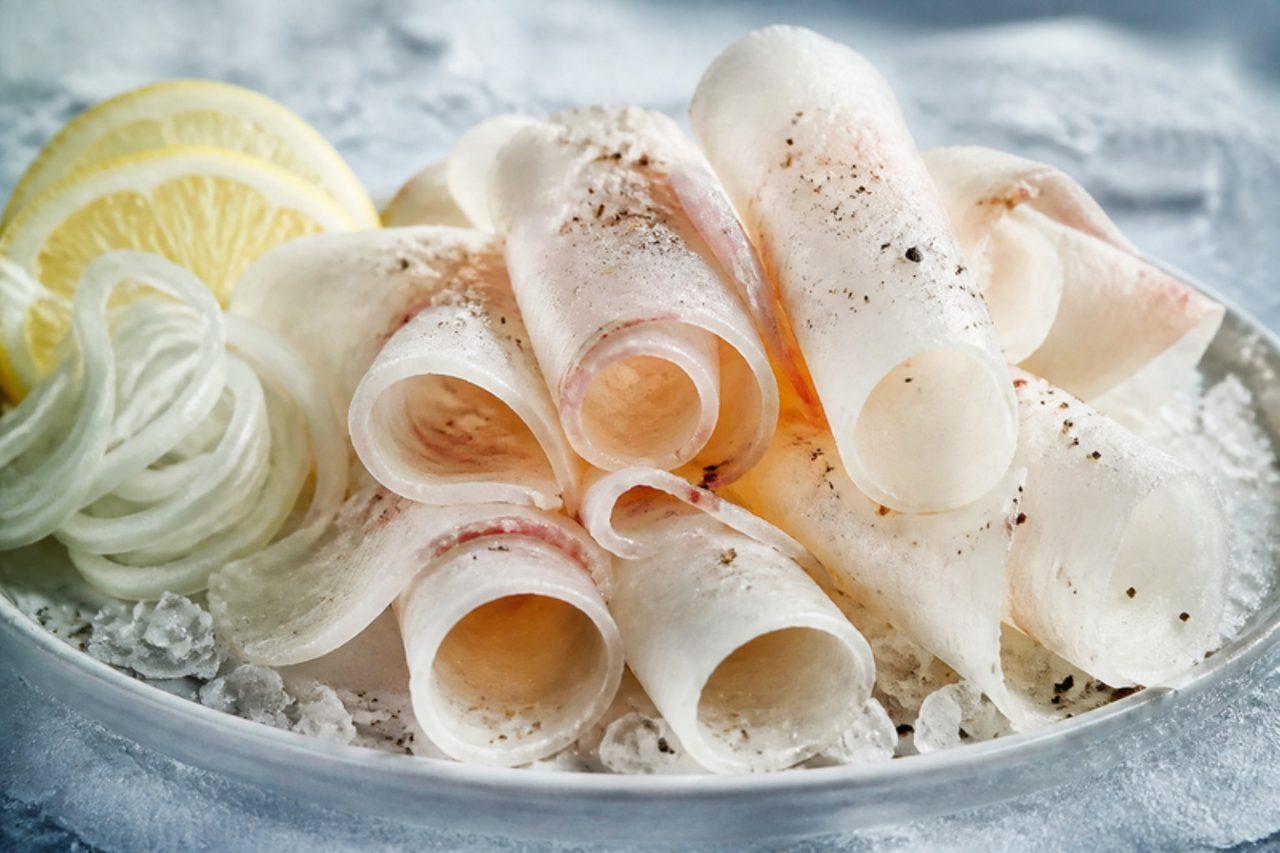
Out on the frozen rivers of Yakutia, where winter drops below minus forty, fish are pulled from the ice, freeze solid in minutes and are shaved into long curls with a sharp knife and eaten at once with coarse salt and pepper. The shavings melt on the tongue, sweet and rich, and are served at celebrations with a dip of salt mixed with black pepper and sometimes chopped raw onion. This is raw fish, so the home version must be made safely: buy sushi-grade whitefish, nelma, trout or salmon from a fishmonger and freeze it at −20 °C for at least 7 days before using, then shave it while still frozen hard. Even so it is not for pregnant women, young children or anyone with a weakened immune system. A common mistake is letting it thaw on the plate: soft stroganina is slimy, not silky. Chef's tip: chill the plate and the knife in the freezer too.

by KrazyBadal 0 views

Red caviar butterbrods

When the Soviet festive table had one luxury, this was it: little slices of white bread, thick with cold butter and topped with glistening orange salmon roe, set out for New Year's Eve, birthdays and the first course of a wedding. The pleasure is in the textures, the bead-like eggs bursting with a salty sea taste against sweet butter and soft bread. Salmon roe is salted and cured, not cooked: buy pasteurised roe in a chilled jar or tin from a good fishmonger, keep it in the fridge and eat it the day it is opened; it is not for pregnant women, young children or anyone with a weakened immune system. A common mistake is spreading the butter thin; you need a proper layer to anchor the roe. Chef's tip: spoon the roe with a plastic or bone spoon rather than metal, and add it at the last minute so it stays plump.

by KrazyBadal 0 views

Makarony po-flotskiNavy-style pasta with minced beef

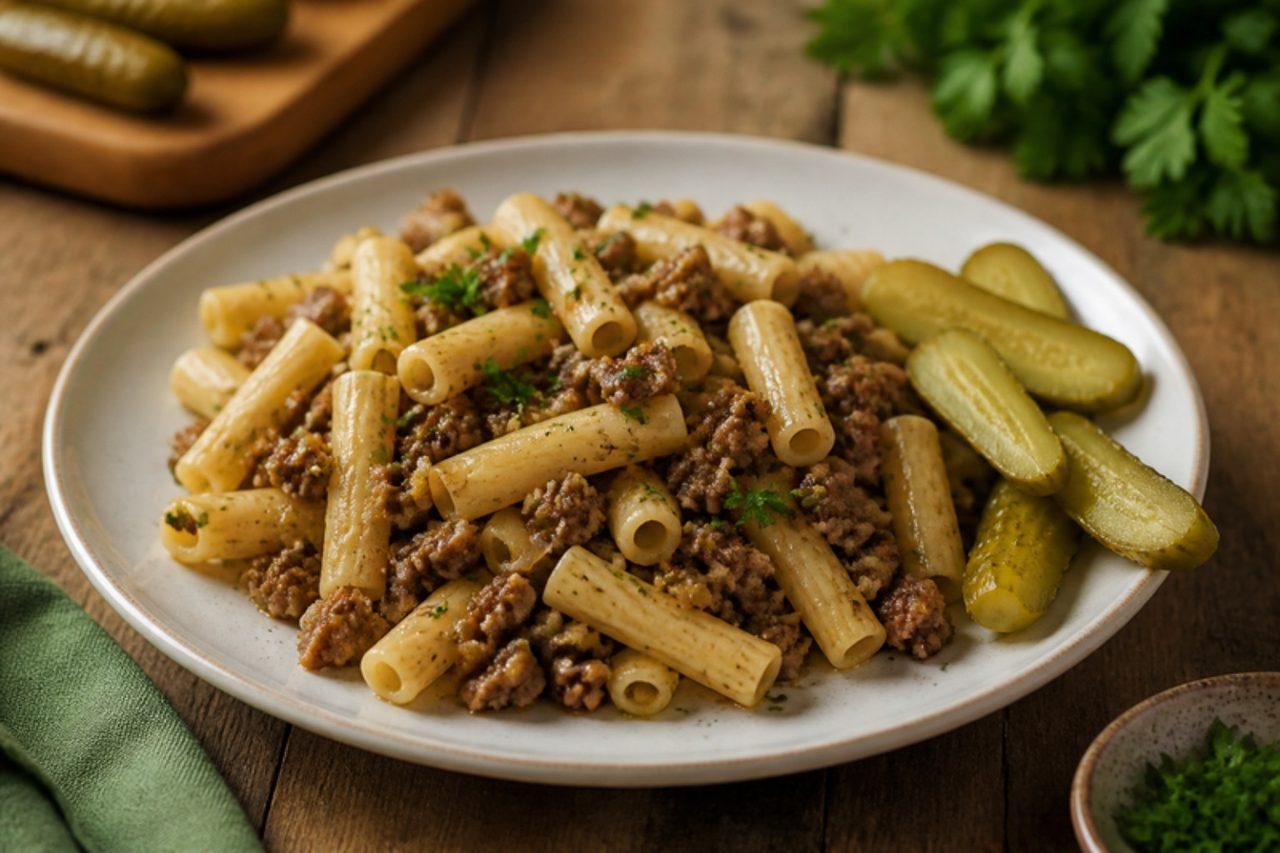
Navy cooks in the Baltic Fleet at Kronstadt fed whole crews on this, and it went on to become the canteen and student-hostel supper of the Soviet Union: tubes of pasta tossed in a frying pan with beef mince and plenty of onion until everything is a little crisp. It is salty, peppery and comforting, and children love it. Eat it straight from the pan with a pickled cucumber or a quick tomato salad. A common mistake is crowding raw mince into a cold pan so it stews grey instead of browning. Chef's tip: fry the drained pasta in the meat fat for the last two minutes without stirring too much, so some tubes catch and turn golden.

by KrazyBadal 0 views

Vitamin salad

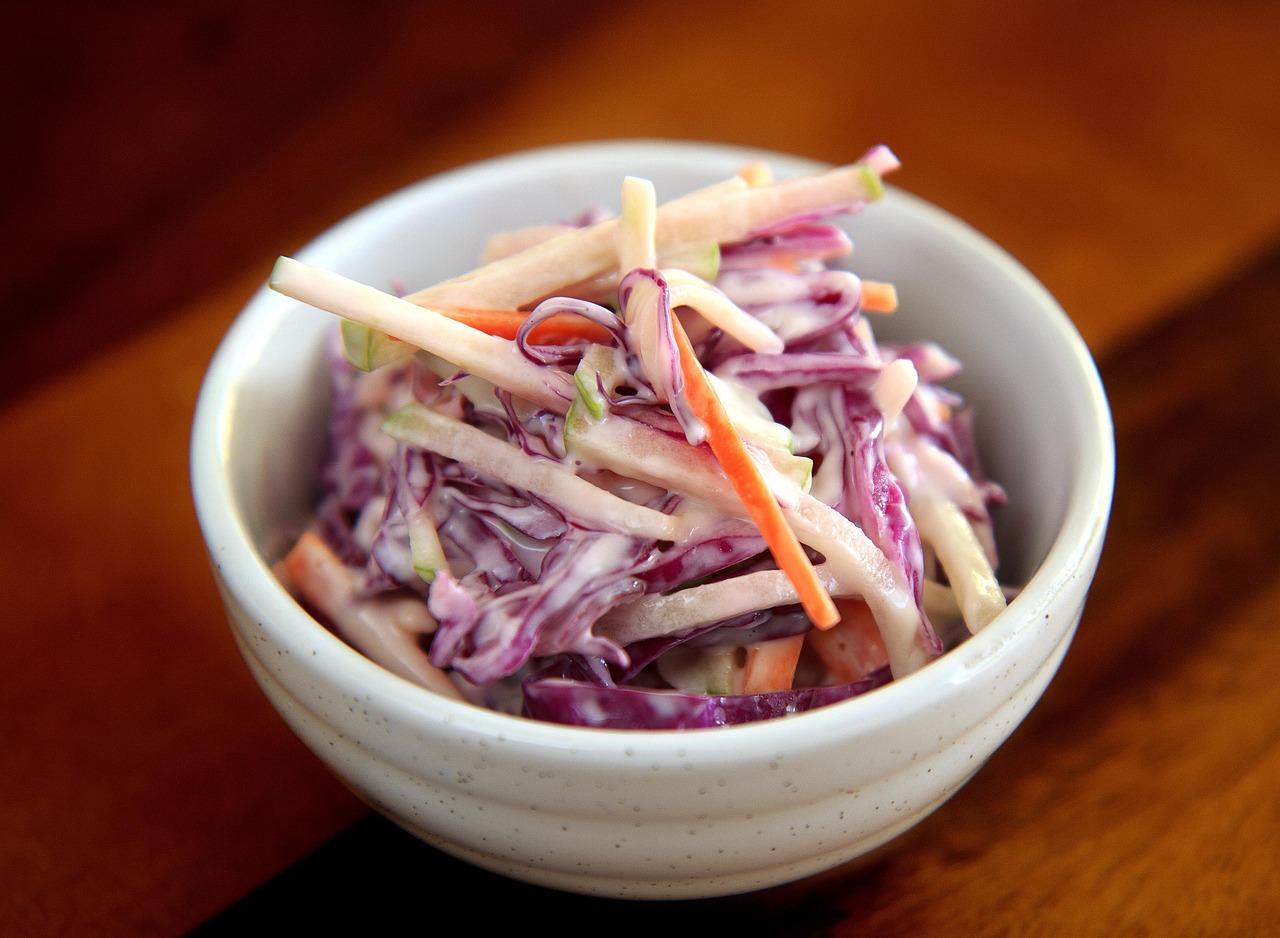
"Vitamin" salad was the bright spot on every Soviet stolovaya tray, scooped from a steel tray beside the cutlets and buckwheat, and it is still how many Russians start a light lunch. Fresh white cabbage, carrot and green apple are rubbed with salt and sugar, then dressed simply with sunflower oil and vinegar, so it tastes crisp, juicy and sweet-sour. It goes with almost anything hot and is a good way to use half a cabbage. A common mistake is skipping the squeeze: crushing the cabbage with salt for a minute or two softens it and draws out juice that becomes part of the dressing. Grate the apple last so it does not brown. Chef's tip: unrefined, toasted-seed sunflower oil gives the true canteen flavour; a splash goes a long way.

by KrazyBadal 0 views

TsakhdonGarlic sour cream sauce

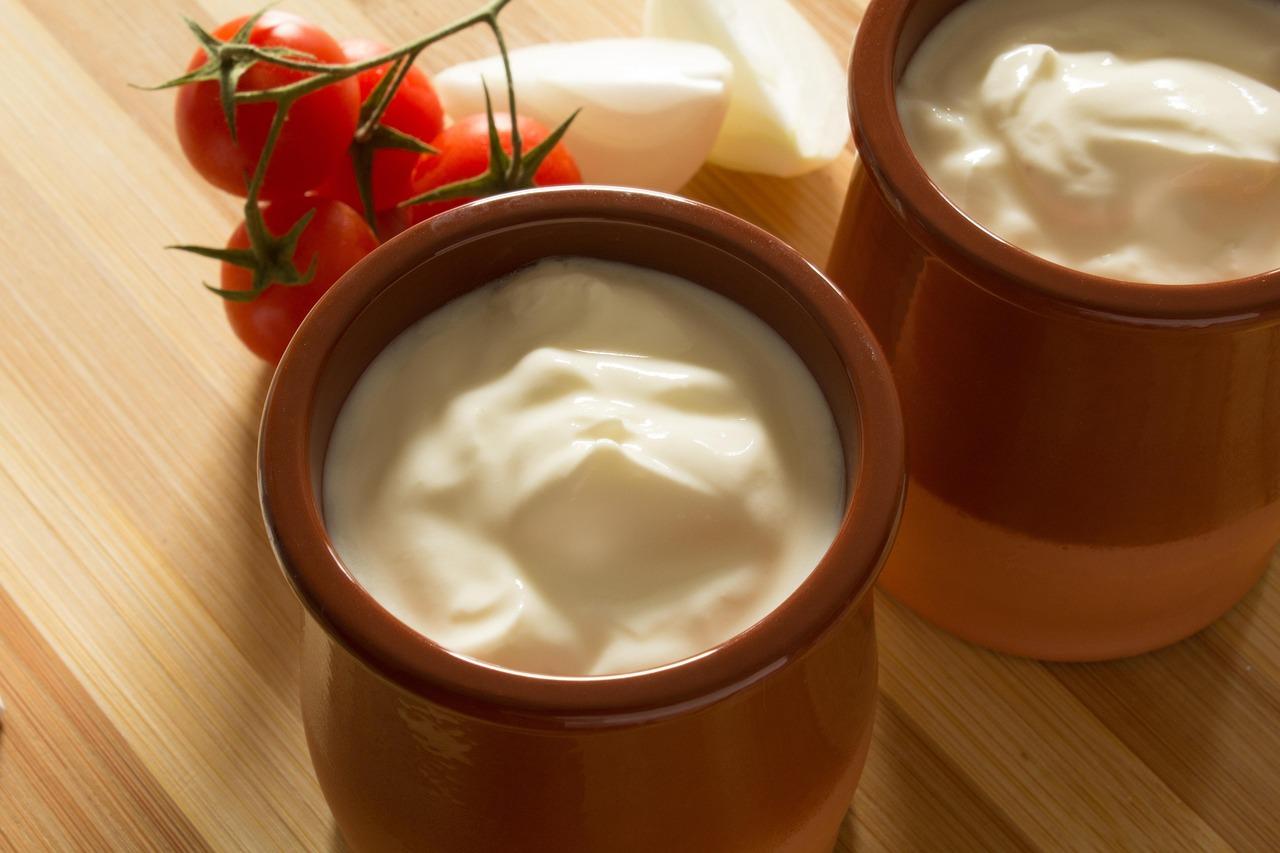
Ossetian tables in Vladikavkaz and the mountain villages of North Ossetia nearly always carry a bowl of tsakhdon, the thick, garlicky sour cream that goes with three-pie feasts, boiled beef, potatoes and anything grilled. It is cool, tangy and sharp with raw garlic, flecked green with dill, coriander and a little mint, and some families add a pinch of crushed red pepper. Garlic pounded with salt gives a smoother, sweeter heat than chopped garlic, so take the extra minute with a mortar. The usual slip is serving it the moment it is mixed; ten minutes in the fridge lets the garlic soften and spread through the cream. Use full-fat sour cream, as low-fat versions turn runny. Chef's tip: thin it with a spoon or two of cold water or kefir if you want it pourable over hot potatoes rather than spoonable beside pies.

by KrazyBadal 0 views

Beet salad with garlic

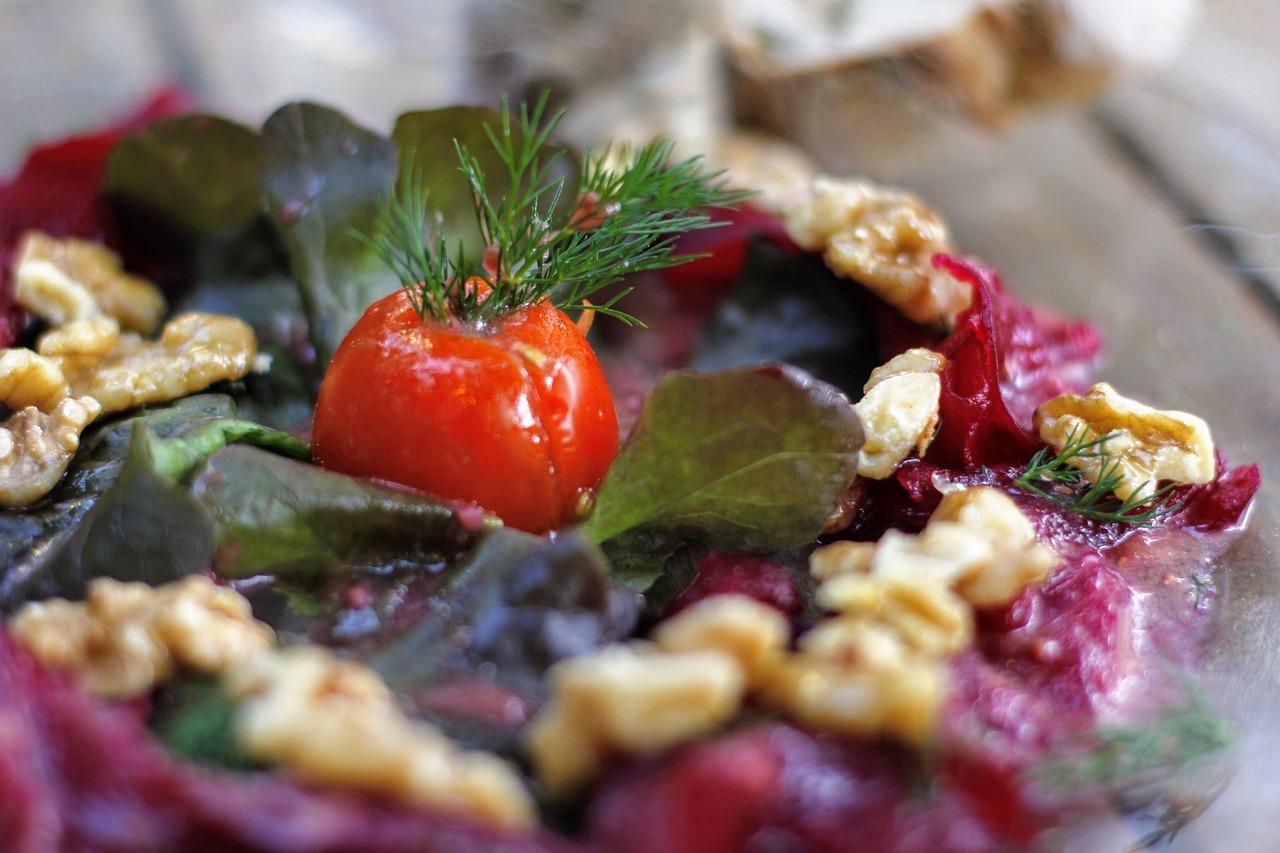
Grated beetroot with garlic is about as everyday as Russian cooking gets: something from the school canteen, the work buffet and the Sunday table alike, served in a small bowl beside cutlets, boiled potatoes or black bread. This dressed-up version adds chopped prunes for sticky sweetness and toasted walnuts for crunch, all bound with a spoon of mayonnaise. It tastes earthy, sweet and bright with garlic. Buy ready-cooked beetroot (not pickled) to keep it a fifteen-minute job, or boil your own the day before. The usual slip is grating the beetroot fine and leaving it in its juice, which makes the salad watery and purple-grey; grate coarsely and squeeze lightly first. For a lighter dish use thick yoghurt or sour cream in place of mayonnaise. Chef's tip: toast the walnuts; raw ones taste bitter against the beet.

by KrazyBadal 0 views

Torta fritaFried dough discs

In Uruguay, a grey rainy afternoon has one answer: torta frita and mate. These thin discs of dough, pierced with a hole in the middle, are fried until puffed and golden and either sprinkled with sugar or eaten plain, still hot, between sips passed around the circle. In Montevideo you'll smell them from street stalls on wet days; at home they're made with butter or beef fat, here with butter. Chef's tip: the hole in the middle isn't decoration; it lets the centre cook through at the same speed as the edges.

by KrazyBadal 0 views

Mushroom stroganoff

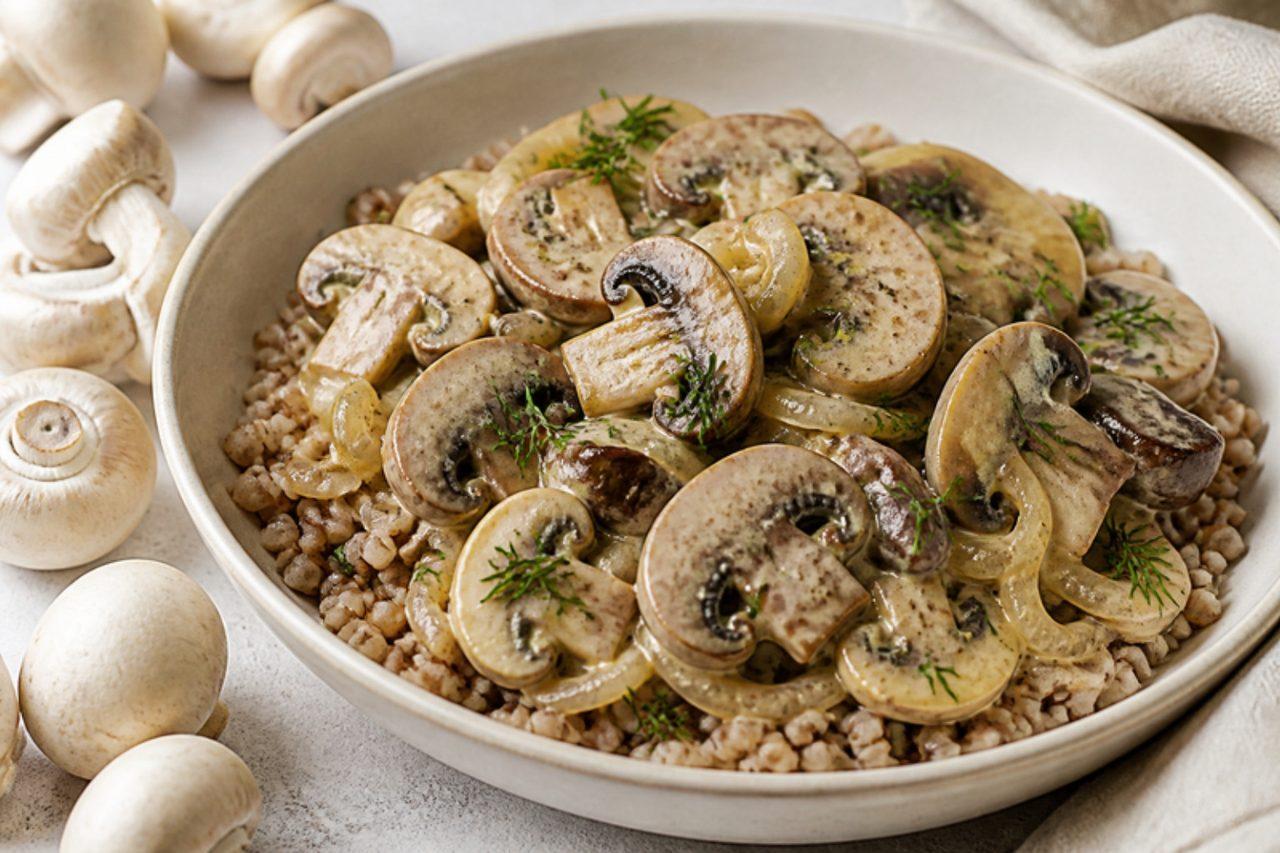
Beef stroganoff was named after the aristocratic Stroganov family of St Petersburg in the nineteenth century, and the original is strips of beef in a sauce of smetana and mustard. In Russian homes today the meatless version, made with forest mushrooms in autumn and button mushrooms the rest of the year, is just as common, especially during Orthodox fasts and on weeknights. It differs from Hungarian paprikás: no paprika, a gentle mustard edge, and a sauce that should stay pale and creamy. Serve it on fluffy buckwheat or mashed potatoes. Chef's tip: stir the smetana in off the boil; bubbling it hard makes it split into grainy curds.

by KrazyBadal 0 views

MbejúCassava starch cheese cake

Mbejú (say 'mbeh-JOO') is a Guaraní breakfast and merienda: cassava starch rubbed with butter, cheese and a little milk into damp crumbs, then pressed into a hot pan where it fuses into a thick, chewy, crisp-edged cake. It's eaten in the countryside with cocido (sweet toasted yerba tea with milk) on cool mornings, cut into wedges. It's naturally gluten free and very quick. Chef's tip: the mix should look like damp sand, not a dough; if you can squeeze a handful and it just holds, it's right.

by KrazyBadal 0 views