Skip to content
Recipes

All recipes

Vegetarian, or something you can't eat? Set your diet once and we'll hide recipes that don't fit.

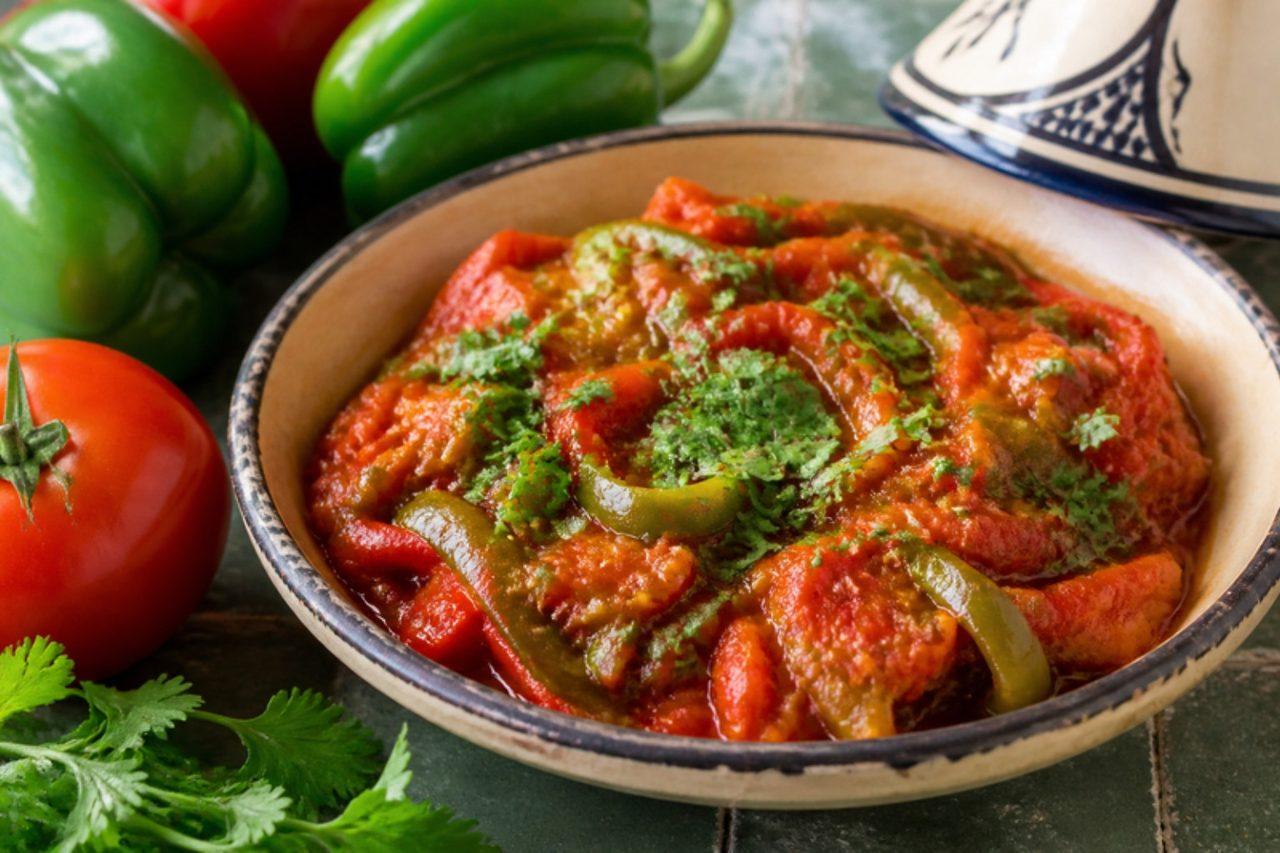
TaktoukaRoasted pepper and tomato salad

Taktouka is the pepper partner to zaalouk, served side by side on the salad plates of Moroccan homes and cafés, especially around Casablanca and the north. Grilled green peppers are peeled and cooked down with tomato, garlic and cumin until soft and jammy, then eaten lukewarm with bread or as a side to tagines and grilled vegetables. It is cheap, quick and keeps for three days in the fridge. Chef's tip: use the thin-skinned, slightly bitter green peppers if you can find them; they give a more authentic flavour than sweet bell peppers.

by KrazyBadal 0 views

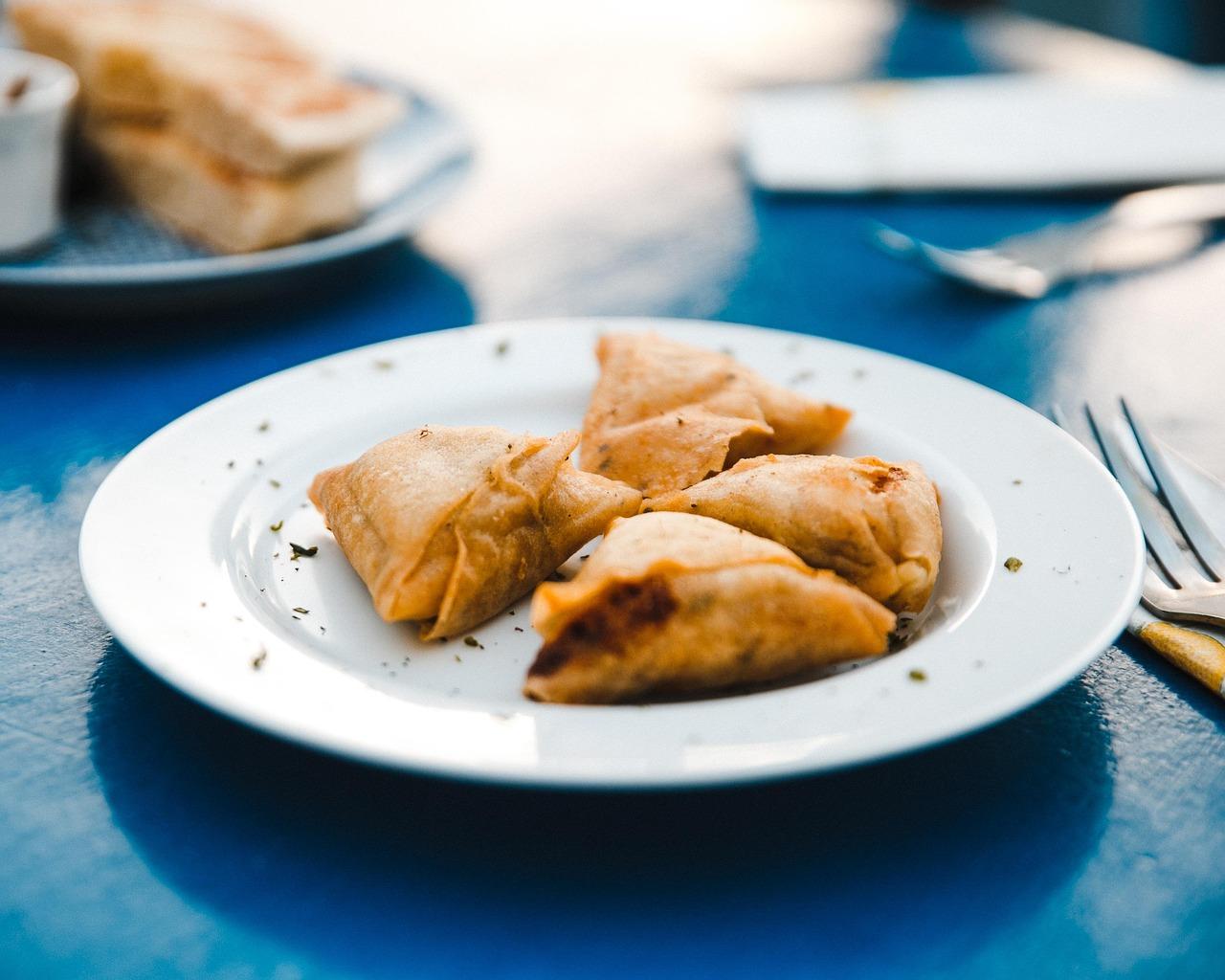
Vegetable briouatsSpiced vegetable pastry triangles

Briouats are the small, crunchy pastry triangles served at Moroccan weddings and at the iftar table during Ramadan, especially in Rabat and Fez where women make hundreds ahead and freeze them. The wrapper is warqa, a paper-thin pastry, though filo works well at home. Savoury briouats are often filled with meat or seafood; this vegetarian filling of potato, carrot, peas, spices and cheese is popular in family kitchens and loved by children. Bake or fry them and serve hot with a dipping saucer of harissa. Chef's tip: let the filling cool completely before wrapping; hot filling makes the pastry soggy and it splits in the oven.

by KrazyBadal 0 views

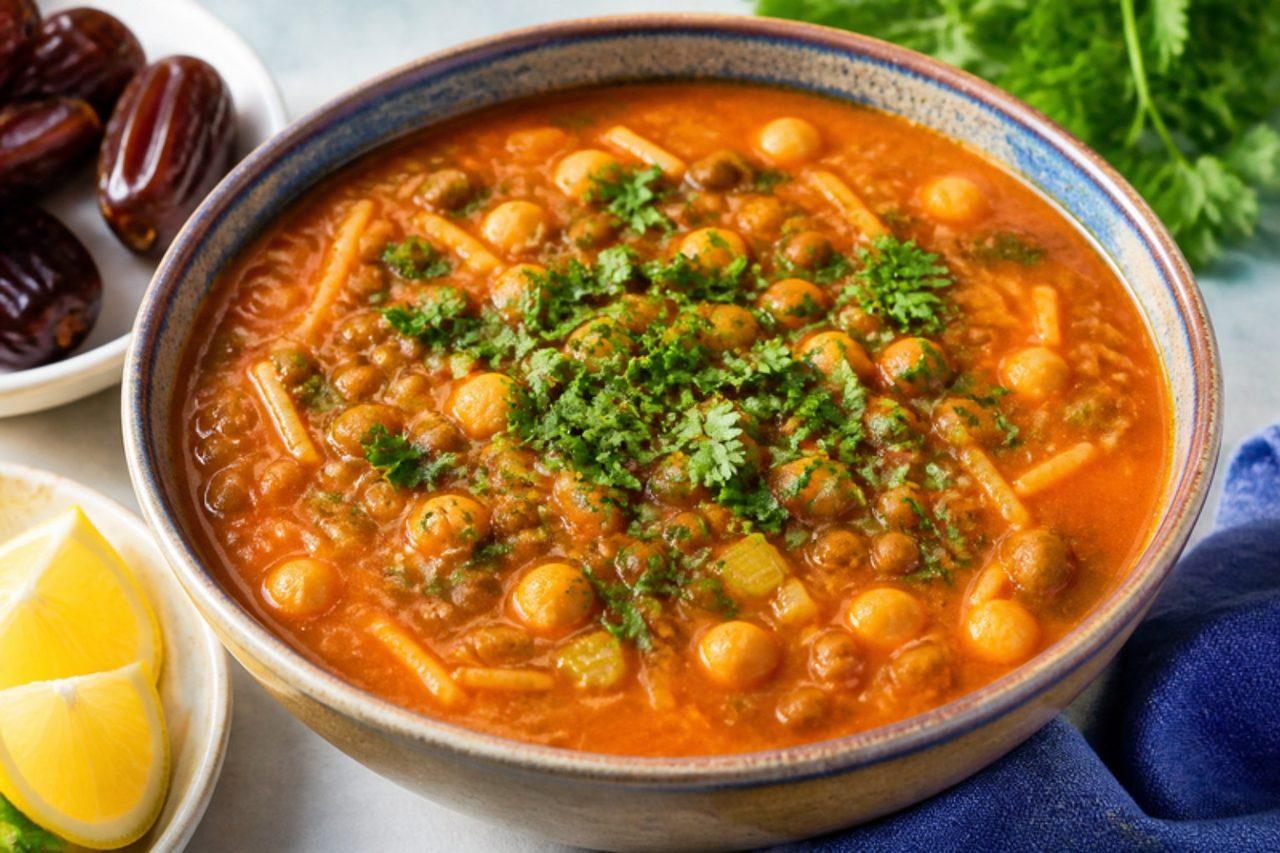
HariraTomato, lentil and chickpea soup

When the call to prayer ends the fast during Ramadan, tables from Tangier to Ouarzazate are set with a bowl of harira, dates and chebakia. This tomato soup is thick with lentils, chickpeas and a great deal of coriander, parsley and celery, and gets its silky body from a flour-and-water slurry stirred in at the end. Many families cook it with a little lamb; this meat-free version uses a well-browned onion and tomato base and olive oil instead of smen, so it is fully vegan and still deeply savoury. Chef's tip: the soup should coat a spoon like thin custard; add the flour slurry slowly while stirring and stop when it reaches that point. Variation: for the meat version, brown 250 g diced lamb with the onion at the start.

by KrazyBadal 0 views

ZaaloukAubergine and tomato salad

Zaalouk is one of the cooked salads that open almost every Moroccan meal, from Fez to Essaouira, set out in small dishes with taktouka and carrot salad and scooped up with bread. Aubergine and tomato are cooked down together with garlic, cumin and paprika until they become a soft, spoonable relish, sharpened at the end with lemon and olive oil. It tastes even better the next day, so many cooks make a big batch. Chef's tip: char the aubergine over a gas flame or under the grill first if you can; the smoky skin flavour gives the best zaalouk.

by KrazyBadal 0 views

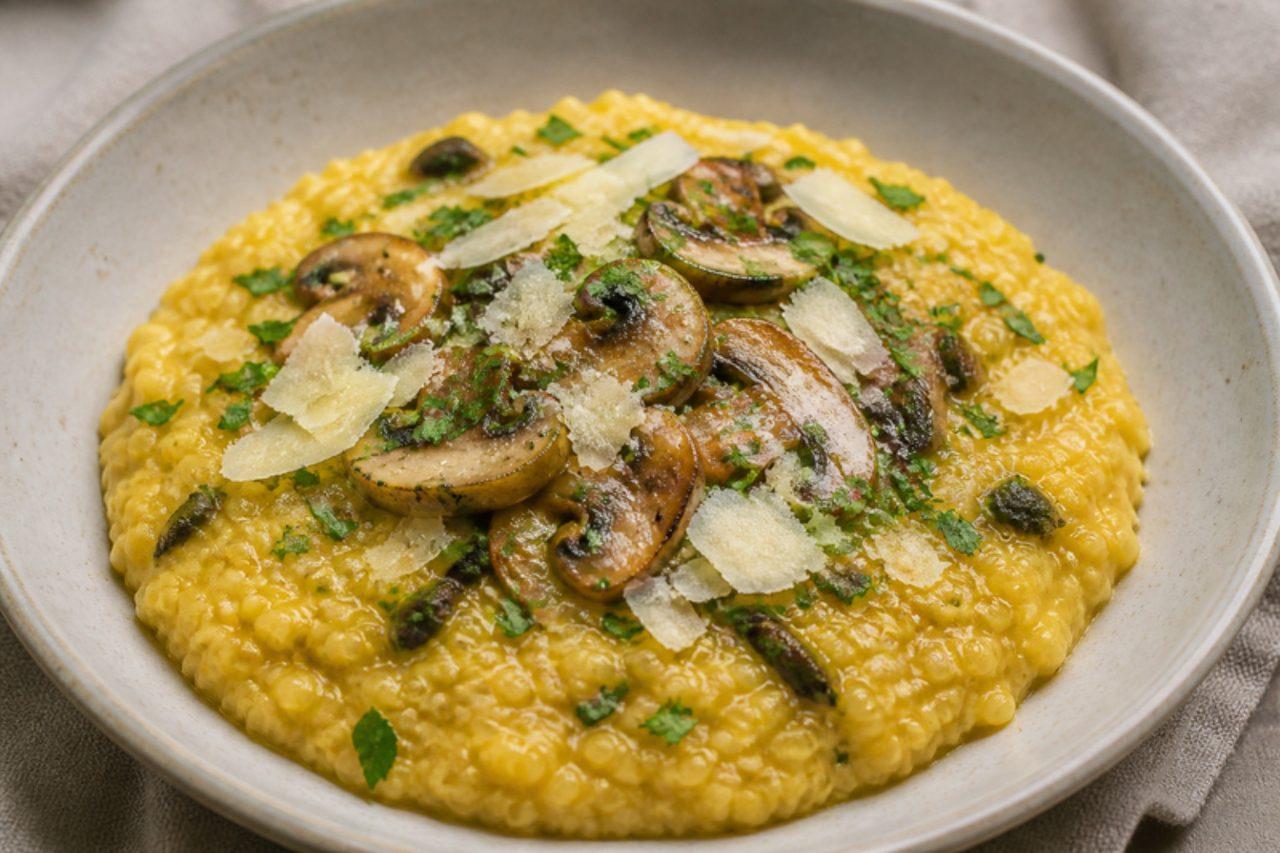
QuinottoCreamy quinoa with mushrooms

Quinotto is quinoa cooked like a risotto, a dish from the new Andean cooking of Cusco and Lima that marries Italian technique with the grain of the high Andes. Quinoa is toasted with onion and garlic, simmered in stock with white wine, then finished with mushrooms, butter, cream and grated cheese until creamy and loose. It has a pleasant pop and nutty flavour that rice never has, and a gentle warmth from ají amarillo. Serve it as a main with a green salad. Use a hard cheese made with vegetarian rennet. Chef's tip: quinoa has little starch, so the creaminess comes at the end; stir in the butter, cheese and cream off the heat and serve straight away while it still flows.

by KrazyBadal 0 views

Pollo a la brasaRoast chicken with green chilli sauce

Born in the 1950s in Chaclacayo, just east of Lima, this rotisserie chicken has grown into a national obsession, with its own holiday on the third Sunday of July and a pollería on almost every block. The bird is marinated in soy sauce, lime, garlic, cumin and ají panca, then roasted until the skin is lacquered and dark. At home a hot oven does the job, and the meal is not complete without chips, a simple salad and a jar of creamy green ají sauce. Chef's tip: dry the skin well and leave the chicken uncovered in the fridge overnight after marinating; it roasts up much crisper.

by KrazyBadal 0 views

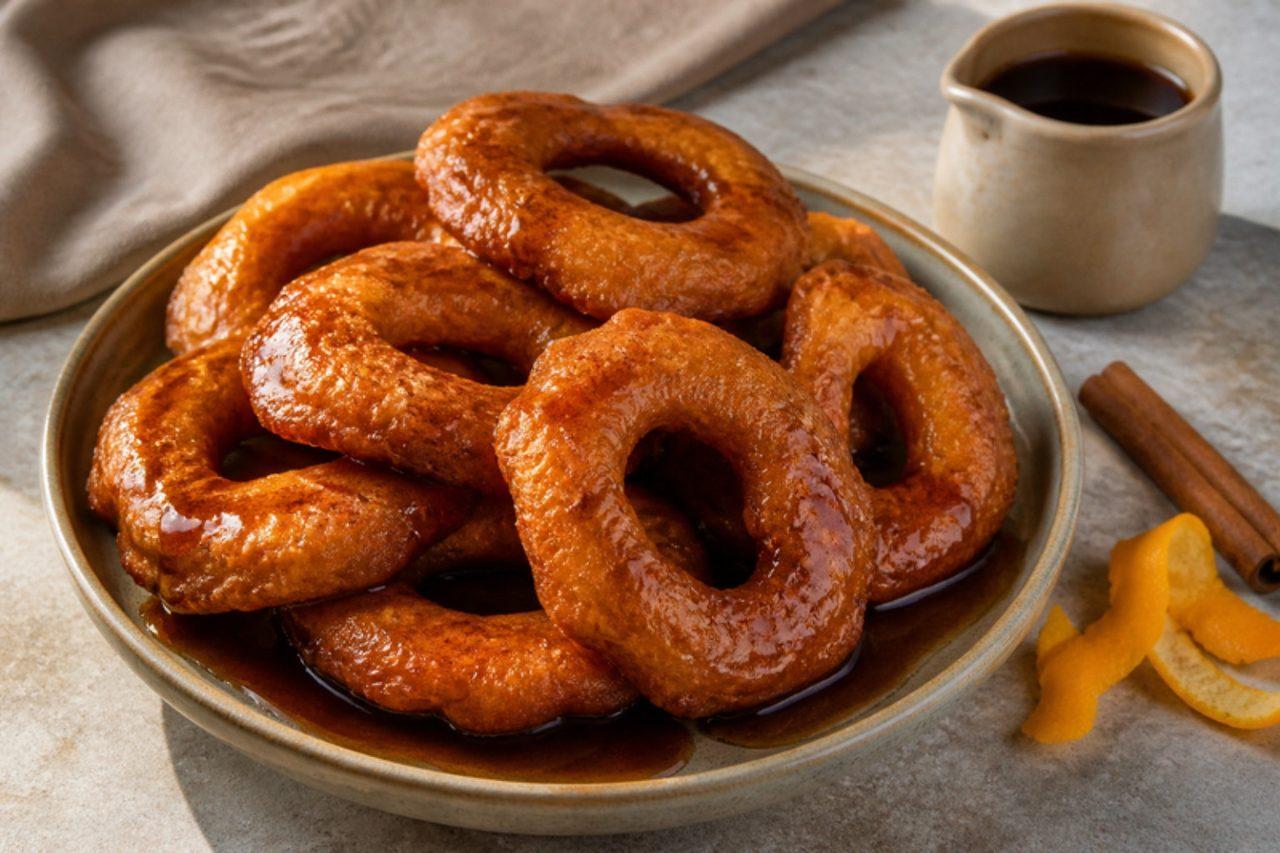
PicaronesSweet potato and squash doughnuts

Picarones are Lima's favourite street sweet, fried to order at stalls in the parks and outside churches, especially in October during the Señor de los Milagros processions. The light, chewy rings are made from a yeasted dough of sweet potato and squash, scented with anise, fried until crisp and drenched in miel de chancaca, a dark syrup of unrefined cane sugar with orange peel, cinnamon and cloves. They are eaten hot, straight from the oil, with plenty of syrup. Chancaca is sold in Latin shops; dark muscovado or piloncillo makes a very good syrup too. Chef's tip: the dough should be very soft and sticky, like a thick batter; resist adding more flour, or the picarones turn heavy and bready.

by KrazyBadal 0 views

Papa a la huancaínaPotatoes in spicy cheese sauce

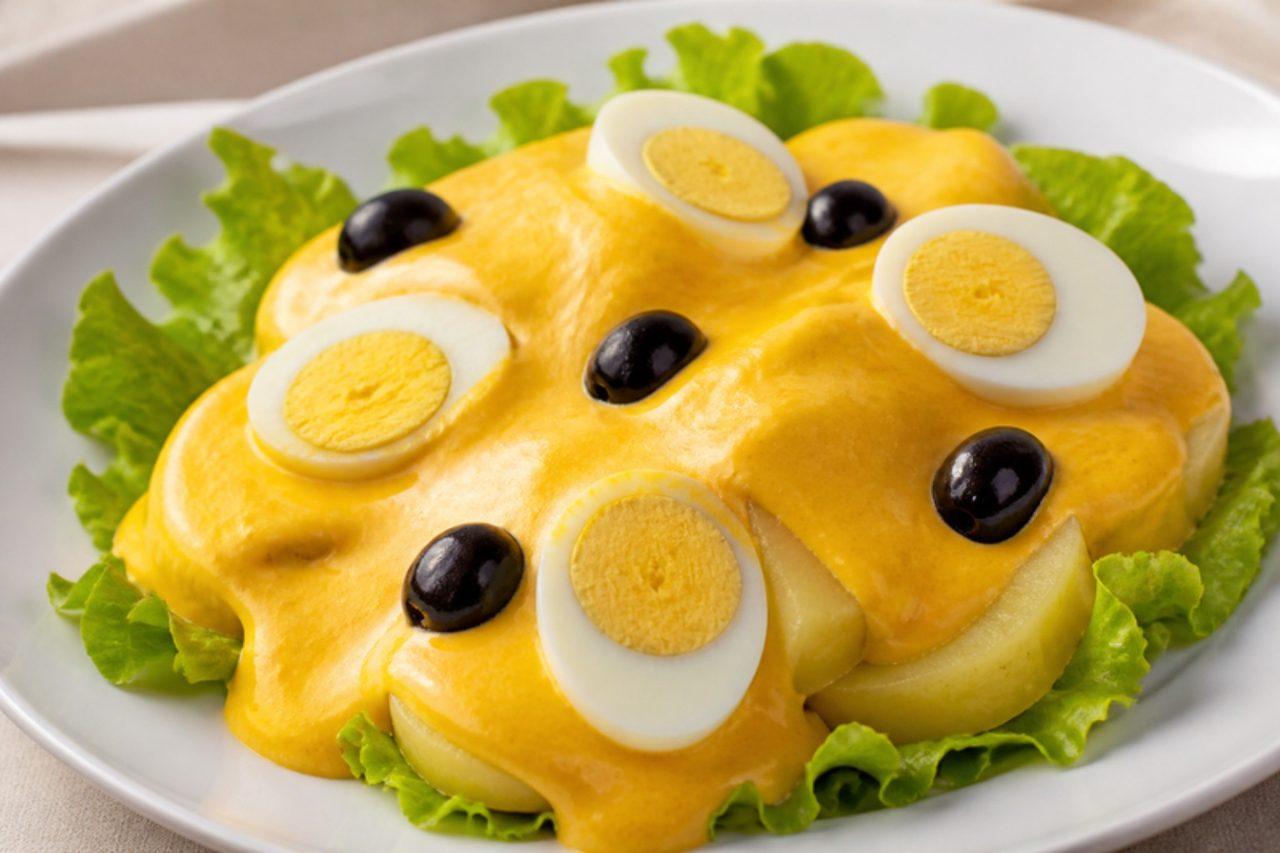
Papa a la huancaína is named after Huancayo in Peru's central Andes, but it is eaten everywhere, from Lima's set-lunch counters to Sunday family tables. Thick slices of cold boiled potato are blanketed in huancaína sauce, a silky, mildly hot sauce of ají amarillo, fresh cheese and evaporated milk, then finished with boiled egg and black olives. It is served cold as a starter, and the sauce is also the favourite dip for boiled corn and fried yuca. Use a queso fresco made with vegetarian rennet if you want it fully vegetarian (or a mild feta rinsed of salt). Chef's tip: fry the chillies, onion and garlic before blending; this takes off their raw edge and gives the sauce its rounded, sweet heat.

by KrazyBadal 0 views

Pachamanca a la ollaPot-steamed meats with potatoes

In the highlands around Huancayo and Ayacucho, families mark harvests and saints' days by burying marinated meats, potatoes, sweet potatoes, broad beans and humitas under hot stones and earth for a pachamanca, an 'earth pot'. City cooks get close to it with a heavy pot: the same green marinade of huacatay (black mint), chincho, ají and garlic, layered with meats and roots and steamed in their own juices under banana or corn leaves. Chef's tip: layer the hardest things lowest, potatoes on the bottom and chicken nearest the lid, just as the stones are packed in the field.

135 minPeruvianMeatGluten free
by KrazyBadal 0 views

Olluquito con charquiOlluco and dried beef stew

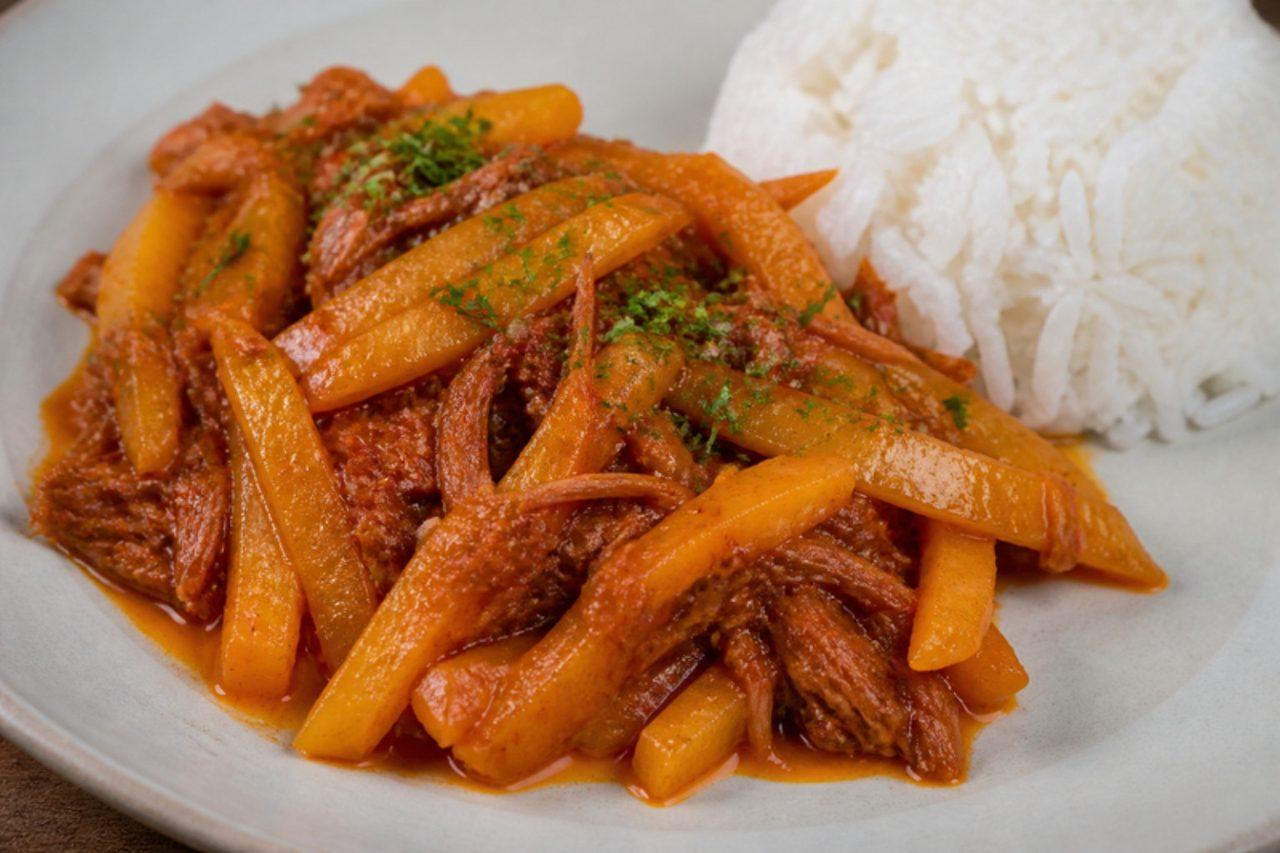
Olluco is a glossy yellow-and-pink tuber grown high in the Andes, crunchy when raw and silky when cooked, and in Lima's market eateries it is cut into fine matchsticks and stewed with charqui, sun-dried meat that was the travel food of Inca messengers. The dish is gently spiced with ají panca and finished with fresh parsley, and it is always served with white rice. Latin shops sell olluco in jars; if you can't find it, firm new potatoes or courgette give a similar texture, and beef brisket stands in well for charqui. Chef's tip: cut the olluco and rinse it well; the slippery sap washes off and the stew won't turn slimy.

by KrazyBadal 0 views

Juane de gallinaChicken and rice parcels

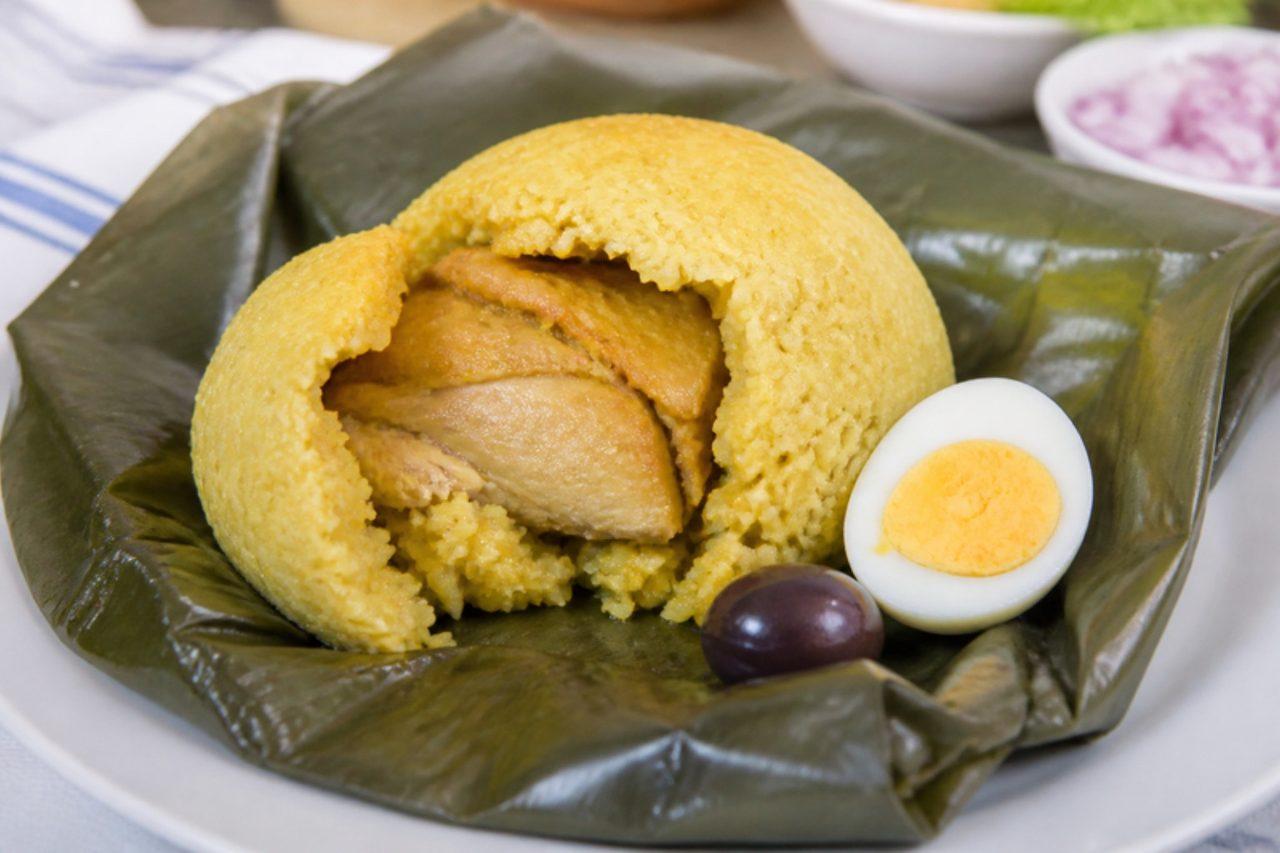
In Iquitos, Tarapoto and the river towns of Peru's Amazon, juanes are steamed by the hundred for the feast of San Juan on 24 June, when families picnic by the rivers to mark the start of the dry season. Each parcel hides a piece of chicken, half a boiled egg and a black olive inside rice seasoned with turmeric, cumin and the herb sacha culantro, all wrapped in broad bijao leaves that perfume the rice. Banana leaves are the easiest swap outside the jungle. Chef's tip: let the rice cool before you wrap it; warm rice is too soft to shape and the parcels lose their round shape.

by KrazyBadal 0 views

Vegetable chorba frikTomato soup with green wheat

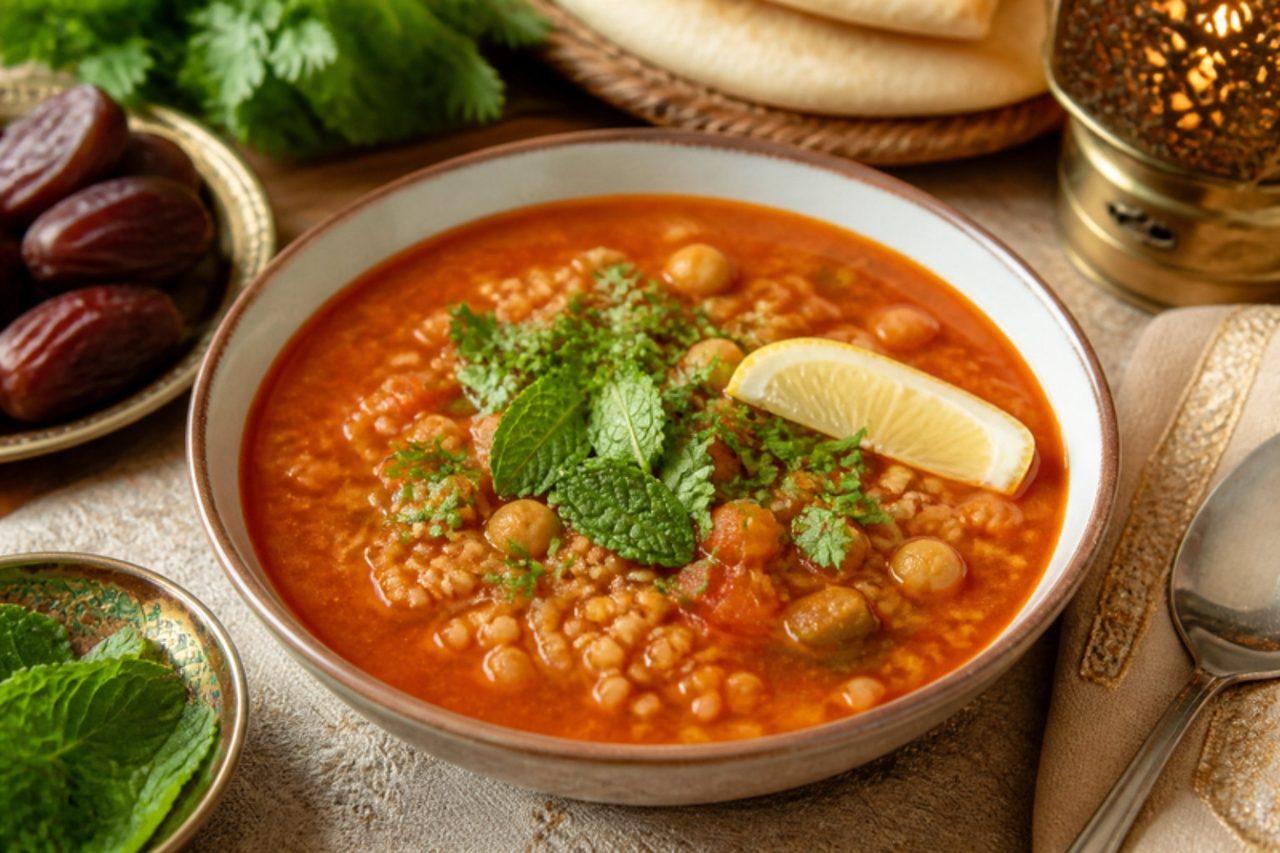
Chorba frik is the soup that breaks the fast in Algerian homes every evening of Ramadan, from Algiers to Constantine, and it is just as common in Libya as shorba. Frik is young green wheat, roasted and cracked, which gives the tomato broth a smoky, nutty depth. It usually cooks with lamb; here chickpeas, celery and courgette carry it. Serve with lemon wedges and bread. Chef's tip: add the frik only once the broth is boiling and stir for the first minute, or it sinks and sticks.

by KrazyBadal 0 views

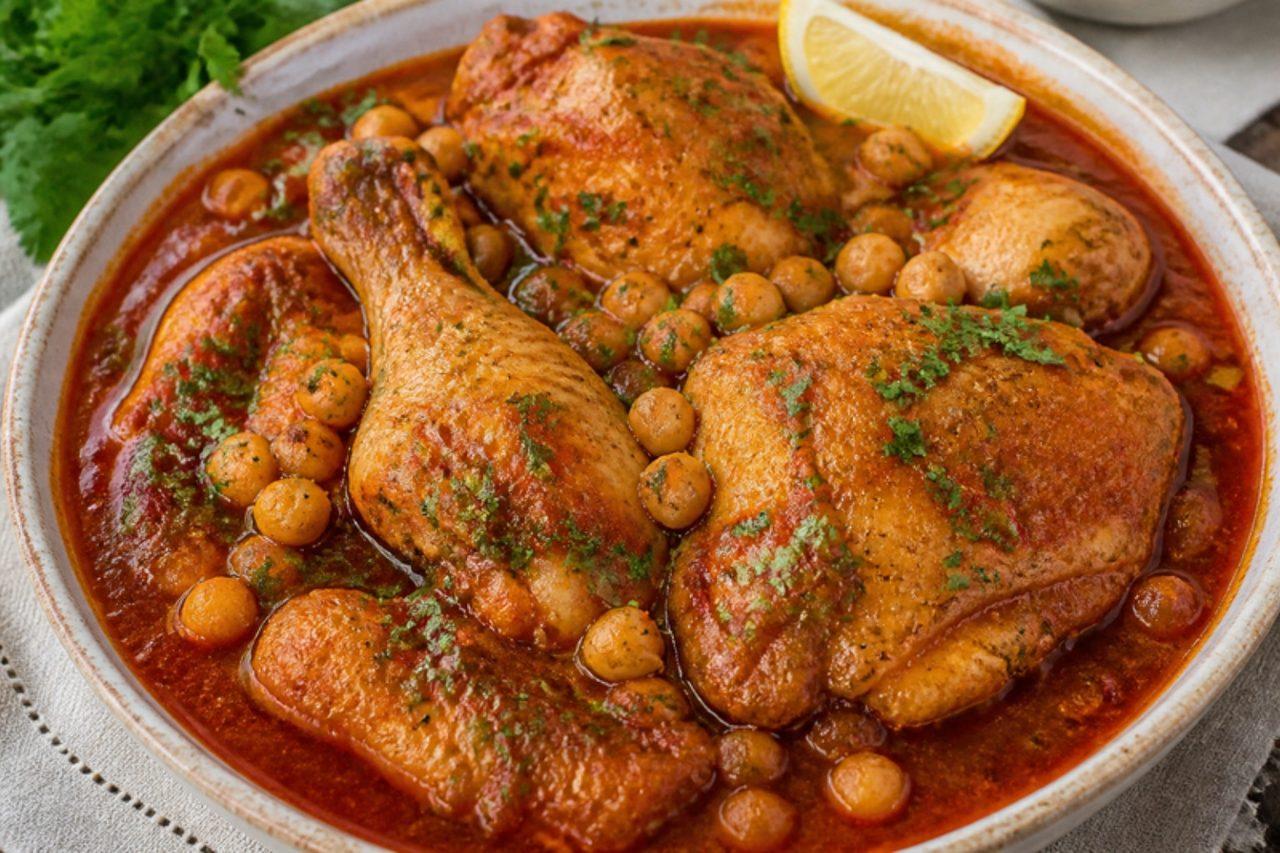
Chtitha djejChicken in paprika sauce with chickpeas

Chtitha djej is the everyday chicken of Algerian homes from Algiers to Constantine: chicken pieces simmered in a red sauce of paprika, cayenne, garlic and caraway with chickpeas, reduced until thick and clinging. It is mopped up with khobz or matlouh flatbread. The mistake is burning the garlic and paprika when they go into the oil, which turns the sauce bitter; keep the heat moderate and add water as soon as they smell toasted. Chef's tip: add a squeeze of lemon right at the end to brighten the spices.

by KrazyBadal 0 views

Couscous royalCouscous with lamb, chicken and sausage

Couscous royal is the big-occasion couscous that Algerian and Moroccan families brought to France and that is now served for weddings and Sunday gatherings from Oran to Marseille: a pot of lamb and chicken simmered with vegetables and chickpeas in a mildly spiced broth, grilled merguez on the side, and a mountain of steamed couscous. The mistake is putting all the vegetables in at once; the courgettes go mushy while the turnips are still hard, so add them in stages. Chef's tip: brown the lamb and chicken well before the water goes in; that colour flavours the whole broth.

160 minAlgerianMeat
by KrazyBadal 0 views

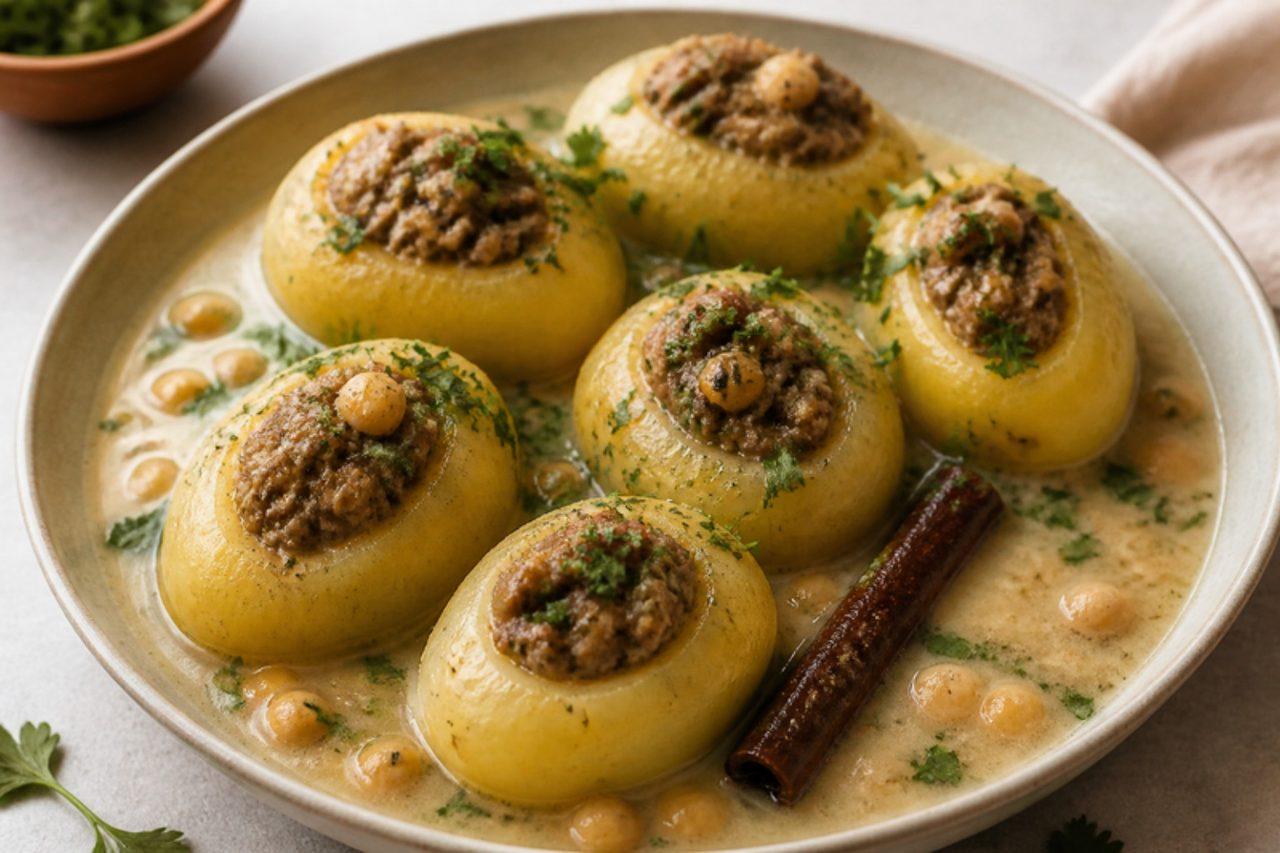
Dolma batataStuffed potatoes in chickpea sauce

Dolma batata belongs to the Algiers home kitchen, where it is a Ramadan favourite and a Friday dish: hollowed potatoes filled with beef mince, onion, parsley and cinnamon, fried until golden, then simmered in a pale sauce (marqa beida) of onion, chickpeas, black pepper and cinnamon. The sauce stays white because no tomato goes in. The mistake is hollowing the potatoes too thinly, so they split in the pot; leave walls about 1 cm thick. Chef's tip: fry the scooped-out potato flesh and add it to the sauce to thicken it.

by KrazyBadal 0 views

Makrout el louzIced almond diamonds

Makrout el louz are the elegant almond sweets of Algiers and Constantine, piled on silver trays for weddings, Eid and engagement visits. Unlike fried, date-filled makroudh, they are baked: a paste of ground almonds, sugar, egg and lemon zest is cut into diamonds, baked pale, then dipped in a light syrup and rolled in icing sugar so they look frosted. Chef's tip: bake them only until firm and barely coloured underneath; brown edges harden and stop the syrup soaking in.

by KrazyBadal 0 views

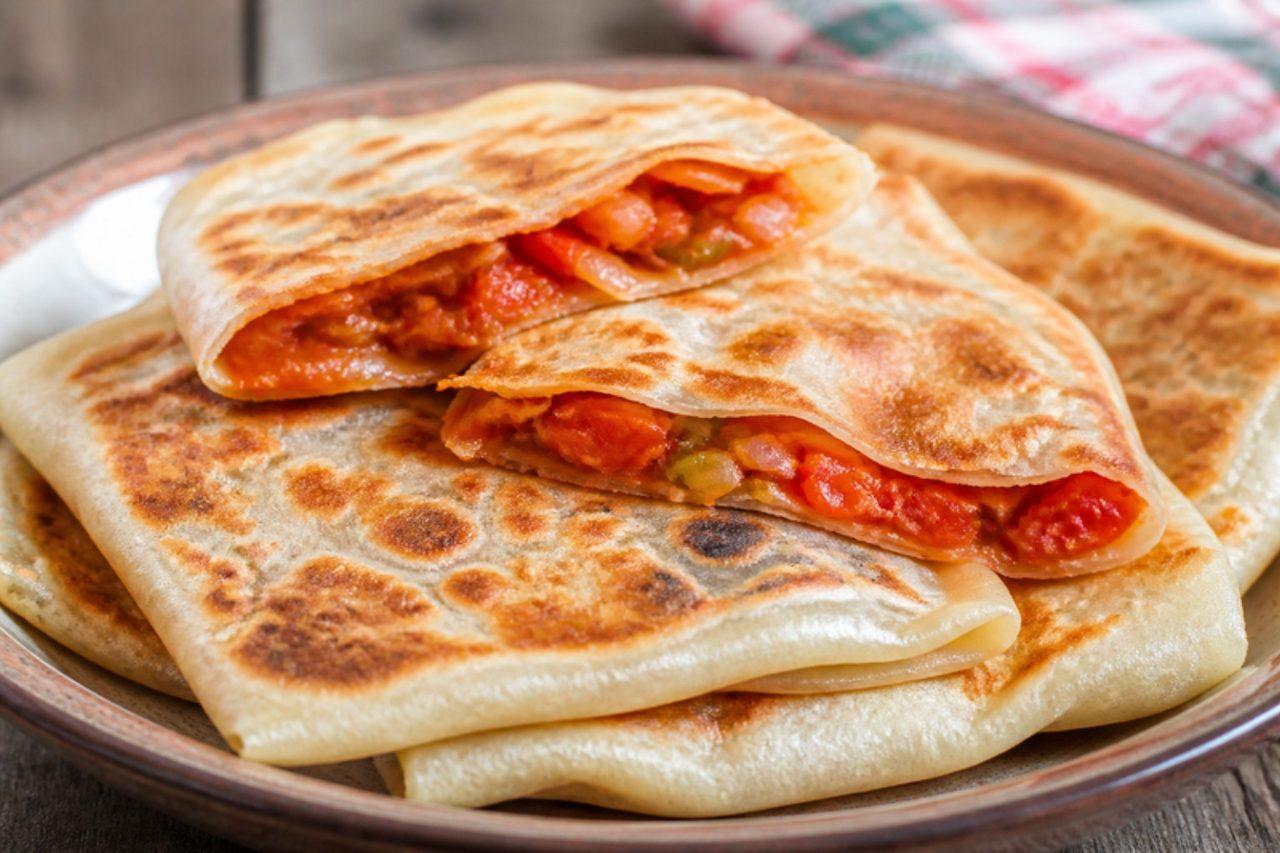
MhadjebStuffed semolina flatbreads

Mhadjeb (also mahjouba) are the folded flatbreads of Constantine and the east of Algeria, sold on street corners at teatime and made in every home during Ramadan. A stretchy semolina dough is pulled paper-thin with oiled hands, filled with a jammy stew of onion, tomato and pepper, folded into a square and cooked on a dry griddle until spotted brown. Chef's tip: knead the dough for the full 15 minutes; it must stretch almost transparent without tearing.

by KrazyBadal 0 views

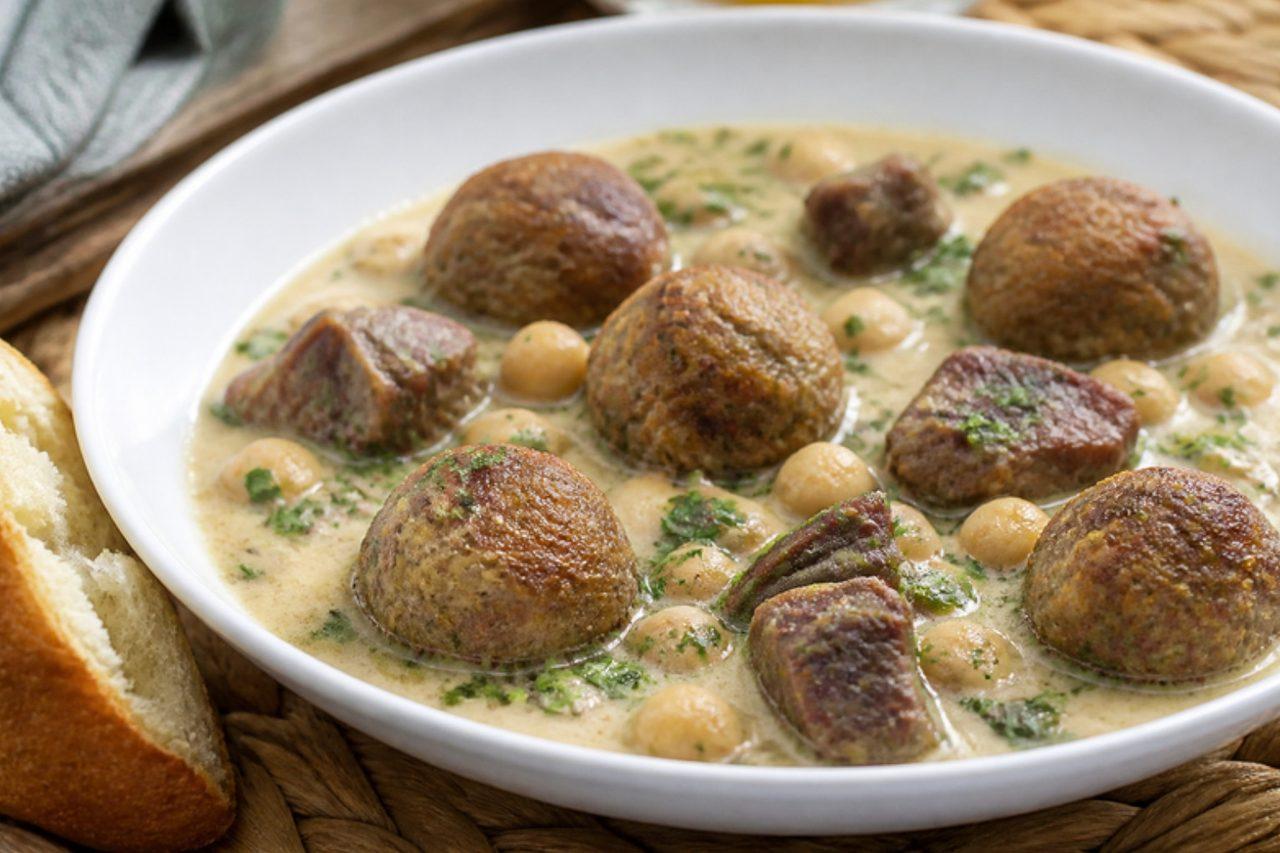
MtewemGarlic meatballs in chickpea sauce

Mtewem, from the word for garlic (thoum), is an old dish of the Casbah of Algiers: chunks of lamb and garlicky beef meatballs simmered together in a peppery white sauce with chickpeas, and finished with whole cloves of garlic that turn soft and sweet. It is cooked for Ramadan and for guests, and eaten with bread. Some families add a little tomato; this is the white version. The mistake is letting the sauce boil hard after the meatballs go in, which makes them tough and break; keep it at a gentle simmer. Chef's tip: wet your hands when rolling the meatballs so they come out smooth and hold together.

105 minAlgerianMeatGluten free
by KrazyBadal 0 views

Qalb el louzSemolina and almond cake

Qalb el louz ('heart of almond') is the Ramadan sweet of Algiers: a dense, sandy semolina cake with a ribbon of almond filling, cut into diamonds with an almond on top and soaked in syrup while hot. Pastry shops in the Casbah sell it by the tray after iftar, to eat with mint tea or coffee late into the night. The semolina is soaked overnight in butter and water, which gives it its moist, grainy crumb. Chef's tip: pour cold syrup over the hot cake; hot syrup on a hot cake makes it soggy instead of moist.

by KrazyBadal 0 views

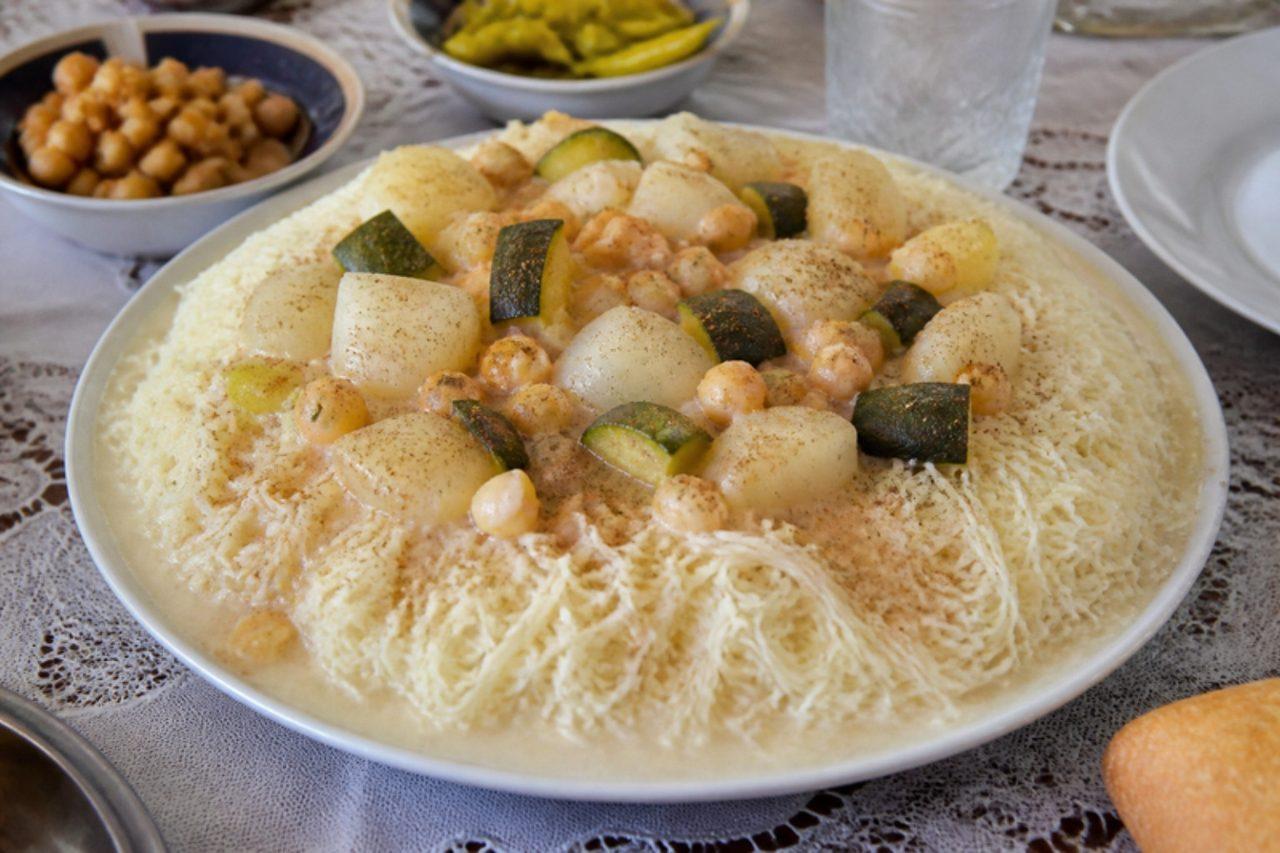
Rechta with vegetable sauceNoodles in turnip and chickpea broth

Rechta is the dish of Algiers and Blida for Mouloud, Ashura and the first day of the new year: thin, square-cut fresh noodles steamed in a couscoussier like couscous, then drenched in a pale, cinnamon-scented white sauce of turnips, courgette and chickpeas. It is usually made with chicken; this vegetable version keeps the gentle, peppery broth. Dried rechta is sold in North African shops; very thin dried egg-free noodles work too. Chef's tip: steam the noodles twice and rub them with oil in between, so they stay separate and silky.

by KrazyBadal 0 views

Chicha moradaPurple corn drink

Chicha morada is Peru's favourite soft drink, served by the jug in every restaurant in Lima and drunk across the country with lunch. Andean purple corn is simmered with pineapple peel, apple, cinnamon and cloves, then sweetened and sharpened with lime to make a dark ruby drink that tastes of berries, spice and gentle tannin, a little like a spiced cranberry juice. It has no alcohol, unlike the fermented chicha de jora of the Andes. Dried purple corn (maíz morado) comes from Latin shops; purple corn powder works too. Chef's tip: add the sugar and lime only once the drink has cooled; lime added to the hot liquid turns it bitter.

by KrazyBadal 0 views

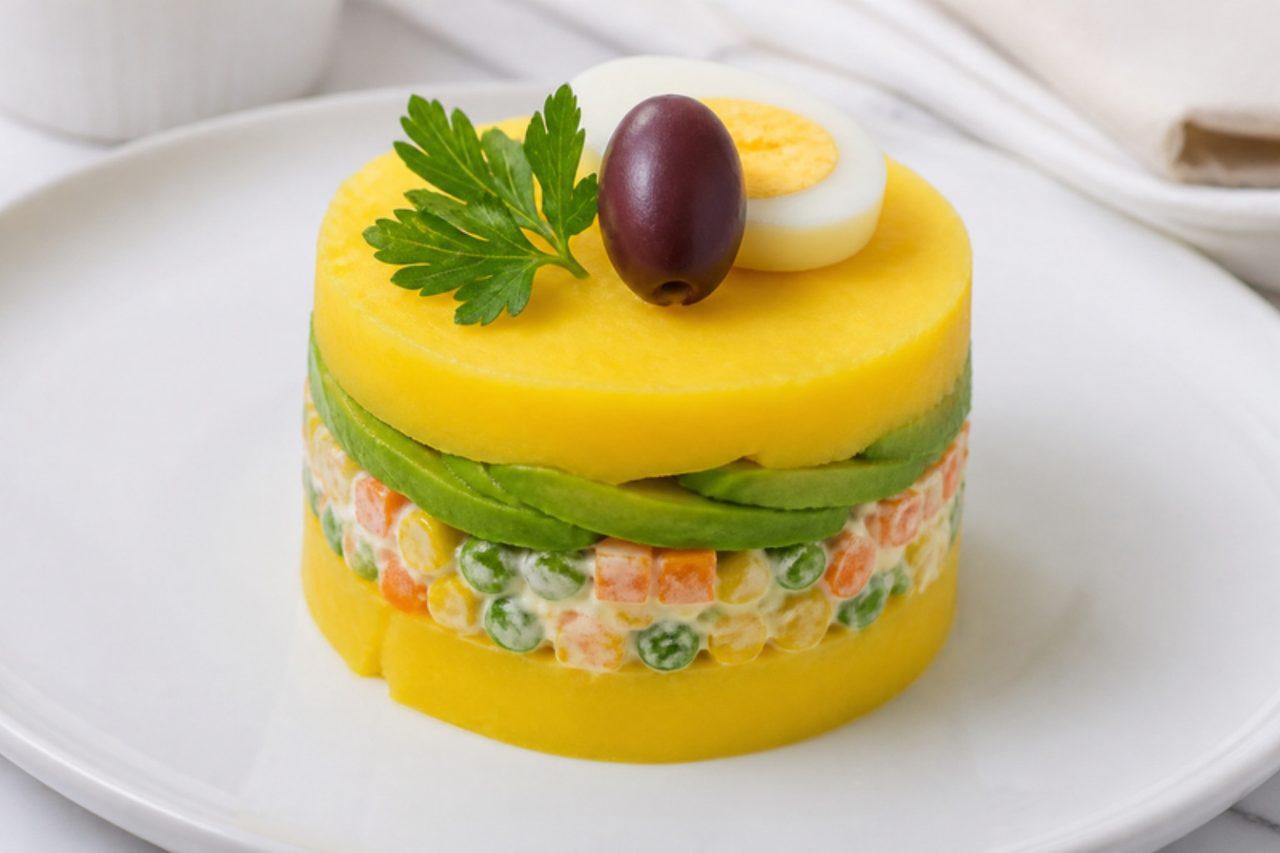
Causa limeñaLayered potato terrine

Causa limeña is Lima's cold potato terrine: yellow potatoes mashed with lime, oil and ají amarillo, pressed into layers and filled. In Lima it is a lunchtime starter sold in every menú and at every family party, often with tuna or chicken; this vegetarian causa is filled with ripe avocado and a creamy salad of corn, peas and carrot. The potato should be smooth, sunny yellow, tangy and gently hot, and the whole thing is served cold in neat slices. Make it in the morning for dinner, or the day before for a party. Chef's tip: mash the potatoes while warm but add the lime only once they have cooled; lime on hot potato turns the mash grey and gluey.

by KrazyBadal 0 views

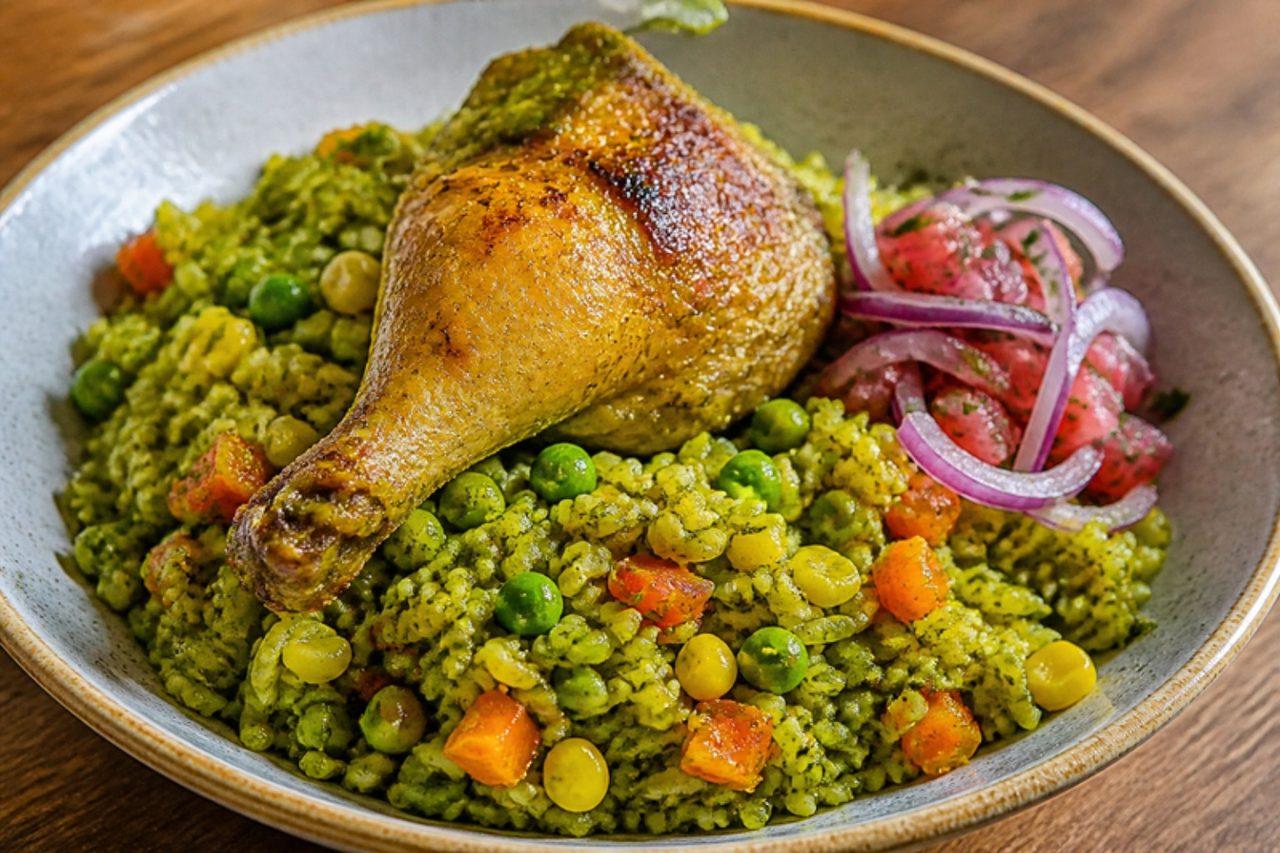
Arroz con pollo peruanoCoriander rice with chicken

Across Spanish-speaking America arroz con pollo means yellow rice, but in Lima it comes out deep green, thanks to a big bunch of coriander blended into the cooking liquid. Mothers make it for Sunday lunch and for birthday parties, and street stalls ladle it out with salsa criolla, the sharp onion-and-lime relish that cuts through the rice. Chicken pieces are browned first, then the rice cooks in the same pot so it takes on all their flavour. Chef's tip: blend the coriander with cold stock right before it goes in, so it stays bright green rather than turning khaki.

by KrazyBadal 0 views

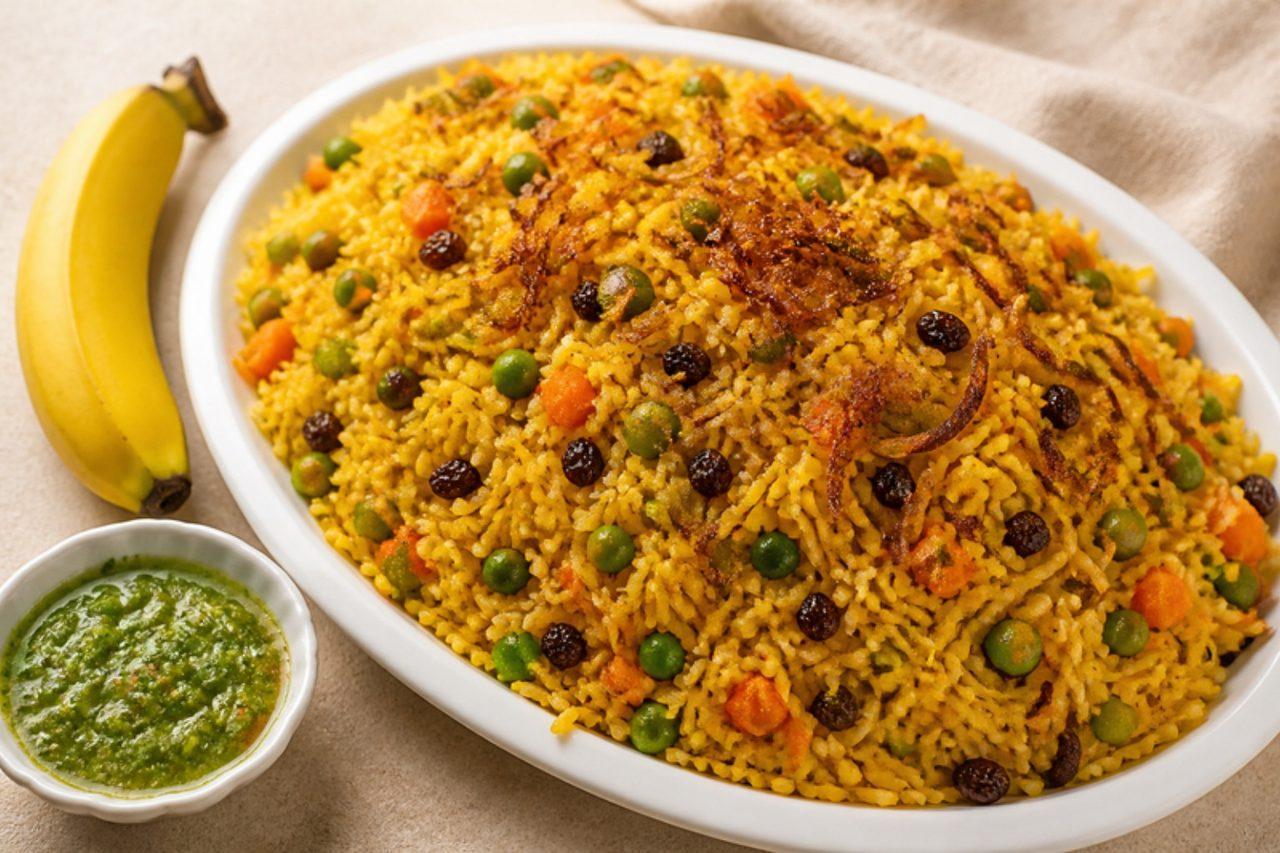
Bariis iskukarisSpiced rice with vegetables and raisins

Bariis iskukaris ('rice cooked together') is the centre of the table at Somali family lunches, Friday gatherings and Eid, from Mogadishu to Hargeisa and Somali neighbourhoods in Nairobi, Minneapolis and London. Long-grain rice is cooked in one pot with onion, tomato and the house spice mix xawaash, and topped with fried onions and raisins; it is usually crowned with goat, but this version cooks carrots, peas and potatoes into the rice. In true Somali style, serve it with a banana on the side and a spoon of green basbaas. Chef's tip: rinse and soak the basmati so the grains stay long and separate.

by KrazyBadal 0 views

Showing 24 of 381 recipes

Show more recipes

Page 14 of 16