Skip to content
WhatToEat.Today

All recipes

180

Vegetarian, or something you can't eat? Set your diet once and we'll hide recipes that don't fit.

Chipa so'oCheese bread with spiced beef

In Paraguay, families bake chipa in the clay tatakua ovens on Holy Wednesday so there is food for Thursday and Good Friday, when cooking stops. Chipa so'o ('chipa with meat') is a cassava-starch and cheese bread wrapped around a little filling of minced beef cooked with onion and egg, then baked until crisp outside and chewy within. It is naturally gluten free. Chef's tip: knead the dough until it no longer cracks at the edges when pressed; dry dough splits around the filling.

by KrazyBadal 0 views

KalanehWild leek stuffed flatbread

In Kurdistan and Kermanshah, Newroz arrives with the first spring greens on the hillsides, and families gather wild leeks to fold into kalaneh, thin griddle breads cooked over a fire or a hot pan and soaked in melted butter. The dough is plain and soft, rolled very thin around a pile of chopped leek or chives with a little salt and pepper, so the greens steam inside as the bread blisters. Eat it hot, torn into strips, with yogurt and tea at a Newroz picnic. The common mistake is wet greens, which turn the dough soggy and make it tear; dry them well after washing. Chef's tip: brush the butter on the moment the bread leaves the pan so it soaks right in.

by KrazyBadal 0 views

Pajagua mascadaBeef and cassava patties

Pajagua mascada is a Paraguayan street-food classic that appears on every table for the San Juan festival on 24 June, when bonfires burn and the night is full of games and traditional food. Minced beef is mixed with mashed cassava, onion, garlic and a little egg and flour, shaped into flat patties and fried until crisp. The name comes from Guaraní and refers to the 'chewing' of old Paraguayan cooks, who made it from leftover meat. Chef's tip: dry the boiled cassava well and remove its woody core, which keeps the patties light and crunchy.

by KrazyBadal 0 views

KaguyjyWhite corn pudding

On the night of 23–24 June, Paraguayans celebrate San Juan with bonfires, games like walking over hot coals and the 'paso de fuego', and a table of traditional foods, and kaguyjy (also mazamorra) is one of them. It is a soft, creamy pudding of cracked white corn (locro) simmered slowly in water and then milk with sugar or honey, sometimes with orange peel. It is eaten warm or cold. It is gluten free. Chef's tip: soak the corn overnight and cook it until each kernel is tender before adding the milk, or it never turns creamy.

by KrazyBadal 0 views

Dowina (Kurdish yogurt soup)

Dowina, called ash-e doogh in Persian, is warming spring food in Kurdish homes around Newroz, when yogurt is plentiful and the first herbs are cut from the garden. Rice and chickpeas simmer in a tangy, lightly thickened yogurt broth, finished with fresh dill, coriander and a sizzle of dried mint in oil. It is eaten warm, never boiling hot, with flatbread. The common mistake is to heat the yogurt too fast without stirring, which makes it split into grainy curds. Chef's tip: whisk an egg yolk and a spoonful of rice flour into the yogurt before it goes on the heat; it holds the soup smooth all the way to the simmer.

by KrazyBadal 0 views

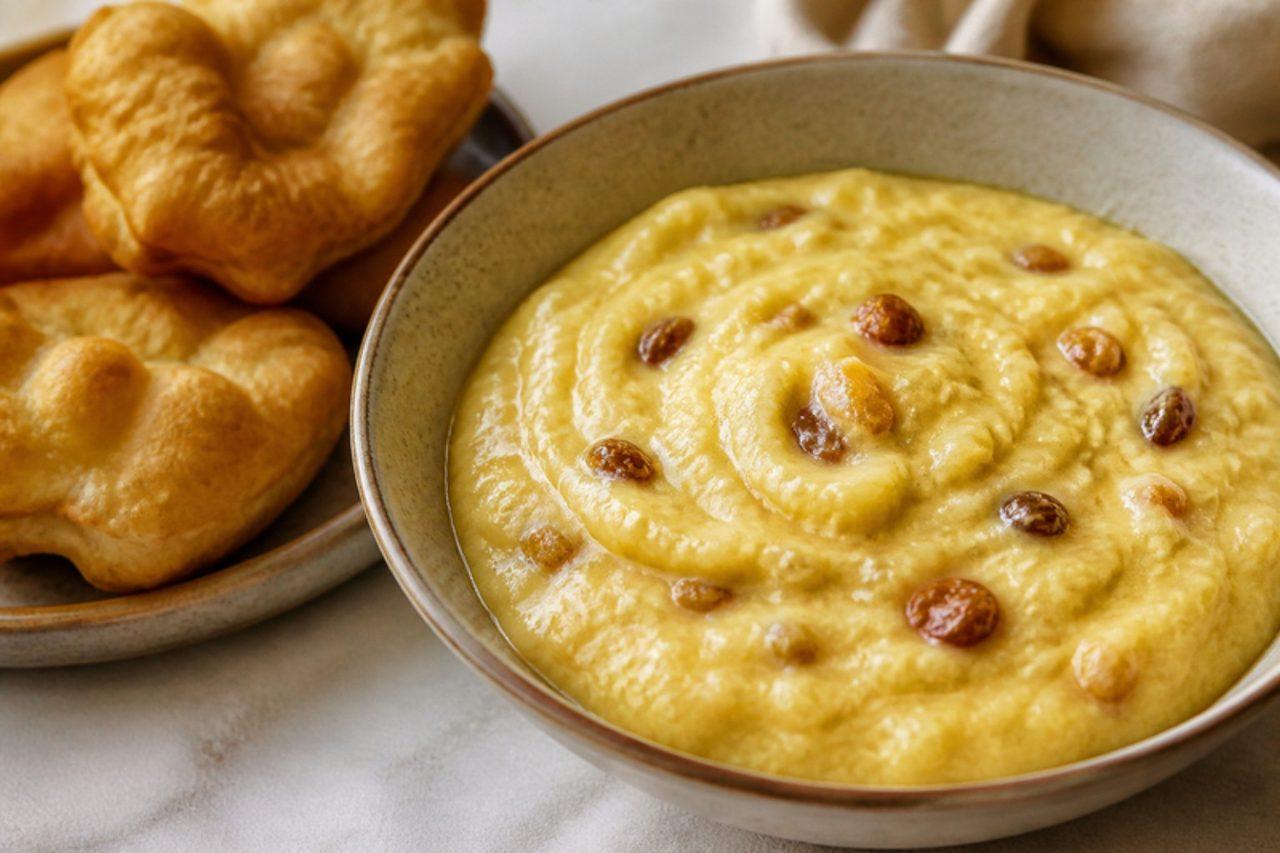
Khailmag (cream and raisin sweet)

Tsagaan Sar, the Mongolian Lunar New Year, means 'White Month', and white dairy foods stand for purity, plenty and a clean start to the year, so homes across the country set out cream, curds and sweets beside the steaming buuz. Khailmag is one of the most luxurious: clotted cream (or Mongolian öröm, the thick skin skimmed from boiled milk) is cooked with butter-toasted flour, sugar and raisins until it turns into a golden, fudgy porridge. It is very rich, so serve small spoonfuls with salty milk tea, or alongside ul boov biscuits and boortsog. There is no alcohol in it. Chef's tip: toast the flour slowly until it smells nutty; that toasting gives khailmag its caramel flavour.

by KrazyBadal 0 views

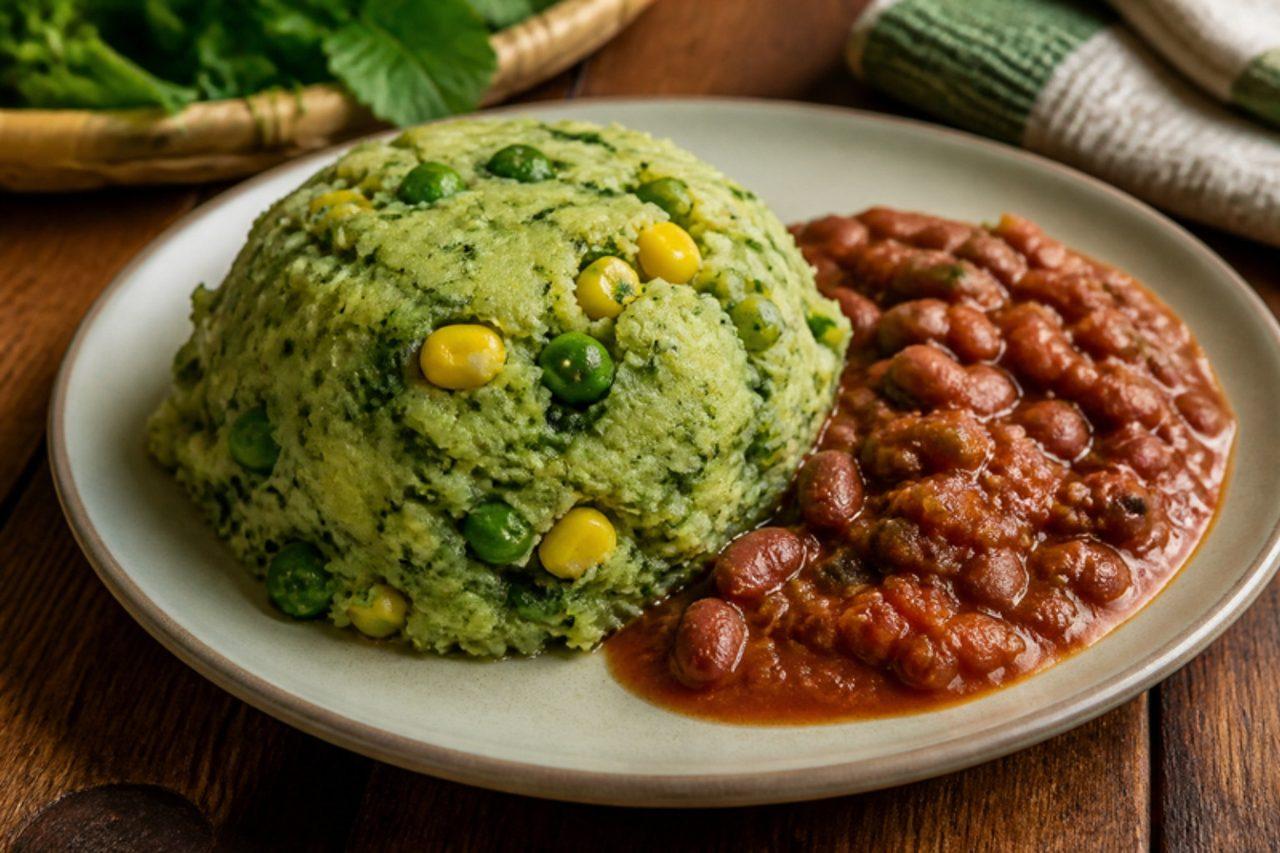
MukimoPotato, pea and maize mash

Mukimo comes from the Kikuyu people of the green hills around Mount Kenya, Nyeri and Murang'a, and it is on the table at every family celebration, from weddings to Christmas, as well as at everyday suppers. Potatoes are boiled and mashed with pumpkin leaves, green peas and maize, so the mash turns a speckled green. Serve it with a bean or vegetable stew. A portion gives about 12 g of protein, from the peas, maize and potatoes, so it is a side rather than a high-protein main; with a bean stew it becomes one. Use spinach if you can't find pumpkin leaves. The common mistake is a watery mash from badly drained potatoes and greens; steam the potatoes dry and squeeze the greens. Chef's tip: blend the cooked leaves with a spoon of their cooking water before folding them in; the mash turns an even green instead of stringy.

by KrazyBadal 0 views

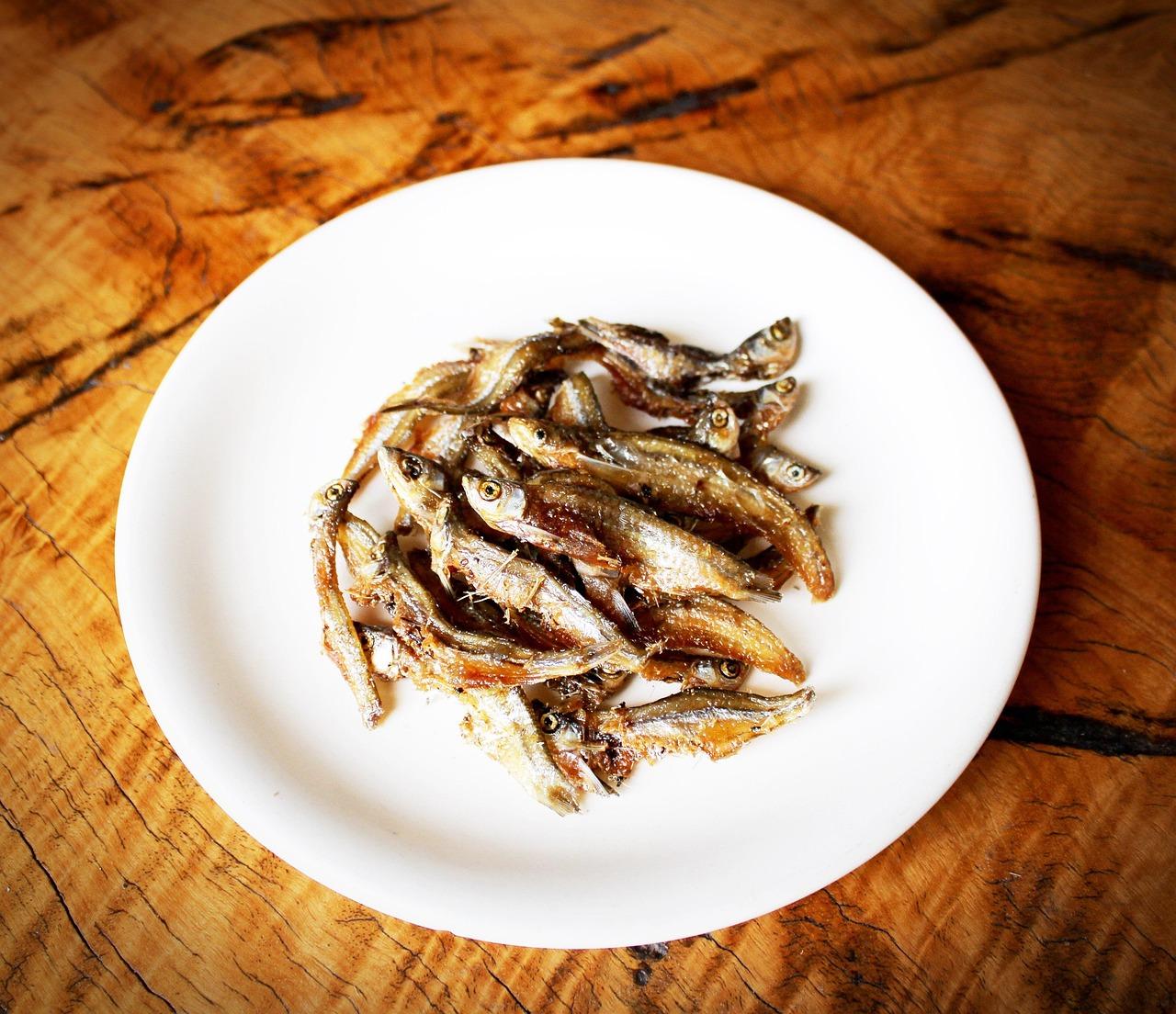
OmenaFried silver fish with tomato

Omena are tiny silver cyprinid fish netted at night on Lake Victoria and sun-dried on the shores around Kisumu and Homa Bay; in western Kenya they are a cheap, protein-rich weeknight dinner, fried crisp and then simmered briefly in onion and tomato and eaten with ugali and sukuma wiki. They are eaten whole, bones and all, like whitebait. The common mistake is skipping the rinse: dried omena carry sand from the drying beaches, so soak and swish them in several changes of warm water. Chef's tip: fry the drained fish on their own until crisp and fragrant before the tomato goes in; it takes away the strong 'lake' smell and keeps them from going mushy. Look for dried omena (also sold as dagaa) in African grocers.

by KrazyBadal 0 views

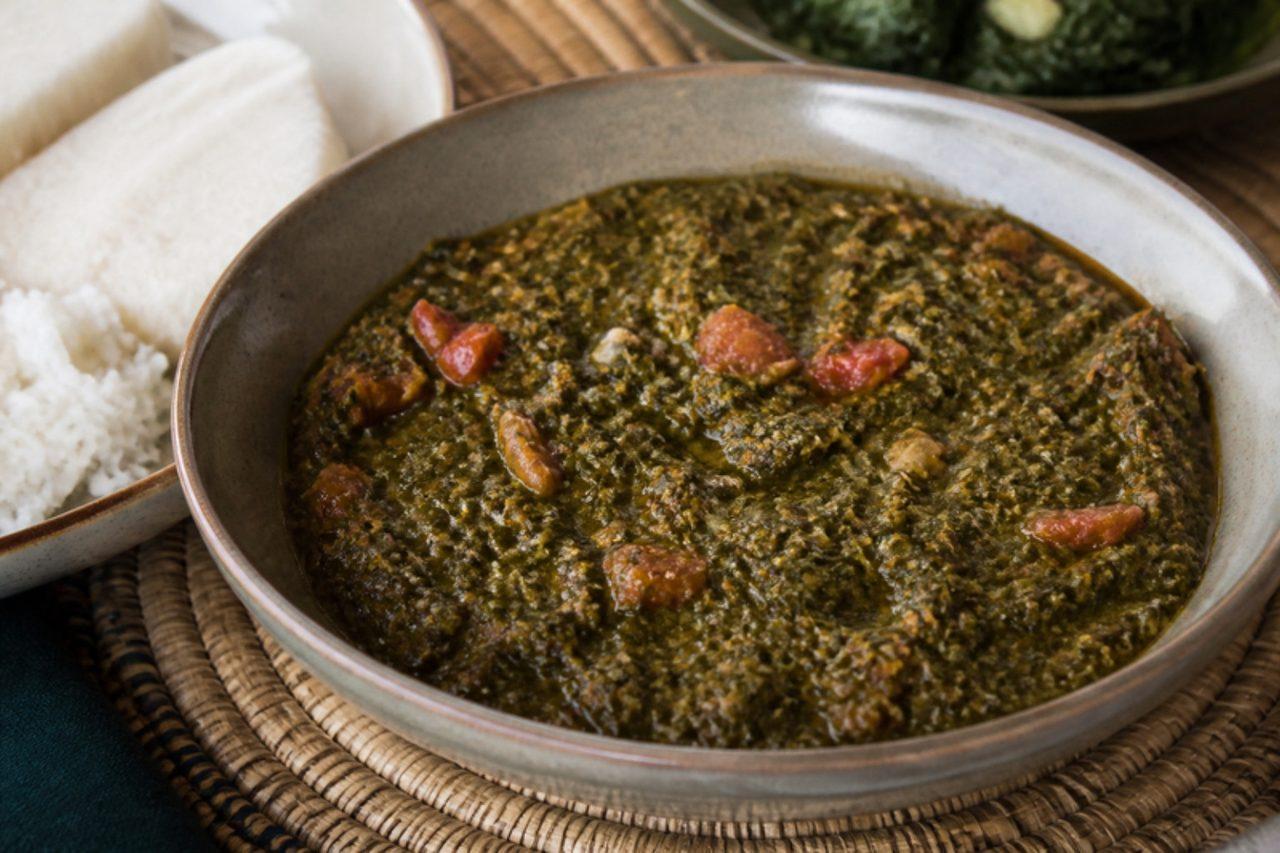
KisamvuCassava leaves in coconut milk

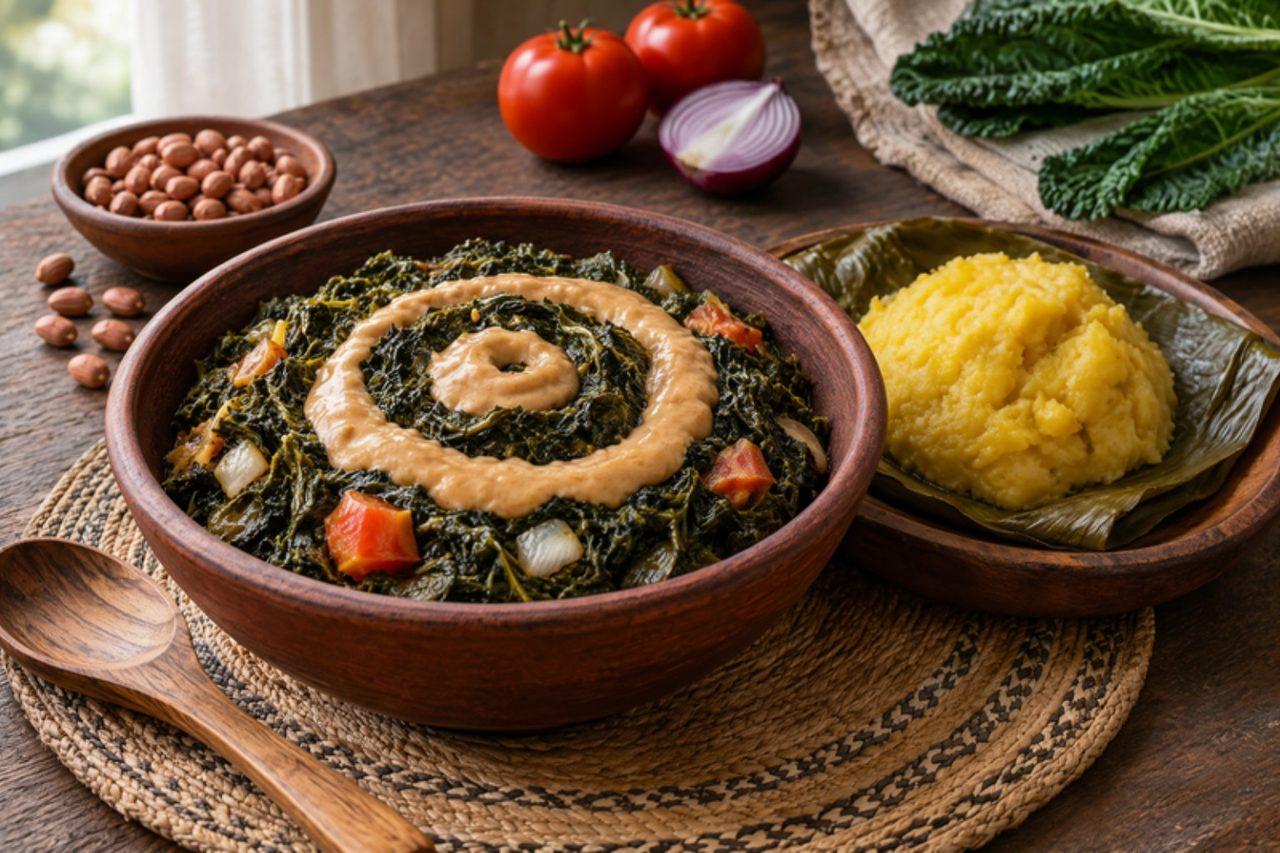
Kisamvu is everyday food along the Tanzanian coast, in Dar es Salaam, Tanga and on Zanzibar, eaten at lunch with ugali or rice; inland it is often cooked with ground peanuts, as here. Young cassava leaves are pounded to a fine green mash and cooked for a long time, first in water to make them safe and tender, then with onion, tomato and coconut milk until rich and creamy. It is vegan, with about 8 g of protein per portion from the peanuts and the leaves, so it is a hearty side rather than a high-protein main. Cassava leaves must be cooked thoroughly: they contain natural compounds that are only removed by long boiling, so never shorten the first boil. The common mistake is adding the coconut milk too early; it splits and the leaves stay tough. Frozen pounded cassava leaves from African grocers work very well. Chef's tip: leave the pot uncovered for the first boil, so the steam carries the bitterness away.

by KrazyBadal 0 views

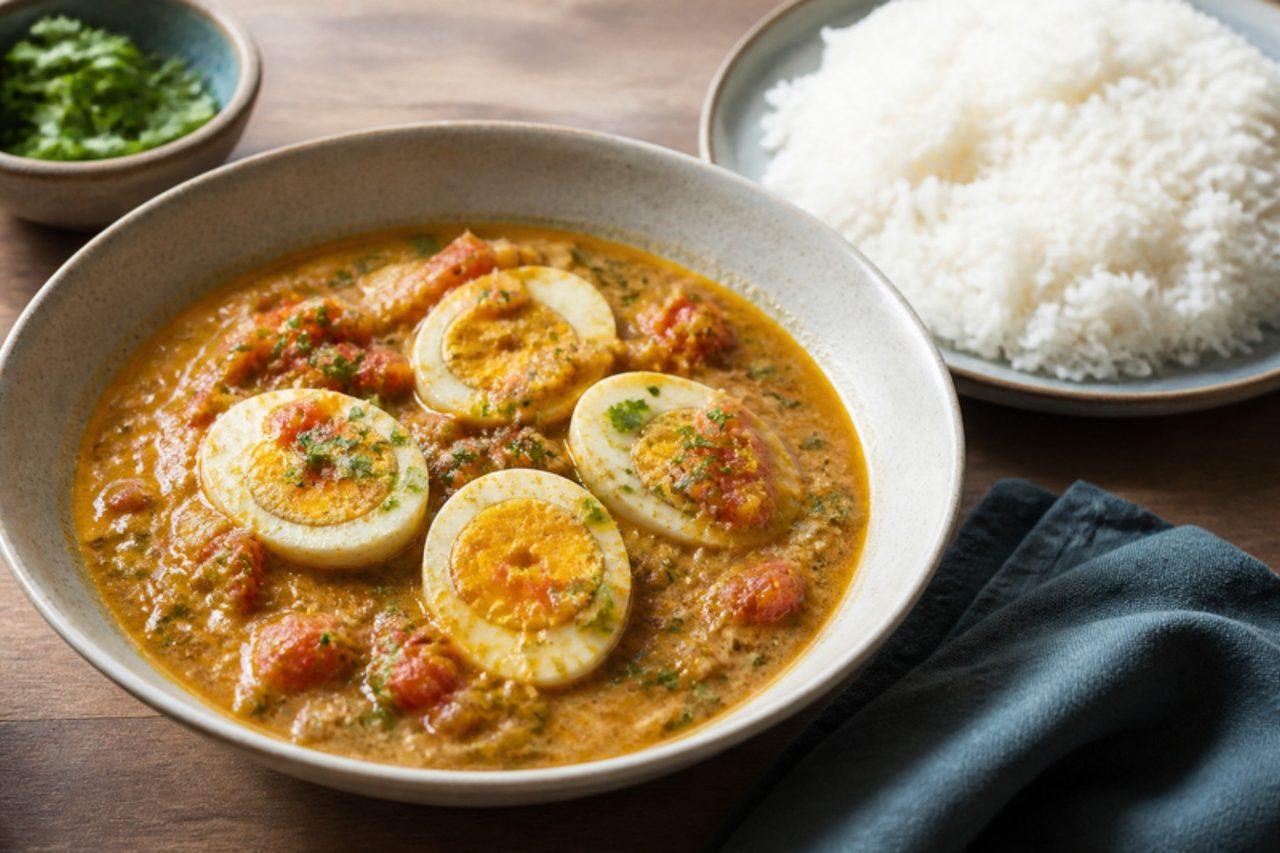
Mchuzi wa mayaiEgg curry in coconut and tomato

On the Swahili coast, from Mombasa and Malindi to Dar es Salaam and Zanzibar, mchuzi wa mayai is the curry made when there is no meat or fish in the house: boiled eggs simmered in a turmeric-yellow sauce of tomato and coconut milk with ginger, chilli and fresh coriander. It is a weeknight supper with white rice or soft chapati, and it costs very little. The mistake to avoid is boiling hard once the coconut milk goes in, which makes the sauce split and turn oily; keep it at a gentle bubble. Chef's tip: score each peeled egg with a few shallow cuts so the sauce seeps inside and the eggs don't slide around the pan.

by KrazyBadal 0 views

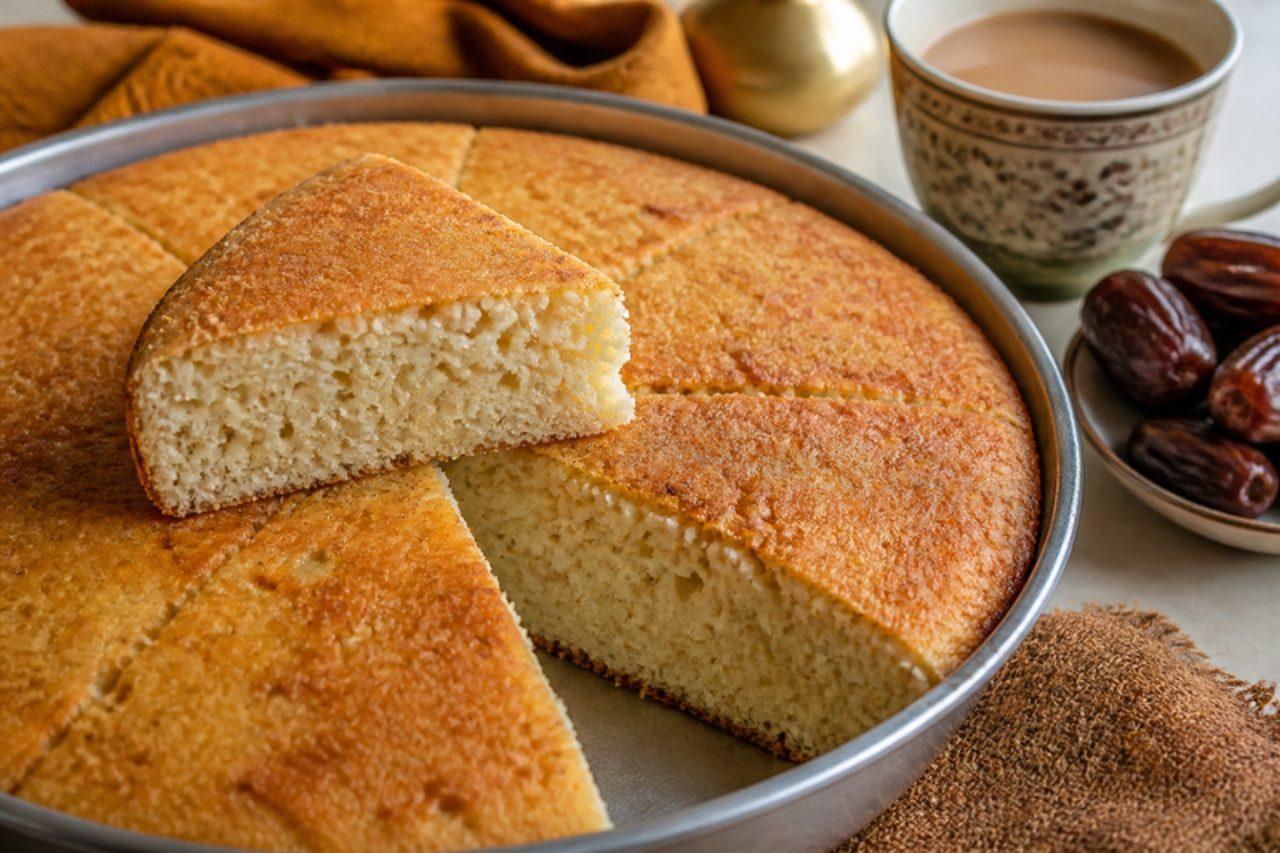
Mkate wa siniaCoconut and rice tray cake

Ramadan evenings in Stone Town and Mombasa bring out trays of mkate wa sinia, cut into wedges and set out for iftar beside spiced chai and dates. Soaked rice is blended with coconut milk, sugar, cardamom and yeast into a pourable batter (hence its other name, mkate wa kumimina, 'poured bread'), left to bubble, then baked in a round metal tray called a sinia. Inside it is spongy and full of holes like a crumpet; the top and base turn golden and slightly chewy. It contains no egg, dairy or wheat. Under-blending is what ruins it: a gritty batter bakes into a sandy cake, so blend until a drop rubbed between your fingers feels completely smooth. Chef's tip: add a couple of spoonfuls of cooked rice to the blender, the way coastal cooks do; it makes the crumb softer and more springy.

by KrazyBadal 0 views

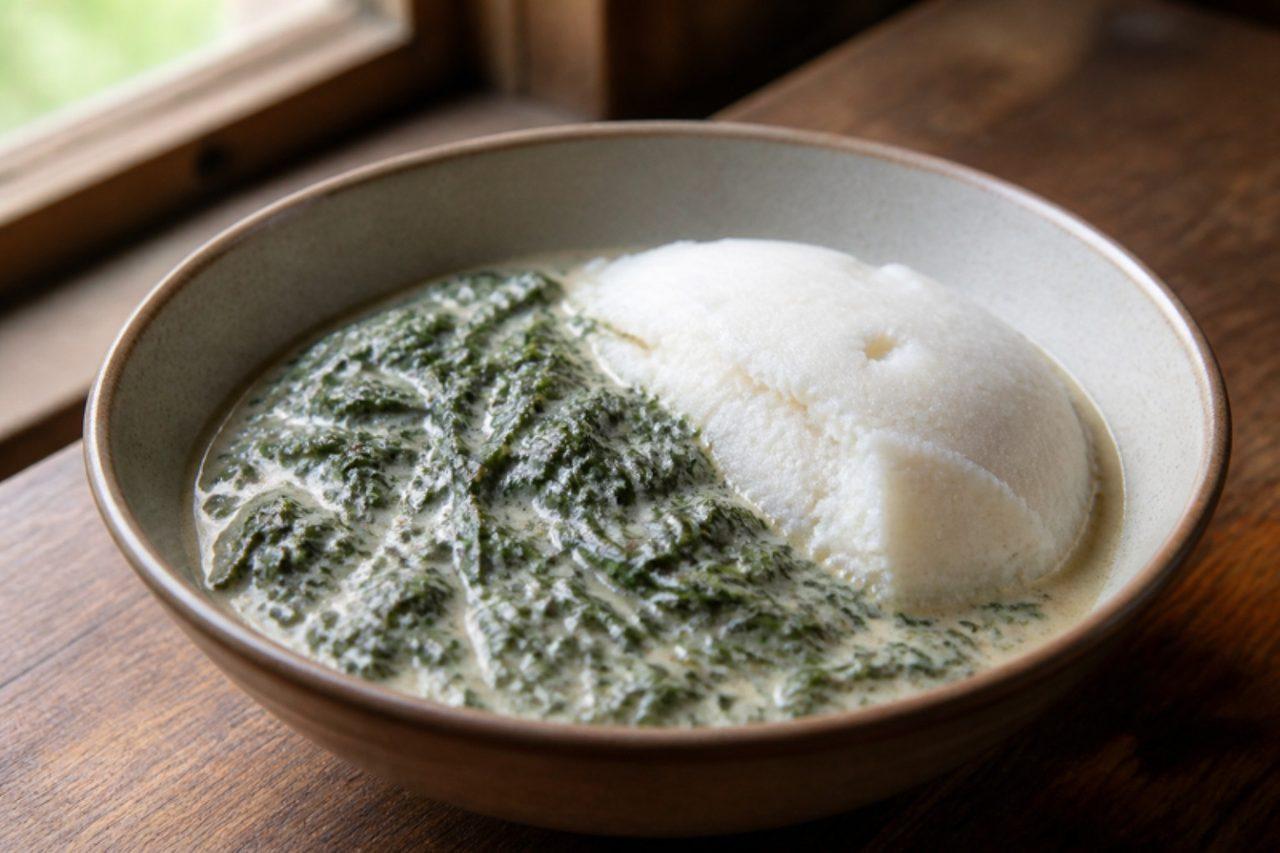
SagetSpider plant greens in soured milk

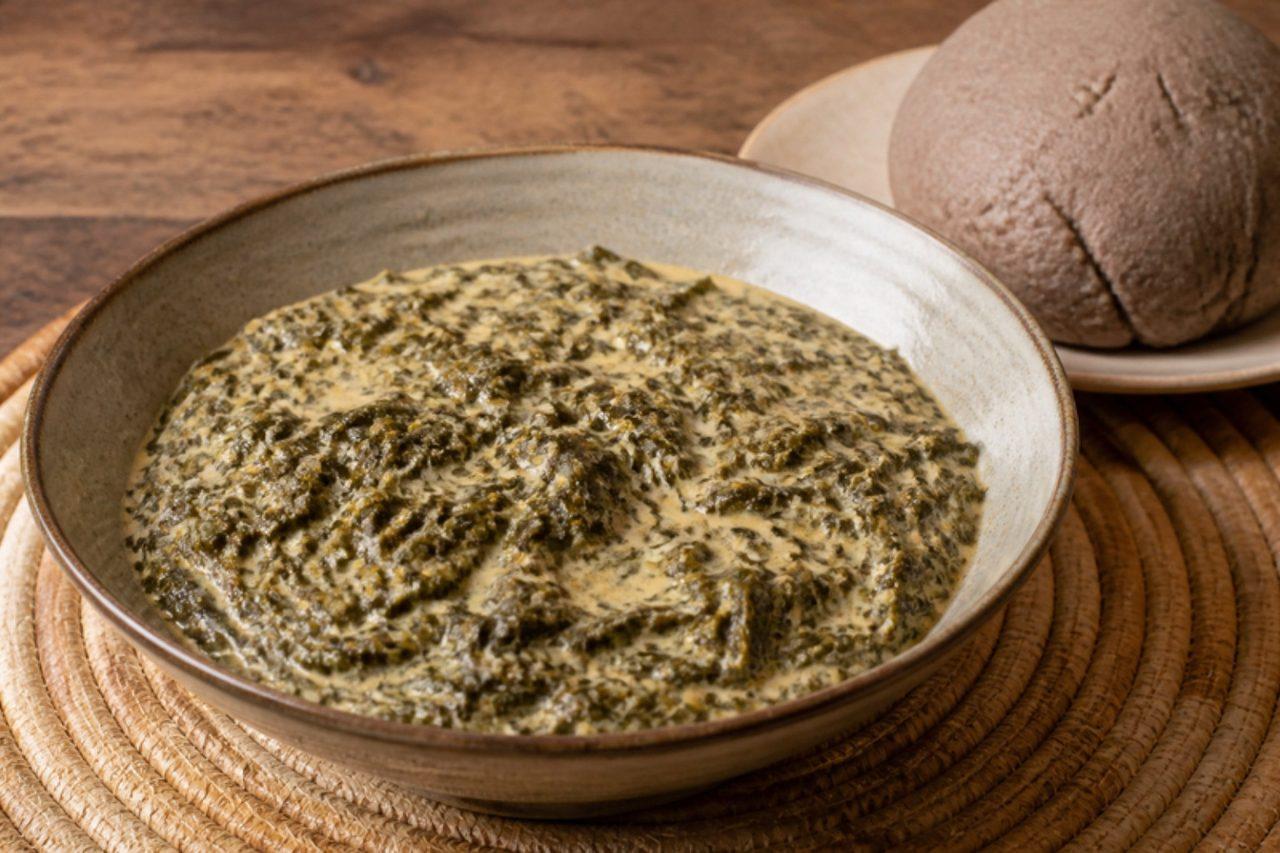
Spider plant, saget to the Kalenjin and sagaa in Swahili, grows in every kitchen garden around Eldoret and Kericho, and its slightly bitter, peppery leaves are boiled and then softened with mursik or cream to go with ugali. The result is tender, dark greens in a tangy, creamy sauce, bitter in a pleasant way like rapini. Look for fresh or frozen spider-plant leaves at African grocers (sometimes sold as African cabbage or cleome); don't pick wild plants, and if you can't find them, use spinach with a handful of kale or mustard greens for the bite. Letting the milk boil hard is where people slip: it curdles into grainy bits, so add it over a low heat. Chef's tip: some homesteads cook saget the day before and leave it overnight in its milk; it mellows and tastes even better reheated gently.

by KrazyBadal 0 views

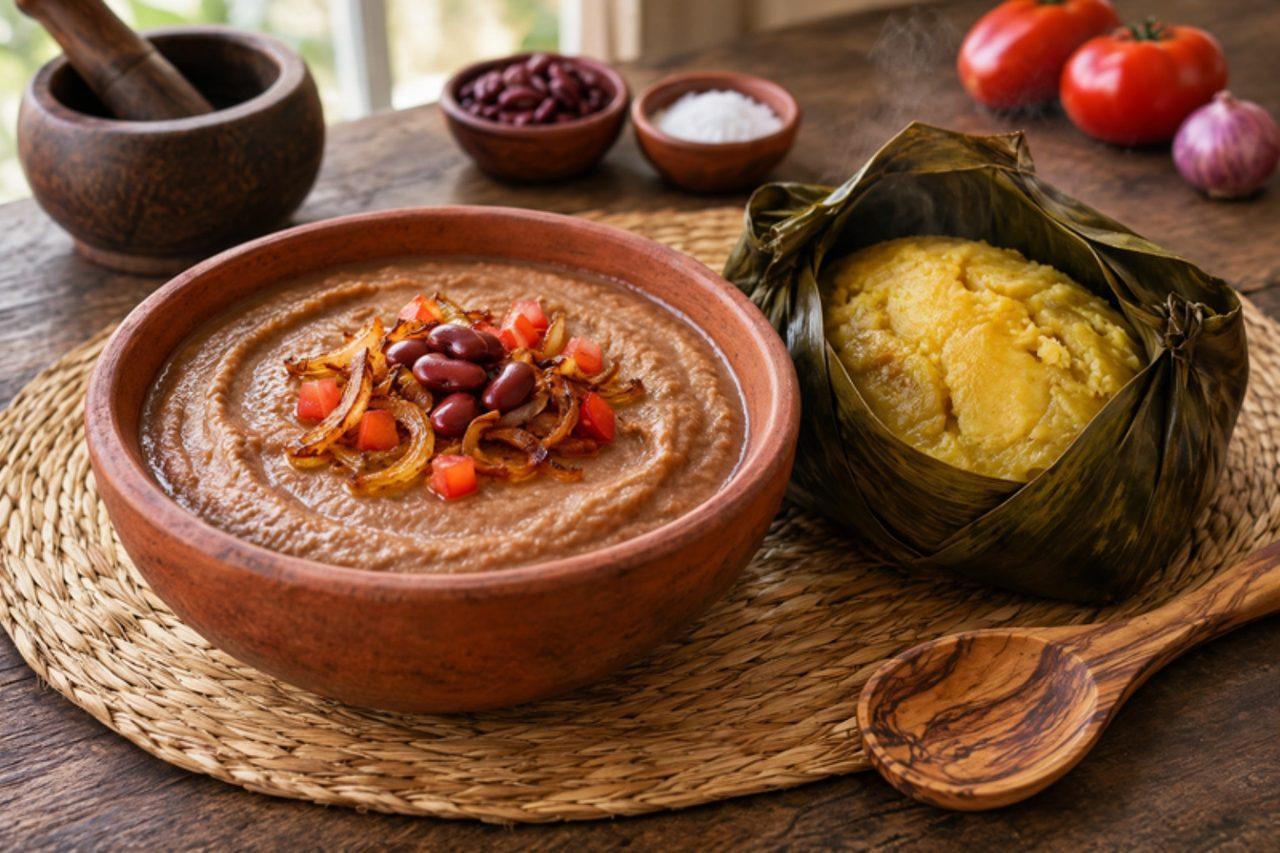
FirindaMashed bean stew

Firinda comes from Ankole and Kigezi in western Uganda, where beans are the backbone of daily meals, eaten at lunch with matooke, millet bread or sweet potatoes. Red beans are boiled until completely soft, then mashed and cooked down with fried onion and tomato into a thick, smooth stew that hugs whatever is beside it. The usual mistake is skimping on the cooking: firinda only gets its creamy texture when the beans are really soft, and dried red beans must be boiled hard for 10 minutes before the long simmer. Pressure cooker option: after the hard boil, cook for 25 minutes at pressure. Chef's tip: mash only two-thirds of the beans and leave the rest whole, for a stew that is creamy but still has some bite.

by KrazyBadal 0 views

MursikSmoky fermented milk

When Kenyan marathon runners land back in Eldoret, relatives greet them with a gourd of mursik, the soured milk of Kalenjin homesteads across the Rift Valley highlands. Traditionally, milk sits for several days in a sotet, a long calabash whose inside has been scraped with a smouldering stick of senetwet (the tree often called the cromwell tree) so a lining of fine charcoal coats it; that charcoal gives mursik its smoky taste, grey flecks and long keeping. At home we skip raw milk and a wild ferment: pasteurised milk is soured with a live cultured buttermilk, and a jar smoked inside with untreated hardwood, or a pinch of food-grade activated charcoal, brings the flavour. Thick, sharp and smoky, it is drunk with ugali, sweet potatoes or after a long run, and the usual mistake is fermenting it somewhere too hot, where it splits into whey and tastes yeasty. Chef's tip: shake the jar hard before pouring, as herders shake the gourd, to make it smooth and drinkable.

by KrazyBadal 0 views

KamandeBrown lentil stew

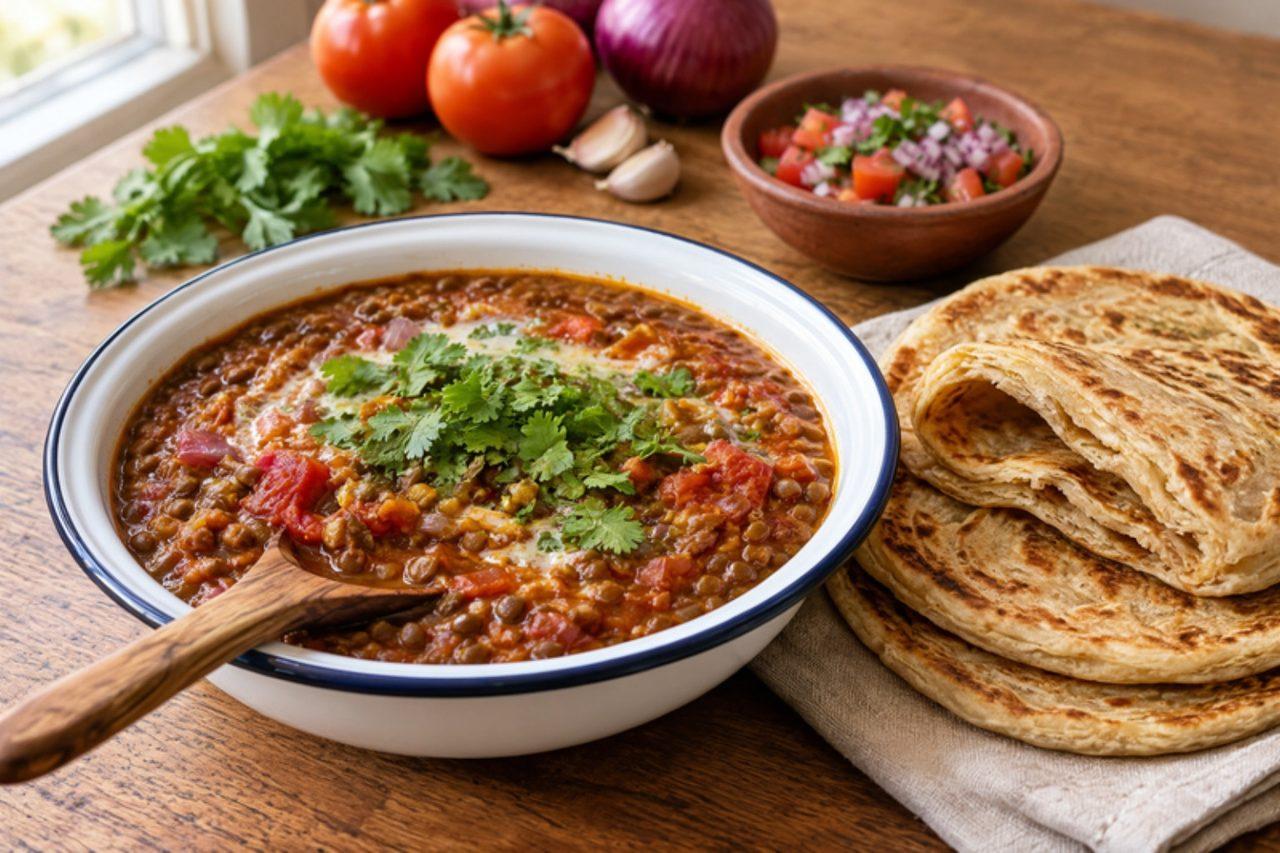
Kamande is a weekday staple in Nairobi homes and small hotelis (cafés), served at lunch or supper with chapati, rice or ugali and a side of sukuma wiki greens. Brown lentils are simmered until tender, then cooked into a thick, savoury stew of onion, tomato, garlic, ginger and a touch of curry powder, finished with fresh coriander. Suitable as part of a balanced diet. About 300 kcal and 38 g carbohydrate per portion; brown rice or extra greens on the side suit a lighter plate. The usual mistake is boiling the lentils to mush before adding the tomato base; they should still hold their shape. Chef's tip: cook the onions low and slow until soft and golden before the tomatoes go in, which gives the stew its natural sweetness.

by KrazyBadal 0 views

EshabweWhipped ghee sauce

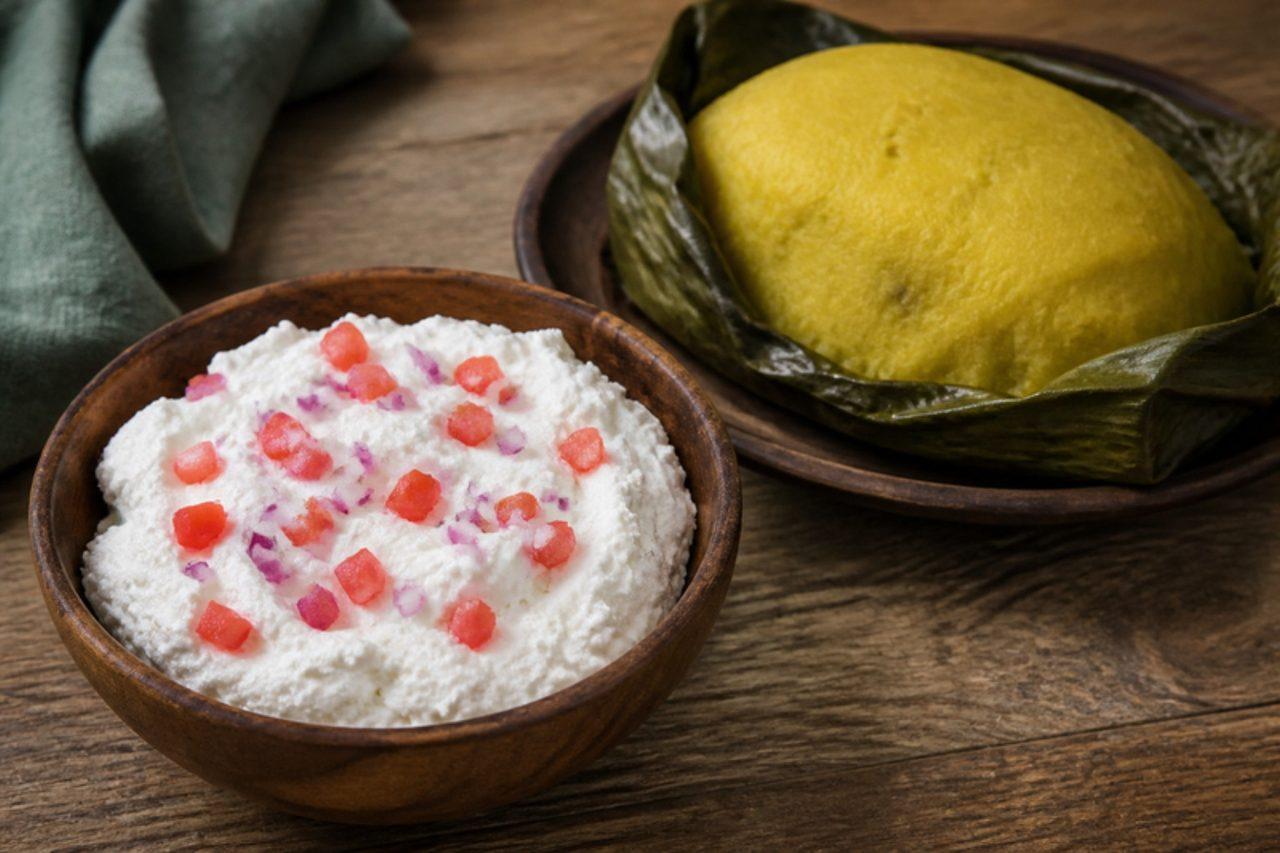
Cattle-keeping families of Ankole in western Uganda serve this pale, fluffy sauce at weddings and introduction ceremonies, where making it well is a point of pride. Soft ghee is beaten by hand while cool salted water is added a spoonful at a time, until it turns from yellow to snowy white and as light as whipped cream, with a rich, buttery, salty taste. It goes over hot matoke, steamed sweet potatoes, katogo or kalo millet bread, and melts into them on the plate. It is vegetarian but not vegan, as it is made from cow's ghee. Chef's tip: everything must stay cool; if the ghee is warm or the water tepid it will never turn white, so chill the bowl and use water straight from the fridge.

by KrazyBadal 0 views

MchemshoBeef and vegetable pot

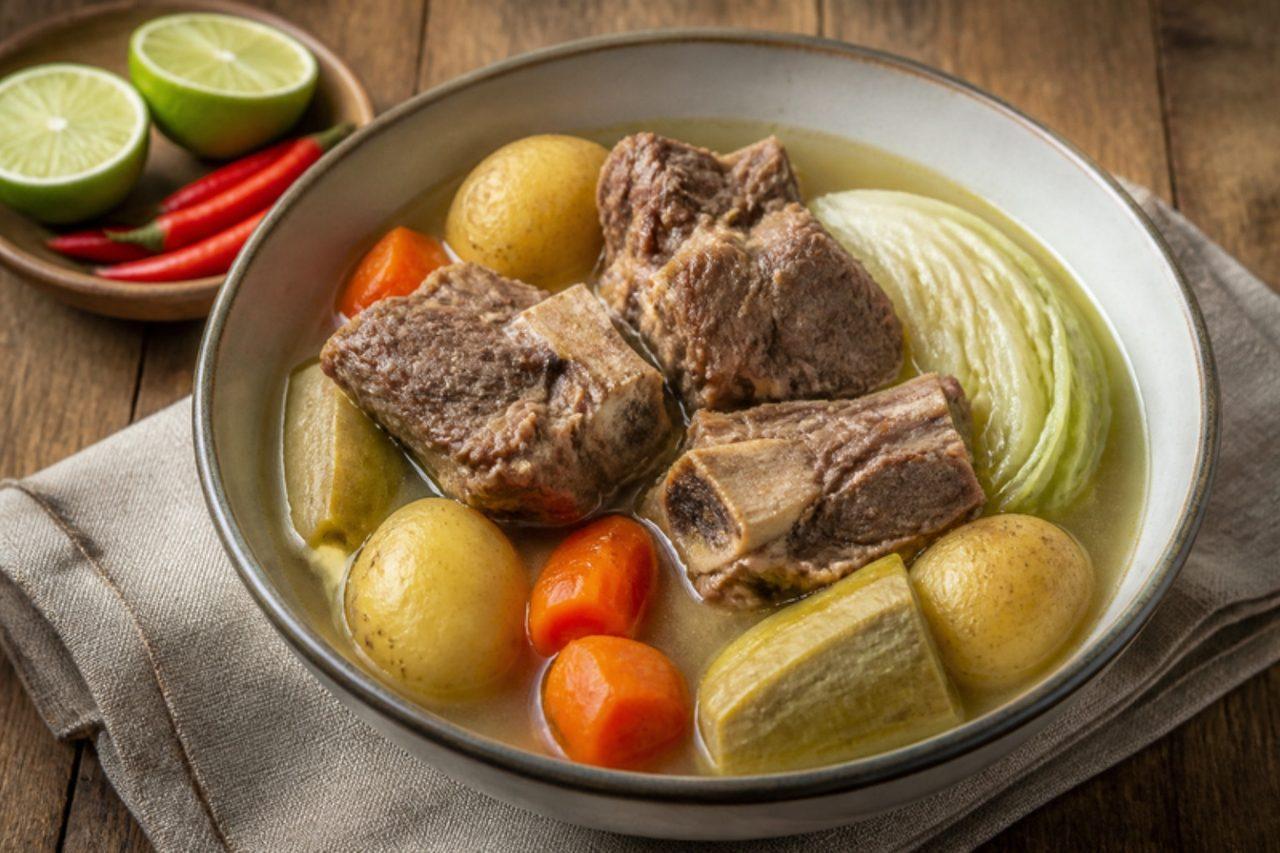
The name just means 'boiled', but Dar es Salaam families treat mchemsho as comfort food, made on a cool rainy evening or for anyone feeling under the weather. Beef on the bone simmers with garlic and ginger into a clear, savoury broth, and whole potatoes, carrots, green bananas and wedges of cabbage go in late so each stays distinct. It arrives in wide bowls, everything in big pieces, with lime and fresh chilli on the table to sharpen it to your taste; some cooks make it with chicken instead. Adding all the vegetables at once is the common error, leaving the cabbage grey and the potatoes in pieces. Chef's tip: blanch and rinse the beef first, then start again in fresh water, for a broth that stays clear.

by KrazyBadal 0 views

BooCowpea leaves in peanut paste

Ask someone from Lira or Kitgum what home tastes like and many will say boo, the leaves of the cowpea plant, picked young from the same fields that give the beans. Slow-cooked until they are dark and silky, then thickened with groundnut paste, they turn into a mellow, slightly bitter, deeply savoury green sauce with none of the tartness of malakwang. It is everyday food, eaten with kalo, posho or sweet potatoes. Fresh, frozen or dried cowpea leaves are sold at African grocers; kale or spring greens stand in well. Chef's tip: a pinch of bicarbonate of soda in the first boil softens tough leaves quickly and keeps their colour; any more than a pinch makes them soapy.

by KrazyBadal 0 views

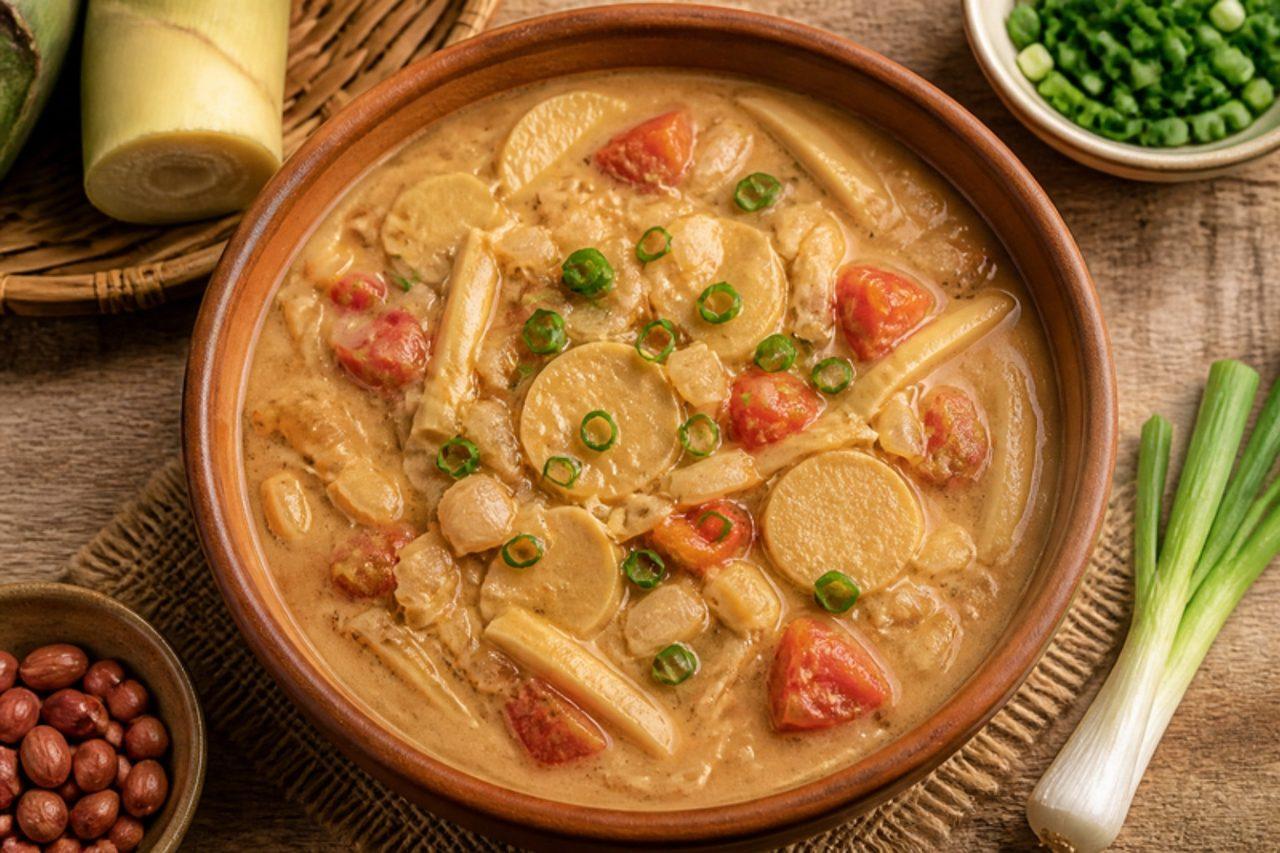
MalewaSmoked bamboo shoots in peanut sauce

On the slopes of Mount Elgon, the Bagisu harvest young bamboo shoots, smoke and dry them, and keep them for months; a pot of malewa is the dish every Mugisu living away from home misses, and it is a must at imbalu circumcision celebrations. Soaked and simmered in a pale, creamy groundnut sauce, the shoots stay slightly chewy and taste smoky, earthy and faintly sweet. Serve with steamed matoke, kalo or posho. Dried smoked malewa is sold in East African grocers and Ugandan shops abroad; if you cannot find it, tinned bamboo shoots with a little smoked paprika give a fair imitation. Chef's tip: do not rush the soak and first boil, as under-soaked shoots stay woody however long they sit in the sauce.

by KrazyBadal 0 views

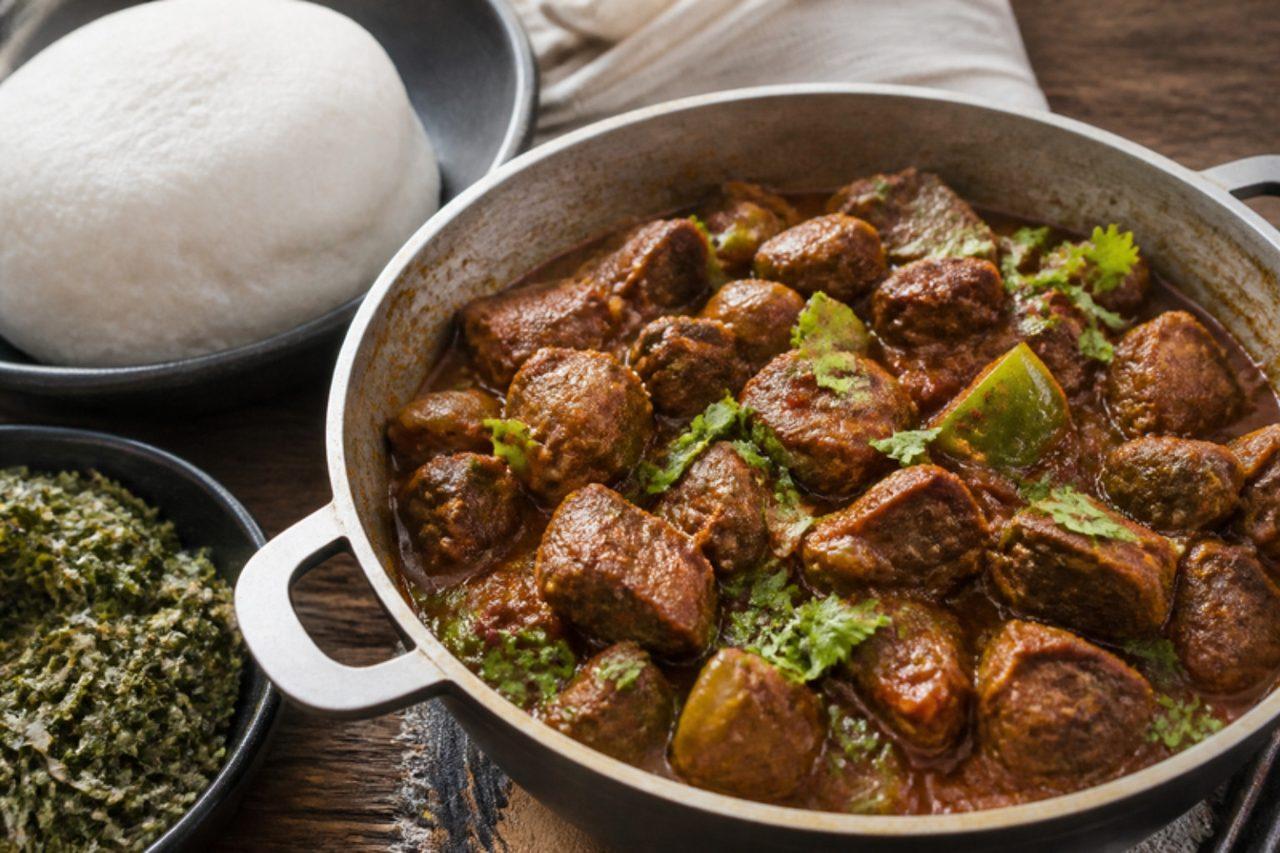
Beef wet fry

Order 'beef wet fry' at any Nairobi hoteli, from a River Road lunch counter to a Westlands nyama joint, and a sizzling dish of browned beef cubes arrives in a thick, tomato-red sauce glossy with fat. It sits halfway between a dry fry and a stew: the meat is chewy-tender and well seared, and the sauce is reduced so far it clings rather than pools. Ugali is the classic partner, with kachumbari and a tangle of sukuma wiki, though chapati or rice are just as common. The mistake most home cooks make is crowding the pan, so the beef steams grey in its own juices instead of browning. Chef's tip: give the beef a short covered simmer in a splash of water before frying; it tenderises the cheaper cuts Kenyan butchers sell and the water cooks off in time for the browning.

by KrazyBadal 0 views

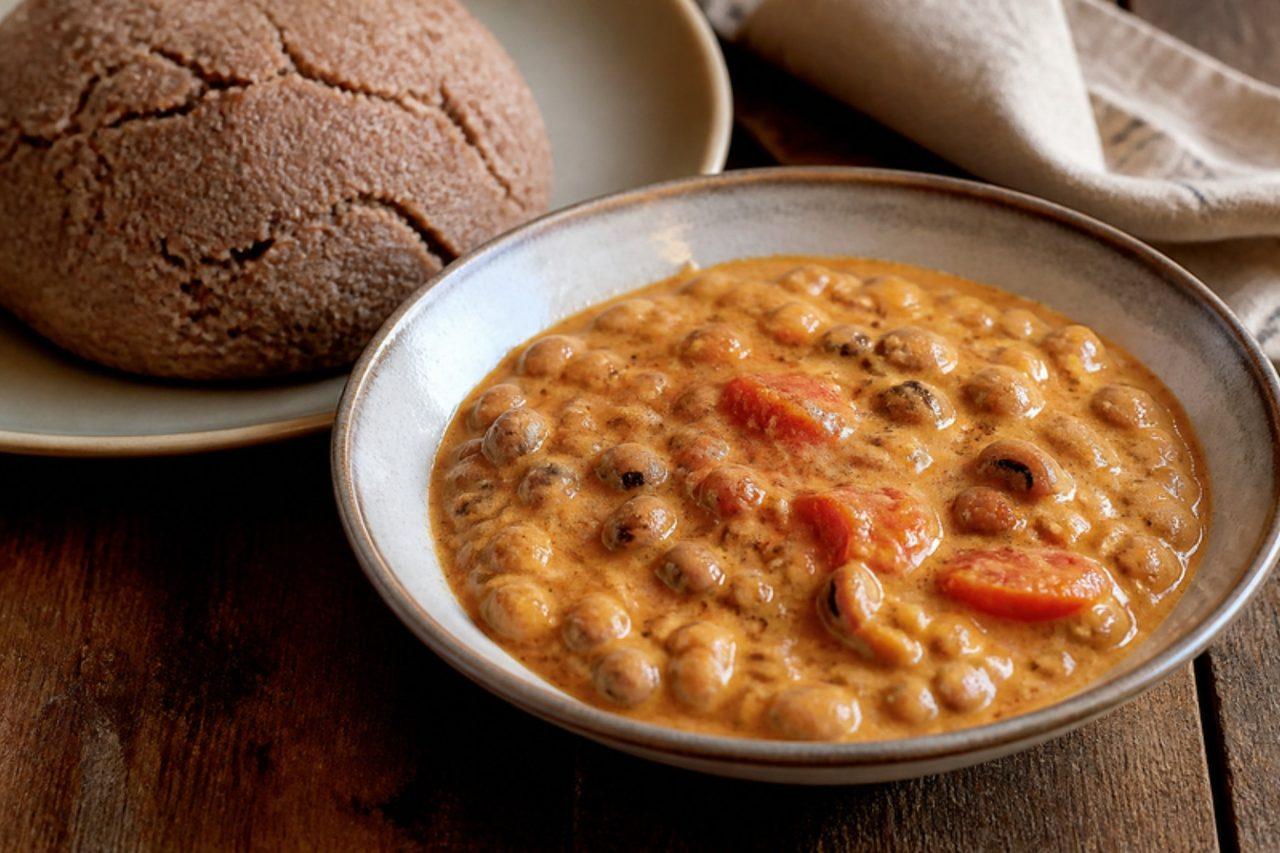
LapenaPigeon peas in sesame paste

Lapena comes out for Christmas, weddings and the days when relatives arrive in Gulu from Kampala: dried pigeon peas boiled until soft, then cooked slowly in roasted sesame paste until thick, earthy and nutty, with a faint bitterness from the sesame that balances the sweetness of the peas. Some families mash it smooth, others keep the peas whole; both are eaten with kwon millet bread, rice or boiled cassava. Dried pigeon peas are sold as toor or arhar (whole, not split) in Indian grocers. The common mistake is adding salt before the peas are tender, which keeps the skins tough. Chef's tip: if you can only find light tahini, toast it in a dry pan for a minute or two until it darkens to get closer to Acholi sesame paste.

by KrazyBadal 0 views

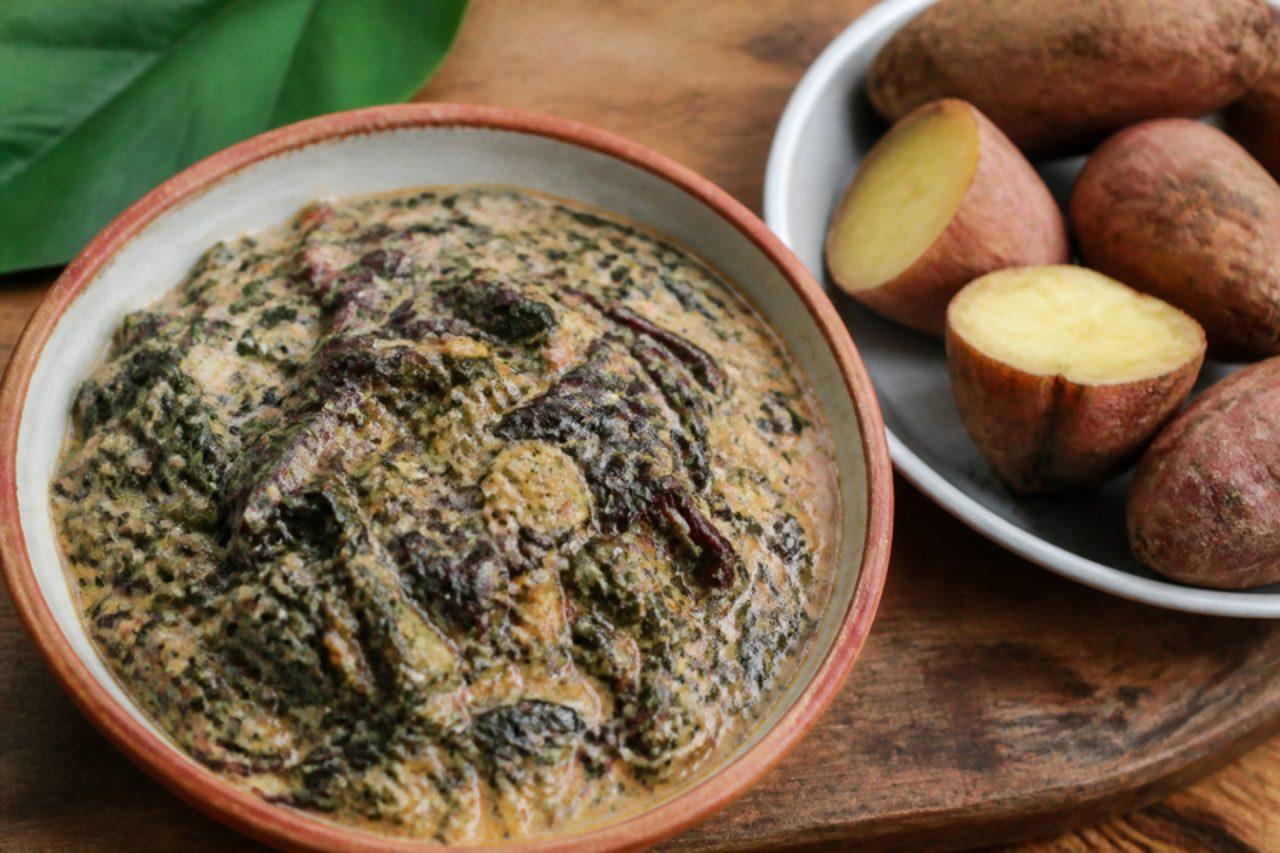
MalakwangSour greens in peanut paste

Gulu and the villages of Acholiland wait for the rains, when malakwang, the tart young leaves of the roselle hibiscus, come into the markets in big bundles. Simmered down with onion and tomato and finished with roasted peanut or sesame paste, they make a thick, dark green, sharply sour and richly nutty sauce that tastes of lemon and cream at once. It is eaten with boiled sweet potatoes, cassava or millet bread at a family meal. Look for fresh or frozen roselle leaves at African grocers, or the same leaf sold as gongura or sorrel leaves in Indian shops; spinach with lime juice is a fallback. Chef's tip: let the leaves collapse fully before the paste goes in, otherwise their sourness stays raw and harsh.

by KrazyBadal 0 views

Ndizi na maharageGreen bananas and red beans

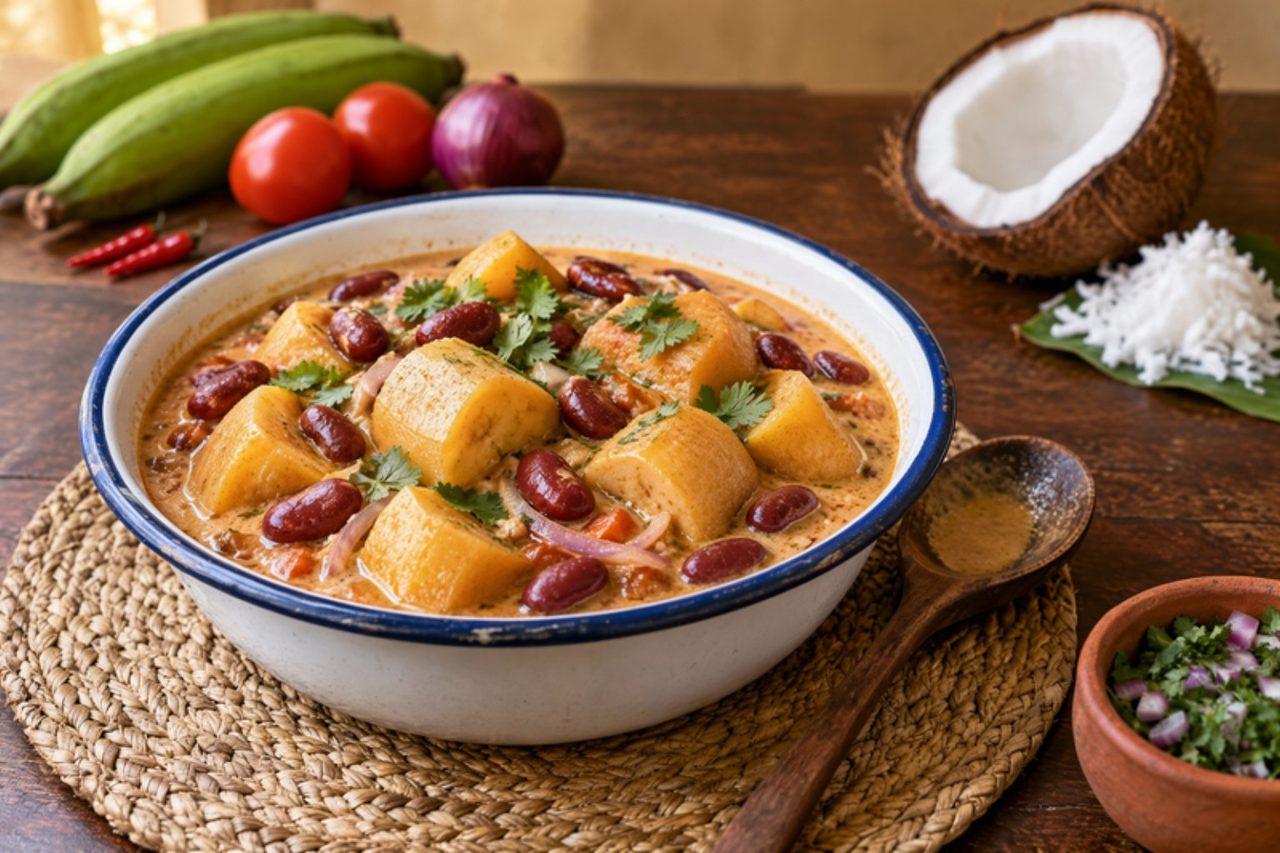
Across Tanzania, from Dar es Salaam to the banana farms around Kilimanjaro, ndizi na maharage is a filling weekday lunch: green cooking bananas and red beans simmered in one pot with tomato, onion and coconut milk until the bananas are soft and the sauce creamy. It needs nothing more than a few slices of avocado or a fresh kachumbari salad on the side. The usual mistake is cooking dried red kidney beans gently from the start: they must boil hard for 10 minutes first to be safe. Peel green bananas with oiled hands, as the sap stains and sticks. Chef's tip: add the bananas only once the beans are tender, then let them simmer until they just break at the edges and thicken the sauce.

by KrazyBadal 0 views

NakatiBitter eggplant leaves with tomato

Nakati are the leaves of the African eggplant, and in Kampala and the Buganda countryside they are cooked as an everyday green beside matooke, posho or rice. The leaves are simmered down with onion and tomato until soft, then often enriched with a spoonful of groundnut paste that softens their pleasant bitterness and makes a creamy sauce. Look for nakati at African grocers; young spinach with a handful of kale is a good stand-in. The usual mistake is adding the groundnut paste too early, which lets it catch and burn. Chef's tip: loosen the groundnut paste with a little hot water before stirring it in, so it melts smoothly into the greens.

by KrazyBadal 0 views

Showing 24 of 180 recipes

Show more recipes

Page 1 of 8