Skip to content
WhatToEat.Today

All recipes

410

Vegetarian, or something you can't eat? Set your diet once and we'll hide recipes that don't fit.

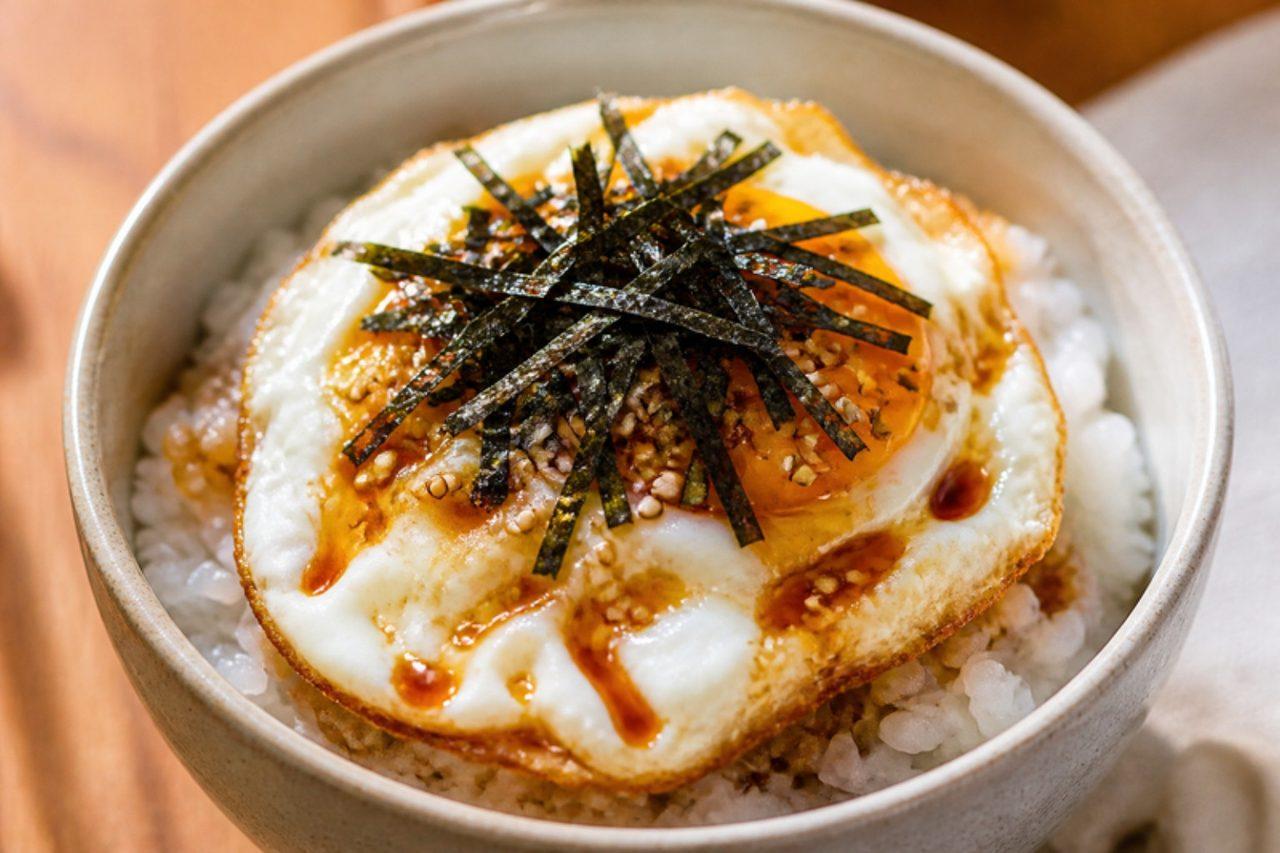
Gyeran bapEgg rice with sesame oil

Gyeran bap, egg rice, is the five-minute meal of Korean childhoods and student flats from Seoul to Busan: a bowl of steaming rice topped with a crisp-edged fried egg, a little butter or sesame oil and a splash of soy, all mixed together and scooped up with sheets of roasted seaweed (gim). Kimchi on the side is all it needs. The common mistake is using cold rice: it must be freshly cooked or reheated until piping hot so the yolk and butter melt into it. Chef's tip: fry the egg in sesame-scented oil on a high heat so the white blisters and crisps; that crunchy frill is the best bit. If you are cooking for anyone pregnant, a young child, an older person or anyone with a weakened immune system, cook the egg until the yolk is firm, or use British Lion or other pasteurised eggs.

by KrazyBadal 0 views

Ma you mian xianSesame oil ginger vermicelli

Ma you mian xian is a warming Taiwanese home bowl, cooked on chilly evenings across the island and famously fed to new mothers to restore their strength. Fine wheat noodles called mian xian (misua) are tossed with plenty of ginger fried slowly in dark, nutty black sesame oil and seasoned with a little soy. Many families add a splash of rice wine; this version leaves it out. The common mistake is frying the ginger in hot sesame oil, which turns bitter fast; keep the heat low and let the ginger curl and brown gently. Chef's tip: misua is salty already, so rinse it briefly after boiling and taste before adding any extra soy.

by KrazyBadal 0 views

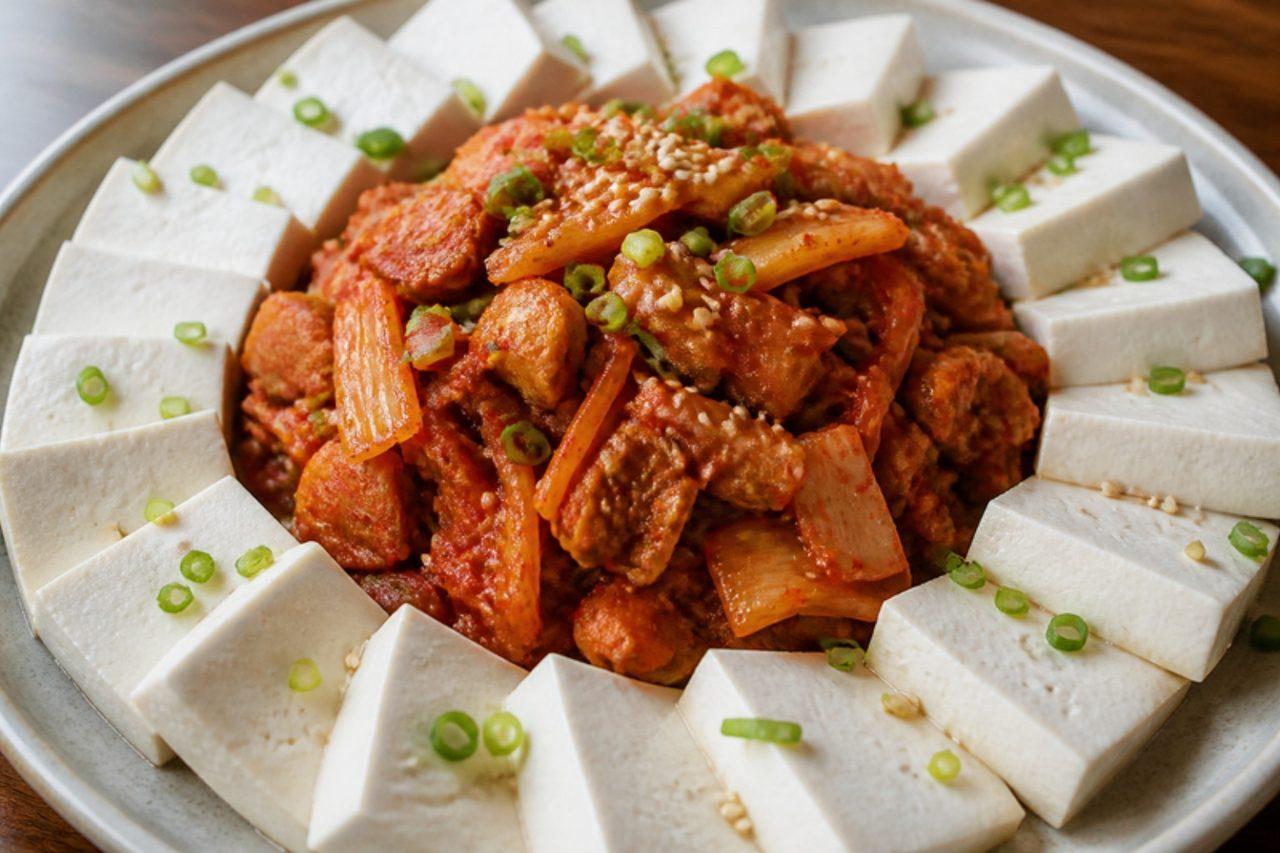
Dubu kimchiTofu with stir-fried pork kimchi

Dubu kimchi is a favourite at Seoul's tent bars and at home dinner tables across Korea: soft blocks of blanched tofu served beside sour, spicy kimchi that has been stir-fried with thin slices of pork until glossy. You pick up a slice of mild tofu with a little kimchi on top, so every bite is cool and hot at once. It's eaten as an evening dinner with rice, or as something to share with friends over drinks. The mistake is using freshly made kimchi; it stays crunchy and flat, while well-fermented, sour kimchi caramelises and turns deeply savoury. Chef's tip: add a spoonful of the kimchi juice at the end for extra tang.

15 minKoreanMeatSpicy
by KrazyBadal 0 views

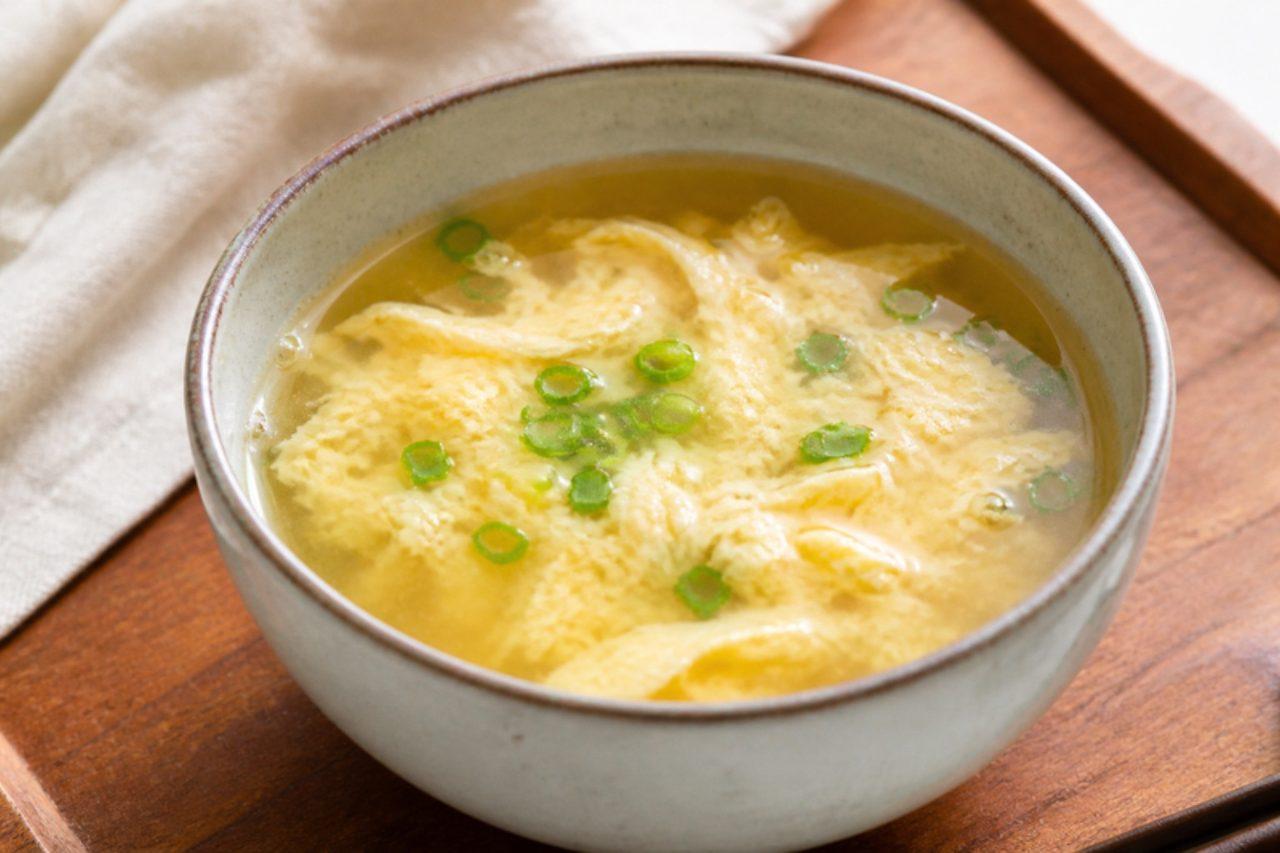
Gyeran gukEgg ribbon soup

Gyeran guk is the gentle soup Korean families make on a busy weeknight or for anyone feeling under the weather: soft ribbons of egg and spring onion drifting in a clear broth seasoned with soup soy sauce. Many homes use an anchovy stock; this one uses a quick kelp broth so it stays vegetarian. Serve it with rice and a couple of banchan. The common mistake is stirring the egg the moment it goes in, which clouds the soup into tiny grains; pour it in a thin stream and wait 20 seconds before giving one gentle stir. Chef's tip: take the kelp out just as the water starts to boil, because boiled kelp turns the broth slimy and bitter.

by KrazyBadal 0 views

Dowina (Kurdish yogurt soup)

Dowina, called ash-e doogh in Persian, is warming spring food in Kurdish homes around Newroz, when yogurt is plentiful and the first herbs are cut from the garden. Rice and chickpeas simmer in a tangy, lightly thickened yogurt broth, finished with fresh dill, coriander and a sizzle of dried mint in oil. It is eaten warm, never boiling hot, with flatbread. The common mistake is to heat the yogurt too fast without stirring, which makes it split into grainy curds. Chef's tip: whisk an egg yolk and a spoonful of rice flour into the yogurt before it goes on the heat; it holds the soup smooth all the way to the simmer.

by KrazyBadal 0 views

KaguyjyWhite corn pudding

On the night of 23–24 June, Paraguayans celebrate San Juan with bonfires, games like walking over hot coals and the 'paso de fuego', and a table of traditional foods, and kaguyjy (also mazamorra) is one of them. It is a soft, creamy pudding of cracked white corn (locro) simmered slowly in water and then milk with sugar or honey, sometimes with orange peel. It is eaten warm or cold. It is gluten free. Chef's tip: soak the corn overnight and cook it until each kernel is tender before adding the milk, or it never turns creamy.

by KrazyBadal 0 views

Pajagua mascadaBeef and cassava patties

Pajagua mascada is a Paraguayan street-food classic that appears on every table for the San Juan festival on 24 June, when bonfires burn and the night is full of games and traditional food. Minced beef is mixed with mashed cassava, onion, garlic and a little egg and flour, shaped into flat patties and fried until crisp. The name comes from Guaraní and refers to the 'chewing' of old Paraguayan cooks, who made it from leftover meat. Chef's tip: dry the boiled cassava well and remove its woody core, which keeps the patties light and crunchy.

by KrazyBadal 0 views

Chipa so'oCheese bread with spiced beef

In Paraguay, families bake chipa in the clay tatakua ovens on Holy Wednesday so there is food for Thursday and Good Friday, when cooking stops. Chipa so'o ('chipa with meat') is a cassava-starch and cheese bread wrapped around a little filling of minced beef cooked with onion and egg, then baked until crisp outside and chewy within. It is naturally gluten free. Chef's tip: knead the dough until it no longer cracks at the edges when pressed; dry dough splits around the filling.

by KrazyBadal 0 views

KalanehWild leek stuffed flatbread

In Kurdistan and Kermanshah, Newroz arrives with the first spring greens on the hillsides, and families gather wild leeks to fold into kalaneh, thin griddle breads cooked over a fire or a hot pan and soaked in melted butter. The dough is plain and soft, rolled very thin around a pile of chopped leek or chives with a little salt and pepper, so the greens steam inside as the bread blisters. Eat it hot, torn into strips, with yogurt and tea at a Newroz picnic. The common mistake is wet greens, which turn the dough soggy and make it tear; dry them well after washing. Chef's tip: brush the butter on the moment the bread leaves the pan so it soaks right in.

by KrazyBadal 0 views

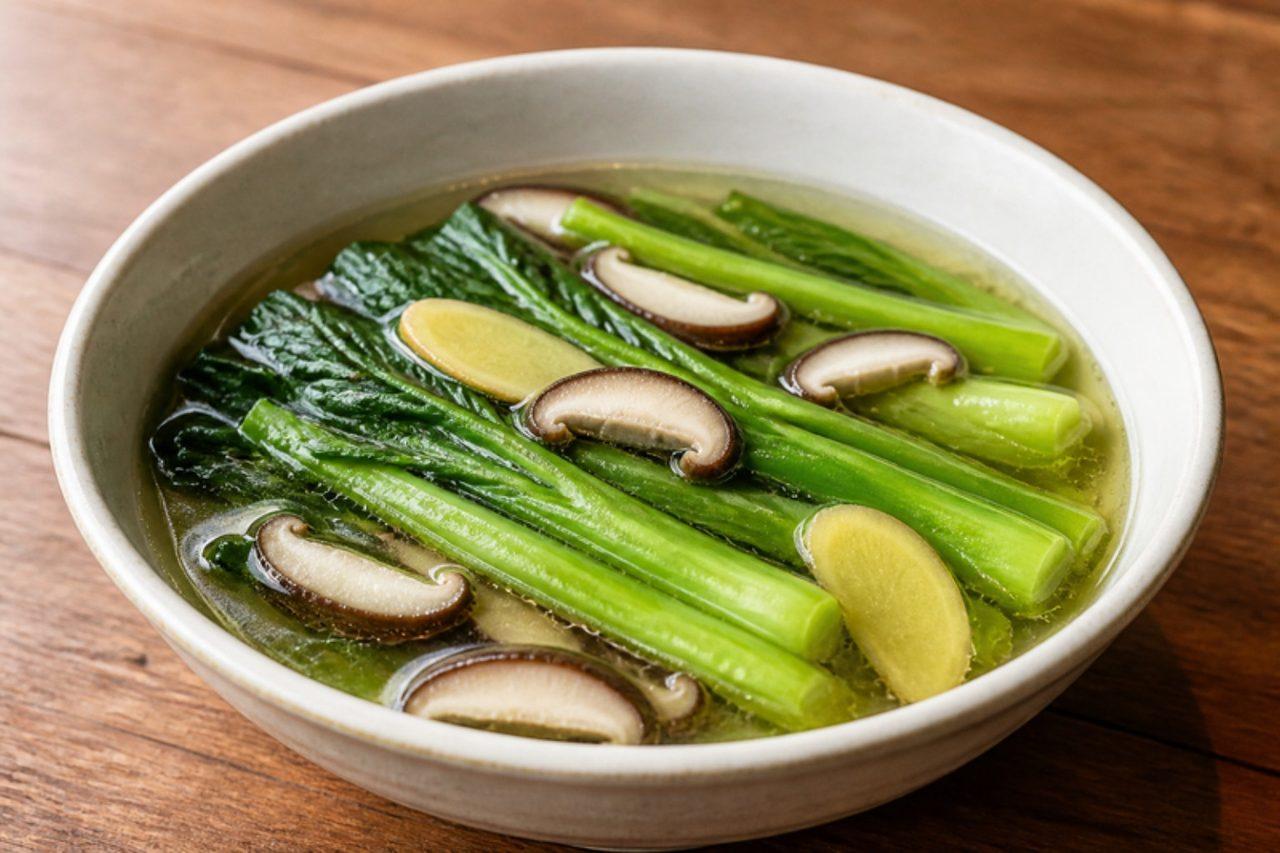
Changnian cai (long-year greens soup)

Changnian cai, 'long-year greens', is a must on the Taiwanese New Year's Eve table. Whole heads of mustard greens are cooked with their leaves uncut, and each person eats a long leaf from end to end without biting it short, a wish for a long life for the parents and the whole family. The greens turn silky and tender, with a pleasant bitterness that mellows in the savoury broth. This version uses vegetable stock with dried shiitake and ginger, so it is vegan. Serve it alongside the reunion dinner's rich braises and fish, where its clean taste is welcome. Chef's tip: blanch the greens first; it takes away the sharp bitterness and keeps them bright.

by KrazyBadal 0 views

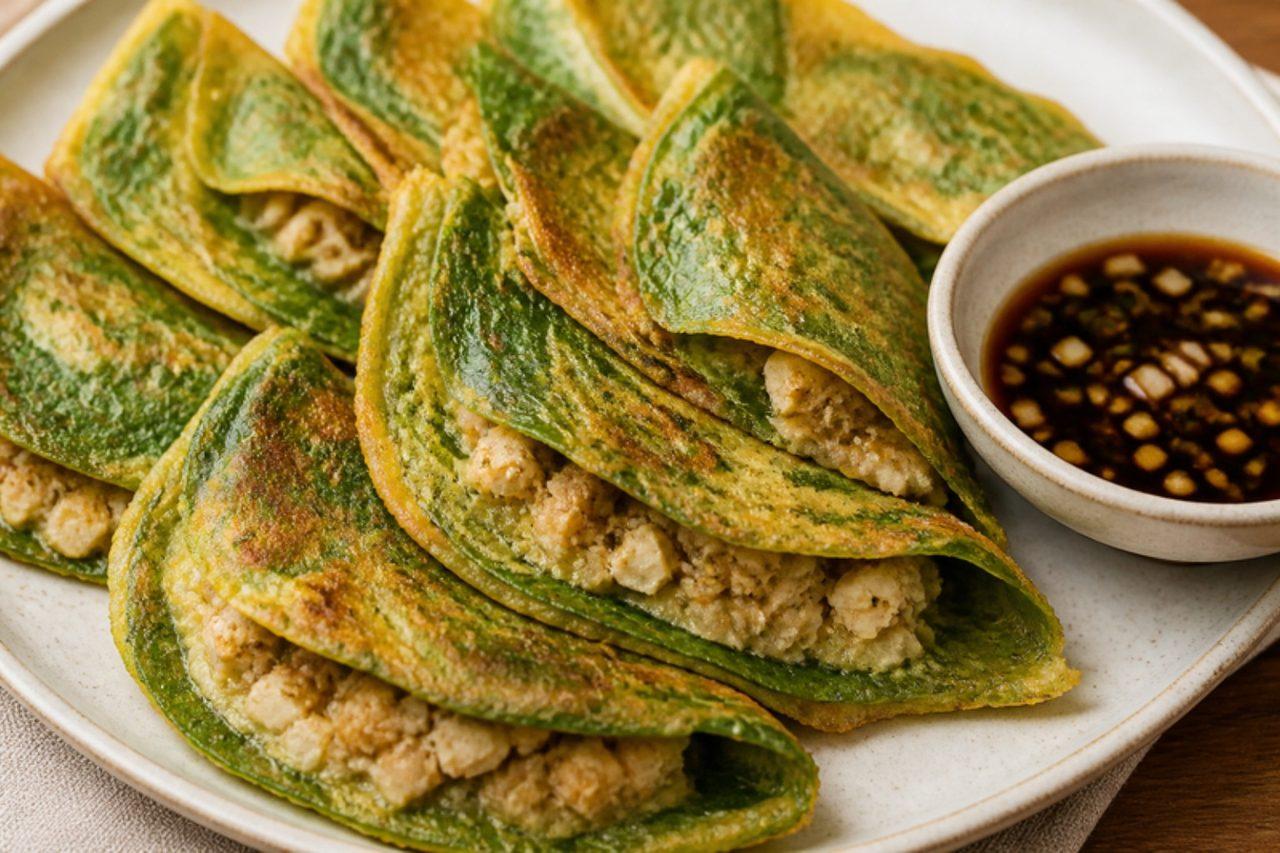
Kkaennip jeon (stuffed perilla leaf pancakes)

For Chuseok and Seollal, Korean kitchens turn out tray after tray of jeon for the ancestral table, and kkaennip jeon are a fragrant favourite: whole perilla leaves are folded like a half-moon around minced pork, tofu and vegetables, then fried in egg. Perilla tastes of mint, anise and basil all at once, and its scent cuts through the richness of the holiday spread. Each little parcel is soft and juicy inside, with a thin, golden shell. Serve them with a soy-vinegar dip, rice and soup, or tuck them into a lunchbox the day after. Chef's tip: lay the leaves shiny side down so the matt, rougher side holds the flour and filling.

by KrazyBadal 0 views

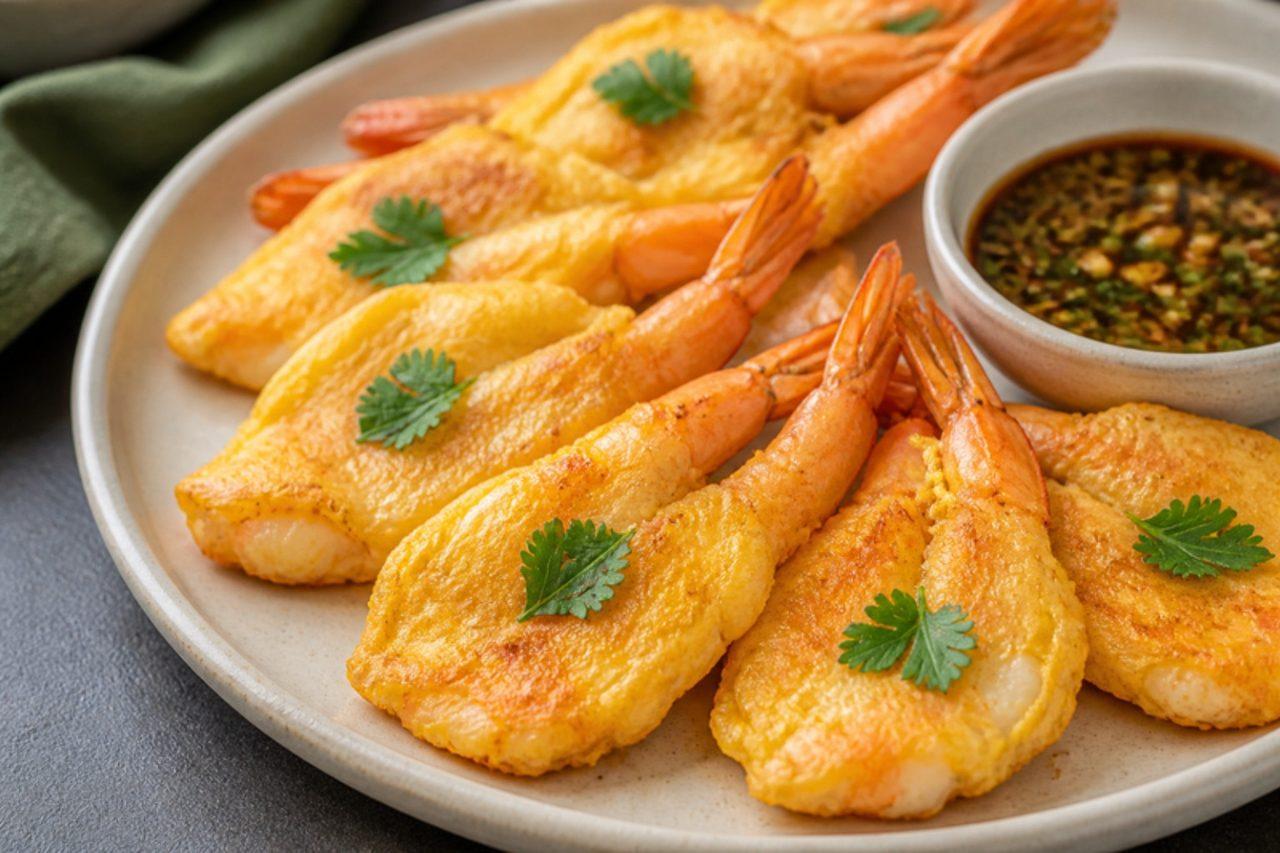
Saeu jeon (shrimp pancakes)Prawn pancakes

Saeu jeon are a celebratory addition to the jeon platter for Seollal and Chuseok in homes all over Korea; prawns, with their bent backs, have long stood for a wish to live until you are old and stooped. Butterflied and pressed flat, each prawn turns into a neat golden fan with a pink tail, sweet and tender inside a soft egg coat. Children love them, and they disappear faster than anything else on the table. Serve with a soy-vinegar dip, japchae and rice. Chef's tip: make a few shallow cuts across the inner belly before flattening; it stops the prawns curling up in the pan.

25 minKoreanFish
by KrazyBadal 0 views

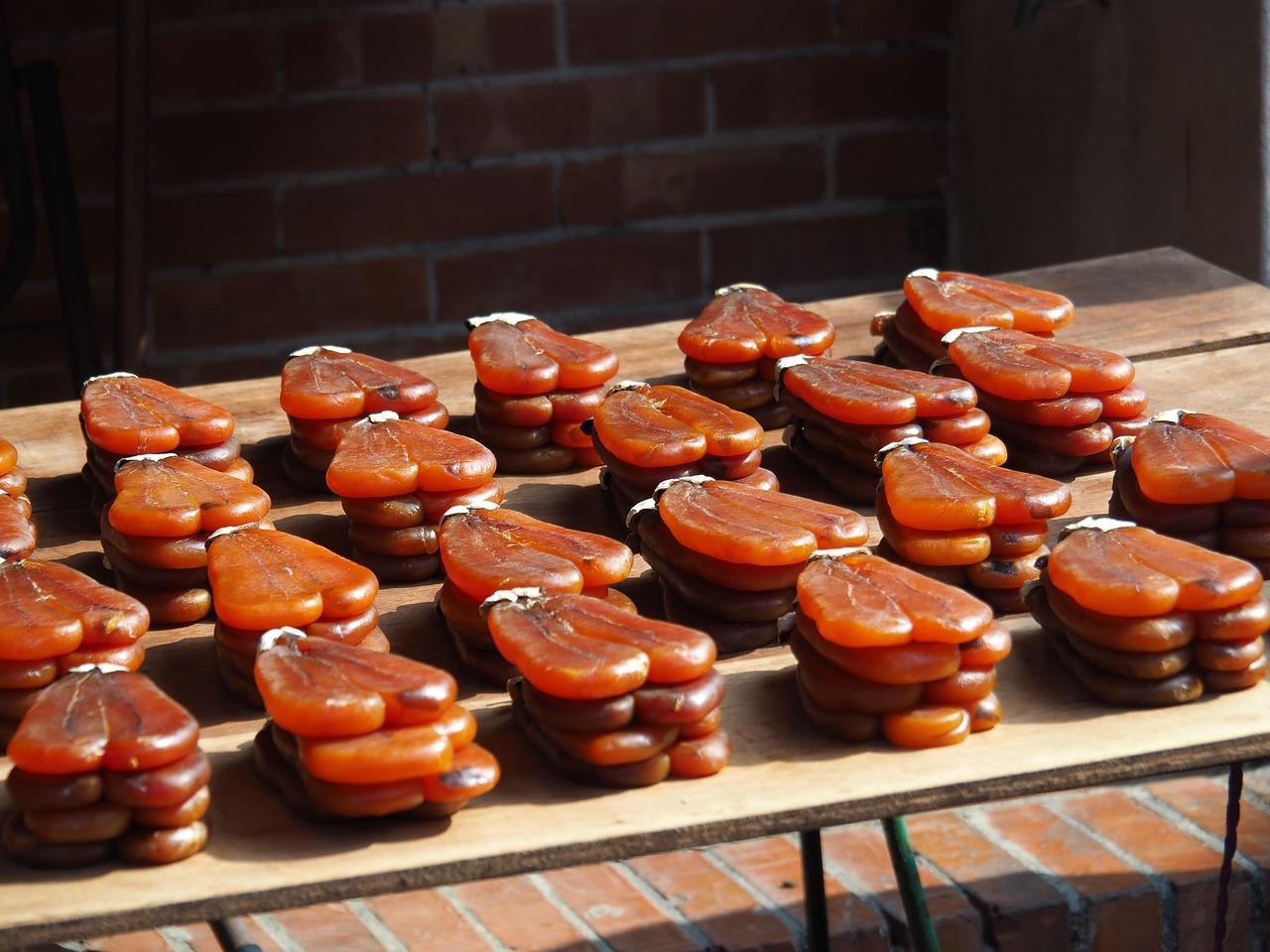
Grilled mullet roe (wuyuzi)

Wuyuzi, dried salted mullet roe, is one of the treasures of a Taiwanese New Year banquet, made in Kaohsiung and Tainan from grey mullet caught off the southwest coast in the winter run. The flat amber slabs are nicknamed 'black gold' and look like gold bars, so they are served and given as gifts for wealth in the coming year. Lightly seared, the roe is chewy, salty and rich, like a sea-flavoured cheese, and it is eaten in thin slices sandwiched with crisp daikon and pungent garlic leaves. Many cooks brush or flame it with Kaoliang sorghum spirit or rice spirit; that step is optional, and simply searing it in a dry pan gives an alcohol-free version that is just as good. Serve as a starter with the New Year spread. Chef's tip: keep the heat low and the searing brief; the inside should stay soft and slightly sticky.

by KrazyBadal 0 views

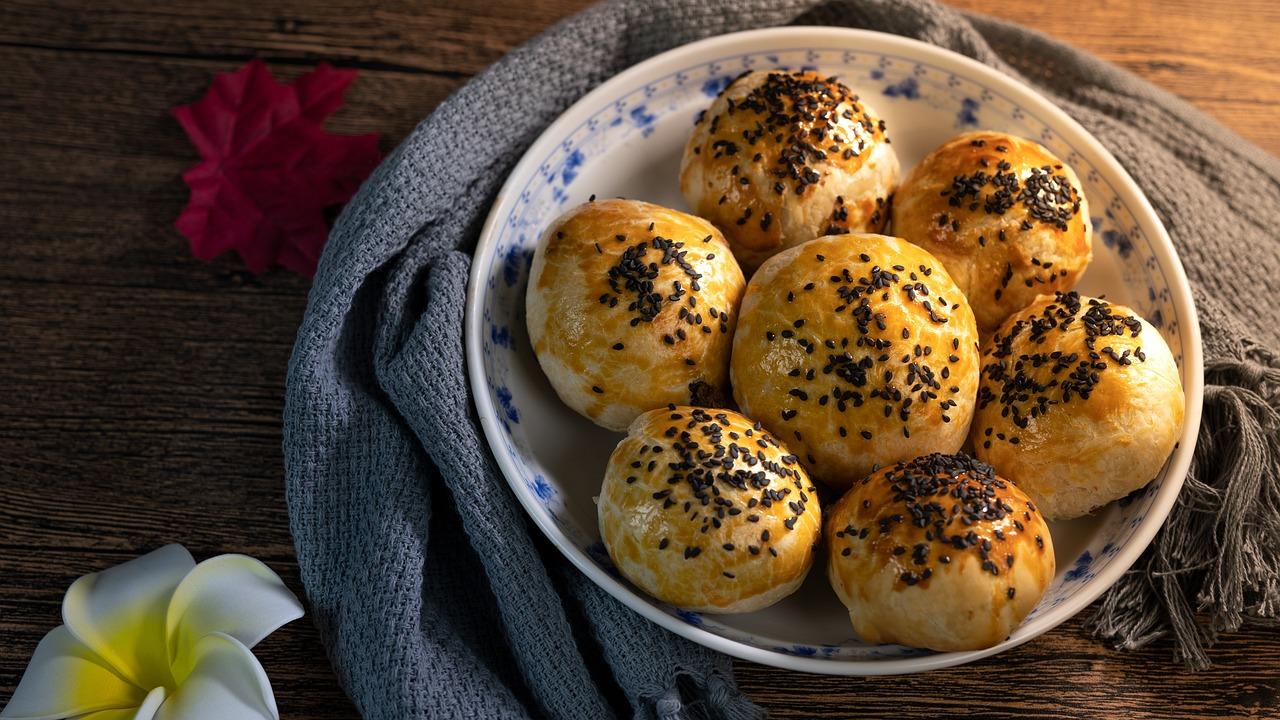
Dan huang su (egg yolk pastry)Salted egg yolk pastry

Dan huang su is Taiwan's favourite Mid-Autumn pastry, given in gift boxes across the island in the weeks before the festival. The whole golden yolk hidden in the centre stands for the full moon, and the round, glossy pastries look like little moons themselves when you share them at the family reunion. Under a shell of dozens of flaky layers sits sweet red bean paste and a salty, rich, slightly crumbly duck egg yolk. Bakeries traditionally use lard in the pastry; this version uses butter, so it is vegetarian. Serve with oolong tea under the moon, cut in half to show the yolk. Chef's tip: roast the salted yolks first until they look oily and set, which takes away any eggy smell and gives the best flavour.

by KrazyBadal 0 views

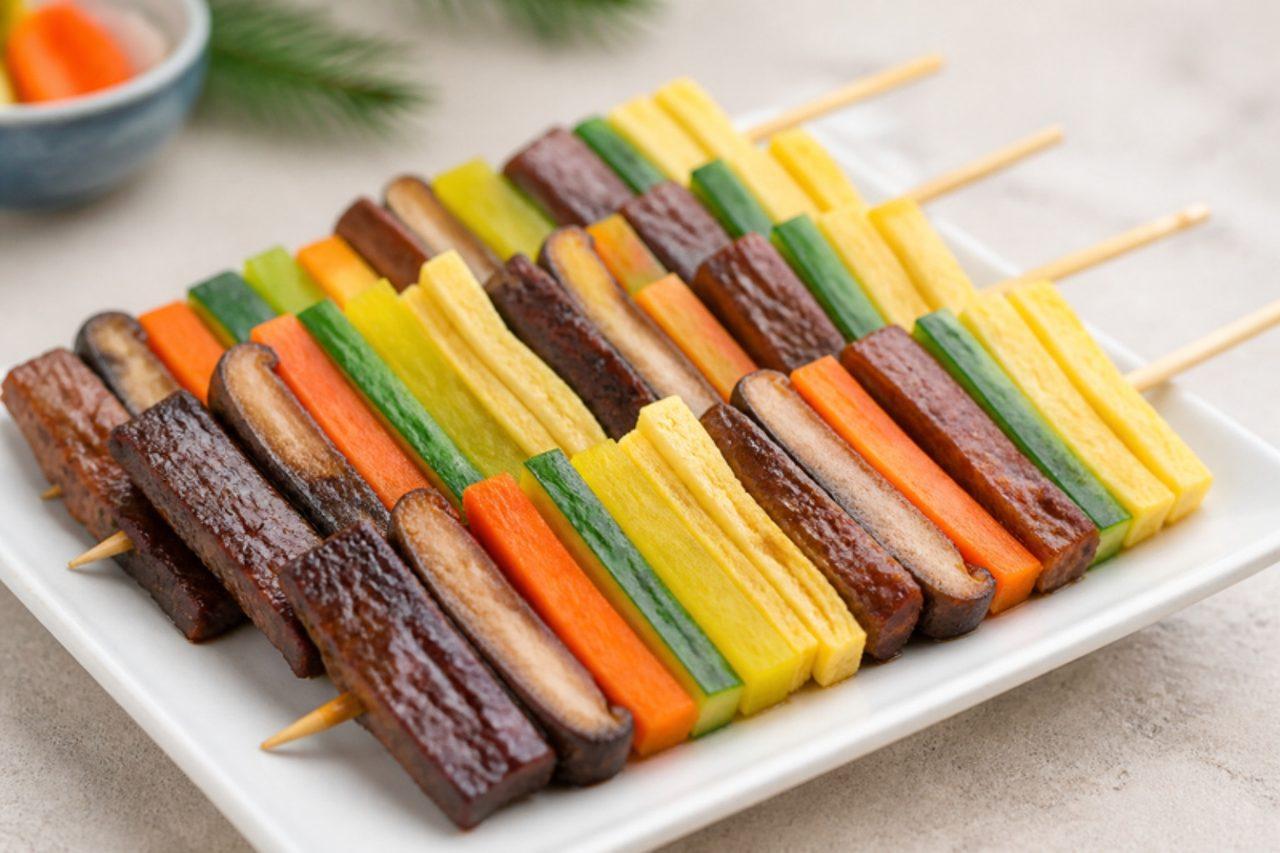
Hwayangjeok (colourful skewers)

Hwayangjeok, made across Korea for Chuseok and Seollal, means something like 'flower-bright skewers': strips of seasoned beef, shiitake, carrot, yellow pickled radish, cucumber and egg are cooked separately and threaded side by side, so each skewer shows the five traditional colours (obangsaek) that stand for balance and good fortune on the ancestral table. Every bite mixes savoury, sweet soy beef with crunchy, tangy radish and soft egg. They are served at room temperature as part of the holiday spread, with rice, soup and other jeon. Chef's tip: cut every ingredient to the same length and thickness before you start; that is what makes the stripes look sharp.

60 minKoreanMeat
by KrazyBadal 0 views

Omija hwachae (five-flavour berry punch)

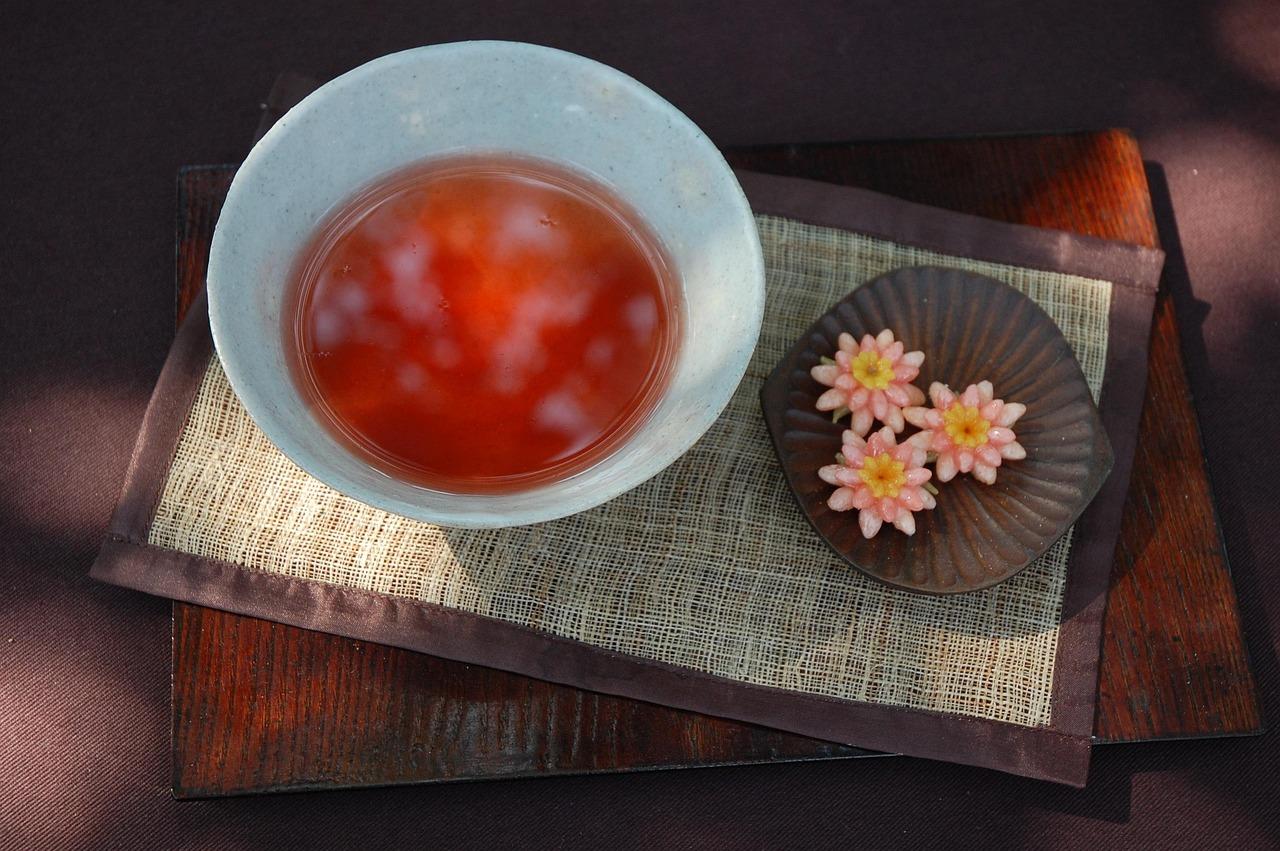
Across Korea, Dano marks the start of the hot season, and a bowl of hwachae is the old way to cool down. Omija means 'five flavours': the dried schisandra berries are sour, sweet, salty, bitter and pungent at once, and steeping them gives a ruby-pink drink that is tart and bright, said to refresh the body against summer fatigue. Honey is the traditional sweetener; sugar syrup keeps this version vegan and entirely alcohol-free. Float thin pear flowers and a few pine nuts on top and serve it beside tteok or yakgwa. Chef's tip: steep the berries in cold water only, because hot water pulls out their bitterness and the colour turns murky.

by KrazyBadal 0 views

Huasheng tang (peanut brittle)

Huasheng tang is a fixture on the Taiwanese New Year candy tray, set out for every visitor who comes to wish the family a happy new year. Peanuts are called 'long-life nuts' in Chinese, so the brittle carries a wish for long life and, with so many nuts in each piece, for many children and a full house. Taiwanese brittle is thinner and less sweet than many, packed with crackly roasted peanuts held together by malt sugar. Serve with oolong tea alongside dried fruit and melon seeds. Chef's tip: cut the slab while it is still warm and pliable; once cold it shatters.

by KrazyBadal 0 views

Gochu jeon (stuffed chilli pancakes)

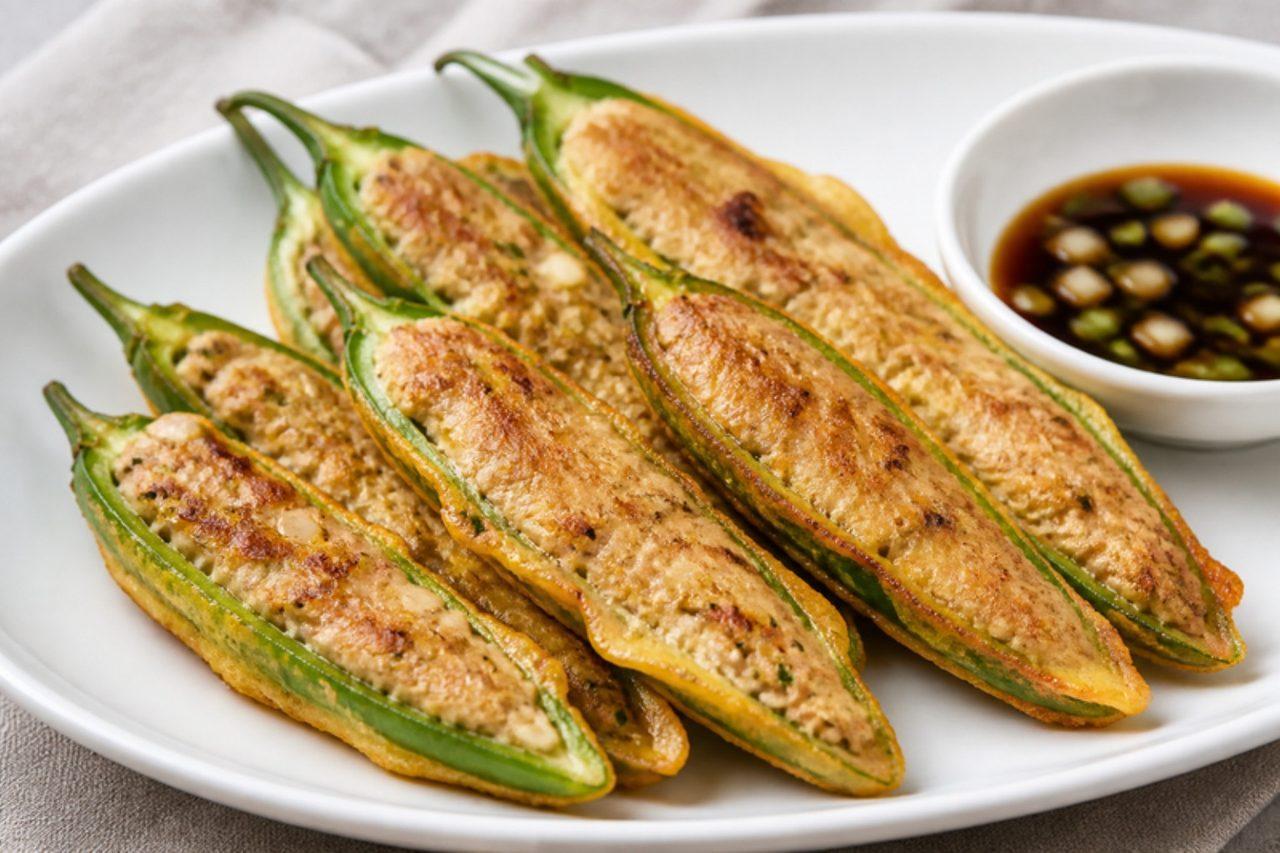
Gochu jeon bring a flash of green to the jeon platter that Korean families fry together, often for hours, before Seollal and Chuseok, when jeon are laid out for the ancestors and then shared by everyone. Long, mild green chillies are split and filled with a pork and tofu stuffing, so each boat is half crisp, sweet-grassy pepper and half juicy, savoury filling, with only a little warmth. They hold well, which is why they are made ahead for the holiday. Serve with a vinegar and soy dip, steamed rice and kimchi. Chef's tip: choose straight, mild chillies (Korean green chillies, Anaheim or long Turkish peppers); curly hot ones are hard to fill and too fierce for a platter.

by KrazyBadal 0 views

Dasik (Korean pressed tea cakes)

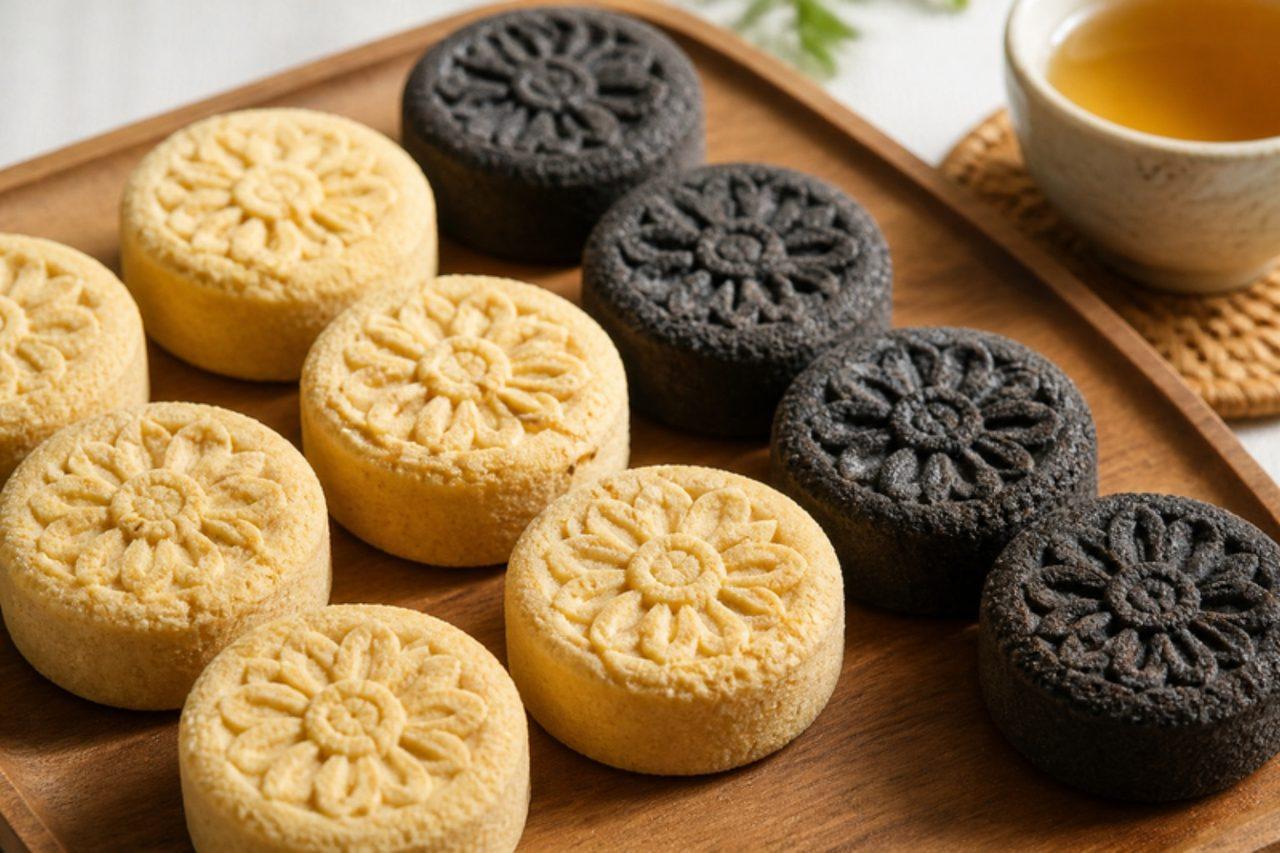
Dasik are small pressed tea cakes stamped with patterns of flowers, characters for long life and good fortune, made across Korea for Chuseok, weddings and the tables set for ancestral rites. Powders of roasted grain, black sesame or yellow pine pollen are kneaded with honey and pressed into carved wooden moulds, so a single plate shows contrasting colours. They are dense and melt slowly, tasting of toasted nuts and honey, and they are always served with tea: green tea, or a tea of jujube or citron. This version makes two colours, roasted soybean and black sesame. They are naturally egg-free: honey binds the powders and lets them hold the fine pattern of the mould. Chef's tip: add the honey a teaspoon at a time; the common mistake is too much, which makes a sticky dough that blurs the pattern and won't leave the mould.

by KrazyBadal 0 views

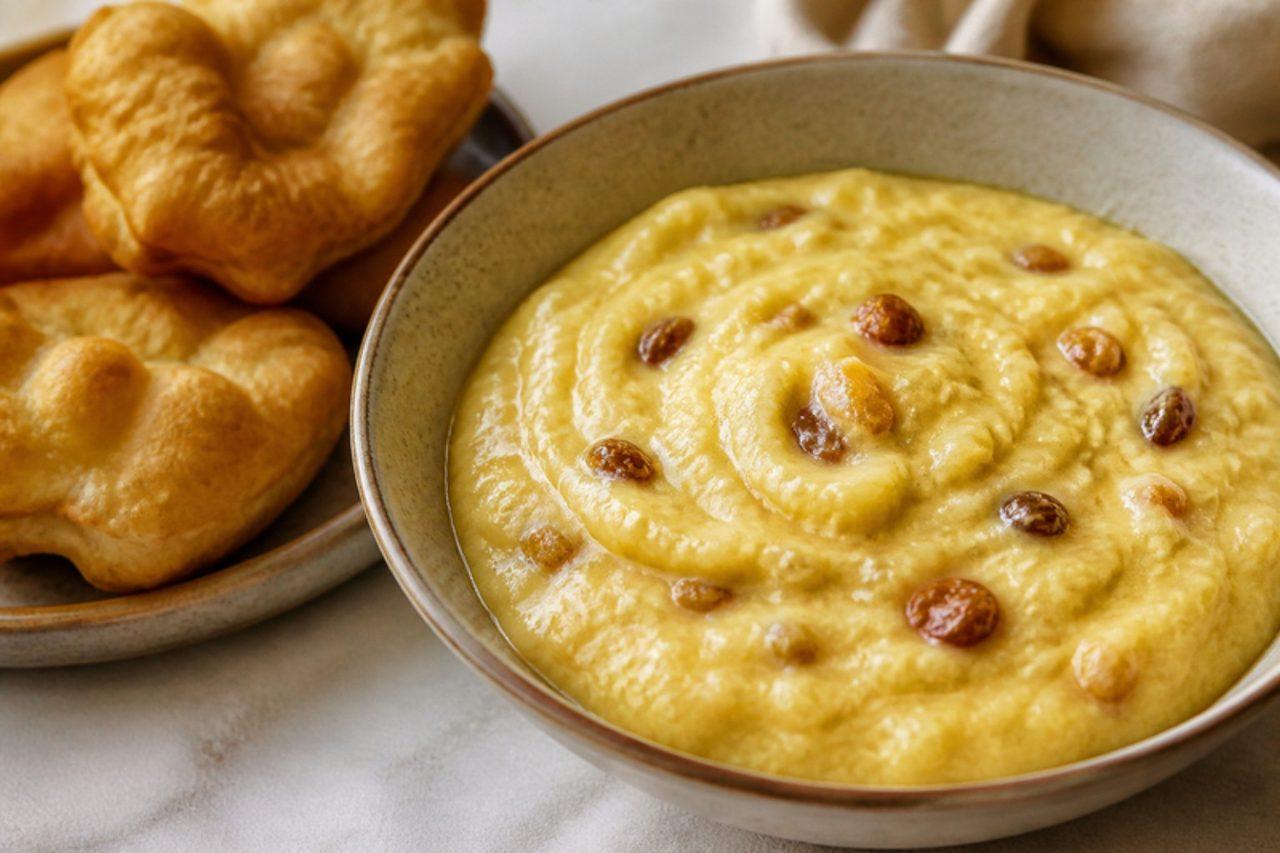
Khailmag (cream and raisin sweet)

Tsagaan Sar, the Mongolian Lunar New Year, means 'White Month', and white dairy foods stand for purity, plenty and a clean start to the year, so homes across the country set out cream, curds and sweets beside the steaming buuz. Khailmag is one of the most luxurious: clotted cream (or Mongolian öröm, the thick skin skimmed from boiled milk) is cooked with butter-toasted flour, sugar and raisins until it turns into a golden, fudgy porridge. It is very rich, so serve small spoonfuls with salty milk tea, or alongside ul boov biscuits and boortsog. There is no alcohol in it. Chef's tip: toast the flour slowly until it smells nutty; that toasting gives khailmag its caramel flavour.

by KrazyBadal 0 views

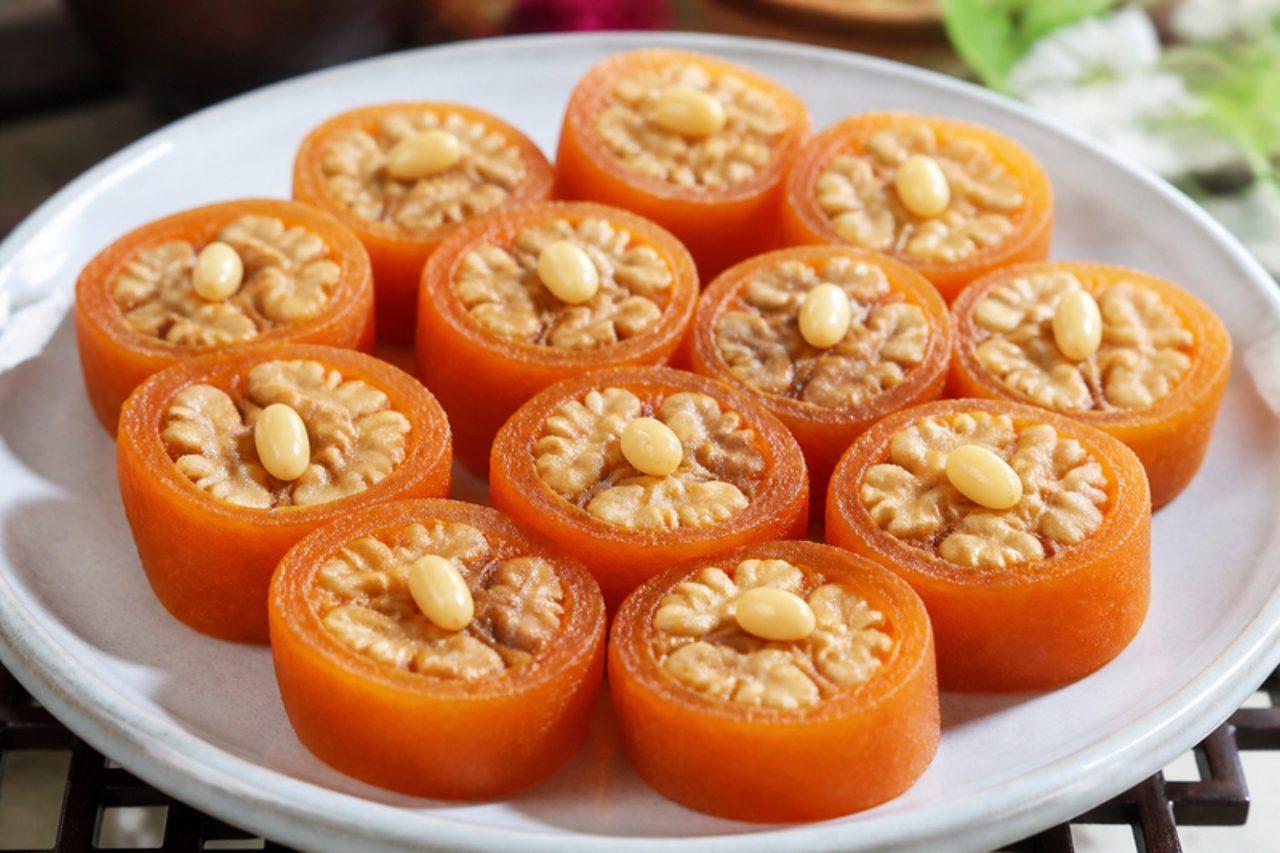
Gotgam-ssam (walnut-stuffed dried persimmon rounds)

Sangju in North Gyeongsang is Korea's dried-persimmon capital, and in Andong and across the region gotgam-ssam is a sweet for Seollal and Chuseok tables and for welcoming guests in winter. Soft dried persimmons are opened out flat, rolled tightly around a row of walnut halves and sliced, so each round shows a pattern like a flower. They are chewy and honeyed from the fruit, with crunchy, slightly bitter walnuts in the middle. Serve them with sujeonggwa, the cinnamon-ginger punch, or with a cup of roasted barley tea. It is naturally egg-free: the sticky dried fruit is its own glue, and a short chill firms the roll so it slices neatly. Chef's tip: wrap the roll tightly in cling film and chill it before slicing; the common mistake is slicing it straight away, which squashes the rounds and lets the walnuts fall out.

by KrazyBadal 0 views

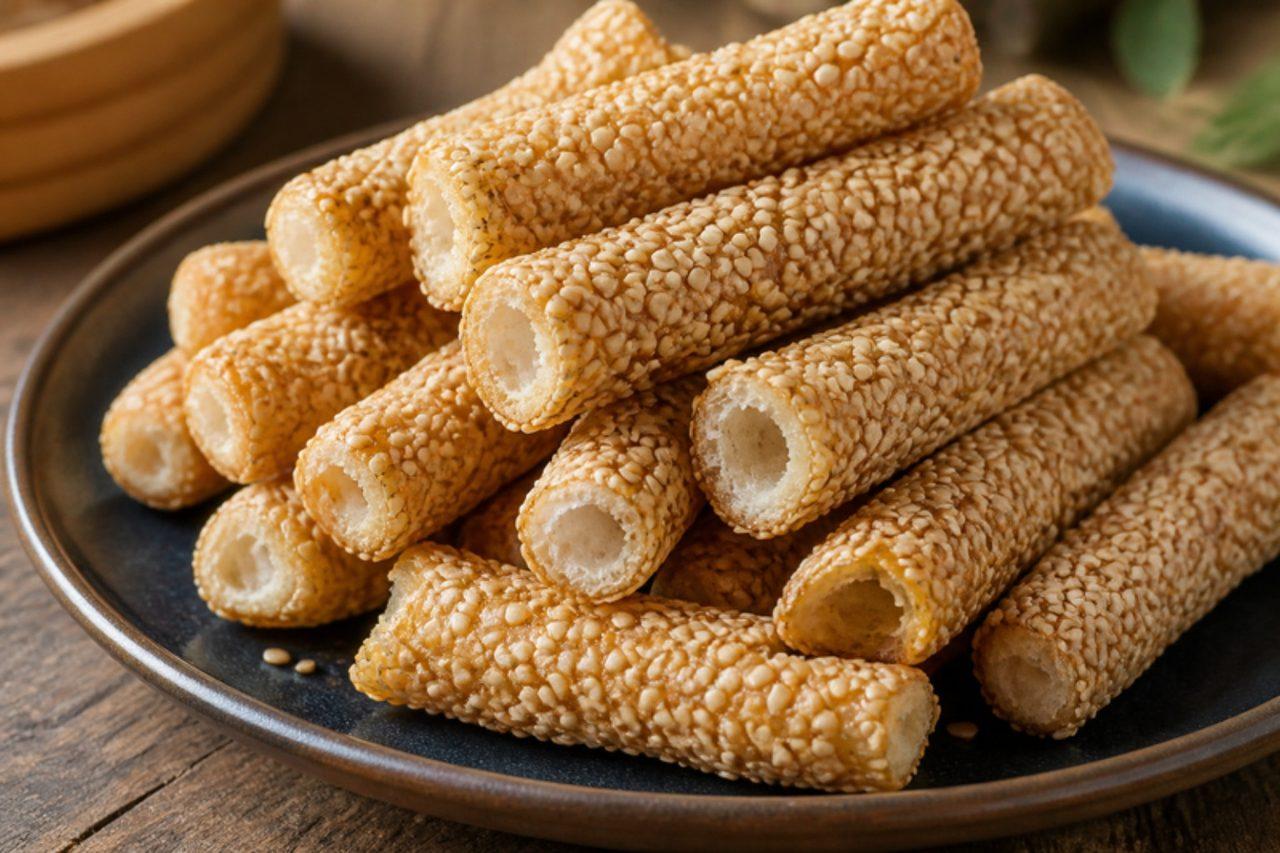
Ma lao (puffed rice sticks)

Ma lao are a Lunar New Year sweet from Yilan on Taiwan's northeast coast, stacked on family altars as offerings and handed to guests through the holiday. The sticks swell to many times their size in the oil, a picture of a family and fortune growing bigger in the new year, and their sticky coating stands for staying close together. They are light and crunchy, almost hollow, with a sweet malt glaze and a nutty crust of toasted sesame or crisp puffed rice. Serve on the New Year candy tray with tea. Chef's tip: start frying in barely warm oil and raise the heat slowly; that gentle start is what makes the sticks puff.

by KrazyBadal 0 views

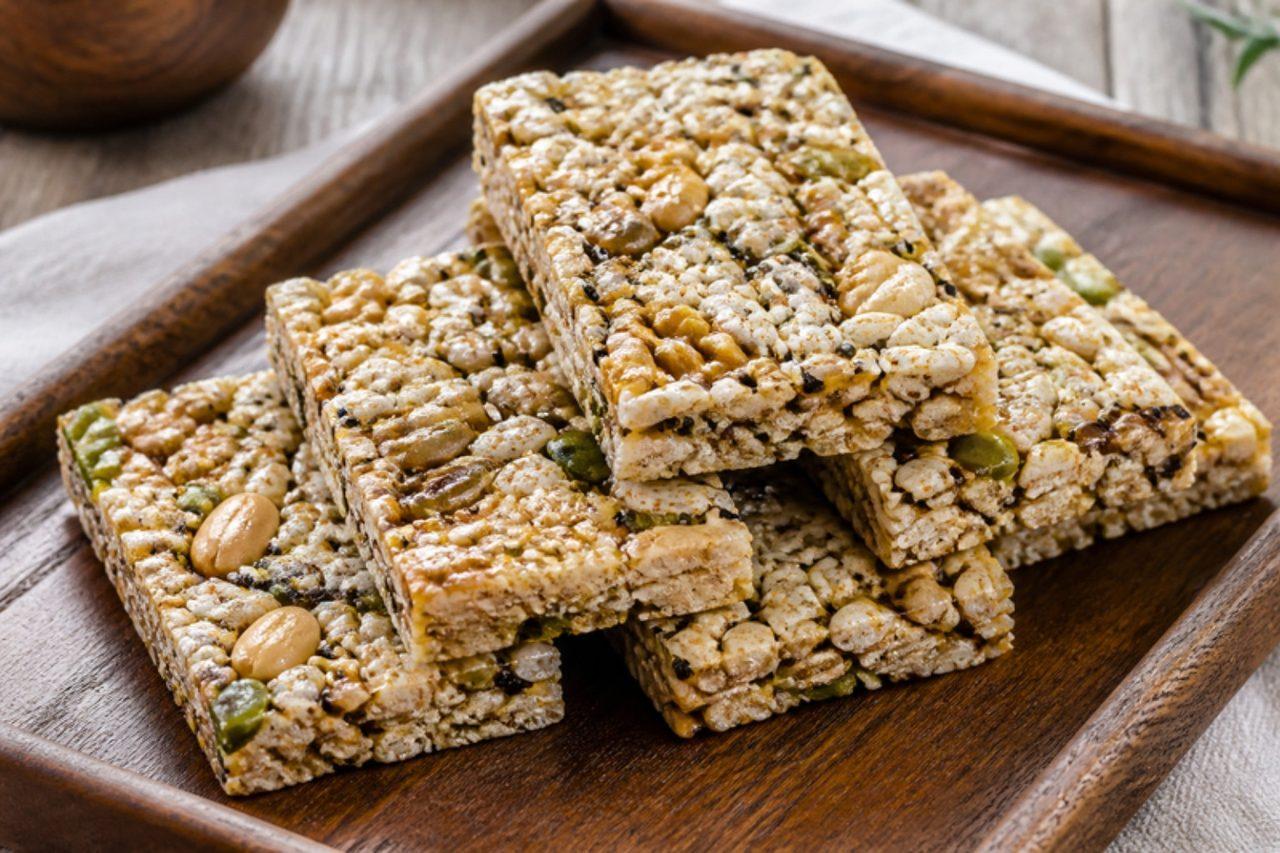
Yeot-gangjeong (nut and sesame bars in rice syrup)

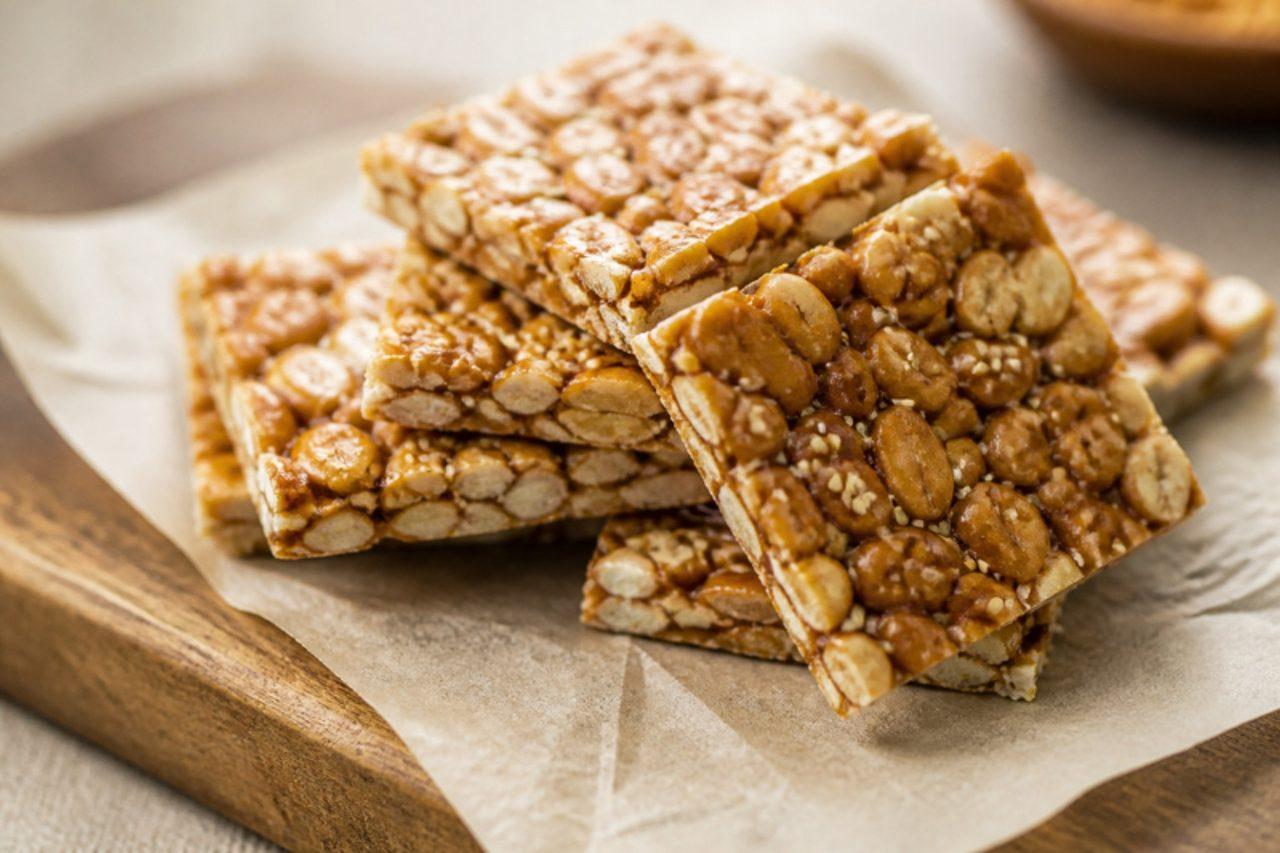
Yeot-gangjeong is a traditional Korean hangwa made all over the country, especially in the weeks before Seollal and Chuseok, when trays of these bars are given as gifts and set out for visitors. Toasted nuts, sesame seeds and puffed rice are folded into hot rice syrup, pressed flat and cut into bars that are crunchy, nutty and only gently sweet, with a faint malty flavour from the syrup. Serve them with green tea or sikhye, the sweet rice drink, or pack them for a lunchbox. They are naturally egg-free: rice syrup, heated until it bubbles, acts as the glue and sets firm as it cools. Chef's tip: cut the slab while it is still warm. The common mistake is waiting until it is cold, when the bars shatter instead of slicing cleanly.

by KrazyBadal 0 views

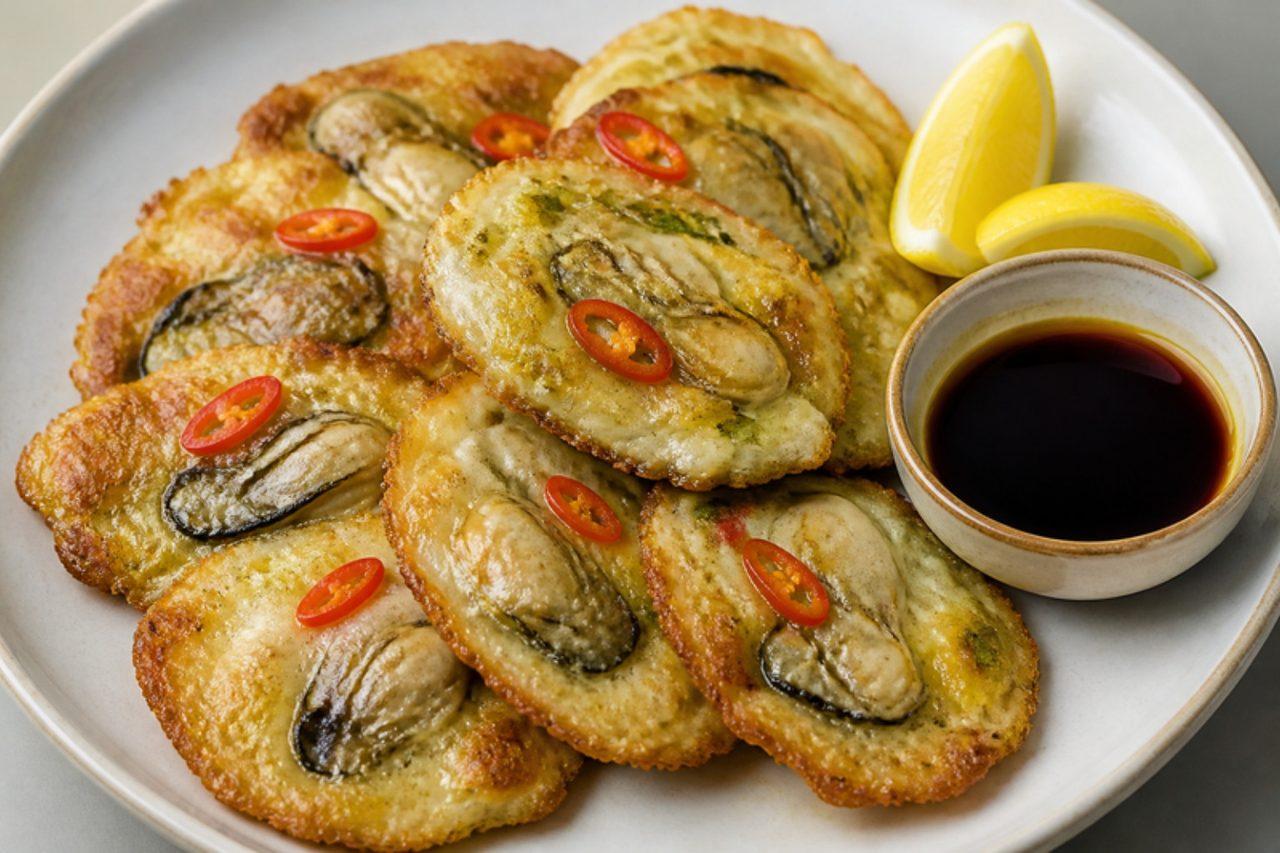
Gul jeon (oyster pancakes)

Oysters are at their sweetest in midwinter, just as Seollal arrives, and the farms around Tongyeong on Korea's south coast supply most of the country, so gul jeon are a treasured New Year treat. They are a quick, small luxury on a jeon platter that is otherwise mostly vegetables and pork, a taste of the sea brought to the family table for the new year. Each oyster is wrapped in a thin, tender egg coat, so the outside is golden and soft while the inside is briny, sweet and juicy. Use shucked fresh oysters from a tub or the fishmonger, and serve them hot with a soy-vinegar dip, a squeeze of lemon and steamed rice. Chef's tip: pat the oysters really dry, or the flour turns gluey and the oil spits.

20 minKoreanFish
by KrazyBadal 0 views

Showing 24 of 410 recipes

Show more recipes

Page 1 of 18