Skip to content
Recipes

All recipes

Vegetarian, or something you can't eat? Set your diet once and we'll hide recipes that don't fit.

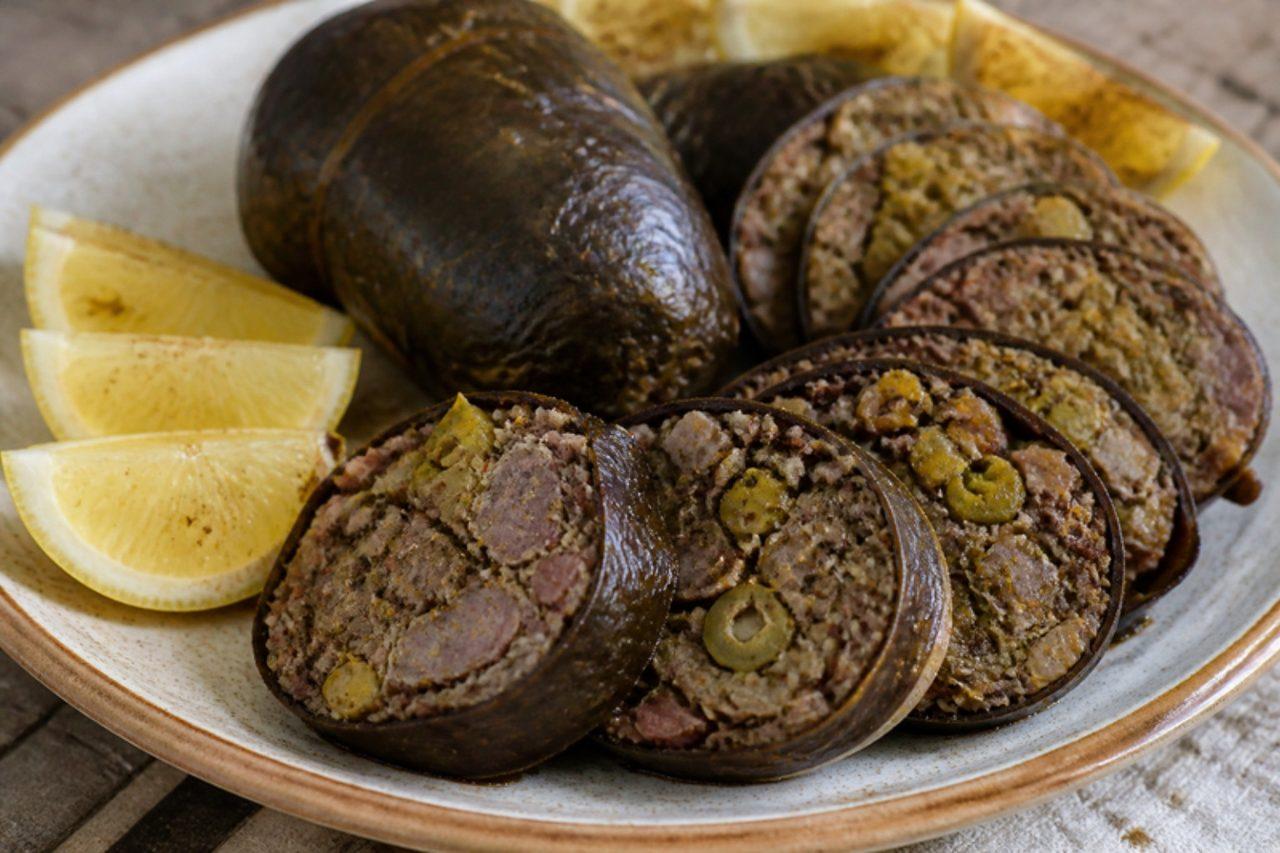
TihaneStuffed lamb spleen

Tihane, or tehal, is an old Eid al-Adha speciality from Moroccan towns such as Fez and Marrakech, made on the days after the sacrifice when the offal is shared out. The lamb's spleen is cut open into a pocket and stuffed with chopped liver and heart, a little fat, green olives, preserved lemon, garlic and cumin, then sewn shut, poached and roasted until browned. It is sliced thin and eaten warm or cold with bread. Ask a halal butcher for the spleen and offal. Chef's tip: prick the spleen with a fine needle before poaching so it doesn't burst in the pot.

130 minMoroccanMeatGluten free
by KrazyBadal 0 views

AllerheiligenstriezelBraided sweet loaf

In Bavaria and Austria, godparents give their godchildren an Allerheiligenstriezel on All Saints' Day, 1 November: a large braided loaf of sweet yeast dough, brushed with egg and scattered with almonds or pearl sugar. The braid is said to recall the old custom of cutting a plait of hair in mourning, and the size of the loaf once showed how generous the godparent was. It is lightly sweet, with lemon and vanilla, and is eaten sliced with butter or jam. Some recipes add rum-soaked raisins; these are soaked in warm water instead. Chef's tip: braid four strands for an impressive, high loaf.

by KrazyBadal 0 views

KaguyjyWhite corn pudding

On the night of 23–24 June, Paraguayans celebrate San Juan with bonfires, games like walking over hot coals and the 'paso de fuego', and a table of traditional foods, and kaguyjy (also mazamorra) is one of them. It is a soft, creamy pudding of cracked white corn (locro) simmered slowly in water and then milk with sugar or honey, sometimes with orange peel. It is eaten warm or cold. It is gluten free. Chef's tip: soak the corn overnight and cook it until each kernel is tender before adding the milk, or it never turns creamy.

by KrazyBadal 0 views

DubulanHoney-drizzled dough spirals

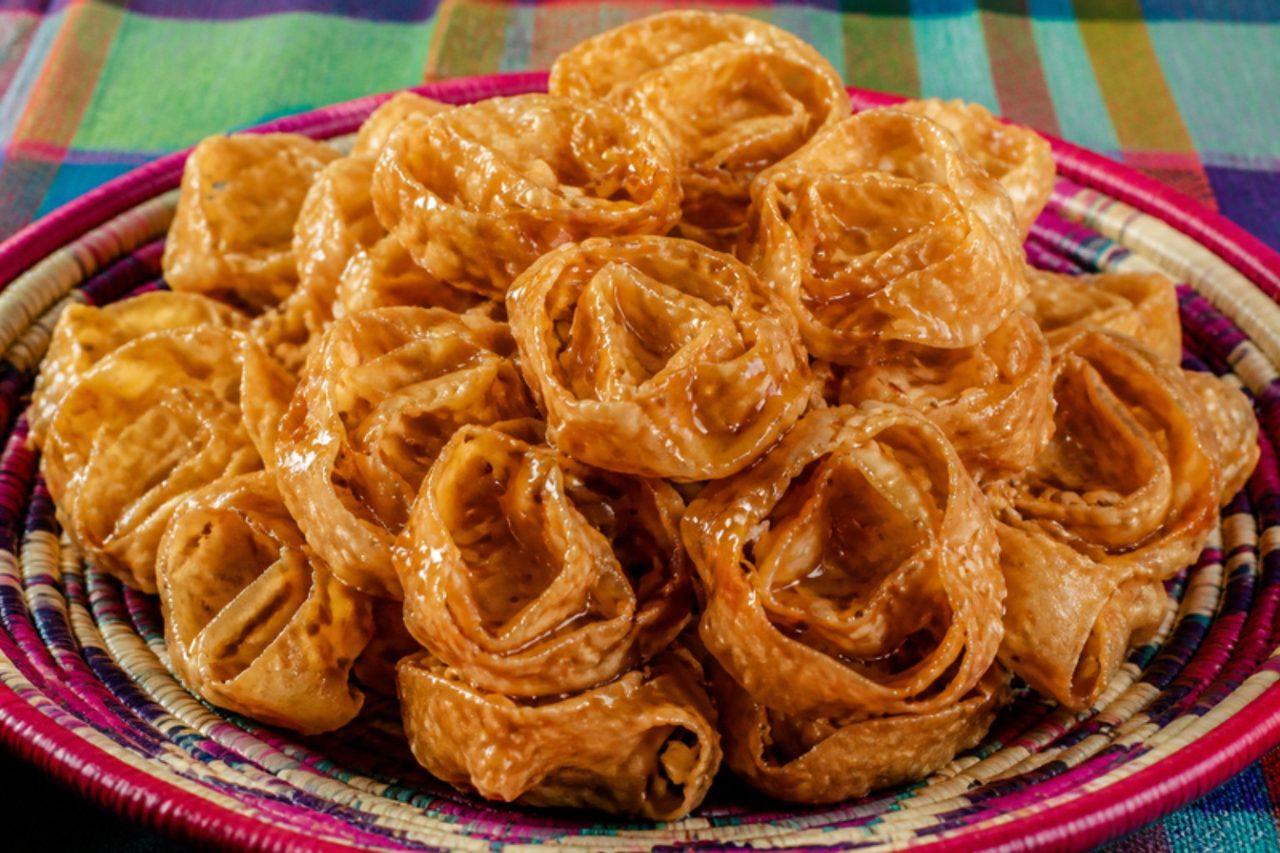
Dubulan are crisp spirals of thin fried dough from northern Nigeria, piled onto trays for Eid al-Fitr, known locally as Sallah, and for weddings among Hausa and Kanuri families. Each ribbon of rolled-out egg dough is wound loosely around a fork as it fries, so it sets into a light, crackly rosette, then honey or syrup is trickled over the top. They keep well in a tin for visitors through the festival days. Chef's tip: roll the dough so thin you can almost see through it; thick ribbons stay hard instead of shattering.

by KrazyBadal 0 views

KalanehWild leek stuffed flatbread

In Kurdistan and Kermanshah, Newroz arrives with the first spring greens on the hillsides, and families gather wild leeks to fold into kalaneh, thin griddle breads cooked over a fire or a hot pan and soaked in melted butter. The dough is plain and soft, rolled very thin around a pile of chopped leek or chives with a little salt and pepper, so the greens steam inside as the bread blisters. Eat it hot, torn into strips, with yogurt and tea at a Newroz picnic. The common mistake is wet greens, which turn the dough soggy and make it tear; dry them well after washing. Chef's tip: brush the butter on the moment the bread leaves the pan so it soaks right in.

by KrazyBadal 0 views

Roasted new yam with palm-oil sauce

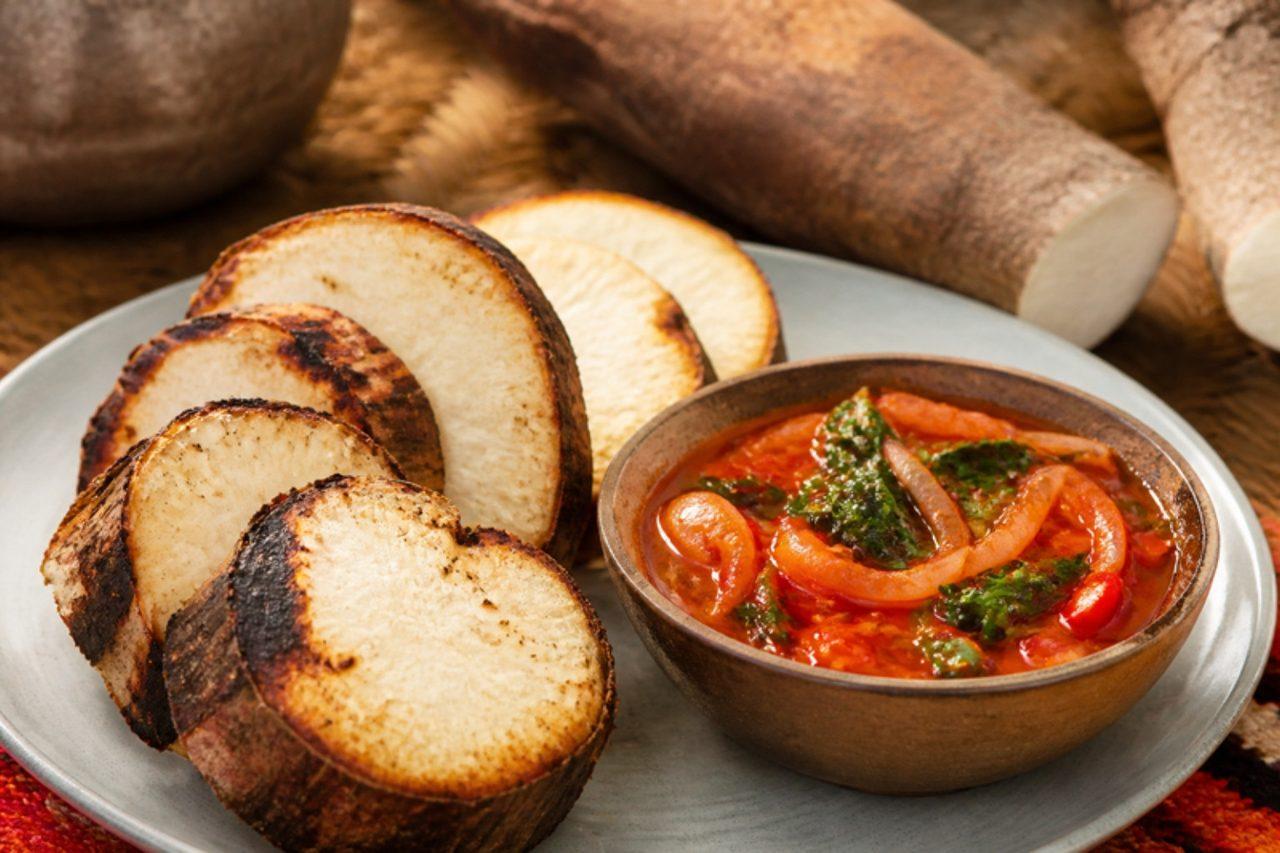
At Iri Ji, the New Yam festival held across Igboland in August, the first yams of the harvest are offered with thanks, and the chief or eldest man eats the first piece before anyone else may taste the new crop. Often that first yam is simply roasted in the embers until the skin is charred, then dipped into a sauce of red palm oil, raw onion, ground pepper and bitter utazi leaf. The inside is fluffy and sweet, the sauce rich and fiery. Chef's tip: use real West African yam, not sweet potato; it roasts dry and floury and soaks up the oil.

by KrazyBadal 0 views

Pajagua mascadaBeef and cassava patties

Pajagua mascada is a Paraguayan street-food classic that appears on every table for the San Juan festival on 24 June, when bonfires burn and the night is full of games and traditional food. Minced beef is mixed with mashed cassava, onion, garlic and a little egg and flour, shaped into flat patties and fried until crisp. The name comes from Guaraní and refers to the 'chewing' of old Paraguayan cooks, who made it from leftover meat. Chef's tip: dry the boiled cassava well and remove its woody core, which keeps the patties light and crunchy.

by KrazyBadal 0 views

AlewaPulled sugar sweets

Alewa is the chewy pulled sugar sweet of Hausa northern Nigeria, cooked from just sugar, water and a squeeze of lime, then stretched by hand until it turns pale and satiny. Pocketfuls are given to children on Sallah, the Eid al-Fitr holiday, as they go from house to house in new clothes. The taste is clean caramel with a little sharpness from the lime. An adult should do the hot pulling. Chef's tip: oil your hands and the worktop well and pull while the sugar is still hot enough to bend; once it cools it sets hard and won't stretch.

by KrazyBadal 0 views

Dowina (Kurdish yogurt soup)

Dowina, called ash-e doogh in Persian, is warming spring food in Kurdish homes around Newroz, when yogurt is plentiful and the first herbs are cut from the garden. Rice and chickpeas simmer in a tangy, lightly thickened yogurt broth, finished with fresh dill, coriander and a sizzle of dried mint in oil. It is eaten warm, never boiling hot, with flatbread. The common mistake is to heat the yogurt too fast without stirring, which makes it split into grainy curds. Chef's tip: whisk an egg yolk and a spoonful of rice flour into the yogurt before it goes on the heat; it holds the soup smooth all the way to the simmer.

by KrazyBadal 0 views

UkodoYam pepper soup with goat

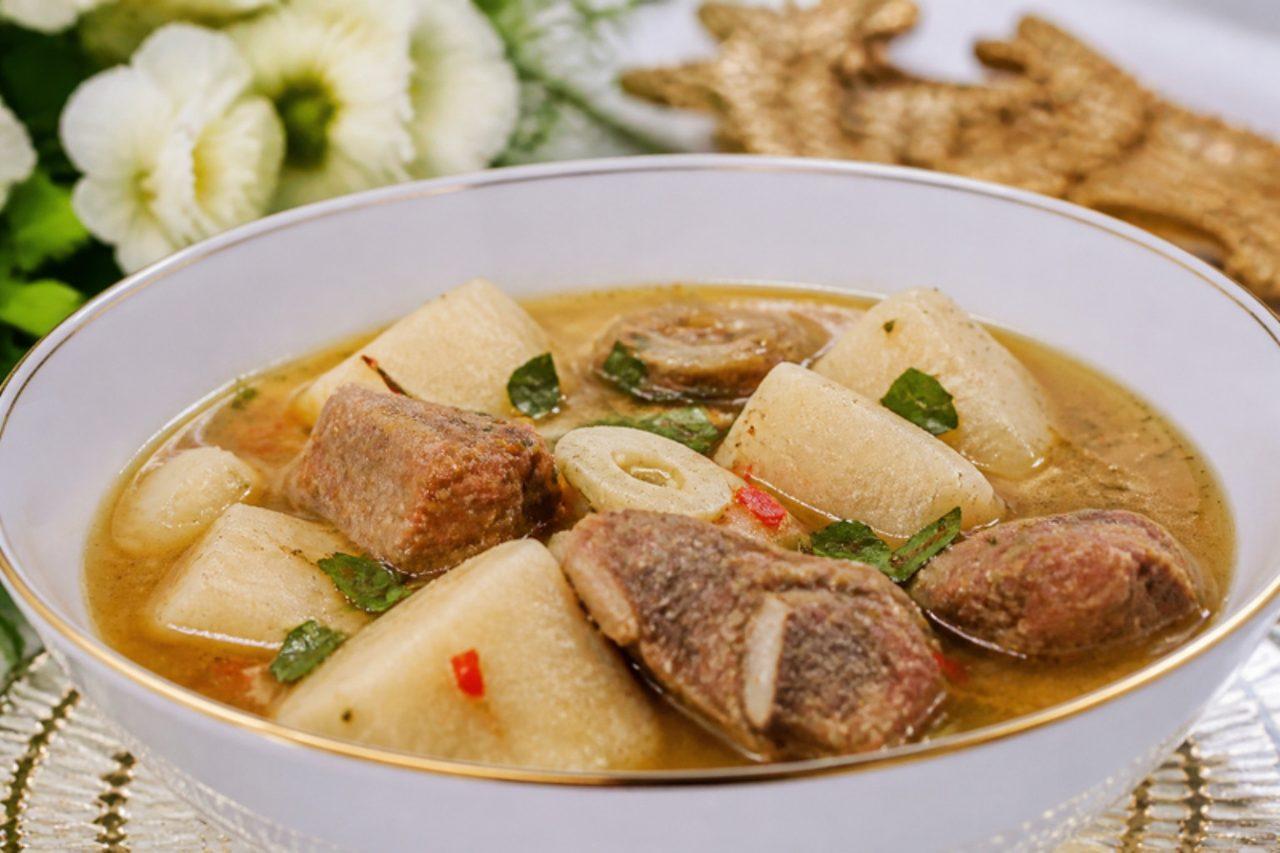
Ukodo is the Urhobo celebration soup of Delta State, served at weddings, at Christmas and on the morning after a big party, when guests are fed bowls of yam swimming in a fiery, fragrant broth. Goat is simmered with lemongrass, scent leaves and pepper soup spice, then chunks of yam cook in the broth and thicken it slightly, with dried fish for depth. It is light, hot and comforting. Chef's tip: add the yam only when the goat is nearly tender, or it collapses into mush before the meat is done.

by KrazyBadal 0 views

Chipa so'oCheese bread with spiced beef

In Paraguay, families bake chipa in the clay tatakua ovens on Holy Wednesday so there is food for Thursday and Good Friday, when cooking stops. Chipa so'o ('chipa with meat') is a cassava-starch and cheese bread wrapped around a little filling of minced beef cooked with onion and egg, then baked until crisp outside and chewy within. It is naturally gluten free. Chef's tip: knead the dough until it no longer cracks at the edges when pressed; dry dough splits around the filling.

by KrazyBadal 0 views

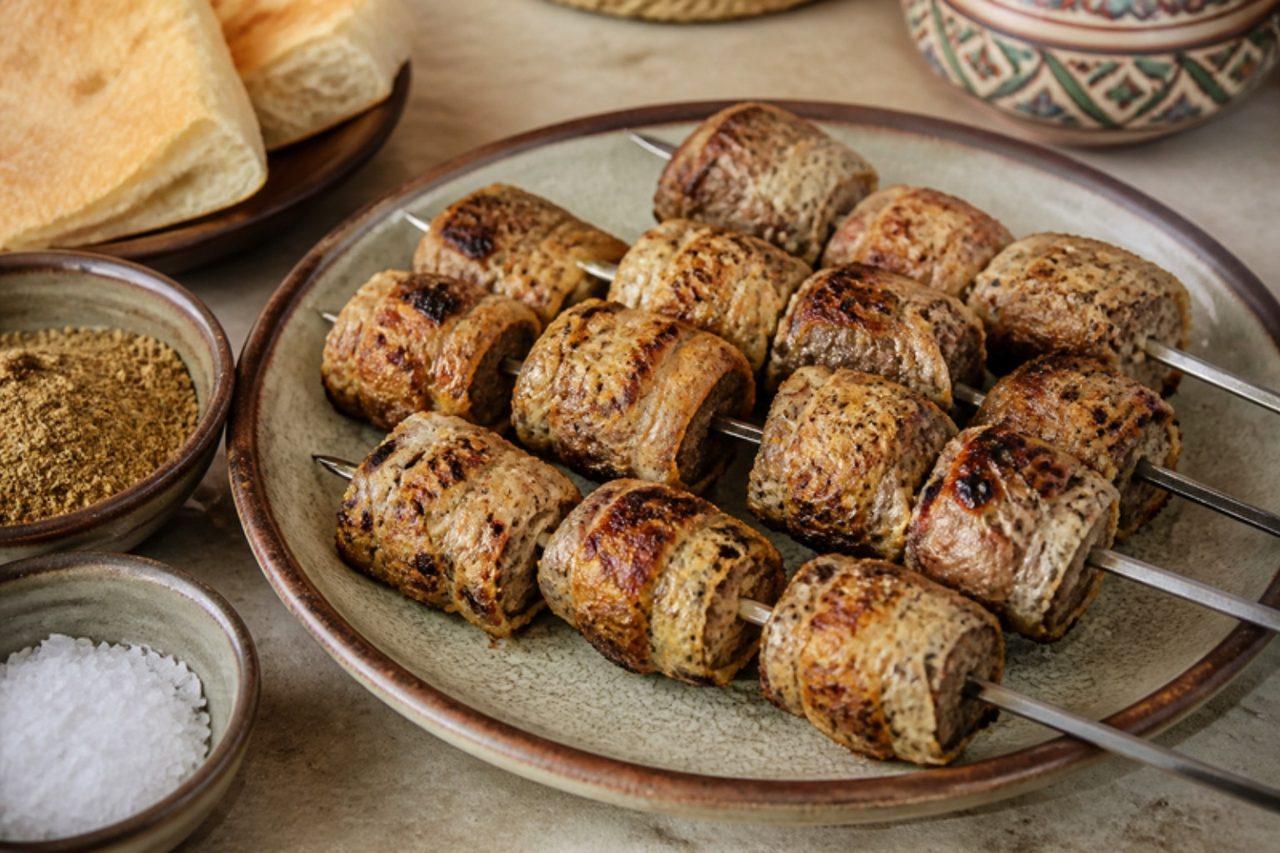
KourdassGrilled lamb liver bundles

After the sacrifice of Eid al-Adha, Moroccan families use every part of the lamb, and kourdass is one of the dishes made in the days that follow: pieces of tripe and liver rubbed with cumin and paprika, wrapped in caul fat and traditionally hung up to air-dry before grilling. This home version skips the drying, which is hard to do safely in a modern kitchen, and grills the bundles fresh over charcoal or under a grill until the fat crisps and the liver is cooked through. Buy cleaned, pre-cooked tripe and caul fat from a halal butcher. Chef's tip: wrap the bundles tightly so the caul fat bastes them as it melts.

by KrazyBadal 0 views

OsterpinzeEaster anise brioche

Osterpinze is the Easter bread of Styria, Carinthia and the area around Trieste, a soft, golden brioche dome with three deep cuts on top for the Holy Trinity, so that it opens into a crown as it bakes. The dough is rich with egg yolks and butter and flavoured with anise and lemon; old recipes add a splash of white wine, left out here. It is blessed in the Easter basket on Holy Saturday and eaten on Easter morning with ham, horseradish and eggs, or with butter and jam. Chef's tip: make the three cuts with scissors just before baking, deep enough to reach halfway down, so the crown opens wide.

by KrazyBadal 0 views

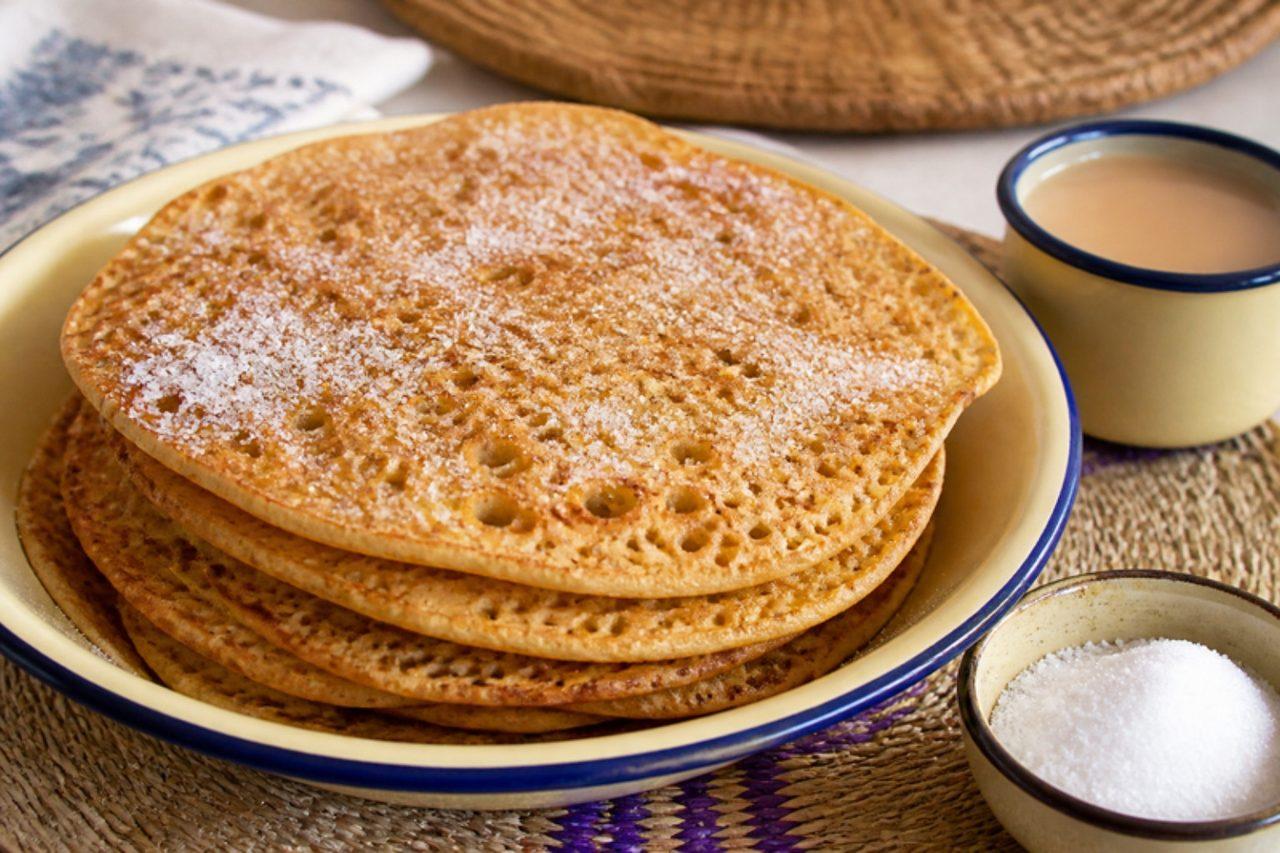
FunkasoFermented wheat pancakes

Funkaso is a Hausa pancake from northern Nigeria, made from a wheat batter left to ferment until bubbly and fried into soft, spongy rounds with crisp edges. Families cook stacks of it for the pre-dawn sahur and the evening meal during Ramadan, and again on Sallah morning for visitors. It is eaten simply, sprinkled with sugar, or dipped in a hot pepper sauce, with hot kunun or tea. Chef's tip: the batter should be as thick as double cream; too runny and the pancakes spread thin and lose their spongy middle.

by KrazyBadal 0 views

Tmar mehchi (Moroccan almond-stuffed dates)

Tmar mehchi is the stuffed date of Fez and Marrakech, piled high on silver trays at weddings, engagements and Eid, and offered to guests with mint tea. Soft dates are filled with a homemade almond paste perfumed with orange-blossom water, often tinted pale green or pink to match the celebration, then scored with a knife so the filling shows. They are soft, rich and caramel-sweet, with a floral, nutty middle. The paste here is mixed from ground almonds and icing sugar, so there is no shop marzipan, which can contain egg white. It is naturally egg-free: the dates' sticky flesh and a few spoonfuls of orange-blossom water bind the almond filling. Chef's tip: add the orange-blossom water a little at a time and stop when the paste is firm like play dough. The common mistake is a wet paste, which oozes out and makes the dates slippery.

by KrazyBadal 0 views

TopfengolatschenSweet quark puff pastry squares

A Topfengolatsche is what Viennese office workers grab from the bakery on the way in, and what grandparents order with a Melange in a coffee house on a Sunday afternoon. The corners of a puff pastry square are folded over a lemony, vanilla-scented filling of Topfen (Austrian quark) with plump raisins, and the top gets a thin white glaze. It is flaky, light and not too sweet. Raisins are sometimes soaked in rum; warm water or orange juice works just as well, and the recipe below is alcohol-free. Wet quark is the classic problem, because it turns the filling runny and it leaks out in the oven. Chef's tip: hang the quark in a sieve lined with a clean cloth for an hour, or squeeze it, until it is as thick as soft cream cheese.

by KrazyBadal 0 views

GurundiCrunchy coconut biscuit bars

Walk past a school gate or a motor park in Kano, Kaduna or Jos and you will hear hawkers calling out gurundi, the hard coconut biscuit bars sold in little plastic bags. They are toasty, sweet and very crunchy, packed with coconut and a hint of nutmeg, and children buy them with pocket money to eat on the walk home. At home they go into lunch boxes or out with a cup of tea or a cold bottle of zobo. Fresh grated coconut is traditional; desiccated coconut makes it simple anywhere. Chef's tip: once the bars are golden, turn off the oven and leave them inside with the door ajar for 15 minutes to dry right through; taking them out too soon is the usual mistake, and they go soft by the next day.

by KrazyBadal 0 views

Moroccan bachkoutouOrange and sesame dunking biscuits

Moroccan grandmothers bake bachkoutou by the trayful and keep them in big tins for the afternoon glass of sweet mint tea, and neighbourhood ovens in Fes and Casablanca bake them for families who bring their dough. These are dry, crunchy little biscuits, not rich at all, made with eggs, sugar and oil rather than butter, with orange zest and a coating of toasted sesame; they are meant to be dunked until they soften slightly. Shapes vary from town to town: fingers, rings and rope twists are all common, and some cooks add aniseed. Too much flour is the easy mistake: the dough should stay soft and slightly sticky, or the biscuits bake heavy and hard rather than crisp and light. Chef's tip: once they are cold, put them back in a warm, switched-off oven for 20 minutes; that extra drying is what makes them keep their snap for weeks.

by KrazyBadal 0 views

Kärntner ReindlingCinnamon raisin yeast cake

Carinthia's Easter loaf takes its name from the Reindl, the round, deep pan it is baked in, and in southern Austria no Easter basket goes to church without one. Inside the golden yeast crust is a spiral of butter, cinnamon sugar and plump raisins, so every slice shows a dark swirl. Locals eat it two ways: sweet with coffee on Easter morning, or alongside the savoury Easter platter with horseradish. Many bakers soak the raisins in rum overnight; warm water or tea works just as well and keeps it alcohol-free. A dry, crumbly Reindling usually means too much flour went in during kneading, so keep the dough soft and only lightly floured. Chef's tip: butter the pan well and dust it with sugar, which caramelises into a thin crunchy shell.

by KrazyBadal 0 views

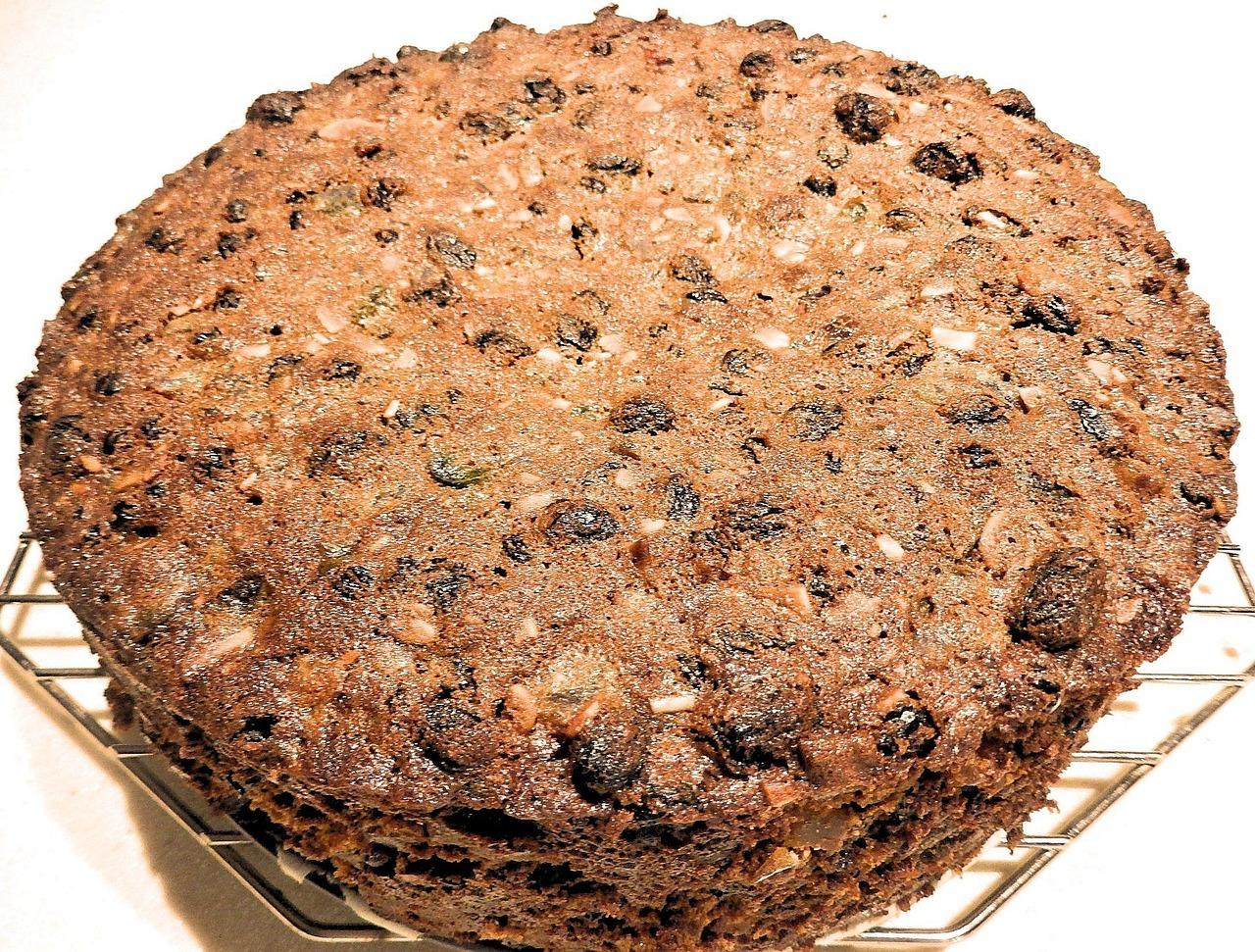
Nigerian fruit cake

No Lagos wedding or Christmas table feels complete without a dark, heavy fruit cake, often stacked in tiers and covered in icing, with slices wrapped in napkins for guests to take home. The crumb is dense and moist, coloured almost black with browning (burnt-sugar caramel), and packed with raisins, currants and cherries warmed by nutmeg and mixed spice. Many families soak the fruit for weeks in brandy, stout or red wine; this version plumps it in orange juice instead, with a spirit given only as an option. Serve thin slices with tea, or ice it for a celebration. Bake it hot and fast and you get the classic failure: a cracked, burnt crust over a raw, sunken middle, so keep the oven low. Chef's tip: wrap a double band of brown paper around the outside of the tin and tie it with string; it slows the edges so the middle catches up.

by KrazyBadal 0 views

ErdäpfelstrudelSavoury potato strudel

Austrians, especially in the Mühlviertel of Upper Austria and the Waldviertel, make savoury strudels as often as sweet ones, and Erdäpfelstrudel is a farmhouse favourite for a meatless Friday or a cold evening. Thin pastry wraps a filling of potatoes, fried onion, sour cream, marjoram and parsley, baked until crisp and golden and sliced with a green salad or a dill and sour-cream dip. Bought filo makes it easy at home. The mistake to avoid is a wet filling, which turns the pastry soggy underneath. Chef's tip: cool the filling completely before rolling; warm filling makes the layers stick and tear.

by KrazyBadal 0 views

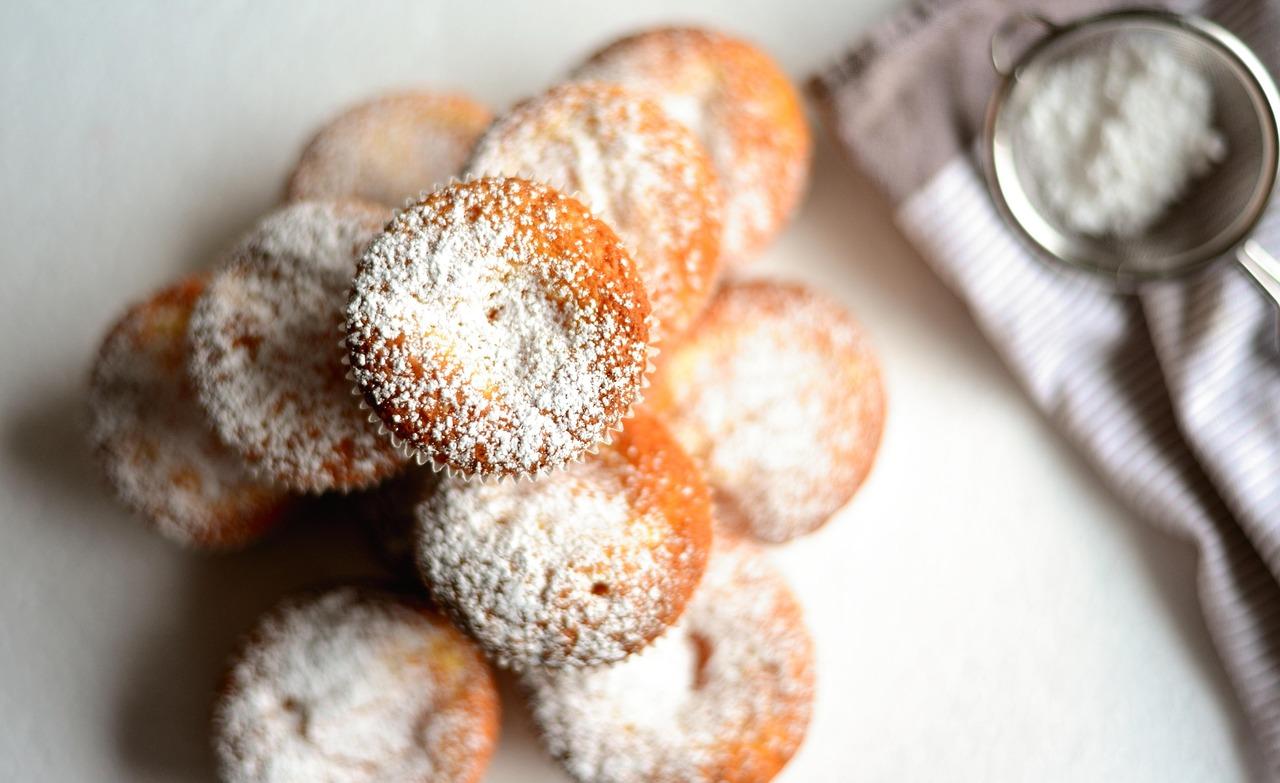
Nigerian doughnuts

Long before chain doughnut shops reached Abuja, Nigerian bakeries and roadside hawkers in Onitsha, Enugu and Lagos sold these plump, unfilled rings and rounds, wrapped in paper and still warm, and mothers fried them by the trayful for birthday parties. The dough is enriched with milk, egg and butter and scented with nutmeg, so the crumb is soft and bready rather than cakey, and each one is rolled in sugar while hot. Contains wheat, milk and egg. A common mistake is frying in oil that is too hot: the outside goes dark brown while the centre stays doughy, so keep it at 170 °C and test the first one. Chef's tip: after cutting, let the rounds rise a second time on floured baking paper, then lift each one on its square of paper into the oil so it keeps its puffy shape.

by KrazyBadal 0 views

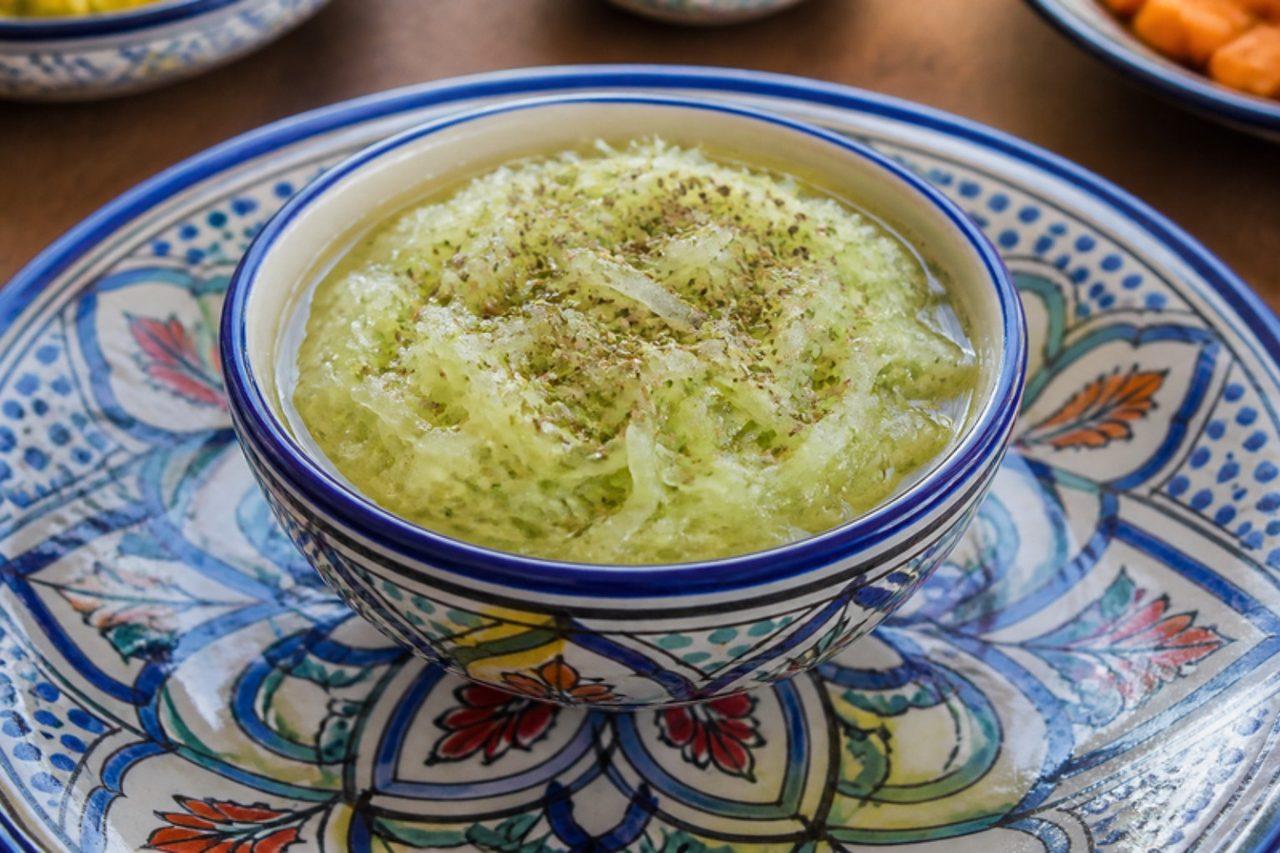
Shlada khiar (grated cucumber salad with oregano)

In the heat of a Fes or Marrakech summer, this ice-cold grated cucumber salad is served in bowls with spoons, half salad, half drink, alongside rich tagines or a plate of fried fish. Cucumber is grated and loosened with water, vinegar and a little sugar, then perfumed with crushed dried oregano or zaatar. Grating ahead and leaving it to sit in salt is the usual slip; the cucumber goes limp and bitter. Chef's tip: rub the oregano between your palms over the bowl to wake its oils.

by KrazyBadal 0 views

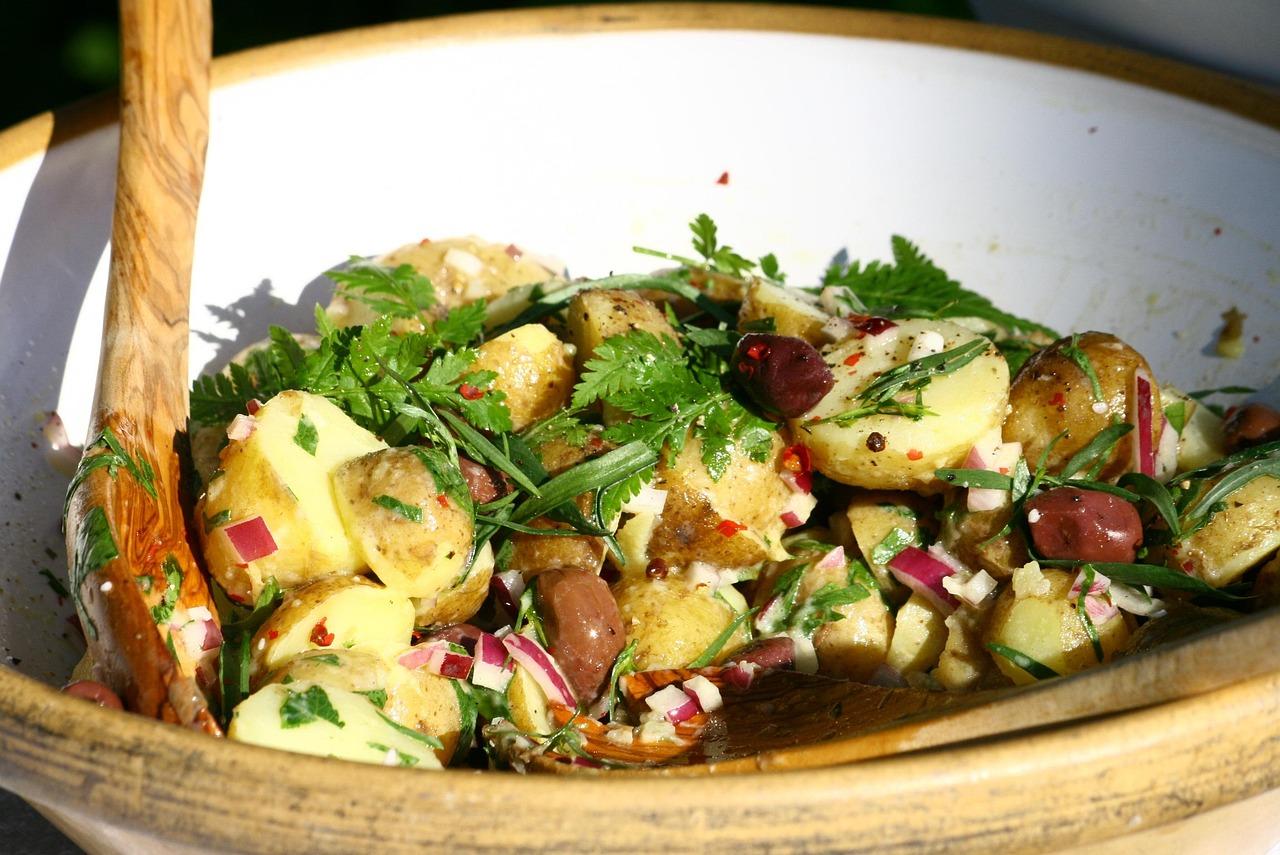
Shlada batata (Moroccan cumin potato salad)

Shlada batata is one of the cooked salads that line up on a Moroccan table before Friday couscous, in Rabat as much as in the Rif: boiled potato chunks dressed while warm with olive oil, lemon, cumin, paprika, garlic and plenty of parsley, with no mayonnaise at all. It's eaten at room temperature with bread, or with grilled sardines. Dressing cold potatoes is the common mistake; they don't absorb the flavours, so toss them while they're still steaming. Chef's tip: a few slivers of preserved lemon peel make it unmistakably Moroccan.

by KrazyBadal 0 views

Showing 24 of 364 recipes

Show more recipes

Page 1 of 16