Skip to content
Recipes

All recipes

Vegetarian, or something you can't eat? Set your diet once and we'll hide recipes that don't fit.

Slavski kolačDecorated ceremonial bread

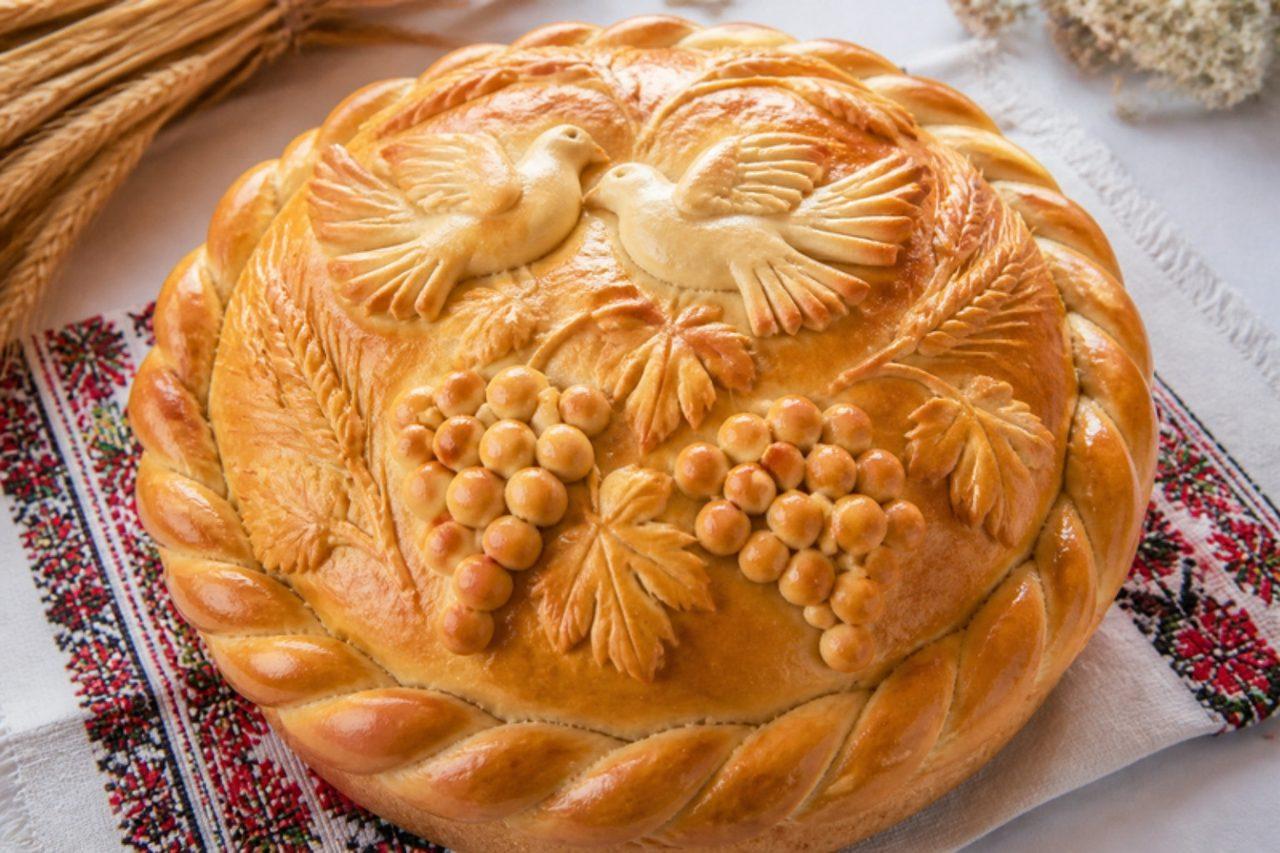
The slava is a uniquely Serbian Orthodox custom: each family honours its own patron saint on that saint's feast day, passed from father to son, with a lit candle, boiled wheat (žito) and the slavski kolač, a round, decorated bread. The priest blesses it; the family turns it, cuts a cross into its base, pours a little wine into the cuts, and breaks it together. It is decorated with dough crosses, the seal 'IC XC NI KA', doves, wheat ears and grapes. It is a plain, vegan bread. Chef's tip: keep the decorations' dough a little stiffer than the loaf, so they hold their shape.

110 minBalkanBakingVegan
by KrazyBadal 0 views

PečenicaRoast pork

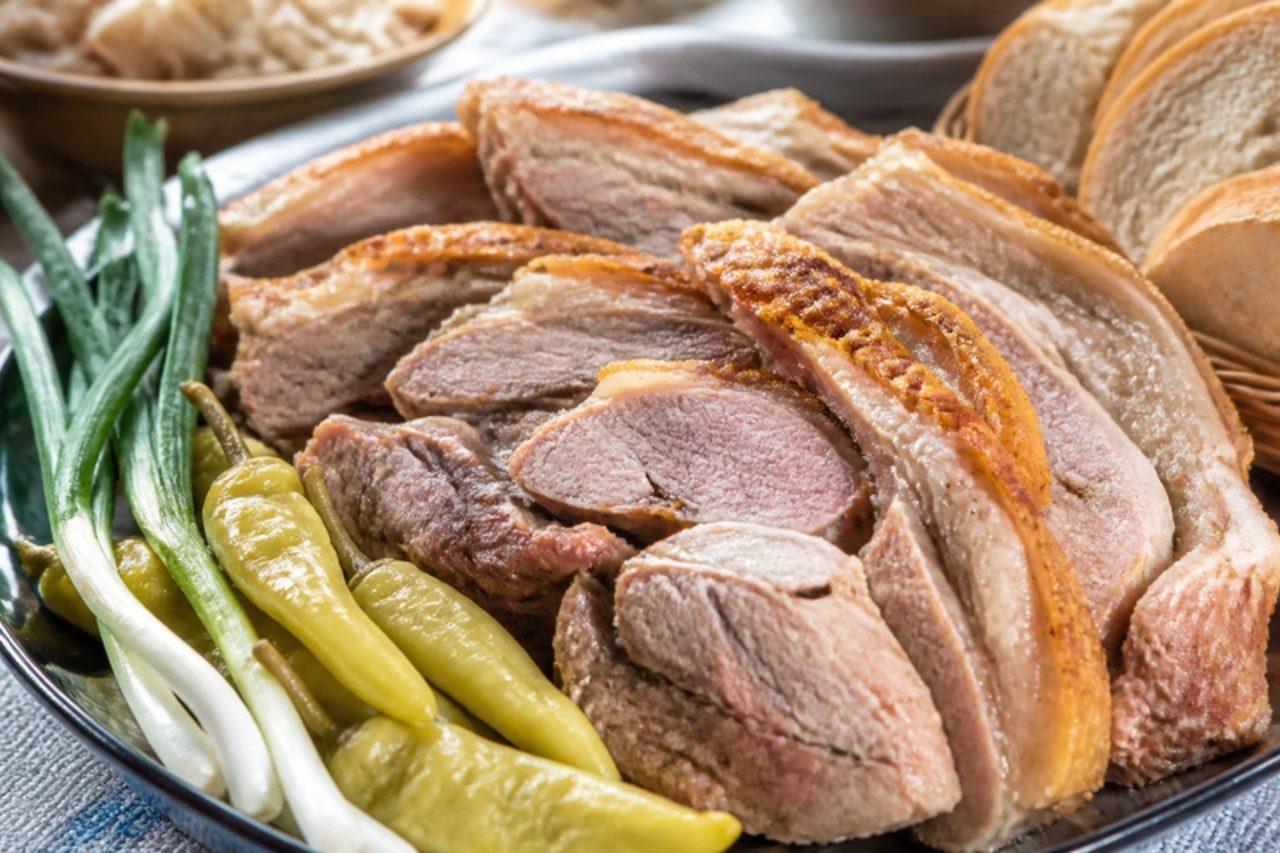
Pečenica is the Christmas Day roast of Serbia and Montenegro: traditionally a whole young pig turned on a spit in the yard from early morning, so that it is ready when the family returns from church and greets each other with 'Hristos se rodi'. This home recipe follows our site's approach of using carved portions rather than a whole animal: bone-in pork shoulder pieces with the skin on are rubbed with salt and slow-roasted until the meat is tender and the skin crackles like the spit-roast. Serve with česnica bread, pickled vegetables and roasted potatoes. Chef's tip: baste the skin with beer, or with cold water for an alcohol-free version, near the end; it helps the crackling blister.

290 minBalkanMeatGluten free
by KrazyBadal 0 views

KaguyjyWhite corn pudding

On the night of 23–24 June, Paraguayans celebrate San Juan with bonfires, games like walking over hot coals and the 'paso de fuego', and a table of traditional foods, and kaguyjy (also mazamorra) is one of them. It is a soft, creamy pudding of cracked white corn (locro) simmered slowly in water and then milk with sugar or honey, sometimes with orange peel. It is eaten warm or cold. It is gluten free. Chef's tip: soak the corn overnight and cook it until each kernel is tender before adding the milk, or it never turns creamy.

by KrazyBadal 0 views

PincaEaster sweet bread

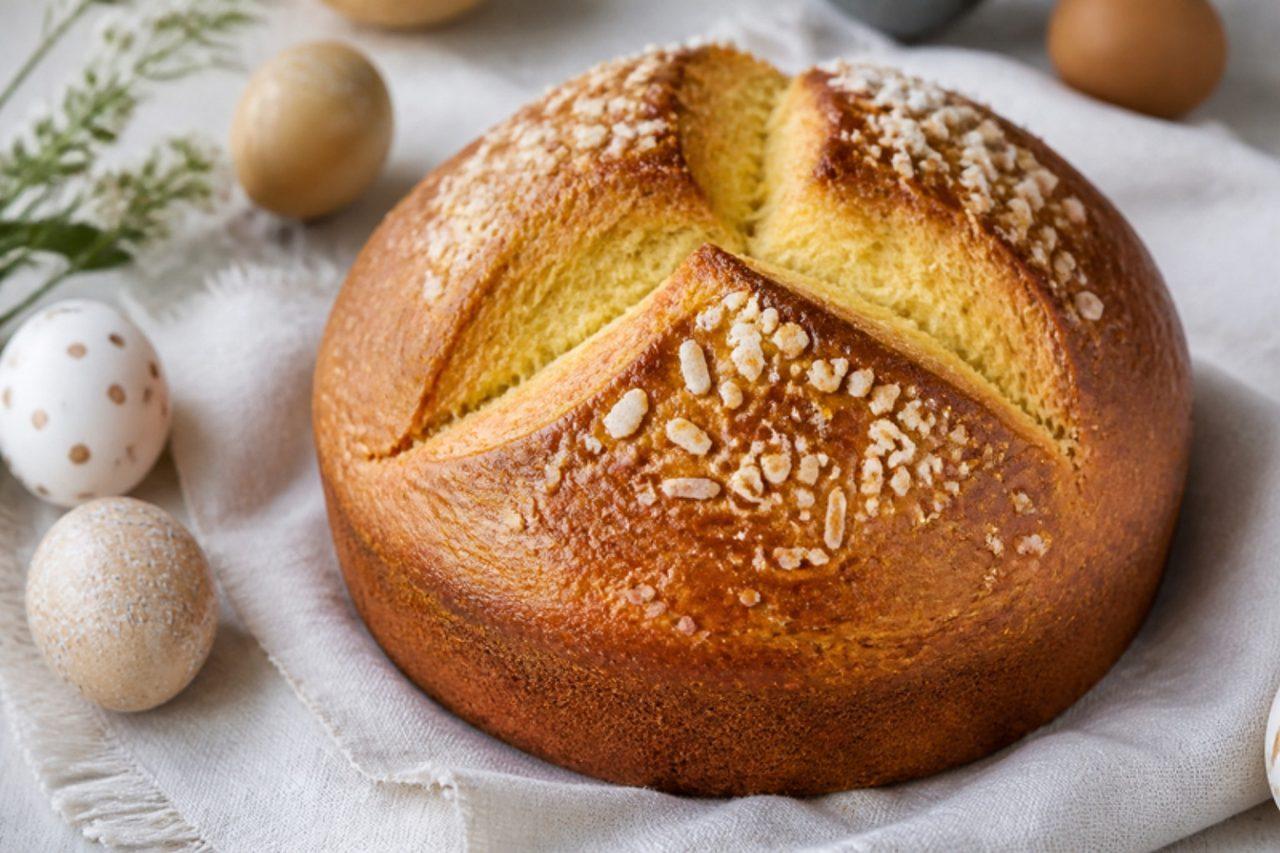
Pinca (or sirnica in Dubrovnik) is the Easter bread of Dalmatia and Istria in Croatia. It is a tall, golden round of rich yeast dough with egg yolks, butter, lemon and orange zest and vanilla, cut with three slashes on top before baking so it opens into a three-pointed cross. It is blessed at church on Holy Saturday with the Easter eggs and ham, and eaten at Easter breakfast. Old recipes add a spoon of rum or prošek wine; this one doesn't. Chef's tip: let the dough rise slowly, even overnight in the fridge, as pinca gets its tender, fragrant crumb from a long rise.

by KrazyBadal 0 views

Sopa teólogaTurkey broth with bread and cheese

Sopa teóloga ('the theologian's soup') goes back to colonial convents in Lima and Arequipa, where it was cooked for feast days, and it is still served at Holy Week and family celebrations. A rich turkey (or chicken) broth is thickened with soaked bread, milk and fresh cheese, with yellow potatoes and shreds of turkey, and finished with a little ají amarillo and chopped huacatay or parsley. It is thick, comforting and filling. Chef's tip: blend part of the soaked bread with broth before adding it, which gives the soup its creamy body without lumps.

by KrazyBadal 0 views

Bakalar na bijeloSalt cod with potatoes and garlic

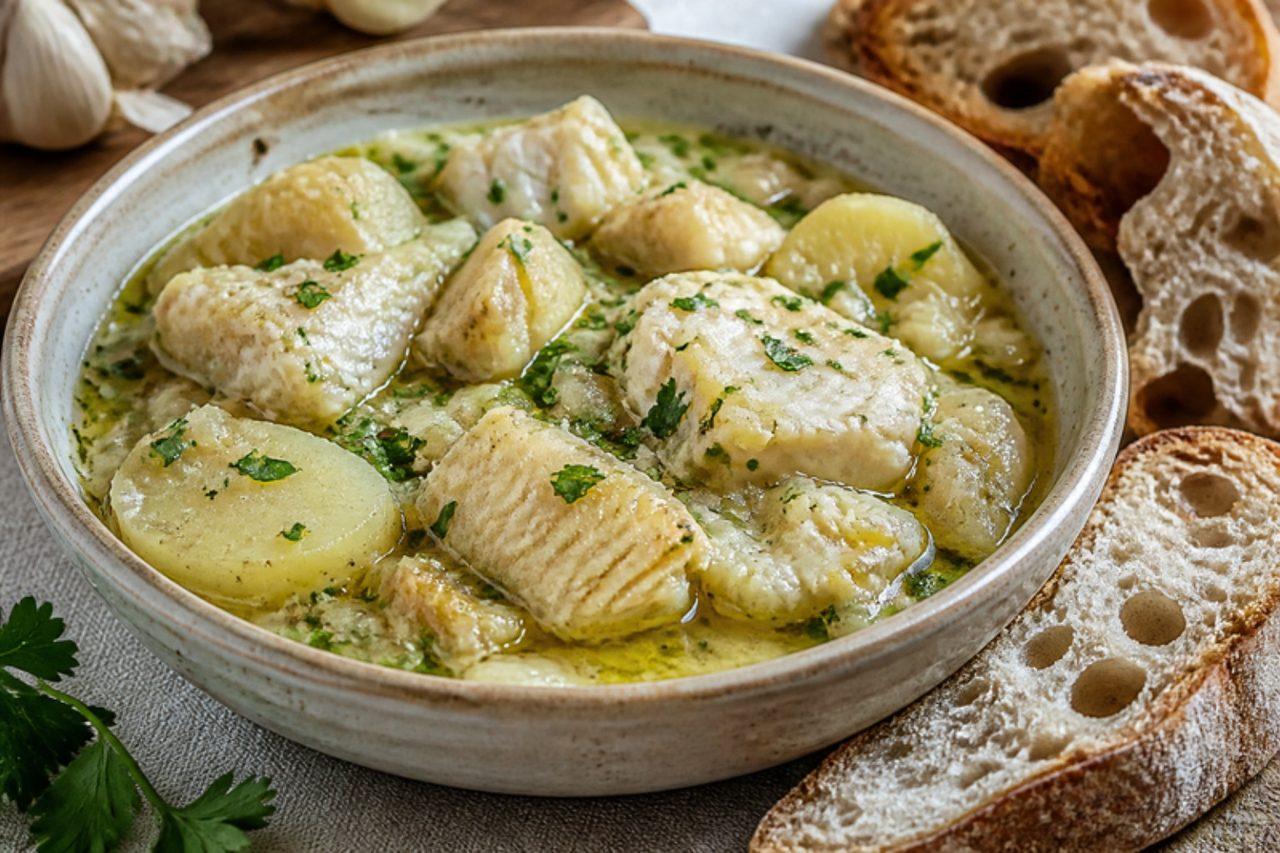
On Badnjak, Christmas Eve, Croatian families in Dalmatia keep the meal meatless, and bakalar na bijelo ('white salt cod') is the dish that says Christmas. Salt cod is soaked for days, then cooked with potatoes, a lot of garlic, parsley and good olive oil and shaken in the pot until it turns into a creamy, almost spreadable mix. It is served warm with bread and a glass of wine for the adults. Chef's tip: shake the pot rather than stirring it, so the fish breaks into flakes and emulsifies with the oil and potato.

90 minBalkanFishGluten free
by KrazyBadal 0 views

RužiceWalnut pastry roses in syrup

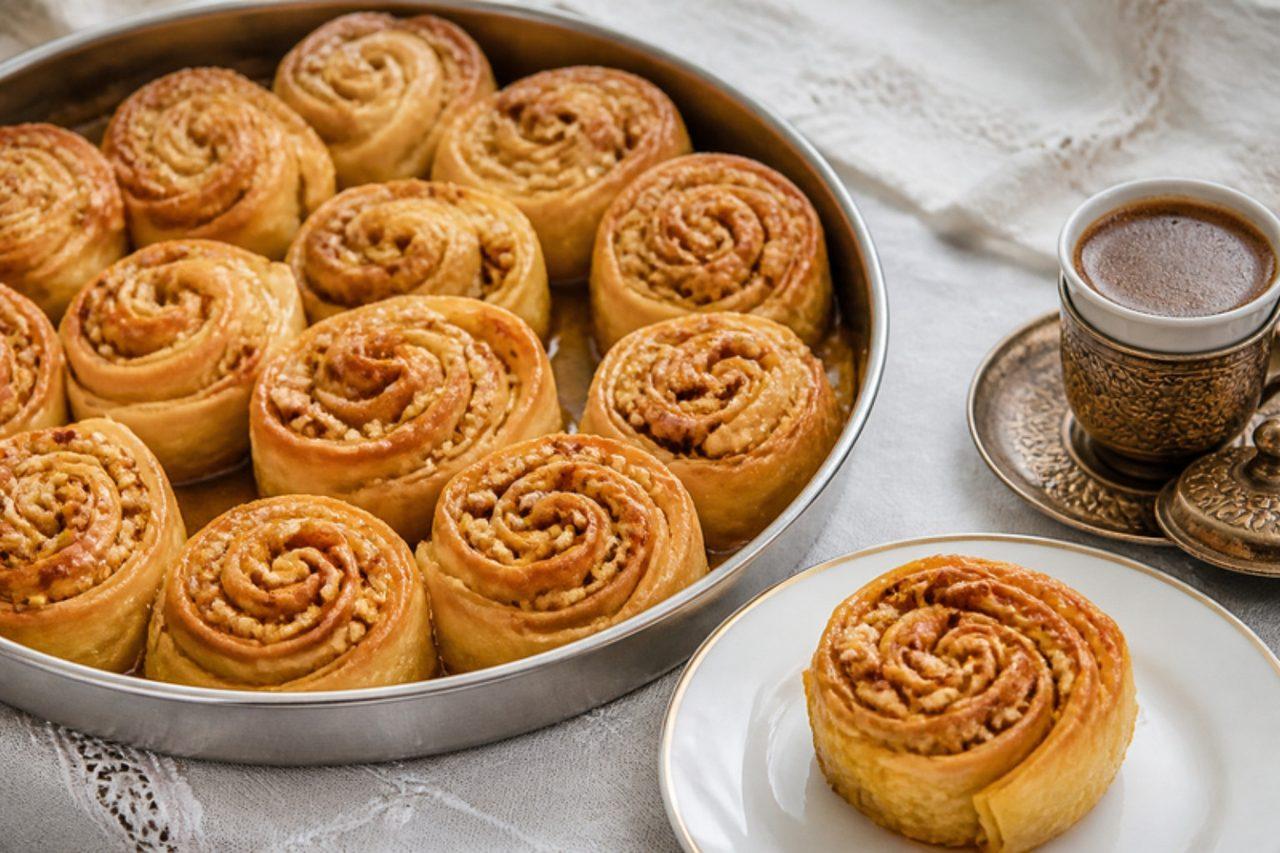
Ružice, meaning 'little roses', are baked for Bajram in Bosnia and Herzegovina, the Eid holidays when trays of syrup-soaked sweets are set out for every guest. Thin sheets of pastry are brushed with butter, scattered with walnuts and rolled up, then sliced so each piece opens like a rose in the oven. The baked roses drink up a cold lemon syrup and turn sticky, crisp on top and soft underneath. Chef's tip: pour cold syrup over hot pastry (or hot over cold), never both the same temperature, or the roses go soggy.

by KrazyBadal 0 views

Lengua a la vinagretaBeef tongue with vinaigrette

Argentina's Nochebuena is a hot summer night, so the table is full of cold dishes, and lengua a la vinagreta is one of the classics: beef tongue simmered until tender, peeled, sliced and covered with a sharp vinaigrette of parsley, garlic, red pepper, onion and chopped hard-boiled egg. It is made a day ahead and served chilled with vitel toné and Russian salad. Chef's tip: peel the tongue while it is still hot, as the skin comes away easily then and clings once it cools.

by KrazyBadal 0 views

Pajagua mascadaBeef and cassava patties

Pajagua mascada is a Paraguayan street-food classic that appears on every table for the San Juan festival on 24 June, when bonfires burn and the night is full of games and traditional food. Minced beef is mixed with mashed cassava, onion, garlic and a little egg and flour, shaped into flat patties and fried until crisp. The name comes from Guaraní and refers to the 'chewing' of old Paraguayan cooks, who made it from leftover meat. Chef's tip: dry the boiled cassava well and remove its woody core, which keeps the patties light and crunchy.

by KrazyBadal 0 views

Chipa so'oCheese bread with spiced beef

In Paraguay, families bake chipa in the clay tatakua ovens on Holy Wednesday so there is food for Thursday and Good Friday, when cooking stops. Chipa so'o ('chipa with meat') is a cassava-starch and cheese bread wrapped around a little filling of minced beef cooked with onion and egg, then baked until crisp outside and chewy within. It is naturally gluten free. Chef's tip: knead the dough until it no longer cracks at the edges when pressed; dry dough splits around the filling.

by KrazyBadal 0 views

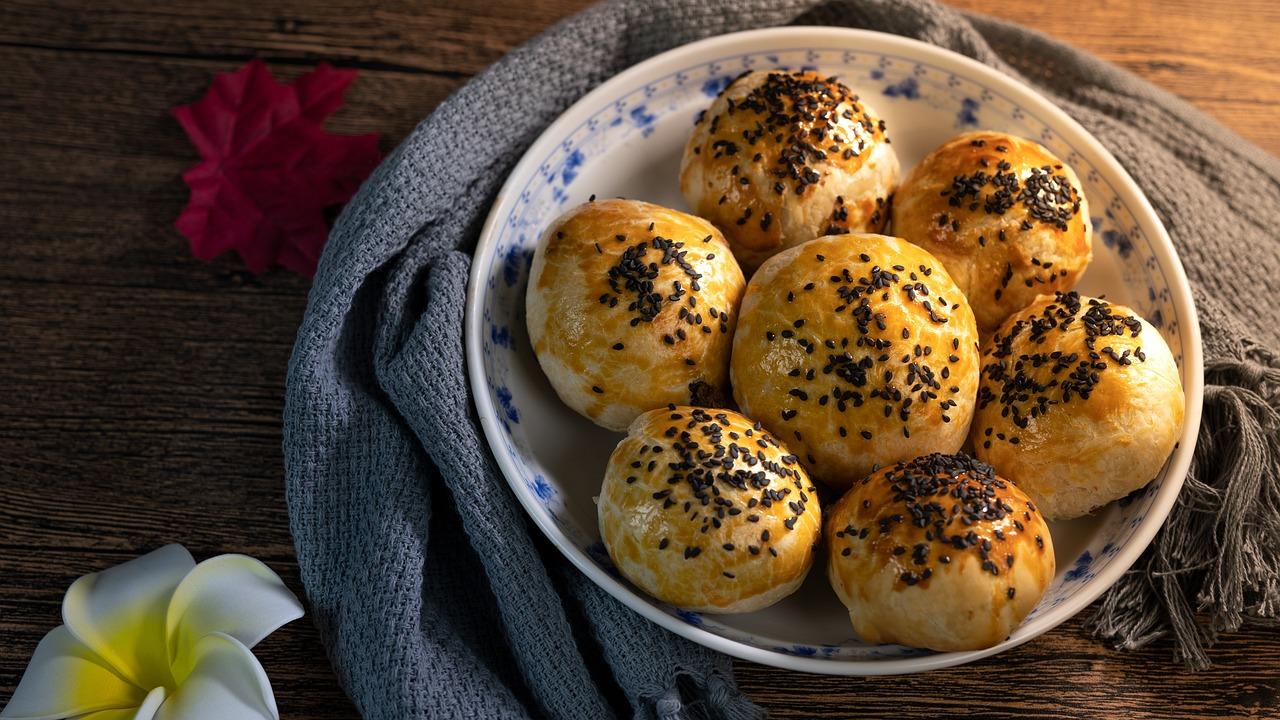
Dan huang su (egg yolk pastry)Salted egg yolk pastry

Dan huang su is Taiwan's favourite Mid-Autumn pastry, given in gift boxes across the island in the weeks before the festival. The whole golden yolk hidden in the centre stands for the full moon, and the round, glossy pastries look like little moons themselves when you share them at the family reunion. Under a shell of dozens of flaky layers sits sweet red bean paste and a salty, rich, slightly crumbly duck egg yolk. Bakeries traditionally use lard in the pastry; this version uses butter, so it is vegetarian. Serve with oolong tea under the moon, cut in half to show the yolk. Chef's tip: roast the salted yolks first until they look oily and set, which takes away any eggy smell and gives the best flavour.

by KrazyBadal 0 views

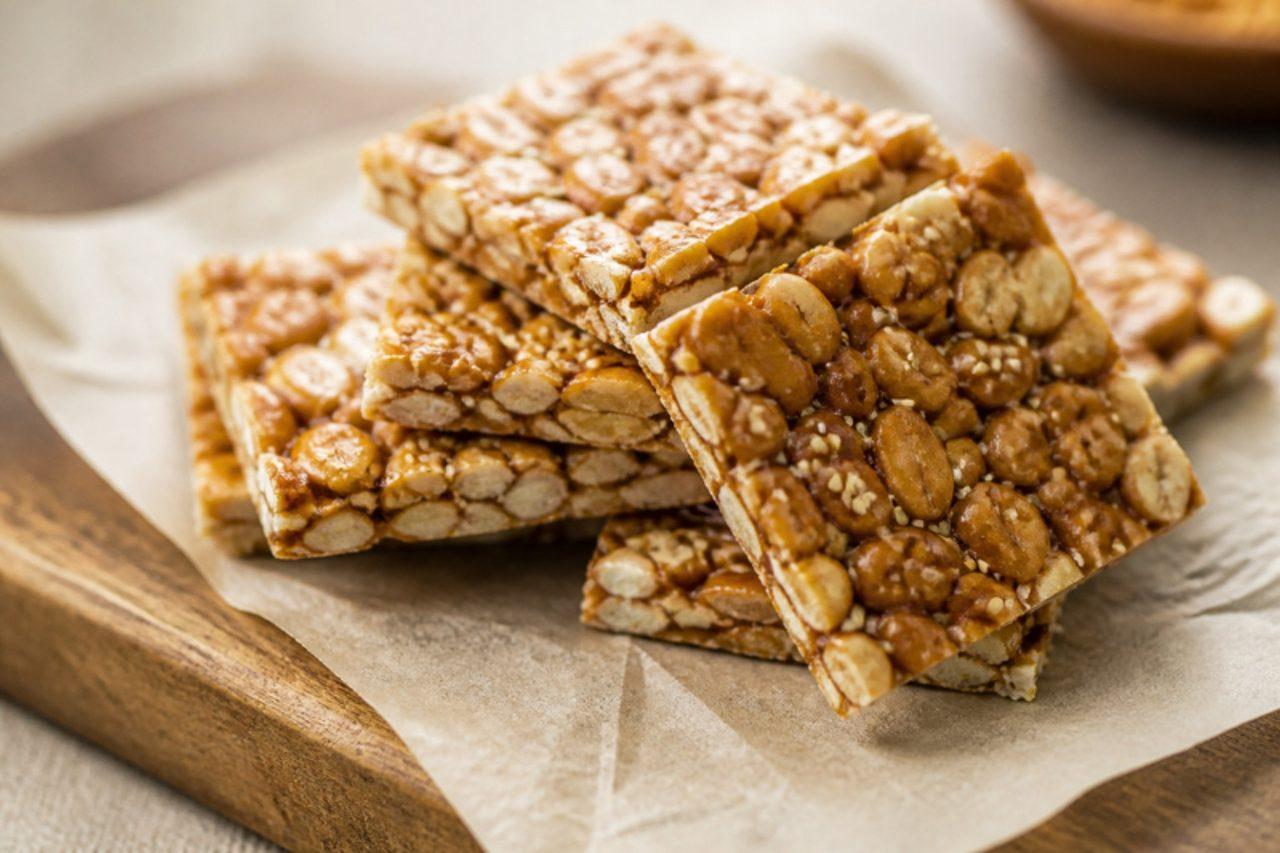
Huasheng tang (peanut brittle)

Huasheng tang is a fixture on the Taiwanese New Year candy tray, set out for every visitor who comes to wish the family a happy new year. Peanuts are called 'long-life nuts' in Chinese, so the brittle carries a wish for long life and, with so many nuts in each piece, for many children and a full house. Taiwanese brittle is thinner and less sweet than many, packed with crackly roasted peanuts held together by malt sugar. Serve with oolong tea alongside dried fruit and melon seeds. Chef's tip: cut the slab while it is still warm and pliable; once cold it shatters.

by KrazyBadal 0 views

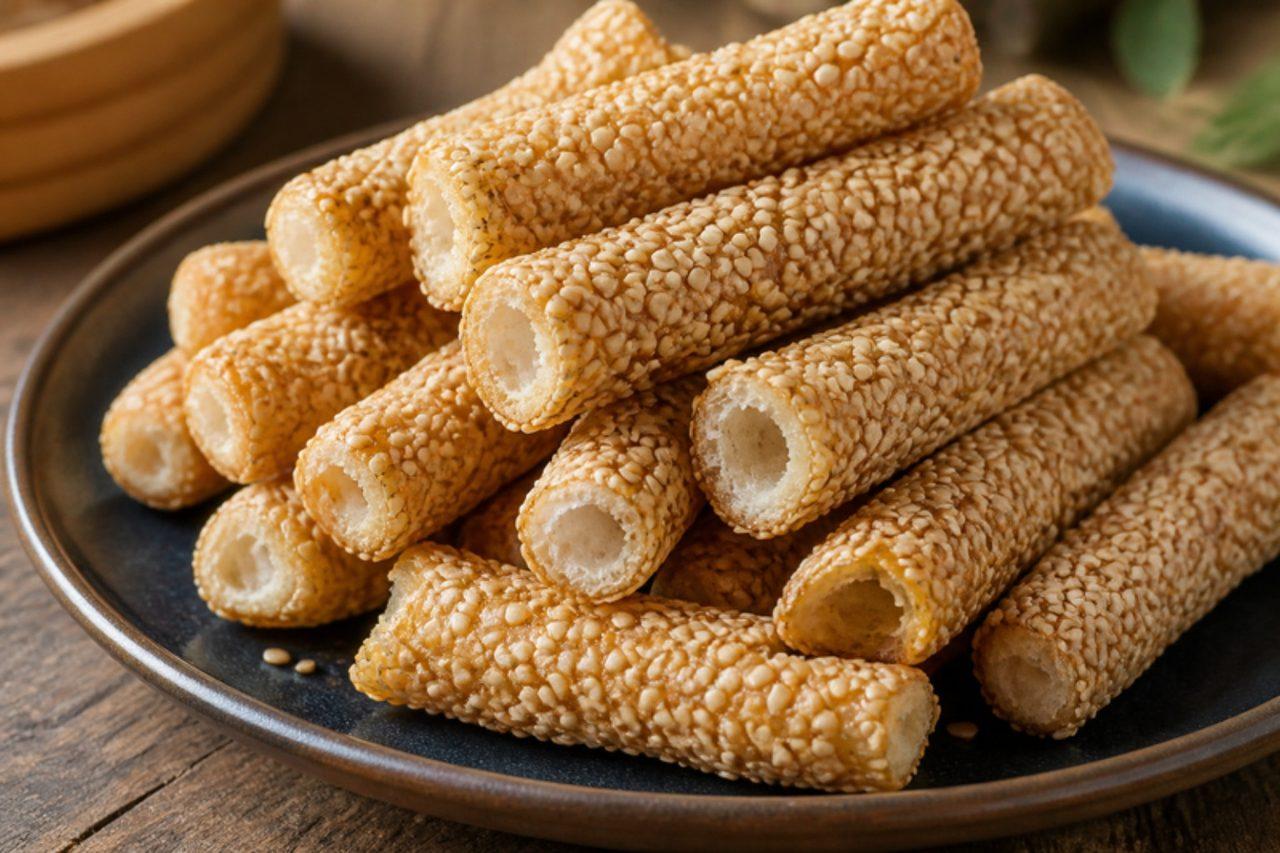
Ma lao (puffed rice sticks)

Ma lao are a Lunar New Year sweet from Yilan on Taiwan's northeast coast, stacked on family altars as offerings and handed to guests through the holiday. The sticks swell to many times their size in the oil, a picture of a family and fortune growing bigger in the new year, and their sticky coating stands for staying close together. They are light and crunchy, almost hollow, with a sweet malt glaze and a nutty crust of toasted sesame or crisp puffed rice. Serve on the New Year candy tray with tea. Chef's tip: start frying in barely warm oil and raise the heat slowly; that gentle start is what makes the sticks puff.

by KrazyBadal 0 views

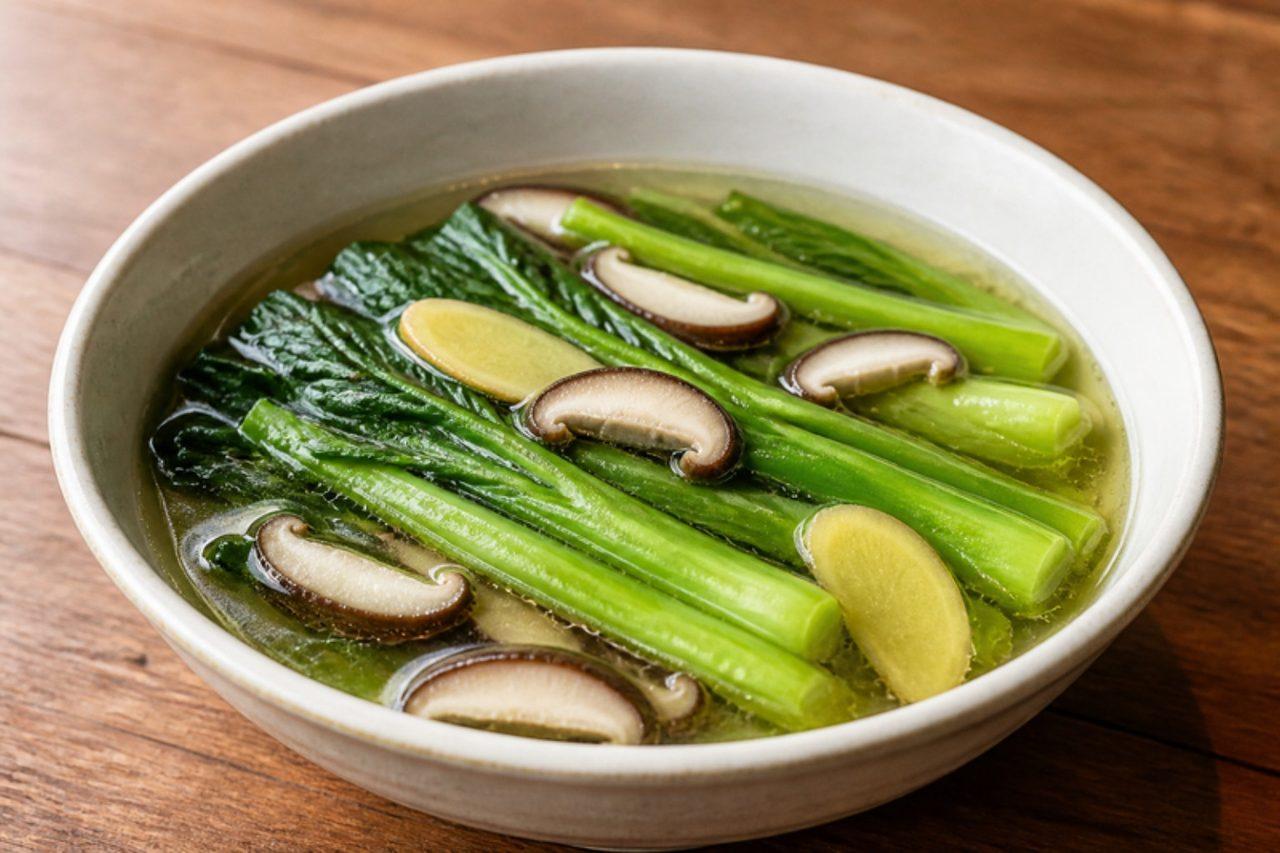
Changnian cai (long-year greens soup)

Changnian cai, 'long-year greens', is a must on the Taiwanese New Year's Eve table. Whole heads of mustard greens are cooked with their leaves uncut, and each person eats a long leaf from end to end without biting it short, a wish for a long life for the parents and the whole family. The greens turn silky and tender, with a pleasant bitterness that mellows in the savoury broth. This version uses vegetable stock with dried shiitake and ginger, so it is vegan. Serve it alongside the reunion dinner's rich braises and fish, where its clean taste is welcome. Chef's tip: blanch the greens first; it takes away the sharp bitterness and keeps them bright.

by KrazyBadal 0 views

Quinotos en almíbar (Argentine kumquats in syrup)

In Buenos Aires and the river provinces of the Litoral, kumquat trees ripen in the middle of winter, between June and August, and the fruit goes straight into jars of syrup. Grandmothers' pantries held quinotos for the whole year, brought out for birthdays and long Sunday lunches. Each little fruit turns glossy orange and translucent, with a soft, bittersweet skin and a sharp, juicy centre. Spoon them over vanilla ice cream, serve them with a slice of fresh cheese in the style of postre vigilante, or eat them straight from the jar. Many bar menus offer them steeped in spirits; this version keeps only the syrup. Naturally egg-free, the quinotos rely on sugar syrup to preserve them, while pectin from the peel gives the syrup a light, jammy body. Chef's tip: blanch the fruit three times from cold water; the common mistake is skipping this, which leaves the skins tough and bitter.

by KrazyBadal 0 views

Grilled mullet roe (wuyuzi)

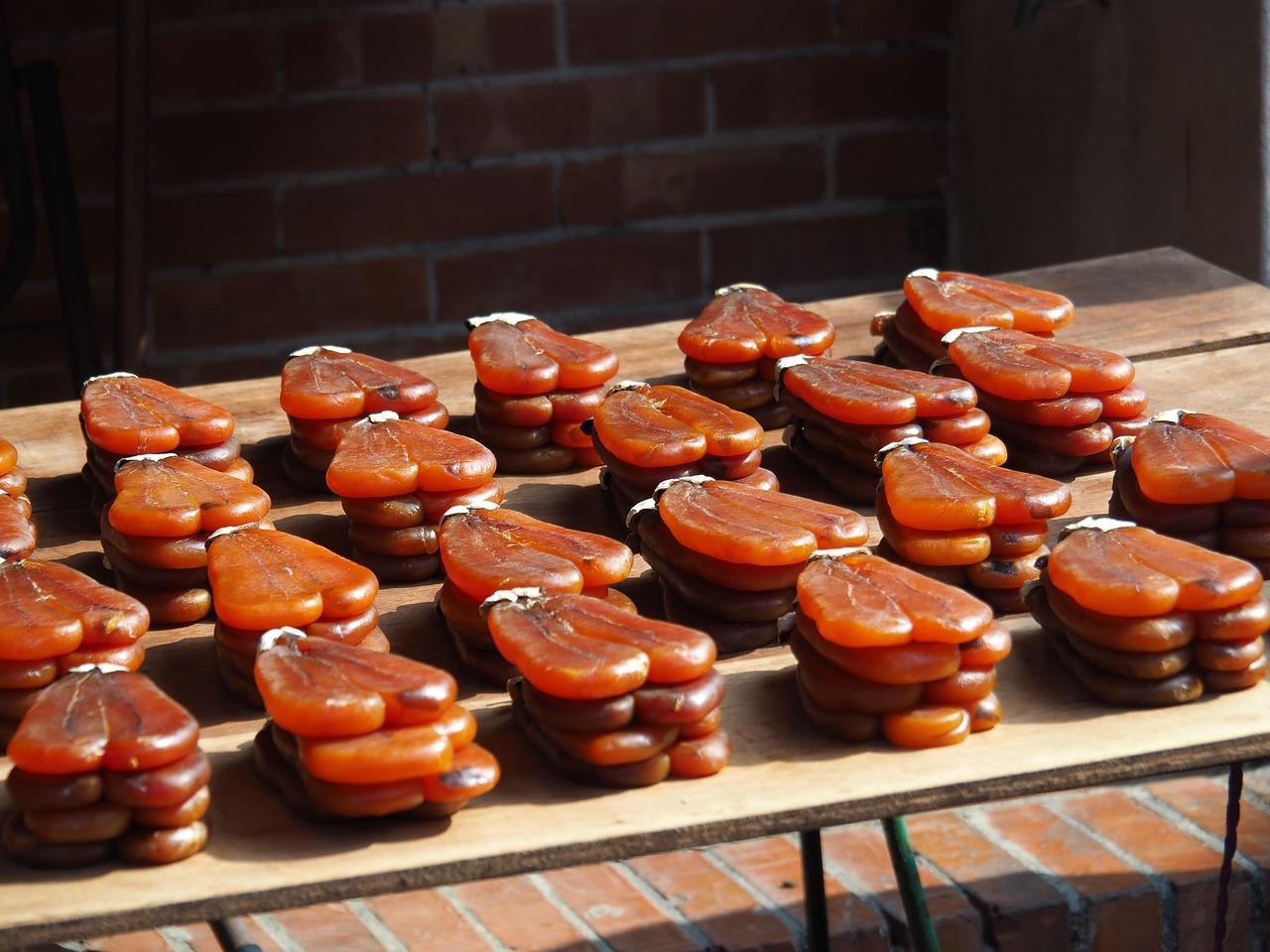
Wuyuzi, dried salted mullet roe, is one of the treasures of a Taiwanese New Year banquet, made in Kaohsiung and Tainan from grey mullet caught off the southwest coast in the winter run. The flat amber slabs are nicknamed 'black gold' and look like gold bars, so they are served and given as gifts for wealth in the coming year. Lightly seared, the roe is chewy, salty and rich, like a sea-flavoured cheese, and it is eaten in thin slices sandwiched with crisp daikon and pungent garlic leaves. Many cooks brush or flame it with Kaoliang sorghum spirit or rice spirit; that step is optional, and simply searing it in a dry pan gives an alcohol-free version that is just as good. Serve as a starter with the New Year spread. Chef's tip: keep the heat low and the searing brief; the inside should stay soft and slightly sticky.

by KrazyBadal 0 views

Turrón de maníPeanut nougat

On an Argentine Christmas Eve, after midnight toasts, the 'mesa dulce' appears with pan dulce, garrapiñadas and turrón de maní: a chewy white nougat of honey, sugar, whipped egg white and roasted peanuts, often set between two sheets of rice paper. Families make it in the days before Nochebuena. The egg white is cooked by the hot syrup. It is gluten free if you use gluten-free wafer paper or none. Chef's tip: work fast once the syrup is in, as the nougat stiffens as it cools and gets hard to spread.

by KrazyBadal 0 views

Aguadito de polloCoriander chicken rice soup

Aguadito is the soup Lima serves in the small hours: at the end of a wedding, after New Year's Eve and at weekend family lunches, it is ladled out thick and steaming to revive everyone. Rice simmers in chicken broth coloured deep green with blended coriander and warmed with yellow ají amarillo, along with peas, carrot, pepper, sweetcorn and potato. A portion gives about 24 g of protein, from the chicken with a little from the rice and peas, for around 480 kcal. The common mistake is adding the coriander purée too early: cooked for long it turns khaki and loses its fresh taste, so stir it in for the last 10 minutes. The chicken must reach 74 °C at the bone. Chef's tip: blend a handful of spinach with the coriander; it keeps the colour vivid green without changing the flavour.

by KrazyBadal 0 views

Helado de dulce de leche (Buenos Aires dulce de leche ice cream)

Dulce de leche is the flavour Buenos Aires heladerías are judged by, and on a summer night the queues at neighbourhood ice-cream shops stretch out onto the pavement well after dinner. Locals order it plain, with a ripple of extra dulce de leche (dulce de leche granizado adds chocolate flakes), often by the kilo to take home. It is dense, chewy and deeply caramel. This home version is egg-free with no custard: a little cornflour cooked into the milk thickens it the way yolks would, and the dulce de leche itself is milk and sugar cooked down, its sugar and milk solids keeping crystals tiny so it stays smooth and scoopable. Churn it, or still-freeze and stir it every 45 minutes. Chef's tip: chill the extra dulce de leche before rippling it in; the common mistake is folding in a warm one, which melts into the ice cream instead of leaving ribbons.

by KrazyBadal 0 views

Chilcano de pescadoClear fish broth

In the fishermen's terminals of Chorrillos and Callao, chilcano is what you drink on a Sunday morning after a long night: a clear, gingery broth made from the heads and bones left over from cleaning fish for ceviche, with chunks of fish, red onion, chilli and a squeeze of lime in the bowl. It is light and warming, around 160 kcal a bowl, and still gives about 24 g of protein from the fish fillet and the broth. The common mistake is squeezing the lime into the pot while it boils, which turns it bitter; add it to each bowl at the table. Don't boil the bones for more than 30 minutes either, or the broth turns cloudy and harsh. Chef's tip: ask the fishmonger for heads and frames from mild white fish like sea bass or cod, and leave out oily fish such as mackerel, which makes the broth strong and fishy.

by KrazyBadal 0 views

ParihuelaSpicy seafood soup

Parihuela is the big weekend seafood soup of Callao and the Peruvian coast, eaten at long Sunday lunches in cevicherías and praised as a cure for tiredness and late nights. A deep red broth of ají panca, ají amarillo, tomato and fish stock is loaded with chunks of fish, prawns, squid and mussels. A portion gives about 30 g of protein, from the fish and shellfish, for roughly 300 kcal. Some cooks add chicha de jora or beer; this version has none. The common mistake is adding all the seafood at once: squid and prawns turn rubbery while the fish cooks, so they go in last. Before cooking, discard any mussels that stay open when tapped, and after cooking discard any that stay shut. Chef's tip: fry the chilli pastes in the oil until they darken and smell sweet; that toasted ají is what gives parihuela its depth.

by KrazyBadal 0 views

Di gua yeStir-fried sweet potato leaves

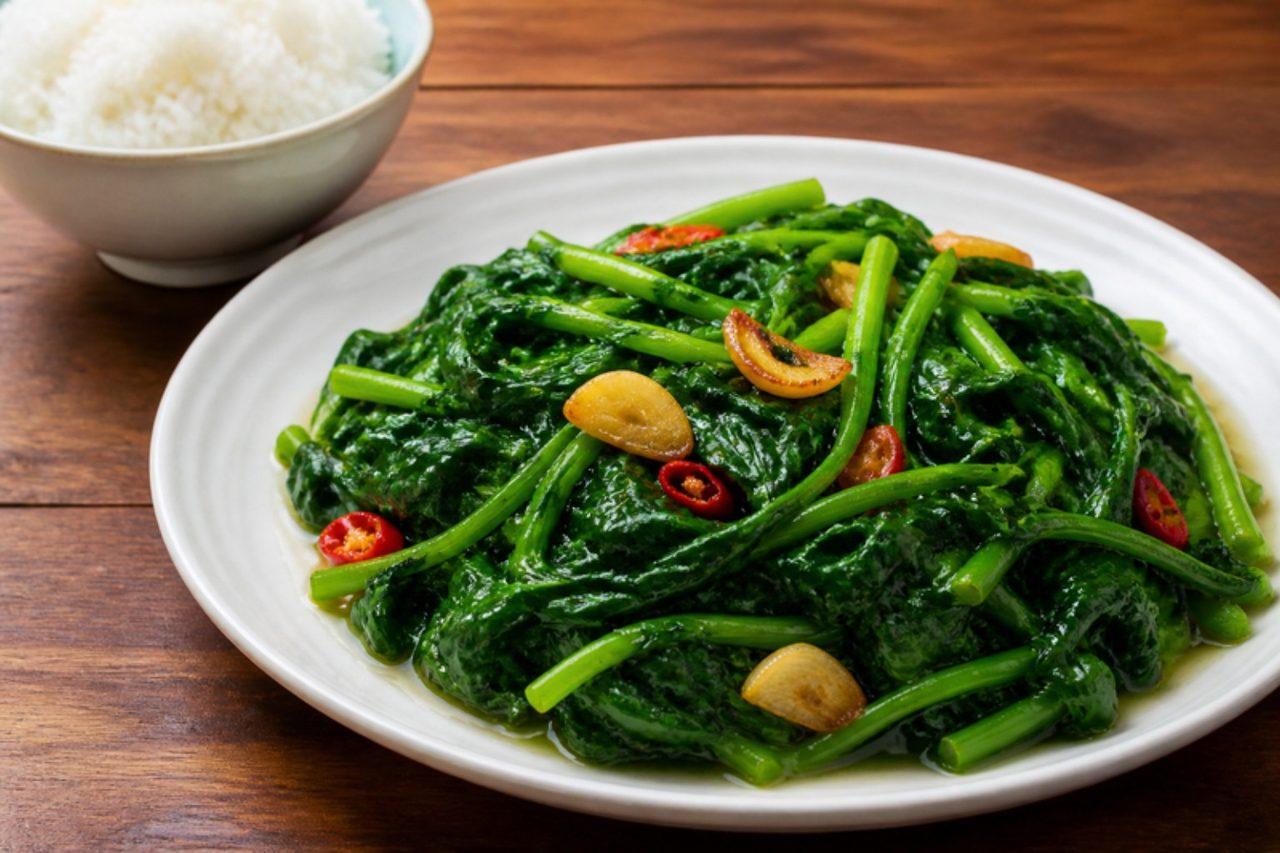
Stir-fried sweet potato leaves are on the table at almost every Taiwanese home dinner and at every rechao stir-fry stall from Taipei to Kaohsiung, a cheap, dark-green side that once fed the island in lean years and is now loved for its silky texture. The tender leaves and tips are thrown into a smoking wok with plenty of garlic and a splash of water and cooked in about two minutes. It is vegan and light, with about 3 g of protein per portion. The common mistake is overloading the wok: the leaves stew and turn black-green and slimy, so cook in two batches if your pan is small. If you can't find sweet potato leaves, use water spinach or pea shoots. Chef's tip: add a tablespoon of water with the leaves; the burst of steam wilts them evenly without extra oil.

by KrazyBadal 0 views

Tallarines rojosSpaghetti in red sauce with chicken

Tallarines rojos is the Sunday-lunch and weeknight pasta of homes all over Peru, from Lima to Arequipa: spaghetti in a sweet, deep-red sauce of blended tomato, onion and garlic with a little ají panca and oregano, often with pieces of chicken cooked right in it. Children love it, and it is served with a sprinkle of grated cheese and sometimes a spoon of huancaína on the side. The usual mistake is cooking the sauce too briefly, so it tastes of raw onion; let the blended tomato fry until it darkens and the oil shows at the edges. Chef's tip: a bay leaf and a spoon of ají panca paste give the sauce its Peruvian character; paprika will do if you can't find the paste.

by KrazyBadal 0 views

Tarta de coco y dulce de lecheCoconut and dulce de leche tart

Ask Argentinians for their favourite tart at a family birthday and this one often wins: a crisp shortcrust spread thickly with dulce de leche, then covered with a coconut, sugar and egg topping that bakes into a golden, chewy crust. Bakeries from Córdoba to Mar del Plata sell it by the slice for the merienda with mate or a café con leche. It is very sweet, so the slices are thin, and it is a good keeper for a few days. Ordinary spreading dulce de leche is the mistake: it runs and bubbles out at the edges. Use the thicker pastry-style kind, sold in Argentina as 'repostero'. Chef's tip: chill the case with the dulce de leche spread on it for 15 minutes before adding the coconut, so the two layers stay distinct.

by KrazyBadal 0 views

Showing 24 of 431 recipes

Show more recipes

Page 1 of 18