Skip to content
Recipes

All recipes

Vegetarian, or something you can't eat? Set your diet once and we'll hide recipes that don't fit.

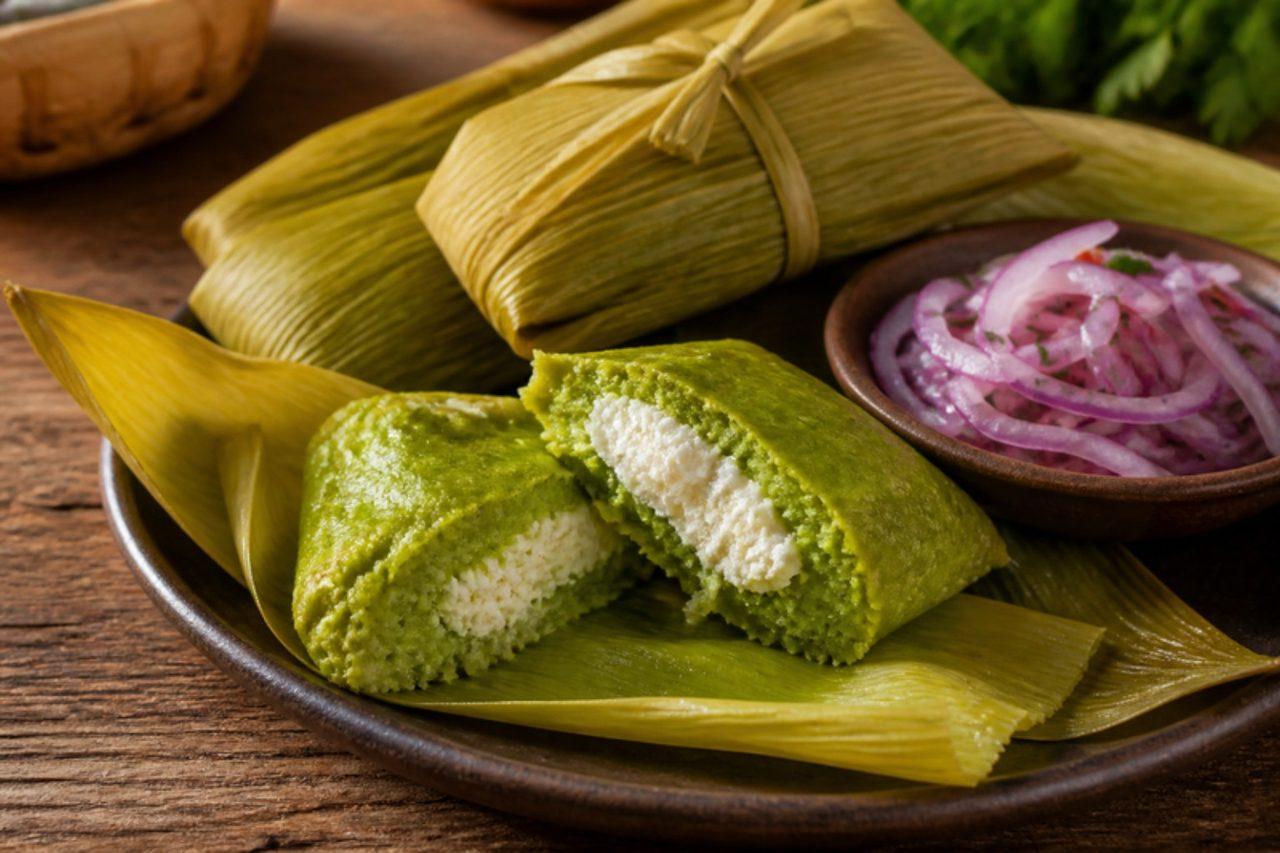
Tamalitos verdesGreen fresh corn tamales

Bright green from a whole bunch of coriander, tamalitos verdes are the morning snack of Chiclayo and Trujillo, sold warm at market stalls and bakeries and unwrapped at the table with a heap of salsa criolla on top. Fresh corn is ground with coriander, onion and ají amarillo into a soft dough, wrapped around a strip of fresh cheese in corn husks and steamed. They should be tender, moist and herby, with a slightly sweet corn flavour and a salty melting middle. Traditional ones are made with lard; this version uses vegetable oil to stay vegetarian. The classic problem is a dough that's too wet, which makes the tamales fall apart; the starchy Peruvian choclo is ideal, and if you use sweet corn, add the cornmeal to firm it up. Queso fresco is usually made with animal rennet, so look for a vegetarian fresh cheese. Chef's tip: keep the steamer water at a steady simmer and top it up with boiling water, never cold, so the steam never stops.

by KrazyBadal 0 views

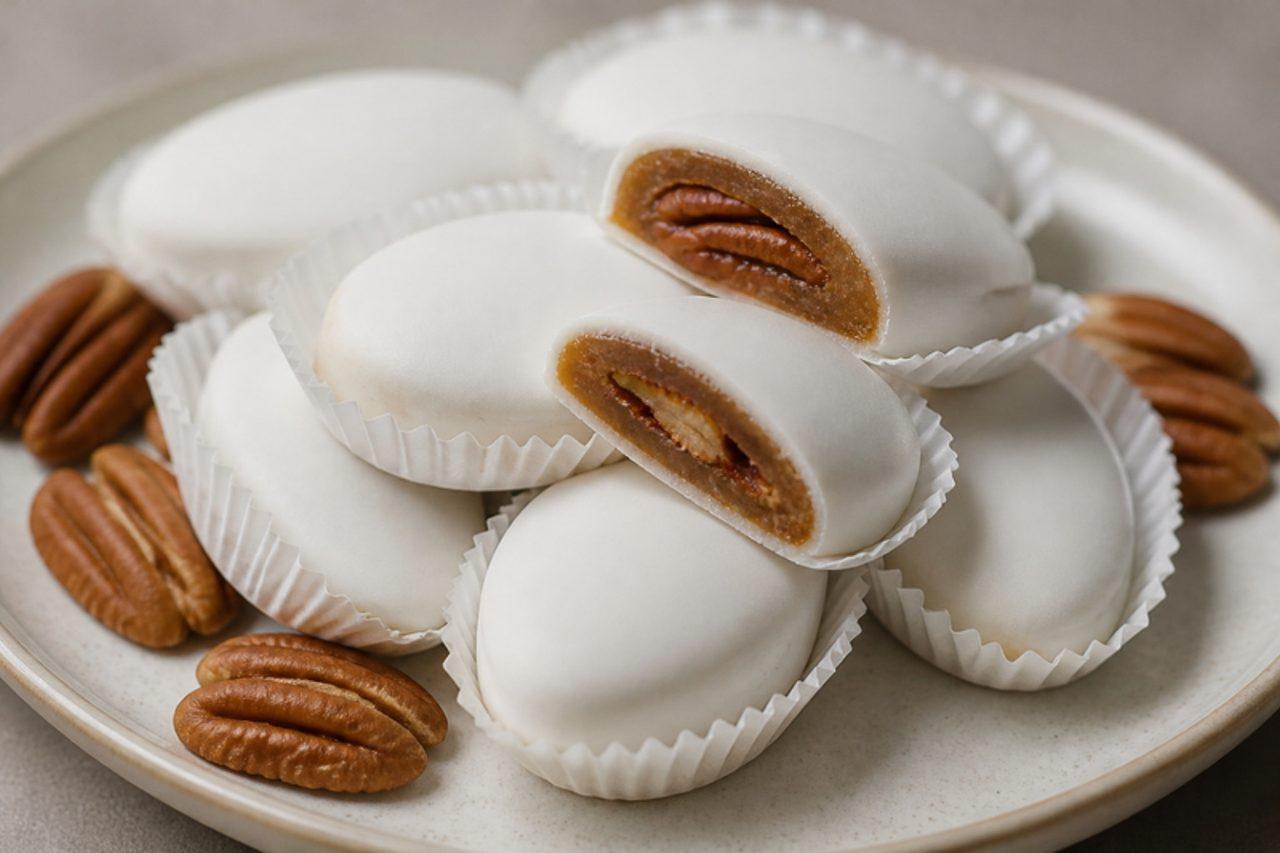
TejasPecan and manjar blanco sweets

Ica's sweet shops, along the road into town and around the main square, stack tejas in long rows, each one wrapped in white tissue paper with frilled ends. Inside the thin, crackly sugar shell is a soft centre of manjar blanco with a pecan or a piece of candied fruit; Ica has been making them since the 19th century and they are the city's best-known souvenir. They are intensely sweet, so one or two with coffee is enough. The hard part is the fondant: stir it while it's too hot and it turns grainy and opaque too early, so let the syrup cool before working it. This version makes a quick manjar blanco from condensed and evaporated milk and uses pecans; candied lime or orange peel works the same way. Chef's tip: chill the filled centres until firm before dipping; warm ones melt into the fondant and lose their shape.

by KrazyBadal 0 views

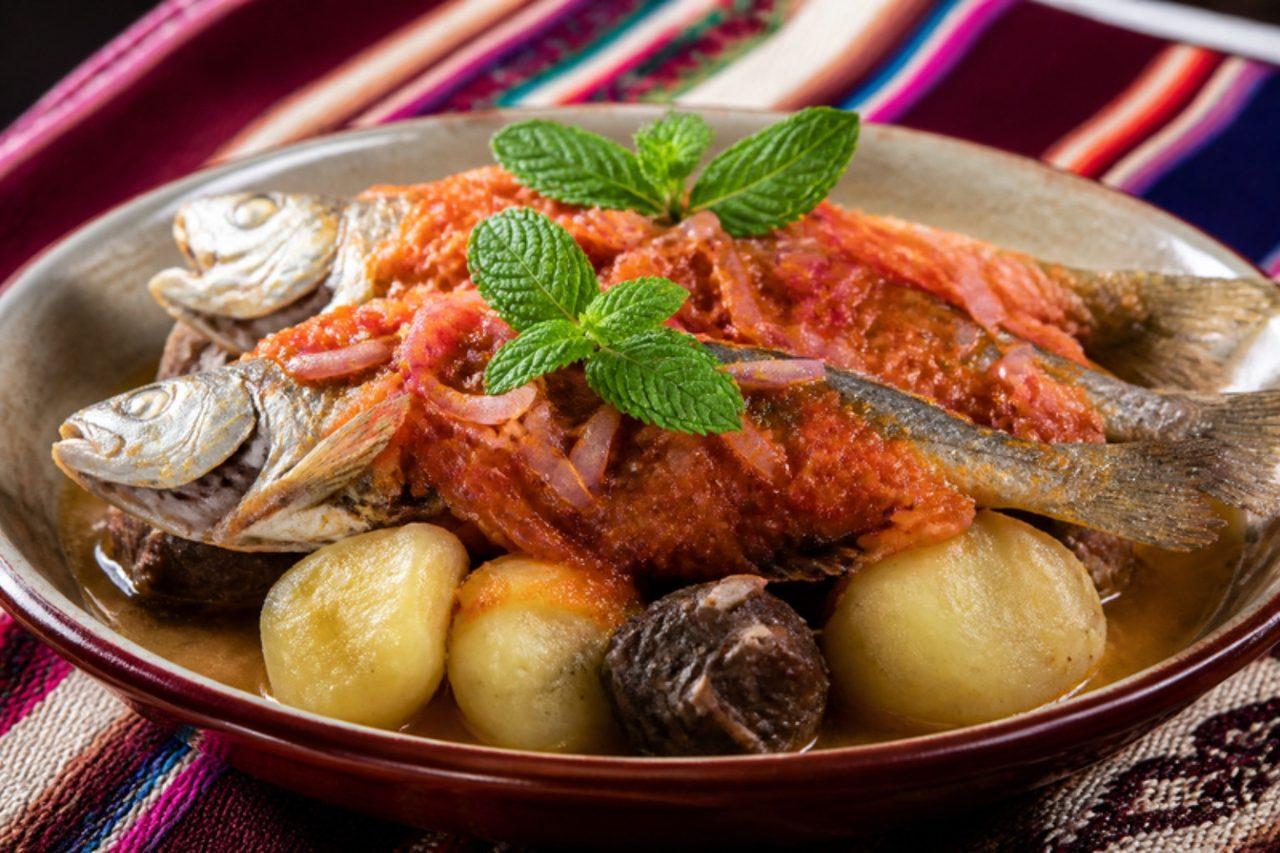
Thimpu de carachiPoached fish with potatoes

Around the shores of Lake Titicaca, thimpu is weekday food and Lent food alike: carachi, a small native lake fish, laid over potatoes and chuño (freeze-dried Andean potato) and gently poached, then drenched at the table with a hot sauce of onion fried with ají. The fish is soft and delicate, the chuño earthy and pleasantly chewy, and the sauce brings colour and fire. Outside Puno, small whole trout, tilapia or perch, or thick trout fillets, work well. Chuño needs an overnight soak (plan for it) and is sold in Andean and Latin shops; swap in extra waxy potatoes if you can't find it. The trap here is boiling the fish hard so it falls apart; keep the water at a bare shiver. Chef's tip: make the sauce while the fish poaches and spoon it on boiling hot, so it sizzles over the plate.

by KrazyBadal 0 views

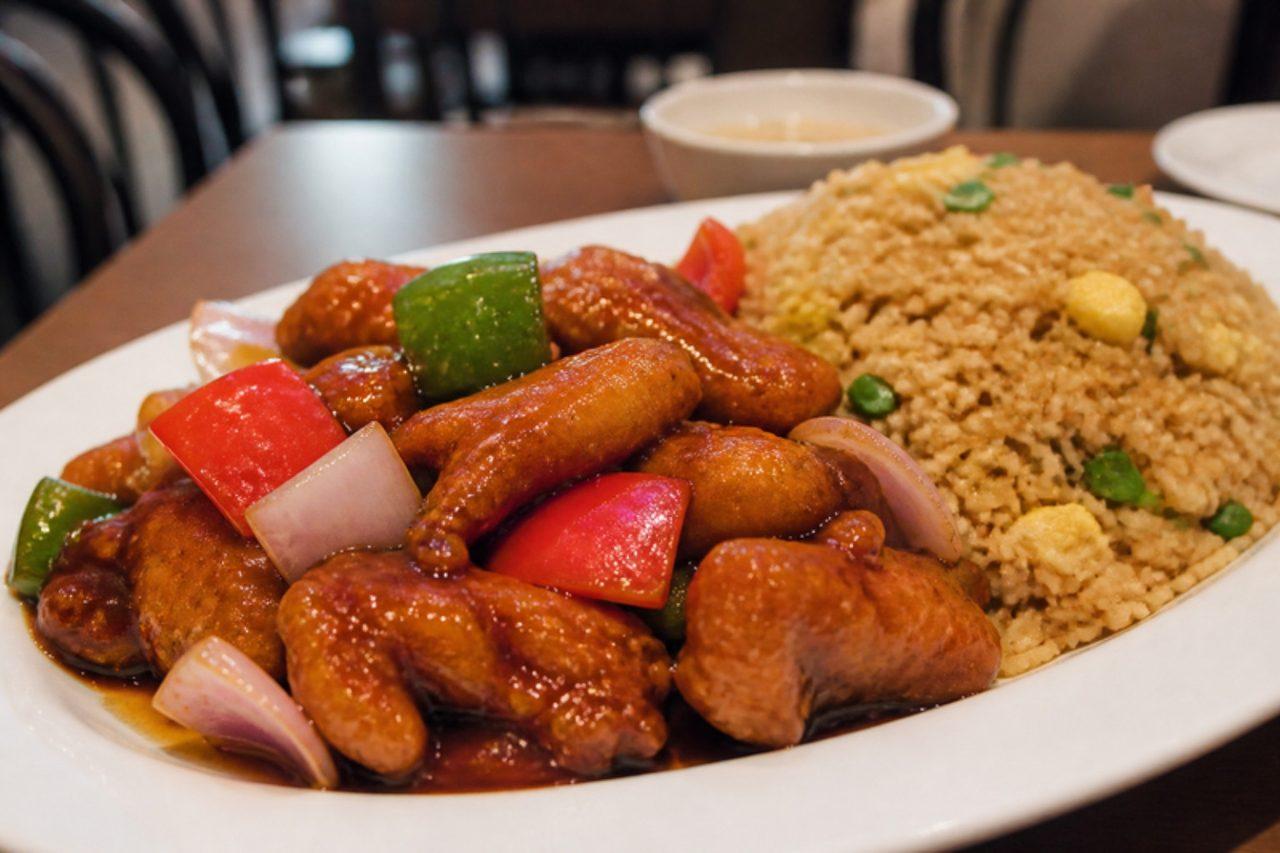
TipakayChicken in sweet-sour tamarind sauce

Sweet, tangy and a little sticky, tipakay is the chifa order for people who like their sauce on the fruity side: battered pieces of chicken fried crisp, then dressed in a dark, glossy sauce built on tamarind, panela and soy, with strips of red and green pepper and onion that keep some crunch. It is one of the most popular platters in Lima's family-run chifas, eaten with white rice or chaufa. Its sauce is darker and less candy-sweet than kam lu's, with tamarind's sour depth. The mistake most home cooks make is letting the peppers stew until soft; give them only a minute in the wok so they stay bright. Chef's tip: taste the sauce before thickening and balance it: more lime if it's cloying, a pinch more panela if it's too sour.

by KrazyBadal 0 views

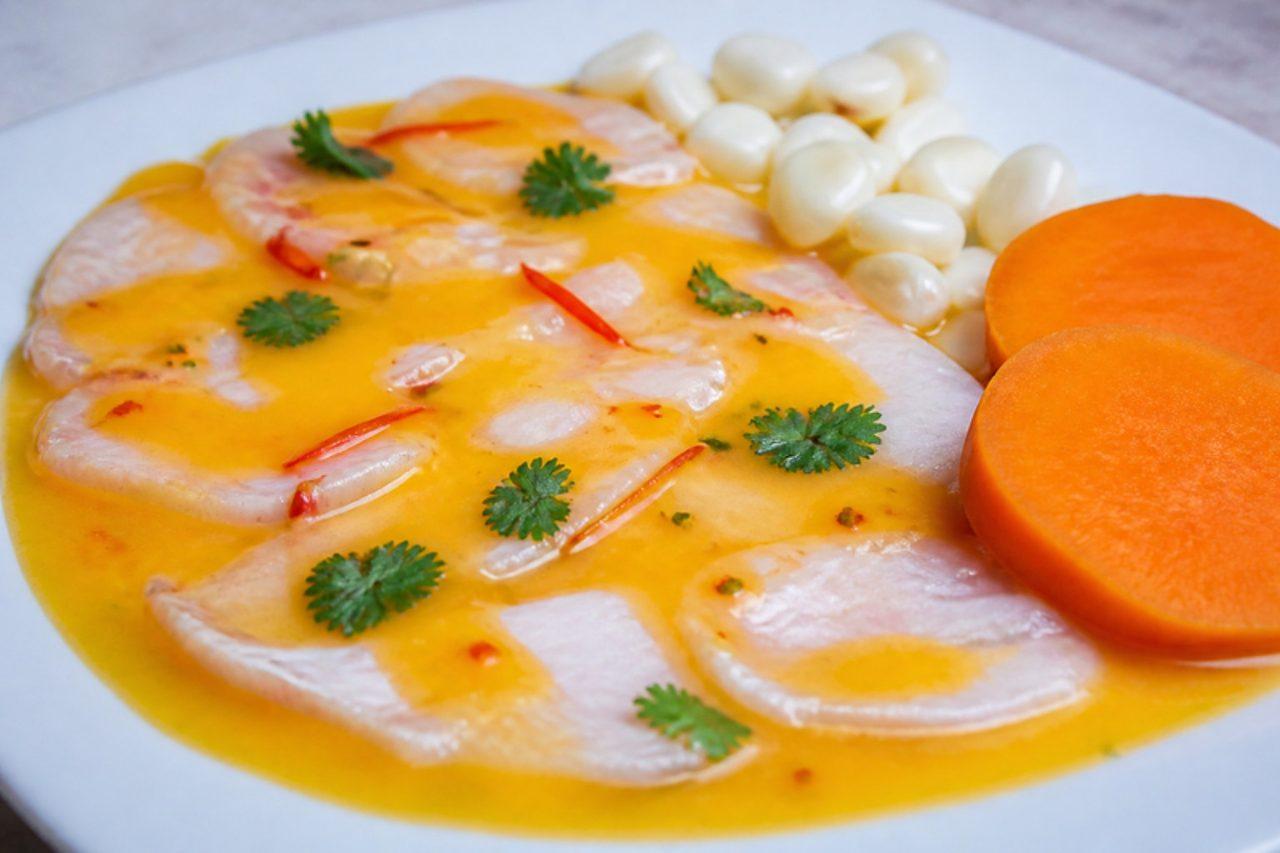
TiraditoSliced fish in ají amarillo sauce

Lima's Japanese-Peruvian cooks turned ceviche on its head with tiradito: instead of cubes soaked in lime, the fish is cut thin like sashimi, laid flat and dressed at the last minute, so it stays silky with only the surface turning white. The sauce here is the classic golden one, ají amarillo blended with lime, garlic and ginger, fruity and medium hot. It is served as a starter in cevicherías and upmarket Miraflores restaurants with boiled sweet potato and corn. Because the fish is eaten almost raw, this version uses sashimi-grade fish frozen at −20 °C for 24 hours first (allow for that), kept cold and eaten the moment it is dressed; it is not for pregnant women, young children or anyone with a weakened immune system. The mistake people make is dressing it ahead: after ten minutes the lime cooks it through and it turns chalky. Chef's tip: chill the plates in the freezer for 10 minutes before you lay out the fish; it keeps the slices firm while you work.

by KrazyBadal 0 views

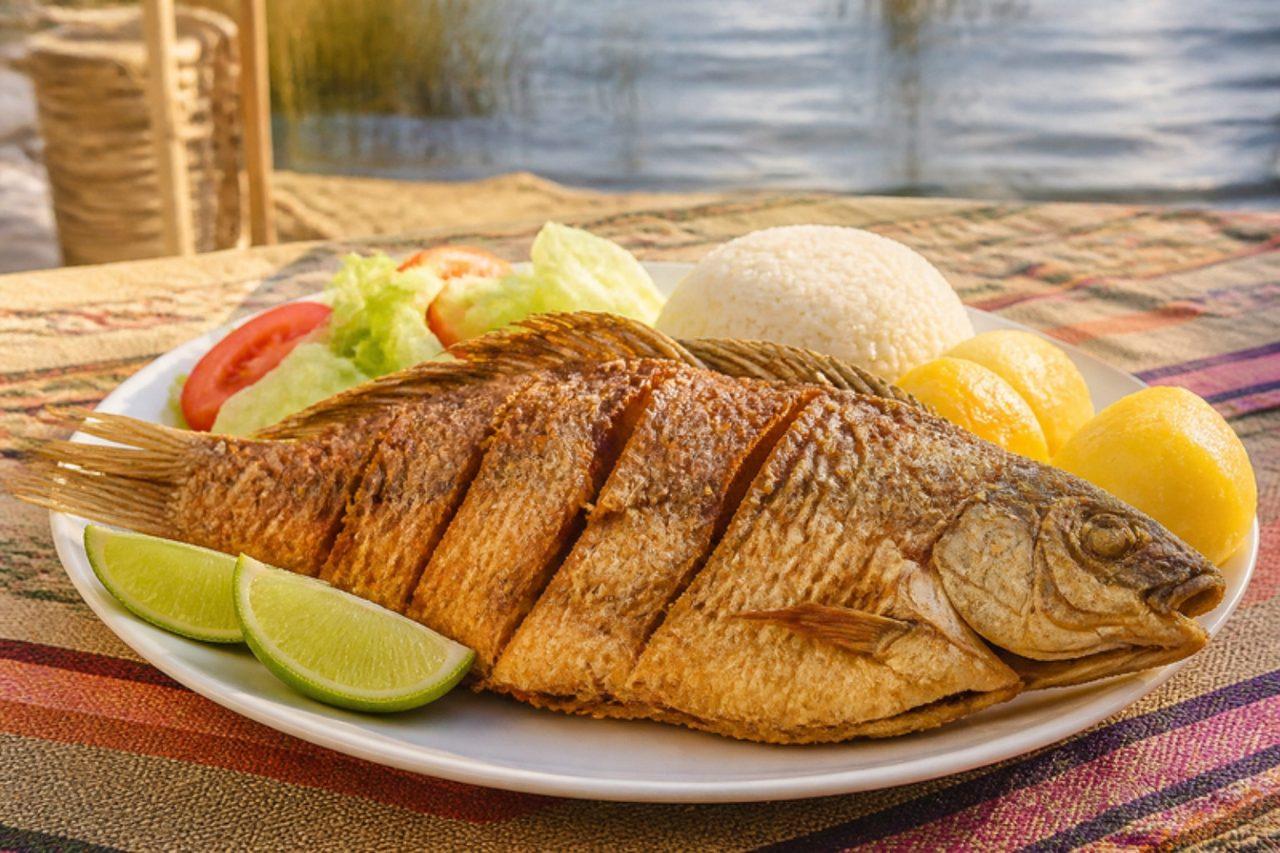
Trucha fritaFried trout with potatoes and rice

Rainbow trout farmed in the cold, clear water of Lake Titicaca is what you eat in Puno, at lakeside restaurants and on the floating islands: a whole fish, dusted in flour and fried until the skin crackles, with boiled Andean potatoes, rice, a simple salad and lime. The flesh is pink-white, sweet and moist; nothing else is needed. Ask your fishmonger to gut and scale the trout. The most common mistake is moving the fish too early, which tears the skin; leave it until it releases from the pan by itself. Chef's tip: slash the thick part of each side twice before flouring, so the fish cooks evenly and the skin crisps right up to the head.

by KrazyBadal 0 views

Turrón de Doña PepaAnise biscuit sticks in spiced syrup

Every October, the month of the Señor de los Milagros processions in Lima, bakeries and street sellers pile their trays with turrón de Doña Pepa: layers of crumbly anise-flavoured sticks drenched in a dark syrup of chancaca cooked with fruit and spices, topped with a storm of coloured sprinkles. Popular lore credits it to Josefa Marmanillo, a woman from the Cañete valley who is said to have made it in thanks after the procession. It is sticky, crunchy and soft at once, with orange and clove in the syrup. Its downfall is usually runny syrup that soaks the sticks into mush; it needs to reach a thick, threading stage before it goes on. Chancaca is sold as cones or blocks in Latin shops; panela or dark muscovado also work. Some coloured sprinkles contain gelatin, so check the label. Chef's tip: make it a day ahead; the syrup sets and the sticks soften just enough to slice neatly.

by KrazyBadal 0 views

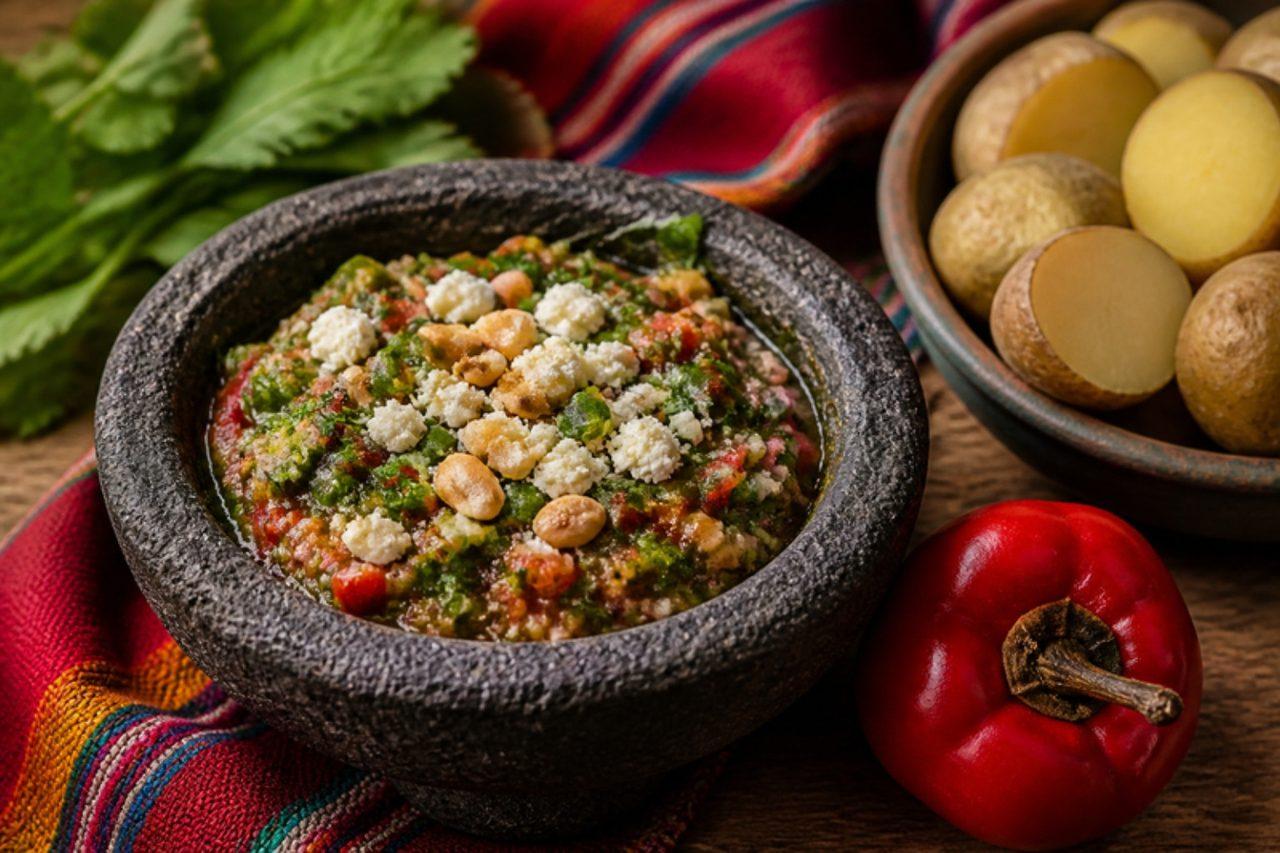
UchucutaRocoto and peanut chilli sauce

Ground on a batán, the flat grinding stone found in Andean kitchens, uchucuta is the table sauce of Ayacucho and Cusco: rocoto or yellow chilli crushed with huacatay, toasted peanuts and a little fresh cheese into a thick, speckled green-red paste. It goes on boiled potatoes, choclo, broad beans and huatia, and on festival days it sits next to every plate. The flavour is hot, herby and nutty, with a salty creaminess from the cheese. The name comes from the Quechua uchu, chilli, and it is meant to be spicy, but people often add all the rocoto at once and end up with something inedible; blend in half, taste and build up. A food processor or blender will do the work of the stone, though pulse it so the sauce keeps some texture. Queso fresco is usually made with animal rennet, so choose a vegetarian fresh cheese if you prefer. Chef's tip: toast the peanuts yourself until just golden; their warmth softens the raw sharpness of the chilli.

by KrazyBadal 0 views

Vegetarian vori voriCornmeal dumpling and vegetable soup

Vori vori is the soup Paraguayan grandmothers make on cold June and July evenings: a golden broth full of bori, small balls of cornmeal and cheese that swell soft as they simmer. The name is a Guaraní take on the Spanish 'bolita' (little ball). It's usually made with hen; this version gets its colour and body from pumpkin, carrot and a sofrito with saffron or turmeric. Chef's tip: shape the balls no bigger than a hazelnut; they double in size and larger ones stay raw inside.

by KrazyBadal 0 views

Torta fritaFried dough discs

In Uruguay, a grey rainy afternoon has one answer: torta frita and mate. These thin discs of dough, pierced with a hole in the middle, are fried until puffed and golden and either sprinkled with sugar or eaten plain, still hot, between sips passed around the circle. In Montevideo you'll smell them from street stalls on wet days; at home they're made with butter or beef fat, here with butter. Chef's tip: the hole in the middle isn't decoration; it lets the centre cook through at the same speed as the edges.

by KrazyBadal 0 views

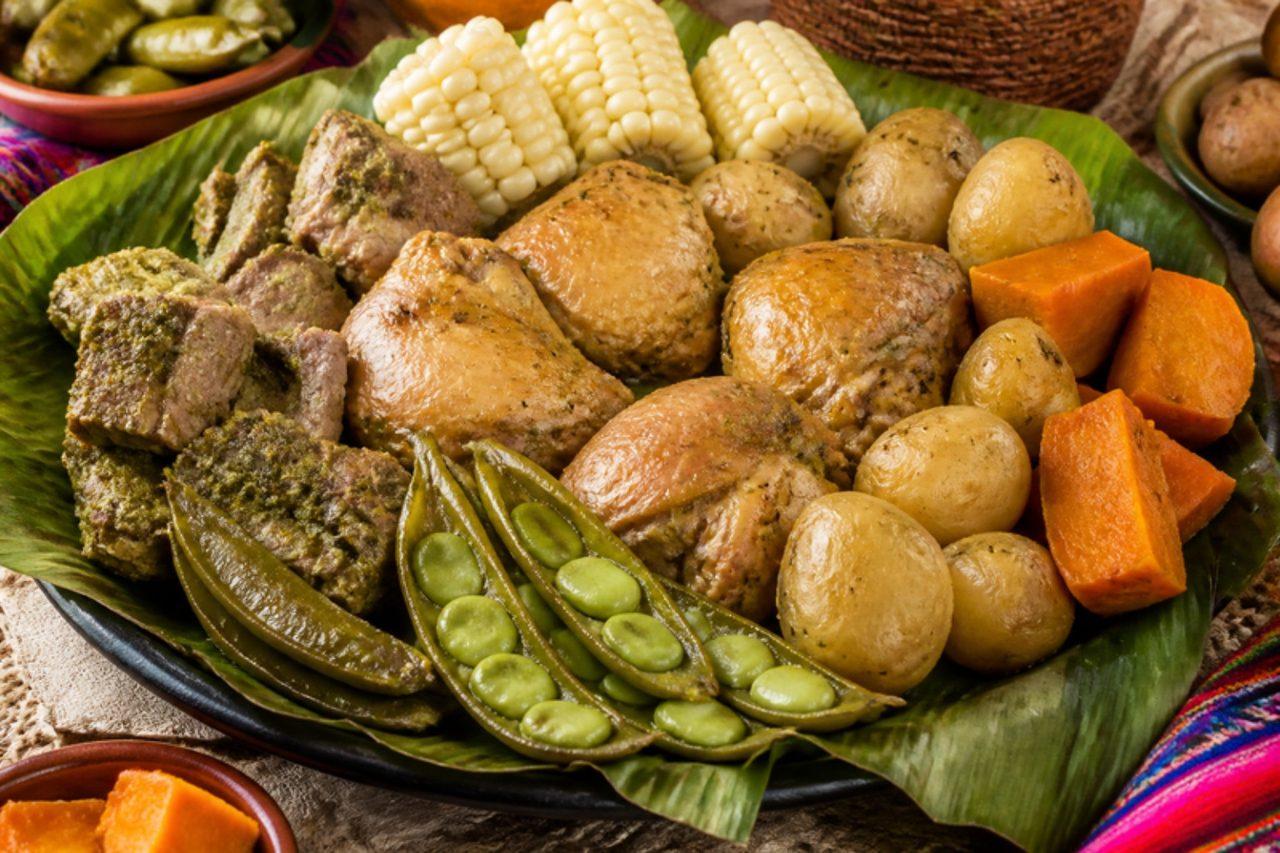
Pachamanca a la ollaPot-steamed meats with potatoes

In the highlands around Huancayo and Ayacucho, families mark harvests and saints' days by burying marinated meats, potatoes, sweet potatoes, broad beans and humitas under hot stones and earth for a pachamanca, an 'earth pot'. City cooks get close to it with a heavy pot: the same green marinade of huacatay (black mint), chincho, ají and garlic, layered with meats and roots and steamed in their own juices under banana or corn leaves. Chef's tip: layer the hardest things lowest, potatoes on the bottom and chicken nearest the lid, just as the stones are packed in the field.

135 minPeruvianMeatGluten free
by KrazyBadal 0 views

So'o yosopyGround beef and rice soup

So'o yosopy, "pounded meat" in Guaraní, is a soup Paraguayans make for anyone who is tired or recovering, and on cold days in Asunción's winter: beef is ground very finely and stirred into cold water so it breaks into soft, delicate threads, then simmered with onion, tomato, pepper and a little rice and oregano. The texture is smooth and the broth light. The mistake is adding the beef to boiling water, which makes it clump into meatballs; mix it into cold water first and stir as it heats. Chef's tip: ask the butcher to mince lean beef twice, or pulse it very fine in a food processor.

by KrazyBadal 0 views

MbejúCassava starch cheese cake

Mbejú (say 'mbeh-JOO') is a Guaraní breakfast and merienda: cassava starch rubbed with butter, cheese and a little milk into damp crumbs, then pressed into a hot pan where it fuses into a thick, chewy, crisp-edged cake. It's eaten in the countryside with cocido (sweet toasted yerba tea with milk) on cool mornings, cut into wedges. It's naturally gluten free and very quick. Chef's tip: the mix should look like damp sand, not a dough; if you can squeeze a handful and it just holds, it's right.

by KrazyBadal 0 views

Causa limeñaLayered potato terrine

Causa limeña is Lima's cold potato terrine: yellow potatoes mashed with lime, oil and ají amarillo, pressed into layers and filled. In Lima it is a lunchtime starter sold in every menú and at every family party, often with tuna or chicken; this vegetarian causa is filled with ripe avocado and a creamy salad of corn, peas and carrot. The potato should be smooth, sunny yellow, tangy and gently hot, and the whole thing is served cold in neat slices. Make it in the morning for dinner, or the day before for a party. Chef's tip: mash the potatoes while warm but add the lime only once they have cooled; lime on hot potato turns the mash grey and gluey.

by KrazyBadal 0 views

Sopa paraguayaCheesy cornbread

Paraguayans love telling visitors that their national 'soup' is eaten with a fork: sopa paraguaya is a dense, moist cornbread baked with sweated onions, fresh cheese, eggs and milk. It's on every table at asados, weddings and the Christmas meal, and sold in squares at bus stations from Asunción to Encarnación. The crust is golden and the inside soft and cheesy, more like a savoury pudding than bread. Chef's tip: soak the cornmeal in the milk for 15 minutes before mixing; hydrated cornmeal bakes up tender instead of gritty.

by KrazyBadal 0 views

Pastel mandi'oCassava turnovers with beef

Pastel mandi'o are the golden half-moons sold at bus stations and street stalls all over Paraguay, especially in Asunción and around Holy Week: a soft dough of cooked cassava (mandi'o in Guaraní) and a little corn flour, wrapped round minced beef with onion, pepper, boiled egg and cumin, then fried. The mistake is a wet cassava dough that sticks and tears; drain the cassava well and add starch until it is smooth and pliable. Chef's tip: shape them between two sheets of cling film, which stops the soft dough sticking to the worktop.

by KrazyBadal 0 views

Chicha moradaPurple corn drink

Chicha morada is Peru's favourite soft drink, served by the jug in every restaurant in Lima and drunk across the country with lunch. Andean purple corn is simmered with pineapple peel, apple, cinnamon and cloves, then sweetened and sharpened with lime to make a dark ruby drink that tastes of berries, spice and gentle tannin, a little like a spiced cranberry juice. It has no alcohol, unlike the fermented chicha de jora of the Andes. Dried purple corn (maíz morado) comes from Latin shops; purple corn powder works too. Chef's tip: add the sugar and lime only once the drink has cooled; lime added to the hot liquid turns it bitter.

by KrazyBadal 0 views

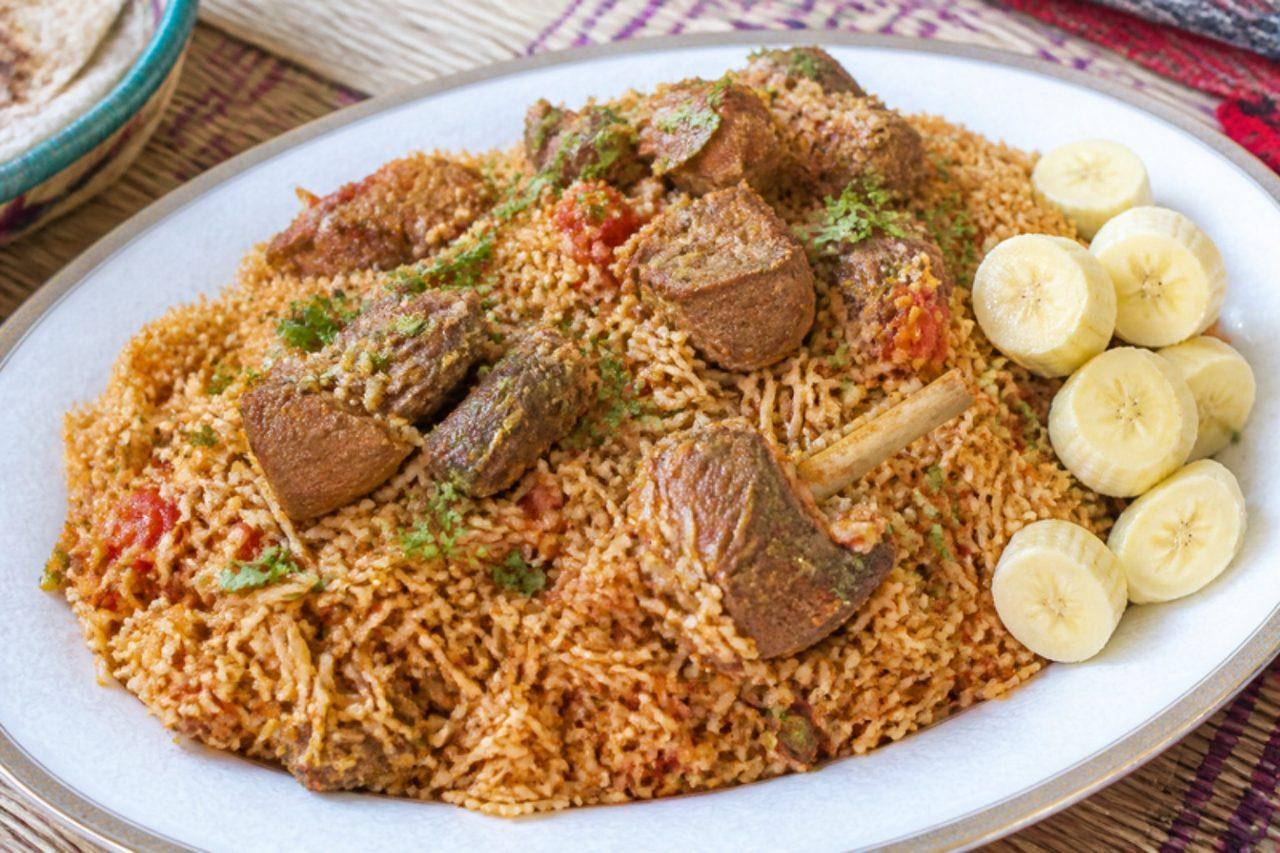
SkudahkharisSpiced lamb and tomato rice

Skudahkharis is the pride of Djibouti and is also cooked in Somali homes: lamb on the bone simmered with tomato, onion, garlic and a warm mix of cumin, cardamom, cinnamon and cloves, then rice cooked in the pot until it absorbs every drop. It is served for Eid and family gatherings, with banana and a hot green chilli sauce on the side, as is the custom. The mistake is stirring the rice once it is in, which breaks the grains and makes it sticky; stir once, then leave it covered. Chef's tip: soak basmati for 20 minutes before cooking so it cooks evenly in the rich broth.

by KrazyBadal 0 views

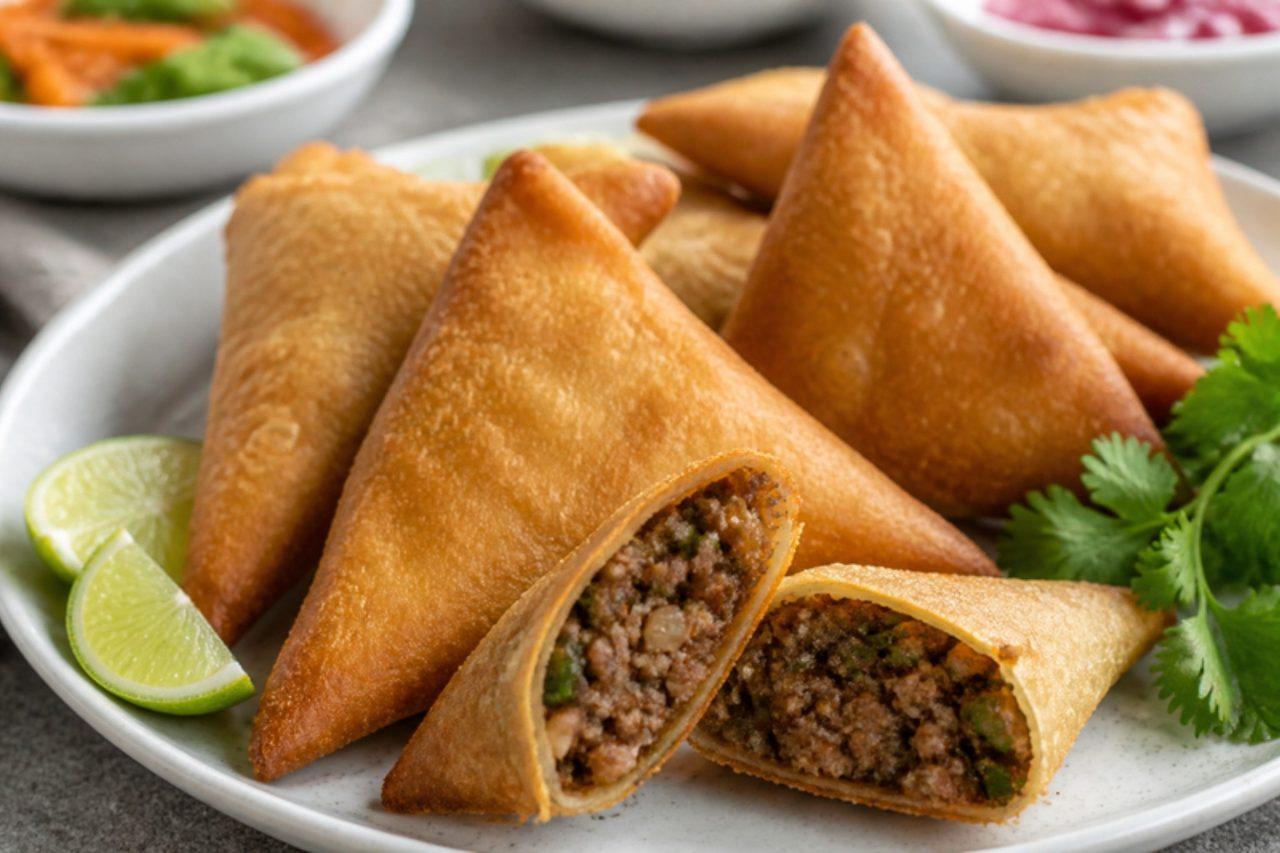
SambuusCrisp beef pastries

Sambuus are the triangles of crisp pastry Somali families fry by the hundred during Ramadan, filling them with minced beef, onion, green chilli, coriander and xawaash; trays of them sit on every iftar table from Hargeisa to Toronto. The filling must be dry, and the pastry thin. The mistake is a wet filling, which steams the pastry from the inside and makes it soggy; cook the mince until all the liquid has gone. Chef's tip: shop-bought spring roll pastry, cut into strips, makes good thin sambuus at home.

by KrazyBadal 0 views

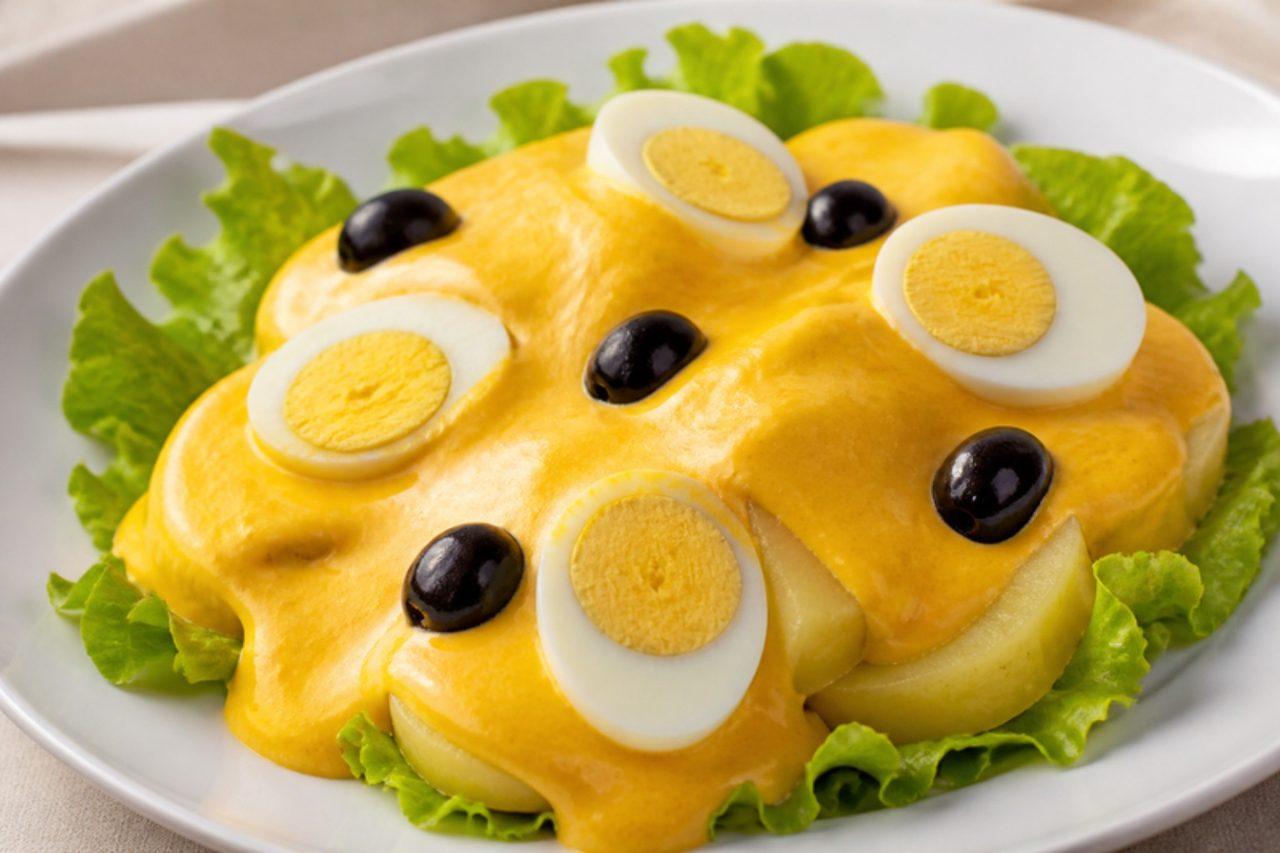
Papa a la huancaínaPotatoes in spicy cheese sauce

Papa a la huancaína is named after Huancayo in Peru's central Andes, but it is eaten everywhere, from Lima's set-lunch counters to Sunday family tables. Thick slices of cold boiled potato are blanketed in huancaína sauce, a silky, mildly hot sauce of ají amarillo, fresh cheese and evaporated milk, then finished with boiled egg and black olives. It is served cold as a starter, and the sauce is also the favourite dip for boiled corn and fried yuca. Use a queso fresco made with vegetarian rennet if you want it fully vegetarian (or a mild feta rinsed of salt). Chef's tip: fry the chillies, onion and garlic before blending; this takes off their raw edge and gives the sauce its rounded, sweet heat.

by KrazyBadal 0 views

Juane de gallinaChicken and rice parcels

In Iquitos, Tarapoto and the river towns of Peru's Amazon, juanes are steamed by the hundred for the feast of San Juan on 24 June, when families picnic by the rivers to mark the start of the dry season. Each parcel hides a piece of chicken, half a boiled egg and a black olive inside rice seasoned with turmeric, cumin and the herb sacha culantro, all wrapped in broad bijao leaves that perfume the rice. Banana leaves are the easiest swap outside the jungle. Chef's tip: let the rice cool before you wrap it; warm rice is too soft to shape and the parcels lose their round shape.

by KrazyBadal 0 views

Asado uruguayoGrilled beef short ribs and chorizo

Sunday in Uruguay means asado: in Montevideo backyards and the cattle towns of the interior, beef ribs (asado de tira), chorizo and morcilla cook slowly over the embers of a wood fire, with only coarse salt, while the family waits. The parrillero rakes coals under the grill and keeps the heat low and even. This recipe includes pork chorizo. The mistake is cooking over flames; the fire should burn down to embers you can hold your hand above for 6–8 seconds. Chef's tip: salt the meat only when it goes on the grill, with coarse salt, never fine.

by KrazyBadal 0 views

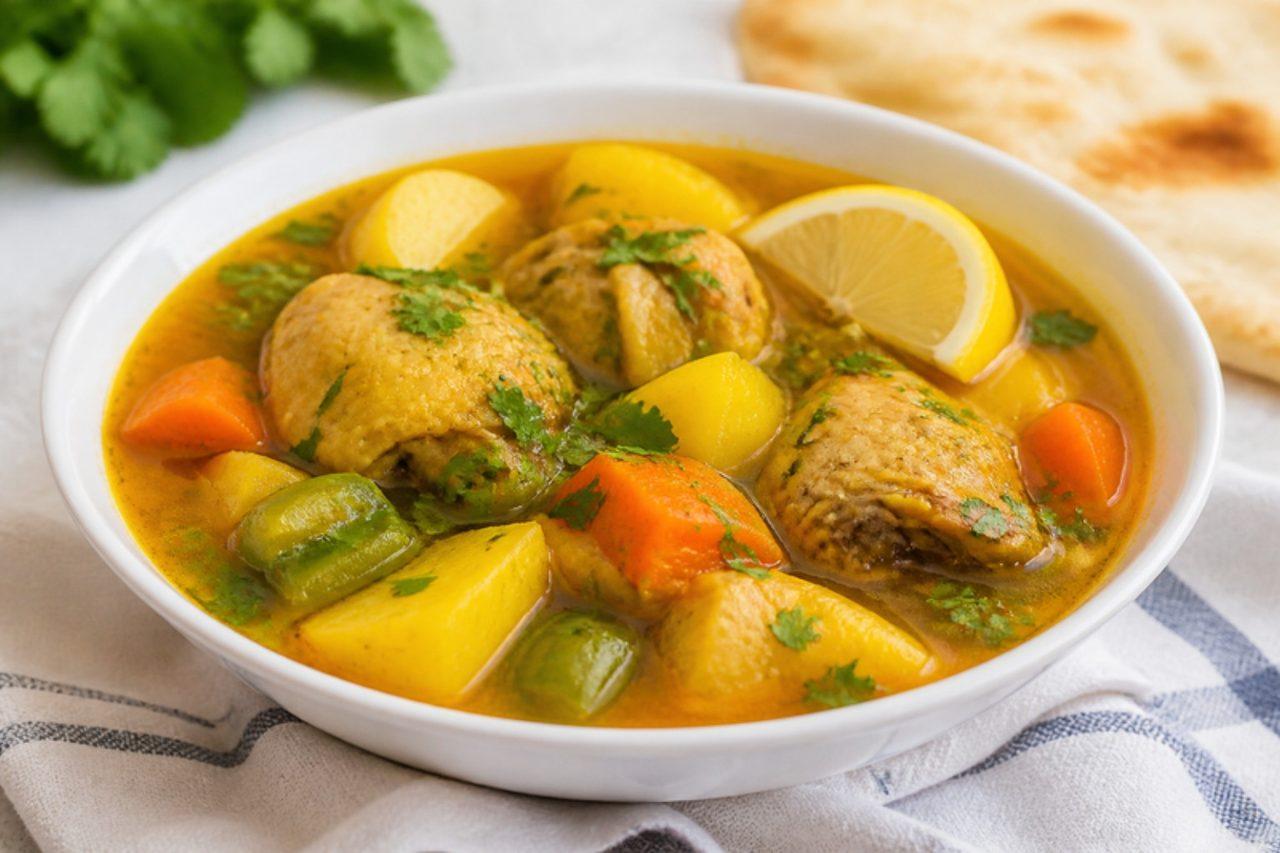
Maraq digaagChicken and vegetable stew

Maraq digaag is the gentle chicken stew Somali mothers make on ordinary weekdays, and the one people ask for when they are unwell: chicken simmered with potato, carrot, tomato and green pepper in a light broth fragrant with xawaash and garlic. It is served with rice, canjeero or bread for dipping. The mistake is boiling it hard, which makes the chicken stringy; keep it at a lazy simmer. Chef's tip: stir in chopped coriander and a little lemon at the end to lift the broth.

by KrazyBadal 0 views

ChajáSponge, peach and cream cake

Chajá was created in 1927 at a bakery in Paysandú, a city on the Uruguay River, and named after a local bird whose feathers look as fluffy as its crumbly meringue coat. Today it's Uruguay's birthday and celebration cake: layers of light sponge soaked in peach syrup, filled with whipped cream, peaches and dulce de leche, then covered in crushed meringue. It's sweet, soft and crunchy at once, best on the day it's assembled. Chef's tip: soak the sponge but not too much; it should feel moist, not wet, or the layers slide.

by KrazyBadal 0 views

Showing 24 of 360 recipes

Show more recipes

Page 11 of 15