Skip to content
Recipes

All recipes

Vegetarian, or something you can't eat? Set your diet once and we'll hide recipes that don't fit.

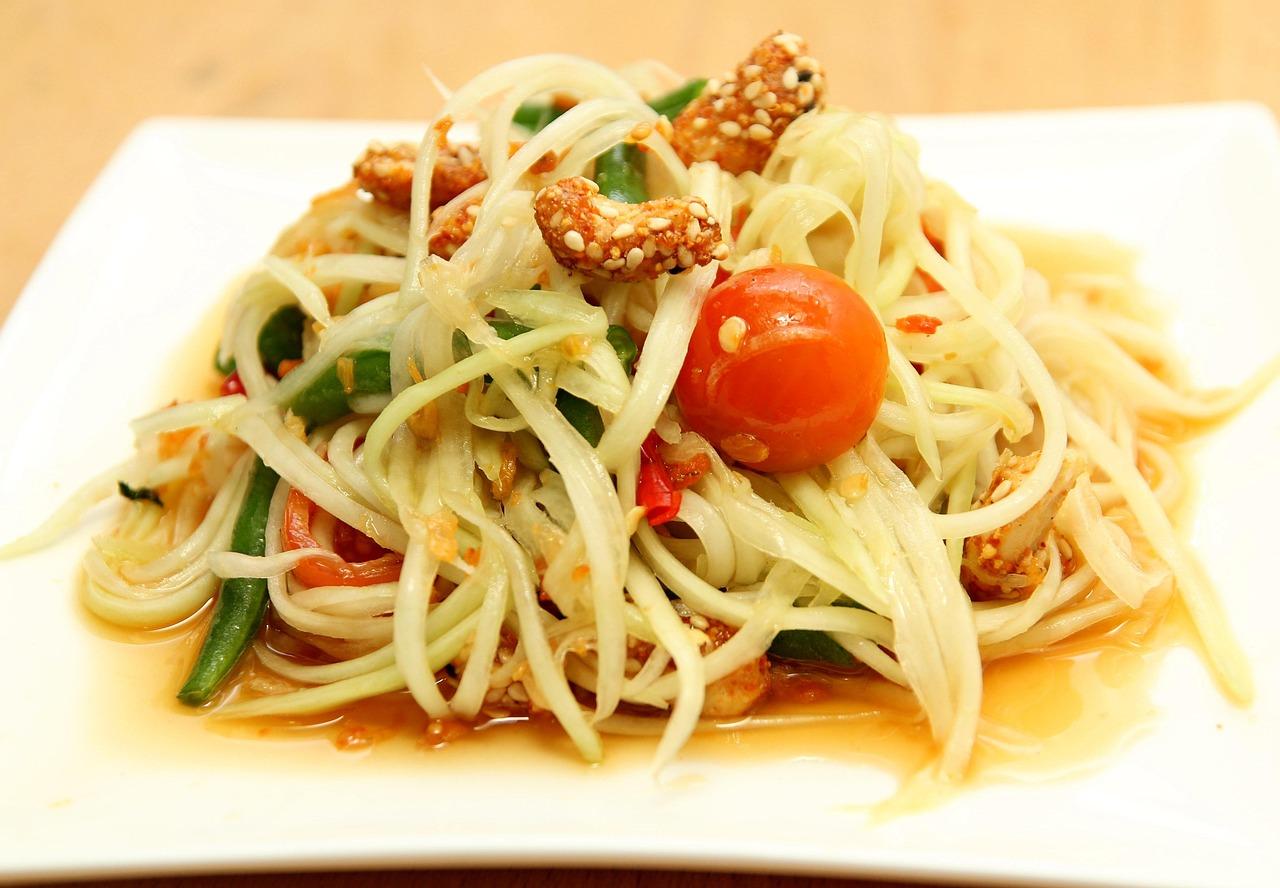
Gỏi đu đủ khô bòGreen papaya salad with beef jerky

Outside Saigon's schools and in the alleys off Hồ Con Rùa, carts piled with shredded green papaya sell gỏi đu đủ khô bò by the plate as an after-school or after-work snack. The papaya is crisp and cool, tossed with strips of sweet-spicy beef jerky, Thai basil and rau răm, then drowned in a thin, sweet fish-sauce dressing and finished with peanuts and a squirt of chilli sauce. It is lighter and sweeter than Thai som tam and never pounded. Chef's tip: soak the shredded papaya in iced salted water and dry it well; skip this and the salad is limp and the dressing tastes watery.

by KrazyBadal 0 views

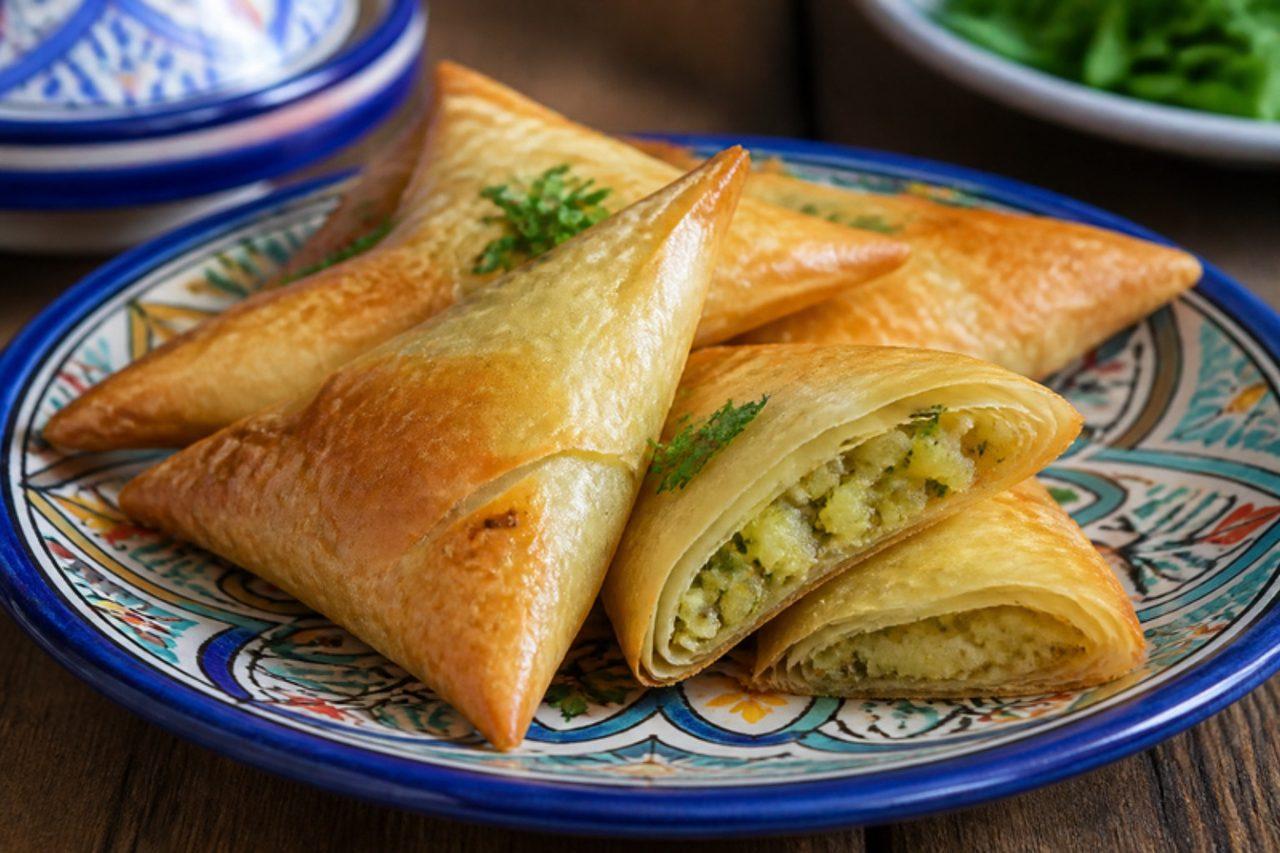
Potato briouats (briwat batata)

During Ramadan, the iftar tables of Casablanca and Marrakech are crowded with little fried pastries, and potato briouats are the budget-friendly favourite. A mash of potato, parsley, coriander, cumin and a little grated cheese is folded into warqa or filo triangles and fried until crackling. Serve them hot with harira or mint tea. The common mistake is a wet, warm filling, which makes the pastry soggy and tear; let the mash cool completely. Chef's tip: seal each triangle with a dab of egg yolk or flour paste; they won't open in the oil. Check cheese labels: some is made with animal rennet. Contains wheat, egg and milk.

by KrazyBadal 0 views

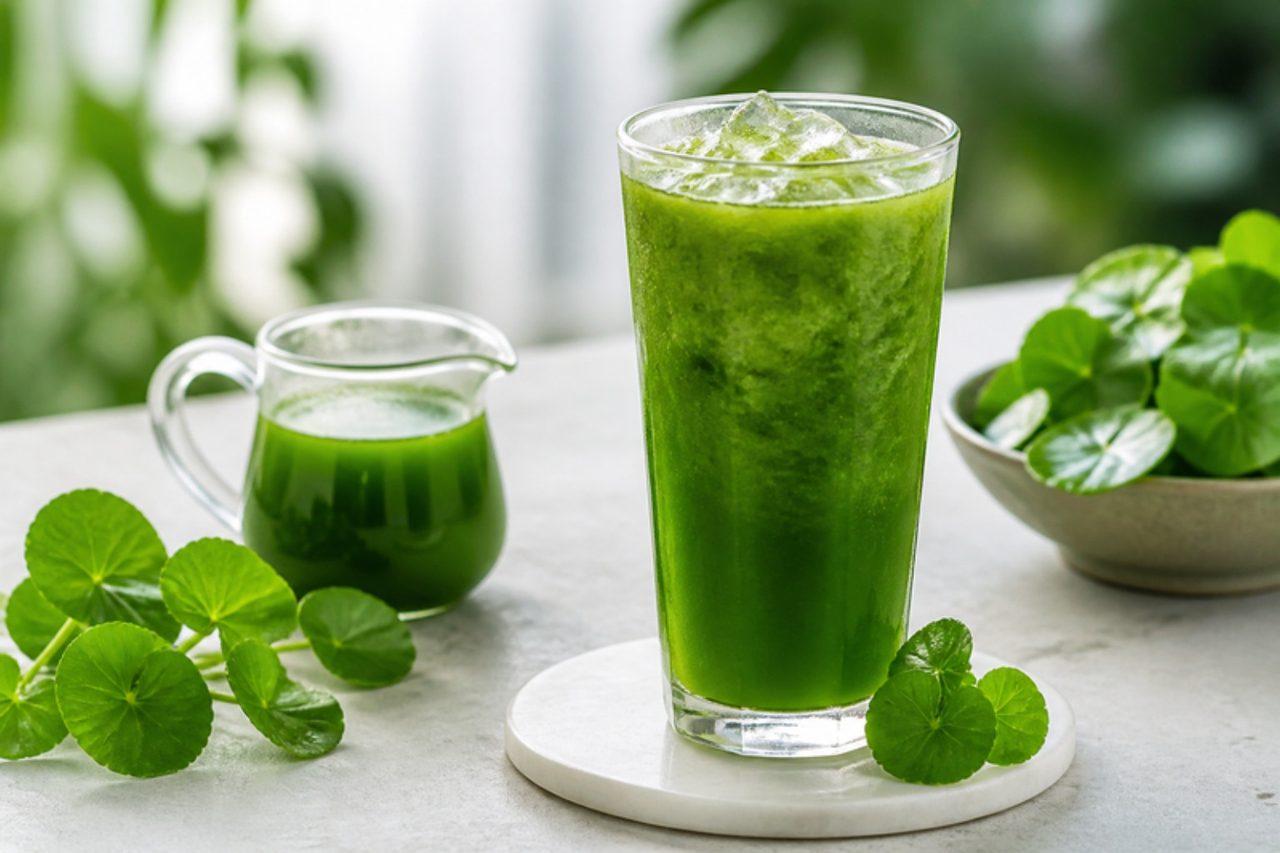
Nước rau máPennywort juice

Saigon street carts blend nước rau má to order through the hottest part of the afternoon, pouring the bright green juice into plastic cups over crushed ice for office workers and students. Pennywort (rau má) tastes fresh, grassy and very slightly bitter, and southerners drink it to 'cool the body' in the dry season; some stalls blend in cooked mung beans or a splash of coconut milk to make it richer. Look for bunches of rau má in Vietnamese and South Asian grocers, where it is also sold as gotu kola. Chef's tip: strain twice through a fine cloth and drink it within the hour; left standing, it separates and darkens to a dull khaki.

by KrazyBadal 0 views

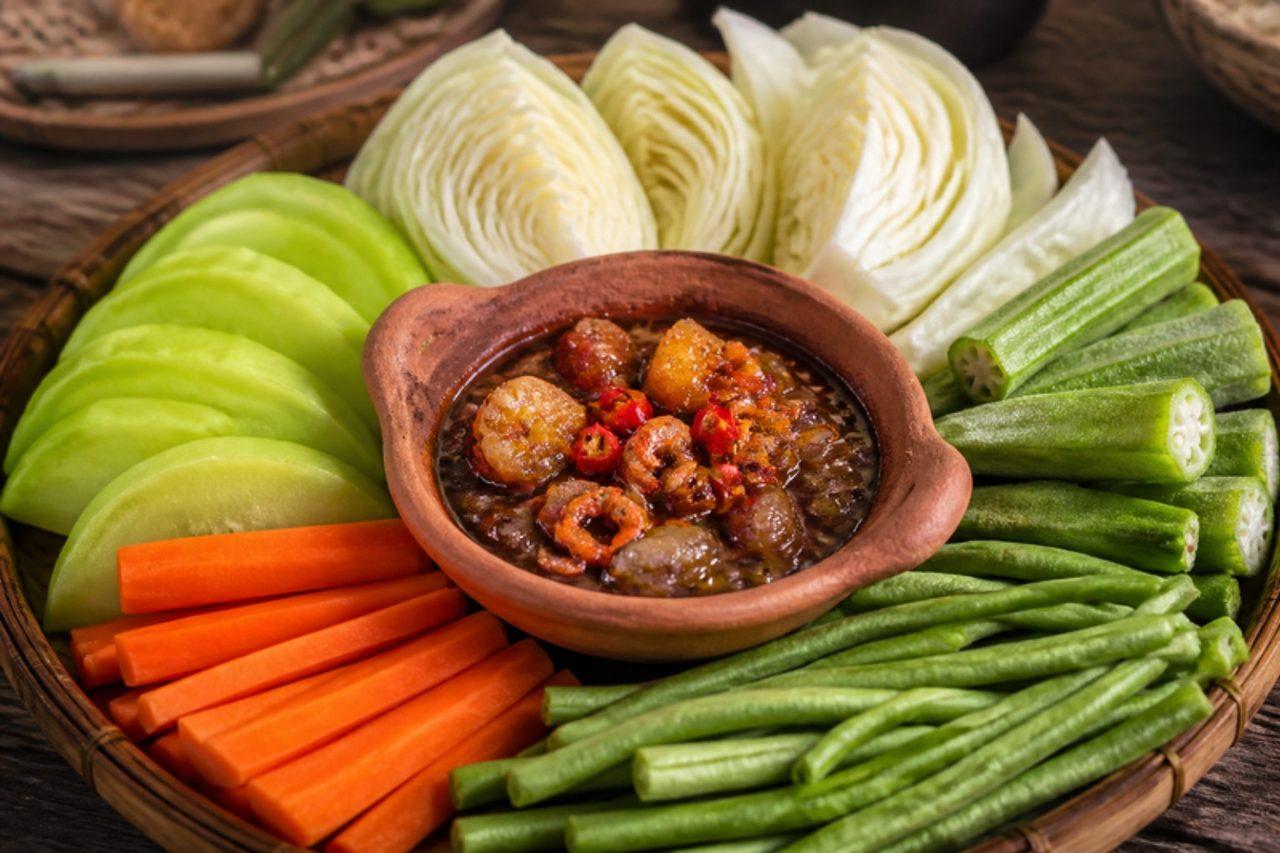
Rau luộc chấm kho quẹtBoiled vegetables with dipping sauce

Farm families in the Mekong Delta, in Đồng Tháp and Cần Thơ, used to stretch a few spoonfuls of salty kho quẹt across a whole basket of boiled garden vegetables, and it is now a nostalgic favourite in Saigon restaurants. The dip is pork fat rendered into crisp cracklings, then fish sauce, sugar, shallot, dried shrimp and black pepper bubbled down until thick and sticky enough to 'scrape' (quẹt) with a vegetable. The vegetables do most of the work, so the plate stays light. Chef's tip: take the dip off the heat while it still looks a little loose; it sets as it cools and, cooked too far, it burns bitter and turns rock-hard.

by KrazyBadal 0 views

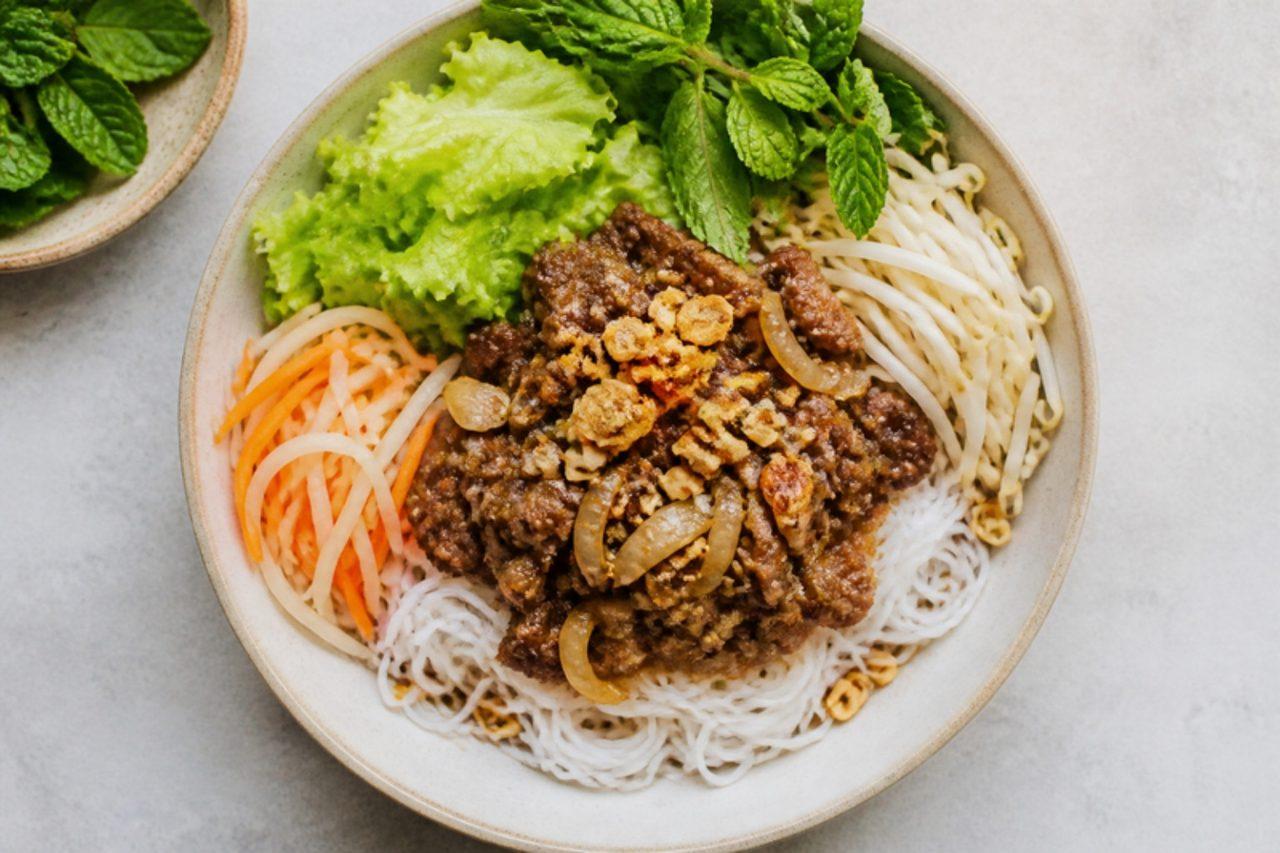
Bún bò Nam BộLemongrass beef noodle bowl

Despite the name, which means 'southern beef noodles', this dish belongs to Hanoi, where a stall on Hàng Điếu made it famous: a deep bowl of cool rice vermicelli, herbs and bean sprouts, topped with beef stir-fried hot with lemongrass, then peanuts, fried shallots and a few spoonfuls of sweet fish-sauce dressing, all tossed together at the table. It is a lunch dish, eaten fast and in summer. Chef's tip: cook the beef in small batches in a very hot pan; crowd it and the slices stew grey in their juices instead of searing.

by KrazyBadal 0 views

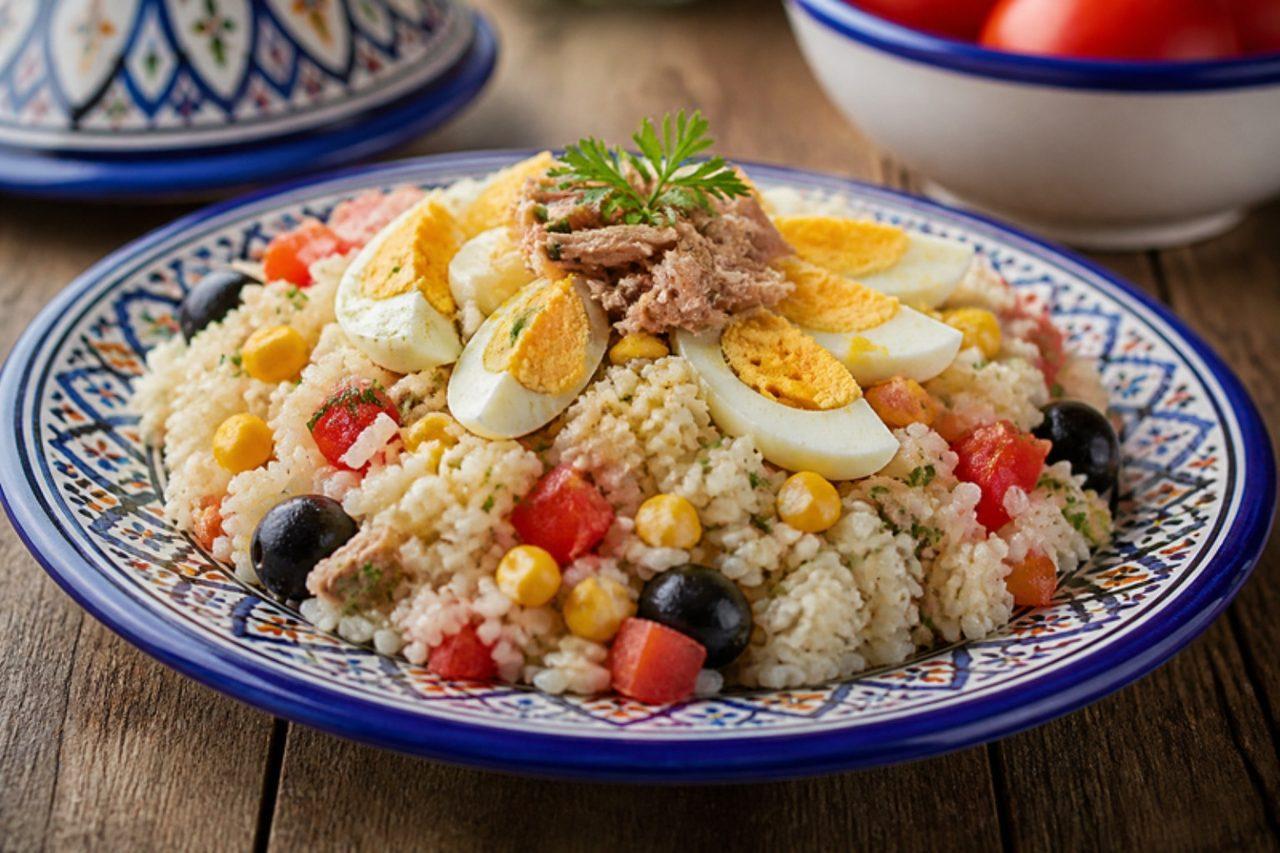
Moroccan party rice salad (shlada rouz)
Moroccan weddings, birthday parties and summer picnics in Rabat and Casablanca nearly always have a big platter of shlada rouz, the rice salad decorated in stripes and rings like a mosaic: tomato, sweetcorn, green olives, beetroot, boiled egg and flaked tuna on a bed of lemon-dressed rice. It's eaten cold as a starter. Rice cooked too soft turns to paste once dressed, so drain it while it still has a slight bite. Chef's tip: dress the rice while it's still a little warm; it soaks up the vinaigrette much better.

by KrazyBadal 0 views

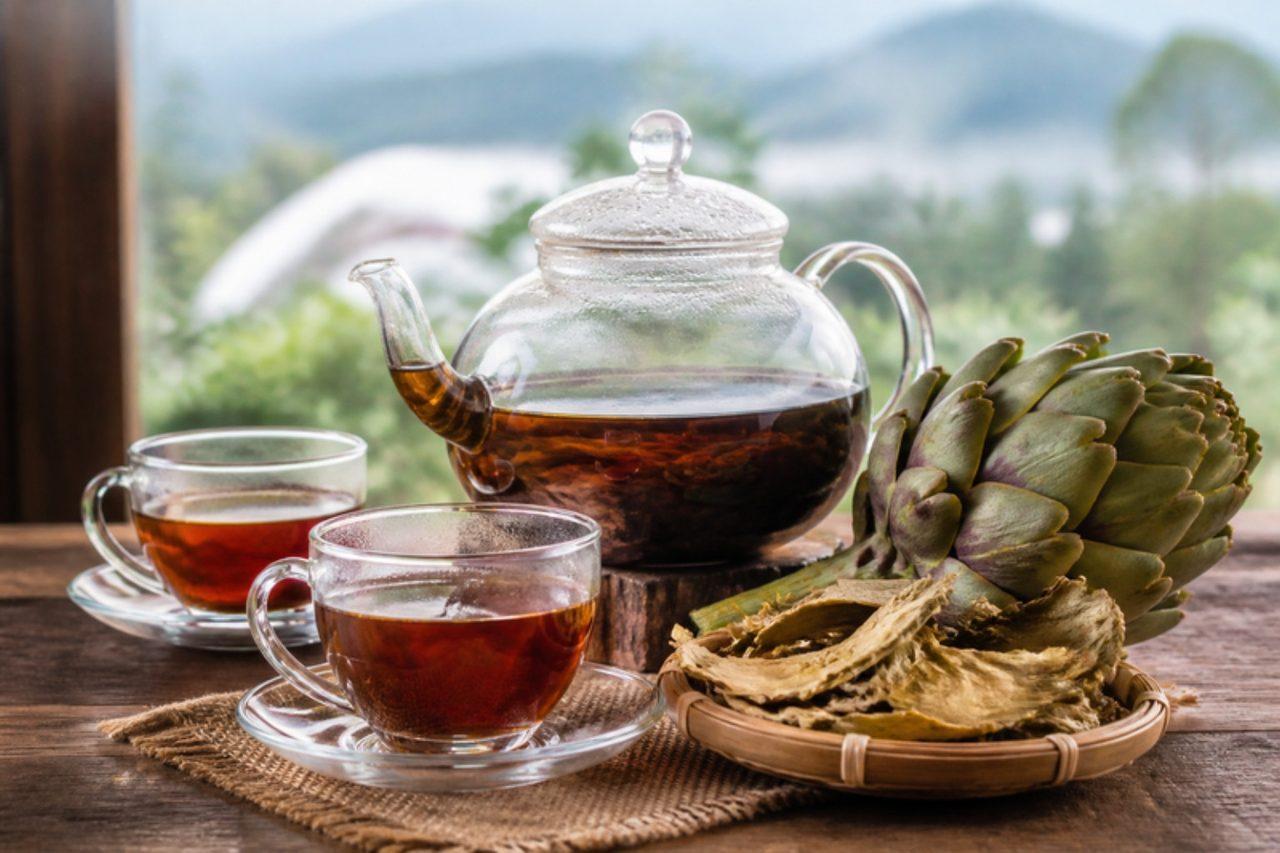
Trà atisôArtichoke tea

Artichokes arrived in the cool Đà Lạt highlands with French planters, and today the town's markets sell dried artichoke leaves, stems and flower buds for tea along with fresh heads for soup. Local cafés serve it hot on misty mornings and iced in the afternoon, slightly sweet, earthy and pleasantly bitter, and many Vietnamese drink it as a gentle tonic after rich meals. This version brews fresh globe artichokes with their stems; a 30 g bag of dried trà atisô works the same way. Chef's tip: skip the aluminium pan; artichokes react with it and the tea turns grey and metallic.

by KrazyBadal 0 views

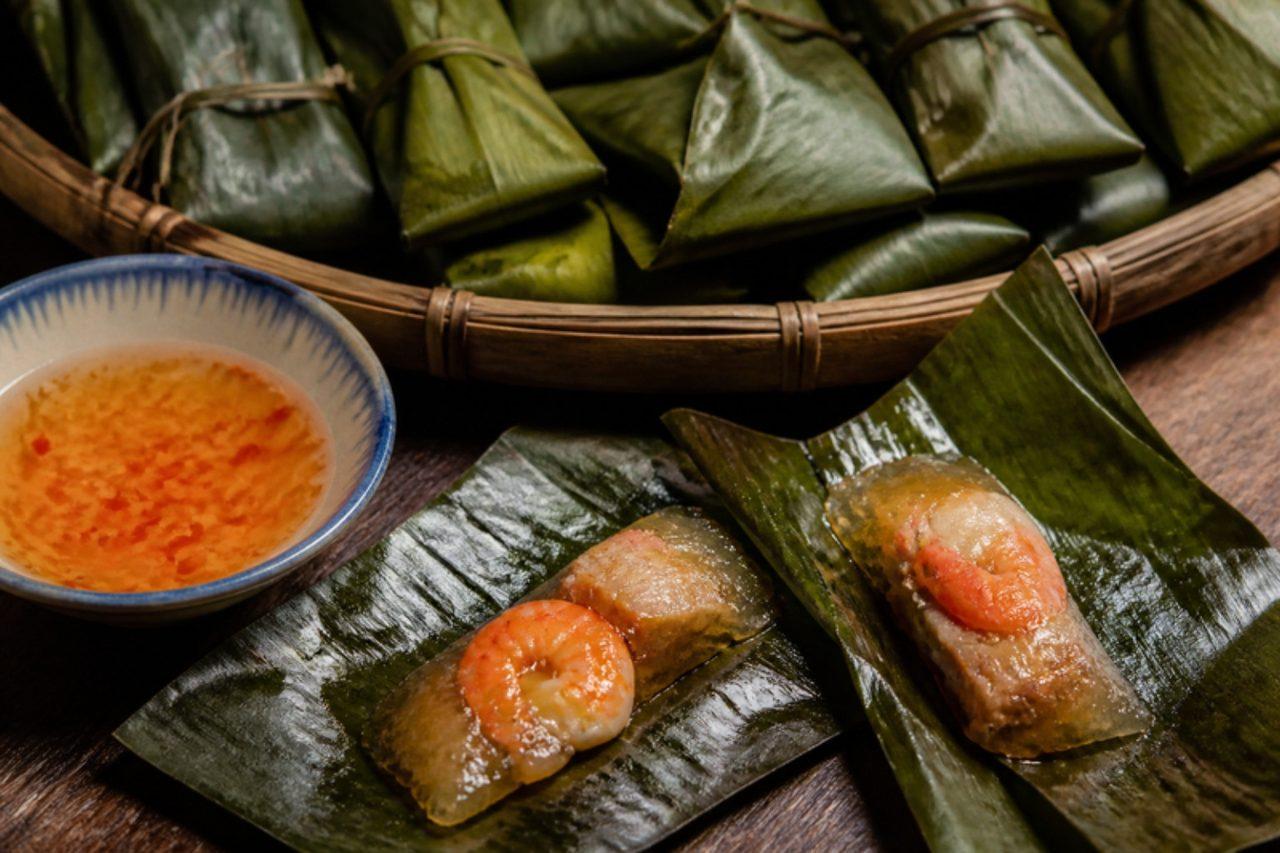
Bánh bột lọcTapioca dumplings with prawn and pork

Huế's market stalls pile up flat banana-leaf packets of bánh bột lọc for an afternoon snack, unwrapped at the table and dipped in sweet, chilli-hot fish sauce. Inside each is a chewy, see-through tapioca dough with a single prawn and a nugget of pork belly cooked down with fish sauce and annatto, so you can see the orange filling glowing through. The prawn and pork are cooked before wrapping, then steamed again. Chef's tip: mix the tapioca starch with boiling water, not warm; with water that is not hot enough the dough stays crumbly and splits around the filling.

by KrazyBadal 0 views

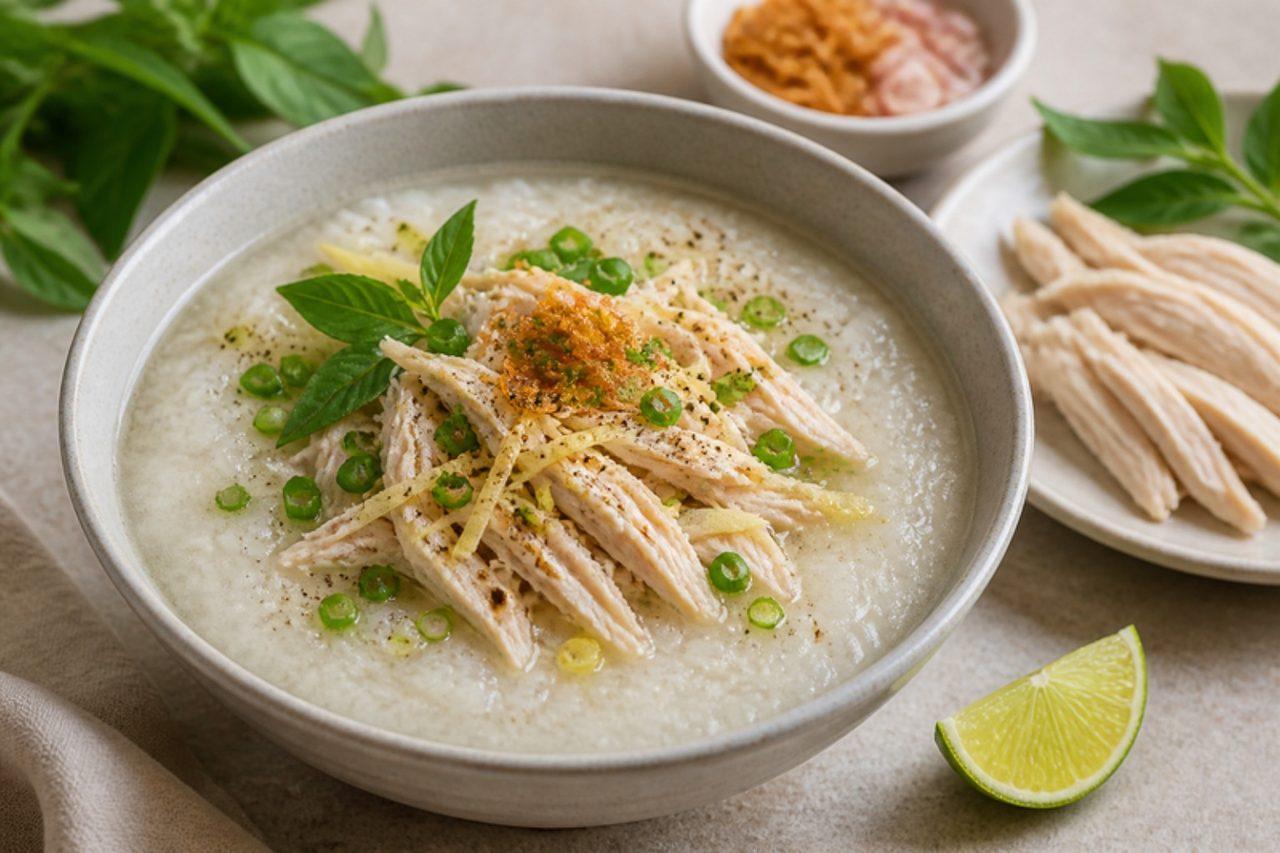
Cháo gàChicken rice porridge

Cháo gà is what Vietnamese mothers cook for anyone with a cold, and what late-night stalls in Hanoi and Saigon ladle out after midnight to people heading home. Toasted rice is simmered in chicken broth until it breaks into a loose, silky porridge, then topped with shredded chicken, lots of ginger and black pepper, spring onion and rau răm, with a side of gỏi gà if you are feeding a crowd. Chef's tip: toast the raw rice in a dry pan before simmering; untoasted rice gives a gluey, bland porridge instead of a nutty, loose one.

by KrazyBadal 0 views

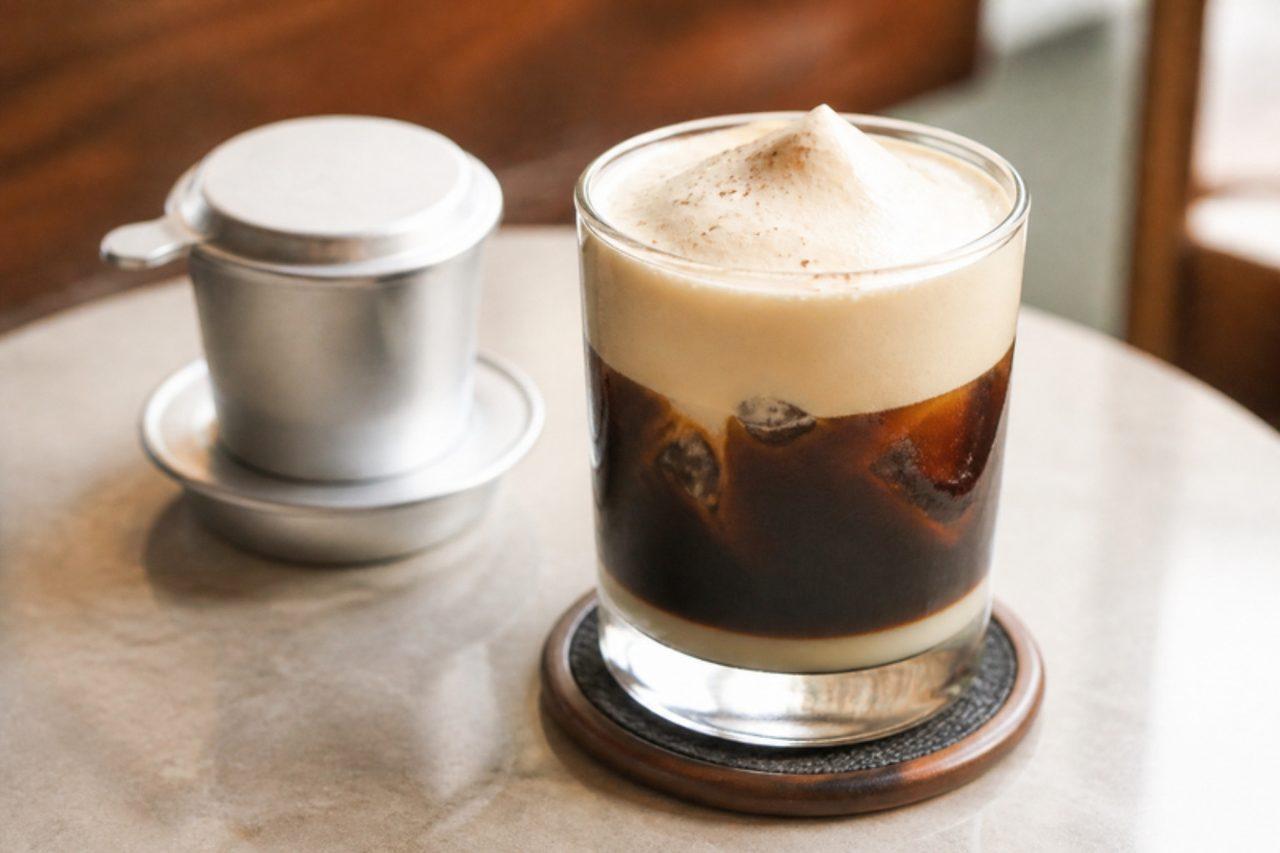
Cà phê muốiSalt coffee

A family café in Huế's citadel quarter began topping its coffee with salted cream, and now cà phê muối is served across central Vietnam and in trendy cafés in Saigon and Hanoi. Sip it without stirring: first the cool, faintly salty cream, then sweet condensed milk and strong phin coffee, the salt rounding off the bitterness much like a pinch in caramel. It is good hot or poured over ice. Chef's tip: use only a small pinch of salt per glass; too much and the drink tastes like seawater rather than salted caramel.

by KrazyBadal 0 views

Gà luộc lá chanhPoached chicken with lime leaves

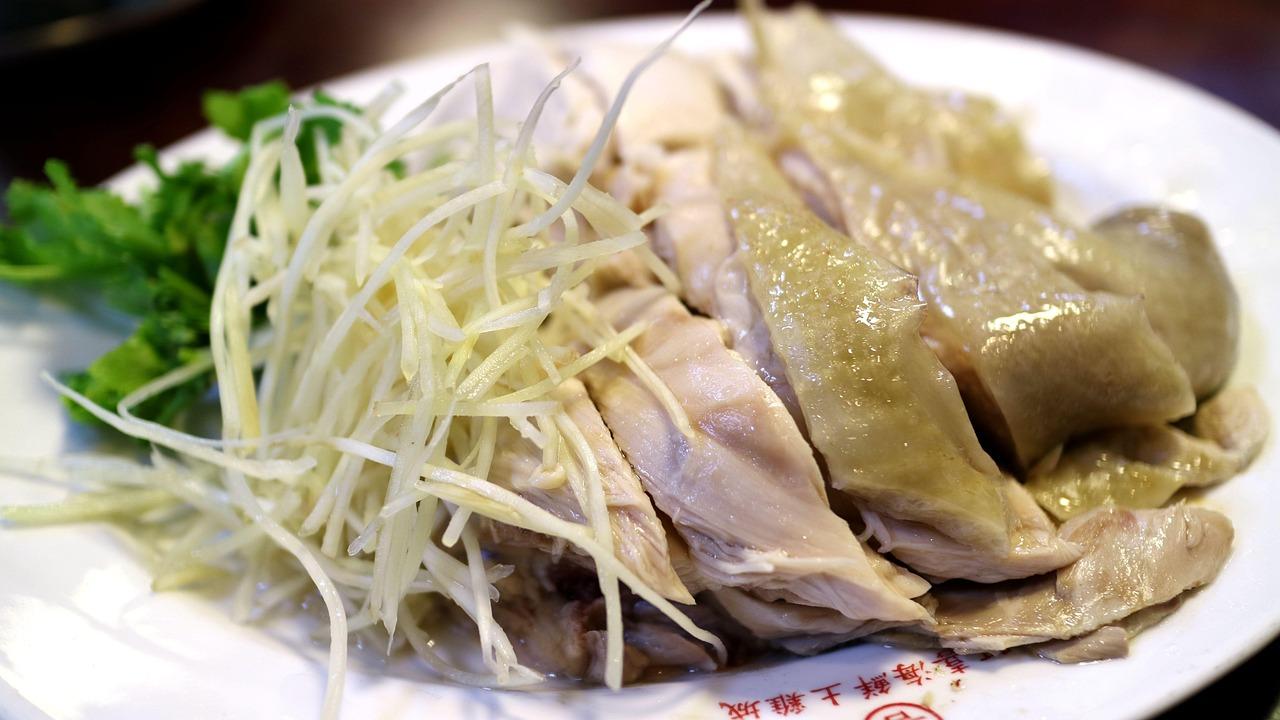
No northern Vietnamese ancestor altar at Tết or on a death anniversary is complete without a whole golden poached chicken, and once it comes down from the altar it is chopped and eaten with hair-thin shreds of lime leaf and a dip of salt, pepper and lime. The skin is taut and yellow, the meat juicy, and the broth goes on to make miến or cháo. Buy a chicken without its head and feet. Chef's tip: plunge the bird into iced water as soon as it is cooked; skip the ice bath and the skin wrinkles, loosens and loses its shine.

by KrazyBadal 0 views

Canh cua rau đayCrab and jute leaf soup

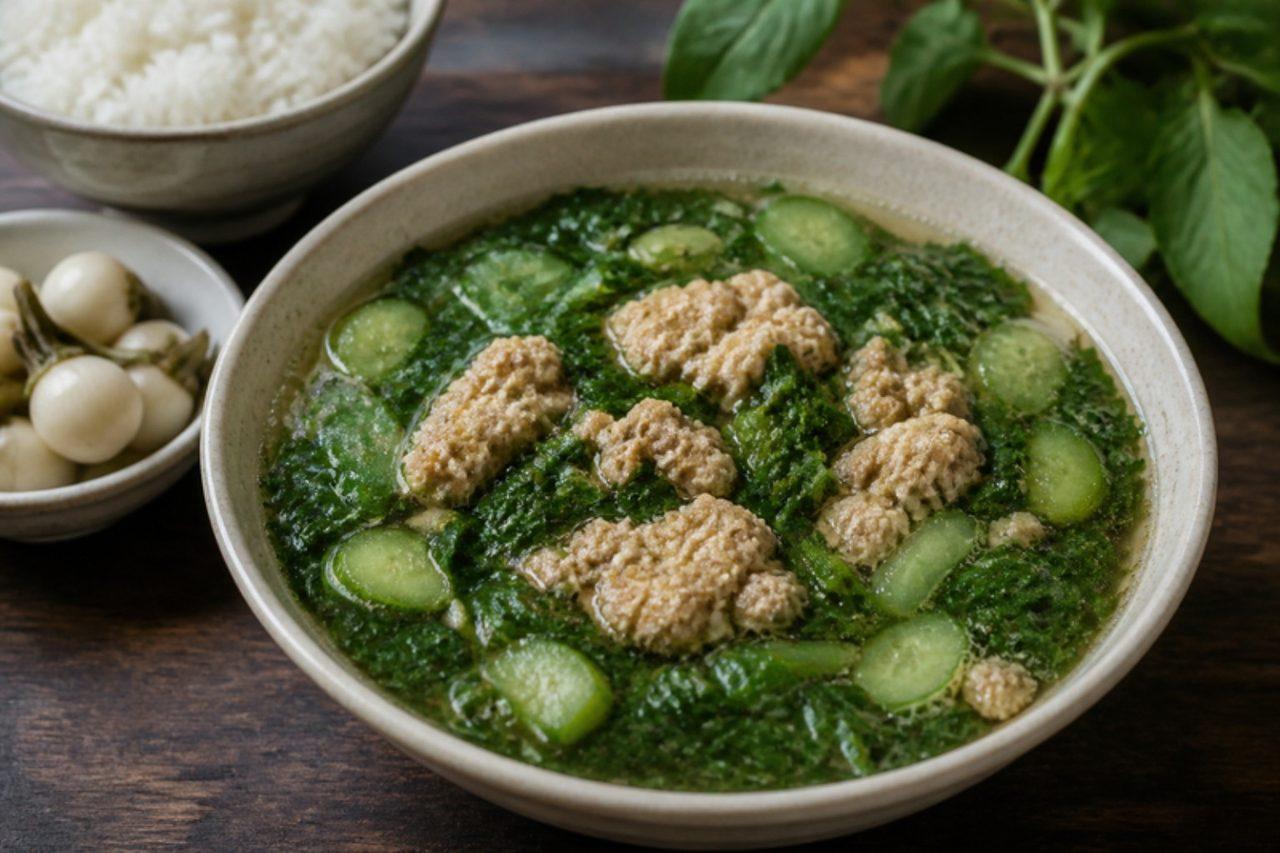
Through the sticky Hanoi summer, the cheapest and most loved soup is canh cua: tiny rice-field crabs pounded and strained so the sweet crab 'curds' float to the top of a broth of slippery jute leaves (rau đay) and luffa, eaten with rice and crunchy pickled aubergines. Away from the paddies, fresh crab meat gives the same soft curds; if you buy live crabs, cook only lively ones and discard any that are dead. Chef's tip: stir the broth only until it comes to a simmer, then leave it; keep stirring and the crab curds break into a cloudy mush.

by KrazyBadal 0 views

Bò lá lốtBeef in betel leaves

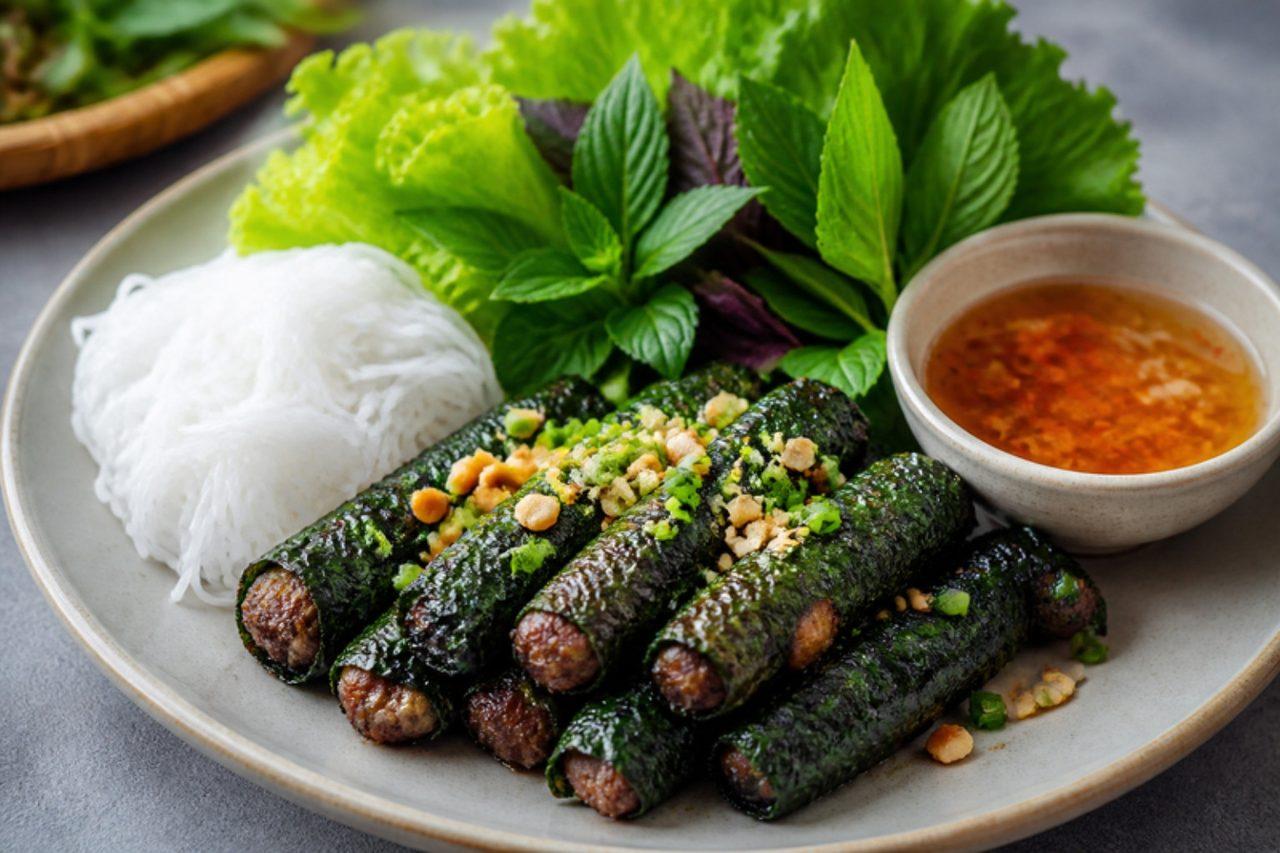
Saigon's evening grill stalls fan charcoal under racks of bò lá lốt, little cigars of garlicky, lemongrass-scented minced beef wrapped in wild betel leaves that char and turn smoky, almost tea-like. They are eaten rolled in rice paper or lettuce with vermicelli and herbs, dipped in nước chấm or the funkier mắm nêm anchovy sauce. Look for lá lốt (Piper sarmentosum) in Vietnamese and Thai grocers; it is not the same as the betel leaf chewed with areca nut. Chef's tip: wrap with the shiny side of the leaf outward and keep the rolls snug; loose rolls unravel on the grill and the filling dries out.

by KrazyBadal 0 views

Bún cá Hải PhòngFish noodle soup

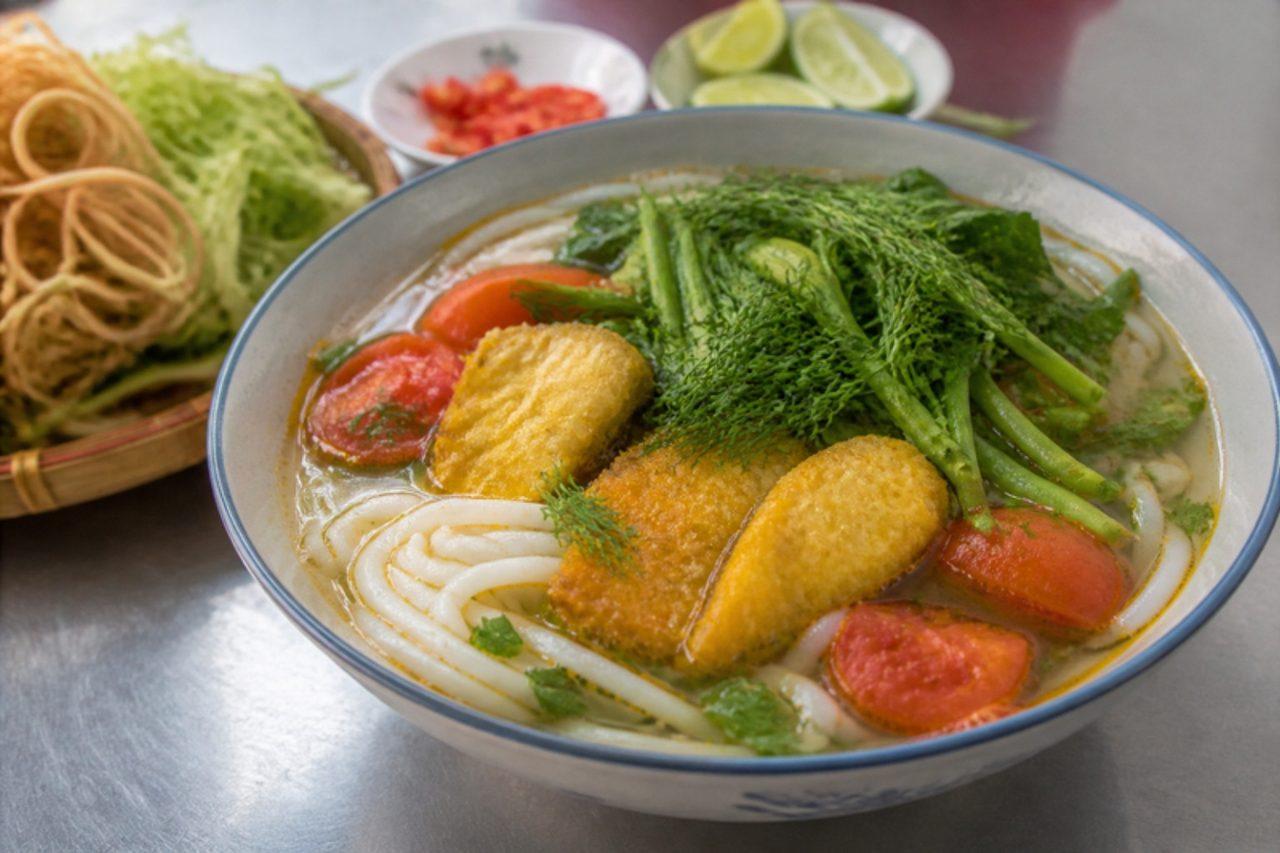
The port city of Hải Phòng starts the day with bún cá: a tomato-tinted broth, fried pieces of turmeric-marinated fish and soft fish cake, round rice noodles, fistfuls of dill and celery and a slick of chilli, eaten at tiny plastic tables by the docks. Snakehead is traditional, but any firm white fish works. Chef's tip: fry the fish and add it to each bowl at the end; simmered in the broth, it breaks up and turns the soup cloudy and muddy-tasting.

by KrazyBadal 0 views

Nộm hoa chuốiBanana blossom salad

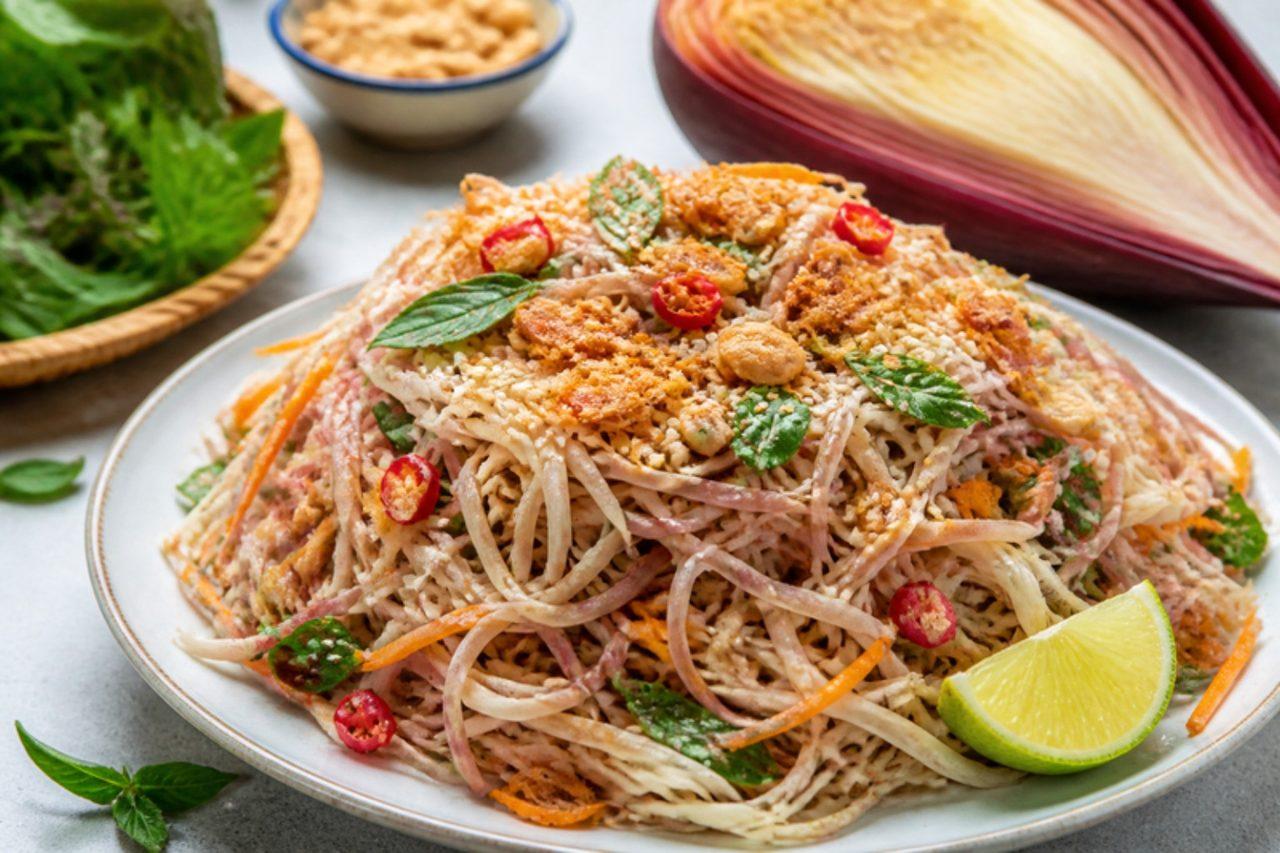
Hanoi cooks make nộm hoa chuối on hot summer days and as a sharp, crunchy partner to boiled meats at family gatherings, when a banana blossom from the market is sliced paper-thin into acidulated water. The pale purple-white shreds taste faintly nutty and astringent, softened by a sweet-sour fish-sauce dressing, carrot, rau răm and plenty of toasted peanuts and sesame; many households add poached chicken or pig's ear. Chef's tip: slice the blossom straight into lime water and keep it submerged; sliced banana blossom left in the air blackens within minutes.

by KrazyBadal 0 views

Bánh giòPork rice dumplings

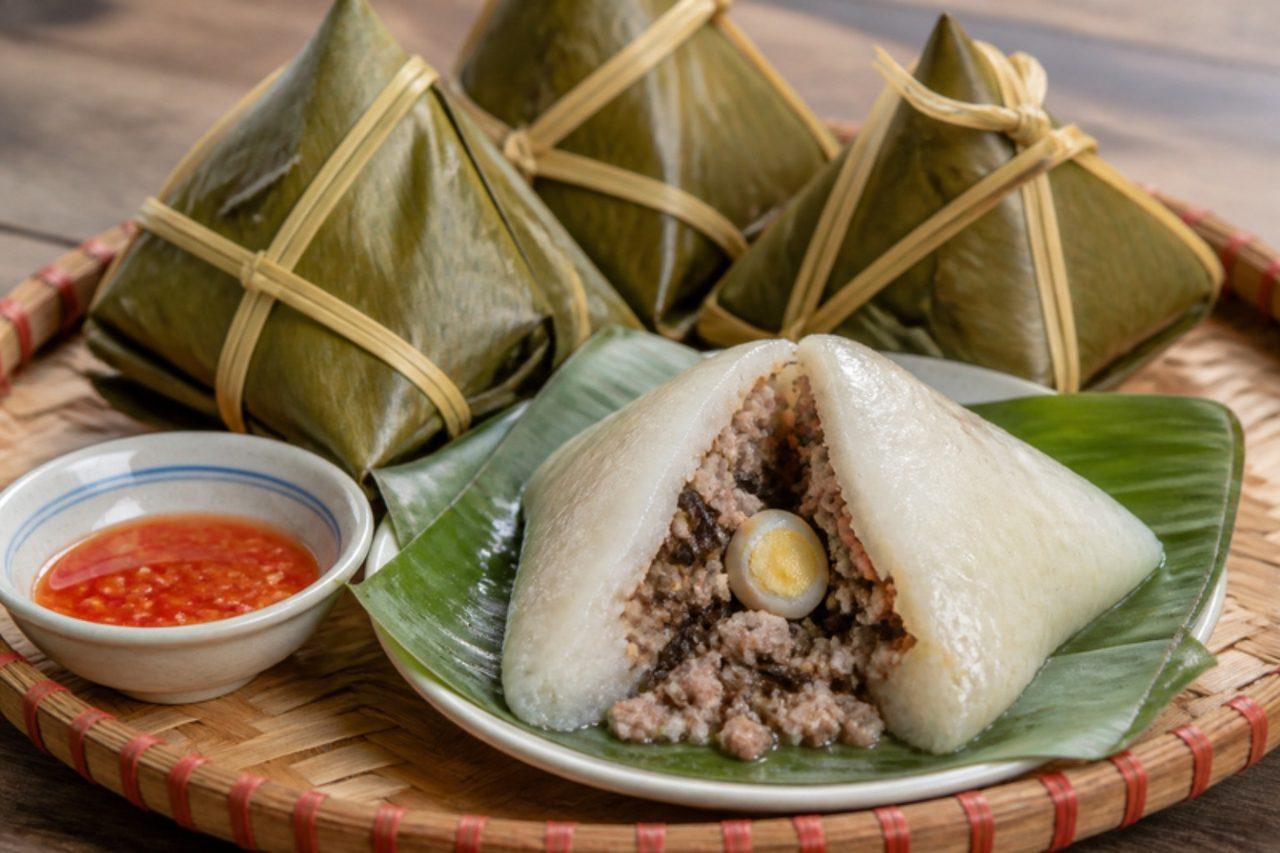
On cold Hanoi mornings vendors cycle round the old quarter with a steaming basket of bánh giò, banana-leaf pyramids of soft, almost pudding-like rice dough around a filling of minced pork, wood ear mushroom and a quail egg. They are breakfast, a late-night bite after the bars, and something to grab at the station. The batter is cooked on the stove first so it can be spooned into the leaves, and the pork filling is fried through before the parcels are steamed. Chef's tip: stir the batter until it is as thick as soft mashed potato before wrapping; if it is still runny it leaks out of the cones and the dumplings collapse.

by KrazyBadal 0 views

Gỏi gà bắp cảiChicken cabbage salad

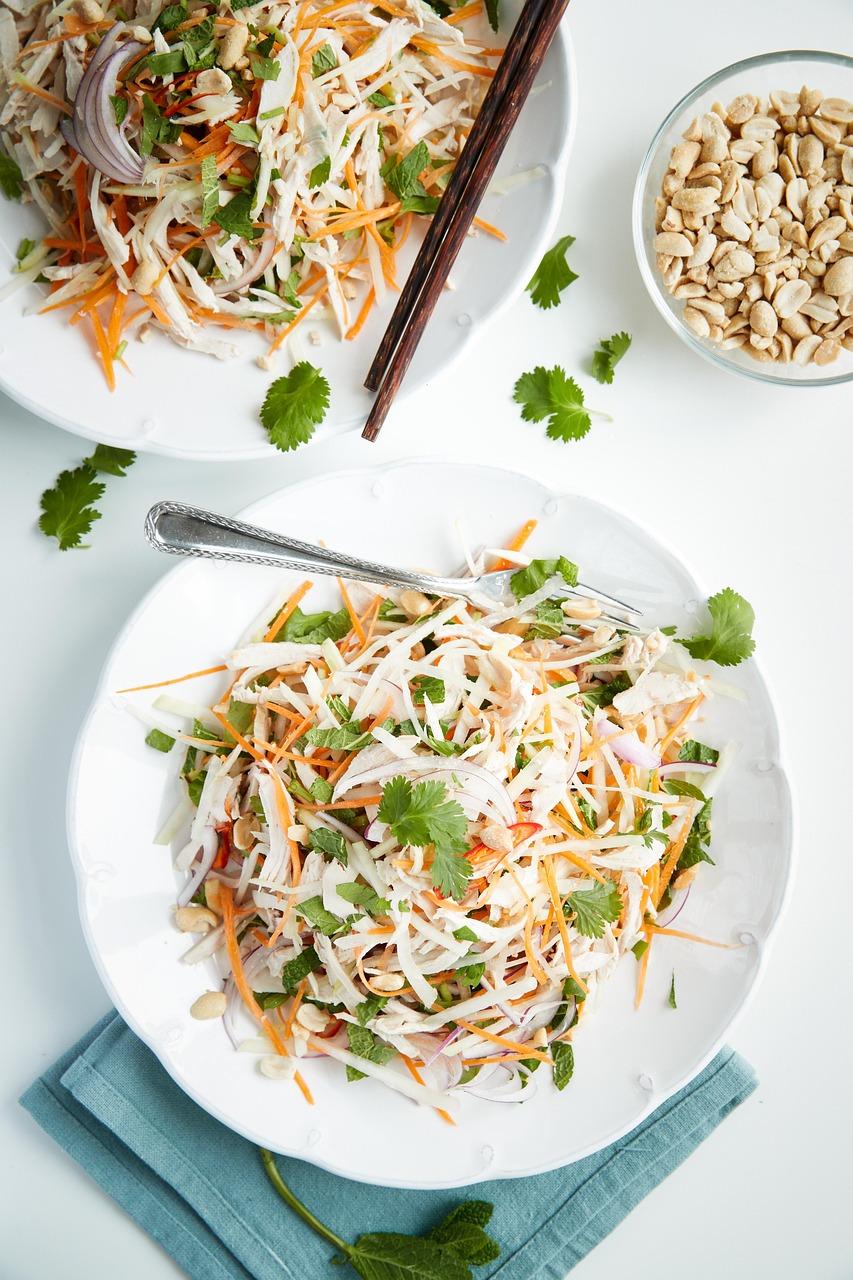
Gỏi gà turns up wherever Vietnamese families gather around a pot of chicken: alongside cháo gà at a weekend lunch, at death anniversaries and at roadside chicken restaurants on the way out of Saigon. Shredded poached chicken is tossed with fine cabbage, onion pickled briefly in vinegar and a fistful of peppery rau răm, then dressed with lime, fish sauce and sugar, so it is lean, crunchy and full of herbs. Chef's tip: soak the sliced onion in vinegar water for 10 minutes; raw onion left as it is overwhelms the delicate chicken.

by KrazyBadal 0 views

Miến gàChicken glass noodle soup

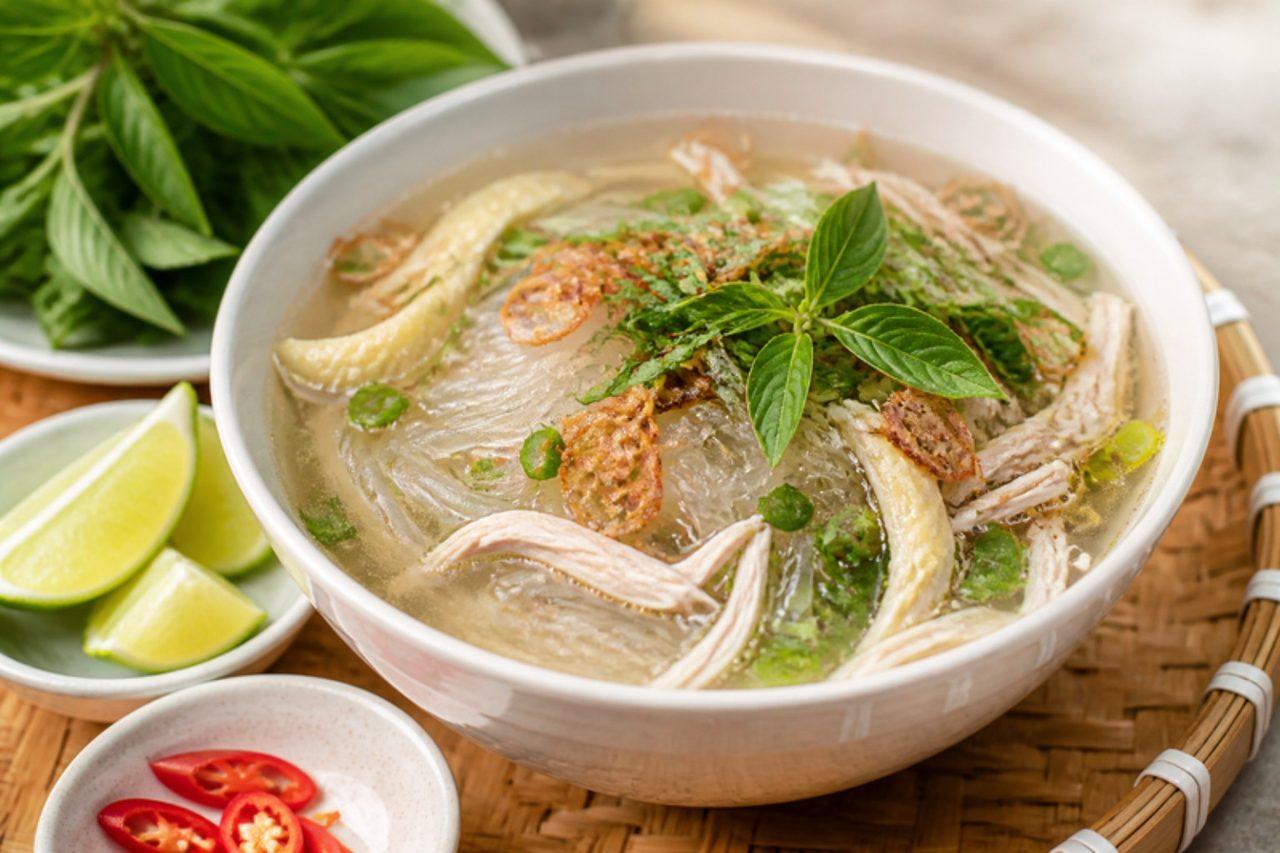
Hanoi eats miến gà on chilly winter mornings and the day after Tết, when every kitchen has chicken broth left from the altar bird. The chewy, translucent mung bean noodles soak up a clean, gingery broth, topped with shredded chicken, spring onion, rau răm and fried shallots; a squeeze of lime and a few slices of chilli finish it at the table. It is light enough for breakfast and gluten free. Chef's tip: soak the noodles and blanch them separately just before serving; cooked in the broth, they drink it all and swell into a soggy tangle.

by KrazyBadal 0 views

Nước sâmCooling herbal drink

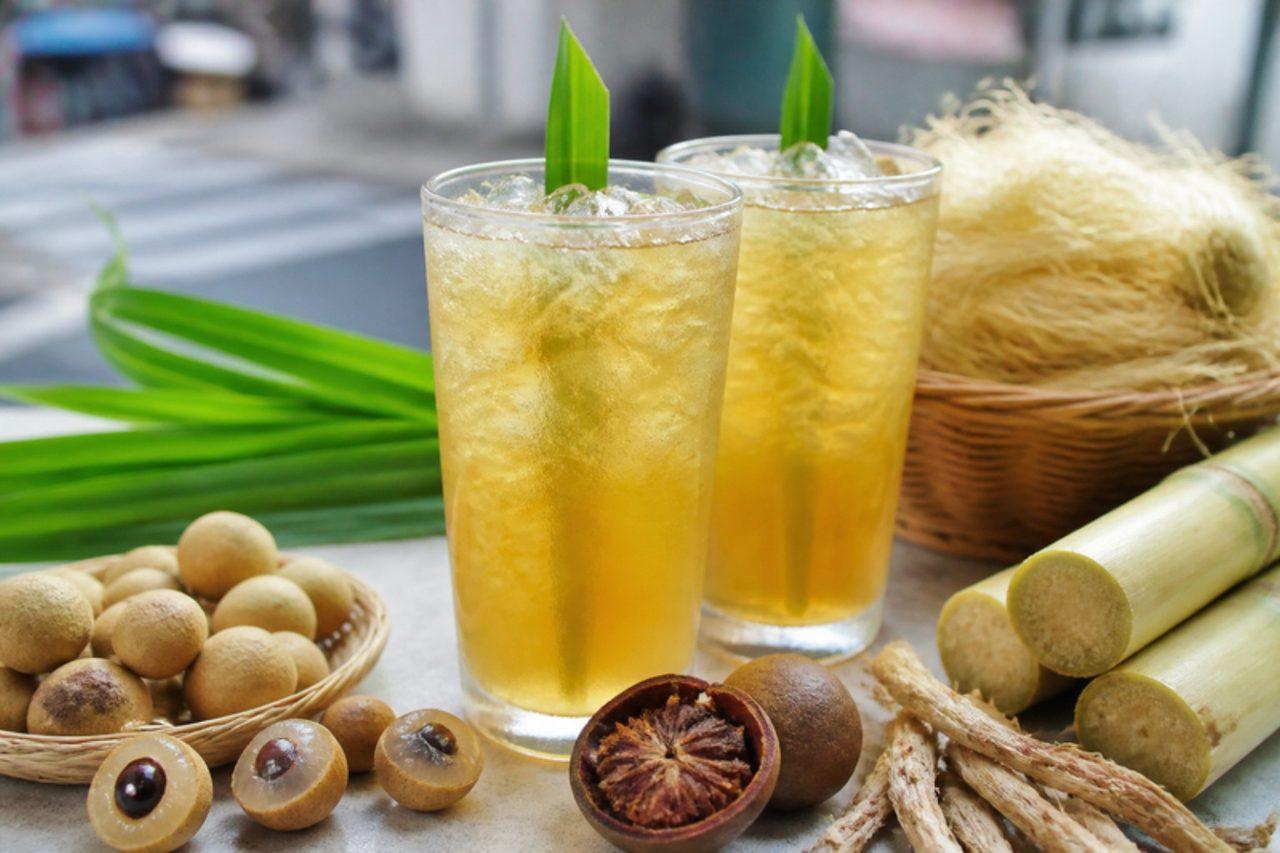
Big glass jars of amber nước sâm sit on pavement stalls all over Hồ Chí Minh City, ladled over ice for anyone who has eaten too much fried food or spent too long in the sun. The brew is gently sweet and earthy, with honeyed dried longan, the liquorice note of monk fruit and fresh sugarcane, and Chinese-Vietnamese herbalists sell ready-mixed bags of the dried roots. Make a big pot: it keeps for four days in the fridge. Chef's tip: simmer, never boil hard; a rolling boil pulls bitterness out of the roots and turns the drink cloudy.

by KrazyBadal 0 views

Cà phê trứngEgg coffee

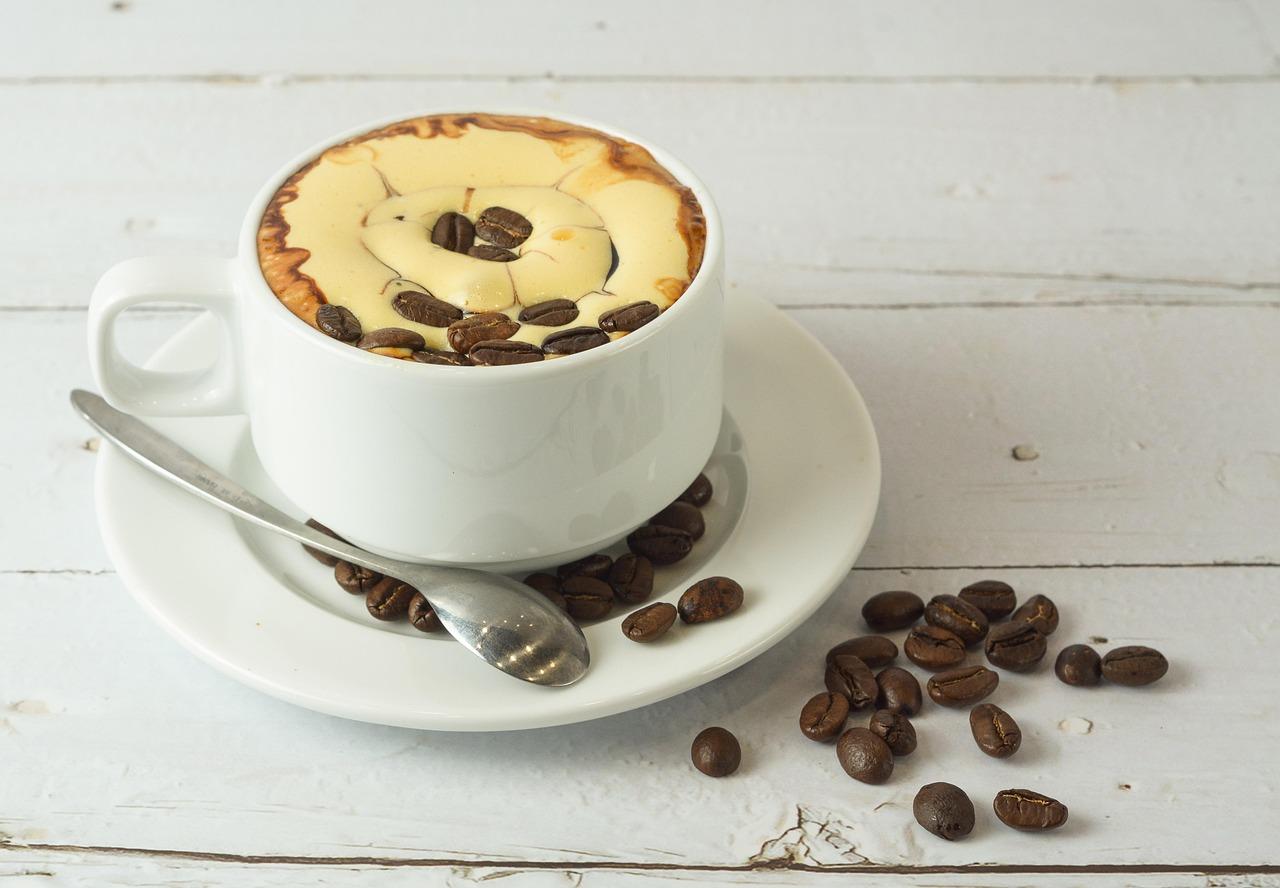
Hanoi's old-quarter cafés, up narrow stairs and in tiny back rooms, serve cà phê trứng in a small cup set in a bowl of hot water so it stays warm while you spoon through the custardy foam into bitter coffee below. The topping is egg yolk whisked with condensed milk until pale and thick, a trick that began when fresh milk was scarce in the 1940s. Because the yolk is not cooked, use pasteurised eggs for pregnant women, young children, older people or anyone with a weakened immune system. Chef's tip: whisk longer than you think; under-beaten yolk tastes eggy and sinks straight into the coffee instead of sitting on top.

by KrazyBadal 0 views

Bò tái chanhLime-cured beef salad

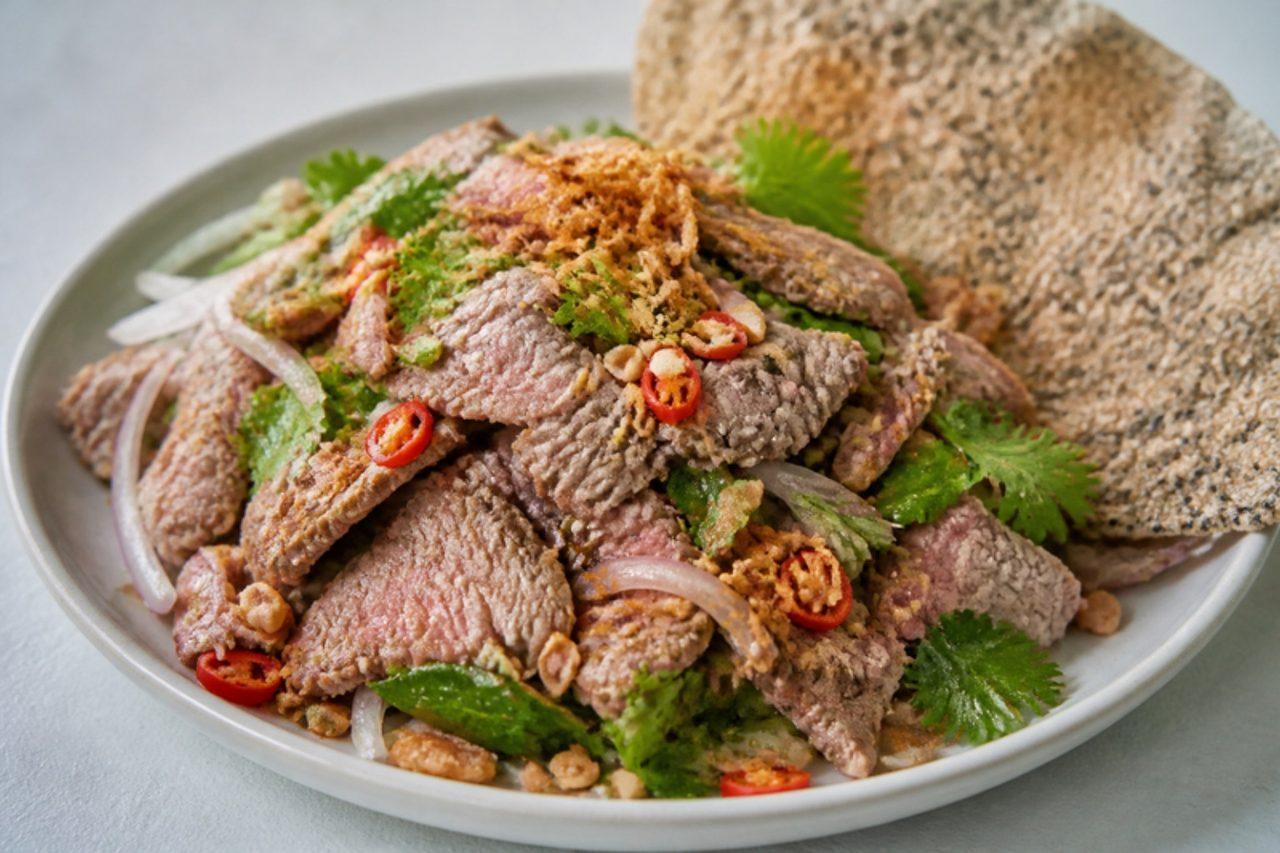
In Saigon's beer gardens bò tái chanh arrives as the first plate of the evening, a sharp, herb-heavy pile of thin beef slices dressed in lime juice and fish sauce with onion, rau răm and peanuts, scooped up with sesame rice crackers. Street cooks often leave the beef almost raw and let the lime 'cook' it; lime does not make beef safe, so this home version blanches the slices for a few seconds until they are cooked at least to medium, still tender and rosy at the centre. Chef's tip: squeeze out the lime juice before dressing; beef left sitting in a pool of lime turns grey and chewy.

by KrazyBadal 0 views

Chanh muốiSalted lime drink

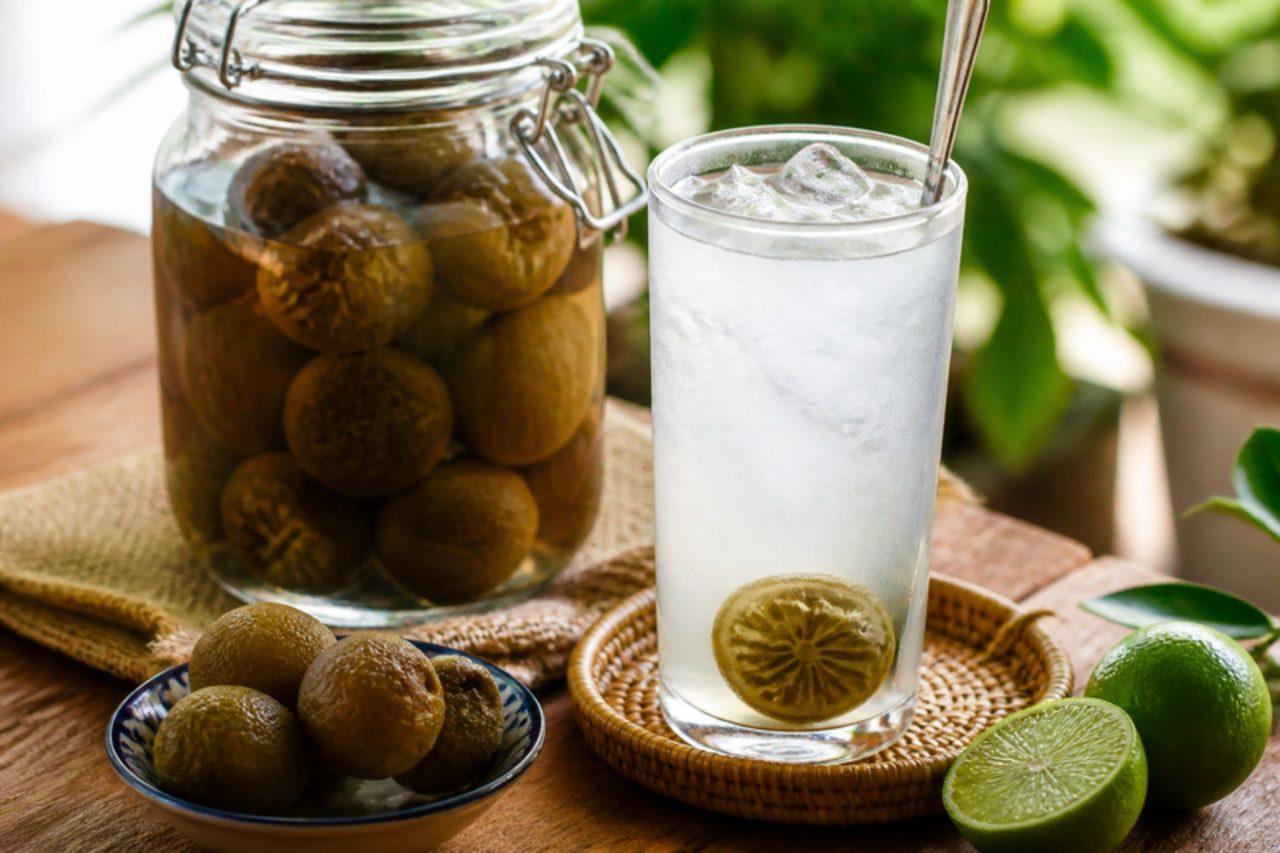
Vietnamese households keep a jar of chanh muối, limes cured in salt until they turn soft and olive-brown, on a sunny shelf for months; on a sweltering day a lime or two is muddled with sugar and topped up with ice water or soda water. The drink is salty, sour and sweet all at once, and grandmothers swear by it for sore throats and after a bout of sun. This recipe makes the jar of cured limes (allow four weeks before the first glass) and then the drink itself. Chef's tip: dry the limes completely after blanching; any water left on the skins lets mould take hold in the jar.

by KrazyBadal 0 views

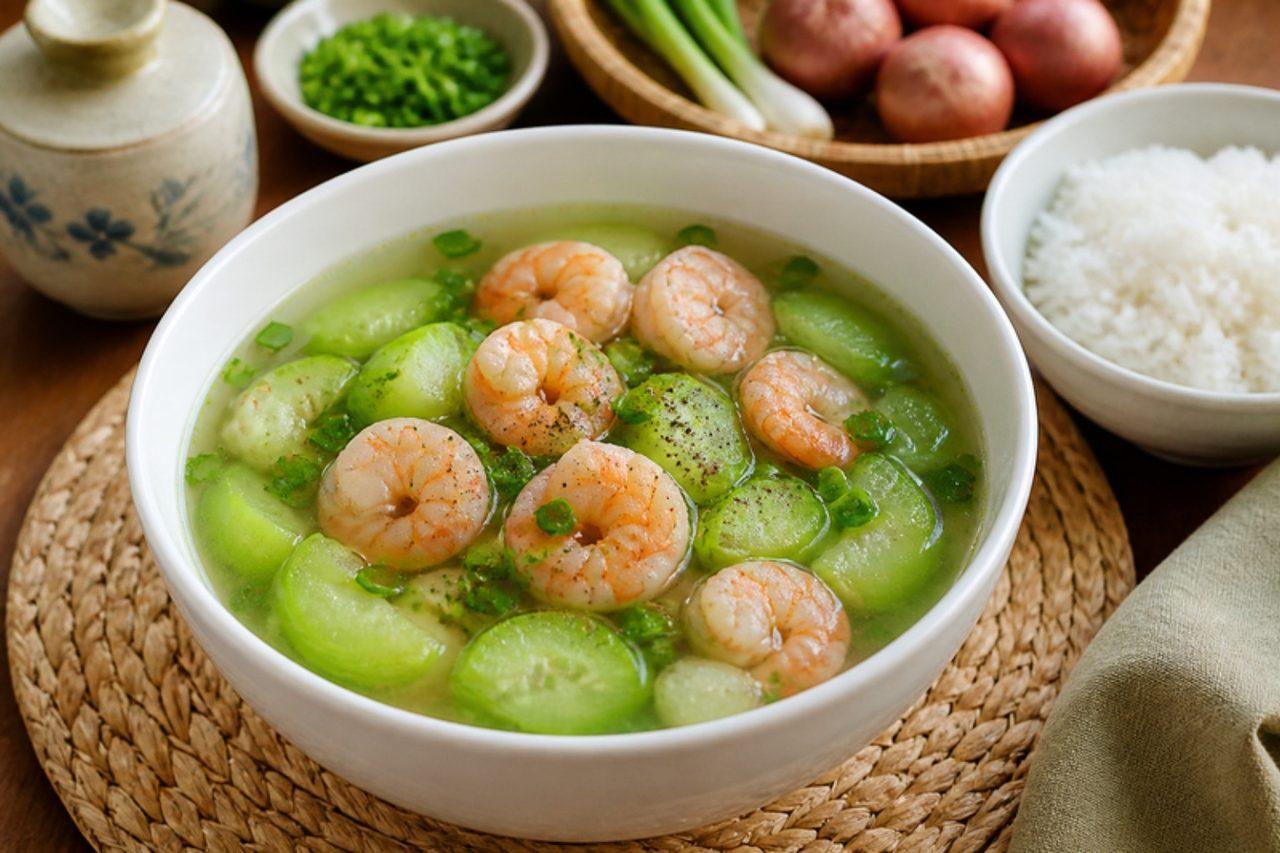
Canh mướp tômLuffa and prawn soup

In summer the trellises of Vietnamese gardens hang heavy with luffa, and canh mướp is what goes on the table most evenings from Hanoi to Huế: a clear, barely salted broth with soft, sweet gourd and a little chopped prawn, ladled over rice through the meal. It takes 20 minutes and very little oil, which is why mothers make it for anyone feeling the heat. Chef's tip: add the luffa last and pull the pot off as soon as it turns translucent; overcooked luffa goes slimy and the soup turns grey.

by KrazyBadal 0 views

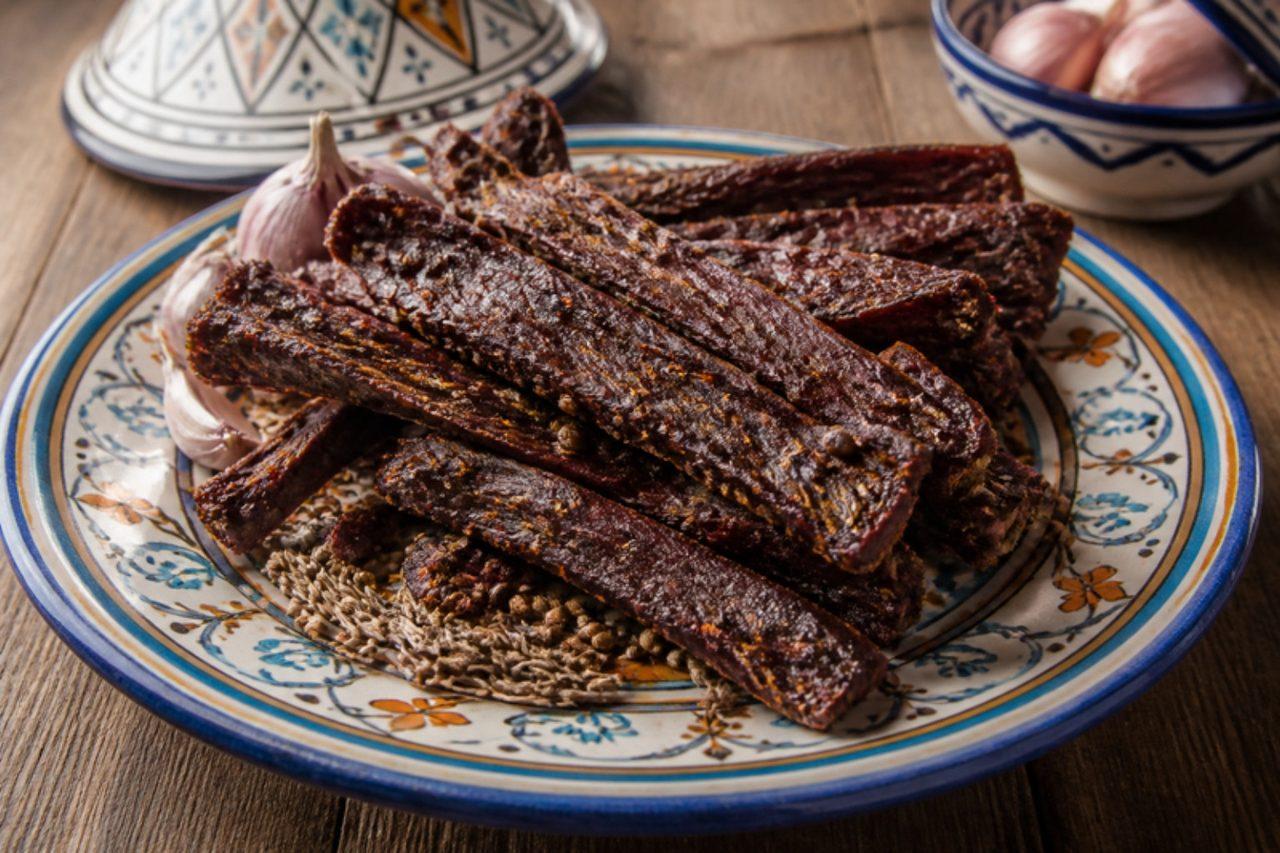
Gueddid (spiced dried lamb, safe oven method)

After Eid al-Adha, families across Morocco traditionally cut part of the sacrificed lamb into strips, rub it with salt, garlic, cumin and coriander and hang it on rooftop lines in the sun for days; the gueddid is then kept for Ashura couscous, lentil stews and eggs. Sun-drying meat at home is not safe without strict control, so this version cures the strips in the fridge, then dries them in a low oven until the meat is cooked through to at least 71 °C and leathery-dry, with the same deep, salty, cumin flavour. The common mistake is cutting thick strips: anything over 1 cm stays moist in the centre. Chef's tip: semi-freeze the meat for an hour first so you can slice it thinly and evenly. Not for anyone on a low-salt diet.

by KrazyBadal 0 views

Showing 24 of 307 recipes

Show more recipes

Page 1 of 13