Skip to content
Recipes

All recipes

Vegetarian, or something you can't eat? Set your diet once and we'll hide recipes that don't fit.

Chilcano de pescadoClear fish broth

In the fishermen's terminals of Chorrillos and Callao, chilcano is what you drink on a Sunday morning after a long night: a clear, gingery broth made from the heads and bones left over from cleaning fish for ceviche, with chunks of fish, red onion, chilli and a squeeze of lime in the bowl. It is light and warming, around 160 kcal a bowl, and still gives about 24 g of protein from the fish fillet and the broth. The common mistake is squeezing the lime into the pot while it boils, which turns it bitter; add it to each bowl at the table. Don't boil the bones for more than 30 minutes either, or the broth turns cloudy and harsh. Chef's tip: ask the fishmonger for heads and frames from mild white fish like sea bass or cod, and leave out oily fish such as mackerel, which makes the broth strong and fishy.

by KrazyBadal 0 views

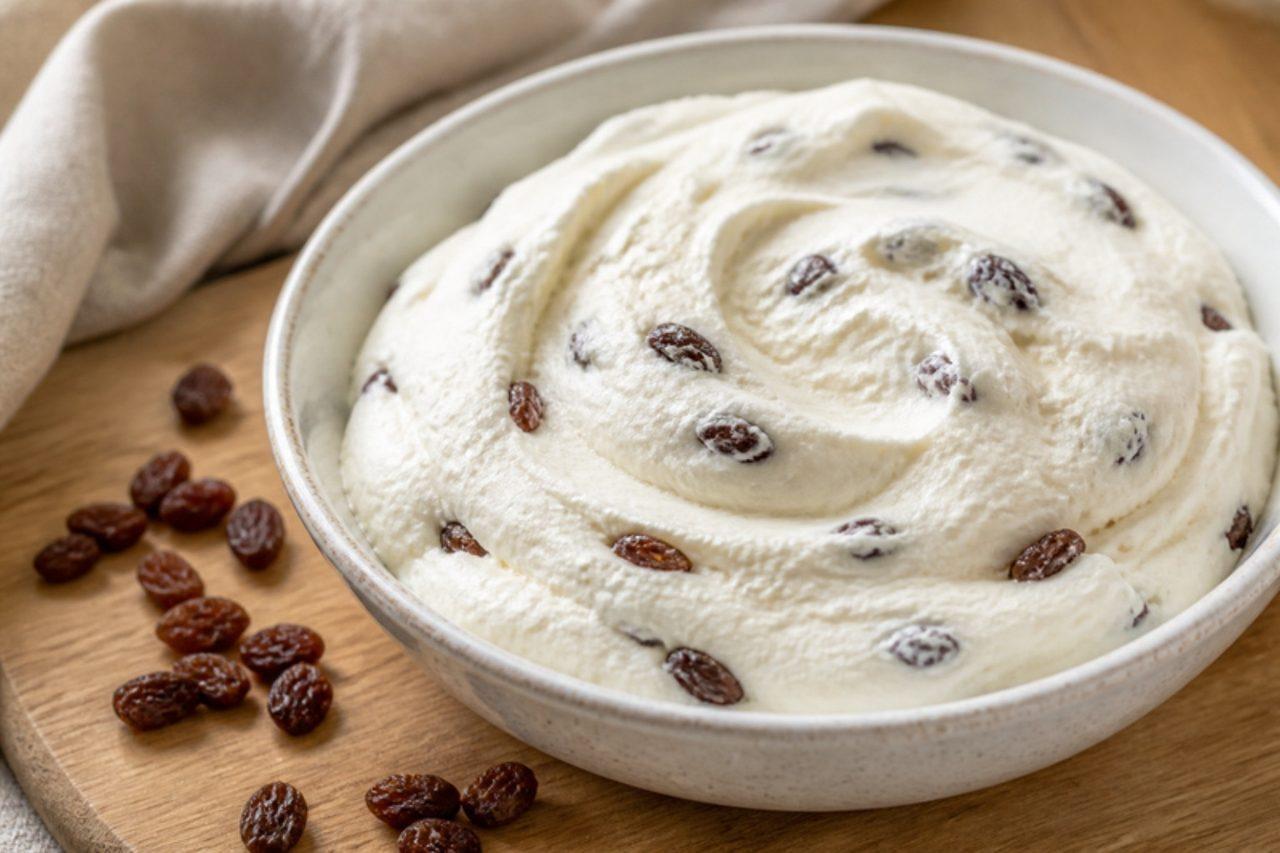
Tvorozhnaya massa s izyumom (sweet tvorog cream with raisins)

All over Russia, tvorozhnaya massa is the smooth, sweet curd cheese of childhood breakfasts and afternoon teas, and at Easter it is the base of paskha. Fresh tvorog is pressed through a sieve and beaten with soft butter, sugar and vanilla until it is pale and fluffy, then raisins are stirred in. It is creamy and tangy, sweet but light, and high in protein. Spread it on bread, spread it on rye toast or eat it from a bowl with tea and berries. Nothing is cooked and no egg goes in: beating the butter into the sieved curd gives it a mousse-like body, and it firms up nicely in the fridge, so nothing is needed to bind or set it. Chef's tip: soften the butter fully and sieve the tvorog first; the common mistake is beating cold butter into grainy curd, which leaves hard flecks and a lumpy, heavy cream.

by KrazyBadal 0 views

Chicharrón de pescadoCrisp fried fish chunks

Up and down the Peruvian coast, from Chorrillos in Lima to the beaches of Piura, chicharrón de pescado is the crunchy plate ordered alongside ceviche at a long seafood lunch: bite-size chunks of firm white fish marinated briefly in garlic and lime, dusted in flour and fried, then served with fried cassava, salsa criolla and tartar or rocoto sauce. Using frozen peeled cassava keeps it to half an hour. The common mistake is leaving the fish in the lime too long: after about ten minutes the acid starts to 'cook' the outside and the coating slips off. Chef's tip: toss the floured pieces in a sieve to shake off every bit of loose flour; a thin coat fries crisp, a thick one turns pasty.

by KrazyBadal 0 views

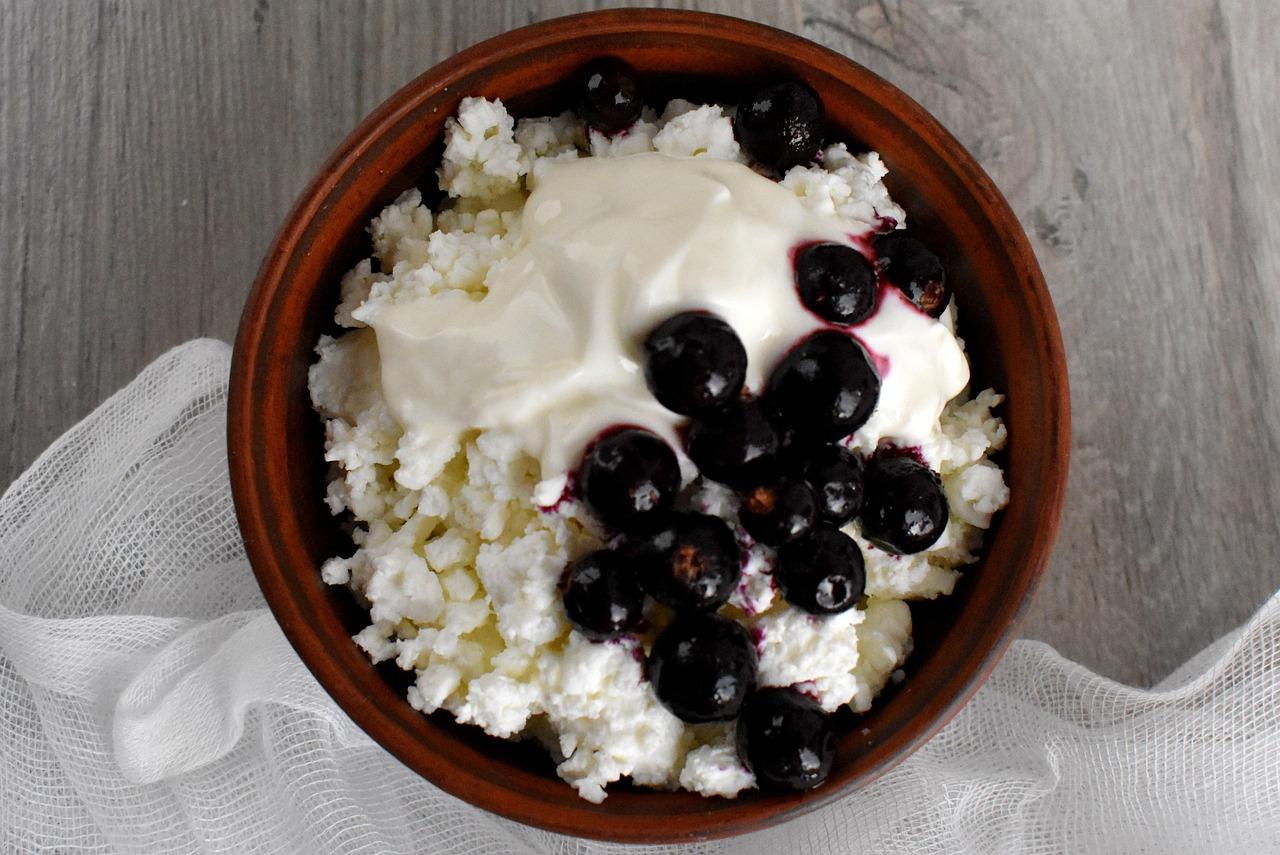
Tvorog so smetanoy (farmer's cheese with sour cream)

Across Russia, a bowl of soft tvorog with a spoon of smetana and a little sugar or jam is the breakfast grandmothers swear by and the supper students live on. The fresh, slightly sour curd and the cool cream make something like a rustic cheesecake you eat with a spoon, high in protein and ready in five minutes; add berries in summer. Tvorog, like quark and cottage cheese, is set with culture rather than rennet, so it suits vegetarians. The mistake is buying the driest block and serving it as it is, which feels chalky; break it up and loosen it with the smetana first. Chef's tip: mash the tvorog with the sugar and let it stand two minutes so the sugar dissolves before you add the cream.

by KrazyBadal 0 views

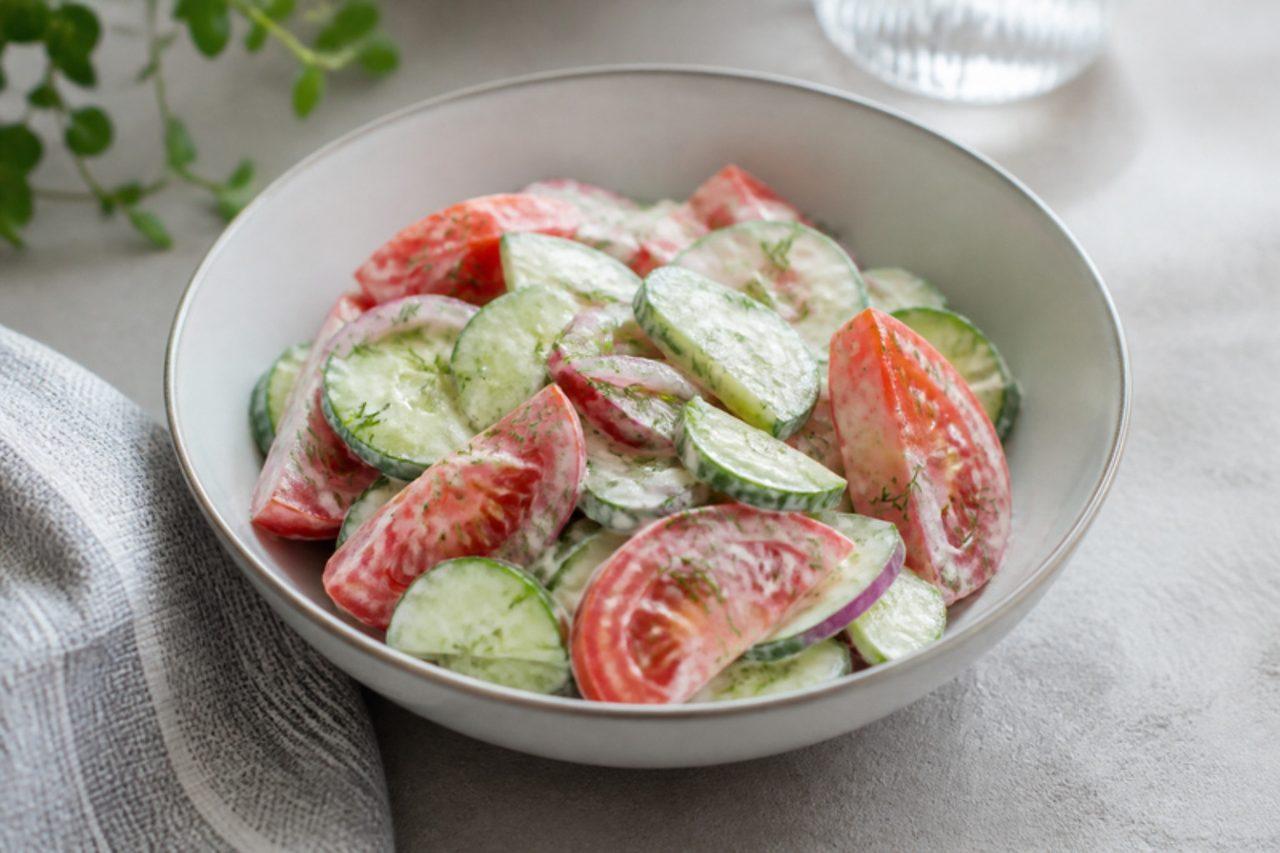
Salat iz ogurtsov i pomidorov (Russian cucumber and tomato salad)

From Moscow dachas to Siberian kitchens, this is the salad that sits on almost every summer table: cucumber, ripe tomato and onion chopped together with dill, dressed either with smetana for a creamy version or with unrefined sunflower oil, whose nutty taste is the flavour of the Russian countryside. It is eaten beside boiled potatoes, kasha or grilled food, and it is made minutes before the meal. The usual mistake is salting it early: the tomatoes and cucumbers release their juice and the salad turns into a watery soup. Chef's tip: if you can find it, use unrefined, cold-pressed sunflower oil; it tastes of toasted seeds and makes the plainest salad sing.

by KrazyBadal 0 views

Pejerrey arrebozadoBattered fish fillets with onion salsa

Pejerrey arrebozado is a Lima classic from the cevicherías and home kitchens of the coast, eaten at lunch on a plate with white rice, a heap of sharp salsa criolla and sometimes boiled potato. The pejerrey, a small silverside, is opened into butterflied fillets, dipped in a light egg-and-flour batter and fried golden. Outside Peru, use small fillets of whiting, sole, haddock or tilapia. The batter here uses sparkling water, not beer, so it is alcohol free. The common mistake is frying in oil that isn't hot enough: the batter drinks the oil and turns greasy, so test with a drop of batter first. Chef's tip: make the salsa criolla first and let the onion sit in lime for ten minutes; it softens its bite and turns a pretty pink.

by KrazyBadal 0 views

Tallarines rojosSpaghetti in red sauce with chicken

Tallarines rojos is the Sunday-lunch and weeknight pasta of homes all over Peru, from Lima to Arequipa: spaghetti in a sweet, deep-red sauce of blended tomato, onion and garlic with a little ají panca and oregano, often with pieces of chicken cooked right in it. Children love it, and it is served with a sprinkle of grated cheese and sometimes a spoon of huancaína on the side. The usual mistake is cooking the sauce too briefly, so it tastes of raw onion; let the blended tomato fry until it darkens and the oil shows at the edges. Chef's tip: a bay leaf and a spoon of ají panca paste give the sauce its Peruvian character; paprika will do if you can't find the paste.

by KrazyBadal 0 views

TopfengolatschenSweet quark puff pastry squares

A Topfengolatsche is what Viennese office workers grab from the bakery on the way in, and what grandparents order with a Melange in a coffee house on a Sunday afternoon. The corners of a puff pastry square are folded over a lemony, vanilla-scented filling of Topfen (Austrian quark) with plump raisins, and the top gets a thin white glaze. It is flaky, light and not too sweet. Raisins are sometimes soaked in rum; warm water or orange juice works just as well, and the recipe below is alcohol-free. Wet quark is the classic problem, because it turns the filling runny and it leaks out in the oven. Chef's tip: hang the quark in a sieve lined with a clean cloth for an hour, or squeeze it, until it is as thick as soft cream cheese.

by KrazyBadal 0 views

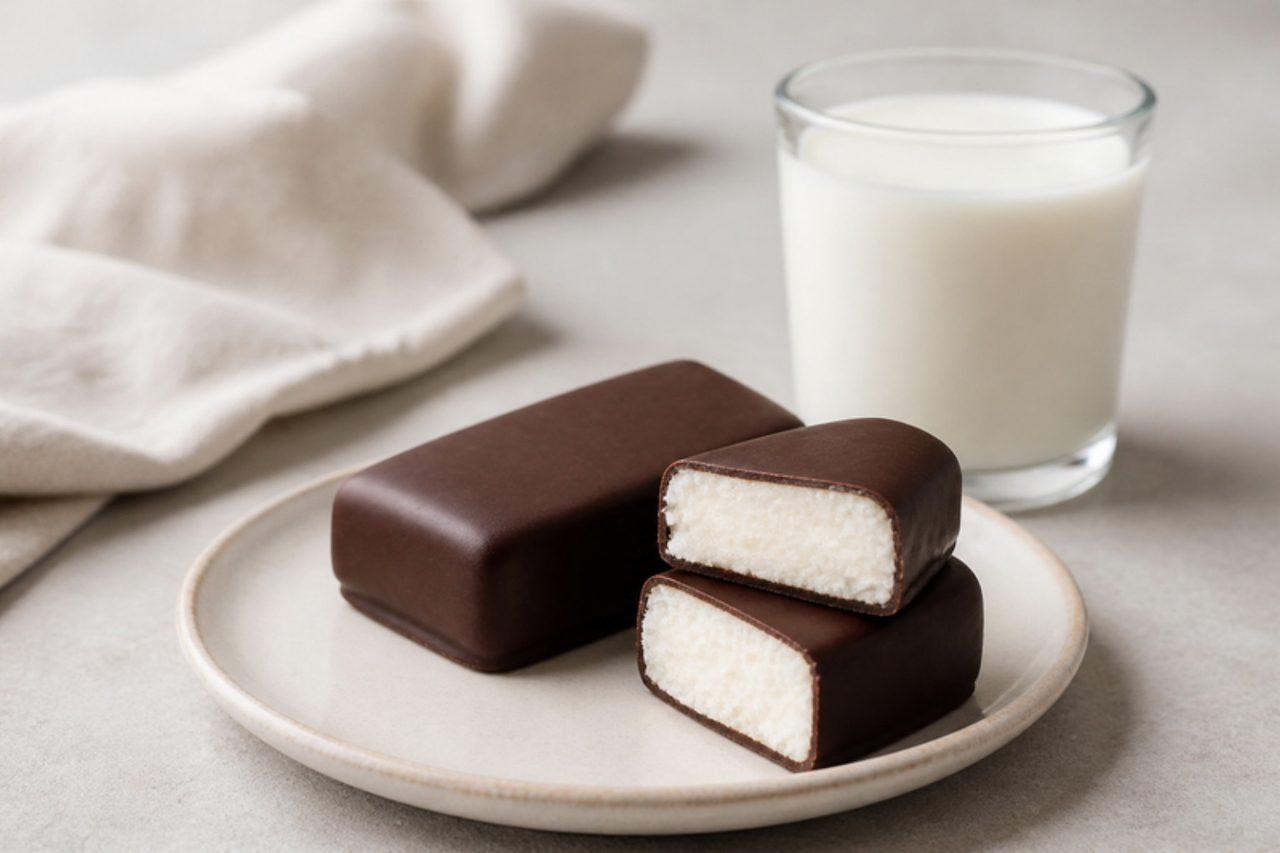
Glazirovanny syrok (chocolate-glazed curd bars)

Glazirovanny syrok, the chocolate-coated curd cheese bar, has been sold in Russian dairy aisles since Soviet times and is still what children across Russia, Ukraine and the Baltics grab after school. Made at home, it is a firm, creamy, gently sweet vanilla tvorog filling under a thin snap of dark chocolate, like a tiny cheesecake bar. This version uses less sugar than shop bars. It contains milk (and may contain soya in the chocolate). Chef's tip: press the tvorog through a sieve first; it is the only way to get the smooth, dense texture of a real syrok.

by KrazyBadal 0 views

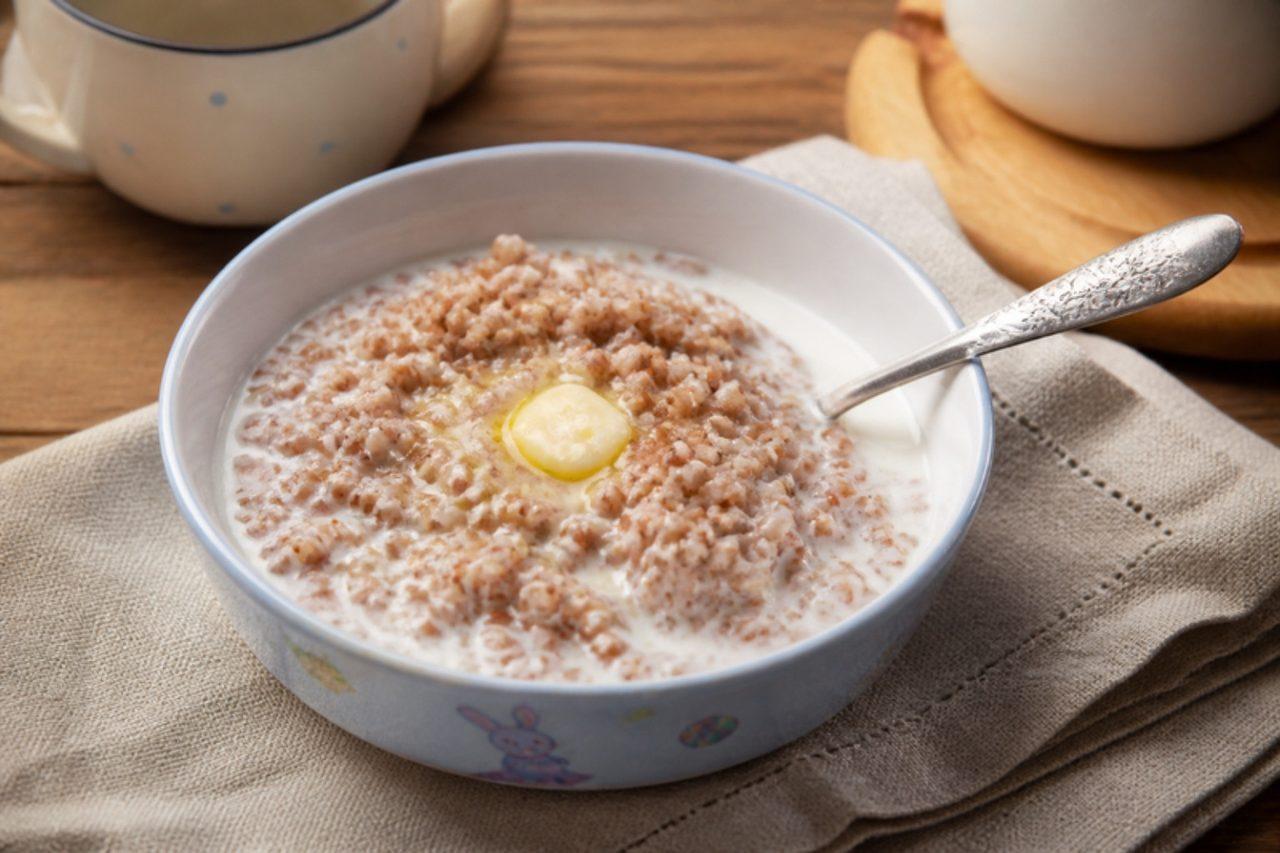
Grechka s molokom (buckwheat with milk)

Grechka s molokom, buckwheat groats cooked soft and served in a bowl of warm milk with a little butter, is the breakfast or light supper that generations of Russian children have eaten at home and in nursery school. The groats are earthy and nutty and the milk makes them gentle and sweet-tasting, without any sugar. Buckwheat is naturally gluten free (despite its name); the dish contains milk and has no egg, nuts, soya, sesame or fish. Chef's tip: use toasted buckwheat (the brown kind sold for kasha), which has the rounder, nuttier flavour.

by KrazyBadal 0 views

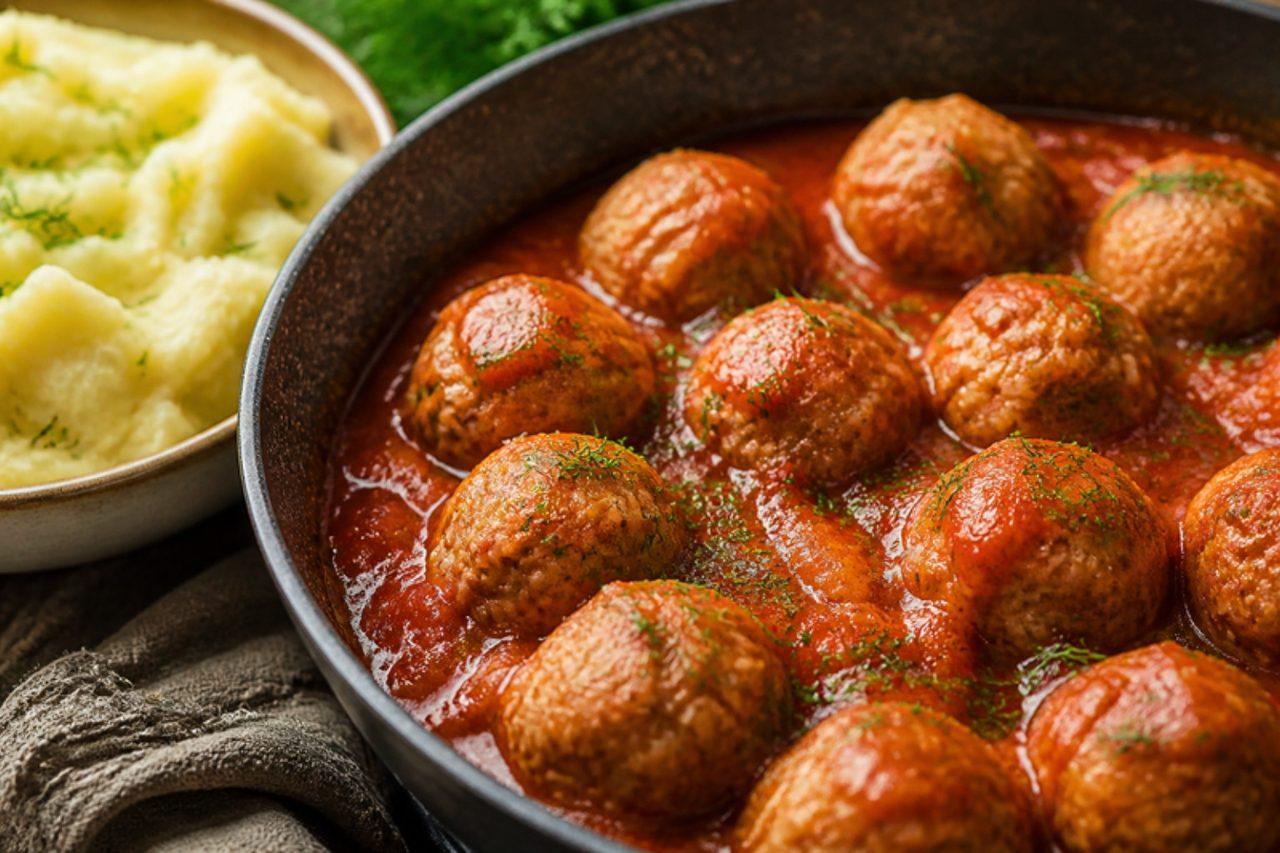
TefteliMeatballs in tomato sauce

Ask anyone who went to a Soviet school canteen and they will remember tefteli: soft meatballs studded with rice, served in a ladle of tomato sauce with buckwheat or mashed potato. They are still the go-to dinner for small children from Moscow to Yekaterinburg because they are tender enough to cut with a spoon. They are softer and plainer than kotlety and are always cooked in sauce, never just fried. The common mistake is boiling the sauce hard, which breaks the meatballs apart. Chef's tip: roll each ball with wet hands and leave them in the fridge for 15 minutes before cooking; they hold together much better.

by KrazyBadal 0 views

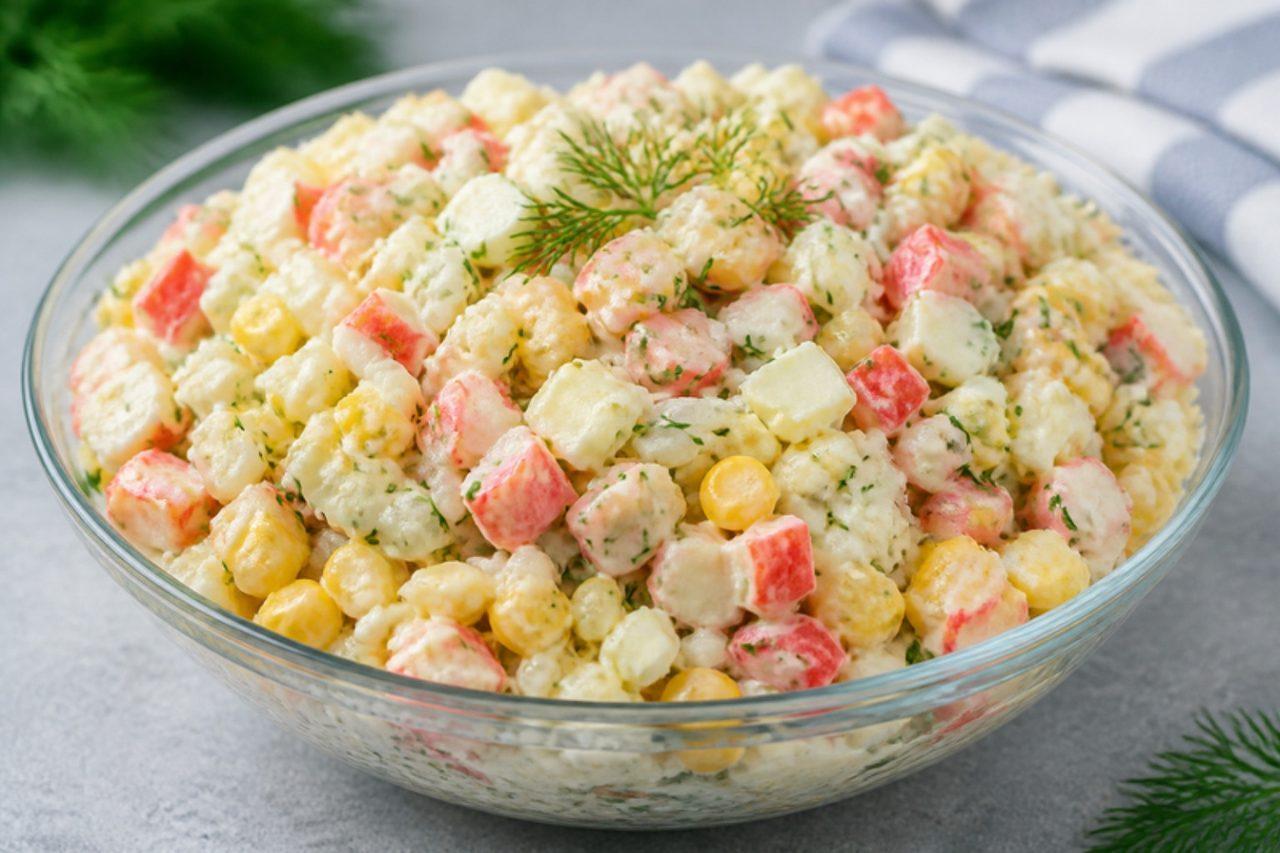
Crab stick salad

On 31 December, alongside Olivier and herring under a fur coat, almost every Russian table carries a bowl of crab stick salad. It arrived in the 1980s when cheap crab sticks reached Soviet shops, and it stayed: chopped surimi, hard-boiled egg, sweetcorn, cucumber and rice bound in mayonnaise, eaten through the New Year holidays. Crab sticks are made from white fish, so this salad is not vegetarian; check the label if you need it gluten free, as some brands add wheat starch. The common mistake is dressing it hours ahead, which makes the rice soggy and the cucumber watery. Chef's tip: mix everything except the mayonnaise in advance and stir that in just before the salad goes on the table.

by KrazyBadal 0 views

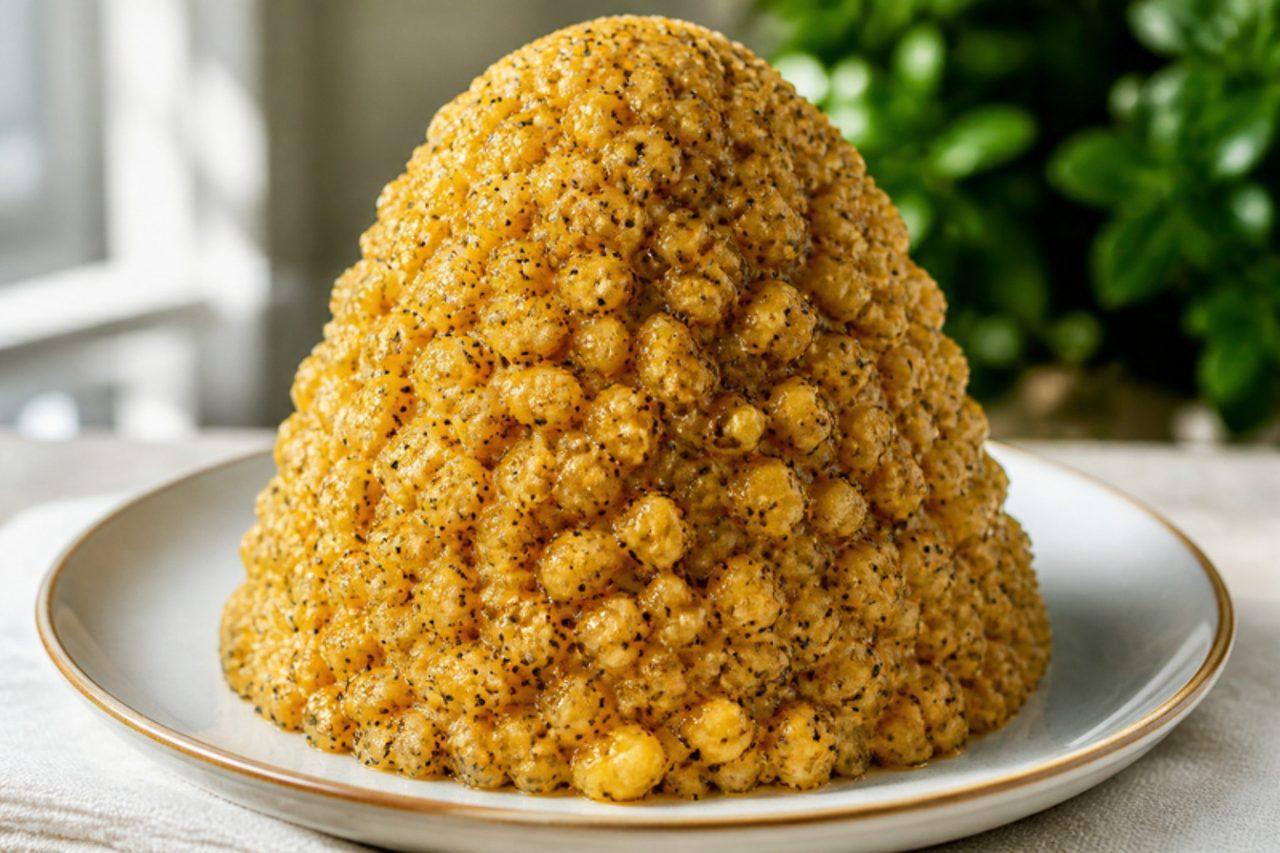
MuraveynikAnthill cake

Muraveynik is the 'anthill' that Soviet home bakers built for birthdays when shop cakes were hard to come by: crisp shortbread is baked, broken into crumbs, bound with boiled condensed milk and butter, then heaped into a little mountain and sprinkled with poppy seeds for the ants. It needs no tin and no layering, sets in the fridge, and is still a favourite at children's parties from Moscow to Omsk. The common mistake is crumbling the biscuit too fine, which makes a dense block instead of a craggy, crunchy heap. Chef's tip: break the dough through the coarse holes of a mincer or grater before baking so the crumbs are uneven and crisp.

by KrazyBadal 0 views

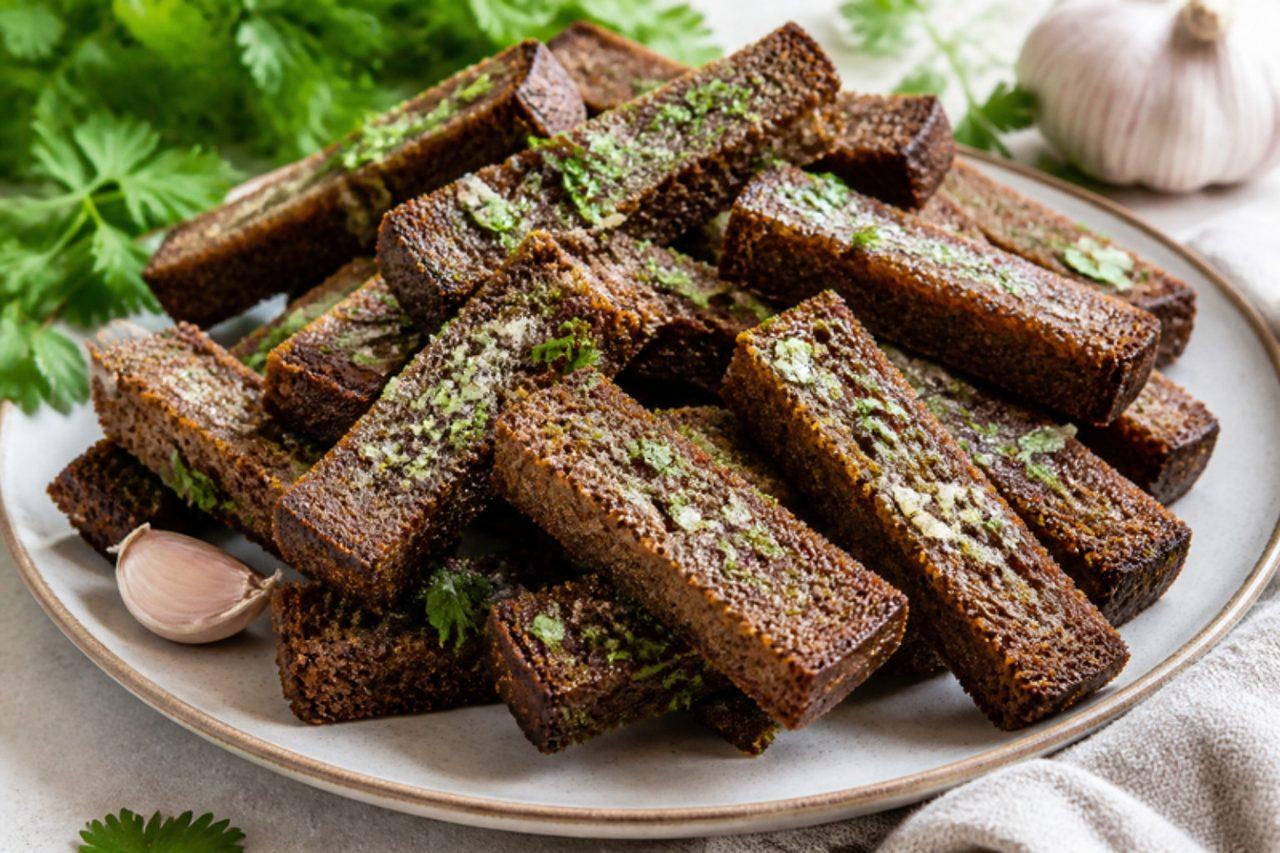
GrenkiGarlic fried rye bread

In Moscow bars and railway buffets a plate of grenki, strips of dark Borodinsky-style rye fried until crunchy and rubbed with raw garlic, comes with every order of kvass, and at home they are what you make with the end of the loaf on a Friday night. They are also dropped into bowls of pea soup or borscht. The bread should be crisp outside and still a little chewy in the middle. The common mistake is rubbing the garlic on cold bread: it only works while the toast is hot and rough. Chef's tip: use bread a day or two old; fresh rye soaks up oil like a sponge.

by KrazyBadal 0 views

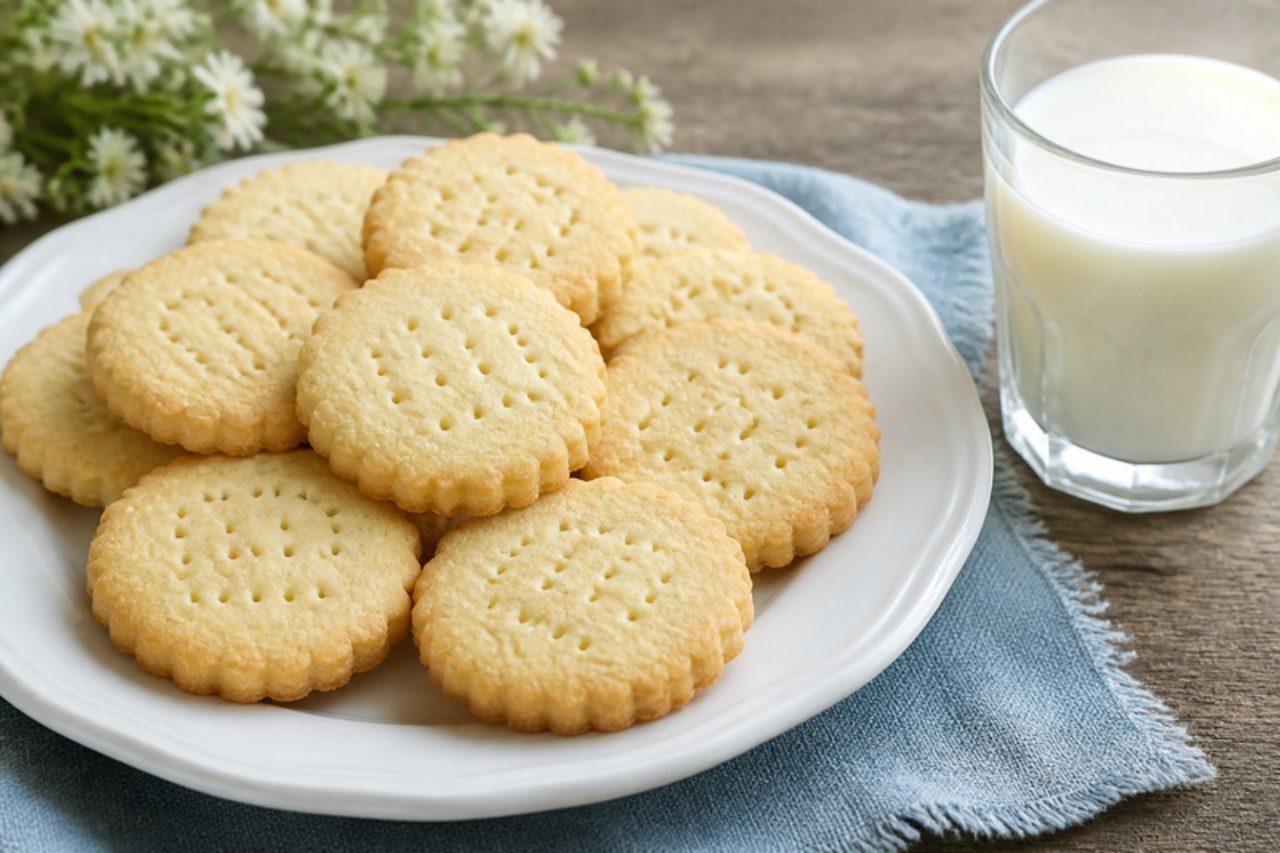
KorzhikiShortbread rounds

Every Soviet schoolchild knew korzhiki, the plump scalloped biscuits sold at the canteen counter for a few kopecks with a glass of milk. Made with sour cream and a little honey, they are firm on the outside and soft and cakey inside, pale gold, with a fork-pricked top. Russians still bake them at home for after-school snacks. The common mistake is rolling the dough too thin, which makes hard biscuits instead of soft little cakes. Chef's tip: roll to a full 8 mm and pull them from the oven while the edges are still pale; they firm up as they cool.

by KrazyBadal 0 views

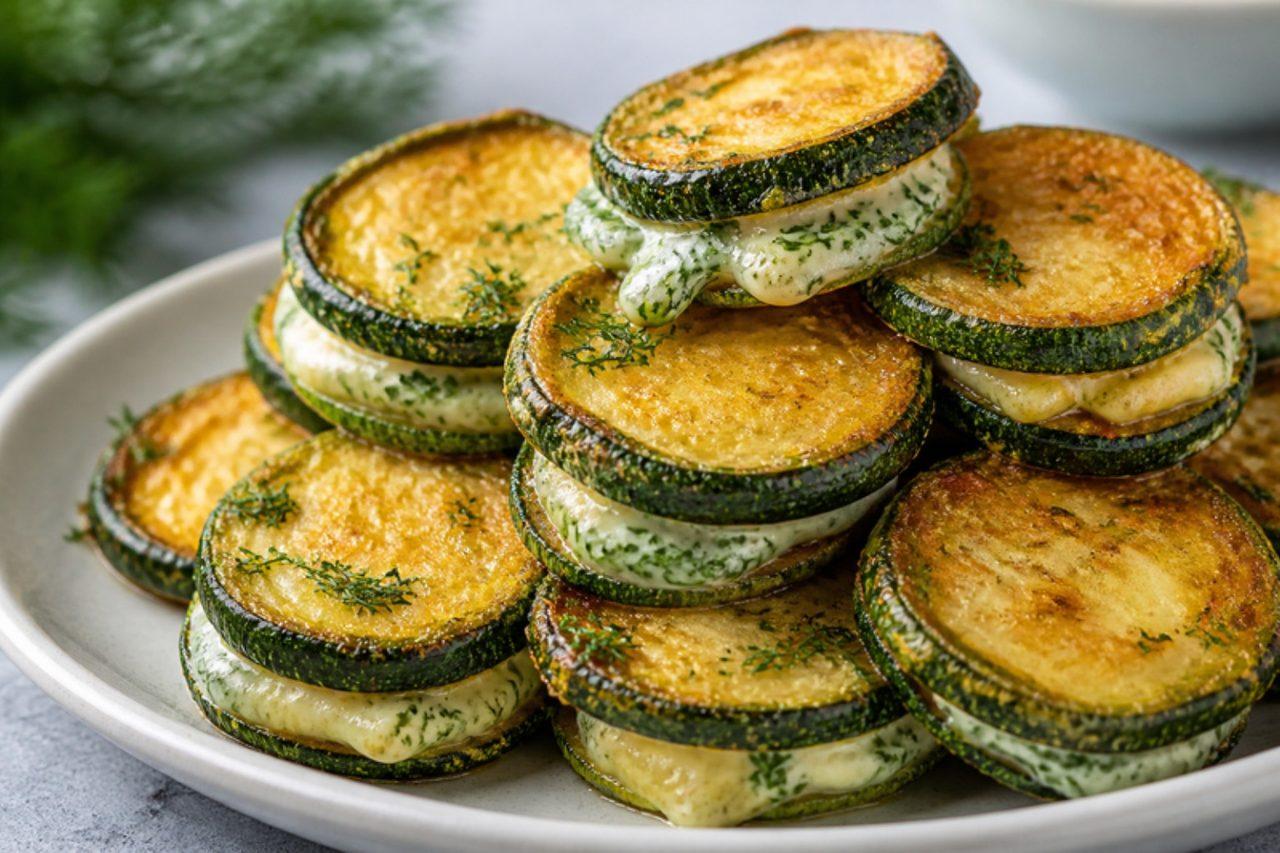
Fried courgette with garlic mayonnaise

When the dacha beds in the Moscow region overflow with courgettes in July, this is what appears on the veranda table: rounds of courgette dusted in flour, fried until golden, then stacked in a dish with garlicky mayonnaise, tomato slices and dill. It is served cool as a zakuska with bread or beside new potatoes, and it tastes even better after an hour in the fridge. The common mistake is cutting the slices too thin, so they fall apart and soak up oil. Chef's tip: salt the slices for ten minutes and pat them dry before flouring; they fry crisper and spit far less.

by KrazyBadal 0 views

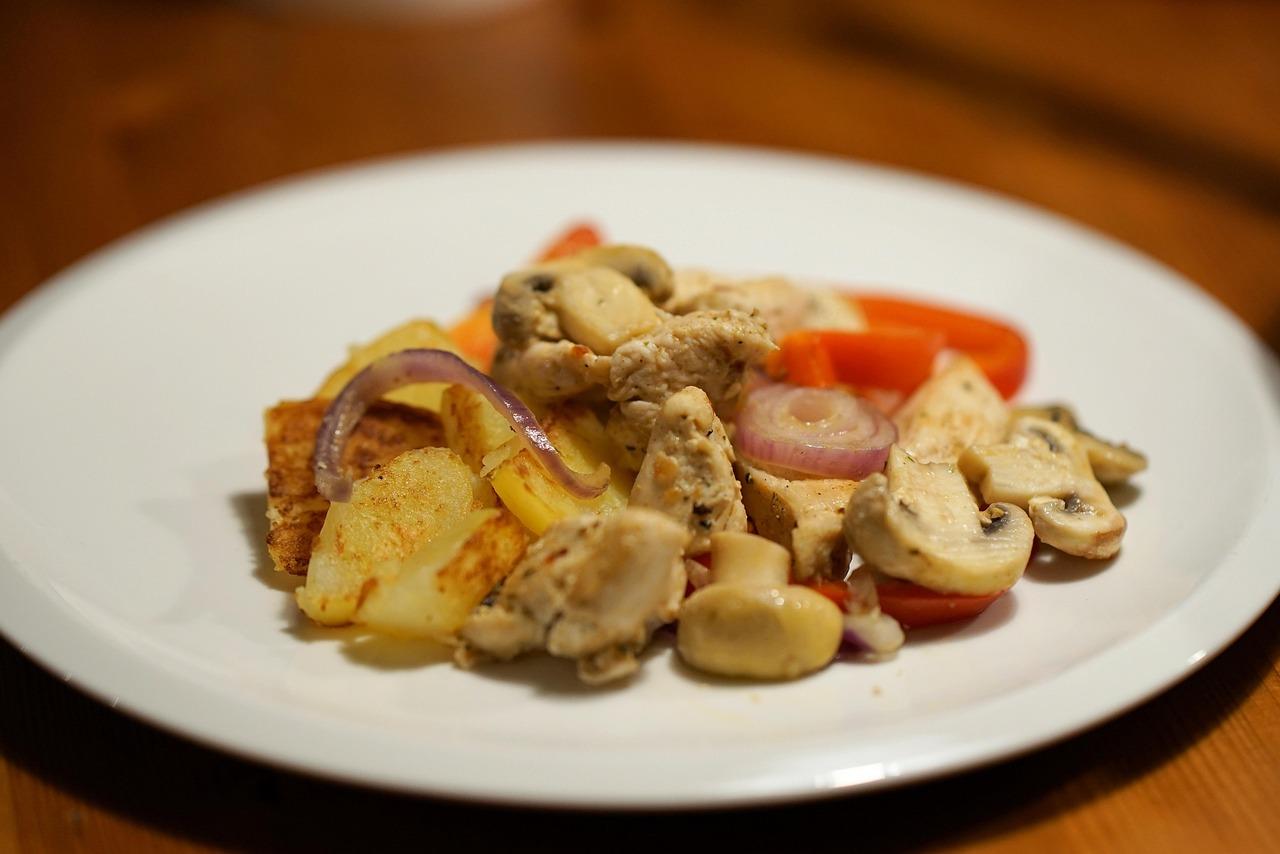
Fried potatoes with mushrooms

Every late August, when families come back from the birch woods outside Moscow and Tver with baskets of boletes and chanterelles, the first supper at the dacha is a black iron pan of potatoes fried with those mushrooms. Through the Soviet years the same dish fed students in dormitories and night-shift workers in Ural towns, usually eaten straight from the pan with a jar of salted cucumbers and a spoon of sour cream. The potatoes should be crisp at the edges, the mushrooms browned and the onion sweet. Buy wild mushrooms from a reliable source only; cultivated chestnut mushrooms work very well. The common mistake is crowding the pan and stirring constantly, which steams the potatoes into mush. Chef's tip: fry the mushrooms first and set them aside, then fry the potatoes alone and only combine them at the end.

by KrazyBadal 0 views

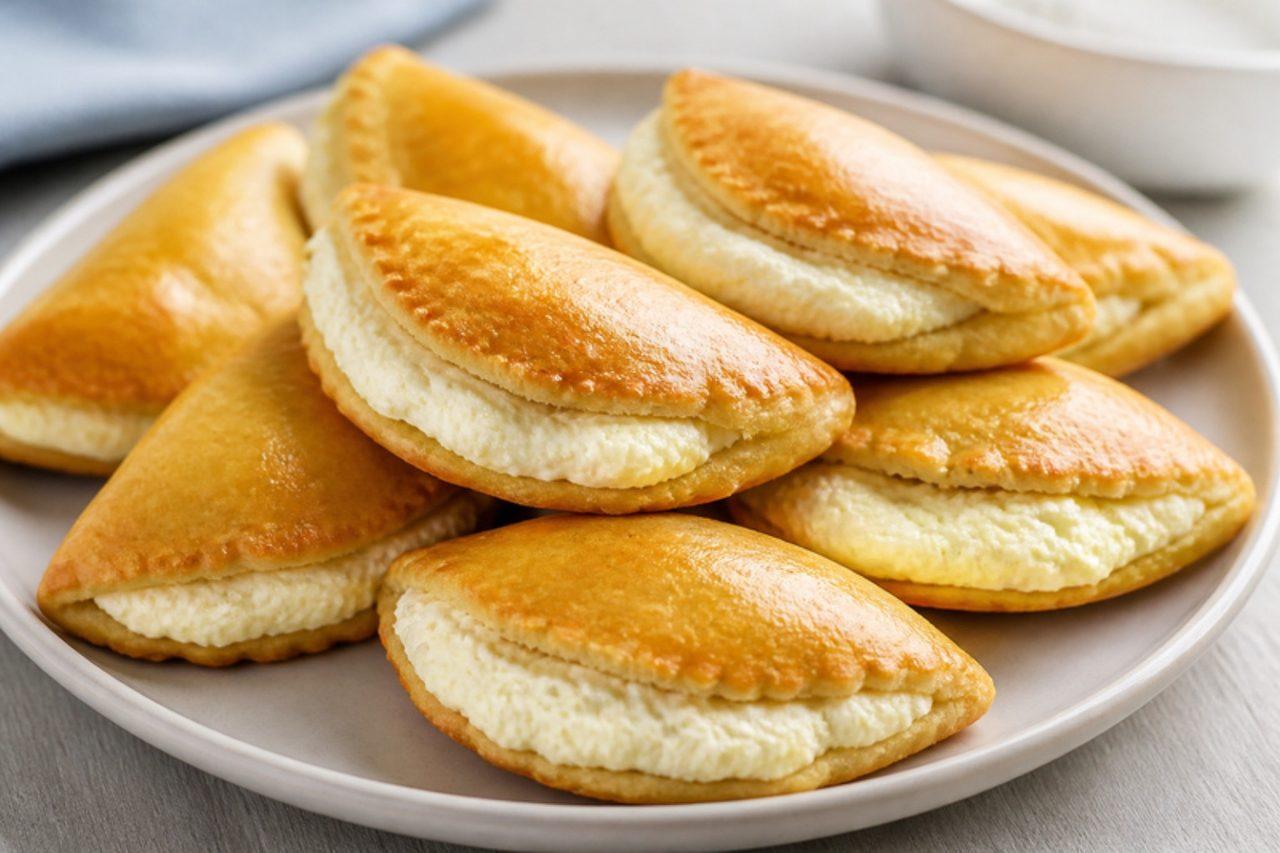
SochniSweet curd pastries

Sochni were the thing to buy from the bakery counter on the way home from school in Soviet Moscow: a soft, sweet shortcrust oval folded over a thick tongue of vanilla tvorog, which peeks out of the fold and bakes golden at the edge. They are still made at home for the tea table, eaten warm or the next morning with milk. The dough is tender rather than flaky, made with sour cream. The common mistake is a wet curd filling, which leaks and burns on the tray. Chef's tip: press the tvorog through a sieve and use only a little egg in it; it should be thick enough to hold a spoon upright.

by KrazyBadal 0 views

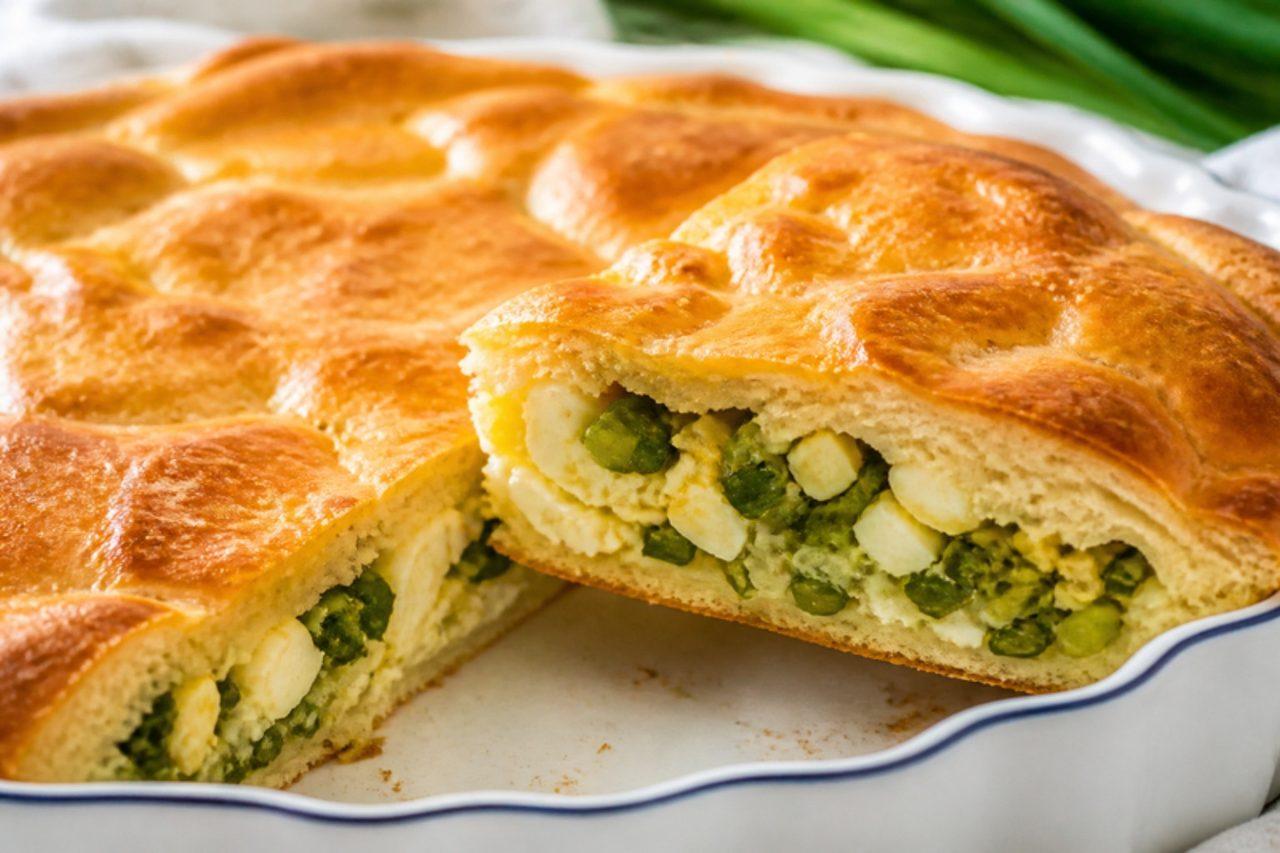
Kefir pie with spring onion and egg

Zalivnoy means 'poured', and this is the pie Russian home cooks make when guests are due in an hour: a runny kefir batter poured over a filling instead of rolled dough. In spring the classic filling is masses of green onion from the windowsill or dacha with chopped boiled egg, and the pie is eaten warm in squares with soup or on its own at the kitchen table. The common mistake is pouring all the batter at once, which lets the filling float to the top. Chef's tip: spread half the batter first, scatter the filling, then pour the rest gently over the back of a spoon.

by KrazyBadal 0 views

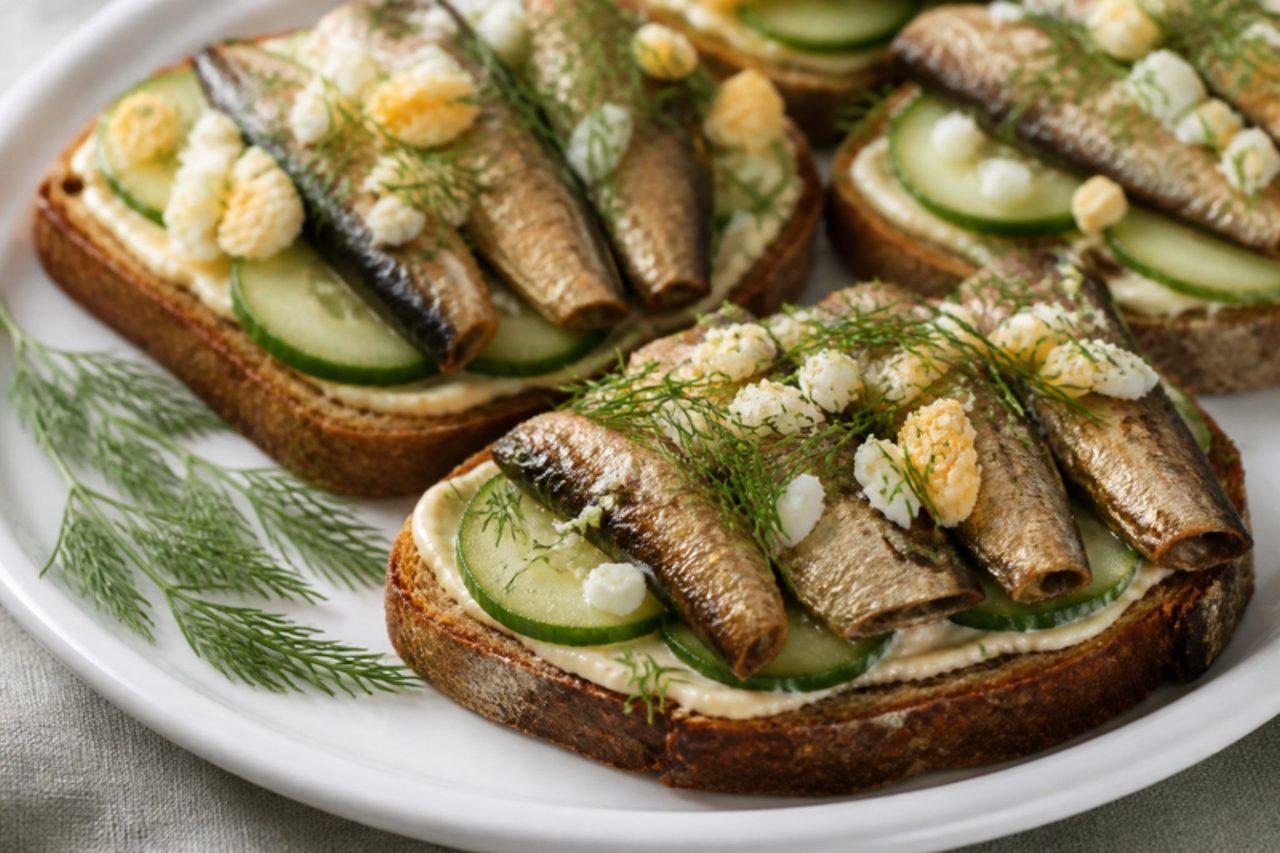
Sprat butterbrods

A golden tin of Baltic smoked sprats was once a prized find in Soviet shops, saved for birthdays and New Year's Eve, and sprat butterbrods are still the first plate on many Russian holiday tables. Toasted slices of baguette or rye are spread with garlic mayonnaise and topped with cucumber, a slice of egg and two glossy little fish, eaten standing up with the first toast of the evening. Smoked sprats are ready to eat, but like all smoked fish they are not for pregnant women, young children or anyone with a weakened immune system unless heated until steaming. The common mistake is assembling them hours ahead, which turns the bread soft. Chef's tip: toast the bread lightly in a dry pan so it stays crisp under the topping.

by KrazyBadal 0 views

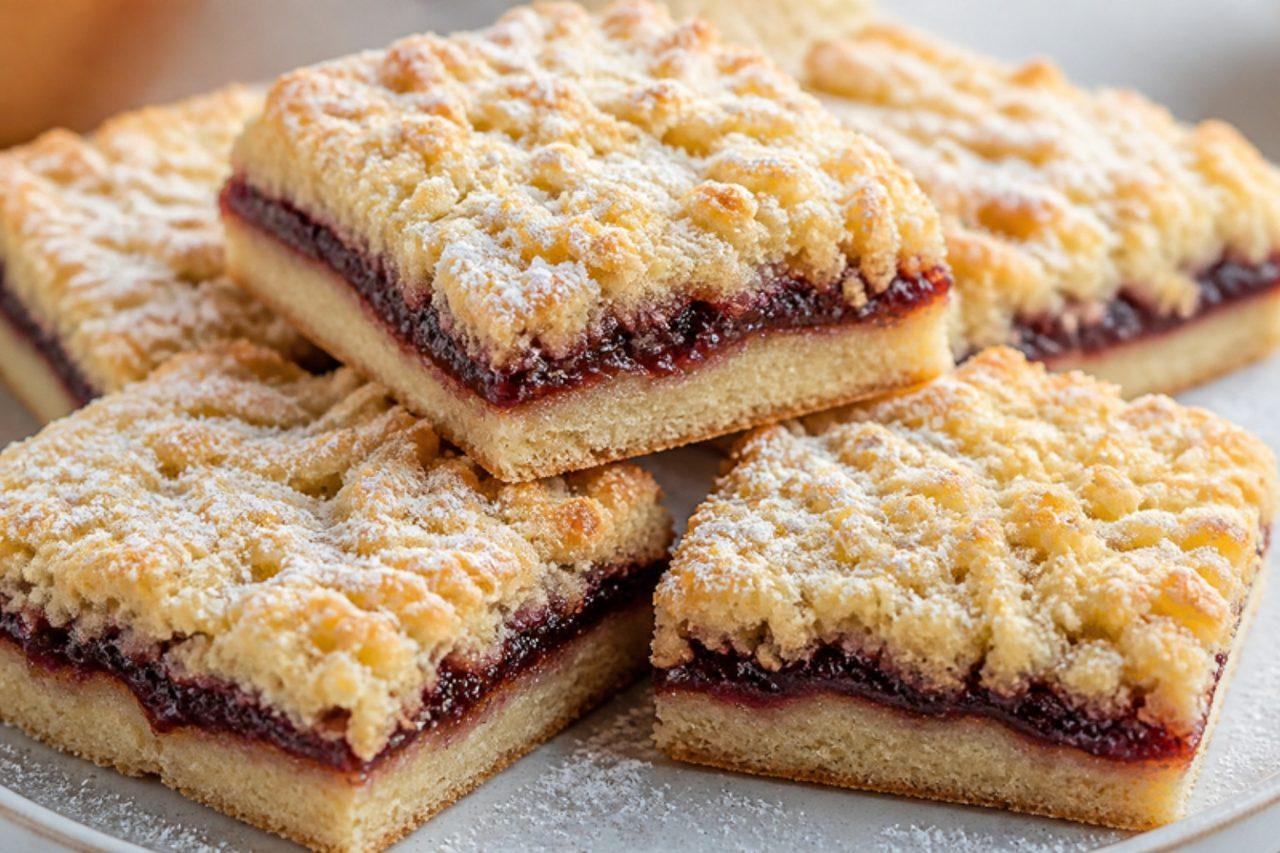
Tertyi pirogGrated shortbread jam pie

Soviet home bakers in Leningrad and Gorky passed this one round on handwritten cards because it needed nothing more than butter, flour and a jar of last summer's jam. Frozen shortbread dough is grated straight into a tin, spread with thick jam, and topped with more grated dough that bakes into a crumbly, craggy lid. It is cut into squares for the tea table or for children coming in from the yard. The common mistake is a runny jam, which bubbles through and burns. Chef's tip: freeze the dough hard for at least 40 minutes so it grates into loose flakes rather than clumps.

by KrazyBadal 0 views

OladyiKefir pancakes

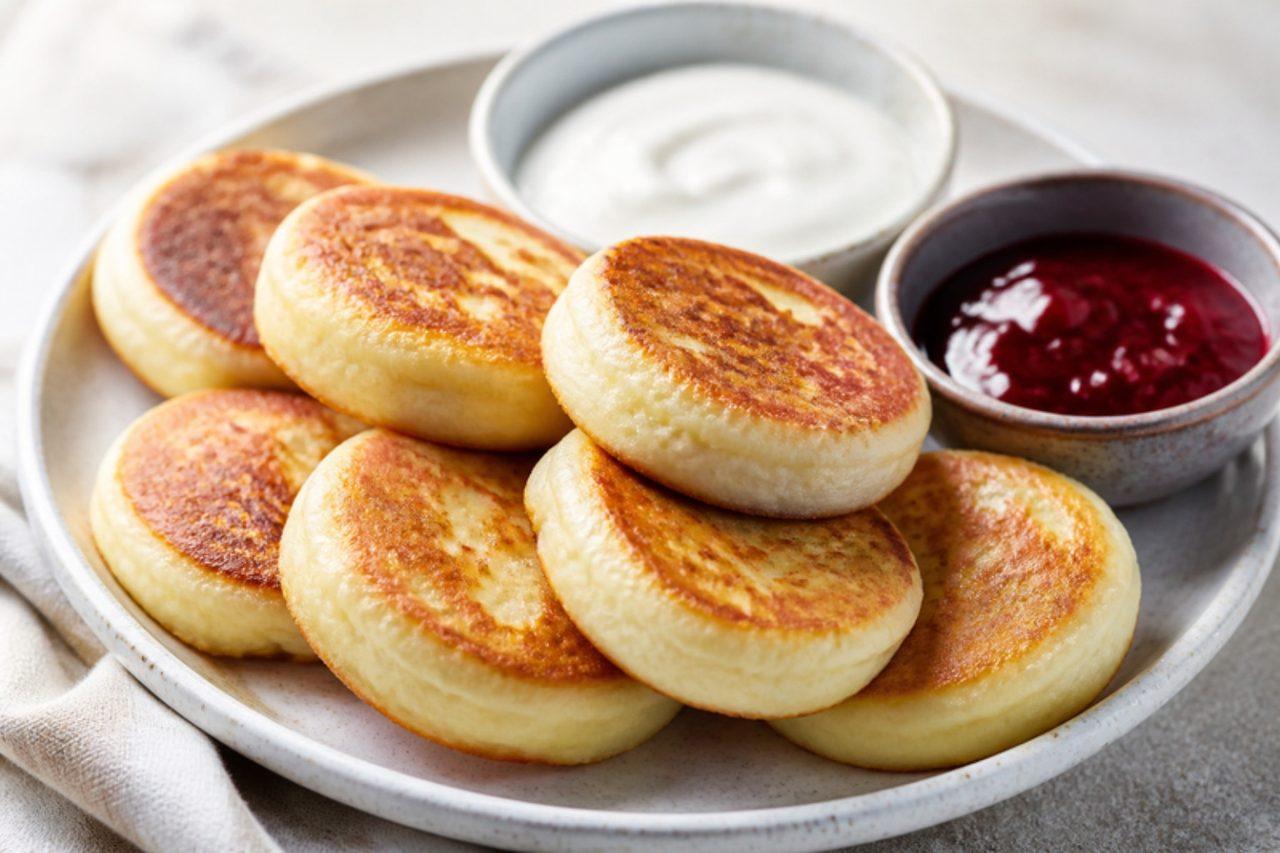
Saturday breakfast in a Soviet flat often began with the sizzle of oladyi: thick little pancakes, no bigger than a saucer rim, made from kefir that had soured a day too long. Grandmothers from Samara to Novosibirsk still drop spoonfuls of the batter into hot oil and stack the puffed, golden rounds on a plate to eat with smetana, honey or a dish of cherry varenye. Unlike blini they are fat and spongy, with a lacy crisp edge. The common mistake is beating the batter after the soda goes in, which knocks out the bubbles and gives flat, rubbery pancakes. Chef's tip: warm the kefir slightly before mixing; the soda reacts faster and the oladyi rise noticeably higher.

by KrazyBadal 0 views

Refresco de coconaCocona cooler

In Iquitos, Pucallpa and the river towns of Loreto, heat and humidity make a cold refresco part of every lunch, and cocona is one of the favourites sold from plastic jugs at the Belén market. The fruit looks like a fuzzy orange tomato and tastes between tomato, lemon and apricot: very sour, aromatic and juicy. Blended with water and sugar it makes a tangy, golden drink with a light pulp, served with juane or tacacho con cecina. The usual mistake is skipping the fuzz: cocona skin is covered in fine hairs that make the drink scratchy, so rub them off under running water before you start. Blend only briefly, too, so the many seeds do not crack. It is ready when the refresco is opaque orange, sour first and sweet after, with no grit. Outside the Amazon, look for frozen cocona pulp in Latin American shops; naranjilla (lulo) pulp is the closest substitute. Chef's tip: a pinch of salt makes the fruit taste sweeter and fruitier without more sugar.

by KrazyBadal 0 views

Ají amarillo pasteYellow chilli paste

In Lima's markets ají amarillo is sold fresh all year, and most Peruvian cooks keep a tub of this paste in the fridge the way others keep tomato purée: it is the golden base of causa limeña, ají de gallina, papa a la huancaína, chupe and the sauce for tiraditos. The chillies are seeded, de-veined and blanched in three changes of water, which tames the heat and the raw grassiness, then peeled and blended with oil into a thick, silky, saffron-orange paste. It tastes fruity and sunny, almost like apricot and passion fruit, with a rounded, medium heat. Abroad, buy whole frozen ají amarillo from Latin grocers; dried ají mirasol, soaked, gives a darker, earthier paste. Common mistake: skipping the peeling; the thin skins leave papery flecks and a bitter edge. It is ready when it is completely smooth and holds a soft peak like thick hummus. This is a low-acid paste: keep it in the fridge for a week or freeze it, never on the shelf. Chef's tip: freeze it in an ice-cube tray; one cube is about a tablespoon, just right for a pot of ají de gallina.

by KrazyBadal 0 views

Showing 24 of 189 recipes

Show more recipes

Page 1 of 8