Skip to content
Recipes

All recipes

Vegetarian, or something you can't eat? Set your diet once and we'll hide recipes that don't fit.

KaasstengelsCheese pastry twists

Kaasstengels come out of ovens all over the Netherlands for birthday parties, New Year's Eve and the Friday borrel, piled in glasses so guests can grab one with a drink. Strips of puff pastry are brushed with egg, coated in grated aged cheese and twisted, then baked until crisp, flaky and golden. They are one of the easiest party snacks there is, made with ready-rolled pastry. Most aged cheese is made with animal rennet, so choose a vegetarian one if needed. The common mistake is underbaking, which leaves them pale and soft in the middle. Chef's tip: chill the twisted strips for 10 minutes before baking so they keep their spiral.

by KrazyBadal 0 views

BorrelnootjesCoated peanuts

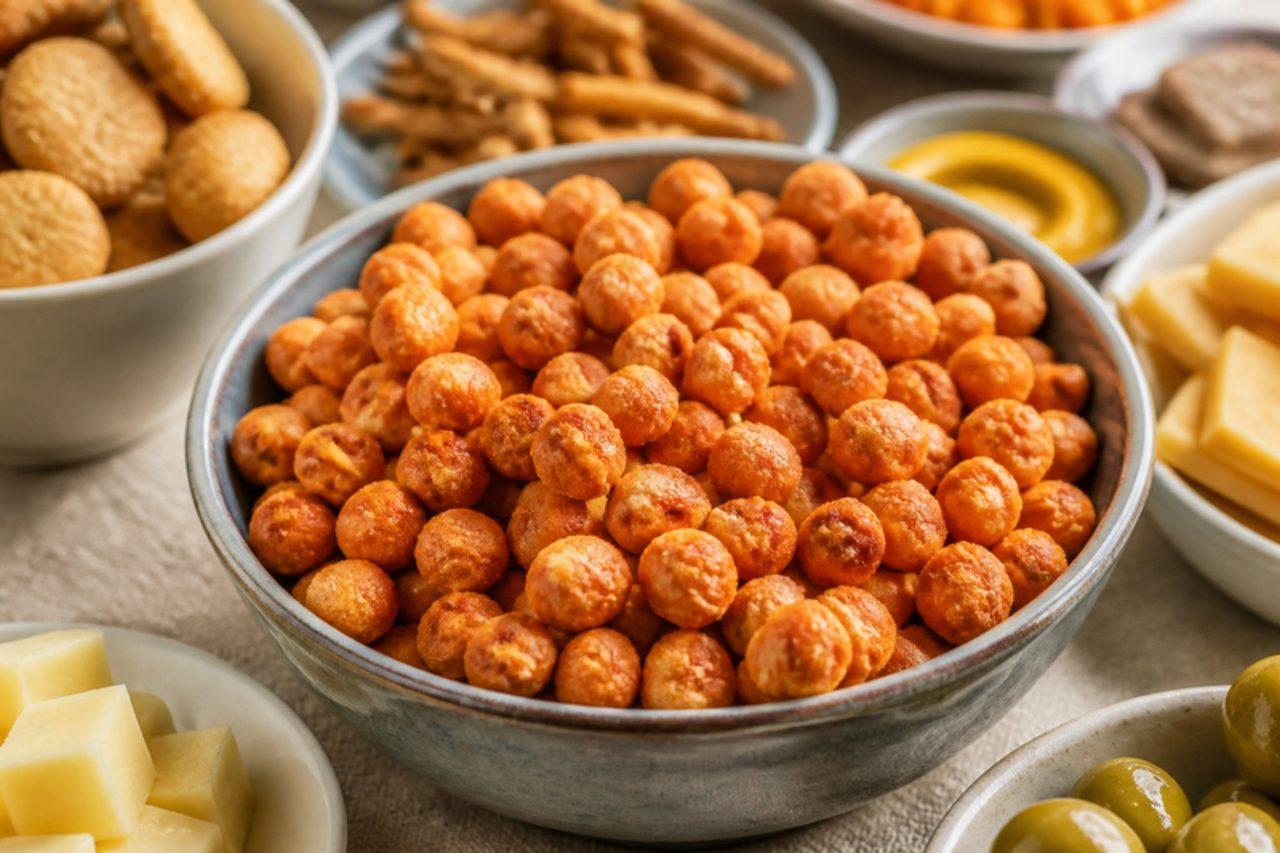
Borrelnootjes, peanuts in a crunchy seasoned shell, are the bowl you find on every Dutch bar counter and next to the cheese at home borrels, and they come from the Indo-Dutch kitchen, where they were spiced with garlic and coriander. Most people buy them in bags, but home-made ones are lighter and far less salty. Raw peanuts are dusted in seasoned flour and starch, splashed with water and coated in several thin layers, then baked until they crack. Never serve them to anyone with a peanut allergy, and keep whole nuts away from small children. The usual mistake is adding too much water at once, which makes the nuts clump. Chef's tip: build the coating in three thin layers, shaking the bowl hard each time.

by KrazyBadal 0 views

Kaasblokjes met mosterdCheese cubes with mustard

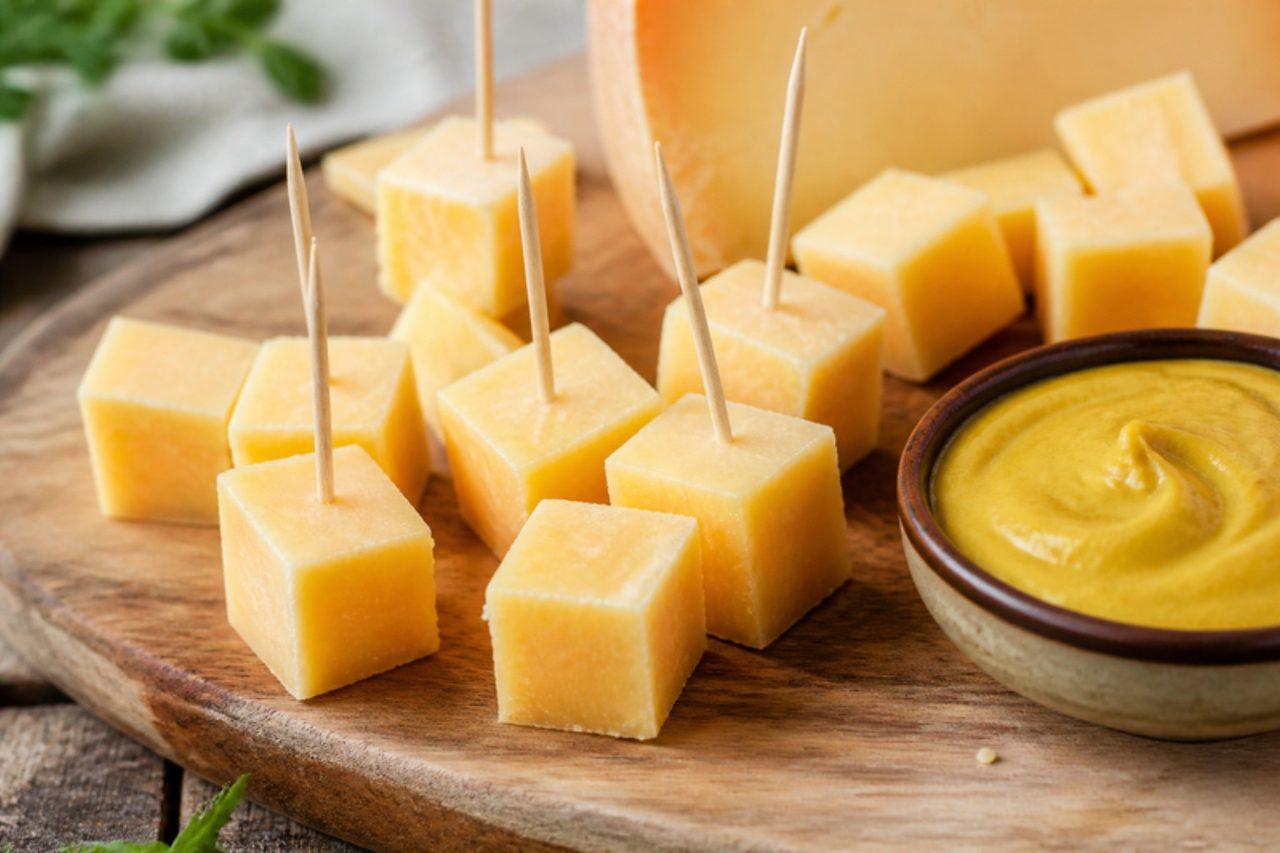
Friday afternoon in a Dutch brown café, or a birthday circle in a living room in Utrecht, means a borrel, and the first thing on the table is a plate of cheese cubes on cocktail sticks. Belegen or oude Gouda, aged until it is firm and nutty with little salt crystals, is cut into neat cubes and served with a pot of coarse mustard and a shake of celery salt. Traditional Gouda is made with animal rennet, so pick a vegetarian aged Gouda-style cheese if needed. A common mistake is serving the cheese fridge-cold, which hides its flavour. Chef's tip: cut it half an hour before guests arrive and let it come to room temperature, covered.

by KrazyBadal 0 views

OssenworstSpiced beef sausage

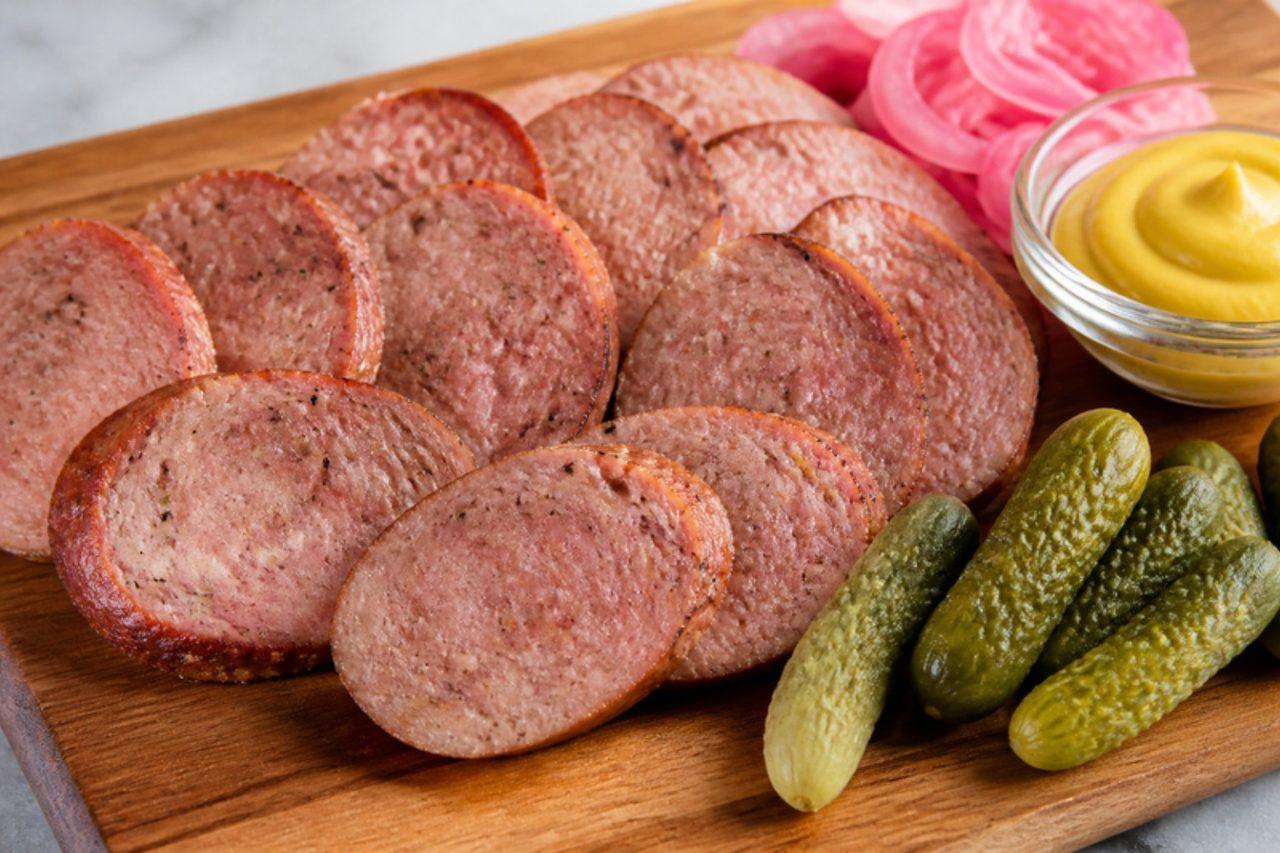
Ossenworst is Amsterdam's own borrel sausage, made since the seventeenth century from lean beef spiced with cloves, nutmeg, mace and white pepper, and sliced thin at cafés in the Jordaan with mustard, pickled onions and gherkins. The traditional sausage is raw and lightly cured, so it is best bought from a specialist Amsterdam butcher, and like all raw meat it is not for pregnant women, young children or anyone with a weakened immune system. This home version keeps the same spicing but is gently poached until the centre reaches 71 °C, then chilled and sliced, which makes it safe for everyone. A common mistake is boiling it hard, which makes it dry and crumbly. Chef's tip: keep the water at about 80 °C, never bubbling, and check the core with a thermometer.

80 minDutchMeatGluten free
by KrazyBadal 0 views

VlammetjesSpicy mini spring rolls

Vlammetjes, little flames, are the fiery mini spring rolls of the Dutch borrel, served by the dozen in bars from Amsterdam to Groningen with a bowl of sweet chilli sauce. The filling is beef mince cooked with onion, garlic, sambal and sweet soy until dry and spicy, then rolled tightly in spring roll pastry and fried until blistered and crisp. Make the heat to your own taste. A common mistake is rolling a wet filling, which splits the wrappers and spits in the oil. Chef's tip: cook the mince until the pan is dry and it starts to crackle, then cool it completely before rolling.

by KrazyBadal 0 views

BamischijfFried noodle disc

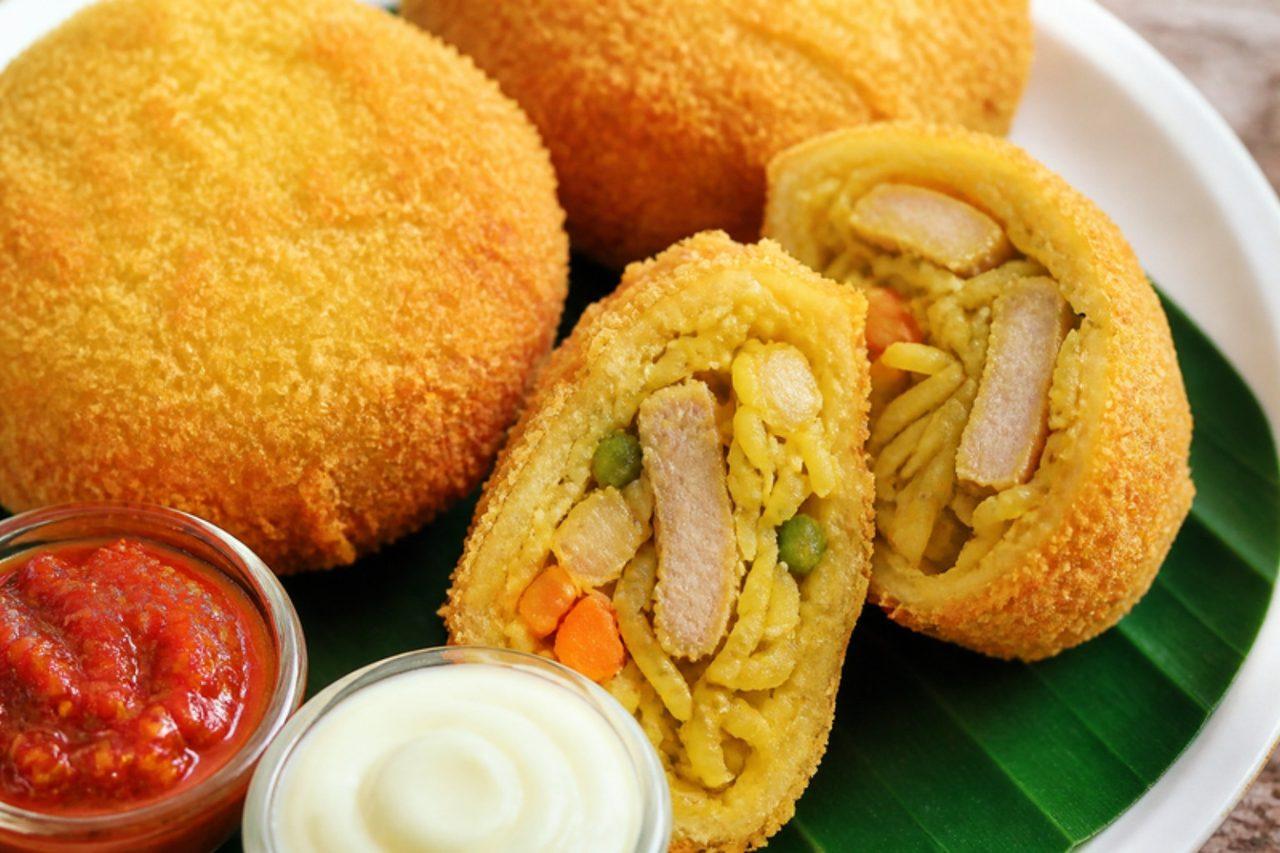
The bamischijf is pure Dutch snack-bar culture: Indonesian-style bami goreng, fried noodles with pork, leek and celery, set firm with a little ragout, cut into discs, breaded and deep-fried. It came out of the Indo-Dutch kitchen into the cafetarias of Rotterdam and The Hague, and it is eaten at borrels with sweet chilli or peanut sauce. Here the pork mince is cooked to 71 °C before it goes in. For a vegetarian version, leave out the pork and add more cabbage, carrot and mushrooms. A common mistake is skipping the chilling, which makes the discs fall apart in the oil. Chef's tip: press the noodle mix hard into the tin with a second tin on top before chilling.

by KrazyBadal 0 views

RookworstSmoked pork sausage

Rookworst, the horseshoe-shaped smoked pork sausage of the Netherlands, is sliced into thick warm coins for borrel boards in winter and served on cocktail sticks at Friday drinks and football nights, always with a pot of strong yellow mustard. It is also the sausage laid on top of stamppot. Rookworst is sold ready-cooked, so it only needs heating through gently. The common mistake is boiling it, which splits the skin and lets the juices escape. Chef's tip: warm it in water that is just steaming, then serve it within minutes so the slices stay juicy.

22 minDutchMeatGluten free
by KrazyBadal 0 views

EierbalFried egg in curry ragout

The eierbal is a snack-bar legend from the Dutch provinces of Gelderland and Overijssel, found in the wall of hot snacks at many cafetarias and at borrels: half a hard-boiled egg wrapped in a thick curry ragout, breaded and fried into a golden ball the size of a fist. This vegetarian version makes the ragout with vegetable stock and milk. It is rich, so one per person with mustard is plenty. The classic mistake is wrapping eggs in ragout that is still warm; it must be chilled firm or it will not hold. Chef's tip: bread the balls twice, egg and crumbs then egg and crumbs again, so they do not split in the oil.

by KrazyBadal 0 views

ErdäpfelstrudelSavoury potato strudel

Austrians, especially in the Mühlviertel of Upper Austria and the Waldviertel, make savoury strudels as often as sweet ones, and Erdäpfelstrudel is a farmhouse favourite for a meatless Friday or a cold evening. Thin pastry wraps a filling of potatoes, fried onion, sour cream, marjoram and parsley, baked until crisp and golden and sliced with a green salad or a dill and sour-cream dip. Bought filo makes it easy at home. The mistake to avoid is a wet filling, which turns the pastry soggy underneath. Chef's tip: cool the filling completely before rolling; warm filling makes the layers stick and tear.

by KrazyBadal 0 views

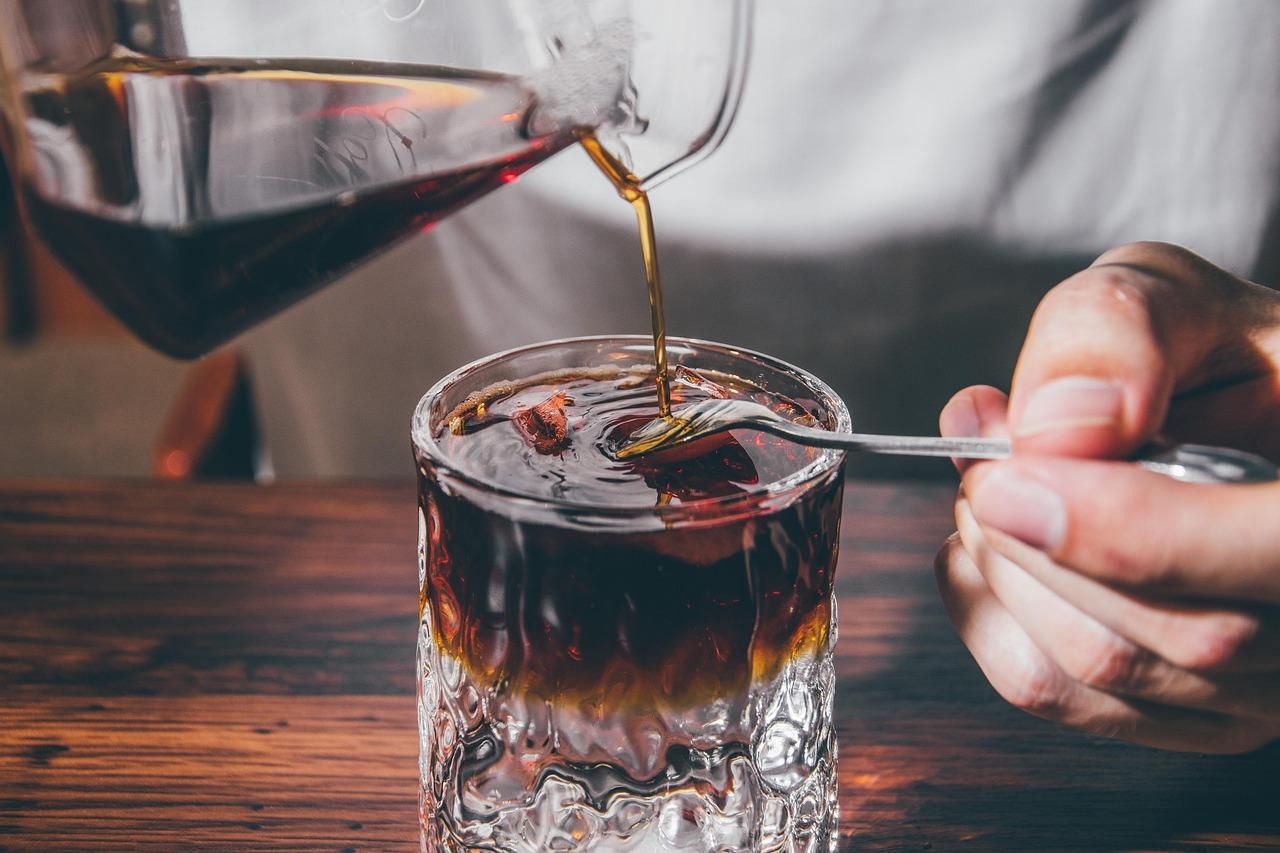
Oliang (Thai black iced coffee)

Old Bangkok coffee shops in Chinatown and Bang Rak still brew oliang through a long cotton sock, using a dark blend of coffee roasted with corn, soybeans, rice and sesame that gives it a toasty, almost cocoa-like flavour. It is served black, heavily sweetened and poured over crushed ice in tall glasses, a mid-morning pick-me-up for market traders. Look for any Thai 'oliang powder' blend in Asian shops, or mix dark coffee with roasted grains as below. It contains caffeine, so it is not one for children. Chef's tip: adding sugar after chilling is the mistake; dissolve it while the coffee is hot, or it stays gritty.

15 minThaiDrinksVeganGluten free
by KrazyBadal 0 views

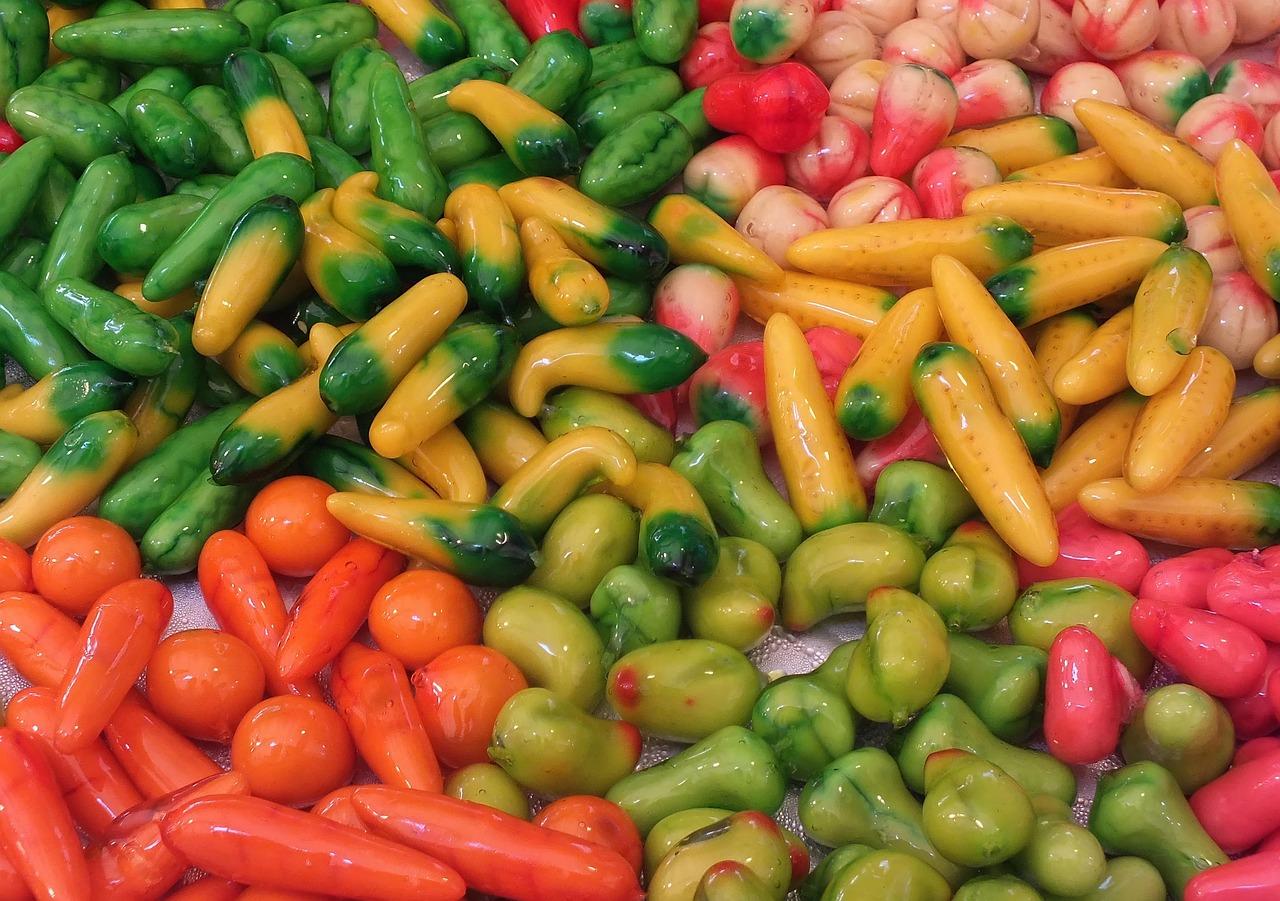
Look chupMung bean fruit sweets

Once made in the palace kitchens of Ayutthaya, these miniature chillies, mangosteens and mangoes now fill gift boxes in Bangkok bakeries for weddings, merit-making and Mother's Day. The inside is a smooth, sweet paste of mung beans and coconut milk; the outside is a thin, shiny skin of jelly, so each one tastes a little like marzipan in a glass coat. Making them is an afternoon project best shared. Chef's tip: a paste that is too wet won't hold a shape and slides off the stick; cook it until it pulls away from the pan in one soft ball.

150 minThaiDessertsVeganGluten free
by KrazyBadal 0 views

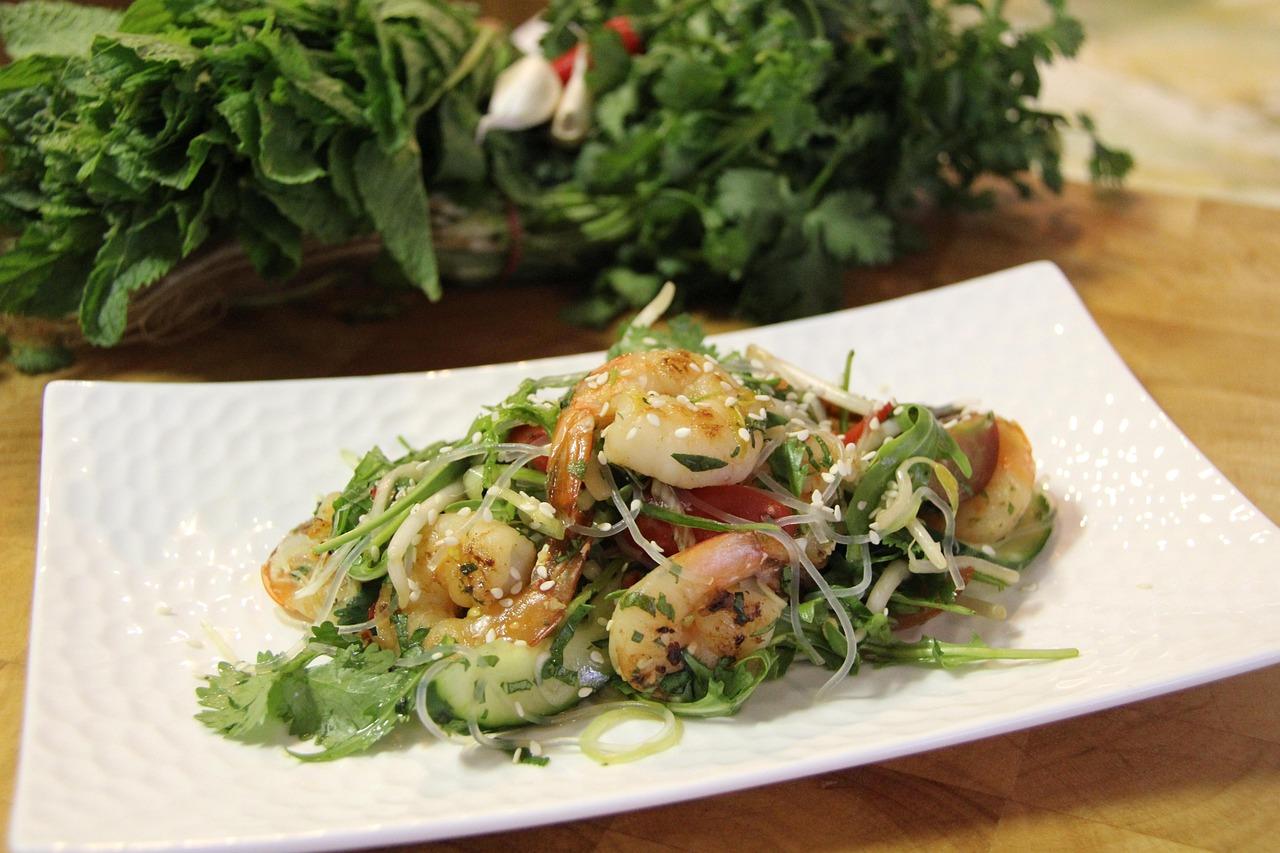
Plah goong (prawn salad with lemongrass)

Plah is the old Thai word for a salad of barely cooked seafood or meat, and plah goong is a favourite at restaurants along the Gulf coast in Phetchaburi and Hua Hin, where the prawns come in that morning. The dressing of lime and nam prik pao is sweet, sour and smoky, and thin slices of raw lemongrass and kaffir lime leaf make it fragrant and crunchy. Traditionally the prawns are only seared or even served barely 'cooked' by the lime; this recipe cooks them through, which is safer. Chef's tip: dress the prawns while they are still warm, not straight from the fridge; cold prawns won't soak up any of the dressing.

20 minThaiSaladsGluten freeSpicy
by KrazyBadal 0 views

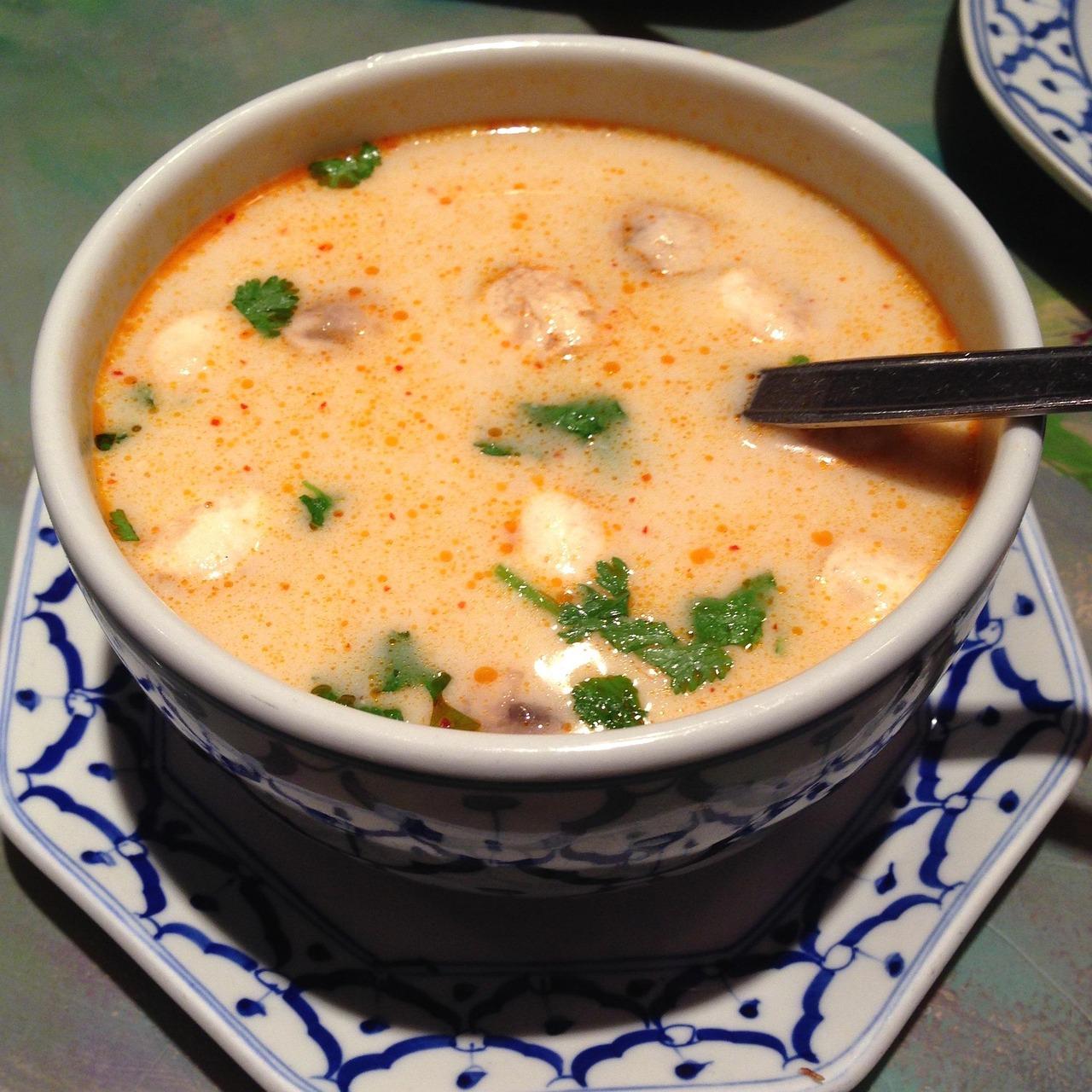
Tom kha gai (chicken in coconut-galangal soup)

Central Thai home cooks make tom kha as one of the dishes at a shared dinner, spooned over rice rather than drunk as a starter, and Bangkok restaurants serve it in a bubbling fire pot. Galangal, lemongrass and kaffir lime leaf are simmered in coconut milk with chicken and mushrooms, then seasoned at the end with fish sauce and lime, so the soup is creamy, sour, salty and only gently hot. For a vegetarian version (tom kha het), use 400 g mixed mushrooms and firm tofu, vegetable stock and light soy sauce instead of fish sauce. Chef's tip: add the lime juice off the heat; boiling lime turns bitter and dulls the whole pot.

30 minThaiSoupsGluten free
by KrazyBadal 0 views

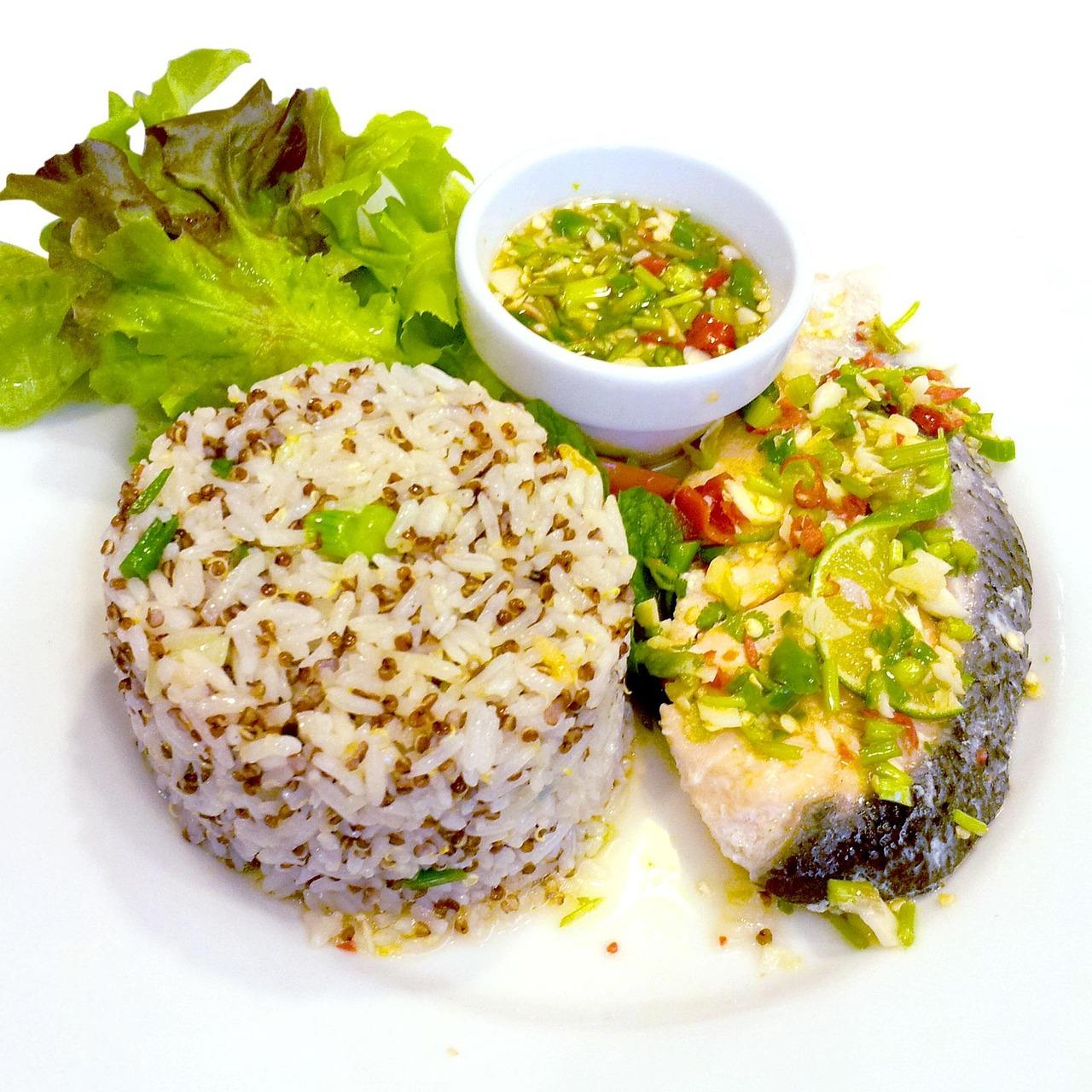
Pla neung manao (steamed fish in lime and chilli)Steamed fish with lime and chilli

Restaurants all over Bangkok bring this dish to the table in a fish-shaped steamer with a flame underneath, the fish swimming in a broth of garlic, chilli, lime and fish sauce that keeps bubbling as you eat. Sea bass (pla kapong) is the usual choice. It is clean, sour and very garlicky, ideal for a light dinner with rice and a plate of greens. A whole fish is traditional; two thick fillets work just as well and steam faster. Chef's tip: pour the sauce over at the end, not before steaming; lime cooked for 15 minutes loses its freshness and turns bitter.

35 minThaiFishGluten freeSpicy
by KrazyBadal 0 views

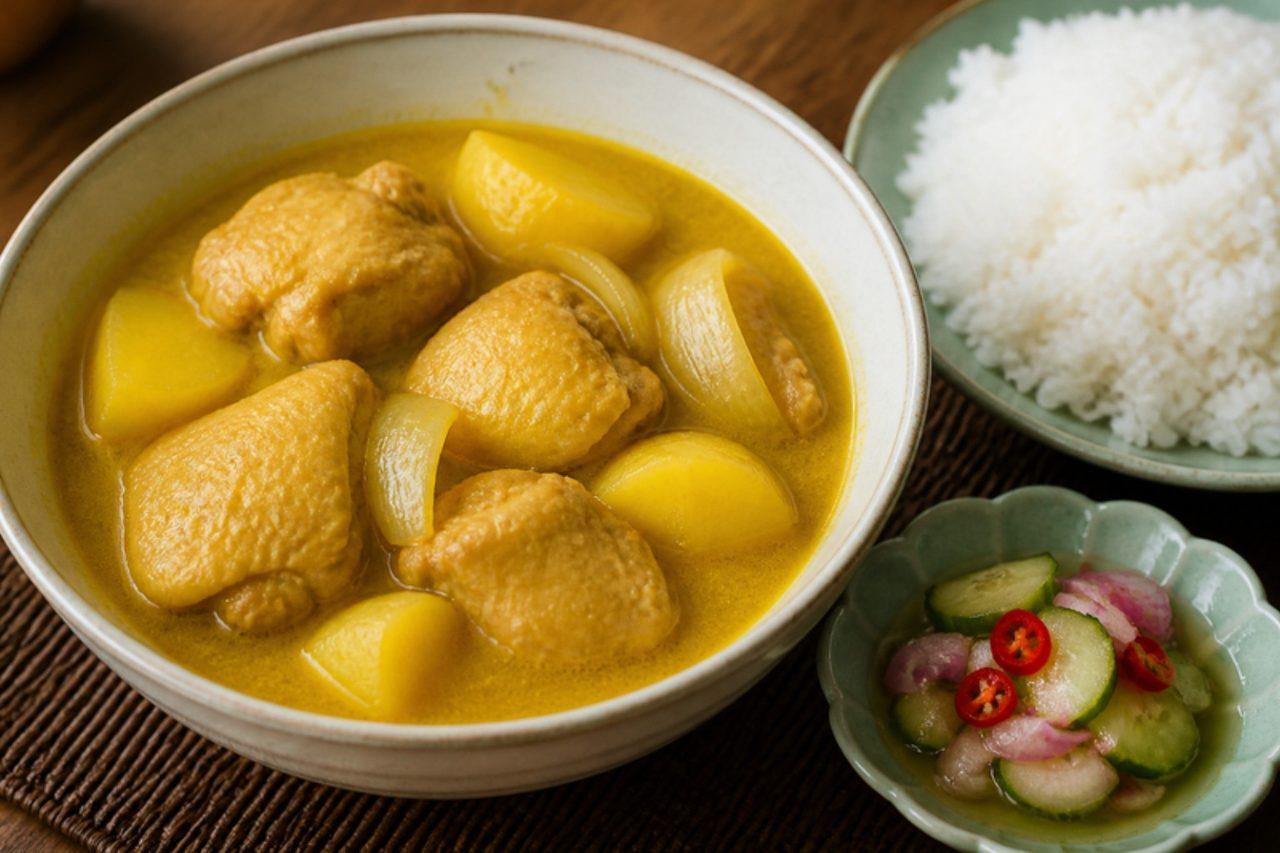
Gaeng kari gai (Thai yellow chicken curry)

Thai yellow curry came to Bangkok through Muslim and Indian traders, and you still find it at curry-over-rice shops near the old mosques of Bang Rak, ladled out with a sharp cucumber relish called ajad. It is the gentlest of the Thai curries: turmeric and curry powder in coconut milk, with chicken, waxy potatoes and onion that soak up the sauce, and children usually like it. For a vegetarian version, use 400 g fried tofu and extra potato, a shrimp-free paste and light soy sauce instead of fish sauce. Chef's tip: fry the paste in the thick coconut cream until the oil separates before adding anything else; skipping this is why many home yellow curries taste raw and powdery.

by KrazyBadal 0 views

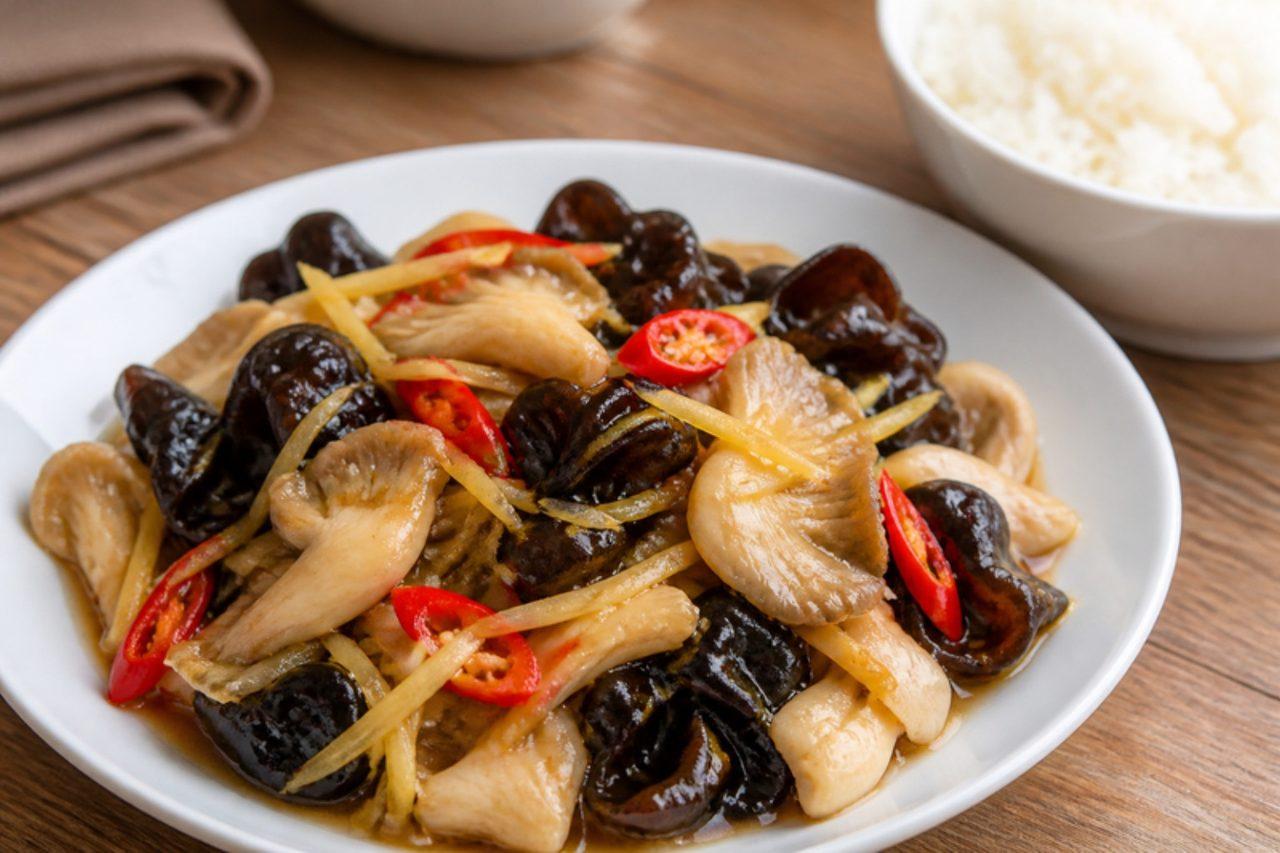
Pad khing jay (ginger mushroom stir-fry)

Ginger does the work garlic usually would in this festival favourite from the jay kitchens of Phuket and Bangkok's Yaowarat, where it is ladled over rice from steel trays under yellow flags. Crunchy wood ear and soft oyster mushrooms soak up a glossy sauce of fermented soybean paste and soy, and fine matchsticks of young ginger give heat and fragrance. No garlic, onion or spring onion go in, as jay rules forbid them. Chef's tip: old, fibrous ginger is the mistake here; choose plump young ginger with thin, pinkish skin so you can eat it by the forkful.

by KrazyBadal 0 views

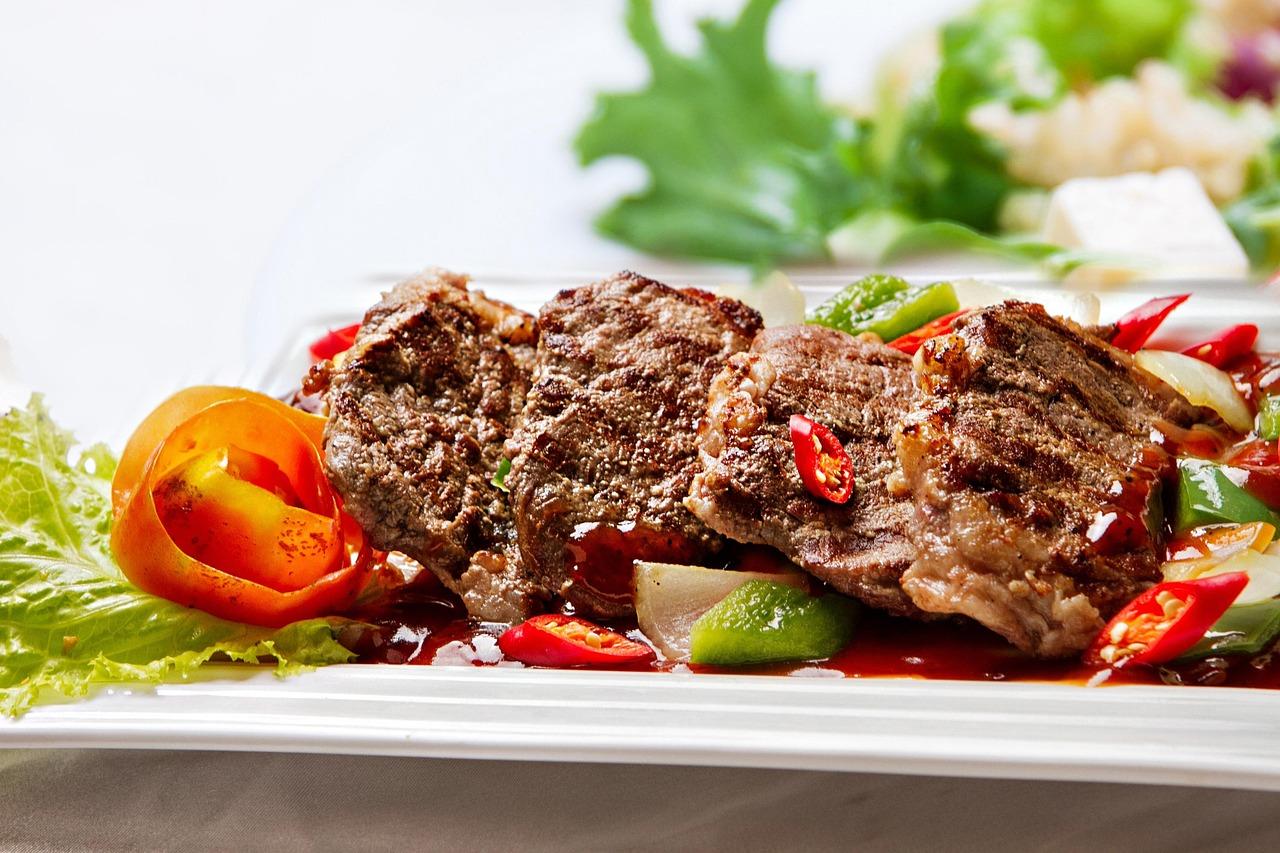
Yam nua (grilled beef salad)

Beer gardens and seafood restaurants around Bangkok put yam nua on the table as a drinking snack, but at home it is just as good with sticky or jasmine rice on a hot evening. Thick beef steak is grilled hard over charcoal, sliced and tossed while still warm with cucumber, tomato, onion, mint and coriander in a dressing that is very sour, salty and hot. Thai cooks often serve the beef quite rare; this recipe cooks it to medium so it is pink but not raw in the middle, which is safer for everyone at the table. Chef's tip: rest the steak before slicing and slice across the grain; cutting it straight off the grill floods the board with juice and leaves the strips chewy.

27 minThaiSaladsGluten freeSpicy
by KrazyBadal 0 views

Khanom jeep (Thai pork and prawn dumplings)

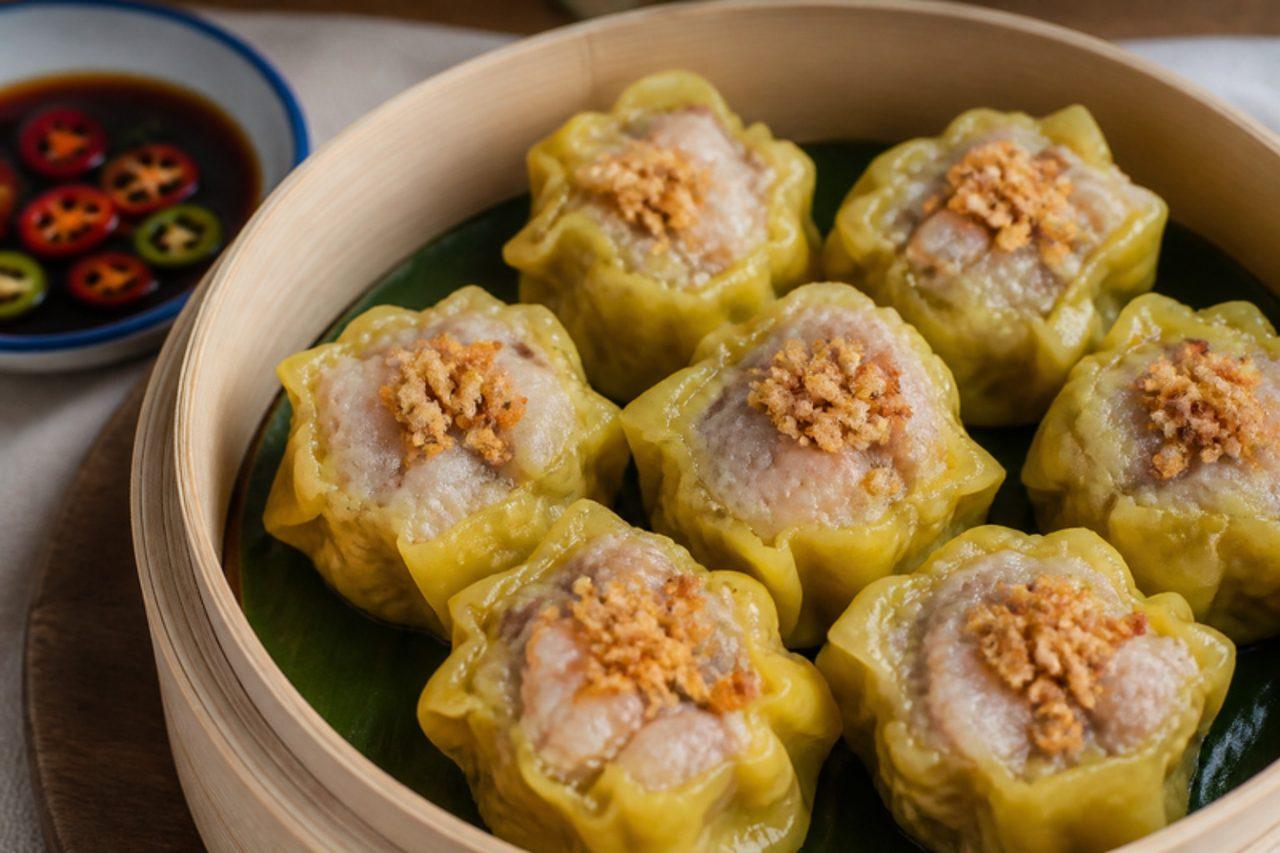
Steamer stacks of khanom jeep sit outside Bangkok's 7-Elevens and on Chinatown dim sum carts all day, sold by the half-dozen in a plastic bag with a squirt of sweet soy and a spoon of fried garlic. These Thai cousins of Cantonese siu mai are filled with springy minced pork and chopped prawns seasoned with coriander root and white pepper, gathered into yellow wrappers and steamed. Eat them as a snack or with rice soup for breakfast. Chef's tip: an underworked filling is the usual mistake; beat the pork and prawn mix hard for a few minutes so it turns sticky and springs back.

by KrazyBadal 0 views

Khanom mo kaeng (Thai coconut custard cake)

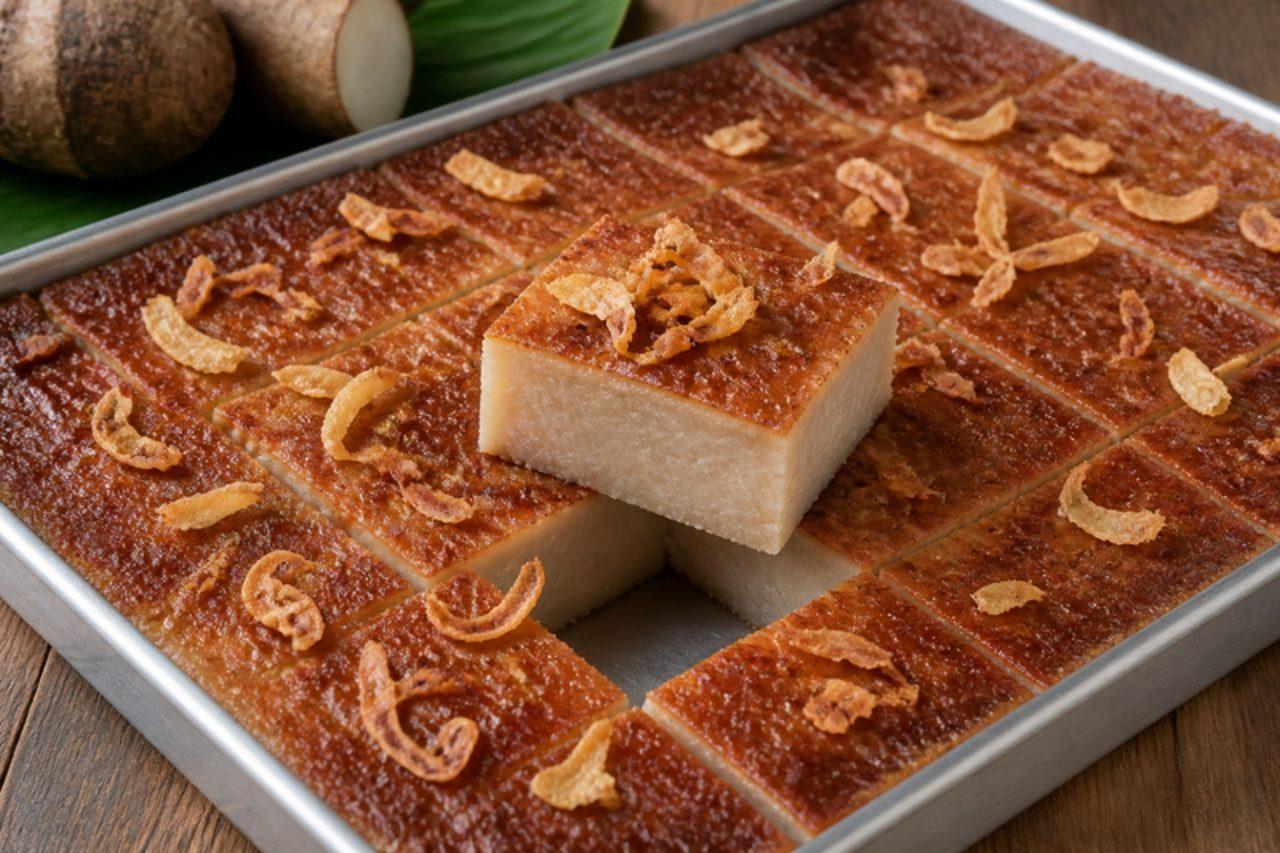
Drive south from Bangkok and every roadside shop in Phetchaburi sells this dense custard in foil trays, because the province's sugar palms give it the palm sugar that defines it. Duck eggs, coconut cream and mashed taro bake into a firm, fudgy slab with a browned top, then a scattering of crisp fried shallots adds a savoury, sweet-onion crunch. Cut it in squares for an afternoon snack. Chef's tip: the common mistake is baking it too hot, which makes it puff and crack; bake low until just set, then brown the top under the grill.

by KrazyBadal 0 views

Roti sai maiCandy floss crêpes

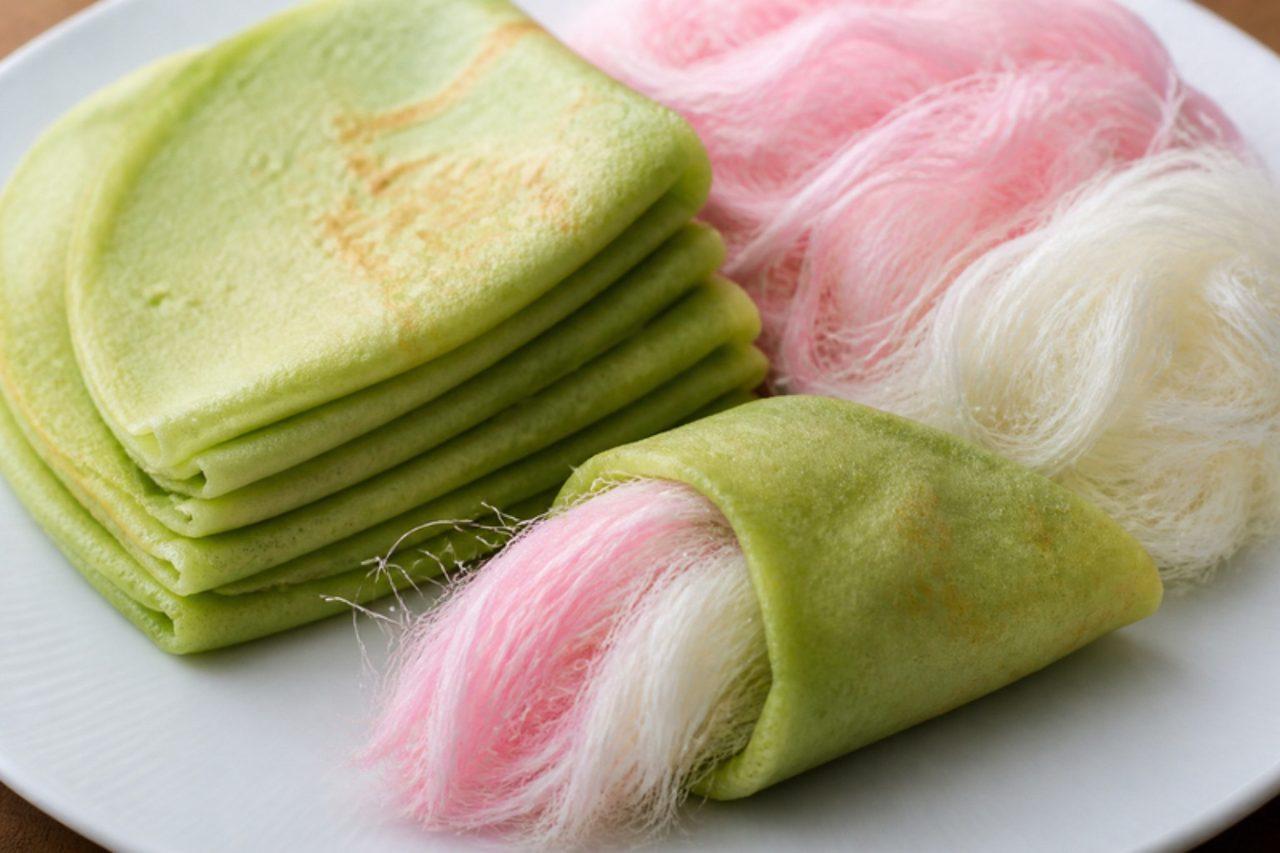
Ayutthaya's famous souvenir is sold from stalls along the road outside the city's hospital and old temples: a bag of soft, thin crêpes and a bag of pastel floss, to roll together yourself. The floss (sai mai, 'silk thread') is pulled sugar, finer and silkier than fairground candy floss, and melts on the tongue against the slightly salty, chewy crêpe. Pulling floss takes practice, so most home cooks buy it from Thai shops and make the crêpes fresh. Chef's tip: the classic mistake is wrapping the floss while the crêpe is hot; let the crêpes cool or the sugar melts into a sticky smear.

by KrazyBadal 0 views

Nam dok anchan (butterfly pea lemonade)

Vines of butterfly pea climb fences in gardens all over Thailand, and cafés from Bangkok to Krabi serve the flowers as an iced drink that changes colour at the table. The tea itself is mild and earthy, blue as ink; stirring in lime juice turns it violet and makes it tangy, which children love to watch. Chef's tip: the common mistake is mixing the lime in beforehand; serve the blue tea and lime separately so the colour change happens in the glass.

15 minThaiDrinksVeganGluten free
by KrazyBadal 0 views

Yam talay (Thai seafood salad)

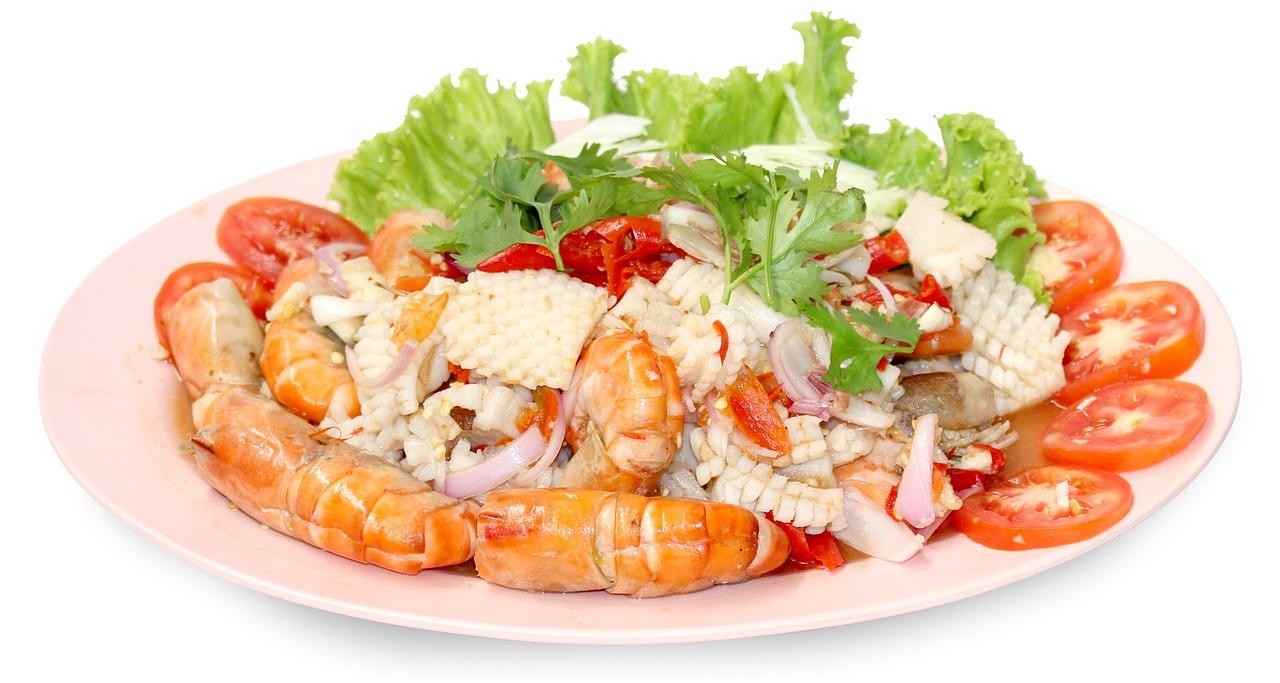
Beach shacks on Koh Samet and along the Pattaya coast bring yam talay out in a heap, the seafood still warm, glistening with lime and fish sauce, and scattered with Chinese celery and onion. It is light and very sour, eaten with ice-cold drinks before the grilled fish arrives, or with rice for lunch. Use whatever is freshest; the mix below is easy to find. Chef's tip: poach each type of seafood separately and briefly; tipping everything in together overcooks the squid into rubber bands before the mussels open.

25 minThaiFishGluten freeSpicy
by KrazyBadal 0 views

Yam som o (pomelo salad)

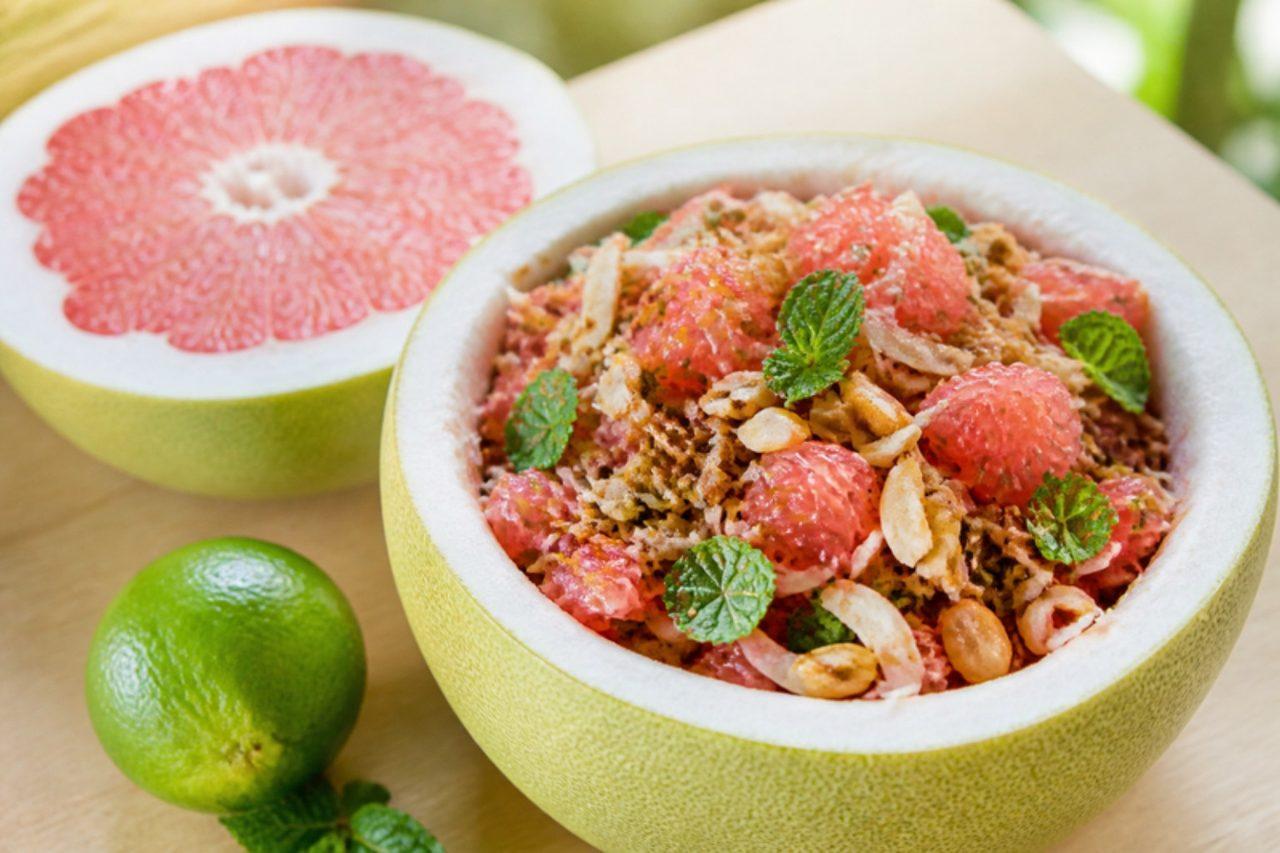
Pomelos from Nakhon Chai Si, west of Bangkok, are prized for their dry, juicy segments, and when they come into season in late summer this salad appears on restaurant menus across the central plains. The segments are broken into bursting sacs and tossed with toasted coconut, crisp shallots and peanuts in a dressing of lime, palm sugar and nam prik pao, so it eats sweet, sour, nutty and only mildly hot. Restaurants usually add poached prawns, fish sauce and a chilli jam made with dried shrimp; this version uses tamari and a vegan nam prik pao so it suits everyone. Chef's tip: dress the pomelo just before serving and toss with your fingertips; stirring hard with a spoon bursts the sacs and leaves a watery bowl.

25 minThaiSaladsVeganGluten free
by KrazyBadal 0 views

Thai green curry paste

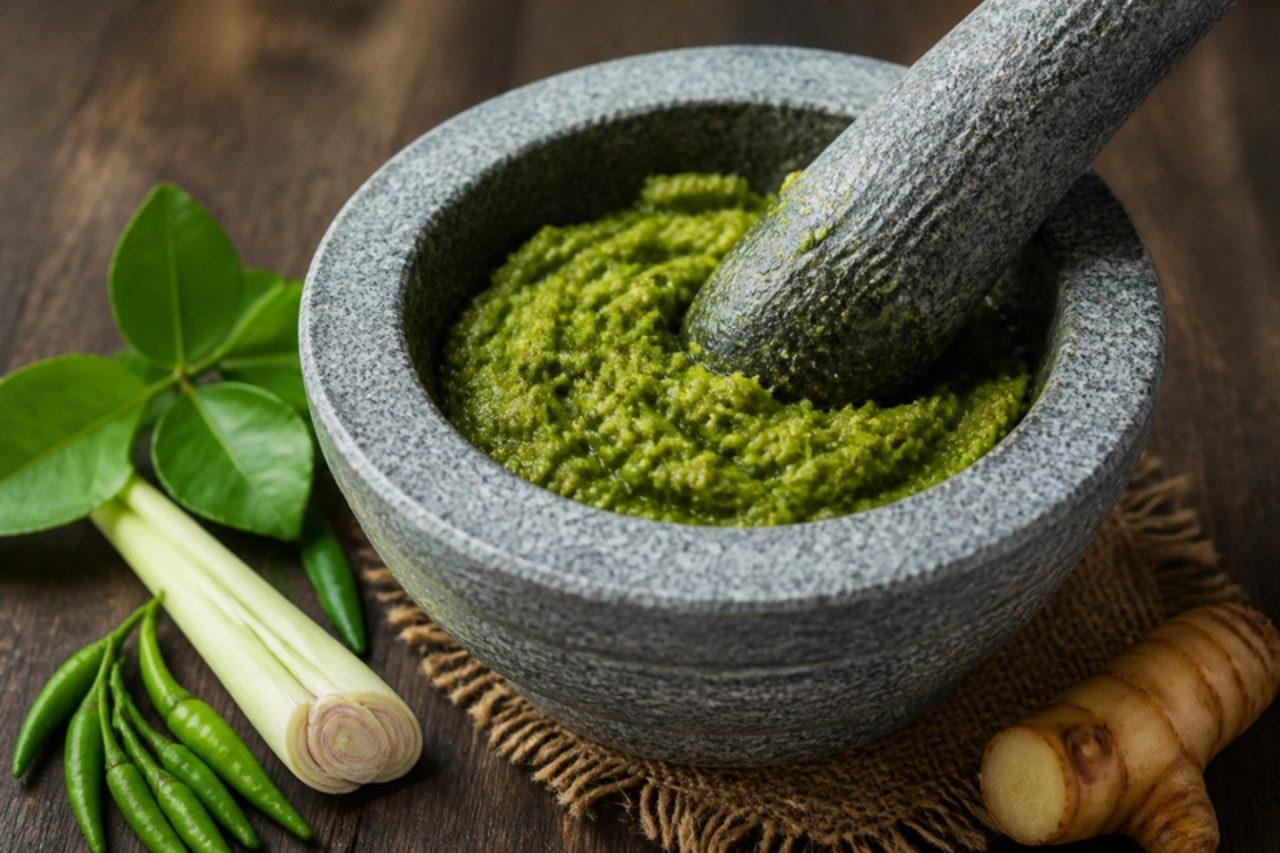
Green curry is a central-plains dish, cooked in Bangkok shophouse kitchens and eaten over rice or khanom jeen noodles at lunch. Its paste uses fresh green chillies rather than dried red ones, so it tastes grassy, hot and citrusy, with cumin and white pepper underneath. Thai cooks would add kapi (shrimp paste) at the end; here yellow soybean paste gives the savoury depth so the paste is vegan, and 1 tsp roasted shrimp paste can go back in for the traditional version. Chef's tip: don't add water to get the blender going; a watery paste won't fry in coconut cream and the curry tastes flat. Use a spoonful of oil and patience instead.

38 minThaiBasicsVeganGluten freeSpicy
by KrazyBadal 0 views

Showing 24 of 240 recipes

Show more recipes

Page 1 of 10