Skip to content
Recipes

All recipes

Vegetarian, or something you can't eat? Set your diet once and we'll hide recipes that don't fit.

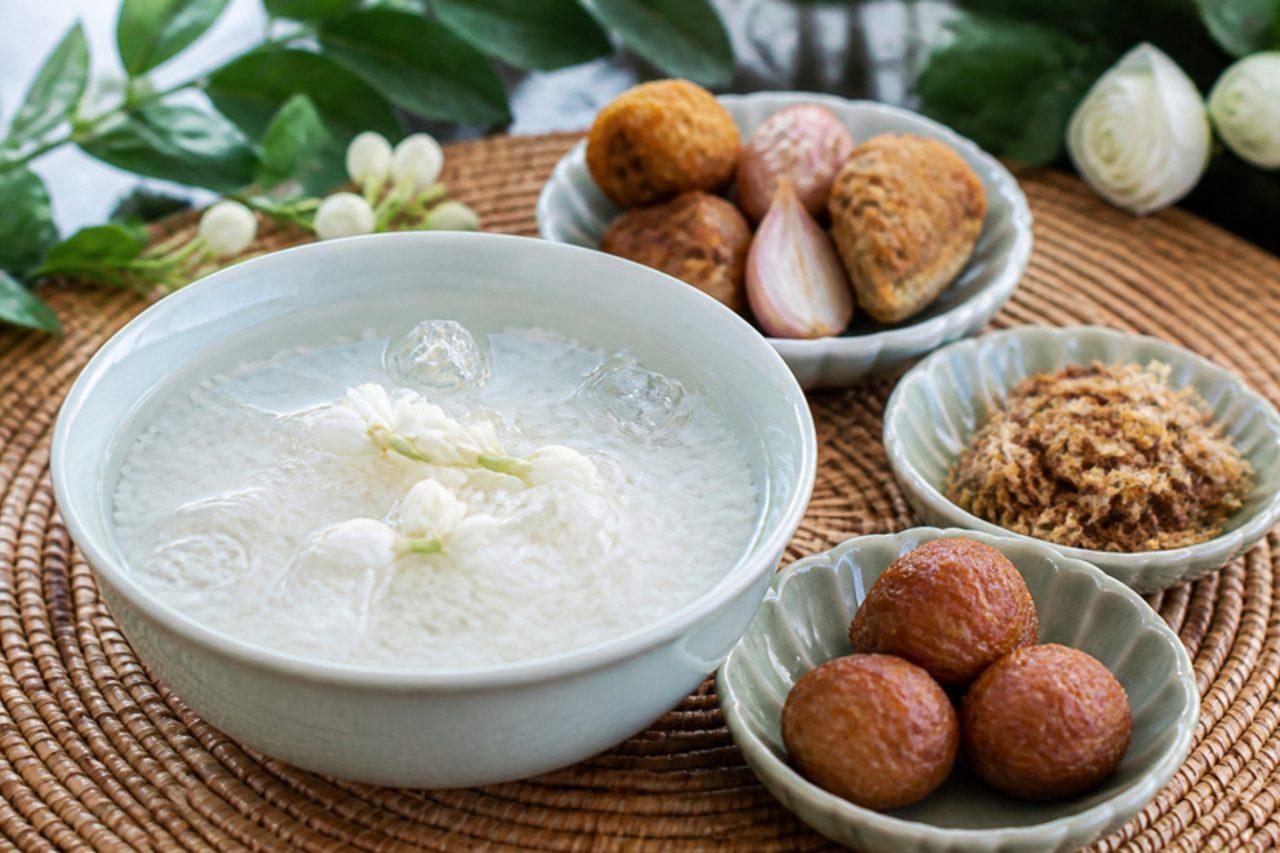
Khao chae (jasmine-scented chilled rice)

Khao chae came to Central Thailand with the Mon people and became the classic Songkran lunch for the hottest days of April: rice served in iced, flower-scented water to cool the body and honour the New Year with something cool and fresh. The rice sits in its fragrant water, surrounded by little savoury bites eaten in turn: fried shrimp-paste balls (luk kapi), battered stuffed shallots and moo foi, sweet shredded pork fried until it is dry and caramelised. Each mouthful is a bite of salty-sweet side followed by a spoon of cold, clean rice. Scent the water with food-safe, unsprayed jasmine flowers or a few drops of food-grade jasmine extract, never florist's flowers. Chef's tip: rinse the cooked rice to wash off its starch so the water stays clear and the grains stay firm.

by KrazyBadal 0 views

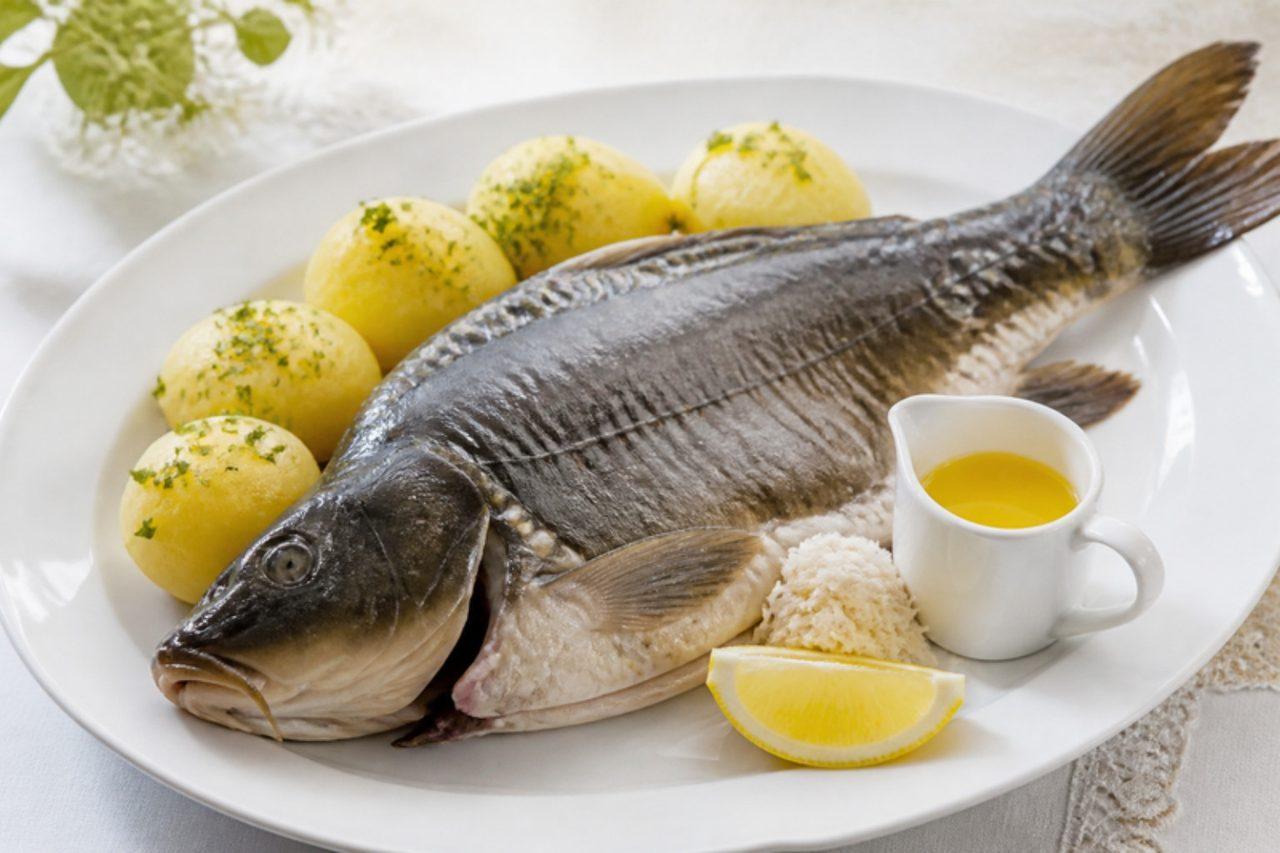
Karpfen blauCarp poached in vinegar stock

In Franconia and Bavaria, Christmas Eve supper is often carp, and the old way is 'blau': the fish is poached in a sharp vinegar stock that turns its natural skin slime a striking slate blue. It is served with melted butter, freshly grated horseradish and boiled potatoes, and many families keep a carp scale in their wallet for good luck in the year ahead. Buy carp already killed and gutted by the fishmonger, and ask for it unscaled and handled as little as possible, or the blue colour won't appear. Chef's tip: never rinse or wipe the carp skin, because the slime is what turns blue.

60 minGermanFishGluten free
by KrazyBadal 0 views

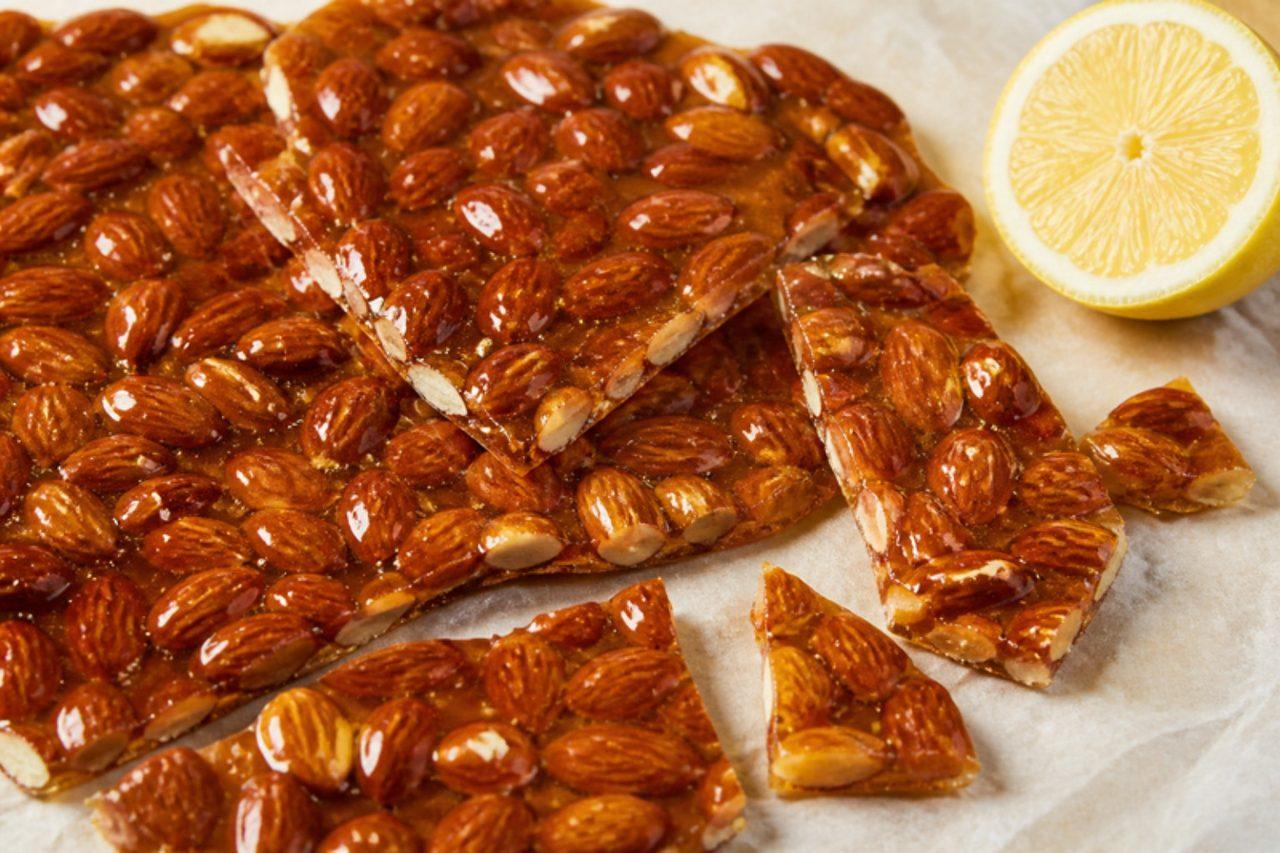
Croccante (southern Italian almond brittle)

Croccante is the sweet of southern Italian feast days: from Naples to Calabria and Apulia it is sold from stalls at the patron saint's festa, set out at Christmas and at Carnival, and in some towns shaped into little baskets for weddings. Whole almonds are toasted and folded into caramel, then pressed thin on marble with the cut side of a lemon, which stops it sticking and leaves a faint citrus scent. It is crisp and glassy with a deep, nutty, slightly bitter caramel. Break it into shards to eat with coffee, or crush it over ice cream. It is naturally egg-free: only caramelised sugar holds the almonds, setting hard as glass as it cools. Chef's tip: keep the almonds warm when they go in; the common mistake is adding cold nuts, which makes the caramel seize into lumps.

by KrazyBadal 0 views

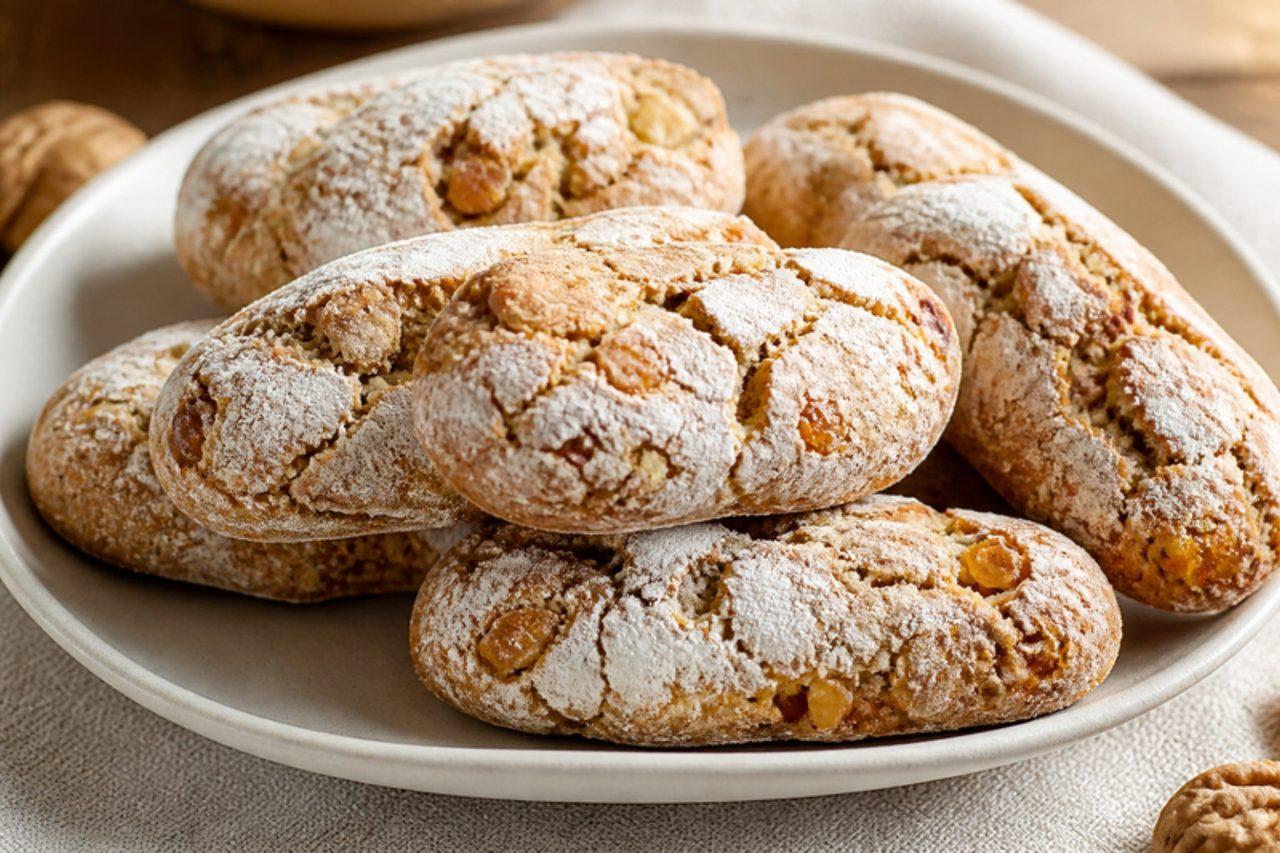
CavallucciHoney walnut aniseed biscuits

Cavallucci are Siena's humbler Christmas biscuit, sold beside ricciarelli and panforte in every pastry shop from Advent onward. They are pale, chewy and craggy, made from honey, sugar, flour, walnuts, candied orange and aniseed, with no butter or eggs, so they are dairy free and keep for weeks. Sienese families dunk them in vin santo after dinner, but they are just as good with coffee or hot milk. Chef's tip: cook the honey and sugar syrup only until it threads, then mix fast; if it goes further it sets the dough rock hard.

by KrazyBadal 0 views

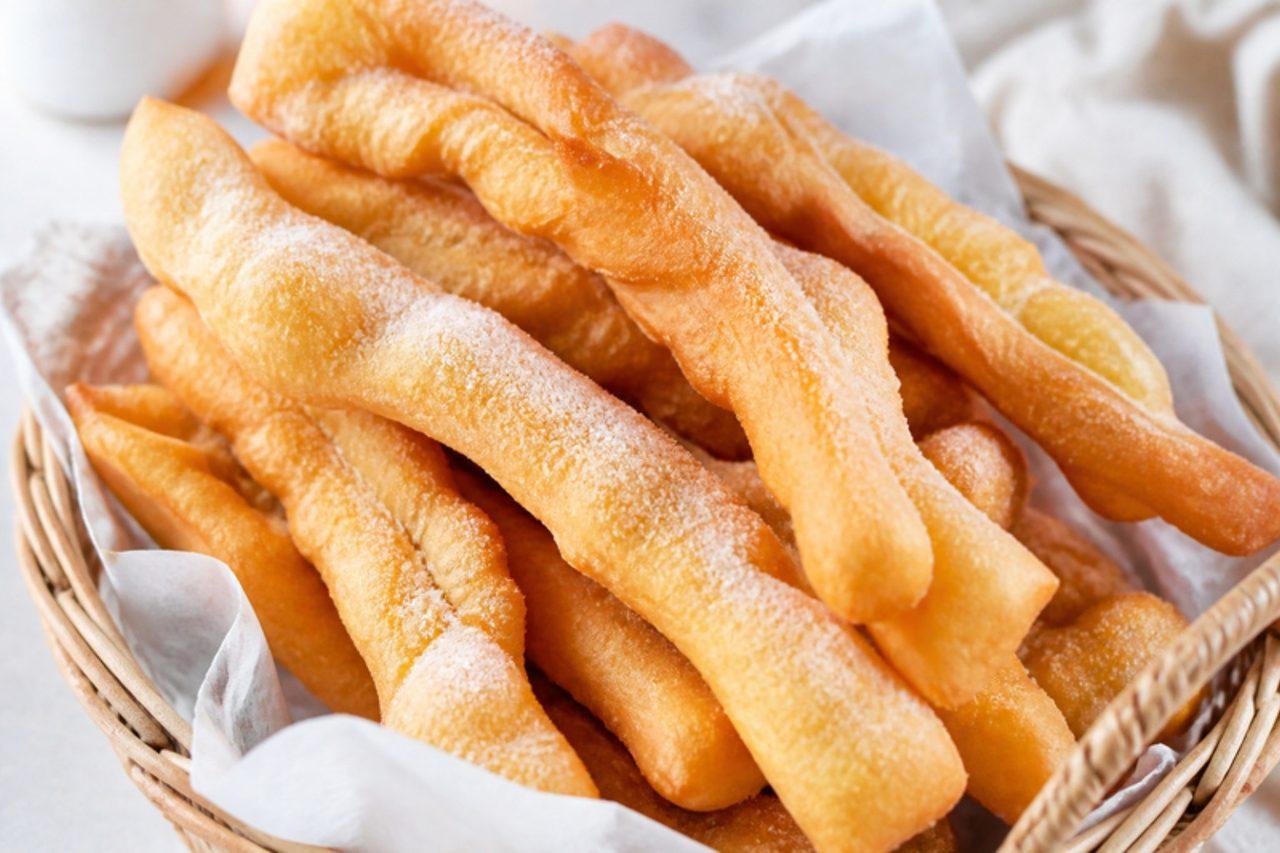
Crispelle calabresiFried potato dough fritters

On the afternoon of 8 December and again on Christmas Eve, Calabrian kitchens fill with the smell of crispelle frying: long strips of soft potato-and-flour yeast dough dropped into hot oil until they puff and turn golden. Many families stuff some with an anchovy, but these are the plain kind, eaten hot with salt, or rolled in sugar and honey for children, so they are vegan. They are best straight from the pan, while the outside crackles and the inside is still airy. Chef's tip: oil your hands, not flour them, when stretching the dough; flour falls into the fryer, burns and turns the oil bitter.

by KrazyBadal 0 views

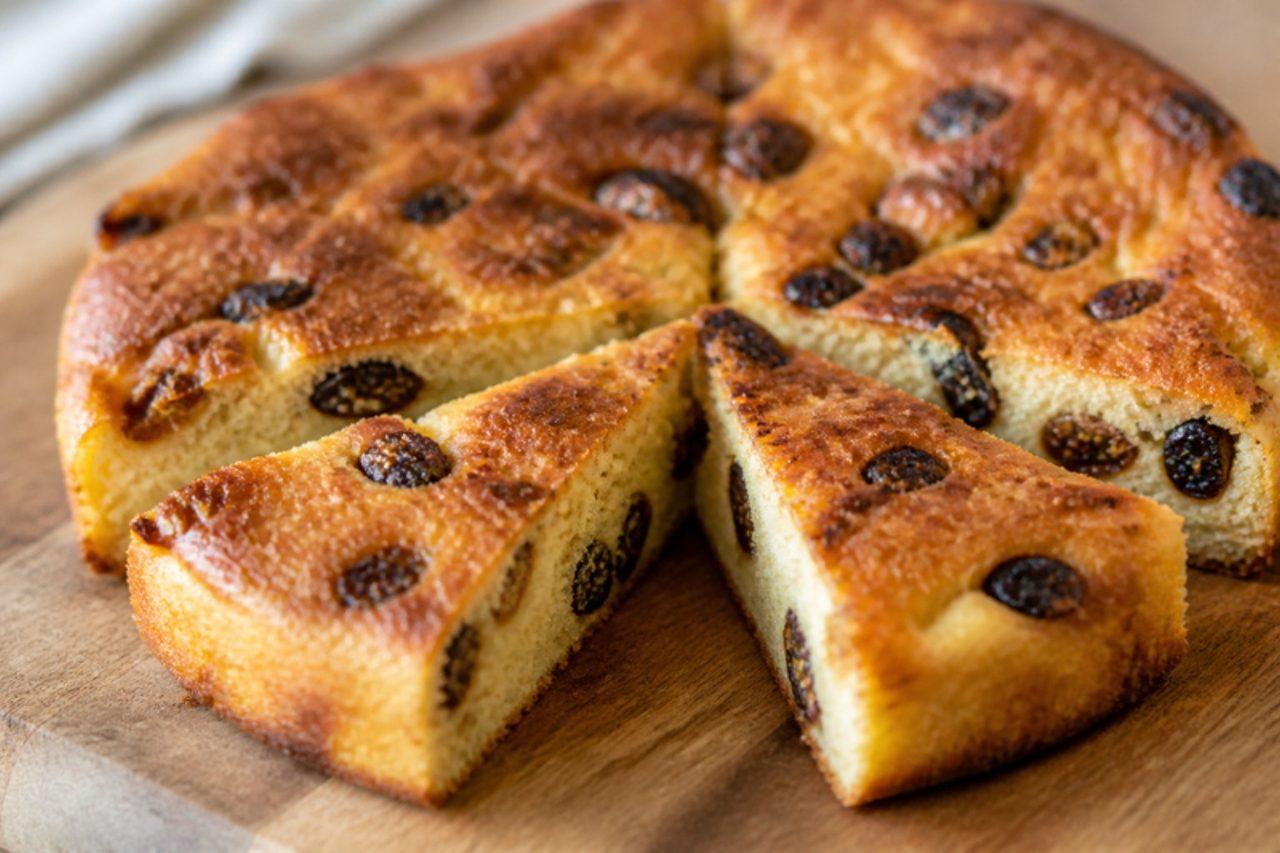
Pinza venetaPolenta and fig Epiphany cake

Pinza belongs to the eve of Epiphany in the Veneto and Friuli, when bonfires called panevin are lit in the fields and the smoke is read for the coming harvest; slices of pinza and mulled wine are handed round beside them. It is a dense, moist country cake of polenta and wheat flour, sweetened with dried figs, raisins and a little sugar, and scented with fennel seed and orange. Old recipes soak the raisins in grappa; here they are soaked in warm milk, keeping it alcohol-free. Serve it warm or cold in fat wedges. Chef's tip: cook the polenta into a soft porridge first, as dry cornmeal stirred straight into the batter stays gritty.

by KrazyBadal 0 views

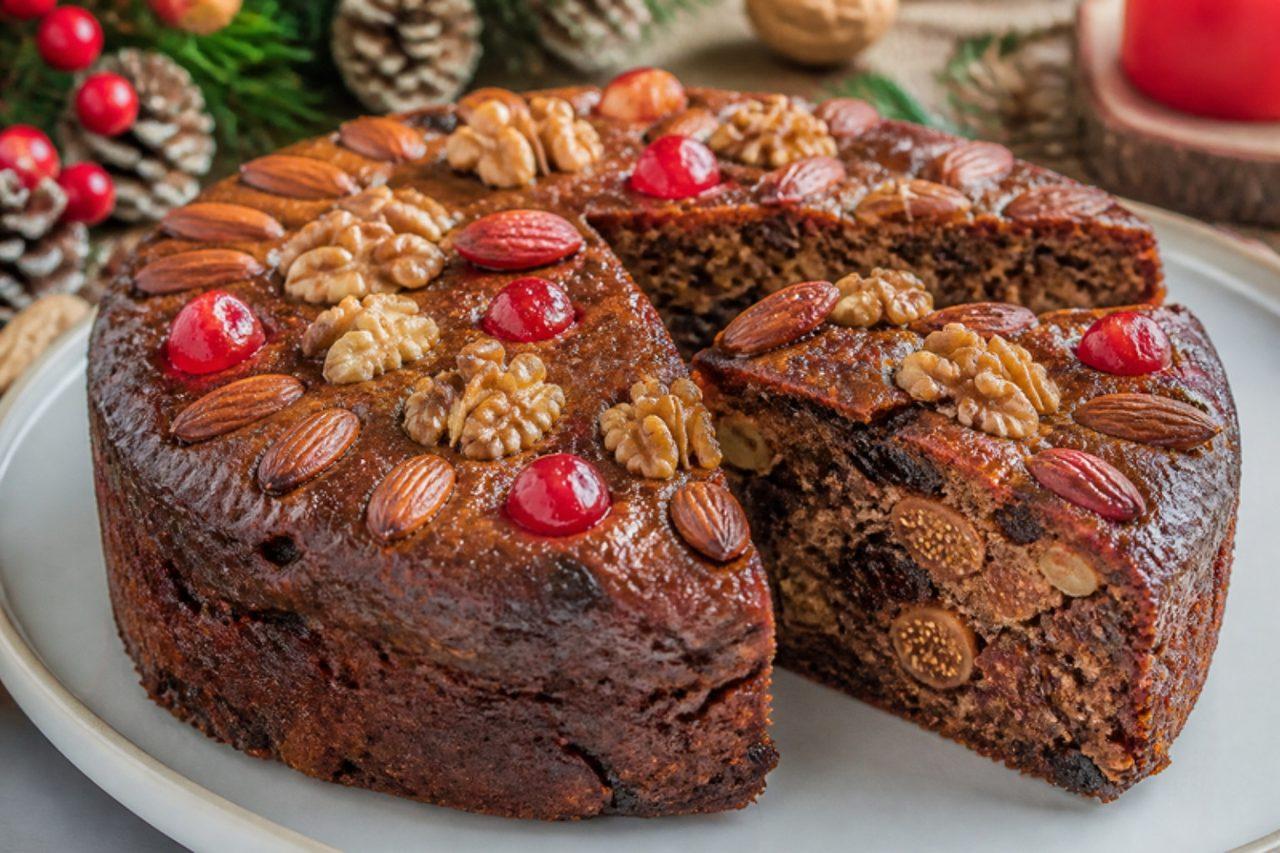
ZeltenFig, walnut and raisin Christmas loaf

Zelten comes from the Alpine valleys of Trentino and South Tyrol, where it is baked around St Lucy's Day and eaten slowly until Epiphany, a slice at a time after Christmas dinner. The Trentino version is a dark, dense cake packed with dried figs, raisins, walnuts and pine nuts in just enough soft yeasted dough, topped with a pattern of whole nuts and cherries. Grappa or rum is usually poured over the fruit; here it is soaked in warm orange juice, and adults can add 2 tbsp rum to the soak. It keeps for 3 weeks wrapped. Chef's tip: press the decorative nuts in firmly before baking, or they pop off as the loaf rises.

by KrazyBadal 0 views

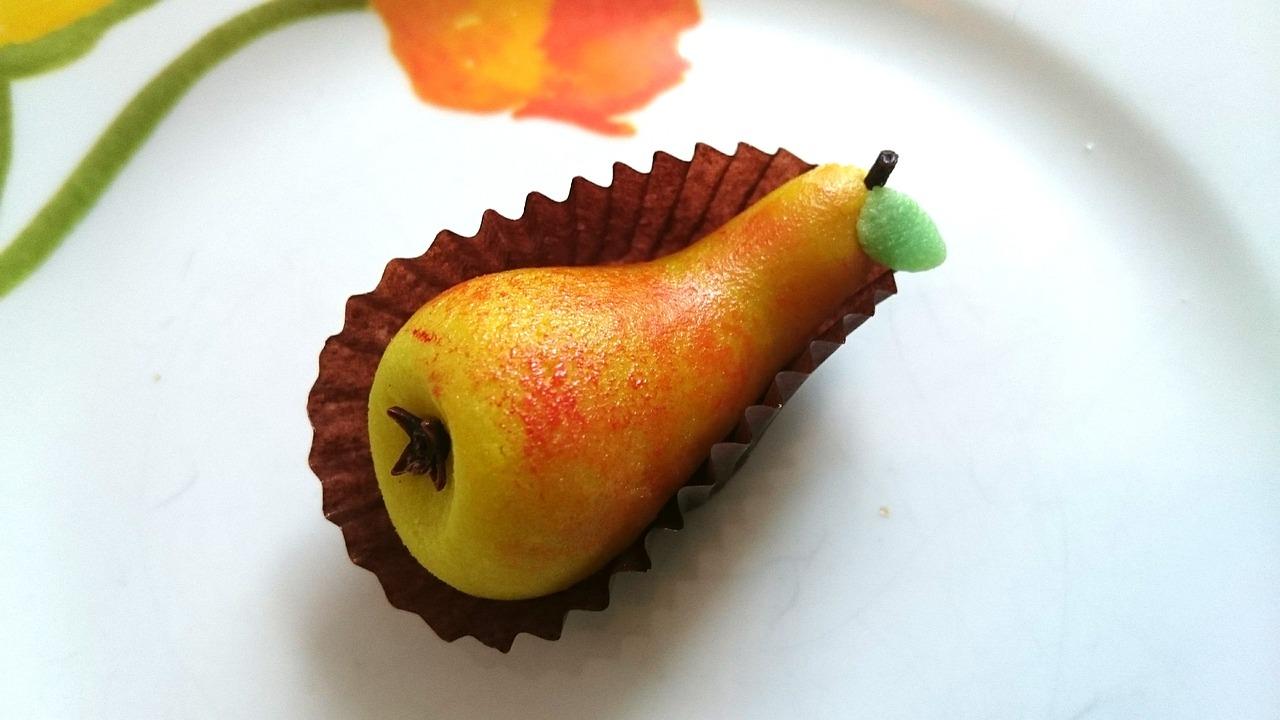
Frutta martorana (Sicilian painted almond-paste fruit)

Palermo's pastry shops fill their windows with frutta martorana in late October, ready for All Souls' Day on 2 November, when Sicilian children wake to find sweets and toys said to be left by the family's dead. The name comes from the nuns of the Martorana convent, who were said to have decorated their bare orchard with almond-paste fruit. Each little fig, prickly pear or orange is so perfectly painted it looks real, and the paste inside is smooth, dense and very sweet, with a pure almond flavour. Serve a few with coffee or a glass of cold almond milk. The paste is egg-free almond paste, made the Sicilian way: ground almonds are stirred into sugar syrup boiled to the soft-ball stage, and the syrup binds them as it cools, unlike some shop marzipan, which is not always egg-free. Chef's tip: let the shapes dry before painting; the common mistake is painting damp paste, so the colours bleed.

by KrazyBadal 0 views

Khao niao daeng (Thai red sticky rice)

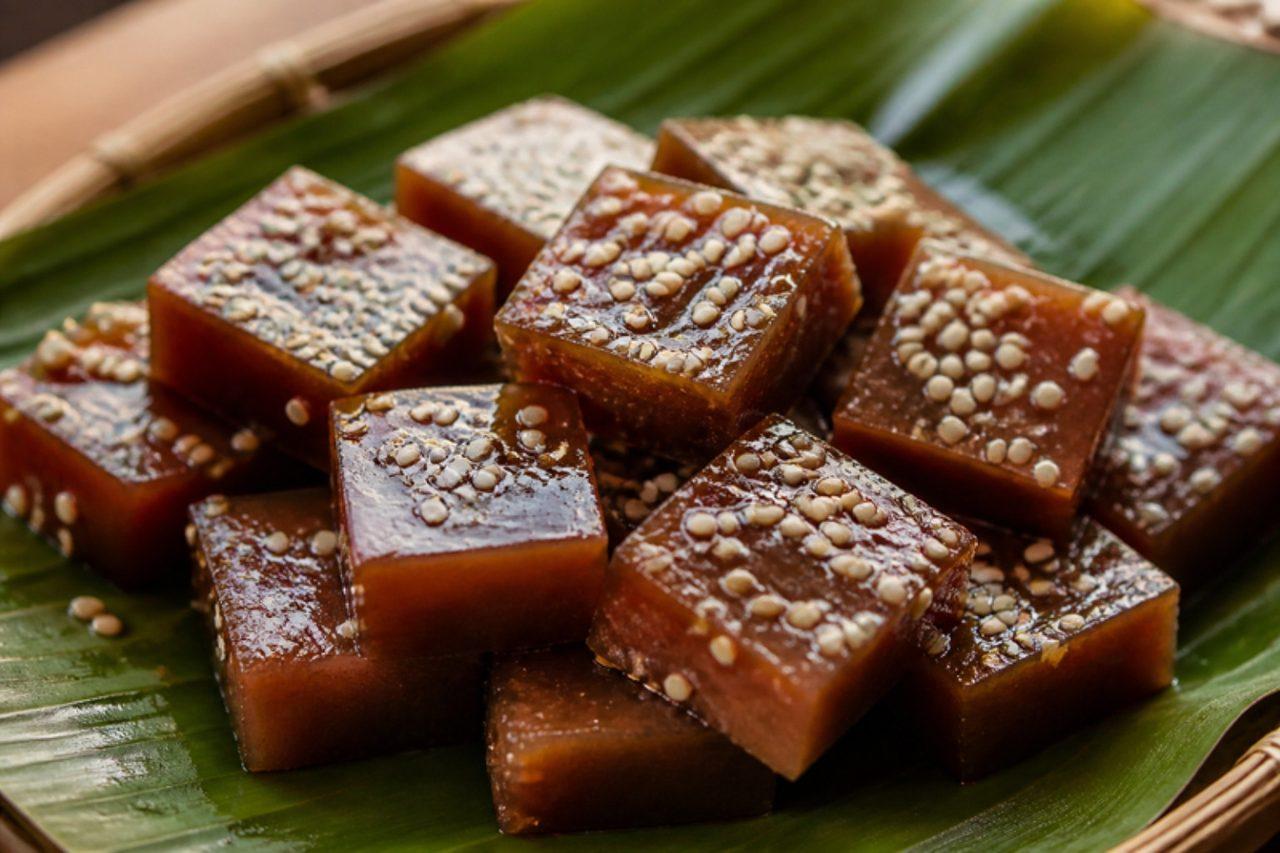
Khao niao daeng, "red sticky rice", is made in Central Thailand in the days before Songkran and carried to the temple as an offering, its sticky grains a wish that family ties hold fast through the year. The rice is steamed first, then folded into a long-reduced coconut and palm sugar caramel until it turns a glossy red-brown and every grain is sweet, chewy and fragrant. Pressed into a tray, it slices neatly and keeps for a few days, so it is a good make-ahead sweet for a crowd. Serve squares with a sprinkle of toasted sesame and a cup of tea. Chef's tip: reduce the caramel until it is thick and bubbling slowly before the rice goes in, or the rice turns mushy instead of chewy.

by KrazyBadal 0 views

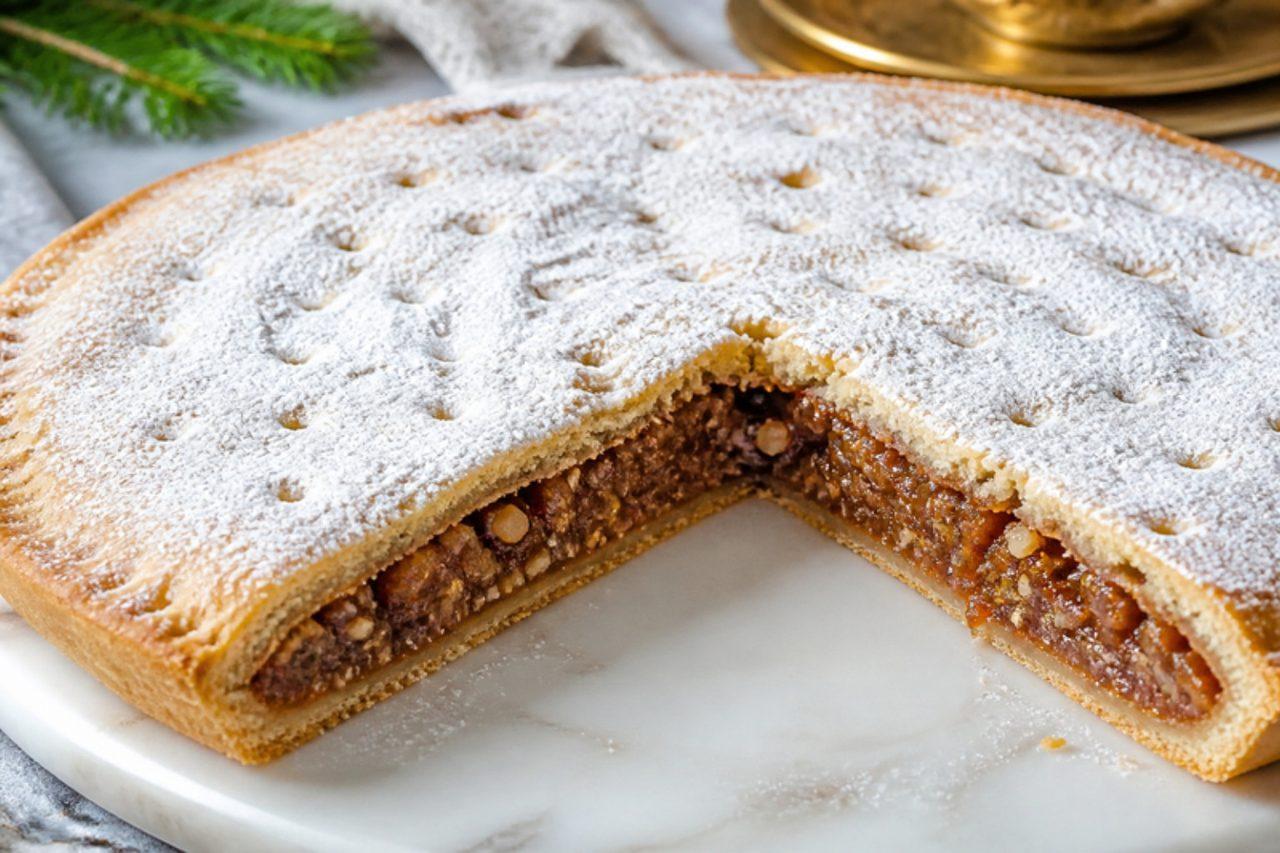
SpongataHoney and nut Christmas pie

Spongata is a Christmas speciality of the hills between Parma, Reggio Emilia and the Lunigiana, a thin, flat round of crisp pastry hiding a dark filling of honey, walnuts, almonds, pine nuts, raisins, candied fruit and spices, all bound with a few breadcrumbs. Families exchange it at Christmas and slice it into thin wedges with coffee. Traditional recipes add white wine to the pastry and a splash of liqueur to the filling; this version uses milk and orange juice, so it is alcohol-free. The filling is best made two days ahead. Chef's tip: prick the top many times with a fork, as the pattern is traditional and it stops the lid ballooning.

by KrazyBadal 0 views

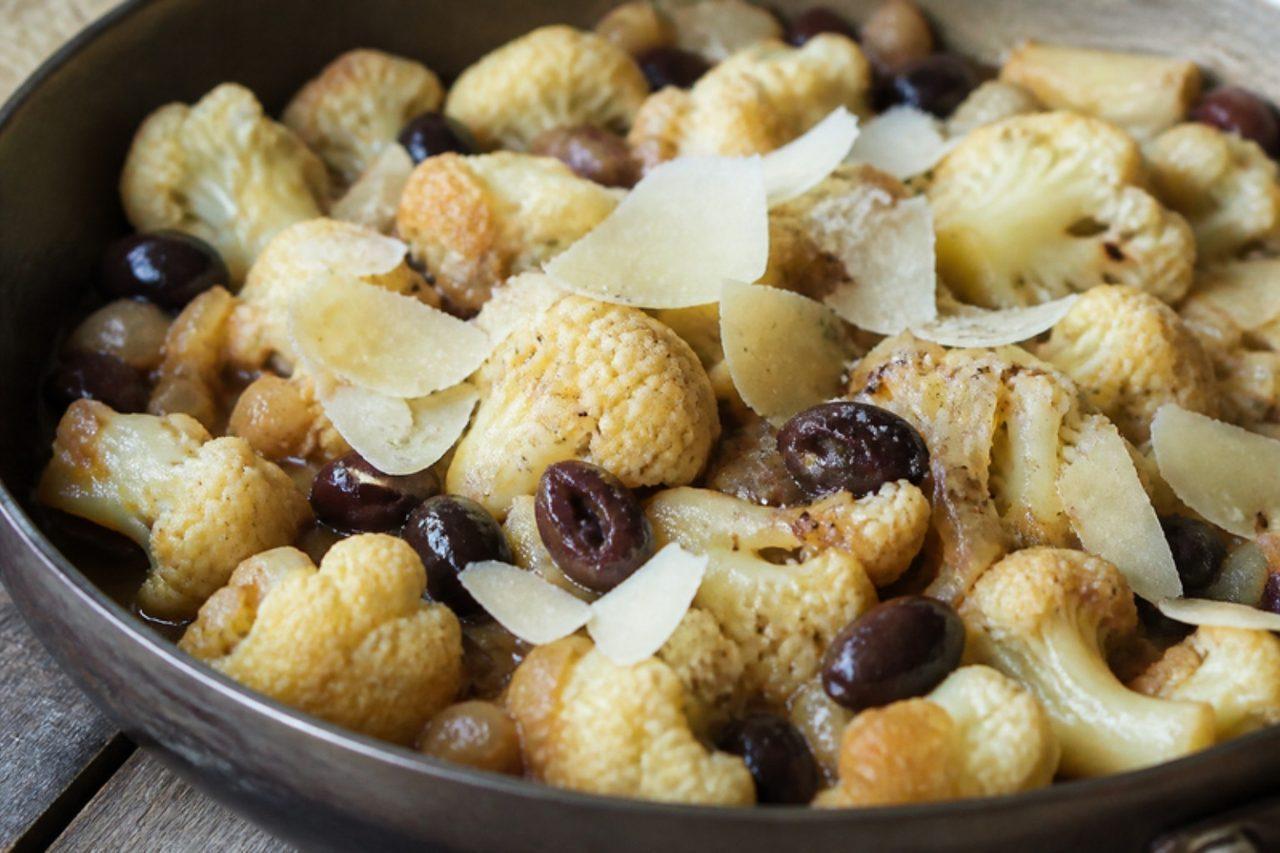
Broccoli affogatiCauliflower stewed with olives and wine

In Catania, eastern Sicily, Christmas Eve is a meatless vigil, and the big green Sicilian cauliflower (called 'broccoli' there) is 'drowned' in a covered pan with onion, black olives, oil and red wine, then strewn with pecorino. It is served on its own, folded into scacce pies, or beside fried salt cod. The wine cooks off over long simmering but some alcohol may remain, so swap it for water with 1 tbsp red wine vinegar for an alcohol-free dish. Pecorino is made with animal rennet, so use a vegetarian hard cheese for a strictly vegetarian table. Chef's tip: layer the pan, cauliflower on onions on olives, and don't stir; shake it instead, so the florets stay whole and soak up the juices.

by KrazyBadal 0 views

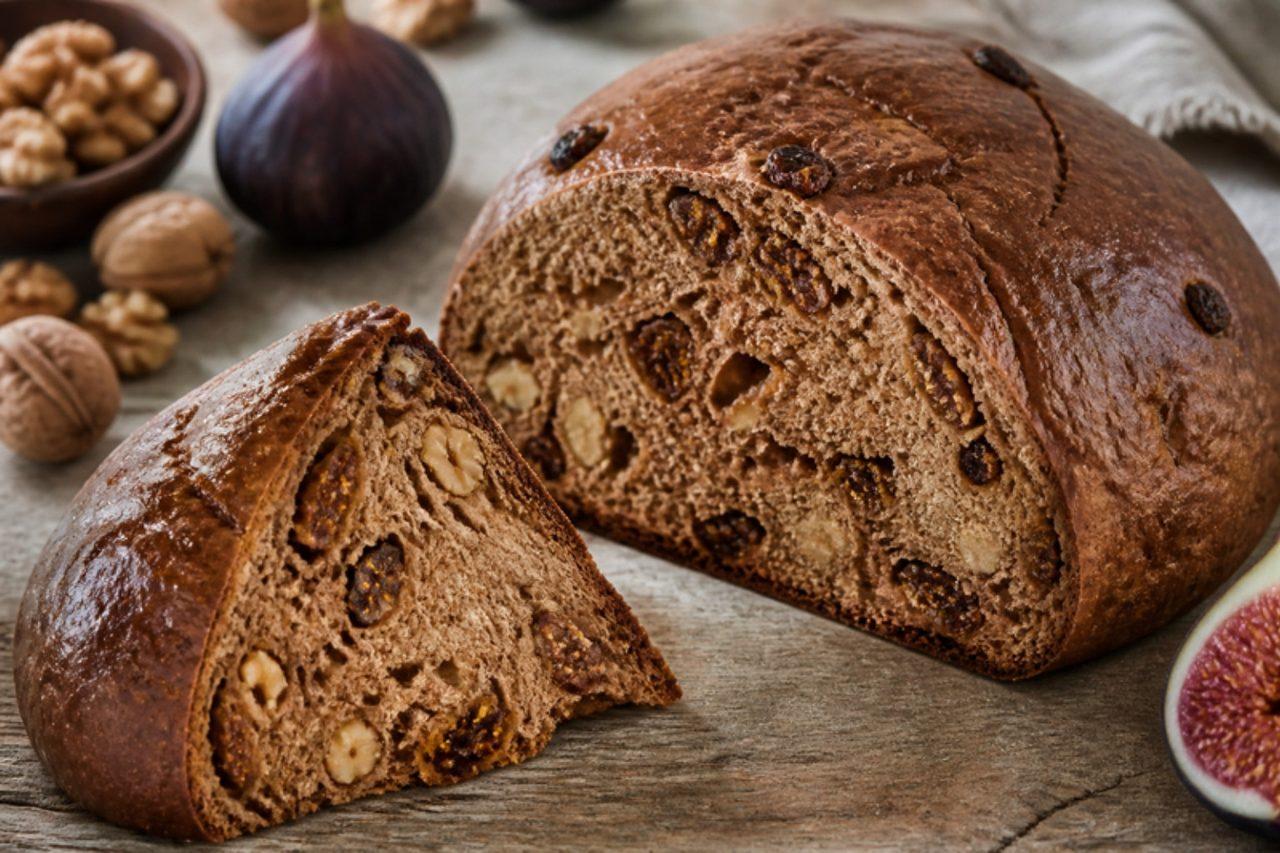
BisciolaBuckwheat fruit and nut bread

Bisciola is the Christmas bread of the Valtellina, the Alpine valley in northern Lombardy known for buckwheat. It is a soft, dome-shaped loaf of rye or buckwheat and wheat, enriched with butter, egg and honey and crammed with dried figs, raisins and walnuts, eaten from St Lucy's Day to Epiphany, often toasted with butter. Some bakers splash grappa on the fruit; this recipe uses warm water and is alcohol-free. It keeps for a week. Chef's tip: buckwheat has no gluten, so keep it to a third of the flour, or the loaf will be heavy and crumbly.

by KrazyBadal 0 views

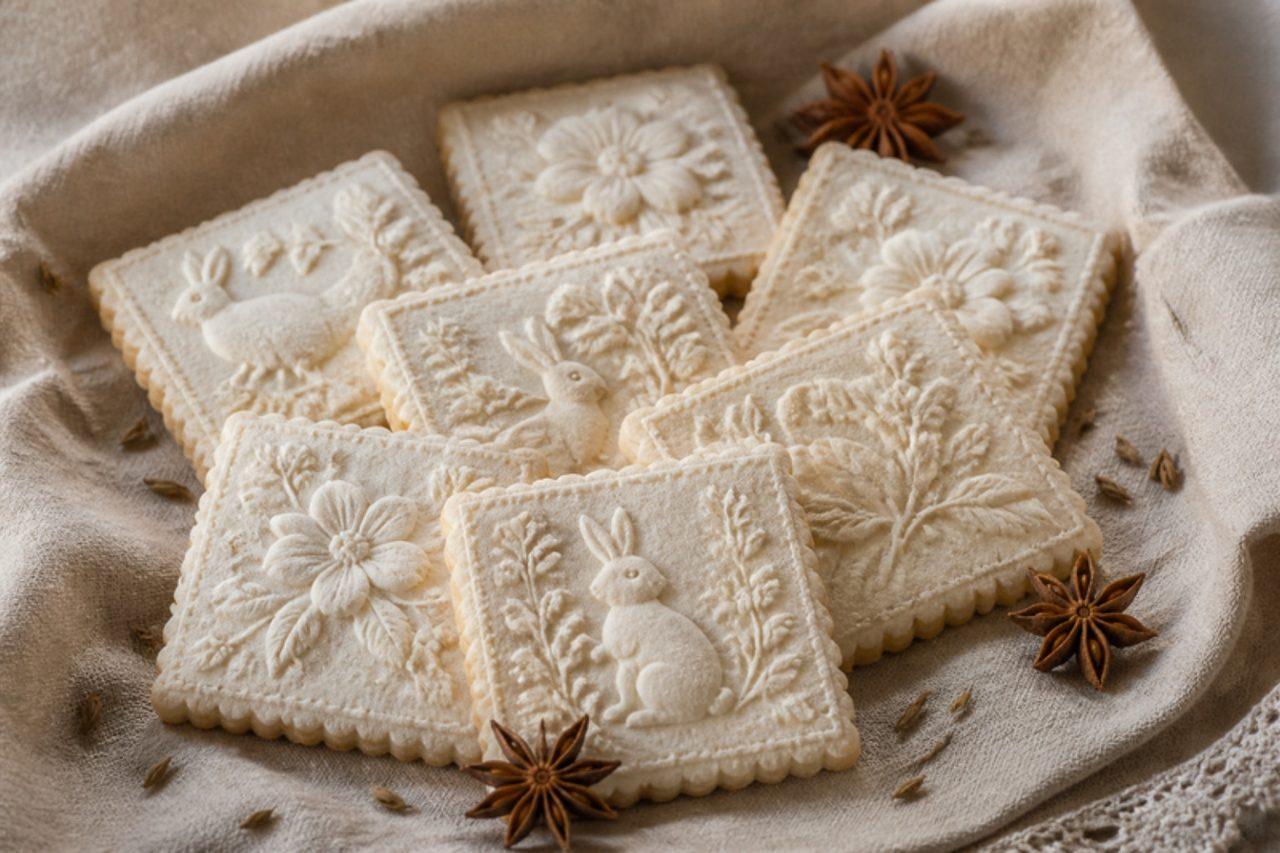
SpringerleAnise biscuits

Springerle are among the oldest Christmas biscuits of Swabia and Baden in south-west Germany, made in Advent with carved wooden moulds and boards handed down in families, which print scenes of angels, animals and flowers onto the dough. The dough is only eggs, sugar and flour with aniseed underneath. The pressed biscuits are left to dry overnight, so that in the oven the picture stays sharp on top while a little 'foot' rises underneath. They are hard when fresh and soften in a tin after a week. Chef's tip: dust the mould with flour and tap out the excess every time, or the dough sticks and the picture blurs.

by KrazyBadal 0 views

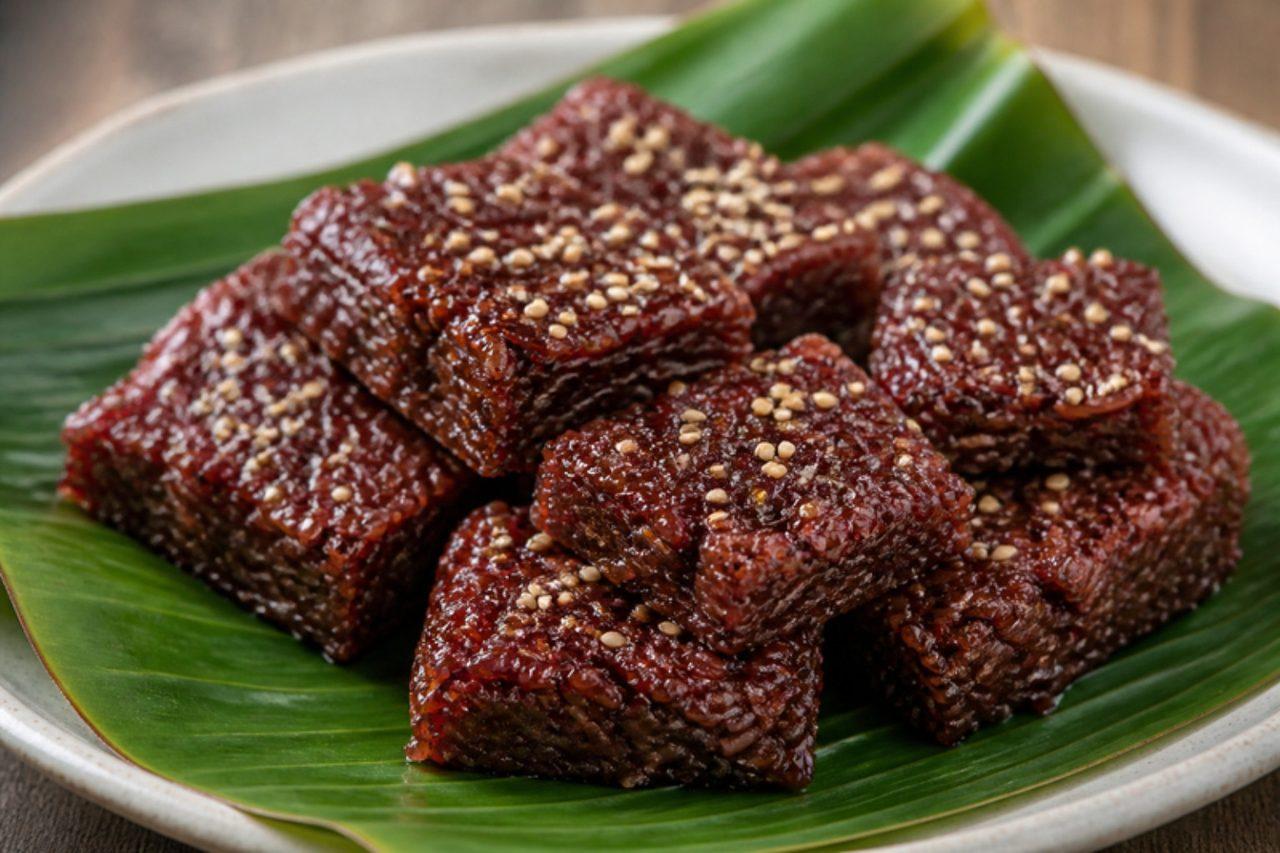
Kalamae (Thai coconut caramel sticky rice sweet)

Kalamae is the Songkran sweet of Central Thailand: in villages, neighbours take turns at a huge wok for hours, and the finished trays go to monks and elders at the New Year, the long shared stirring standing for a community pulling together and the sweetness for a sweet year ahead. Glutinous rice flour, coconut milk and palm sugar slowly turn from milky beige to a deep mahogany paste that is chewy, a little smoky and rich with coconut. Cut it into small squares and serve with jasmine tea, or wrap the pieces in banana leaf to give away. A home batch takes about two and a half hours at the stove, so put on some music and keep a wooden spoon moving. Chef's tip: use the widest heavy pan you own; more surface means faster thickening and less risk of scorching.

180 minThaiDessertsVeganGluten free
by KrazyBadal 0 views

Krathong thong (crispy golden cups with chicken)

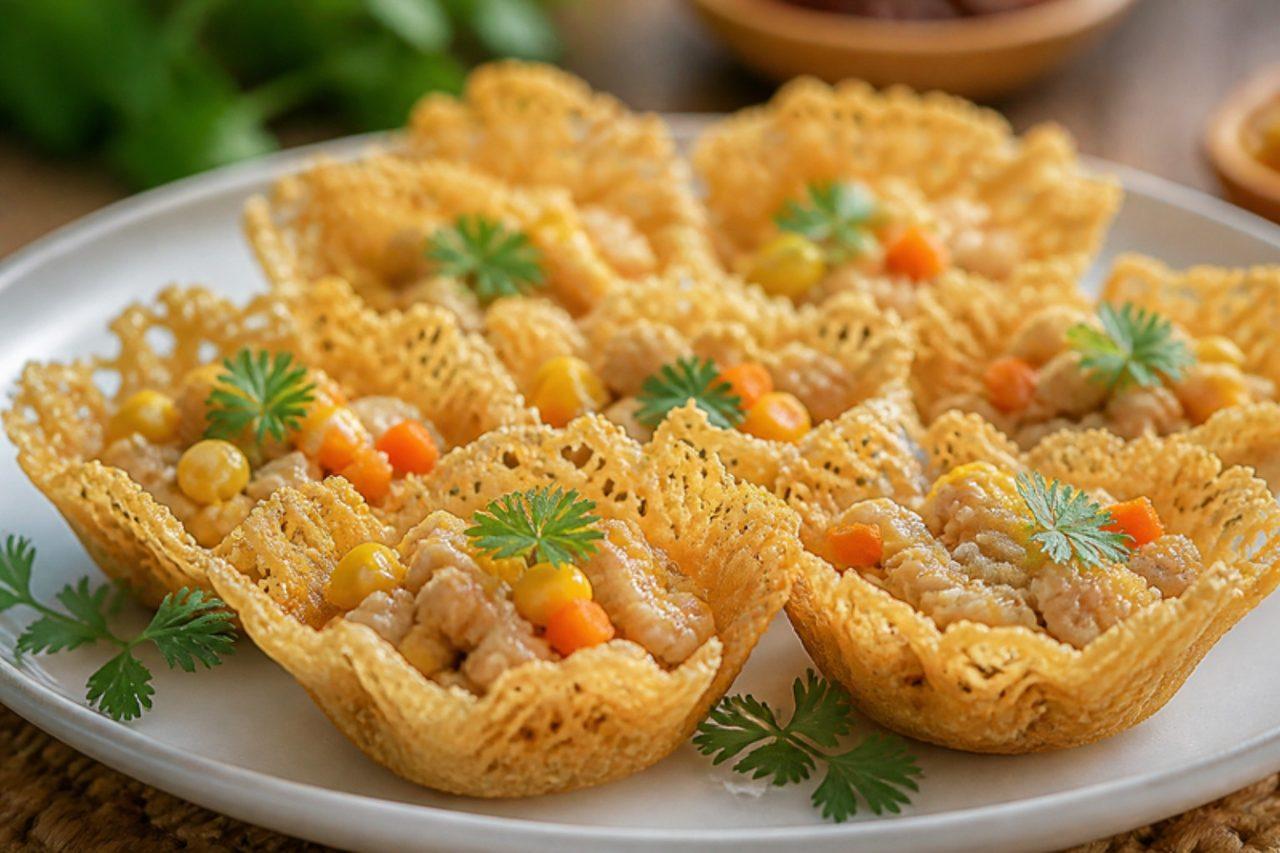
Krathong thong, "golden baskets", are named after the little floating krathong set on the rivers at Loy Krathong in Central Thailand, and their golden colour makes them a party bite for wishing wealth at festivals and New Year gatherings. A thin rice-flour batter is fried on a hot flower-shaped mould into crisp, delicate cups that shatter at the first bite. The filling is minced chicken cooked with sweetcorn, carrot, garlic and a little sugar, so it is gently sweet and savoury, which children love. Serve them as a starter with a sweet chilli dip, filling the cups just before serving so they stay crisp. Chef's tip: the cups keep for a week in an airtight tin, so fry them a day ahead and only cook the filling on the day.

by KrazyBadal 0 views

CalcionettiFried ravioli with chickpea and chocolate

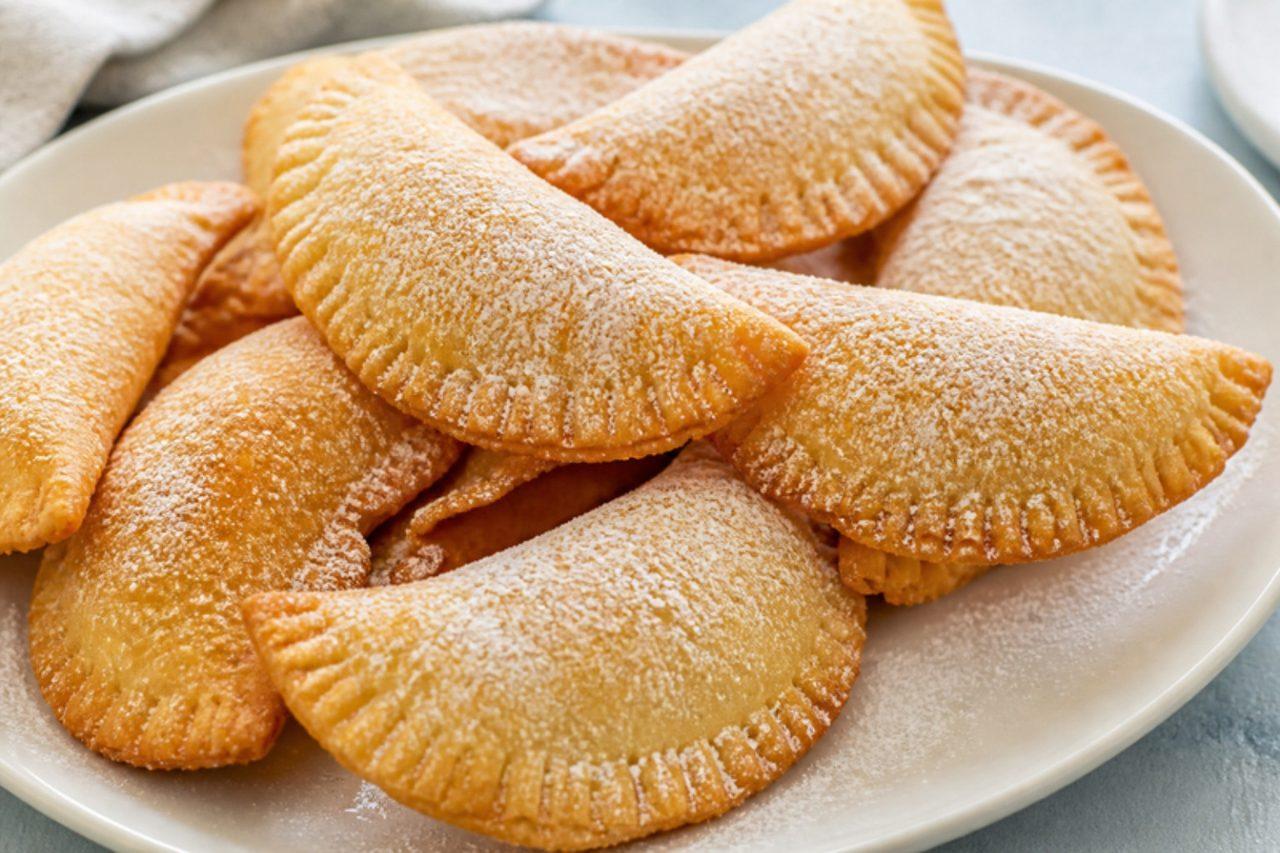
In Abruzzo, calcionetti (caggionetti in dialect) are fried on Christmas Eve and handed round all through the holidays. The thin pastry is wrapped around a sweet filling of chickpea or chestnut purée with cocoa, honey, toasted almonds and orange zest, then fried until bubbly and dusted with sugar. Many Abruzzese families add a little rum or the local Centerbe liqueur to the filling; this version uses orange juice so children can eat them, and adults may add 1 tbsp rum. Chef's tip: seal each one firmly by pressing out all the air, as trapped air makes them burst in the hot oil.

by KrazyBadal 0 views

Cappone ripienoStuffed Christmas capon

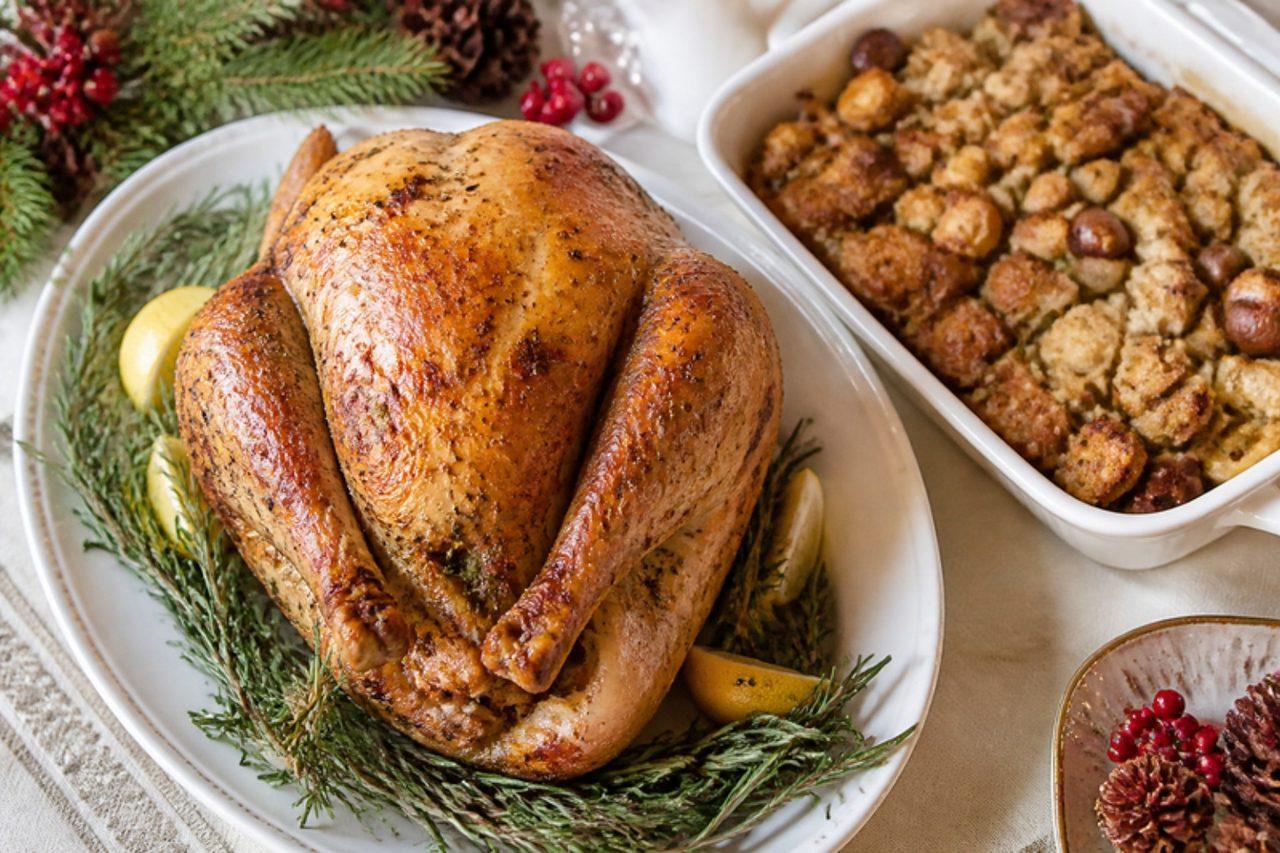
In Piedmont and Lombardy a capon (a large, tender cockerel) is the Christmas Day bird: some families poach it to make the broth for the agnolotti or tortellini and serve the meat after, while others roast it with a stuffing of bread, Parmesan, pork sausage and chestnuts. This is the roast version, with the stuffing cooked separately in a dish so the bird and stuffing each reach a safe temperature. A large free-range chicken or small turkey works if you can't find capon. Chef's tip: rest the capon for 30 minutes under foil after roasting; the juices settle and the breast stays moist when carved.

by KrazyBadal 0 views

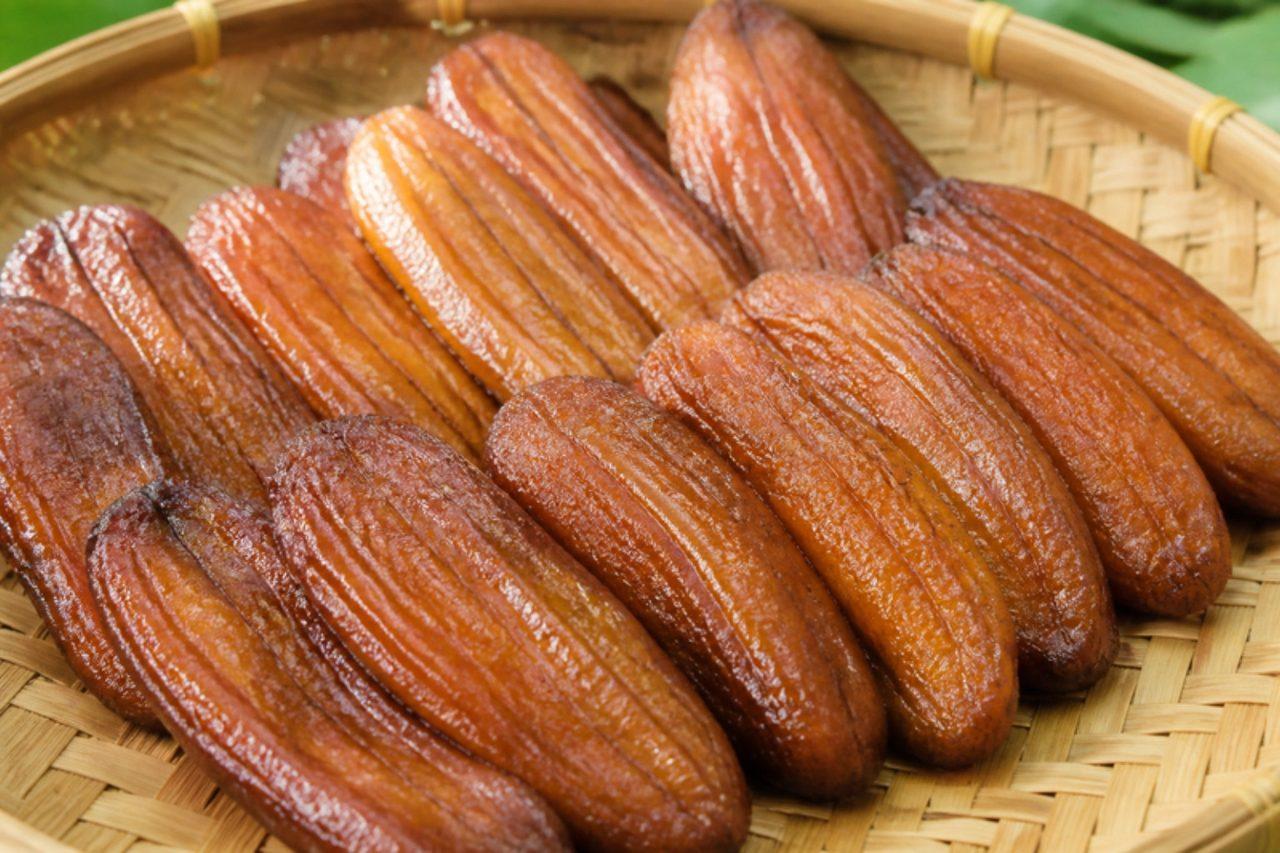
Kluay tak (Thai dried bananas, oven method)

In Bang Krathum, a district of Phitsanulok in lower northern Thailand, small nam wa bananas are peeled and laid out under the sun in glass-roofed drying boxes for several days, then pressed flat to make kluay tak. The district is famous for them, and bags are bought as a gift on the road home and nibbled with tea or coffee in the afternoon. They are dense and chewy like a soft toffee, dark amber, with a deep caramel and honey flavour that comes only from the fruit. As sun-drying takes days and needs steady heat, this version uses a very low oven overnight, then a rest in a jar so the moisture evens out. They are naturally egg-free and need nothing to bind them: the banana's own sugars concentrate and hold it together. Chef's tip: keep the oven low and prop the door open with a wooden spoon; the common mistake is a hot oven, which cooks and blackens the outside while the centre stays wet.

1340 minThaiDessertsVeganGluten free
by KrazyBadal 0 views

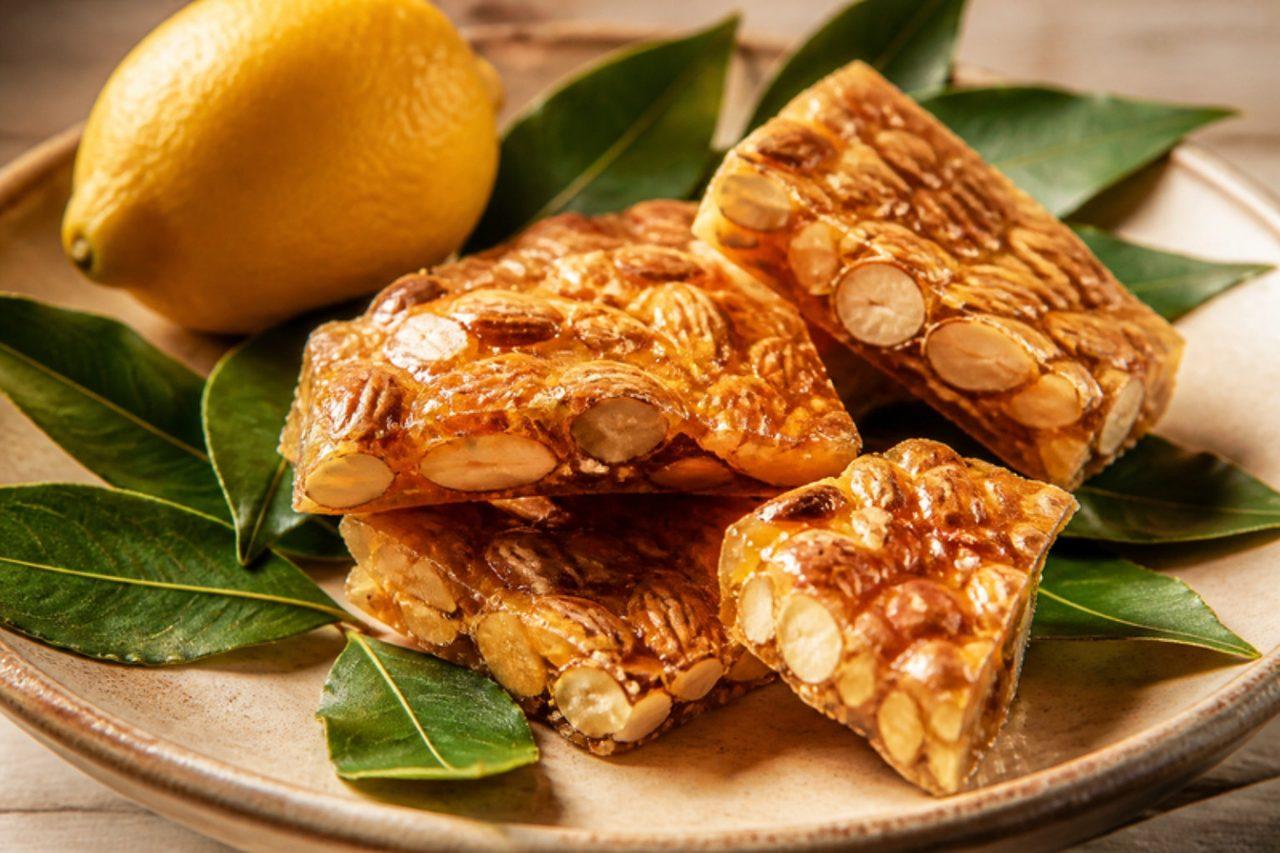
Cupeta (Salento honey and almond brittle)

Summer in Salento, the heel of Apulia, means the feste patronali, when village streets are hung with lights and the cupetari set up stalls of cupeta, a honey and almond brittle broken from large slabs. It also shows up on Christmas tables and at the feast of Saint Oronzo in Lecce in August. Honey gives it a darker, more floral caramel than plain croccante, and the almonds stay crunchy within a brittle that slowly turns slightly chewy in the heat. Traditionally it was poured onto wafer sheets or fresh bay or lemon leaves; this version uses bay leaves, which add a faint herbal note and keep it gluten-free. Eat it in pieces with coffee, or as a snack while walking through the fair. It is naturally egg-free: honey and sugar, cooked to the hard-crack stage, set around the nuts with no other binder. Chef's tip: lower the heat once the honey starts to colour; it burns much faster than sugar, and scorching is the common mistake.

by KrazyBadal 0 views

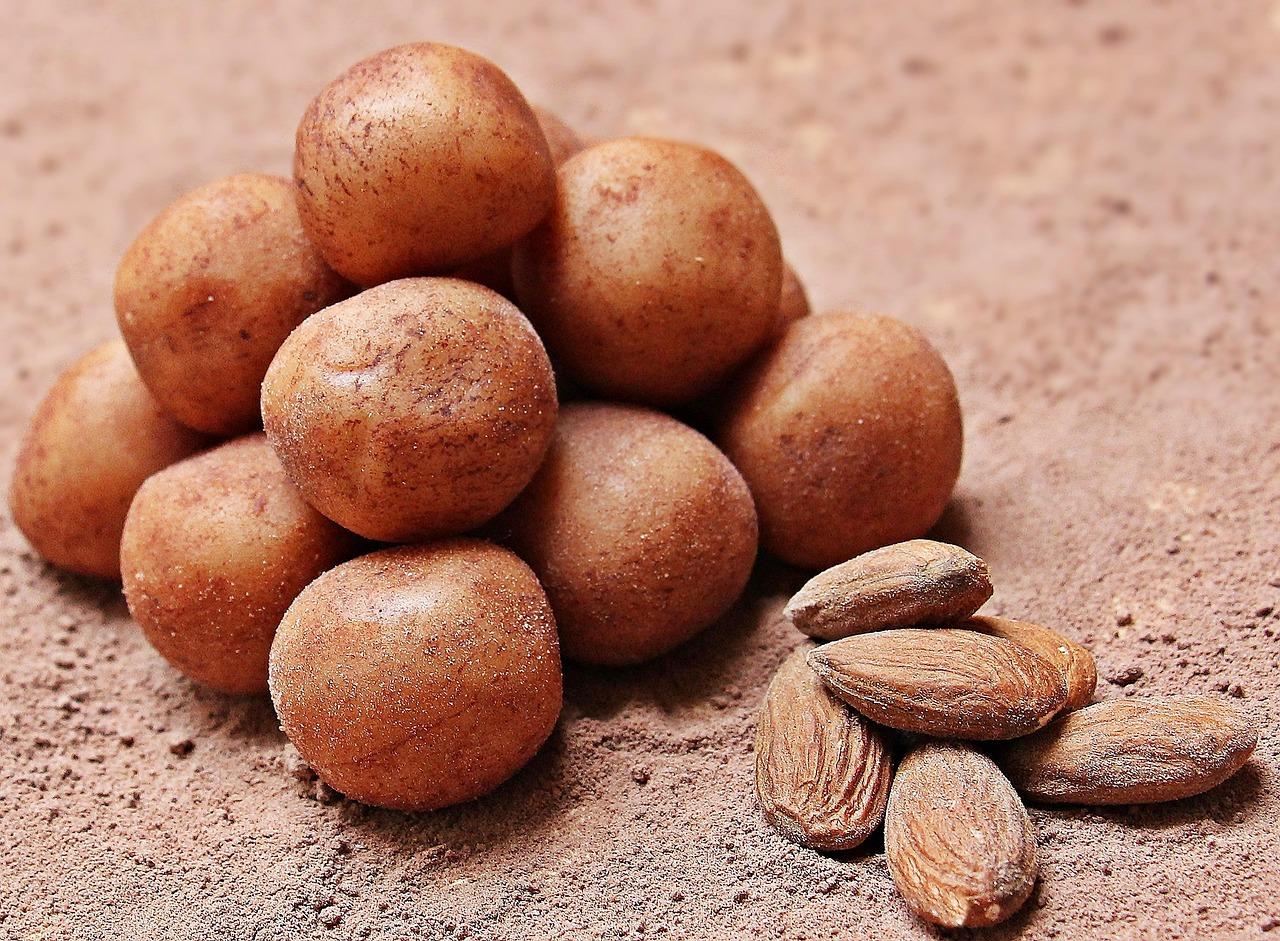
Marzipankartoffeln (German marzipan potatoes)

In Germany the run-up to Christmas is when these appear, piled in paper bags at the markets and in bowls on the Advent table; Lübeck, the city most famous for marzipan, makes them by the tonne. They are simply small balls of marzipan dusted in cocoa until they look like freshly dug new potatoes, sometimes with a few pricked 'eyes'. The inside is soft, sweet and fragrant with almond and a hint of rosewater; the cocoa coat is bitter and dry, which keeps the sweetness in check. Serve them with coffee, tuck them into a cookie tin or wrap them as small gifts. Shop marzipan sometimes contains egg white, so this one is made from scratch: a sugar syrup cooked to the soft-ball stage binds the ground almonds into a smooth, pliable paste, doing the job egg white does in some commercial pastes, and the result is naturally egg-free. Chef's tip: the common mistake is kneading the warm paste too long, which squeezes oil out of the almonds and makes it greasy; knead only until it comes together, then let it cool.

by KrazyBadal 0 views

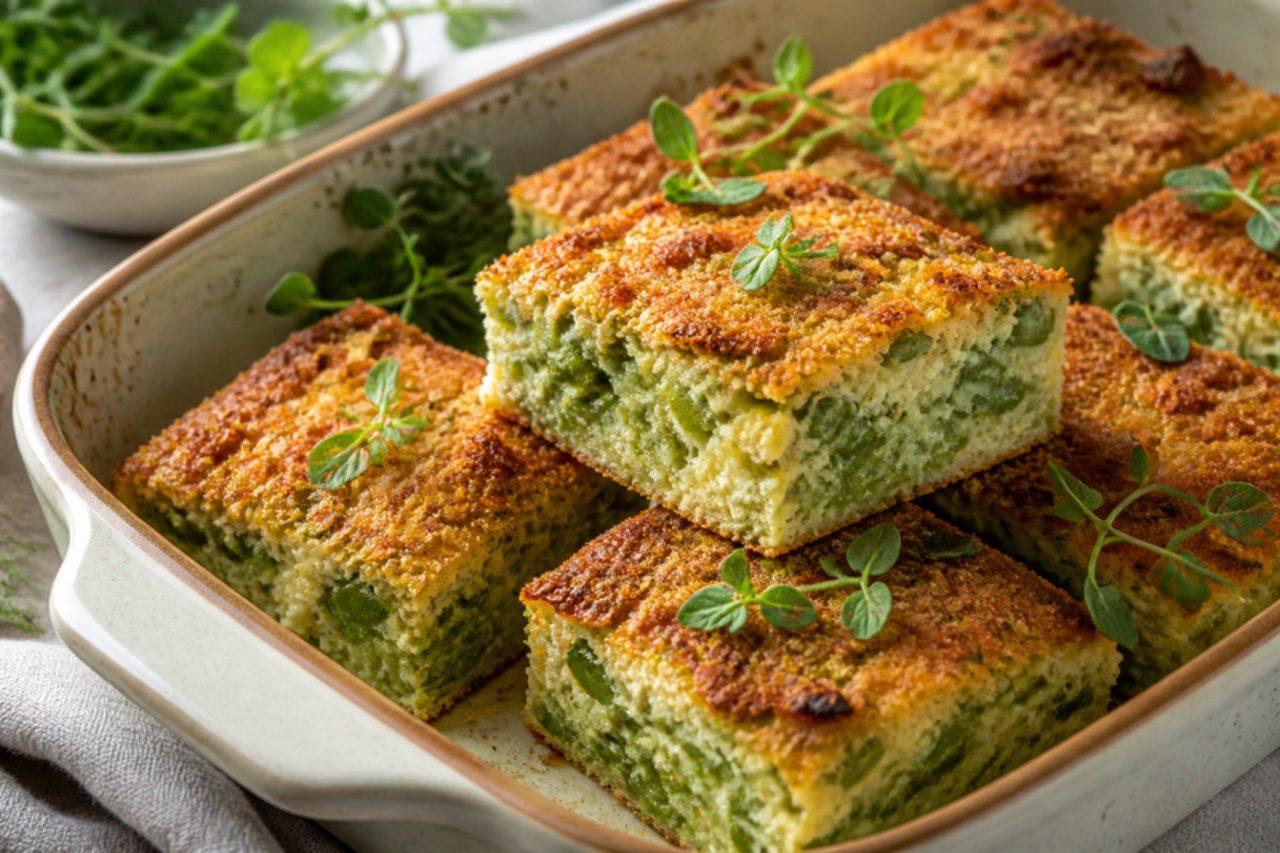
Polpettone di fagioliniGreen bean and potato loaf

In Genoa and along the Riviera di Levante, polpettone is the summer dish made when the green beans come in fast: beans and potatoes are boiled, chopped and bound with eggs, cheese and fresh marjoram, then baked flat in an oiled tin until the top is golden and crackly. It is eaten warm for supper or cold the next day, cut into squares for a picnic or a train journey. One portion gives about 24 g of protein, from the eggs, ricotta and Parmesan, with a little more from the beans and potato. Parmesan is made with animal rennet, so use a vegetarian Italian-style hard cheese if you need it to be strictly vegetarian. The most common mistake is leaving the vegetables wet: squeeze and drain them well, or the loaf stays soggy and will not slice cleanly. Chef's tip: scatter dry breadcrumbs, or fine polenta for a gluten-free loaf, over the oiled tin before you spread the mixture in; it gives the bottom a crisp crust, just like a Genoese grandmother's.

by KrazyBadal 0 views

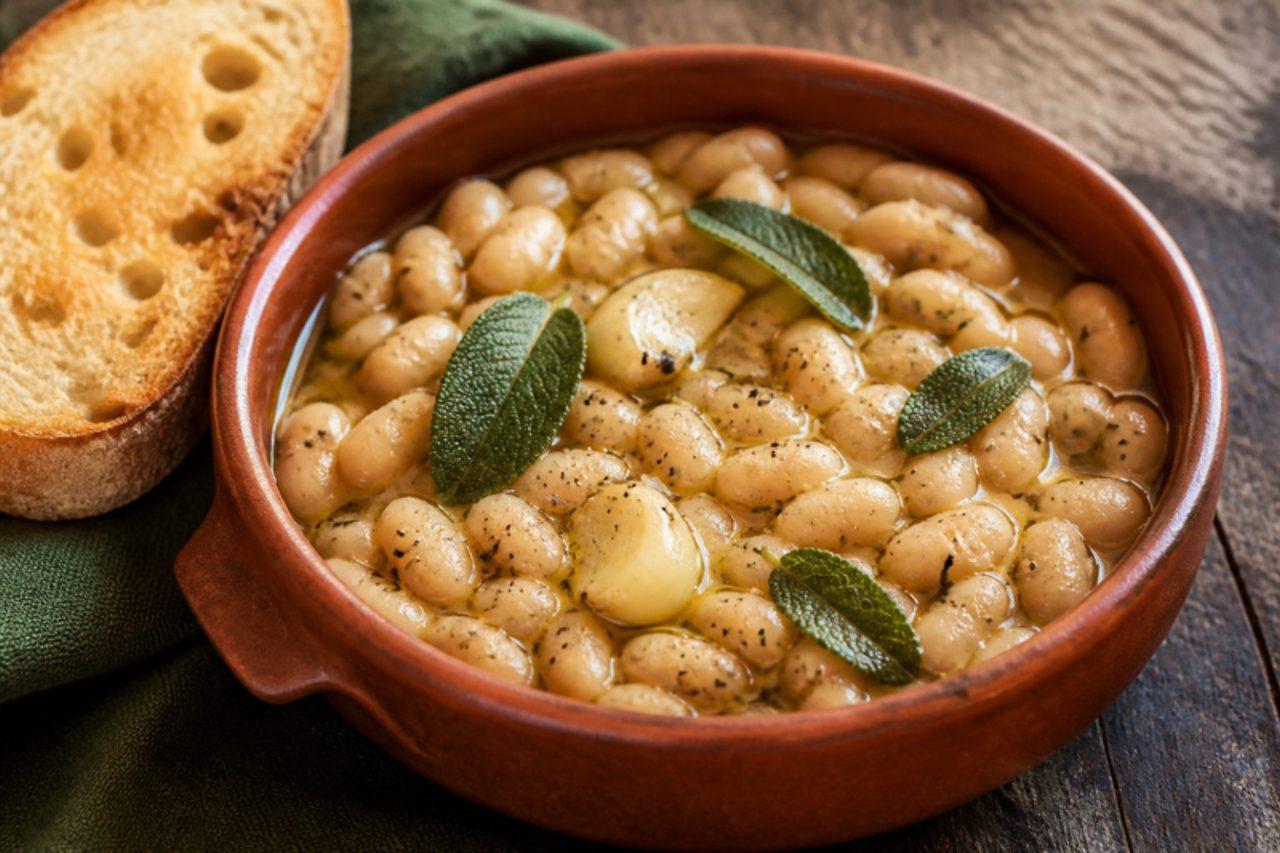
Fagioli al fiascoSlow-cooked cannellini beans with sage

In Tuscany, and above all in Florence and the Chianti hills, beans were once cooked overnight in an old glass wine flask set in the dying embers of the hearth, and fagioli al fiasco are still made in autumn when the new season's peppery olive oil arrives in November. Cannellini, sage, garlic and oil are sealed in a lidded pot and cooked very slowly, so the beans turn creamy and buttery inside while staying whole. At home a heavy casserole in a low oven does the job. Served as a side or a light main with toasted bread, a portion gives about 23 g of protein from the beans. Soak the beans for 12 hours first; that time is not counted below. The most common mistake is letting the liquid boil: fast bubbling splits the skins and turns the beans mealy. Chef's tip: salt only at the very end, and pour over your best oil at the table, not during cooking, where its fresh flavour is lost.

160 minItalianSidesVeganGluten free
by KrazyBadal 0 views

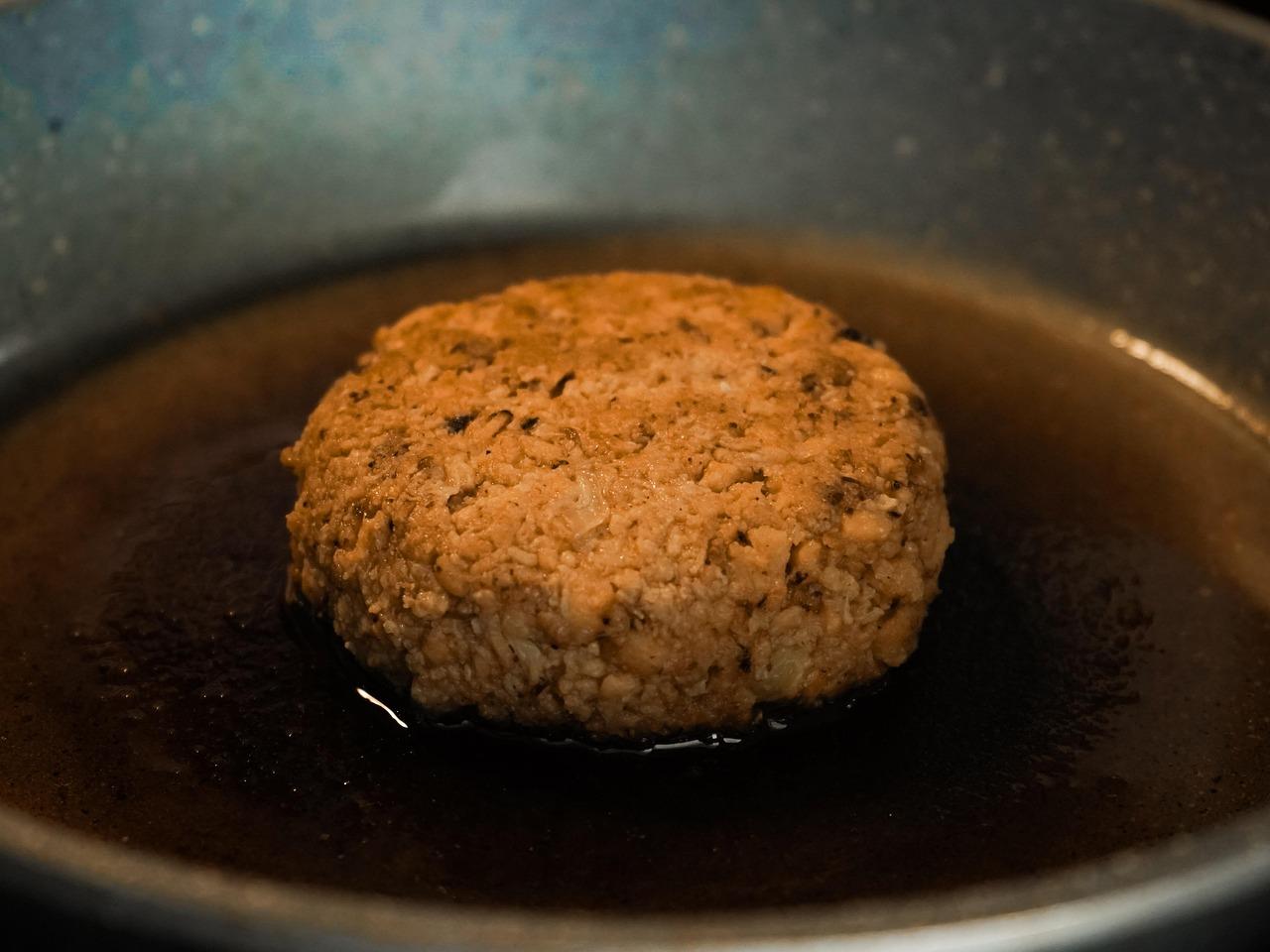
GrünkernbratlingeGreen spelt patties

Grünkern is spelt picked while still green and dried over beech smoke, a speciality of the Bauland and Odenwald in northern Baden. Simmered and shaped into Bratlinge, it became the vegetarian patty of German wholefood kitchens and school canteens, eaten for a weekday lunch with potato salad or a crisp green salad. They are nutty and slightly smoky, crisp outside and soft within. With the herb quark, one portion of three patties gives about 23 g of protein, from the spelt, eggs, mountain cheese and quark. Hard mountain cheese is often made with animal rennet, so choose one labelled vegetarian if that matters to you. The usual mistake is frying the mixture while it is still warm and loose; it must cool and firm up first, or the patties fall apart in the pan. Chef's tip: use coarsely cracked green spelt rather than whole grains; it soaks up the stock evenly and binds without any extra flour.

by KrazyBadal 0 views

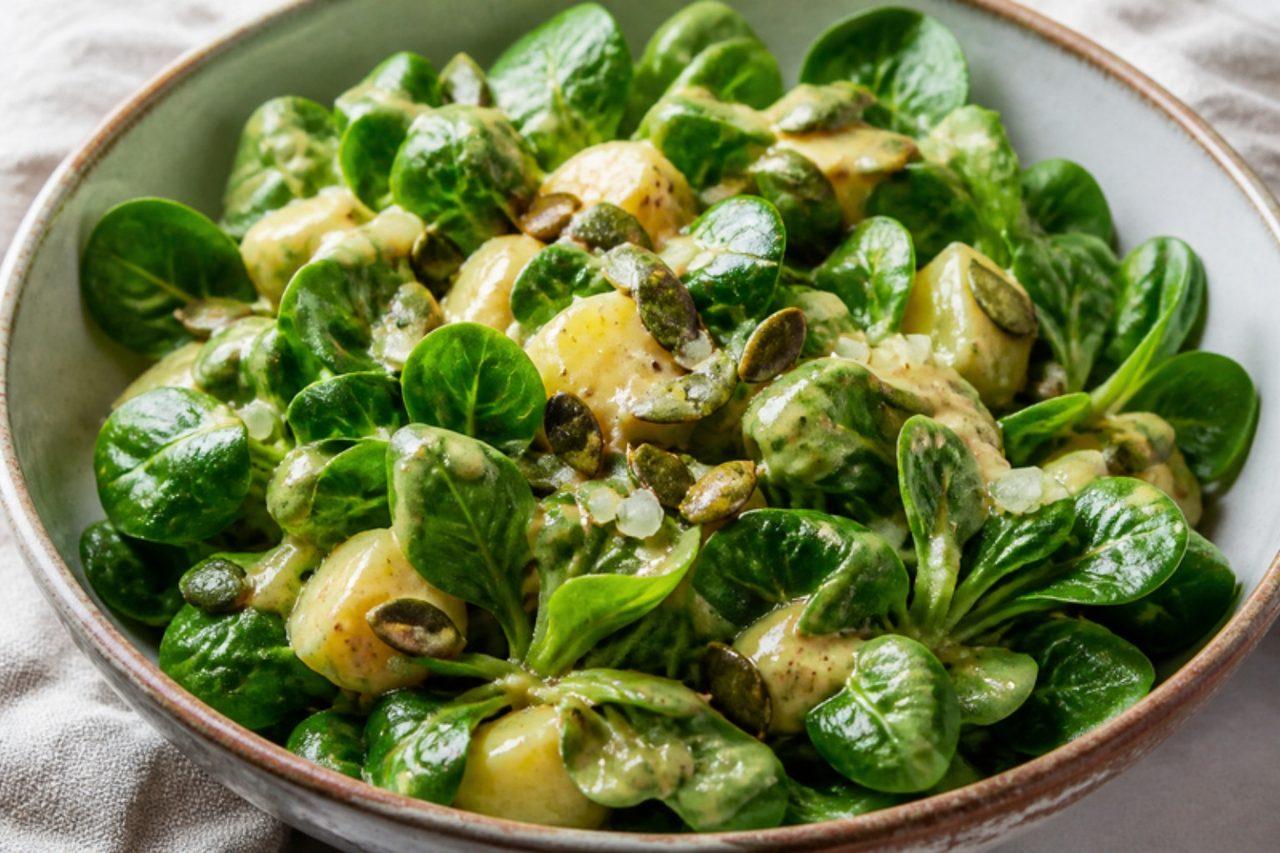
Feldsalat mit warmem KartoffeldressingLamb's lettuce with warm potato dressing

In Baden-Württemberg and Bavaria, Feldsalat (lamb's lettuce, also called Ackersalat or Nüsslisalat) is the winter salad, eaten from October to March as a starter or beside Spätzle and egg dishes. The small, tender rosettes are dressed in a warm, creamy Swabian dressing made from a boiled potato mashed with stock, mustard, vinegar and oil, which coats the leaves without weighing them down. Traditional versions use meat stock and bacon; this one uses vegetable stock and crisp fried onions, so it is vegan. It gives about 3 g of protein a portion, so it is a side; add toasted pumpkin seeds for more. The most common mistake is not washing the leaves well: grit hides deep inside the rosettes, so wash in two or three changes of water. Chef's tip: dress the leaves only at the table; the warm dressing wilts them within minutes.

by KrazyBadal 0 views

Showing 24 of 976 recipes

Show more recipes

Page 1 of 41