Skip to content
Recipes

All recipes

Vegetarian, or something you can't eat? Set your diet once and we'll hide recipes that don't fit.

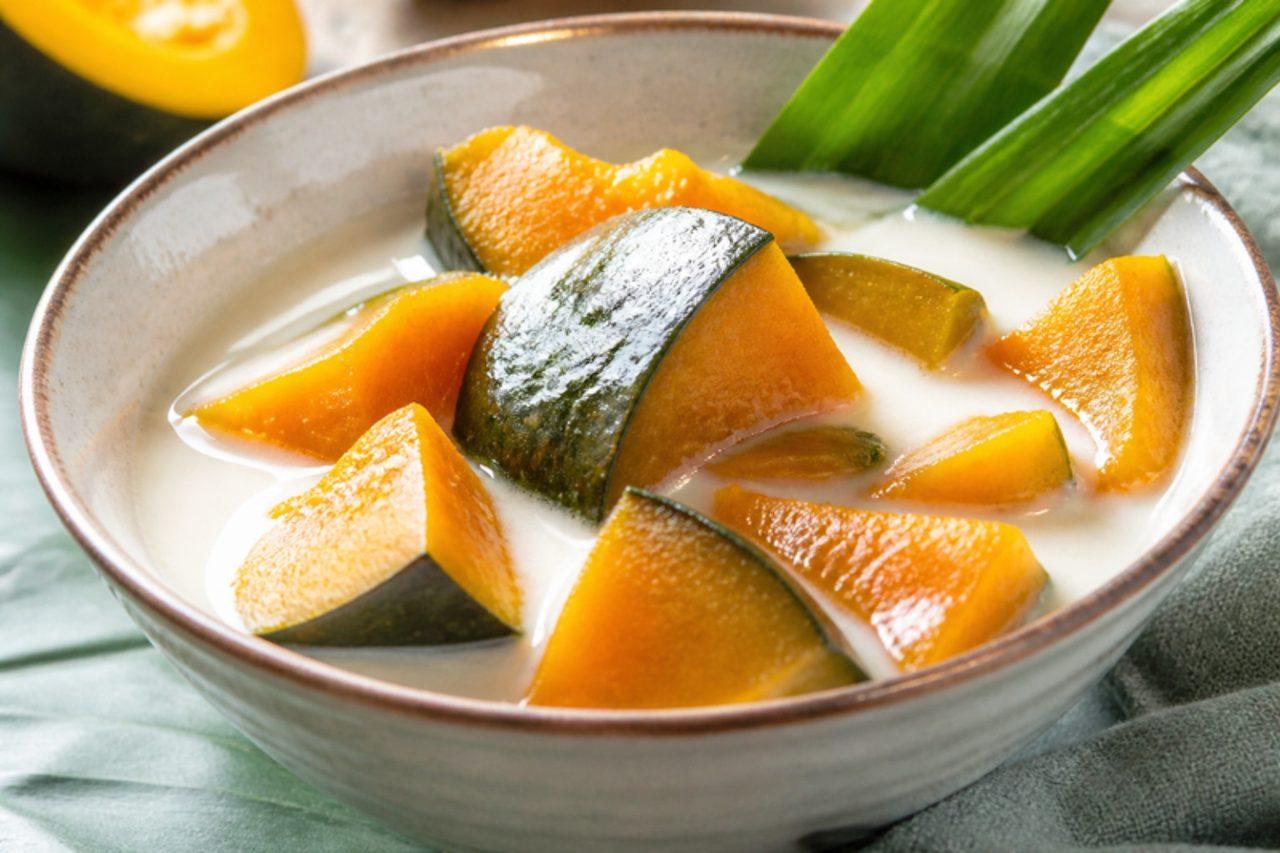
Fak thong kaeng buat (Thai pumpkin in coconut milk)

When the rains end and pumpkins pile up in the markets of central Thailand, kaeng buat is what cooks make with them: chunks of dense kabocha simmered in coconut milk sweetened with palm sugar and sharpened with a pinch of salt. It is a homely, everyday dessert, sold warm from big pots at markets in the afternoon and also cooked at Ok Phansa, the end of Buddhist Lent. The pumpkin turns velvety but keeps its shape, and the thin, creamy, caramel-scented broth is meant to be drunk from the spoon. Eat it warm or at room temperature, in small bowls. There is no egg in it and never was: nothing needs setting or binding, as the pumpkin's own starch gives the coconut milk a light body as it cooks. Chef's tip: pick a dry, orange-fleshed kabocha and keep the coconut milk at a bare simmer; letting it boil hard is the common mistake that splits the milk and breaks the pumpkin into mush.

by KrazyBadal 0 views

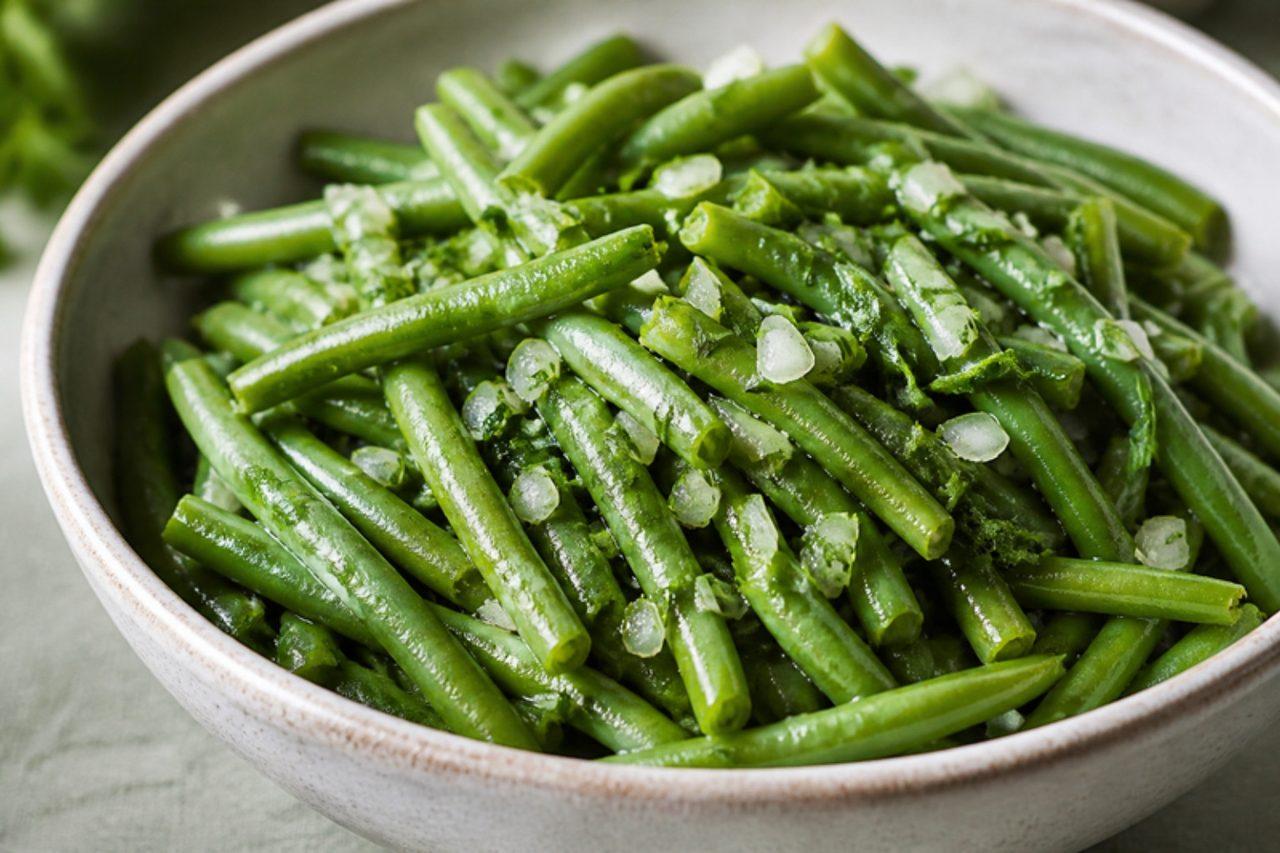
Grüner BohnensalatGreen bean salad

In German kitchens from Swabia to Westphalia, green bean salad comes out in high summer when beans are cheap and plentiful, as a side to fried eggs, potato salad or grilled food, and it travels well to picnics. The beans are cooked until just tender, then dressed warm with vinegar, oil, onion and Bohnenkraut (summer savory), the peppery herb Germans always pair with beans. Many cooks add bacon; this version is vegan. A portion gives about 3 g of protein, so it is a side; add a handful of white beans to make it more filling. The most common mistake is undercooking the beans so they squeak: German bean salad is meant to be tender, not crisp, so cook until a bean bends without snapping. Chef's tip: dress the beans while they are still warm and let them sit for 30 minutes; they absorb the vinegar and taste far better than freshly dressed.

by KrazyBadal 0 views

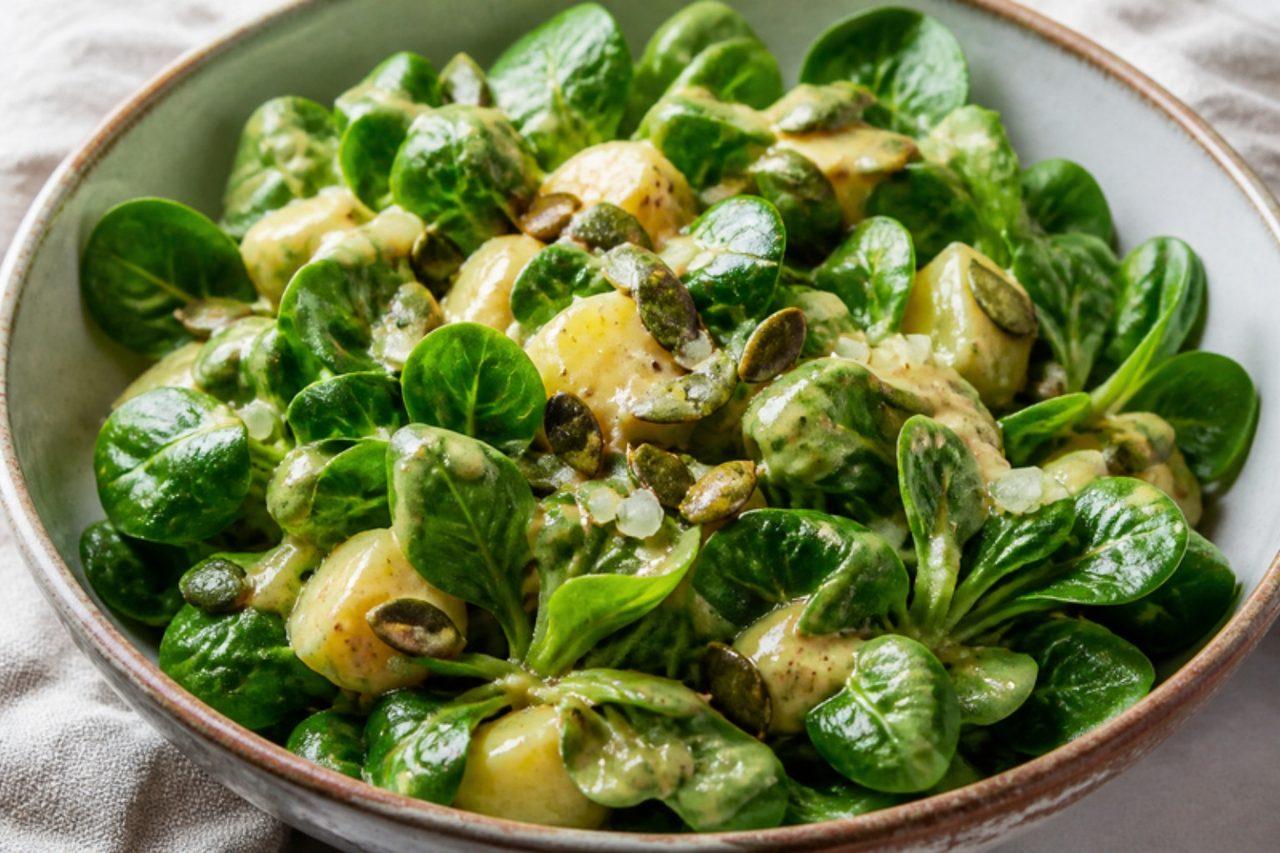
Feldsalat mit warmem KartoffeldressingLamb's lettuce with warm potato dressing

In Baden-Württemberg and Bavaria, Feldsalat (lamb's lettuce, also called Ackersalat or Nüsslisalat) is the winter salad, eaten from October to March as a starter or beside Spätzle and egg dishes. The small, tender rosettes are dressed in a warm, creamy Swabian dressing made from a boiled potato mashed with stock, mustard, vinegar and oil, which coats the leaves without weighing them down. Traditional versions use meat stock and bacon; this one uses vegetable stock and crisp fried onions, so it is vegan. It gives about 3 g of protein a portion, so it is a side; add toasted pumpkin seeds for more. The most common mistake is not washing the leaves well: grit hides deep inside the rosettes, so wash in two or three changes of water. Chef's tip: dress the leaves only at the table; the warm dressing wilts them within minutes.

by KrazyBadal 0 views

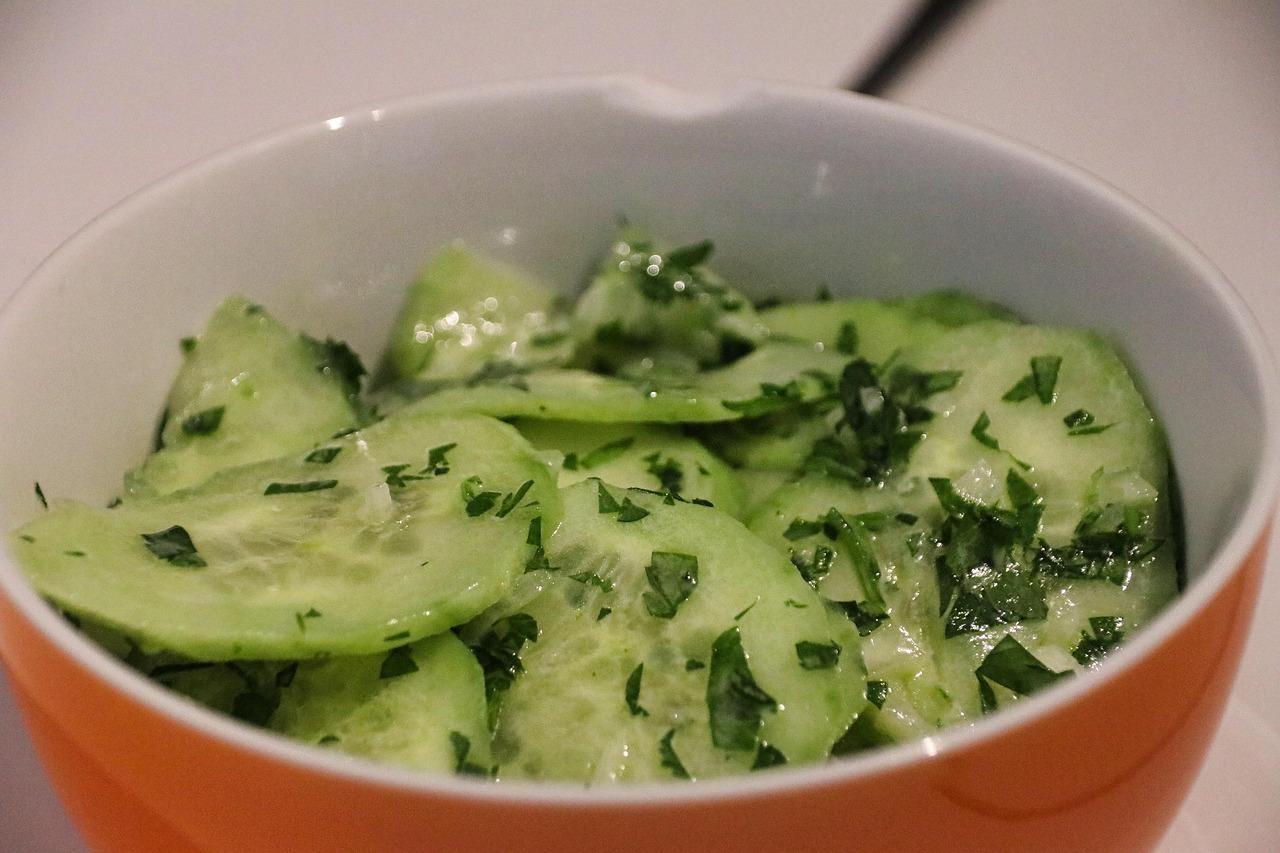
GurkensalatCucumber and dill salad

Gurkensalat is on German tables from Bavaria to Berlin all summer, served alongside potato pancakes, egg dishes or the Sunday roast, and it is just as common at a garden barbecue. Cucumber is sliced almost paper-thin, salted briefly, then dressed with a little vinegar, sugar, onion and lots of fresh dill, so it is cool, sharp and soft-crunchy. Some households stir in soured cream; this vinaigrette version is vegan. It is very light, with about 1 g of protein a portion, so it is purely a side. The most common mistake is skipping the salting: unsalted slices weep water into the bowl and dilute the dressing within minutes. Chef's tip: squeeze the salted slices gently in your hands before dressing; they bend like ribbons and take up the dill dressing much better.

by KrazyBadal 0 views

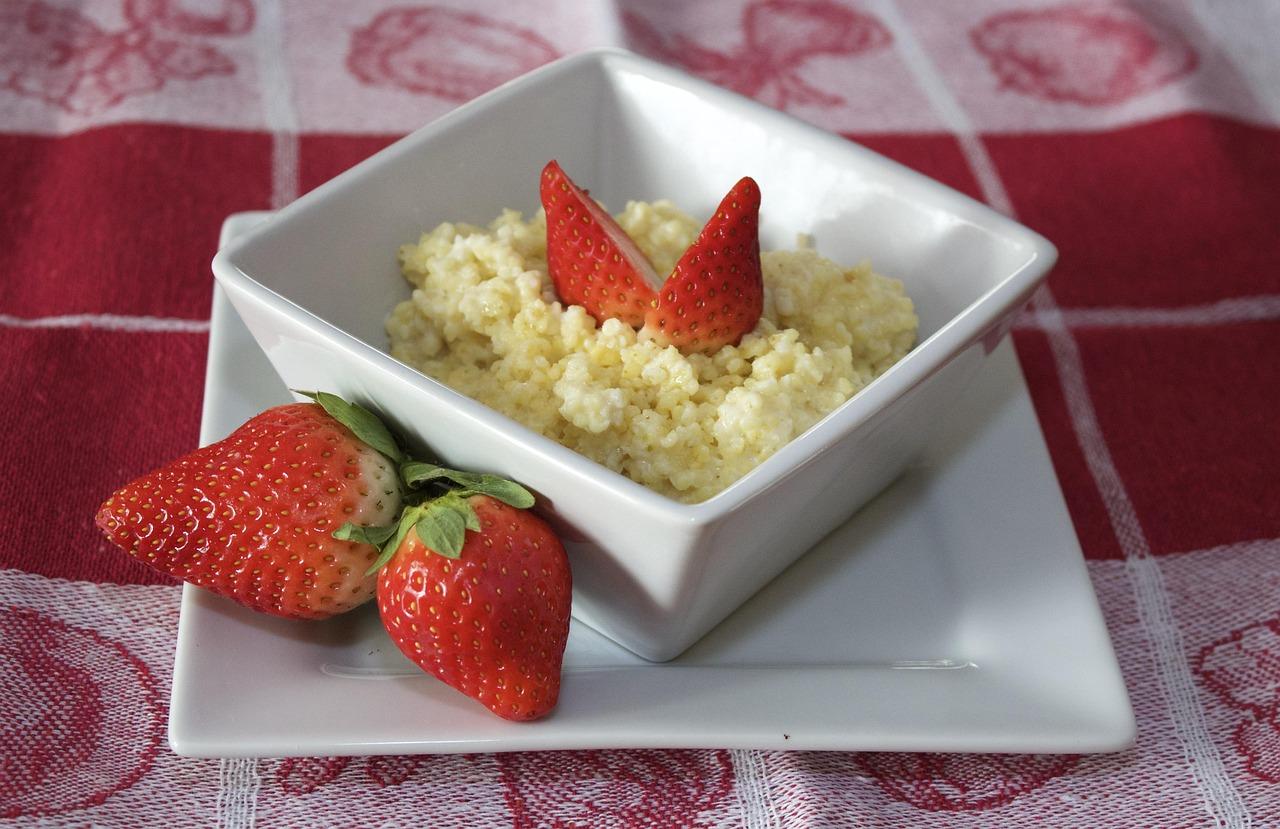
HirsebreiMillet porridge

Hirsebrei is one of the oldest dishes in German cooking, the millet porridge of fairy tales, and it is still made in homes across the country as a warm breakfast or a sweet supper for children on cold evenings. Golden millet is rinsed, then simmered in milk until creamy and soft, and served with stewed apple, berries and a dusting of cinnamon. A bowl gives about 12 g of protein from the milk and millet; stir in a spoon of quark or top with chopped almonds if you want more. The usual mistake is skipping the rinse: unrinsed millet tastes bitter and soapy, so rinse it in hot water until the water runs clear. Chef's tip: toast the rinsed millet in the dry pan for a minute before adding milk; it brings out a lovely nutty flavour.

by KrazyBadal 0 views

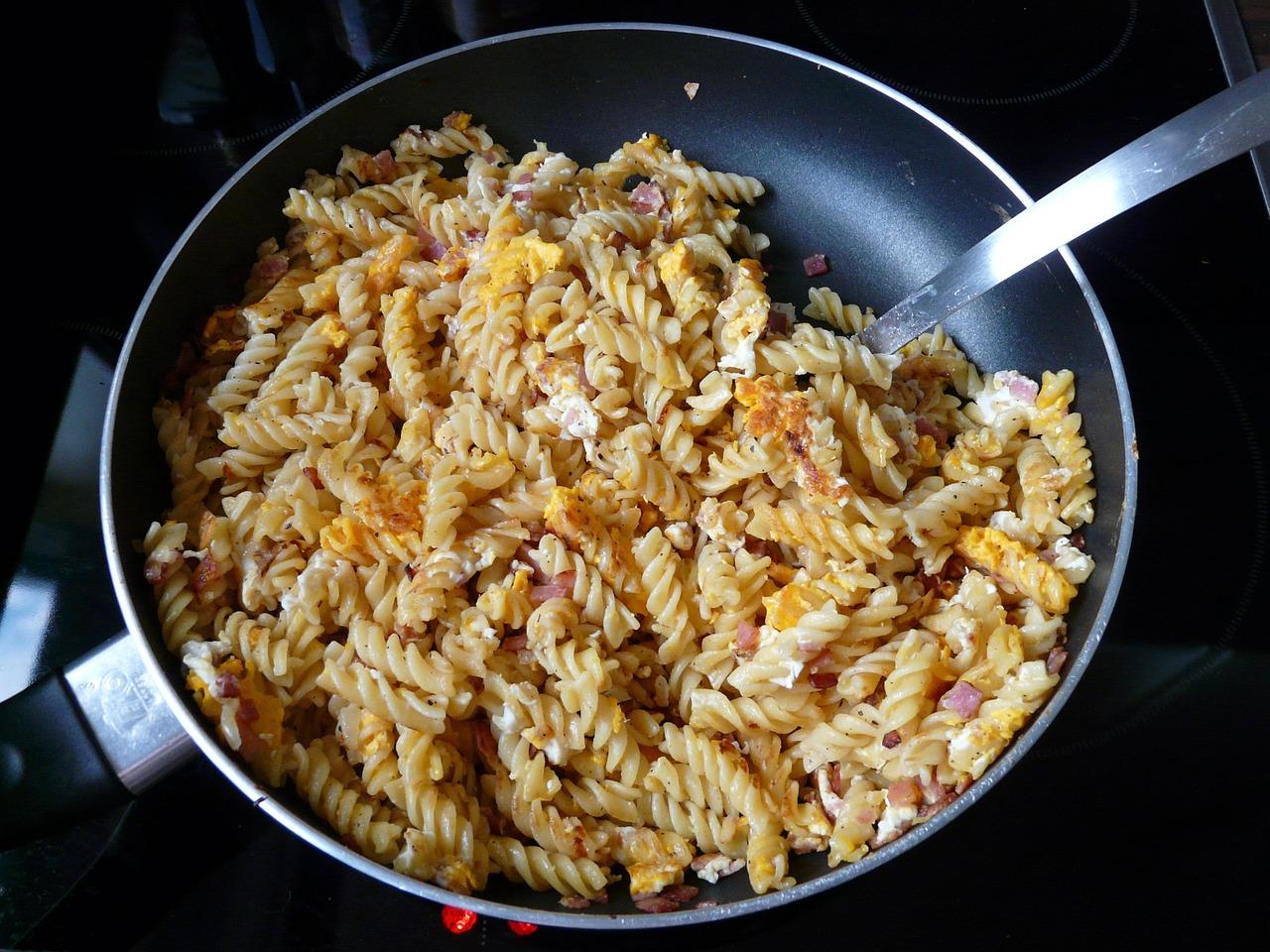
SchinkennudelnPan-fried noodles with ham and egg

Schinkennudeln is the frying-pan supper of Bavaria and Austria: yesterday's cooked noodles fried in butter with onion and diced cooked ham (pork) until crisp in places, then bound with beaten egg and finished with chives. It is not the same as the oven-baked Austrian Schinkenfleckerl; this one is made on the hob in 20 minutes, and children everywhere love it with a green salad or a spoon of ketchup. The common mistake is stirring the noodles constantly, which stops them browning, so leave them alone long enough to crisp. Keep leftover pasta in the fridge and use it within 2 days. Chef's tip: let the eggs set only until just creamy before you take the pan off the heat; they keep cooking on the plate.

by KrazyBadal 0 views

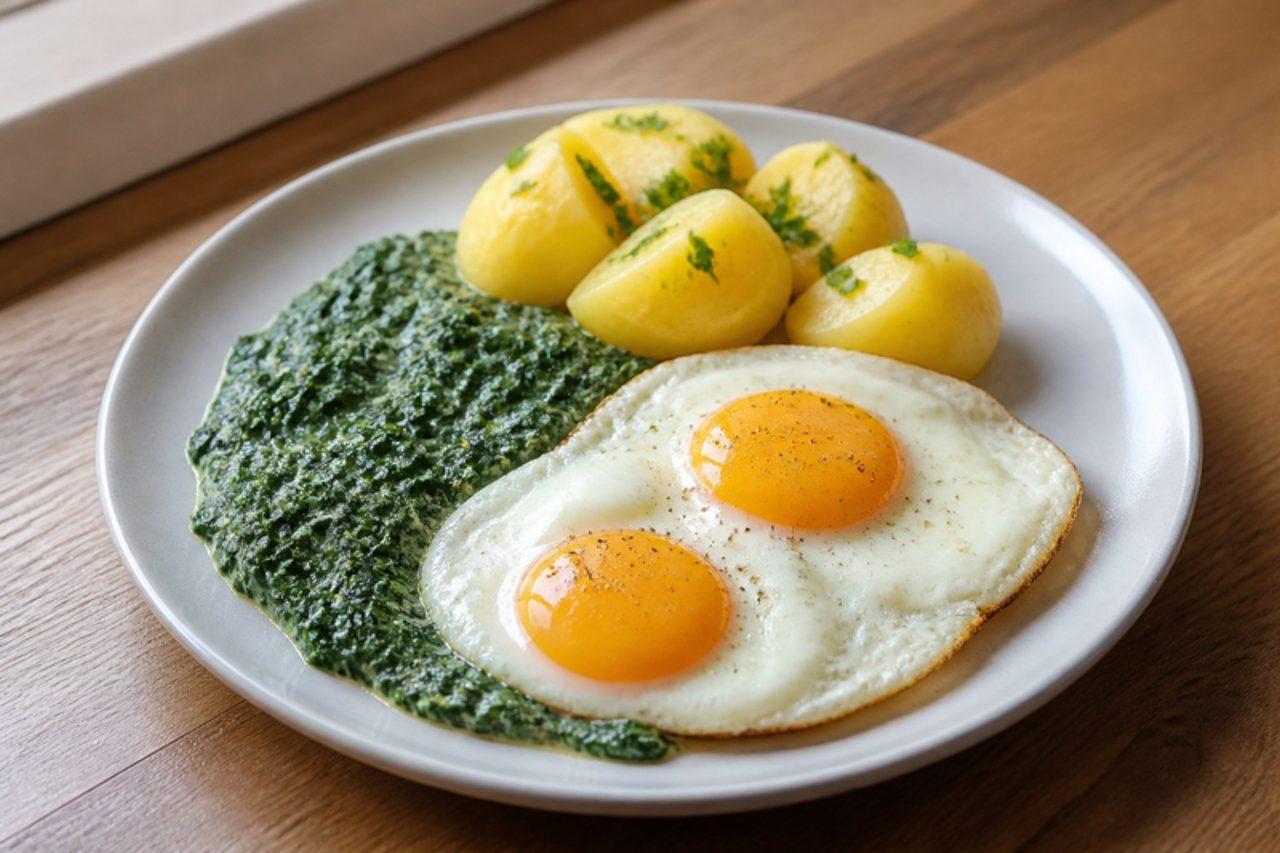
Spinat mit Spiegelei und KartoffelnCreamed spinach with fried egg

Spinat mit Spiegelei und Kartoffeln is the Thursday-night supper many Germans remember from childhood, and still a school-canteen favourite: soft creamed spinach, a sunny fried egg and boiled potatoes, with the yolk running into the green sauce. It is gentle, filling and cheap, and on Maundy Thursday (Gründonnerstag) many families eat it as their green meal. For pregnant people, young children, older or vulnerable people, fry the eggs until the yolks are firm. The most common mistake is adding raw spinach to the sauce without squeezing it, which floods it with water; wilt and squeeze it first. Chef's tip: start the potatoes in cold salted water so they cook evenly through to the centre.

by KrazyBadal 0 views

Pejerrey arrebozadoBattered fish fillets with onion salsa

Pejerrey arrebozado is a Lima classic from the cevicherías and home kitchens of the coast, eaten at lunch on a plate with white rice, a heap of sharp salsa criolla and sometimes boiled potato. The pejerrey, a small silverside, is opened into butterflied fillets, dipped in a light egg-and-flour batter and fried golden. Outside Peru, use small fillets of whiting, sole, haddock or tilapia. The batter here uses sparkling water, not beer, so it is alcohol free. The common mistake is frying in oil that isn't hot enough: the batter drinks the oil and turns greasy, so test with a drop of batter first. Chef's tip: make the salsa criolla first and let the onion sit in lime for ten minutes; it softens its bite and turns a pretty pink.

by KrazyBadal 0 views

Tallarines rojosSpaghetti in red sauce with chicken

Tallarines rojos is the Sunday-lunch and weeknight pasta of homes all over Peru, from Lima to Arequipa: spaghetti in a sweet, deep-red sauce of blended tomato, onion and garlic with a little ají panca and oregano, often with pieces of chicken cooked right in it. Children love it, and it is served with a sprinkle of grated cheese and sometimes a spoon of huancaína on the side. The usual mistake is cooking the sauce too briefly, so it tastes of raw onion; let the blended tomato fry until it darkens and the oil shows at the edges. Chef's tip: a bay leaf and a spoon of ají panca paste give the sauce its Peruvian character; paprika will do if you can't find the paste.

by KrazyBadal 0 views

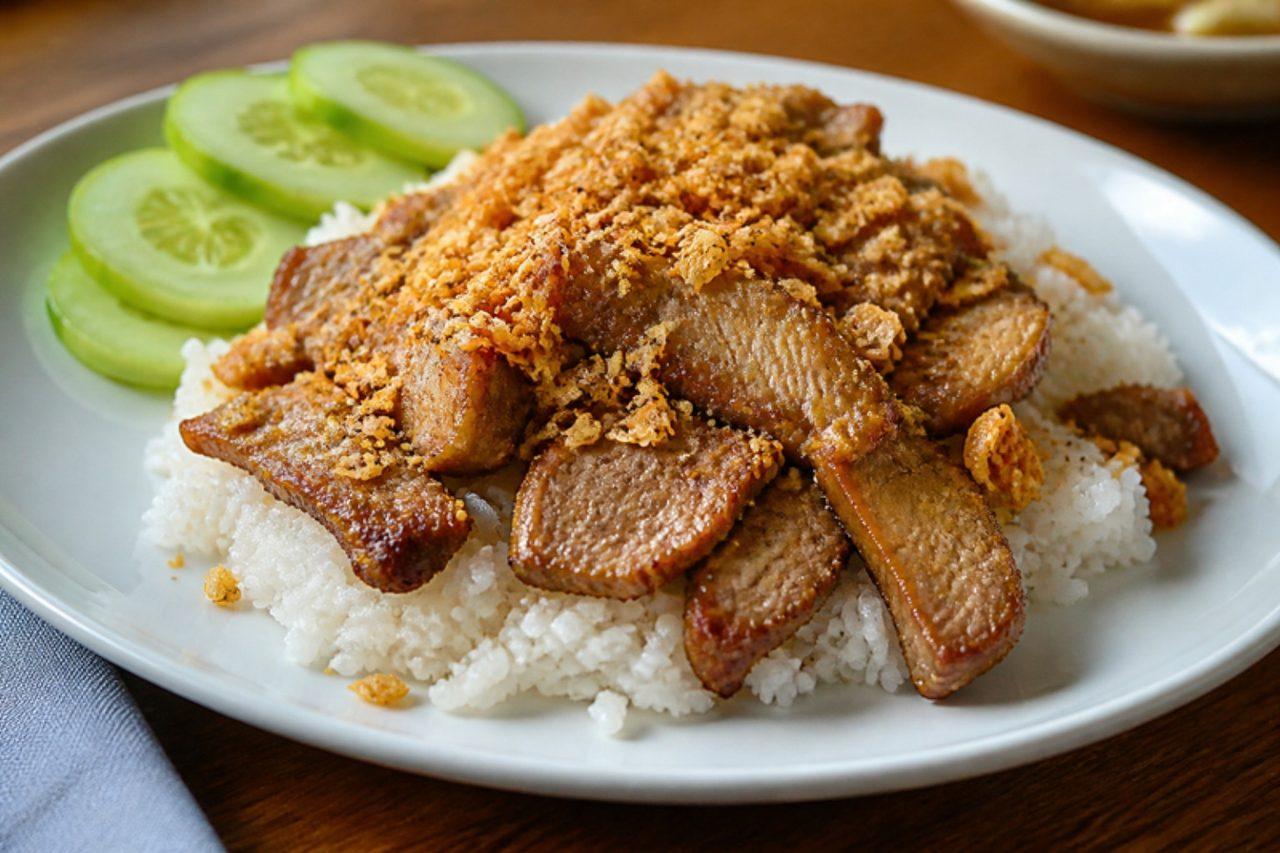
Moo tod kratiem (Thai garlic pepper pork)

Moo tod kratiem is a one-plate dinner sold at made-to-order stalls across Bangkok and the rest of Thailand: slices of pork marinated in garlic, white pepper and soy, fried until the edges caramelise, then showered with crisp golden garlic and served over rice with a fried egg and cucumber. This is a pork dish. The mistake is frying the garlic on high heat; it burns in seconds and turns bitter, so fry it gently and take it out when it is pale gold. Chef's tip: pound the garlic, pepper and coriander root together rather than chopping, so the paste clings to the meat.

22 minThaiMeat
by KrazyBadal 0 views

Chicharrón de pescadoCrisp fried fish chunks

Up and down the Peruvian coast, from Chorrillos in Lima to the beaches of Piura, chicharrón de pescado is the crunchy plate ordered alongside ceviche at a long seafood lunch: bite-size chunks of firm white fish marinated briefly in garlic and lime, dusted in flour and fried, then served with fried cassava, salsa criolla and tartar or rocoto sauce. Using frozen peeled cassava keeps it to half an hour. The common mistake is leaving the fish in the lime too long: after about ten minutes the acid starts to 'cook' the outside and the coating slips off. Chef's tip: toss the floured pieces in a sieve to shake off every bit of loose flour; a thin coat fries crisp, a thick one turns pasty.

by KrazyBadal 0 views

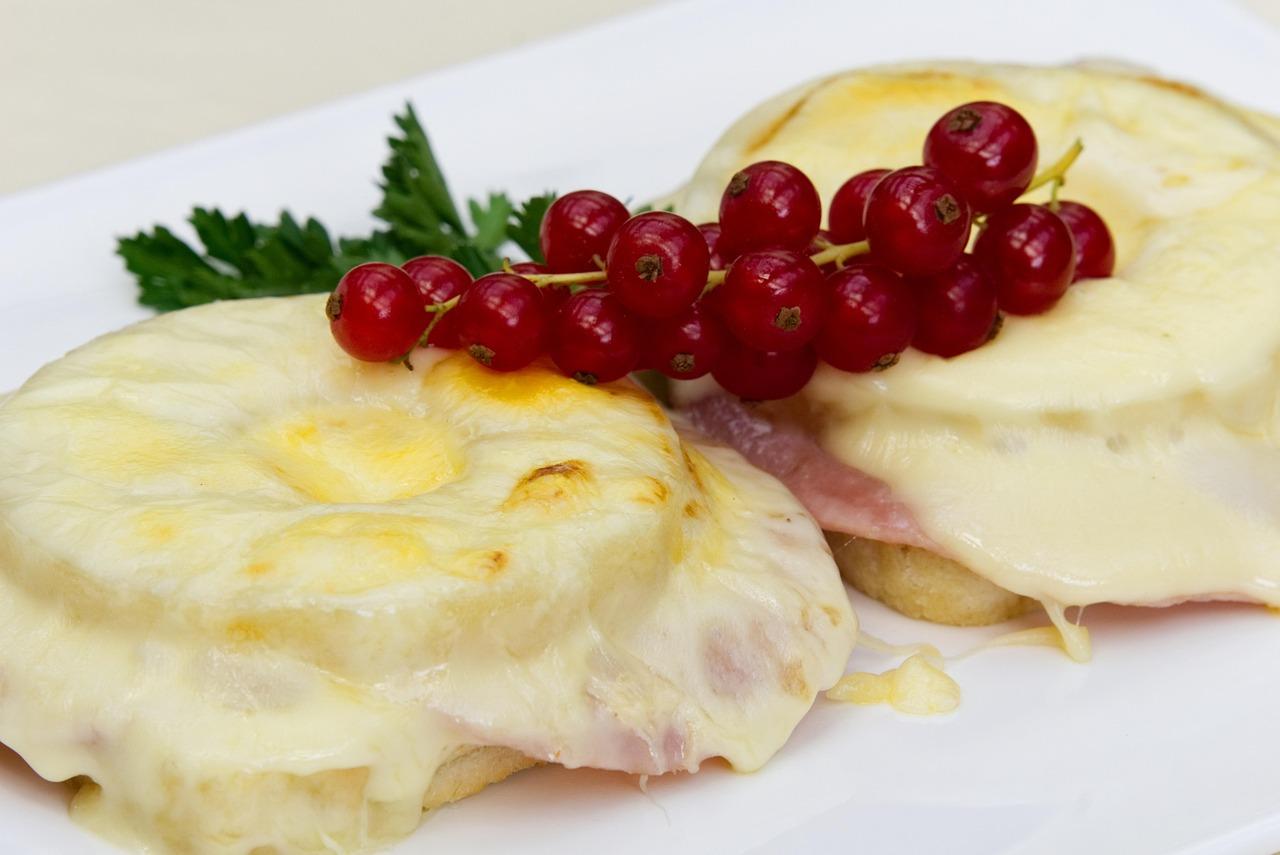
Toast HawaiiHam, pineapple and cheese toast

Toast Hawaii arrived in West German kitchens in the 1950s and never left: a slice of buttered toast layered with cooked ham (pork), a ring of pineapple and a slice of cheese, baked until the cheese melts down over the sides. It is still a nostalgic Saturday supper or party snack from Hamburg to Munich, often crowned with a cocktail cherry in the pineapple's hole. The mistake that ruins it is using pineapple straight from the tin, whose juice soaks the bread; drain the rings well and pat them dry. Chef's tip: toast the bread lightly before topping it, so the base stays crisp under the juicy layers.

by KrazyBadal 0 views

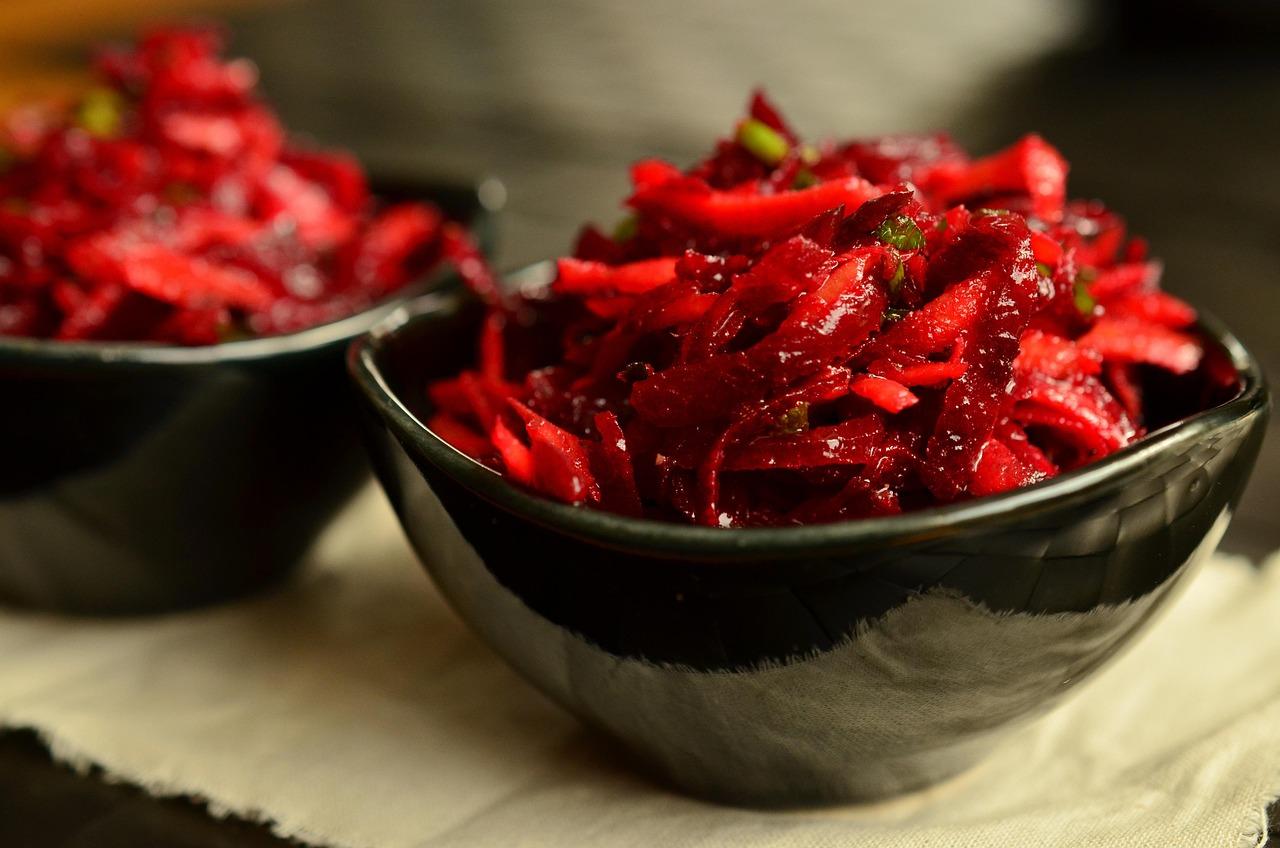
Rote-Bete-SalatBeetroot salad

Rote-Bete-Salat is on the table in German homes through autumn and winter, beside potato pancakes, fried eggs or simply bread and butter. Cooked beetroot is cut into slices or batons and dressed with onion, vinegar, oil and a little caraway or grated horseradish, so it is sweet, earthy and sharp at once. It is vegan, gluten free and keeps for days in the fridge. The most common mistake is serving it straight after dressing: give it at least 10 minutes, or better an hour, so the beetroot soaks up the flavour. Chef's tip: wear gloves or rub your hands with lemon juice afterwards, as beetroot stains everything it touches.

by KrazyBadal 0 views

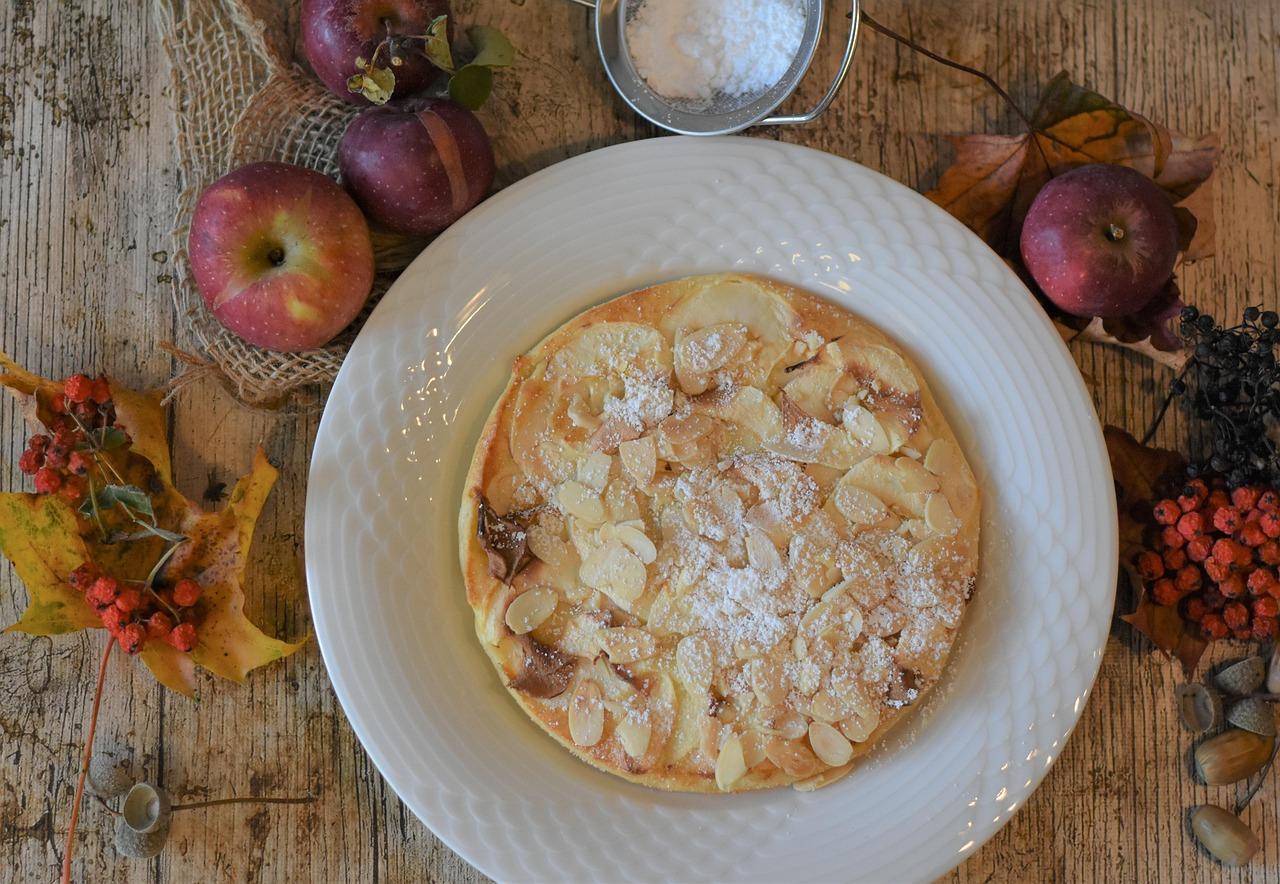
EierpfannkuchenEgg pancakes

Eierpfannkuchen are the thick, eggy pancakes German families fry for a quick Friday-night supper or a weekend lunch, thicker than a French crêpe but thinner than an American pancake. Children eat them rolled up with apple sauce, jam or sugar and cinnamon; grown-ups often fill them with mushrooms or cheese instead. The batter needs no resting, so they are on the table in 20 minutes. The most common mistake is a pan that is not hot enough, so the pancakes soak up fat and turn pale and greasy; wait until a drop of batter sizzles at once. Chef's tip: beat the egg whites separately and fold them in at the end if you want them especially light and fluffy.

by KrazyBadal 0 views

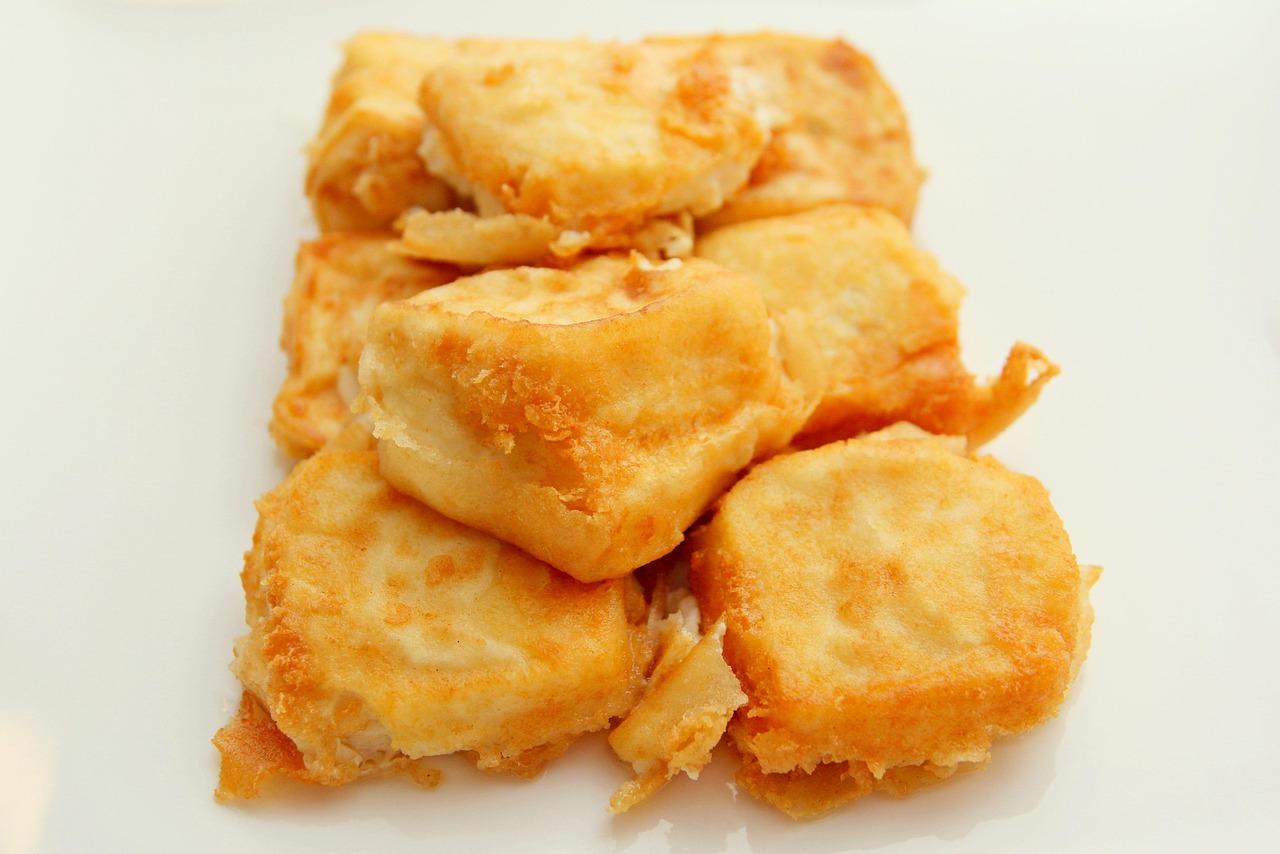
Tao hoo tod (Thai fried tofu with sweet chilli peanut dip)

In Bangkok and towns all over Thailand, tao hoo tod is sold from street-side woks in the late afternoon, scooped into paper bags with a little bag of sweet chilli dip and a spoon of crushed peanuts for snacking on the way home. Done properly, each cube has a thin, blistered, crisp skin and a soft, almost creamy centre. The mistake that ruins it is frying wet tofu in oil that isn't hot enough, so it soaks up fat and never crisps. It makes a good starter or a light supper with sticky rice and cucumber. Chef's tip: press the tofu under a heavy pan for 10 minutes while you make the dip; drier tofu crisps faster and spits less.

by KrazyBadal 0 views

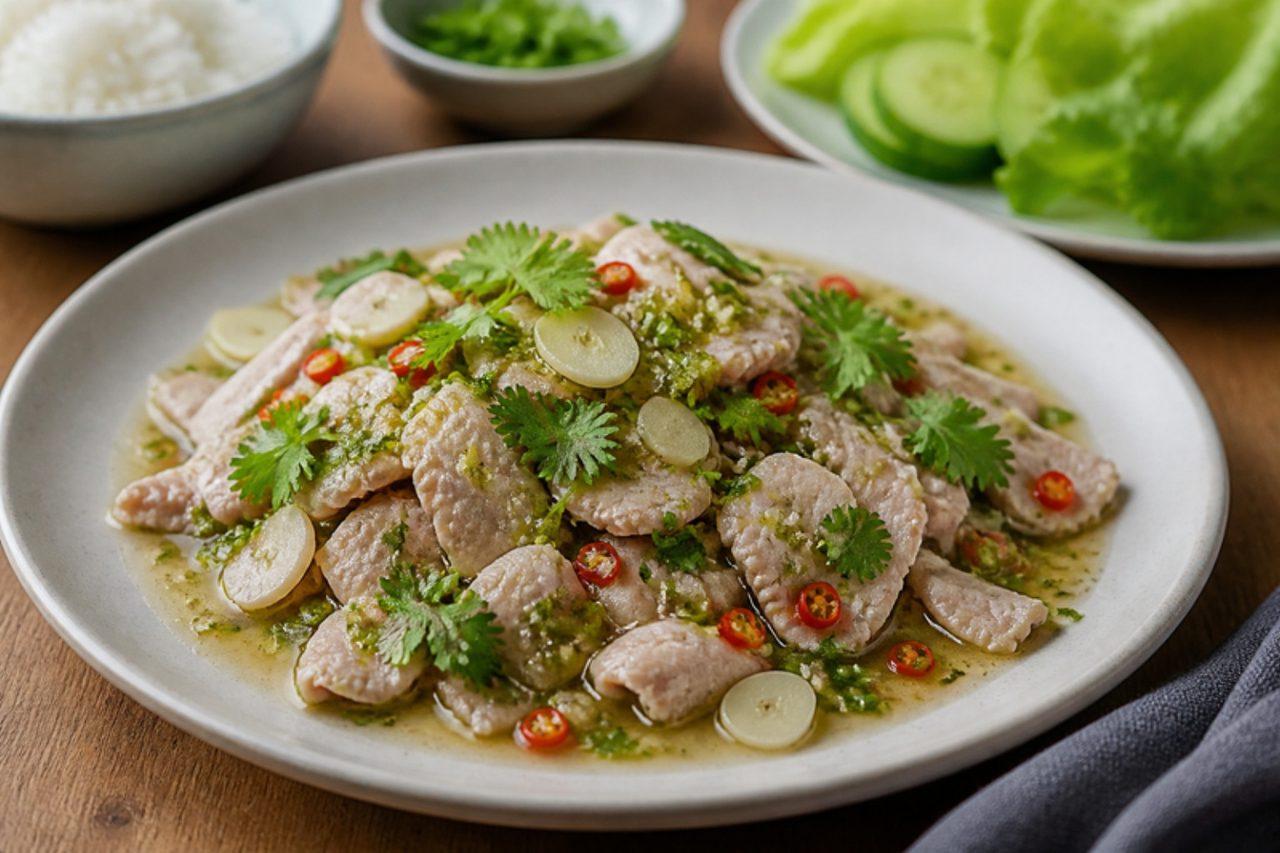
Moo manao (pork in lime and chilli dressing)

Moo manao is a drinking snack and dinner side from central Thailand, served in Bangkok bars and at home with sticky rice: thin slices of pork, blanched until just cooked, laid on ice-cold cabbage or lettuce and drowned in a fierce dressing of lime, raw garlic, bird's eye chilli and fish sauce. This is a pork dish. The mistake is boiling the pork for too long, which makes the thin slices tough and dry; poach them only until they turn white all through. Chef's tip: plunge the cooked slices into iced water for a few seconds, so they stay tender and take the dressing well.

17 minThaiMeatGluten freeSpicy
by KrazyBadal 0 views

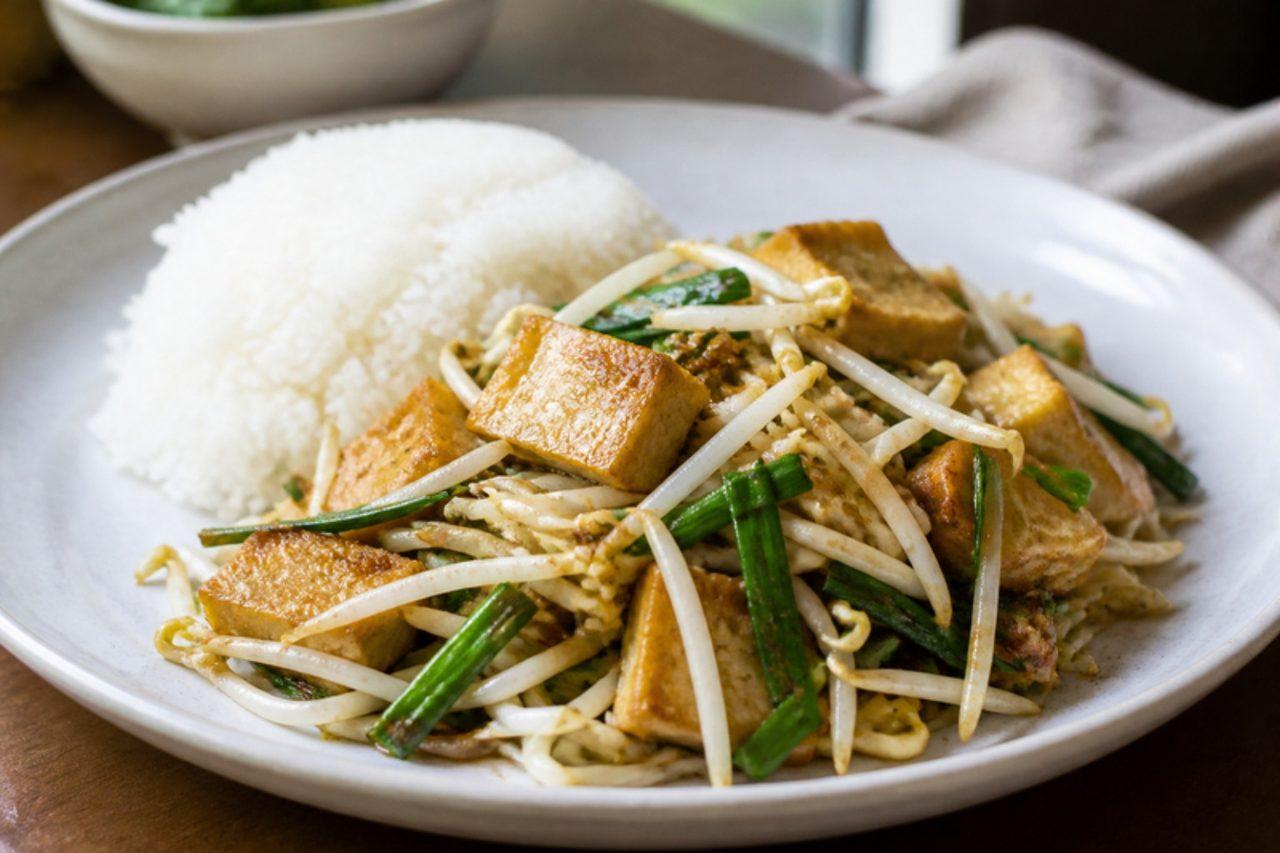
Pad thua ngok tao hoo (Thai bean sprouts and tofu stir-fry)

This plain, fast stir-fry is a fixture of home kitchens and made-to-order rice stalls across central Thailand, where it is eaten as one of two or three dishes shared over jasmine rice at dinner. Firm tofu is browned first, then the sprouts go in for barely a minute so they stay juicy and snap when you bite them. Thai cooks often season it with oyster sauce and fish sauce; this version uses soy and a mushroom-based sauce so it is vegan. The mistake almost everyone makes is cooking the sprouts too long, which turns them limp and watery. Chef's tip: pick off the stringy tails of the sprouts if you have five spare minutes; it makes the dish noticeably crisper.

by KrazyBadal 0 views

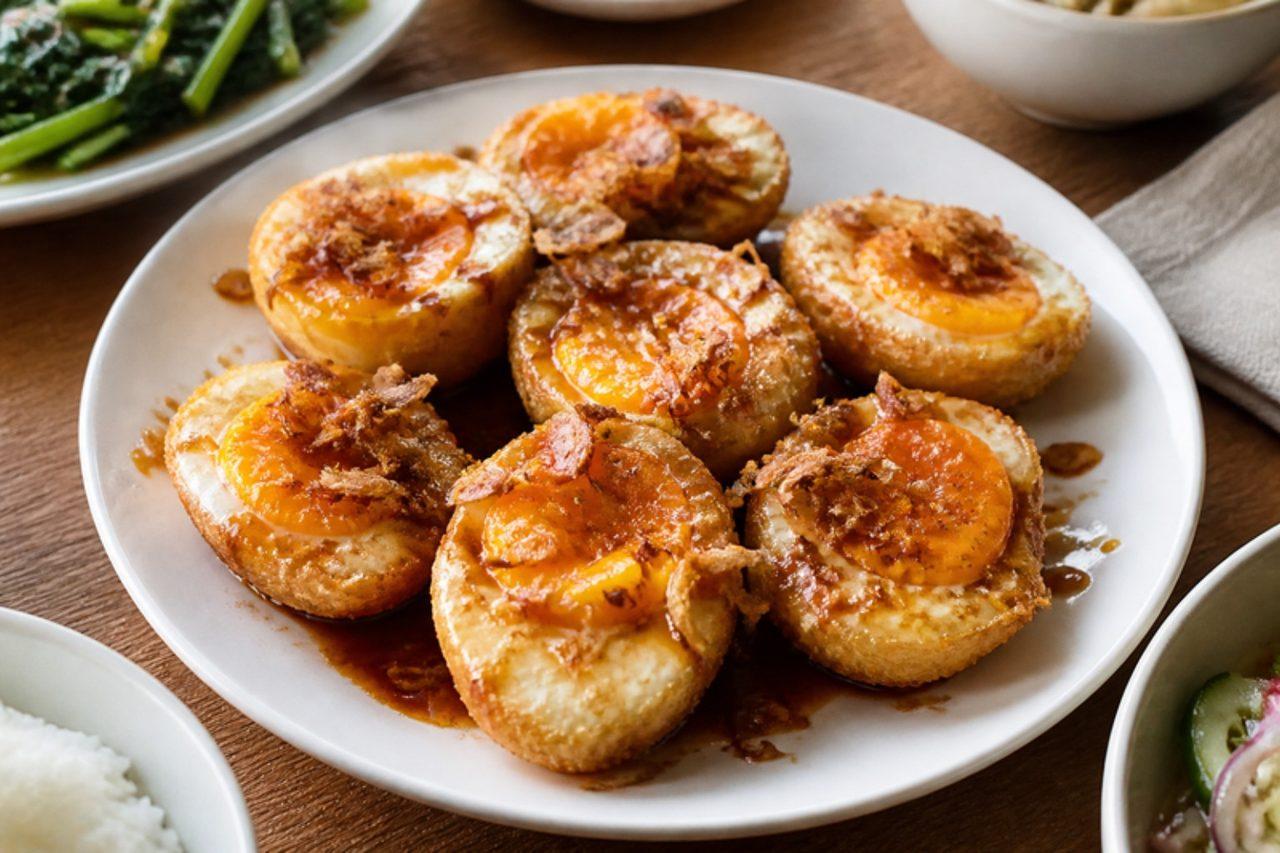
Khai luk khoei (son-in-law eggs)

Khai luk khoei, son-in-law eggs, is a central Thai dish made for family meals and temple fairs, and a favourite way to turn a few eggs into dinner: boiled eggs fried until blistered and golden, halved and spooned over with a sticky tamarind, palm sugar and fish sauce sauce, then finished with crisp shallots and chilli. It contains fish sauce, so it is not vegetarian. The mistake is frying wet eggs in oil that isn't hot enough; dry them well and the skin puffs and crisps instead of spitting. Chef's tip: boil the eggs for 7 minutes for a jammy centre; give 10 minutes and fully set yolks for anyone pregnant, very young, older or vulnerable.

by KrazyBadal 0 views

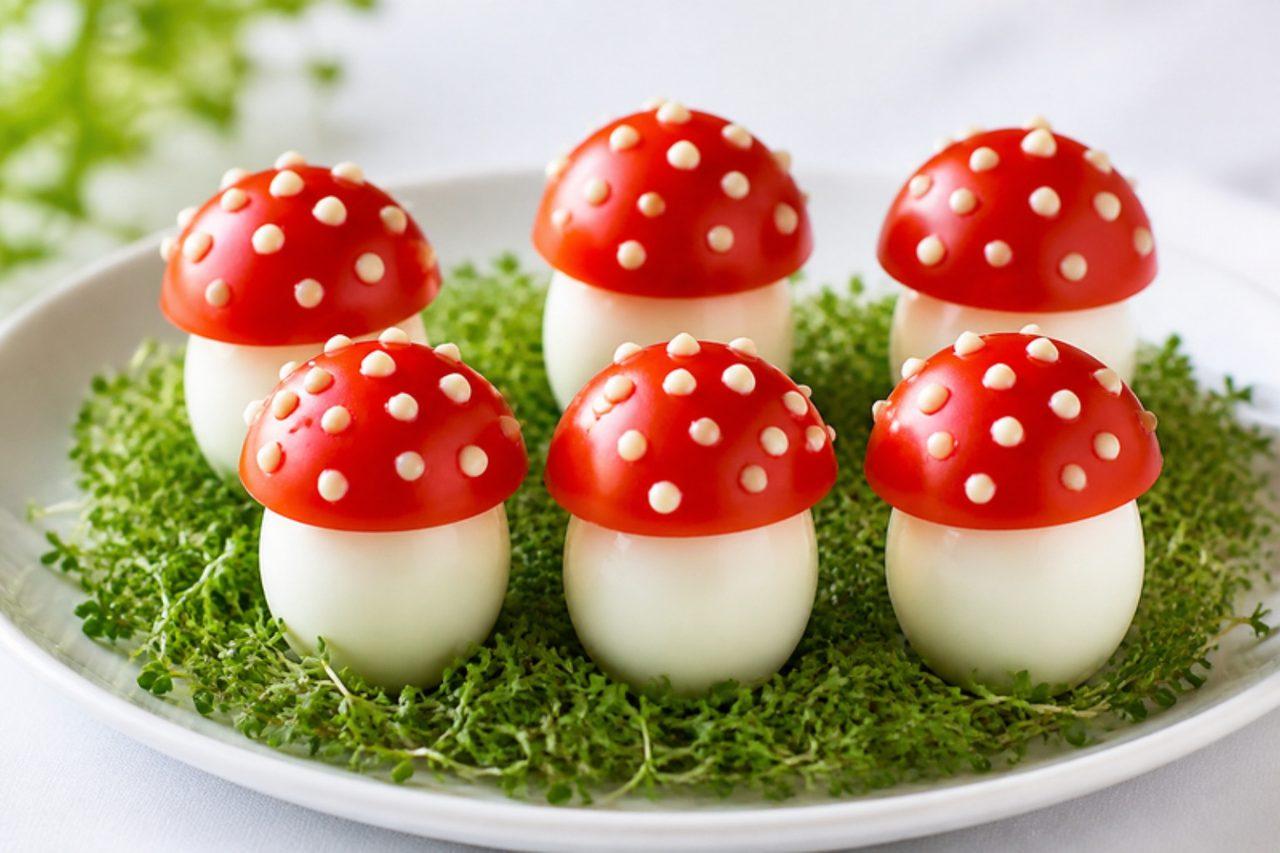
Fliegenpilz-Eier (toadstool eggs)

German children's birthday parties and Easter tables often feature a little forest of Fliegenpilz-Eier: hard-boiled eggs standing on cress, each wearing a red tomato cap dotted with mayonnaise like a fly agaric toadstool. Children love making them as much as eating them. They are meant for school-age children: for younger ones, cut the eggs and tomatoes into small pieces rather than serving them whole. Contains egg (also in the mayonnaise); free of gluten and milk. Chef's tip: slice a thin piece off the bottom of each egg so it stands steady.

by KrazyBadal 0 views

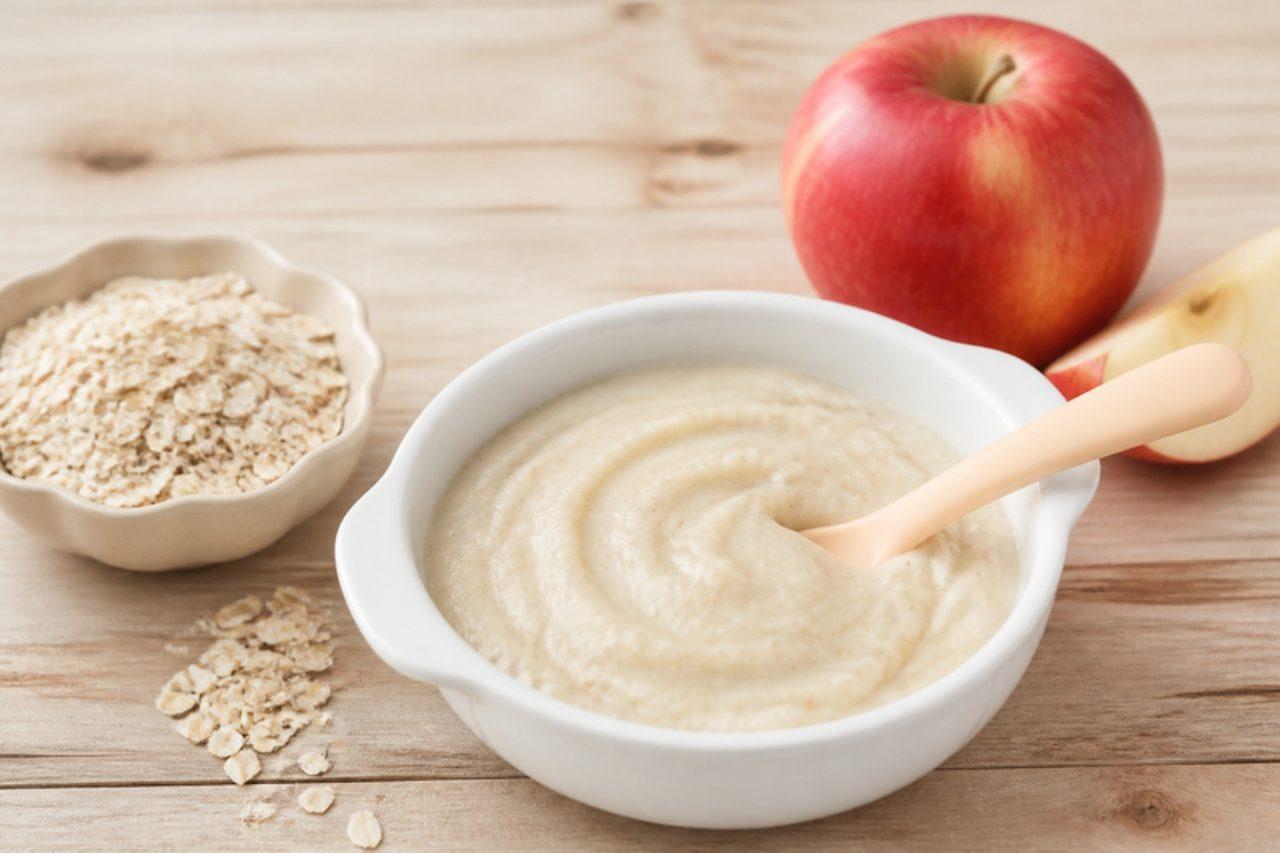
Fruit and cereal mash (Obst-Getreide-Brei)

German weaning follows a well-known plan: a vegetable lunch first, then a milk and cereal evening meal, and finally an afternoon Obst-Getreide-Brei, a dairy-free mash of cooked cereal flakes and fruit, usually from around seven months. Fine oat or millet flakes are simmered in water, then stirred into stewed apple or pear with a spoon of rapeseed oil, which German paediatric advice recommends for healthy fats. It is fruity, smooth and naturally sweet. It contains gluten if made with oats (use millet flakes for gluten free); there is no milk, egg, nuts, soya, sesame or fish. Chef's tip: stew the fruit in a little water rather than using juice, which adds sugar.

by KrazyBadal 0 views

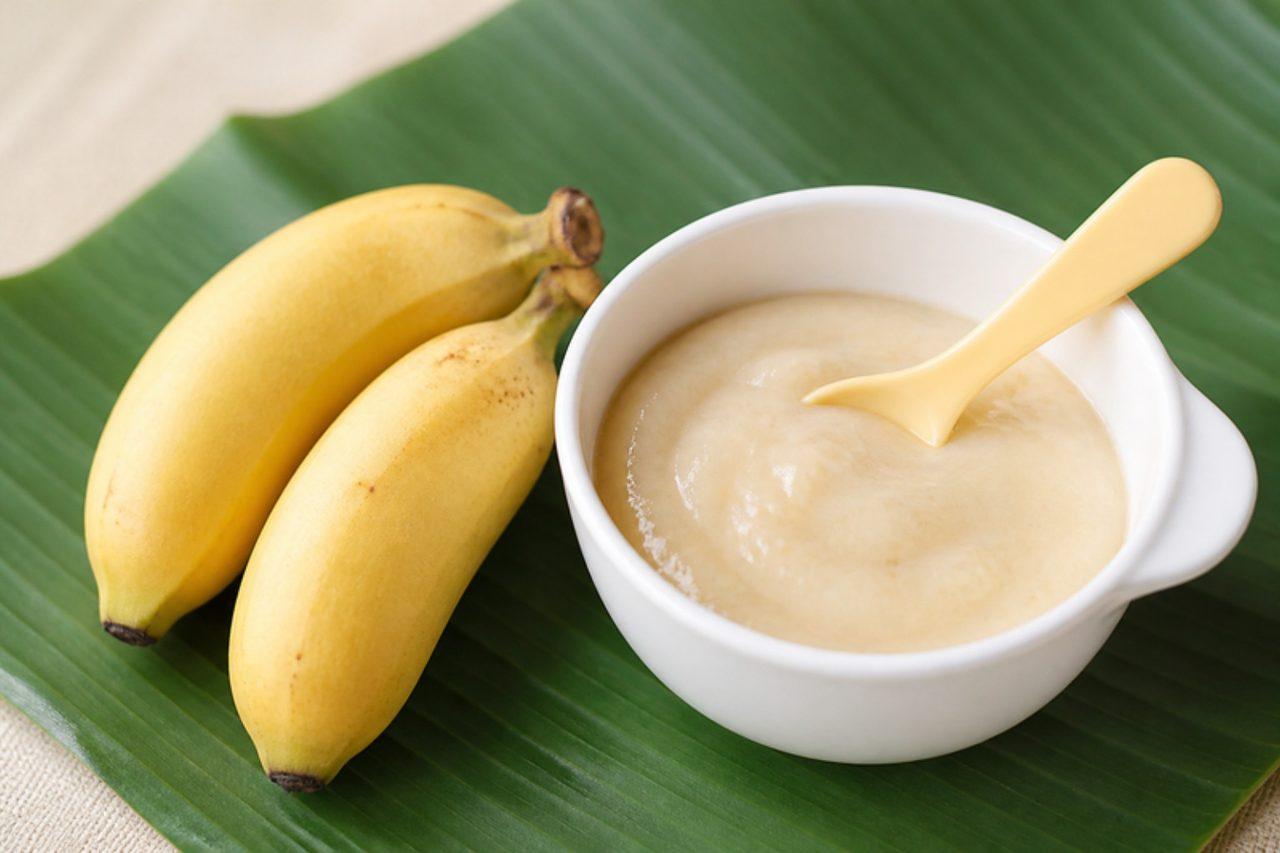
Mashed nam wa banana (kluay nam wa bod)

Ask a Thai grandmother about first foods and she will talk about kluay nam wa, the short, plump banana that grows in nearly every garden in Thailand. Ripe ones are steamed, which softens the slightly astringent edge, then scraped and mashed for a baby's first taste, often in the afternoon. It is sweet, creamy and needs nothing added. There are no common allergens (milk, egg, gluten, peanut, tree nuts, soya, sesame, fish). If you can't find nam wa, use a small, very ripe ordinary banana. Chef's tip: steam the banana in its skin; it keeps the flesh moist and stops it browning.

by KrazyBadal 0 views

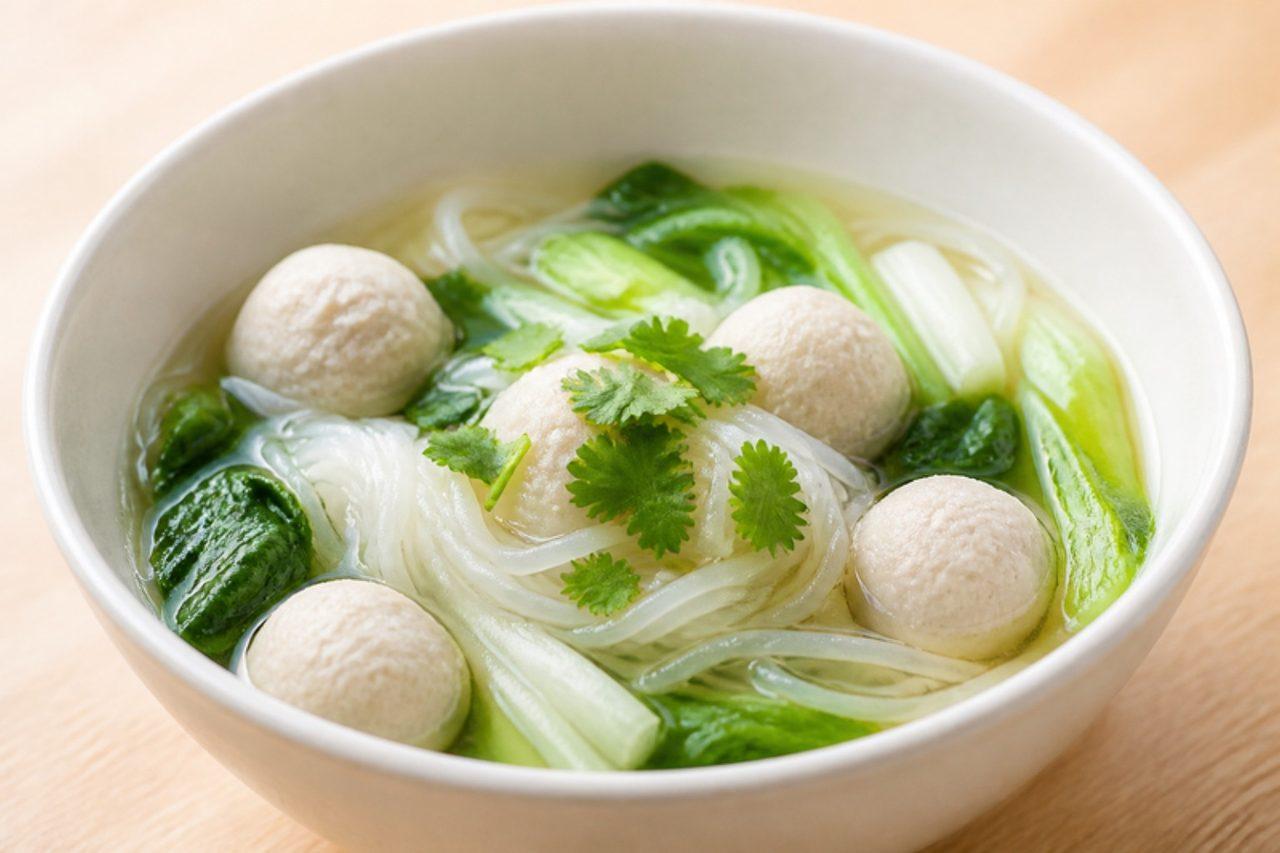
Kuay teow nam sai (clear rice noodle soup for toddlers)

Kuay teow nam sai, clear noodle soup, is ordered for Thai children at noodle shops everywhere because it comes without chilli, sugar or vinegar: thin rice noodles in a light broth with minced pork and blanched greens. At home it is easy to make it even gentler, with no-salt stock fragrant with garlic and coriander root, so that toddlers can have it from a year old and adults season their bowls at the table. It contains none of the common allergens (milk, egg, gluten, peanut, tree nuts, soya, sesame, fish) unless the family adds fish sauce. Chef's tip: soak the noodles in warm water rather than boiling them, then dip in the broth just before serving, so they stay silky.

by KrazyBadal 0 views

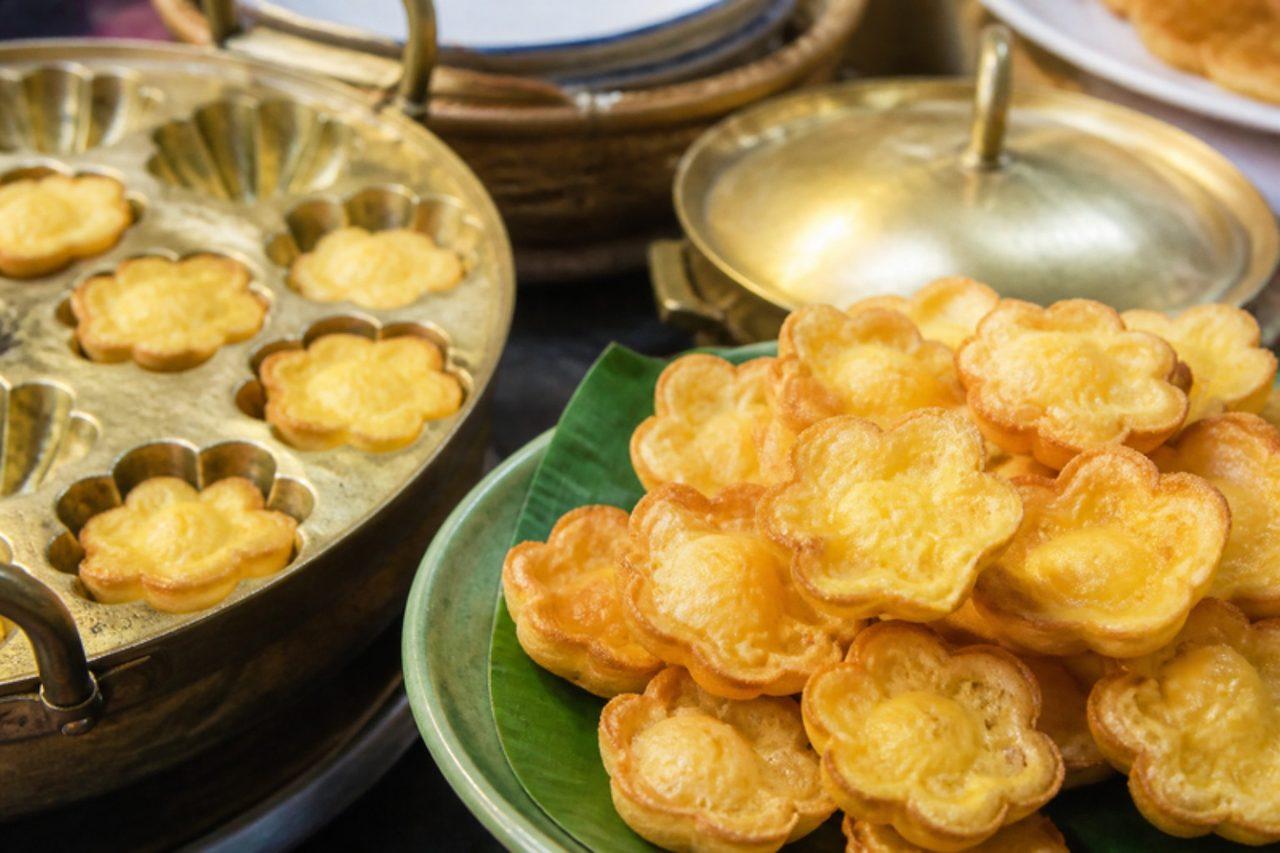
Khanom khai (Thai egg cakes)

Khanom khai are the tiny golden sponge cakes that Thai market vendors bake in heavy brass moulds, filling the air with a sweet, eggy smell, and Bangkok children buy a paper bag of them after school. They are light and spongy inside with crisp, caramelised edges, and taste of egg and vanilla. They're made with oil rather than butter. They contain egg and gluten. Without a traditional mould, a mini-muffin or madeleine tin works well. Chef's tip: beat the eggs and sugar until really thick and pale; all the lift comes from that air.

30 minThaiBaking
by KrazyBadal 0 views

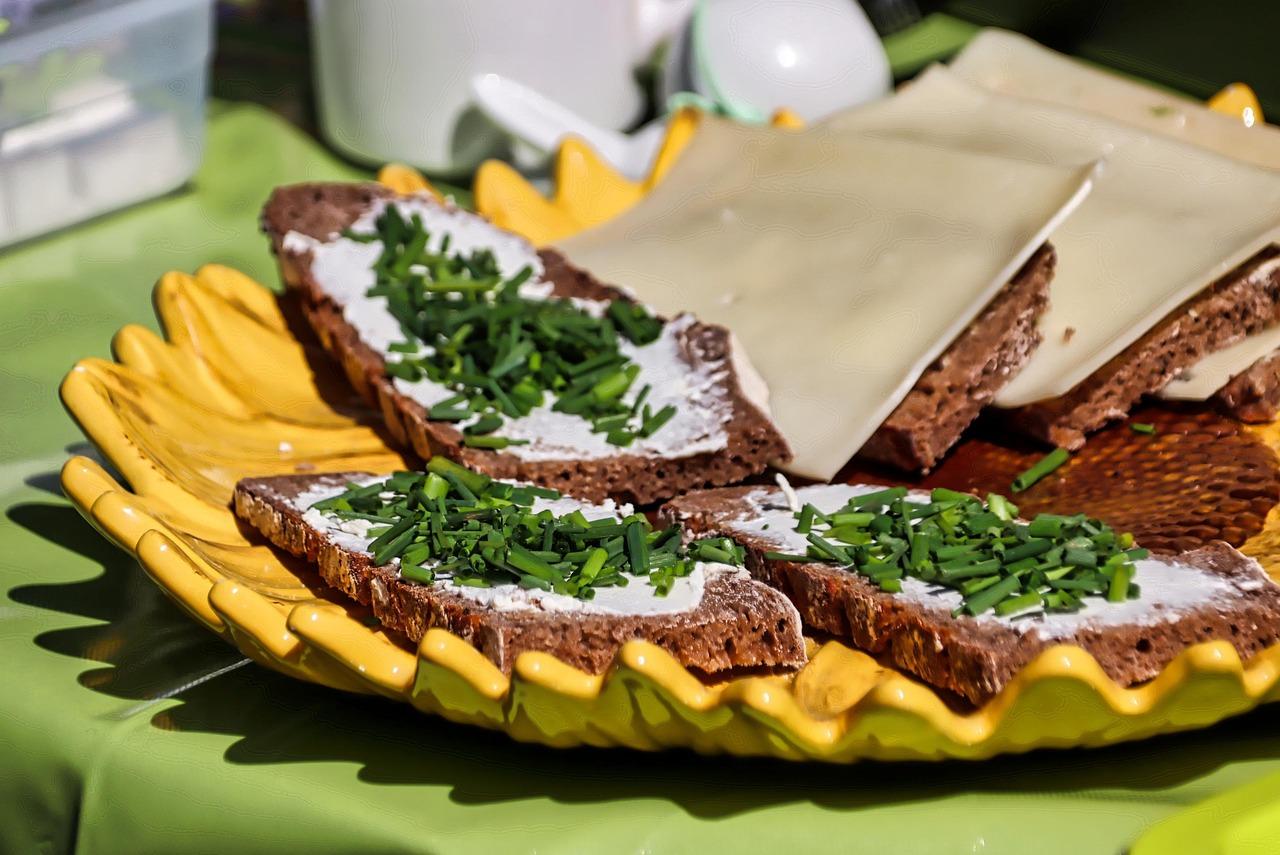
SchnittlauchbrotChive bread

Order a Schnittlauchbrot in a Munich beer garden and you get the simplest Brotzeit there is: a thick slice of sourdough rye, buttered right to the edges and buried under so many chopped chives that the bread disappears. A pinch of coarse salt on top is all it needs. Bavarians eat it with a radish or two in the afternoon, and at home it is a classic Abendbrot when the chives in the garden are growing fast in May and June. The mistake is using fridge-cold butter, which tears the bread and will not hold the chives. Chef's tip: press the bread butter-side down into a plate of chives instead of sprinkling, and every bit gets covered.

by KrazyBadal 0 views

Showing 24 of 172 recipes

Show more recipes

Page 1 of 8