Skip to content
Recipes

All recipes

Vegetarian, or something you can't eat? Set your diet once and we'll hide recipes that don't fit.

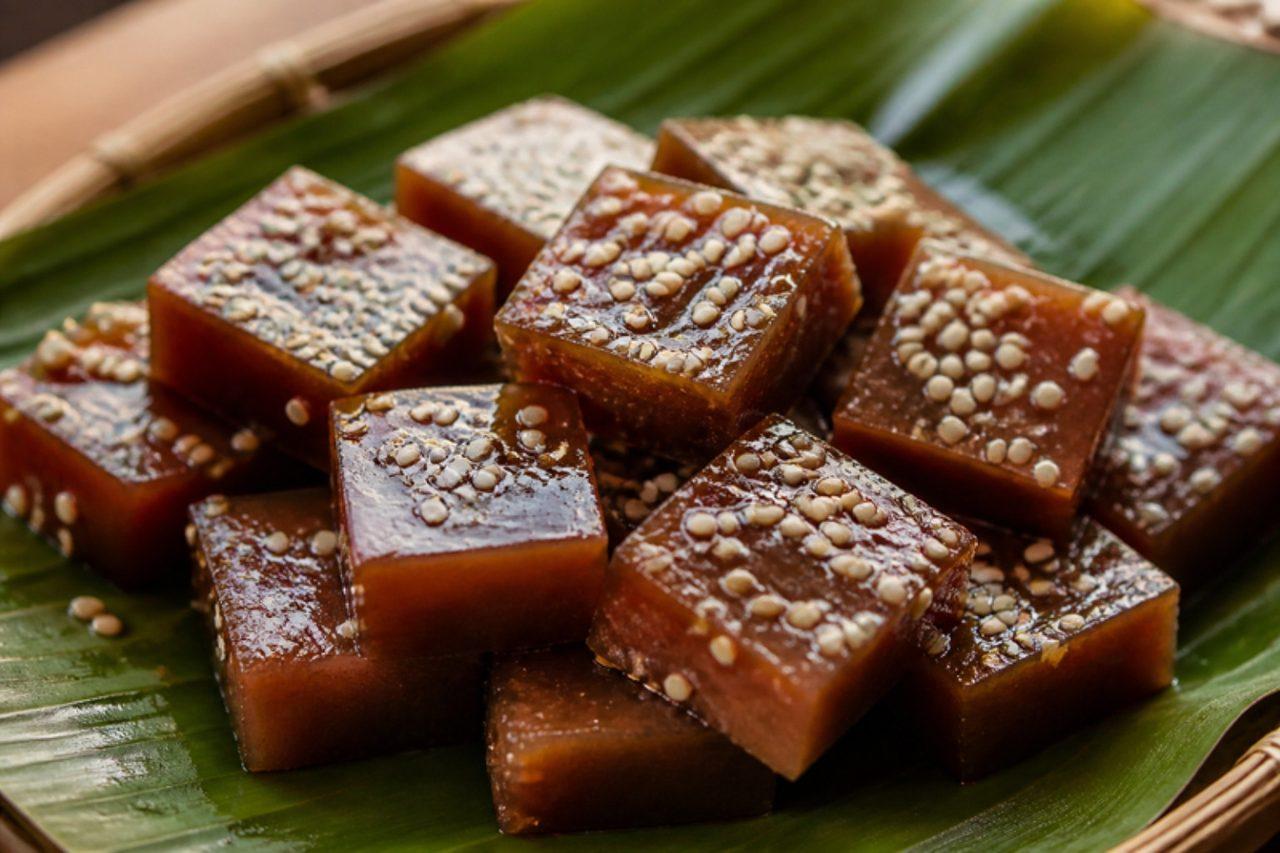
Kalamae (Thai coconut caramel sticky rice sweet)

Kalamae is the Songkran sweet of Central Thailand: in villages, neighbours take turns at a huge wok for hours, and the finished trays go to monks and elders at the New Year, the long shared stirring standing for a community pulling together and the sweetness for a sweet year ahead. Glutinous rice flour, coconut milk and palm sugar slowly turn from milky beige to a deep mahogany paste that is chewy, a little smoky and rich with coconut. Cut it into small squares and serve with jasmine tea, or wrap the pieces in banana leaf to give away. A home batch takes about two and a half hours at the stove, so put on some music and keep a wooden spoon moving. Chef's tip: use the widest heavy pan you own; more surface means faster thickening and less risk of scorching.

180 minThaiDessertsVeganGluten free
by KrazyBadal 0 views

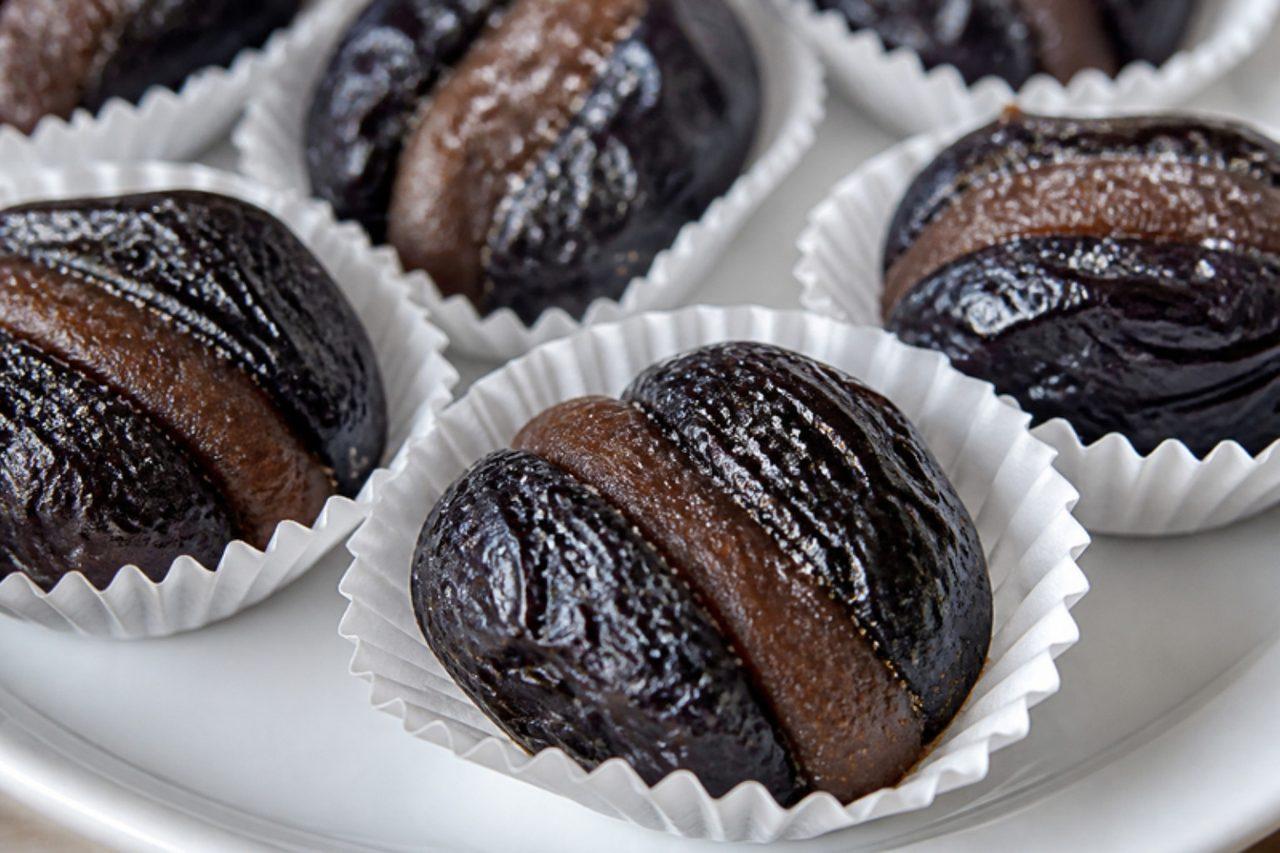
Pruneaux d'Agen fourrés (stuffed Agen prunes)

Agen, on the Garonne in south-west France, has dried its plums into prunes for centuries, and its confectioners stuff the best ones with a paste of more prunes and almonds. Boxes of pruneaux fourrés are a Christmas present across the south-west and a speciality of the town's prune festival at the end of August. Each one is glossy and plump, with a soft, sticky skin and a dense, mellow filling that tastes of fruit, almond and a little orange. Serve them with coffee or tea, or as part of a cheese plate. The filling is a kind of almond paste, held together by the sticky prune purée and sugar, so it is egg-free like the rest of the sweet; some versions add a little brandy, and orange juice takes its place here. Chef's tip: if the prunes are dry, steam them for 5 minutes first; the common mistake is forcing filling into stiff prunes, which split.

by KrazyBadal 0 views

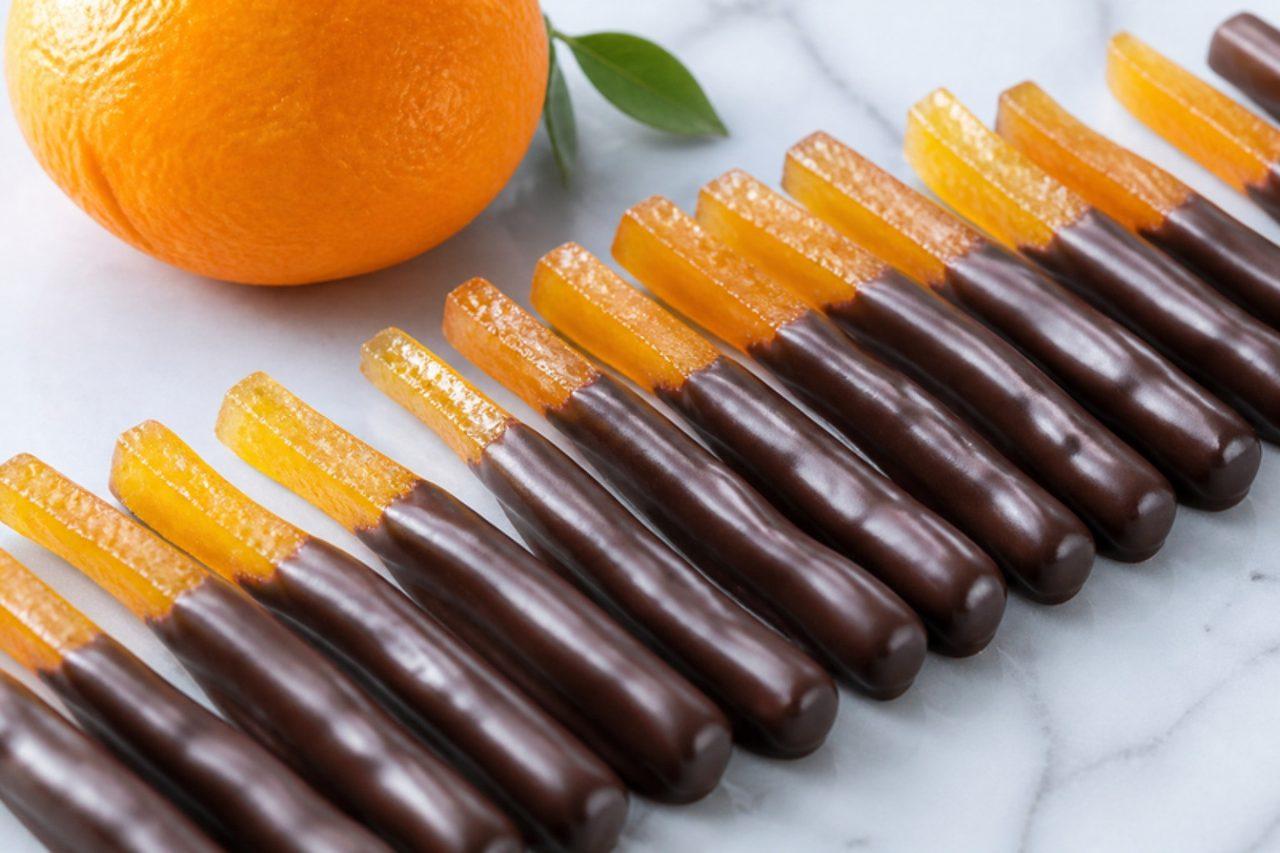
Orangettes (candied orange peel in dark chocolate)

All over France, from Paris chocolatiers to village pâtisseries, orangettes arrive in the shop windows as the days shorten and are a fixture of the Christmas and New Year sweet table. Long strips of orange peel are candied until tender and translucent, then dipped in dark chocolate: chewy and bittersweet inside, with a clean snap of chocolate and a long citrus finish. Serve them with an espresso after dinner, tie them up in a box as a gift, or offer them with a cheese course. They are naturally egg-free: the sugar syrup preserves the peel and stops it going tough, and the tempered chocolate sets into a firm, glossy shell with no other help. For a vegan batch, use a dark chocolate made without milk. Chef's tip: dry the candied peel well before dipping; the common mistake is dipping wet peel, which makes the chocolate seize and turn dull.

by KrazyBadal 0 views

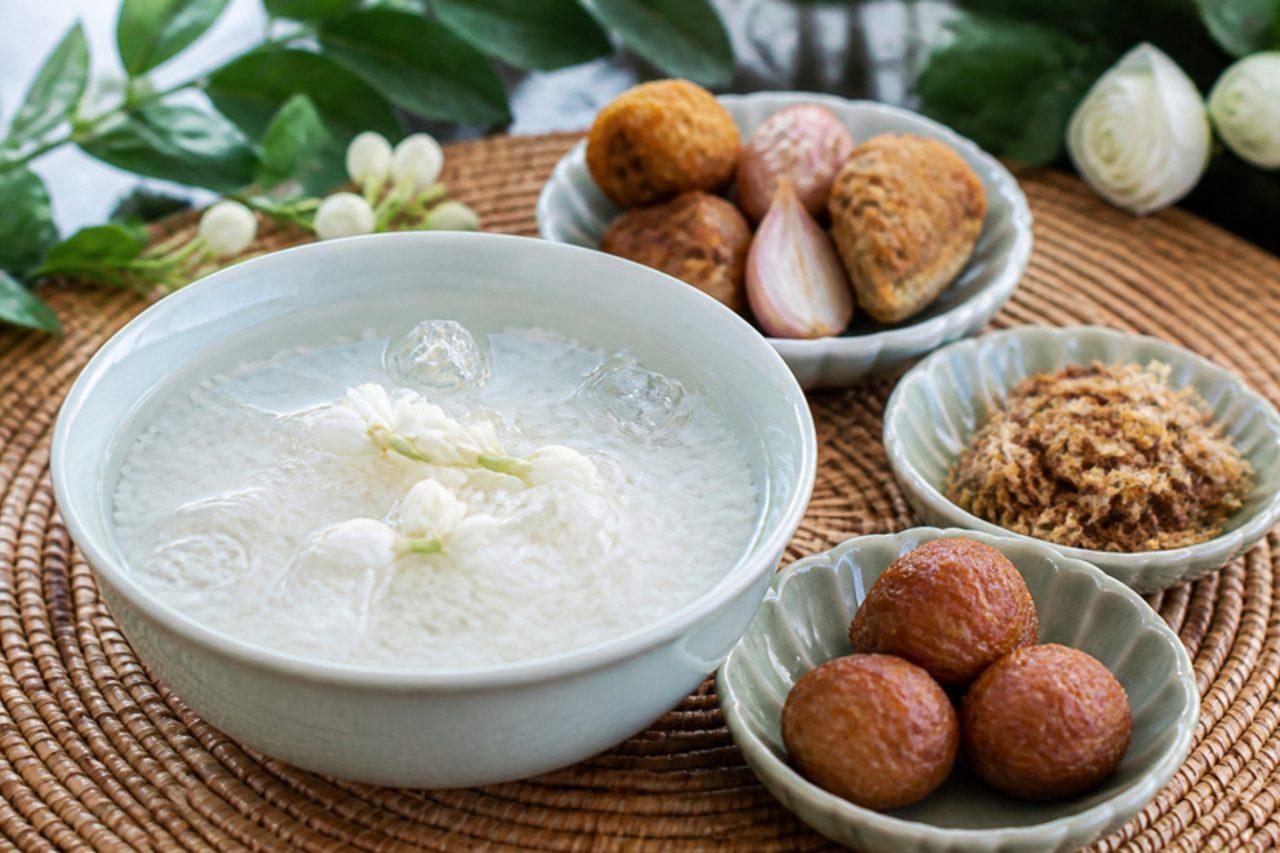
Khao chae (jasmine-scented chilled rice)

Khao chae came to Central Thailand with the Mon people and became the classic Songkran lunch for the hottest days of April: rice served in iced, flower-scented water to cool the body and honour the New Year with something cool and fresh. The rice sits in its fragrant water, surrounded by little savoury bites eaten in turn: fried shrimp-paste balls (luk kapi), battered stuffed shallots and moo foi, sweet shredded pork fried until it is dry and caramelised. Each mouthful is a bite of salty-sweet side followed by a spoon of cold, clean rice. Scent the water with food-safe, unsprayed jasmine flowers or a few drops of food-grade jasmine extract, never florist's flowers. Chef's tip: rinse the cooked rice to wash off its starch so the water stays clear and the grains stay firm.

by KrazyBadal 0 views

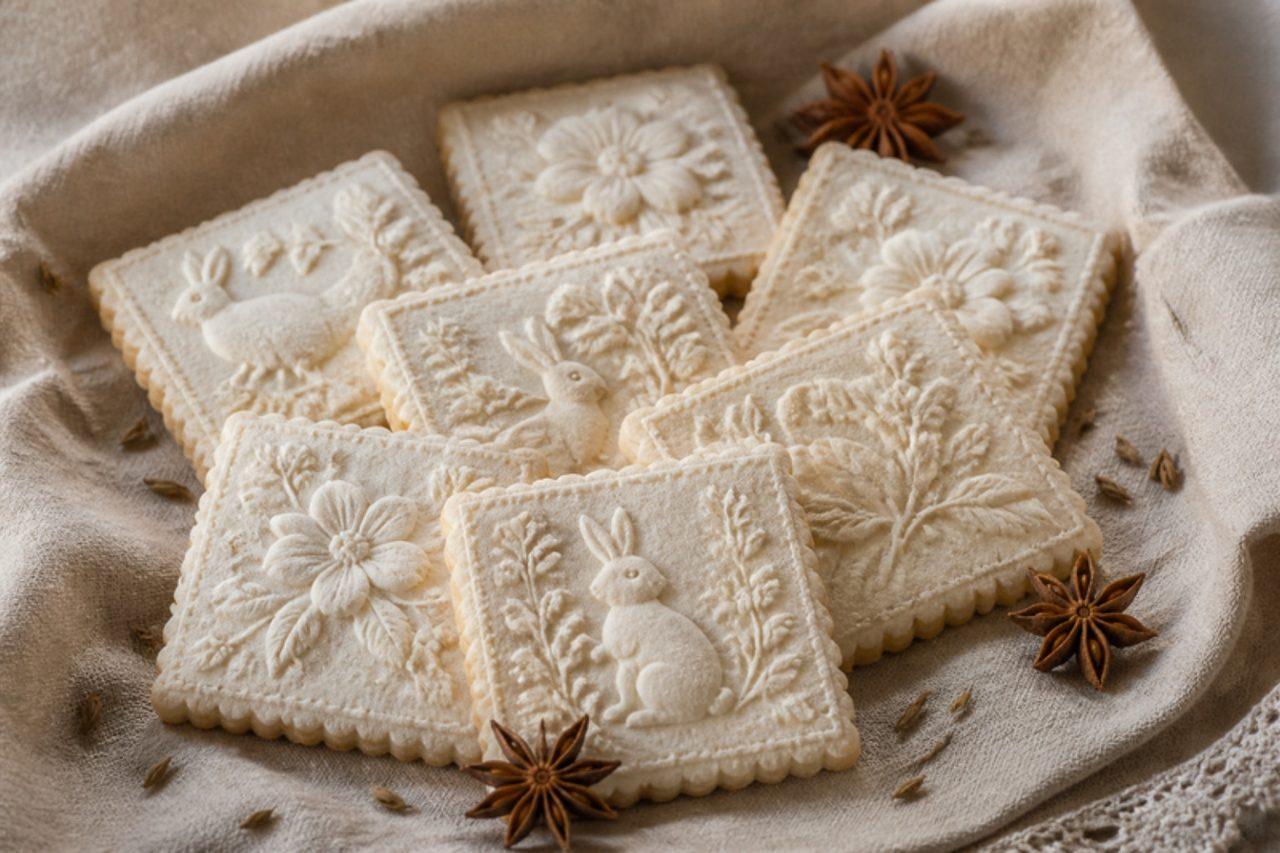
SpringerleAnise biscuits

Springerle are among the oldest Christmas biscuits of Swabia and Baden in south-west Germany, made in Advent with carved wooden moulds and boards handed down in families, which print scenes of angels, animals and flowers onto the dough. The dough is only eggs, sugar and flour with aniseed underneath. The pressed biscuits are left to dry overnight, so that in the oven the picture stays sharp on top while a little 'foot' rises underneath. They are hard when fresh and soften in a tin after a week. Chef's tip: dust the mould with flour and tap out the excess every time, or the dough sticks and the picture blurs.

by KrazyBadal 0 views

Khao niao daeng (Thai red sticky rice)

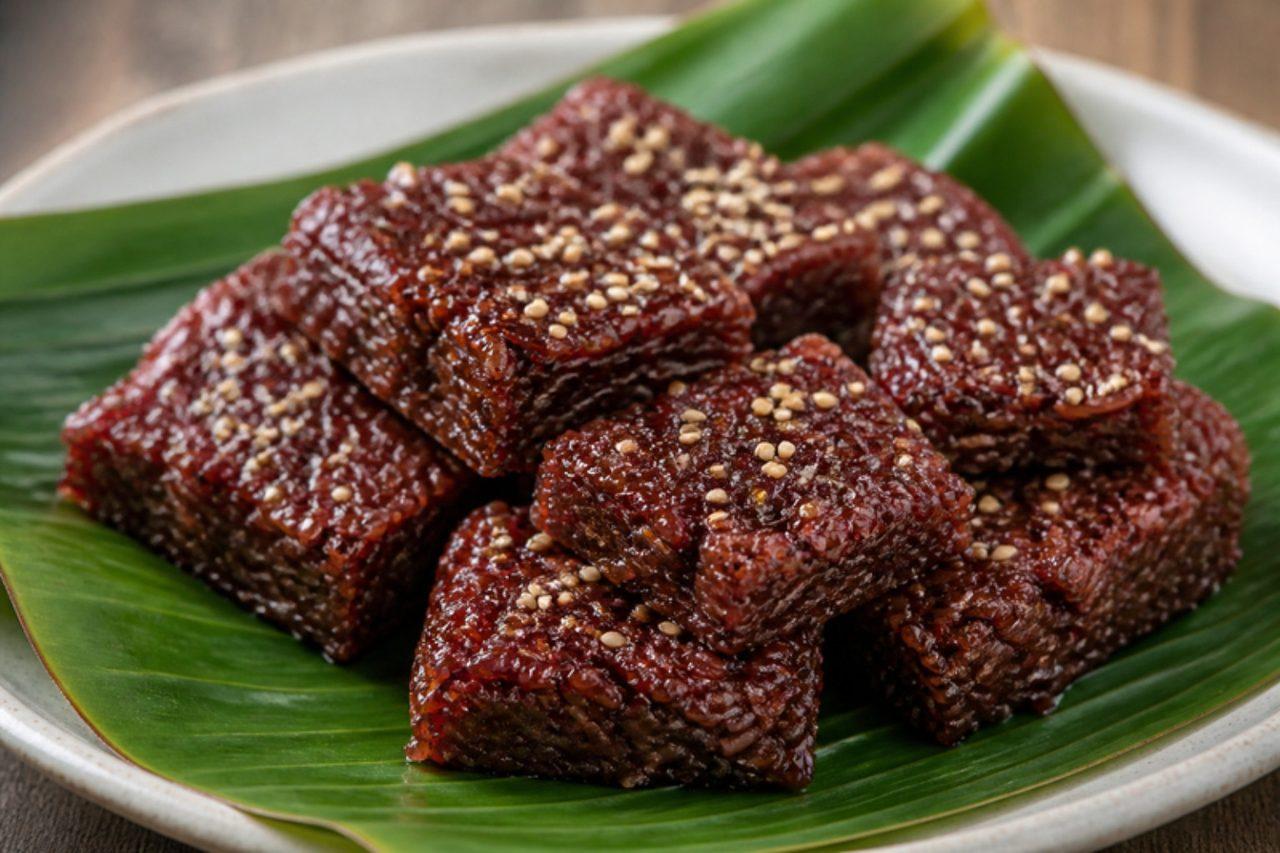
Khao niao daeng, "red sticky rice", is made in Central Thailand in the days before Songkran and carried to the temple as an offering, its sticky grains a wish that family ties hold fast through the year. The rice is steamed first, then folded into a long-reduced coconut and palm sugar caramel until it turns a glossy red-brown and every grain is sweet, chewy and fragrant. Pressed into a tray, it slices neatly and keeps for a few days, so it is a good make-ahead sweet for a crowd. Serve squares with a sprinkle of toasted sesame and a cup of tea. Chef's tip: reduce the caramel until it is thick and bubbling slowly before the rice goes in, or the rice turns mushy instead of chewy.

by KrazyBadal 0 views

Kluay tak (Thai dried bananas, oven method)

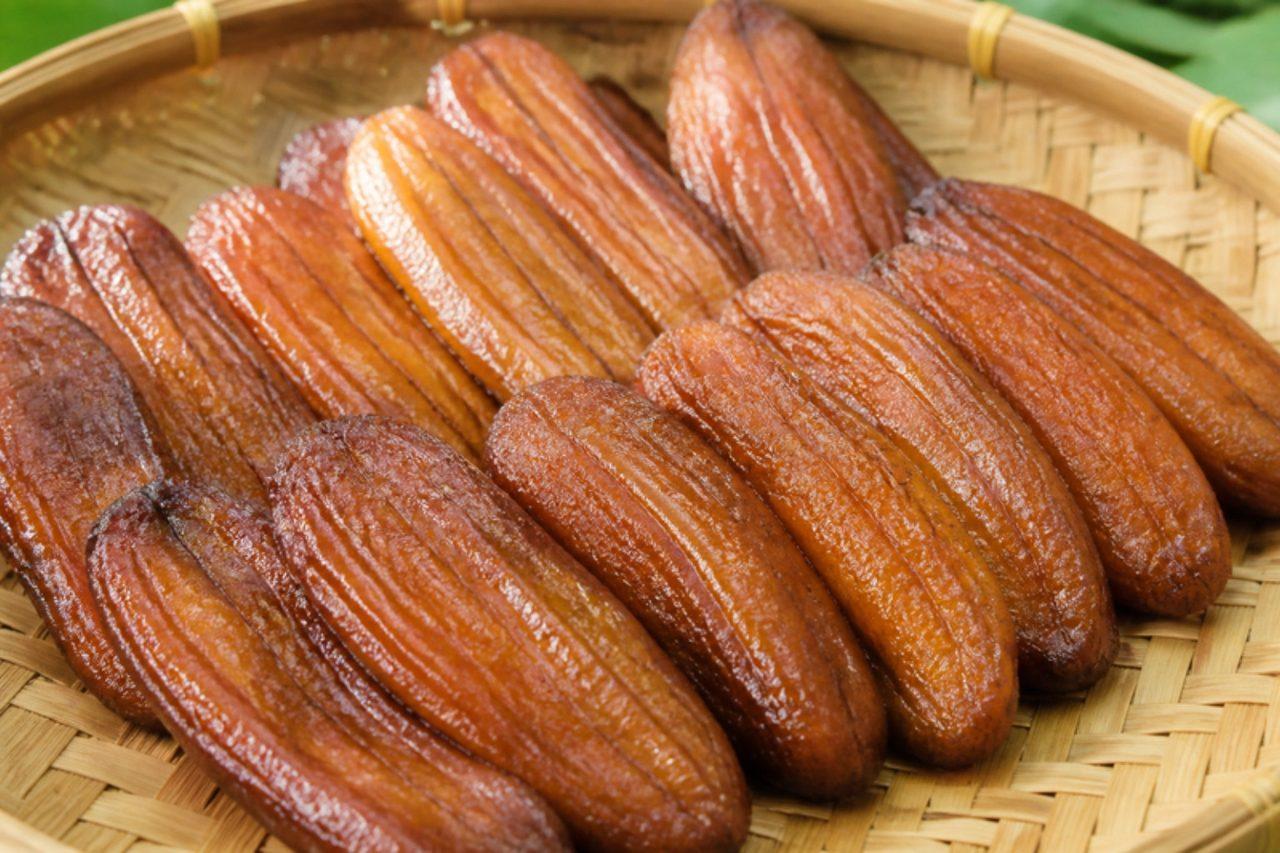
In Bang Krathum, a district of Phitsanulok in lower northern Thailand, small nam wa bananas are peeled and laid out under the sun in glass-roofed drying boxes for several days, then pressed flat to make kluay tak. The district is famous for them, and bags are bought as a gift on the road home and nibbled with tea or coffee in the afternoon. They are dense and chewy like a soft toffee, dark amber, with a deep caramel and honey flavour that comes only from the fruit. As sun-drying takes days and needs steady heat, this version uses a very low oven overnight, then a rest in a jar so the moisture evens out. They are naturally egg-free and need nothing to bind them: the banana's own sugars concentrate and hold it together. Chef's tip: keep the oven low and prop the door open with a wooden spoon; the common mistake is a hot oven, which cooks and blackens the outside while the centre stays wet.

1340 minThaiDessertsVeganGluten free
by KrazyBadal 0 views

Cotignac d'Orléans (clear quince jelly)

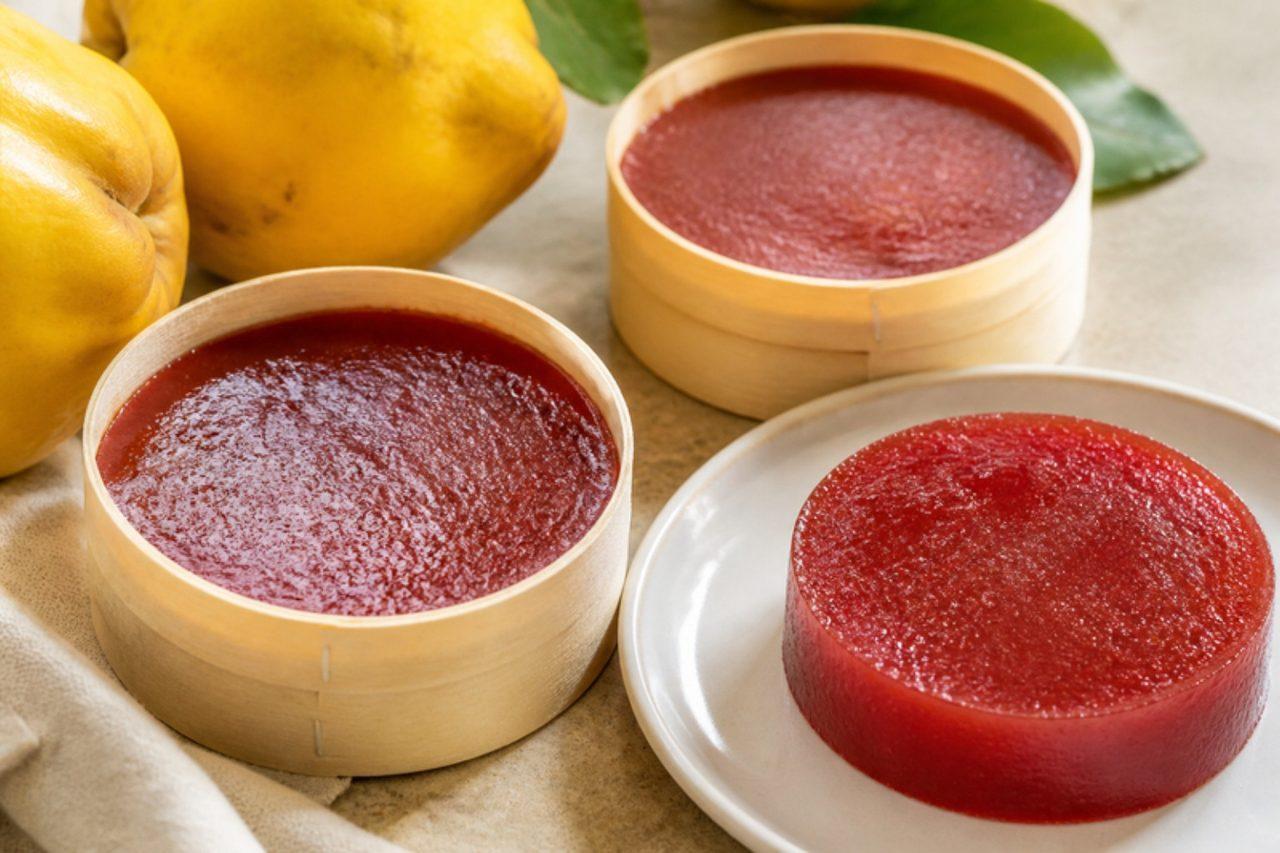
Orléans has made cotignac since the Middle Ages and offered it to visiting kings, and the town still sells it in small round wooden boxes, to be eaten by scraping the jelly out with the edge of the lid. It is a winter sweet, made when the autumn quinces come in and given at Christmas and New Year. The jelly is clear and ruby-red, firm enough to cut but tender on the tongue, with a scented, slightly tart quince flavour. Serve it after dinner with coffee, or with a mild cheese. Nothing but fruit and sugar sets it, so it is naturally egg-free: quinces are among the richest fruits in pectin, and boiling their juice with sugar to the setting point is all it takes. Small ramekins or silicone moulds lined with baking paper stand in for the wooden boxes. Chef's tip: let the cooked quince drip through the cloth without pressing; the common mistake is squeezing it, which clouds the jelly.

by KrazyBadal 0 views

Marzipankartoffeln (German marzipan potatoes)

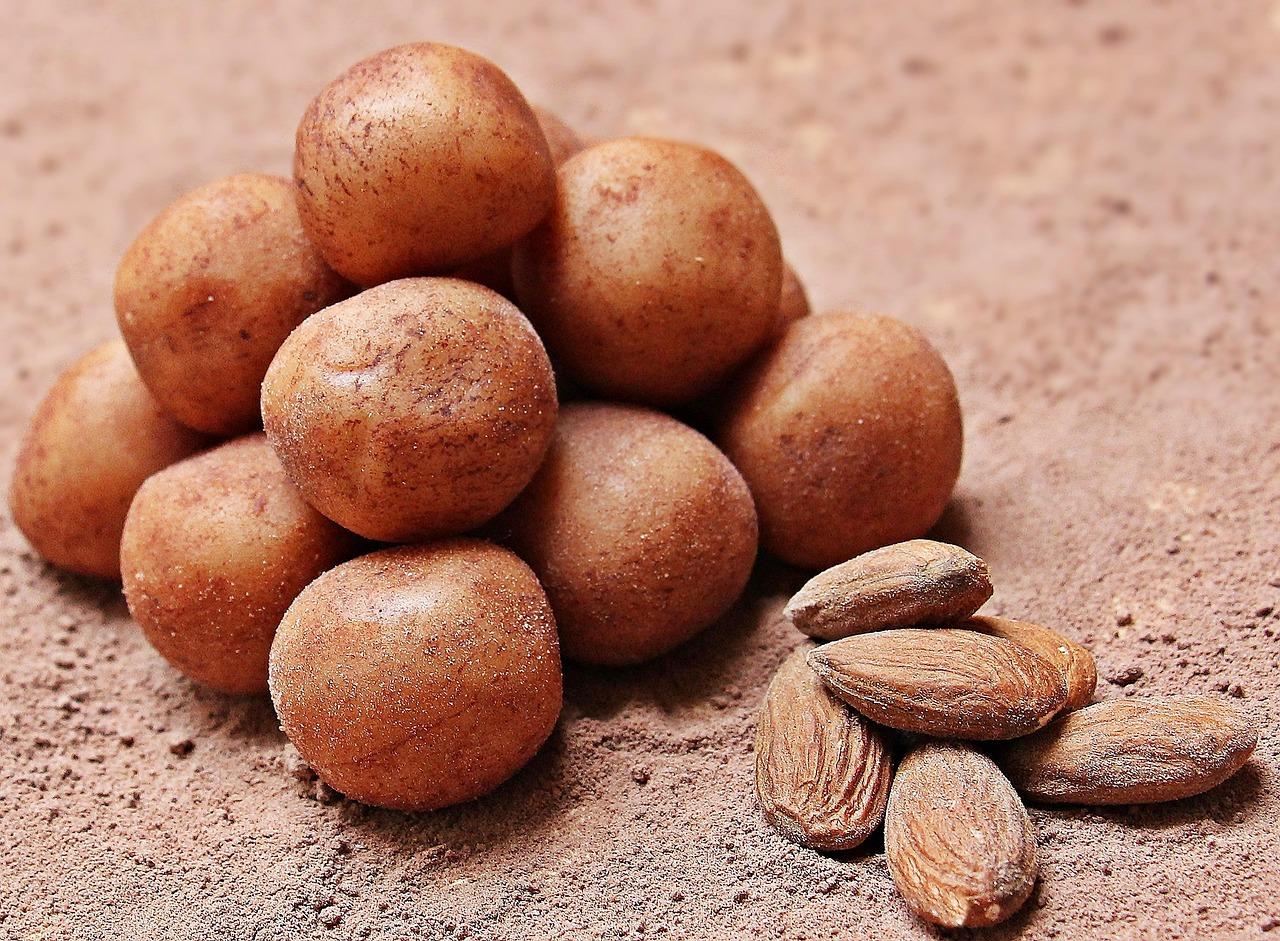
In Germany the run-up to Christmas is when these appear, piled in paper bags at the markets and in bowls on the Advent table; Lübeck, the city most famous for marzipan, makes them by the tonne. They are simply small balls of marzipan dusted in cocoa until they look like freshly dug new potatoes, sometimes with a few pricked 'eyes'. The inside is soft, sweet and fragrant with almond and a hint of rosewater; the cocoa coat is bitter and dry, which keeps the sweetness in check. Serve them with coffee, tuck them into a cookie tin or wrap them as small gifts. Shop marzipan sometimes contains egg white, so this one is made from scratch: a sugar syrup cooked to the soft-ball stage binds the ground almonds into a smooth, pliable paste, doing the job egg white does in some commercial pastes, and the result is naturally egg-free. Chef's tip: the common mistake is kneading the warm paste too long, which squeezes oil out of the almonds and makes it greasy; knead only until it comes together, then let it cool.

by KrazyBadal 0 views

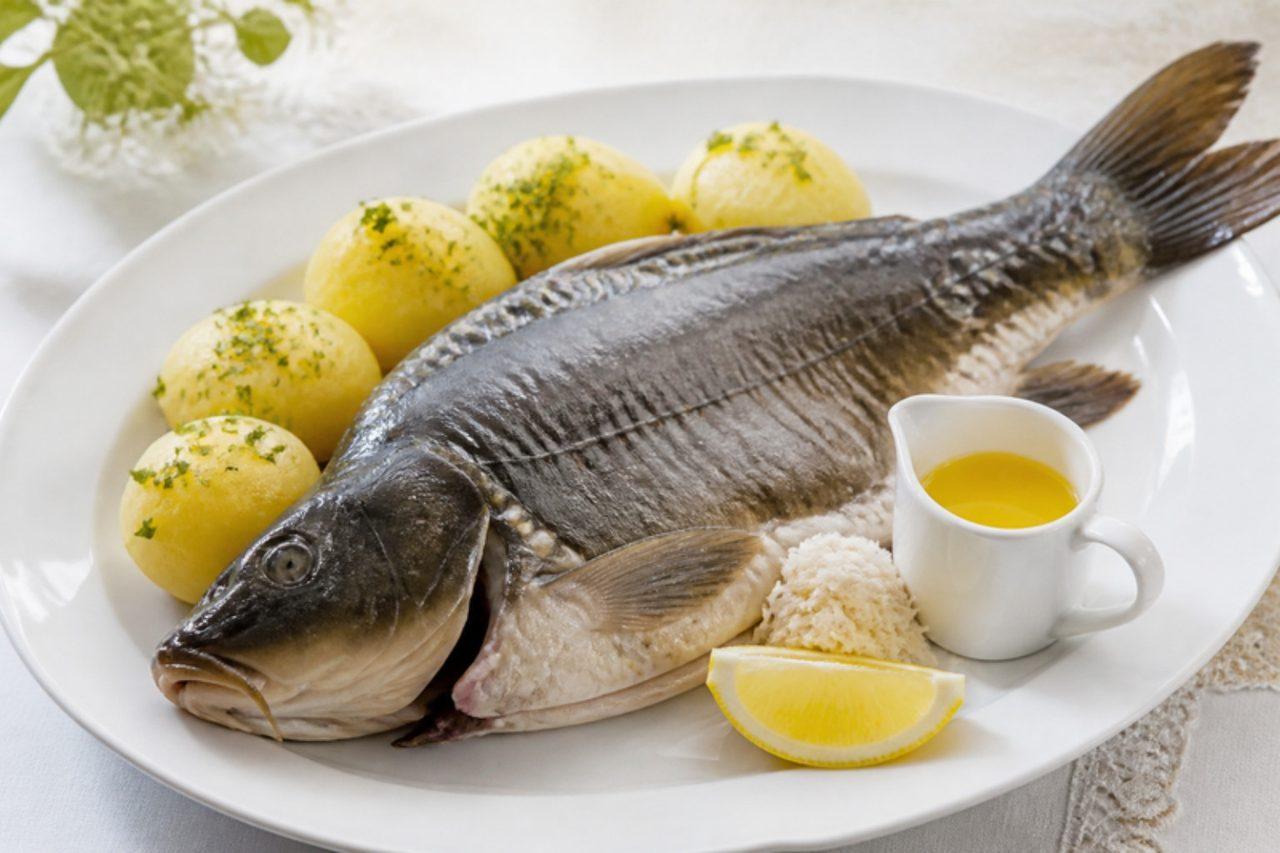
Karpfen blauCarp poached in vinegar stock

In Franconia and Bavaria, Christmas Eve supper is often carp, and the old way is 'blau': the fish is poached in a sharp vinegar stock that turns its natural skin slime a striking slate blue. It is served with melted butter, freshly grated horseradish and boiled potatoes, and many families keep a carp scale in their wallet for good luck in the year ahead. Buy carp already killed and gutted by the fishmonger, and ask for it unscaled and handled as little as possible, or the blue colour won't appear. Chef's tip: never rinse or wipe the carp skin, because the slime is what turns blue.

60 minGermanFishGluten free
by KrazyBadal 0 views

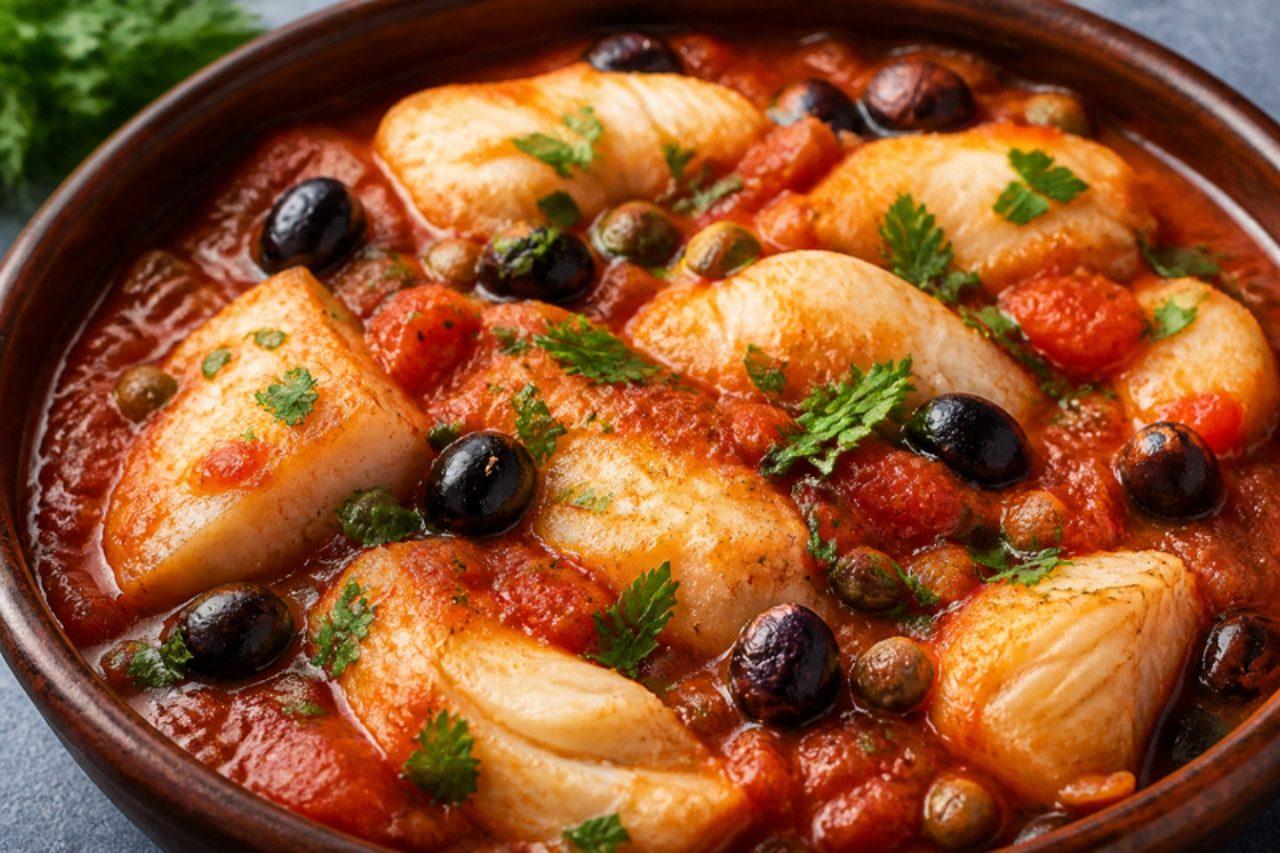
Morue en raïtoSalt cod in tomato sauce

In Provence the gros souper on Christmas Eve is a lean but festive meal eaten before midnight Mass, with seven meatless dishes for the seven sorrows of Mary, and salt cod en raïto is often the centrepiece. Pieces of soaked cod are fried, then simmered in raïto, a dark sauce of tomato, onion, garlic, black olives and capers that is traditionally cooked with red wine. Here the wine is optional: use vegetable stock with a spoon of red wine vinegar for an alcohol-free sauce. Serve with boiled potatoes or crusty bread. Chef's tip: soak the salt cod in the fridge for 36 hours, changing the water often, and taste a flake before cooking; it should be pleasantly seasoned, not salty.

90 minFrenchFish
by KrazyBadal 0 views

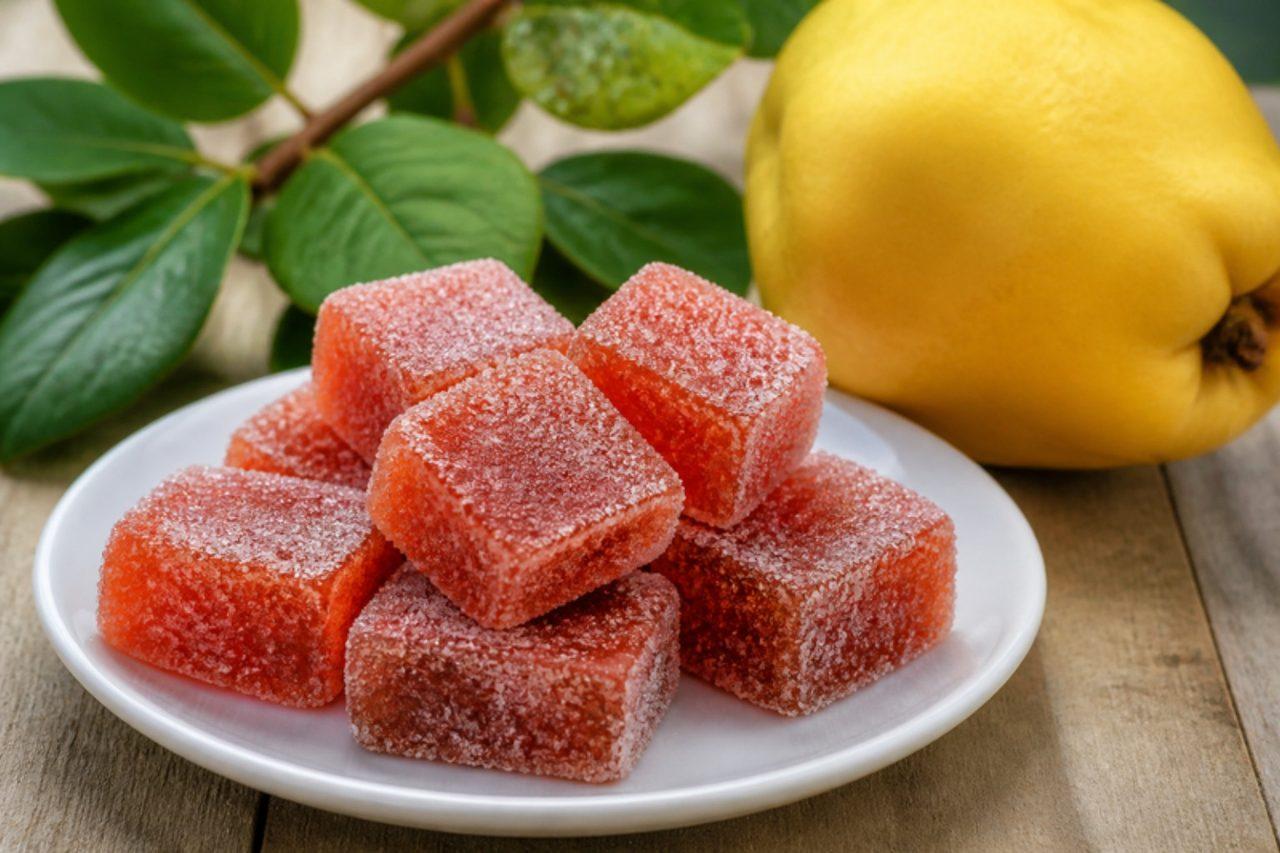
Pâte de coingsQuince paste

On Christmas Eve in Provence the gros souper ends with the treize desserts, thirteen small sweets set out together and left on the table until 27 December. Pâte de coings, a firm, glowing amber quince paste cut into squares and rolled in sugar, is nearly always among them, beside nougat, dried fruit and fougasse. It is simply quince pulp and sugar cooked down slowly until it pulls away from the pan, so it is vegan and gluten free, and it keeps for months. Serve it in small cubes, or with a sharp cheese. Chef's tip: cook the quinces whole with their skins and cores, which hold most of the natural pectin, and only sieve them afterwards.

by KrazyBadal 0 views

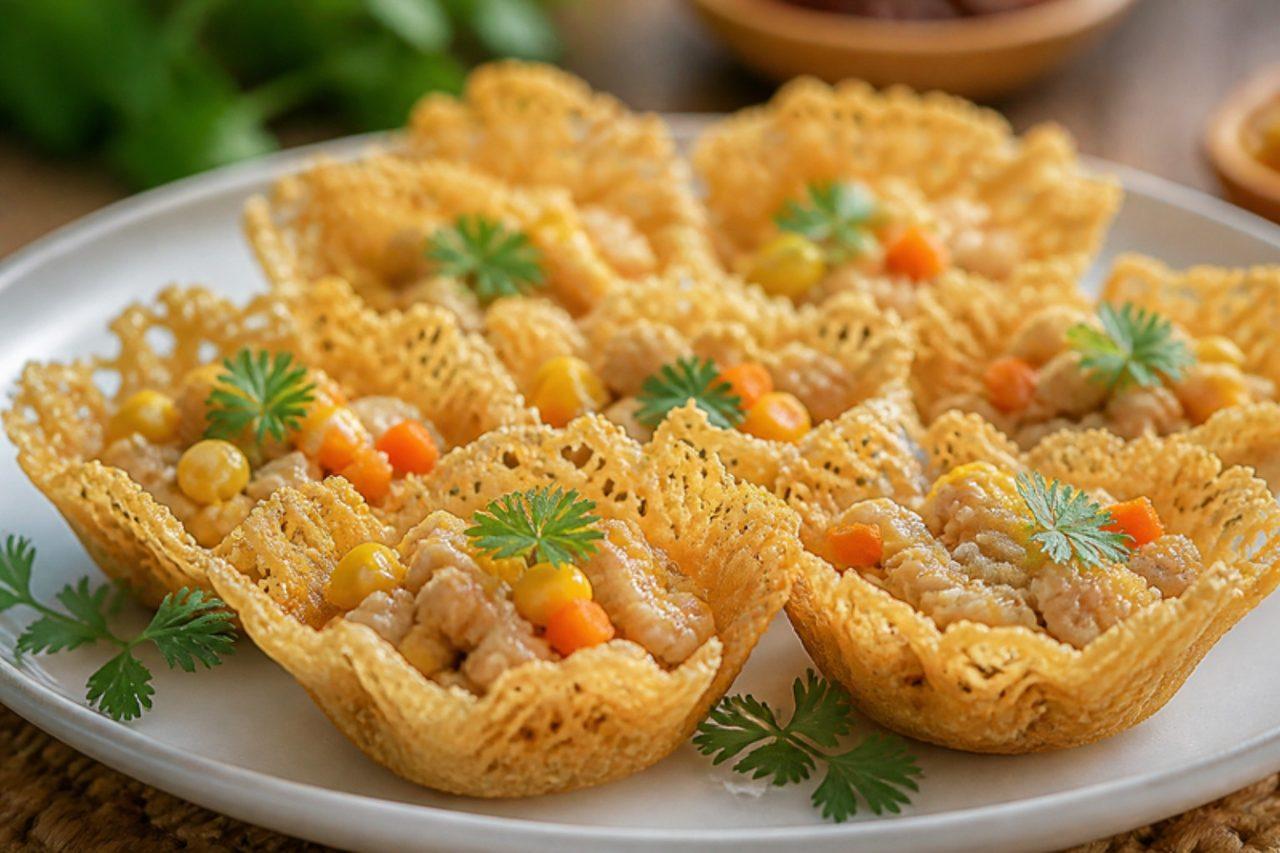
Krathong thong (crispy golden cups with chicken)

Krathong thong, "golden baskets", are named after the little floating krathong set on the rivers at Loy Krathong in Central Thailand, and their golden colour makes them a party bite for wishing wealth at festivals and New Year gatherings. A thin rice-flour batter is fried on a hot flower-shaped mould into crisp, delicate cups that shatter at the first bite. The filling is minced chicken cooked with sweetcorn, carrot, garlic and a little sugar, so it is gently sweet and savoury, which children love. Serve them as a starter with a sweet chilli dip, filling the cups just before serving so they stay crisp. Chef's tip: the cups keep for a week in an airtight tin, so fry them a day ahead and only cook the filling on the day.

by KrazyBadal 0 views

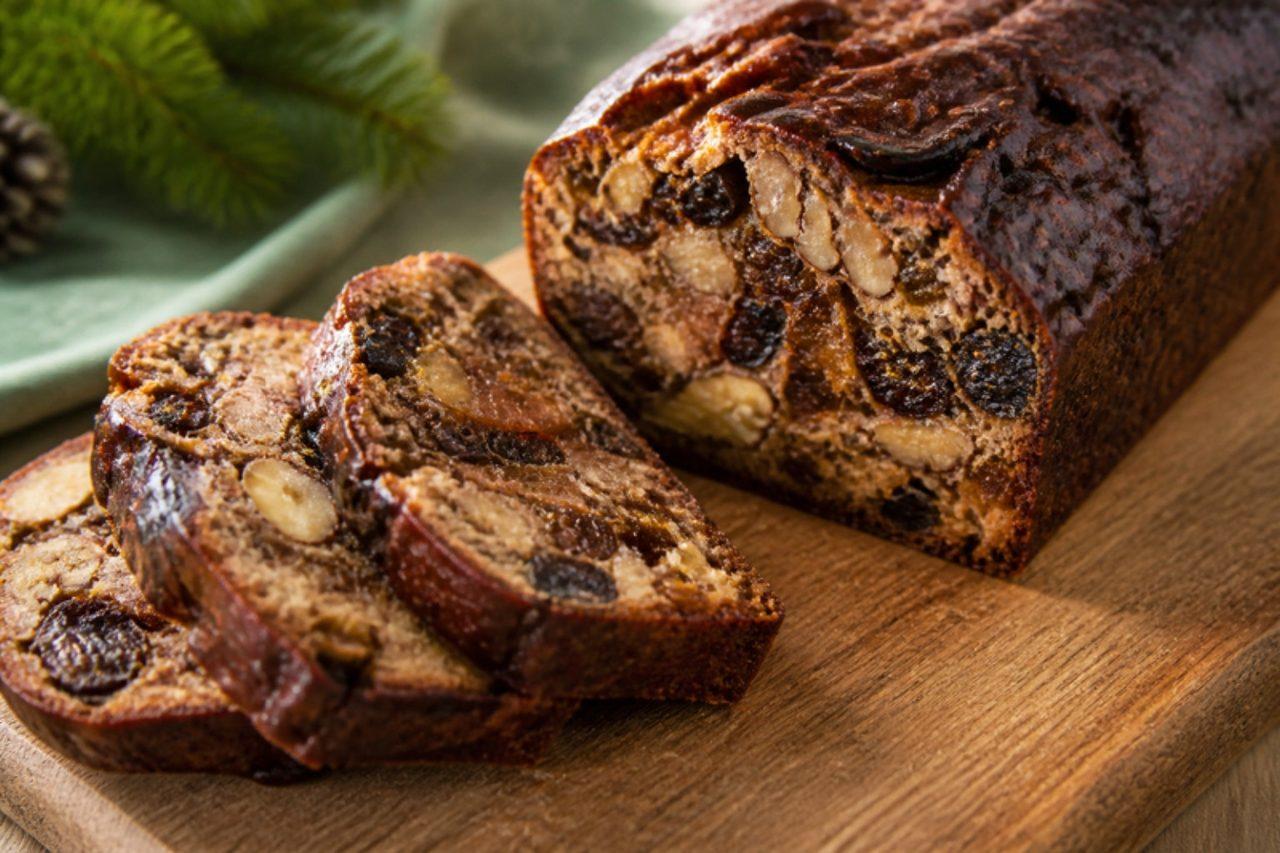
BeraweckaDried fruit and nut Christmas loaf

In Alsace, berawecka (the name means 'pear loaf') is baked in early December and sliced thinly through Advent, often handed to neighbours and godchildren. It is mostly fruit: dried pears, figs, prunes, raisins and walnuts held together with just enough bread dough, spiced with cinnamon, star anise and clove. Alsatian families soak the fruit in kirsch; this version uses strong black tea, which keeps the loaf moist and alcohol-free, and you can add 3 tbsp kirsch to the soak for adults if you like. It is vegan, keeps for weeks wrapped in foil, and is lovely buttered with a cup of tea. Chef's tip: cut the pears and figs the same size as the raisins, so every slice holds a mosaic of fruit instead of big lumps that tear the loaf.

100 minFrenchBakingVegan
by KrazyBadal 0 views

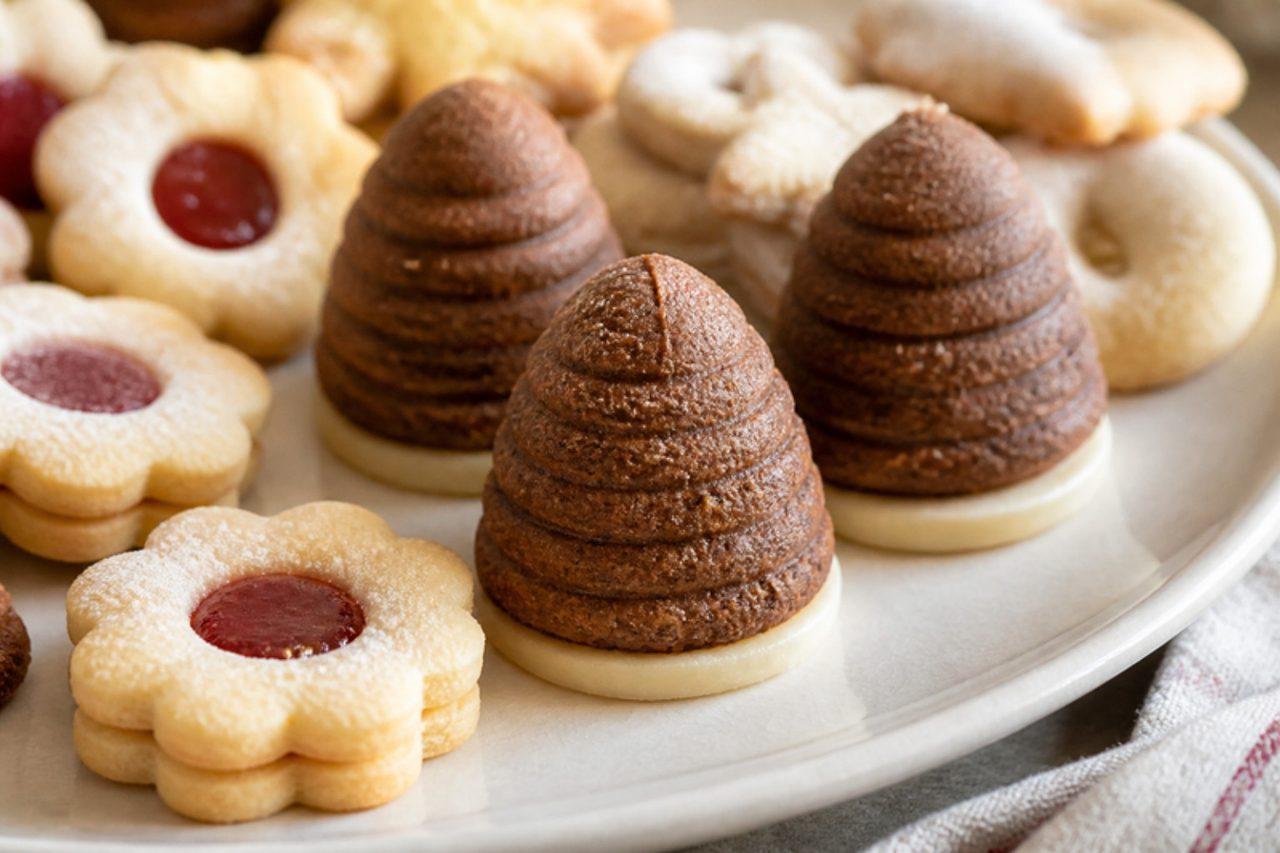
Včelí úlkyNo-bake beehive biscuits

Včelí úlky ('little beehives') are a classic of the Czech Christmas cookie plate (cukroví), which families build up through Advent with a dozen or more kinds. They need no oven: crushed biscuits, ground walnuts, cocoa and butter are pressed into beehive moulds, filled with a smooth egg-yolk cream and sealed with a disc of biscuit. Traditionally a little rum is added to the dough; this version uses milk, and adults may add 1 tbsp rum. The cream is cooked to 71 °C so the yolks are safe, though anyone pregnant or vulnerable may prefer pasteurised yolks. Chef's tip: chill the filled hives before unmoulding, or they collapse.

by KrazyBadal 0 views

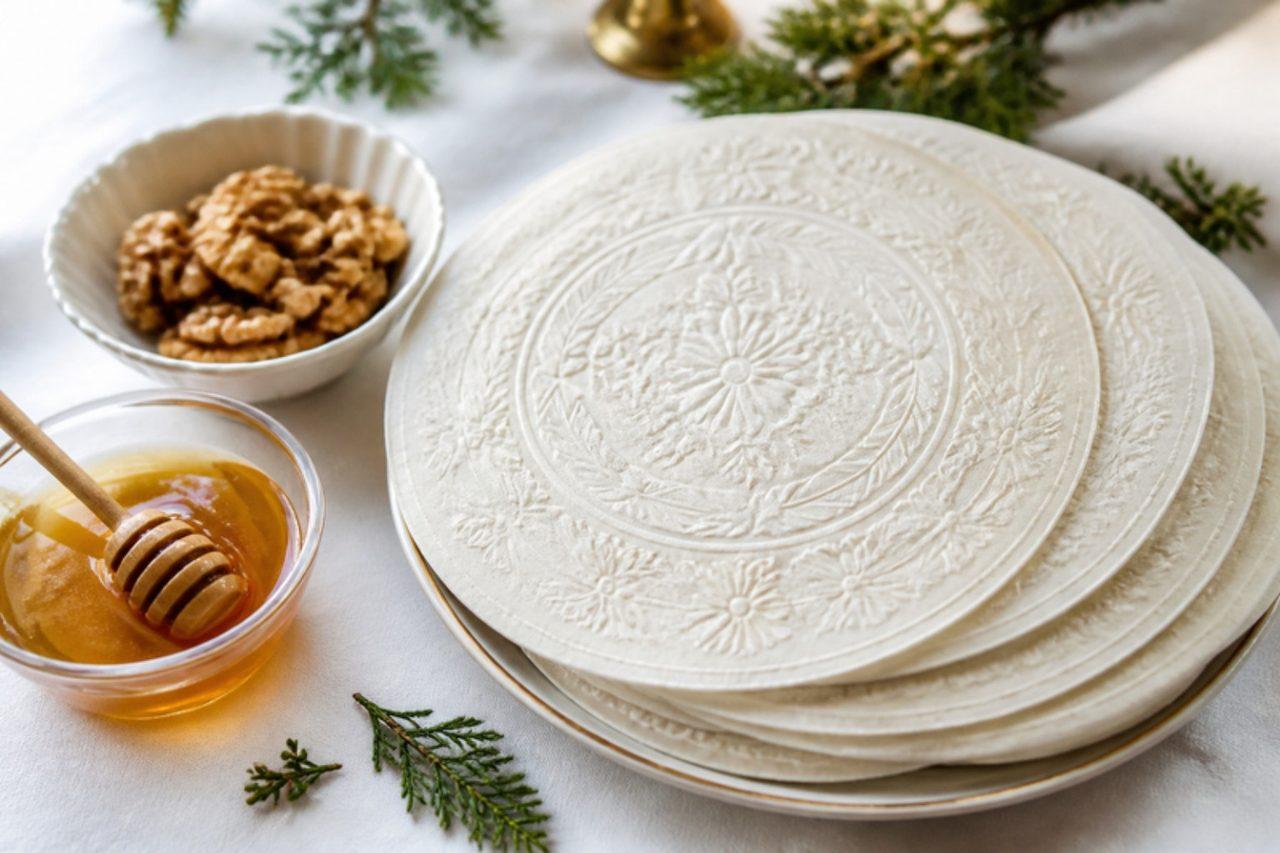
OblátkyChristmas wafers with honey

In Slovakia the Christmas Eve supper (Štedrá večera) opens with oblátky: large, paper-thin wafers stamped with a nativity pattern. The head of the household marks each person's forehead with a cross of honey, and everyone eats a wafer spread with honey, often with a sliver of garlic for health, before the cabbage soup. Families buy them from the church or bake them on a patterned wafer iron; this recipe also gives a pan method for thin, crisp wafers. Chef's tip: the batter must be thin like single cream, as a thicker batter gives a soft pancake instead of a wafer.

by KrazyBadal 0 views

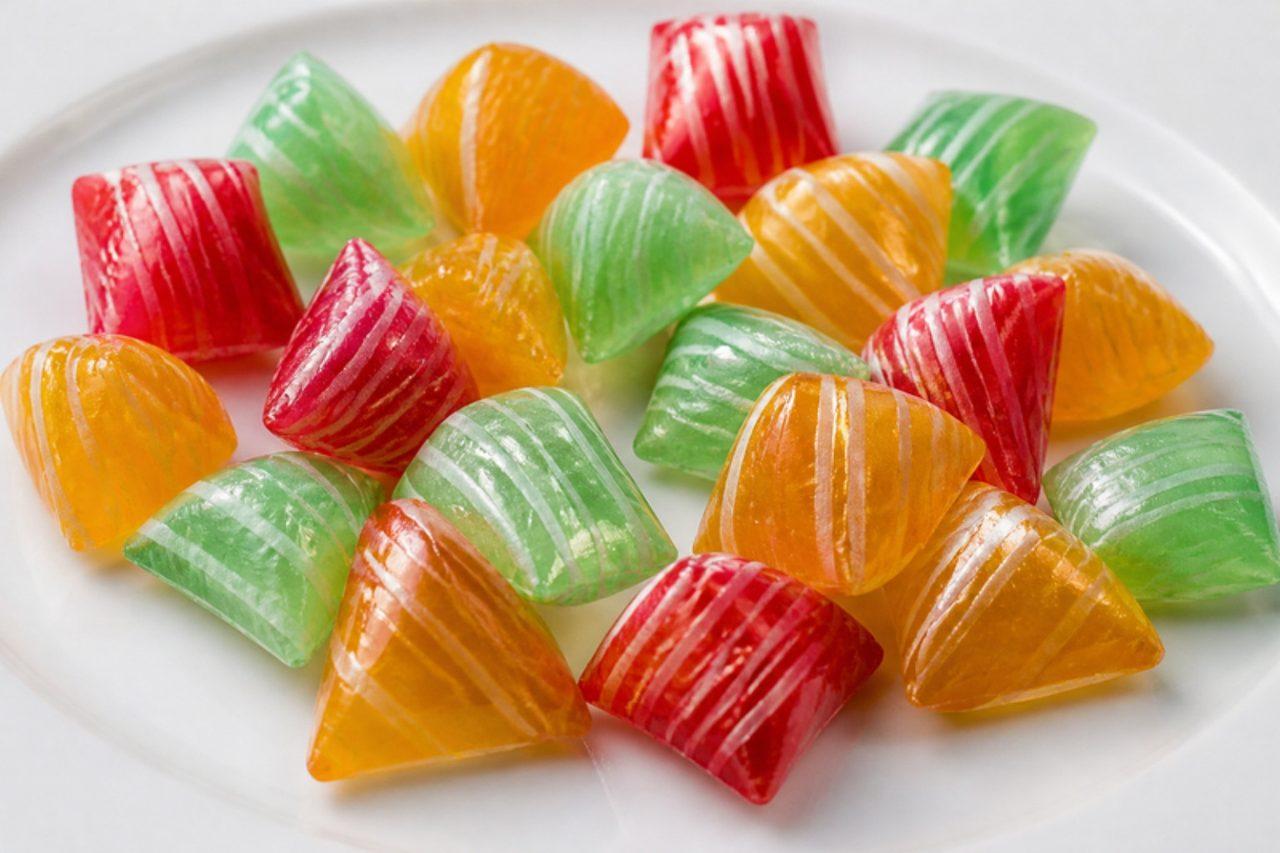
Berlingots de Carpentras (striped Provençal hard candies)

Carpentras, the market town below Mont Ventoux, has made berlingots since the nineteenth century, using the fruit syrups left over from its candied-fruit trade. The little four-sided pyramids are clear and glassy with fine white stripes, and they are sold year round at the Friday market and in paper cones for the Christmas sweet table. They crunch cleanly and dissolve slowly, here with a cool mint flavour; a fruit syrup can take its place. Offer them after a meal with coffee or herbal tea. Hard candy is naturally egg-free: the sugar, cooked to the hard-crack stage, sets glass-hard by itself, and glucose syrup keeps it clear instead of grainy. You will need heatproof gloves, oiled scissors and a warm place to keep the sugar soft while you shape it. Chef's tip: make these on a dry day; the common mistake is cooking sugar in a steamy kitchen, which leaves the berlingots sticky within hours.

by KrazyBadal 0 views

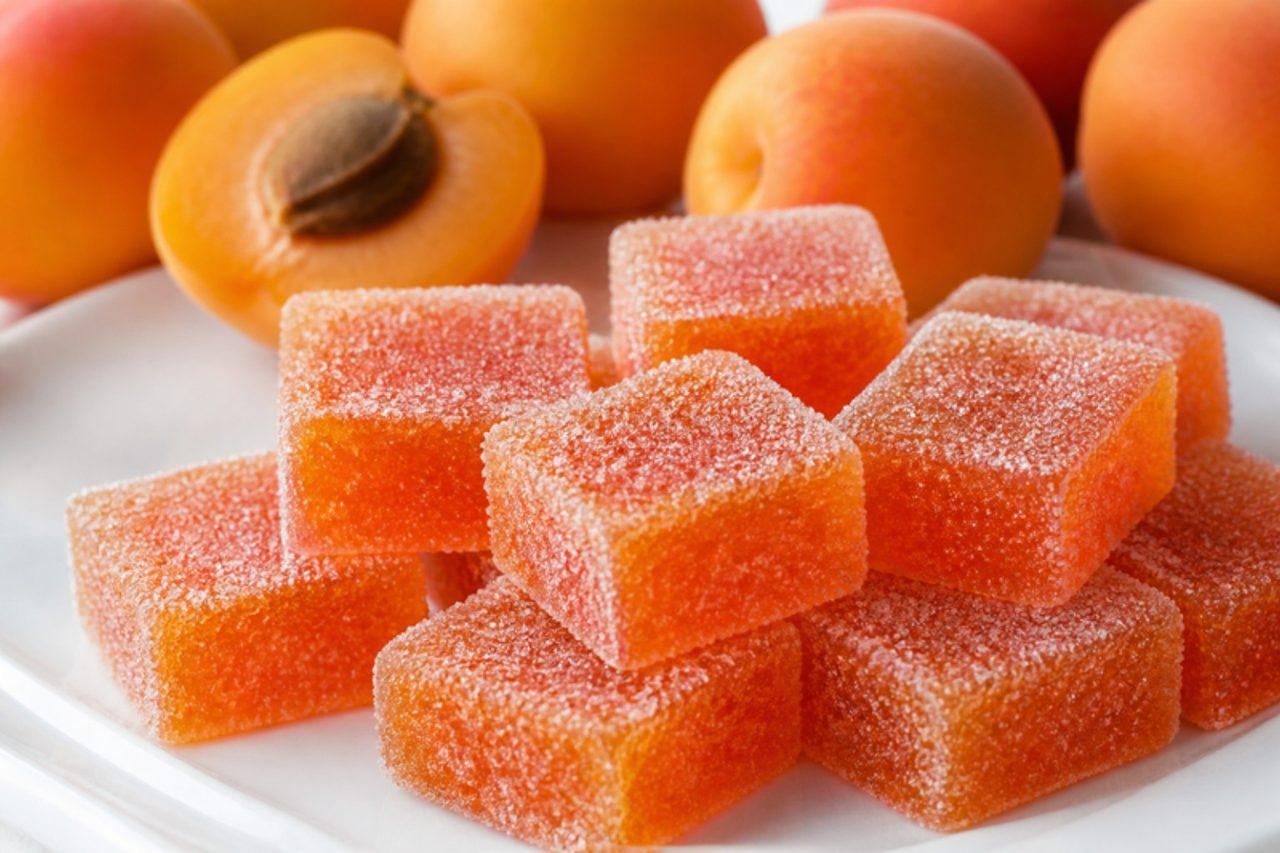
Pâte de fruits (Auvergne apricot fruit jellies)

Clermont-Ferrand, the capital of the Auvergne, built a name for pâtes de fruits in the nineteenth century using apricots from the Limagne plain, and the jewel-bright squares remain a favourite in Christmas boxes and with coffee at the end of a meal. Good pâte de fruits tastes more of fruit than of sugar: dense, tender and clean-cutting, with a sparkle of sugar crust and a sharp edge of acid. Serve them on a plate of petits fours, or pack them as a gift. They are naturally egg-free: pectin, the fruit's own setting agent, does all the work once the purée is boiled with sugar to 106°C and the acid is added. Use yellow pectin for pâte de fruits if you can find it; it sets slowly enough to pour. Chef's tip: stir in the citric acid only off the heat, right before pouring; the common mistake is adding it early, so the jelly sets in the pan.

by KrazyBadal 0 views

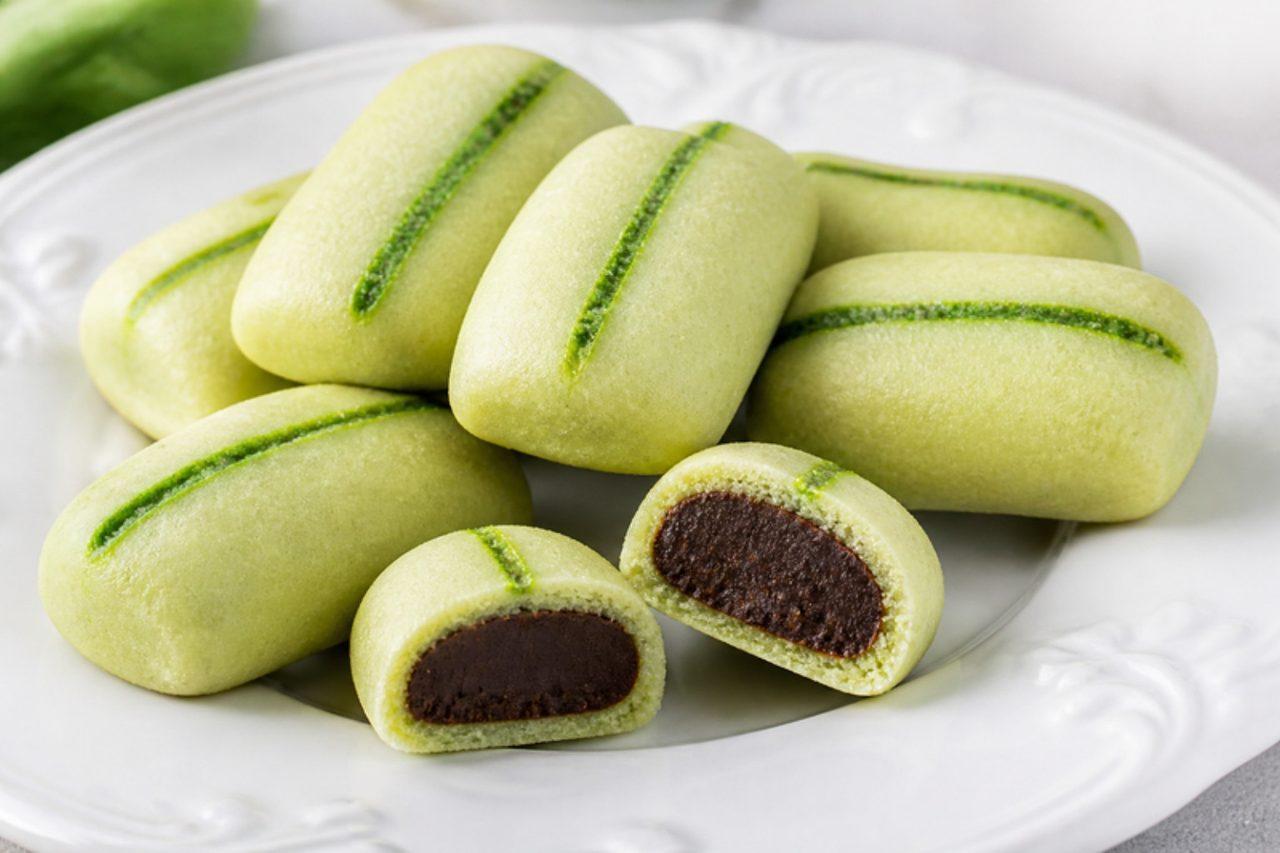
Coussin de Lyon (green almond-paste cushions with chocolate ganache)

Lyon's sweet emblem recalls the city's plague vow of 1643, when the aldermen carried a candle and gold coins on a silk cushion to the chapel of Fourvière. Chocolatiers turned that cushion into a confection in the 1960s and it is now the gift Lyonnais bring at Christmas and New Year, or for a host on a Sunday visit. A soft, almond-sweet shell of pale green paste, marked with a darker green stripe, hides a melting dark chocolate ganache scented with orange. Serve two or three with coffee after dinner. The classic ganache is laced with orange liqueur; here fresh orange juice and zest give the flavour without alcohol. Shop marzipan is not always egg-free, so this almond paste is bound with sugar syrup cooked to the soft-ball stage, which coats the ground almonds and sets them firm as it cools. Chef's tip: chill the ganache until it holds a line before shaping; the common mistake is using it soft, so it squeezes out of the seams.

by KrazyBadal 0 views

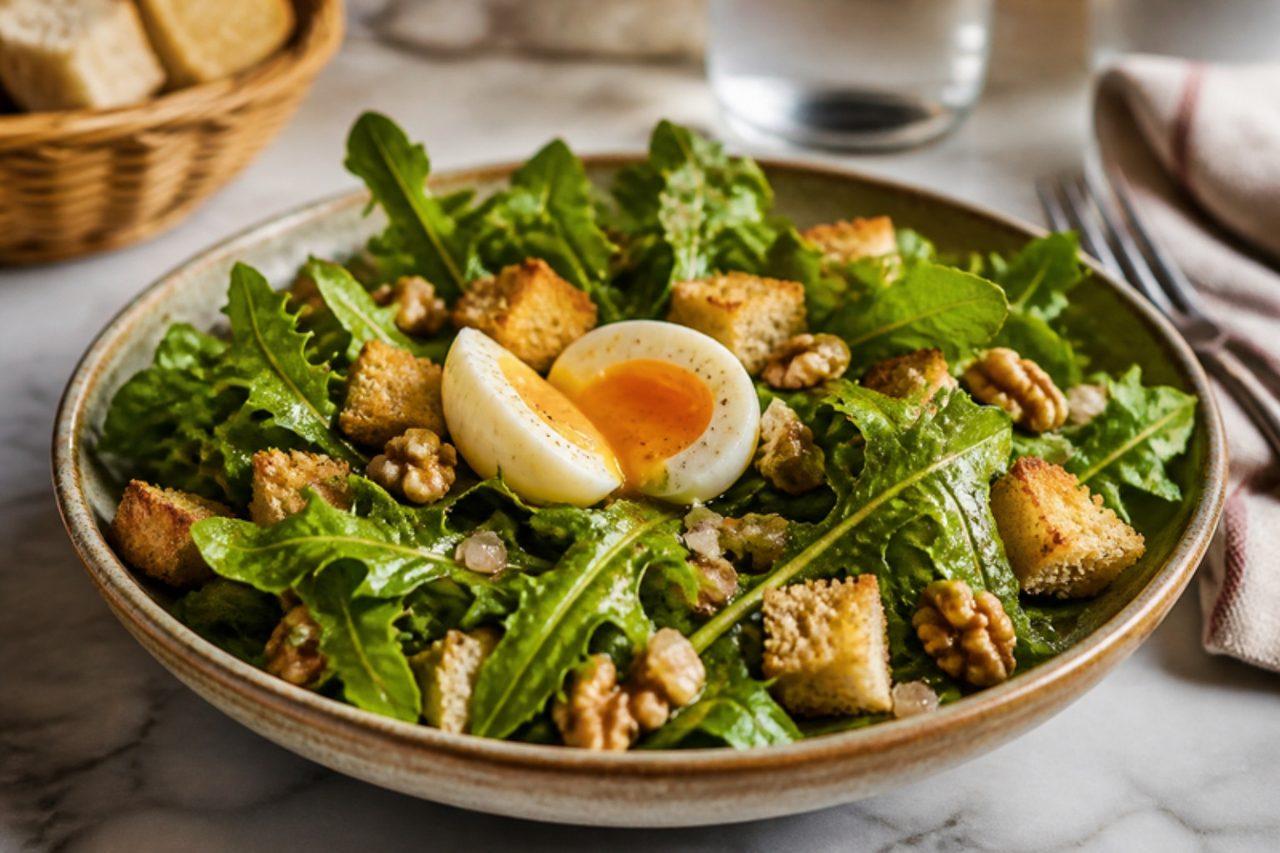
Salade de pissenlitsDandelion salad with warm vinaigrette

In Lorraine and around Lyon, the first tender dandelion leaves of March and April are gathered from meadows (or bought in bunches at the market) for a salad that marks the end of winter. The leaves are pleasantly bitter, and a hot vinaigrette poured over them wilts them slightly, with soft eggs to make it a light supper. The traditional version has crisp lardons; this vegetarian version uses toasted walnuts and a little of their oil for the same richness. A plate gives about 15 g of protein from the eggs and walnuts, so it is not a high-protein dish. The yolks stay runny, so use pasteurised eggs for anyone pregnant, very young, older or vulnerable, or boil the eggs for 10 minutes instead. The mistake to avoid is using big, old leaves from flowering plants; they are tough and harshly bitter. Chef's tip: soak the leaves in cold water for 30 minutes before drying them; it crisps them and tames some of the bitterness.

by KrazyBadal 0 views

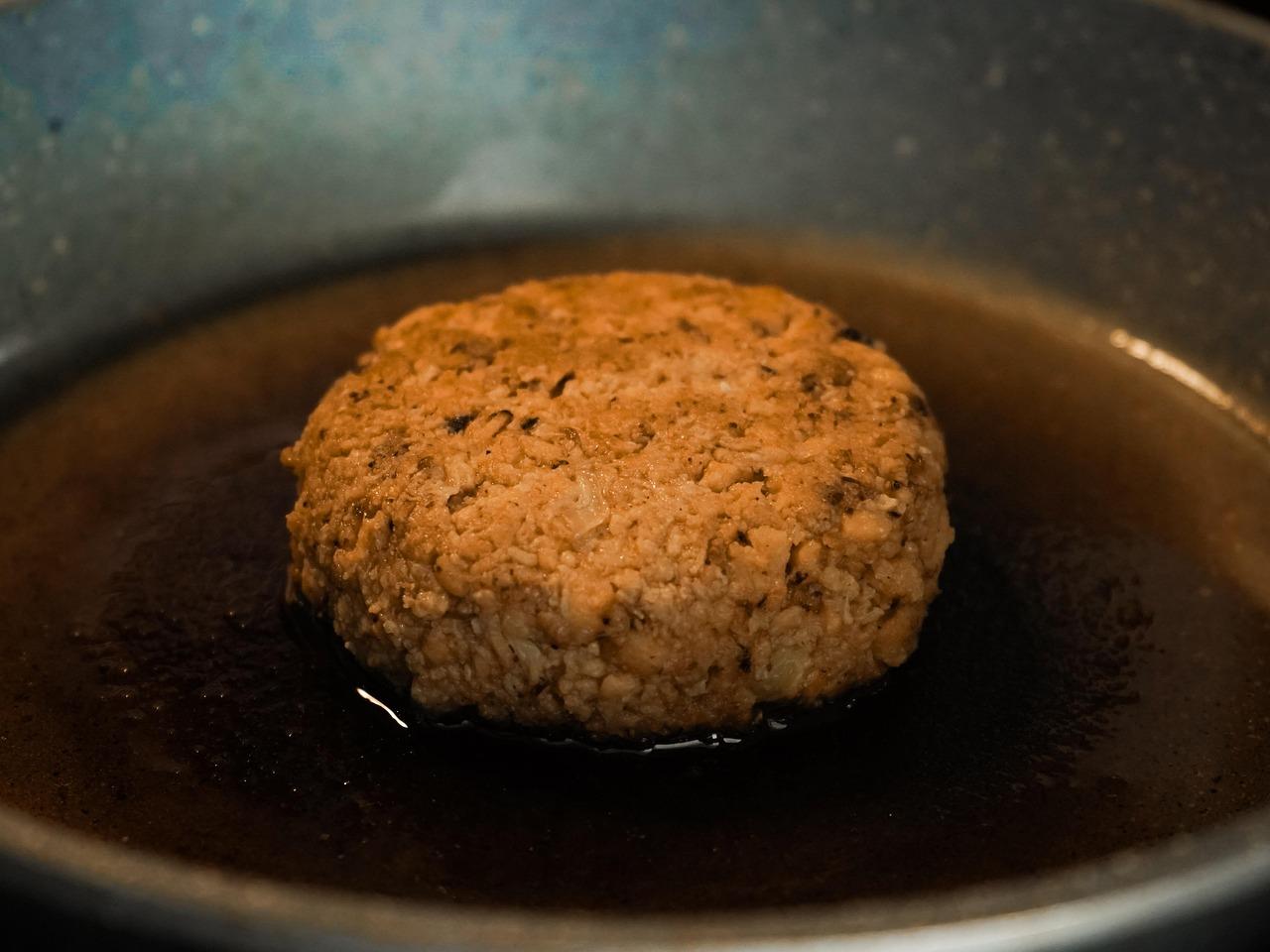
GrünkernbratlingeGreen spelt patties

Grünkern is spelt picked while still green and dried over beech smoke, a speciality of the Bauland and Odenwald in northern Baden. Simmered and shaped into Bratlinge, it became the vegetarian patty of German wholefood kitchens and school canteens, eaten for a weekday lunch with potato salad or a crisp green salad. They are nutty and slightly smoky, crisp outside and soft within. With the herb quark, one portion of three patties gives about 23 g of protein, from the spelt, eggs, mountain cheese and quark. Hard mountain cheese is often made with animal rennet, so choose one labelled vegetarian if that matters to you. The usual mistake is frying the mixture while it is still warm and loose; it must cool and firm up first, or the patties fall apart in the pan. Chef's tip: use coarsely cracked green spelt rather than whole grains; it soaks up the stock evenly and binds without any extra flour.

by KrazyBadal 0 views

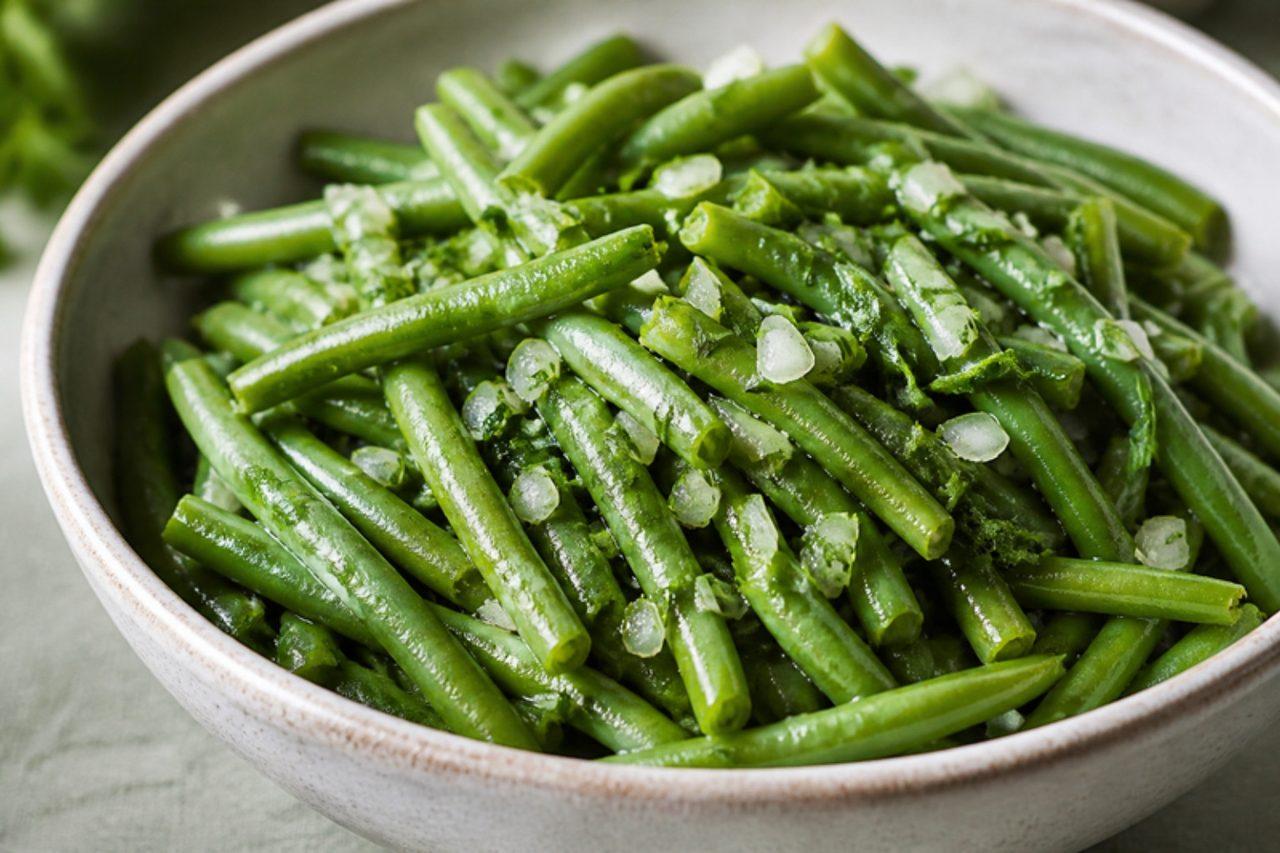
Grüner BohnensalatGreen bean salad

In German kitchens from Swabia to Westphalia, green bean salad comes out in high summer when beans are cheap and plentiful, as a side to fried eggs, potato salad or grilled food, and it travels well to picnics. The beans are cooked until just tender, then dressed warm with vinegar, oil, onion and Bohnenkraut (summer savory), the peppery herb Germans always pair with beans. Many cooks add bacon; this version is vegan. A portion gives about 3 g of protein, so it is a side; add a handful of white beans to make it more filling. The most common mistake is undercooking the beans so they squeak: German bean salad is meant to be tender, not crisp, so cook until a bean bends without snapping. Chef's tip: dress the beans while they are still warm and let them sit for 30 minutes; they absorb the vinegar and taste far better than freshly dressed.

by KrazyBadal 0 views

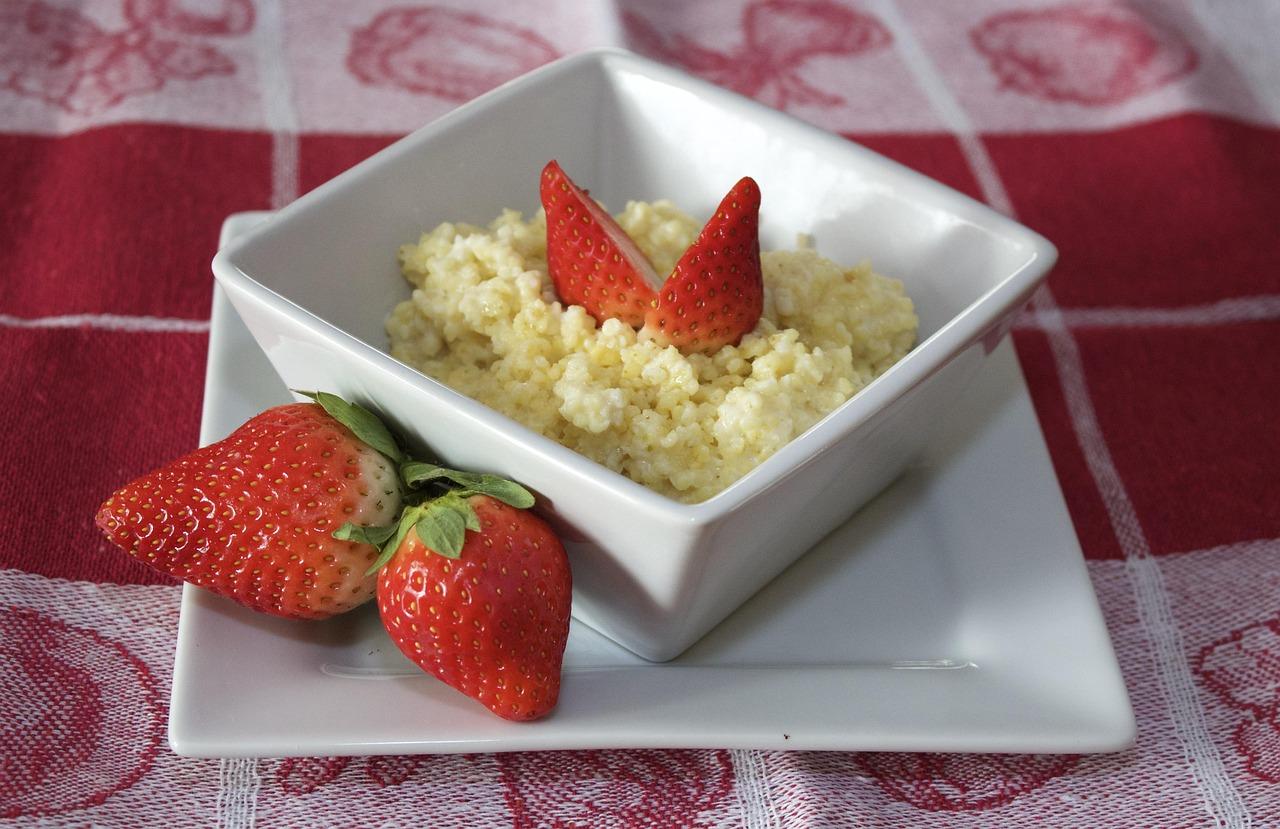
HirsebreiMillet porridge

Hirsebrei is one of the oldest dishes in German cooking, the millet porridge of fairy tales, and it is still made in homes across the country as a warm breakfast or a sweet supper for children on cold evenings. Golden millet is rinsed, then simmered in milk until creamy and soft, and served with stewed apple, berries and a dusting of cinnamon. A bowl gives about 12 g of protein from the milk and millet; stir in a spoon of quark or top with chopped almonds if you want more. The usual mistake is skipping the rinse: unrinsed millet tastes bitter and soapy, so rinse it in hot water until the water runs clear. Chef's tip: toast the rinsed millet in the dry pan for a minute before adding milk; it brings out a lovely nutty flavour.

by KrazyBadal 0 views

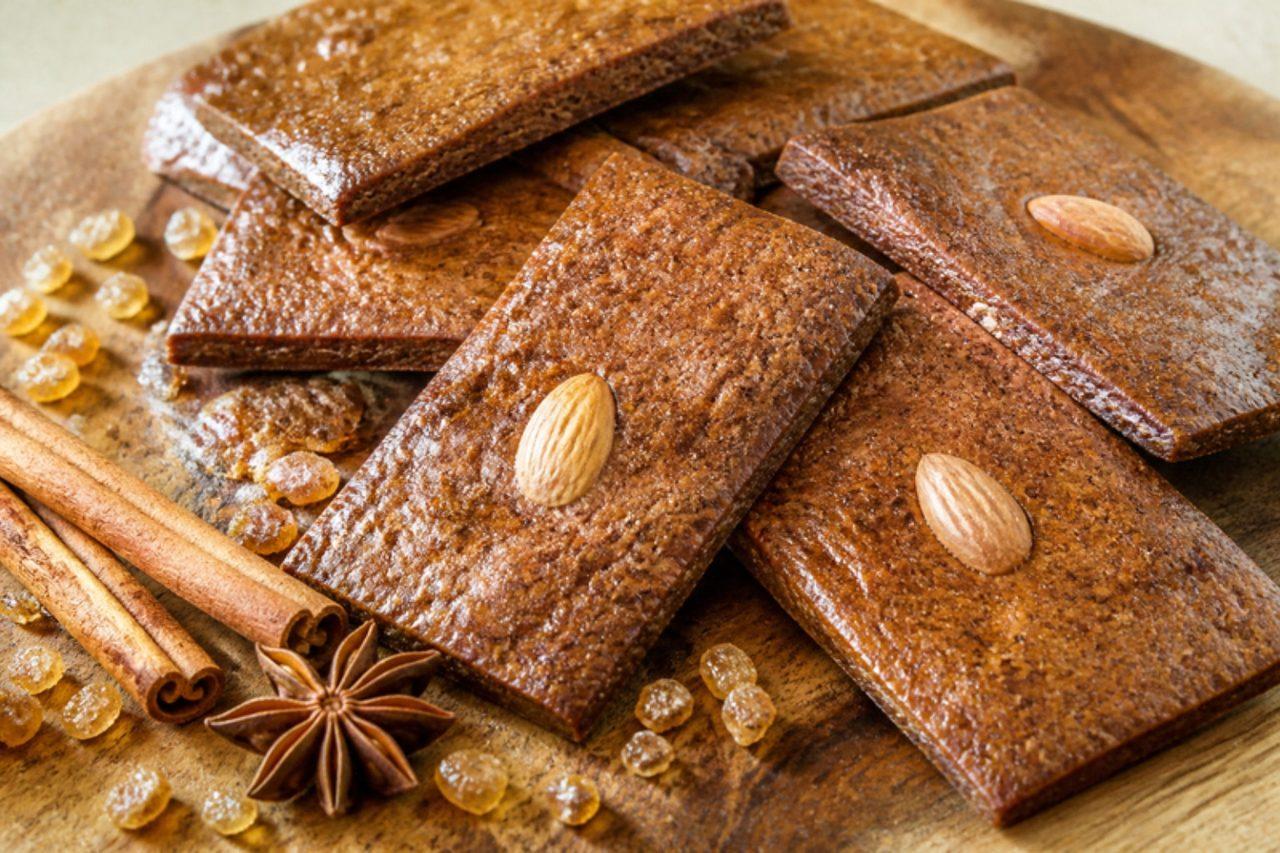
Aachener Printen (Aachen spiced gingerbread slabs)

The bakeries of Aachen have made Printen for centuries, and from late autumn through Christmas the city's shop windows fill with these narrow brown slabs. Unlike soft German Lebkuchen they are firm and snappy, sweetened with dark sugar-beet syrup and studded with little crunchy bits of rock sugar, and they carry a big blend of spices: cinnamon, aniseed, coriander, cloves, cardamom and allspice. The dough rests overnight to develop flavour, then is raised with potash, which gives the dense, crisp texture. Dunk them in coffee or tea, or serve with baked apples. Printen never contained egg: the thick beet syrup is both sweetener and binder, gluing the flour into a stiff dough that sets hard in the oven. Chef's tip: let the syrup cool to lukewarm before mixing in the flour; the common mistake is adding it hot, which starts cooking the flour and gives a tough, rubbery dough.

1465 minGermanBakingVegan
by KrazyBadal 0 views

Showing 24 of 930 recipes

Show more recipes

Page 1 of 39