Skip to content
Recipes

All recipes

Vegetarian, or something you can't eat? Set your diet once and we'll hide recipes that don't fit.

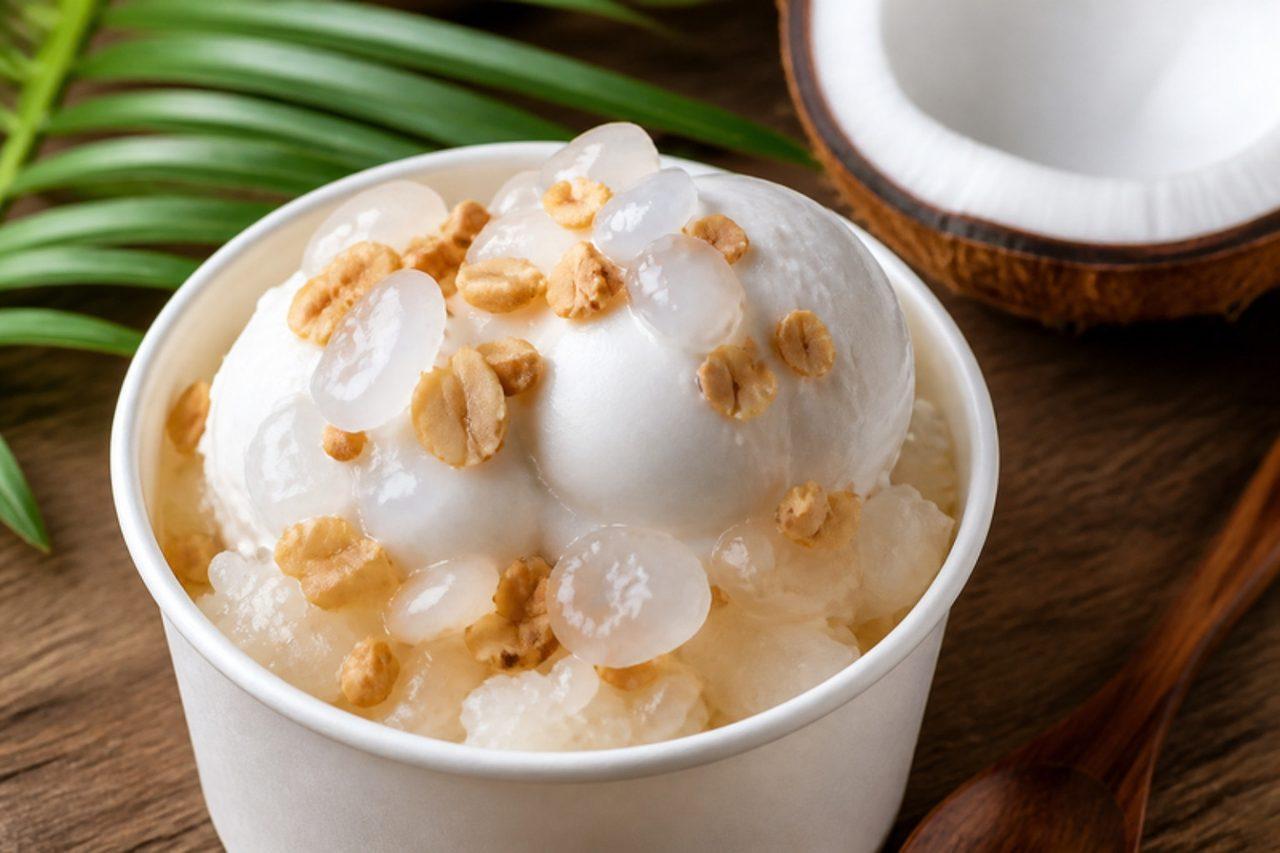
ไอติมกะทิ (Itim kathi, Thai coconut ice cream)

Itim kathi is the ice cream of Bangkok's pushcarts: a vendor lifts the lid of an insulated drum, scrapes up a scoop of snow-white coconut ice cream and piles it into a small cup over sticky rice, then adds whatever the customer points at, from roasted peanuts and sweet corn to chewy palm seeds. It is sold all afternoon in the hot months, outside schools and temples and in markets. Some vendors tuck the scoop into a soft bread roll; serve it in cups as here and it stays gluten free. It is naturally egg-free and dairy-free. Coconut milk carries the fat that makes it creamy, and a little cornflour cooked into it binds the water so crystals stay fine and the texture stays smooth without any custard, while a pinch of salt sharpens the coconut. Chef's tip: use full-fat coconut milk with no added water; the common mistake is using a light one, which freezes hard and icy.

300 minThaiDessertsVeganGluten free
by KrazyBadal 0 views

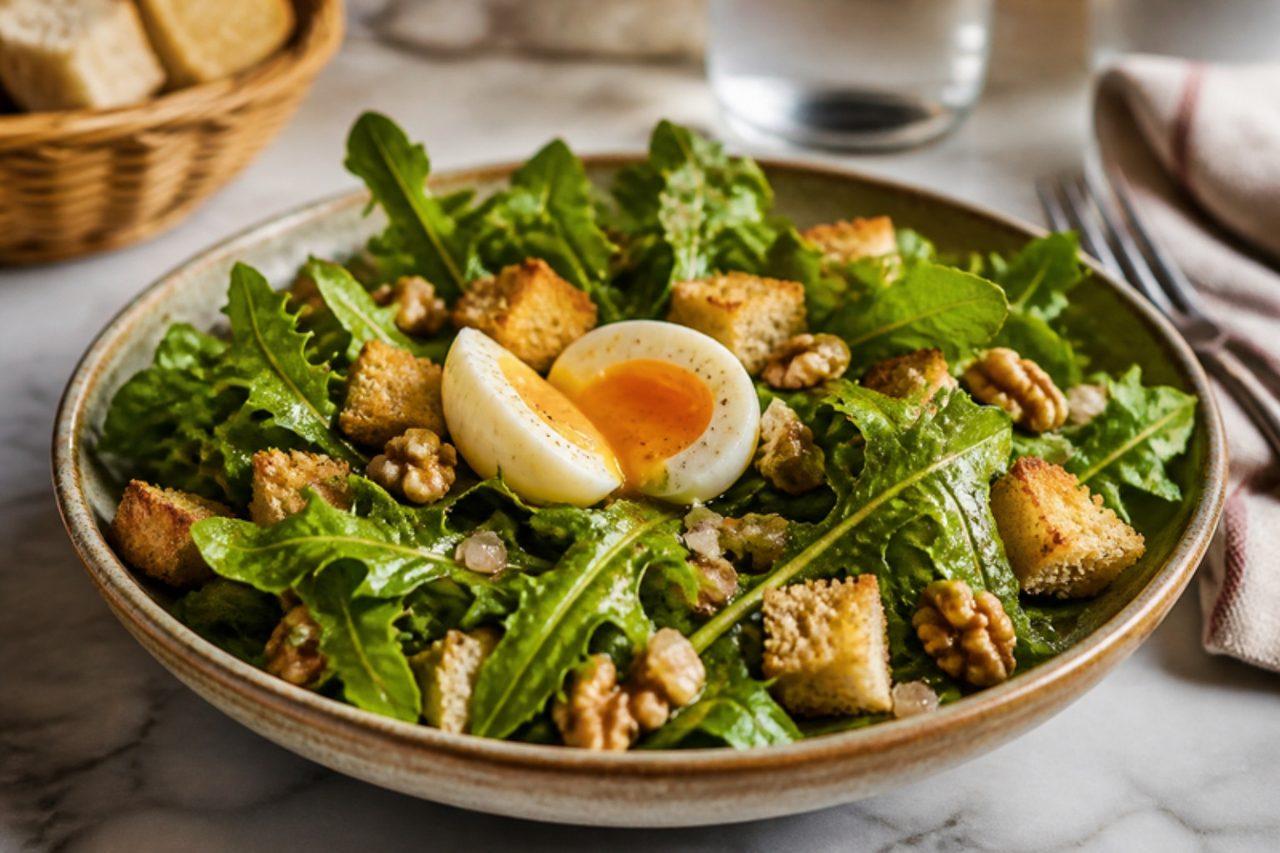
Salade de pissenlitsDandelion salad with warm vinaigrette

In Lorraine and around Lyon, the first tender dandelion leaves of March and April are gathered from meadows (or bought in bunches at the market) for a salad that marks the end of winter. The leaves are pleasantly bitter, and a hot vinaigrette poured over them wilts them slightly, with soft eggs to make it a light supper. The traditional version has crisp lardons; this vegetarian version uses toasted walnuts and a little of their oil for the same richness. A plate gives about 15 g of protein from the eggs and walnuts, so it is not a high-protein dish. The yolks stay runny, so use pasteurised eggs for anyone pregnant, very young, older or vulnerable, or boil the eggs for 10 minutes instead. The mistake to avoid is using big, old leaves from flowering plants; they are tough and harshly bitter. Chef's tip: soak the leaves in cold water for 30 minutes before drying them; it crisps them and tames some of the bitterness.

by KrazyBadal 0 views

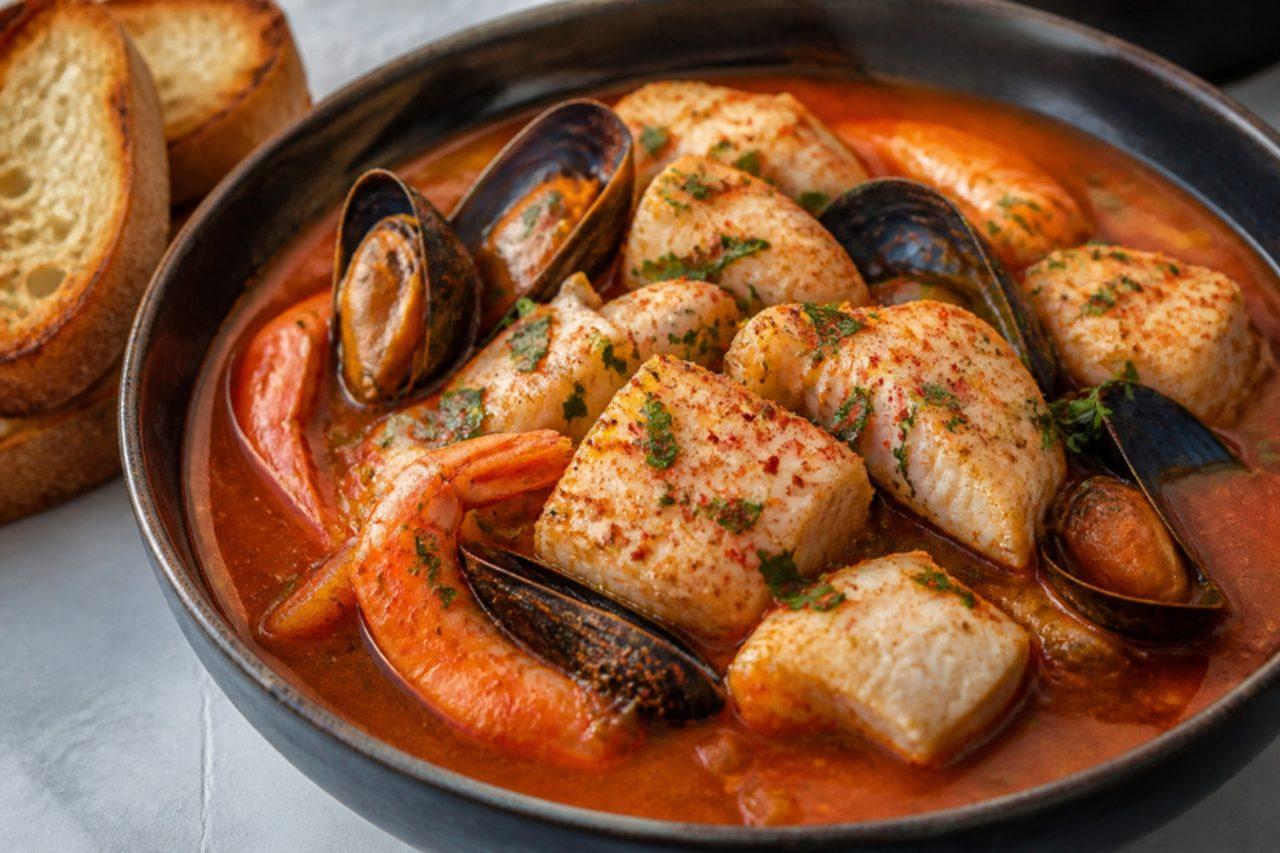
TtoroBasque fish soup

Ttoro was the meal Basque fishermen in Saint-Jean-de-Luz and Ciboure made from the part of the catch they couldn't sell, and the town still holds a ttoro festival every autumn. A deep red broth of peppers, tomato and Espelette pepper is poured over pieces of hake and monkfish, mussels and prawns, with garlic toast on the side for dunking (use gluten-free bread if needed). A portion gives about 32 g of protein, from the fish and shellfish, for around 360 kcal. The common mistake is boiling the fish in the broth: it breaks into flakes, so the pieces are seared first and then only poached gently on top for a few minutes. Discard any mussel that stays open when tapped before cooking or stays shut after. Chef's tip: dust the fish in rice flour before searing; the light crust protects the fish in the broth and thickens it slightly.

70 minFrenchFishGluten free
by KrazyBadal 0 views

Kluay chuam (Thai bananas in palm-sugar syrup)

Kluay chuam is a market dessert of central Thailand, cooked in big brass pans and sold by the bag year round, and it is a common sweet to offer monks at merit-making. Small, starchy nam wa bananas are simmered slowly in palm-sugar syrup until they turn translucent and amber, soft and chewy rather than mushy, then served with thick, salty coconut cream poured over. The flavour is deep caramel and banana, cut by the salt. Serve at room temperature in small bowls. Being egg-free by nature, it relies on the long simmer in syrup firms the bananas and a little rice flour thickens the coconut topping. Chef's tip: keep the syrup at the gentlest simmer and don't stir; the common mistake is a fast boil and a spoon, which break the bananas before they have time to turn glassy.

by KrazyBadal 0 views

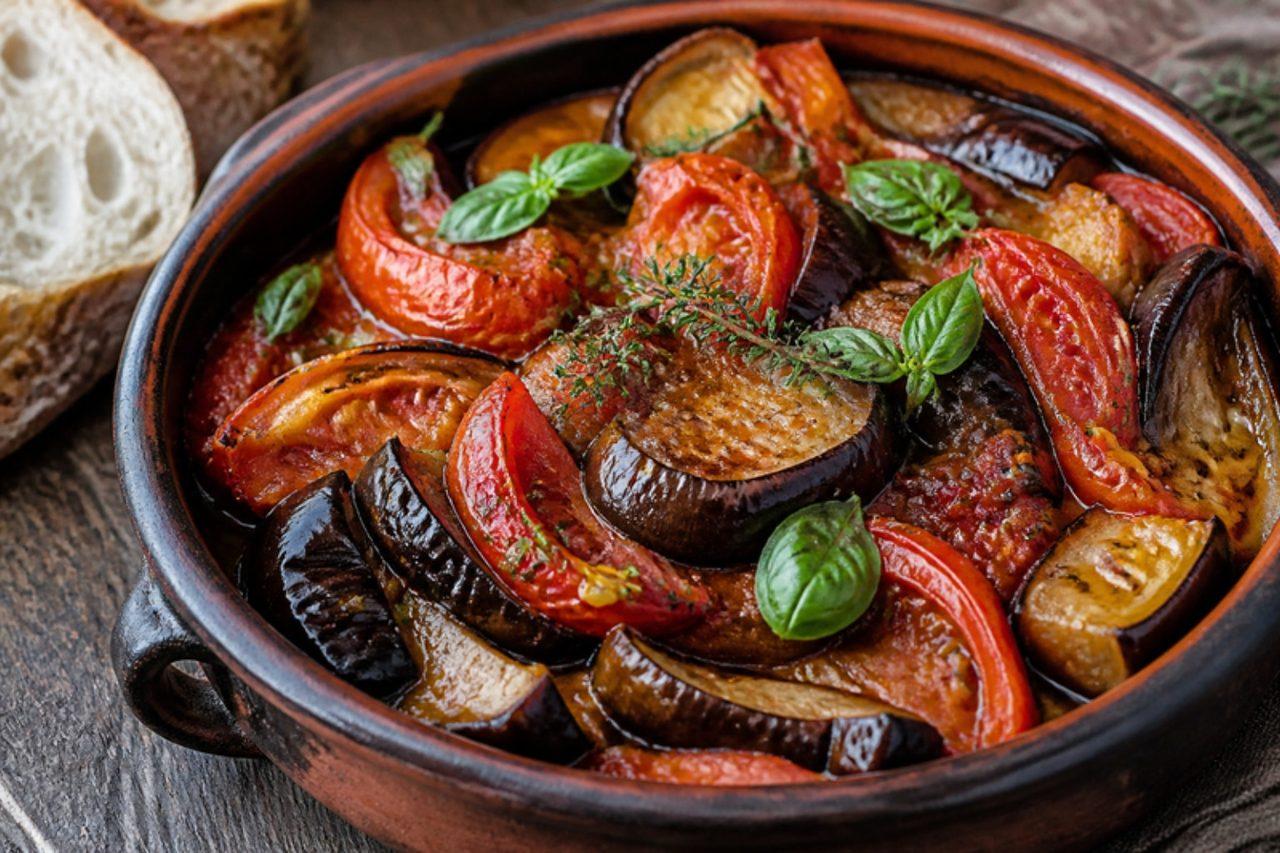
BohémienneAubergine and tomato stew

Bohémienne is the older, simpler cousin of ratatouille, cooked in Avignon and the Vaucluse villages at the end of summer when aubergines and tomatoes are cheap and ripe. Just those two vegetables, with onion, garlic and plenty of olive oil, are stewed slowly until they melt into a soft, jammy confit that is eaten warm with bread, cold on toast, or beside an omelette. It is vegan and light, with about 3 g of protein per portion. The common mistake is hurrying it over a high heat: the aubergine catches before it softens, so keep the heat low and stir gently. Chef's tip: salt the aubergine cubes for 20 minutes and pat them dry; they then take up less oil and keep a silky texture.

by KrazyBadal 0 views

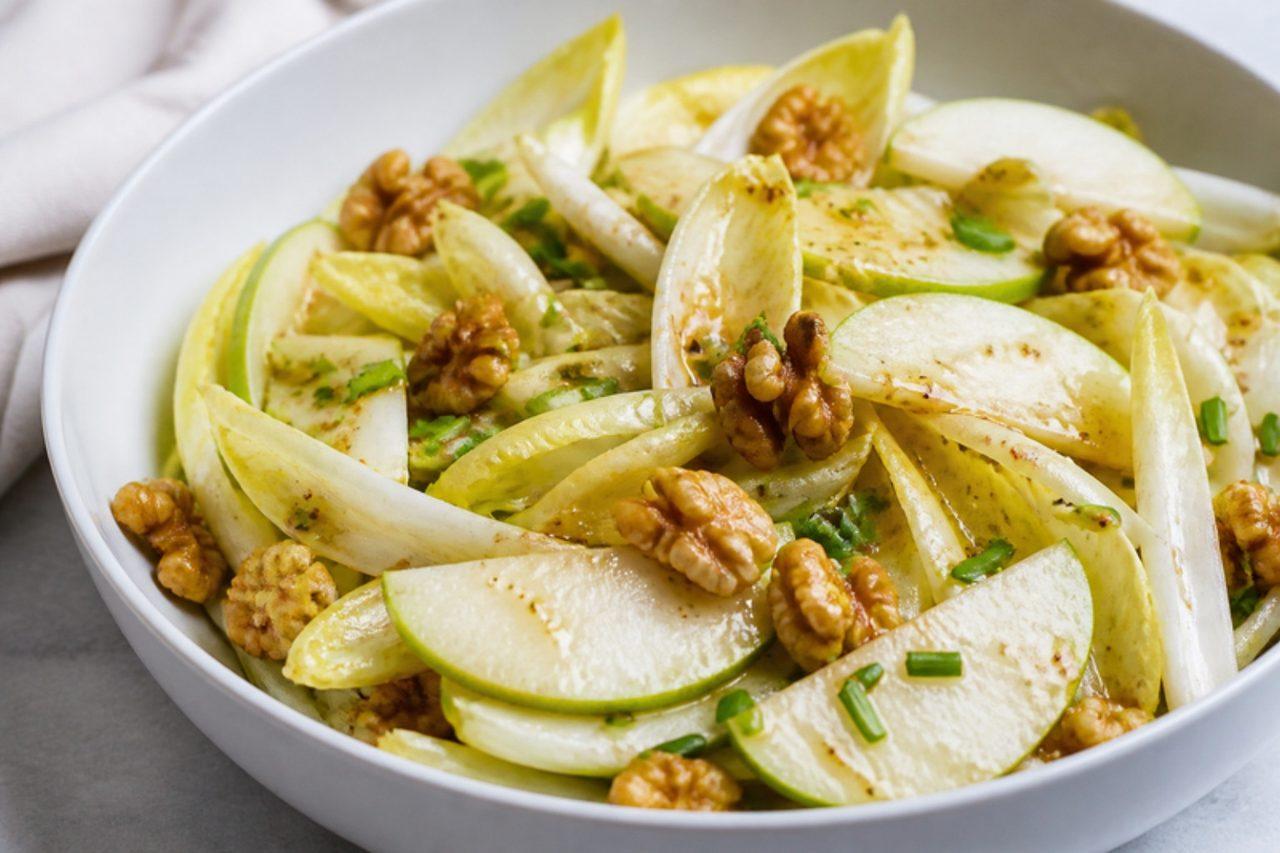
Salade d'endives aux noixChicory, walnut and apple salad

Across Picardy and the Nord, and over the border in Belgium, Belgian endive (chicory) is the winter salad, and this one appears after the main course at Sunday lunch or as a light supper from November to March. The pale, crisp leaves are cut into rings and tossed with sweet apple, toasted walnuts and a sharp mustard vinaigrette, so you get bitter, sweet and nutty in every mouthful. Many bistros add Roquefort; this version is vegan, and if you add cheese, note that Roquefort is made with animal rennet. A portion gives about 4 g of protein from the walnuts, so it is a side or starter. The most common mistake is slicing the endive too early: it browns at the cut edges, so dress it within 10 minutes of cutting. Chef's tip: cut out the small cone of core at the base of each endive; it holds most of the bitterness.

by KrazyBadal 0 views

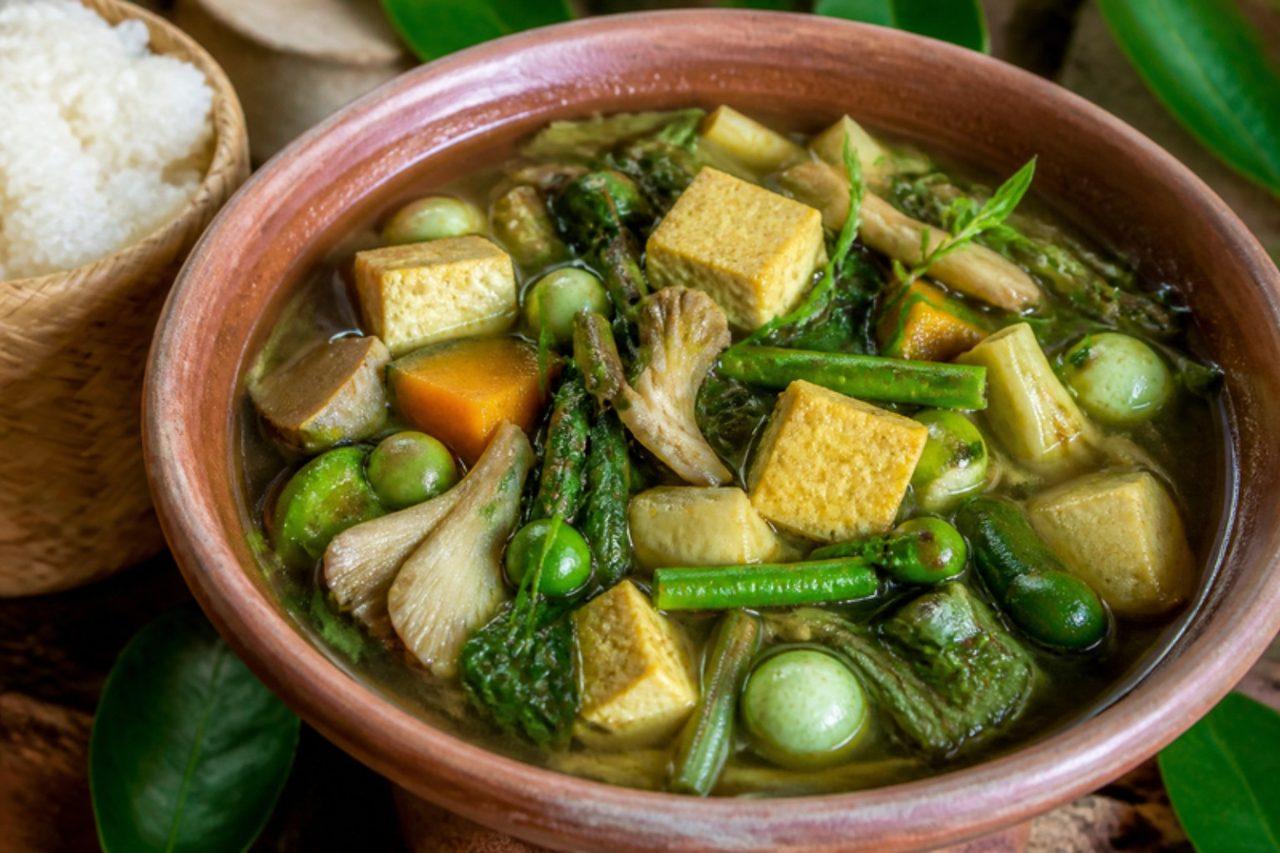
Kaeng khae with tofu and mushroomsHerb curry with tofu and mushrooms

Kaeng khae comes from the hills around Chiang Mai and Lampang, where it is cooked through the rainy season with whatever the garden and forest give: pea aubergines, long beans, pumpkin tips, acacia shoots and handfuls of leaves, in a brothy, coconut-free curry scented with lemongrass and the peppery prickly ash called makhwaen. In northern homes it is a lunch dish eaten with sticky rice. It is normally cooked with chicken, frog or fish and seasoned with fermented fish; this vegetarian version uses firm tofu, oyster mushrooms, soy sauce and a little salted soybean paste. With the tofu a portion has about 11 g of protein, so it is light rather than high protein. The common mistake is adding all the vegetables at once: the leaves are done in a minute while the beans and aubergines need five. Chef's tip: dry-fry the curry paste in a spoon of oil until it smells toasty before adding water; it gives the broth its depth without any fish.

by KrazyBadal 0 views

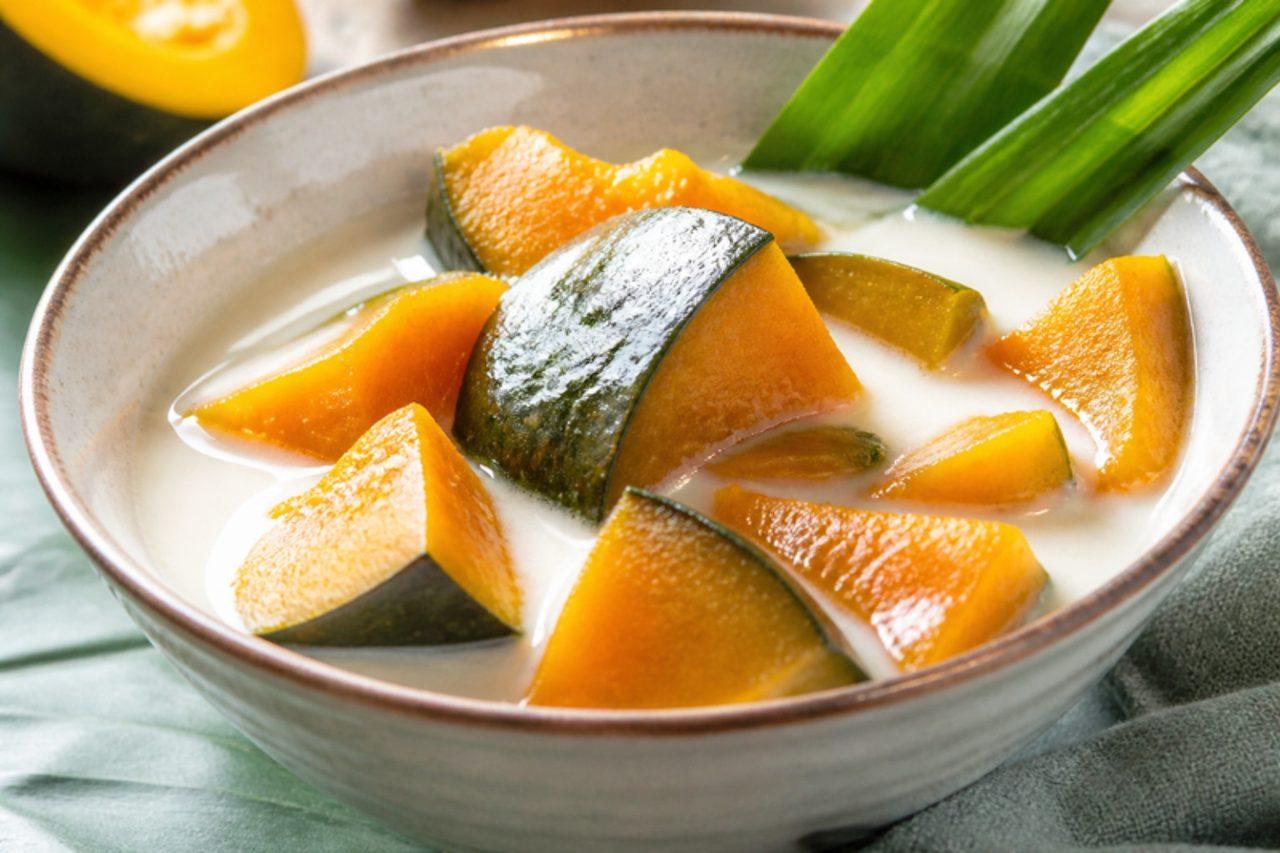
Fak thong kaeng buat (Thai pumpkin in coconut milk)

When the rains end and pumpkins pile up in the markets of central Thailand, kaeng buat is what cooks make with them: chunks of dense kabocha simmered in coconut milk sweetened with palm sugar and sharpened with a pinch of salt. It is a homely, everyday dessert, sold warm from big pots at markets in the afternoon and also cooked at Ok Phansa, the end of Buddhist Lent. The pumpkin turns velvety but keeps its shape, and the thin, creamy, caramel-scented broth is meant to be drunk from the spoon. Eat it warm or at room temperature, in small bowls. There is no egg in it and never was: nothing needs setting or binding, as the pumpkin's own starch gives the coconut milk a light body as it cooks. Chef's tip: pick a dry, orange-fleshed kabocha and keep the coconut milk at a bare simmer; letting it boil hard is the common mistake that splits the milk and breaks the pumpkin into mush.

by KrazyBadal 0 views

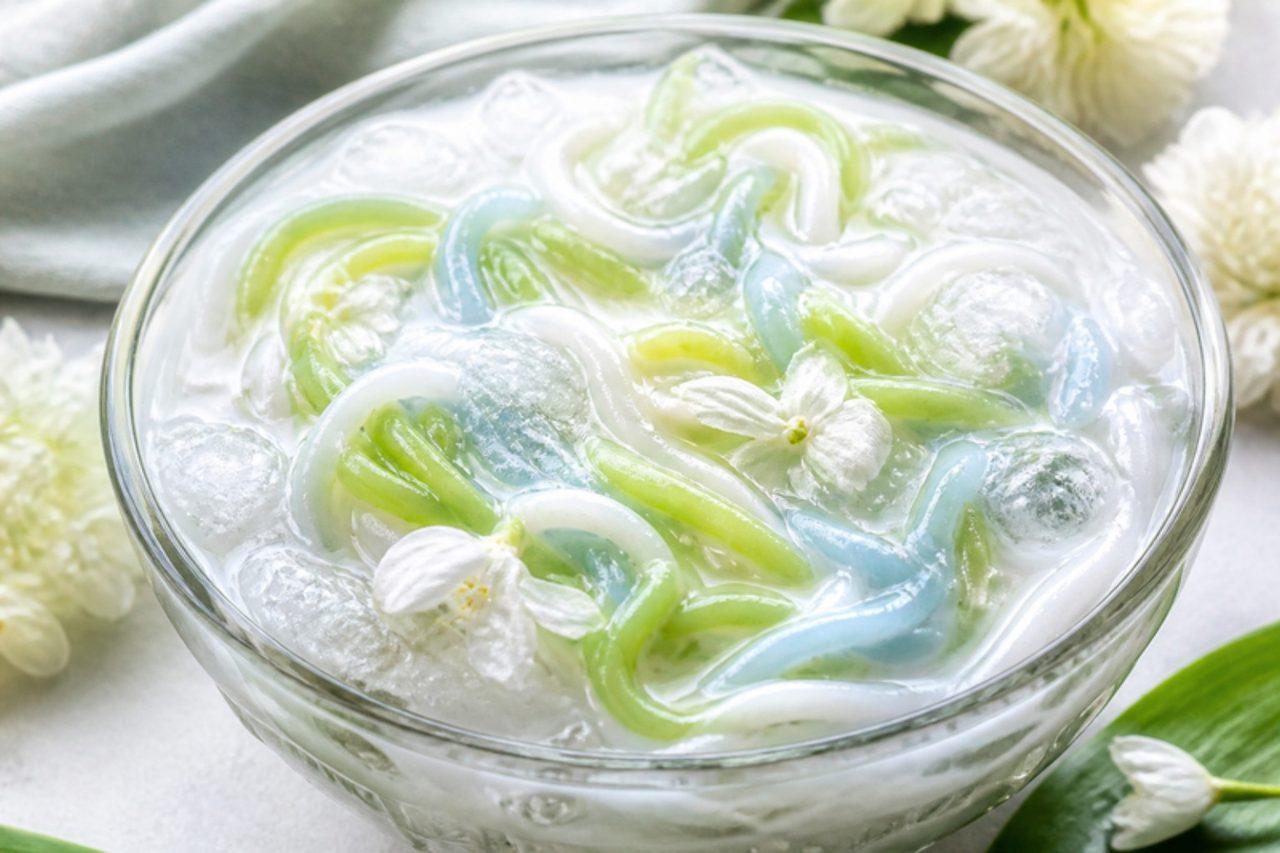
ซาหริ่ม (Sarim, mung bean noodles in coconut syrup)

Sarim is an old dessert of central Thailand, served at temple fairs and in market dessert shops on sweltering afternoons: thin, slippery strands in pastel green, blue and white, floating in a pale coconut syrup over a mound of crushed ice. The strands are almost flavourless and very soft, so the syrup does the work; in Thailand it is scented with jasmine flowers or the smoke of a scented candle, and here with pandan and optional fresh jasmine. It is naturally egg-free: the strands are pure mung bean starch cooked with water into a clear, thick paste, which sets into a soft gel the moment it hits ice water. Pandan juice and butterfly pea flowers give the colours, so there is no need for dyes. Serve it straight away, as a light end to a spicy meal. Chef's tip: cook the paste until it turns fully glossy and see-through; the common mistake is stopping while it is still milky, which gives strands that break and taste floury.

by KrazyBadal 0 views

Potage cultivateurFarmer's vegetable soup

Potage cultivateur is the farmhouse soup of France, made in kitchens from Normandy to the Auvergne on cold evenings and eaten as a light supper with bread. The vegetables are cut into small, thin squares (the 'paysanne' cut), sweated slowly in butter, then simmered in water, so the broth stays clear and every spoonful has carrot, turnip, leek and potato. The old versions add bacon; this one is vegetarian. It is light, with about 4 g of protein per bowl; add a handful of white beans or serve with cheese on toast for more (choose a vegetarian cheese if you avoid animal rennet). The most common mistake is browning the vegetables: they should sweat gently until soft and shiny, never coloured. Chef's tip: cut every vegetable the same size, about 1 cm square and 3 mm thick, so they all cook in the same time.

by KrazyBadal 0 views

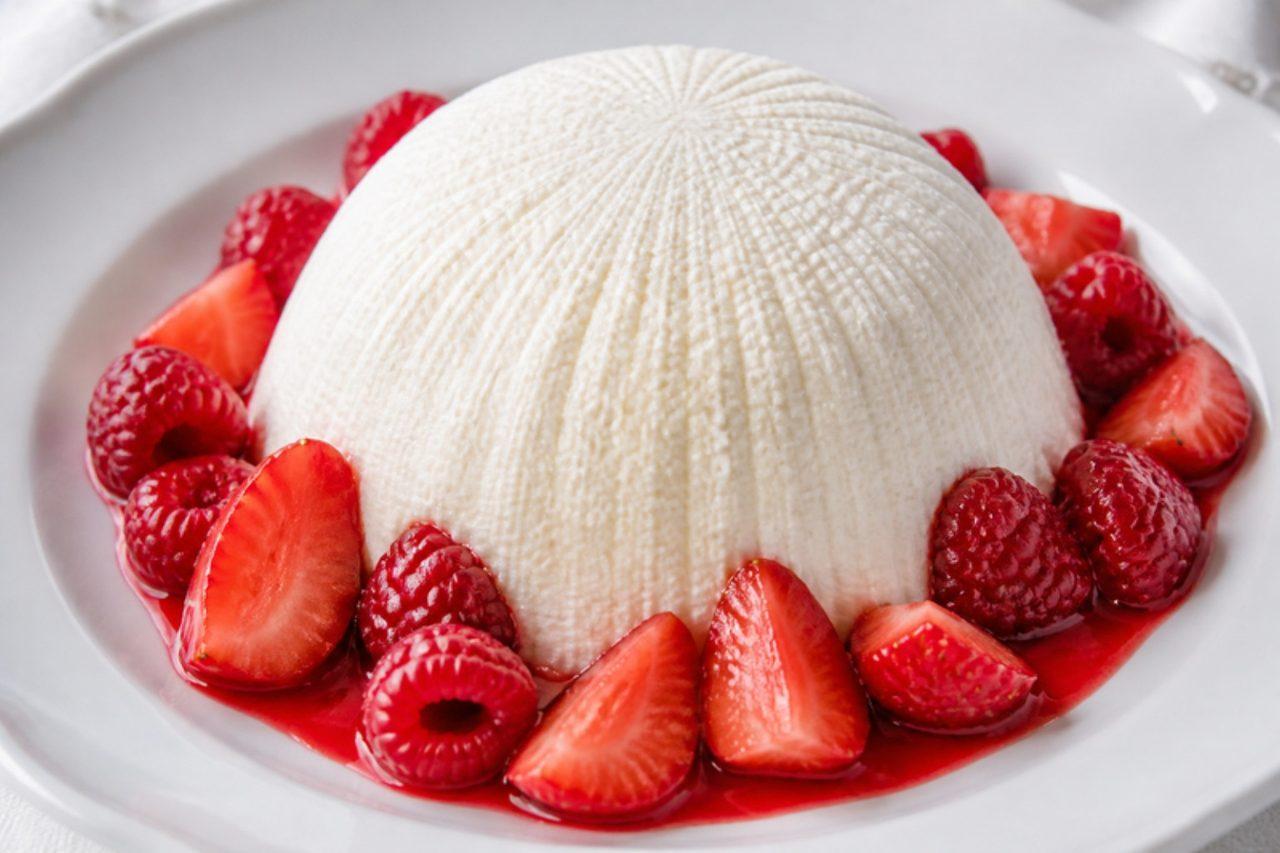
Fontainebleau (fromage blanc and whipped cream mousse)

Fontainebleau takes its name from the town south of Paris, whose cheese shops sold it in little muslin-wrapped pots for the weekend. It is a fresh-cheese dessert for late spring and summer, best when the first strawberries and raspberries arrive. Fromage blanc and whipped cream are folded together and left to drain in muslin, so the mousse firms up into a light, cloud-soft mound that tastes of fresh milk with a gentle tang. Serve it chilled with berries or a spoonful of red-fruit coulis, and a little extra sugar on the side. Some recipes fold in whisked whites; this one leaves them out entirely, because firmly whipped cream alone holds the air, and draining away the whey gives the mousse its shape. Chef's tip: drain the fromage blanc before you start; the common mistake is folding in a wet, runny cheese, which collapses the cream and leaves a puddle in the dish.

by KrazyBadal 0 views

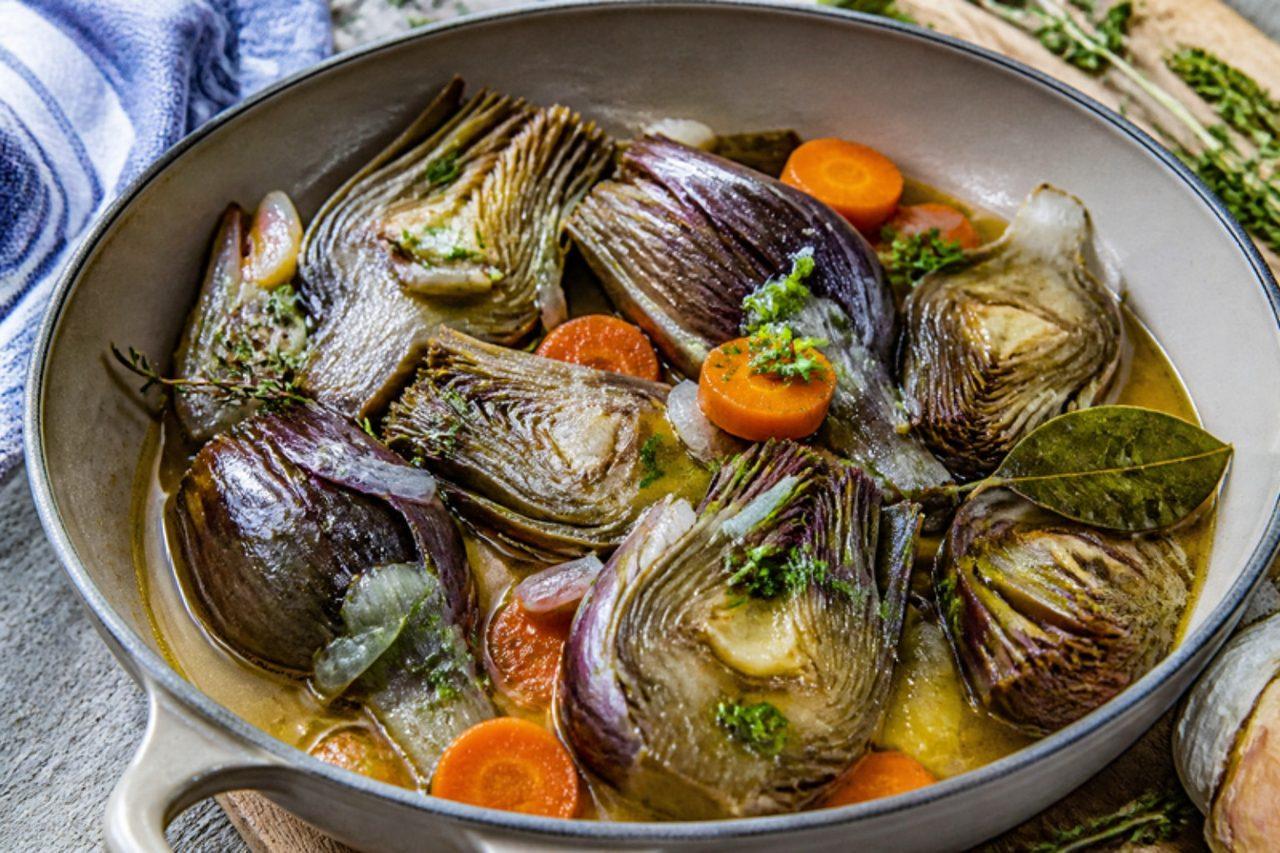
Artichauts à la barigouleBraised artichokes

In Provence, artichauts à la barigoule is cooked in spring when the small violet artichokes come into the markets of Aix, Avignon and Marseille, and it is served warm as a starter or as a light main with bread. The trimmed artichokes are braised in olive oil with carrot, onion, garlic and herbs until tender in a fragrant, slightly tart liquor. The traditional braise uses white wine; this version is alcohol-free, using vegetable stock sharpened with white wine vinegar and lemon. It is vegan, with about 5 g of protein per portion, from the artichokes. The common mistake is trimming too timidly: any dark green leaf left on stays tough and stringy, so keep going until only the pale, tender leaves remain. Chef's tip: rub each artichoke with lemon as you trim and drop it straight into lemon water, or it will go brown within minutes.

by KrazyBadal 0 views

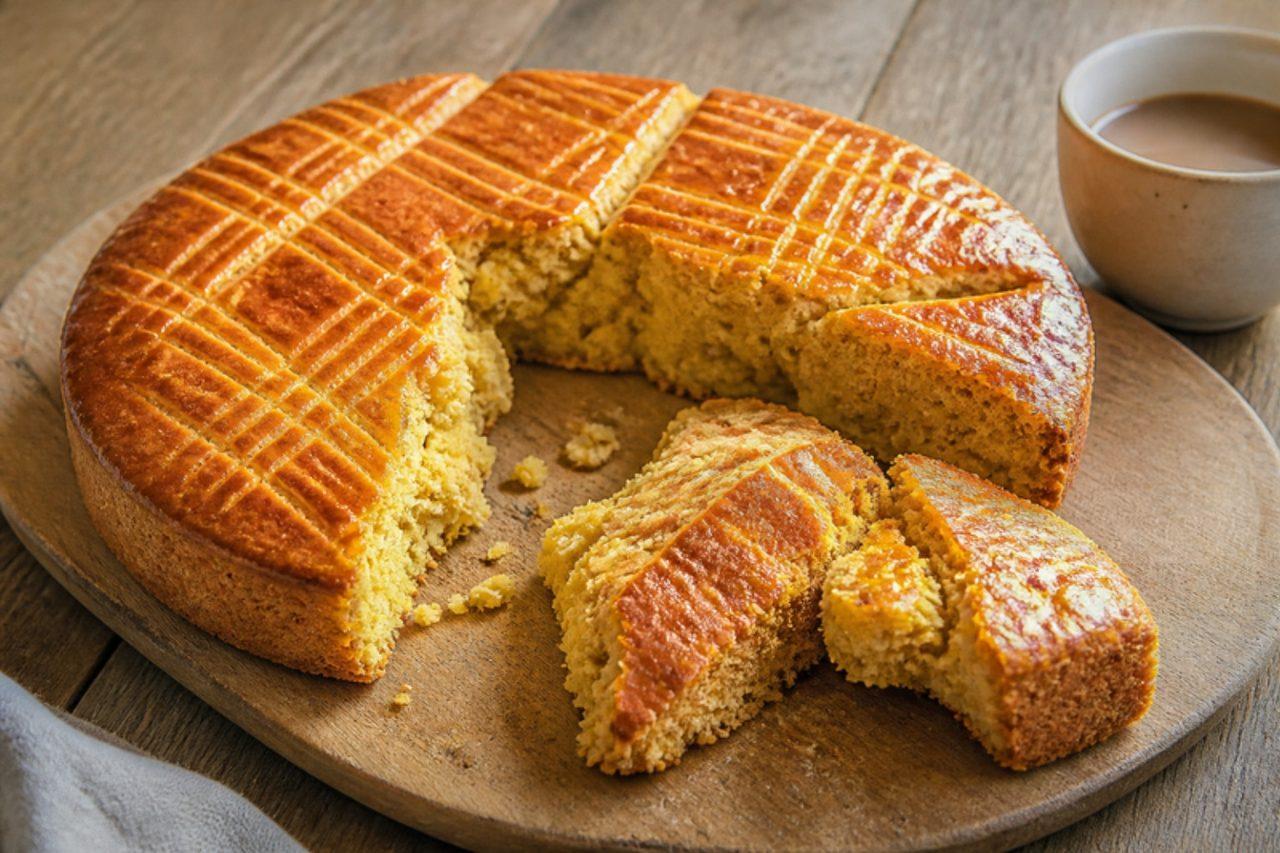
Broyé du PoitouGiant butter biscuit

From the Poitou-Charentes region of western France, broyé is one huge, thick butter biscuit baked in a round and carried whole to the table. Tradition says you break it in the middle with a firm blow of the fist, and everyone grabs a jagged piece; farmhouse cooks served it at weddings and family lunches, and it still ends meals there with coffee or a glass of local pineau. It is crisp at the edges, slightly tender in the middle and tastes of salted butter. Some families add chopped candied angelica from Niort. The top is glazed with egg yolk for its shine; milk gives a softer sheen if you prefer no egg wash. Chef's tip: mark the top with a fork in a diamond pattern and press quite deep, because the lines spread as it bakes; a pale broyé is the common mistake, so bake on until it is evenly golden all over.

by KrazyBadal 0 views

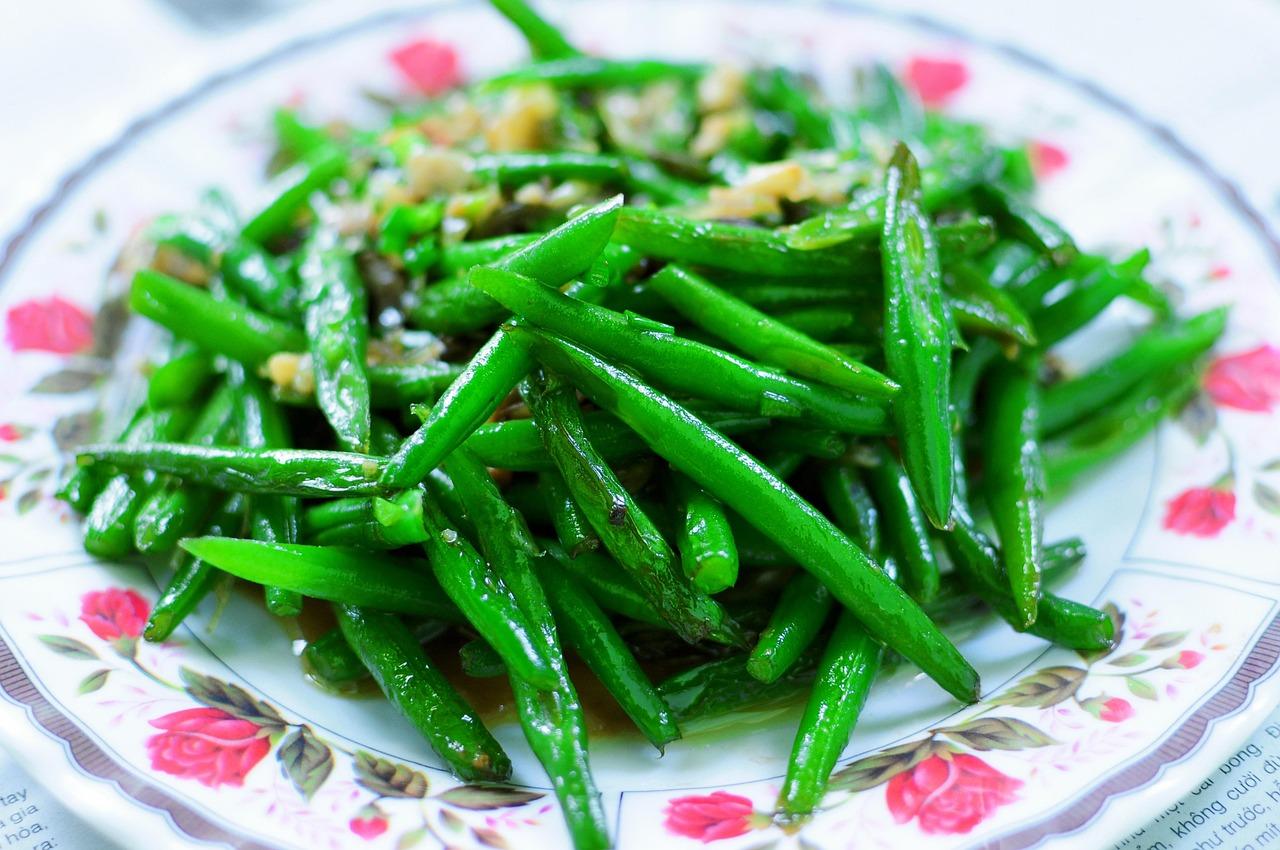
Haricots verts persillésGreen beans with garlic and parsley

Haricots verts persillés are the green beans that sit beside roast chicken, an omelette or a plate of potatoes in homes all over France, especially in June and July when fine beans are at their best. They are blanched until just tender, then tossed in foaming butter with a little garlic and lots of chopped parsley, so they stay bright green with a slight snap. Using olive oil instead of butter makes them vegan. The most common mistake is cooking the beans in too little water, so it stops boiling and they turn olive-grey; use a big pot of well-salted water. Chef's tip: cool the beans in iced water after blanching if you want to make them ahead, then warm them in the butter just before serving.

by KrazyBadal 0 views

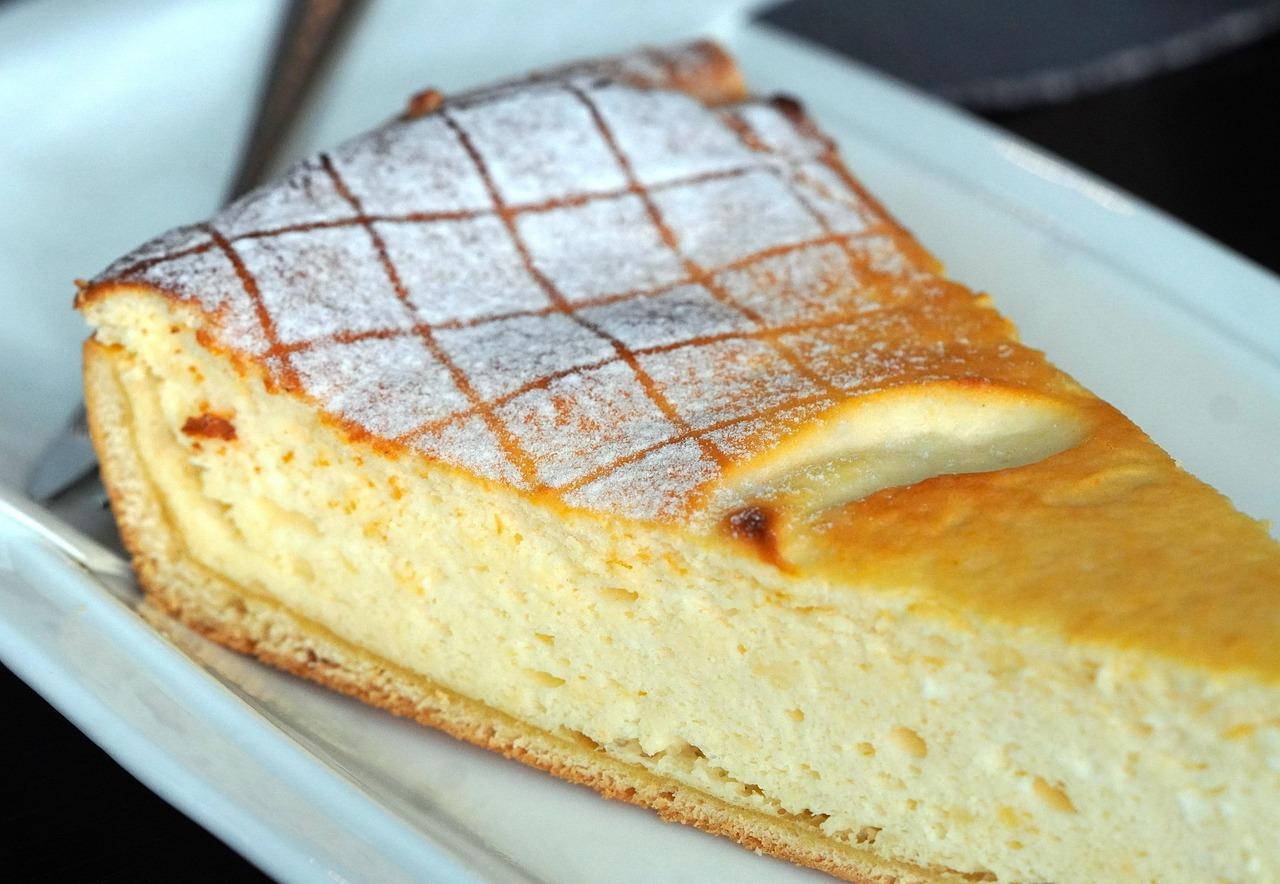
Tarte au fromage blancBaked cheesecake tart

Alsatians call it Käsküeche, and it is the cake their pâtisseries in Strasbourg and Colmar sell by the tall wedge on Sunday mornings, to take home for dessert after lunch. Fromage blanc, eggs and a little crème fraîche are baked in a high-sided pastry case until the filling puffs well above the rim like a soufflé, then settles into a light, creamy, gently lemony cheesecake. It is much less sweet than an American cheesecake and is eaten plain, maybe with a coffee or a glass of cold milk. Taking it out of a hot oven straight into a cold kitchen is what makes it crack and sink badly. Chef's tip: switch the oven off at the end, prop the door open with a wooden spoon and let the tart cool inside for an hour.

by KrazyBadal 0 views

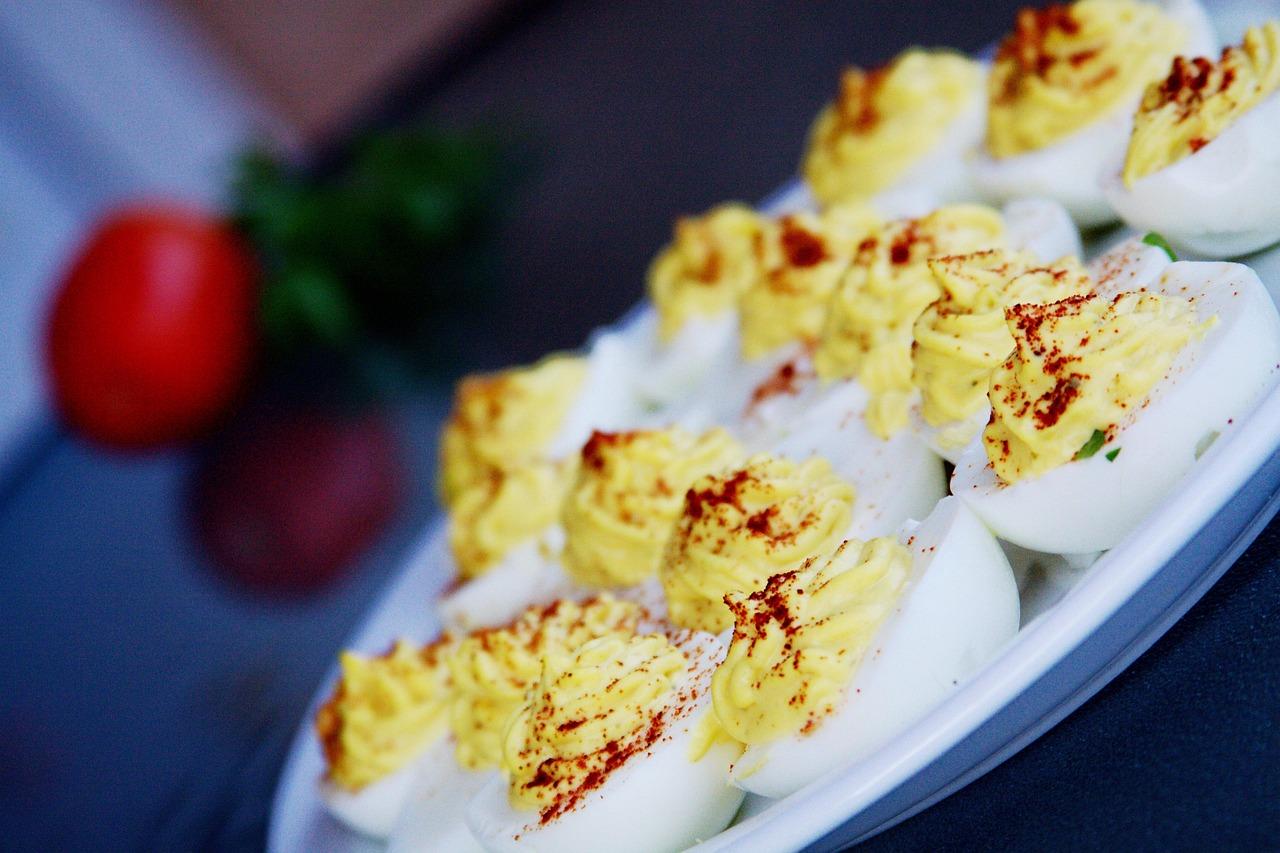
Œufs mimosaStuffed eggs with grated yolk

Œufs mimosa have been a starter in French bistros and on family tables for generations, served at Sunday lunch, on Easter platters and as a light supper with salad and bread. Hard-boiled eggs are halved, their yolks mashed with mayonnaise and mustard and piped back in, then a little yolk is grated over the top so it looks like the fluffy yellow flowers of the mimosa tree. They are naturally gluten free. The most common mistake is overboiling the eggs, which leaves a grey-green ring around the yolk and a sulphurous taste; 10 minutes and an ice bath is enough. Chef's tip: keep back one yolk just for grating, so the topping stays bright yellow and dry.

by KrazyBadal 0 views

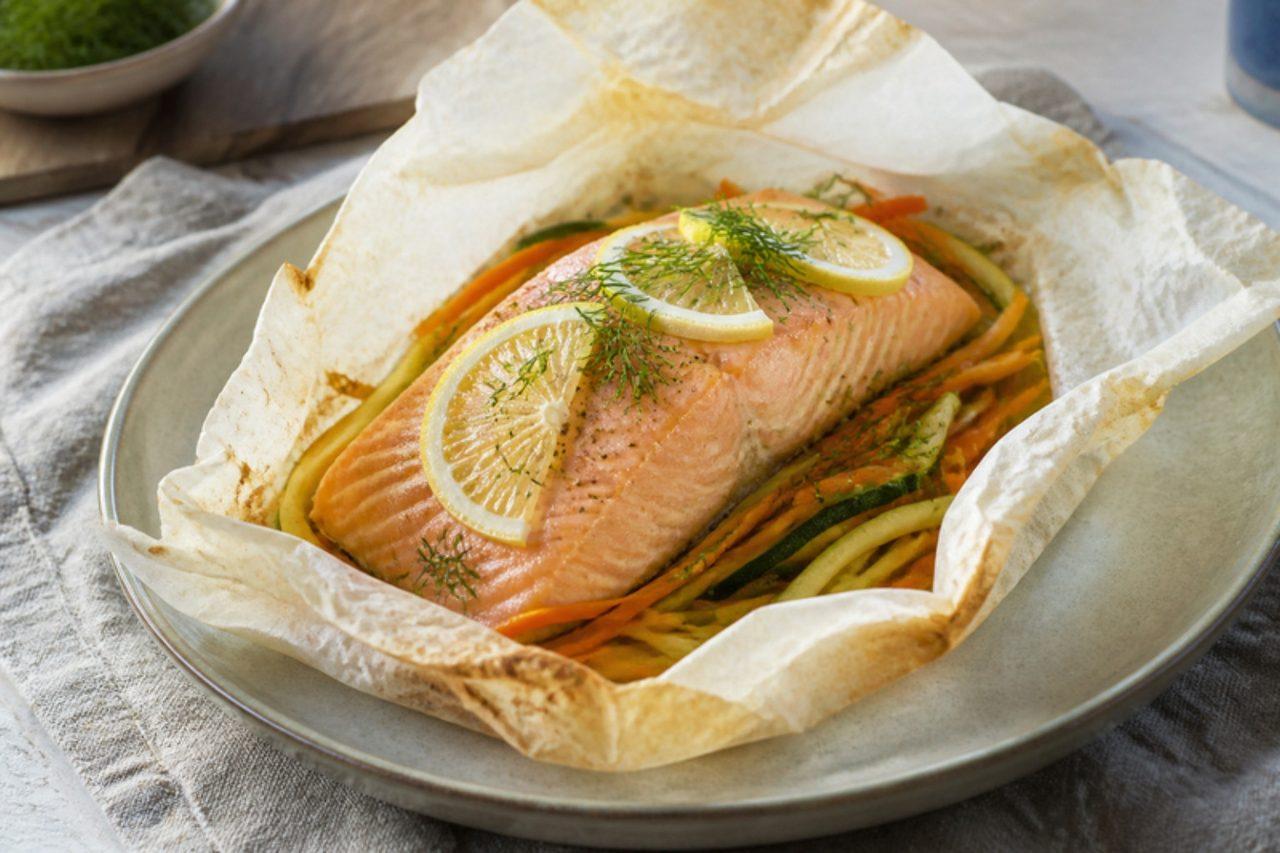
Saumon en papilloteSalmon baked in paper parcel

Saumon en papillote is everyday French home cooking at its lightest: a fillet of salmon sealed in baking paper with ribbons of courgette and carrot, lemon and dill, so it steams in its own juices in the oven. Across France it is a favourite midweek dinner because there is almost no washing-up, and each person opens their own fragrant parcel at the table, ideally with boiled new potatoes or rice. The usual mistake is cutting the vegetables too thick, so the fish overcooks while they stay raw; slice them very thin. Chef's tip: fold and crimp the paper edges tightly all the way round, or the steam escapes and the salmon dries out.

25 minFrenchFishGluten free
by KrazyBadal 0 views

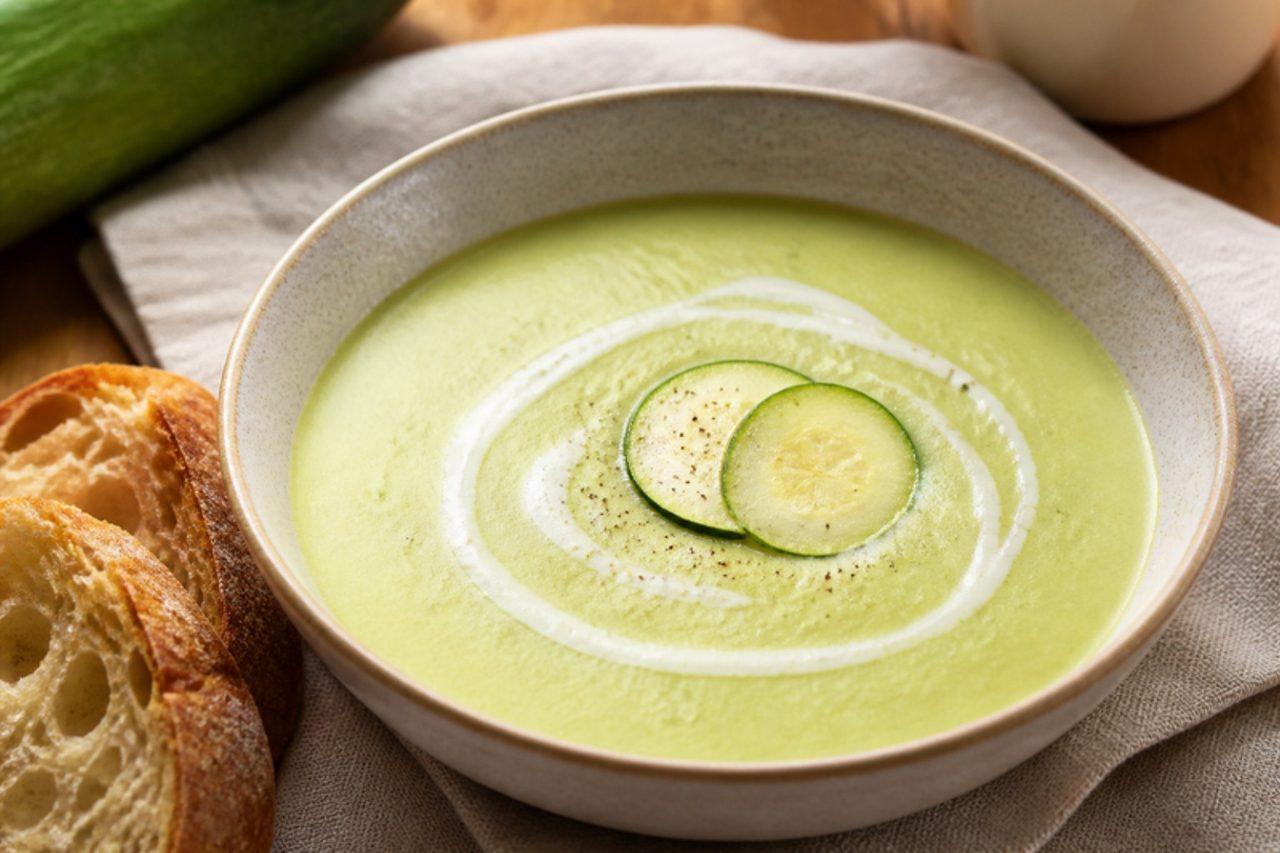
Velouté de courgettesSmooth courgette soup

French families make velouté de courgettes on summer and early-autumn evenings, when courgettes are cheap and plentiful, often blending in a few wedges of soft triangle cheese or a spoon of cream so children drink it happily. It is pale green, silky and mild, and ready in under half an hour; serve it with crusty bread and a piece of cheese. Some soft cheeses are made with animal rennet, so check the label or use a vegetarian cream cheese. The most common mistake is boiling the courgettes too long, which turns the soup a dull khaki; simmer only until just tender. Chef's tip: leave some of the green skin on but peel in stripes, so the colour stays bright without any bitterness.

by KrazyBadal 0 views

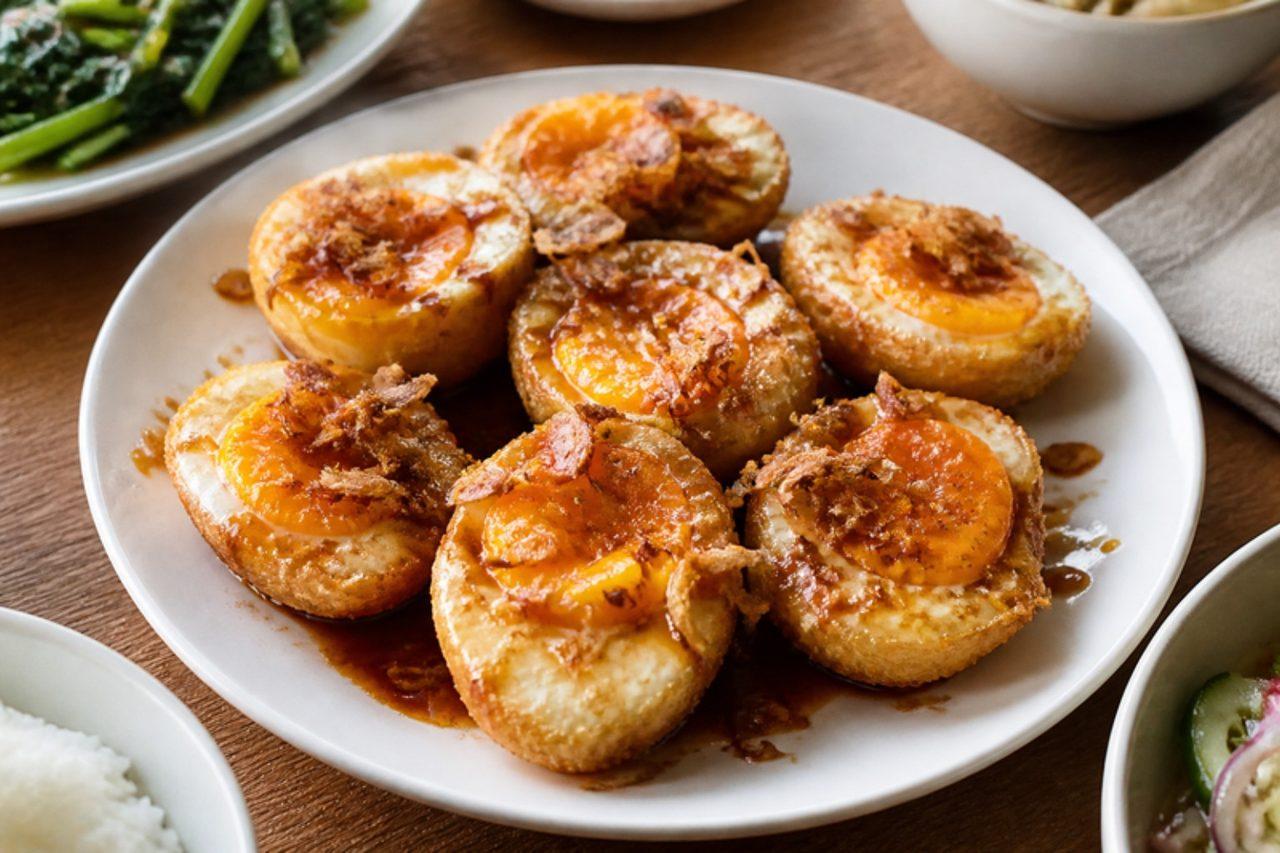
Khai luk khoei (son-in-law eggs)

Khai luk khoei, son-in-law eggs, is a central Thai dish made for family meals and temple fairs, and a favourite way to turn a few eggs into dinner: boiled eggs fried until blistered and golden, halved and spooned over with a sticky tamarind, palm sugar and fish sauce sauce, then finished with crisp shallots and chilli. It contains fish sauce, so it is not vegetarian. The mistake is frying wet eggs in oil that isn't hot enough; dry them well and the skin puffs and crisps instead of spitting. Chef's tip: boil the eggs for 7 minutes for a jammy centre; give 10 minutes and fully set yolks for anyone pregnant, very young, older or vulnerable.

by KrazyBadal 0 views

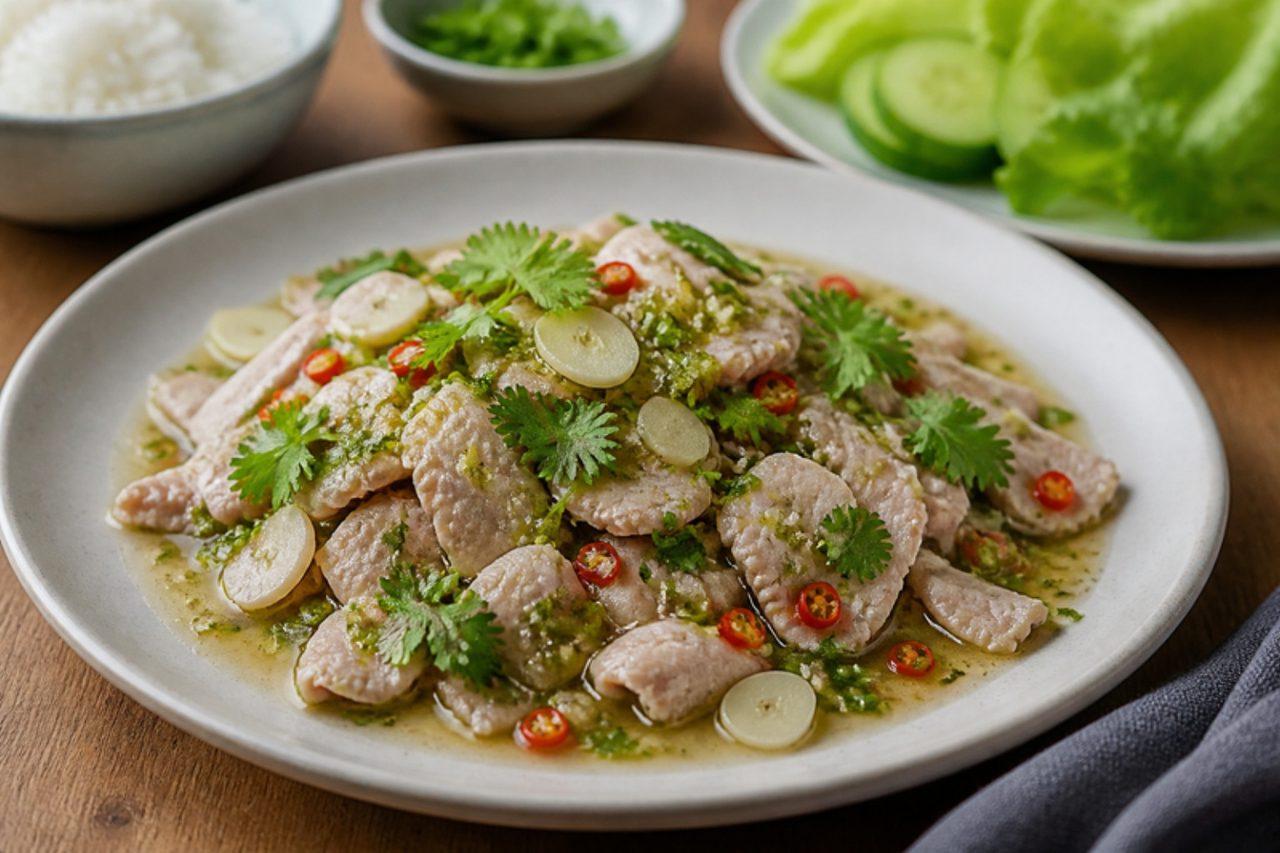
Moo manao (pork in lime and chilli dressing)

Moo manao is a drinking snack and dinner side from central Thailand, served in Bangkok bars and at home with sticky rice: thin slices of pork, blanched until just cooked, laid on ice-cold cabbage or lettuce and drowned in a fierce dressing of lime, raw garlic, bird's eye chilli and fish sauce. This is a pork dish. The mistake is boiling the pork for too long, which makes the thin slices tough and dry; poach them only until they turn white all through. Chef's tip: plunge the cooked slices into iced water for a few seconds, so they stay tender and take the dressing well.

17 minThaiMeatGluten freeSpicy
by KrazyBadal 0 views

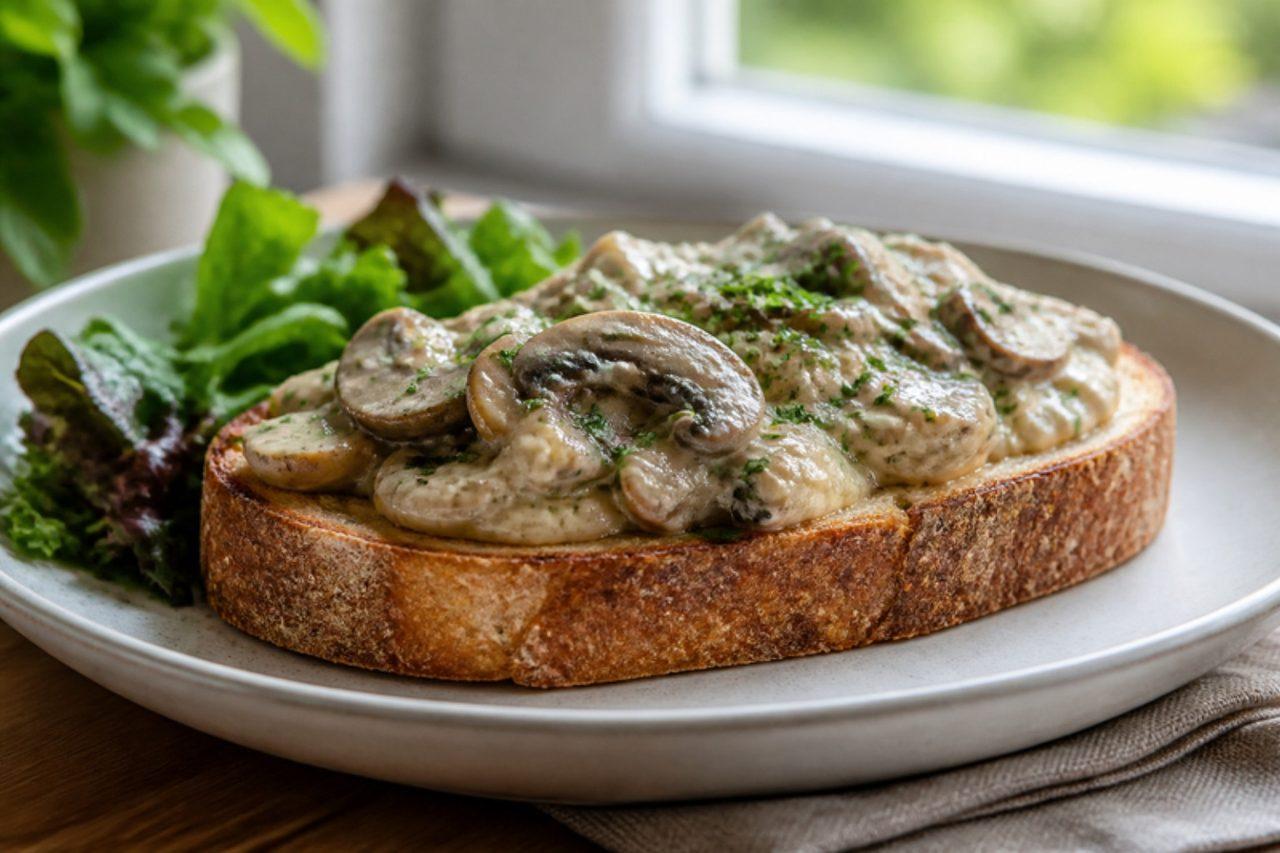
Croûte aux champignonsCreamy mushrooms on toast

In the mountain villages of Savoie and the Jura, croûte aux champignons is a quick supper in autumn and through ski season: thick toasted bread topped with mushrooms cooked down in butter, a splash of dry white wine and cream, sometimes with a little melted local cheese on top. It is rich and earthy, and a green salad alongside is all it needs. The recipe uses white wine, which mostly cooks off but not entirely; for an alcohol-free version use vegetable stock with a squeeze of lemon. The most common mistake is pouring in the cream before the mushrooms have browned and the wine has reduced, which gives a thin, grey sauce. Chef's tip: rub the hot toast with a cut garlic clove so every bite is fragrant.

by KrazyBadal 0 views

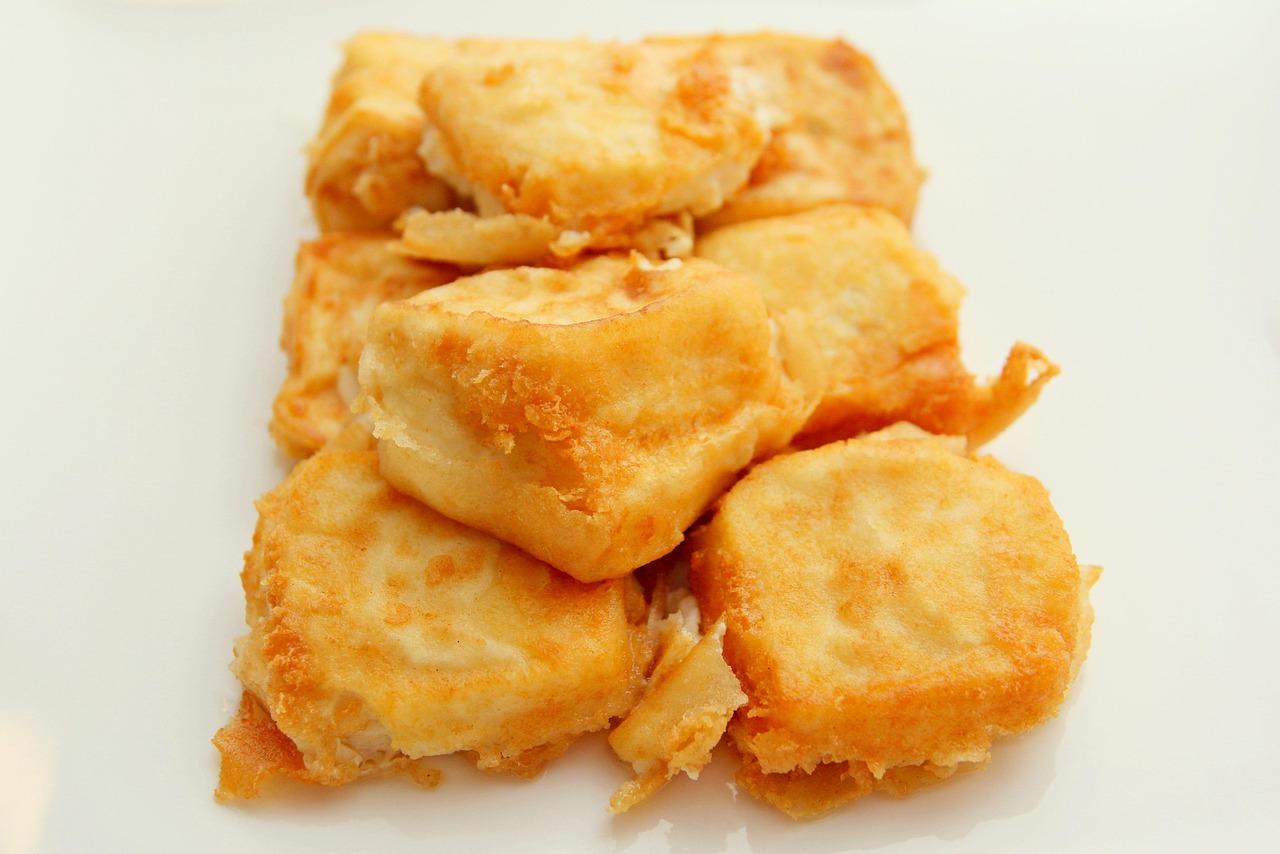
Tao hoo tod (Thai fried tofu with sweet chilli peanut dip)

In Bangkok and towns all over Thailand, tao hoo tod is sold from street-side woks in the late afternoon, scooped into paper bags with a little bag of sweet chilli dip and a spoon of crushed peanuts for snacking on the way home. Done properly, each cube has a thin, blistered, crisp skin and a soft, almost creamy centre. The mistake that ruins it is frying wet tofu in oil that isn't hot enough, so it soaks up fat and never crisps. It makes a good starter or a light supper with sticky rice and cucumber. Chef's tip: press the tofu under a heavy pan for 10 minutes while you make the dip; drier tofu crisps faster and spits less.

by KrazyBadal 0 views

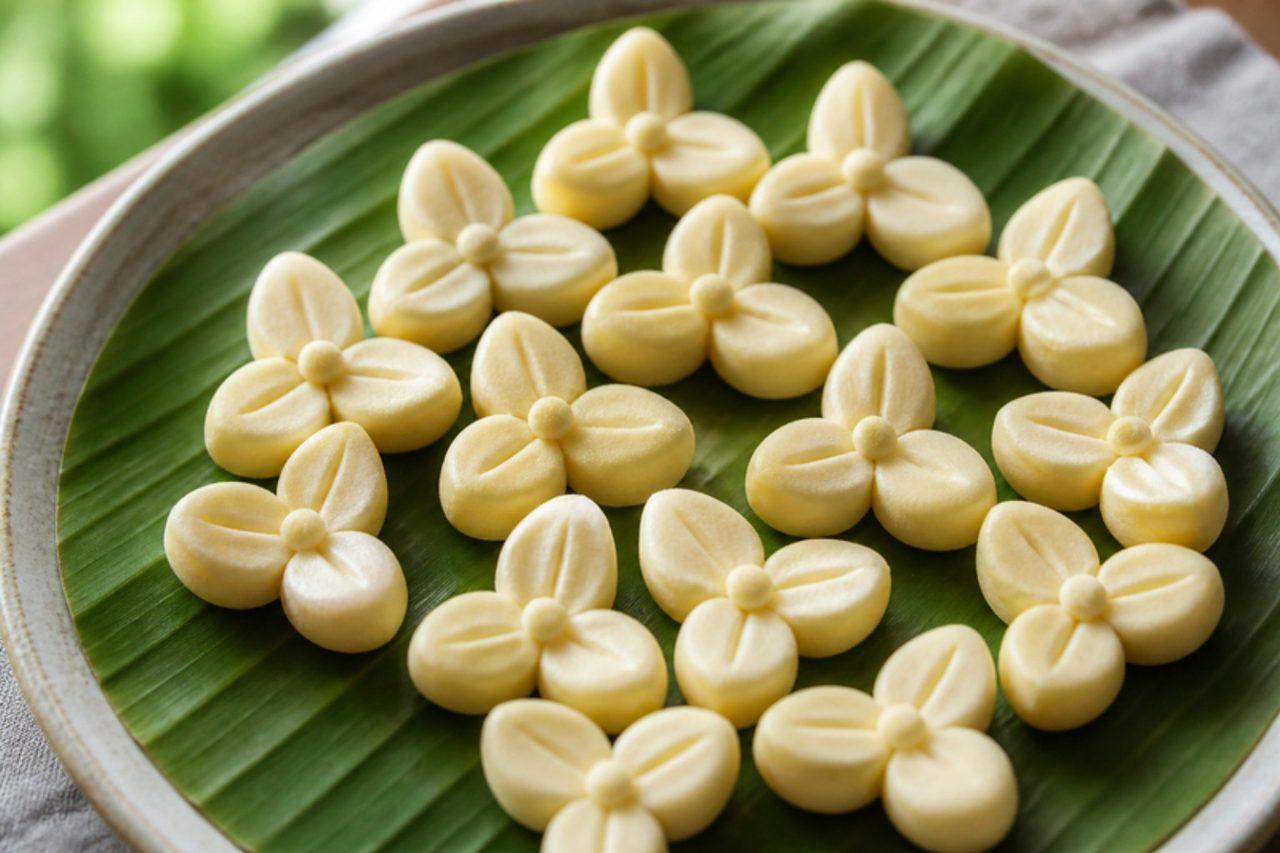
Khanom kleeb lamduanFlower shortbread cookies

Named after the lamduan, a fragrant cream-coloured flower with three curled petals, these tiny Thai shortbreads are a classic of the royal-style Thai sweets once made in palace kitchens and now sold in Bangkok's old dessert shops and given at weddings and merit-making. Each flower is three teardrop petals around a ball, pale and fragile, and they melt like sandy fudge. Their perfume comes from tian op, a special scented dessert candle: it is lit, blown out, and left to smoke inside a closed container with the cookies. If you cannot find one, a little jasmine water in the dough gives a different but lovely scent. The mistake is baking them hot or long; they should stay ivory, never golden. Chef's tip: candle smoke is real fire and smoke, so do it in a metal or ceramic pot, well away from curtains and children, with the flame blown out before the lid goes on.

78 minThaiBakingVegan
by KrazyBadal 0 views

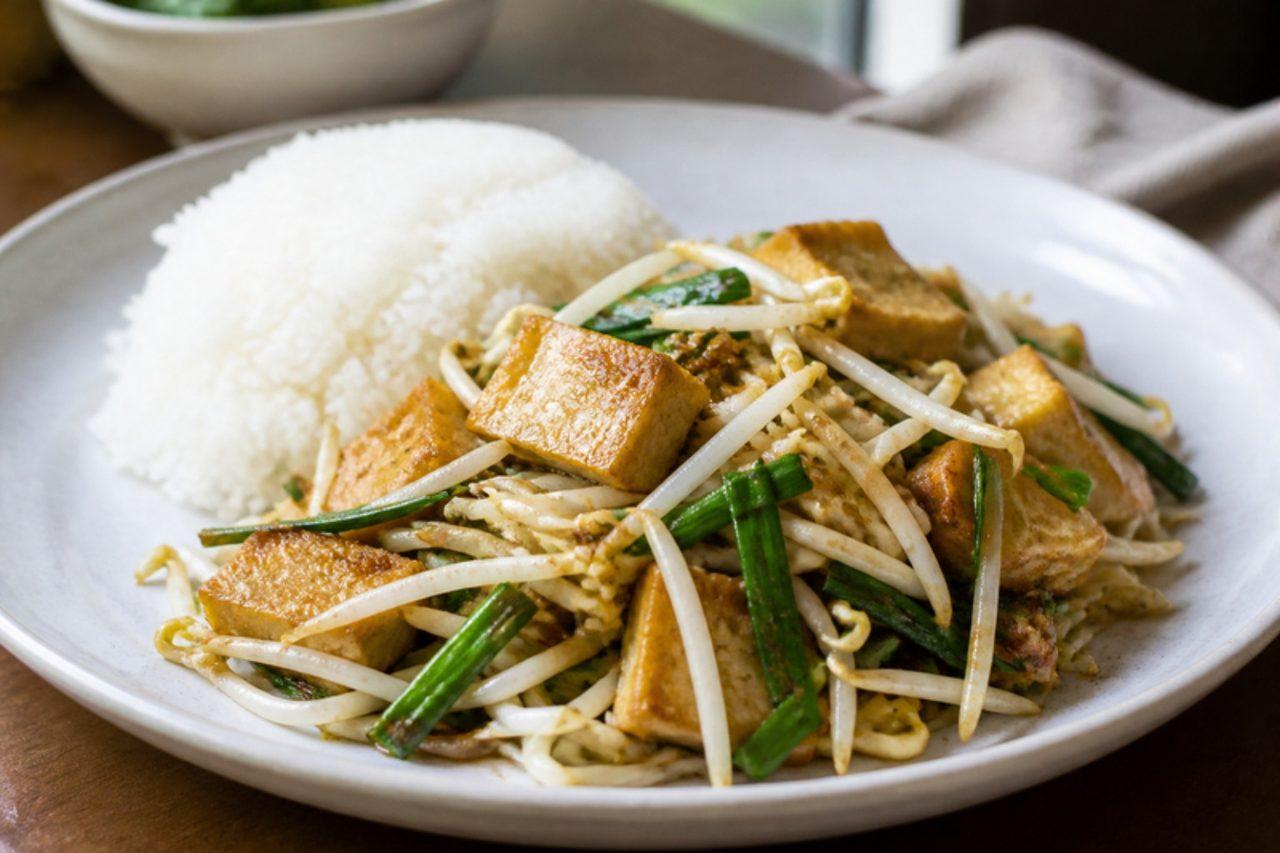
Pad thua ngok tao hoo (Thai bean sprouts and tofu stir-fry)

This plain, fast stir-fry is a fixture of home kitchens and made-to-order rice stalls across central Thailand, where it is eaten as one of two or three dishes shared over jasmine rice at dinner. Firm tofu is browned first, then the sprouts go in for barely a minute so they stay juicy and snap when you bite them. Thai cooks often season it with oyster sauce and fish sauce; this version uses soy and a mushroom-based sauce so it is vegan. The mistake almost everyone makes is cooking the sprouts too long, which turns them limp and watery. Chef's tip: pick off the stringy tails of the sprouts if you have five spare minutes; it makes the dish noticeably crisper.

by KrazyBadal 0 views

Showing 24 of 569 recipes

Show more recipes

Page 1 of 24