Skip to content
Recipes

All recipes

Vegetarian, or something you can't eat? Set your diet once and we'll hide recipes that don't fit.

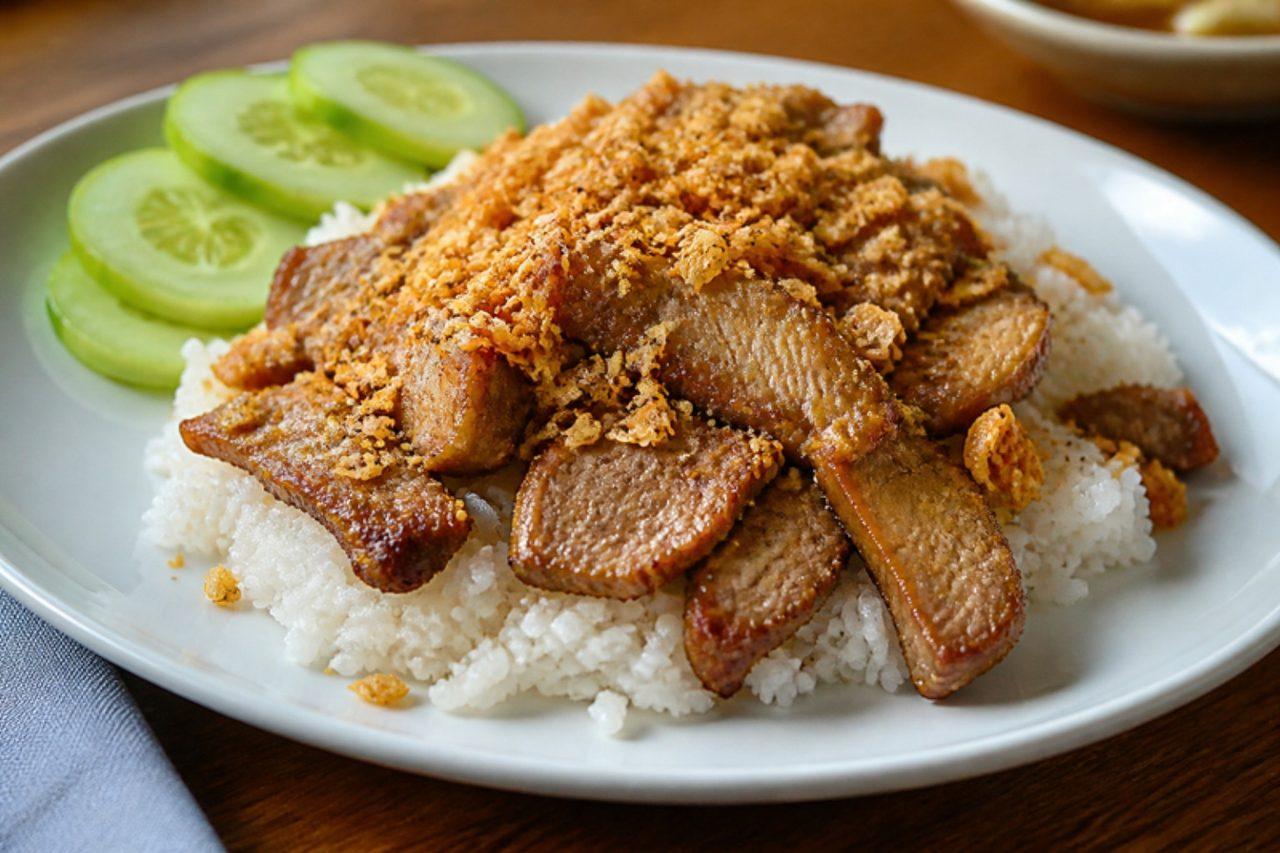
Moo tod kratiem (Thai garlic pepper pork)

Moo tod kratiem is a one-plate dinner sold at made-to-order stalls across Bangkok and the rest of Thailand: slices of pork marinated in garlic, white pepper and soy, fried until the edges caramelise, then showered with crisp golden garlic and served over rice with a fried egg and cucumber. This is a pork dish. The mistake is frying the garlic on high heat; it burns in seconds and turns bitter, so fry it gently and take it out when it is pale gold. Chef's tip: pound the garlic, pepper and coriander root together rather than chopping, so the paste clings to the meat.

22 minThaiMeat
by KrazyBadal 0 views

Tao hoo tod (Thai fried tofu with sweet chilli peanut dip)

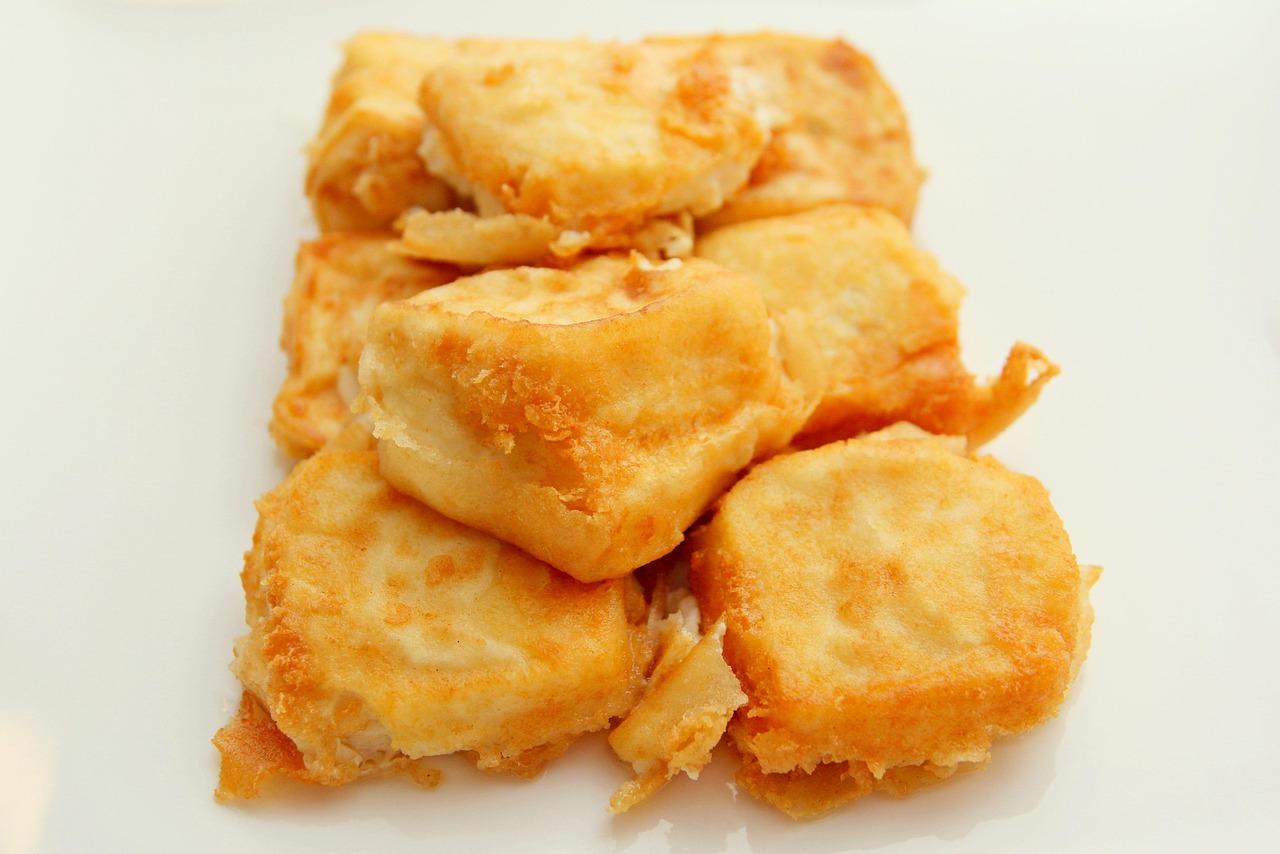
In Bangkok and towns all over Thailand, tao hoo tod is sold from street-side woks in the late afternoon, scooped into paper bags with a little bag of sweet chilli dip and a spoon of crushed peanuts for snacking on the way home. Done properly, each cube has a thin, blistered, crisp skin and a soft, almost creamy centre. The mistake that ruins it is frying wet tofu in oil that isn't hot enough, so it soaks up fat and never crisps. It makes a good starter or a light supper with sticky rice and cucumber. Chef's tip: press the tofu under a heavy pan for 10 minutes while you make the dip; drier tofu crisps faster and spits less.

by KrazyBadal 0 views

TopfengolatschenSweet quark puff pastry squares

A Topfengolatsche is what Viennese office workers grab from the bakery on the way in, and what grandparents order with a Melange in a coffee house on a Sunday afternoon. The corners of a puff pastry square are folded over a lemony, vanilla-scented filling of Topfen (Austrian quark) with plump raisins, and the top gets a thin white glaze. It is flaky, light and not too sweet. Raisins are sometimes soaked in rum; warm water or orange juice works just as well, and the recipe below is alcohol-free. Wet quark is the classic problem, because it turns the filling runny and it leaks out in the oven. Chef's tip: hang the quark in a sieve lined with a clean cloth for an hour, or squeeze it, until it is as thick as soft cream cheese.

by KrazyBadal 0 views

Pad thua ngok tao hoo (Thai bean sprouts and tofu stir-fry)

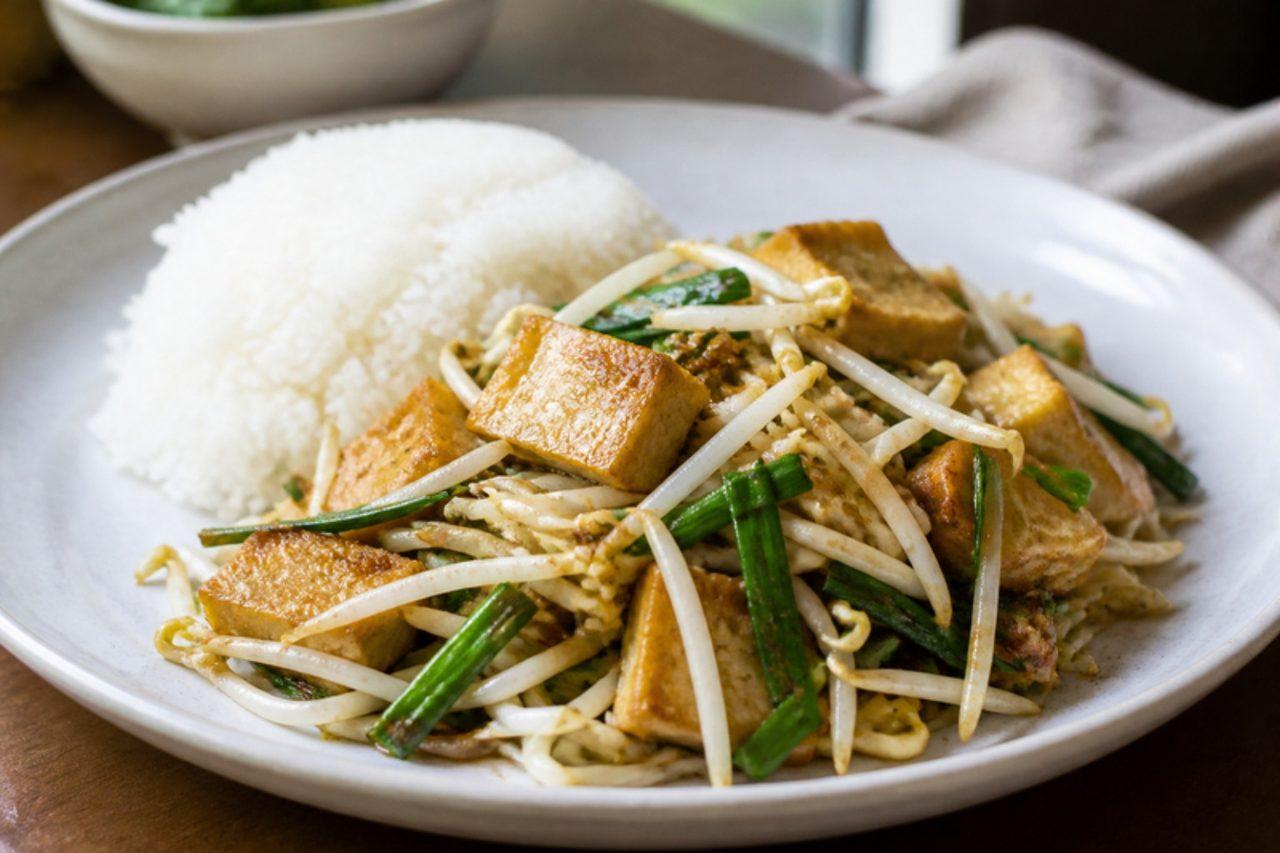
This plain, fast stir-fry is a fixture of home kitchens and made-to-order rice stalls across central Thailand, where it is eaten as one of two or three dishes shared over jasmine rice at dinner. Firm tofu is browned first, then the sprouts go in for barely a minute so they stay juicy and snap when you bite them. Thai cooks often season it with oyster sauce and fish sauce; this version uses soy and a mushroom-based sauce so it is vegan. The mistake almost everyone makes is cooking the sprouts too long, which turns them limp and watery. Chef's tip: pick off the stringy tails of the sprouts if you have five spare minutes; it makes the dish noticeably crisper.

by KrazyBadal 0 views

Khanom kleeb lamduanFlower shortbread cookies

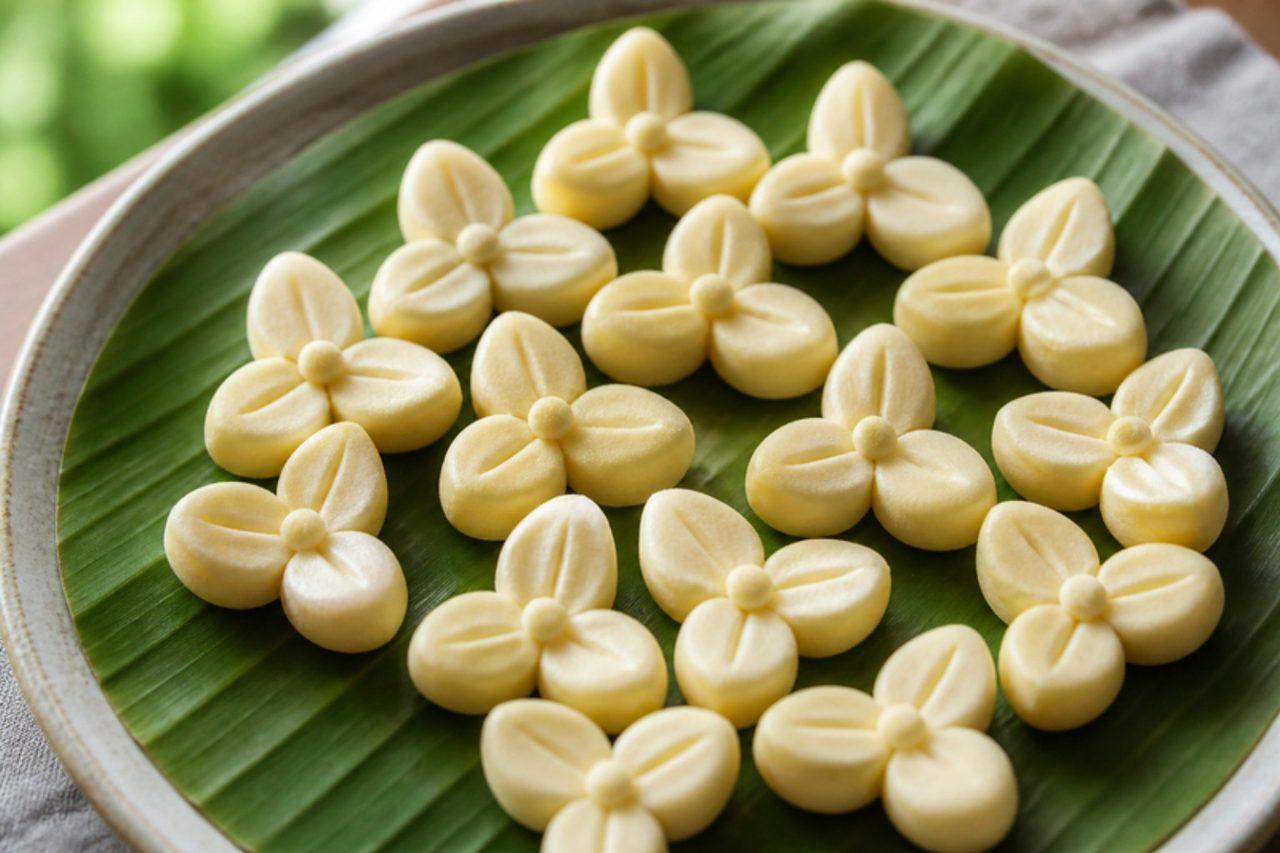
Named after the lamduan, a fragrant cream-coloured flower with three curled petals, these tiny Thai shortbreads are a classic of the royal-style Thai sweets once made in palace kitchens and now sold in Bangkok's old dessert shops and given at weddings and merit-making. Each flower is three teardrop petals around a ball, pale and fragile, and they melt like sandy fudge. Their perfume comes from tian op, a special scented dessert candle: it is lit, blown out, and left to smoke inside a closed container with the cookies. If you cannot find one, a little jasmine water in the dough gives a different but lovely scent. The mistake is baking them hot or long; they should stay ivory, never golden. Chef's tip: candle smoke is real fire and smoke, so do it in a metal or ceramic pot, well away from curtains and children, with the flame blown out before the lid goes on.

78 minThaiBakingVegan
by KrazyBadal 0 views

Moo manao (pork in lime and chilli dressing)

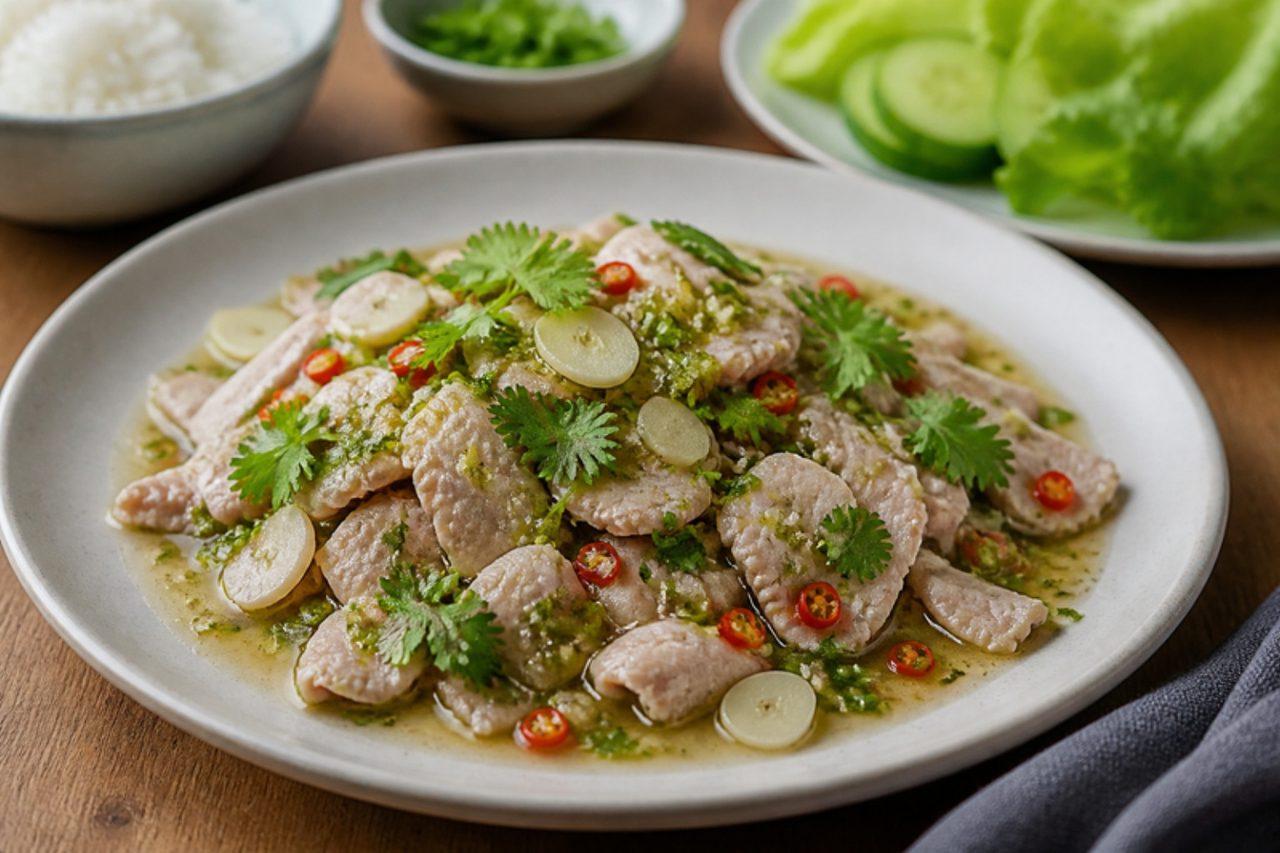
Moo manao is a drinking snack and dinner side from central Thailand, served in Bangkok bars and at home with sticky rice: thin slices of pork, blanched until just cooked, laid on ice-cold cabbage or lettuce and drowned in a fierce dressing of lime, raw garlic, bird's eye chilli and fish sauce. This is a pork dish. The mistake is boiling the pork for too long, which makes the thin slices tough and dry; poach them only until they turn white all through. Chef's tip: plunge the cooked slices into iced water for a few seconds, so they stay tender and take the dressing well.

17 minThaiMeatGluten freeSpicy
by KrazyBadal 0 views

Khai luk khoei (son-in-law eggs)

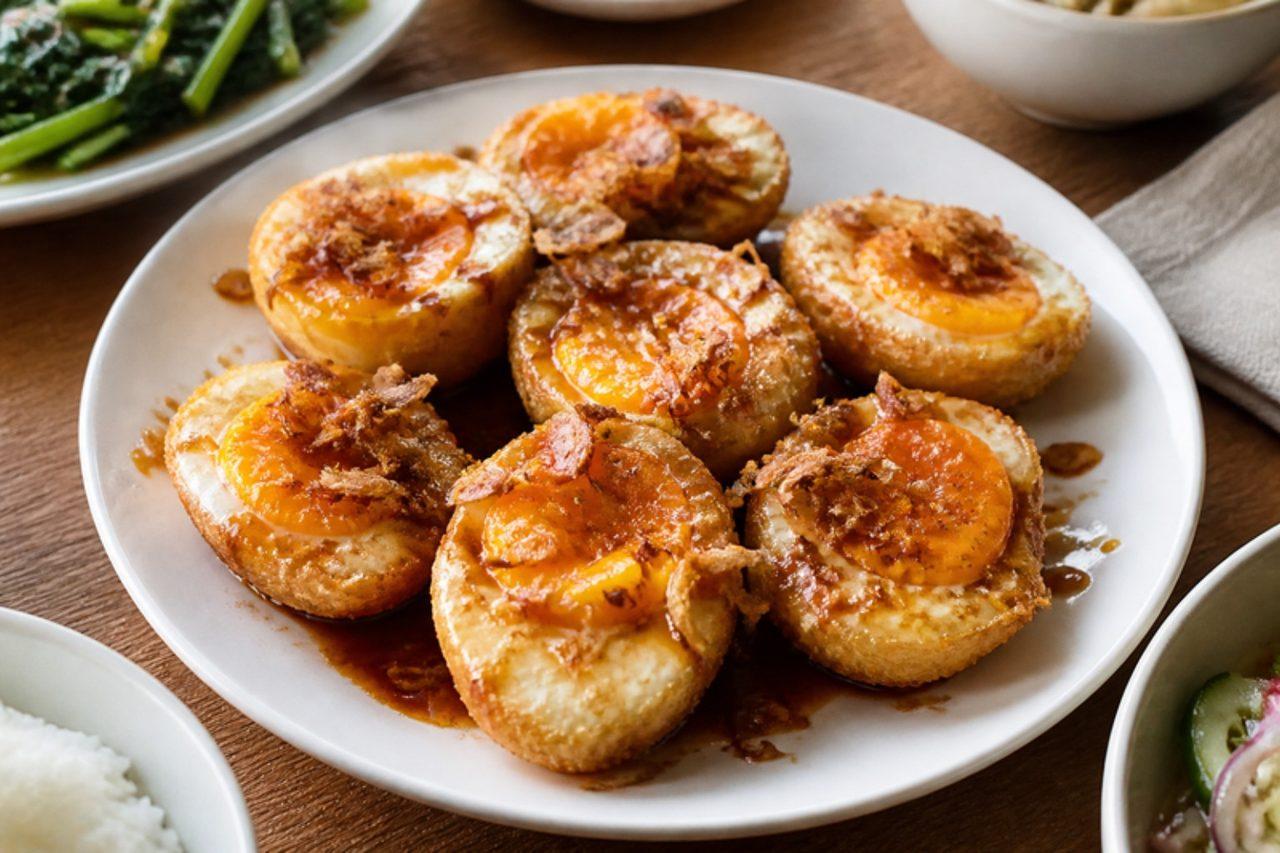
Khai luk khoei, son-in-law eggs, is a central Thai dish made for family meals and temple fairs, and a favourite way to turn a few eggs into dinner: boiled eggs fried until blistered and golden, halved and spooned over with a sticky tamarind, palm sugar and fish sauce sauce, then finished with crisp shallots and chilli. It contains fish sauce, so it is not vegetarian. The mistake is frying wet eggs in oil that isn't hot enough; dry them well and the skin puffs and crisps instead of spitting. Chef's tip: boil the eggs for 7 minutes for a jammy centre; give 10 minutes and fully set yolks for anyone pregnant, very young, older or vulnerable.

by KrazyBadal 0 views

Kärntner ReindlingCinnamon raisin yeast cake

Carinthia's Easter loaf takes its name from the Reindl, the round, deep pan it is baked in, and in southern Austria no Easter basket goes to church without one. Inside the golden yeast crust is a spiral of butter, cinnamon sugar and plump raisins, so every slice shows a dark swirl. Locals eat it two ways: sweet with coffee on Easter morning, or alongside the savoury Easter platter with horseradish. Many bakers soak the raisins in rum overnight; warm water or tea works just as well and keeps it alcohol-free. A dry, crumbly Reindling usually means too much flour went in during kneading, so keep the dough soft and only lightly floured. Chef's tip: butter the pan well and dust it with sugar, which caramelises into a thin crunchy shell.

by KrazyBadal 0 views

Khao bod tap gai (mashed rice with chicken liver)

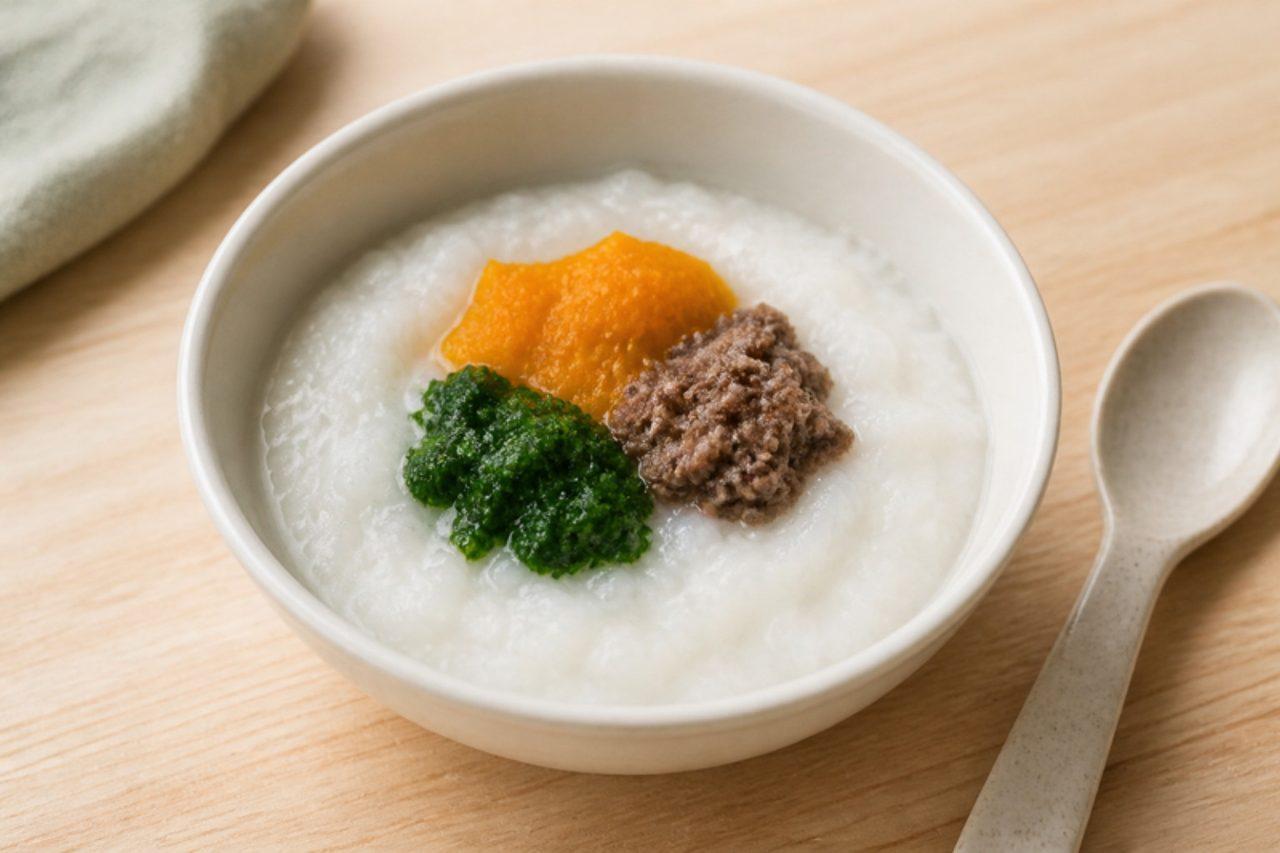
Khao bod, mashed soft rice, is how Thai babies start eating with the family, and steamed chicken liver is a favourite addition because it is so rich in iron. Here it is mashed with sweet pumpkin and a few morning glory or spinach leaves, so the flavour is mellow rather than strong. Liver is very high in vitamin A, so keep it to a small portion about once a week. It contains none of the common allergens (milk, egg, gluten, peanut, tree nuts, soya, sesame, fish). Chef's tip: trim every white sinew from the livers, and the mash will be silky rather than stringy.

by KrazyBadal 0 views

Mashed nam wa banana (kluay nam wa bod)

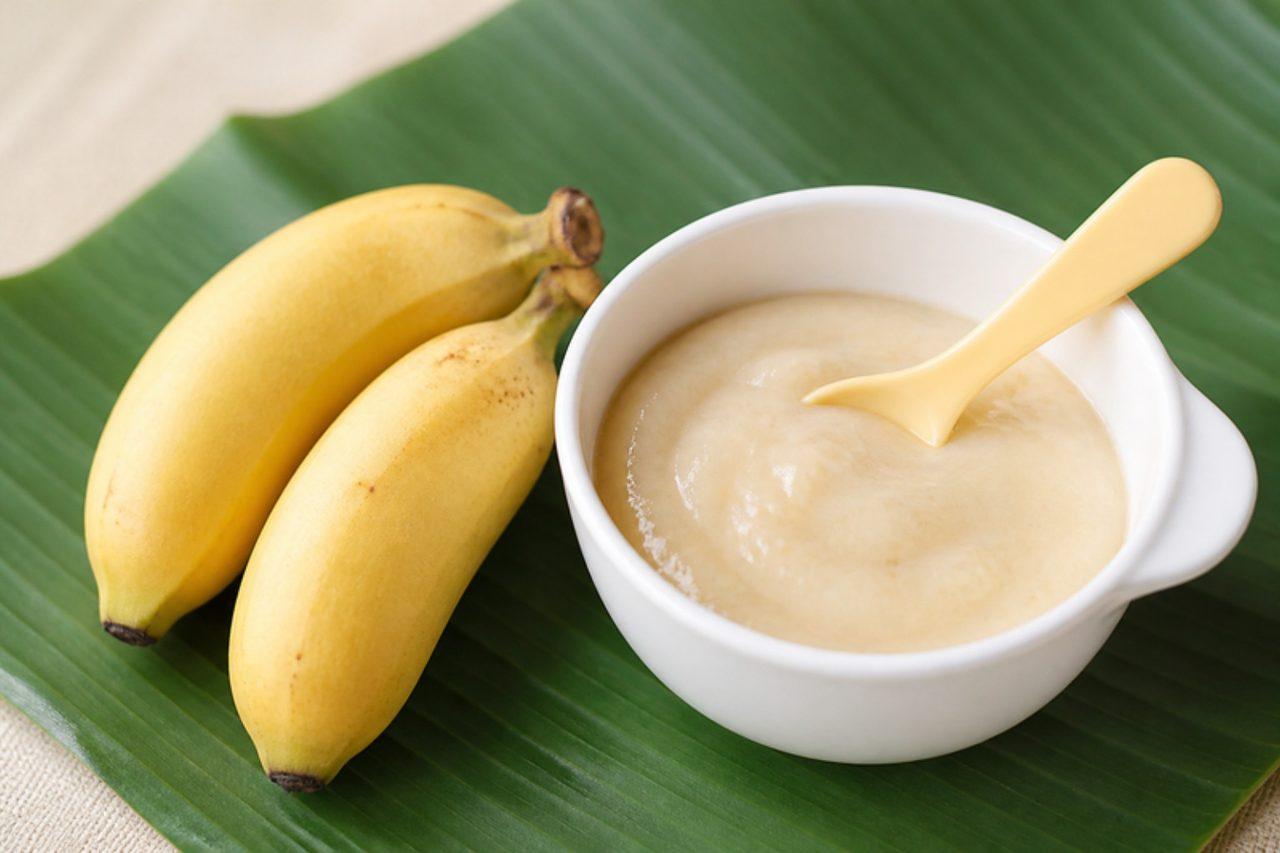
Ask a Thai grandmother about first foods and she will talk about kluay nam wa, the short, plump banana that grows in nearly every garden in Thailand. Ripe ones are steamed, which softens the slightly astringent edge, then scraped and mashed for a baby's first taste, often in the afternoon. It is sweet, creamy and needs nothing added. There are no common allergens (milk, egg, gluten, peanut, tree nuts, soya, sesame, fish). If you can't find nam wa, use a small, very ripe ordinary banana. Chef's tip: steam the banana in its skin; it keeps the flesh moist and stops it browning.

by KrazyBadal 0 views

Kuay teow nam sai (clear rice noodle soup for toddlers)

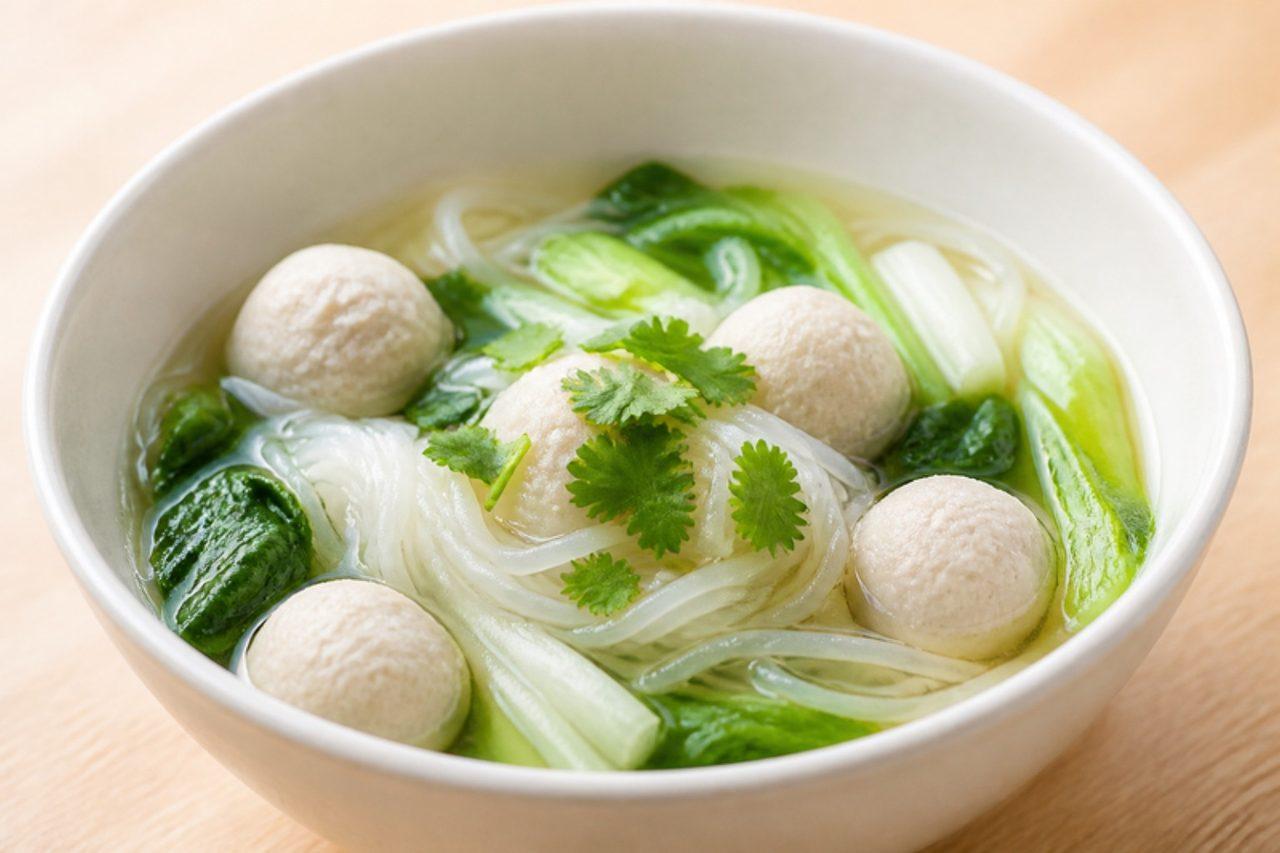
Kuay teow nam sai, clear noodle soup, is ordered for Thai children at noodle shops everywhere because it comes without chilli, sugar or vinegar: thin rice noodles in a light broth with minced pork and blanched greens. At home it is easy to make it even gentler, with no-salt stock fragrant with garlic and coriander root, so that toddlers can have it from a year old and adults season their bowls at the table. It contains none of the common allergens (milk, egg, gluten, peanut, tree nuts, soya, sesame, fish) unless the family adds fish sauce. Chef's tip: soak the noodles in warm water rather than boiling them, then dip in the broth just before serving, so they stay silky.

by KrazyBadal 0 views

Khanom khai (Thai egg cakes)

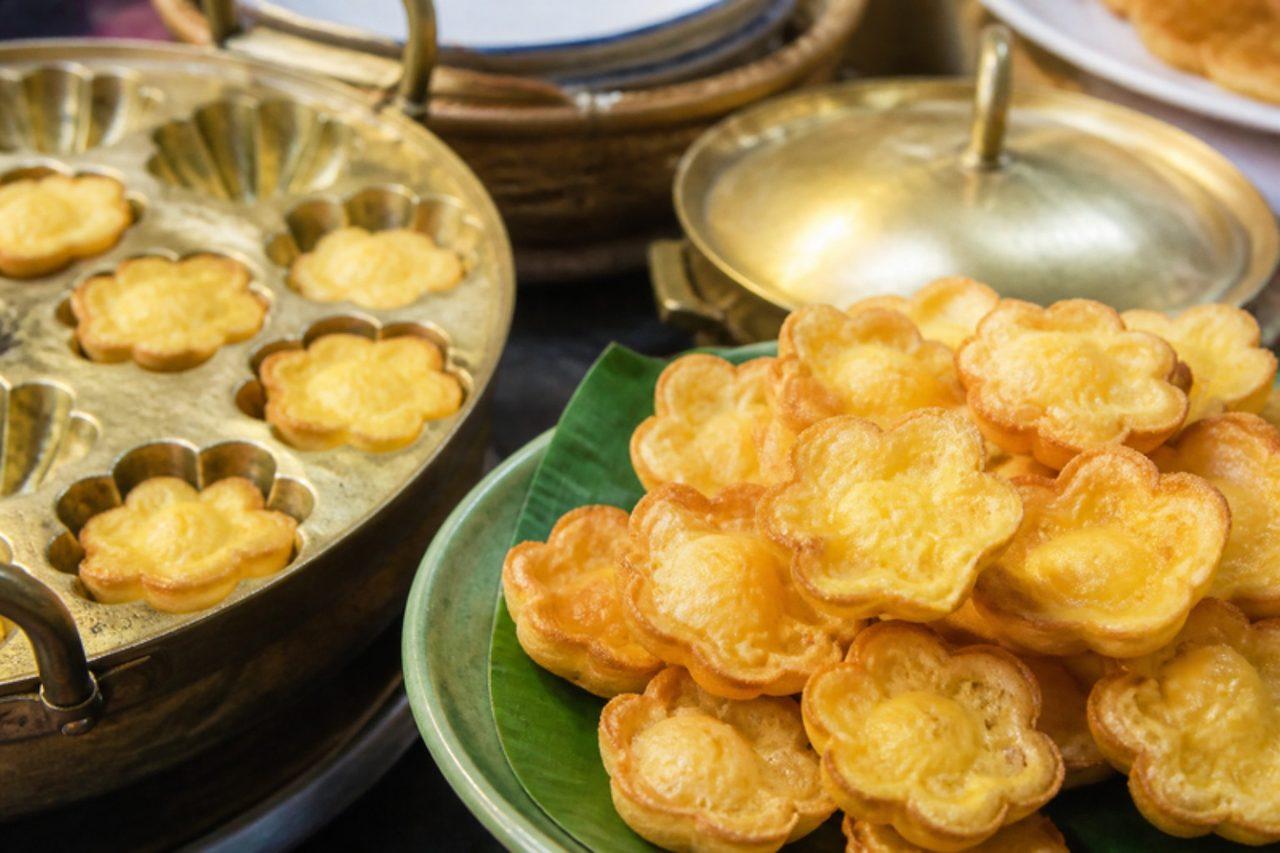
Khanom khai are the tiny golden sponge cakes that Thai market vendors bake in heavy brass moulds, filling the air with a sweet, eggy smell, and Bangkok children buy a paper bag of them after school. They are light and spongy inside with crisp, caramelised edges, and taste of egg and vanilla. They're made with oil rather than butter. They contain egg and gluten. Without a traditional mould, a mini-muffin or madeleine tin works well. Chef's tip: beat the eggs and sugar until really thick and pale; all the lift comes from that air.

30 minThaiBaking
by KrazyBadal 0 views

ErdäpfelstrudelSavoury potato strudel

Austrians, especially in the Mühlviertel of Upper Austria and the Waldviertel, make savoury strudels as often as sweet ones, and Erdäpfelstrudel is a farmhouse favourite for a meatless Friday or a cold evening. Thin pastry wraps a filling of potatoes, fried onion, sour cream, marjoram and parsley, baked until crisp and golden and sliced with a green salad or a dill and sour-cream dip. Bought filo makes it easy at home. The mistake to avoid is a wet filling, which turns the pastry soggy underneath. Chef's tip: cool the filling completely before rolling; warm filling makes the layers stick and tear.

by KrazyBadal 0 views

Ethiopian vegetable rice

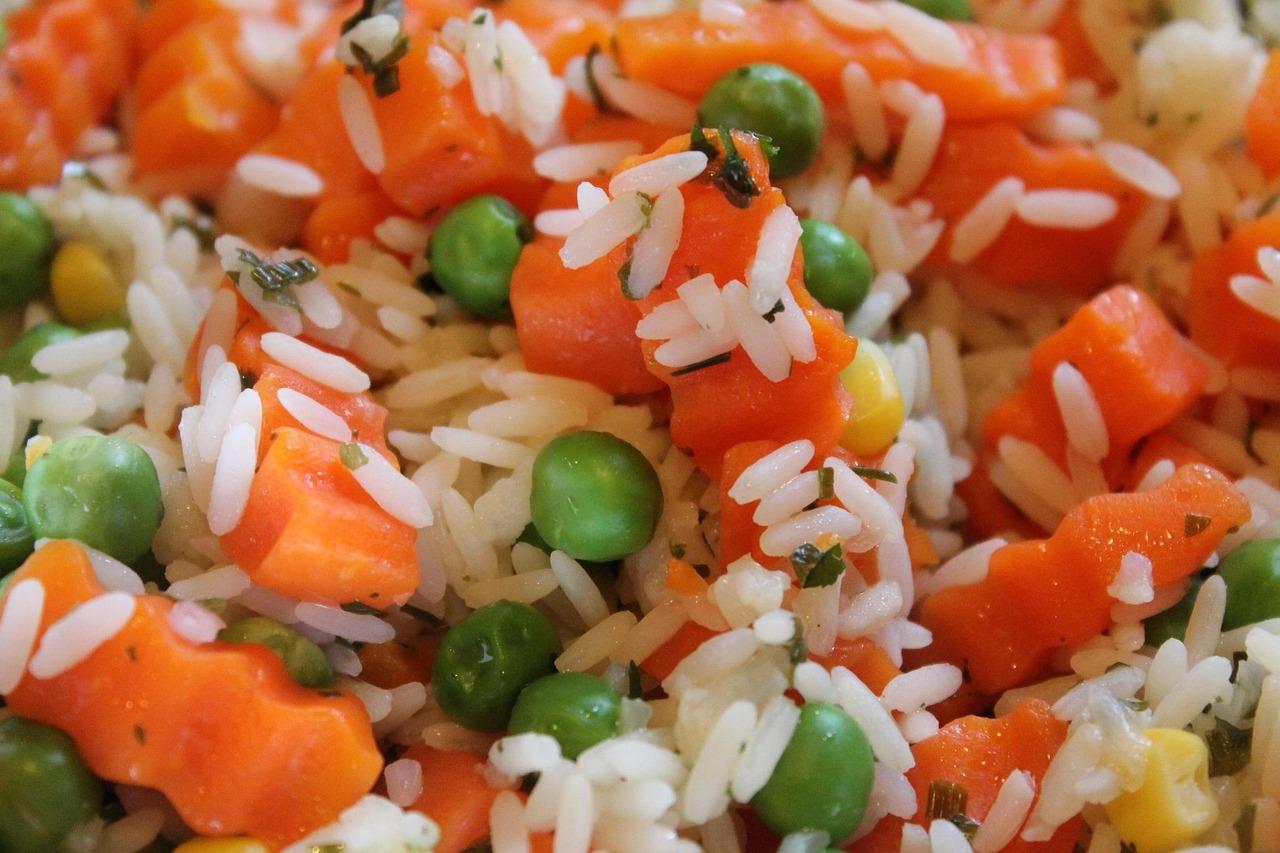
Rice is a newcomer in a country of injera, but in Addis Ababa it has become a school-lunch and café staple, often served next to a mild alicha or a fasting combination: long-grain rice fried in oil with onion and garlic, coloured with turmeric and cooked with carrot and peas. It is fluffy, mild and golden, which is why children ask for it. The mistake is skipping the rinse: unwashed rice turns sticky and clumps in the pot. Chef's tip: fry the rinsed, drained rice in the oil for two minutes until the grains turn opaque; they stay separate when cooked.

by KrazyBadal 0 views

Ye-qey sir selataBeetroot and potato salad

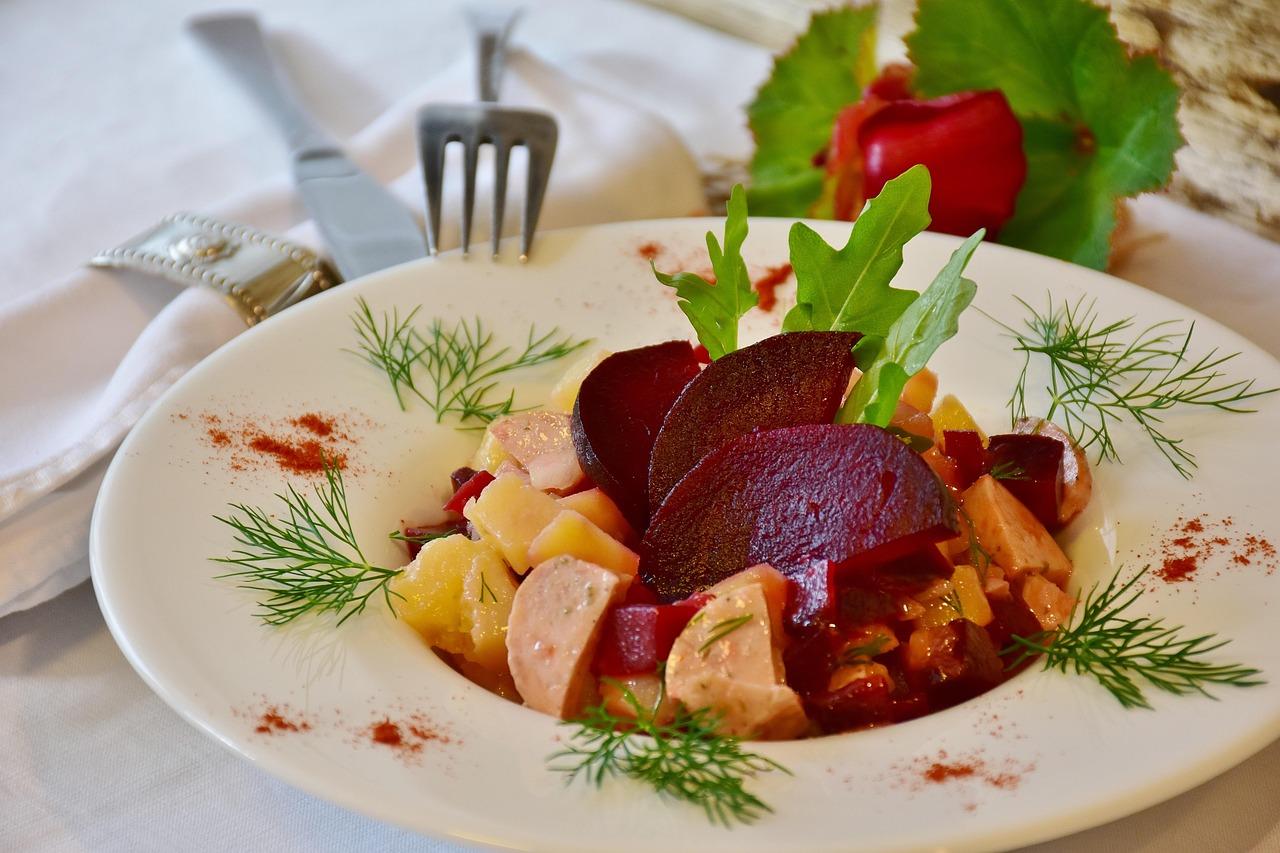
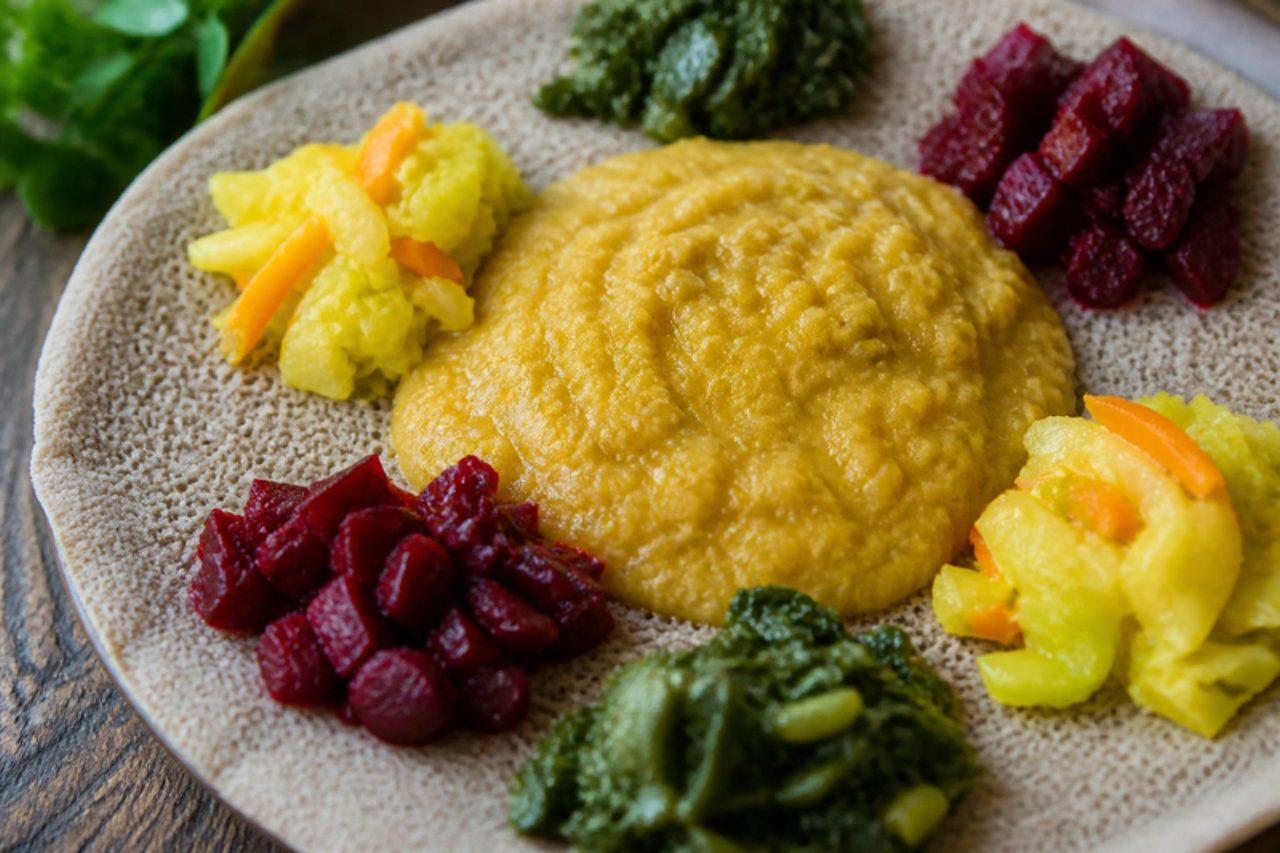
Fasting-day platters at Addis Ababa restaurants and church feasts often carry a bright magenta heap of this cold salad beside the hot wats: boiled beetroot, potato and carrot tossed with lemon juice, thin red onion, green chilli and a little oil. It is sharp, sweet and cooling, a palate-cleanser between spoonfuls of berbere-red lentils. It differs from key sir alicha, the warm beetroot stew, in that everything is boiled whole, cooled and dressed raw. The usual slip is dressing the vegetables while hot, which turns the potatoes pink and mushy; let them cool first. Chef's tip: dress the onion and chilli in the lemon juice and salt ten minutes ahead so they soften and lose their sharp bite.

by KrazyBadal 0 views

SiljoFermented broad bean paste

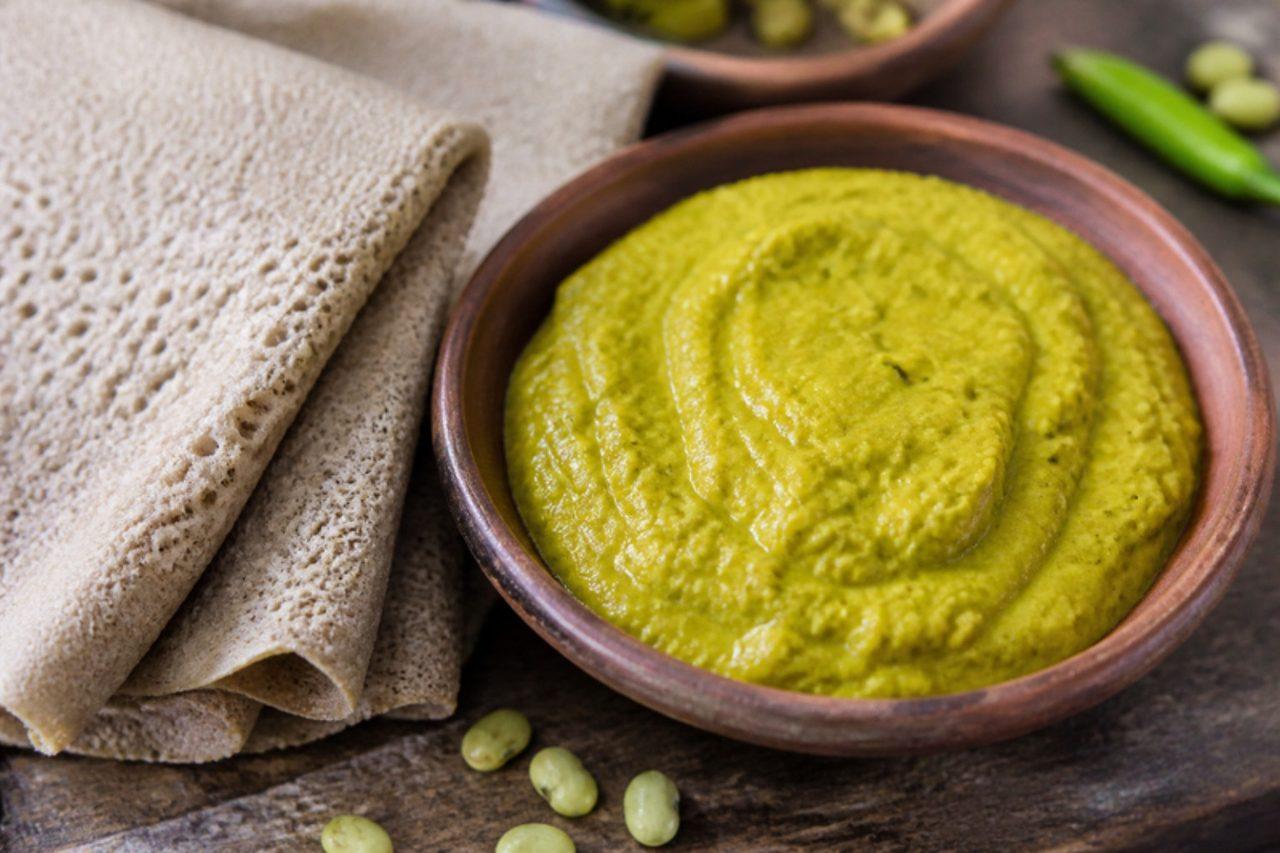
Siljo is a condiment of the Orthodox fasts, made in Gondar and Gojjam and across Amhara especially for Lent and the Hudade season: a thin paste of broad-bean flour cooked with water, mixed with mustard, garlic and ginger and left to ferment until sharp and pungent, then eaten in small amounts with injera and fasting stews to wake them up. It tastes like a cross between hot mustard and sour yogurt. The usual mistake is adding the mustard while the paste is hot, which kills its heat; cool the paste completely first. Ferment in a very clean, covered jar, then keep it in the fridge, and throw it away if you see any mould or it smells rotten rather than pleasantly sour. Not gluten free if your bean flour is milled with wheat. Chef's tip: grind the mustard seeds yourself and soak them in a little cold water for ten minutes; freshly wetted mustard gives siljo its nose-tingling kick.

by KrazyBadal 0 views

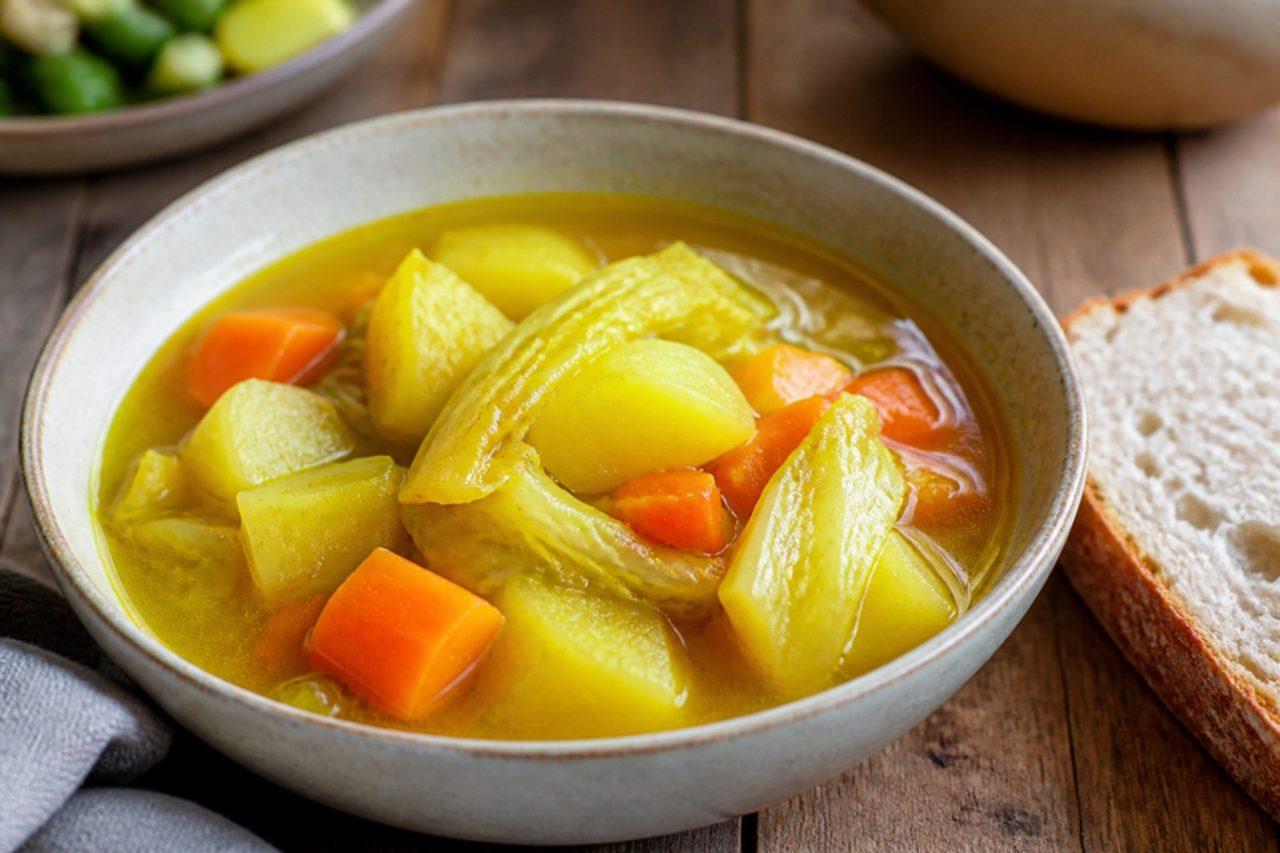
Ethiopian vegetable soup

Every café and school canteen in Addis Ababa has a pot of ye-atakilt shorba on the go: a light, golden soup of potato, carrot and cabbage cooked with onion, garlic, a little ginger and turmeric, eaten with a bread roll for lunch or given to children who don't want berbere. Families make it on fasting days and when someone is feeling poorly. It is mild, soothing and slightly sweet. The mistake is adding the cabbage with the potatoes, which makes it sulphurous and grey; it needs only the last ten minutes. Chef's tip: blend one ladle of the cooked potato and carrot and stir it back in; the soup thickens to café-style body without any flour.

by KrazyBadal 0 views

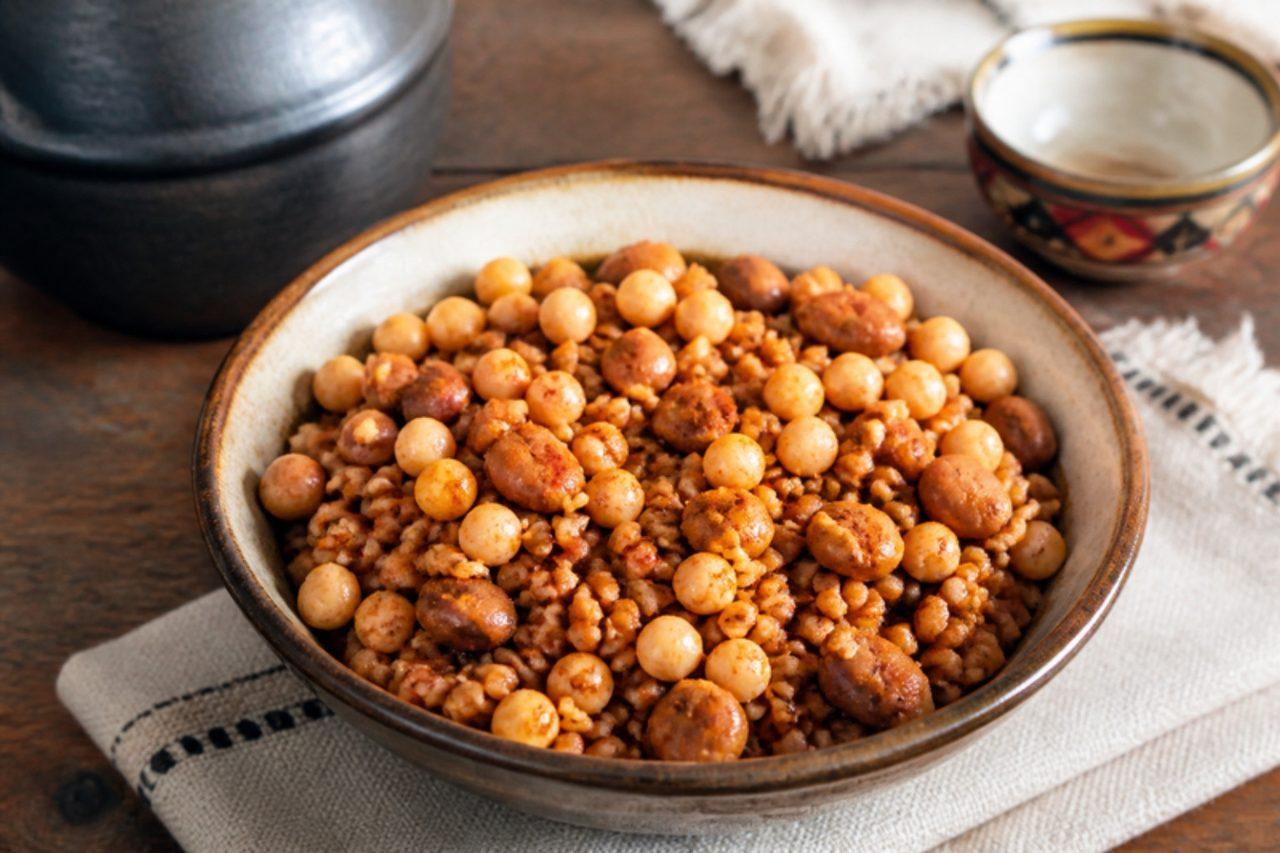
NifroBoiled wheat and chickpeas

When a baby cuts a first tooth, Ethiopian families celebrate with tirs mastecha, and the dish at the centre is nifro: a big pot of whole wheat berries, chickpeas and fava beans boiled with salt and handed round warm in cupped hands or small bowls. It also turns up at funerals, saints' day gatherings and long coffee ceremonies in Gondar and Addis, chewy, nutty and plain in the best way. The common mistake is boiling everything together from dry, so the wheat bursts while the fava stay hard; soak them all overnight and add the wheat later. Fava beans are unsafe for anyone with G6PD deficiency (favism), so leave them out if in doubt. Not gluten free. Chef's tip: once drained, toss the warm nifro in a dry pan for two minutes; it dries the surface and makes the salt and a pinch of berbere cling.

by KrazyBadal 0 views

Kik watSpiced split pea stew

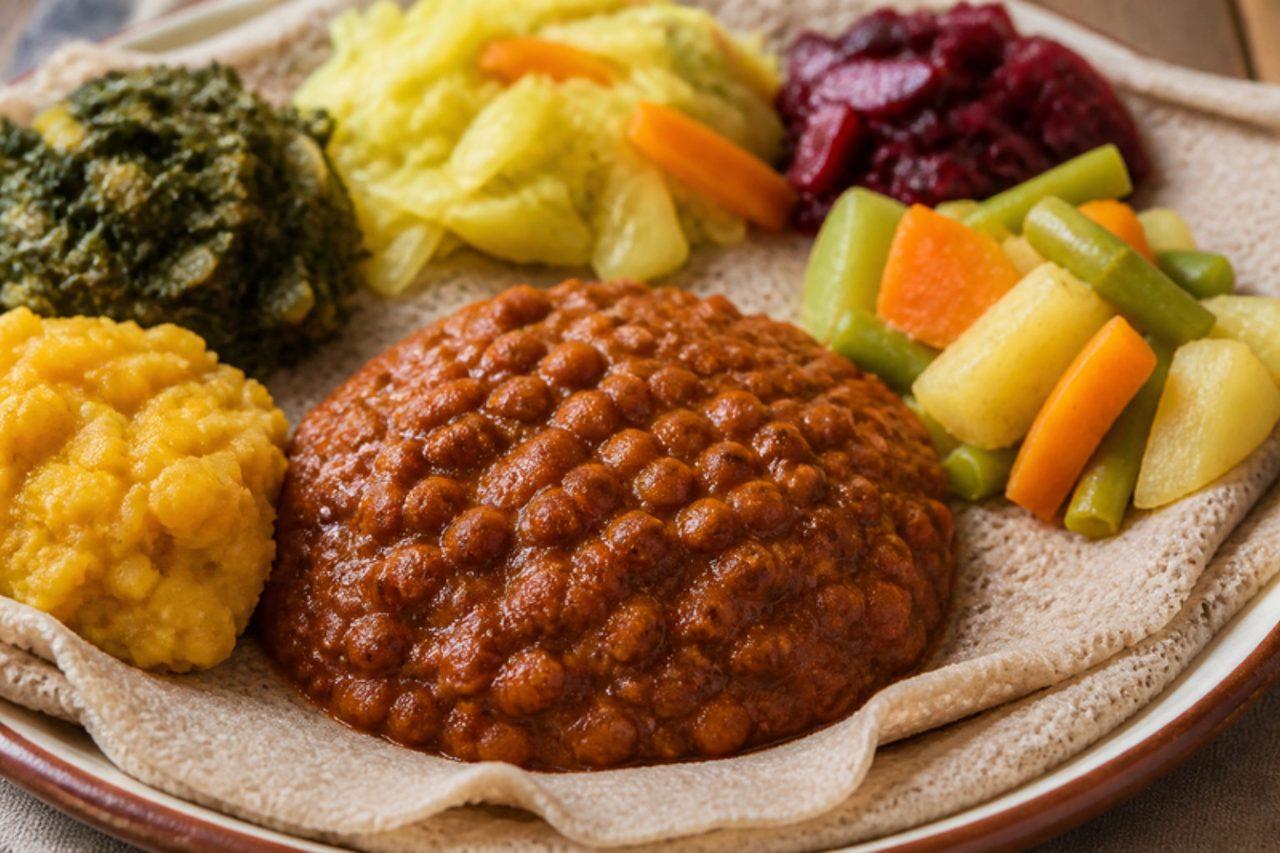
On Wednesdays, Fridays and the long Lenten fast, Orthodox households from Addis Ababa to Bahir Dar fill the beyaynetu platter with kik wat, the fiery red sibling of the mild yellow kik alicha. Yellow split peas are cooked into a thick sauce built on a mountain of slowly dry-cooked red onions, garlic, ginger and plenty of berbere, so it is earthy, smoky-hot and spoonable on a sheet of injera. The mistake is frying the onions in oil from the start: Ethiopian cooks sweat them in a dry pot until they collapse and turn jammy, and only then add oil and spice, which gives the sauce its body. Chef's tip: bloom the berbere in the oil for a full two minutes with a splash of water so it turns brick-red and loses its raw, dusty edge.

by KrazyBadal 0 views

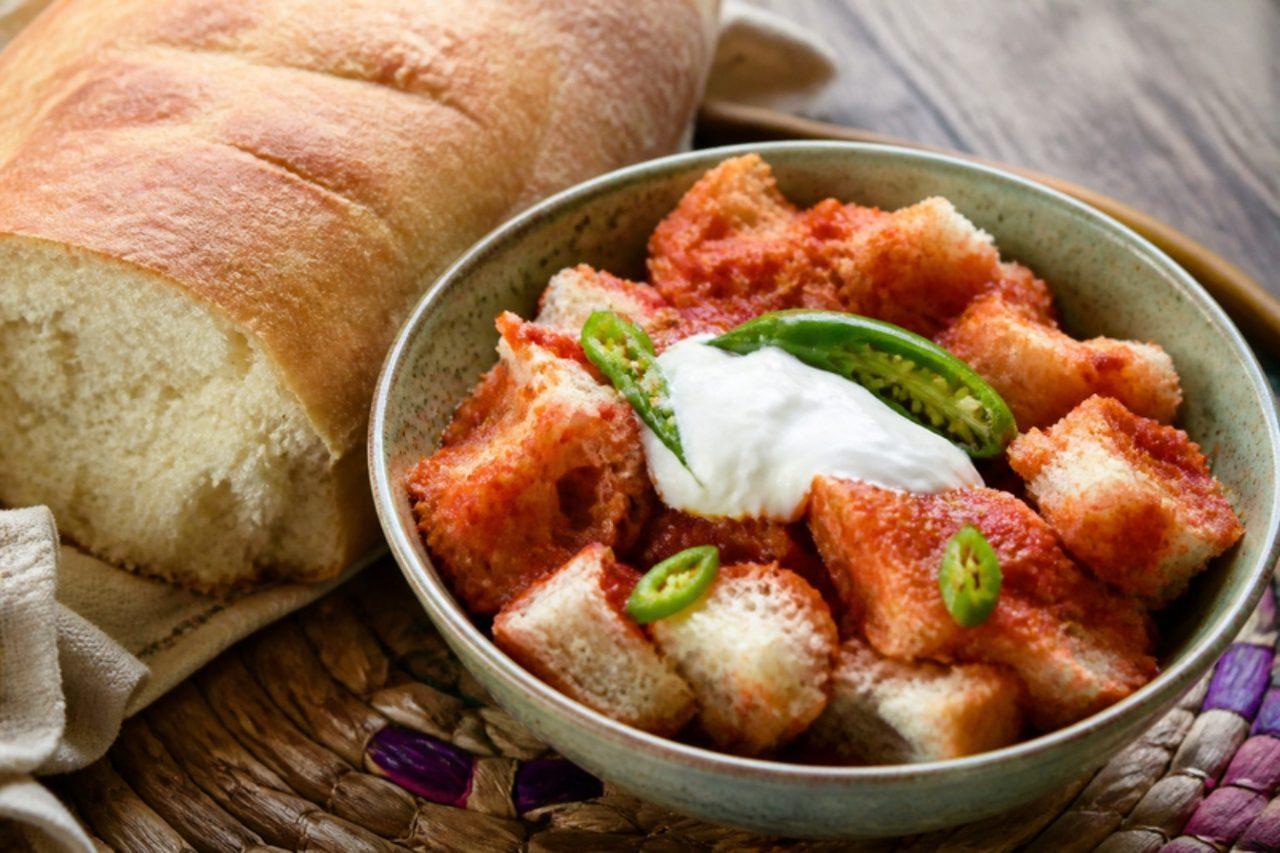
Dabo firfirBread in berbere sauce

Injera firfir is the famous one, but Addis Ababa cafés and Bole apartment kitchens make dabo firfir when there is yesterday's bread to use up: torn chunks of soft white dabo stirred into a quick sauce of red onion, tomato and berbere enriched with niter kibbeh, the spiced clarified butter. It is a hot, spicy, buttery breakfast, eaten with a spoon and a glass of sweet spiced tea, and children love the softer, less spicy version. On fasting days swap the butter for oil to make it vegan. Contains wheat and dairy. The mistake is drowning the bread so it turns to paste; toss it through the sauce off the heat so the edges stay a little chewy. Chef's tip: toast the torn bread in a dry pan for three minutes first; it drinks up the sauce without falling apart.

by KrazyBadal 0 views

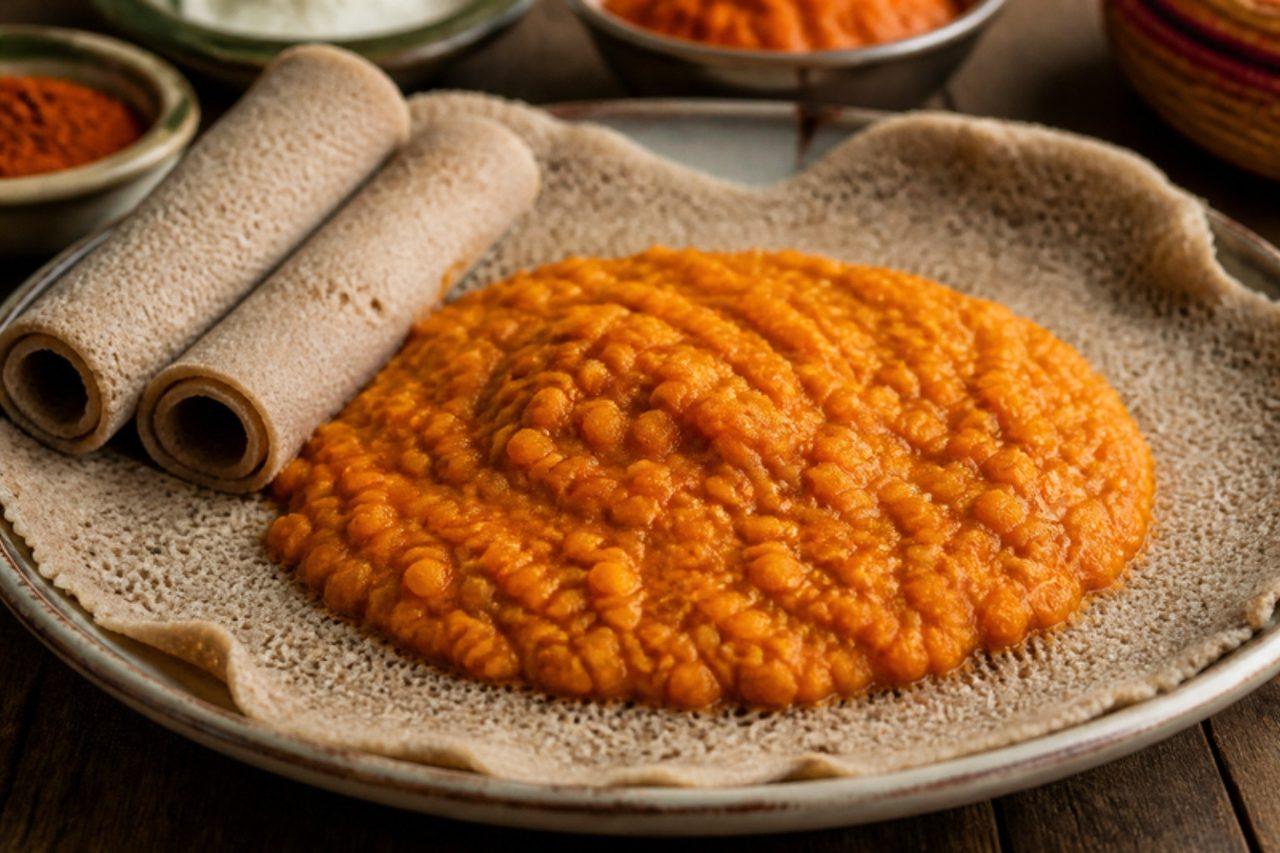
Misir alichaMild red lentil stew

Not everyone at the table in Gondar or Addis wants berbere, so the fasting platter almost always has a gentle yellow wat beside the red one: misir alicha, split red lentils cooked down with dry-sweated onion, garlic, ginger and turmeric until creamy. It is soft, warming and easy on children and anyone who finds misir wat too hot. The common mistake is letting the lentils cook to a thin soup; simmer uncovered at the end until it mounds on a spoon and sits on injera without running. Chef's tip: a sliced green chilli and a pinch of ground ajwain (netch azmud) stirred in at the end lift it without adding much heat.

by KrazyBadal 0 views

Ye-difin misir watSpicy brown lentil stew

The everyday misir wat of Addis Ababa's fasting houses is made with split red lentils, but in Tigray and Amhara homes many cooks prefer difin misir, whole brown or green lentils that keep their shape and give a thicker, nubbly stew with a deep, peppery berbere sauce. It is hearty, earthy and properly spicy, the backbone of a Lenten lunch with injera, cabbage and a cold salad. The mistake is adding the lentils to the sauce raw: whole lentils take far longer than the onions can stand, so cook them separately until tender first. Chef's tip: finish with a teaspoon of mitmita or a pinch of ground cardamom (korerima) just before serving for a fragrant top note.

by KrazyBadal 0 views

Shiro fitfitInjera in chickpea stew

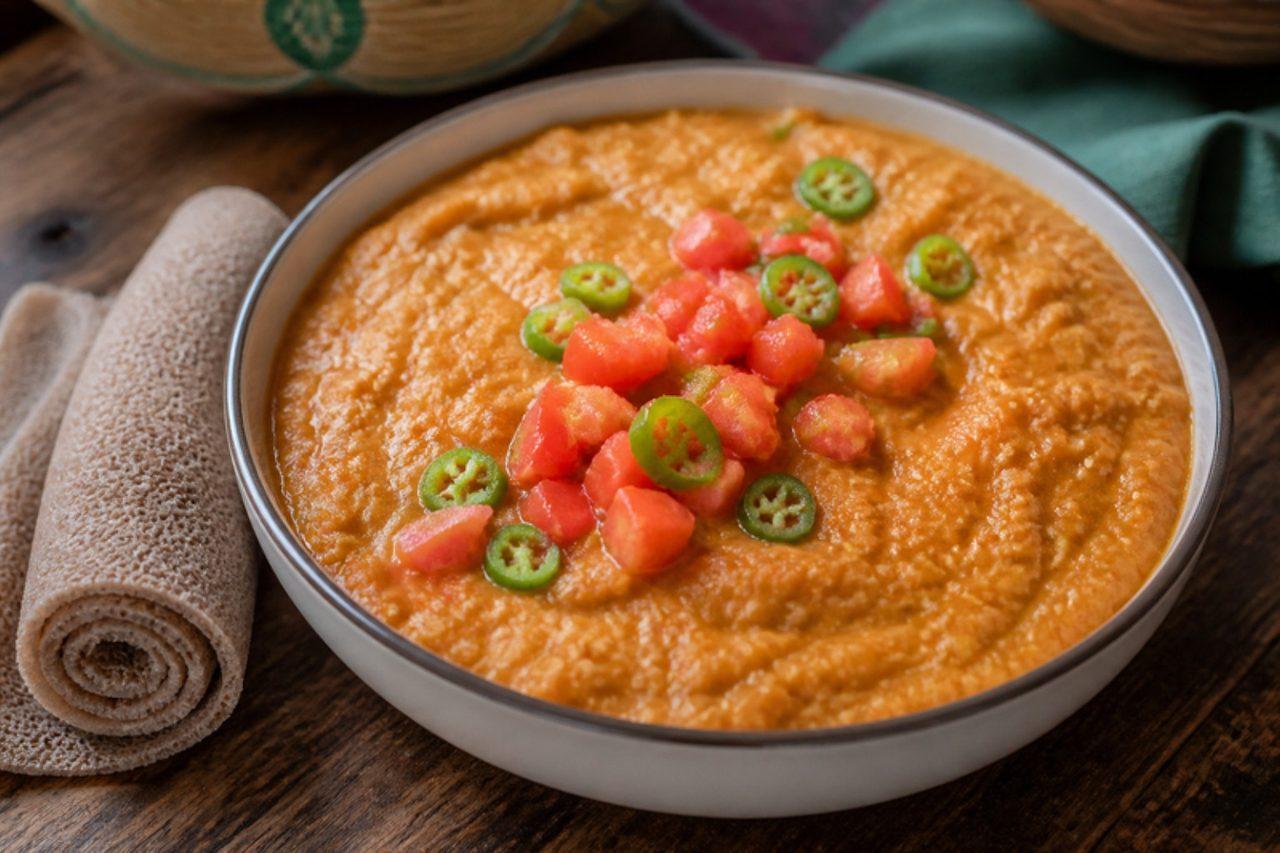
When last night's shiro and injera are both in the kitchen, Addis Ababa families turn them into shiro fitfit for breakfast: a quick, garlicky shiro sauce is made thin and loose, then torn injera is folded in to soak it up, and the bowl is topped with chopped tomato and green chilli. It is soft, savoury and spicy, eaten with a spoon or a fresh piece of injera on fasting mornings. Many injera contain some wheat, so it isn't gluten free unless the injera is pure teff. The mistake is making the shiro too thick, which coats the injera rather than soaking in; keep it like single cream. Chef's tip: use day-old injera; fresh injera turns to mush, while slightly dry pieces soak up the sauce and keep a bit of chew.

by KrazyBadal 0 views

Pla neung manao (steamed fish in lime and chilli)Steamed fish with lime and chilli

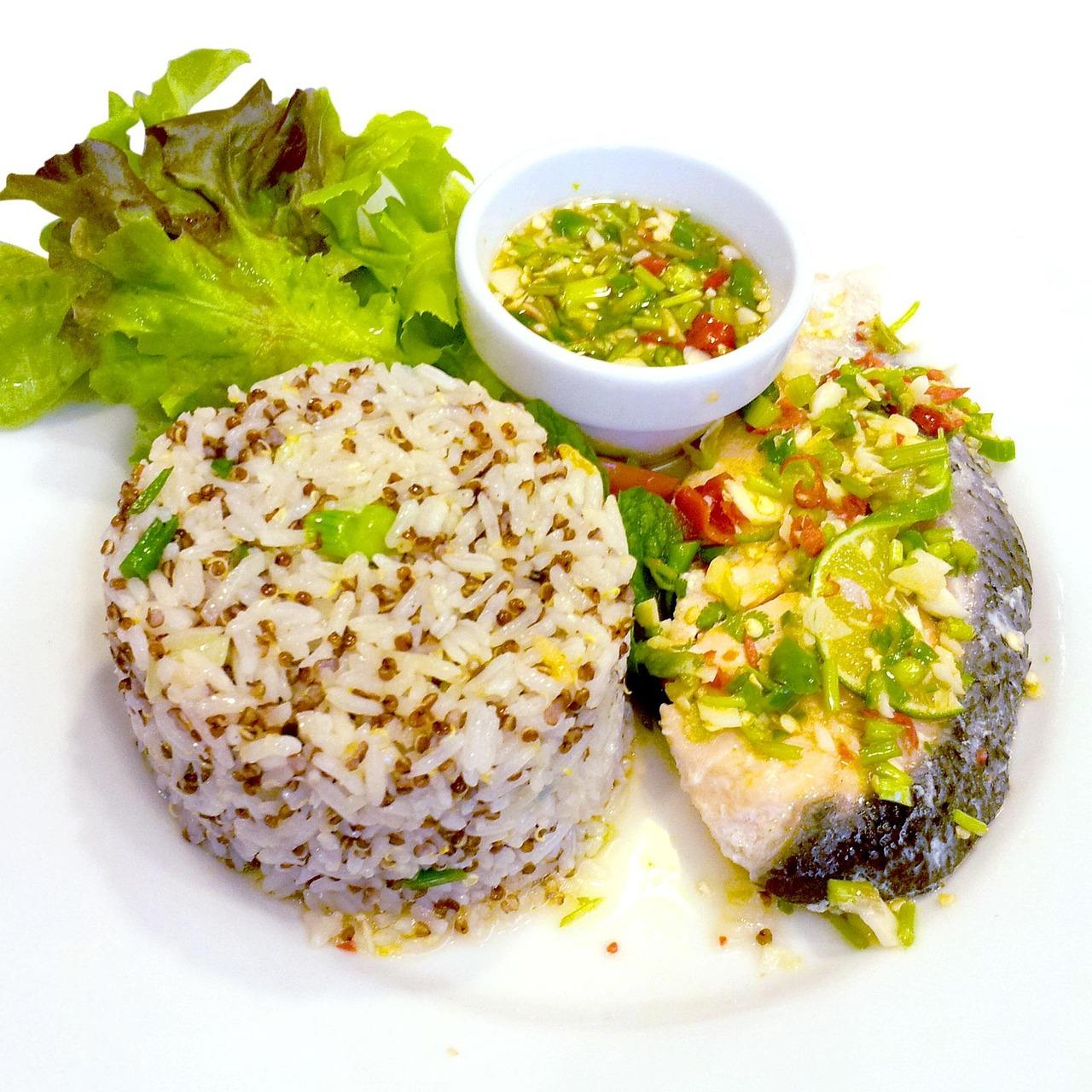
Restaurants all over Bangkok bring this dish to the table in a fish-shaped steamer with a flame underneath, the fish swimming in a broth of garlic, chilli, lime and fish sauce that keeps bubbling as you eat. Sea bass (pla kapong) is the usual choice. It is clean, sour and very garlicky, ideal for a light dinner with rice and a plate of greens. A whole fish is traditional; two thick fillets work just as well and steam faster. Chef's tip: pour the sauce over at the end, not before steaming; lime cooked for 15 minutes loses its freshness and turns bitter.

35 minThaiFishGluten freeSpicy
by KrazyBadal 0 views

Showing 24 of 301 recipes

Show more recipes

Page 1 of 13